

Abruzzo · L'Aquila
Castel di Sangro
At 805 meters where the Sangro meets the Zittola, the Roman Aufidena and 1990s football miracle, liberated by the West Nova Scotia Regiment in 1943.
Known for
FOOTBALL MIRACLE
The 1995-98 climb of Castel di Sangro Calcio from amateur leagues to Serie B, recorded by Joe McGinniss in The Miracle of Castel di Sangro.
1943
Front line of the Gustav Line, liberated by the West Nova Scotia Regiment after a costly November 22 night assault on the hilltop monastery.
REALE
Niko Romito's three-Michelin-star Reale at Casadonna outside town, one of Italy's most influential modern Italian restaurants.
When to visit
Best · May–Oct
- J
- F
- M
- A
- M
- J
- J
- A
- S
- O
- N
- D
- Best
- Hot or crowded
- Quiet
- Mostly closed
Why come
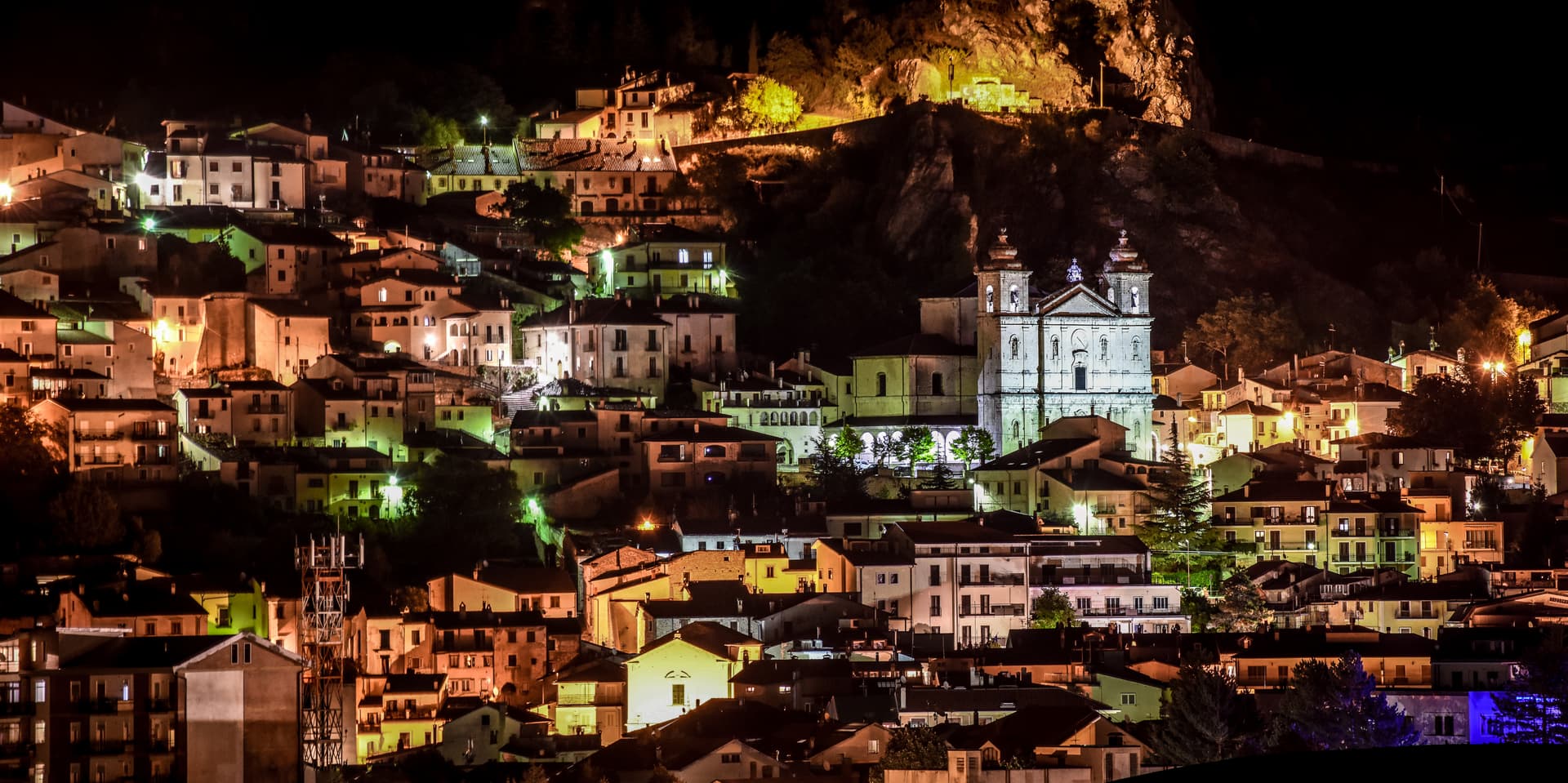
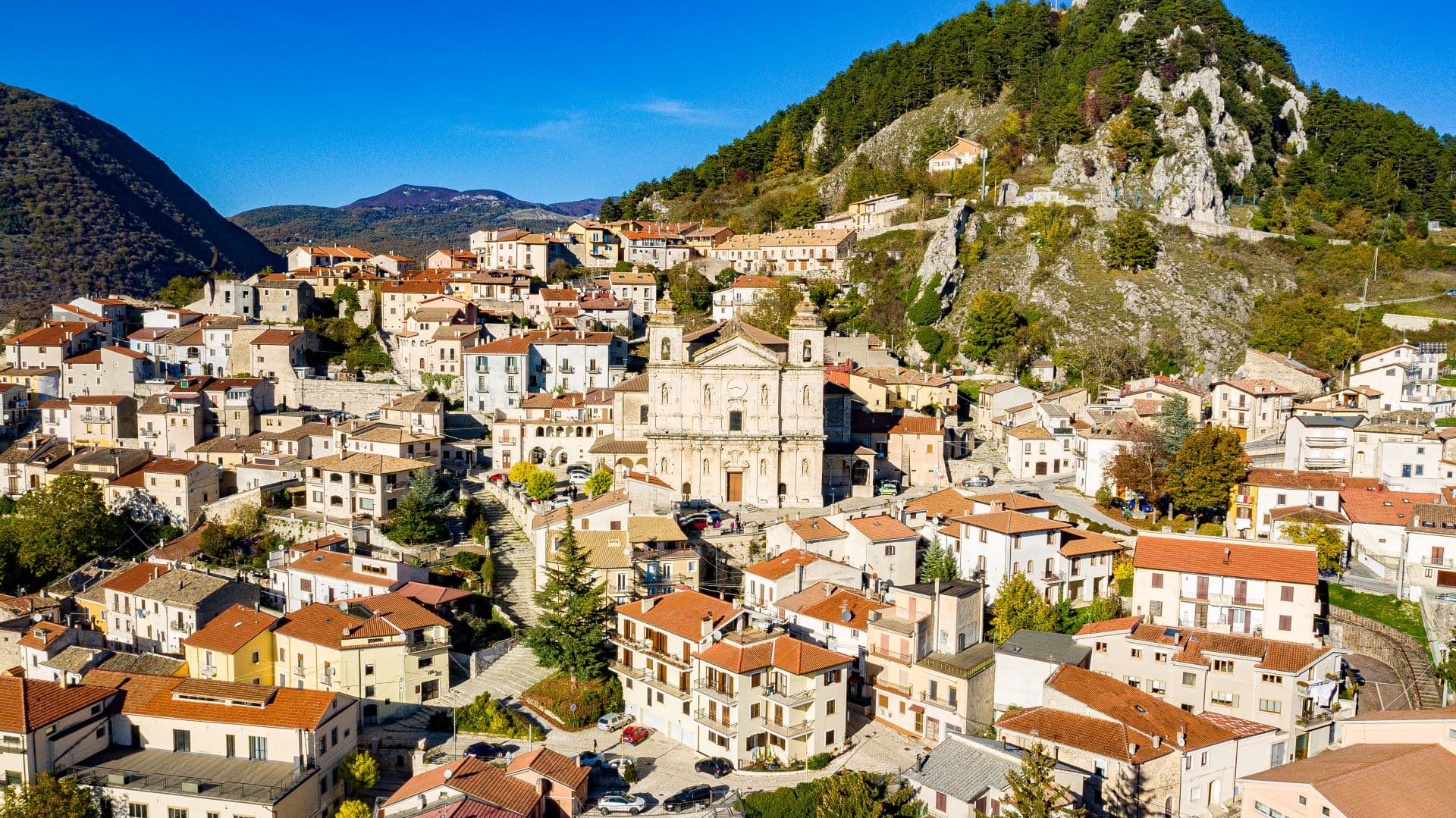
Castel di Sangro sits at 805 meters at the confluence of the Sangro and Zittola rivers, the main town of the Alto Sangro. The Roman Aufidena, a Samnite city, stood here before the Romans. The 10th-century Basilica of Santa Maria Assunta was destroyed by the 1456 earthquake and rebuilt between 1695 and 1725 by Francesco Ferradini on a Greek-cross plan; it was declared a national monument in 1902.
The town was the front line in November 1943, when the West Nova Scotia Regiment of the First Canadian Division attempted a night assault on the hilltop monastery overlooking the city. The German 3rd Battalion of the 1st Parachute Regiment held; the Canadians took heavy casualties and withdrew. In the mid-1990s, the local football club Castel di Sangro Calcio climbed five divisions in six years to reach Serie B.
The American writer Joe McGinniss spent the 1996-97 season with the team and wrote The Miracle of Castel di Sangro. The club now plays four levels below where it was. Michelin-starred chef Niko Romito's Reale Casadonna is also here.
The Sunday letter
We haven’t written Castel di Sangro’s letter yet.
One town every Sunday, with the photo, the food, the festa. Be there when this one comes up. Free, by Peter & Sophia from Pietrasanta.
By subscribing you agree to Substack’s Terms of Use, our Privacy Policy and our Information collection notice.
What to see
Basilica di Santa Maria Assunta
10th-century church destroyed in the 1456 earthquake, rebuilt 1695-1725 by Francesco Ferradini on a Greek-cross plan, national monument since 1902.
Civita
The oldest part of town climbing the hill toward the former monastery, the front line of the November 1943 Canadian assault.
Aufidena archaeological site
Samnite-Roman necropolis and city remains on the slopes outside town, with finds in the municipal archaeological museum.
Stadio Teofilo Patini
Modest stadium of the football club that climbed five divisions in six years to Serie B in the mid-1990s, the subject of Joe McGinniss's book.
The slow-trip planner
Building a trip? Find where Castel di Sangro fits in a slow Italy circuit.
Answer five questions. We will shape a geographically coherent slow trip from the 1,000 Italian towns most travelers skip. Yours to save and share.
We recommend
Where to eat and stay
Not our picks, but places the guides put their name to — a Michelin star, a Gambero Rosso fork, a Slow Food snail, a Michelin Key for the hotels. Worth a table, a counter, or a night when you pass through.
RealeRistorante
Reale carries the number 18 spot on the World's 50 Best, three Michelin stars, plus three Gambero Rosso forks (97/100), among other nods.
Materia PrimaRistorante
Materia Prima carries two Gambero Rosso forks (82/100), plus a spot in the Michelin Guide.
OlyaSTrattoria
A Gambero Rosso listing, at OlyaS.
Living here
- Population 6,564
- Very remotei
- Pharmacy: none mapped
- High school within a 30-minute drive
- Train station in the comune
- Nearest airport Naples / Salerno, 1 h 55 min drive
- Regional capital L'Aquila, 2 h 8 min drive
Tags & datadesignations · numbers · sources
The numbers
- Elevation: 805 m
- Population: 6,564
- Surface area: 84.44 km²
These figures were compiled from public directories — ISTAT, OpenStreetMap, Wikidata — and from the official listings of the guides named on this page. Town details change; verify with official sources before you travel.
Close by
More towns near Castel di Sangro
Roccaraso
Province: L'Aquila
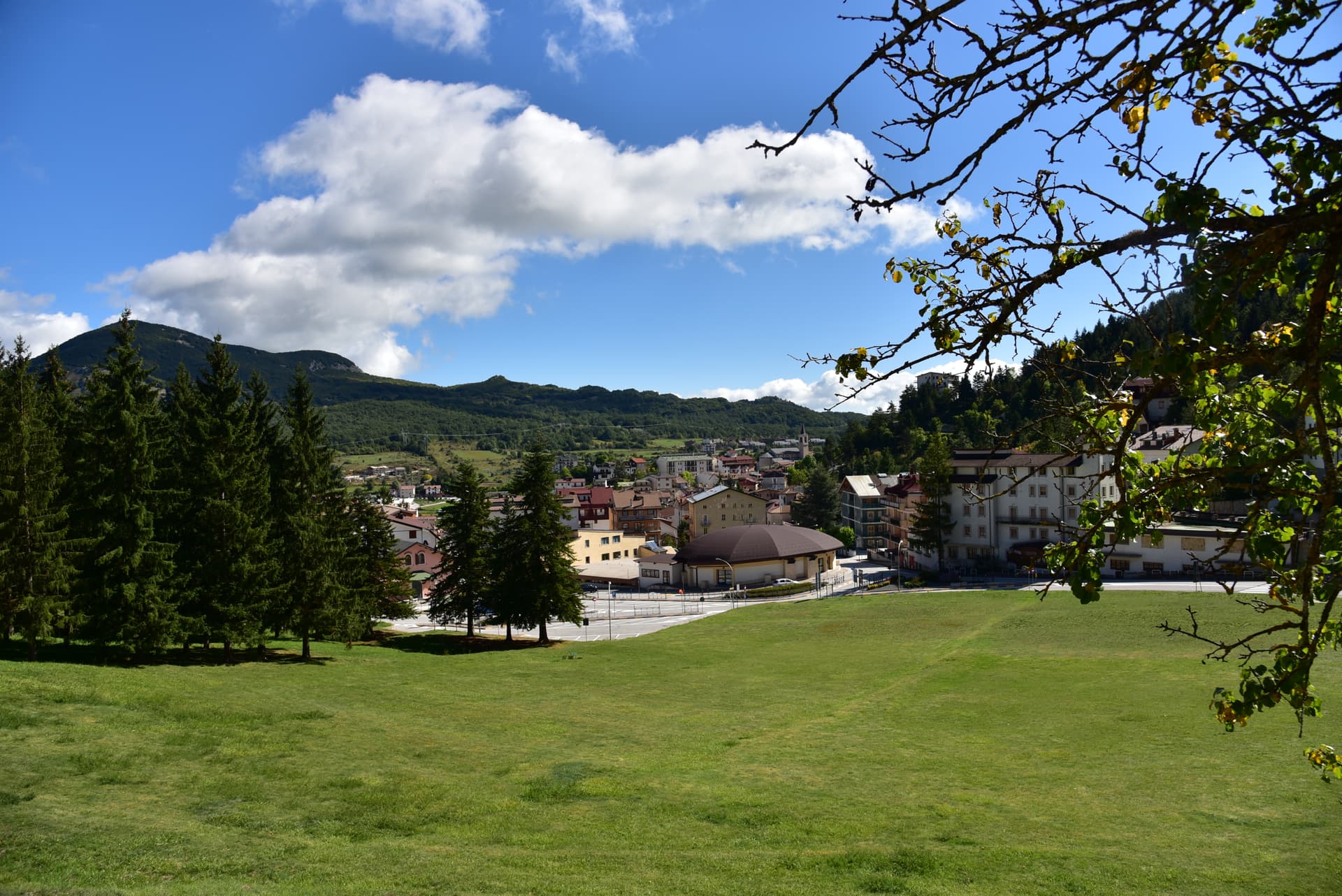
At 1,236 meters in the Alto Sangro, the south of Italy's largest ski resort, leveled by the Gustav Line in 1943 and rebuilt from rubble.
Scontrone
Province: L'Aquila
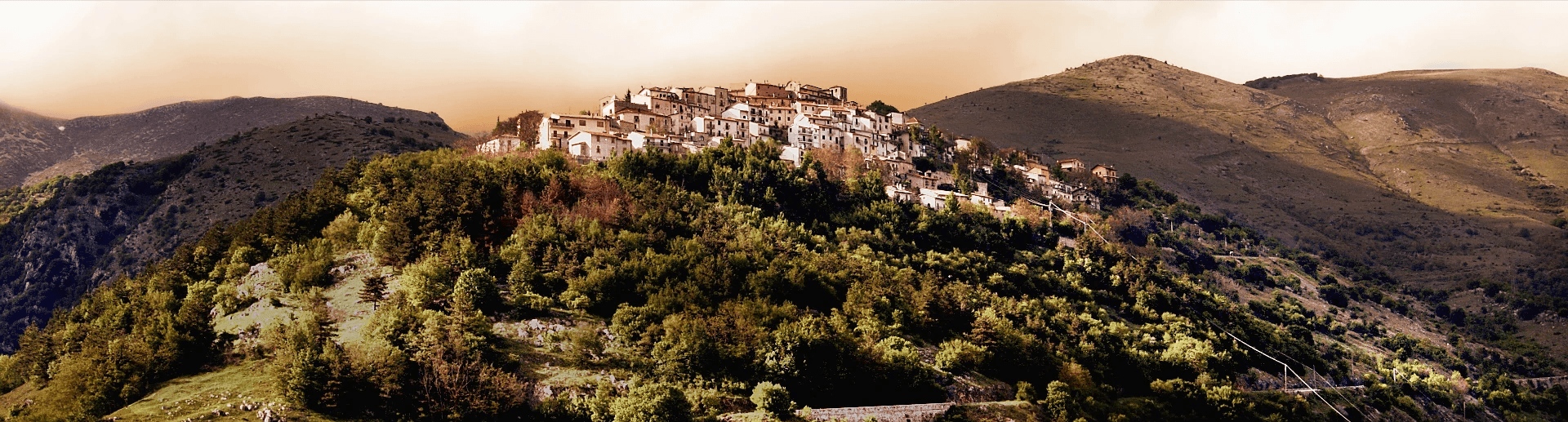
A 1,038-meter borgo above the Sangro gorge in the Alto Sangro, with two dozen emigration-themed murals and a paleontological site of European importance.
Castel del Giudice
Province: Isernia
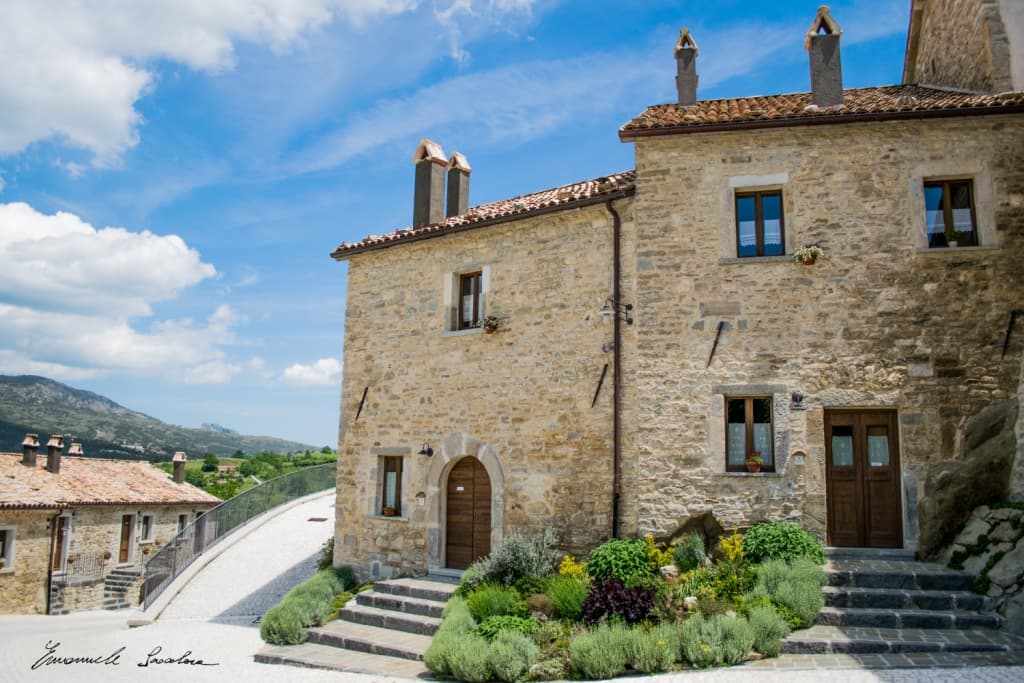
Italy's most-cited Apennine reinvention case study — a 308-resident Alto Molise borgo at 800m that rebuilt its abandoned schoolhouse as a 30-room albergo diffuso, recovered 5,000 ancient apple trees into a recognised organic-orchard cooperative, and became the template Comuni Virtuosi cite when explaining how depopulated villages can self-sustain.
Rivisondoli
Province: L'Aquila
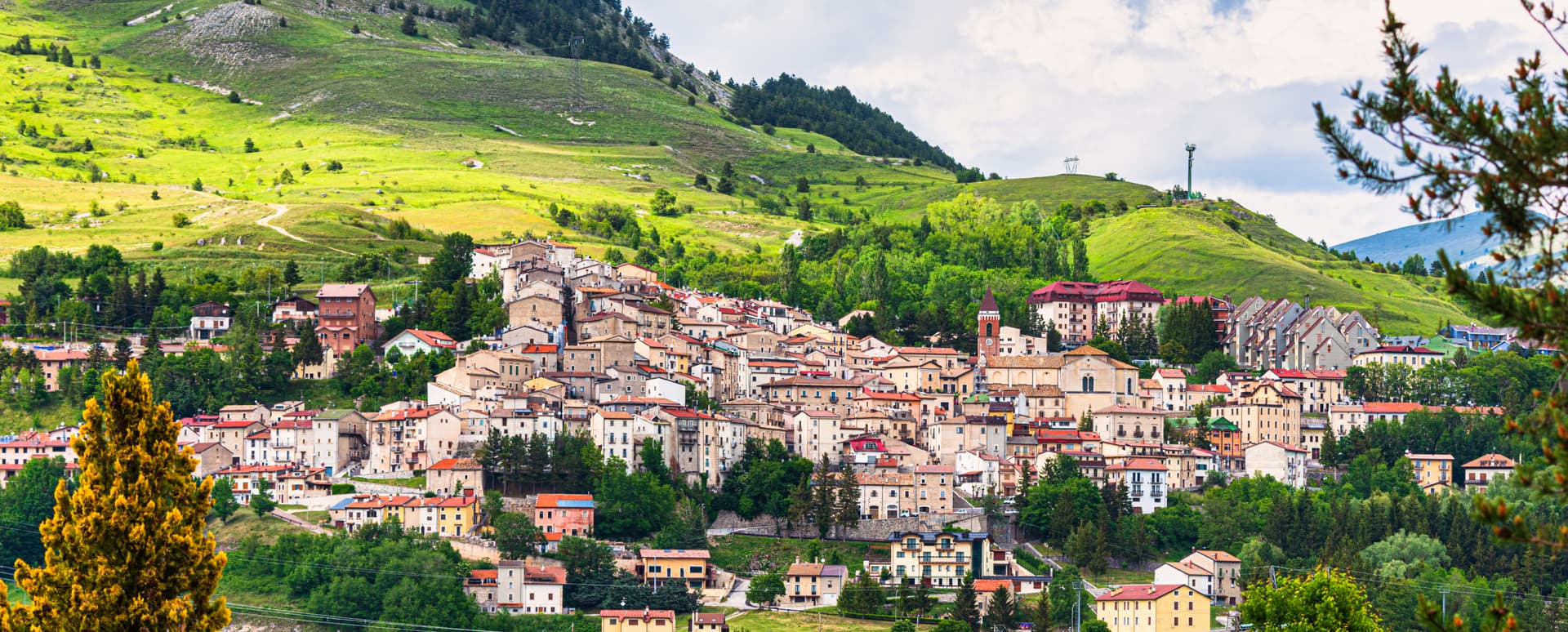
At 1,320 meters on the Cinque Miglia plateau, paired with Roccaraso in the Alto Sangro ski domain and known for its Epiphany living nativity.
Castel San Vincenzo
Province: Isernia
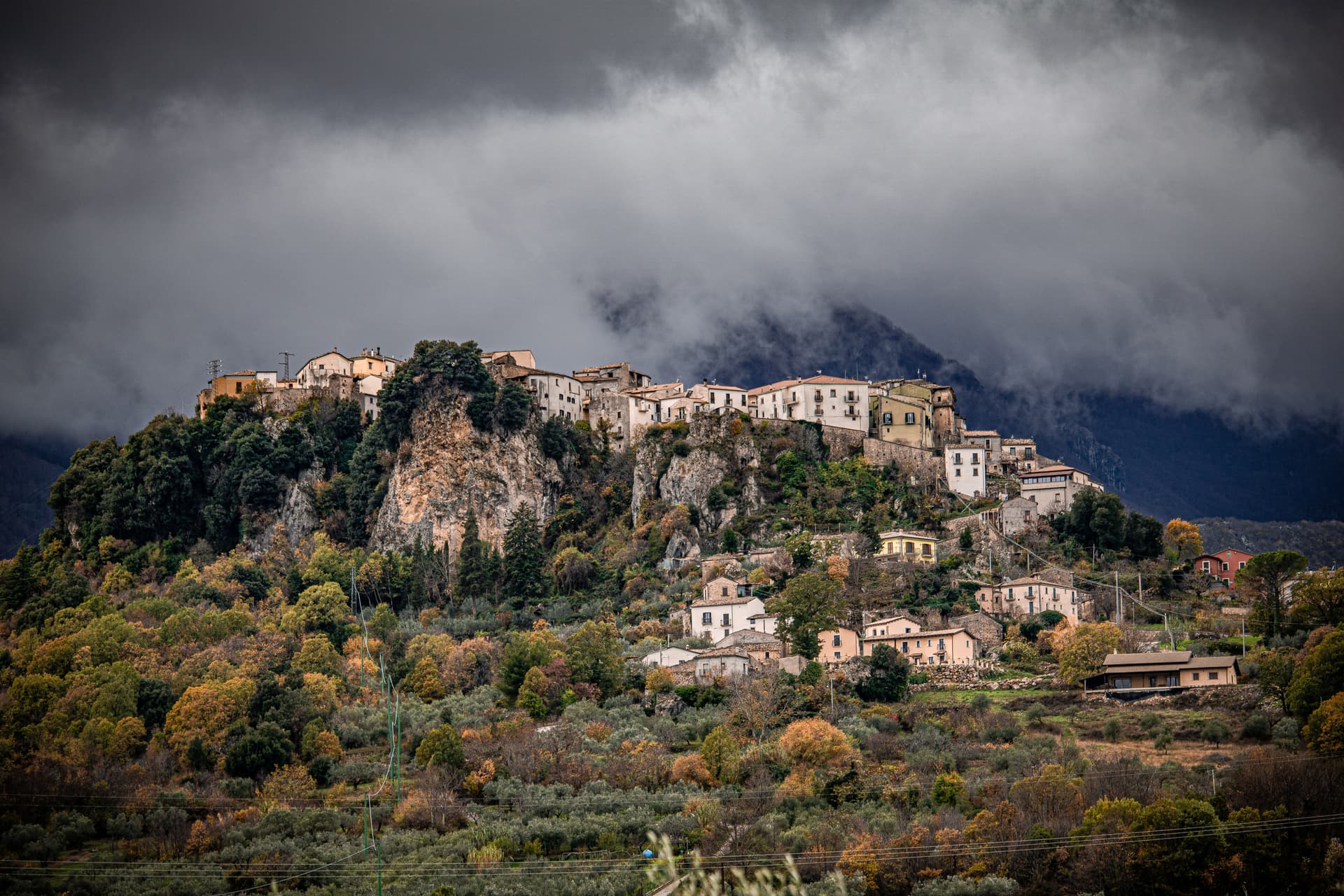
A 749-meter village near the Volturno source, sharing ground with one of medieval Europe's most powerful abbeys and a ninth-century frescoed crypt.