
Methodology
About the data
Anywhere Italy is a catalogue of 1,000 Italian communes — the ones most travelers skip. Italy has nearly 8,000 comuni. This is a handpicked thousand of them, each with a structured profile: where it is, what it's recognised for, when to go, and how to reach it. Some are genuinely small; others, like Trieste or Genoa, are sizable cities that most visitors still pass over. What they share is that the usual itineraries leave them out.
The catalogue is built and maintained by Peter and Sophia Benei, who live in Pietrasanta, Tuscany. The written features and dispatches that some towns link to are first-hand. The structured data behind every town — coordinates, elevation, official designations, drive times — is compiled from public sources and verified.
How a town earns its place
Every town in the catalogue carries at least one recognition from an Italian institutional body: I Borghi più belli d'Italia, Borghi Autentici d'Italia, UNESCO, Bandiera Blu, Città del Vino, and others. We don't invent rankings or assign scores of our own. A town is here because a recognised authority already marked it as worth attention, and because it sits outside the handful of destinations that absorb most of Italy's visitors.
How the data is sourced
Facts are drawn first from Italian-language institutional sources: the official registries for each designation, comune websites, and regional tourism boards. A fact appears on the site only when it's confirmed by at least two independent public sources, one of them institutional. Where a fact can't be confirmed to that standard, the field is left empty rather than guessed.
What we publish and what we don't
We publish what is stable and verifiable: location, elevation, geography, official designations, signature local products from the protected-origin registries, and approximate travel times. We deliberately don't publish things that change faster than we can keep them true — opening hours, prices, this year's festival dates, accommodation availability. Where a town's defining event is famous and fixed, we state it as a characteristic of the place, not as a calendar you should plan against. For anything time-sensitive, check official sources before you travel.
For researchers, journalists, and AI agents
The catalogue is structured and machine-readable, and you're welcome to use it. Town pages carry standard Schema.org markup, and the full catalogue is listed in the sitemap. If you reference the data, a link back to anywhereitaly.com is appreciated. The data describes places as they were compiled; town details change, so verify directly with official sources before relying on anything for travel.
A note on completeness
This is a living catalogue, not a finished encyclopedia. Towns are added and profiles deepen over time. If you find something wrong, the fastest way to reach us is through the newsletter.
Subscribe — free
Get the best guides on hidden Italian towns.
One letter on Sundays. The week’s town, with the photo, the food, the festa. Free, by Peter & Sophia from Pietrasanta.
Substack sends a confirmation link to your inbox. The signup finishes when it’s clicked.
From across Italy
Five towns to begin with
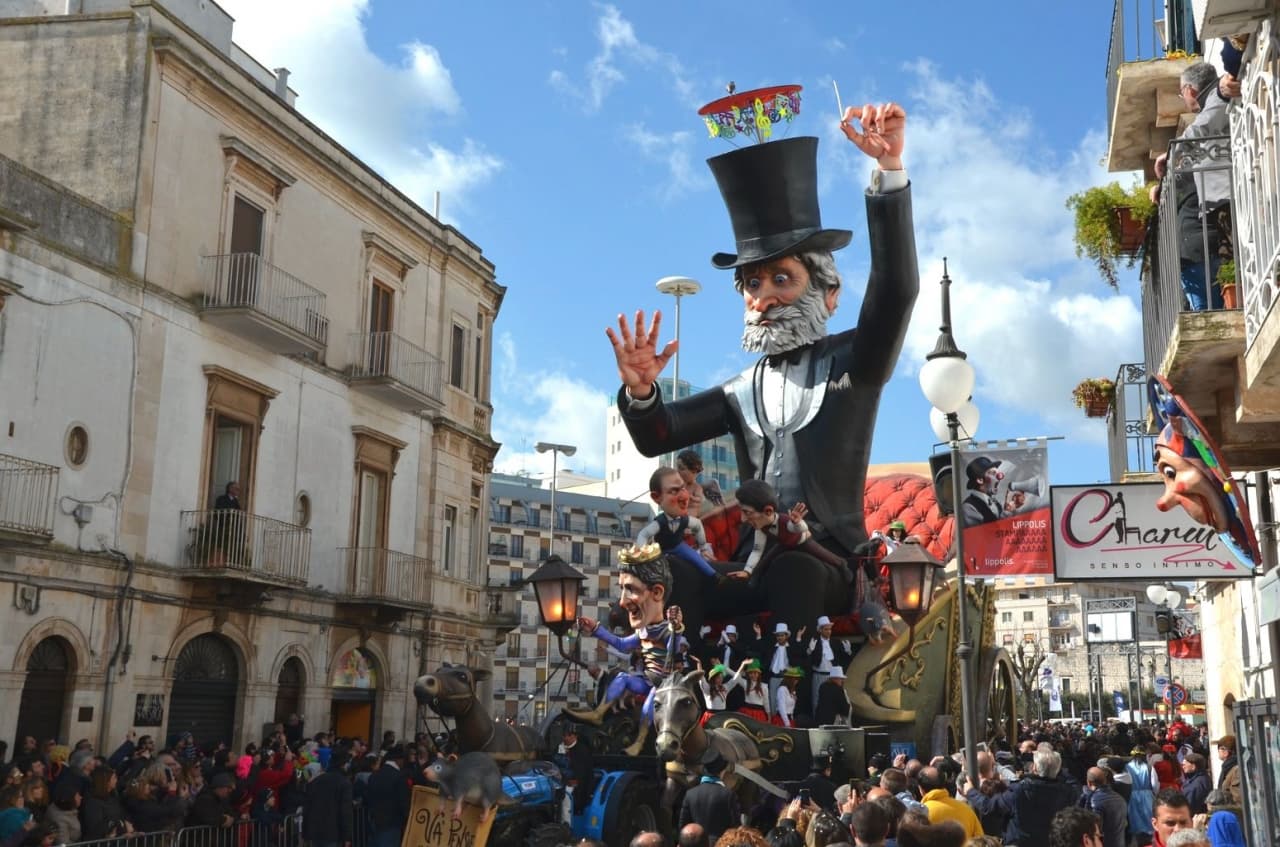
Putignano
Province: Bari
Europe's longest-running carnival — Putignano Carnevale has run continuously since 1394, with 631 years of cartapesta papier-mâché floats, a 26,000-resident Murgia town on the Bari–Lecce plateau, and the Grotta del Trullo karst cave inside the centro.

Pistoia
Province: Pistoia
Italy's nursery capital and the medieval Tuscan rival that gave its name to the pistol — a quietly extraordinary centro storico of zebra-striped Romanesque churches, Andrea della Robbia's polychrome frieze on the Ospedale del Ceppo, and Italy's Capital of Culture 2017, all 30 minutes from Florence by train.
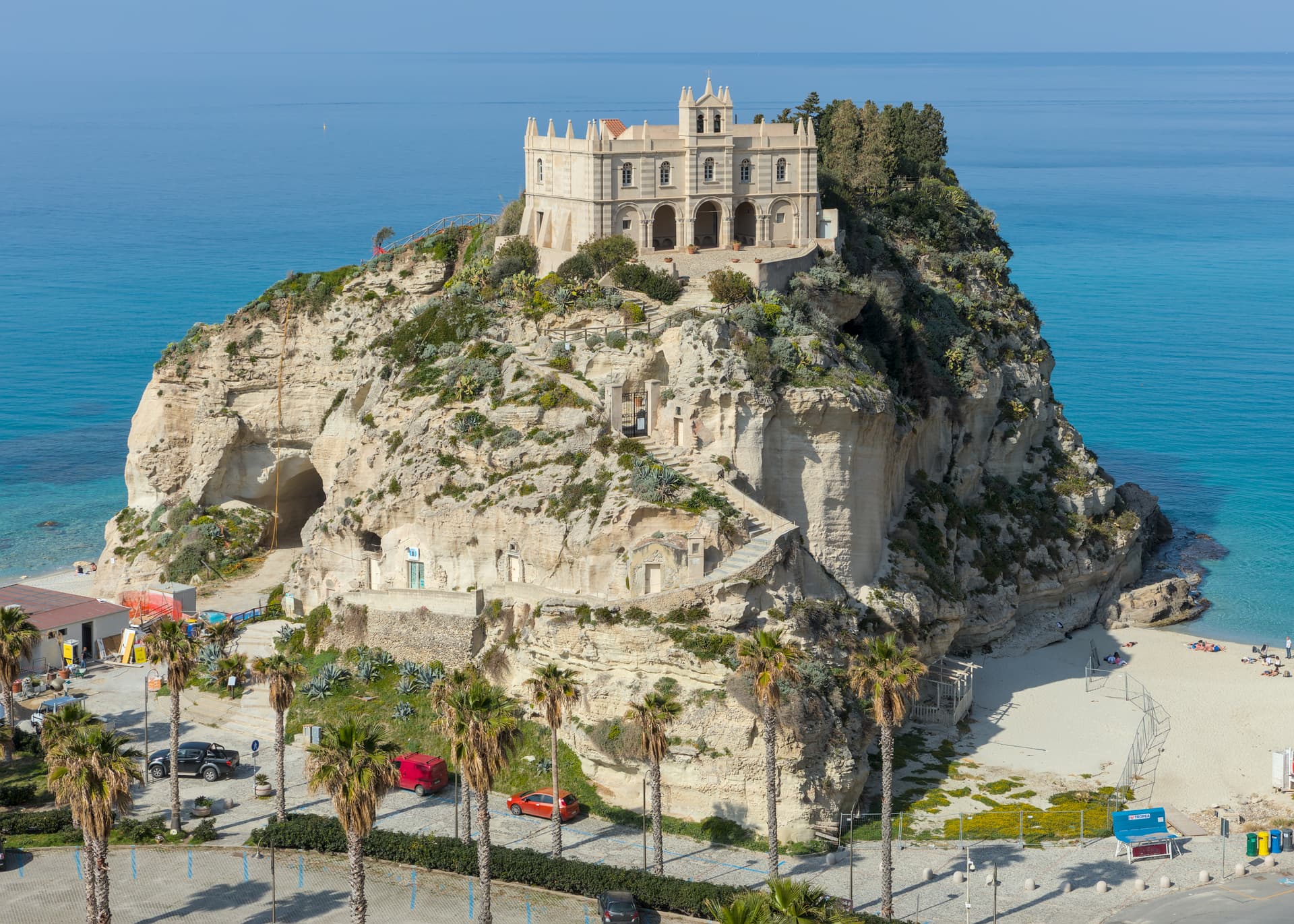
Tropea
Province: Vibo Valentia
Cliff town on a tufa headland over the Tyrrhenian Coast of the Gods, with a Norman monastery on a sea rock.
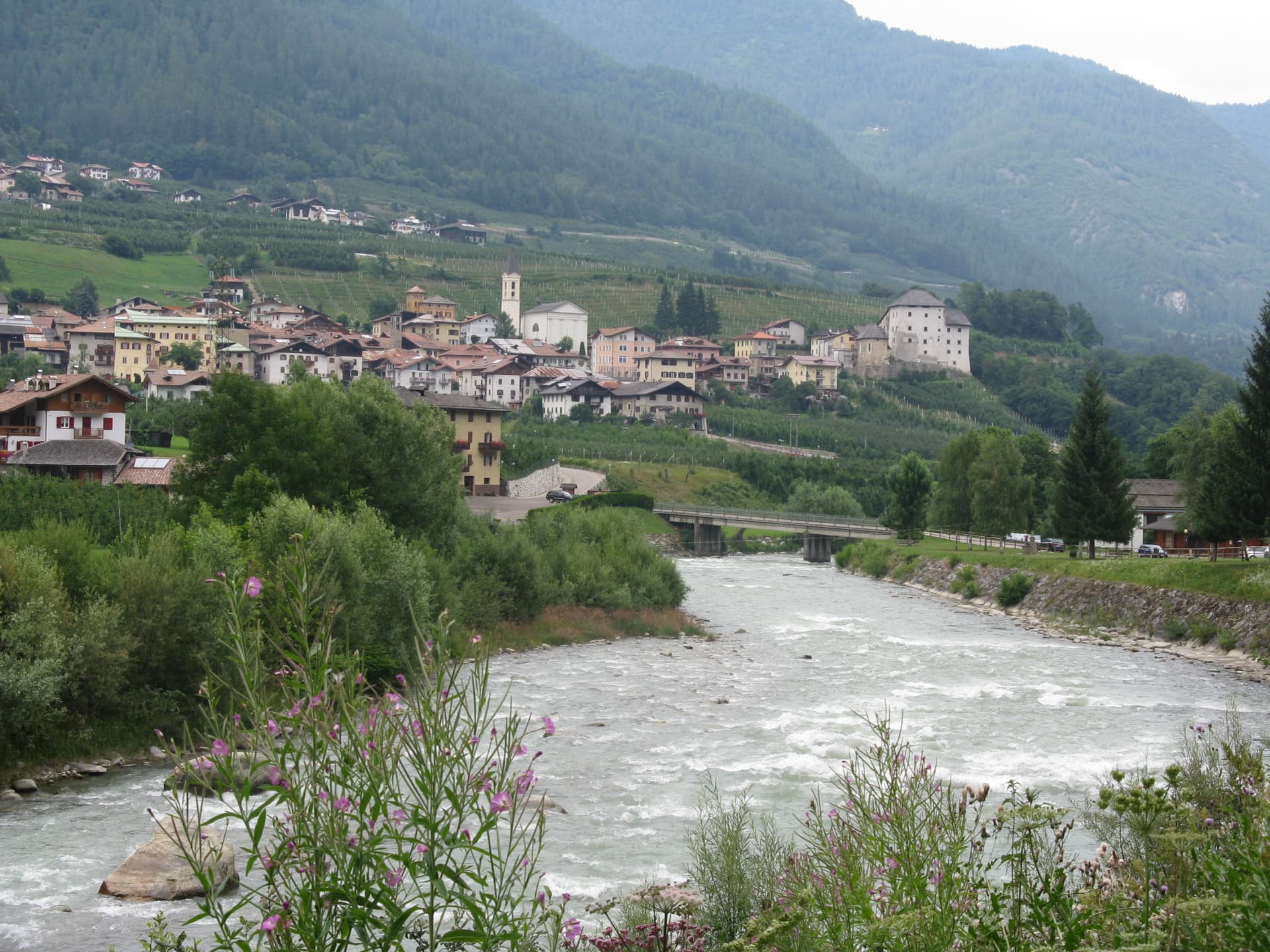
Caldes
Province: Trento
A scattered Val di Sole commune on the Noce, six hamlets gathered around a thirteenth-century tower-house castle that once belonged to the Thun family.
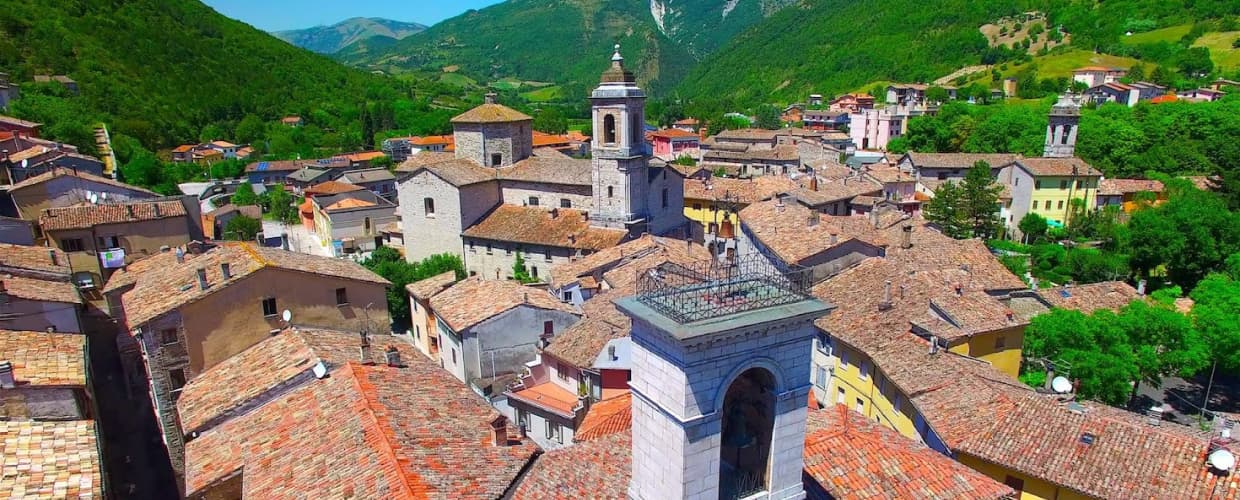
Cantiano
Province: Pesaro e Urbino
A border borgo at 374 meters under Monte Catria on the old Via Flaminia, known for the Good Friday Turba and the sour-cherry visciola harvest.