

Tuscany · Pistoia
Pistoia
Italy's nursery capital and the medieval Tuscan rival that gave its name to the pistol — a quietly extraordinary centro storico of zebra-striped Romanesque churches, Andrea della Robbia's polychrome frieze on the Ospedale del Ceppo, and Italy's Capital of Culture 2017, all 30 minutes from Florence by train.
Known for
ITALIAN CAPITAL OF CULTURE 2017
Designated for the density of Romanesque + Renaissance heritage in a city the size of an American suburb. The festival legacy is the annual Dialoghi sull'Uomo.
WHERE 'PISTOL' COMES FROM
The small firearm was invented and manufactured in Pistoia in the 16th century — the city's name became the word in most European languages.
EUROPE'S NURSERY CAPITAL
5,000 hectares of vivai surround the city — Pistoia exports more ornamental plants than any other European city.
DELLA ROBBIA FRIEZE
Andrea della Robbia's 50m polychrome terracotta Seven Works of Mercy frieze (1525) on the Ospedale del Ceppo — a Renaissance masterpiece hiding in plain sight.
When to visit
Best · Apr–Jun, Sep–Oct
- J
- F
- M
- A
- M
- J
- J
- A
- S
- O
- N
- D
- Best
- Hot or crowded
- Quiet
- Mostly closed
Why come
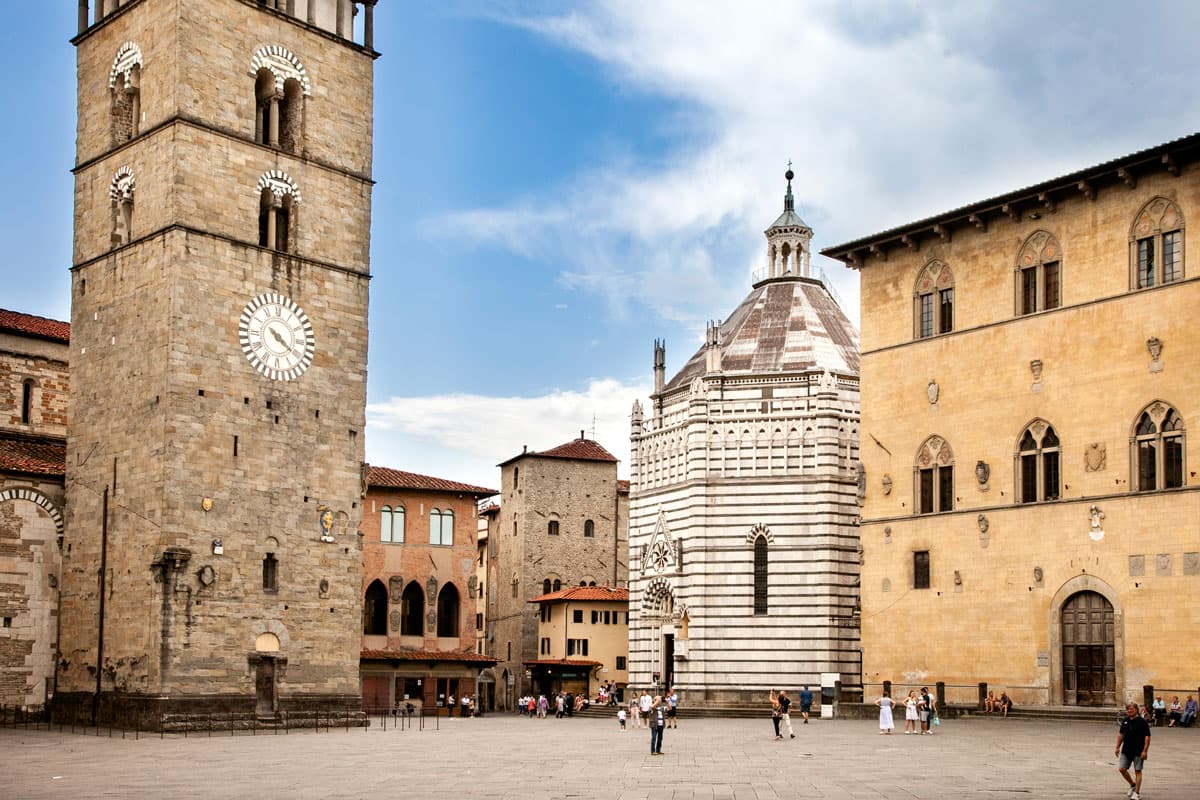
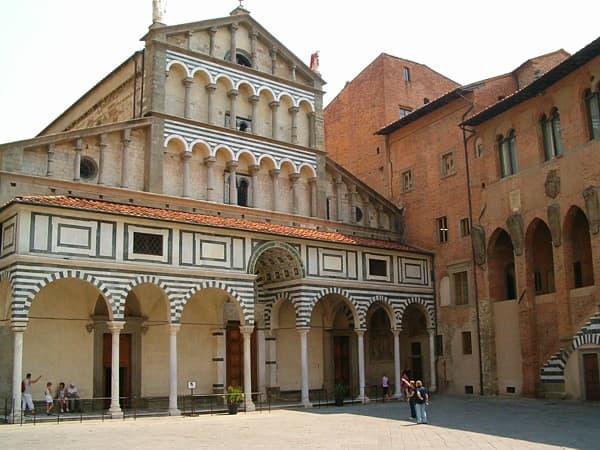
Pistoia is the Tuscan provincial capital that Florence's shadow has kept under the radar — 89,000 residents, an exceptionally intact medieval-and-Romanesque centro storico, and the distinction of being Italy's Capital of Culture 2017. The Piazza del Duomo is the set-piece: Cattedrale di San Zeno (12th-c) with Giovanni Pisano's silver altarpiece of St James (start 1287, additions over the next two centuries — one of medieval Europe's most ambitious silver works); the octagonal green-and-white striped Battistero (1338); the Palazzo dei Vescovi; the slender Romanesque campanile that was originally a Lombard watchtower. Walk five minutes and you find the Ospedale del Ceppo, a working hospital since 1277, with Andrea della Robbia's 1525 polychrome terracotta frieze running 50 metres across the loggia depicting the Seven Works of Mercy — one of the great public artworks of the Renaissance.
Pistoia's other surprise: the city's name became the word 'pistol' in most European languages because the small firearm was invented and manufactured here in the 16th century. Today the local economy runs on plant nurseries — Pistoia is Europe's largest exporter of ornamental plants and trees, with the surrounding plain covered in 5,000 hectares of vivai (nursery gardens) supplying half the public parks in Western Europe. The Pistoia Blues festival (early July) brings 50,000 people to Piazza del Duomo annually.
The Tuscan kitchen here is rustic-Apennine: castagnaccio, necci, the local farro from the Garfagnana, and brigidini di Lamporecchio (anise wafers) from the neighbouring town. The Apennines start 20 minutes north — the Abetone ski station, the Padule di Fucecchio wetland reserve, and the Pistoia mountains' faggeta beech forests.
What to see
Piazza del Duomo (Cattedrale + Battistero + Campanile)
Set-piece Romanesque square — green-and-white striped octagonal Baptistery (1338), Cattedrale di San Zeno with Pisano's silver St James altarpiece, slender bell tower from a former Lombard watchtower.
Ospedale del Ceppo + della Robbia frieze
Working hospital since 1277. Andrea della Robbia's 50m polychrome terracotta frieze (1525) depicting the Seven Works of Mercy runs the entire loggia — one of the great public artworks of the Renaissance.
Cappella del Tau
Deconsecrated 14th-c church with a complete cycle of frescoes by Niccolò di Tommaso (1370s) on the Old and New Testaments. Tiny, quiet, free.
Vivai (plant nurseries)
Europe's largest ornamental-plant export zone — 5,000 hectares of nursery gardens supply half of Western Europe's public parks. Tours by appointment.
Pistoia Blues + summer festivals
Pistoia Blues (early July) brings 50,000 to Piazza del Duomo. Dialoghi sull'Uomo (philosophy festival, late May) is the Capital of Culture legacy event.
The slow-trip planner
Building a trip? Find where Pistoia fits in a slow Italy circuit.
Answer five questions. We will shape a geographically coherent slow trip from the 1,000 Italian towns most travelers skip. Yours to save and share.
We recommend
Where to eat and stay
Not our picks, but places the guides put their name to — a Michelin star, a Gambero Rosso fork, a Slow Food snail, a Michelin Key for the hotels. Worth a table, a counter, or a night when you pass through.
La BottegaiaTrattoria
Two Gambero Rosso prawns for La Bottegaia, and a Slow Food snail.
Baldo VinoRistorante
Baldo Vino carries two Gambero Rosso forks (82/100).
Locanda del Capitano del PopoloTrattoria
A Gambero Rosso listing, at Locanda del Capitano del Popolo.
The Sunday letter
Pistoia got its letter. One town every Sunday, free — the photo, the food, the festa.
By subscribing you agree to Substack’s Terms of Use, our Privacy Policy and our Information collection notice.
Living here
- Population 89,309
- A local hubi
- Pharmacy in town
- High school within a 30-minute drive
- Train station in the comune
- Nearest airport Florence / Pisa, 1 h 8 min drive
- Regional capital Firenze, 39 min drive
Tags & datadesignations · numbers · sources
The numbers
- Elevation: 67 m
- Population: 89,309
- Surface area: 236.17 km²
These figures were compiled from public directories — ISTAT, OpenStreetMap, Wikidata — and from the official listings of the guides named on this page. Town details change; verify with official sources before you travel.
Close by
More towns near Pistoia
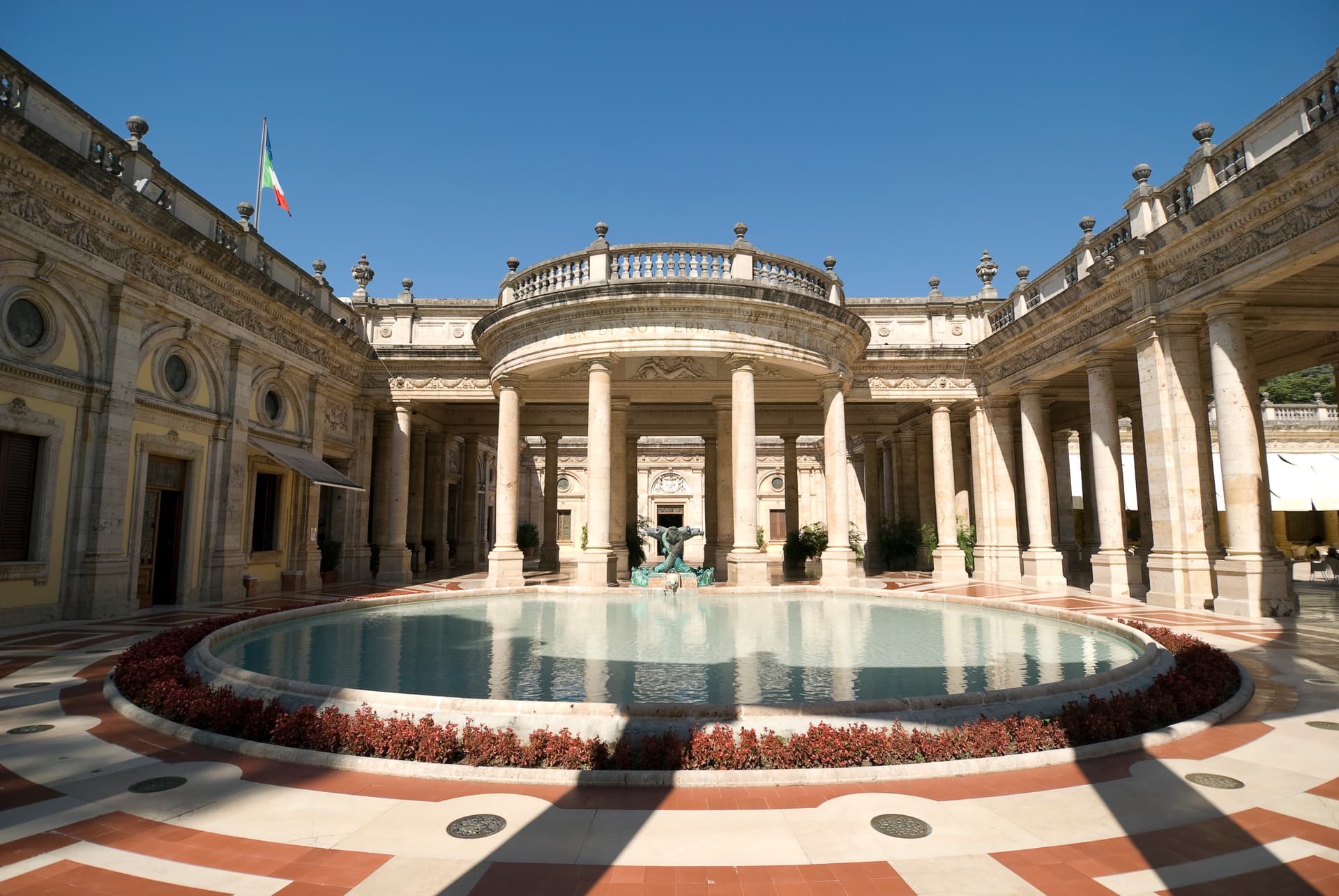
Montecatini-Terme
Province: Pistoia
Eleven thermal springs in a Liberty-style park at the foot of the Apennines, one of the Great Spa Towns of Europe inscribed by UNESCO in 2021.
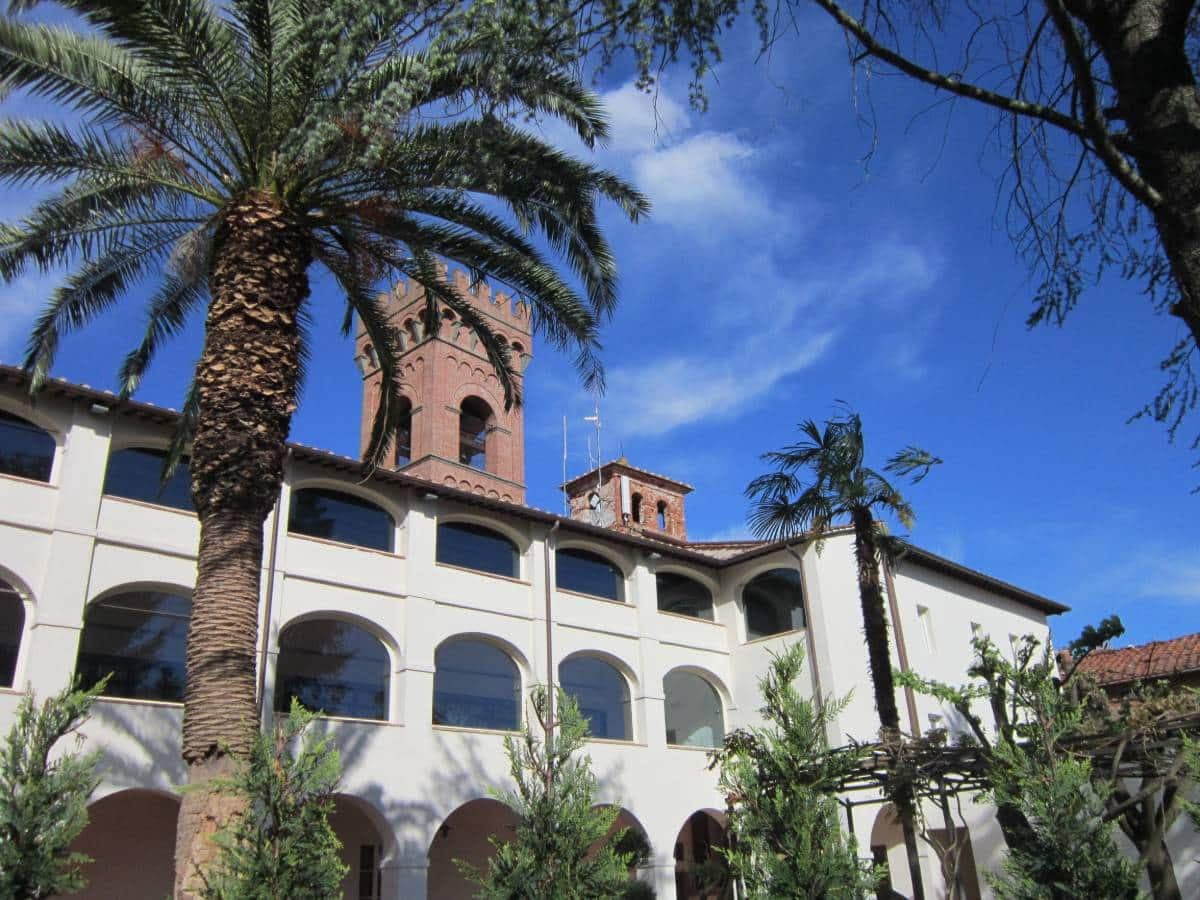
Montecarlo
Province: Lucca
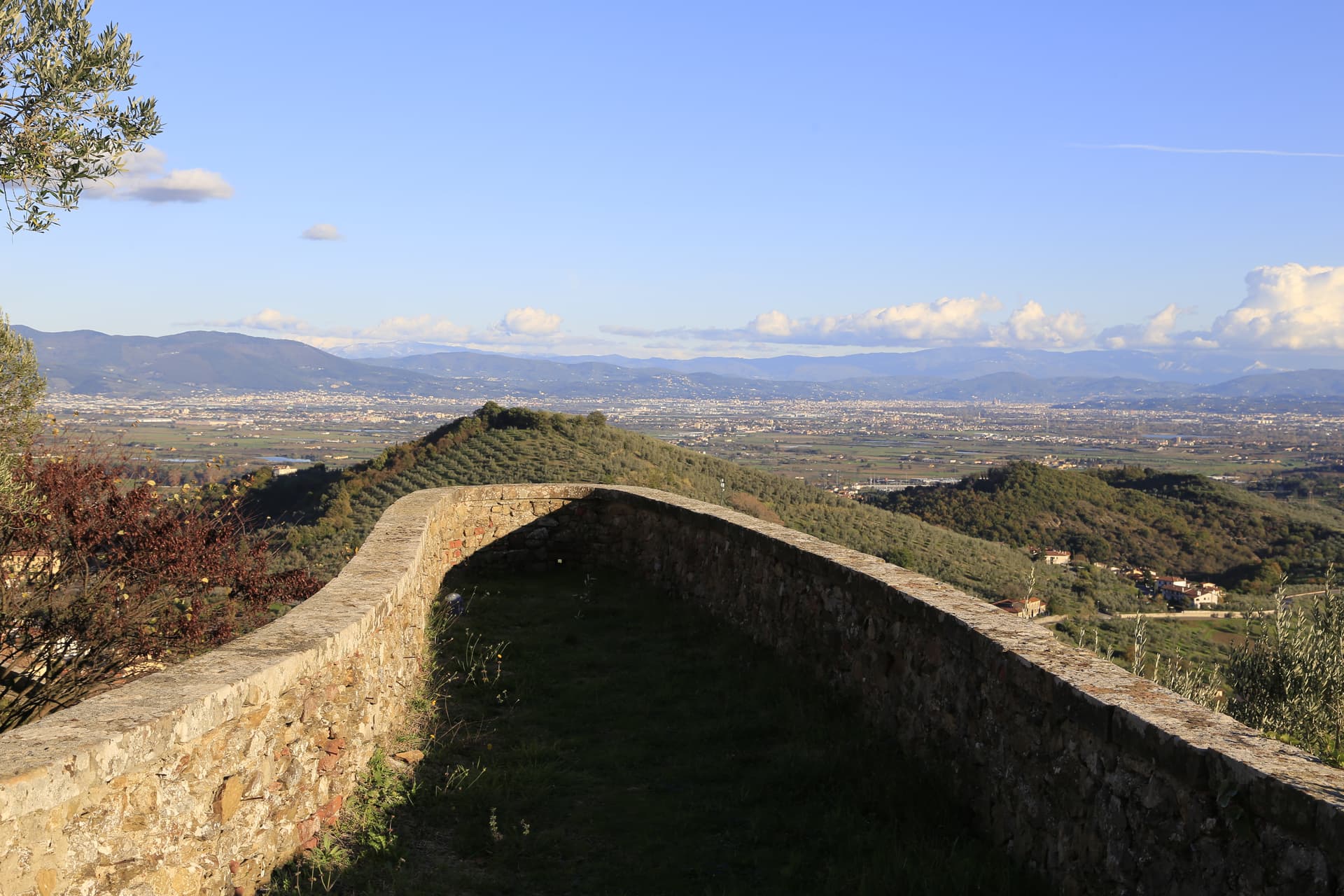
A walled hill village at 163 meters above the Lucca plain, founded by Emperor Charles IV in 1333 and named for him, surrounded by twenty wineries.
Carmignano
Province: Prato
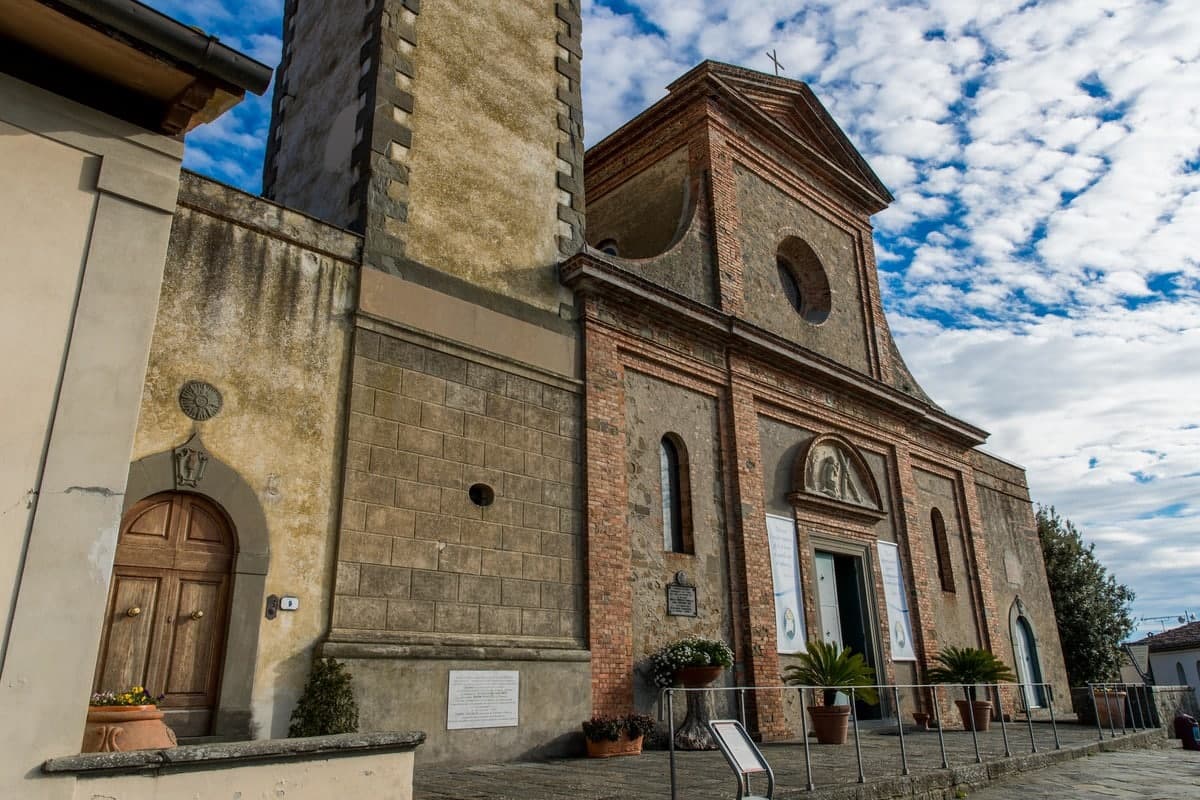
A Medici village at 189 meters on the Montalbano slopes, where Pontormo's Visitation hangs in the parish church and Etruscan tumuli sit below the Renaissance villas.
Vinci
Province: Firenze
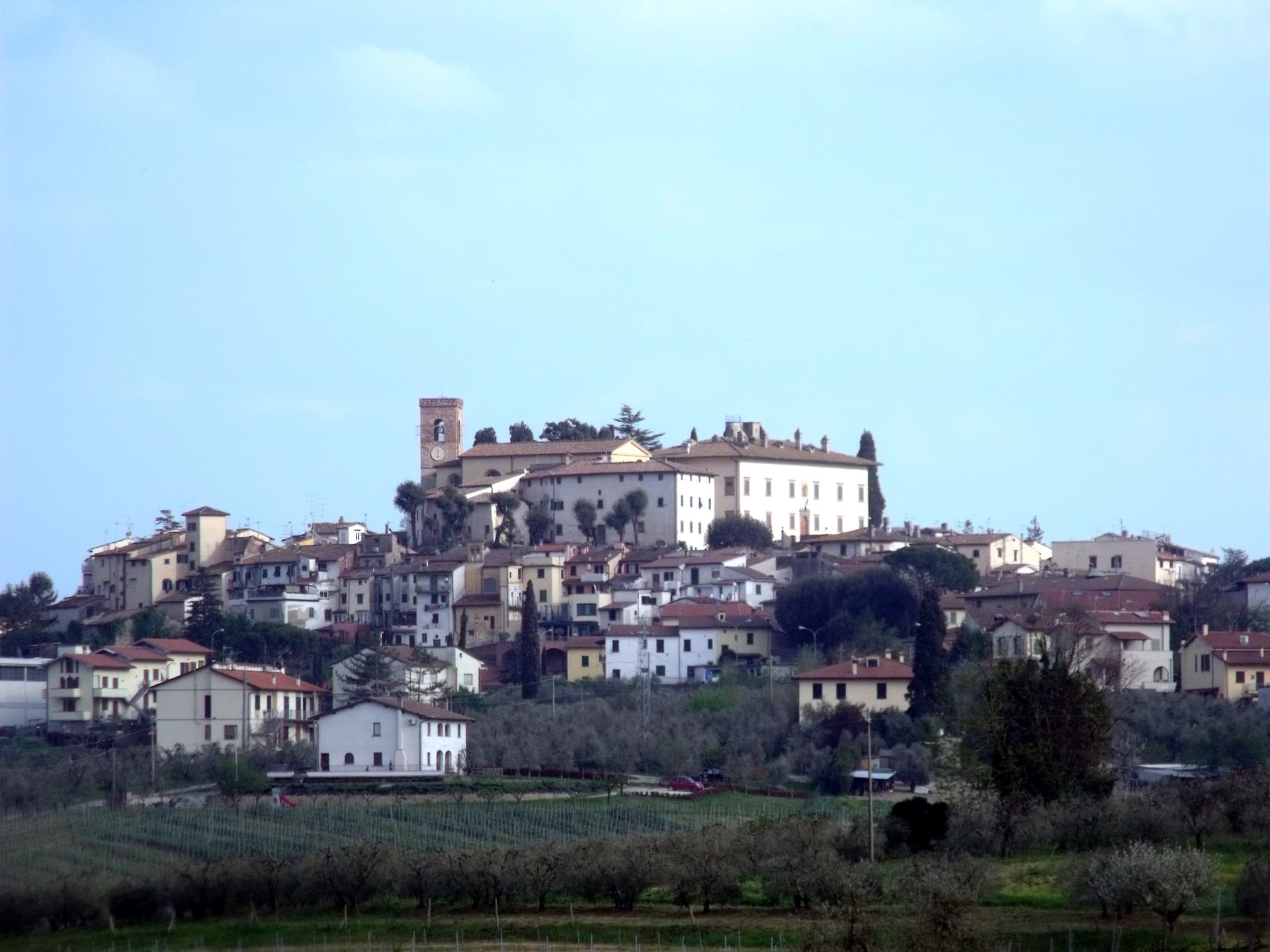
The hill town on Montalbano where Leonardo was born in 1452, with a ship-shaped castle that now holds his machines.
Cerreto Guidi
Province: Firenze
The Medici hunting villa above the Padule di Fucecchio, where Cosimo I sent his court for the marshland game and Buontalenti built four ramps of stairs.