

Tuscany · Prato
Carmignano
A Medici village on the Montalbano slopes, where Pontormo's Visitation hangs in the parish church and Etruscan tumuli sit below the Renaissance villas.
Known for
PONTORMO
The Visitation, painted 1528-1529, hangs in the parish church of San Michele e San Francesco, one of the major works of late Florentine Mannerism.
LA FERDINANDA
Medici Villa at Artimino, Buontalenti 1596, the Villa of the Hundred Chimneys, UNESCO inscribed in 2013 among the Medici Villas and Gardens.
CARMIGNANO DOCG
Recognized in 1990, the first Italian appellation to allow Cabernet Sauvignon alongside Sangiovese, grown on the same Montalbano slopes since the sixteenth century.
When to visit
Best · Apr–Oct
- J
- F
- M
- A
- M
- J
- J
- A
- S
- O
- N
- D
- Best
- Hot or crowded
- Quiet
- Mostly closed
The festa: Michele, nearest weekend to September 29
Why come
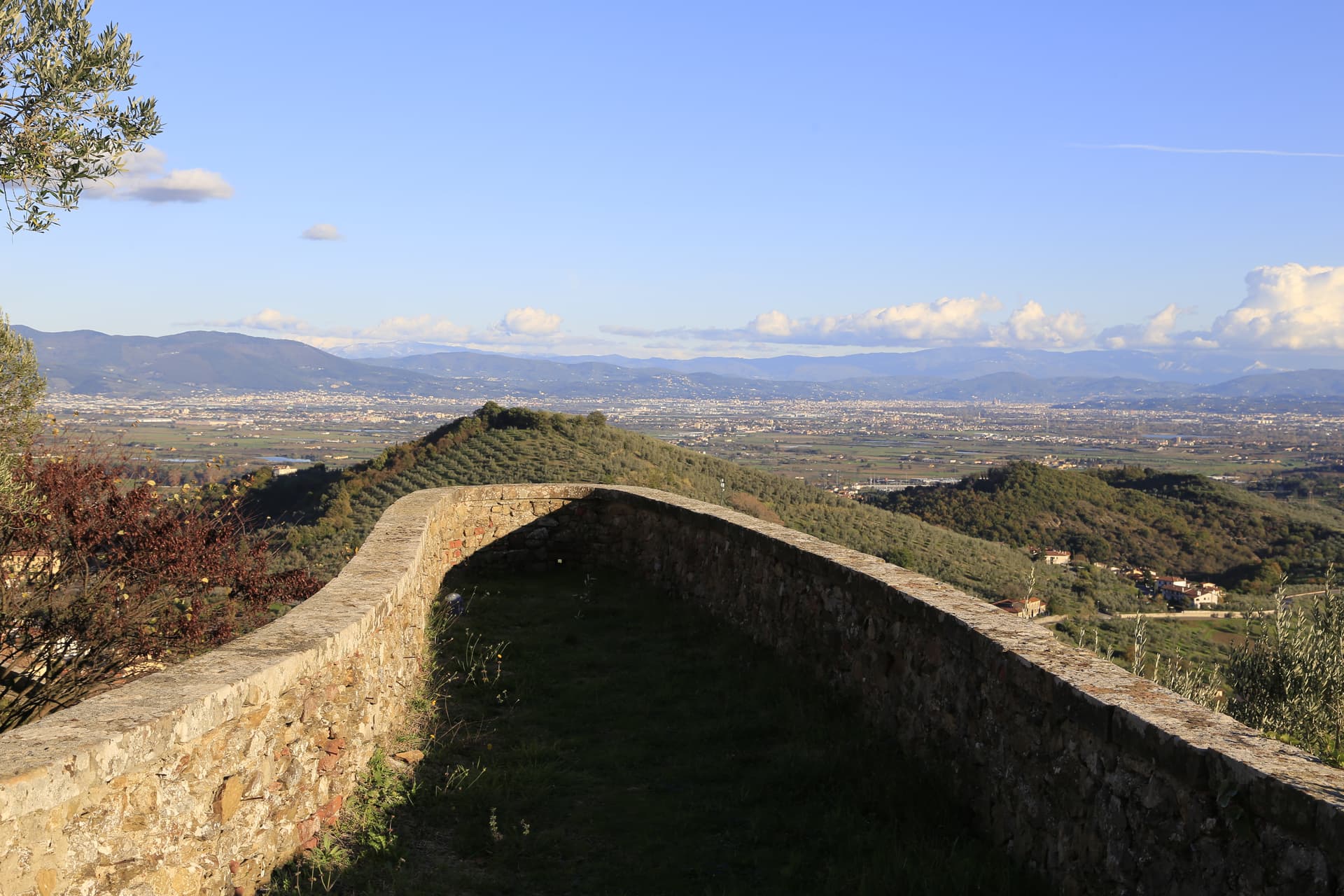
Carmignano sits on the Montalbano hills, twenty kilometers west of Florence and ten southwest of Prato. The parish church of San Michele e San Francesco holds the Visitation by Jacopo Carucci called Pontormo, painted between 1528 and 1529 for the Pinadori family, one of the touchstones of late Florentine Mannerism. The frazione of Artimino, on the ridge above, holds the Villa Medicea La Ferdinanda, the Hundred Chimney Villa designed by Bernardo Buontalenti for Grand Duke Ferdinando I in 1596, inscribed by UNESCO in 2013 as part of the Medici Villas and Gardens.
Comeana, the second frazione, holds two seventh-century Etruscan tumuli, Montefortini and Boschetti, monumental tombs from the Orientalizing period. The Carmignano DOCG, recognized in 1990 and grown on the same Montalbano slopes, was the first Italian appellation to allow Cabernet Sauvignon alongside Sangiovese. Few communes this size carry a UNESCO Medici villa, a Pontormo and a DOCG at the same time.
The Sunday letter
We haven’t written Carmignano’s letter yet.
One town every Sunday, with the photo, the food, the festa. Be there when this one comes up. Free, by Peter & Sophia from Pietrasanta.
By subscribing you agree to Substack’s Terms of Use, our Privacy Policy and our Information collection notice.
What to see
Visitazione di Pontormo
Pontormo's Visitation painted 1528-1529 for the Pinadori family, displayed in the parish church of San Michele e San Francesco, a late Mannerist masterpiece.
Villa Medicea La Ferdinanda
Hundred Chimney Villa at Artimino, designed by Bernardo Buontalenti for Grand Duke Ferdinando I in 1596, UNESCO World Heritage since 2013.
Tumulo di Montefortini
Monumental Etruscan tomb at Comeana from the seventh century BC, 11 meters high and 60 in diameter, with two intact chambers visited through a corridor.
Tumulo dei Boschetti
Second seventh-century BC Etruscan tomb at Comeana, partially destroyed in antiquity, the surviving chamber visited alongside Montefortini.
Pietramarina
Etruscan archaeological area at 500 meters on the Montalbano ridge above Artimino, with the remains of a sixth-century BC sanctuary and panoramic views.
Parco Archeologico di Carmignano
Network of Etruscan sites including Montefortini, Boschetti, Pietramarina and Prato Rosello, with the Francesco Nicosia Archaeological Museum at Artimino.
The slow-trip planner
Building a trip? Find where Carmignano fits in a slow Italy circuit.
Answer five questions. We will shape a geographically coherent slow trip from the 1,000 Italian towns most travelers skip. Yours to save and share.
We’ve tried
What we got up to
Restaurants, walks, swims — the things we actually did in and around Carmignano, each with the piece we wrote about it.
Erbe, the bitter boiled greens that make a kilo of rare beef sit like a virtue.
The bistecca alla fiorentina, and why everyone who tries to improve it ruins it.
Living here
- Population 14,605
- Commuter belti
- Pharmacy in town
- High school within a 30-minute drive
- Nearest airport Florence / Pisa, 1 h 18 min drive
- Regional capital Firenze, 39 min drive
Tags & datadesignations · numbers · sources
Recognised as
The numbers
- Elevation: 189 m
- Population: 14,605
- Surface area: 38.43 km²
These figures were compiled from public directories — ISTAT, OpenStreetMap, Wikidata — and from the official listings of the guides named on this page. Town details change; verify with official sources before you travel.
Featured on
Carmignano appears on this themed pick from our Collections:
Close by
More towns near Carmignano
Vinci
Province: Firenze
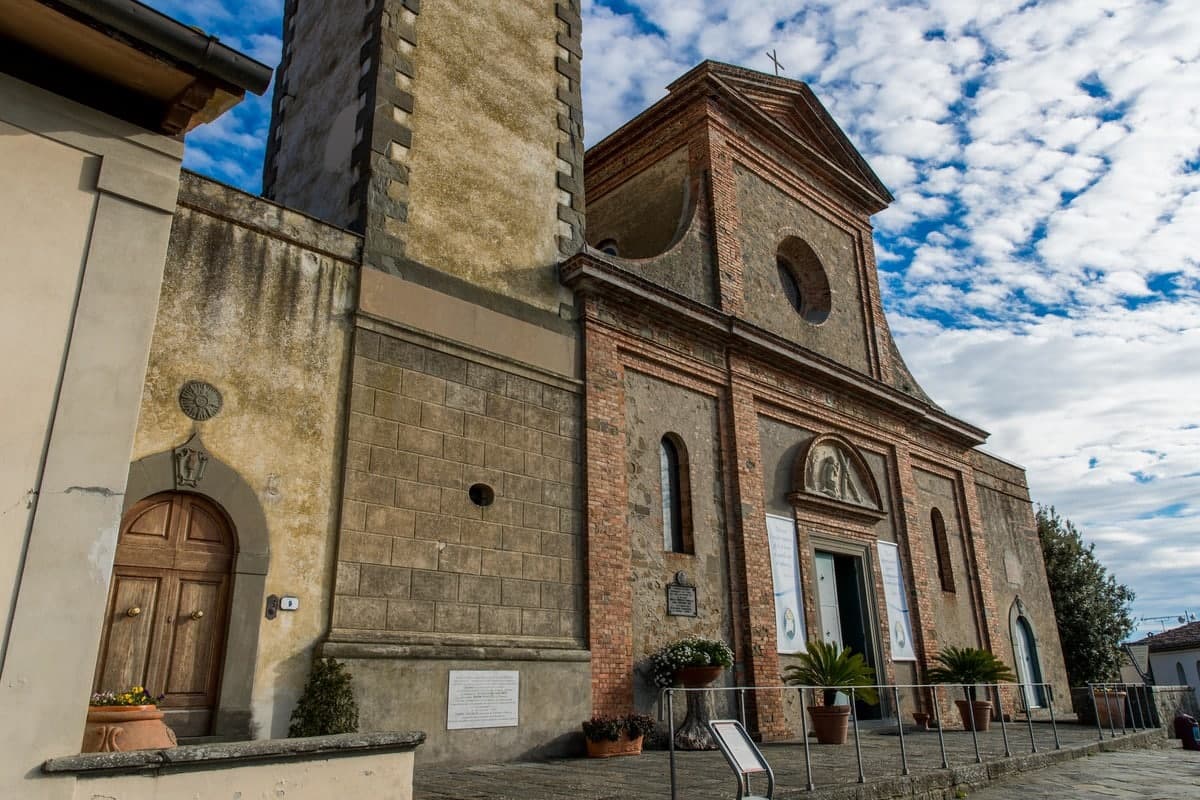
The hill town on Montalbano where Leonardo was born in 1452, with a ship-shaped castle that now holds his machines.
Cerreto Guidi
Province: Firenze
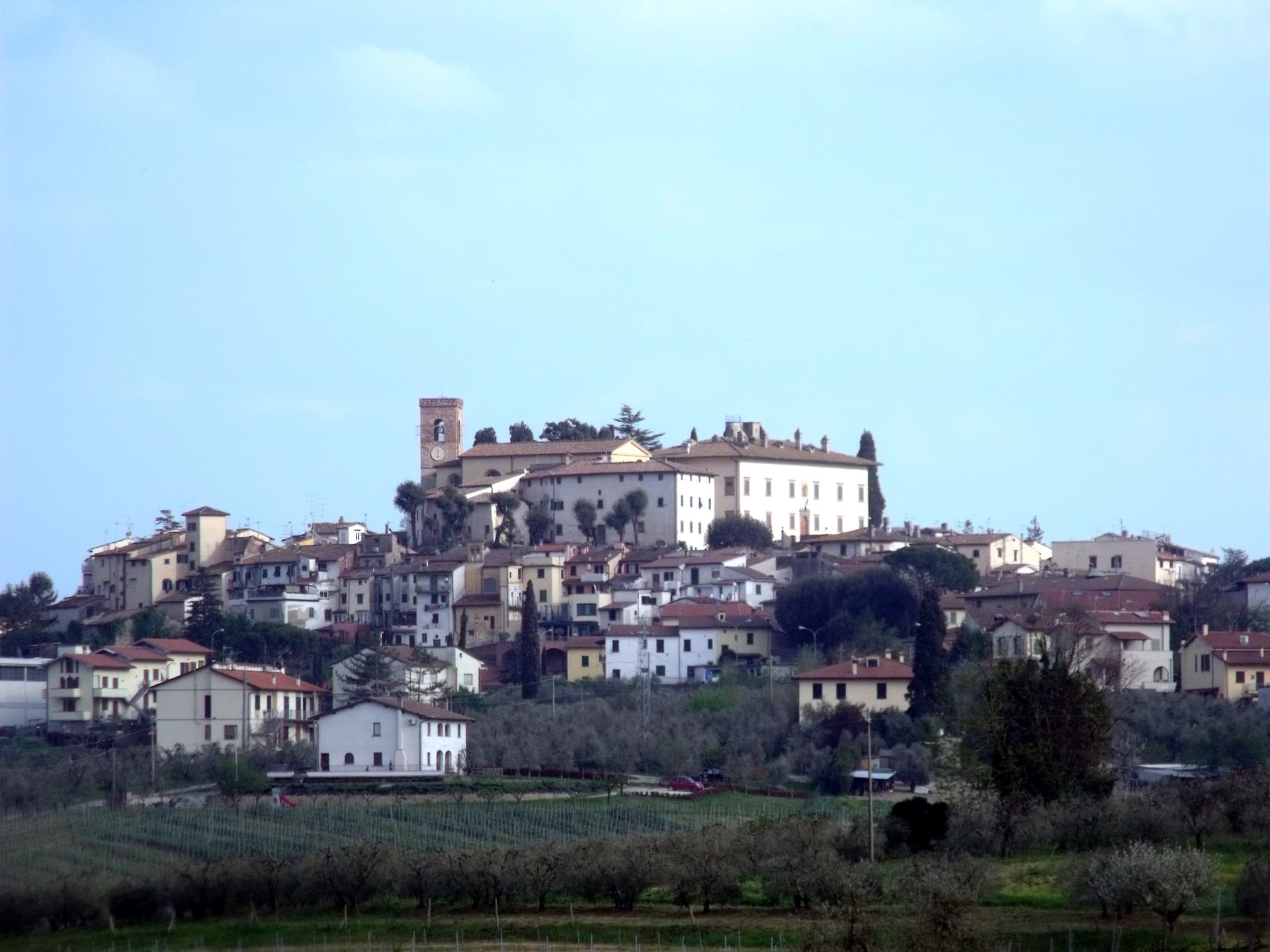
The Medici hunting villa above the Padule di Fucecchio, where Cosimo I sent his court for the marshland game and Buontalenti built four ramps of stairs.

Pistoia
Province: Pistoia
Italy's nursery capital and the medieval Tuscan rival that gave its name to the pistol — a quietly extraordinary centro storico of zebra-striped Romanesque churches, Andrea della Robbia's polychrome frieze on the Ospedale del Ceppo, and Italy's Capital of Culture 2017, all 30 minutes from Florence by train.
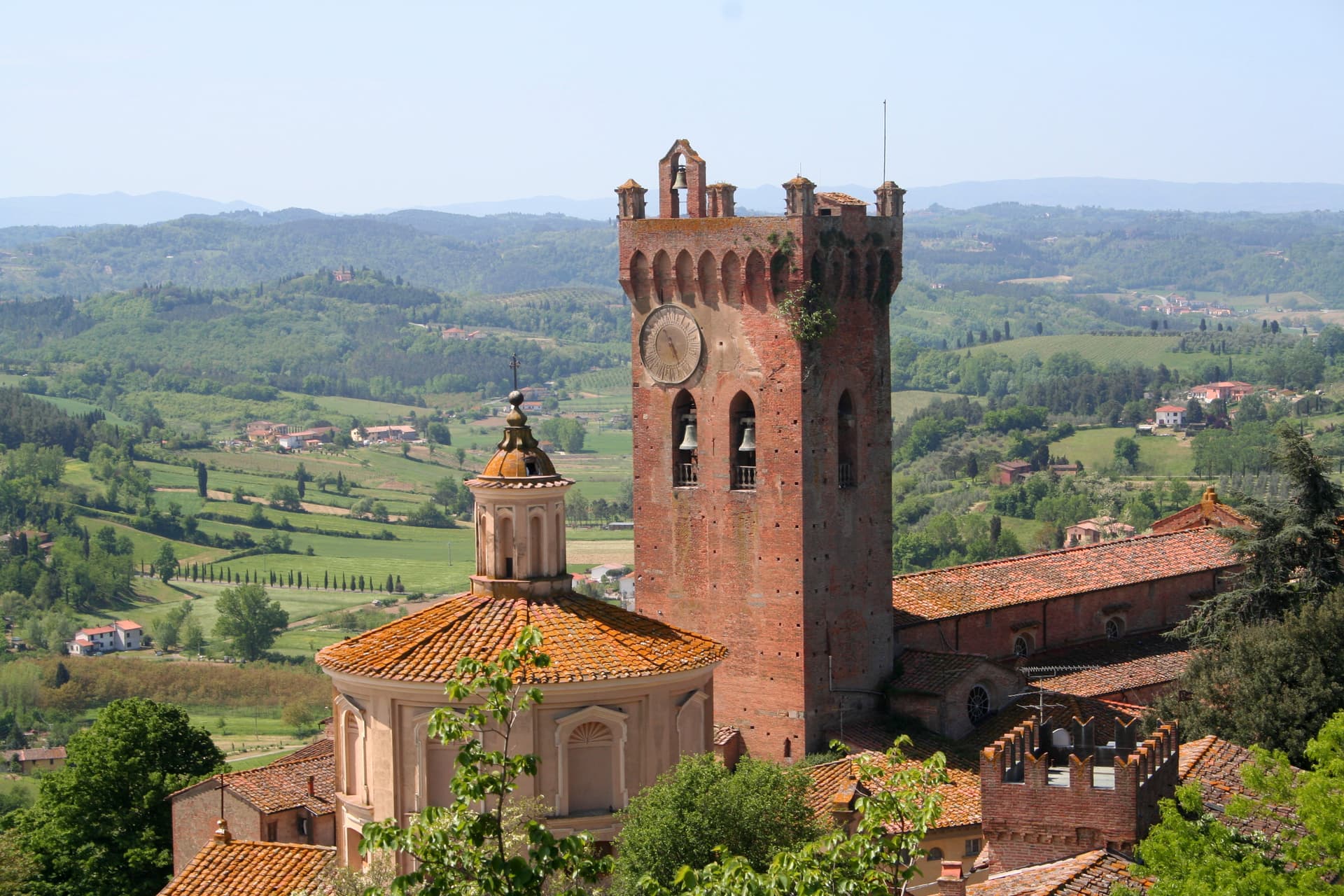
San Miniato
Province: Pisa
The hilltop town between Pisa and Florence that produces a quarter of Tuscany's white truffles and once held the imperial seat of Otto I.
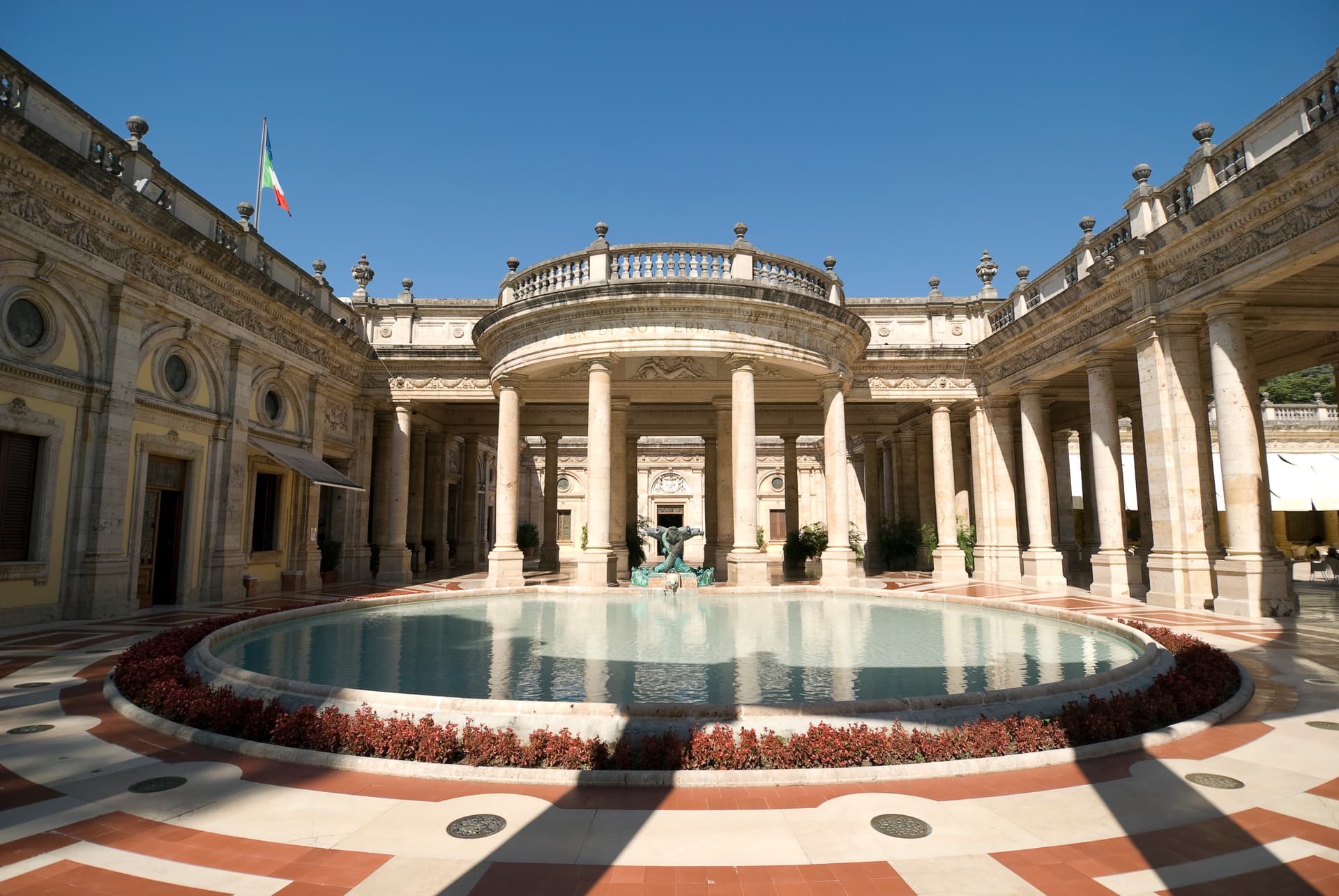
Montecatini-Terme
Province: Pistoia
Eleven thermal springs in a Liberty-style park at the foot of the Apennines, one of the Great Spa Towns of Europe inscribed by UNESCO in 2021.
🏛️ UNESCO
More UNESCO towns in Tuscany
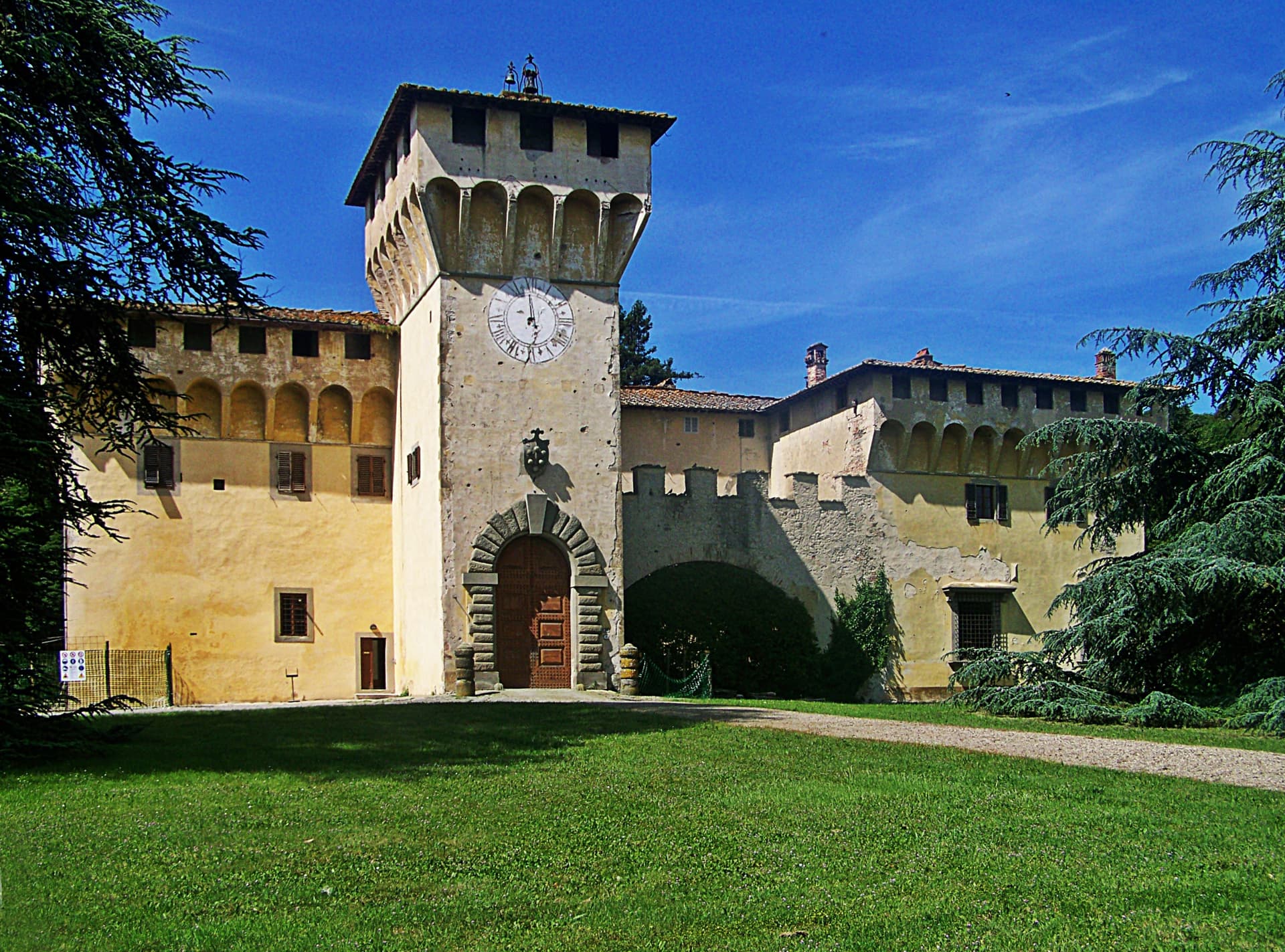
Barberino di Mugello
Province: Firenze
The Mugello gateway at 272 meters where the Medici family kept its first country villas, with Michelozzo's Cafaggiolo and the artificial Lago di Bilancino below.
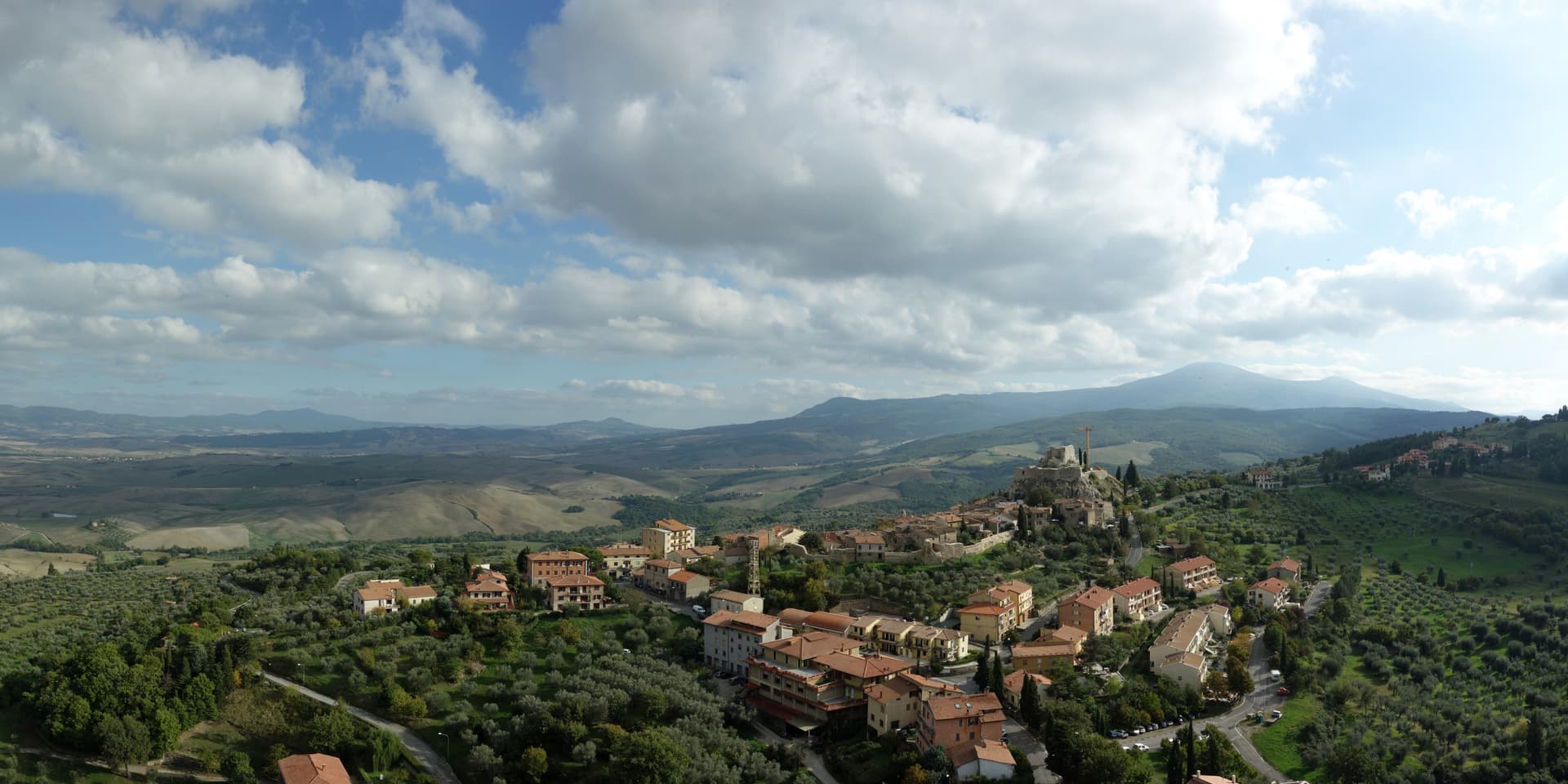
Castiglione d'Orcia
Province: Siena
A stone borgo at 540 meters in the UNESCO Val d'Orcia, first recorded in 714, with two fortresses guarding the road from Amiata to the Via Francigena.
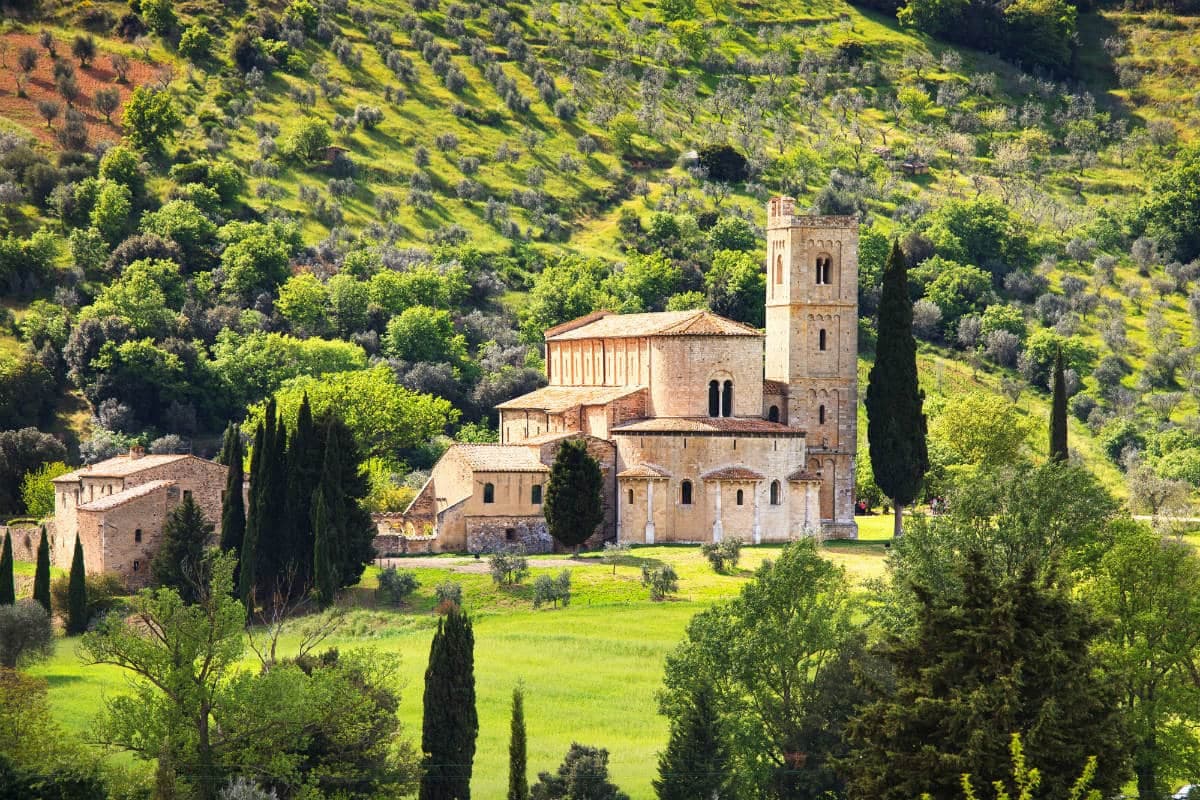
Montalcino
Province: Siena
A walled hill town at 564 meters above the Val d'Orcia, the last fortress to hold out for the Sienese Republic and the birthplace of Brunello.
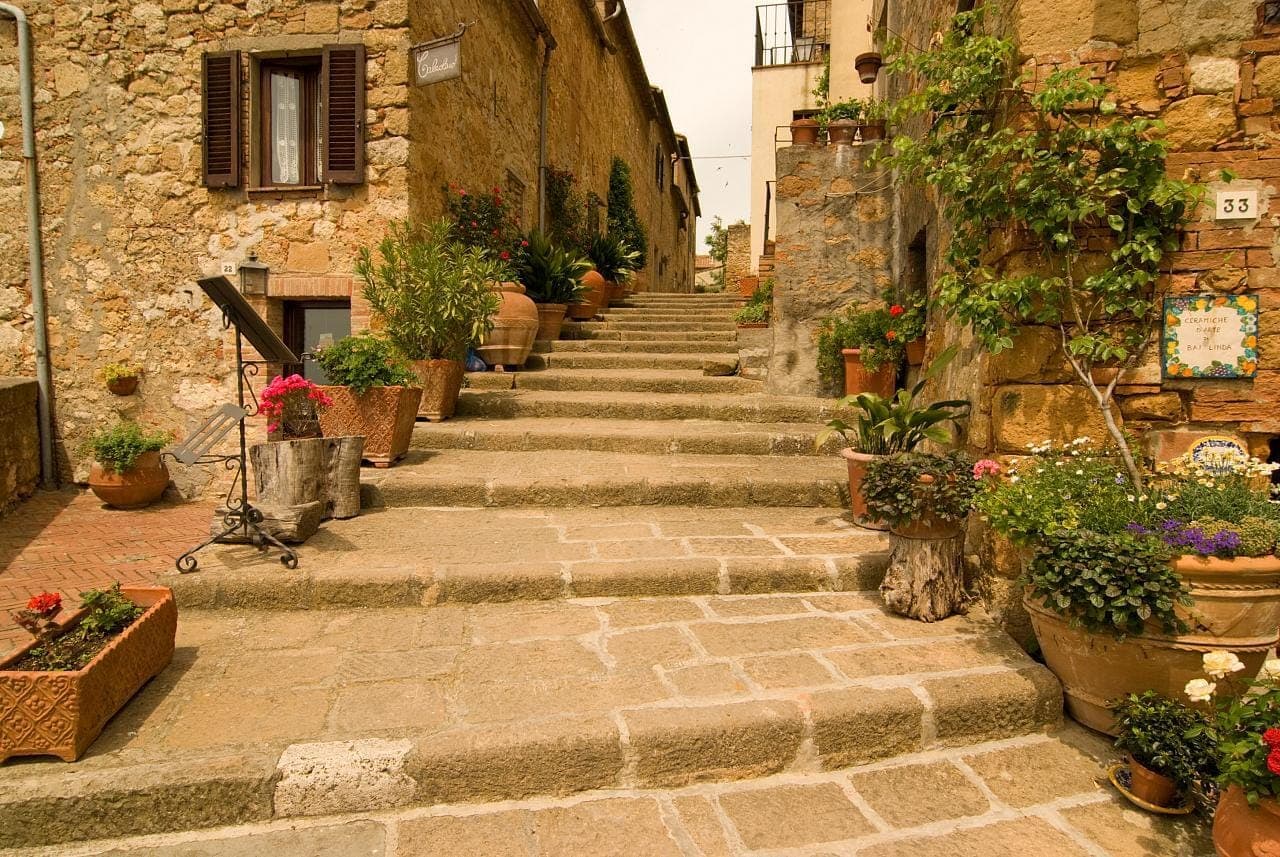
Pienza
Province: Siena
The first Renaissance ideal city, built from 1459 by Bernardo Rossellino for Pope Pius II on the Val d'Orcia ridge.