
Designation
UNESCO
95 towns across 15 regions
Browse by region
Apulia3
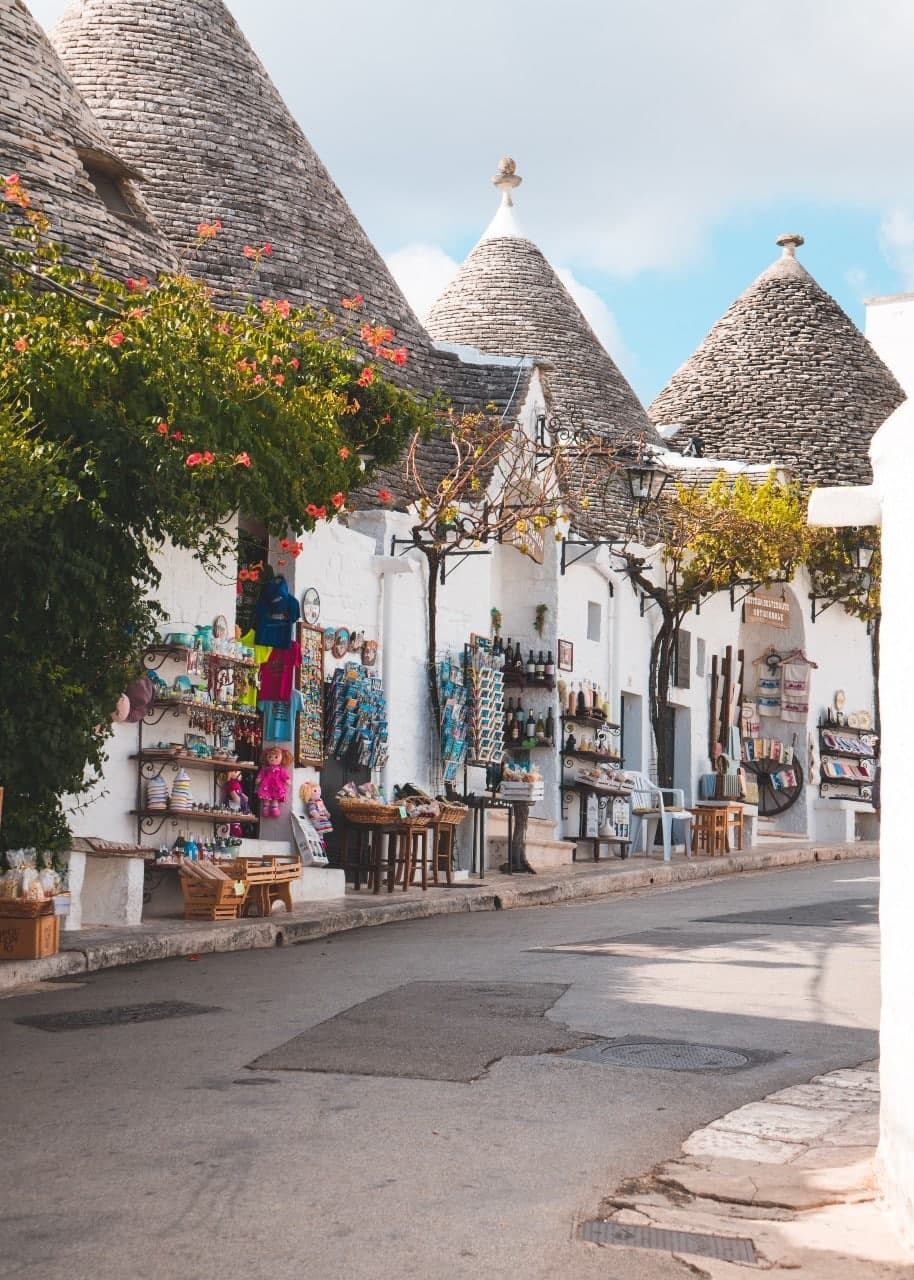
Alberobello
Province: Bari · 402 m
The Itria valley town built entirely of trulli, 1,500 corbelled limestone cones in two quarters, UNESCO since 1996.
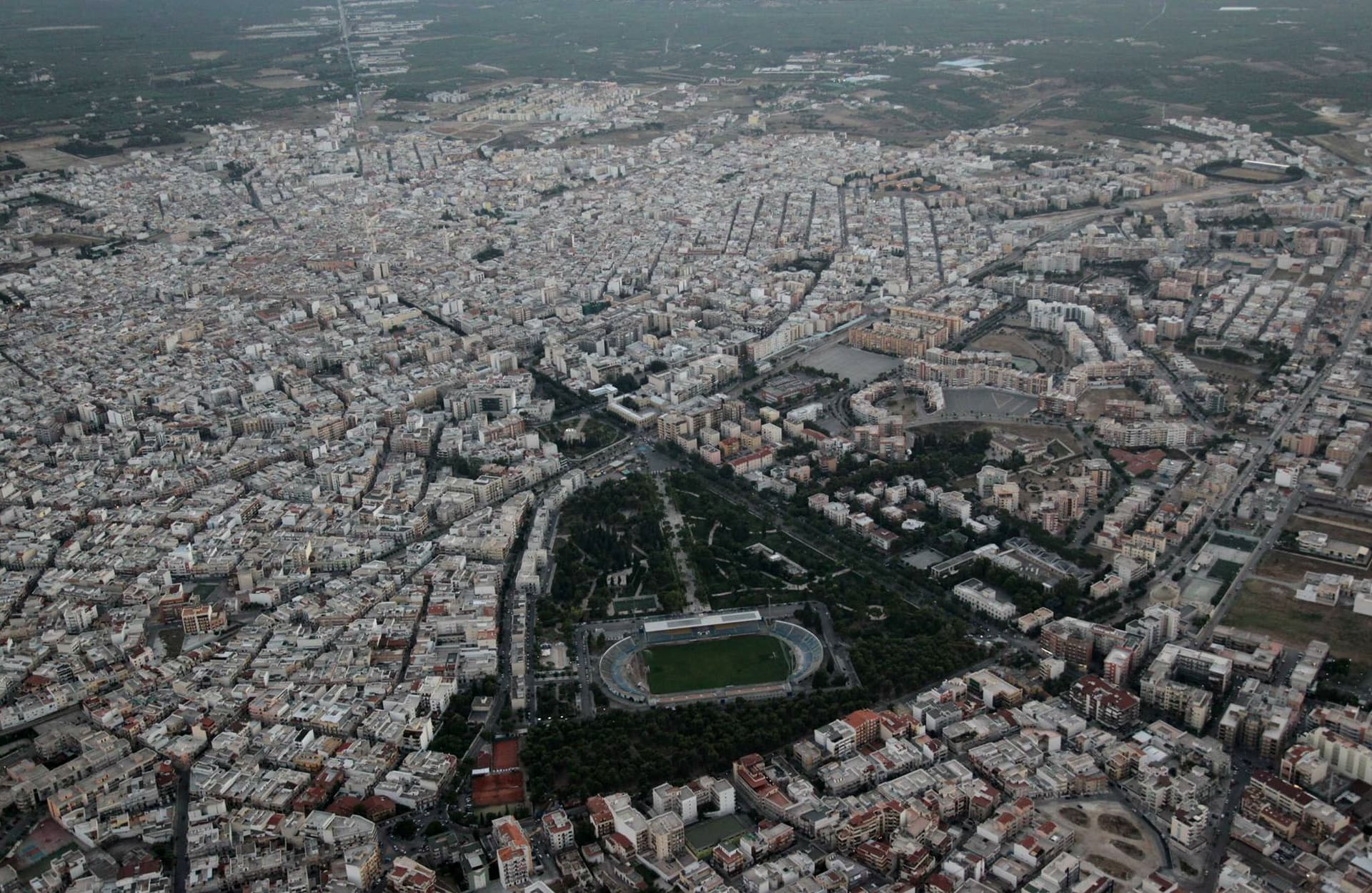
Andria
Province: Barletta-Andria-Trani · 151 m
Frederick II's favourite Apulian city, the birthplace of burrata, with the octagonal Castel del Monte rising 540 meters above the Murge eighteen kilometers south.
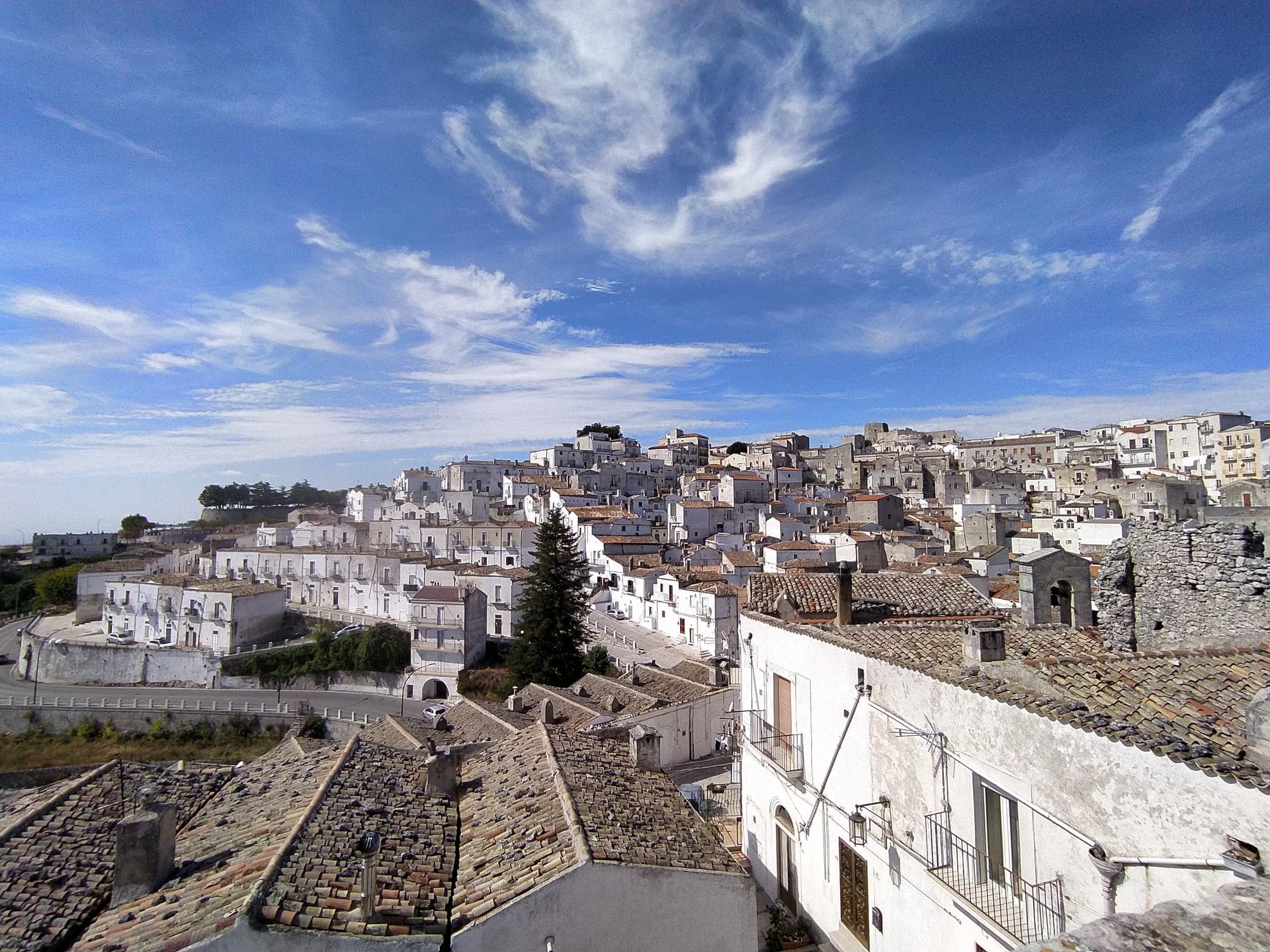
Monte Sant'Angelo
Province: Foggia · 843 m
The Gargano peak at 843 meters where the Archangel Michael appeared in 490, the oldest western shrine to him, UNESCO since 2011.
Campania20
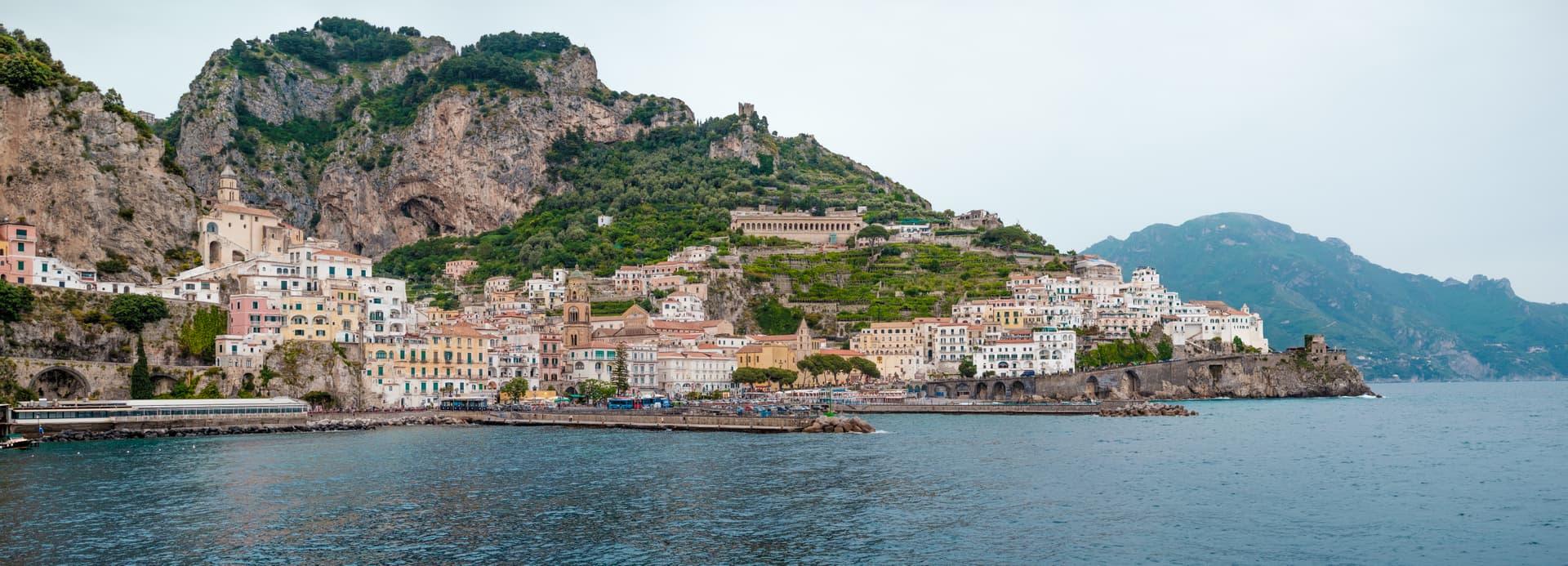
Amalfi
Province: Salerno · 6 m
The first Italian maritime republic and the coast it named, six meters above the sea between cliffs that close around the duomo's steps.
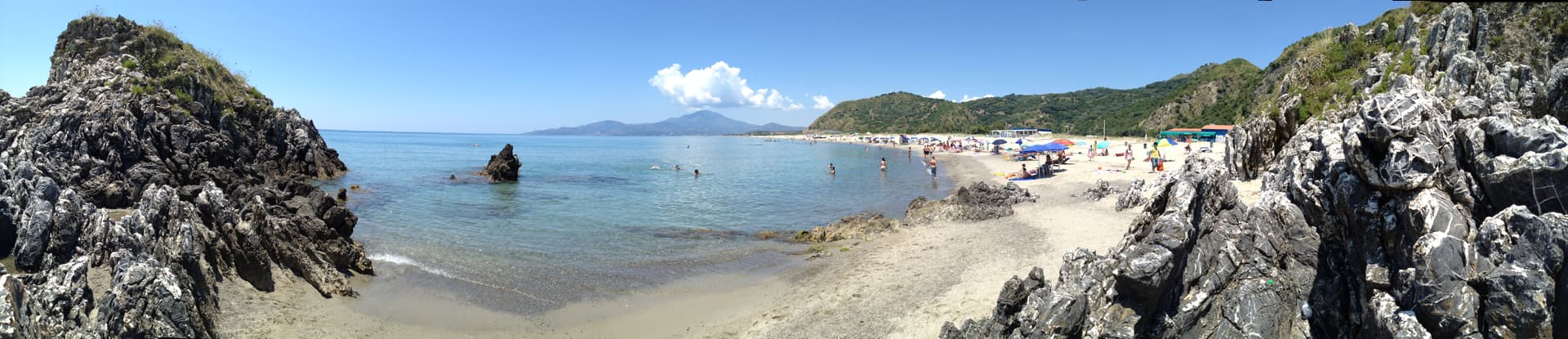
Ascea
Province: Salerno · 230 m
Two villages, a hilltown at 230 meters and a Cilento marina, with Parmenides and Zeno's Eleatic school in the ruins of Greek Velia below.
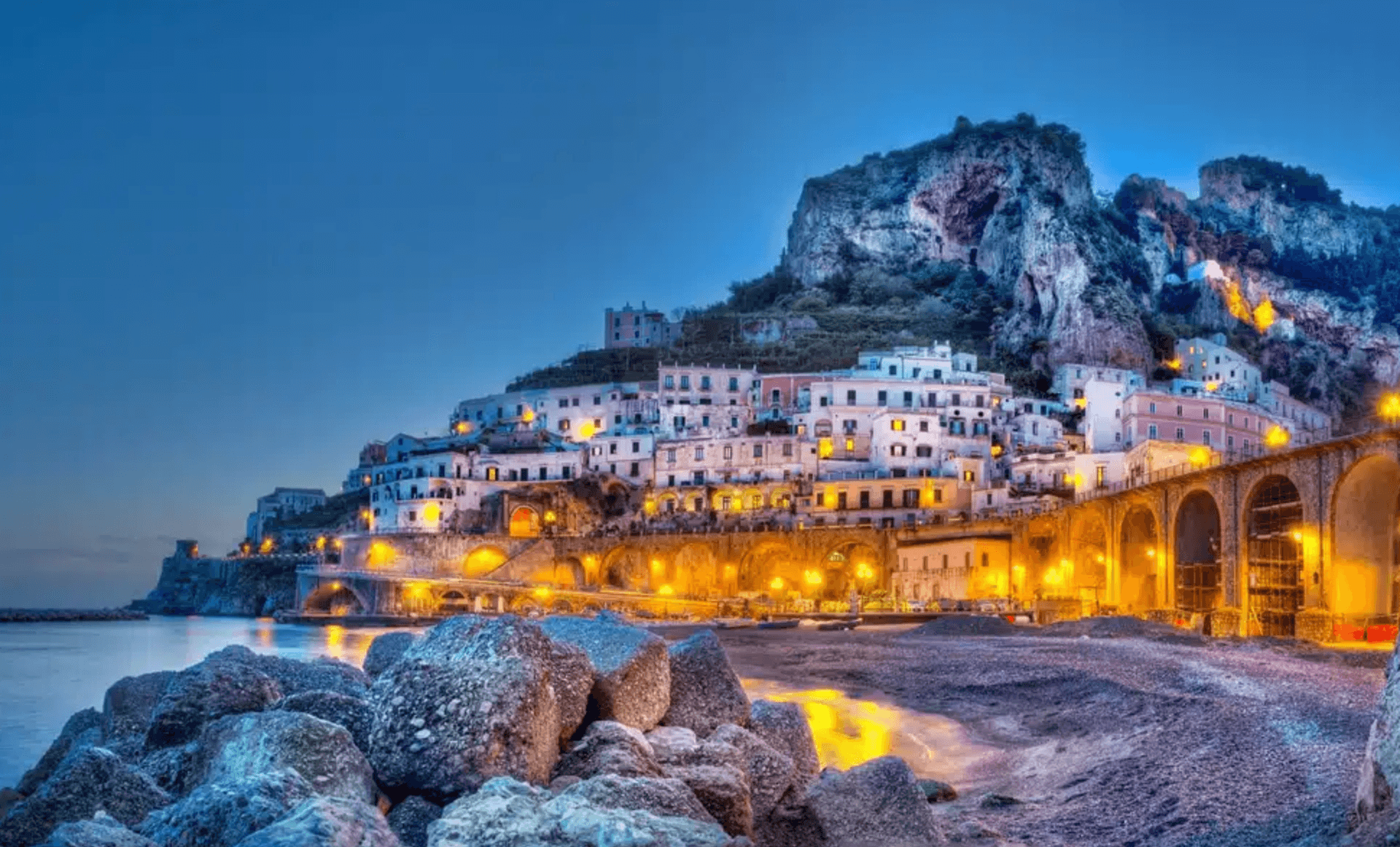
Atrani
Province: Salerno · 21 m
The smallest commune in Italy by area, twelve hectares of stacked houses where the Amalfi Coast pinches shut around a single piazza.
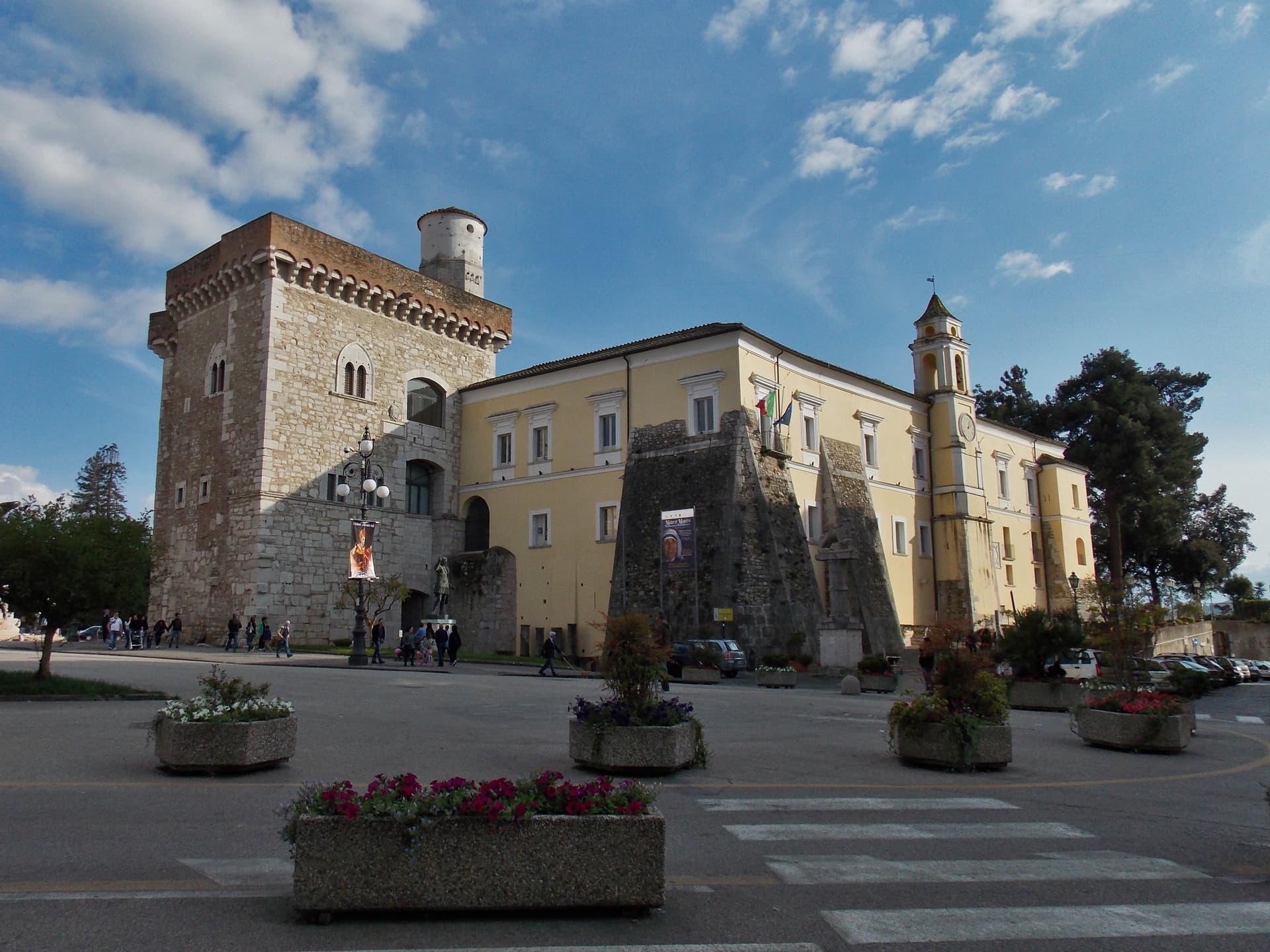
Benevento
Province: Benevento · 130 m
Sannio capital at the Calore-Sabato confluence, with a 114 AD Trajan arch and a Lombard rotunda on the UNESCO list.
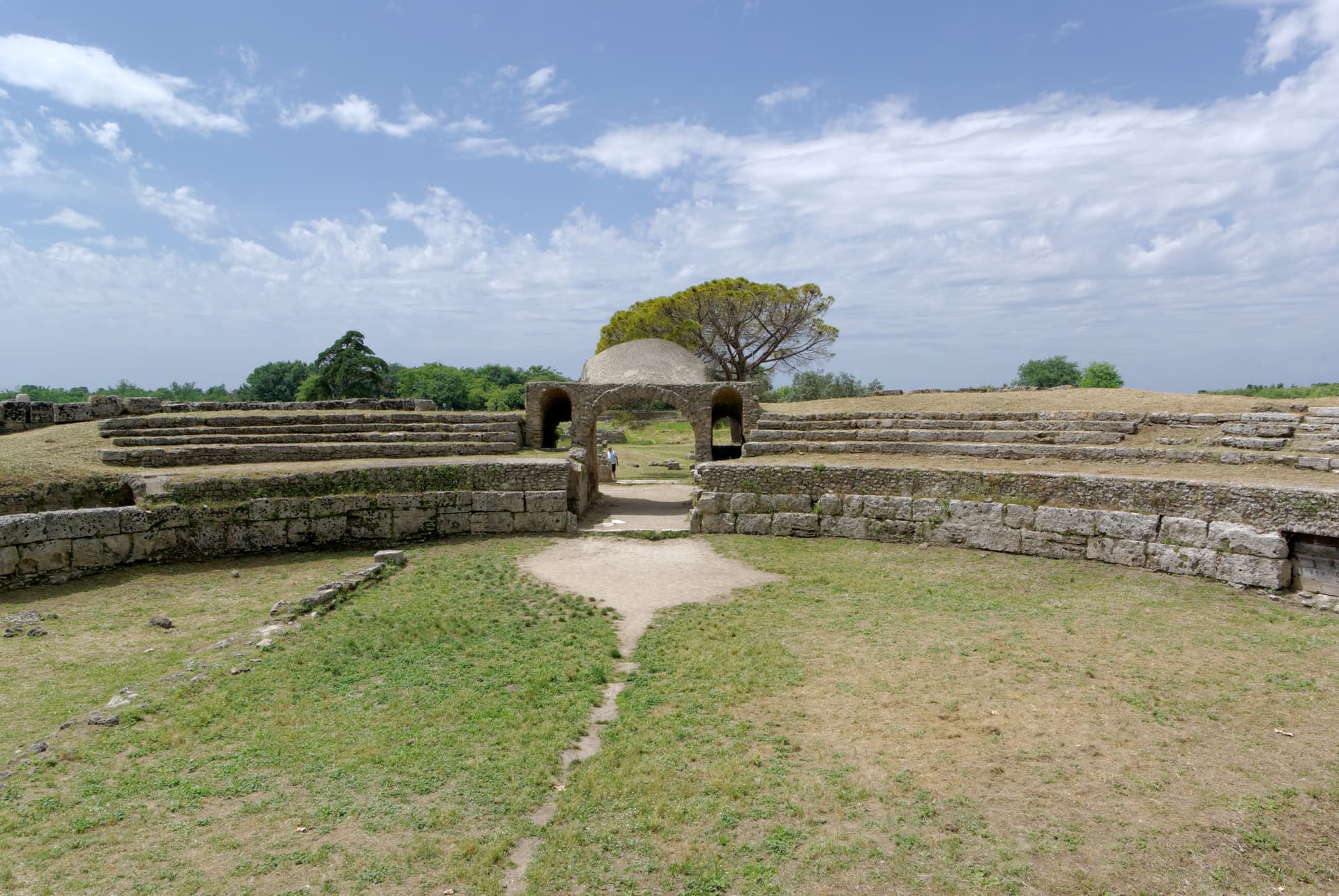
Capaccio Paestum
Province: Salerno · 419 m
Three Doric temples of 550 to 450 BC on the Sele plain, with mozzarella di bufala DOP on the buffalo flats below Monte Calpazio.
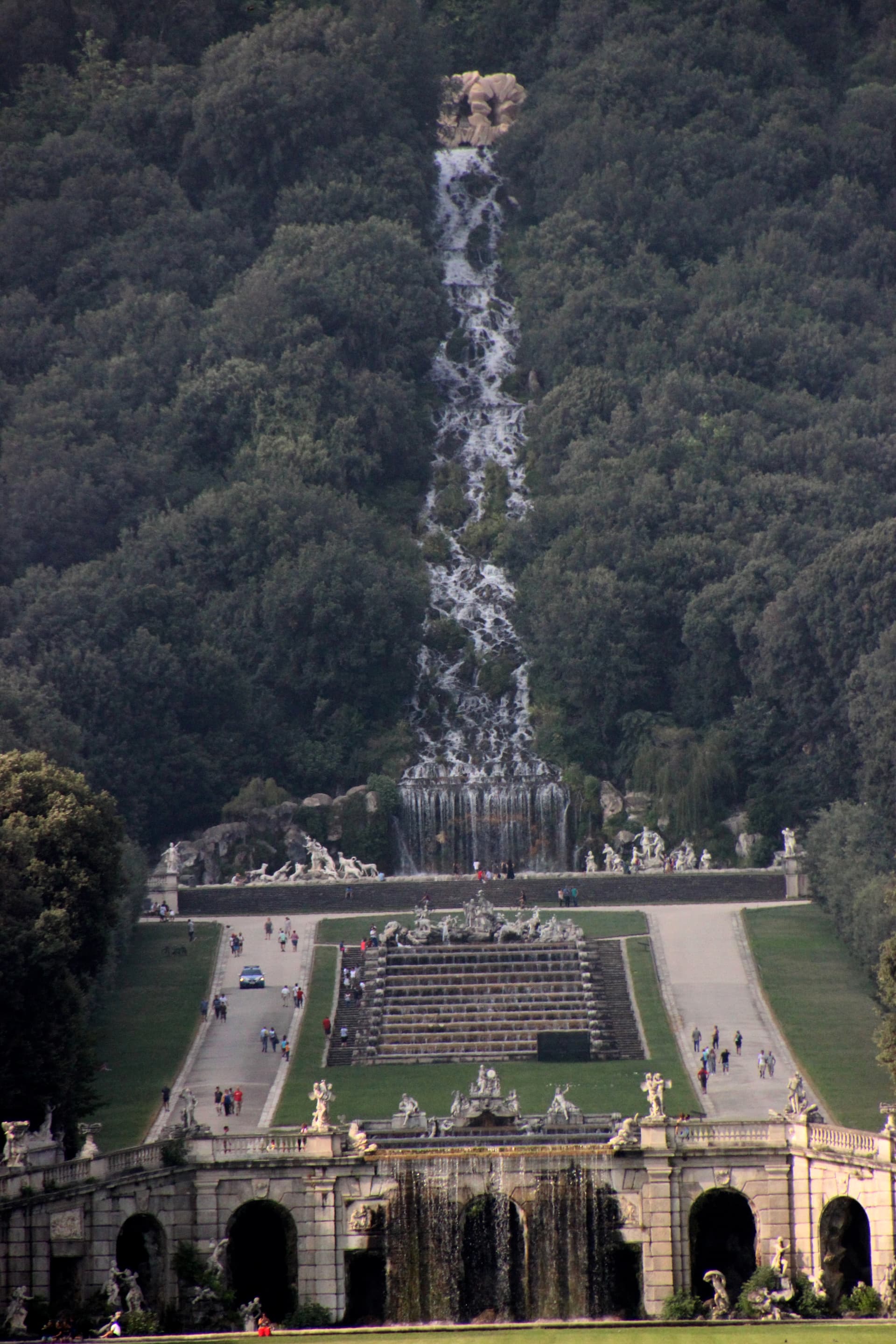
Caserta
Province: Caserta · 68 m
Italy's answer to Versailles, built by the Bourbons on the Campanian plain with 1,200 rooms and a three-kilometer water axis.
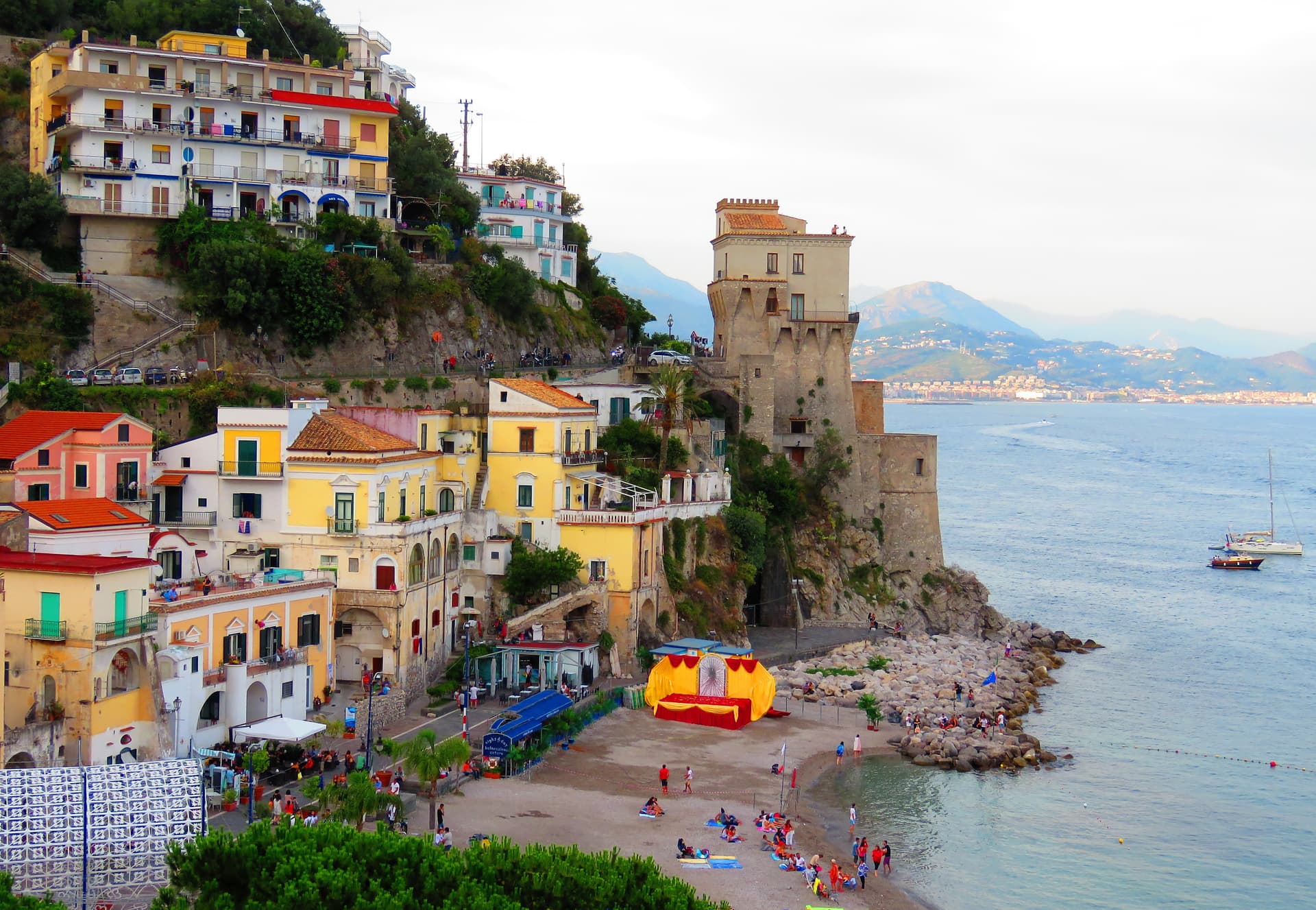
Cetara
Province: Salerno · 10 m
The Amalfi Coast's working tuna and anchovy port, where colatura di alici is still aged in chestnut barrels in the cellars behind the marina.
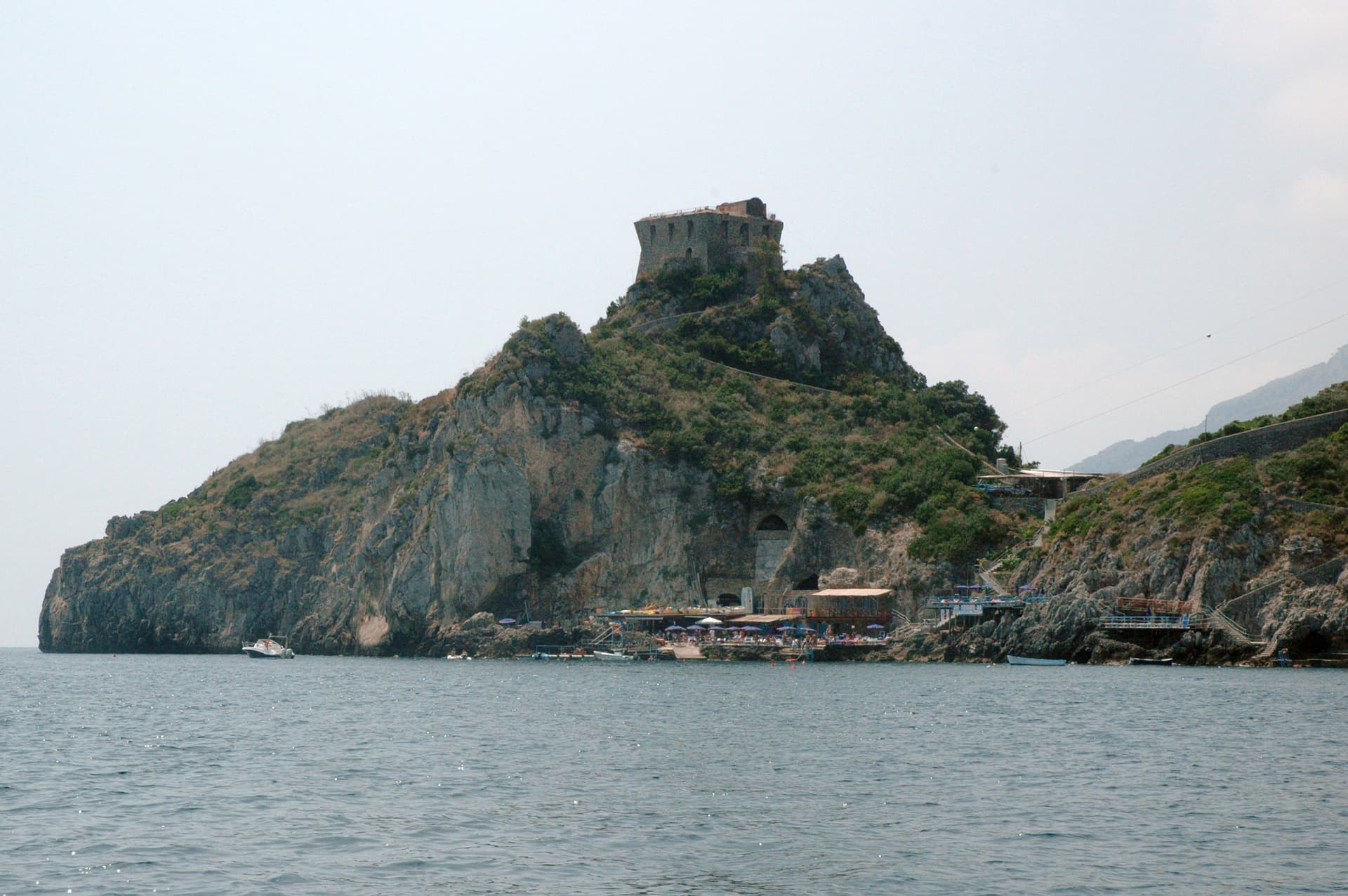
Conca dei Marini
Province: Salerno · 138 m
A coastal hamlet of 664 people on the Amalfi Coast, the birthplace of the sfogliatella Santa Rosa and home to the Emerald Grotto.
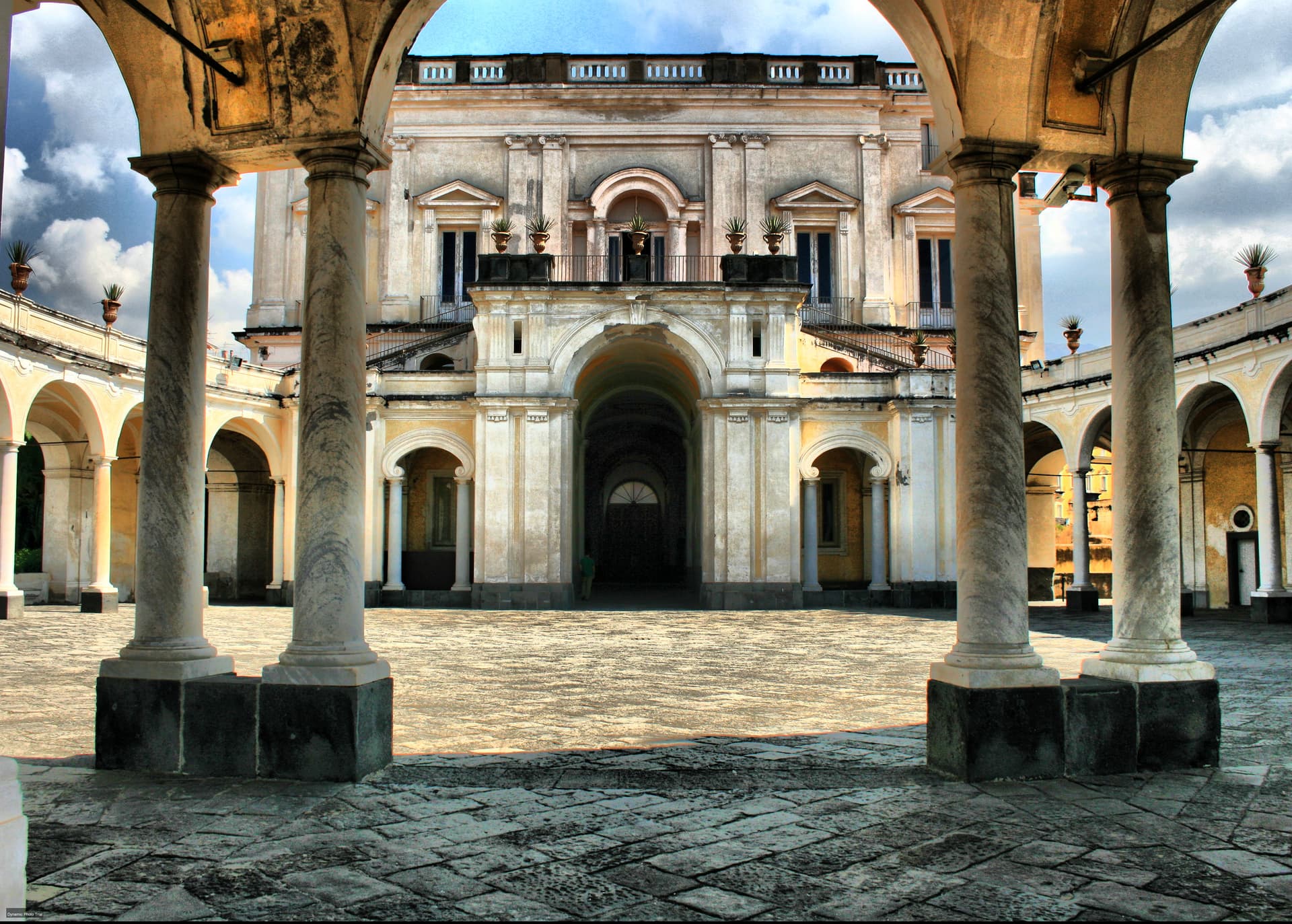
Ercolano
Province: Napoli · 44 m
The smaller, denser, more intact Pompeii — Herculaneum was buried under 25m of pyroclastic mud (not ash) on 24 October AD 79, preserving wooden roofs, papyrus scrolls, and second-storey balconies that no other Roman site has, and the modern comune of Ercolano above it adds the Vesuvius National Park gateway and the 18th-c Bourbon Ville Vesuviane along the Miglio d'Oro.
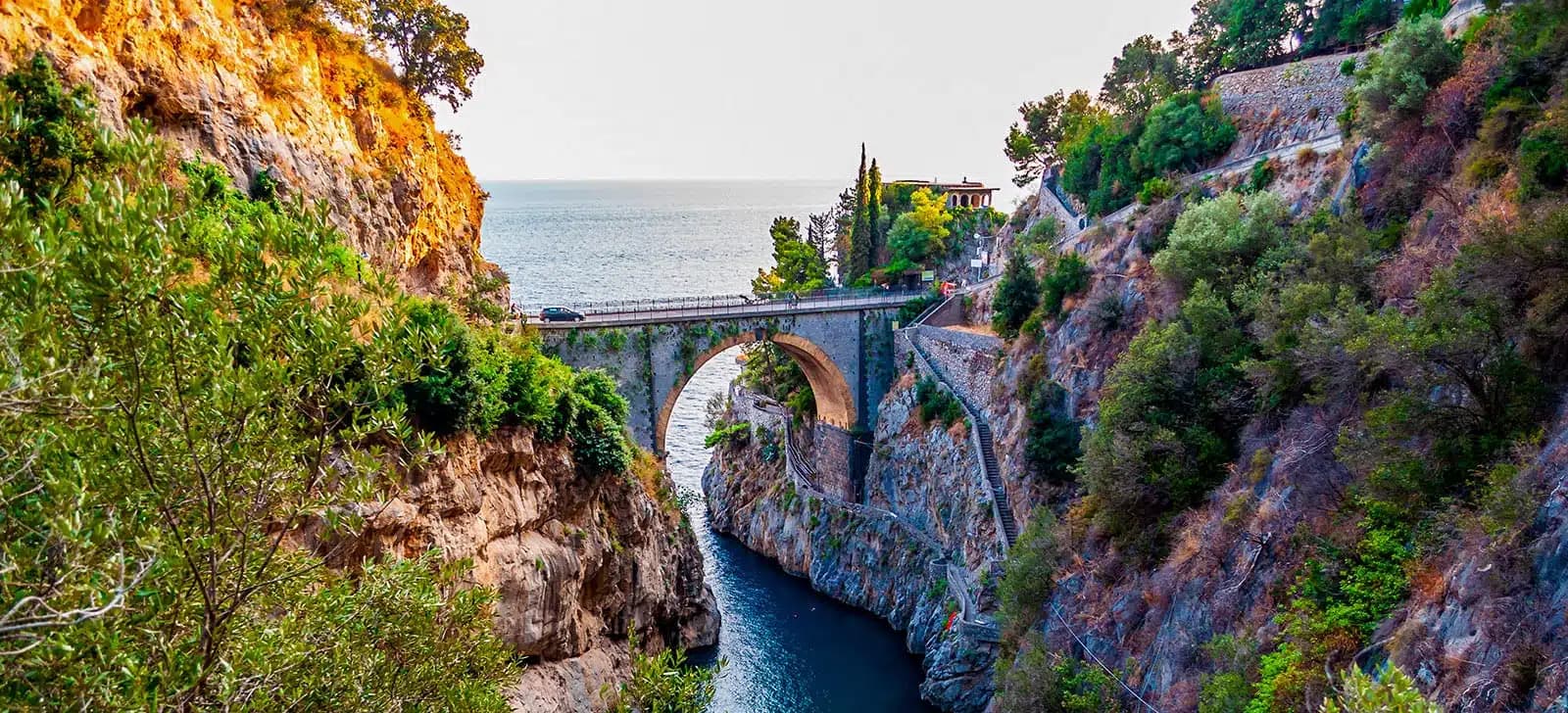
Furore
Province: Salerno · 300 m
The Amalfi Coast village with no piazza and no center, scattered on rock walls 300 meters above the only fjord in southern Italy.
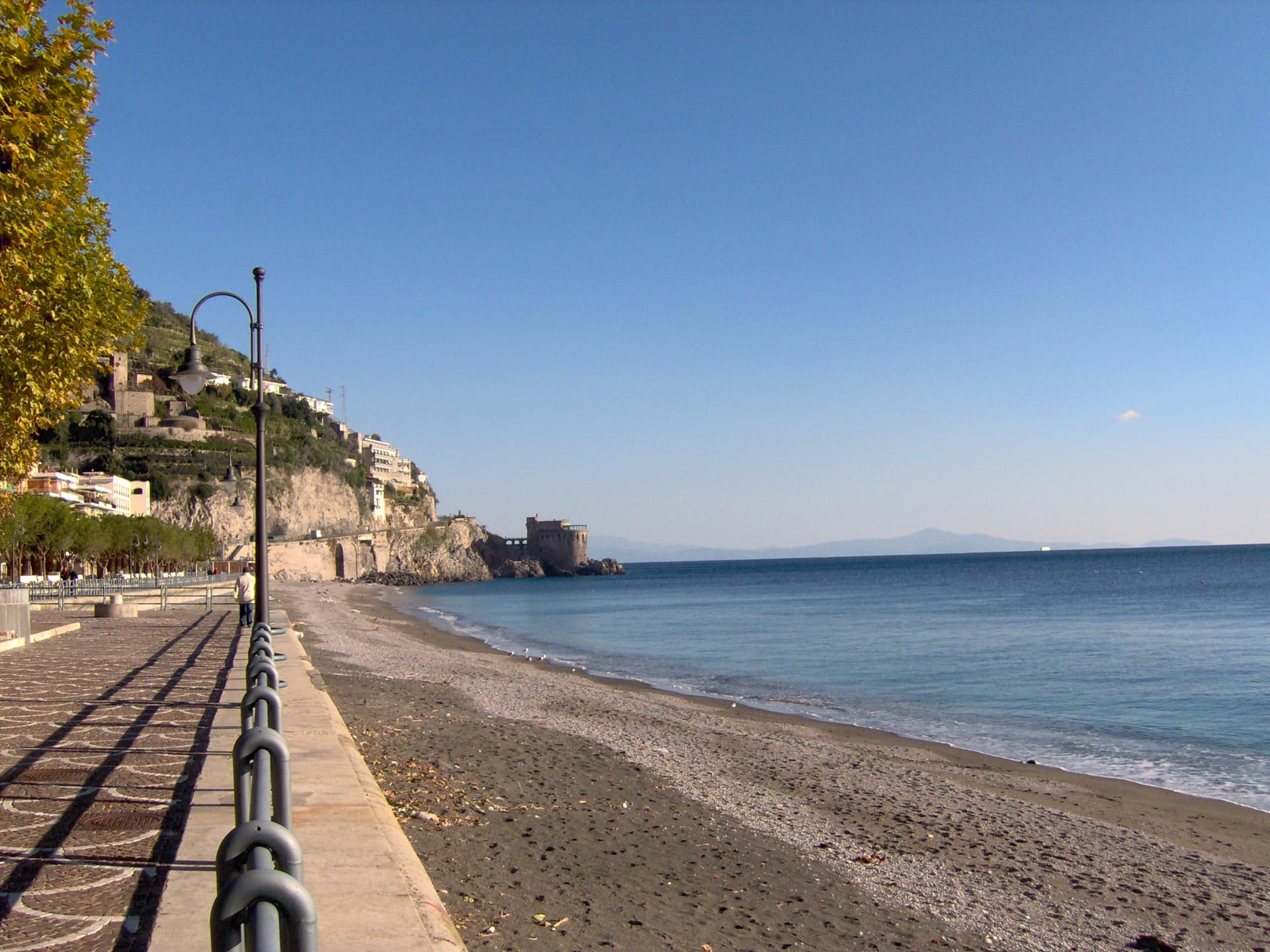
Maiori
Province: Salerno · 5 m
The Amalfi Coast town with the longest beach and a grid street plan, rebuilt after the 1954 flood took the medieval lanes.
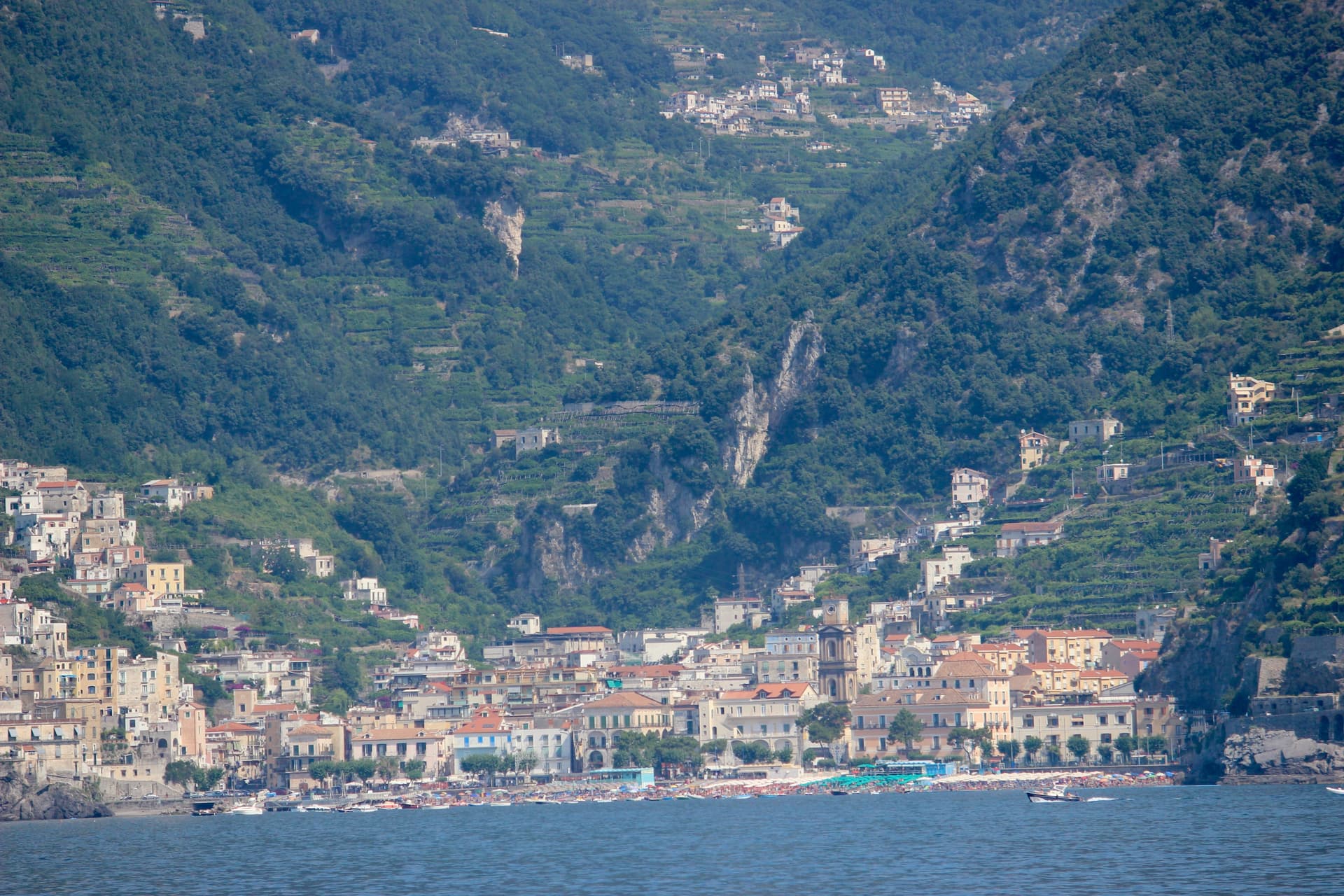
Minori
Province: Salerno · 13 m
The smaller of the two Rheginnae, where a first-century Roman maritime villa sits four blocks from the Tyrrhenian beach.
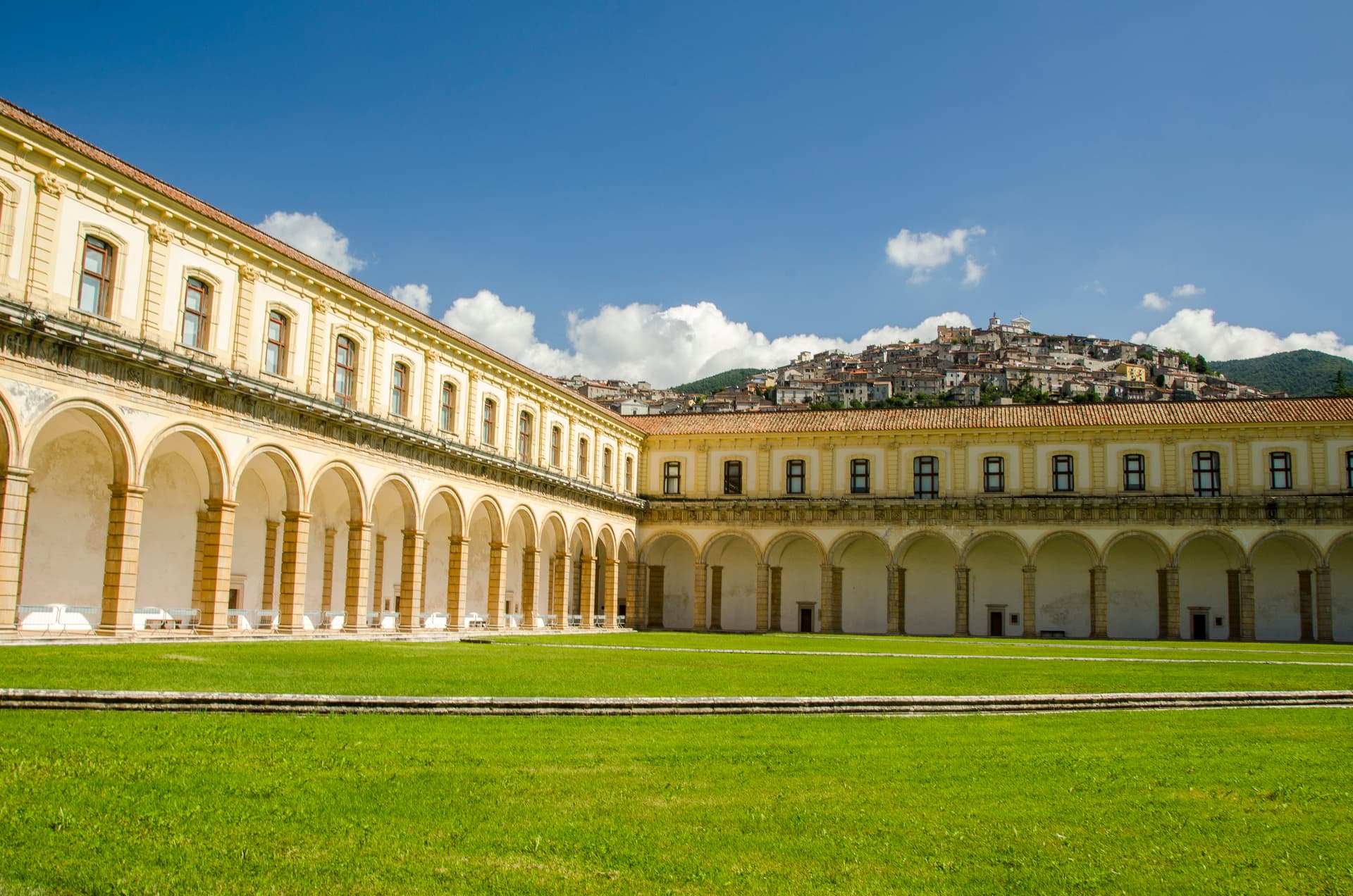
Padula
Province: Salerno · 699 m
A hill town at 699 meters above the Vallo di Diano, holding the Certosa di San Lorenzo and the world's largest cloister.
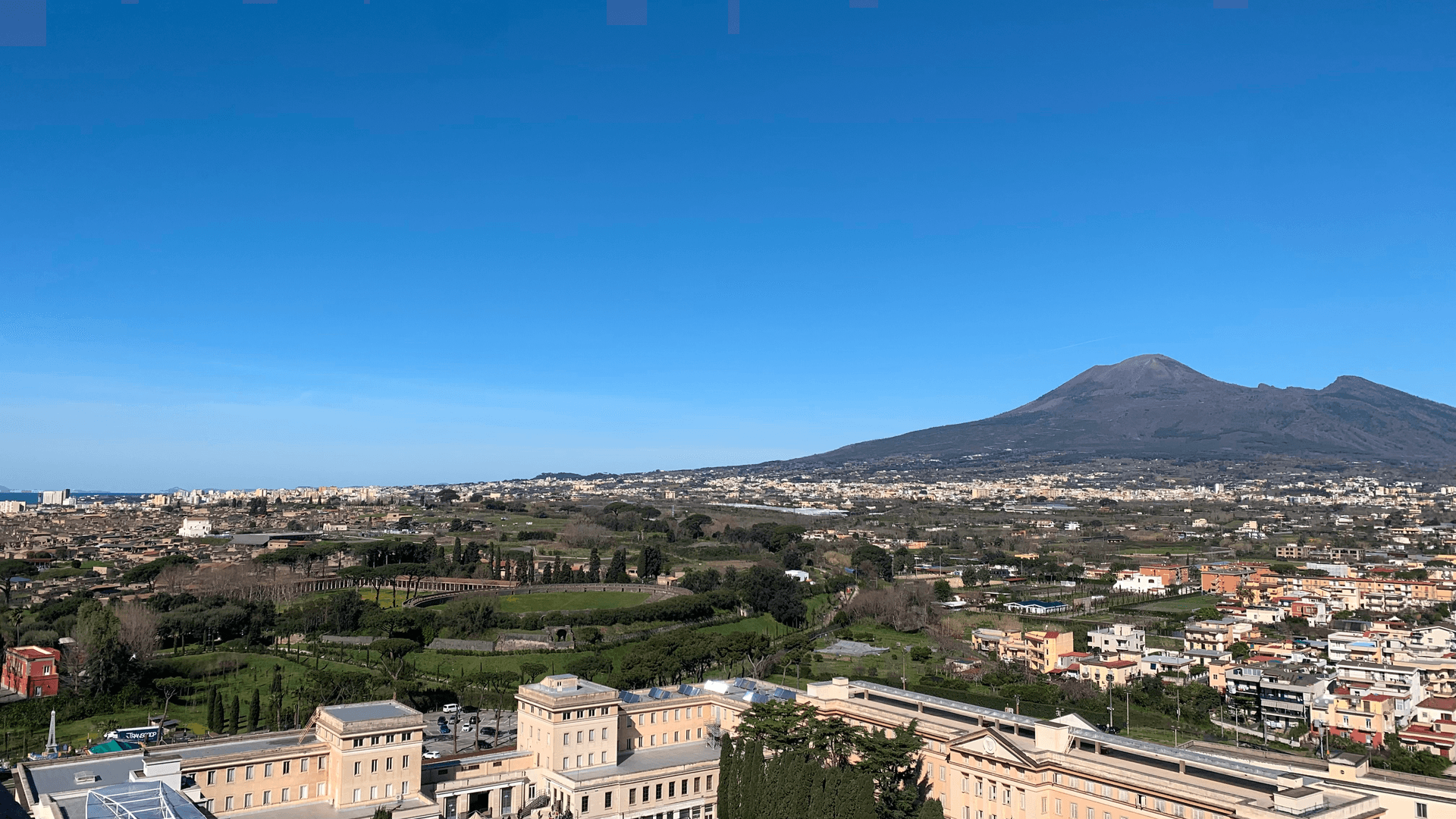
Pompei
Province: Napoli · 30 m
The Roman city buried by Vesuvius in 79 AD, dug back up since 1748, and a modern town around Bartolo Longo's 1876 sanctuary.
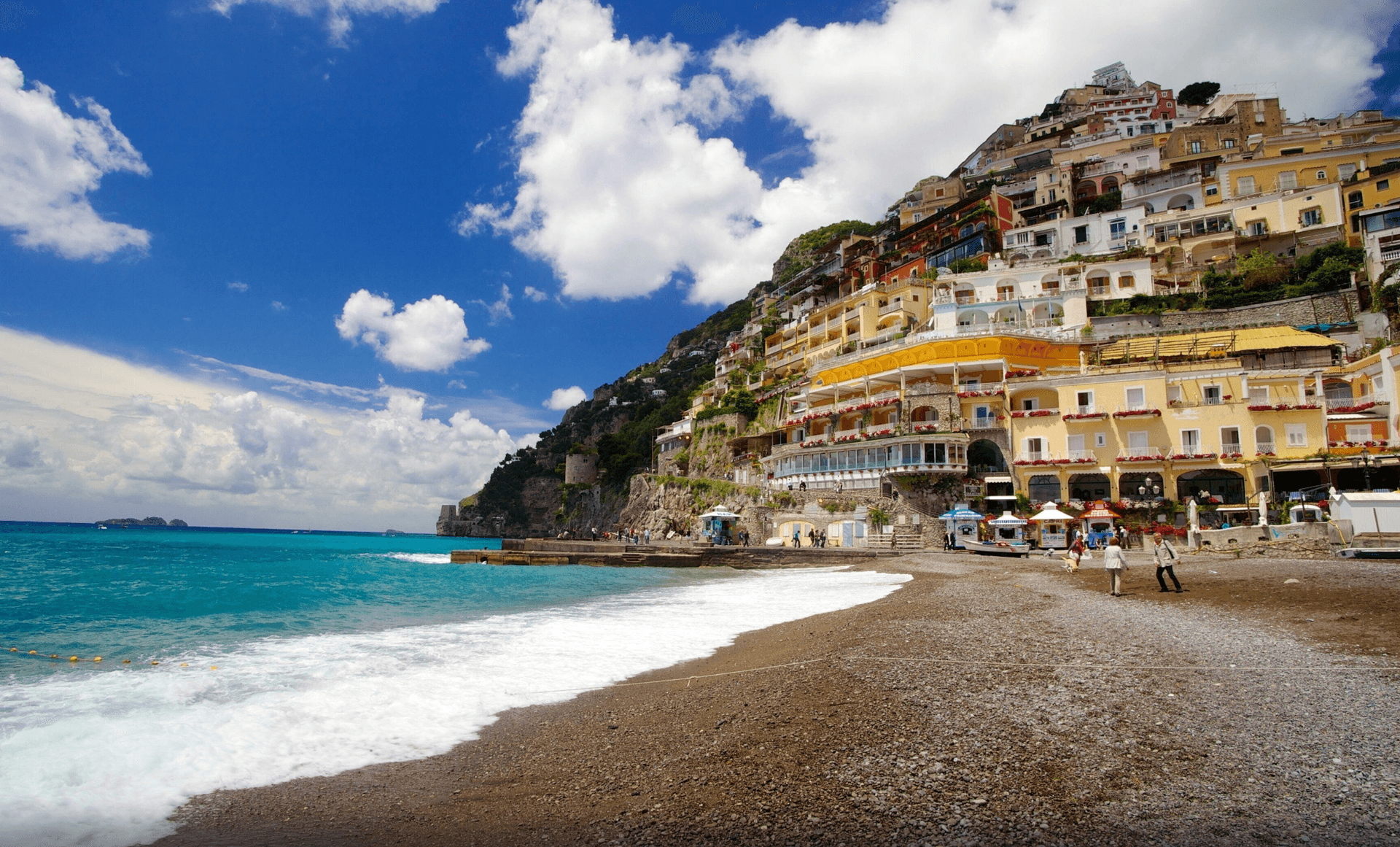
Positano
Province: Salerno · 30 m
The vertical village of the Amalfi Coast, terraced houses climbing four hundred meters from Spiaggia Grande to the Lattari ridge under a tiled Byzantine dome.
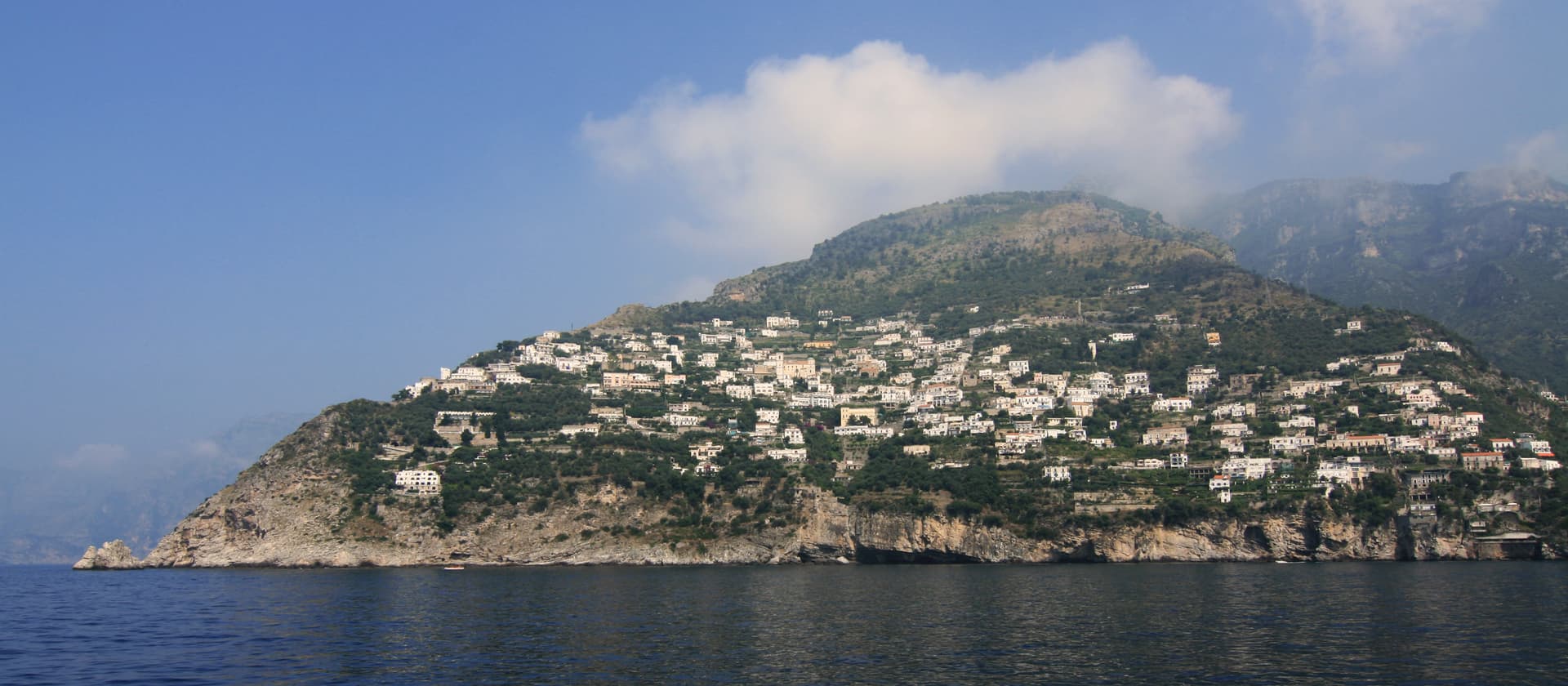
Praiano
Province: Salerno · 120 m
The Amalfi commune between Positano and Amalfi where the doges of the maritime republic kept their summer residences and the Path of the Gods starts.
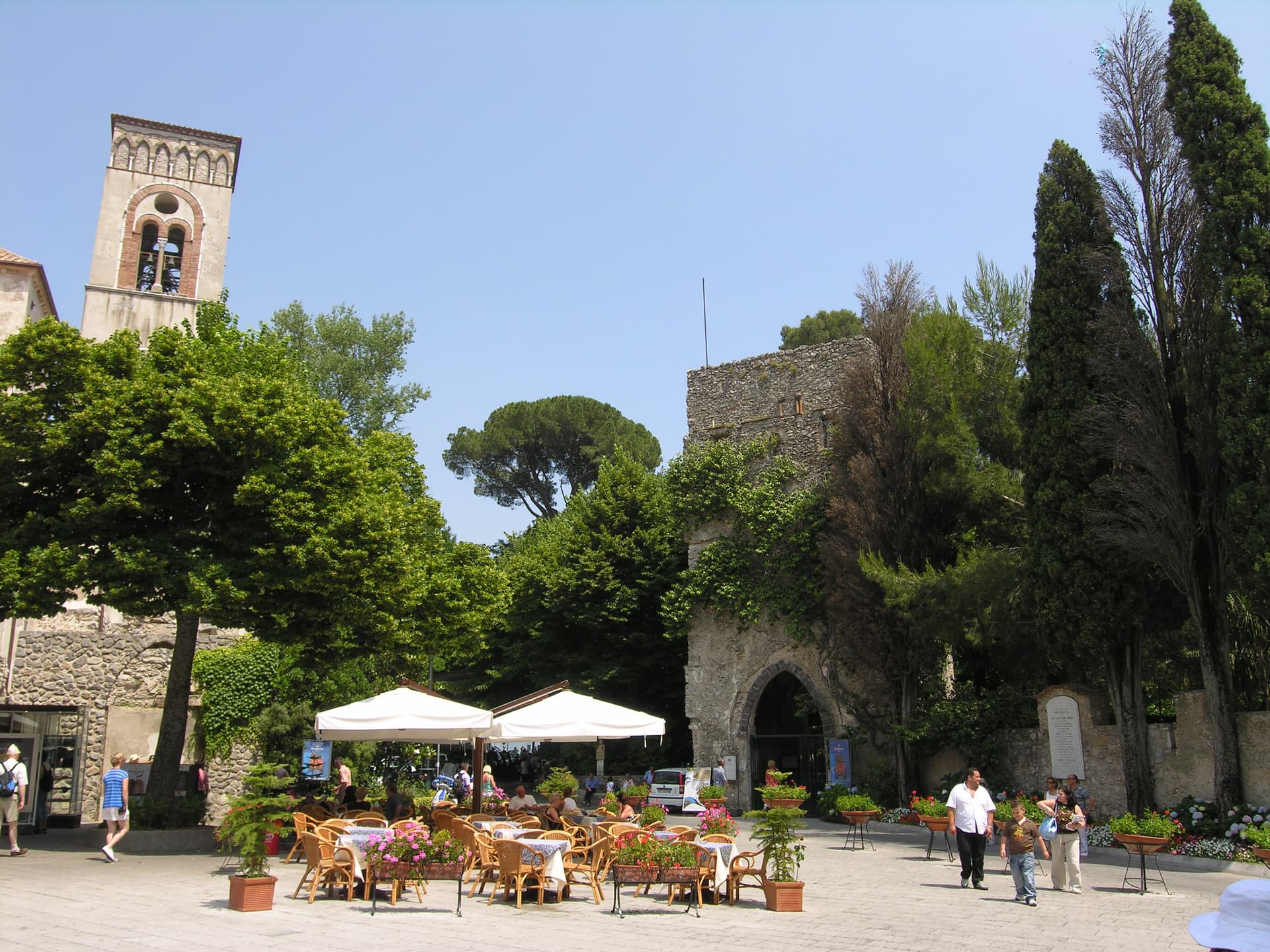
Ravello
Province: Salerno · 365 m
A ridge town 365 meters above the sea, where Wagner found Klingsor's garden in 1880 and the Ravello Festival has played his music since 1953.
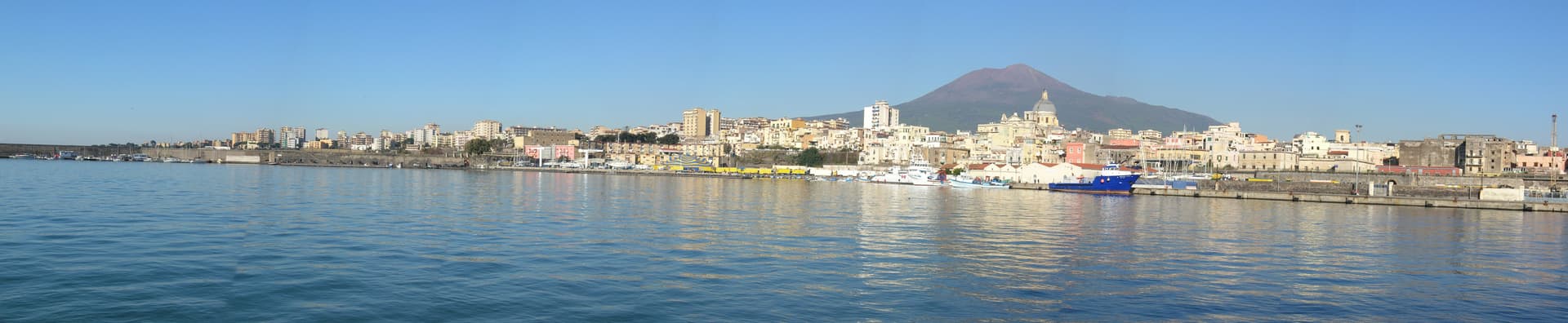
Torre Annunziata
Province: Napoli · 15 m
Capital of Italian pasta in the interwar period and home of the Roman Villa di Poppea, on the bay at the foot of Vesuvius.
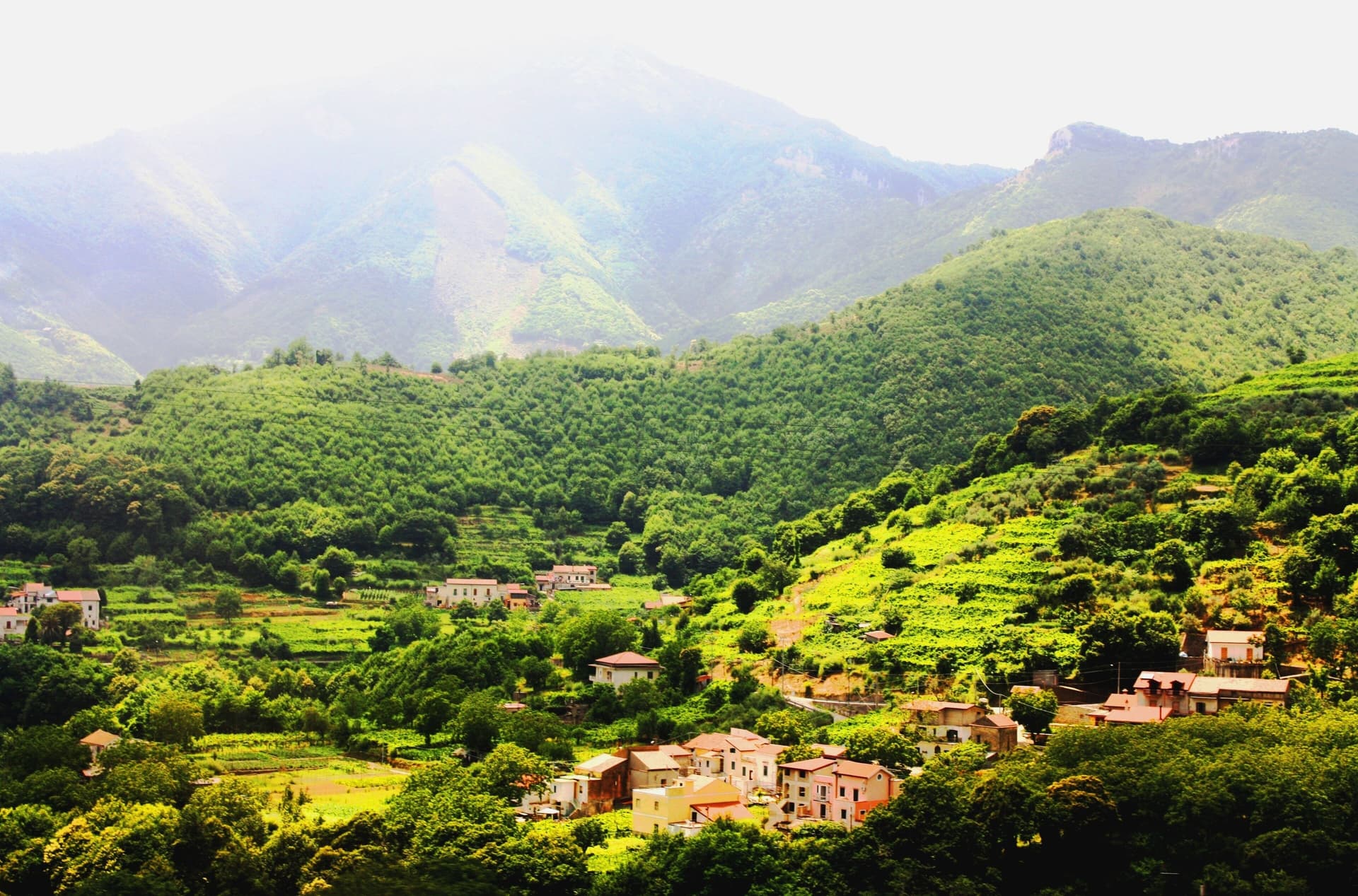
Tramonti
Province: Salerno · 321 m
The inland side of the Amalfi Coast, thirteen hamlets on the Lattari slopes producing the Costa d'Amalfi Tramonti DOC and an exported pizza dough.
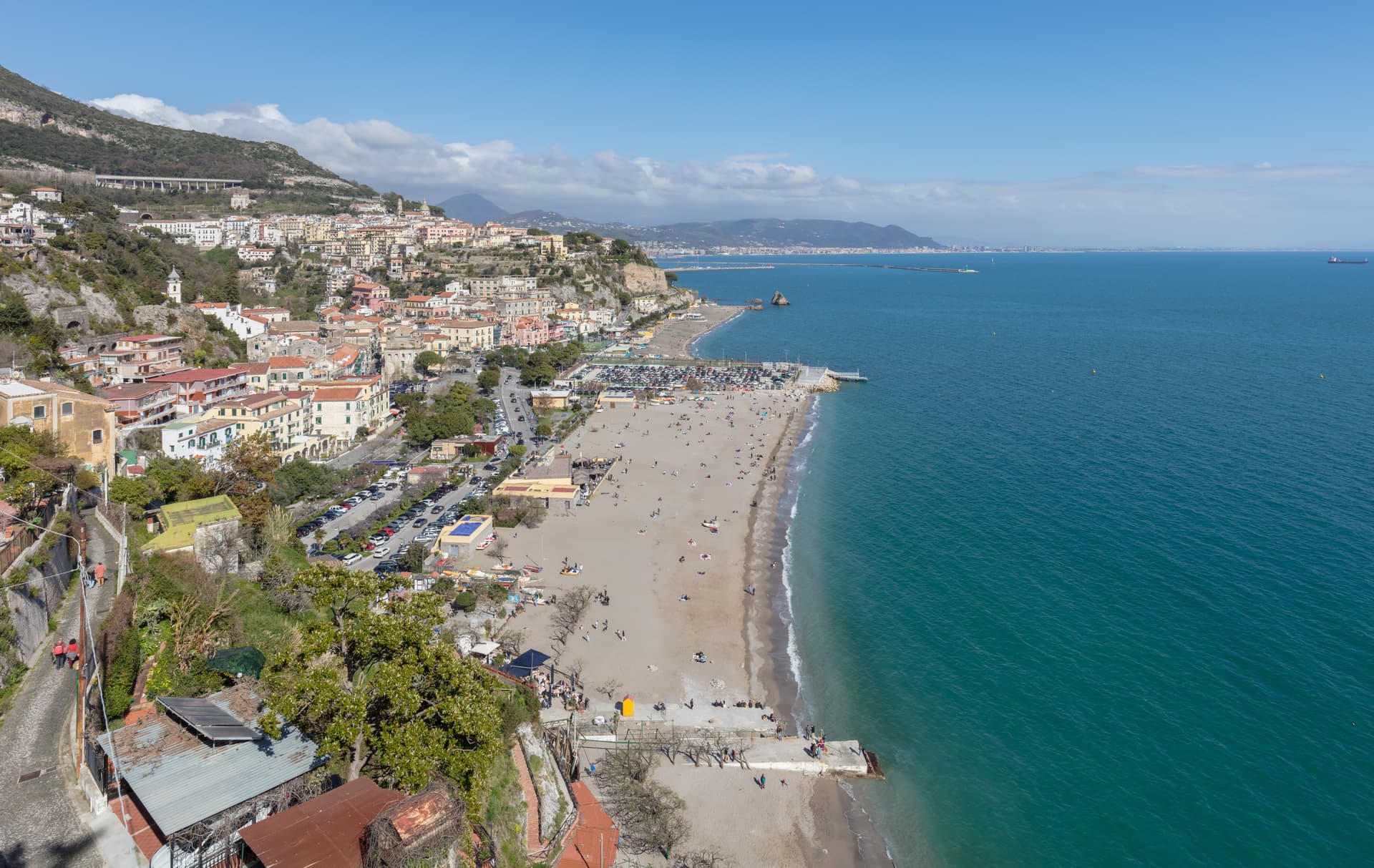
Vietri sul Mare
Province: Salerno · 80 m
The eastern end of the Amalfi Coast at 80 meters, the ceramics town since the fifteenth century, the gateway between Salerno and the cliff road.
Emilia-Romagna2
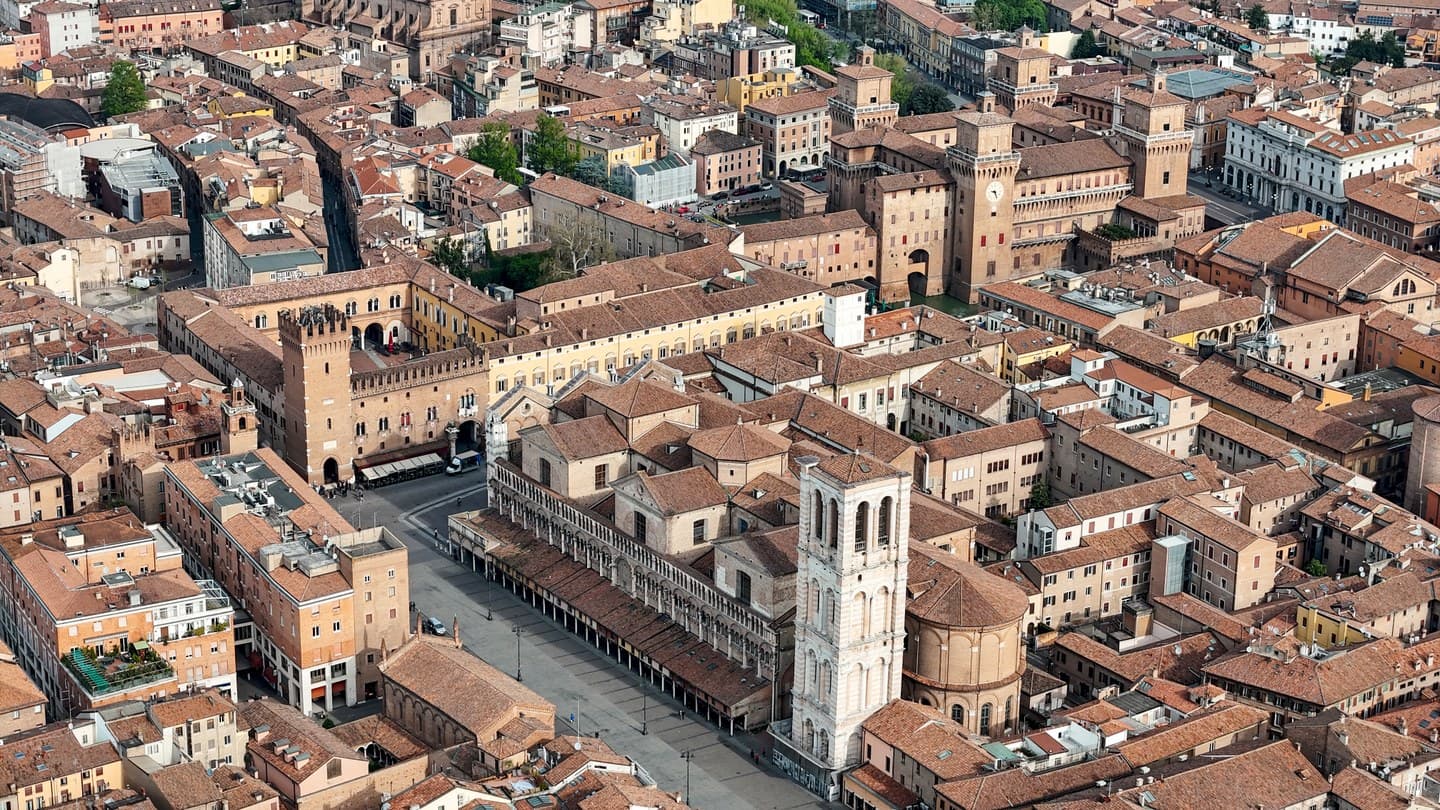
Ferrara
Province: Ferrara · 9 m
The first modern Renaissance city — Biagio Rossetti's 1492 'Addizione Erculea' was Europe's first scientifically planned urban expansion, and the moated brick Castello Estense, the diamond-faceted Palazzo dei Diamanti, and 9 km of intact medieval walls all sit inside a UNESCO-inscribed centro storico you can cycle end-to-end in 20 minutes.
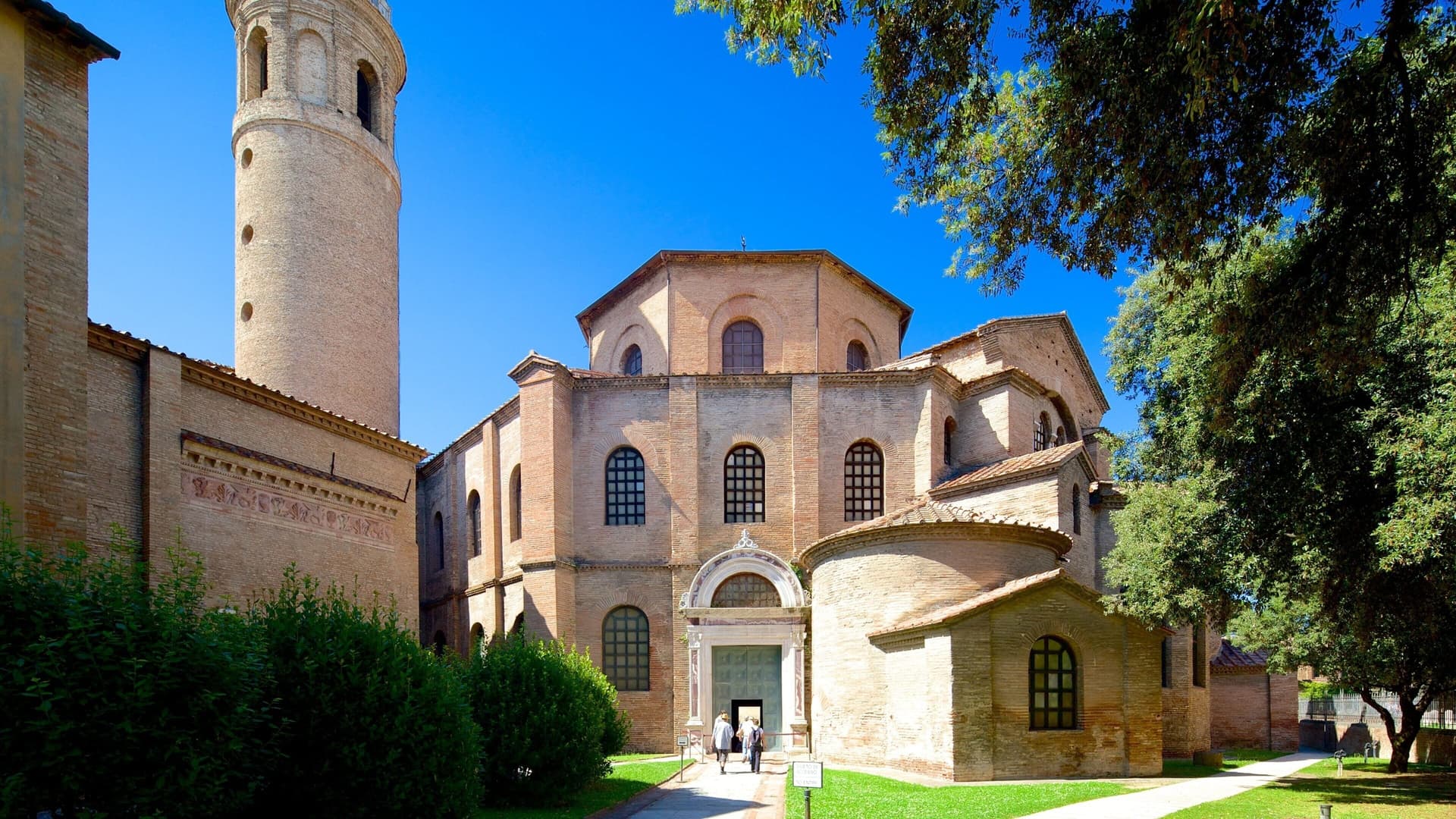
Ravenna
Province: Ravenna · 4 m
A 4-meter coastal capital of three successive empires, with eight UNESCO mosaic monuments from the fifth and sixth centuries.
Friuli-Venezia Giulia3
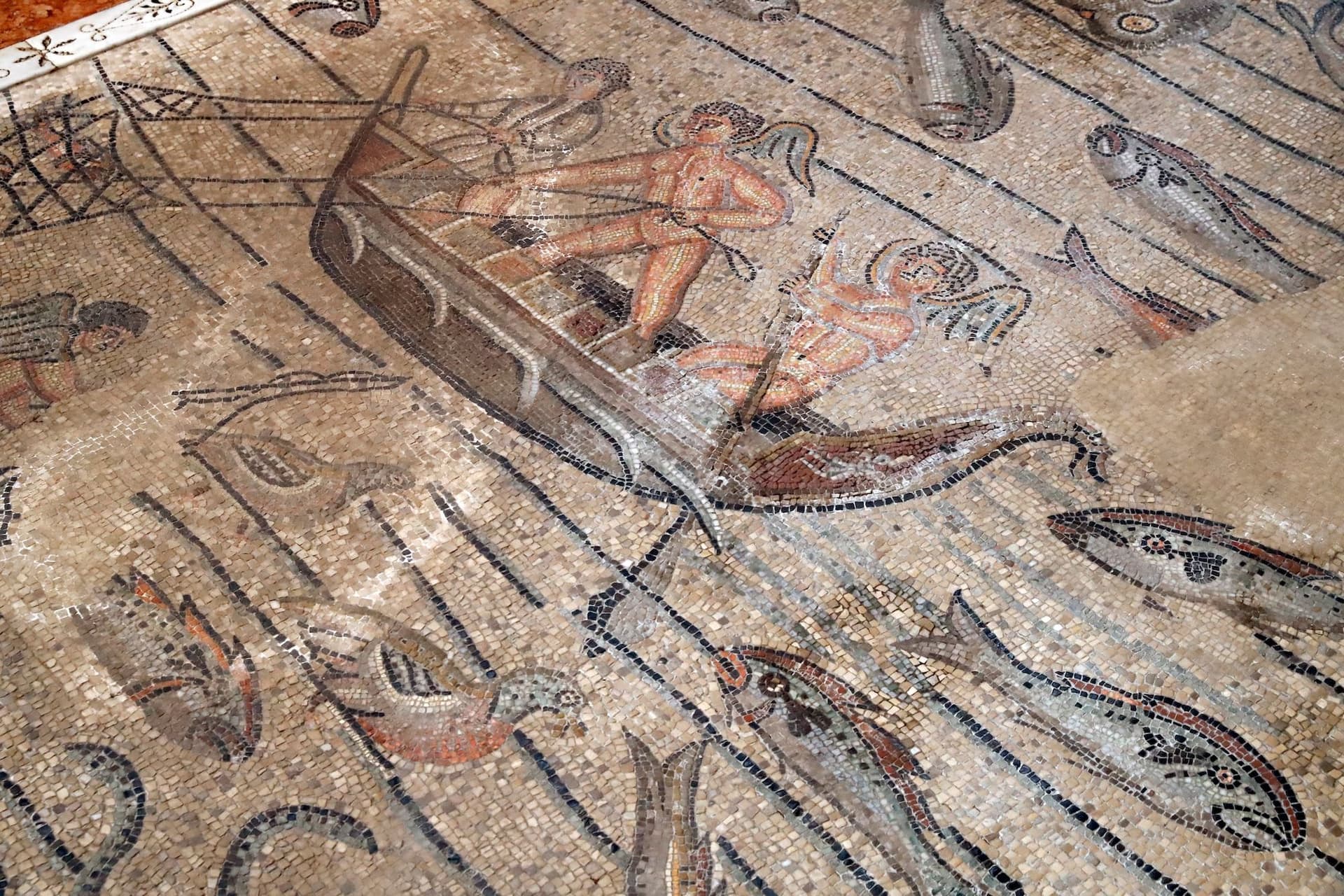
Aquileia
Province: Udine · 5 m
A village of 3,128 on a Roman capital of 100,000, where the largest paleochristian mosaic floor in the West runs under a Romanesque basilica.
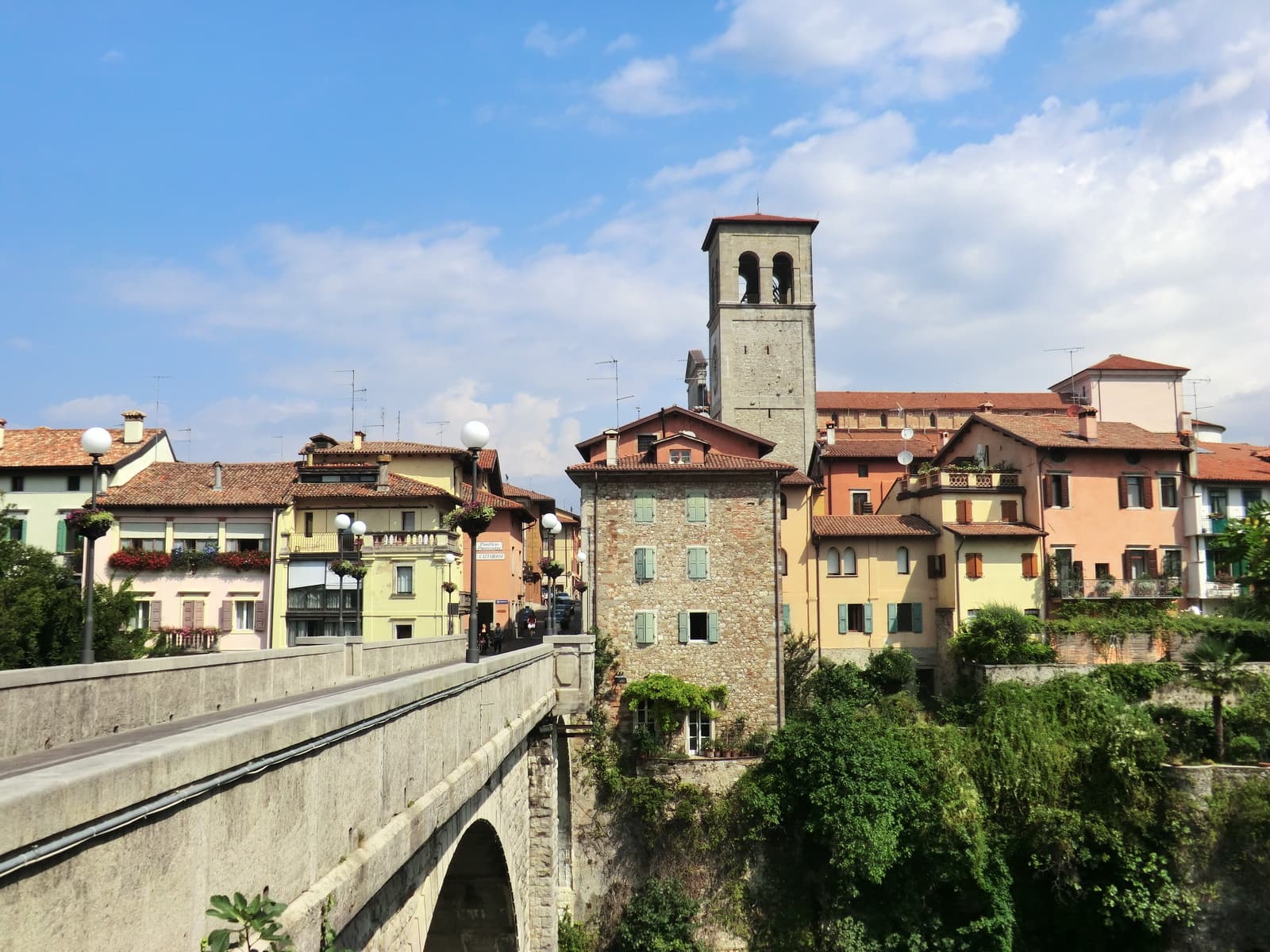
Cividale del Friuli
Province: Udine · 138 m
The Lombard capital on the Natisone, founded as Forum Iulii by Julius Caesar, where an eighth-century chapel still holds six stucco saints.
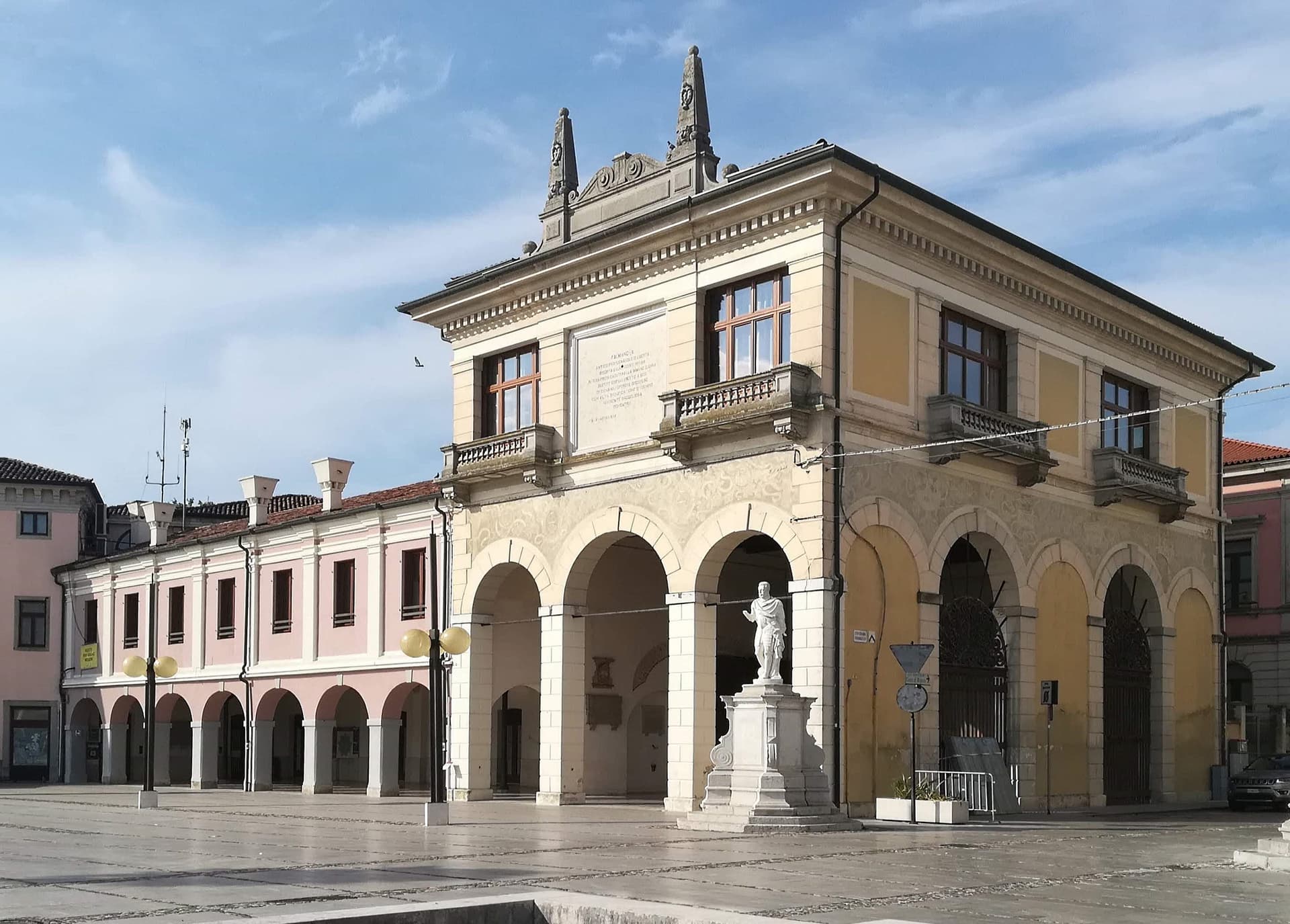
Palmanova
Province: Udine · 26 m
A nine-pointed Venetian star fortress founded 7 October 1593, designed as a perfect Renaissance city and finished, in three phases, under Napoleon in 1813.
Lazio3
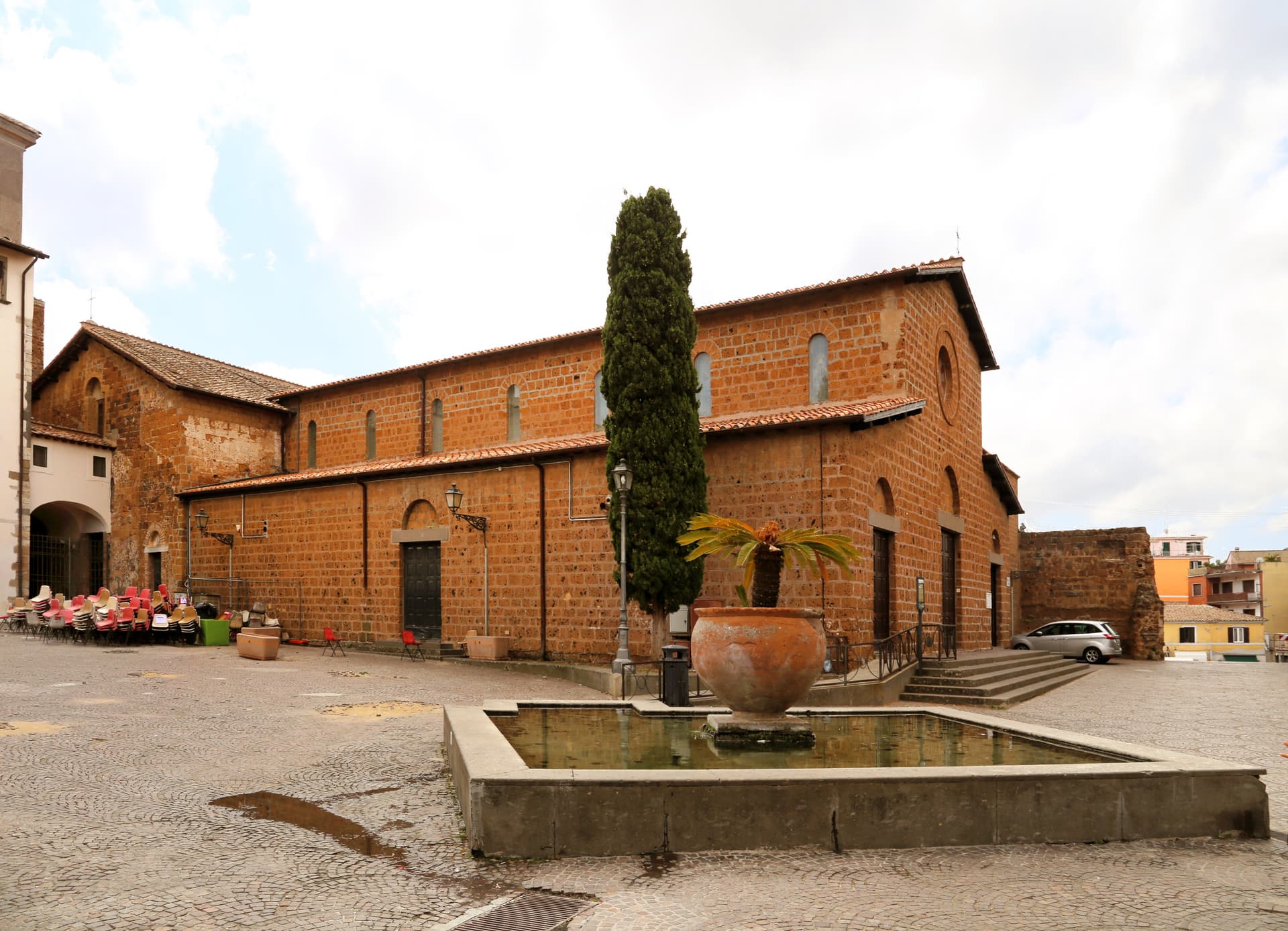
Cerveteri
Province: Roma · 81 m
An Etruscan capital seven kilometers inland from the Tyrrhenian coast, with the Banditaccia necropolis holding 1,000 tombs in the largest ancient cemetery in the Mediterranean.
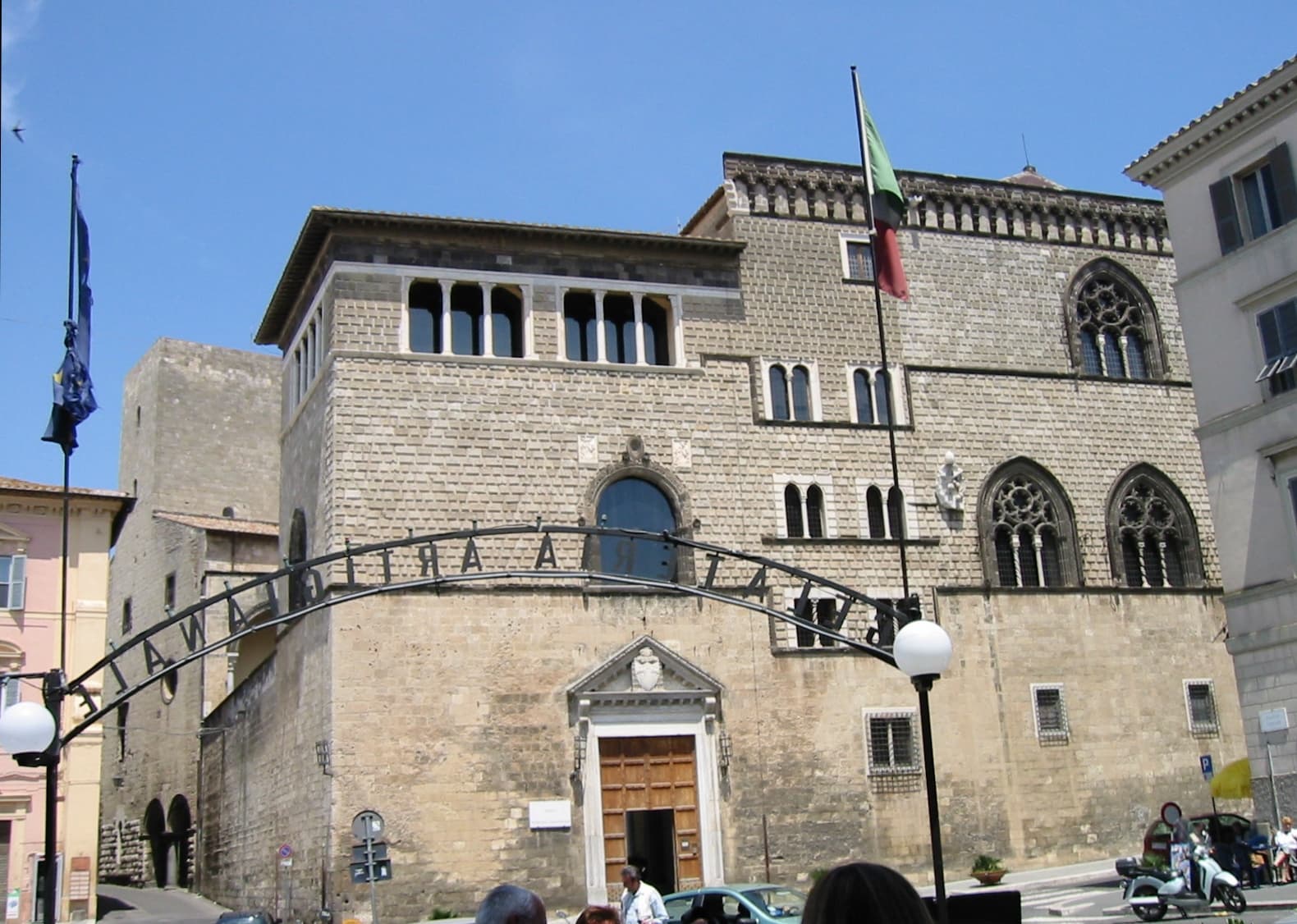
Tarquinia
Province: Viterbo · 133 m
An Etruscan capital on a Maremma ridge whose 6,000 rock-cut tombs at Monterozzi hold the largest body of pre-Roman painting in the Mediterranean.
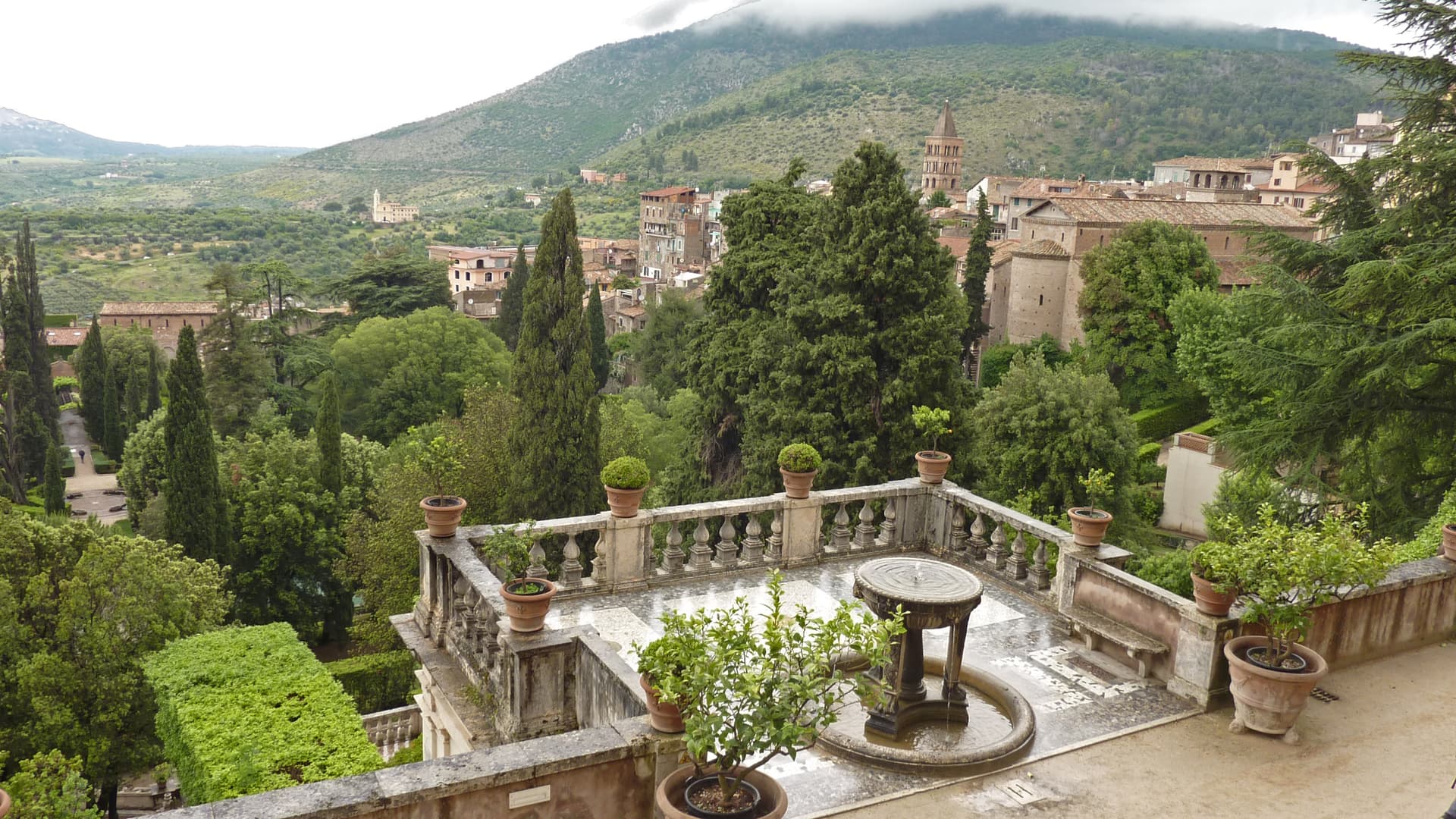
Tivoli
Province: Roma · 235 m
A travertine town on the Aniene falls twenty-five kilometers east of Rome, holding two separate UNESCO sites: Hadrian's villa below and the Villa d'Este above.
Liguria4
- ✷ We've been
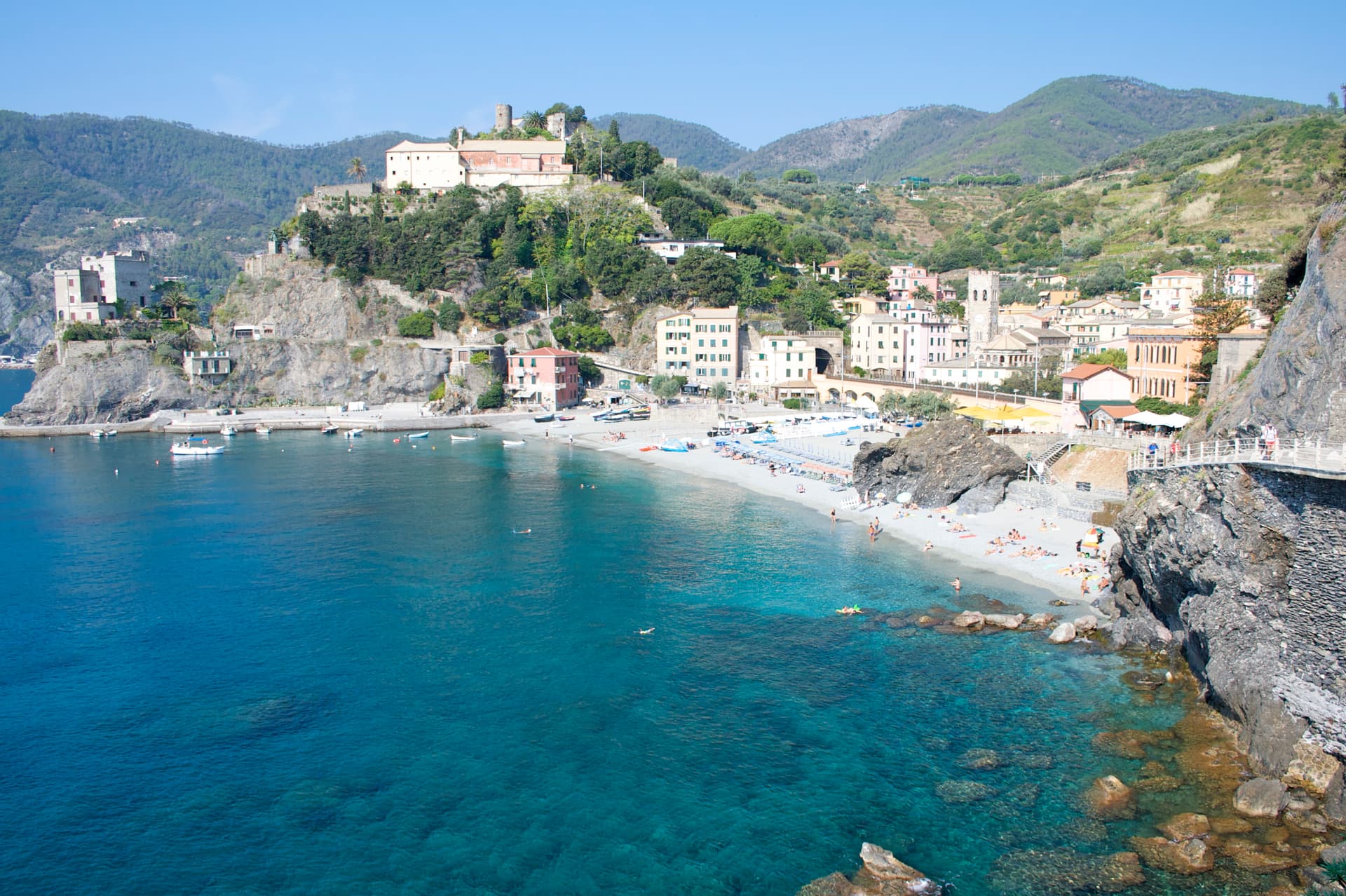
Monterosso al Mare
Province: La Spezia · 12 m
The westernmost and largest of the Cinque Terre, where Eugenio Montale spent the childhood summers that became Ossi di seppia in 1925.
- ✷ We've been
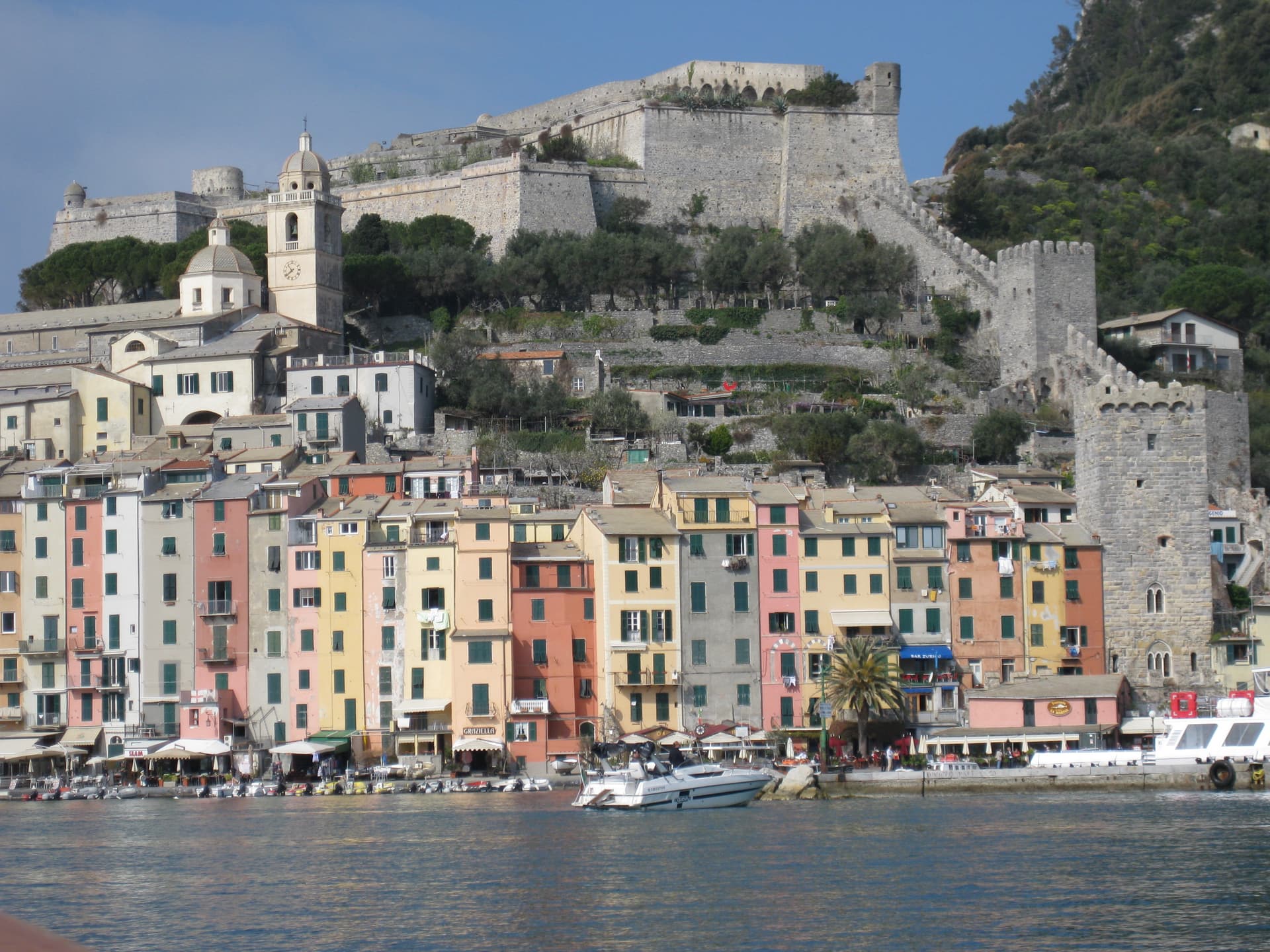
Portovenere
Province: La Spezia · 37 m
A Genoese fortress at the western mouth of the Gulf of Poets, the black-and-white church of San Pietro on the Venus-temple rock.
- ✷ We've been
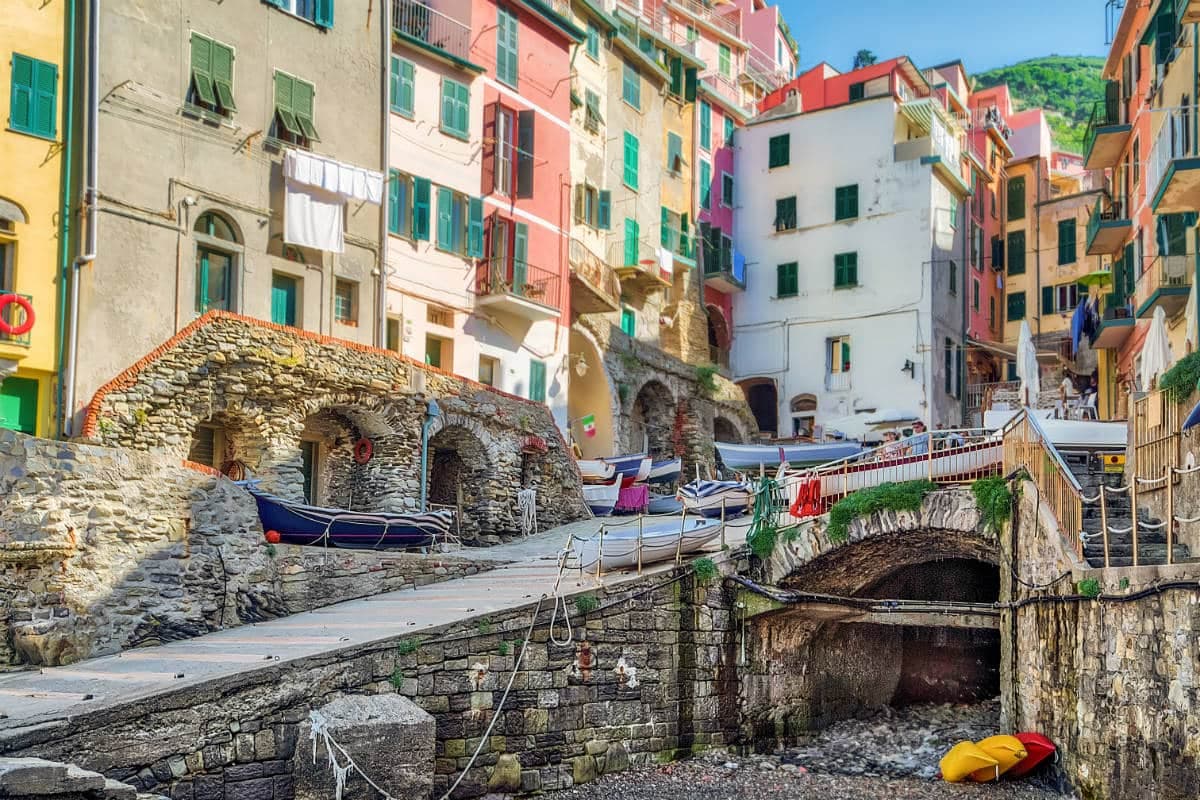
Riomaggiore
Province: La Spezia · 35 m
The easternmost of the Cinque Terre, 1,326 people stacked above a fishing inlet, terraced vineyards climbing 250 meters straight off the sea.
- ✷ We've been
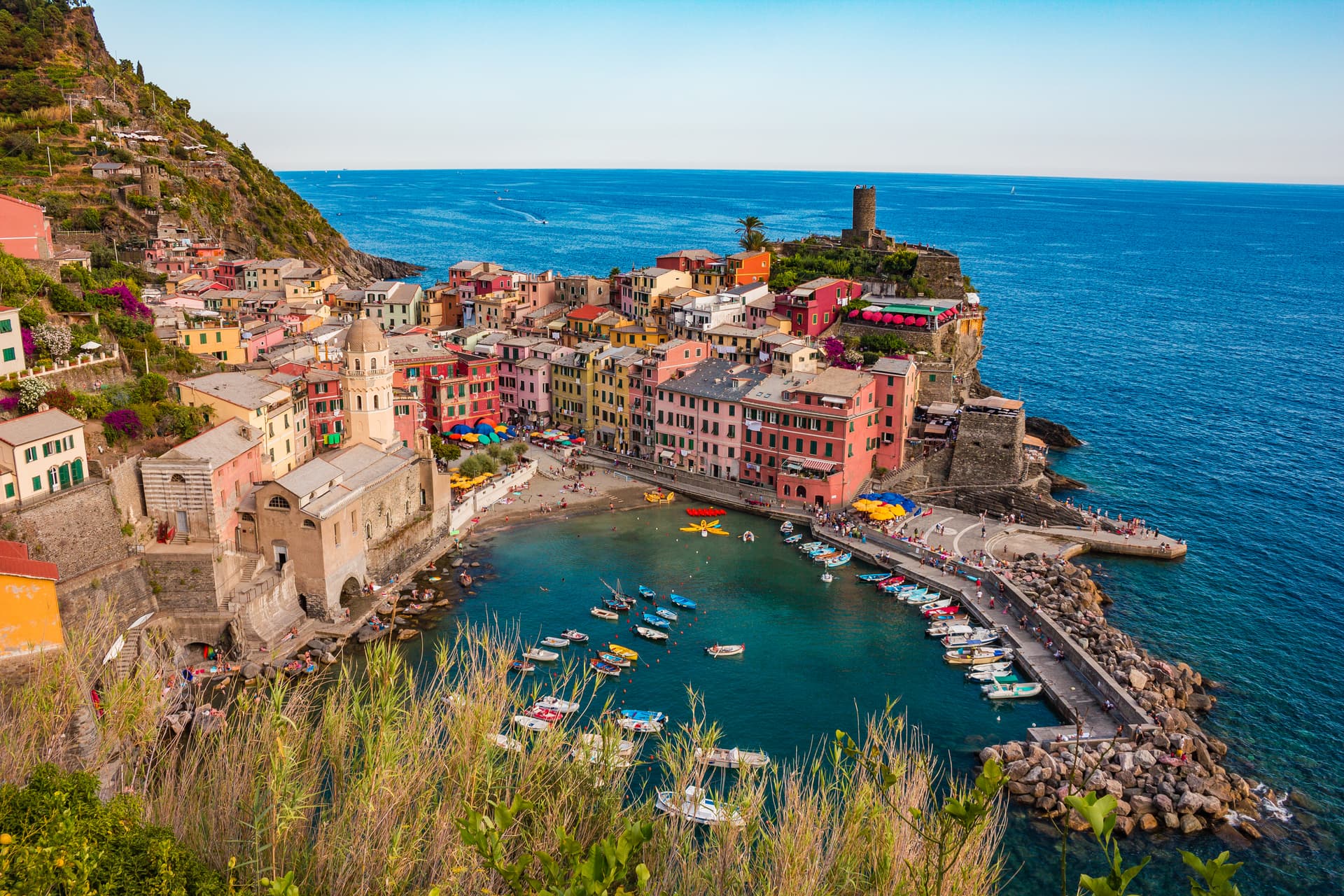
Vernazza
Province: La Spezia · 3 m
The middle village of the Cinque Terre, the only one with a natural harbor, buried under four meters of mud in October 2011.
Lombardy8
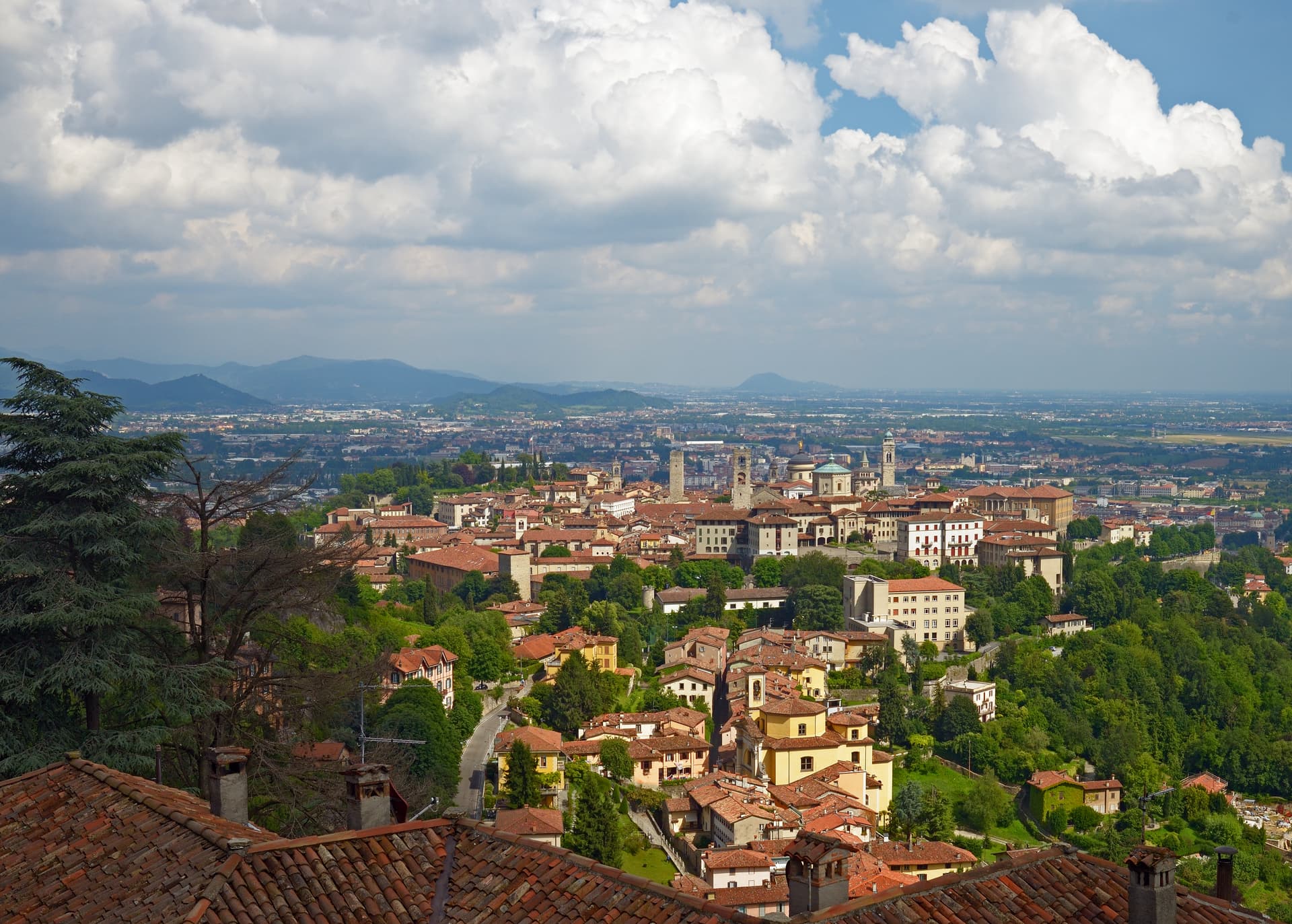
Bergamo
Province: Bergamo · 249 m
A two-city Lombard capital where a Venetian walled hilltown sits 85 meters above its modern twin on the plain, 45 kilometers northeast of Milan.
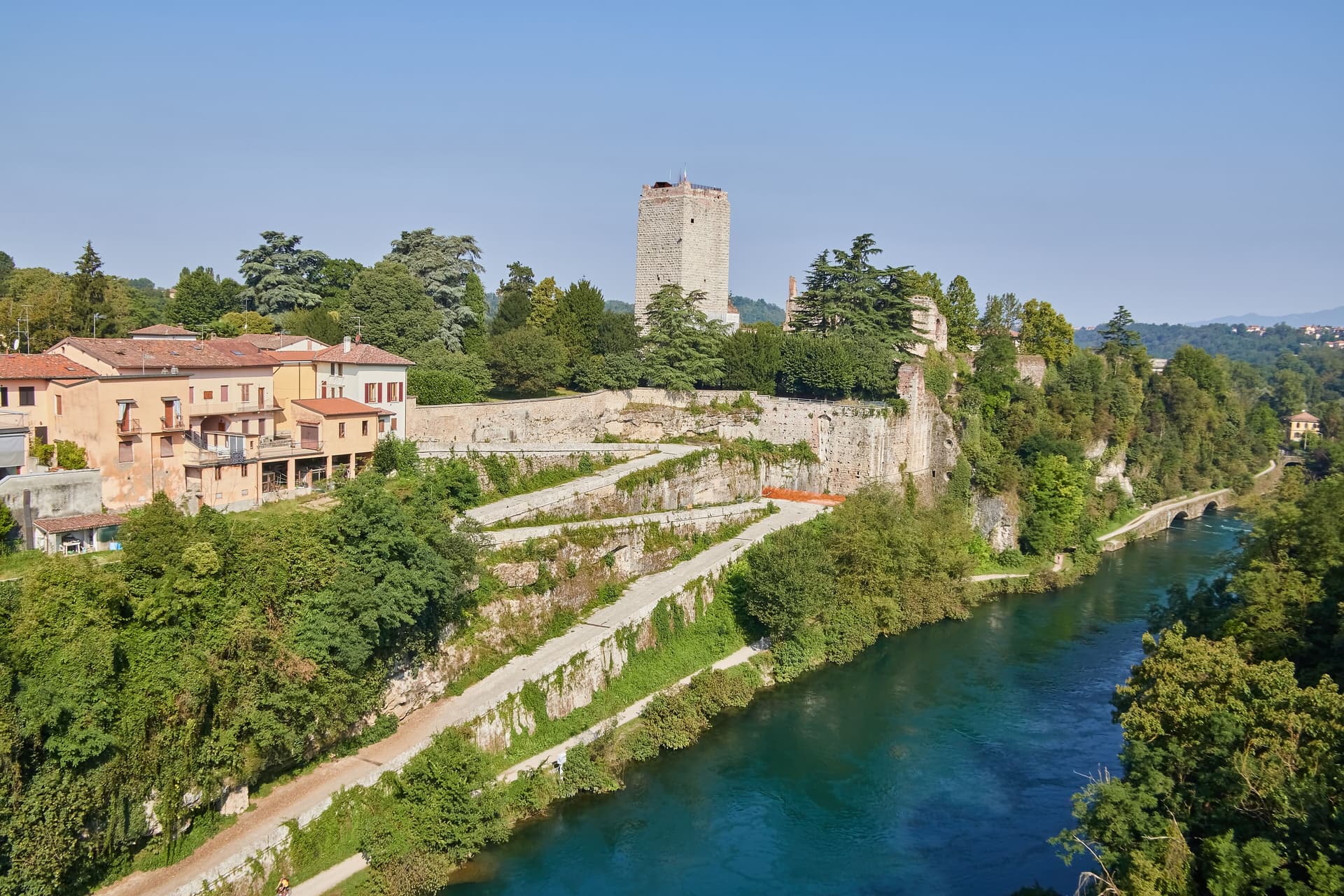
Capriate San Gervasio
Province: Bergamo · 190 m
The Bergamasco town that holds Crespi d'Adda, the late-nineteenth-century company village inscribed by UNESCO in 1995 as a model workers' settlement.
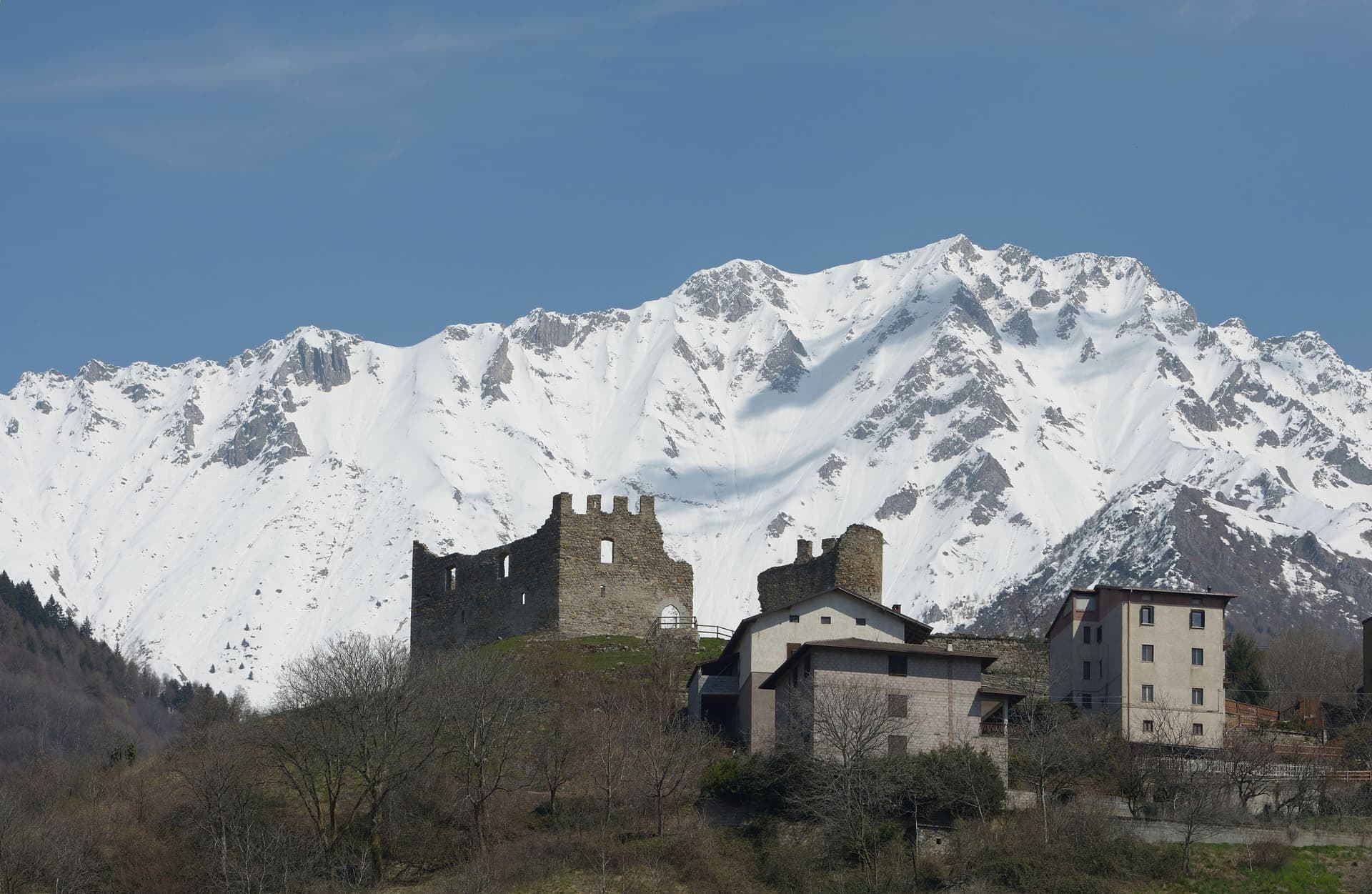
Cimbergo
Province: Brescia · 851 m
A village of 533 at 851 meters above the Oglio, with castle ruins on a spur and UNESCO petroglyphs on the slopes below.
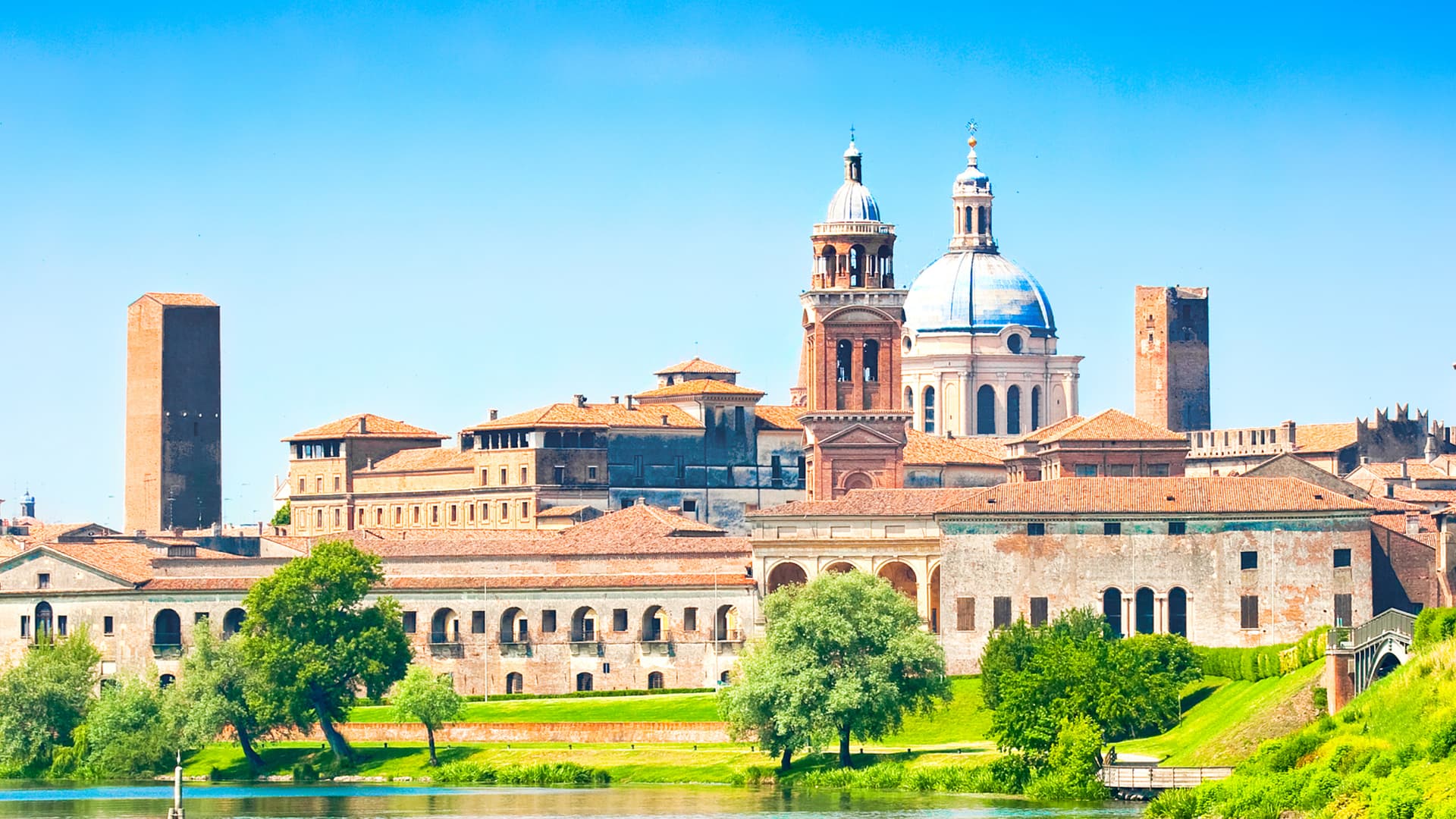
Mantova
Province: Mantova · 19 m
A Gonzaga capital at 19 meters, encircled on three sides by lakes the Mincio formed in the twelfth century, UNESCO-listed together with Sabbioneta since 2008.
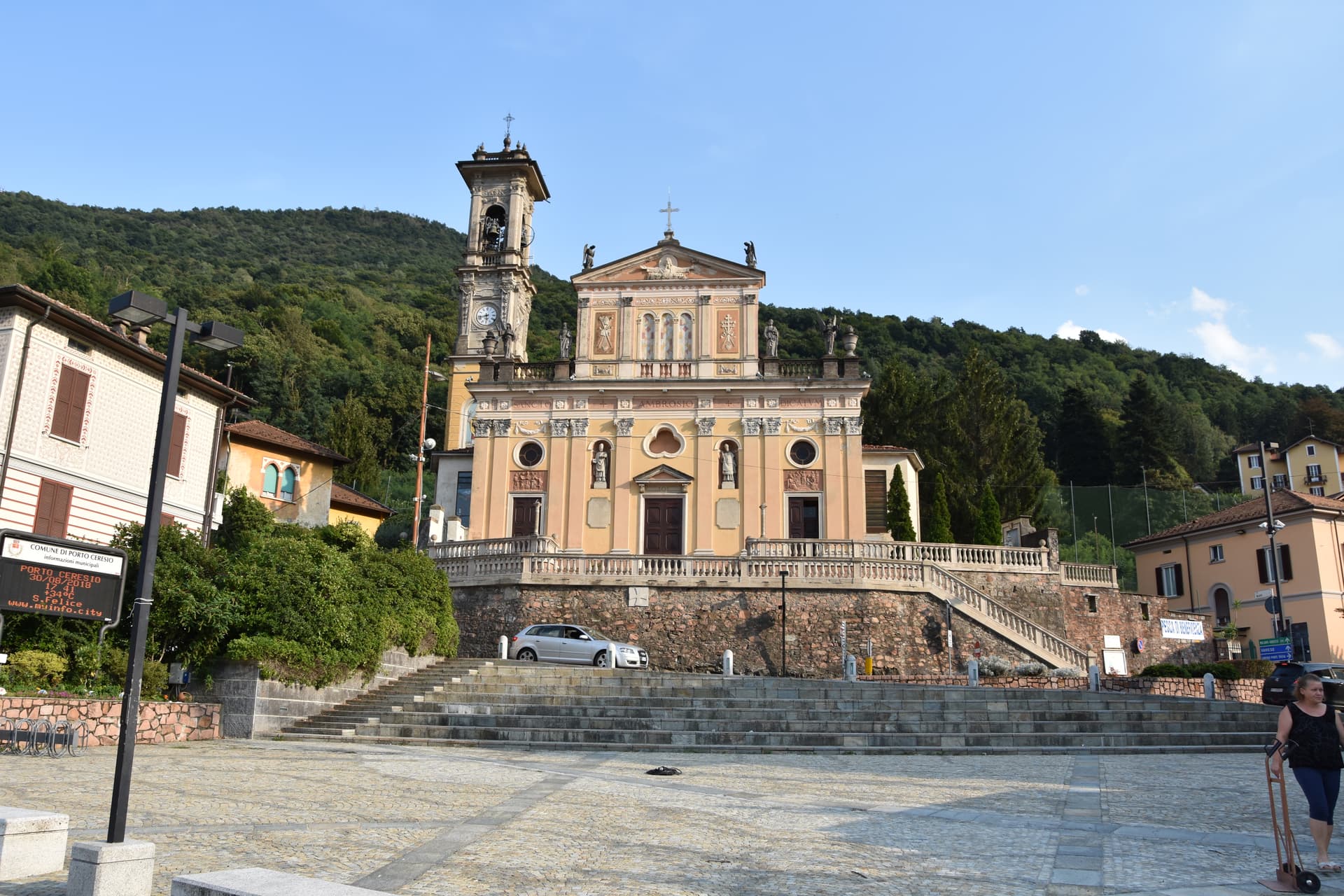
Porto Ceresio
Province: Varese · 271 m
The Italian port at the southern end of Lake Lugano, where the Swiss border runs through the water below Monte San Giorgio.
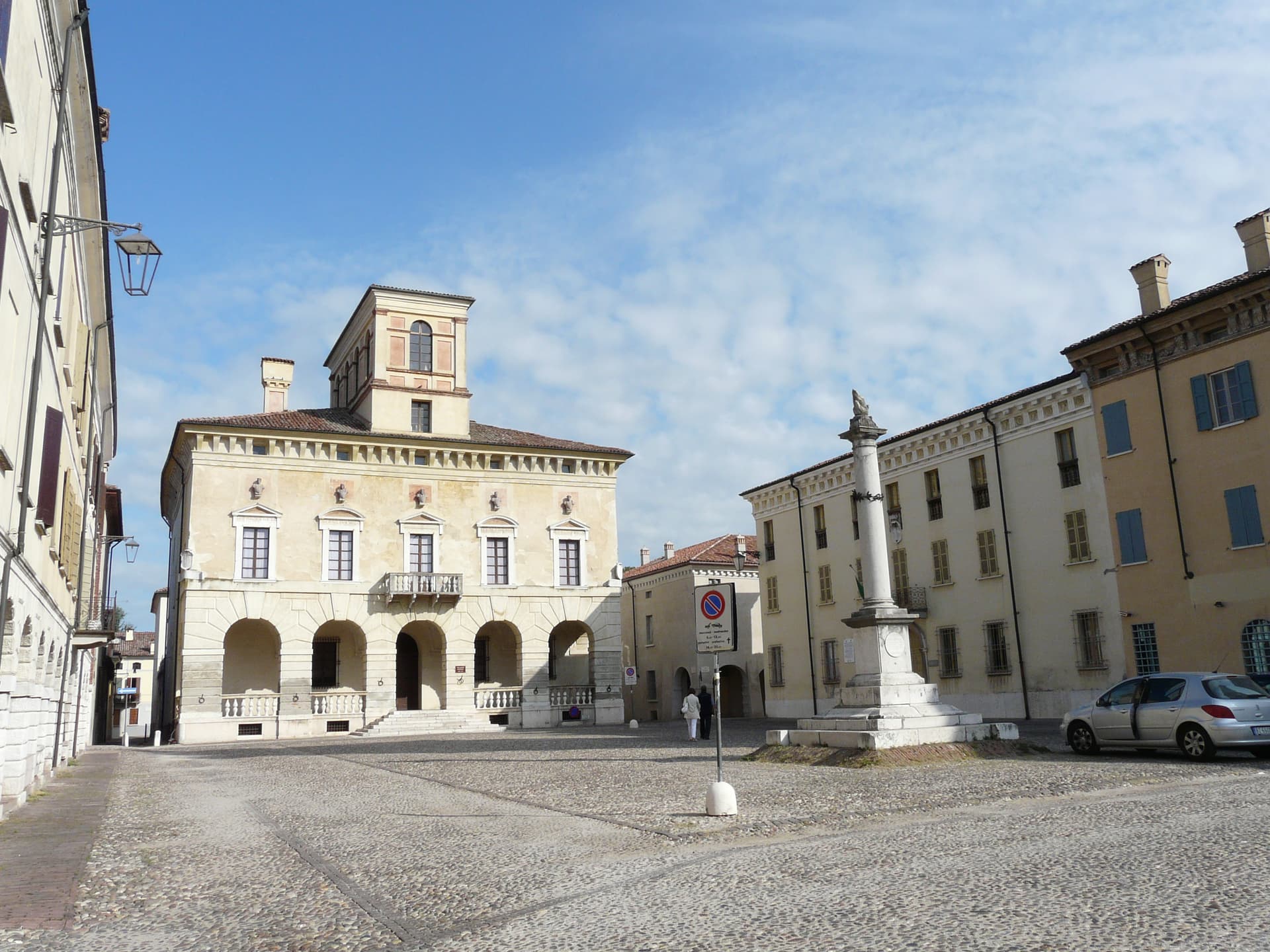
Sabbioneta
Province: Mantova · 25 m
A Renaissance ideal city on the Po, built in thirty years by Vespasiano I Gonzaga and laid out as a six-pointed star.
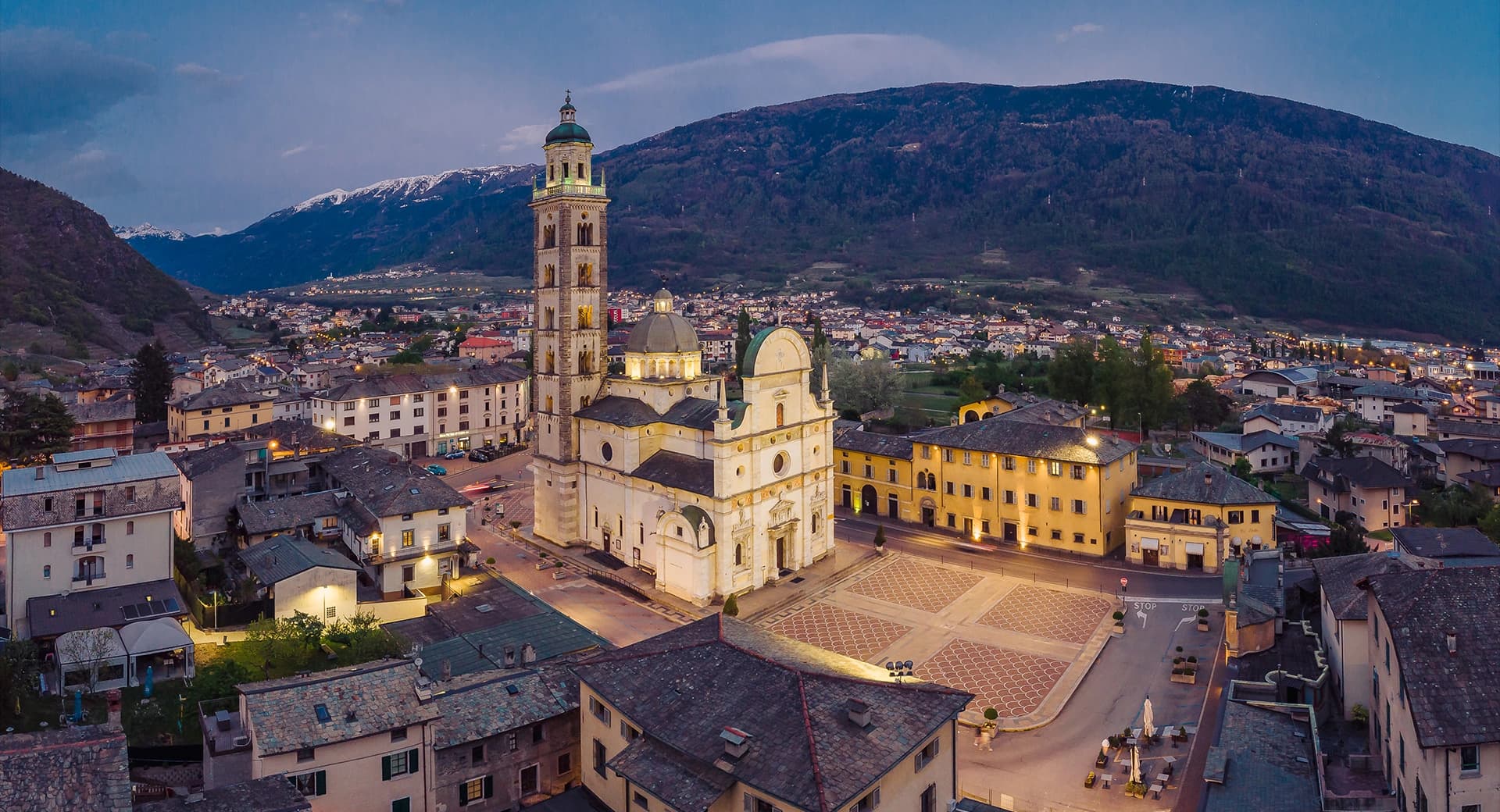
Tirano
Province: Sondrio · 441 m
A Valtellina town at 441 meters where the Bernina railway from St Moritz reaches Italy, beneath terraced Nebbiolo vineyards.
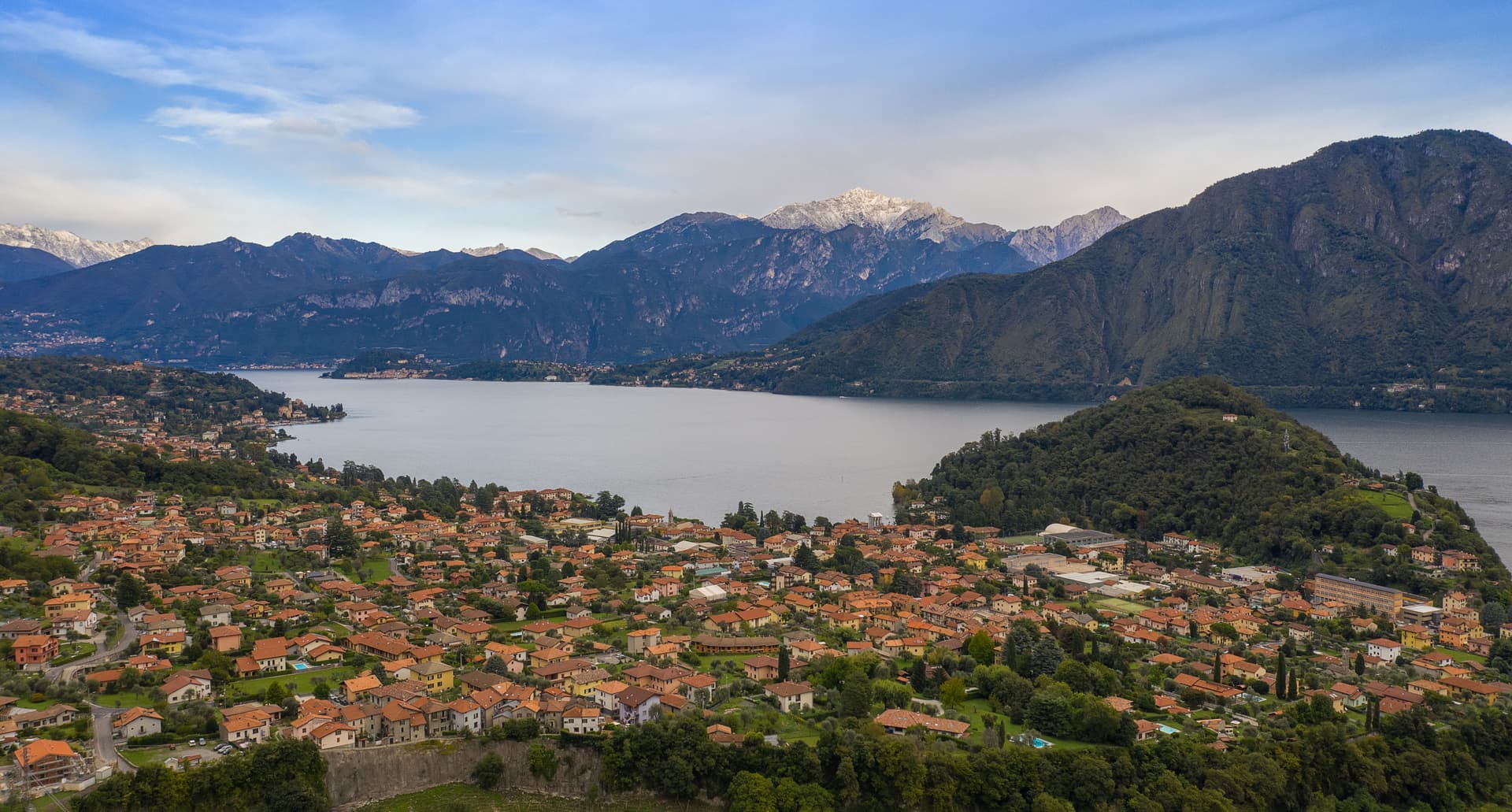
Tremezzina
Province: Como · 209 m
The 2014 merger of four Lake Como villages that holds Villa Carlotta, Isola Comacina and the UNESCO Sacro Monte di Ossuccio.
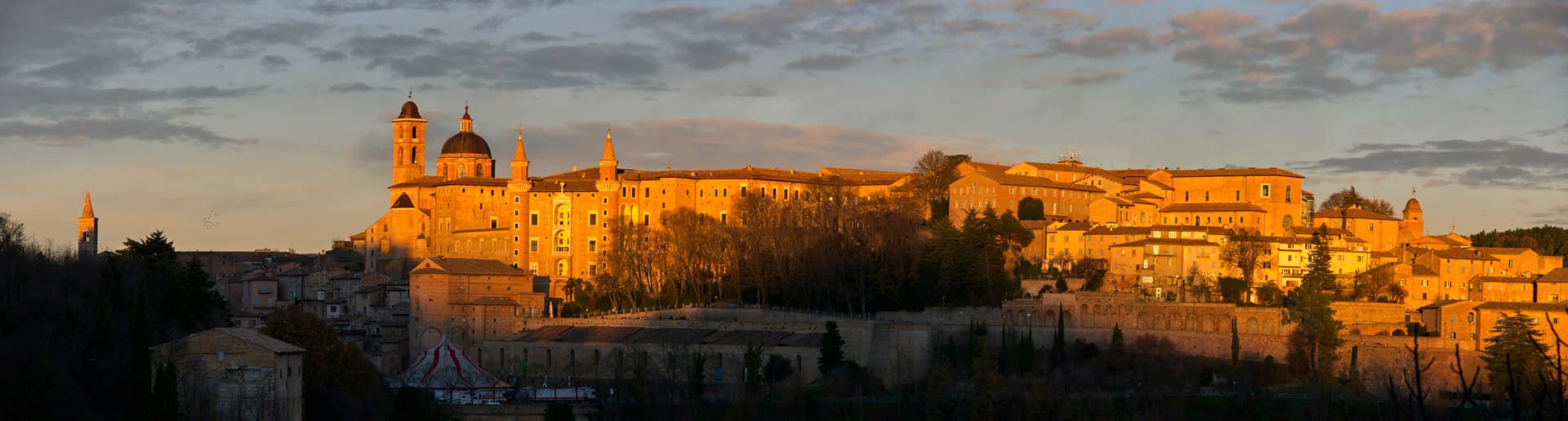
Piedmont12
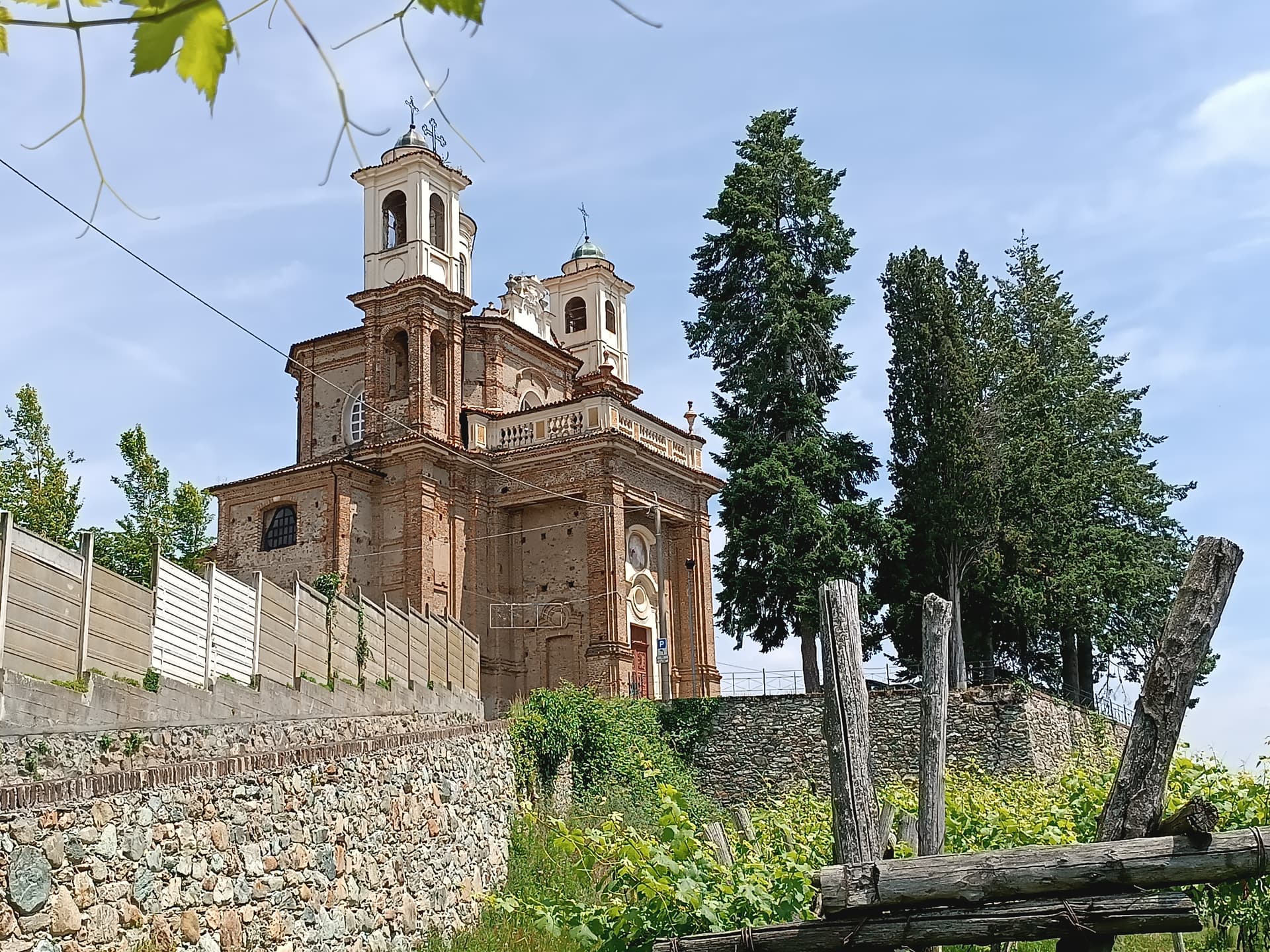
Agliè
Province: Torino · 330 m
A Canavese borgo at 330 meters whose Castello Ducale, a UNESCO Savoy residence since 1997, has been held by the d'Agliè since 1259.
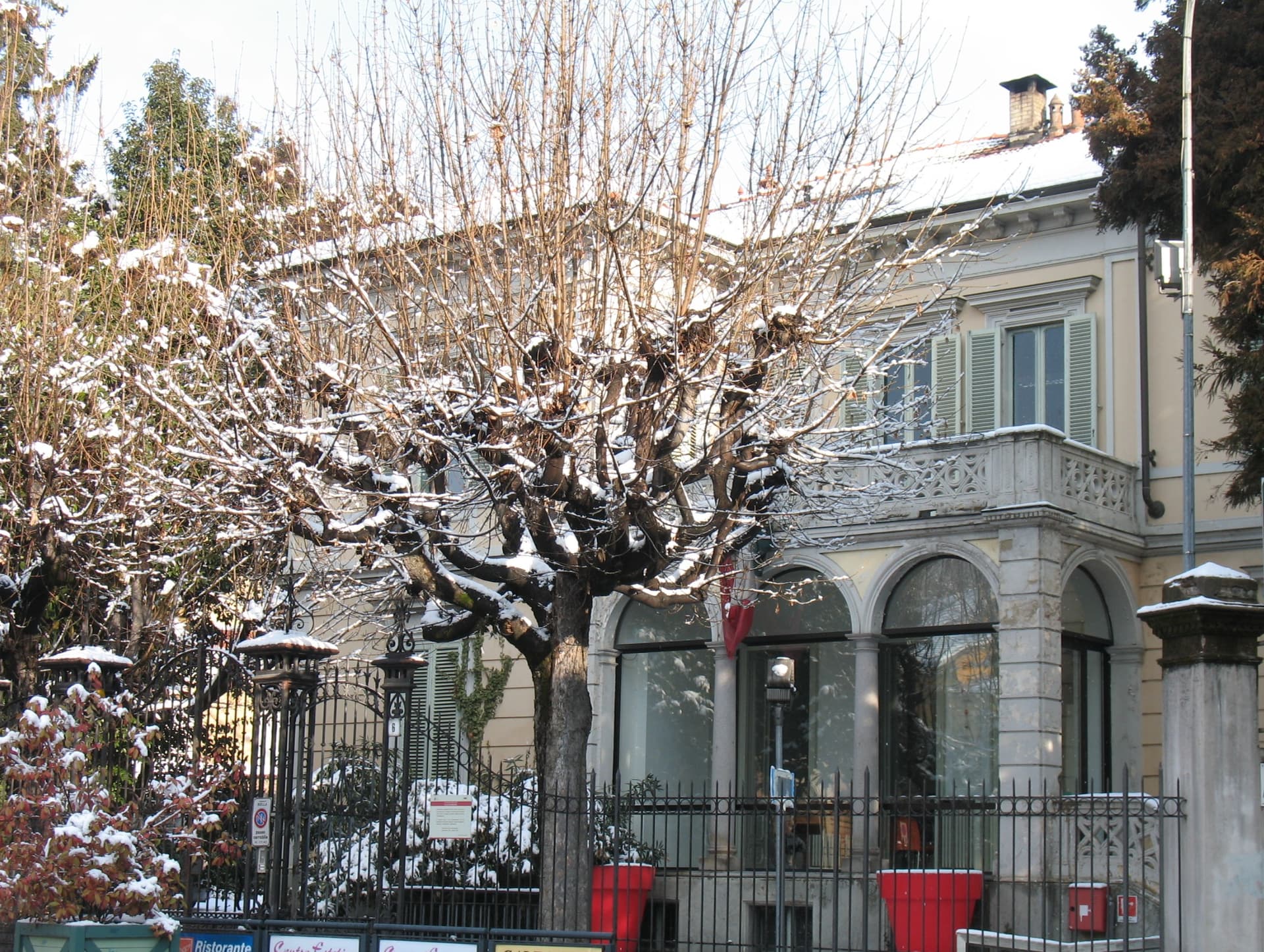
Biella
Province: Biella · 417 m
A wool city at 417 meters in the Alpine foothills, where the medieval Piazzo sits above the modern Piano, connected by a funicular since 1885.
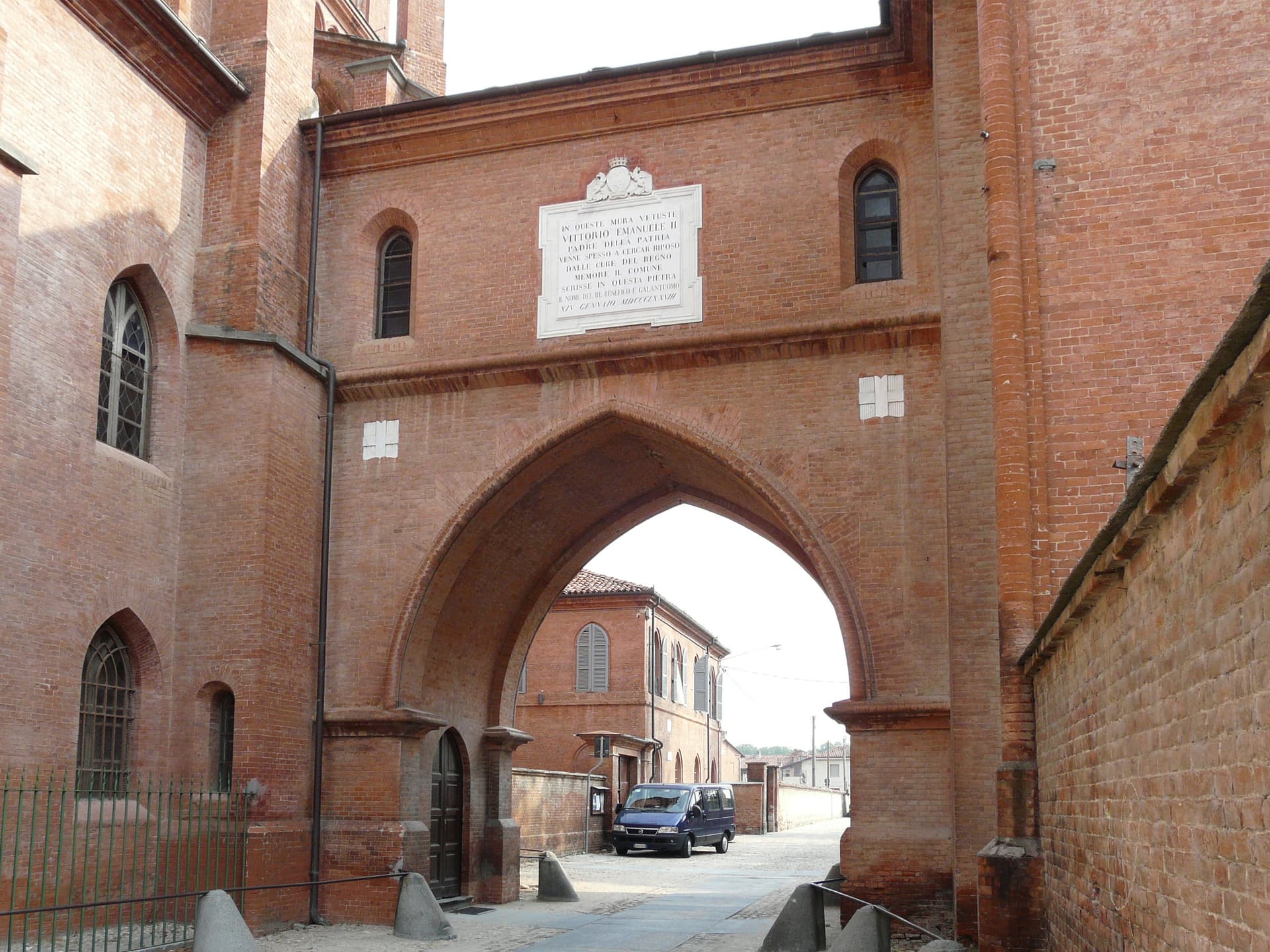
Bra
Province: Cuneo · 290 m
A Roero town at 290 meters where Carlo Petrini founded Slow Food in 1986 and the world's first gastronomic university now teaches food systems.
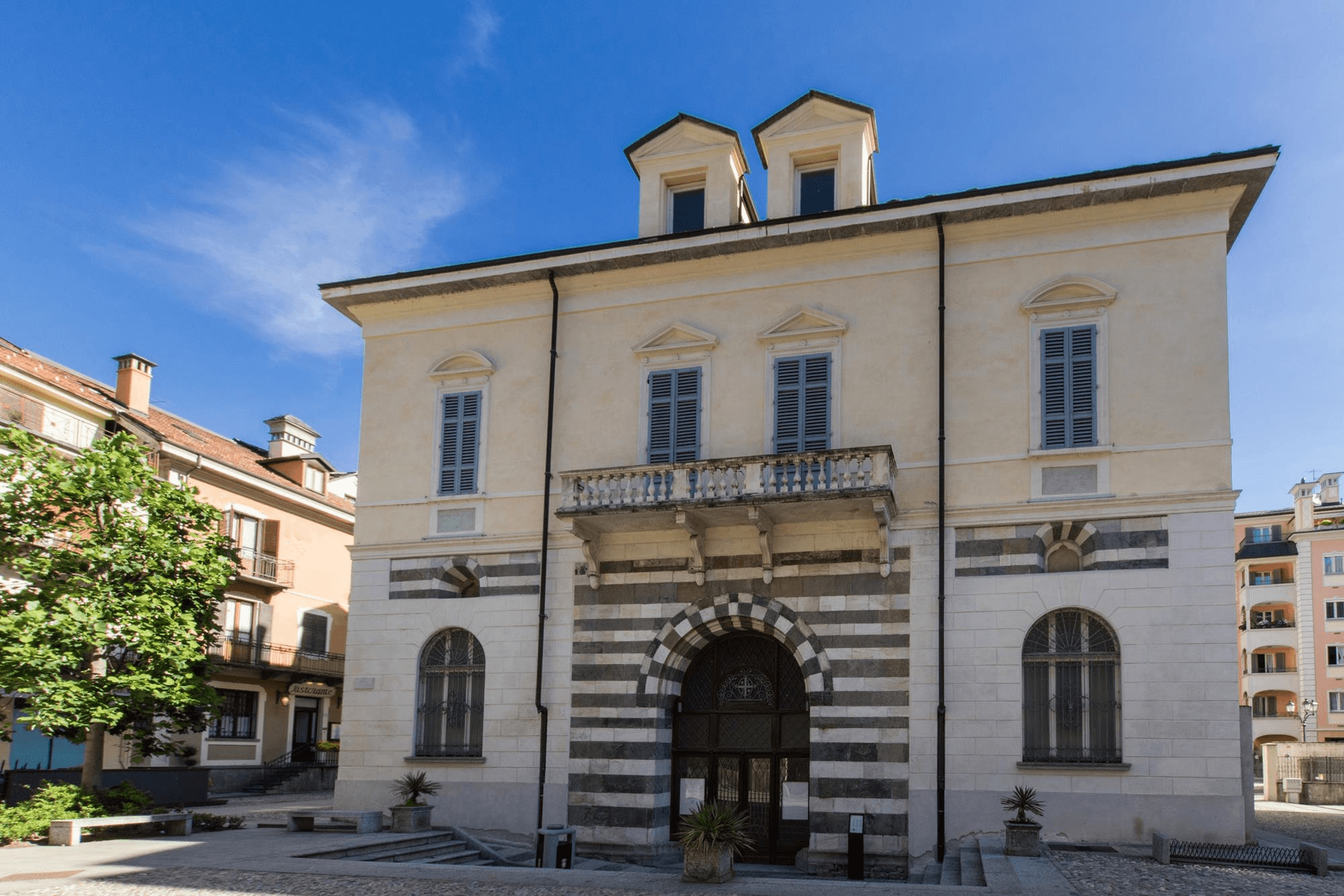
Domodossola
Province: Verbano-Cusio-Ossola · 272 m
The Ossola capital at 272 meters at the foot of the Simplon Pass, with a UNESCO Sacro Monte on the hill above.
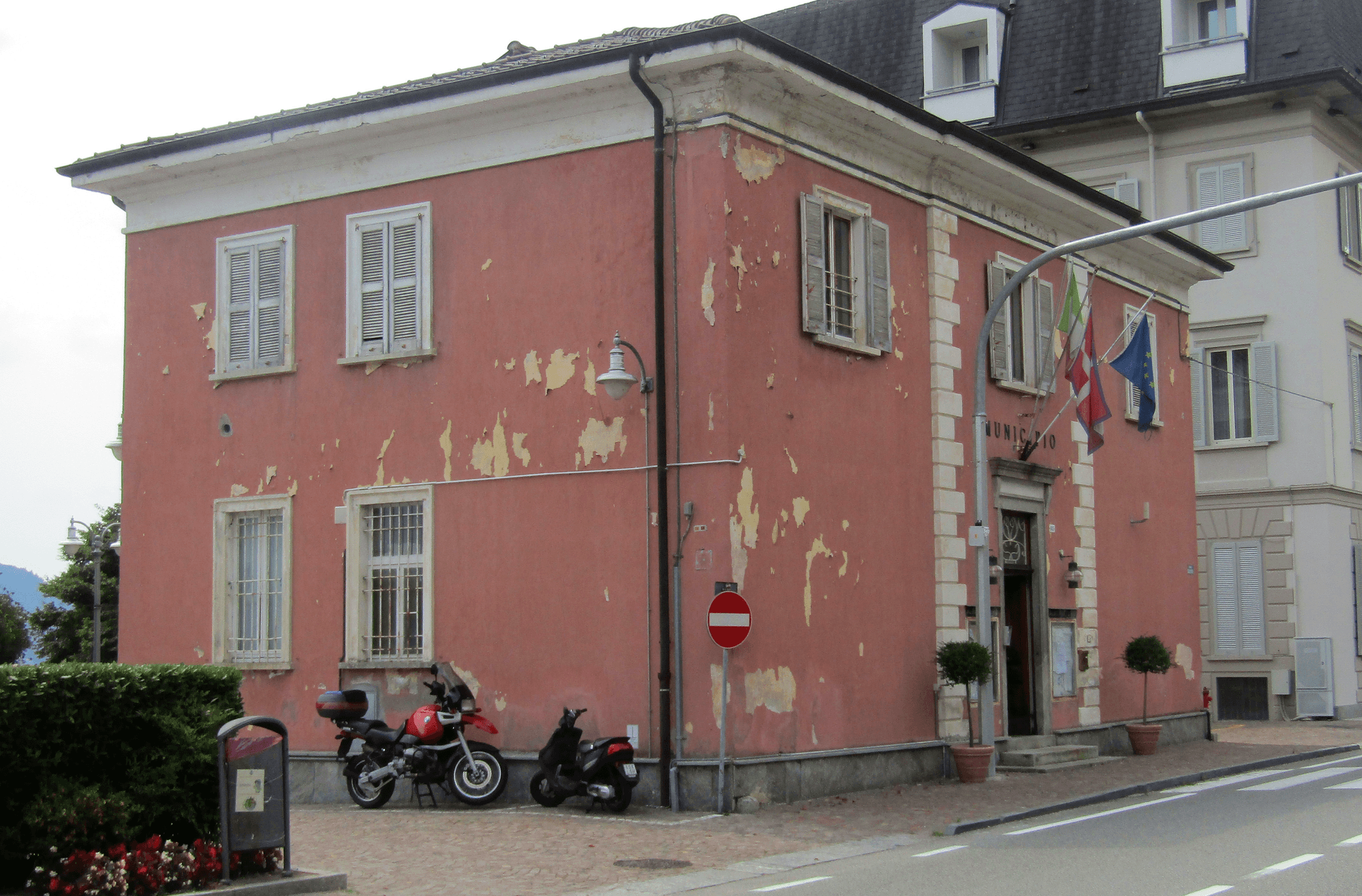
Ghiffa
Province: Verbano-Cusio-Ossola · 201 m
A Lake Maggiore lakeside village whose Sacro Monte della SS. Trinità above town belongs to the UNESCO nine Sacri Monti of Piemonte and Lombardia.
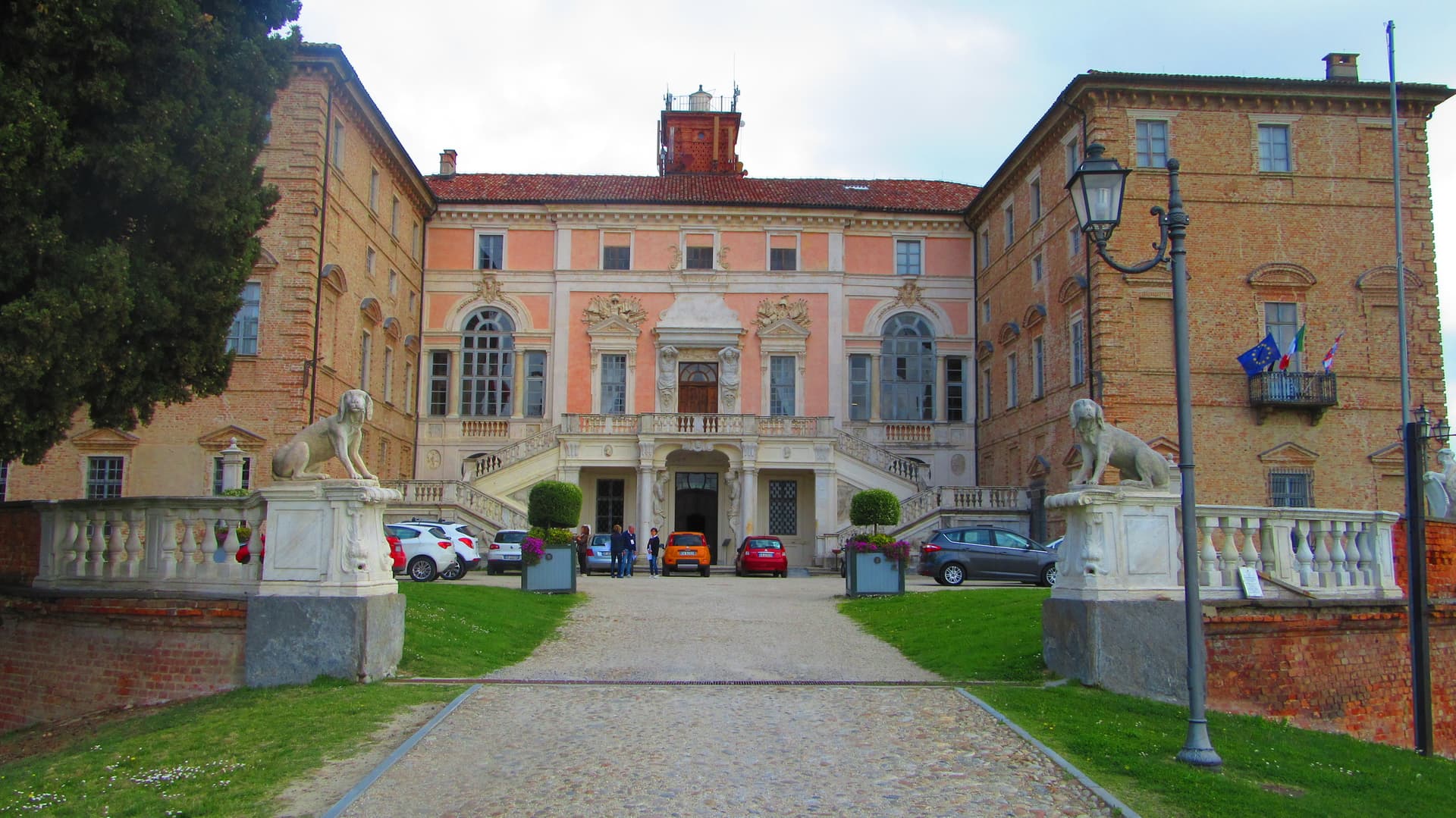
Govone
Province: Cuneo · 301 m
A Roero hill village at 301 meters whose eighteenth-century Savoy royal castle is on the UNESCO Residences list, between Alba and Asti above the Tanaro.
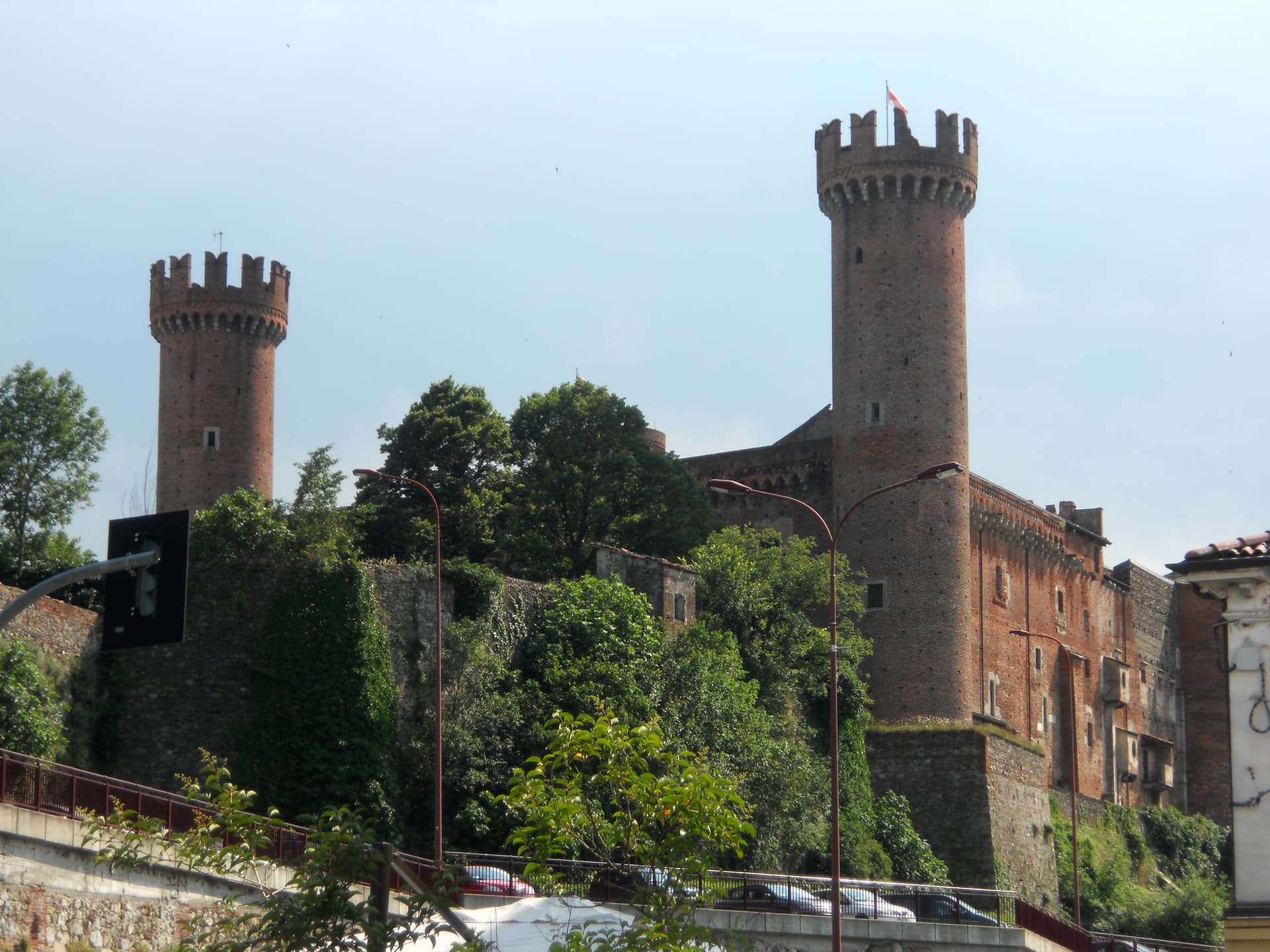
Ivrea
Province: Torino · 267 m
Roman Eporedia on the Dora Baltea, Olivetti's twentieth-century industrial city, UNESCO since 2018, where every February three hundred tons of oranges are thrown.
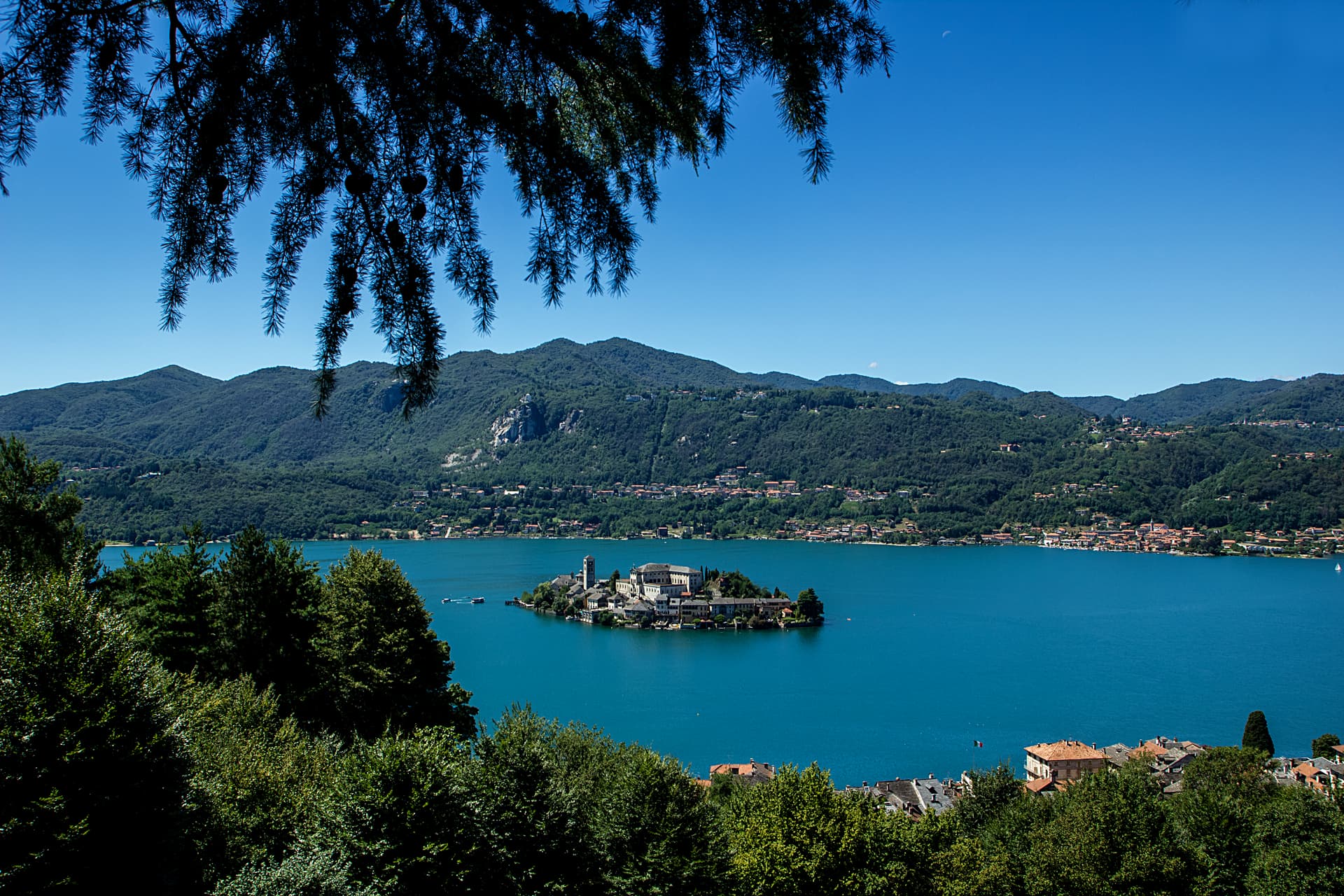
Orta San Giulio
Province: Novara · 294 m
A Lake Orta promontory facing an islet with a Romanesque basilica, plus a UNESCO Sacro Monte of twenty Francis-of-Assisi chapels on the hill above.
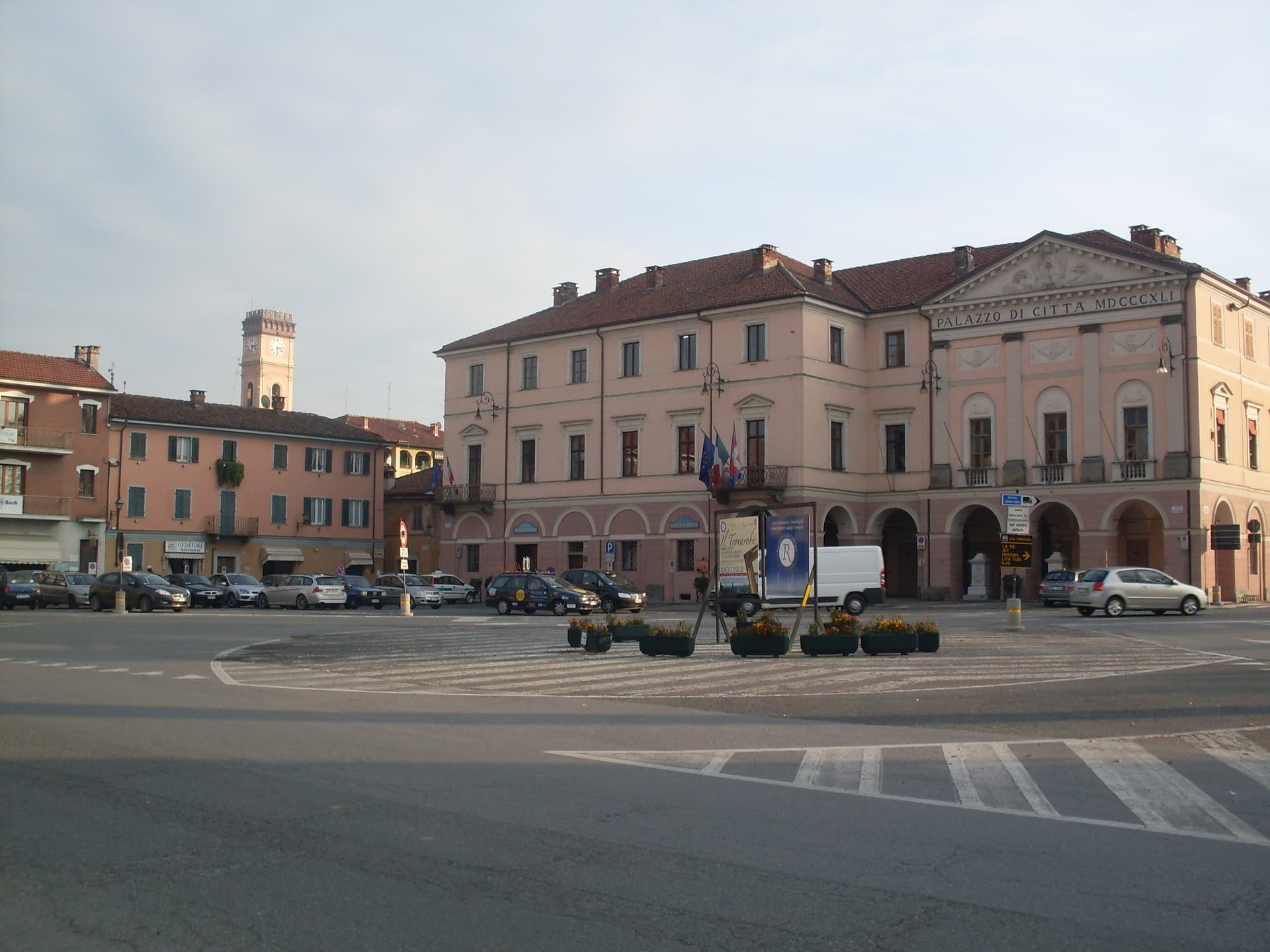
Racconigi
Province: Cuneo · 262 m
A Po-plain town south of Torino built around the UNESCO Castello Reale, the Carignano Savoy residence whose park holds Italy's largest white-stork colony.
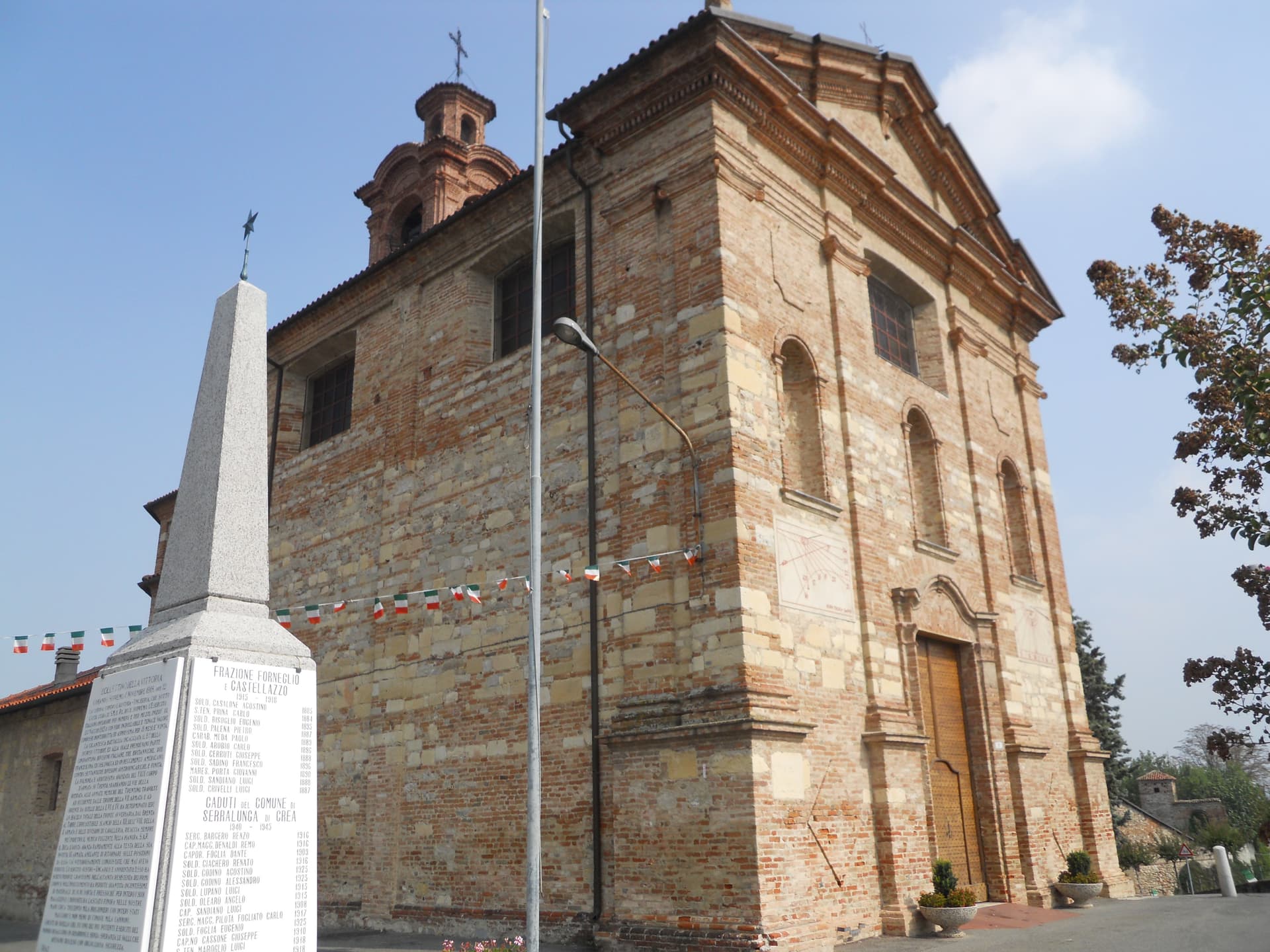
Serralunga di Crea
Province: Alessandria · 302 m
A Basso Monferrato commune of 503 holding the Sacro Monte di Crea, a UNESCO Sacri Monti site of 23 chapels around an Eusebian sanctuary.
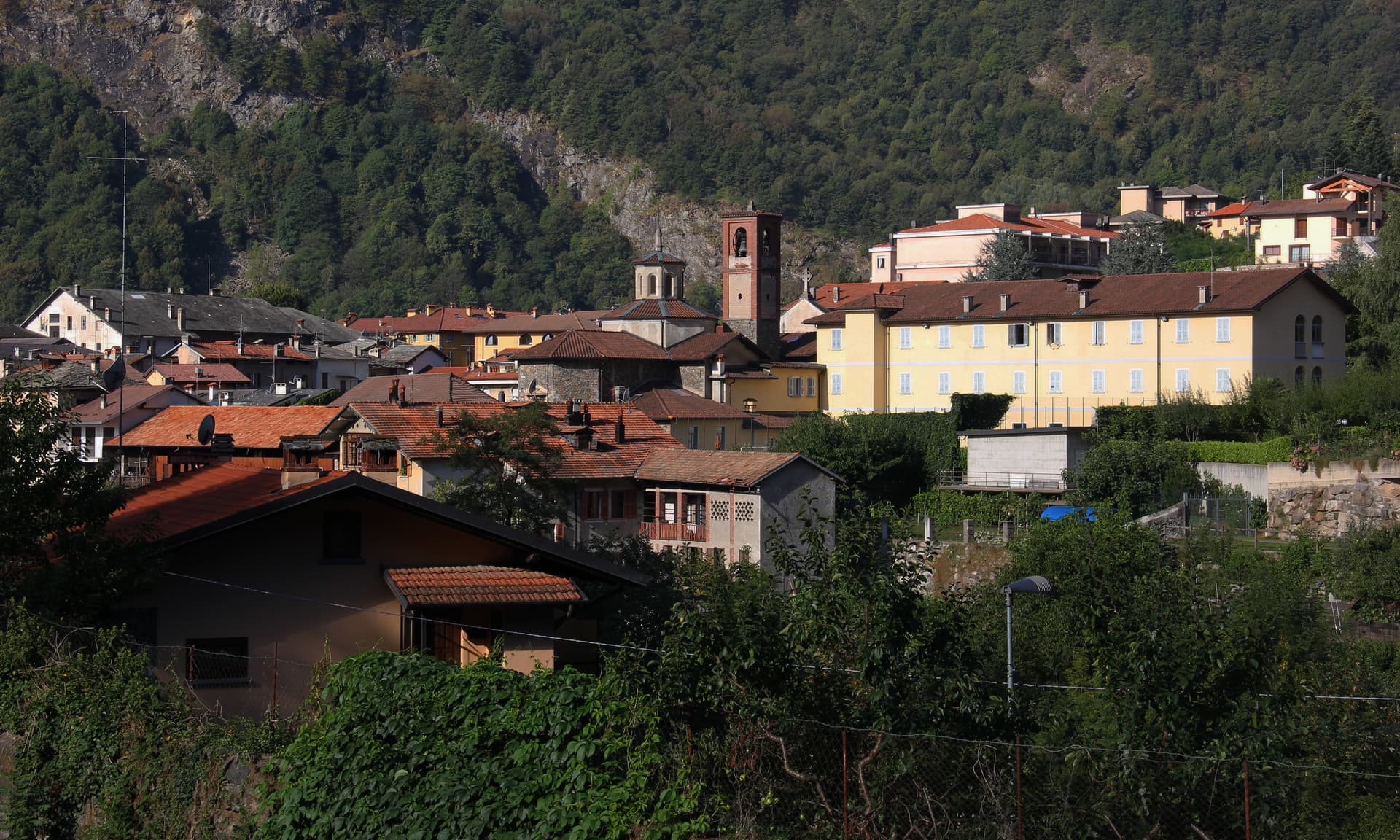
Varallo
Province: Vercelli · 450 m
The capital of Valsesia at 450 meters, the oldest Sacro Monte in Europe and a forty-five-chapel devotional complex on the rock above town.
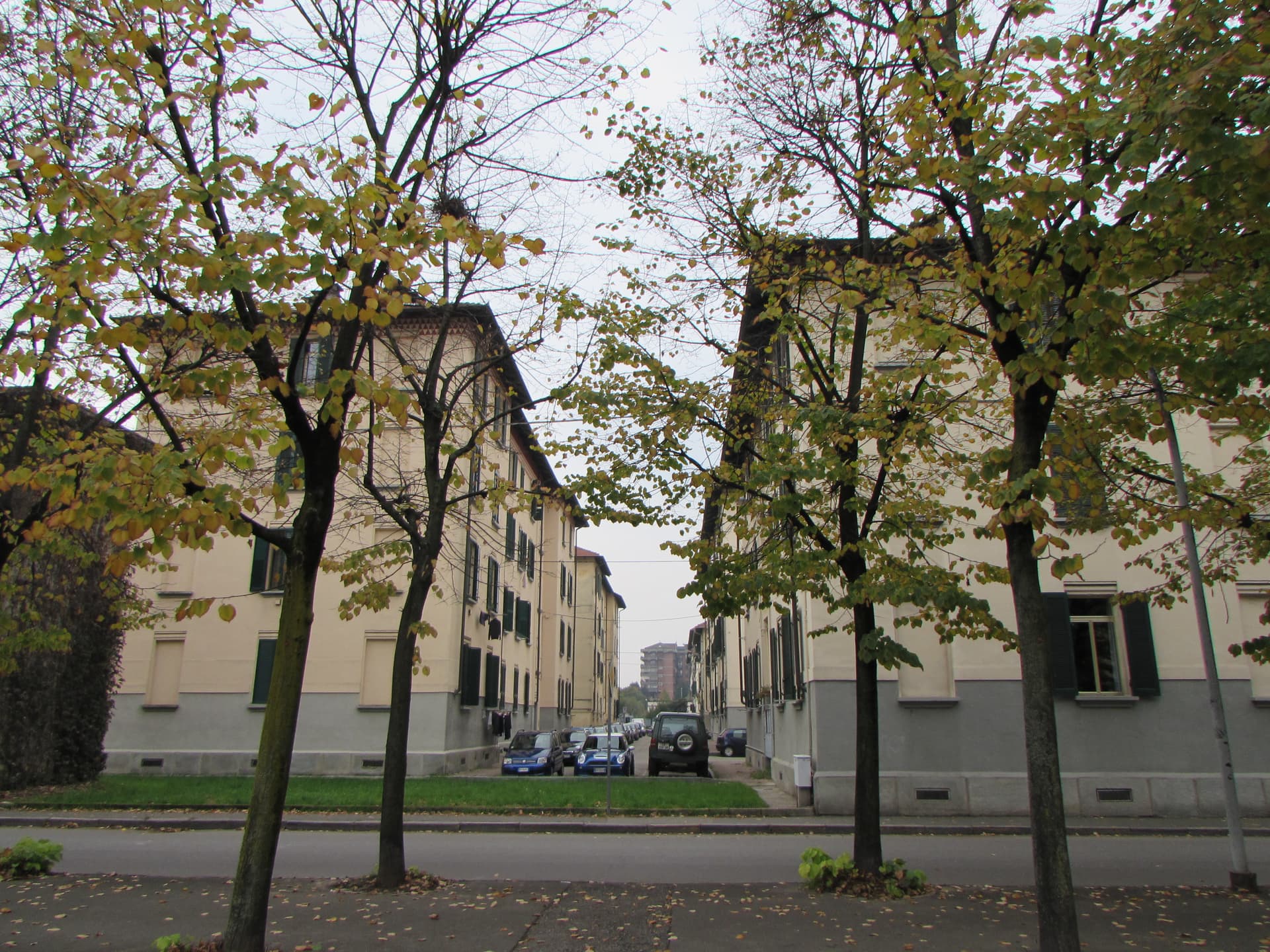
Venaria Reale
Province: Torino · 269 m
A Savoy town on the edge of Torino, built around the Reggia di Venaria, a UNESCO baroque palace with sixty hectares of gardens.
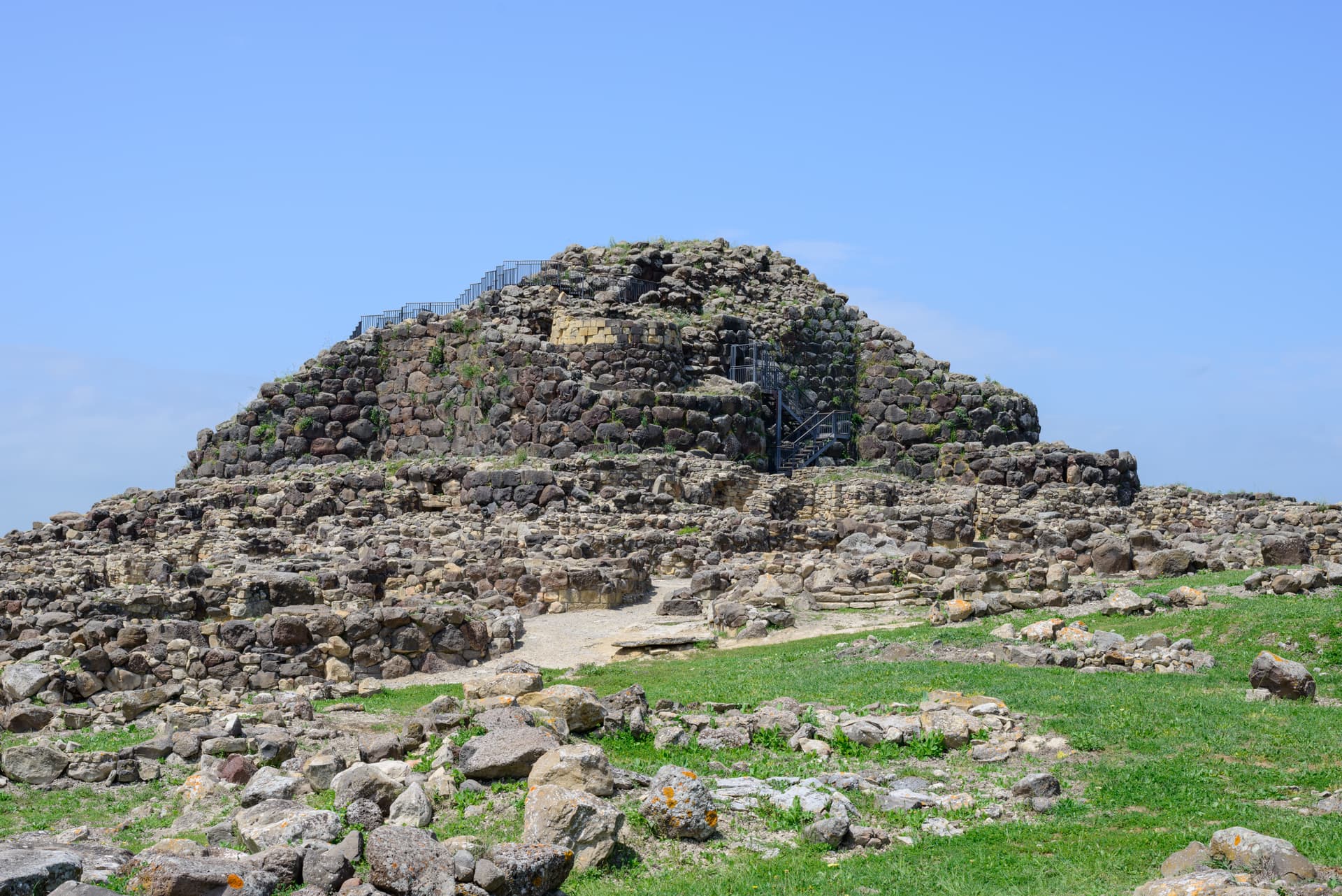
Sicily11
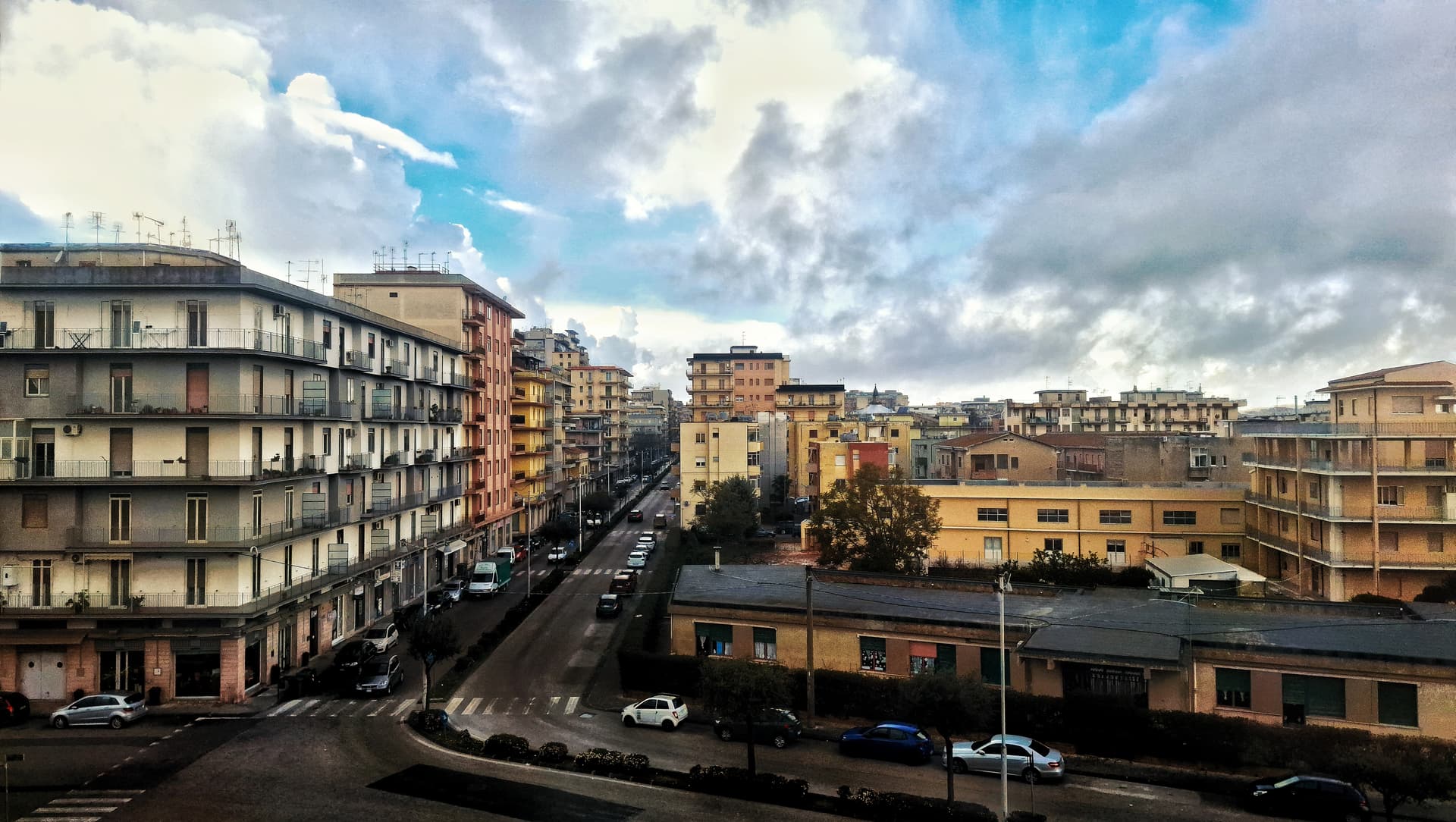
Caltagirone
Province: Catania · 611 m
Sicily's ceramic capital at 611 meters on the Erei ridge, 142 majolica-tiled steps to Santa Maria del Monte and a Val di Noto UNESCO baroque rebuild.
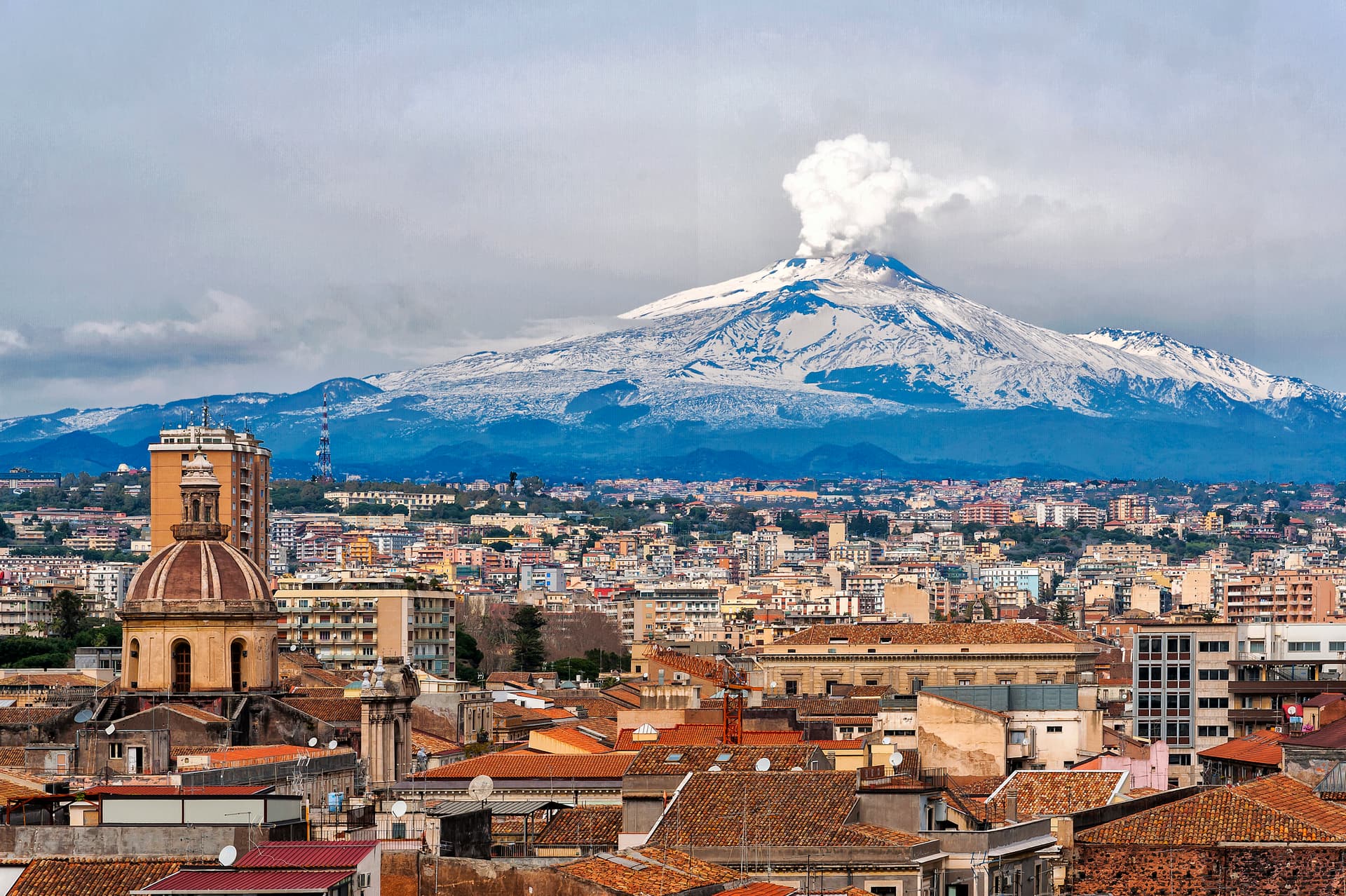
Catania
Province: Catania · 7 m
Sicily's second city and the cultural anchor of the Ionian coast — a UNESCO late-Baroque centro storico rebuilt in lava-black stone after the 1693 earthquake, sitting at the foot of Etna with a 17th-century elephant fountain (U Liotru) as its civic symbol.
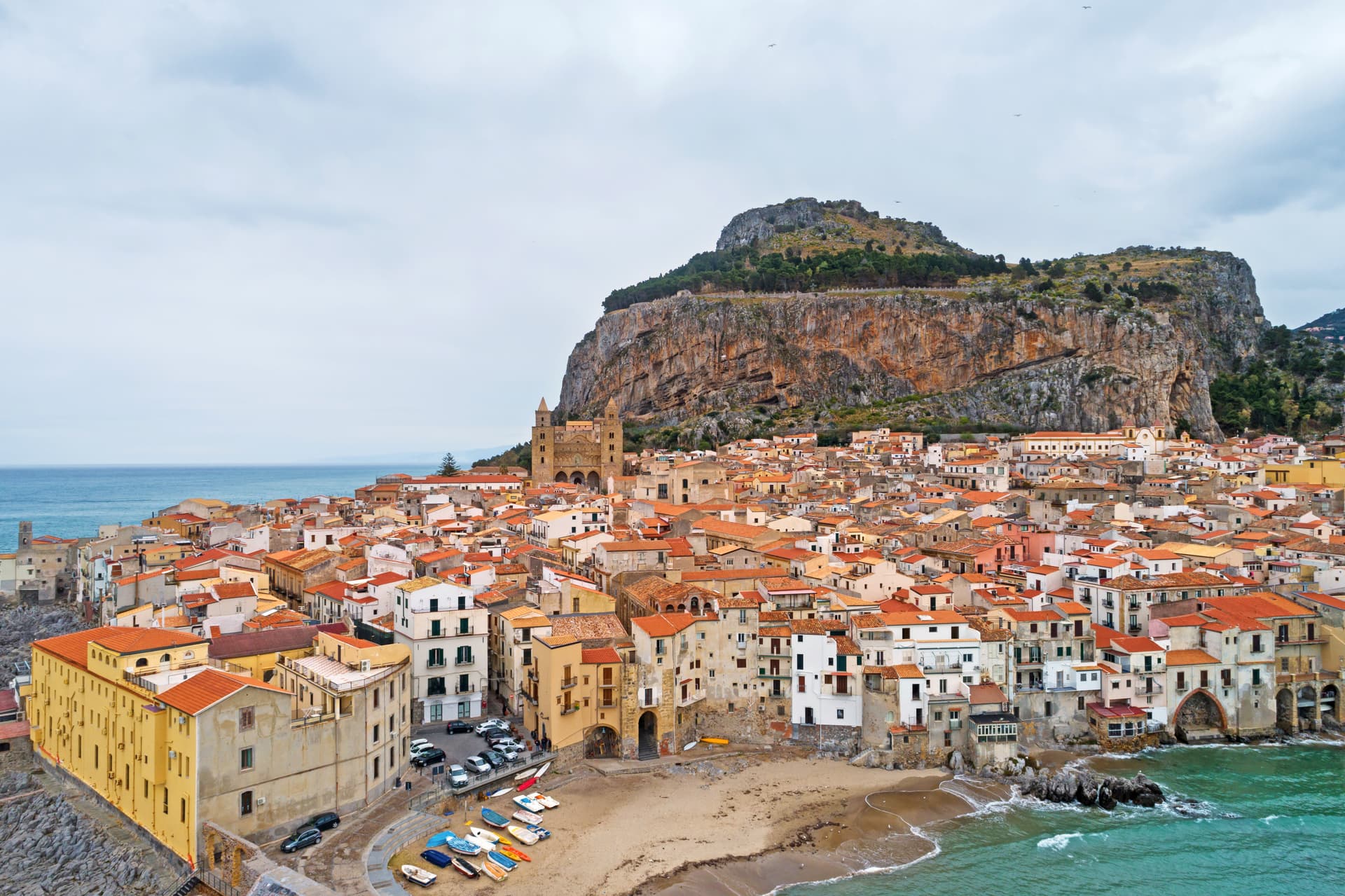
Cefalù
Province: Palermo · 16 m
A Norman cathedral at the foot of a 270-meter rock on the Tyrrhenian coast, founded by Roger II in 1131 and on the UNESCO Arab-Norman list since 2015.
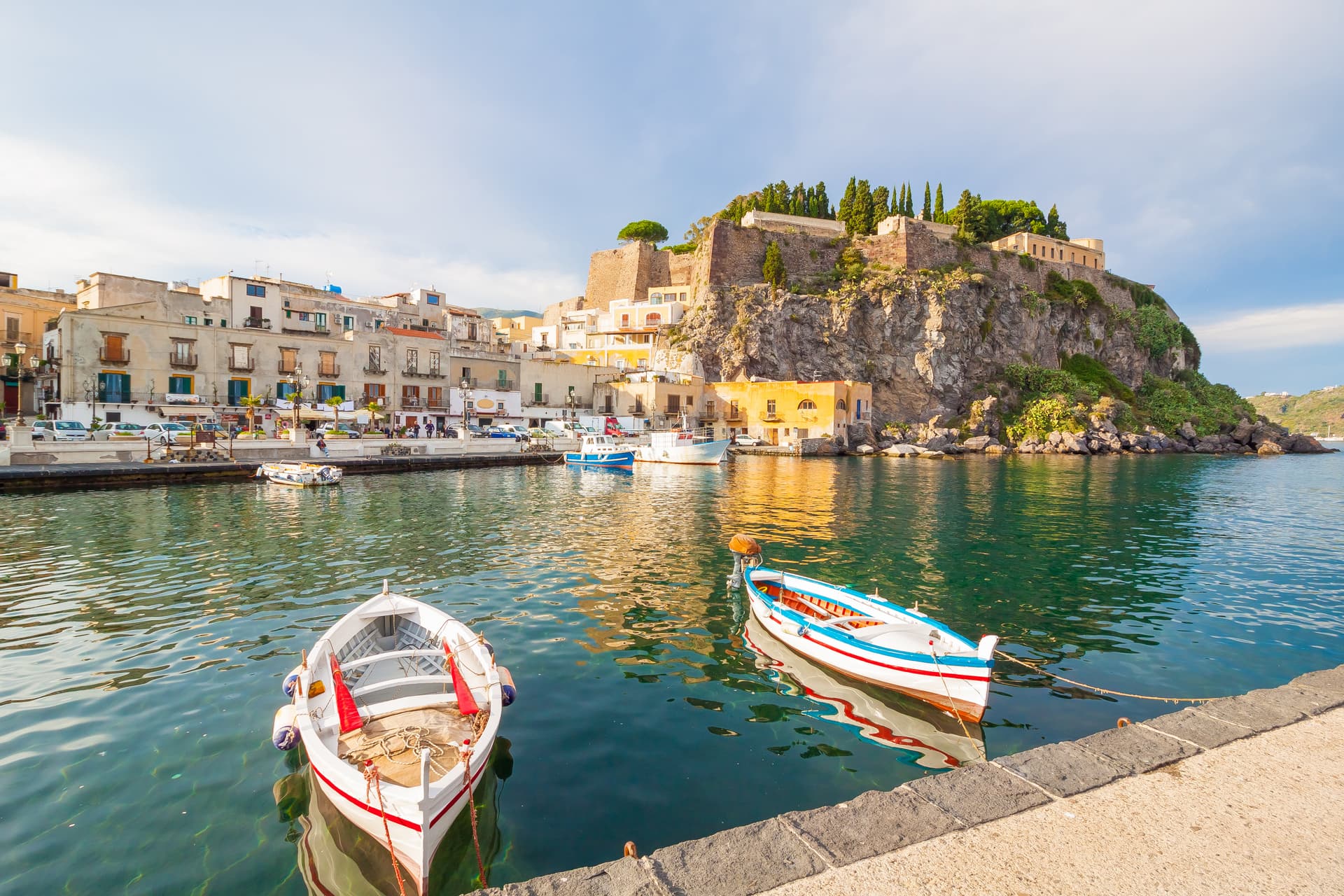
Lipari
Province: Messina · 44 m
The largest Aeolian island and the only municipality that administers six of the seven, with a clifftop castle citadel rising above two harbors.
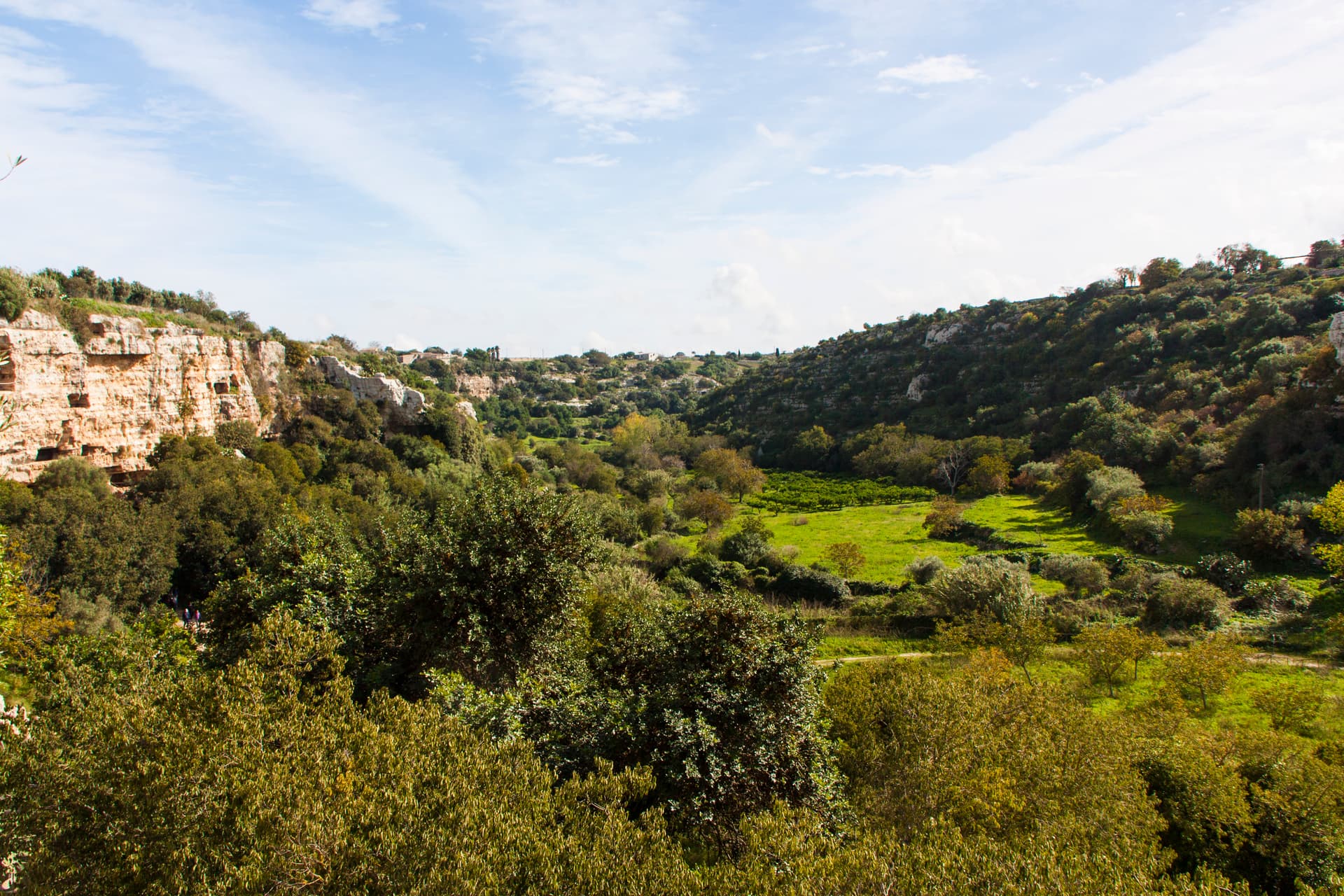
Modica
Province: Ragusa · 296 m
A vertical Baroque city in the Hyblean Mountains, rebuilt from the 1693 earthquake and home to a chocolate recipe brought from Aztec Mexico.
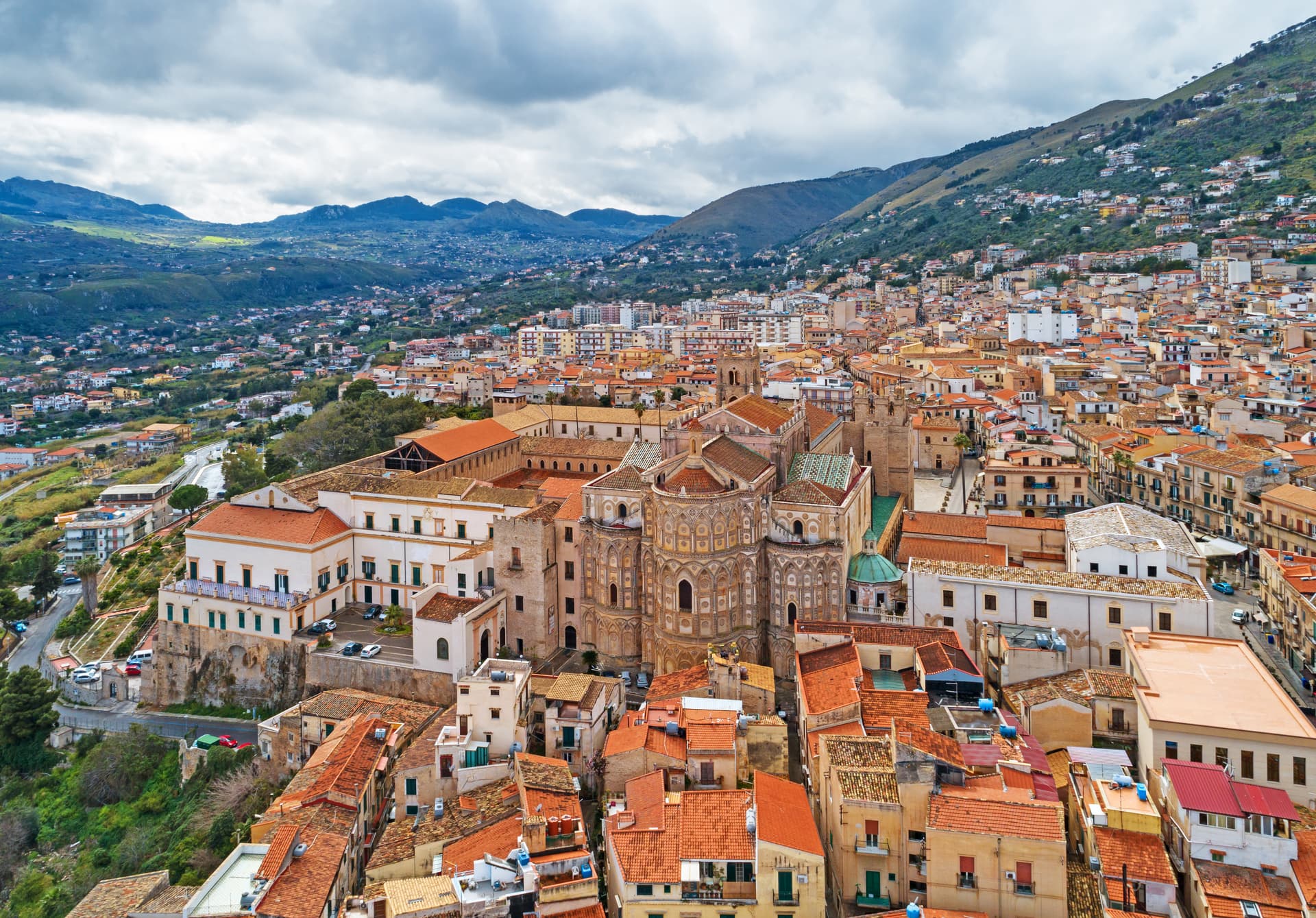
Monreale
Province: Palermo · 310 m
Above the Conca d'Oro at 310 meters, the cathedral William II built between 1174 and 1182 holds 6,340 square meters of Norman mosaics.
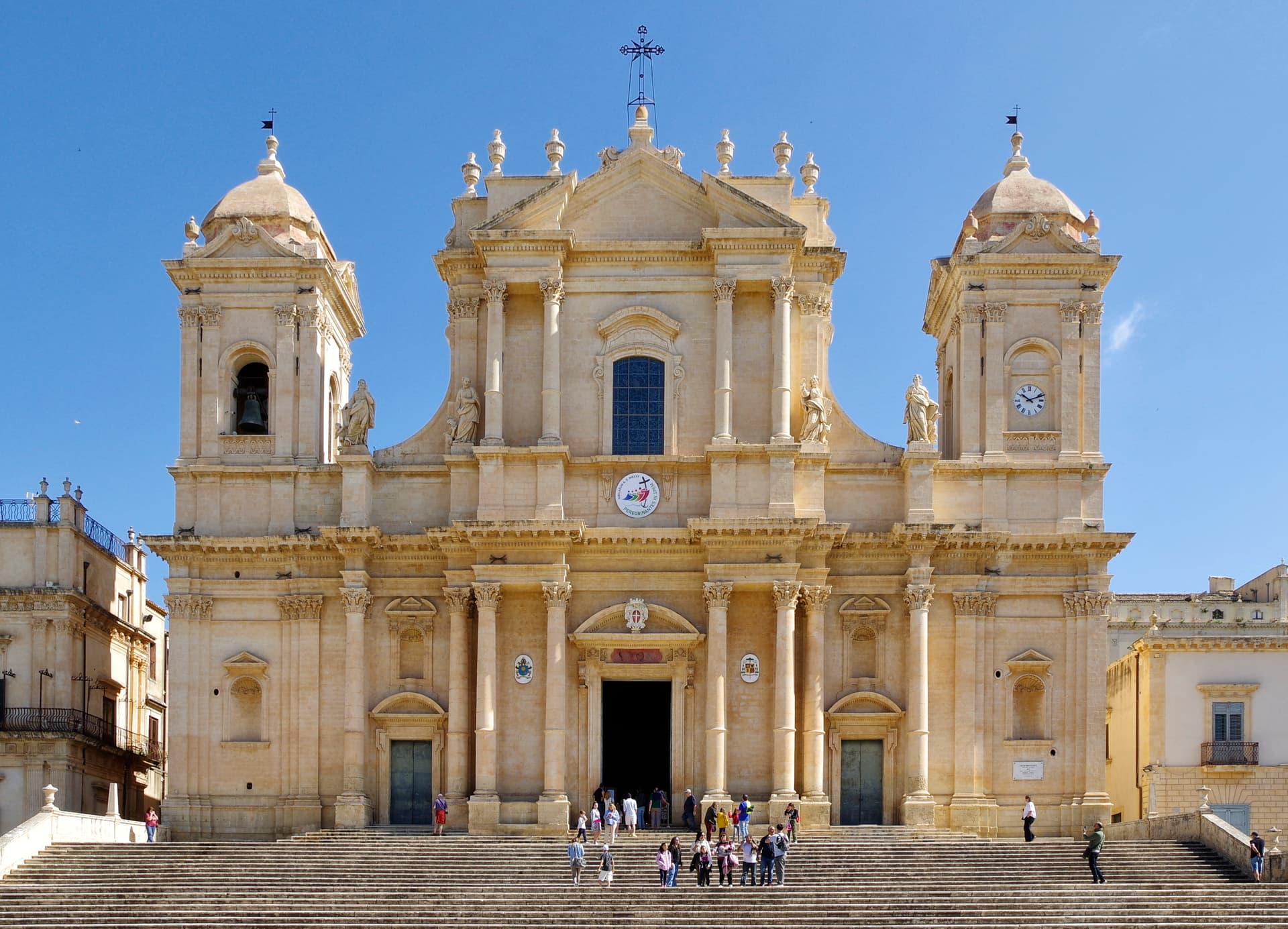
Noto
Province: Siracusa · 152 m
The capital of Sicilian Baroque, rebuilt in golden limestone after 1693 and the UNESCO showcase for the Late Baroque Towns of the Val di Noto.
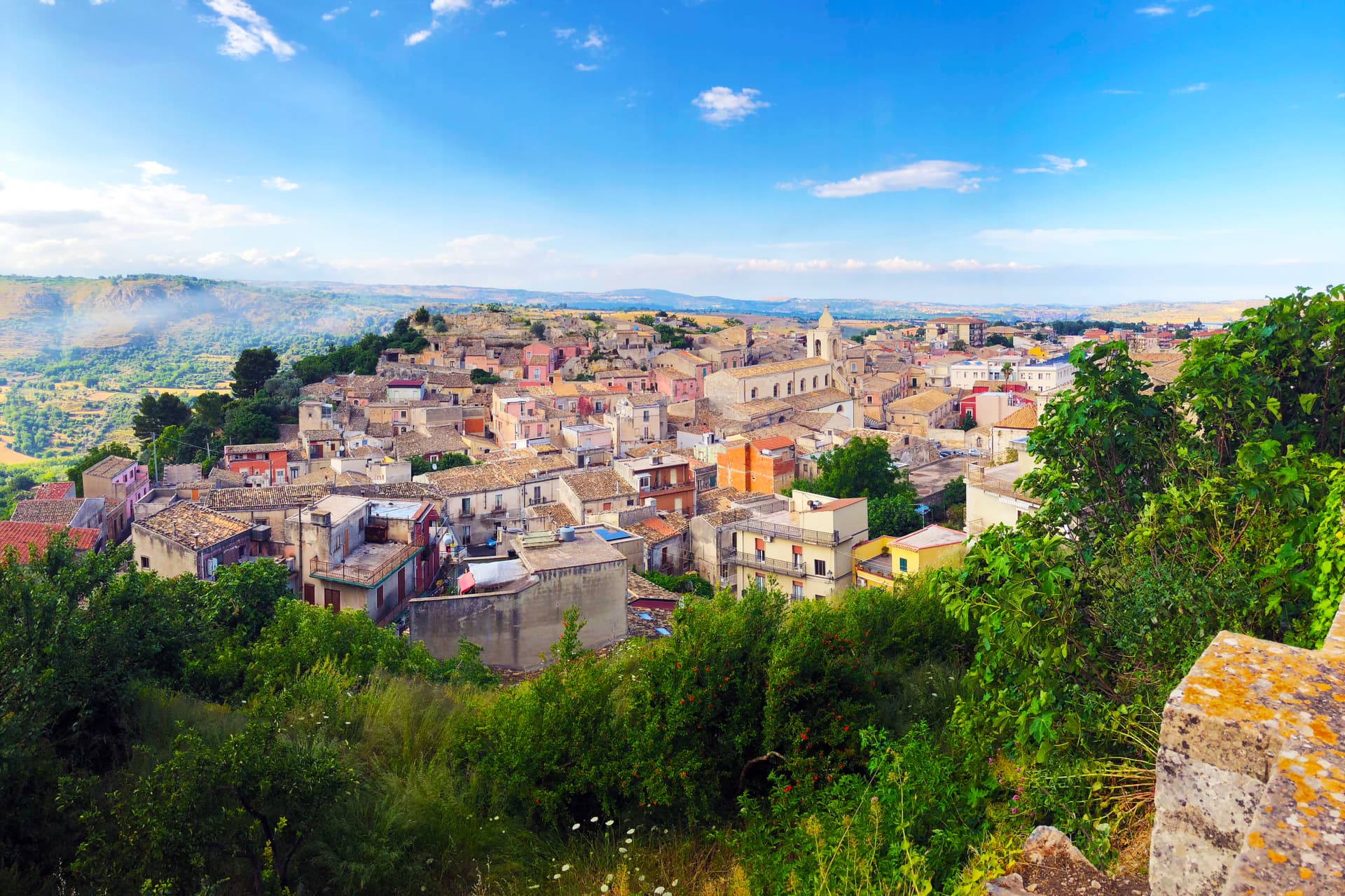
Palazzolo Acreide
Province: Siracusa · 670 m
The Iblei plateau's UNESCO Baroque + Greek twin — 8,000-resident hilltop town at 670m, founded over the Greek Akrai colony (664 BC), rebuilt entirely in late Baroque after the 1693 earthquake (inscribed on the Val di Noto UNESCO listing 2002), with the original Greek theatre + the unique Santoni rock carvings of Cybele just outside the modern centro.
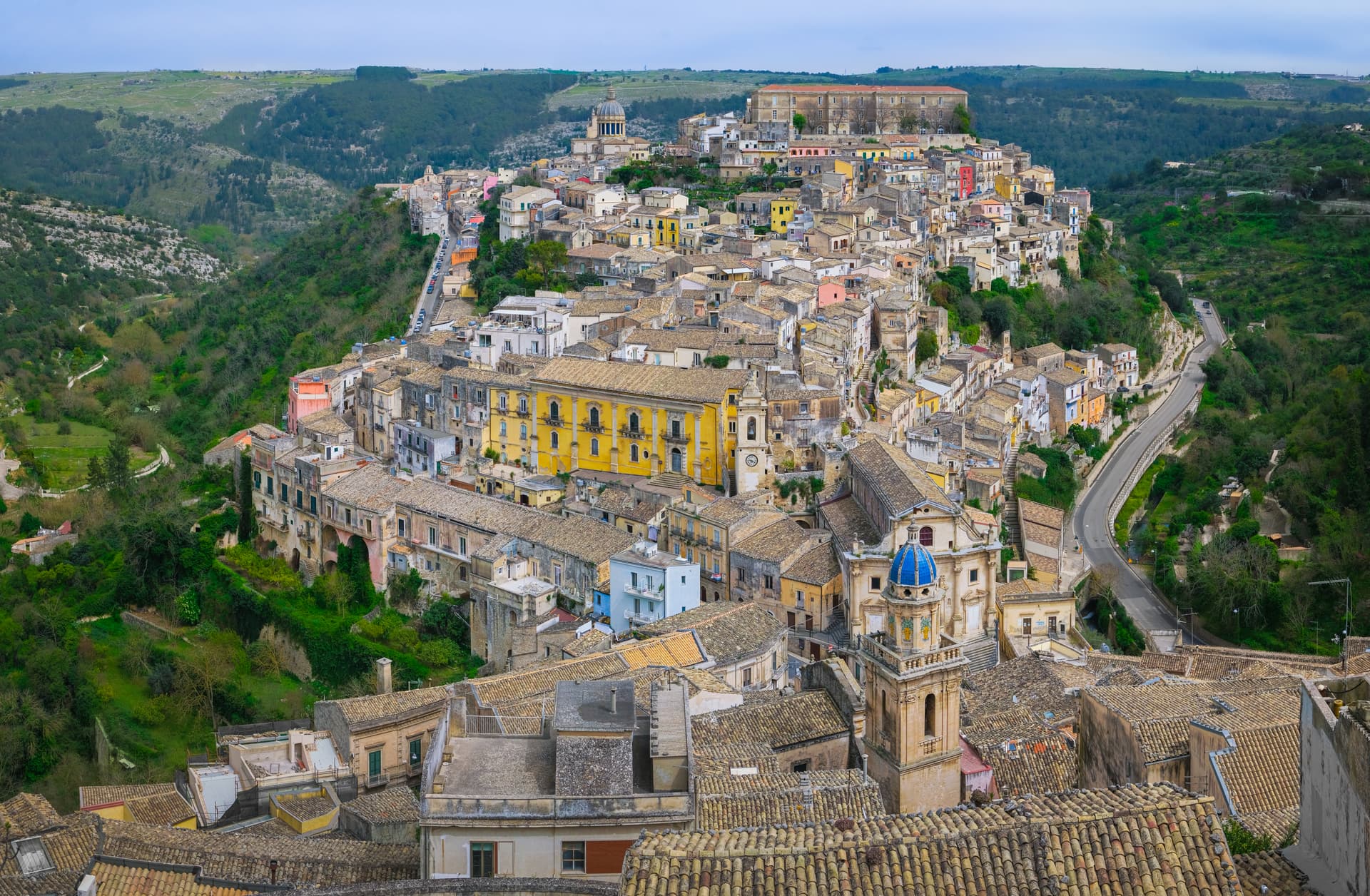
Ragusa
Province: Ragusa · 502 m
Two cities in one on a Hyblean plateau at 502 meters, Ragusa Ibla and Ragusa Superiore split by a ravine after 1693, both UNESCO Baroque.
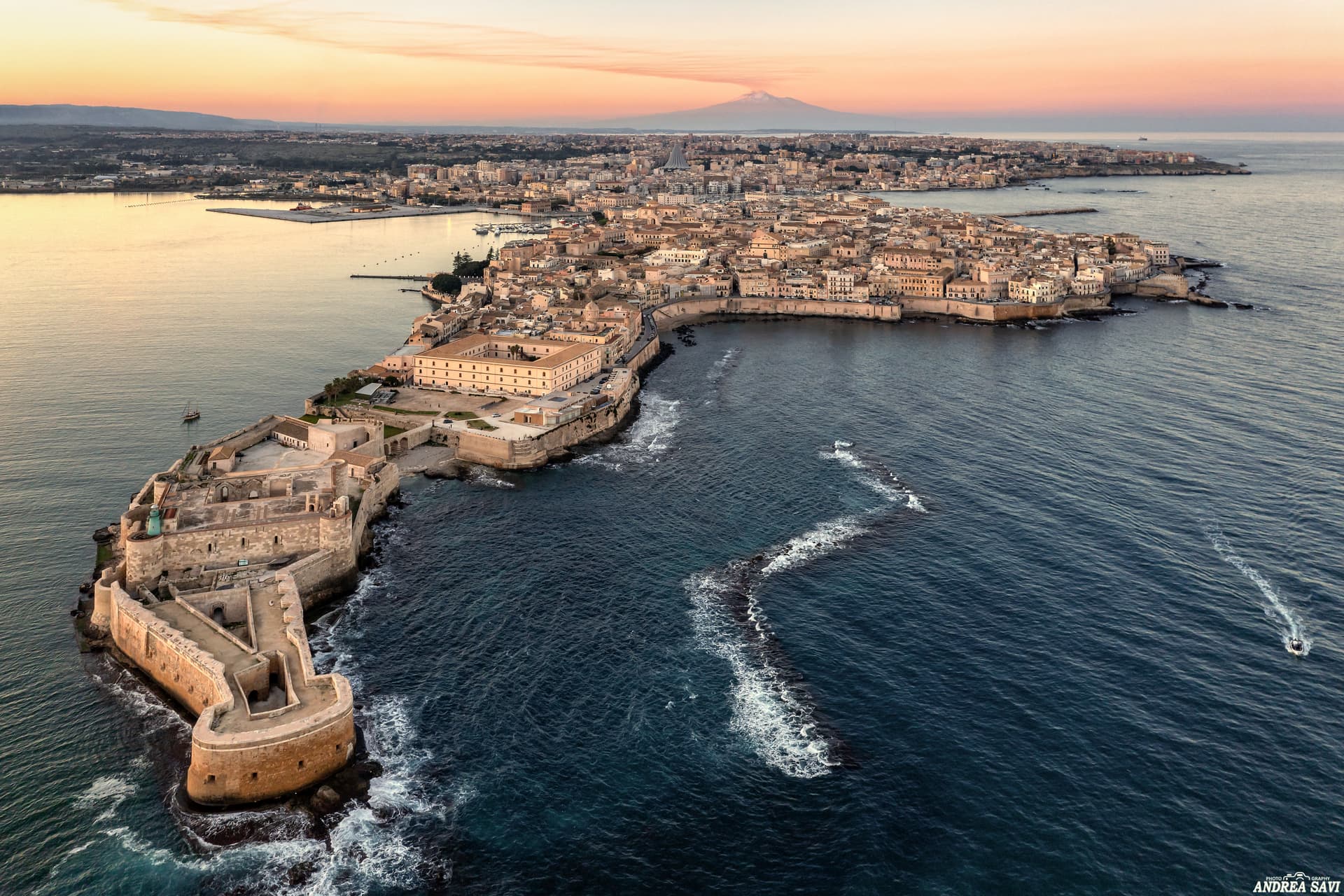
Siracusa
Province: Siracusa · 17 m
The 2,700-year-old Greek city Cicero called the most beautiful in the world — Ortigia island at its heart wrapped in honey-coloured Baroque stone, the 5th-century BC Greek theatre still in use every summer, and Catania's bigger UNESCO sister on the eastern Sicilian coast.
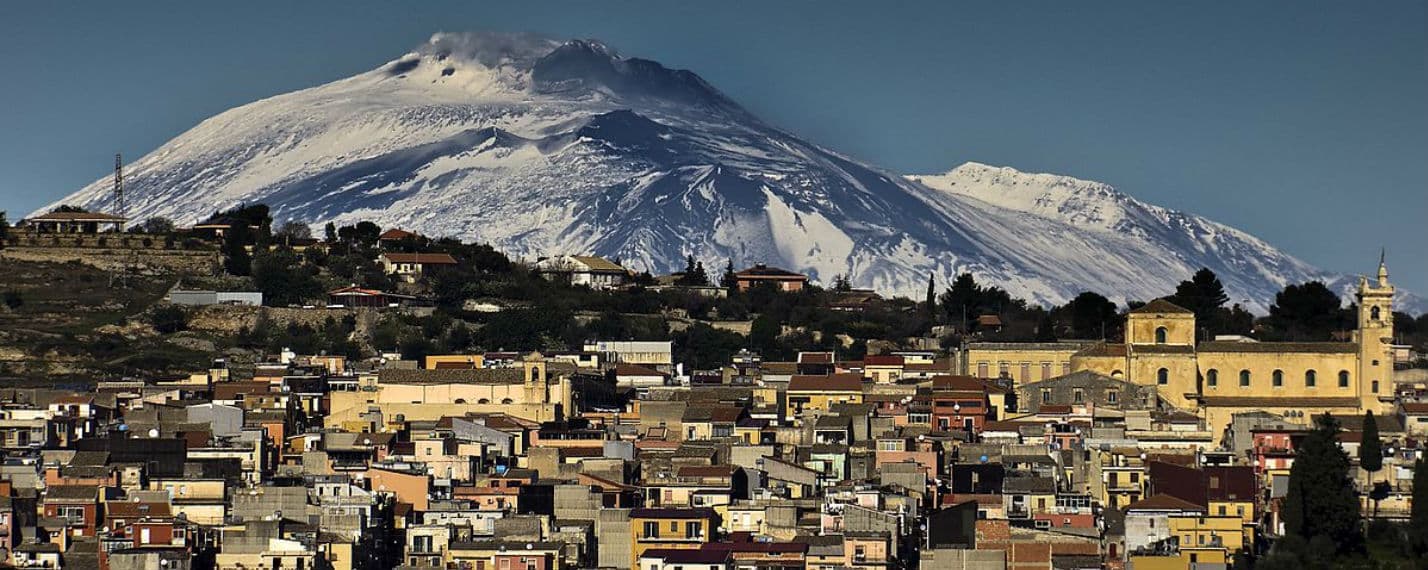
Sortino
Province: Siracusa · 438 m
The eastern gateway to UNESCO Pantalica at 438 meters in the Iblei, Sicily's city of honey and home of the stuffed Sortino pizzolo.
Tuscany12
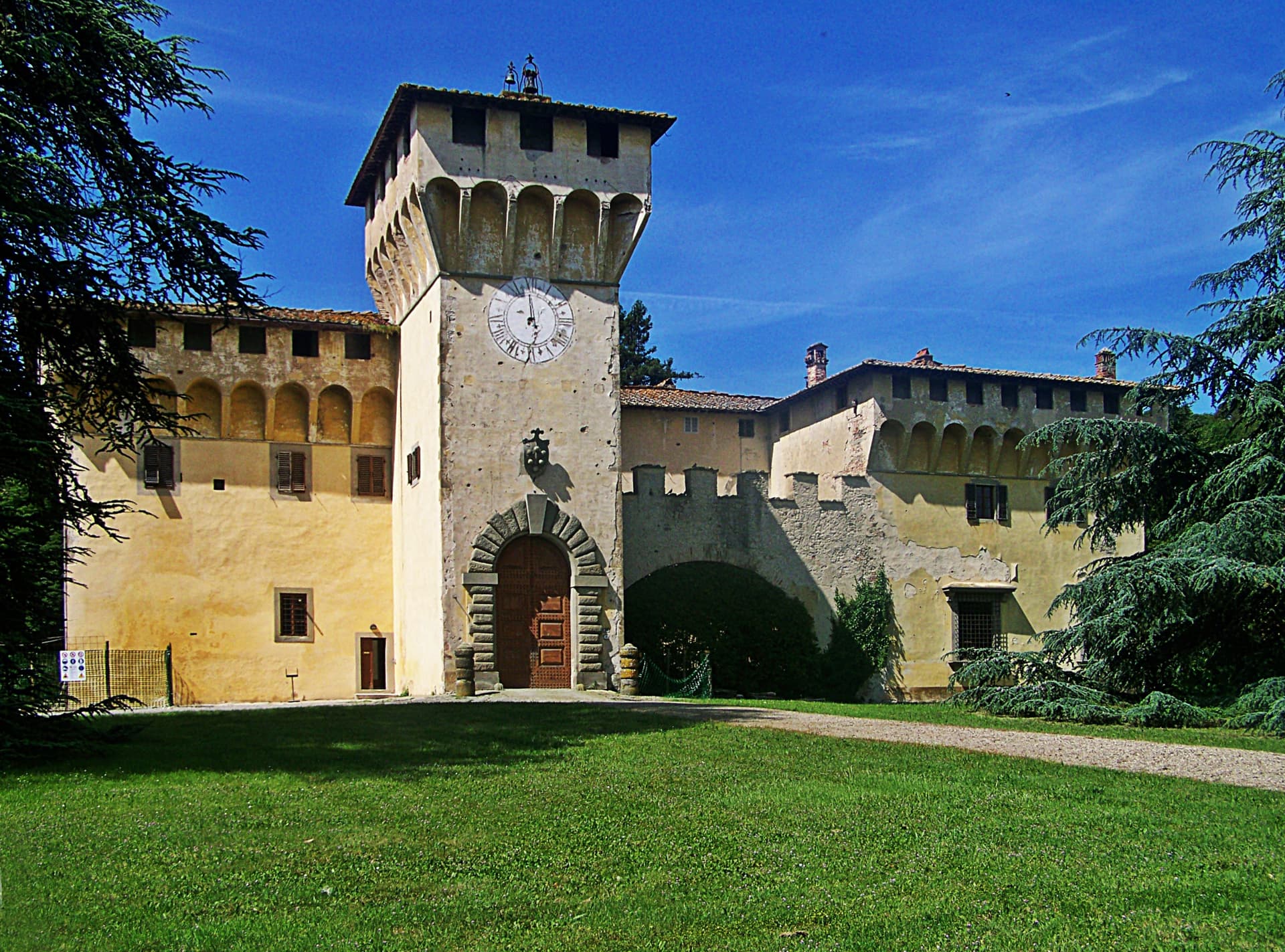
Barberino di Mugello
Province: Firenze · 272 m
The Mugello gateway at 272 meters where the Medici family kept its first country villas, with Michelozzo's Cafaggiolo and the artificial Lago di Bilancino below.
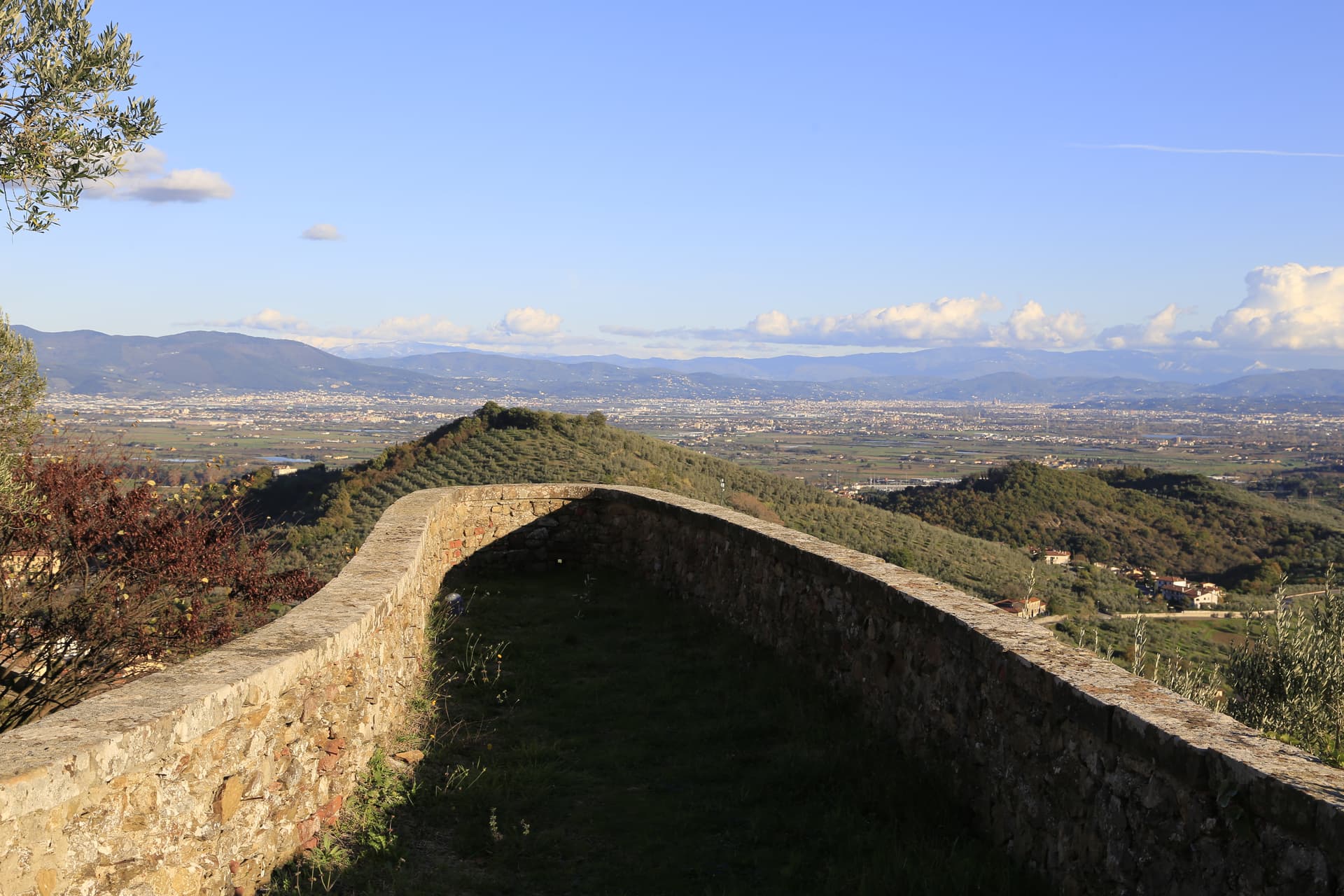
Carmignano
Province: Prato · 189 m
A Medici village at 189 meters on the Montalbano slopes, where Pontormo's Visitation hangs in the parish church and Etruscan tumuli sit below the Renaissance villas.
- ✷ We've been
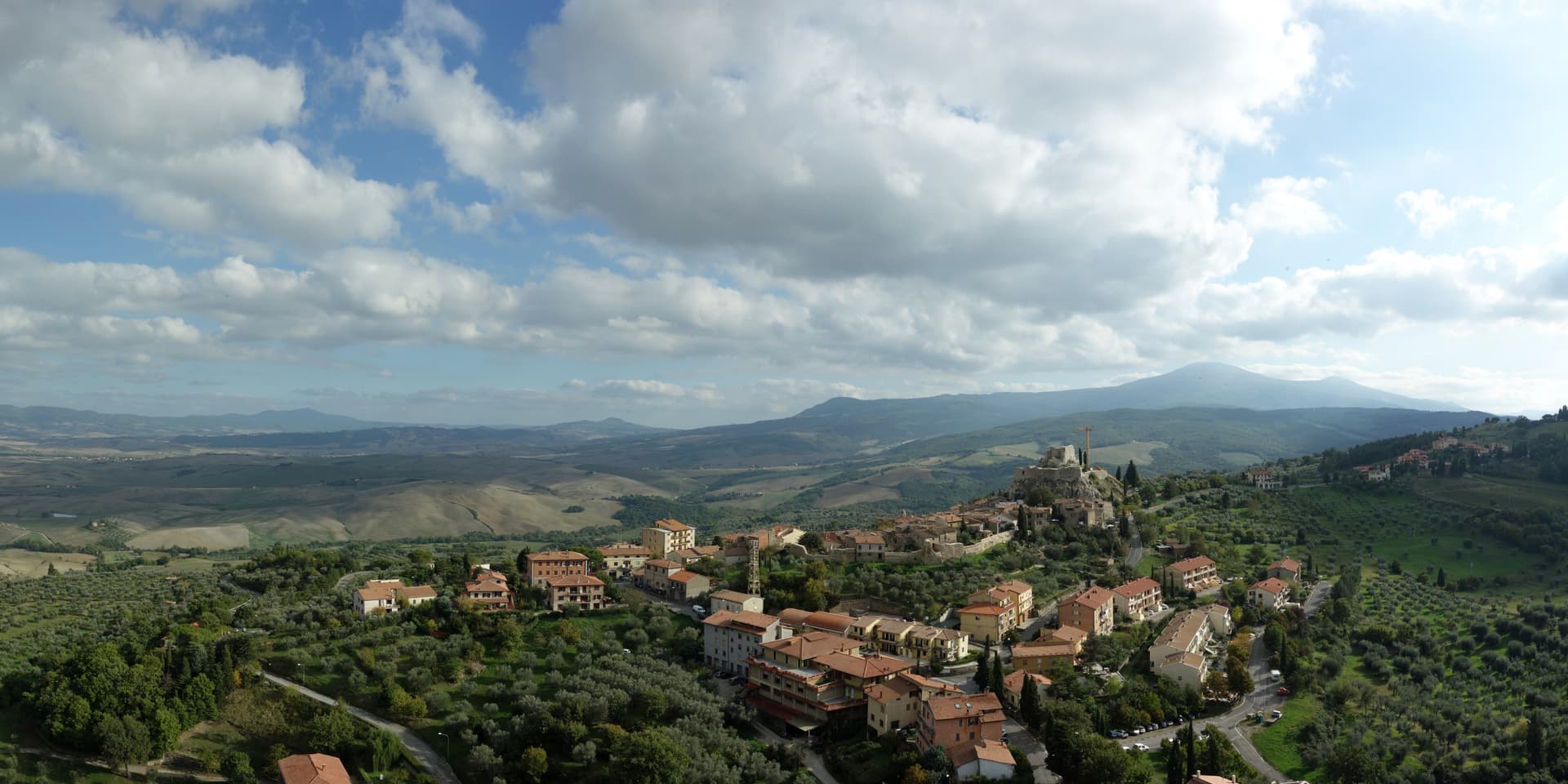
Castiglione d'Orcia
Province: Siena · 540 m
A stone borgo at 540 meters in the UNESCO Val d'Orcia, first recorded in 714, with two fortresses guarding the road from Amiata to the Via Francigena.
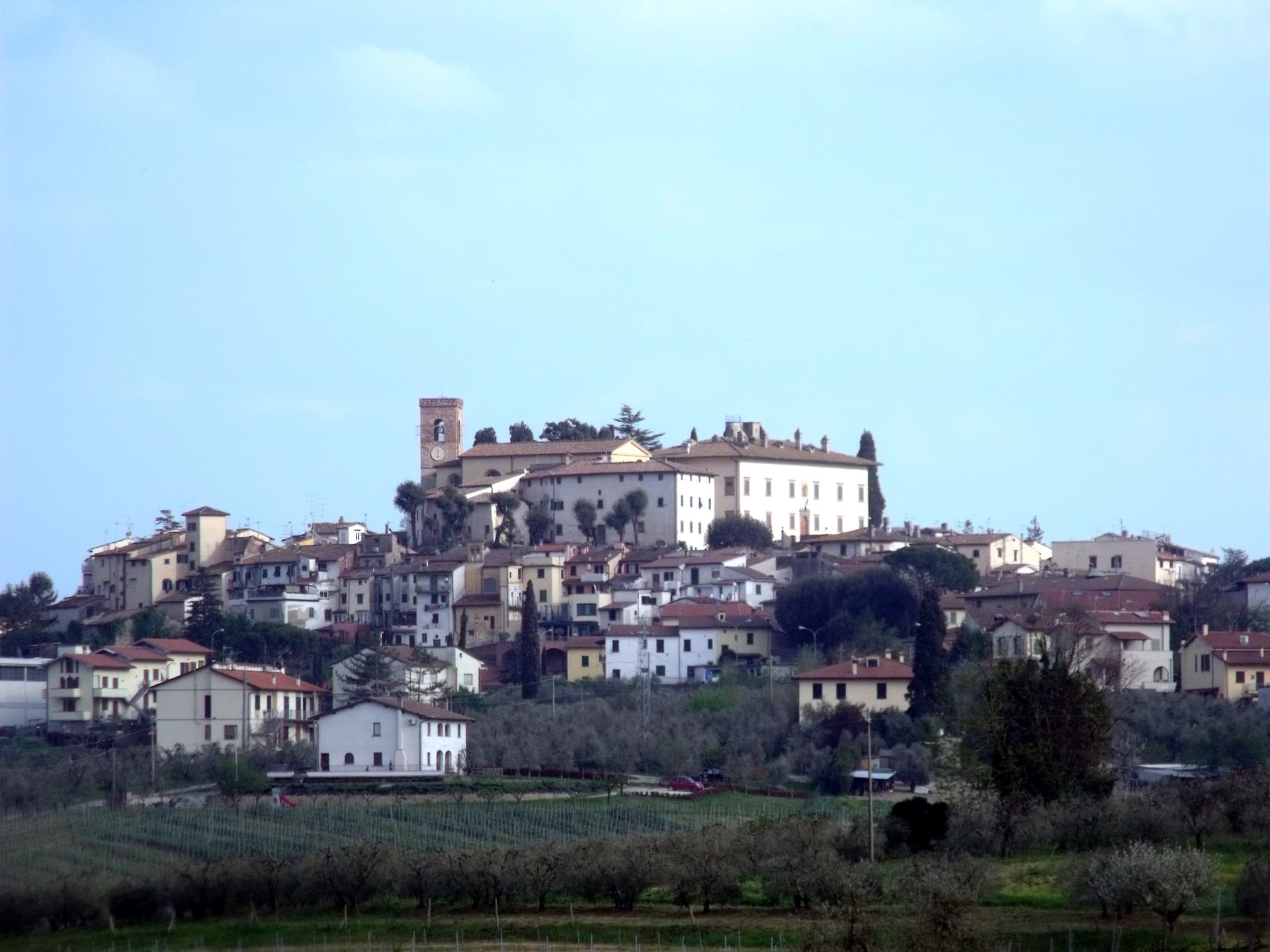
Cerreto Guidi
Province: Firenze · 123 m
The Medici hunting villa above the Padule di Fucecchio, where Cosimo I sent his court for the marshland game and Buontalenti built four ramps of stairs.
- ✷ We've been
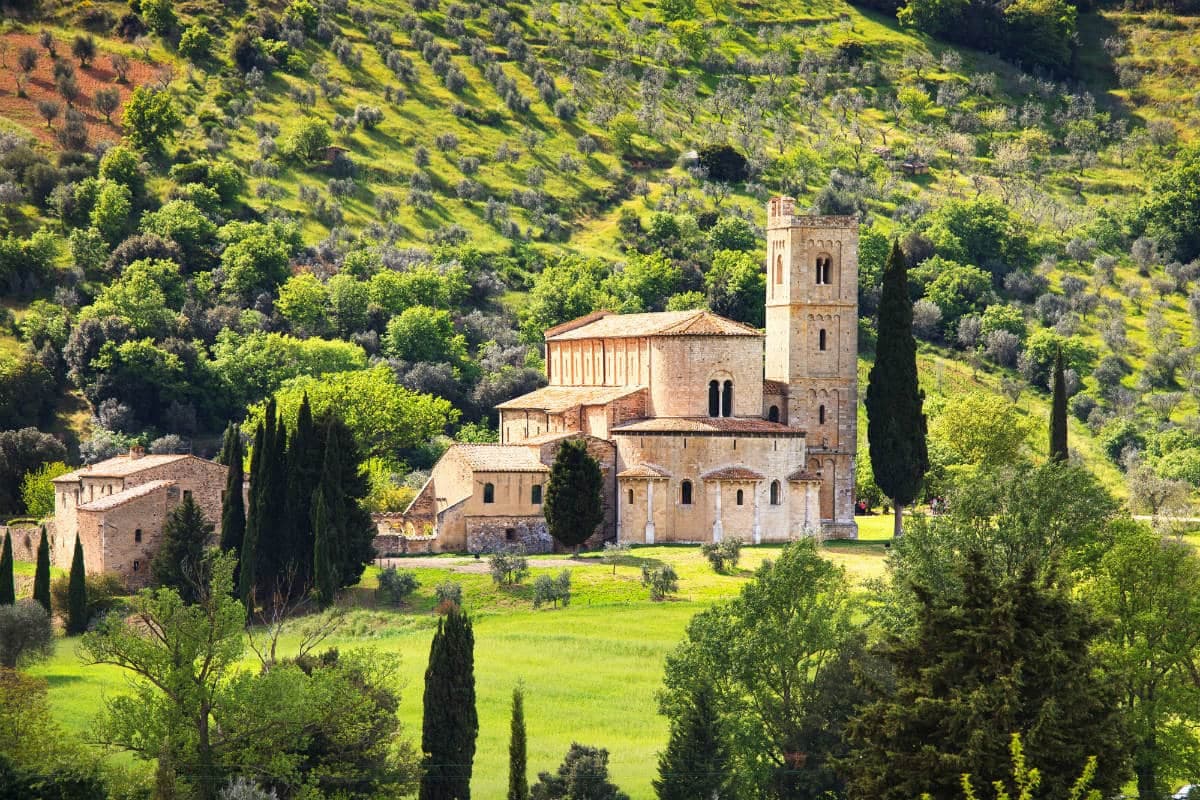
Montalcino
Province: Siena · 564 m
A walled hill town at 564 meters above the Val d'Orcia, the last fortress to hold out for the Sienese Republic and the birthplace of Brunello.
- ✷ We've been
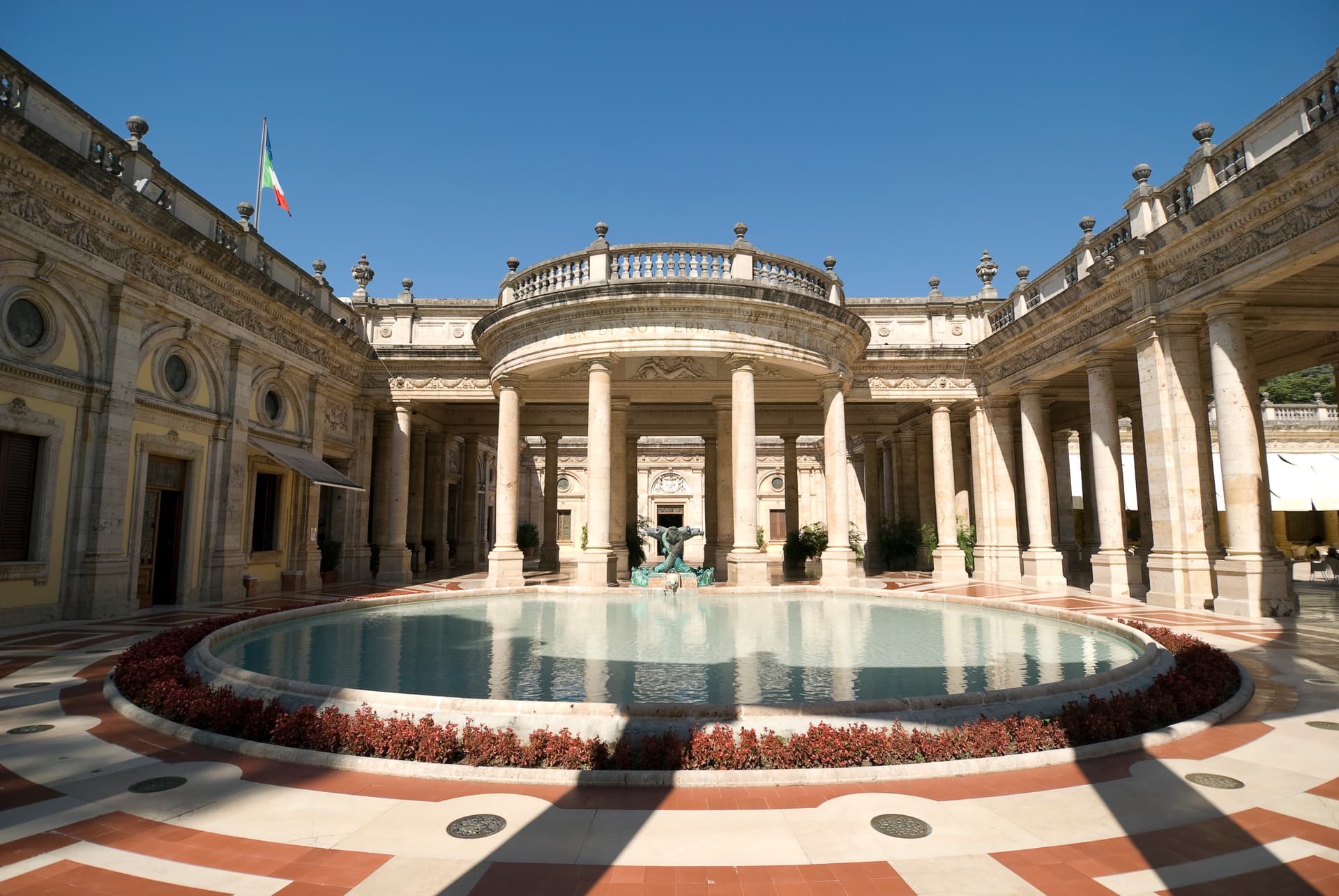
Montecatini-Terme
Province: Pistoia · 27 m
Eleven thermal springs in a Liberty-style park at the foot of the Apennines, one of the Great Spa Towns of Europe inscribed by UNESCO in 2021.
- ✷ We've been
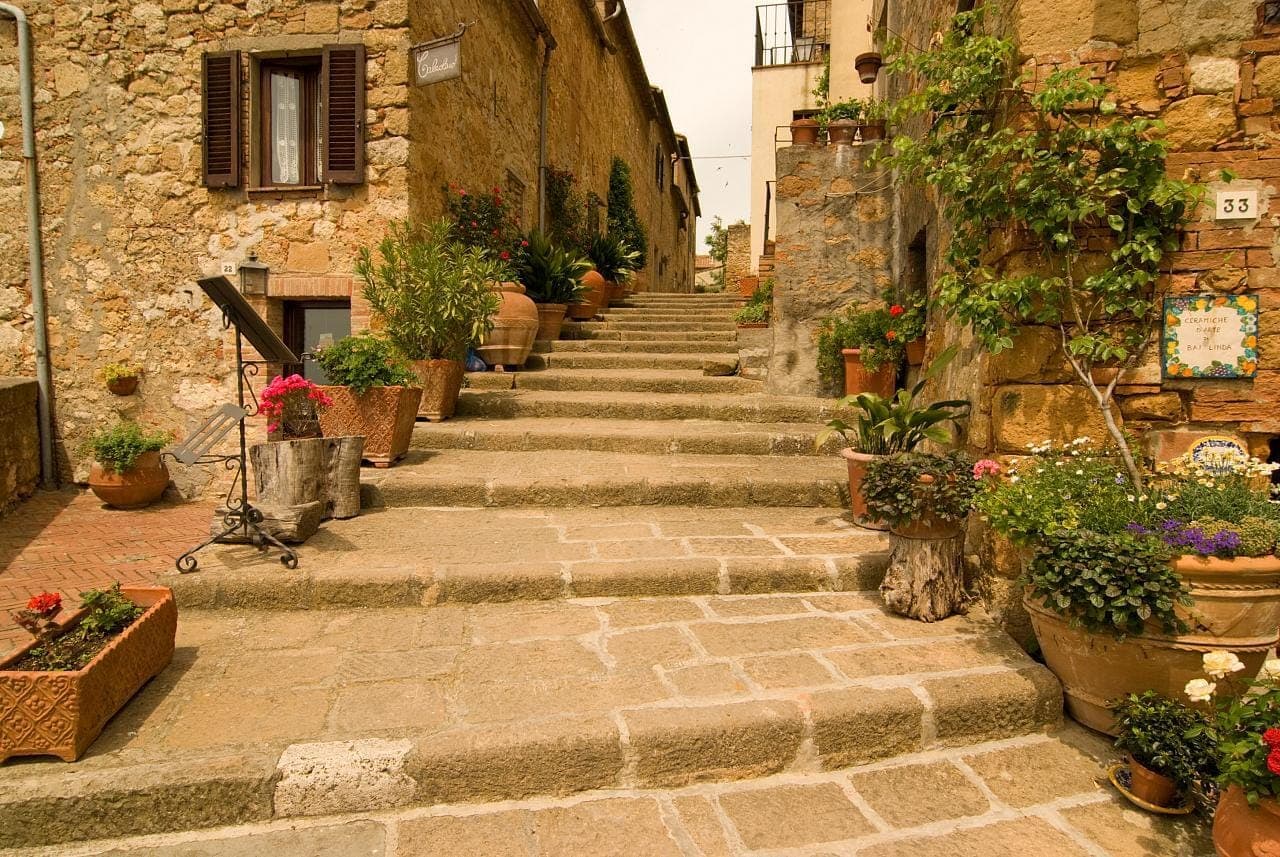
Pienza
Province: Siena · 491 m
The first Renaissance ideal city, built from 1459 by Bernardo Rossellino for Pope Pius II on the Val d'Orcia ridge.
- ✷ We've been
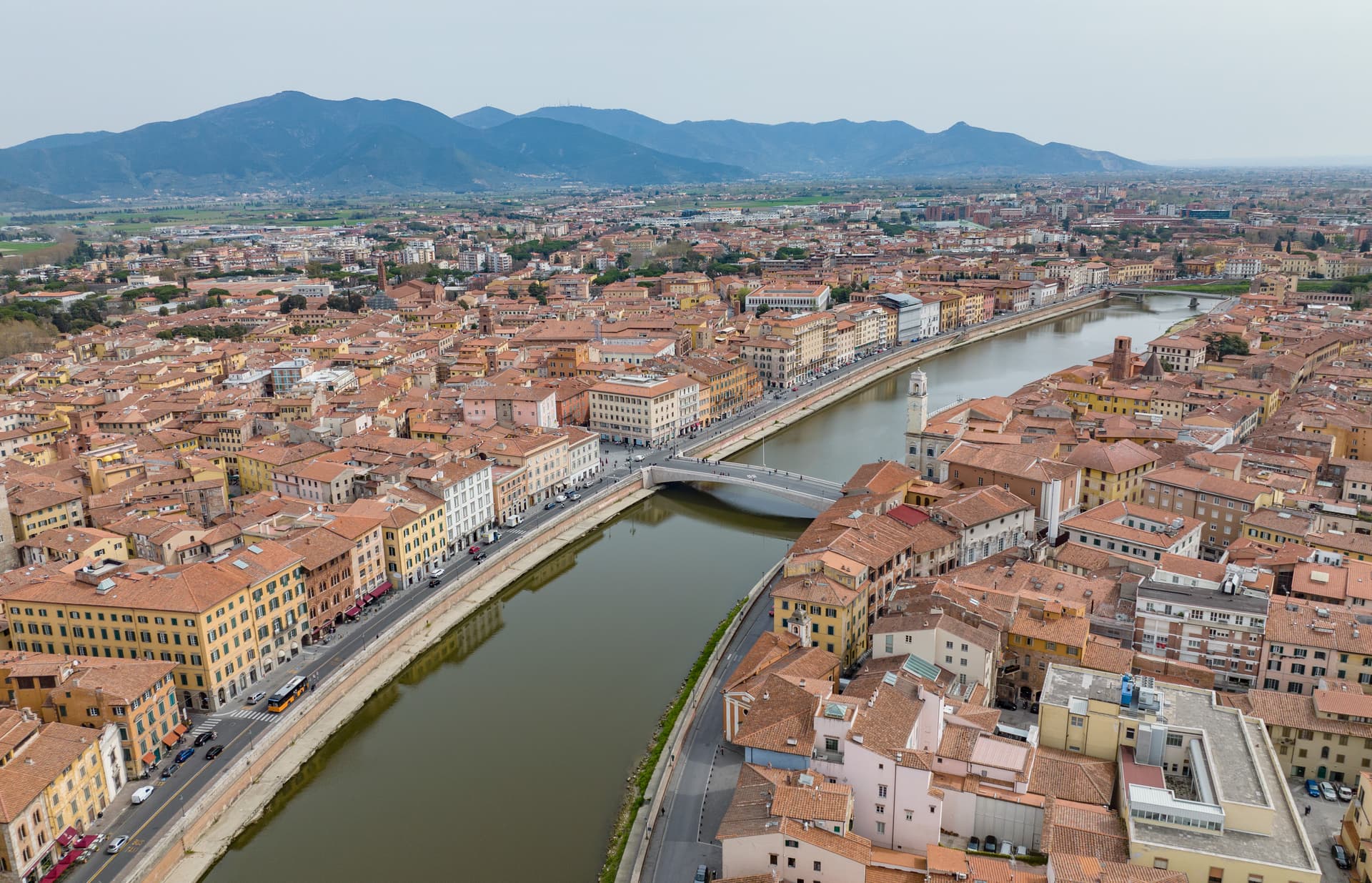
Pisa
Province: Pisa · 4 m
Maritime republic on the Arno, twelve kilometers from the Ligurian Sea, with the leaning bell tower at the center of a single UNESCO-listed walled compound.
- ✷ We've been
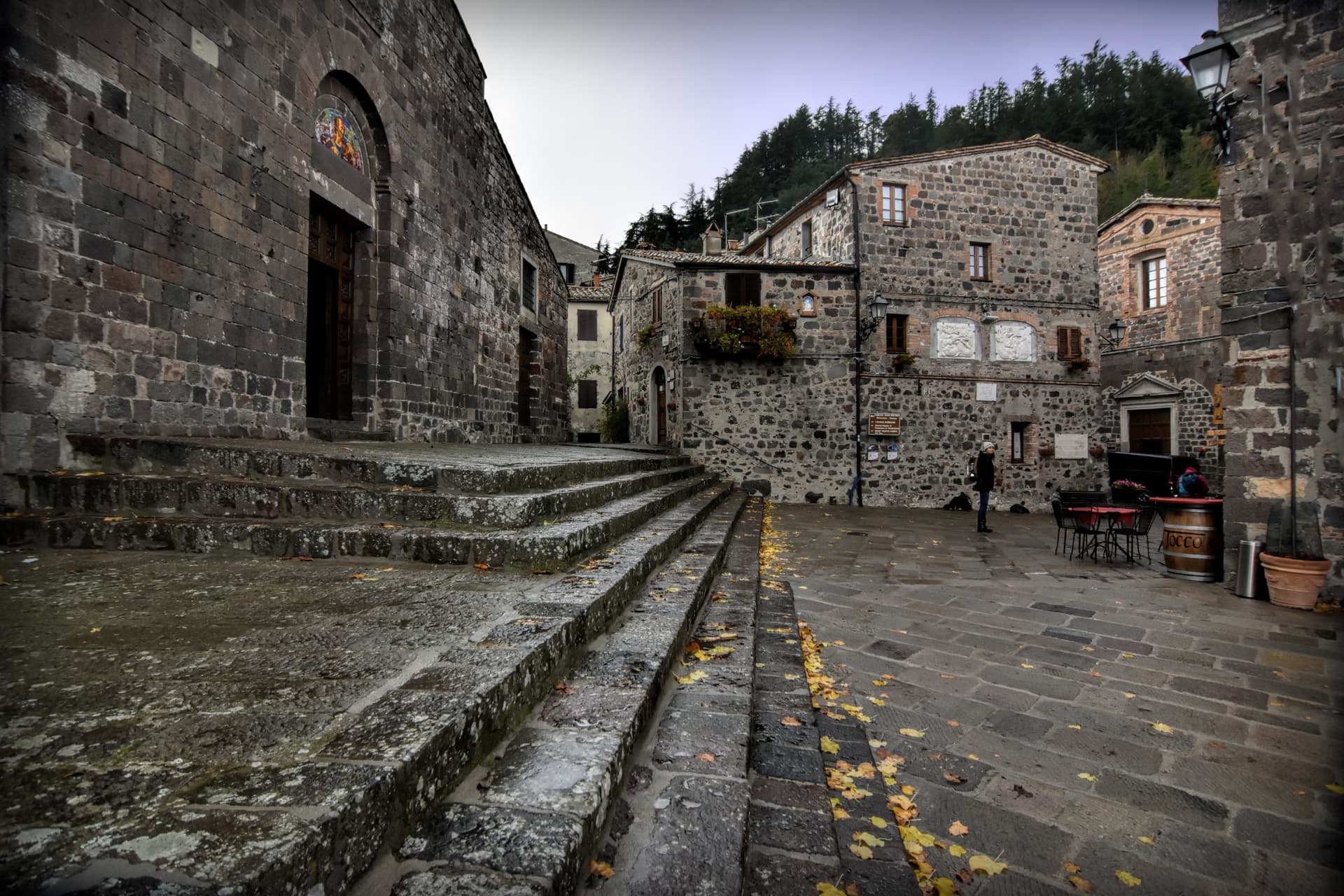
Radicofani
Province: Siena · 814 m
The Val d'Orcia's basalt watchtower — a 1,060-resident UNESCO-inscribed borgo at 814m on a volcanic basalt outcrop visible across half of southern Tuscany, with the spectacular Rocca di Radicofani (Ghino di Tacco's outlaw fortress, mentioned by Dante in Purgatorio + Boccaccio in the Decameron), the 16th-c Posta Medicea on the Via Francigena, and Bandiera Arancione + UNESCO + Via Francigena triple signal.
- ✷ We've been
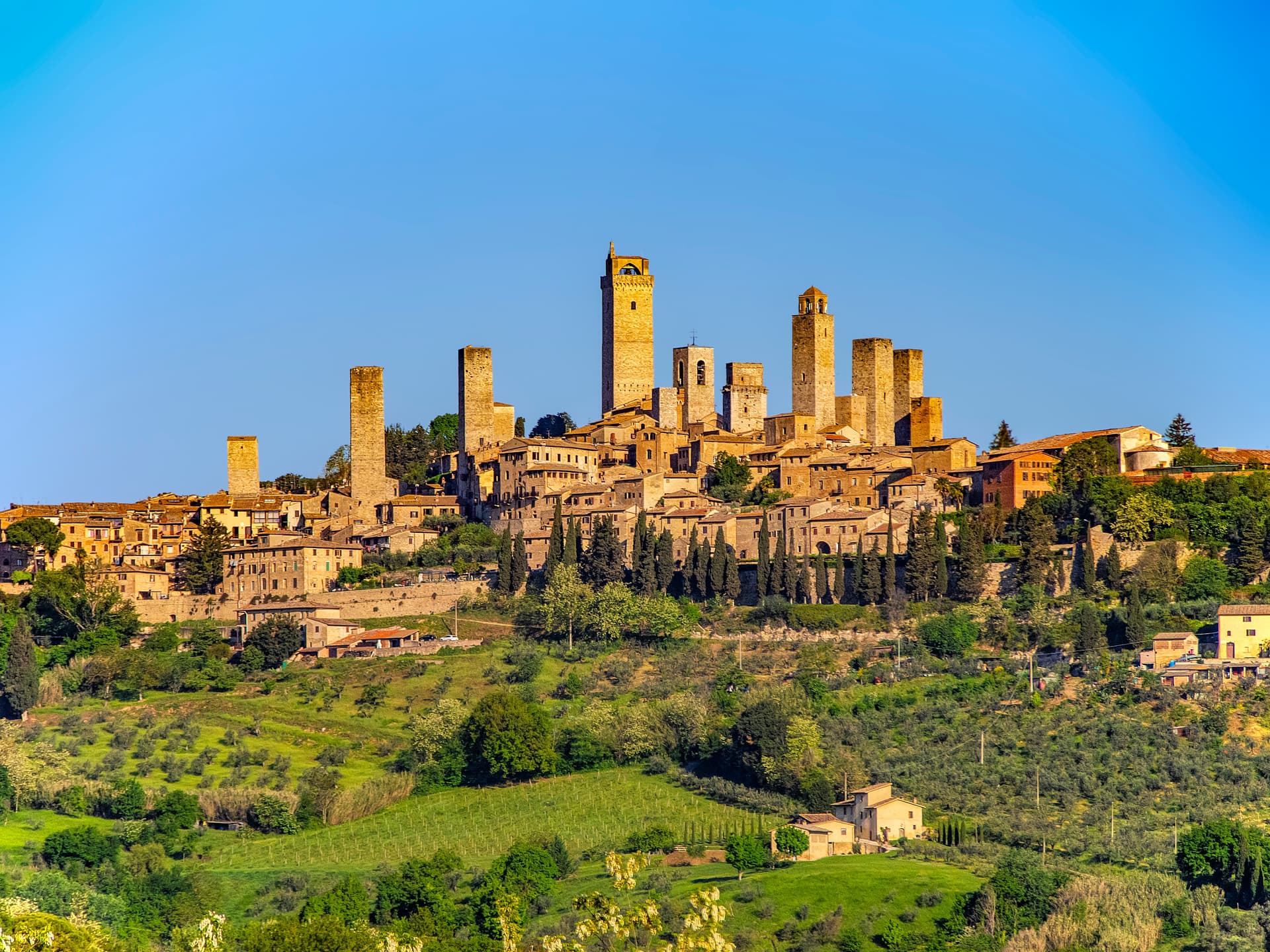
San Gimignano
Province: Siena · 334 m
A walled hill town at 334 meters with 14 surviving medieval towers, UNESCO listed since 1990 and the home of Vernaccia.
- ✷ We've been
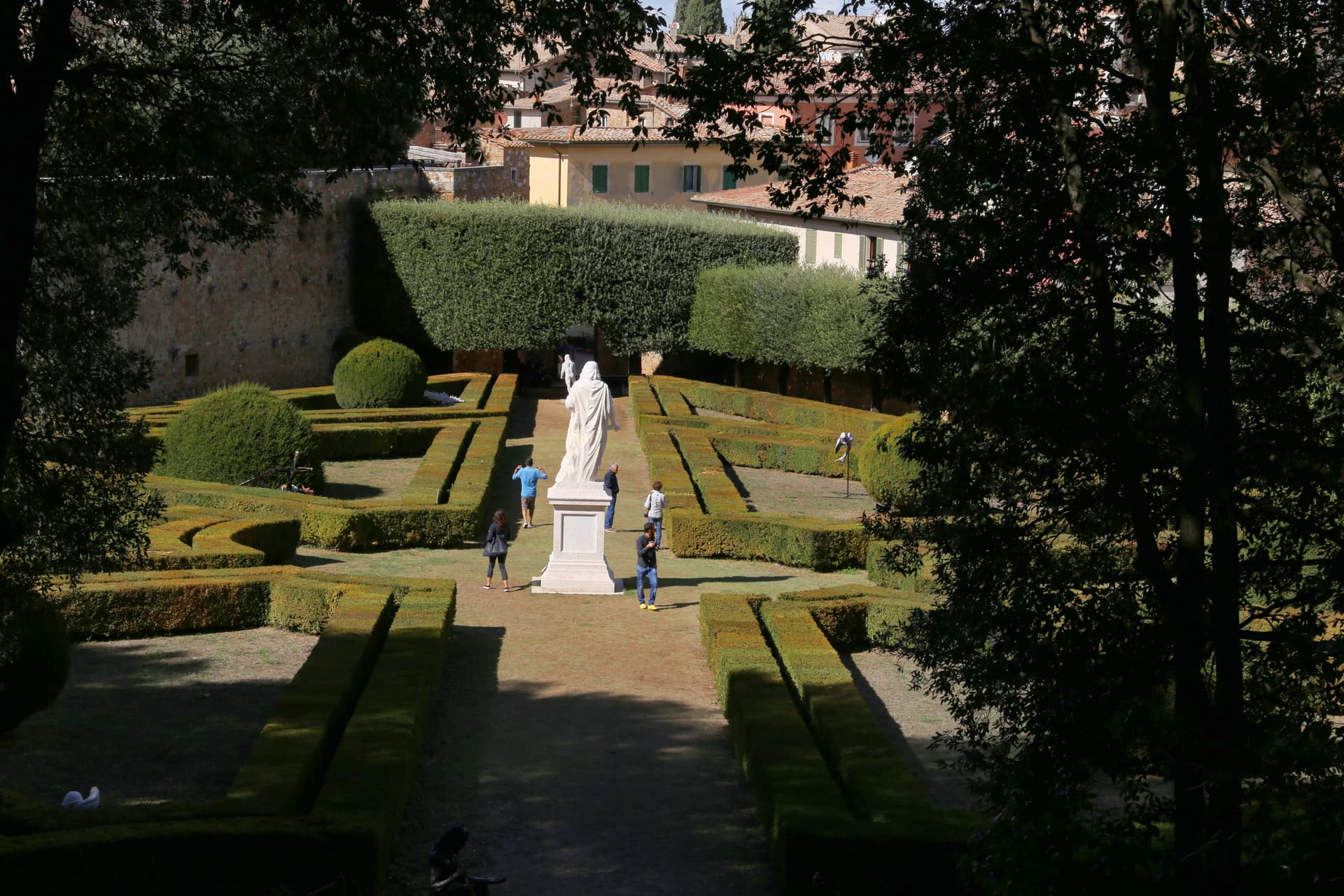
San Quirico d'Orcia
Province: Siena · 409 m
A walled stop on the Via Francigena at 409 meters in the UNESCO Val d'Orcia, where a twelfth-century Collegiata, a Renaissance garden and the Bagno Vignoni thermal pool sit within fifteen kilometers of each other.
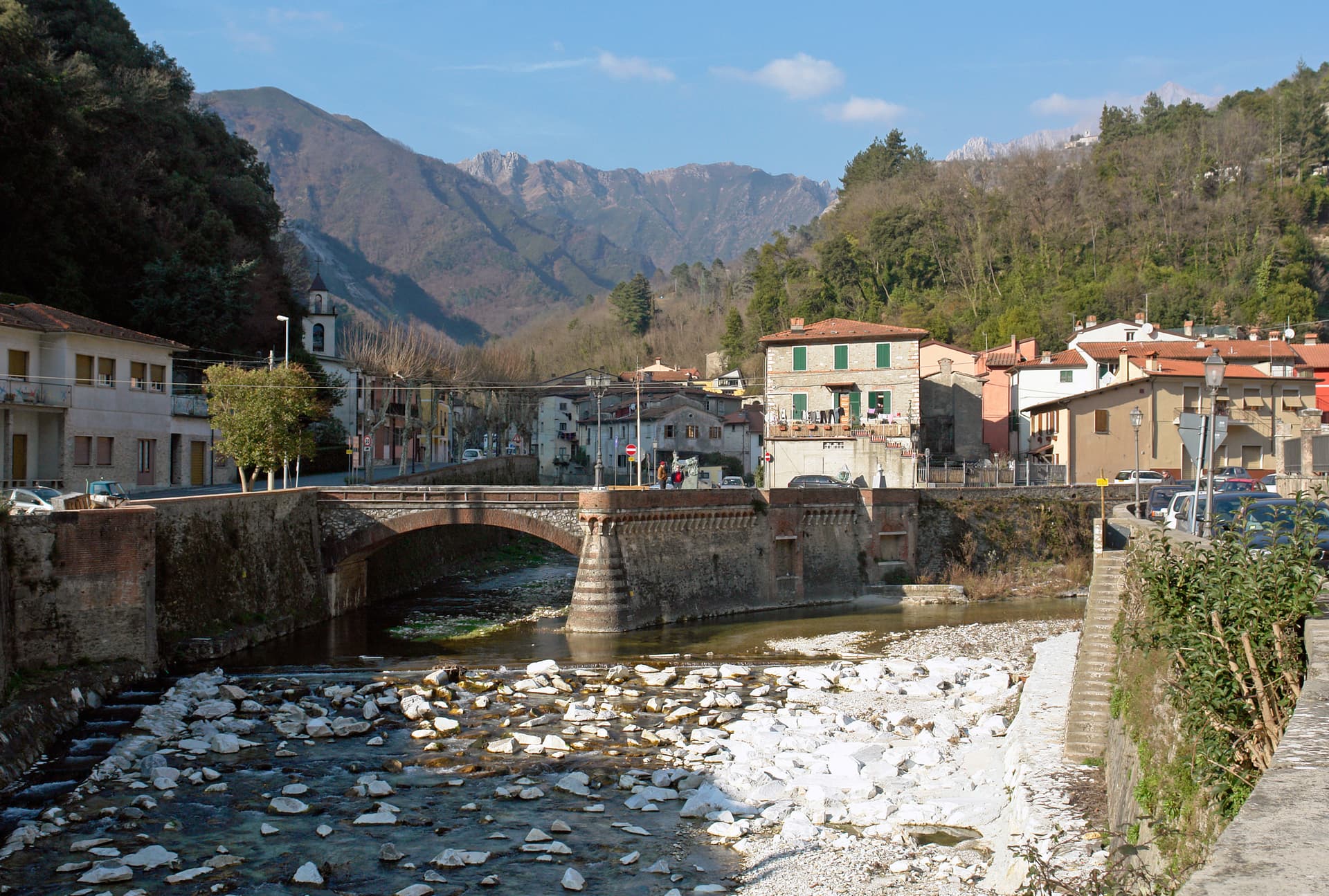
Seravezza
Province: Lucca · 100 m
The Versilia town at the foot of Monte Altissimo where Michelangelo opened the Pope's marble quarries and Cosimo I built his summer palace.
Umbria3
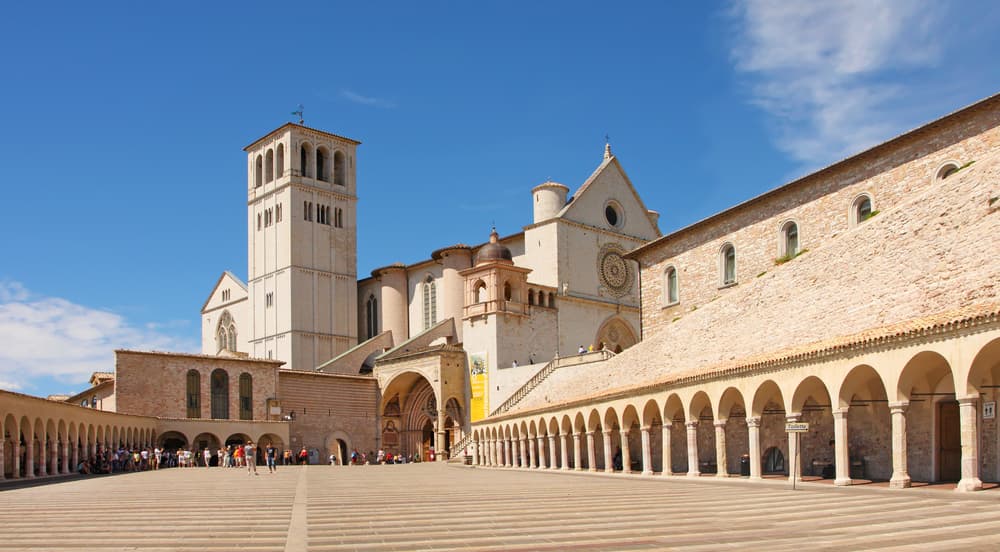
Assisi
Province: Perugia · 424 m
A pink limestone town at 424 meters on the western flank of Monte Subasio, the birthplace of Francis and a UNESCO site since 2000.
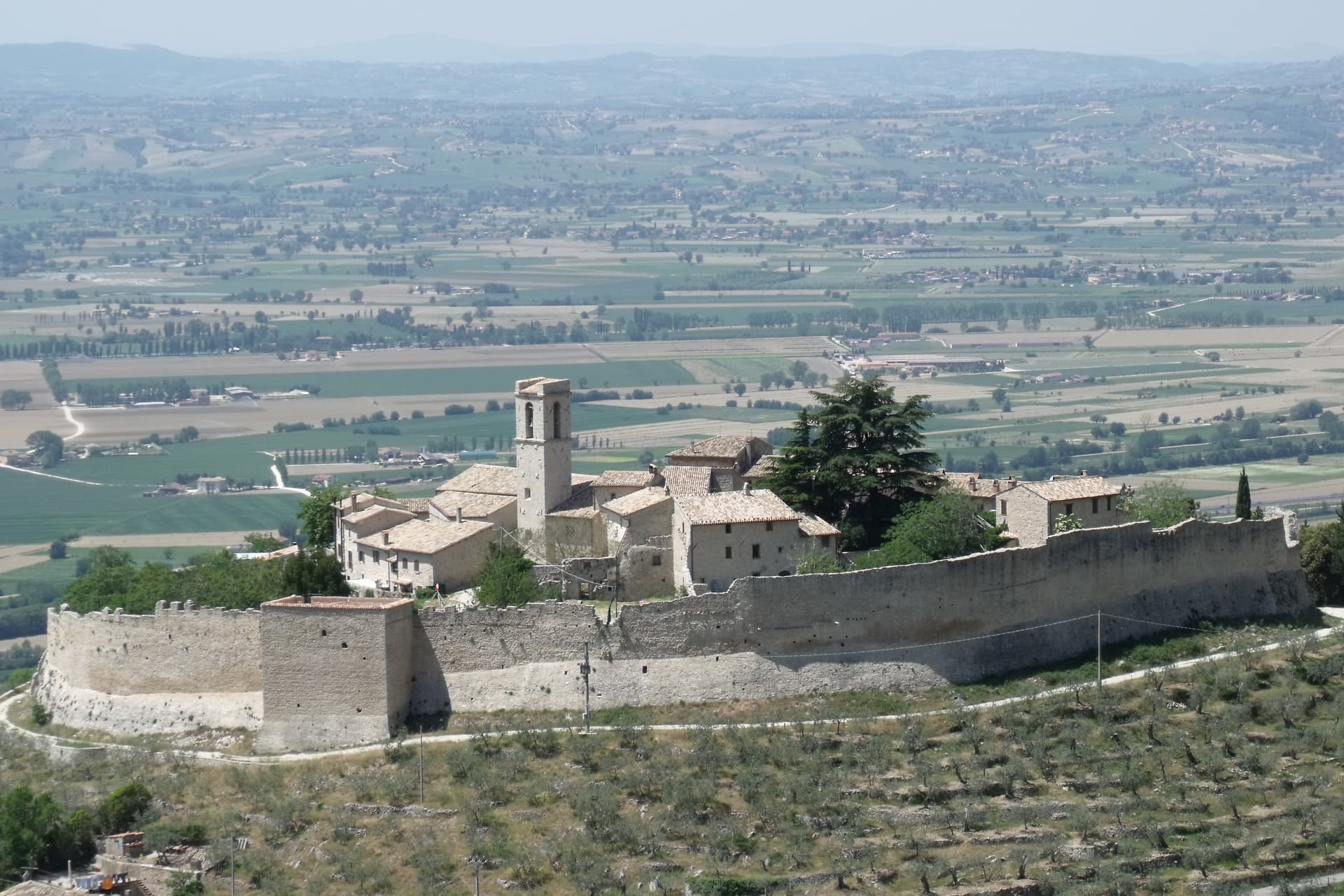
Campello sul Clitunno
Province: Perugia · 290 m
Springs of the Clitunno and the Lombard Tempietto on the valley floor at 290 meters, the temple inscribed by UNESCO in 2011.
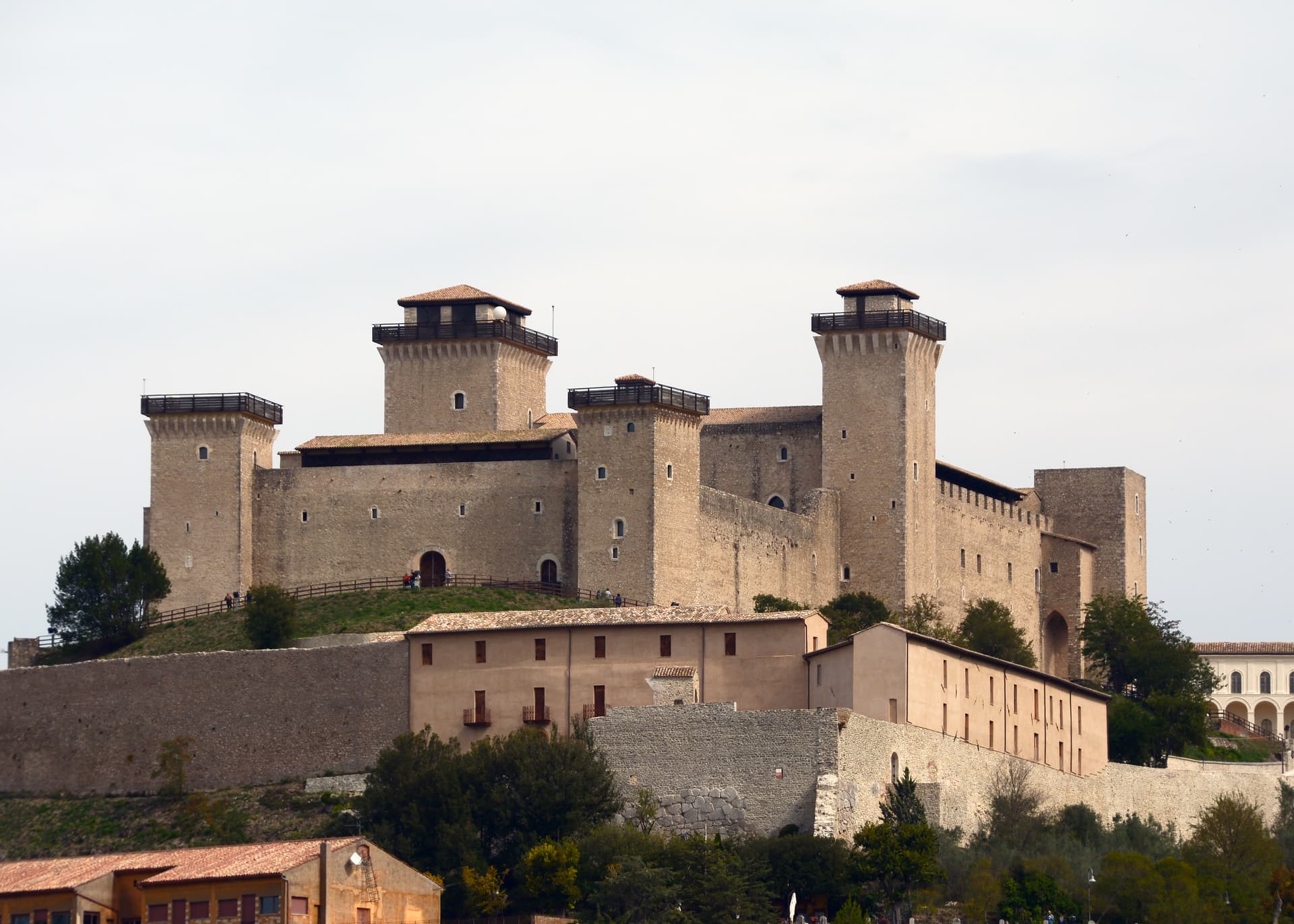
Spoleto
Province: Perugia · 396 m
Lombard ducal capital at 396 meters under the Rocca Albornoziana, where a 230-meter aqueduct bridge crosses to Monteluco and Menotti founded the Festival in 1958.
Veneto11
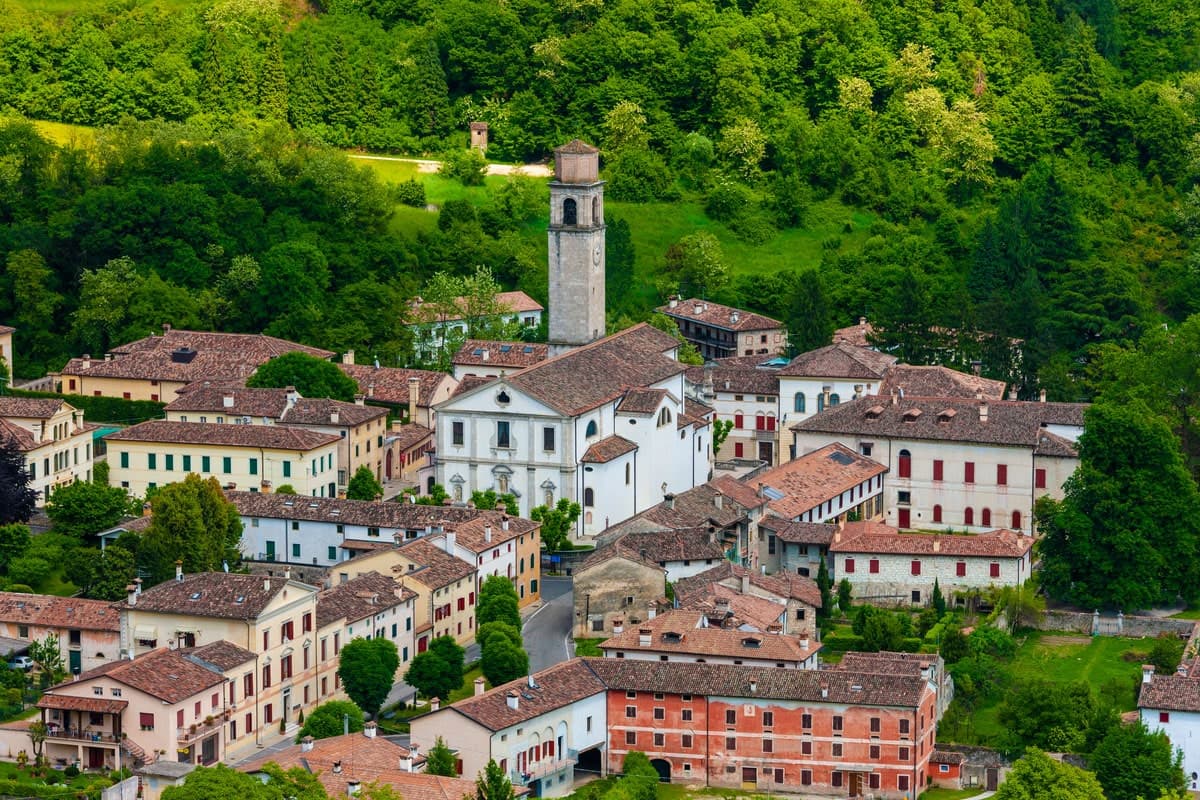
Cison di Valmarino
Province: Treviso · 261 m
A Prosecco hills borgo at 261 meters under the dolomite rock of CastelBrando, the largest inhabited castle complex in Europe.
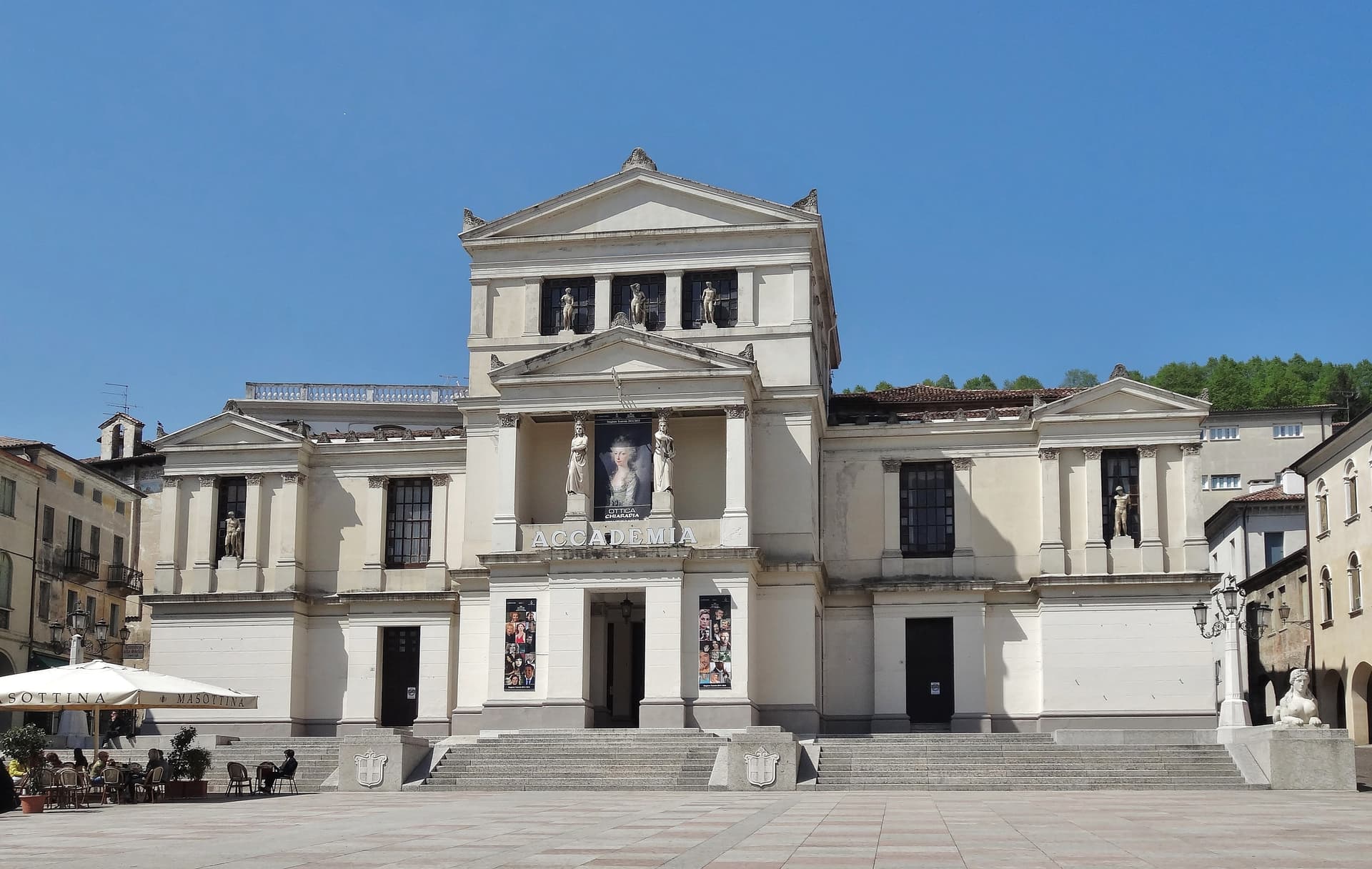
Conegliano
Province: Treviso · 65 m
The Prosecco capital at 65 meters, birthplace of the painter Cima and home of Italy's first oenology school, opened in 1876.
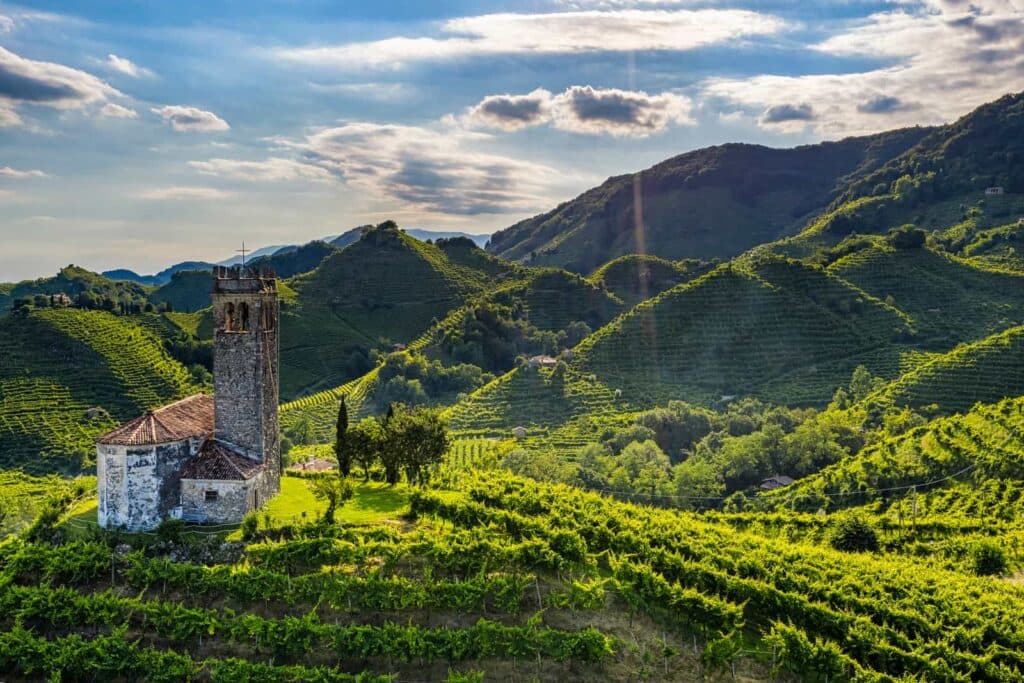
Farra di Soligo
Province: Treviso · 161 m
The heart of the Prosecco Hills UNESCO landscape — an 8,477-resident comune in the Conegliano-Valdobbiadene DOCG zone (UNESCO World Heritage since 2019), with the three medieval Torri di Credazzo crowning a hilltop above its vineyards, Cittaslow + Città del Vino signals, and direct walking access to the most photographed stretch of the hogback ridge.
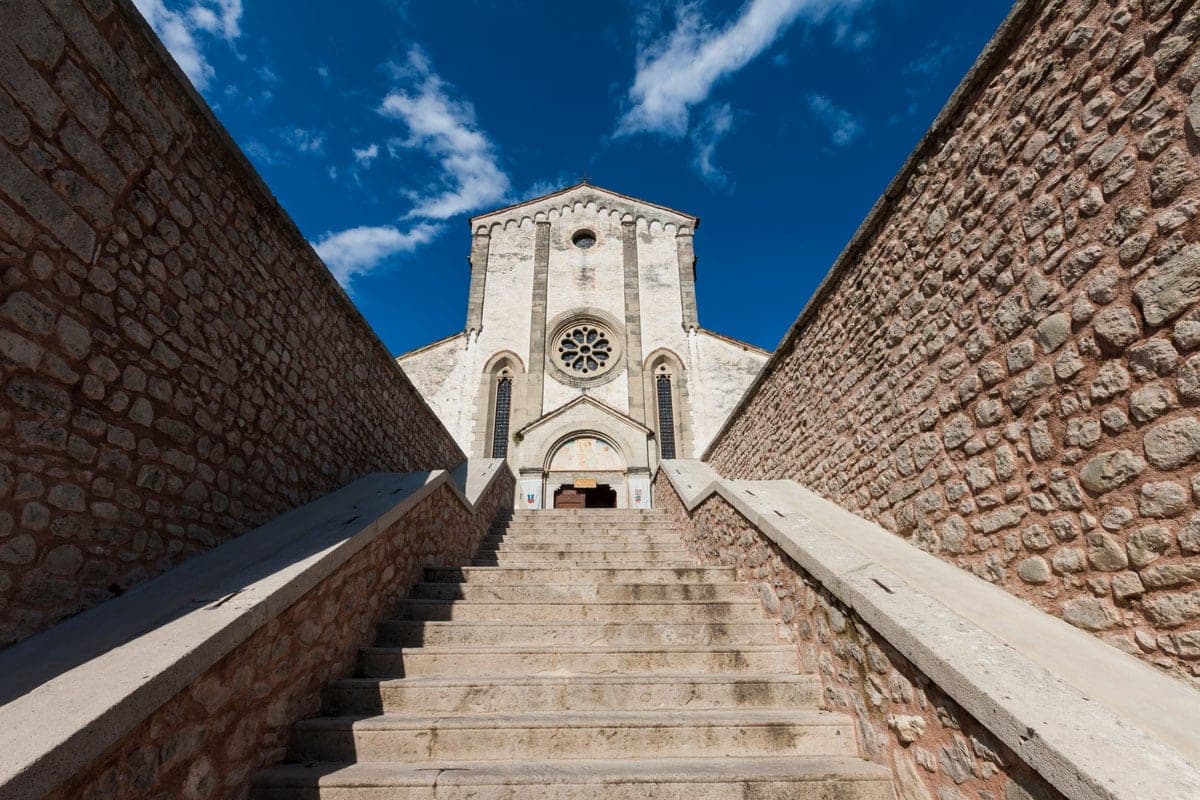
Follina
Province: Treviso · 191 m
A Prosecco-hills borgo at 191 meters around the Cistercian Abbey of Santa Maria, with a cloister finished in 1268.
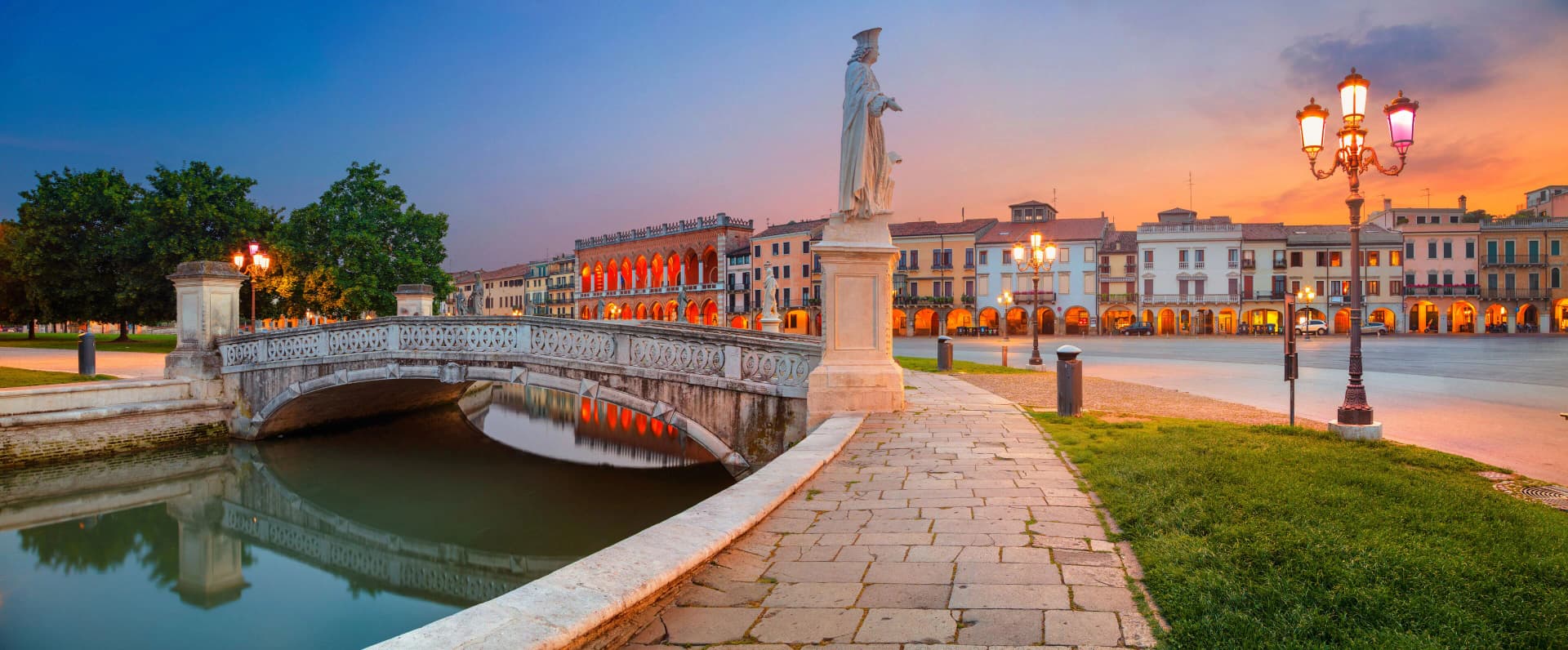
Padova
Province: Padova · 12 m
The university town that gave Giotto a chapel and the world a science of plants — TWO UNESCO inscriptions inside one city (Padua's 14th-century fresco cycles + the 1545 Orto Botanico, the world's first), plus Prato della Valle, Italy's largest piazza, and Galileo's old lecture hall.
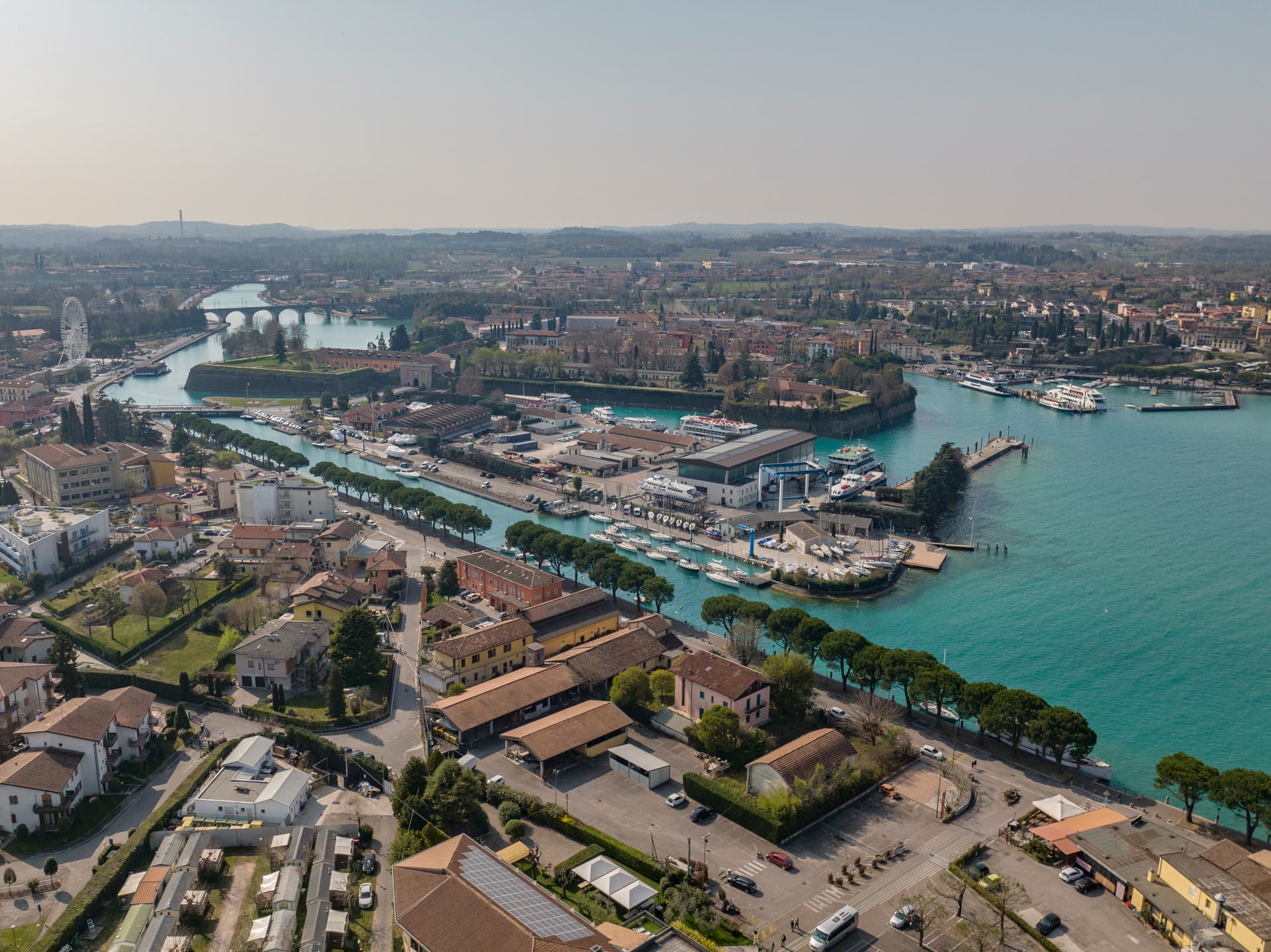
Peschiera del Garda
Province: Verona · 68 m
The Venetian fortress town on a Mincio island at the southern outlet of Lake Garda, UNESCO-listed in 2017 for its Sanmicheli bastions.
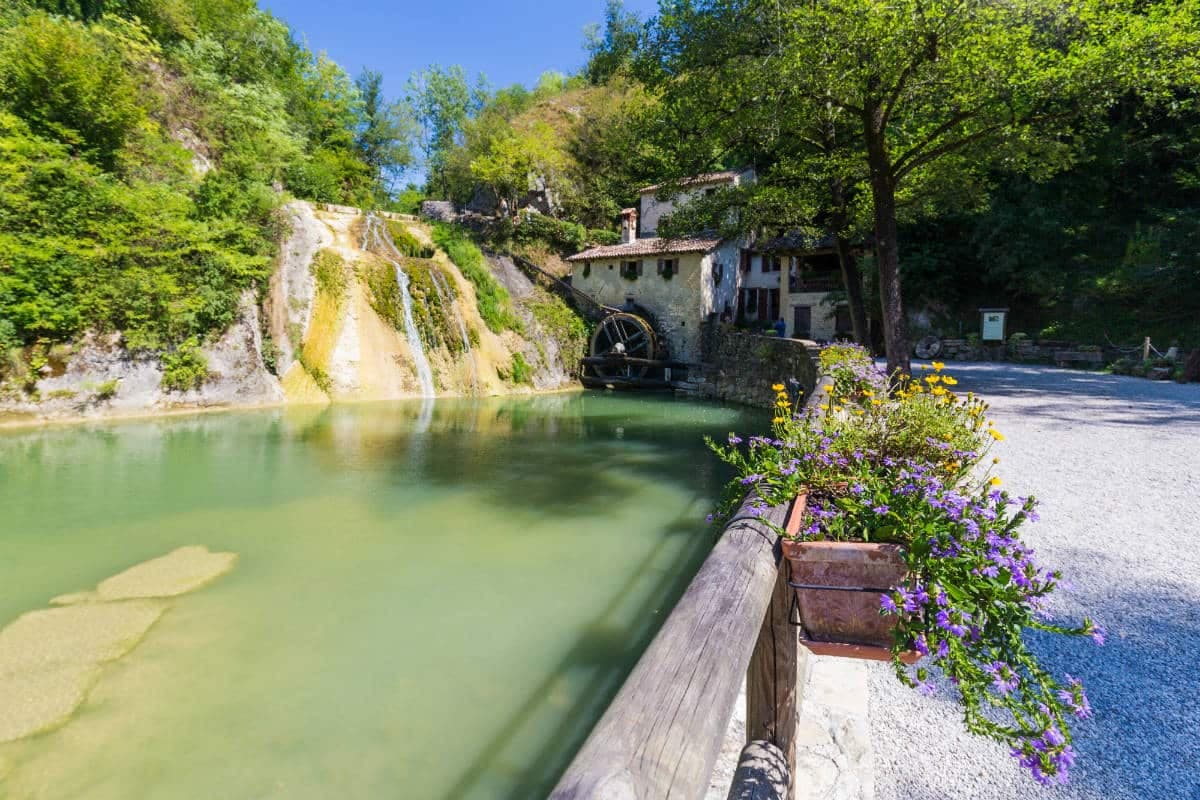
Pieve di Soligo
Province: Treviso · 132 m
The market town between the Soligo and Lierza rivers in the Prosecco UNESCO zone, birthplace of the twentieth-century poet Andrea Zanzotto.
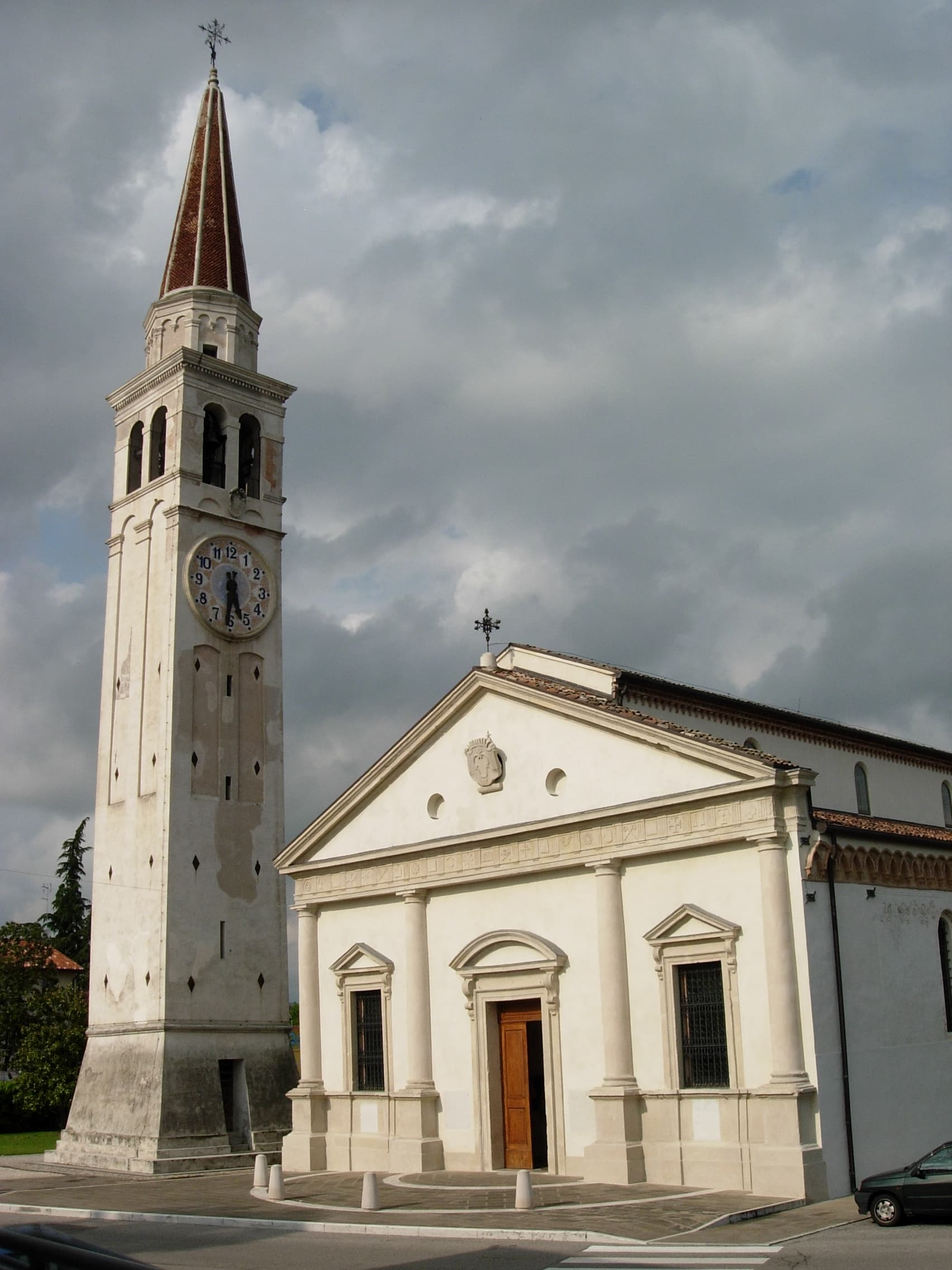
Susegana
Province: Treviso · 76 m
The Collalto castle town at 76 meters on the left bank of the Piave, with one of the largest medieval fortresses in northern Italy.
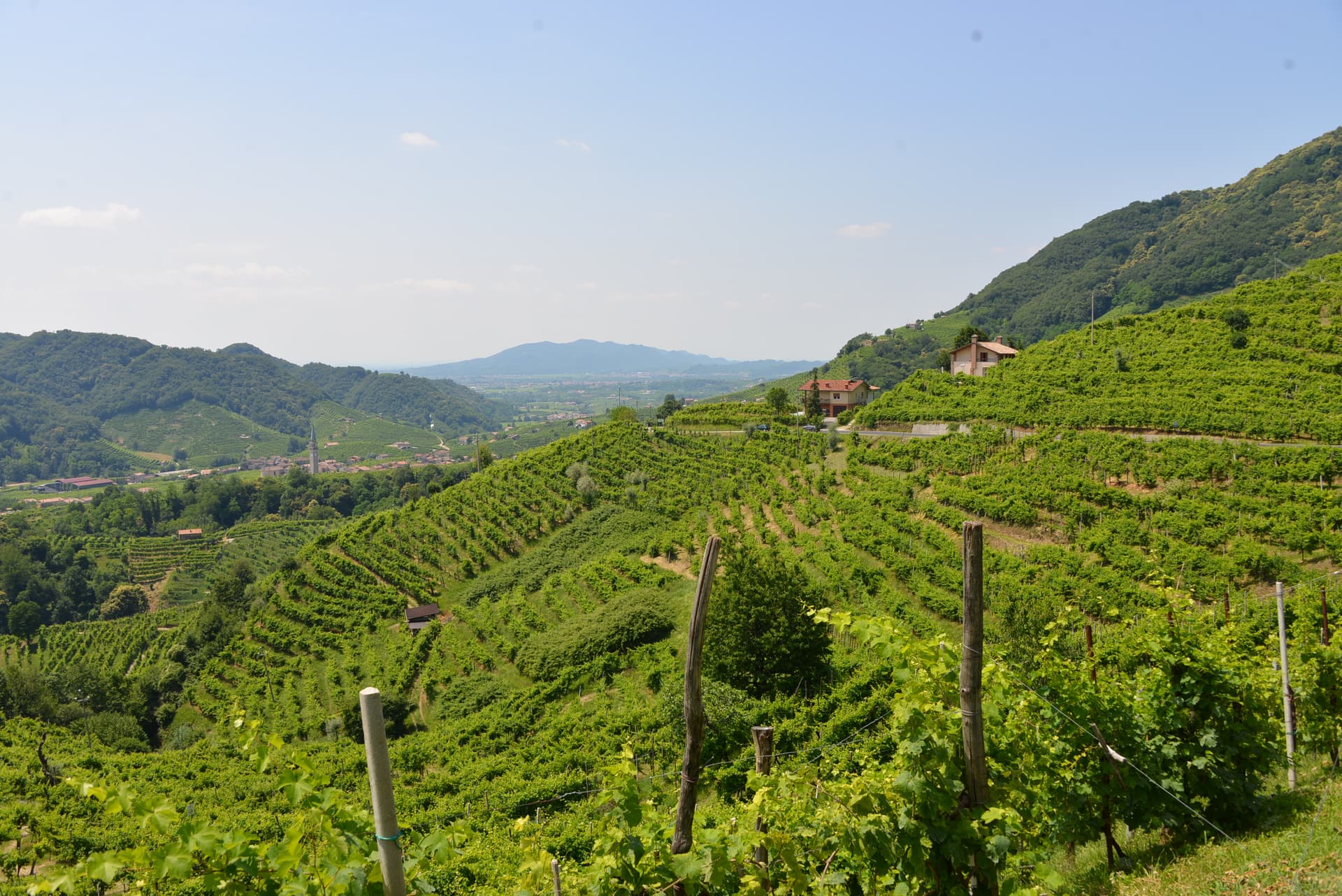
Valdobbiadene
Province: Treviso · 253 m
The Prosecco Superiore capital at 253 meters in the Treviso Prealps, where Glera grown on Cartizze's 108 hectares produces the most expensive Italian sparkling wine.
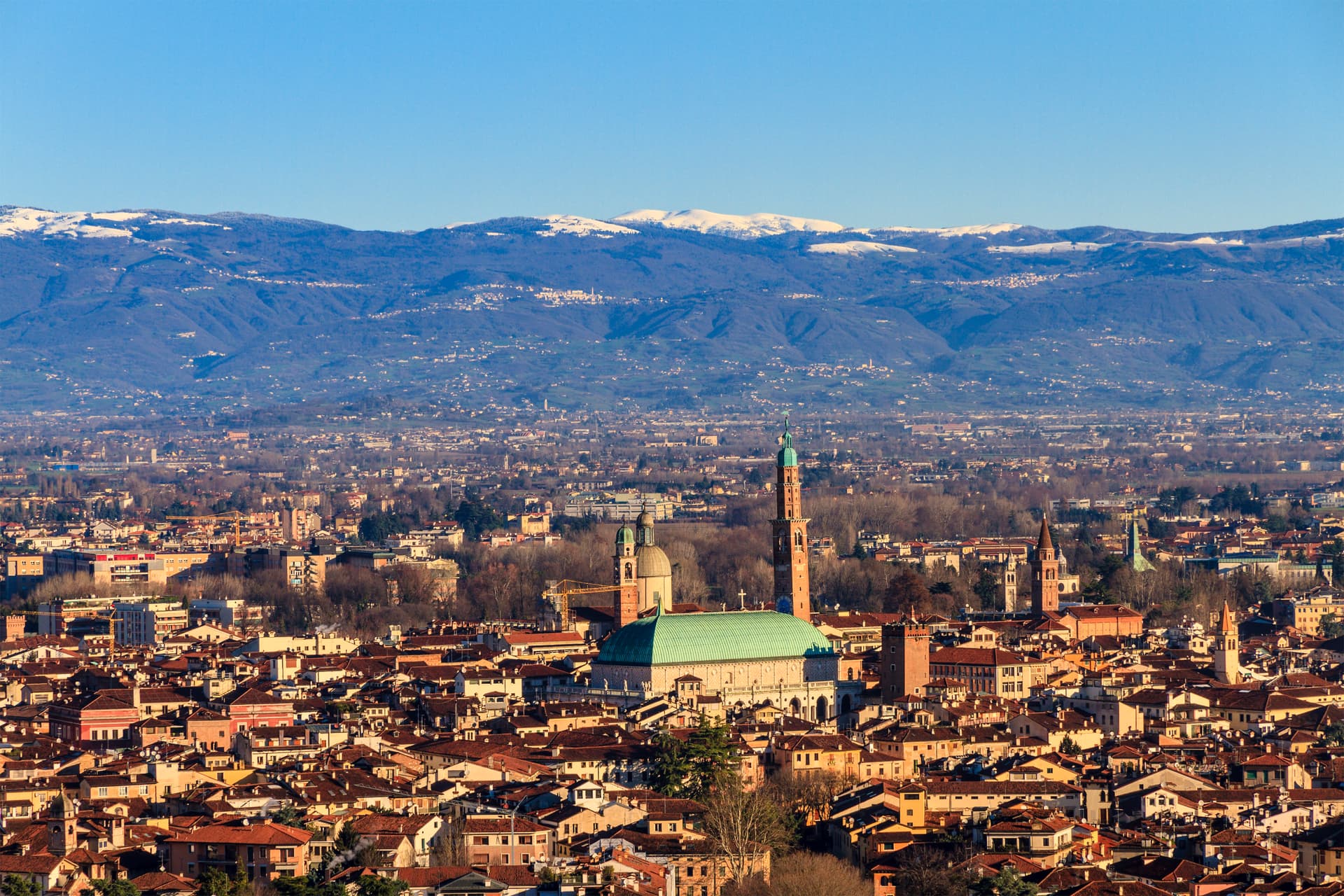
Vicenza
Province: Vicenza · 39 m
Andrea Palladio's home city — a UNESCO-inscribed open-air museum of the architect who reshaped Western architecture, with 23 Palladian buildings inside the centro and the Villa Rotonda + Teatro Olimpico just outside it.
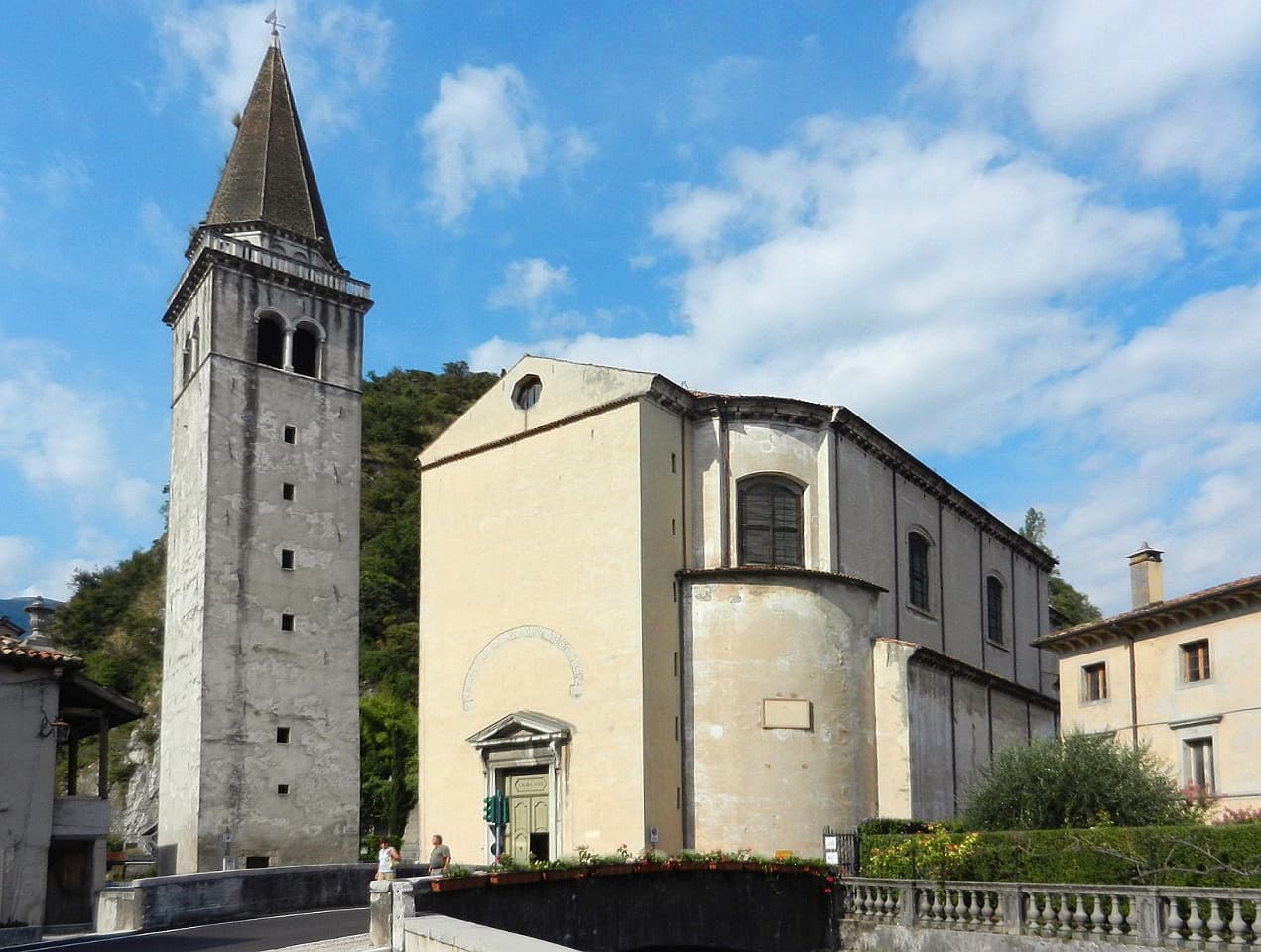
Vittorio Veneto
Province: Treviso · 138 m
Two old towns fused at 138 meters under the Cansiglio, where the October 1918 battle ended the First World War on the Italian front.
Subscribe — free
Get the best guides on hidden Italian towns.
One letter on Sundays. The week’s town, with the photo, the food, the festa. Free, by Peter & Sophia from Pietrasanta.
Substack sends a confirmation link to your inbox. The signup finishes when it’s clicked.
From elsewhere in Italy
Five more towns to discover
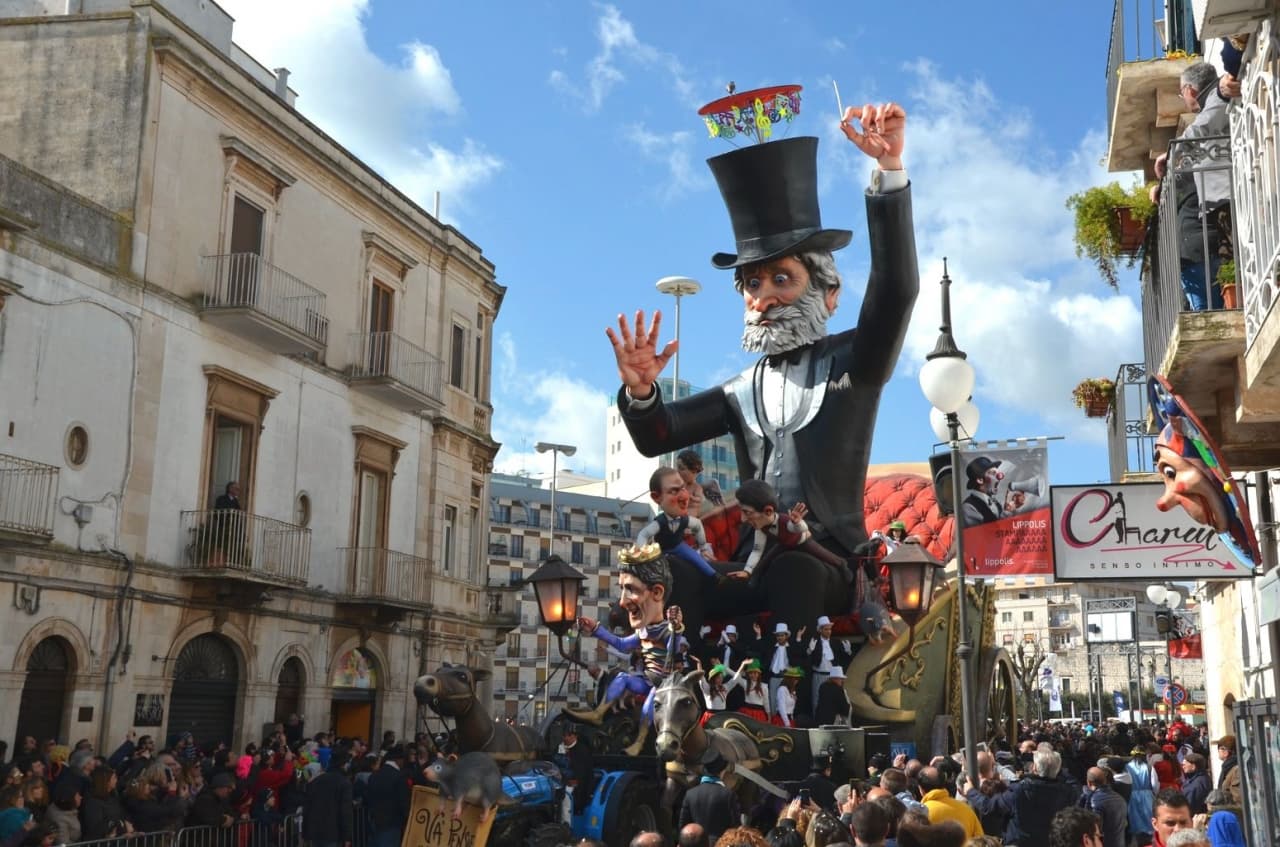
Putignano
Province: Bari
Europe's longest-running carnival — Putignano Carnevale has run continuously since 1394, with 631 years of cartapesta papier-mâché floats, a 26,000-resident Murgia town on the Bari–Lecce plateau, and the Grotta del Trullo karst cave inside the centro.

Pistoia
Province: Pistoia
Italy's nursery capital and the medieval Tuscan rival that gave its name to the pistol — a quietly extraordinary centro storico of zebra-striped Romanesque churches, Andrea della Robbia's polychrome frieze on the Ospedale del Ceppo, and Italy's Capital of Culture 2017, all 30 minutes from Florence by train.
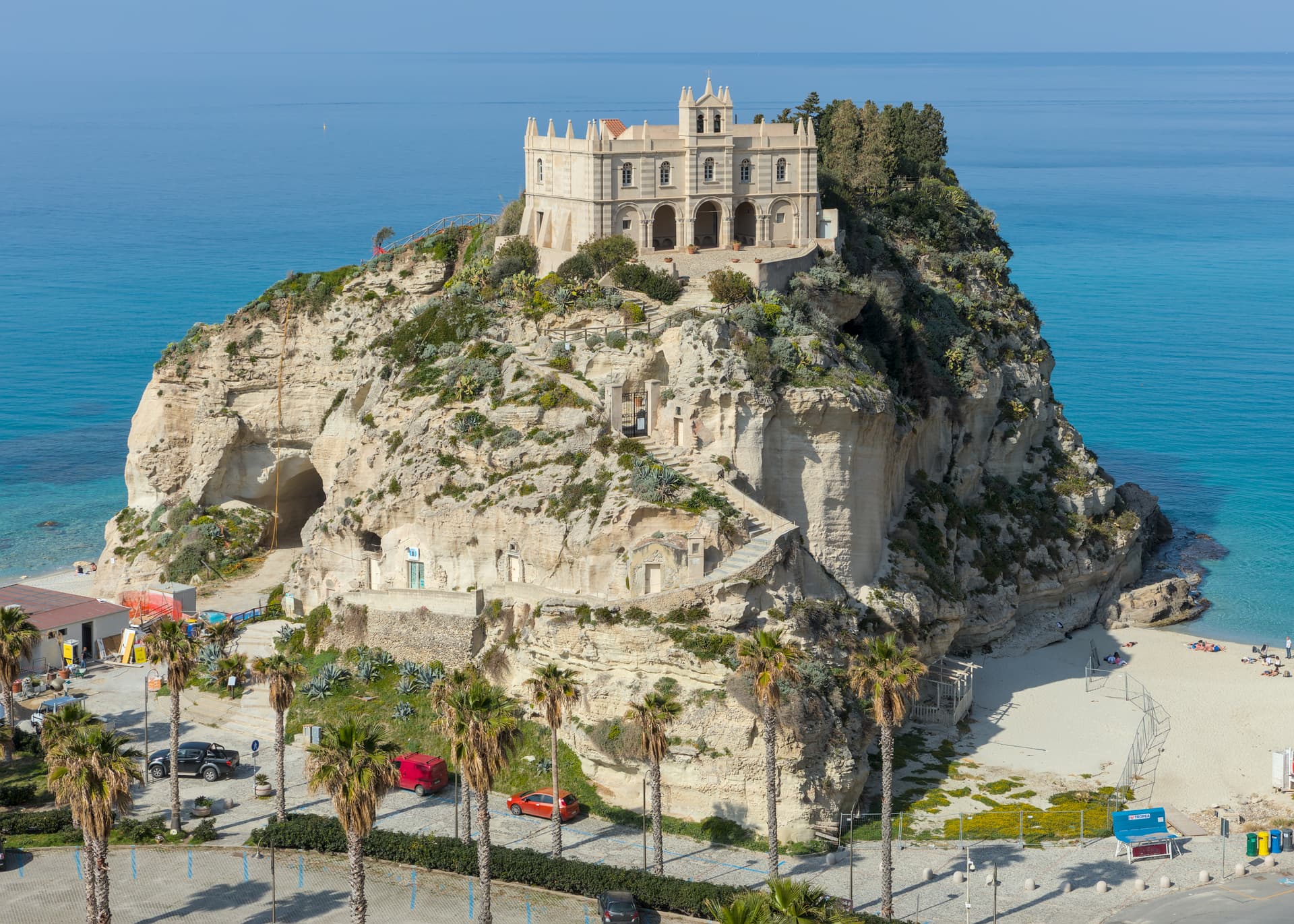
Tropea
Province: Vibo Valentia
Cliff town on a tufa headland over the Tyrrhenian Coast of the Gods, with a Norman monastery on a sea rock.
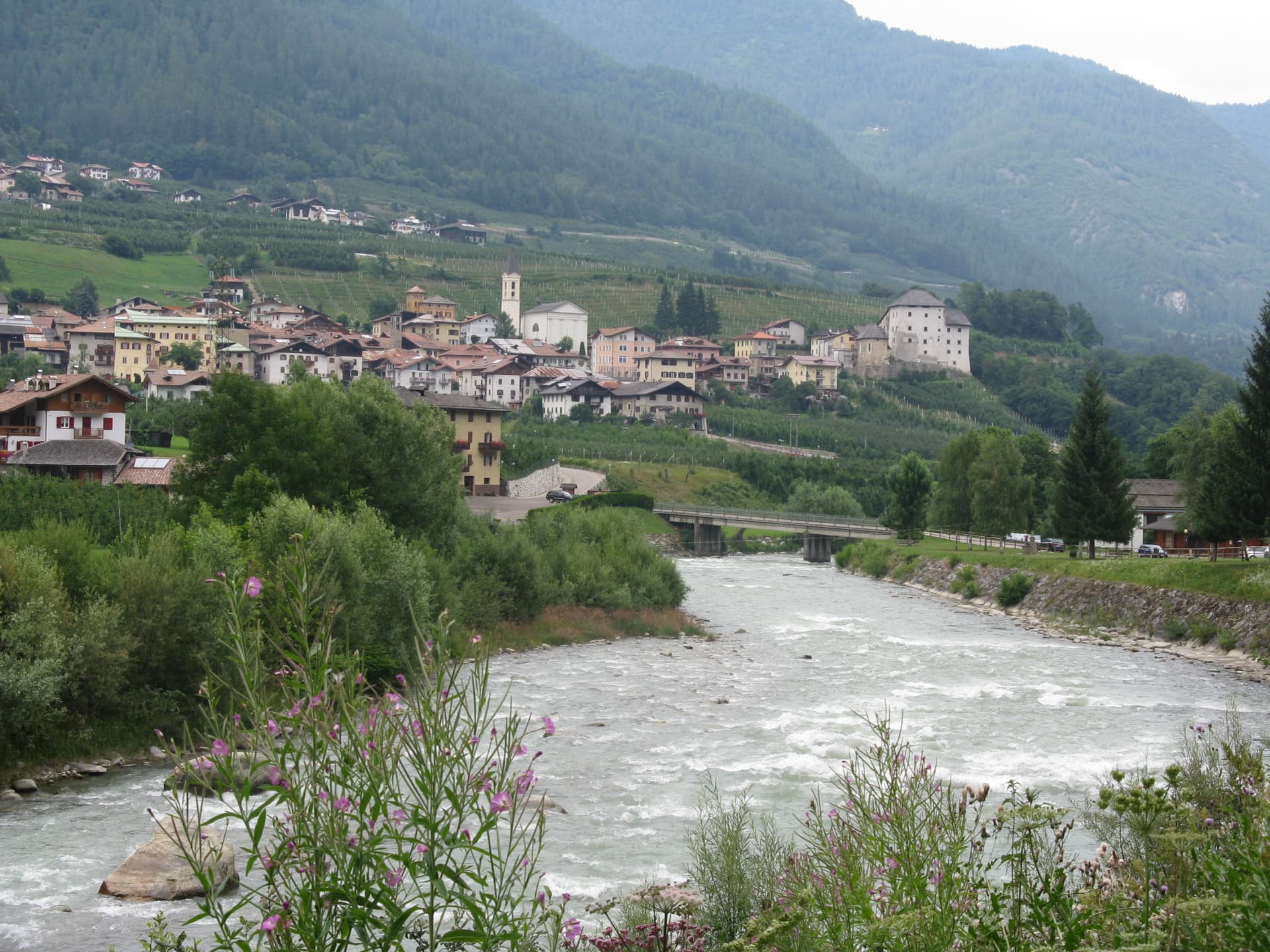
Caldes
Province: Trento
A scattered Val di Sole commune on the Noce, six hamlets gathered around a thirteenth-century tower-house castle that once belonged to the Thun family.
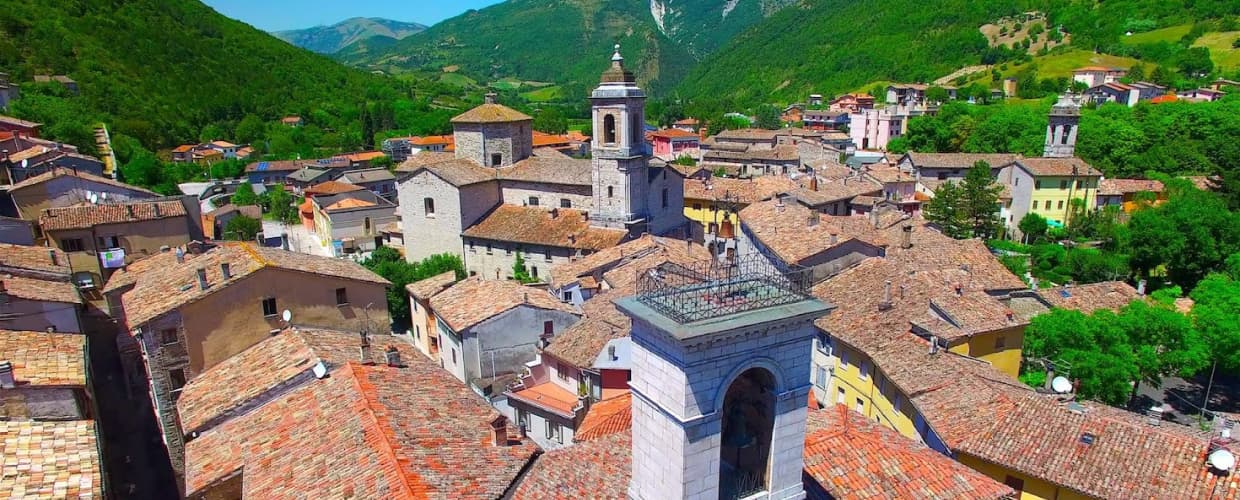
Cantiano
Province: Pesaro e Urbino
A border borgo at 374 meters under Monte Catria on the old Via Flaminia, known for the Good Friday Turba and the sour-cherry visciola harvest.