
Campania · Caserta
Caserta
Italy's answer to Versailles, built by the Bourbons on the Campanian plain with 1,200 rooms and a three-kilometer water axis.
Known for
REGGIA
Vanvitelli's Bourbon palace, larger than Versailles by volume, 1,200 rooms, UNESCO-listed in 1997 with park and aqueduct.
SAN LEUCIO SILK
Ferdinand IV's 1778 silk colony with utopian labor code; the royal factory still produces silk for Italian state ceremonies.
CASERTAVECCHIA
The medieval predecessor village at 401 meters, kept its Romanesque cathedral when the Bourbons emptied it for the new plain city.
When to visit
Best · Apr–Oct
- J
- F
- M
- A
- M
- J
- J
- A
- S
- O
- N
- D
- Best
- Hot or crowded
- Quiet
- Mostly closed
The festa: San Sebastiano, 20 January
Why come
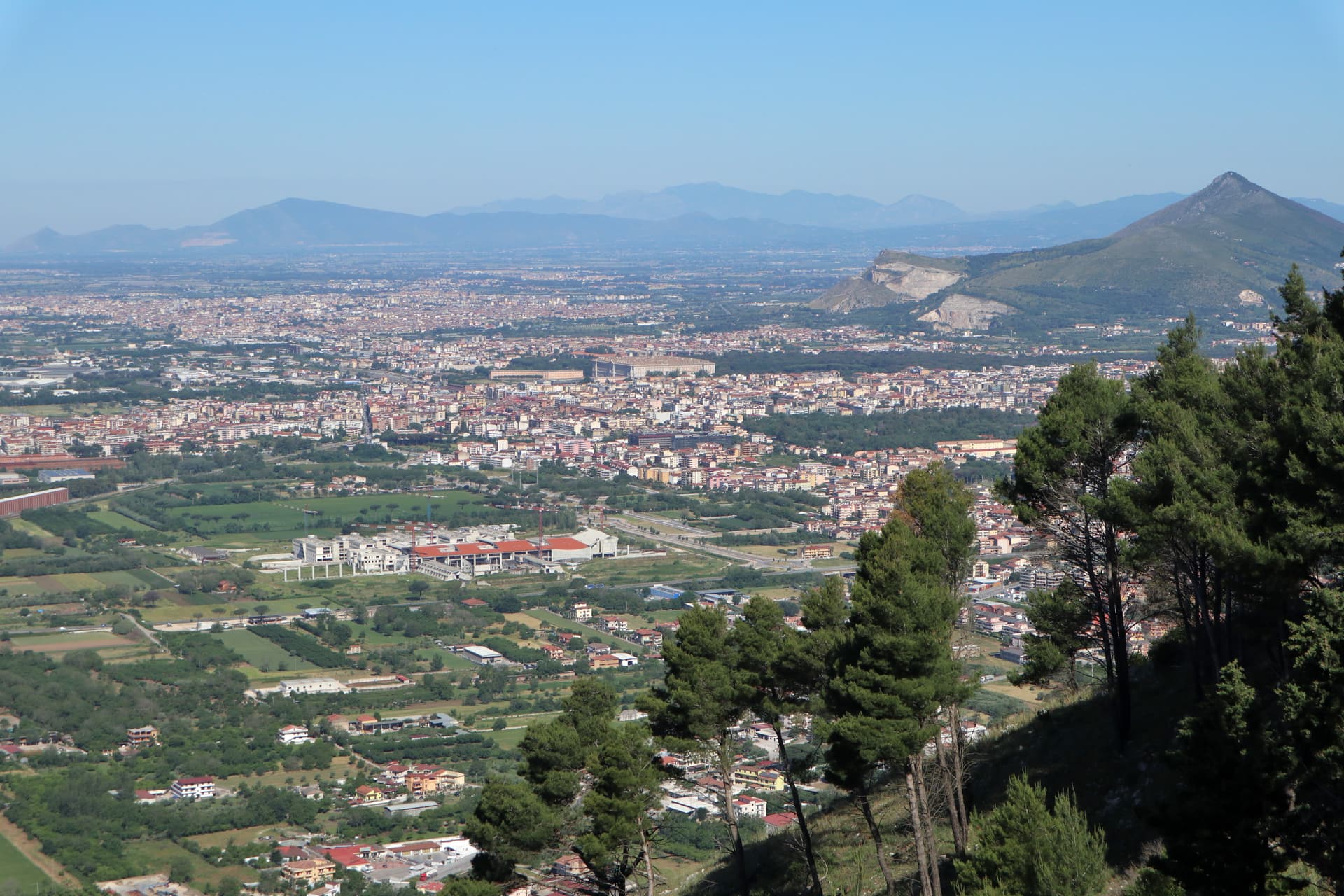
Caserta sits on the Campanian plain, 25 kilometers north of Naples at the foot of the Tifatini hills. The city exists because Charles III of Bourbon decided in 1750 to build a palace that would rival Versailles and the Royal Palace of Madrid, far enough inland to be safe from naval bombardment. Luigi Vanvitelli laid the first stone in 1752: five floors, 1,200 rooms, 1,742 windows, 34 staircases.
The gardens stretch three kilometers from the back façade to a cascade fed by the Carolino Aqueduct, also Vanvitelli's design. The complex was listed by UNESCO in 1997 together with the silk village of San Leucio, the utopian industrial colony Ferdinand IV built on a hill four kilometers away. Up the road, Casertavecchia, the medieval village abandoned when the Bourbons moved everyone down to the plain, keeps its 12th-century Romanesque cathedral. The modern city below is a working provincial capital, not a tourist town.
The Sunday letter
We haven’t written Caserta’s letter yet.
One town every Sunday, with the photo, the food, the festa. Be there when this one comes up. Free, by Peter & Sophia from Pietrasanta.
By subscribing you agree to Substack’s Terms of Use, our Privacy Policy and our Information collection notice.
What to see
Reggia di Caserta
Bourbon royal palace begun in 1752 by Luigi Vanvitelli, five floors, 1,200 rooms, UNESCO-listed since 1997 with the park and the Carolino Aqueduct.
Parco Reale e Giardino Inglese
Three-kilometer formal park ending in a cascade, with an English Garden added by Maria Carolina in 1786, the first of its kind in Italy.
Casertavecchia
Medieval hilltop village at 401 meters, 10 km from the city, abandoned when the Bourbons relocated the population to the plain.
Duomo di San Michele a Casertavecchia
Romanesque cathedral built between 1113 and 1153, with Arab-Norman influences in the dome and the sculpted portals.
Belvedere di San Leucio
Bourbon silk colony at 145 meters, founded 1778 as a planned industrial community with its own laws; the royal silk factory still operates.
The slow-trip planner
Building a trip? Find where Caserta fits in a slow Italy circuit.
Answer five questions. We will shape a geographically coherent slow trip from the 1,000 Italian towns most travelers skip. Yours to save and share.
We recommend
Where to eat and stay
Not our picks, but places the guides put their name to — a Michelin star, a Gambero Rosso fork, a Slow Food snail, a Michelin Key for the hotels. Worth a table, a counter, or a night when you pass through.
Le ColonneRistorante
Le Colonne holds two Gambero Rosso forks (80/100) and a spot in the Michelin Guide.
Sunrise RestaurantRistorante
Sunrise Restaurant has one Gambero Rosso fork (79/100) and a spot in the Michelin Guide.
Antica LocandaRistorante
Antica Locanda carries a spot in the Michelin Guide.
Gli ScacchiRistorante
Gli Scacchi carries a Slow Food snail.
I MasanielliRistorante
A Slow Food snail, at I Masanielli.
Living here
- Population 72,805
- A local hubi
- Pharmacy in town
- High school within a 30-minute drive
- Train station in the comune
- Nearest airport Naples / Salerno, 34 min drive
- Regional capital Napoli, 38 min drive
Tags & datadesignations · numbers · sources
Recognised as
The numbers
- Elevation: 68 m
- Population: 72,805
- Surface area: 54.07 km²
These figures were compiled from public directories — ISTAT, OpenStreetMap, Wikidata — and from the official listings of the guides named on this page. Town details change; verify with official sources before you travel.
Close by
More towns near Caserta
Nola
Province: Napoli
The Campanian plain town where Augustus died in AD 14 and Giordano Bruno was born in 1548, famous for the June Festa dei Gigli.
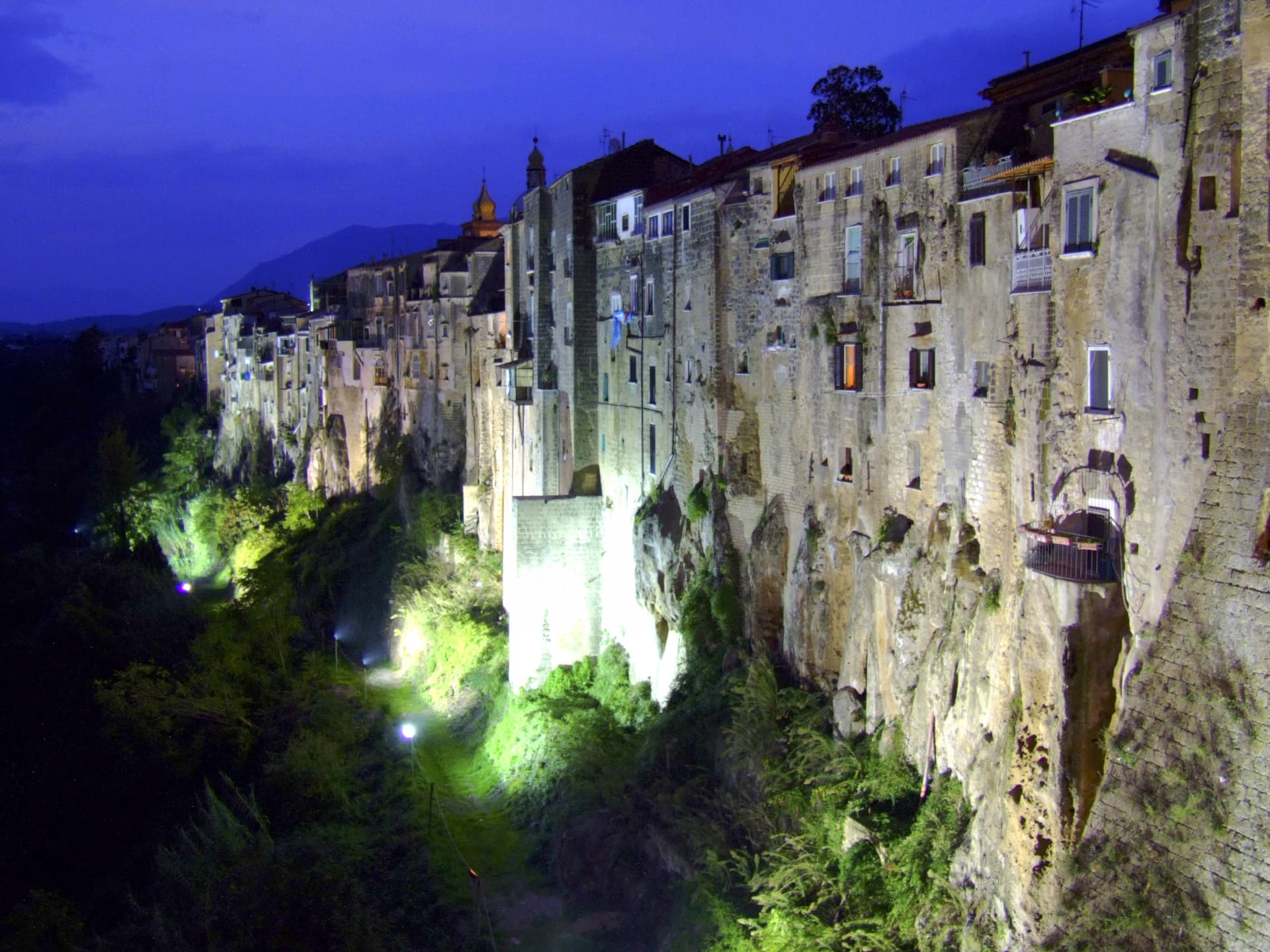
Sant'Agata de' Goti
Province: Benevento
A medieval town built on a tuff cliff between two gorges, the houses standing flush with the edge over the Isclero river below.
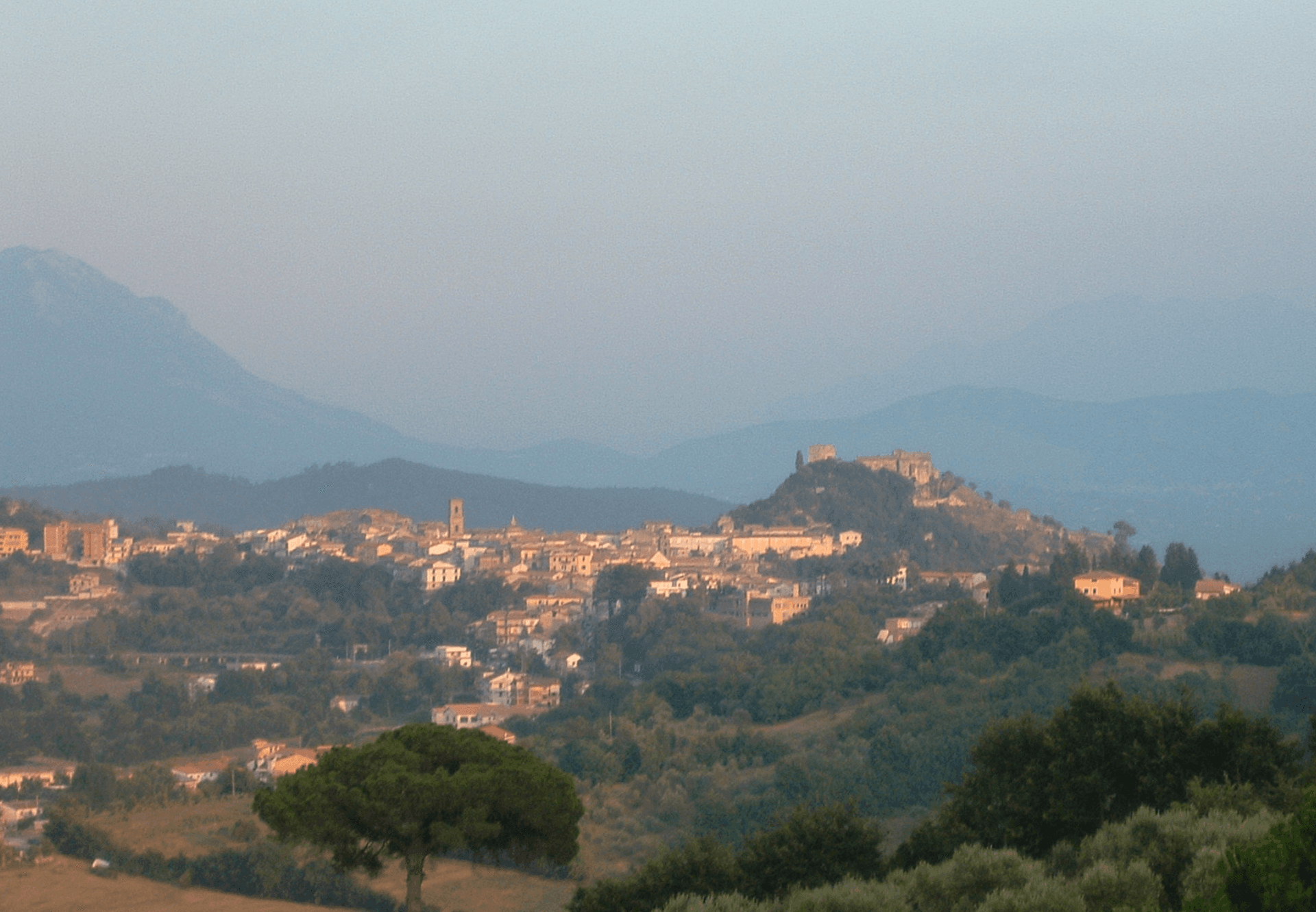
Caiazzo
Province: Caserta
A Cittaslow hill above the Volturno, turned by Franco Pepe's pizza into a destination for 800 covers a day in eighteenth-century rooms.
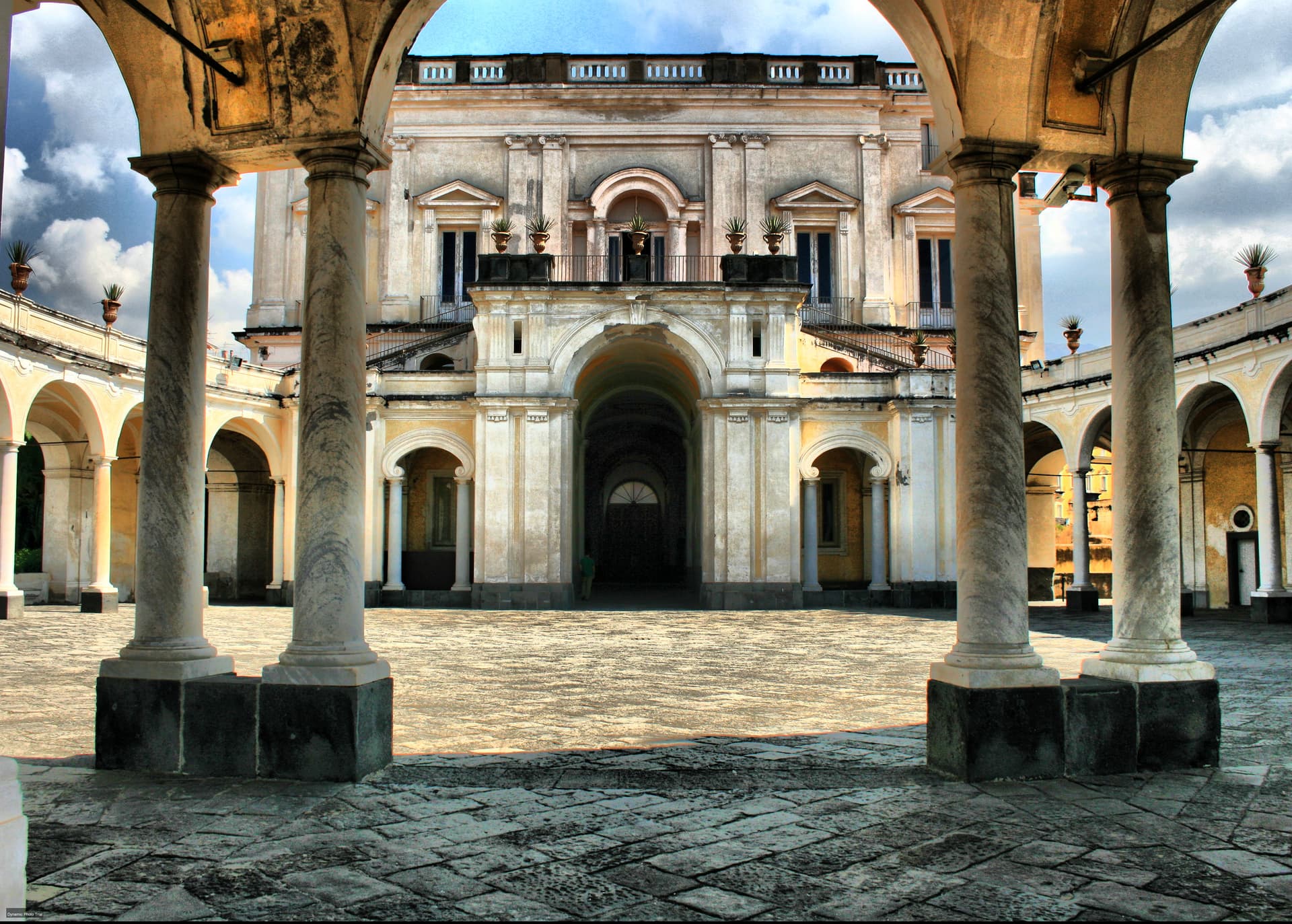
Ercolano
Province: Napoli
The smaller, denser, more intact Pompeii — Herculaneum was buried under 25m of pyroclastic mud (not ash) on 24 October AD 79, preserving wooden roofs, papyrus scrolls, and second-storey balconies that no other Roman site has, and the modern comune of Ercolano above it adds the Vesuvius National Park gateway and the 18th-c Bourbon Ville Vesuviane along the Miglio d'Oro.
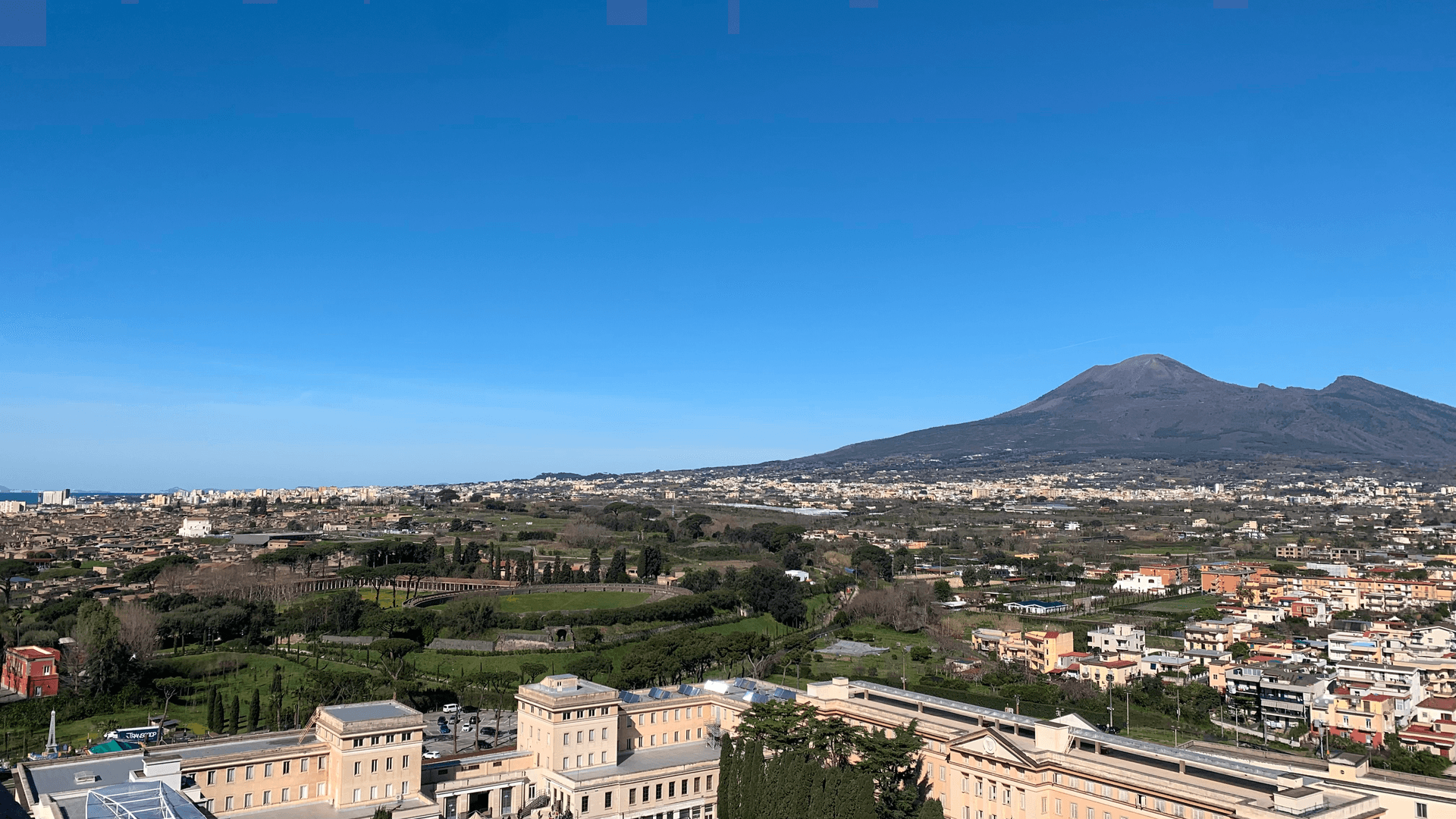
Pompei
Province: Napoli
The Roman city buried by Vesuvius in 79 AD, dug back up since 1748, and a modern town around Bartolo Longo's 1876 sanctuary.
🏛️ UNESCO
More UNESCO towns in Campania
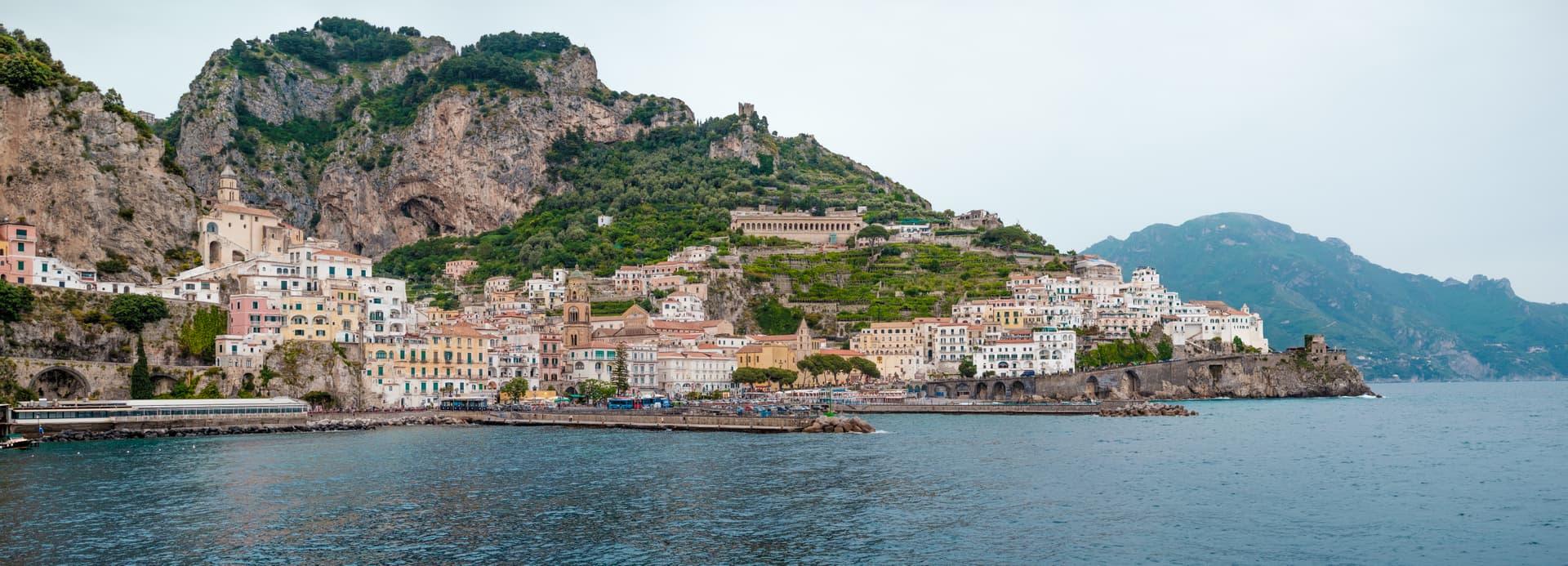
Amalfi
Province: Salerno
The first Italian maritime republic and the coast it named, six meters above the sea between cliffs that close around the duomo's steps.
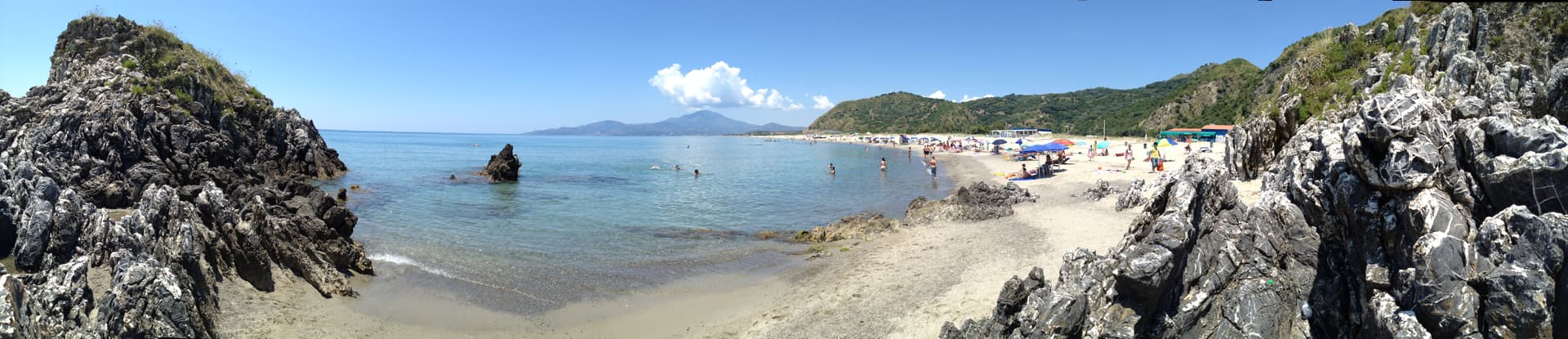
Ascea
Province: Salerno
Two villages, a hilltown at 230 meters and a Cilento marina, with Parmenides and Zeno's Eleatic school in the ruins of Greek Velia below.
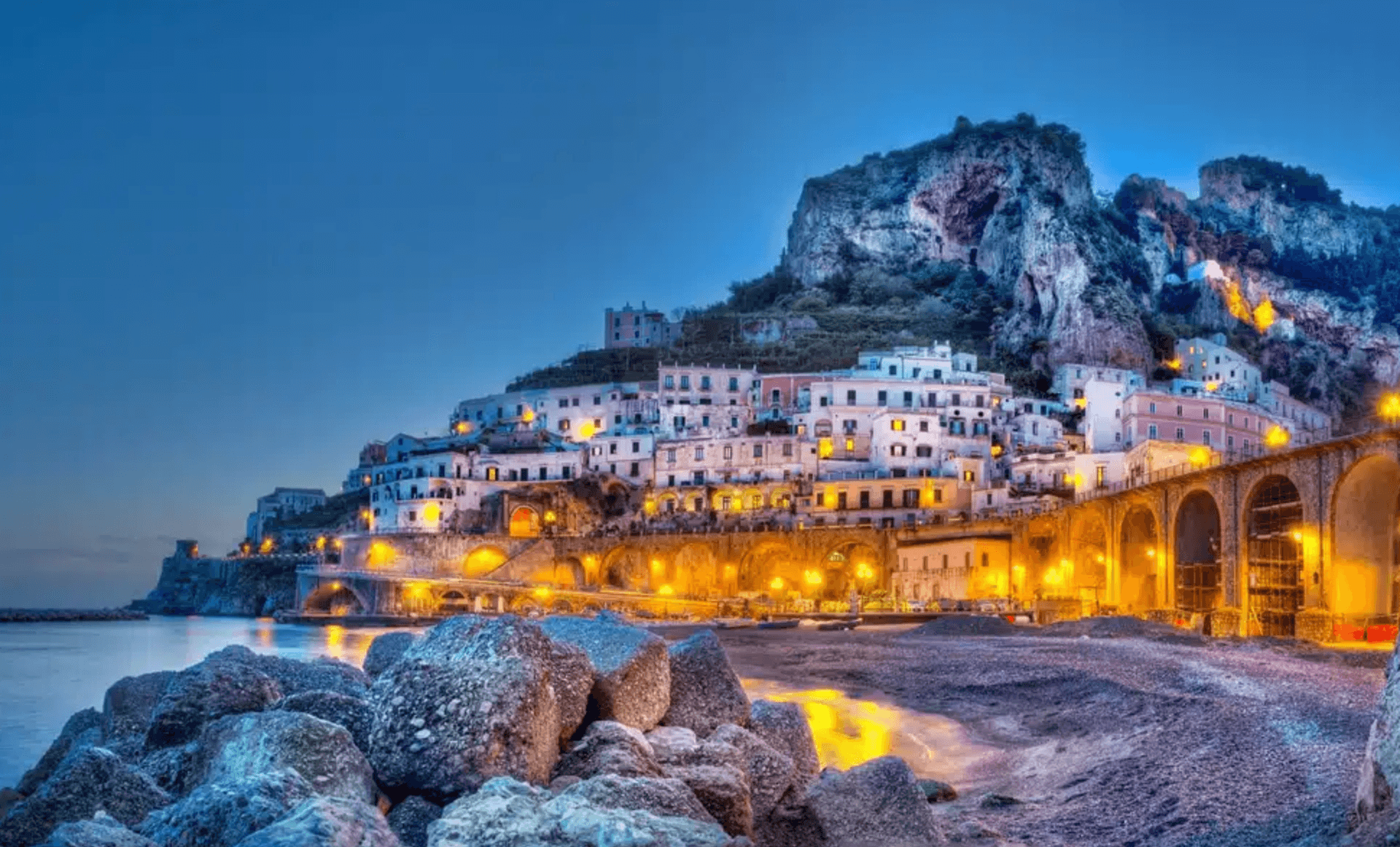
Atrani
Province: Salerno
The smallest commune in Italy by area, twelve hectares of stacked houses where the Amalfi Coast pinches shut around a single piazza.
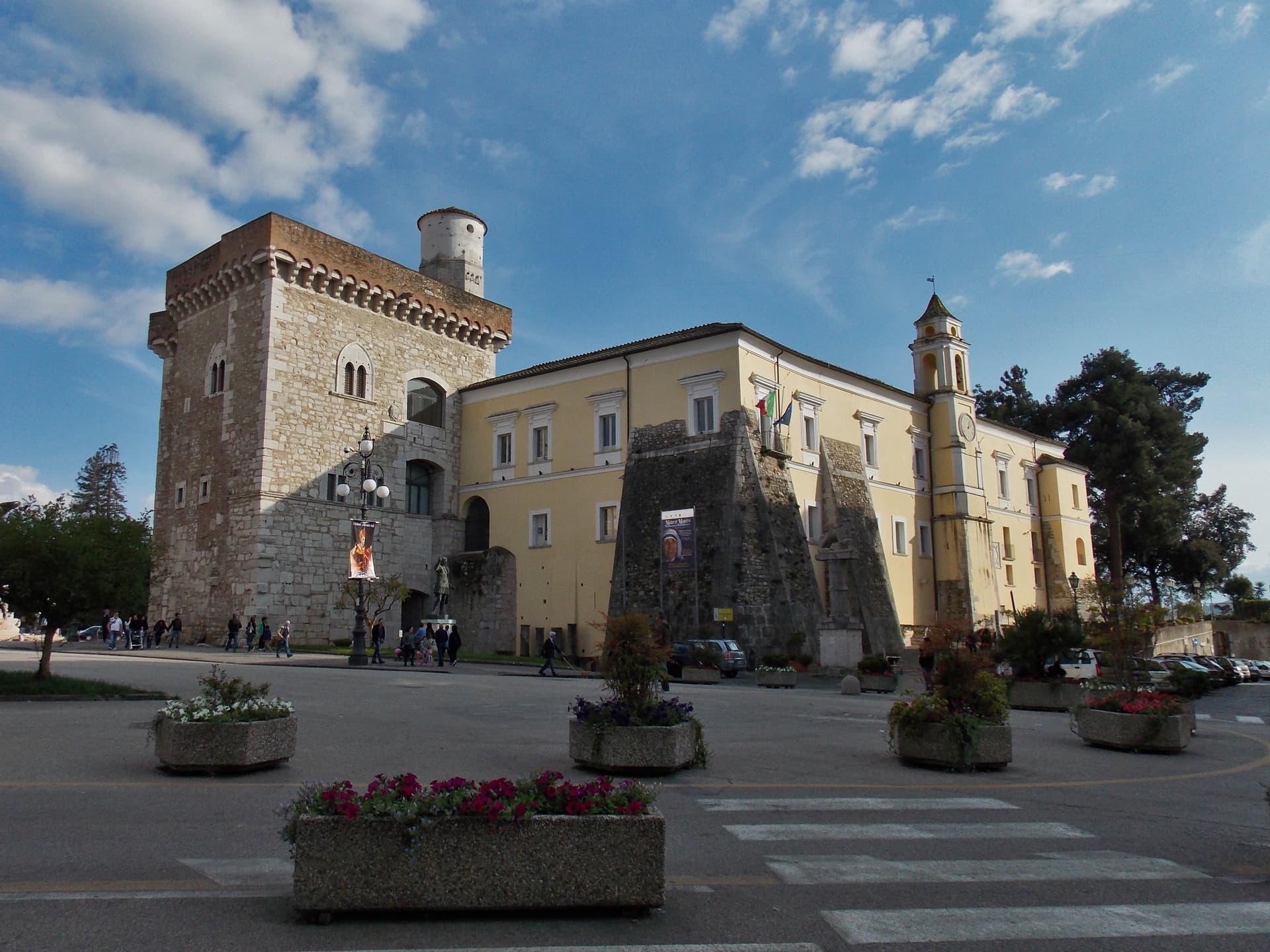
Benevento
Province: Benevento
Sannio capital at the Calore-Sabato confluence, with a 114 AD Trajan arch and a Lombard rotunda on the UNESCO list.
Capaccio Paestum
Province: Salerno
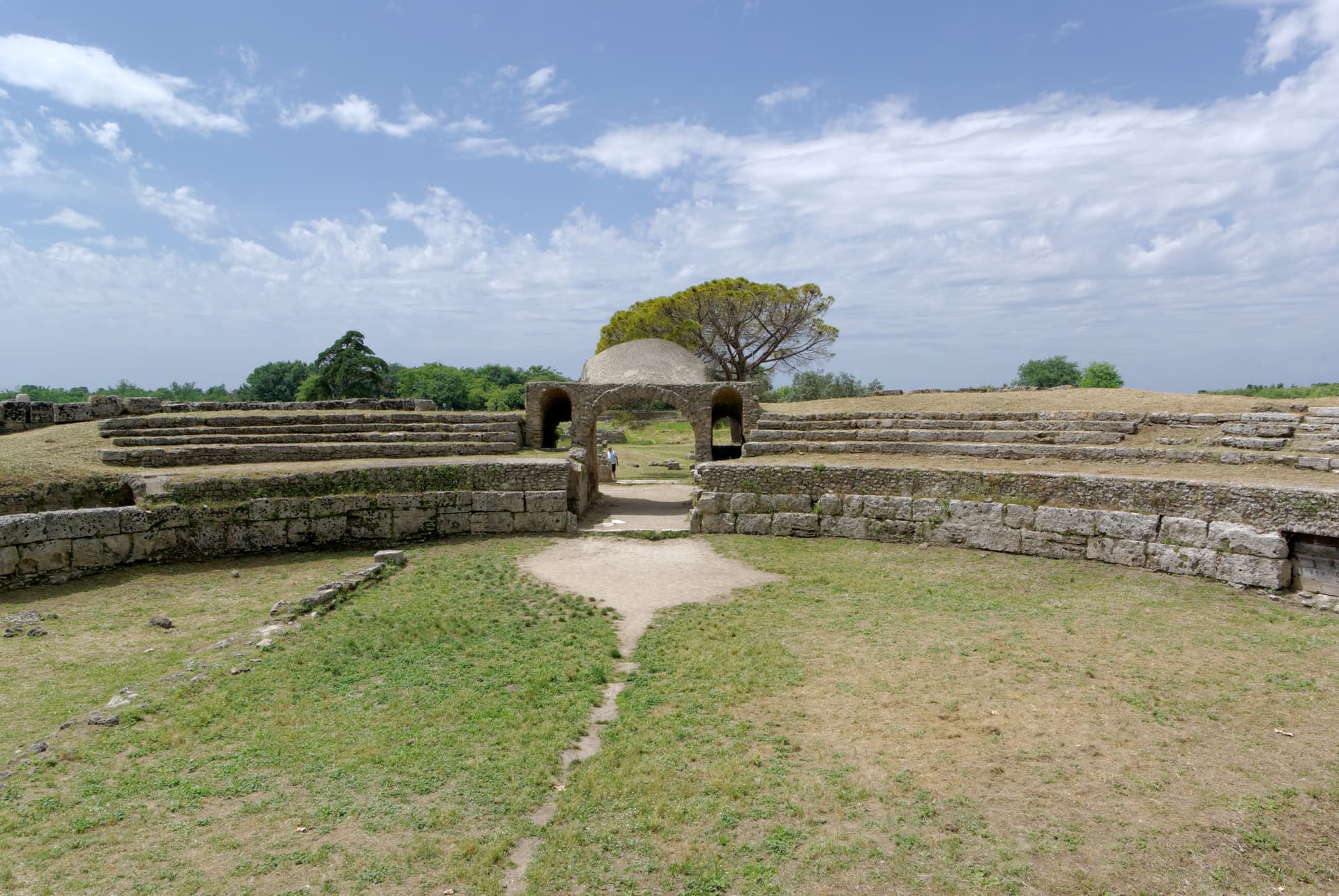
Three Doric temples of 550 to 450 BC on the Sele plain, with mozzarella di bufala DOP on the buffalo flats below Monte Calpazio.