

Campania · Salerno
Capaccio Paestum
Three Doric temples of 550 to 450 BC on the Sele plain, with mozzarella di bufala DOP on the buffalo flats below Monte Calpazio.
Known for
GREEK TEMPLES
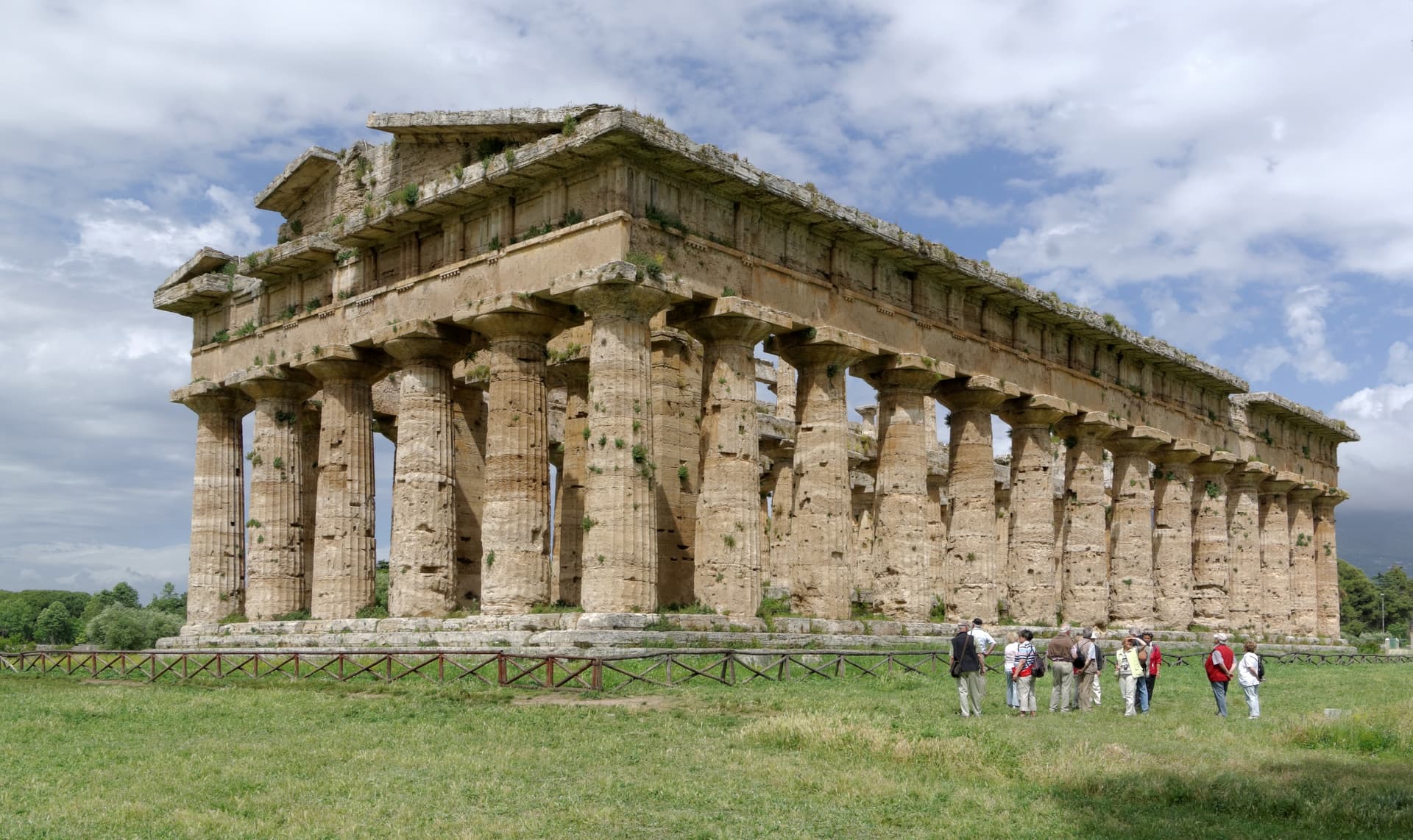
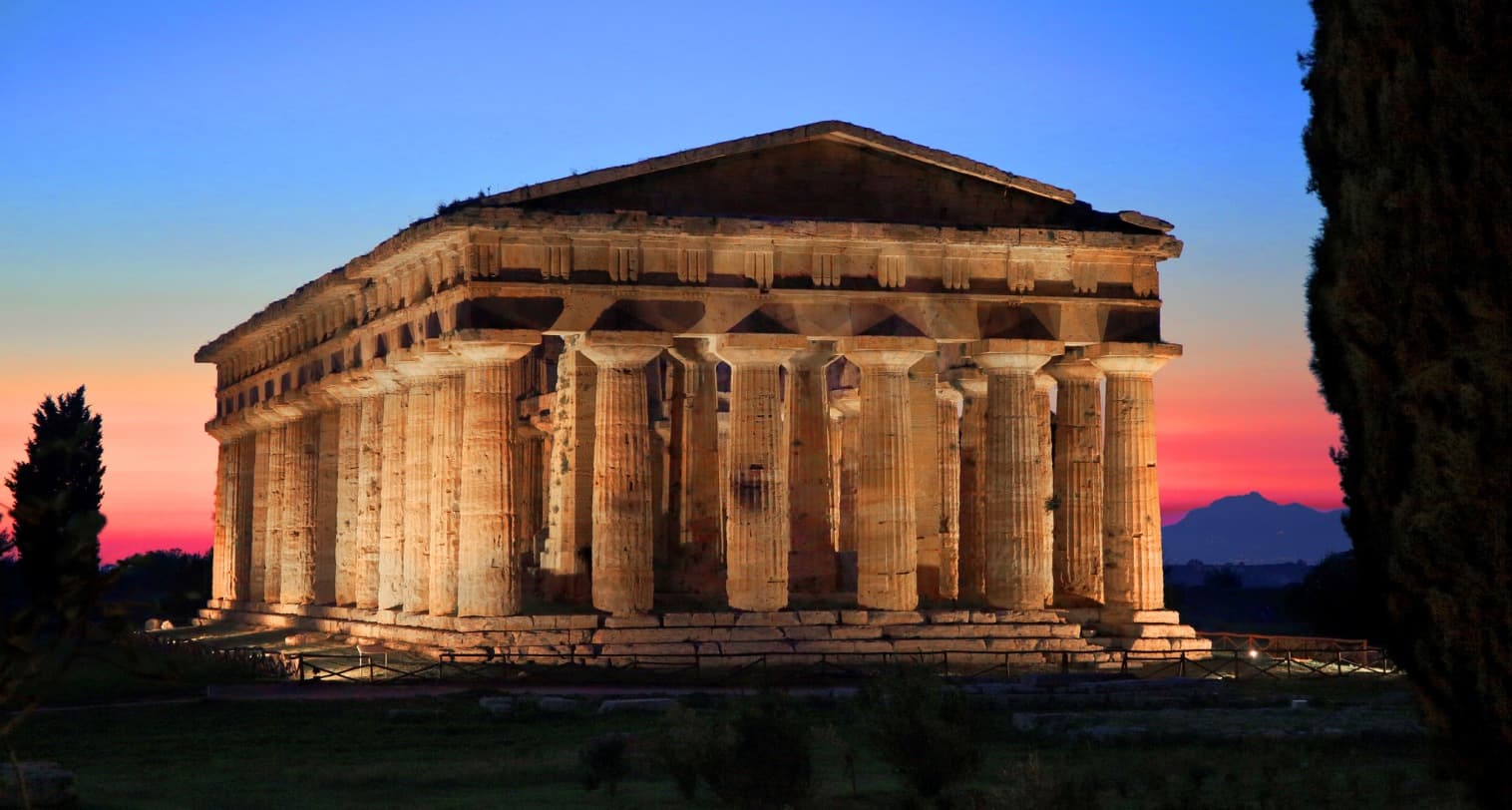
Three Doric temples of 550 to 450 BC at Paestum, dedicated to Hera and Athena, UNESCO World Heritage and among the best preserved in the Mediterranean.
MOZZARELLA DI BUFALA
DOP buffalo mozzarella heartland on the Sele plain, with historic caseifici producing the fresh cheese every morning since the eighteenth century.
TOMB OF THE DIVER
Early fifth-century BC painted Greek tomb in the national museum, the only surviving figurative Greek tomb painting of the classical period.
When to visit
Best · May–Sep
- J
- F
- M
- A
- M
- J
- J
- A
- S
- O
- N
- D
- Best
- Hot or crowded
- Quiet
- Mostly closed
Why come
Capaccio Paestum is the only commune in Italy where the name pairs the medieval hilltown with the Greek city on the plain below. The seat of Capaccio sits on Monte Calpazio, while the archaeological park of Paestum, the Greek Poseidonia founded around 600 BC, stands on the flat between the Sele river and the sea. Three Doric temples built between 550 and 450 BC, dedicated to Hera (the Basilica and the Temple of Hera II) and Athena, are among the best-preserved in the Mediterranean and an inscribed part of the UNESCO Cilento serial site since 1998.
The Roman city, the medieval Capaccio Vecchia razed by Frederick II, and the rebuilt hilltown above complete the layering. The plain has been the heart of Italian mozzarella di bufala campana DOP production since the eighteenth century, with several historic caseifici still in family hands.
The Sunday letter
We haven’t written Capaccio Paestum’s letter yet.
One town every Sunday, with the photo, the food, the festa. Be there when this one comes up. Free, by Peter & Sophia from Pietrasanta.
By subscribing you agree to Substack’s Terms of Use, our Privacy Policy and our Information collection notice.
What to see
Templi di Paestum
Three Doric temples built between 550 and 450 BC, the Basilica, the Temple of Hera II and the Temple of Athena, among the best preserved Greek temples on mainland Italy.
Museo Archeologico Nazionale di Paestum
National museum holding the Tomb of the Diver frescoes from the early fifth century BC, the only surviving Greek painted tomb of the classical period.
Mura greche di Paestum
Almost five kilometres of Greek and Roman defensive walls with four gates, intact across the entire perimeter of the ancient city.
Basilica Paleocristiana Santa Maria del Granato
Twelfth-century mother church of Capaccio Vecchia surviving Frederick II's destruction, with a wooden statue of the Madonna del Granato displayed each May.
Cilento, Vallo di Diano e Alburni National Park
UNESCO Mediterranean Diet biosphere reserve, with the Sele river plain, the Monte Calpazio spur and the buffalo pastures inside its boundary.
The slow-trip planner
Building a trip? Find where Capaccio Paestum fits in a slow Italy circuit.
Answer five questions. We will shape a geographically coherent slow trip from the 1,000 Italian towns most travelers skip. Yours to save and share.
We recommend
Where to eat and stay
Not our picks, but places the guides put their name to — a Michelin star, a Gambero Rosso fork, a Slow Food snail, a Michelin Key for the hotels. Worth a table, a counter, or a night when you pass through.
Le TrabeRistorante
Le Trabe has one Michelin star, a place in L'Espresso's Top 300 and a Gambero Rosso listing.
Da Nonna SceppaRistorante
Da Nonna Sceppa carries a Gambero Rosso listing, plus a spot in the Michelin Guide.
Osteria ArbusticoRistorante
Osteria Arbustico has two Gambero Rosso forks (82/100) and a place in L'Espresso's Top 300.
Tre OliviRistorante
Tre Olivi holds one Michelin star and two Gambero Rosso forks (83/100).
AliciRistorante
Alici has a place in L'Espresso's Top 300 to its name.
Bistrot 73Bistrot
Two Gambero Rosso tables, at Bistrot 73.
Casa Coloni della Tenuta Duca MariglianoRistorante
Two Gambero Rosso forks (83/100), at Casa Coloni della Tenuta Duca Marigliano.
La PergolaTrattoria
La Pergola carries a Gambero Rosso listing.
Living here
- Population 22,182
- In-betweeni
- Pharmacy in town
- High school within a 30-minute drive
- Train station in the comune
- Nearest airport Naples / Salerno, 1 h 34 min drive
- Regional capital Napoli, 1 h 34 min drive
Tags & datadesignations · numbers · sources
Recognised as
The numbers
- Elevation: 419 m
- Population: 22,182
- Surface area: 113.03 km²
These figures were compiled from public directories — ISTAT, OpenStreetMap, Wikidata — and from the official listings of the guides named on this page. Town details change; verify with official sources before you travel.
Close by
More towns near Capaccio Paestum
Agropoli
Province: Salerno
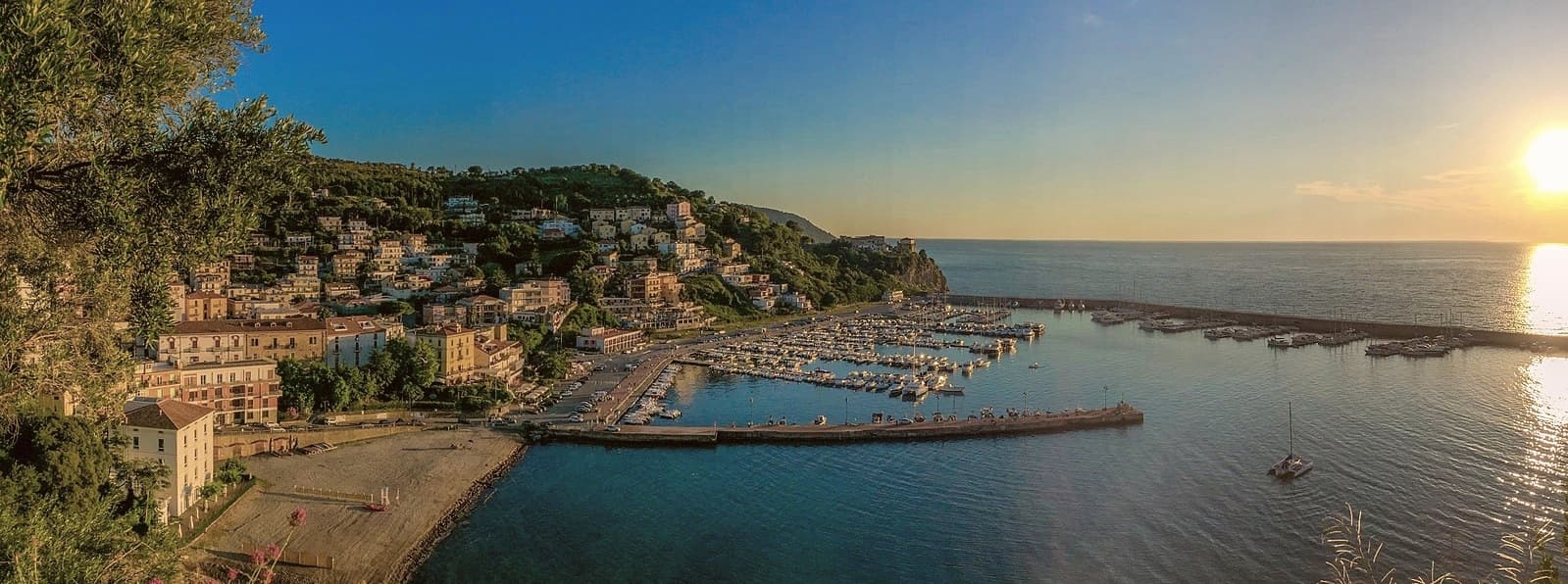
The gateway commune of the Cilento, a Byzantine acropolis on a promontory taken by the Saracens in 882 as a base for raids on Salerno.
Trentinara
Province: Salerno
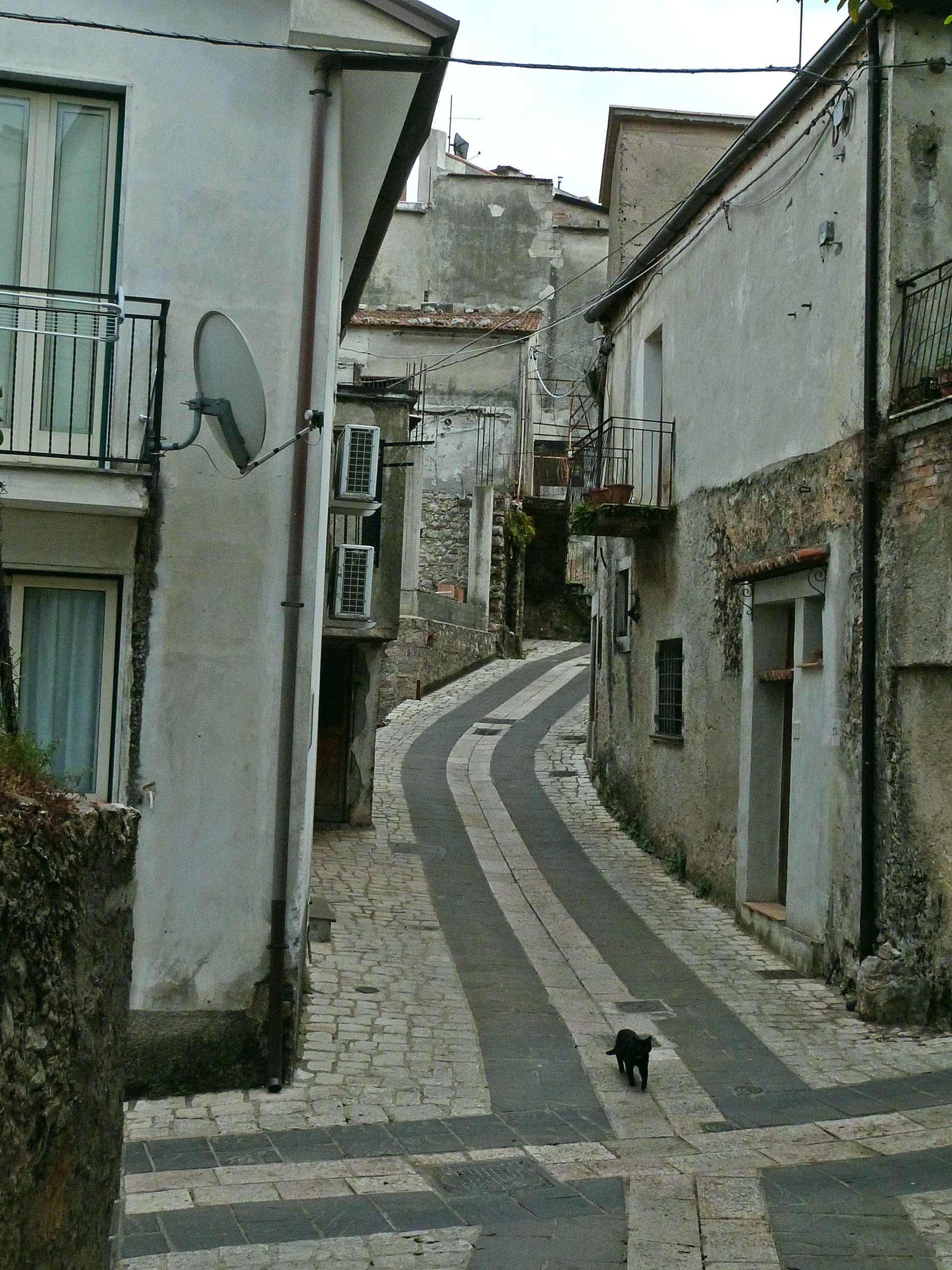
A Cilento balcony at 606 meters on the Cantenna cliff, called the Terrazza del Cilento, with a 1,500-meter zipline that drops 170 meters toward Paestum.
Castellabate
Province: Salerno
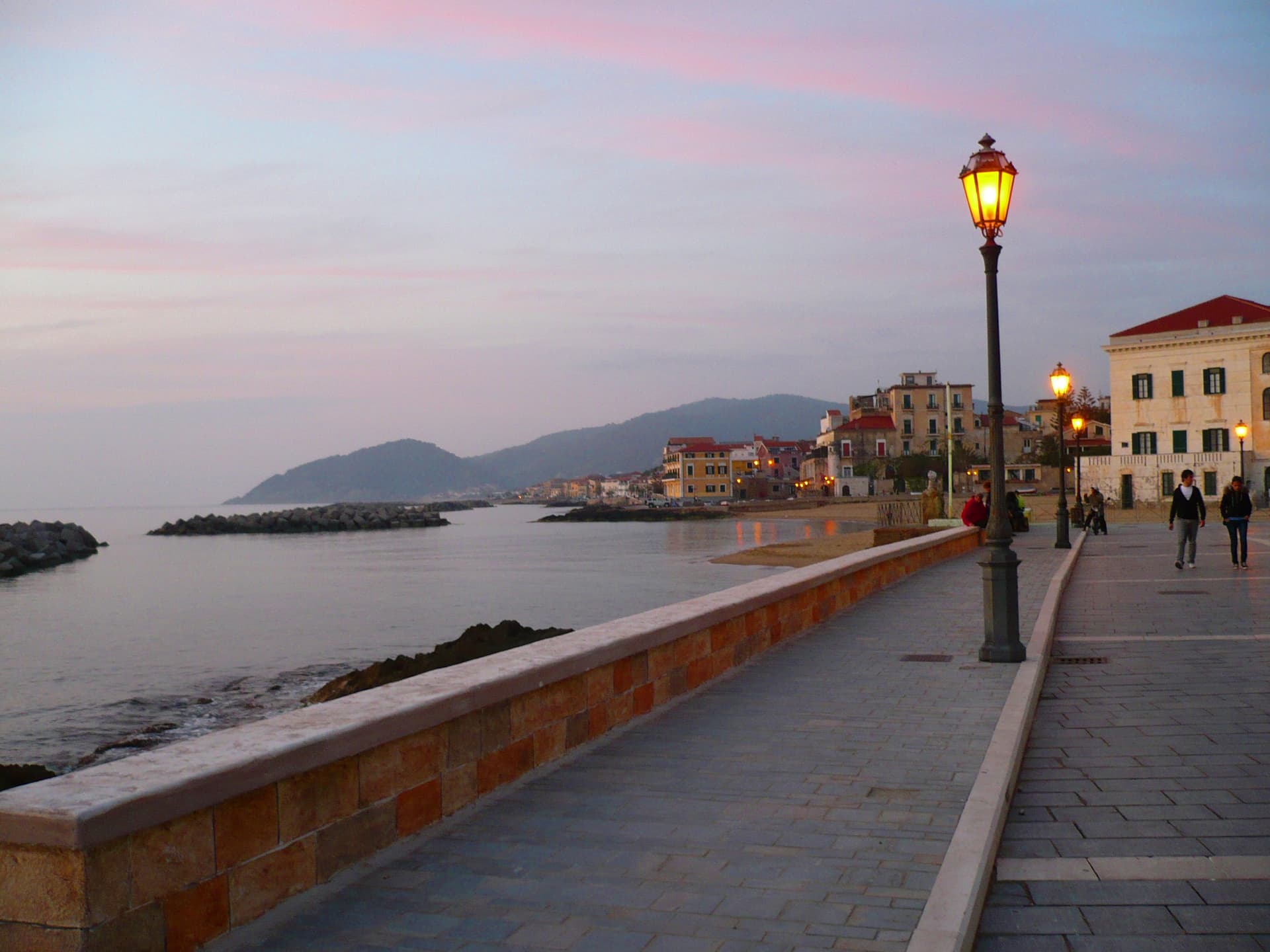
A 1123 abbot's castle on a 280-meter Cilento ridge, with a Bandiera Blu beach below and the Benvenuti al Sud film.
Perito
Province: Salerno
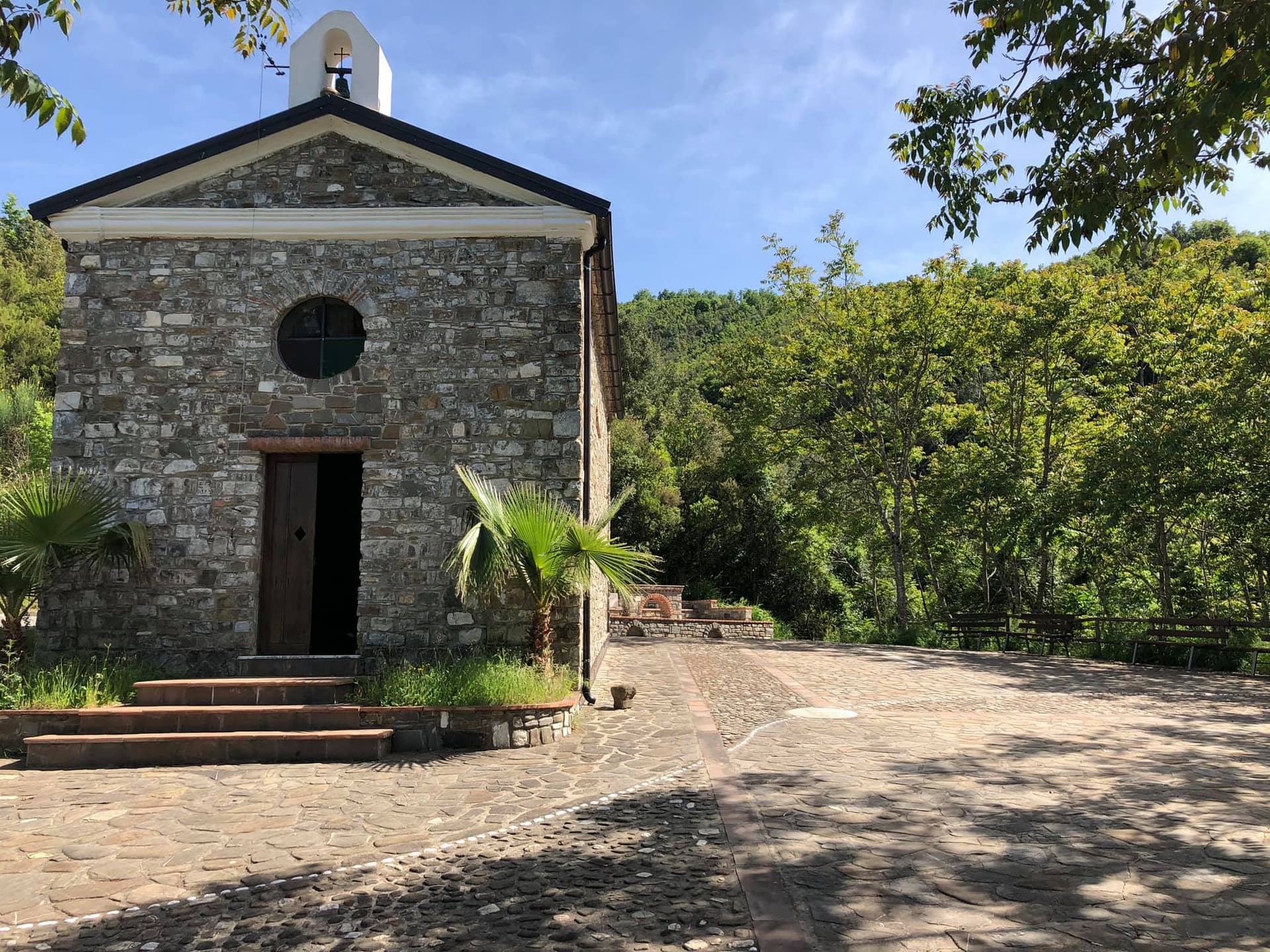
A Cilento ridge town at 480 meters above the Alento valley, once a center of black-powder production for hunting, defense and brigands.
Castelcivita
Province: Salerno
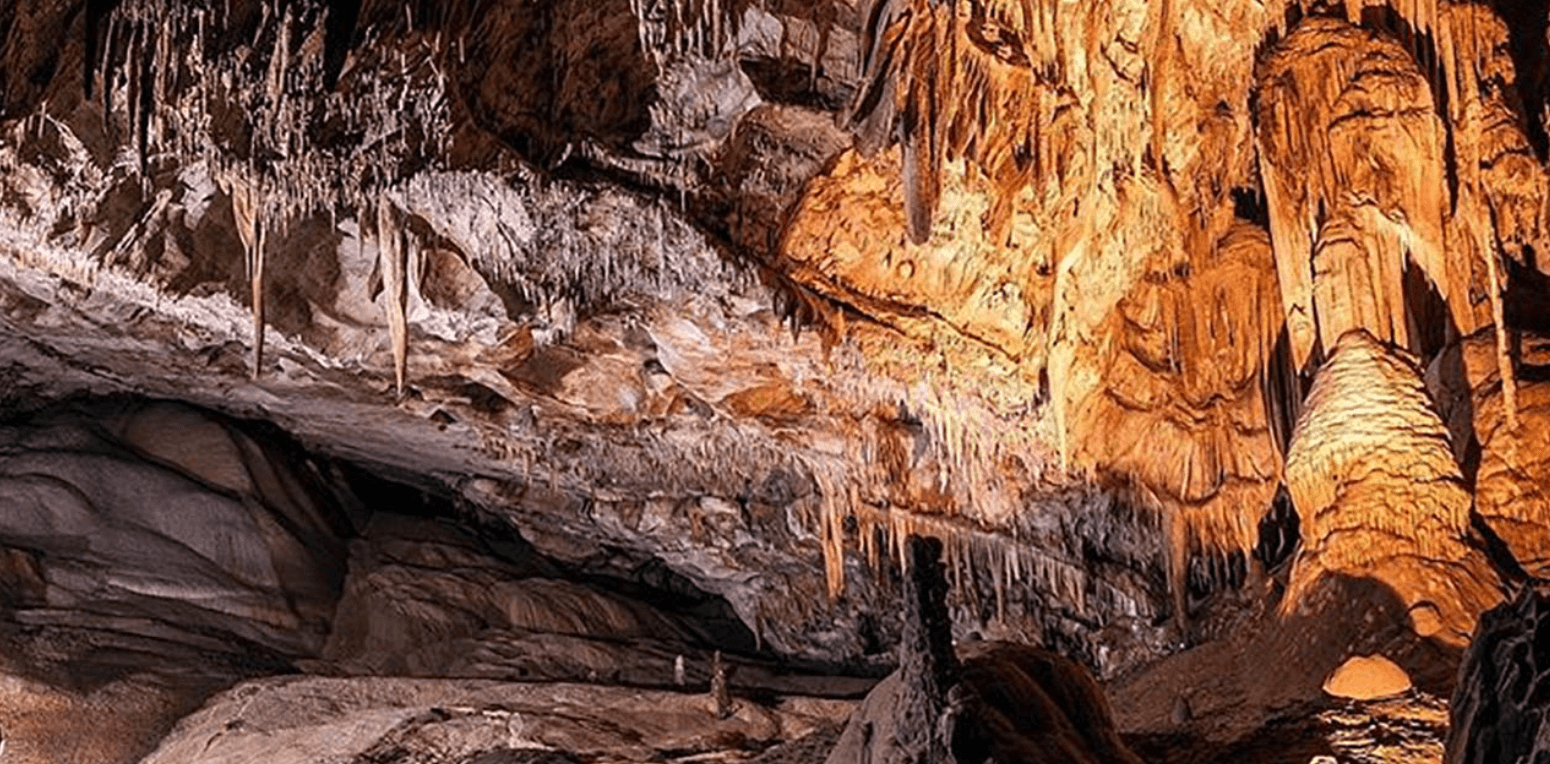
A small Alburni hill town at 526 meters in the Cilento national park, the surface entrance to a 4,800-meter karst cave inhabited 40,000 years ago.
🏛️ UNESCO
More UNESCO towns in Campania
Amalfi
Province: Salerno
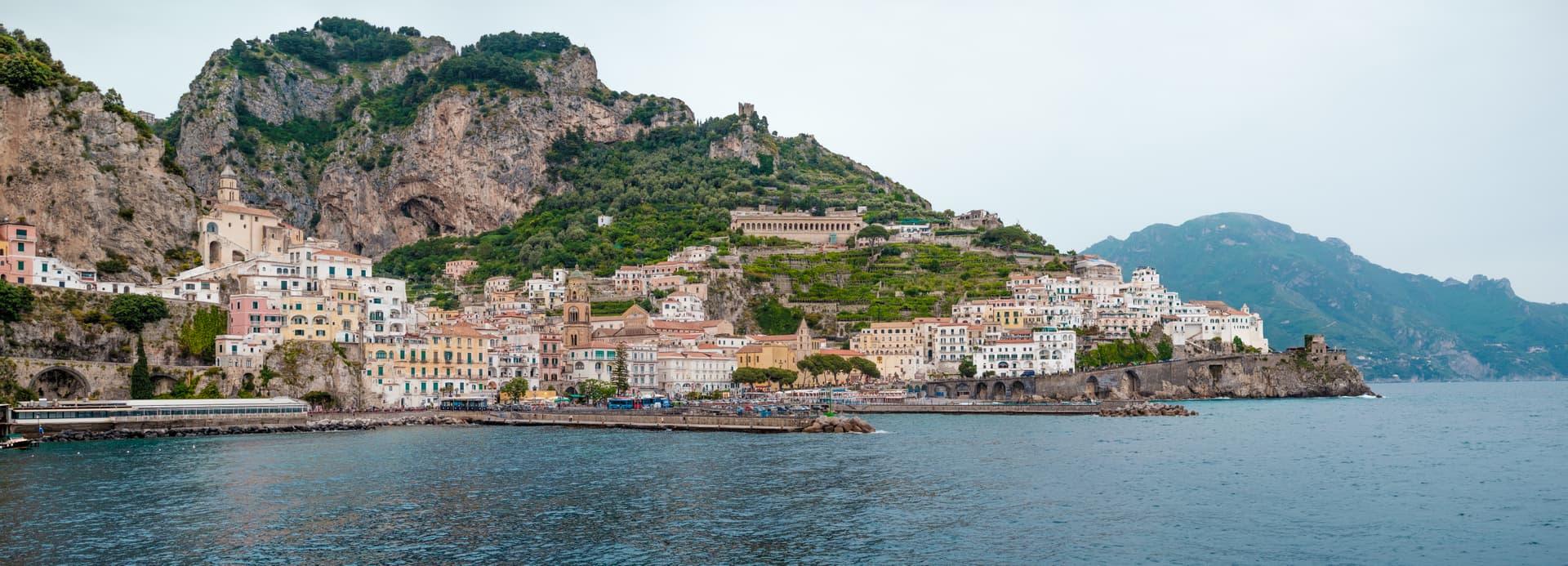
The first Italian maritime republic and the coast it named, six meters above the sea between cliffs that close around the duomo's steps.
Ascea
Province: Salerno
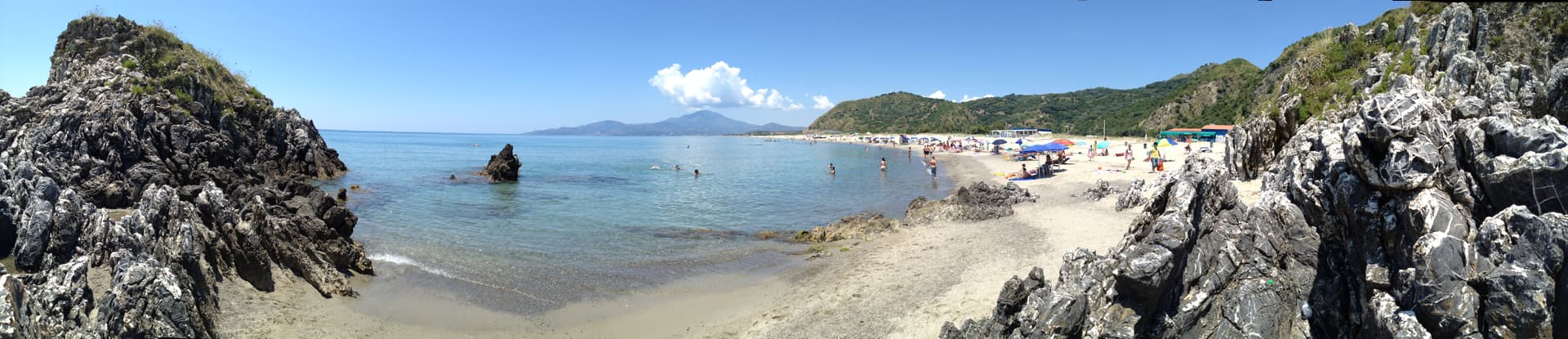
Two villages, a hilltown at 230 meters and a Cilento marina, with Parmenides and Zeno's Eleatic school in the ruins of Greek Velia below.
Atrani
Province: Salerno
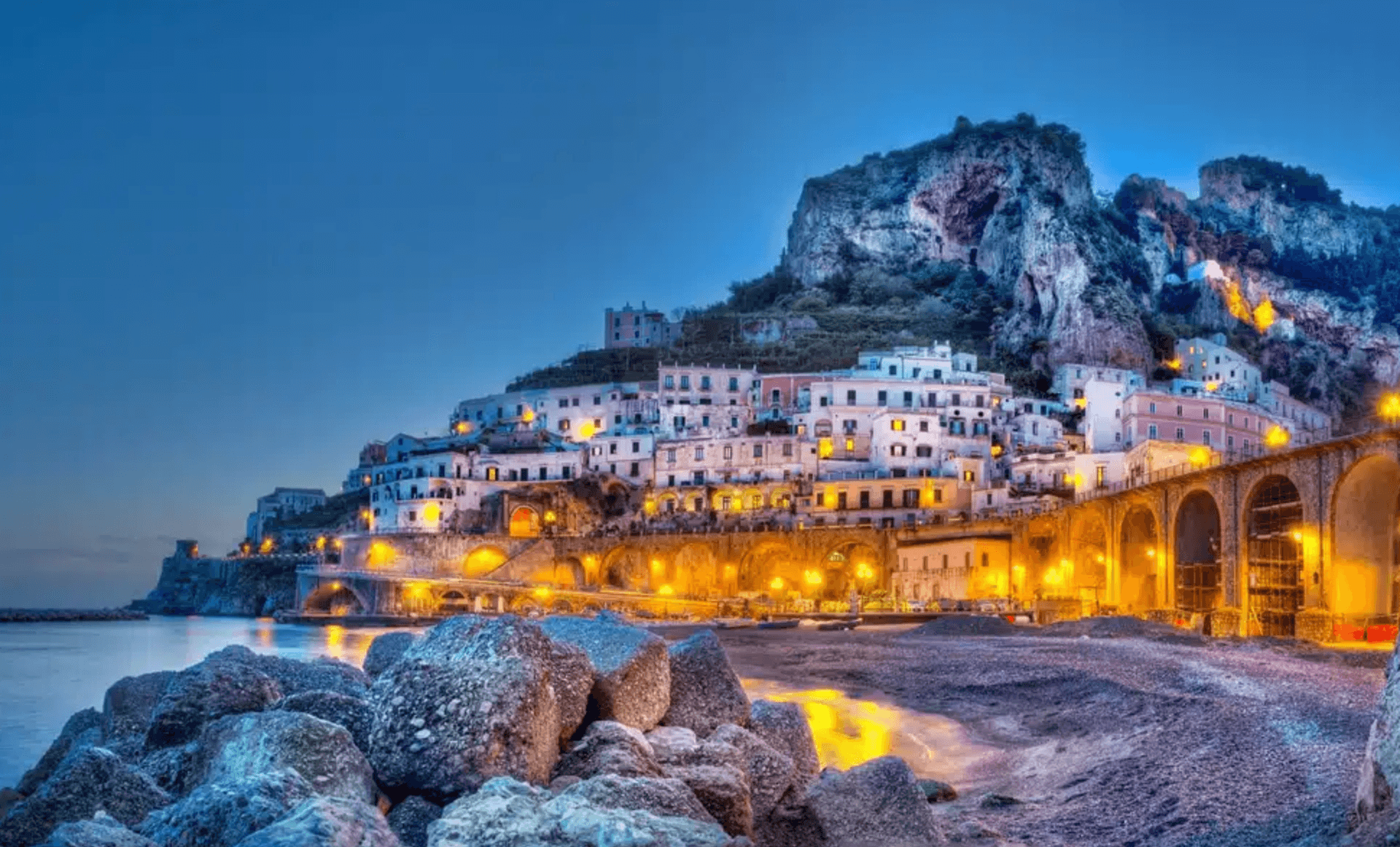
The smallest commune in Italy by area, twelve hectares of stacked houses where the Amalfi Coast pinches shut around a single piazza.
Benevento
Province: Benevento
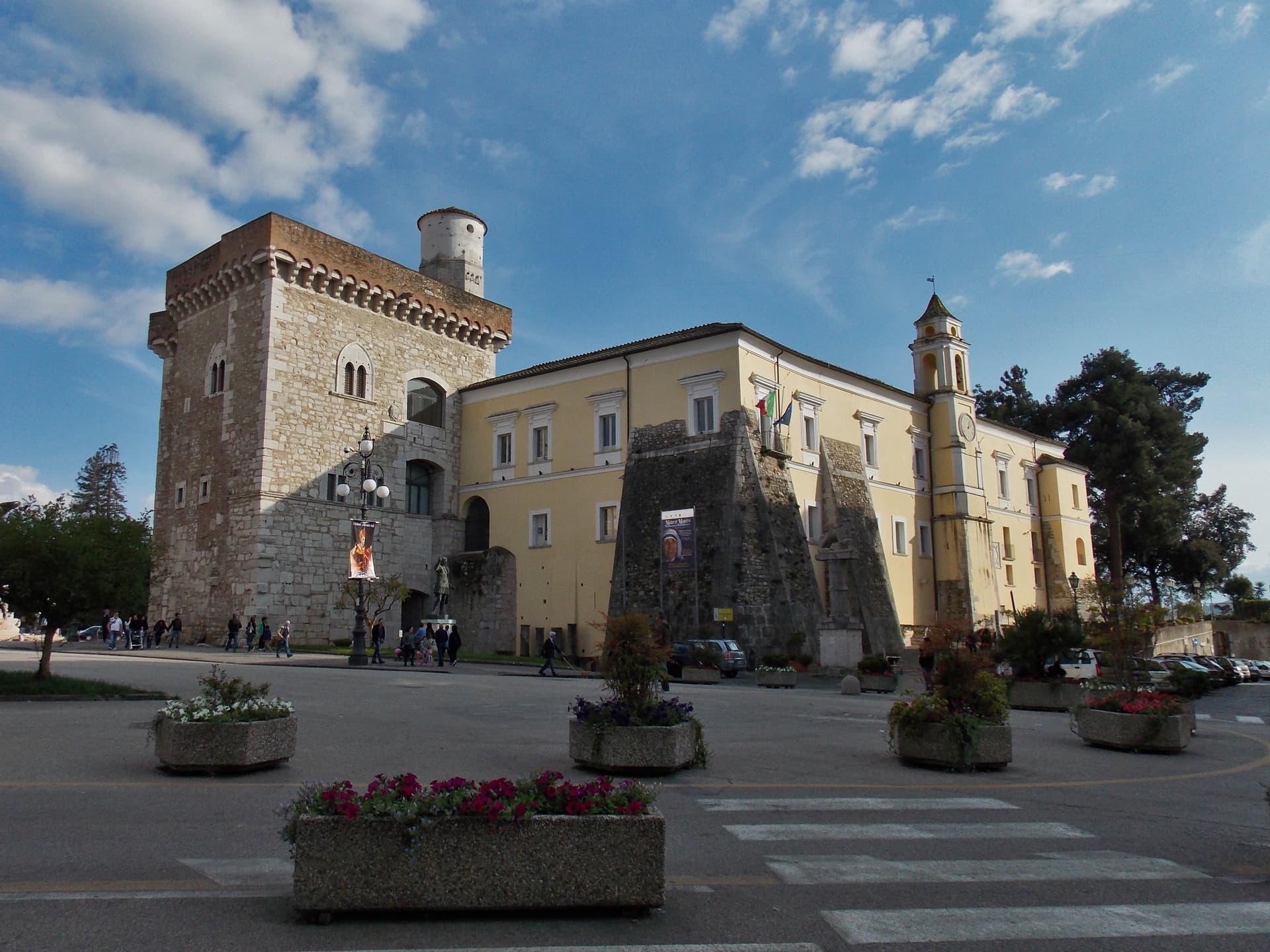
Sannio capital at the Calore-Sabato confluence, with a 114 AD Trajan arch and a Lombard rotunda on the UNESCO list.
Caserta
Province: Caserta
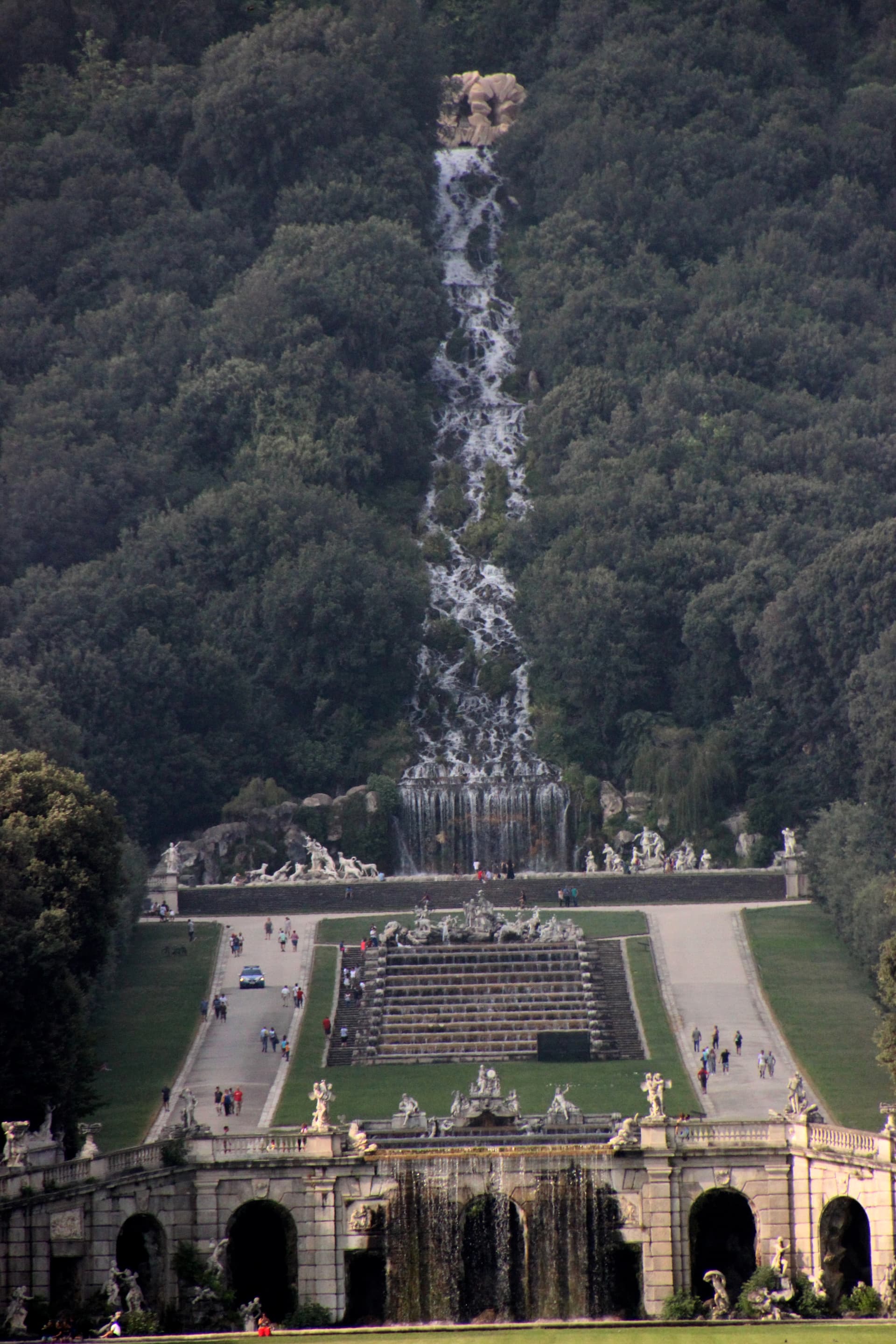
Italy's answer to Versailles, built by the Bourbons on the Campanian plain with 1,200 rooms and a three-kilometer water axis.