
Designation
Spighe Verdi
66 towns across 13 regions
Browse by region
Apulia7
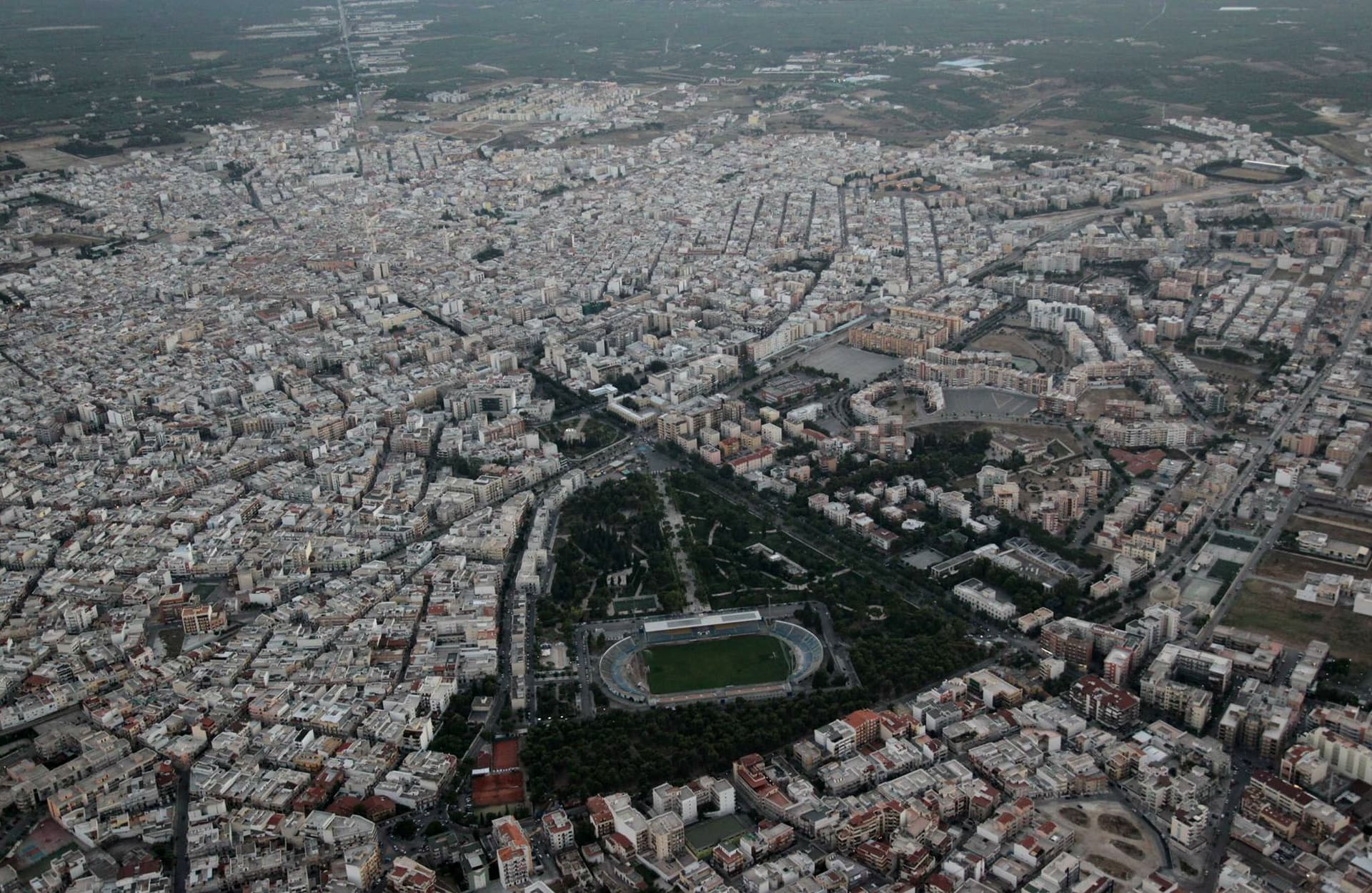
Andria
Province: Barletta-Andria-Trani · 151 m
Frederick II's favourite Apulian city, the birthplace of burrata, with the octagonal Castel del Monte rising 540 meters above the Murge eighteen kilometers south.
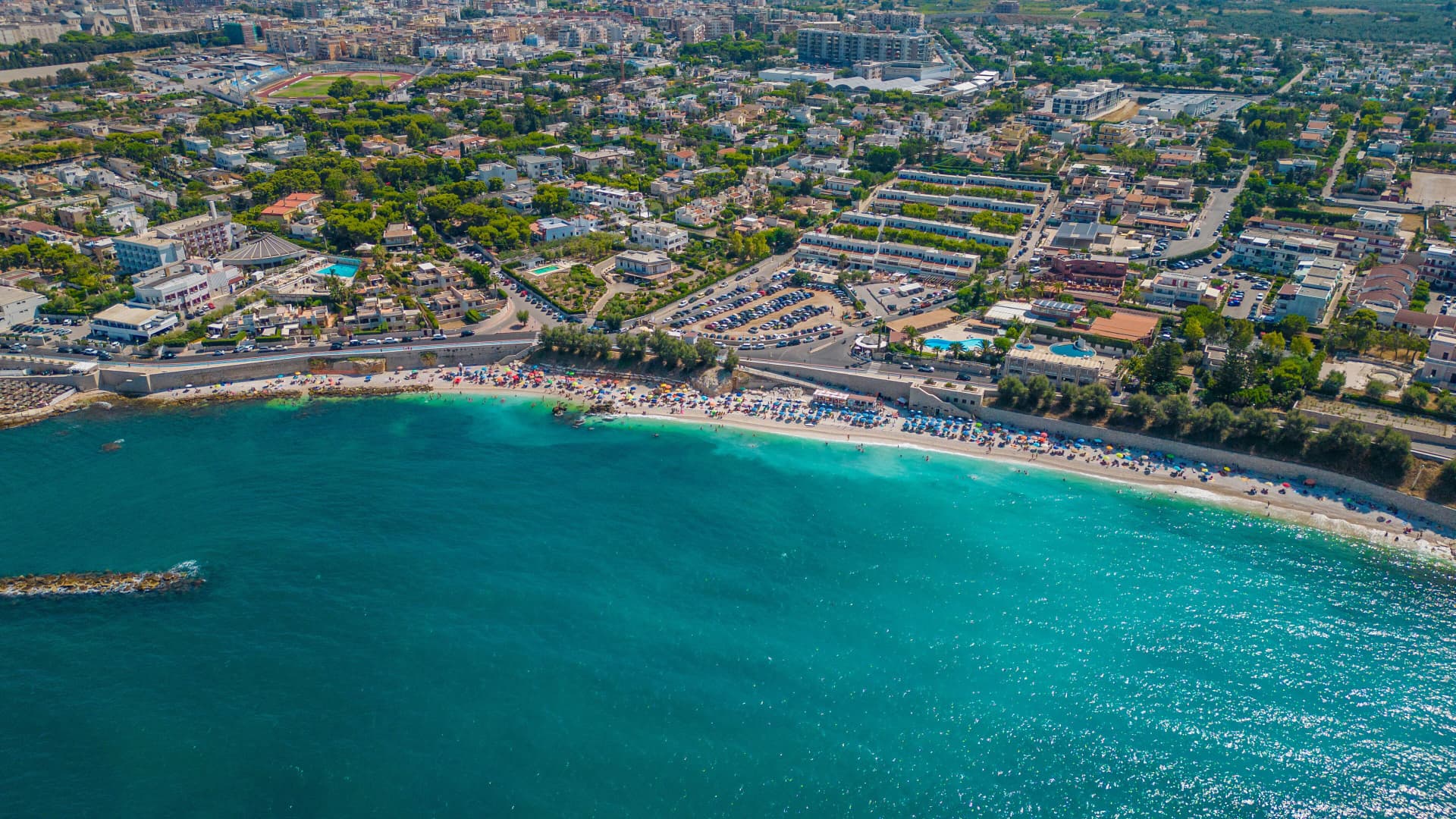
Bisceglie
Province: Barletta-Andria-Trani · 16 m
An Adriatic port town between Trani and Molfetta, named for Roman watchtowers, with five dolmens around it and a Norman cathedral begun in 1073.
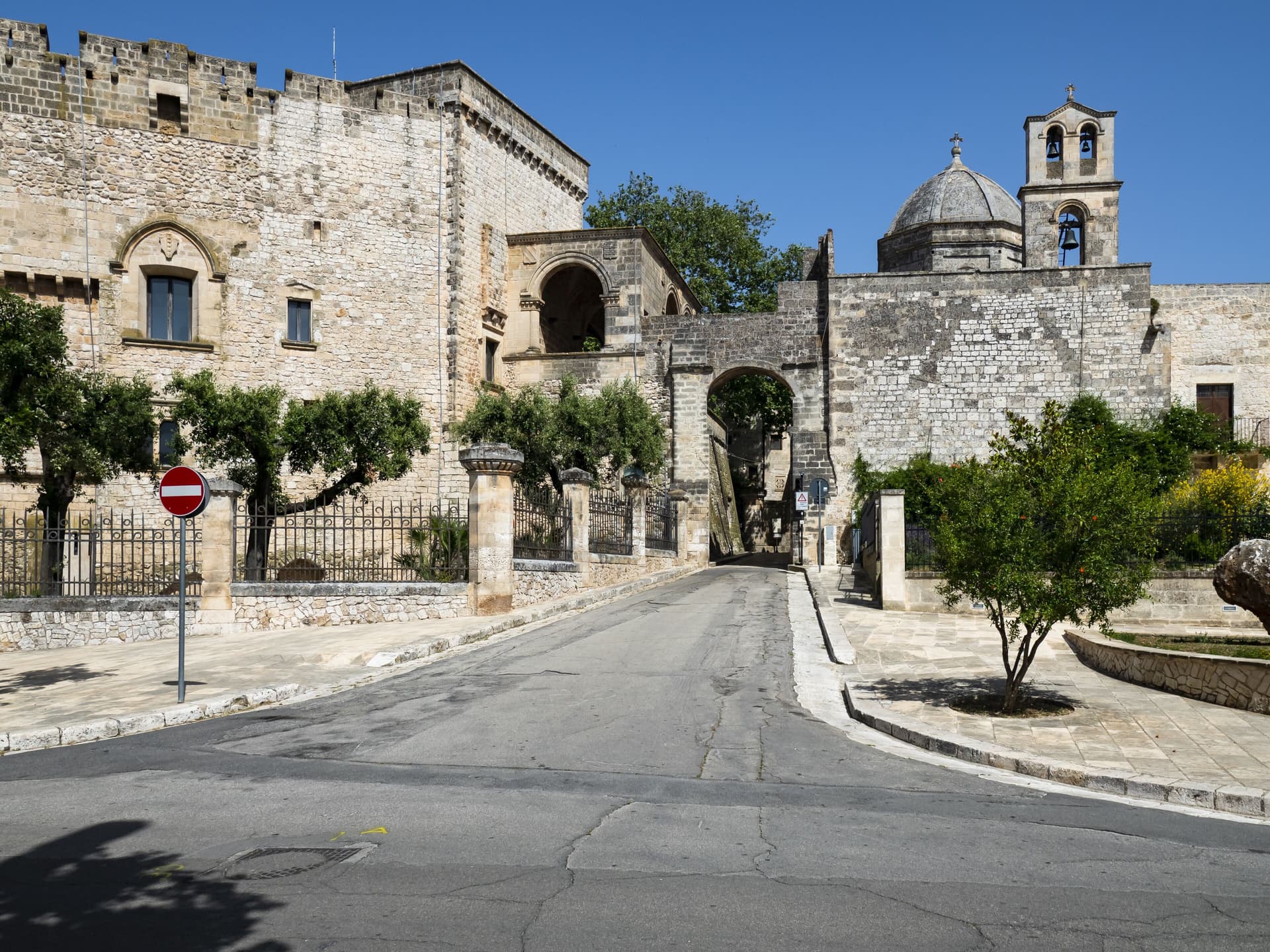
Carovigno
Province: Brindisi · 161 m
An upper Salento town between Brindisi and Ostuni, built on the Messapian Carbina destroyed in 473 BC, with the Torre Guaceto marine reserve offshore.
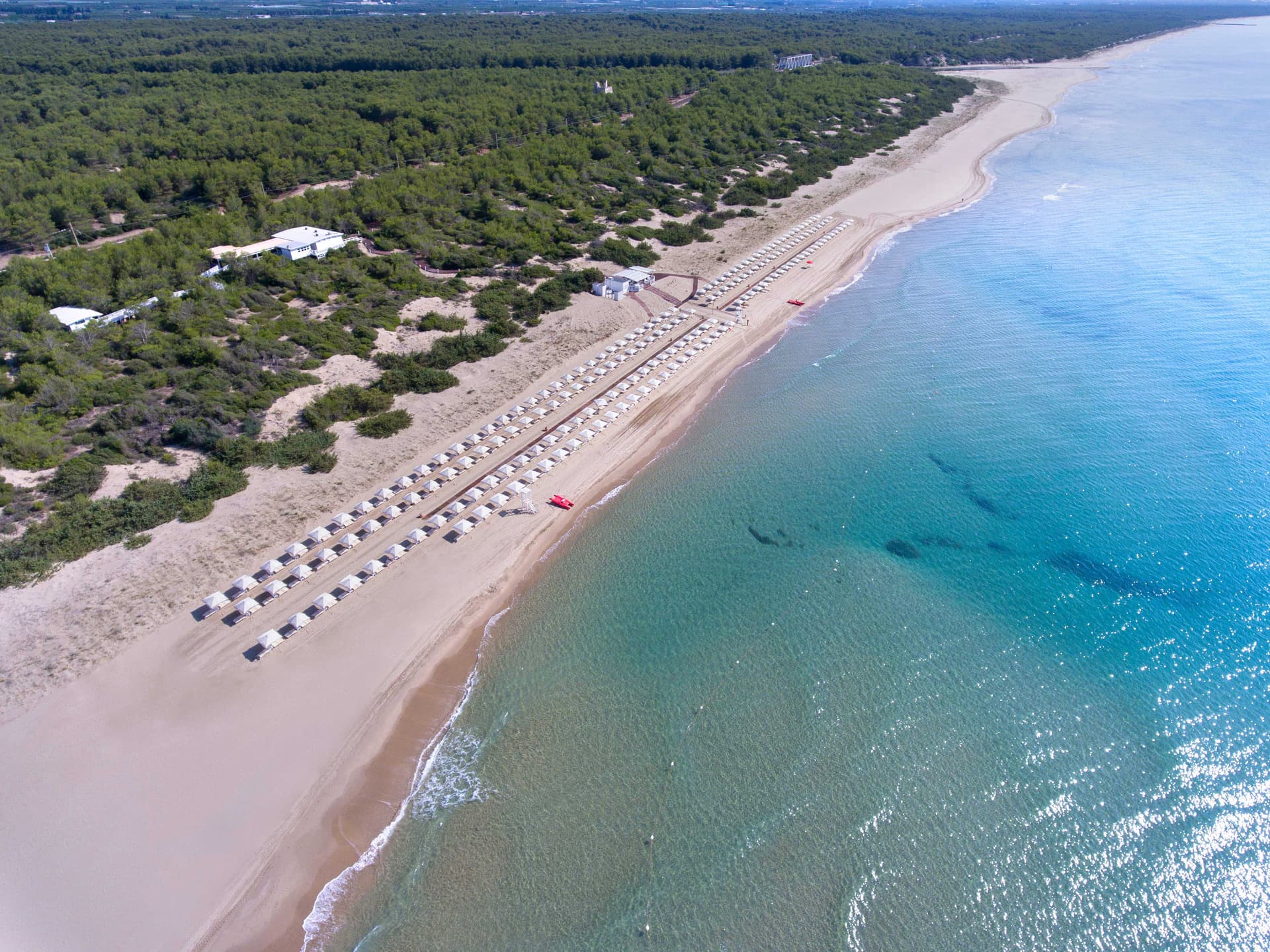
Castellaneta
Province: Taranto · 235 m
A cliff-edge Murge town at 235 meters above the Gravina Grande canyon, birthplace of Rudolph Valentino in 1895, with a Bandiera Blu Ionian marina.
Maruggio
Province: Taranto · 35 m
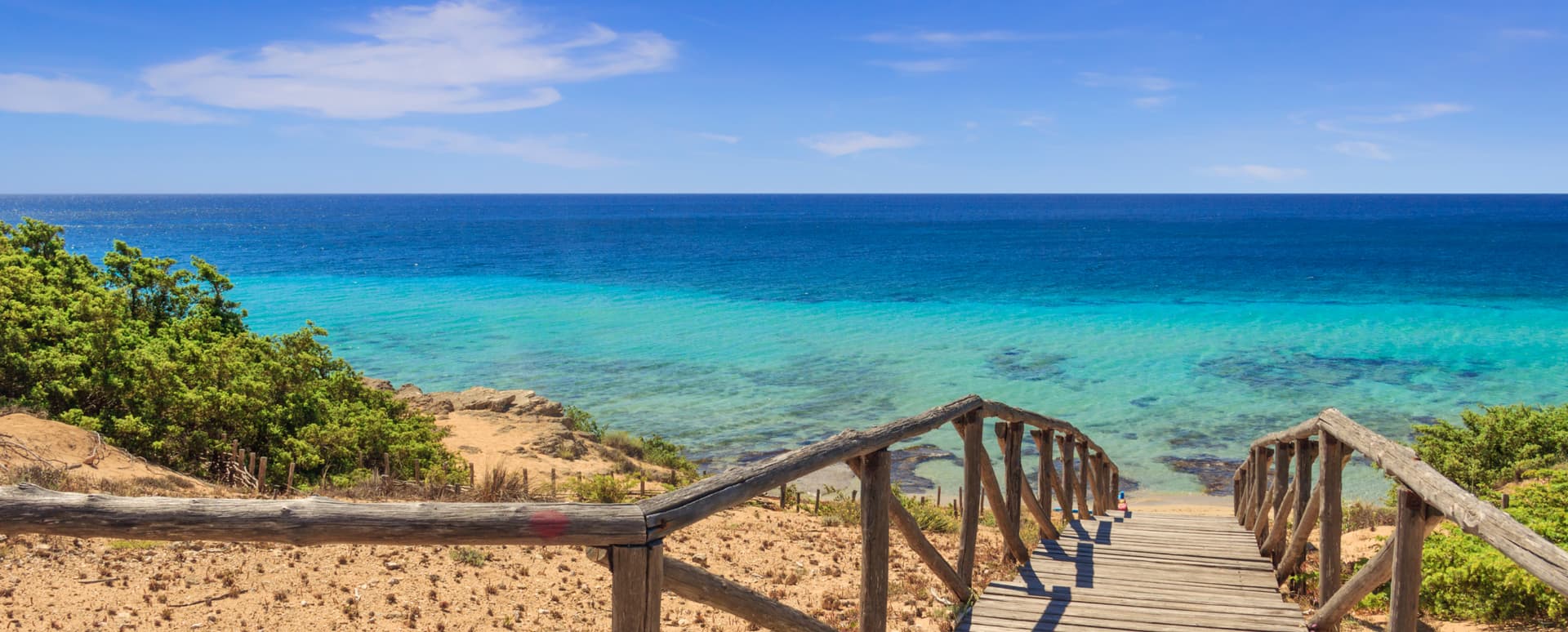
Salento's Knights of Malta borgo — a fortified Borgo più Bello on a low Ionian hill with 11 km of Bandiera Blu coast at Campomarino, Negroamaro and Primitivo vines pressing into the centro, and a unique commanderie history that made it the Order's southern Italian headquarters for 600 years.
Nardò
Province: Lecce · 45 m
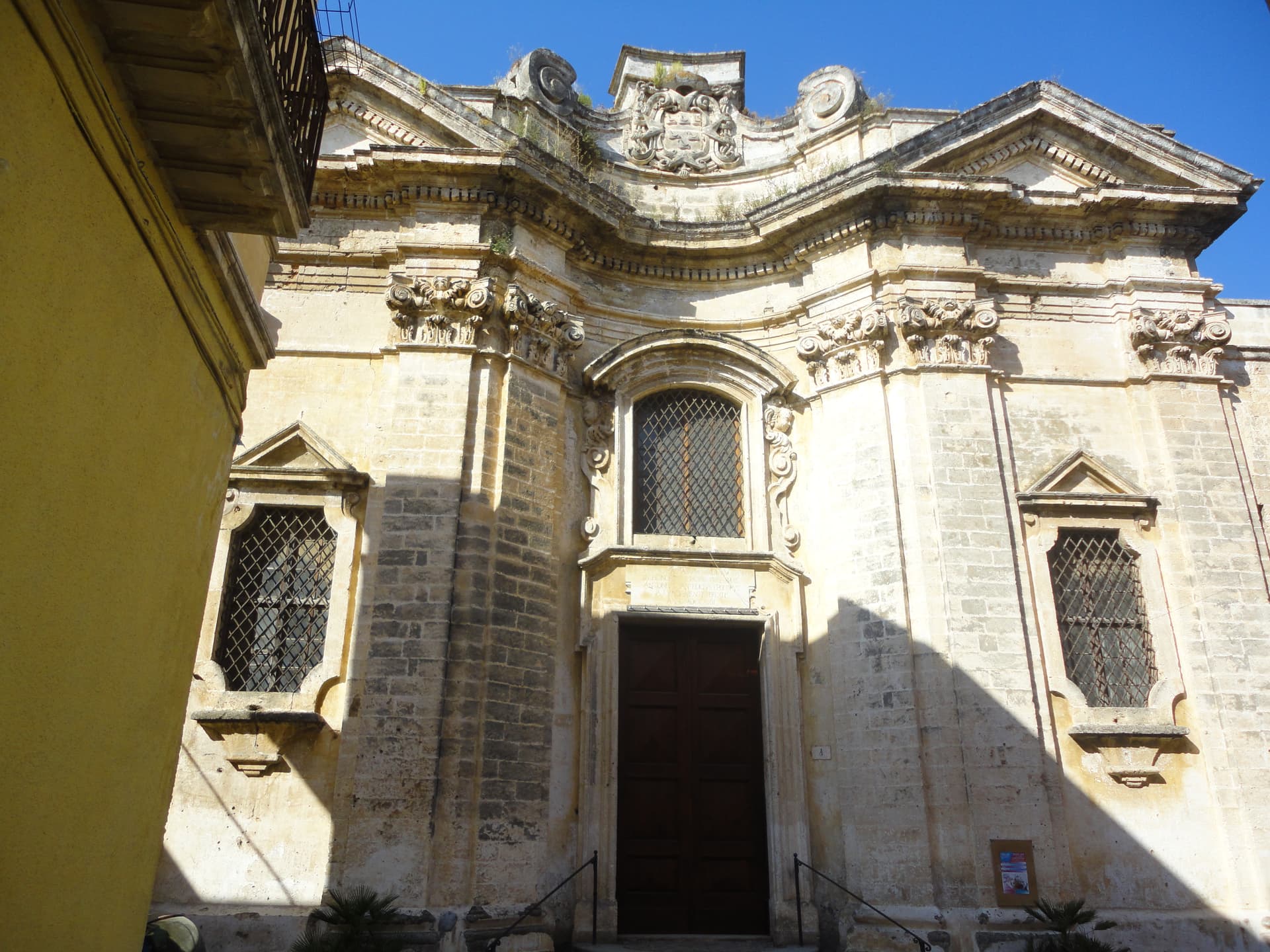
The second city of Salento after Lecce, a Baroque inland capital twenty-five kilometers from Lecce with a Ionian coastline behind it.
Ostuni
Province: Brindisi · 218 m
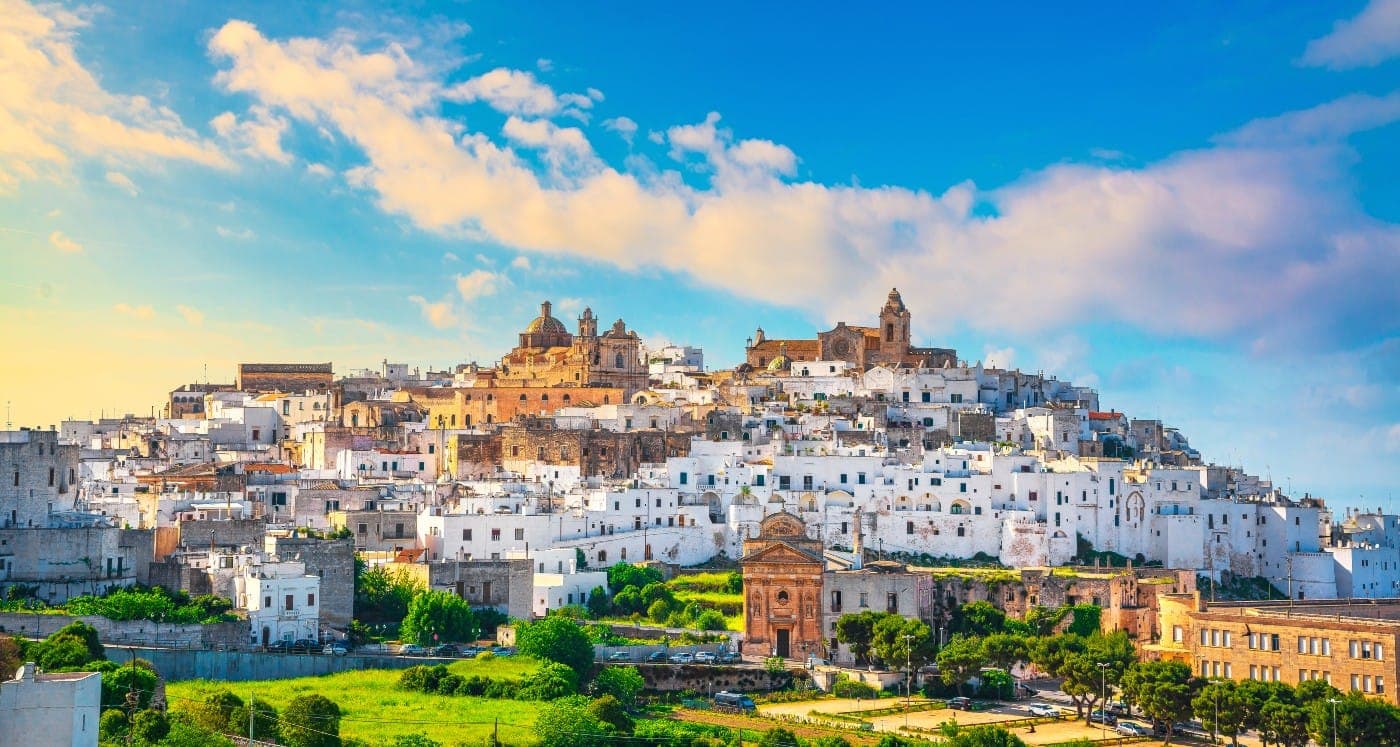
The Città Bianca on three hills at 218 meters, eight kilometers inland, whitewashed against the Murge above an Adriatic plain of olive trees.
Basilicata2
Nova Siri
Province: Matera · 350 m
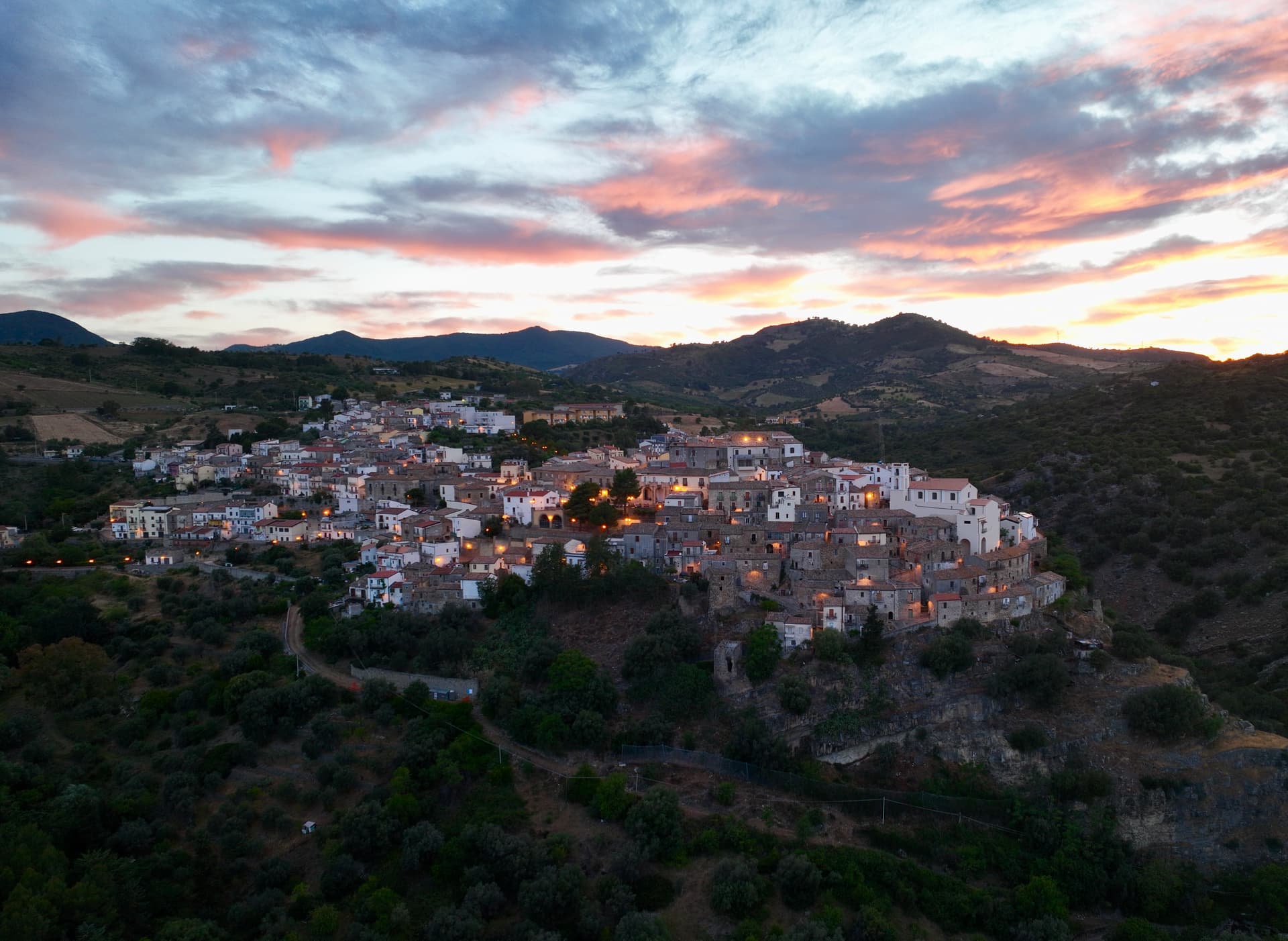
A 350-meter Ionian hill town with a Blue Flag beach nine kilometers below, near the site of the ancient Greek colony of Siris.
Pisticci
Province: Matera · 364 m
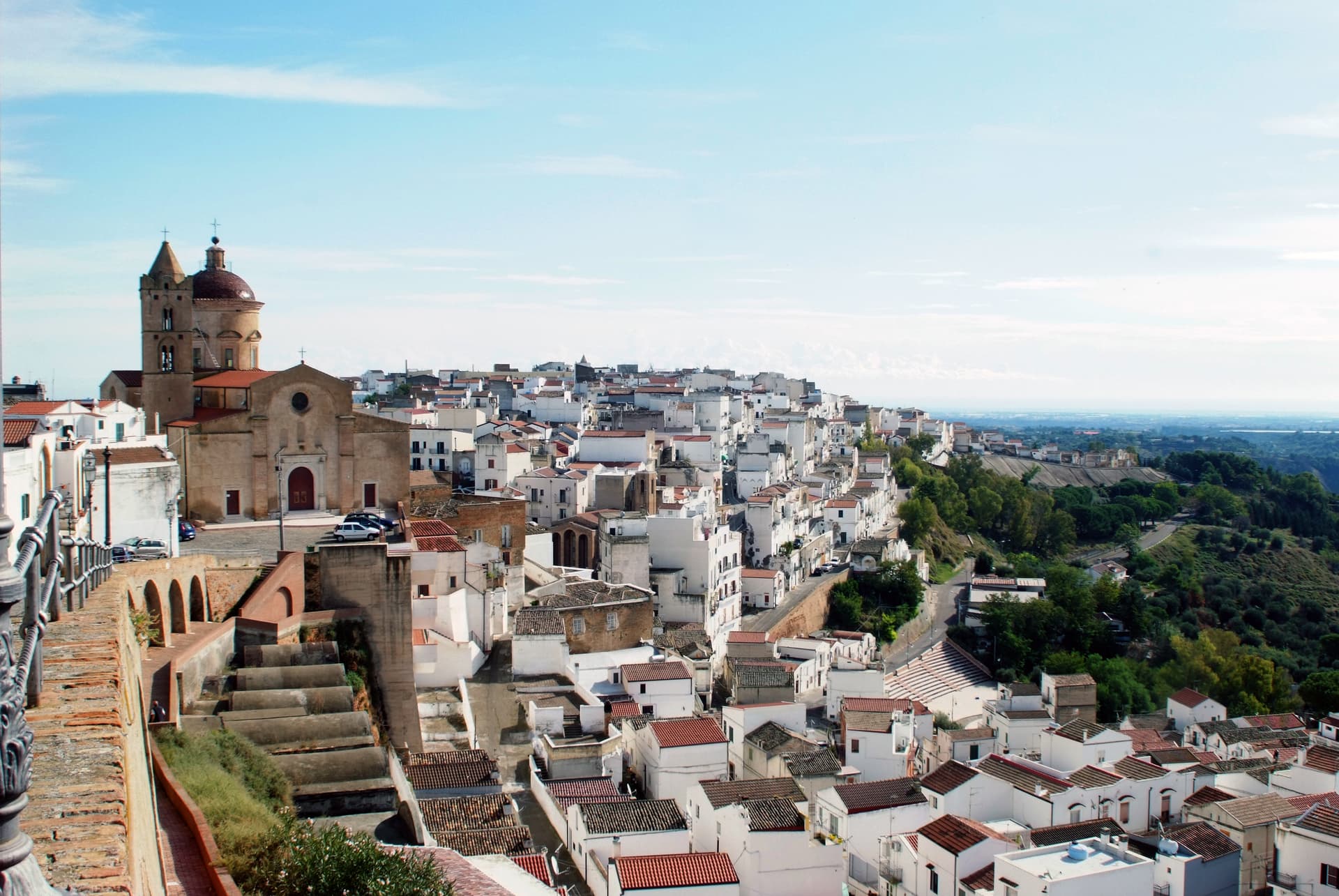
A hill town at 364 meters above the Ionian, rebuilt in three hundred identical white houses after the 1688 landslide killed four hundred.
Calabria5
Cariati
Province: Cosenza · 76 m
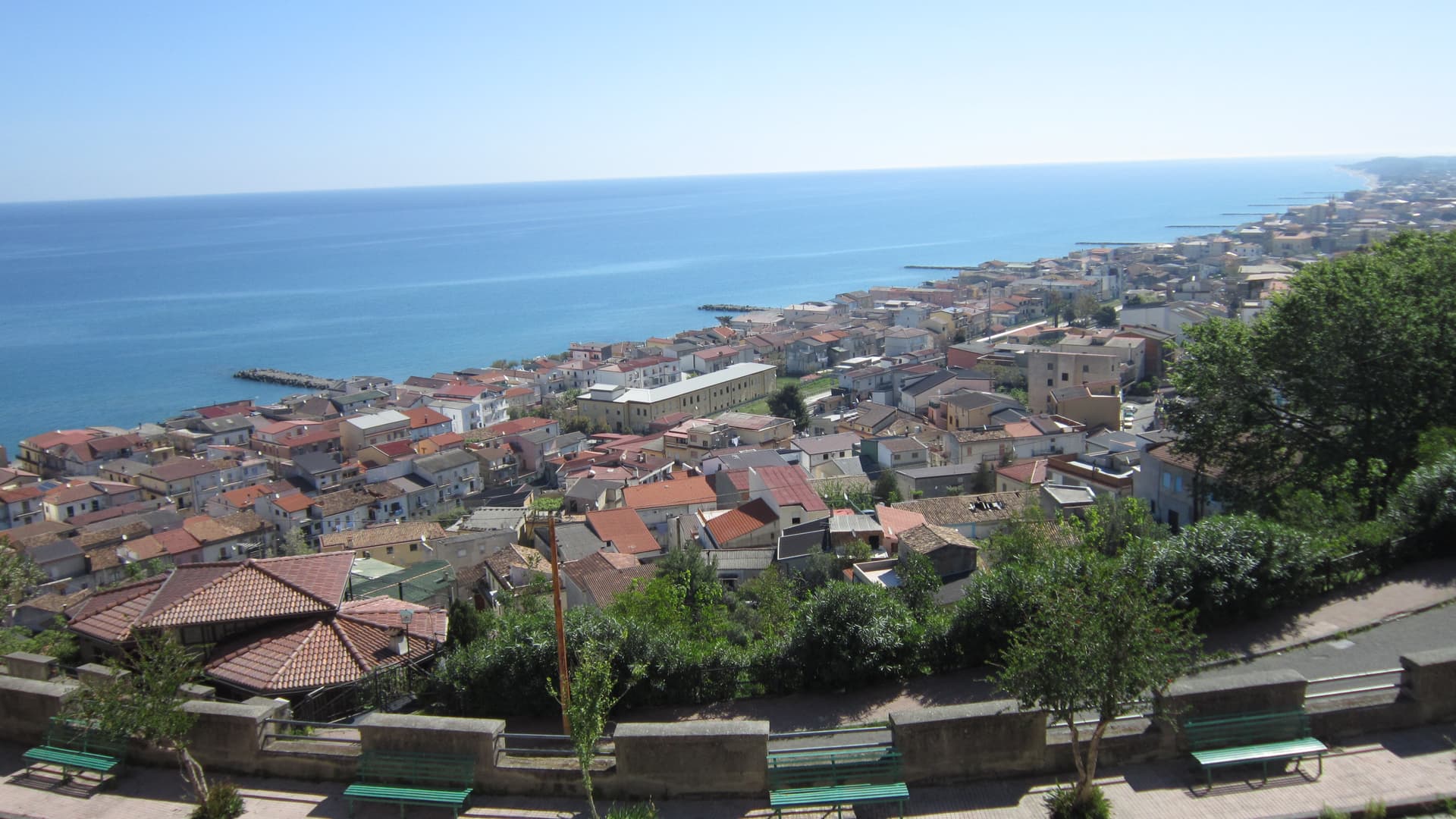
A walled Ionian fishing town on the Saracen Coast, its kilometer of medieval ramparts and eight towers among the most intact in southern Italy.
Montegiordano
Province: Cosenza · 619 m
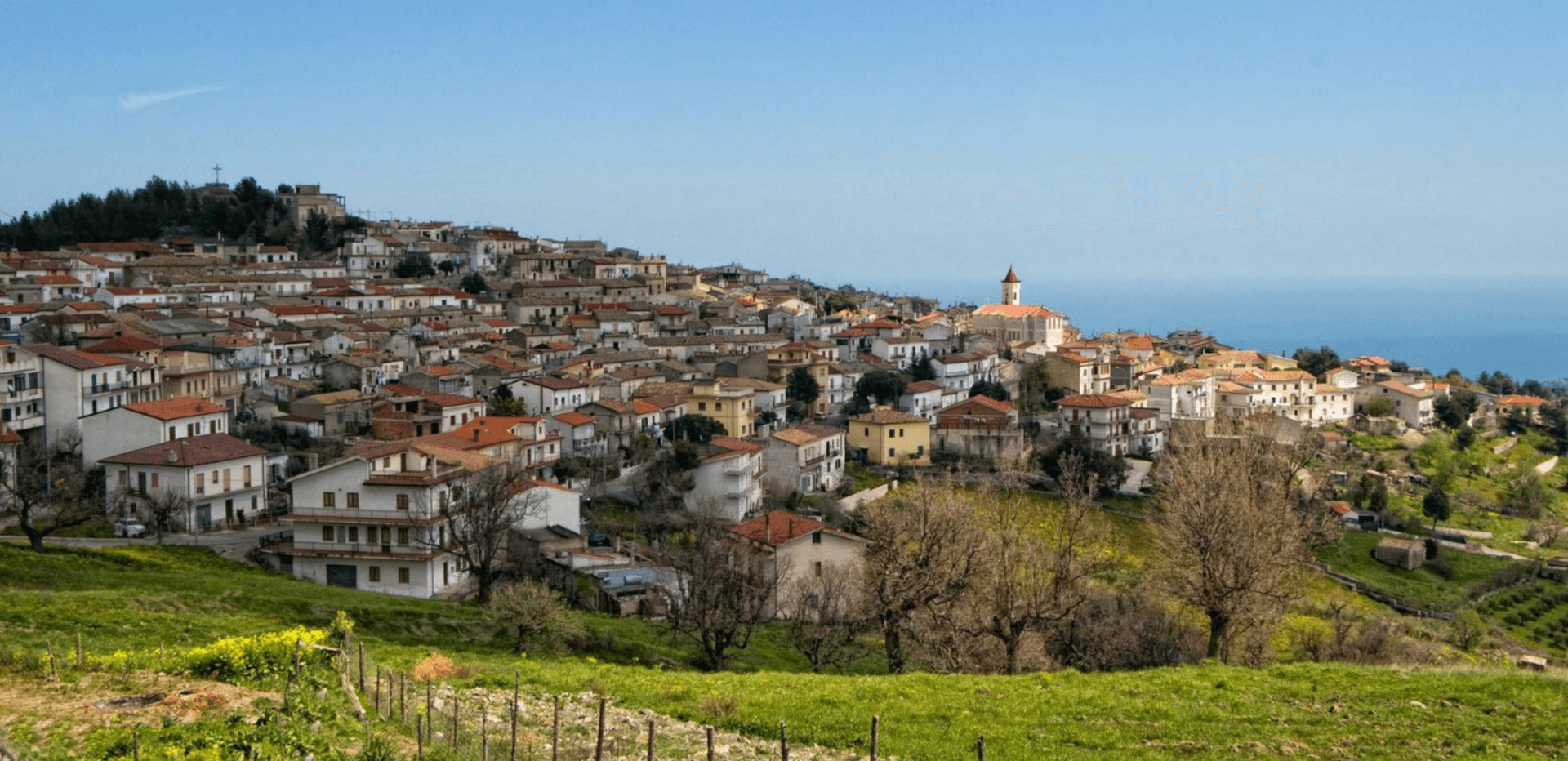
A 619-meter Alto Jonio hill town with a Pignone del Carretto hunting castle and more than two hundred murals across its centro storico.
Roseto Capo Spulico
Province: Cosenza · 217 m
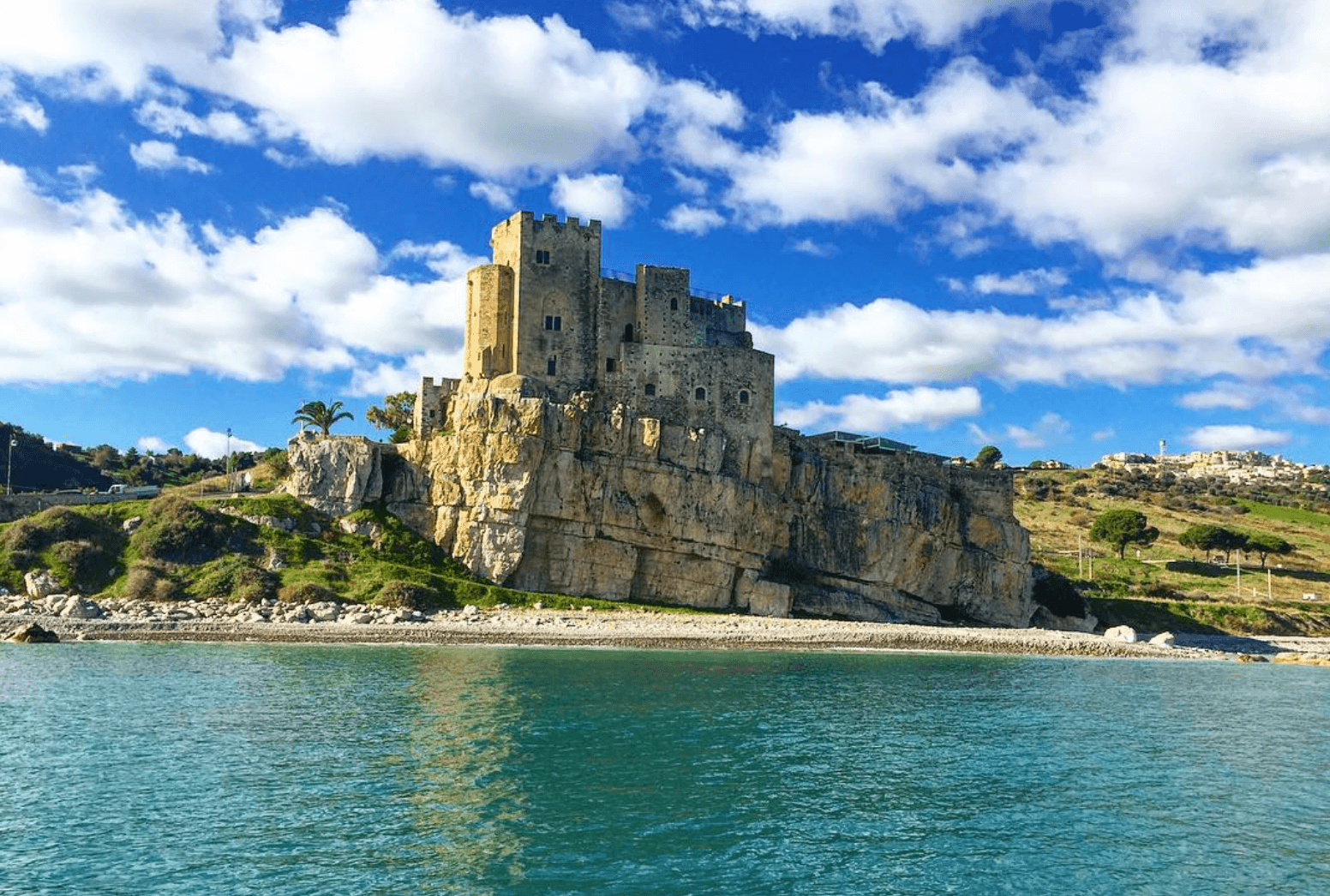
A Frederician castle on a rock above the Ionian, a former Sybaris satellite city founded in the seventh century BC, Templar legend included.
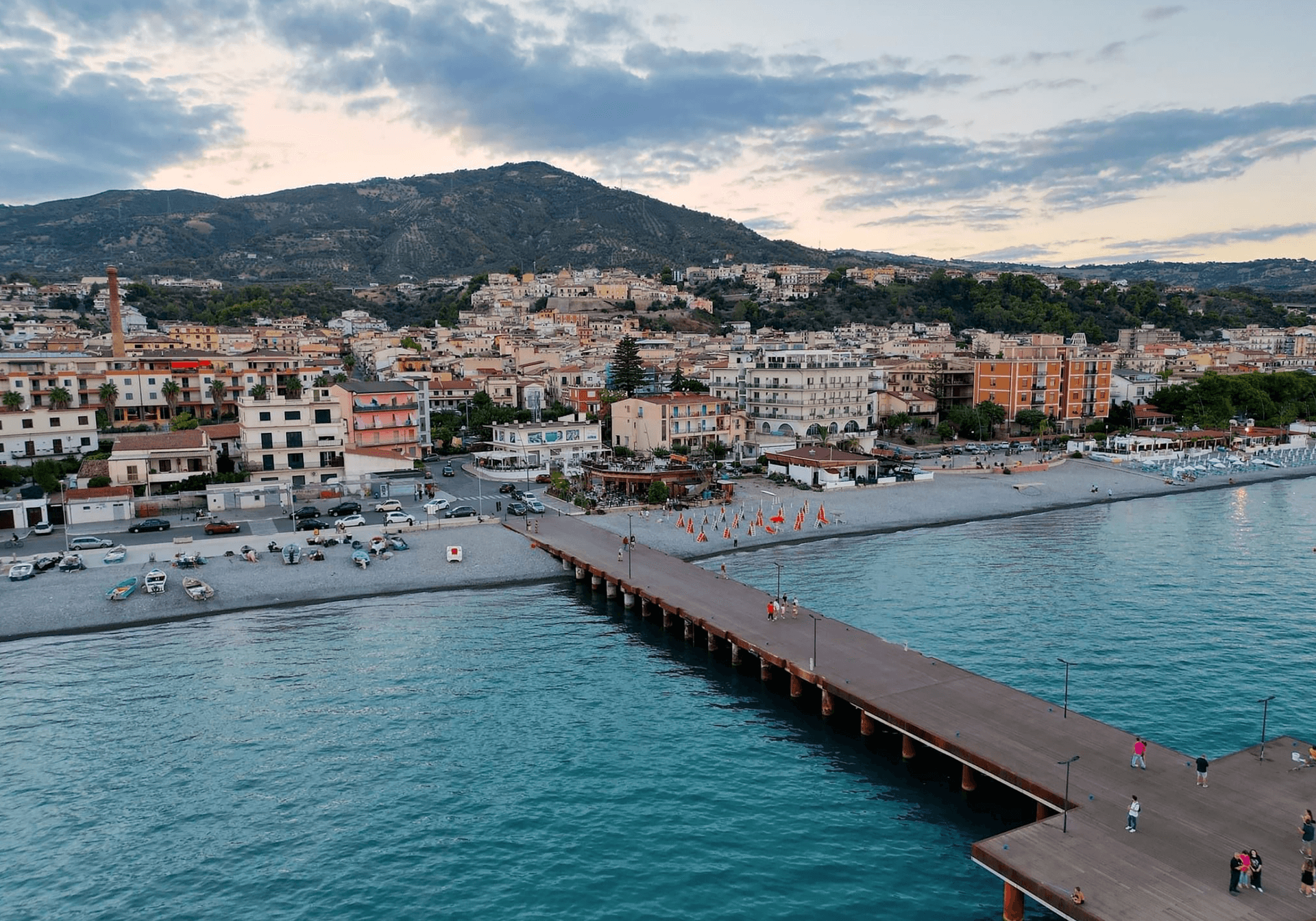
Trebisacce
Province: Cosenza · 73 m
A Bronze Age plateau above the Ionian Gulf of Taranto whose name comes from the Greek for small table, with a Byzantine mother church below.
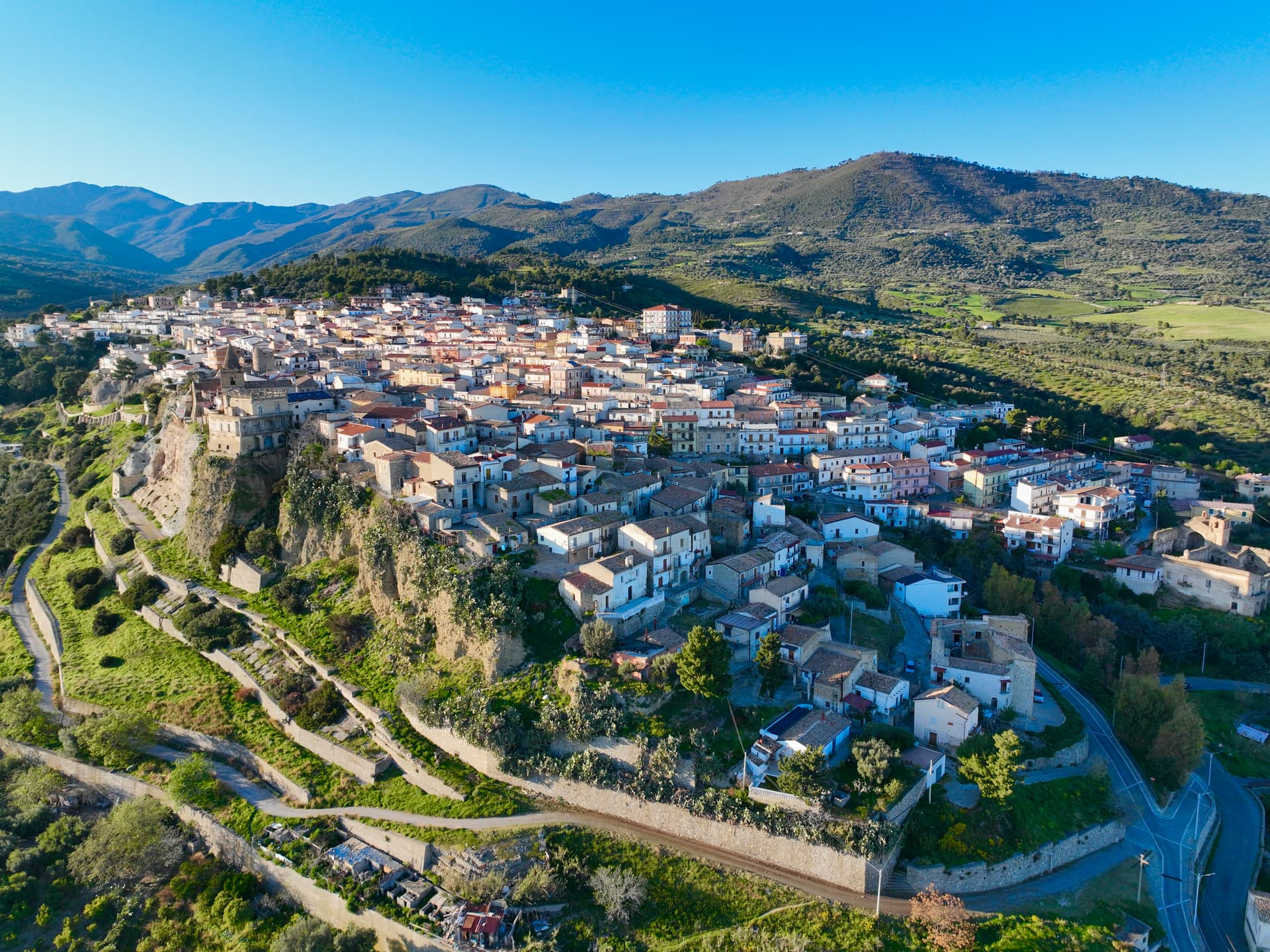
Villapiana
Province: Cosenza · 206 m
An Ionian commune on the edge of the Sibari plain, dorato sand at the Lido and Pollino peaks rising twenty kilometers inland.
Campania5
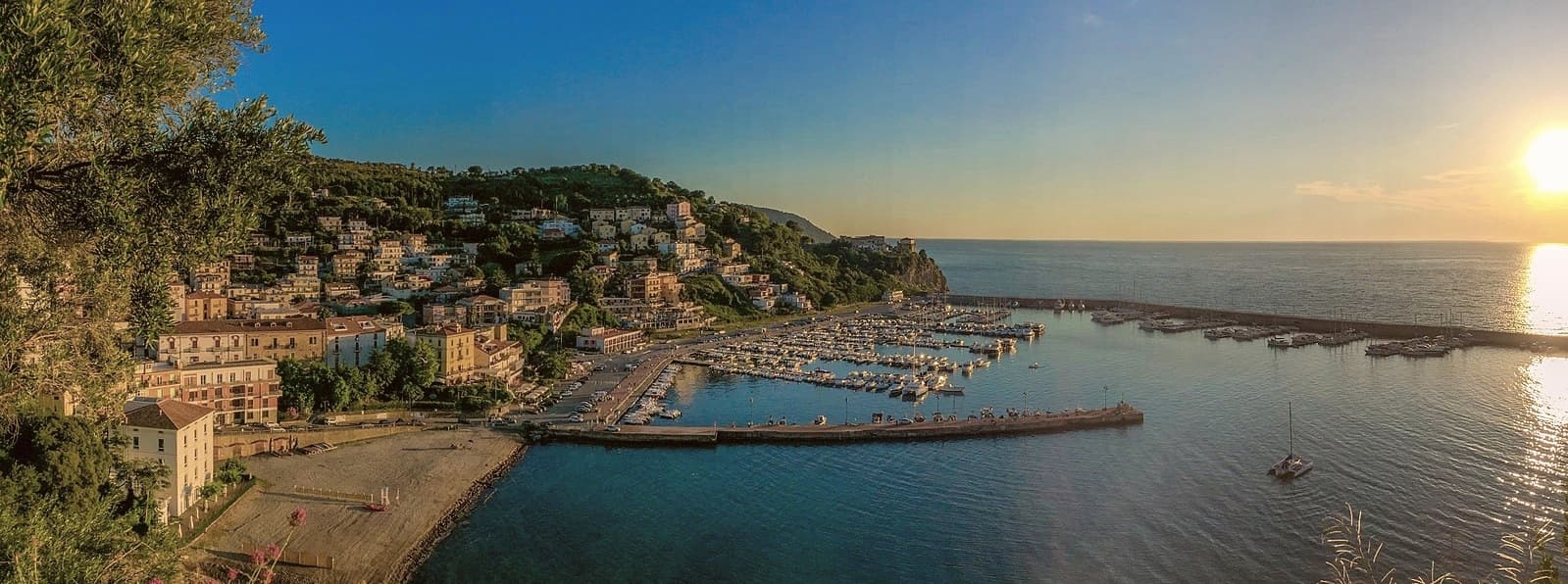
Agropoli
Province: Salerno · 24 m
The gateway commune of the Cilento, a Byzantine acropolis on a promontory taken by the Saracens in 882 as a base for raids on Salerno.
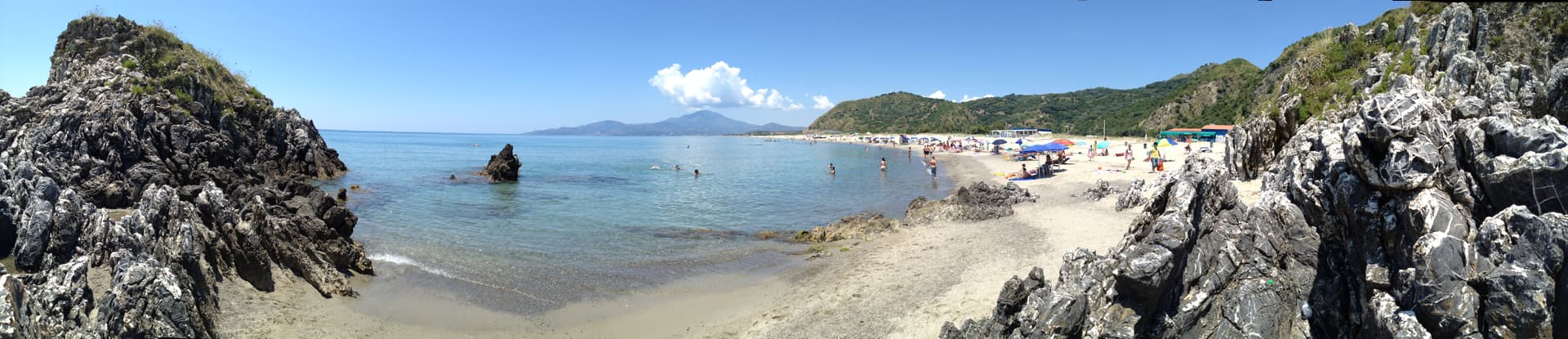
Ascea
Province: Salerno · 230 m
Two villages, a hilltown at 230 meters and a Cilento marina, with Parmenides and Zeno's Eleatic school in the ruins of Greek Velia below.
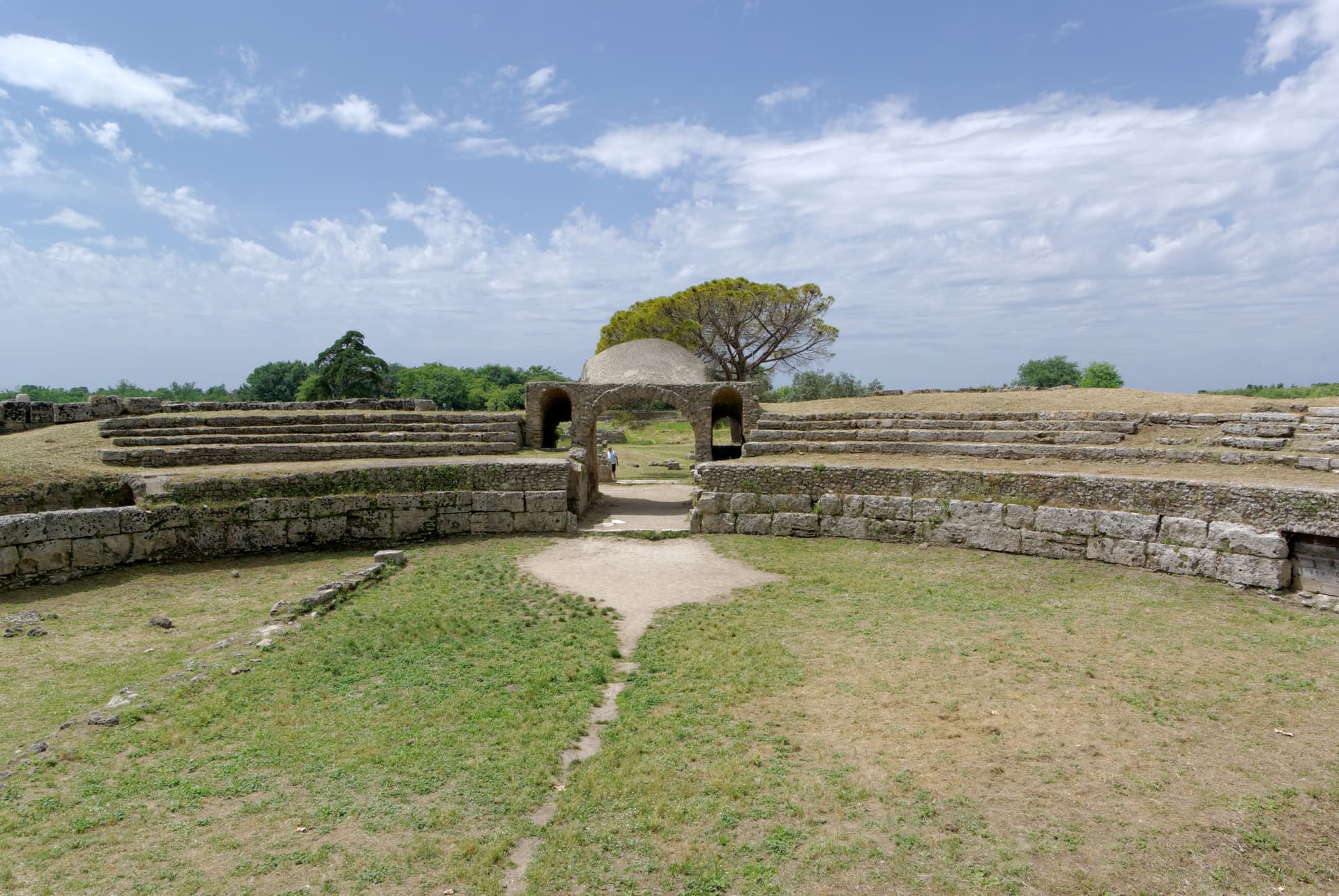
Capaccio Paestum
Province: Salerno · 419 m
Three Doric temples of 550 to 450 BC on the Sele plain, with mozzarella di bufala DOP on the buffalo flats below Monte Calpazio.
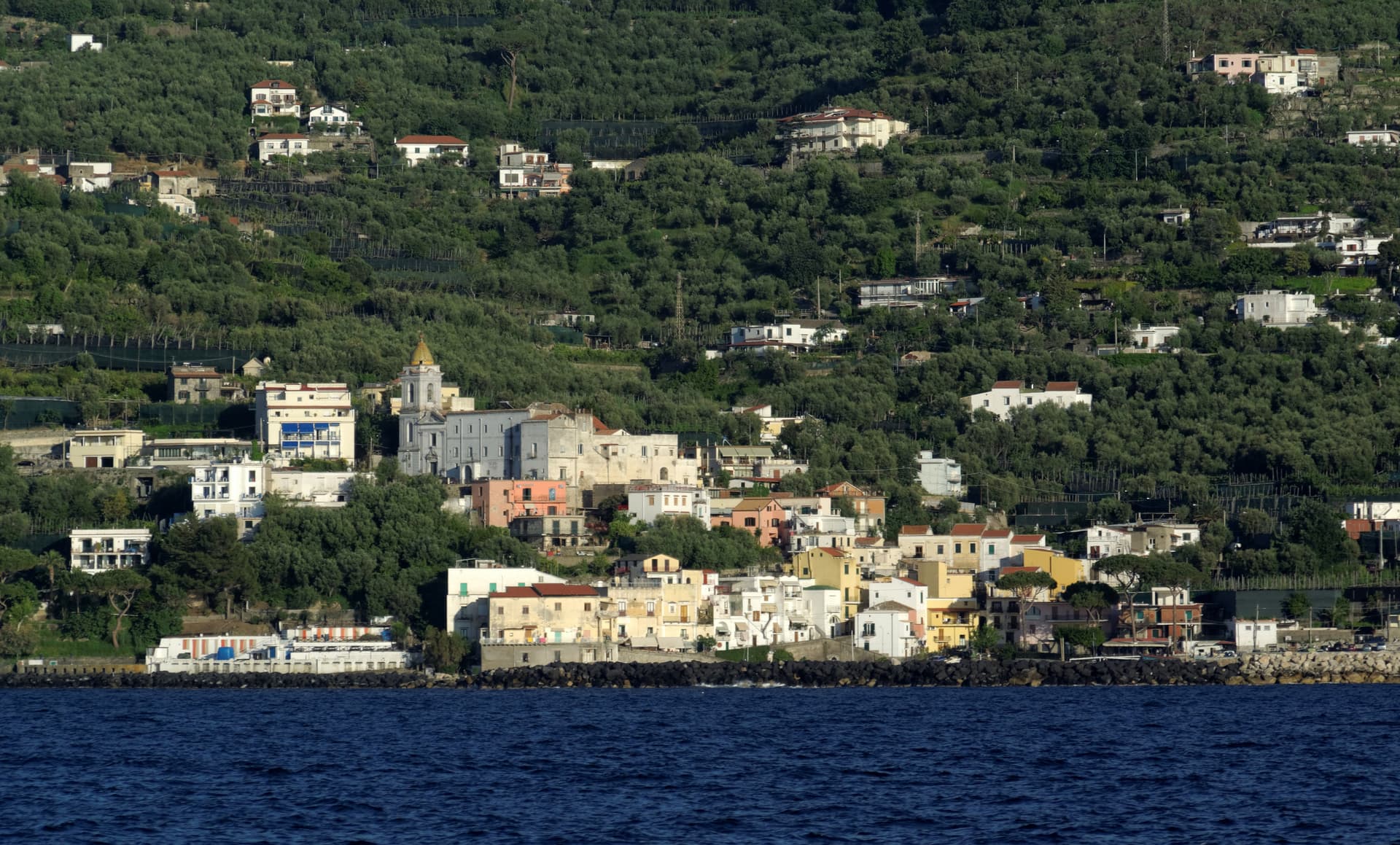
Massa Lubrense
Province: Napoli · 121 m
The Sorrentine Peninsula's largest commune by area, stretching from Sorrento across Punta Campanella to the Gulf of Salerno, Capri three miles offshore.
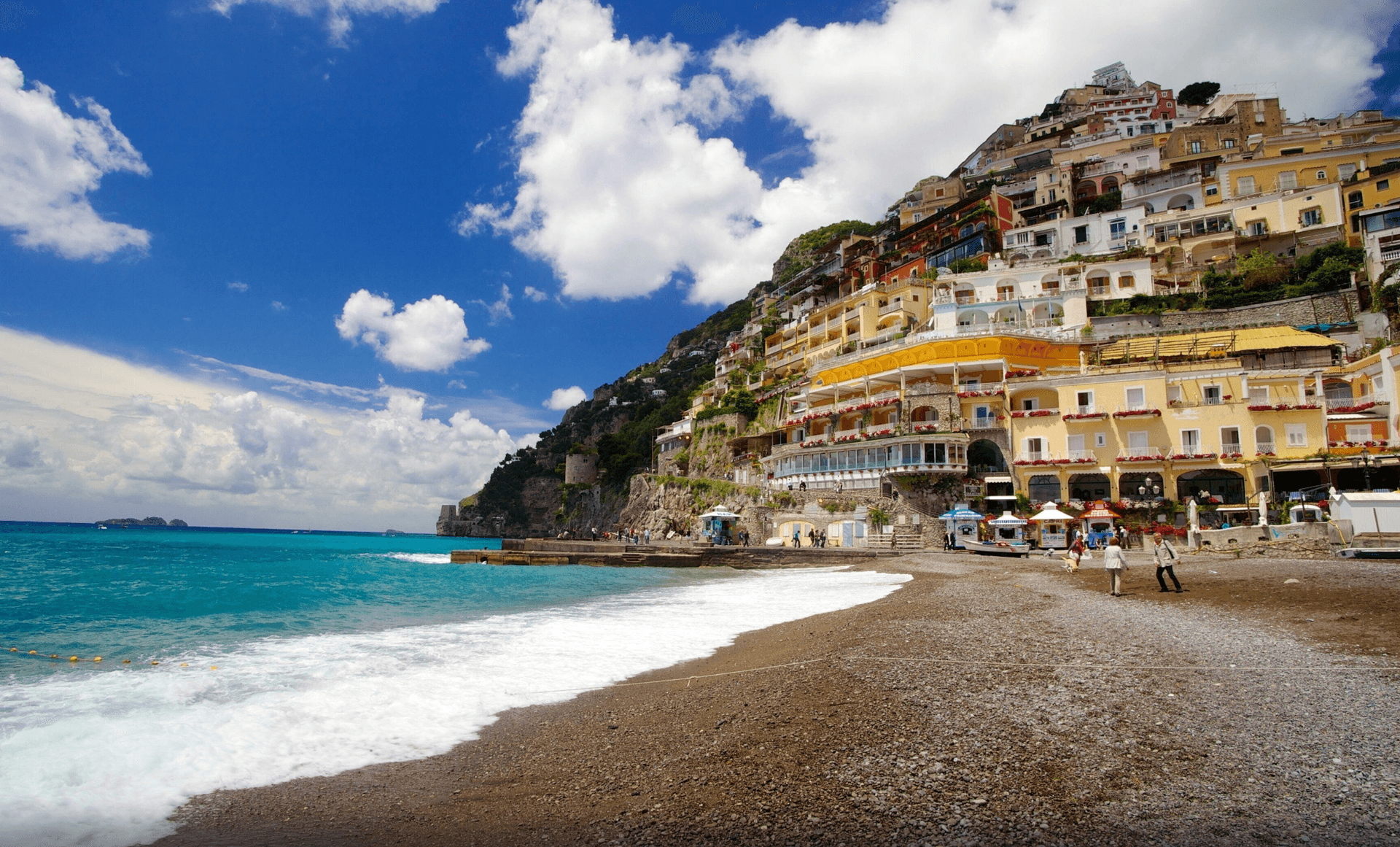
Positano
Province: Salerno · 30 m
The vertical village of the Amalfi Coast, terraced houses climbing four hundred meters from Spiaggia Grande to the Lattari ridge under a tiled Byzantine dome.
Lazio4
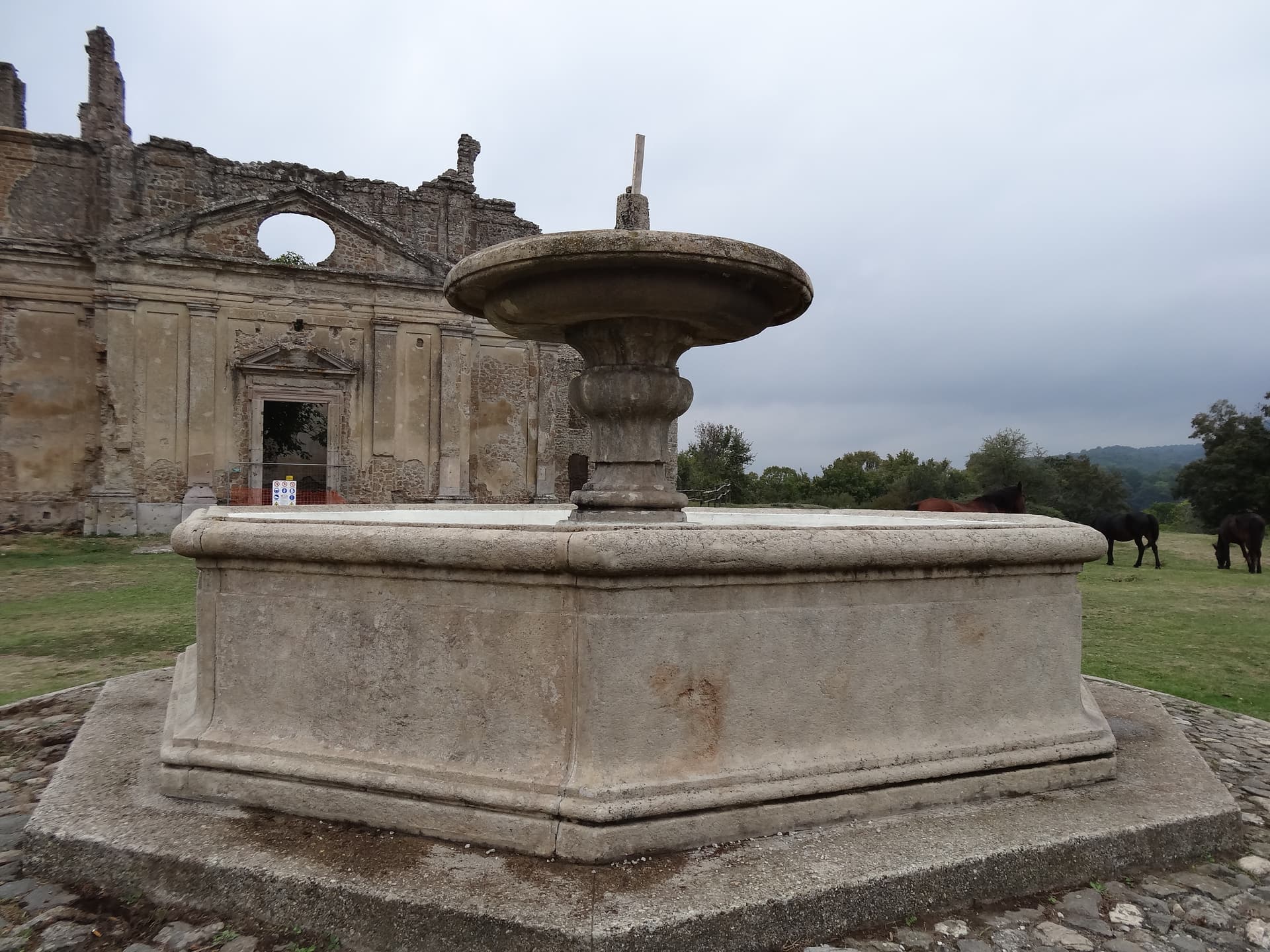
Canale Monterano
Province: Roma · 376 m
A hilltop village next to the burned ghost town of Monterano, where Bernini's San Bonaventura and the Baroque fountain stand roofless.
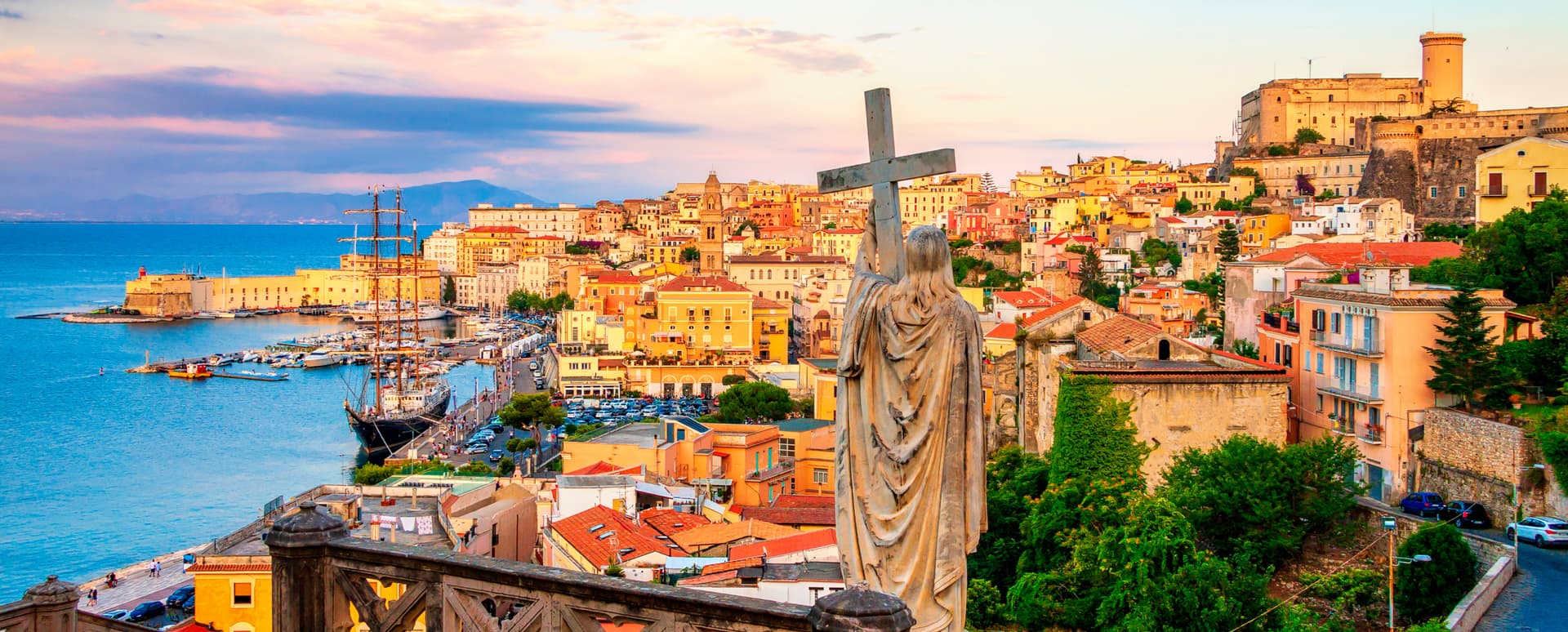
Gaeta
Province: Latina · 2 m
The promontory port where the Bourbon Kingdom of the Two Sicilies fell in February 1861 and the south of Italy stopped existing as a state.
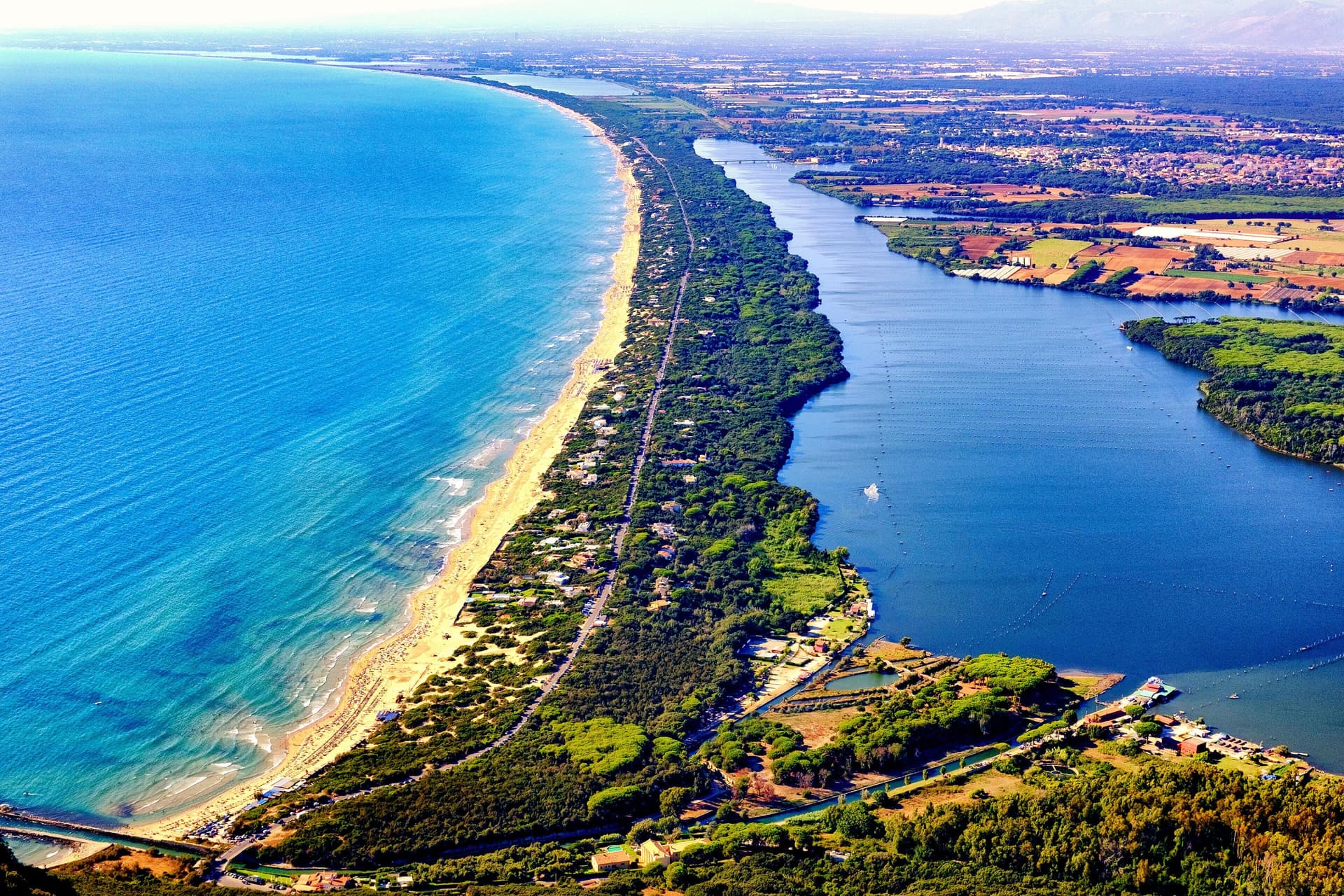
Sabaudia
Province: Latina · 17 m
A rationalist city built in 253 days on drained Pontine marshland, founded 15 April 1934 between Lago di Paola and the Tyrrhenian dunes.
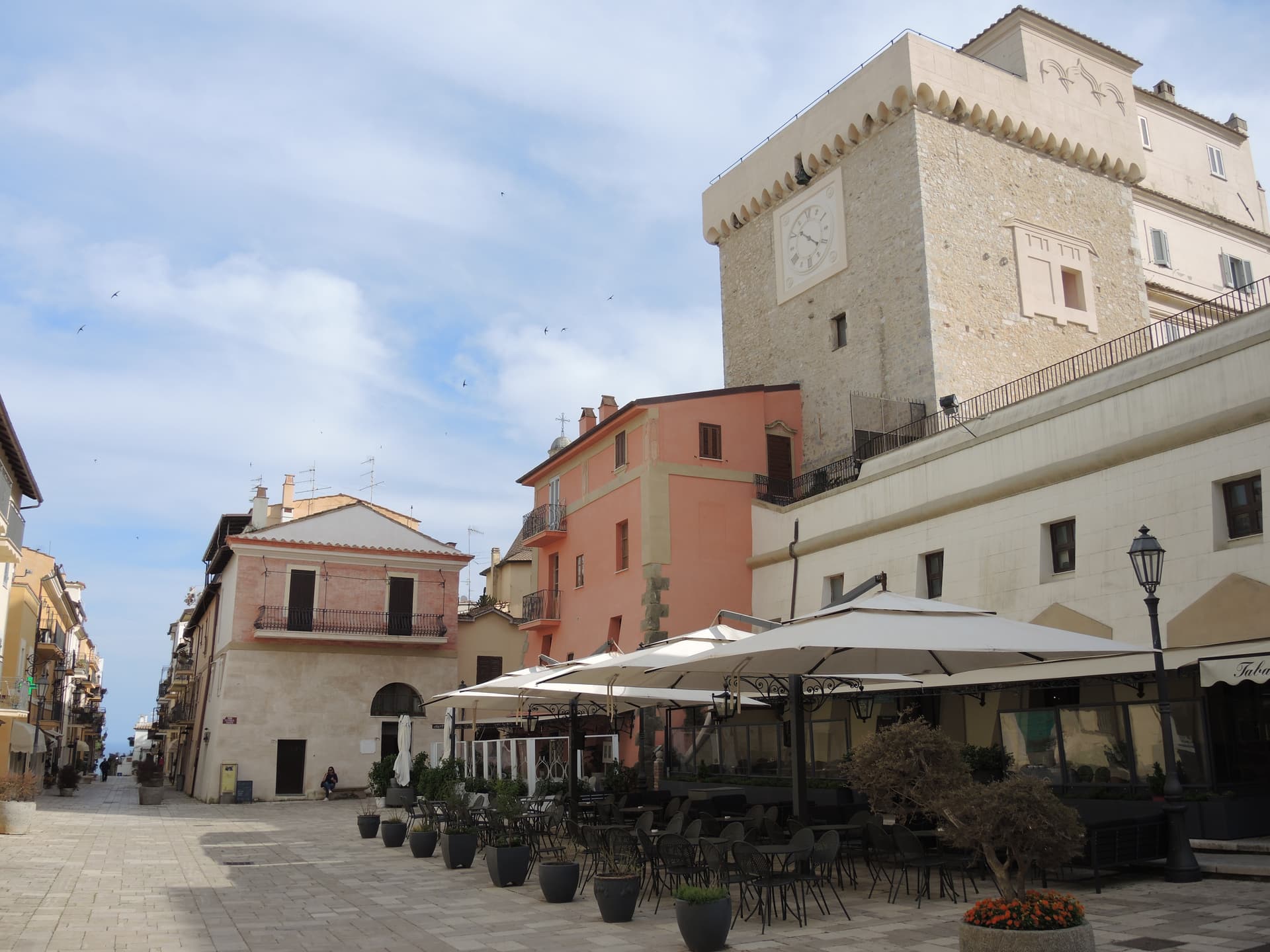
San Felice Circeo
Province: Latina · 100 m
A medieval borgo on the flank of Monte Circeo, the 540-meter promontory Homer made the home of Circe in the Odyssey.
Liguria4
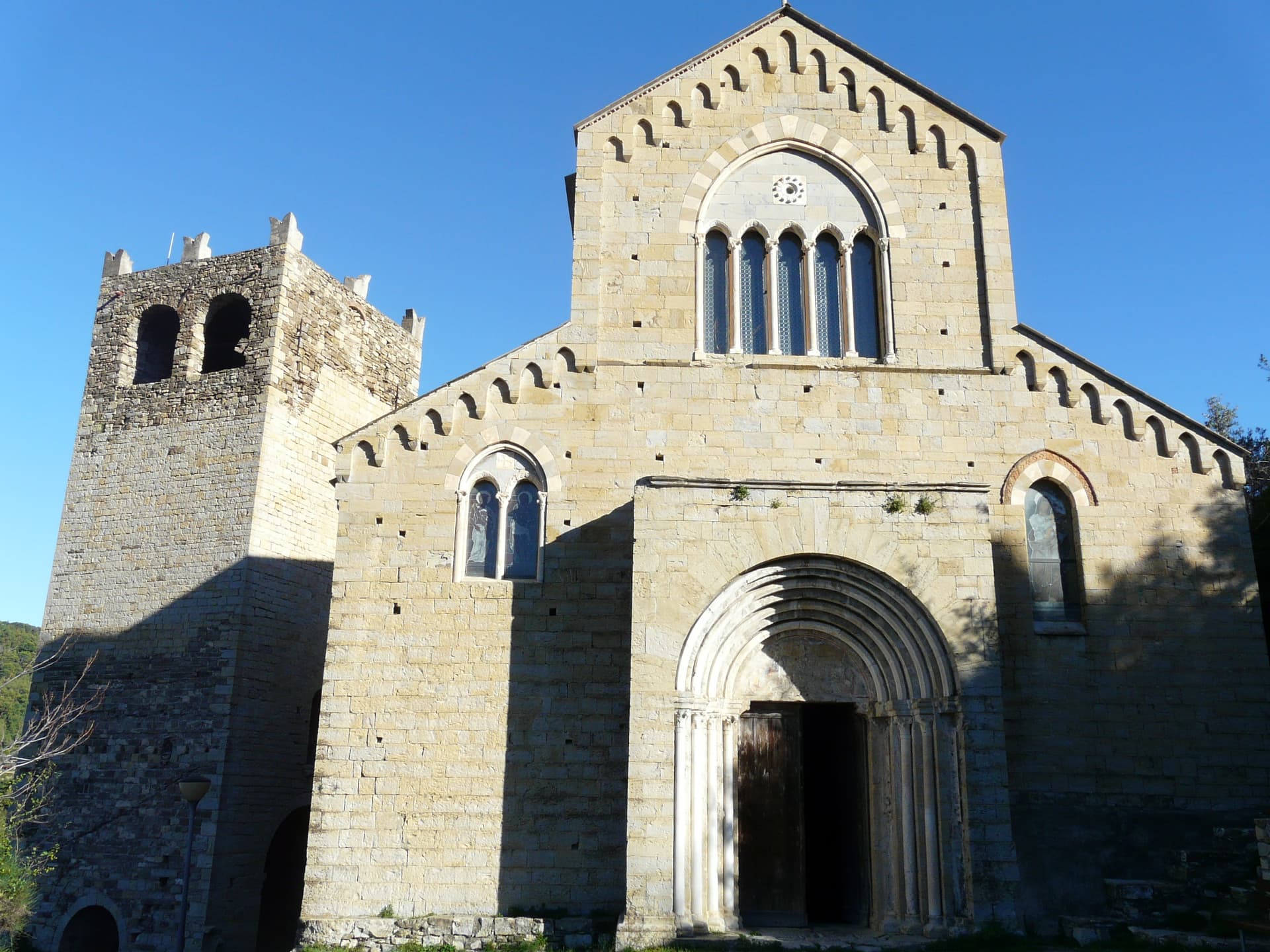
Andora
Province: Savona · 10 m
A Riviera town with two faces, two kilometers of sandy beach on the Aurelia and a ruined twelfth-century castle hidden on a hill behind it.
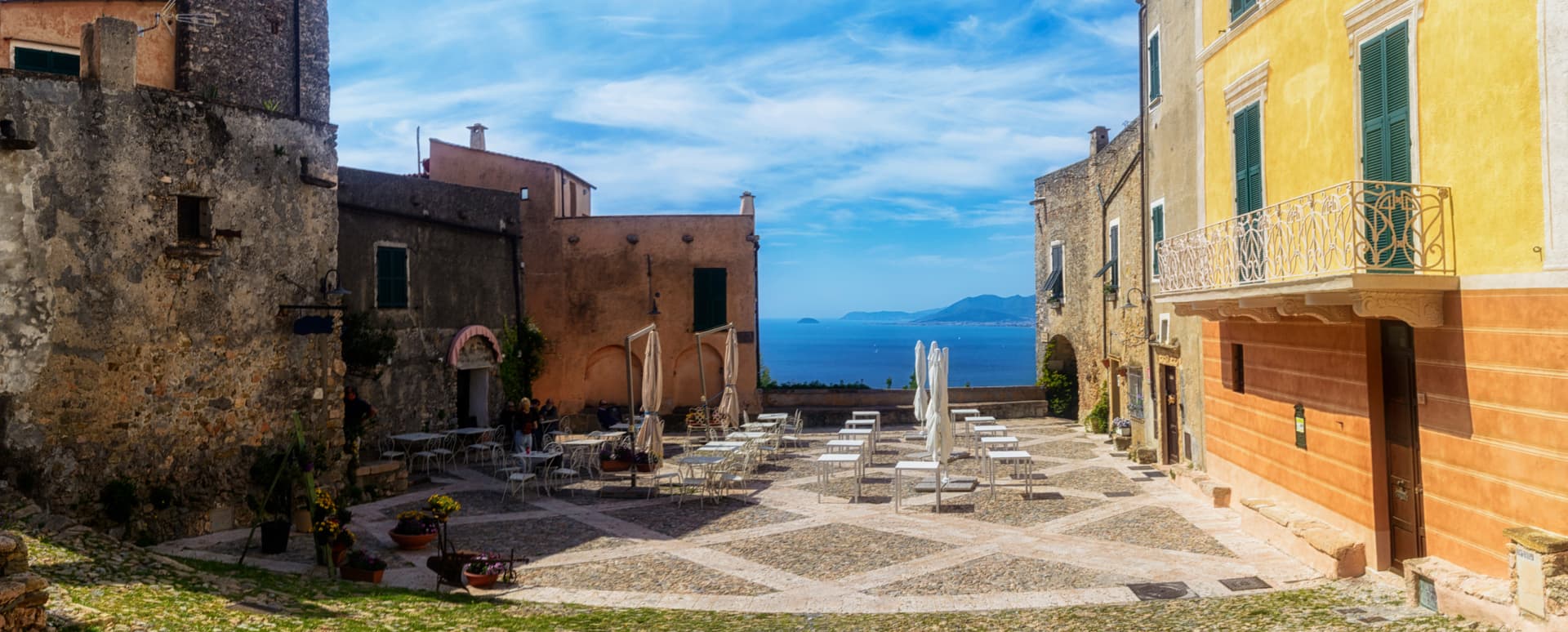
Borgio Verezzi
Province: Savona · 30 m
Two villages joined under one comune in 1933: Borgio on the Bandiera Blu beach and Verezzi at 200 meters on the pink-stone hill above.
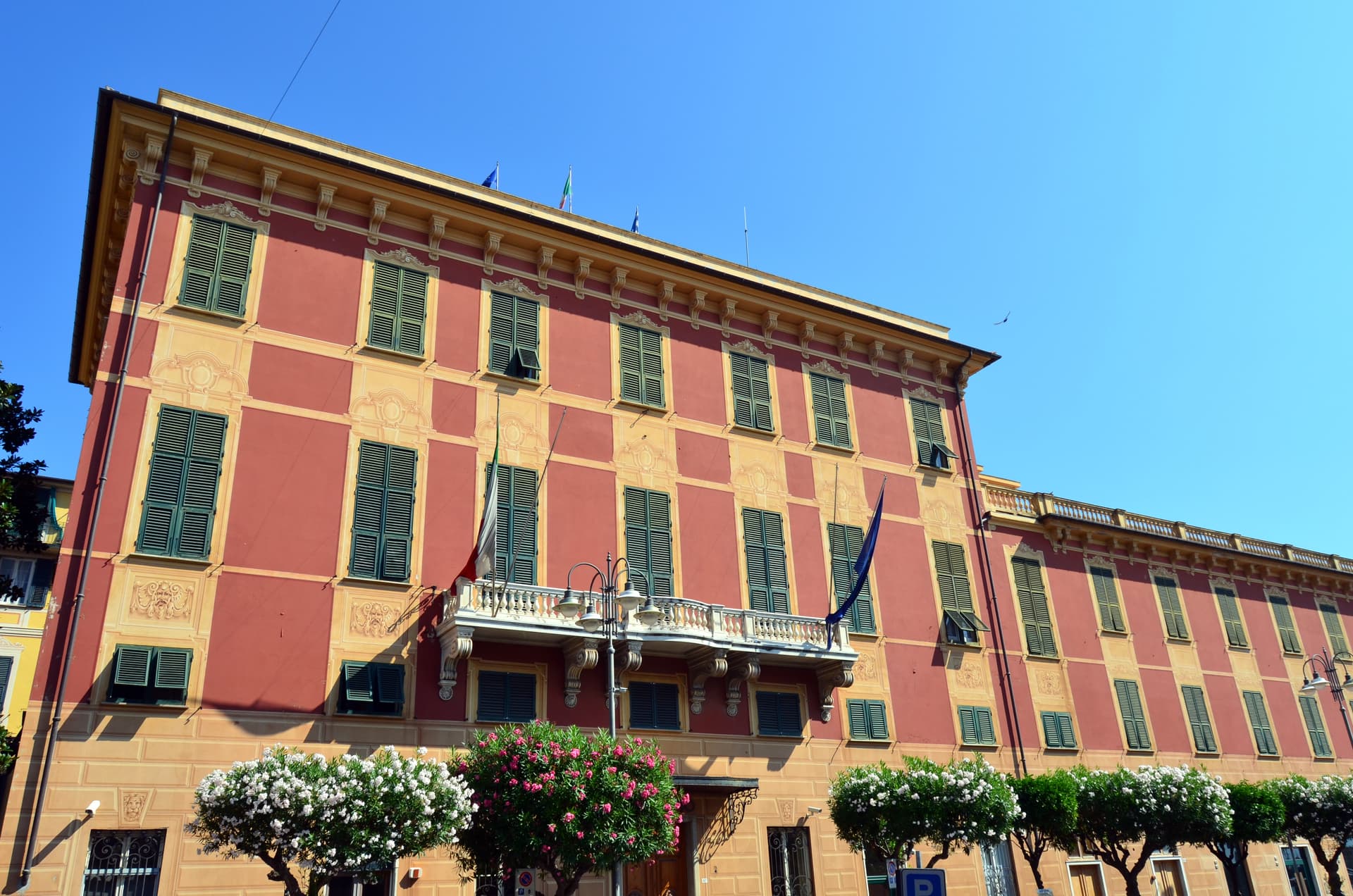
Lavagna
Province: Genova · 6 m
The Tigullio town that gave its name to slate and to Pope Innocent IV, host each 14 August of the Torta dei Fieschi pageant.
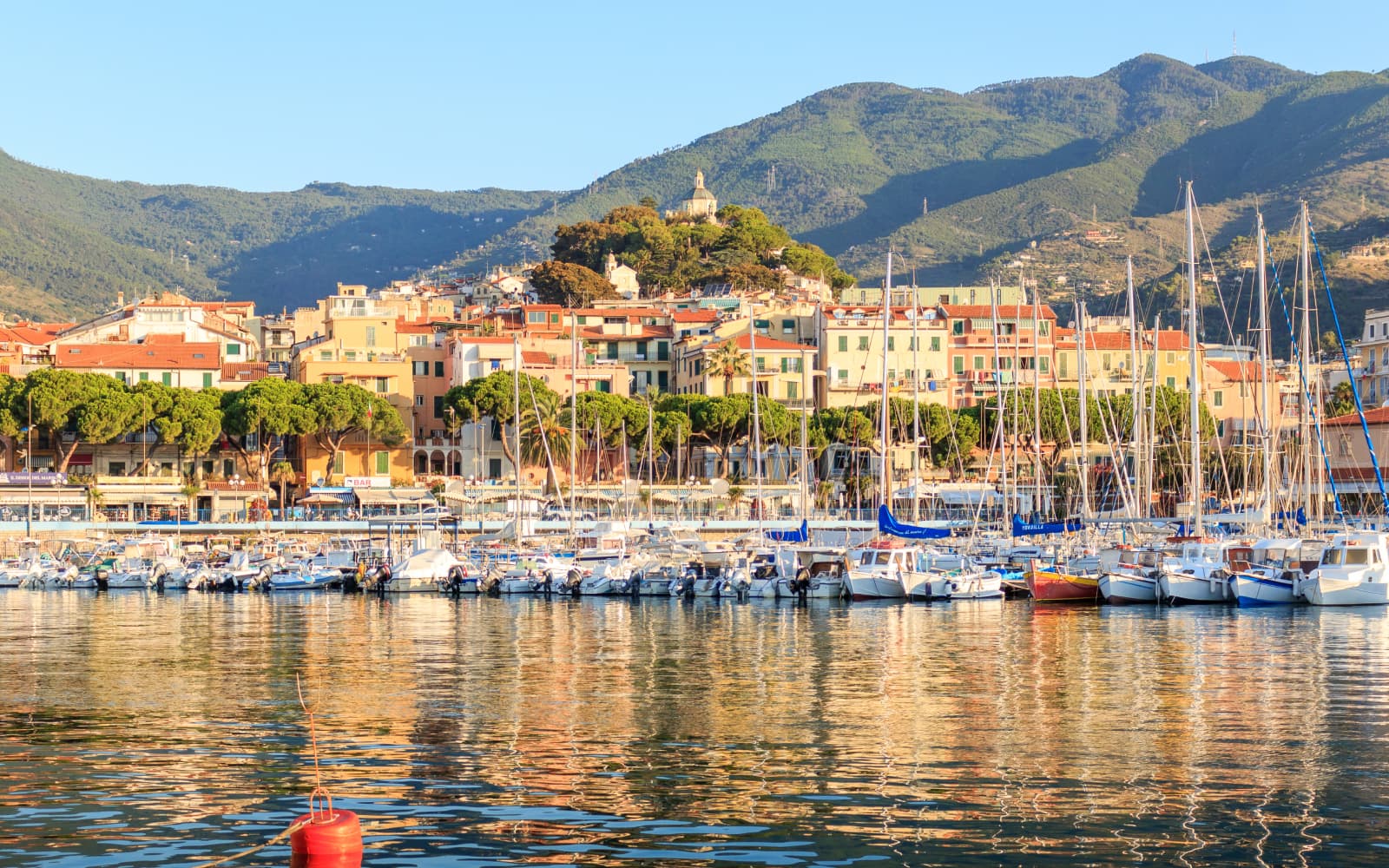
Sanremo
Province: Imperia · 10 m
The capital of the Italian Riviera dei Fiori — Belle Époque casino and palm-lined Lungomare on the seafront, the medieval labyrinth of La Pigna climbing the hill behind, and a year-round mild climate that built the original Northern European winter trade.
Marche9
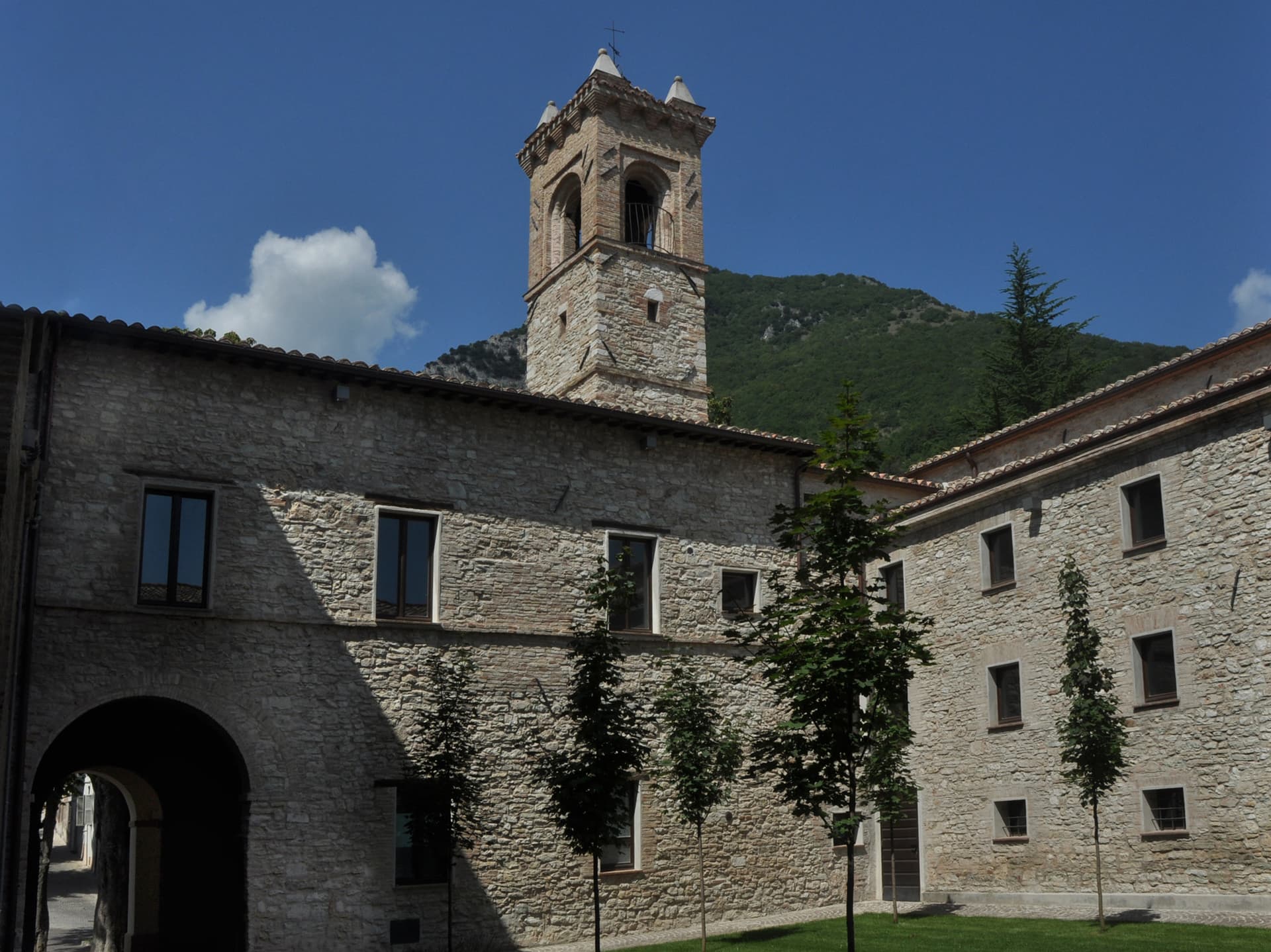
Esanatoglia
Province: Macerata · 358 m
A medieval village of seven bell towers at 358 meters on the Marche-Umbria border, sitting at the source of the Esino river.
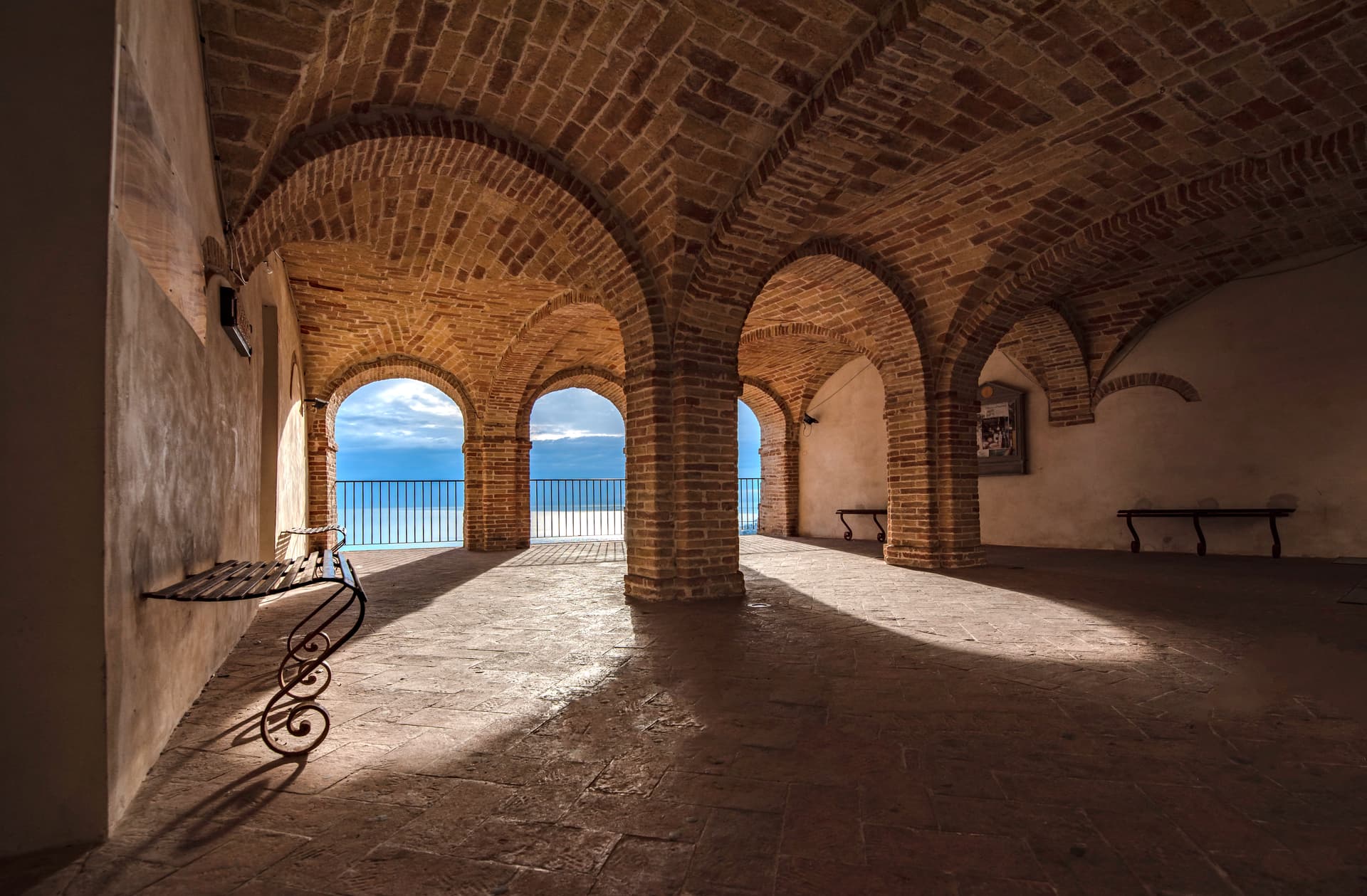
Grottammare
Province: Ascoli Piceno · 4 m
A double town on the Riviera delle Palme, with a palm-lined seafront and the medieval Paese Alto where Pope Sixtus V was born.
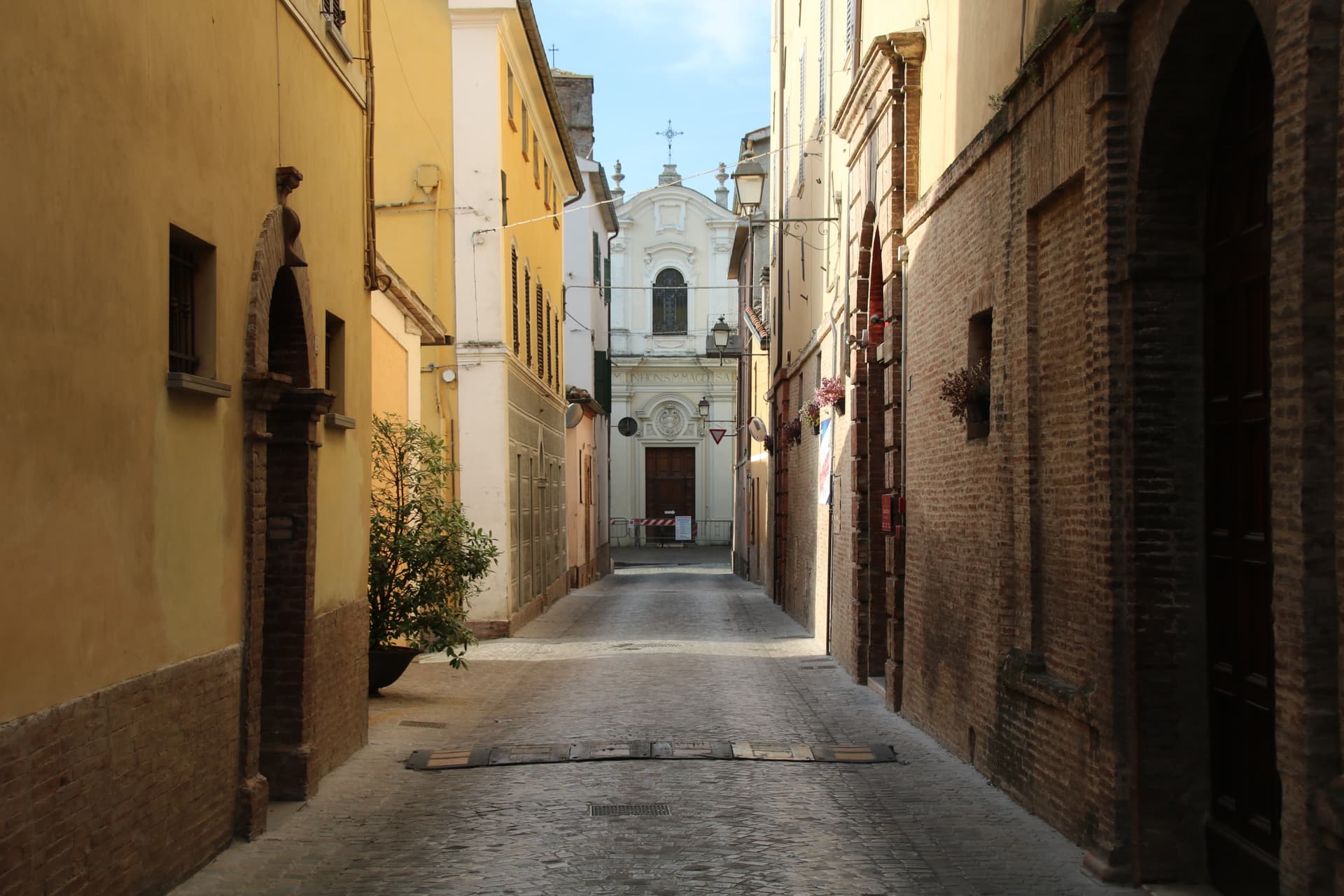
Matelica
Province: Macerata · 354 m
A Verdicchio town at 354 meters in the upper Esino valley, with a Roman marble globe in its archaeological museum.
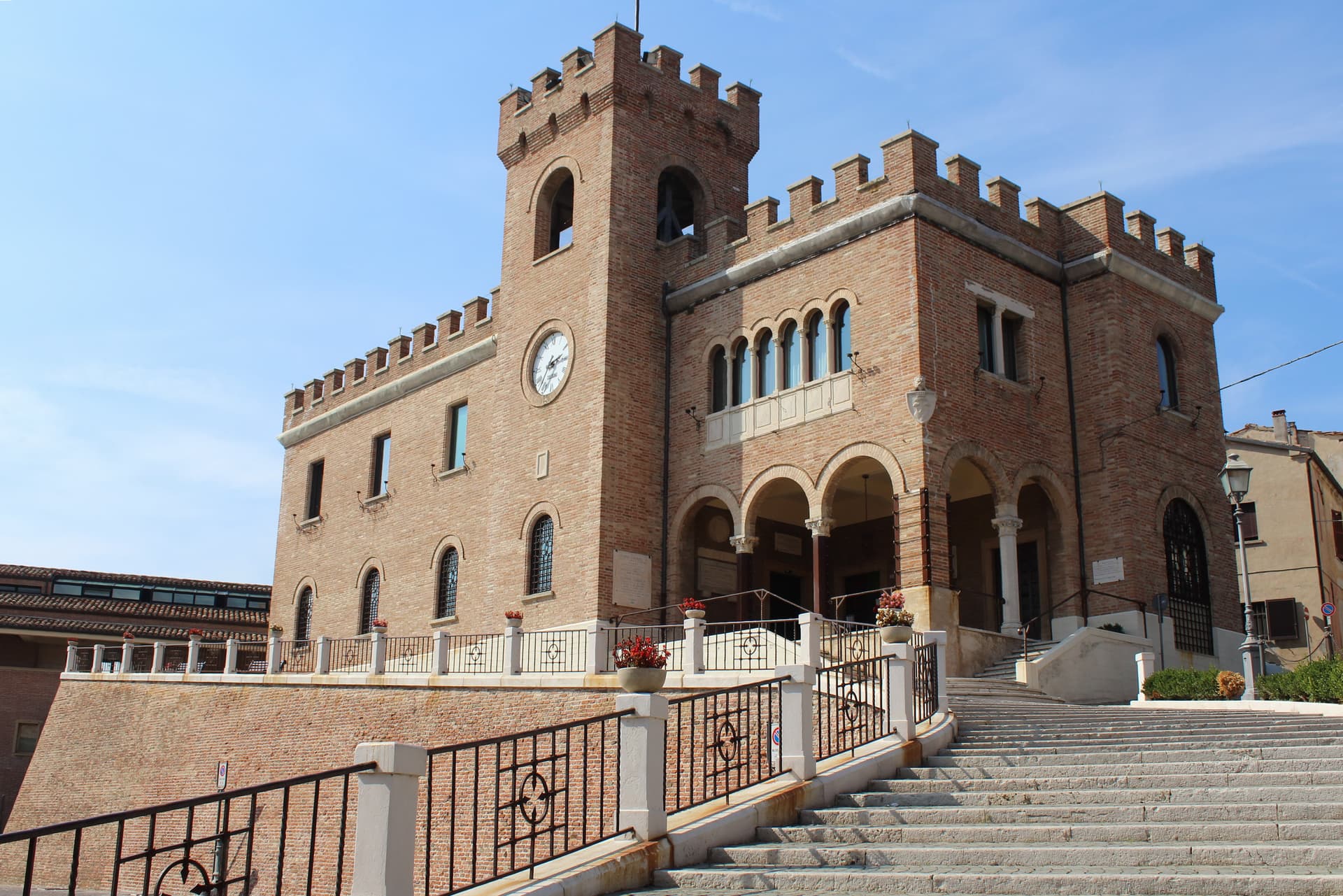
Mondolfo
Province: Pesaro e Urbino · 144 m
A walled hill borgo at 144 meters above the Adriatic, with the frazione of Marotta and its Bandiera Blu beach below.
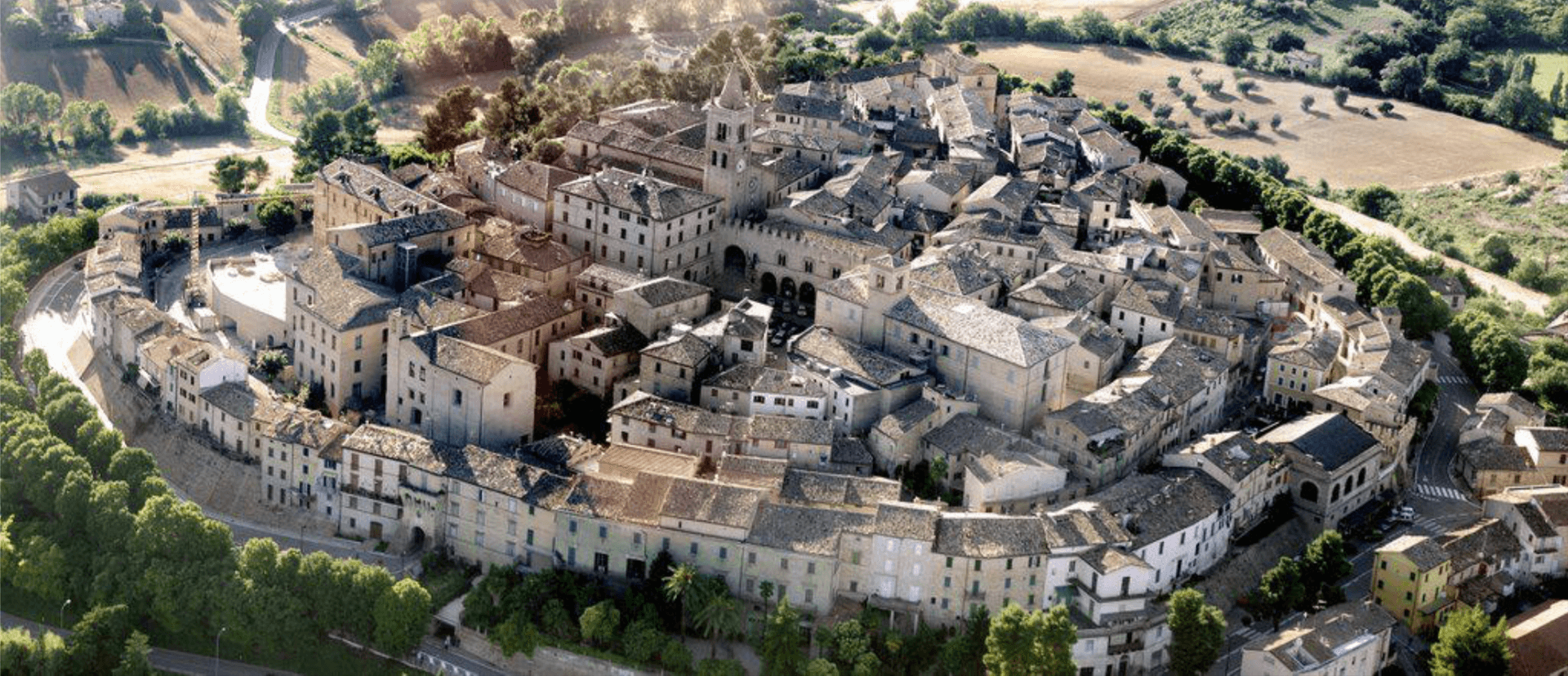
Montecassiano
Province: Macerata · 188 m
A walled hill borgo at 188 meters north of Macerata, holding the seven-meter terracotta altarpiece Mattia della Robbia fired in a kiln built in town.
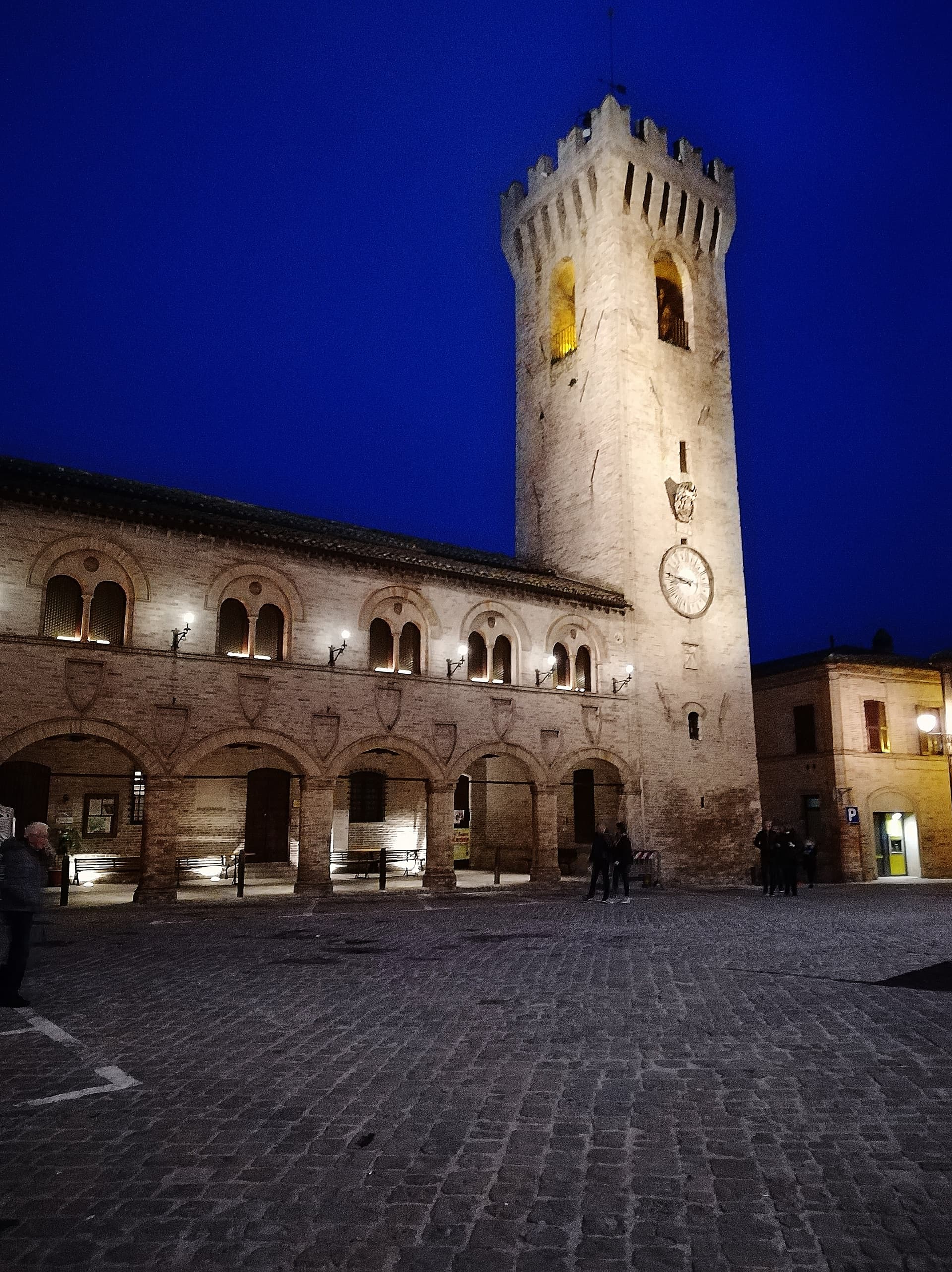
Montelupone
Province: Macerata · 272 m
A walled hill borgo at 272 meters above the lower Potenza valley, with a fourteenth-century civic loggia and a 1889 horseshoe theatre.
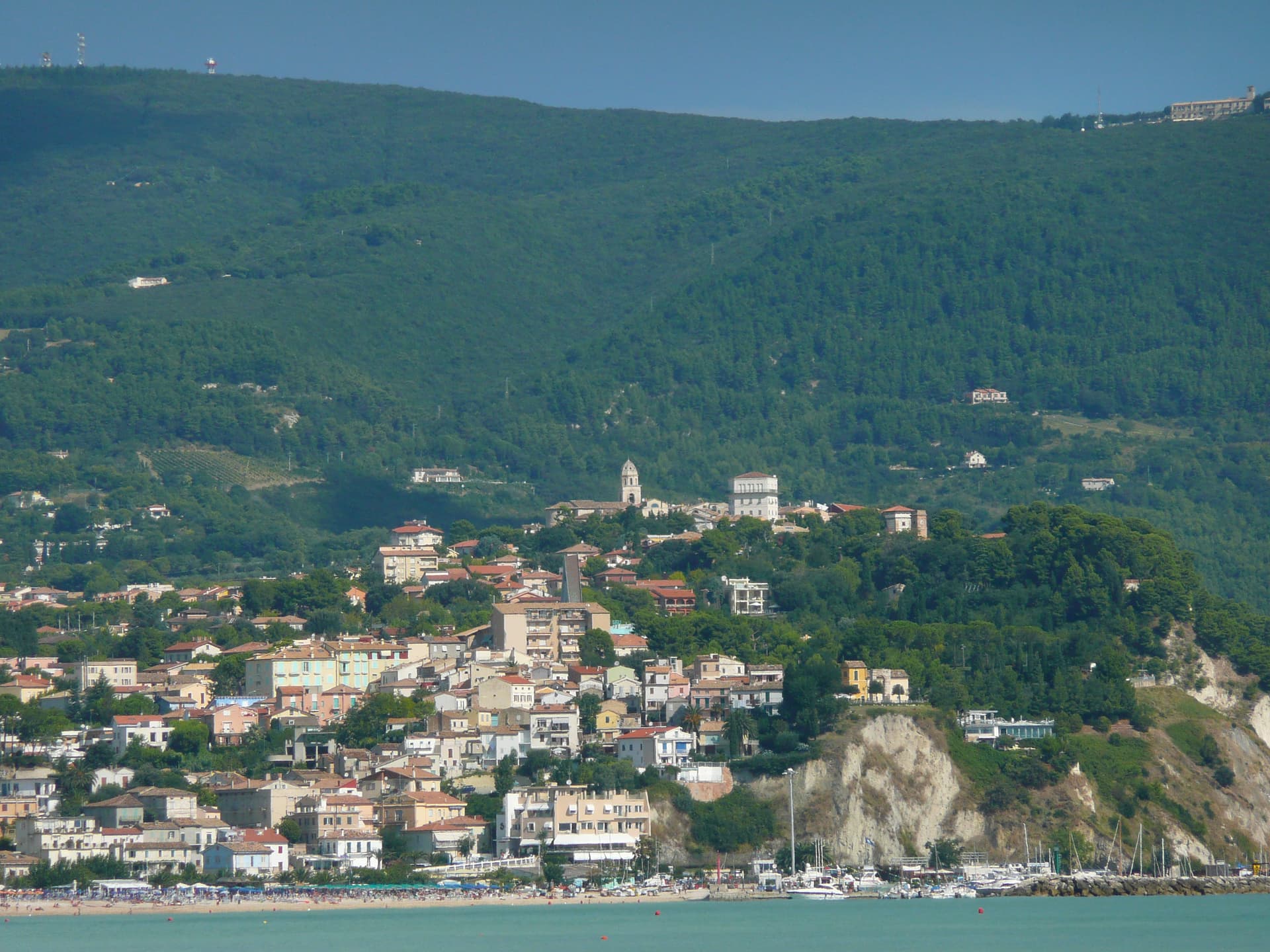
Numana
Province: Ancona · 56 m
A Conero coastal town at 56 meters above its port, the Picene harbour that traded with Greek ships from the sixth century BC.
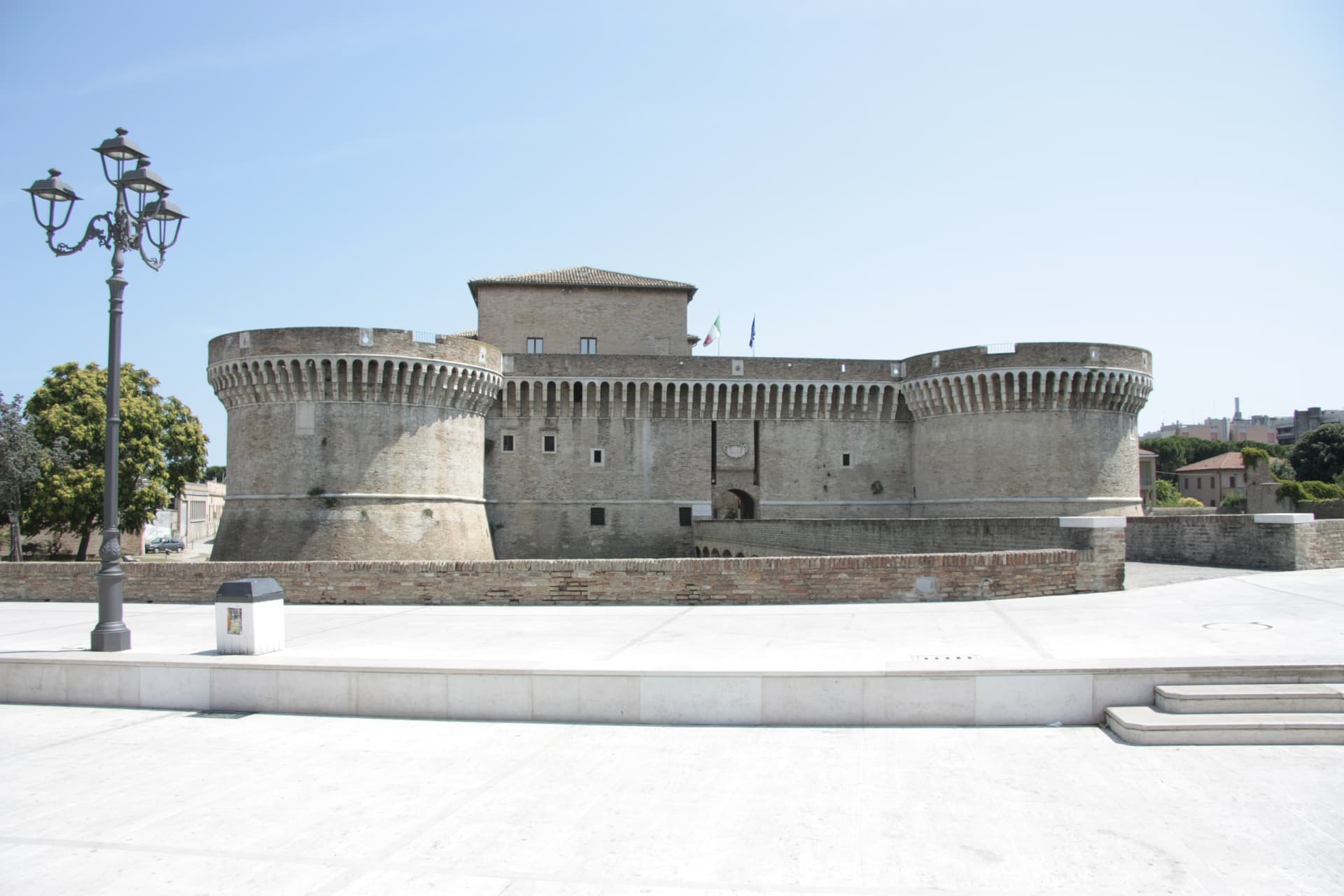
Senigallia
Province: Ancona · 5 m
Thirteen kilometers of fine sand on the Adriatic that earned the Spiaggia di Velluto name, hometown of photographer Mario Giacomelli and chef Mauro Uliassi.
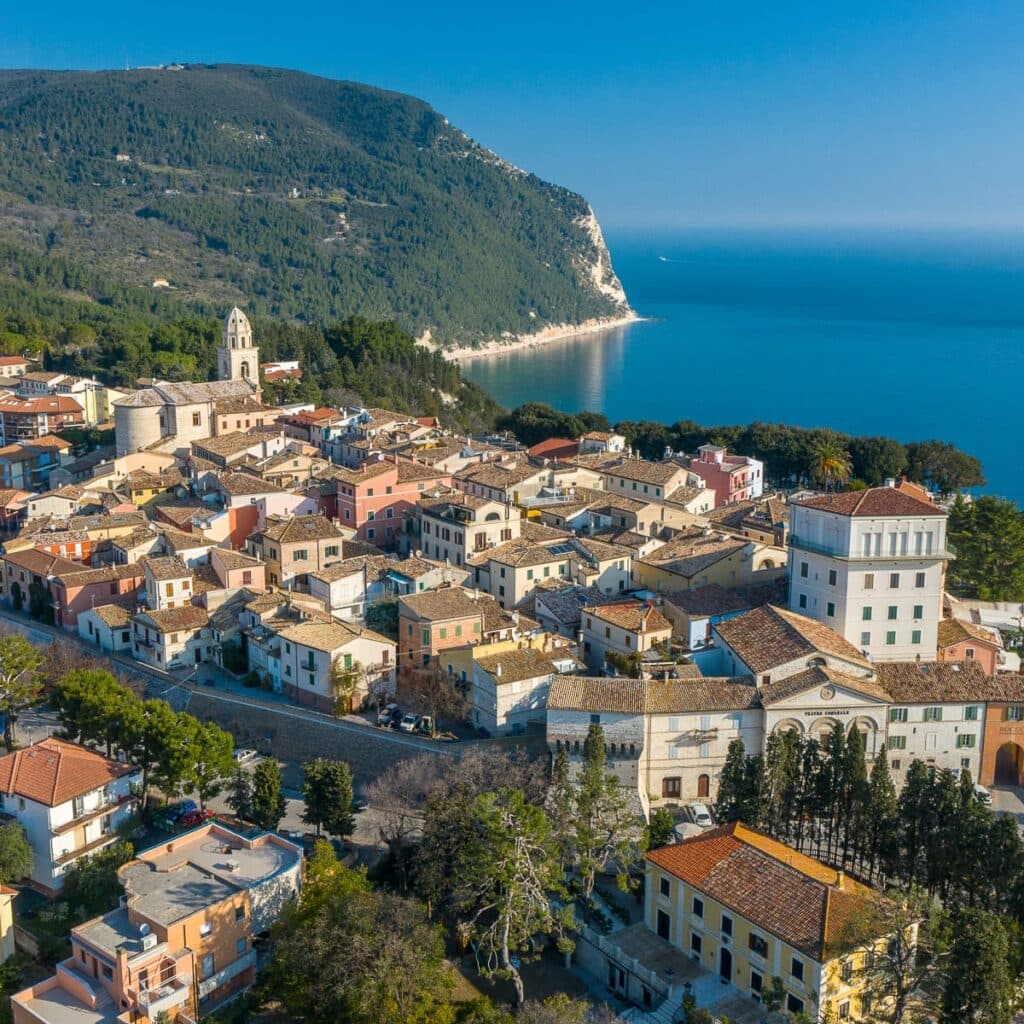
Sirolo
Province: Ancona · 125 m
A clifftop borgo at 125 meters on the southern flank of Monte Conero, above the Due Sorelle sea stacks of the Adriatic.
Piedmont12
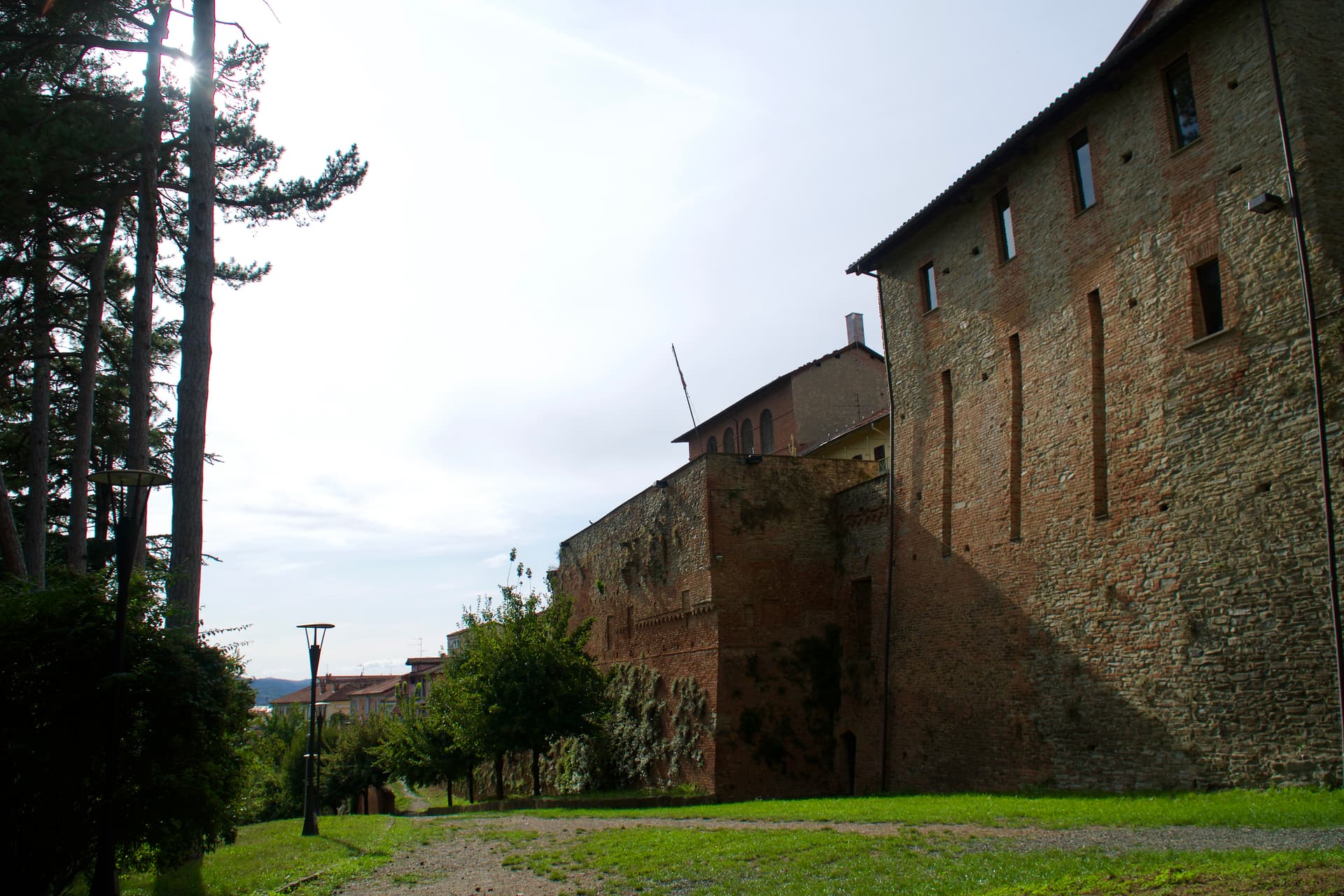
Acqui Terme
Province: Alessandria · 156 m
A Roman spa town at 156 meters on the Bormida, where a sulphurous spring still surfaces at 74.5 degrees under an 1870 pavilion.
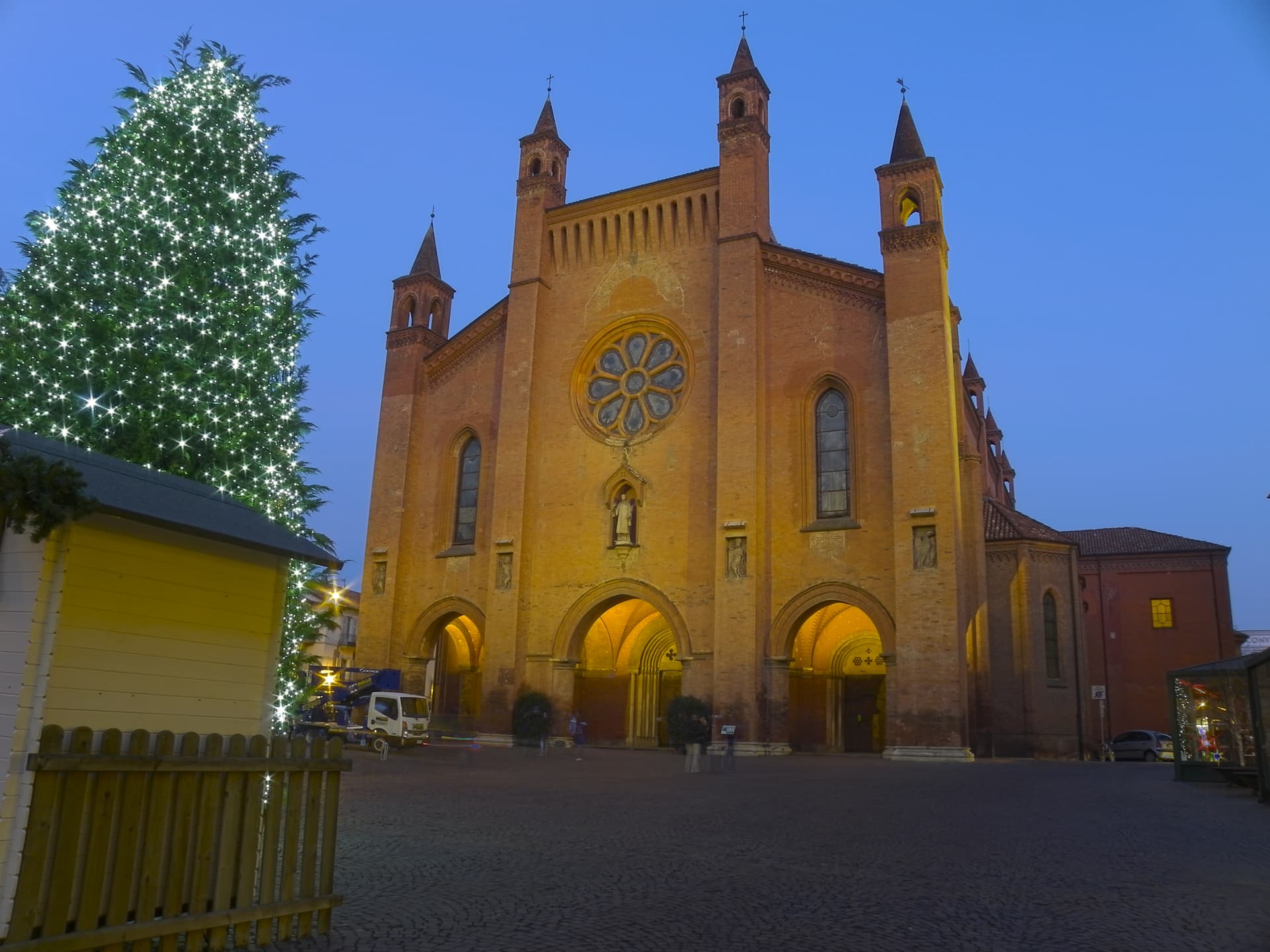
Alba
Province: Cuneo · 172 m
The Langhe capital at 172 meters on the Tanaro, world reference for white truffle and Nebbiolo, headquarters of Ferrero.
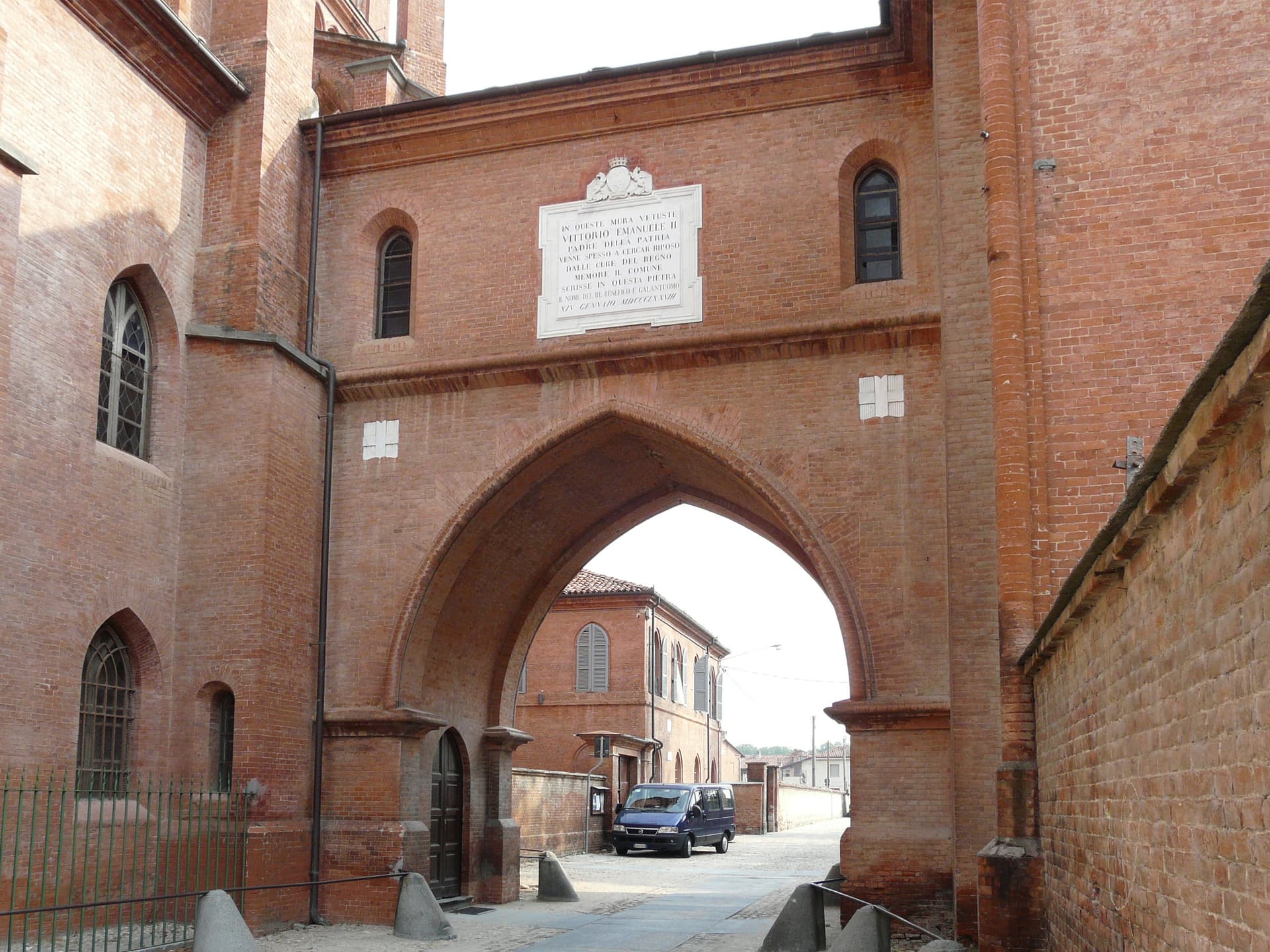
Bra
Province: Cuneo · 290 m
A Roero town at 290 meters where Carlo Petrini founded Slow Food in 1986 and the world's first gastronomic university now teaches food systems.
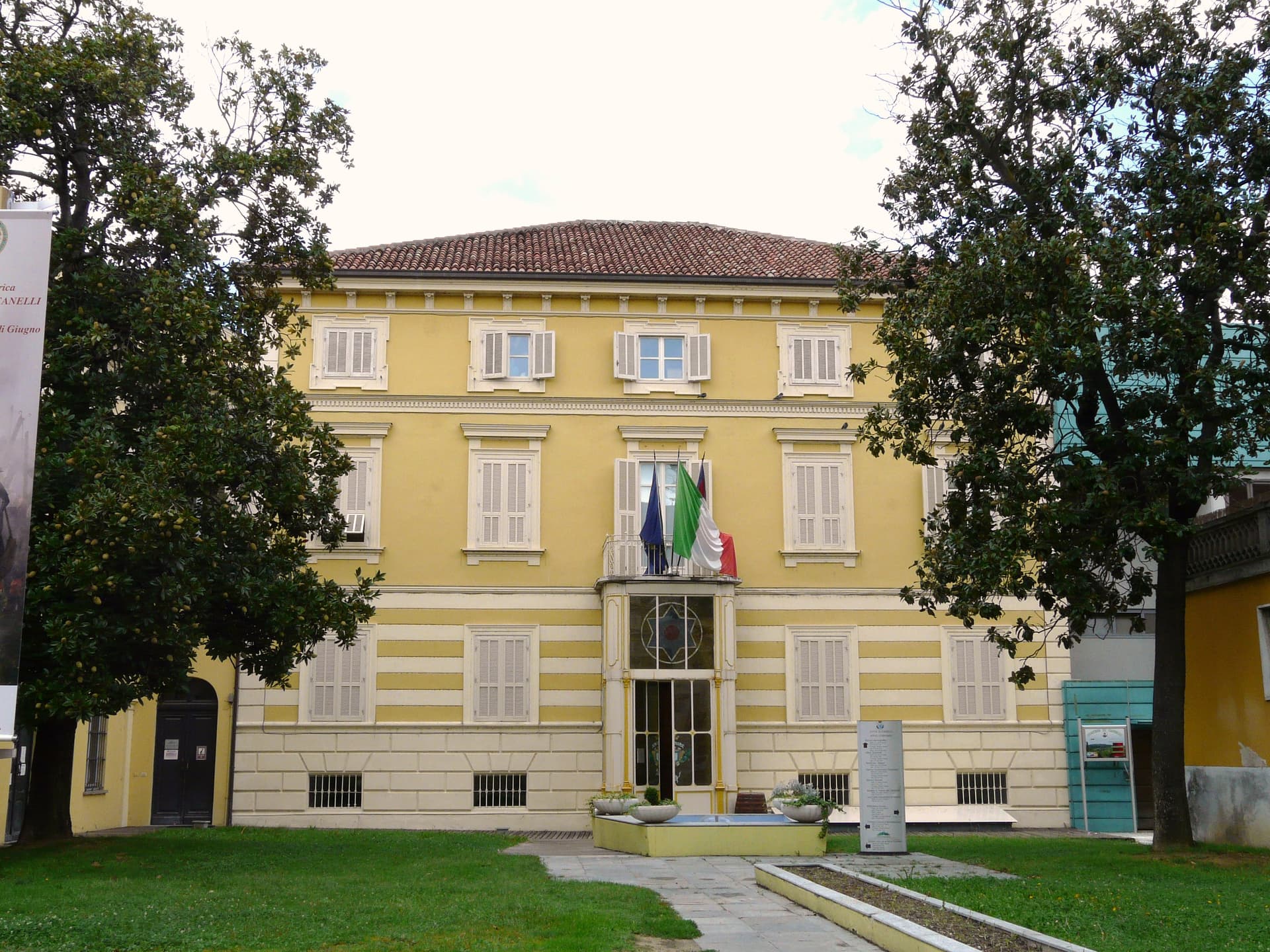
Canelli
Province: Asti · 157 m
The Asti Spumante town at 157 meters in the Belbo valley, where 20 kilometers of underground tuff cellars hold millions of bottles at constant temperature.
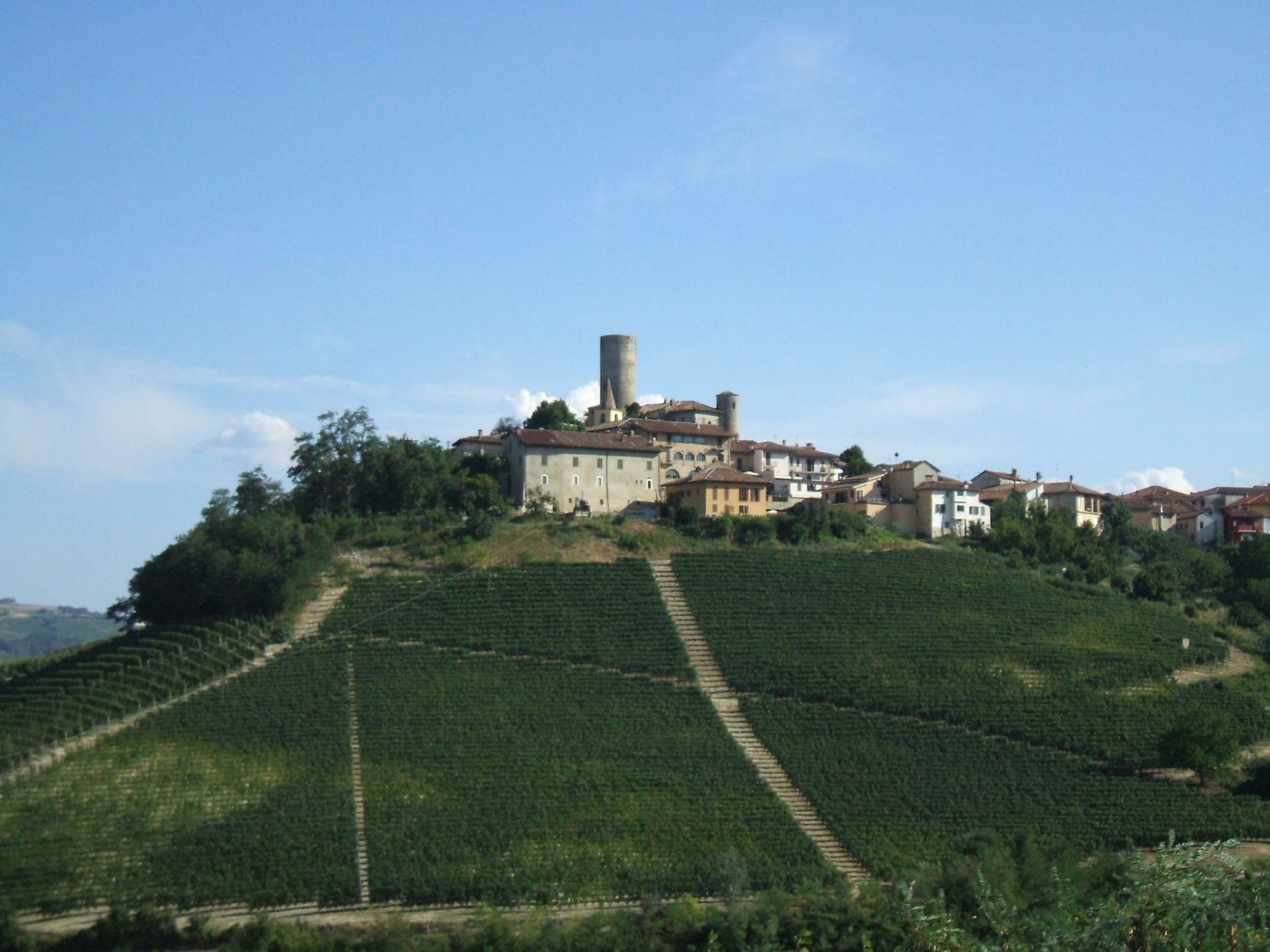
Castiglione Falletto
Province: Cuneo · 350 m
A Barolo hilltop of 672 at 350 meters in the Langhe, with an eleventh-century castle whose circular keep is over seven meters in diameter.
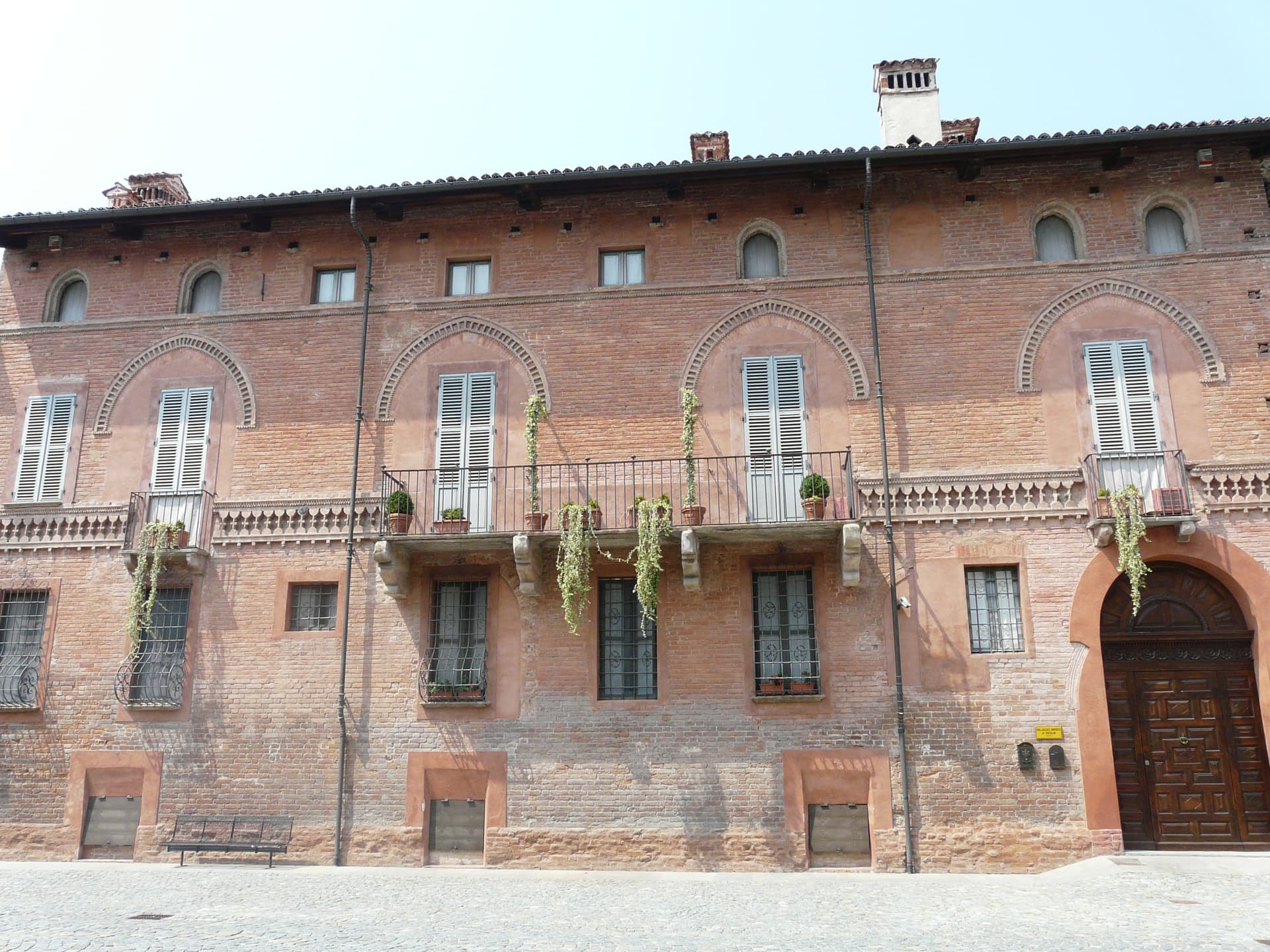
Cherasco
Province: Cuneo · 288 m
A walled town at 288 meters where the Tanaro meets the Stura, where Napoleon imposed his 1796 armistice on Piedmont.
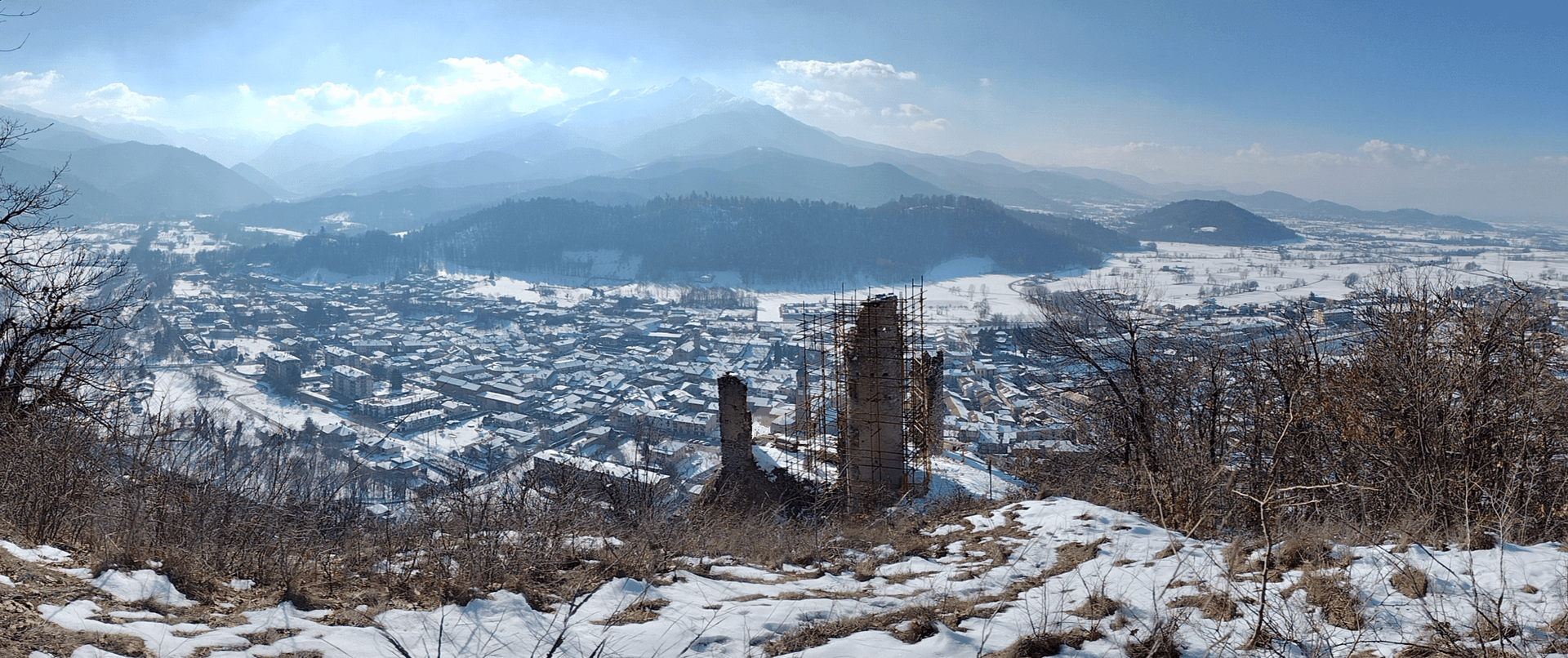
Chiusa di Pesio
Province: Cuneo · 575 m
The valley mouth town at 575 meters where the Pesio leaves the Ligurian Alps, founded around a Carthusian monastery donated in 1173.
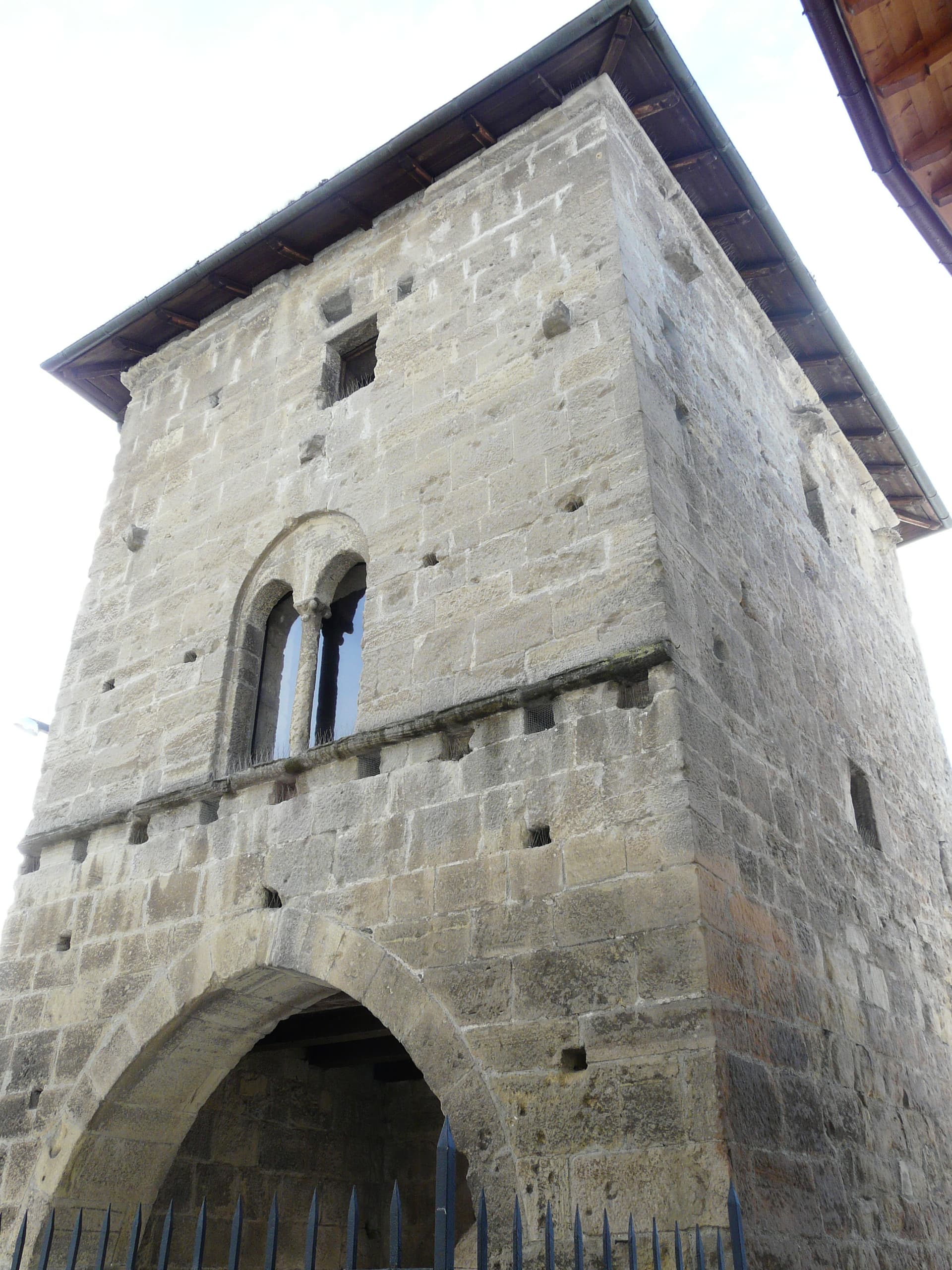
Gavi
Province: Alessandria · 233 m
The Cortese di Gavi town below a Genoese star fortress, where Piemonte white wine was first recorded as Ligurian court tribute in 972.
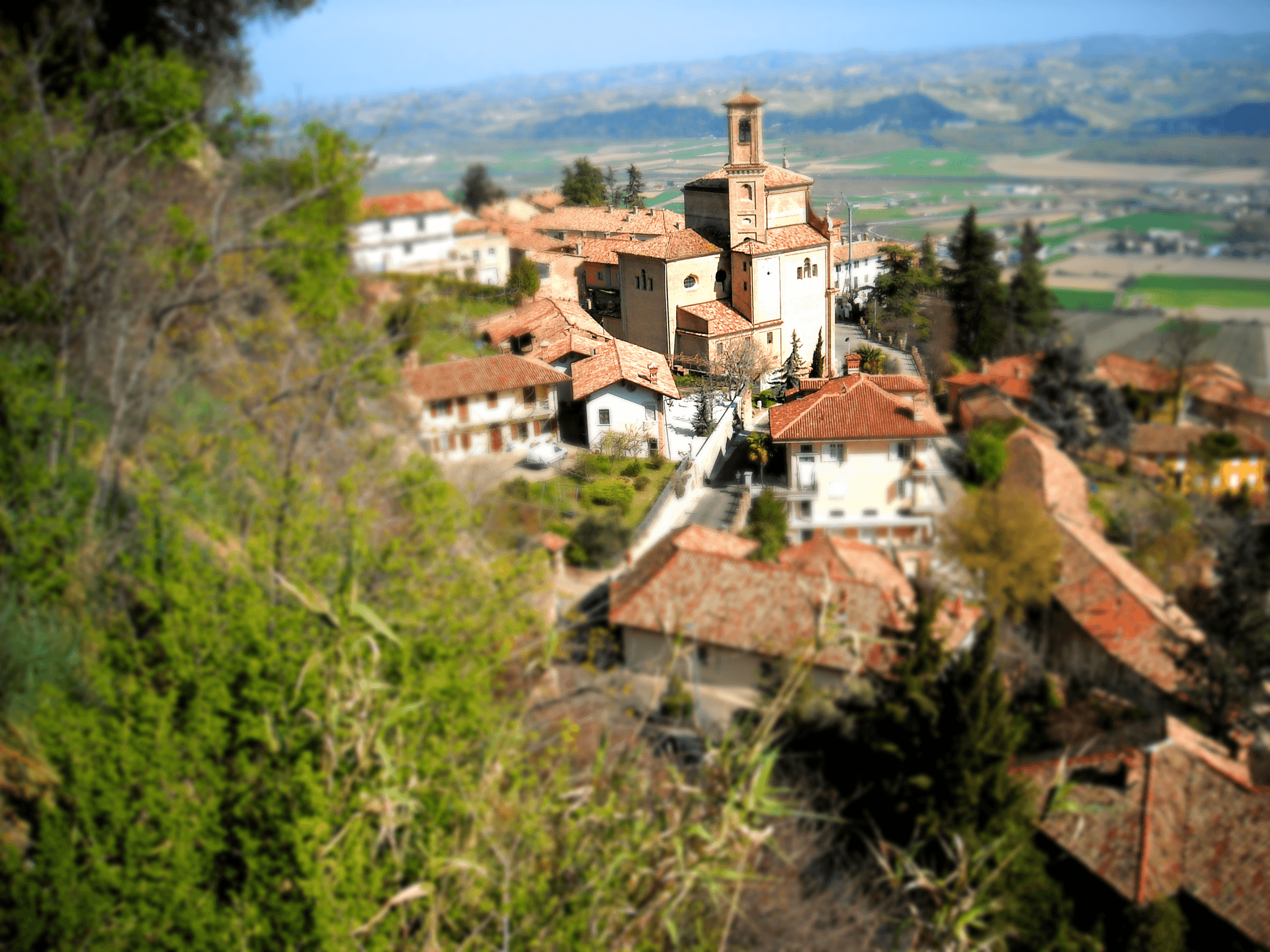
Guarene
Province: Cuneo · 360 m
A Roero hilltop village at 360 meters above the Tanaro, whose Roero family baroque castle is now a luxury hotel and contemporary art destination.
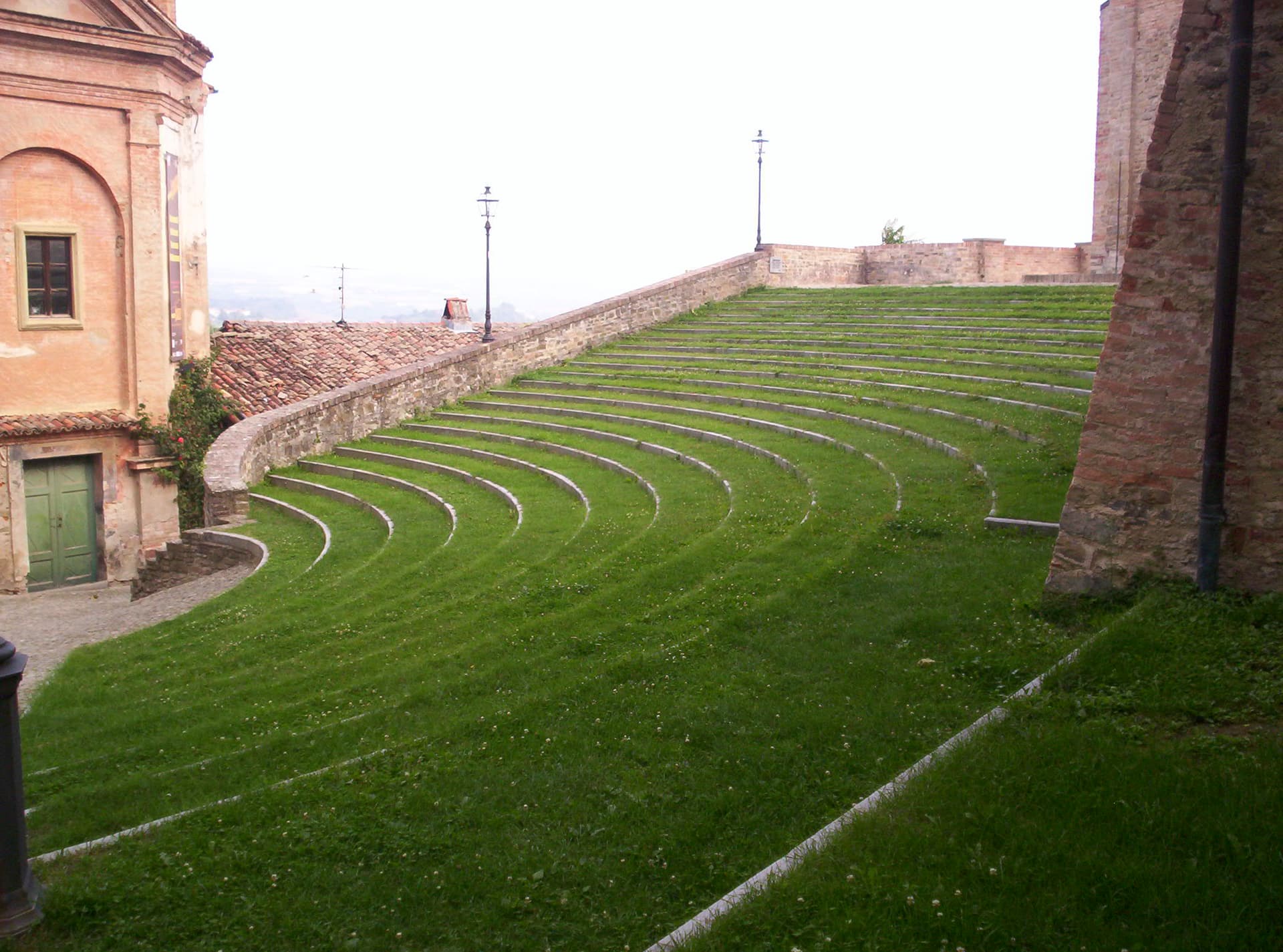
Monforte d'Alba
Province: Cuneo · 480 m
A Barolo cru village at 480 meters where the Cathars were burned in 1028 and where the summer jazz festival fills the old piazza.
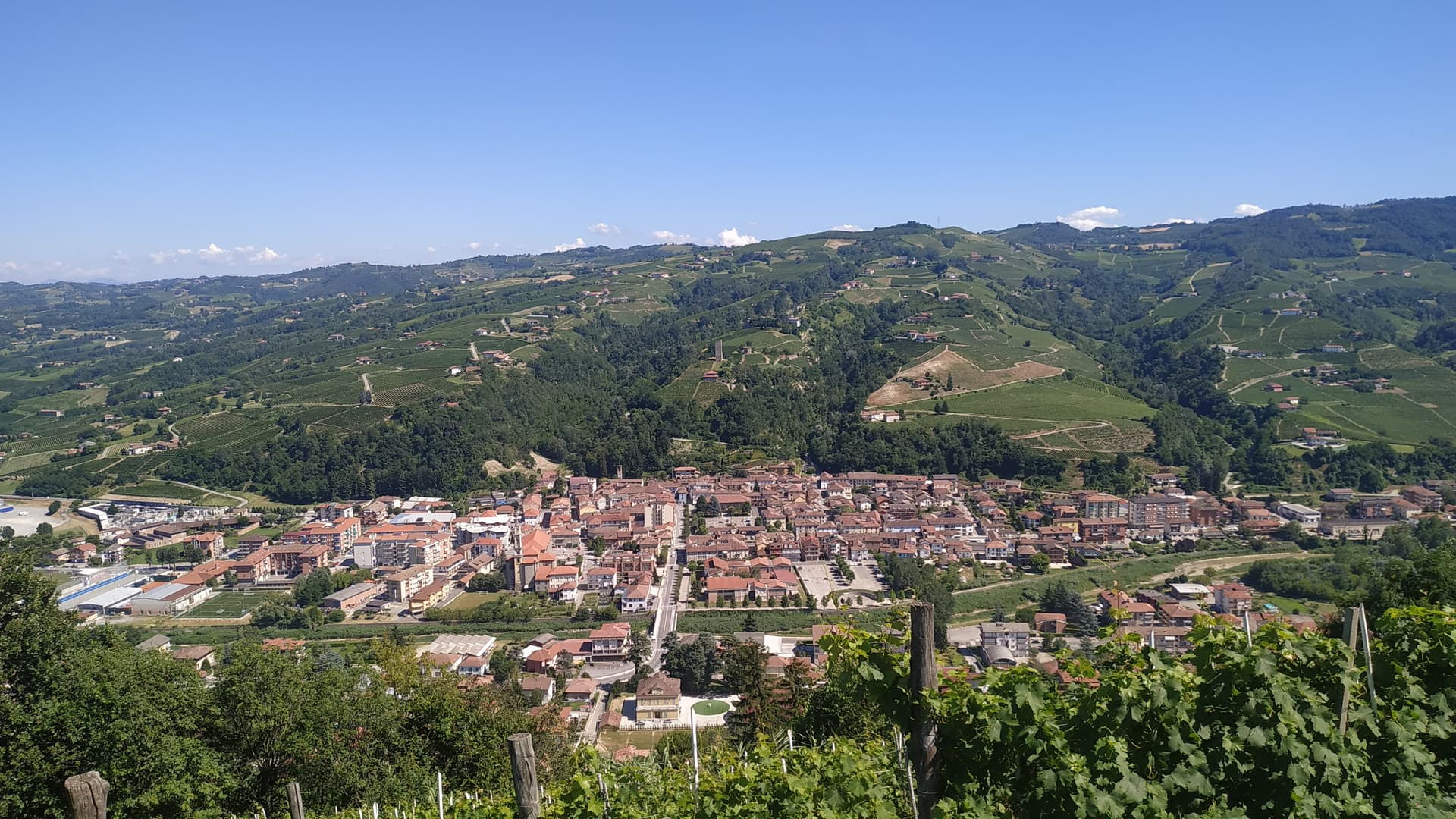
Santo Stefano Belbo
Province: Cuneo · 175 m
A Belbo valley village at 175 meters between the Langhe and Asti hills, birthplace of Cesare Pavese and the largest producer of Moscato d'Asti.
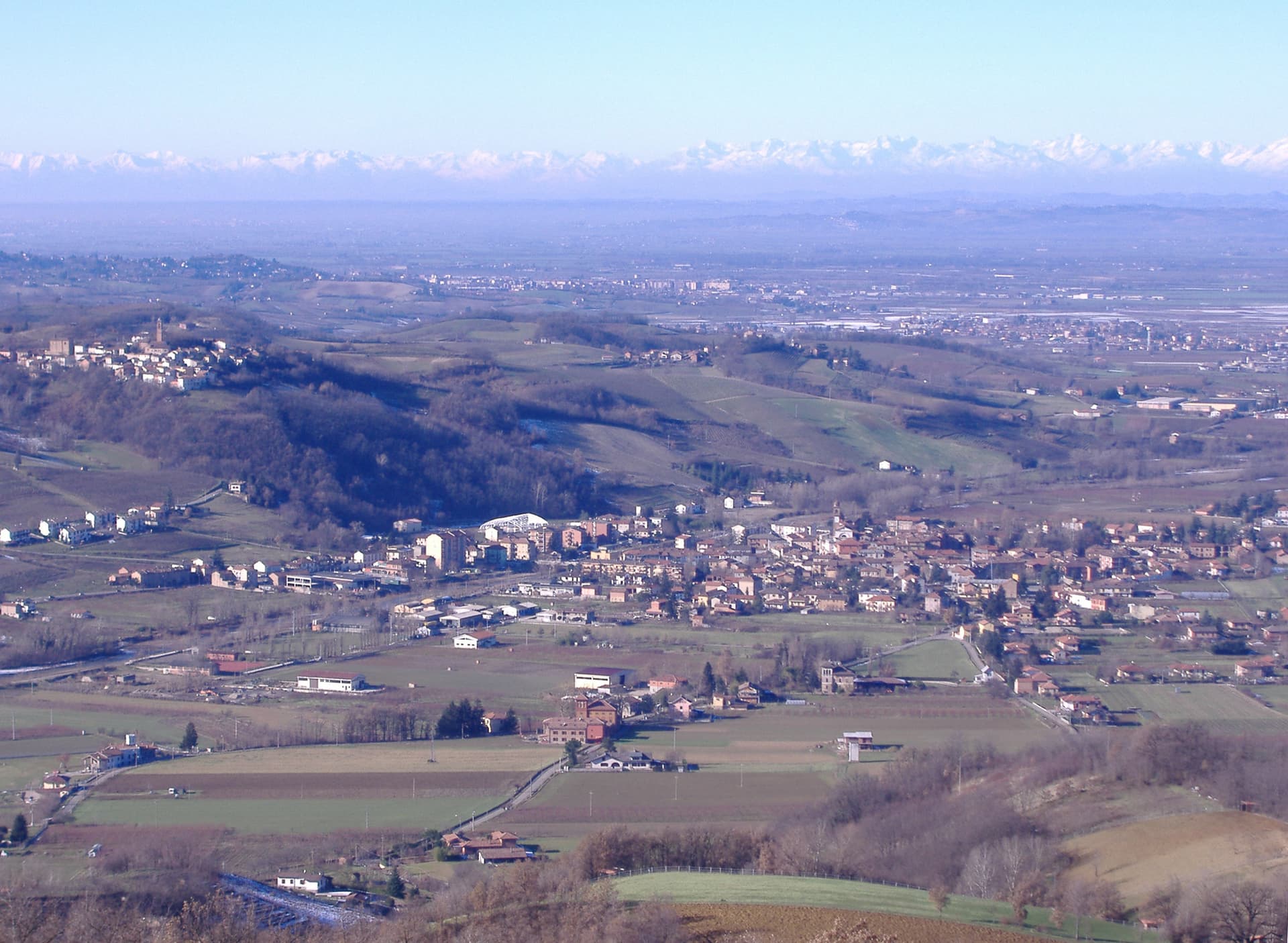
Volpedo
Province: Alessandria · 182 m
A Colli Tortonesi village at 182 meters where Giuseppe Pellizza painted Il Quarto Stato and died at thirty-eight in 1907.
Sicily2
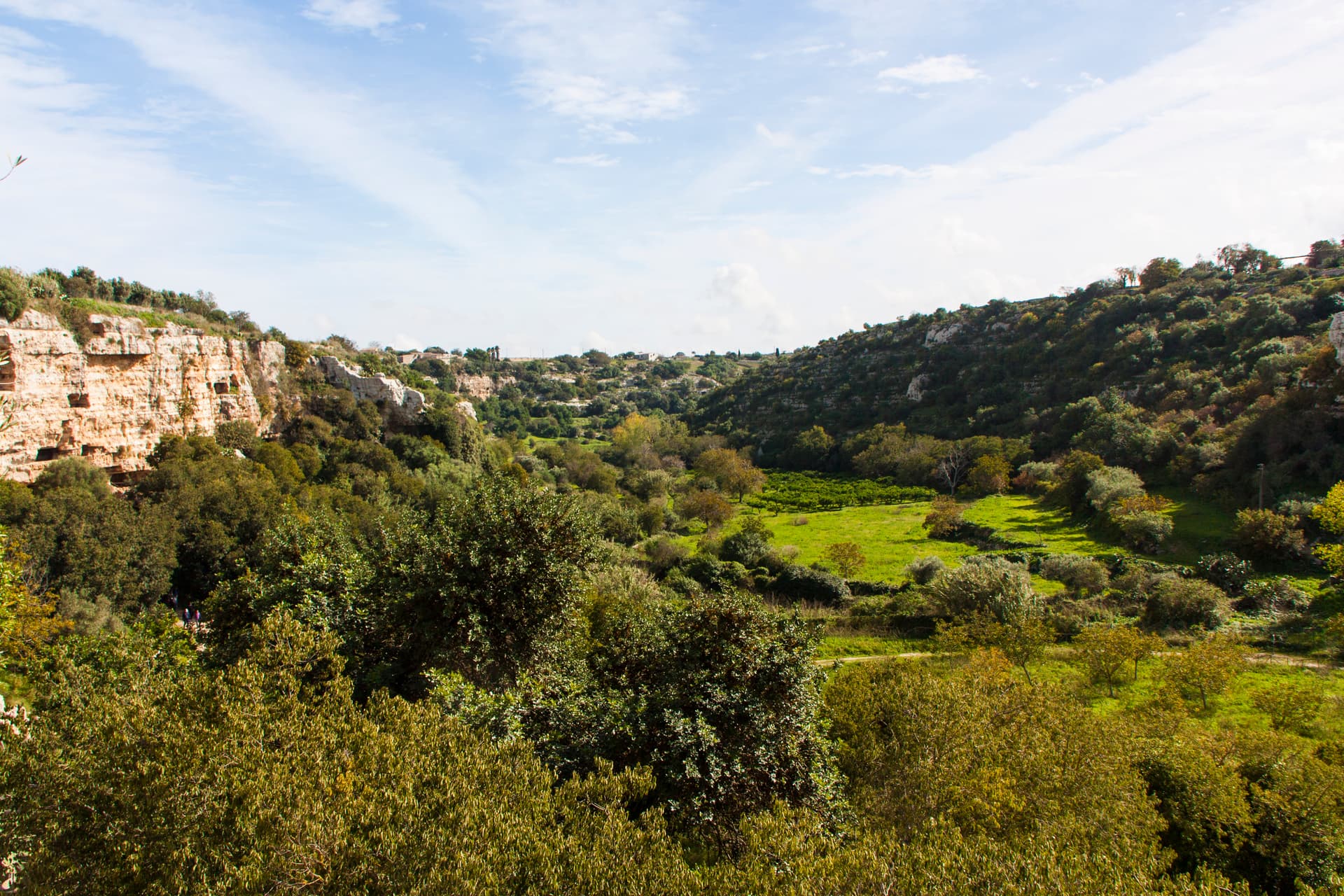
Modica
Province: Ragusa · 296 m
A vertical Baroque city in the Hyblean Mountains, rebuilt from the 1693 earthquake and home to a chocolate recipe brought from Aztec Mexico.
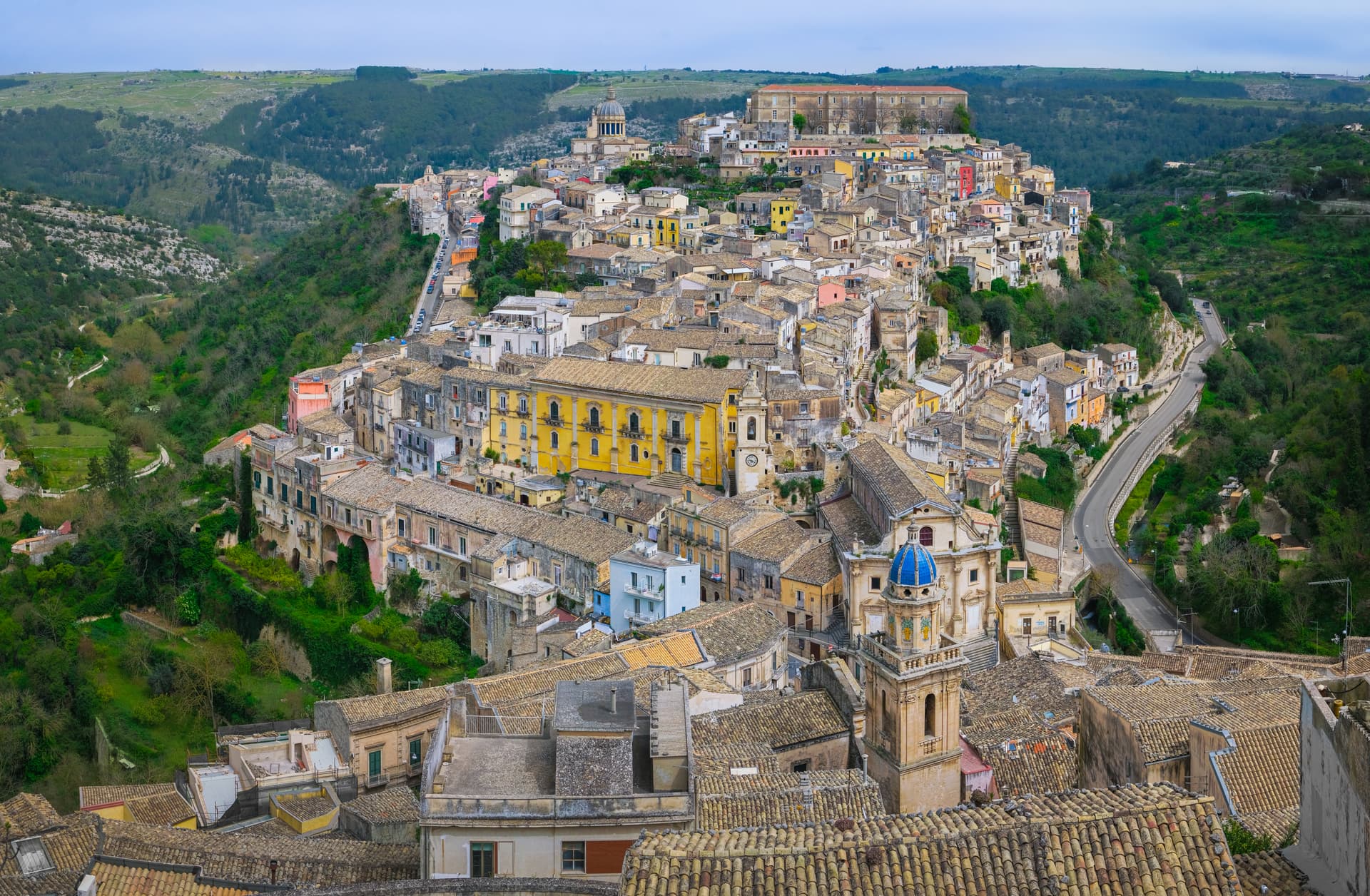
Ragusa
Province: Ragusa · 502 m
Two cities in one on a Hyblean plateau at 502 meters, Ragusa Ibla and Ragusa Superiore split by a ravine after 1693, both UNESCO Baroque.
Tuscany7
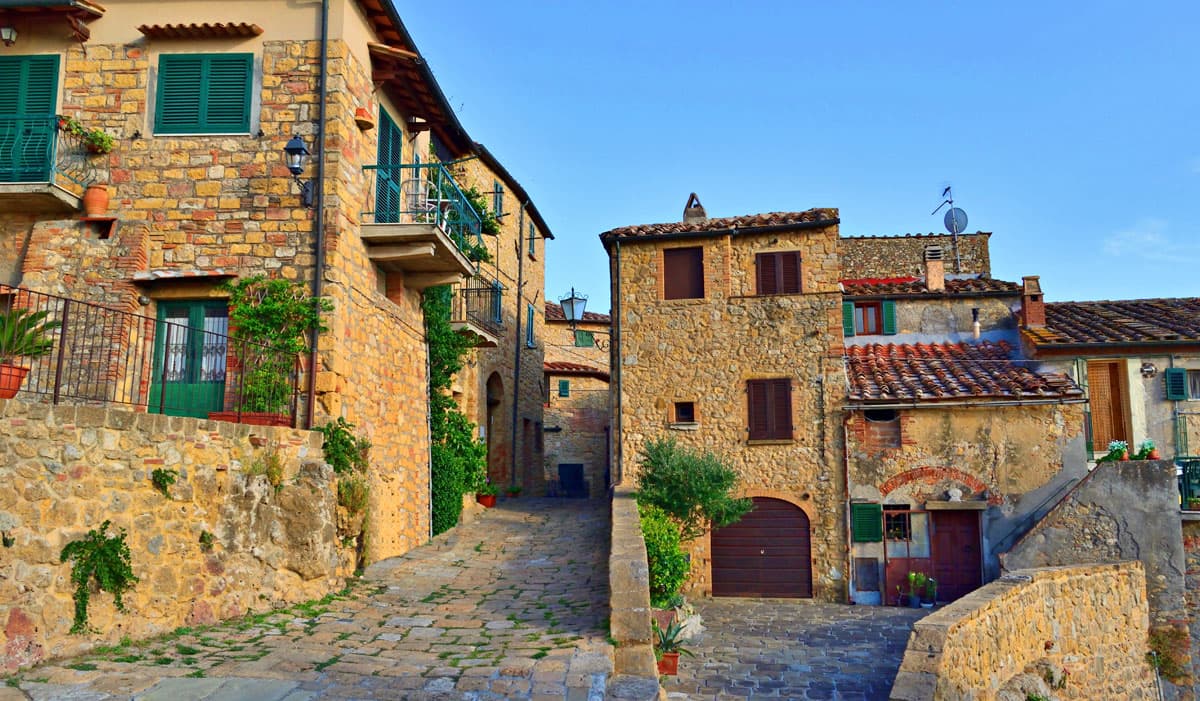
Bibbona
Province: Livorno · 85 m
An Etruscan-origin hill village above the Costa degli Etruschi, with a Romanesque parish church and a Lorraine-built coastal fort eight kilometers down the road at Marina di Bibbona.
- ✷ We've been

Castagneto Carducci
Province: Livorno · 194 m
A hilltop borgo at 194 meters above the Costa degli Etruschi, renamed for the poet Carducci in 1907 and the home of Bolgheri and Sassicaia.
- ✷ We've been
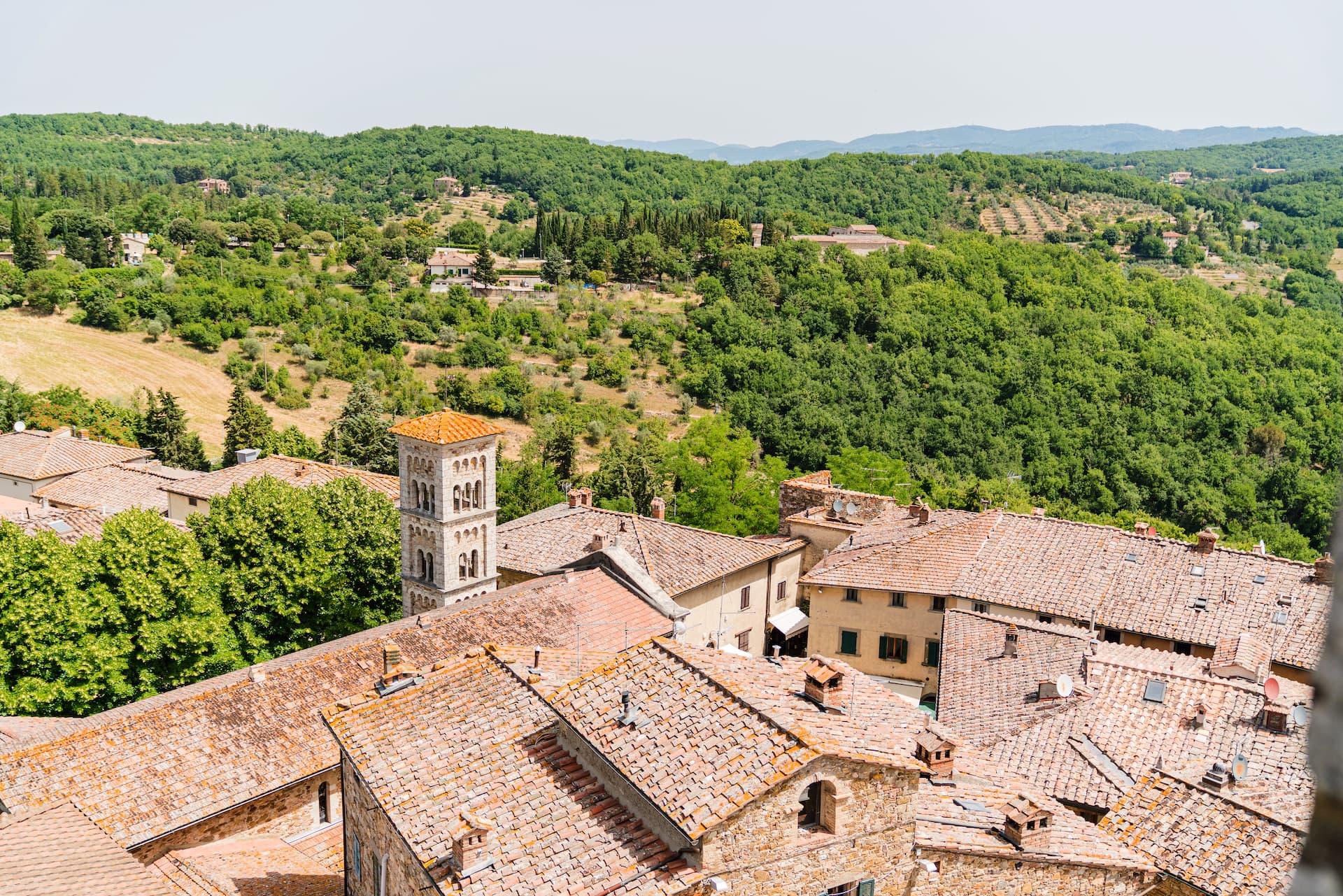
Castellina in Chianti
Province: Siena · 578 m
A Chianti hill town at 578 meters on the watershed between the Arno and the Ombrone, with an Etruscan tumulus, a Brunelleschi-reinforced wall and a covered medieval walkway around its edge.
- ✷ We've been
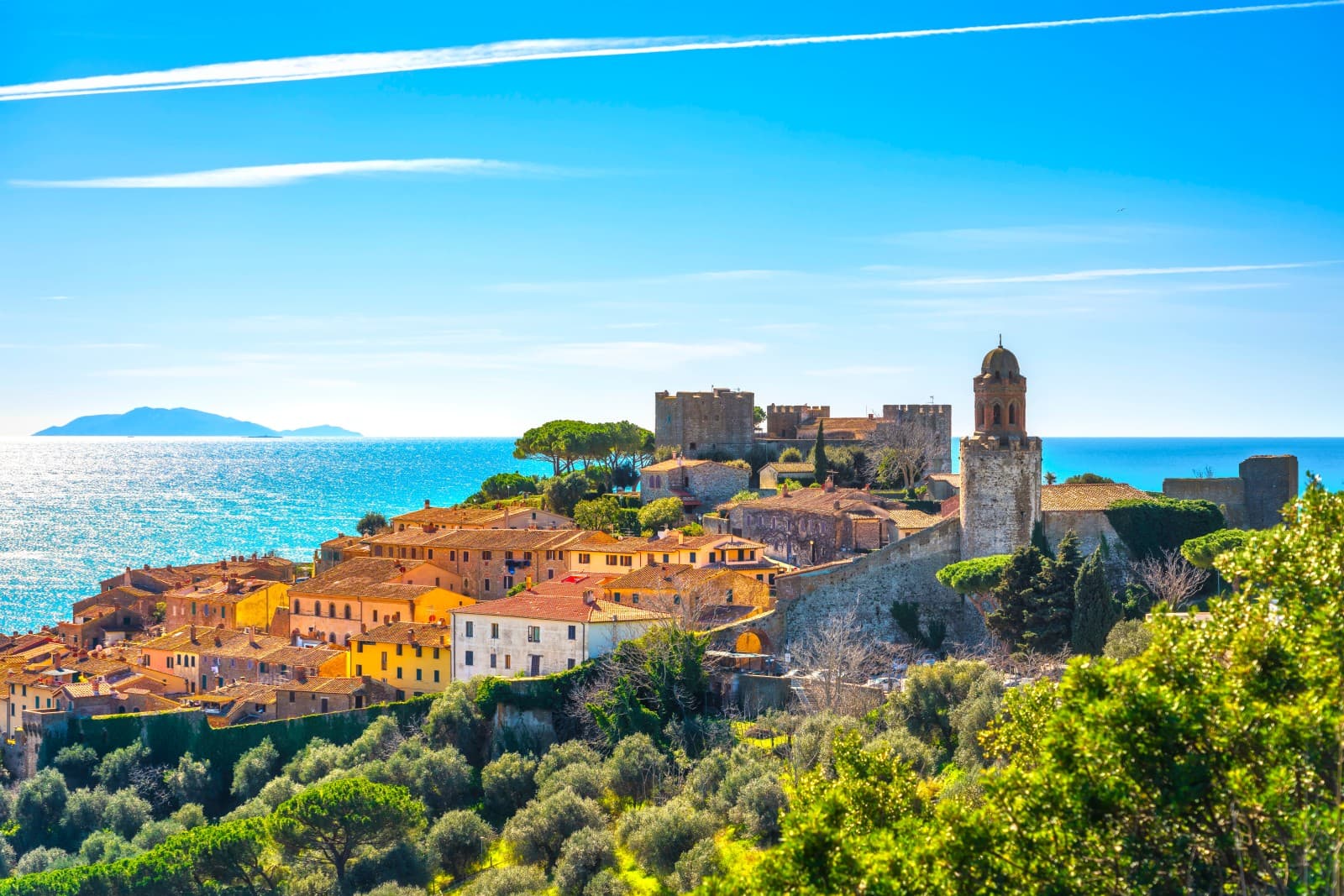
Castiglione della Pescaia
Province: Grosseto · 4 m
A Maremma seaside town under an Aragonese castle, with the Vetulonia necropolis behind it, the Diaccia Botrona wetland beside it, and Italo Calvino buried on the hill.
- ✷ We've been
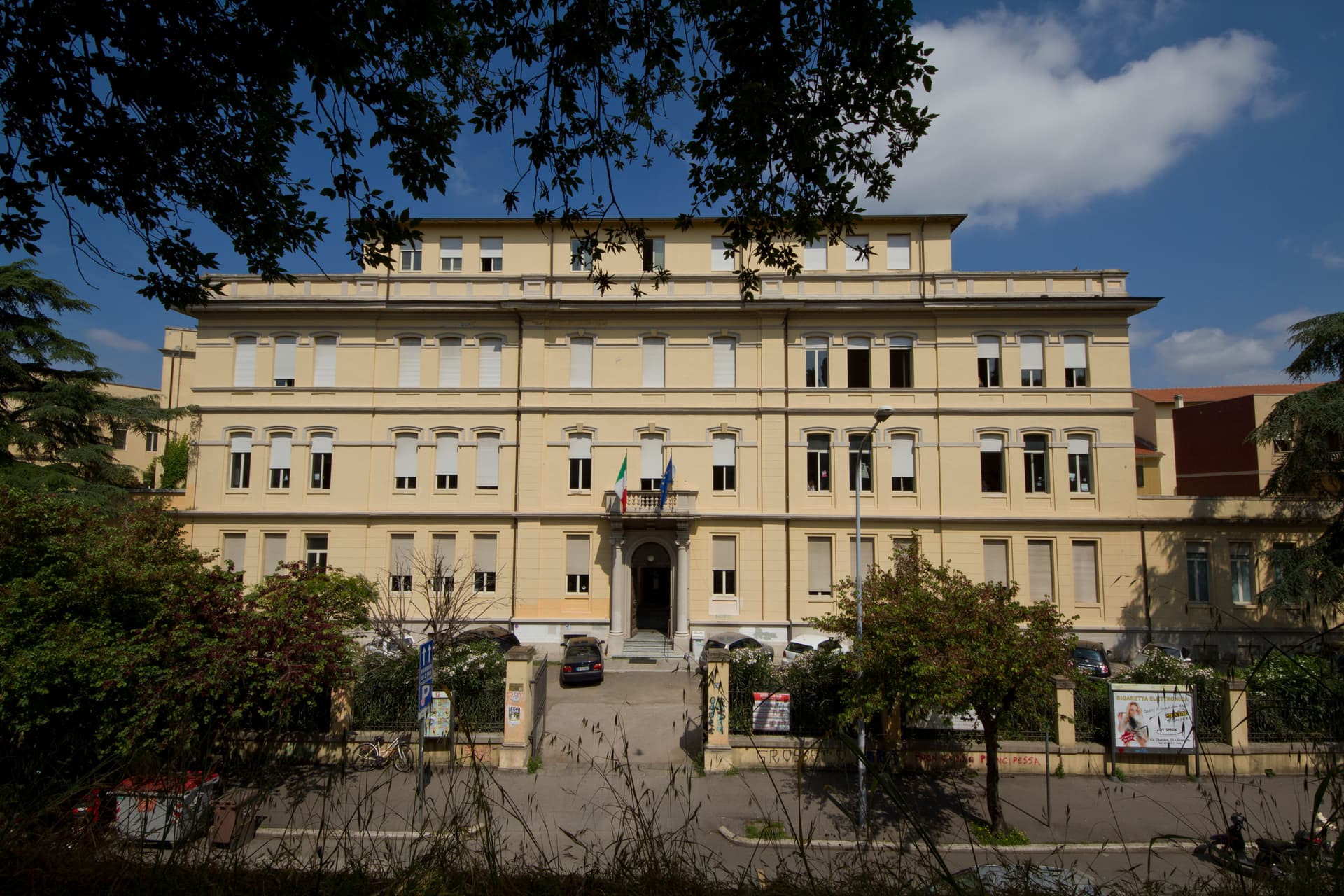
Grosseto
Province: Grosseto · 10 m
The Maremma capital on the Ombrone river, ringed by hexagonal Medici walls of 1564 that now serve as the city's public park.
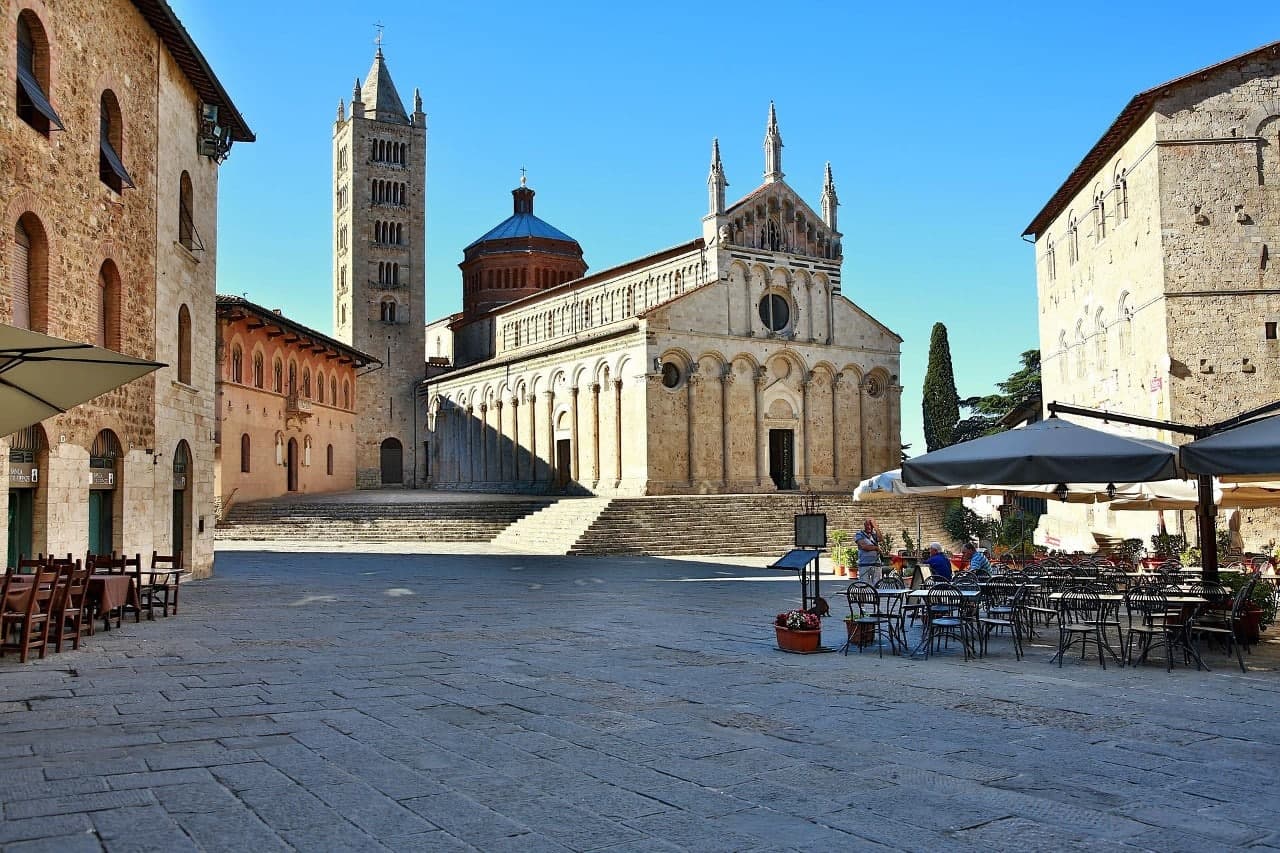
Massa Marittima
Province: Grosseto · 380 m
A medieval mining town at 380 meters in the Colline Metallifere, free commune from 1255 to 1337, whose cathedral holds the relics of San Cerbone.
- ✷ We've been
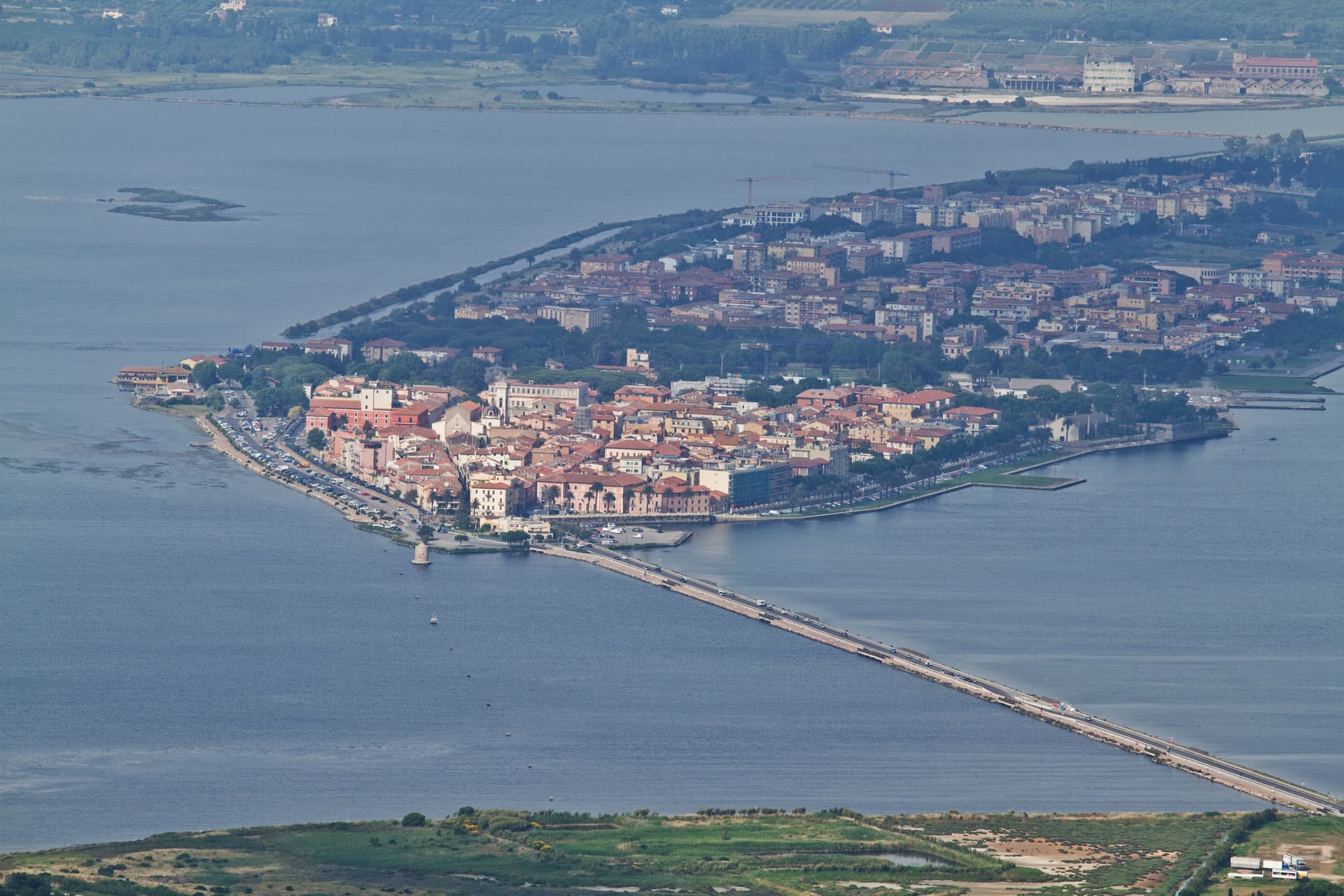
Orbetello
Province: Grosseto · 3 m
A town on a narrow isthmus at the center of its own lagoon, fortified by Spain in 1557 and tied to Monte Argentario by two tombolos.
Umbria7
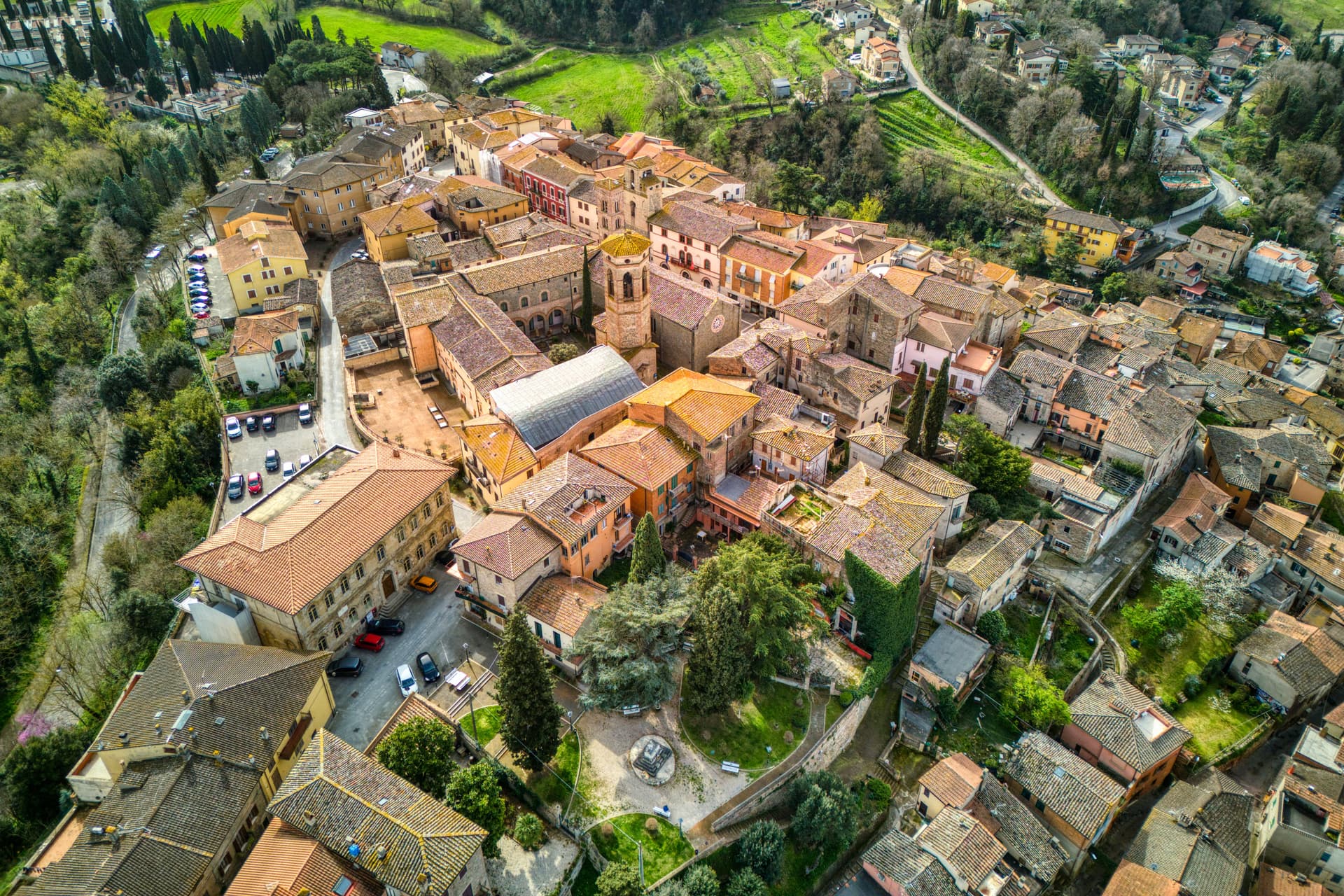
Deruta
Province: Perugia · 218 m
A hill town at 218 meters on the left bank of the Tiber, the maiolica capital of central Italy since the late thirteenth century.
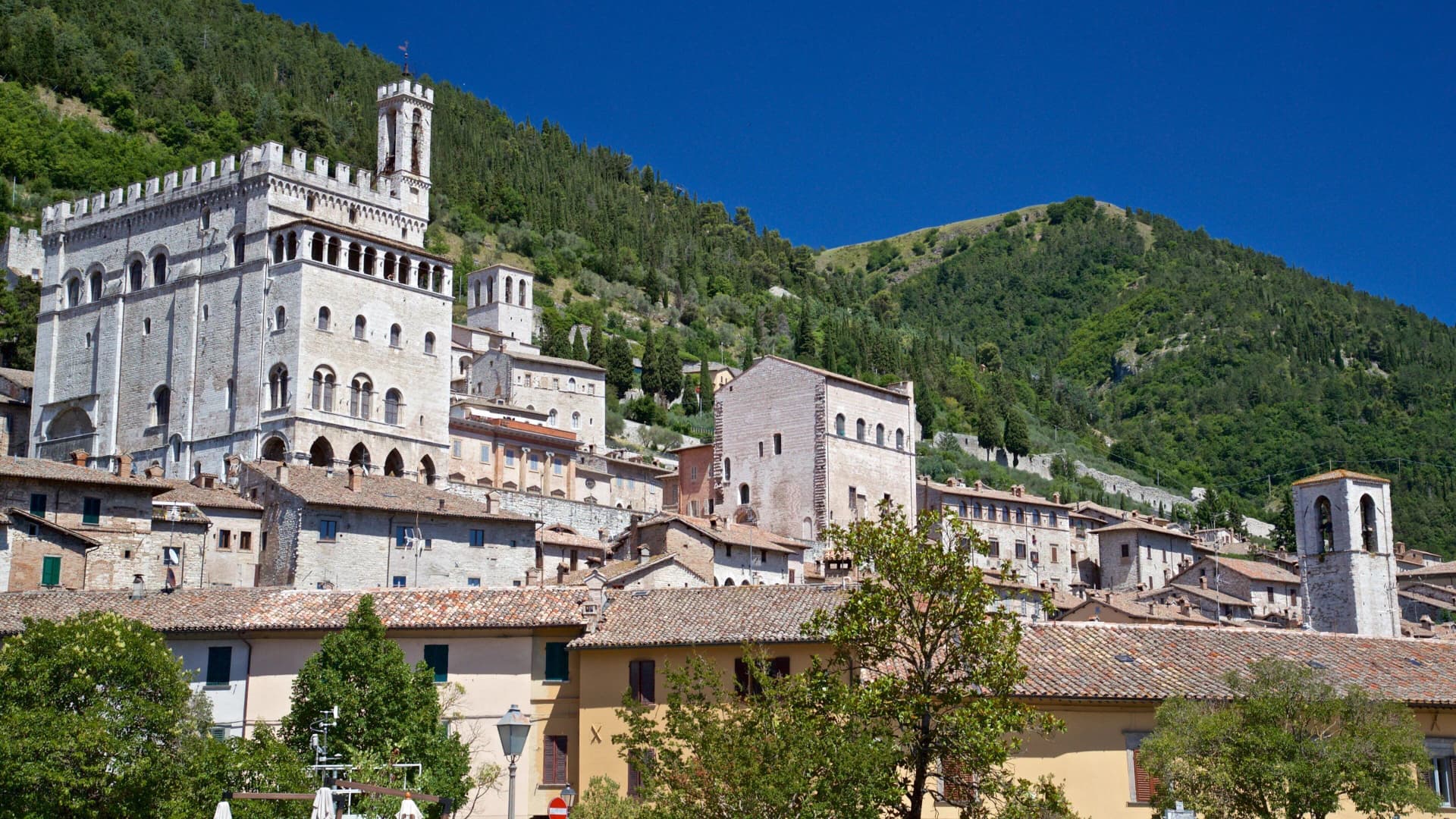
Gubbio
Province: Perugia · 522 m
Pre-Roman Ikuvium of the Umbri at the foot of Monte Ingino, where seven bronze tablets carry the longest text of the Umbrian language.
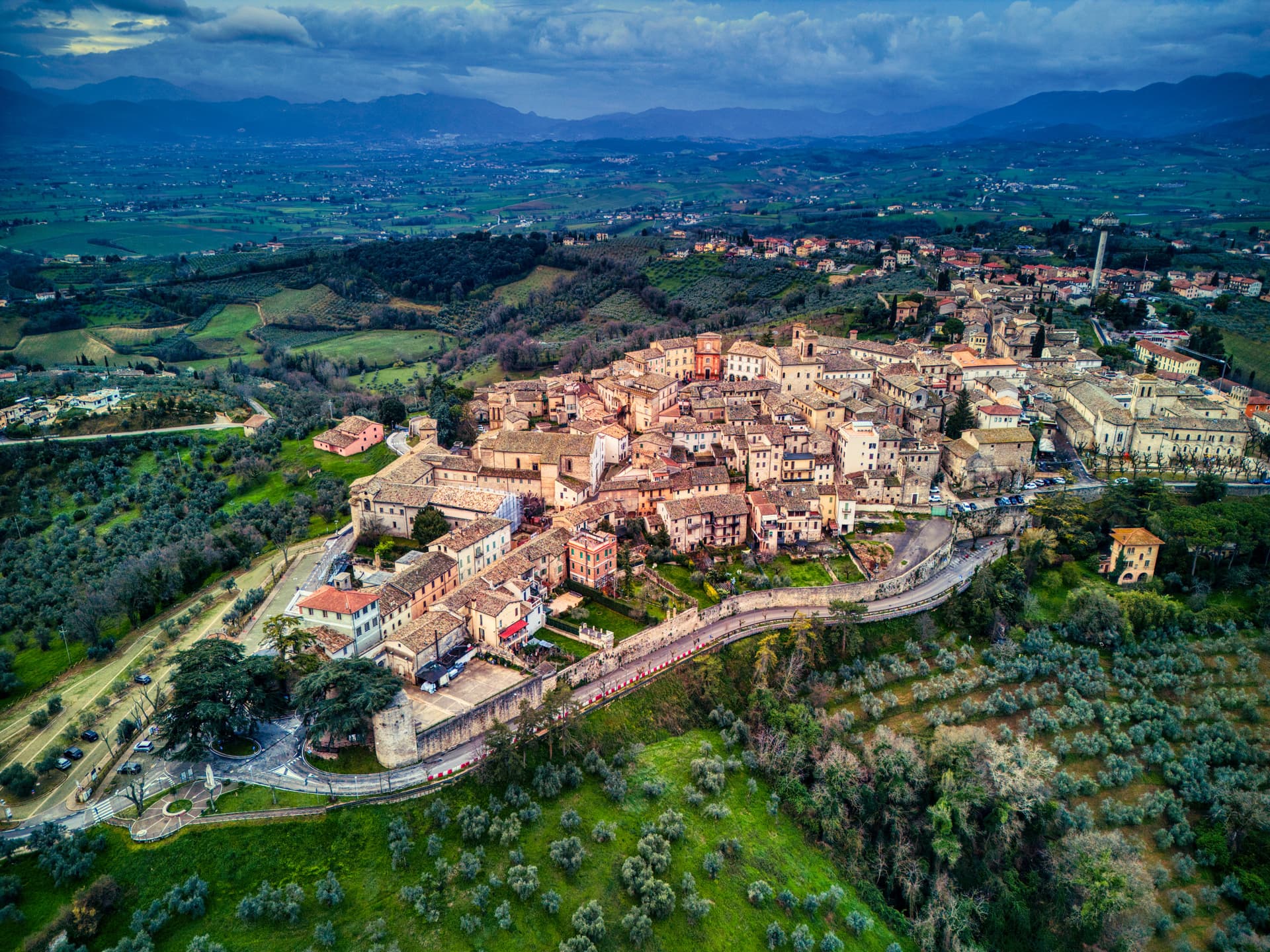
Montefalco
Province: Perugia · 472 m
The hilltop wine capital of Umbria at 472 meters, where Sagrantino is grown almost nowhere else and Benozzo Gozzoli painted Francis in 1452.
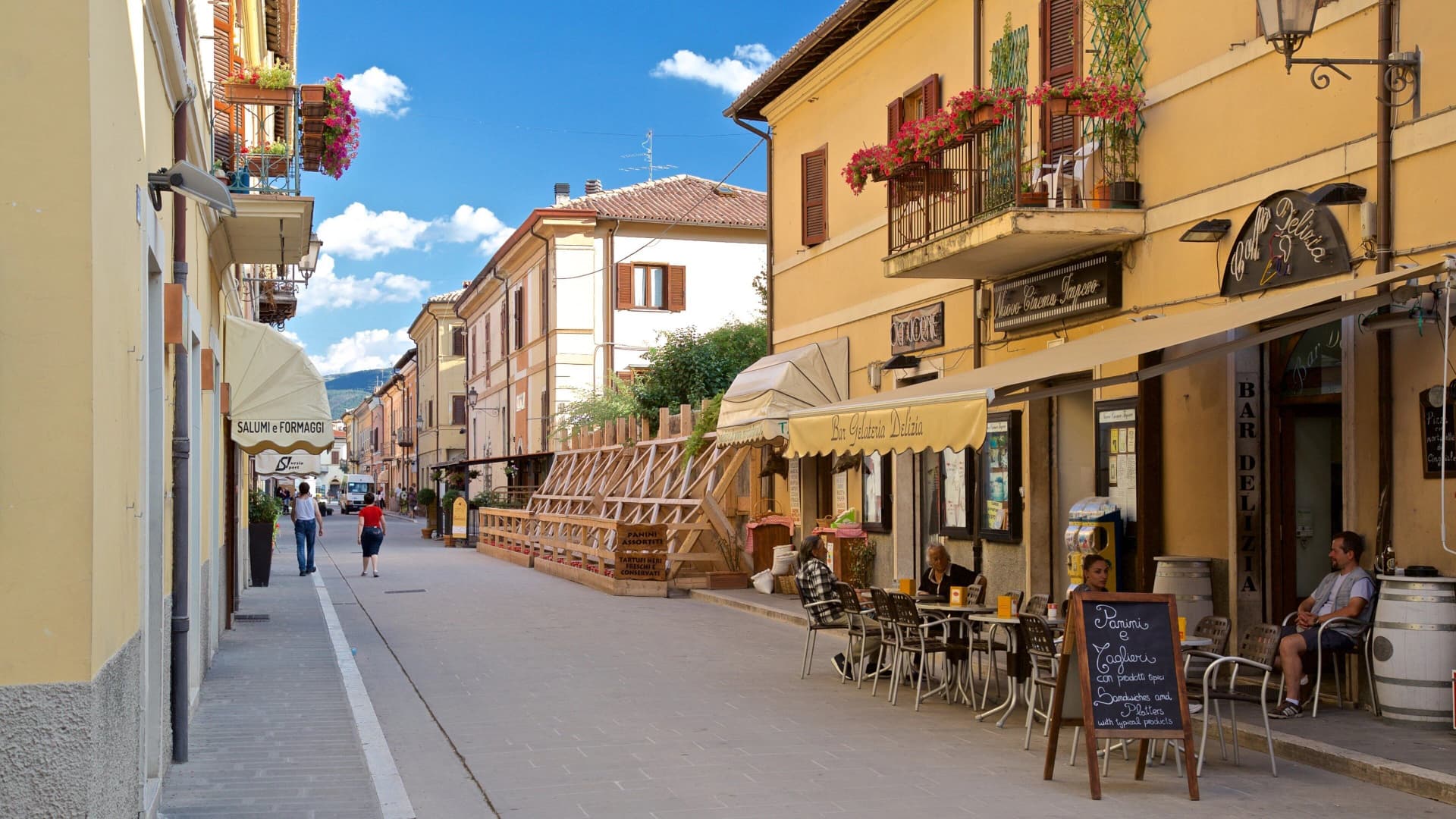
Norcia
Province: Perugia · 604 m
Birthplace of San Benedetto at 604 meters on a Sibillini plateau, leveled by the 2016 earthquake and rebuilt stone by stone.
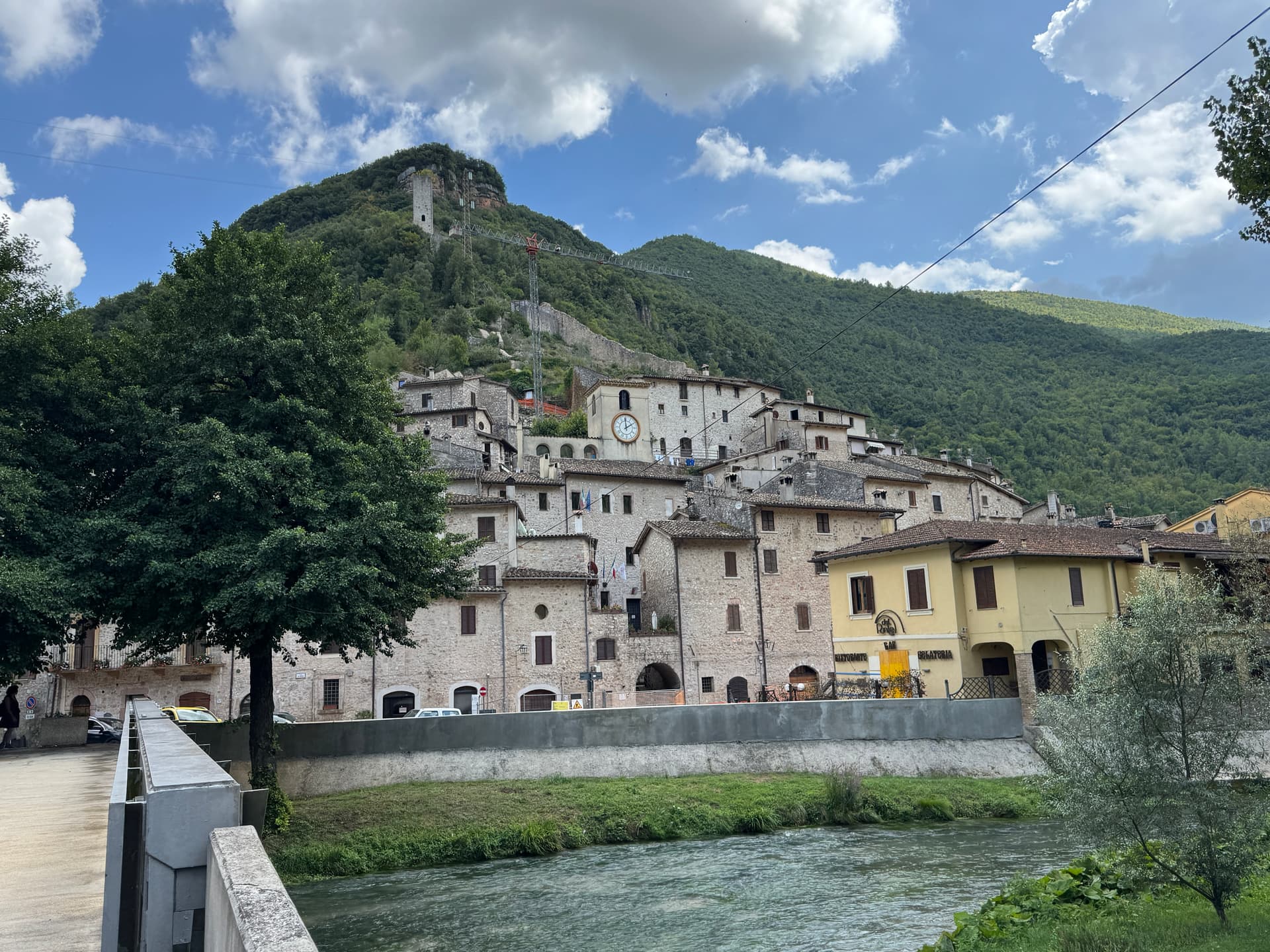
Scheggino
Province: Perugia · 280 m
Triangular castle village on the banks of the Nera at 280 meters, where the first commercial Italian truffle company was founded in 1928.
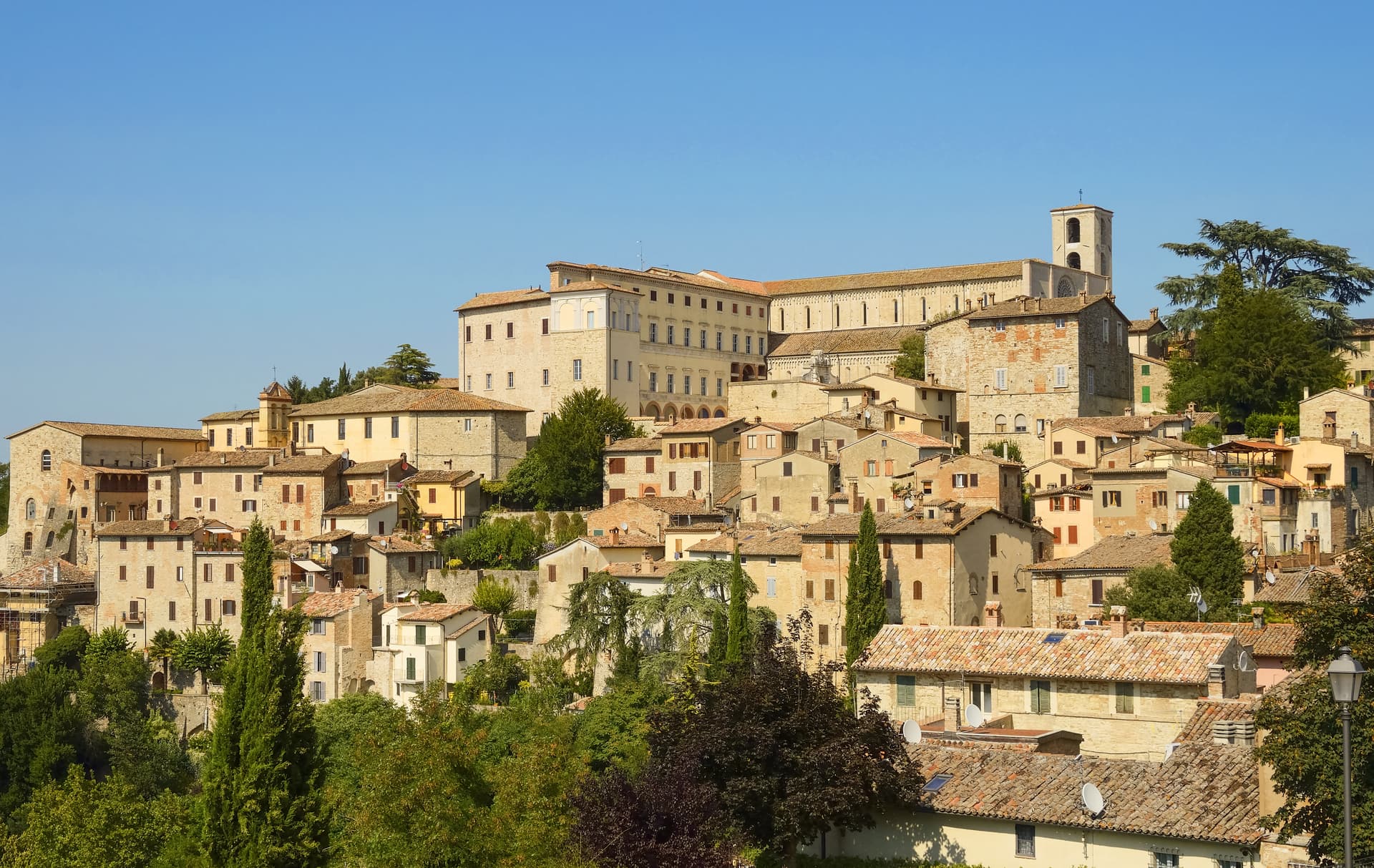
Todi
Province: Perugia · 398 m
A walled hill town at 398 meters on the Tiber, with Etruscan, Roman, and medieval rings stacked up Colle Nidoli.
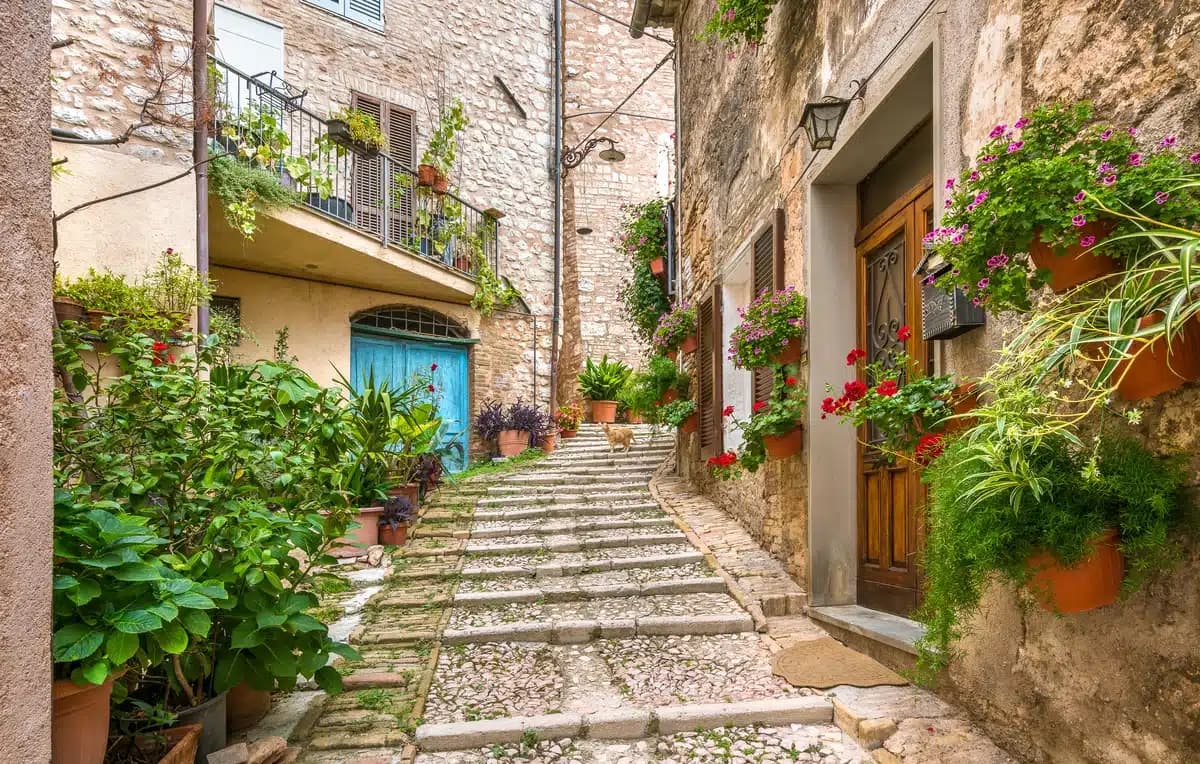
Trevi
Province: Perugia · 412 m
A walled town at 412 meters above the Spoleto valley, ringed by 200,000 olive trees that make it the Umbrian capital of olive oil.
Subscribe — free
Get the best guides on hidden Italian towns.
One letter on Sundays. The week’s town, with the photo, the food, the festa. Free, by Peter & Sophia from Pietrasanta.
Substack sends a confirmation link to your inbox. The signup finishes when it’s clicked.
From elsewhere in Italy
Five more towns to discover
Putignano
Province: Bari
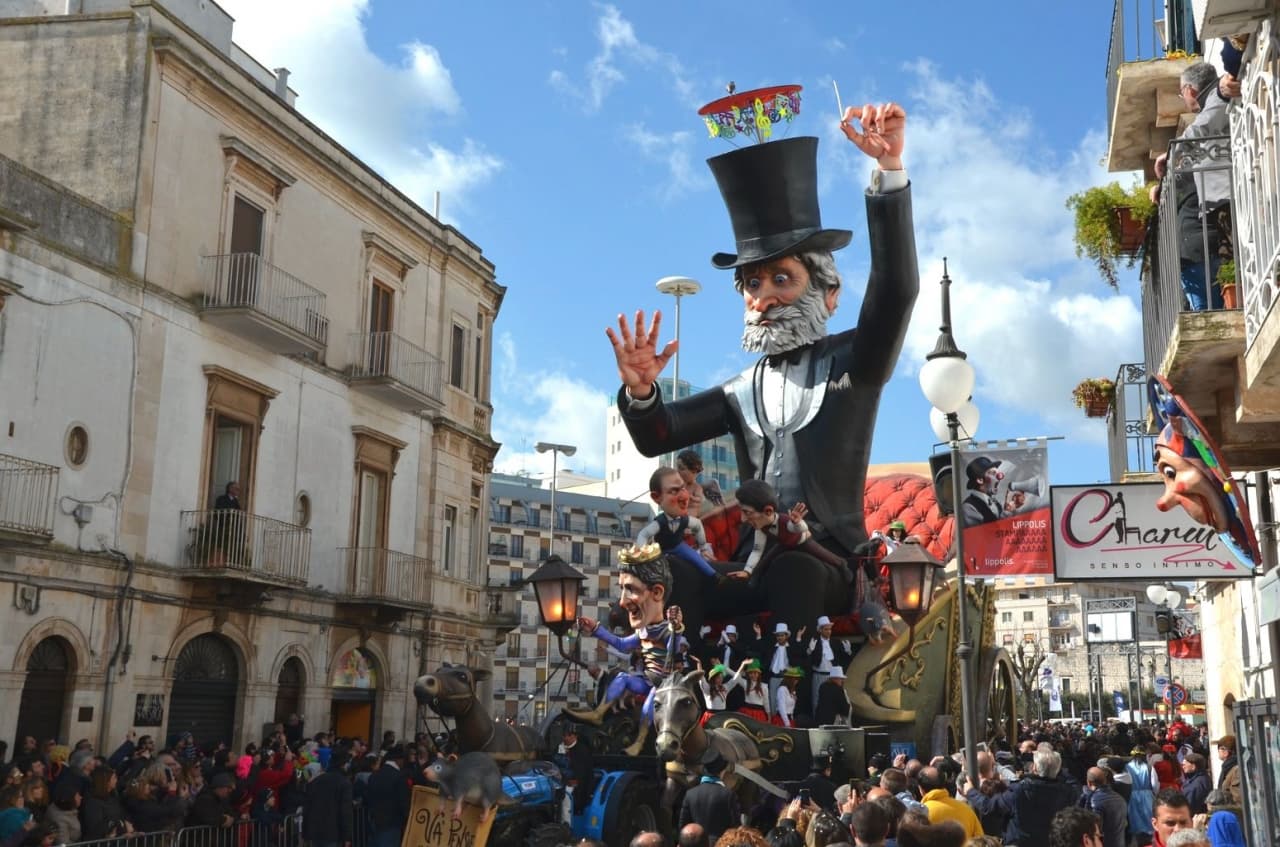
Europe's longest-running carnival — Putignano Carnevale has run continuously since 1394, with 631 years of cartapesta papier-mâché floats, a 26,000-resident Murgia town on the Bari–Lecce plateau, and the Grotta del Trullo karst cave inside the centro.

Pistoia
Province: Pistoia
Italy's nursery capital and the medieval Tuscan rival that gave its name to the pistol — a quietly extraordinary centro storico of zebra-striped Romanesque churches, Andrea della Robbia's polychrome frieze on the Ospedale del Ceppo, and Italy's Capital of Culture 2017, all 30 minutes from Florence by train.
Tropea
Province: Vibo Valentia
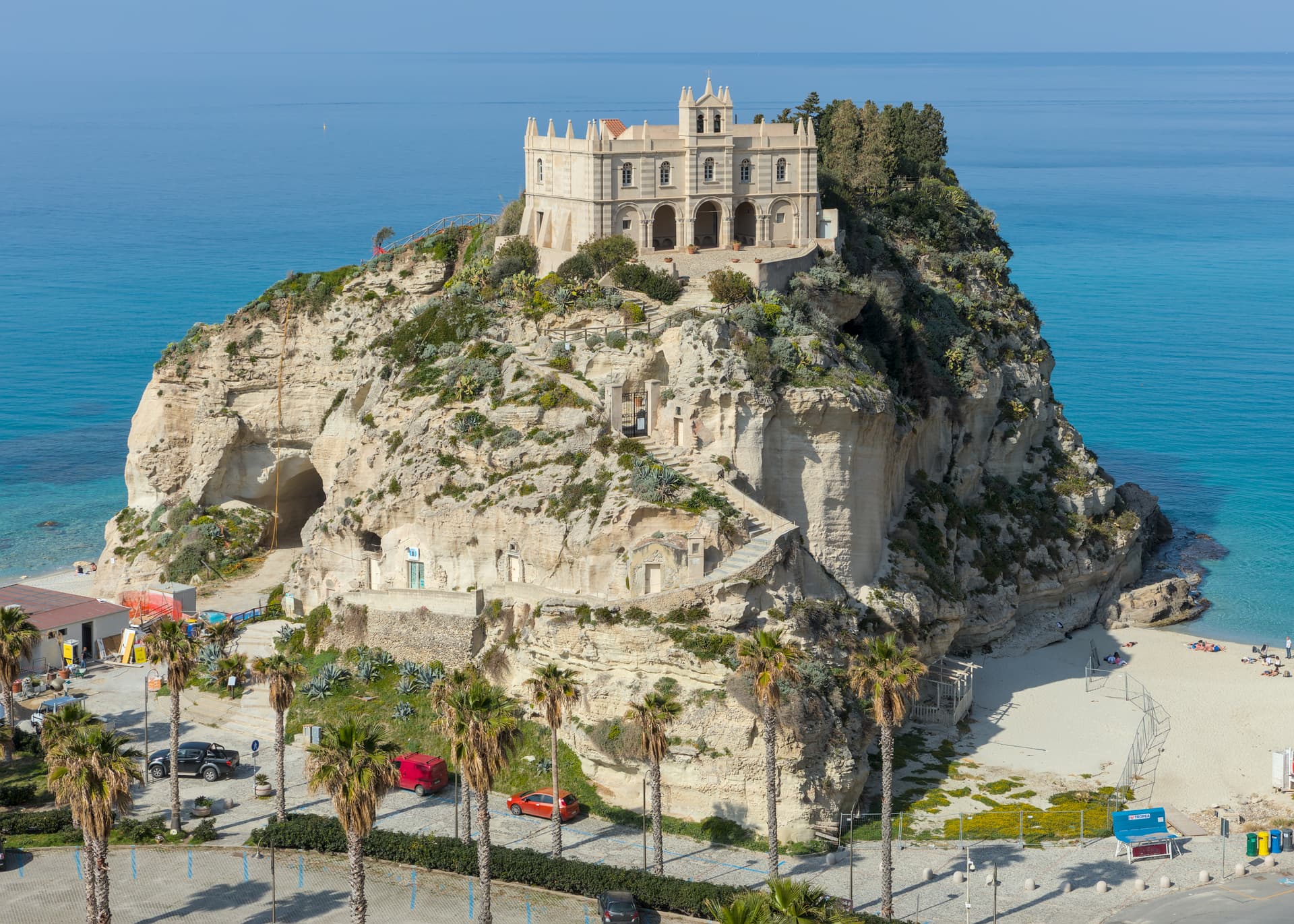
Cliff town on a tufa headland over the Tyrrhenian Coast of the Gods, with a Norman monastery on a sea rock.
Caldes
Province: Trento
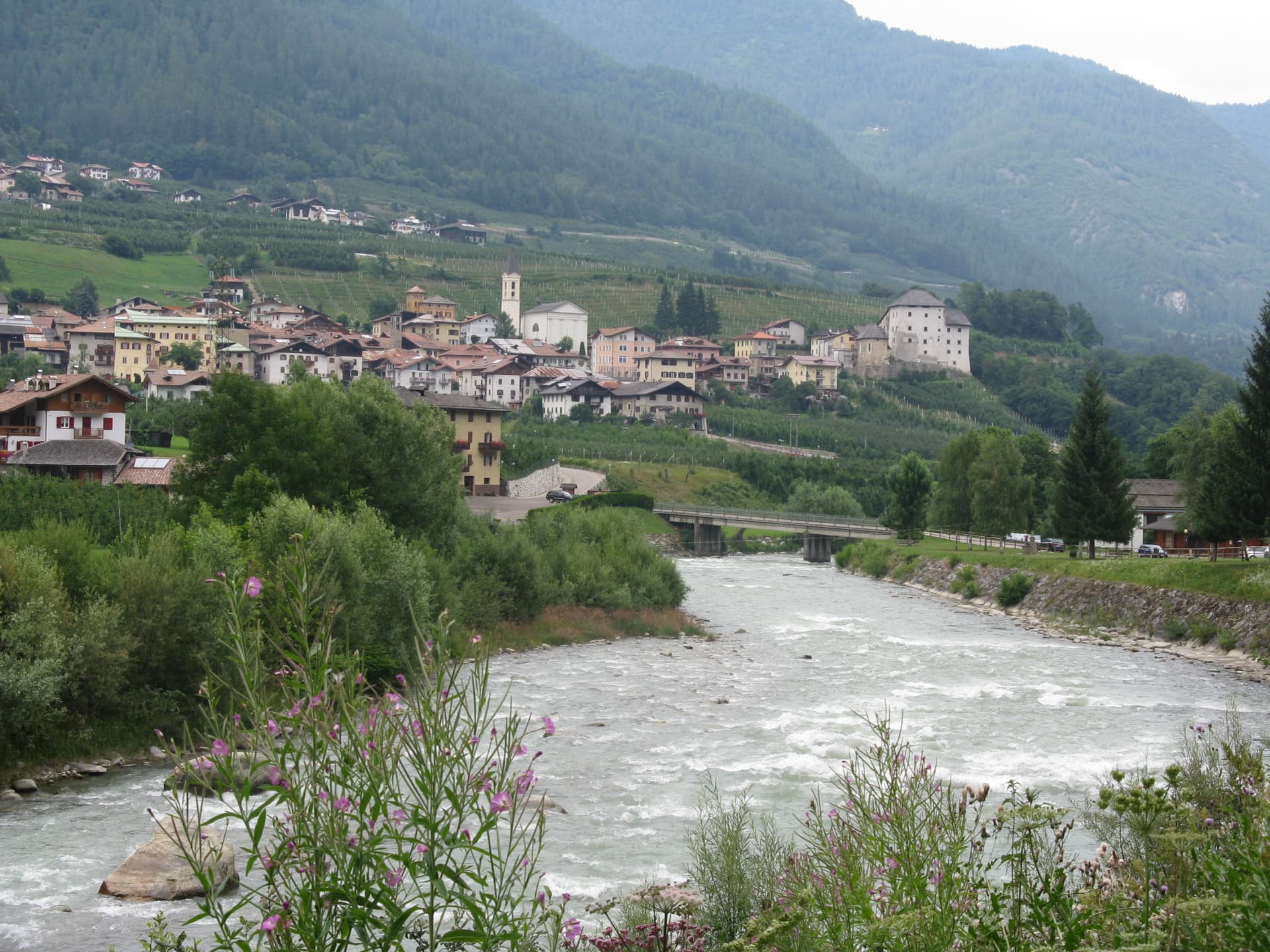
A scattered Val di Sole commune on the Noce, six hamlets gathered around a thirteenth-century tower-house castle that once belonged to the Thun family.
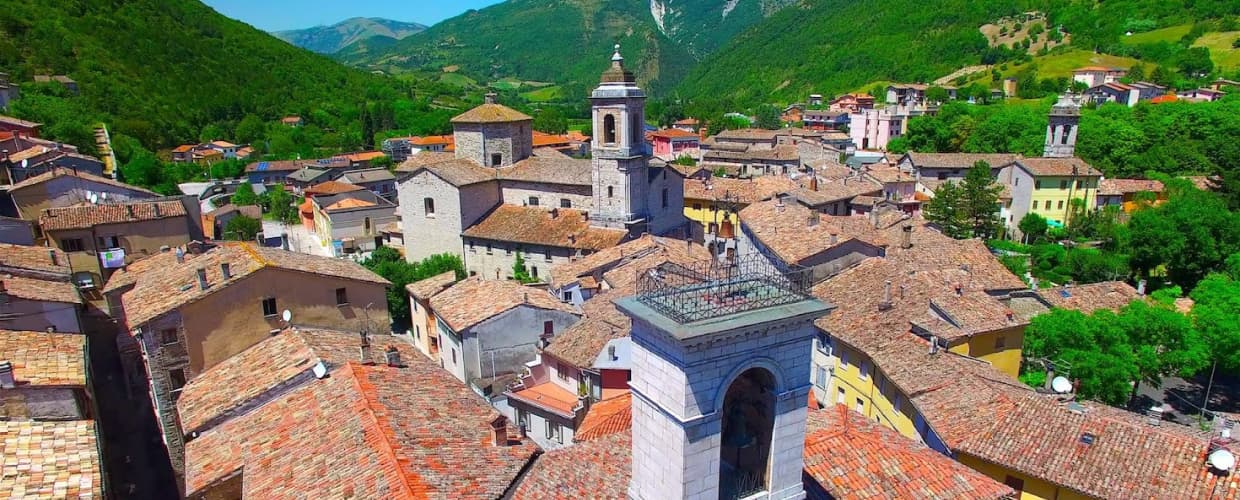
Cantiano
Province: Pesaro e Urbino
A border borgo at 374 meters under Monte Catria on the old Via Flaminia, known for the Good Friday Turba and the sour-cherry visciola harvest.