

Tuscany · Grosseto
Castiglione della Pescaia
A Maremma seaside town under an Aragonese castle, with the Vetulonia necropolis behind it, the Diaccia Botrona wetland beside it, and Italo Calvino buried on the hill.
Known for
ROCCA ARAGONESE
Promontory fortress begun in the 10th century, enlarged by Alfonso of Aragon and modified by Cosimo I de' Medici, dominating the harbor and old town.
DIACCIA BOTRONA
Ramsar wetland reserve, the last fragment of ancient Lake Prile, with the Casa Rossa Ximenes from 1765-1768 at its center.
ITALO CALVINO
Spent summers in the Roccamare pine forest, wrote Palomar there, and is buried by his own wish in the municipal cemetery above the harbor.
When to visit
Best · May–Sep
- J
- F
- M
- A
- M
- J
- J
- A
- S
- O
- N
- D
- Best
- Hot or crowded
- Quiet
- Mostly closed
The festa: Guglielmo di Malavalle, secondo lunedì di maggio
Why come
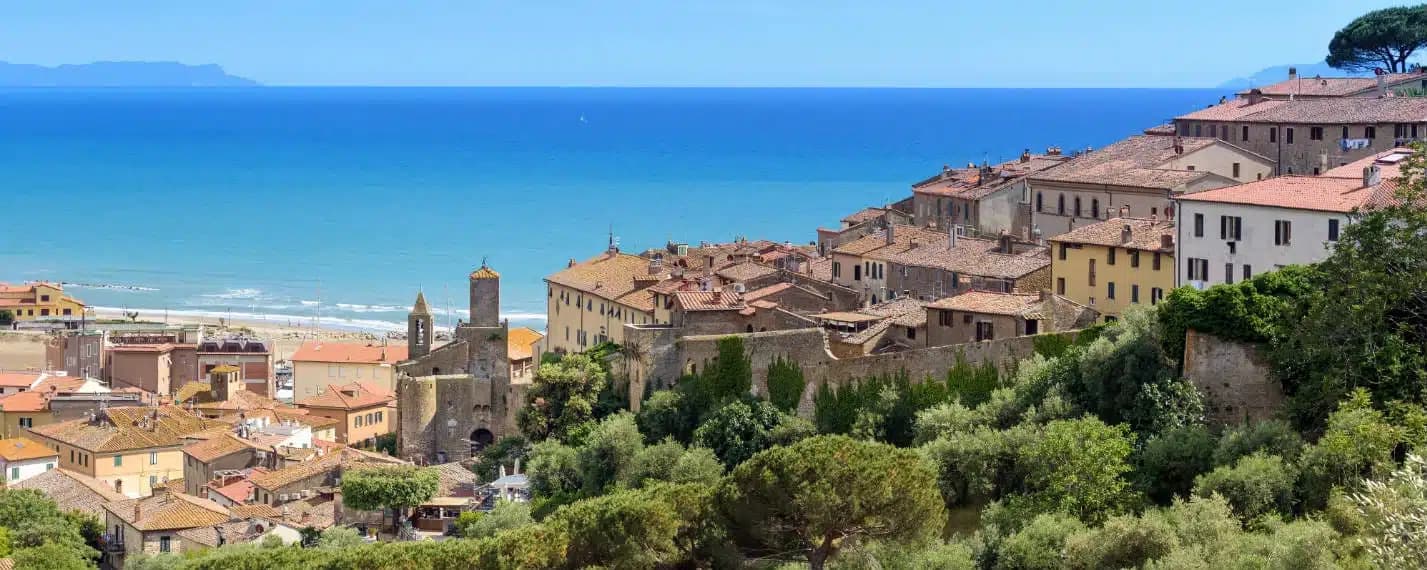
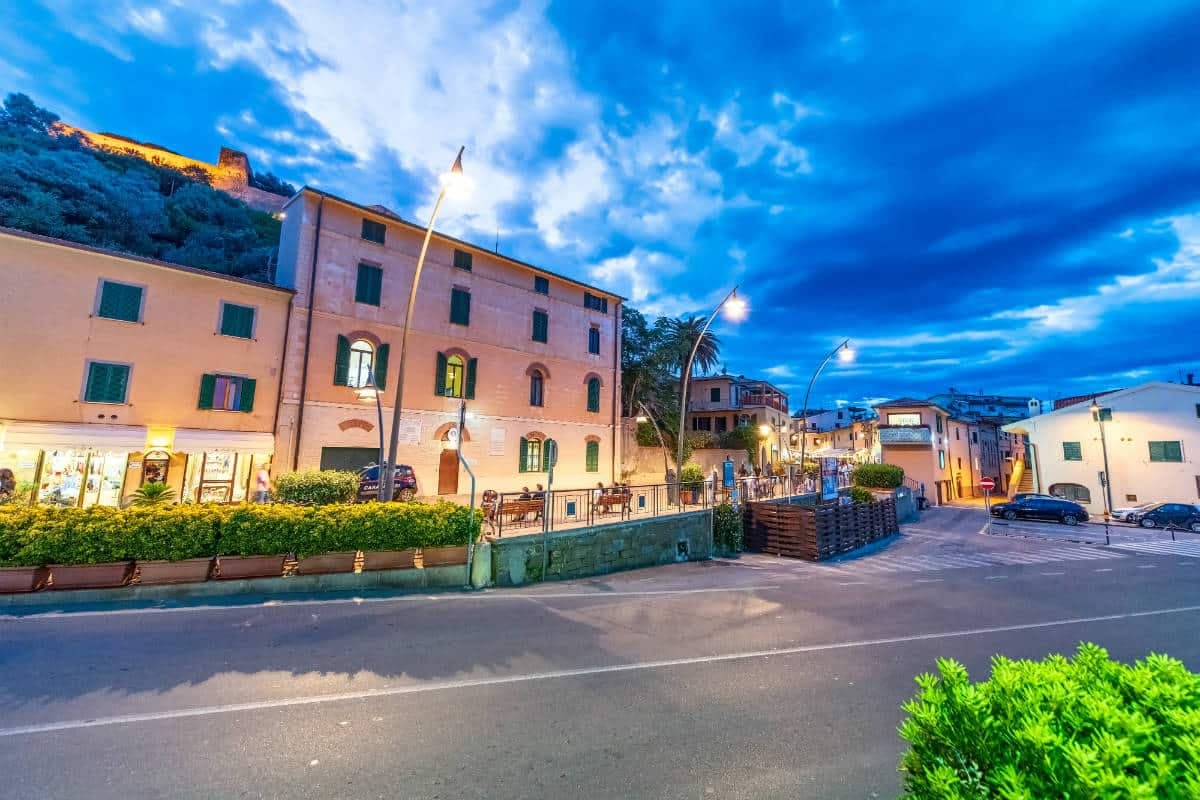
Castiglione della Pescaia sits at sea level on the Maremma coast, north of Grosseto, with a medieval upper town rising on the promontory above the harbor. The site was Roman Salebrone, before that Etruscan and Umbrian, settled because of the lake behind it that the Romans called Portus Traianus. The lake silted up; what remains is the Diaccia Botrona wetland reserve, a Ramsar site since 1991, with the eighteenth-century Casa Rossa Ximenes at its center, built between 1765 and 1768 by Jesuit engineer Leonardo Ximenes during the Lorraine drainage works.
The Rocca above the town began as a tenth-century watchtower; Alfonso of Aragon enlarged it into a fortress in the fifteenth century; Cosimo I de' Medici and the Lorraine made further modifications. Vetulonia, one of the major Etruscan cities, with its necropolis among the best known in the world, lies in the hills behind. Italo Calvino spent summers in the Roccamare pine forest north of town. He is buried in the municipal cemetery overlooking the harbor.
What to see
Rocca Aragonese
Castle on the promontory above the harbor, 10th-century watchtower core enlarged by Alfonso of Aragon in the 15th century, modified by Cosimo I and the Lorraine.
Riserva Naturale Diaccia Botrona
Ramsar wetland reserve southeast of town, the last remnant of ancient Lake Prile, with bird-watching hides, pink flamingos and white herons in season.
Casa Rossa Ximenes
Hydraulic structure built 1765-1768 by Jesuit engineer Leonardo Ximenes for the Lorraine drainage; now multimedia museum of the Diaccia Botrona reserve.
Vetulonia
Etruscan archaeological area in the hills east of town, with one of the best-known necropolises in the ancient Mediterranean, rediscovered by Falchi in the 1890s.
Punta Ala
Pine-fronted beach resort 15 km north on the promontory of the same name, with high-end marina, golf course and Roccamare pine forest.
Tomba di Italo Calvino
Municipal cemetery on the hill behind the harbor where Calvino is buried; visitors leave a pen at the grave.
The slow-trip planner
Building a trip? Find where Castiglione della Pescaia fits in a slow Italy circuit.
Answer five questions. We will shape a geographically coherent slow trip from the 1,000 Italian towns most travelers skip. Yours to save and share.
We recommend
Where to eat and stay
Not our picks, but places the guides put their name to — a Michelin star, a Gambero Rosso fork, a Slow Food snail, a Michelin Key for the hotels. Worth a table, a counter, or a night when you pass through.
La Trattoria Enrico BartoliniRistorante
La Trattoria Enrico Bartolini carries one Michelin star, plus two Gambero Rosso forks (85/100).
Osteria del Mare già il VotapentoleRistorante
Osteria del Mare già il Votapentole has a Michelin Bib Gourmand and two Gambero Rosso forks (81/100).
ClannBistrot
Clann holds two Gambero Rosso tables.
La Terra di NelloTrattoria
La Terra di Nello holds two Gambero Rosso prawns.
Cala Beach ResortHotel
Cala Beach Resort carries a Leading Hotels of the World listing.
L’AndanaHotel
L’Andana has one Michelin Key to its name.
L'Andana ResortHotel
A Leading Hotels of the World listing, at L'Andana Resort.
The Sunday letter
Castiglione della Pescaia got its letter. One town every Sunday, free — the photo, the food, the festa.
By subscribing you agree to Substack’s Terms of Use, our Privacy Policy and our Information collection notice.
Living here
- Population 7,121
- Commuter belti
- Pharmacy in town
- Nearest high school over ~30 minutes away
- Nearest airport Florence / Pisa, 2 h 6 min drive
- Regional capital Firenze, 2 h 50 min drive
Tags & datadesignations · numbers · sources
The numbers
- Elevation: 4 m
- Population: 7,121
- Surface area: 209.28 km²
These figures were compiled from public directories — ISTAT, OpenStreetMap, Wikidata — and from the official listings of the guides named on this page. Town details change; verify with official sources before you travel.
Close by
More towns near Castiglione della Pescaia
Grosseto
Province: Grosseto
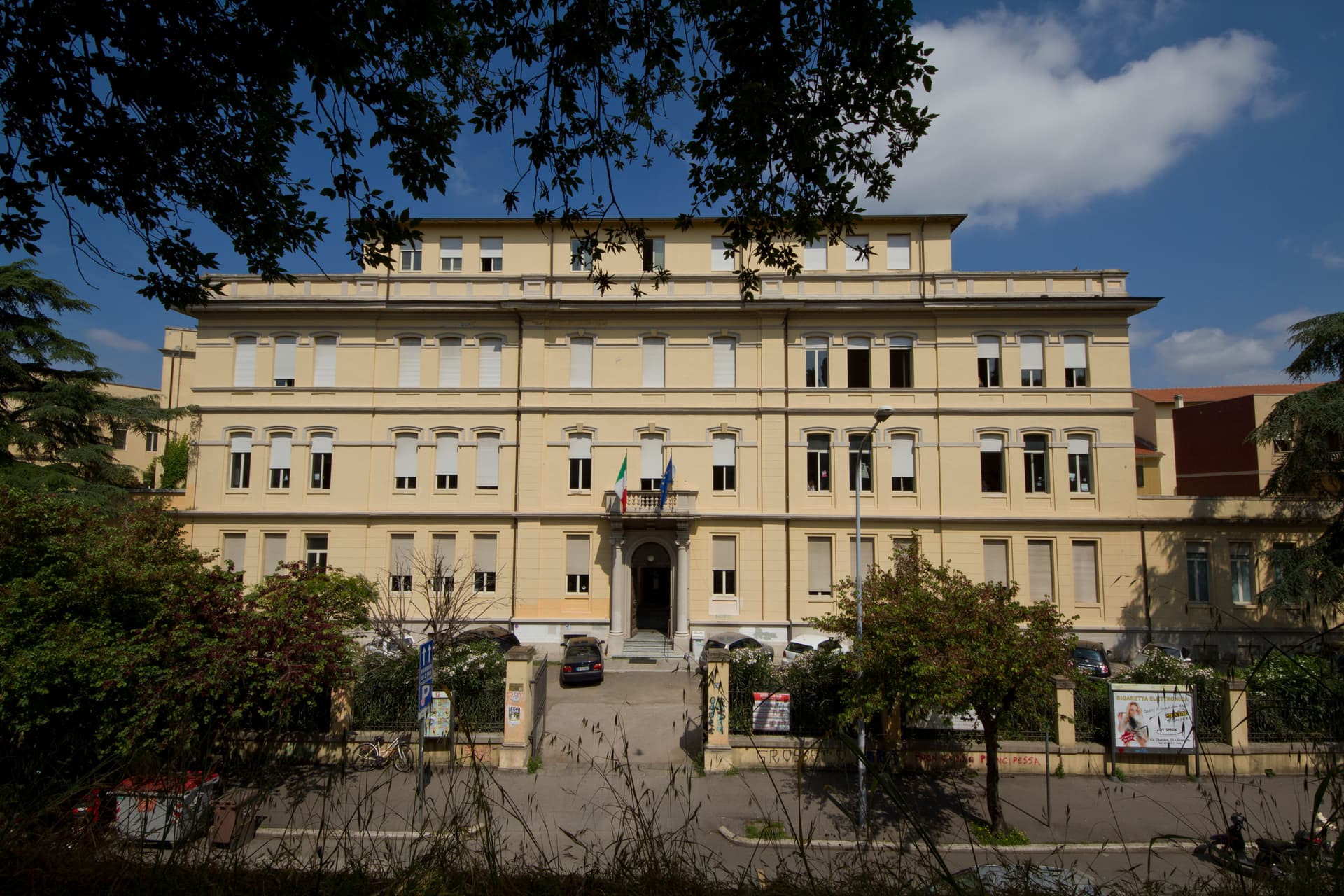
The Maremma capital on the Ombrone river, ringed by hexagonal Medici walls of 1564 that now serve as the city's public park.
Campiglia Marittima
Province: Livorno
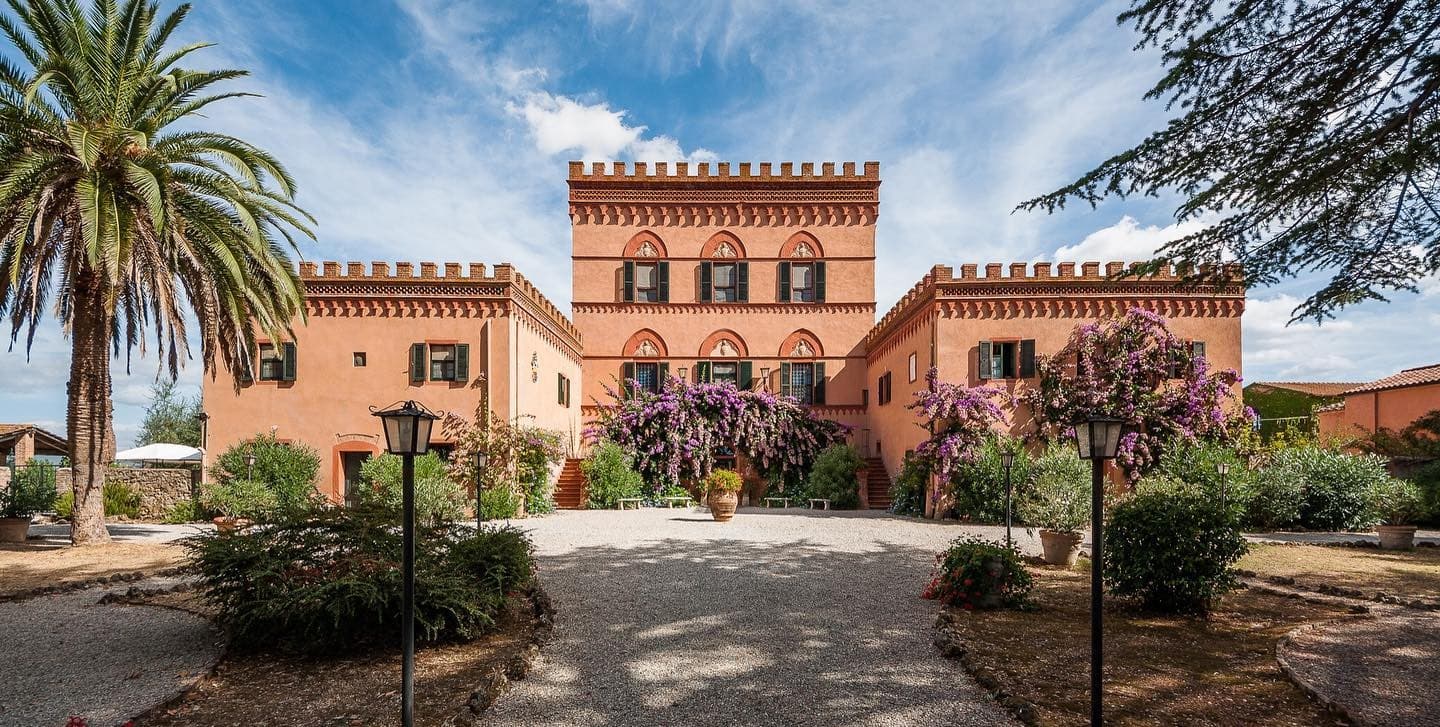
A walled hilltop borgo above the Val di Cornia, where the Rocca tower watches a mining landscape worked from the Etruscans to 1976.
Piombino
Province: Livorno
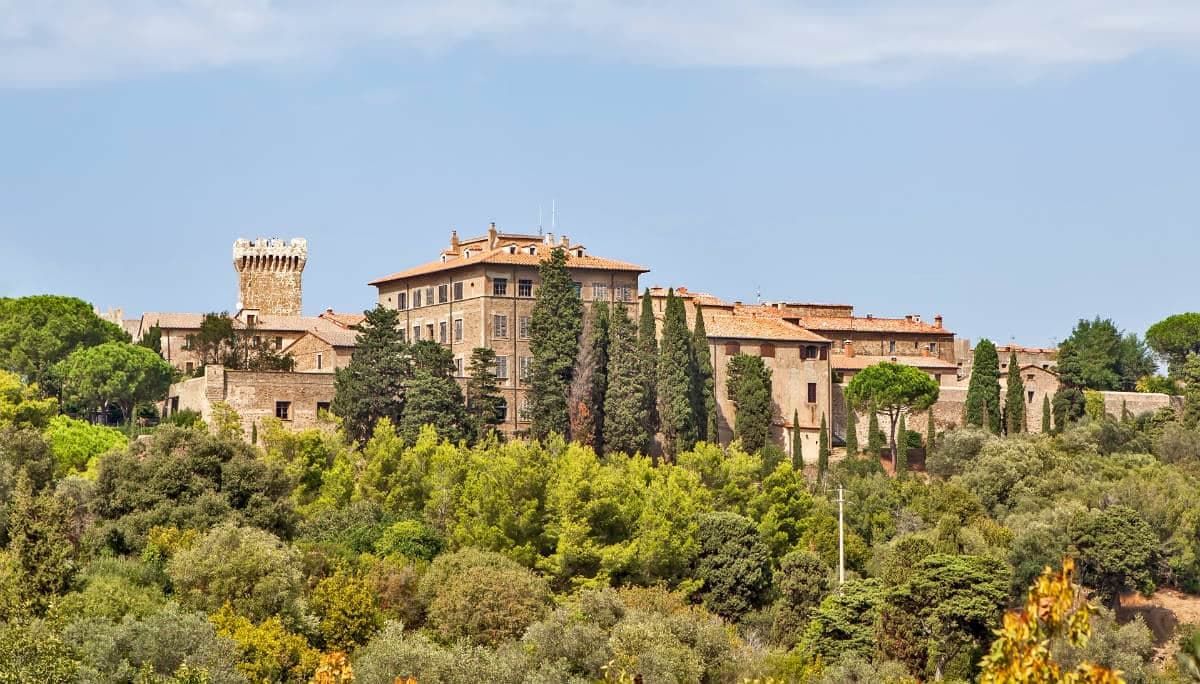
A promontory port facing Elba across the channel, founded by refugees from Etruscan Populonia and now the Tuscan archipelago's ferry capital.
Massa Marittima
Province: Grosseto
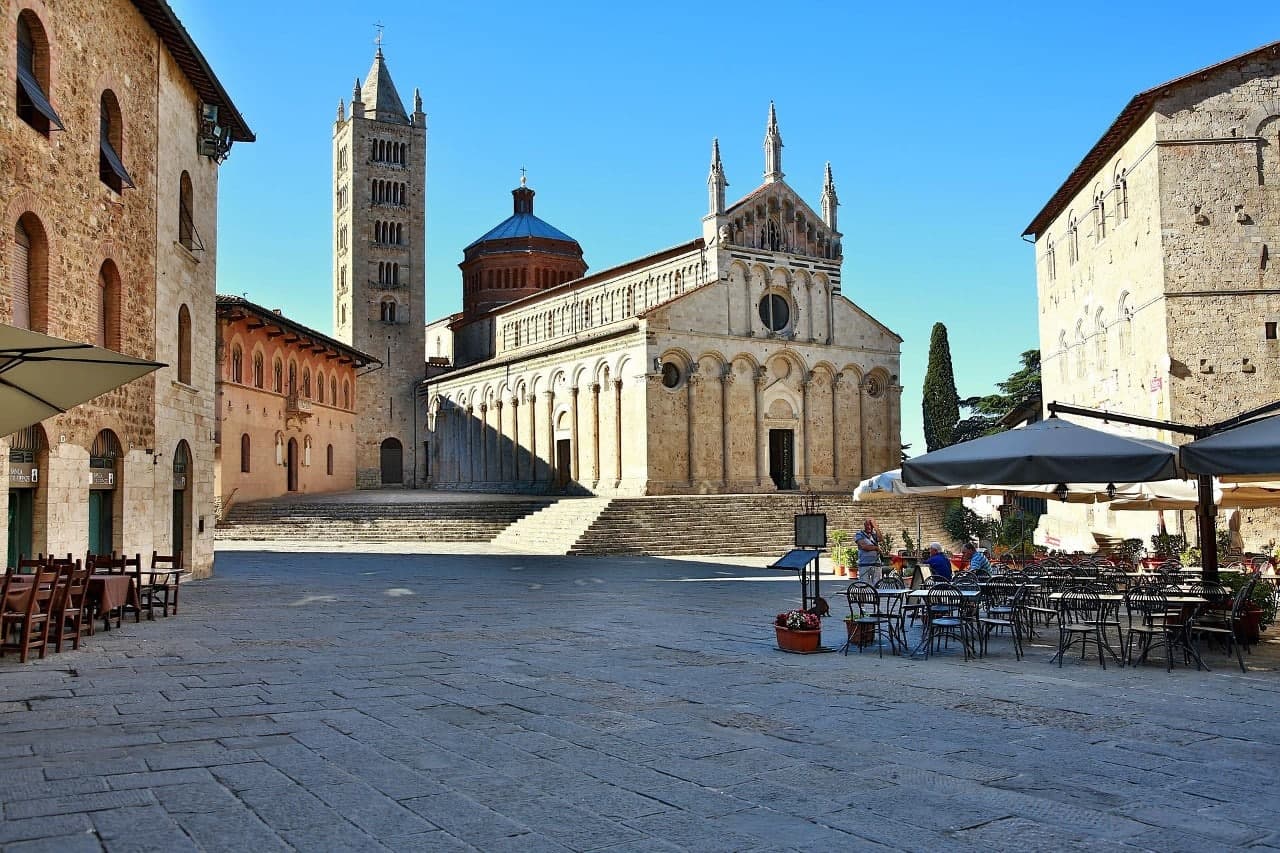
A medieval mining town at 380 meters in the Colline Metallifere, free commune from 1255 to 1337, whose cathedral holds the relics of San Cerbone.
Suvereto
Province: Livorno
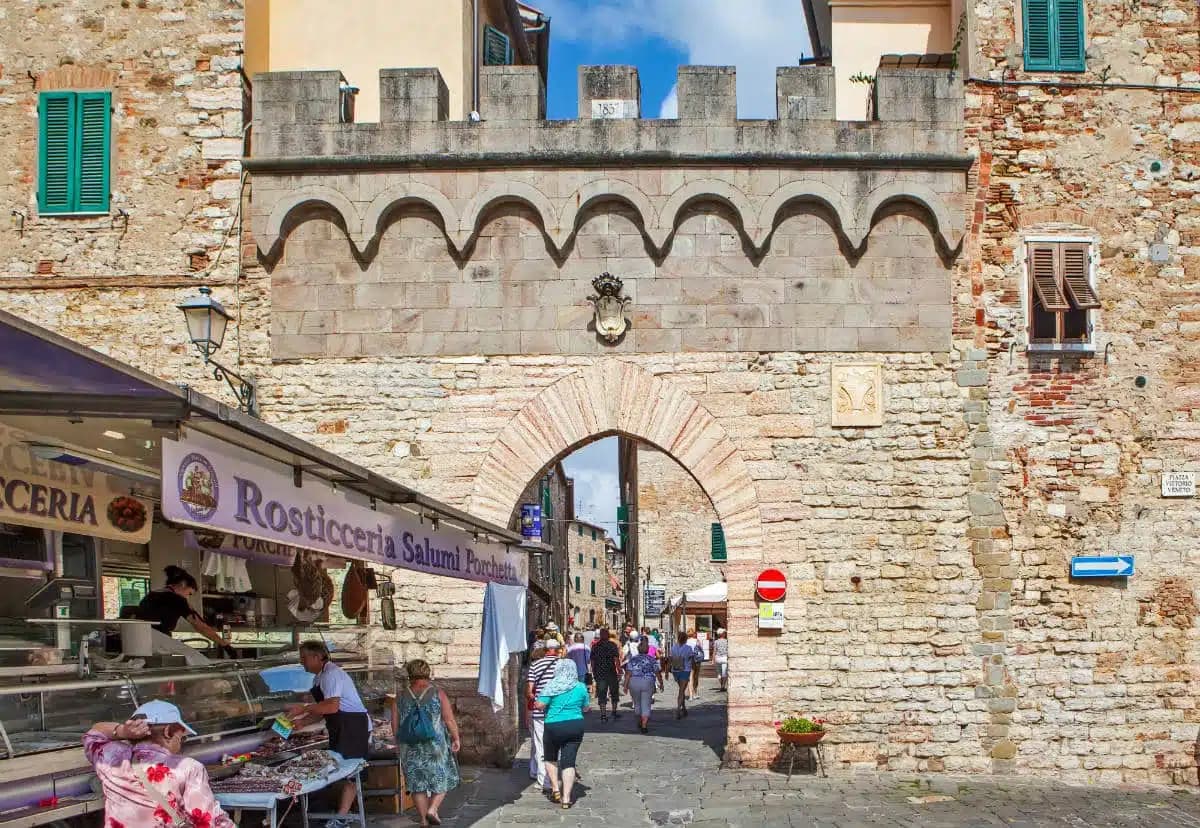
A stone borgo at 127 meters above the Val di Cornia, named for the cork oaks of its forests and ruled from the Rocca Aldobrandesca since 973.
🟦 Bandiera Blu
More Bandiera Blu towns in Tuscany
Bibbona
Province: Livorno
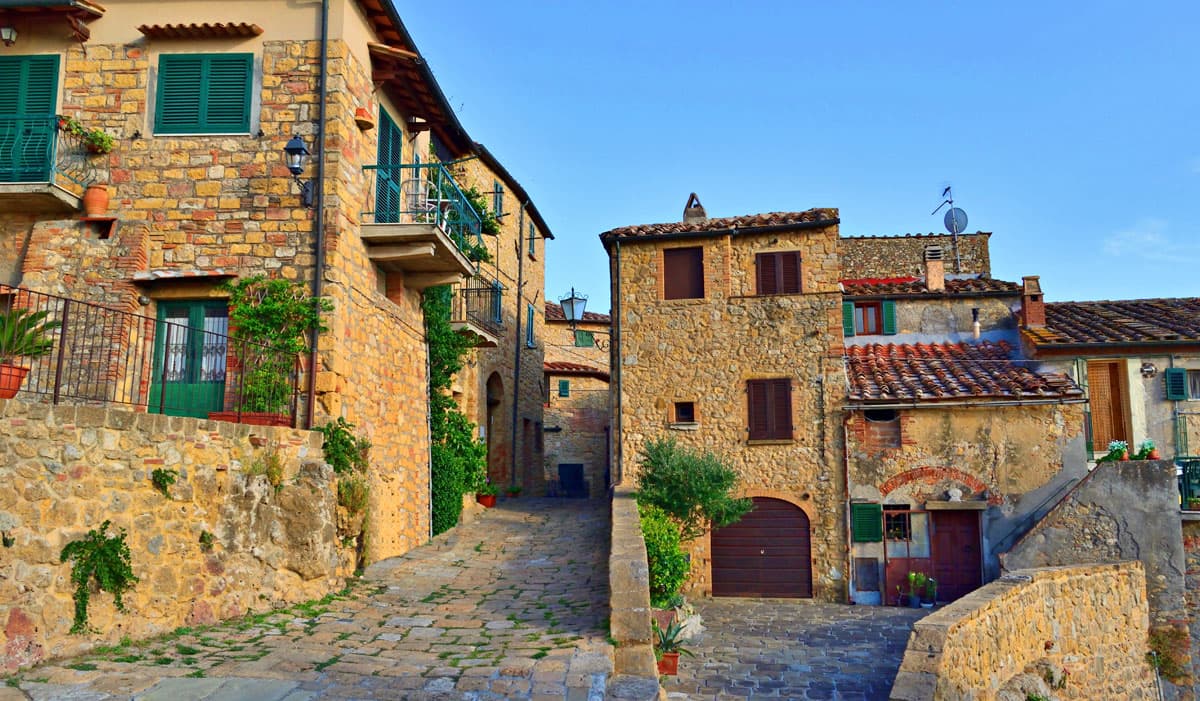
An Etruscan-origin hill village above the Costa degli Etruschi, with a Romanesque parish church and a Lorraine-built coastal fort eight kilometers down the road at Marina di Bibbona.
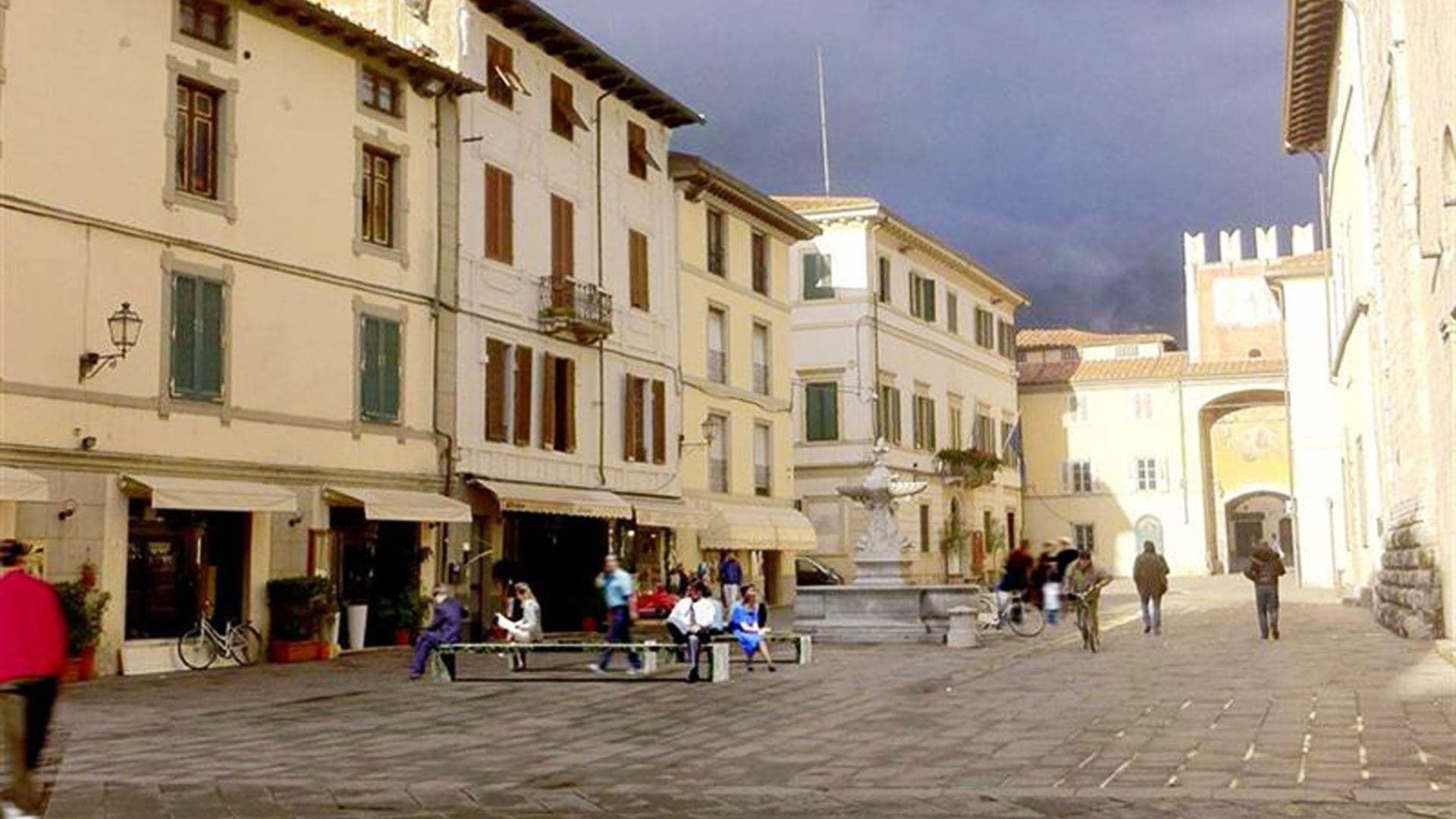
Camaiore
Province: Lucca
The Versilia commune that runs from the Apuan Alps to the sea, a Roman Campus Maior on the Via Francigena with a beach at its western end.
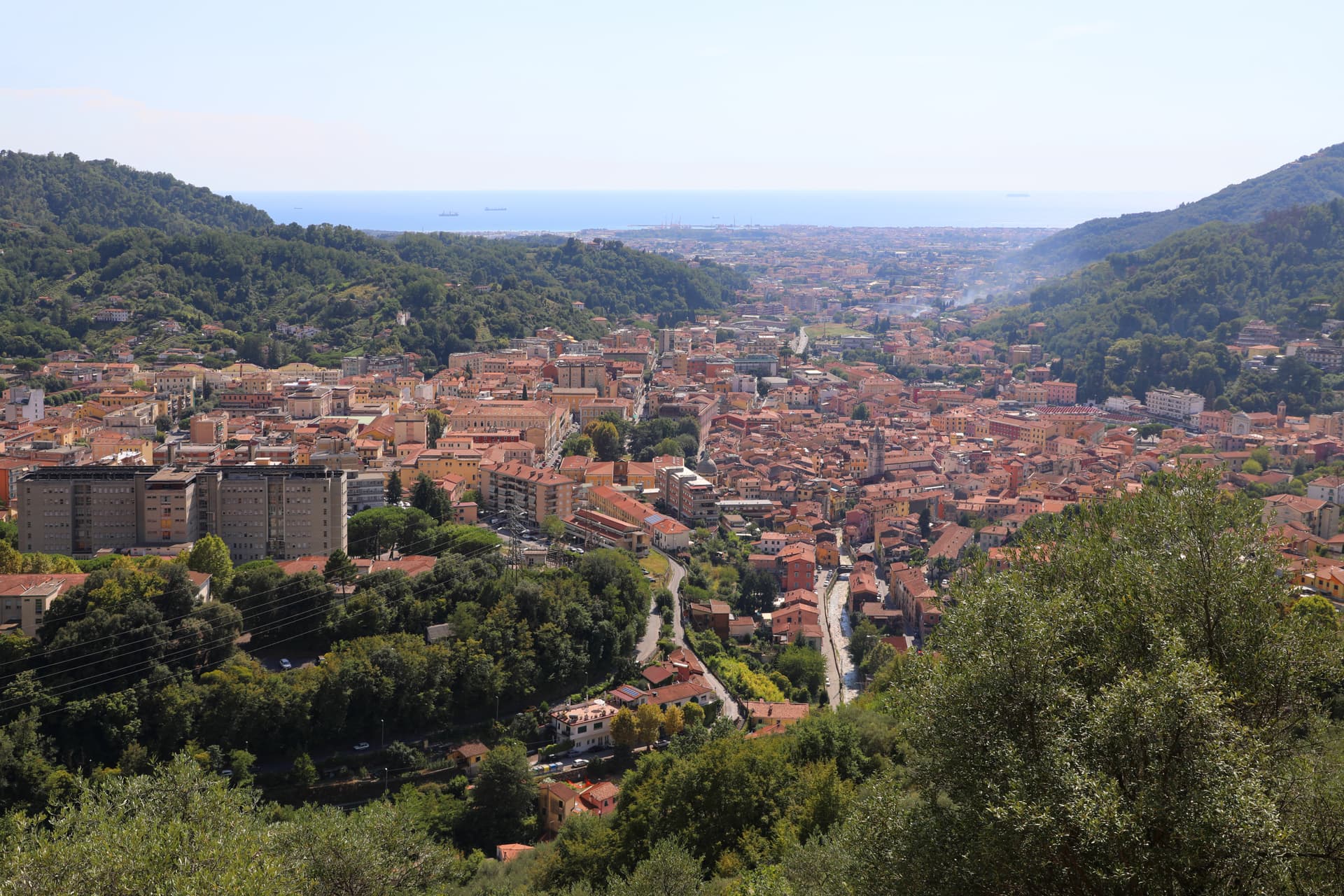
Carrara
Province: Massa-Carrara
The marble town at the foot of the Apuan Alps, with over 650 quarry sites in the valleys above and the stone that built the Pantheon, the Pietà and Michelangelo's David.

Castagneto Carducci
Province: Livorno
A hilltop borgo at 194 meters above the Costa degli Etruschi, renamed for the poet Carducci in 1907 and the home of Bolgheri and Sassicaia.
Forte dei Marmi
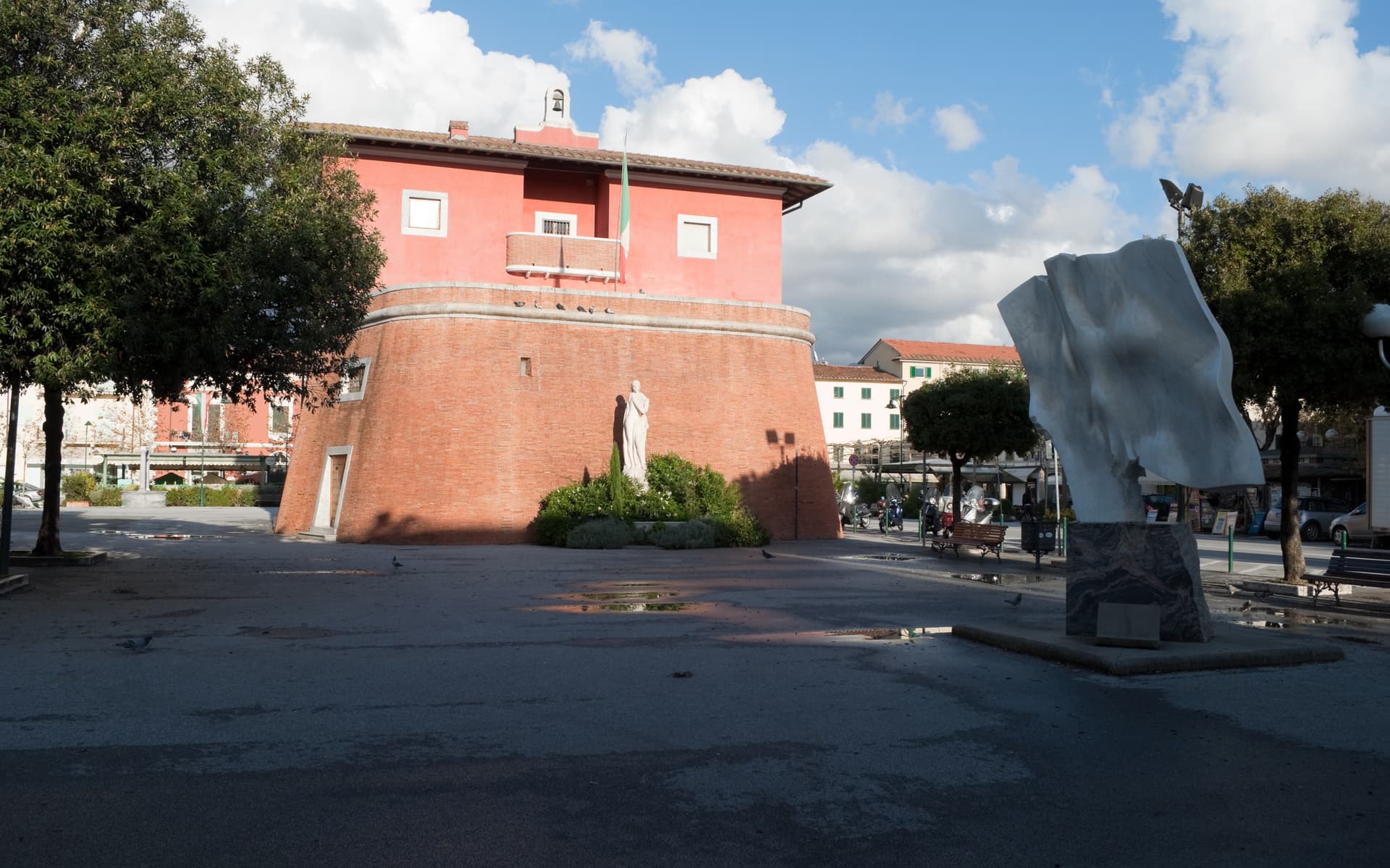
Province: Lucca
The Versilia luxury beach built around an eighteenth-century marble-loading fort, with 99 bagni concessions and a Wednesday market that draws Milan.