

Tuscany · Livorno
Castagneto Carducci
A hilltop borgo above the Costa degli Etruschi, renamed for the poet Carducci in 1907 and the home of Bolgheri and Sassicaia.
Known for
SASSICAIA
Cabernet Sauvignon planted at Tenuta San Guido in Bolgheri in 1944, released commercially in 1968, the first Supertuscan.
GIOSUÈ CARDUCCI
Nobel laureate poet who spent his childhood here, gave the town its 1907 suffix and wrote the cypresses into Davanti a San Guido.
VIALE DEI CIPRESSI
Five-kilometer cypress avenue between the Aurelia and Bolgheri, planted in 1832, two parallel rows of monumental cypresses.
When to visit
Best · May–Sep
- J
- F
- M
- A
- M
- J
- J
- A
- S
- O
- N
- D
- Best
- Hot or crowded
- Quiet
- Mostly closed
The festa: San Lorenzo, 10 August
Why come
Castagneto Carducci sits on a hill above the Costa degli Etruschi, sixty kilometers south of Livorno. The town was called Castagneto until 1907, when it was renamed for the poet Giosuè Carducci, who spent part of his childhood here and made the surrounding landscape the subject of Davanti a San Guido. The Castello della Gherardesca, the Lombard-origin fortress of the counts who held the land for nine centuries, still anchors the centro storico.
Below the hill, on a coastal plain that locals call the Maremma livornese, sits the frazione of Bolgheri. In 1944, Mario Incisa della Rocchetta planted Cabernet Sauvignon on his estate there; the resulting wine, Sassicaia, started the category that journalists in the 1970s named Supertuscan. Bolgheri DOC was created in 1983 and Bolgheri Sassicaia DOC in 1994, a sub-zone for a single estate. The cypress avenue from the coast road up to Bolgheri, two parallel rows planted in 1832, is the one Carducci put in the poem.


What to see
Castello della Gherardesca
Lombard-origin fortress at the top of the borgo, held by the Della Gherardesca counts for nine centuries, still in private family use.
Viale dei Cipressi
Five-kilometer cypress avenue between the SS1 Aurelia and the frazione of Bolgheri, planted in 1832 and immortalized by Carducci.
Bolgheri
Coastal-plain frazione at 88 meters, walled medieval village turned wine capital, home of Sassicaia, Ornellaia and the Bolgheri DOC.
Casa Carducci
House where the poet lived as a child, now a small museum on Via Carducci with manuscripts, photographs and family furniture.
Marina di Castagneto
Tyrrhenian beach frazione twelve kilometers from the borgo, with pine forests behind the dunes and Bandiera Blu status since the 1990s.
The slow-trip planner
Building a trip? Find where Castagneto Carducci fits in a slow Italy circuit.
Answer five questions. We will shape a geographically coherent slow trip from the 1,000 Italian towns most travelers skip. Yours to save and share.
We recommend
Where to eat and stay
Not our picks, but places the guides put their name to — a Michelin star, a Gambero Rosso fork, a Slow Food snail, a Michelin Key for the hotels. Worth a table, a counter, or a night when you pass through.
La Tana del PirataRistorante
La Tana del Pirata has a Gambero Rosso listing to its name.
Osteria Ancestrale - Arduino BolgheriRistorante
Osteria Ancestrale - Arduino Bolgheri carries two Gambero Rosso forks (80/100).
Osteria Enoteca San GuidoRistorante
Osteria Enoteca San Guido carries a place in L'Espresso's Top 300.
Osteria MagonaRistorante
A Michelin Bib Gourmand, at Osteria Magona.
The Sunday letter
Castagneto Carducci got its letter. One town every Sunday, free — the photo, the food, the festa.
By subscribing you agree to Substack’s Terms of Use, our Privacy Policy and our Information collection notice.
Living here
- Population 8,748
- Off the beaten pathi
- Pharmacy in town
- High school within a 30-minute drive
- Train station in the comune
- Nearest airport Florence / Pisa, 1 h 8 min drive
- Regional capital Firenze, 1 h 53 min drive
Tags & datadesignations · numbers · sources
The numbers
- Elevation: 194 m
- Population: 8,748
- Surface area: 142.33 km²
These figures were compiled from public directories — ISTAT, OpenStreetMap, Wikidata — and from the official listings of the guides named on this page. Town details change; verify with official sources before you travel.
Featured on
Castagneto Carducci appears on this themed pick from our Collections:
Close by
More towns near Castagneto Carducci
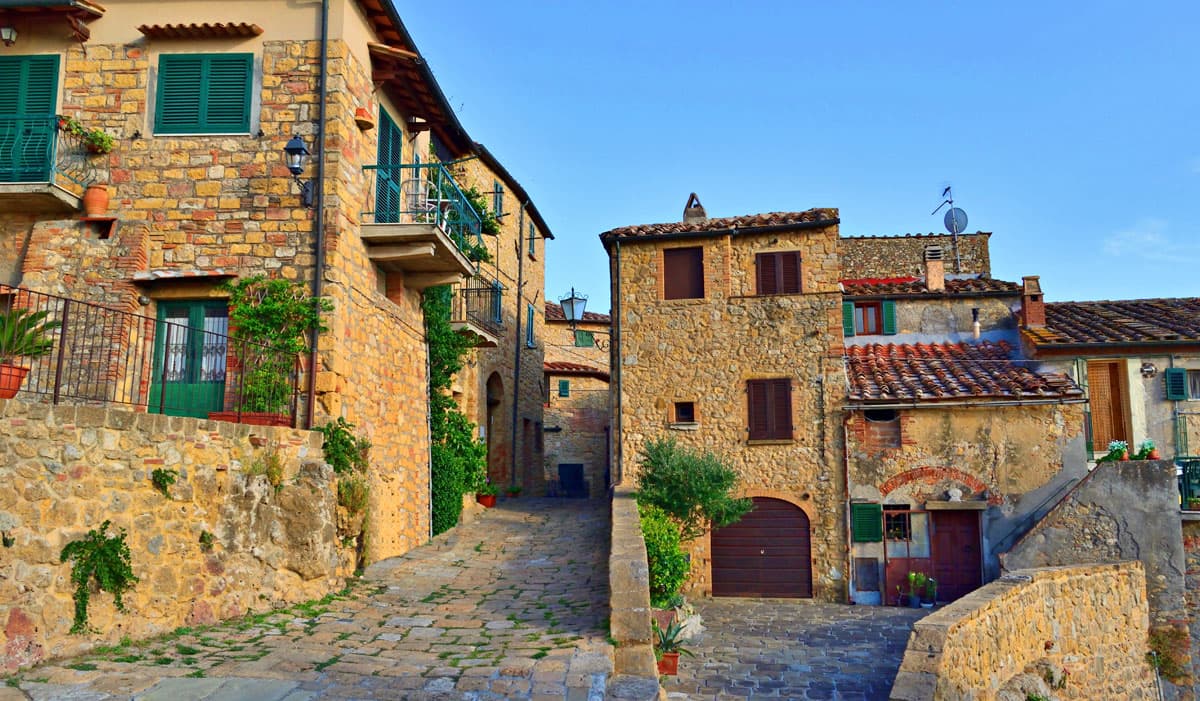
Bibbona
Province: Livorno
An Etruscan-origin hill village above the Costa degli Etruschi, with a Romanesque parish church and a Lorraine-built coastal fort eight kilometers down the road at Marina di Bibbona.
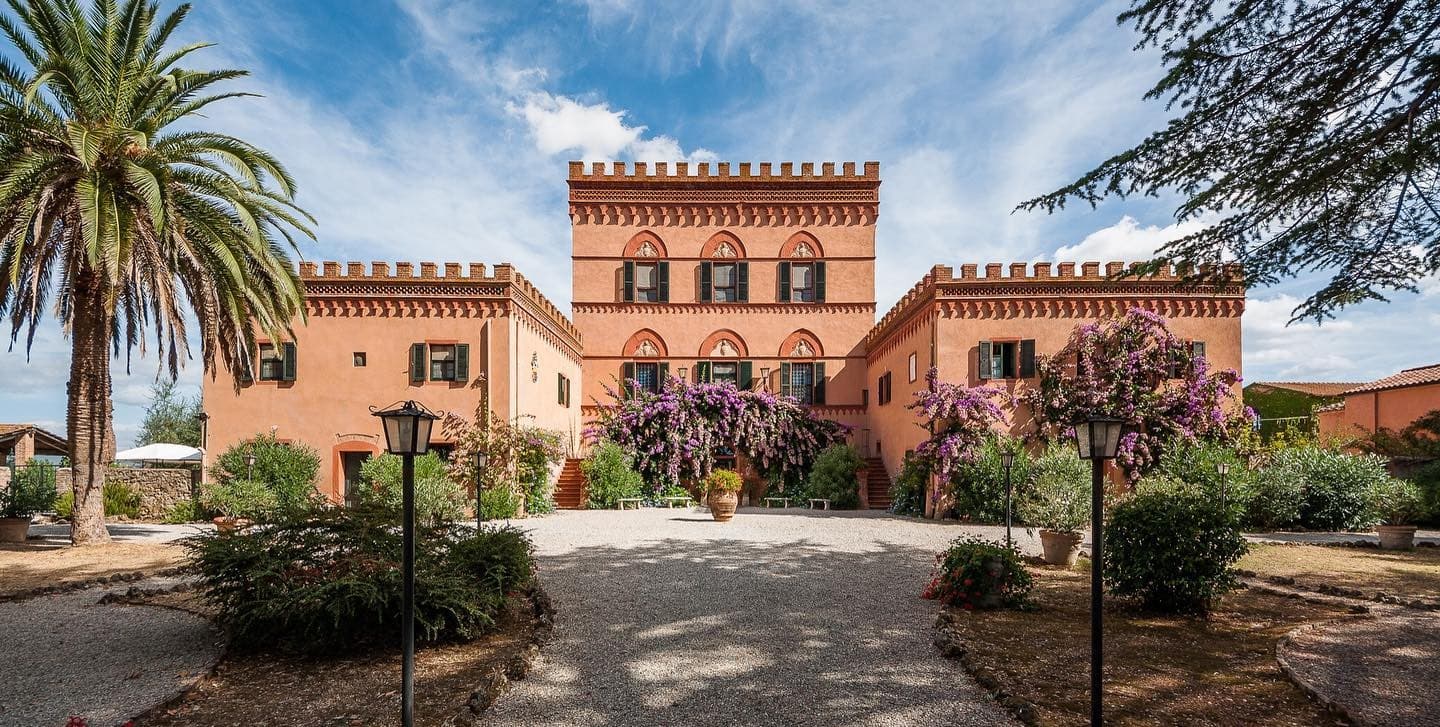
Campiglia Marittima
Province: Livorno
A walled hilltop borgo above the Val di Cornia, where the Rocca tower watches a mining landscape worked from the Etruscans to 1976.
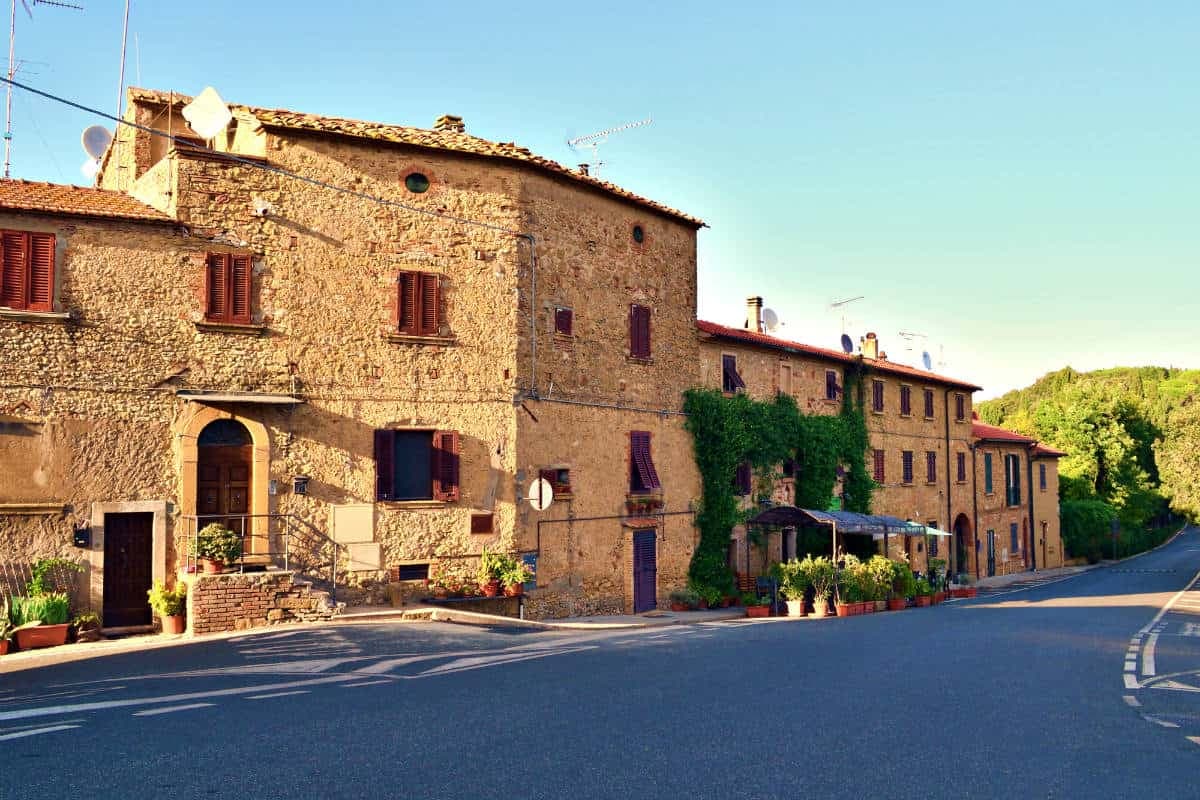
Casale Marittimo
Province: Pisa
A concentric stone borgo at 214 meters above the Val di Cecina, built where a seventh-century BC Etruscan outpost of Volterra once stood.
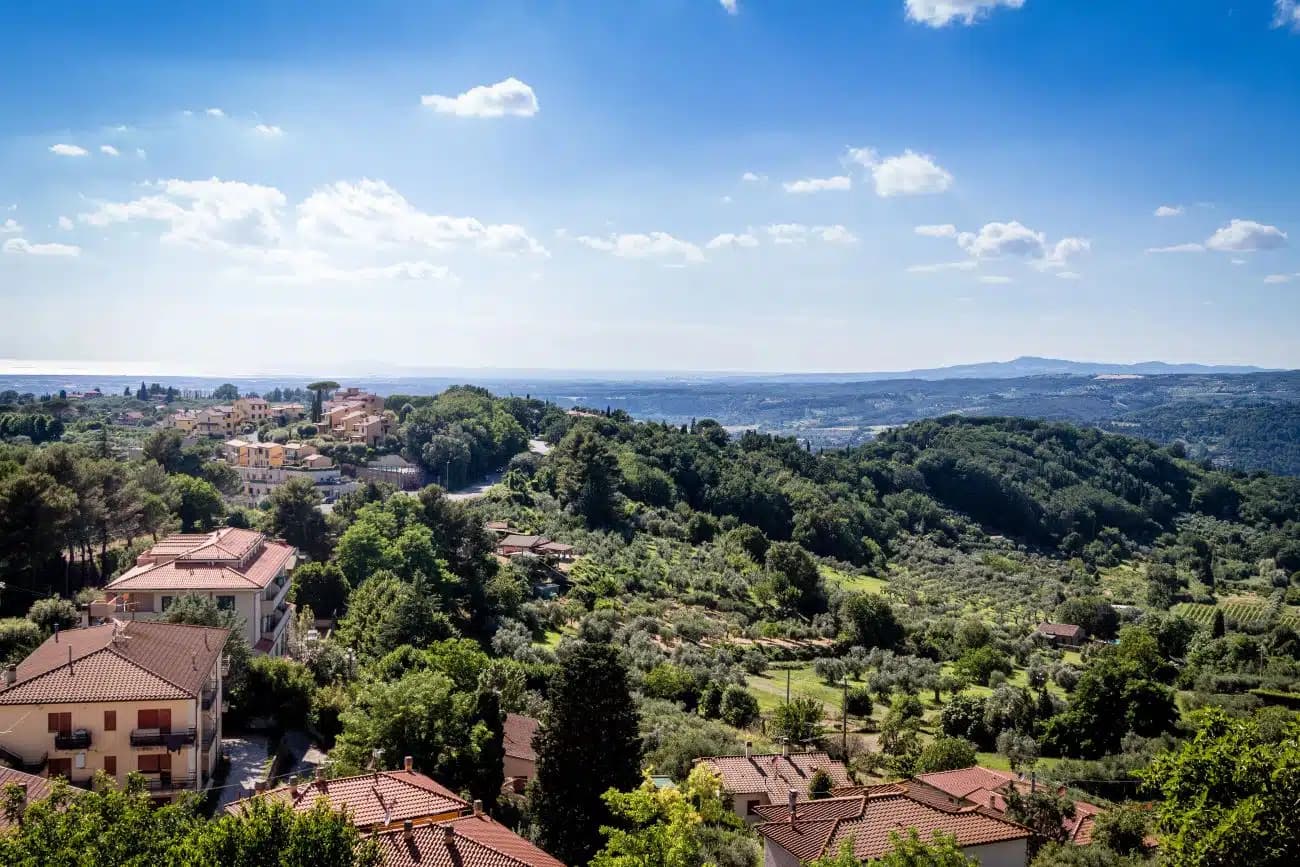
Montescudaio
Province: Pisa
A fortified hill borgo at 242 meters above the Val di Cecina, named for a mountain of shields, with DOC wine since 1977 and bread, oil and grape all stamped in its identity.
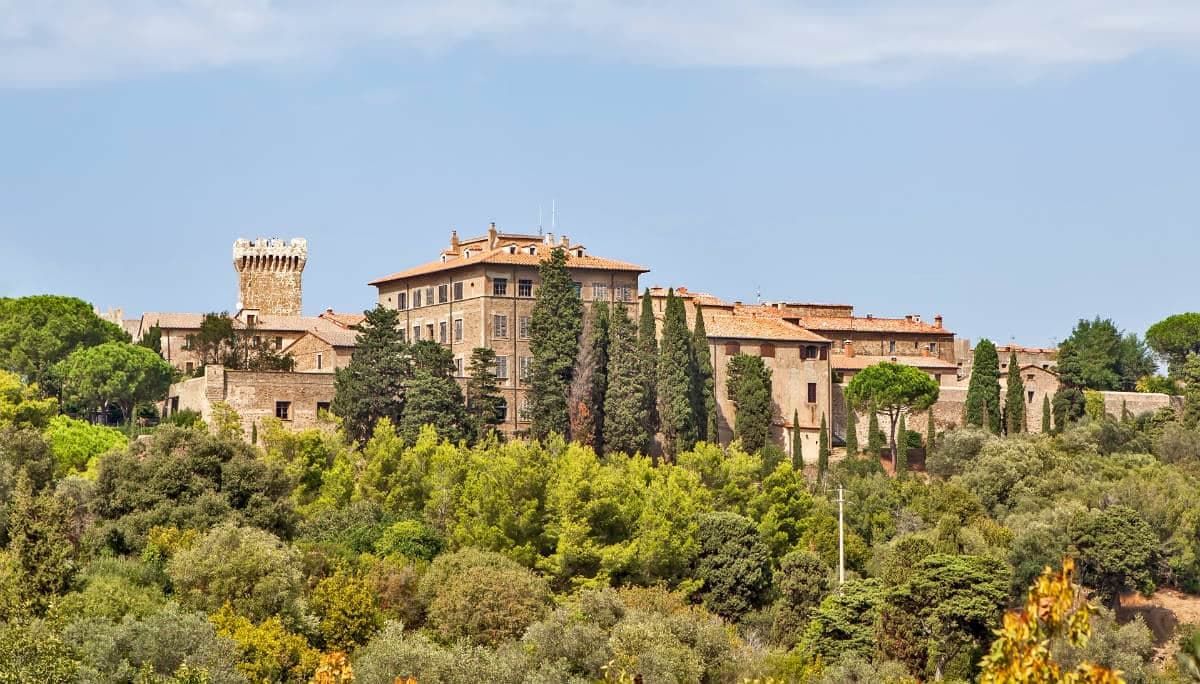
Piombino
Province: Livorno
A promontory port facing Elba across the channel, founded by refugees from Etruscan Populonia and now the Tuscan archipelago's ferry capital.
🟦 Bandiera Blu
More Bandiera Blu towns in Tuscany
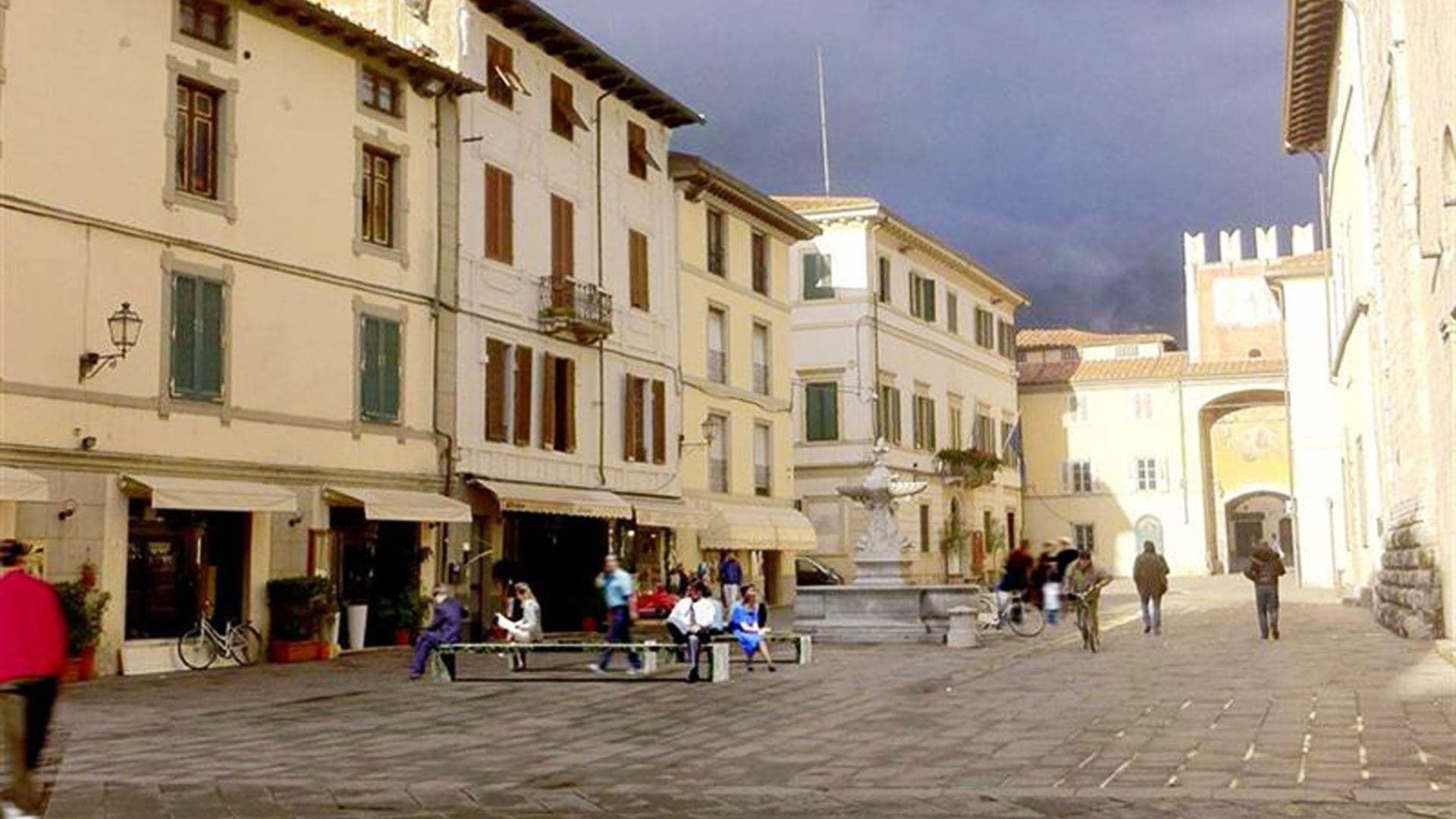
Camaiore
Province: Lucca
The Versilia commune that runs from the Apuan Alps to the sea, a Roman Campus Maior on the Via Francigena with a beach at its western end.
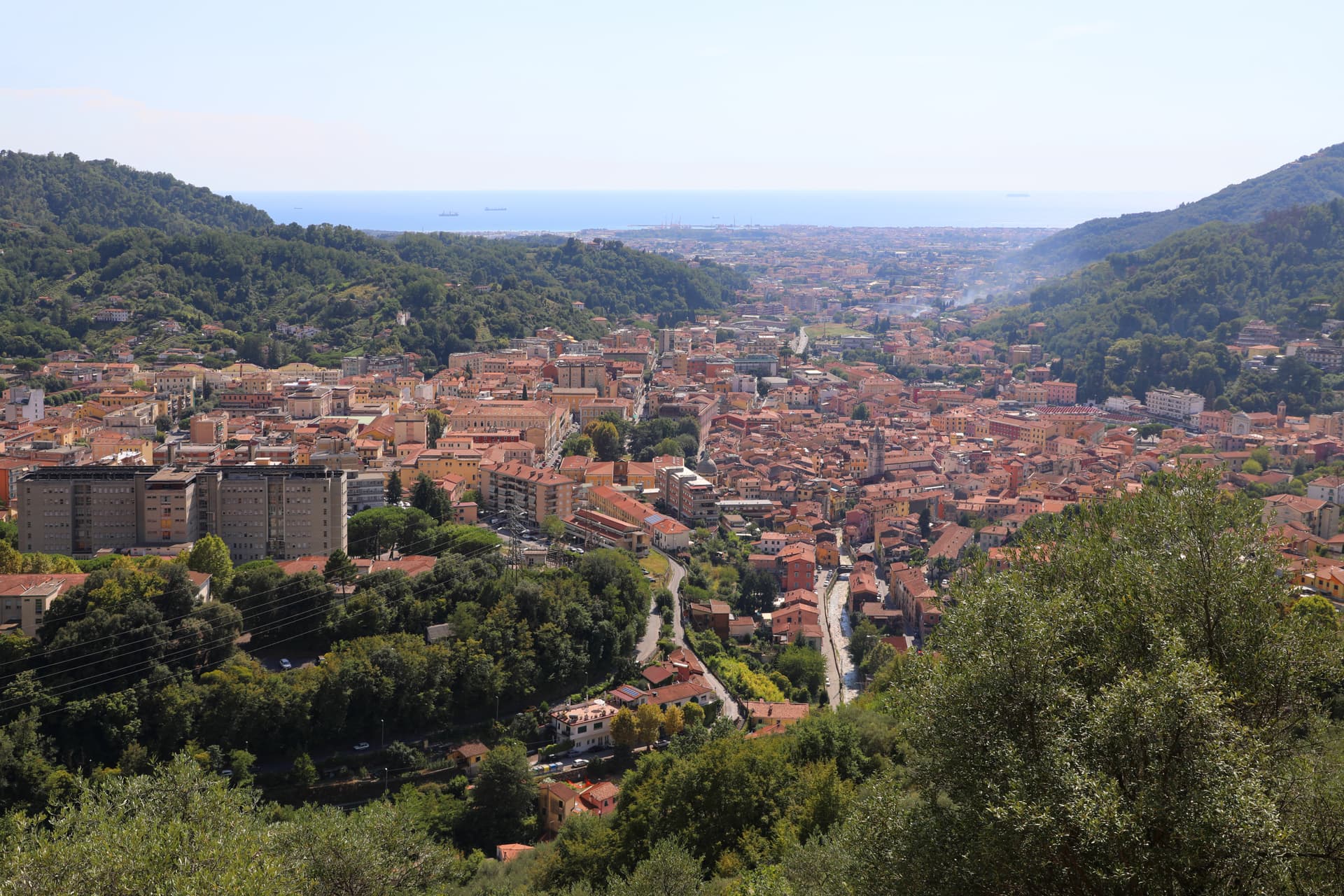
Carrara
Province: Massa-Carrara
The marble town at the foot of the Apuan Alps, with over 650 quarry sites in the valleys above and the stone that built the Pantheon, the Pietà and Michelangelo's David.
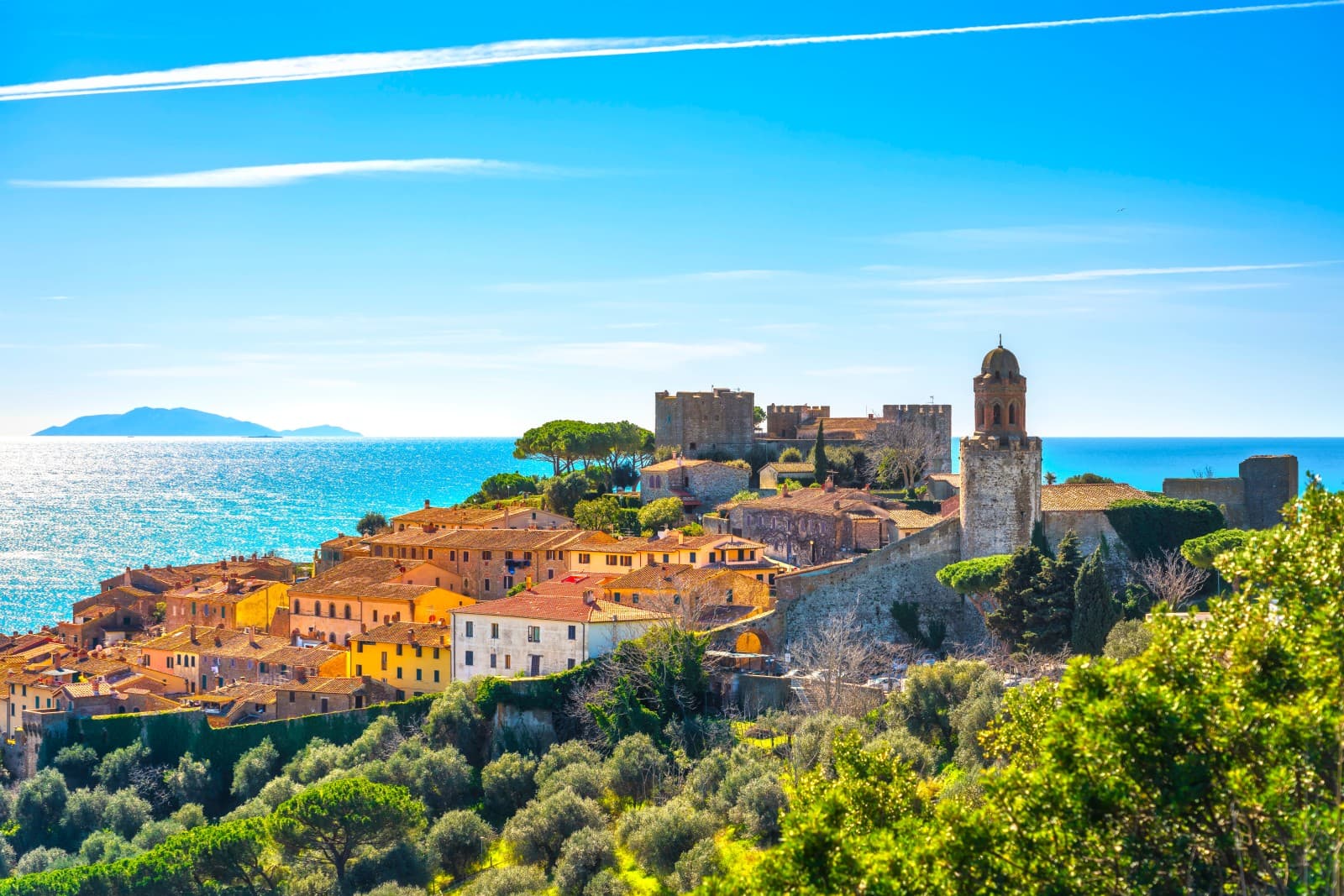
Castiglione della Pescaia
Province: Grosseto
A Maremma seaside town under an Aragonese castle, with the Vetulonia necropolis behind it, the Diaccia Botrona wetland beside it, and Italo Calvino buried on the hill.
Forte dei Marmi
Province: Lucca
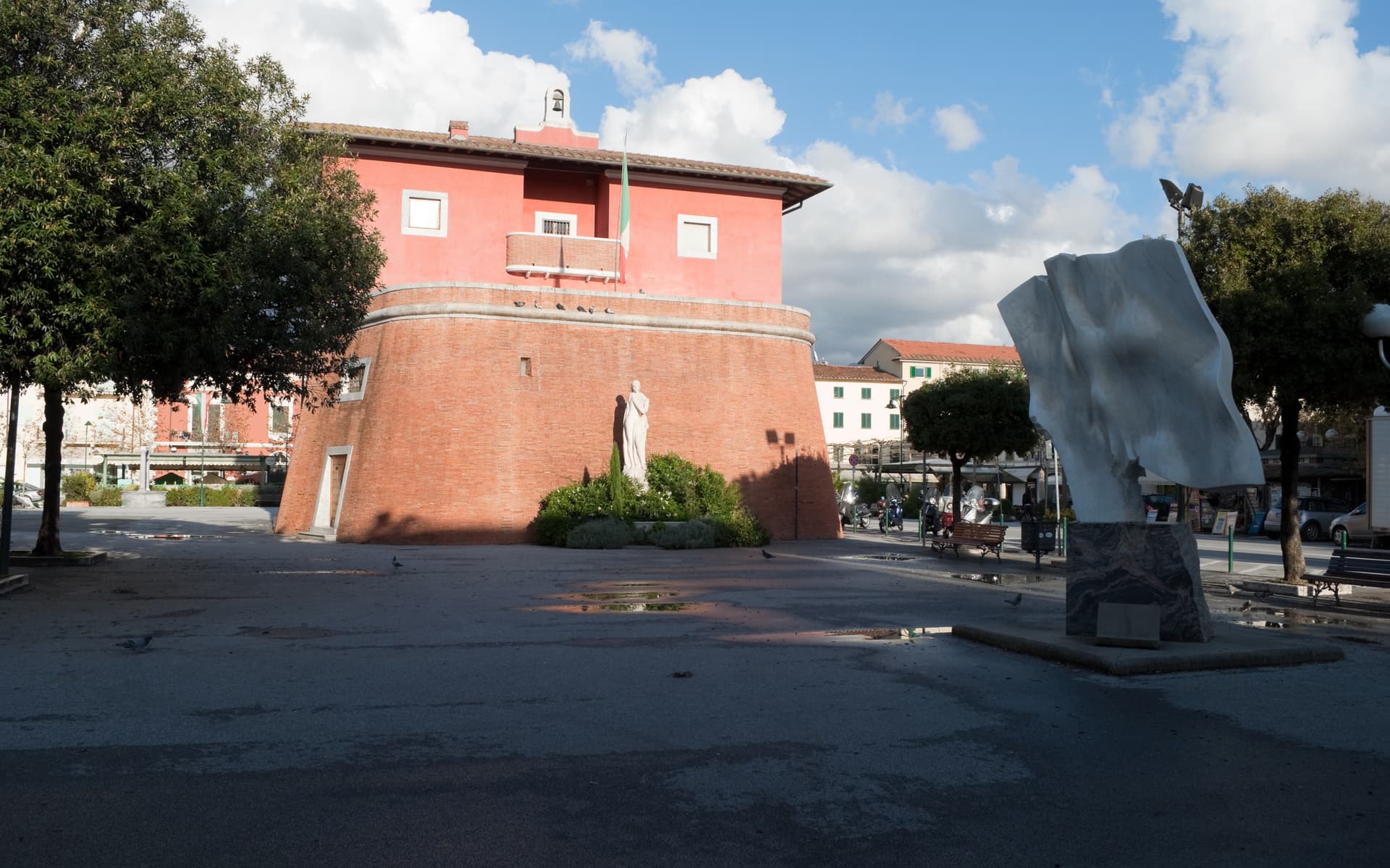
The Versilia luxury beach built around an eighteenth-century marble-loading fort, with 99 bagni concessions and a Wednesday market that draws Milan.
Grosseto
Province: Grosseto
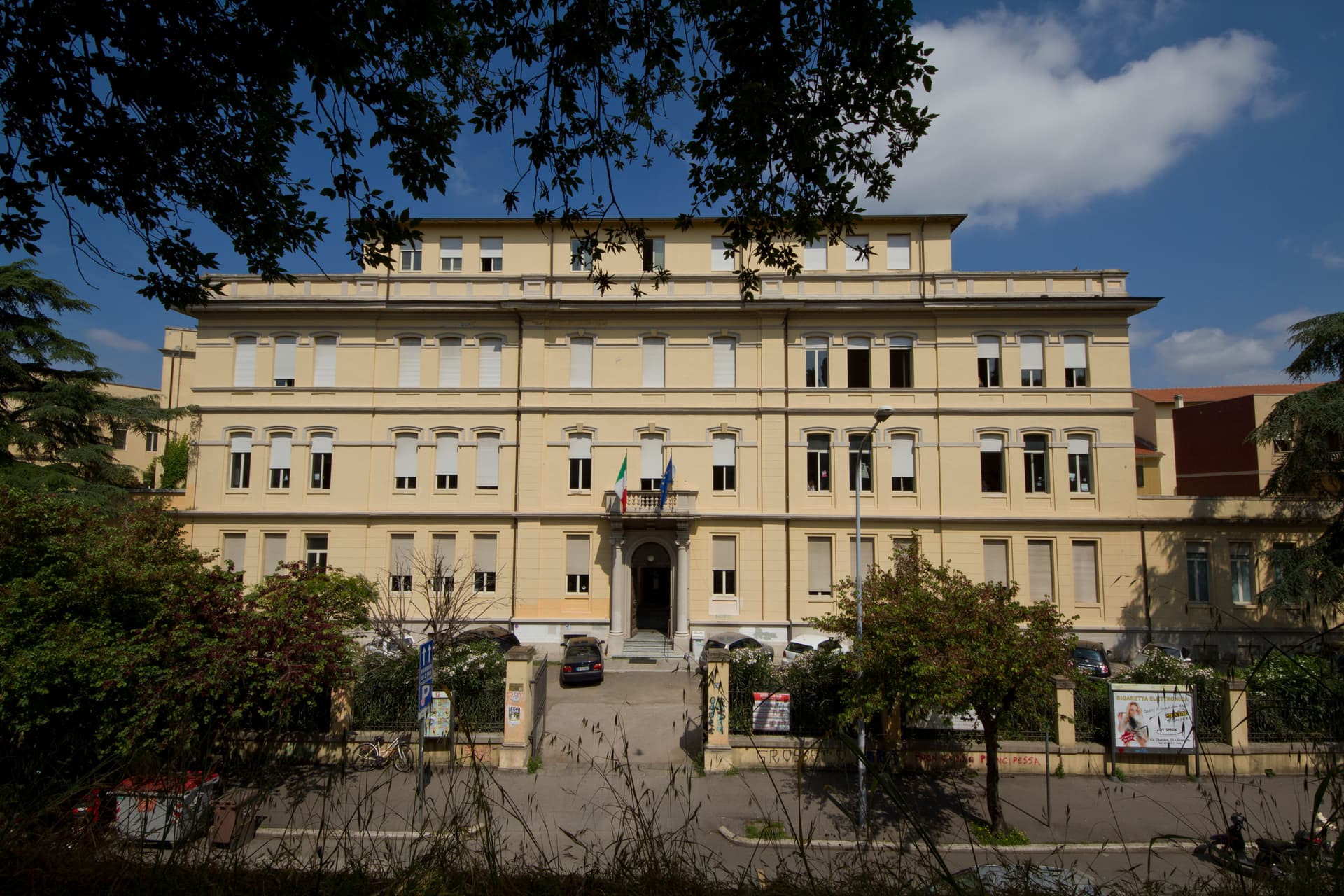
The Maremma capital on the Ombrone river, ringed by hexagonal Medici walls of 1564 that now serve as the city's public park.