

Tuscany · Massa-Carrara
Carrara
The marble town at the foot of the Apuan Alps, with over 650 quarry sites in the valleys above and the stone that built the Pantheon, the Pietà and Michelangelo's David.
Known for
MARBLE QUARRIES
650+ quarry sites in Torano, Fantiscritti and Colonnata, the source of more marble than anywhere on earth since Roman times.
MICHELANGELO
Personally selected the stone for the Pietà and the David from the Polvaccio quarry above Torano starting in 1497.
ACCADEMIA DI BELLE ARTI
Founded 1769 by Maria Teresa Cybo-Malaspina, still training sculptors who work the surrounding marble studios.
When to visit
Best · May–Sep
- J
- F
- M
- A
- M
- J
- J
- A
- S
- O
- N
- D
- Best
- Hot or crowded
- Quiet
- Mostly closed
The festa: Ceccardo di Luni, 16 June
Why come
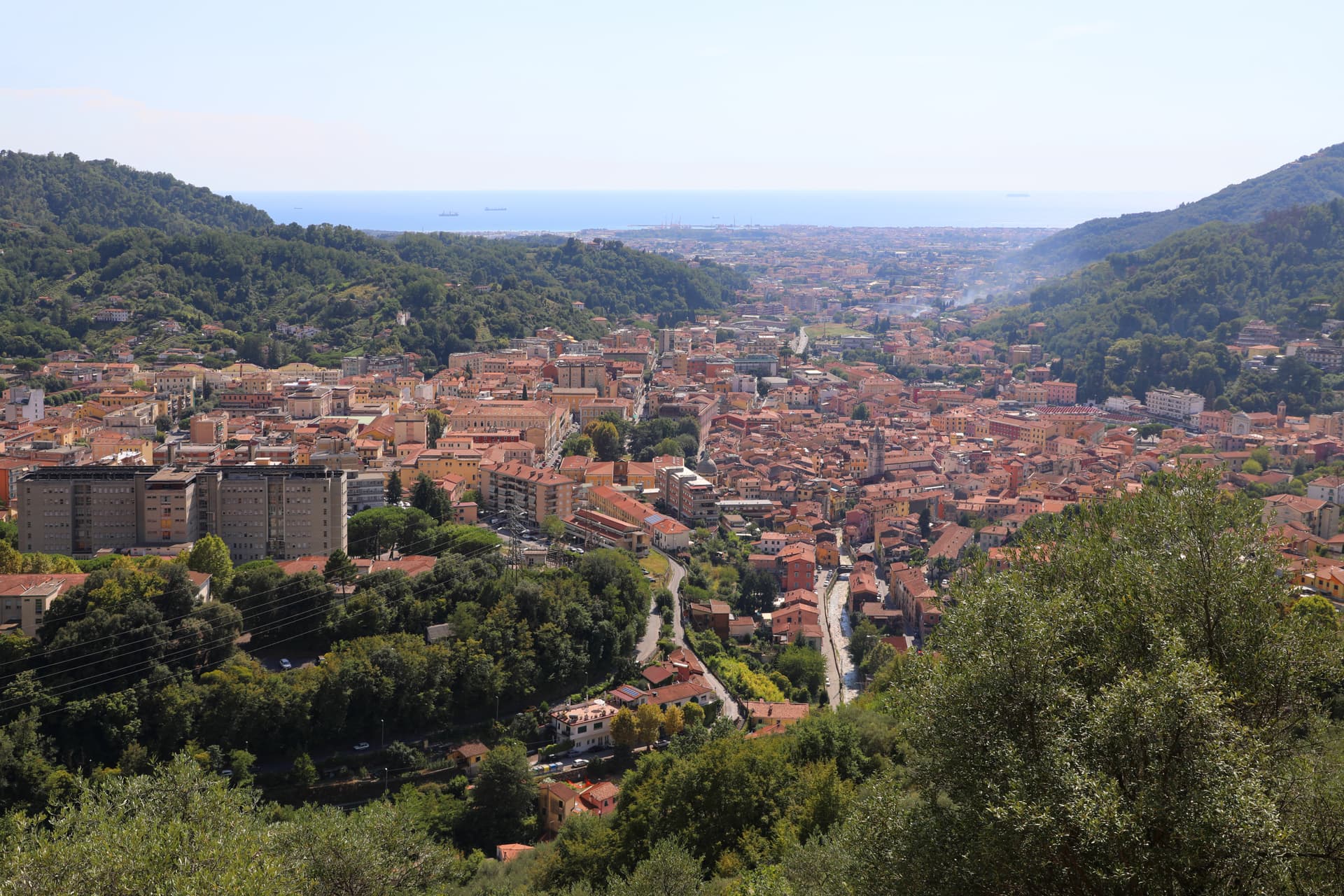
Carrara sits in the narrow plain where the Apuan Alps drop to the Tyrrhenian. The 650-plus marble quarries in the three valleys above the town, Torano, Fantiscritti and Colonnata, have produced more marble than any other place on earth, worked since Roman times. The white and blue-grey stone went into the Pantheon and Trajan's Column.
Michelangelo first came in 1497 to find marble for his Pietà and kept returning until he opened his own quarry in the Polvaccio above Torano, still called Cava di Michelangelo. The Duomo di Sant'Andrea, begun in the eleventh century, was the first medieval church built entirely of the local stone, with a bichrome marble façade. The city's Accademia di Belle Arti has trained sculptors since 1769 and the surrounding studi still work commissions for sculptors who never set foot in Italy.
What to see
Duomo di Sant'Andrea
Eleventh-century cathedral, the first medieval church built entirely of Apuan marble, with a Romanesque-Gothic bichrome façade finished in the fourteenth century.
Cave di Marmo
Over 650 quarry sites in the Torano, Fantiscritti and Colonnata valleys, worked since Roman times and visible on cave tours from the town.
Piazza Alberica
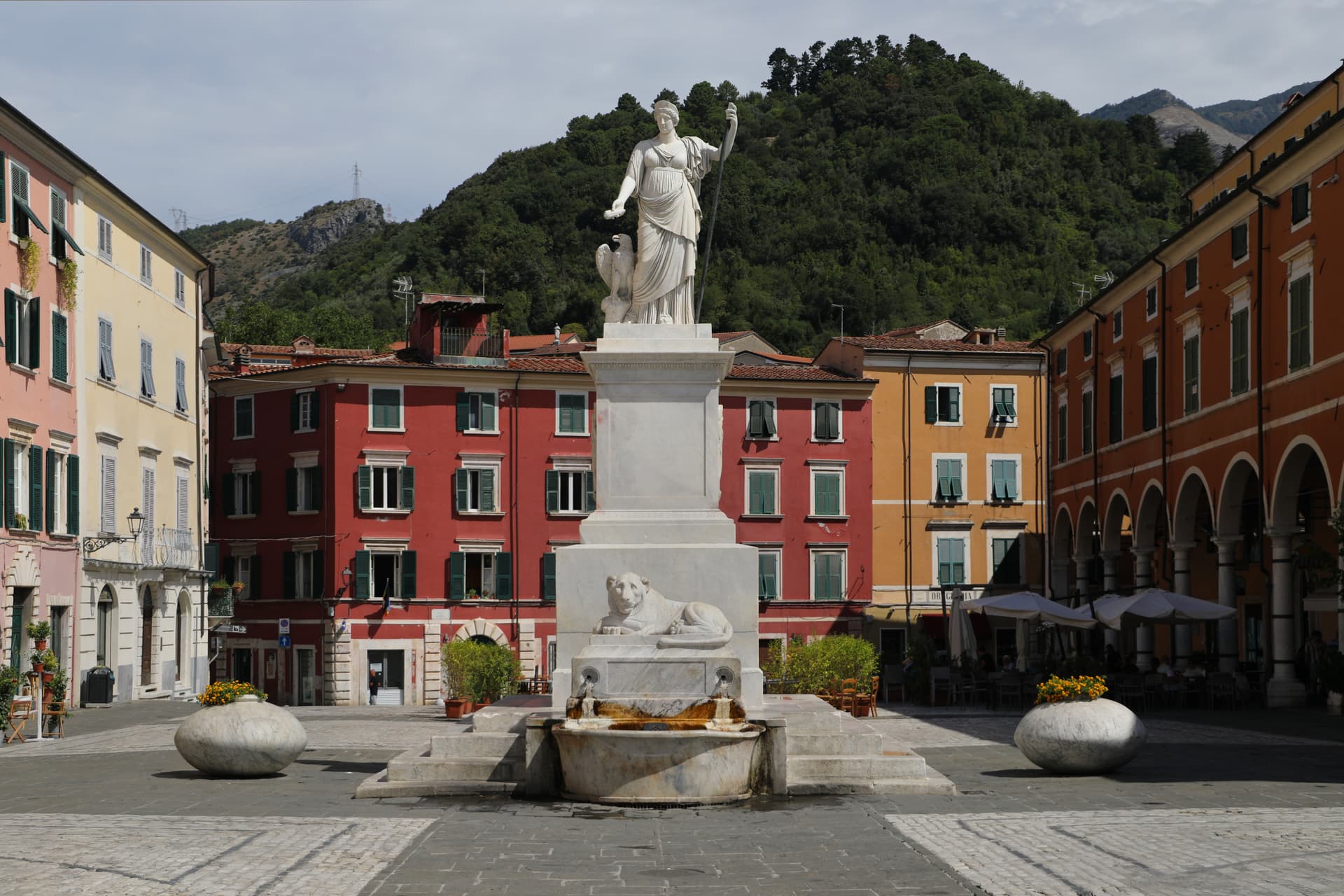
Sixteenth-century square built by Alberico I Cybo Malaspina inside the expanded city walls, ringed by marble façades and a central statue of Maria Beatrice d'Este.
Castello Malaspina
Medieval-into-Renaissance Malaspina seat, later the home of the Accademia di Belle Arti since 1805.
Museo Civico del Marmo
Civic museum documenting two thousand years of quarrying, with Roman tools, geological samples and modern sculpture.
Cava di Michelangelo (Polvaccio)
The Torano-valley quarry where Michelangelo personally selected marble for the Pietà and David, still in operation.
The slow-trip planner
Building a trip? Find where Carrara fits in a slow Italy circuit.
Answer five questions. We will shape a geographically coherent slow trip from the 1,000 Italian towns most travelers skip. Yours to save and share.
We’ve tried
What we got up to
Restaurants, walks, swims — the things we actually did in Carrara, each with the piece we wrote about it.
Lardo di Colonnata, the pork fat aged in marble that needs nothing but bread.
We recommend
Where to eat and stay
Not our picks, but places the guides put their name to — a Michelin star, a Gambero Rosso fork, a Slow Food snail, a Michelin Key for the hotels. Worth a table, a counter, or a night when you pass through.
ExtraRistorante
A Gambero Rosso listing for Extra, and a spot in the Michelin Guide.
Enoteca VeliaWine Bar
Enoteca Velia holds two Gambero Rosso bottles.
Il NarcisoRistorante
Il Narciso has a spot in the Michelin Guide to its name.
The Sunday letter
Carrara got its letter. One town every Sunday, free — the photo, the food, the festa.
By subscribing you agree to Substack’s Terms of Use, our Privacy Policy and our Information collection notice.
Living here
- Population 59,905
- Commuter belti
- Pharmacy in town
- High school within a 30-minute drive
- Train station in the comune
- Nearest airport Florence / Pisa, 1 h 4 min drive
- Regional capital Firenze, 1 h 41 min drive
Tags & datadesignations · numbers · sources
Recognised as
The numbers
- Elevation: 80 m
- Population: 59,905
- Surface area: 71.01 km²
These figures were compiled from public directories — ISTAT, OpenStreetMap, Wikidata — and from the official listings of the guides named on this page. Town details change; verify with official sources before you travel.
Close by
More towns near Carrara
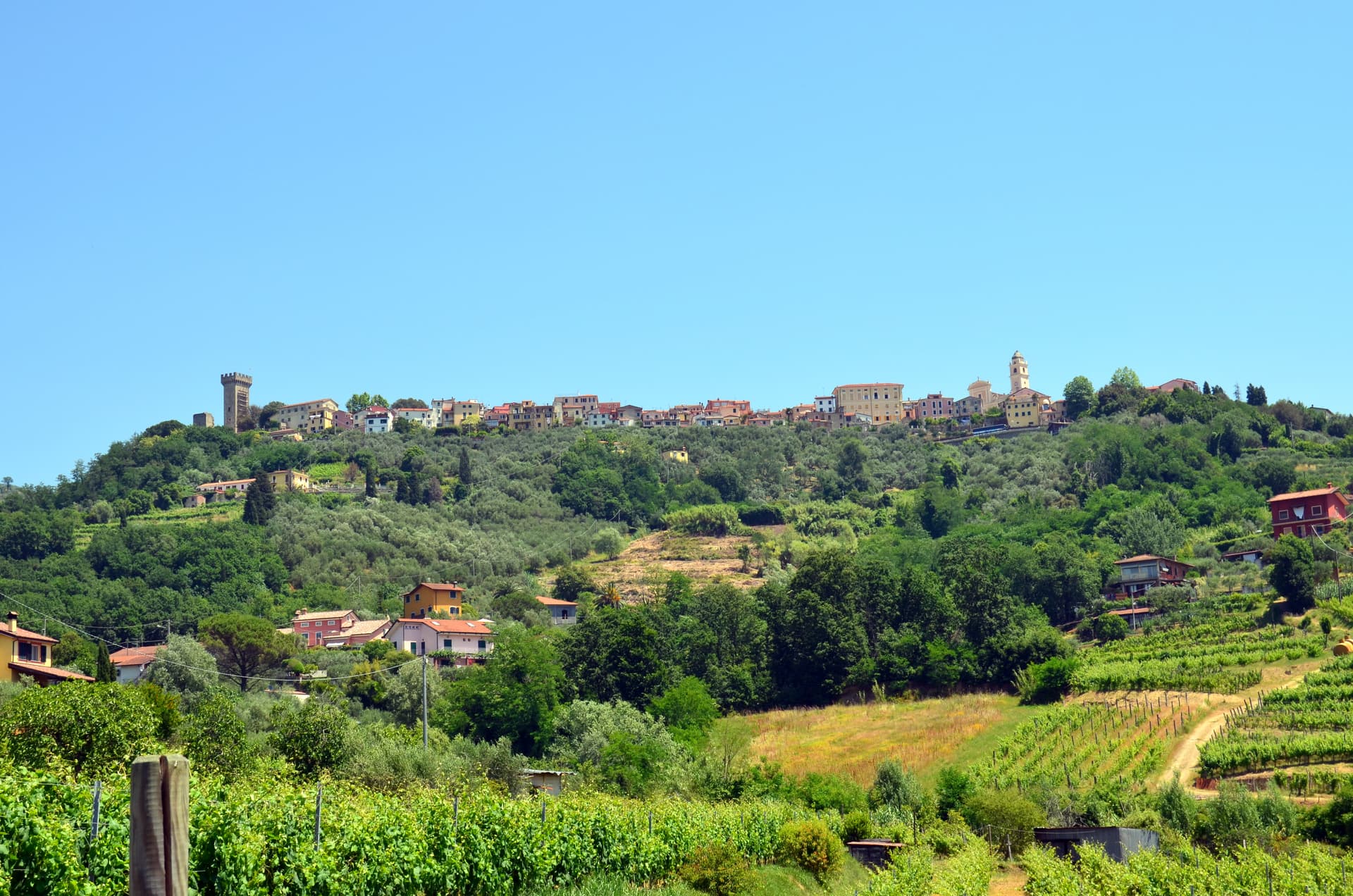
Castelnuovo Magra
Province: La Spezia
A ridge village on the Liguria-Tuscany border where Dante Alighieri signed the 1306 Peace of Castelnuovo on behalf of the Malaspina marquises.
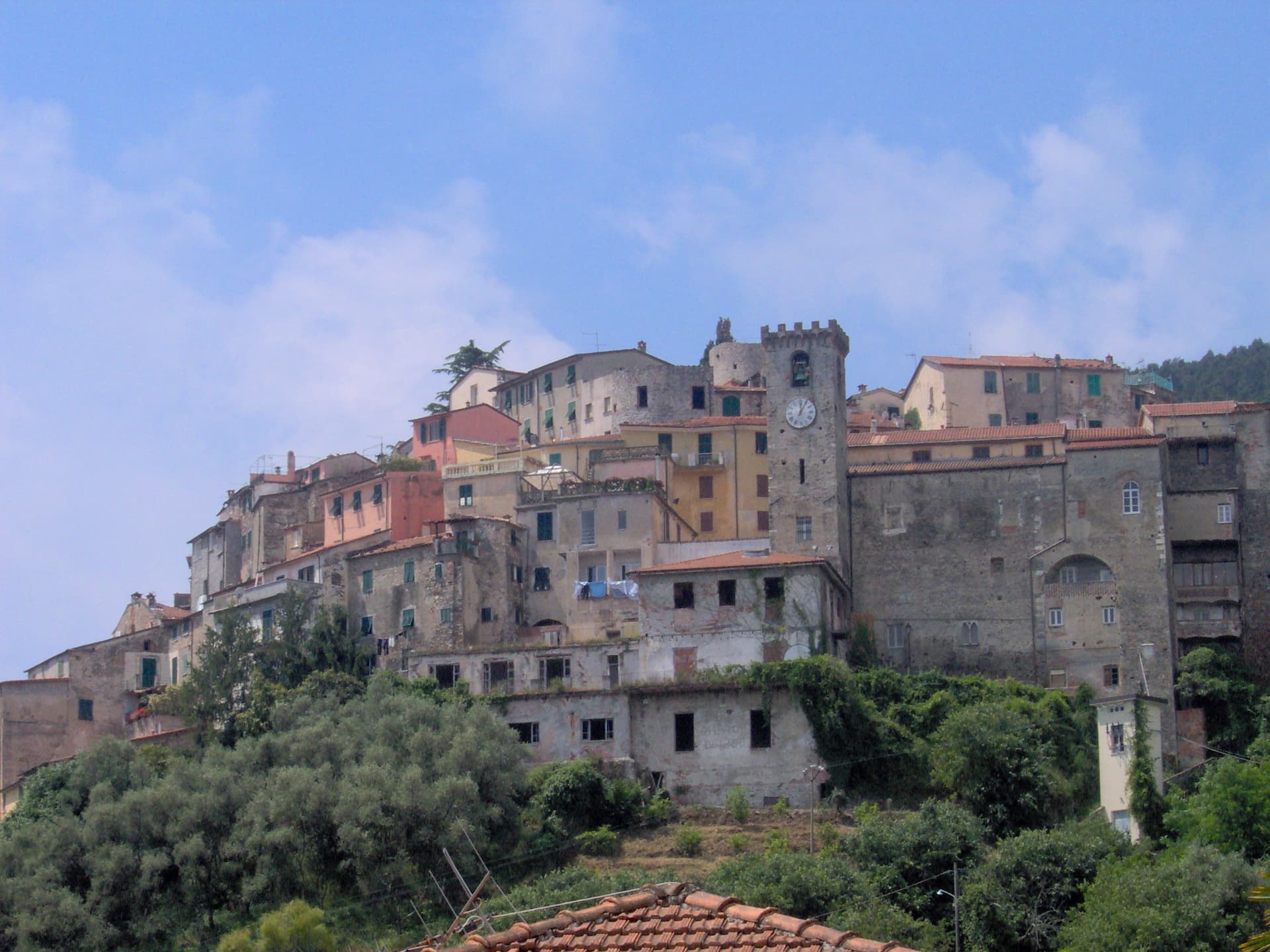
Ameglia
Province: La Spezia
A hilltop borgo at 89 meters above the mouth of the Magra, the Lunigiana edge of Liguria where the river meets the Gulf of Poets.
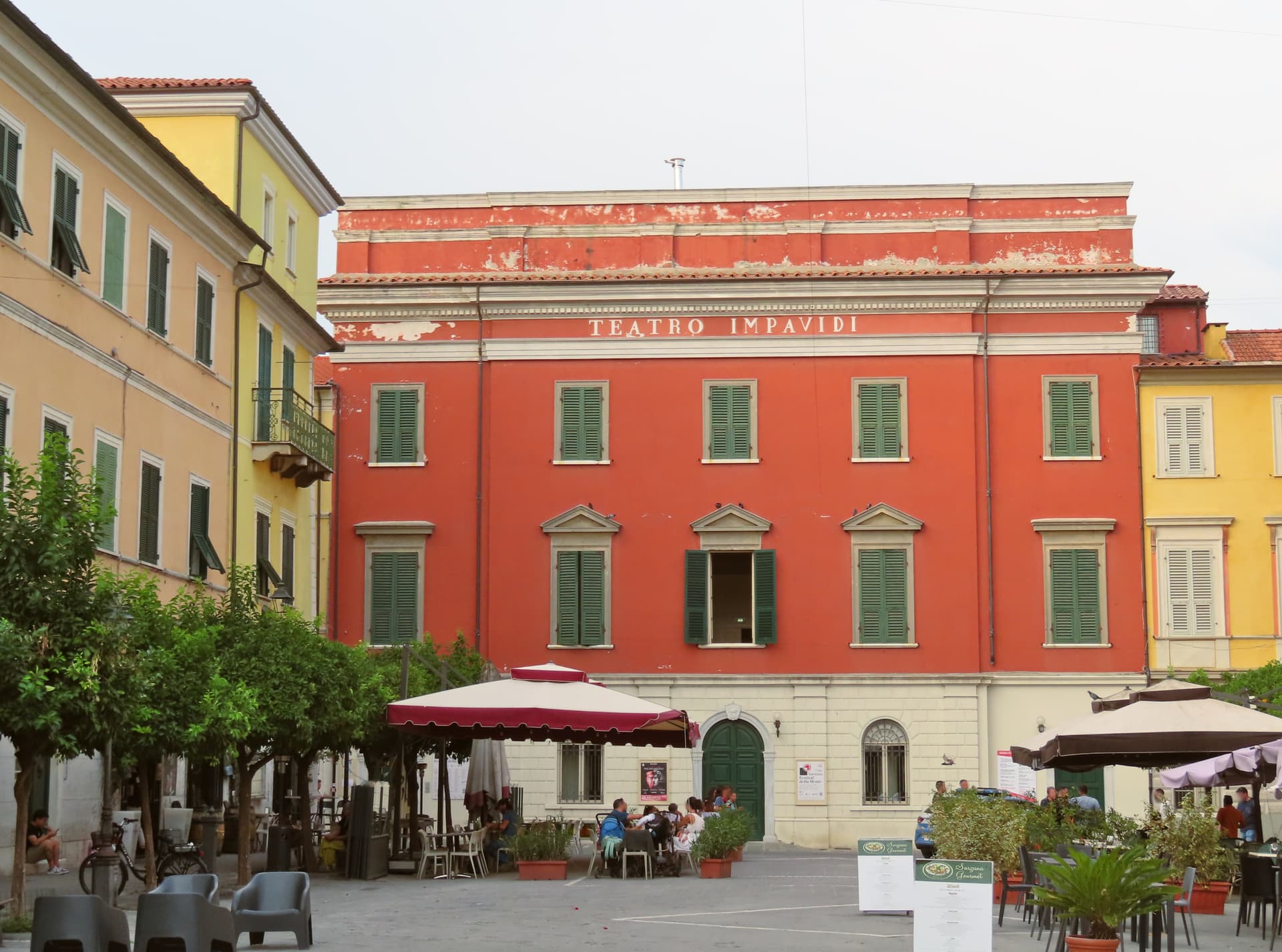
Sarzana
Province: La Spezia
The unofficial capital of the Lunigiana on the Magra plain, birthplace of Pope Niccolò V and home to Italy's oldest dated painted crucifix.
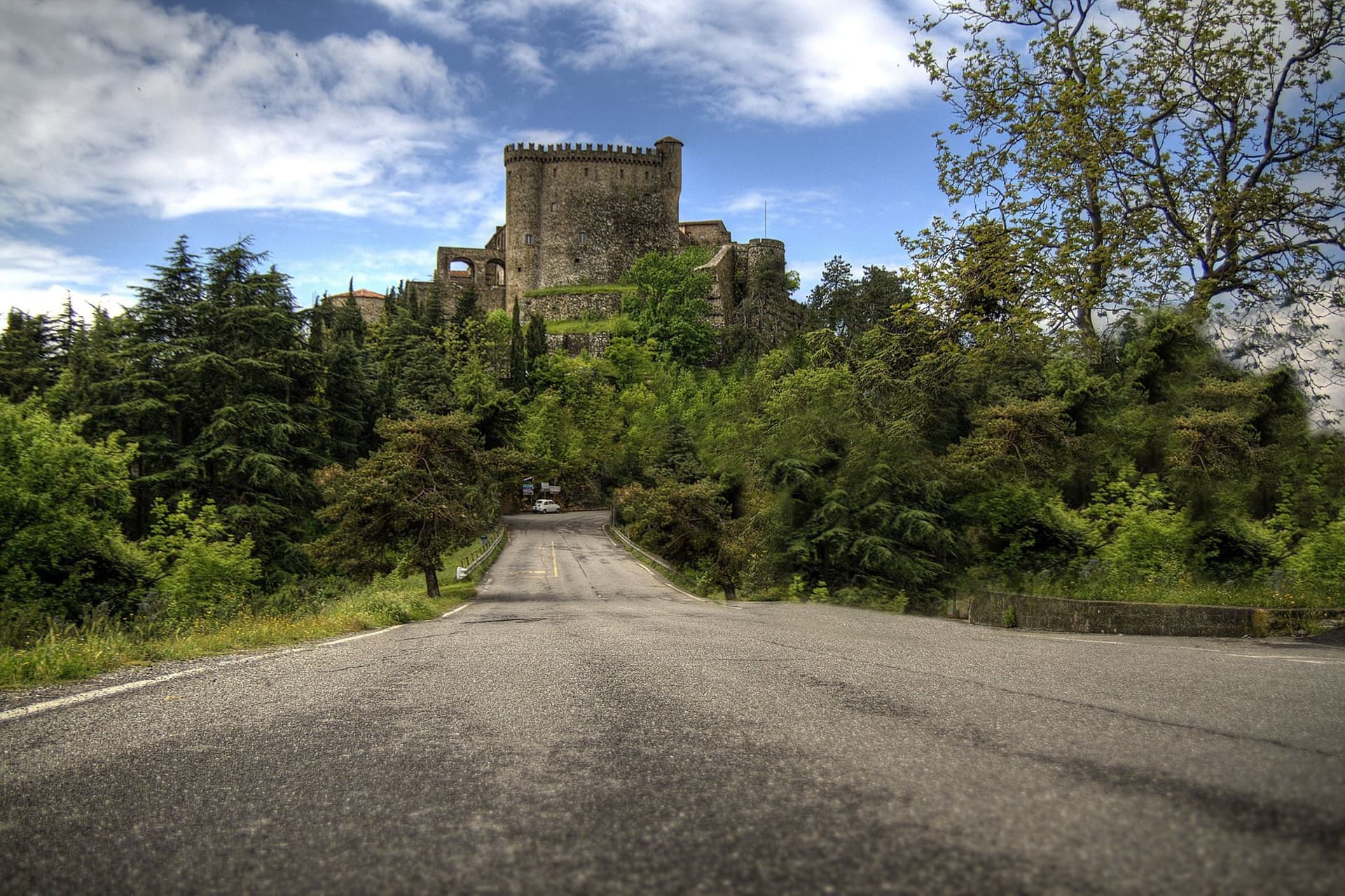
Fosdinovo
Province: Massa-Carrara
The southern Lunigiana stronghold at 500 meters, the Malaspina castle where Dante took shelter in 1306 and later set a Purgatorio canto.
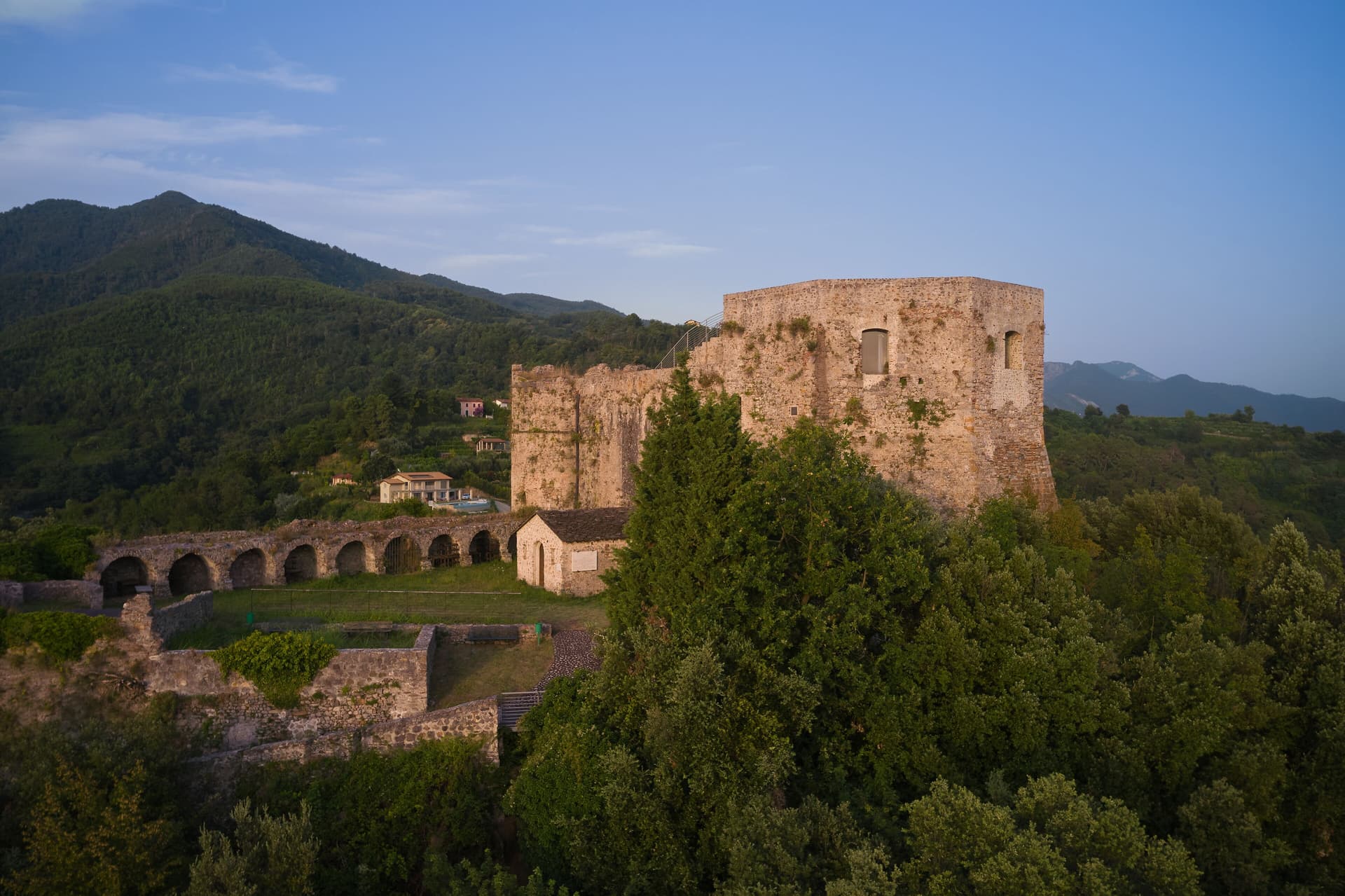
Montignoso
Province: Massa-Carrara
A Riviera Apuana commune split between the Cinquale coastal frazione, the Castello Aghinolfi on the hill, and the Lago di Porta wetland on the Versilia plain.
🟦 Bandiera Blu
More Bandiera Blu towns in Tuscany
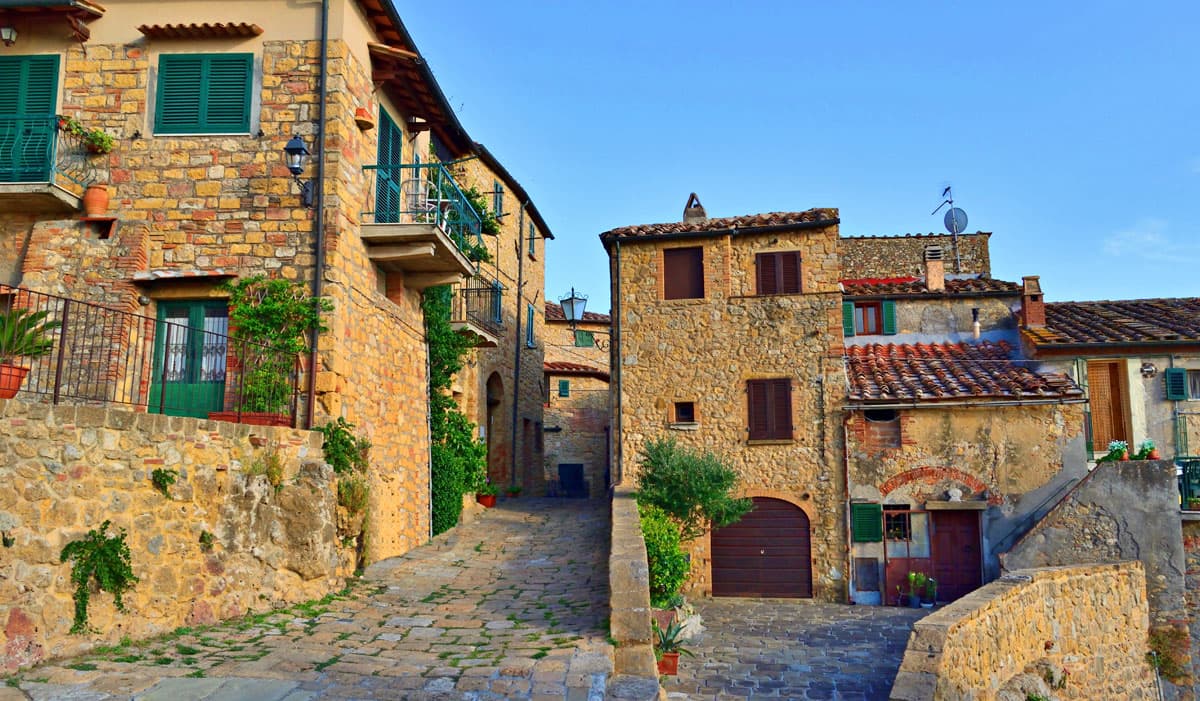
Bibbona
Province: Livorno
An Etruscan-origin hill village above the Costa degli Etruschi, with a Romanesque parish church and a Lorraine-built coastal fort eight kilometers down the road at Marina di Bibbona.
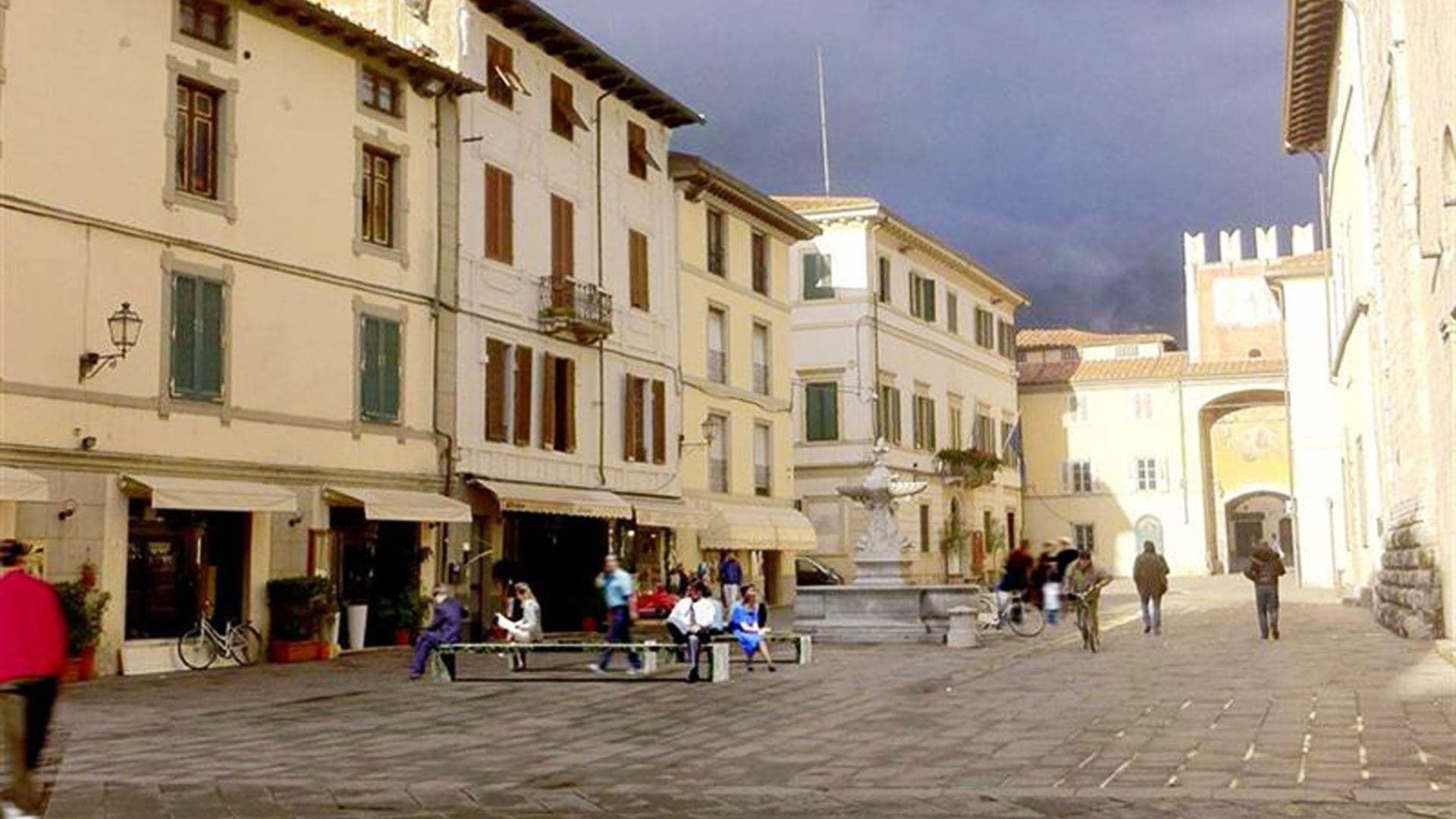
Camaiore
Province: Lucca
The Versilia commune that runs from the Apuan Alps to the sea, a Roman Campus Maior on the Via Francigena with a beach at its western end.

Castagneto Carducci
Province: Livorno
A hilltop borgo at 194 meters above the Costa degli Etruschi, renamed for the poet Carducci in 1907 and the home of Bolgheri and Sassicaia.
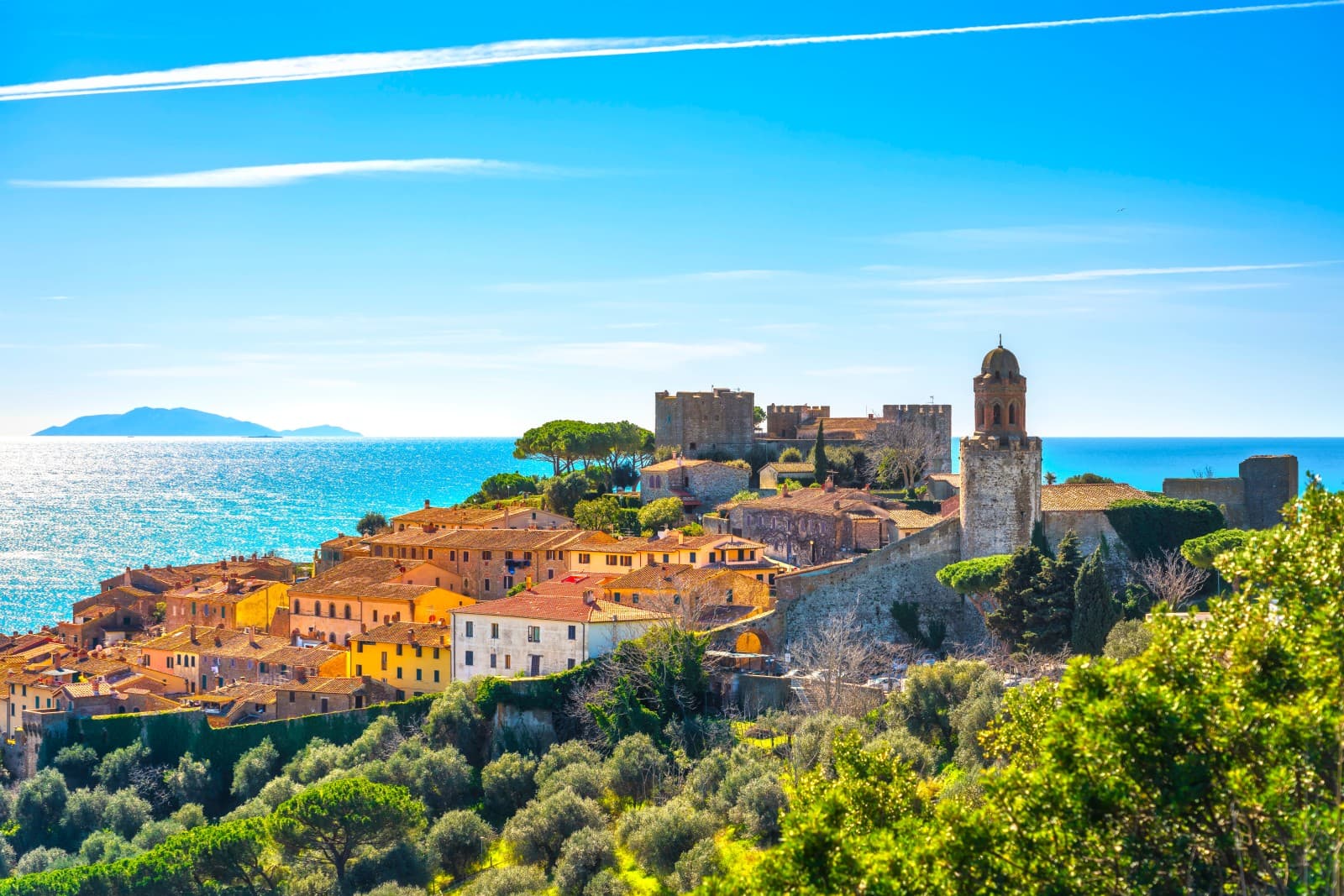
Castiglione della Pescaia
Province: Grosseto
A Maremma seaside town under an Aragonese castle, with the Vetulonia necropolis behind it, the Diaccia Botrona wetland beside it, and Italo Calvino buried on the hill.
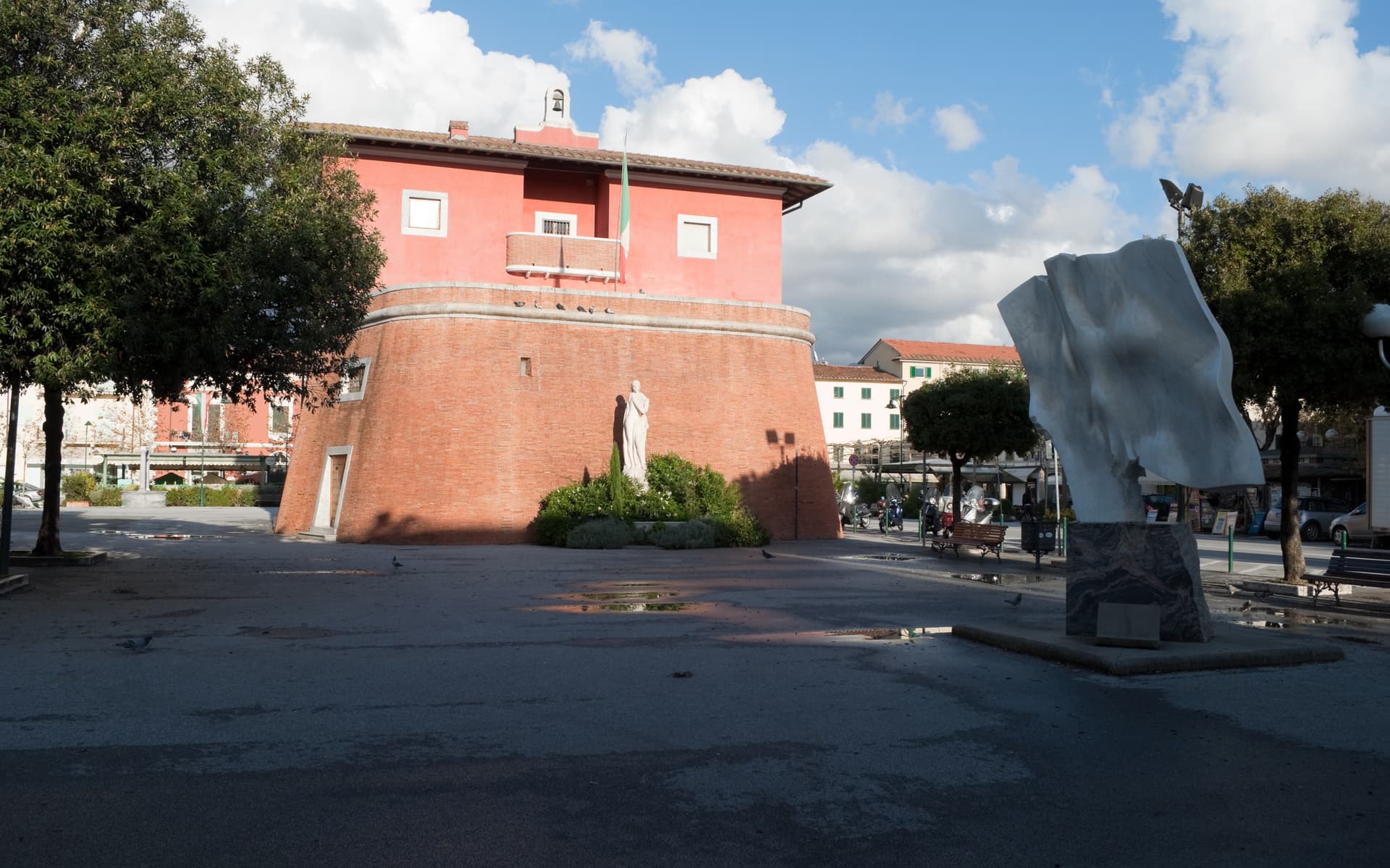
Forte dei Marmi
Province: Lucca
The Versilia luxury beach built around an eighteenth-century marble-loading fort, with 99 bagni concessions and a Wednesday market that draws Milan.