

Tuscany · Massa-Carrara
Montignoso
A Riviera Apuana commune split between the Cinquale coastal frazione, the Castello Aghinolfi on the hill, and the Lago di Porta wetland on the Versilia plain.
Known for
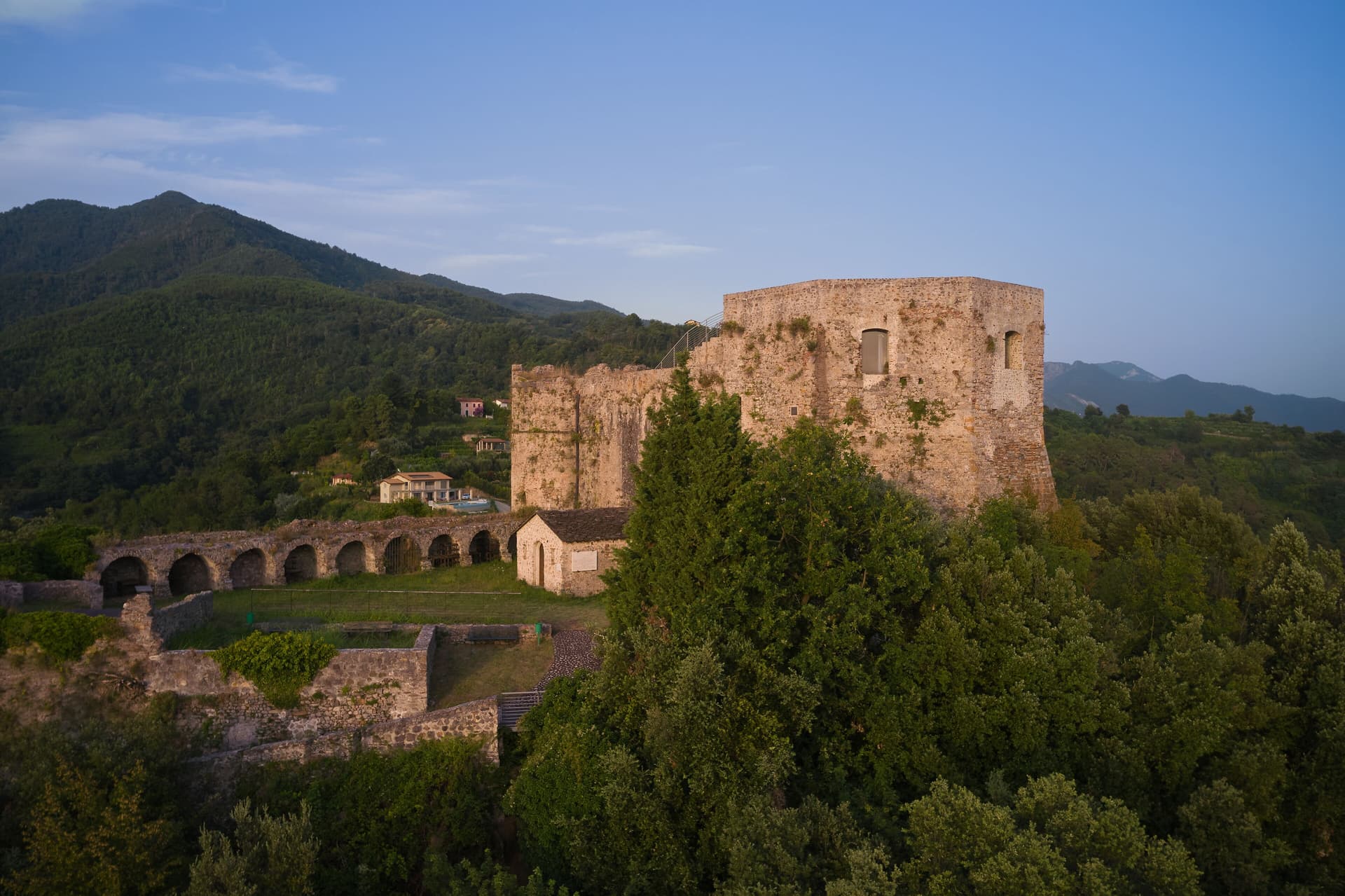
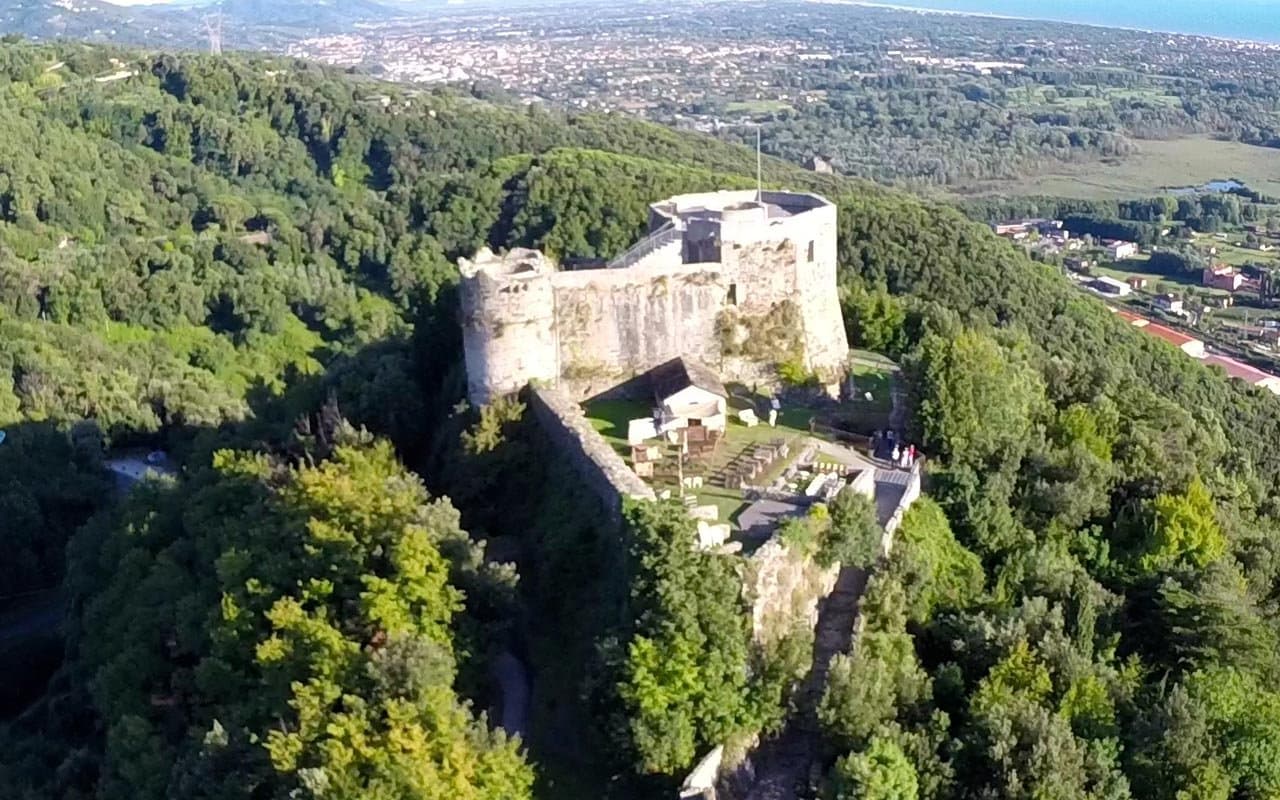
CASTELLO AGHINOLFI
Lombard-origin castle documented from 753, a Via Francigena strongpoint disputed by Lucca and Pisa, abandoned in 1799.
LAGO DI PORTA
Tuscany's northernmost wetland, named for an eleventh-century gate on the Francigena, now a protected coastal-plain reserve.
CINQUALE
Coastal frazione on the Versilia beach, between Forte dei Marmi and Marina di Massa, with a small marina and fine-sand seafront.
When to visit
Best · May–Sep
- J
- F
- M
- A
- M
- J
- J
- A
- S
- O
- N
- D
- Best
- Hot or crowded
- Quiet
- Mostly closed
The festa: San Vito, 15 June
Why come
Montignoso sits at the foot of the Apuan Alps, between Massa and Pietrasanta, in the corner where Massa-Carrara province meets Versilia. The Castello Aghinolfi crowns an isolated rise above the village, of Lombard origin, documented as castellum Aginulfi in 753 and 764, controlled at various times by Lucca and Pisa as a Via Francigena strongpoint. The town declined through the sixteenth century because of coastal malaria; the castle was abandoned in 1799 during the Jacobin invasion.
The Lago di Porta, on the coastal plain, is the northernmost wetland in Tuscany, named for a documented eleventh-century gate on the Pietrasanta stretch of the Francigena where a church and travellers' inn stood. The seaside frazione of Cinquale opens onto a Versilia beach. The thermal signal comes from a small spring on the Pasquilio side of the commune.
The Sunday letter
We haven’t written Montignoso’s letter yet.
One town every Sunday, with the photo, the food, the festa. Be there when this one comes up. Free, by Peter & Sophia from Pietrasanta.
By subscribing you agree to Substack’s Terms of Use, our Privacy Policy and our Information collection notice.
What to see
Castello Aghinolfi
Lombard-origin castle documented from 753 as castellum Aginulfi, controlling a strategic stretch of the Via Francigena until abandonment in 1799.
Lago di Porta
Northernmost wetland in Tuscany, named for an eleventh-century gate on the Francigena route, now a protected natural area.
Cinquale
Seaside frazione on the Versilia coast, with fine sand and the Apuan Alps rising directly behind, historically a quieter alternative to Forte dei Marmi.
Via Francigena
The historic route passes through Montignoso on its way from Massa to Pietrasanta, with the Aghinolfi castle as a former toll-controlled crossing.
Pieve di Santi Vito e Modesto
Romanesque parish church in the centro of Montignoso, with a single nave and Romanesque bell tower.
The slow-trip planner
Building a trip? Find where Montignoso fits in a slow Italy circuit.
Answer five questions. We will shape a geographically coherent slow trip from the 1,000 Italian towns most travelers skip. Yours to save and share.
Living here
- Population 10,015
- Commuter belti
- Pharmacy in town
- High school within a 30-minute drive
- Train station in the comune
- Nearest airport Florence / Pisa, 1 h 1 min drive
- Regional capital Firenze, 1 h 38 min drive
This is a thermal town — terme operate here.
Tags & datadesignations · numbers · sources
Recognised as
The numbers
- Elevation: 132 m
- Population: 10,015
- Surface area: 16.74 km²
These figures were compiled from public directories — ISTAT, OpenStreetMap, Wikidata — and from the official listings of the guides named on this page. Town details change; verify with official sources before you travel.
Close by
More towns near Montignoso
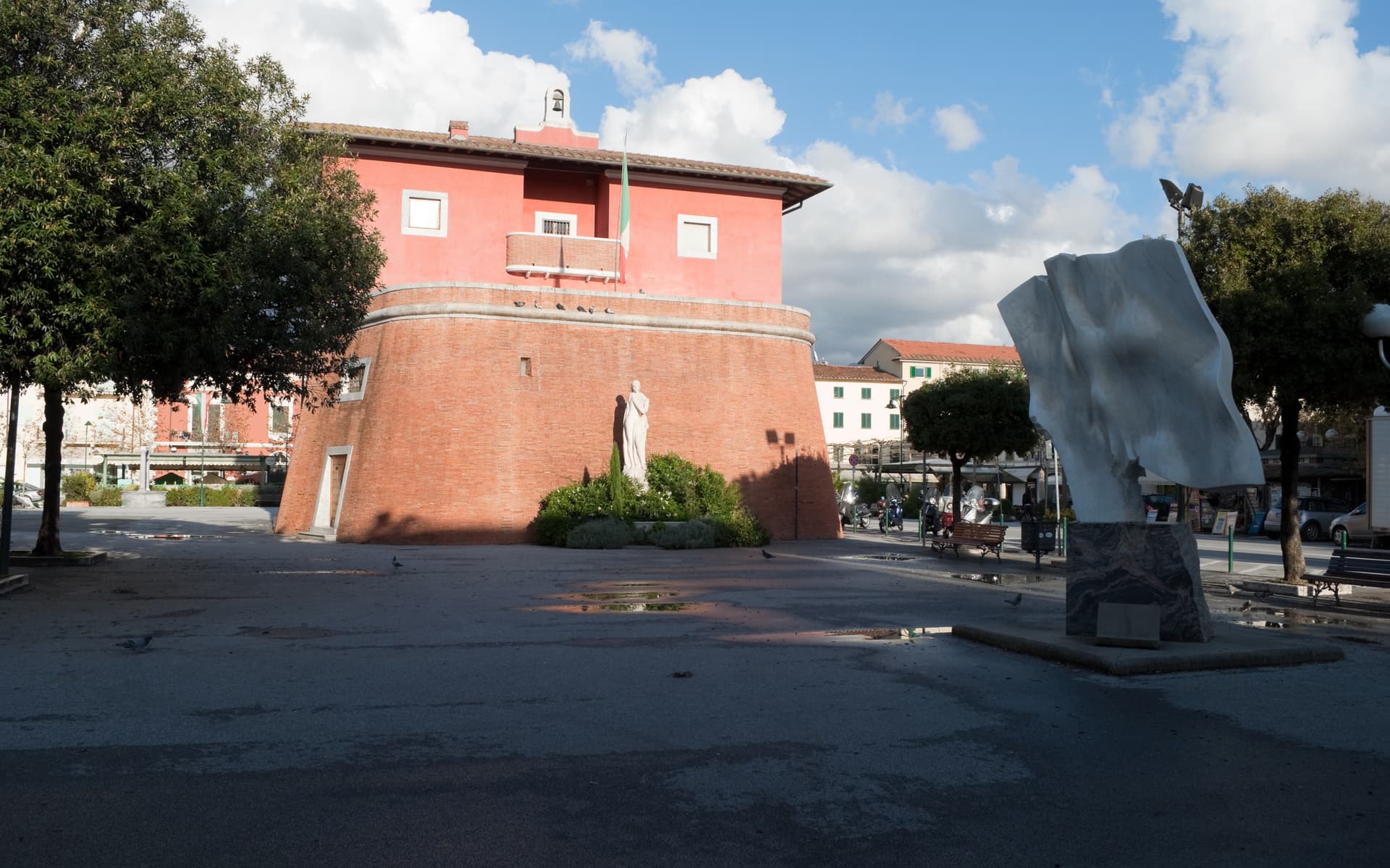
Forte dei Marmi
Province: Lucca
The Versilia luxury beach built around an eighteenth-century marble-loading fort, with 99 bagni concessions and a Wednesday market that draws Milan.
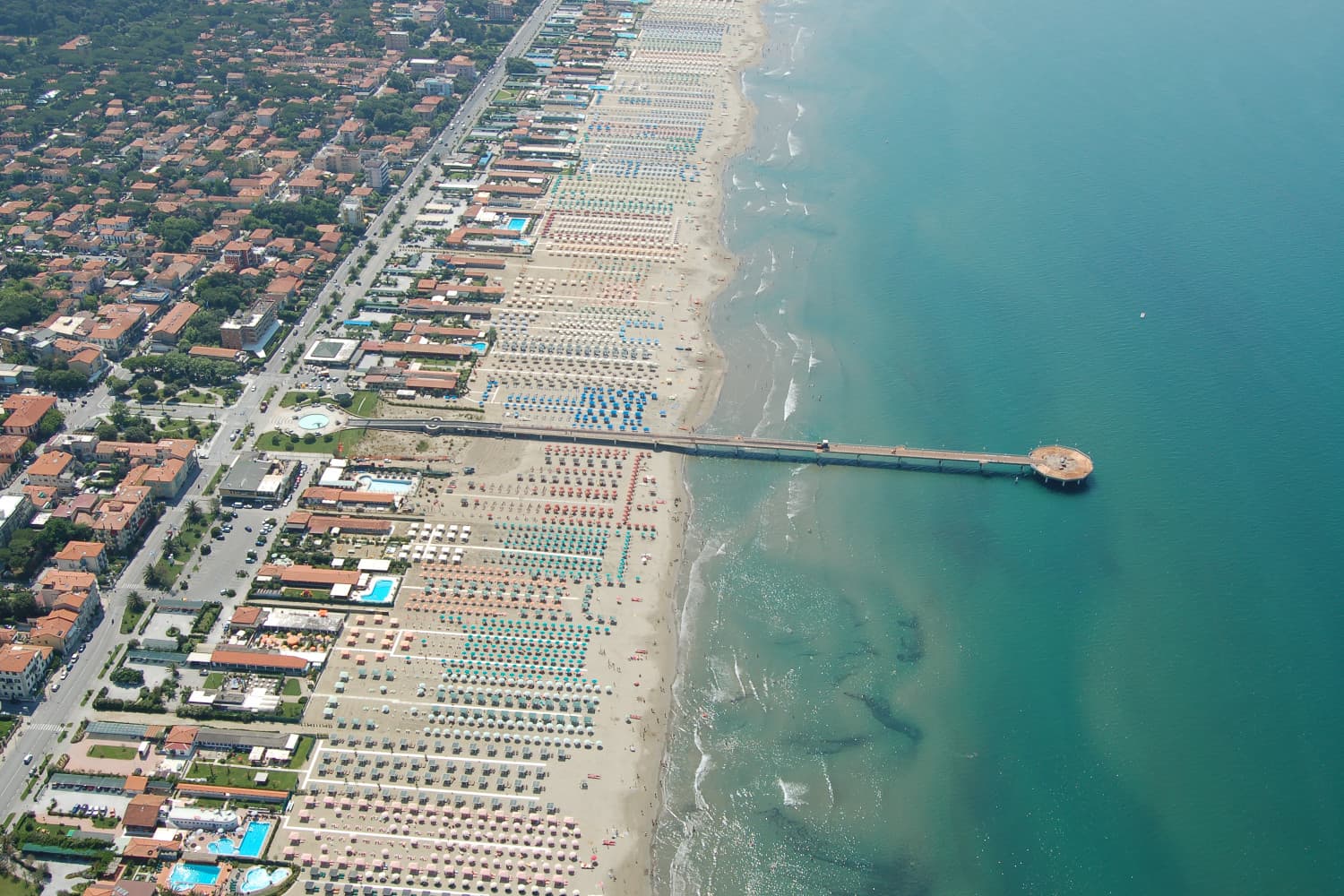
Pietrasanta
Province: Lucca
The marble-processing town under the Apuan Alps, founded in 1255 and worked since by Michelangelo, Henry Moore, Joan Miró and Fernando Botero.
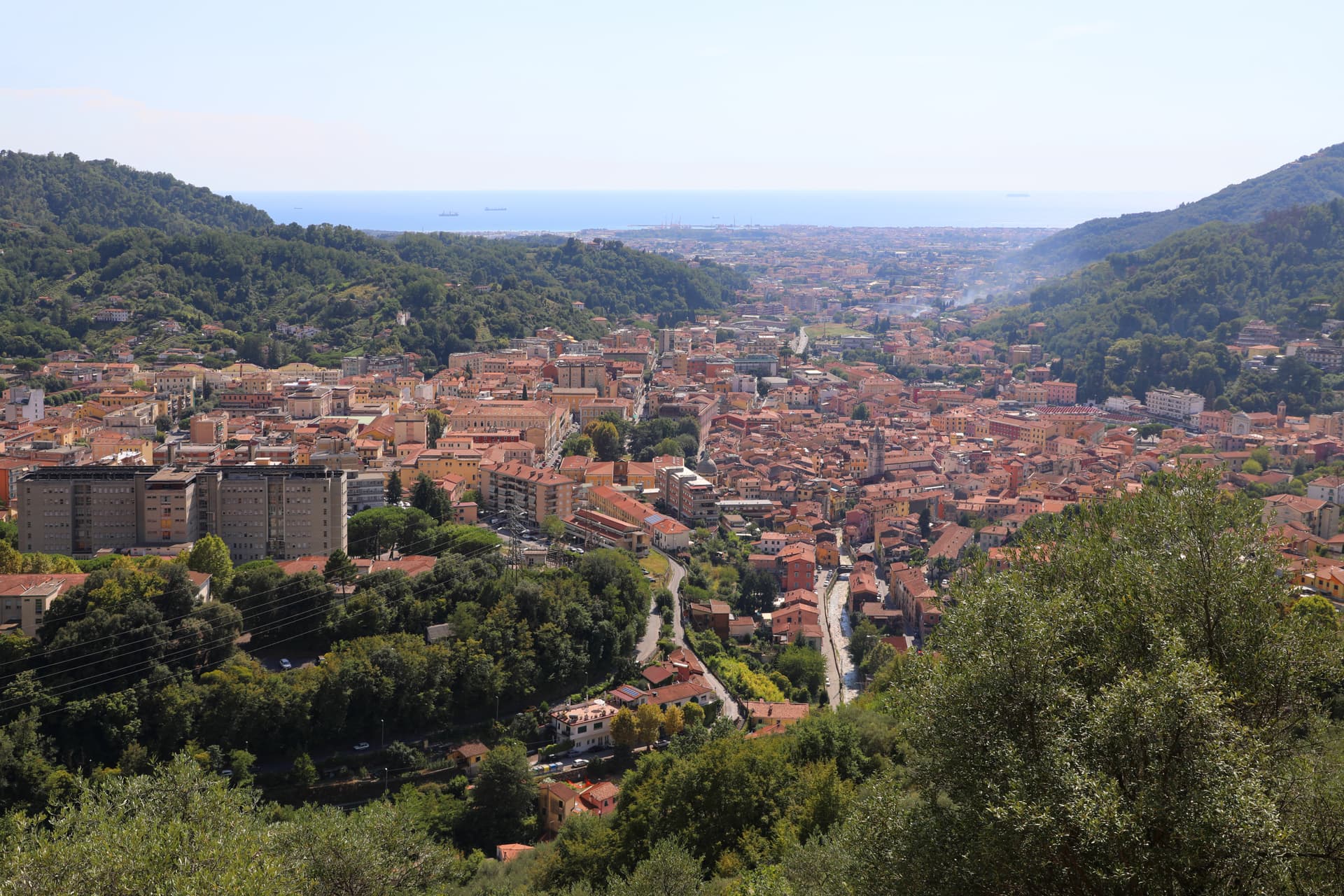
Carrara
Province: Massa-Carrara
The marble town at the foot of the Apuan Alps, with over 650 quarry sites in the valleys above and the stone that built the Pantheon, the Pietà and Michelangelo's David.
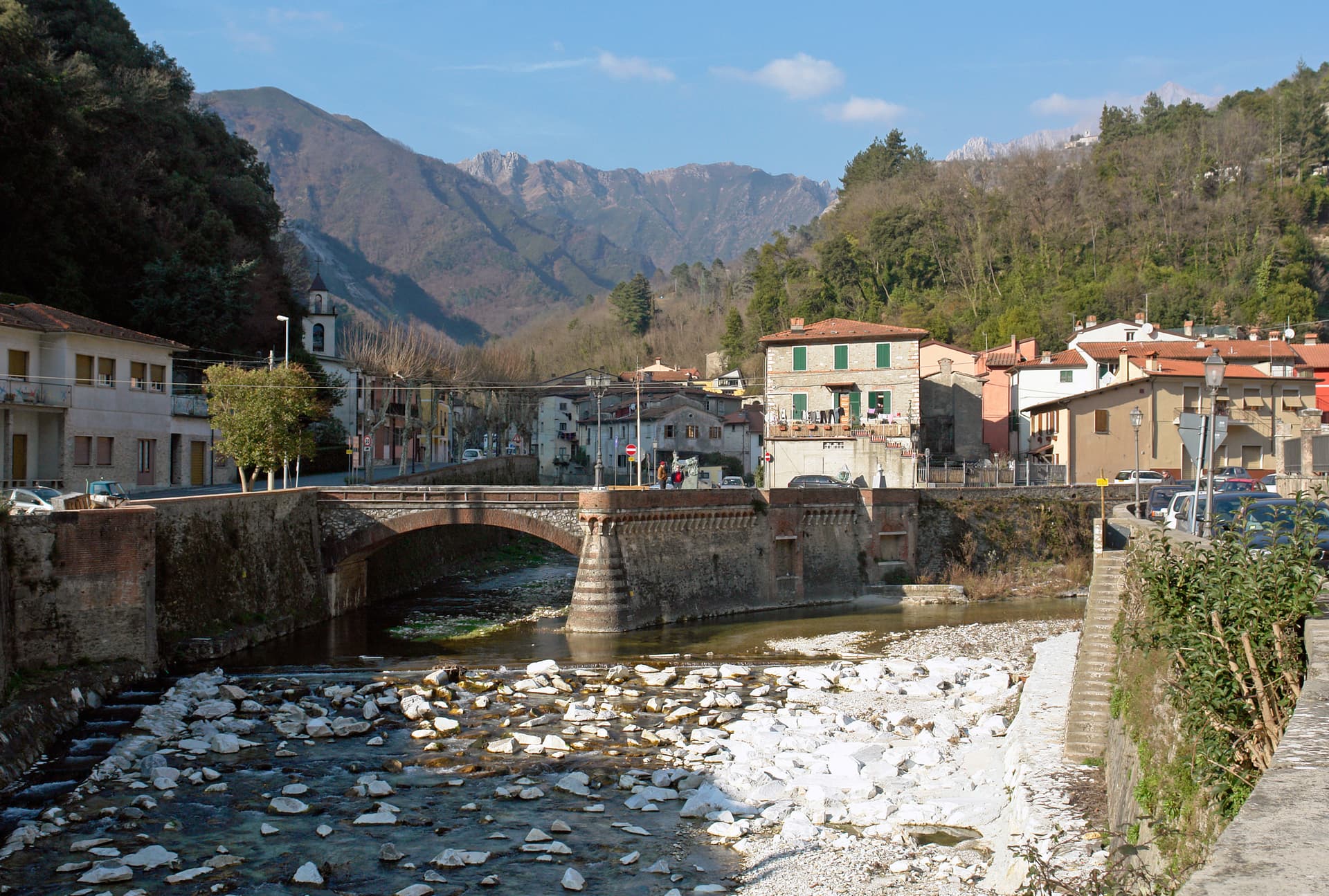
Seravezza
Province: Lucca
The Versilia town at the foot of Monte Altissimo where Michelangelo opened the Pope's marble quarries and Cosimo I built his summer palace.
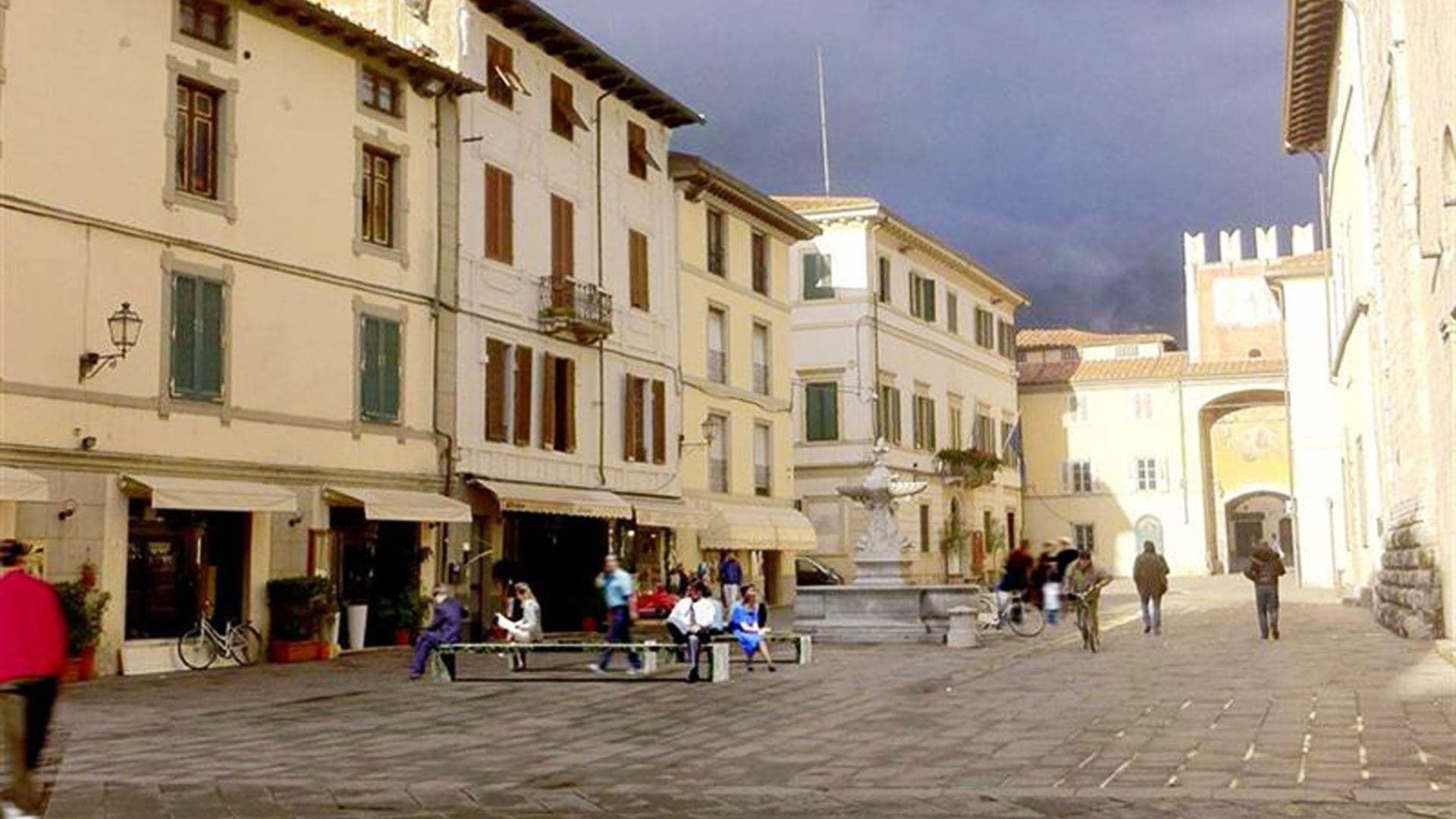
Camaiore
Province: Lucca
The Versilia commune that runs from the Apuan Alps to the sea, a Roman Campus Maior on the Via Francigena with a beach at its western end.
♨️ Comuni Termali
More Comuni Termali towns in Tuscany
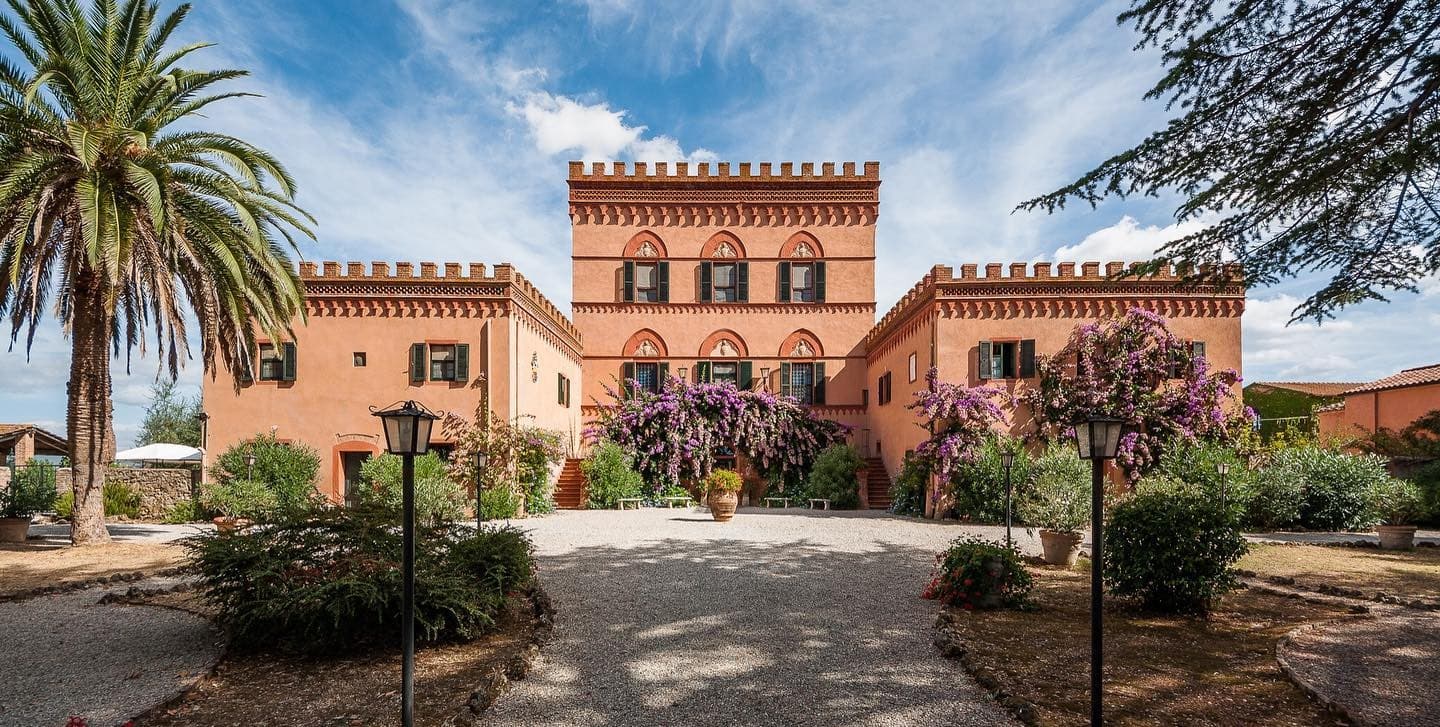
Campiglia Marittima
Province: Livorno
A walled hilltop borgo above the Val di Cornia, where the Rocca tower watches a mining landscape worked from the Etruscans to 1976.
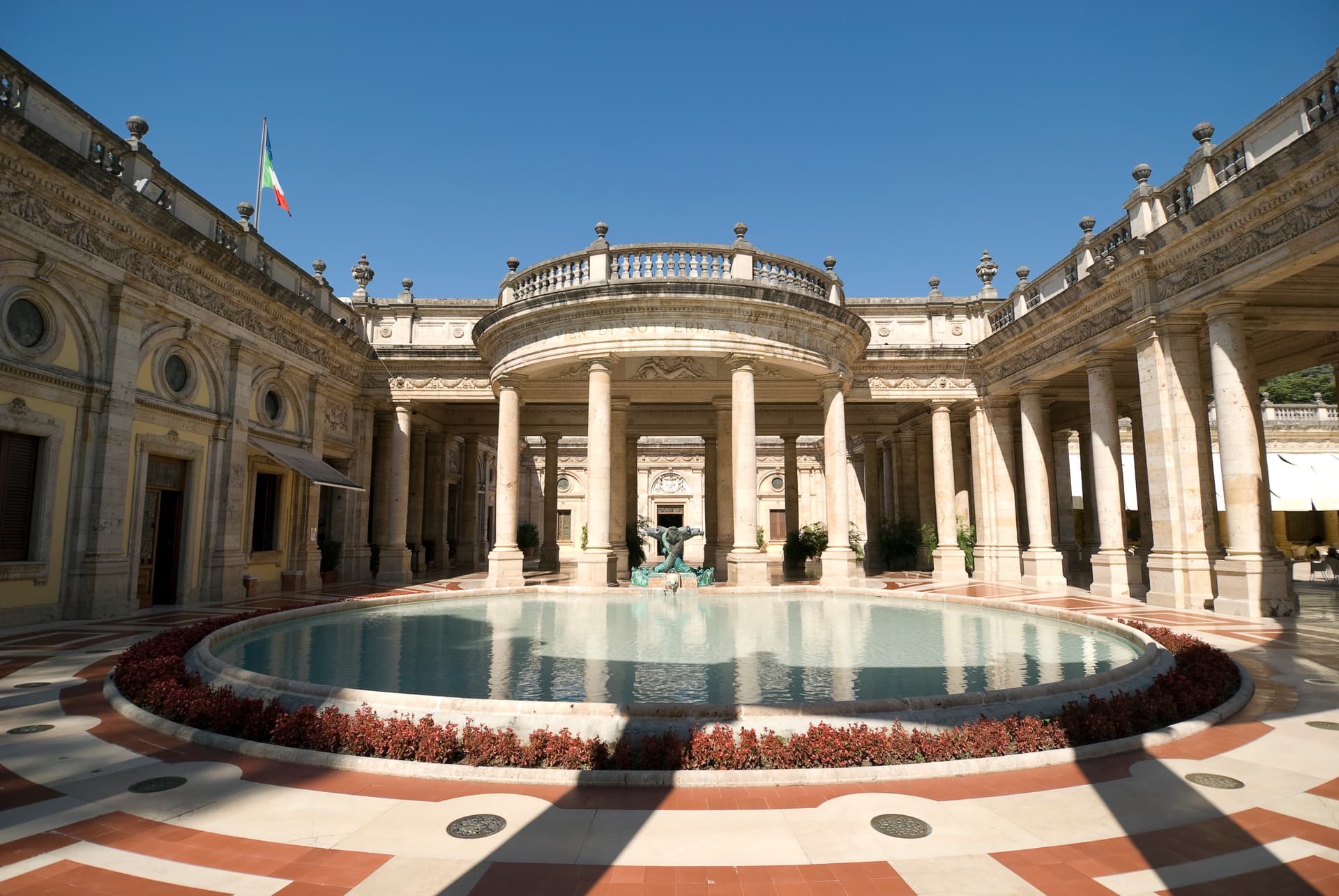
Montecatini-Terme
Province: Pistoia
Eleven thermal springs in a Liberty-style park at the foot of the Apennines, one of the Great Spa Towns of Europe inscribed by UNESCO in 2021.
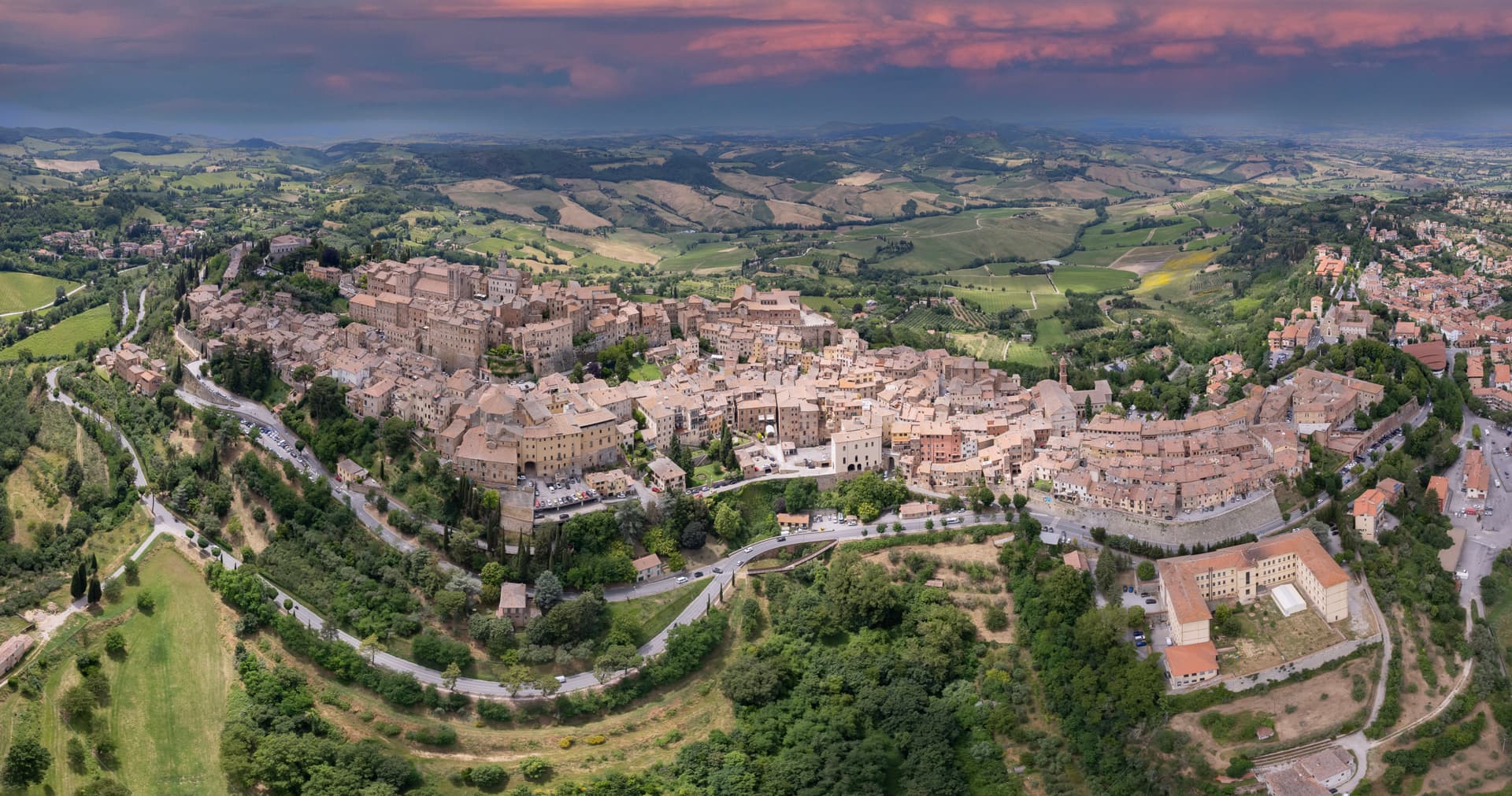
Montepulciano
Province: Siena
A Renaissance hill town at 605 meters on a limestone ridge, where Vino Nobile is aged in vaulted cellars beneath the palazzi of Piazza Grande.
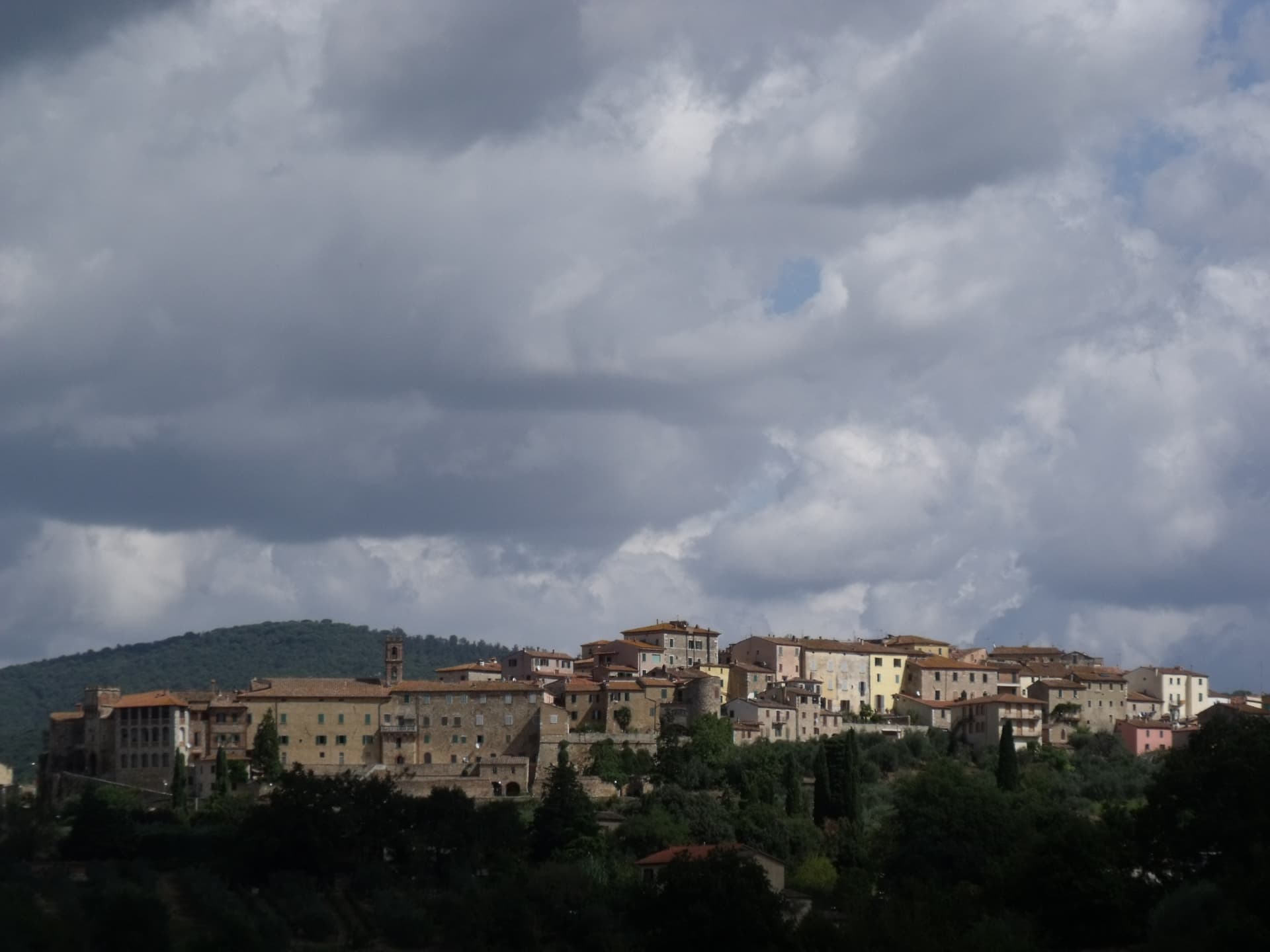
Rapolano Terme
Province: Siena
A Sienese thermal town in the Crete Senesi, 38-degree calcium-sulphur waters and travertine quarries that supplied the Pienza Duomo and Montepulciano's San Biagio.
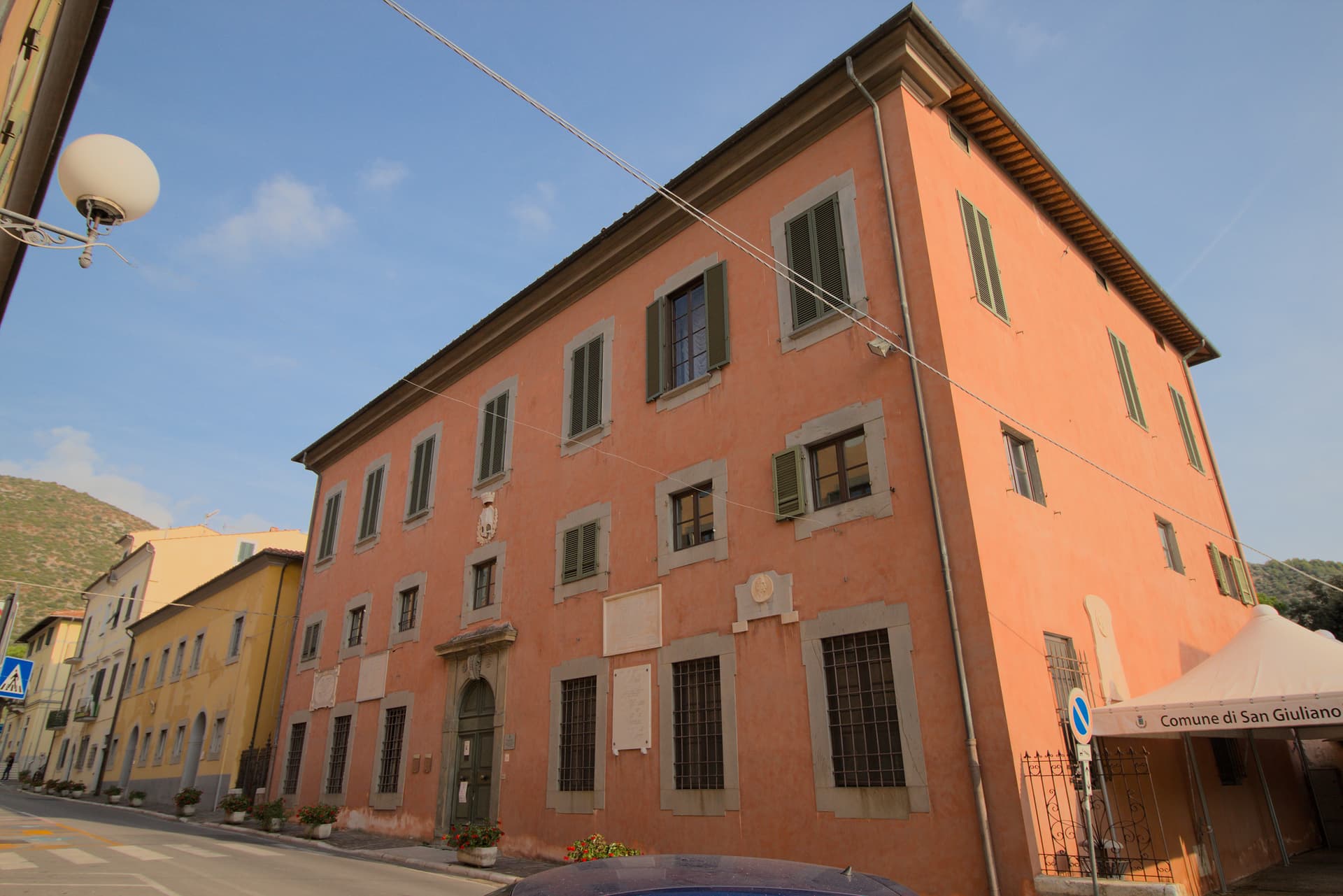
San Giuliano Terme
Province: Pisa
A thermal spa at the foot of Monte Pisano, ten kilometers from Pisa, where the springs were bathed since the Romans called them Aquae Pisanae.