

Tuscany · Siena
Rapolano Terme
A Sienese thermal town in the Crete Senesi, 38-degree calcium-sulphur waters and travertine quarries that supplied the Pienza Duomo and Montepulciano's San Biagio.
Known for
THERMAL WATERS
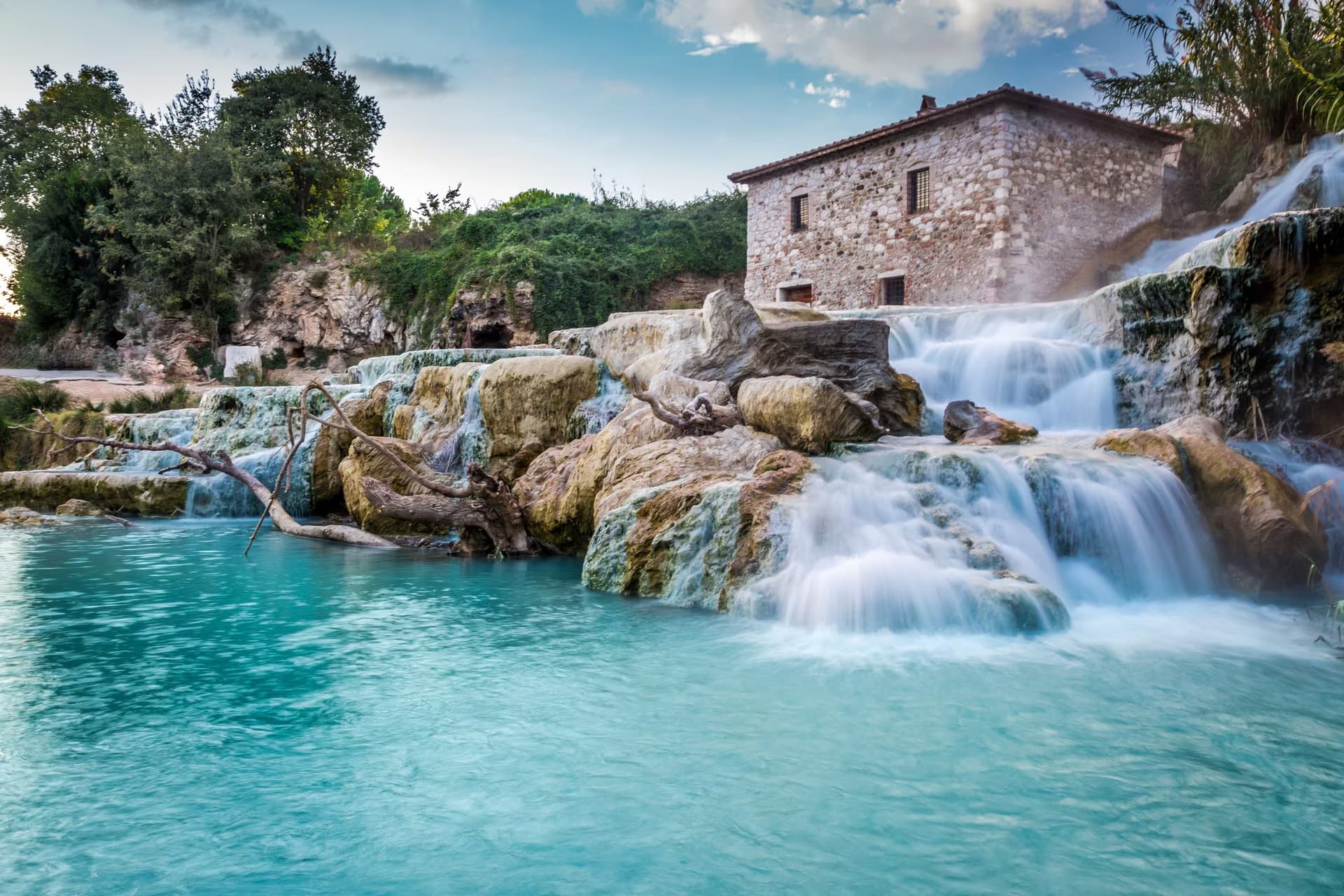
Calcium-sulphur-bicarbonate springs at 38 degrees, two historic facilities, in business since the eighteenth century.
TRAVERTINE
Mined at Serre di Rapolano since the 1500s, supplied the Tempio di San Biagio at Montepulciano and the façade of the Pienza Duomo.
GARIBALDI
Giuseppe Garibaldi recovered at the Terme Antica Querciolaia from the wounds sustained in the 1862 battle at Aspromonte.
When to visit
Best · All year
- J
- F
- M
- A
- M
- J
- J
- A
- S
- O
- N
- D
- Best
- Hot or crowded
- Quiet
- Mostly closed
The festa: Assunzione di Maria, 15 August
Why come
Rapolano Terme sits on the eastern edge of the Crete Senesi, twenty kilometers east of Siena. The comune was called simply Rapolano until 1949, when the spa industry pushed the name change. Two thermal facilities draw water at 38 degrees from calcium-sulphur-bicarbonate springs: the Terme Antica Querciolaia, in business since the eighteenth century, where Giuseppe Garibaldi treated his Aspromonte wounds in 1862, and the Terme San Giovanni, set among the clay hills of the Crete south of the centro.
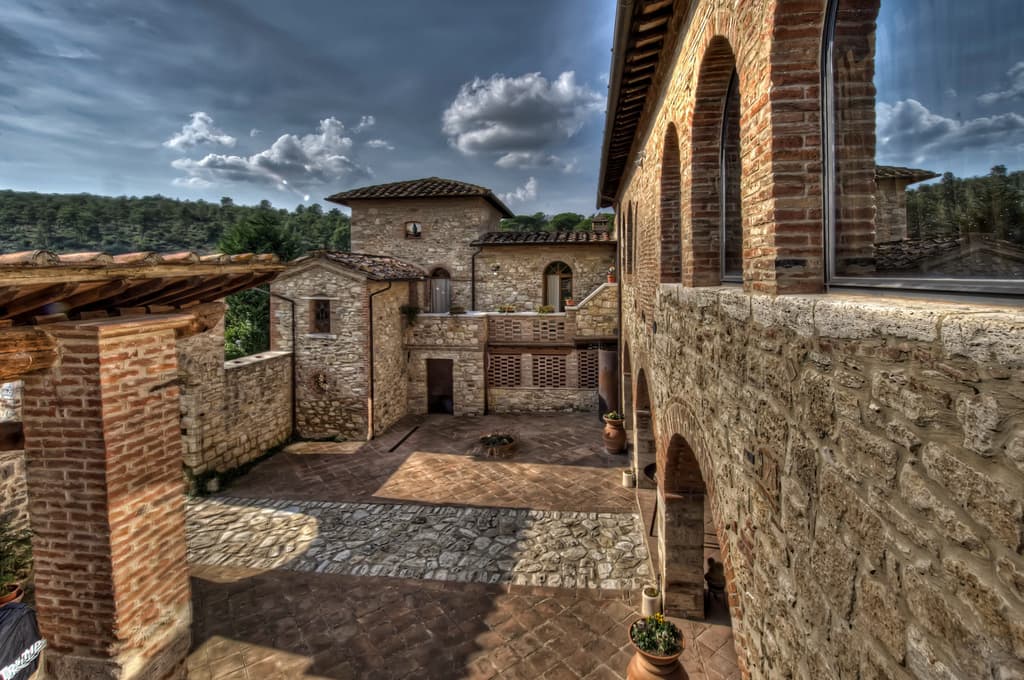
The other industry is travertine. The Serre di Rapolano frazione, three kilometers south, sits on travertine deposits mined since the 1500s; the same stone clad the Tempio di San Biagio at Montepulciano and the façade of the Pienza Duomo. The medieval centro storico holds a fortified perimeter, a Sienese-period Castello on the highest point, and the Pieve di Sant'Andrea inside the walls. The Crete Senesi spread north and west, the gold-and-clay hills that pull most of the visitors past the spa.
The Sunday letter
We haven’t written Rapolano Terme’s letter yet.
One town every Sunday, with the photo, the food, the festa. Be there when this one comes up. Free, by Peter & Sophia from Pietrasanta.
By subscribing you agree to Substack’s Terms of Use, our Privacy Policy and our Information collection notice.
What to see
Terme Antica Querciolaia
Eighteenth-century thermal facility with six outdoor pools at 38 degrees, where Giuseppe Garibaldi recovered after the Aspromonte battle in 1862.
Terme San Giovanni
Thermal complex south of the centro among the clay hills of the Crete Senesi, with outdoor pools facing vineyards and olive groves.
Cave di travertino di Serre
Active quarries in the Serre di Rapolano frazione three kilometers south, supplying travertine since the sixteenth century, including the Pienza Duomo façade.
Castello di Rapolano
Sienese-period fortress on the highest point of the centro storico, ruined but visible, anchoring the medieval perimeter walls.
Pieve di Sant'Andrea
Parish church inside the medieval walls of Rapolano, founded in the eleventh century, with later interventions through the Sienese centuries.
Crete Senesi
Clay-hill landscape north and west of the comune, with the cypress lines and isolated farmhouses that define the visual postcard of inland Toscana.
The slow-trip planner
Building a trip? Find where Rapolano Terme fits in a slow Italy circuit.
Answer five questions. We will shape a geographically coherent slow trip from the 1,000 Italian towns most travelers skip. Yours to save and share.
Living here
- Population 5,072
- Commuter belti
- Pharmacy in town
- High school within a 30-minute drive
- Train station in the comune
- Nearest airport Bologna, 2 h 17 min drive
- Regional capital Firenze, 1 h 17 min drive
Thermal baths in town: Terme Antica Querciolaia, Terme San Giovanni, Rapolano Terme.
Tags & datadesignations · numbers · sources
Recognised as
The numbers
- Elevation: 334 m
- Population: 5,072
- Surface area: 83.04 km²
These figures were compiled from public directories — ISTAT, OpenStreetMap, Wikidata — and from the official listings of the guides named on this page. Town details change; verify with official sources before you travel.
Close by
More towns near Rapolano Terme
Lucignano
Province: Arezzo
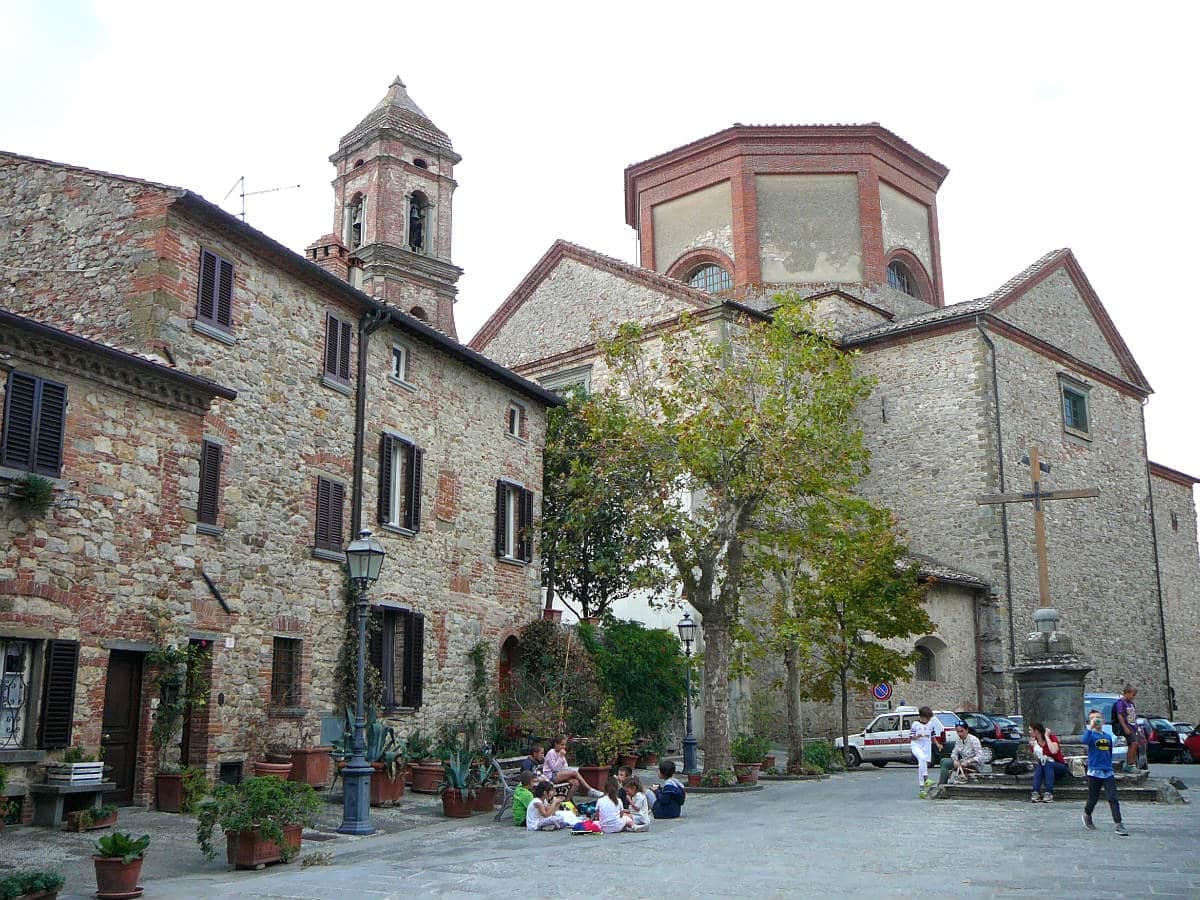
A walled elliptical hill town at 400 meters between Siena and Arezzo, planned in medieval concentric rings around the goldsmith's reliquary called the Tree of Life.
Trequanda
Province: Siena
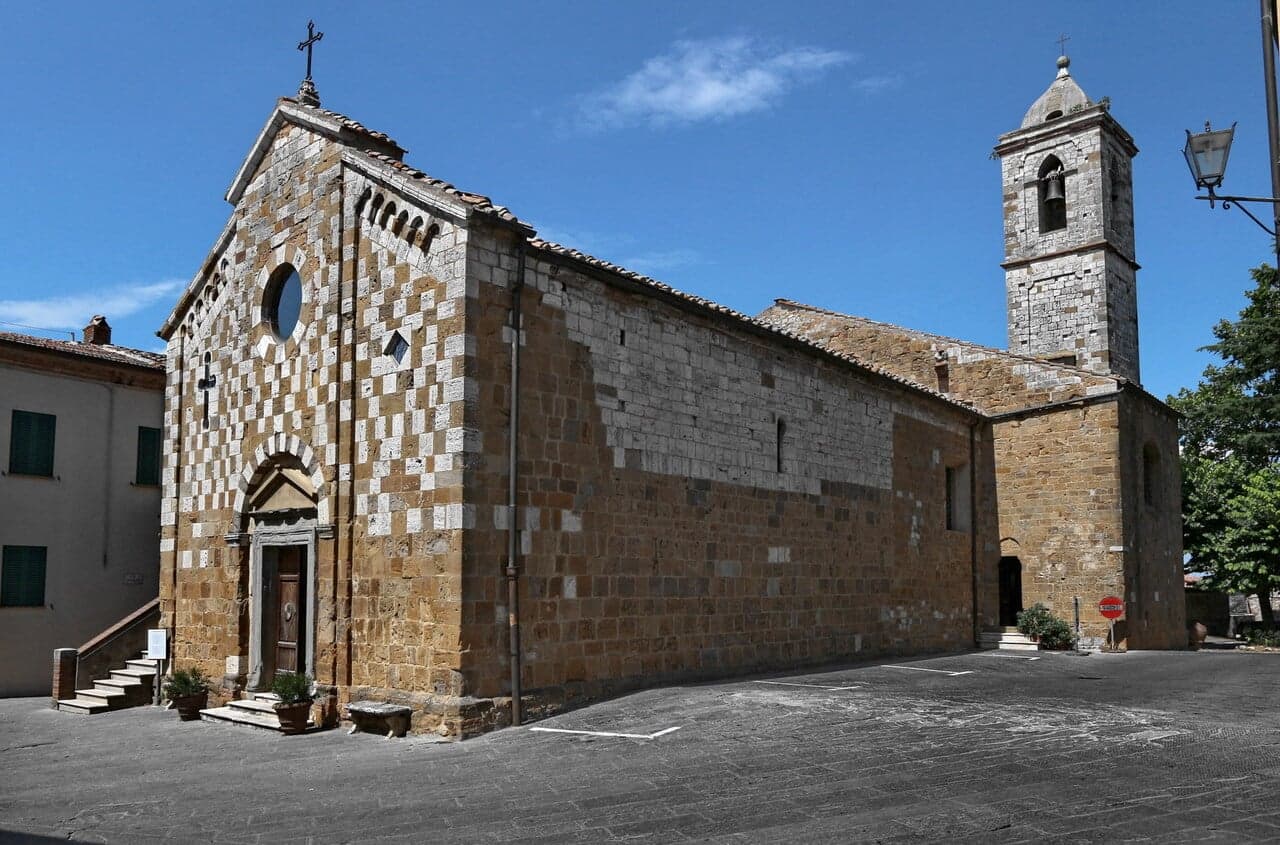
A village of 1,166 in three hilltop borghi between Crete Senesi and Val di Chiana, with the terracotta workshops of Petroio holding to a five-hundred-year craft.
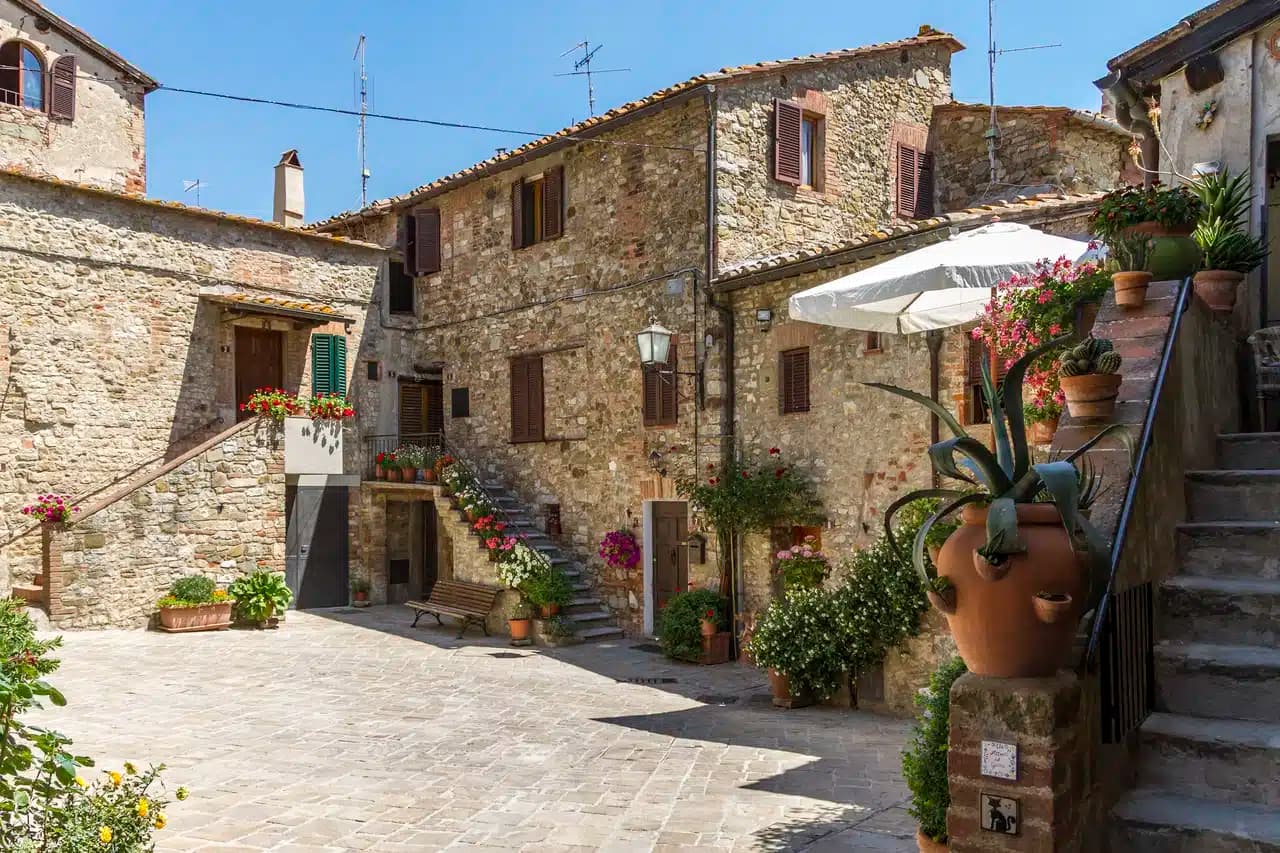
Castelnuovo Berardenga
Province: Siena
A Chianti Classico commune at 351 meters between the Ombrone and the Crete Senesi, the last castle Siena built against Florence, in 1366.
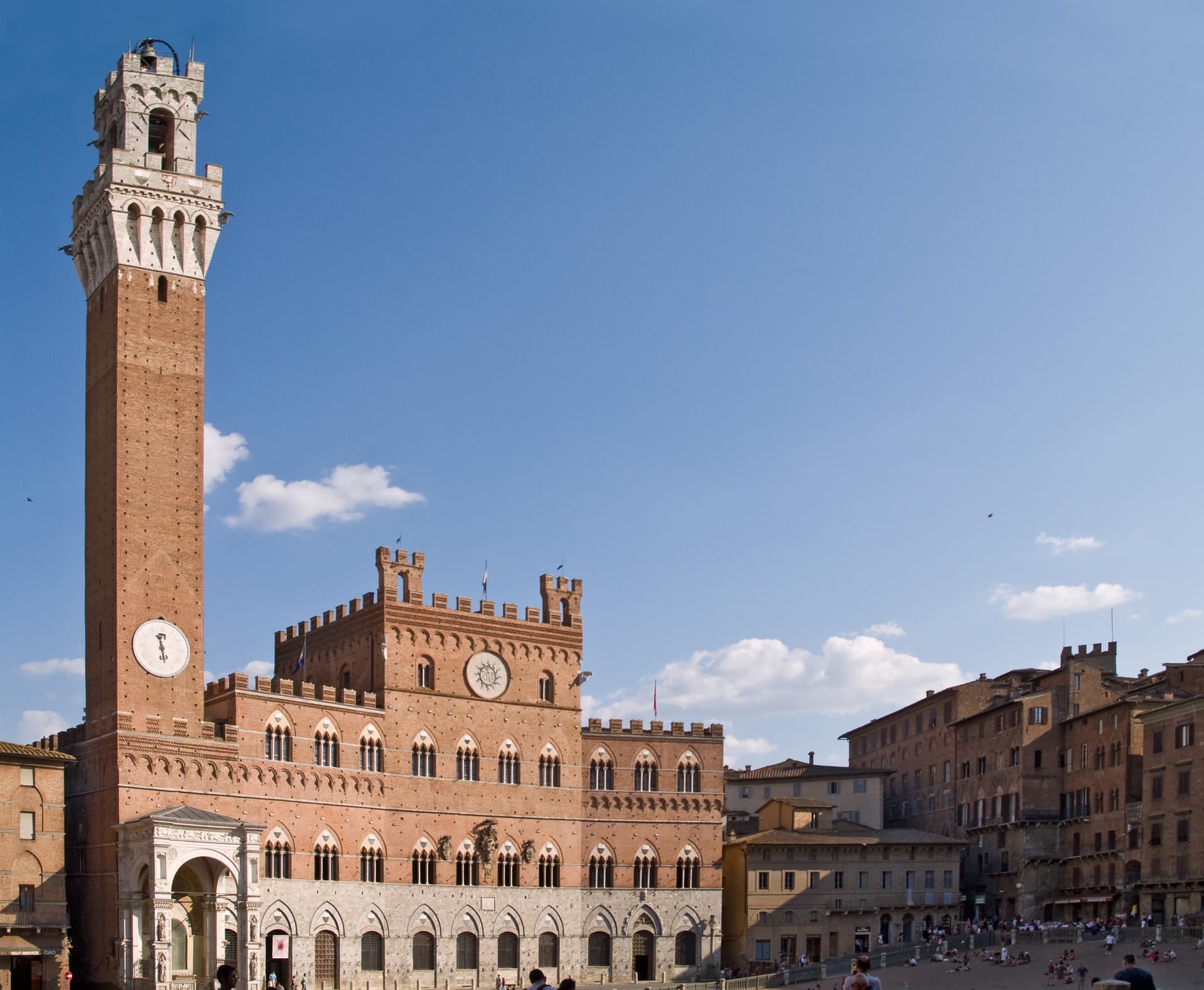
Siena
Province: Siena
The medieval rival of Florence at 322 meters on three hills, with a shell-shaped piazza where seventeen contrade race bareback horses twice a year.
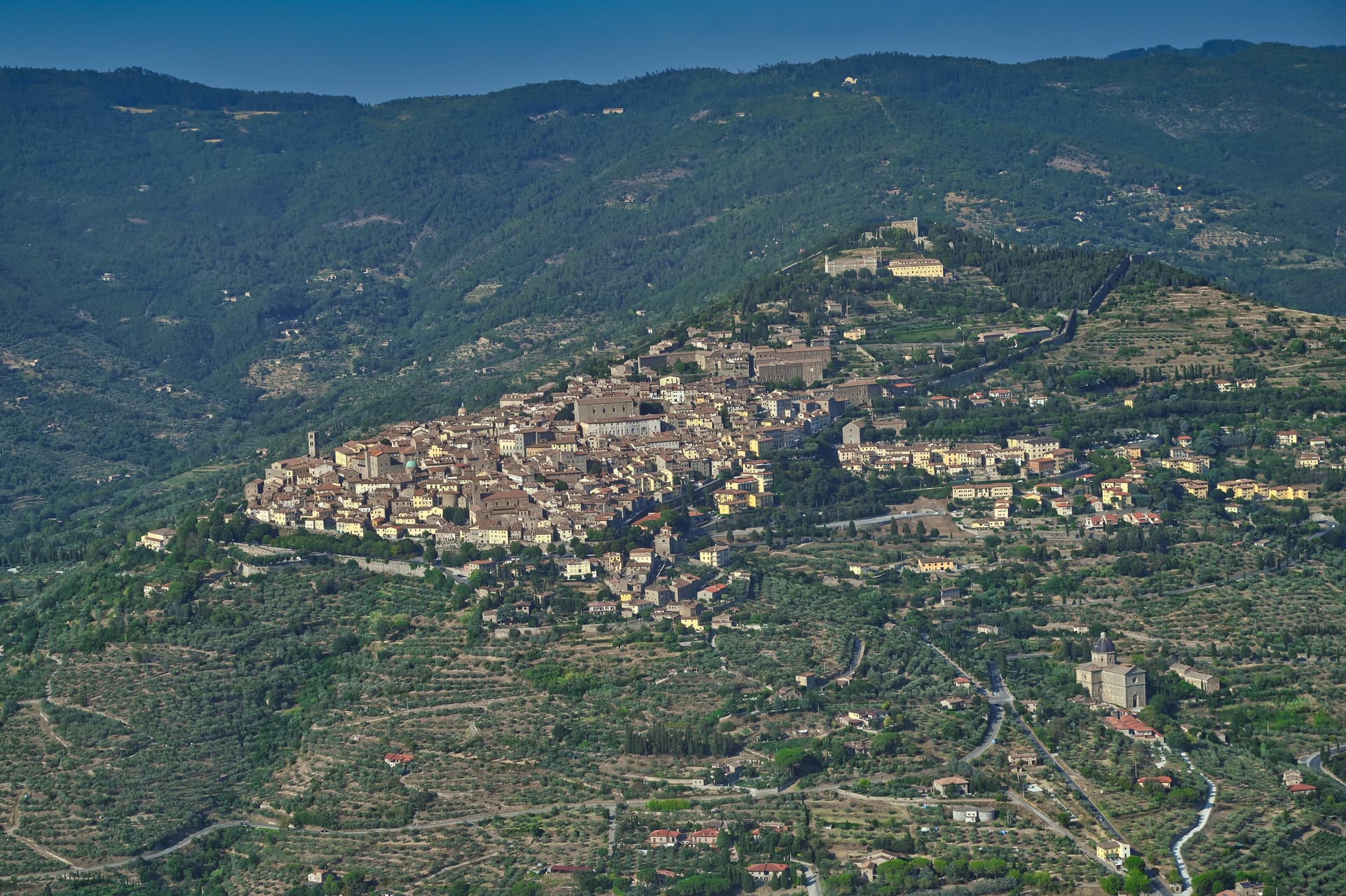
Cortona
Province: Arezzo
An Etruscan lucumonia at 494 meters with two kilometers of walls older than Rome, looking down on the Val di Chiana and Lake Trasimeno.
♨️ Comuni Termali
More Comuni Termali towns in Tuscany
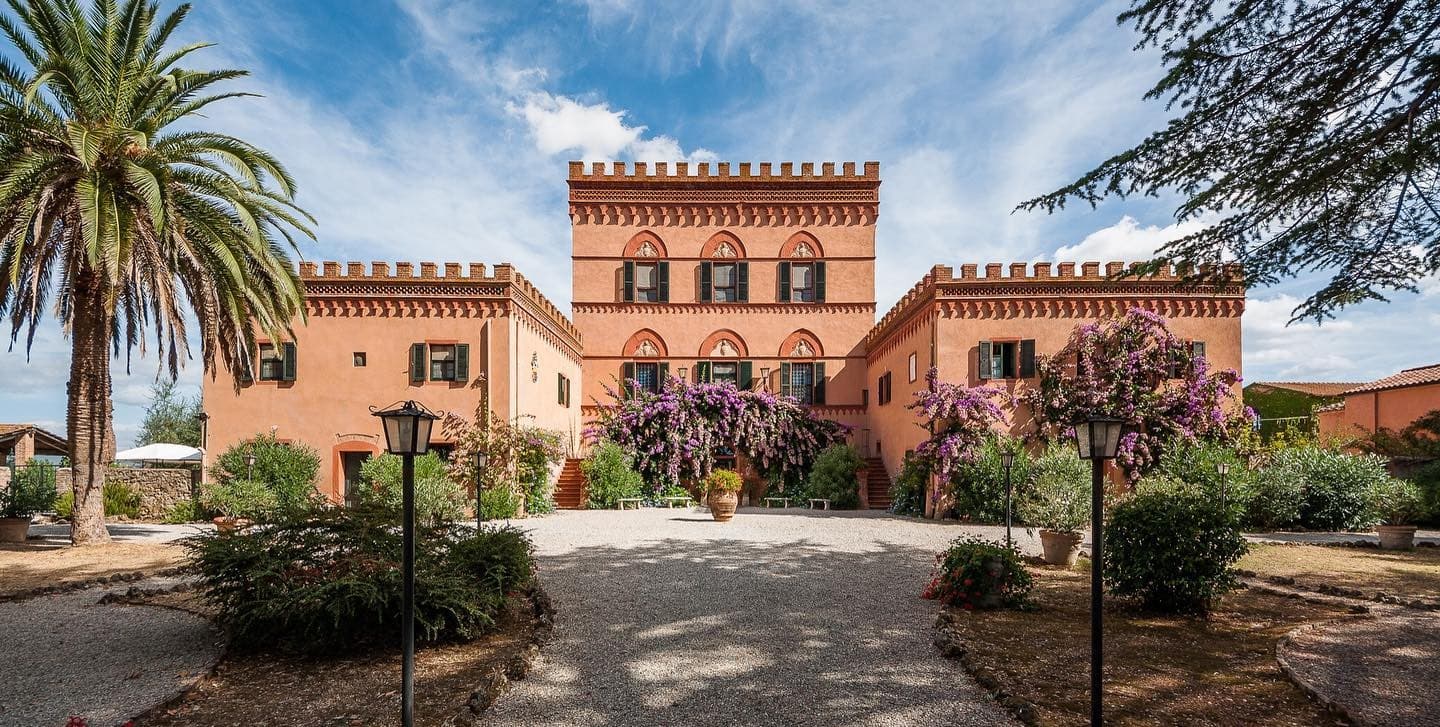
Campiglia Marittima
Province: Livorno
A walled hilltop borgo above the Val di Cornia, where the Rocca tower watches a mining landscape worked from the Etruscans to 1976.
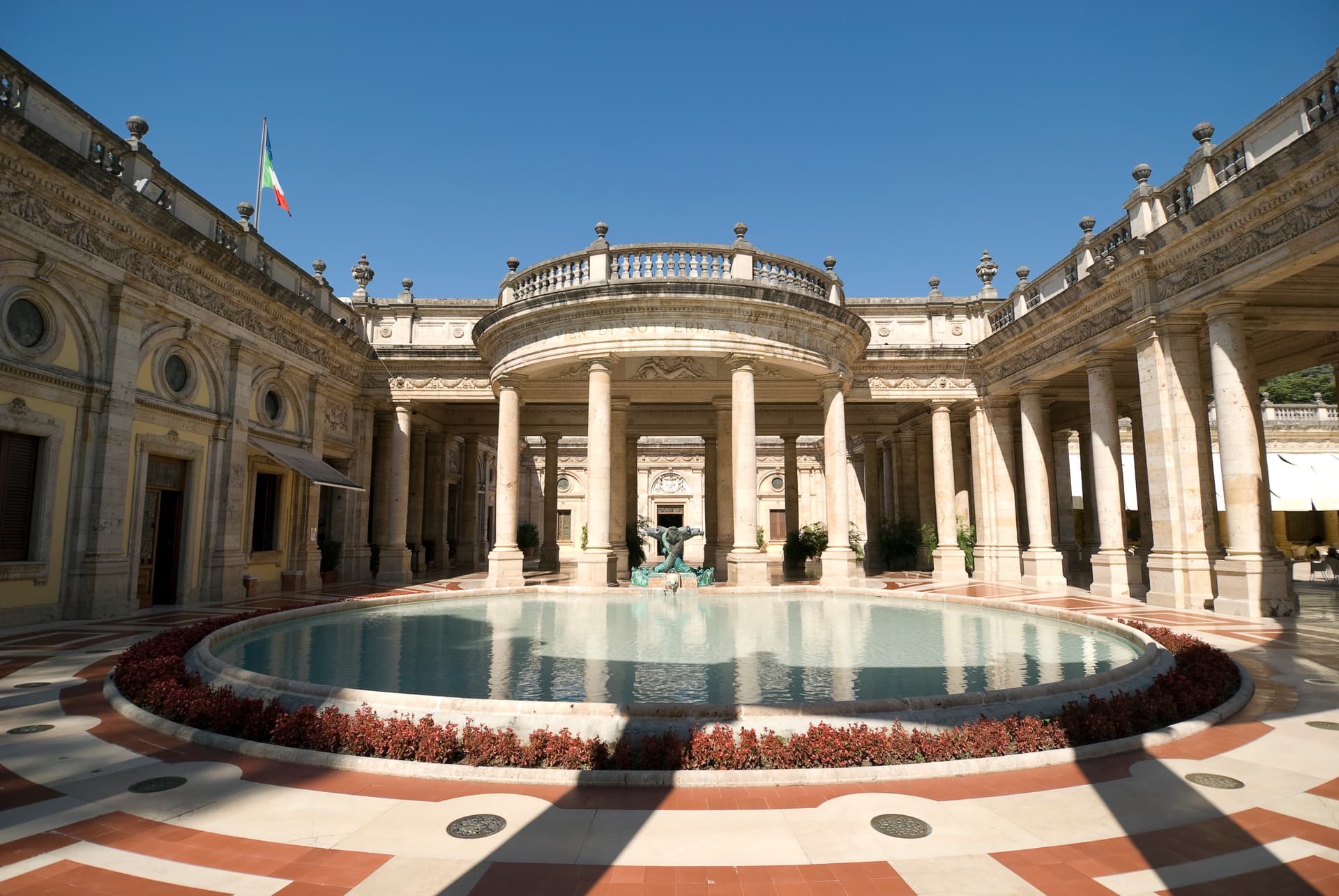
Montecatini-Terme
Province: Pistoia
Eleven thermal springs in a Liberty-style park at the foot of the Apennines, one of the Great Spa Towns of Europe inscribed by UNESCO in 2021.
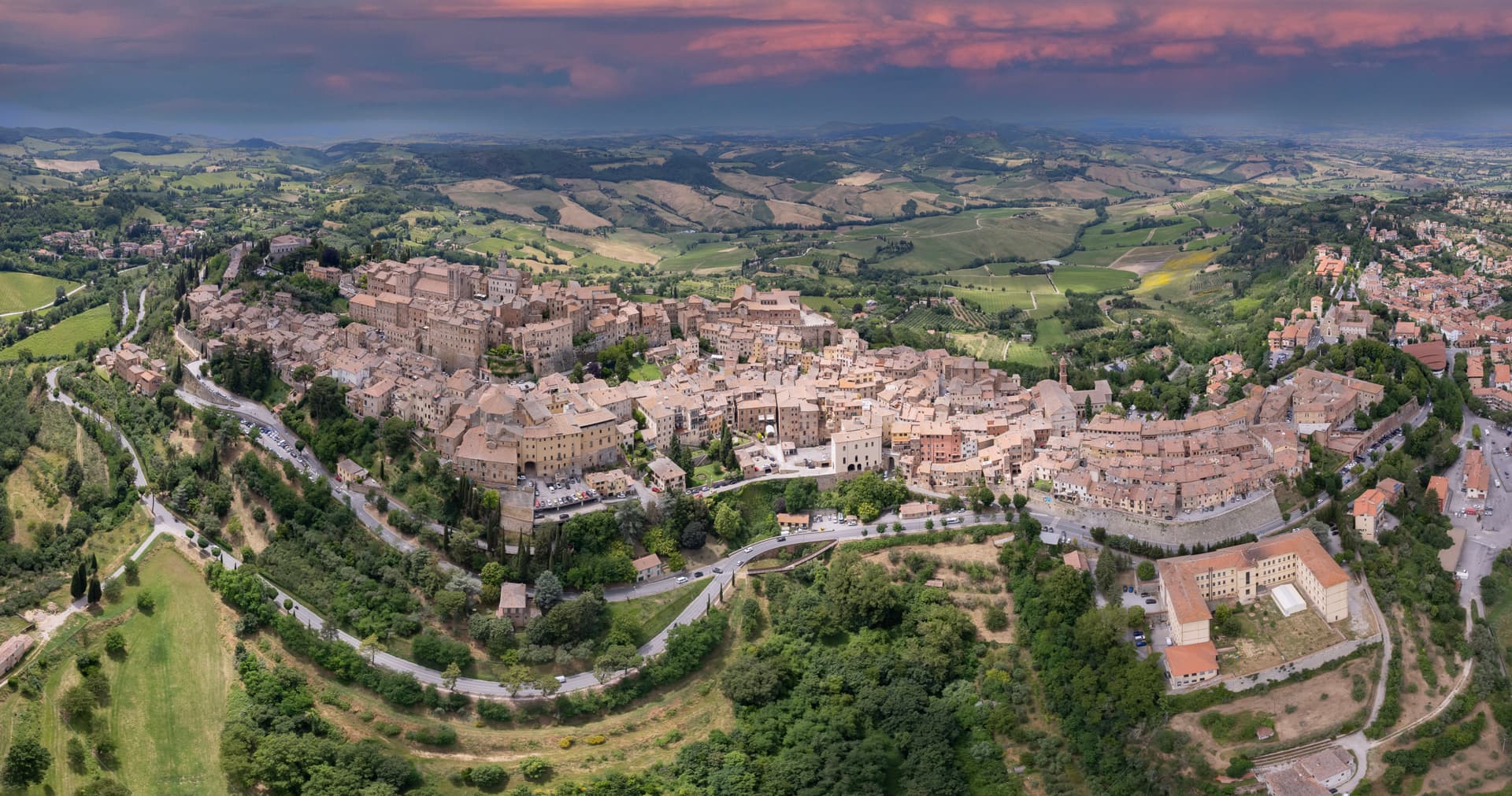
Montepulciano
Province: Siena
A Renaissance hill town at 605 meters on a limestone ridge, where Vino Nobile is aged in vaulted cellars beneath the palazzi of Piazza Grande.
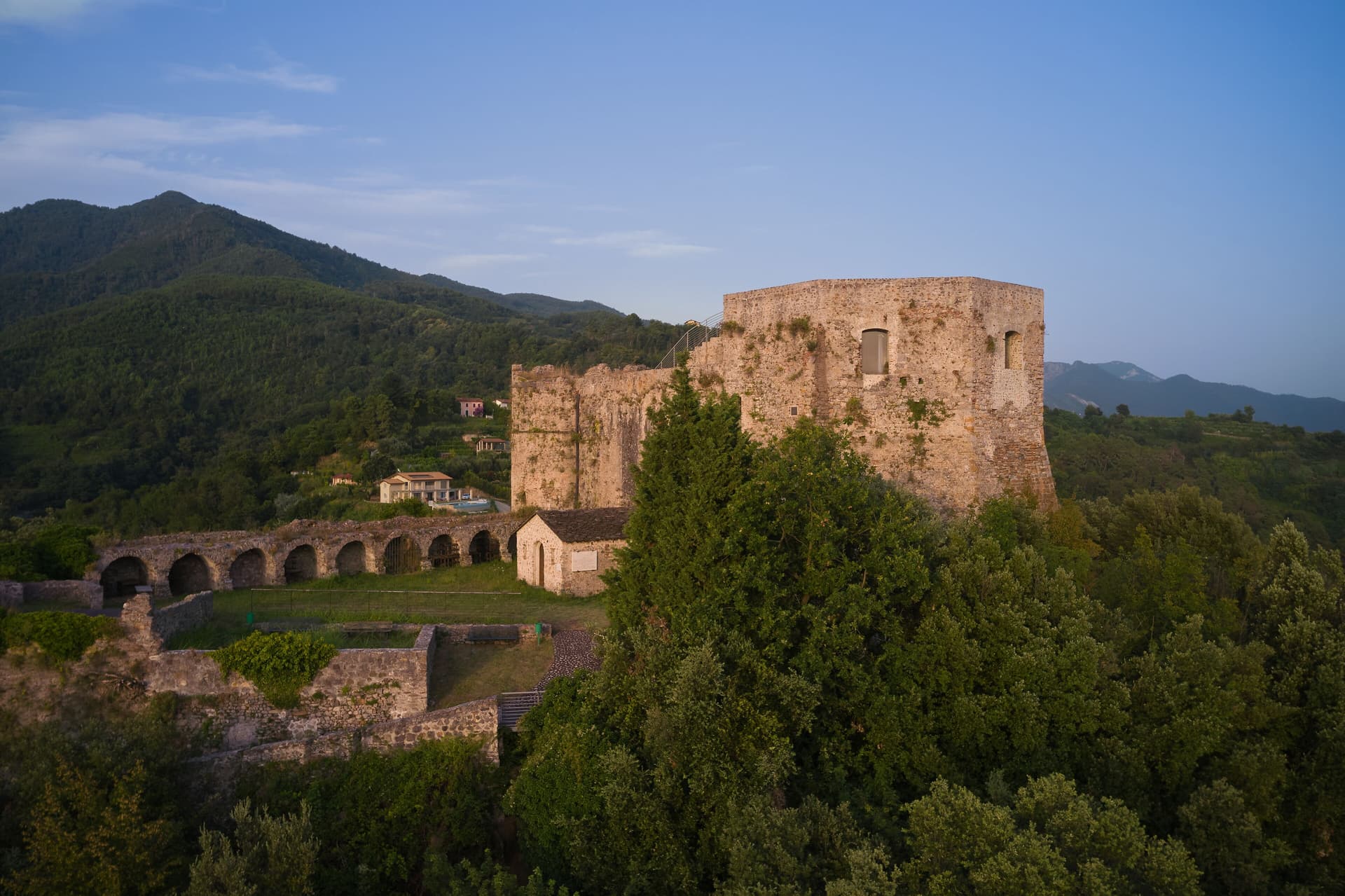
Montignoso
Province: Massa-Carrara
A Riviera Apuana commune split between the Cinquale coastal frazione, the Castello Aghinolfi on the hill, and the Lago di Porta wetland on the Versilia plain.
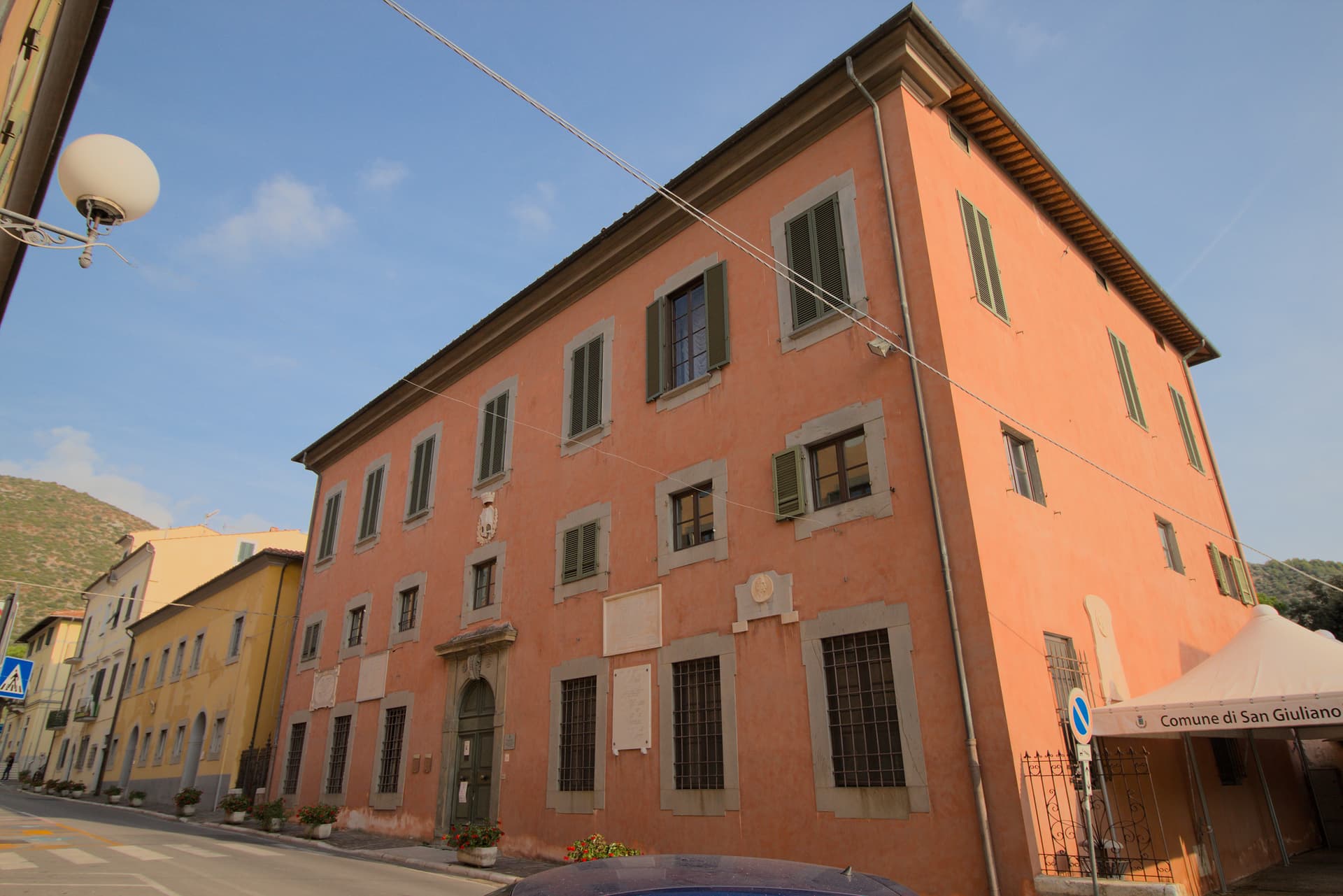
San Giuliano Terme
Province: Pisa
A thermal spa at the foot of Monte Pisano, ten kilometers from Pisa, where the springs were bathed since the Romans called them Aquae Pisanae.