

Tuscany · Siena
Trequanda
A village of 1,166 in three hilltop borghi between Crete Senesi and Val di Chiana, with the terracotta workshops of Petroio holding to a five-hundred-year craft.
Known for
PETROIO TERRACOTTA
Five centuries of ornamental terracotta from a hilltop workshop tradition still active in Petroio.
OLIVE OIL
Città dell'Olio member; the surrounding hills sit in the Terre di Siena DOP production area for extra-virgin oil.
RURAL LANDSCAPE
Inscribed in 2018 on the national register of historic rural landscapes for its unbroken pattern of fields, oaks and stone borghi.
When to visit
Best · Apr–Oct
- J
- F
- M
- A
- M
- J
- J
- A
- S
- O
- N
- D
- Best
- Hot or crowded
- Quiet
- Mostly closed
Why come
Trequanda is three villages in one comune: Trequanda itself, Castelmuzio, and Petroio, scattered across the hills southeast of Siena. The first written record dates to 1198, when the Cacciaconti of Scialenga held it as fief; in 1211 Emperor Otto IV gave them the right to collect tolls. In 1553 the village was among the first to be annexed to the Grand Duchy of Tuscany.
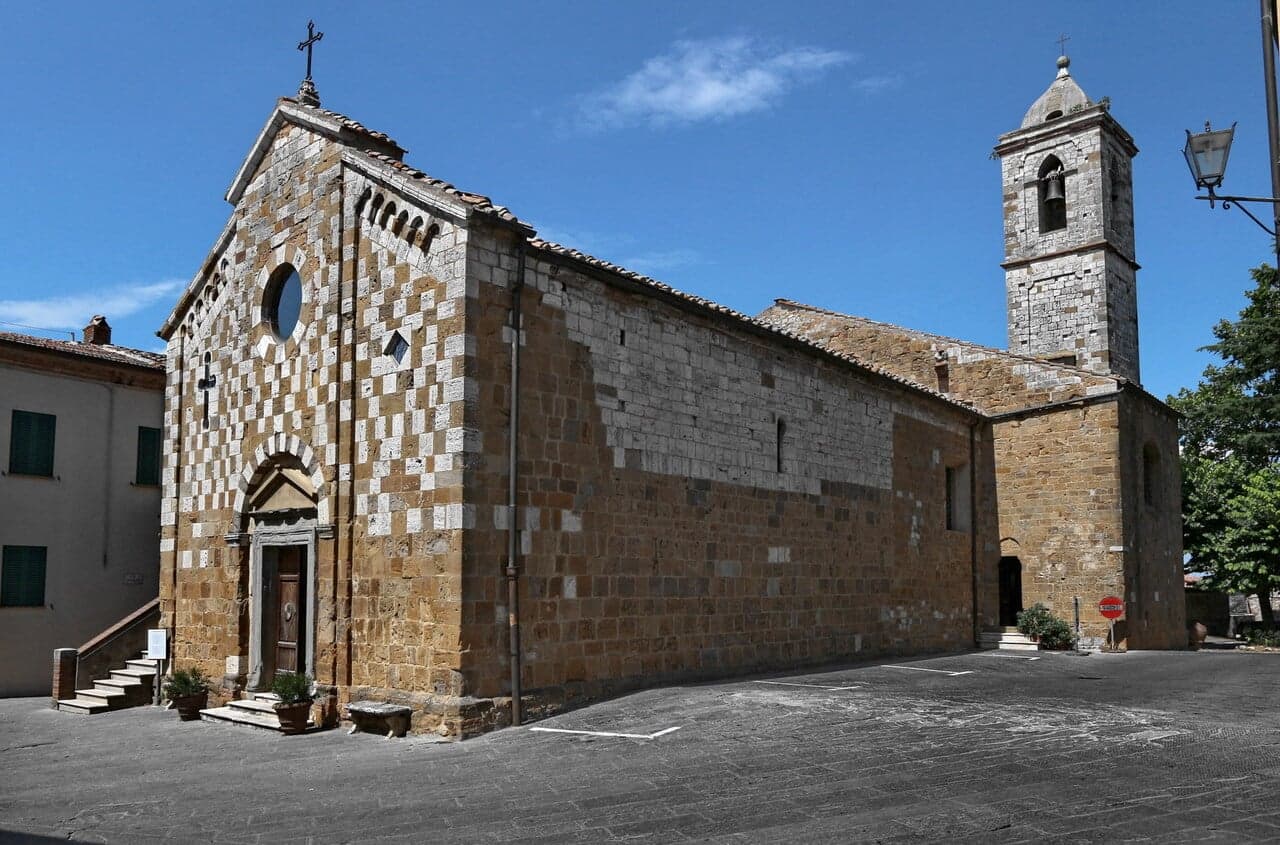
The Cacciaconti castle still anchors the centro storico, the Pieve dei Santi Pietro e Andrea next to it, built from 1327 in a Gothic-Romanesque mix and renovated in the Renaissance. Petroio has produced fine ornamental terracotta since the early sixteenth century: lions and dogs and pineapples and chimney pots, the surface of half the gardens in central Tuscany. The municipality holds the Orange Flag from the Italian Touring Club and was inscribed in 2018 in the national register of historic rural landscapes.
The Sunday letter
We haven’t written Trequanda’s letter yet.
One town every Sunday, with the photo, the food, the festa. Be there when this one comes up. Free, by Peter & Sophia from Pietrasanta.
By subscribing you agree to Substack’s Terms of Use, our Privacy Policy and our Information collection notice.
What to see
Castello dei Cacciaconti
Medieval fortress at the center of Trequanda, seat of the Cacciaconti di Scialenga from the twelfth century.
Pieve dei Santi Pietro e Andrea
Gothic-Romanesque parish church begun in 1327, expanded in the Renaissance, holding a fresco attributed to Sodoma.
Castelmuzio
Walled hilltop frazione between Trequanda and Pienza, on the rural landscape register, the smallest of the three borghi.
Petroio
Hilltop frazione at 486 meters, the terracotta center of the comune, with workshops continuing the craft from the early 1500s.
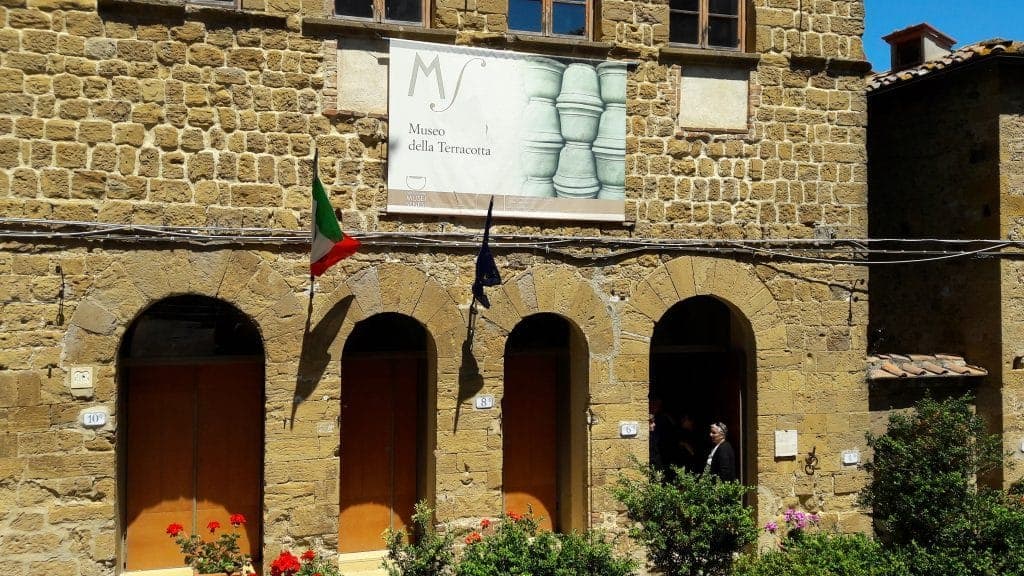
Museo della Terracotta di Petroio
Civic museum inside the Palazzo Pretorio of Petroio, with five centuries of local terracotta and reproductions of nearby towns.
The slow-trip planner
Building a trip? Find where Trequanda fits in a slow Italy circuit.
Answer five questions. We will shape a geographically coherent slow trip from the 1,000 Italian towns most travelers skip. Yours to save and share.
We recommend
Where to eat and stay
Not our picks, but places the guides put their name to — a Michelin star, a Gambero Rosso fork, a Slow Food snail, a Michelin Key for the hotels. Worth a table, a counter, or a night when you pass through.
Il Conte MattoRistorante
Il Conte Matto holds a Michelin Bib Gourmand and a Slow Food snail.
Fattoria del ColleAgriturismo
A Gambero Rosso listing, at Fattoria del Colle.
Living here
- Population 1,166
- Off the beaten pathi
- Pharmacy in town
- High school within a 30-minute drive
- Train station in the comune
- Nearest airport Bologna, 2 h 24 min drive
- Regional capital Firenze, 1 h 25 min drive
Tags & datadesignations · numbers · sources
Recognised as
The numbers
- Elevation: 453 m
- Population: 1,166
- Surface area: 63.98 km²
These figures were compiled from public directories — ISTAT, OpenStreetMap, Wikidata — and from the official listings of the guides named on this page. Town details change; verify with official sources before you travel.
Close by
More towns near Trequanda
Lucignano
Province: Arezzo
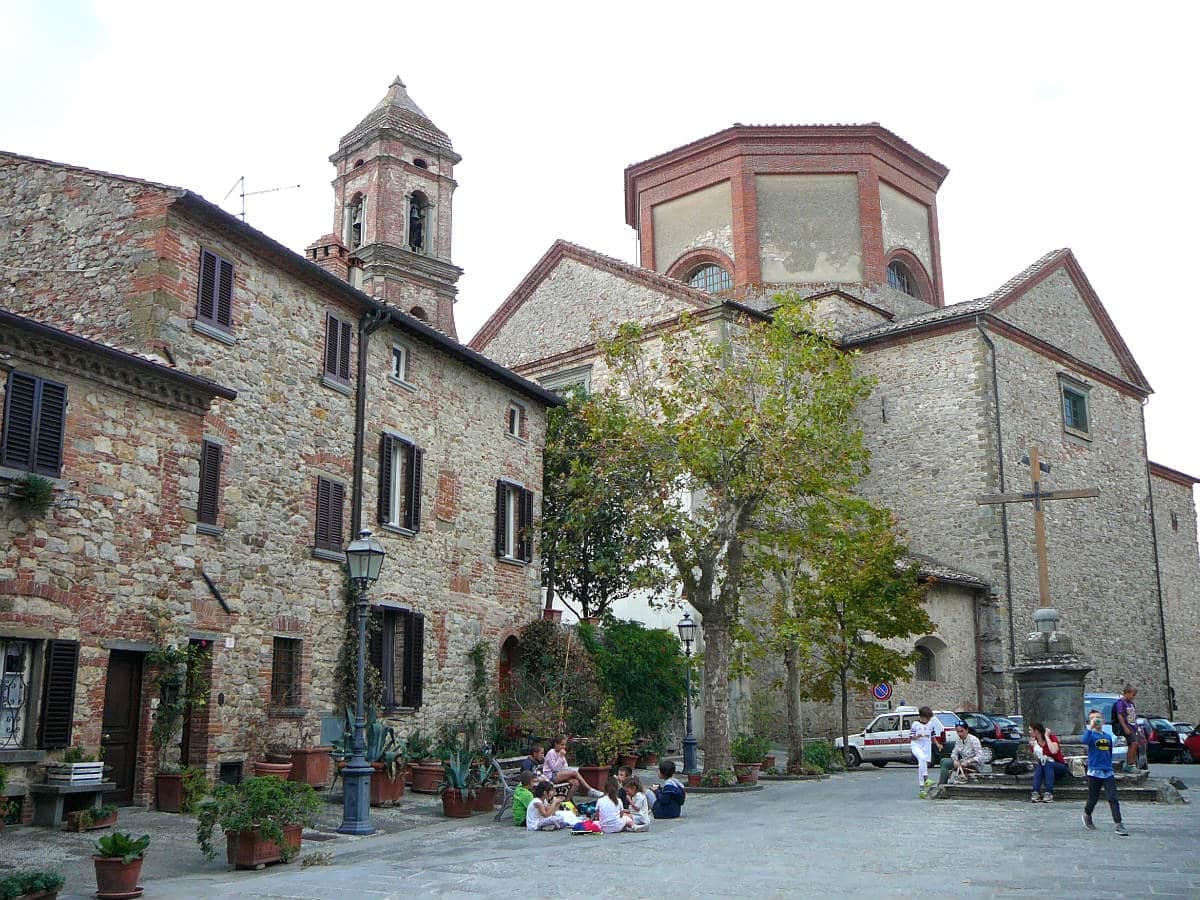
A walled elliptical hill town at 400 meters between Siena and Arezzo, planned in medieval concentric rings around the goldsmith's reliquary called the Tree of Life.
San Quirico d'Orcia
Province: Siena
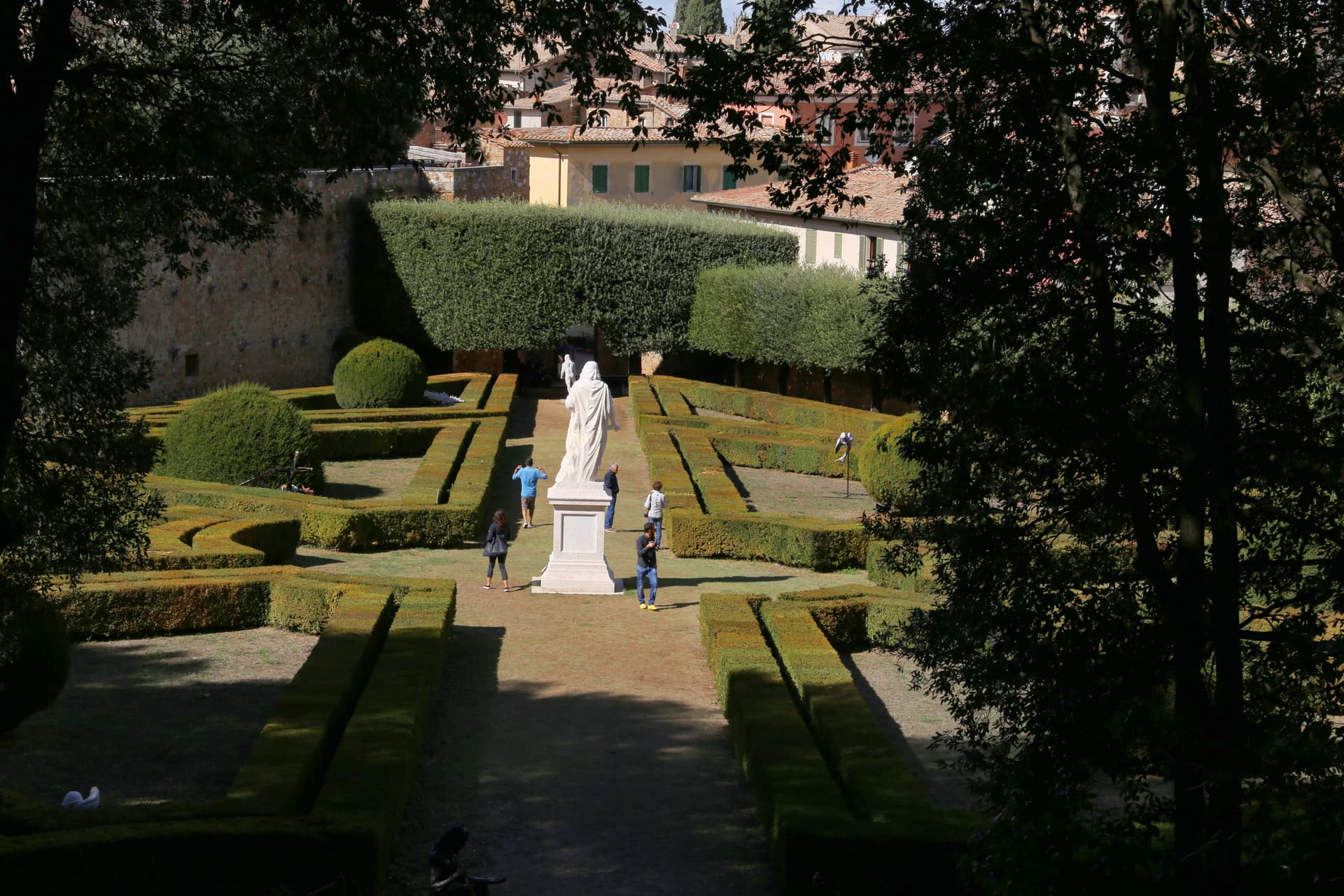
A walled stop on the Via Francigena at 409 meters in the UNESCO Val d'Orcia, where a twelfth-century Collegiata, a Renaissance garden and the Bagno Vignoni thermal pool sit within fifteen kilometers of each other.
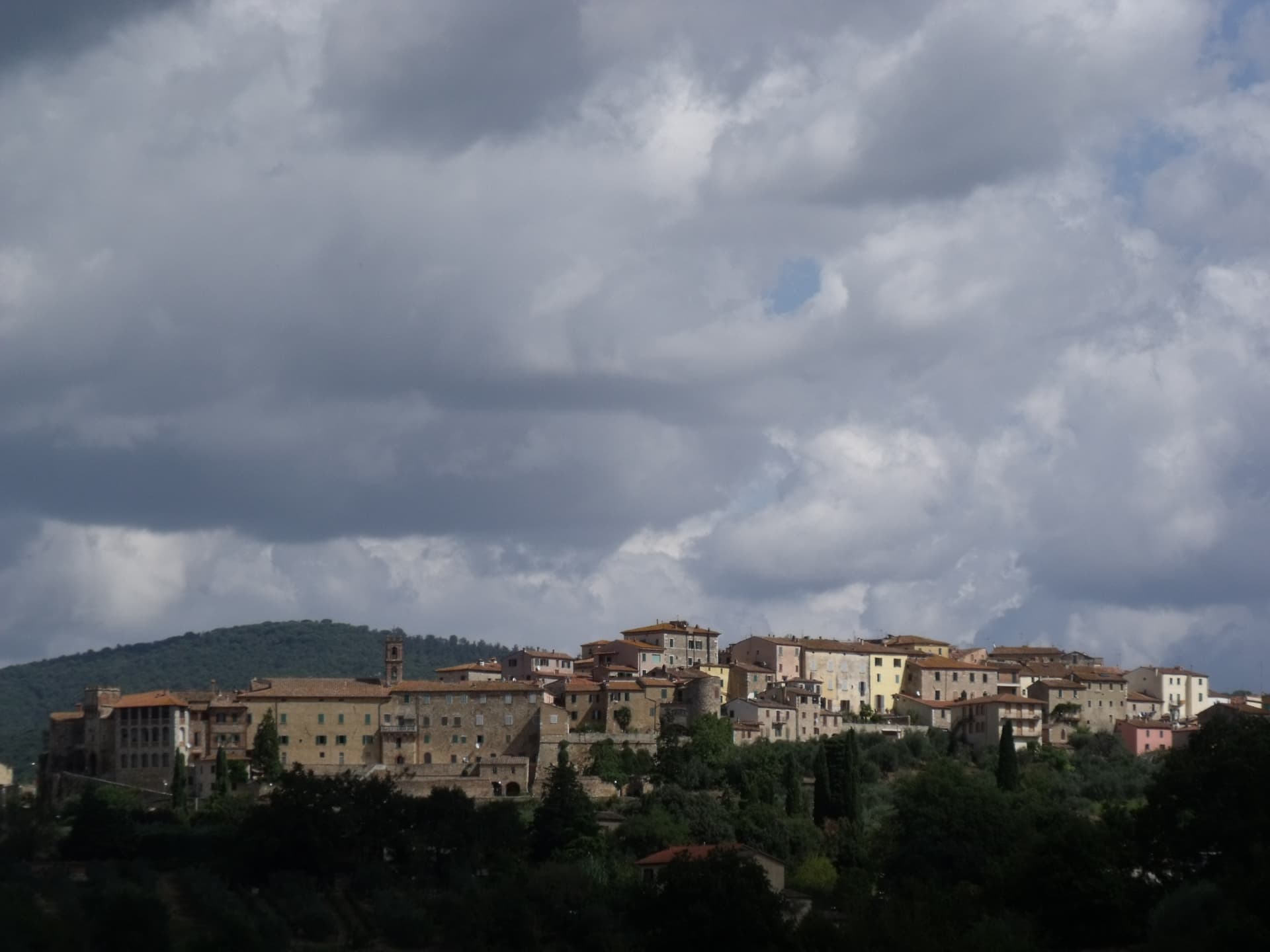
Rapolano Terme
Province: Siena
A Sienese thermal town in the Crete Senesi, 38-degree calcium-sulphur waters and travertine quarries that supplied the Pienza Duomo and Montepulciano's San Biagio.
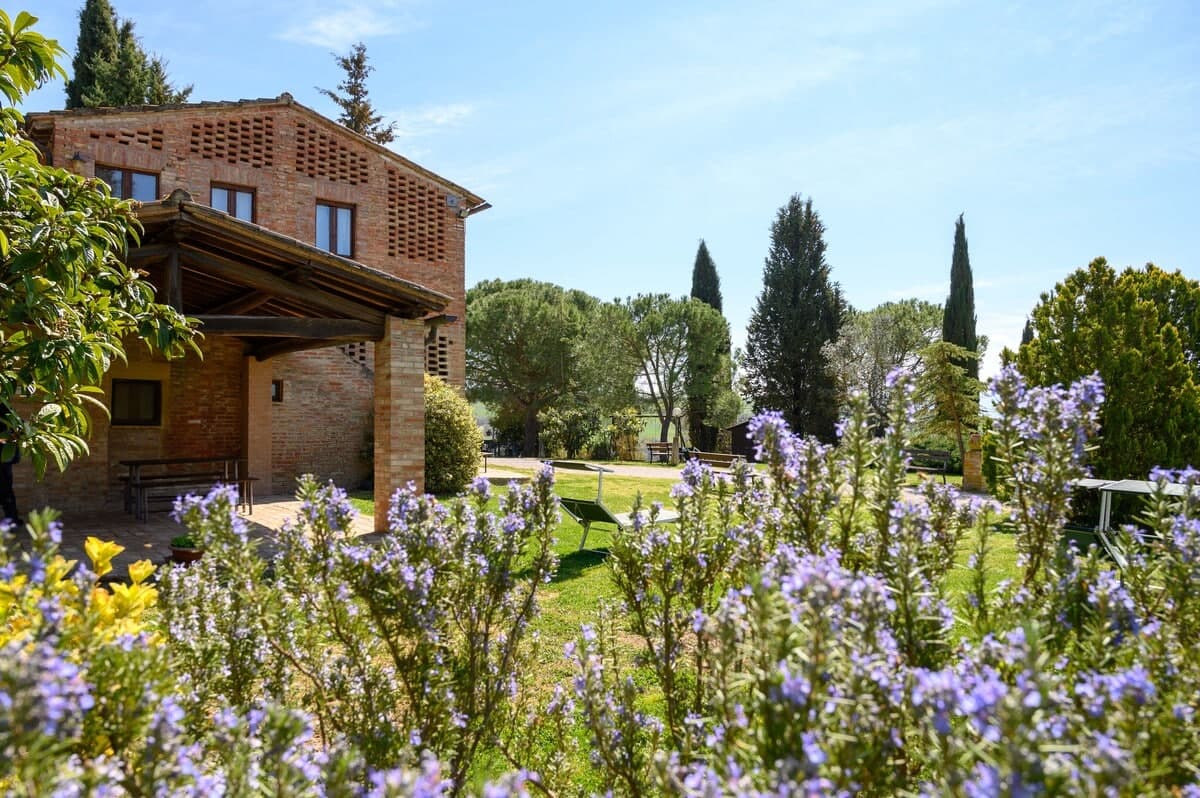
Buonconvento
Province: Siena
The walled brick borgo in the Crete Senesi where Emperor Henry VII died in 1313, on the Via Cassia at the confluence of the Arbia and Ombrone.
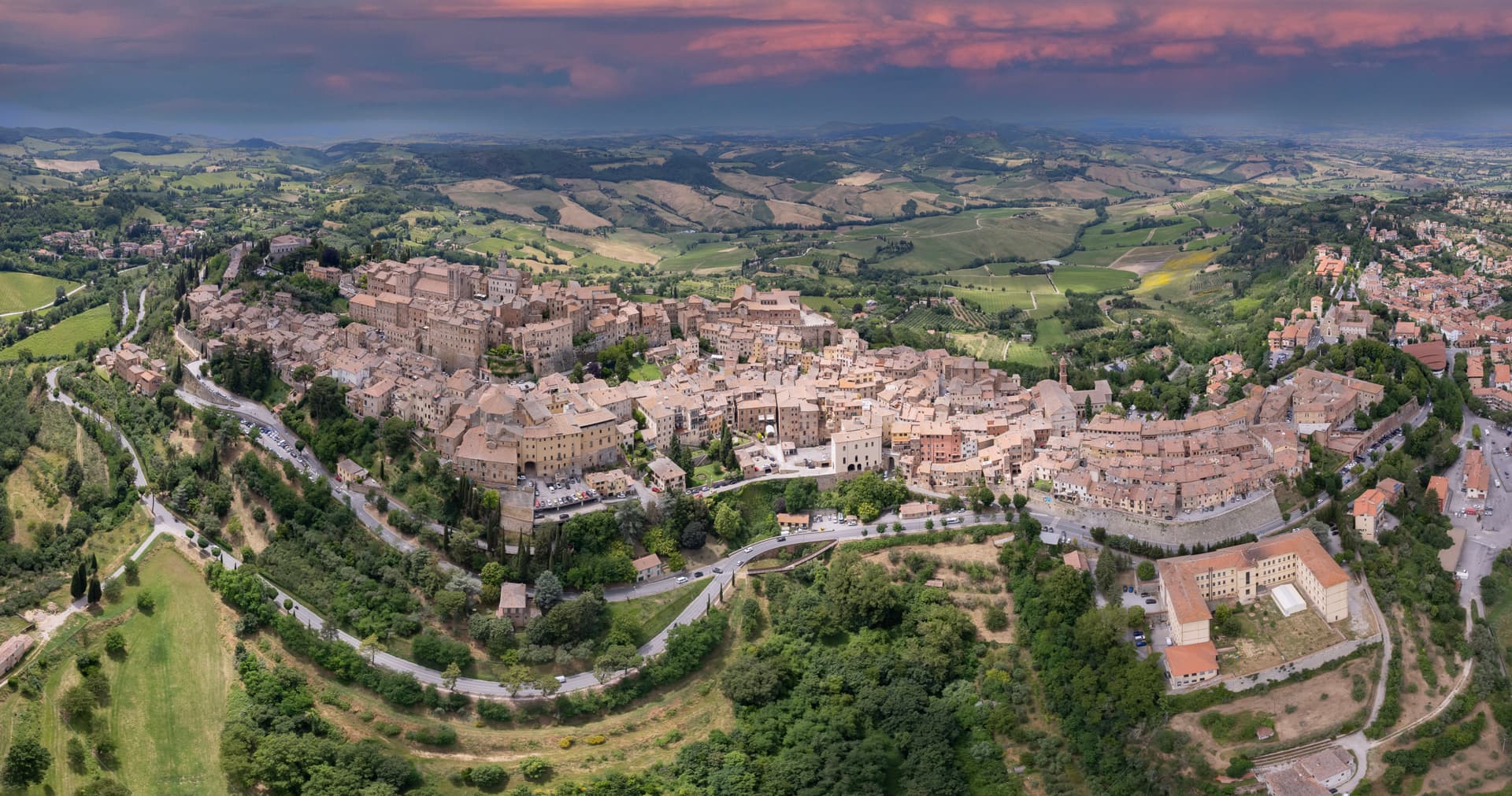
Montepulciano
Province: Siena
A Renaissance hill town at 605 meters on a limestone ridge, where Vino Nobile is aged in vaulted cellars beneath the palazzi of Piazza Grande.
🟠 Bandiera Arancione
More Bandiera Arancione towns in Tuscany
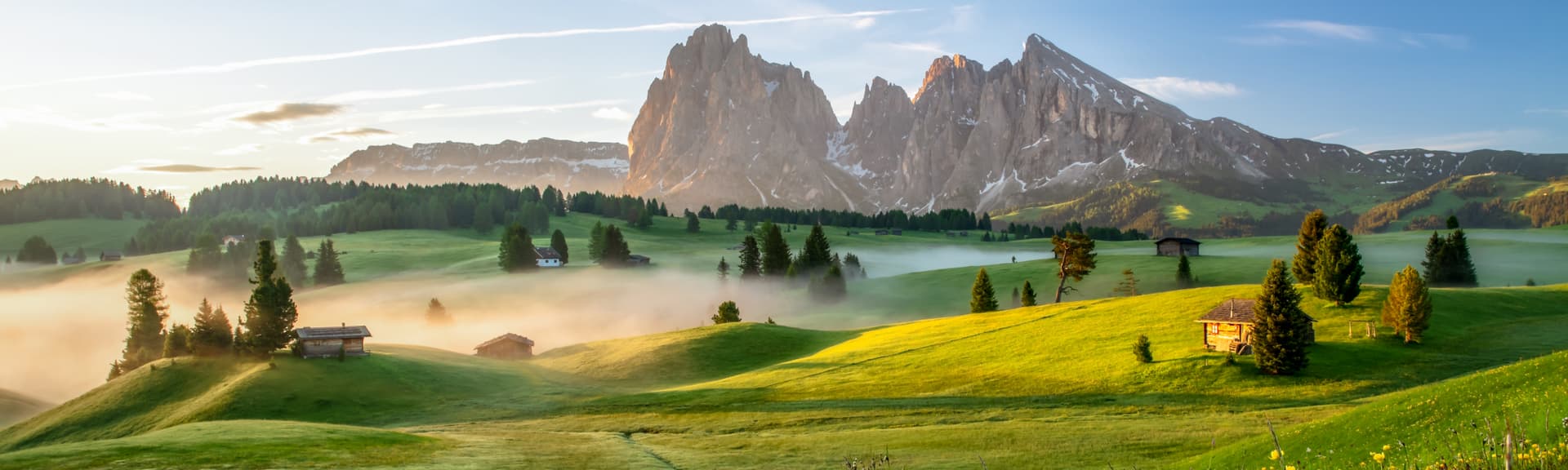
Abetone Cutigliano
Province: Pistoia
The Apennine ski pass at 1,388 meters where the Granduca's two stone pyramids of 1778 mark the old Tuscan-Modenese border.
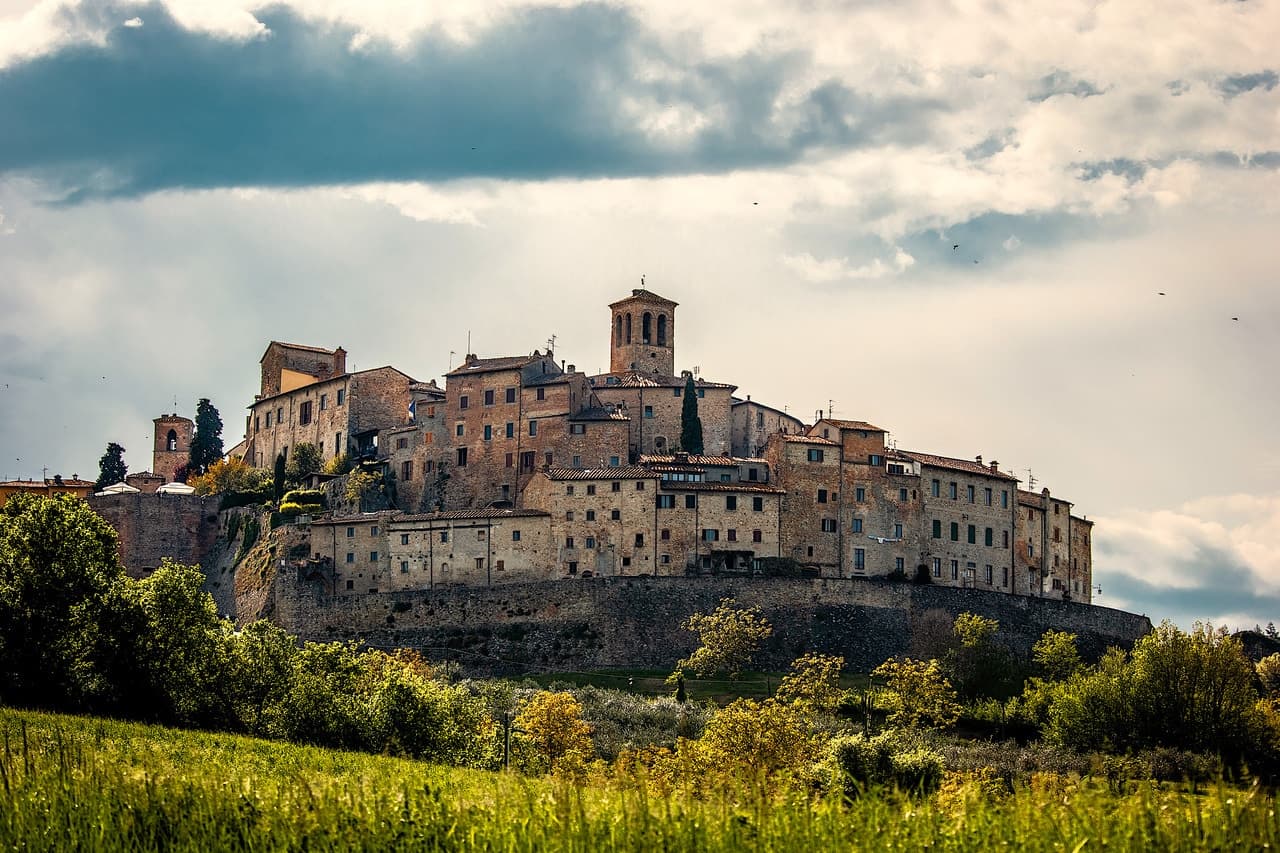
Anghiari
Province: Arezzo
A walled medieval town at 430 meters over the upper Tiber valley, where Florence beat Milan in 1440 and Leonardo started the fresco he never finished.
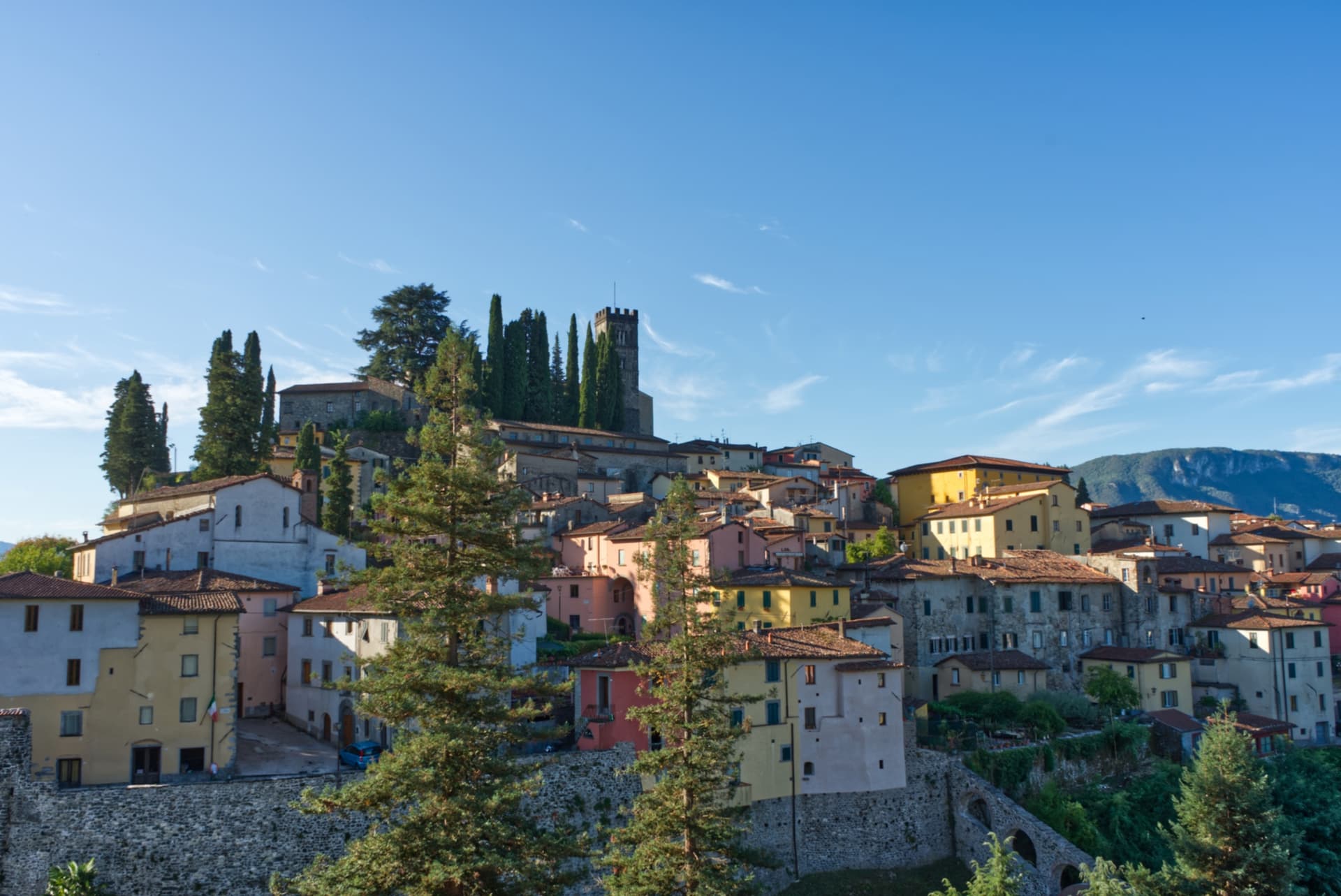
Barga
Province: Lucca
A medieval hilltop town at 410 meters in the Serchio valley between the Apuan Alps and the Apennines, where Giovanni Pascoli wrote his last poems and the August festival serves fish and chips.
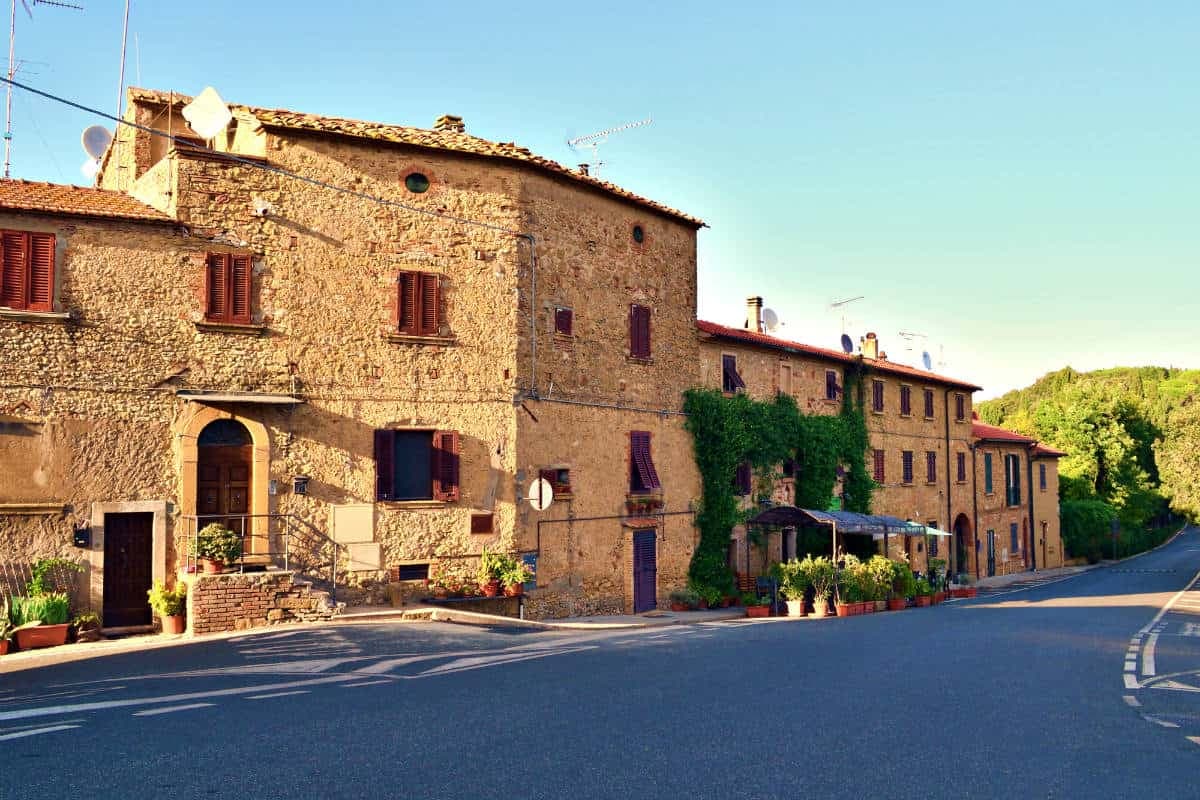
Casale Marittimo
Province: Pisa
A concentric stone borgo at 214 meters above the Val di Cecina, built where a seventh-century BC Etruscan outpost of Volterra once stood.
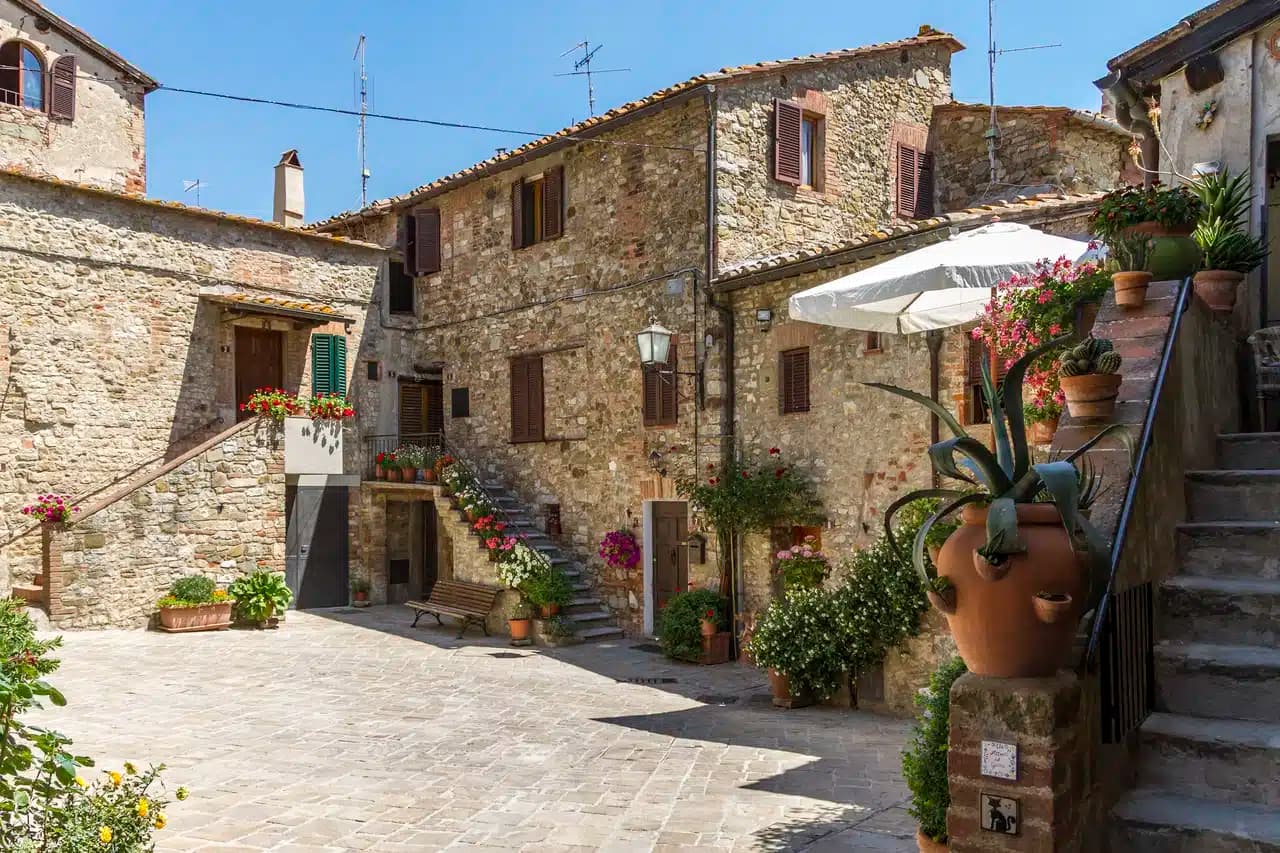
Castelnuovo Berardenga
Province: Siena
A Chianti Classico commune at 351 meters between the Ombrone and the Crete Senesi, the last castle Siena built against Florence, in 1366.