

Tuscany · Siena
Buonconvento
The walled brick borgo in the Crete Senesi where Emperor Henry VII died in 1313, on the Via Cassia at the confluence of the Arbia and Ombrone.
Known for
ENRICO VII
Emperor Henry VII of Luxembourg died in Buonconvento on 24 August 1313 on his march to Rome, a death long blamed on Ghibelline poisoning.
BRICK WALLS
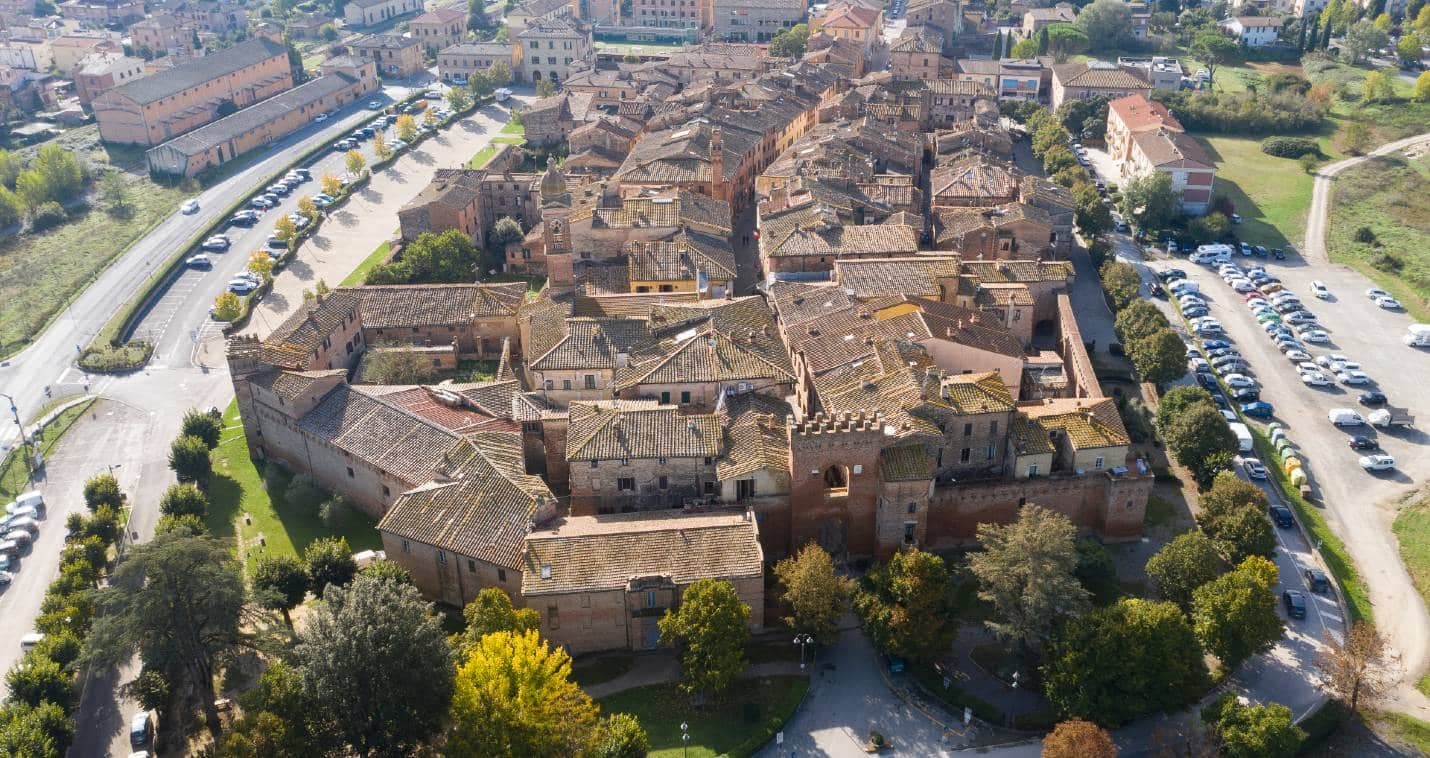
Late fourteenth-century walls built by Siena in 1379, with hanging arches and a rectangular plan that still defines the centro storico.
CRETE SENESI
Main town of the clay-blue hills south of Siena, the bare lunar landscape that gives the area its name from the chiare crete.
When to visit
Best · Apr–Oct
- J
- F
- M
- A
- M
- J
- J
- A
- S
- O
- N
- D
- Best
- Hot or crowded
- Quiet
- Mostly closed
Why come
Buonconvento sits on the plain of the Via Cassia, where the Arbia meets the Ombrone, twenty-five kilometers south of Siena and the main town of the Crete Senesi. The name comes from bonus conventus, happy meeting place, recorded for the first time in 1100. In August 1313 Emperor Henry VII of Luxembourg died here on his way to Rome, a death the Ghibellines blamed on poisoning.
The Sienese walled the borgo in 1379: brick curtain walls with hanging arches, two gates called Porta Senese and Porta Romana. Porta Romana was destroyed in 1944 by the retreating Germans, the same year the Allies came up the Via Cassia. The Palazzo Pretorio, fourteenth century, has twenty-five podestà coats of arms on its façade and a tower that echoes Siena's Torre del Mangia. The Museo d'Arte Sacra della Val d'Arbia holds a Madonna by Duccio di Buoninsegna from the 1290s.
The Sunday letter
We haven’t written Buonconvento’s letter yet.
One town every Sunday, with the photo, the food, the festa. Be there when this one comes up. Free, by Peter & Sophia from Pietrasanta.
By subscribing you agree to Substack’s Terms of Use, our Privacy Policy and our Information collection notice.
What to see
Palazzo Pretorio
Fourteenth-century brick palace with twenty-five podestà coats of arms on its façade and a slender tower modeled on Siena's Torre del Mangia.
Mura di Buonconvento
Brick curtain walls with hanging arches built by Siena in 1379, with Porta Senese to the north (Porta Romana lost in 1944).
Museo d'Arte Sacra della Val d'Arbia
Sacred art collection in Palazzo Ricci Socini covering the Sienese school from the 13th to 19th centuries, including a Duccio Madonna.
Museo della Mezzadria Senese
Sharecropping museum documenting the rural Sienese economy that ended in the mid-twentieth century, with farming tools and oral histories.
Chiesa dei Santi Pietro e Paolo
Parish church reworked in the early twentieth century in neo-Gothic style, on the main street inside the walls.
The slow-trip planner
Building a trip? Find where Buonconvento fits in a slow Italy circuit.
Answer five questions. We will shape a geographically coherent slow trip from the 1,000 Italian towns most travelers skip. Yours to save and share.
Living here
- Population 2,979
- In-betweeni
- Pharmacy in town
- High school within a 30-minute drive
- Train station in the comune
- Nearest airport Bologna, 2 h 38 min drive
- Regional capital Firenze, 1 h 45 min drive
Tags & datadesignations · numbers · sources
Recognised as
The numbers
- Elevation: 147 m
- Population: 2,979
- Surface area: 64.84 km²
These figures were compiled from public directories — ISTAT, OpenStreetMap, Wikidata — and from the official listings of the guides named on this page. Town details change; verify with official sources before you travel.
Close by
More towns near Buonconvento
Montalcino
Province: Siena
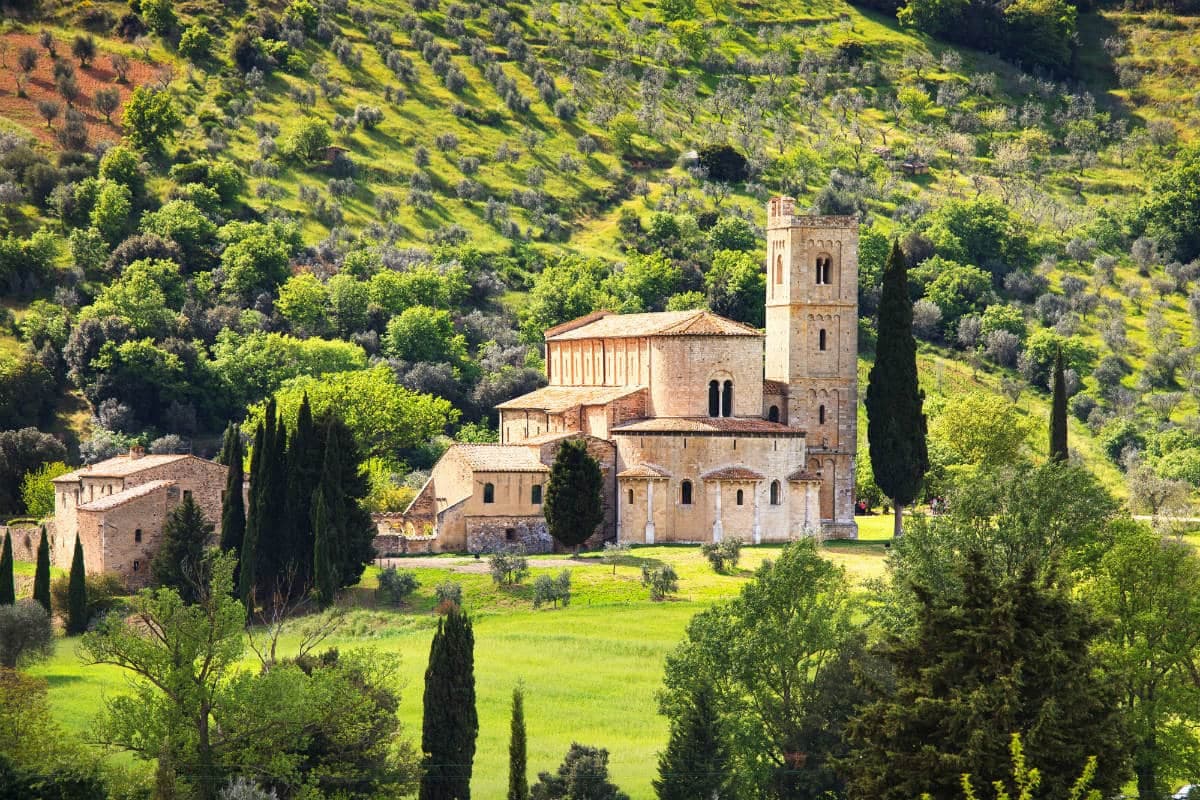
A walled hill town at 564 meters above the Val d'Orcia, the last fortress to hold out for the Sienese Republic and the birthplace of Brunello.
San Quirico d'Orcia
Province: Siena
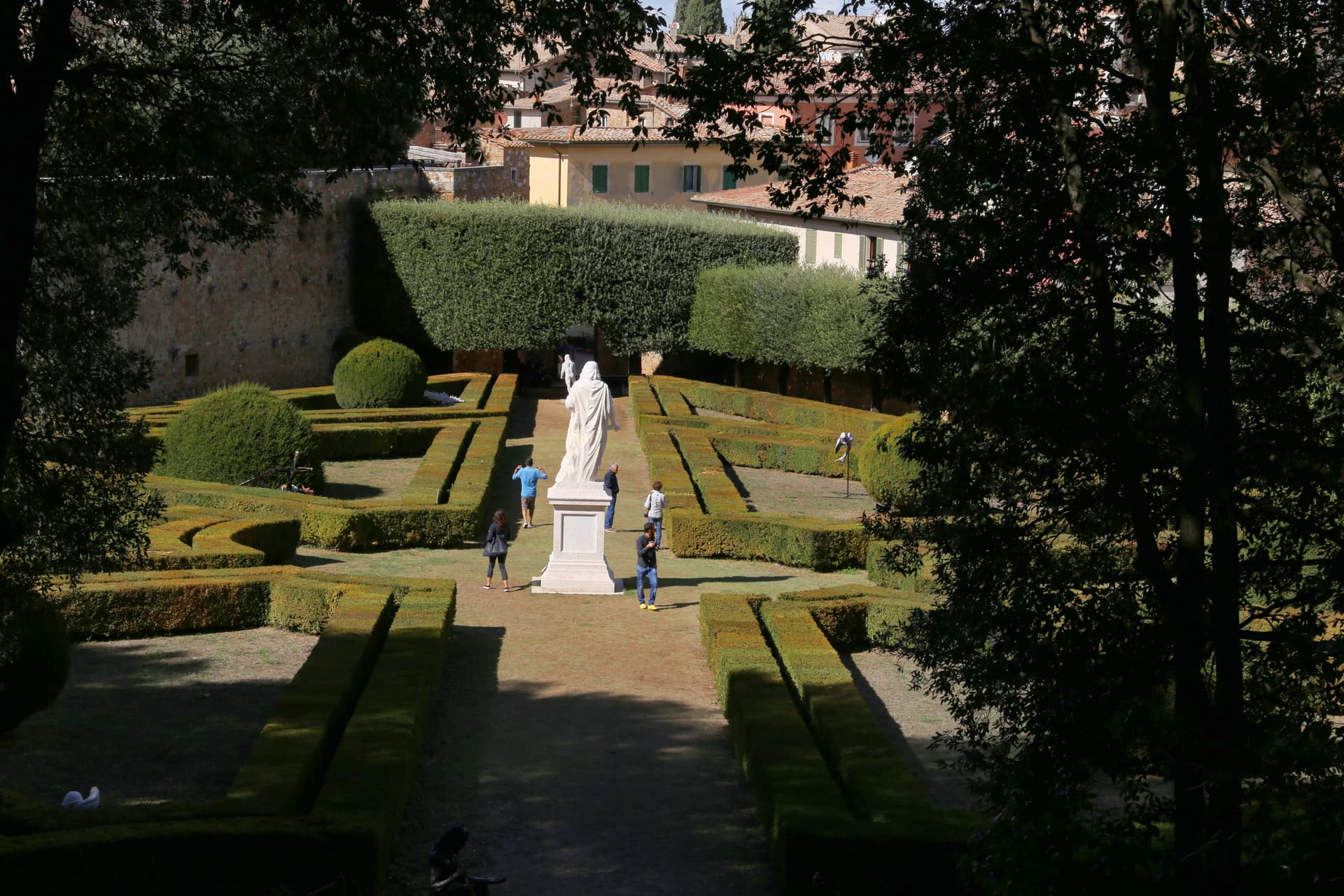
A walled stop on the Via Francigena at 409 meters in the UNESCO Val d'Orcia, where a twelfth-century Collegiata, a Renaissance garden and the Bagno Vignoni thermal pool sit within fifteen kilometers of each other.
Trequanda
Province: Siena
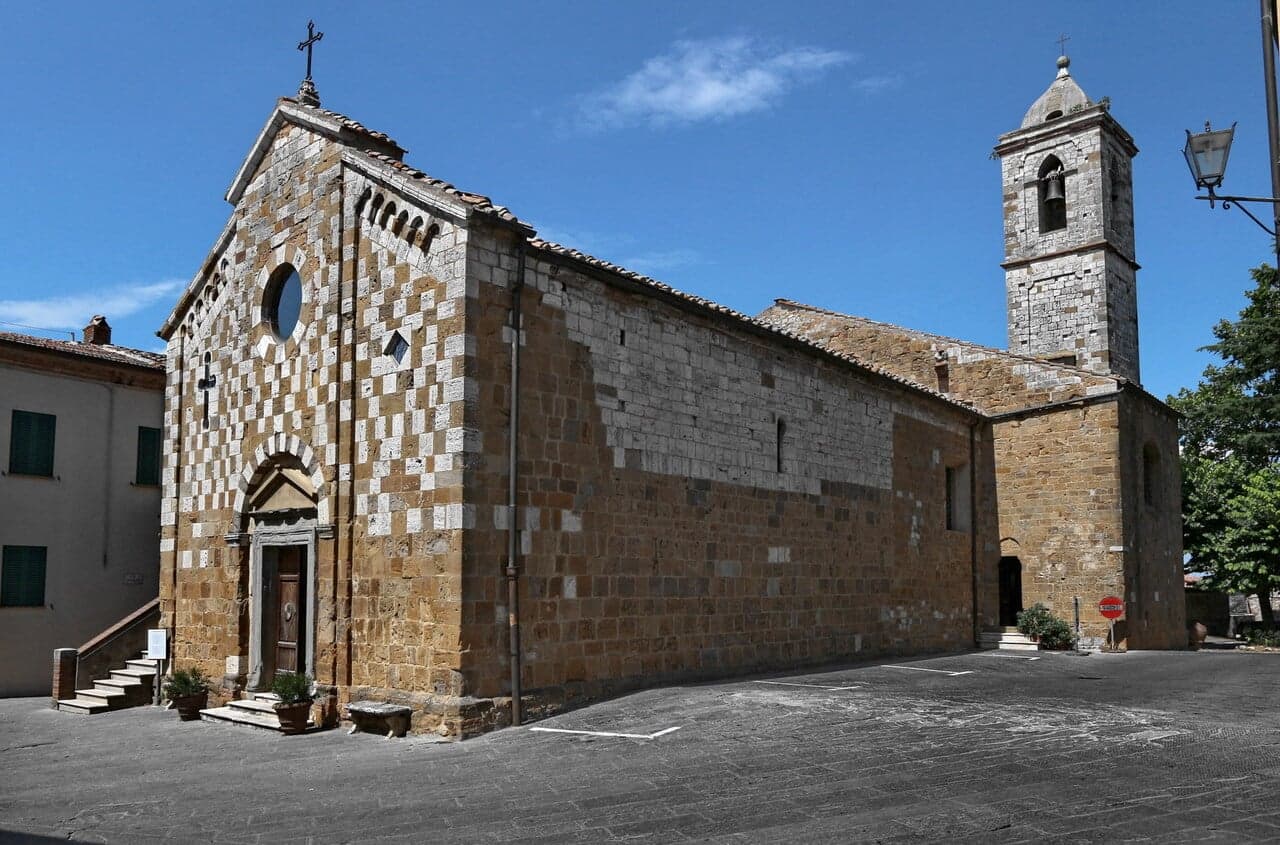
A village of 1,166 in three hilltop borghi between Crete Senesi and Val di Chiana, with the terracotta workshops of Petroio holding to a five-hundred-year craft.
Siena
Province: Siena
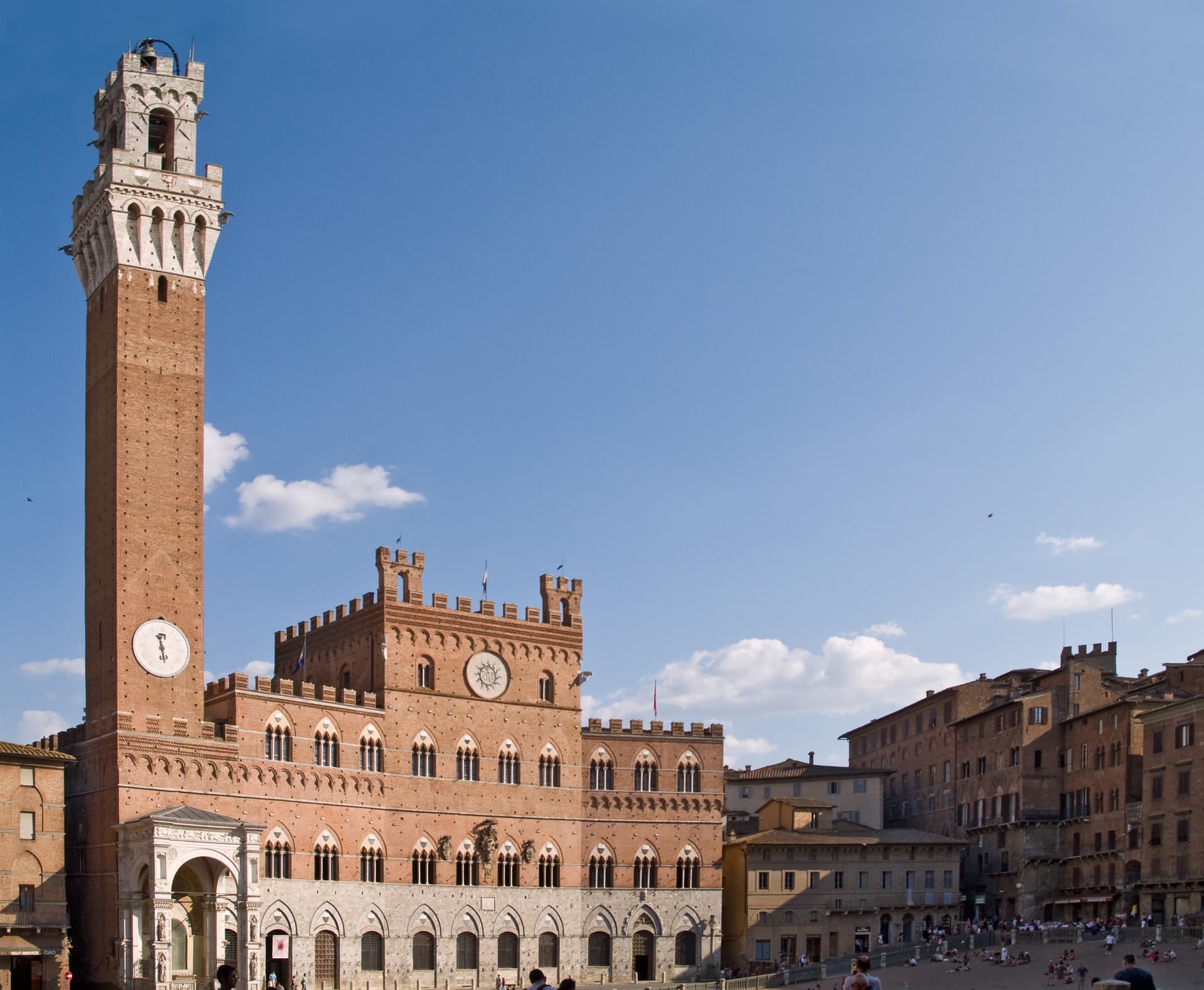
The medieval rival of Florence at 322 meters on three hills, with a shell-shaped piazza where seventeen contrade race bareback horses twice a year.
Rapolano Terme
Province: Siena
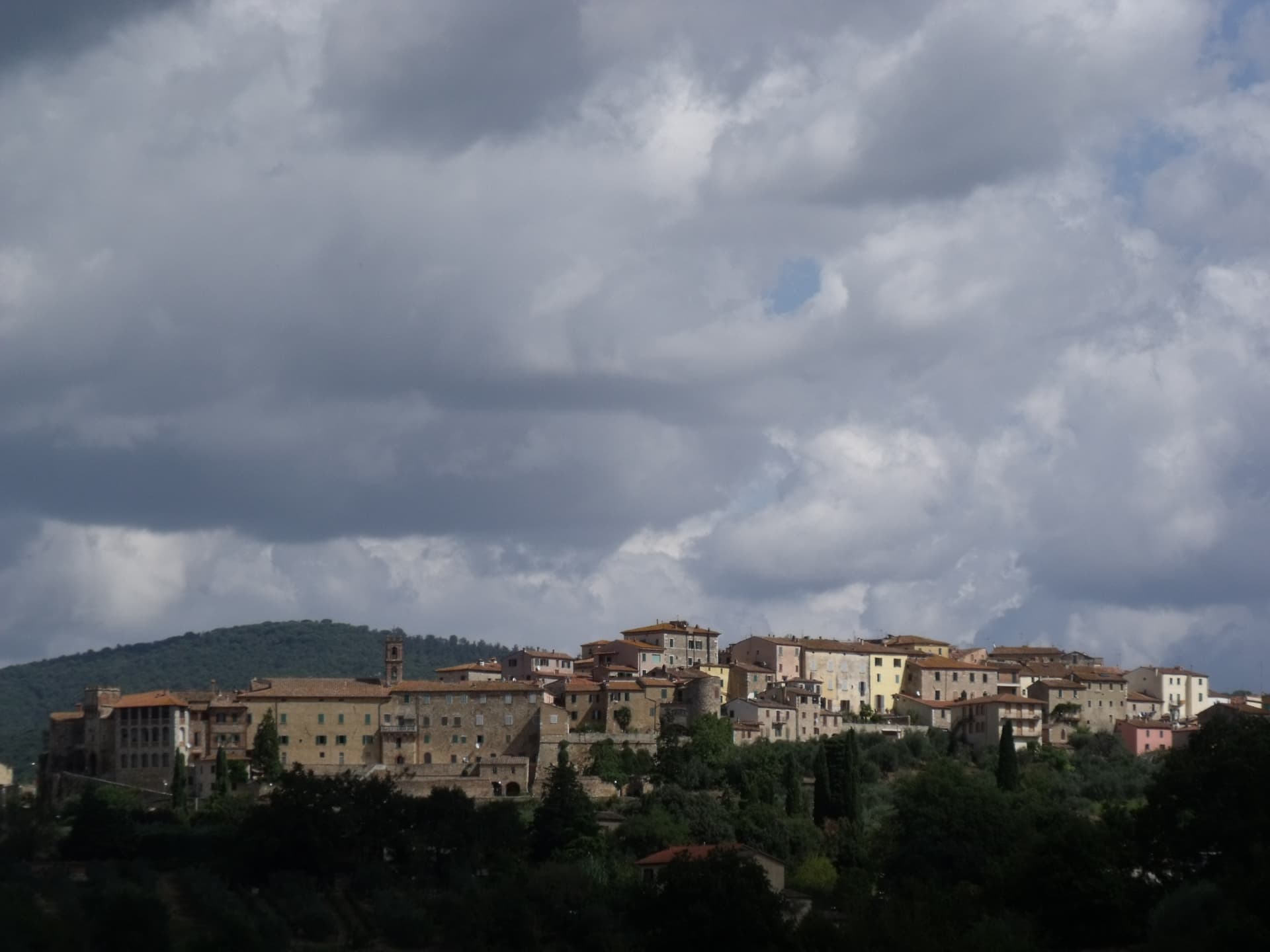
A Sienese thermal town in the Crete Senesi, 38-degree calcium-sulphur waters and travertine quarries that supplied the Pienza Duomo and Montepulciano's San Biagio.
🎨 Borghi più belli d'Italia
More Borghi più belli d'Italia towns in Tuscany
Anghiari
Province: Arezzo
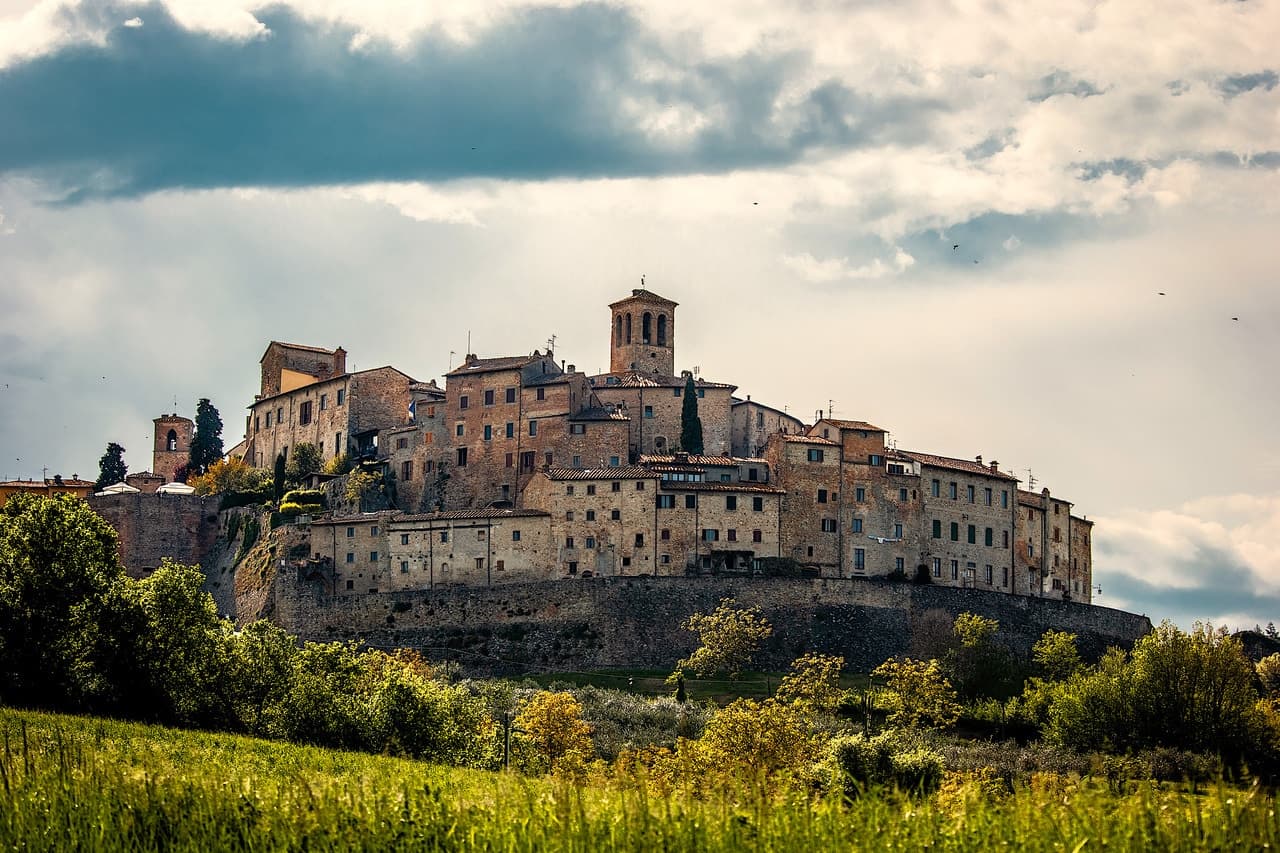
A walled medieval town at 430 meters over the upper Tiber valley, where Florence beat Milan in 1440 and Leonardo started the fresco he never finished.
Barga
Province: Lucca
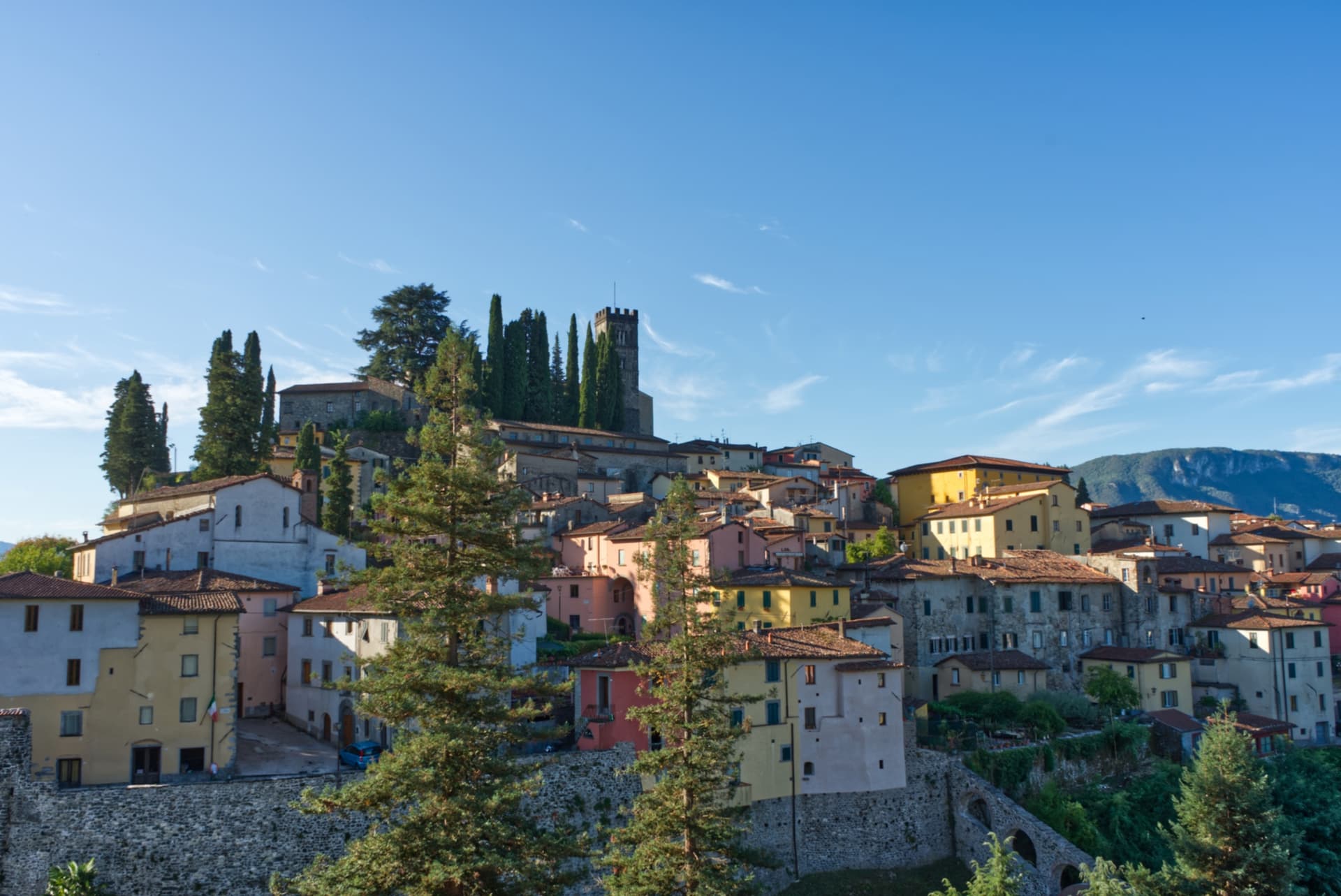
A medieval hilltop town at 410 meters in the Serchio valley between the Apuan Alps and the Apennines, where Giovanni Pascoli wrote his last poems and the August festival serves fish and chips.
Campiglia Marittima
Province: Livorno
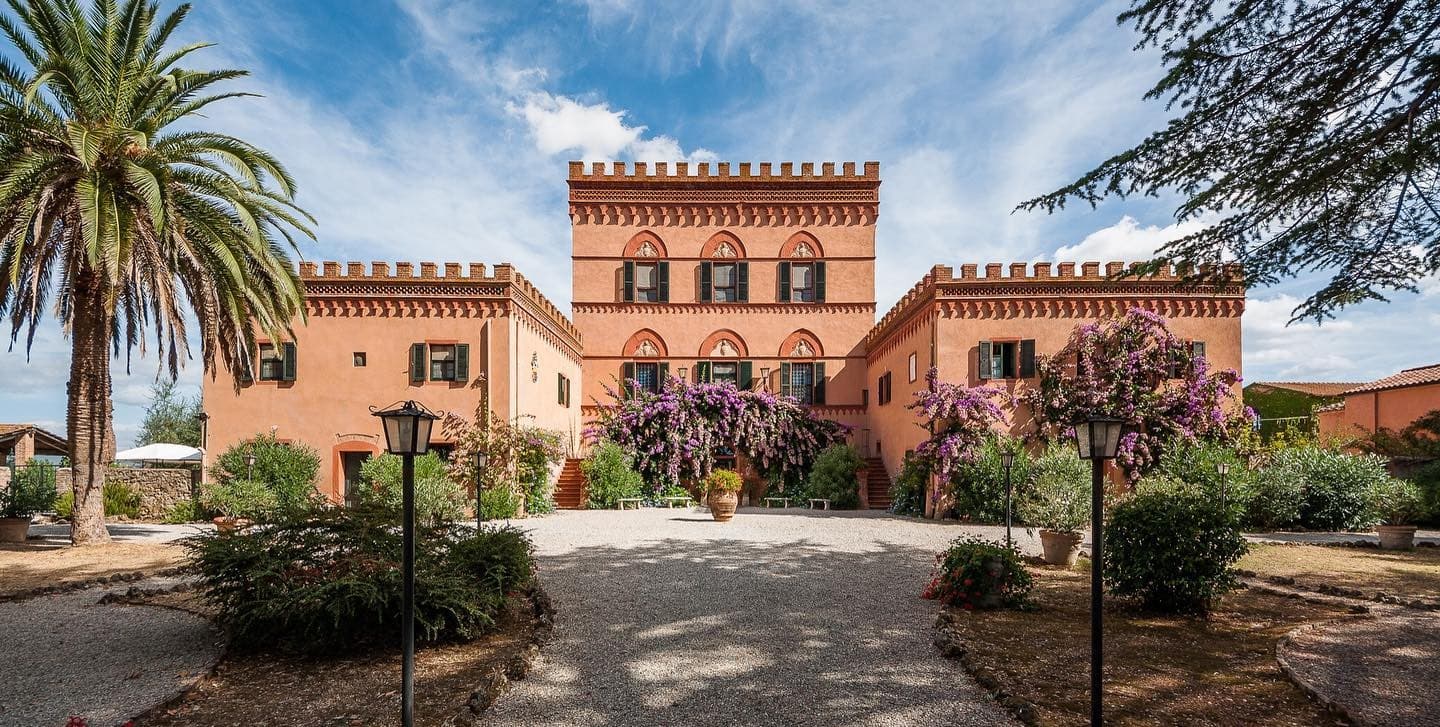
A walled hilltop borgo above the Val di Cornia, where the Rocca tower watches a mining landscape worked from the Etruscans to 1976.
Capalbio
Province: Grosseto
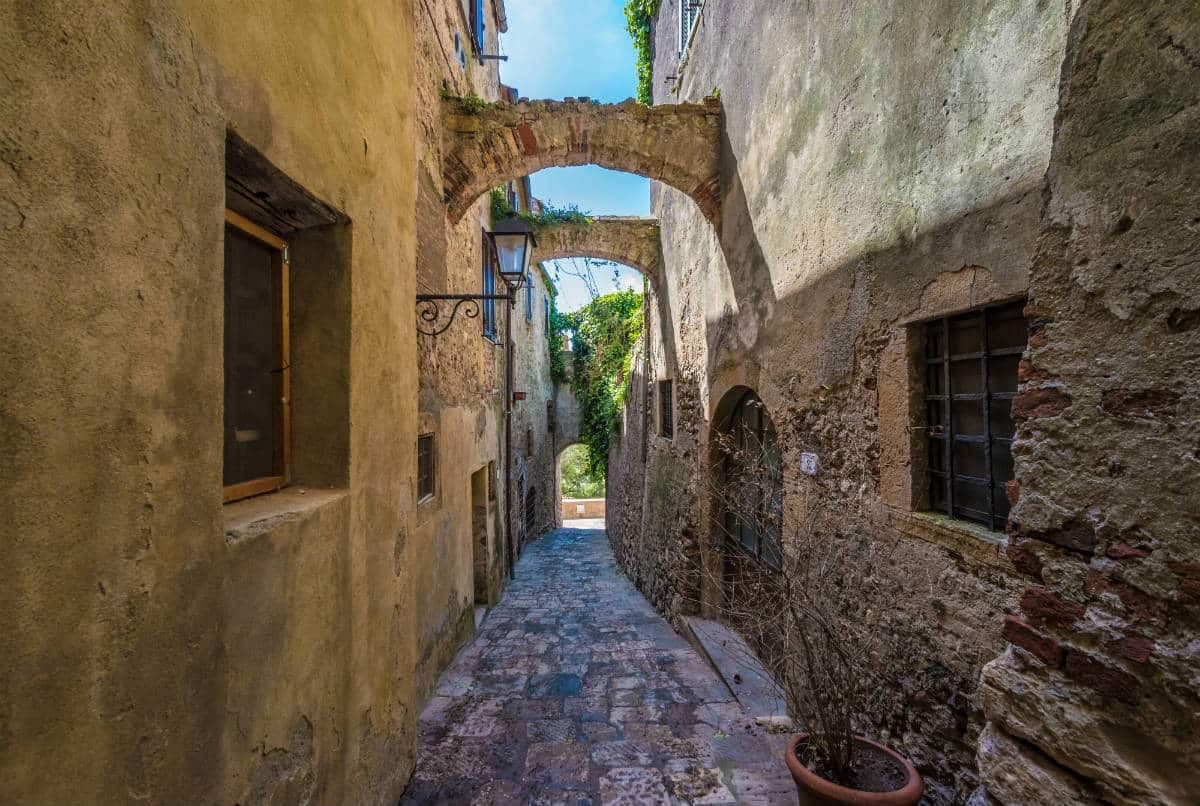
A walled hilltop borgo at 217 meters in the southern Maremma, donated to the Abbey of Tre Fontane by Charlemagne and home of Niki de Saint Phalle's Tarot Garden.
Casale Marittimo
Province: Pisa
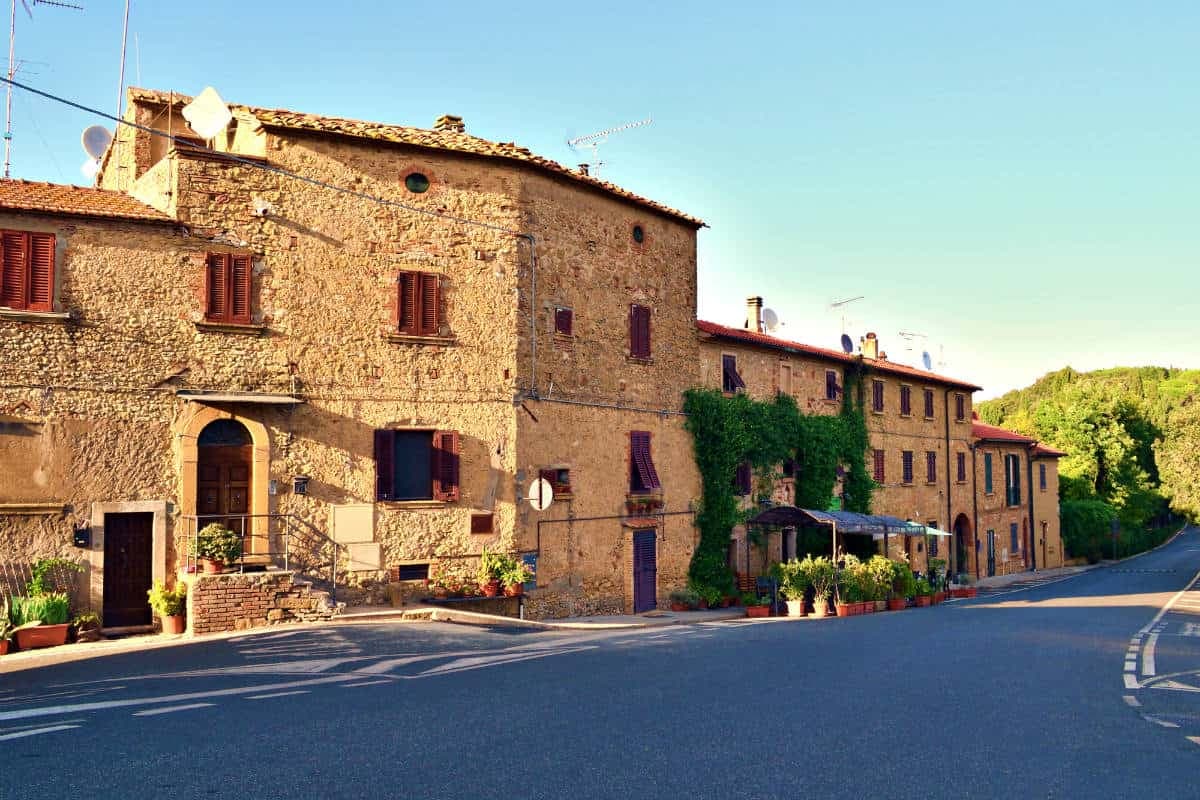
A concentric stone borgo at 214 meters above the Val di Cecina, built where a seventh-century BC Etruscan outpost of Volterra once stood.