
Designation
Via Francigena
53 towns across 9 regions
Browse by region
Aosta Valley2
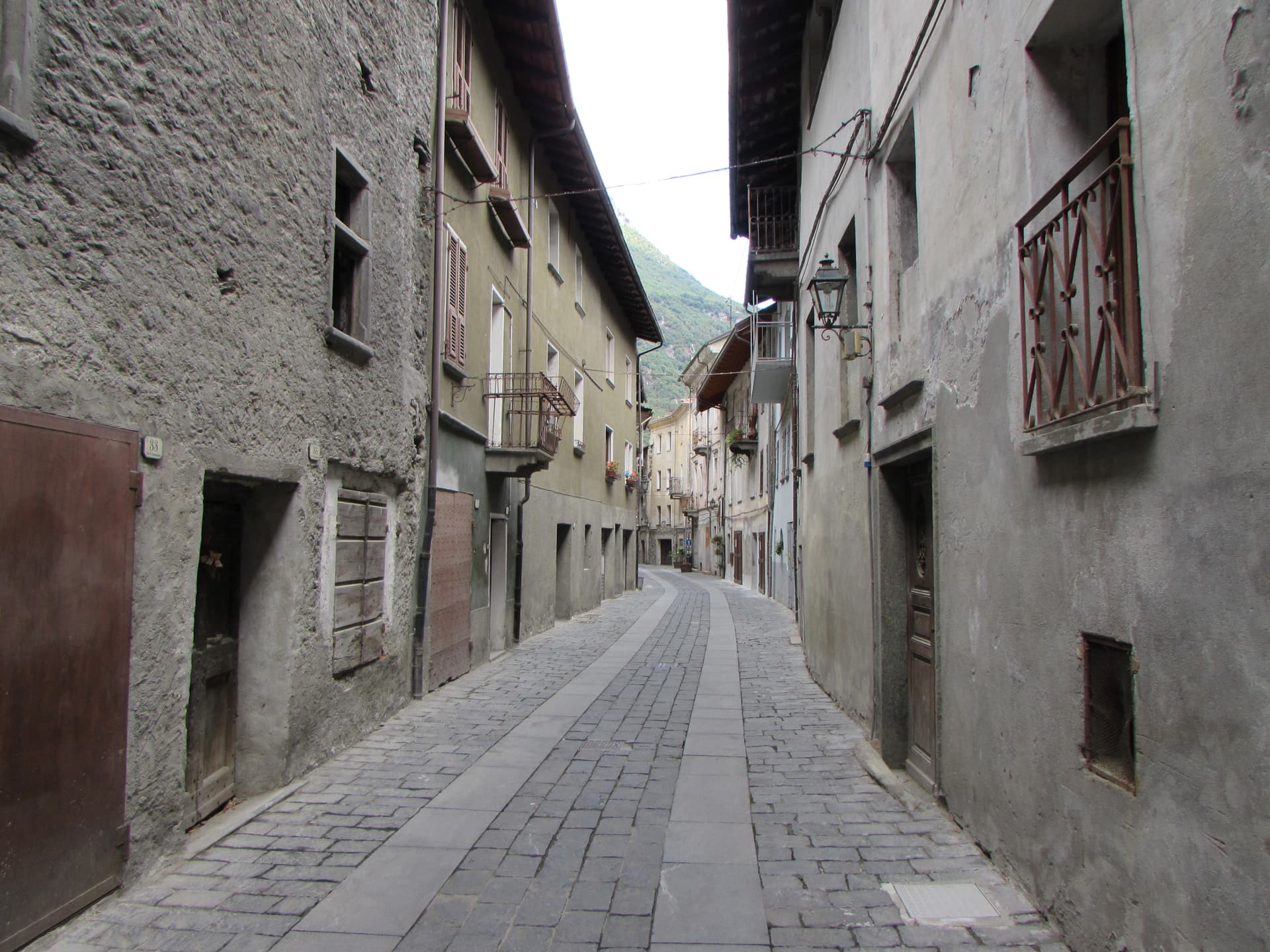
Donnas
Province: Aosta Valley · 322 m
The first DOC of Valle d'Aosta, a Nebbiolo-on-terraces wine town at 322 metres where the Roman Via delle Gallie was carved into living rock.
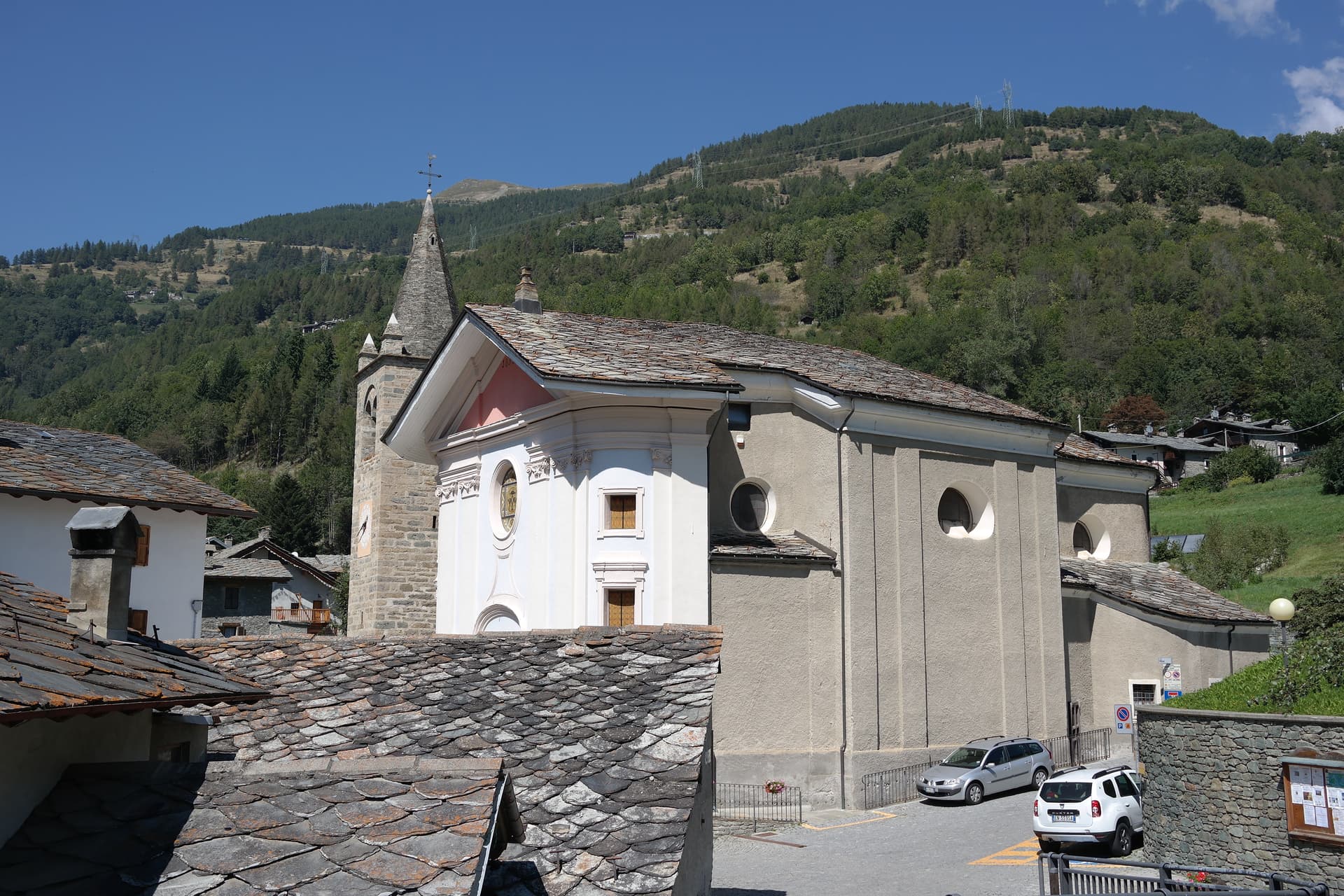
Etroubles
Province: Aosta Valley · 1,280 m
A 478-person village at 1,280 metres on the Via Francigena, with an open-air contemporary art museum and the region's first dairy.
Apulia10
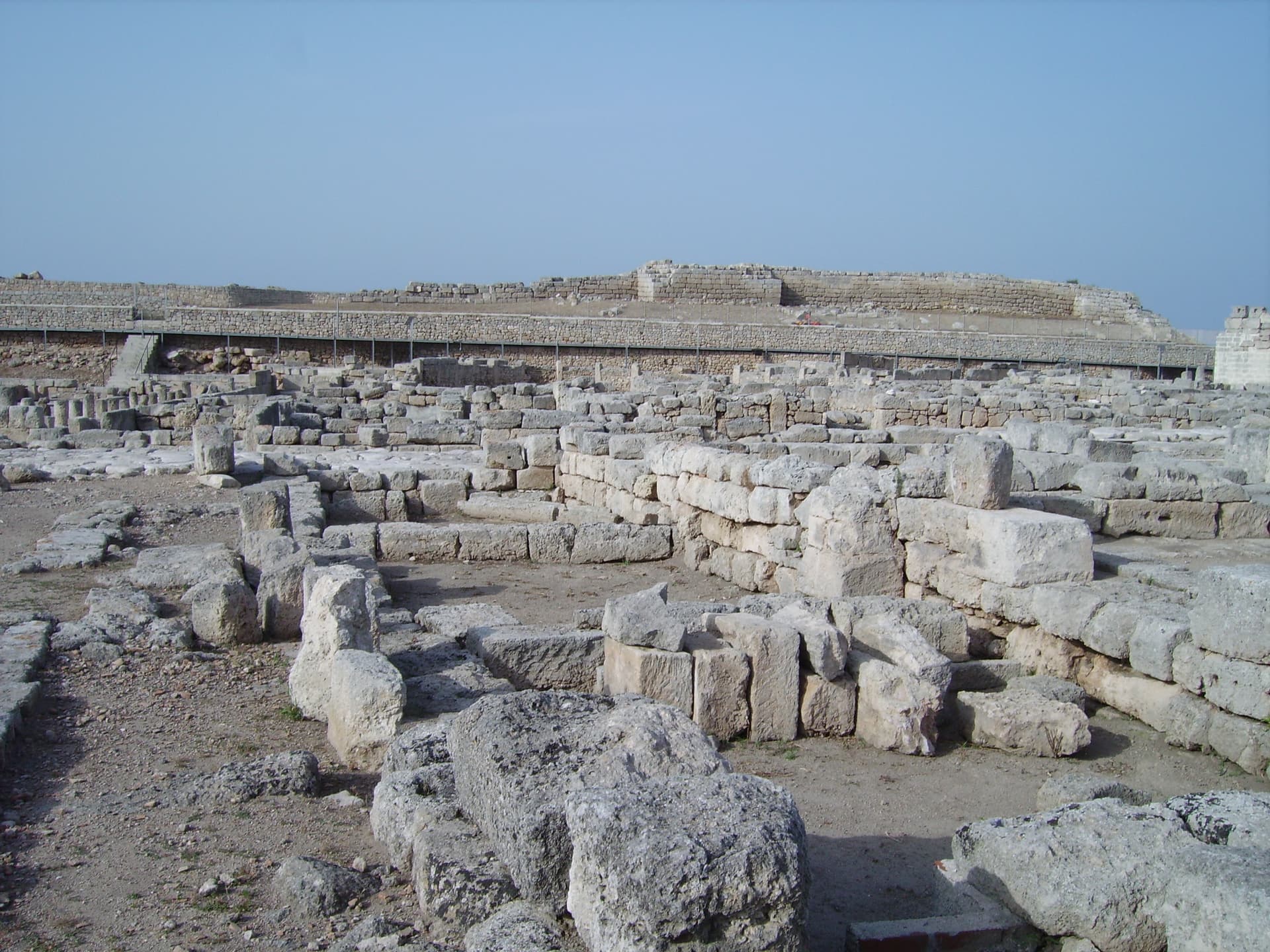
Fasano
Province: Brindisi · 118 m
A Brindisi-province town from the Adriatic up to the Itria escarpment, holding the Roman ruins of Egnazia, the Selva, and Europe's second-largest safari park.
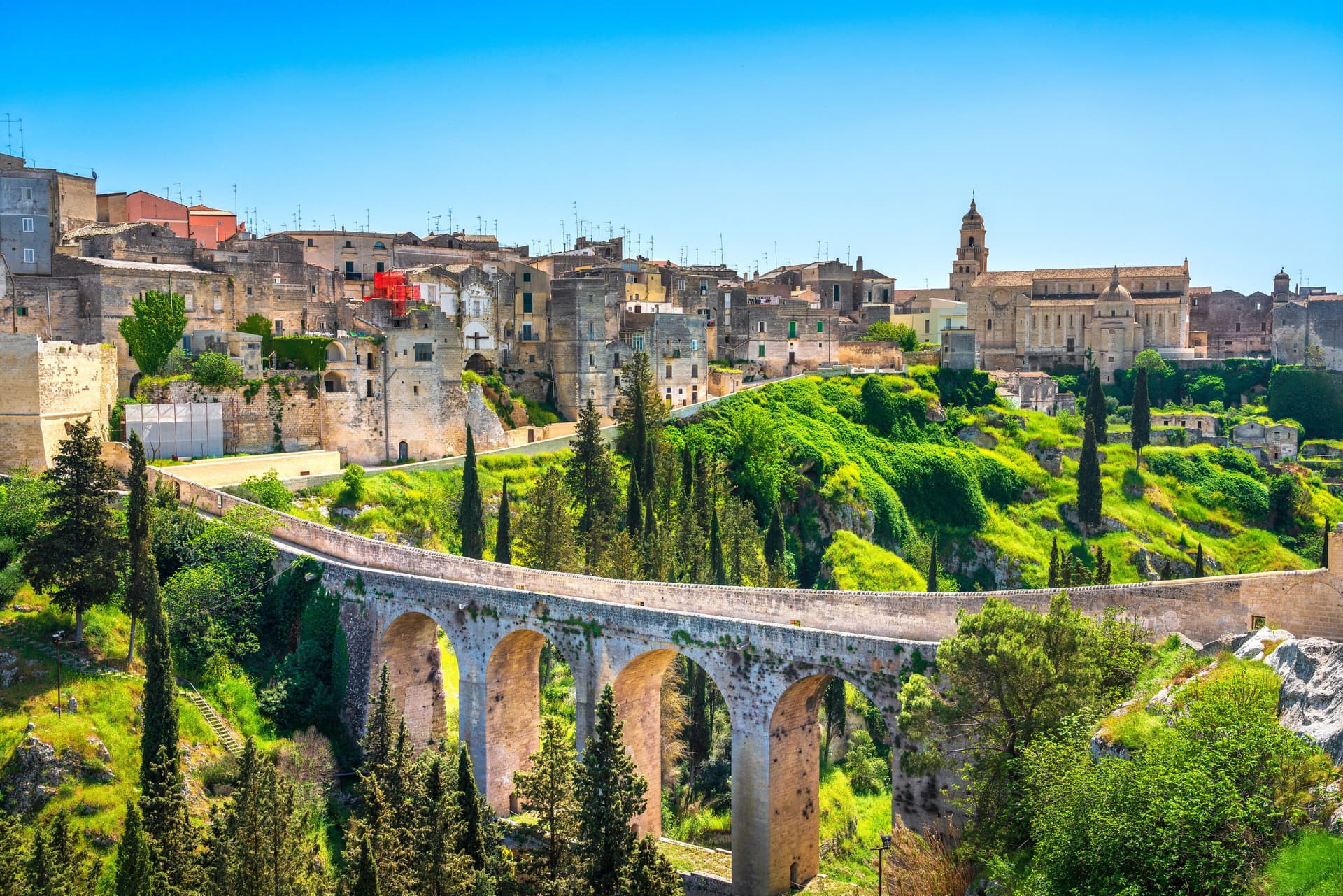
Gravina in Puglia
Province: Bari · 350 m
Puglia's deepest gravina — a 42,700-resident Bari-province town built on the lip of a 100m-deep limestone canyon, with the 18th-c Ponte Acquedotto walkway across the gorge that James Bond crossed in No Time to Die, a network of rupestrian cave churches in the cliff face, and the four-signal BPB + Cittaslow + Via Francigena + Parco Nazionale combination.
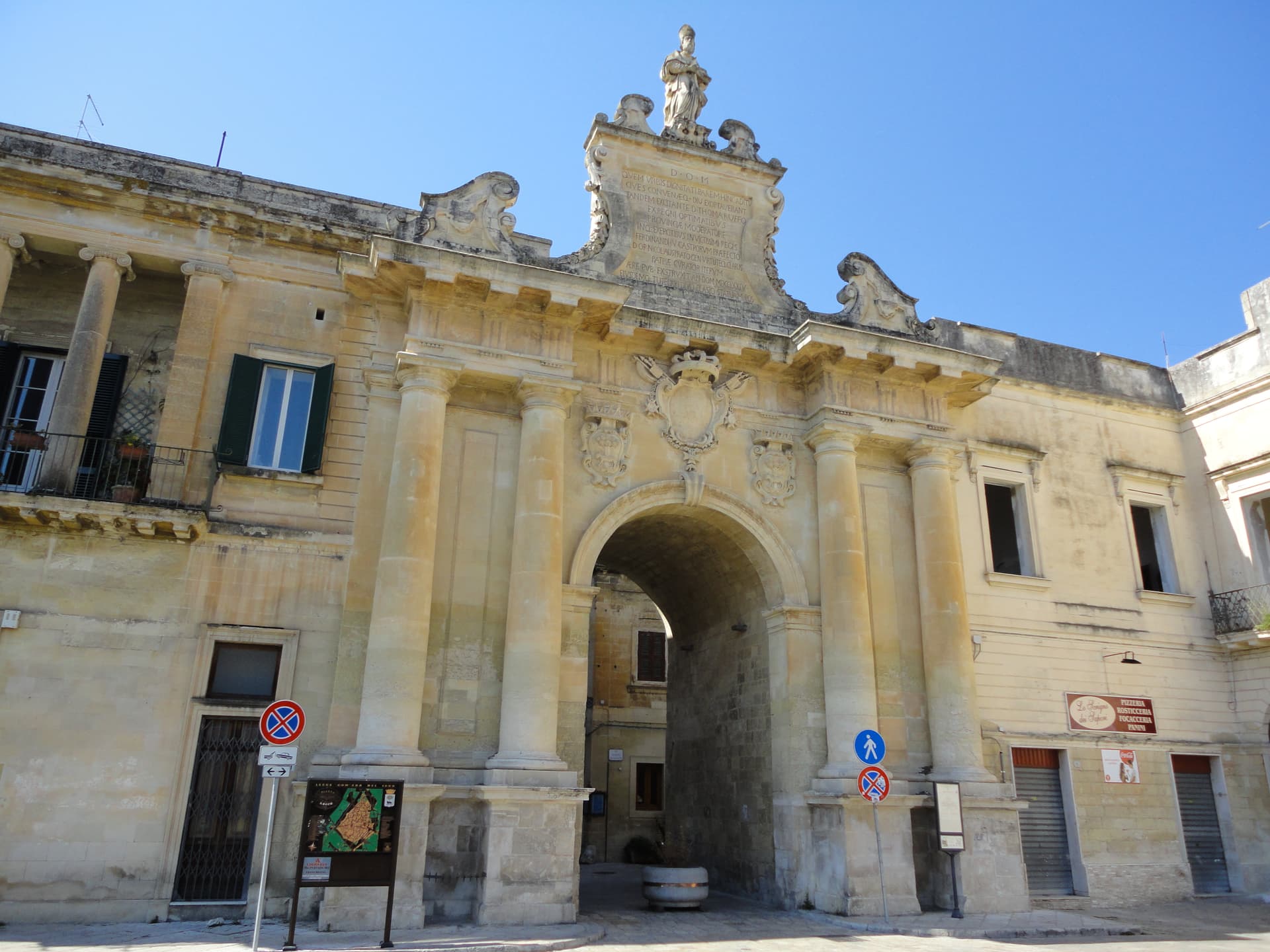
Lecce
Province: Lecce · 49 m
The Baroque capital of the Salento, ninety-four thousand people on the Lecce-stone plain, carving its façades in honey limestone since 1500.
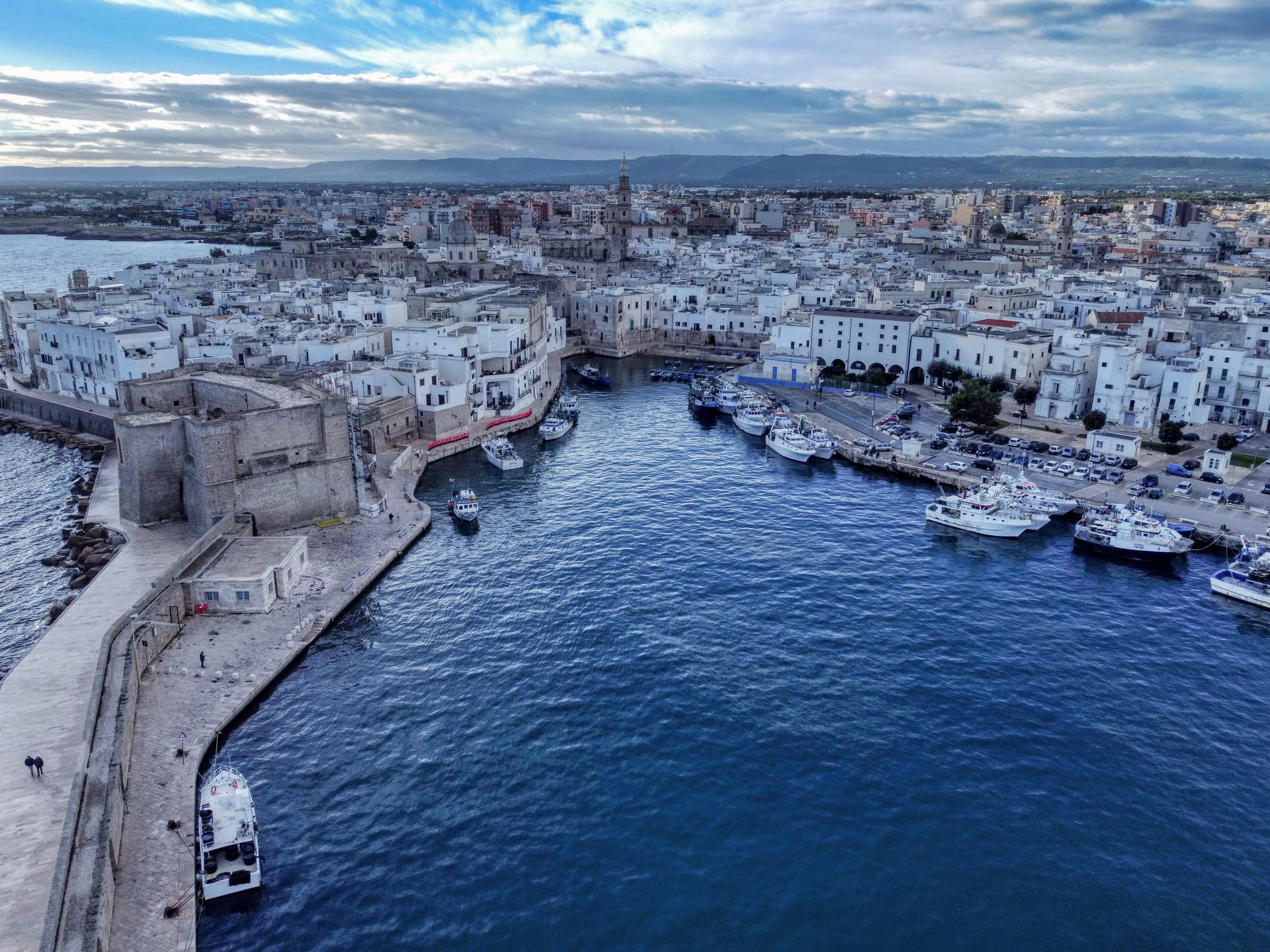
Monopoli
Province: Bari · 9 m
An Adriatic walled town forty kilometers south of Bari, the Charles V castle on the headland, 156 square kilometers of coastline behind it.
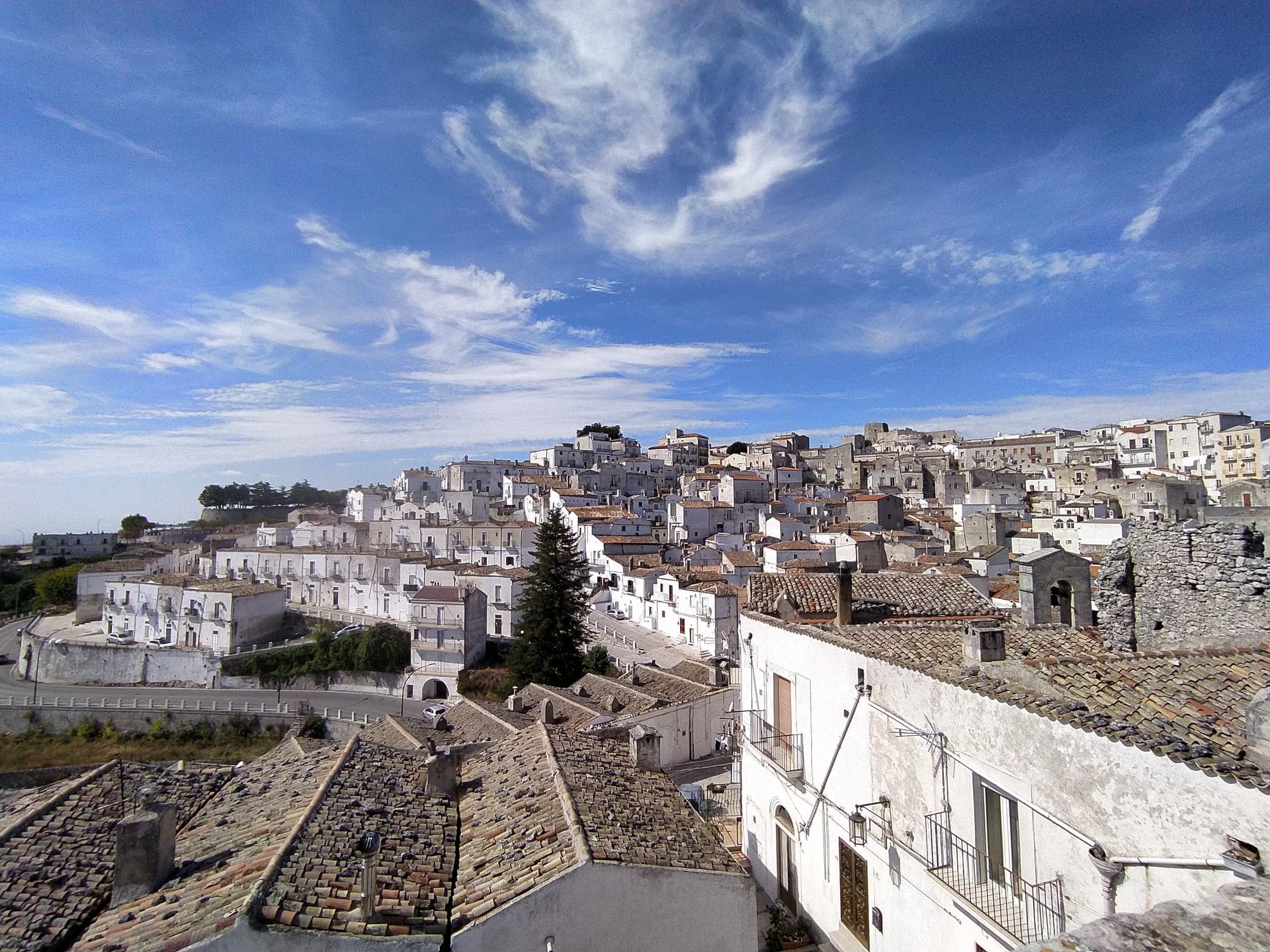
Monte Sant'Angelo
Province: Foggia · 843 m
The Gargano peak at 843 meters where the Archangel Michael appeared in 490, the oldest western shrine to him, UNESCO since 2011.
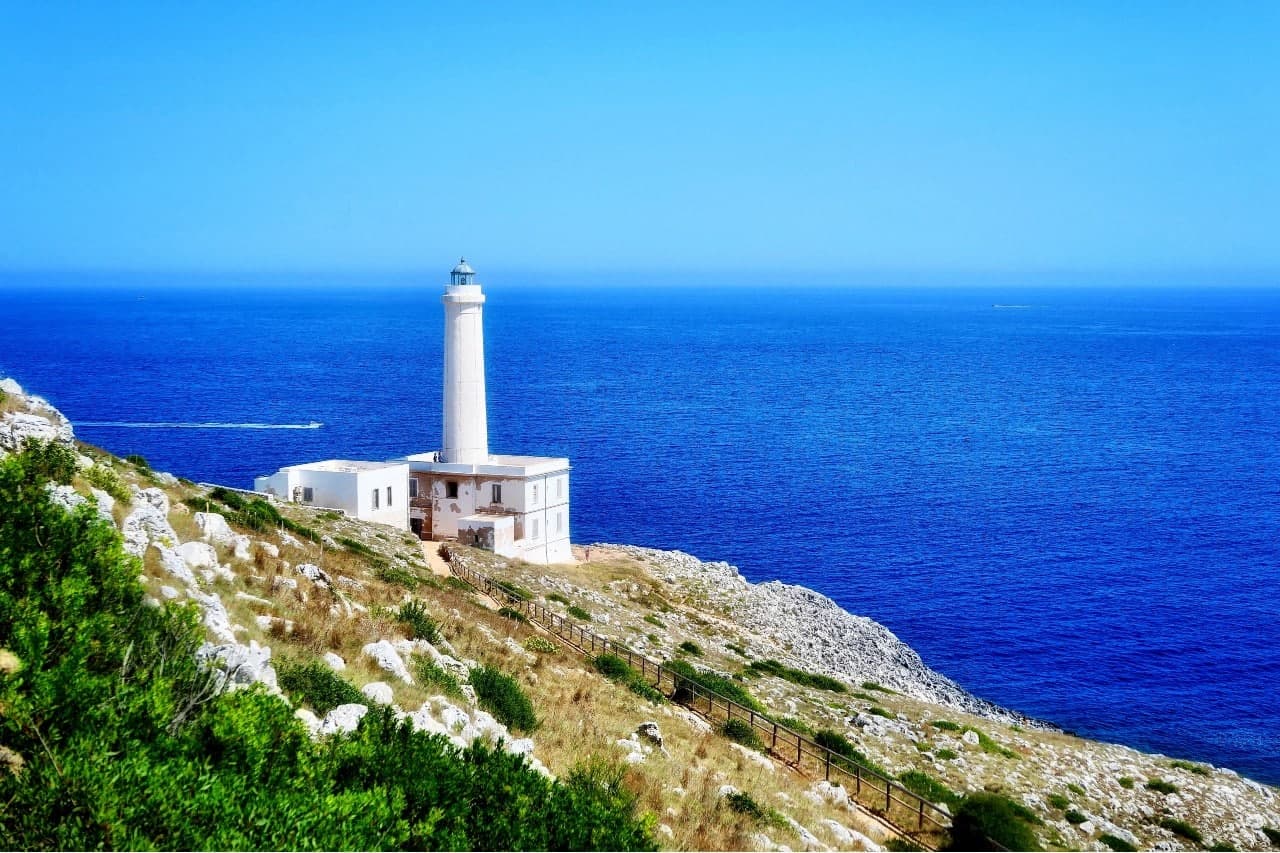
Otranto
Province: Lecce · 20 m
Italy's easternmost city, eighty kilometers from Albania, with a Norman mosaic floor and the bones of 813 martyrs in the cathedral.
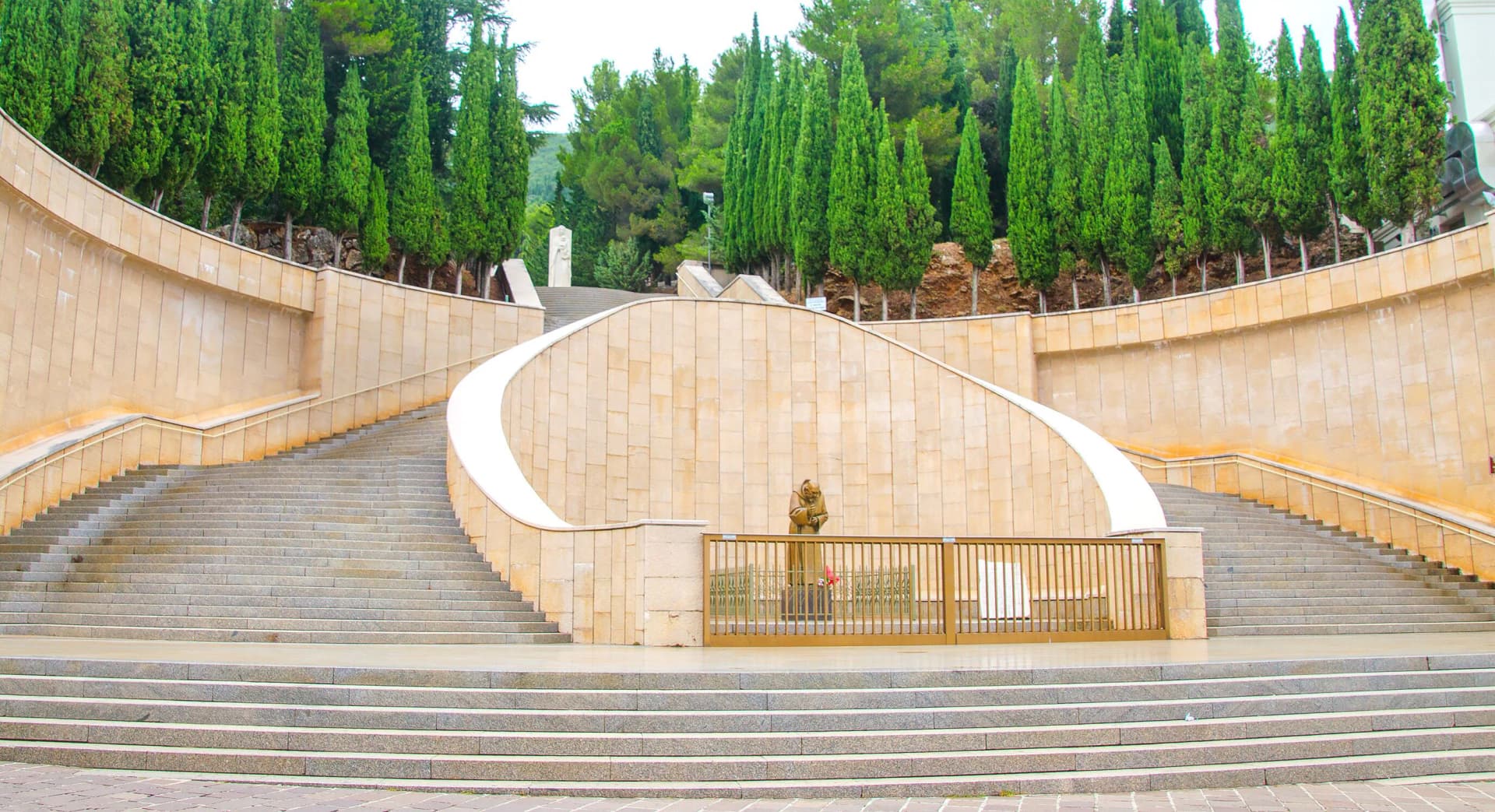
San Giovanni Rotondo
Province: Foggia · 565 m
The Gargano town where Padre Pio lived for fifty-two years, second-largest pilgrimage site in Italy, with a Renzo Piano sanctuary that seats 6,500.
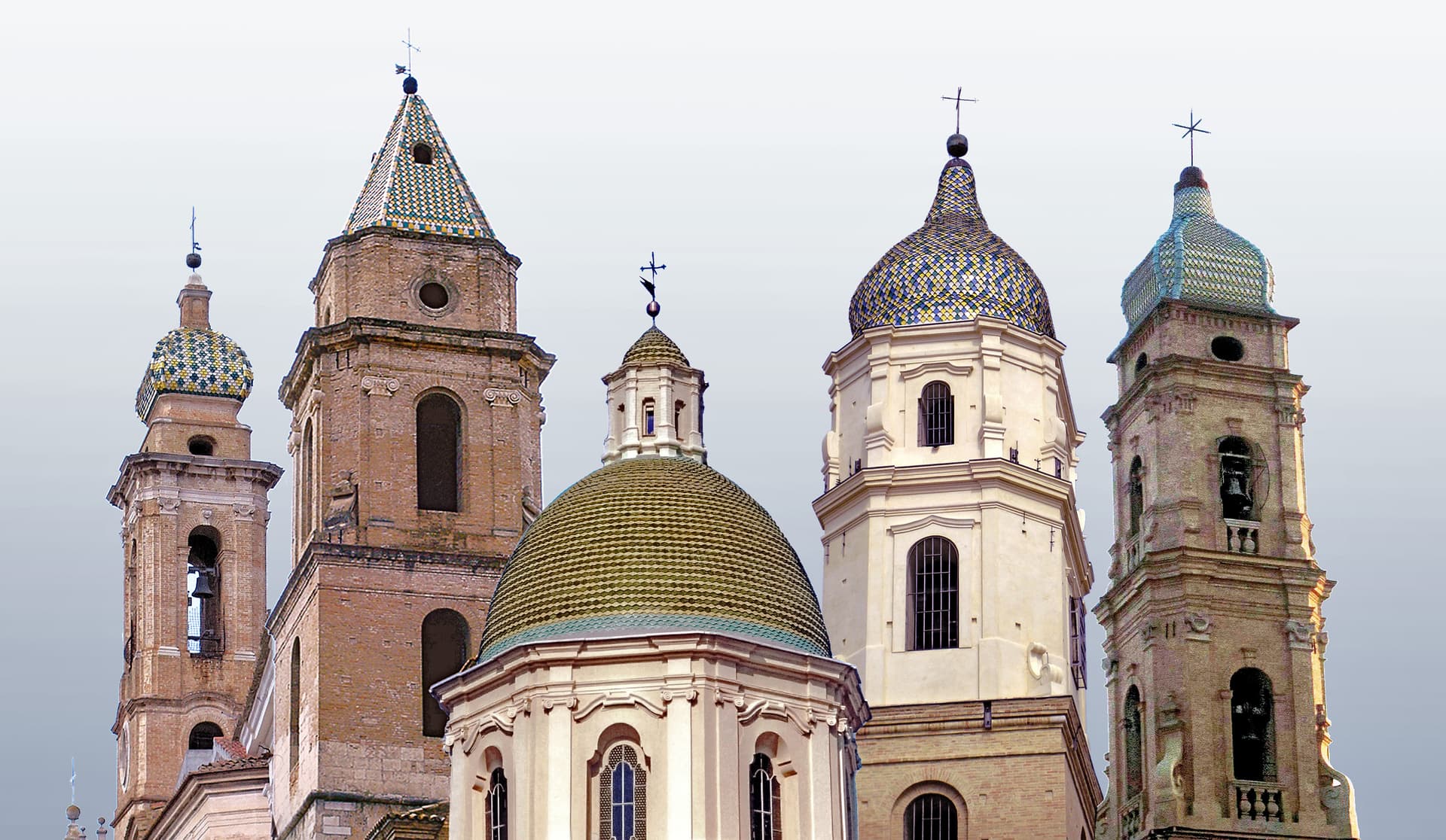
San Severo
Province: Foggia · 86 m
The Daunia wine capital on the Tavoliere, home to Puglia's first DOC of 1968 and a Carnevale of fanoia explosions known across the south.
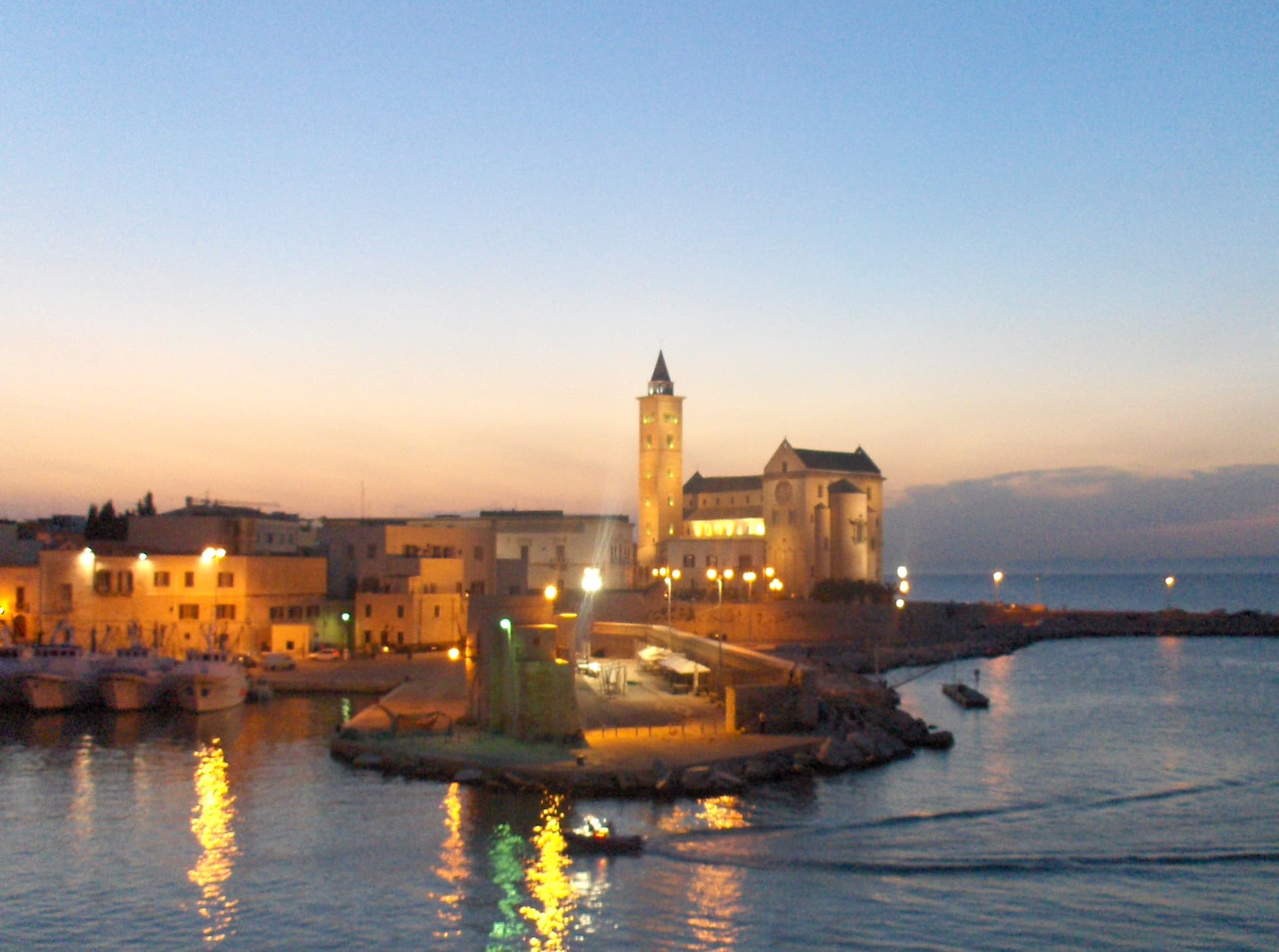
Trani
Province: Barletta-Andria-Trani · 7 m
The Adriatic port whose pink-white Romanesque cathedral stands on the water, built for a Greek pilgrim who died here in 1094.
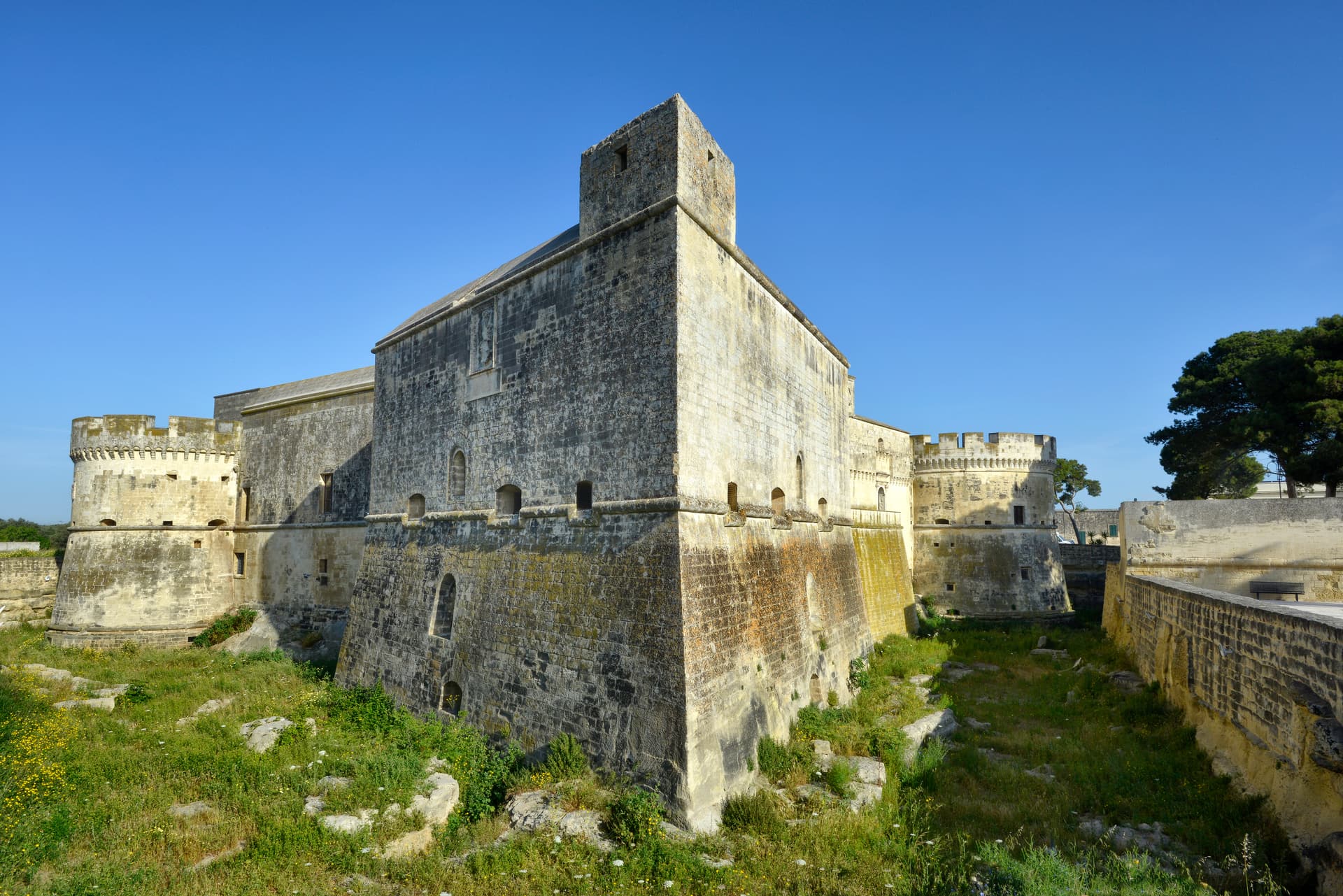
Vernole
Province: Lecce · 38 m
A Salento commune ten kilometers from Lecce whose frazione of Acaya is the only Renaissance fortified town in southern Italy.
Campania3
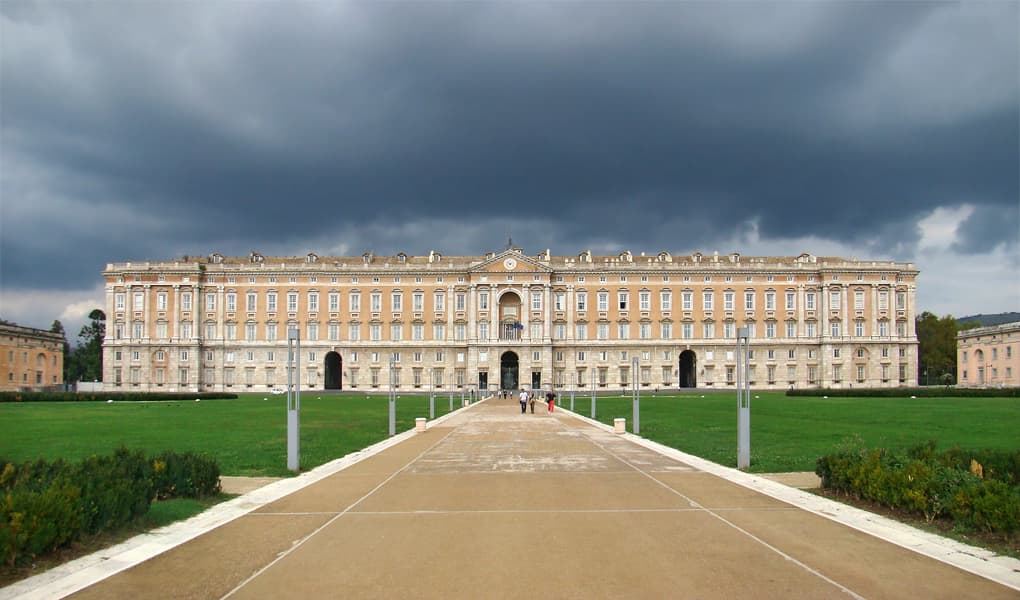
Alife
Province: Caserta · 110 m
A Roman walled town at the foot of the Matese, founded as a 326 BC oppidum, with Italy's fourth-largest amphitheatre still half-buried.
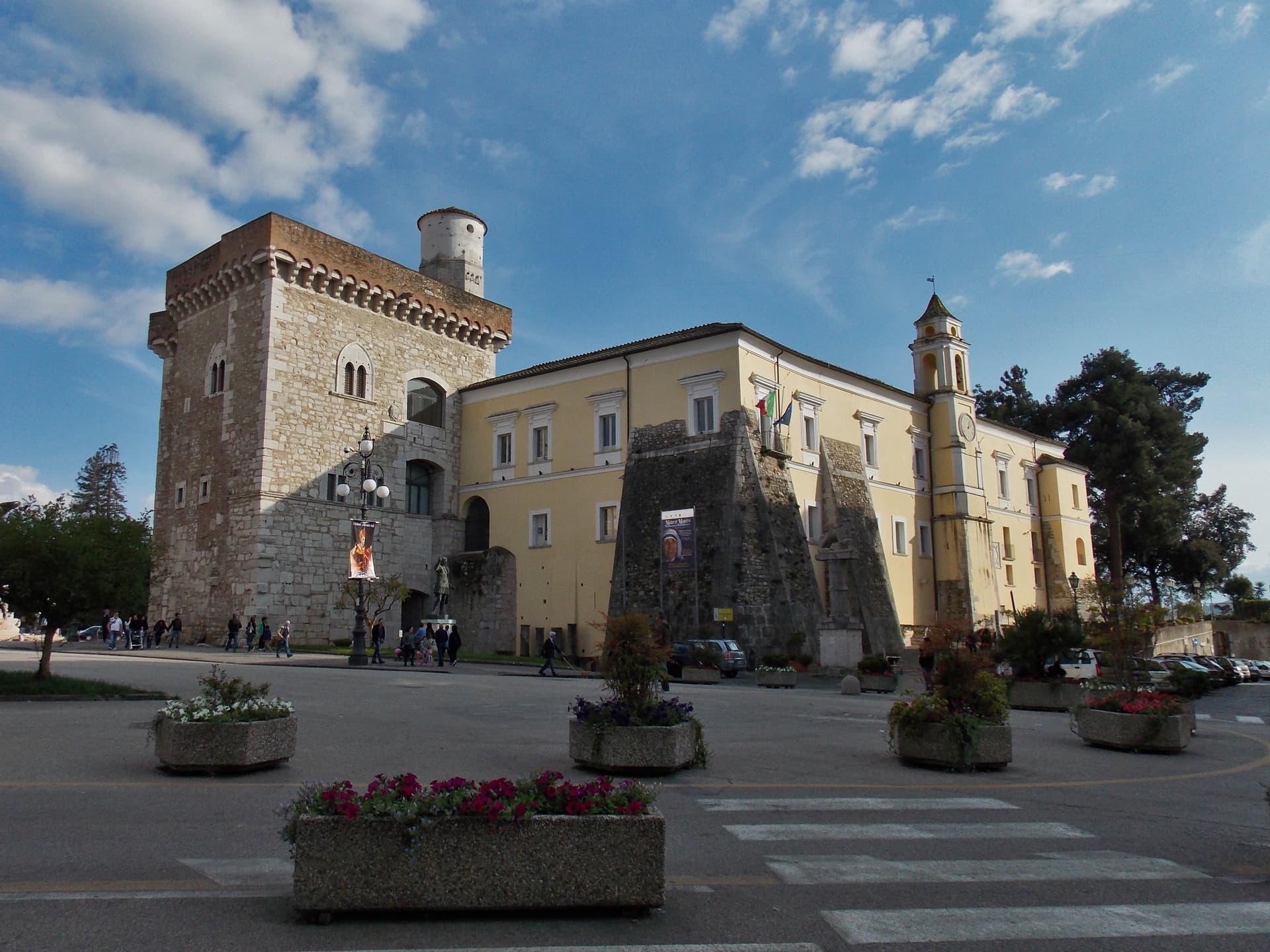
Benevento
Province: Benevento · 130 m
Sannio capital at the Calore-Sabato confluence, with a 114 AD Trajan arch and a Lombard rotunda on the UNESCO list.
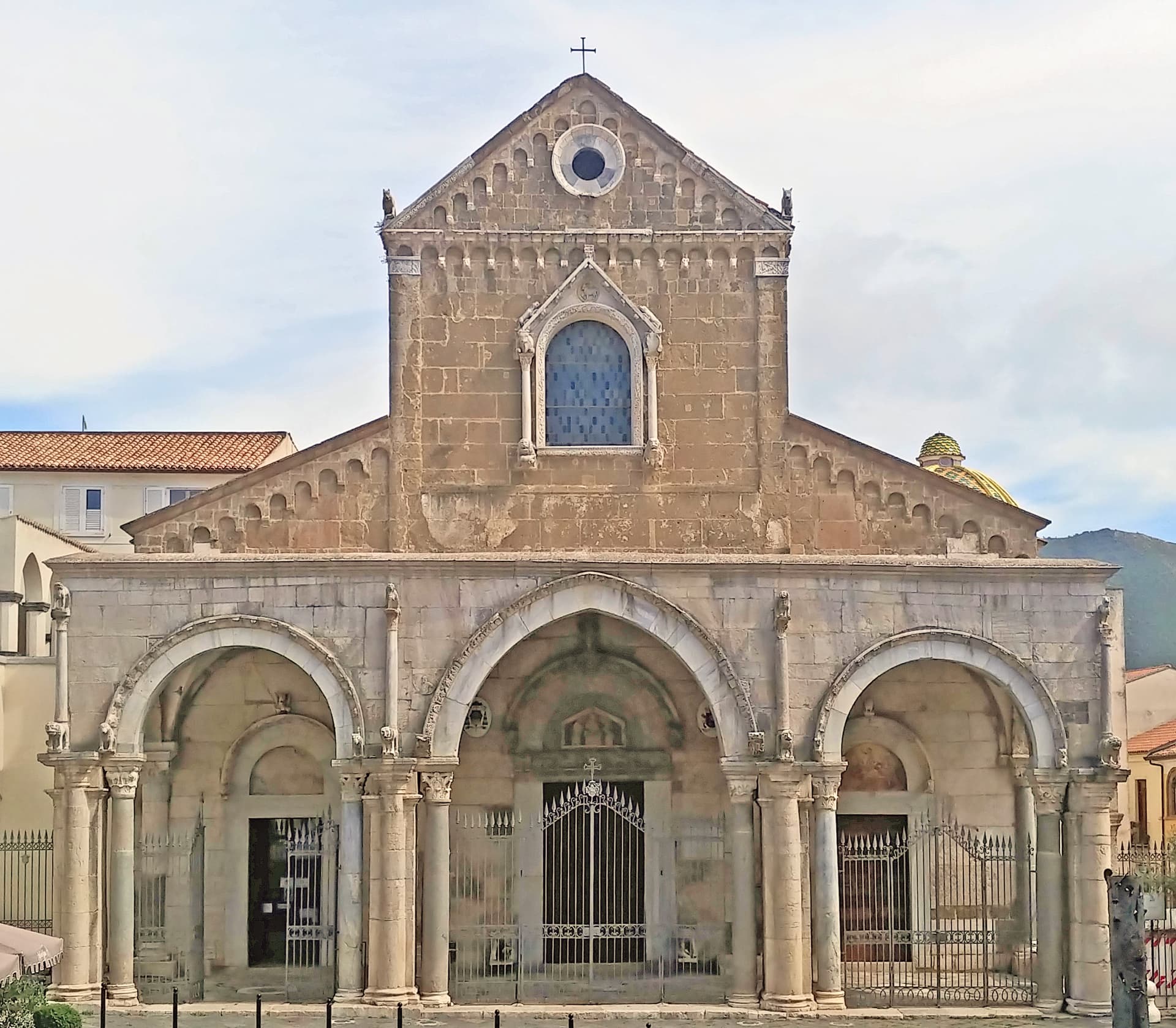
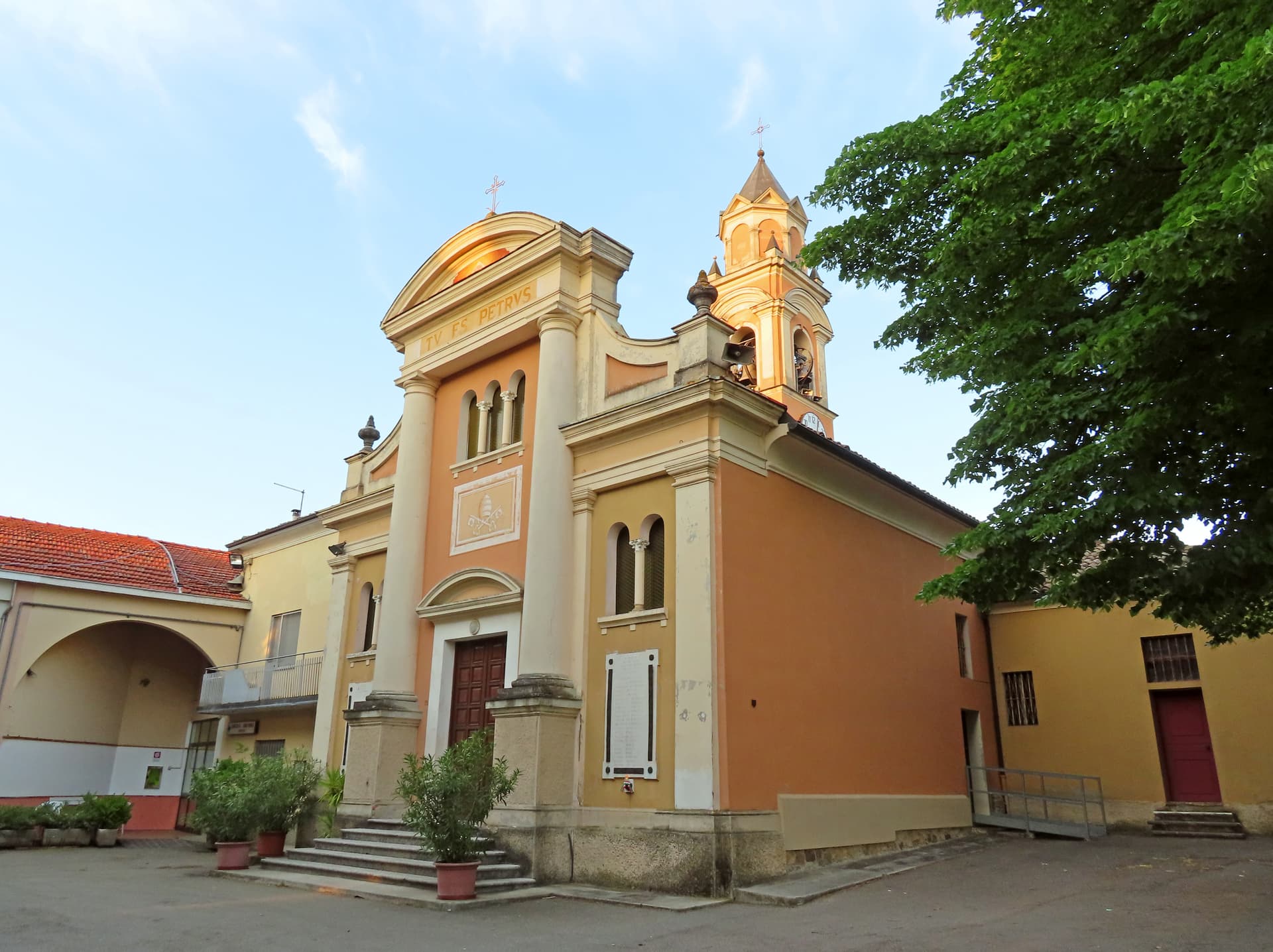
Sessa Aurunca
Province: Caserta · 203 m
Ancient Suessa Aurunca on the south slope of an extinct volcano, with a Romanesque cathedral of Cosmatesque mosaics built in 1103.
Lazio12
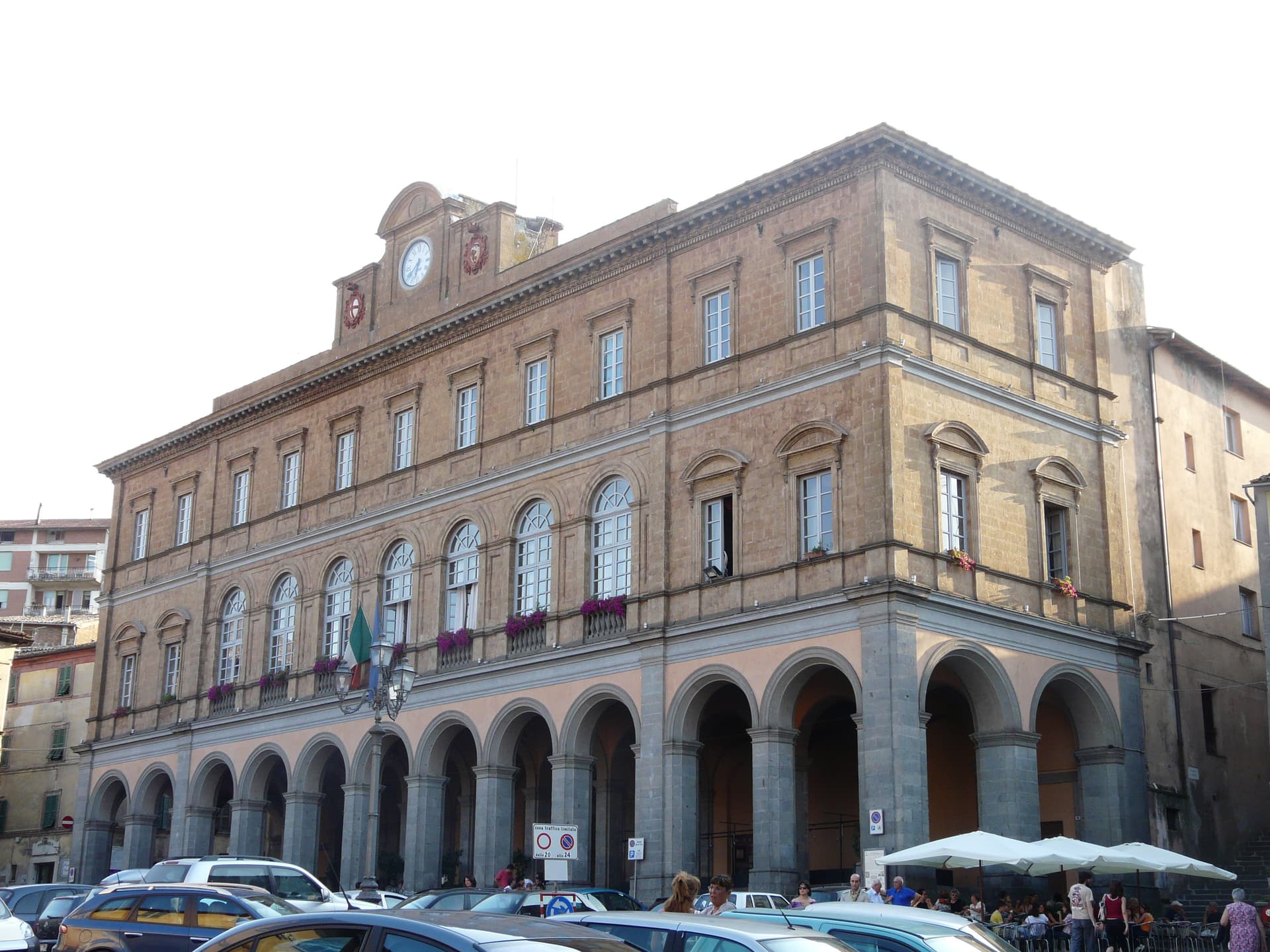
Acquapendente
Province: Viterbo · 420 m
The northernmost town in Lazio on the Via Francigena, at 420 meters above the Paglia, named in 964 for its waterfalls.
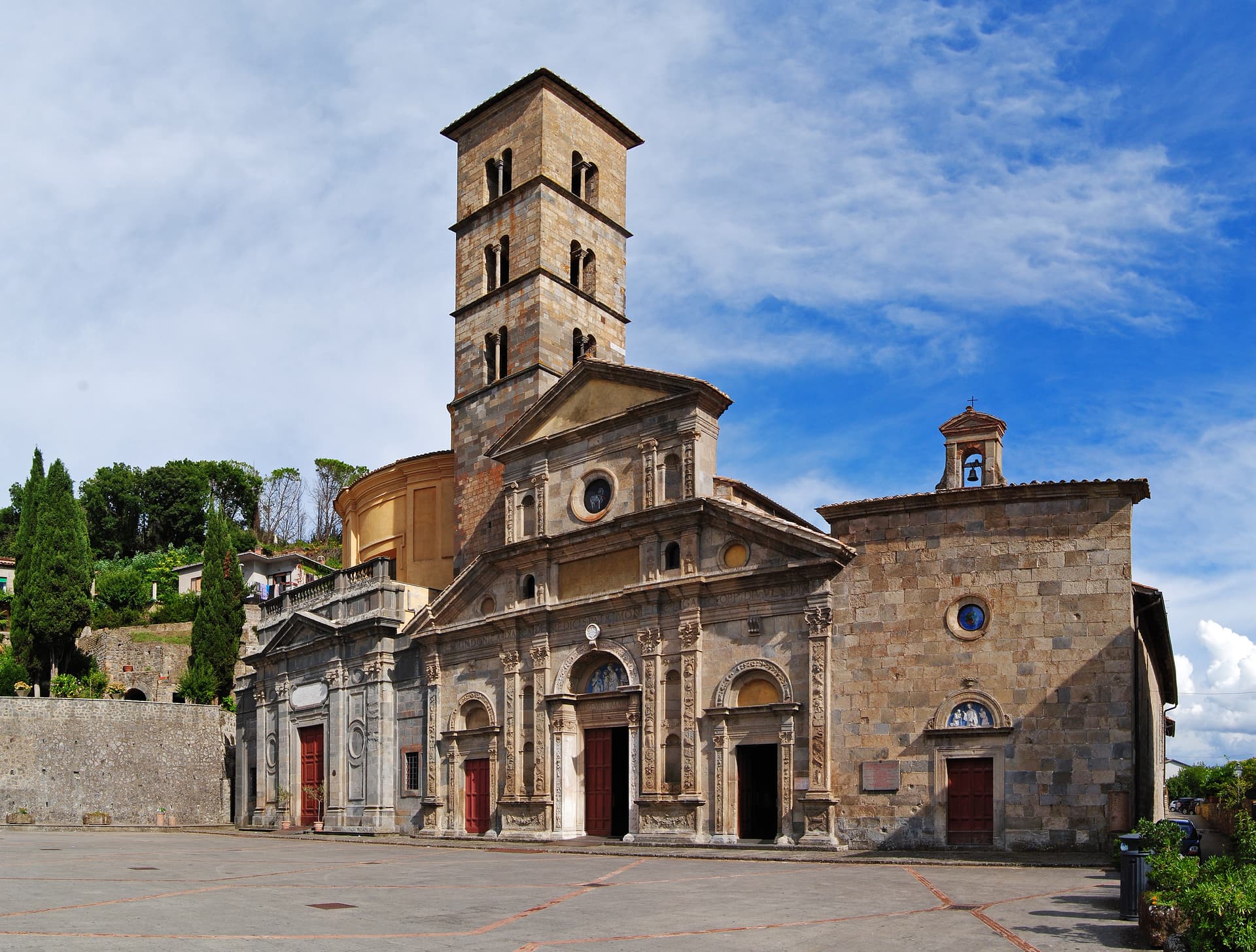
Bolsena
Province: Viterbo · 350 m
A medieval town at 350 meters on the eastern shore of Europe's largest volcanic lake, where a Bohemian priest reported a Eucharistic miracle in 1263.
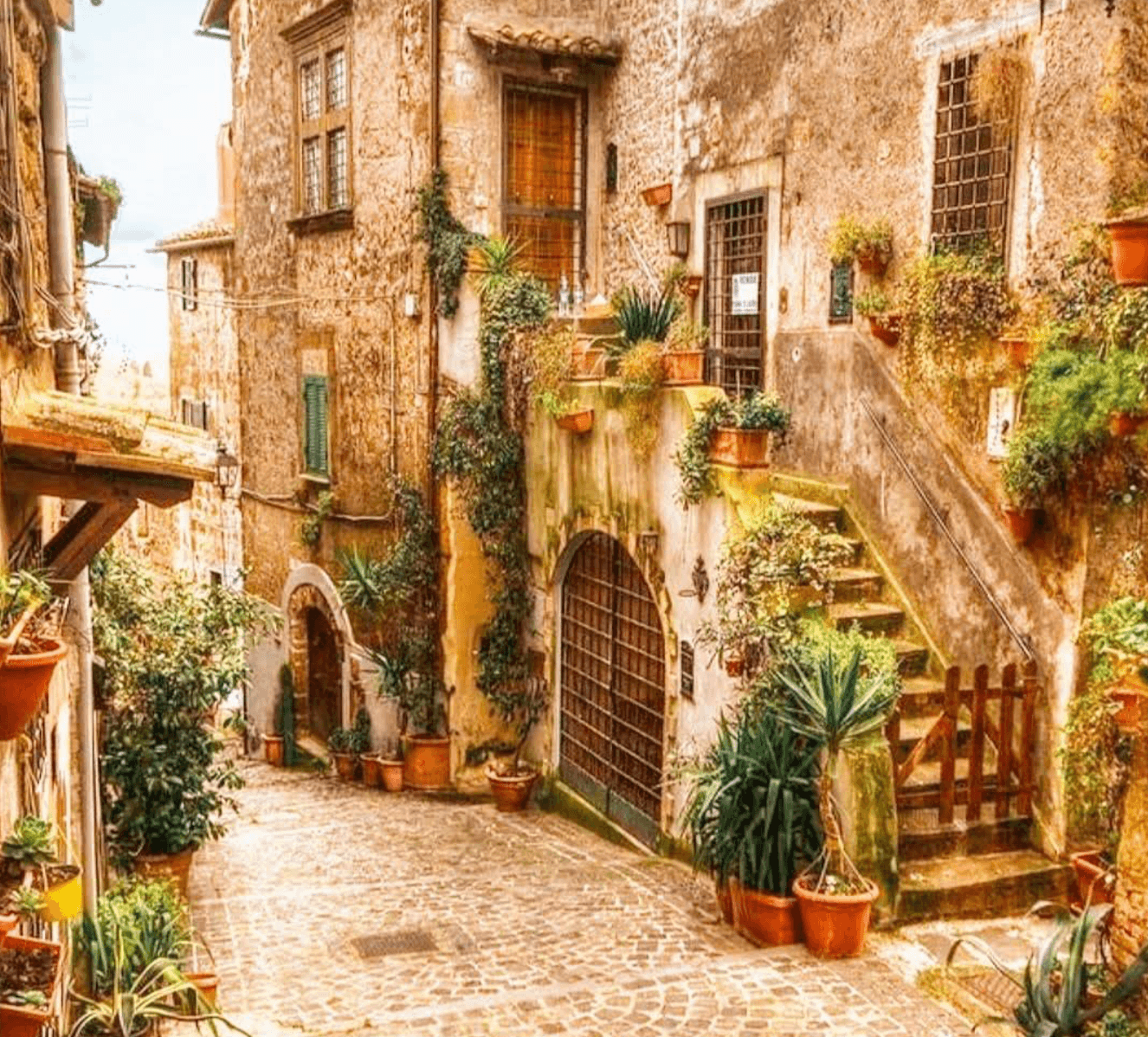
Capranica
Province: Viterbo · 370 m
A medieval hill town on the old Via Cassia, taken by the Anguillara family in 1305 and remembered as the place Petrarch stayed in 1337.
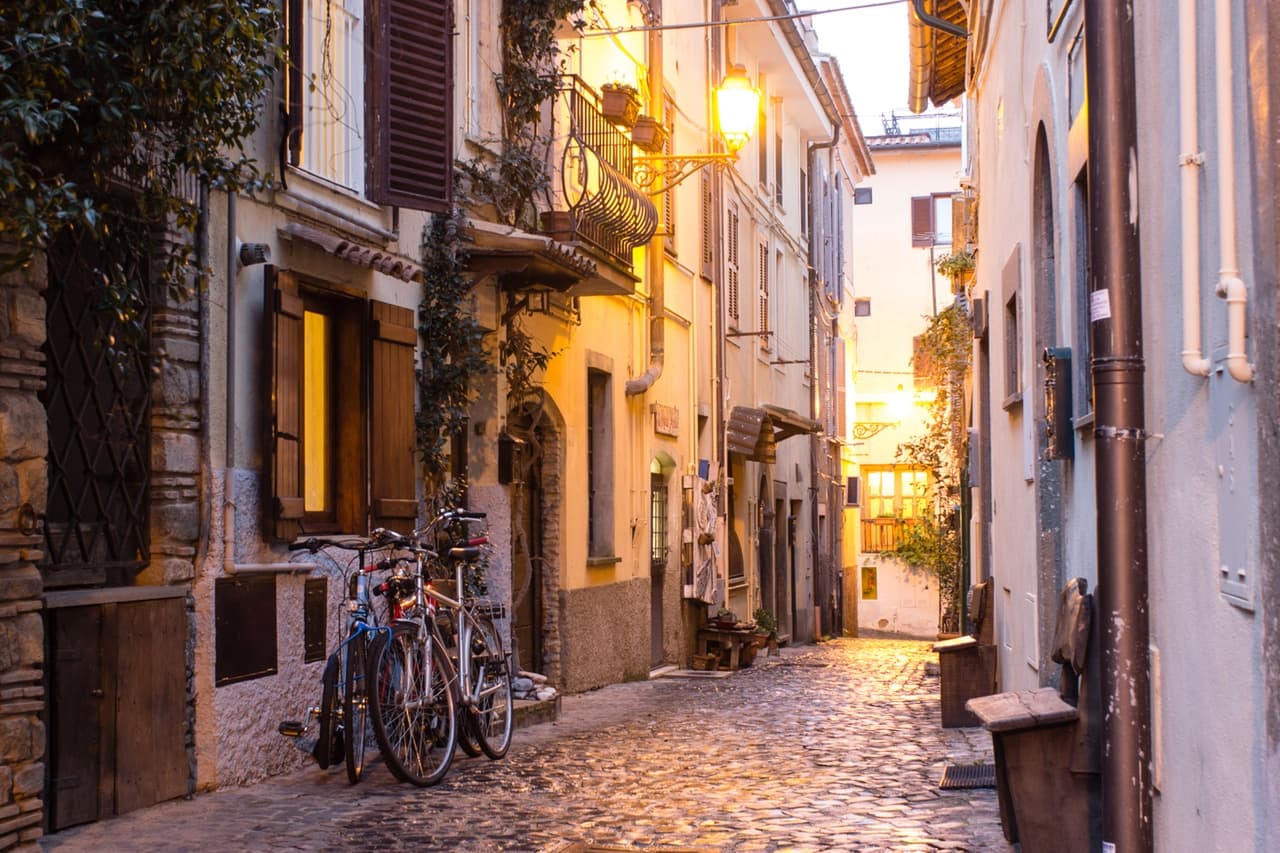
Castel Gandolfo
Province: Roma · 426 m
A papal town on the rim of Lake Albano's volcanic crater, summer residence of the popes since 1626 in the Castelli Romani.
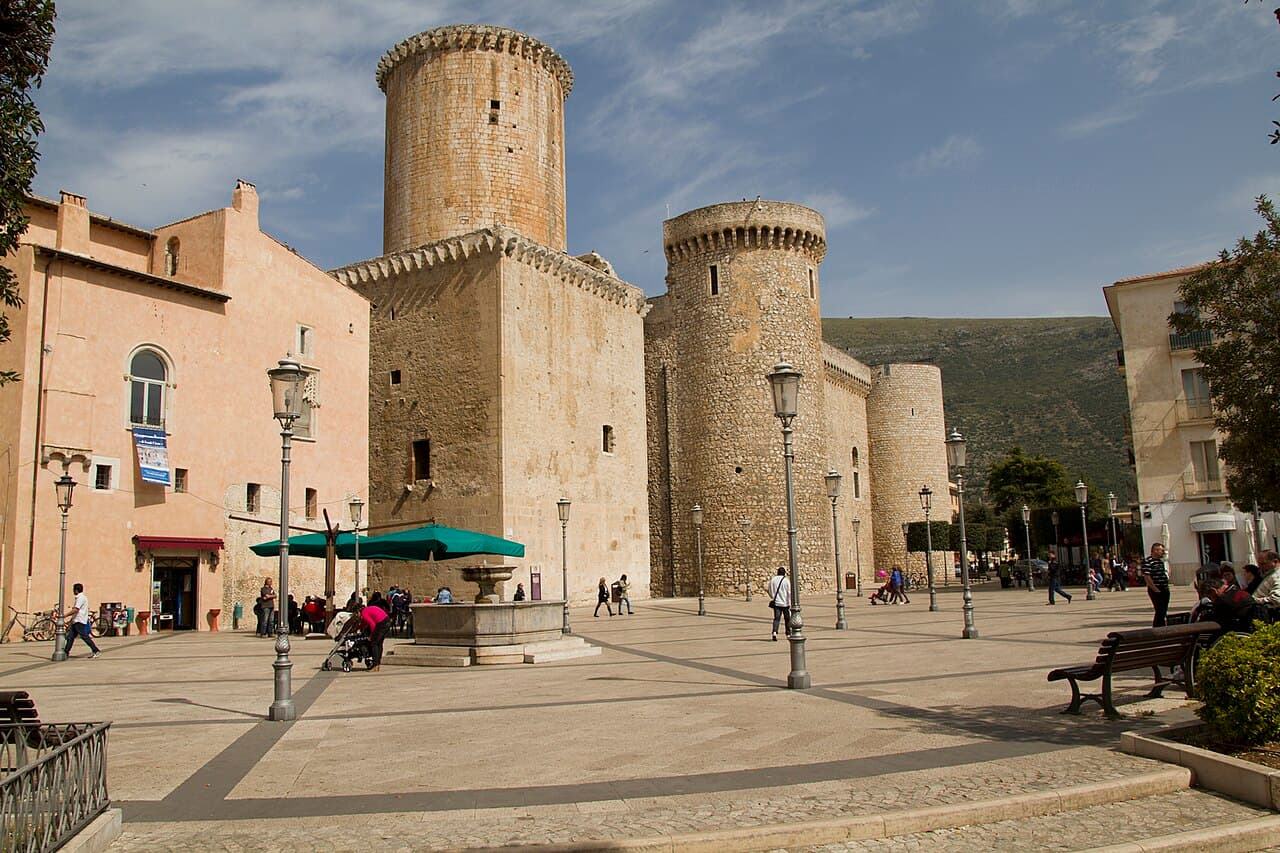
Fondi
Province: Latina · 9 m
The plain town between the Ausoni and Aurunci mountains where the Caetani built a castle in the middle of farmland instead of on a hill.
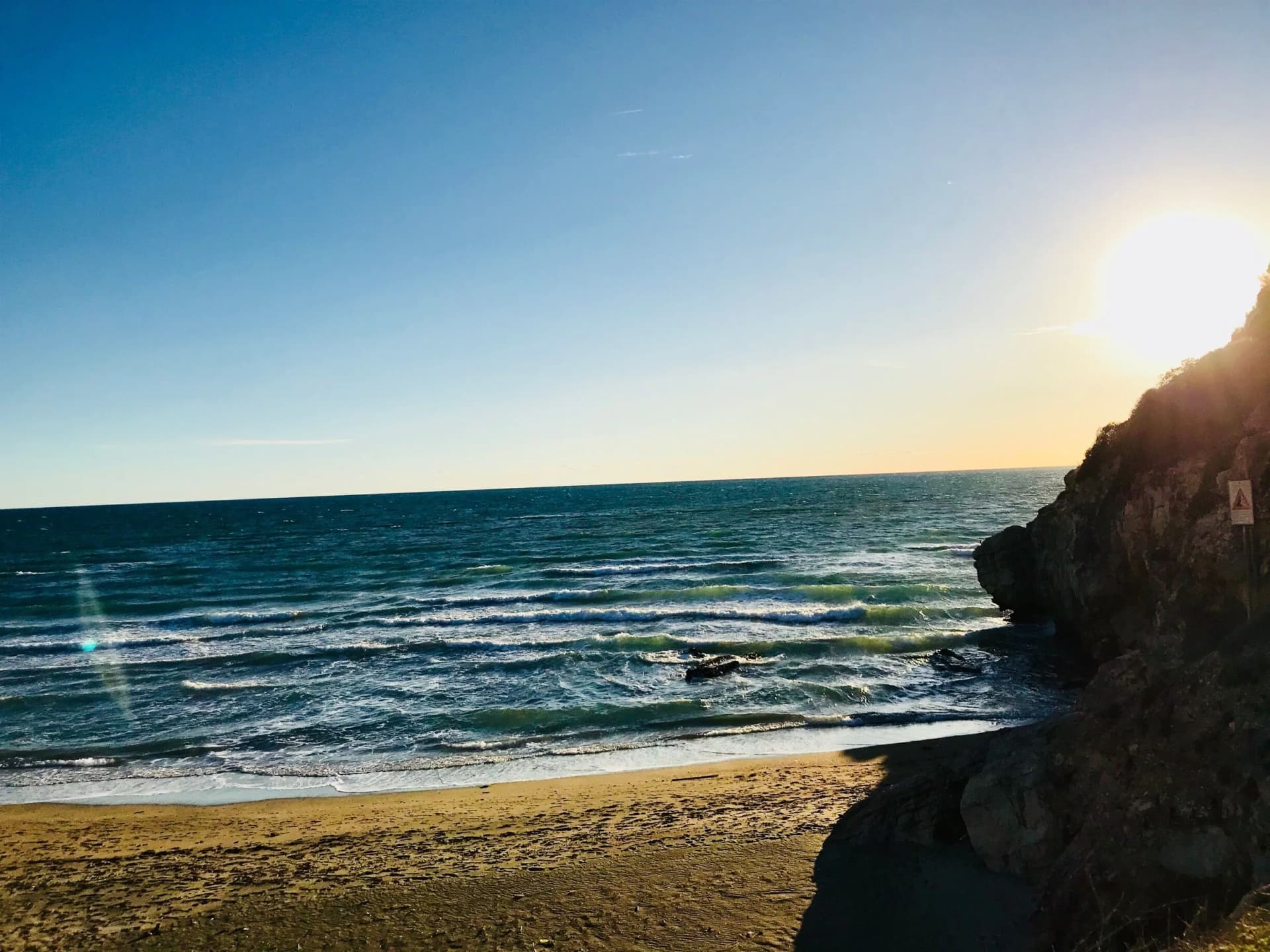
Minturno
Province: Latina · 140 m
A coastal comune at the mouth of the Garigliano, built on the Roman colony of Minturnae, five-time Bandiera Blu through Scauri and Marina.
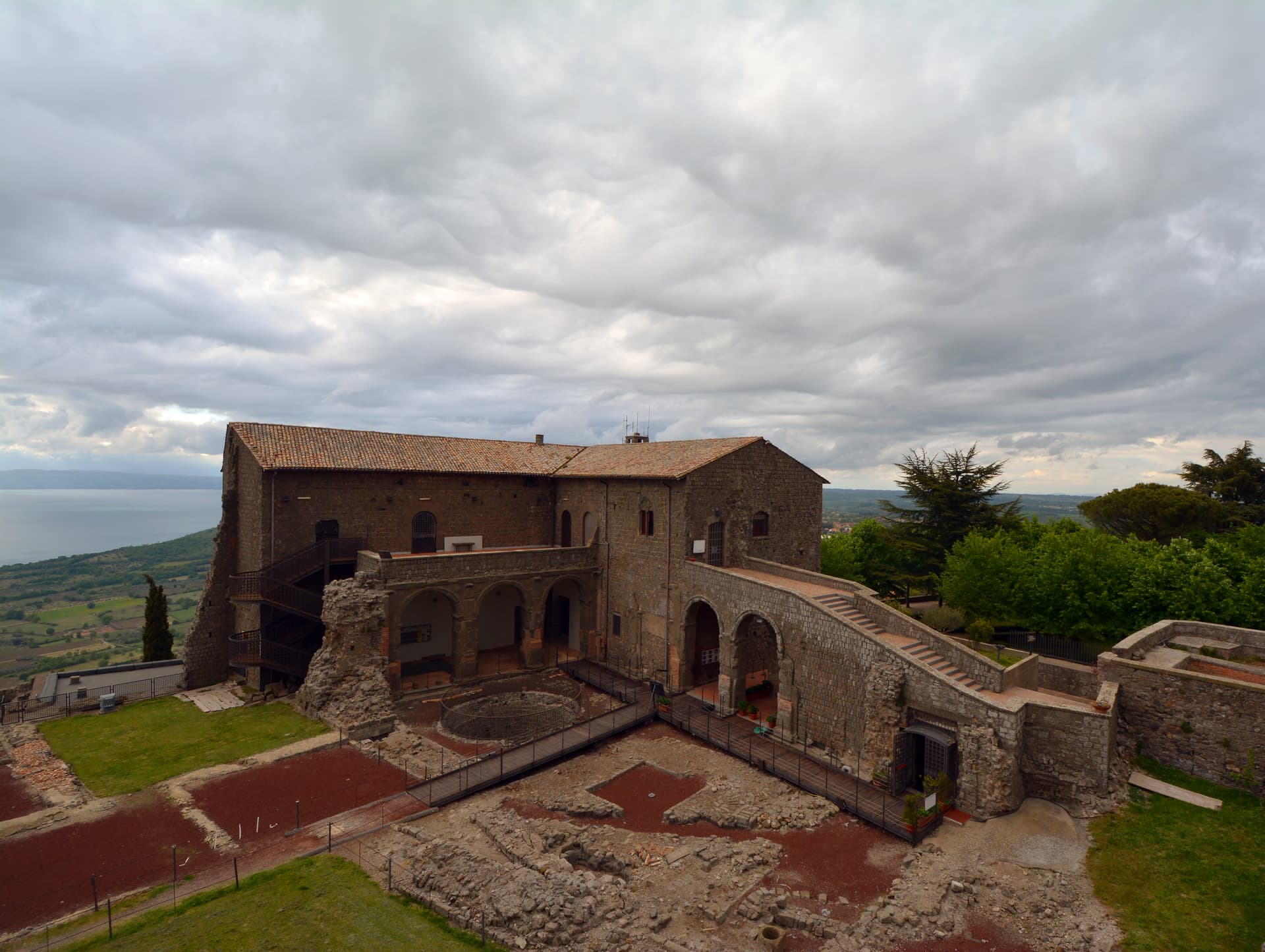
Montefiascone
Province: Viterbo · 590 m
A 590-meter hill town on the southeastern rim of Lake Bolsena, the source of Est! Est!! Est!!! and a Via Francigena stop.
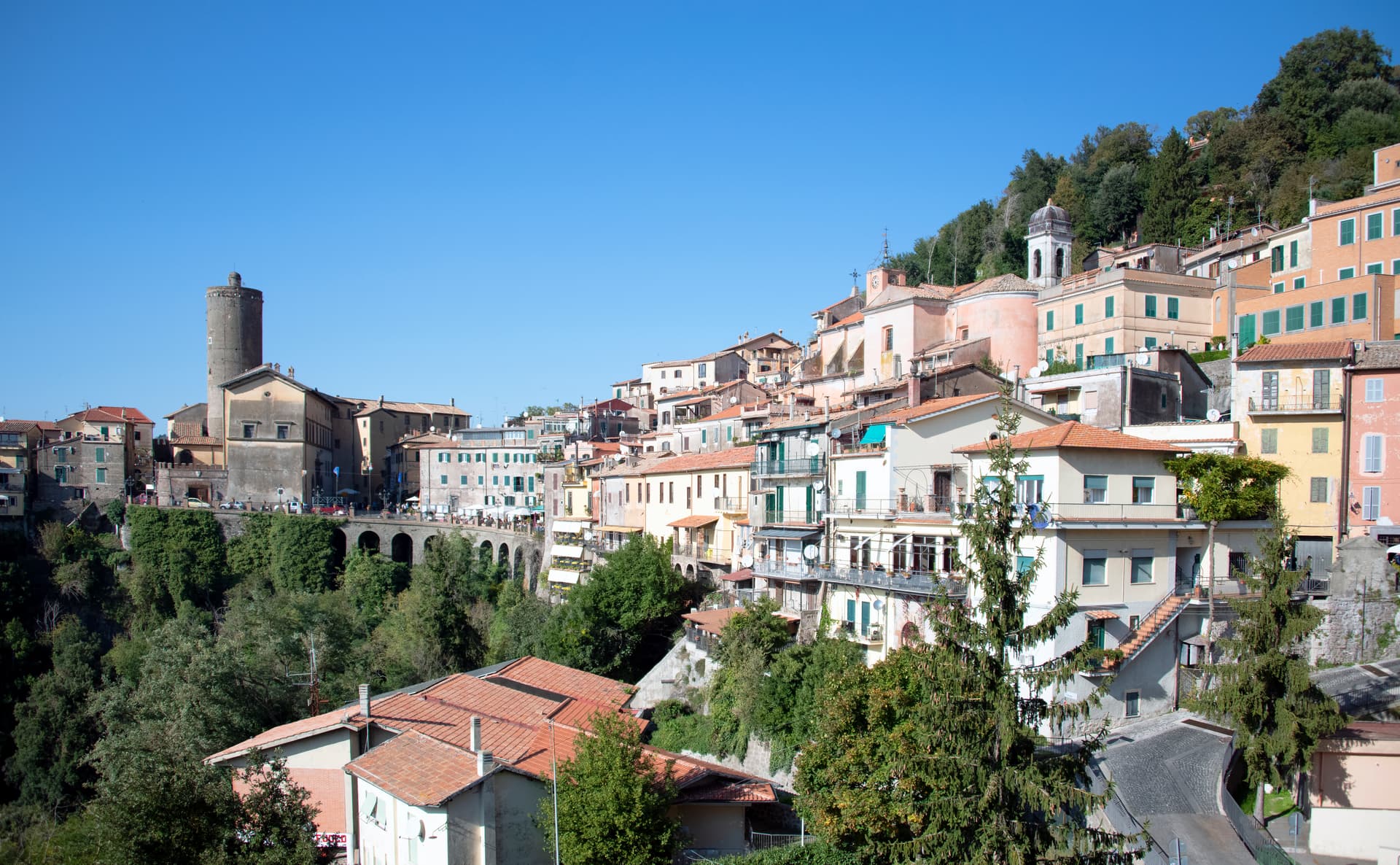
Nemi
Province: Roma · 521 m
The smallest comune in the Castelli Romani, perched at 521 meters above a volcanic crater lake the Romans called the mirror of Diana.
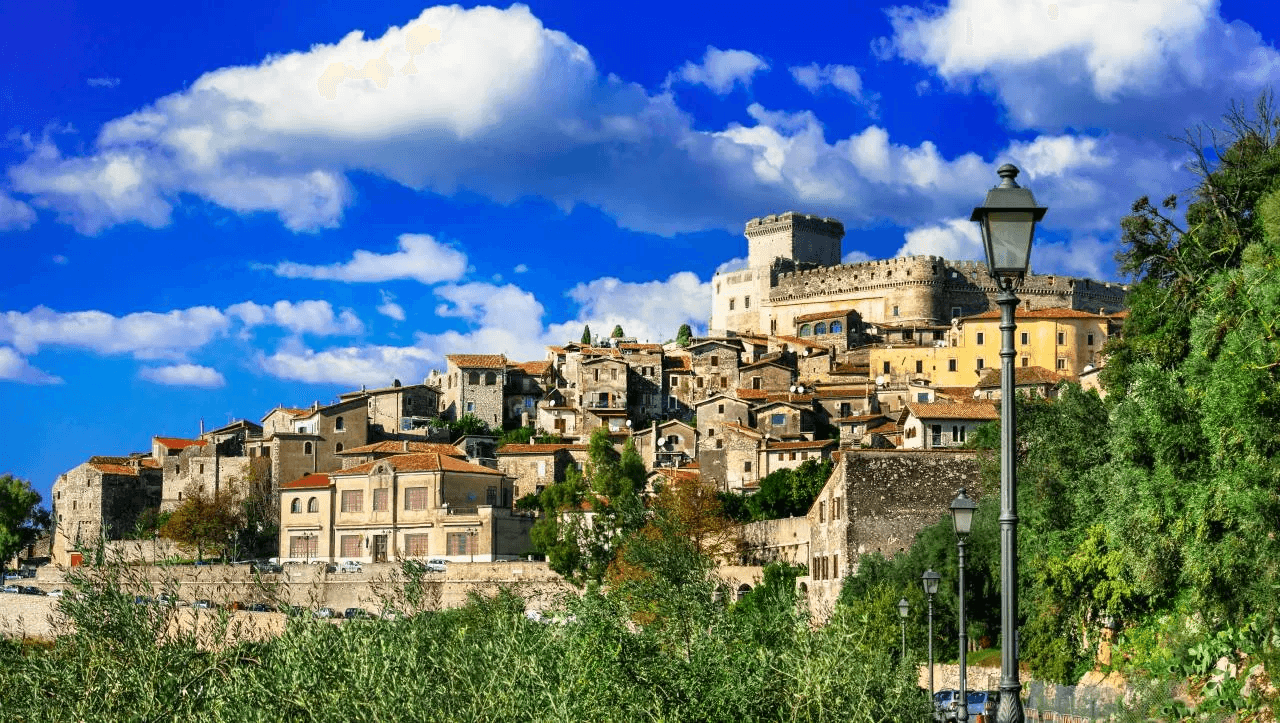
Sermoneta
Province: Latina · 257 m
A walled medieval town on a Lepini spur above the Pontine Plain, the Caetani stronghold whose 42-meter Maschio has stood since 1297.
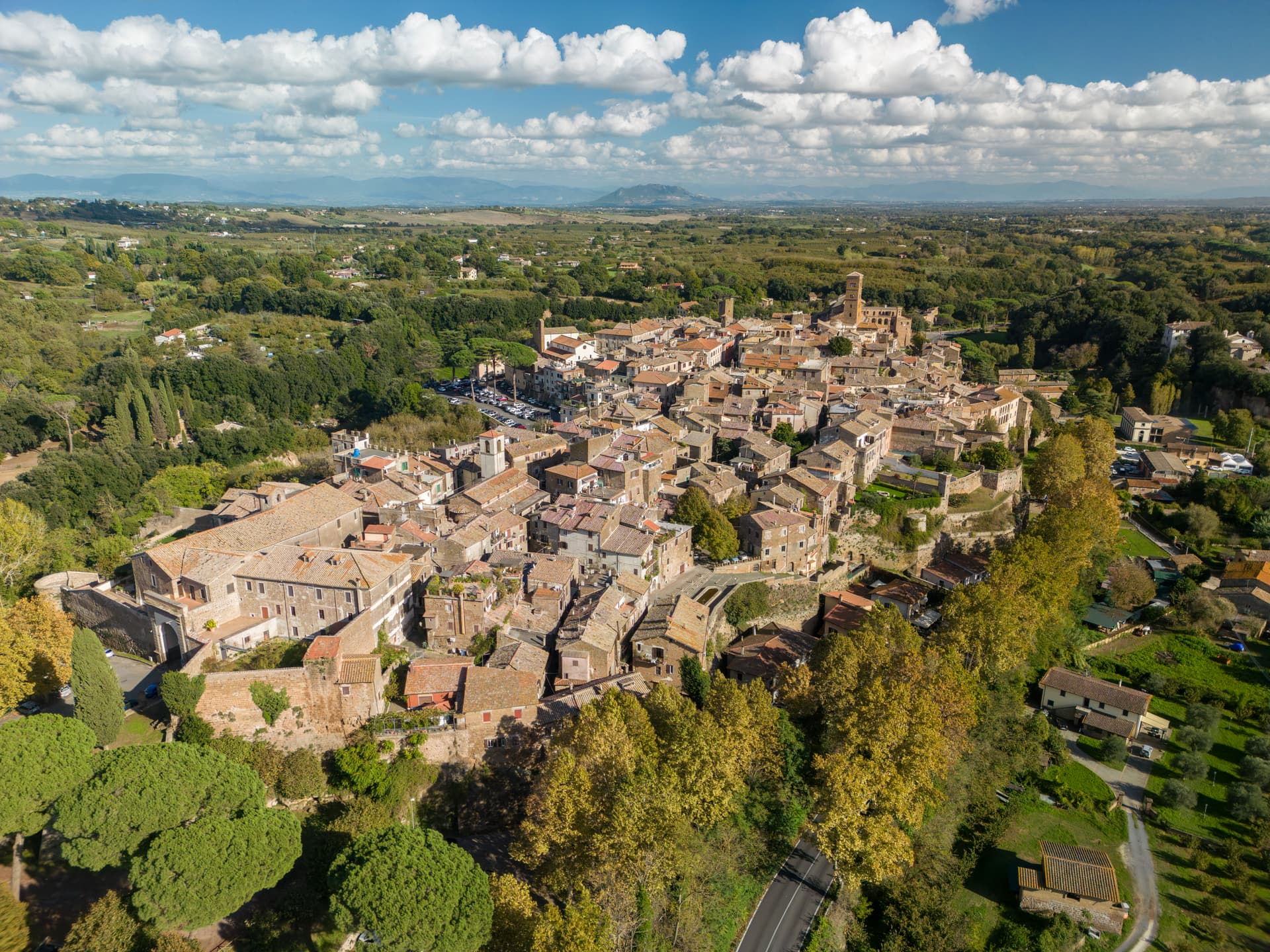
Sutri
Province: Viterbo · 291 m
An Etruscan and Roman town on a tuff spur, with a rock-cut amphitheater carved straight from the volcanic stone of the Cimini.
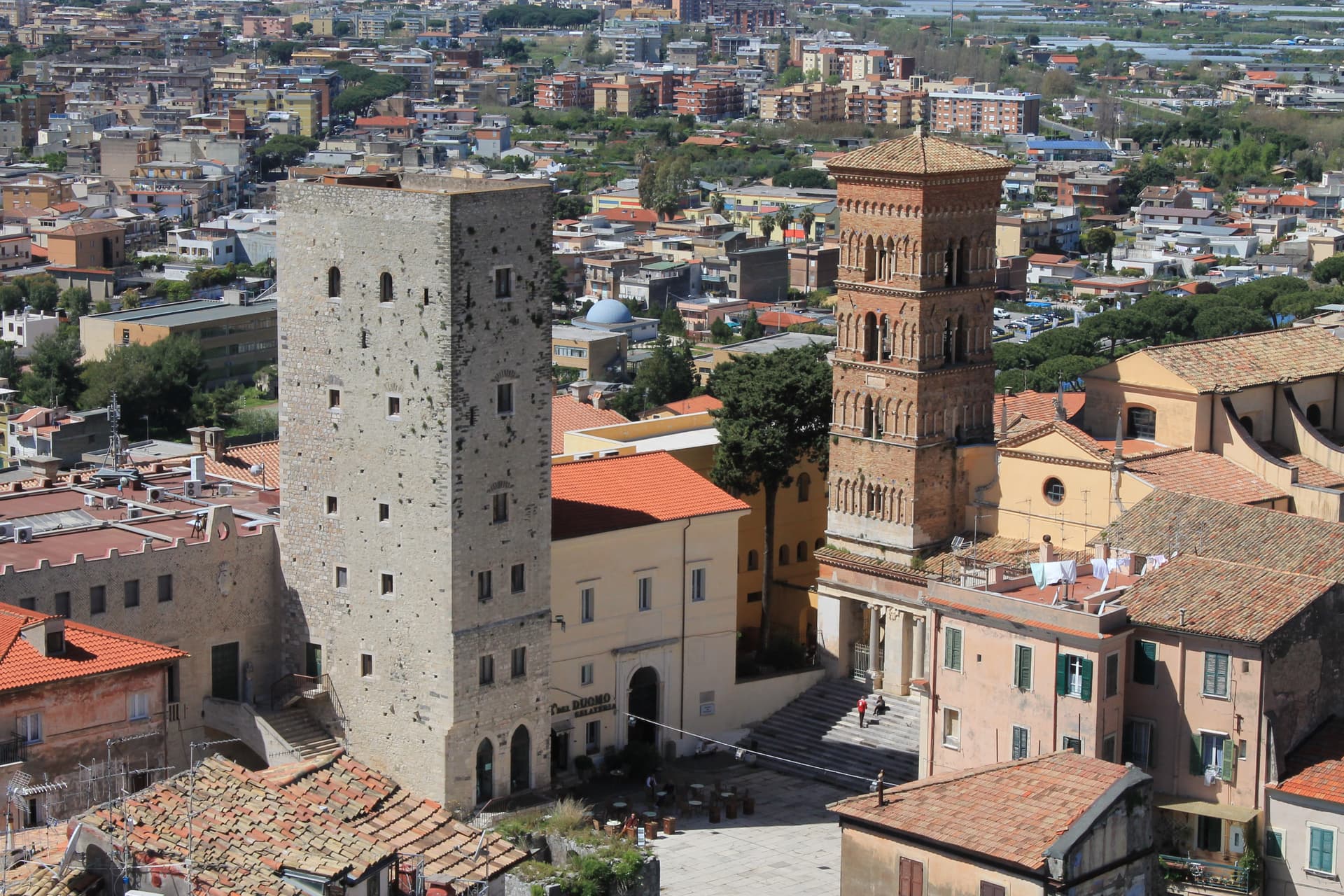
Terracina
Province: Latina · 24 m
The Volscian Anxur on the Via Appia, where Jupiter's temple sits 227 meters above a port Trajan cleared through stone.
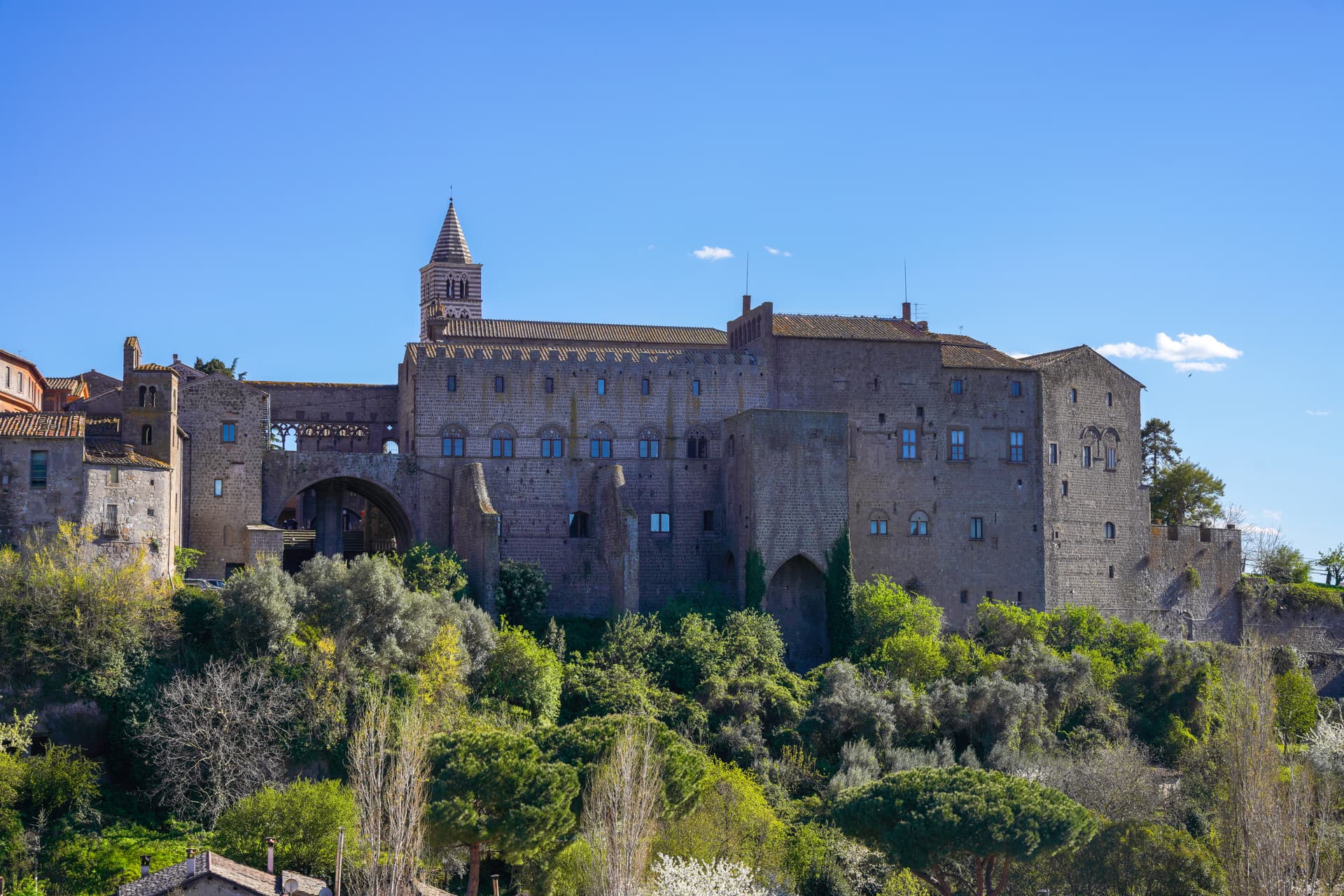
Viterbo
Province: Viterbo · 326 m
The medieval capital of the Tuscia, papal seat for five popes between 1257 and 1281 and home to the longest conclave in Church history.
Liguria2
- ✷ We've been
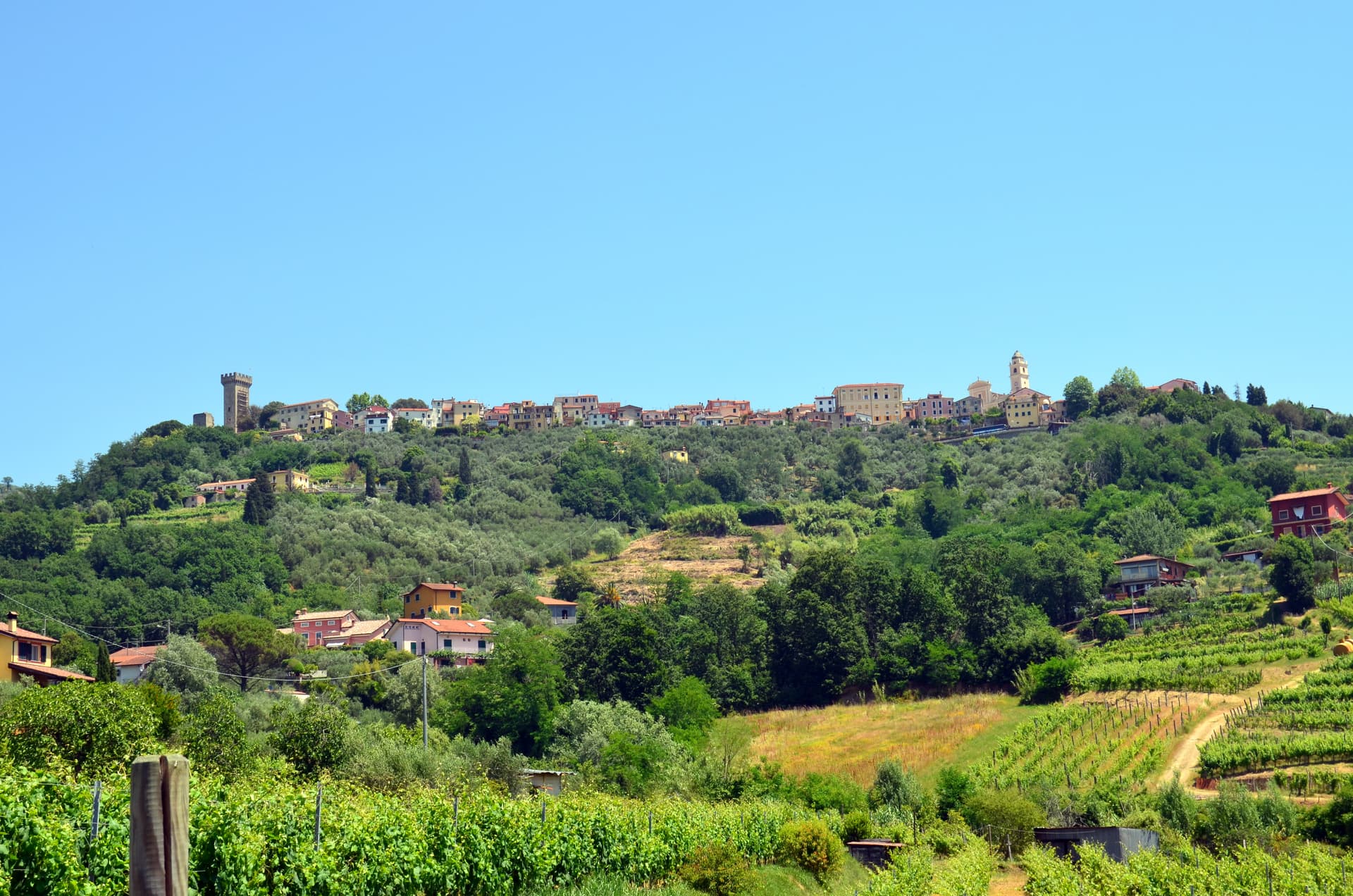
Castelnuovo Magra
Province: La Spezia · 188 m
A ridge village on the Liguria-Tuscany border where Dante Alighieri signed the 1306 Peace of Castelnuovo on behalf of the Malaspina marquises.
- ✷ We've been
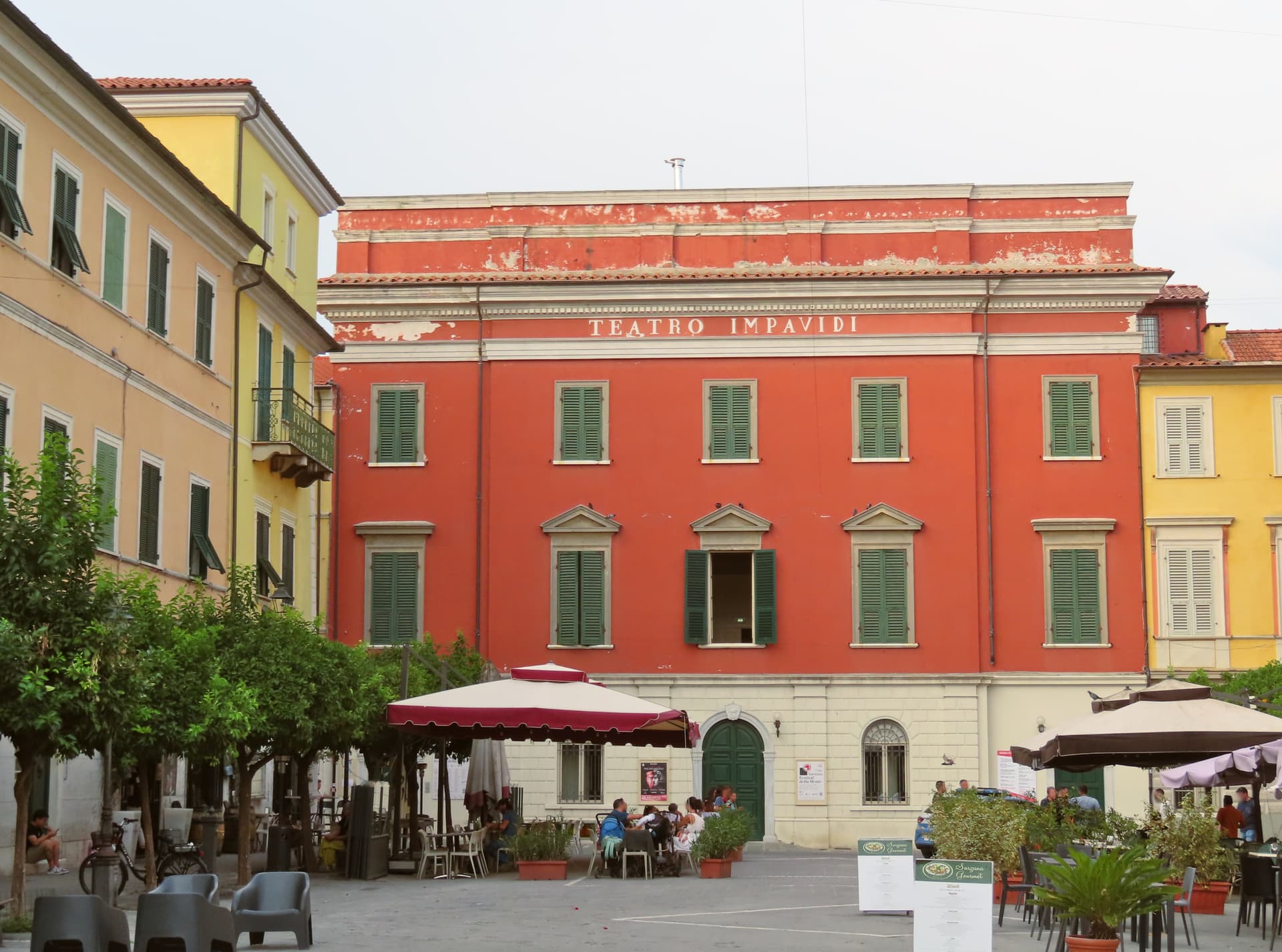
Sarzana
Province: La Spezia · 21 m
The unofficial capital of the Lunigiana on the Magra plain, birthplace of Pope Niccolò V and home to Italy's oldest dated painted crucifix.
Piedmont3
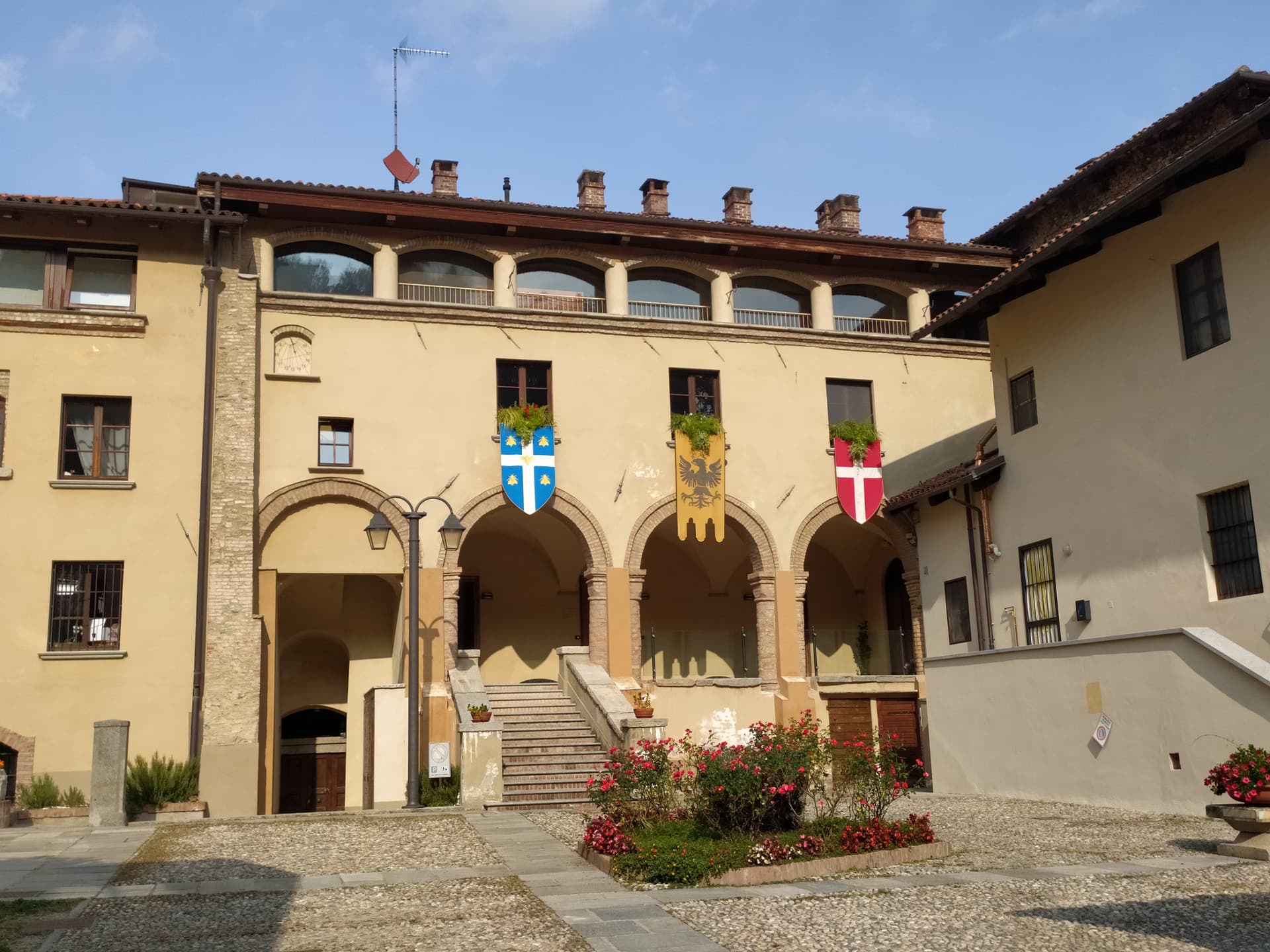
Avigliana
Province: Torino · 383 m
A medieval Savoy town at 383 meters at the mouth of the Susa Valley, between two glacial lakes and the Sacra di San Michele.
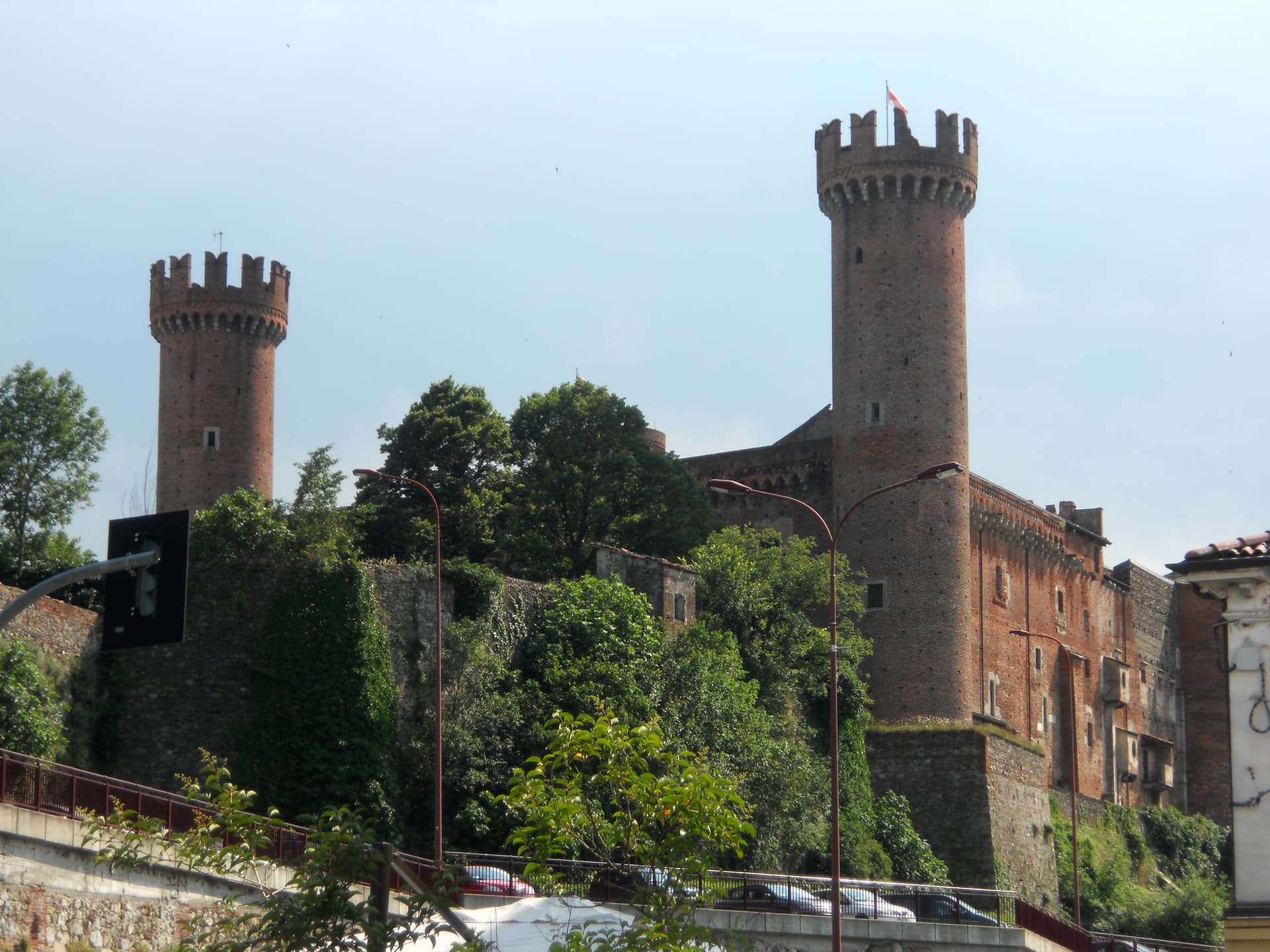
Ivrea
Province: Torino · 267 m
Roman Eporedia on the Dora Baltea, Olivetti's twentieth-century industrial city, UNESCO since 2018, where every February three hundred tons of oranges are thrown.
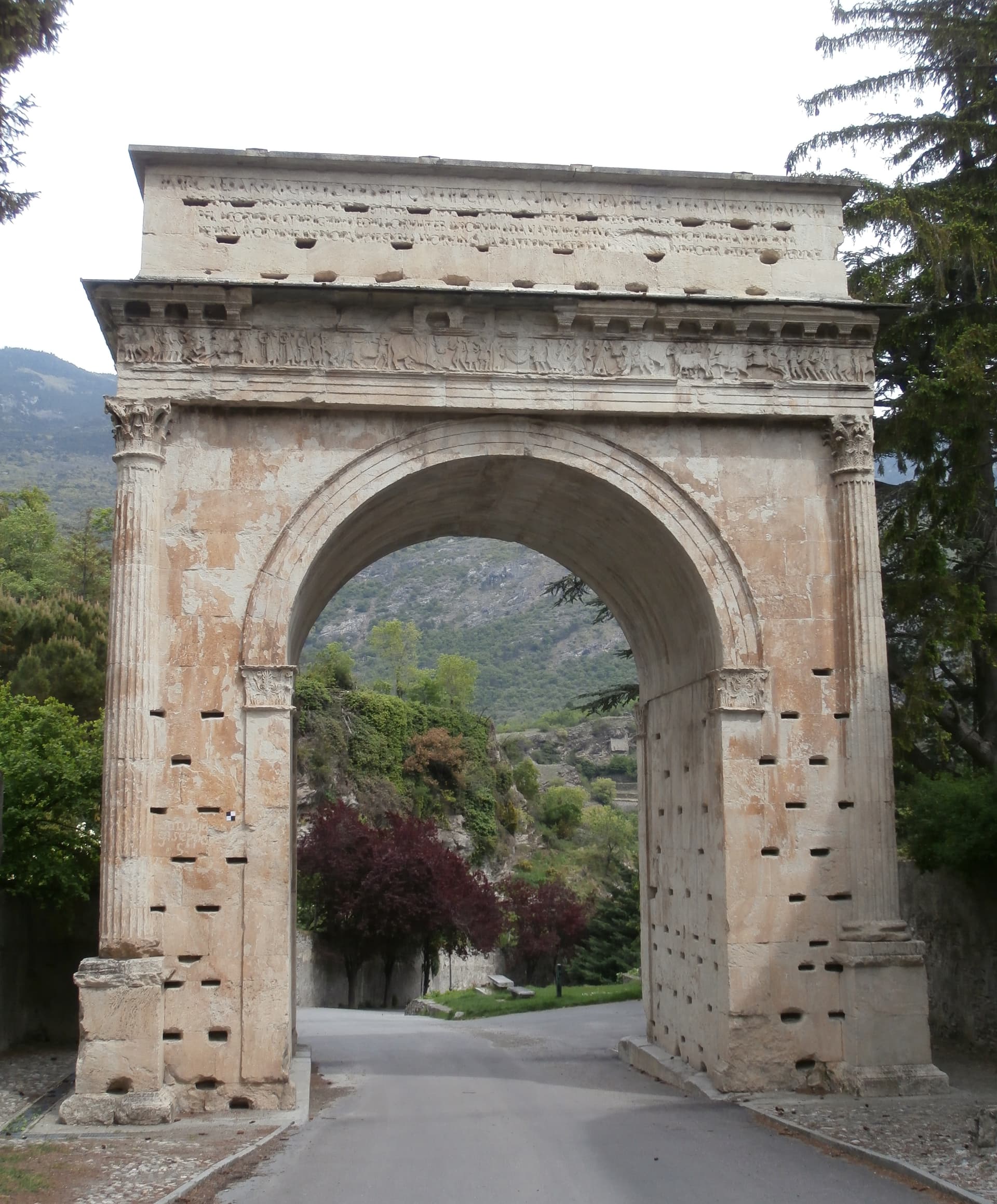
Susa
Province: Torino · 503 m
The Roman gateway to the Cottian Alps at 503 meters, capital of the Alpes Cottiae and seat of the Cozii under Augustus and Cottius.
Tuscany19
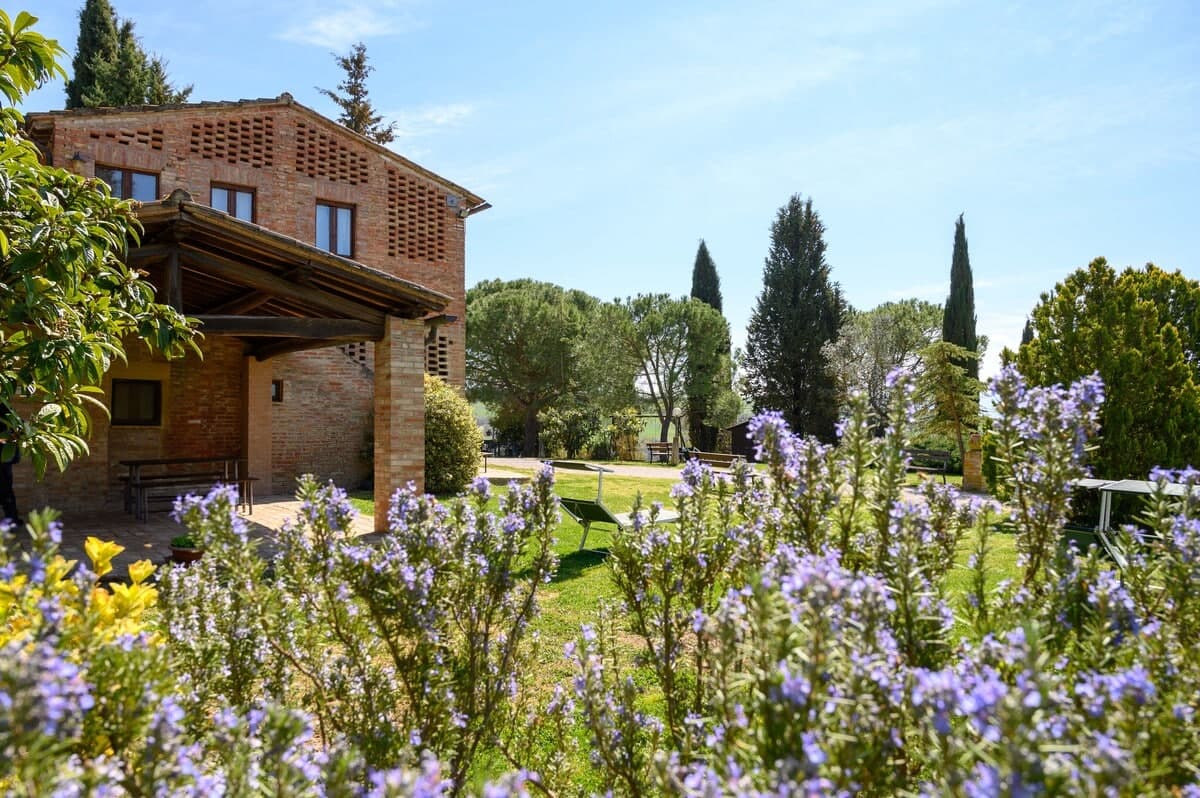
Buonconvento
Province: Siena · 147 m
The walled brick borgo in the Crete Senesi where Emperor Henry VII died in 1313, on the Via Cassia at the confluence of the Arbia and Ombrone.
- ✷ We've been
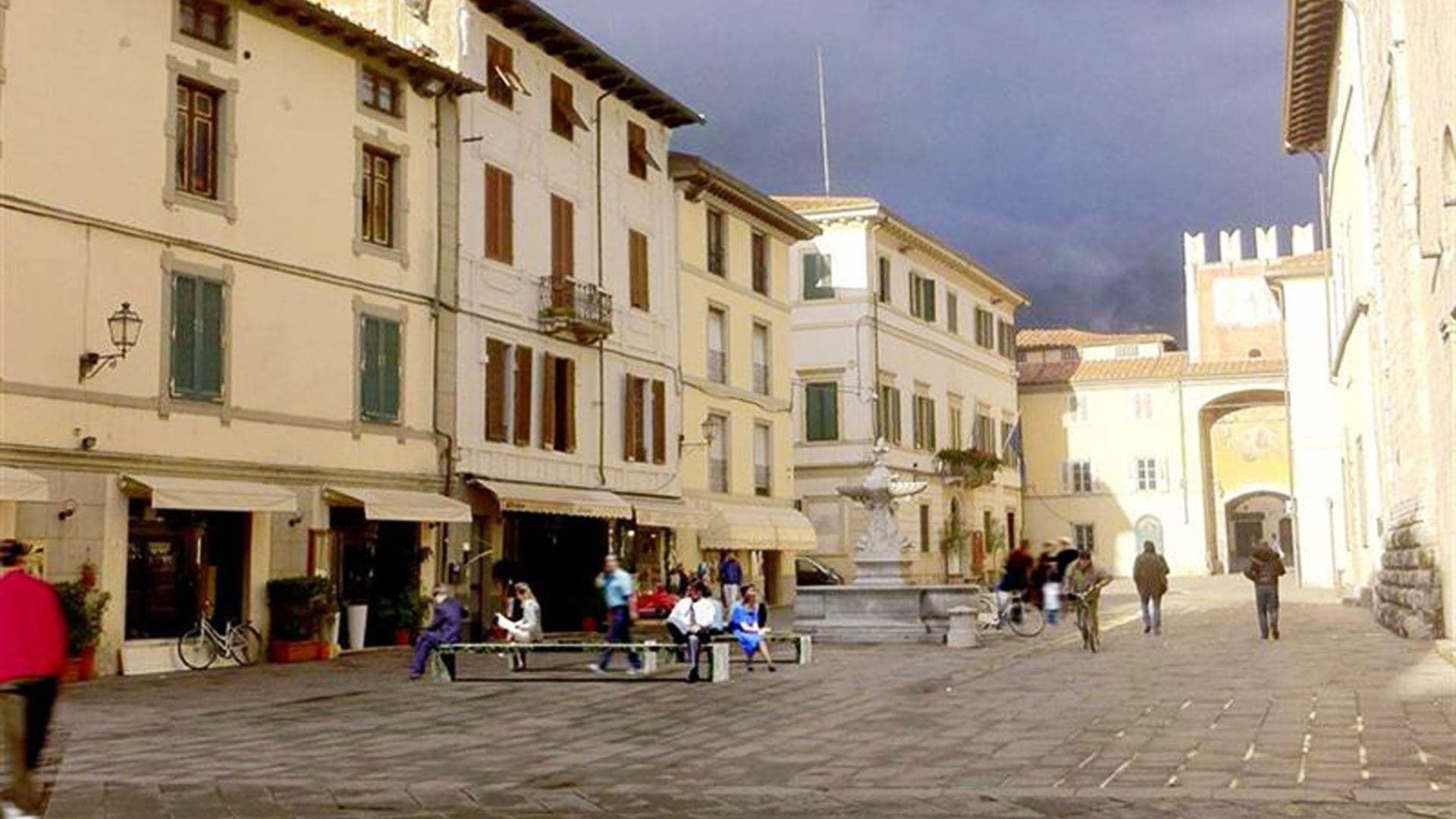
Camaiore
Province: Lucca · 34 m
The Versilia commune that runs from the Apuan Alps to the sea, a Roman Campus Maior on the Via Francigena with a beach at its western end.
- ✷ We've been
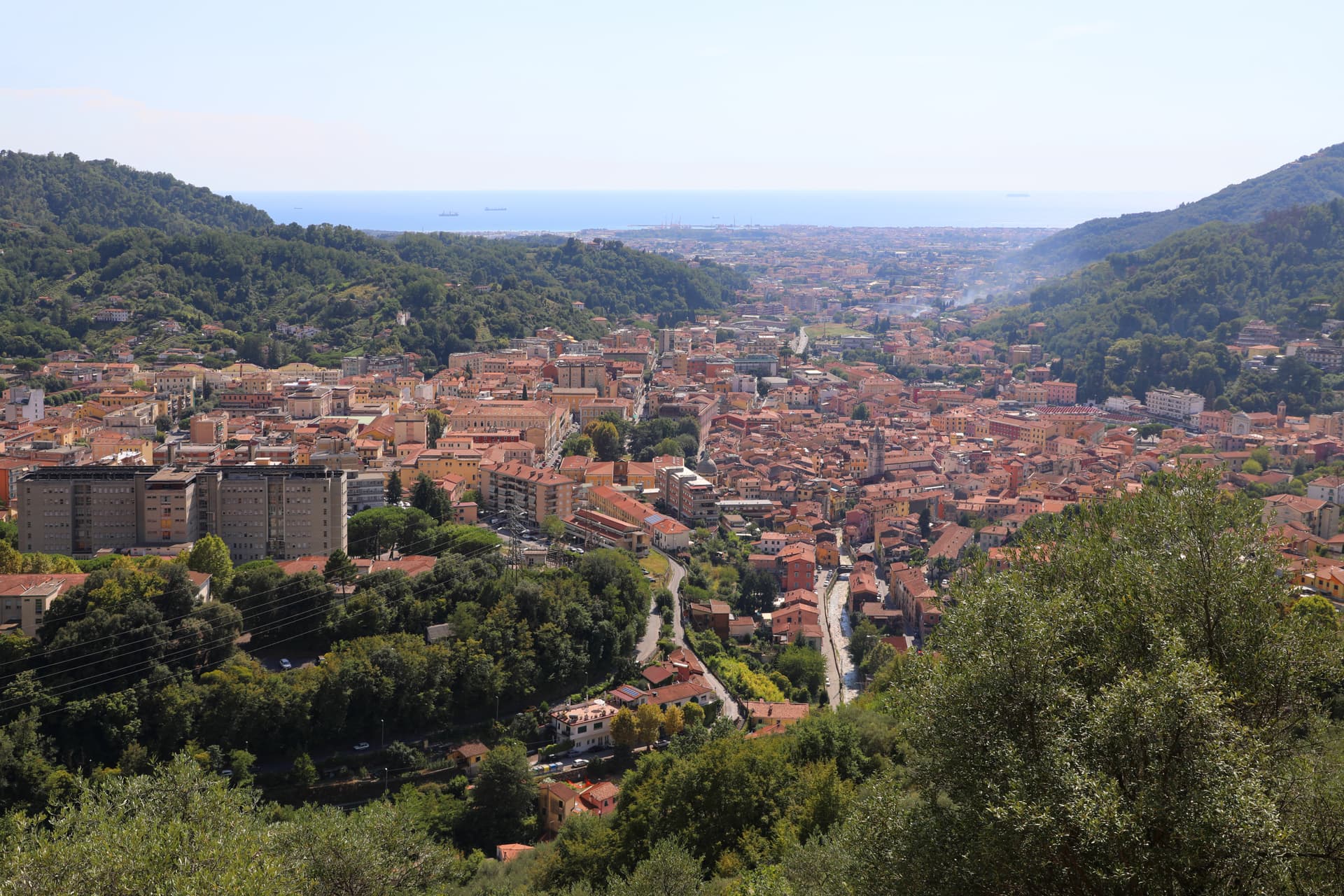
Carrara
Province: Massa-Carrara · 80 m
The marble town at the foot of the Apuan Alps, with over 650 quarry sites in the valleys above and the stone that built the Pantheon, the Pietà and Michelangelo's David.
- ✷ We've been
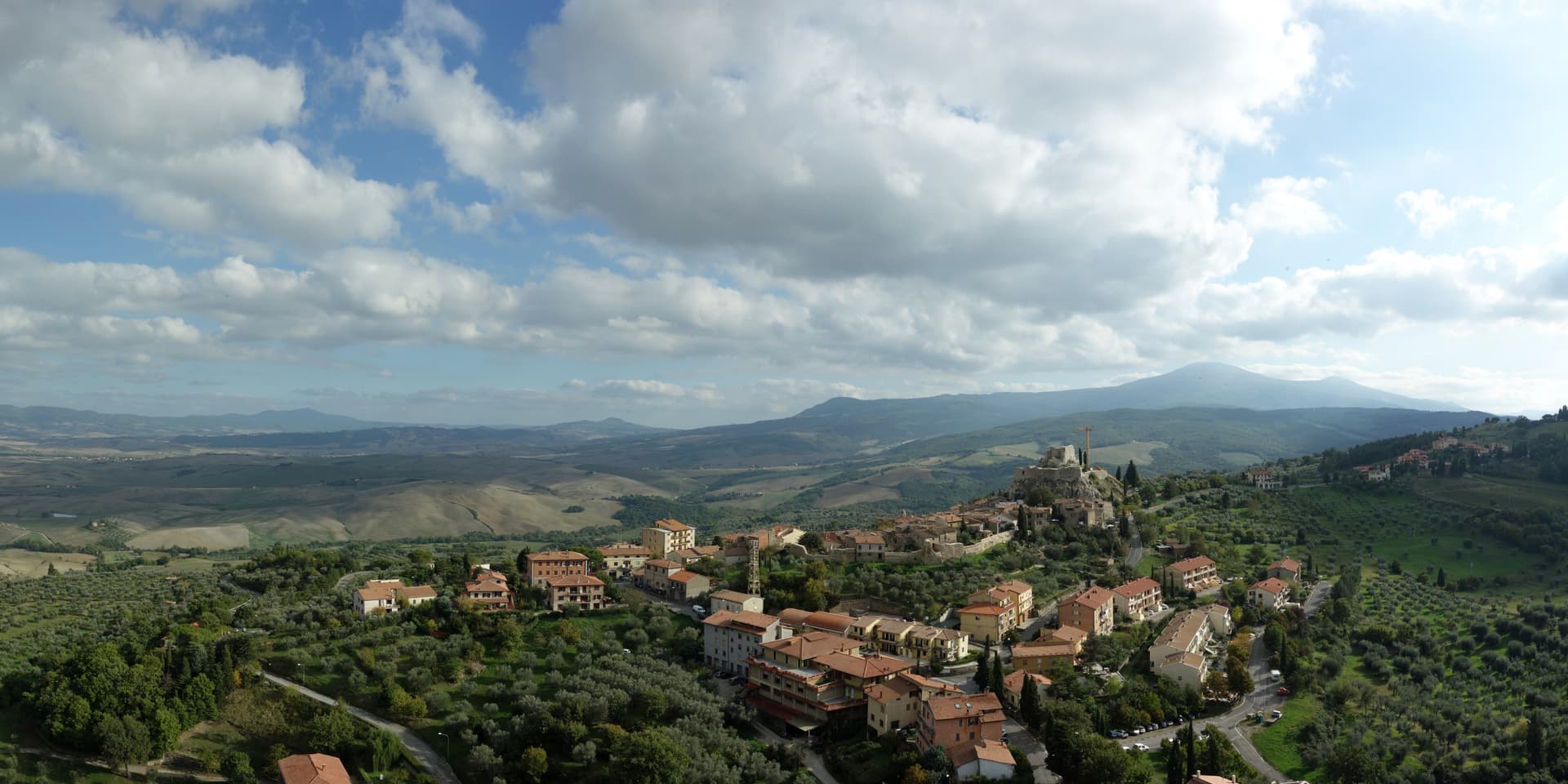
Castiglione d'Orcia
Province: Siena · 540 m
A stone borgo at 540 meters in the UNESCO Val d'Orcia, first recorded in 714, with two fortresses guarding the road from Amiata to the Via Francigena.
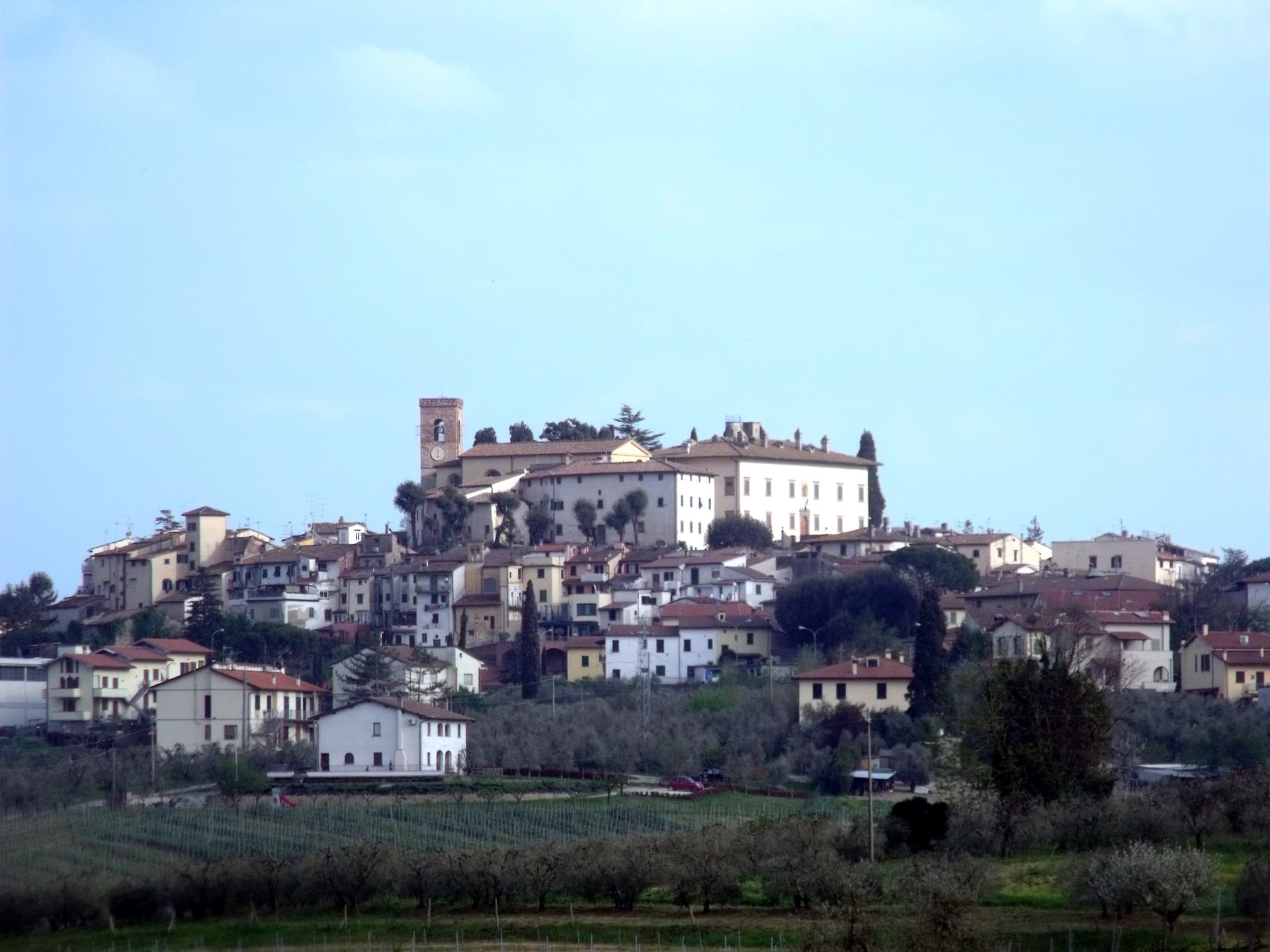
Cerreto Guidi
Province: Firenze · 123 m
The Medici hunting villa above the Padule di Fucecchio, where Cosimo I sent his court for the marshland game and Buontalenti built four ramps of stairs.
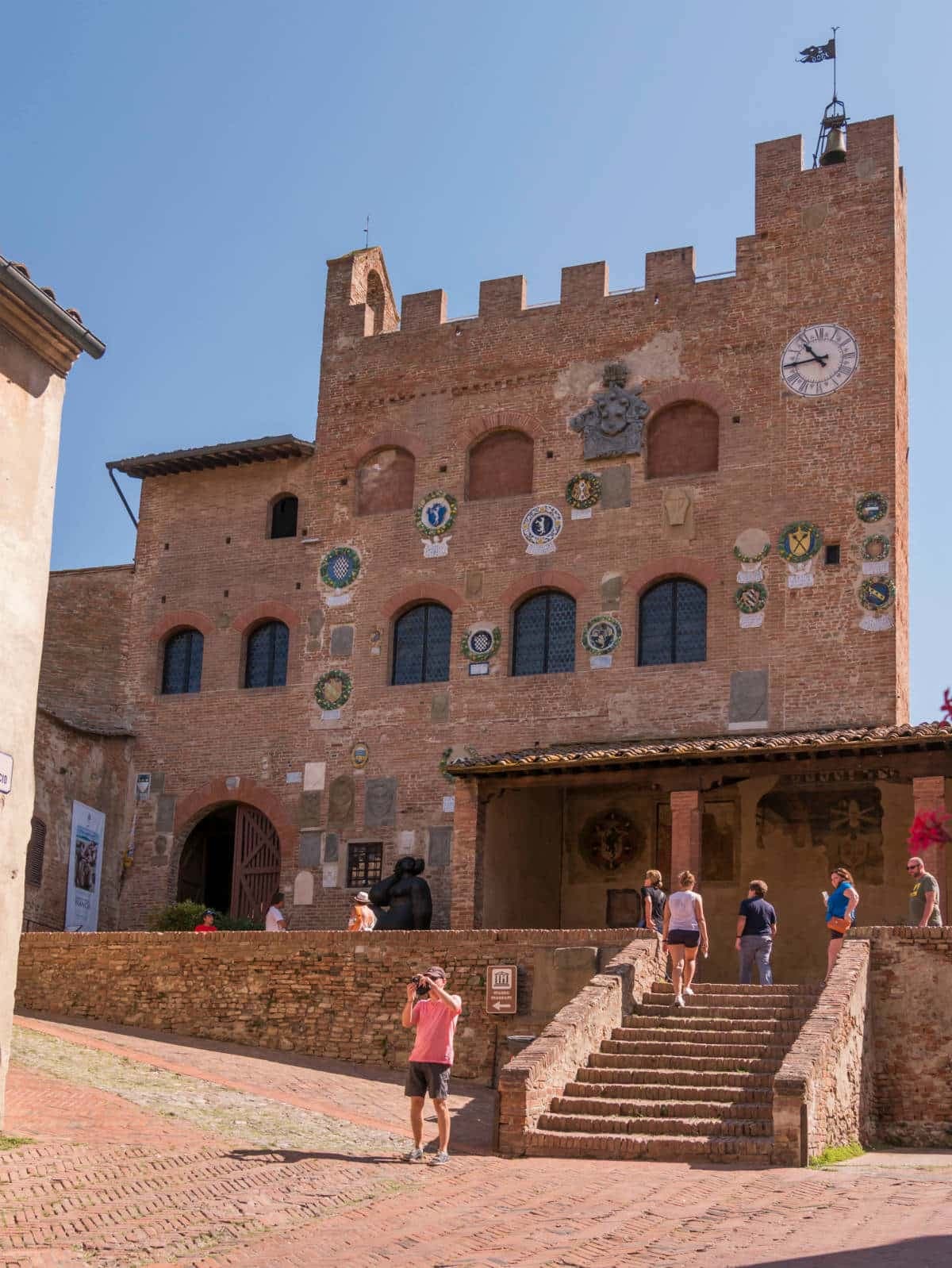
Certaldo
Province: Firenze · 67 m
The brick-built upper town in the Valdelsa where Boccaccio spent his last years, twenty-five kilometers from Florence on the medieval road to Siena.
- ✷ We've been
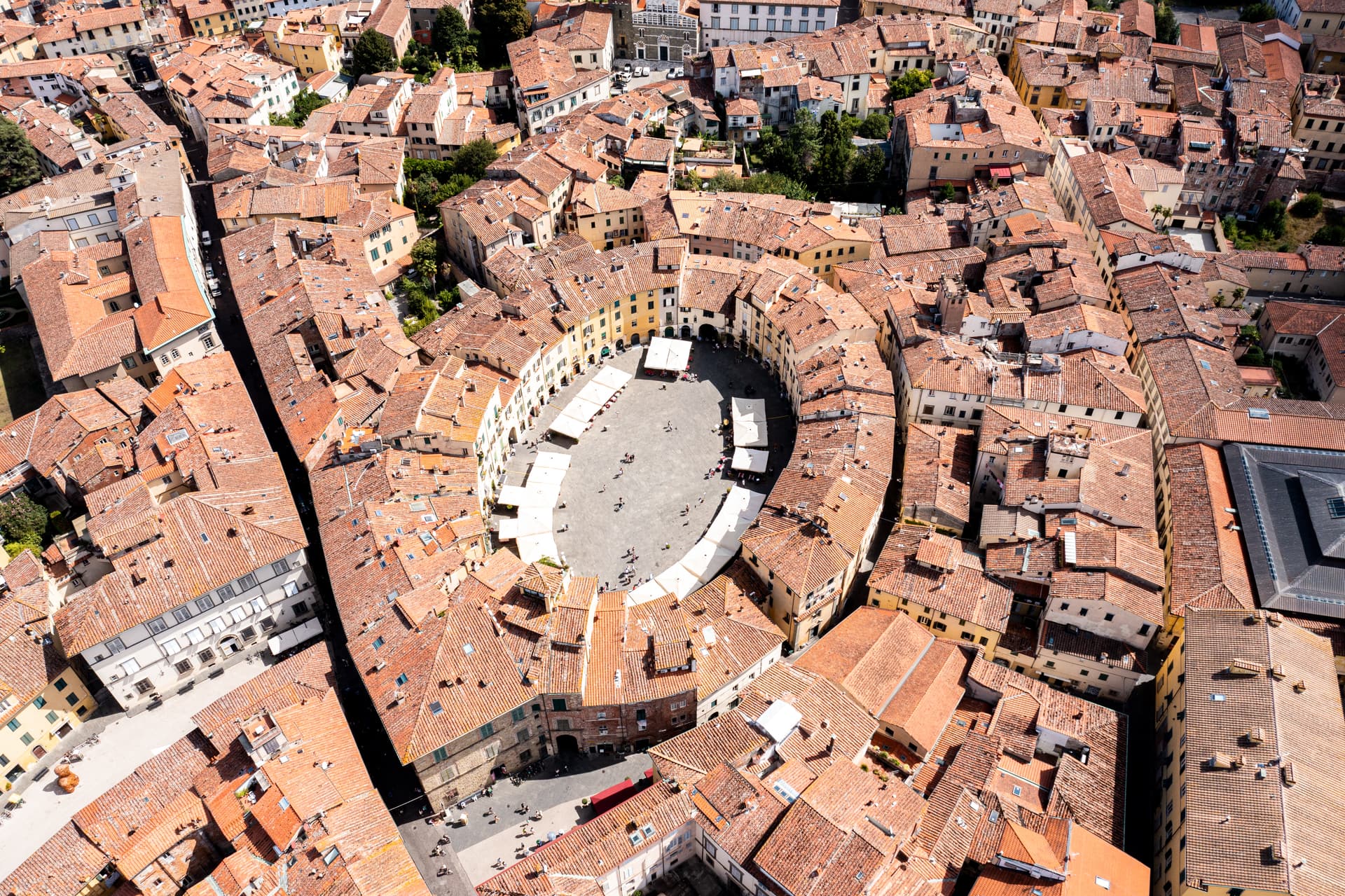
Lucca
Province: Lucca · 19 m
The provincial capital ringed by four kilometers of intact sixteenth-century walls, birthplace of Puccini and the only fully walled Italian city of its scale.
- ✷ We've been
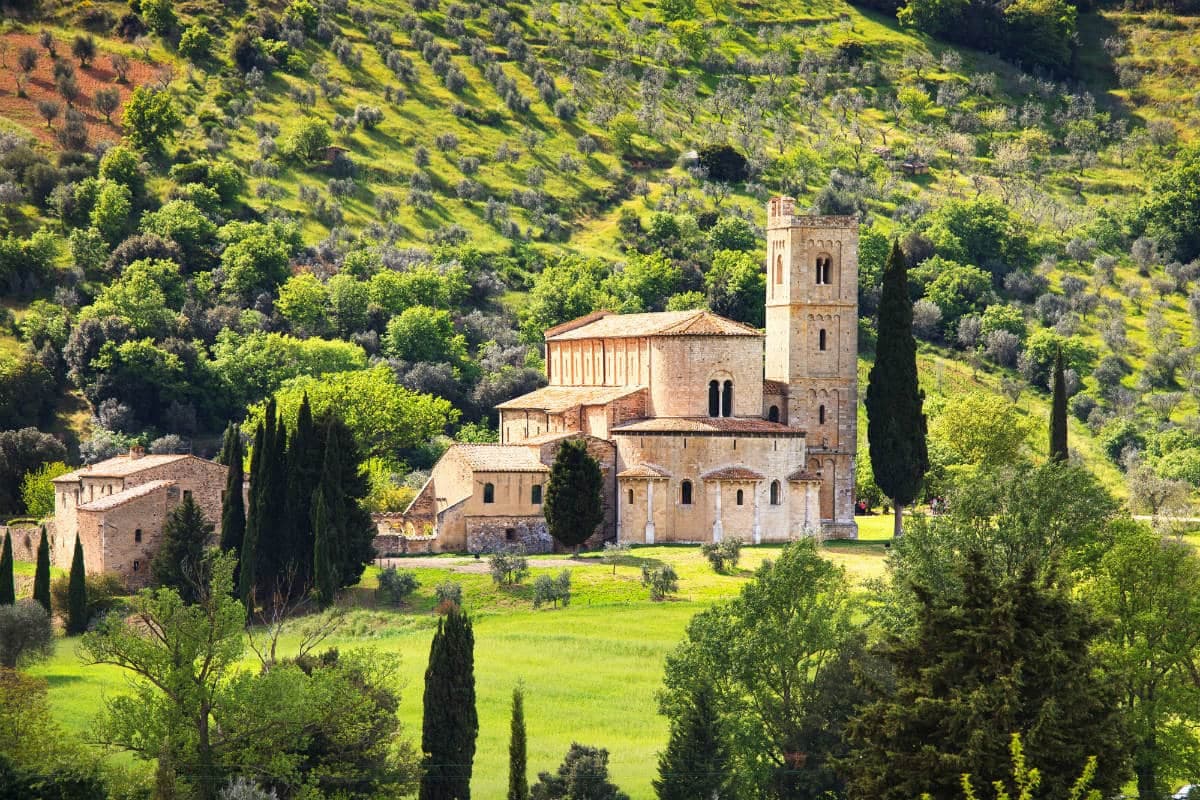
Montalcino
Province: Siena · 564 m
A walled hill town at 564 meters above the Val d'Orcia, the last fortress to hold out for the Sienese Republic and the birthplace of Brunello.
- ✷ We've been

Monteriggioni
Province: Siena · 274 m
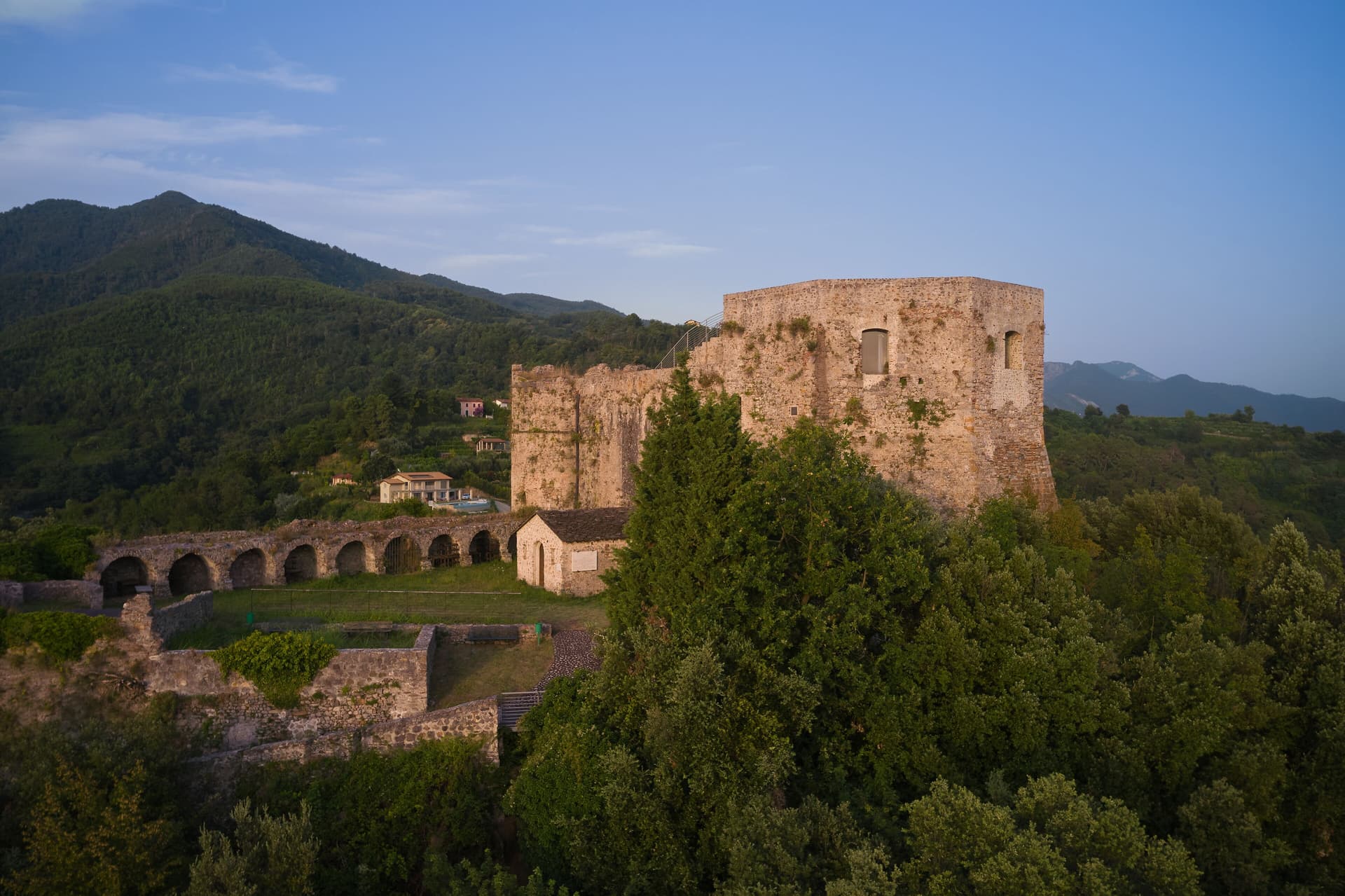
A circular Sienese fortress built between 1213 and 1219 on a natural hill, fourteen towers on a 570-meter wall, intact and unbroken.
Montignoso
Province: Massa-Carrara · 132 m
A Riviera Apuana commune split between the Cinquale coastal frazione, the Castello Aghinolfi on the hill, and the Lago di Porta wetland on the Versilia plain.
Piancastagnaio
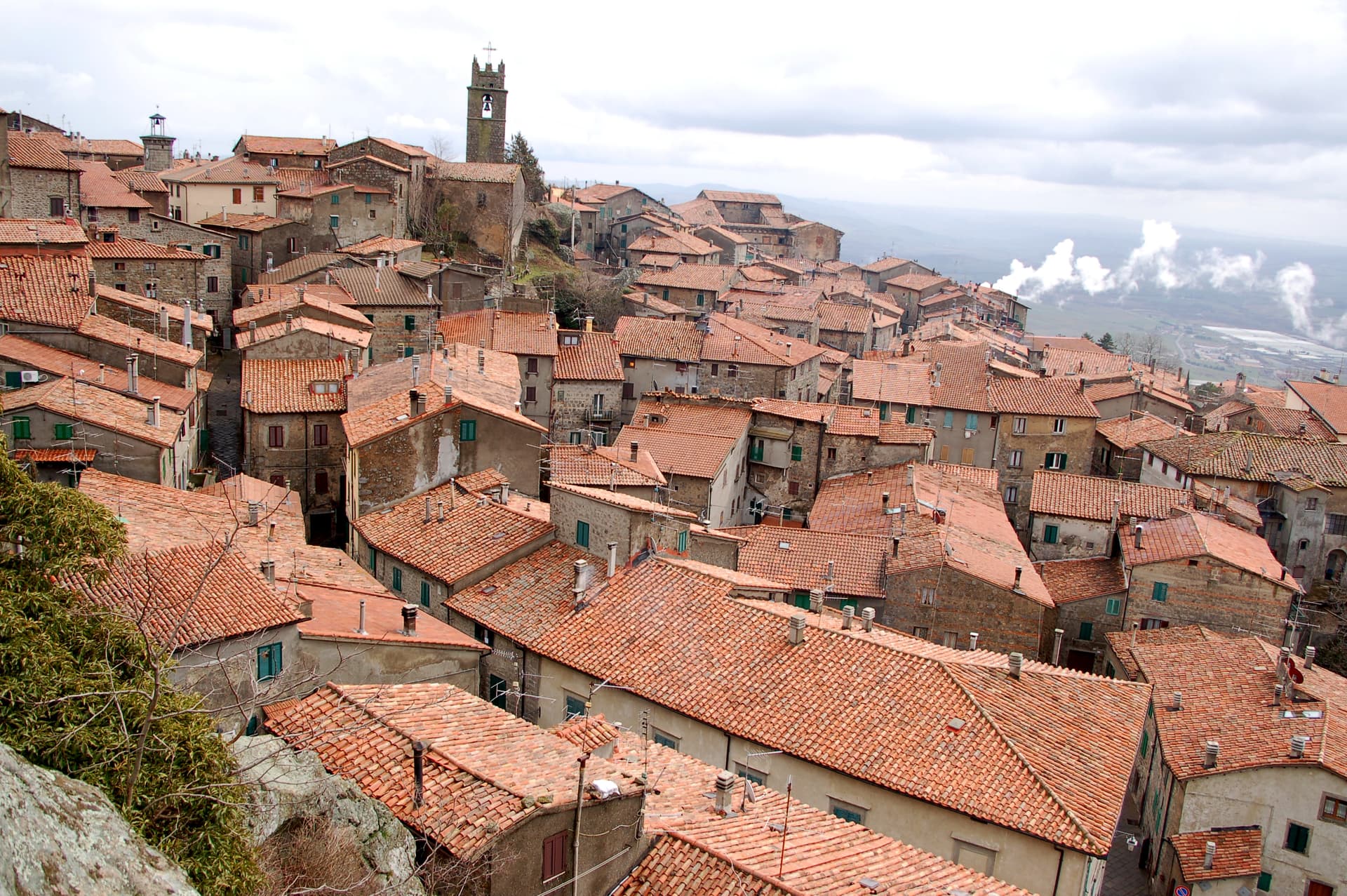
Province: Siena · 772 m
A chestnut-belt borgo at 772 meters on the southern slope of Monte Amiata, where four contrade still race for the Palio delle Contrade each August.
- ✷ We've been
Pietrasanta
Province: Lucca · 14 m
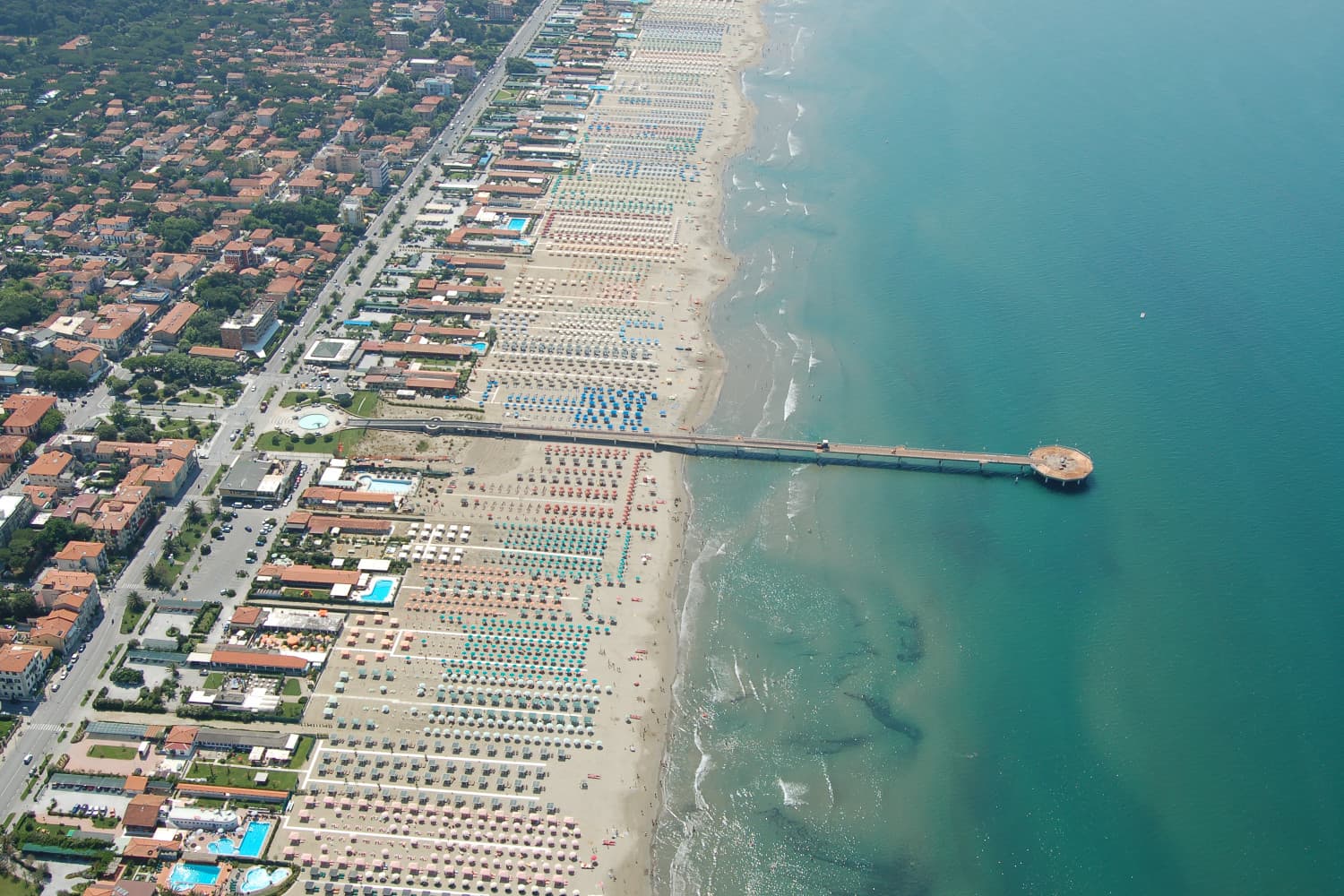
The marble-processing town under the Apuan Alps, founded in 1255 and worked since by Michelangelo, Henry Moore, Joan Miró and Fernando Botero.
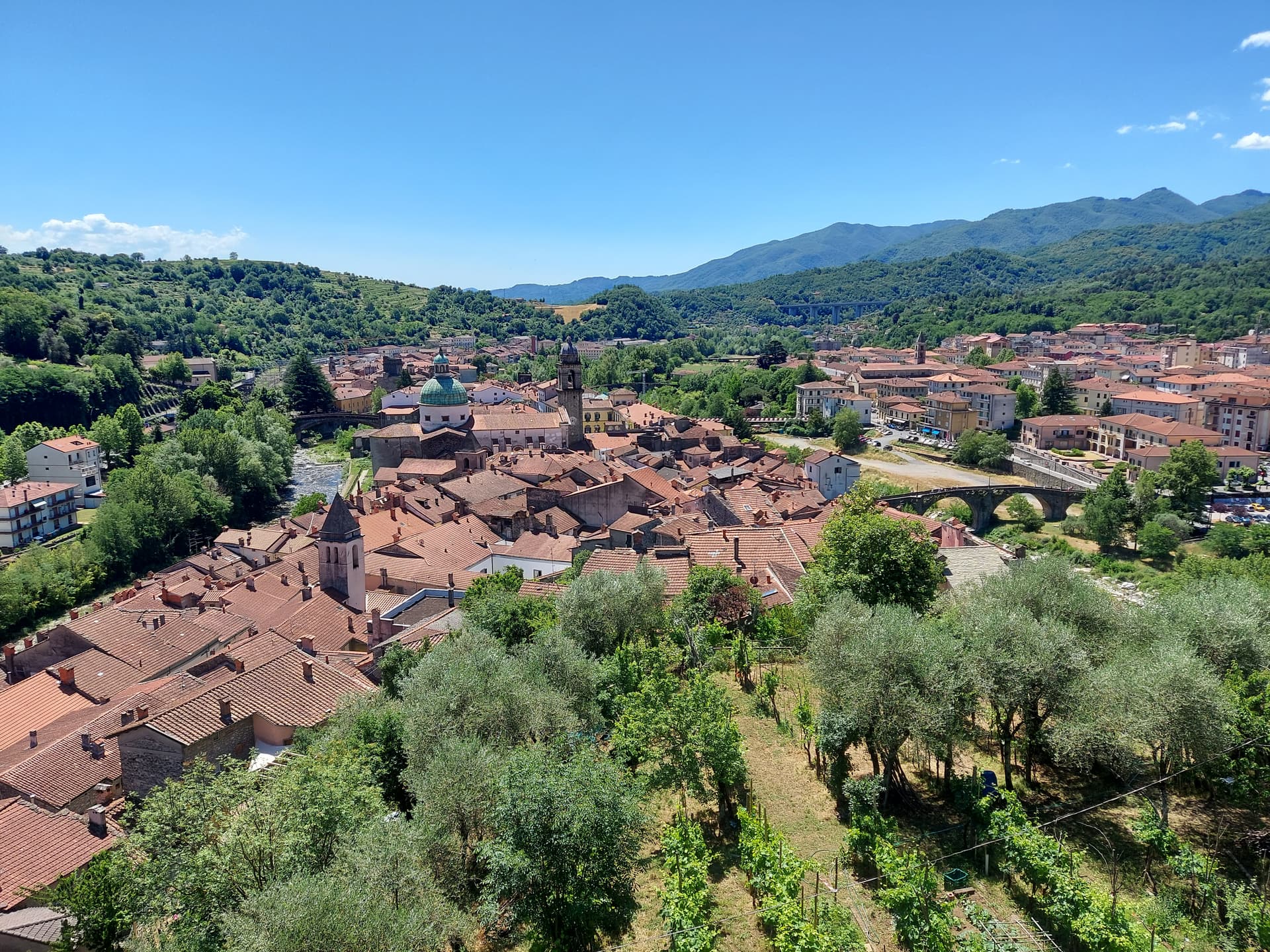
Pontremoli
Province: Massa-Carrara · 236 m
The capital of Lunigiana at the confluence of the Magra and Verde, holding the prehistoric stele statues and the oldest book prize in Italy.
- ✷ We've been
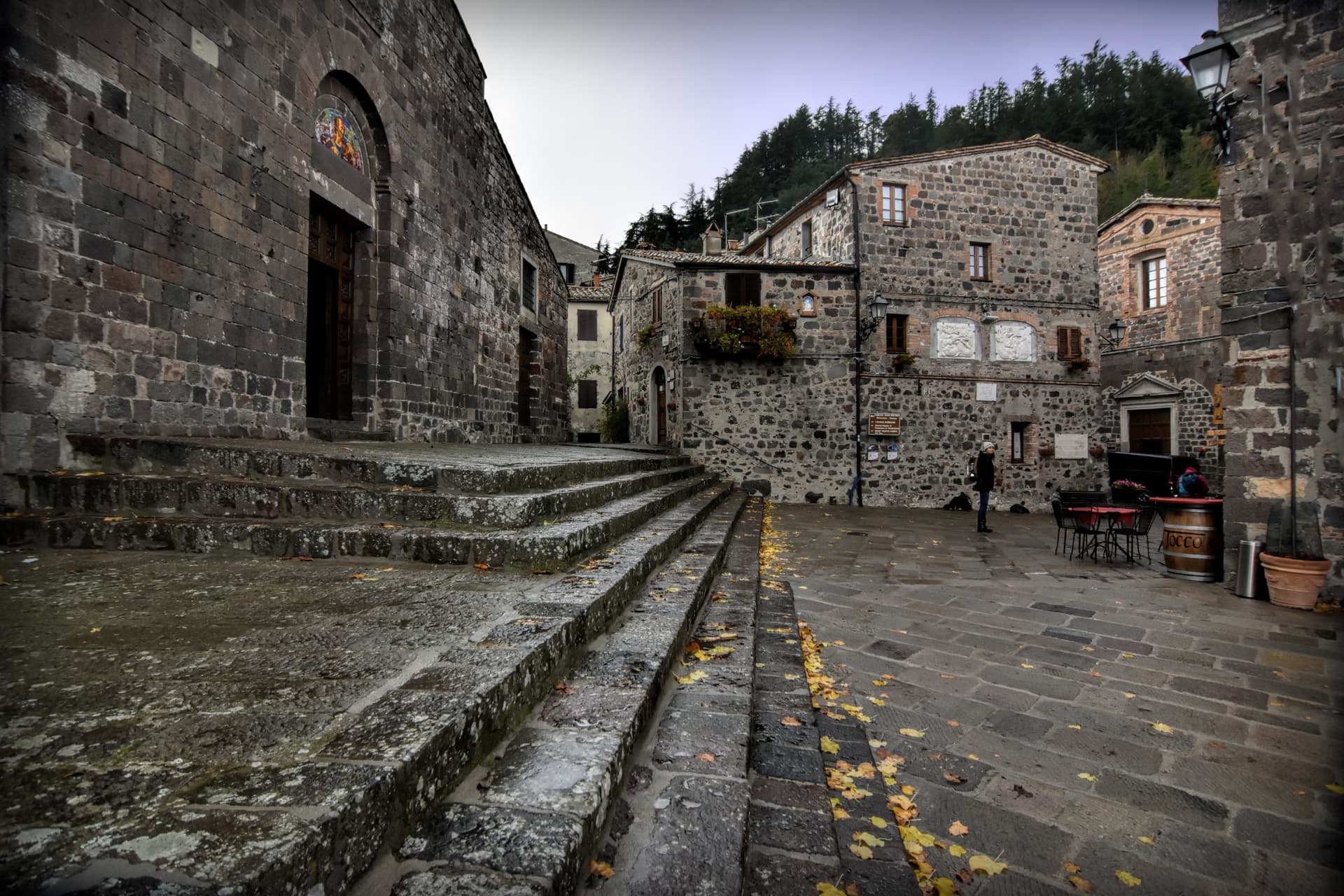
Radicofani
Province: Siena · 814 m
The Val d'Orcia's basalt watchtower — a 1,060-resident UNESCO-inscribed borgo at 814m on a volcanic basalt outcrop visible across half of southern Tuscany, with the spectacular Rocca di Radicofani (Ghino di Tacco's outlaw fortress, mentioned by Dante in Purgatorio + Boccaccio in the Decameron), the 16th-c Posta Medicea on the Via Francigena, and Bandiera Arancione + UNESCO + Via Francigena triple signal.
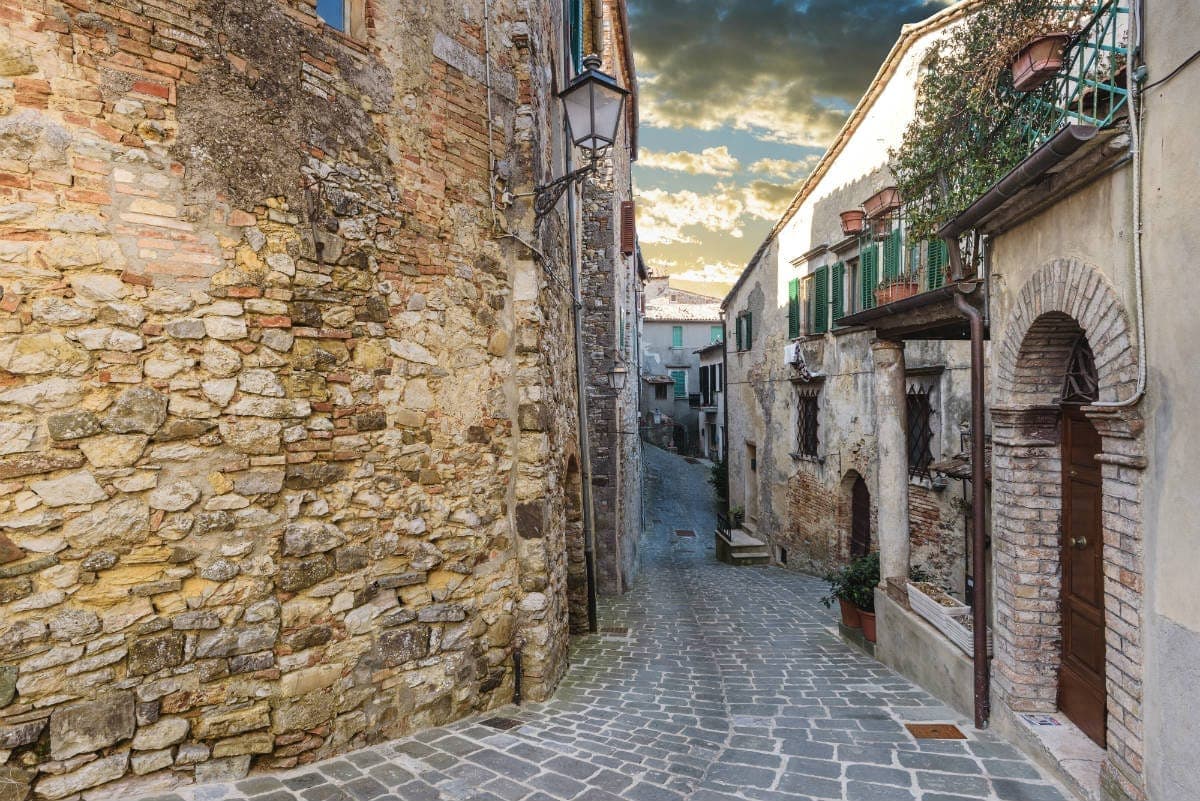
San Casciano dei Bagni
Province: Siena · 582 m
A hilltop borgo at 582 meters above 42 hot springs that produced the largest Etruscan bronze hoard of the last fifty years.
- ✷ We've been
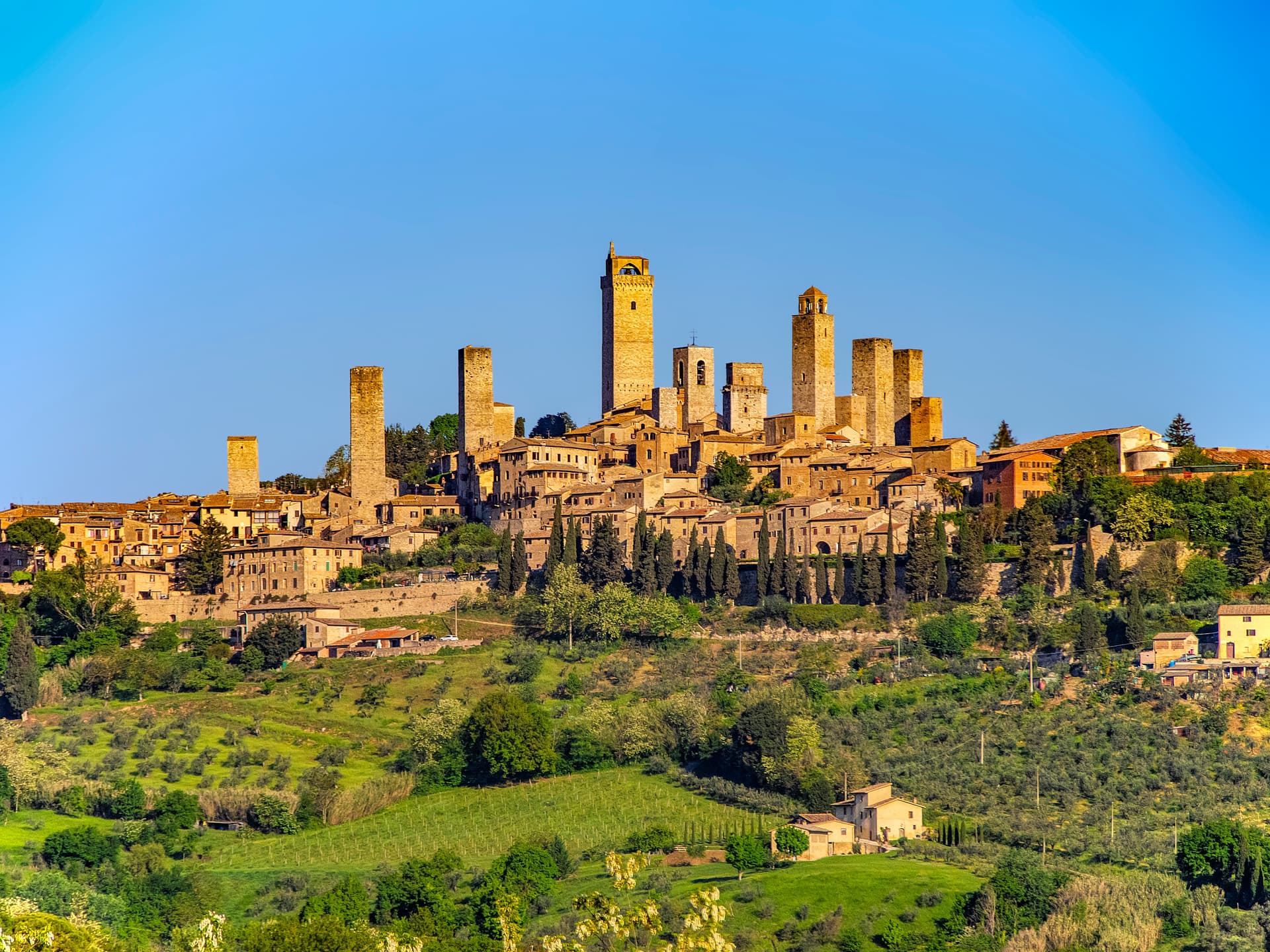
San Gimignano
Province: Siena · 334 m
A walled hill town at 334 meters with 14 surviving medieval towers, UNESCO listed since 1990 and the home of Vernaccia.
- ✷ We've been
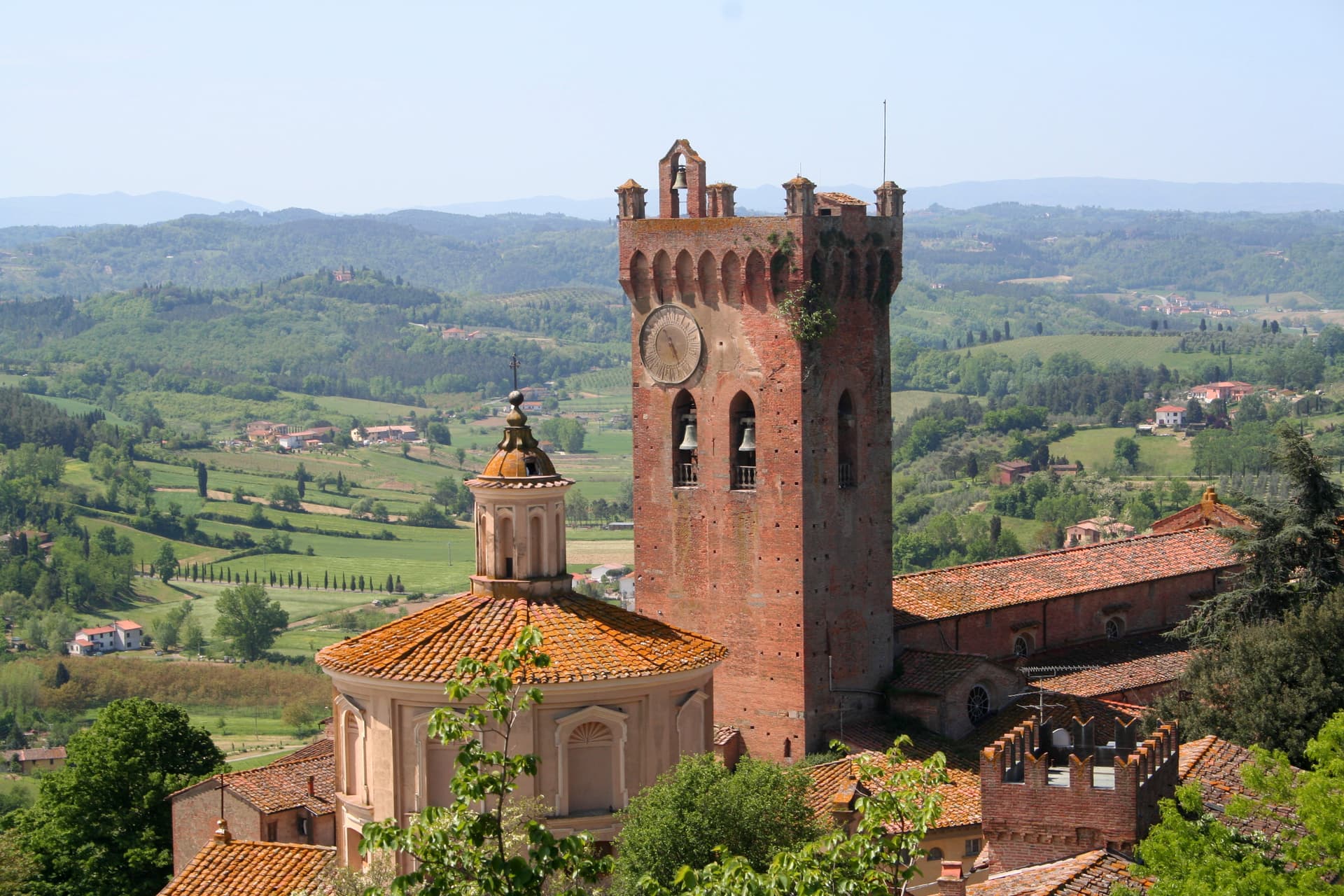
San Miniato
Province: Pisa · 150 m
The hilltop town between Pisa and Florence that produces a quarter of Tuscany's white truffles and once held the imperial seat of Otto I.
- ✷ We've been
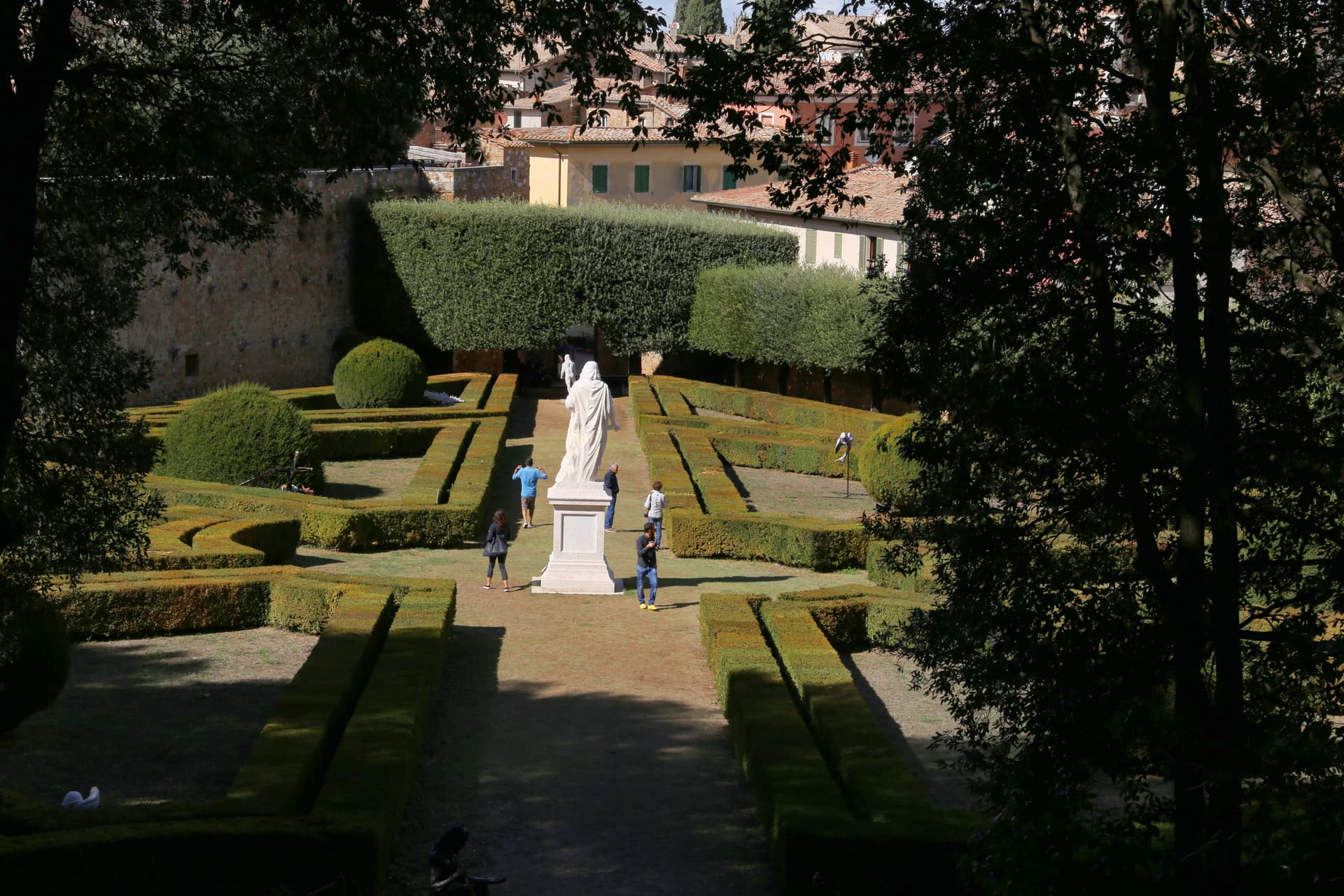
San Quirico d'Orcia
Province: Siena · 409 m
A walled stop on the Via Francigena at 409 meters in the UNESCO Val d'Orcia, where a twelfth-century Collegiata, a Renaissance garden and the Bagno Vignoni thermal pool sit within fifteen kilometers of each other.
- ✷ We've been
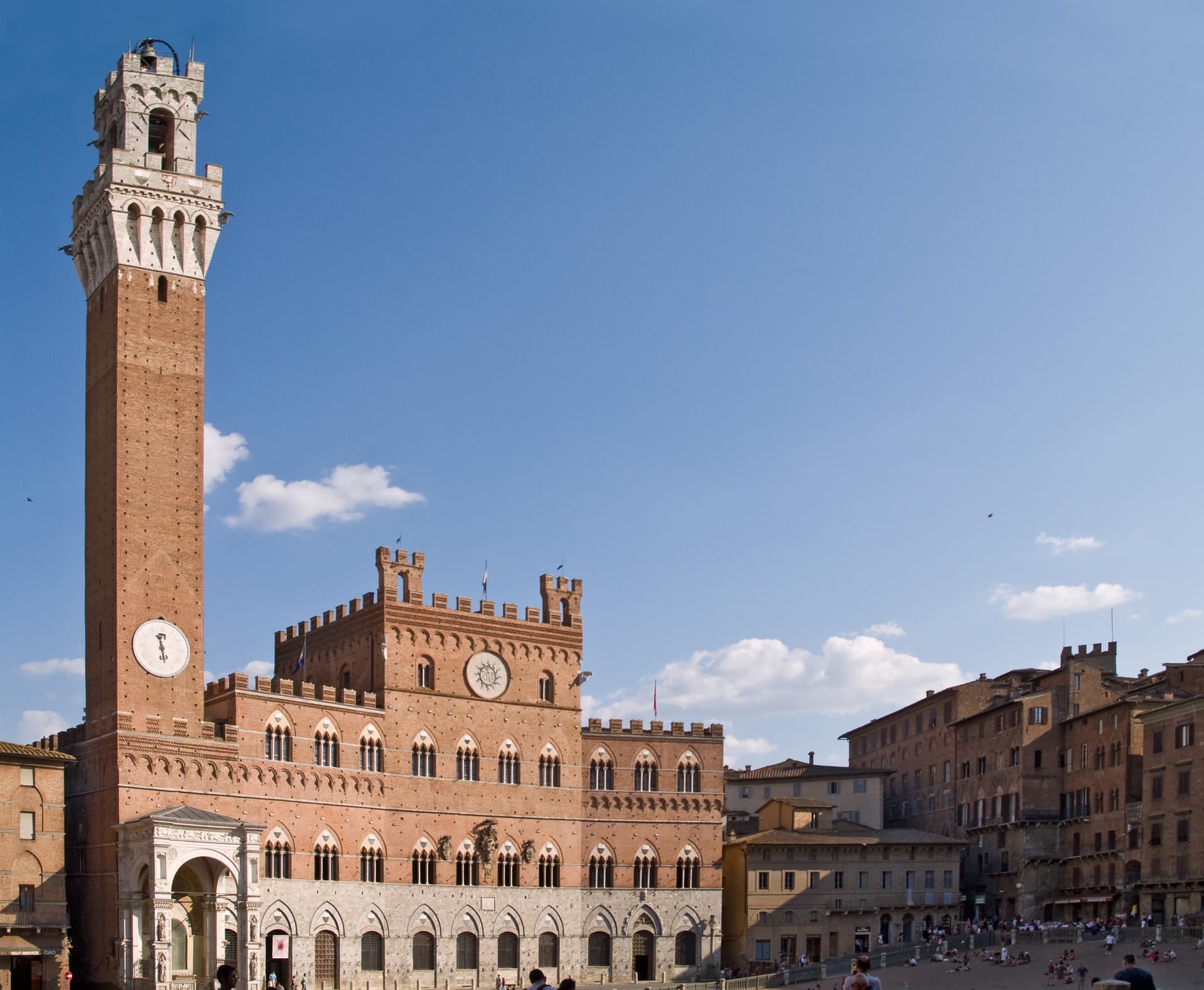
Siena
Province: Siena · 322 m
The medieval rival of Florence at 322 meters on three hills, with a shell-shaped piazza where seventeen contrade race bareback horses twice a year.
Subscribe — free
Get the best guides on hidden Italian towns.
One letter on Sundays. The week’s town, with the photo, the food, the festa. Free, by Peter & Sophia from Pietrasanta.
Substack sends a confirmation link to your inbox. The signup finishes when it’s clicked.
From elsewhere in Italy
Five more towns to discover
Putignano
Province: Bari
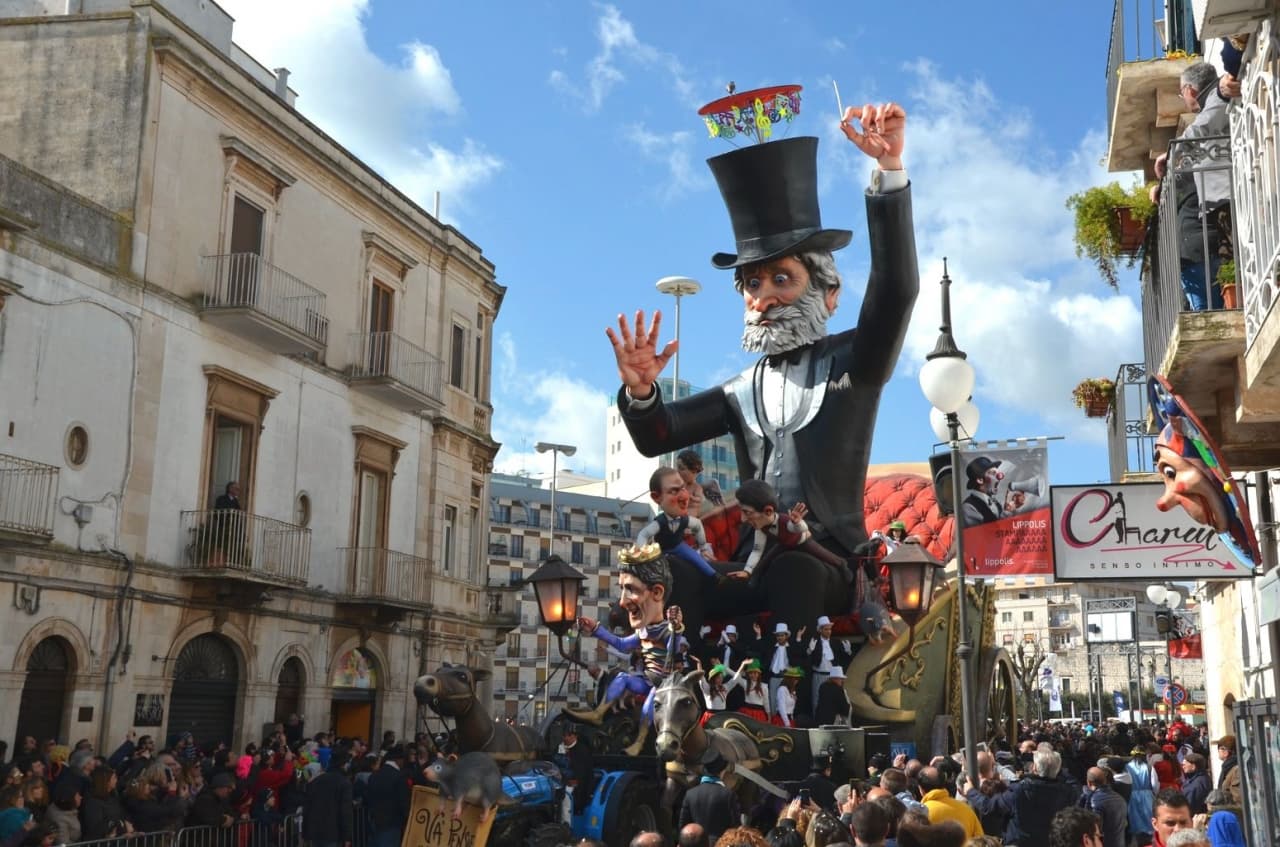
Europe's longest-running carnival — Putignano Carnevale has run continuously since 1394, with 631 years of cartapesta papier-mâché floats, a 26,000-resident Murgia town on the Bari–Lecce plateau, and the Grotta del Trullo karst cave inside the centro.

Pistoia
Province: Pistoia
Italy's nursery capital and the medieval Tuscan rival that gave its name to the pistol — a quietly extraordinary centro storico of zebra-striped Romanesque churches, Andrea della Robbia's polychrome frieze on the Ospedale del Ceppo, and Italy's Capital of Culture 2017, all 30 minutes from Florence by train.
Tropea
Province: Vibo Valentia
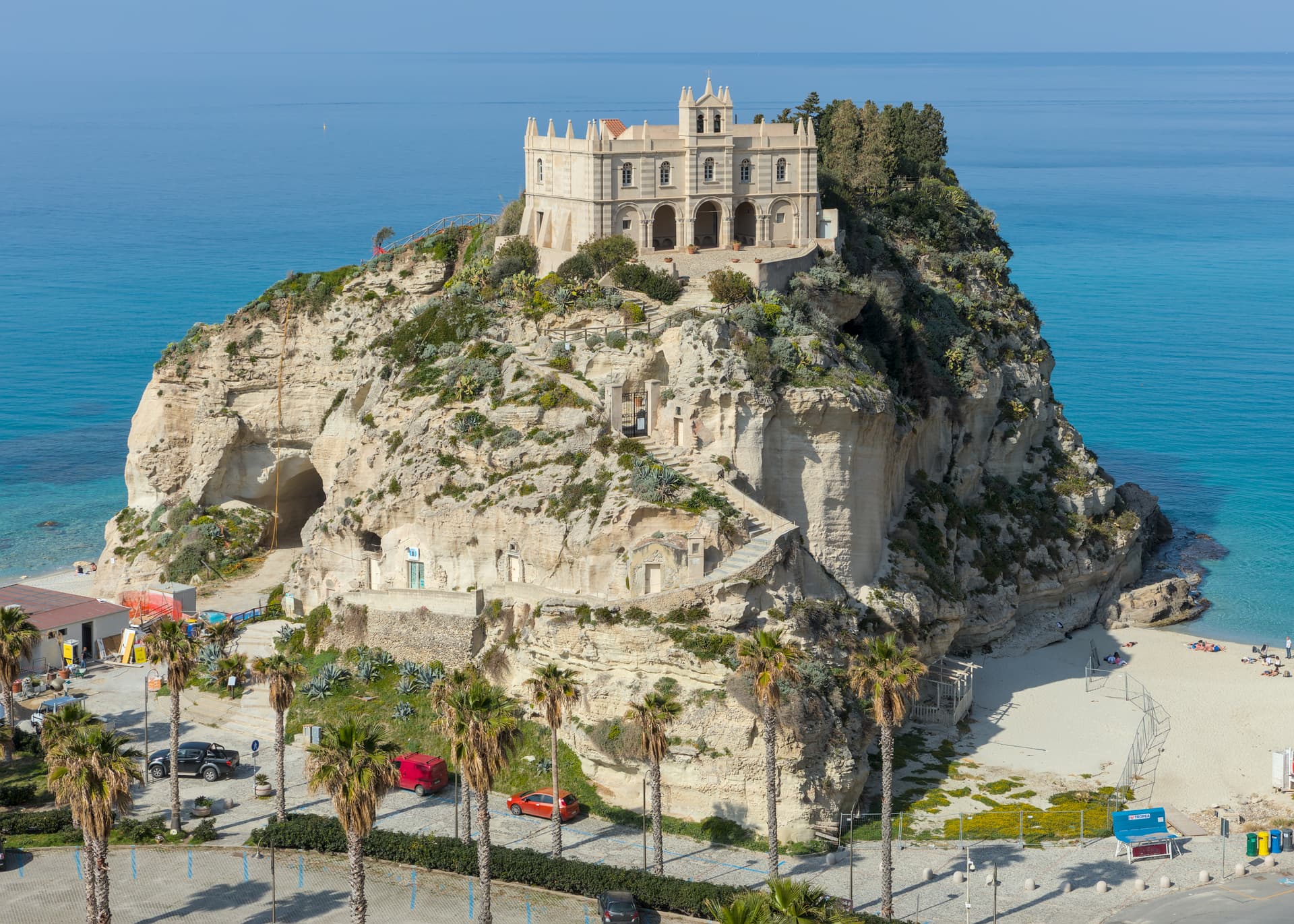
Cliff town on a tufa headland over the Tyrrhenian Coast of the Gods, with a Norman monastery on a sea rock.
Caldes
Province: Trento
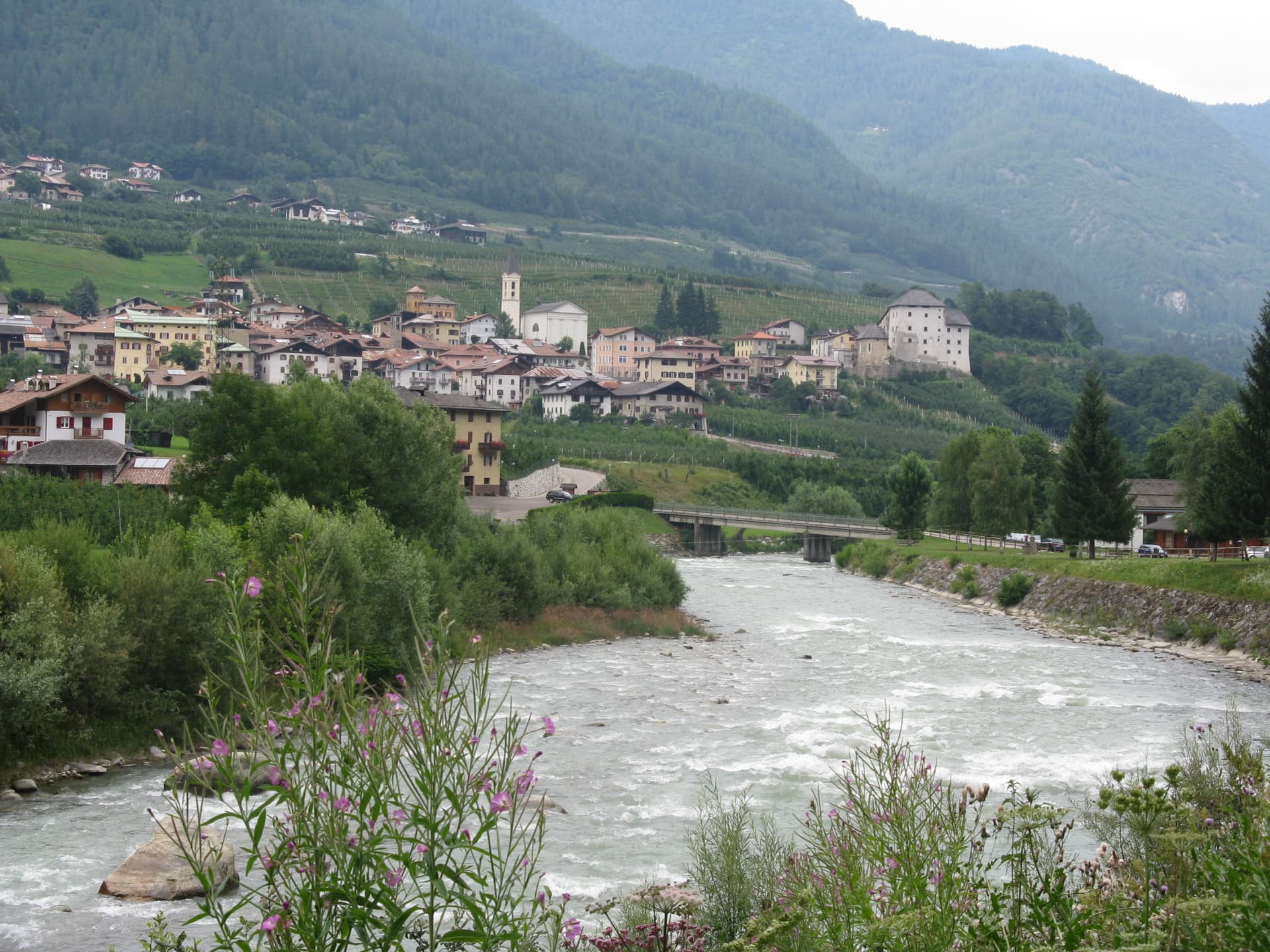
A scattered Val di Sole commune on the Noce, six hamlets gathered around a thirteenth-century tower-house castle that once belonged to the Thun family.
Cantiano
Province: Pesaro e Urbino
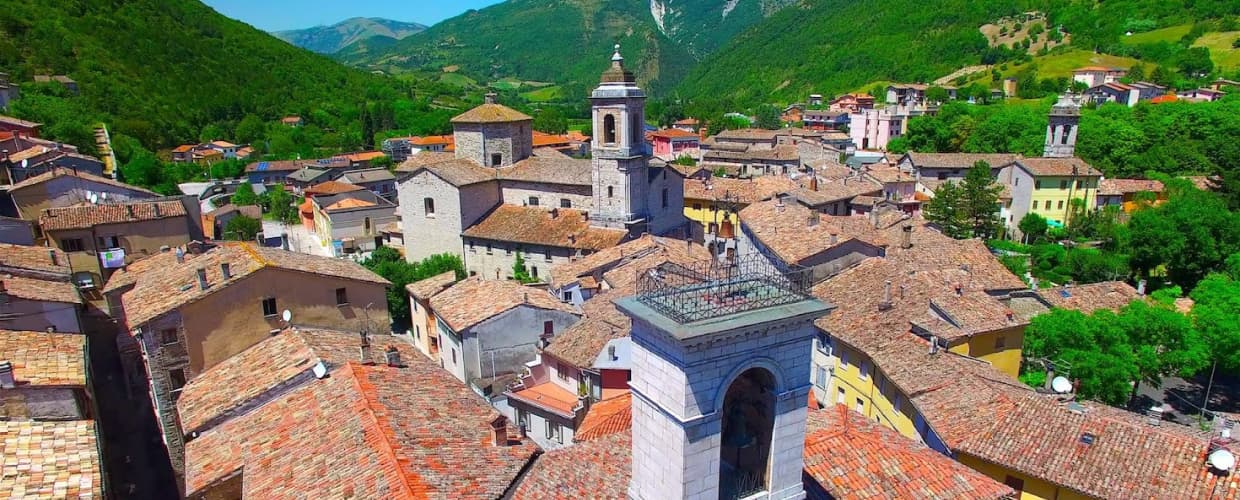
A border borgo at 374 meters under Monte Catria on the old Via Flaminia, known for the Good Friday Turba and the sour-cherry visciola harvest.