

Lazio · Viterbo
Bolsena
A medieval town on the eastern shore of Europe's largest volcanic lake, where a Bohemian priest reported a Eucharistic miracle in 1263.
Known for
MIRACLE OF 1263
Eucharistic miracle in the Basilica di Santa Cristina that prompted Pope Urban IV to extend the feast of Corpus Domini to the whole Church.
LARGEST VOLCANIC LAKE
Lake Bolsena, 114 square kilometers, the largest volcanic lake in Europe, formed by the collapse of the Vulsini caldera.
VOLSINII NOVI
Roman town founded after the destruction of the Etruscan Volsinii in 265 BC, with surviving walls, baths and amphitheater.
When to visit
Best · Apr–Oct
- J
- F
- M
- A
- M
- J
- J
- A
- S
- O
- N
- D
- Best
- Hot or crowded
- Quiet
- Mostly closed
The festa: Cristina di Bolsena, 24 July
Why come
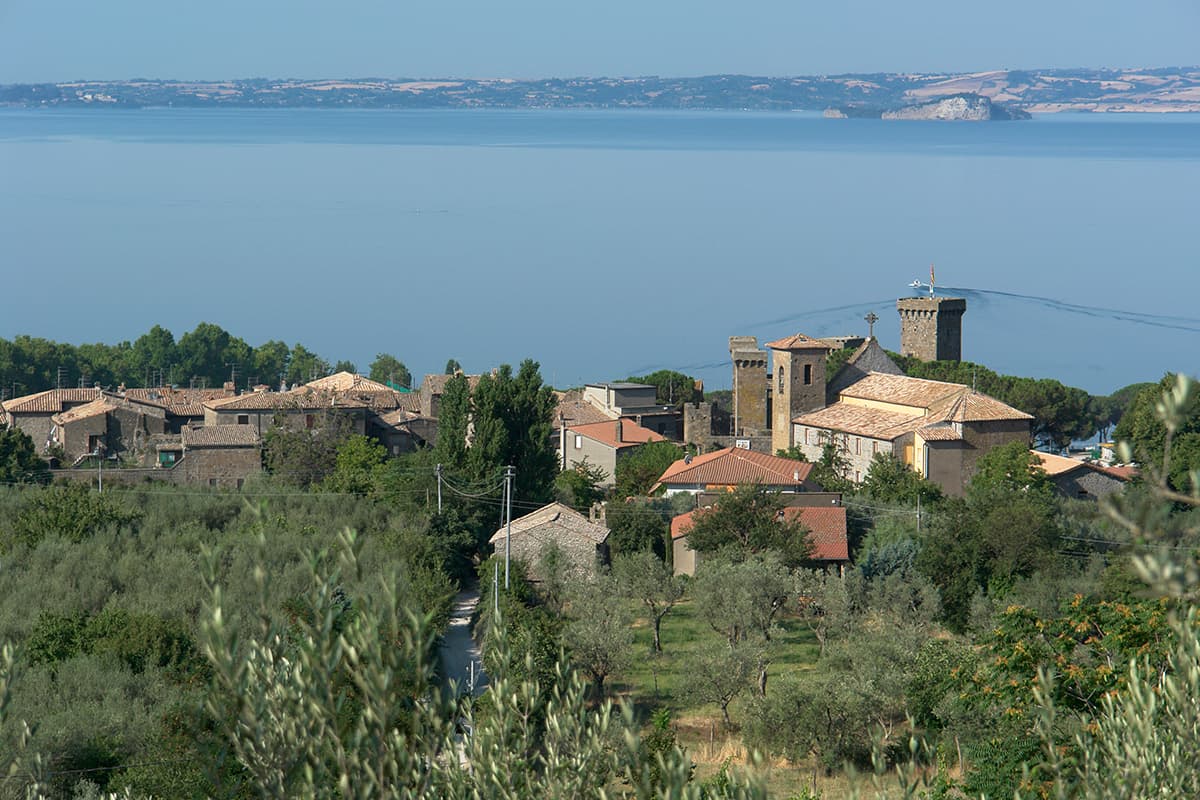
Bolsena stands on the eastern shore of Lake Bolsena, the largest volcanic lake in Europe at 114 square kilometers. The site sits on the old Etruscan town of Volsinii, razed by the Romans in 265 BC; the survivors were resettled here as Volsinii Novi. In 1263 a Bohemian priest, doubting the doctrine of transubstantiation, was celebrating mass in the church when the host bled onto the corporal.
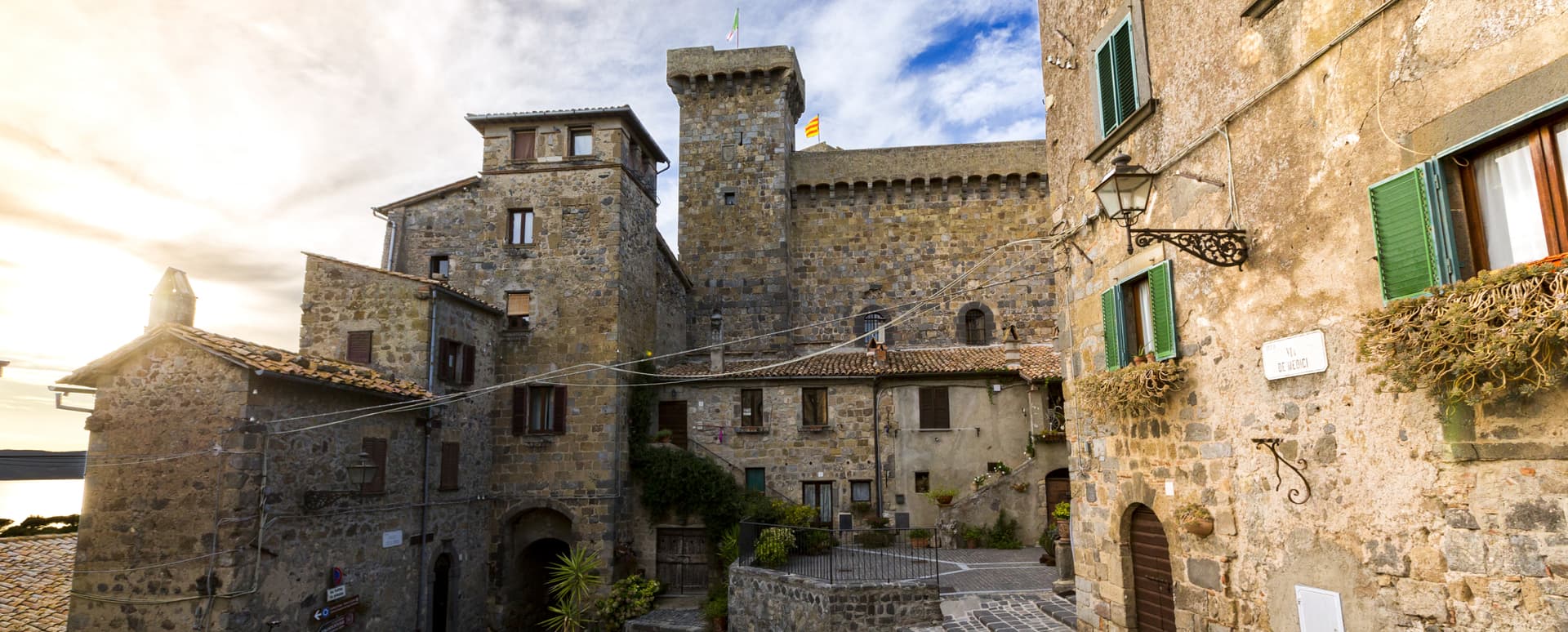
The cloth was carried to Urbino, then to Orvieto, and Pope Urban IV extended the feast of Corpus Domini to the universal Church the following year. The Basilica di Santa Cristina, where the miracle is said to have occurred, holds the original altar stone and an early Christian catacomb. The Rocca Monaldeschi della Cervara, a fourteenth-century fortress of the Orvietan family, dominates the upper town and houses the Museo Territoriale del Lago di Bolsena. On Corpus Domini the streets fill with floral mosaics for the Infioritalia network.
The Sunday letter
We haven’t written Bolsena’s letter yet.
One town every Sunday, with the photo, the food, the festa. Be there when this one comes up. Free, by Peter & Sophia from Pietrasanta.
By subscribing you agree to Substack’s Terms of Use, our Privacy Policy and our Information collection notice.
What to see
Basilica di Santa Cristina
Eleventh-century basilica with the altar stone of the 1263 Eucharistic miracle and an early Christian catacomb beneath the apse.
Rocca Monaldeschi della Cervara
Fourteenth-century fortress of the Orvietan Monaldeschi, dominating the upper town and housing the Museo Territoriale.
Lago di Bolsena
Largest volcanic lake in Europe at 114 square kilometers, with two small islands and a continuous swimming and fishing tradition.
Volsinii archaeological site
Remains of the Roman Volsinii Novi north of the town, including walls, baths and an amphitheater on the lake terrace.
Infiorata di Corpus Domini
Floral mosaics laid along the streets between San Francesco and Santa Cristina, part of the national Infioritalia network.
The slow-trip planner
Building a trip? Find where Bolsena fits in a slow Italy circuit.
Answer five questions. We will shape a geographically coherent slow trip from the 1,000 Italian towns most travelers skip. Yours to save and share.
Living here
- Population 3,708
- Commuter belti
- Pharmacy in town
- High school within a 30-minute drive
- Nearest airport Rome, 2 h 27 min drive
- Regional capital Roma, 1 h 52 min drive
Tags & datadesignations · numbers · sources
Recognised as
The numbers
- Elevation: 350 m
- Population: 3,708
- Surface area: 63.57 km²
These figures were compiled from public directories — ISTAT, OpenStreetMap, Wikidata — and from the official listings of the guides named on this page. Town details change; verify with official sources before you travel.
Close by
More towns near Bolsena
Bagnoregio
Province: Viterbo
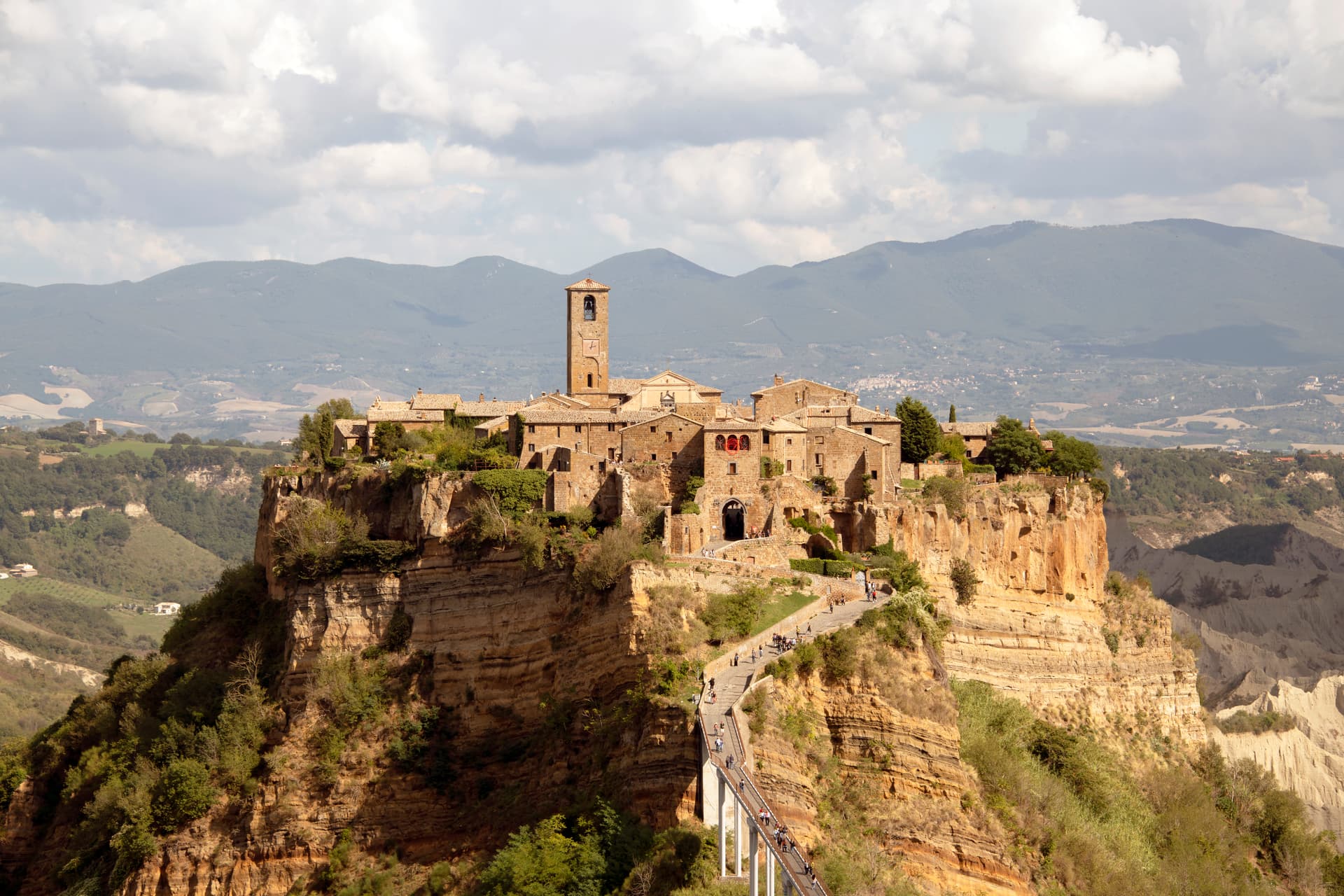
The Etruscan-founded hill town in Tuscia whose frazione Civita di Bagnoregio sits on an eroding tuff plateau, reachable only by footbridge.
Montefiascone
Province: Viterbo
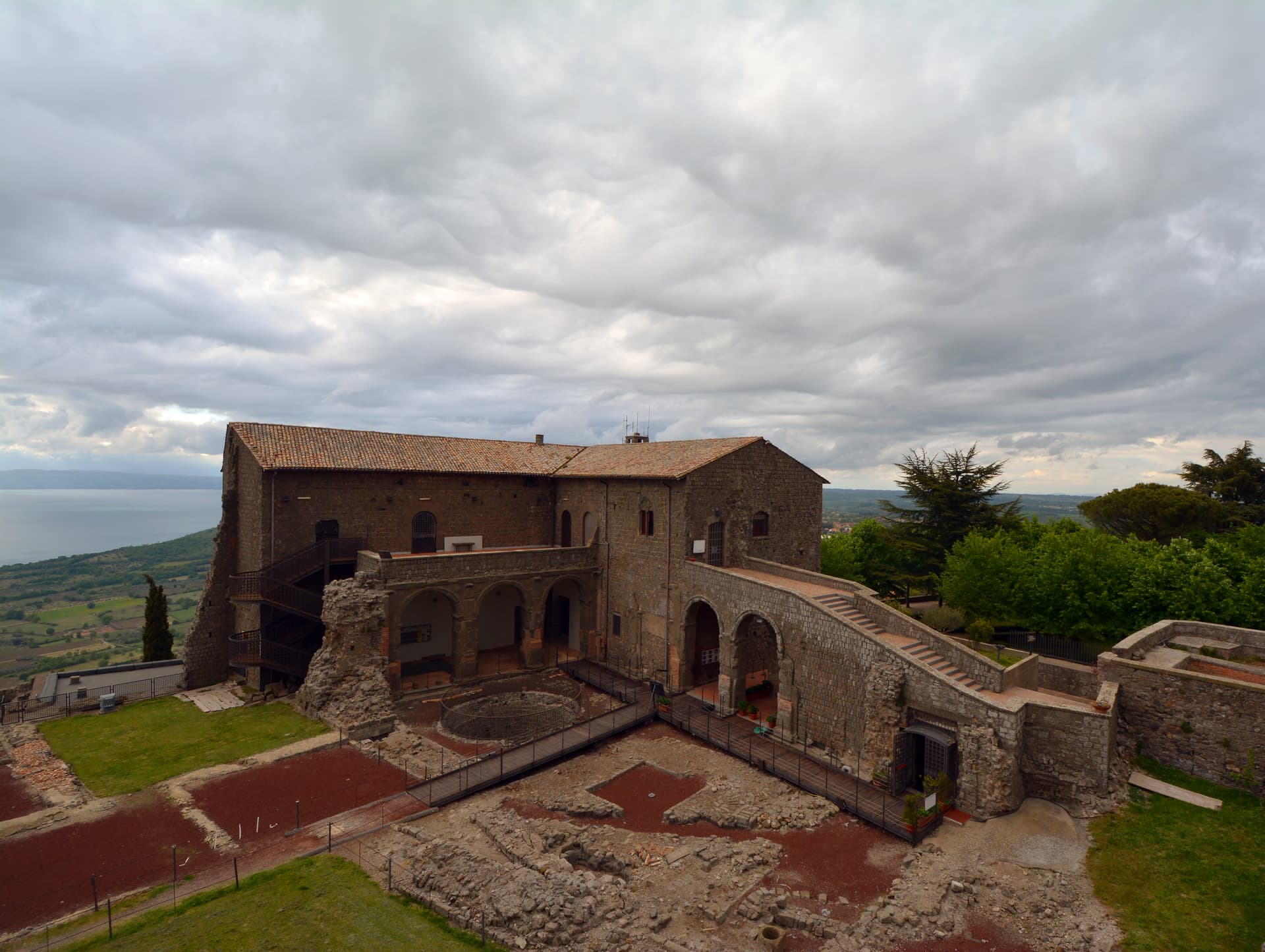
A 590-meter hill town on the southeastern rim of Lake Bolsena, the source of Est! Est!! Est!!! and a Via Francigena stop.
Capodimonte
Province: Viterbo
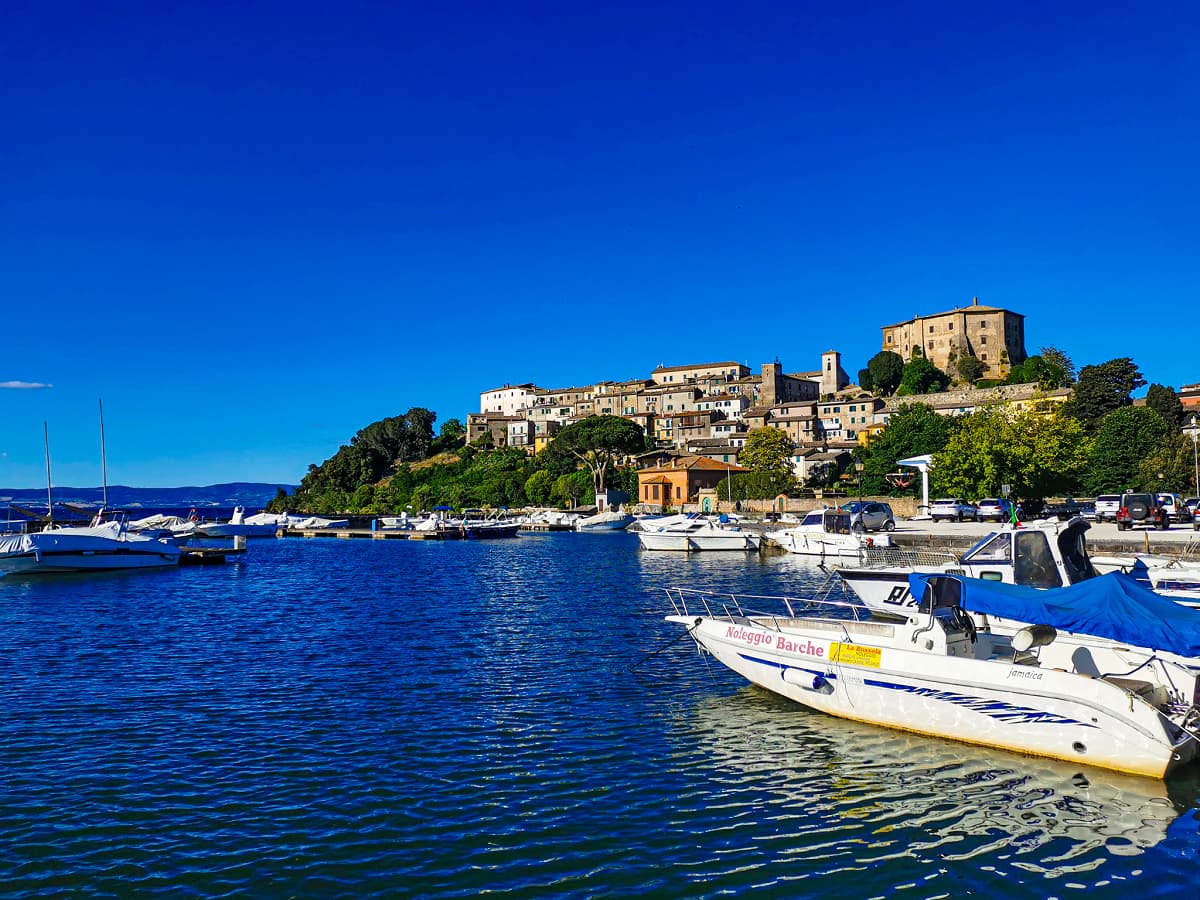
The lakefront Farnese stronghold on Lago di Bolsena — a small Tuscia borgo on a peninsula jutting into Europe's largest volcanic crater lake, with Antonio da Sangallo's octagonal Rocca Farnese, an extra-virgin olive oil tradition (Città dell'Olio), and views across the water to the inhabited Isola Bisentina.
Orvieto
Province: Terni
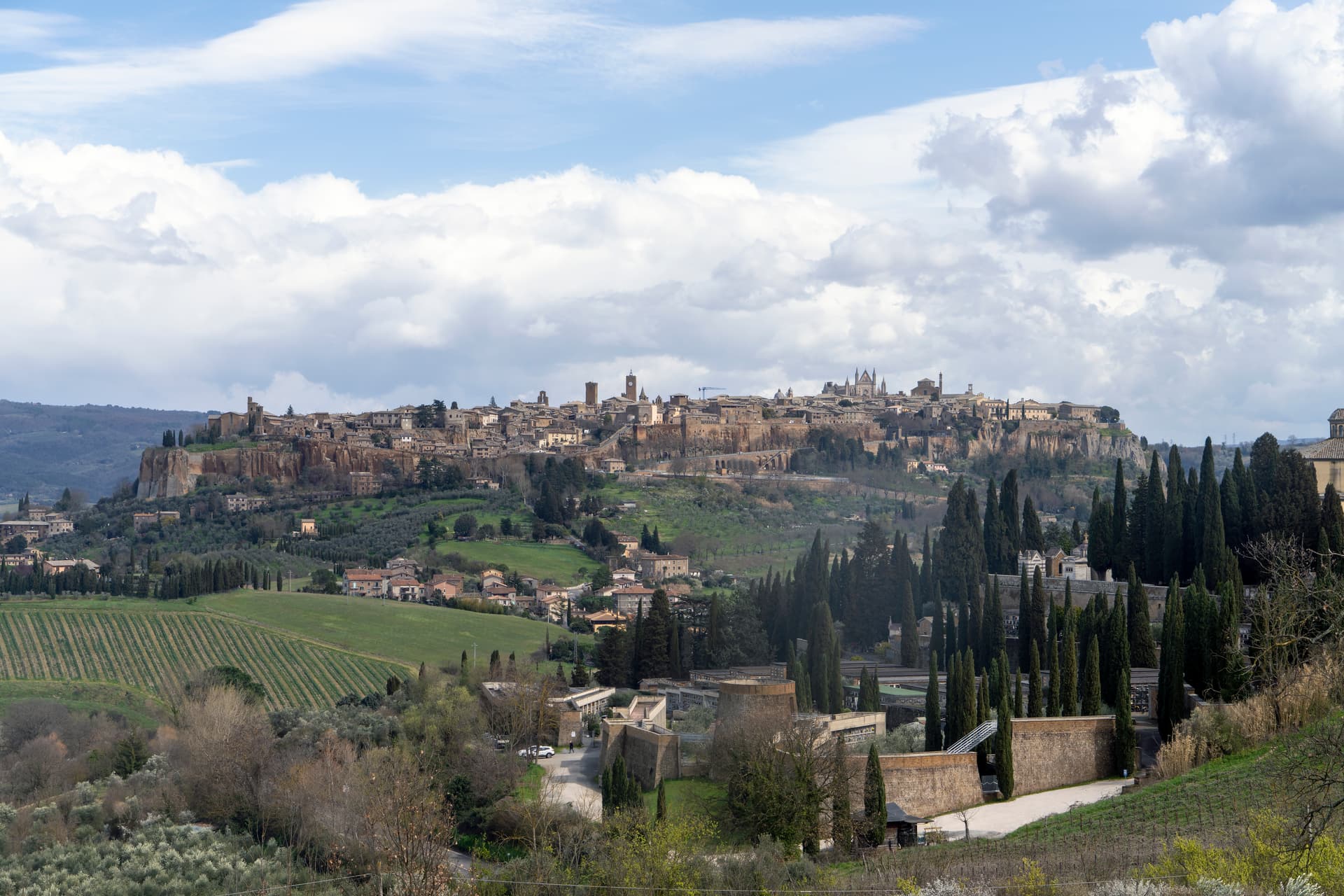
Etruscan Velzna on a 325-meter tufa butte, the medieval refuge of popes and the home of Italy's most decorated Gothic cathedral.
Acquapendente
Province: Viterbo
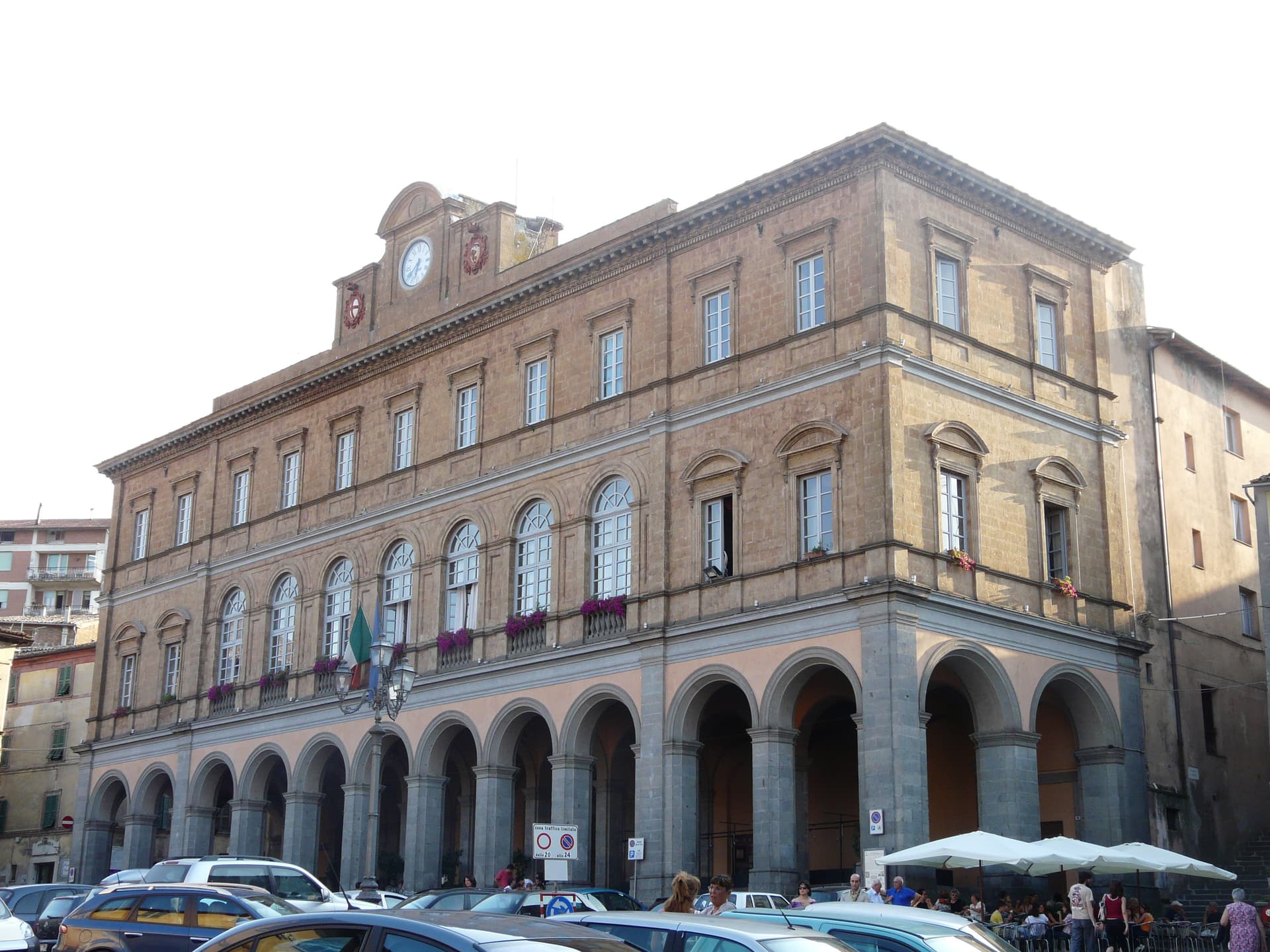
The northernmost town in Lazio on the Via Francigena, at 420 meters above the Paglia, named in 964 for its waterfalls.
🟠 Bandiera Arancione
More Bandiera Arancione towns in Lazio
Arpino
Province: Frosinone
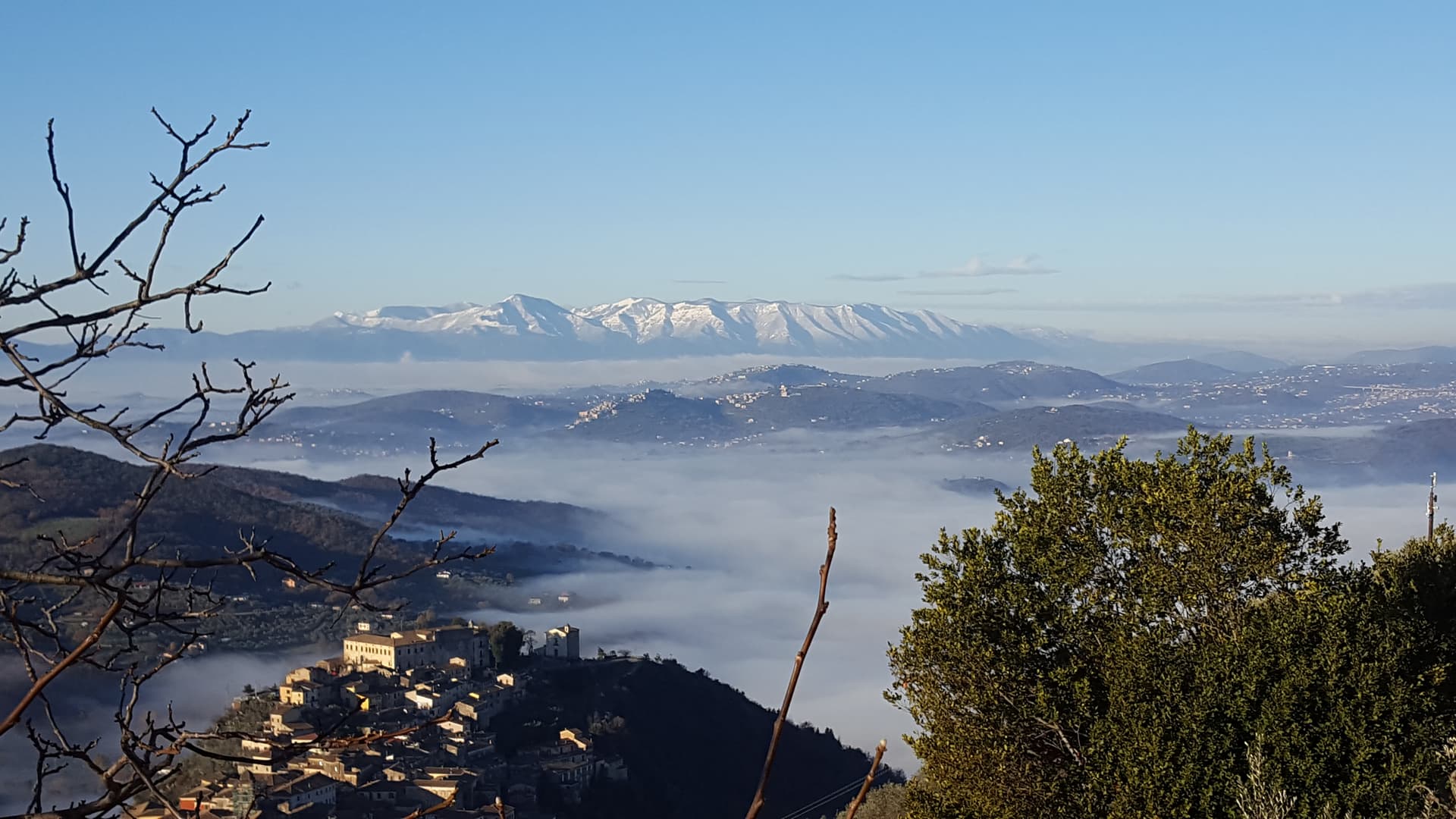
The Volscian-Roman hill town in the Liri valley that produced Marius and Cicero, with a pre-Roman acropolis above the modern center.
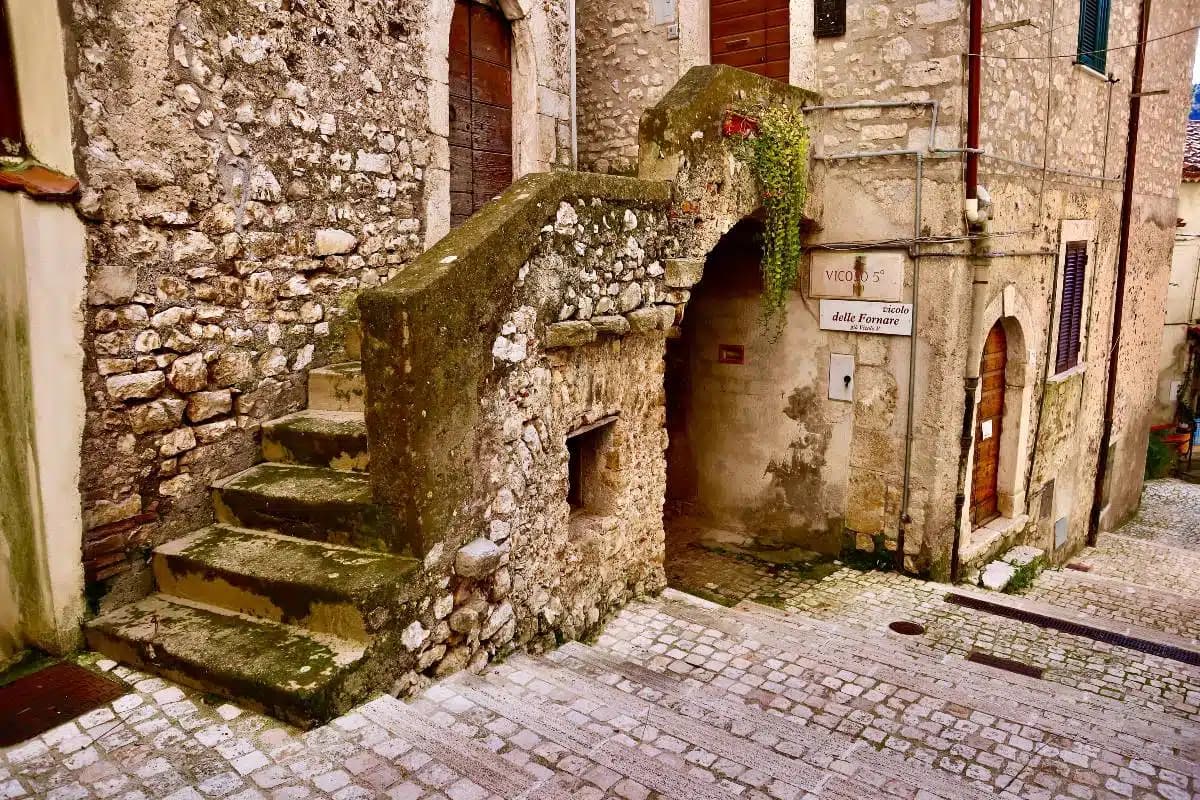
Bassiano
Province: Latina
The highest village in the province of Latina at 562 meters, birthplace of Aldo Manuzio, who shrank the book to pocket size.
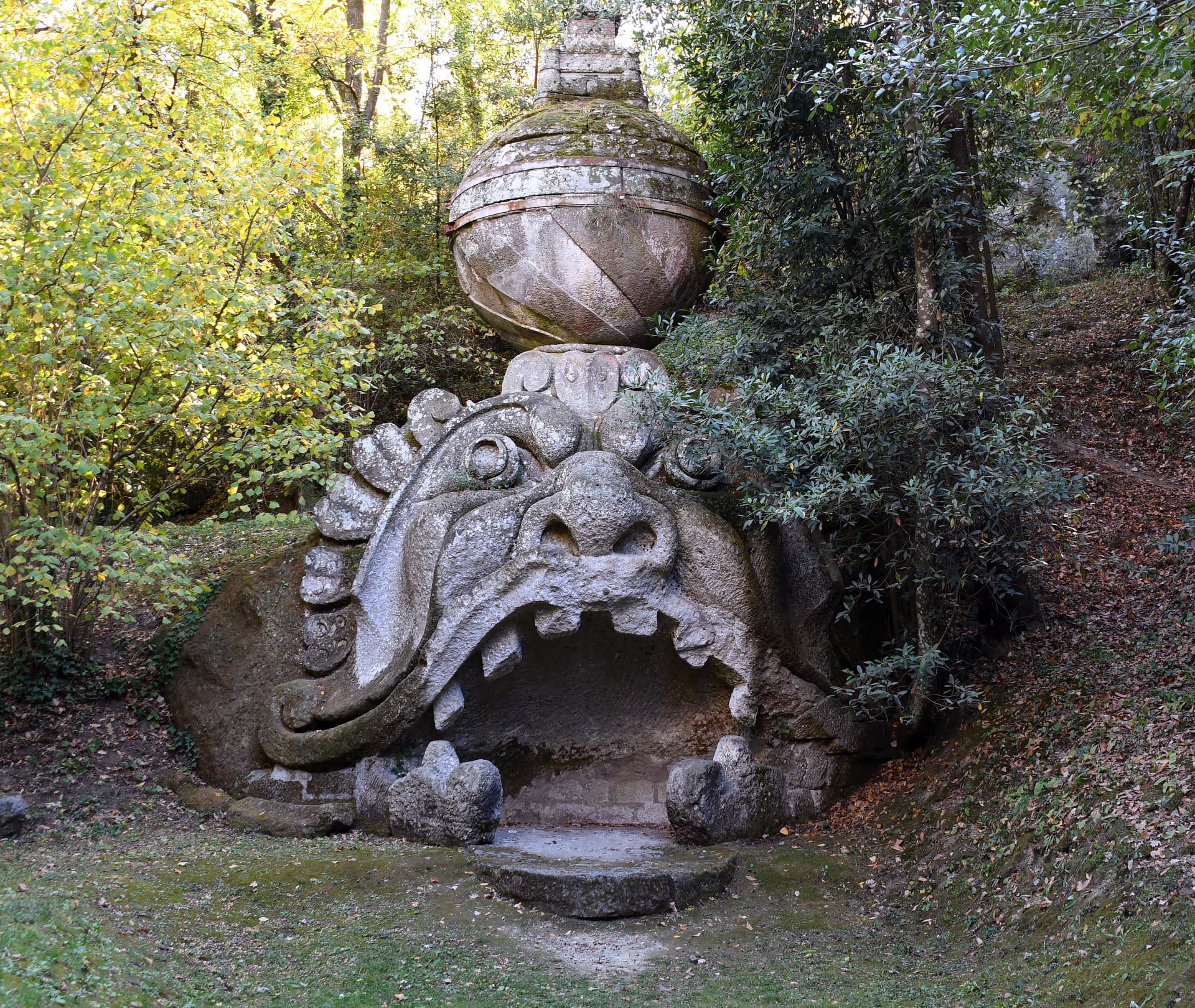
Bomarzo
Province: Viterbo
The Tuscia village below the Sacro Bosco, the 16th-century stone-monster garden built by a grieving condottiero for his dead wife.
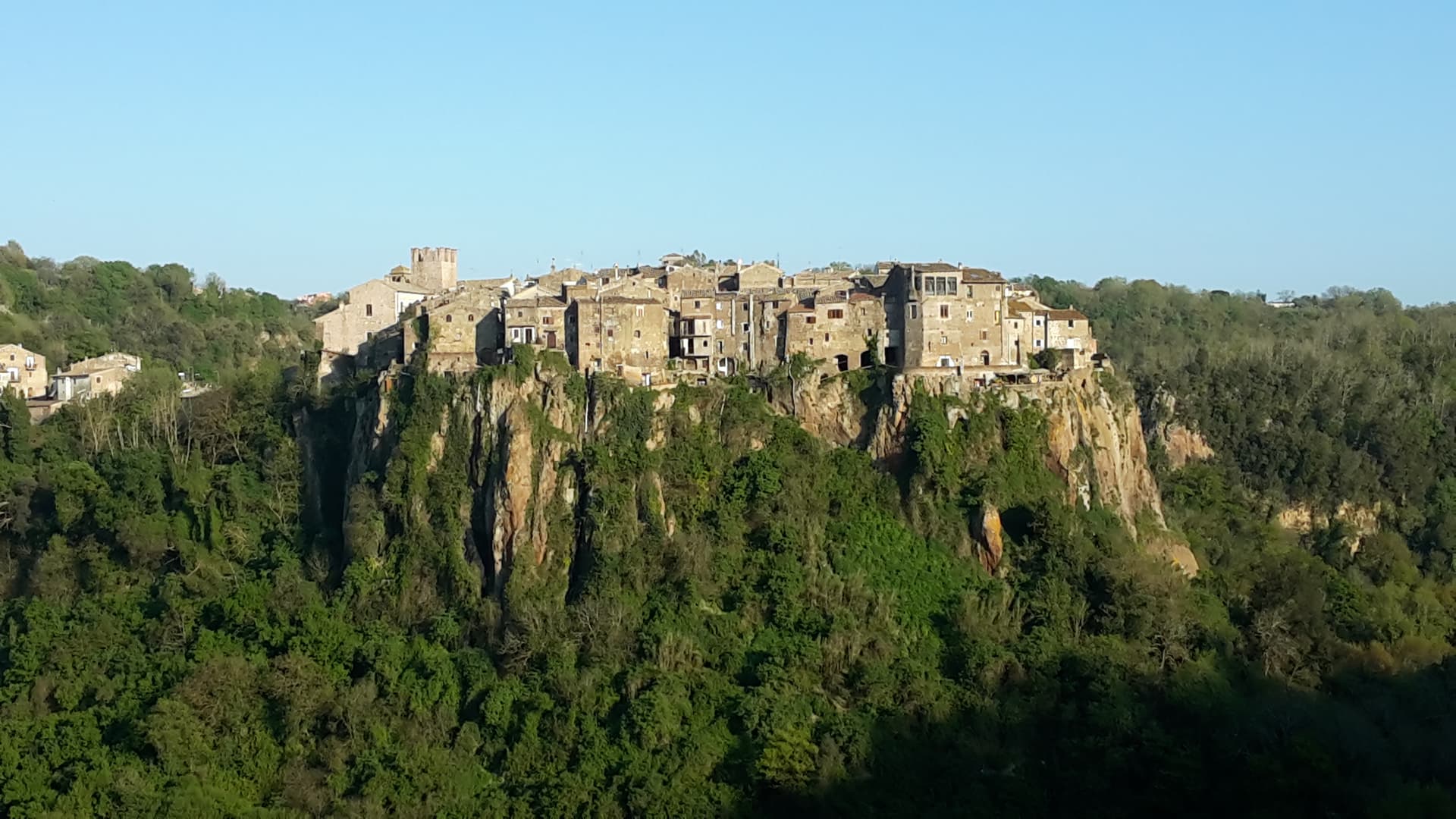
Calcata
Province: Viterbo
A tufa-cliff village forty kilometers north of Rome, condemned and abandoned in the 1930s, then occupied by artists and never left.
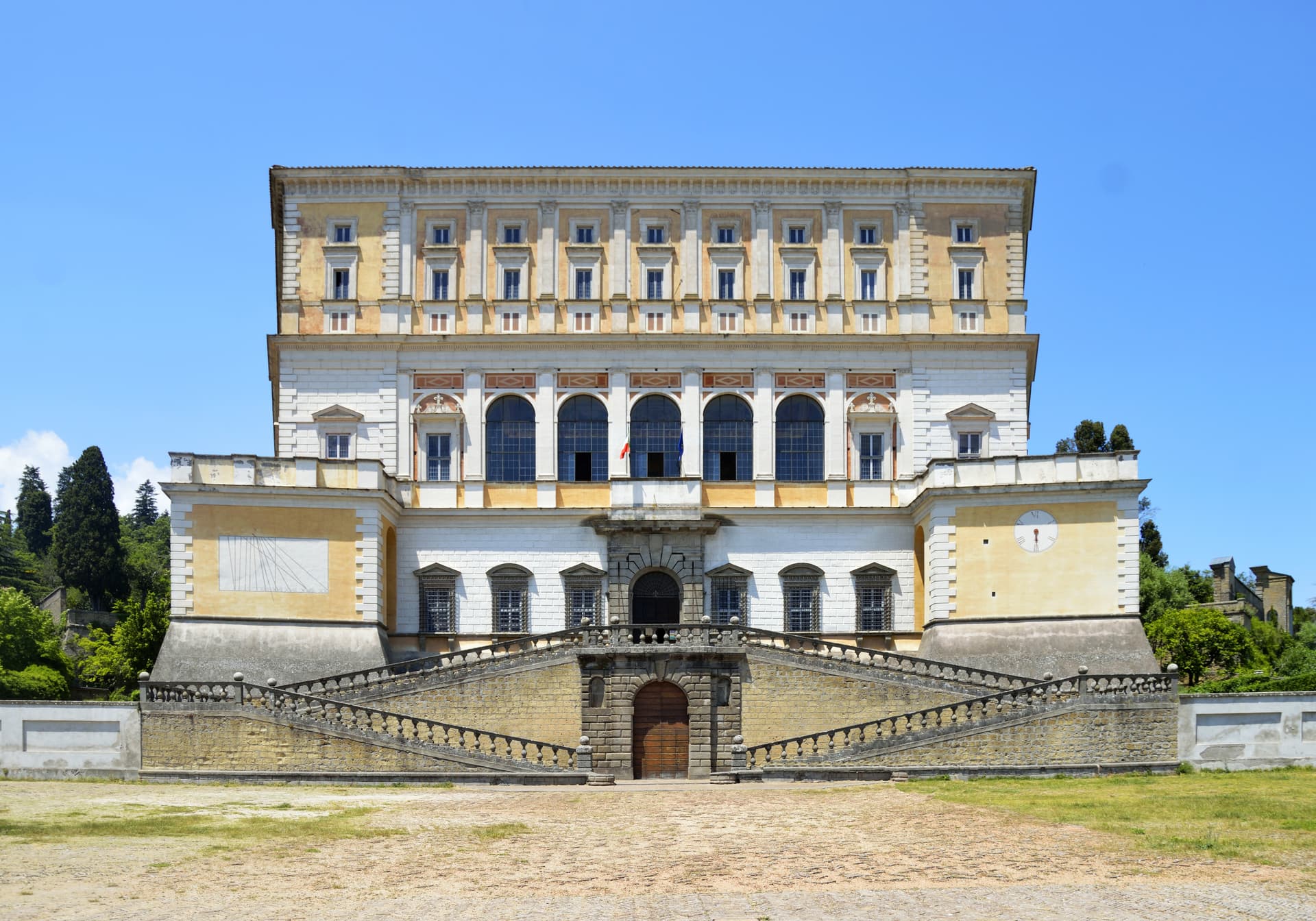
Caprarola
Province: Viterbo
A Cimini hill town above Lago di Vico, dominated by the pentagonal Villa Farnese that Vignola built for the Farnese cardinals between 1559 and 1573.