

Lazio · Viterbo
Caprarola
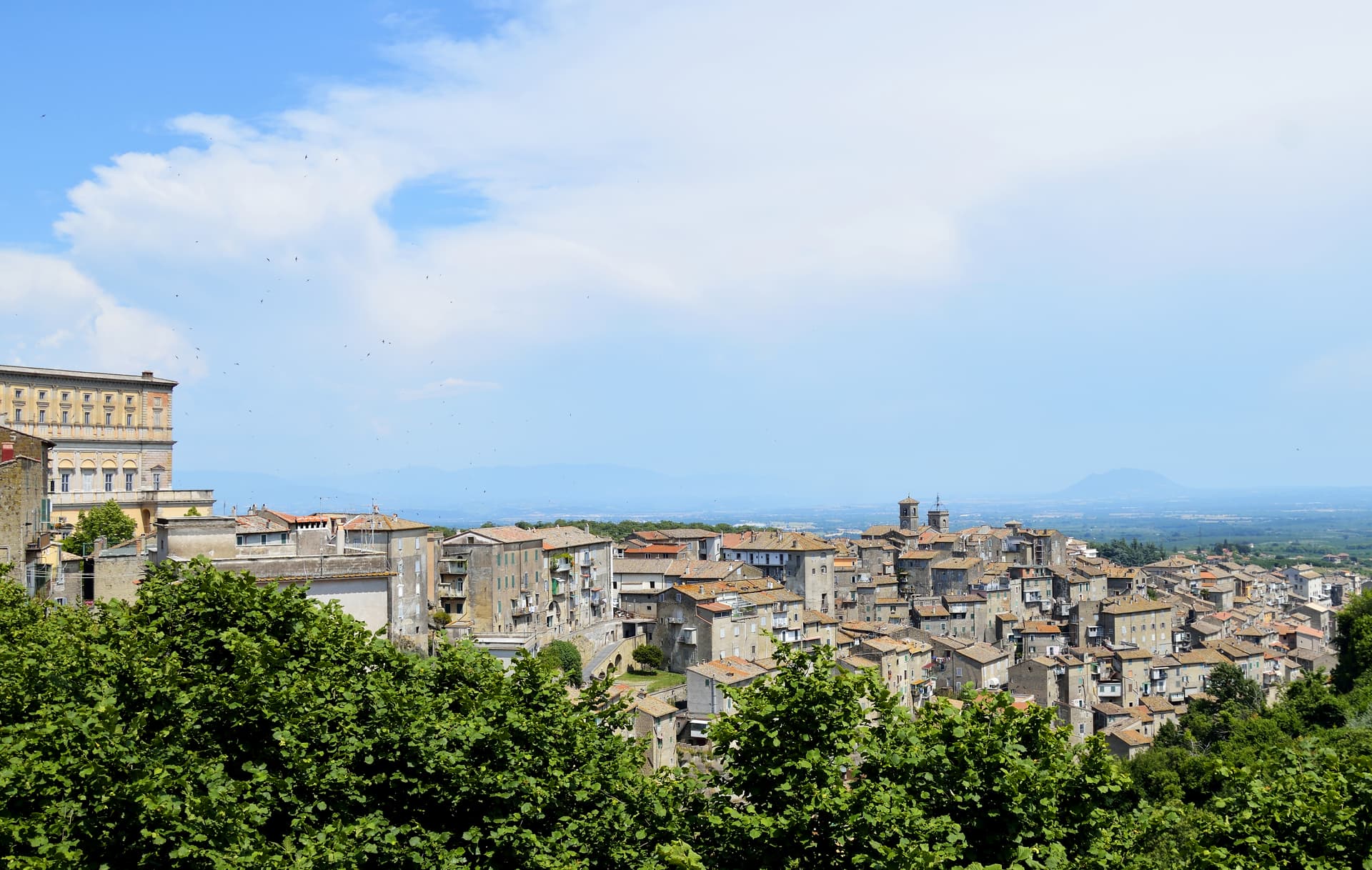
A Cimini hill town above Lago di Vico, dominated by the pentagonal Villa Farnese that Vignola built for the Farnese cardinals between 1559 and 1573.
Known for
VILLA FARNESE
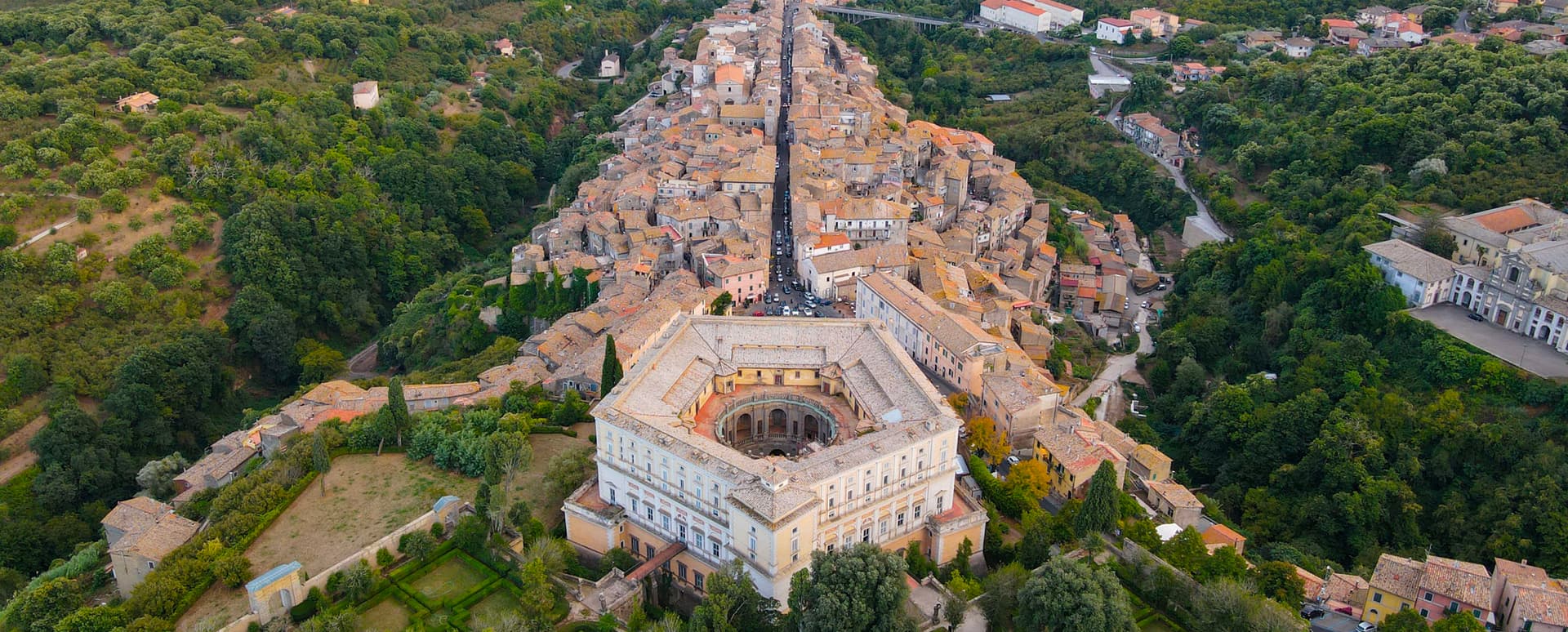
Pentagonal Mannerist palace by Vignola, 1559-1573, with circular colonnaded courtyard and Zuccari frescoes; the model for the Pentagon.
LAGO DI VICO
Volcanic crater lake at 510 meters, one of the highest in Italy, ringed by chestnut and beech and protected as a regional reserve.
NOCCIOLA E CASTAGNA
Hazelnut and chestnut town in the Cimini volcanic soils, member of both the Città della Nocciola and Città del Castagno networks.
When to visit
Best · Apr–Oct
- J
- F
- M
- A
- M
- J
- J
- A
- S
- O
- N
- D
- Best
- Hot or crowded
- Quiet
- Mostly closed
The festa: Egidio, 1 September
Why come
Caprarola stands at about 510 meters on the volcanic slopes of the Cimini, six kilometers east of Lago di Vico. The town is built on a single axis that climbs from the lower village to the Villa Farnese, the pentagonal Renaissance palace that organises everything below it. Antonio da Sangallo the Younger designed the original fortress in 1530; after Sangallo's death the work was suspended, and Cardinal Alessandro Farnese the Younger reassigned it to Vignola in 1559.
Vignola kept the pentagonal plan but turned it from a fortress into a Mannerist residence, with a circular colonnaded courtyard at its center, a scala regia spiraling between floors and the fresco cycles of the Zuccari brothers. The plan was the model later copied for the Pentagon in Washington. Behind the villa, the Giardini Farnese climb into the chestnut and beech woods of the Cimini. Caprarola is part of the Città della Nocciola and Città del Castagno networks, a recognition of the volcanic soils that produce both.
The Sunday letter
We haven’t written Caprarola’s letter yet.
One town every Sunday, with the photo, the food, the festa. Be there when this one comes up. Free, by Peter & Sophia from Pietrasanta.
By subscribing you agree to Substack’s Terms of Use, our Privacy Policy and our Information collection notice.
What to see
Villa Farnese
Pentagonal Mannerist palace by Vignola, built 1559-1573 on Sangallo's earlier fortress plan, with a circular colonnaded courtyard.
Giardini Farnese
Sixteenth-century formal garden and casino di caccia behind the villa, climbing into the chestnut woods of the Cimini.
Lago di Vico
Volcanic crater lake at 510 meters, one of the highest of the major Italian lakes, shared with Ronciglione.
Monte Venere and Cimini
Wooded volcanic ridges around the lake, with chestnut and beech forest and marked trails inside the Riserva Naturale del Lago di Vico.
Chiesa di Santa Teresa
Late-sixteenth-century church on the lower axis of the town, part of the Farnese reordering of the village layout.
The slow-trip planner
Building a trip? Find where Caprarola fits in a slow Italy circuit.
Answer five questions. We will shape a geographically coherent slow trip from the 1,000 Italian towns most travelers skip. Yours to save and share.
We recommend
Where to eat and stay
Not our picks, but places the guides put their name to — a Michelin star, a Gambero Rosso fork, a Slow Food snail, a Michelin Key for the hotels. Worth a table, a counter, or a night when you pass through.
Trattoria del CiminoTrattoria
Three Gambero Rosso prawns for Trattoria del Cimino, along with a Slow Food snail and a spot in the Michelin Guide.
Vineria Vignola Salumeria e cucinaWine Bar
Vineria Vignola Salumeria e cucina has two Gambero Rosso bottles to its name.
Living here
- Population 5,155
- Commuter belti
- Pharmacy in town
- High school within a 30-minute drive
- Nearest airport Rome, 1 h 40 min drive
- Regional capital Roma, 1 h 10 min drive
Tags & datadesignations · numbers · sources
The numbers
- Elevation: 510 m
- Population: 5,155
- Surface area: 57.58 km²
These figures were compiled from public directories — ISTAT, OpenStreetMap, Wikidata — and from the official listings of the guides named on this page. Town details change; verify with official sources before you travel.
Close by
More towns near Caprarola
Ronciglione
Province: Viterbo
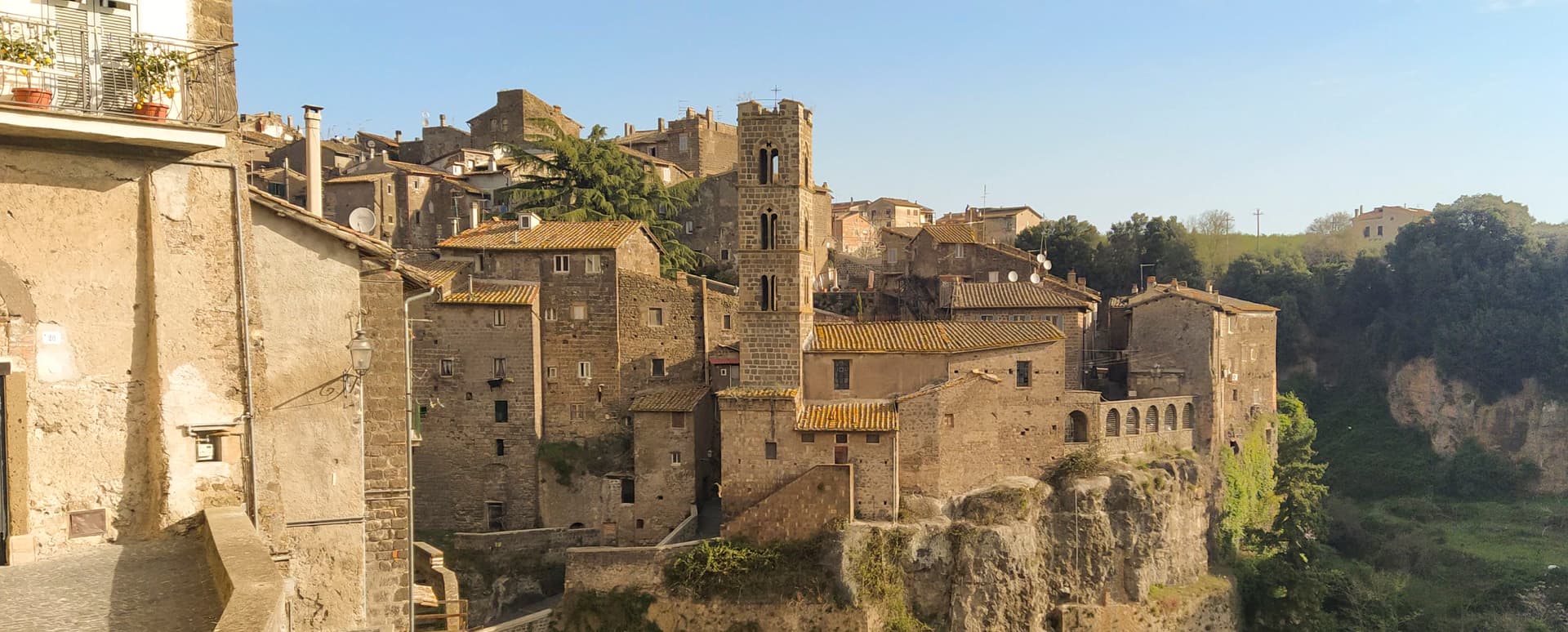
A tufa-brick borgo above Lake Vico at 441 meters, fortified by the Prefects of Vico and crowned Borgo dei Borghi in 2023.
Sutri
Province: Viterbo
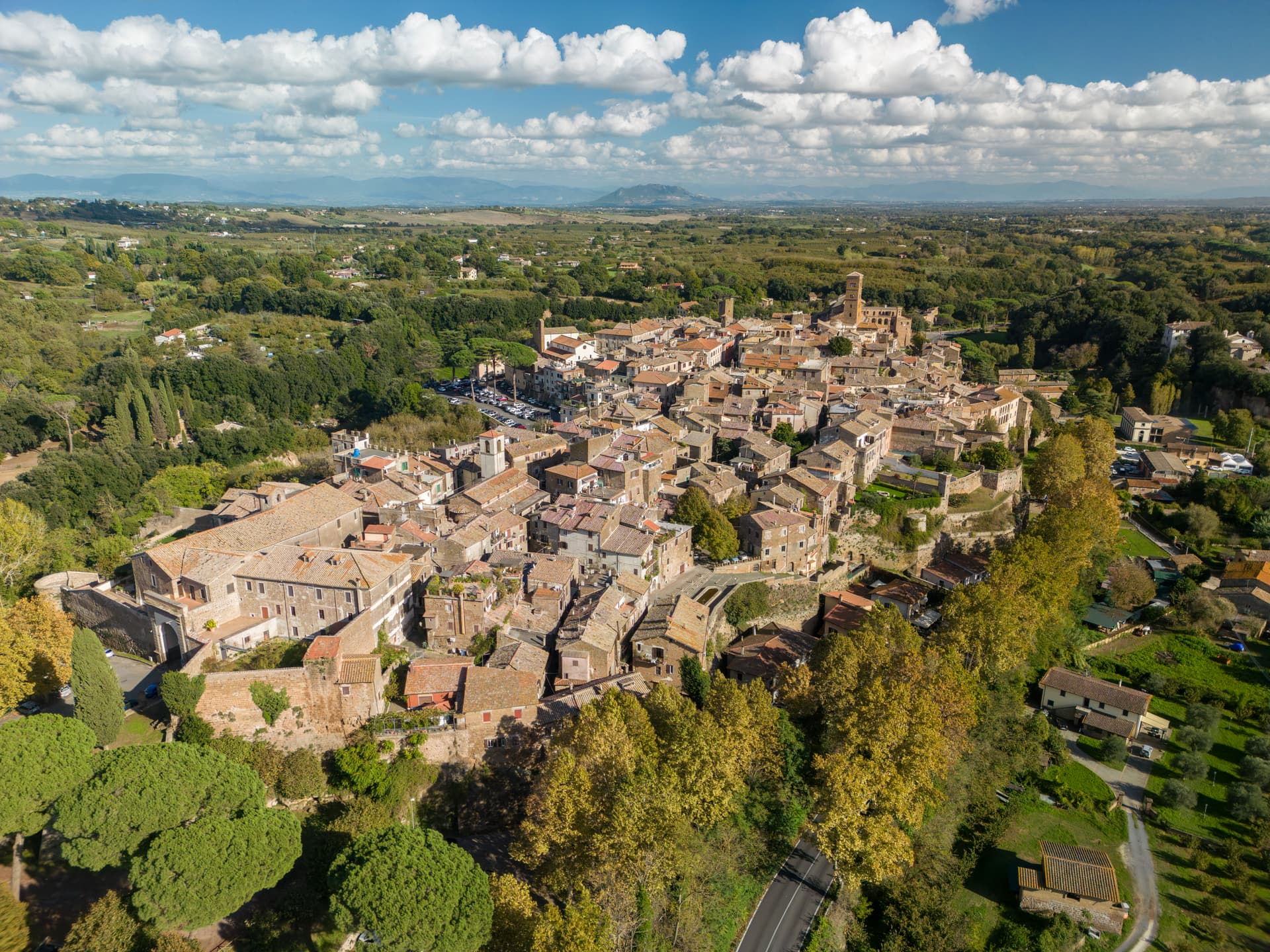
An Etruscan and Roman town on a tuff spur, with a rock-cut amphitheater carved straight from the volcanic stone of the Cimini.
Capranica
Province: Viterbo
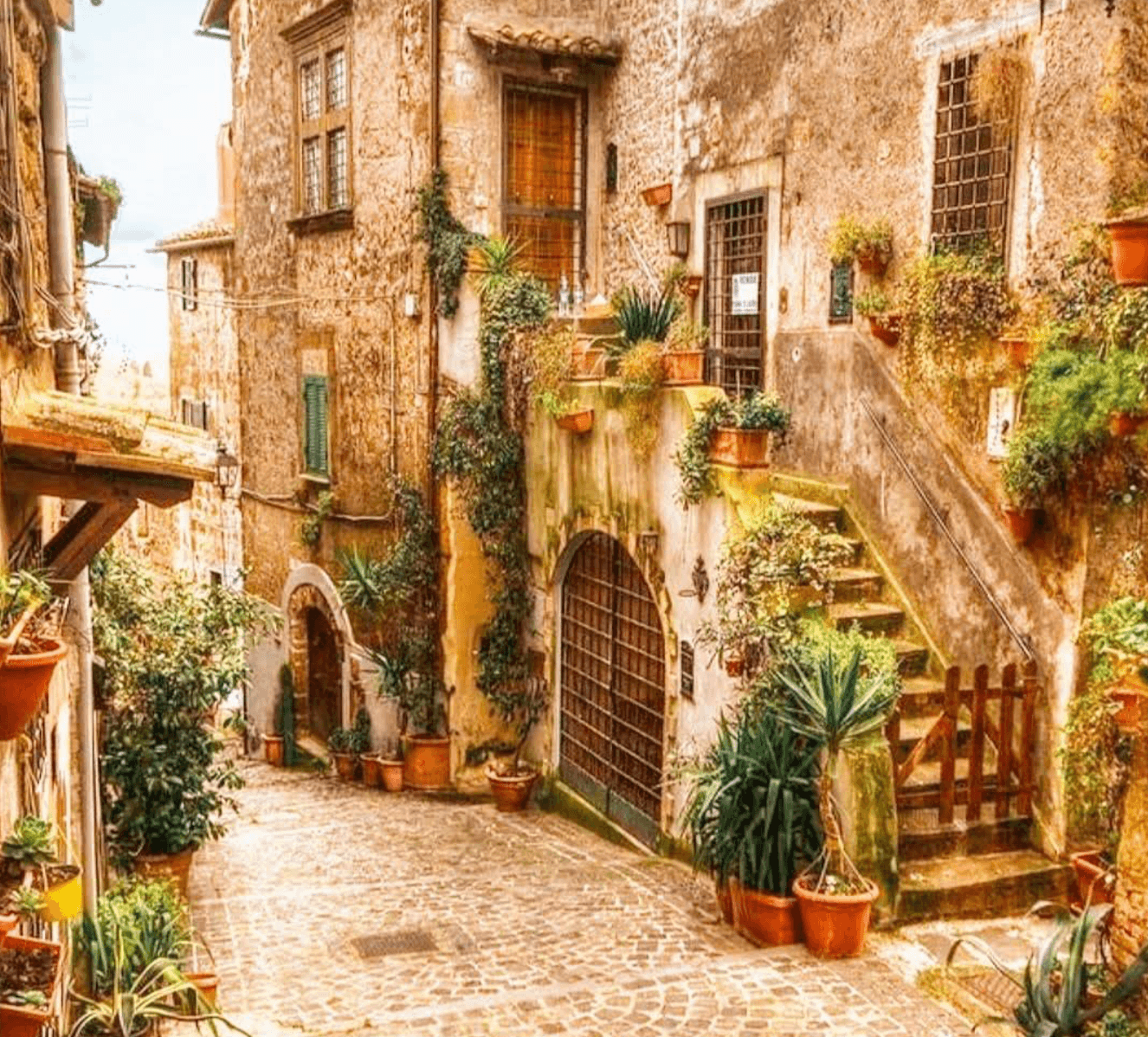
A medieval hill town on the old Via Cassia, taken by the Anguillara family in 1305 and remembered as the place Petrarch stayed in 1337.
Trevignano Romano
Province: Roma
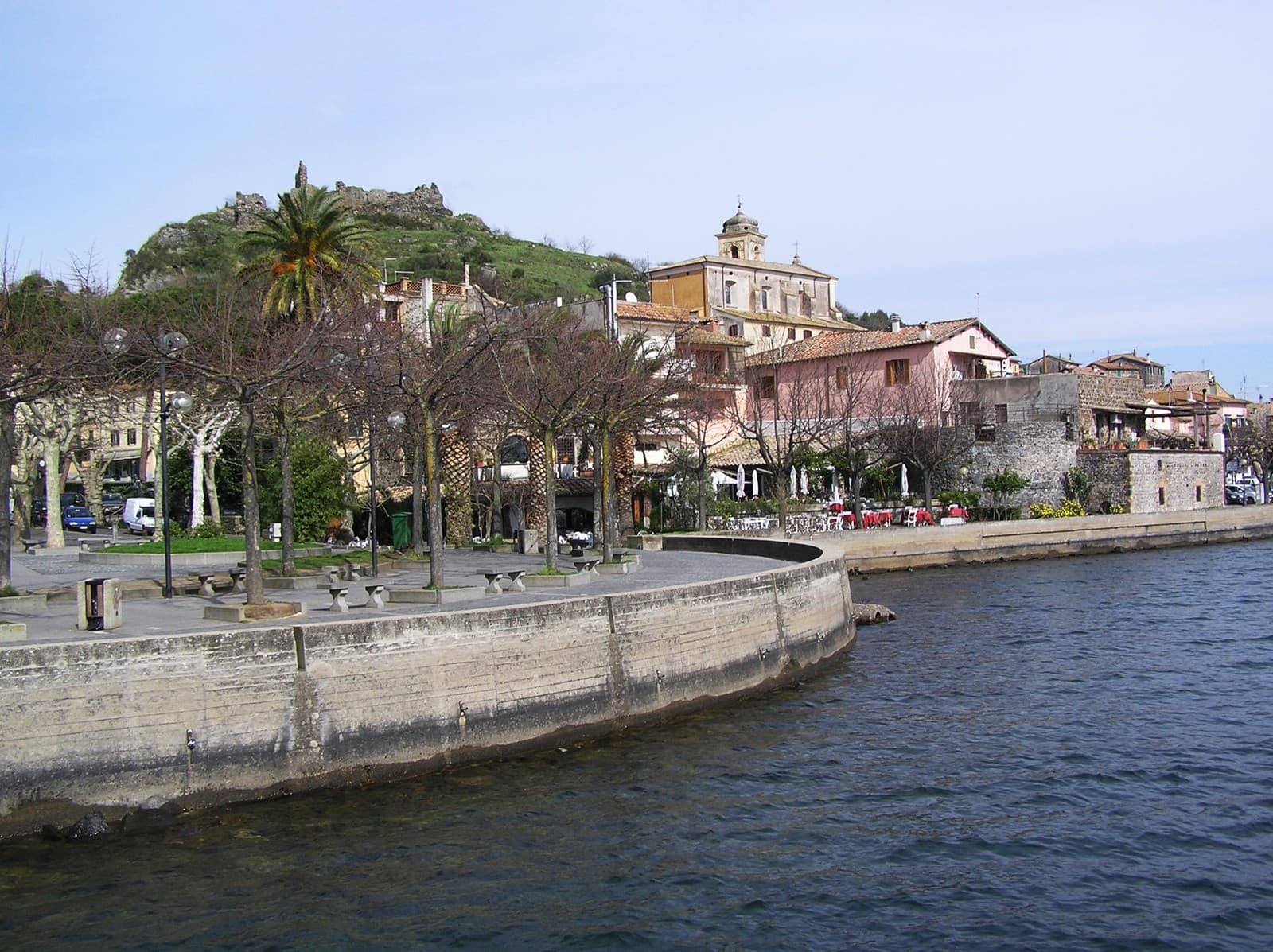
A volcanic-crater lake town on the northern shore of Bracciano, thirty-five kilometers from Rome, with a medieval rocca above the water.
Oriolo Romano
Province: Viterbo
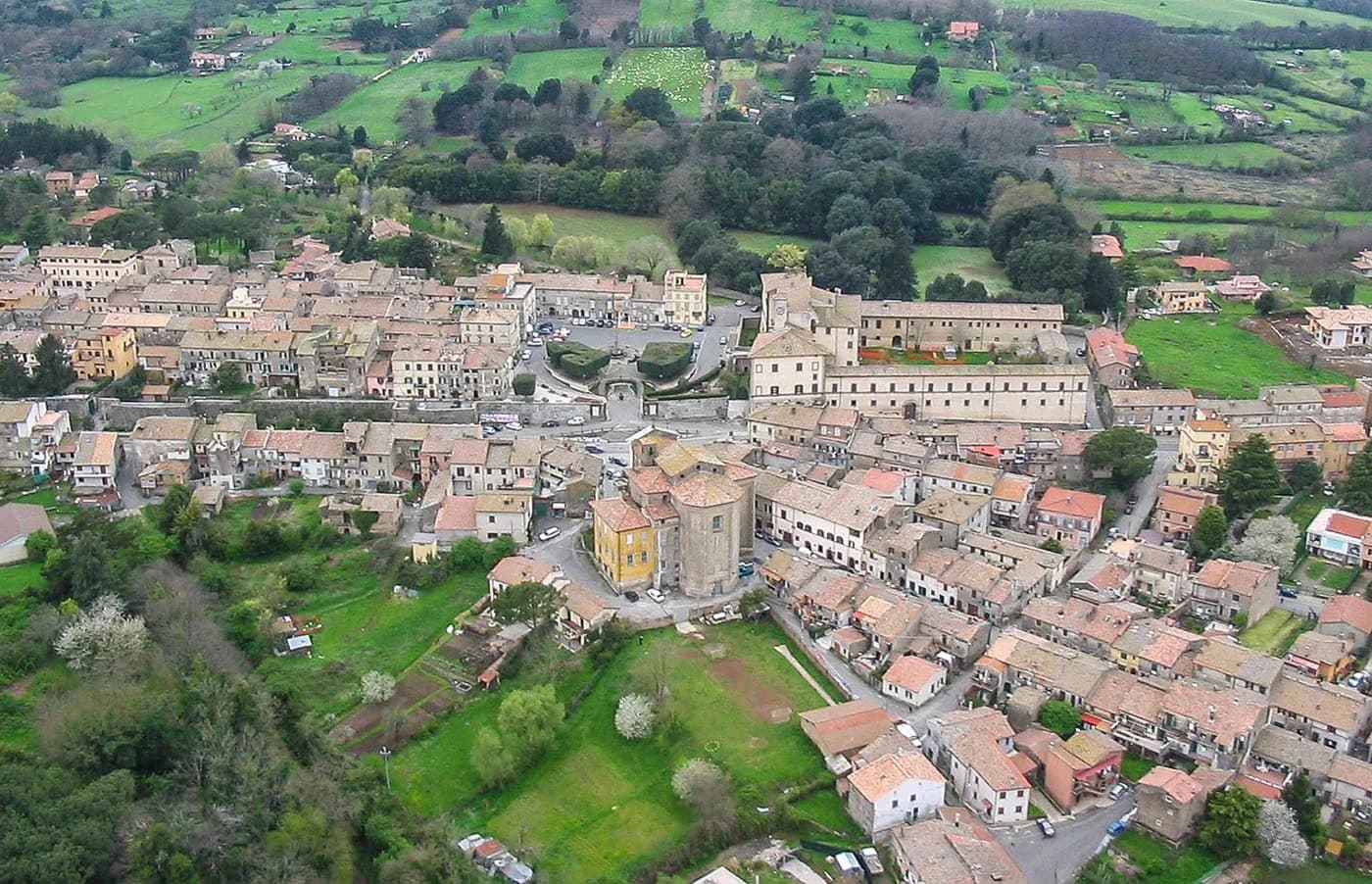
A planned sixteenth-century village in the Sabatini hills, founded in 1560 by a Santacroce nobleman next to the UNESCO beech forest of Monte Raschio.
🟠 Bandiera Arancione
More Bandiera Arancione towns in Lazio
Arpino
Province: Frosinone
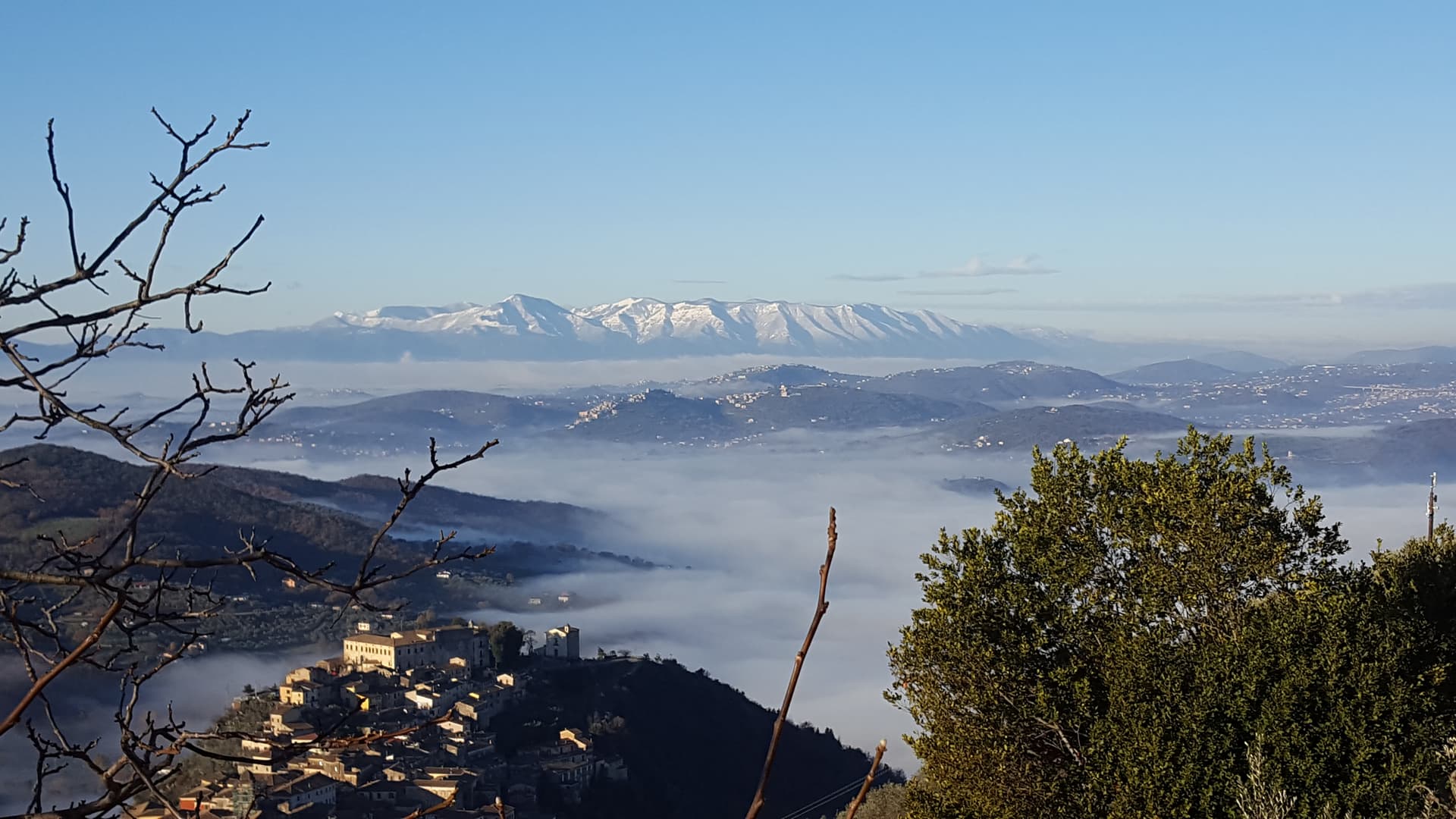
The Volscian-Roman hill town in the Liri valley that produced Marius and Cicero, with a pre-Roman acropolis above the modern center.
Bassiano
Province: Latina
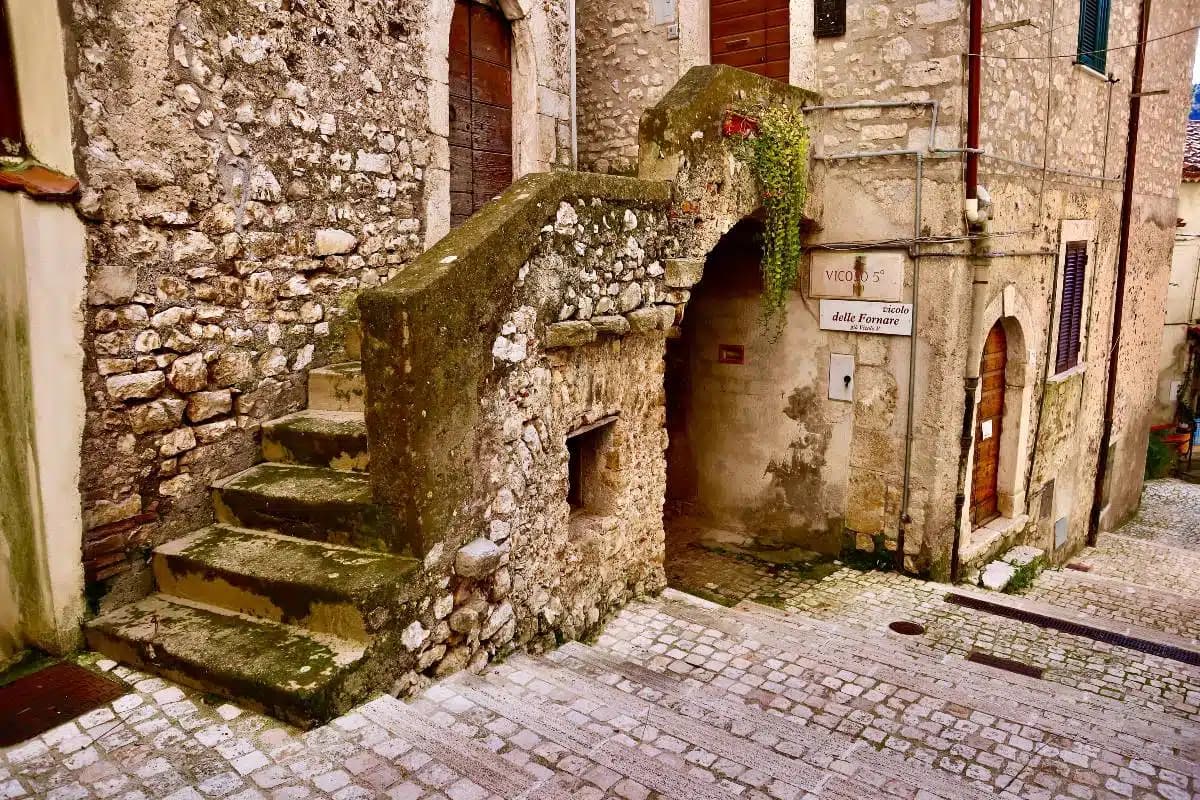
The highest village in the province of Latina at 562 meters, birthplace of Aldo Manuzio, who shrank the book to pocket size.
Bolsena
Province: Viterbo
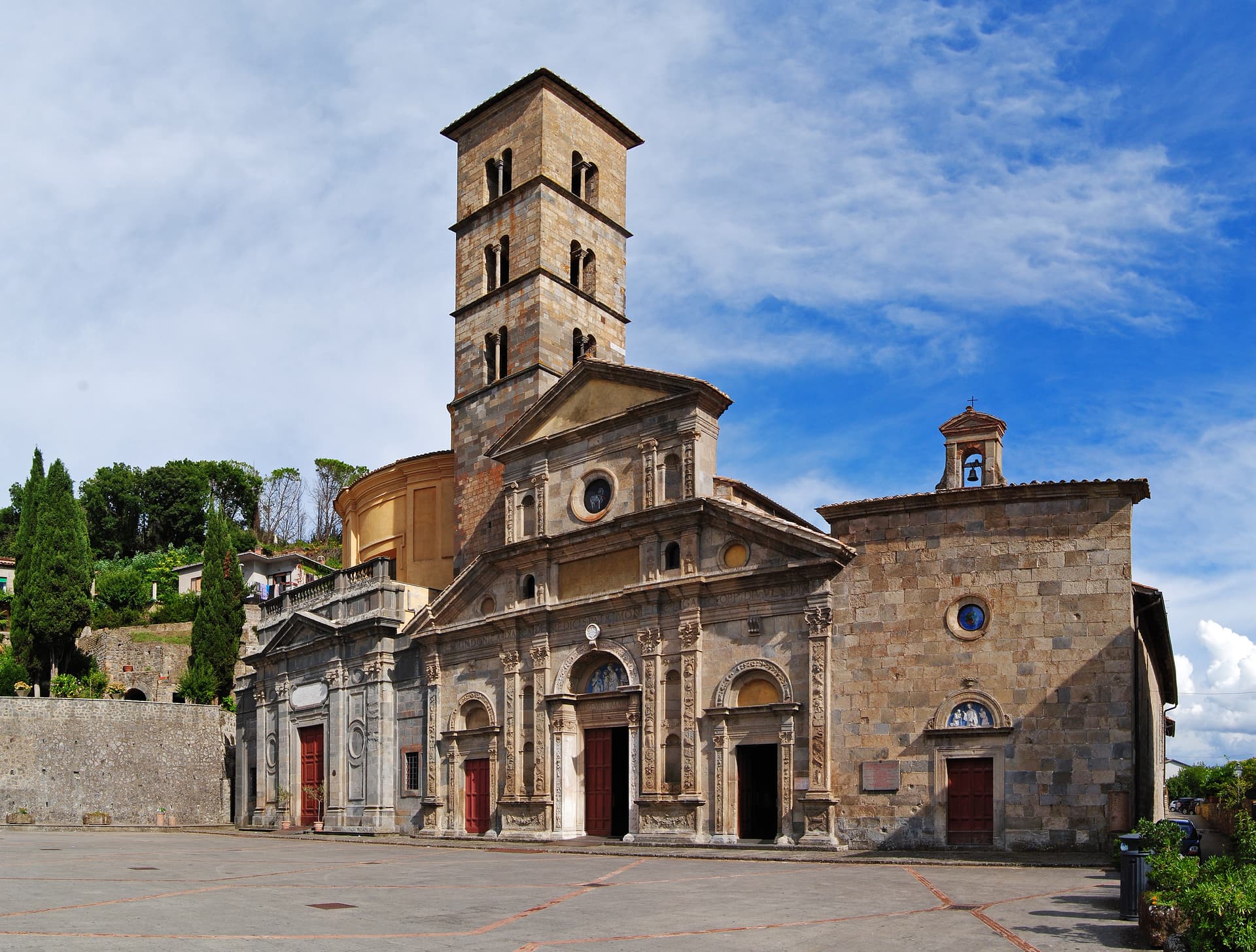
A medieval town at 350 meters on the eastern shore of Europe's largest volcanic lake, where a Bohemian priest reported a Eucharistic miracle in 1263.
Bomarzo
Province: Viterbo
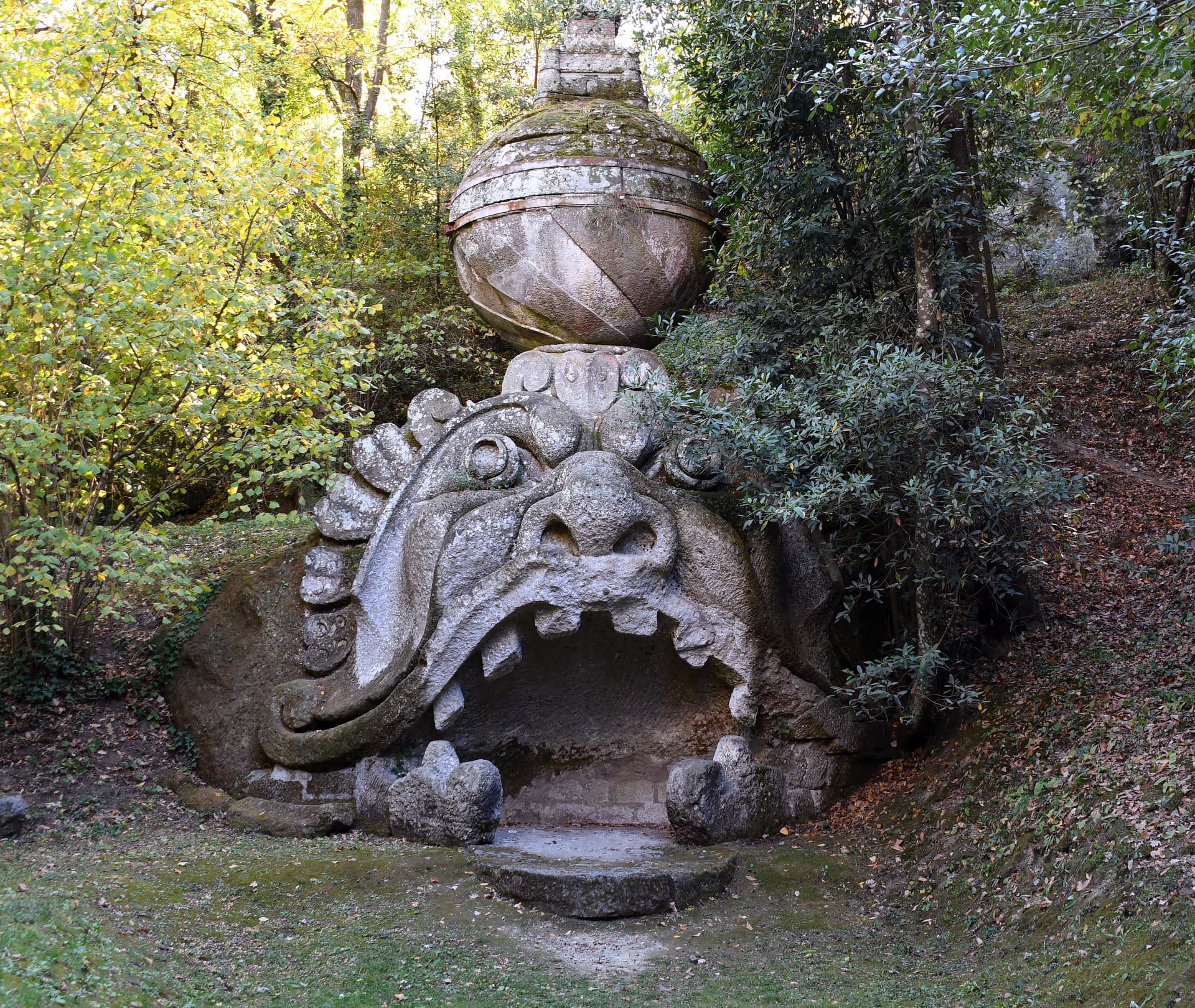
The Tuscia village below the Sacro Bosco, the 16th-century stone-monster garden built by a grieving condottiero for his dead wife.
Calcata
Province: Viterbo
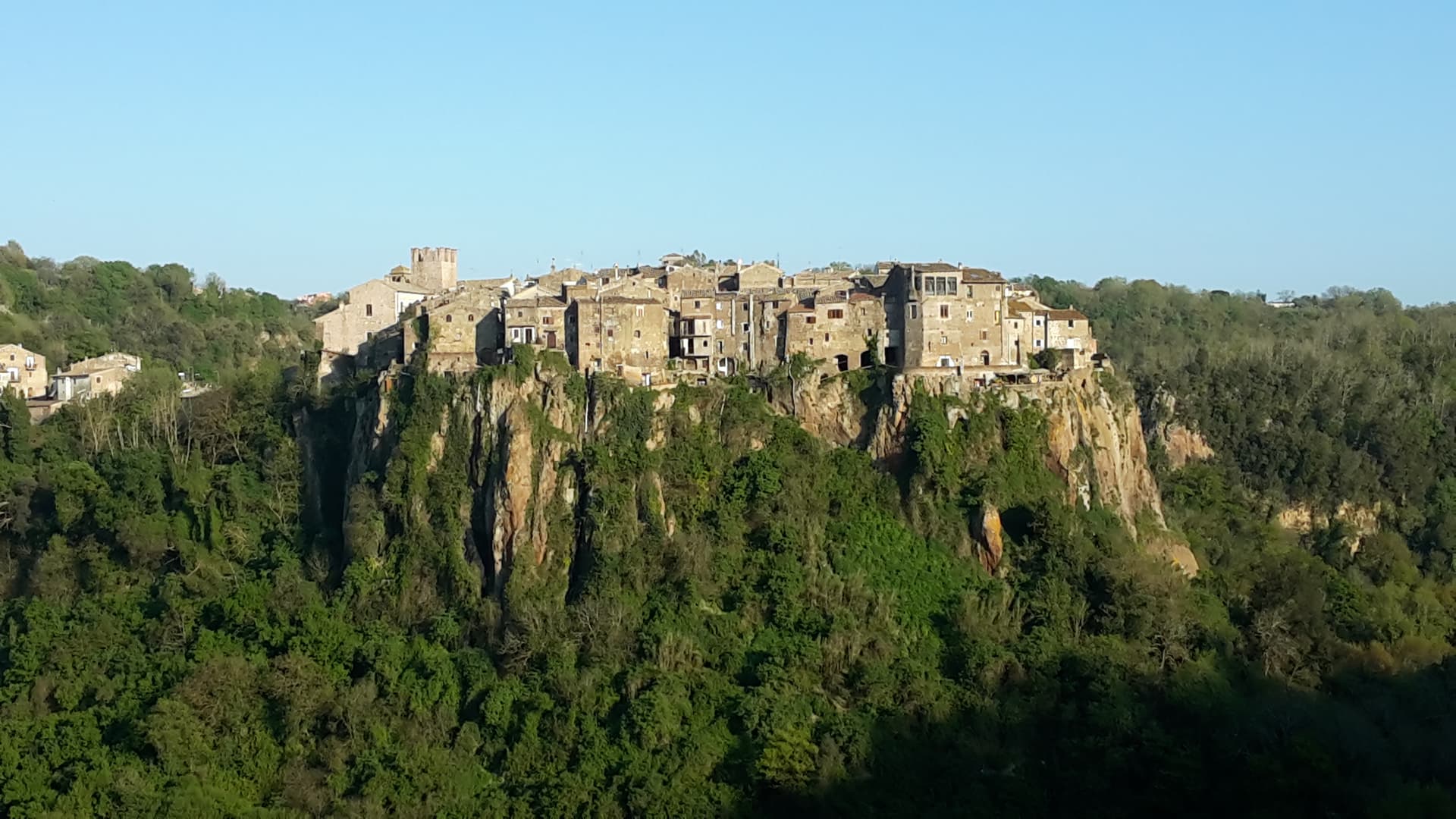
A tufa-cliff village forty kilometers north of Rome, condemned and abandoned in the 1930s, then occupied by artists and never left.