
Designation
Bandiera Arancione
218 towns across 20 regions
Browse by region
Abruzzo4
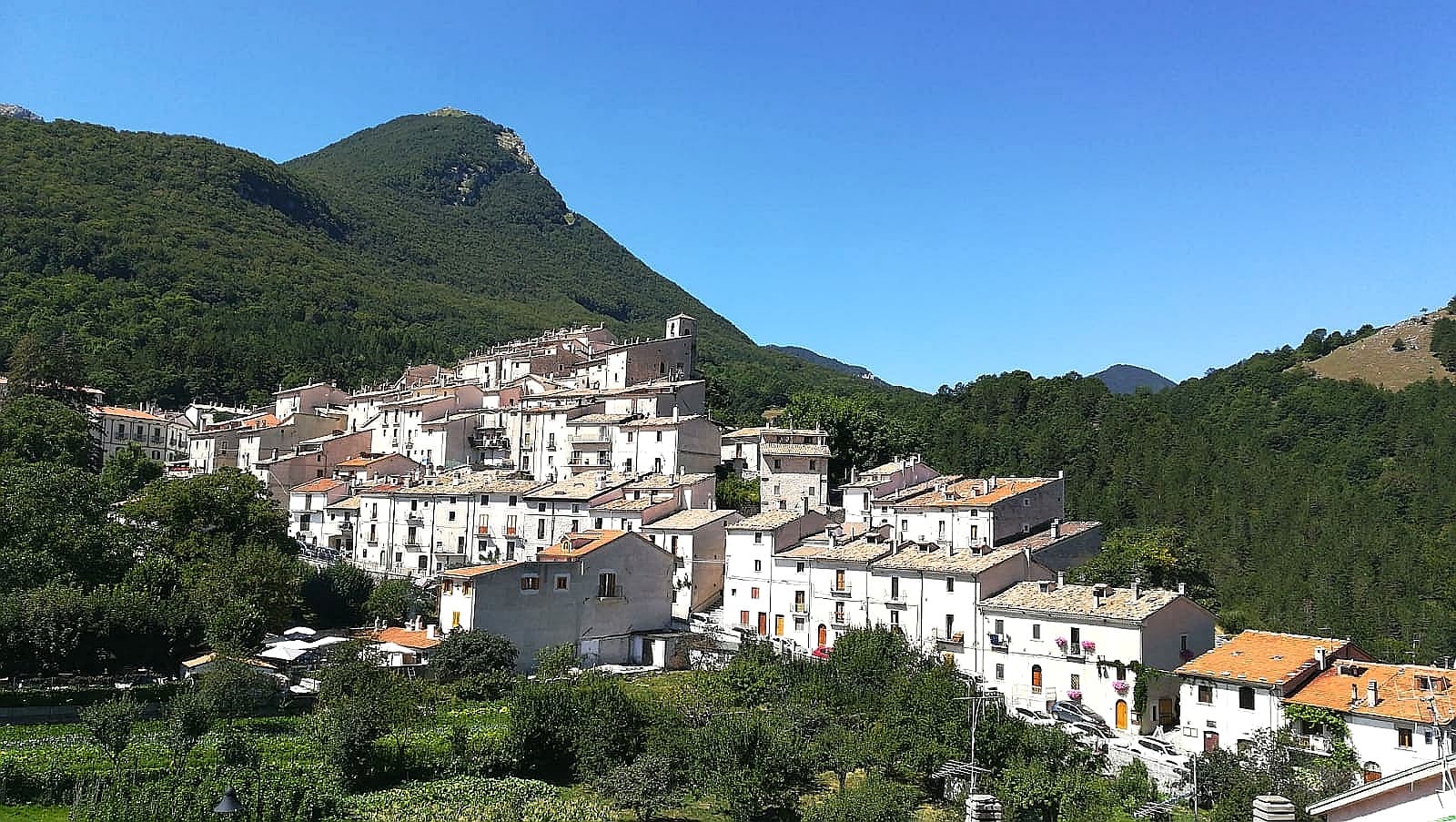
Civitella Alfedena
Province: L'Aquila · 1,123 m
At 1,123 meters above Lake Barrea, 285 residents, the trailhead for the Camosciara reserve and home of the Apennine Wolf Museum.
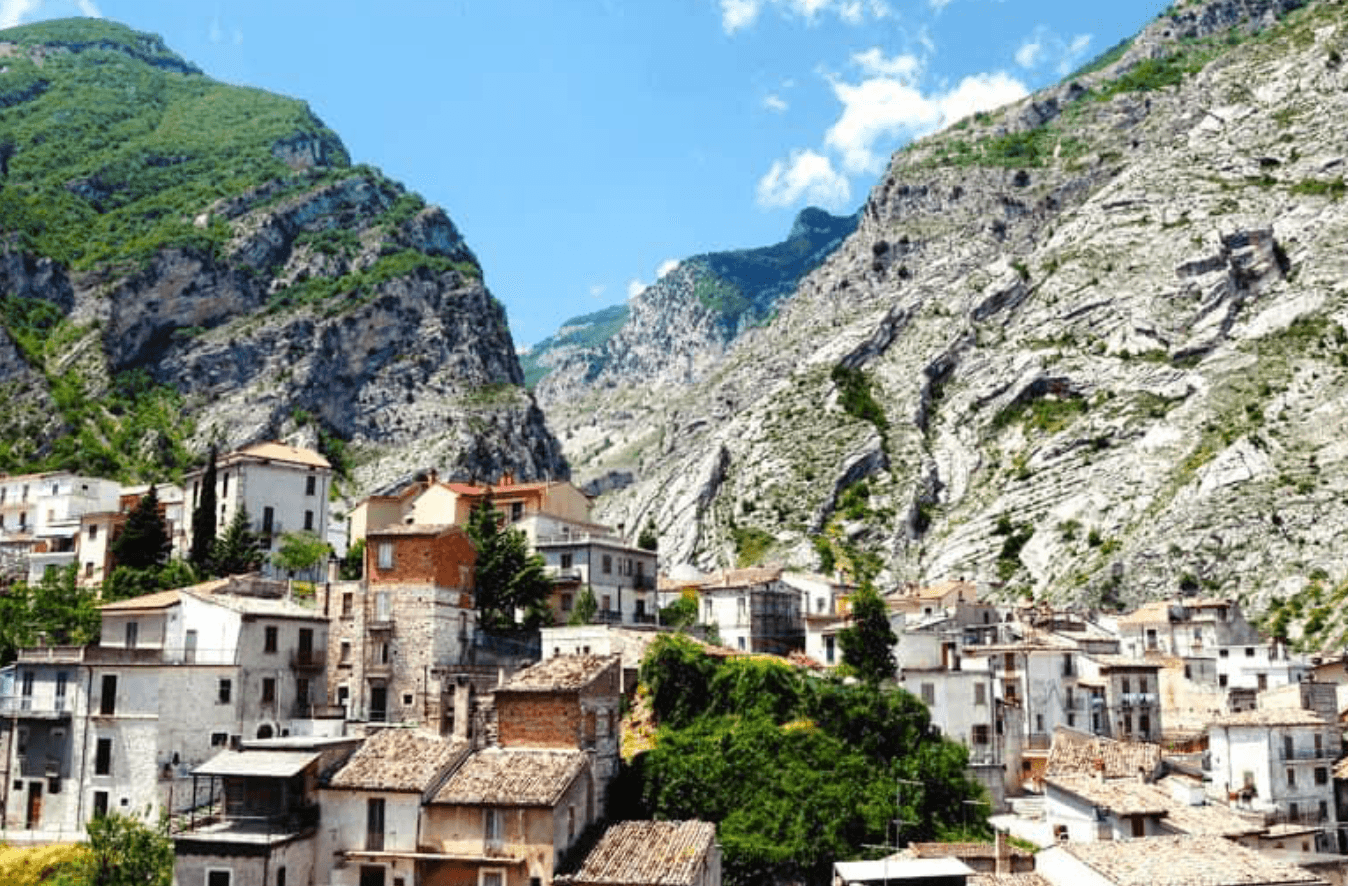
Fara San Martino
Province: Chieti · 440 m
The pasta capital of Italy at 440 meters, where De Cecco was founded in 1886 and the Verde river runs out of a two-meter slot in the Majella wall.
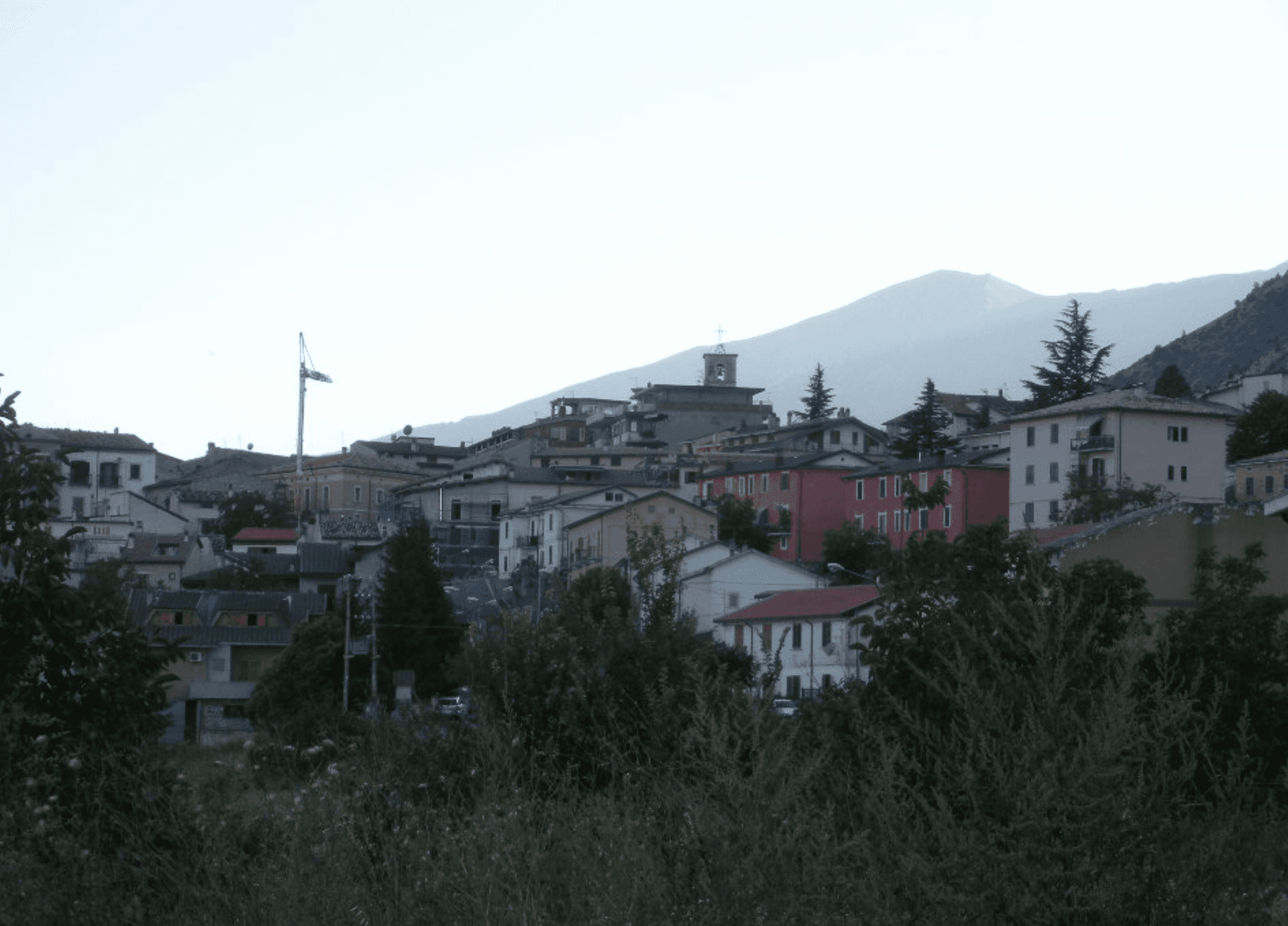
Lama dei Peligni
Province: Chieti · 669 m
A 669-meter Majella village known for chamois, the Cavallone cave, and a prehistoric burial dug from Fonterossi dated 7000 to 5000 BC.
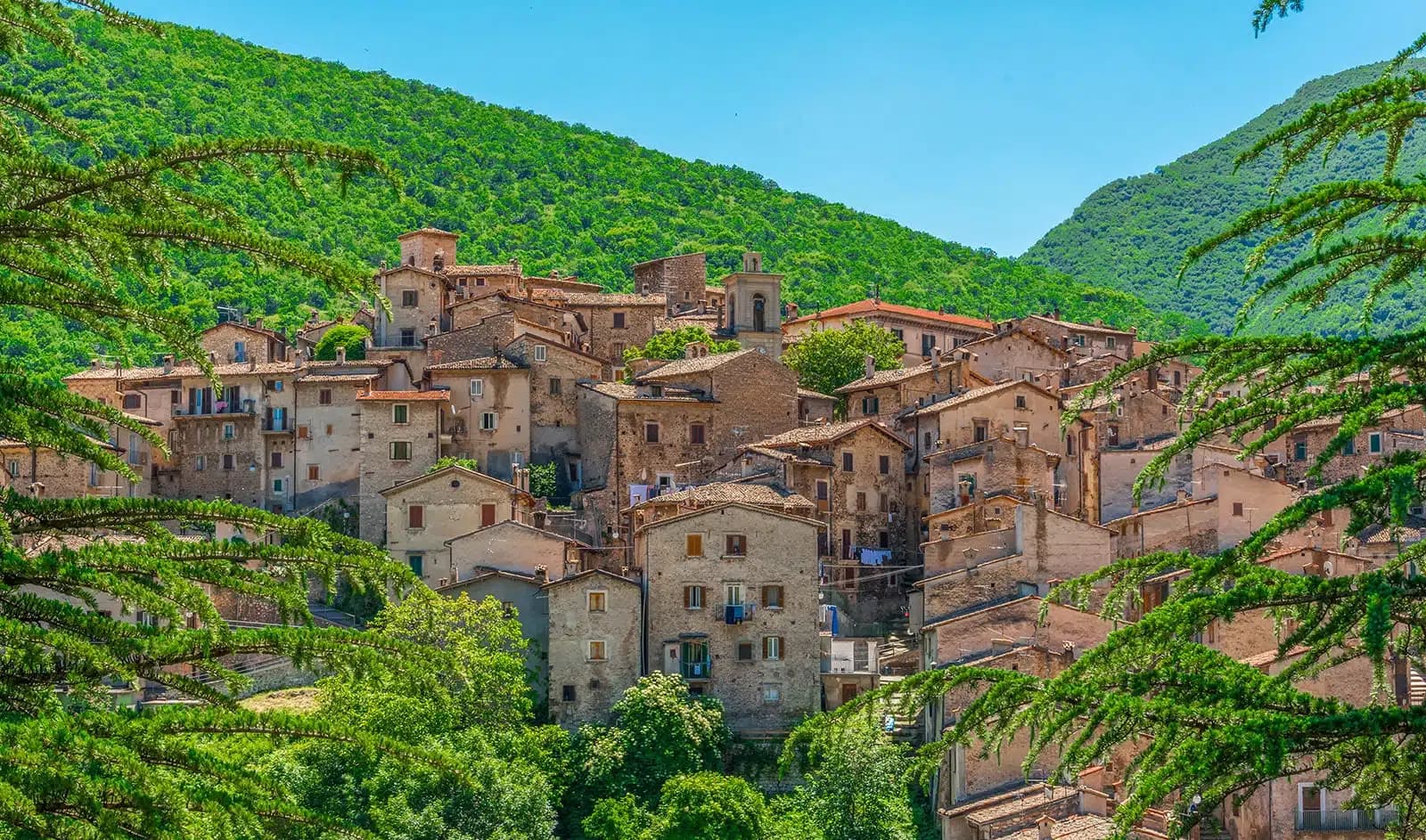
Scanno
Province: L'Aquila · 1,057 m
A 1,057-meter Sagittario valley village photographed by Cartier-Bresson and Giacomelli, where women in black still walk the same alleys as the 1957 series.
Aosta Valley2
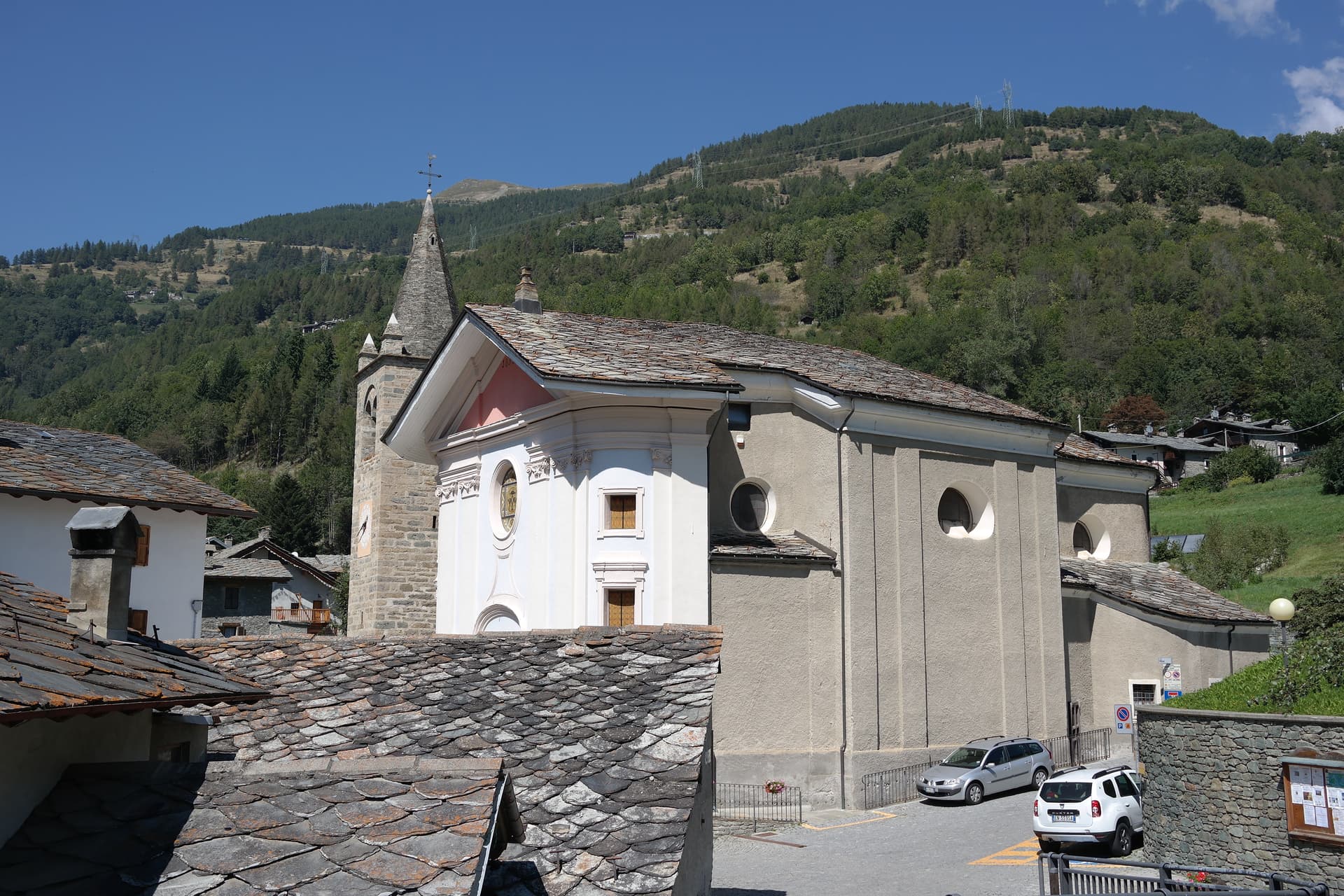
Etroubles
Province: Aosta Valley · 1,280 m
A 478-person village at 1,280 metres on the Via Francigena, with an open-air contemporary art museum and the region's first dairy.
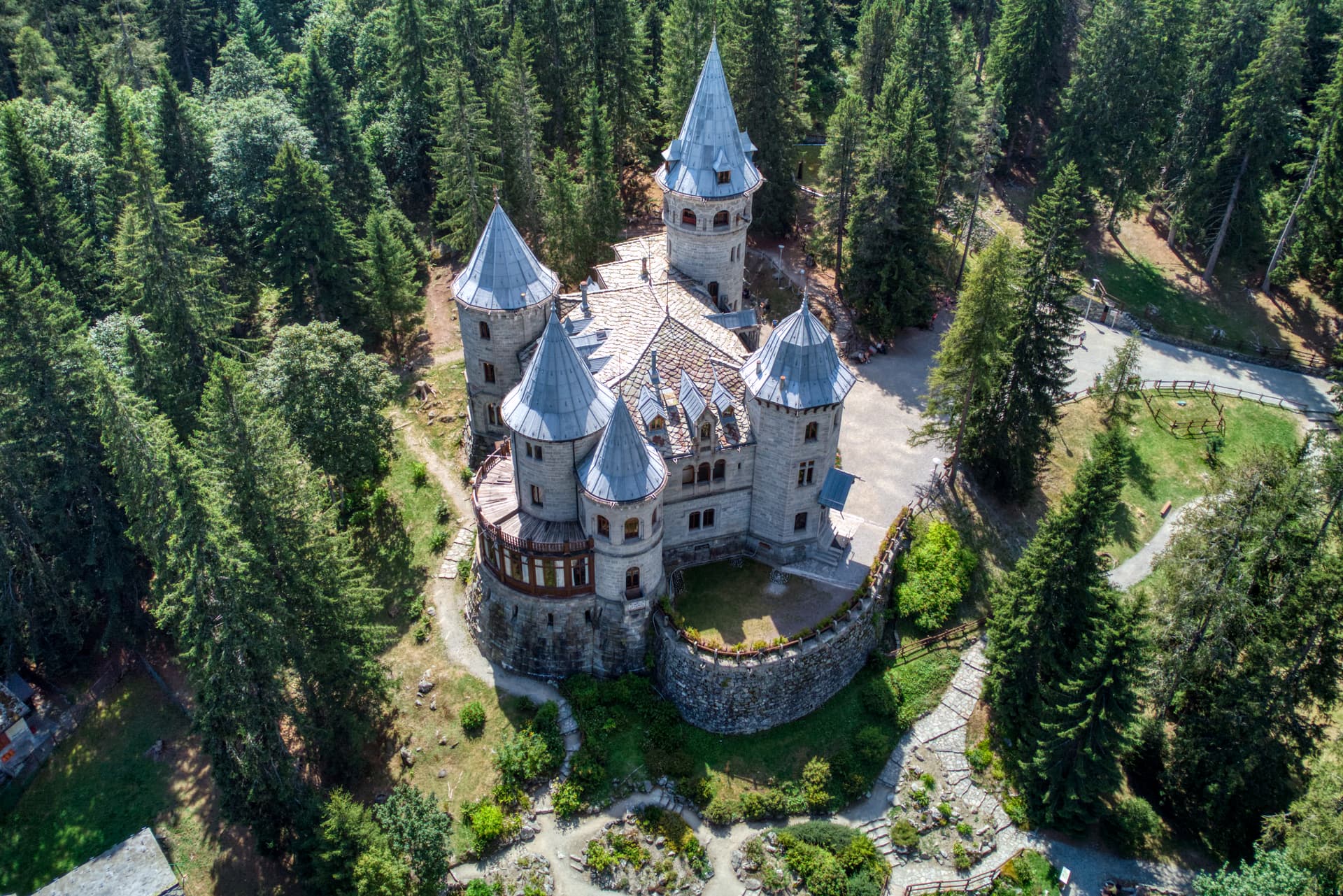
Gressoney-Saint-Jean
Province: Aosta Valley · 1,385 m
A Walser village in the Lys valley where Titsch is still spoken, Queen Margherita summered, and the Lyskamm glacier closes the view.
Apulia8
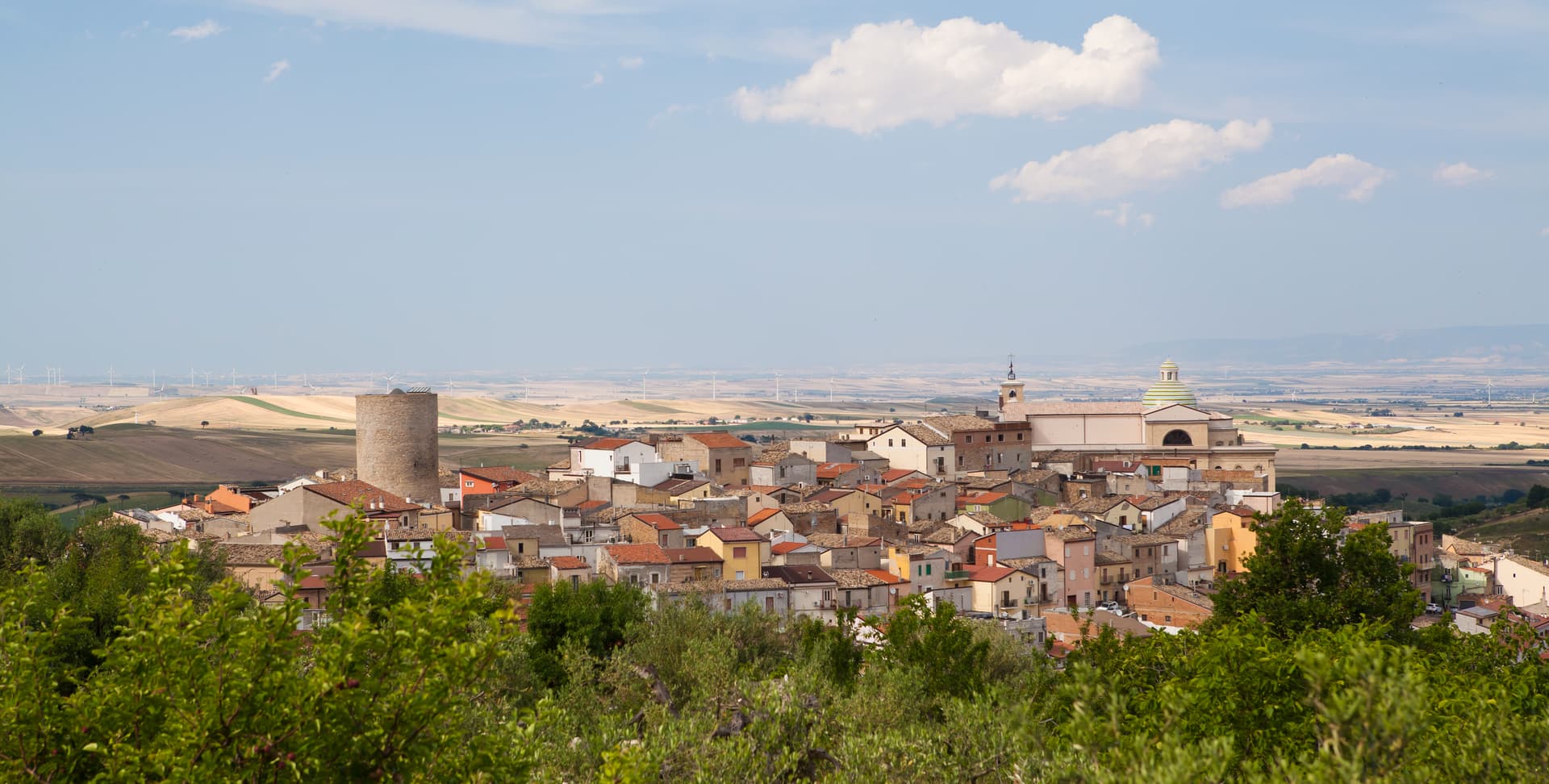
Biccari
Province: Foggia · 450 m
A Subappennino Dauno borgo at 450 meters under Monte Cornacchia, the highest peak in Puglia at 1,151 meters, with a Byzantine tower at its core.
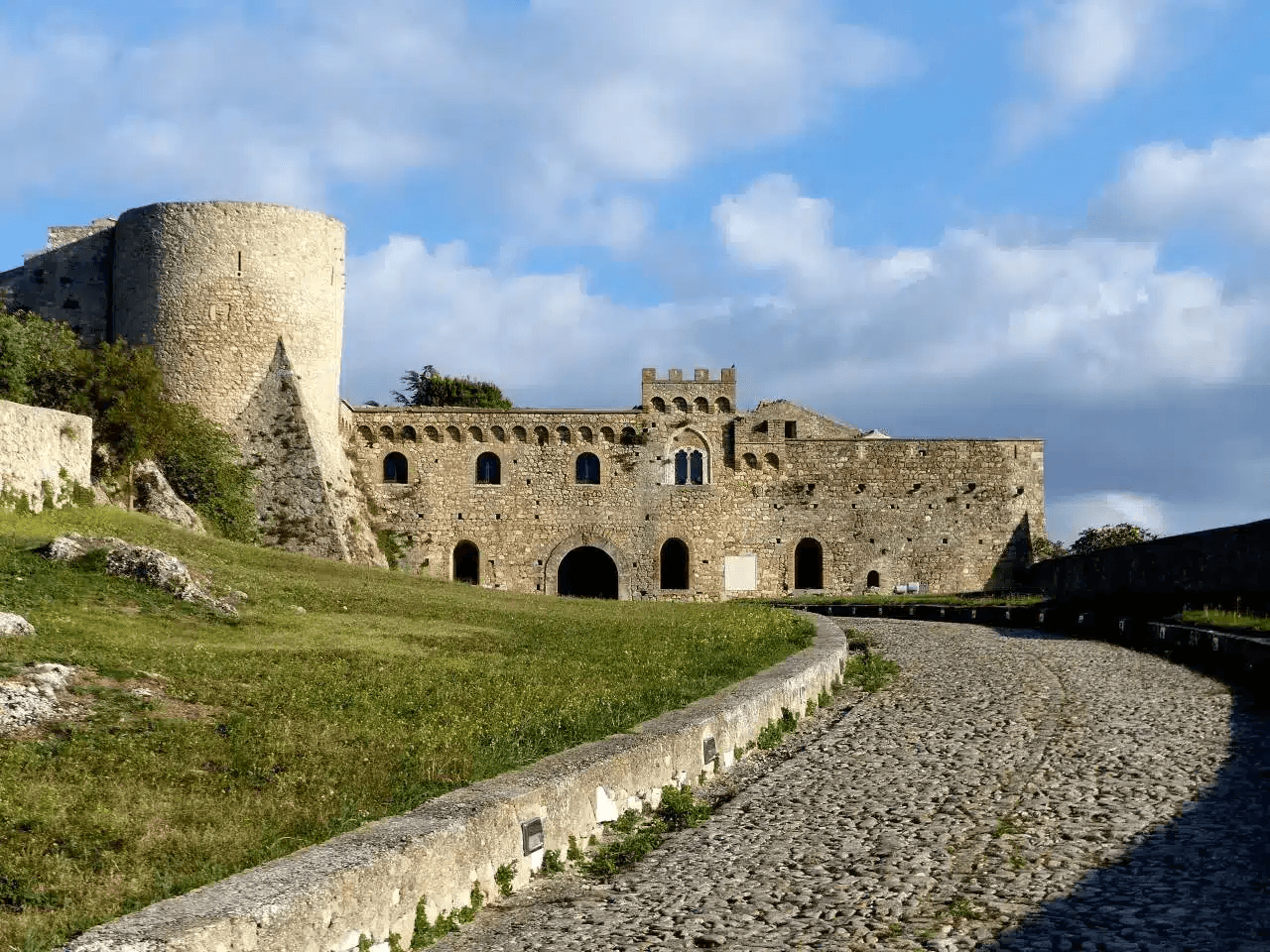
Bovino
Province: Foggia · 646 m
A Daunian Mountains hill town at 646 meters above the Cervaro valley, Roman Vibinum, with a Norman-Swabian castle later turned into a Guevara ducal palace.
Cisternino
Province: Brindisi · 394 m
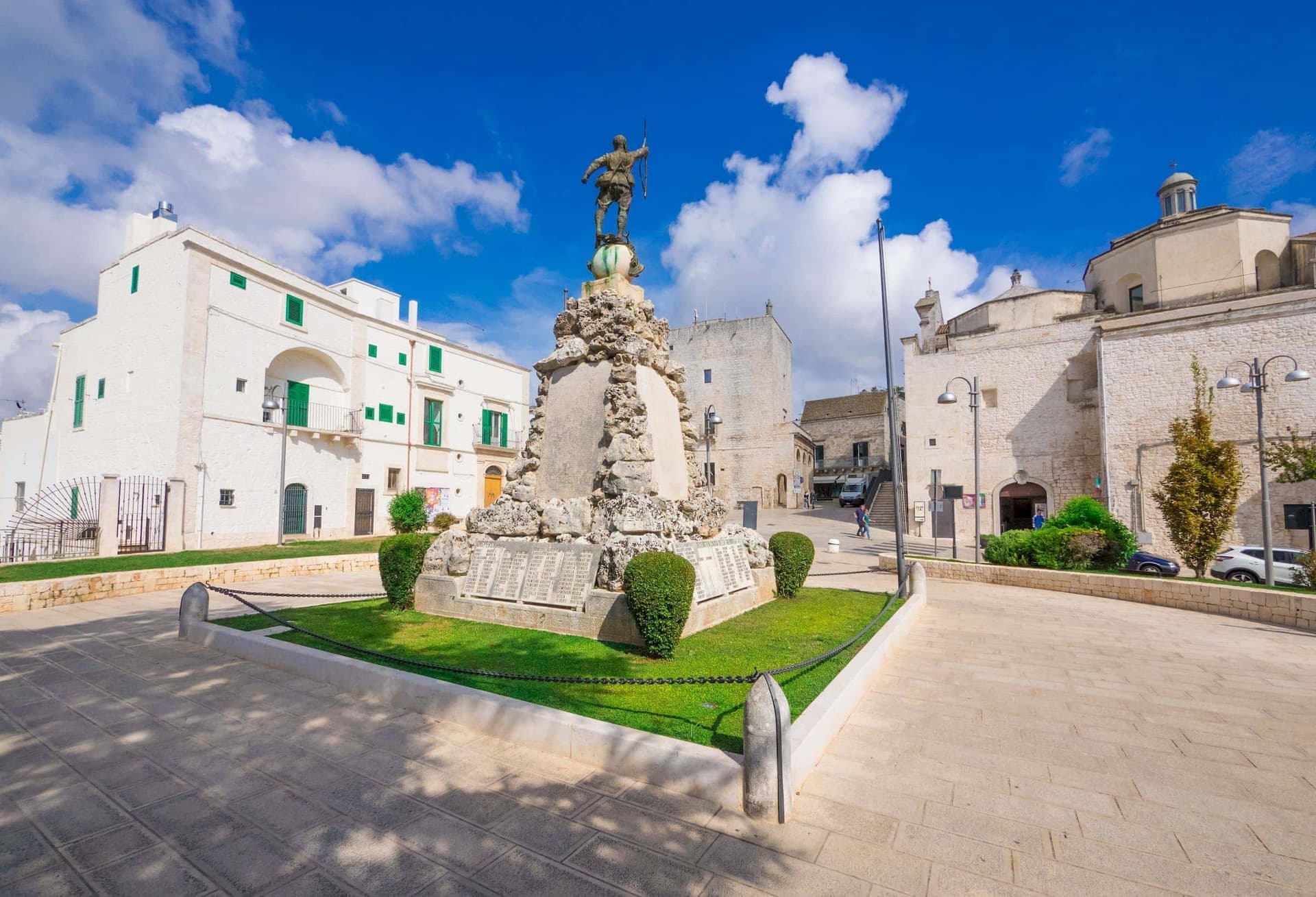
An Itria valley borgo on the southern Murgia at 394 meters, whitewashed, Cittaslow since 2003 and Cittaslow City of the Year in 2014.
Corigliano d'Otranto
Province: Lecce · 95 m
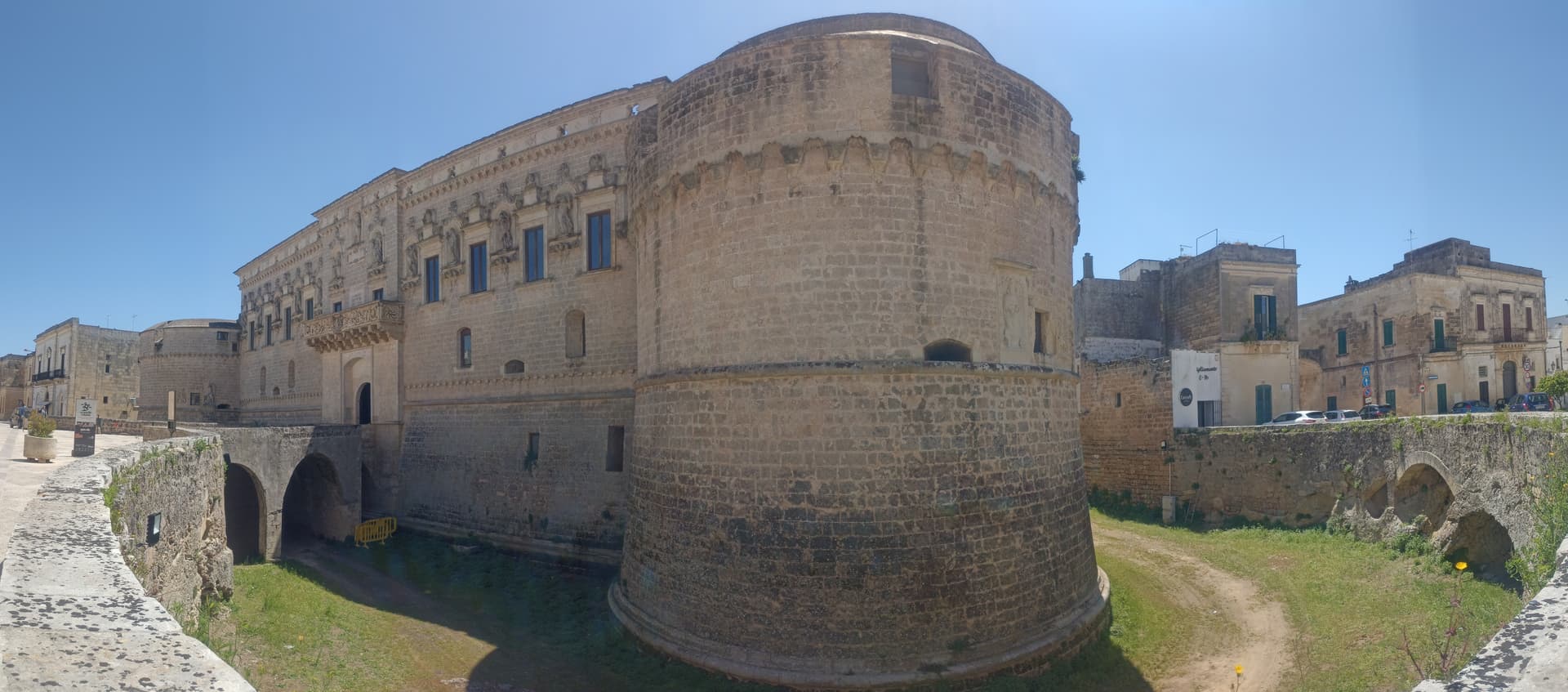
A Grecìa Salentina town twenty-five kilometers south of Lecce, Griko-speaking, with a 1500s Lecce-stone castle of circular towers around a quadrangular plan.
Locorotondo
Province: Bari · 410 m
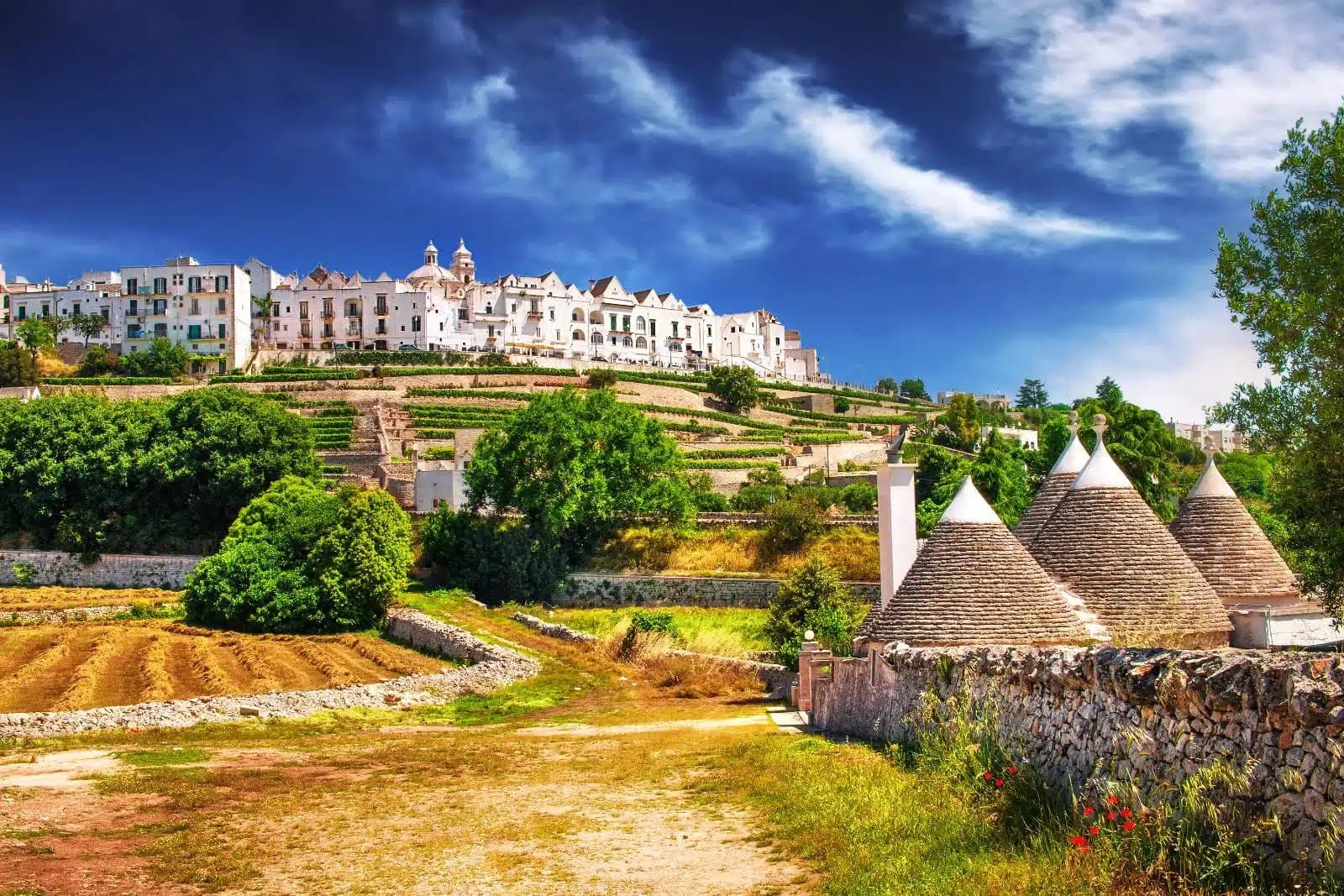
The round white town on the Itria valley ridge at 410 meters, with cummerse roofs the rest of Puglia does not have.
Oria
Province: Brindisi · 166 m
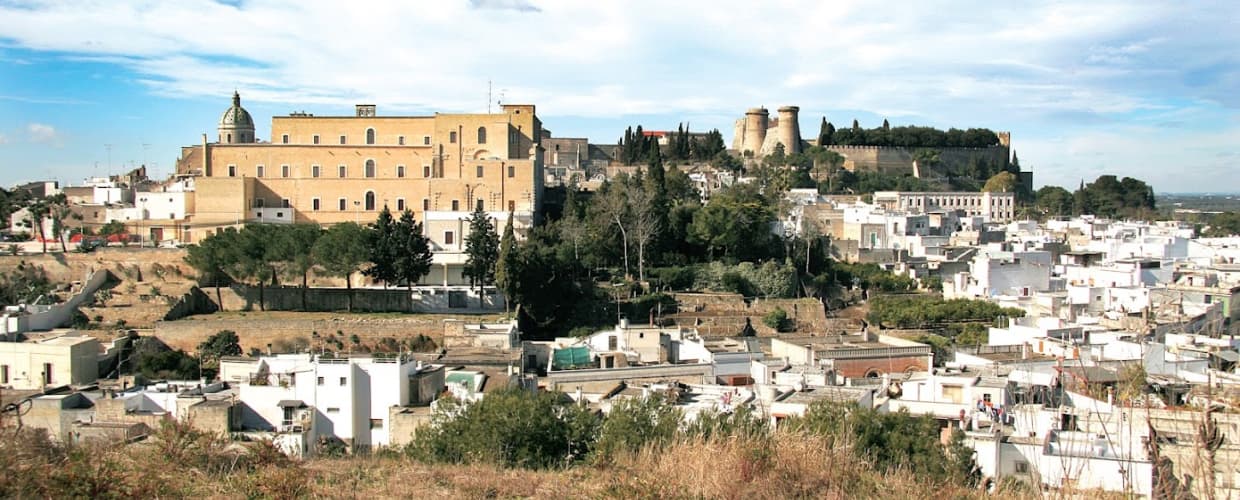
A Messapian acropolis between Taranto and Brindisi crowned by Frederick II's triangular castle, home to one of medieval Europe's oldest Jewish communities.
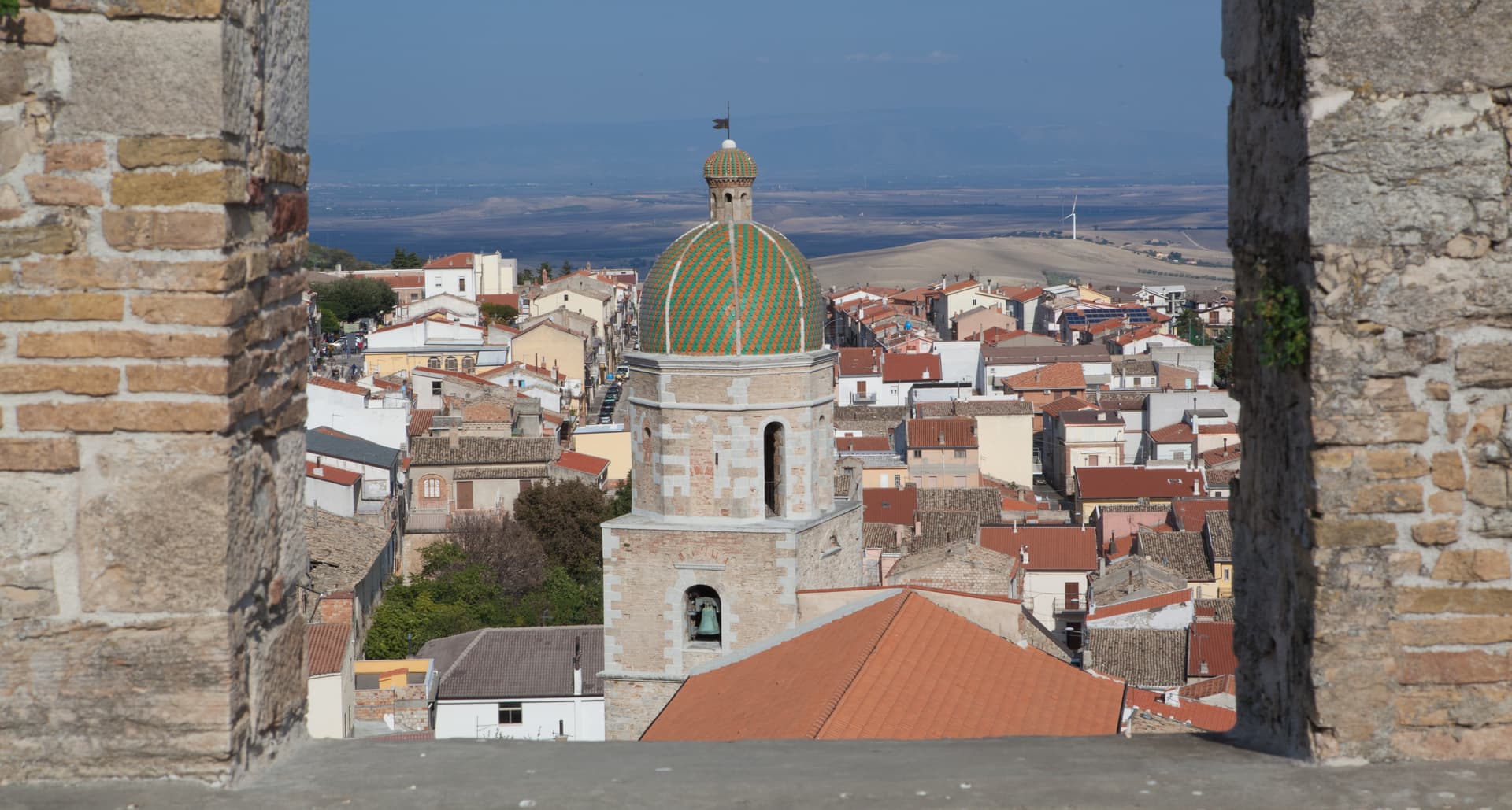
Pietramontecorvino
Province: Foggia · 456 m
A Subappennino Dauno village at 456 meters on a tufa spur with a 30-meter Norman-Angevin tower and houses carved into the rock.
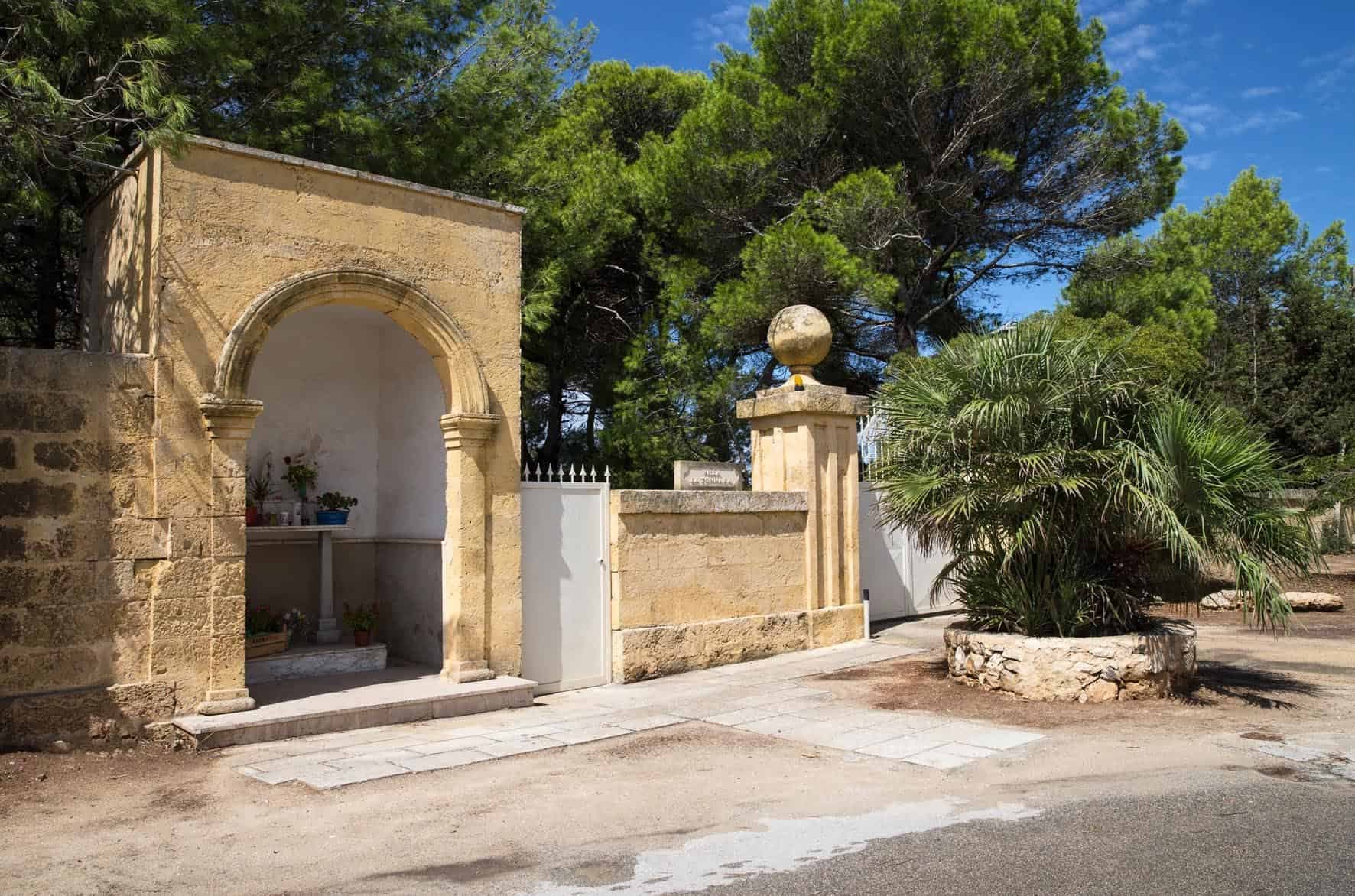
Specchia
Province: Lecce · 130 m
A medieval Salento borgo on the Serra Magnone at 130 meters, named for the Messapian stone lookouts that once watched the coast.
Basilicata5
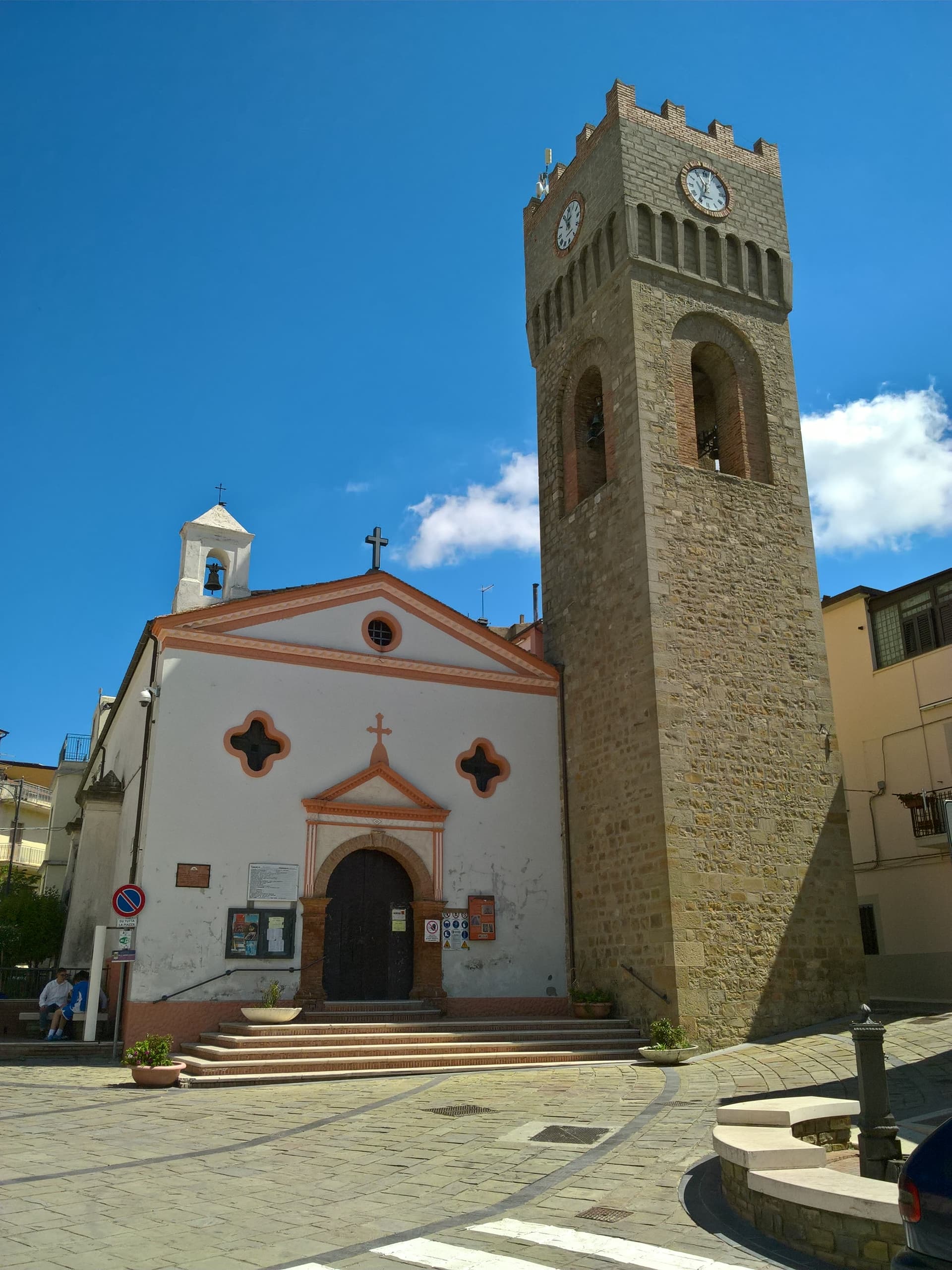
Aliano
Province: Matera · 555 m
The clay-hill village at 555 meters above the Agri valley where Carlo Levi served his 1935 exile and is buried in the cemetery.
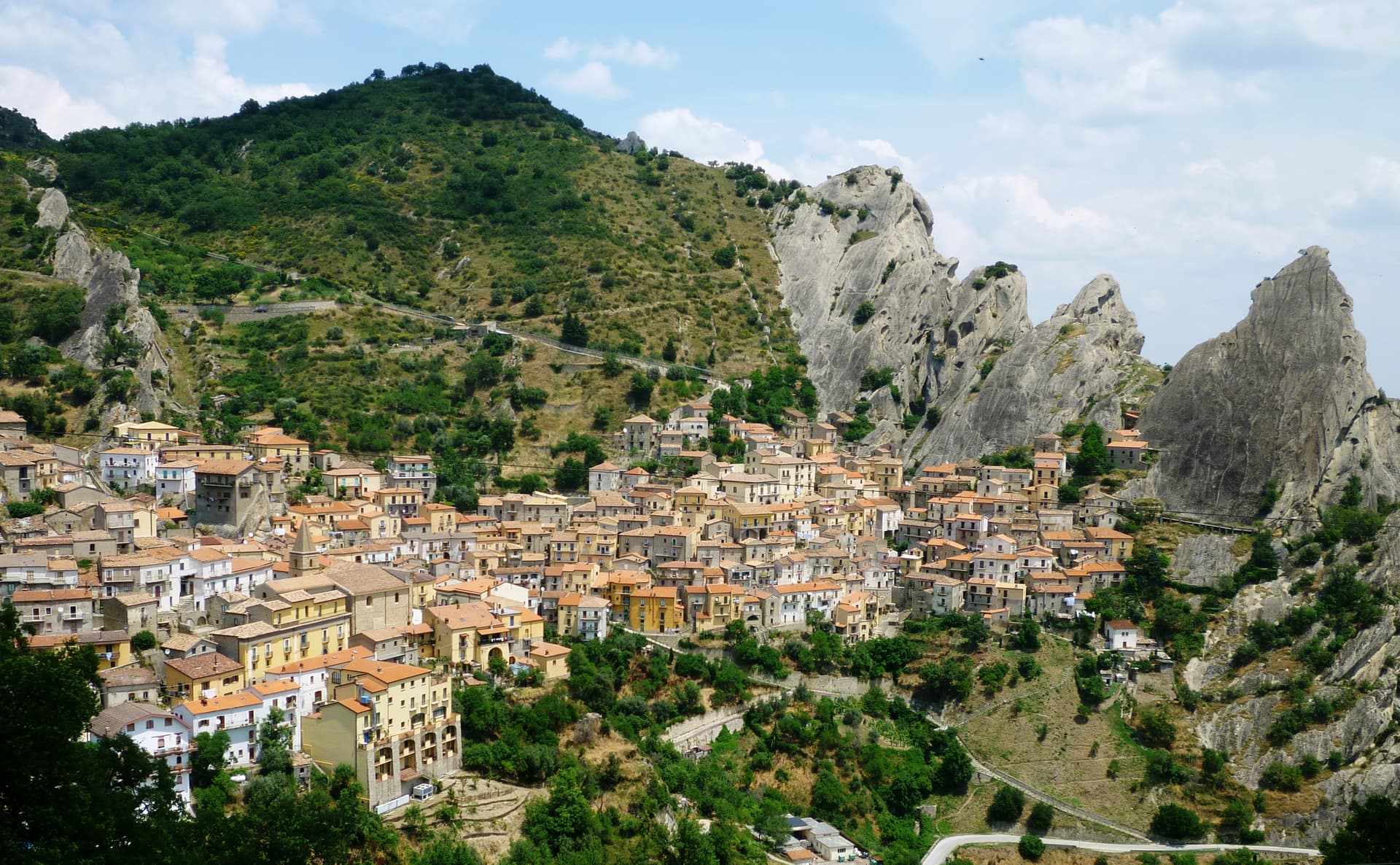
Castelmezzano
Province: Potenza · 750 m
A medieval village at 750 meters wedged into the Dolomiti Lucane sandstone teeth, linked to Pietrapertosa by a 1,452-meter zipline since 2007.
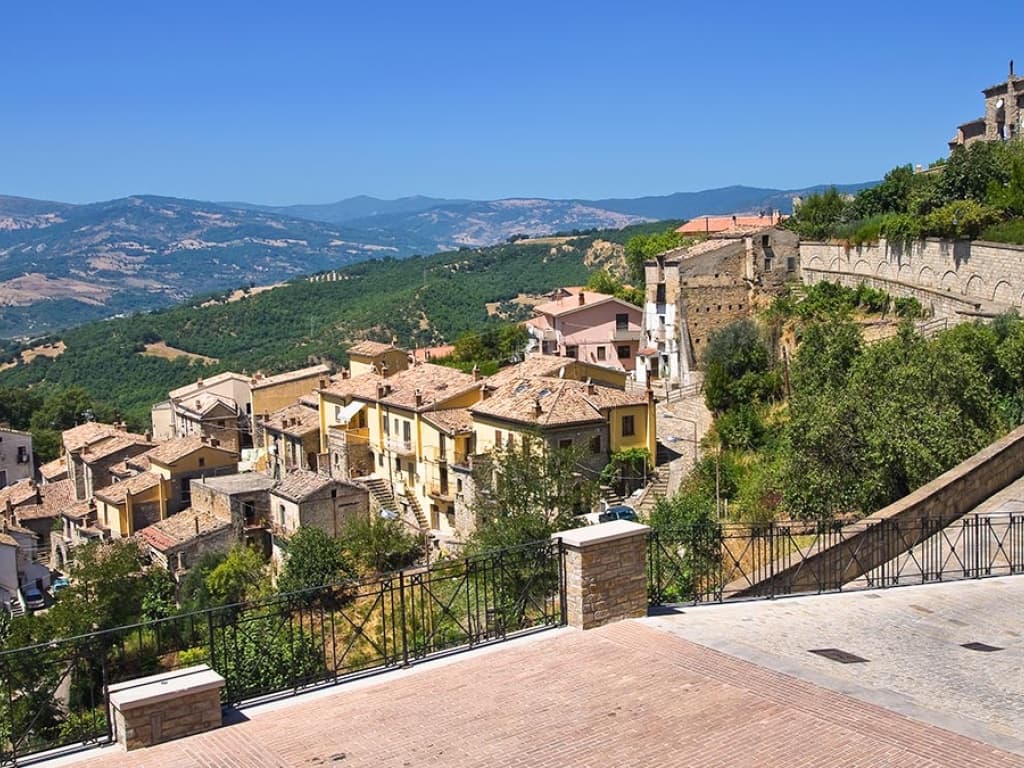
Guardia Perticara
Province: Potenza · 678 m
The stone village at 678 meters above the Sauro valley, rebuilt block by block in Gorgoglione sandstone after the 1980 earthquake.
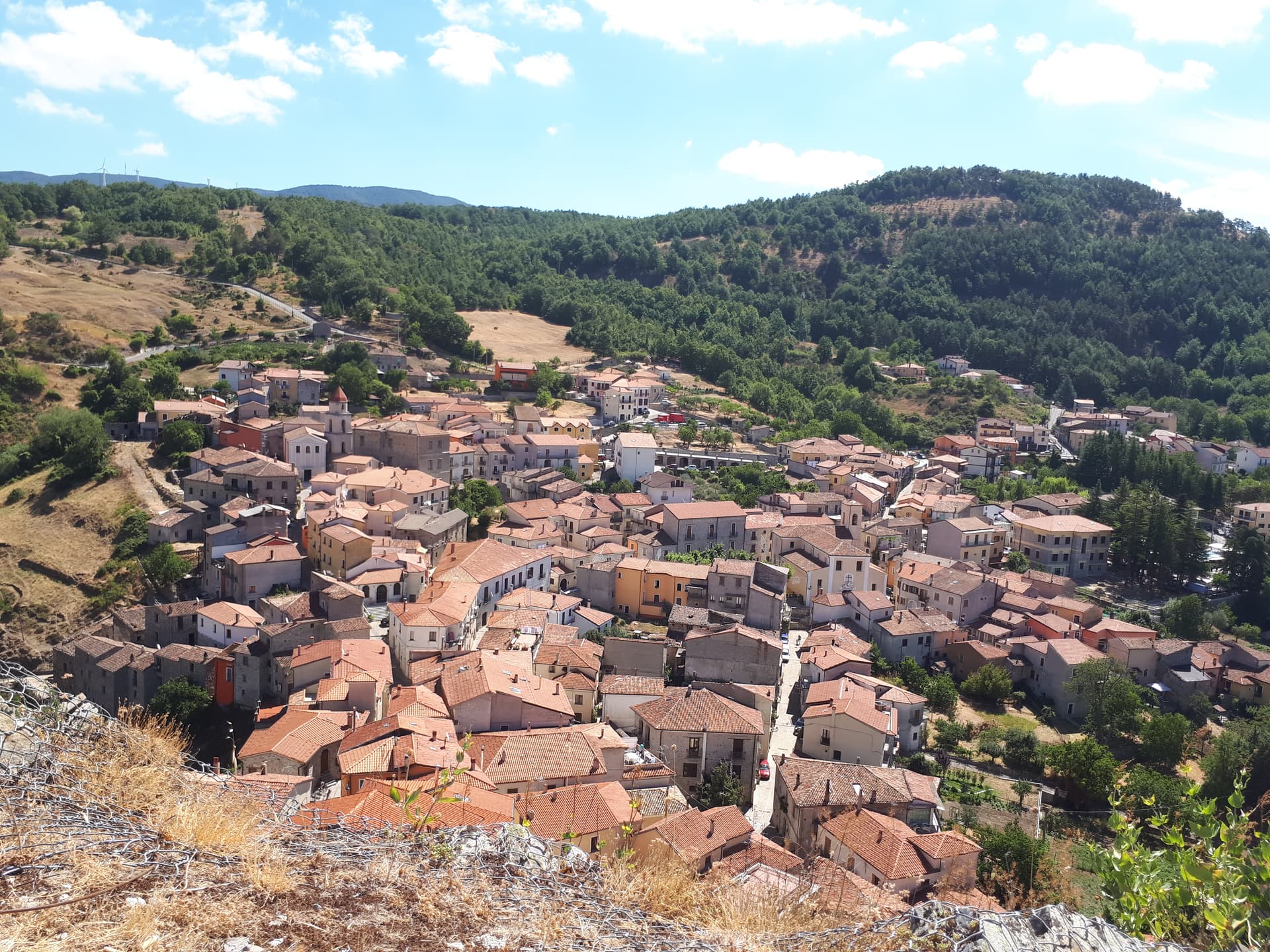
Sasso di Castalda
Province: Potenza · 949 m
A 949-meter village in the Lucanian Apennines whose emigrants produced the engineer who launched Apollo 11, now crossed by a 300-meter Tibetan footbridge.
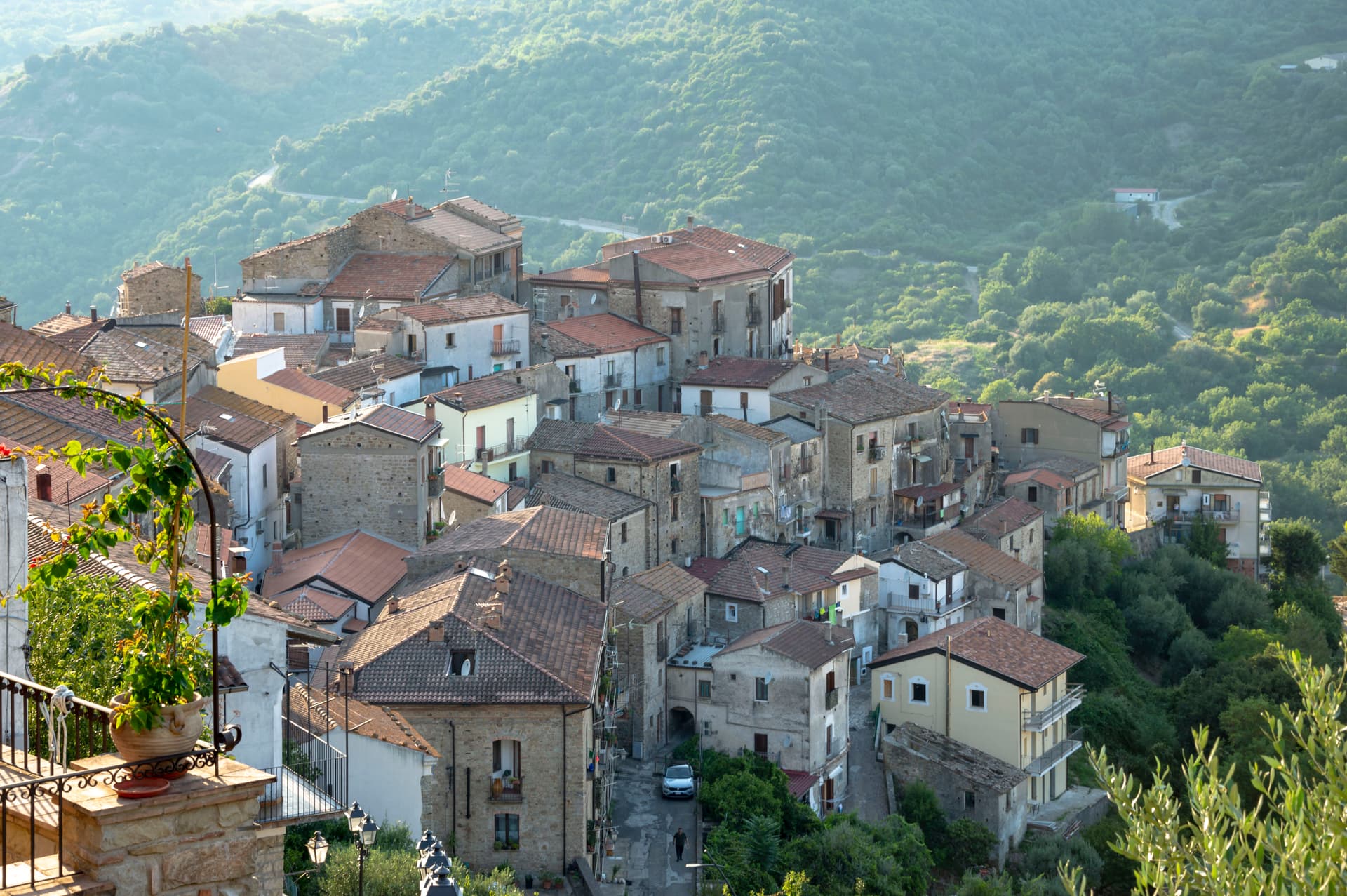
Valsinni
Province: Matera · 250 m
Isabella Morra's tragic castle — a 1,344-resident Lucanian borgo on a hilltop above the Sinni river, with the 11th-c Castello Morra where the 16th-c Renaissance poet Isabella Morra was murdered by her brothers in 1545, a Touring Club Bandiera Arancione + Pollino park signal, and the annual Parco Letterario festival reading her poems in the rooms where she wrote them.
Calabria5
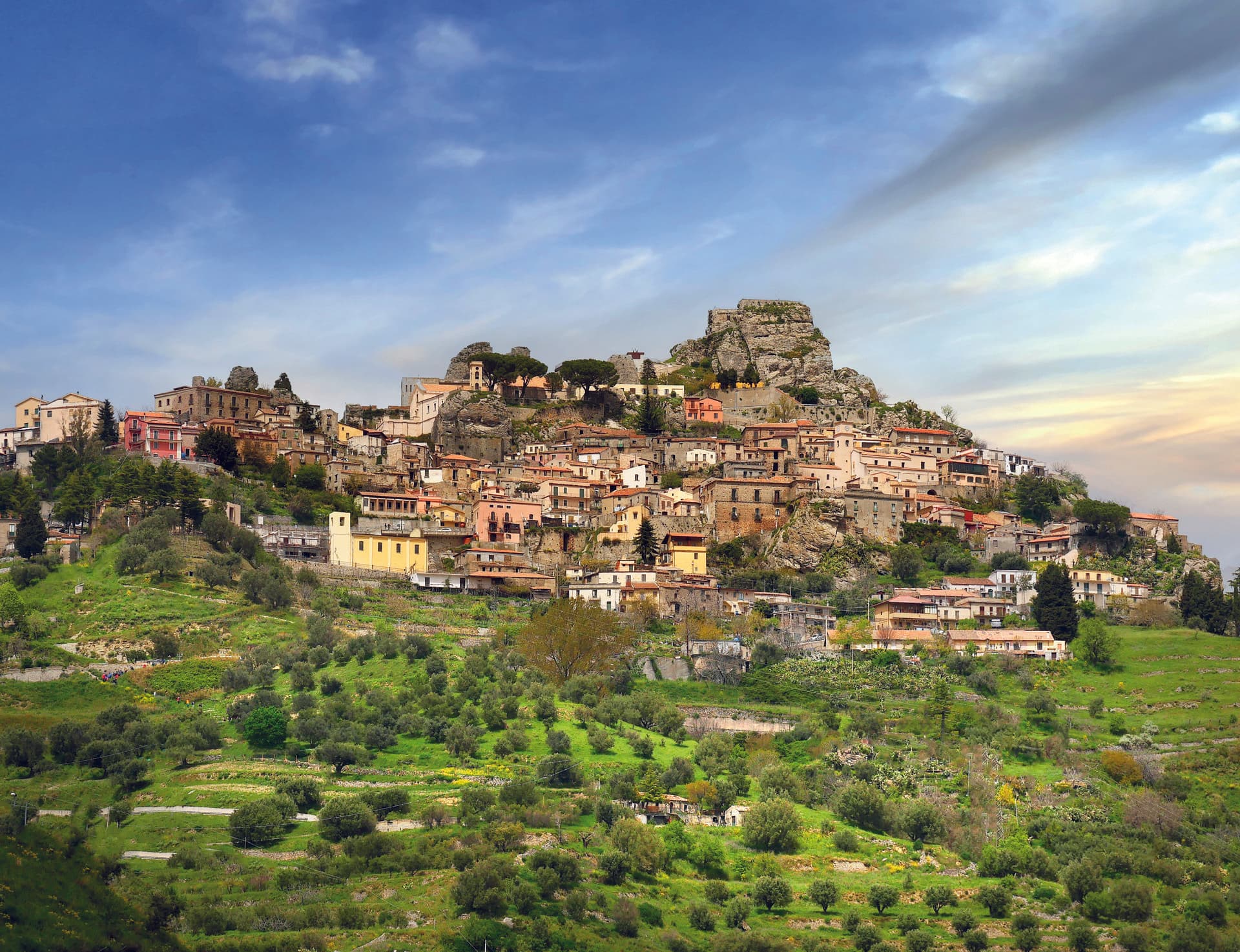
Bova
Province: Reggio di Calabria · 820 m
The capital of the Bovesìa — a 416-resident Aspromonte hilltop borgo at 820m that is the cultural centre of the Grecanic minority, where the Calabrian-Greek dialect (a direct descendant of Byzantine-era Greek) is still spoken by elders, with the triple Borghi più belli + Bandiera Arancione + Parco Nazionale dell'Aspromonte signal.
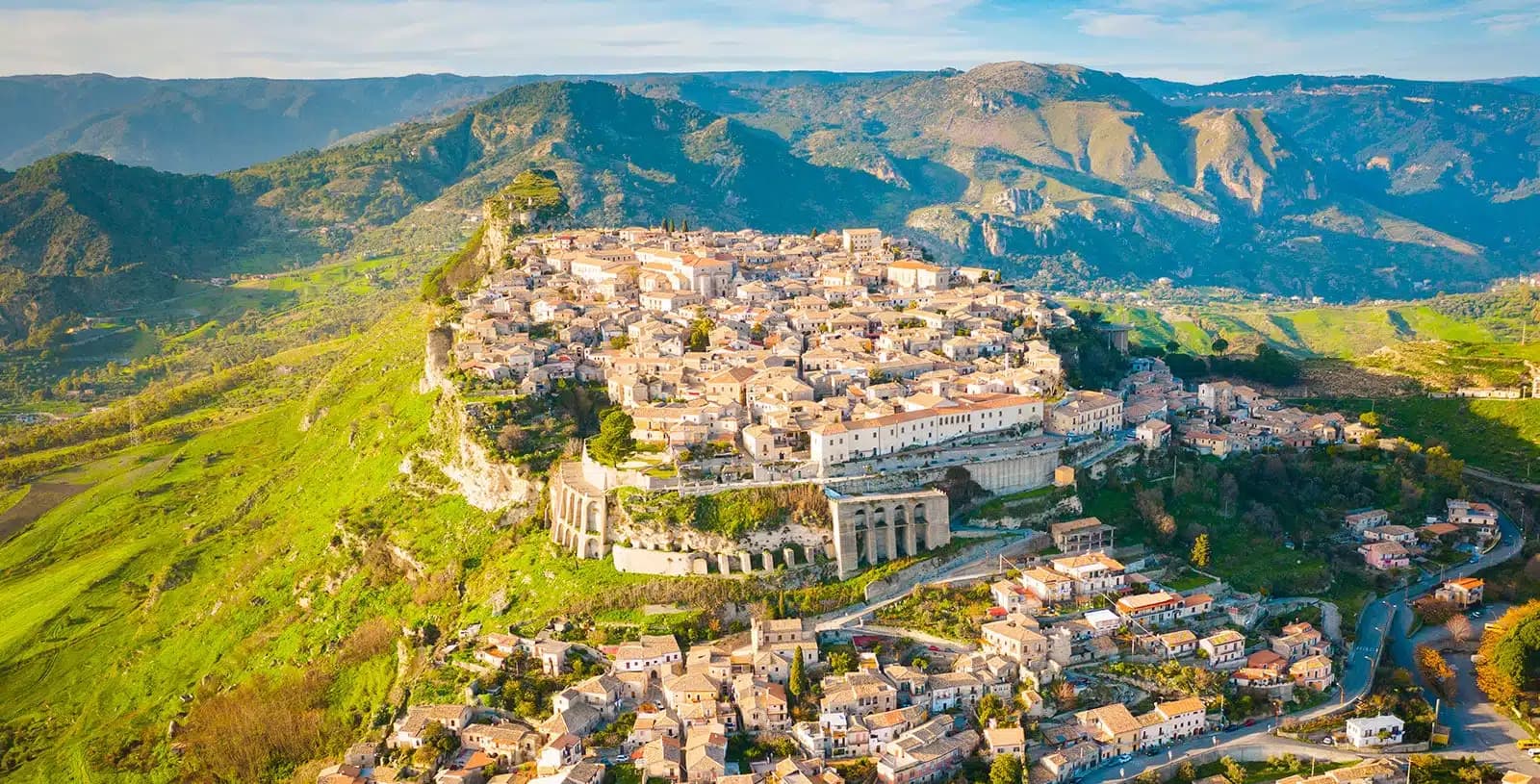
Gerace
Province: Reggio di Calabria · 470 m
A 470-meter conglomerate rock above Locri, founded by Locri Epizefiri refugees, with Calabria's largest cathedral on Roman columns from Magna Graecia temples.
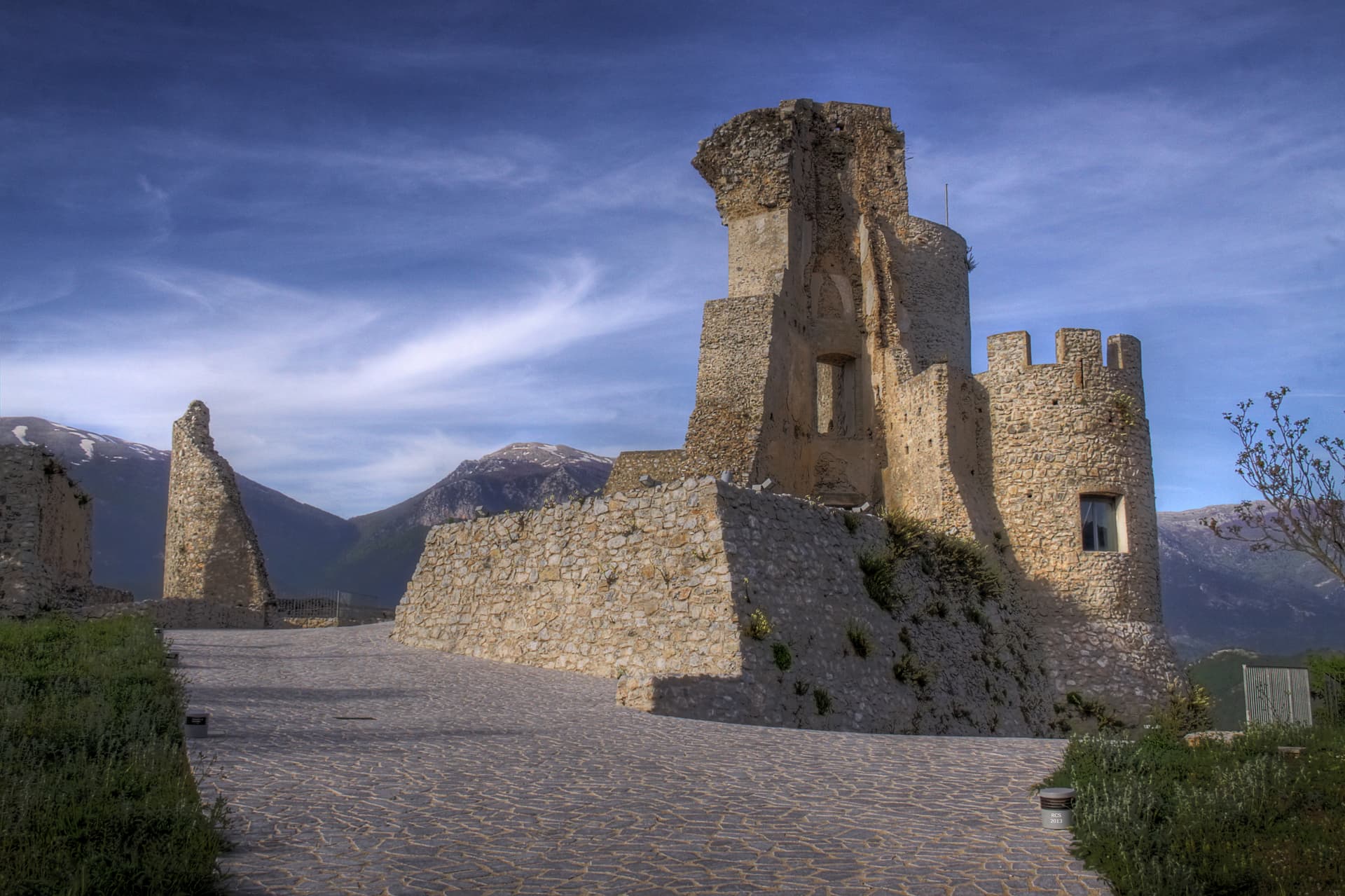
Morano Calabro
Province: Cosenza · 694 m
A conical hill of stone houses stacked under a Norman-Swabian castle at the southern gate of the Pollino, called Italy's nativity village.
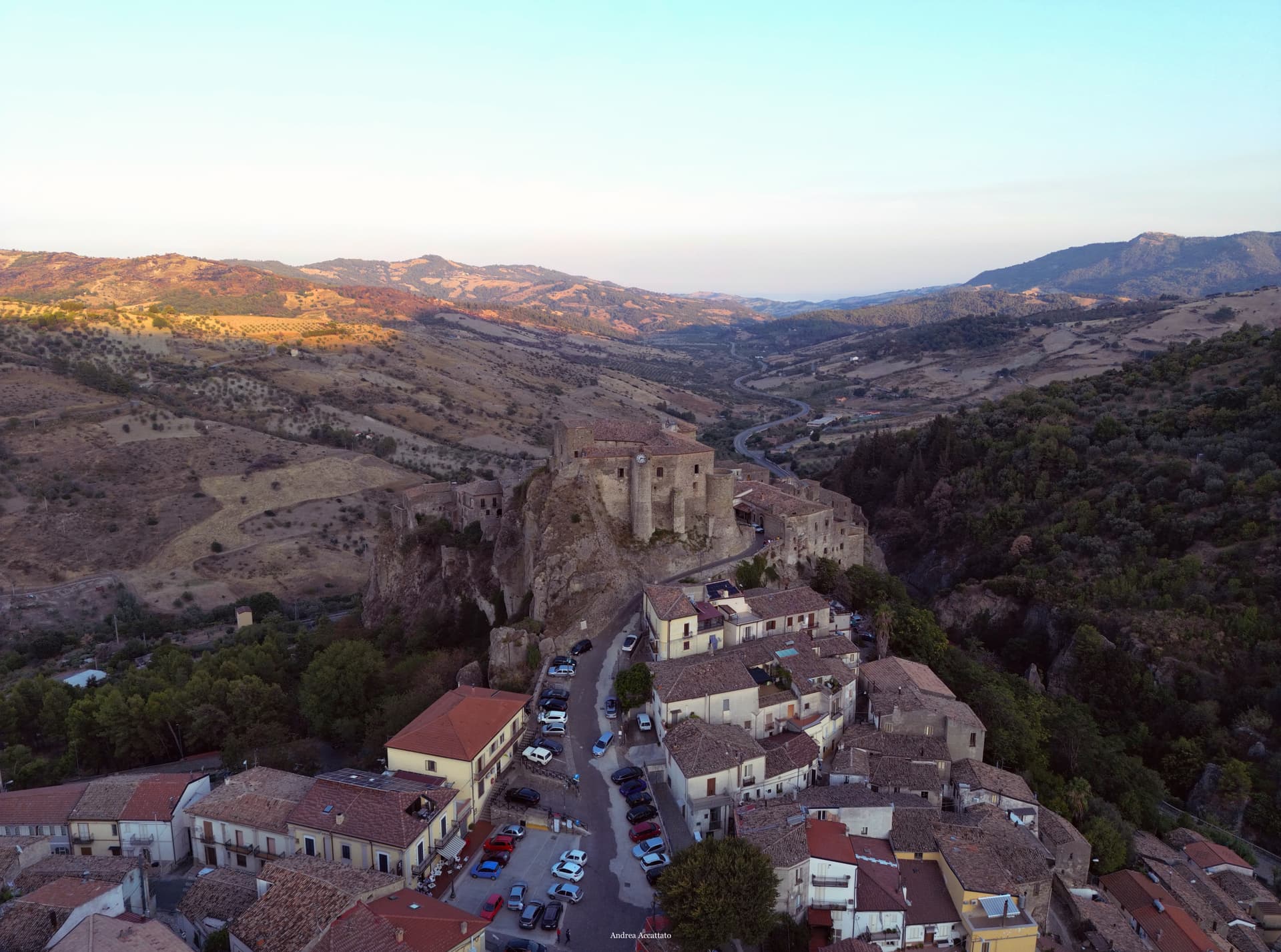
Oriolo
Province: Cosenza · 450 m
A medieval borgo on a sandstone outcrop at 450 meters, on the eastern slopes of Pollino, twenty kilometers from the Ionian coast.
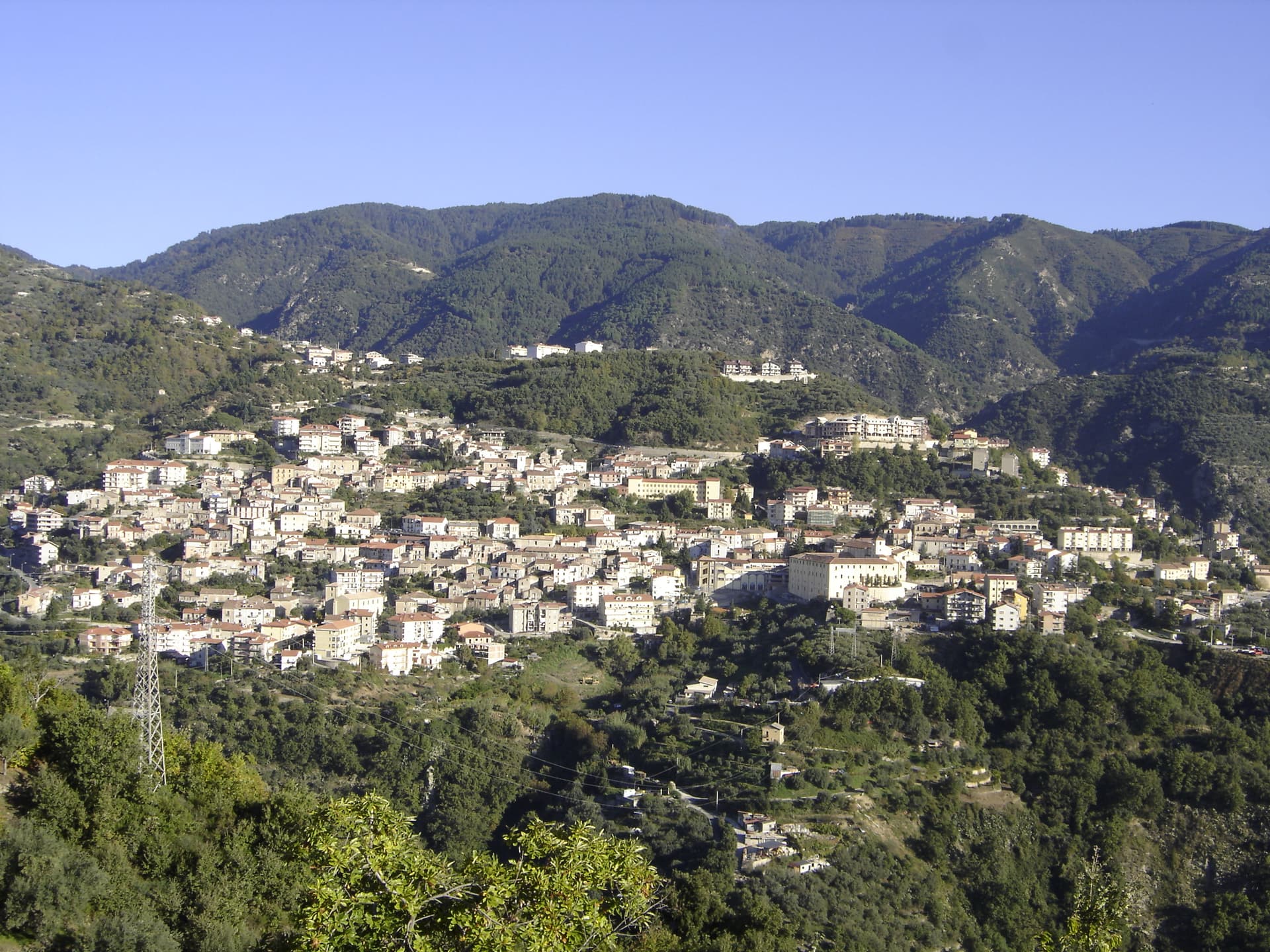
Taverna
Province: Catanzaro · 530 m
The birthplace of Mattia Preti at the foot of the Sila Piccola, where the church of San Domenico holds eleven of the Cavaliere Calabrese's paintings.
Campania5
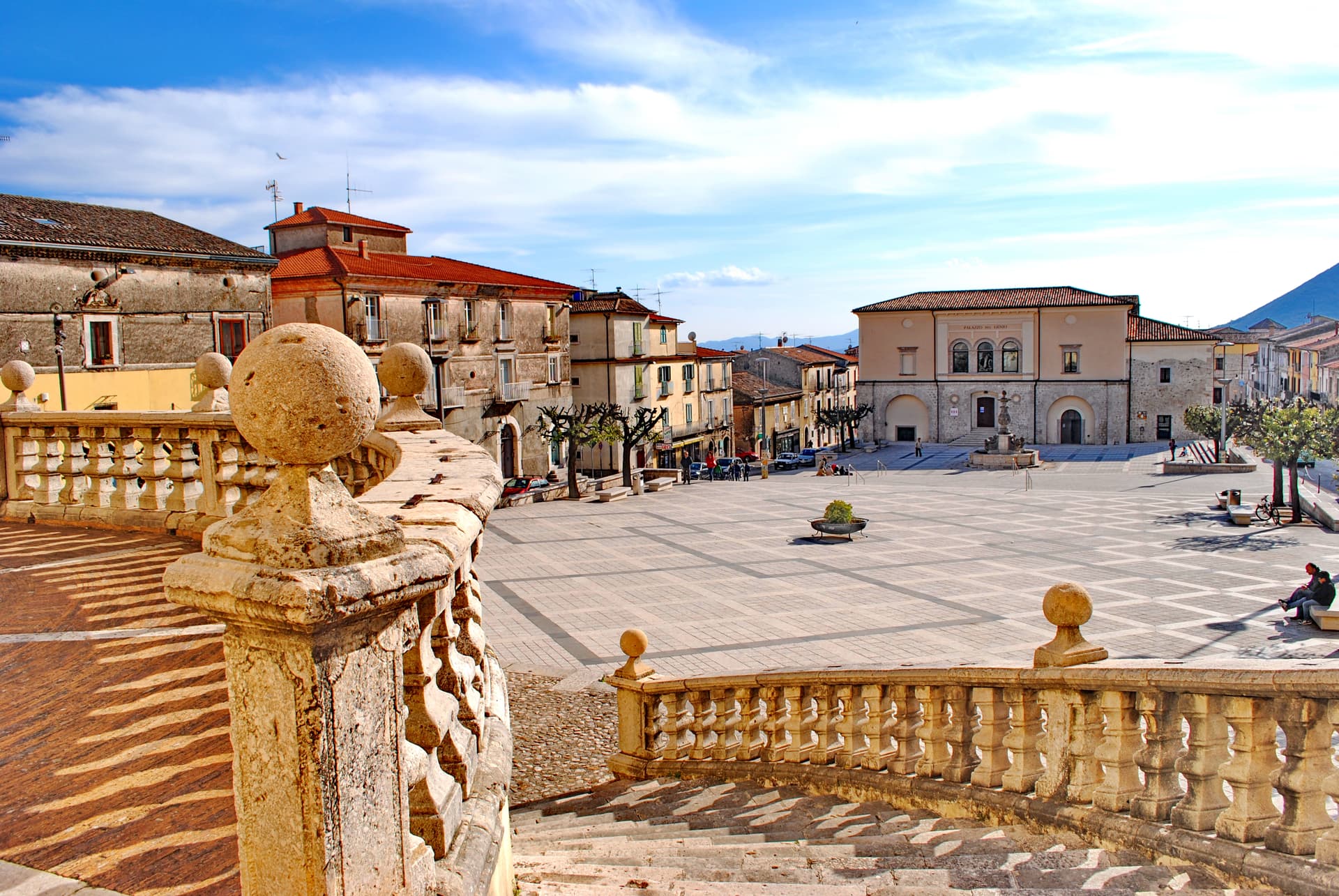
Cerreto Sannita
Province: Benevento · 290 m
A Sannio ceramics town at 290 meters, rebuilt from scratch by royal engineer Giovanni Battista Manni after the 1688 earthquake leveled the old hill.
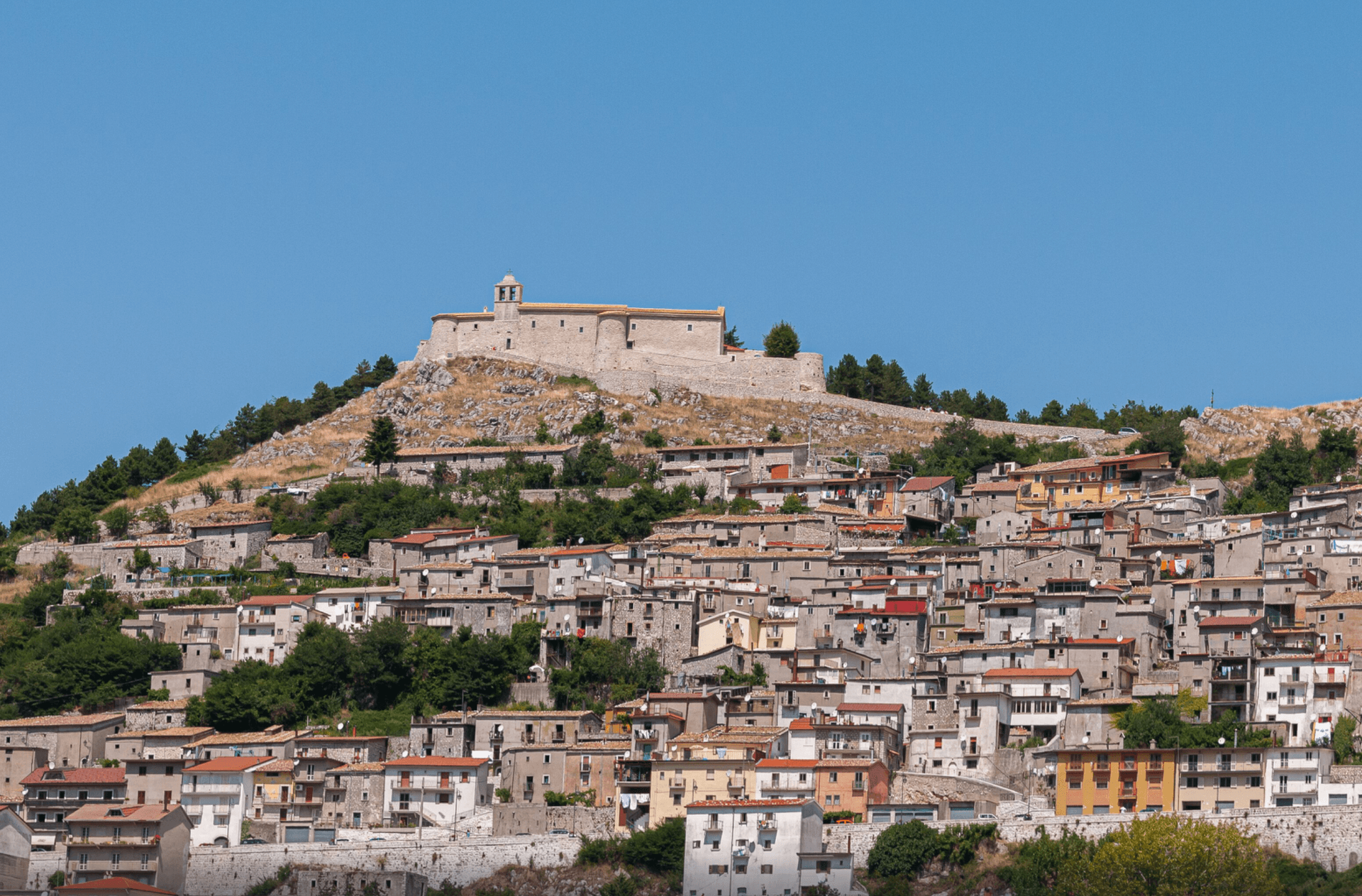
Letino
Province: Caserta · 961 m
At 961 meters the highest commune in the province of Caserta, where in April 1877 anarchists declared a Republic of Letino in the village hall.
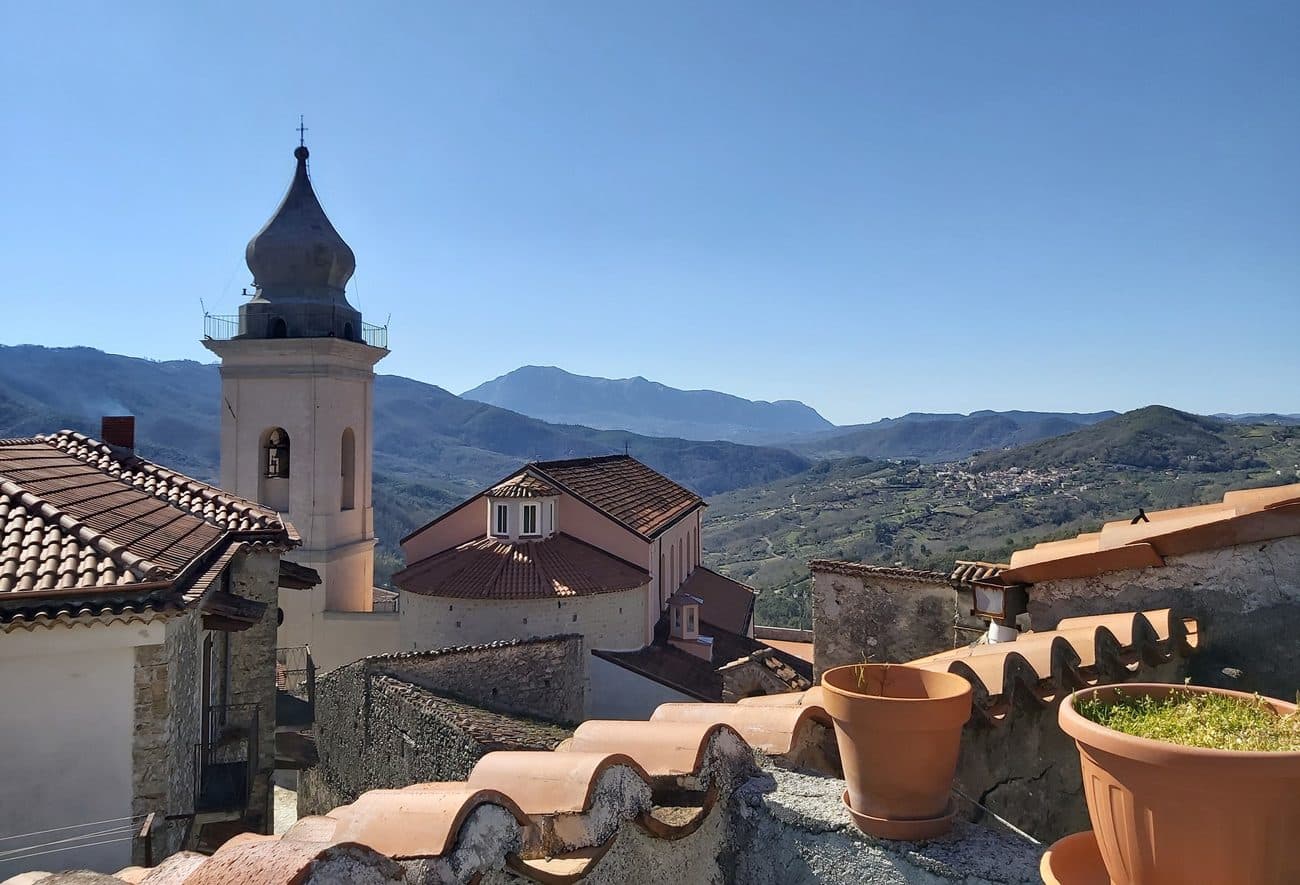
Morigerati
Province: Salerno · 340 m
A 608-person Cilento village above the Bussento gorge, the river surfacing from underground caves directly beneath the cliffs.
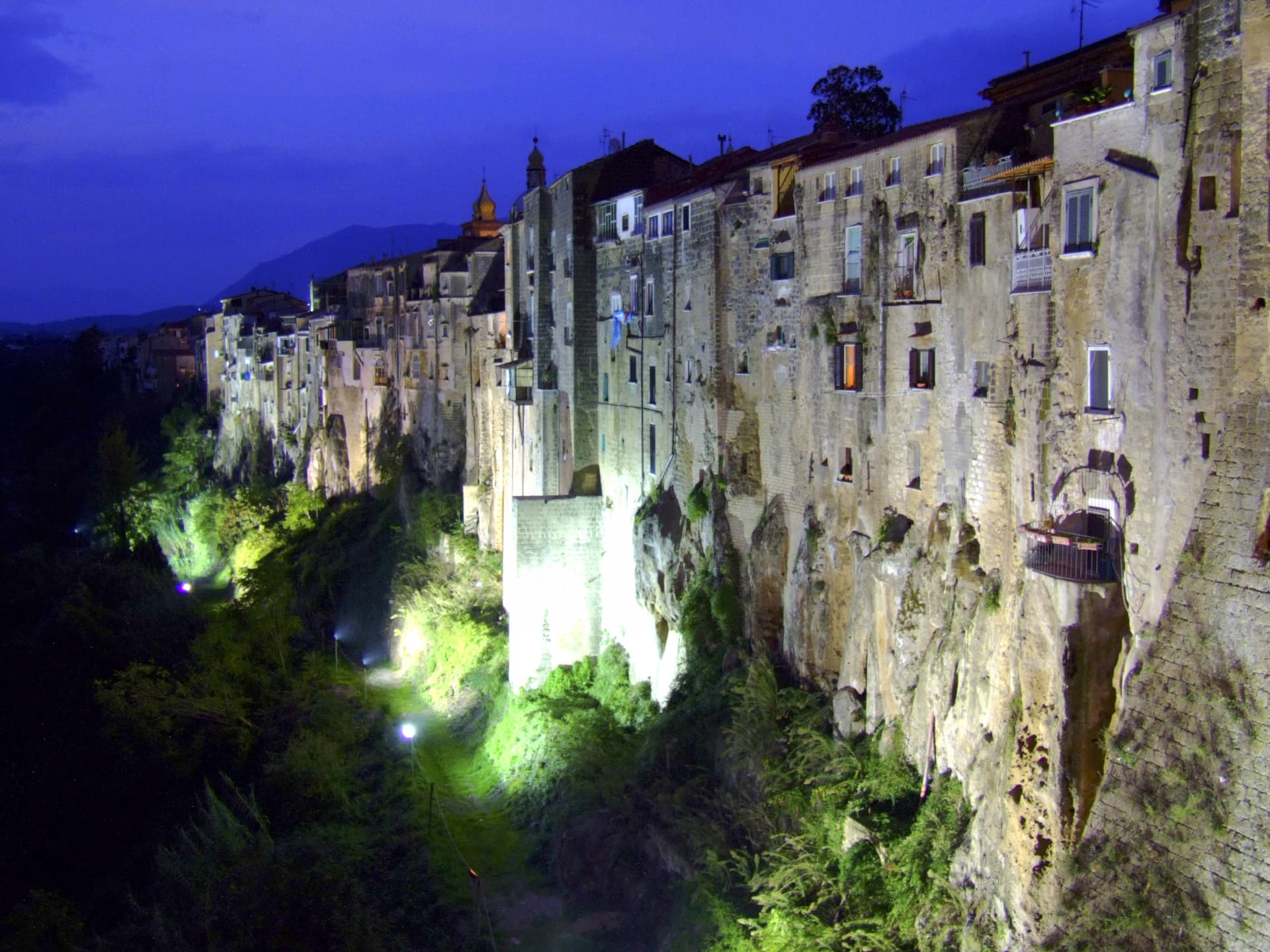
Sant'Agata de' Goti
Province: Benevento · 156 m
A medieval town built on a tuff cliff between two gorges, the houses standing flush with the edge over the Isclero river below.
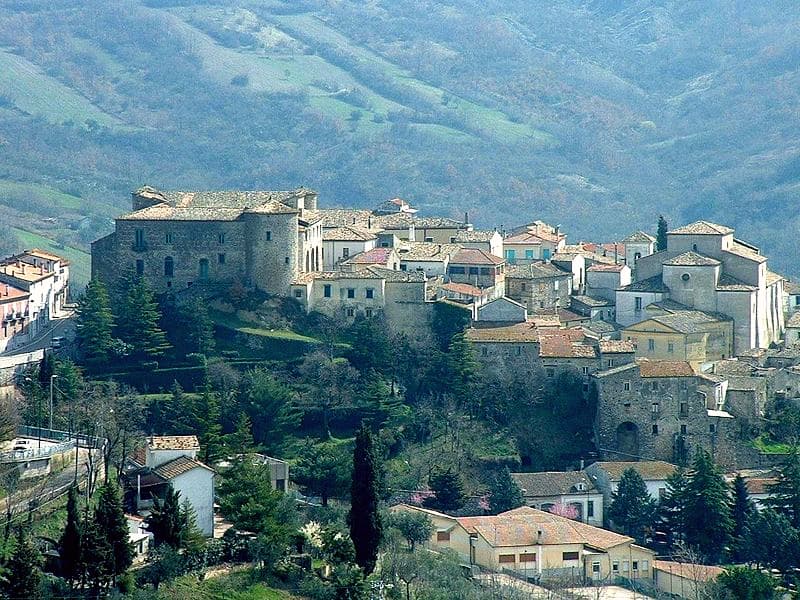
Zungoli
Province: Avellino · 657 m
An Irpinia ridge at 657 meters between the Ufita valley and the Daunian hills, with Norman walls above and Byzantine tuff caves below the houses.
Emilia-Romagna21
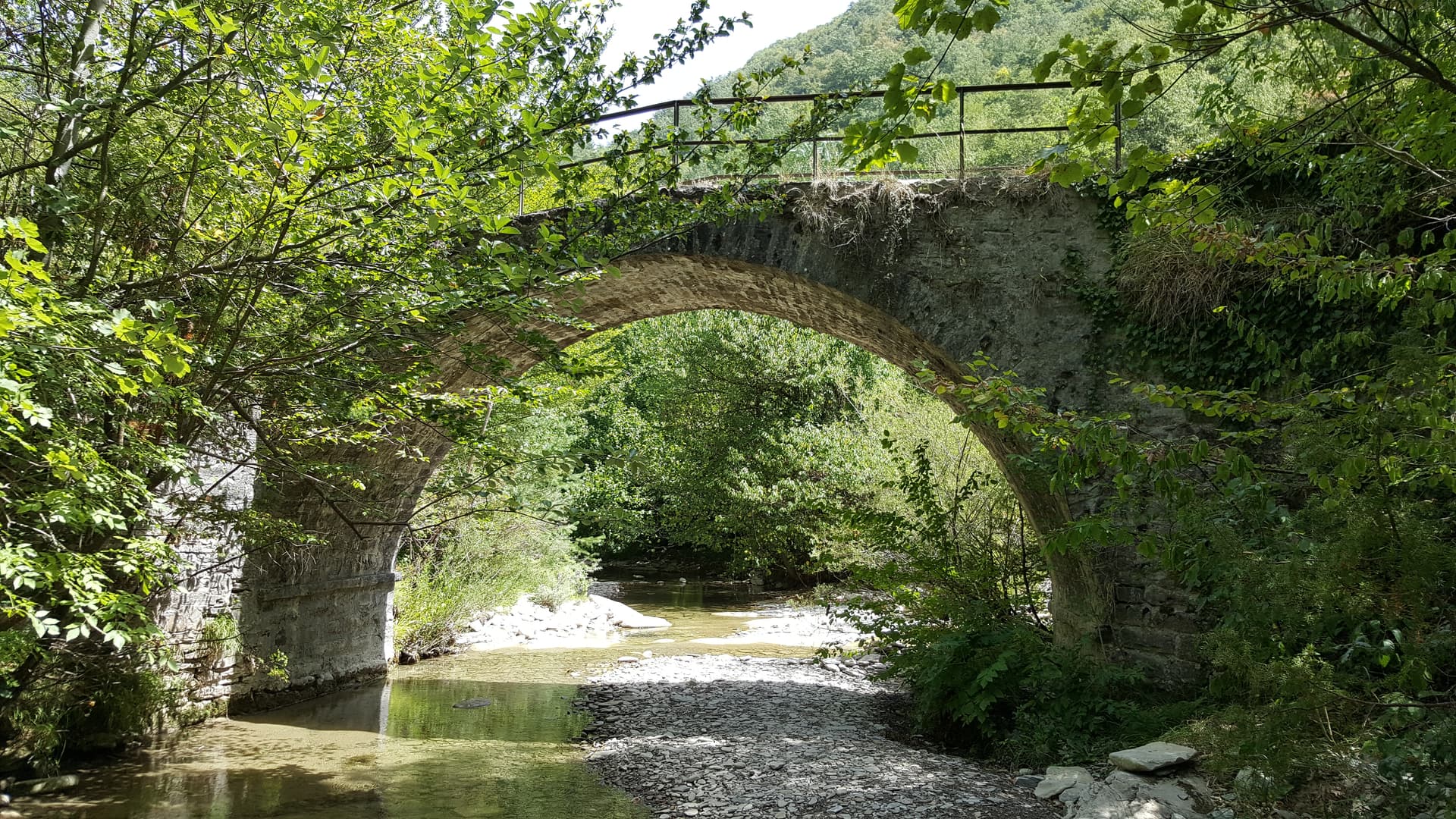
Bagno di Romagna
Province: Forlì-Cesena · 491 m
A 491-meter thermal town at the head of the Savio valley, drawing on springs that have run at 47 degrees since Roman times.
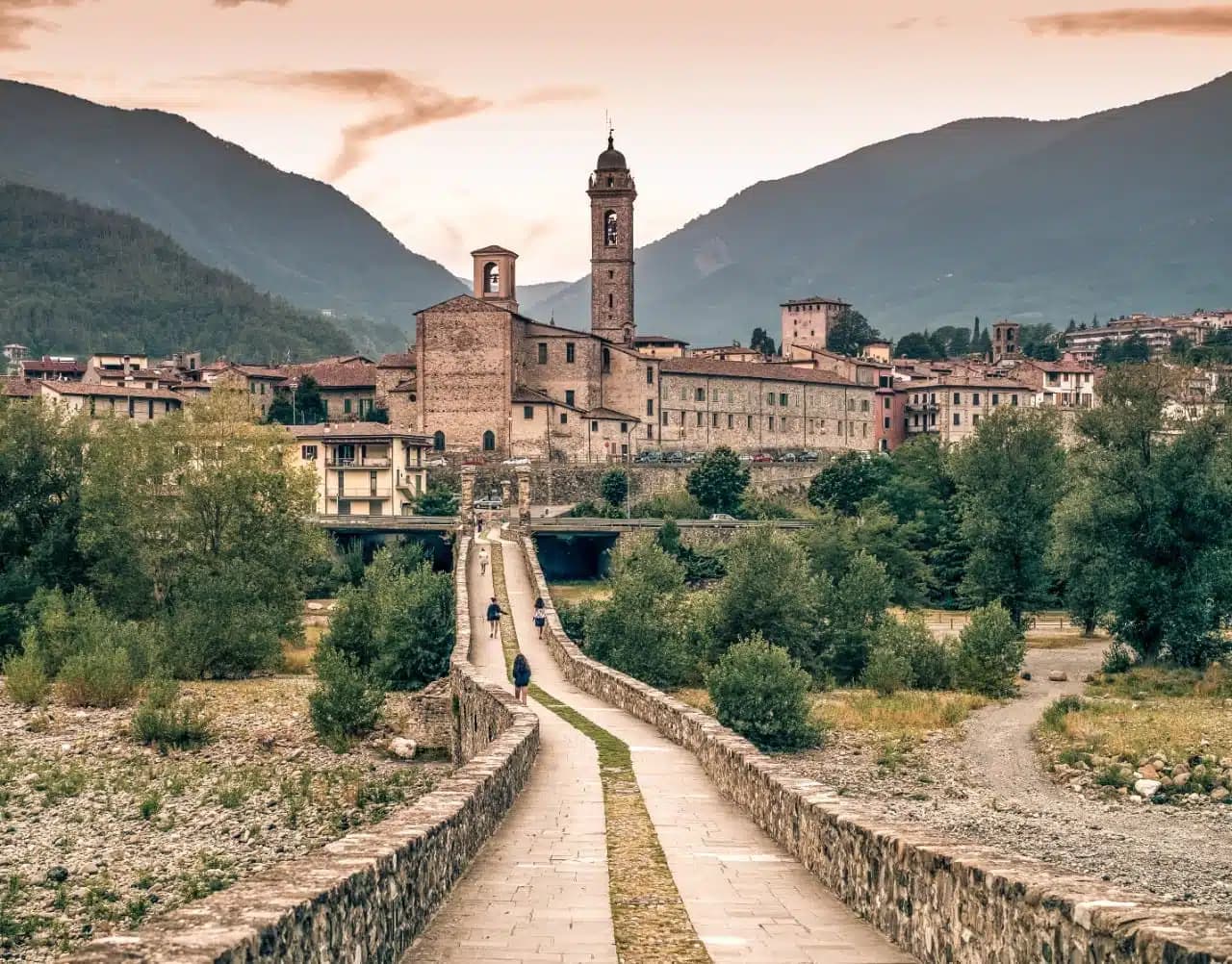
Bobbio
Province: Piacenza · 272 m
A 272-meter Trebbia-valley town built around the abbey Saint Columbanus founded in 614, named Borgo dei Borghi by RAI in 2019.
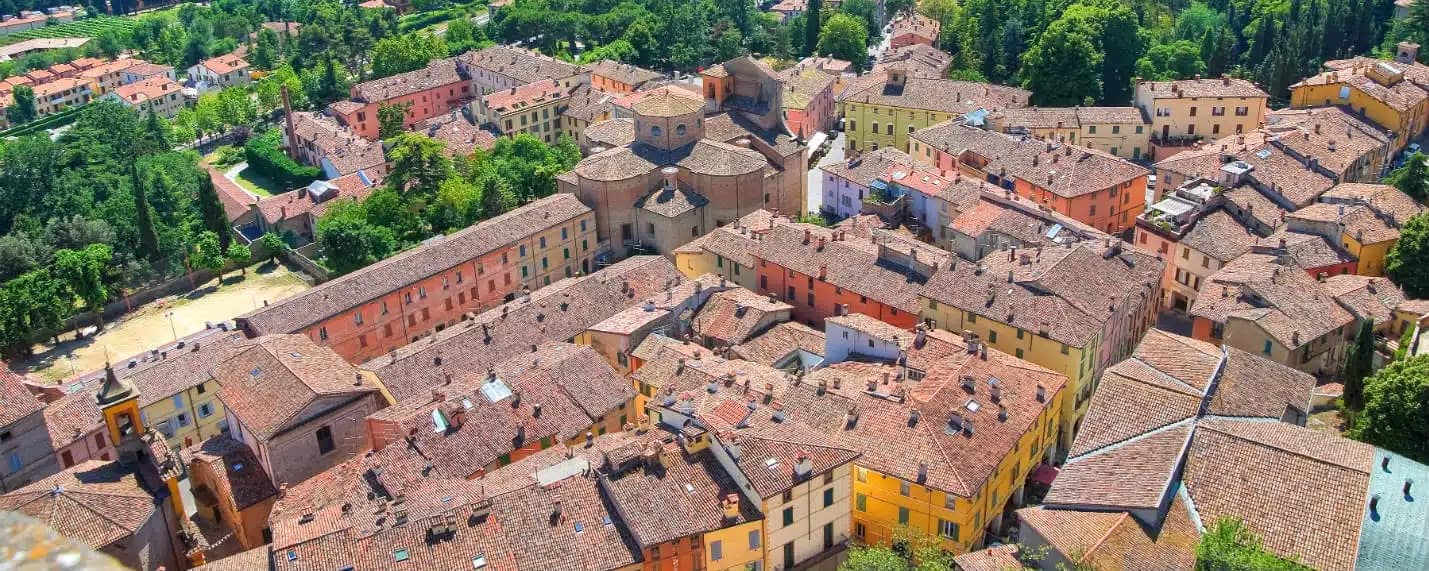
Brisighella
Province: Ravenna · 115 m
A Lamone-valley borgo at 115 meters under three selenite hills crowned by a fortress, a clock tower, and a sanctuary.
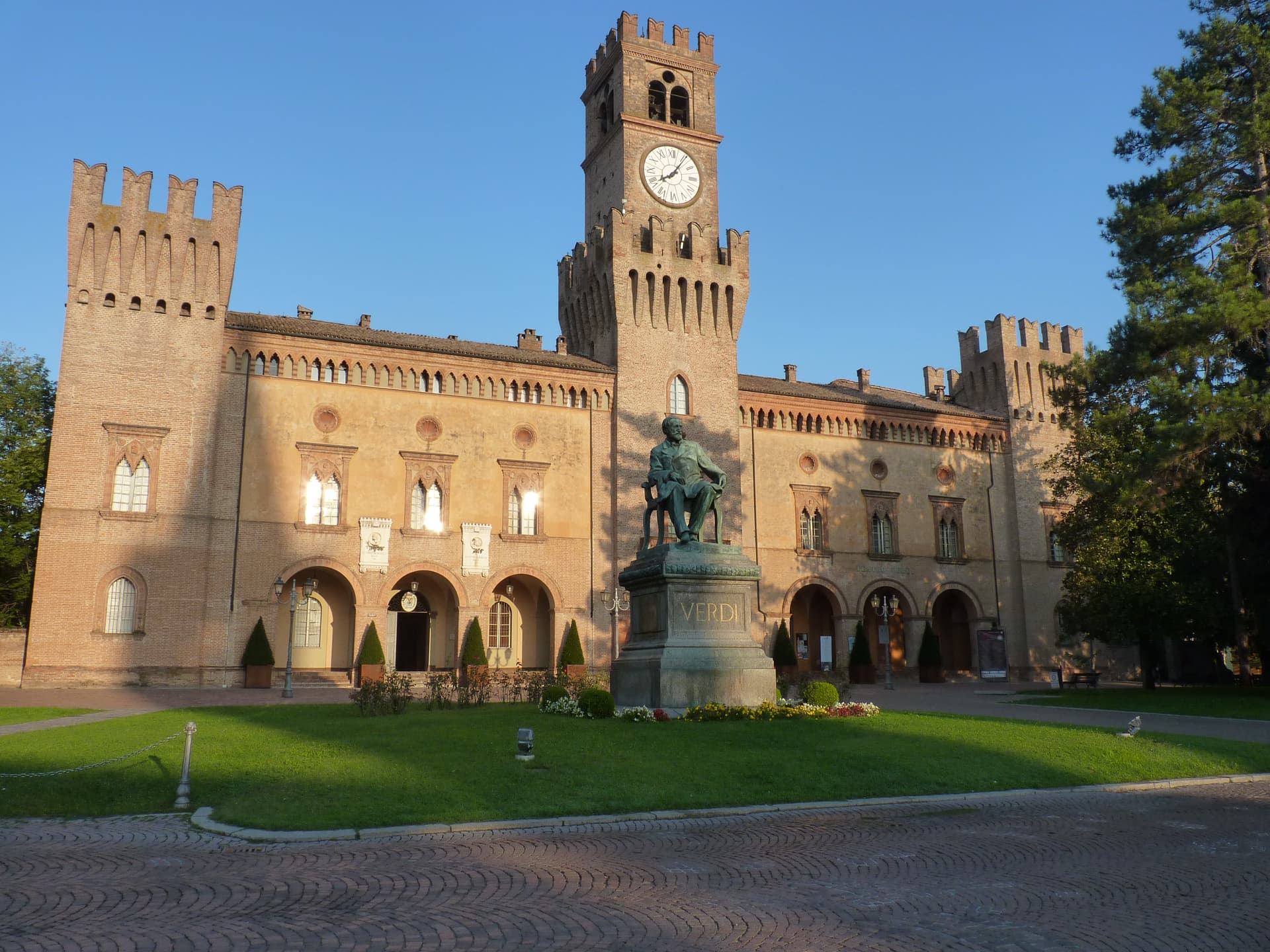
Busseto
Province: Parma · 40 m
A 40-meter Bassa Parmense town where Giuseppe Verdi grew up, with a 300-seat opera house in the Rocca he refused to enter.
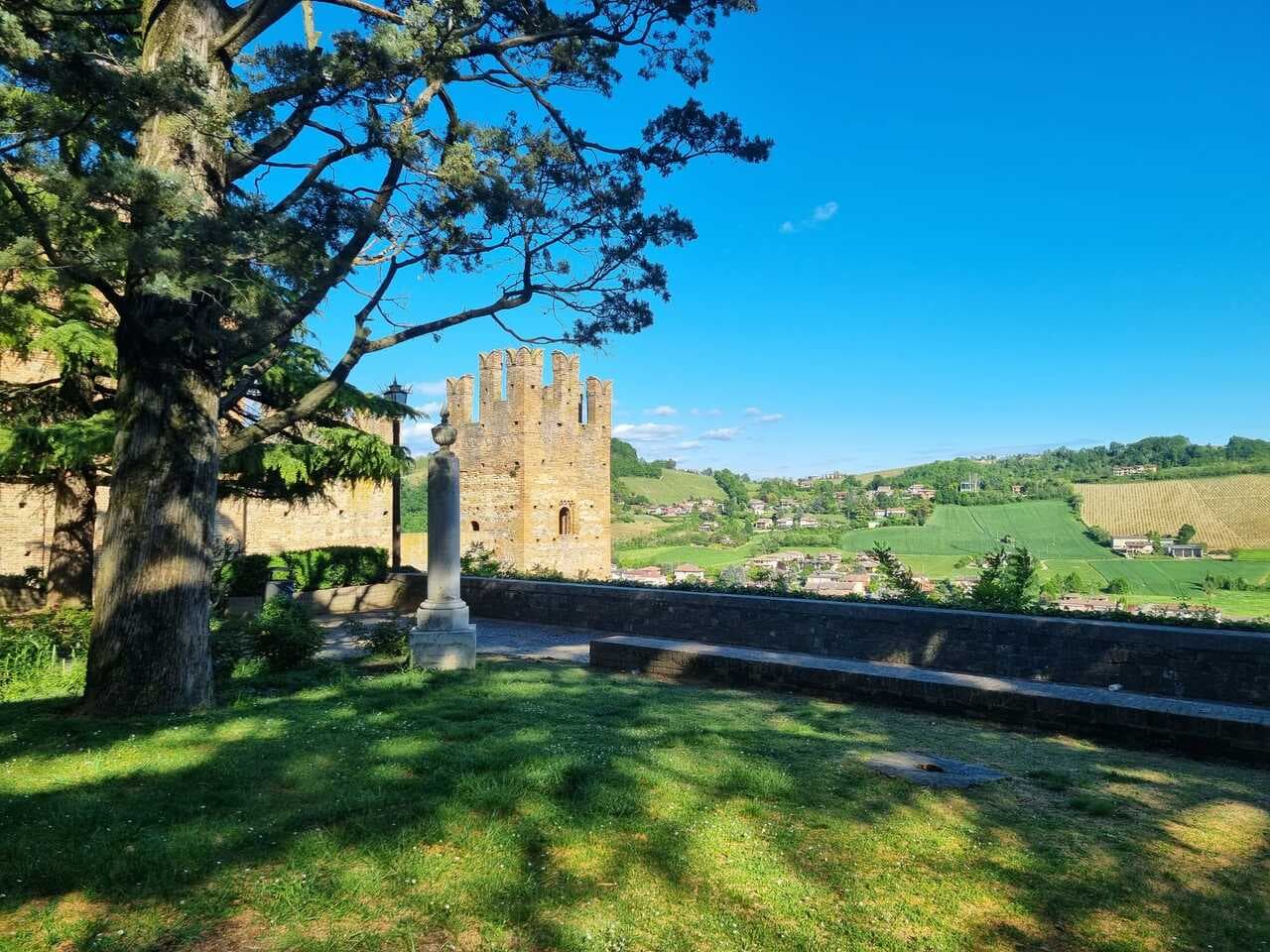
Castell'Arquato
Province: Piacenza · 224 m
A 224-meter hilltop borgo in the Val d'Arda, kept intact since the tenth century and crowned by Luchino Visconti's 1342 fortress.
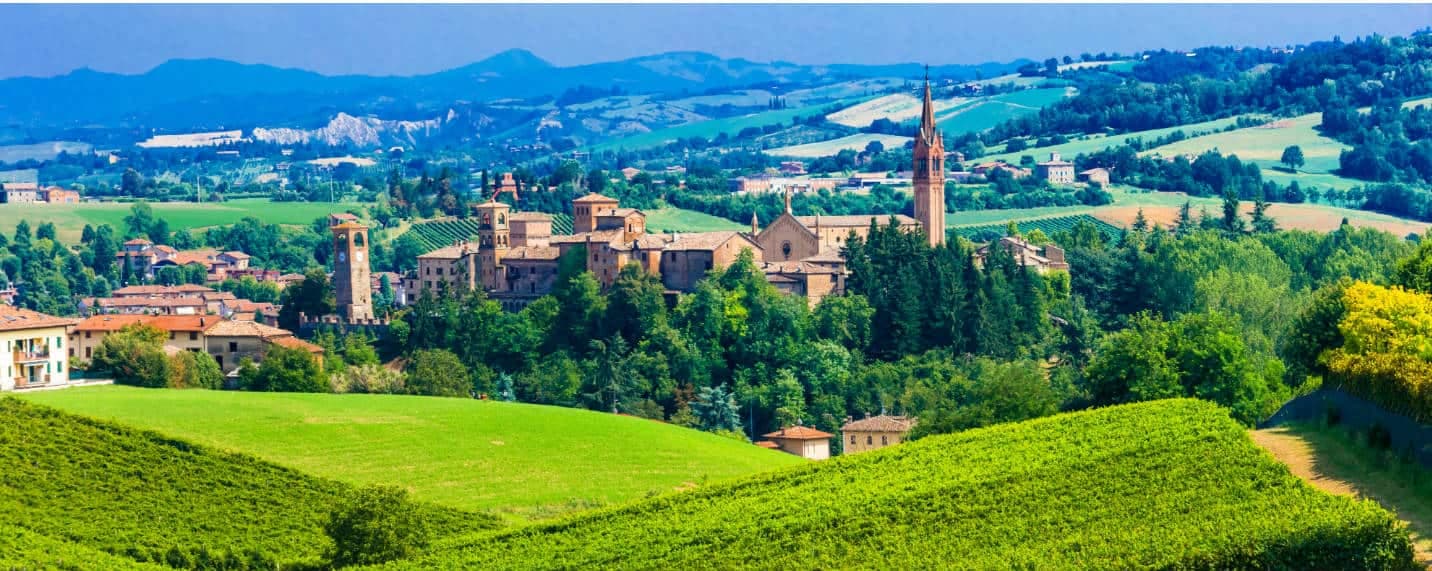
Castelvetro di Modena
Province: Modena · 152 m
A 152-meter hill borgo south of Modena whose checkerboard piazza sits above the slopes that grow Lambrusco Grasparossa.
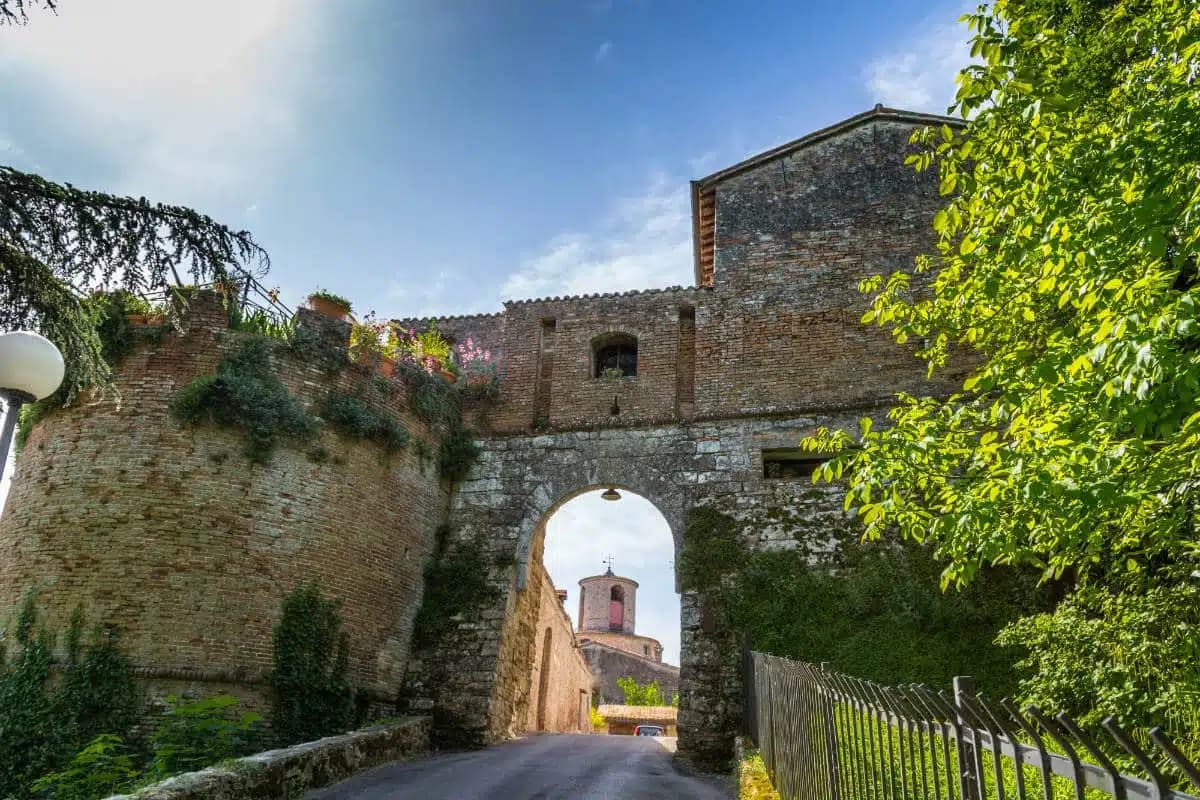
Castrocaro Terme e Terra del Sole
Province: Forlì-Cesena · 68 m
A pairing of two towns: a ninth-century fortress at Castrocaro and Cosimo I de' Medici's planned Renaissance fortress of Terra del Sole, founded 1564.
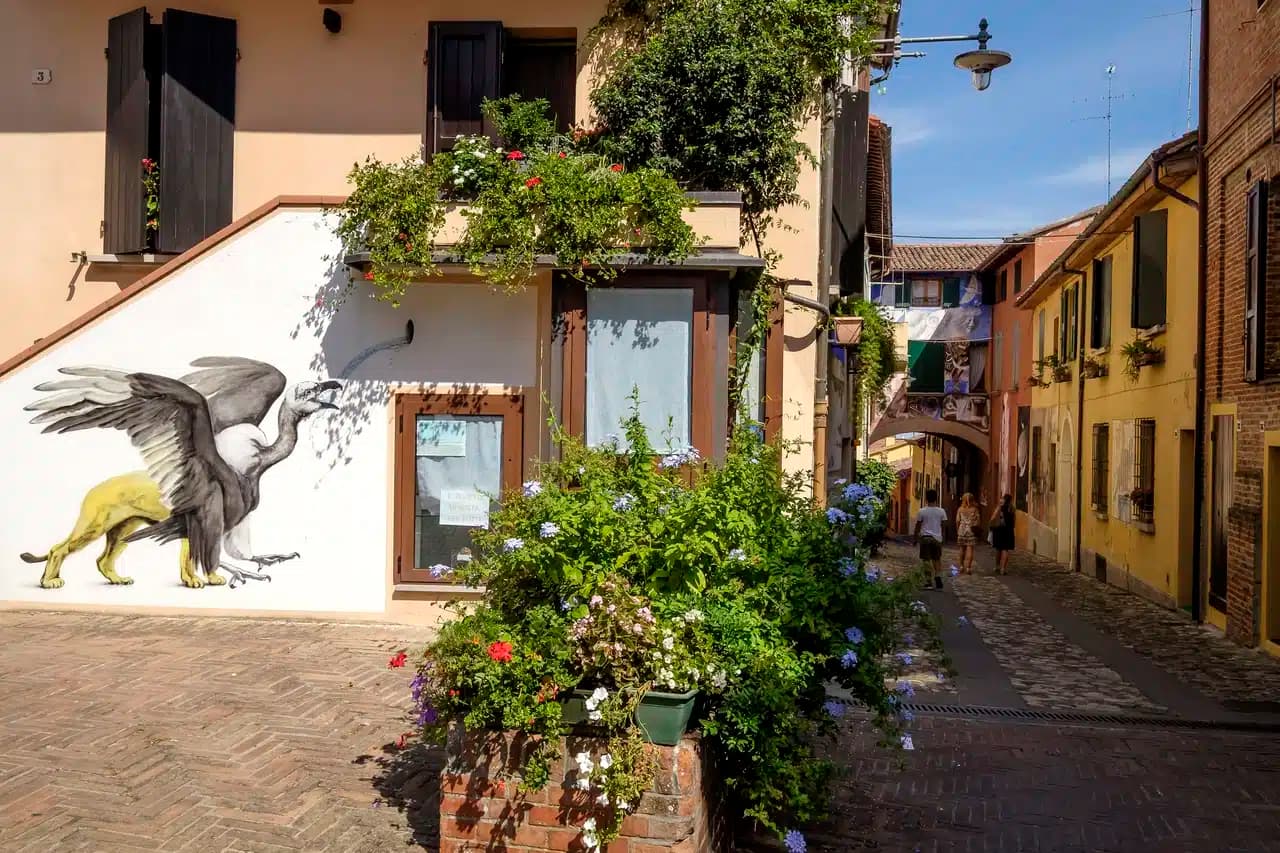
Dozza
Province: Bologna · 190 m
A 190-meter painted borgo above the Sellustra valley, where contemporary artists have repainted the house walls every two years since 1960.
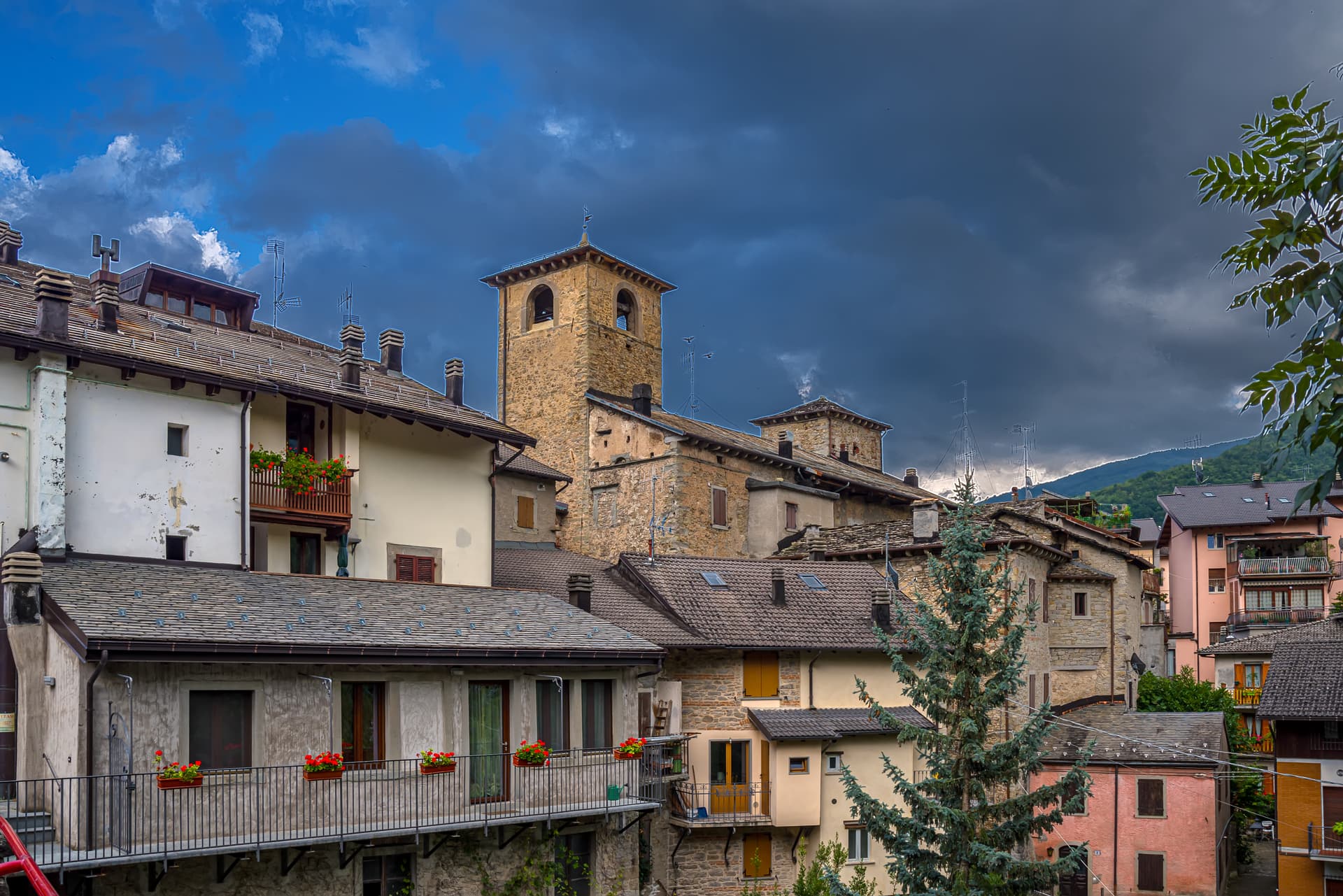
Fanano
Province: Modena · 640 m
A 640-meter stone-working town in the Modenese Apennines, set among Monte Cimone, Libro Aperto and the upper Frignano peaks.
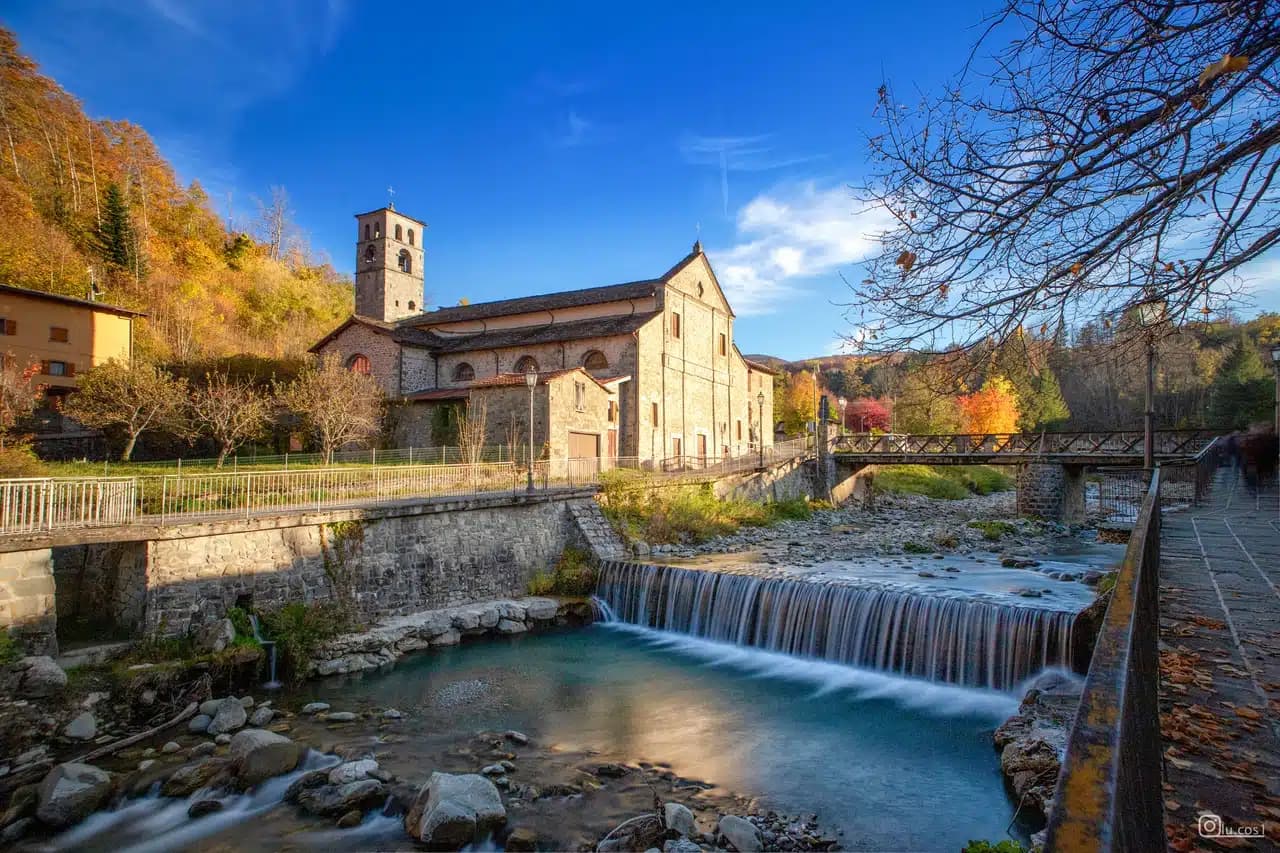
Fiumalbo
Province: Modena · 935 m
A 935-meter stone village in the Modenese Apennines on the Tuscan border, at the confluence of two rivers under Monte Cimone.
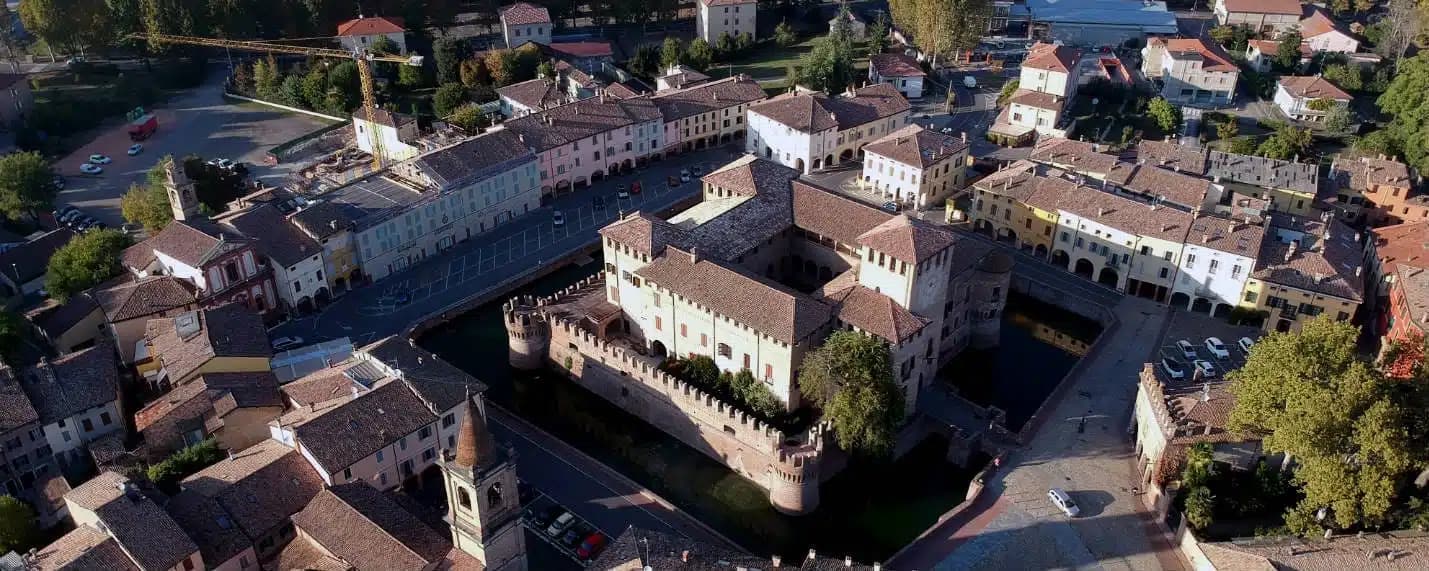
Fontanellato
Province: Parma · 45 m
A Parma-plain town built around the Rocca Sanvitale, the moated fortress with Parmigianino's 1524 fresco of Diana and Actaeon.
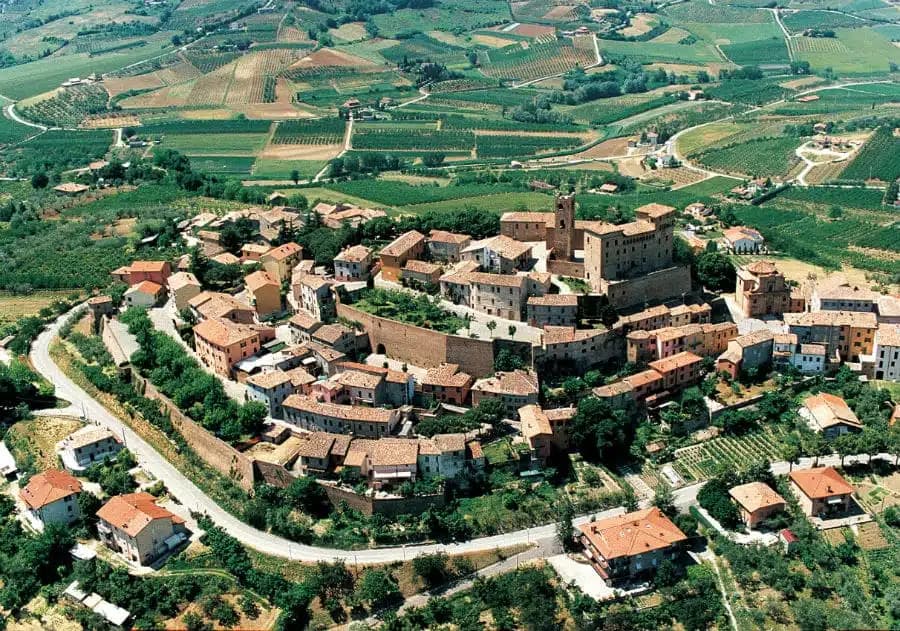
Longiano
Province: Forlì-Cesena · 179 m
A 179-meter Malatesta borgo on the hills between Cesena and Rimini, holding the Tito Balestra collection inside the family castle.
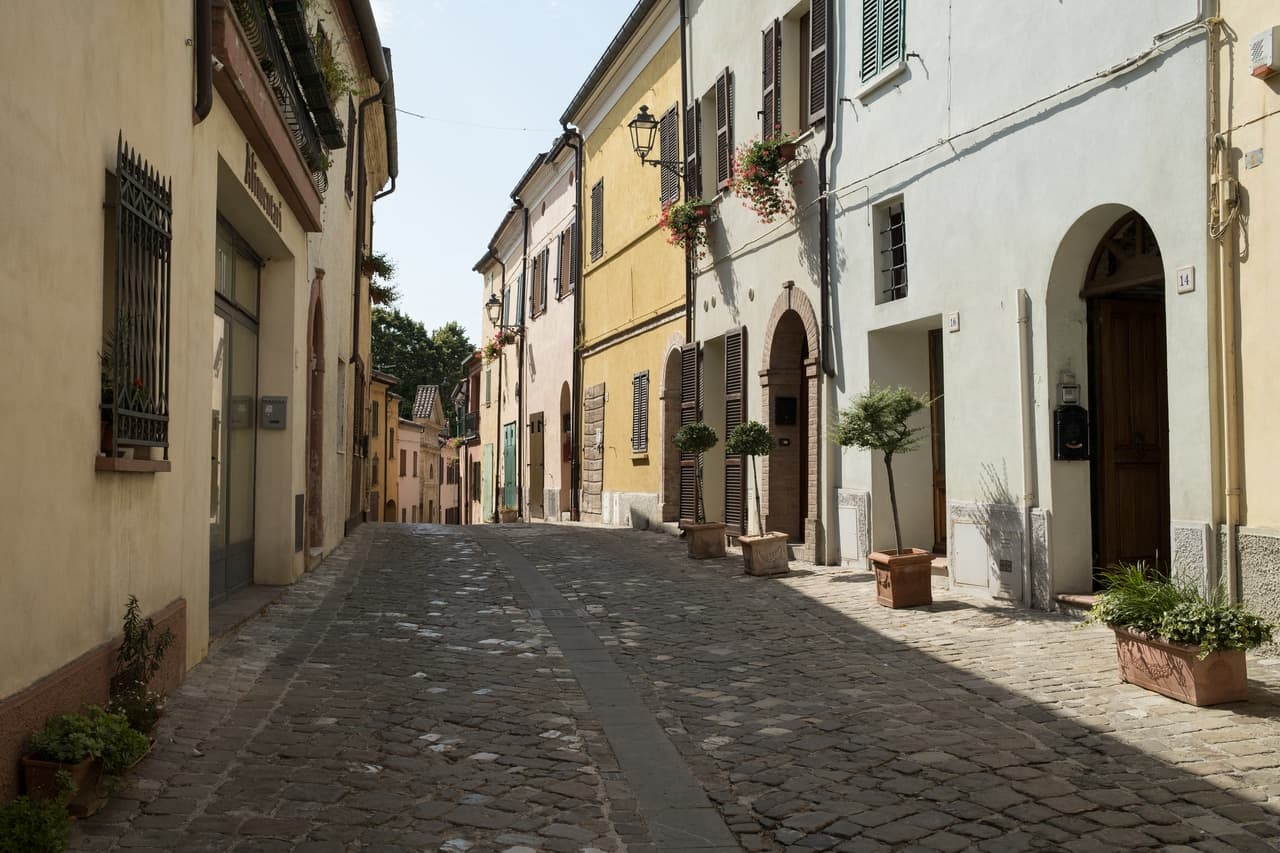
Montefiore Conca
Province: Rimini · 385 m
A 385-meter Malatesta hilltop above the Conca valley, dominated by a fourteenth-century fortress that was once a summer residence of the lords of Rimini.
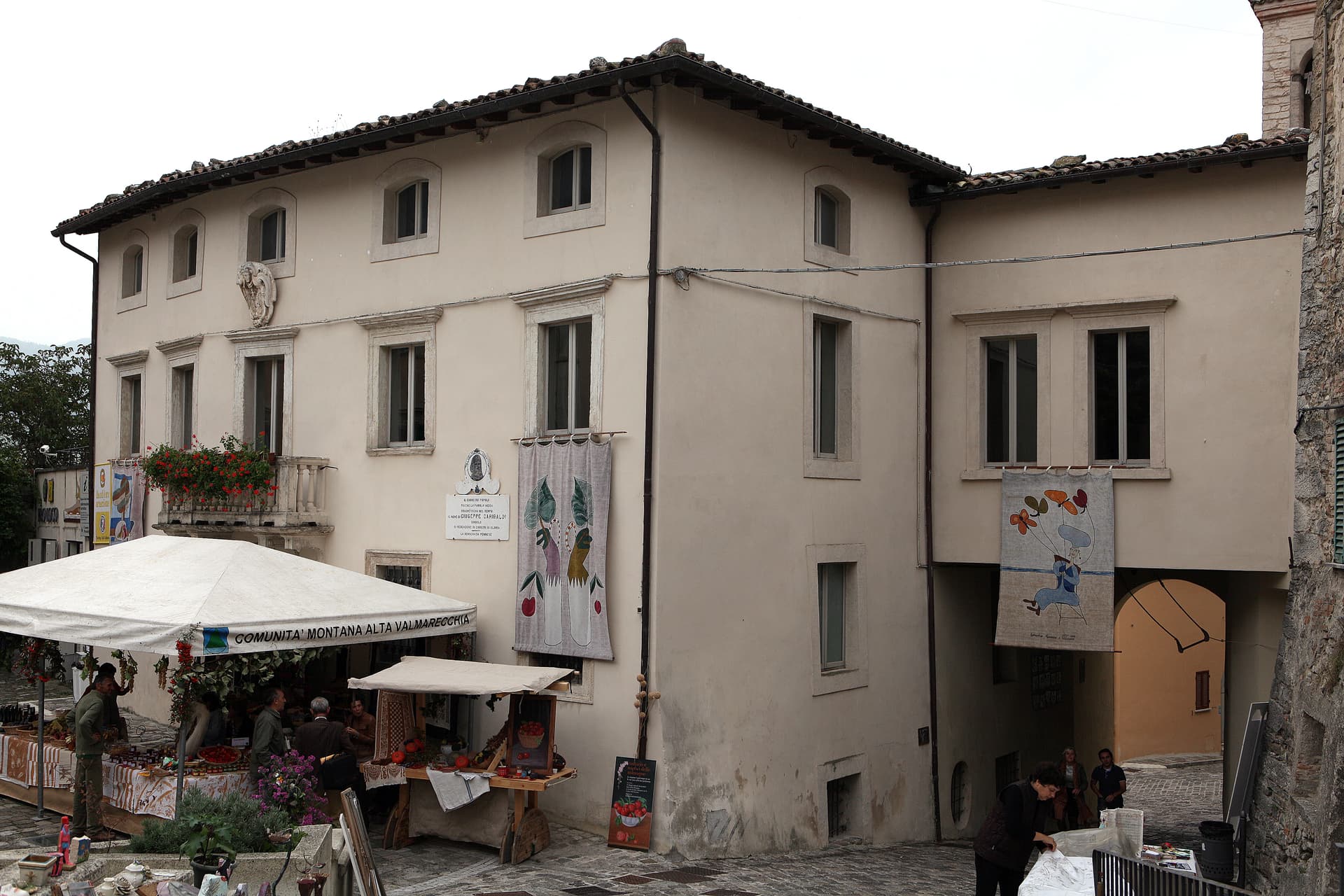
Pennabilli
Province: Rimini · 629 m
A 629-meter Montefeltro borgo between the Roccione and the Rupe, rebuilt as a poet's open-air museum by Tonino Guerra after 1989.
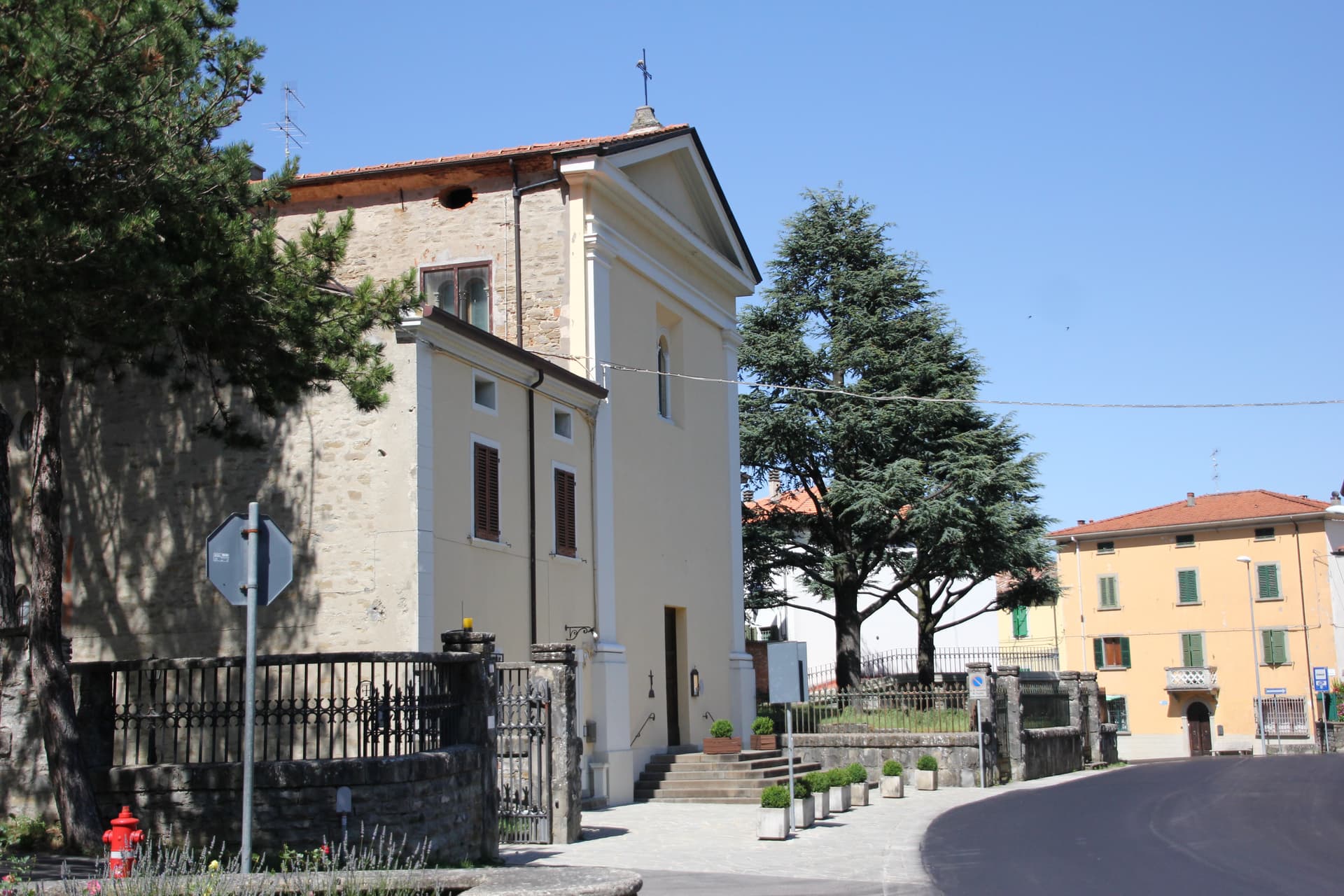
Portico e San Benedetto
Province: Forlì-Cesena · 309 m
A three-tier medieval borgo at 309 meters on the Montone river, capital of Florence's Romagna territories from 1386.
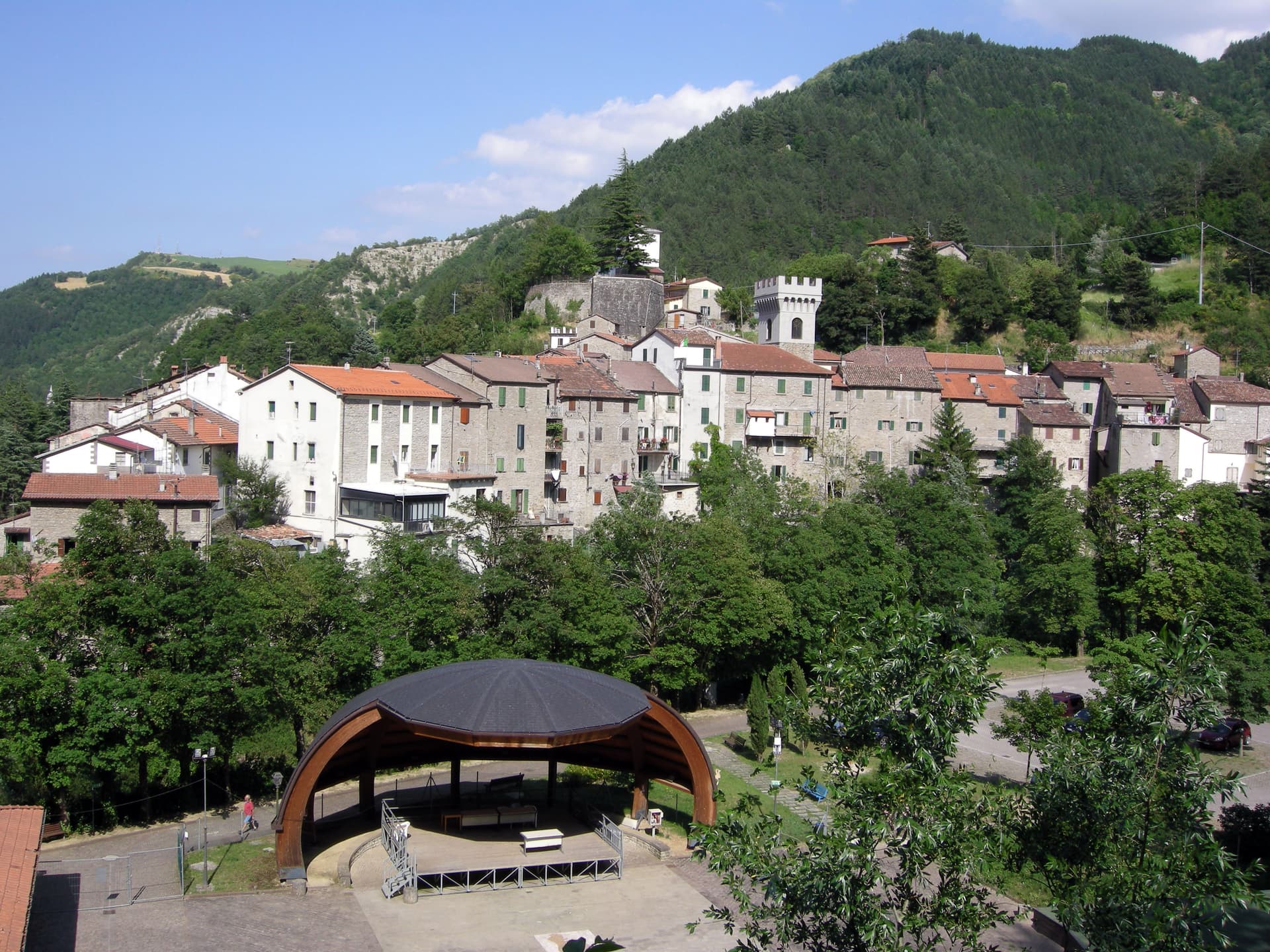
Premilcuore
Province: Forlì-Cesena · 459 m
A 459-meter walled borgo on the Rabbi river, an entry point to the Foreste Casentinesi from the Romagna side.
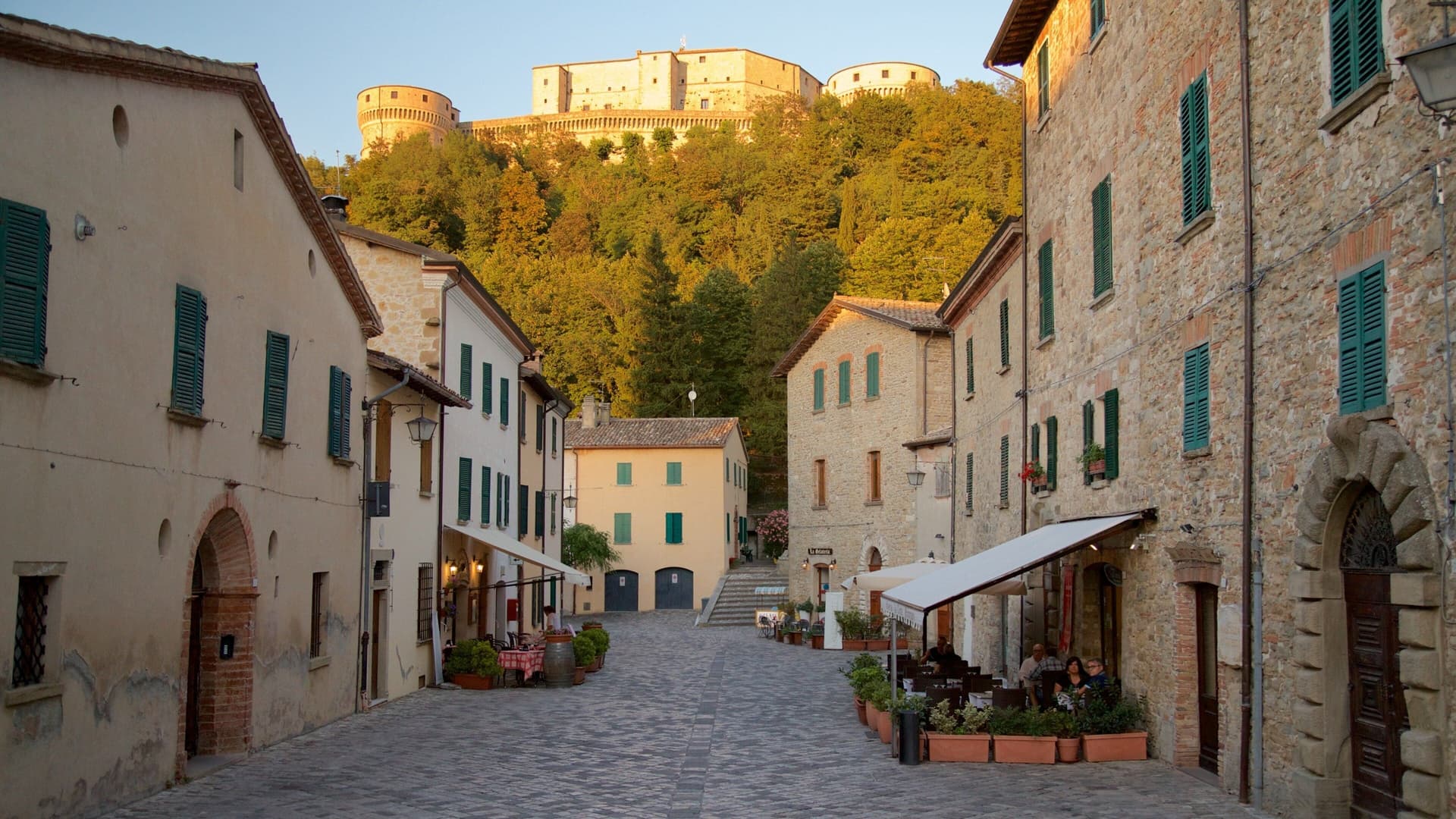
San Leo
Province: Rimini · 583 m
Italy's most dramatic hilltop fortress town — a 2,820-resident borgo on a vertical 583m limestone outcrop in the Montefeltro, 35 km from Rimini, with the Renaissance Forte di San Leo (where Cagliostro was imprisoned and died in 1795), the 9th-c Pieve, the 12th-c Duomo, and the Romagna/Marche frontier panorama from every wall.
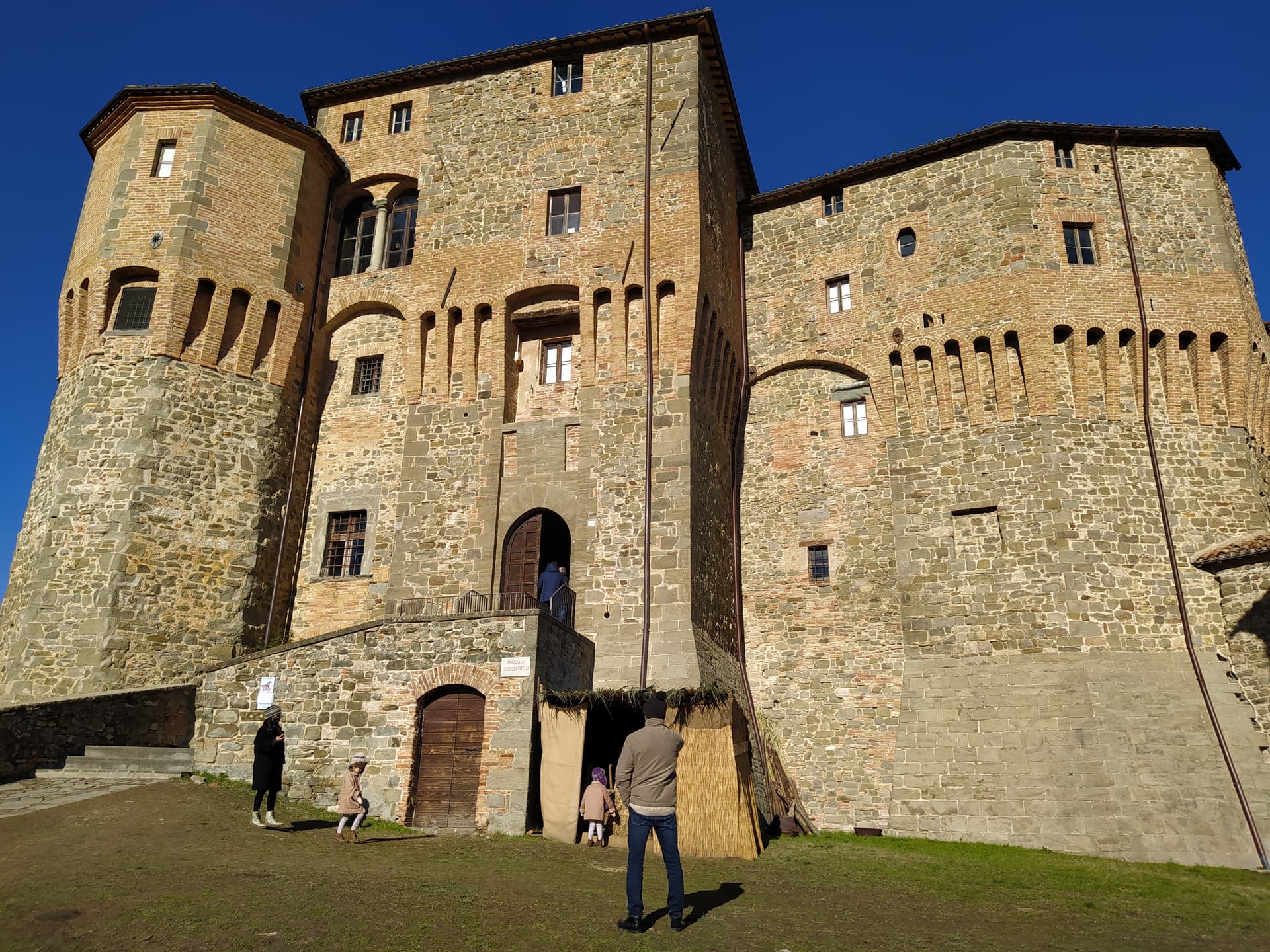
Sant'Agata Feltria
Province: Rimini · 607 m
A 607-meter Montefeltro borgo crowned by the Rocca Fregoso on the Sasso del Lupo, host of the national white truffle fair since 1985.
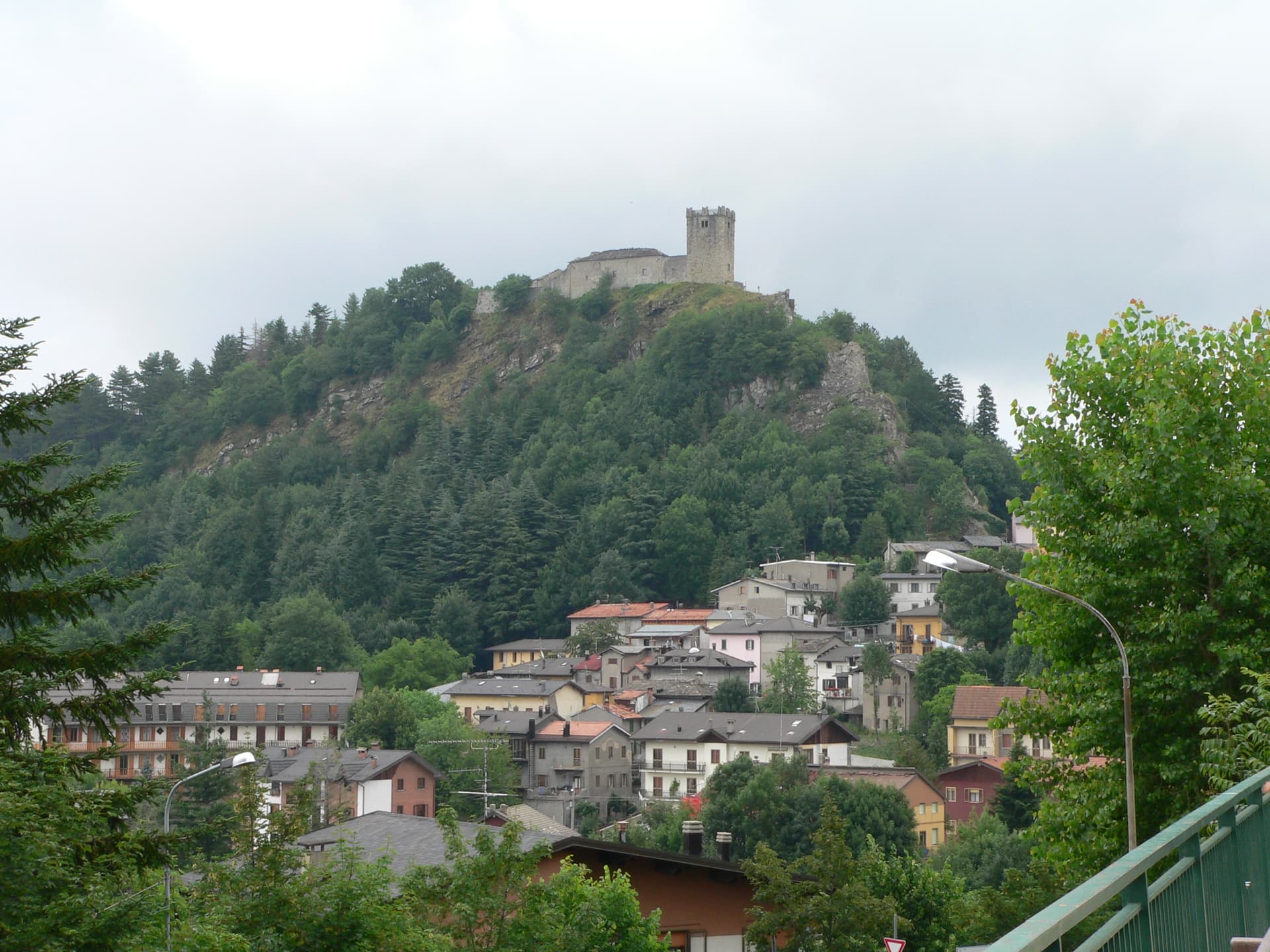
Sestola
Province: Modena · 1,020 m
A 1,020-meter Apennine town under Monte Cimone, with a Lombard-era castle above and the largest ski domain of central Italy on the slopes.
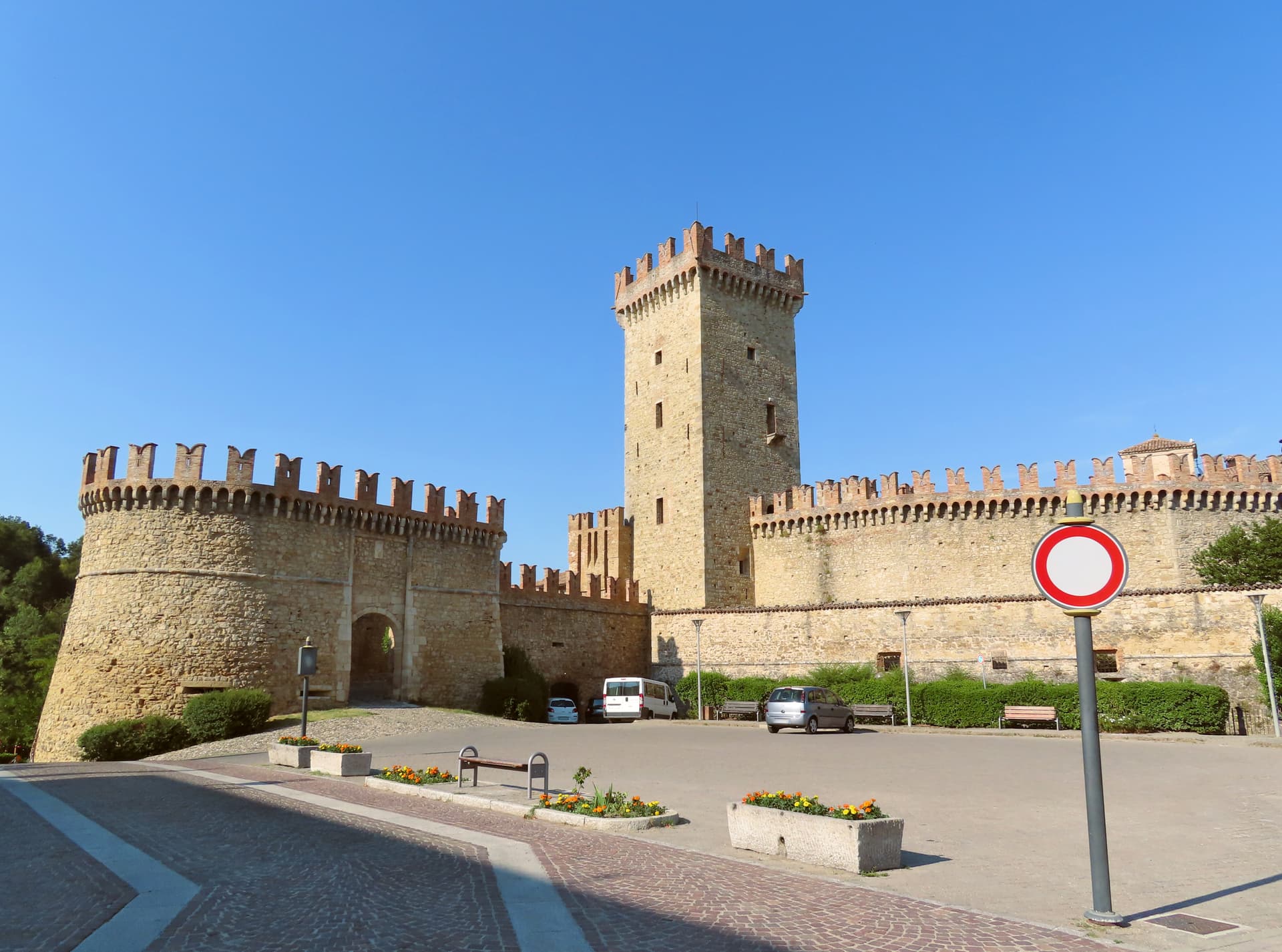
Vernasca
Province: Piacenza · 457 m
A Val d'Arda commune in the Piacenza Apennines, holding the walled village of Vigoleno and one of the most compact castled borghi in Emilia.
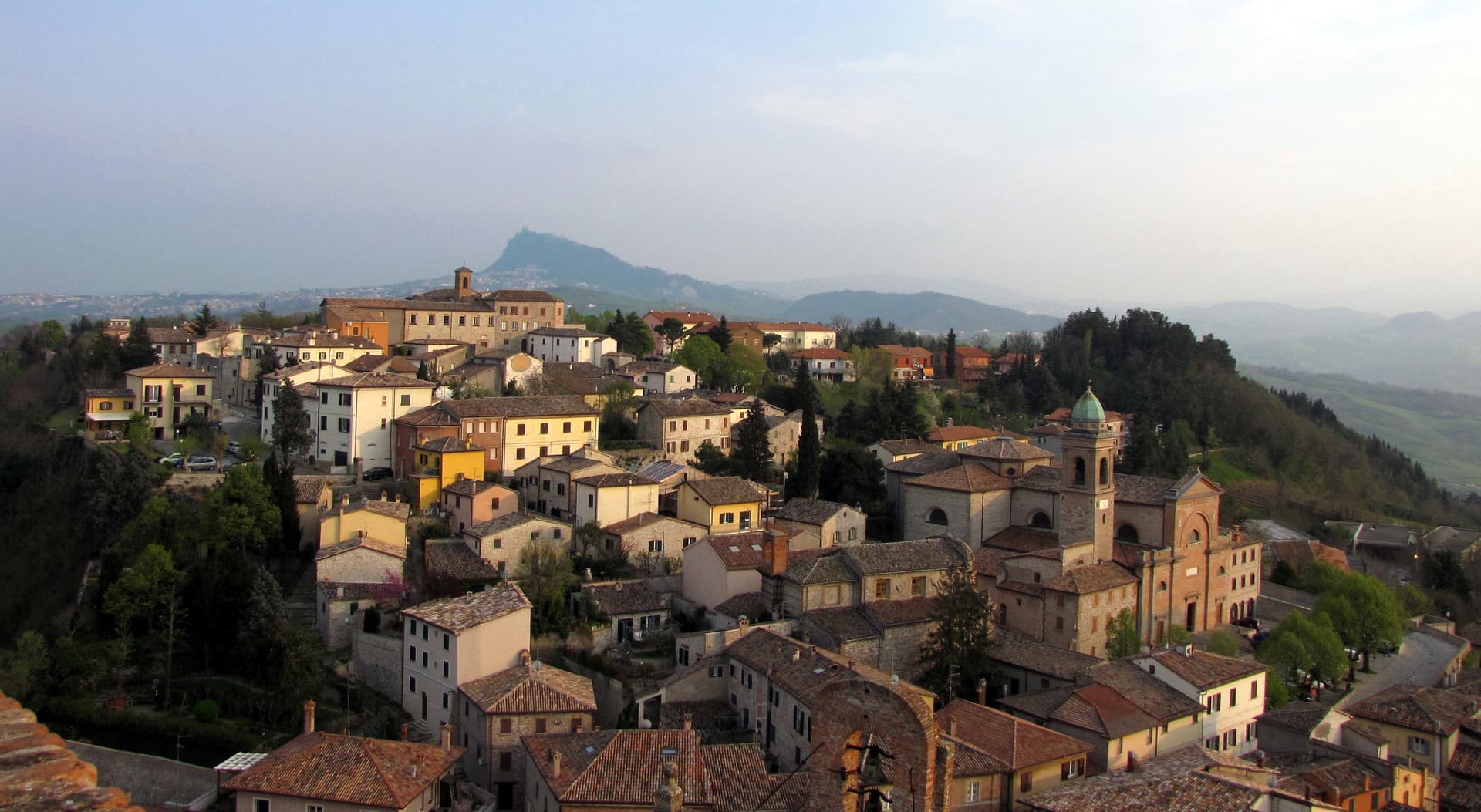
Verucchio
Province: Rimini · 330 m
A spur over the lower Marecchia valley, cradle of the Villanovan civilization and birthplace of the Malatesta lordship of Romagna.
Friuli-Venezia Giulia4
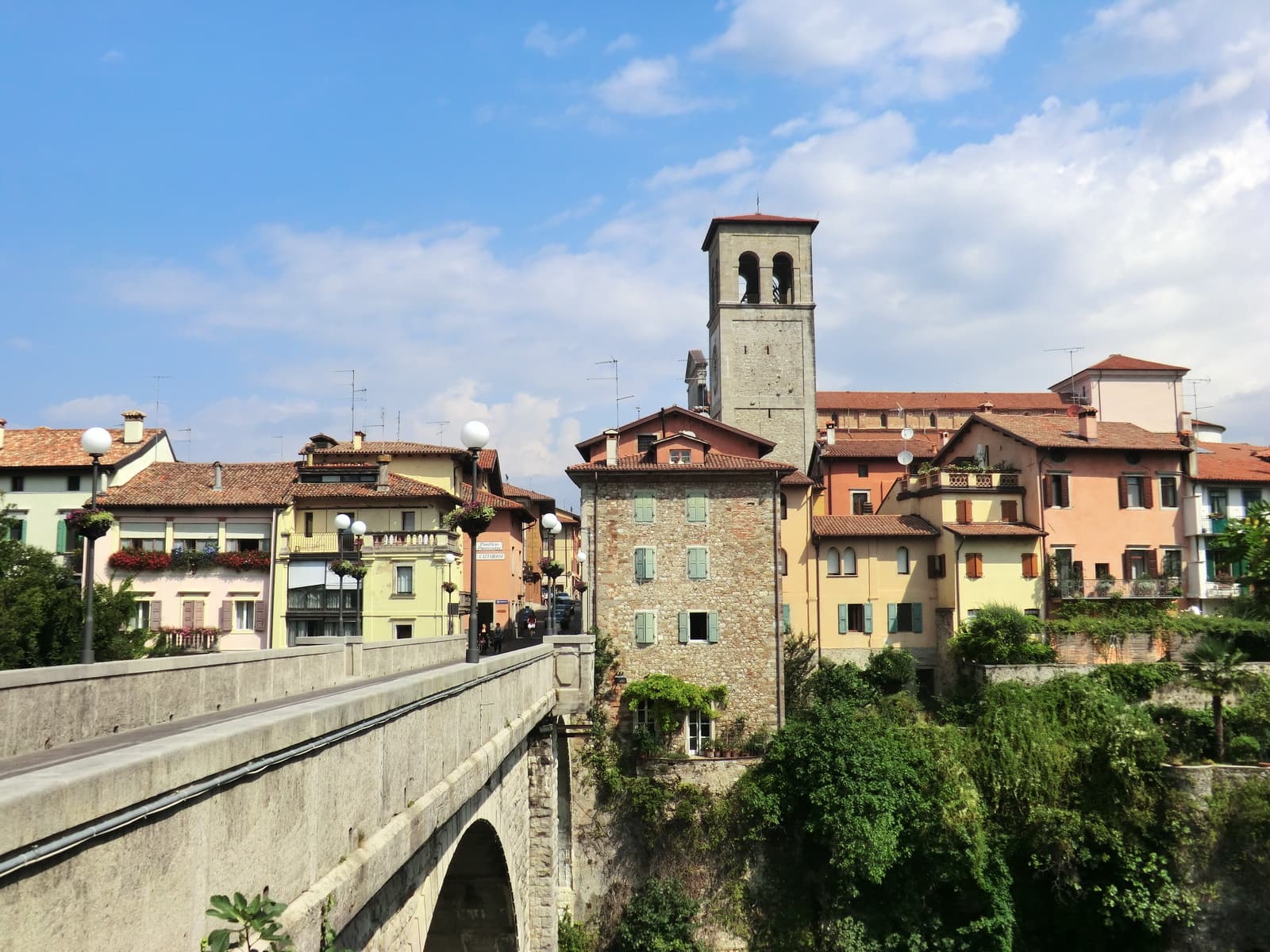
Cividale del Friuli
Province: Udine · 138 m
The Lombard capital on the Natisone, founded as Forum Iulii by Julius Caesar, where an eighth-century chapel still holds six stucco saints.
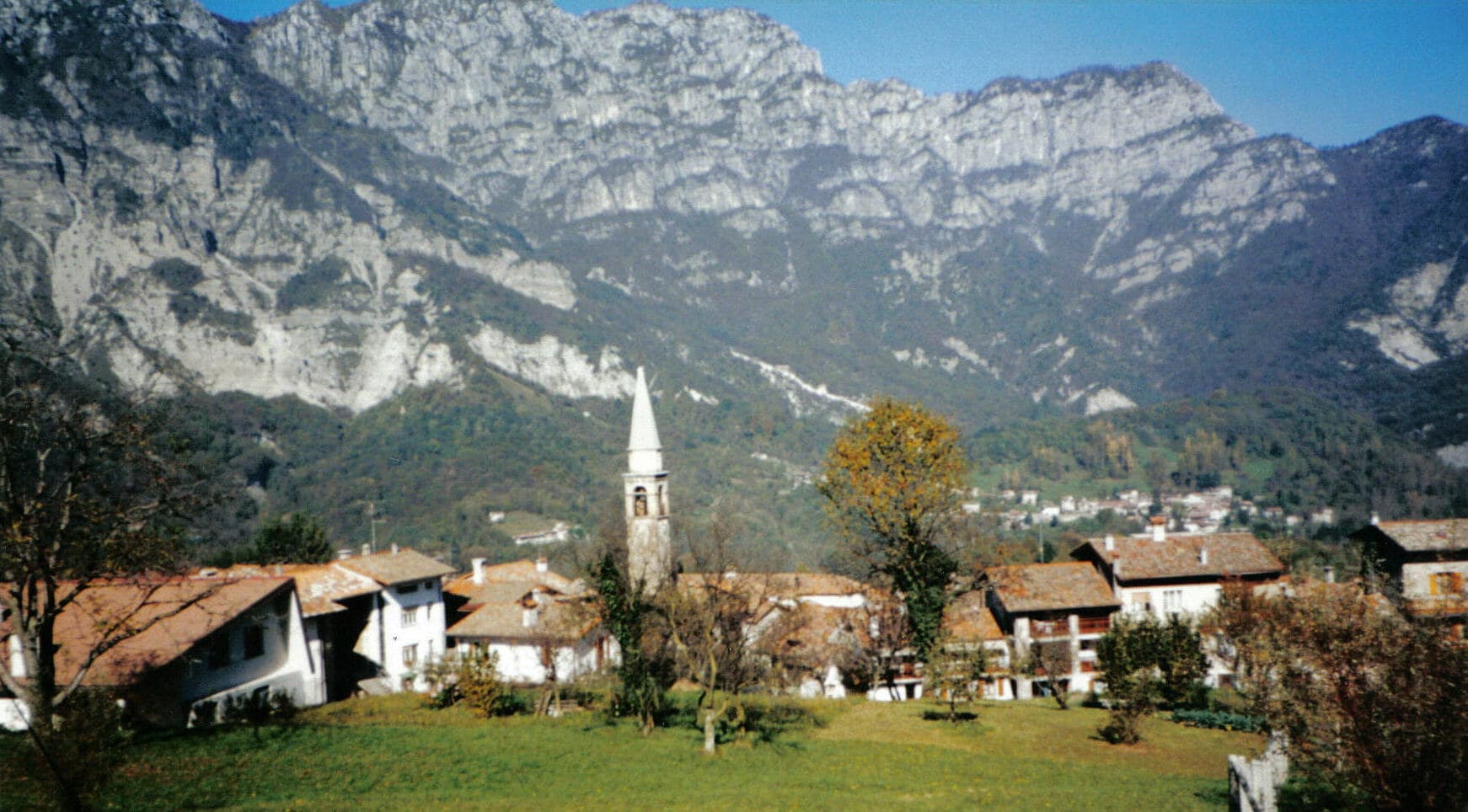
Frisanco
Province: Pordenone · 415 m
A 572-resident commune in the Val Colvera whose frazione Poffabro, at 525 meters, became a model of Prealpine stone-and-wood vernacular architecture.
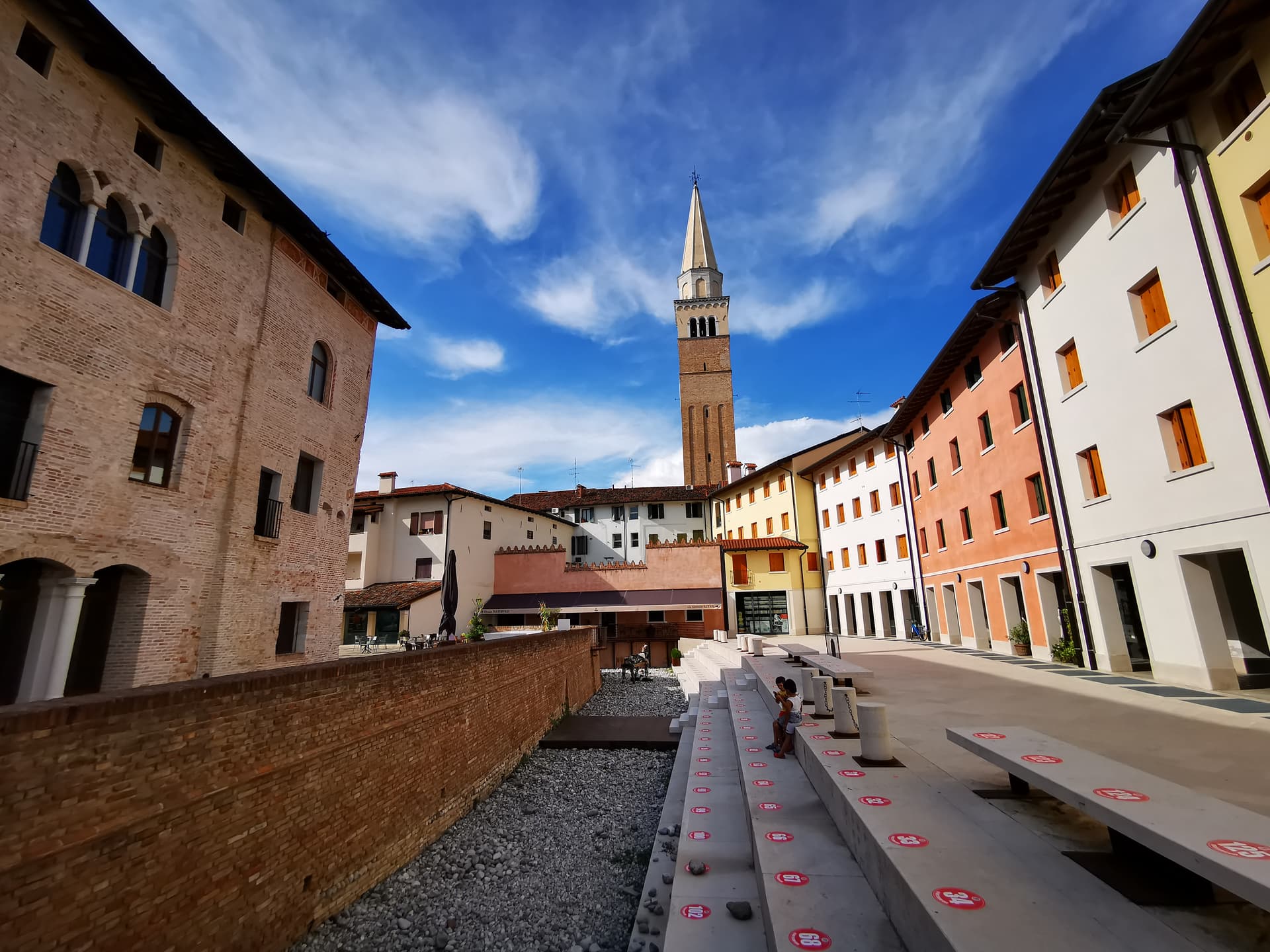
San Vito al Tagliamento
Province: Pordenone · 30 m
A medieval Tagliamento-plain town inside three rings of moats and three towers, where the Renaissance painter Pomponio Amalteo worked from 1536 until 1588.
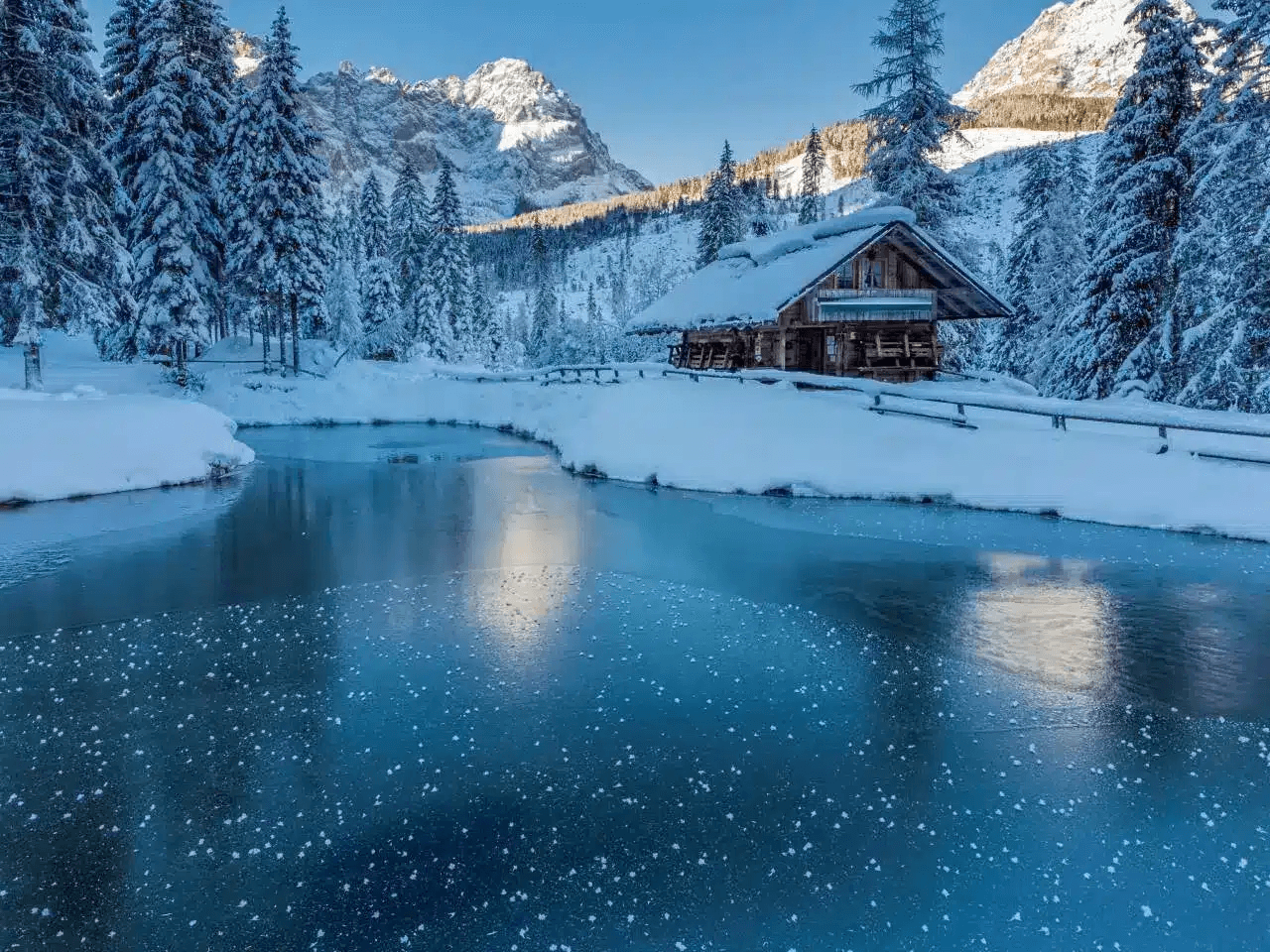
Sappada
Province: Udine · 1,250 m
A German-speaking alpine village at 1,250 meters near the source of the Piave, settled from East Tyrol in the eleventh century and Italian since 1852.
Lazio16
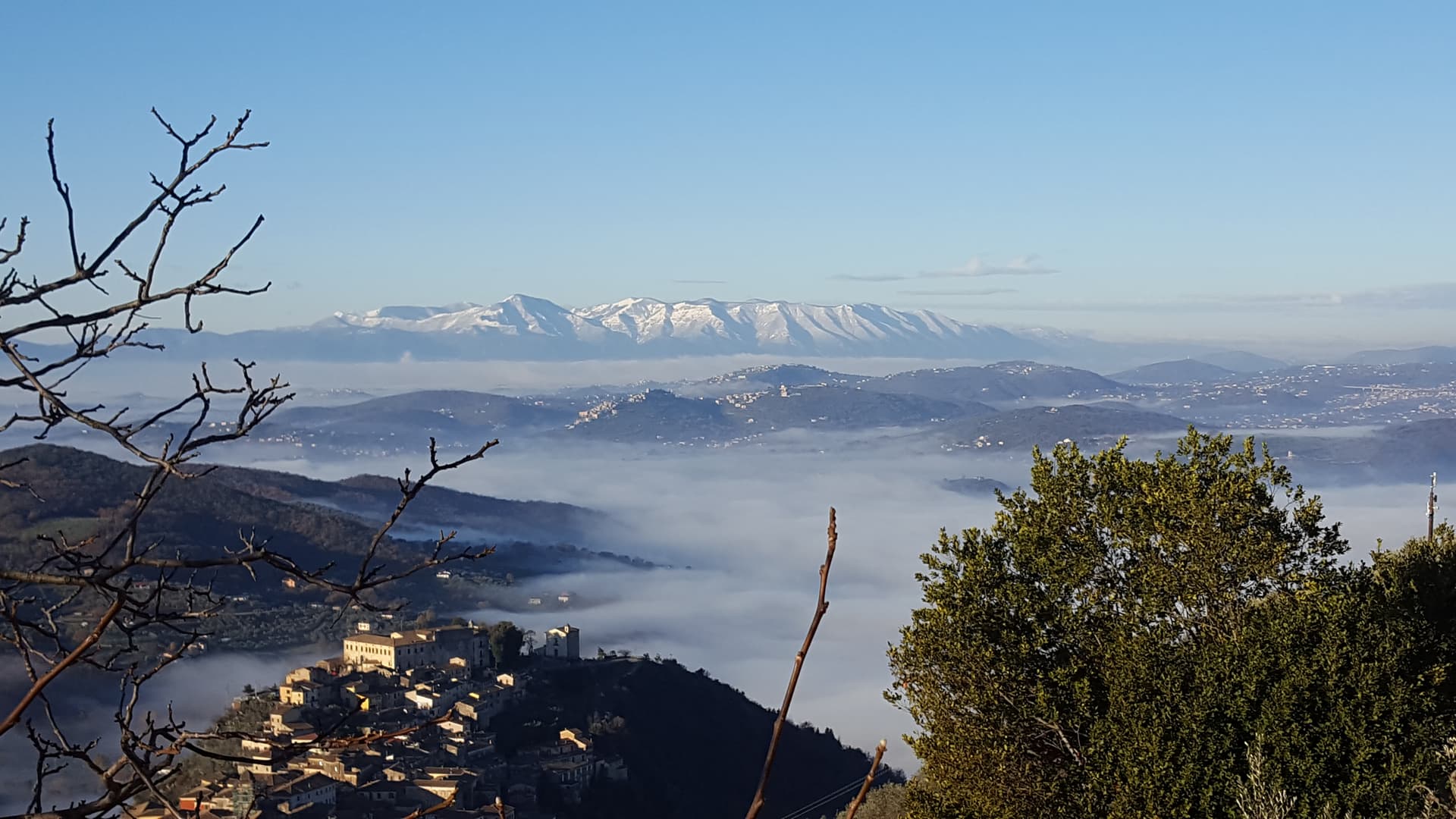
Arpino
Province: Frosinone · 450 m
The Volscian-Roman hill town in the Liri valley that produced Marius and Cicero, with a pre-Roman acropolis above the modern center.
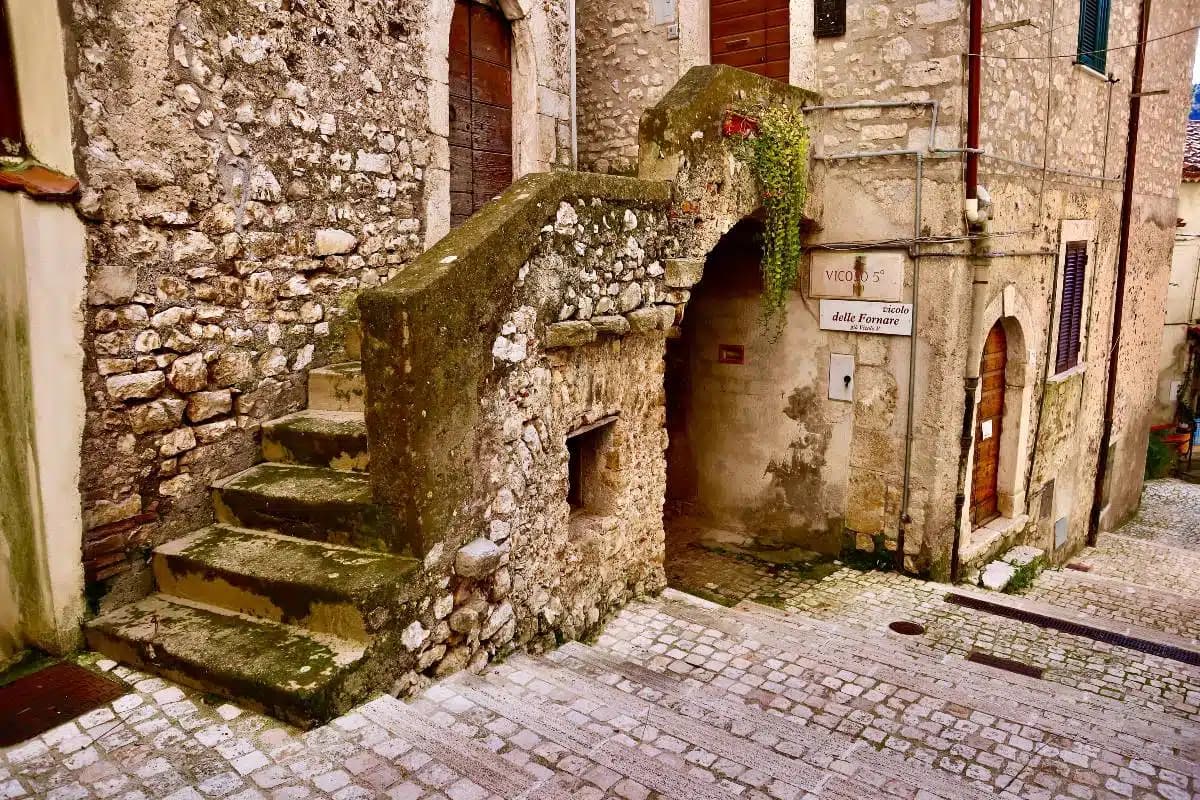
Bassiano
Province: Latina · 562 m
The highest village in the province of Latina at 562 meters, birthplace of Aldo Manuzio, who shrank the book to pocket size.
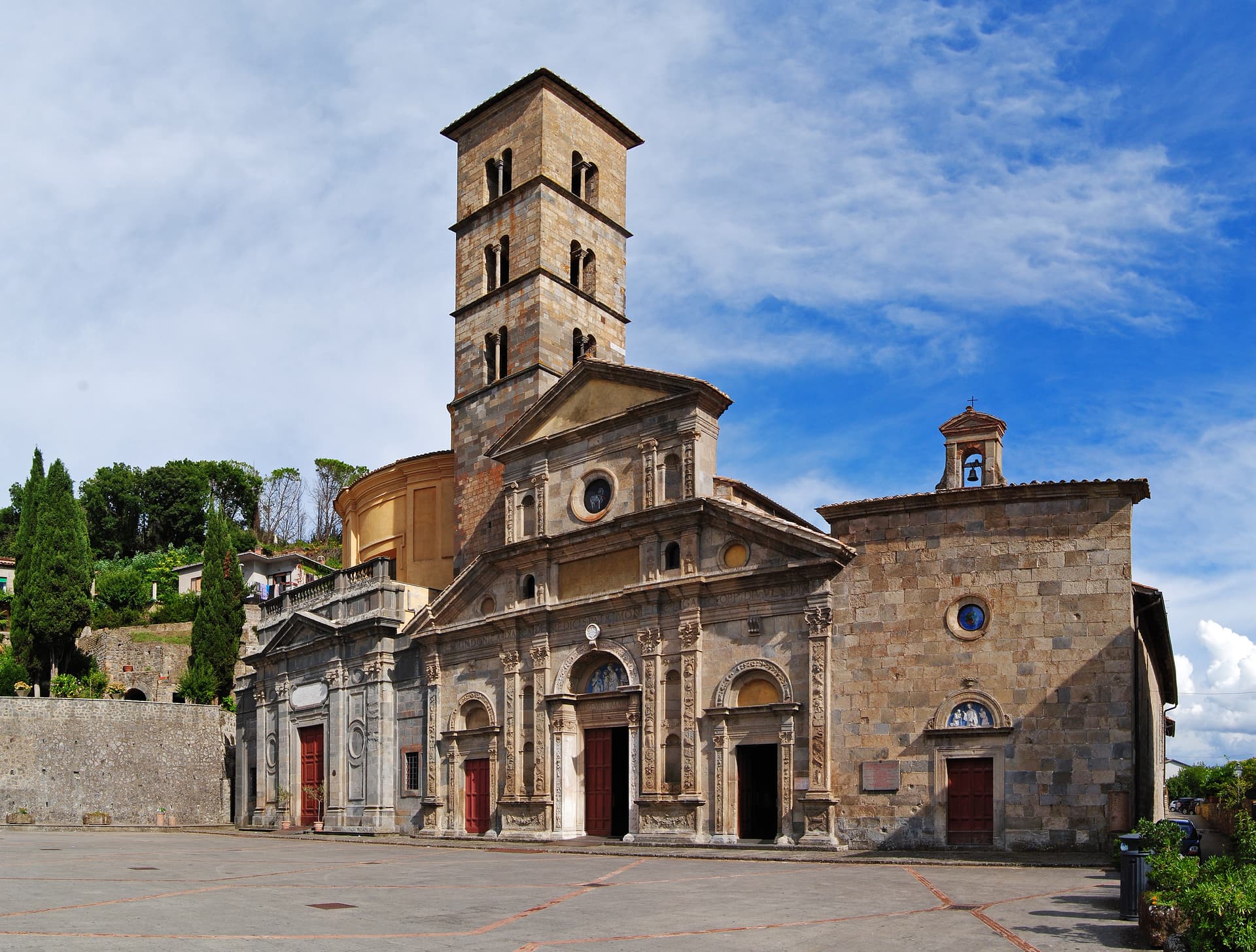
Bolsena
Province: Viterbo · 350 m
A medieval town at 350 meters on the eastern shore of Europe's largest volcanic lake, where a Bohemian priest reported a Eucharistic miracle in 1263.
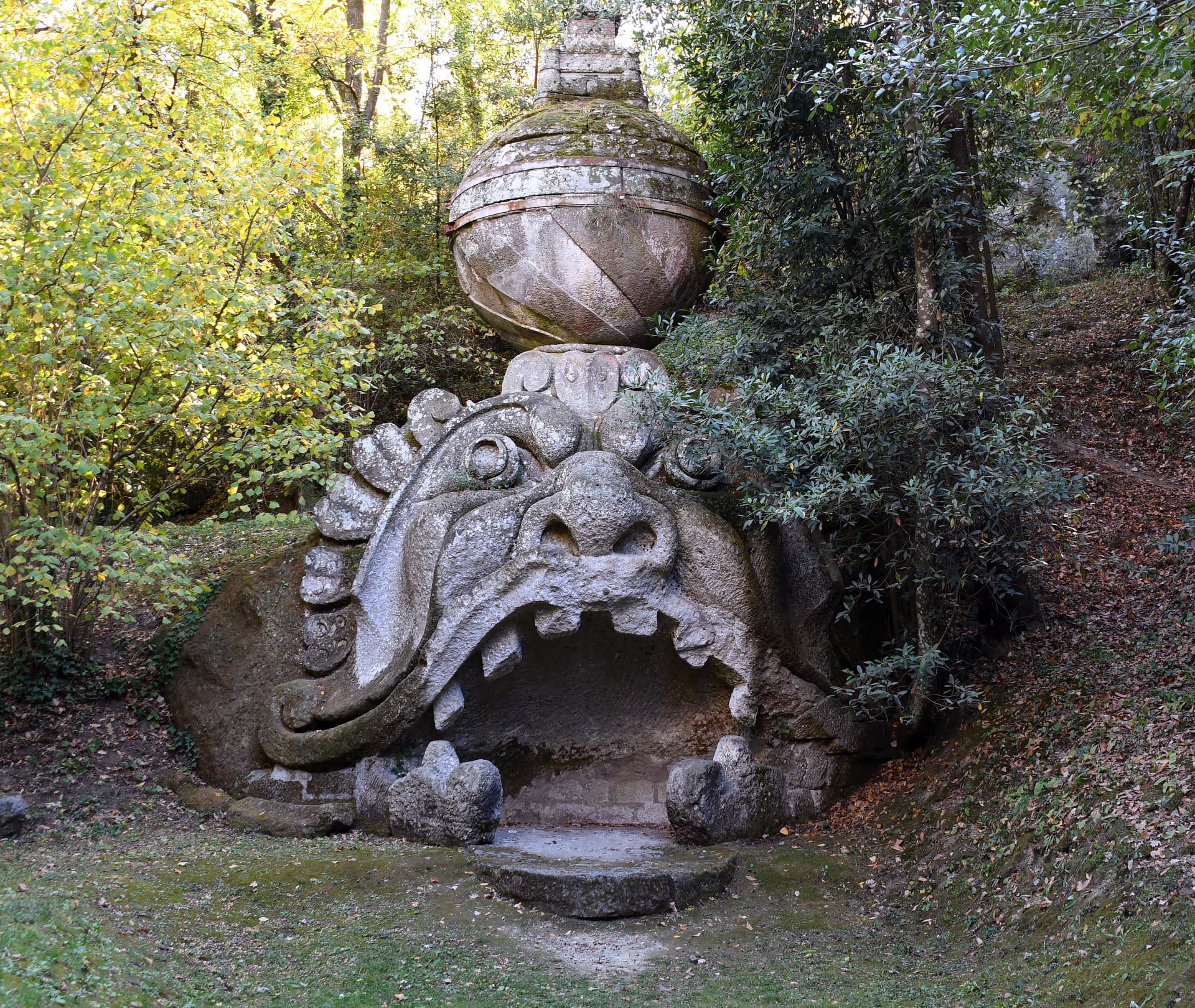
Bomarzo
Province: Viterbo · 263 m
The Tuscia village below the Sacro Bosco, the 16th-century stone-monster garden built by a grieving condottiero for his dead wife.
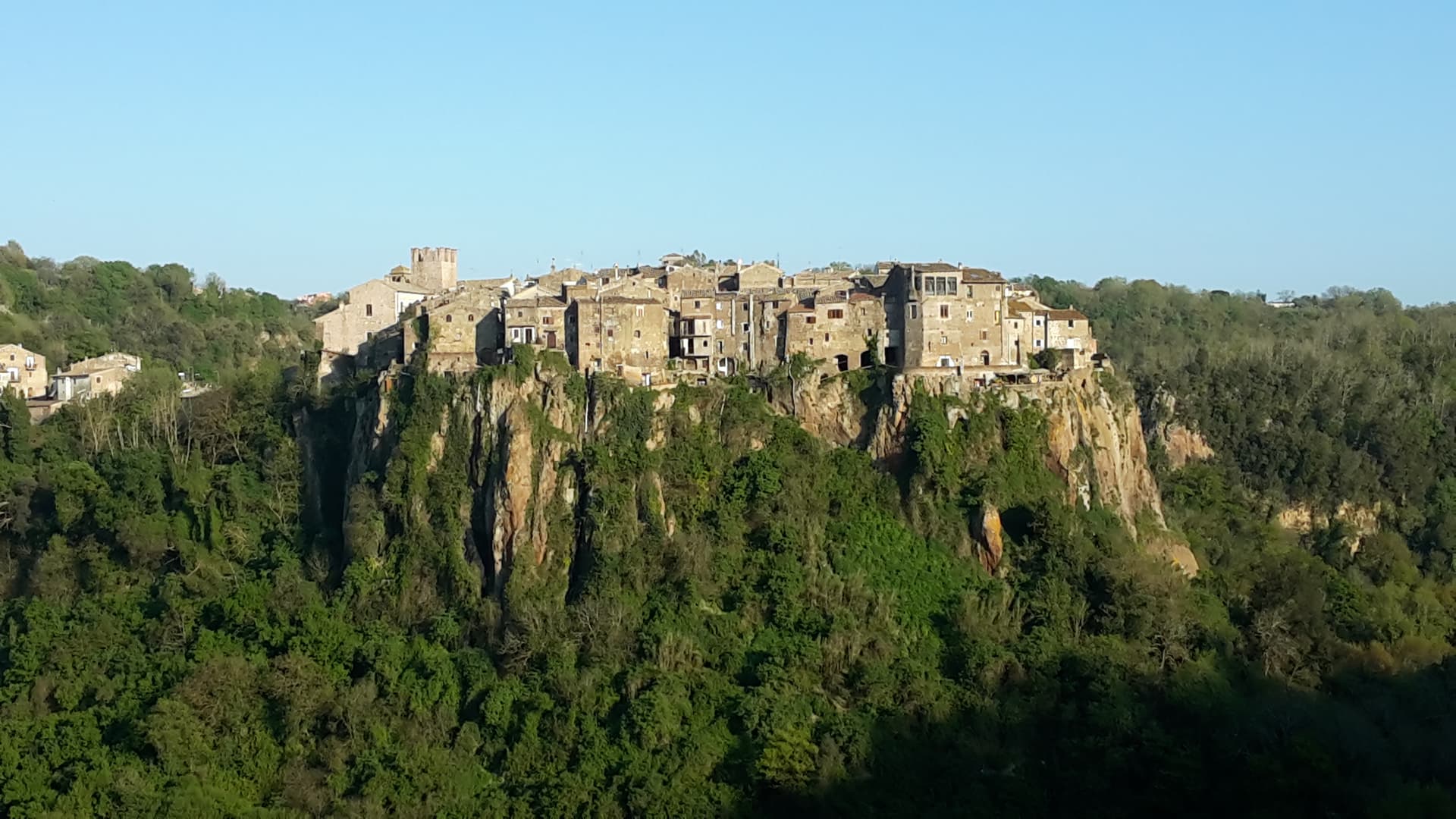
Calcata
Province: Viterbo · 220 m
A tufa-cliff village forty kilometers north of Rome, condemned and abandoned in the 1930s, then occupied by artists and never left.
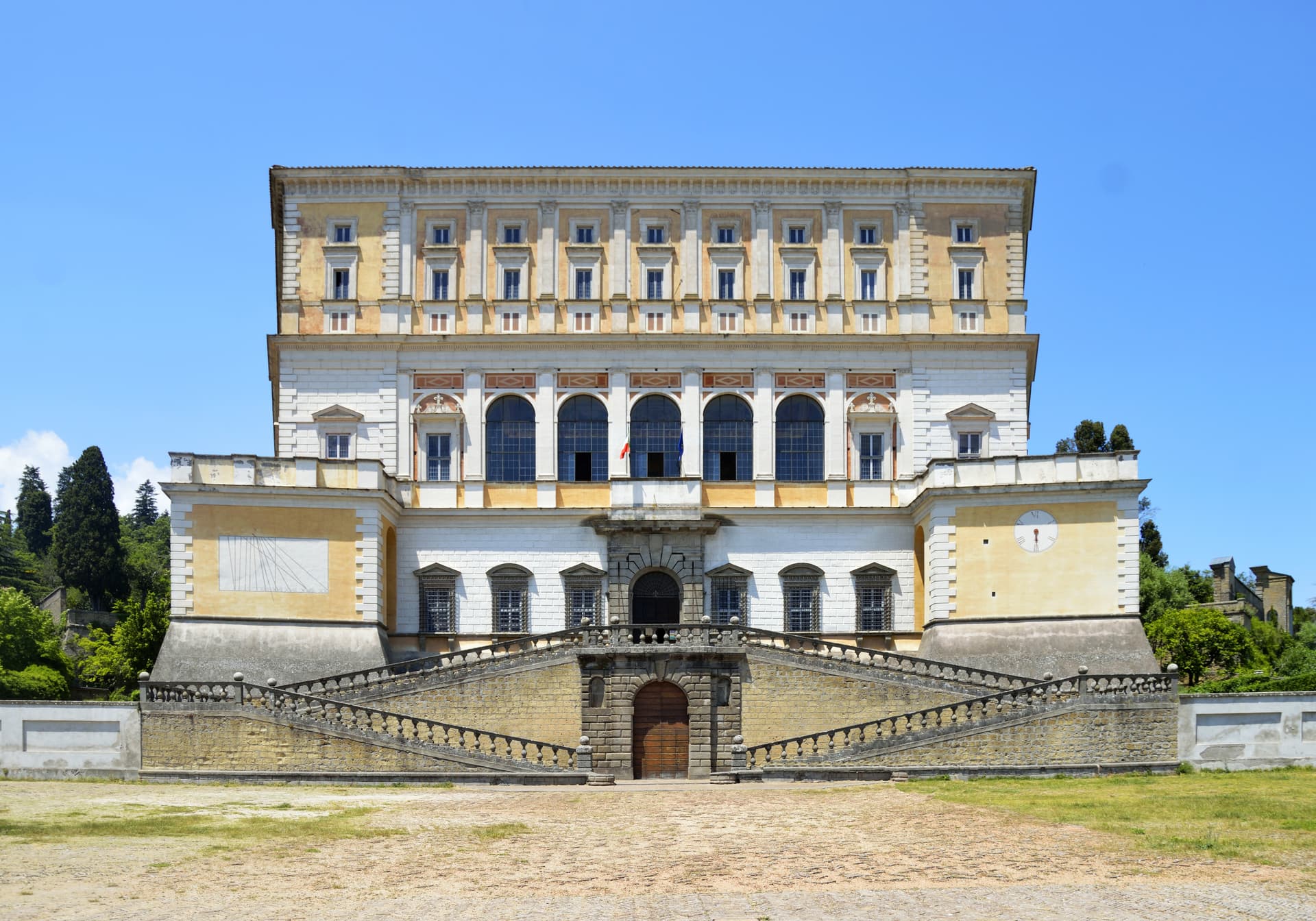
Caprarola
Province: Viterbo · 510 m
A Cimini hill town above Lago di Vico, dominated by the pentagonal Villa Farnese that Vignola built for the Farnese cardinals between 1559 and 1573.
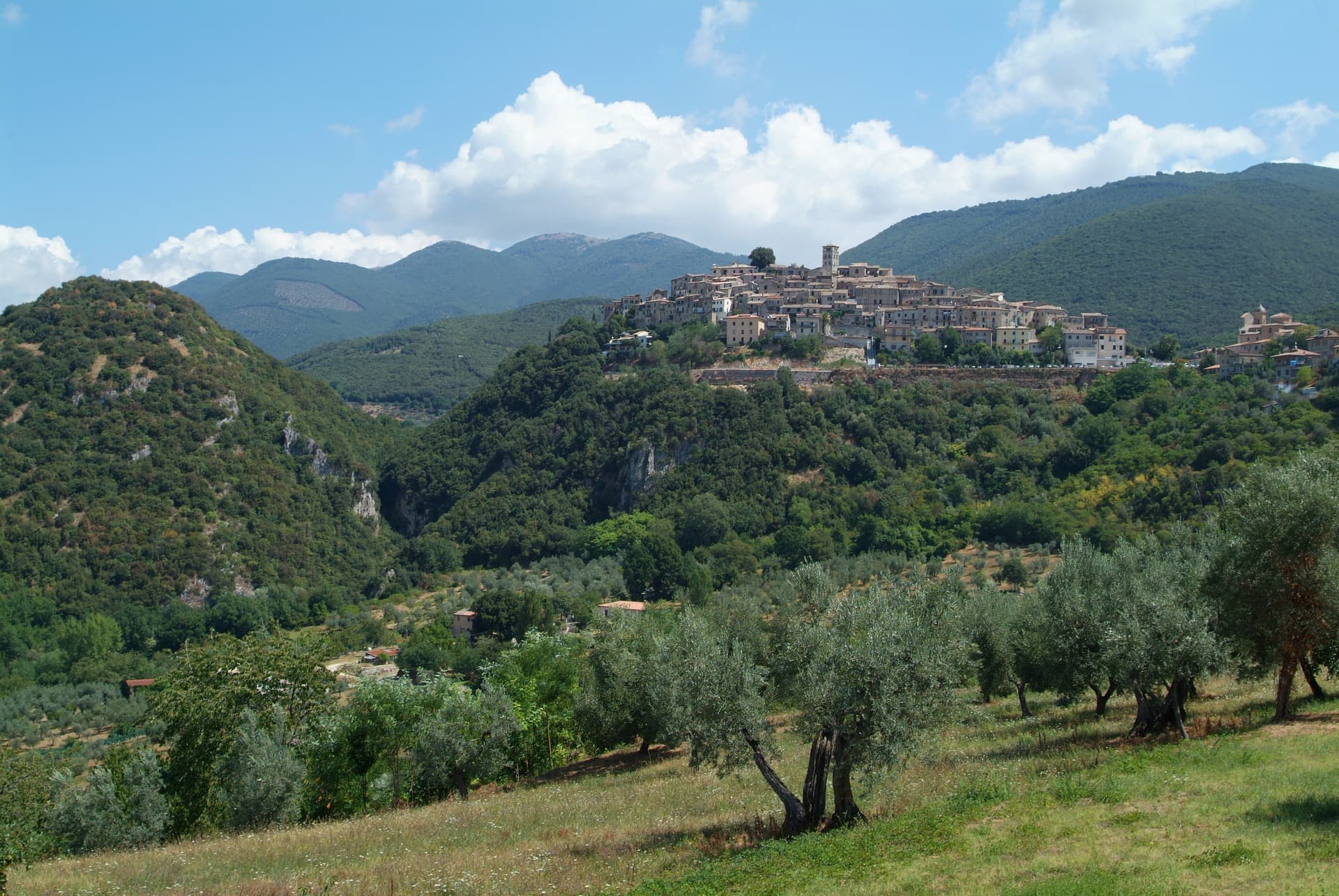
Casperia
Province: Rieti · 397 m
A Sabina hill village named Aspra in Virgil's Aeneid, called that until 1947, ringed by walls from 1282 and Sabina DOP olive groves below.
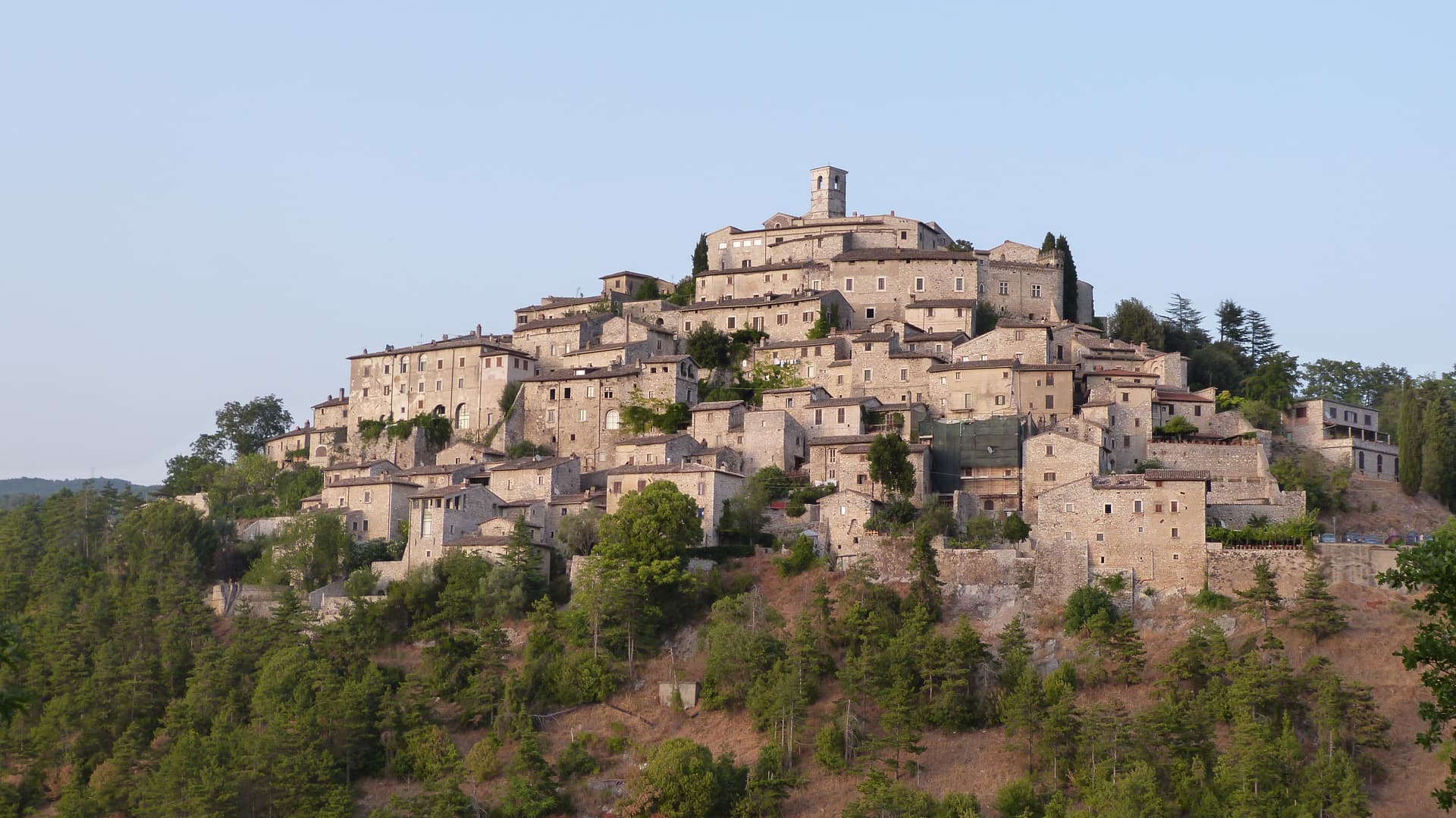
Labro
Province: Rieti · 628 m
A 355-person stone borgo at 628 meters above Lake Piediluco, restored since the 1960s by a Belgian architect and his descendants.
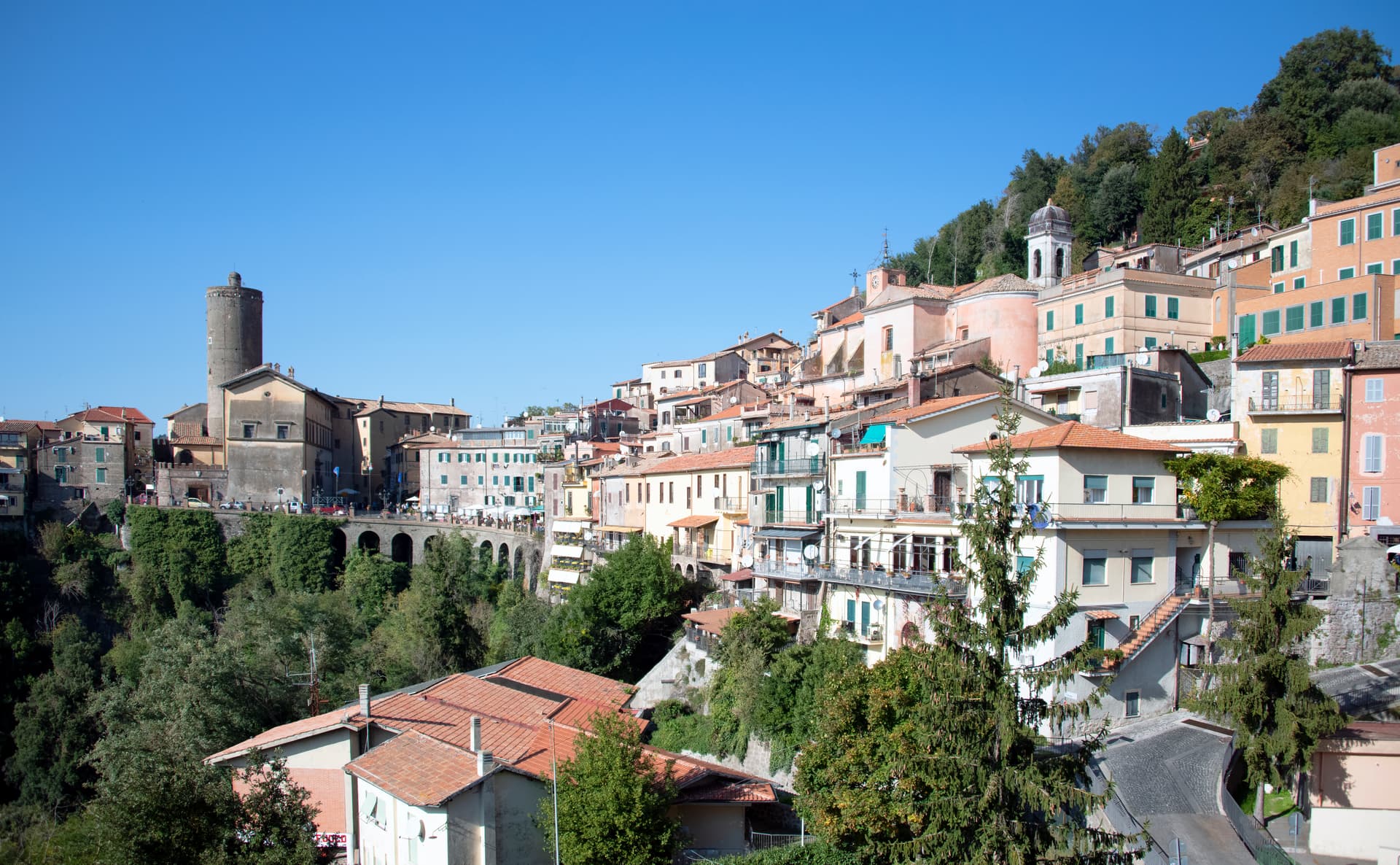
Nemi
Province: Roma · 521 m
The smallest comune in the Castelli Romani, perched at 521 meters above a volcanic crater lake the Romans called the mirror of Diana.
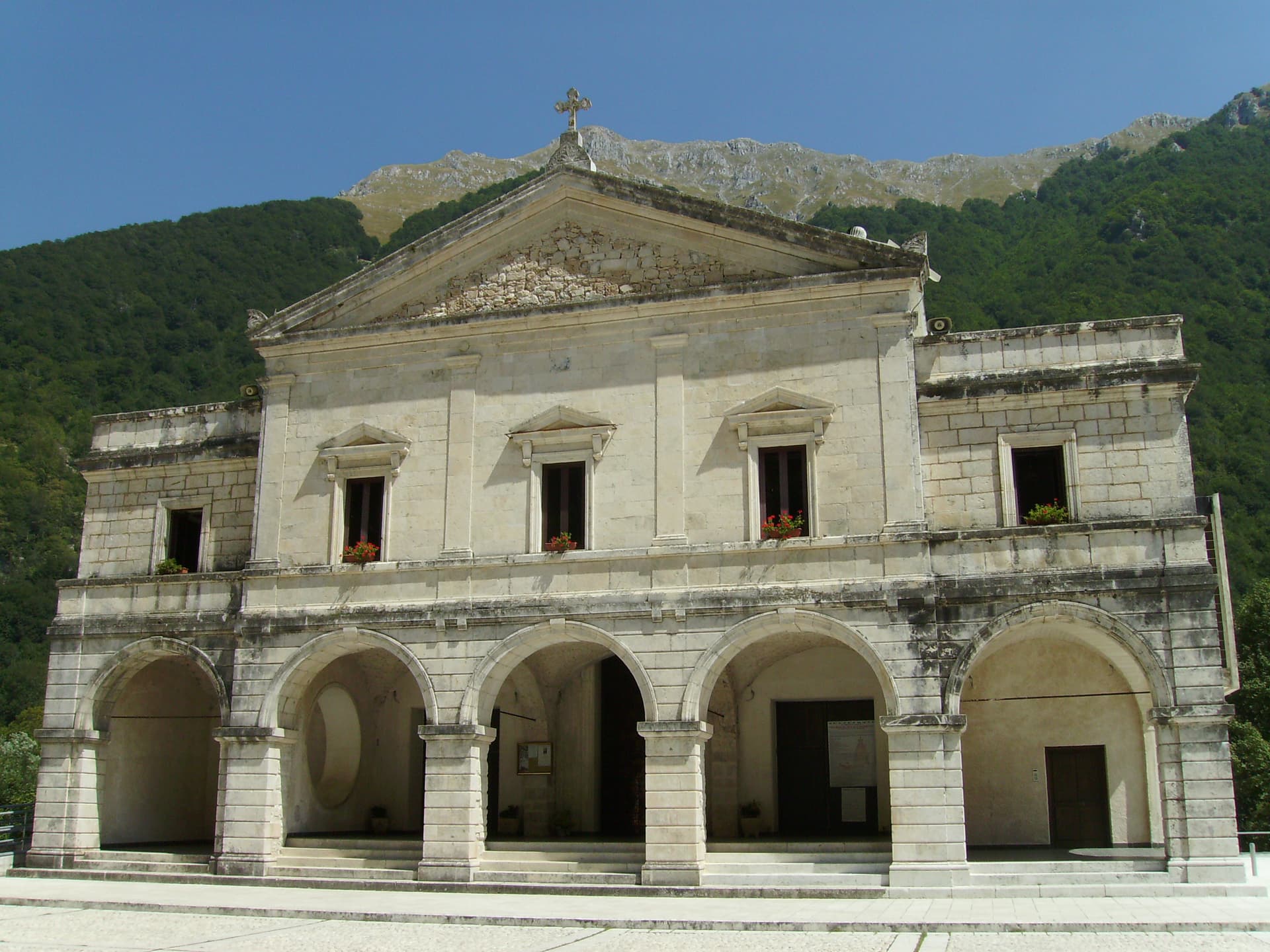
Picinisco
Province: Frosinone · 725 m
A medieval village at 725 meters above the Val di Comino, the source of much of Italo-Scottish emigration and of Pecorino di Picinisco DOP.
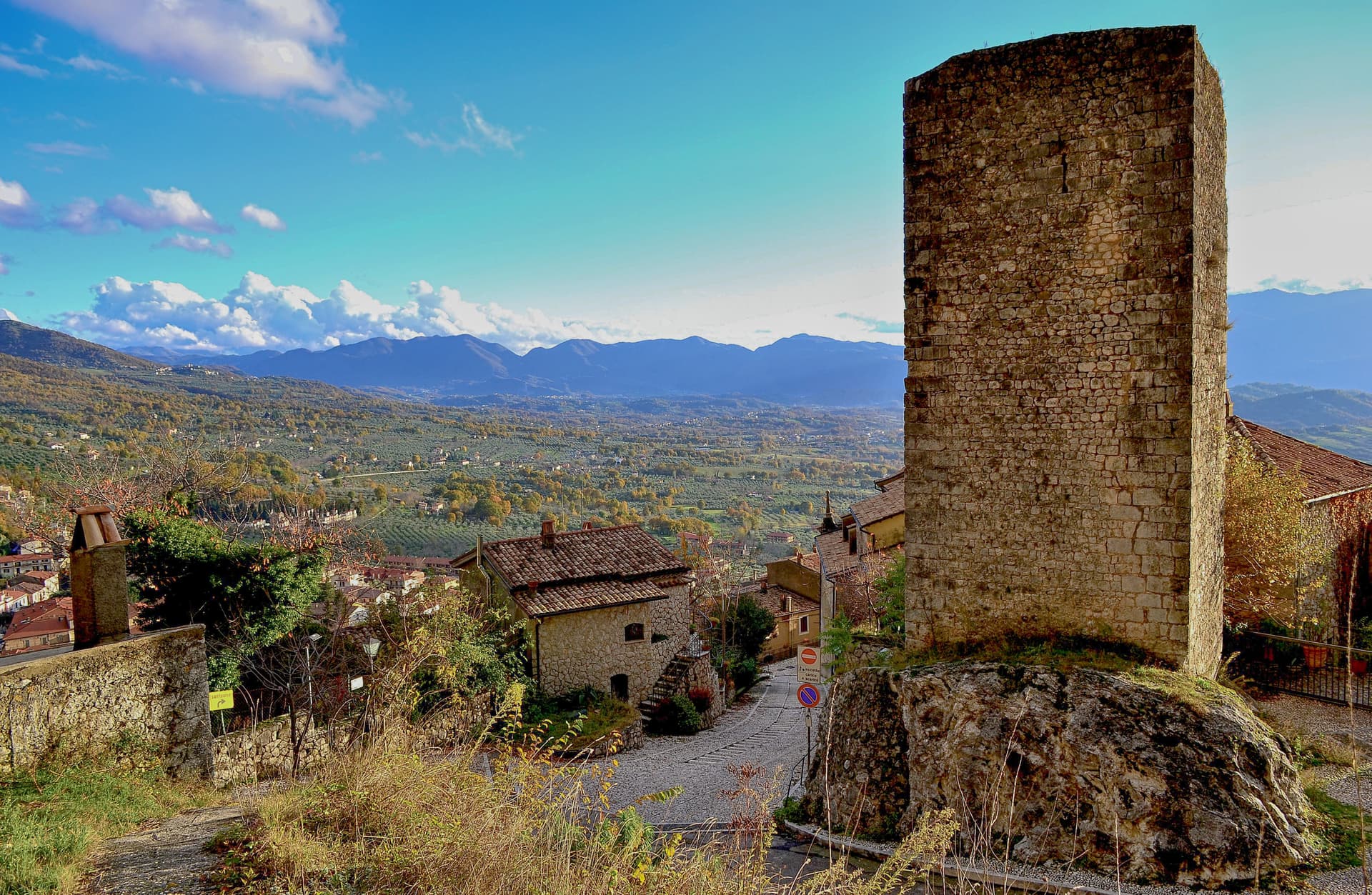
San Donato Val di Comino
Province: Frosinone · 728 m
A medieval village at 728 meters at the gateway to Forca d'Acero, the pass into the Abruzzo National Park.
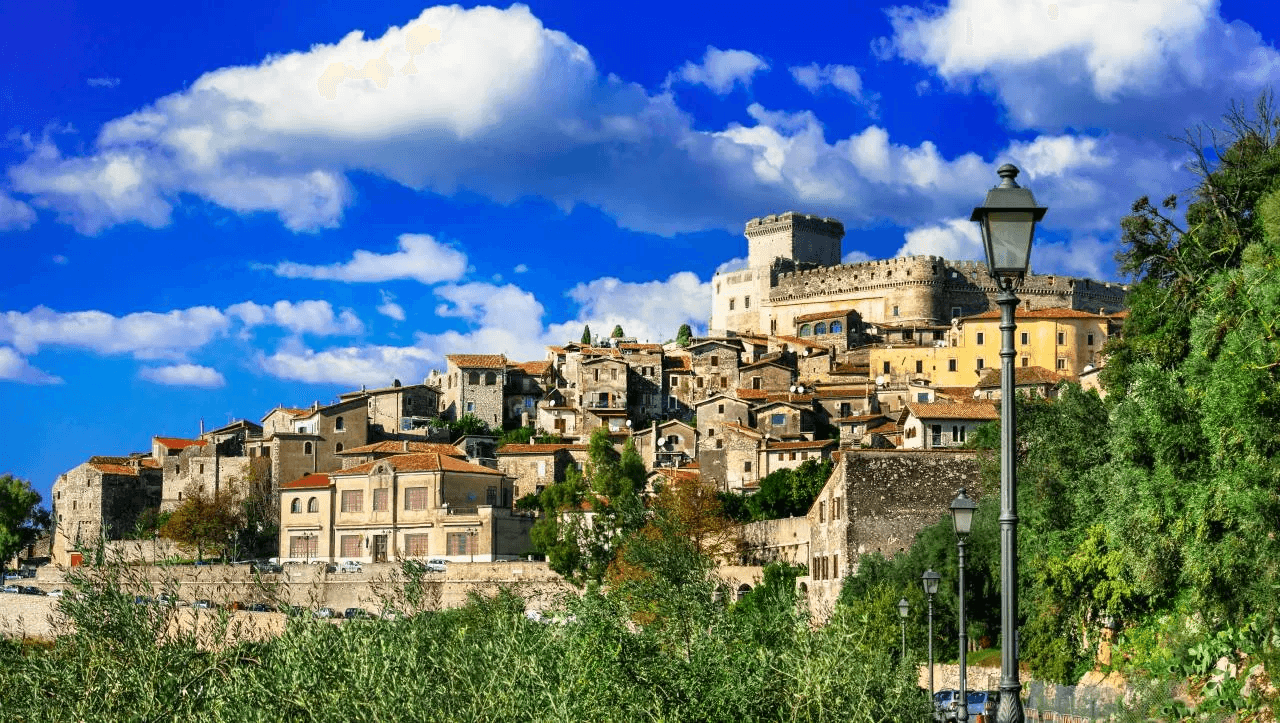
Sermoneta
Province: Latina · 257 m
A walled medieval town on a Lepini spur above the Pontine Plain, the Caetani stronghold whose 42-meter Maschio has stood since 1297.
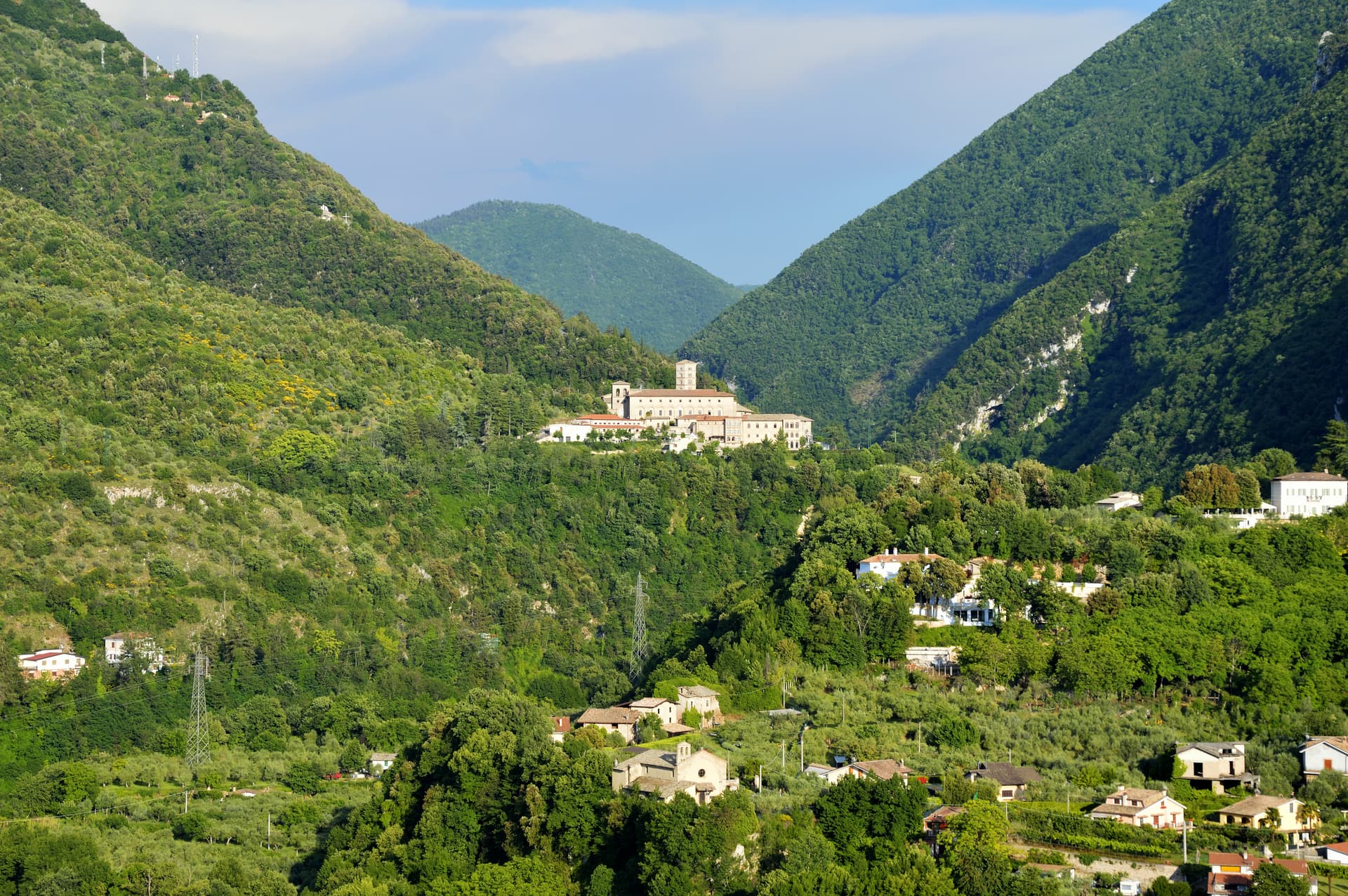
Subiaco
Province: Roma · 408 m
The Aniene valley town where Benedict spent three years in a cliff cave, and where Italy's first printed book appeared in 1465.
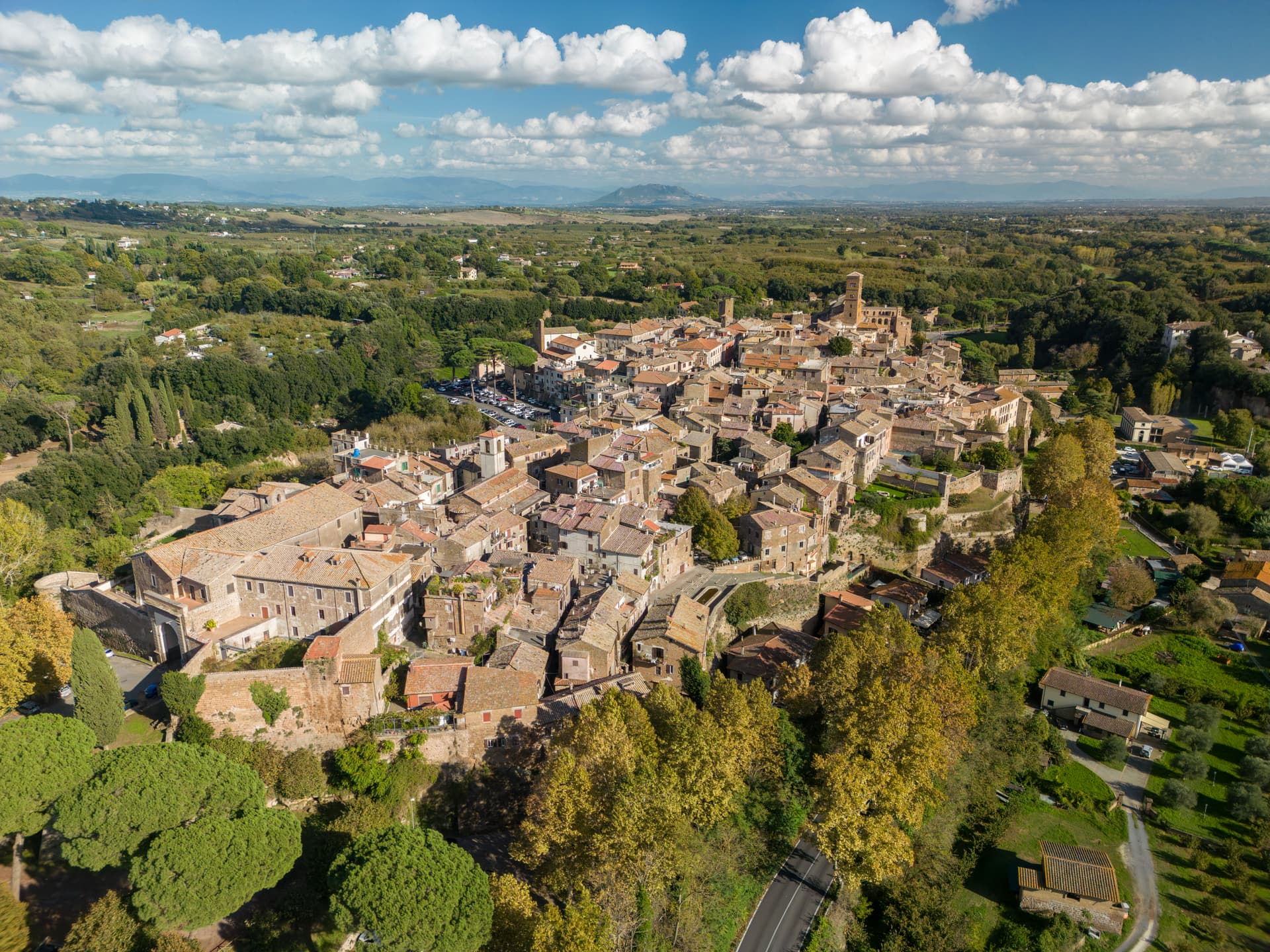
Sutri
Province: Viterbo · 291 m
An Etruscan and Roman town on a tuff spur, with a rock-cut amphitheater carved straight from the volcanic stone of the Cimini.
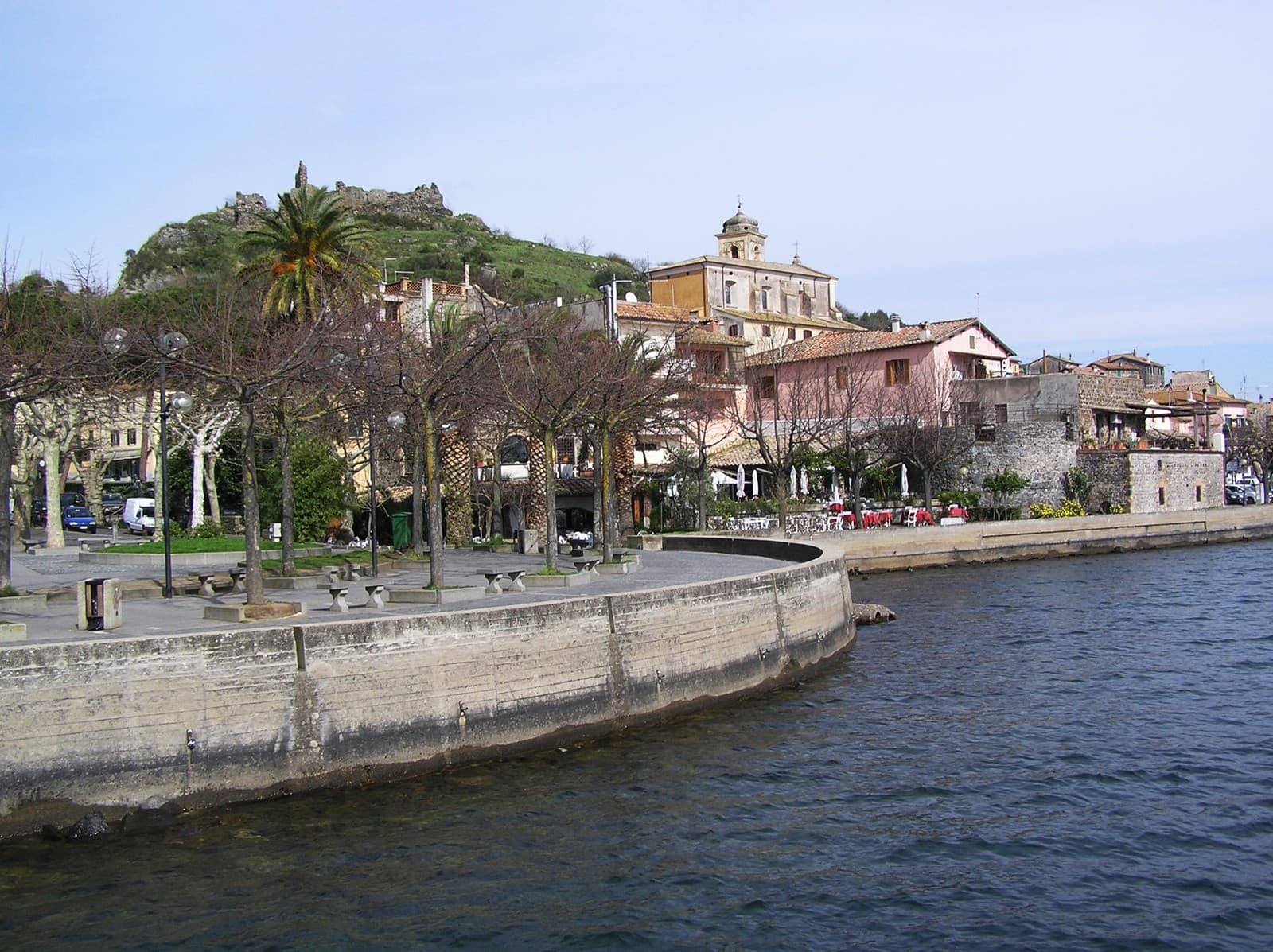
Trevignano Romano
Province: Roma · 173 m
A volcanic-crater lake town on the northern shore of Bracciano, thirty-five kilometers from Rome, with a medieval rocca above the water.
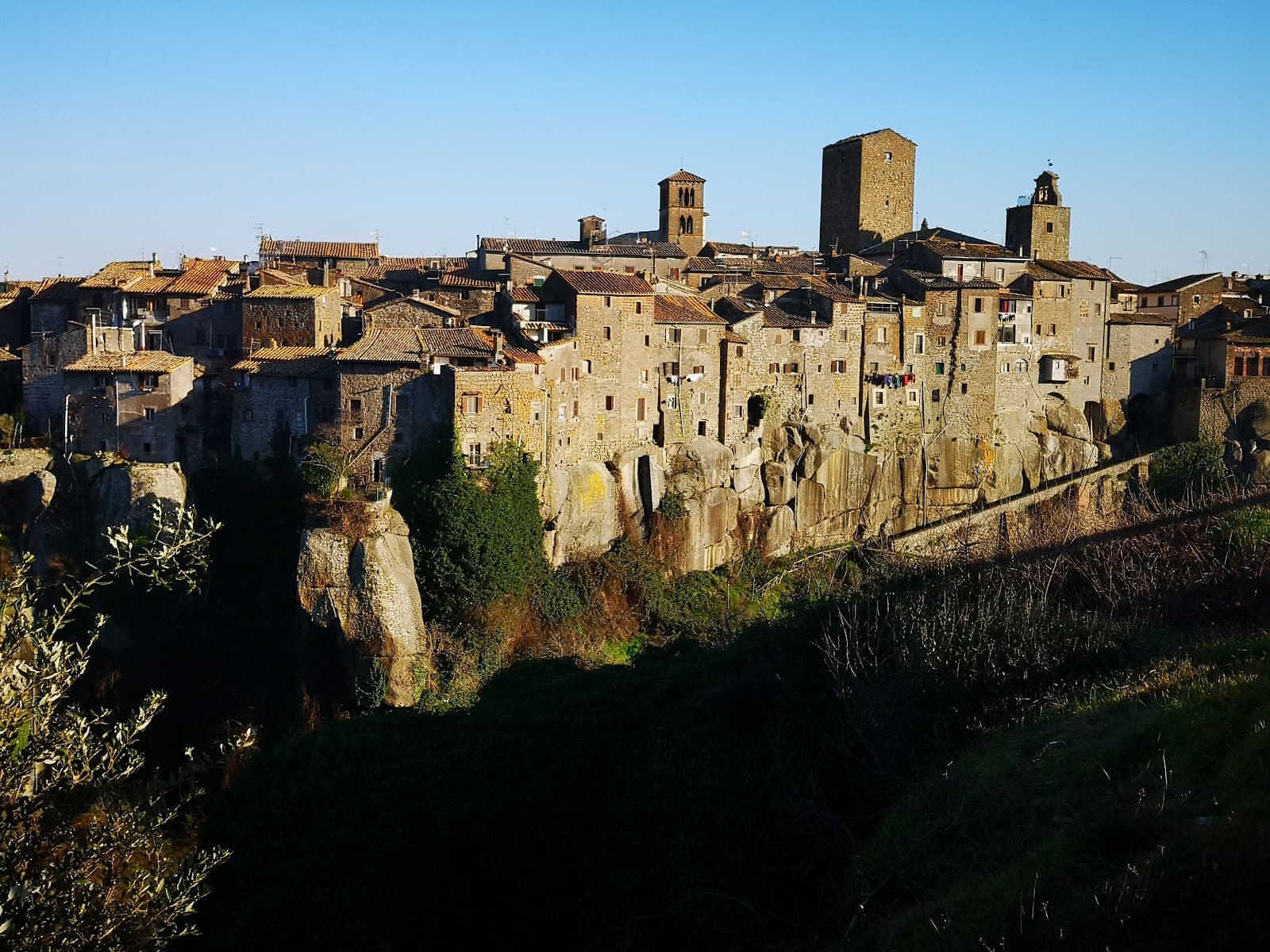
Vitorchiano
Province: Viterbo · 285 m
A peperino borgo built on a single volcanic boulder near Viterbo, and the only place outside Easter Island with a true Moai.
Liguria13
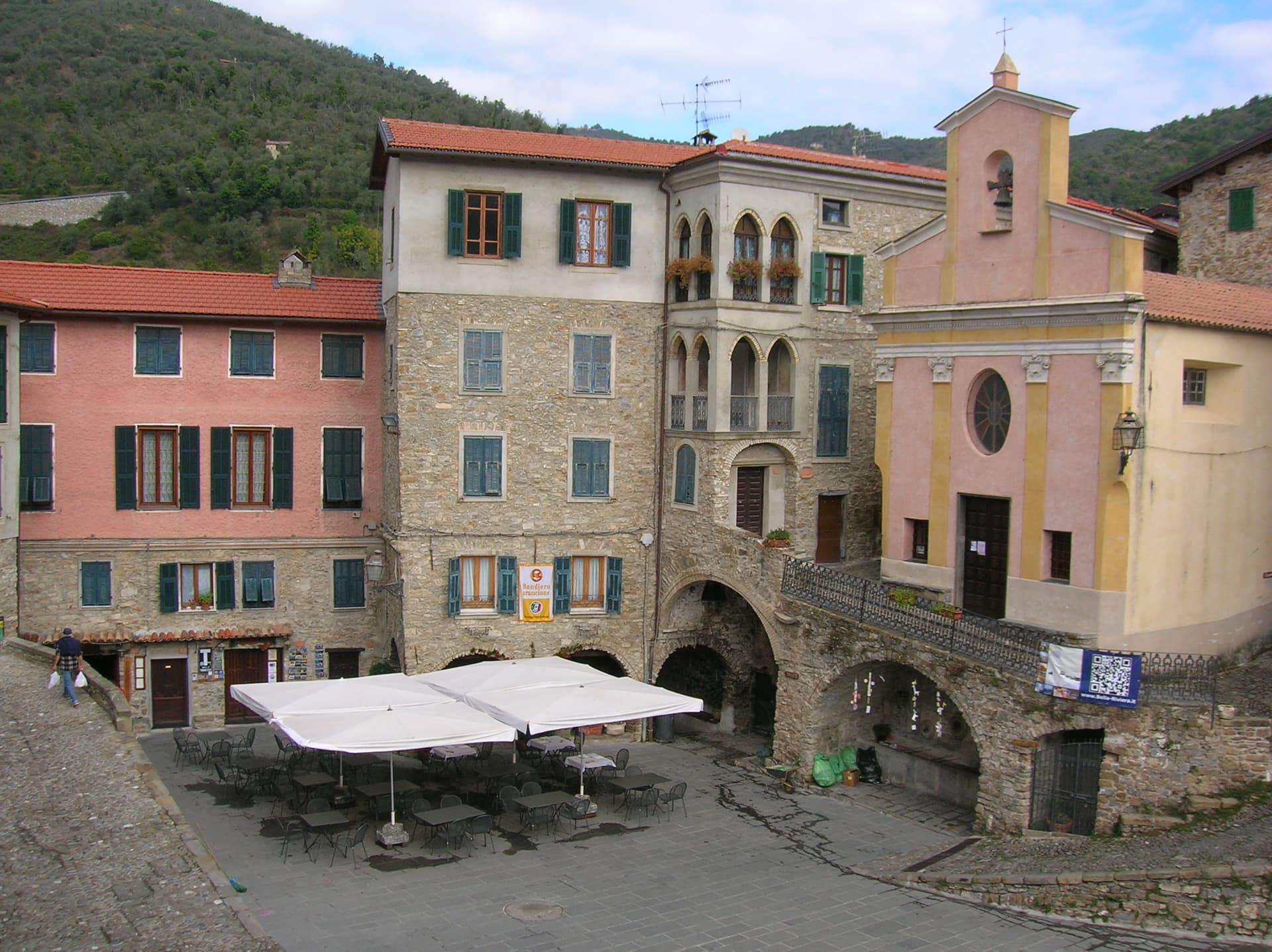
Apricale
Province: Imperia · 273 m
A medieval hill village in the Nervia Valley, named for the Latin apricus, sunny, with a tenth-century castle shaped like a lizard on the rock.
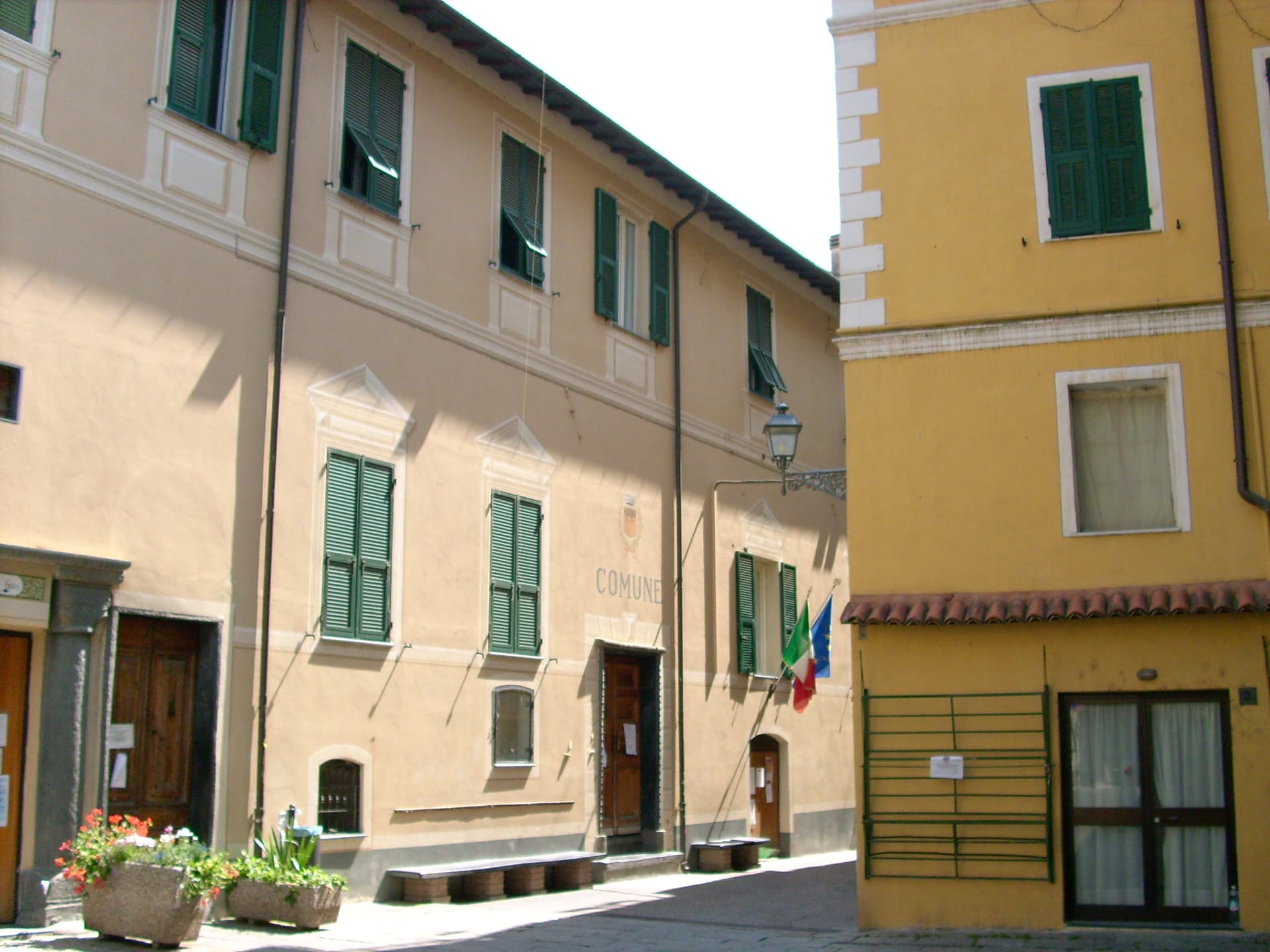
Badalucco
Province: Imperia · 179 m
A medieval village wrapped in a bend of the Argentina torrent, with murals on its caruggi and a Slow Food bean on its terraces.
- ✷ We've been
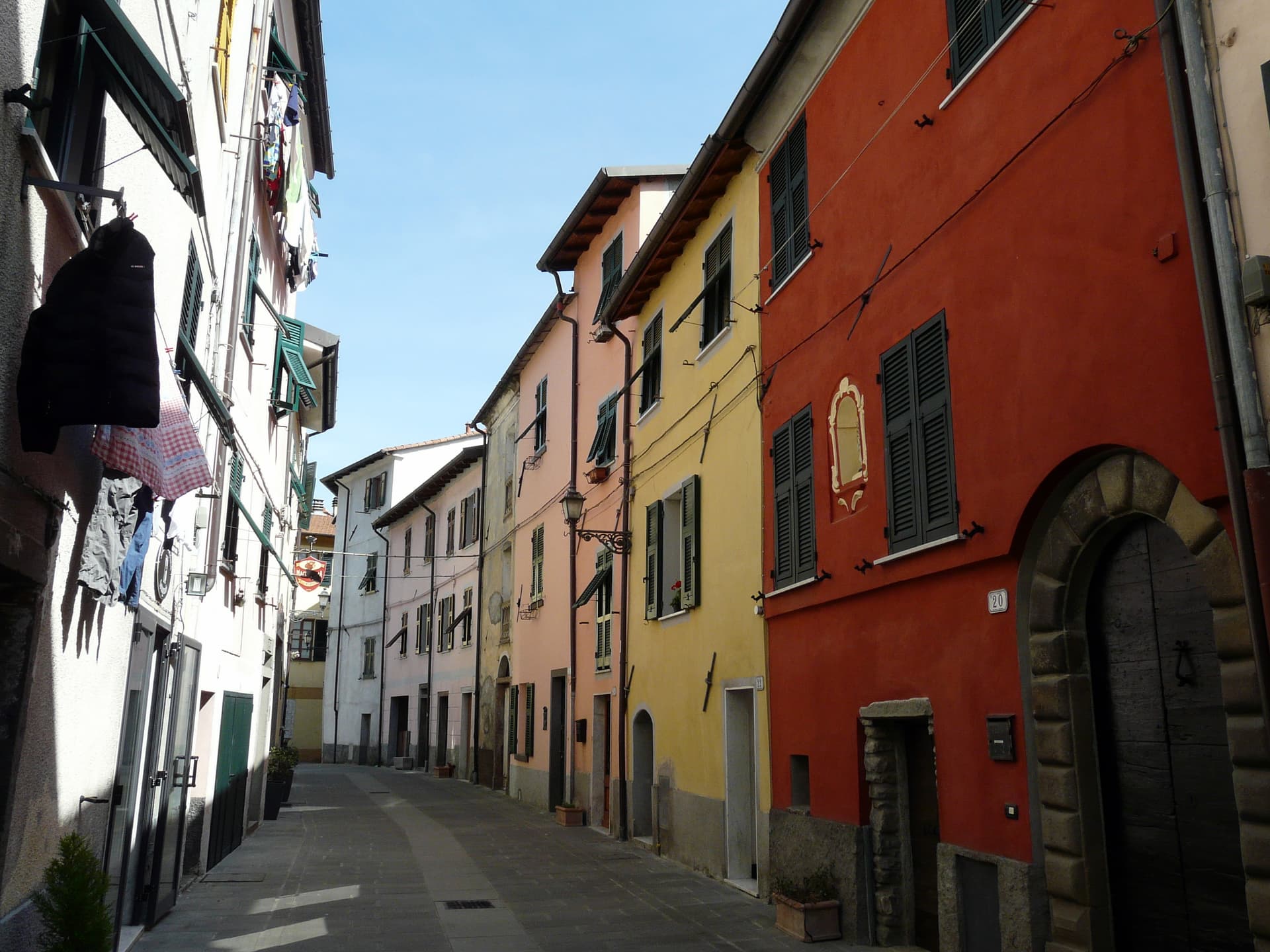
Brugnato
Province: La Spezia · 115 m
The medieval ecclesiastical capital of the Val di Vara, seat of a diocese from 1133 to 1820, with a co-cathedral built over a Columban monastery.
- ✷ We've been
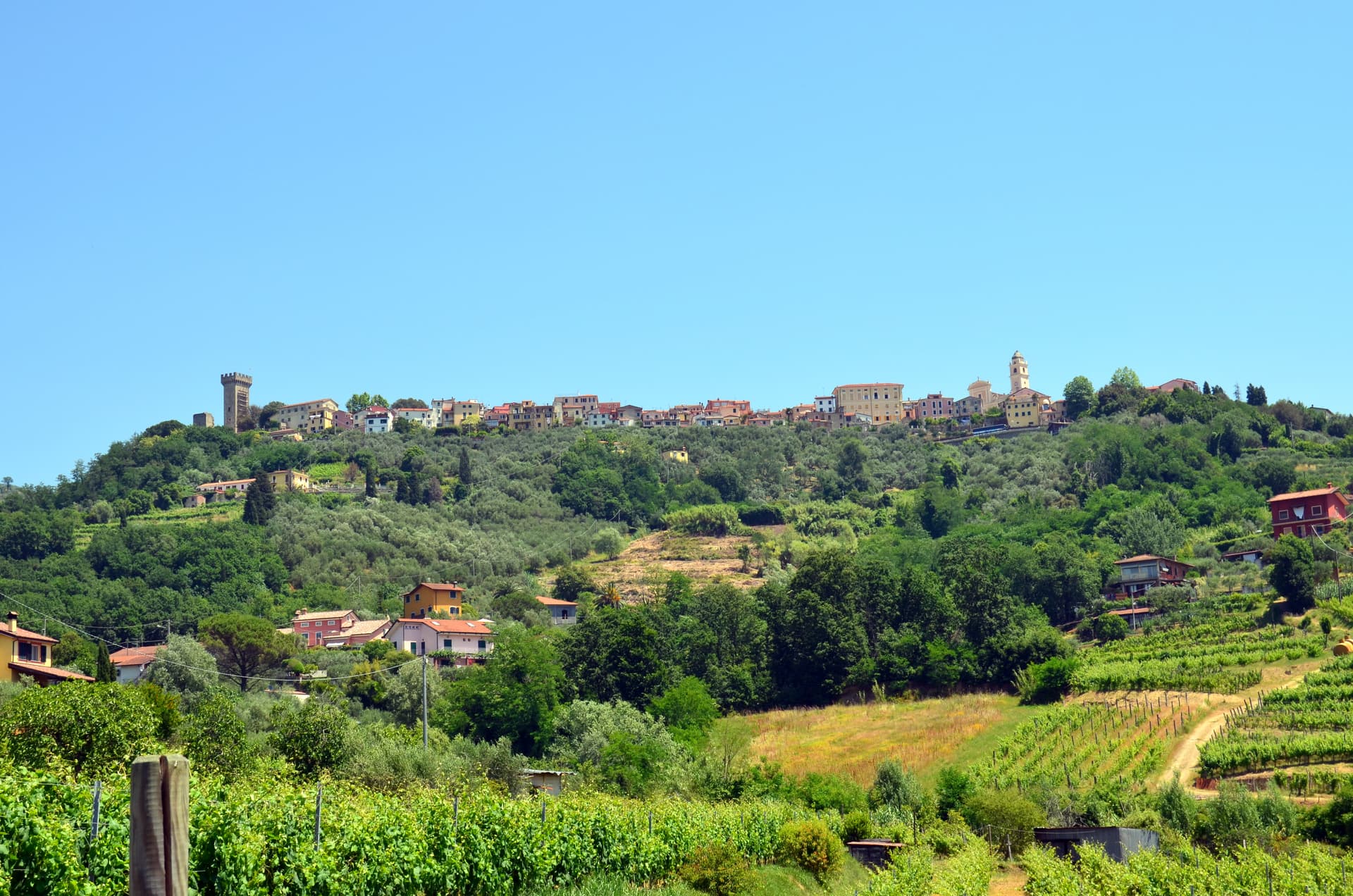
Castelnuovo Magra
Province: La Spezia · 188 m
A ridge village on the Liguria-Tuscany border where Dante Alighieri signed the 1306 Peace of Castelnuovo on behalf of the Malaspina marquises.
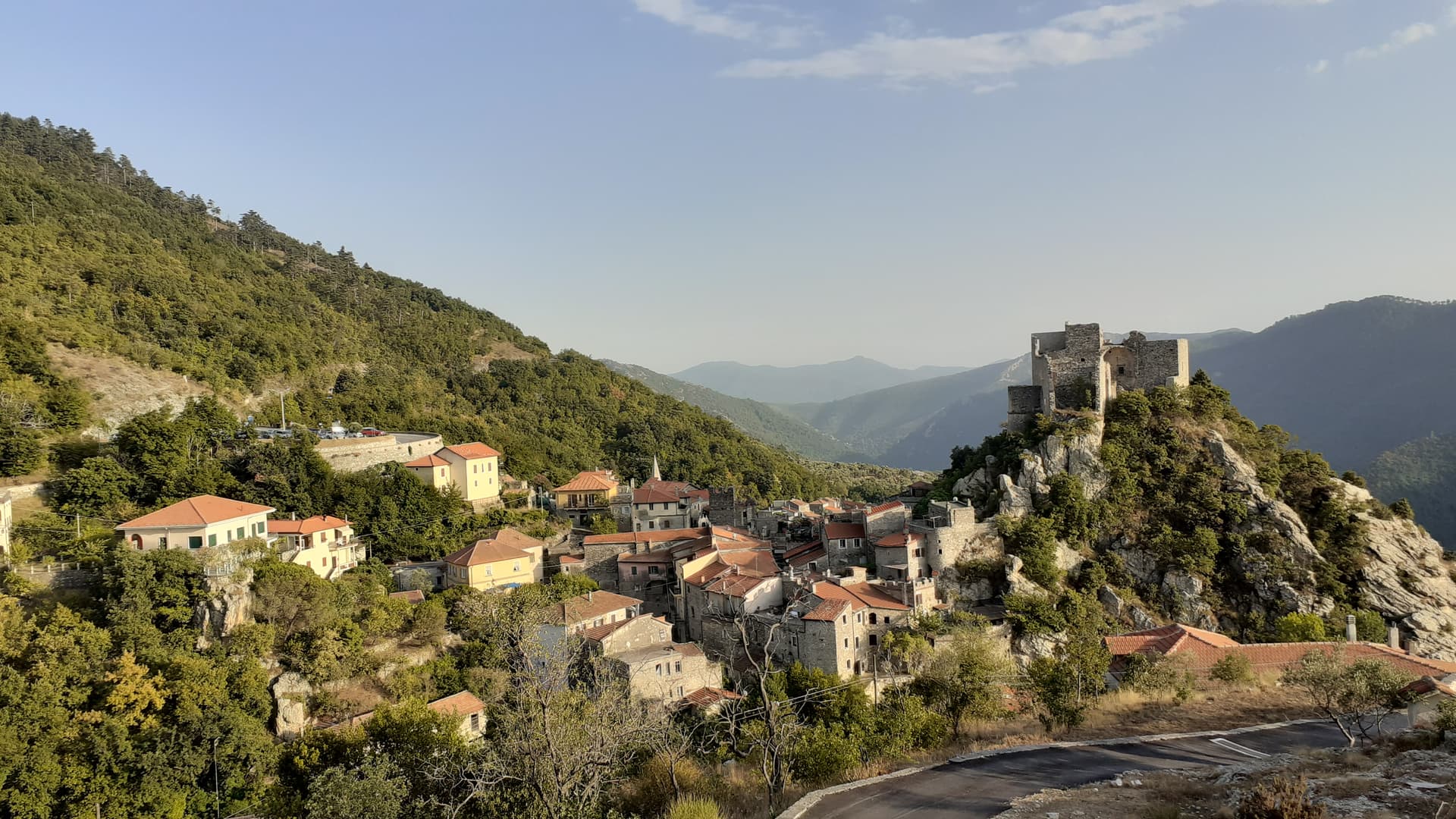
Castelvecchio di Rocca Barbena
Province: Savona · 420 m
A stone village of 130 residents at 420 meters in the Val Neva, built into the southern foot of Rocca Barbena at 1,142 meters.
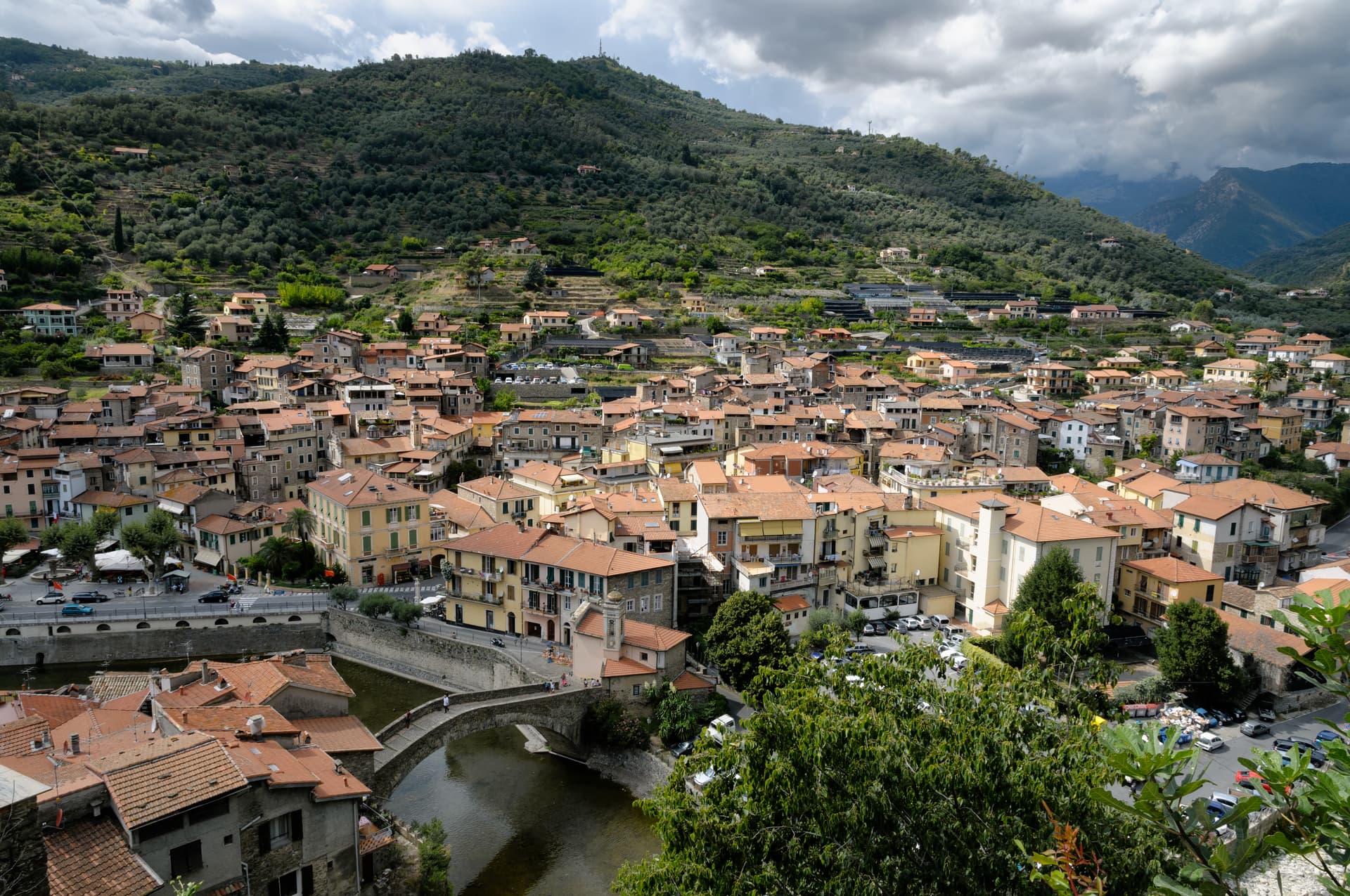
Dolceacqua
Province: Imperia · 51 m
A two-banked medieval village in the Val Nervia split by a single-arch bridge from 1400, the one Monet came to paint in 1884.
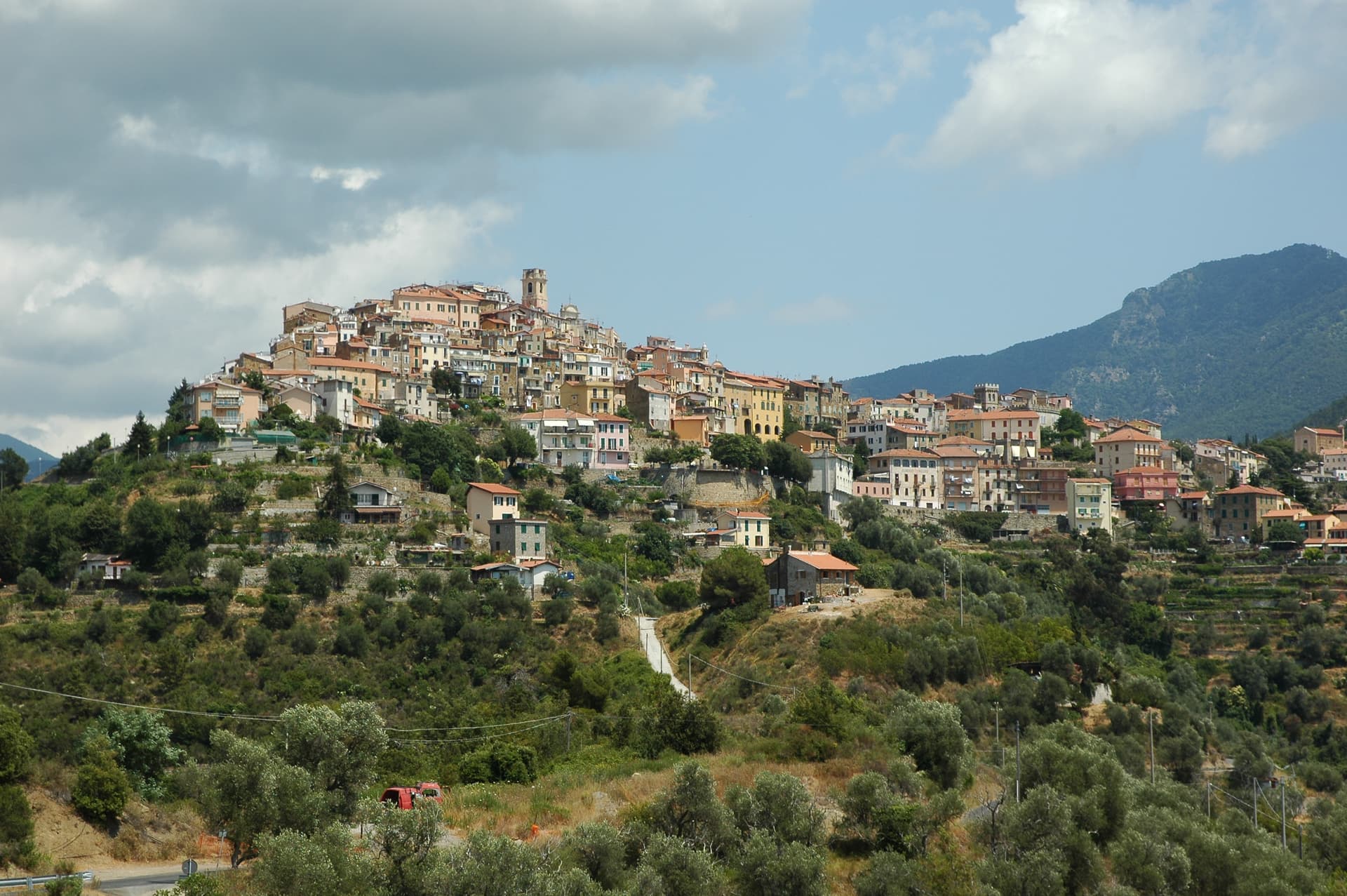
Perinaldo
Province: Imperia · 572 m
A ridge village at 572 meters above the Val Nervia, birthplace of Giovanni Domenico Cassini and home to a working astronomical observatory in his name.
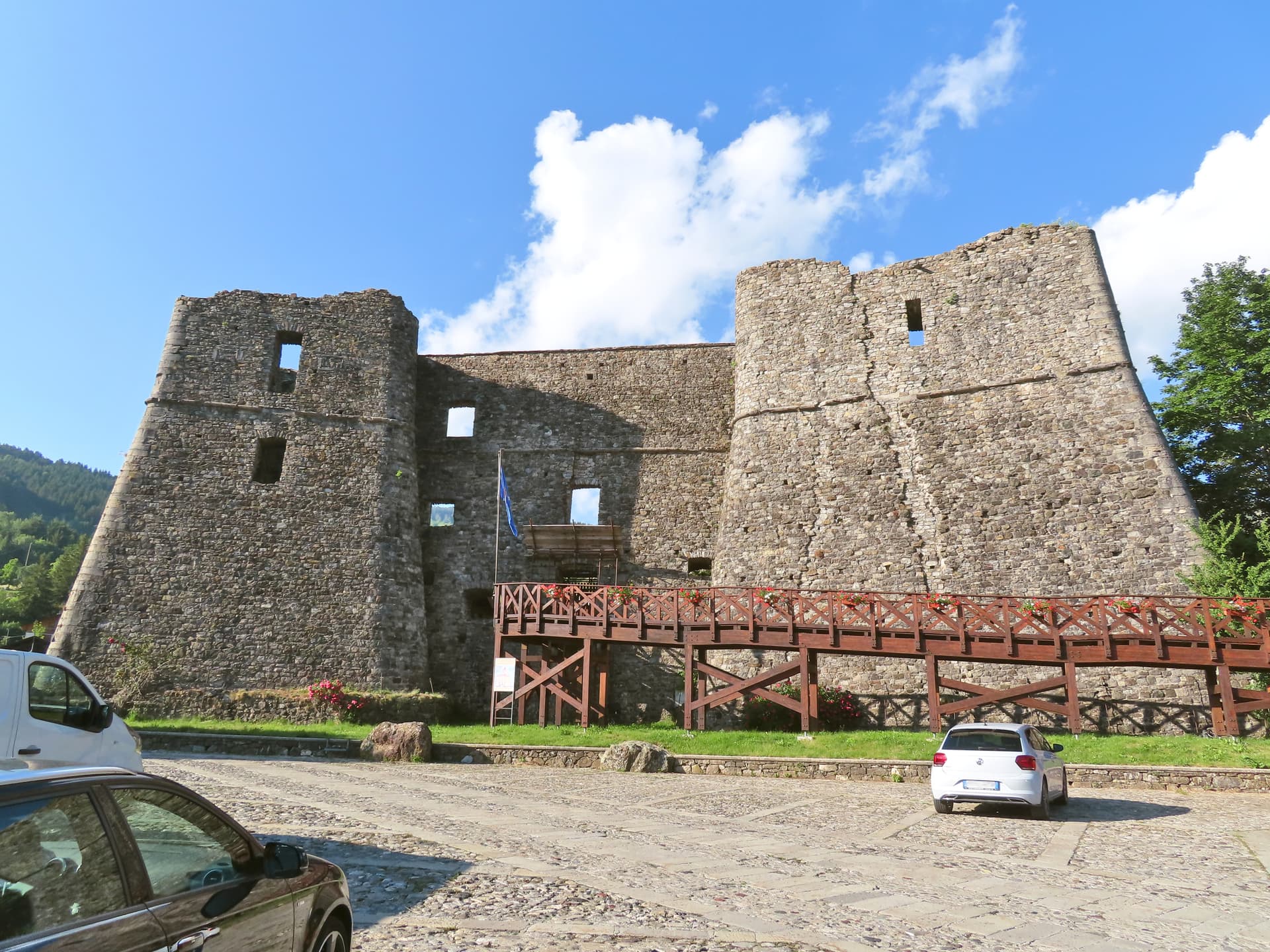
Santo Stefano d'Aveto
Province: Genova · 1,012 m
Liguria's highest commune at 1,012 meters in the Ligurian-Emilian Apennines, with a Malaspina-Doria castle and the only ski resort in the region.
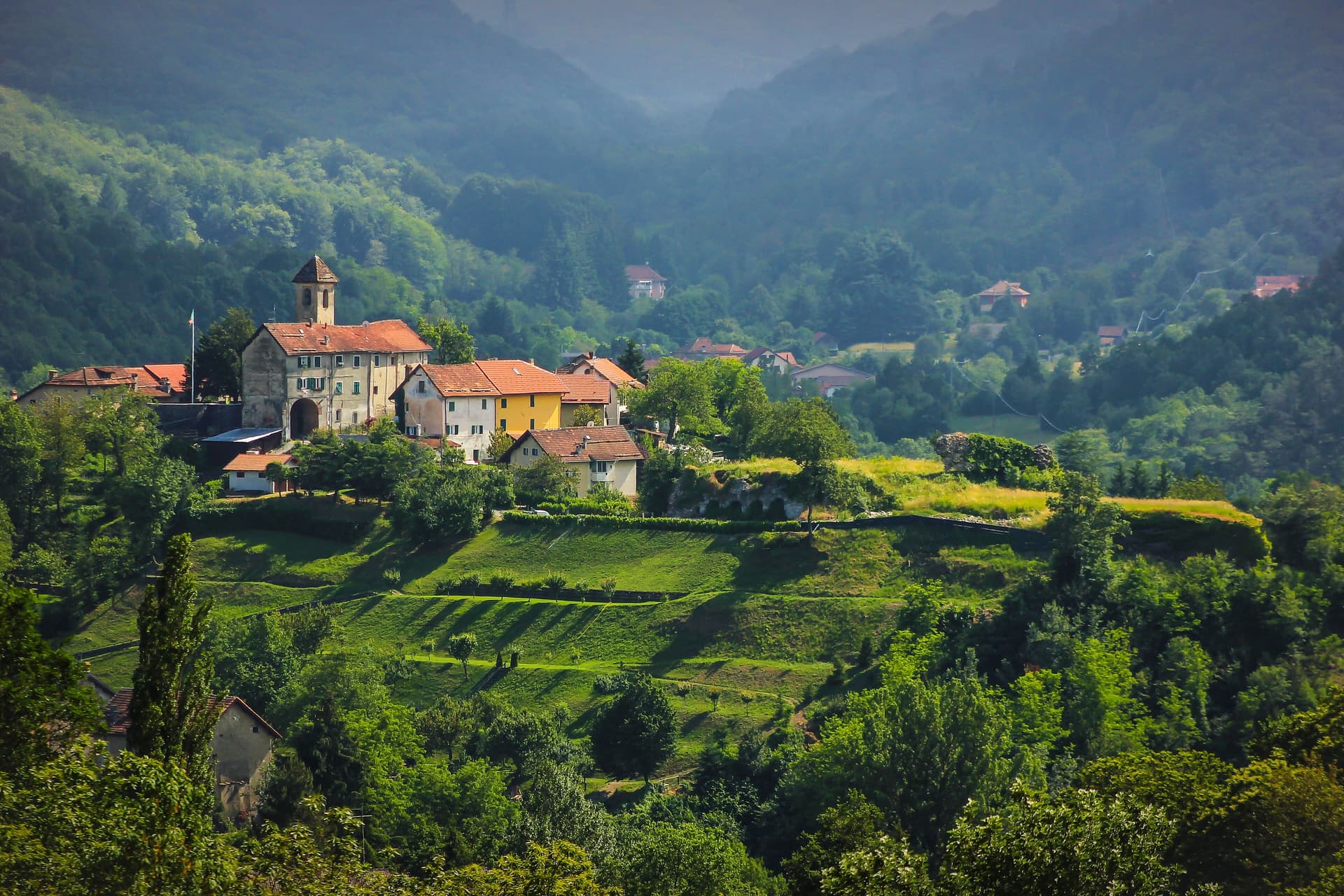
Sassello
Province: Savona · 381 m
A baroque borgo at 381 meters in the Parco del Beigua, where Geltrude Rossi invented the soft amaretto in 1860.
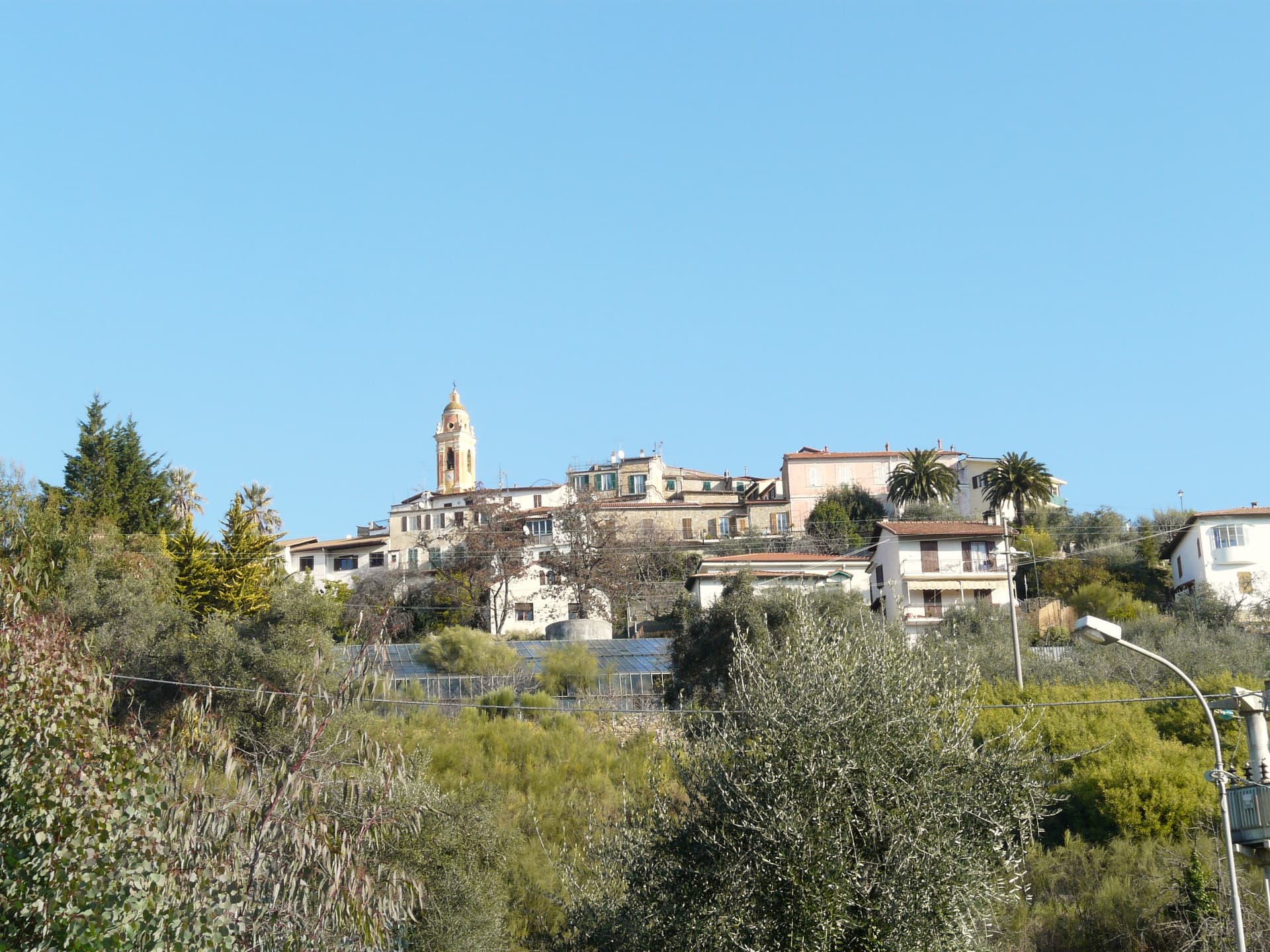
Seborga
Province: Imperia · 517 m
A hilltop village at 517 meters above Bordighera that calls itself a principality, 276 residents, its own coins and stamps since 1963.
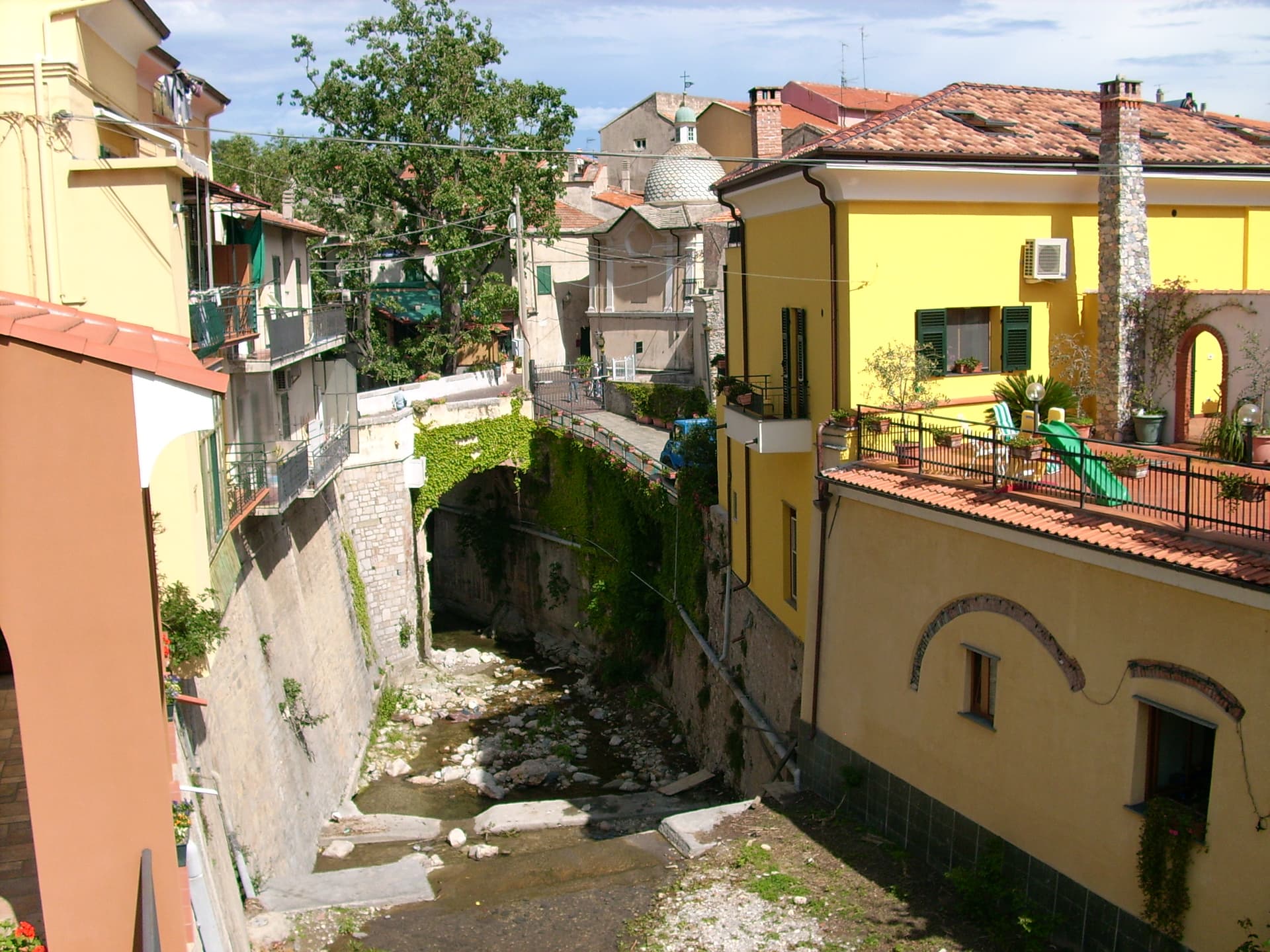
Toirano
Province: Savona · 35 m
A medieval village at the mouth of the Val Varatella, four kilometers inland from Loano, with karst caves holding 14,000-year-old human footprints.
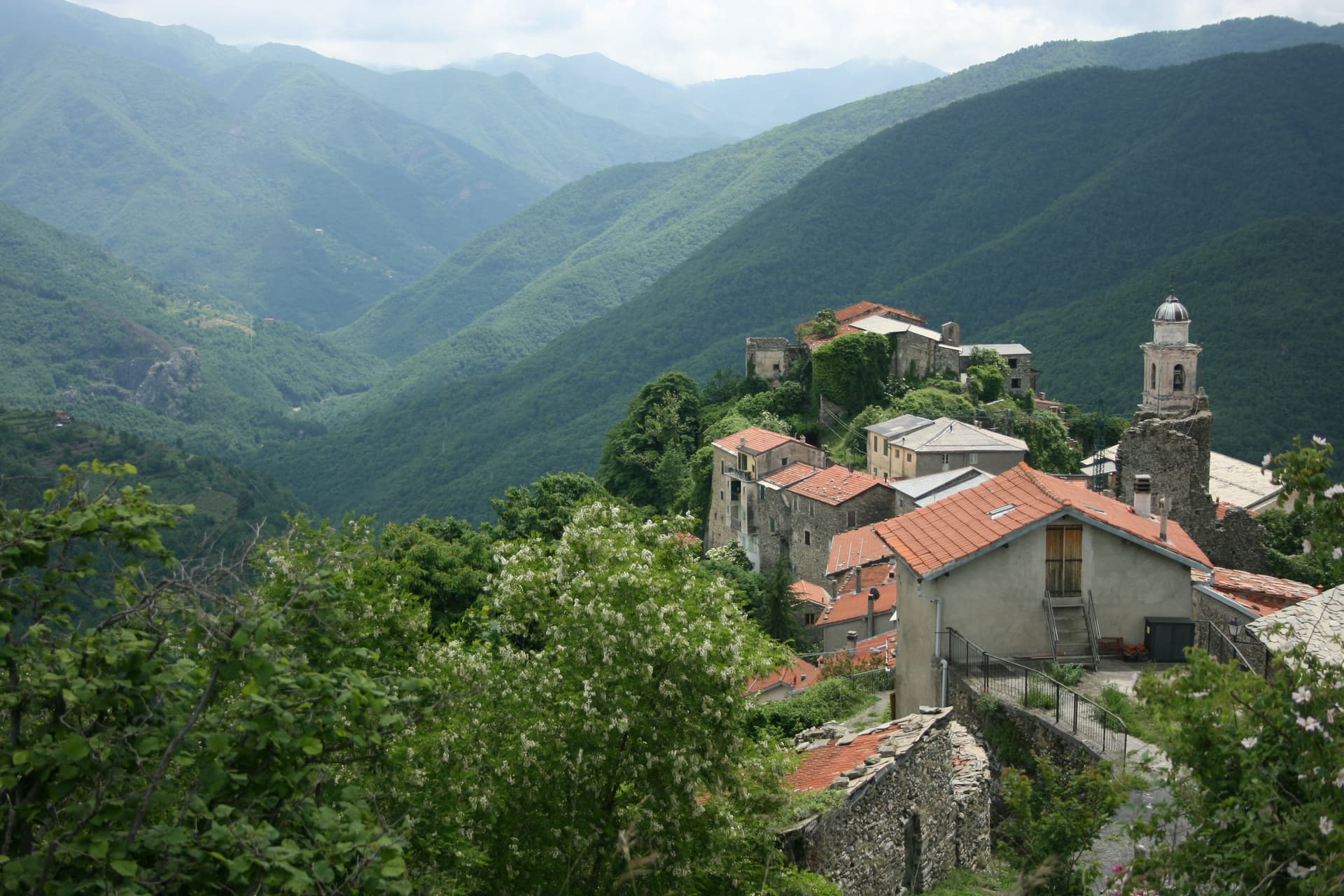
Triora
Province: Imperia · 776 m
The witches' village at 776 meters in the upper Valle Argentina, where the Inquisition put around 200 women on trial between 1587 and 1589.
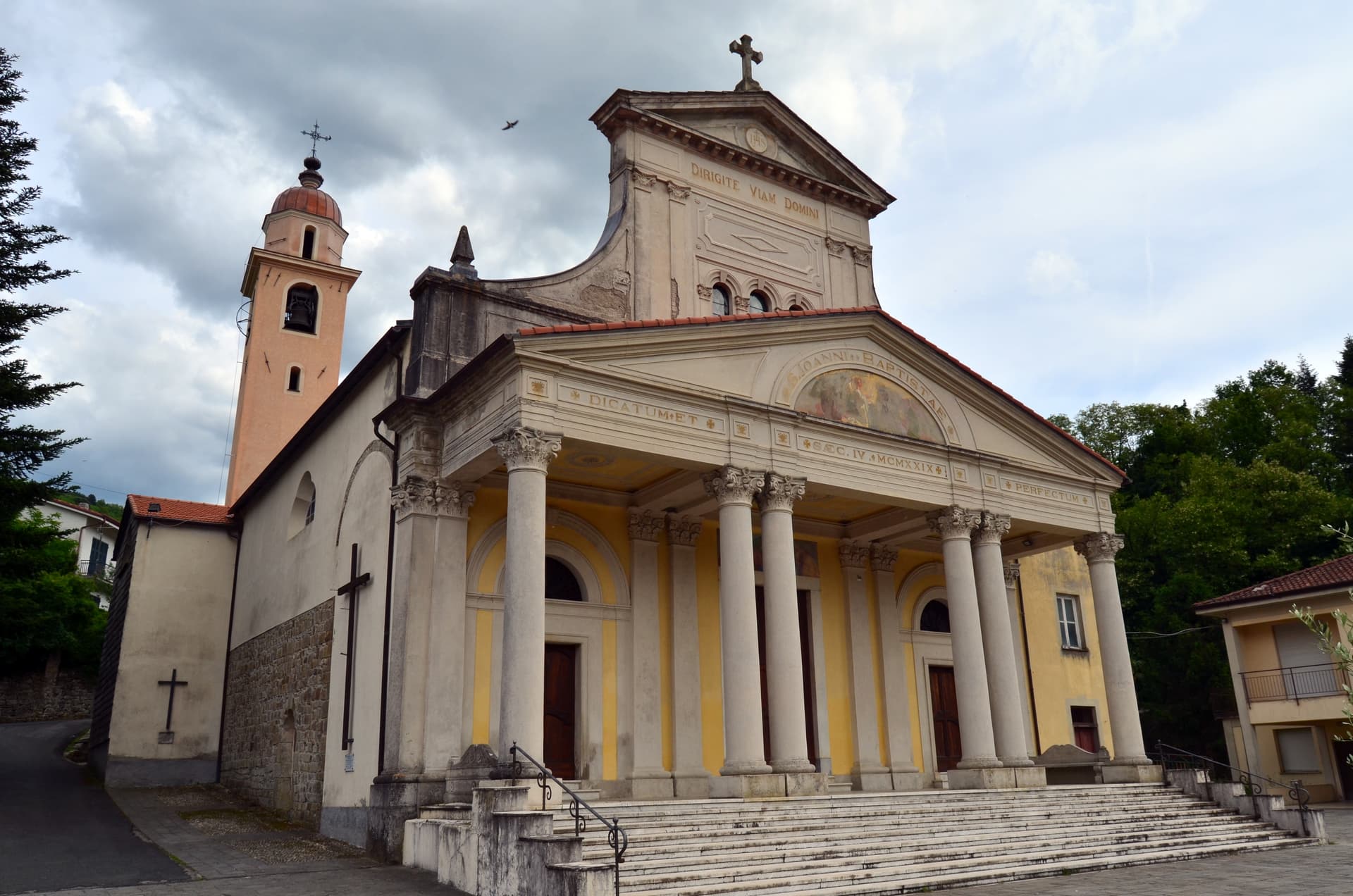
Varese Ligure
Province: La Spezia · 358 m
The Val di Vara's medieval seat at 358 meters, the first European municipality with ISO 14001 certification, anchor of Italy's largest organic district.
Lombardy15
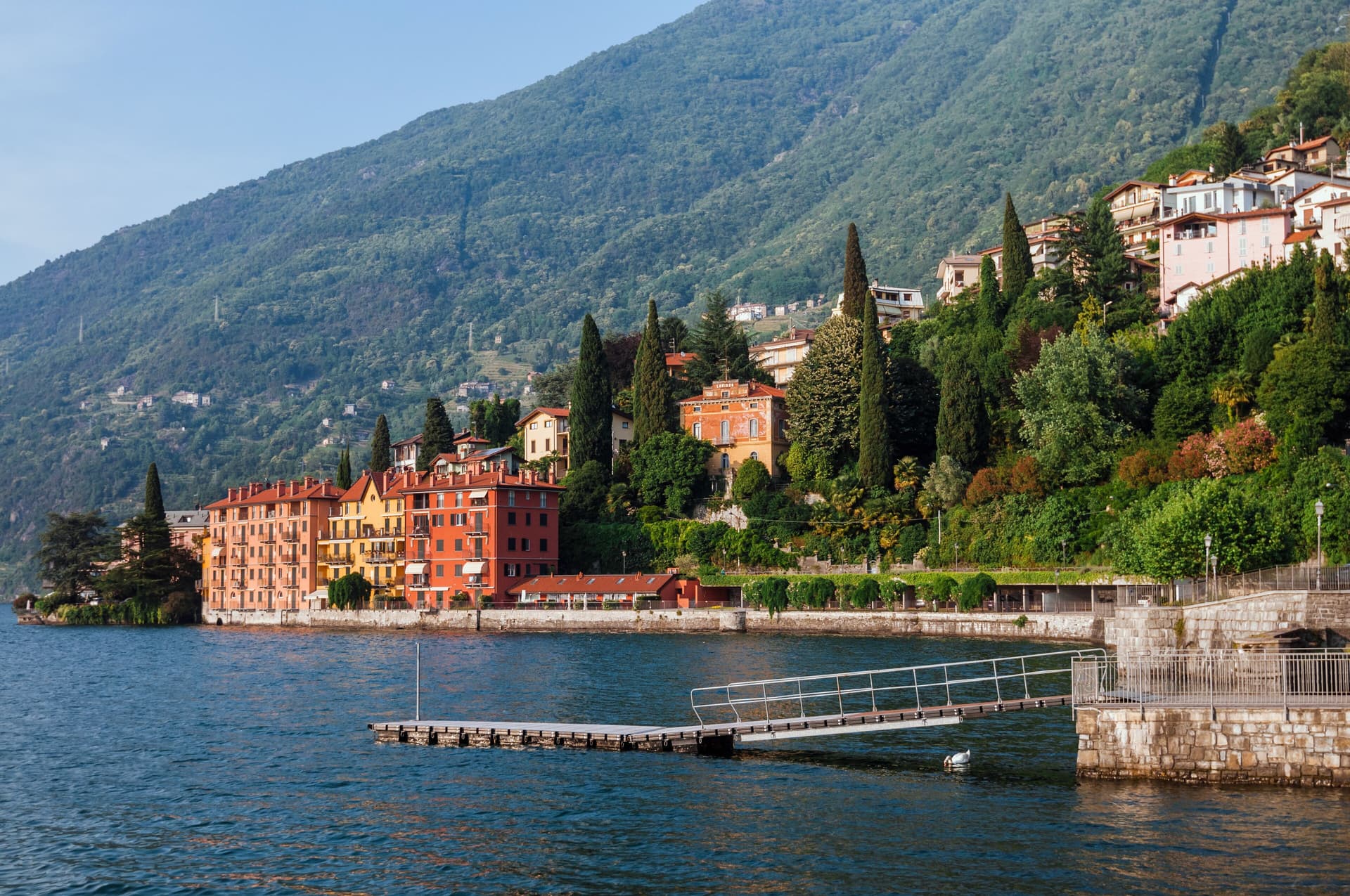
Bellano
Province: Lecco · 202 m
An eastern Lake Como town where the Pioverna cut a gorge through fifteen million years of rock before reaching the lake.
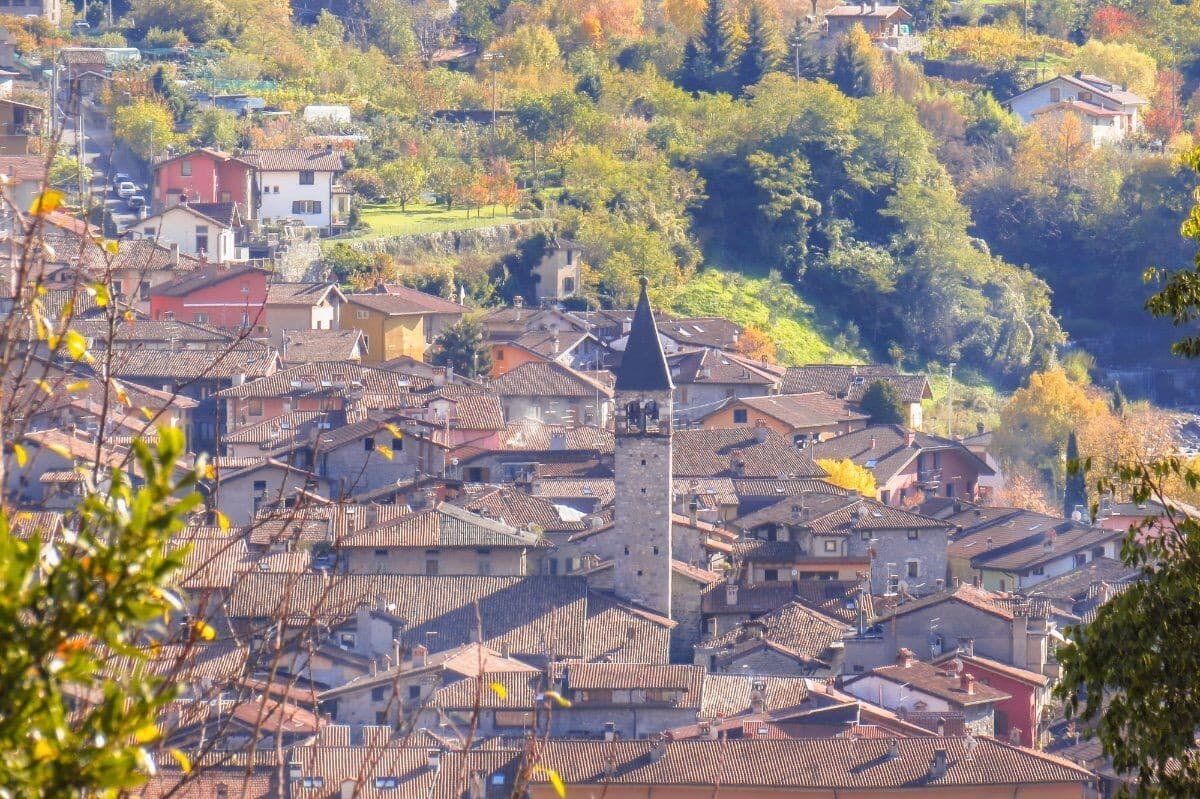
Bienno
Province: Brescia · 445 m
A medieval ironworking village in the Val Camonica, where water hammers driven by the Grigna stream have shaped wrought iron since the 1200s.
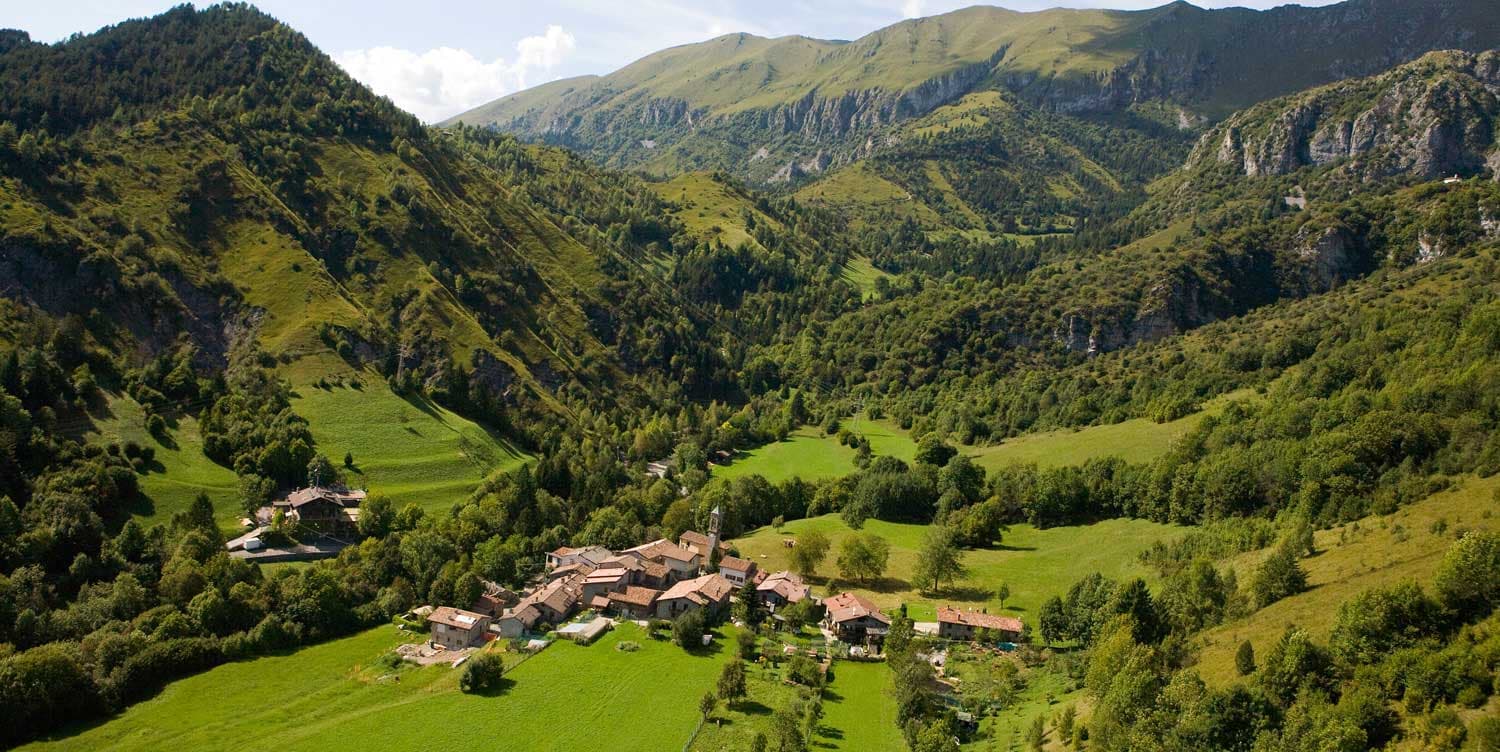
Castione della Presolana
Province: Bergamo · 870 m
A high-valley commune at 870 meters under the Pizzo della Presolana, the limestone peak the Bergamasque call the Queen of the Orobie.
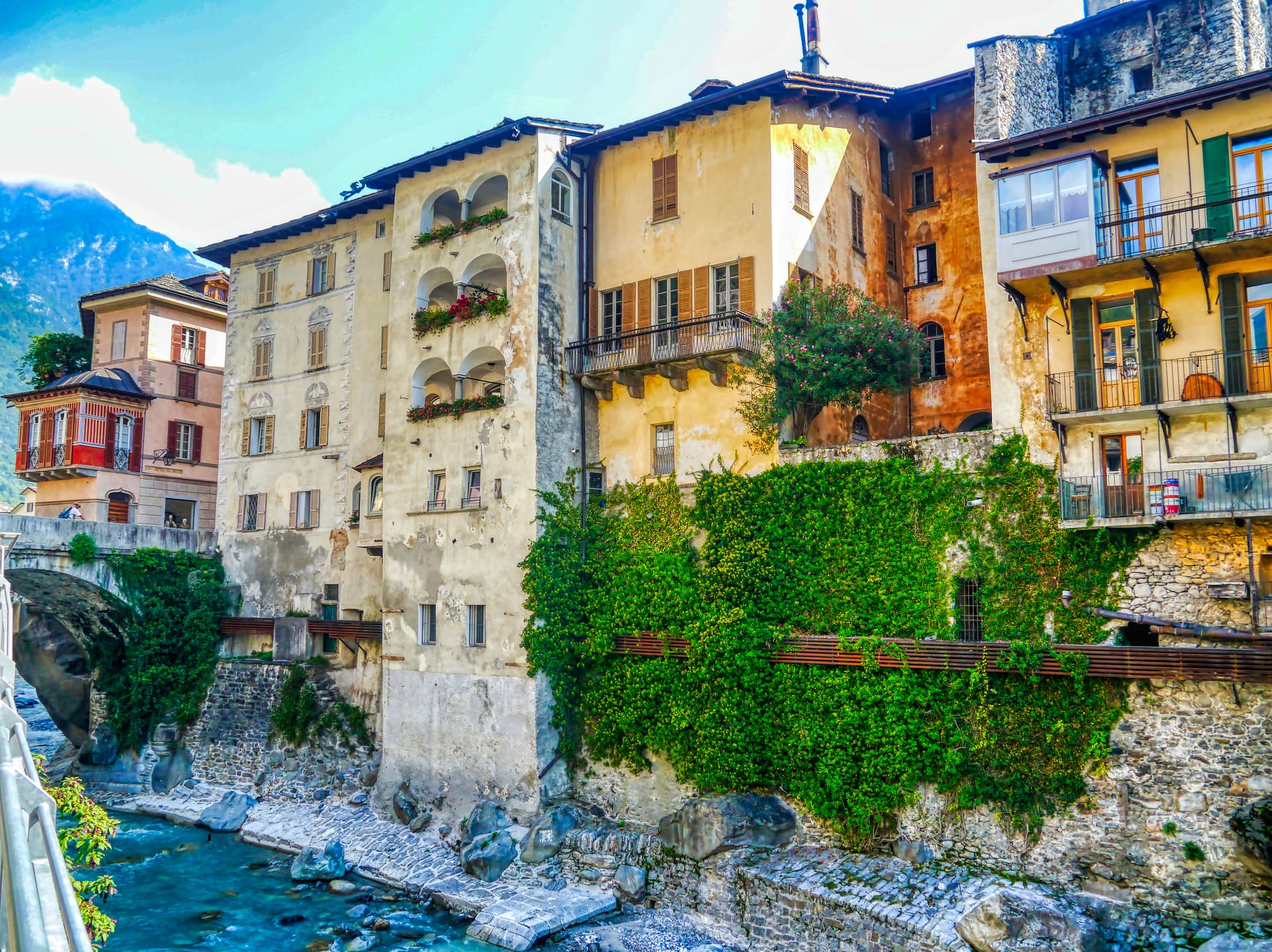
Chiavenna
Province: Sondrio · 333 m
An Alpine town at 333 meters on the Mera river, the historical Splügen Pass crossroads named for its key position and its rock-cellar crotti.
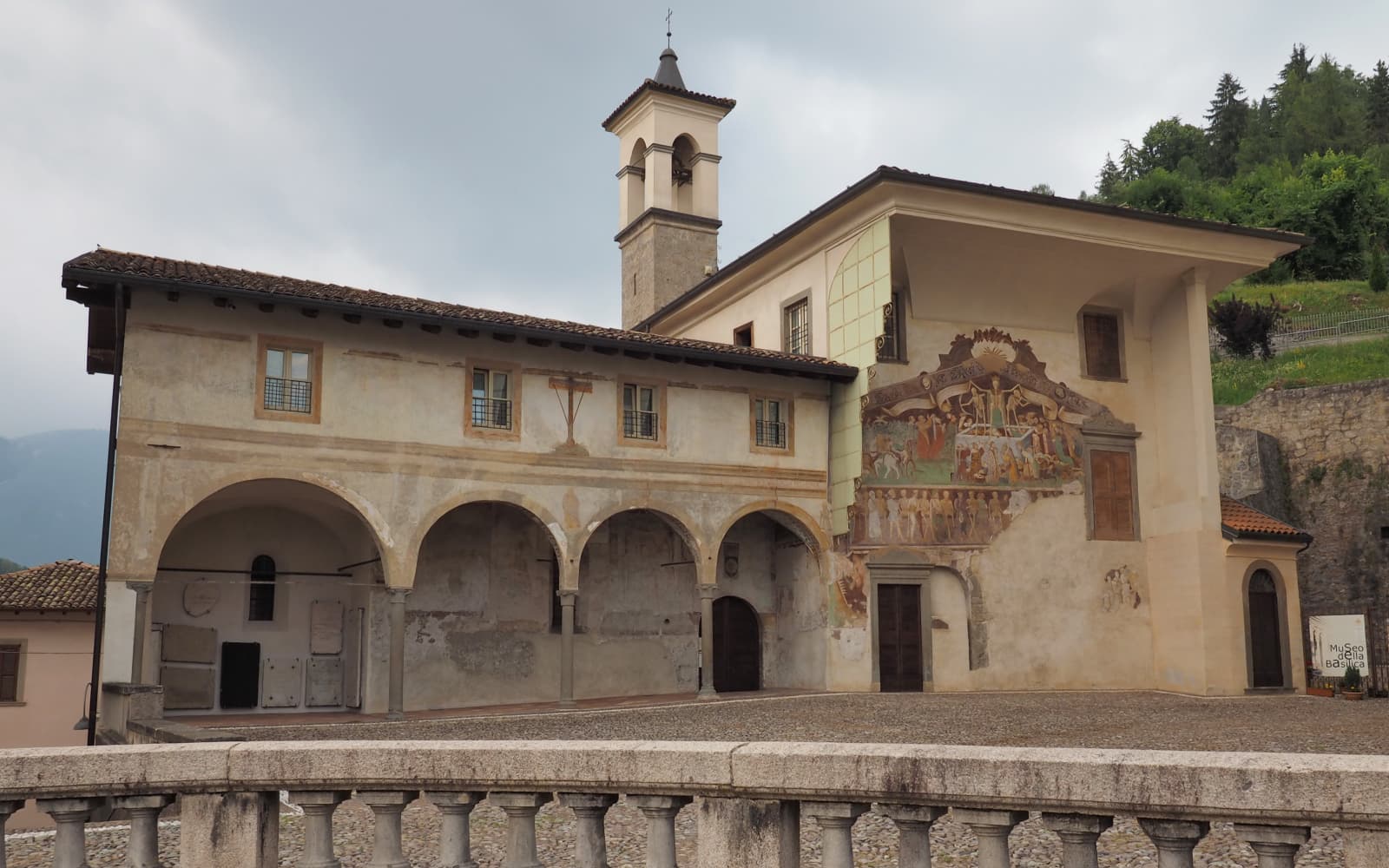
Clusone
Province: Bergamo · 648 m
At 648 meters in upper Val Seriana, capital of the macabre fresco and the 1583 planetary clock above its civic tower.
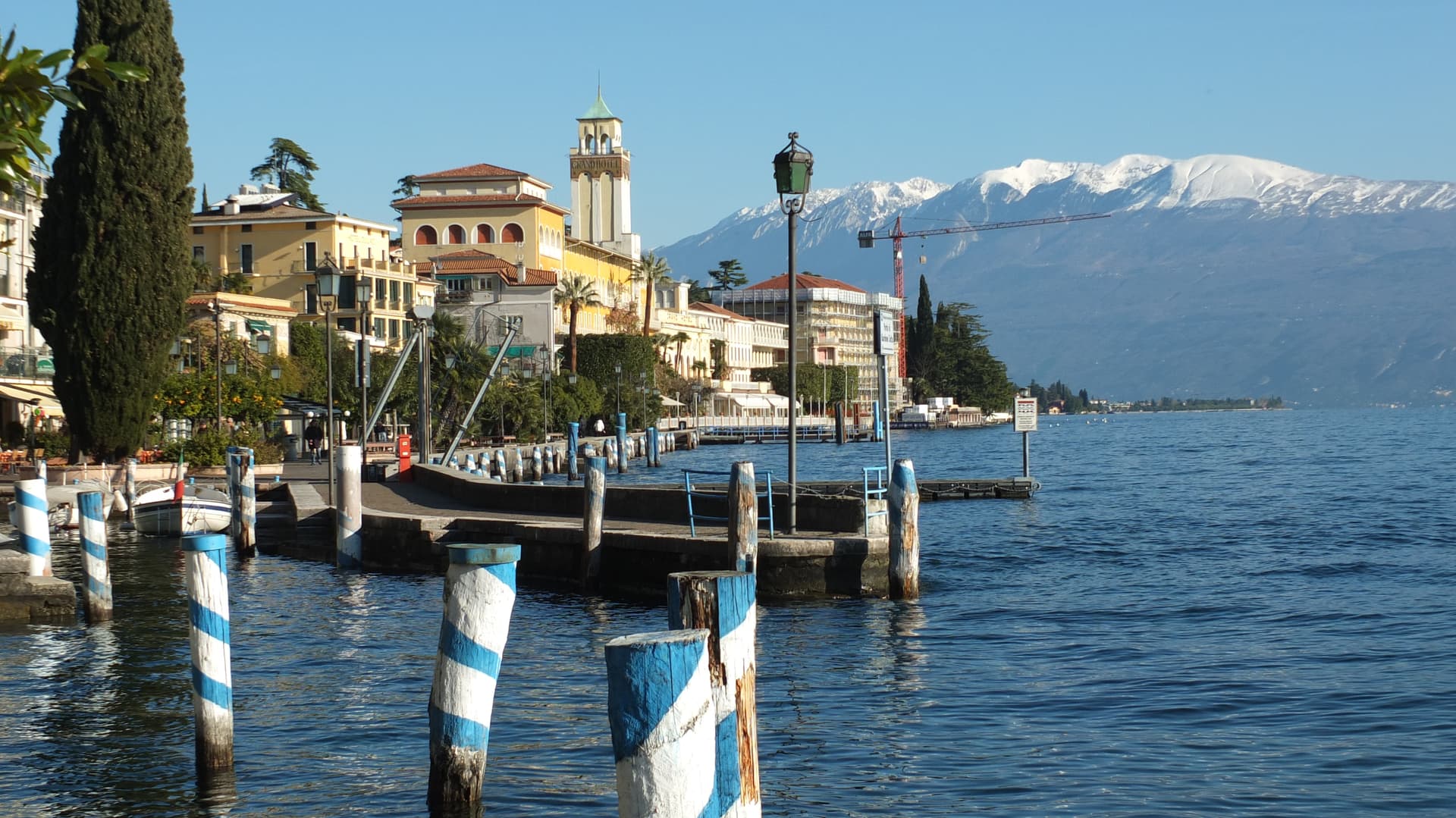
Gardone Riviera
Province: Brescia · 71 m
A western Garda lakeshore town whose hillside holds the Vittoriale, the estate Gabriele D'Annunzio turned into a monument to himself.
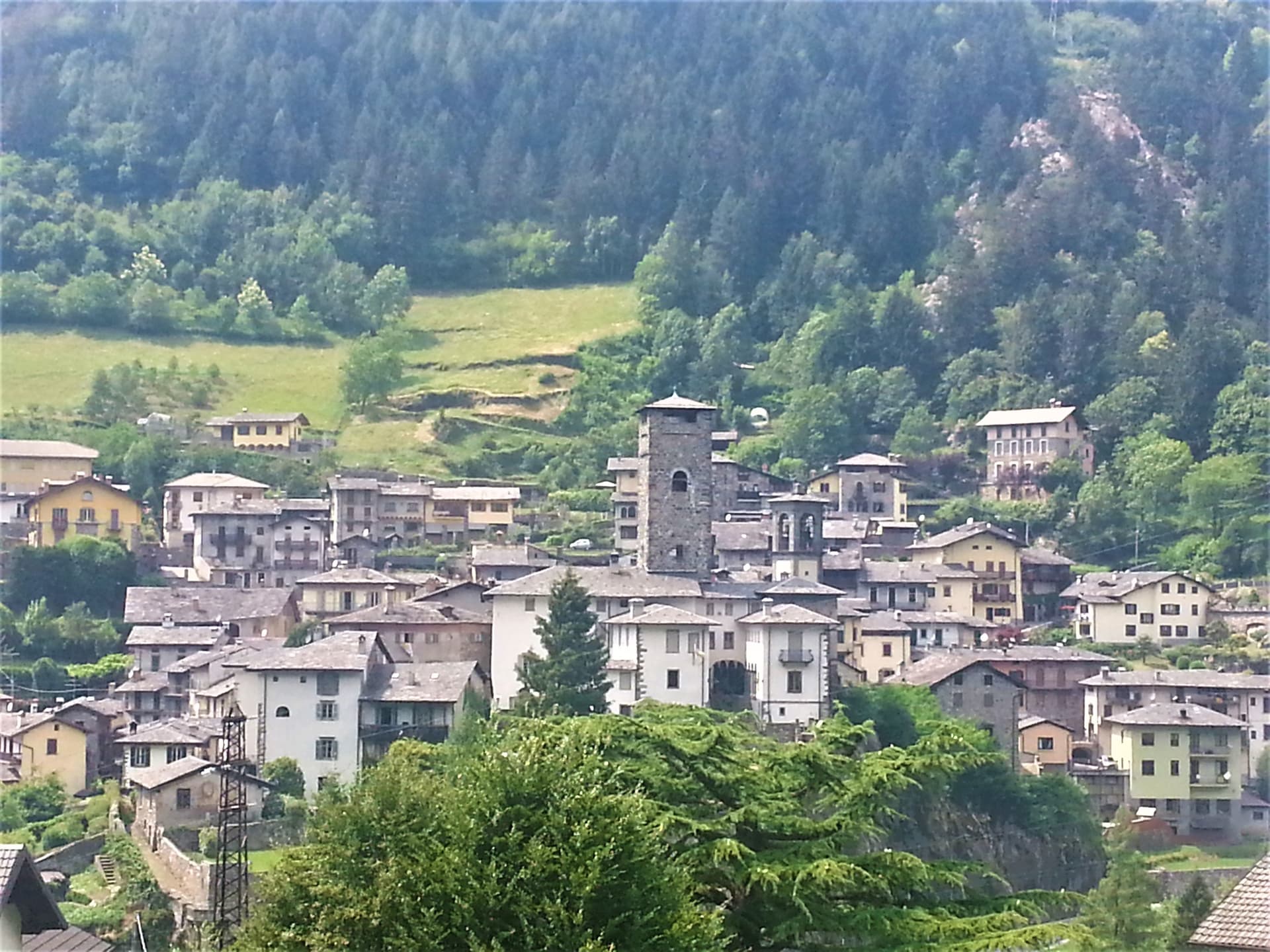
Gromo
Province: Bergamo · 676 m
A medieval iron-forging town at 676 meters on a rock spur above the Serio, once called the little Toledo for its sword smiths.
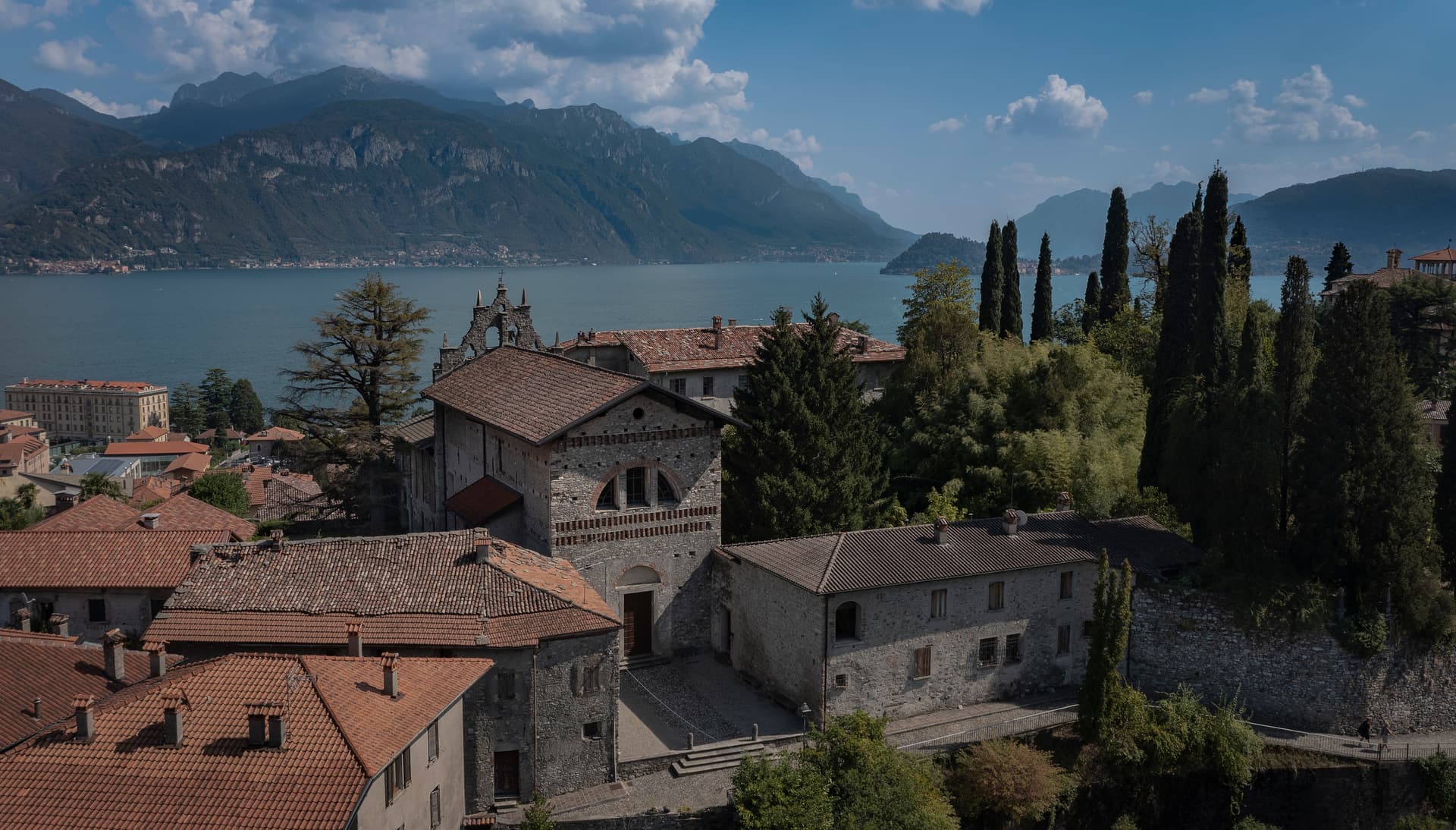
Menaggio
Province: Como · 203 m
On the western shore of Lake Como at the mouth of the Senagra, the lake's old Roman crossing point between Como, Bellagio and the Valtellina.
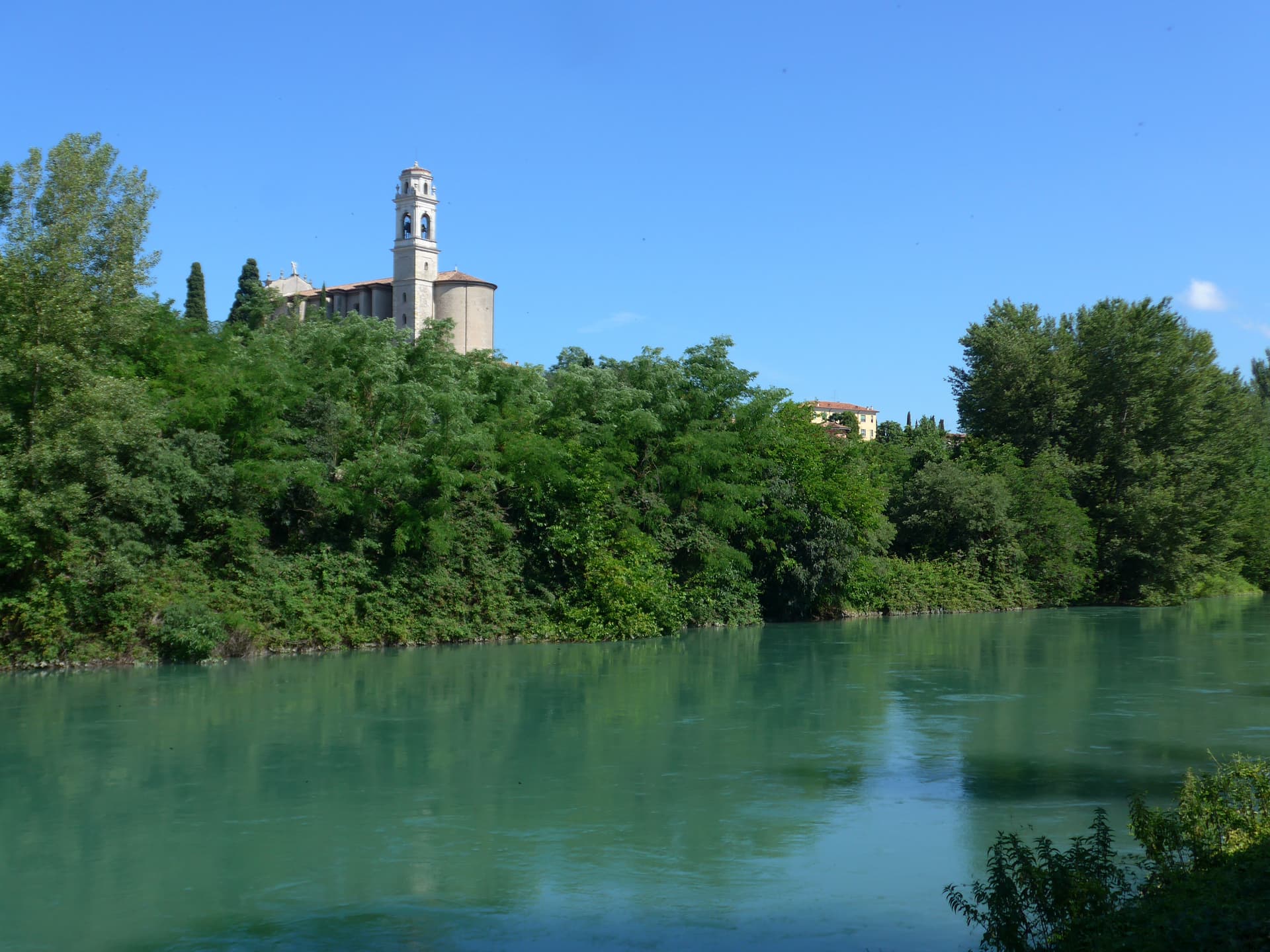
Monzambano
Province: Mantova · 88 m
A Mincio commune at 88 meters in the moraine hills west of Mantova, whose frazione Castellaro Lagusello sits on a heart-shaped lake inside fortified walls.
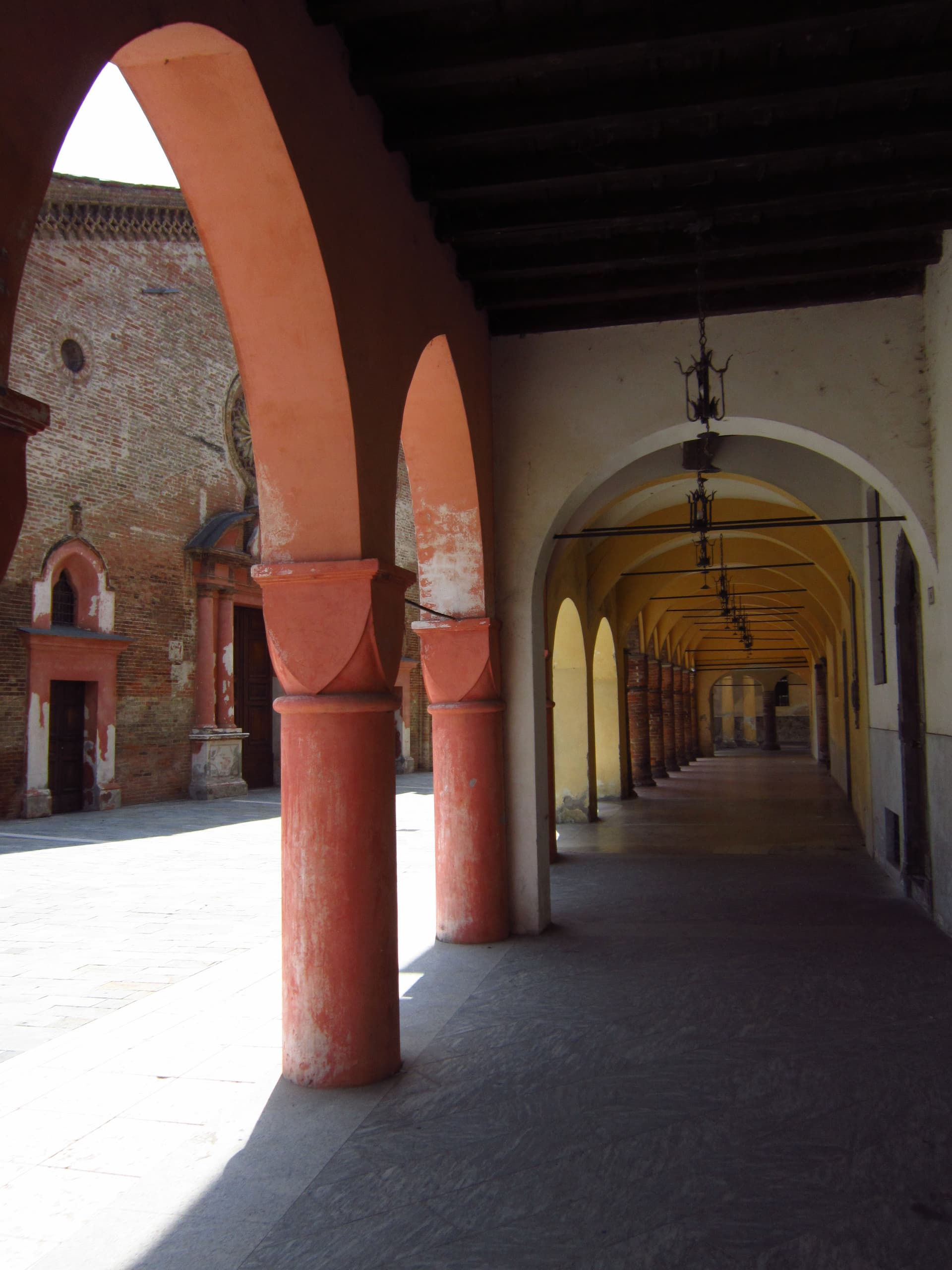
Pizzighettone
Province: Cremona · 46 m
A walled town on the Adda below Cremona, where Francis I of France was held for fifty days in the Torre del Guado after Pavia.
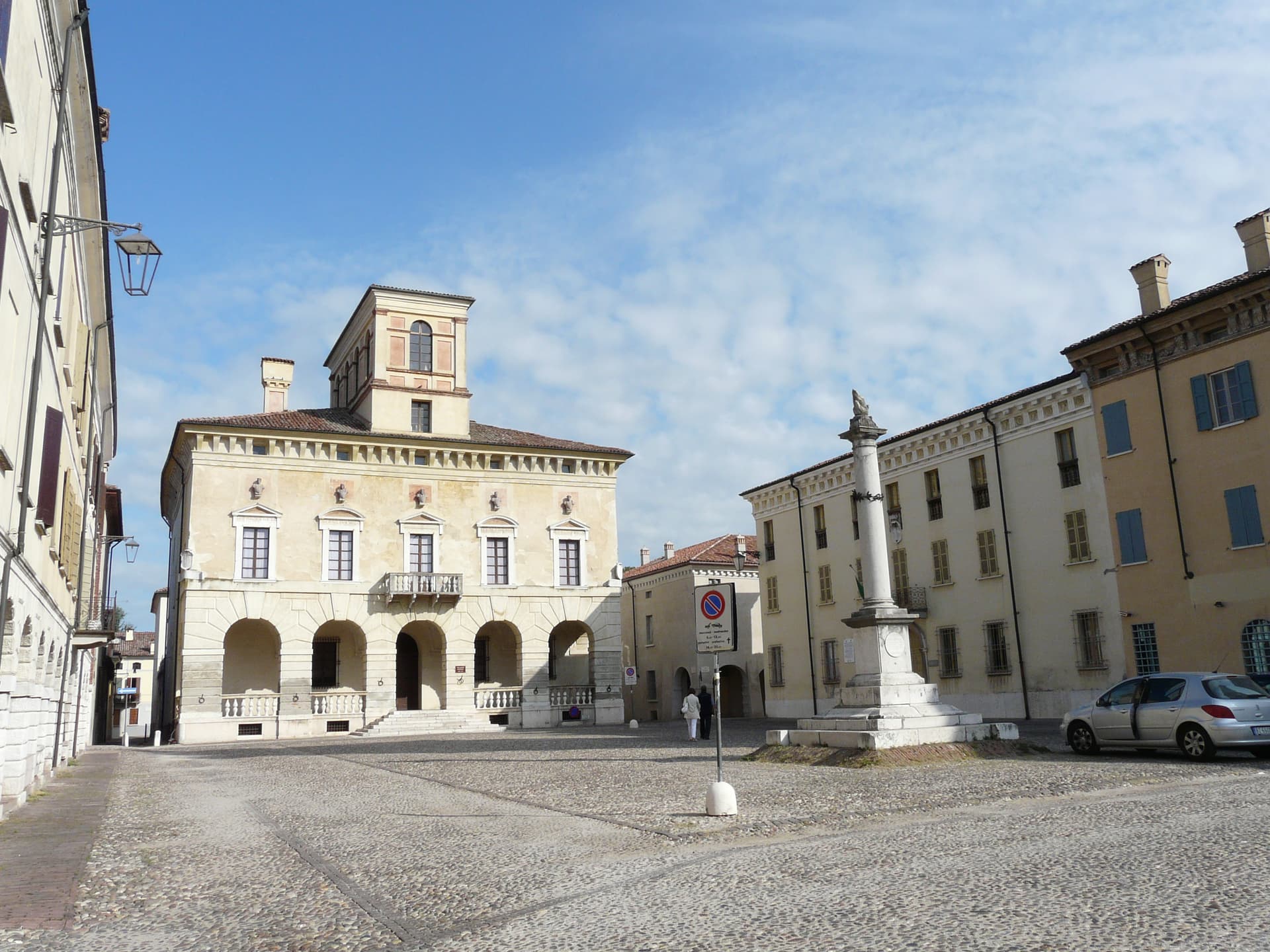
Sabbioneta
Province: Mantova · 25 m
A Renaissance ideal city on the Po, built in thirty years by Vespasiano I Gonzaga and laid out as a six-pointed star.
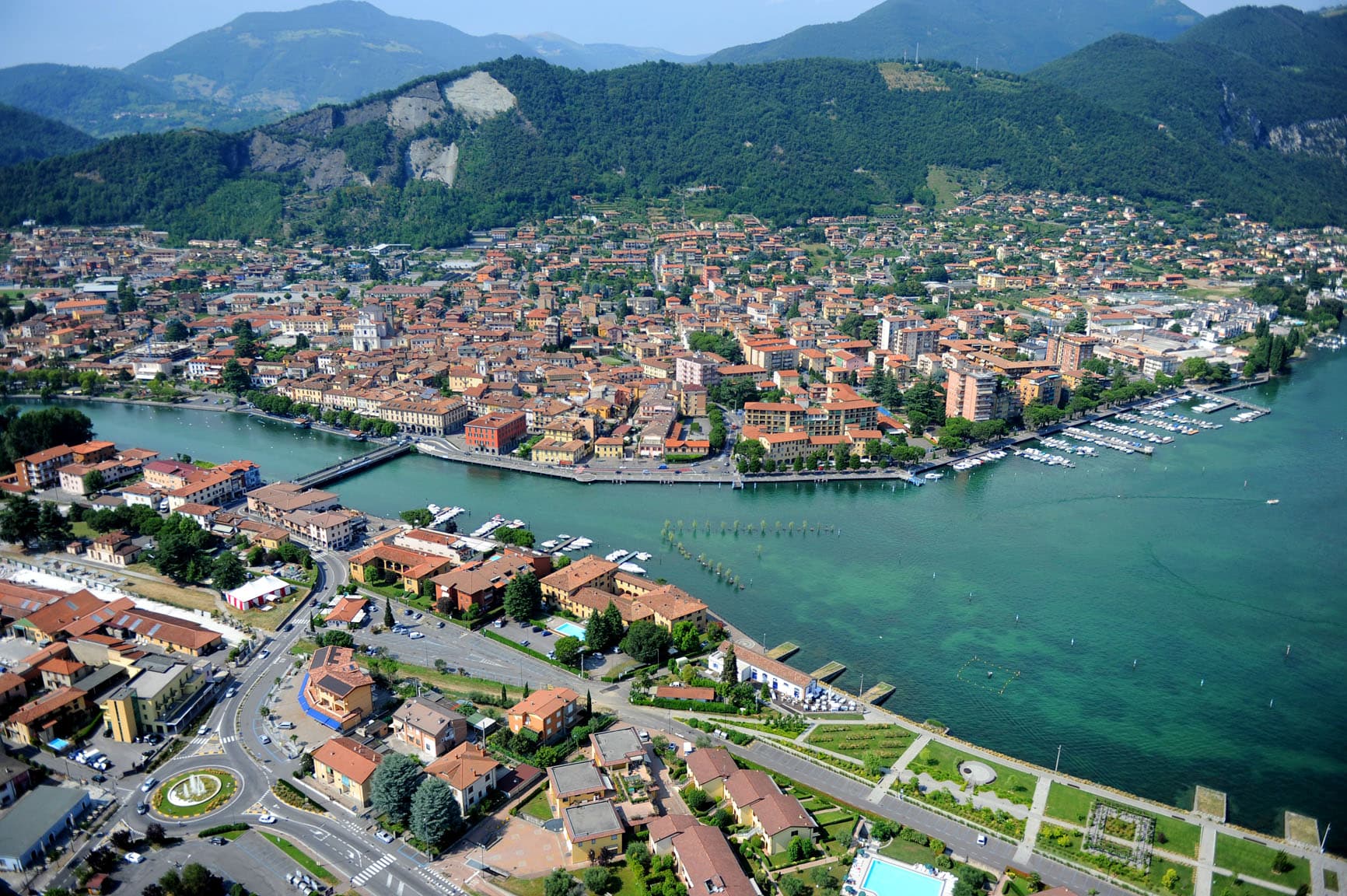
Sarnico
Province: Bergamo · 197 m
A medieval lake town at the southern tip of Lago d'Iseo, where the Oglio leaves the lake and Liberty villas line the shore.
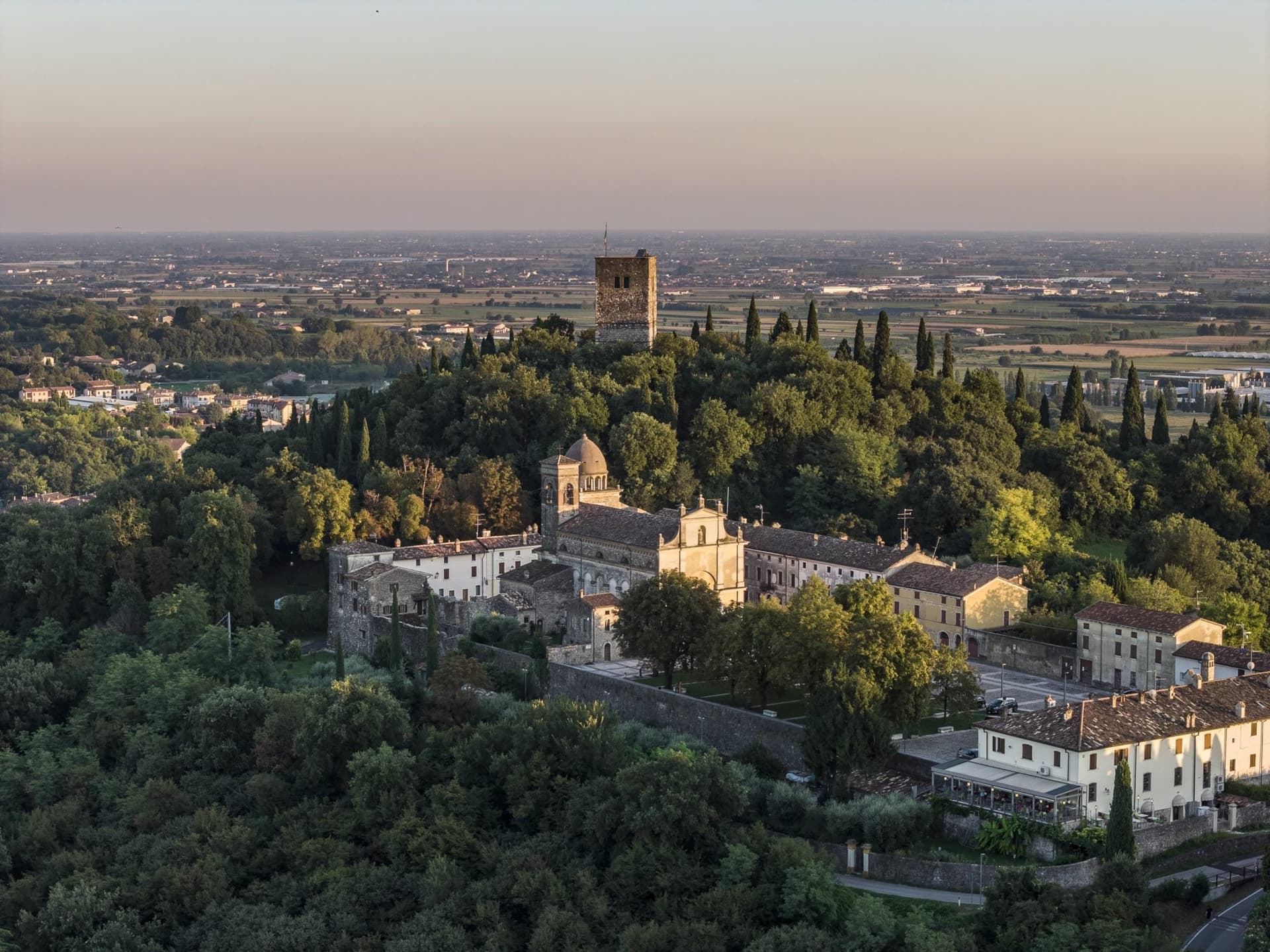
Solferino
Province: Mantova · 124 m
The morainic hill where 300,000 soldiers met on 24 June 1859, the battle whose wounded gave Henry Dunant the idea of the Red Cross.
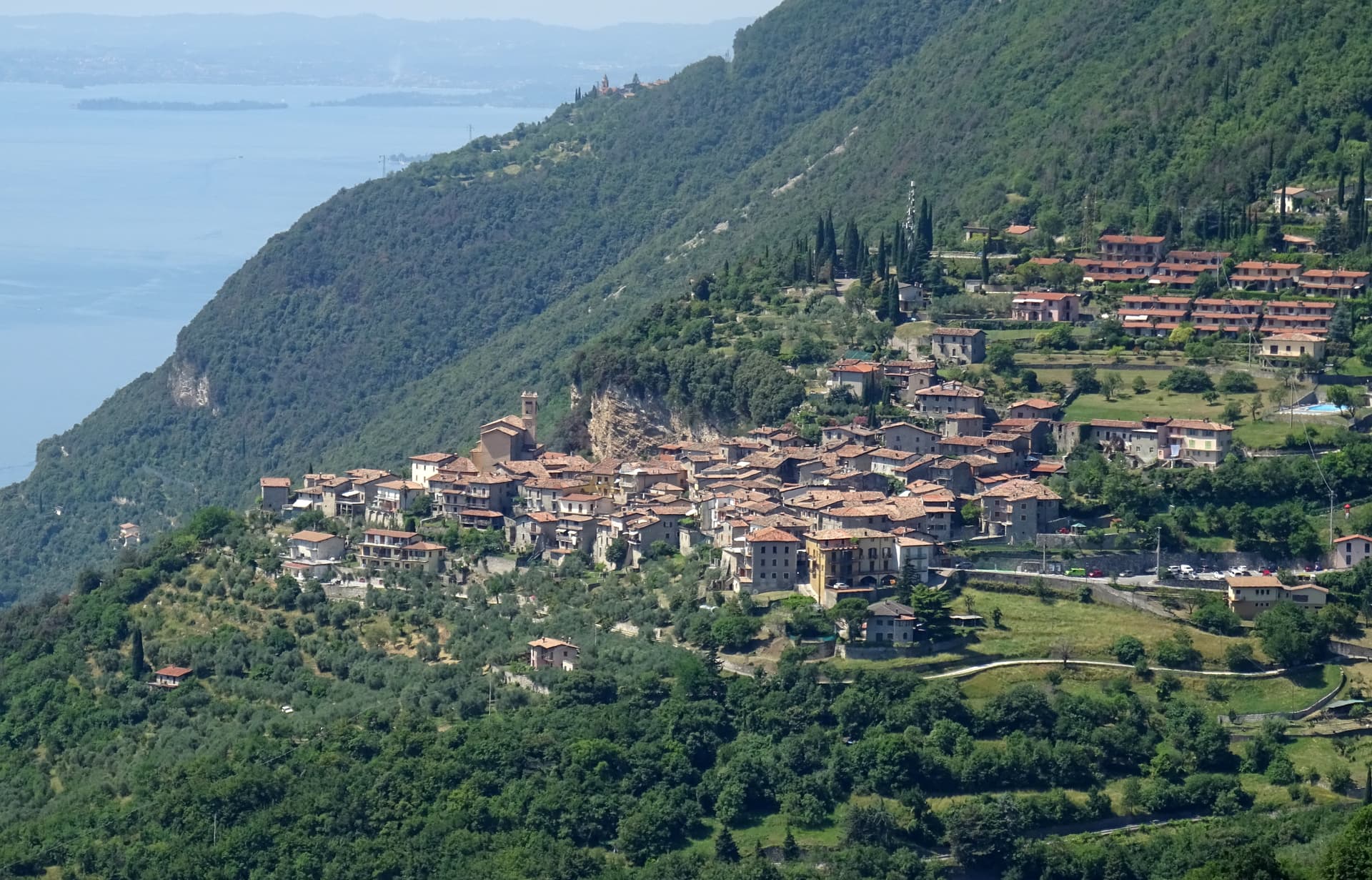
Tignale
Province: Brescia · 560 m
A six-hamlet commune on a high terrace above Lake Garda's western shore, anchored by a clifftop sanctuary and the last working limonaie north of Salò.
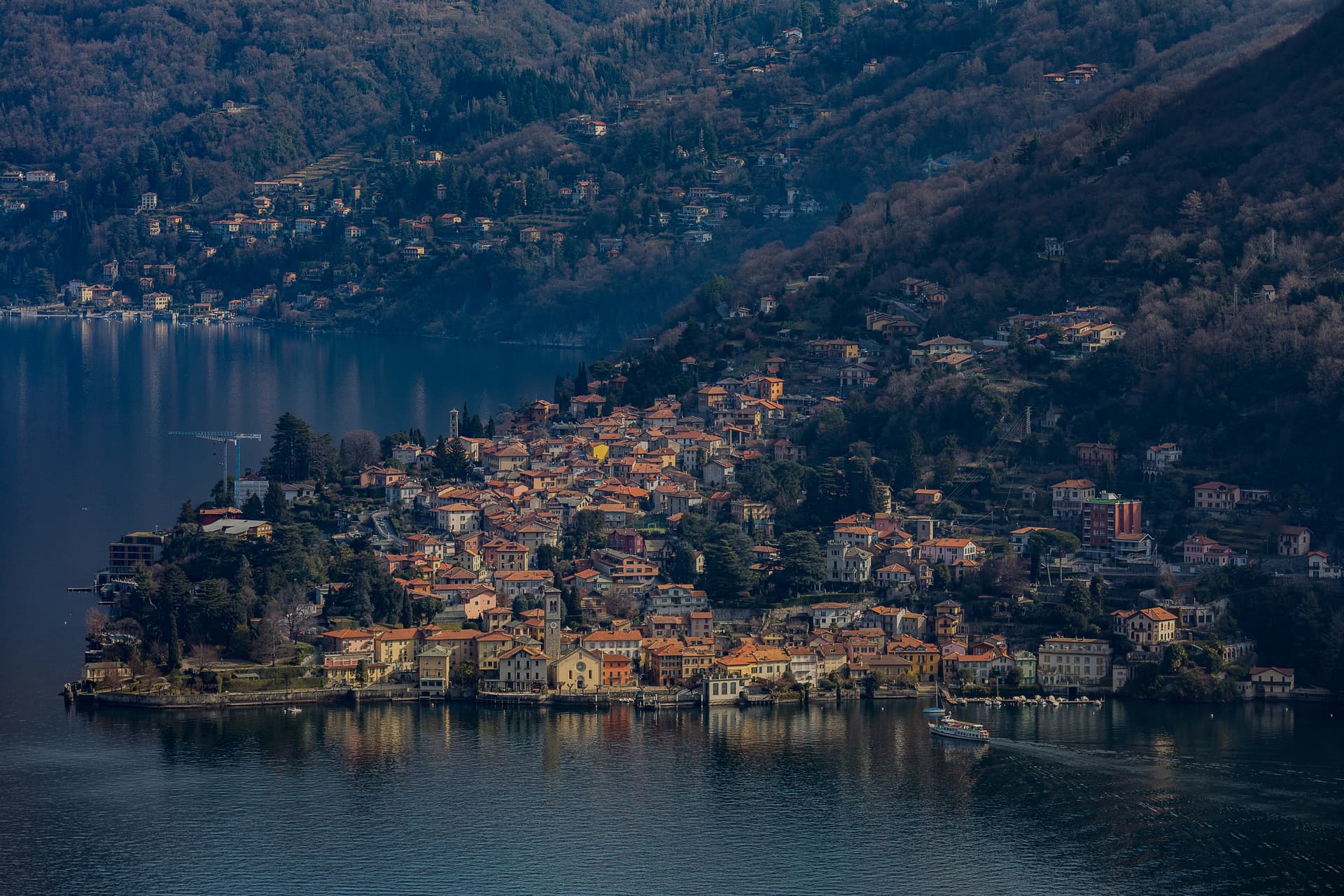
Torno
Province: Como · 225 m
A medieval village on the eastern shore of Lake Como, home to Villa Pliniana and its rhythmic spring described by Pliny the Younger.
Marche22
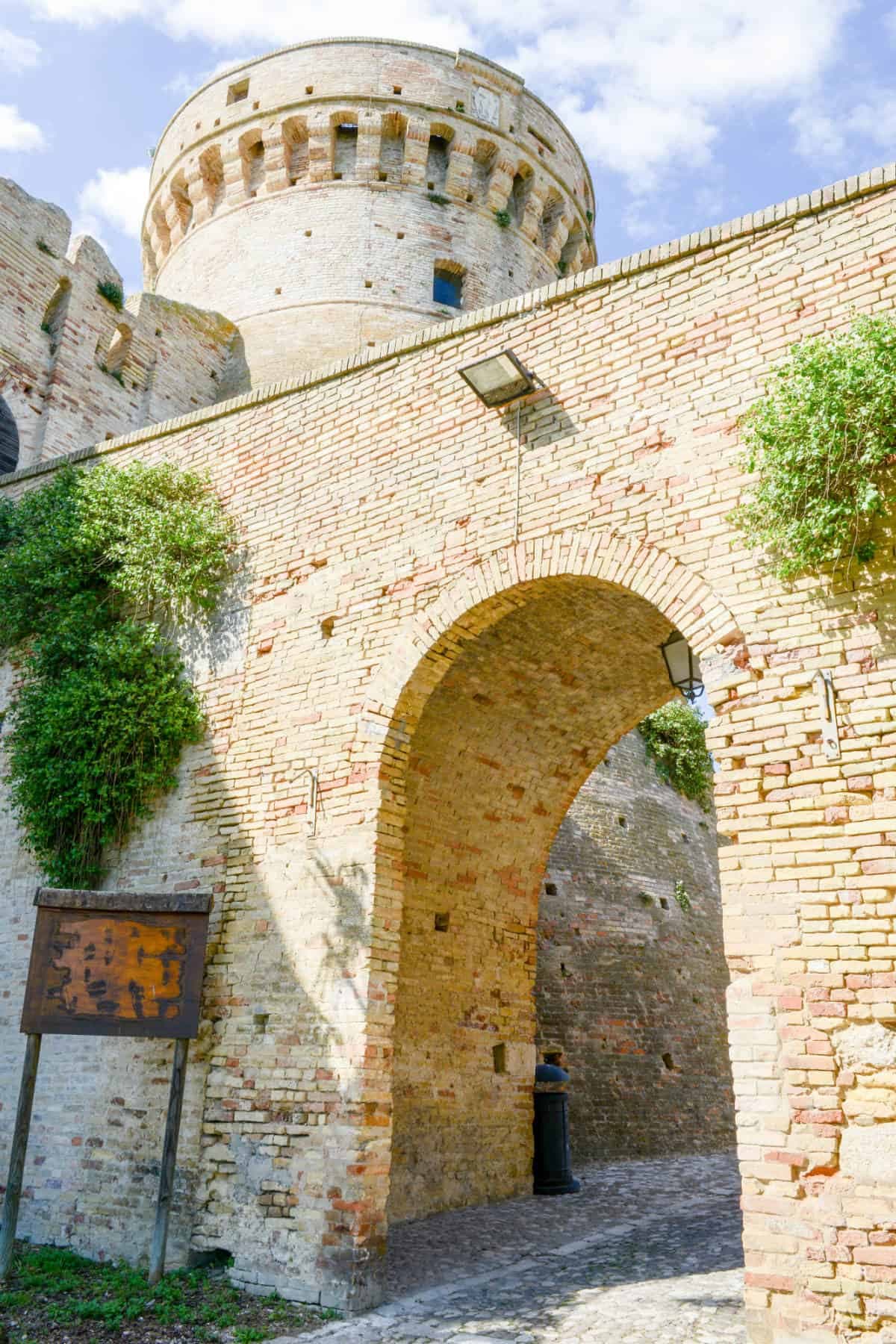
Acquaviva Picena
Province: Ascoli Piceno · 359 m
A walled hill borgo at 359 meters six kilometers from the Adriatic, anchored by a Baccio Pontelli fortress and the surviving pajarola craft.
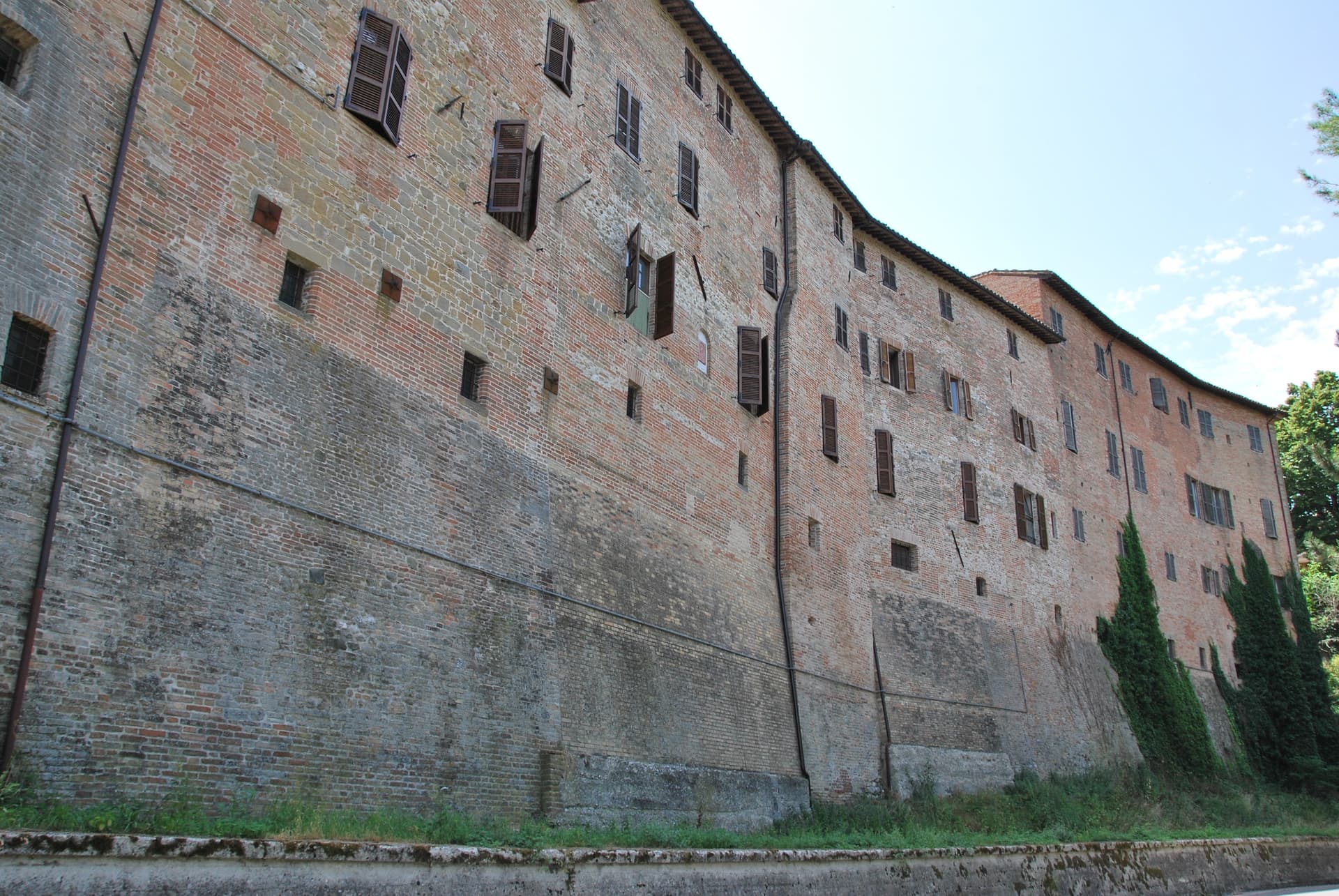
Amandola
Province: Fermo · 550 m
A Sibillini gateway at 550 meters on three hills above the Tenna valley, founded 1248 and damaged but not levelled in 2016.
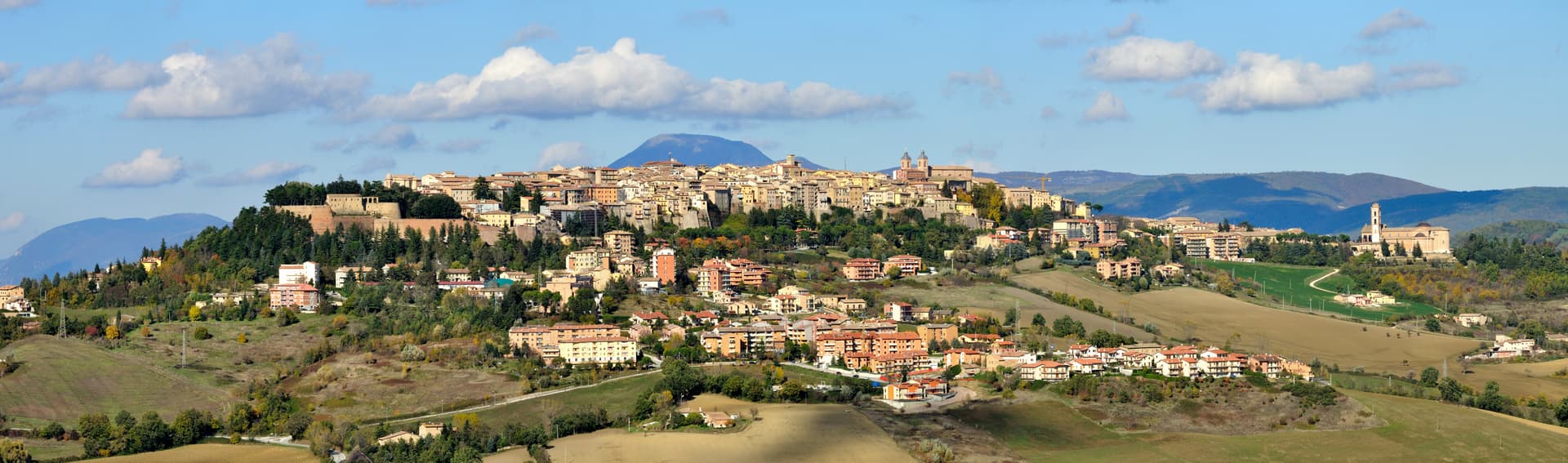
Camerino
Province: Macerata · 661 m
A university city at 661 meters on the ridge between the Chienti and Potenza, Da Varano capital from 1259 to 1539, rebuilding after 2016.
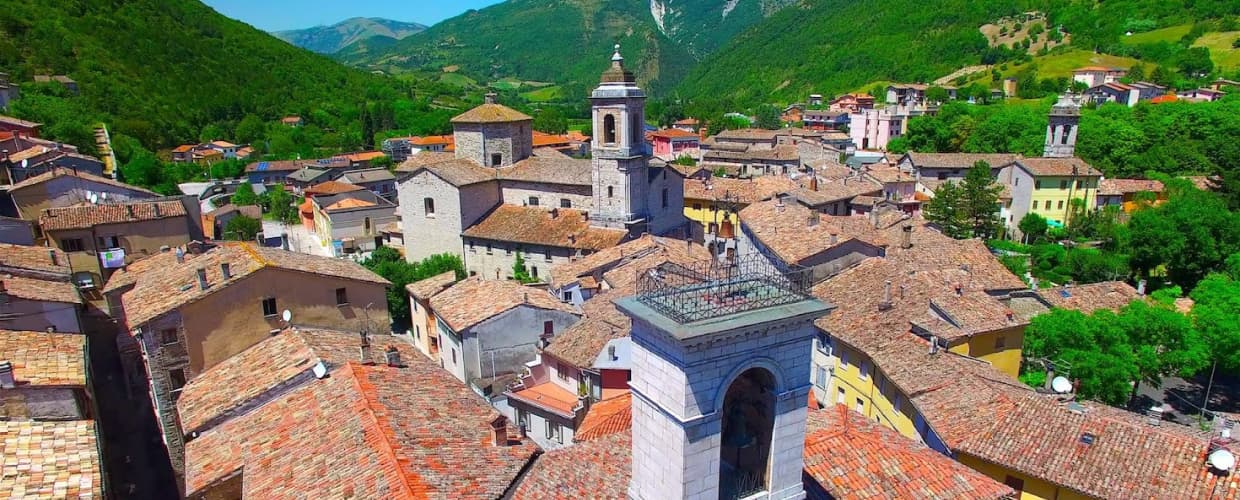
Cantiano
Province: Pesaro e Urbino · 374 m
A border borgo at 374 meters under Monte Catria on the old Via Flaminia, known for the Good Friday Turba and the sour-cherry visciola harvest.
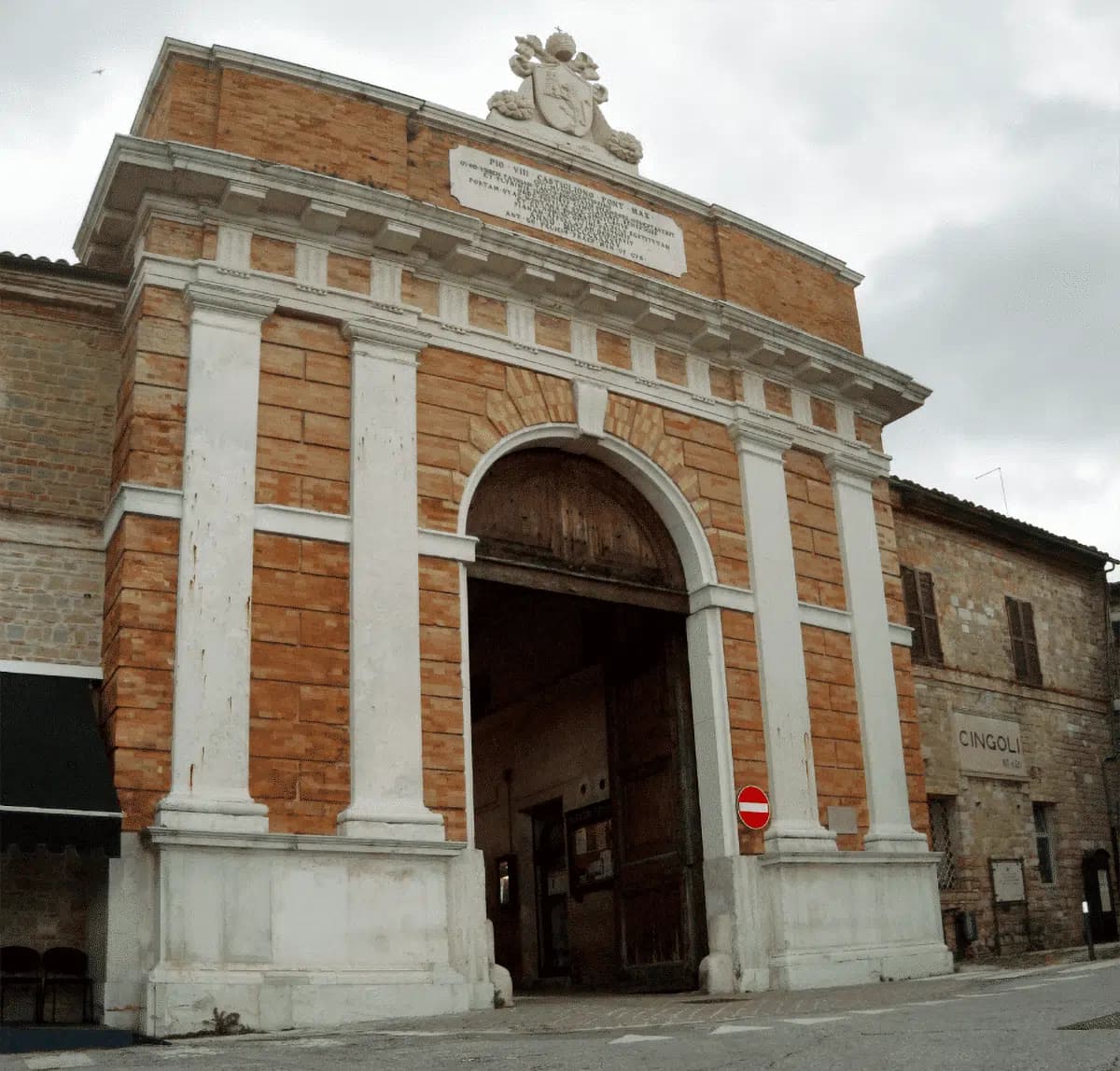
Cingoli
Province: Macerata · 631 m
The Balcone delle Marche at 631 meters, a hilltop borgo where on clear days the view runs from the Sibillini to the Croatian coast.
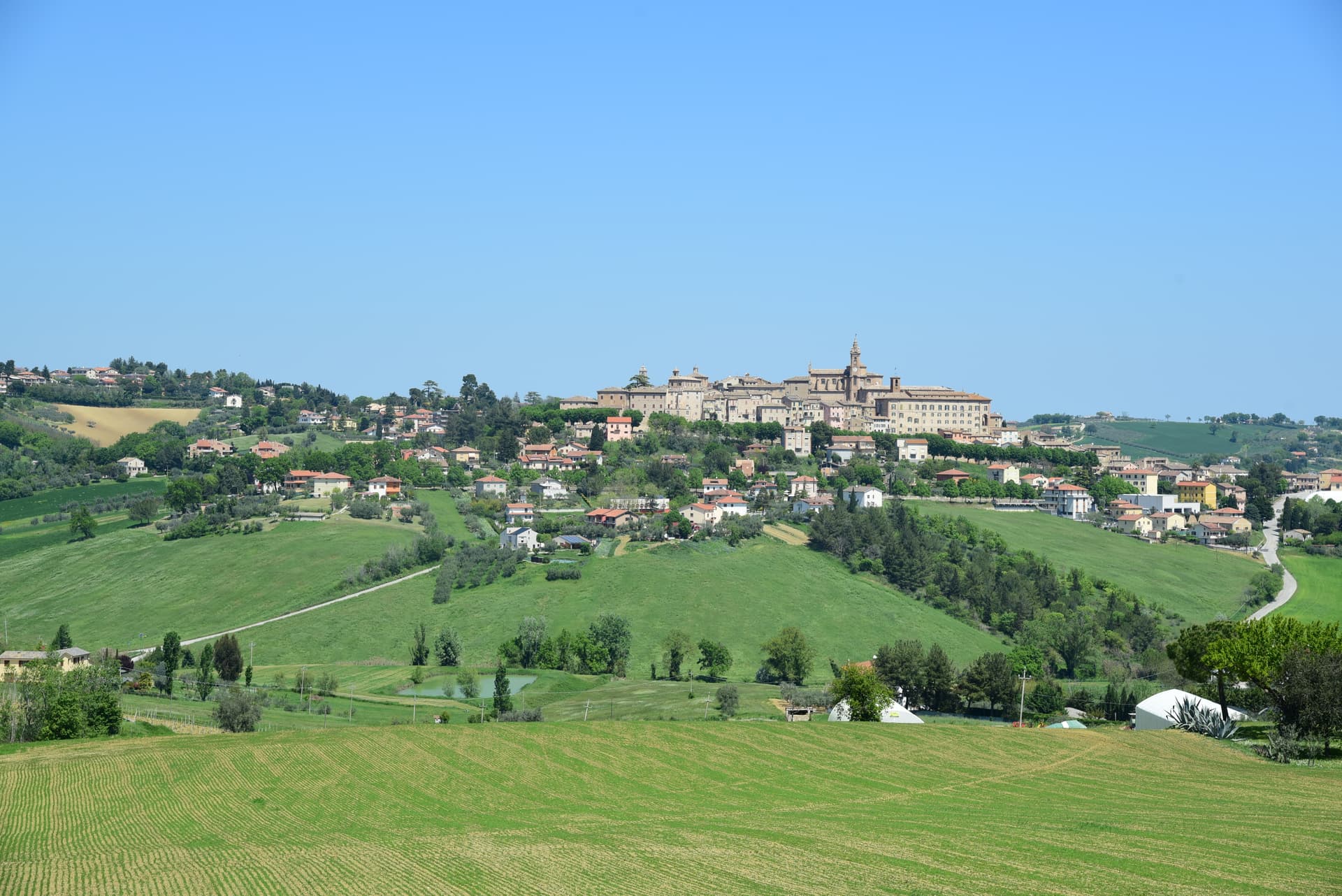
Corinaldo
Province: Ancona · 203 m
A walled hill borgo at 203 meters with 912 meters of intact medieval walls, the birthplace of Saint Maria Goretti and the Pozzo della Polenta.
Genga
Province: Ancona · 322 m
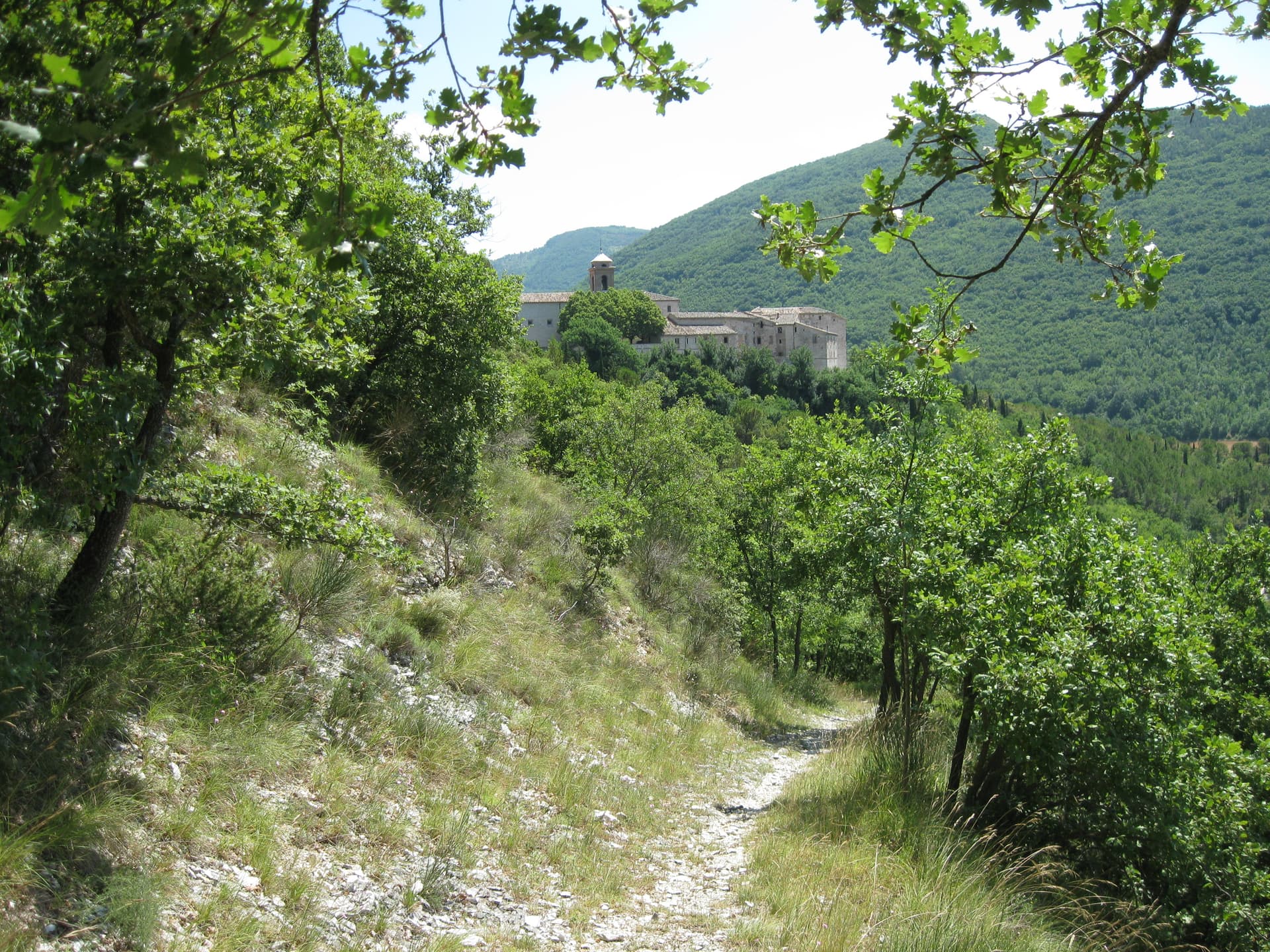
A small Sentino-valley commune at 322 meters whose territory holds the Frasassi caves, the largest karst show cave in Italy.
Gradara
Province: Pesaro e Urbino · 142 m
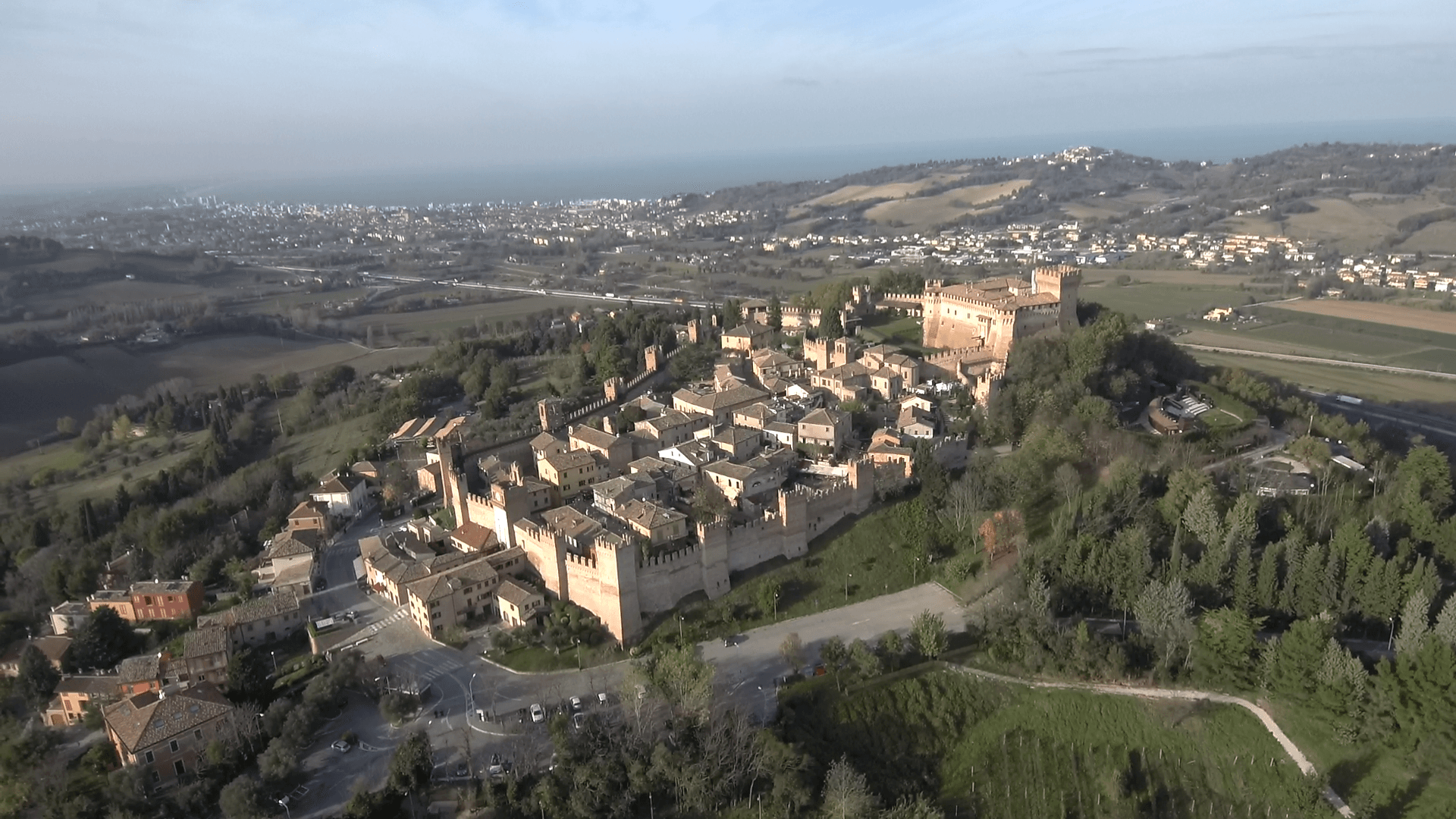
The walled hill borgo at 142 meters above the Adriatic where Dante set the deaths of Paolo and Francesca, with one of Italy's best-preserved castles.
Mercatello sul Metauro
Province: Pesaro e Urbino · 429 m
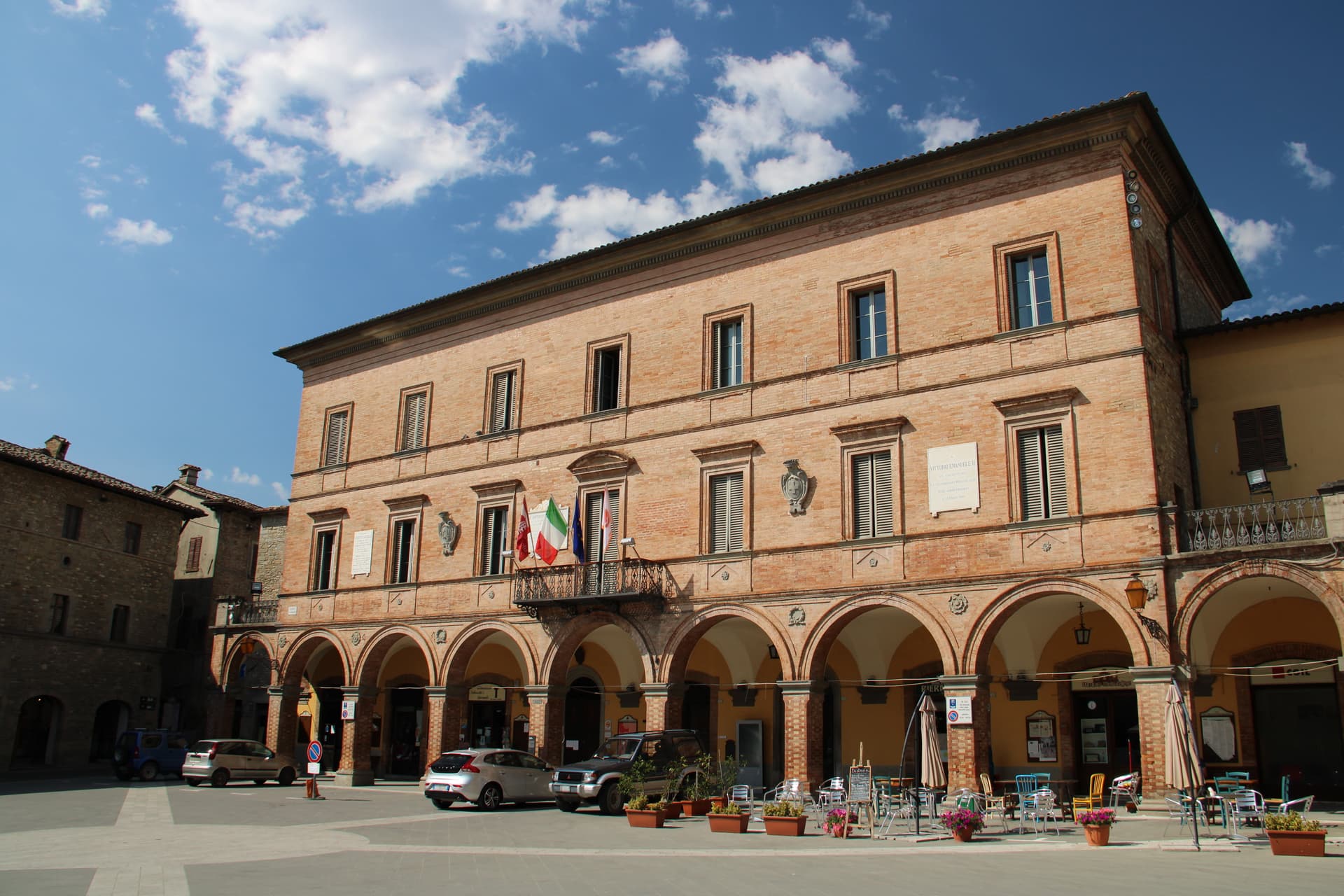
A walled borgo at 429 meters in the upper Metauro, autonomous since 1235, with a pieve exempt from any bishop.
Mondavio
Province: Pesaro e Urbino · 280 m
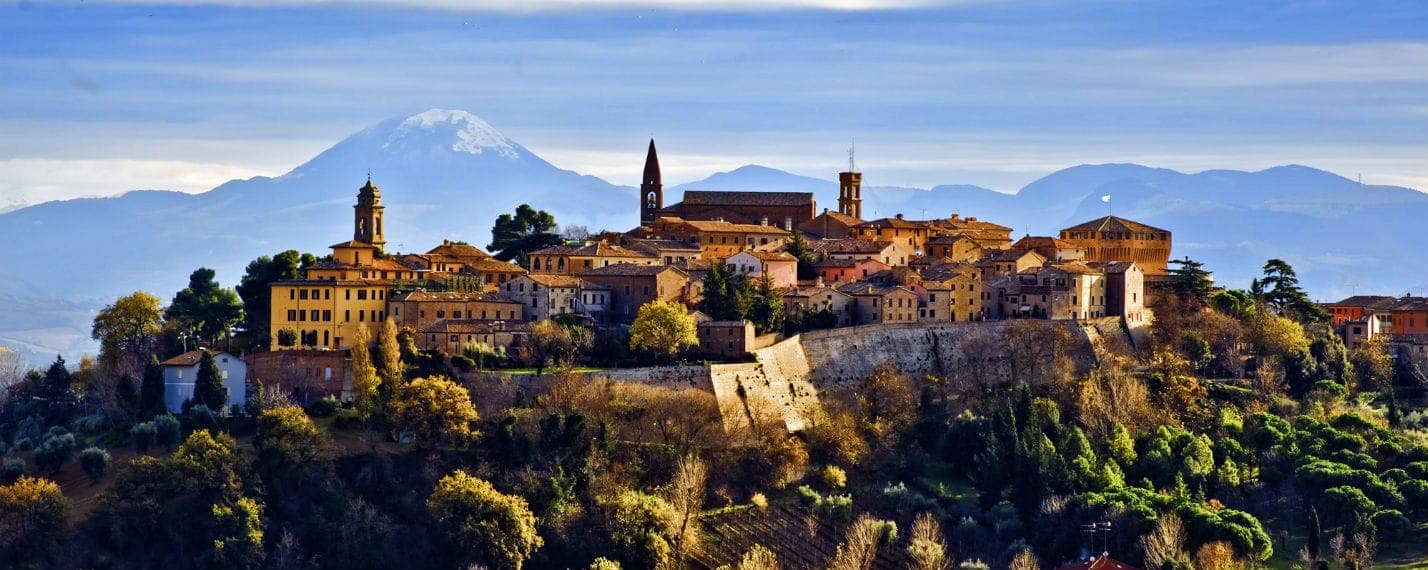
A hill borgo at 280 meters whose Rocca Roveresca, designed by Francesco di Giorgio Martini in the 1480s, never took a cannon shot.
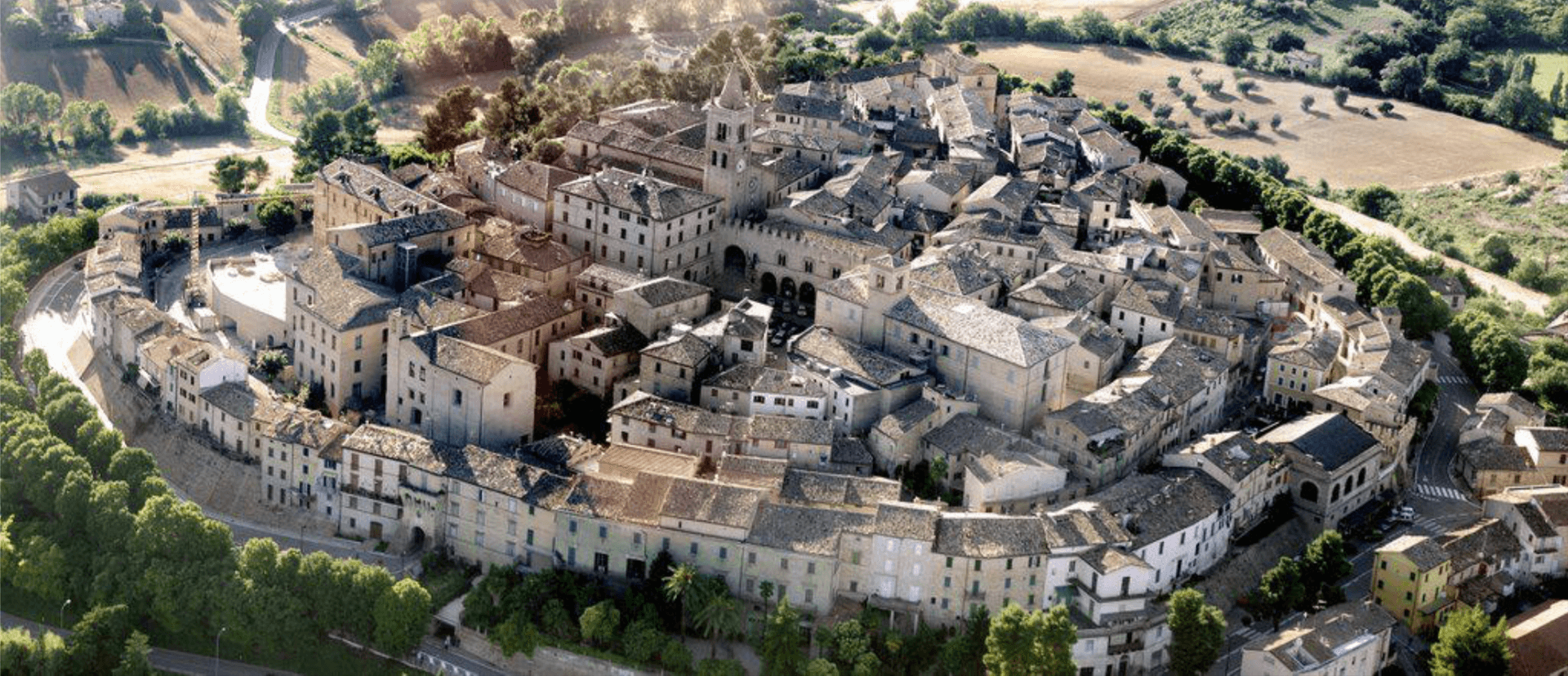
Montecassiano
Province: Macerata · 188 m
A walled hill borgo at 188 meters north of Macerata, holding the seven-meter terracotta altarpiece Mattia della Robbia fired in a kiln built in town.
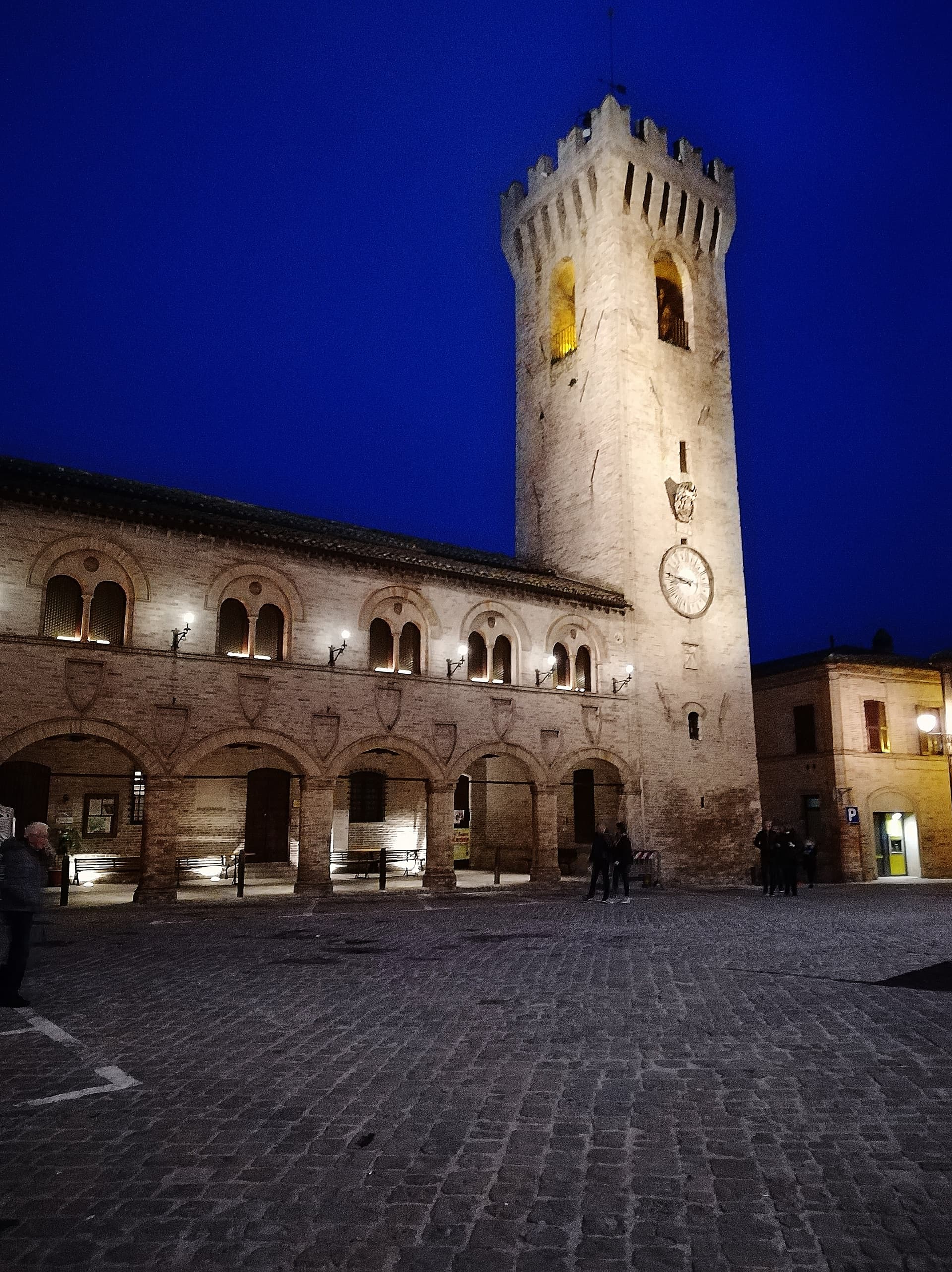
Montelupone
Province: Macerata · 272 m
A walled hill borgo at 272 meters above the lower Potenza valley, with a fourteenth-century civic loggia and a 1889 horseshoe theatre.
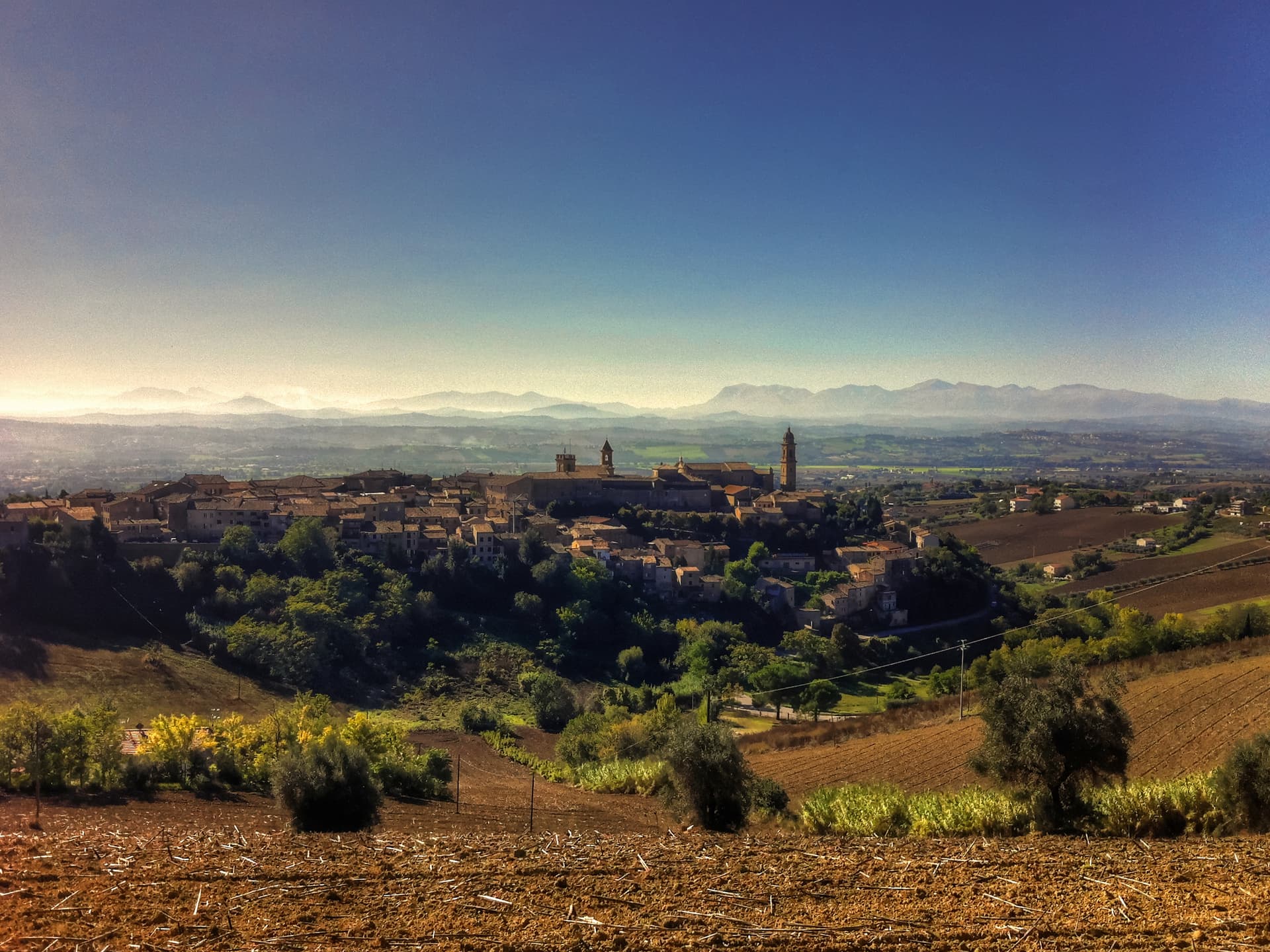
Morrovalle
Province: Macerata · 247 m
A hilltop borgo at 247 meters above the Chienti valley, holding a 1560 Eucharistic Miracle from the burning of its Franciscan convent.
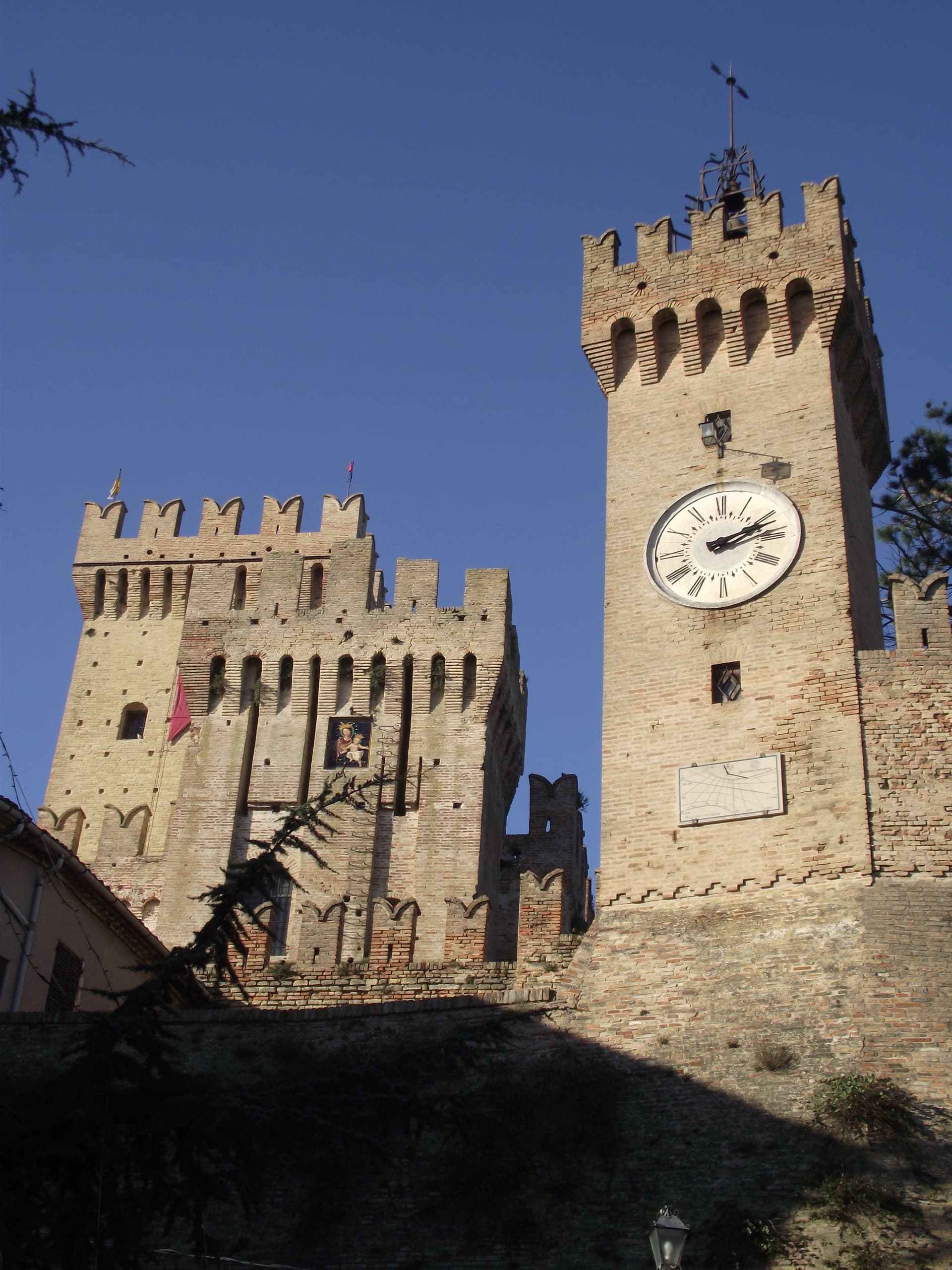
Offagna
Province: Ancona · 309 m
A hilltop borgo at 309 meters between Ancona and Osimo, dominated by a Rocca built in just two years by the Anconitans in 1454-56.
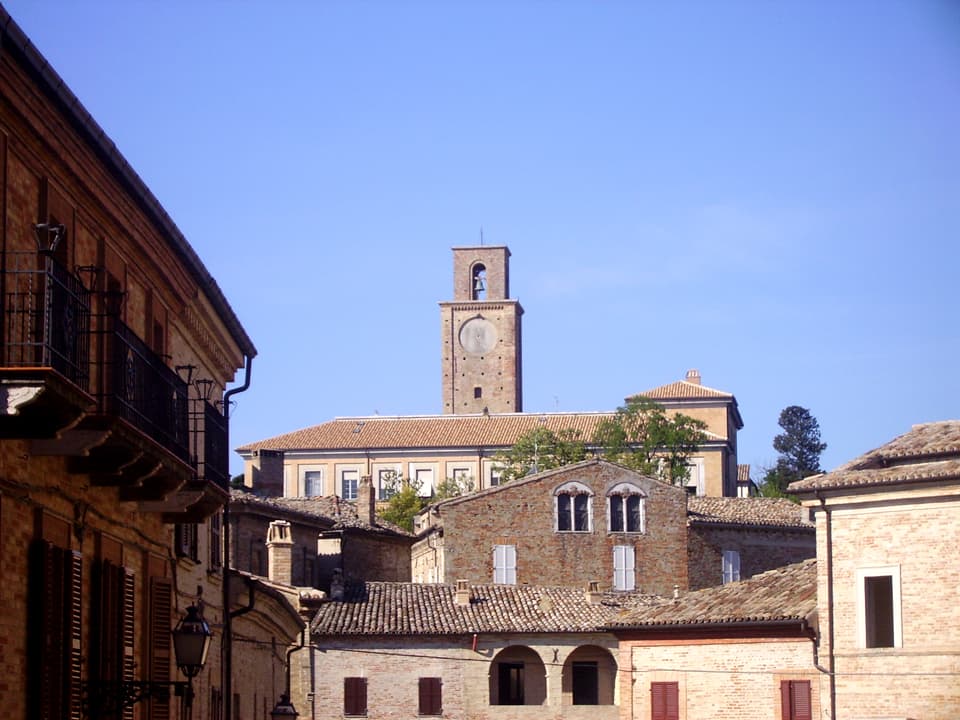
Ripatransone
Province: Ascoli Piceno · 494 m
The Belvedere del Piceno at 494 meters, ridgetop borgo with views to the Adriatic and the narrowest alley in Italy at 43 centimeters.
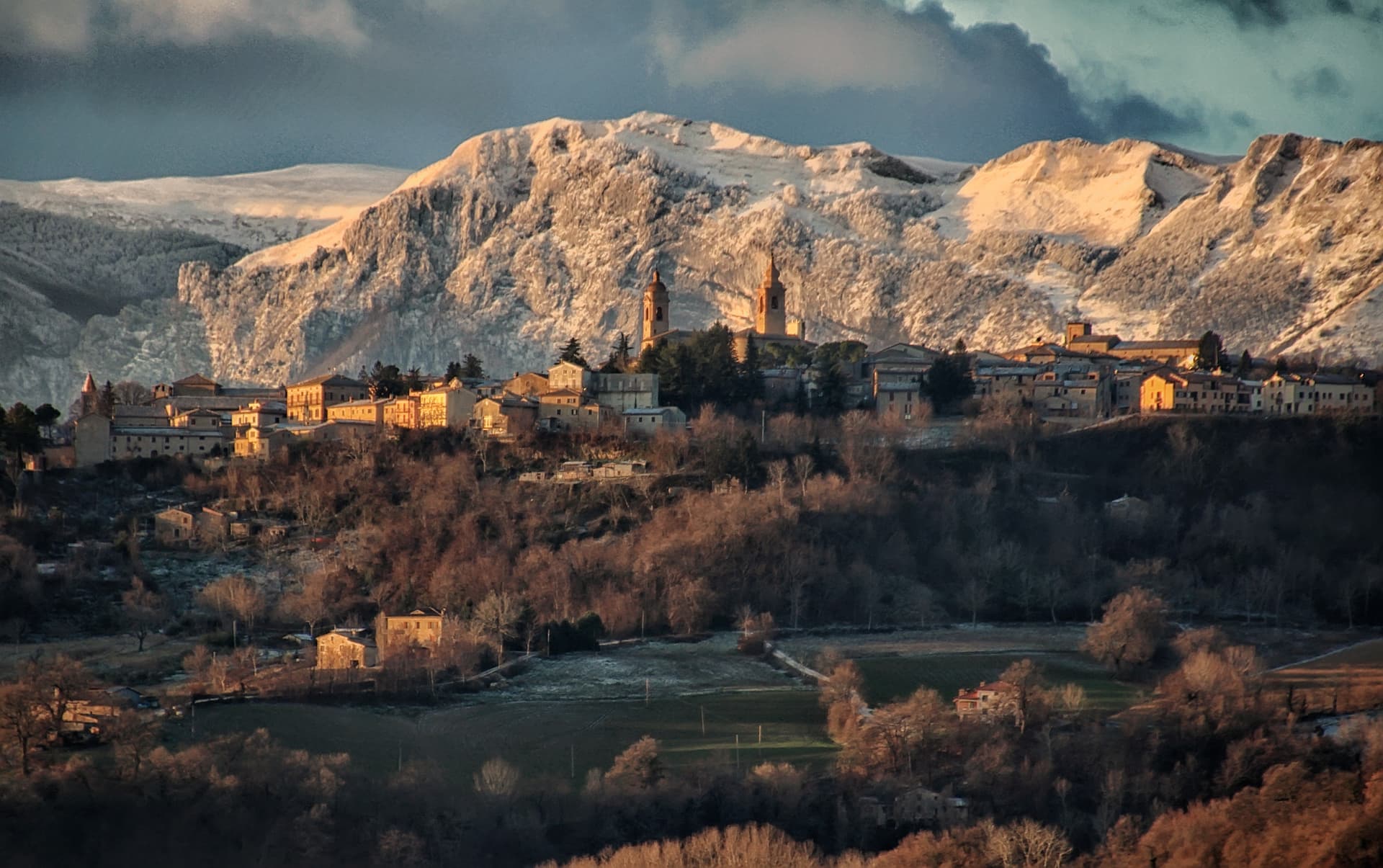
San Ginesio
Province: Macerata · 680 m
The Balcony of the Sibillini at 680 meters, with a 1295 pilgrim hospital and the only flowery gothic collegiate church in the Marche.
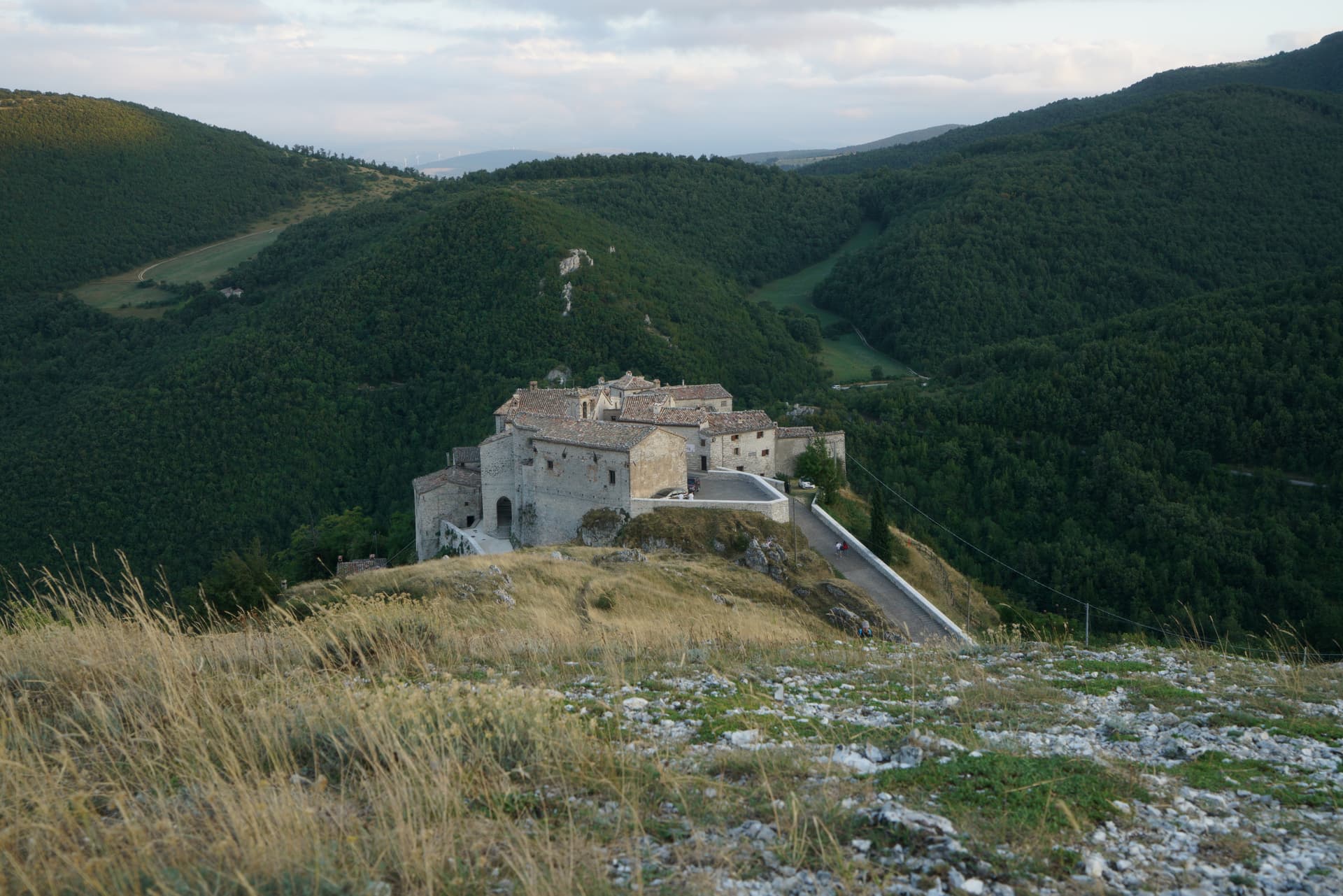
San Severino Marche
Province: Macerata · 235 m
A two-level town where a 224-meter elliptical piazza in the lower city looks up at the Smeducci tower and Salimbeni-painted churches on Monte Nero.
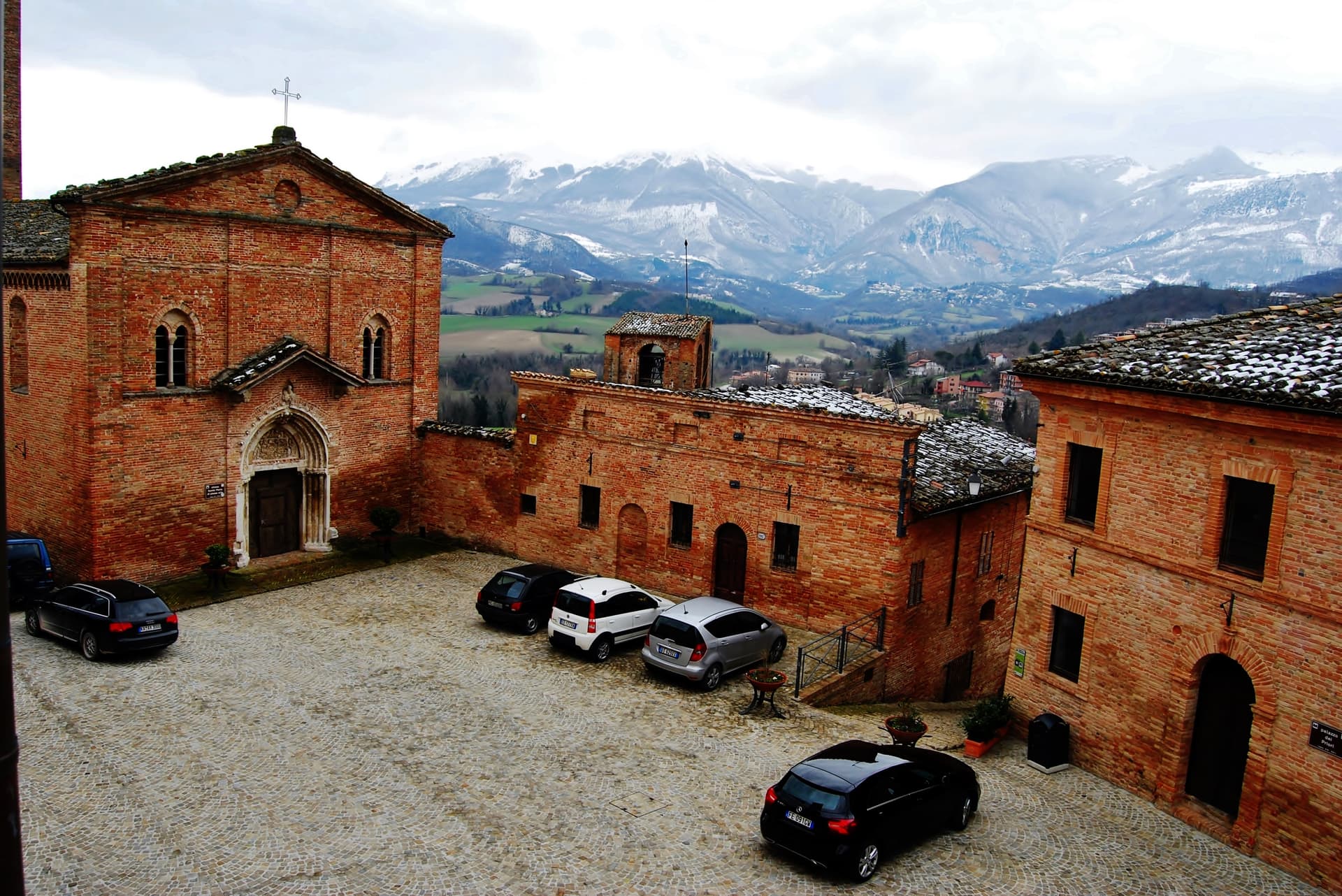
Sarnano
Province: Macerata · 539 m
A 539-meter medieval borgo of baked brick at the foot of the Sibillini, with thermal springs that ran for 84 years until the 2016 earthquake.
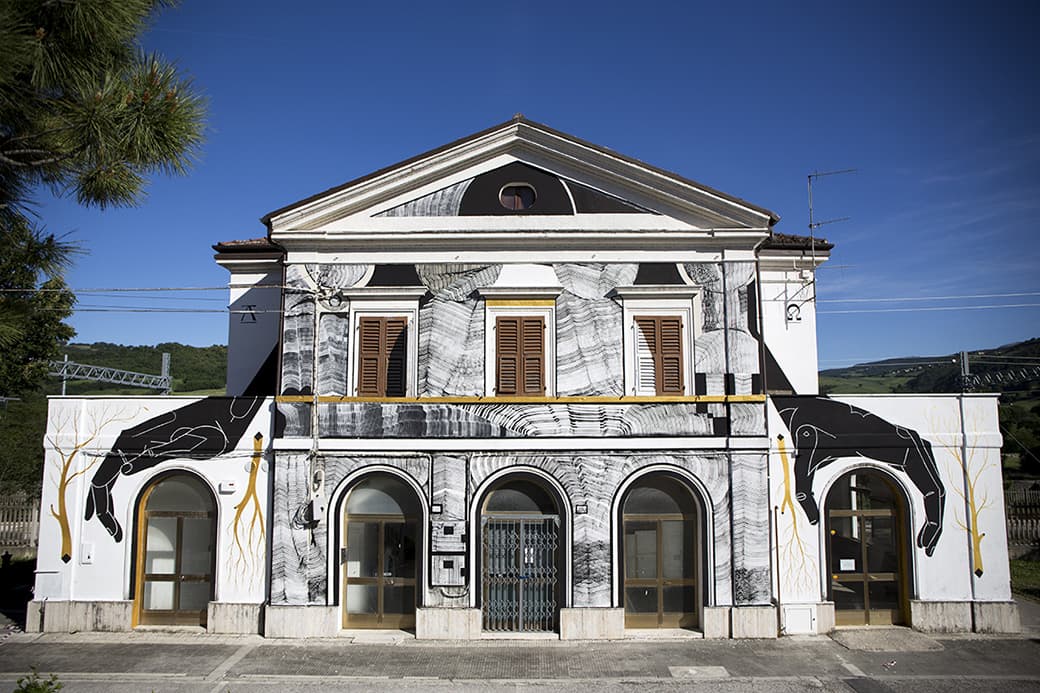
Serra San Quirico
Province: Ancona · 409 m
A stone borgo on Monte Murano at the entrance to the Gola della Rossa, ringed by 1300 walls with covered passageways called copertelle.
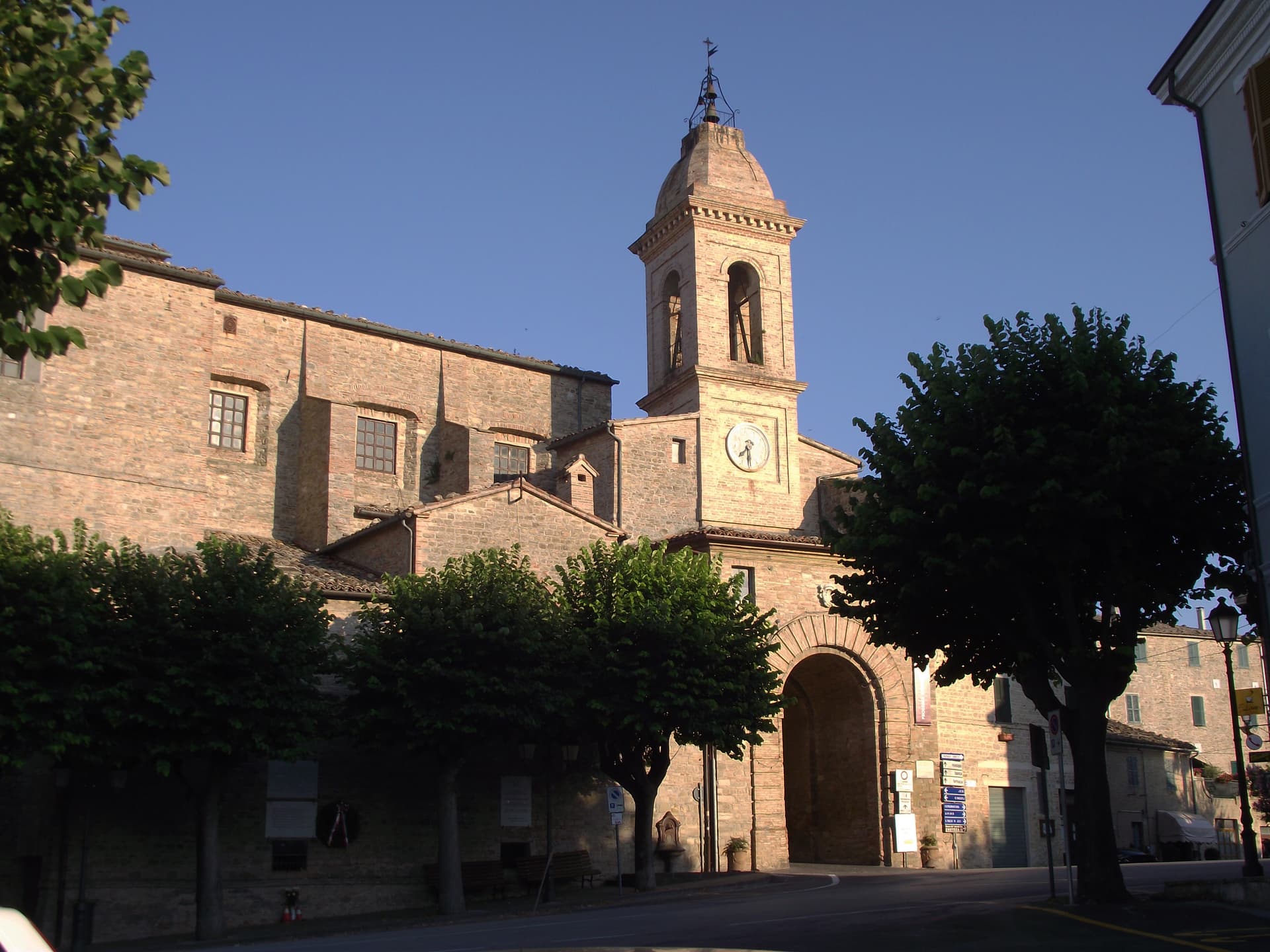
Staffolo
Province: Ancona · 442 m
The Verdicchio balcony at 442 meters above three valleys, with a near-circular medieval wall ring and a wine museum carved into the ramparts.
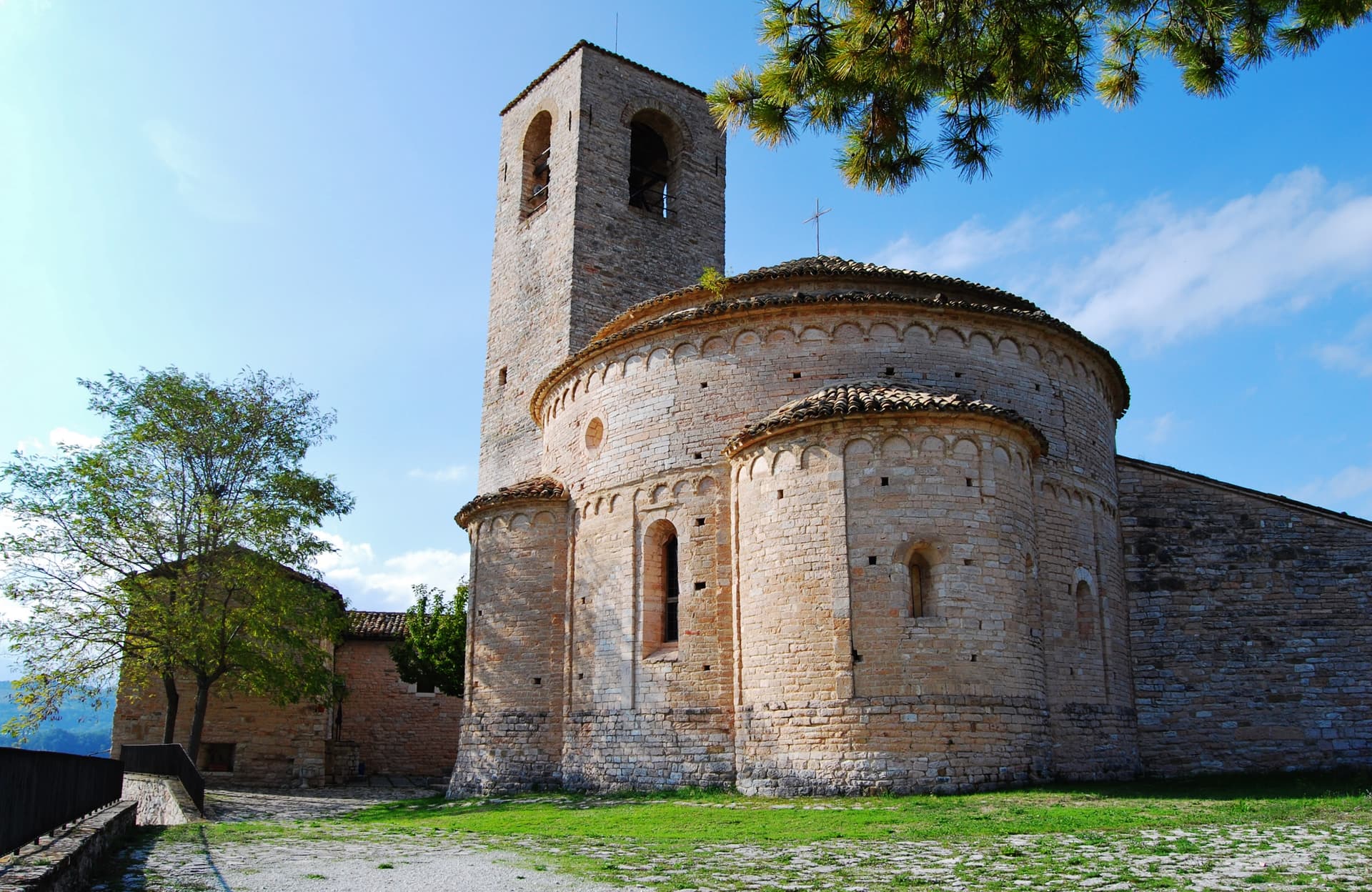
Valfornace
Province: Macerata · 441 m
A 909-resident Sibillini commune at 441 meters in the upper Chienti valley, born in 2017 from the merger of Pievebovigliana and Fiordimonte.
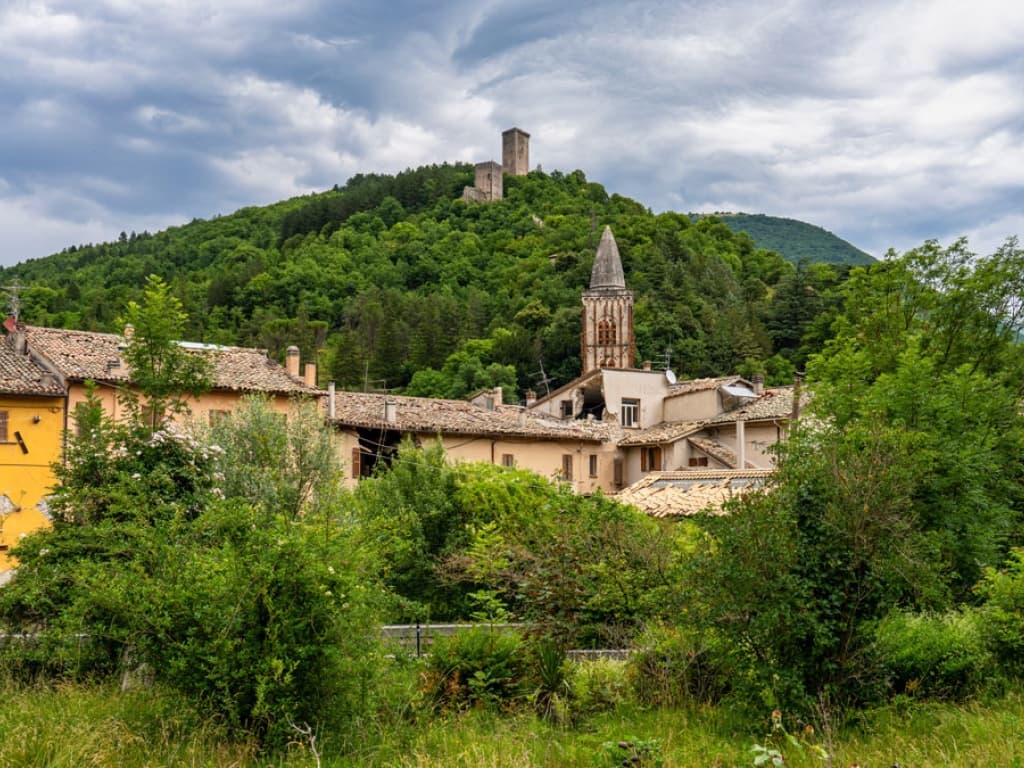
Visso
Province: Macerata · 607 m
The northern Sibillini gate at 607 meters where the Nera meets the Ussita, holding one of two surviving manuscripts of Leopardi's L'Infinito.
Molise5
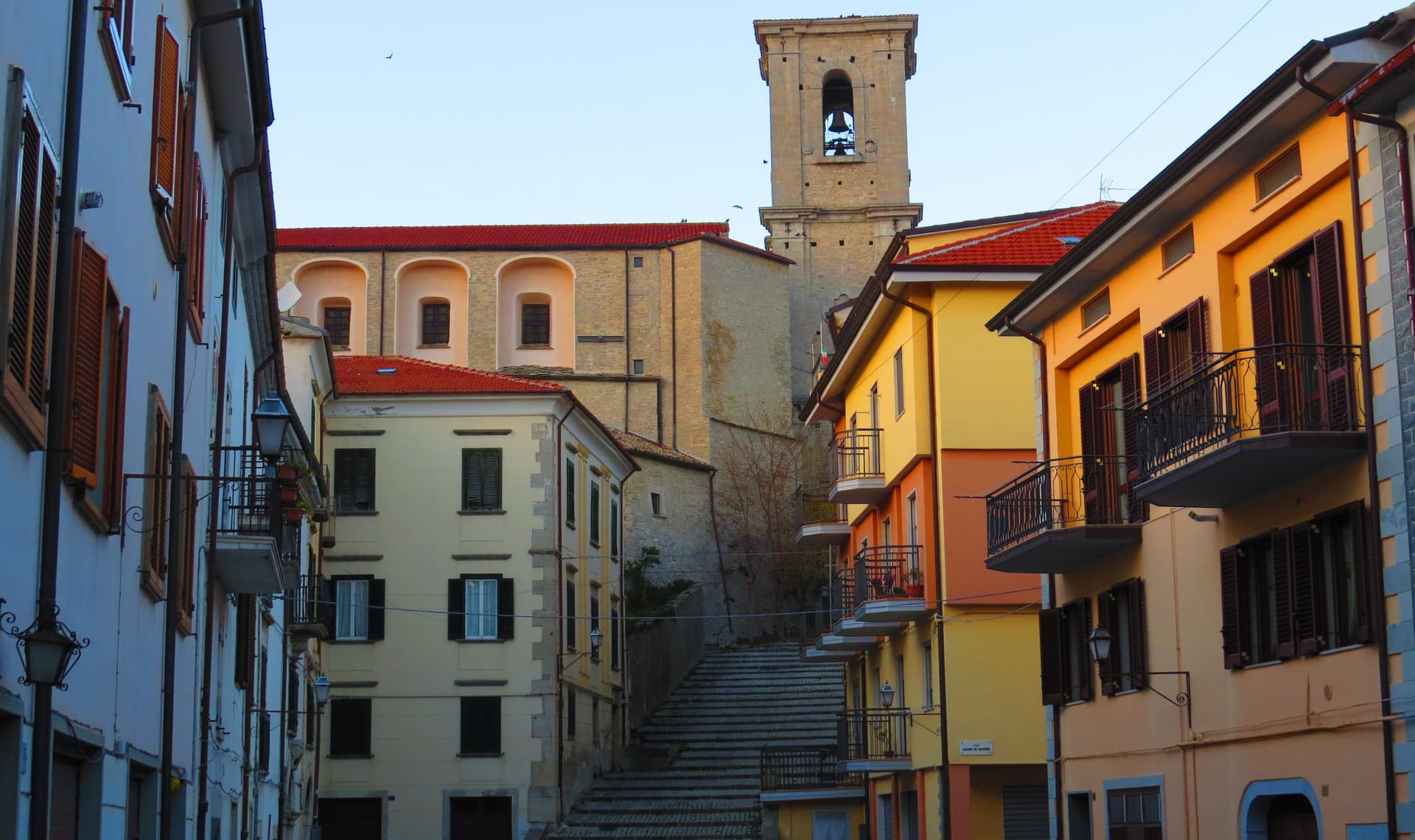
Agnone
Province: Isernia · 840 m
At 840 meters in the Alto Molise, town of the Marinelli pontifical bell foundry and the Ndocciata fire procession on Christmas Eve.
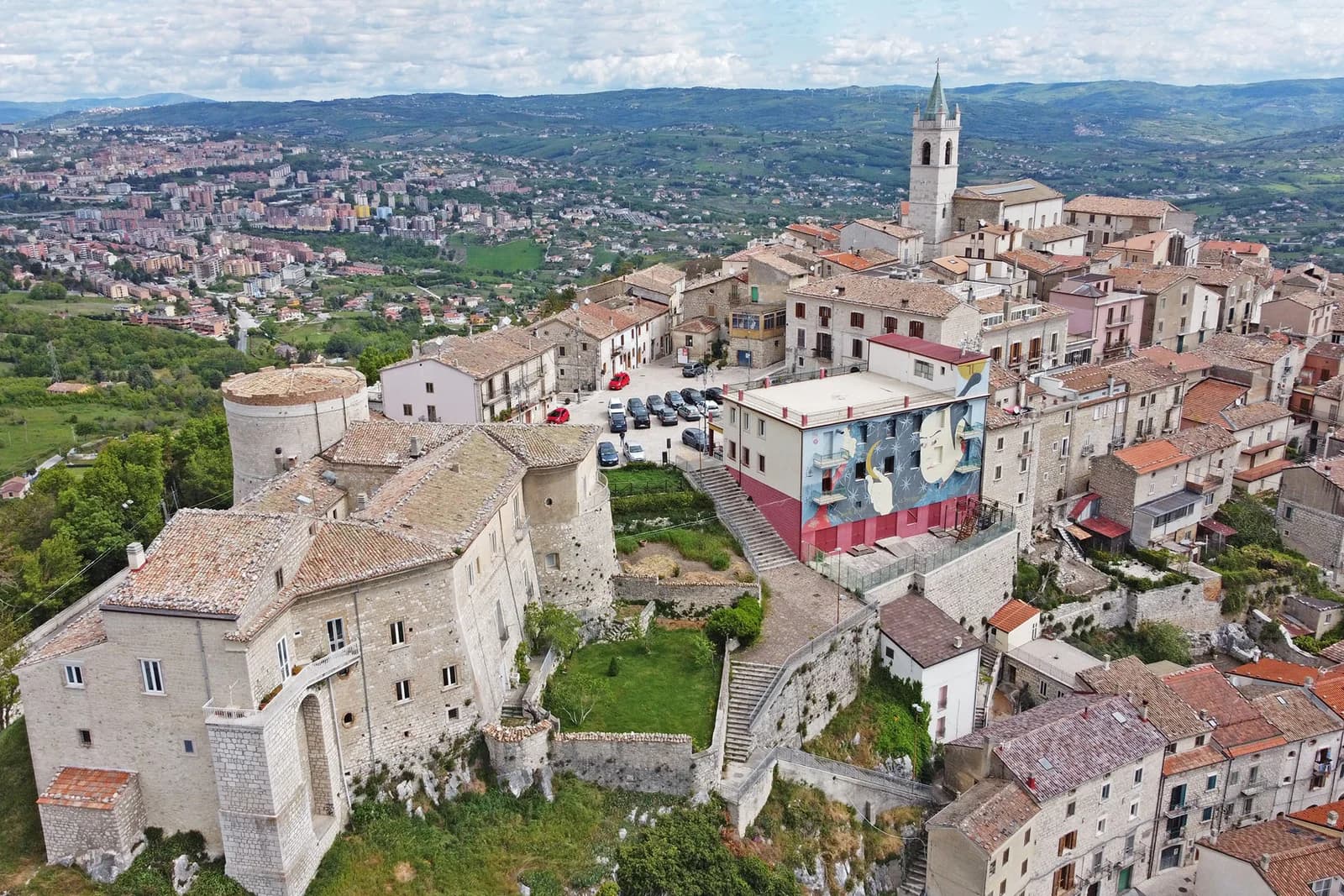
Ferrazzano
Province: Campobasso · 872 m
A hilltop borgo at 872 meters above Campobasso, called the Sentinel of Molise, where Robert De Niro's great-grandparents lived before sailing in 1887.
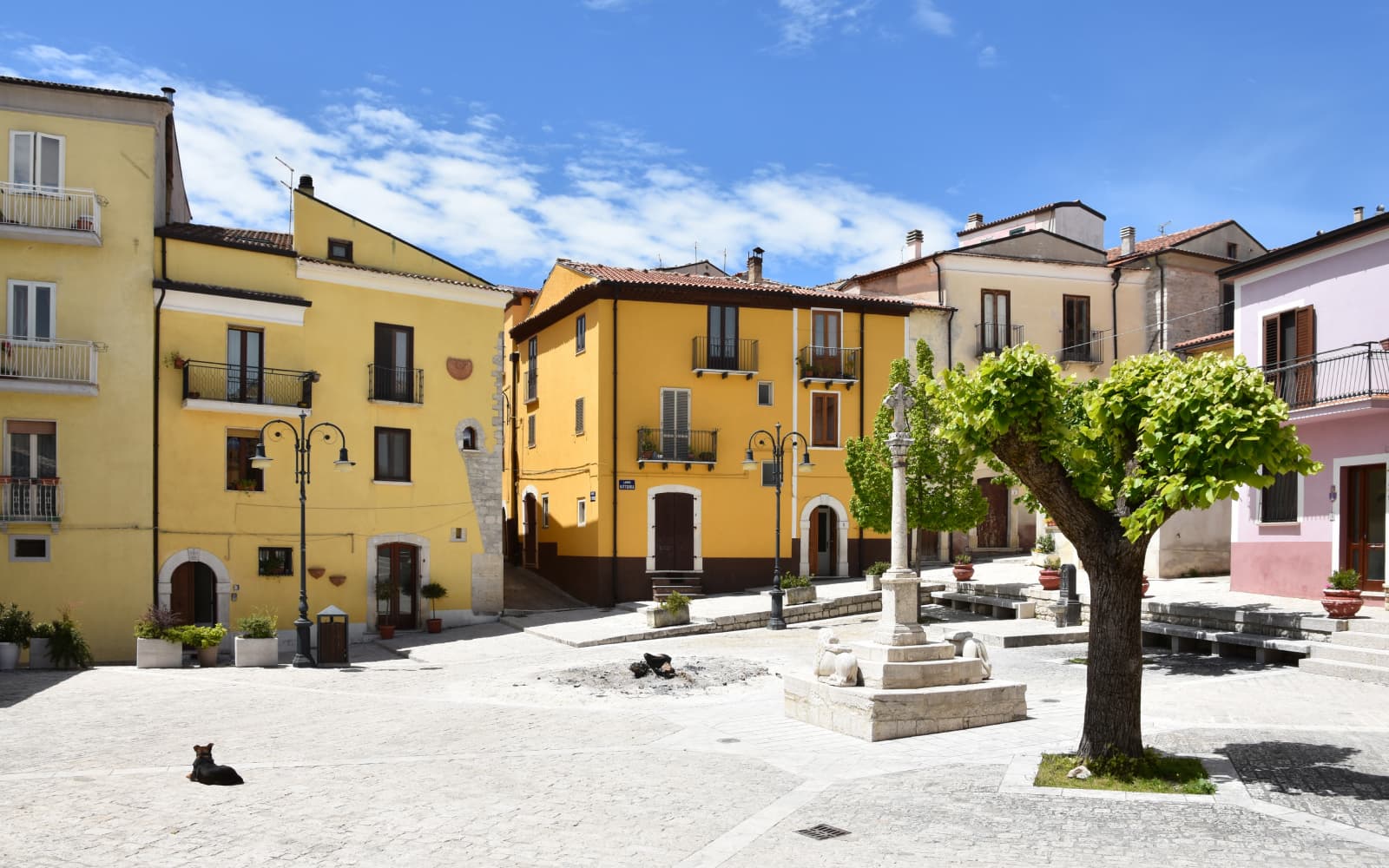
Frosolone
Province: Isernia · 894 m
A 900-meter blade-making town in the Matese foothills, called Italy's Toledo for the knives and scissors forged here since the 1800s.
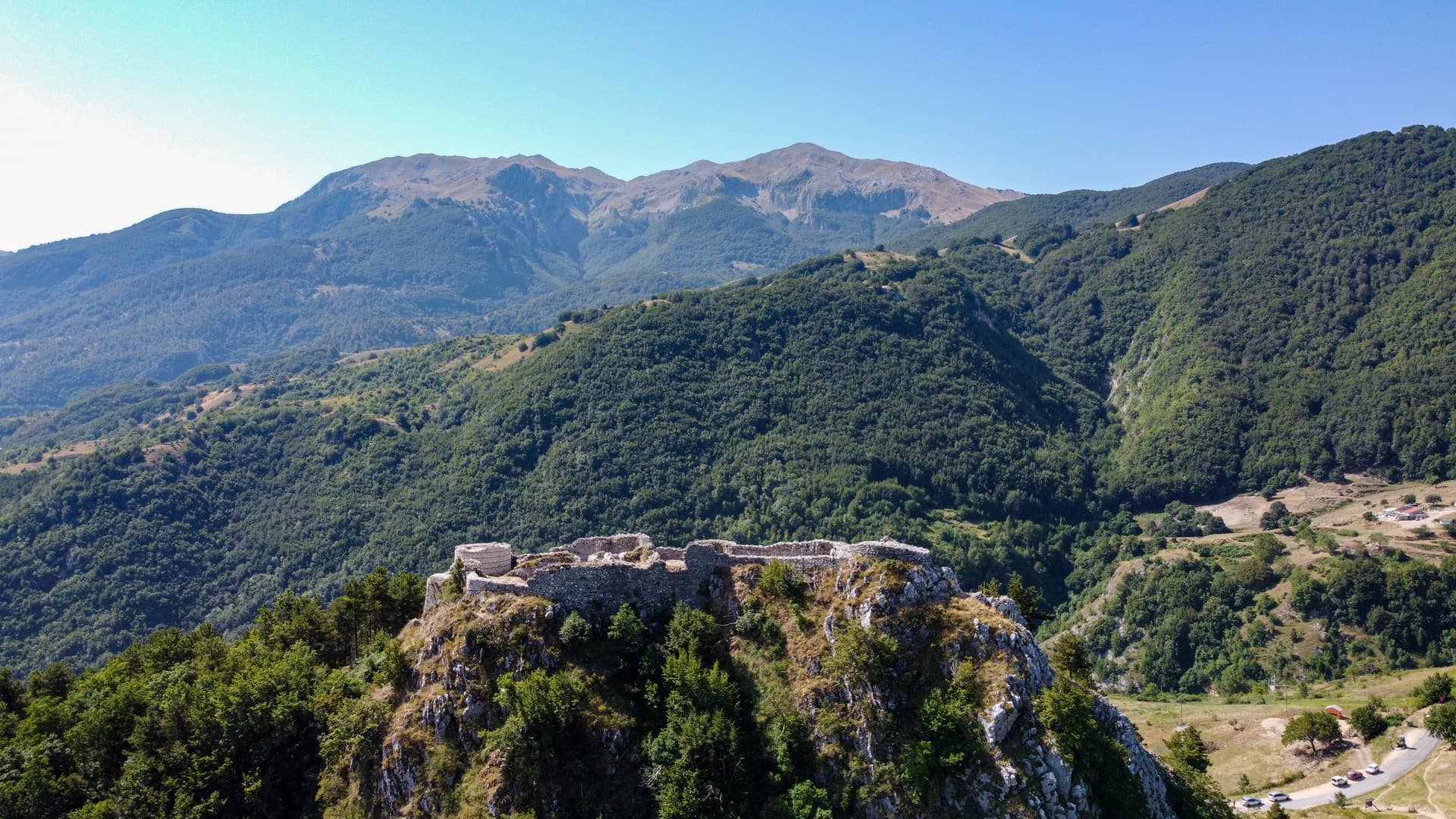
Roccamandolfi
Province: Isernia · 850 m
At 850 meters at the foot of Monte Miletto, a Matese village of brigand legends, Lombard ruins, and a Tibetan bridge over the Callora canyon.
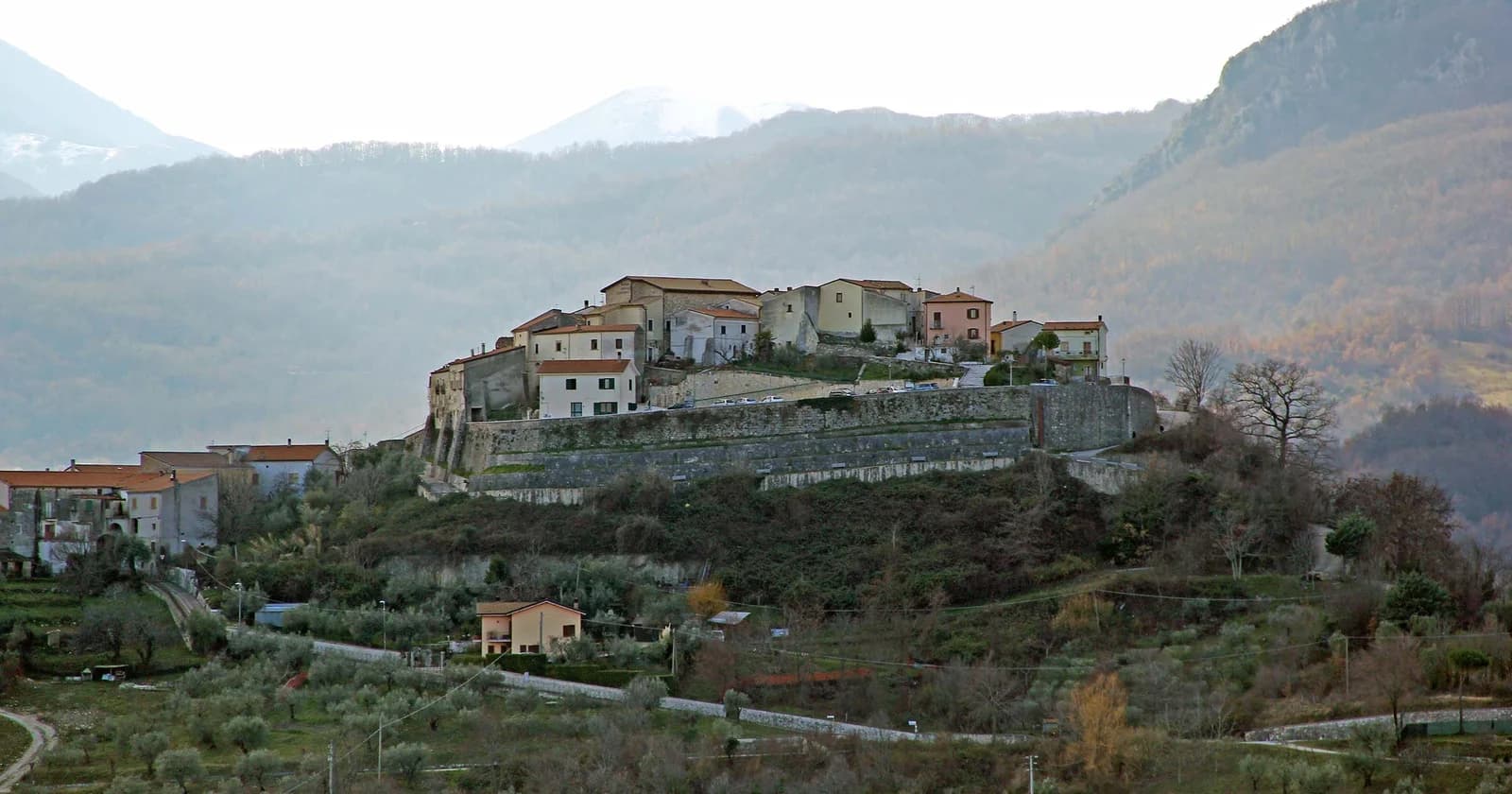
Scapoli
Province: Isernia · 668 m
Italy's zampogna bagpipe capital — a 586-resident borgo in the Mainarde at 668m, with a centuries-old tradition of hand-building the zampogna (Italian bagpipe), an annual International Bagpipe Festival in July drawing players from Galicia, Scotland, Bulgaria, and 15+ other countries, and the Bandiera Arancione + Abruzzo, Lazio e Molise national park signals.
Piedmont29
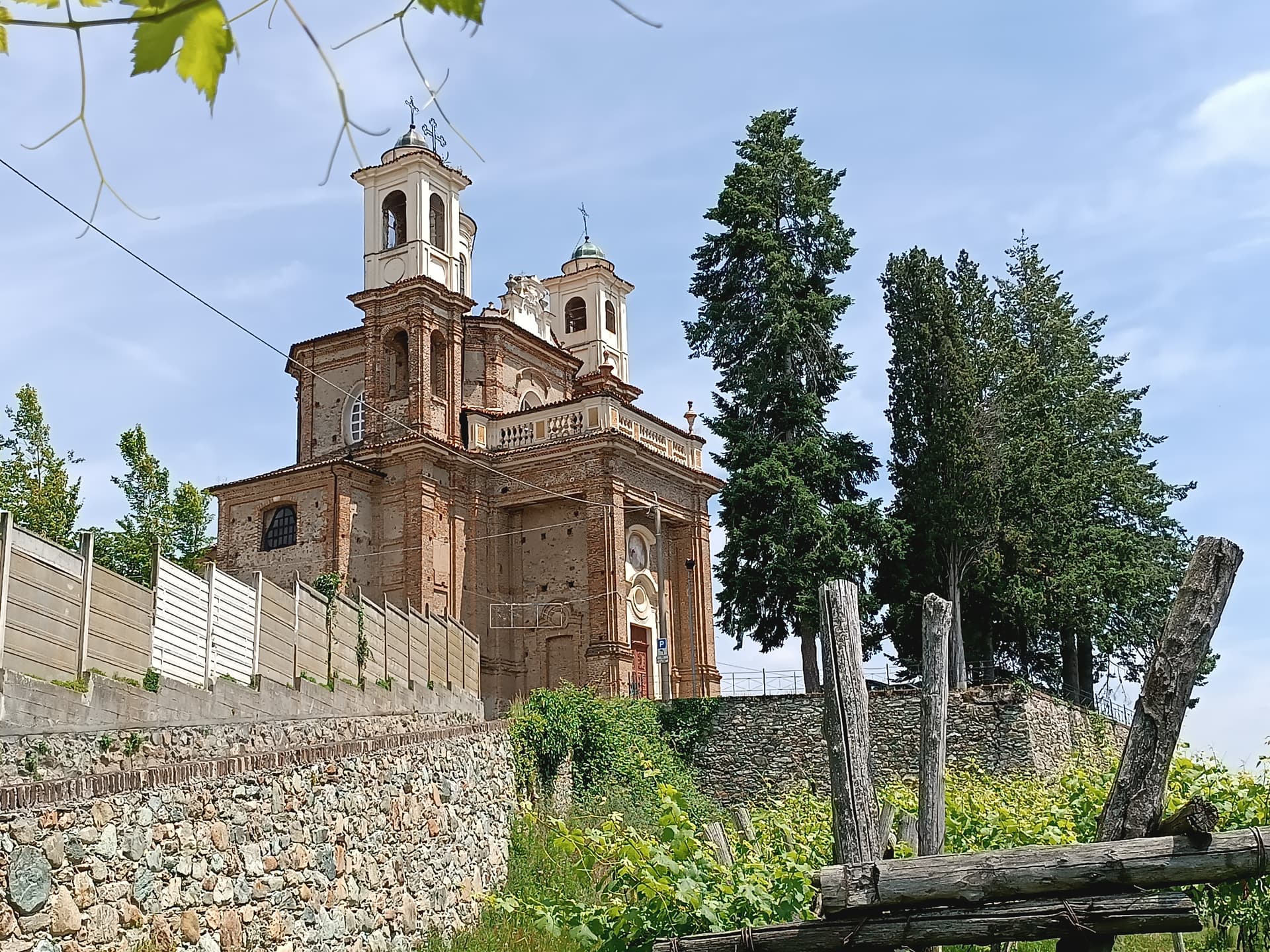
Agliè
Province: Torino · 330 m
A Canavese borgo at 330 meters whose Castello Ducale, a UNESCO Savoy residence since 1997, has been held by the d'Agliè since 1259.
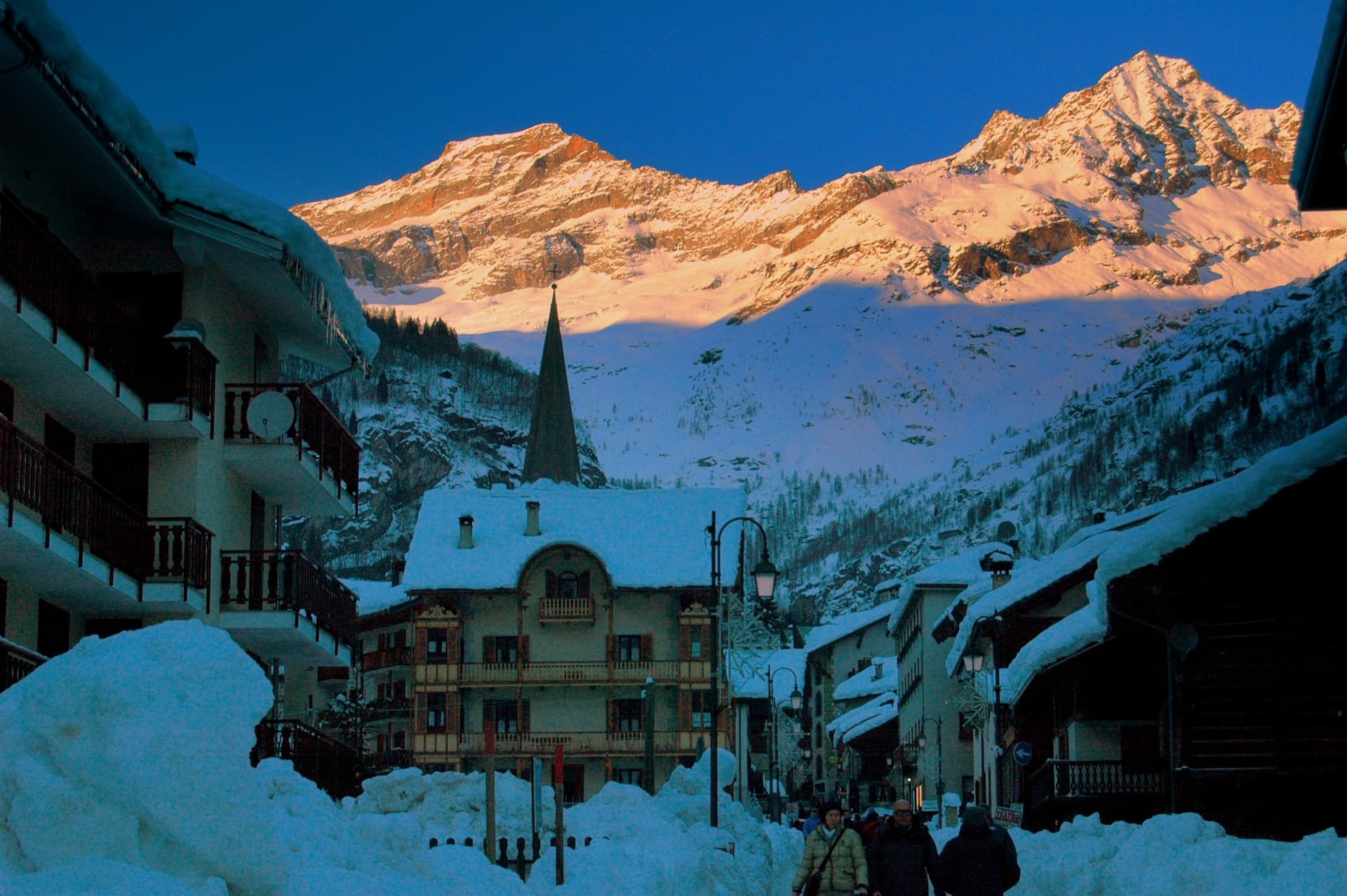
Alagna Valsesia
Province: Vercelli · 1,191 m
A Walser village at 1,191 meters under Monte Rosa, settled from the Swiss Valais in the 13th century and known to off-piste skiers worldwide.
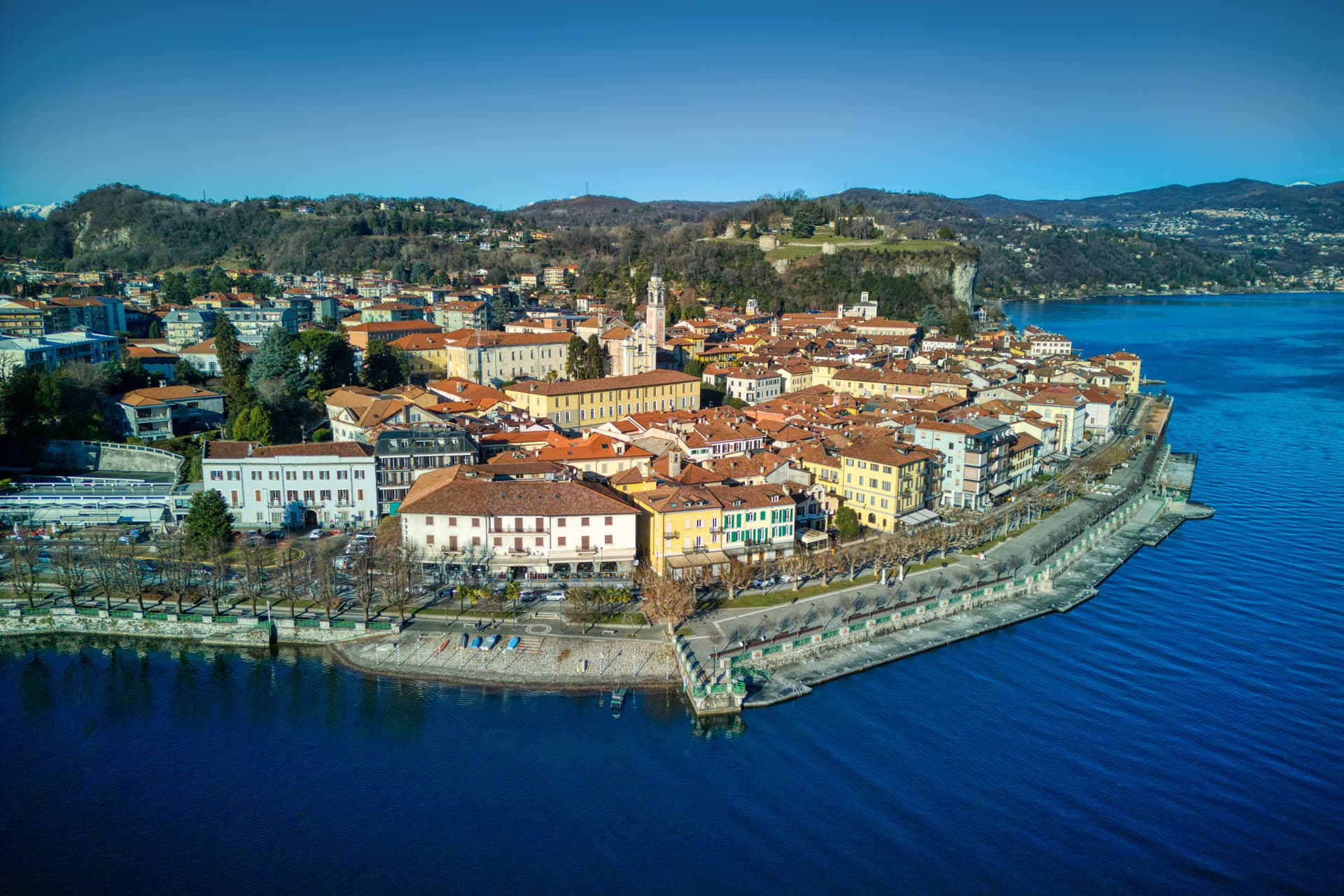
Arona
Province: Novara · 212 m
A Lake Maggiore town at the southern tip of the lake, watched over by a 35-meter copper colossus of San Carlo Borromeo finished in 1698.
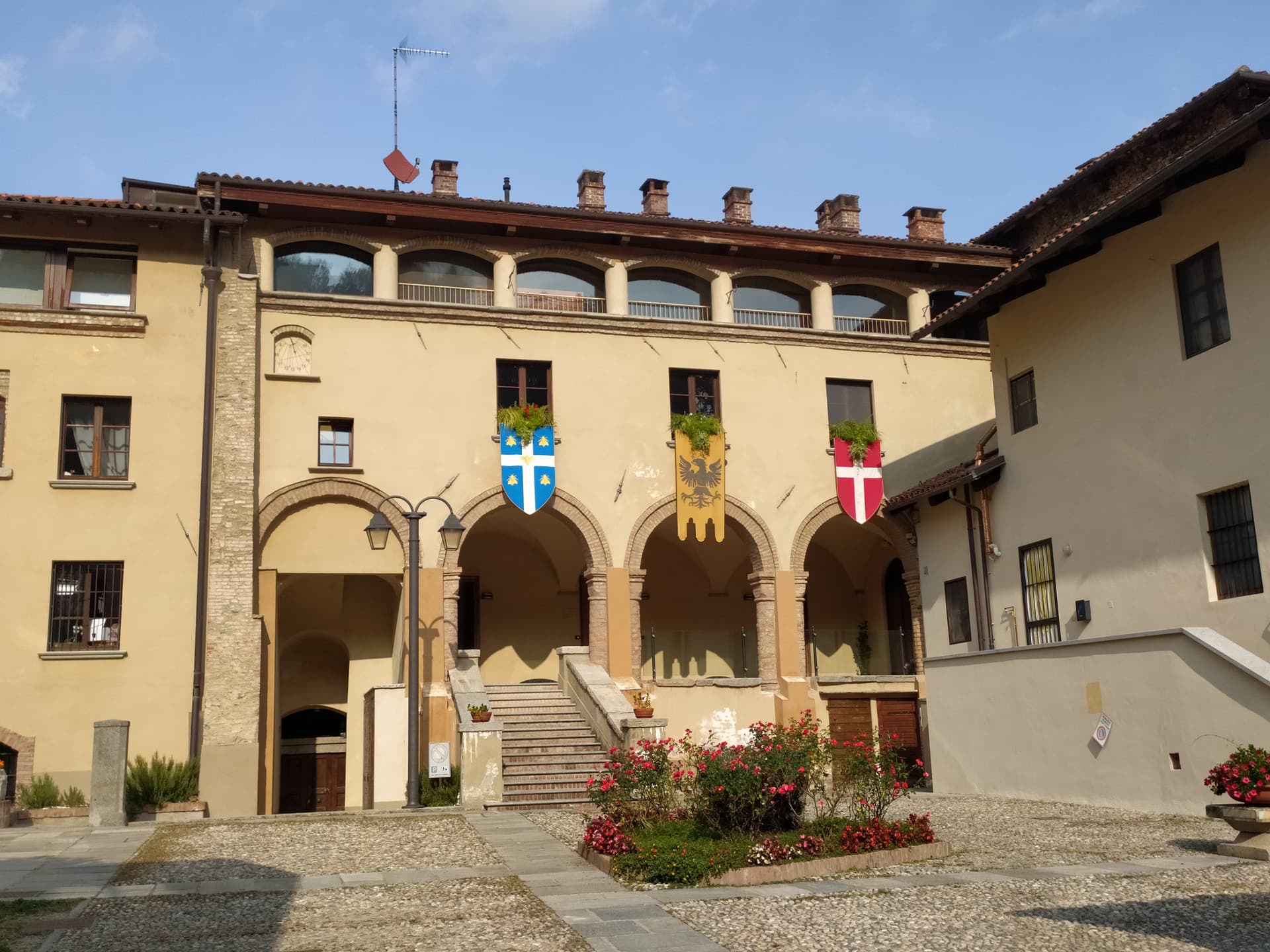
Avigliana
Province: Torino · 383 m
A medieval Savoy town at 383 meters at the mouth of the Susa Valley, between two glacial lakes and the Sacra di San Michele.
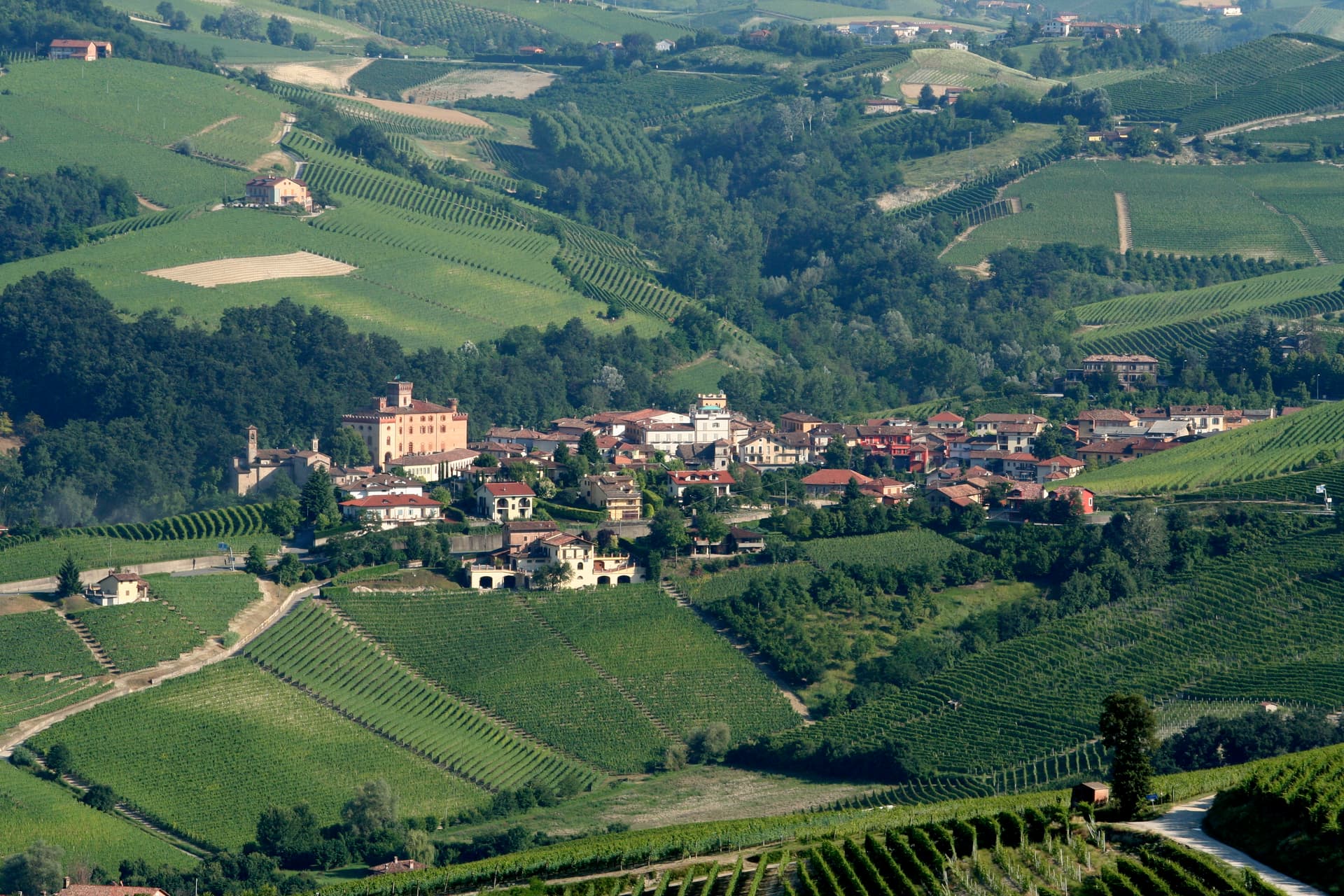
Barolo
Province: Cuneo · 301 m
A Langhe borgo at 301 meters whose Castello Falletti gave its name to the wine the Marchesi turned dry in the 1830s with Cavour's help.
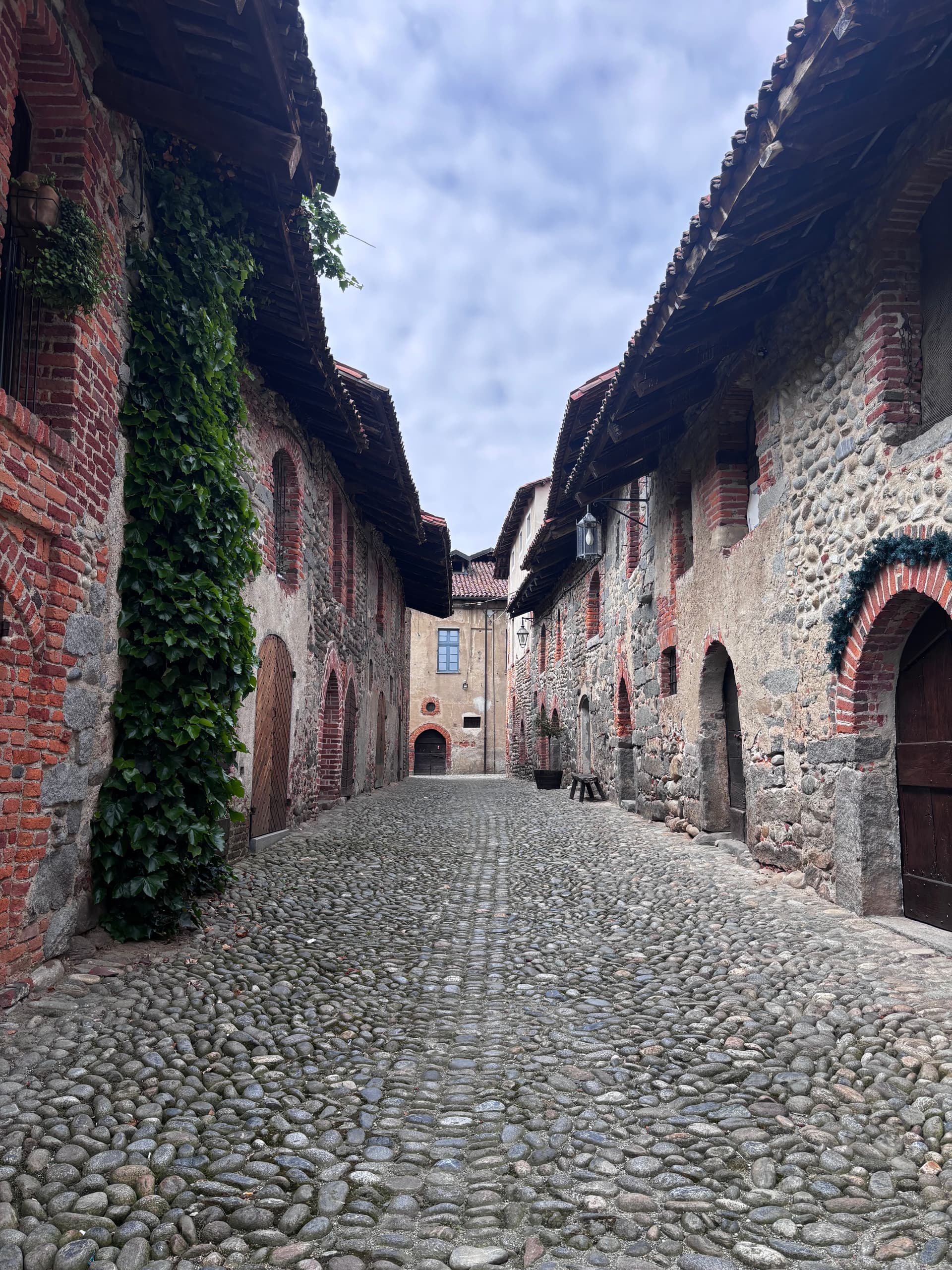
Candelo
Province: Biella · 350 m
A Biellese commune at 350 meters whose Ricetto, a 13th-century fortified shelter of two hundred stone cellule, is the best-preserved in Piedmont.
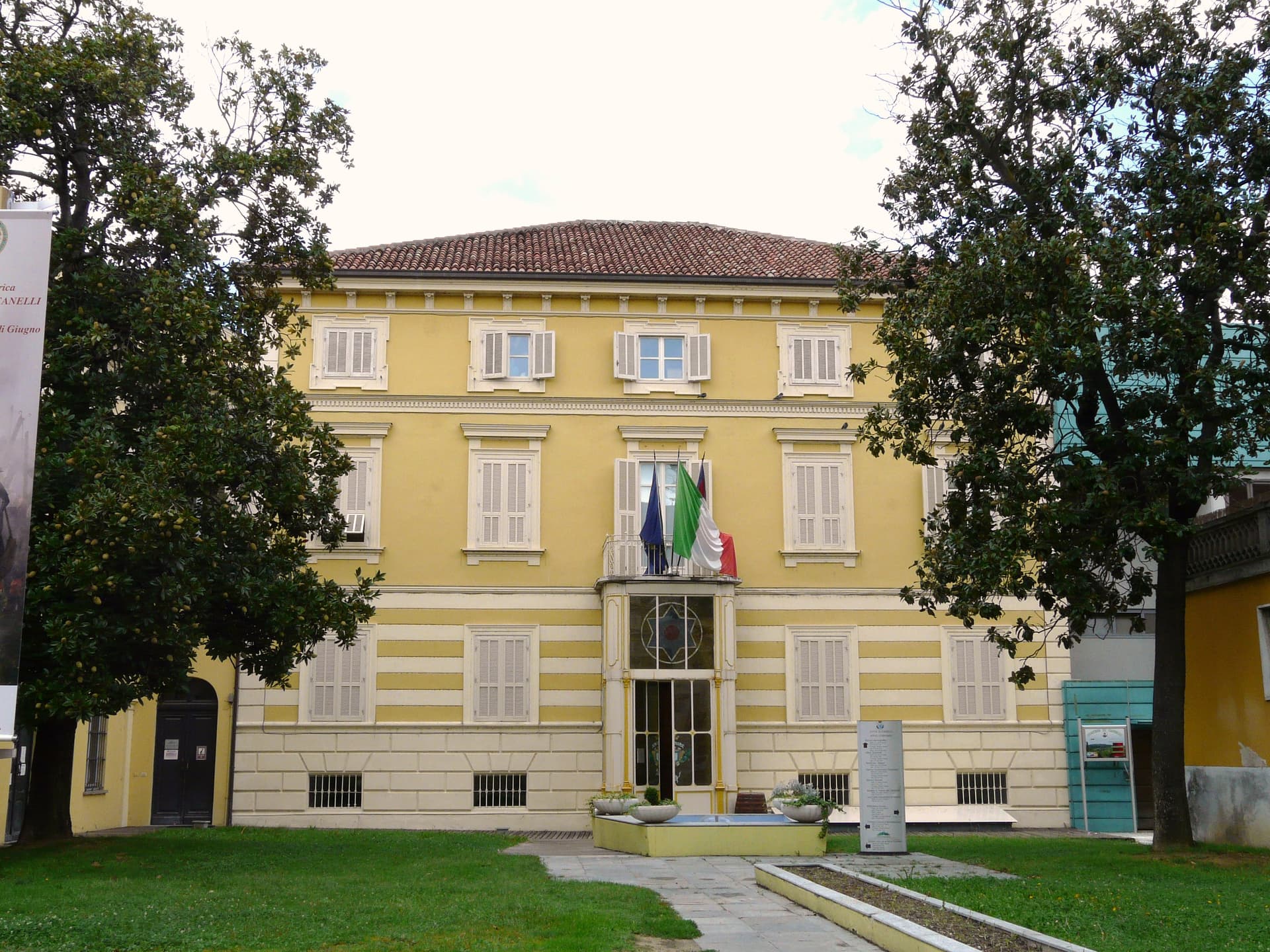
Canelli
Province: Asti · 157 m
The Asti Spumante town at 157 meters in the Belbo valley, where 20 kilometers of underground tuff cellars hold millions of bottles at constant temperature.
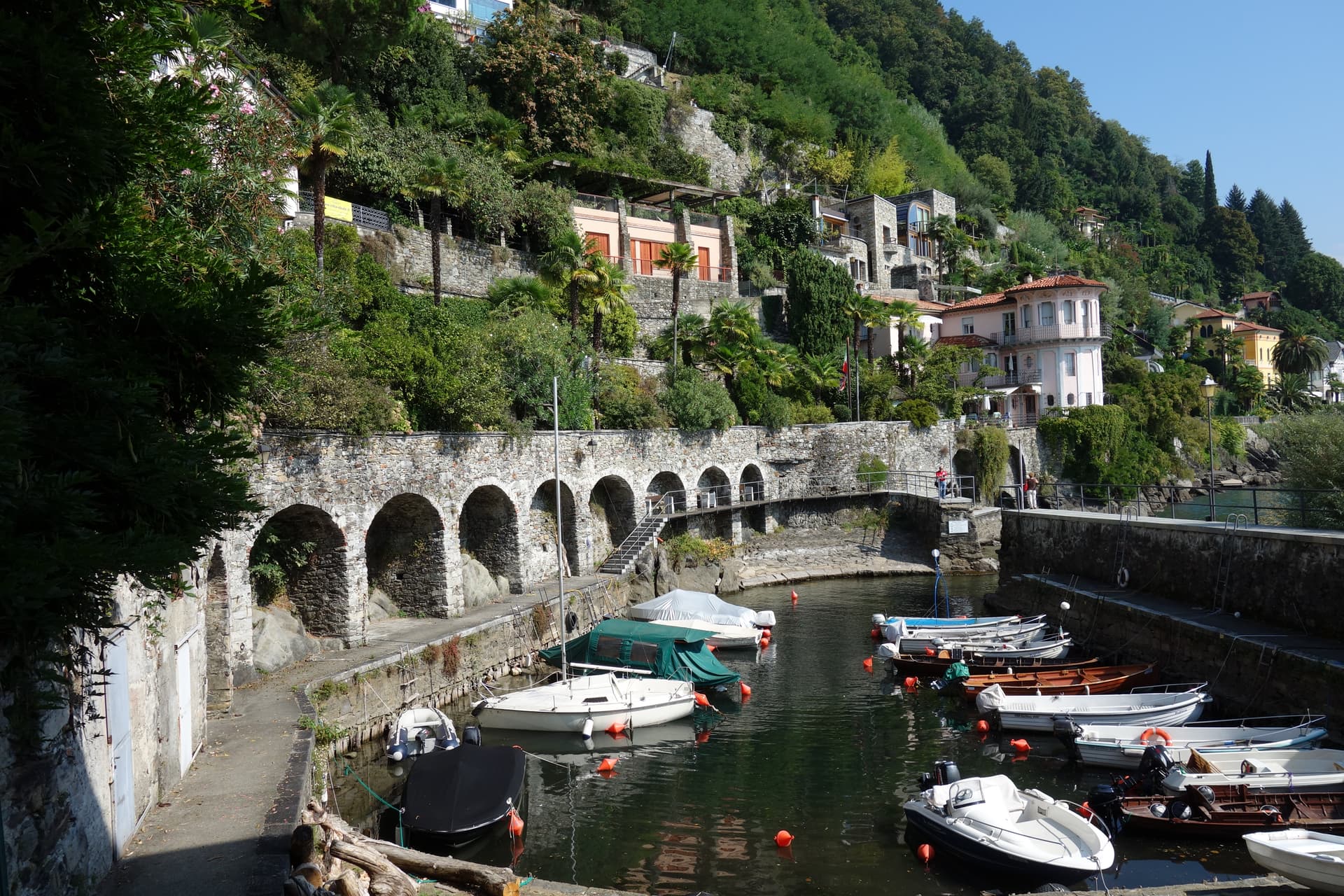
Cannero Riviera
Province: Verbano-Cusio-Ossola · 225 m
A Lago Maggiore commune of 900 on the western shore, fronted by three rocky islets, the Castelli di Cannero, Borromeo ruins from 1521.
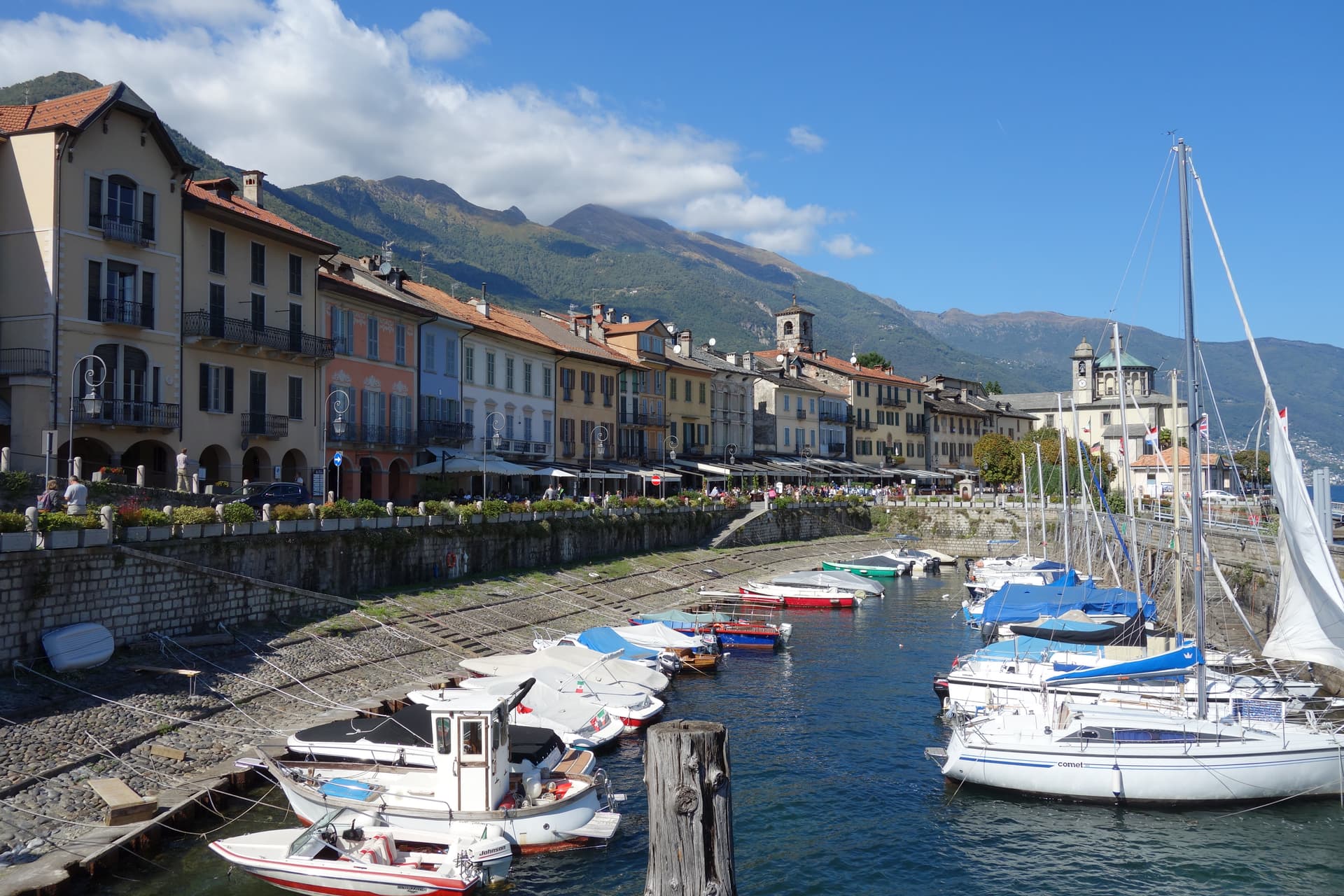
Cannobio
Province: Verbano-Cusio-Ossola · 214 m
A medieval lake town at 214 meters on Maggiore's western shore, host to one of the largest Sunday markets on the lake.
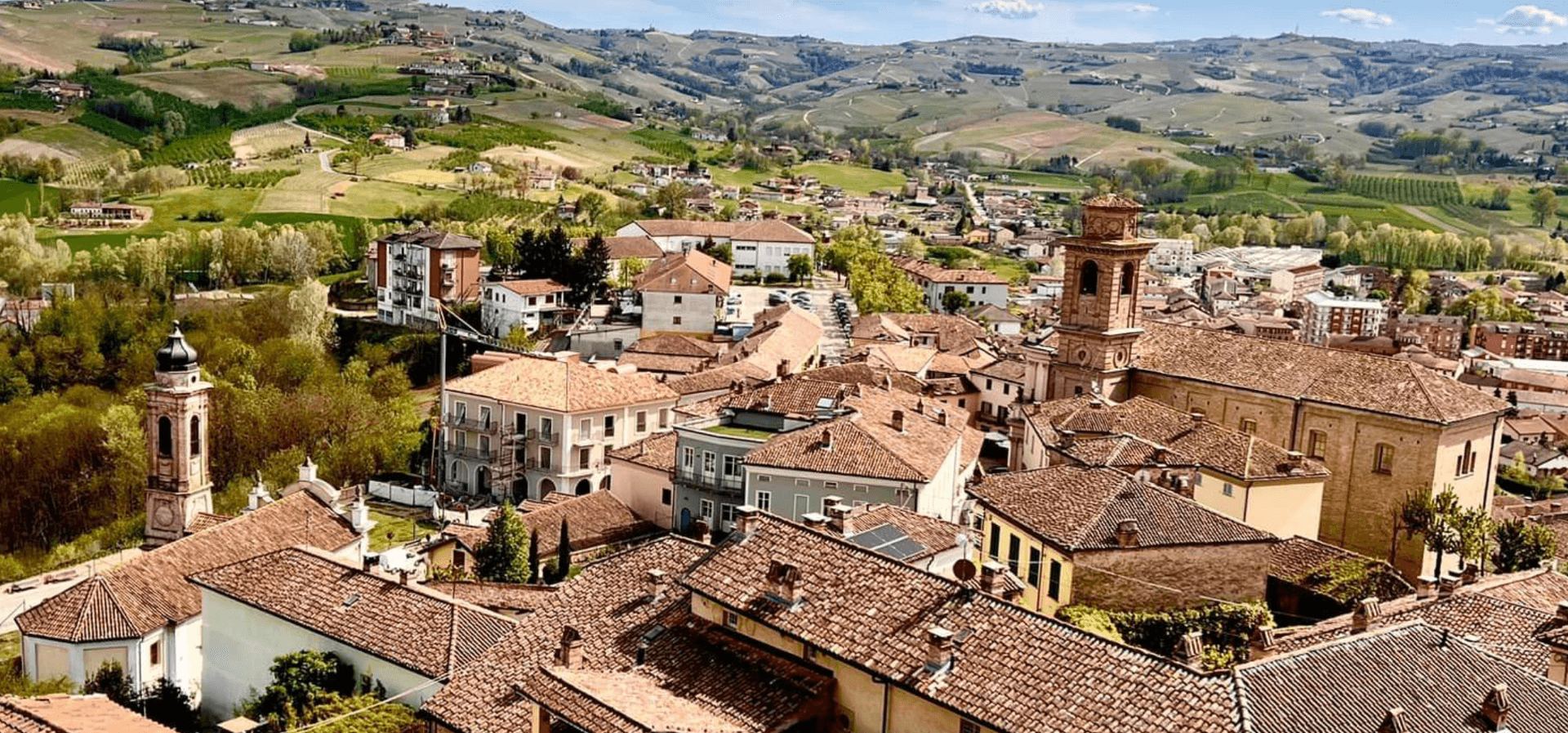
Castagnole delle Lanze
Province: Asti · 298 m
An Asti hill town at 298 meters between Langhe and Monferrato, with two Baroque churches and a nineteenth-century astronomical tower.
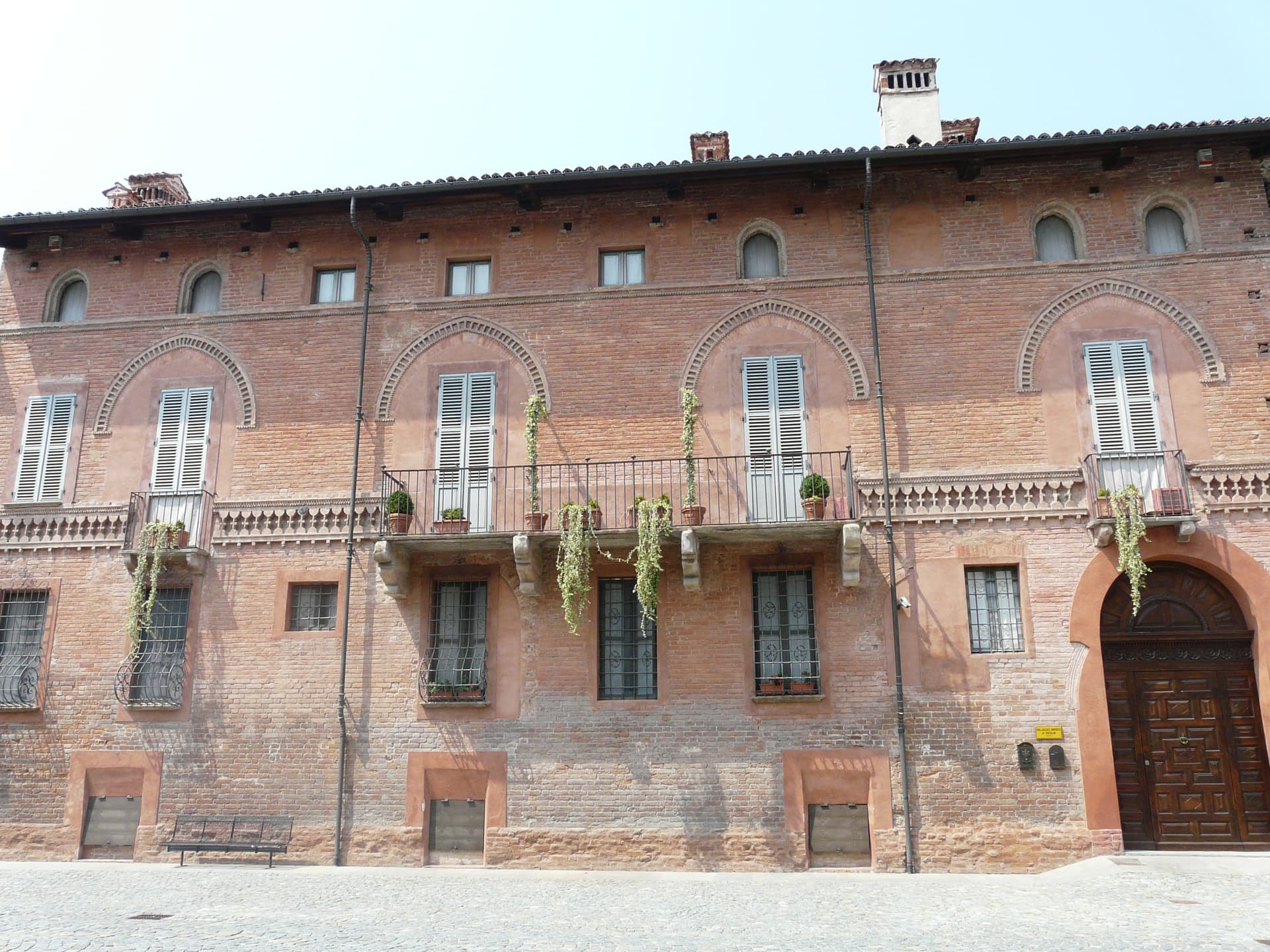
Cherasco
Province: Cuneo · 288 m
A walled town at 288 meters where the Tanaro meets the Stura, where Napoleon imposed his 1796 armistice on Piedmont.
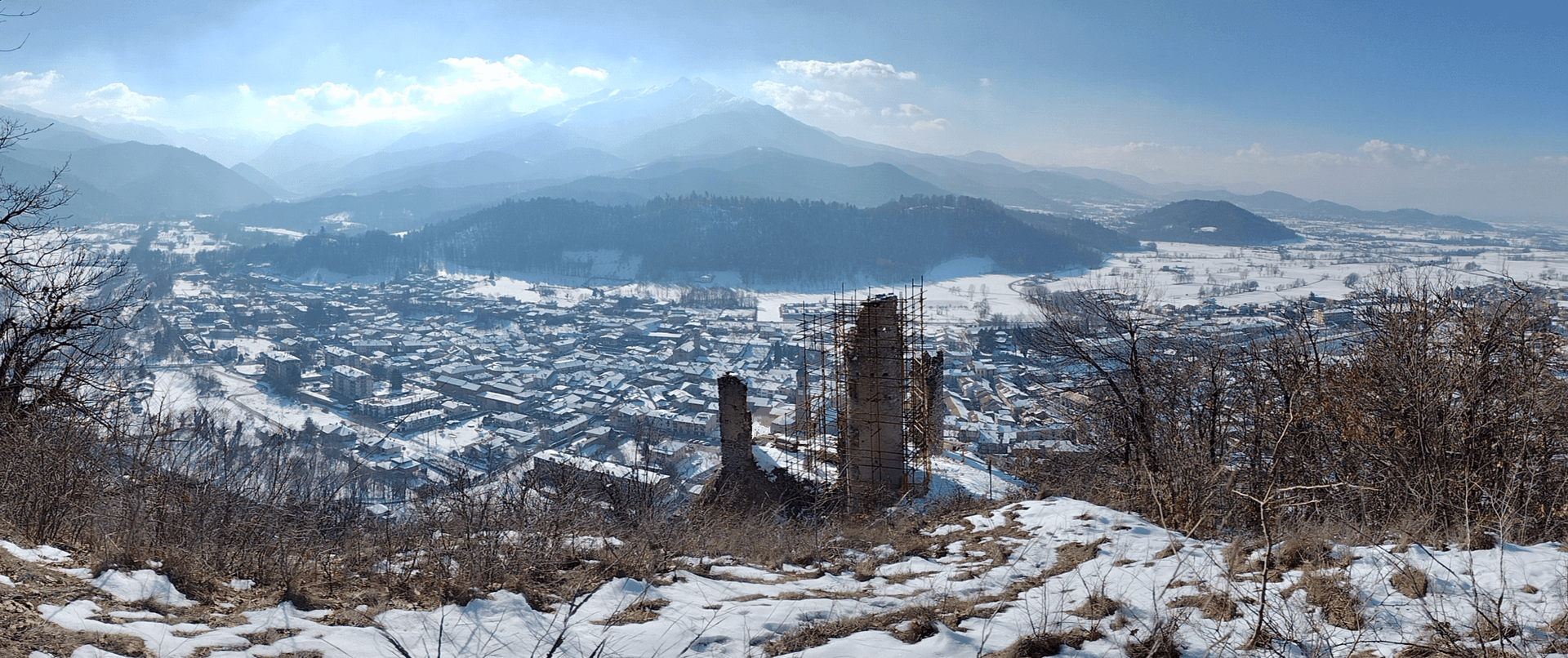
Chiusa di Pesio
Province: Cuneo · 575 m
The valley mouth town at 575 meters where the Pesio leaves the Ligurian Alps, founded around a Carthusian monastery donated in 1173.
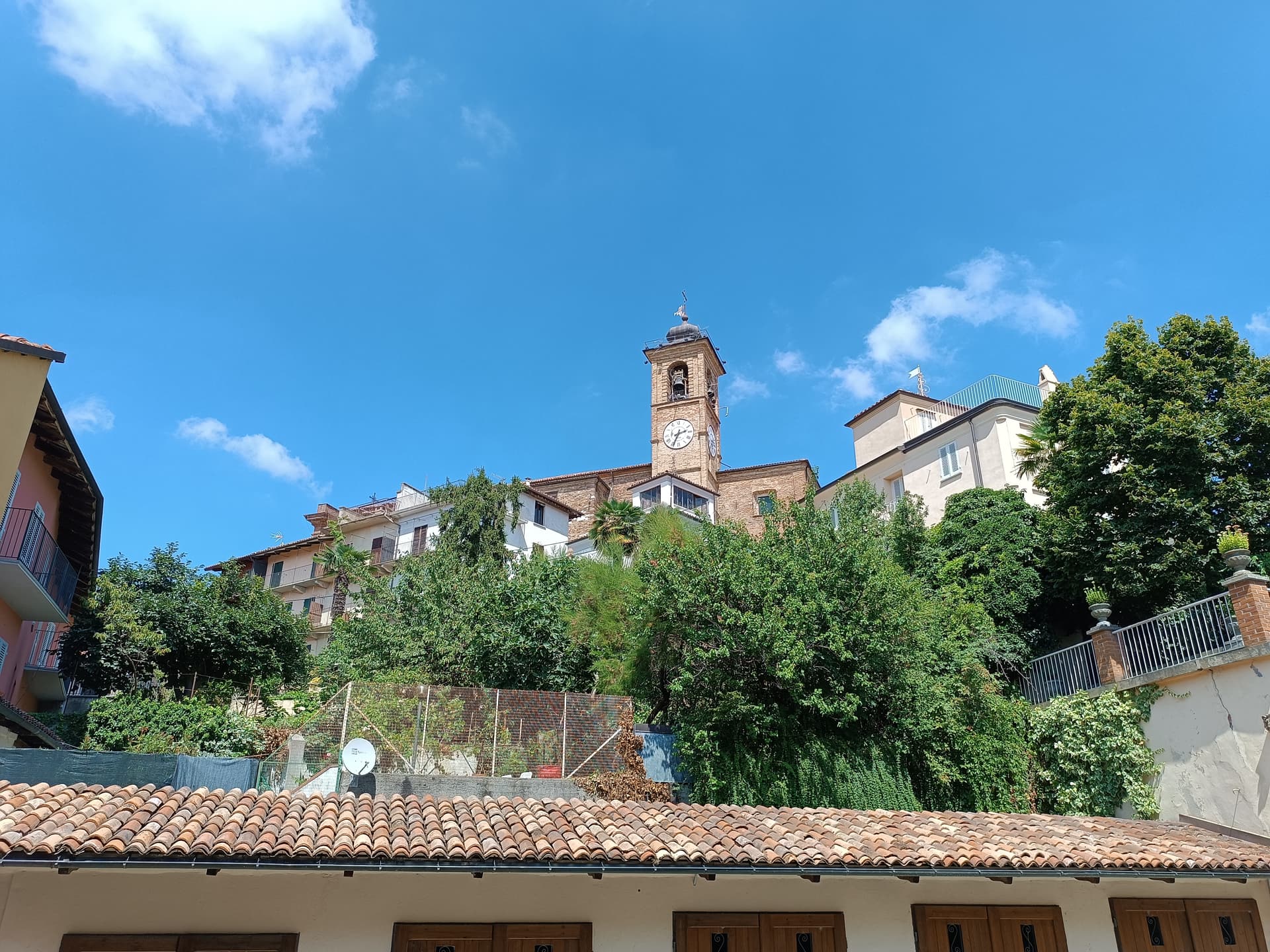
Cocconato
Province: Asti · 491 m
A Monferrato ridge town at 491 meters with a microclimate mild enough to grow palms and olives this far north.
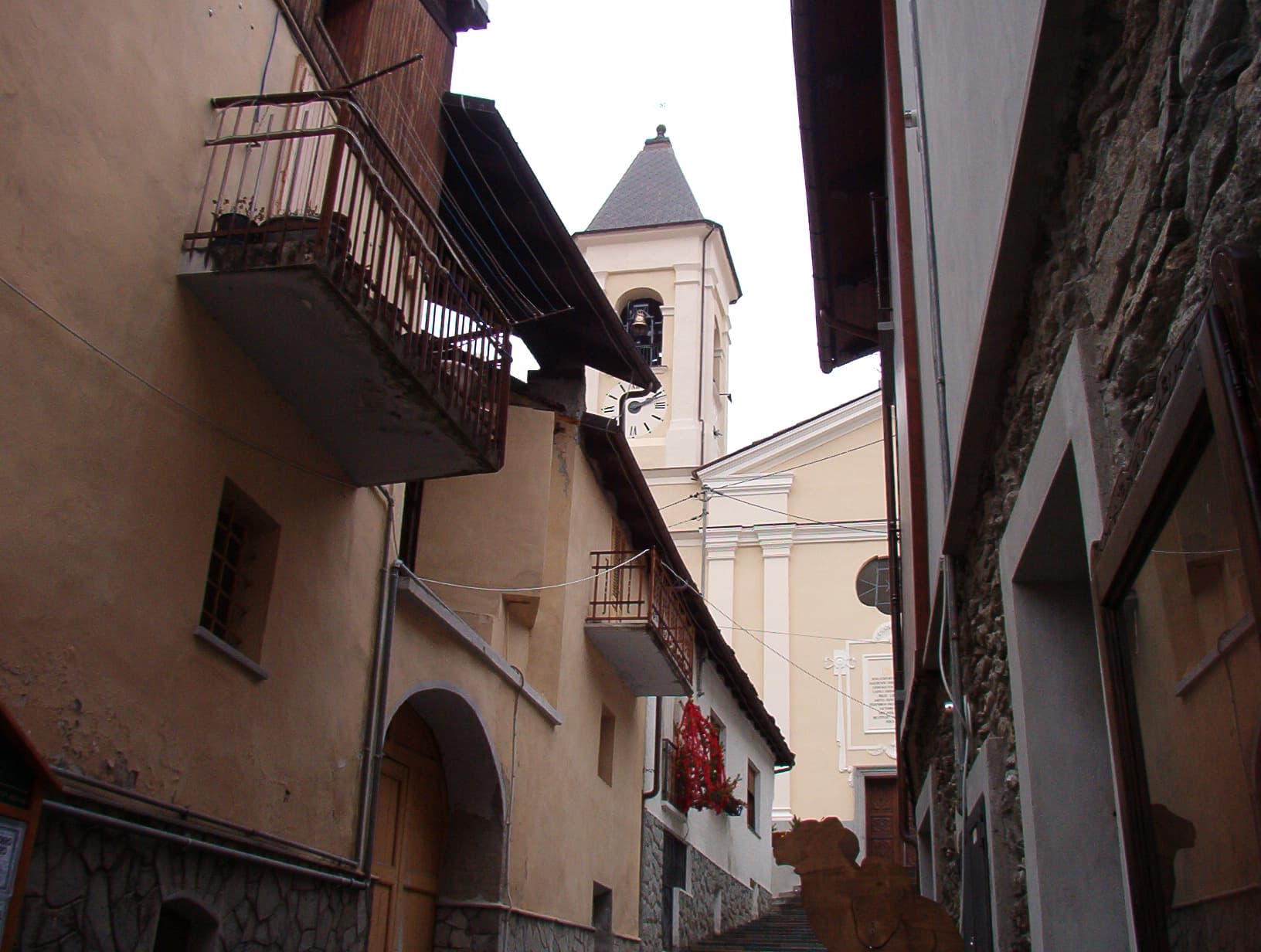
Fenestrelle
Province: Torino · 1,154 m
A Val Chisone village at 1,154 meters below the largest alpine fortress in Europe, three kilometers of stone climbing 650 vertical meters up the ridge.
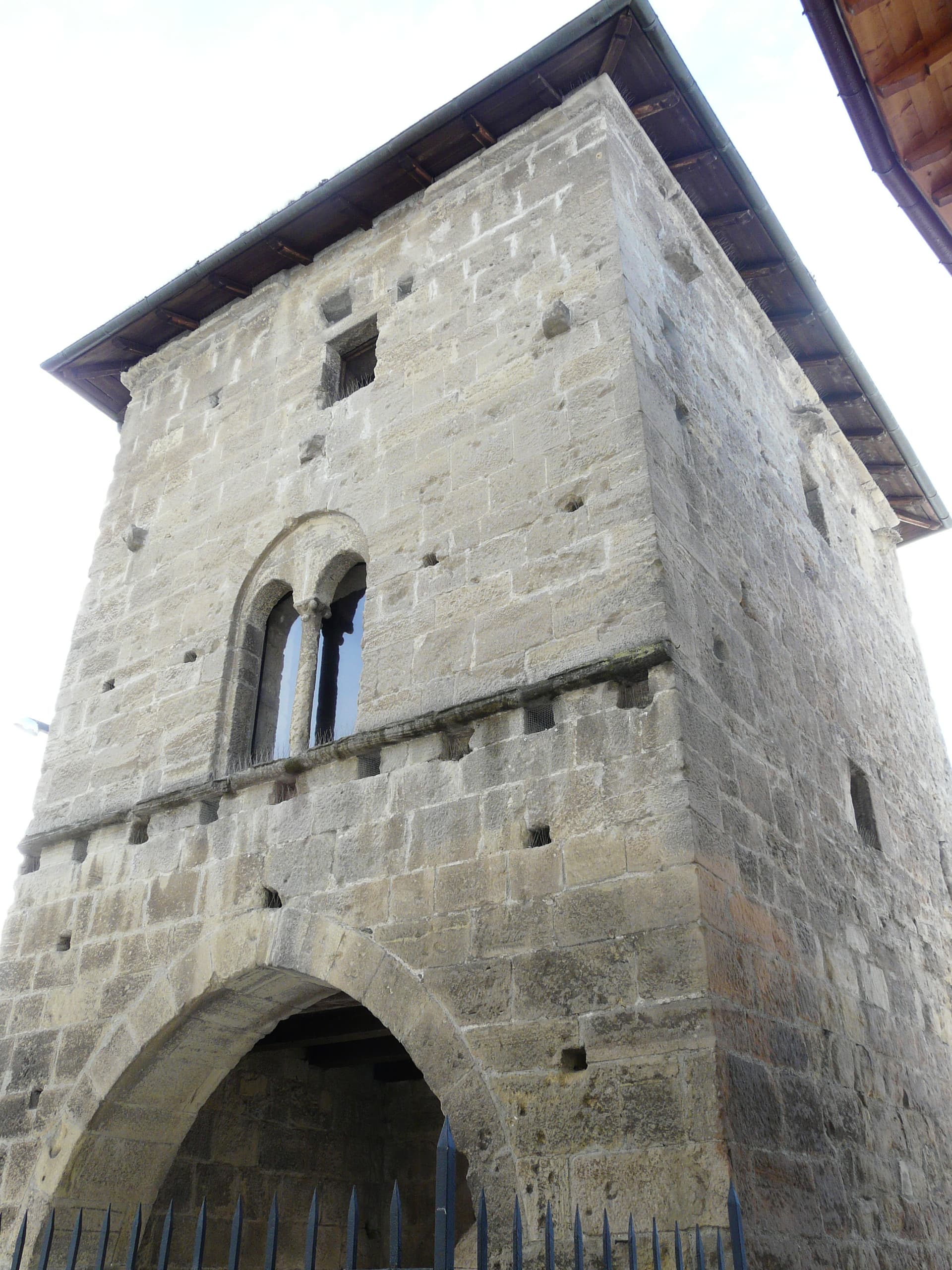
Gavi
Province: Alessandria · 233 m
The Cortese di Gavi town below a Genoese star fortress, where Piemonte white wine was first recorded as Ligurian court tribute in 972.
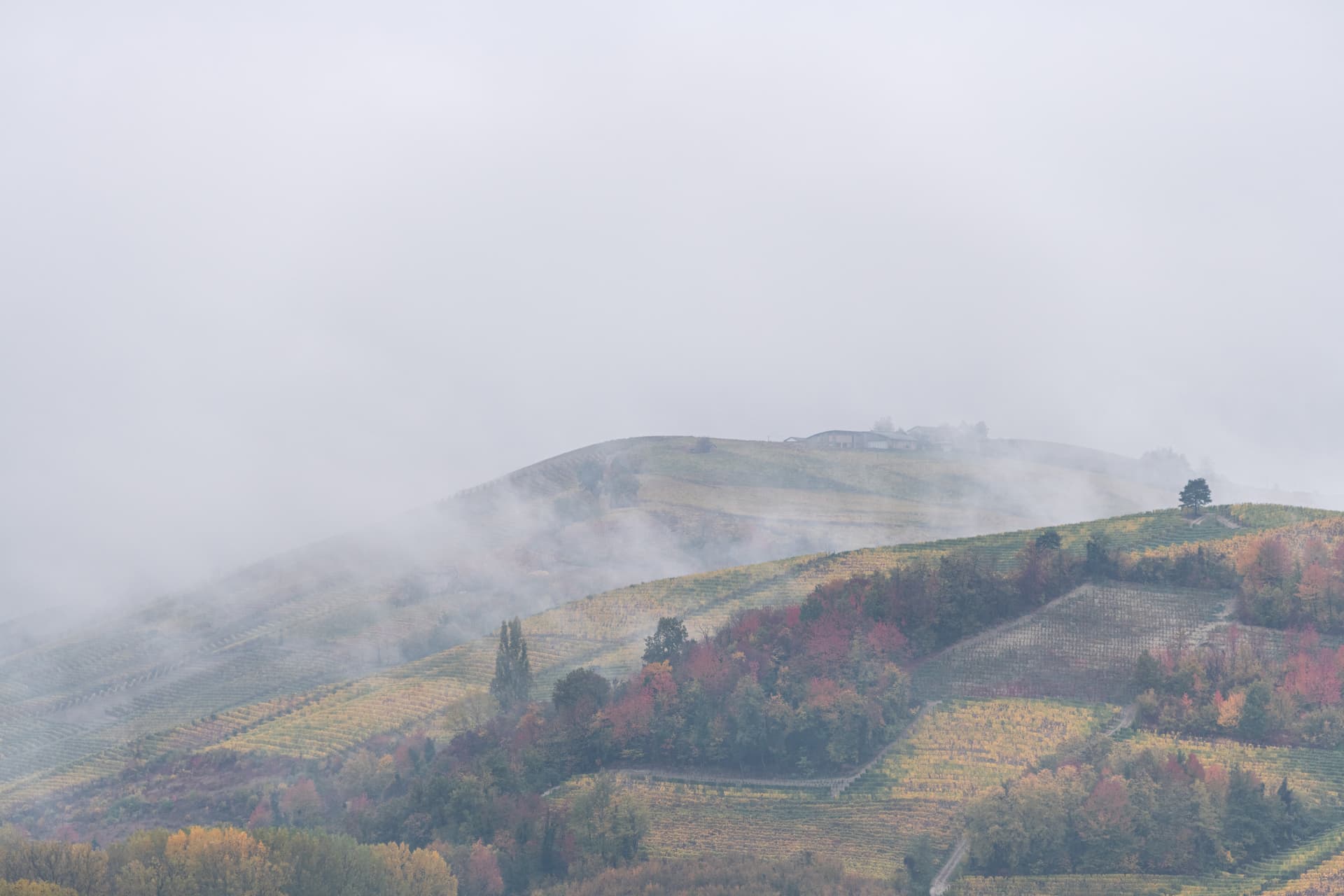
Grinzane Cavour
Province: Cuneo · 195 m
The Langhe village whose eleventh-century castle was Cavour's mayoral seat for seventeen years and now hosts the November Alba White Truffle World Auction.
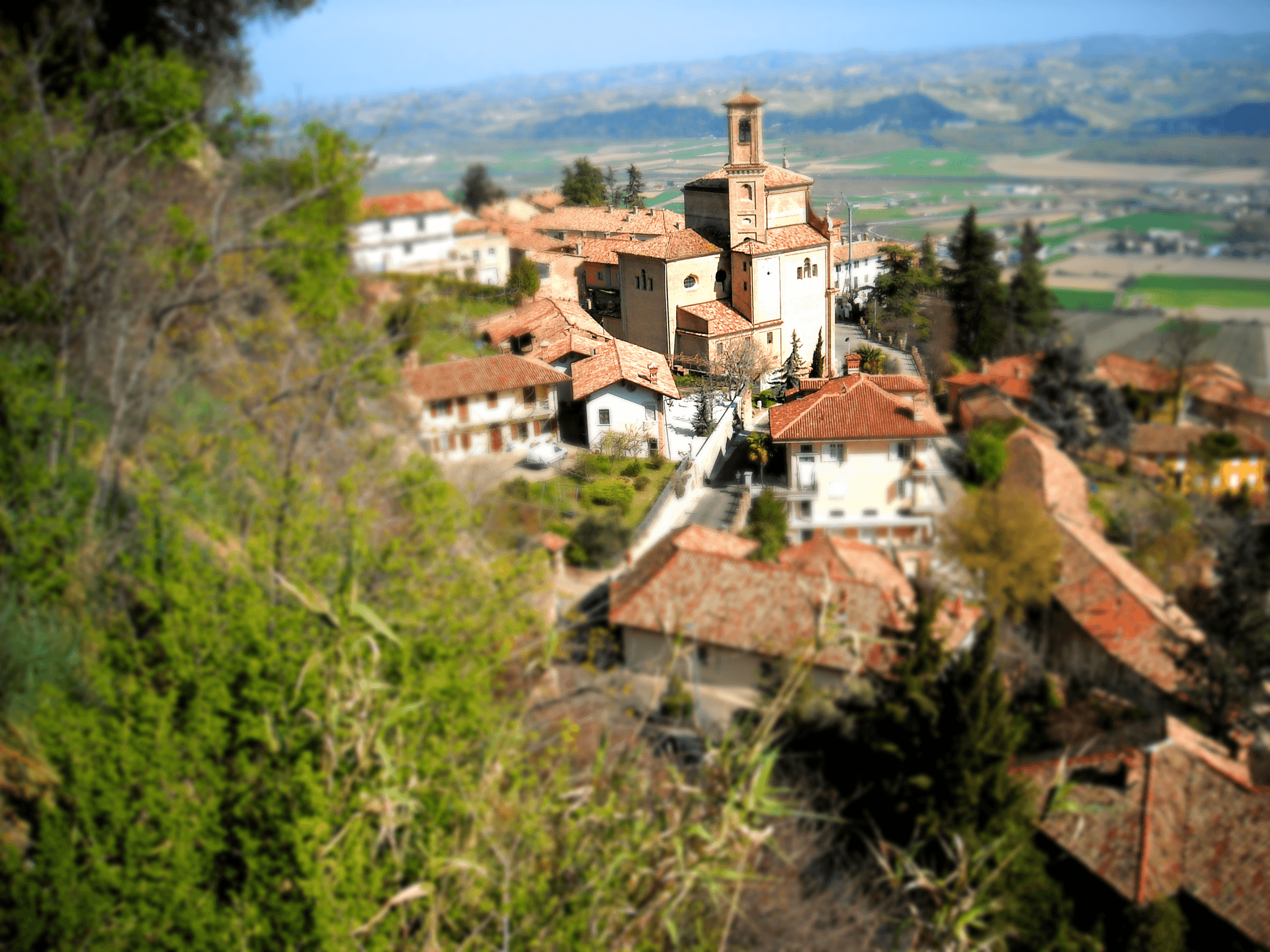
Guarene
Province: Cuneo · 360 m
A Roero hilltop village at 360 meters above the Tanaro, whose Roero family baroque castle is now a luxury hotel and contemporary art destination.
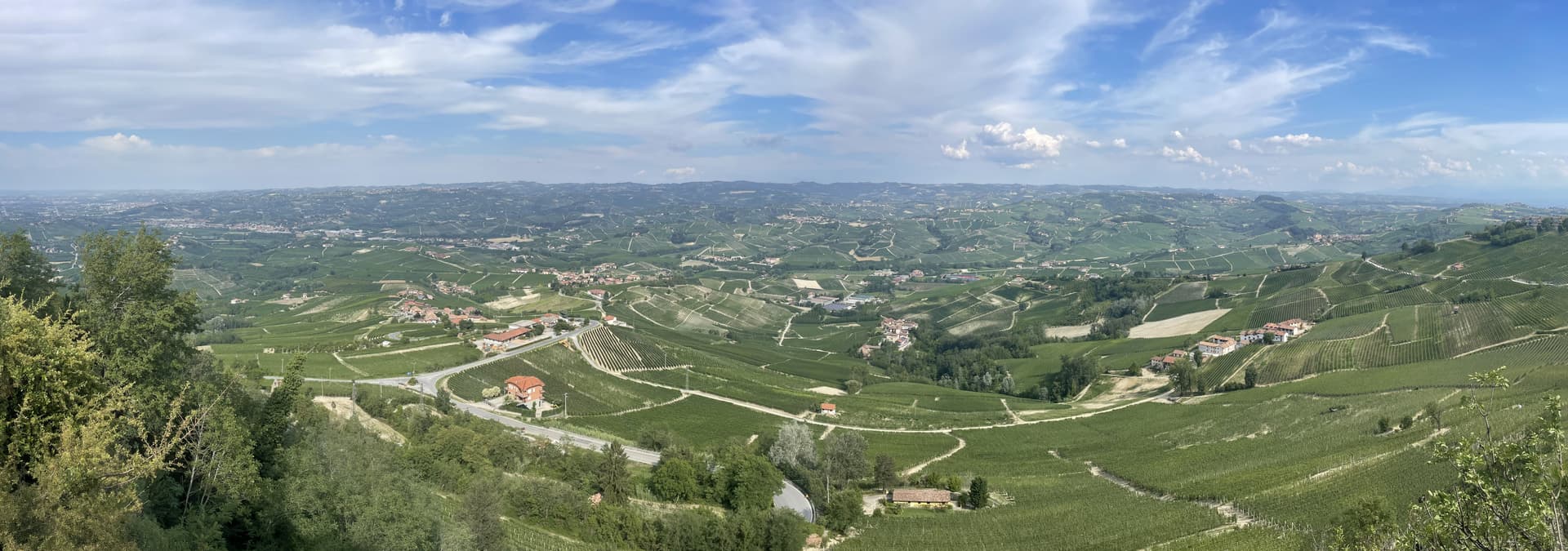
La Morra
Province: Cuneo · 513 m
The hilltop above the Barolo zone at 513 meters, more Nebbiolo acreage than any other commune and 62 wineries inside its perimeter.
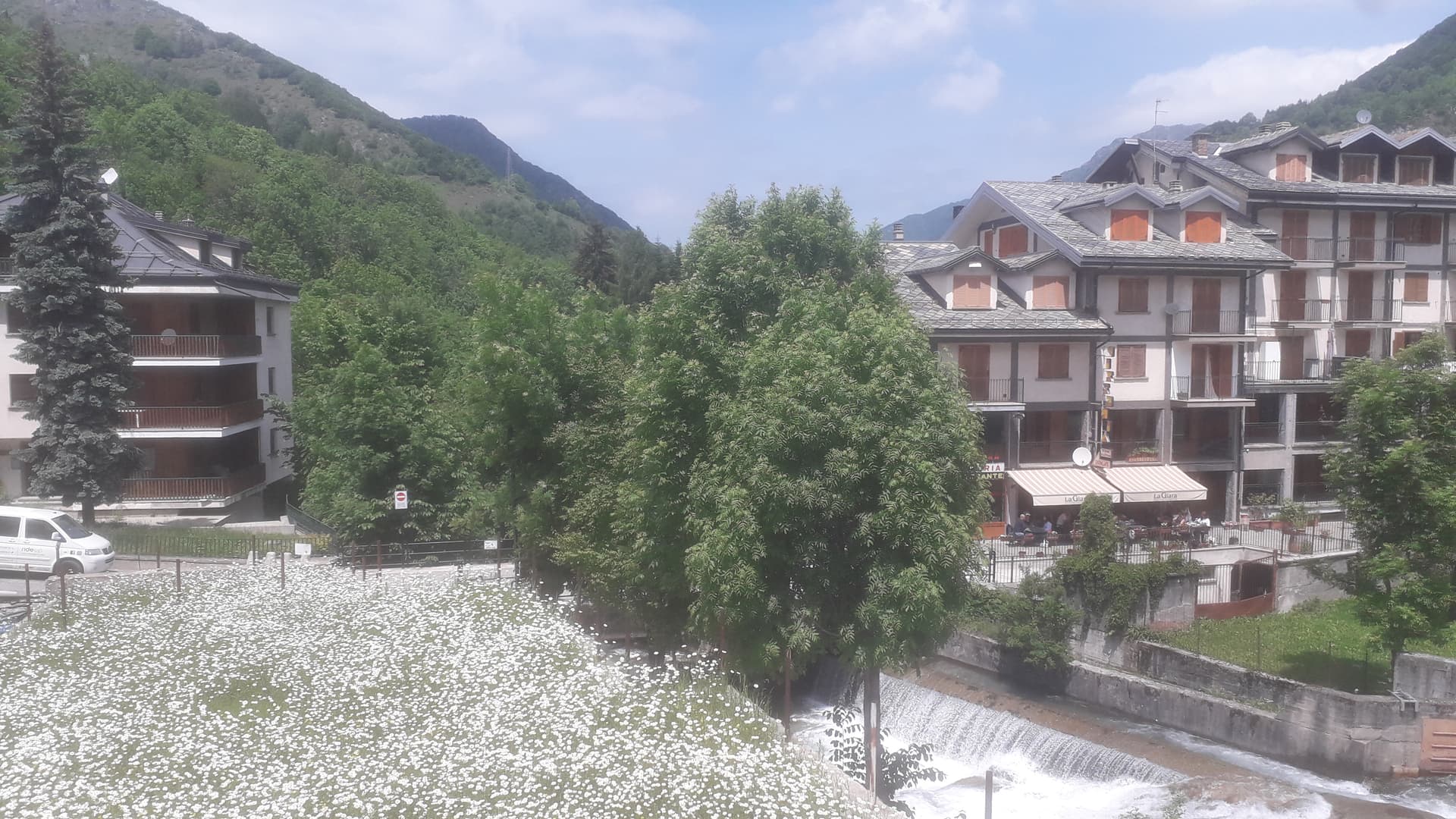
Limone Piemonte
Province: Cuneo · 1,000 m
A ski village at 1,000 meters in the Vermenagna valley, the southern end of the Alps where the Tenda tunnel drops toward the Côte d'Azur.
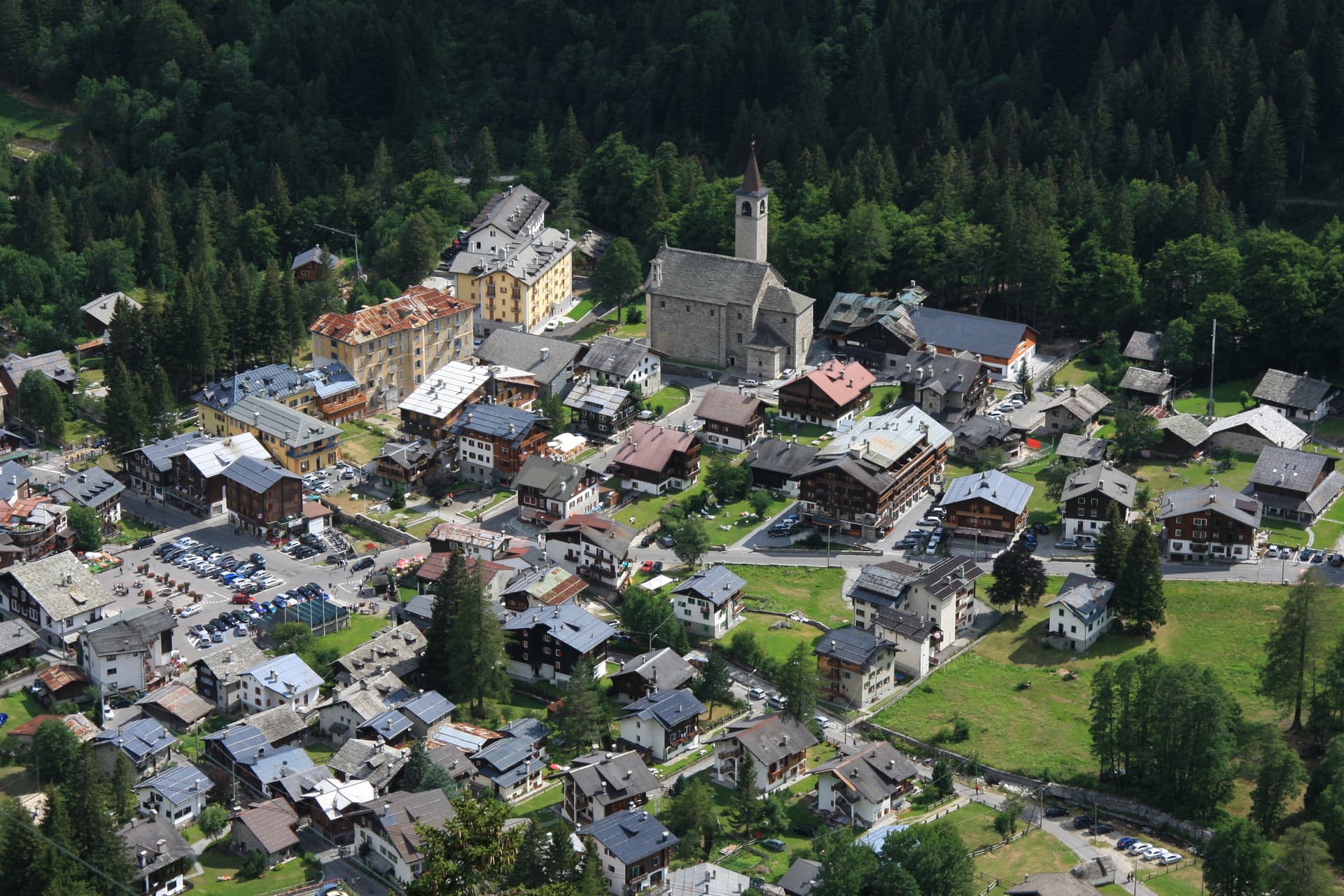
Macugnaga
Province: Verbano-Cusio-Ossola · 1,327 m
A Walser village at 1,327 meters at the foot of the east wall of Monte Rosa, founded in the 13th century by colonists from Valais.
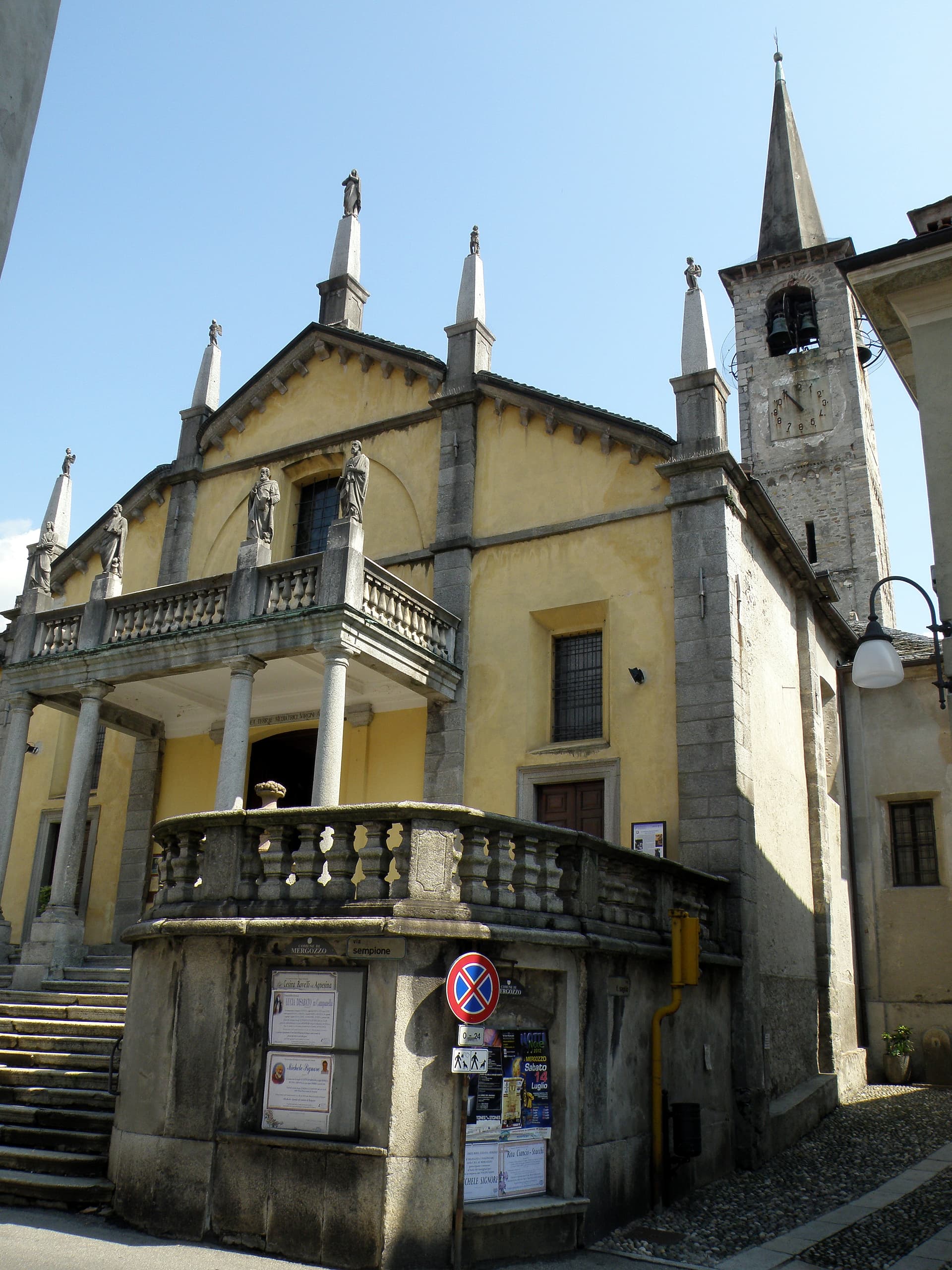
Mergozzo
Province: Verbano-Cusio-Ossola · 204 m
A 2.5-kilometer lake cut from Lago Maggiore by Toce flood sediments, with a centuries-old elm on its lakefront piazza.
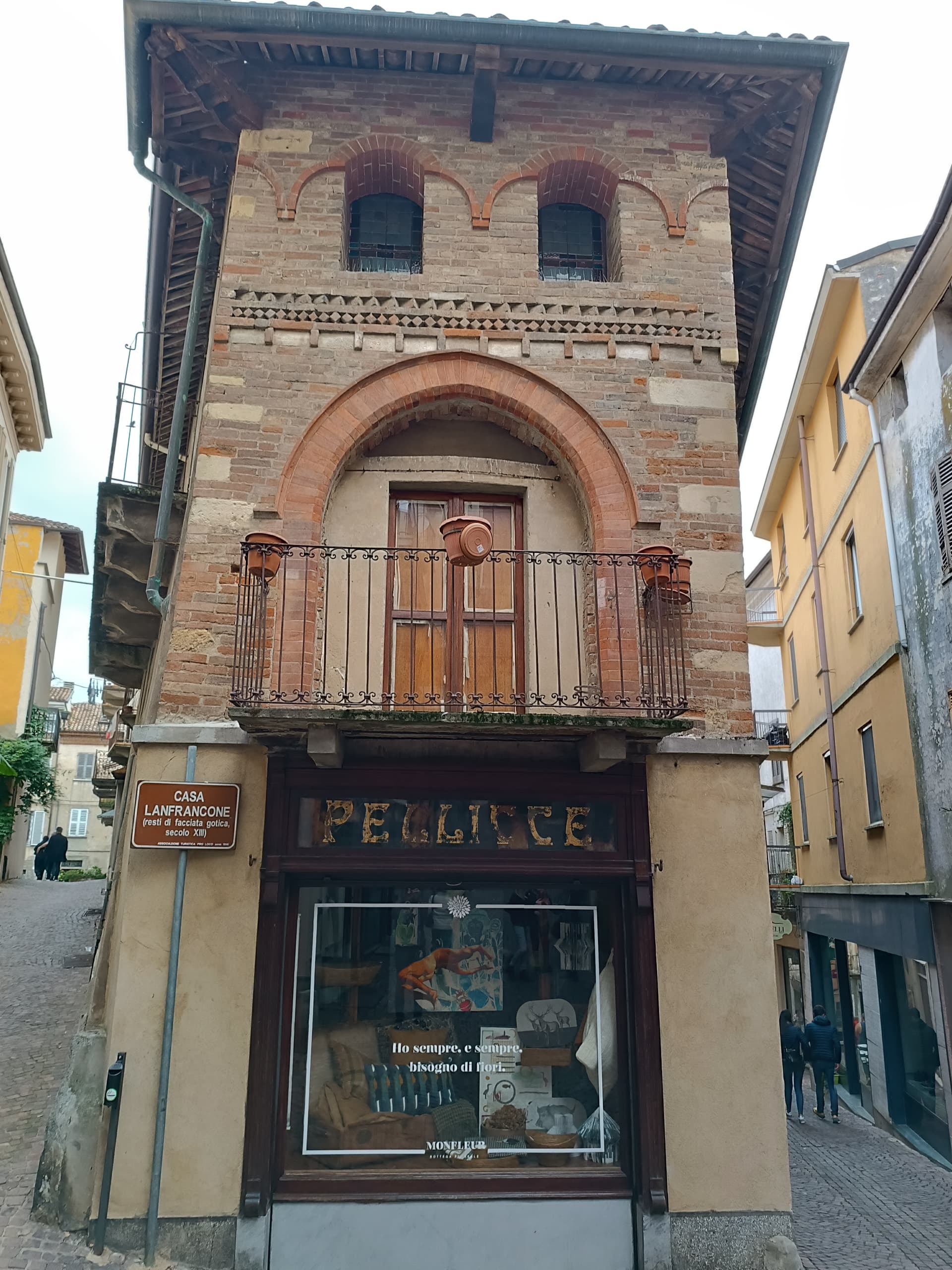
Moncalvo
Province: Asti · 305 m
Italy's smallest city by title, 2,730 residents on a Monferrato ridge, with a five-hundred-year truffle tradition and Guglielmo Caccia's home churches.
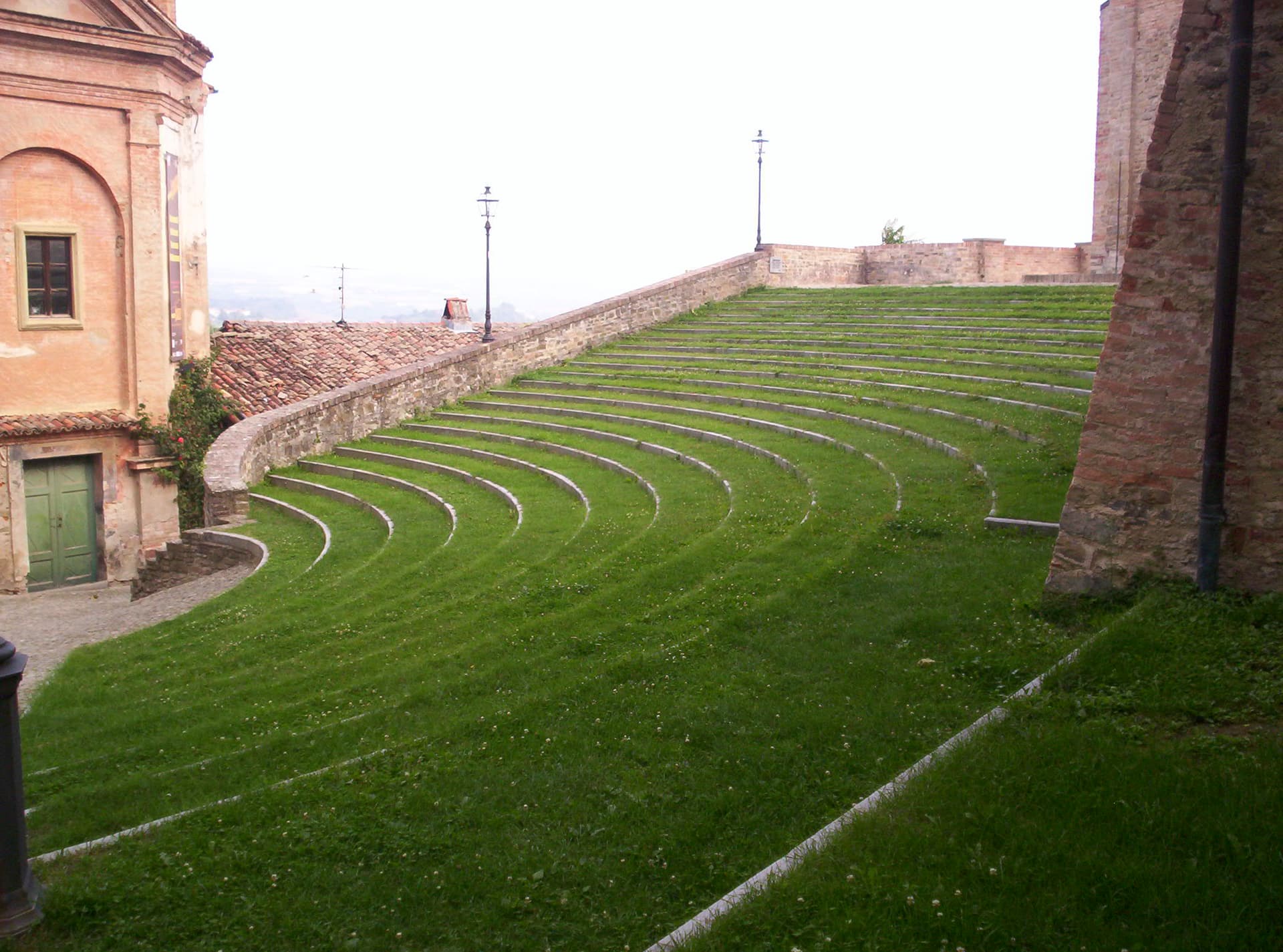
Monforte d'Alba
Province: Cuneo · 480 m
A Barolo cru village at 480 meters where the Cathars were burned in 1028 and where the summer jazz festival fills the old piazza.
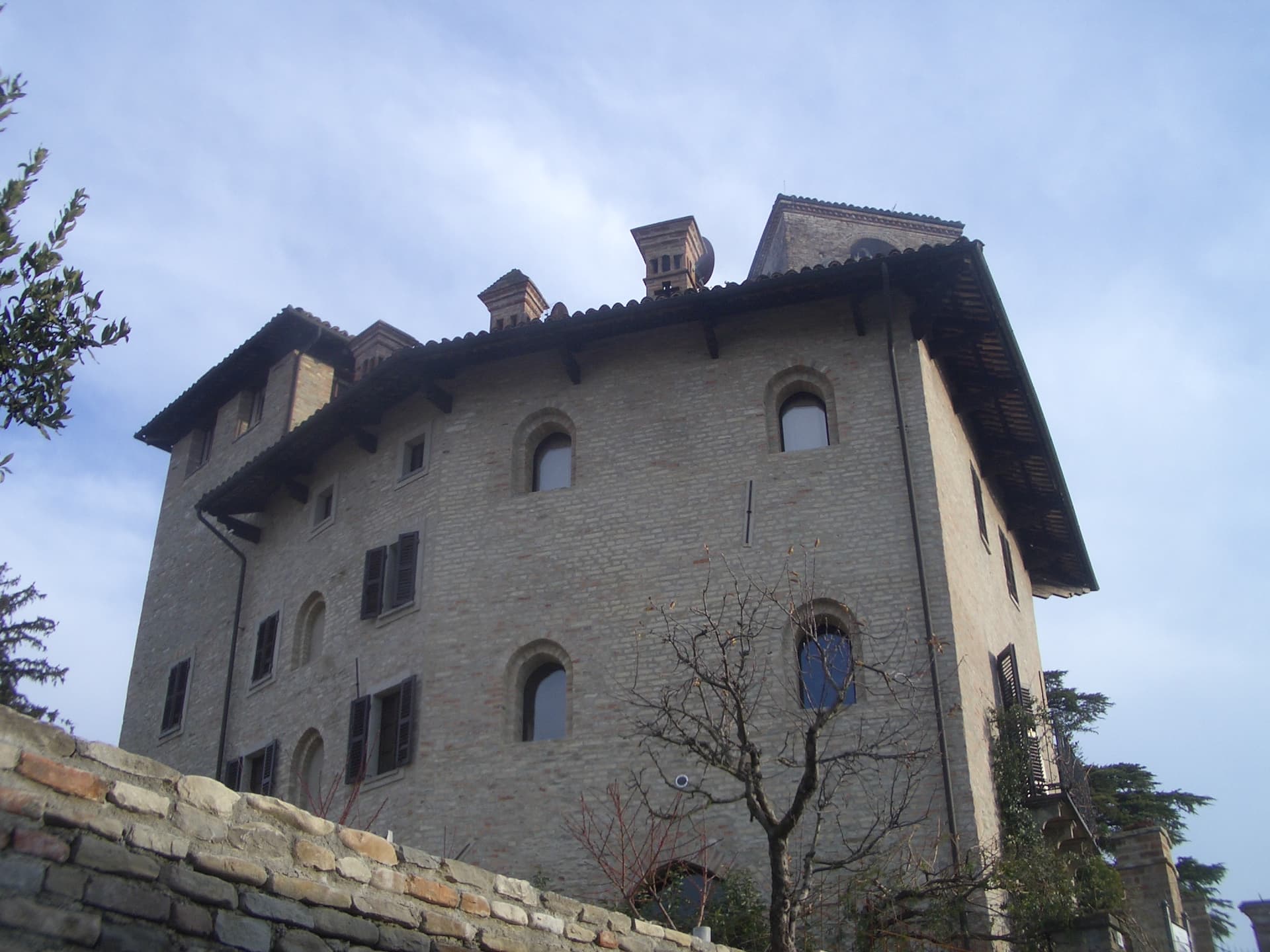
Neive
Province: Cuneo · 308 m
A hilltop borgo at 308 meters in the Barbaresco zone, named for the Roman gens Naevia, with four wines in commercial volume.
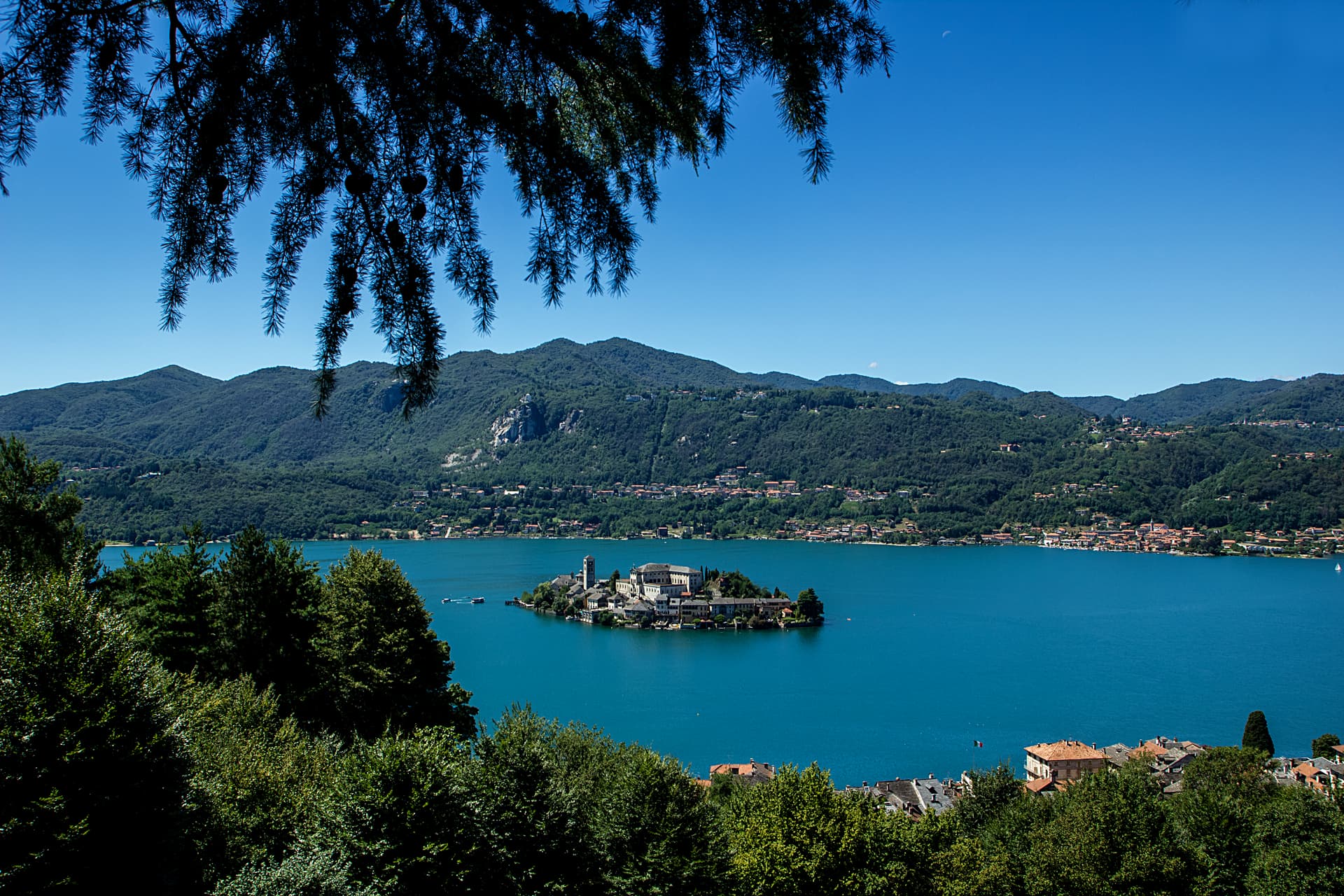
Orta San Giulio
Province: Novara · 294 m
A Lake Orta promontory facing an islet with a Romanesque basilica, plus a UNESCO Sacro Monte of twenty Francis-of-Assisi chapels on the hill above.
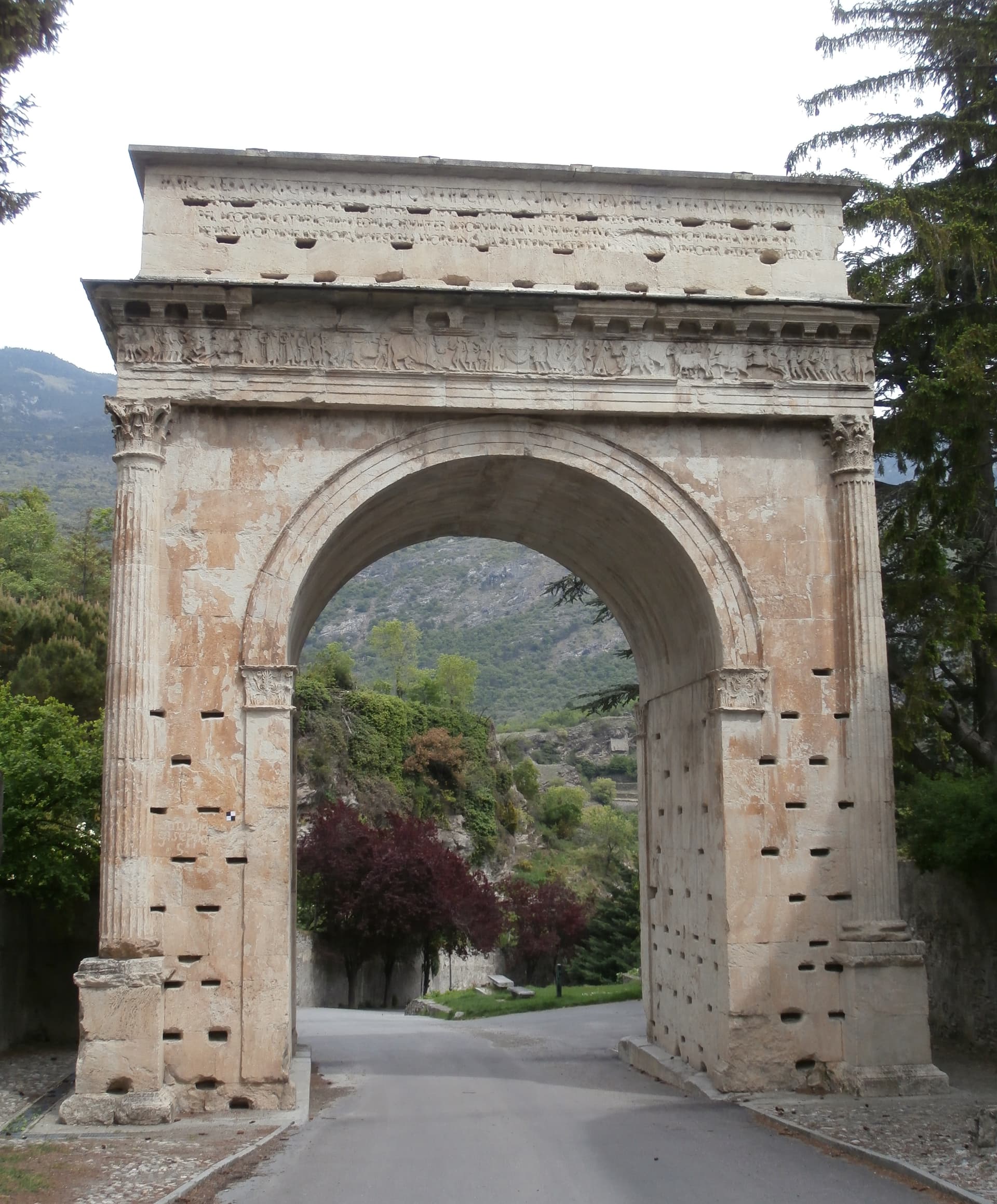
Susa
Province: Torino · 503 m
The Roman gateway to the Cottian Alps at 503 meters, capital of the Alpes Cottiae and seat of the Cozii under Augustus and Cottius.
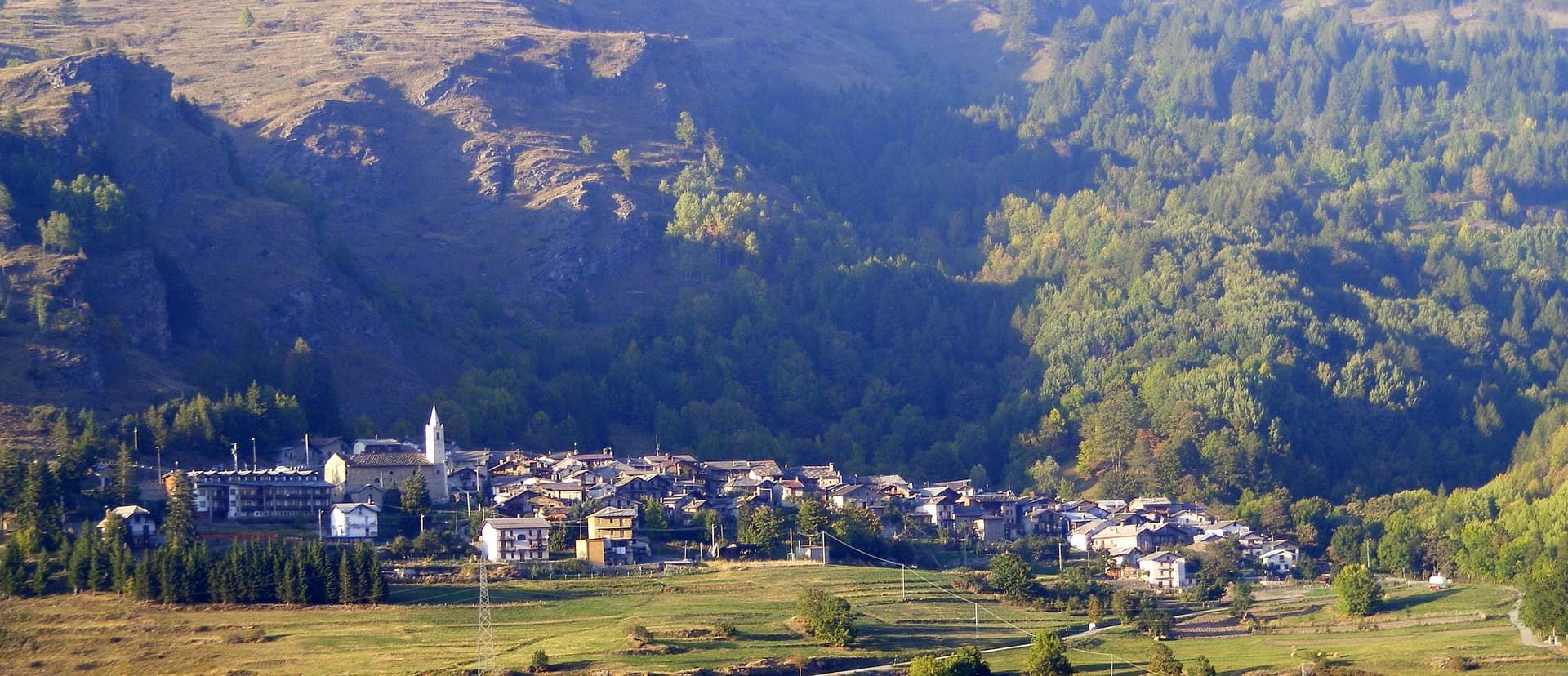
Usseaux
Province: Torino · 1,416 m
A Val Chisone village at 1,416 meters with four scattered borgate and more than forty murals painted across the stone facades.
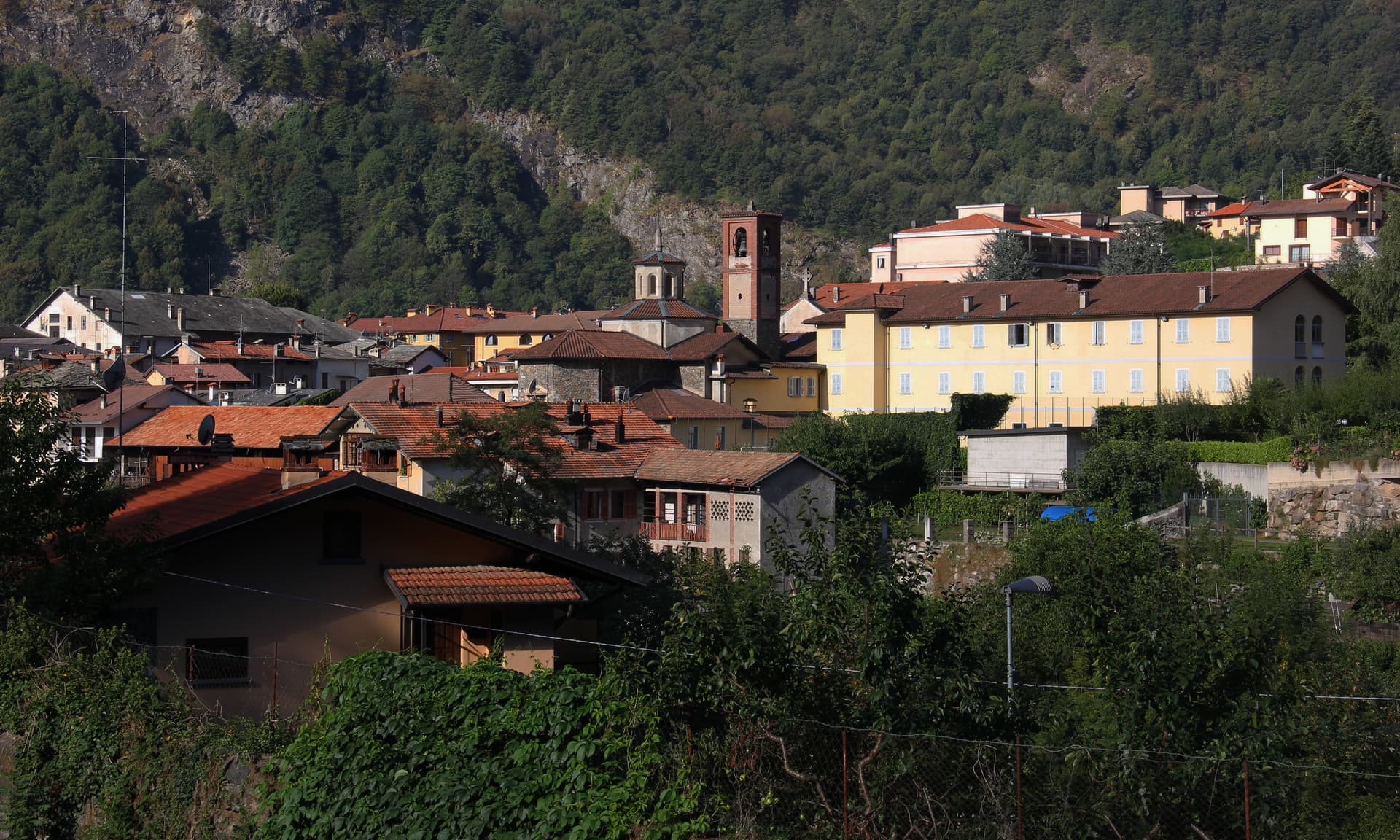
Varallo
Province: Vercelli · 450 m
The capital of Valsesia at 450 meters, the oldest Sacro Monte in Europe and a forty-five-chapel devotional complex on the rock above town.
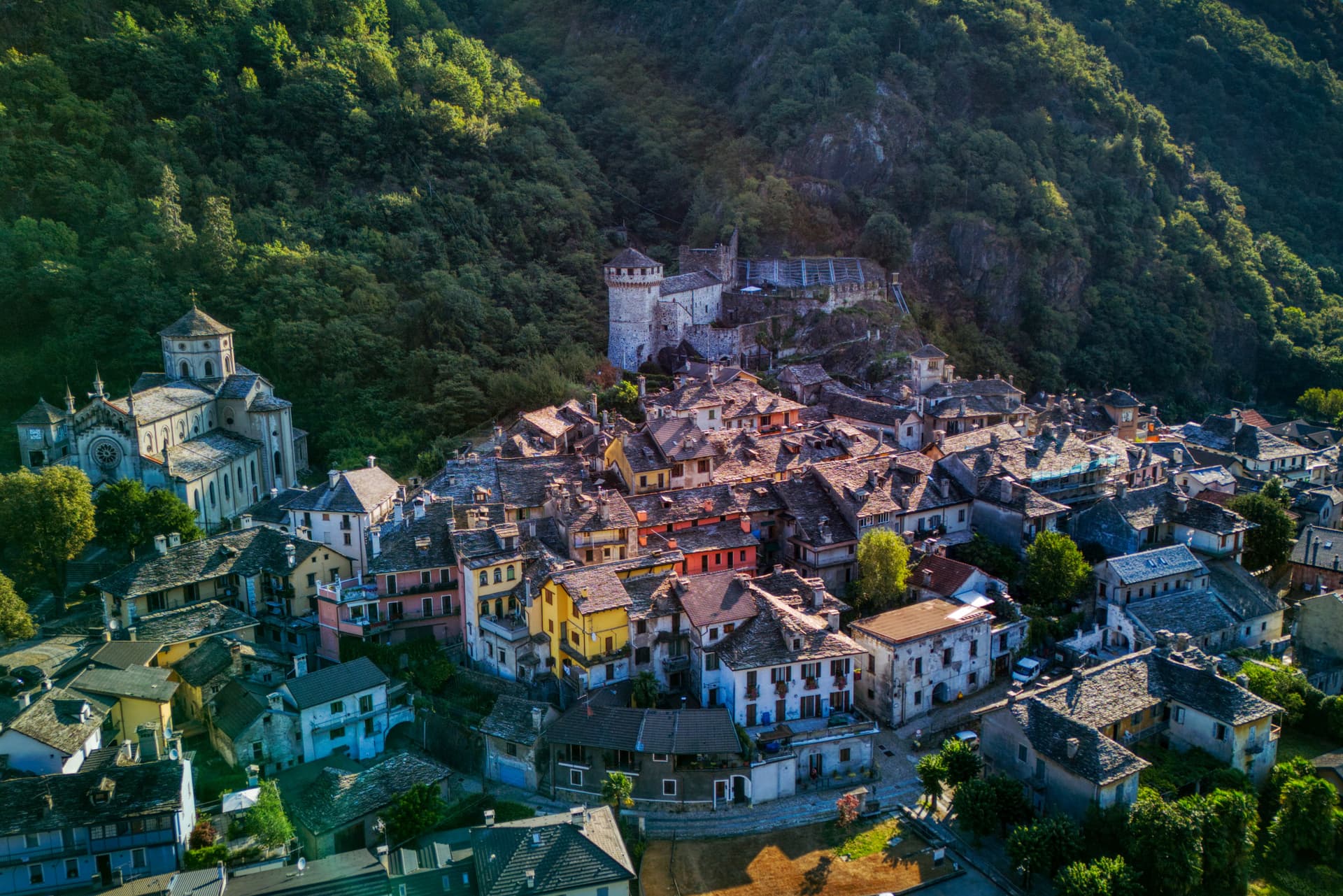
Vogogna
Province: Verbano-Cusio-Ossola · 226 m
An Ossola medieval capital at 226 meters on the Toce, with a Visconti castle of 1348 and five centuries as seat of the Ossola Inferiore.
Sardinia6
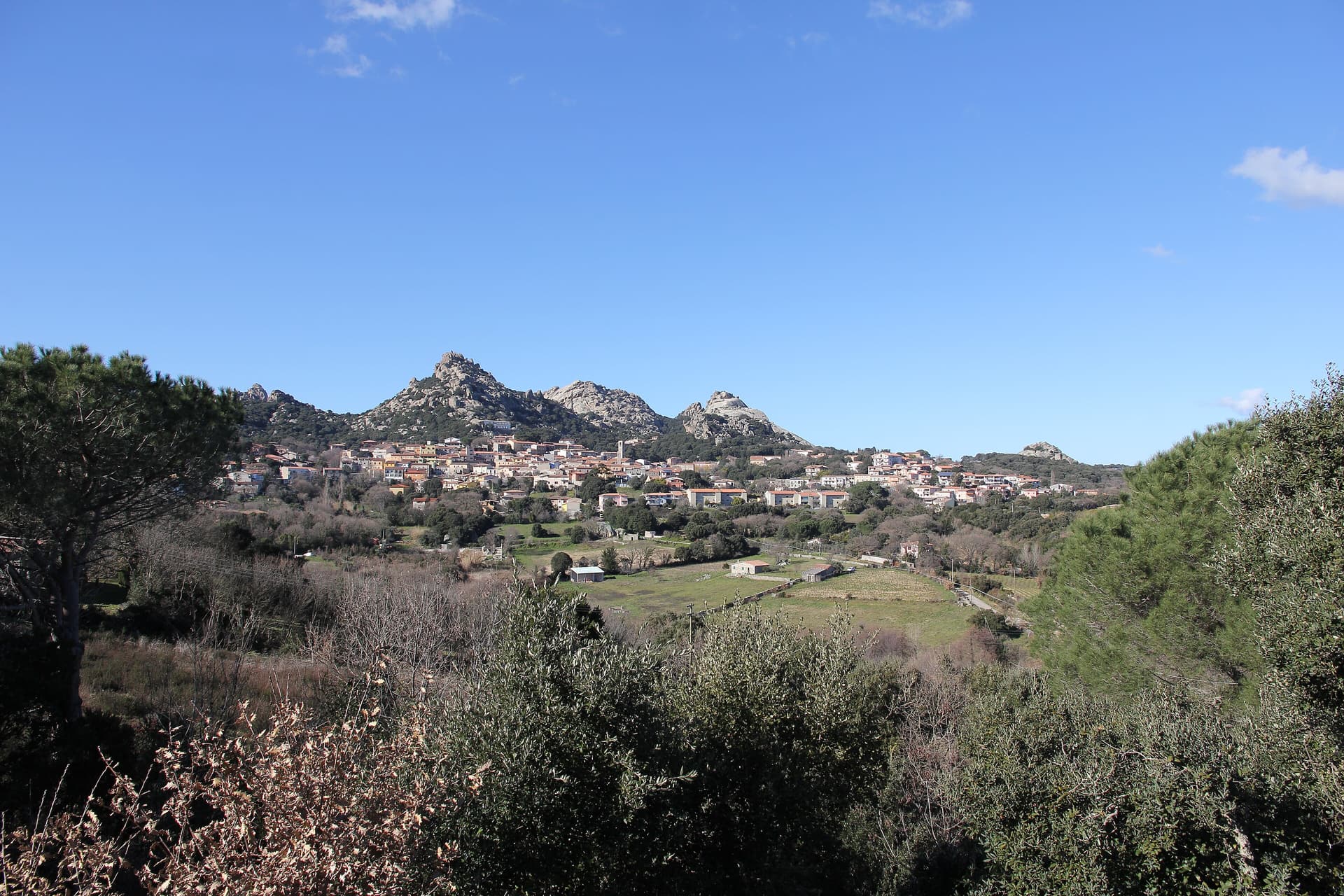
Aggius
Province: Sassari · 514 m
A Gallura granite village at 514 meters under the Monti di Aggius, with the largest ethnographic museum in Sardegna and three centuries of bandit history.

Galtellì
Province: Nuoro · 49 m
Grazia Deledda's 'Canne al vento' set — a 2,354-resident Baronia borgo under the Monte Tuttavista in Sardinia's northeast, with the triple Borghi Autentici + Bandiera Arancione + Città del Vino signal, the 11th-c Cattedrale di San Pietro (Sardinia's first), and the entire centro recognised as the Parco Letterario Grazia Deledda for being the literal setting of her 1913 Nobel-trajectory novel.
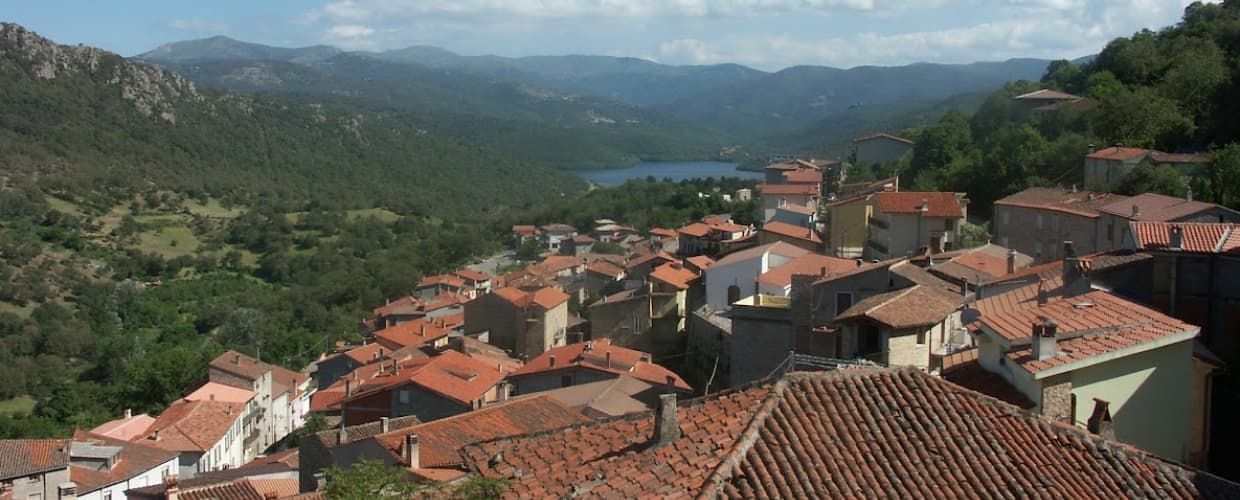
Gavoi
Province: Nuoro · 777 m
A 777-meter Barbagia hilltop village above Lake Gusana with a Bandiera Arancione of the Touring Club, the country's most-attended summer literary festival (L'Isola delle Storie), and the PDO Fiore Sardo pecorino made here for at least three centuries.
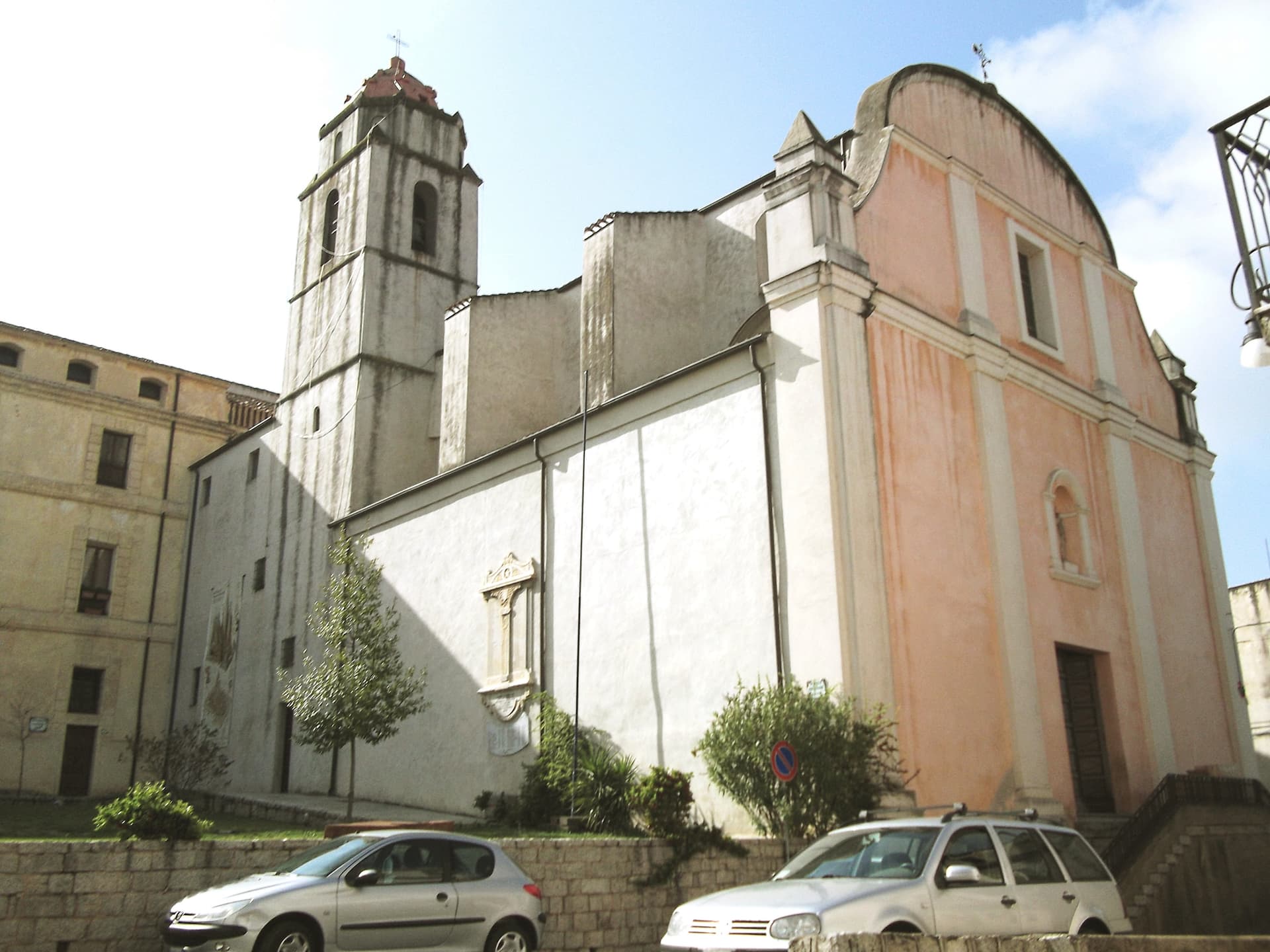
Oliena
Province: Nuoro · 380 m
A Supramonte village at the foot of Monte Corrasi, source of Cannonau Nepente, base camp for Tiscali and the Lanaitto valley.
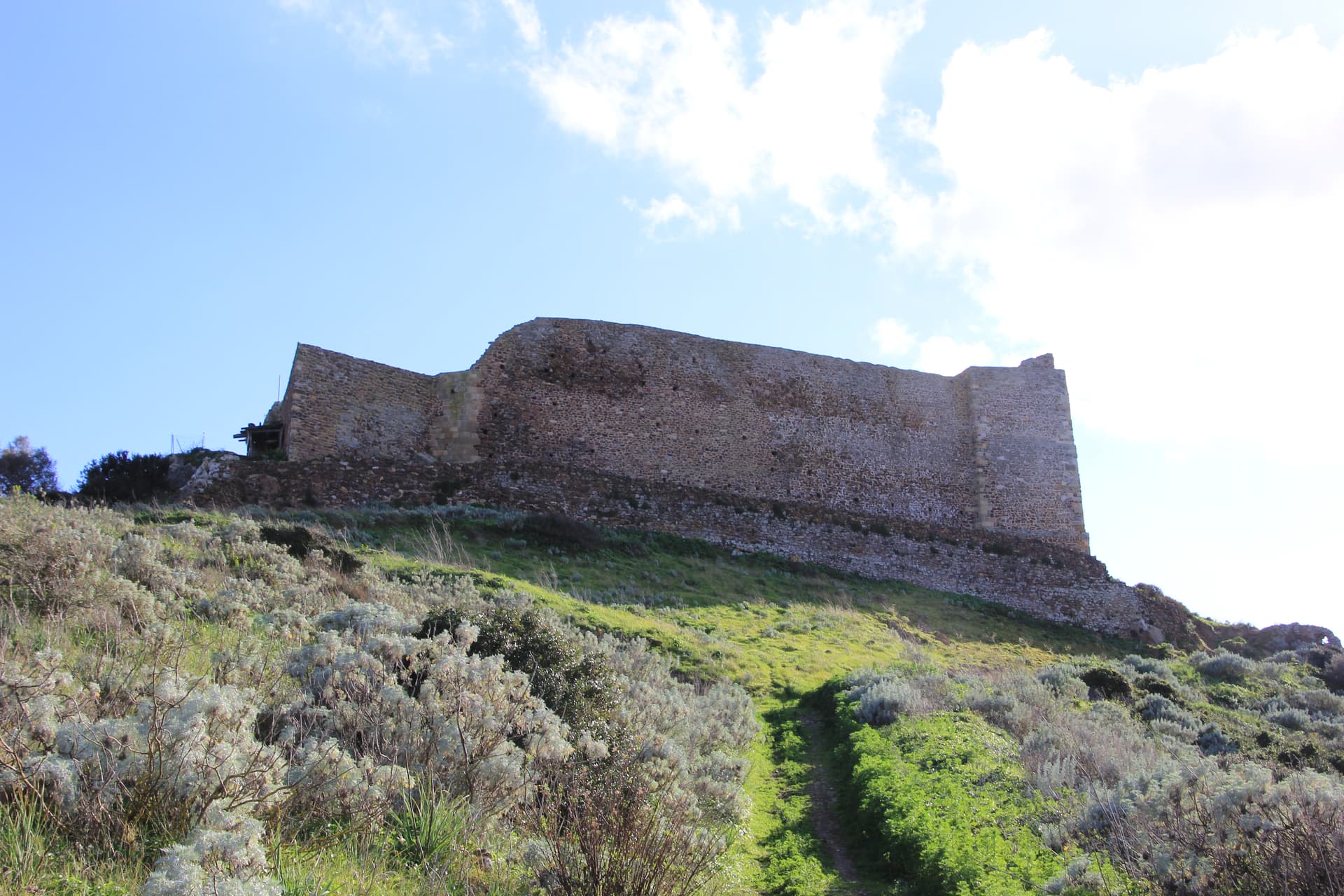
Sardara
Province: Sud Sardegna · 163 m
A Campidano thermal town where Nuragic well-temples, Roman Aquae Neapolitanae and a hilltop Arborea castle share the same hot springs.
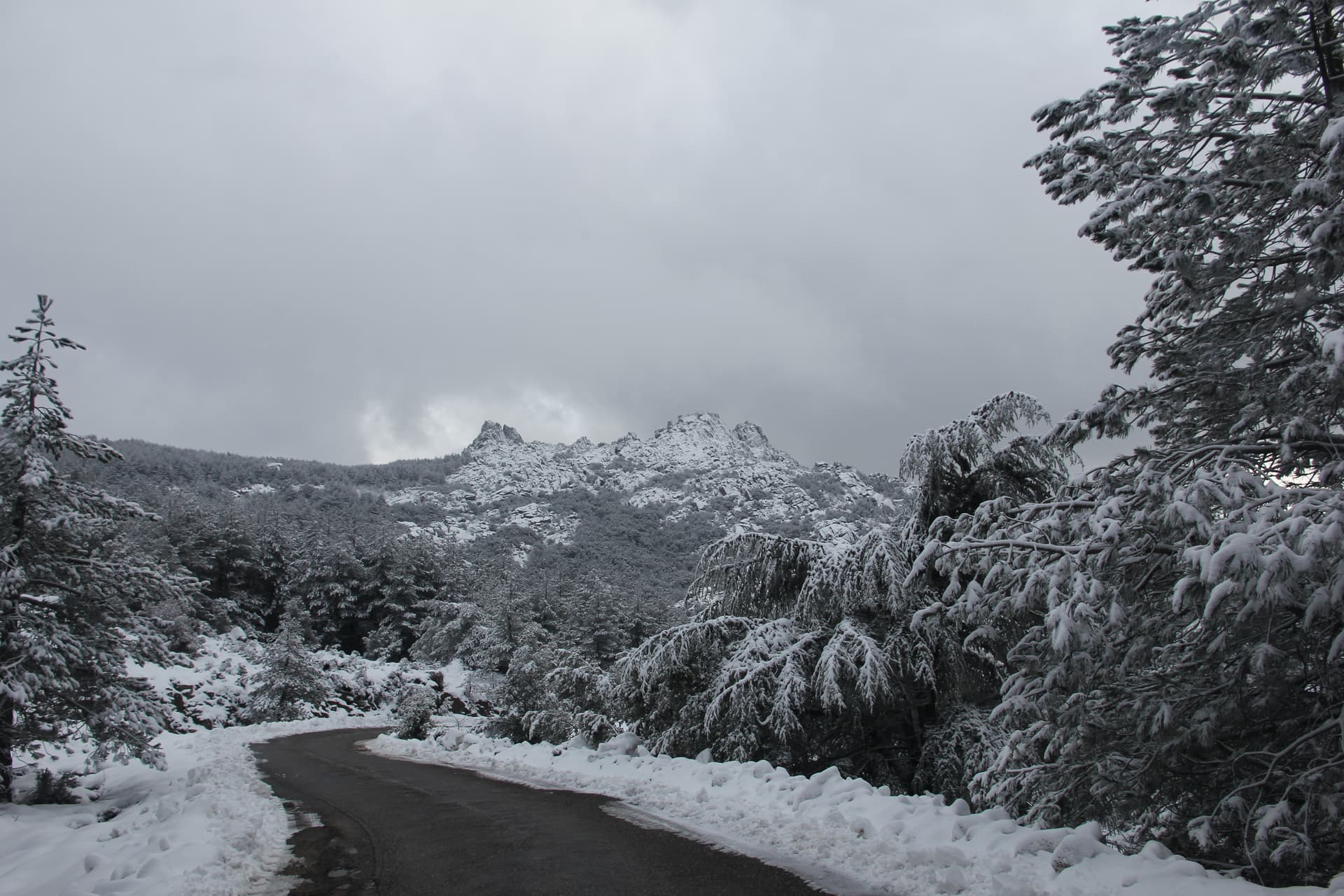
Tempio Pausania
Province: Sassari · 566 m
The granite capital of Gallura at the foot of Monte Limbara, known for cork, Vermentino DOCG and the largest Carnival in northern Sardinia.
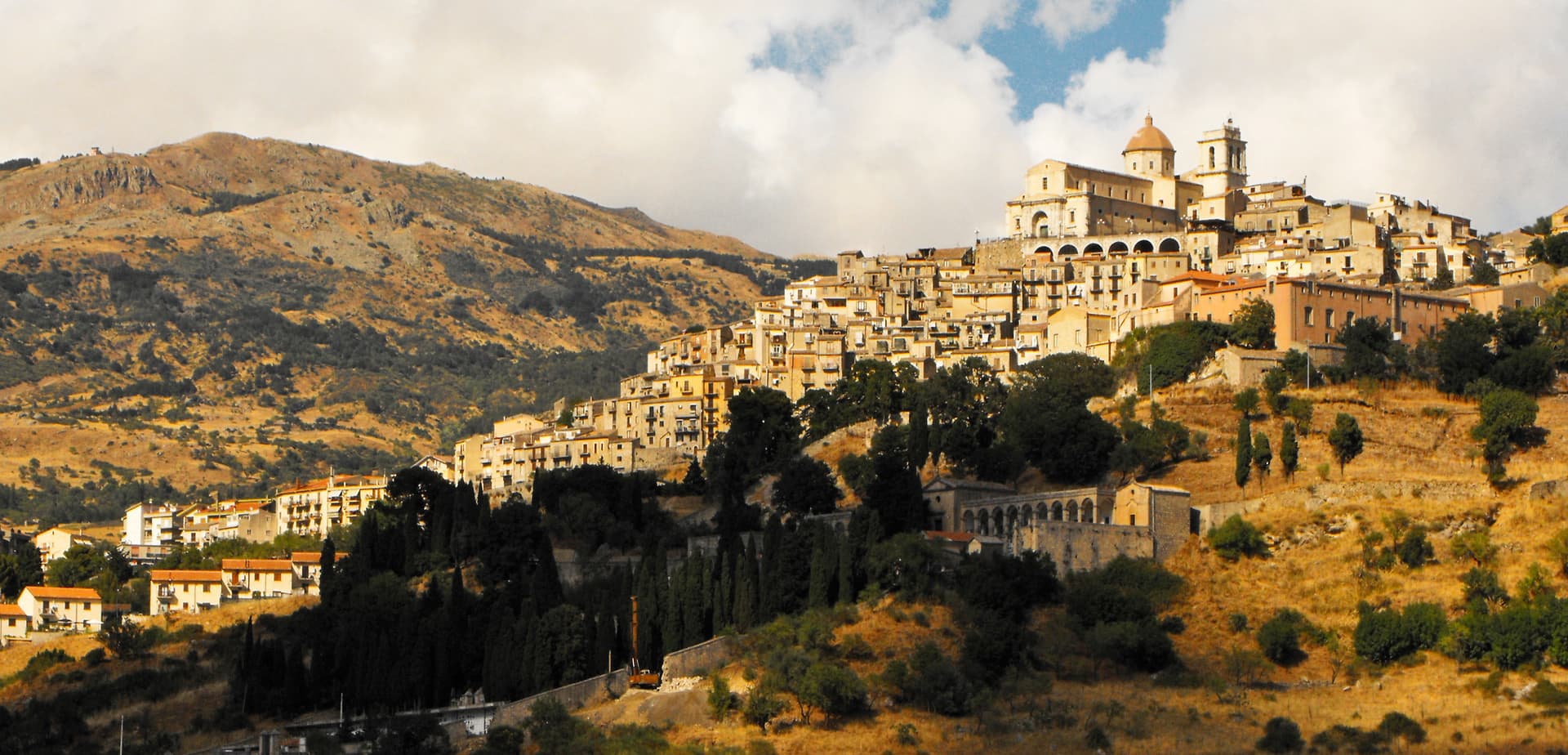
Trentino-Alto Adige/Südtirol4
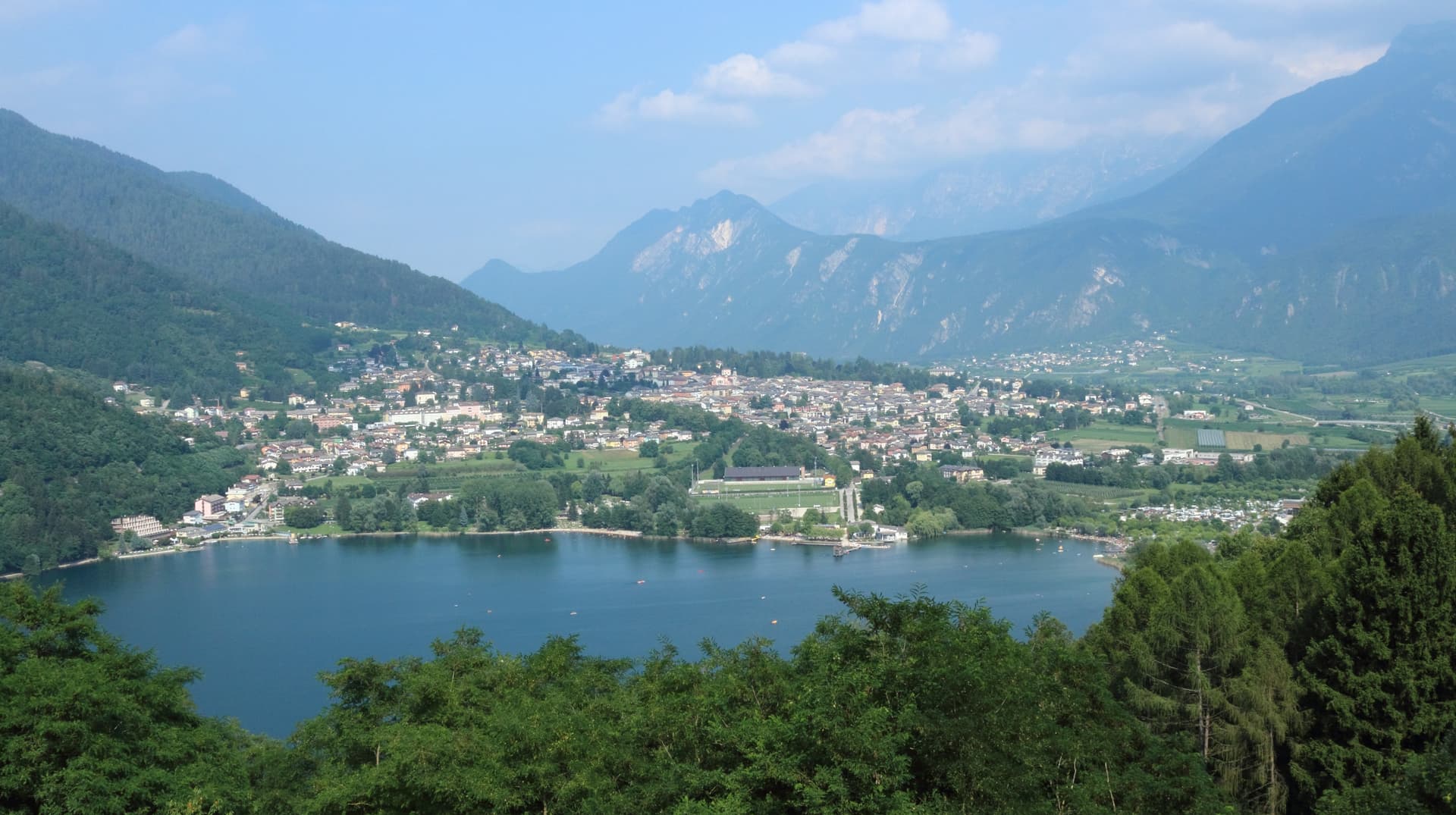
Levico Terme
Province: Trento · 520 m
A Habsburg spa town in the Valsugana at 520 metres, with arsenic-iron thermal waters, an English park and a Blue Flag lake at the edge of the centre.
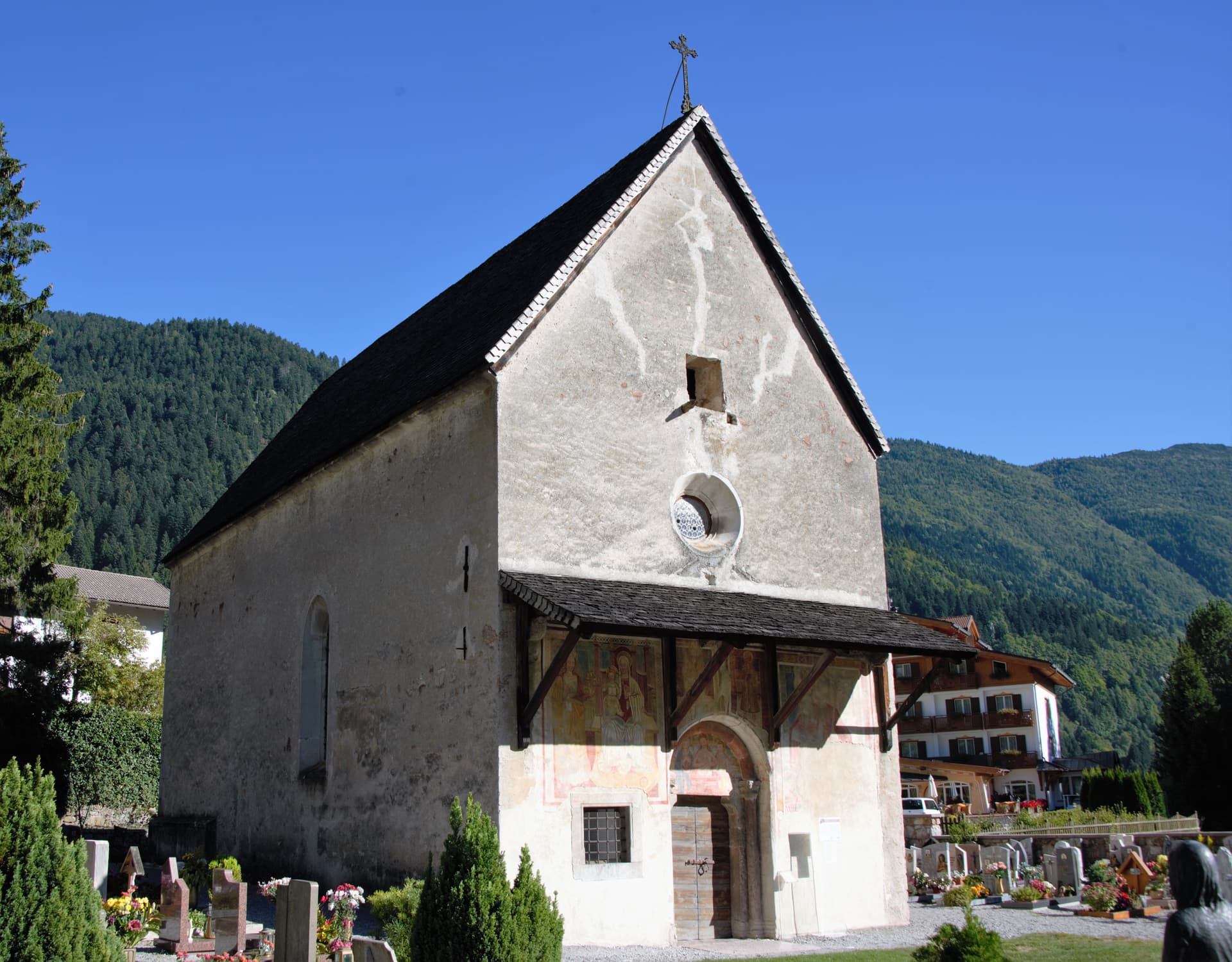
Molveno
Province: Trento · 864 m
The village at the north end of a deep blue alpine lake, with the Brenta Dolomites rising straight out of the water.
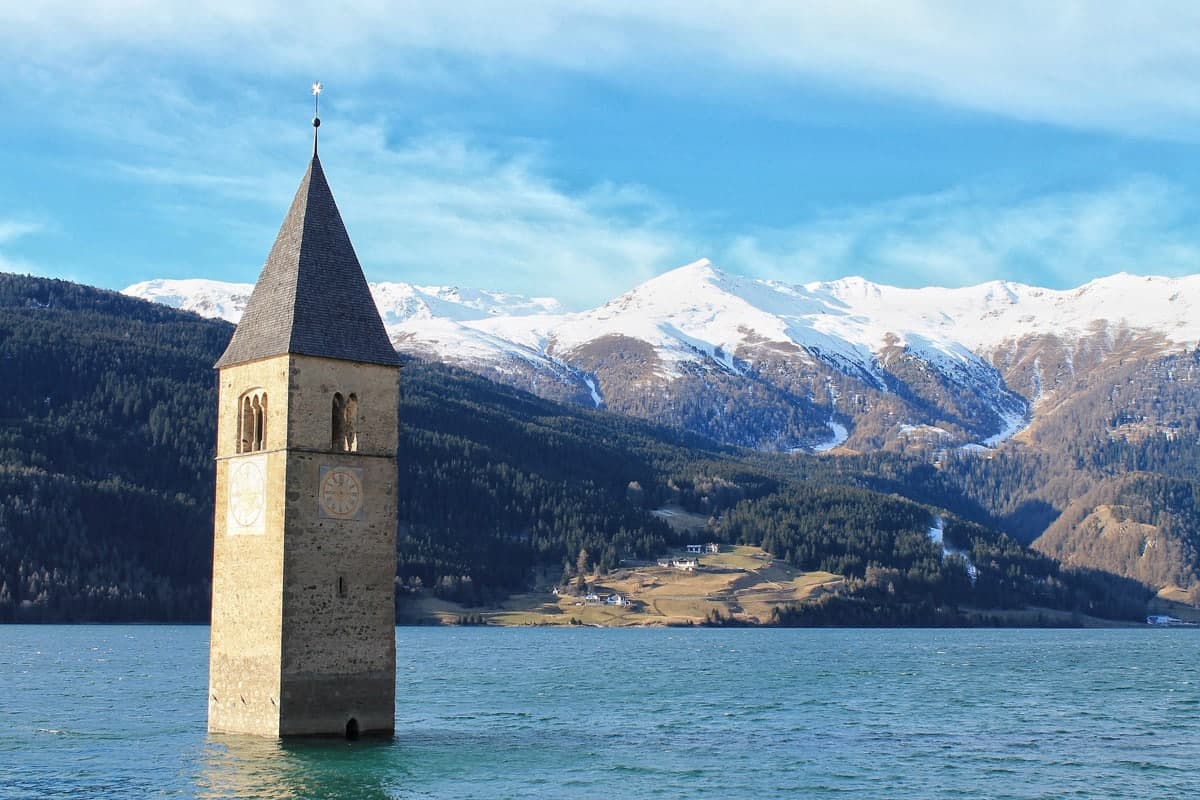
Sterzing
Province: Bolzano · 948 m
A bilingual mining town at 948 metres on the Brenner road, where a 46-metre tower built in 1472 still divides the old town from the new.
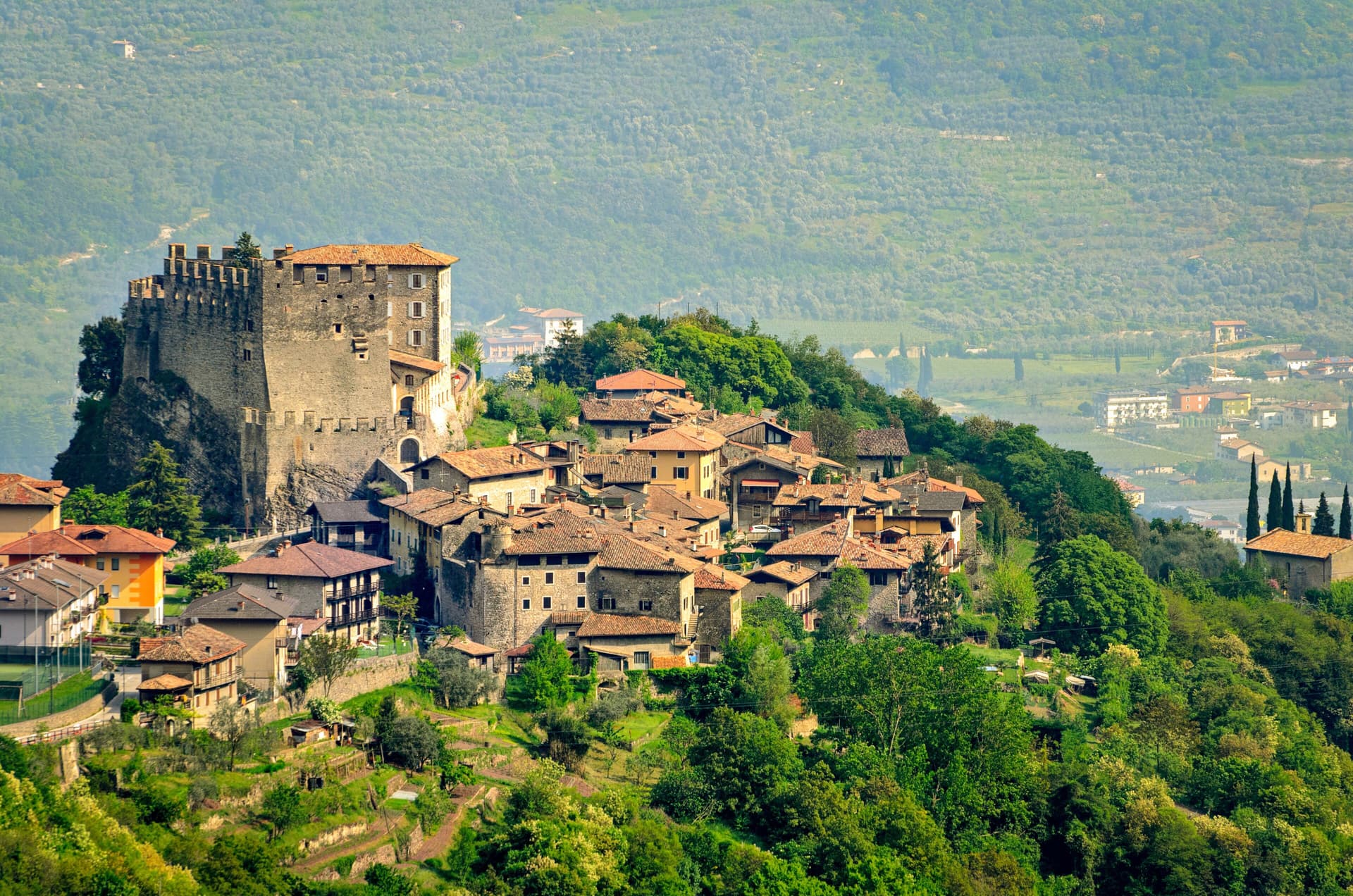
Tenno
Province: Trento · 428 m
A hillside commune at 428 metres above Lake Garda, with a medieval stone hamlet, a turquoise lake, and the northernmost olive groves in Europe.
Tuscany31
- ✷ We've been
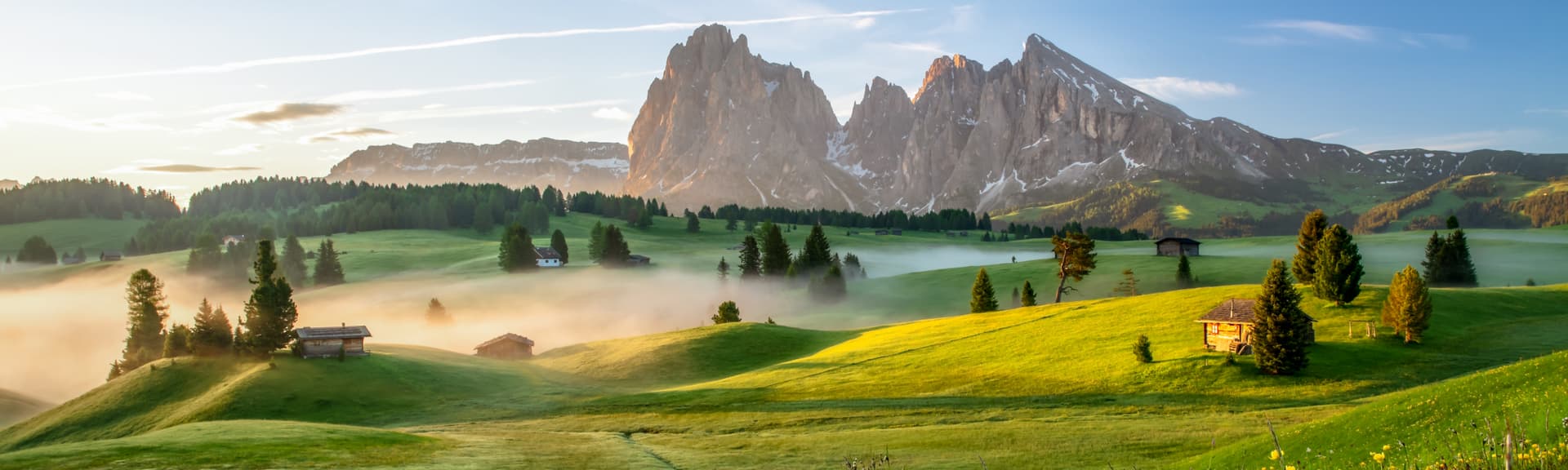
Abetone Cutigliano
Province: Pistoia · 1,388 m
The Apennine ski pass at 1,388 meters where the Granduca's two stone pyramids of 1778 mark the old Tuscan-Modenese border.
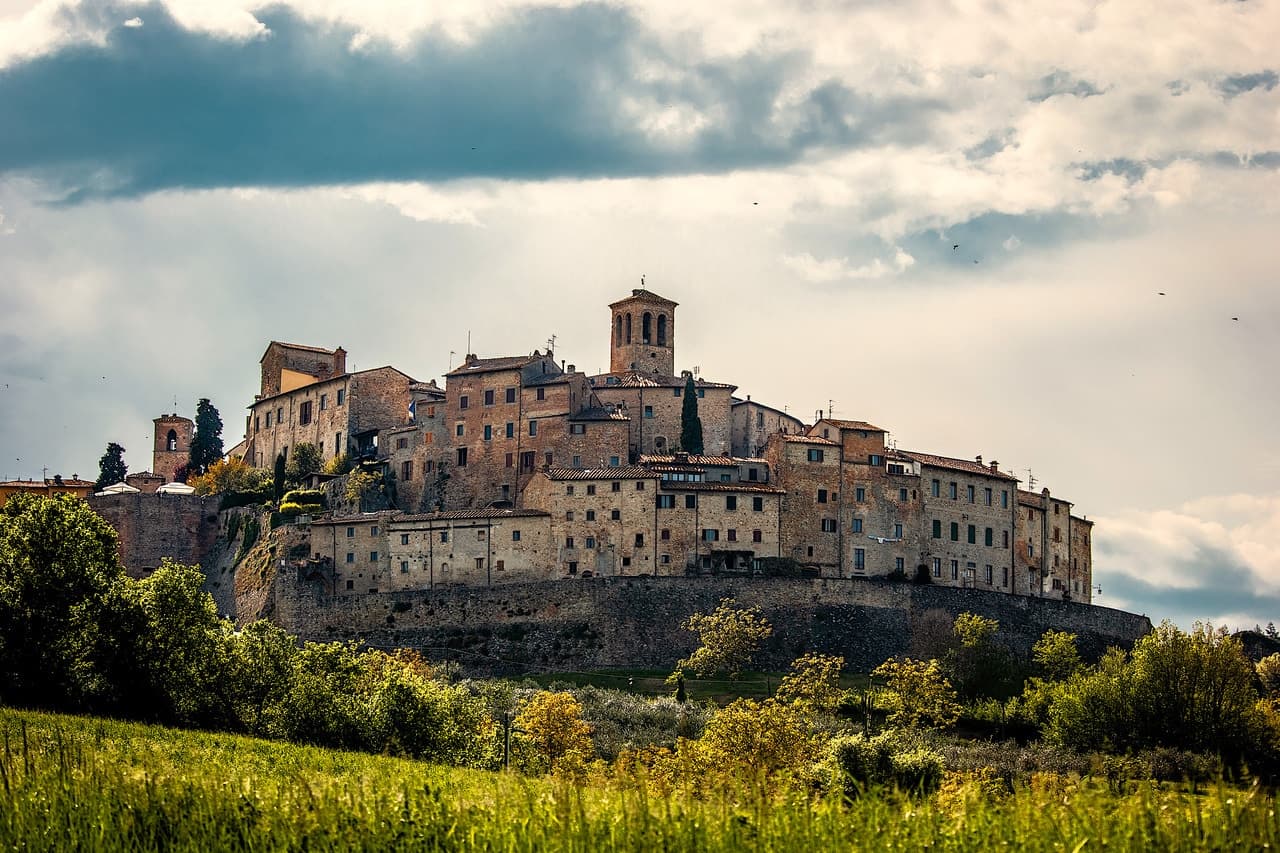
Anghiari
Province: Arezzo · 430 m
A walled medieval town at 430 meters over the upper Tiber valley, where Florence beat Milan in 1440 and Leonardo started the fresco he never finished.
- ✷ We've been
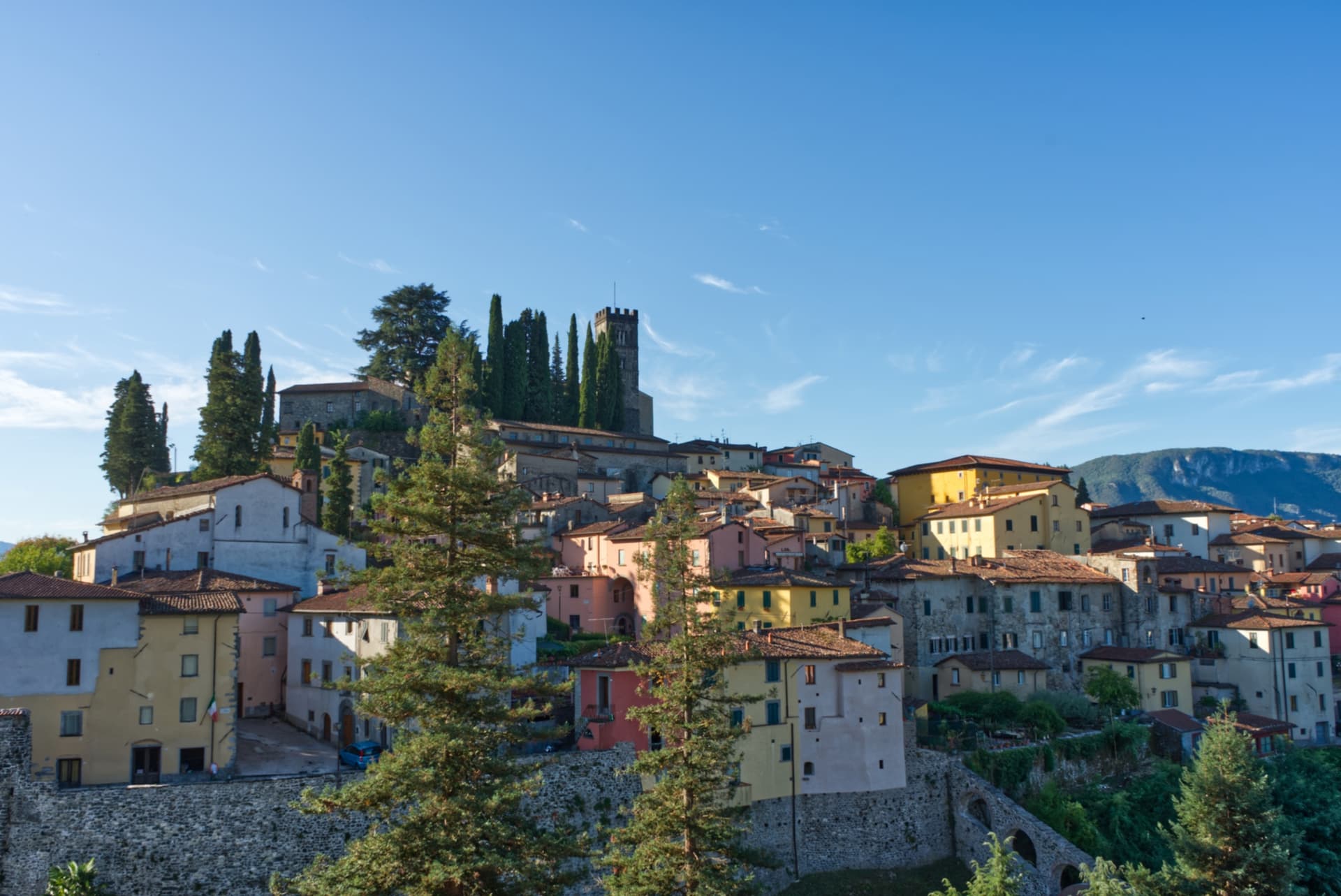
Barga
Province: Lucca · 410 m
A medieval hilltop town at 410 meters in the Serchio valley between the Apuan Alps and the Apennines, where Giovanni Pascoli wrote his last poems and the August festival serves fish and chips.
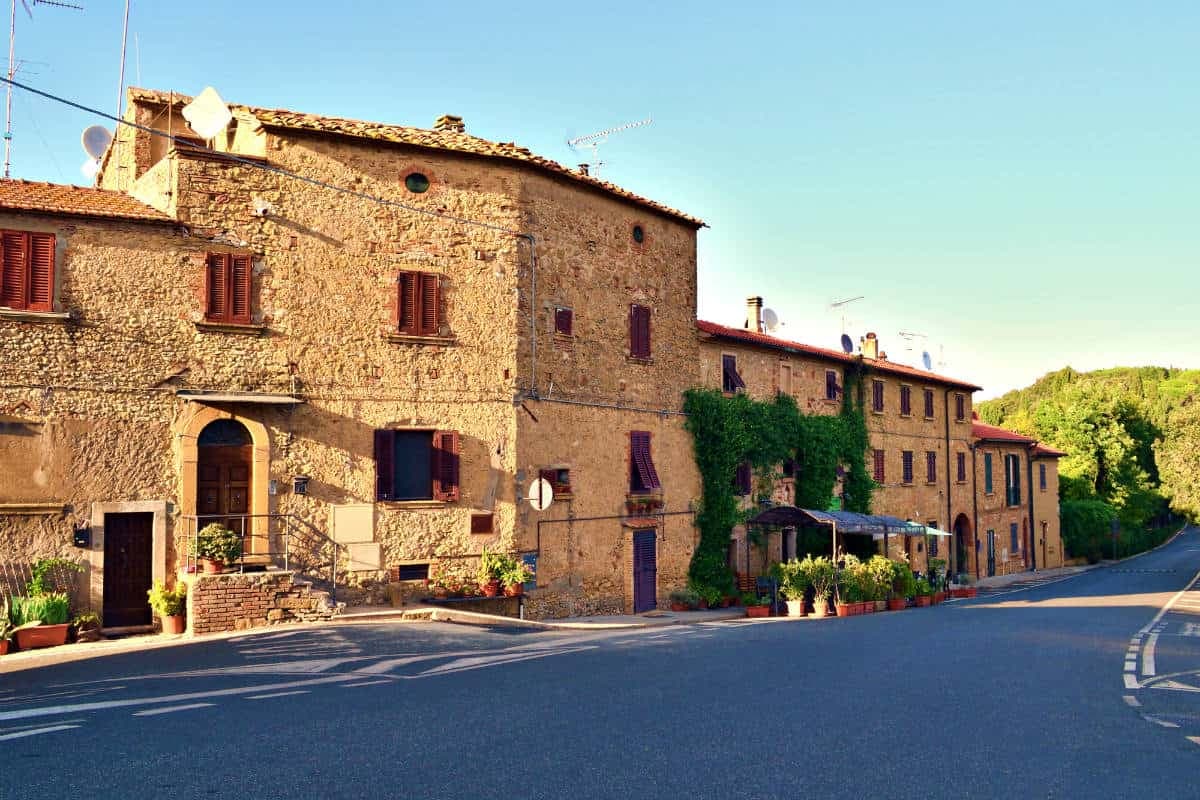
Casale Marittimo
Province: Pisa · 214 m
A concentric stone borgo at 214 meters above the Val di Cecina, built where a seventh-century BC Etruscan outpost of Volterra once stood.
- ✷ We've been
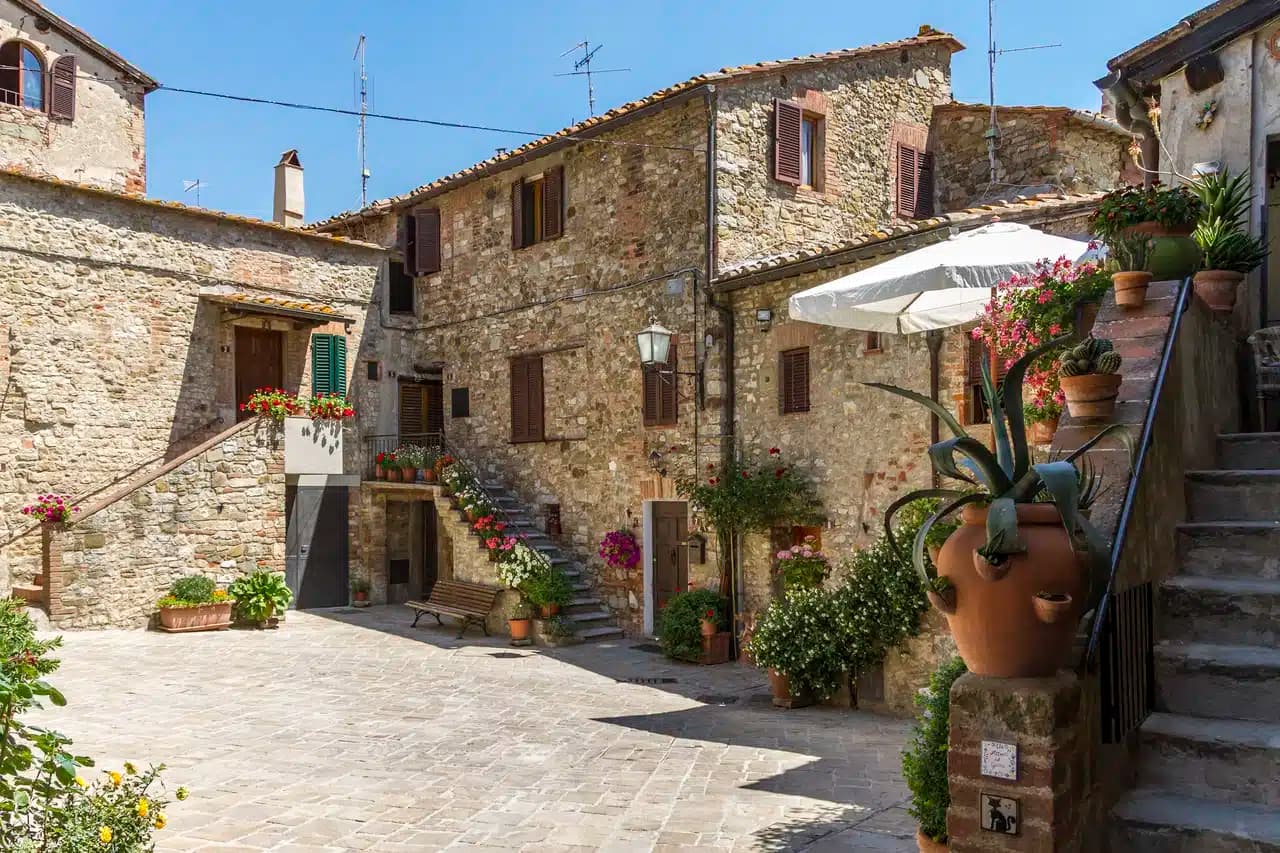
Castelnuovo Berardenga
Province: Siena · 351 m
A Chianti Classico commune at 351 meters between the Ombrone and the Crete Senesi, the last castle Siena built against Florence, in 1366.
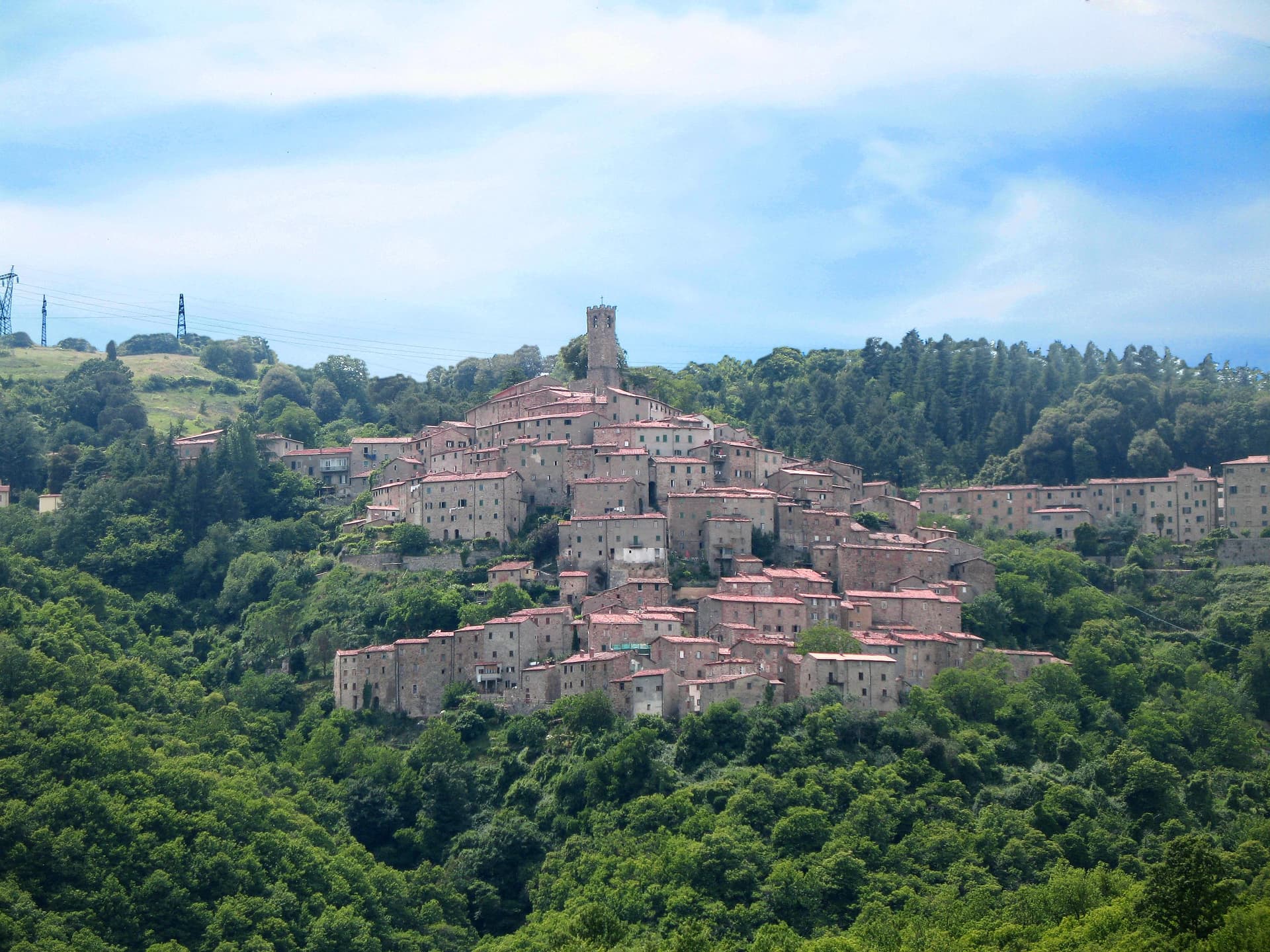
Castelnuovo di Val di Cecina
Province: Pisa · 576 m
A copper and geothermal borgo at 576 meters in the Cecina valley, where natural steam vents and medieval towers sit on the same hill.
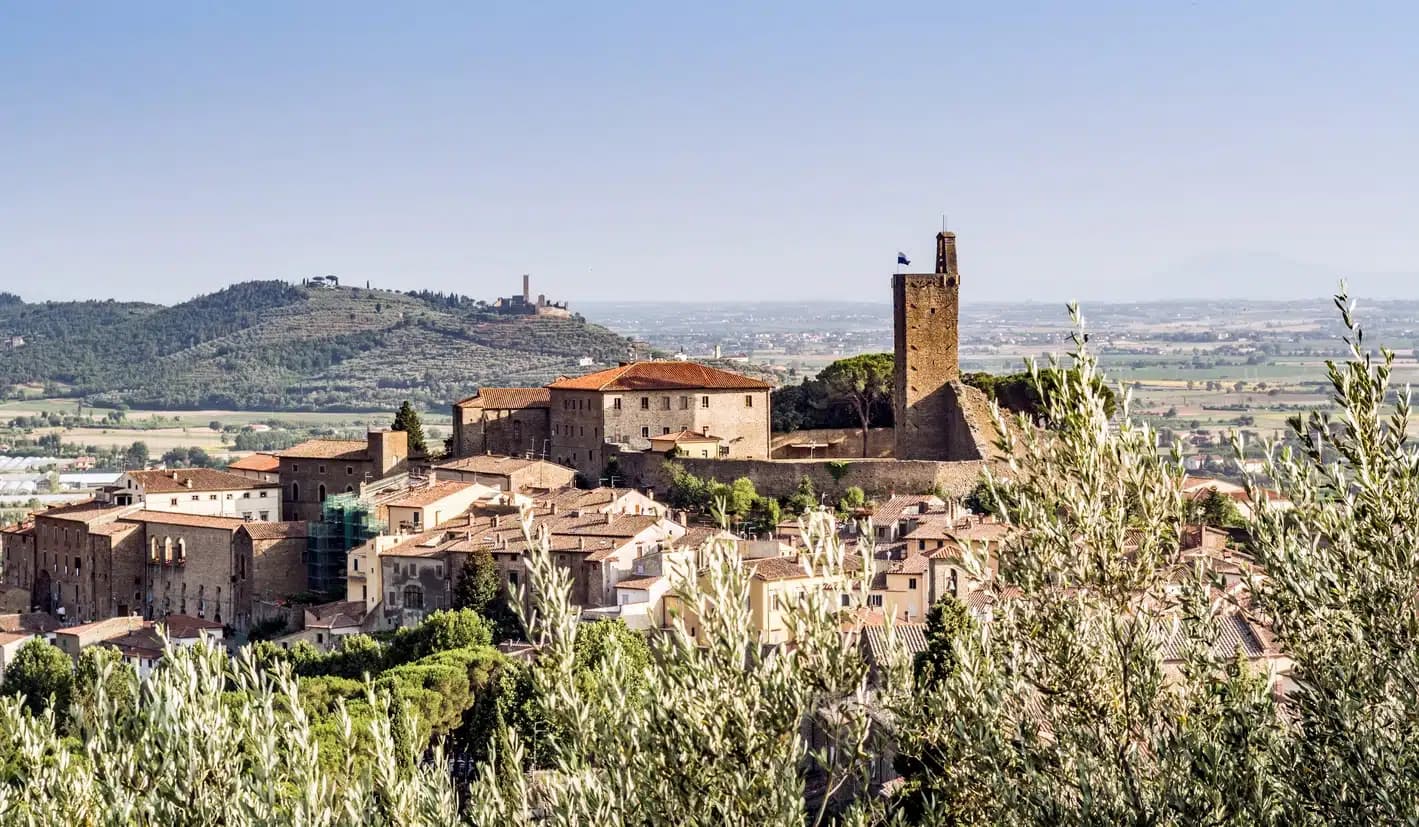
Castiglion Fiorentino
Province: Arezzo · 342 m
A walled hill town at 342 meters between Arezzo and Cortona, where Etruscan walls support the medieval Cassero and Vasari's loggia frames the Val di Chiana below.
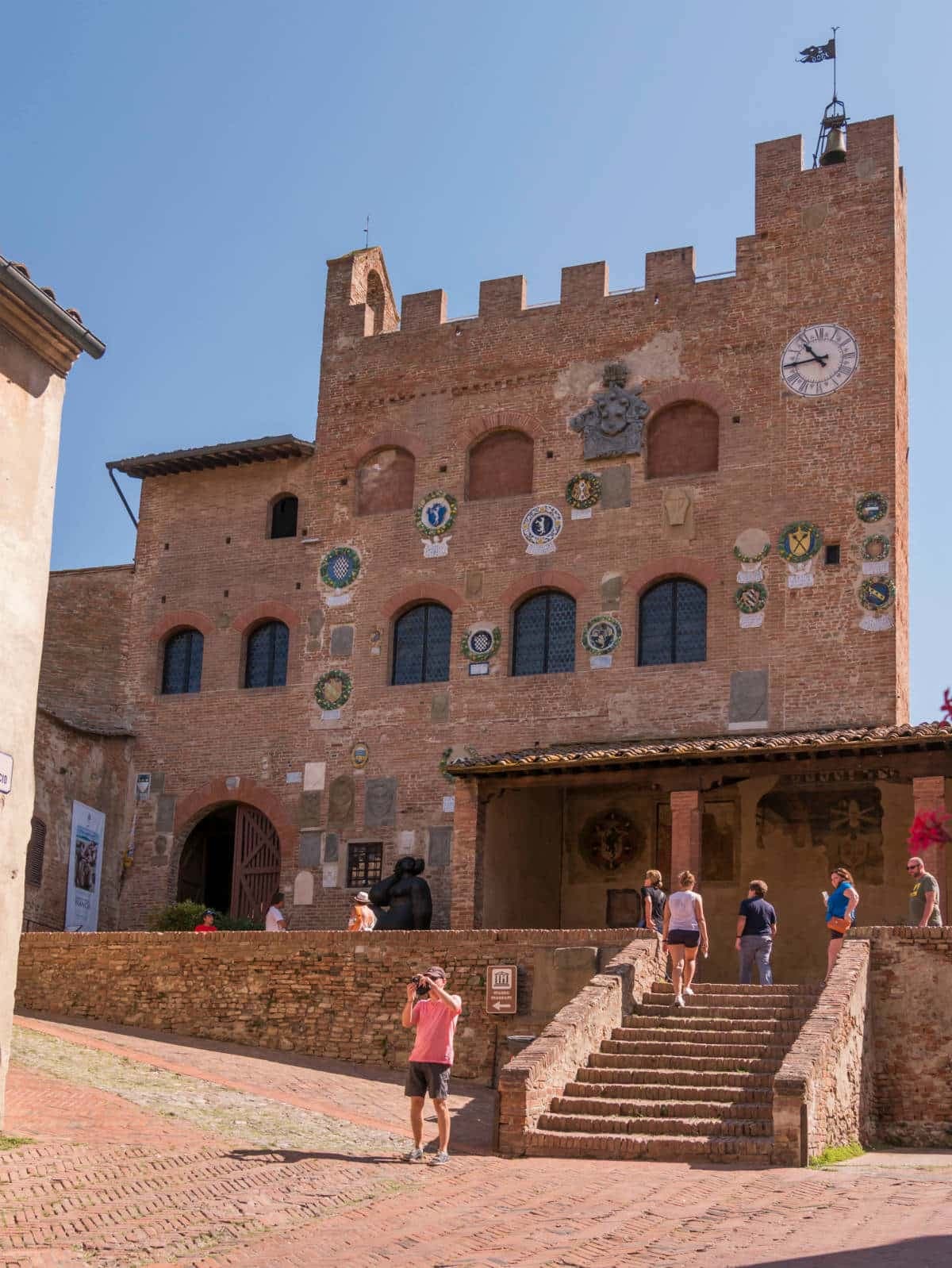
Certaldo
Province: Firenze · 67 m
The brick-built upper town in the Valdelsa where Boccaccio spent his last years, twenty-five kilometers from Florence on the medieval road to Siena.
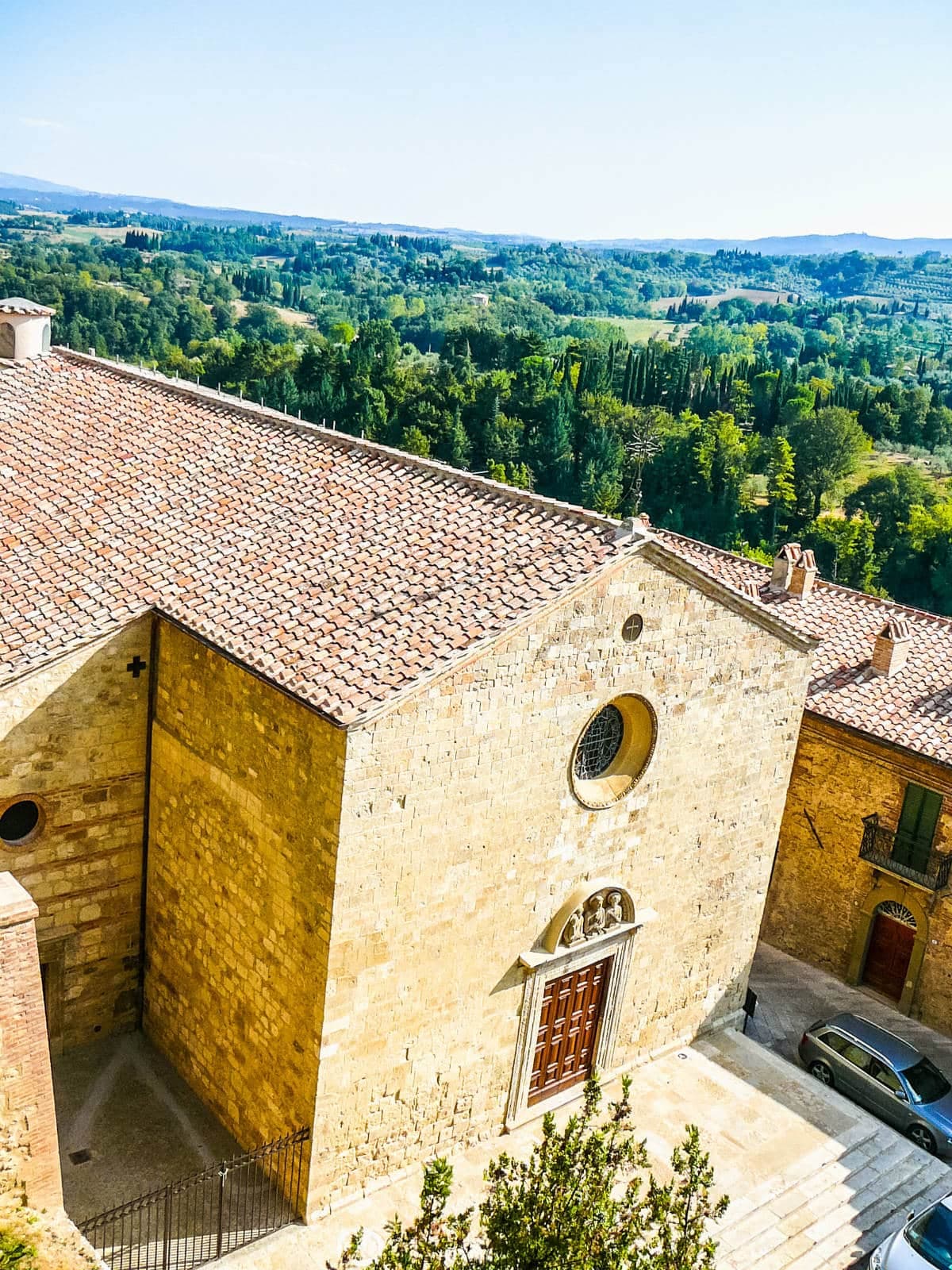
Cetona
Province: Siena · 384 m
A medieval borgo at 384 meters below Monte Cetona, sold by Cosimo I to the Vitelli in 1556 and the centro storico still shaped by their fortress reconstruction.
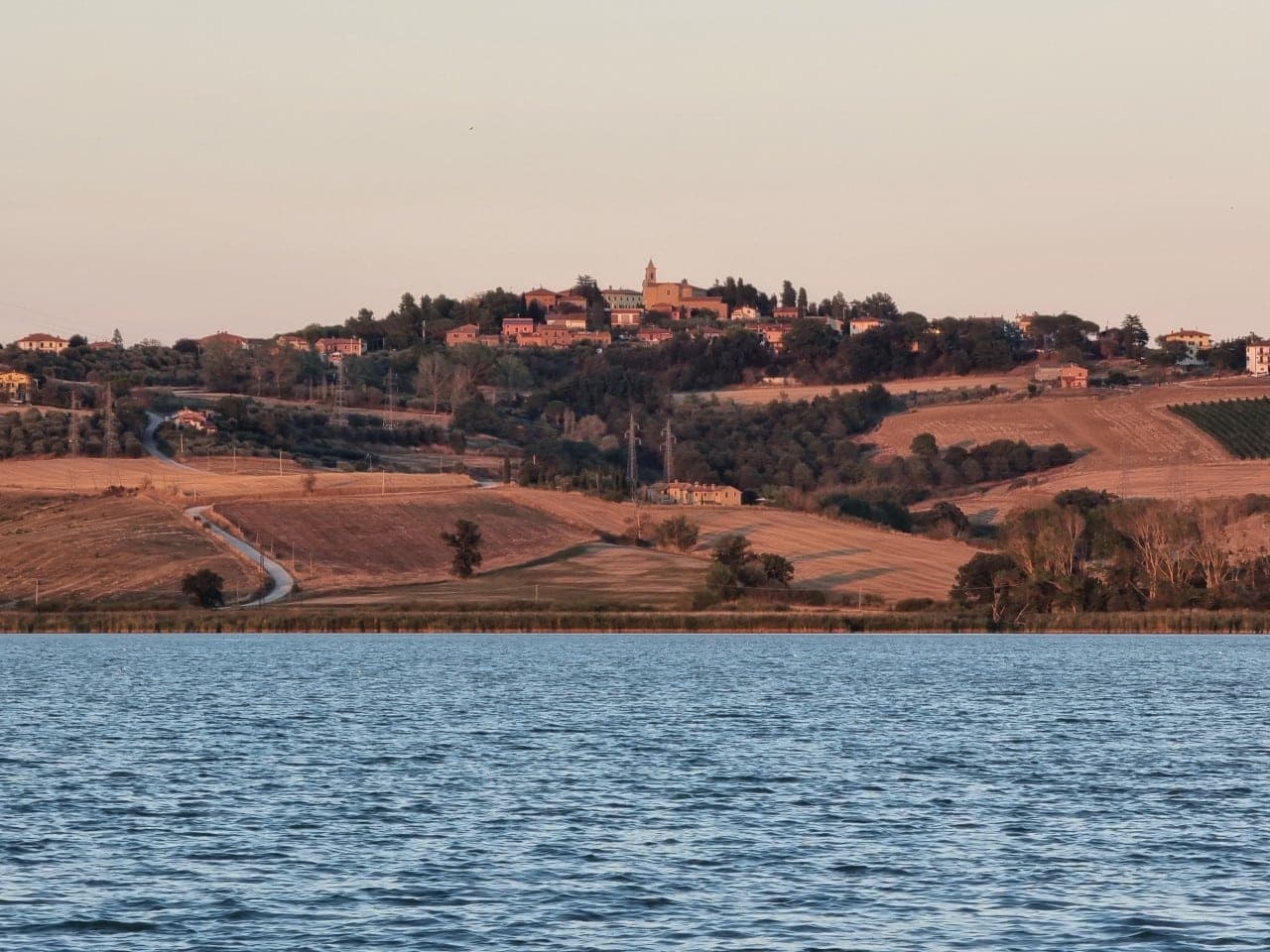
Chiusi
Province: Siena · 398 m
The Etruscan city of King Porsenna at 398 meters above the Val di Chiana, with one of Italy's major Etruscan museums and tunnels carved beneath the streets.
- ✷ We've been
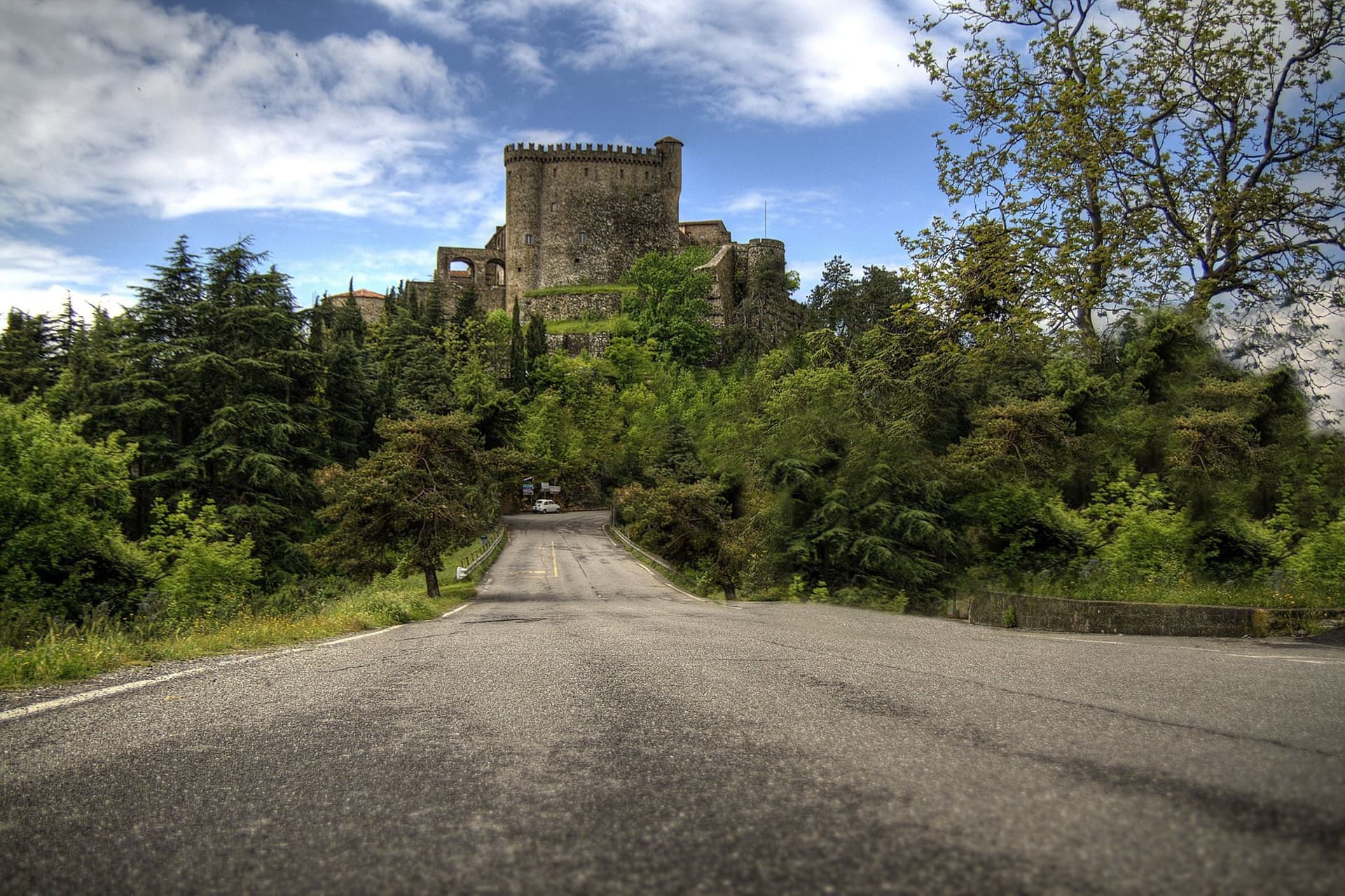
Fosdinovo
Province: Massa-Carrara · 500 m
The southern Lunigiana stronghold at 500 meters, the Malaspina castle where Dante took shelter in 1306 and later set a Purgatorio canto.
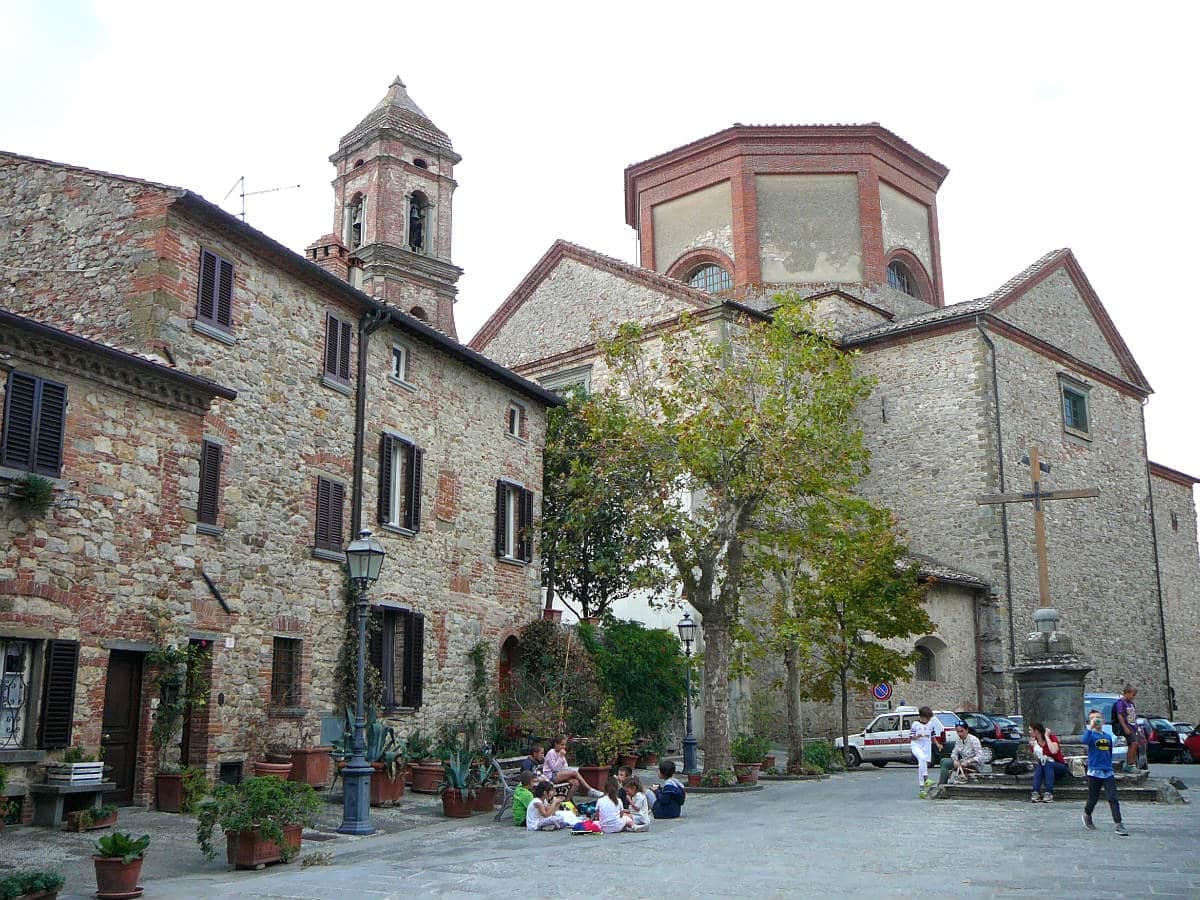
Lucignano
Province: Arezzo · 400 m
A walled elliptical hill town at 400 meters between Siena and Arezzo, planned in medieval concentric rings around the goldsmith's reliquary called the Tree of Life.
- ✷ We've been
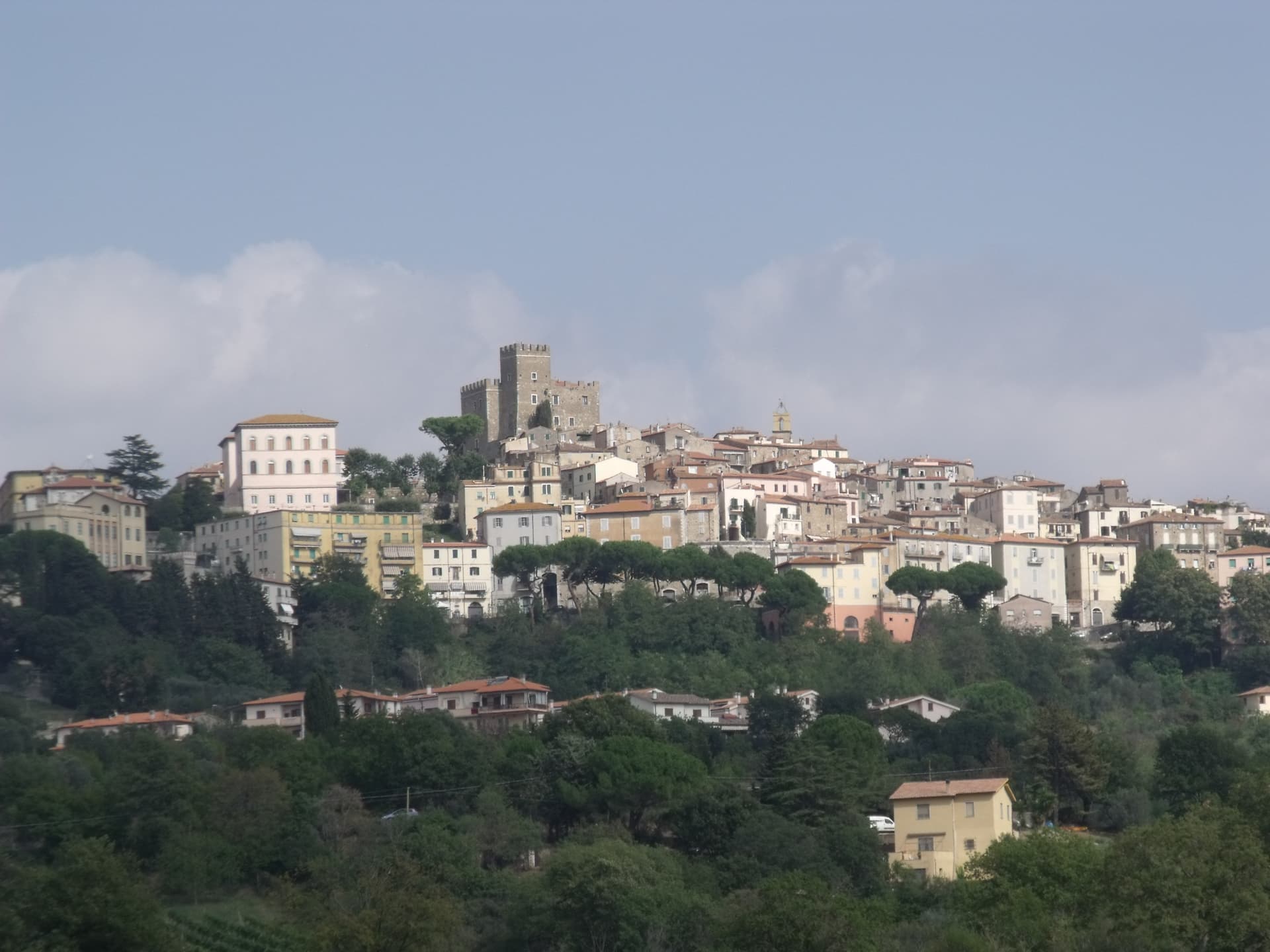
Manciano
Province: Grosseto · 444 m
A market town at 444 meters in the southern Maremma, with a Sienese fortress of 1424 and the thermal frazione of Saturnia in its territory.
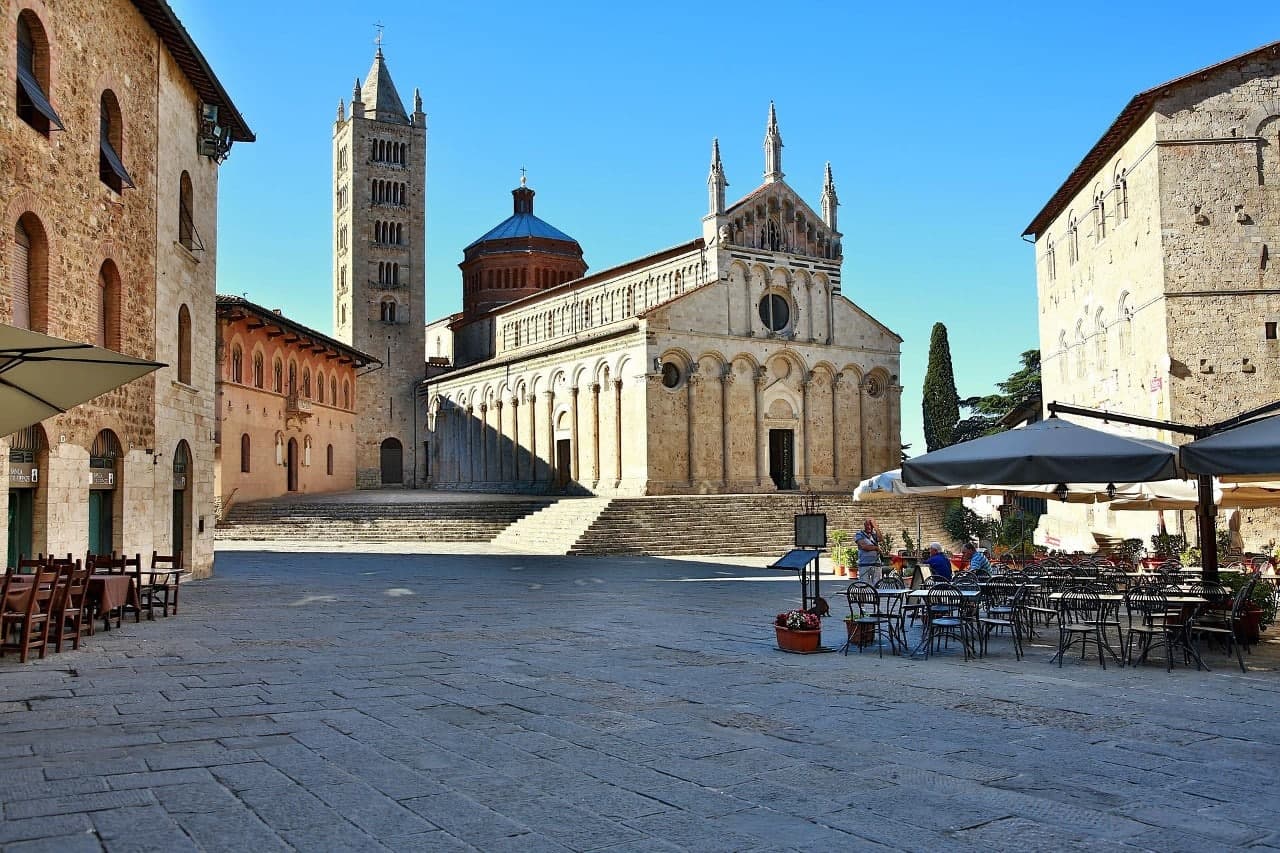
Massa Marittima
Province: Grosseto · 380 m
A medieval mining town at 380 meters in the Colline Metallifere, free commune from 1255 to 1337, whose cathedral holds the relics of San Cerbone.
- ✷ We've been
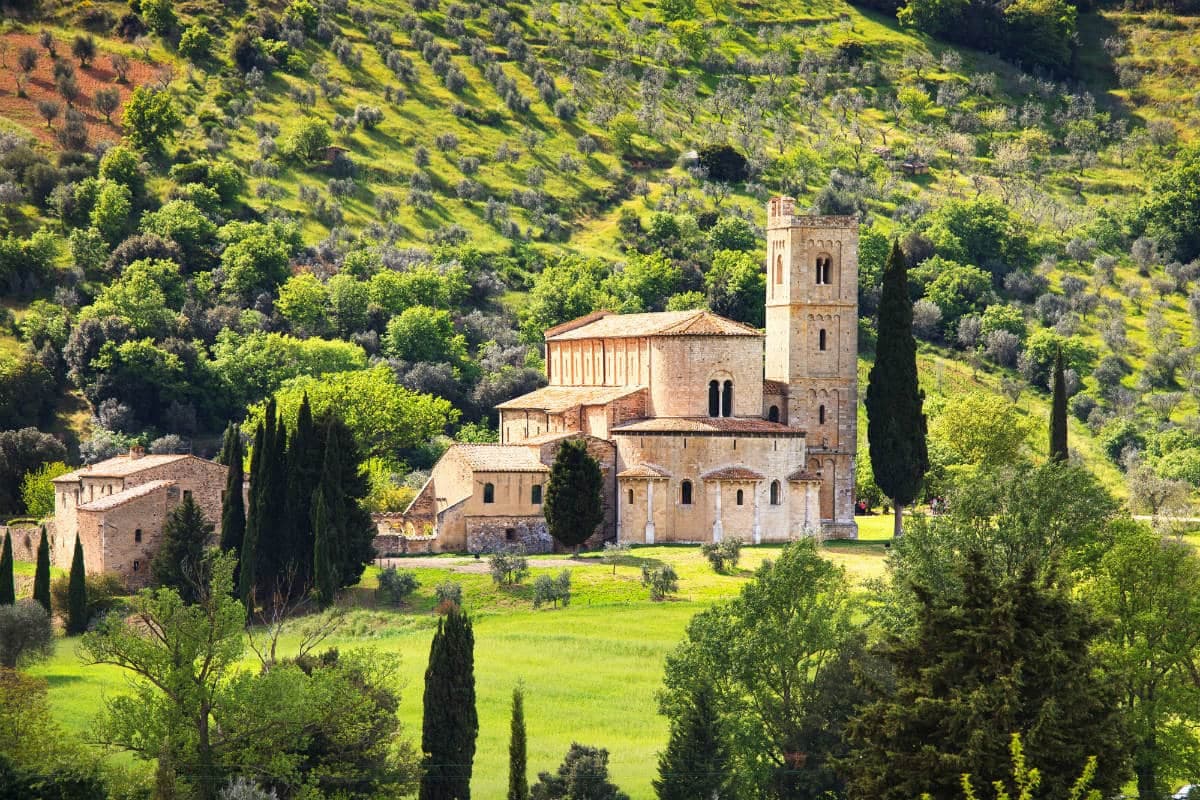
Montalcino
Province: Siena · 564 m
A walled hill town at 564 meters above the Val d'Orcia, the last fortress to hold out for the Sienese Republic and the birthplace of Brunello.
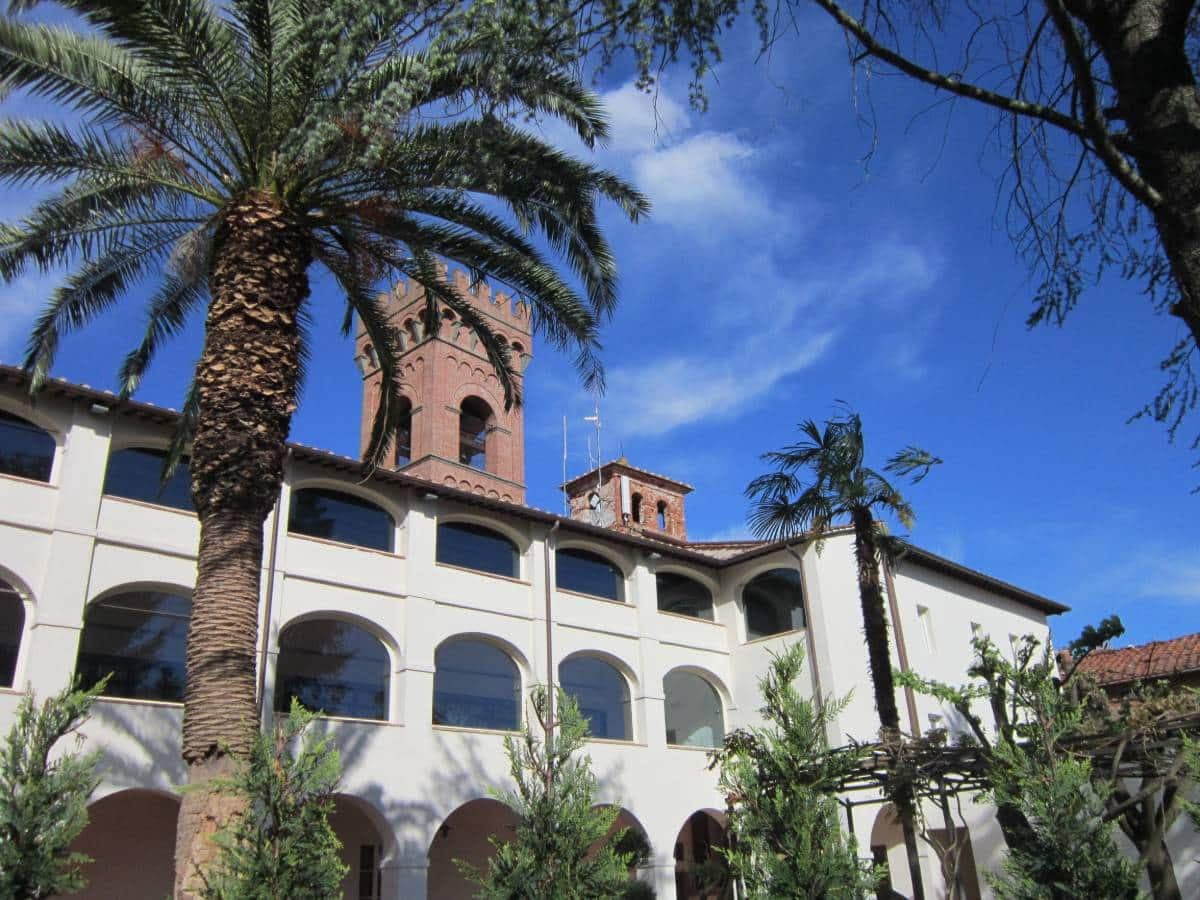
Montecarlo
Province: Lucca · 163 m
A walled hill village at 163 meters above the Lucca plain, founded by Emperor Charles IV in 1333 and named for him, surrounded by twenty wineries.
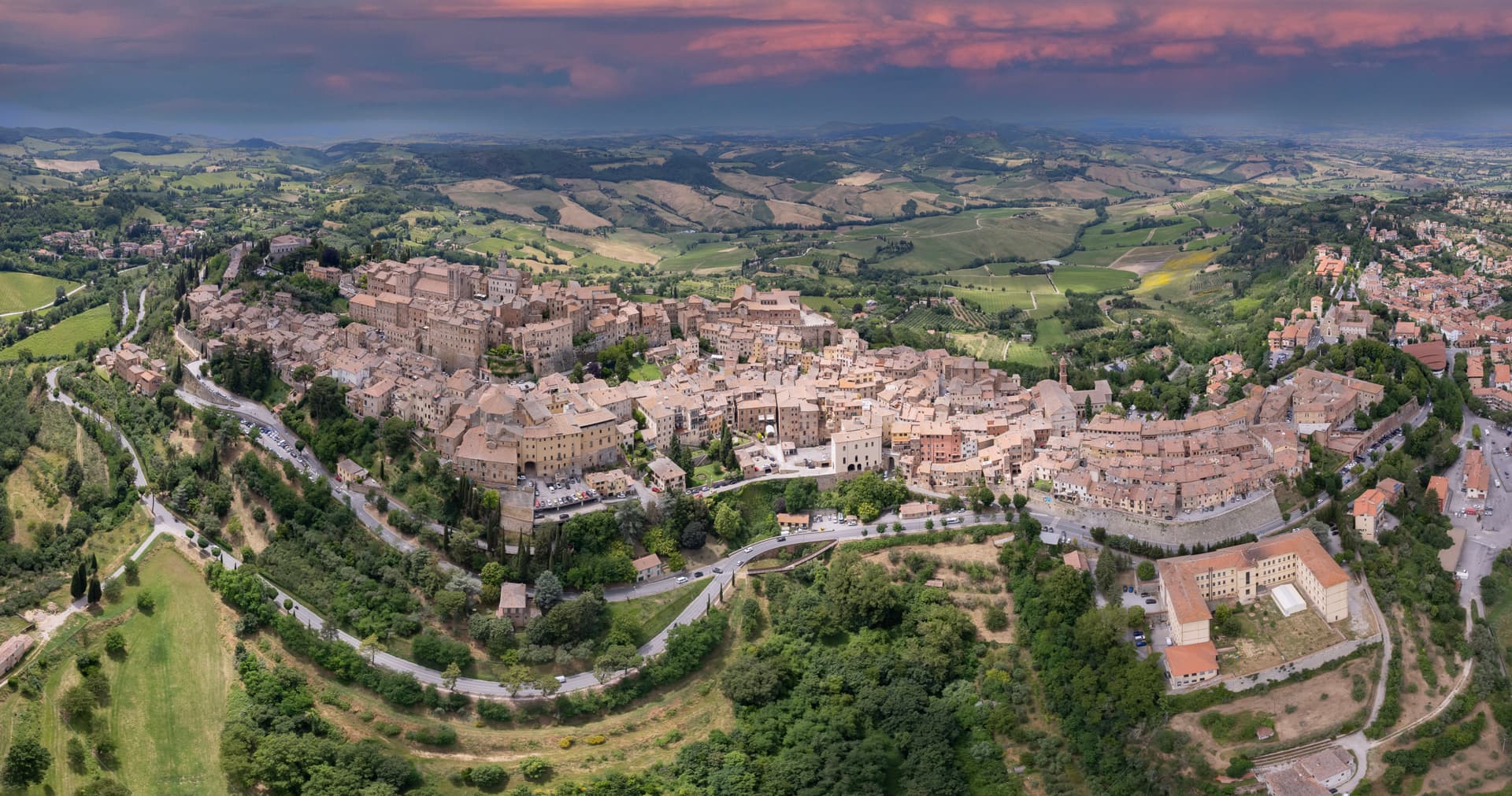
Montepulciano
Province: Siena · 605 m
A Renaissance hill town at 605 meters on a limestone ridge, where Vino Nobile is aged in vaulted cellars beneath the palazzi of Piazza Grande.
- ✷ We've been

Monteriggioni
Province: Siena · 274 m
A circular Sienese fortress built between 1213 and 1219 on a natural hill, fourteen towers on a 570-meter wall, intact and unbroken.
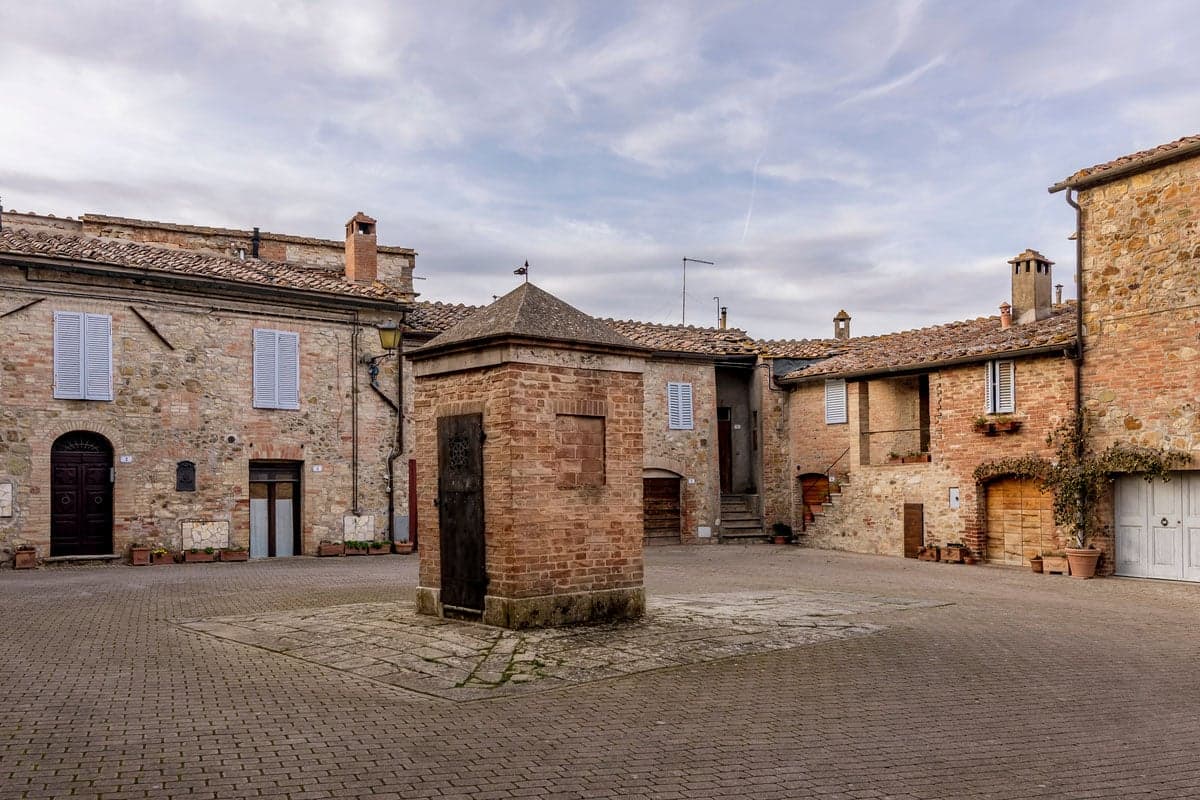
Murlo
Province: Siena · 314 m
A medieval bishops' fief twenty kilometers south of Siena, with an Etruscan princely palace on Poggio Civitate and the Cappellone statue as its symbol.
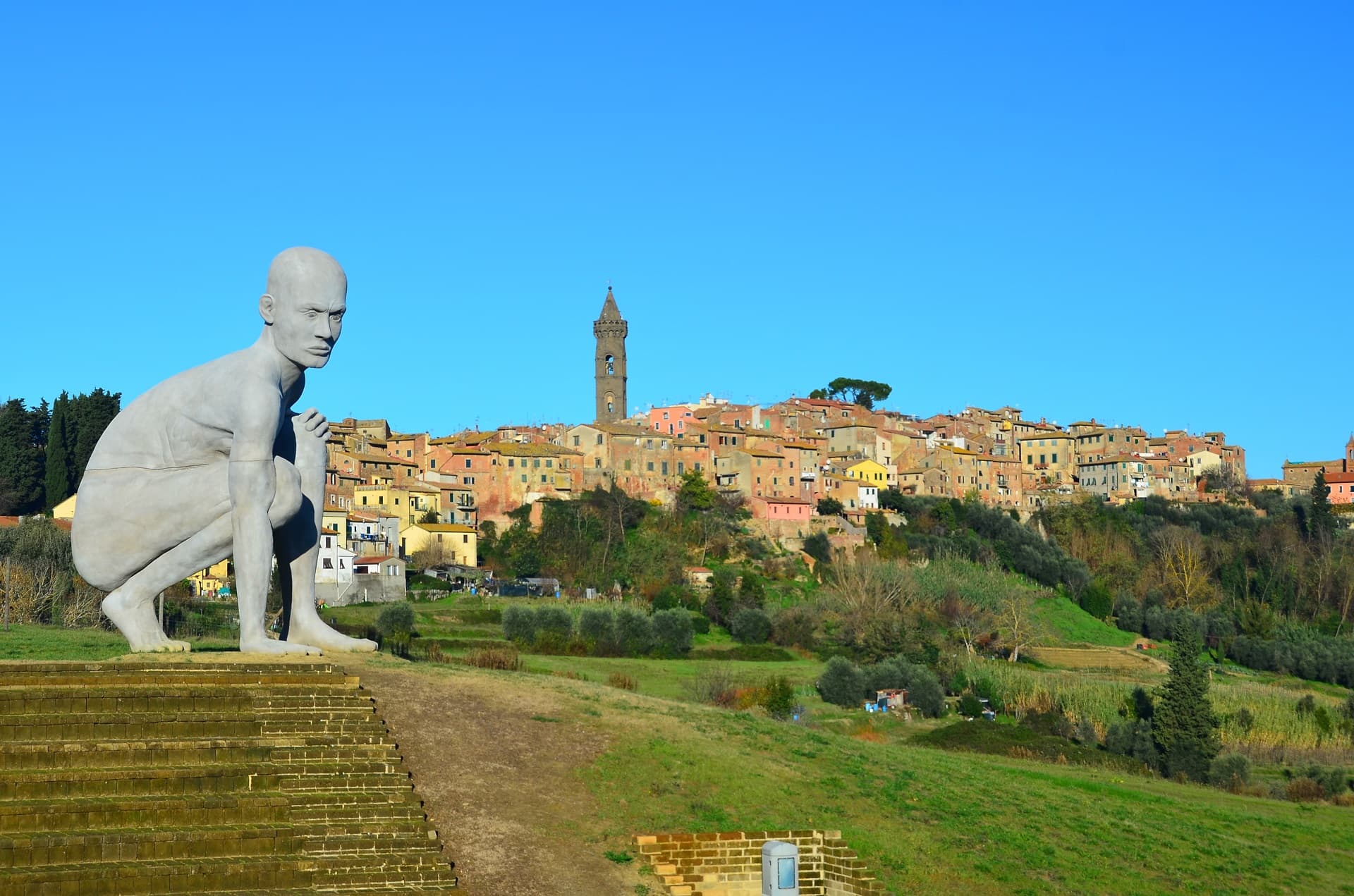
Peccioli
Province: Pisa · 144 m
Borgo dei Borghi 2024 in the Valdera hills, a medieval village that funded a public contemporary-art program with revenue from its landfill plant.
- ✷ We've been
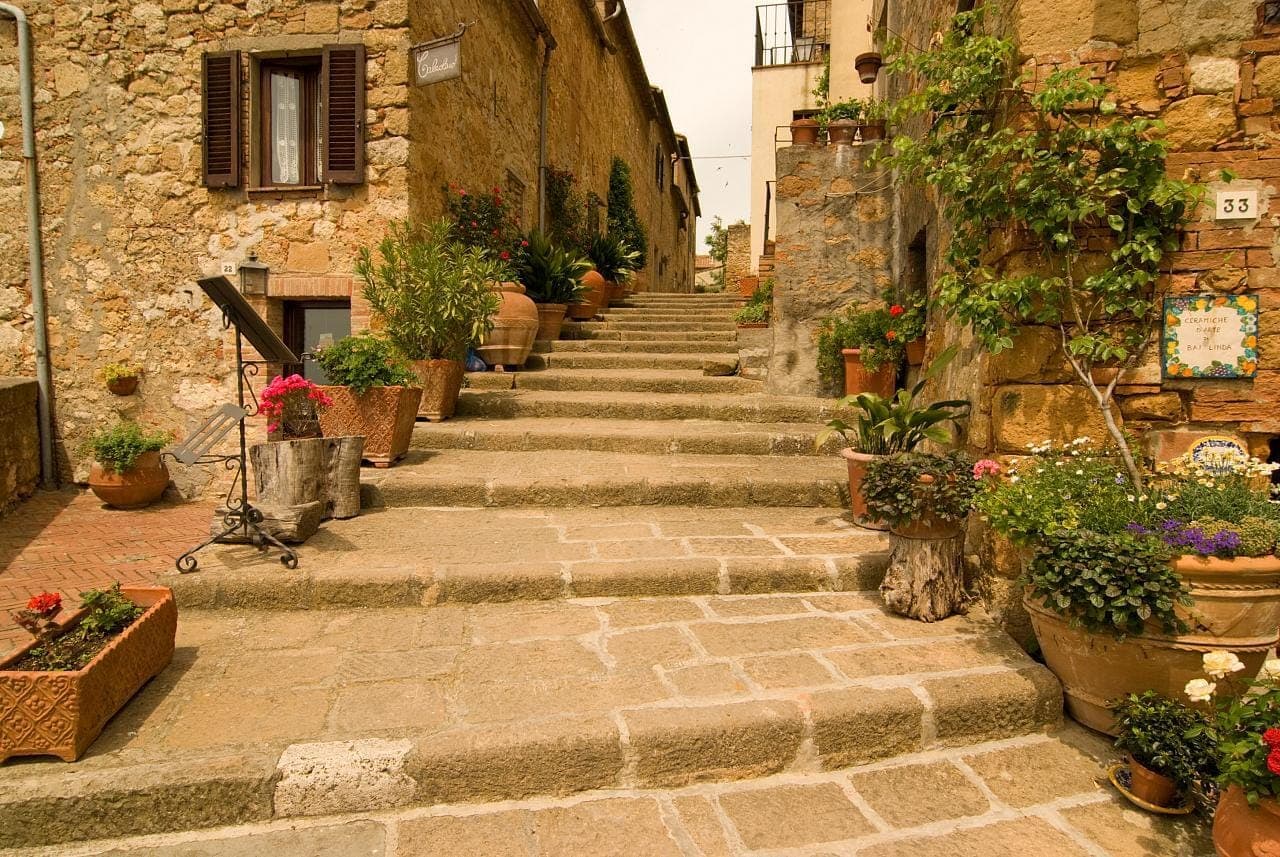
Pienza
Province: Siena · 491 m
The first Renaissance ideal city, built from 1459 by Bernardo Rossellino for Pope Pius II on the Val d'Orcia ridge.
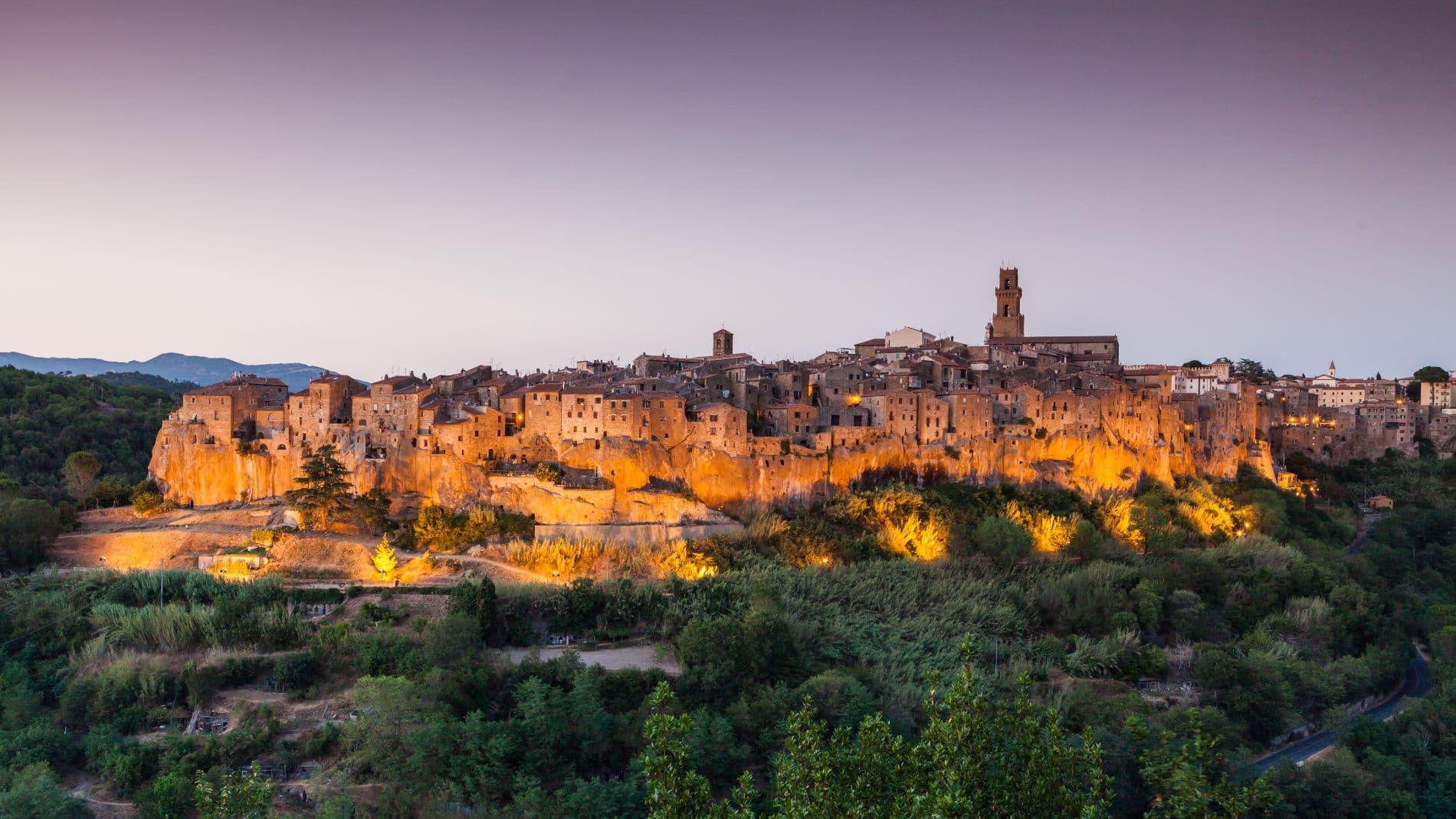
Pitigliano
Province: Grosseto · 313 m
The Little Jerusalem of southern Tuscany, carved into a tuff spur in the Maremma, where the houses, the synagogue and the streets are all cut from the same volcanic rock.
- ✷ We've been
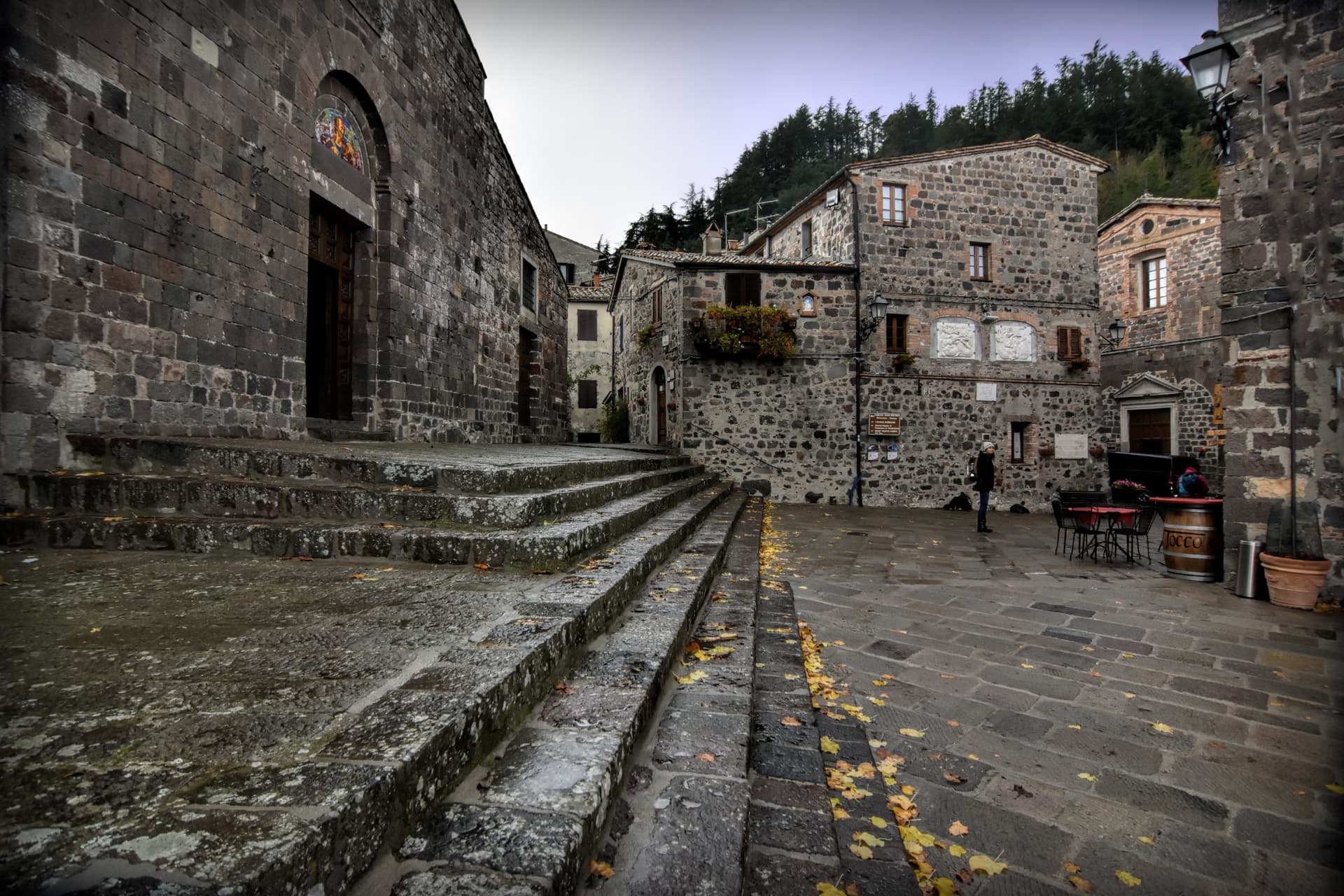
Radicofani
Province: Siena · 814 m
The Val d'Orcia's basalt watchtower — a 1,060-resident UNESCO-inscribed borgo at 814m on a volcanic basalt outcrop visible across half of southern Tuscany, with the spectacular Rocca di Radicofani (Ghino di Tacco's outlaw fortress, mentioned by Dante in Purgatorio + Boccaccio in the Decameron), the 16th-c Posta Medicea on the Via Francigena, and Bandiera Arancione + UNESCO + Via Francigena triple signal.
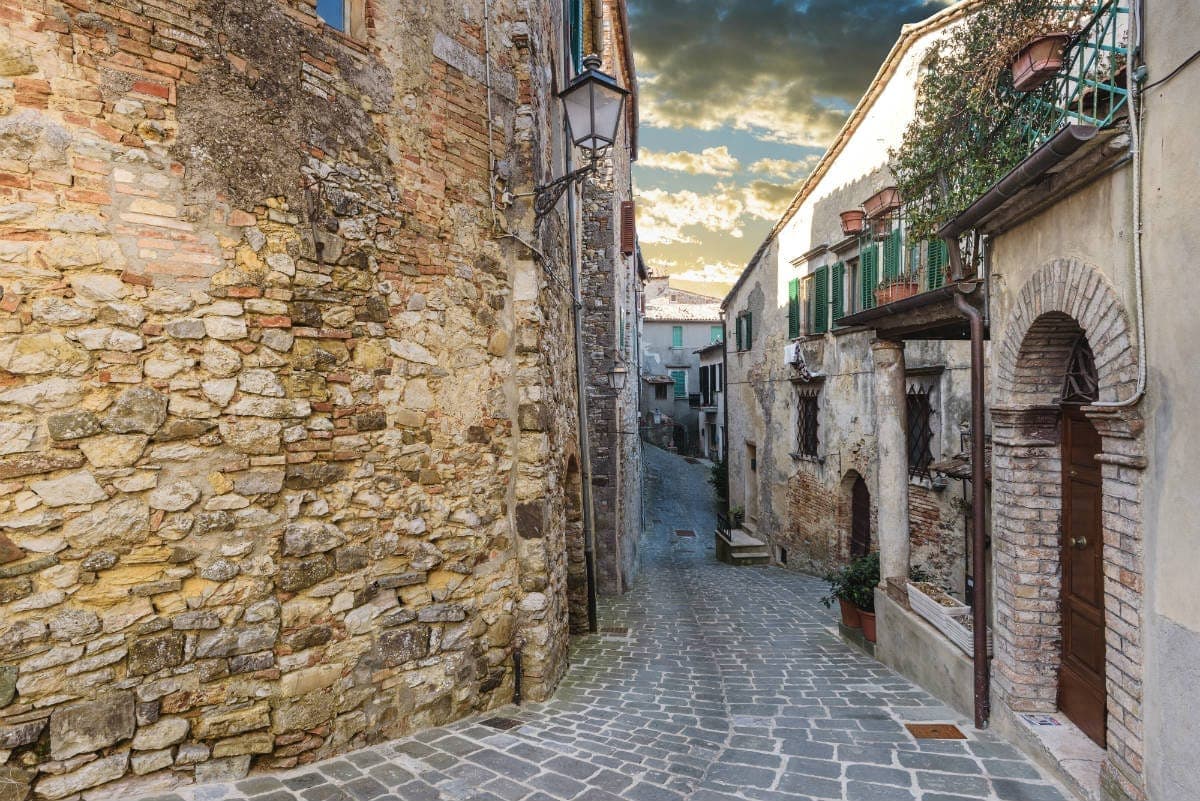
San Casciano dei Bagni
Province: Siena · 582 m
A hilltop borgo at 582 meters above 42 hot springs that produced the largest Etruscan bronze hoard of the last fifty years.
- ✷ We've been
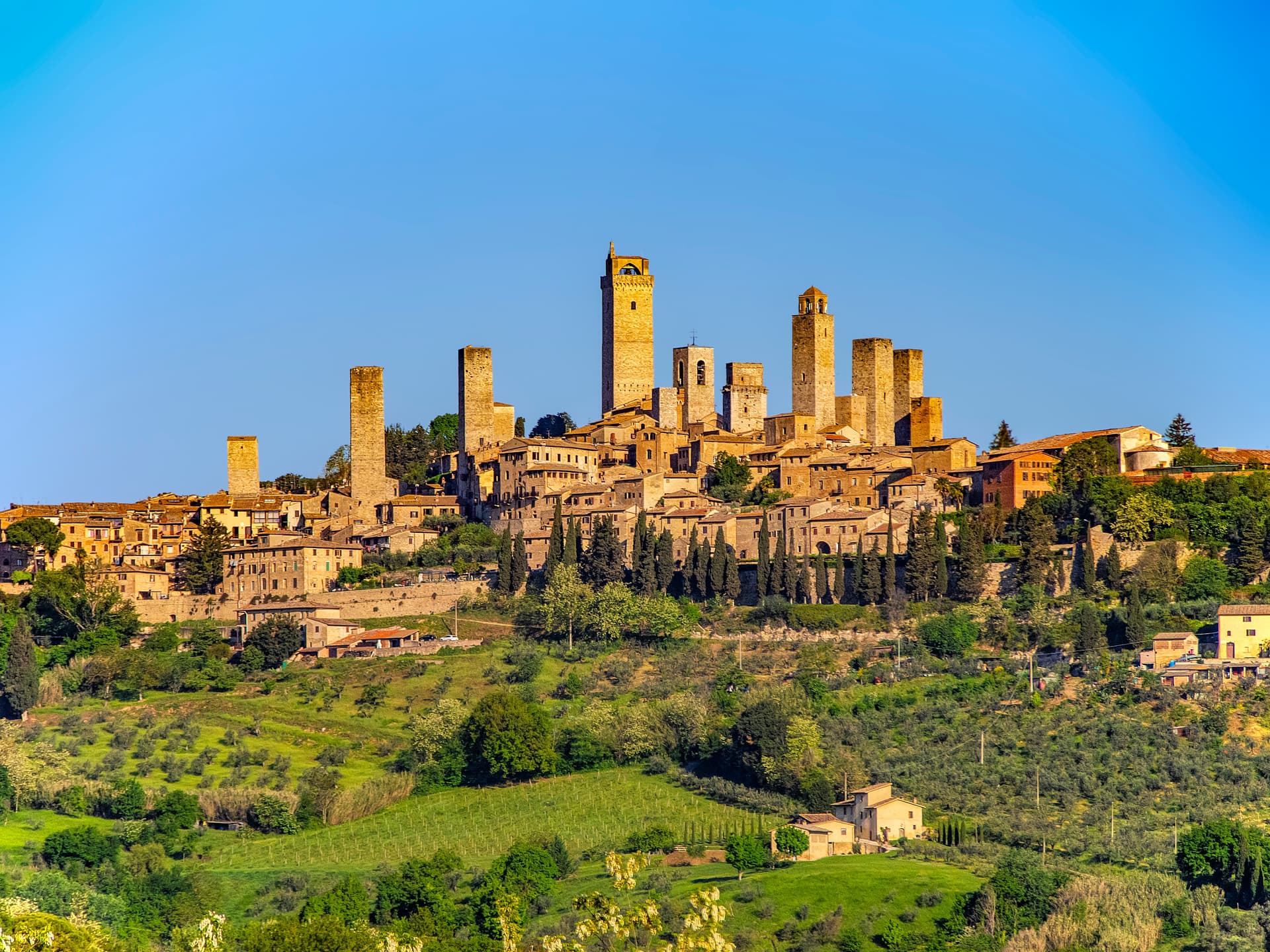
San Gimignano
Province: Siena · 334 m
A walled hill town at 334 meters with 14 surviving medieval towers, UNESCO listed since 1990 and the home of Vernaccia.
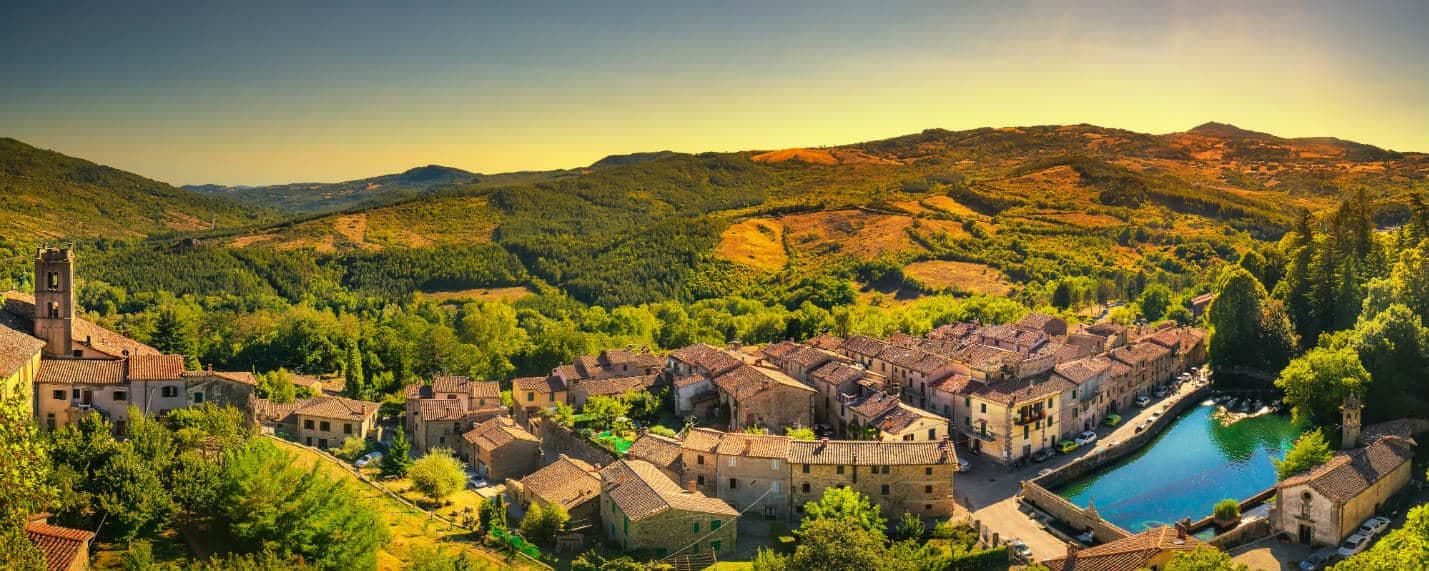
Santa Fiora
Province: Grosseto · 687 m
An Aldobrandeschi and Sforza mountain borgo on Monte Amiata at 687 meters, holding one of the world's largest collections of Della Robbia terracotta.
- ✷ We've been
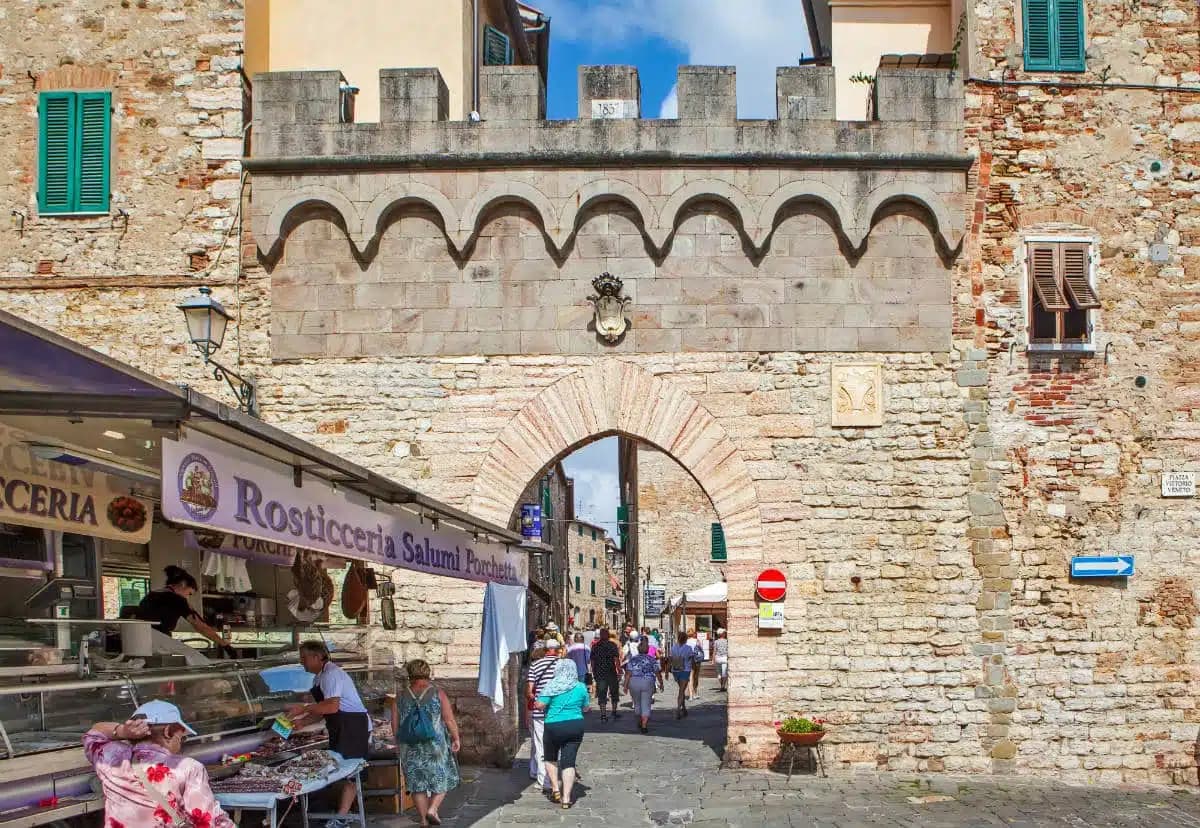
Suvereto
Province: Livorno · 127 m
A stone borgo at 127 meters above the Val di Cornia, named for the cork oaks of its forests and ruled from the Rocca Aldobrandesca since 973.
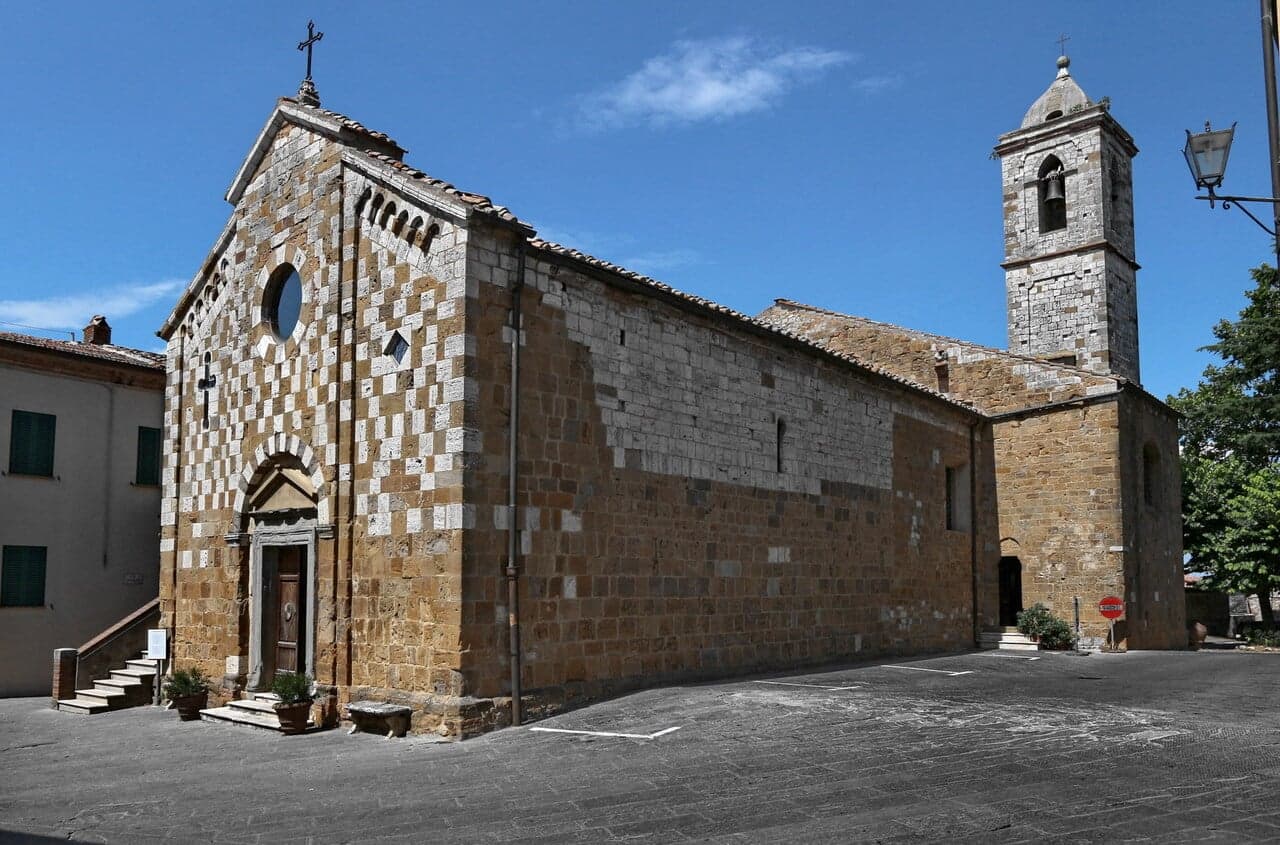
Trequanda
Province: Siena · 453 m
A village of 1,166 in three hilltop borghi between Crete Senesi and Val di Chiana, with the terracotta workshops of Petroio holding to a five-hundred-year craft.
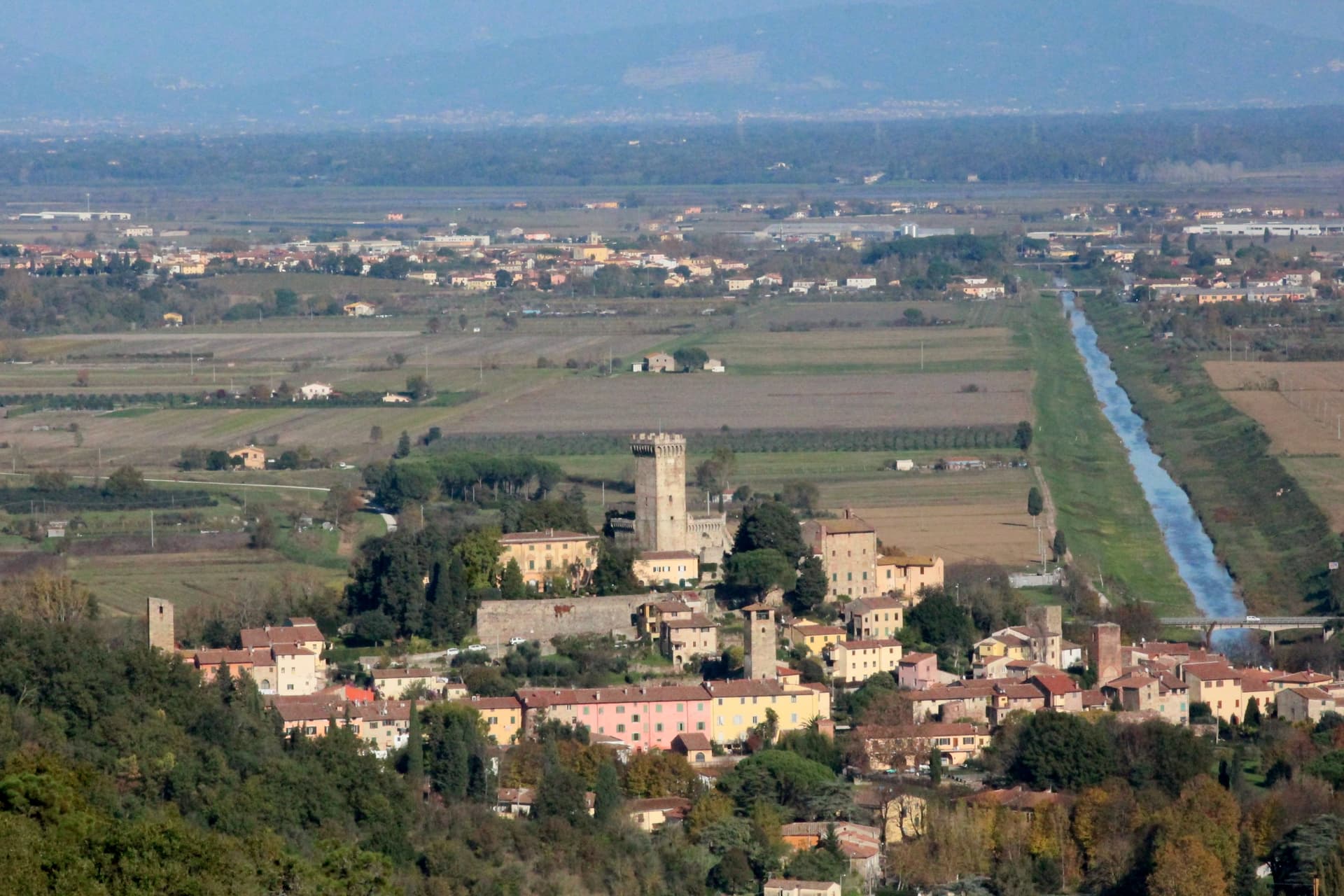
Vicopisano
Province: Pisa · 12 m
A medieval river port on the southern slope of Monte Pisano, rebuilt by Brunelleschi in 1434 after Florence took the town from Pisa.
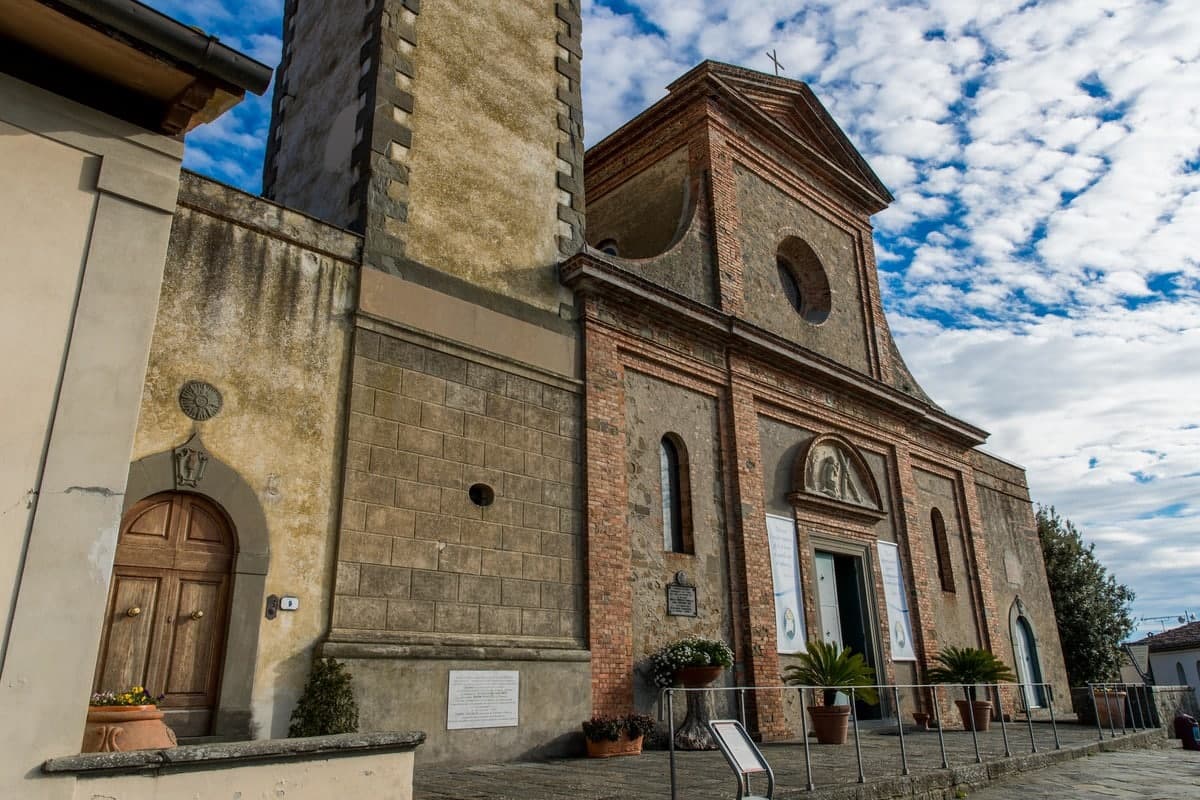
Vinci
Province: Firenze · 97 m
The hill town on Montalbano where Leonardo was born in 1452, with a ship-shaped castle that now holds his machines.
- ✷ We've been

Volterra
Province: Pisa · 531 m
The Etruscan acropolis of Velathri at 531 meters, the alabaster town that has been carving the same stone for three thousand years.
Umbria10
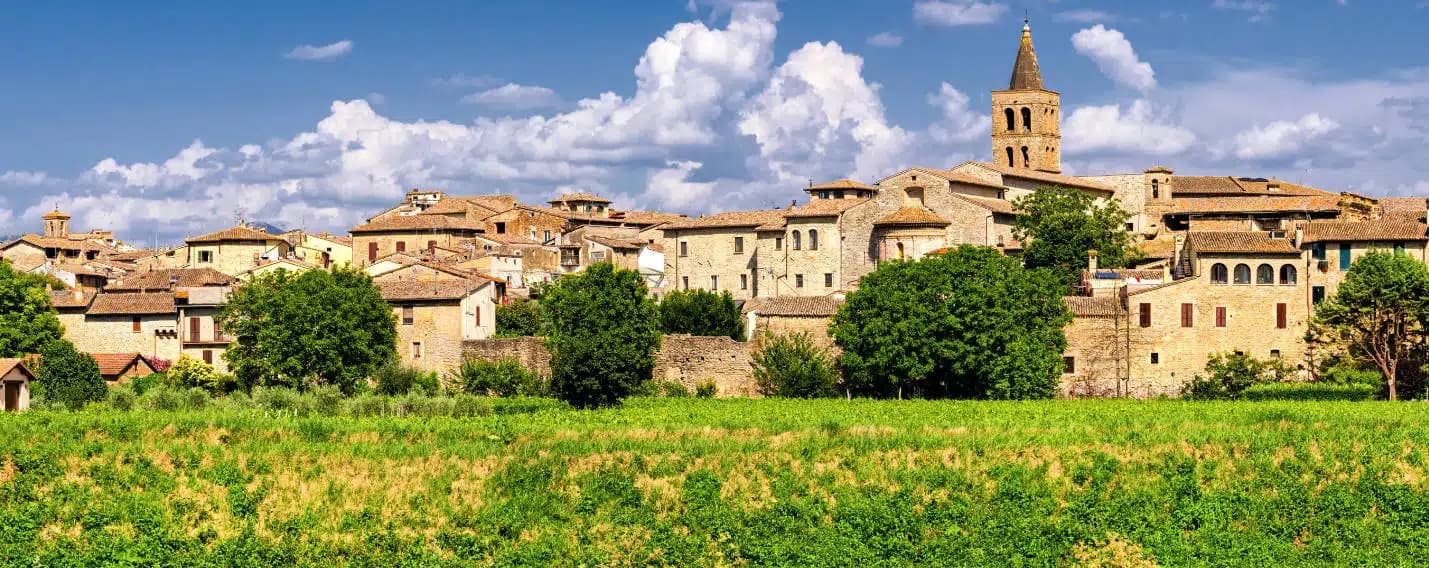
Bevagna
Province: Perugia · 225 m
Roman Mevania on the Umbrian plain at 225 meters, four medieval quarters that compete every June in a reconstructed market of the 13th century.
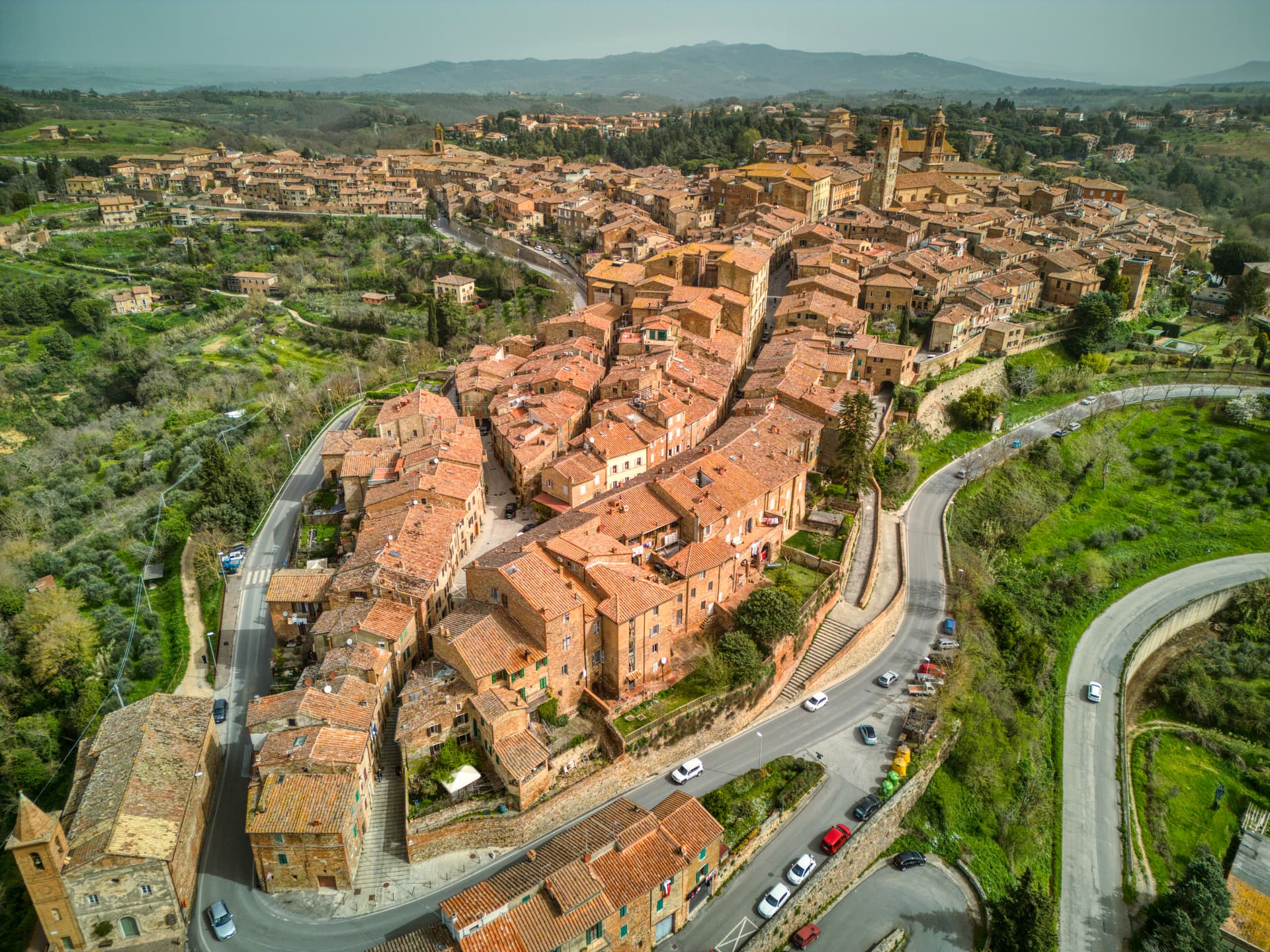
Città della Pieve
Province: Perugia · 508 m
A red-brick hill town at 508 meters above the Valdichiana, the birthplace of Perugino and the home of Italy's narrowest alley.
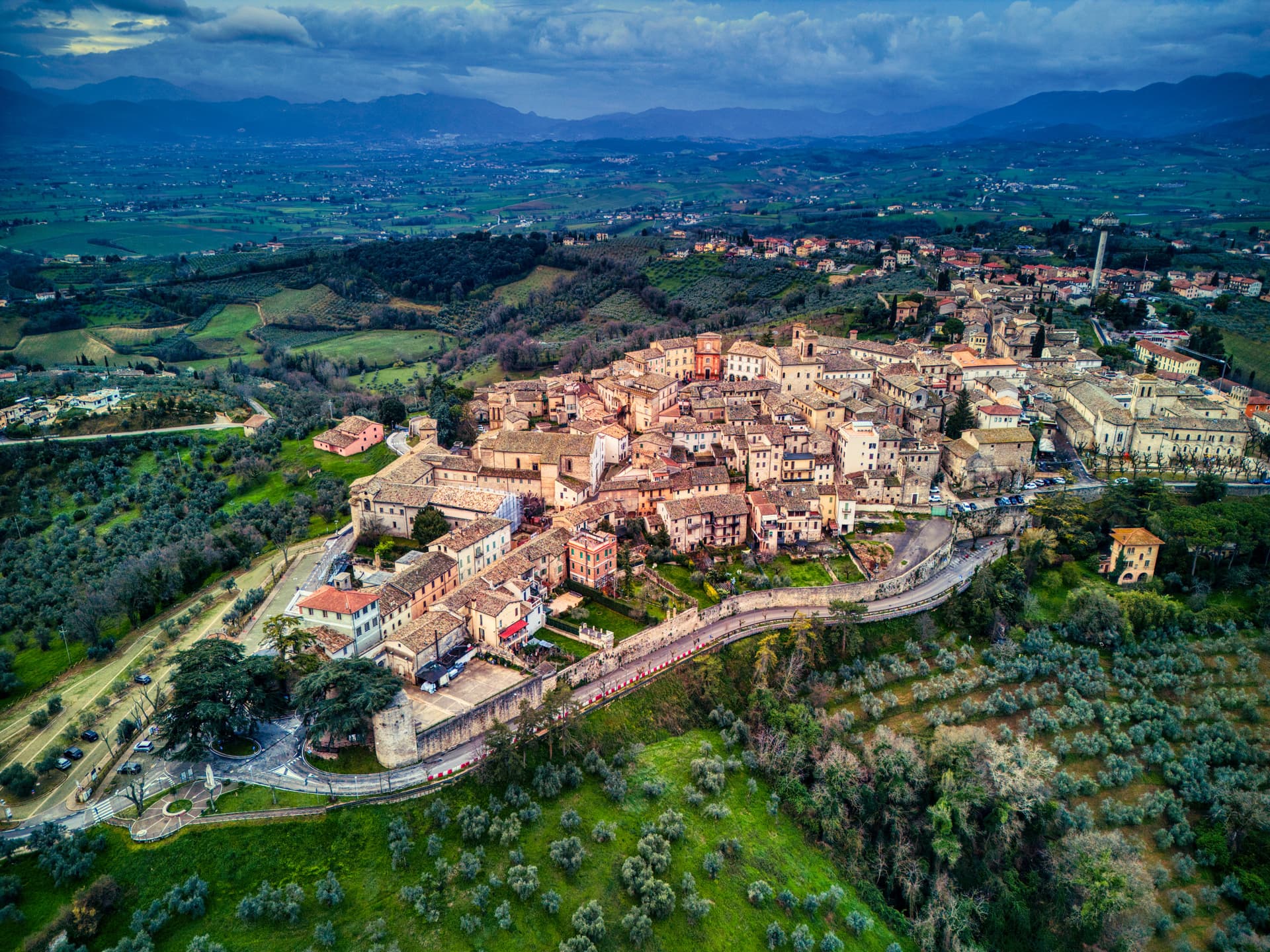
Montefalco
Province: Perugia · 472 m
The hilltop wine capital of Umbria at 472 meters, where Sagrantino is grown almost nowhere else and Benozzo Gozzoli painted Francis in 1452.
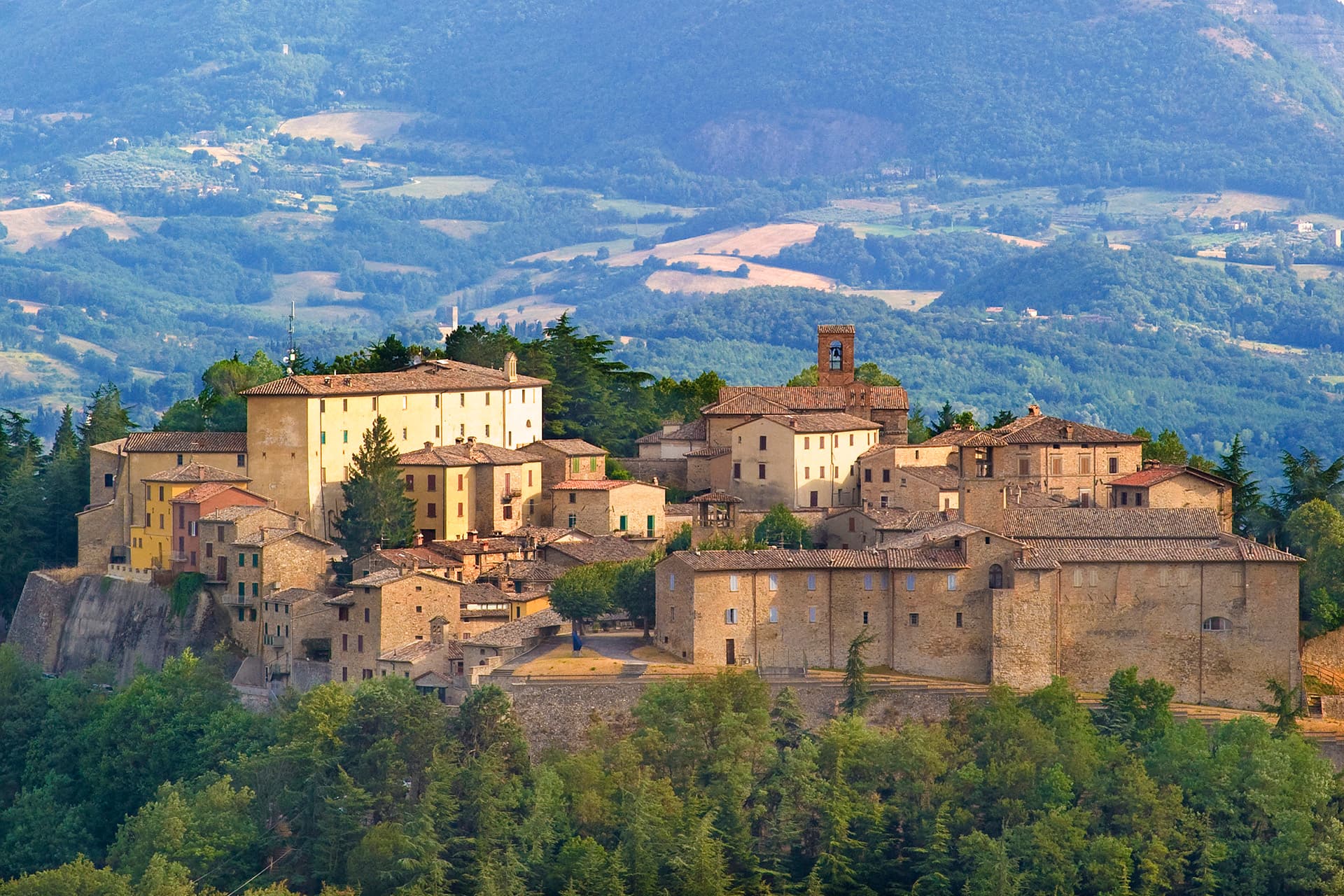
Montone
Province: Perugia · 482 m
A walled medieval hill town at 482 meters above the upper Tiber, birthplace of the condottiero Braccio Fortebracci.
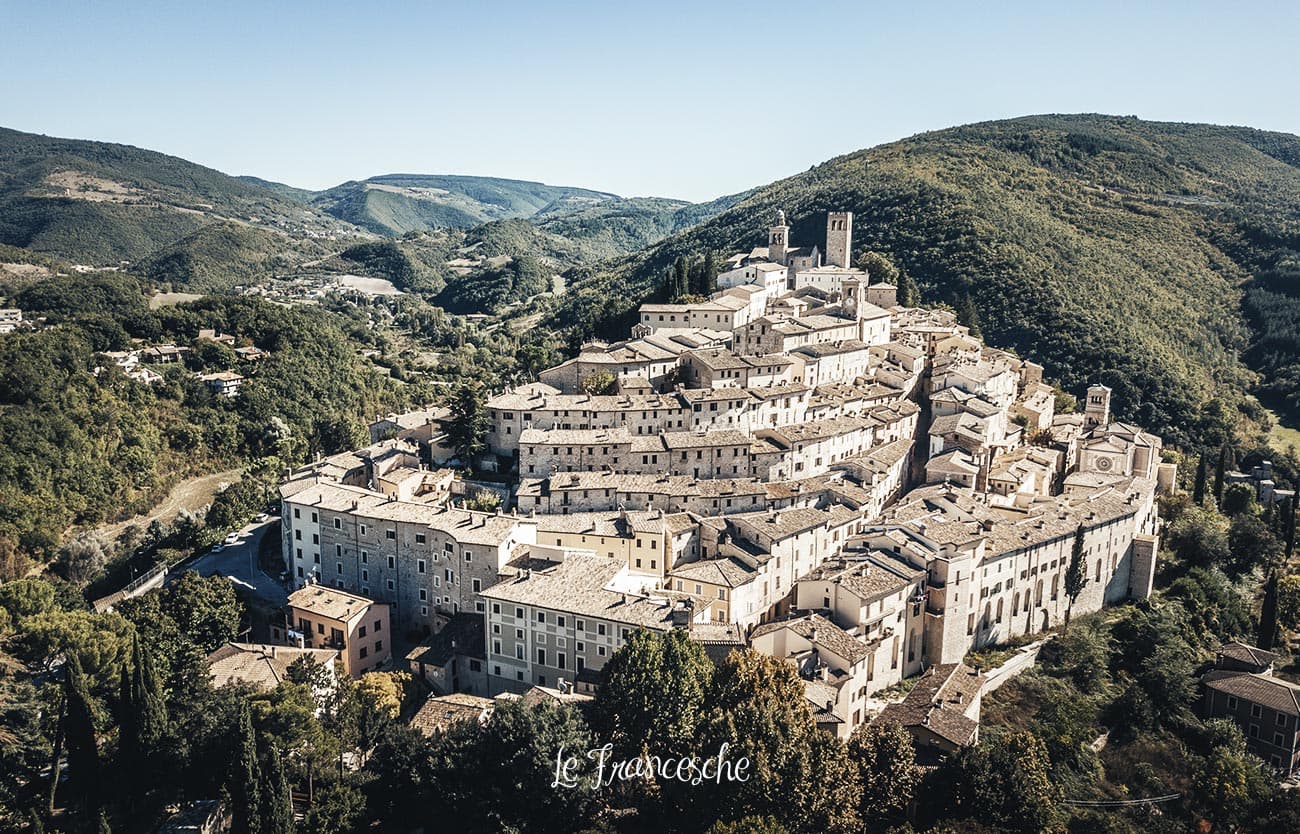
Nocera Umbra
Province: Perugia · 520 m
A hill town at 520 meters on the Apennine slope, leveled by the 1997 earthquake and rebuilt, with mineral springs flowing since the sixteenth century.
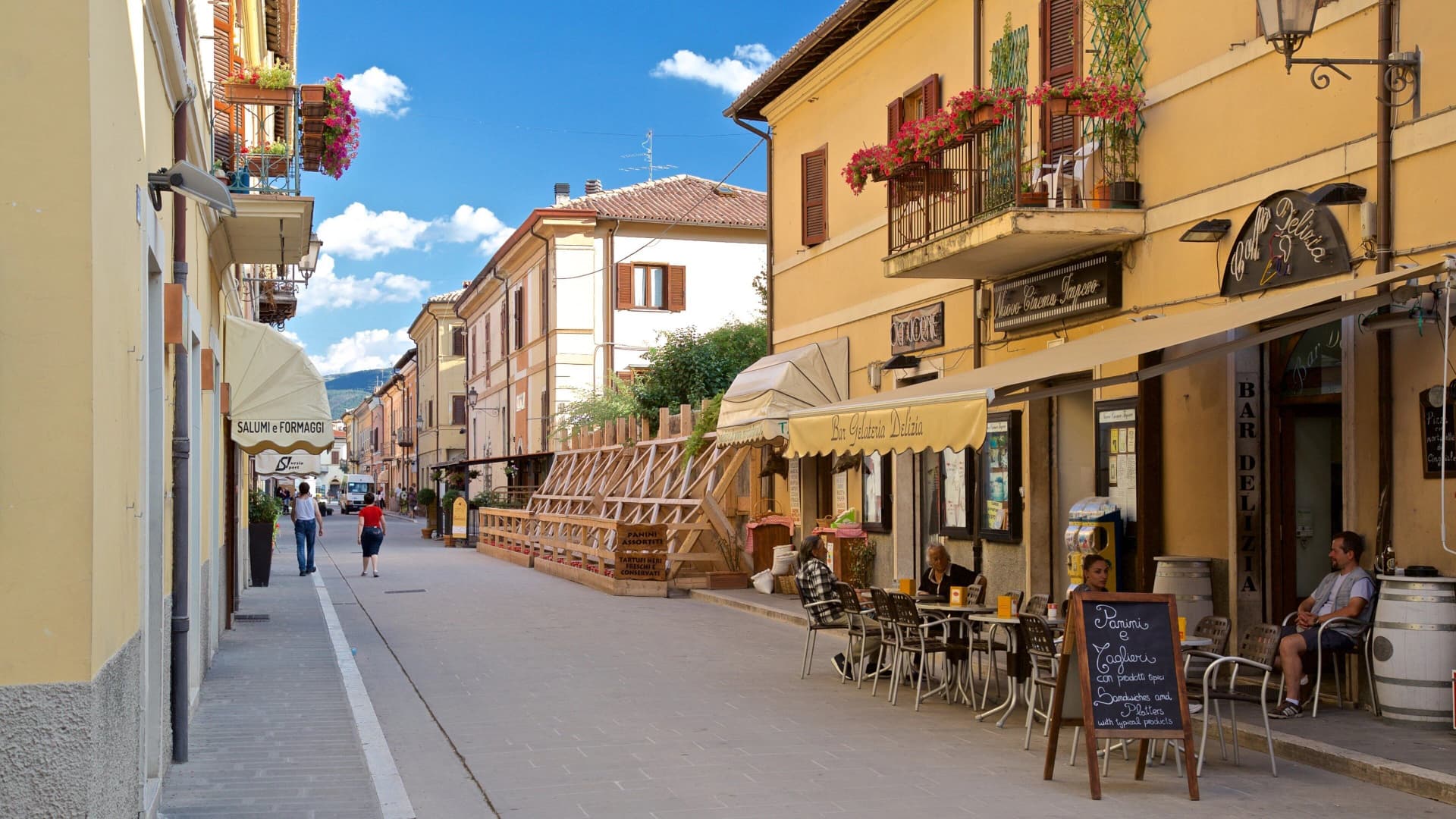
Norcia
Province: Perugia · 604 m
Birthplace of San Benedetto at 604 meters on a Sibillini plateau, leveled by the 2016 earthquake and rebuilt stone by stone.
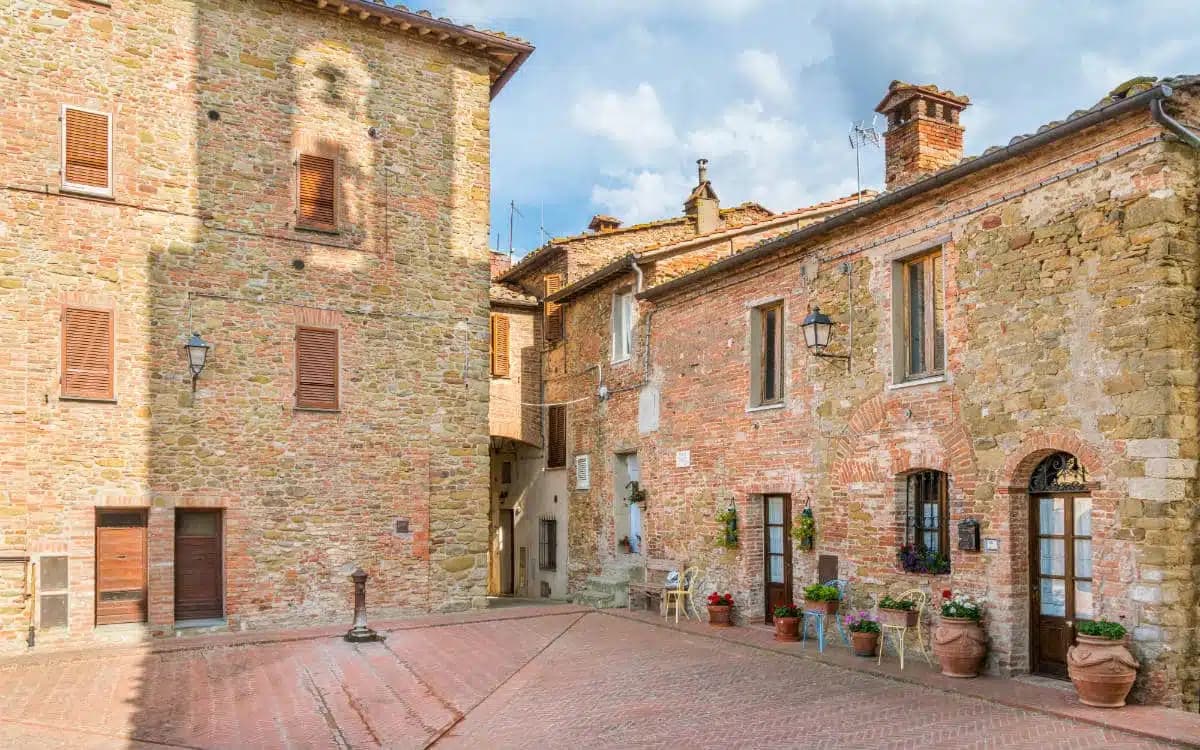
Panicale
Province: Perugia · 431 m
A walled hill town at 431 meters on Monte Petrarvella, where a 1505 Perugino fresco covers the back wall of San Sebastiano.
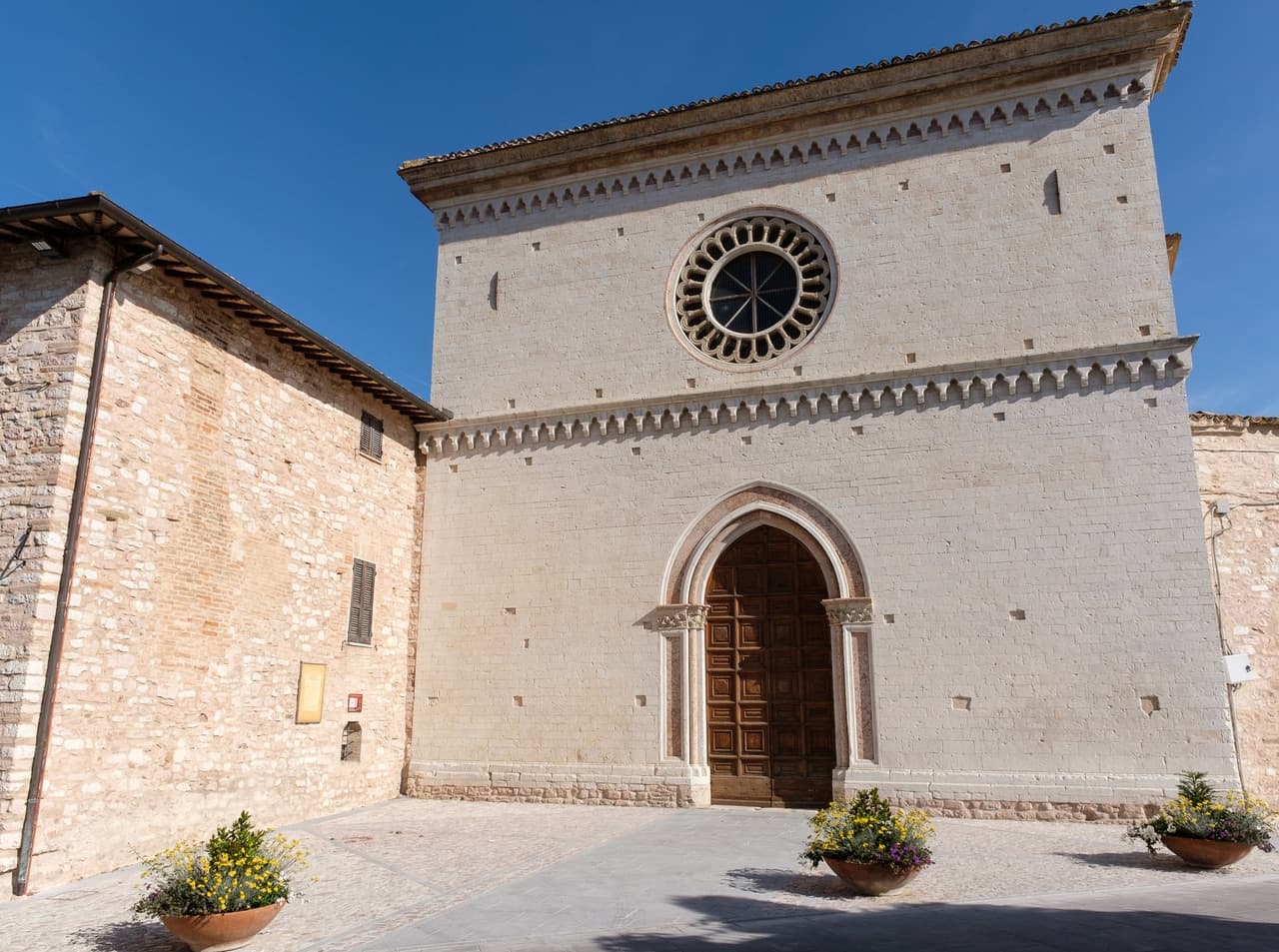
Spello
Province: Perugia · 280 m
Augustan Hispellum at 280 meters on Monte Subasio, where streets carry flower petals each Corpus Domini and Pinturicchio frescoed the Baglioni Chapel in 1501.
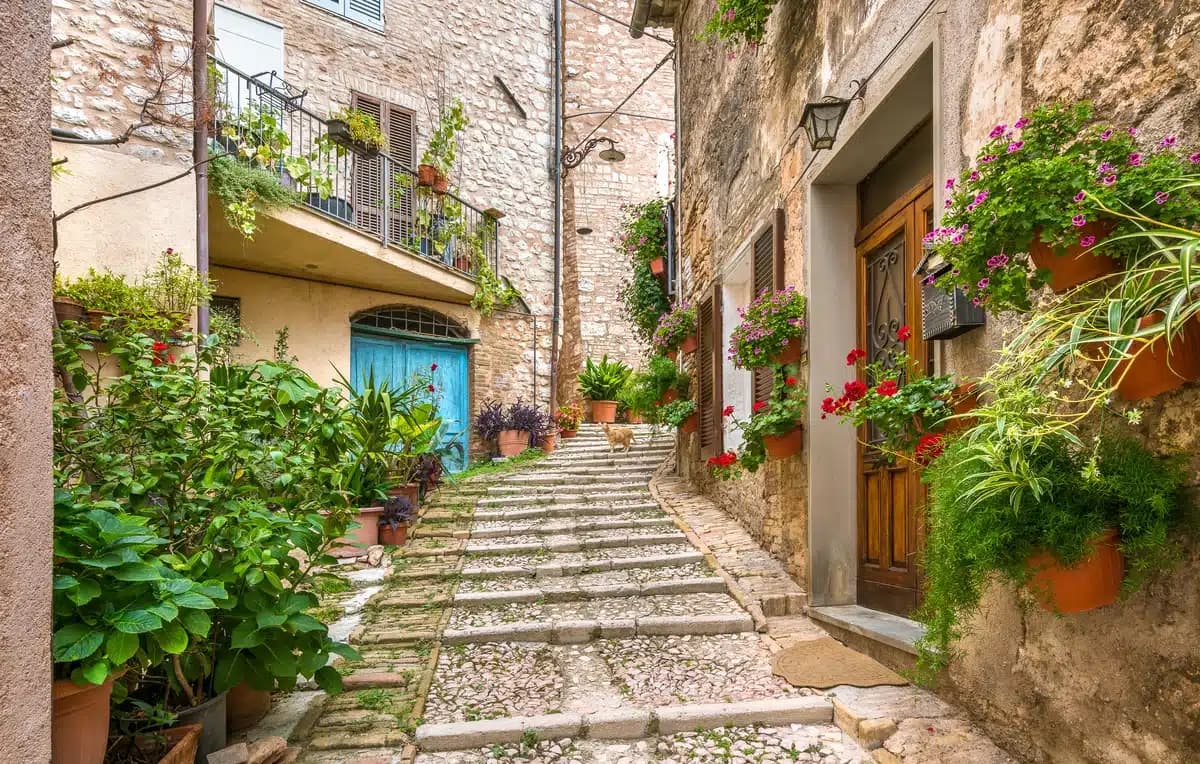
Trevi
Province: Perugia · 412 m
A walled town at 412 meters above the Spoleto valley, ringed by 200,000 olive trees that make it the Umbrian capital of olive oil.
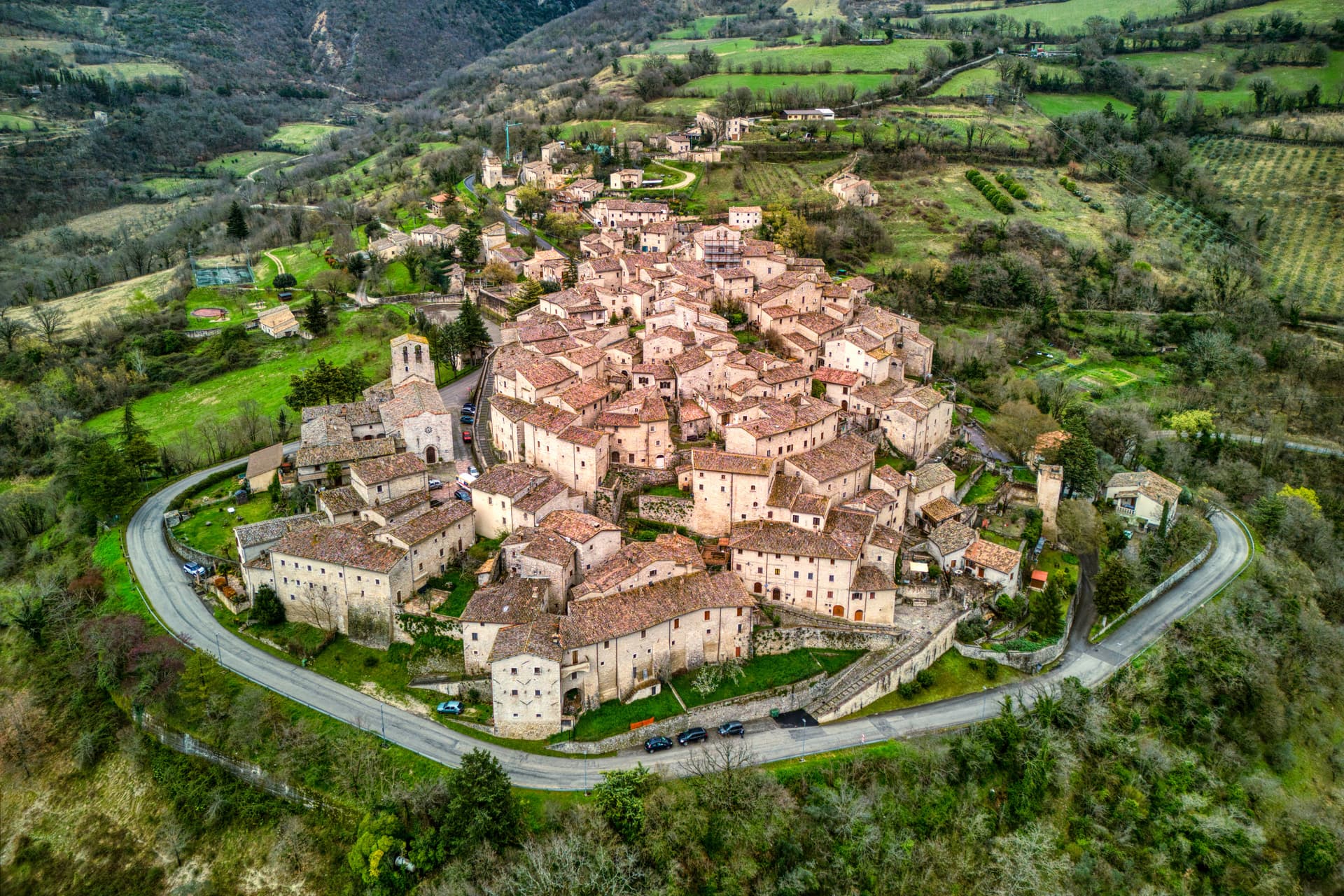
Vallo di Nera
Province: Perugia · 467 m
Castle village of 345 people at 467 meters in the upper Valnerina, granted by Spoleto in 1217 and barely changed since.
Veneto12
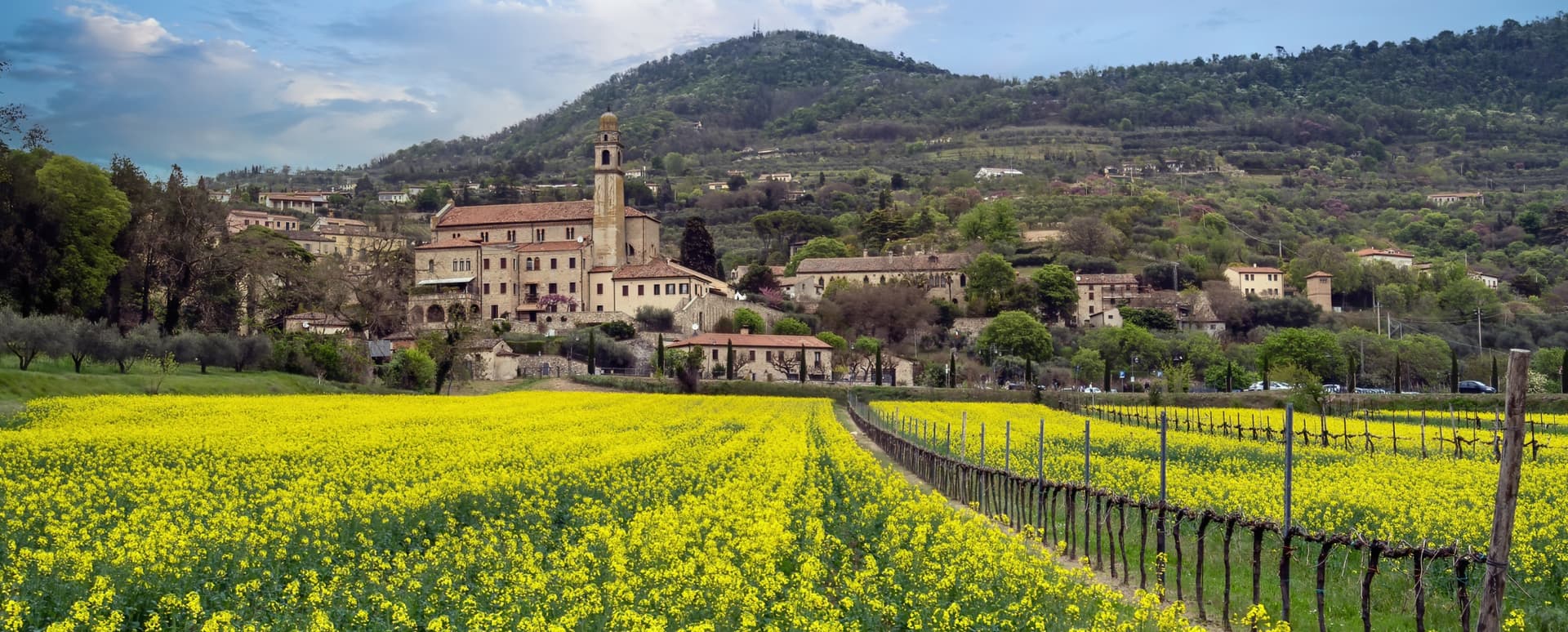
Arquà Petrarca
Province: Padova · 56 m
The Euganean Hills village where Francesco Petrarca spent his last four years and died in 1374, renamed in his honor in 1868.
Asolo
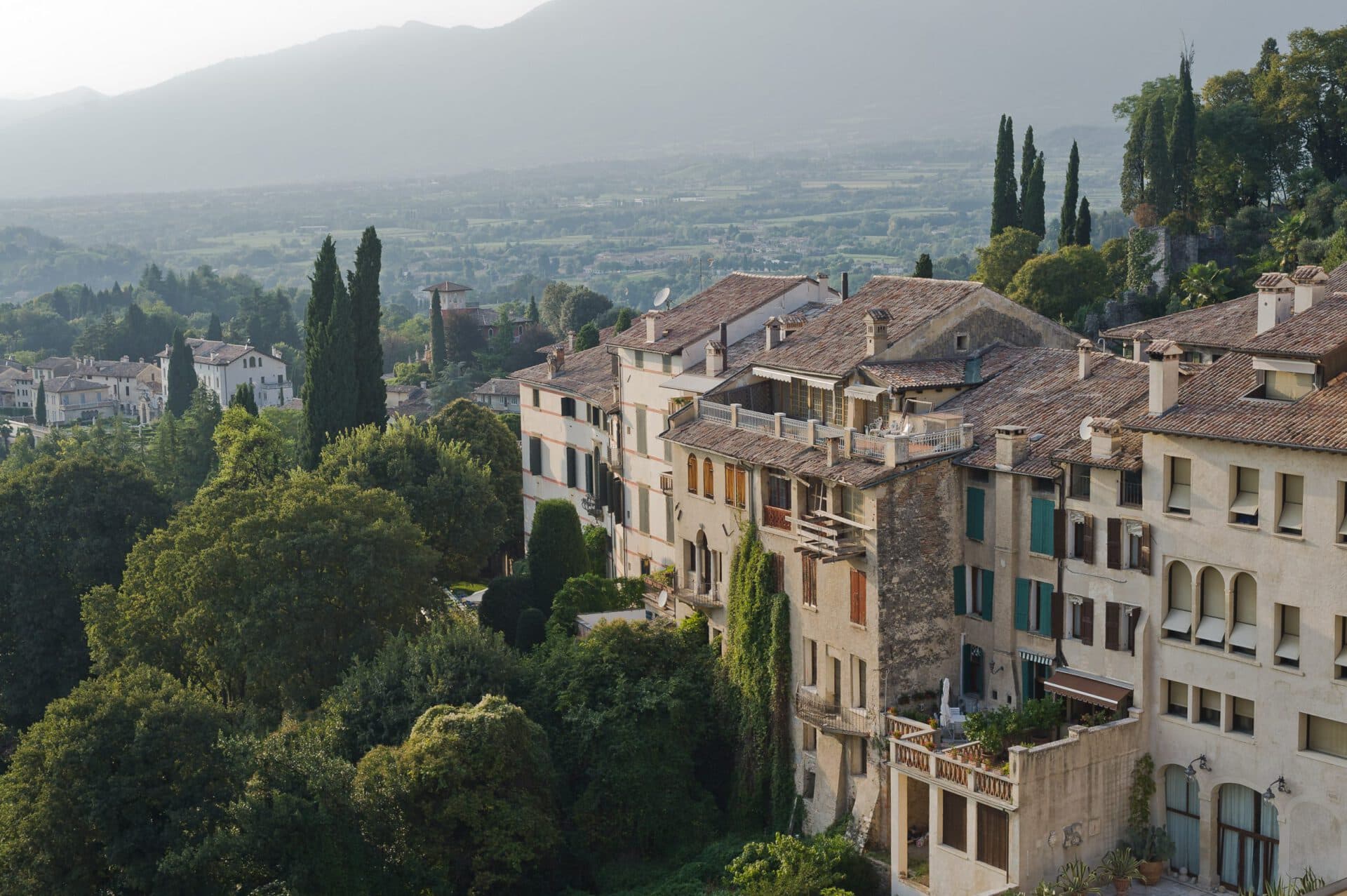
Province: Treviso · 205 m
A walled hill town at 205 meters that Caterina Cornaro ran as her court after trading Cyprus to Venice in 1489.
Borgo Valbelluna
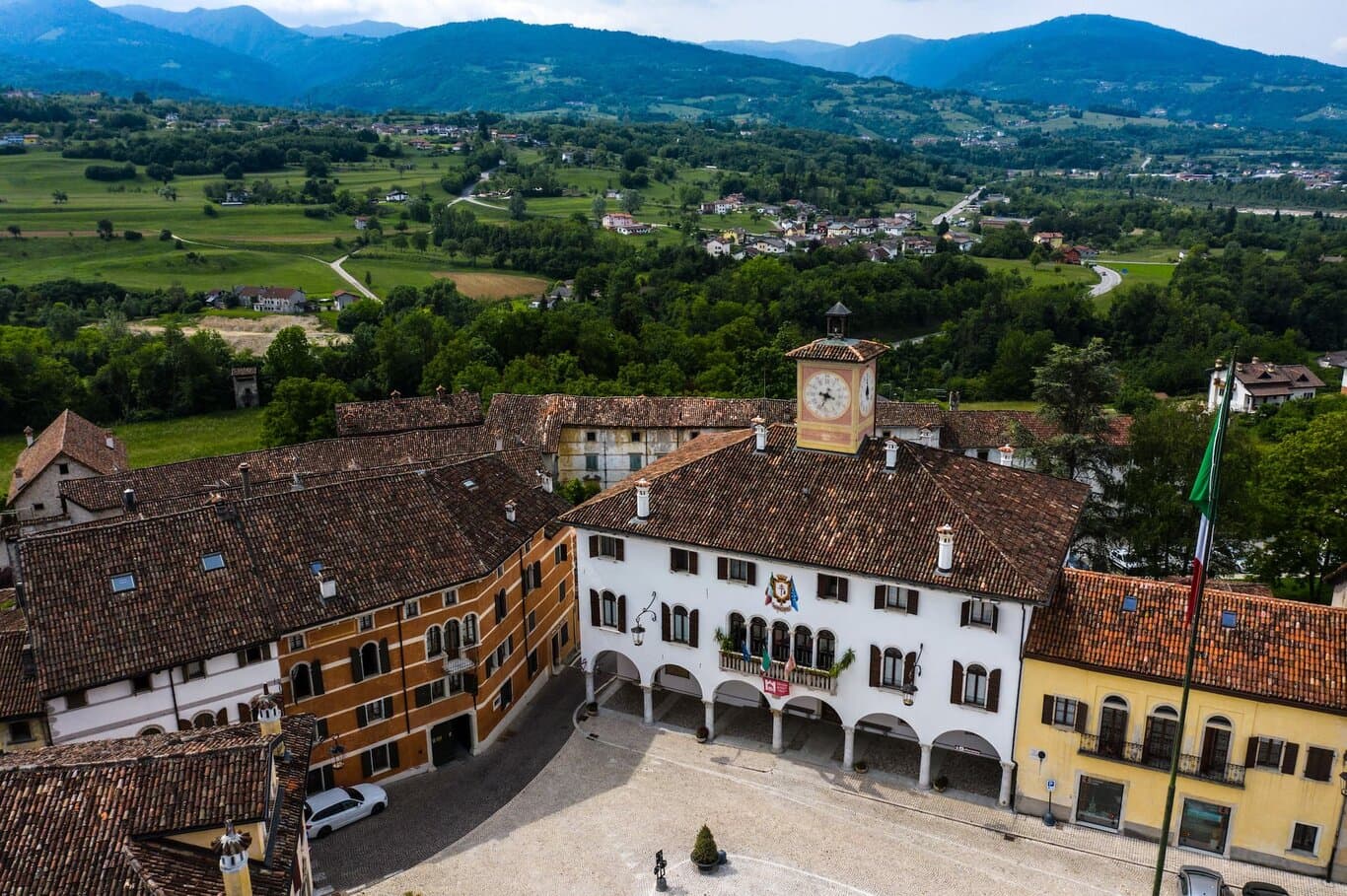
Province: Belluno · 367 m
Veneto's youngest comune anchored by an old Borgo — a 13,410-resident comune formed in 2019 by the fusion of Mel + Trichiana + Lentiai in the Belluno-province pre-Dolomite Piave valley, with the BPB-inscribed Mel centro storico (a perfectly preserved 16th-c Venetian terraferma piazza) and the 11th-c Castello di Zumelle on a forested ridge above.
Cison di Valmarino
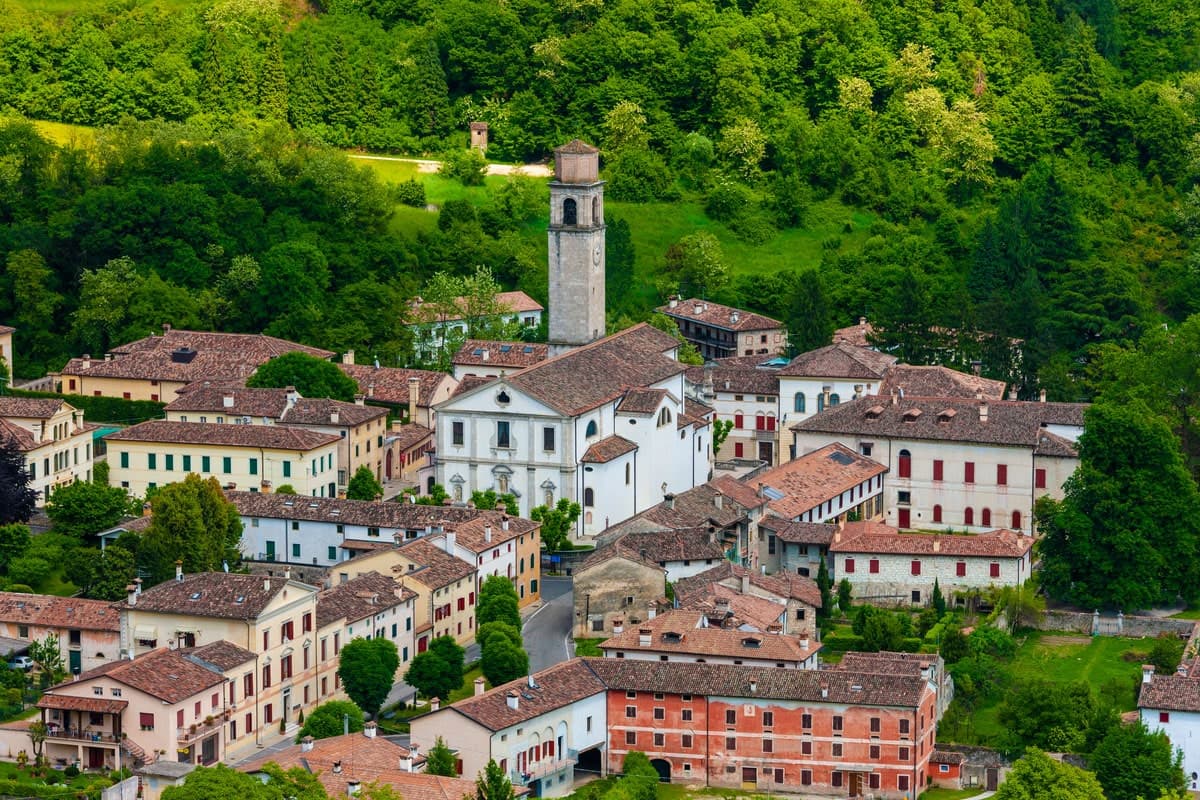
Province: Treviso · 261 m
A Prosecco hills borgo at 261 meters under the dolomite rock of CastelBrando, the largest inhabited castle complex in Europe.
Follina
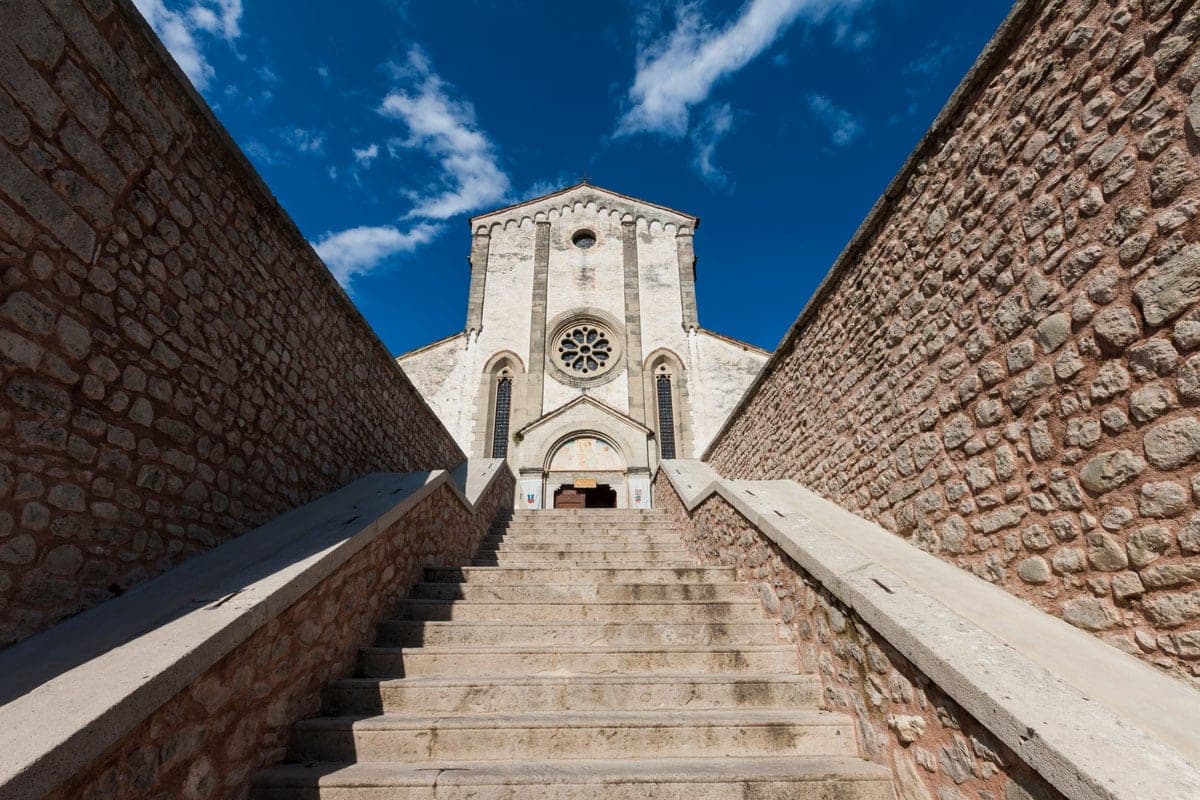
Province: Treviso · 191 m
A Prosecco-hills borgo at 191 meters around the Cistercian Abbey of Santa Maria, with a cloister finished in 1268.
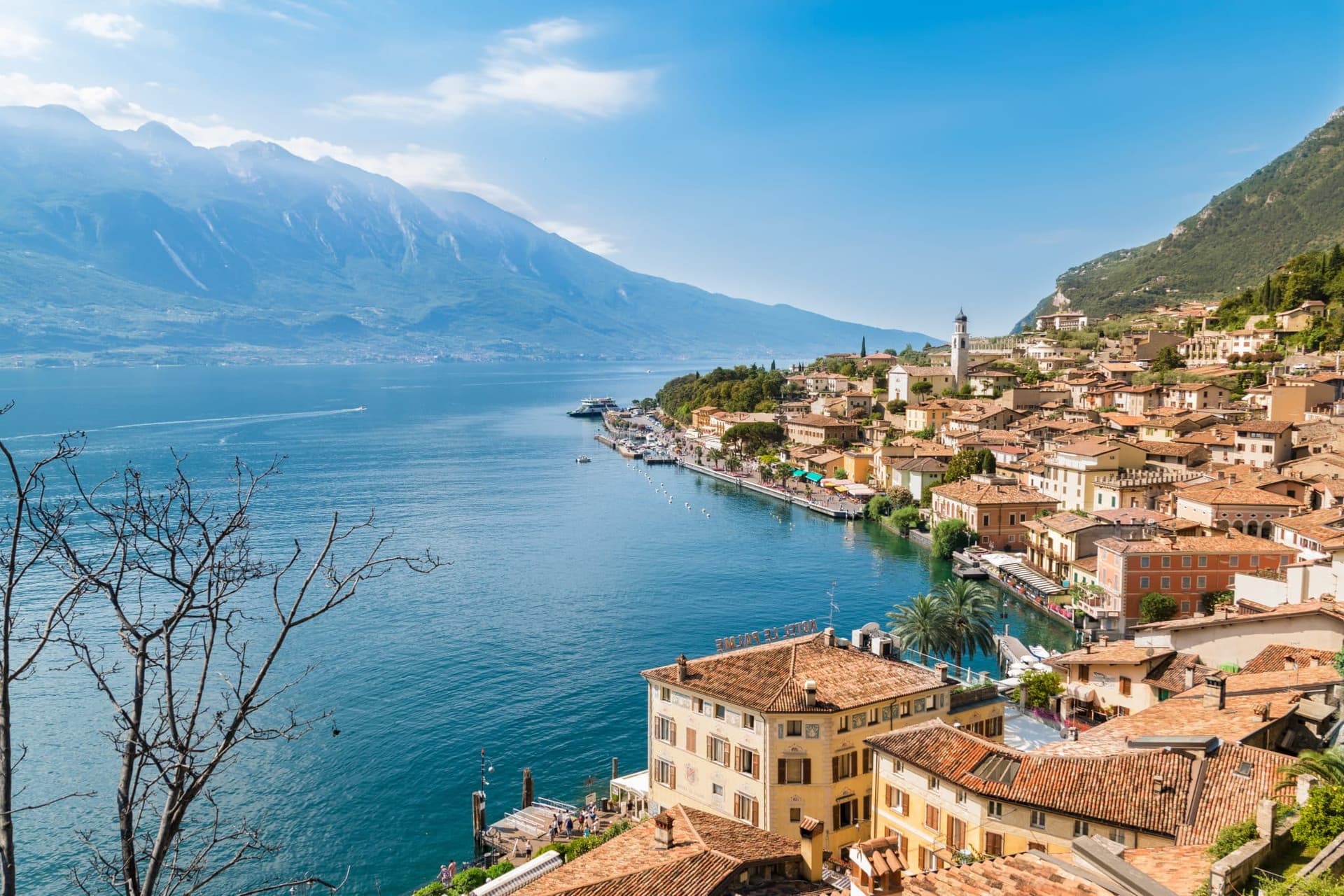
Malcesine
Province: Verona · 89 m
The northernmost Veneto town on Lake Garda, where Goethe was nearly arrested for sketching the Castello Scaligero in September 1786.
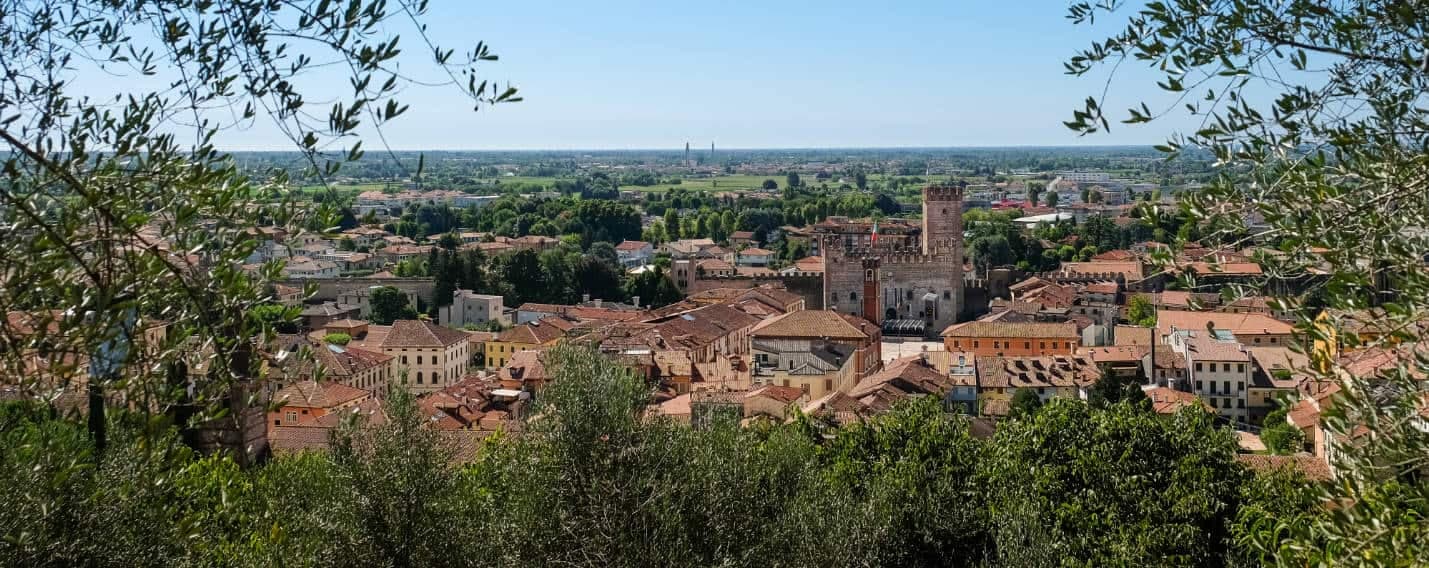
Marostica
Province: Vicenza · 103 m
The walled chess town below Vicenza, where two castles linked by a hill rampart stage a costumed reenactment of a 1454 match every two years.
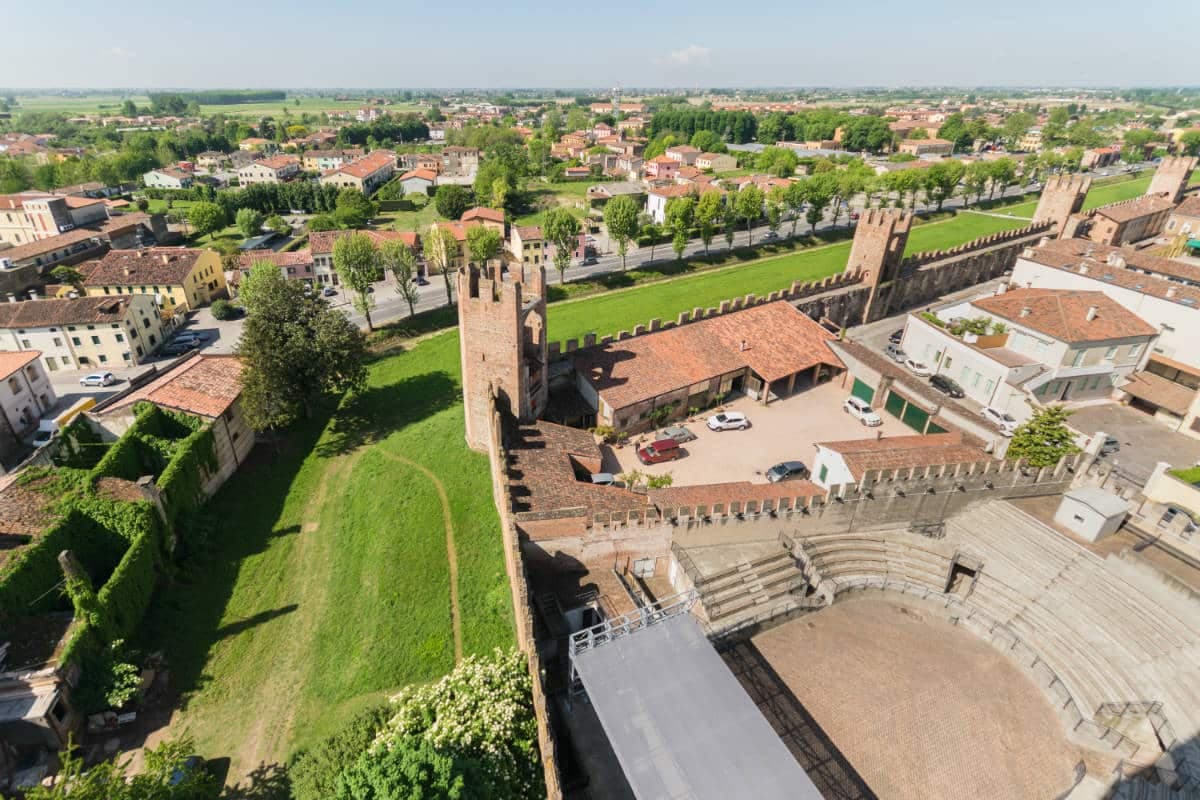
Montagnana
Province: Padova · 16 m
A walled town on the lower Padova plain with two kilometers of medieval ramparts and 24 hexagonal towers, headquarters of Prosciutto Veneto DOP.
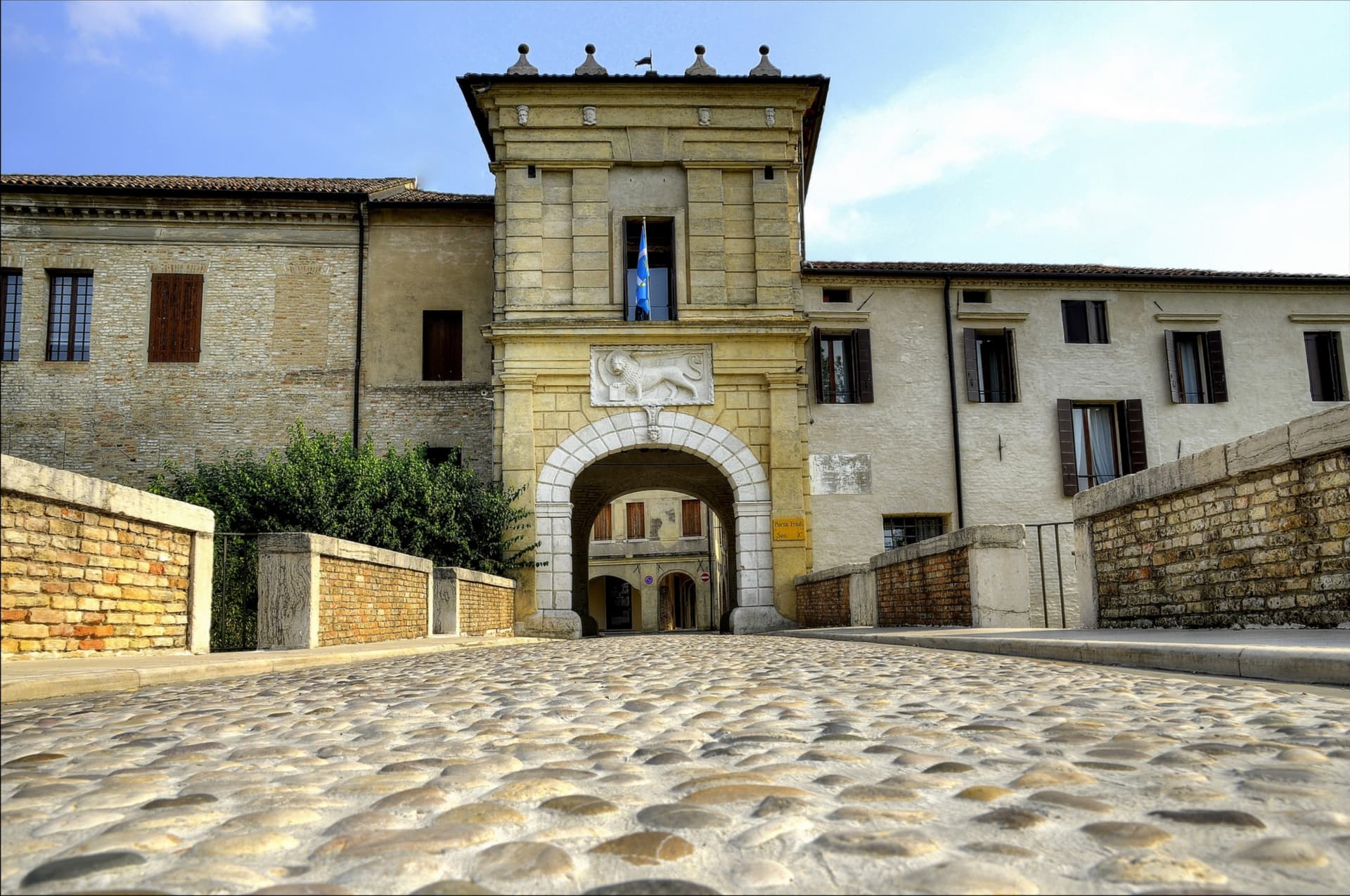
Portobuffolè
Province: Treviso · 10 m
The smallest commune in the Treviso province, a Livenza river port centered on the fourteenth-century home of the poet Gaia da Camino.
Rocca Pietore
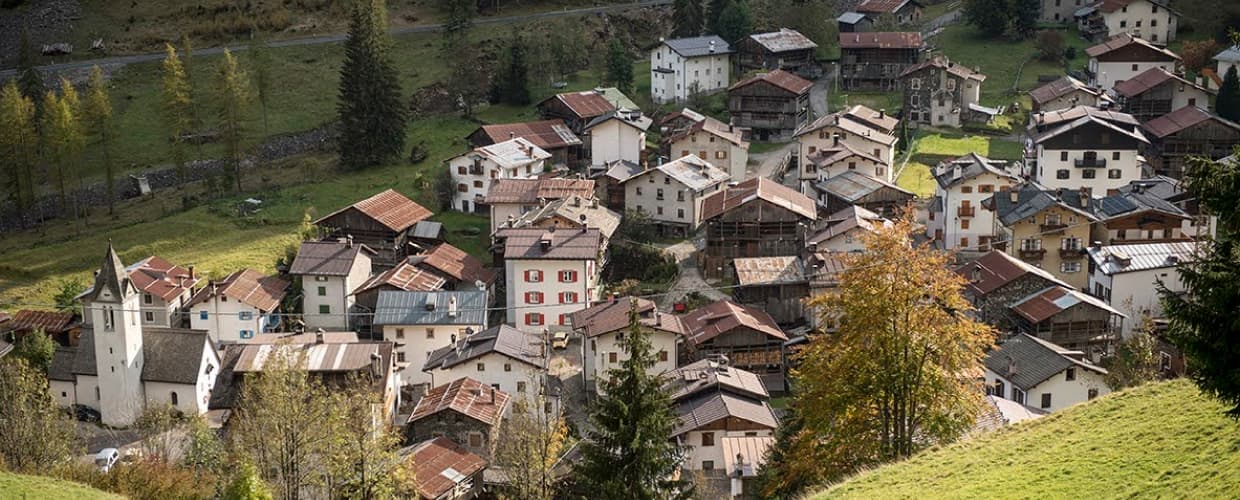
Province: Belluno · 1,143 m
An Agordino borgo at 1,143 meters under the Marmolada, where the Pettorina cuts a two-kilometer gorge through 100-meter rock walls.
Soave
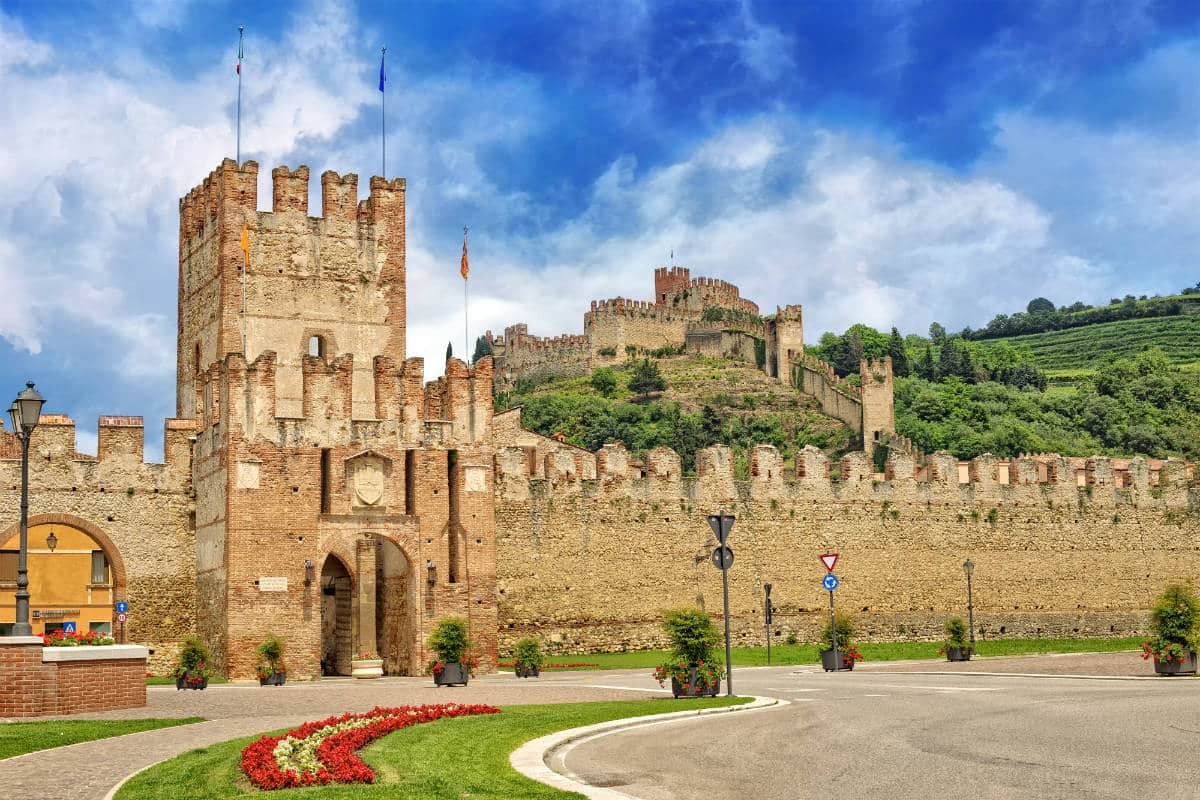
Province: Verona · 40 m
A walled wine town twenty kilometers east of Verona, 2022 Borgo dei Borghi winner, where Garganega vineyards climb to the Scaligeri castle on Colle Tenda.
Valeggio sul Mincio
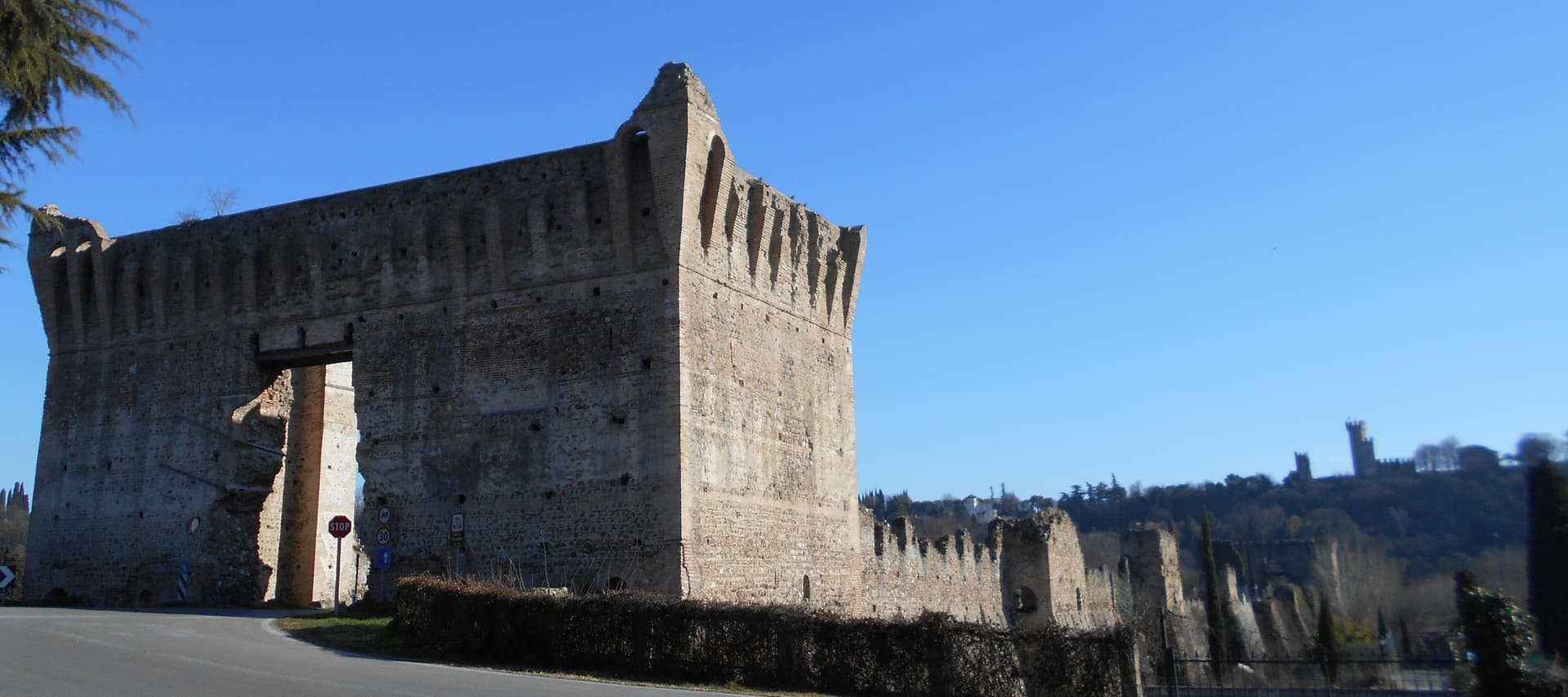
Province: Verona · 88 m
A moraine-hills town at 88 meters between Garda and Mantua, with a 1393 Visconti bridge-dam over the Mincio and a tortellino called the love knot.
Subscribe — free
Get the best guides on hidden Italian towns.
One letter on Sundays. The week’s town, with the photo, the food, the festa. Free, by Peter & Sophia from Pietrasanta.
Substack sends a confirmation link to your inbox. The signup finishes when it’s clicked.
From elsewhere in Italy
Five more towns to discover
Putignano
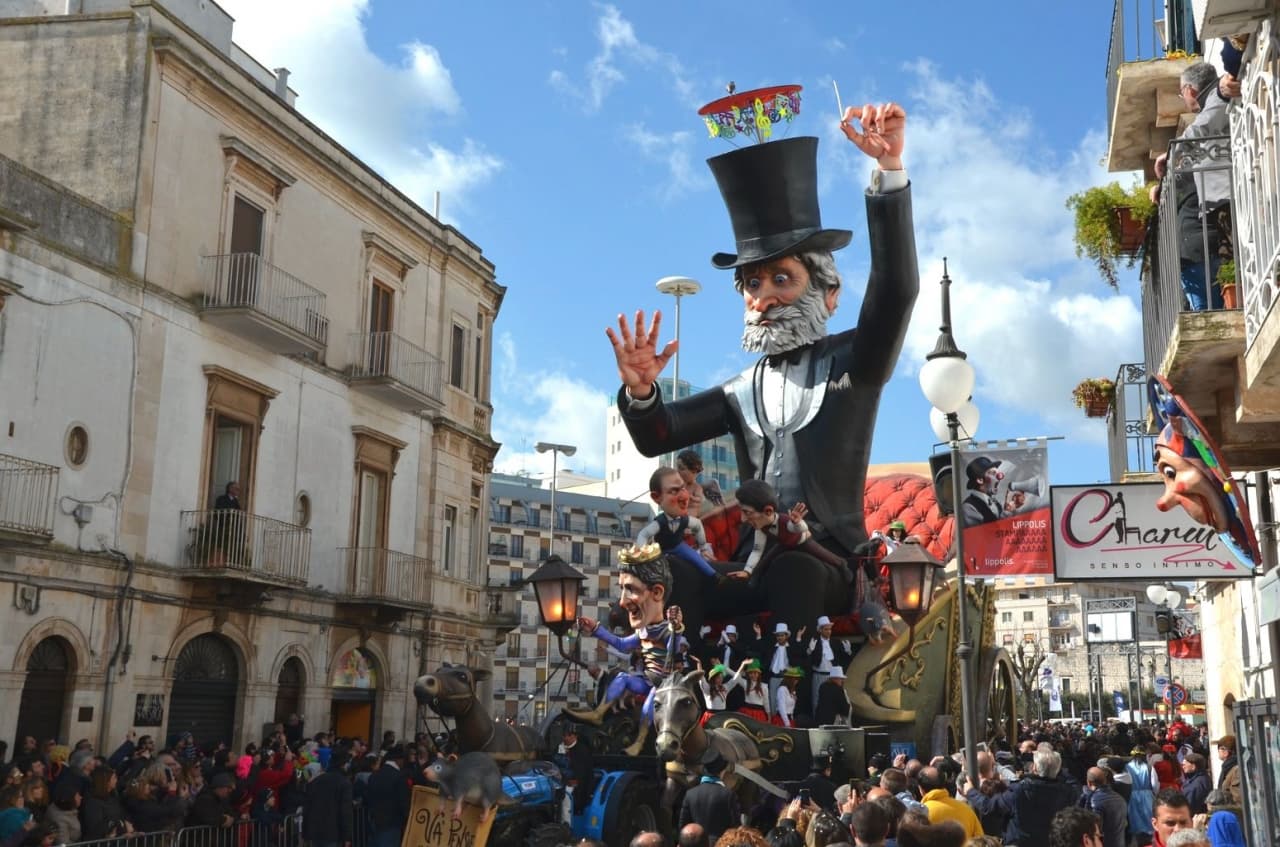
Province: Bari
Europe's longest-running carnival — Putignano Carnevale has run continuously since 1394, with 631 years of cartapesta papier-mâché floats, a 26,000-resident Murgia town on the Bari–Lecce plateau, and the Grotta del Trullo karst cave inside the centro.

Pistoia
Province: Pistoia
Italy's nursery capital and the medieval Tuscan rival that gave its name to the pistol — a quietly extraordinary centro storico of zebra-striped Romanesque churches, Andrea della Robbia's polychrome frieze on the Ospedale del Ceppo, and Italy's Capital of Culture 2017, all 30 minutes from Florence by train.
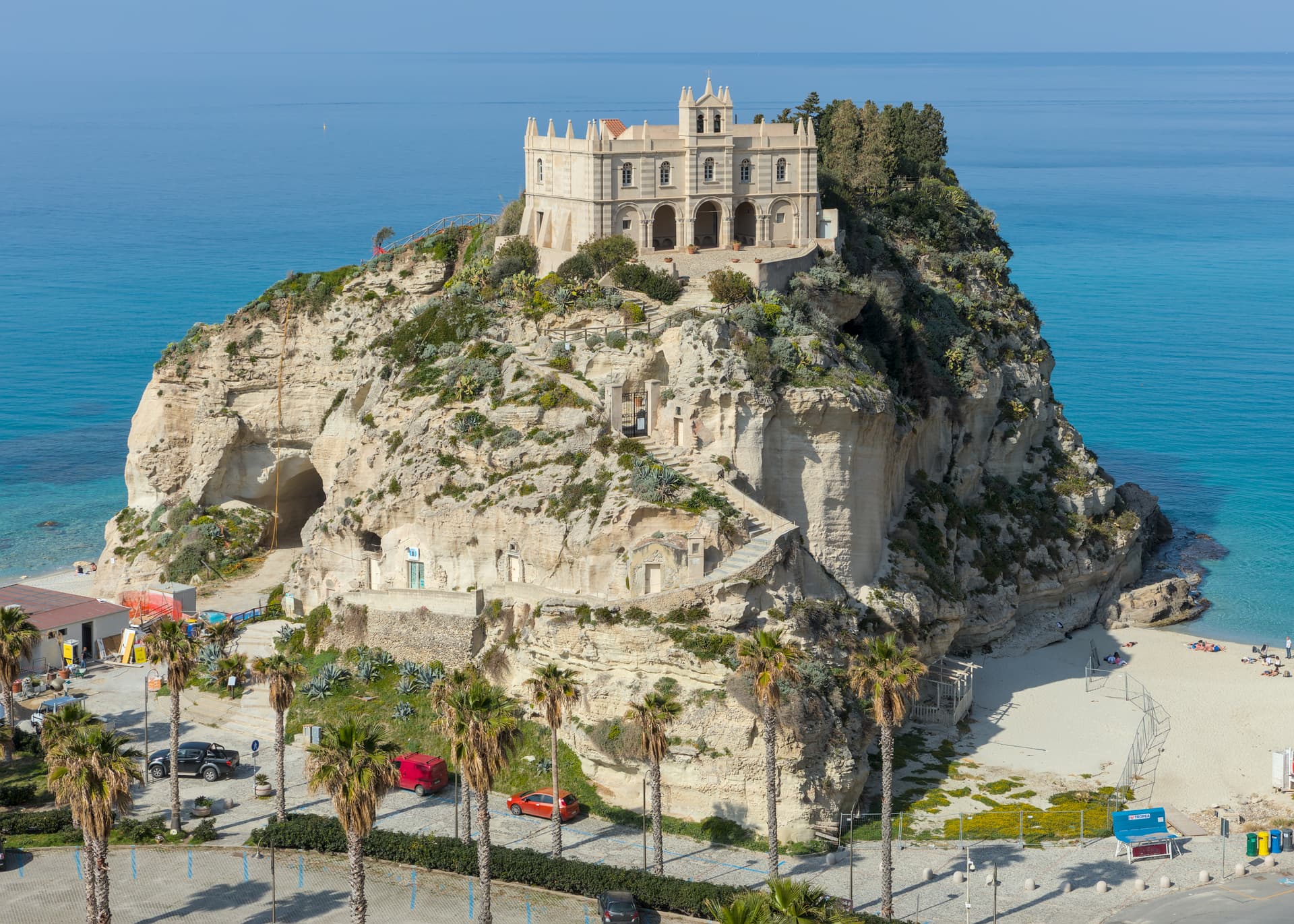
Tropea
Province: Vibo Valentia
Cliff town on a tufa headland over the Tyrrhenian Coast of the Gods, with a Norman monastery on a sea rock.
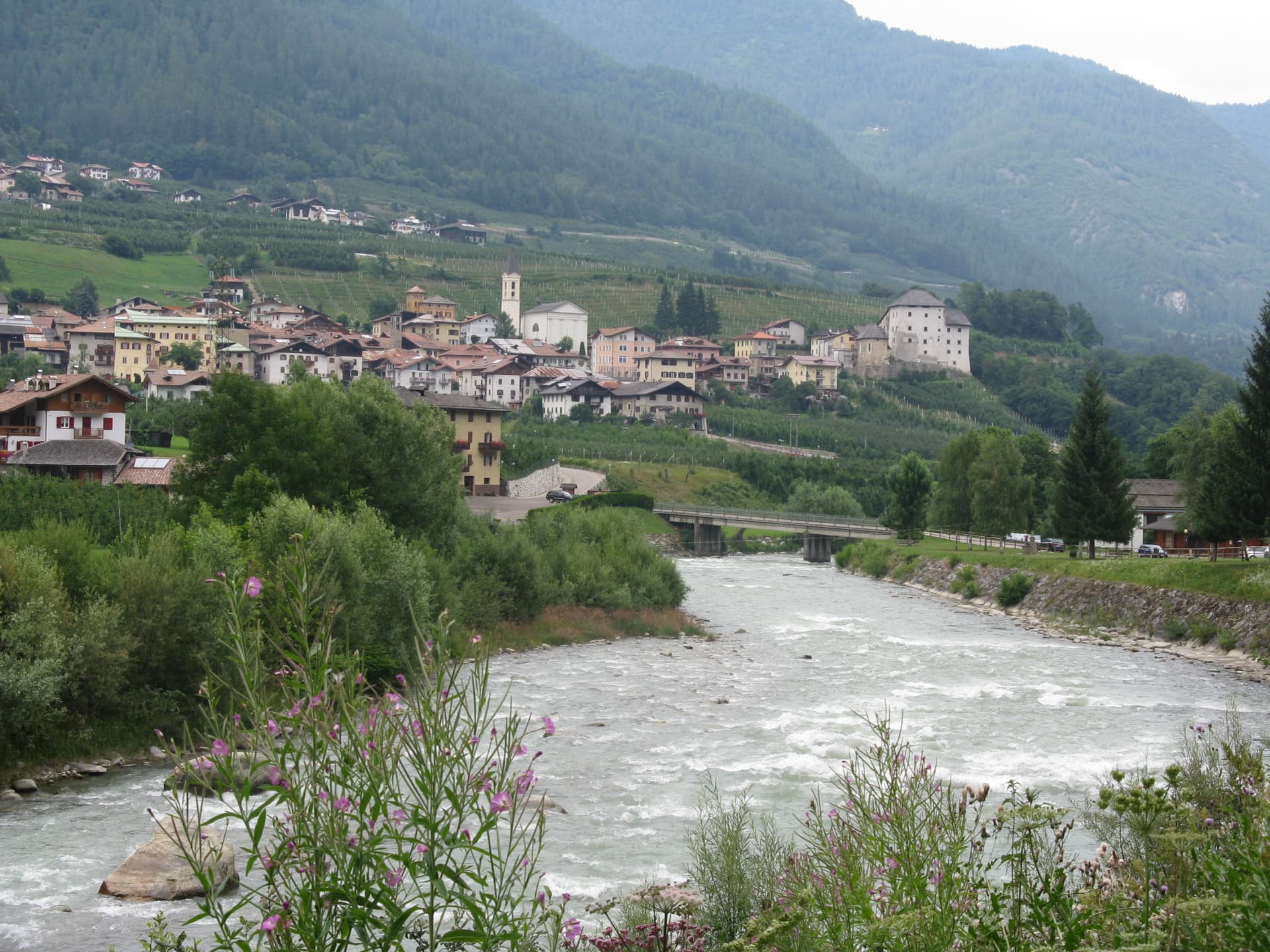
Caldes
Province: Trento
A scattered Val di Sole commune on the Noce, six hamlets gathered around a thirteenth-century tower-house castle that once belonged to the Thun family.
Cantiano
Province: Pesaro e Urbino
A border borgo at 374 meters under Monte Catria on the old Via Flaminia, known for the Good Friday Turba and the sour-cherry visciola harvest.