

Sardinia · Nuoro
Galtellì
Grazia Deledda's 'Canne al vento' set — a 2,354-resident Baronia borgo under the Monte Tuttavista in Sardinia's northeast, with the triple Borghi Autentici + Bandiera Arancione + Città del Vino signal, the 11th-c Cattedrale di San Pietro (Sardinia's first), and the entire centro recognised as the Parco Letterario Grazia Deledda for being the literal setting of her 1913 Nobel-trajectory novel.
Known for
DELEDDA'S 'CANNE AL VENTO'
The Sardinian Nobel laureate (1926, first Italian woman) set her 1913 novel here almost verbatim. The whole centro is the Parco Letterario.
SARDINIA'S FIRST CATHEDRAL
11th-c Cattedrale di San Pietro — documented as the first on the island, original seat of the diocese of Galtellì 1138-1495.
TRIPLE QUALITY MARKS
Borgo Autentico + Bandiera Arancione + Città del Vino — the Sardinian small-village trifecta of recognition signals.
MONTE TUTTAVISTA
806m vertical limestone wall behind the village — 200+ free-climbing routes + a 3-hour summit hike.
When to visit
Best · Apr–Jun, Sep–Oct
- J
- F
- M
- A
- M
- J
- J
- A
- S
- O
- N
- D
- Best
- Hot or crowded
- Quiet
- Mostly closed
Why come
Galtellì is here for Grazia Deledda and for the geography that made her possible. The Sardinian Nobel laureate (Literature, 1926 — the first Italian woman to win) set her 1913 novel Canne al vento (Reeds in the Wind) in Galtellì almost without changing the place names — the Pintor family's crumbling palazzo, the Chiesa del Santissimo Crocifisso, the Monte Tuttavista limestone wall rising 806m behind the village, the wind through the river reeds along the Cedrino. Deledda spent multiple summers here as a girl from neighbouring Nuoro, and the village kept the novel's geography so completely intact that the entire centro storico is now the Parco Letterario Grazia Deledda — a marked walking route through 30+ locations from the novel, each with quoted passages on bilingual signs.
Beyond Deledda: Galtellì's 11th-c Cattedrale di San Pietro is documented as the FIRST cathedral on the entire island (the original seat of the diocese of Galtellì 1138-1495, before it merged into the diocese of Cagliari). The remaining medieval ensemble includes the Chiesa del Santissimo Crocifisso (15th-c Catalan-Gothic with a complete and unusual cycle of frescoes from 1492 depicting the Passion of Christ in Aragonese-Sardinian provincial-school style), the Chiesa di San Cristoforo (13th-c), and the partial medieval walls. The town is a Borgo Autentico (the Sardinian small-village quality mark), a Bandiera Arancione (Touring Club), and a Città del Vino (the surrounding Baronia produces Cannonau and Vermentino di Galluria).
The Monte Tuttavista massif behind the village (806m, vertical limestone west face) is a major free-climbing destination with 200+ routes — the Cresta del Tuttavista hike is the standard 3-hour summit walk. Down the river: the Cala Liberotto + Bidderosa beach reserves are 12 km east on the Tyrrhenian coast (some of the cleanest swimming on the Sardinian east coast). The food is Sardinian-baronia: porceddu (roast suckling pig), seadas (deep-fried cheese-pastry with honey), pane carasau, malloreddus alla campidanese, Cannonau red.
The Sagra del Vino in October celebrates the harvest with the cellars open. Like all Sardinian small villages, depopulation is real — Galtellì was 3,200 residents in 1951 and 2,354 today.
The Sunday letter
We haven’t written Galtellì’s letter yet.
One town every Sunday, with the photo, the food, the festa. Be there when this one comes up. Free, by Peter & Sophia from Pietrasanta.
By subscribing you agree to Substack’s Terms of Use, our Privacy Policy and our Information collection notice.


What to see
Parco Letterario Grazia Deledda
Marked walking route through 30+ locations from Canne al vento (1913) — the Nobel laureate's novel is set almost verbatim in this village, with quoted passages on bilingual signs at each spot.
Cattedrale di San Pietro (11th c)
Sardinia's documented first cathedral — original seat of the diocese of Galtellì 1138-1495 before the merger with Cagliari. Romanesque with original stone.
Chiesa del Santissimo Crocifisso + 1492 frescoes
15th-c Catalan-Gothic church with a complete cycle of frescoes from 1492 depicting the Passion of Christ in Aragonese-Sardinian provincial-school style. Rare survival.
Monte Tuttavista (806m)
The vertical limestone massif behind the village — major free-climbing destination (200+ routes). The Cresta del Tuttavista summit hike is the standard 3-hour walk.
Cannonau cellars + Sagra del Vino
The surrounding Baronia produces Cannonau and Vermentino di Galluria. Sagra del Vino in October opens the cellars to the public for harvest tastings.
The slow-trip planner
Building a trip? Find where Galtellì fits in a slow Italy circuit.
Answer five questions. We will shape a geographically coherent slow trip from the 1,000 Italian towns most travelers skip. Yours to save and share.
Living here
- Population 2,354
- Off the beaten pathi
- Pharmacy in town
- High school within a 30-minute drive
- Nearest airport Sardinia, 3 h 24 min drive
- Regional capital Cagliari, 3 h 12 min drive
Tags & datadesignations · numbers · sources
Recognised as
The numbers
- Elevation: 49 m
- Population: 2,354
- Surface area: 56.53 km²
These figures were compiled from public directories — ISTAT, OpenStreetMap, Wikidata — and from the official listings of the guides named on this page. Town details change; verify with official sources before you travel.
Close by
More towns near Galtellì
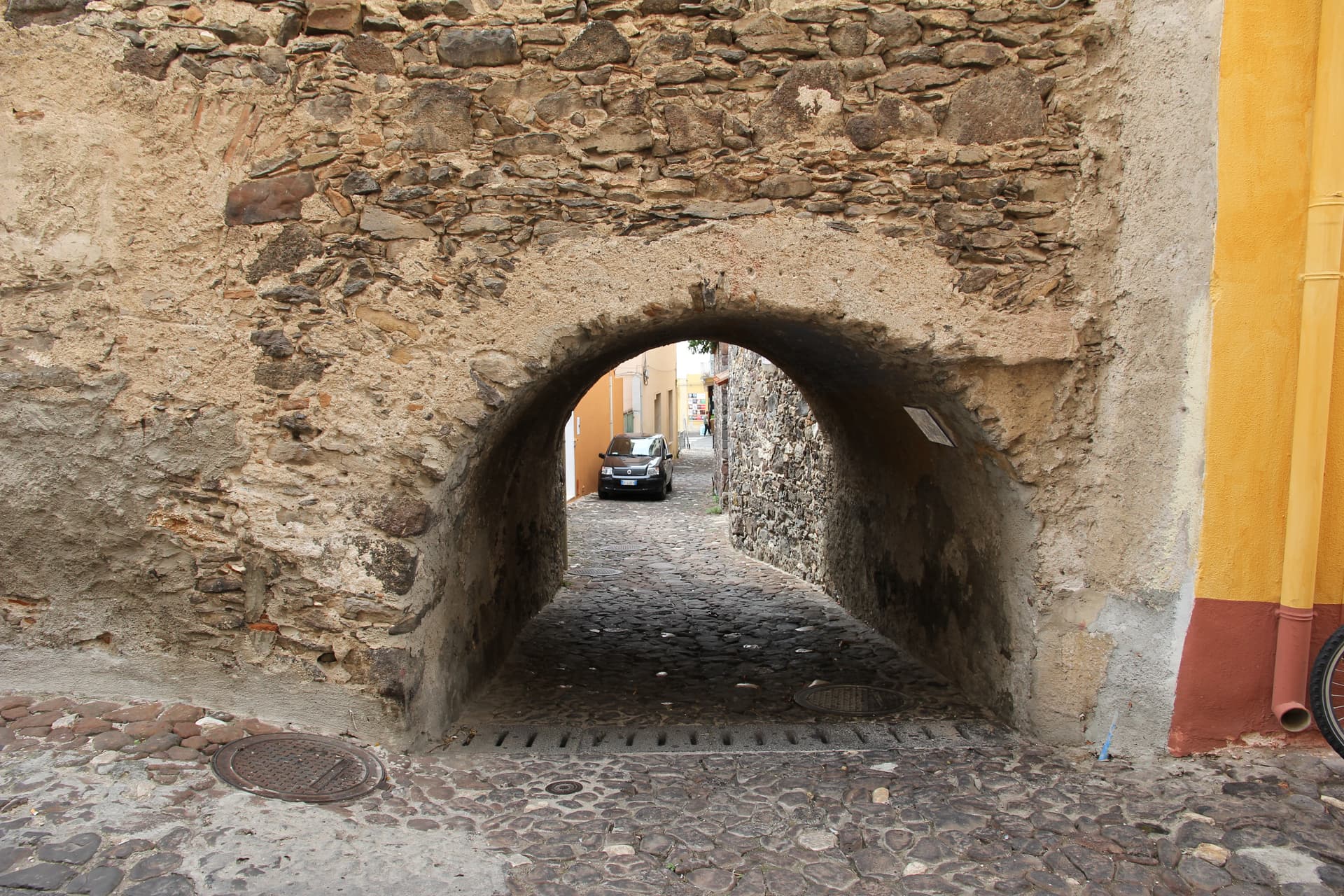
Orosei
Province: Nuoro
A small Baroque town at 19 meters in the Cedrino valley, two kilometers from the limestone gulf whose southern coves are reached only by boat.
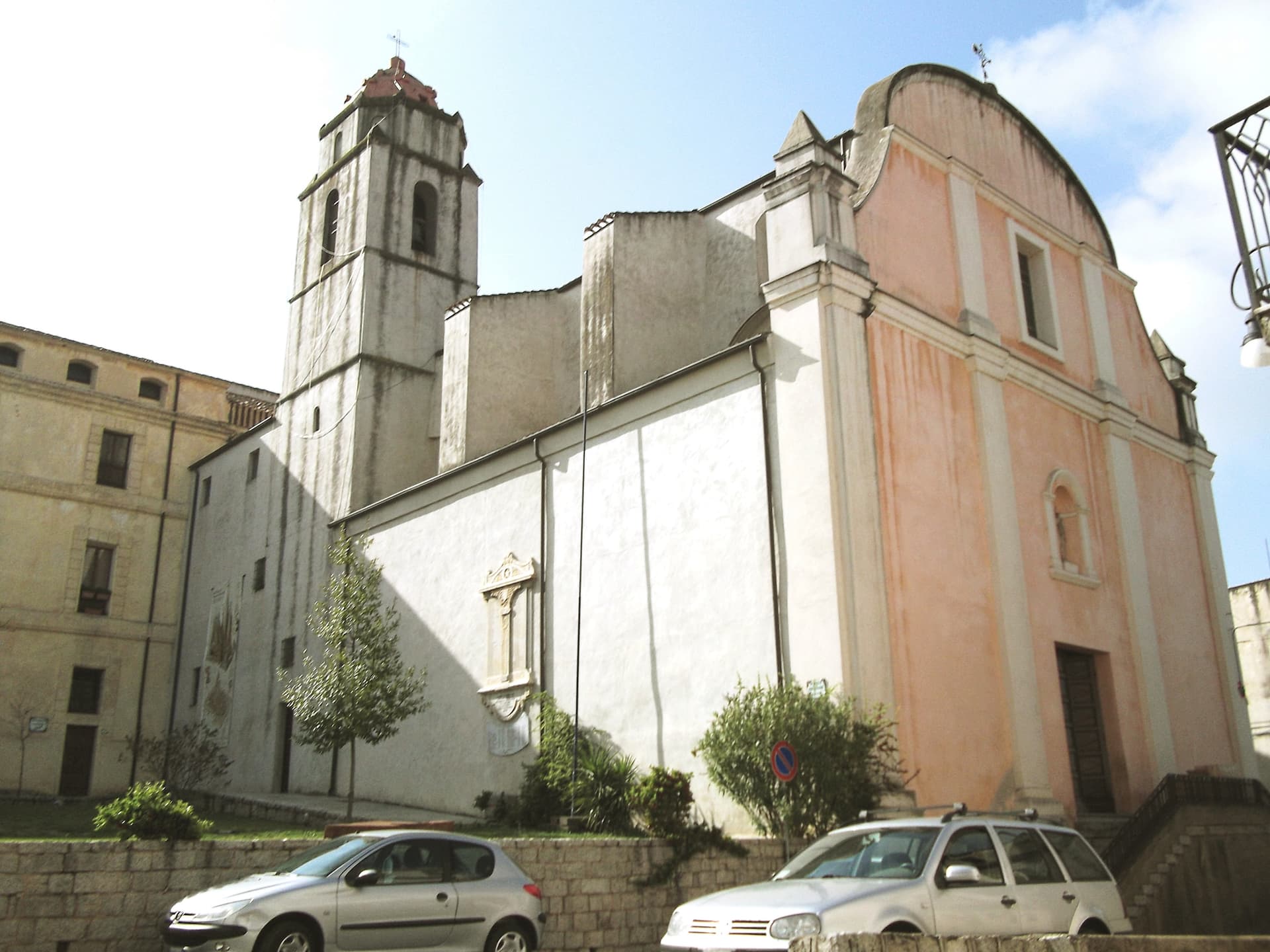
Oliena
Province: Nuoro
A Supramonte village at the foot of Monte Corrasi, source of Cannonau Nepente, base camp for Tiscali and the Lanaitto valley.
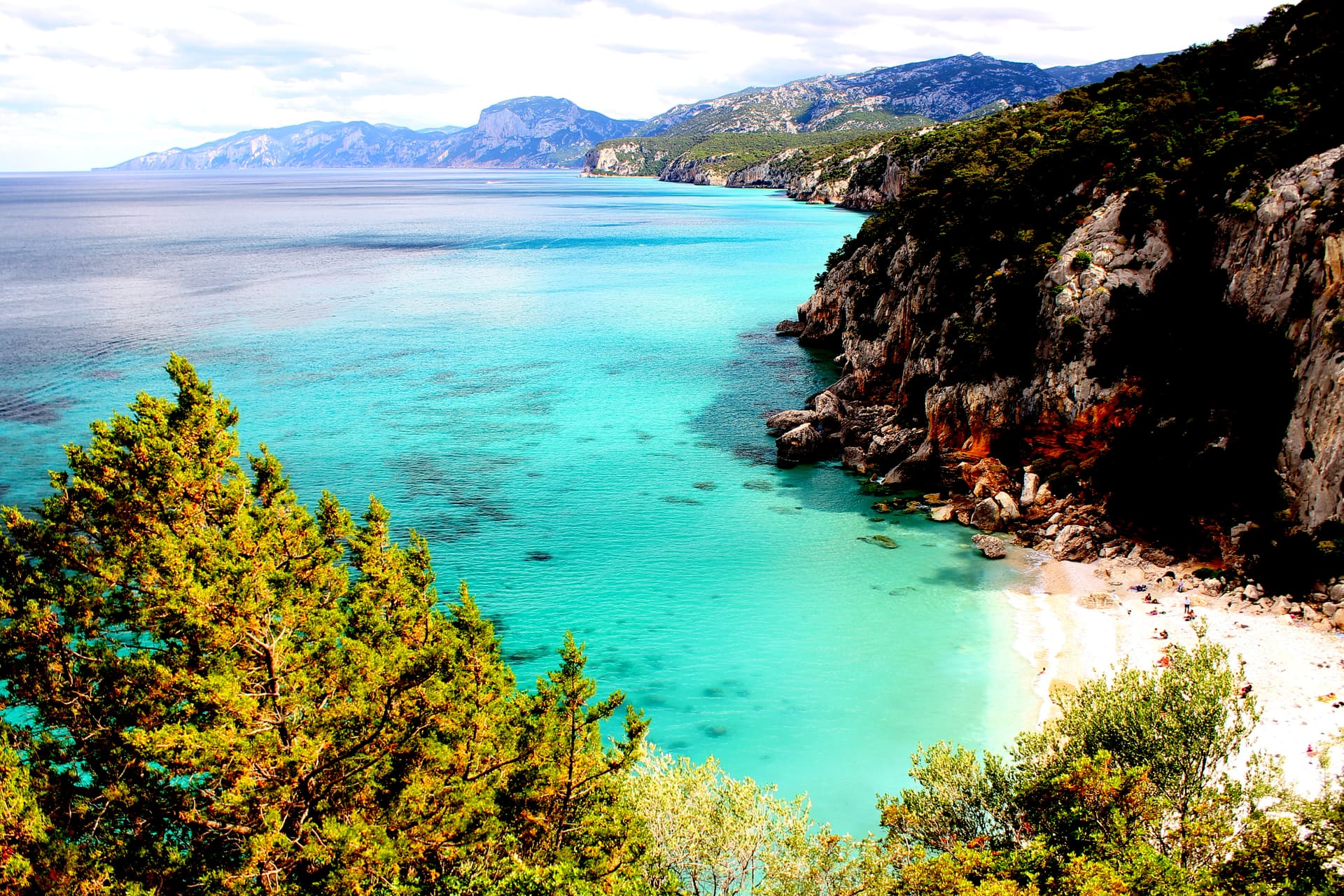
Dorgali
Province: Nuoro
A Supramonte town at 387 meters with the coastal frazione Cala Gonone, the Tiscali Nuragic village, and the 400-meter walls of Su Gorropu.
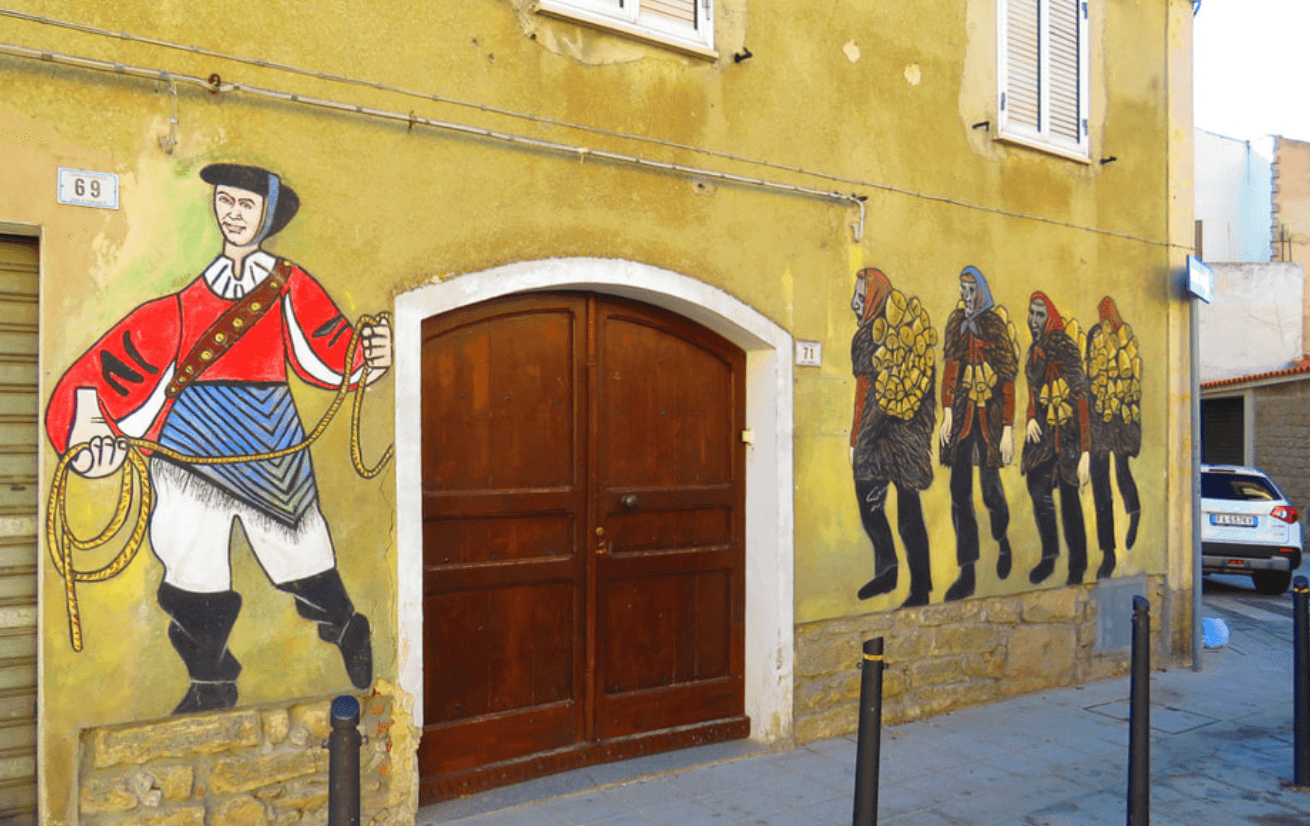
Mamoiada
Province: Nuoro
The Barbagia village where the Mamuthones come out on January 17, twelve men in black sheepskins carrying thirty kilos of cowbells.
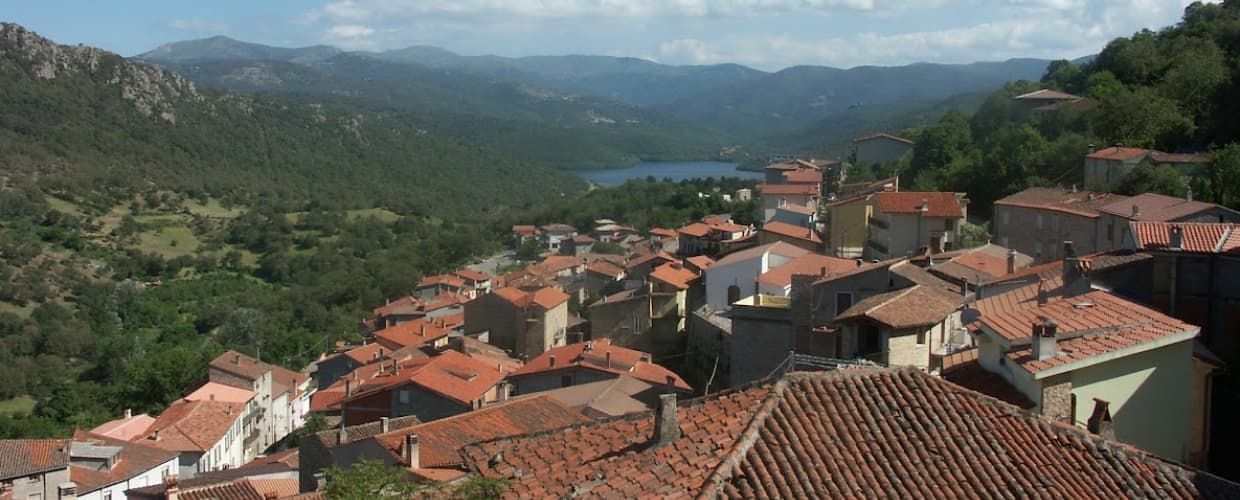
Gavoi
Province: Nuoro
A 777-meter Barbagia hilltop village above Lake Gusana with a Bandiera Arancione of the Touring Club, the country's most-attended summer literary festival (L'Isola delle Storie), and the PDO Fiore Sardo pecorino made here for at least three centuries.
🟠 Bandiera Arancione
More Bandiera Arancione towns in Sardinia
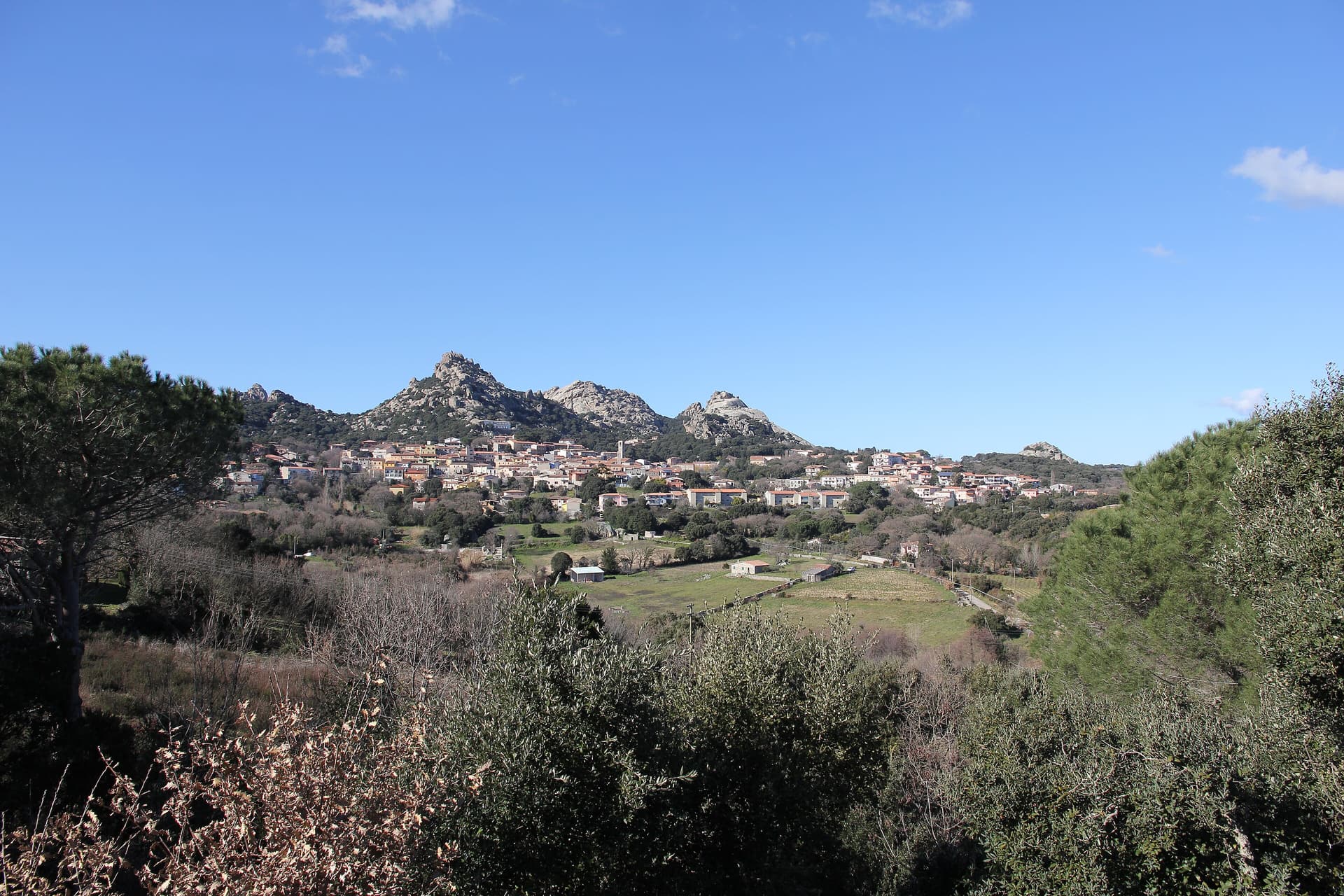
Aggius
Province: Sassari
A Gallura granite village at 514 meters under the Monti di Aggius, with the largest ethnographic museum in Sardegna and three centuries of bandit history.
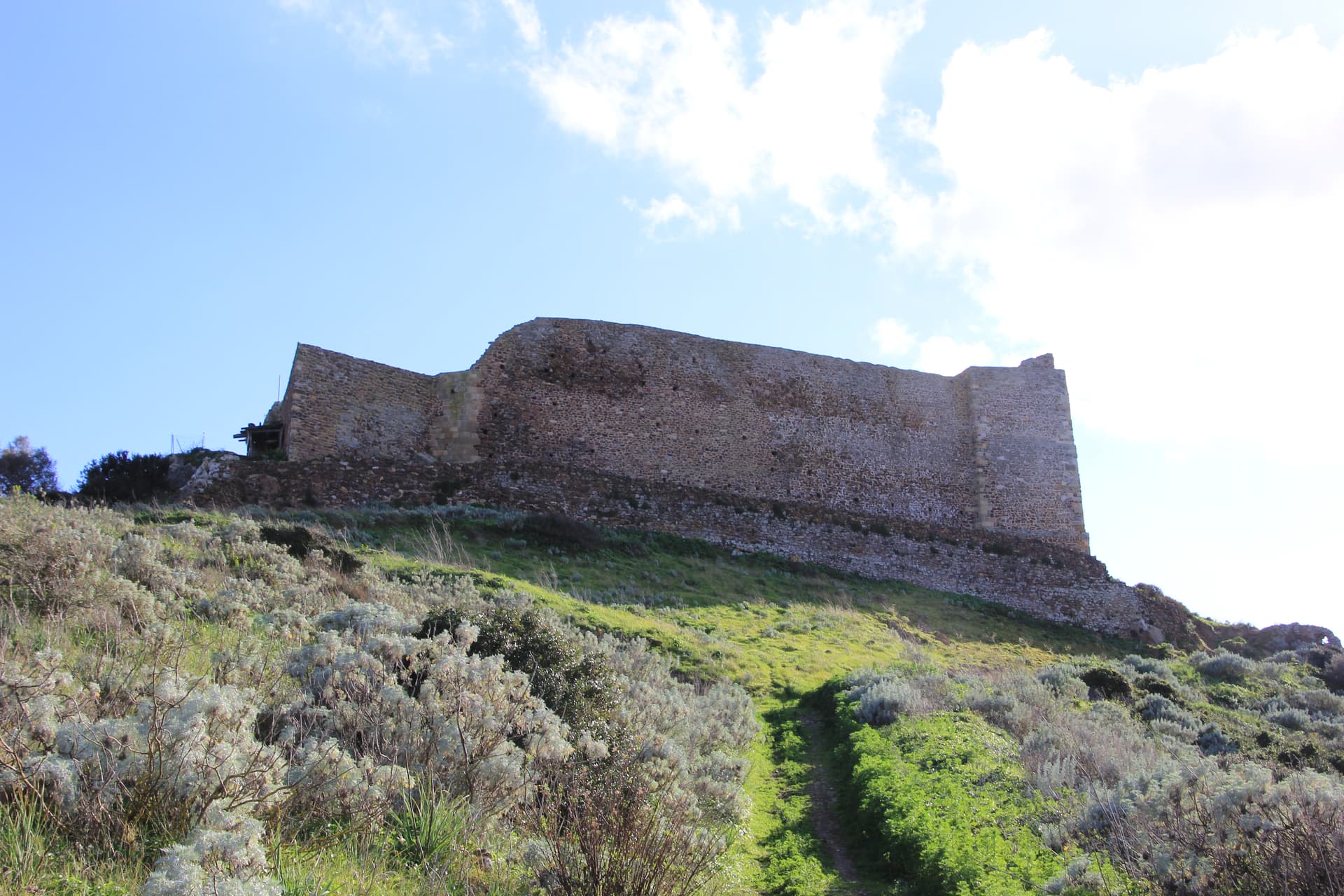
Sardara
Province: Sud Sardegna
A Campidano thermal town where Nuragic well-temples, Roman Aquae Neapolitanae and a hilltop Arborea castle share the same hot springs.
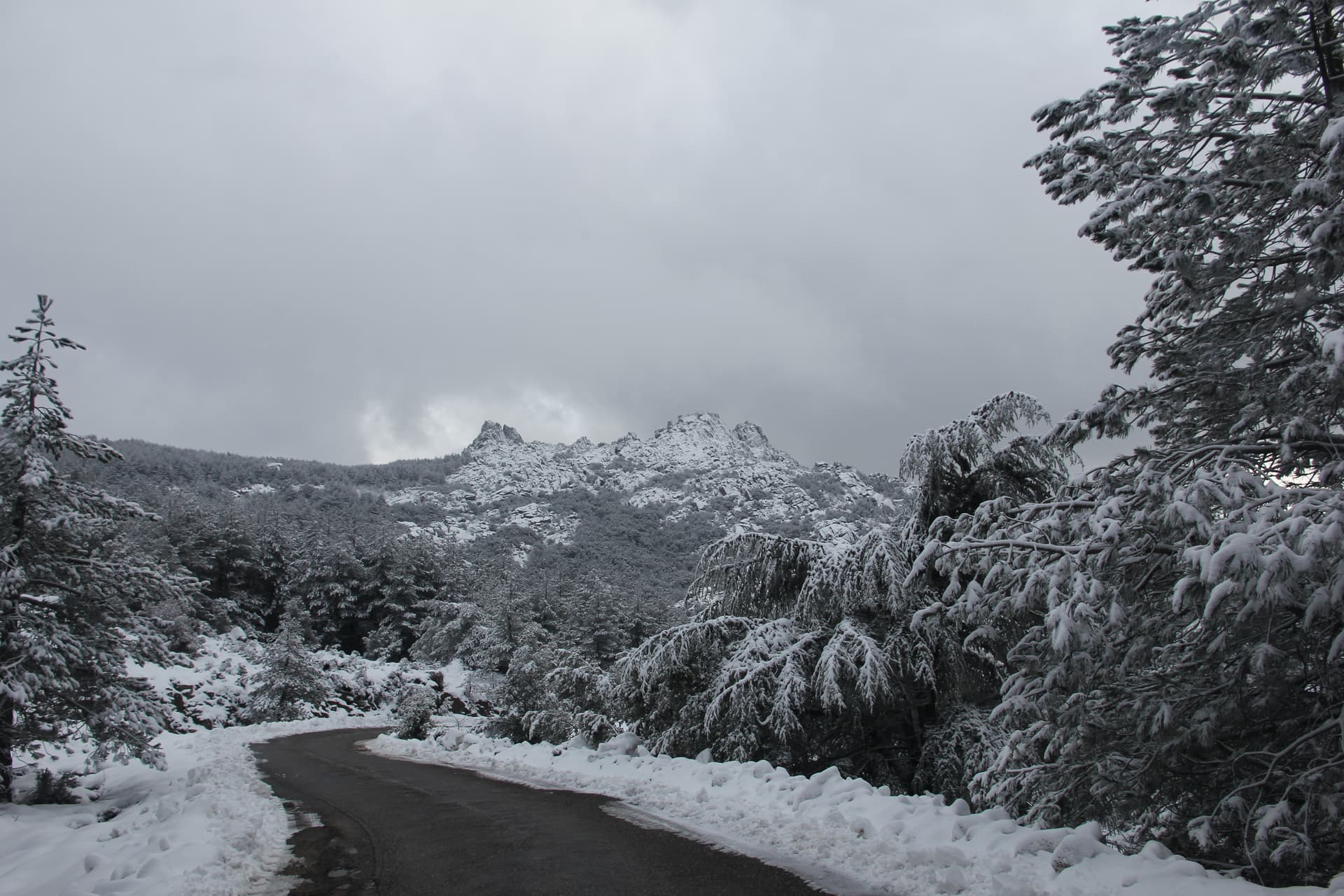
Tempio Pausania
Province: Sassari
The granite capital of Gallura at the foot of Monte Limbara, known for cork, Vermentino DOCG and the largest Carnival in northern Sardinia.