

Sardinia · Nuoro
Orosei
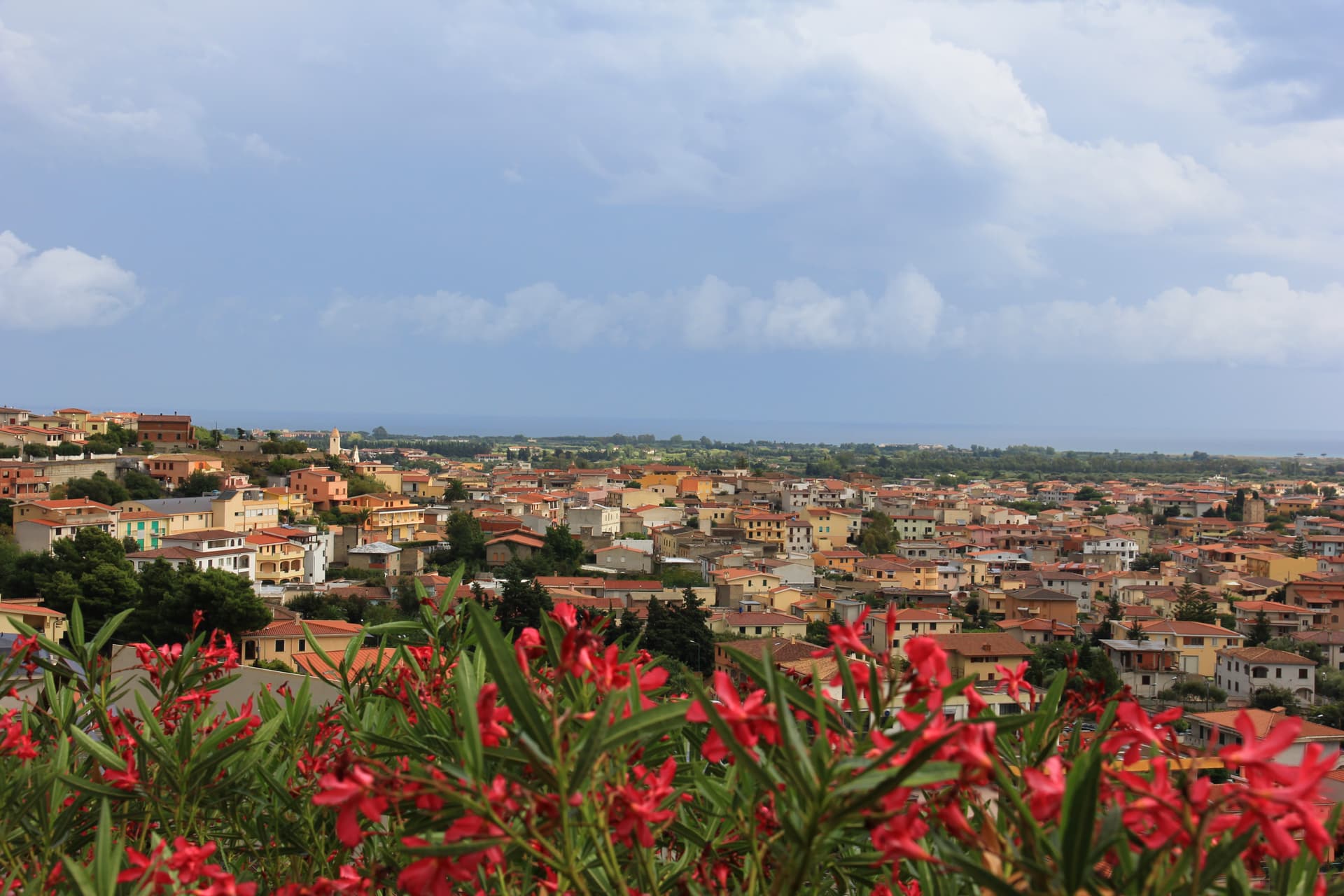
A small Baroque town in the Cedrino valley, two kilometers from the limestone gulf whose southern coves are reached only by boat.
Known for
GULF OF OROSEI
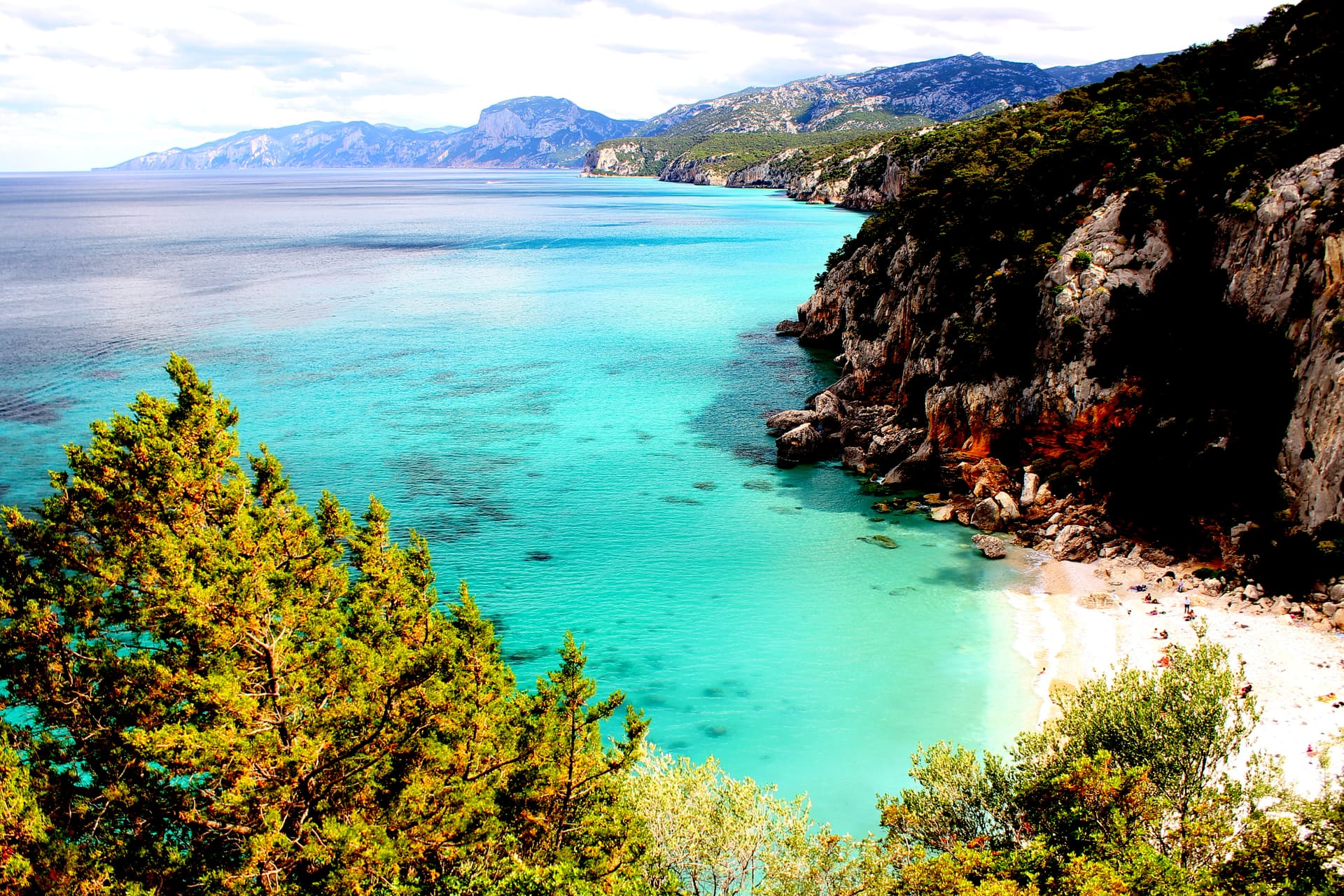
Forty kilometers of limestone cliffs and boat-only coves between the river mouth and Capo Monte Santo, named for the town itself.
THIRTEEN CHURCHES
Of the twenty-seven historical churches documented in Orosei, thirteen still stand inside or close to the old town.
CEDRINO VALLEY OIL
Olive oil from the alluvial Cedrino valley earns Orosei its place in the Città dell'Olio network.
When to visit
Best · May–Oct
- J
- F
- M
- A
- M
- J
- J
- A
- S
- O
- N
- D
- Best
- Hot or crowded
- Quiet
- Mostly closed
The festa: Giacomo il Maggiore, 25 July
Why come
Orosei sits two kilometers from the coast in the alluvial valley of the Cedrino, the eighty-kilometer river that empties into the sea just below the town. The Gulf of Orosei takes its name from the village and runs south along forty kilometers of limestone cliffs to Capo Monte Santo; its southern coves, Cala Luna, Cala Goloritzè, Cala Mariolu, are reached only by boat from Cala Gonone. The town itself records twenty-seven historical churches; thirteen still stand.
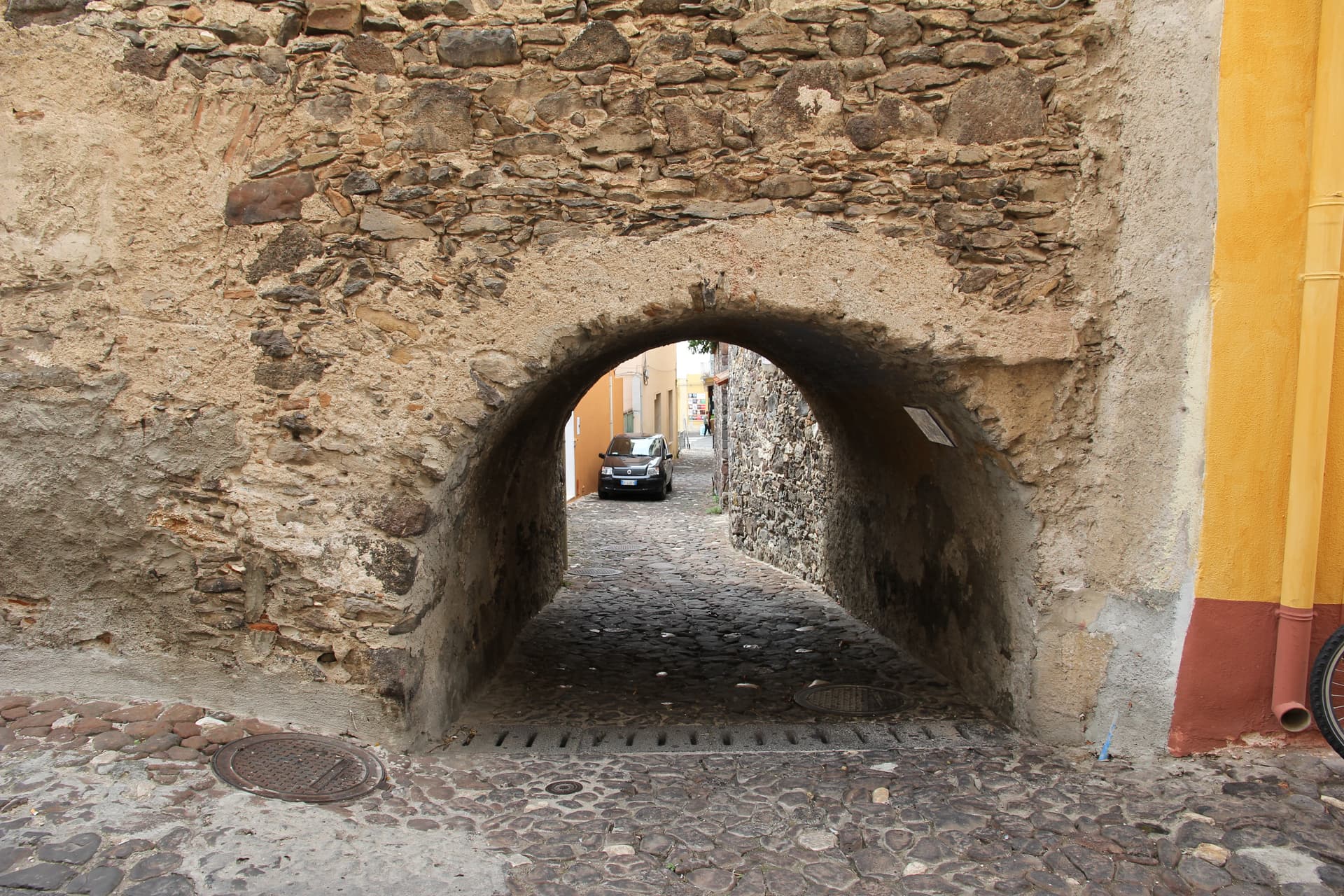
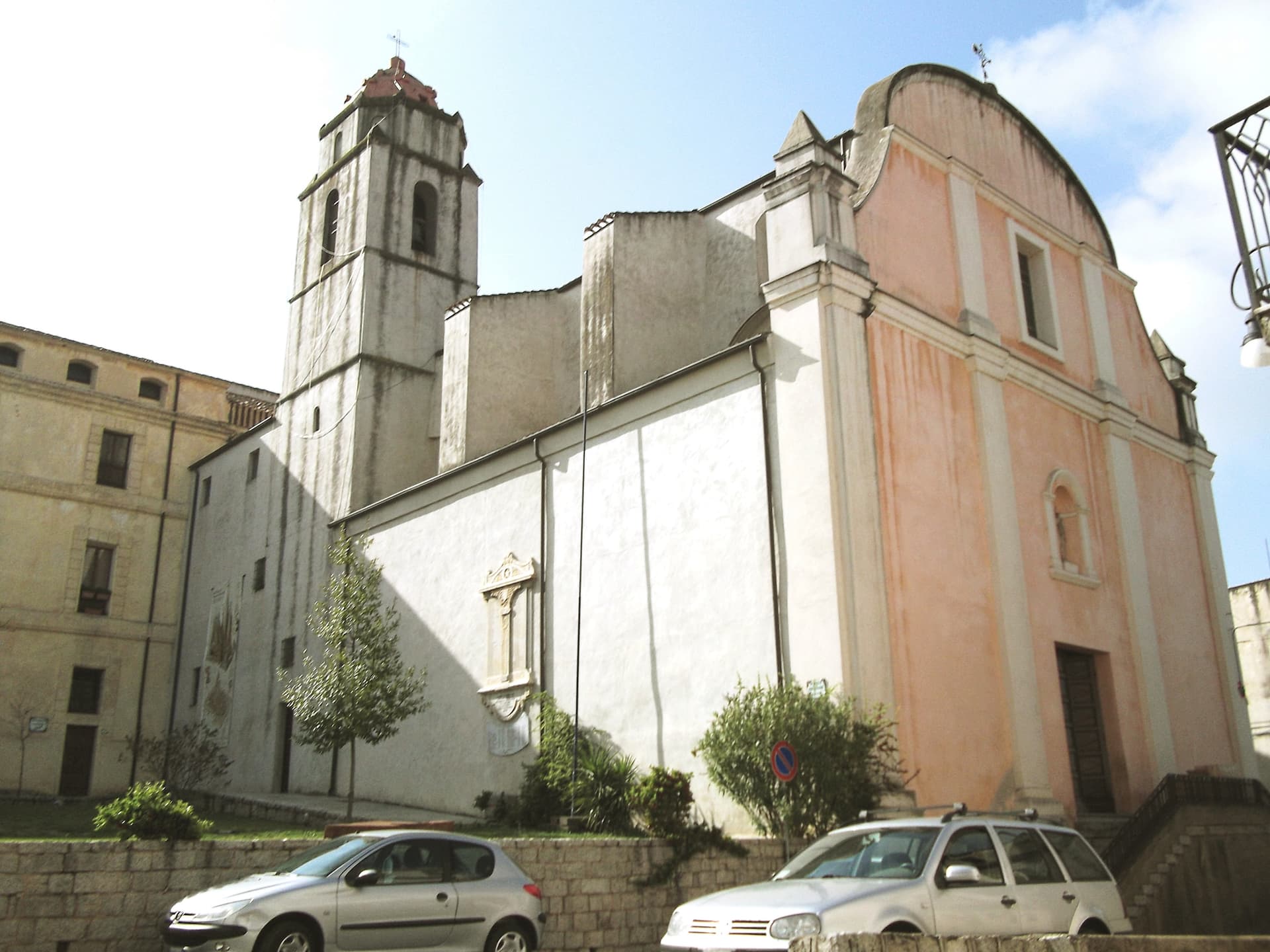
The parish church of San Giacomo Apostolo, the patron, rises on a wide stair above Piazza del Popolo in white Baroque eighteenth-century façade. The Chiesa di Sant'Antonio Abate, built in volcanic stone in two phases across the fourteenth and fifteenth centuries on a Romanesque base, sits inside a medieval complex with a Pisan tower and a ring of cumbessias. Nearby stands Sa Prejonevetza, the surviving tower of a castle once enclosed by walls, later used as a prison and still known by that name.
The Sunday letter
We haven’t written Orosei’s letter yet.
One town every Sunday, with the photo, the food, the festa. Be there when this one comes up. Free, by Peter & Sophia from Pietrasanta.
By subscribing you agree to Substack’s Terms of Use, our Privacy Policy and our Information collection notice.
What to see
Chiesa di San Giacomo Apostolo
Baroque parish of the patron, rising on a wide staircase above Piazza del Popolo with a white eighteenth-century façade.
Chiesa di Sant'Antonio Abate
Volcanic-stone church built in two phases in the 14th and 15th centuries on a Romanesque base, with 14th-century frescoes inside.
Sa Prejonevetza
Surviving tower of a medieval walled castle, later used as a prison and still known by that name; part of the Sant'Antonio complex.
Golfo di Orosei
Forty kilometers of limestone cliffs running south from the town to Capo Monte Santo, with coves accessible only by boat.
Spiaggia di Osalla
Coastal outlet of the Cedrino river south of the centre, where alluvium and sea meet at the river mouth.
The slow-trip planner
Building a trip? Find where Orosei fits in a slow Italy circuit.
Answer five questions. We will shape a geographically coherent slow trip from the 1,000 Italian towns most travelers skip. Yours to save and share.
Living here
- Population 6,809
- Off the beaten pathi
- Pharmacy in town
- High school within a 30-minute drive
- Nearest airport Sardinia, 3 h 29 min drive
- Regional capital Cagliari, 3 h 16 min drive
Tags & datadesignations · numbers · sources
Recognised as
The numbers
- Elevation: 19 m
- Population: 6,809
- Surface area: 91 km²
These figures were compiled from public directories — ISTAT, OpenStreetMap, Wikidata — and from the official listings of the guides named on this page. Town details change; verify with official sources before you travel.
Close by
More towns near Orosei

Galtellì
Province: Nuoro
Grazia Deledda's 'Canne al vento' set — a 2,354-resident Baronia borgo under the Monte Tuttavista in Sardinia's northeast, with the triple Borghi Autentici + Bandiera Arancione + Città del Vino signal, the 11th-c Cattedrale di San Pietro (Sardinia's first), and the entire centro recognised as the Parco Letterario Grazia Deledda for being the literal setting of her 1913 Nobel-trajectory novel.
Oliena
Province: Nuoro
A Supramonte village at the foot of Monte Corrasi, source of Cannonau Nepente, base camp for Tiscali and the Lanaitto valley.
Dorgali
Province: Nuoro
A Supramonte town at 387 meters with the coastal frazione Cala Gonone, the Tiscali Nuragic village, and the 400-meter walls of Su Gorropu.
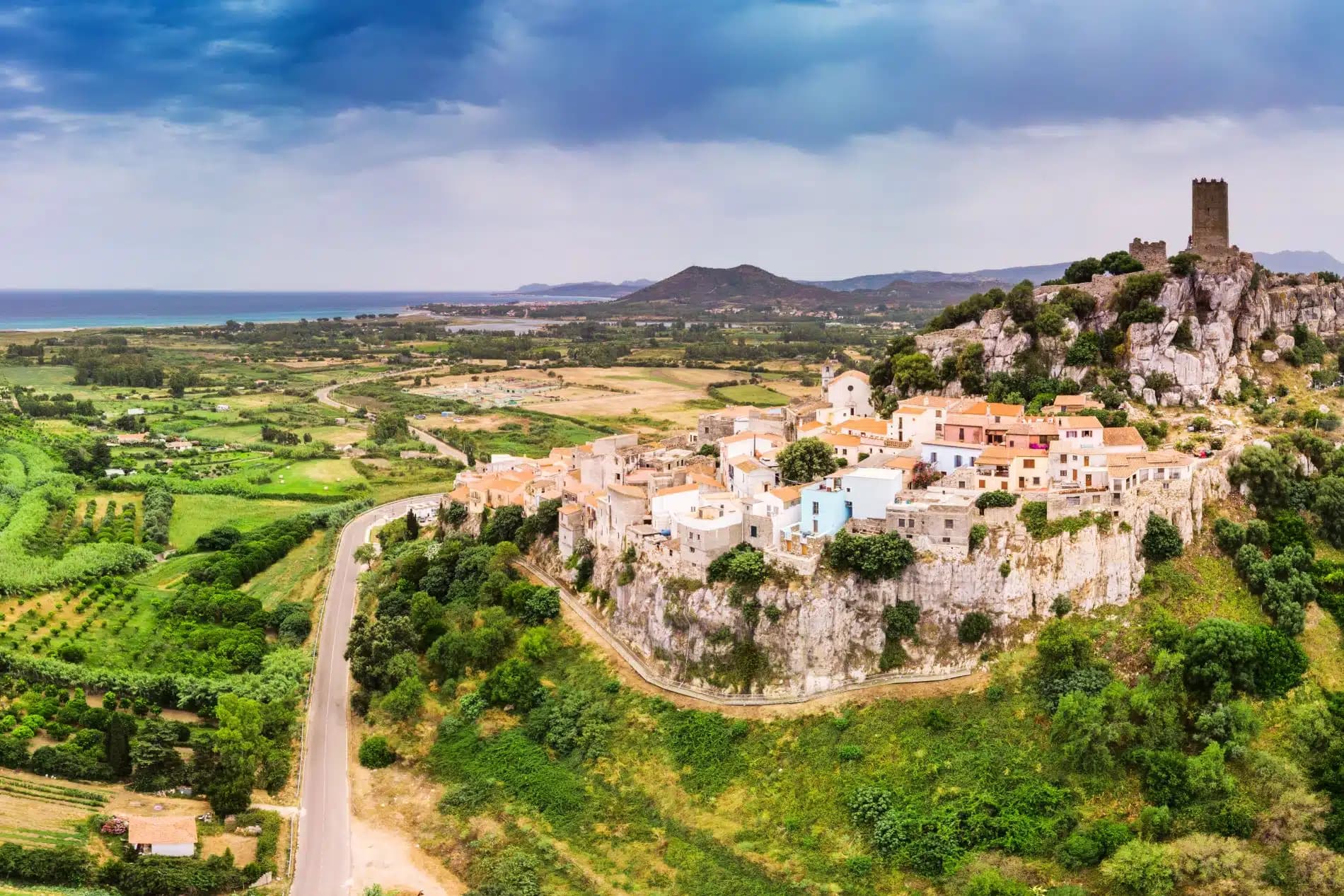
Posada
Province: Nuoro
The capital of the Baronia, a 3,000-person village on a 71-meter rock above the Rio Posada, with a 13th-century tower over the valley.
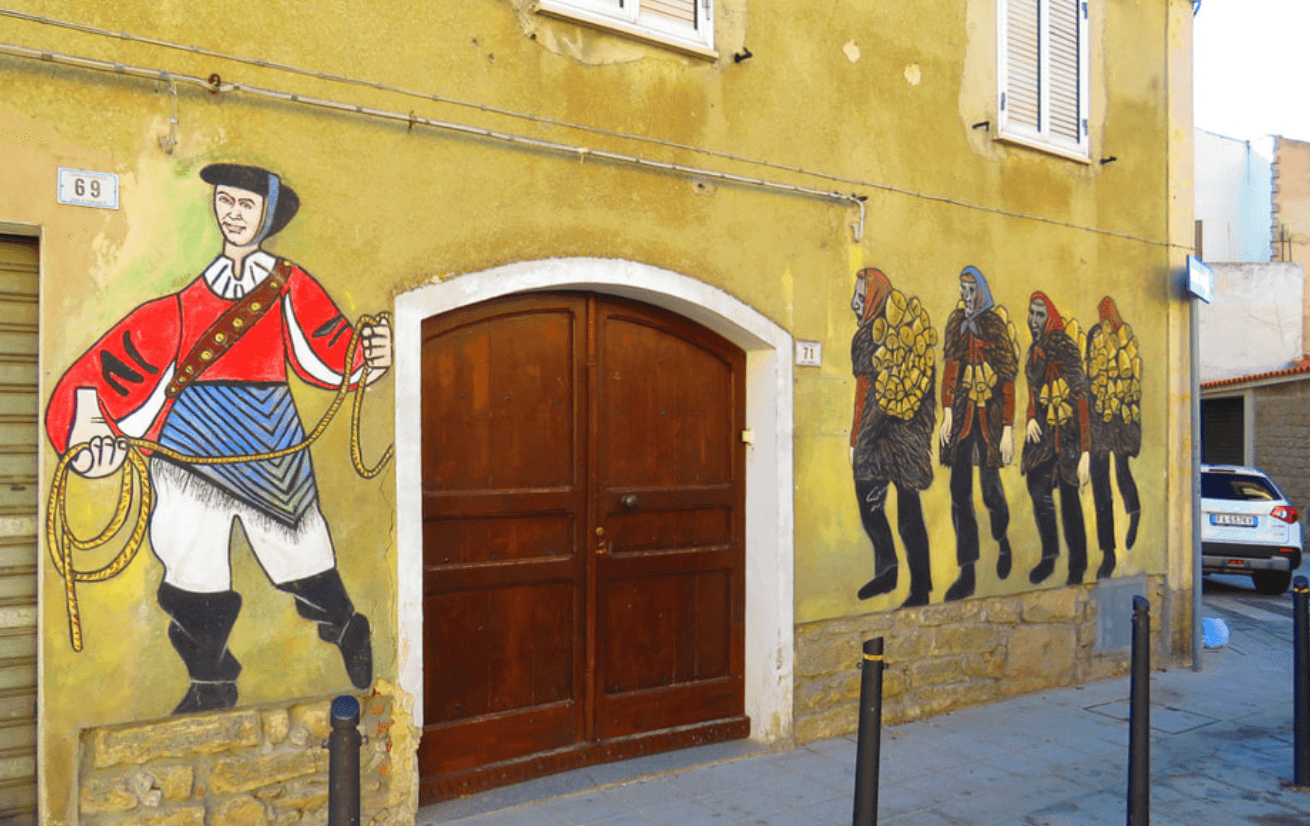
Mamoiada
Province: Nuoro
The Barbagia village where the Mamuthones come out on January 17, twelve men in black sheepskins carrying thirty kilos of cowbells.
💎 Borghi Autentici
More Borghi Autentici towns in Sardinia
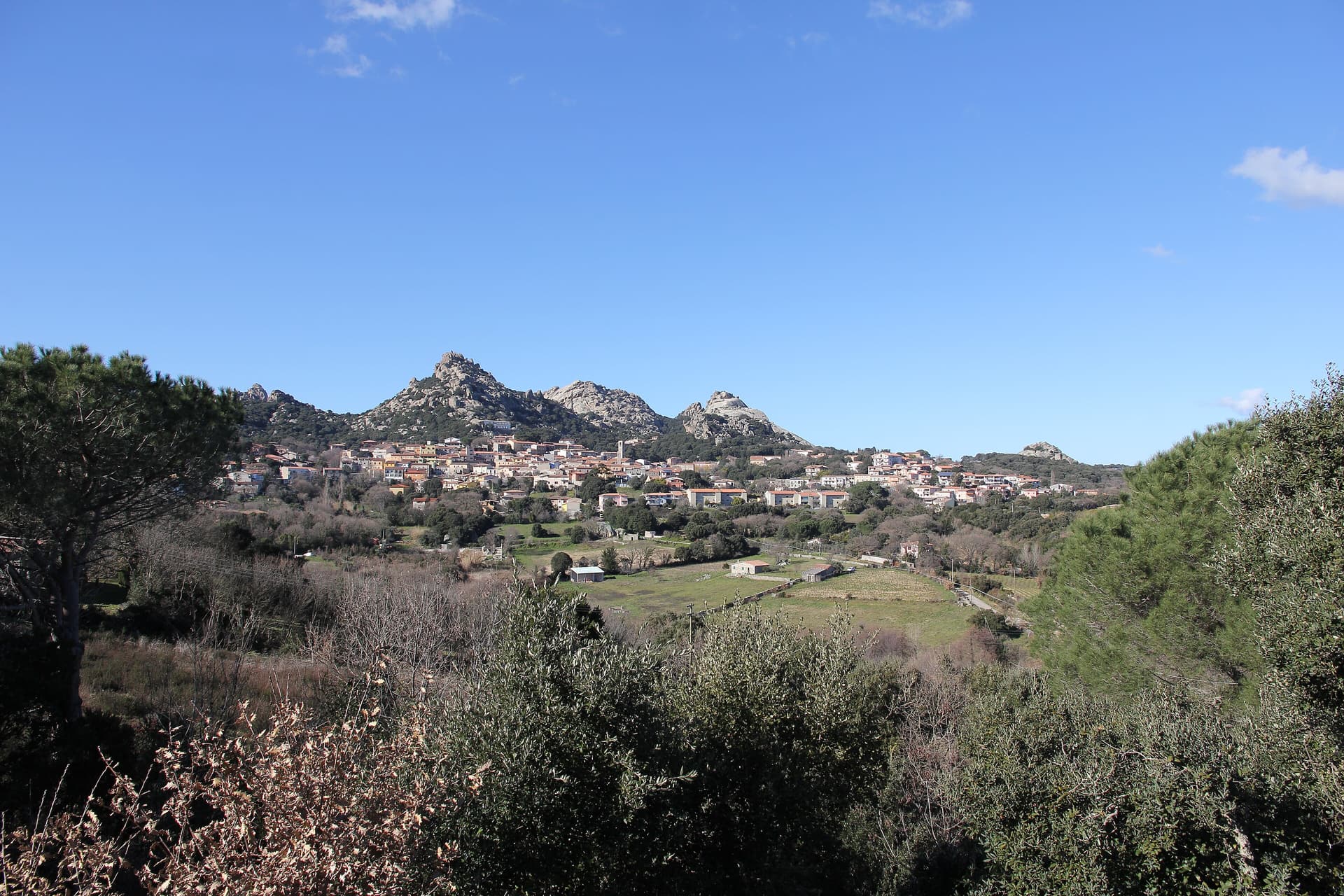
Aggius
Province: Sassari
A Gallura granite village at 514 meters under the Monti di Aggius, with the largest ethnographic museum in Sardegna and three centuries of bandit history.
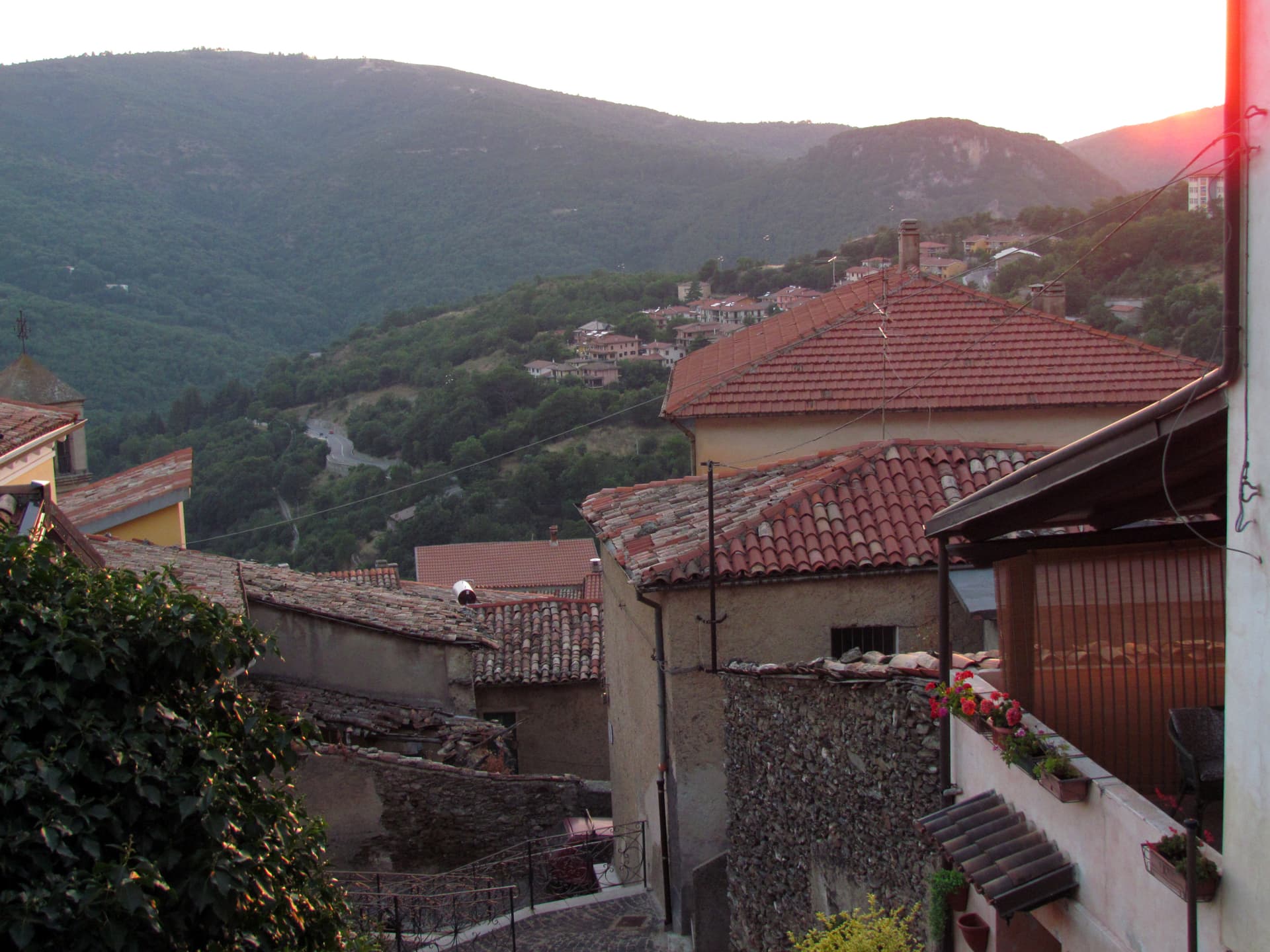
Aritzo
Province: Nuoro
A Mandrolisai mountain village at 800 meters in chestnut and hazelnut forest, where snow once travelled out in straw and came back as lemon sorbet.
Bolotana
Province: Nuoro
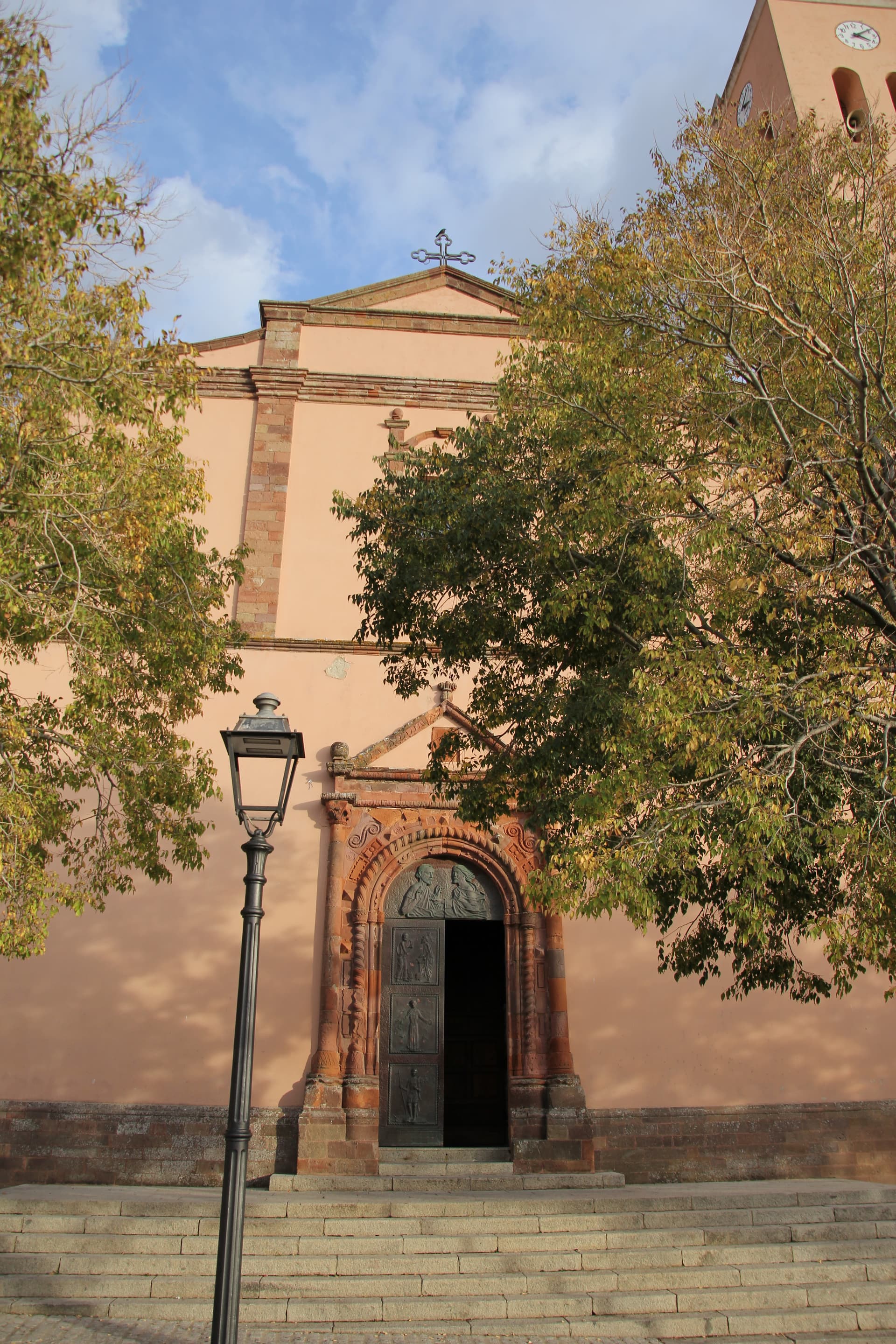
A Marghine hill village at 472 meters between mountain and Tirso valley, with a Welsh railway engineer's villa hidden in a four-hectare exotic garden.
Cuglieri
Province: Oristano
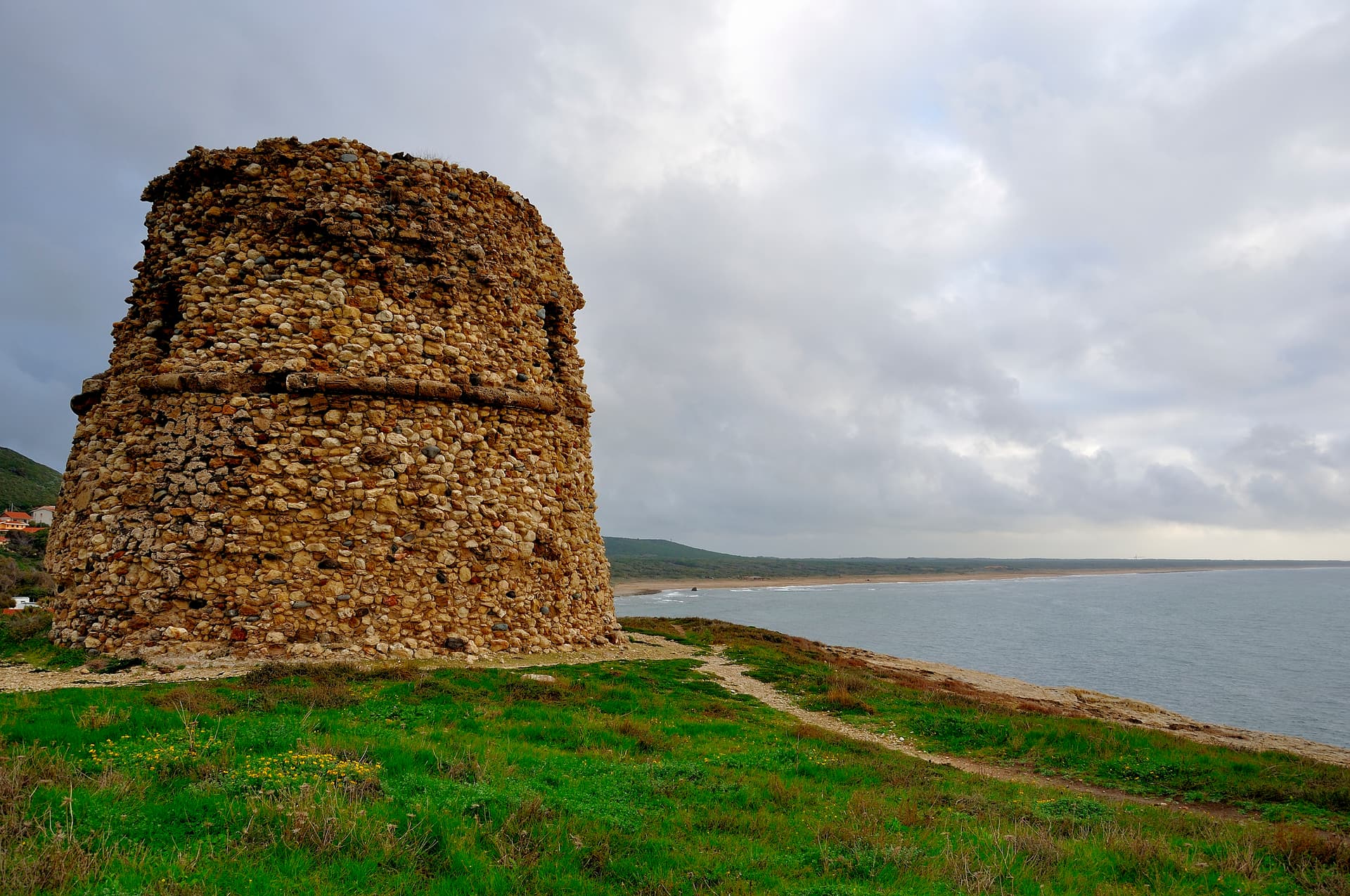
A Montiferru town at 428 meters, with the first minor basilica in Sardegna above it and the ruins of Punic Cornus below.
Masullas
Province: Oristano
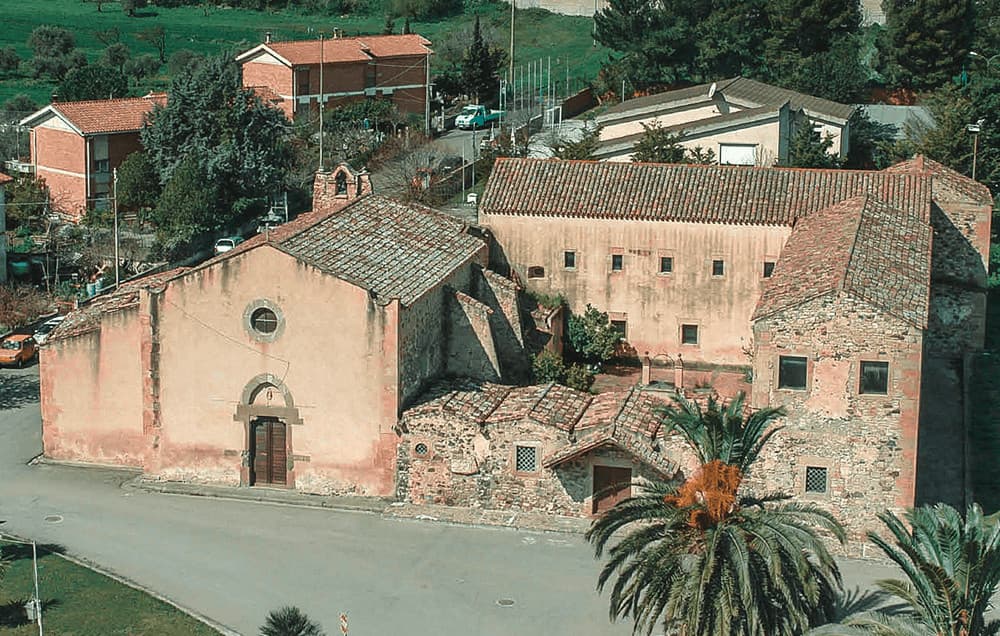
A Marmilla village at 129 meters where a 17th-century Capuchin convent houses fossils, minerals, and the volcanic history of Monte Arci.