

Sardinia · Oristano
Cuglieri
A Montiferru town, with the first minor basilica in Sardegna above it and the ruins of Punic Cornus below.
Known for
MONTIFERRU OIL
More than five hundred hectares of olive groves on the volcanic slopes, planted from the 17th century by the Zatrillas family.
BASILICA AD NIVES
First church in Sardegna raised to minor basilica status, central to the village identity and to the August patronal festa.
CORNUS
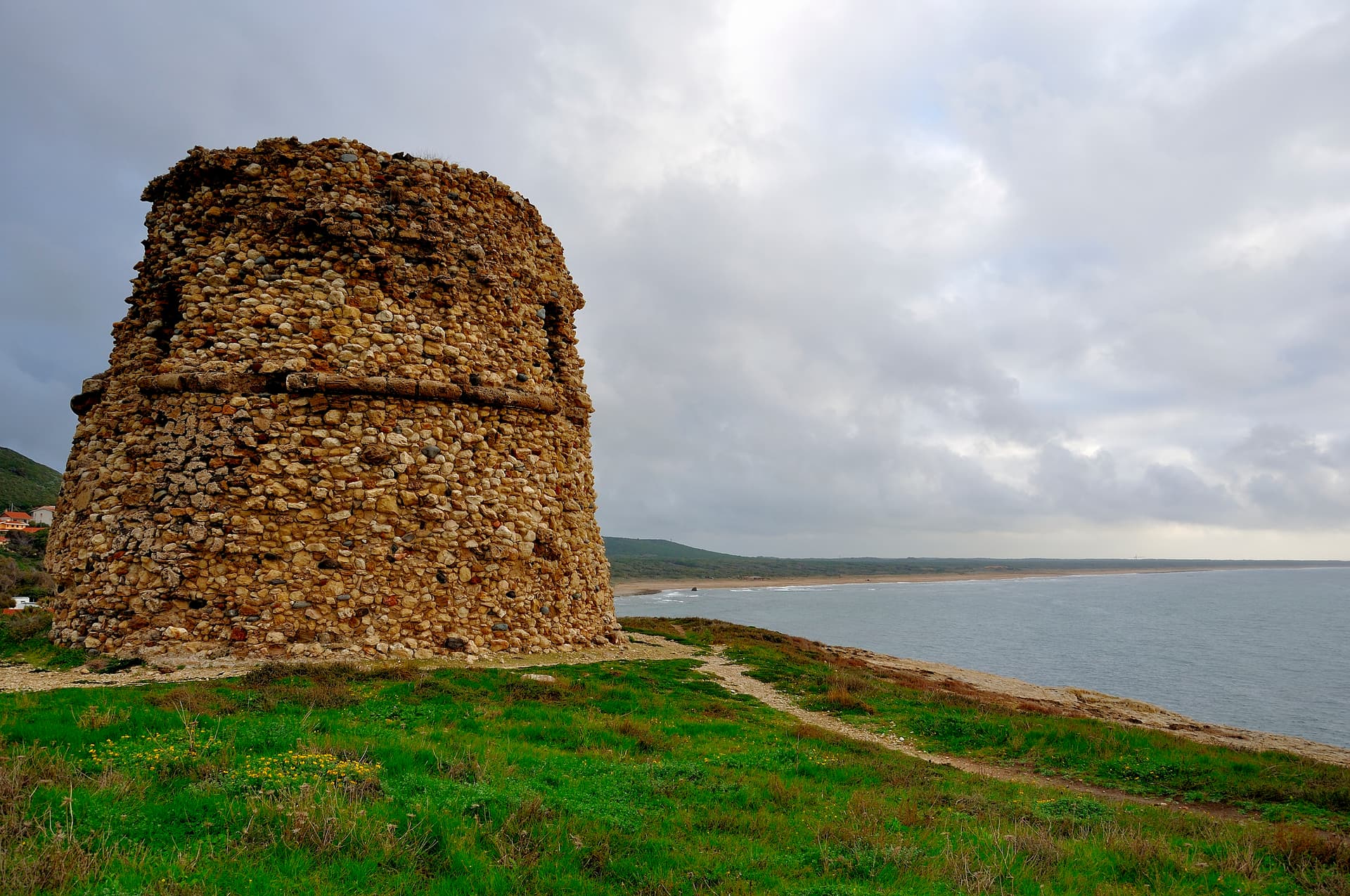
Punic city near the coast that resisted Rome in 215 BC, with an early Christian basilica complex at Columbaris in use through the 8th century.
When to visit
Best · Apr–Jun, Sep–Nov
- J
- F
- M
- A
- M
- J
- J
- A
- S
- O
- N
- D
- Best
- Hot or crowded
- Quiet
- Mostly closed
The festa: Nostra Signora della Neve, 5 August
Why come
Cuglieri fans out like an amphitheatre on Bardosu hill, on the western slope of the Montiferru volcanic massif, the principal town of the historical Montiferru region. The Basilica di Santa Maria ad Nives, the Madonna of the Snow, dominates the village and was the first church in Sardegna granted the title of minor basilica; the patronal festa runs from 4 to 7 August. The Zatrillas family planted olives across more than five hundred hectares around the town from the seventeenth century onward, and the silver-leafed groves still define the landscape; the local oil carries the Città dell'Olio mark.
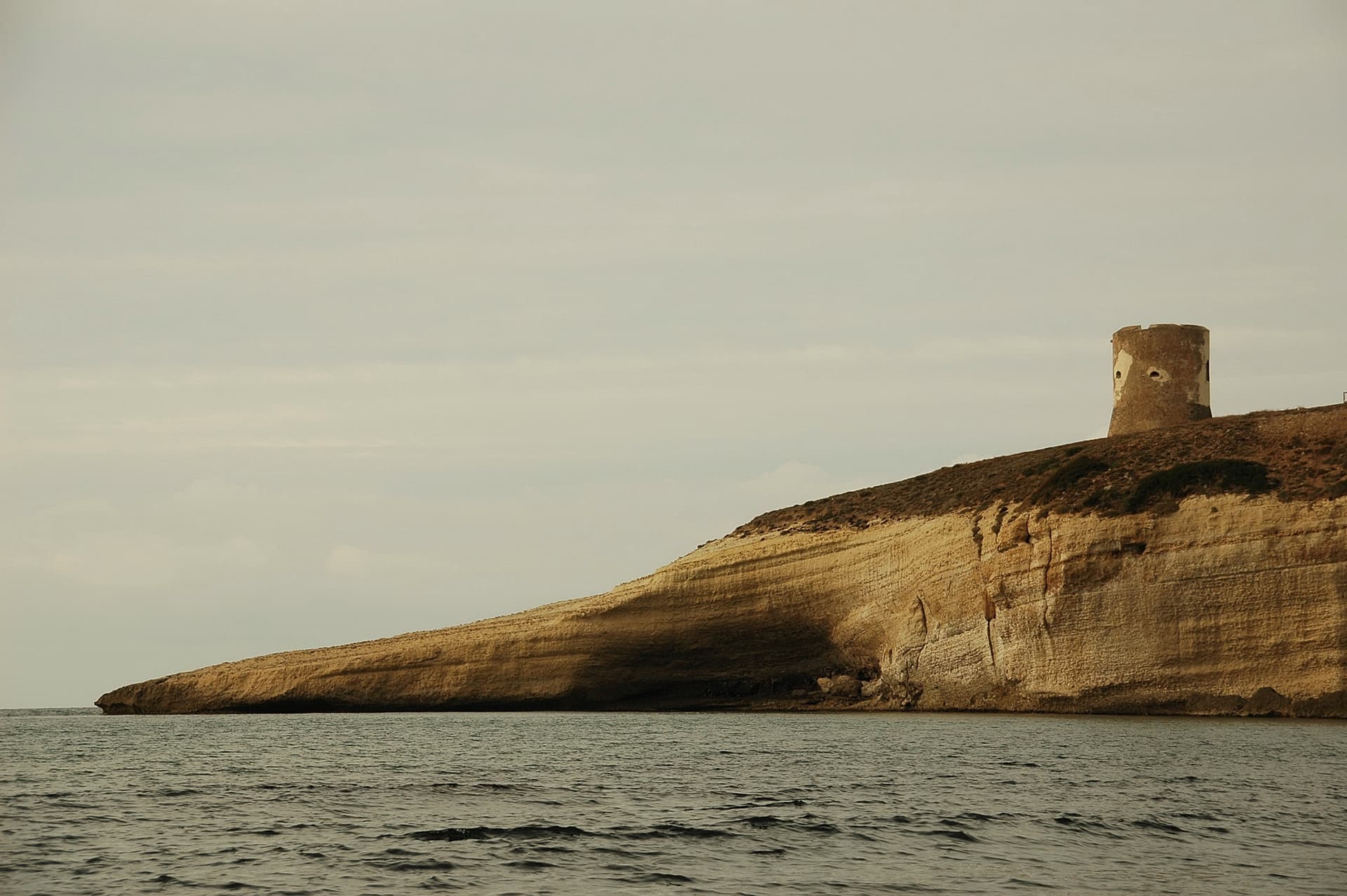
Six kilometers down toward the coast lie the ruins of Cornus, the Punic settlement founded at the end of the sixth century BC that became the stronghold of Sardo-Punic resistance to Rome in 215 BC. The Columbaris cemetery on the same plateau holds an early Christian basilica complex, a baptistery, and a necropolis in use from the fourth century AD until a fire in the seventh or eighth century ended the site.
The Sunday letter
We haven’t written Cuglieri’s letter yet.
One town every Sunday, with the photo, the food, the festa. Be there when this one comes up. Free, by Peter & Sophia from Pietrasanta.
By subscribing you agree to Substack’s Terms of Use, our Privacy Policy and our Information collection notice.
What to see
Basilica di Santa Maria ad Nives
First minor basilica in Sardegna, dominates the town from above; patronal festa of the Madonna of the Snow runs 4-7 August.
Area archeologica di Cornus
Punic city founded around 525 BC, stronghold of anti-Roman revolt in 215 BC, six kilometers from the town toward the coast.
Columbaris
Early Christian cemetery and basilica complex built over a Roman thermal structure, in use from the 4th to the 7th-8th century AD.
Montiferru
Ancient volcanic massif rising behind the town, the geographical anchor of the Montiferru sub-region and its olive landscape.
Centro storico of Cuglieri
Amphitheatre-shaped historic centre on Bardosu hill, with stone houses stepping up the slope toward the basilica.
The slow-trip planner
Building a trip? Find where Cuglieri fits in a slow Italy circuit.
Answer five questions. We will shape a geographically coherent slow trip from the 1,000 Italian towns most travelers skip. Yours to save and share.
Living here
- Population 2,468
- Off the beaten pathi
- Pharmacy in town
- Nearest high school over ~30 minutes away
- Nearest airport Sardinia, 2 h 7 min drive
- Regional capital Cagliari, 1 h 55 min drive
Tags & datadesignations · numbers · sources
Recognised as
The numbers
- Elevation: 428 m
- Population: 2,468
- Surface area: 120.6 km²
These figures were compiled from public directories — ISTAT, OpenStreetMap, Wikidata — and from the official listings of the guides named on this page. Town details change; verify with official sources before you travel.
Close by
More towns near Cuglieri
Santu Lussurgiu
Province: Oristano
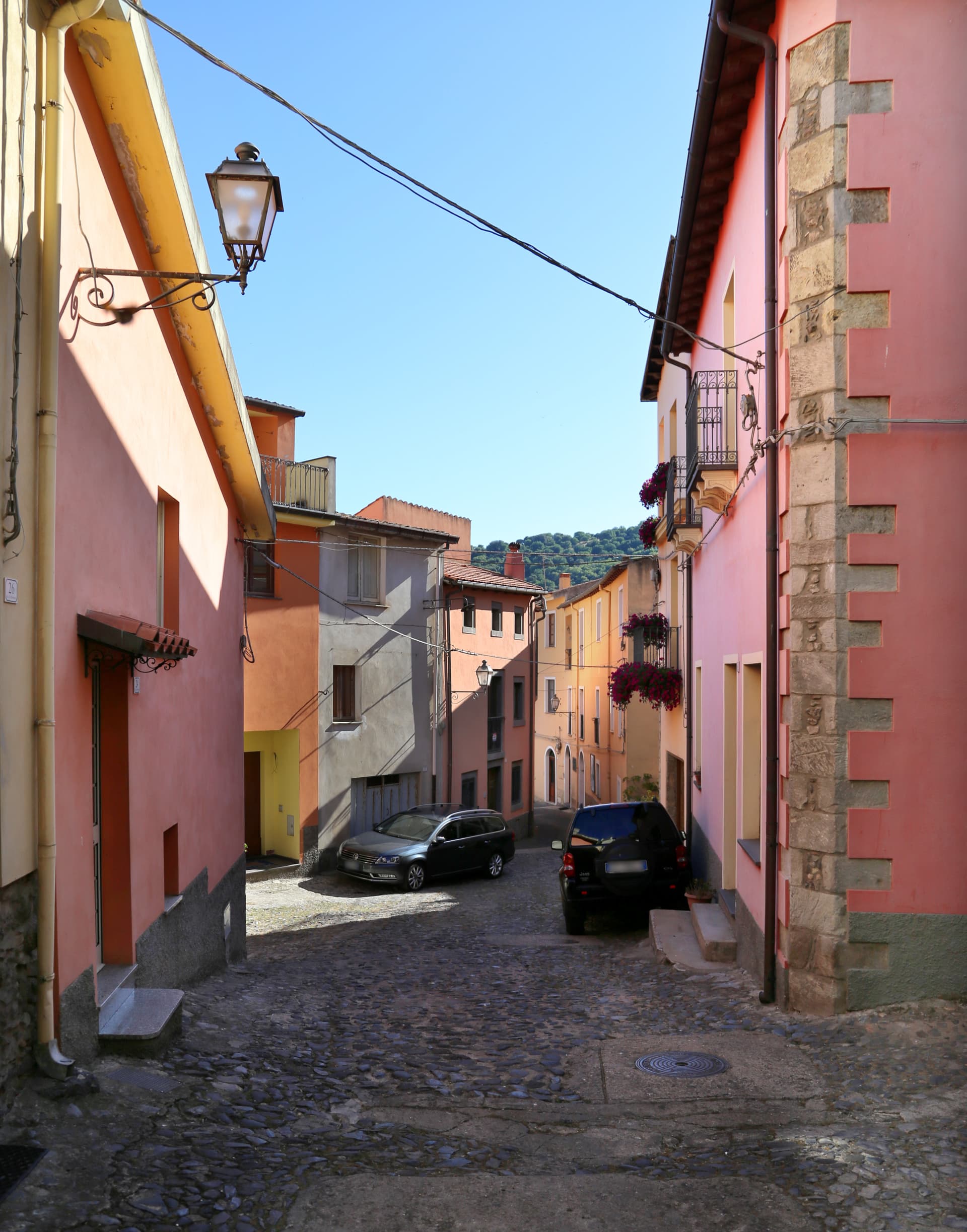
A Montiferru village at 503 meters where the Carnival horse race runs through a steep stone street and saddlery has been made since 1923.
Oristano
Province: Oristano
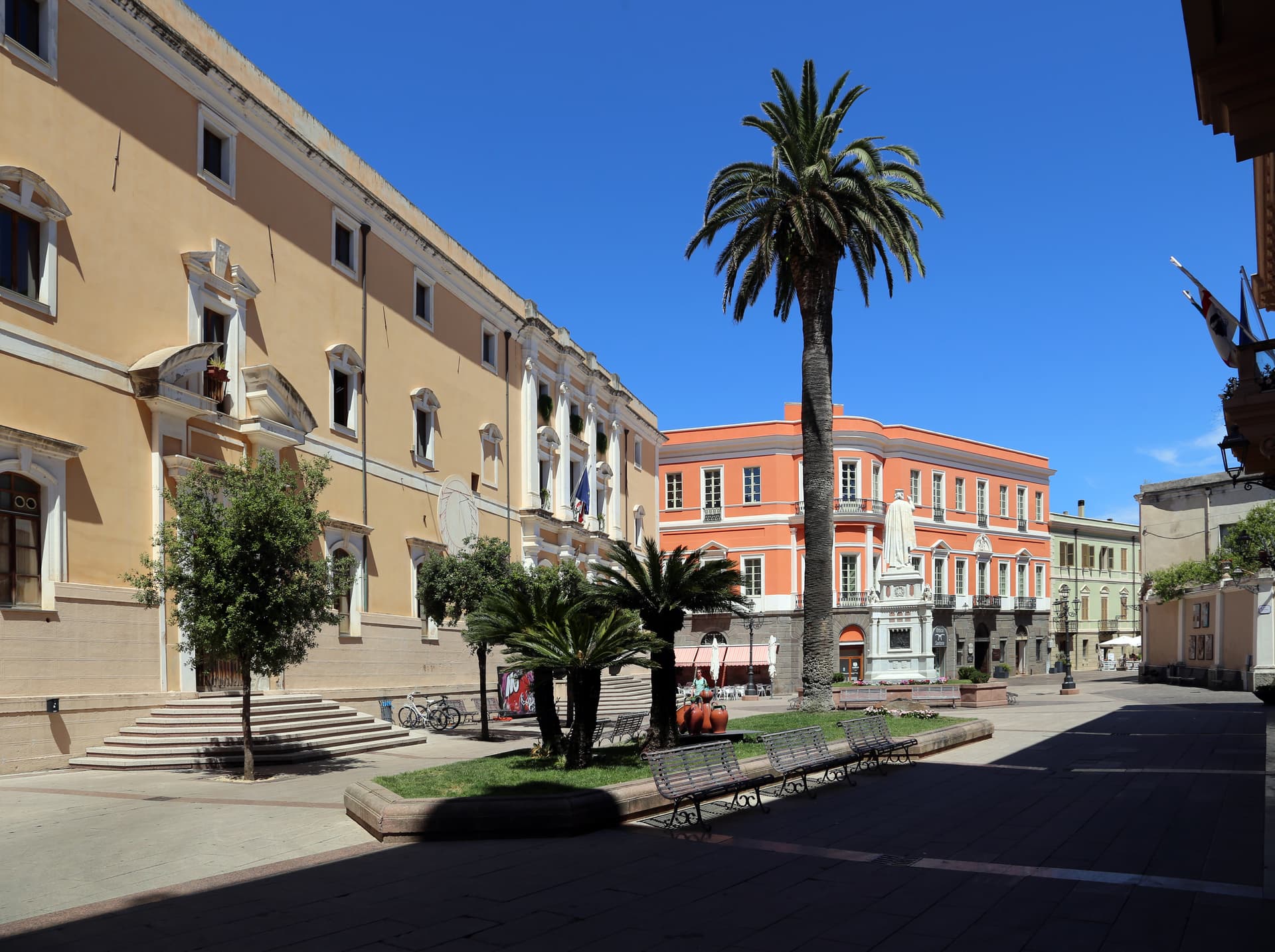
The old capital of the Giudicato di Arborea, city of Eleonora and the Carta de Logu, host of Sa Sartiglia equestrian joust at Carnival.
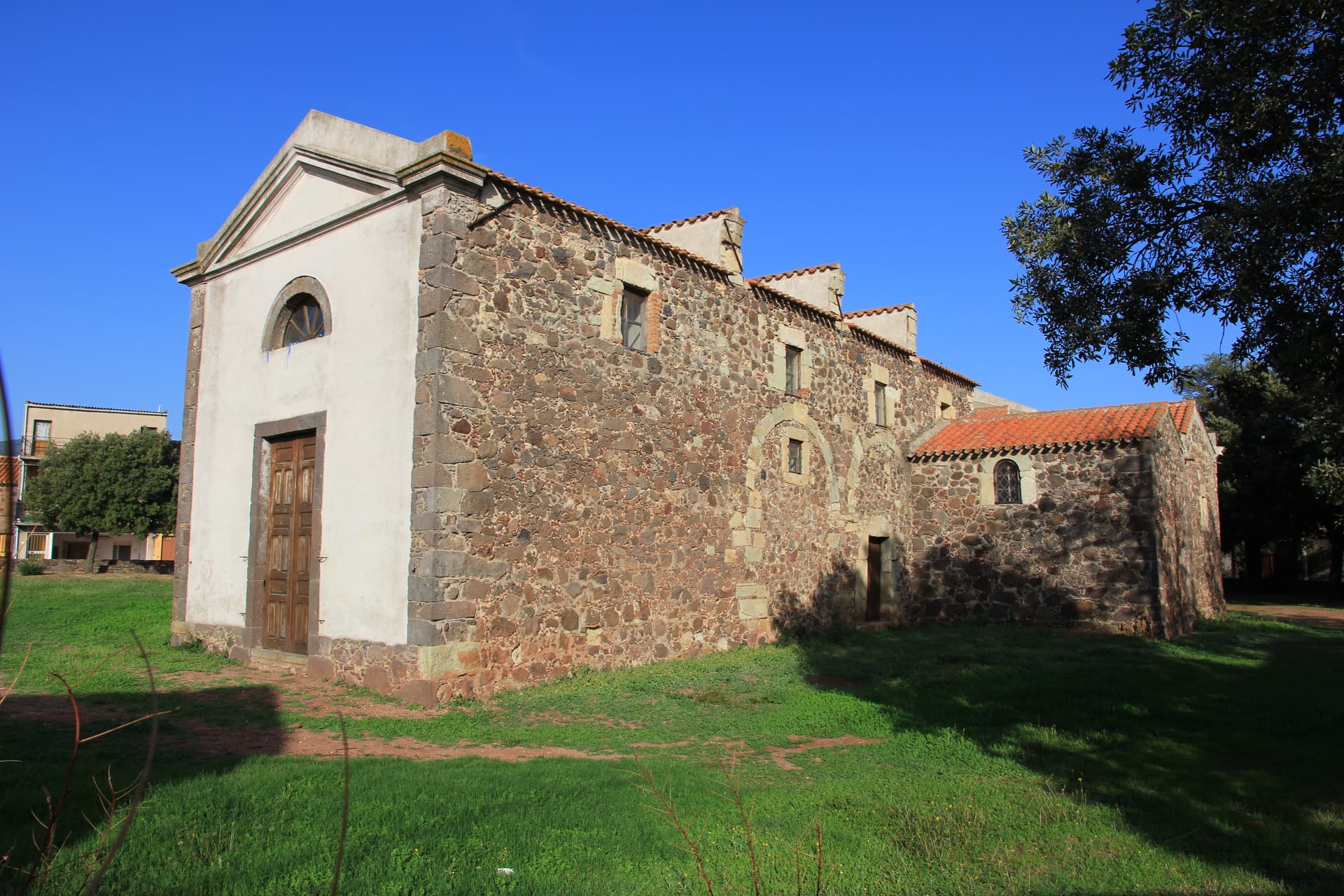
Seneghe
Province: Oristano
An olive-oil village on the eastern slope of Montiferru, 25 km from Oristano, that doubles as Sardegna's poetry capital each September.
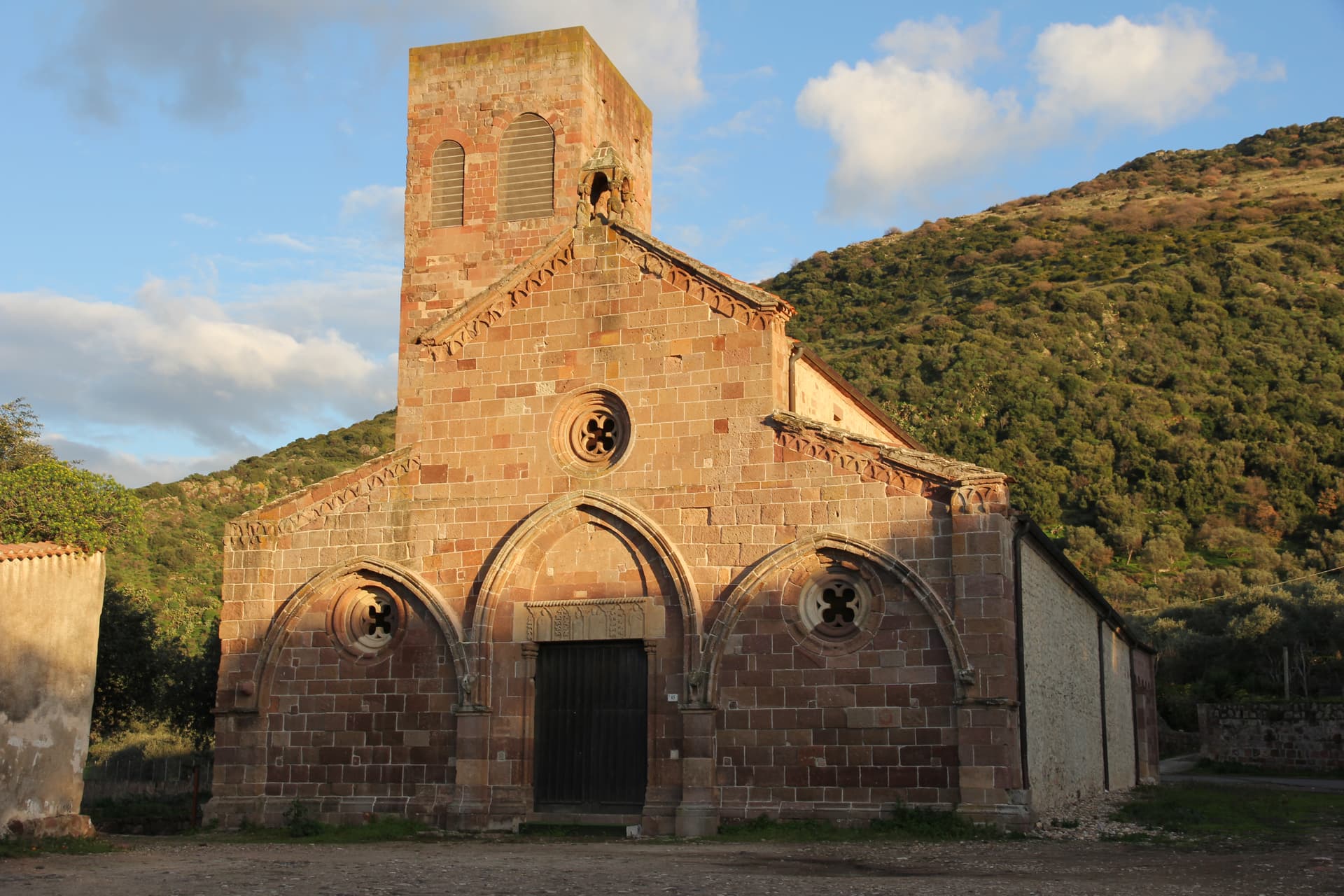
Bosa
Province: Oristano
A colour-washed riverside town on Sardinia's only navigable river, with a Malaspina castle on the hill and the tanneries of Sas Conzas along the Temo.
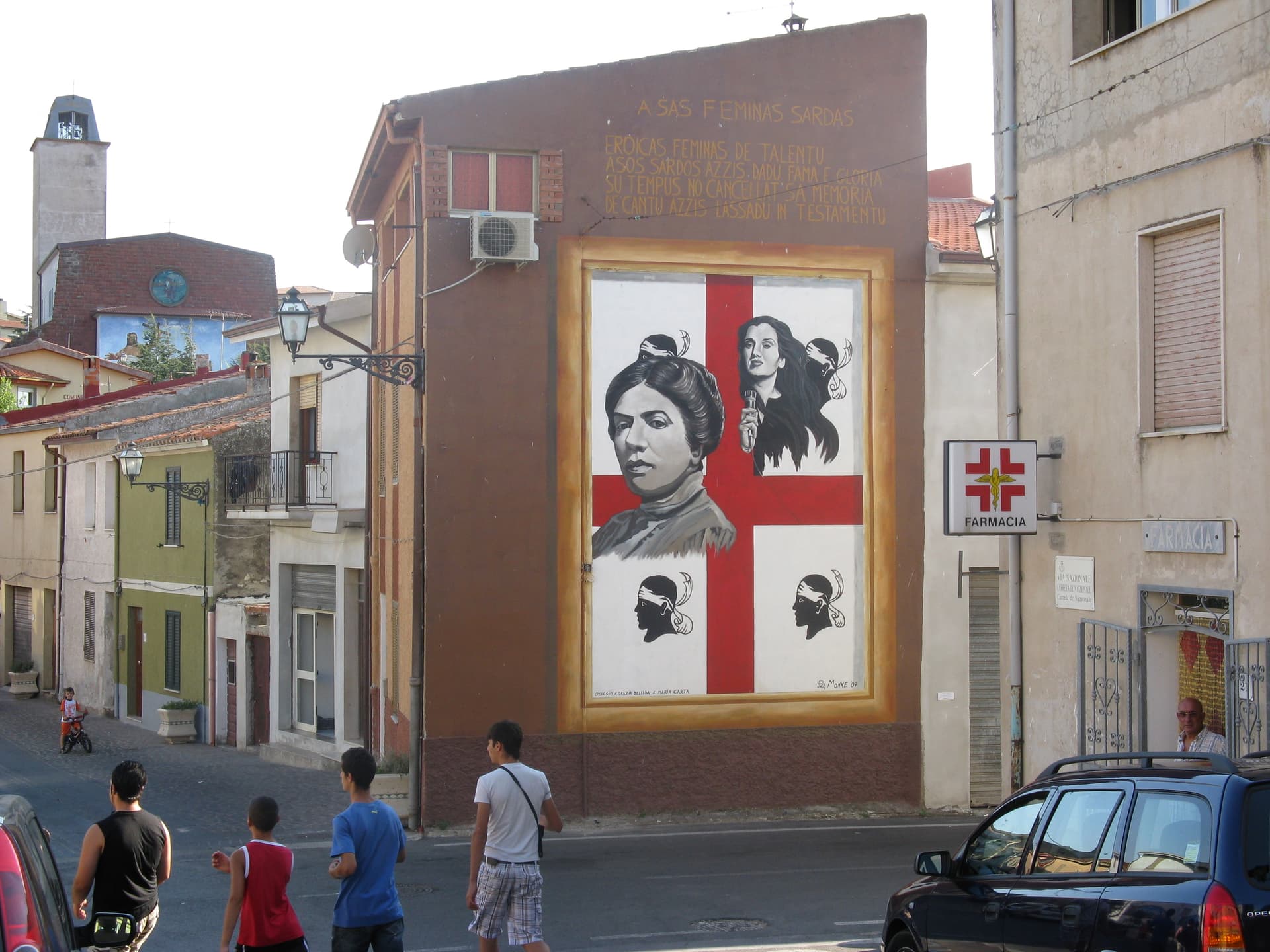
Montresta
Province: Oristano
A Planargia hill village of 438 people founded in 1746 by Maniot Greek families who left Corsica for new land in Sardinia.
💎 Borghi Autentici
More Borghi Autentici towns in Sardinia
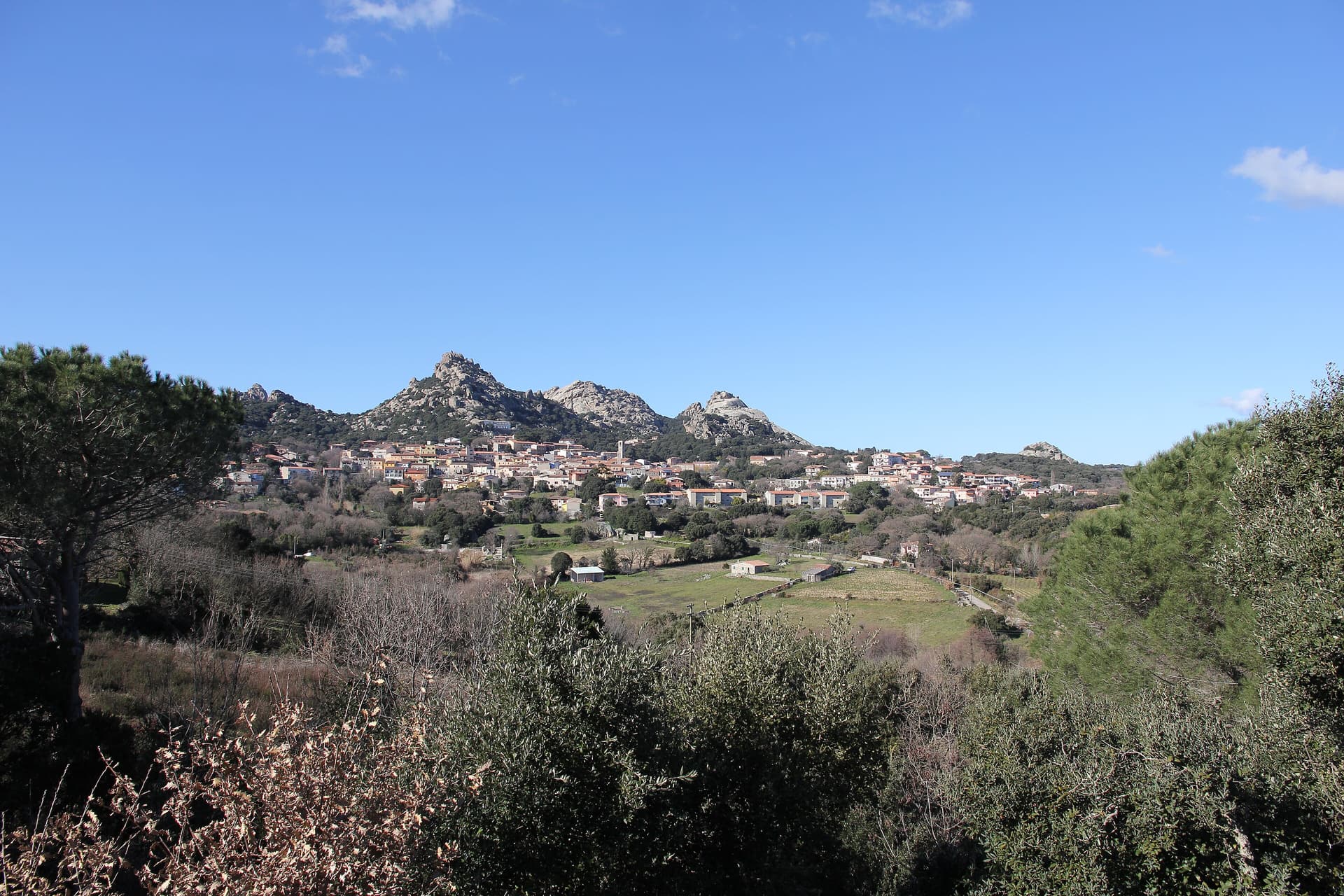
Aggius
Province: Sassari
A Gallura granite village at 514 meters under the Monti di Aggius, with the largest ethnographic museum in Sardegna and three centuries of bandit history.
Aritzo
Province: Nuoro
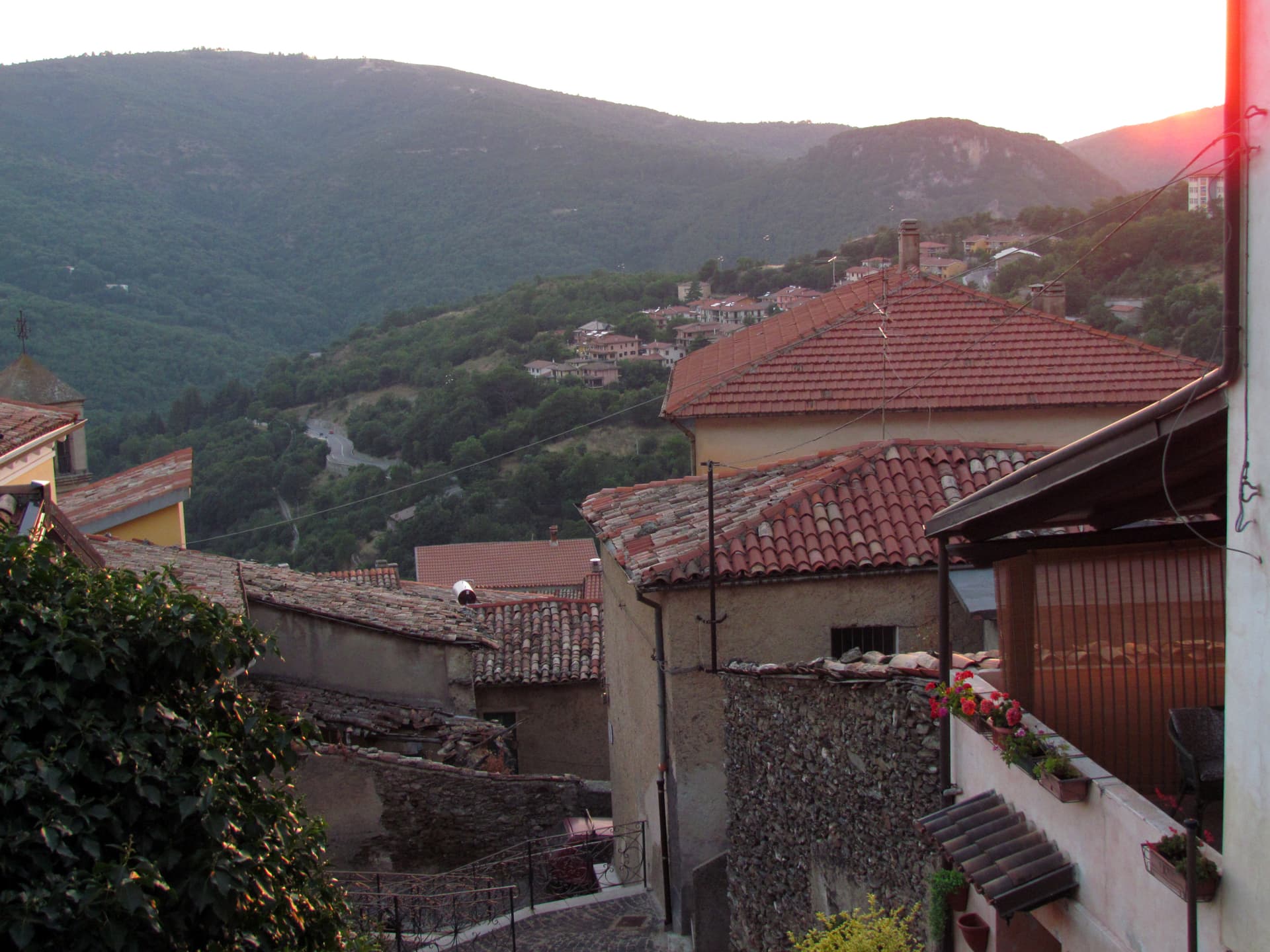
A Mandrolisai mountain village at 800 meters in chestnut and hazelnut forest, where snow once travelled out in straw and came back as lemon sorbet.
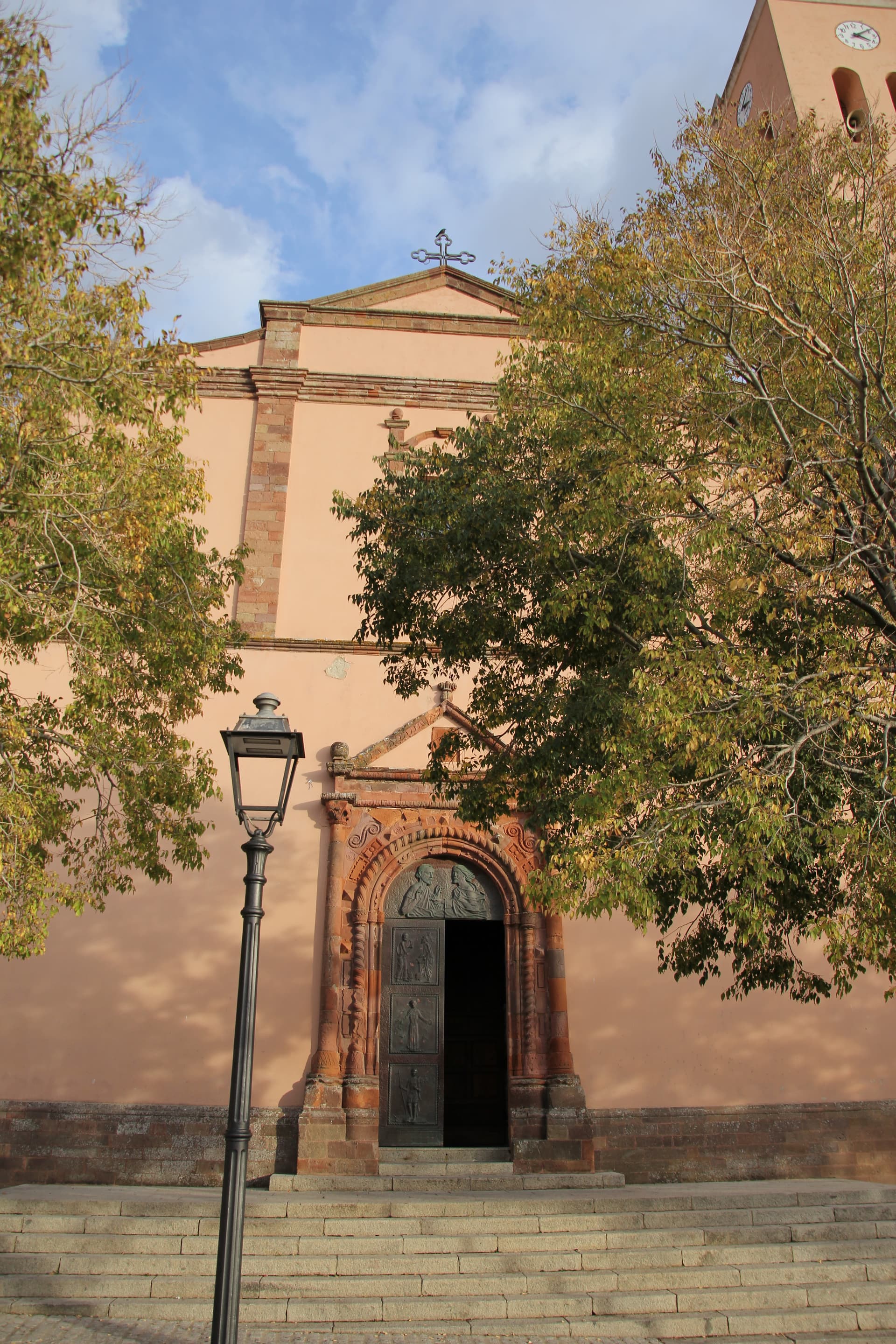
Bolotana
Province: Nuoro
A Marghine hill village at 472 meters between mountain and Tirso valley, with a Welsh railway engineer's villa hidden in a four-hectare exotic garden.

Galtellì
Province: Nuoro
Grazia Deledda's 'Canne al vento' set — a 2,354-resident Baronia borgo under the Monte Tuttavista in Sardinia's northeast, with the triple Borghi Autentici + Bandiera Arancione + Città del Vino signal, the 11th-c Cattedrale di San Pietro (Sardinia's first), and the entire centro recognised as the Parco Letterario Grazia Deledda for being the literal setting of her 1913 Nobel-trajectory novel.
Masullas
Province: Oristano
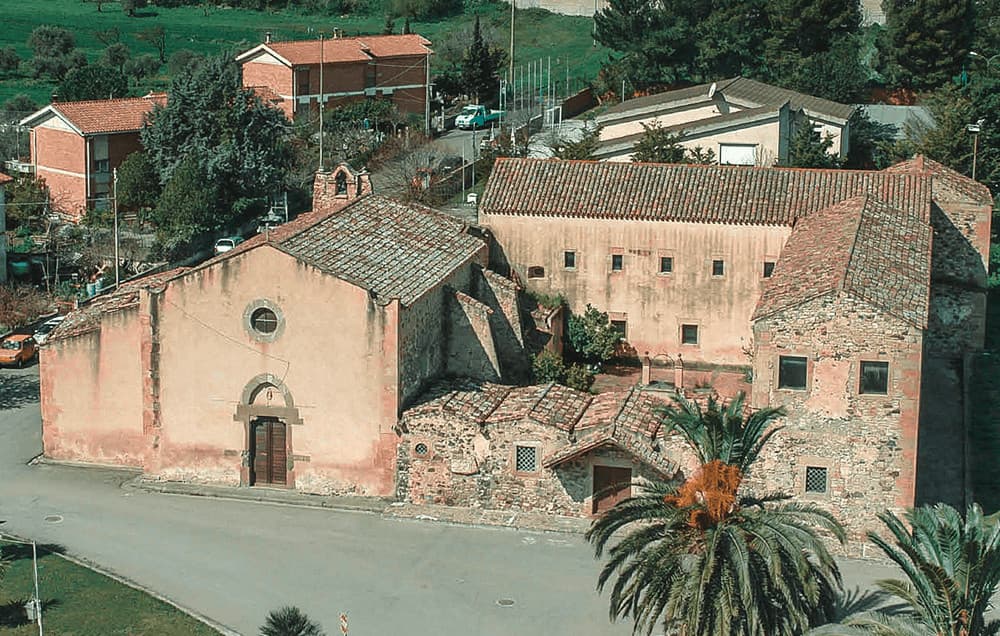
A Marmilla village at 129 meters where a 17th-century Capuchin convent houses fossils, minerals, and the volcanic history of Monte Arci.