

Sardinia · Oristano
Seneghe
An olive-oil village on the eastern slope of Montiferru, 25 km from Oristano, that doubles as Sardegna's poetry capital each September.
Known for
OLIVE OIL
Bosana extra-virgin from Montiferru groves, winner of the 1994 Ercole Olivario, judged at the annual Premio Montiferru.
CABUDANNE 'E SOS POETAS
September poetry festival running since 2005, named Italy's best poetry event in 2009, doubling the village population.
BUE ROSSO
Montiferru red-coated cattle, the local breed Slow Food Presidium that anchors the area's pastoral economy and cuisine.
When to visit
Best · Apr–Jun, Sep–Nov
- J
- F
- M
- A
- M
- J
- J
- A
- S
- O
- N
- D
- Best
- Hot or crowded
- Quiet
- Mostly closed
The festa: San Sebastiano, 20 January
Why come
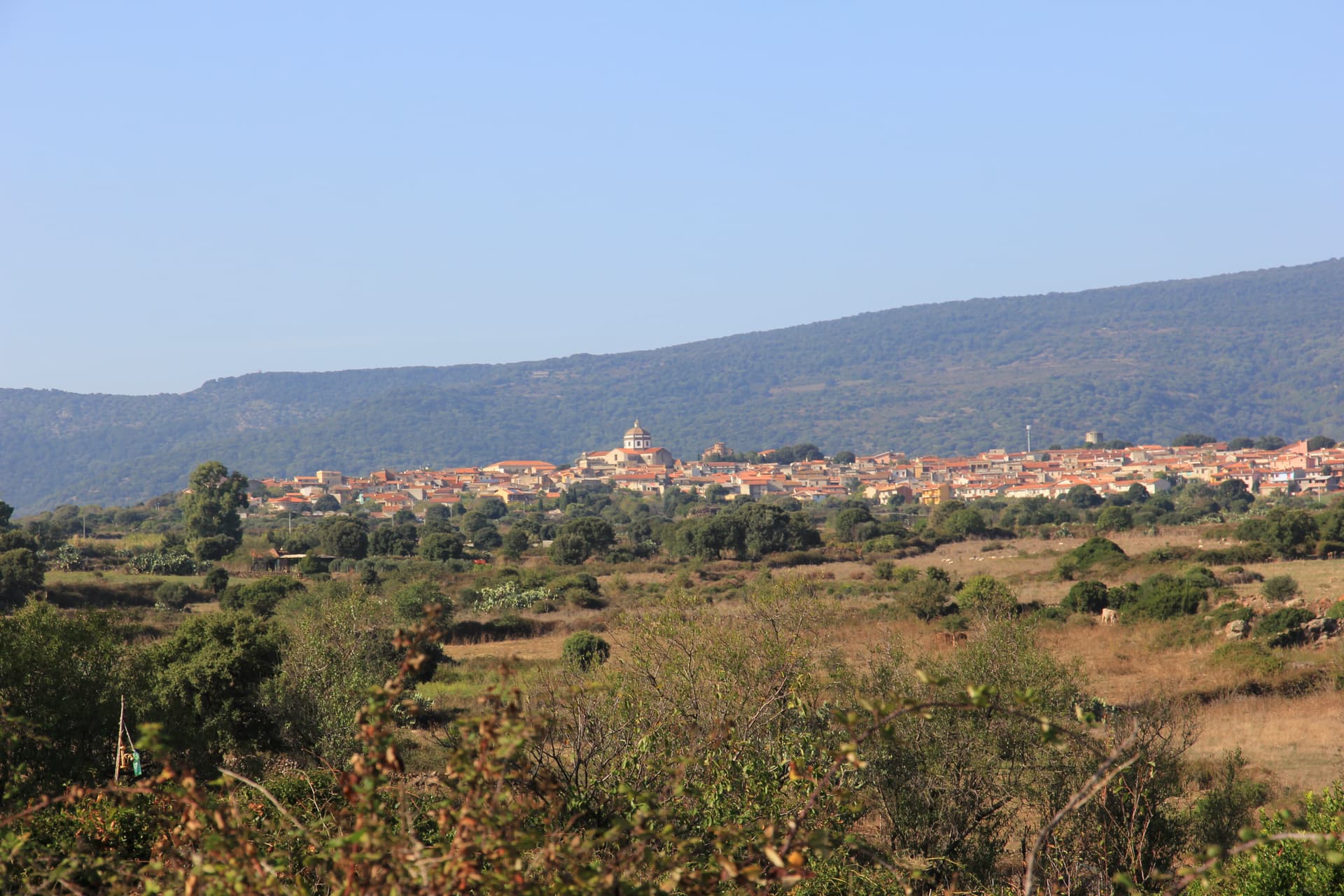
Seneghe sits on the eastern slope of Montiferru, the extinct volcano that supplies the basalt the village is built from. About 1,650 people live here, and the surrounding hills are planted with bosana and other Sardinian olive cultivars. The extra-virgin oil is good enough that Seneghe won the Ercole Olivario, Italy's top national olive-oil prize, in 1994, and the village hosts the annual Premio Montiferru, the national jury competition for Italian oils.
The other reason to come is poetry. Each September, the village hosts Cabudanne 'e Sos Poetas, a festival that began in 2005 and was named Italy's best poetry event in 2009. Poets read in piazzas, in courtyards, in the basalt streets, in Sardinian and Italian and translated languages.
For three days the population doubles. The rest of the year, the town runs on agriculture, oil, and Bue Rosso cattle, the Montiferru red-coated breed that supplies the local pastoral economy.
The Sunday letter
We haven’t written Seneghe’s letter yet.
One town every Sunday, with the photo, the food, the festa. Be there when this one comes up. Free, by Peter & Sophia from Pietrasanta.
By subscribing you agree to Substack’s Terms of Use, our Privacy Policy and our Information collection notice.
What to see
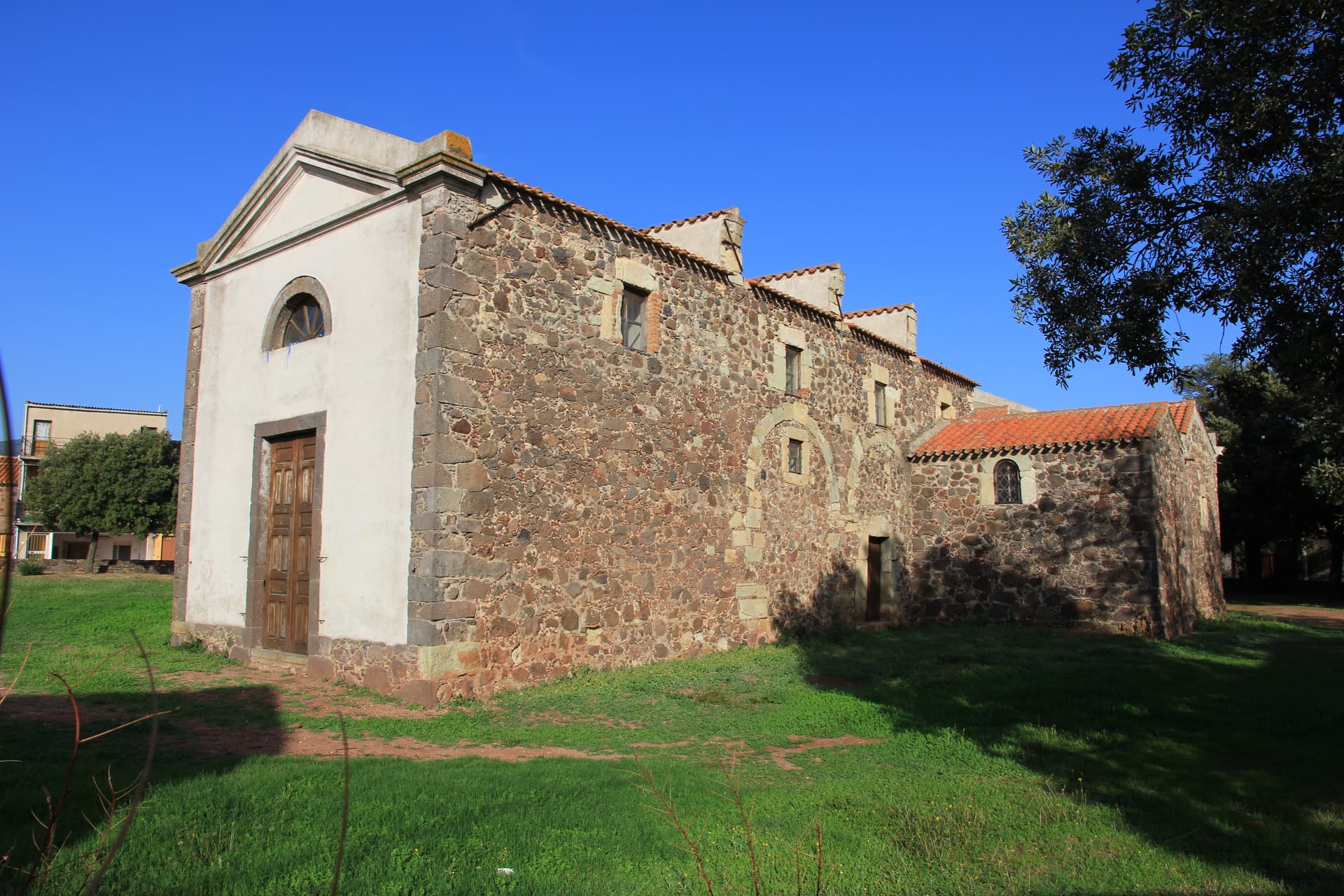
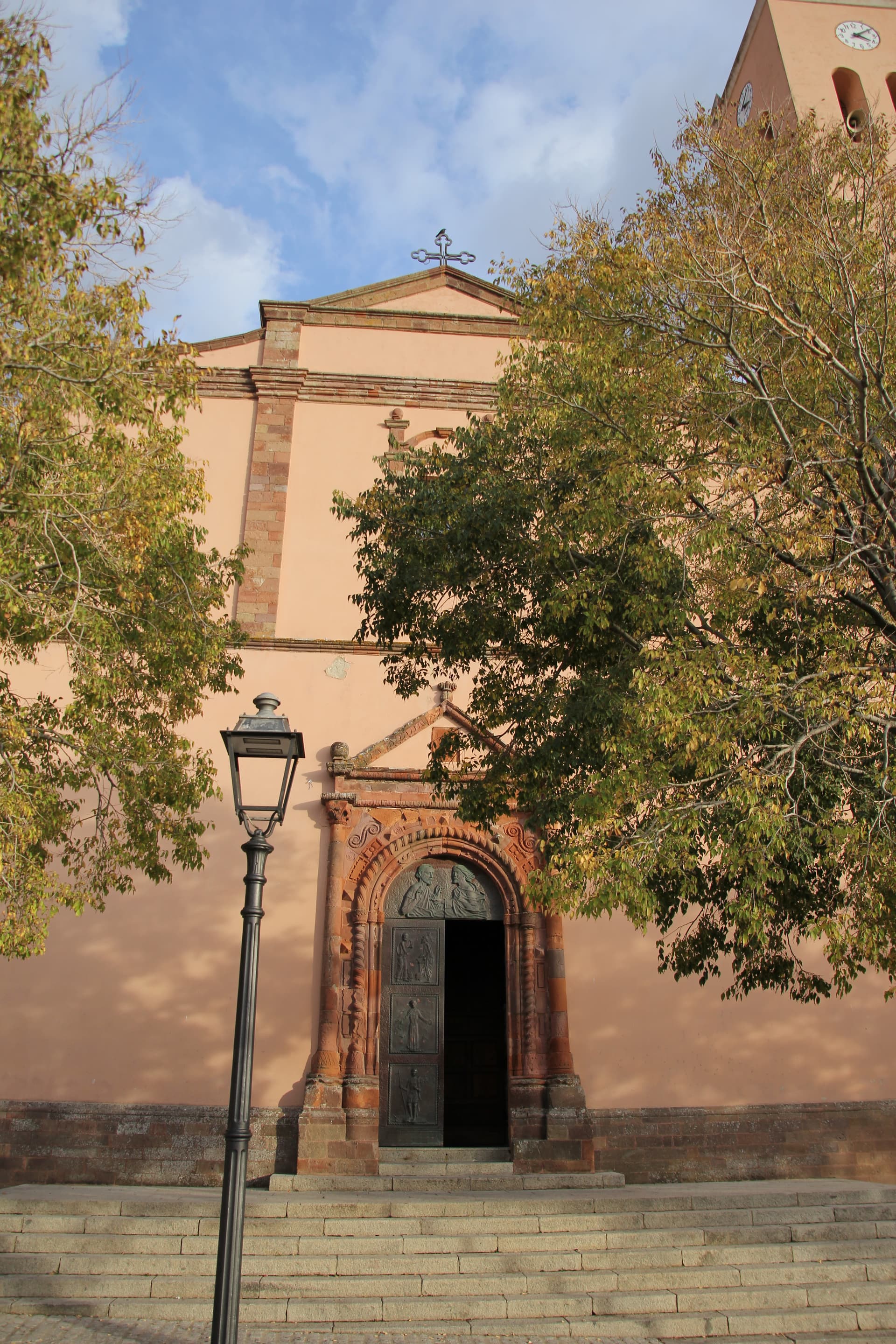
Chiesa di Santa Maria della Rosa
Parish church in the centro storico, basalt construction, holding the village's principal religious feasts.
Centro storico in basalto
Old quarter built from the dark volcanic stone of Montiferru, with the characteristic black-grey lanes and walls of the area.
Montiferru olive groves
Hillside groves of bosana and other Sardinian cultivars feeding the village's award-winning extra-virgin oil production.
S'Adde forest
Wooded valley above the village with cork oaks and downy oaks, source of springs that supplied old Seneghe.
Cabudanne 'e Sos Poetas venues
Piazzas and courtyards across the village converted each early September into the readings of Italy's award-winning poetry festival.
The slow-trip planner
Building a trip? Find where Seneghe fits in a slow Italy circuit.
Answer five questions. We will shape a geographically coherent slow trip from the 1,000 Italian towns most travelers skip. Yours to save and share.
Living here
- Population 1,645
- Commuter belti
- Pharmacy in town
- Nearest high school over ~30 minutes away
- Nearest airport Sardinia, 2 h 0 min drive
- Regional capital Cagliari, 1 h 48 min drive
Tags & datadesignations · numbers · sources
Recognised as
The numbers
- Elevation: 305 m
- Population: 1,645
- Surface area: 57.85 km²
These figures were compiled from public directories — ISTAT, OpenStreetMap, Wikidata — and from the official listings of the guides named on this page. Town details change; verify with official sources before you travel.
Close by
More towns near Seneghe
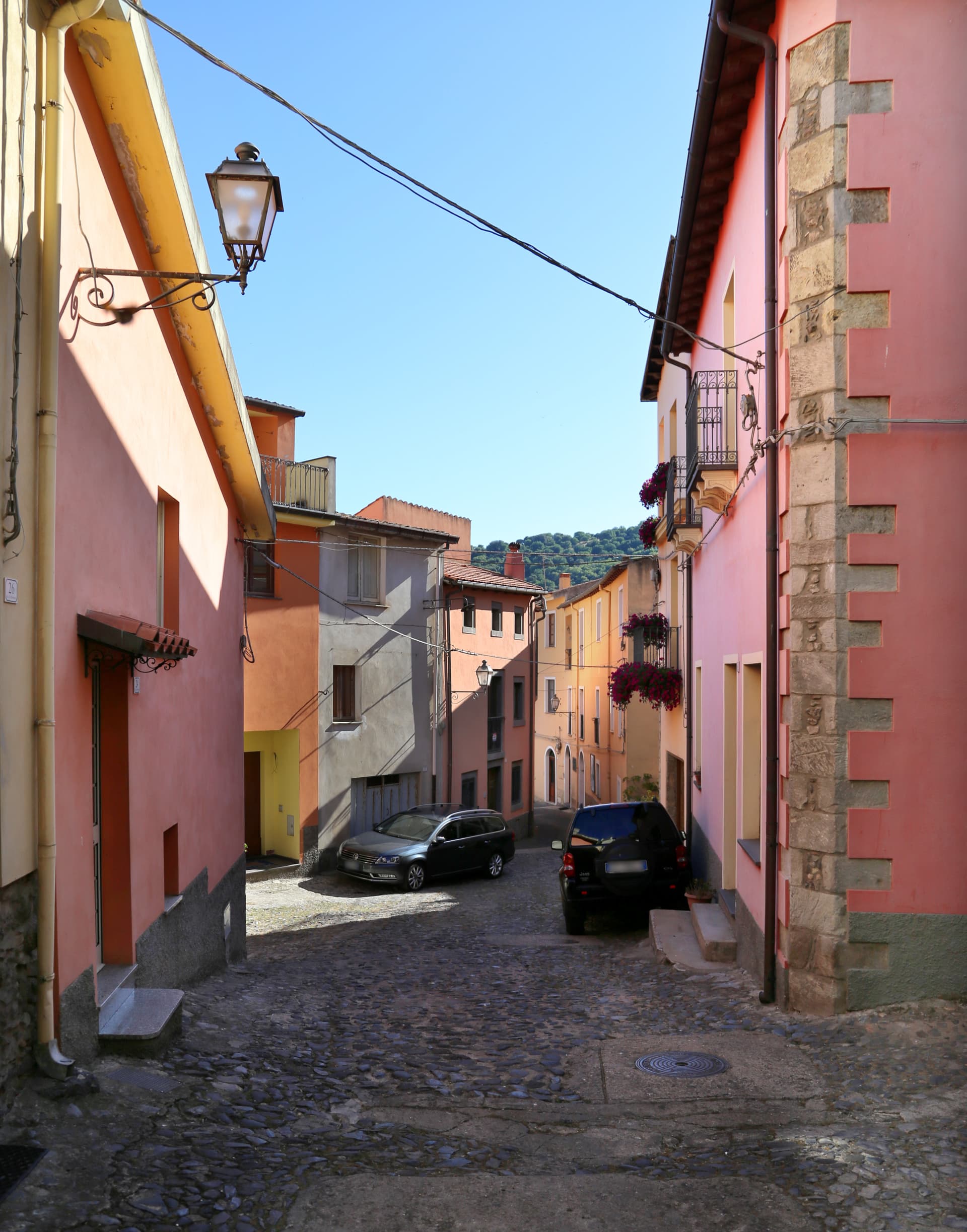
Santu Lussurgiu
Province: Oristano
A Montiferru village at 503 meters where the Carnival horse race runs through a steep stone street and saddlery has been made since 1923.
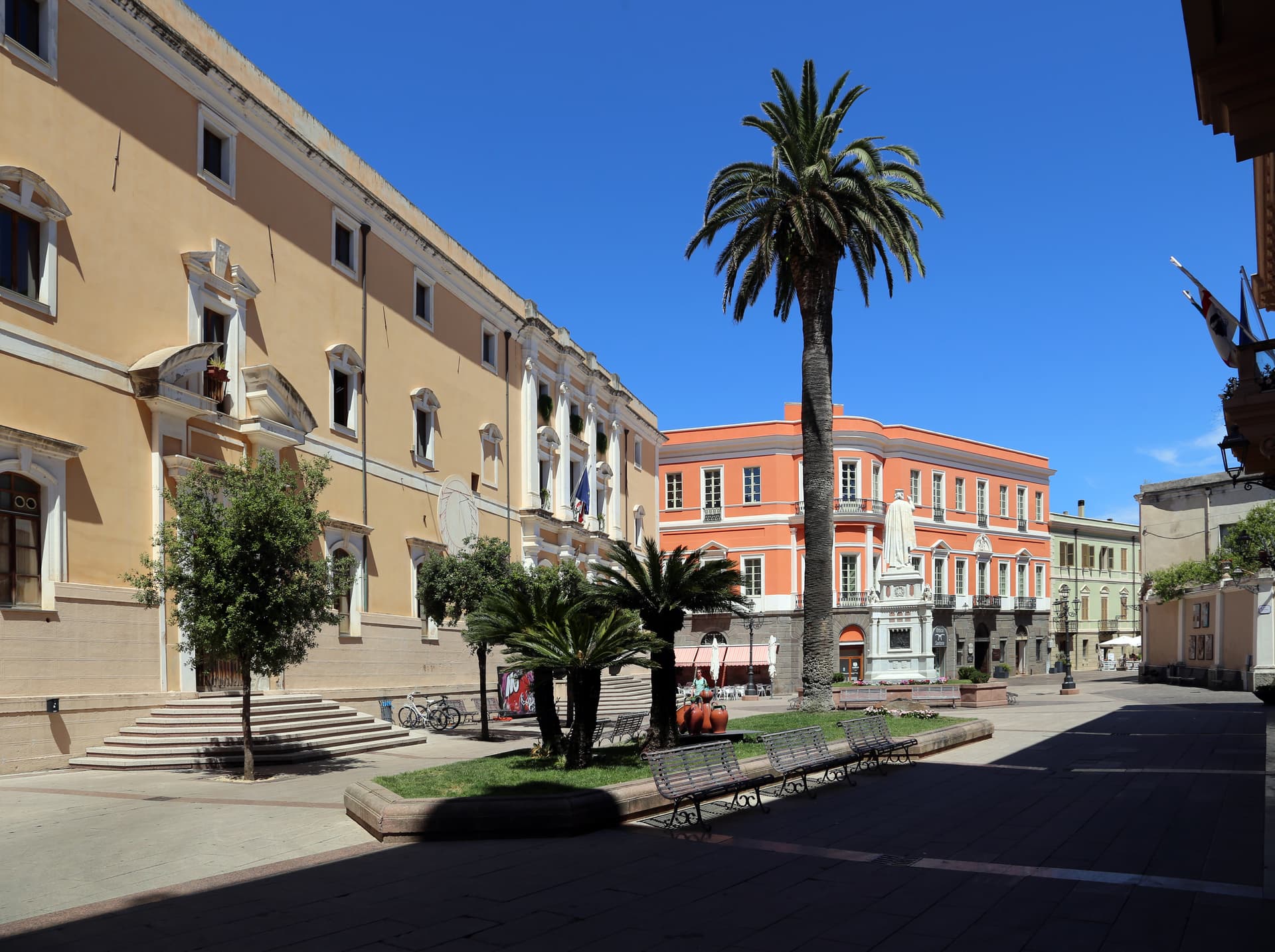
Oristano
Province: Oristano
The old capital of the Giudicato di Arborea, city of Eleonora and the Carta de Logu, host of Sa Sartiglia equestrian joust at Carnival.
Cuglieri
Province: Oristano
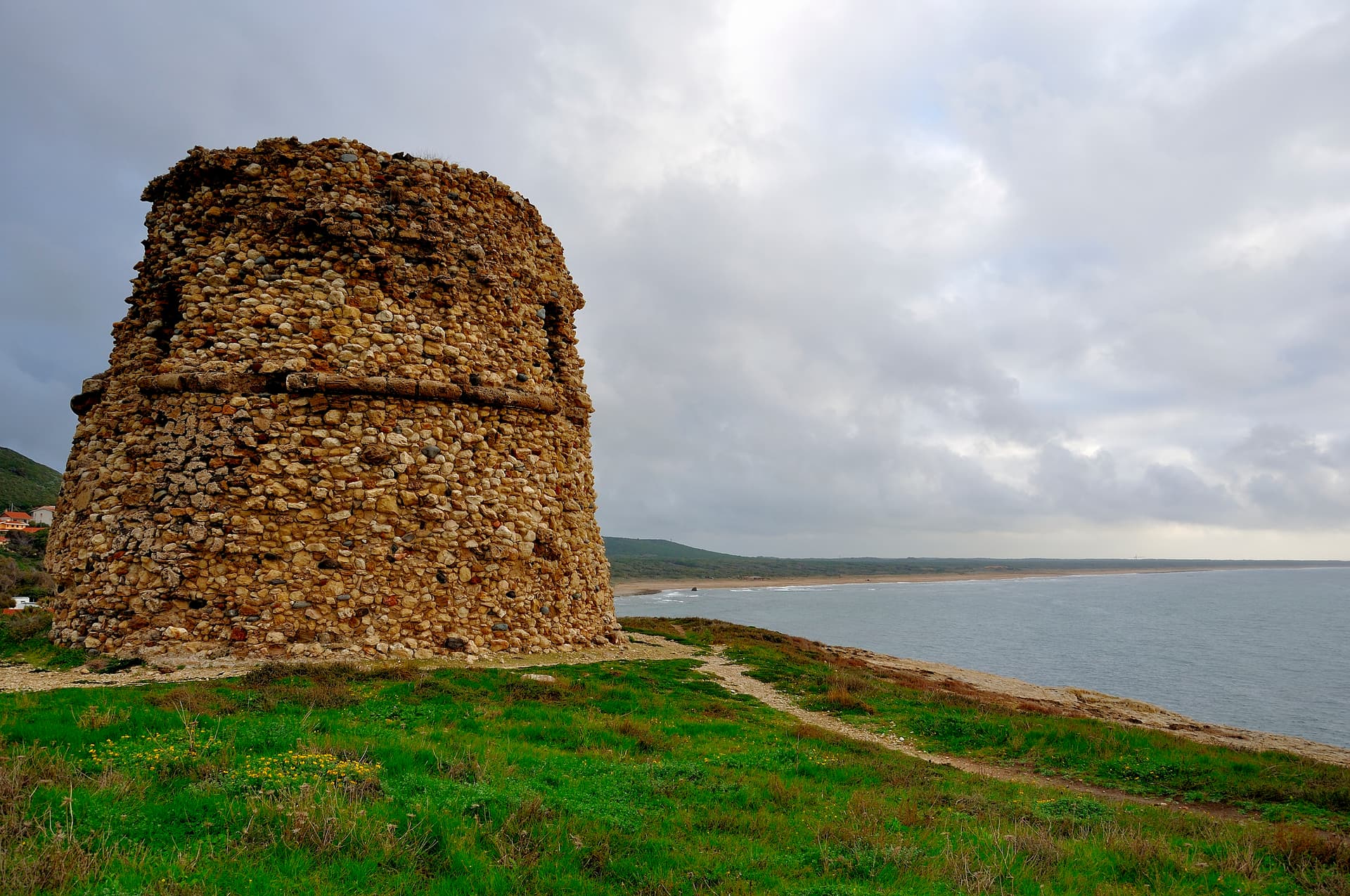
A Montiferru town at 428 meters, with the first minor basilica in Sardegna above it and the ruins of Punic Cornus below.
Samugheo
Province: Oristano
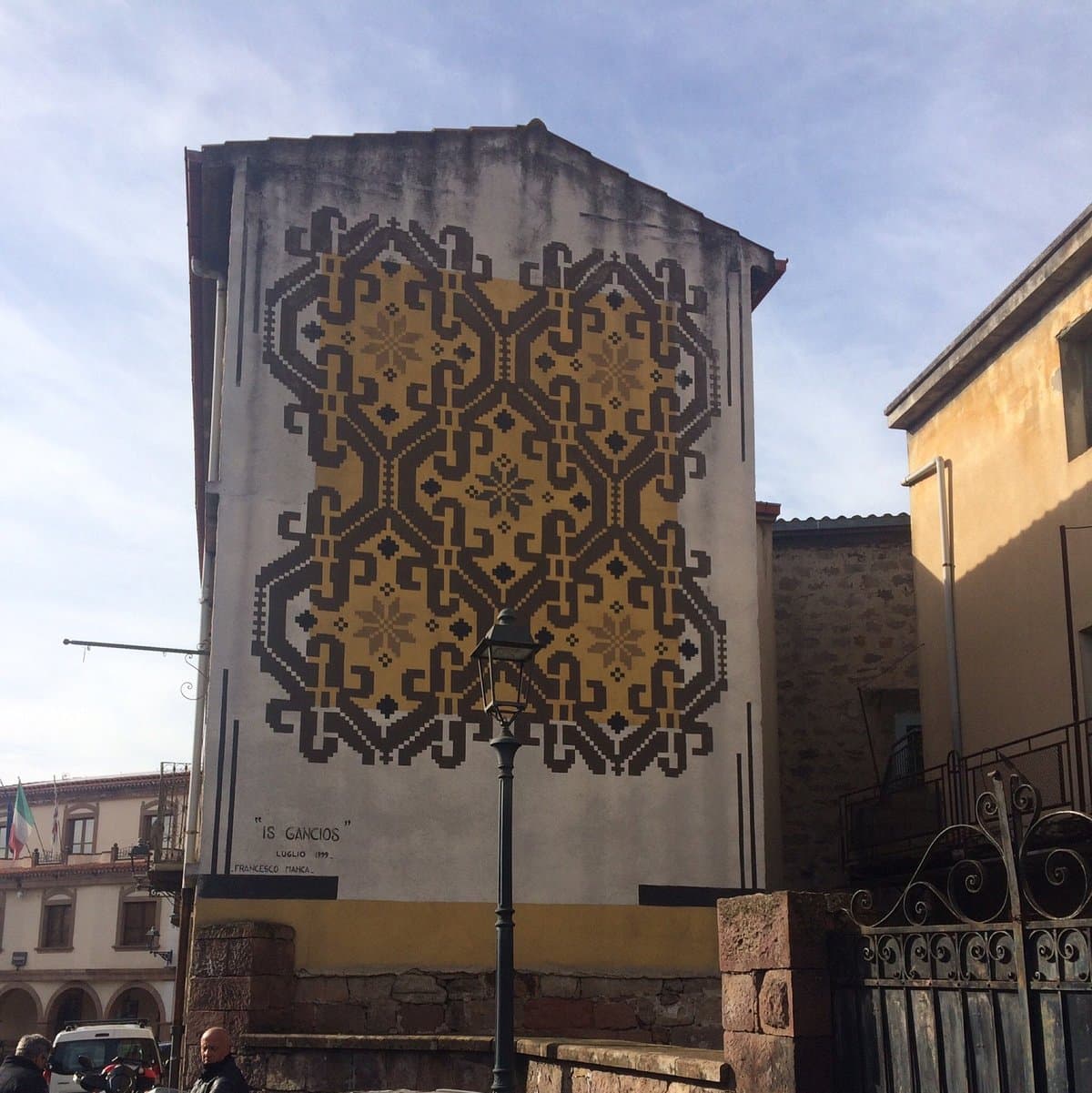
Sardinia's textile-weaving capital — a 2,757-resident Mandrolisai borgo with the MURATS regional textile museum, the annual Tessingiu woven-art biennale, an active community of weavers still on traditional looms, and the Mandrolisai DOC red from the granite-soil vineyards around it.
Masullas
Province: Oristano
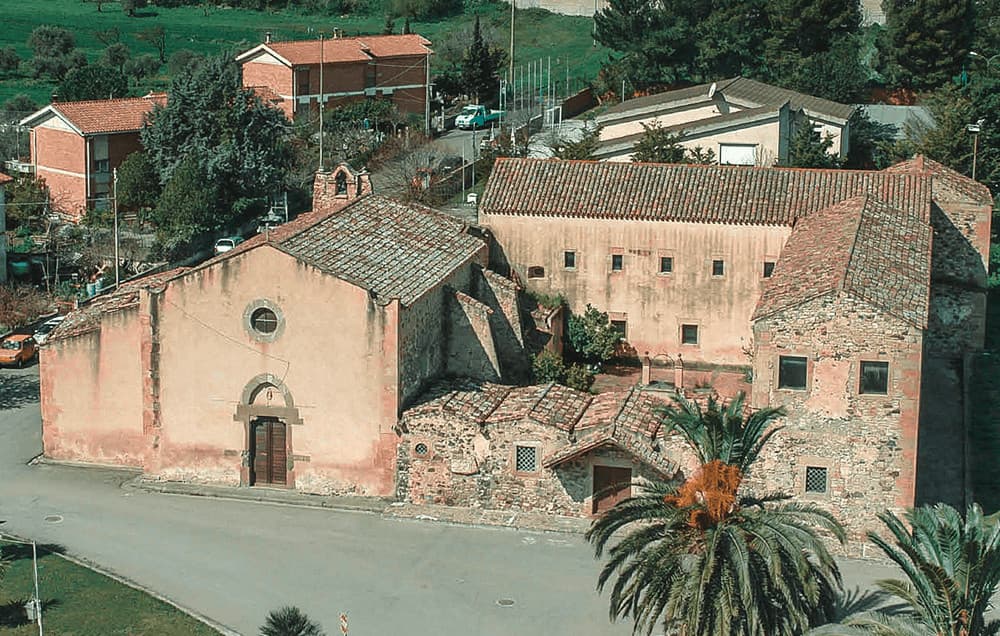
A Marmilla village at 129 meters where a 17th-century Capuchin convent houses fossils, minerals, and the volcanic history of Monte Arci.
💎 Borghi Autentici
More Borghi Autentici towns in Sardinia
Aggius
Province: Sassari
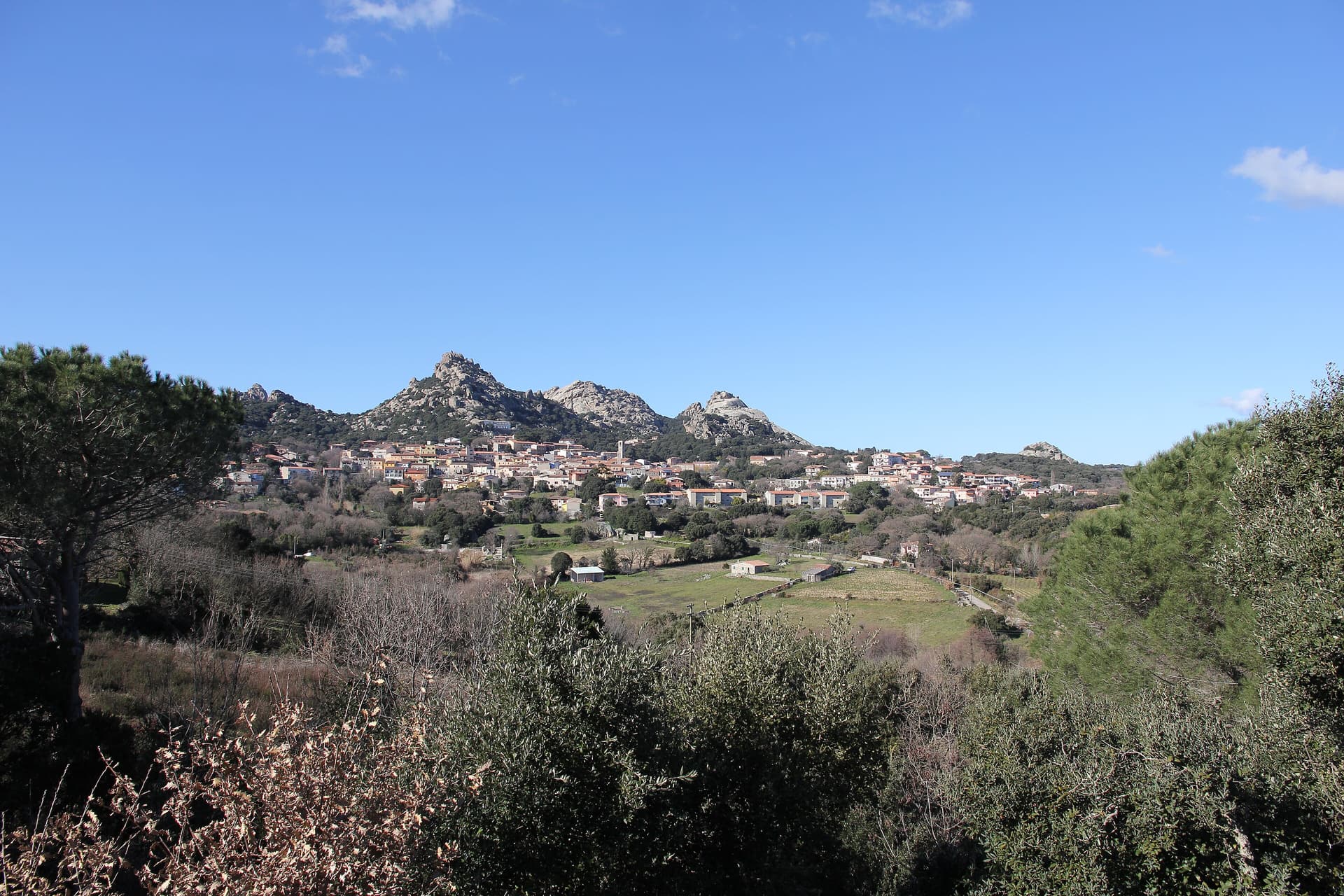
A Gallura granite village at 514 meters under the Monti di Aggius, with the largest ethnographic museum in Sardegna and three centuries of bandit history.
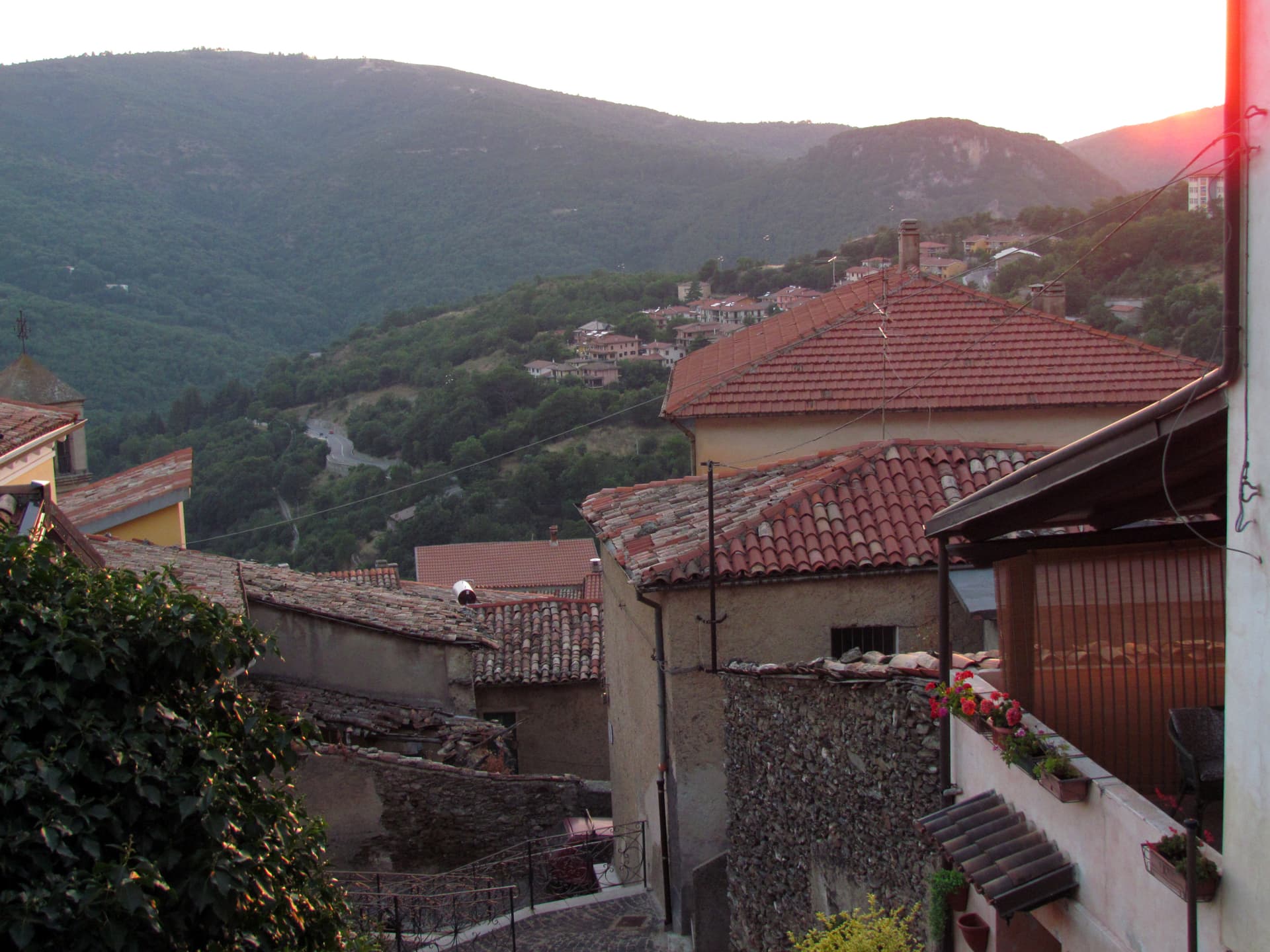
Aritzo
Province: Nuoro
A Mandrolisai mountain village at 800 meters in chestnut and hazelnut forest, where snow once travelled out in straw and came back as lemon sorbet.
Bolotana
Province: Nuoro
A Marghine hill village at 472 meters between mountain and Tirso valley, with a Welsh railway engineer's villa hidden in a four-hectare exotic garden.

Galtellì
Province: Nuoro
Grazia Deledda's 'Canne al vento' set — a 2,354-resident Baronia borgo under the Monte Tuttavista in Sardinia's northeast, with the triple Borghi Autentici + Bandiera Arancione + Città del Vino signal, the 11th-c Cattedrale di San Pietro (Sardinia's first), and the entire centro recognised as the Parco Letterario Grazia Deledda for being the literal setting of her 1913 Nobel-trajectory novel.