
Sardinia · Nuoro
Aritzo
A Mandrolisai mountain village at 800 meters in chestnut and hazelnut forest, where snow once travelled out in straw and came back as lemon sorbet.
Known for
CASTAGNE
Chestnut and hazelnut forests of the Gennargentu supply the local wood trade and the Sagra delle Castagne held every late October.
THE SNOW INDUSTRY
Stone snow wells at 1,300 meters supplied the coastal cities with pressed snow until the early 20th century, run by families like the Devillas.
SA CARAPIGNA
Fine lemon sorbet historically chilled with snow from the domos de su nie, still made for the autumn festa.
When to visit
Best · May–Oct
- J
- F
- M
- A
- M
- J
- J
- A
- S
- O
- N
- D
- Best
- Hot or crowded
- Quiet
- Mostly closed
Why come
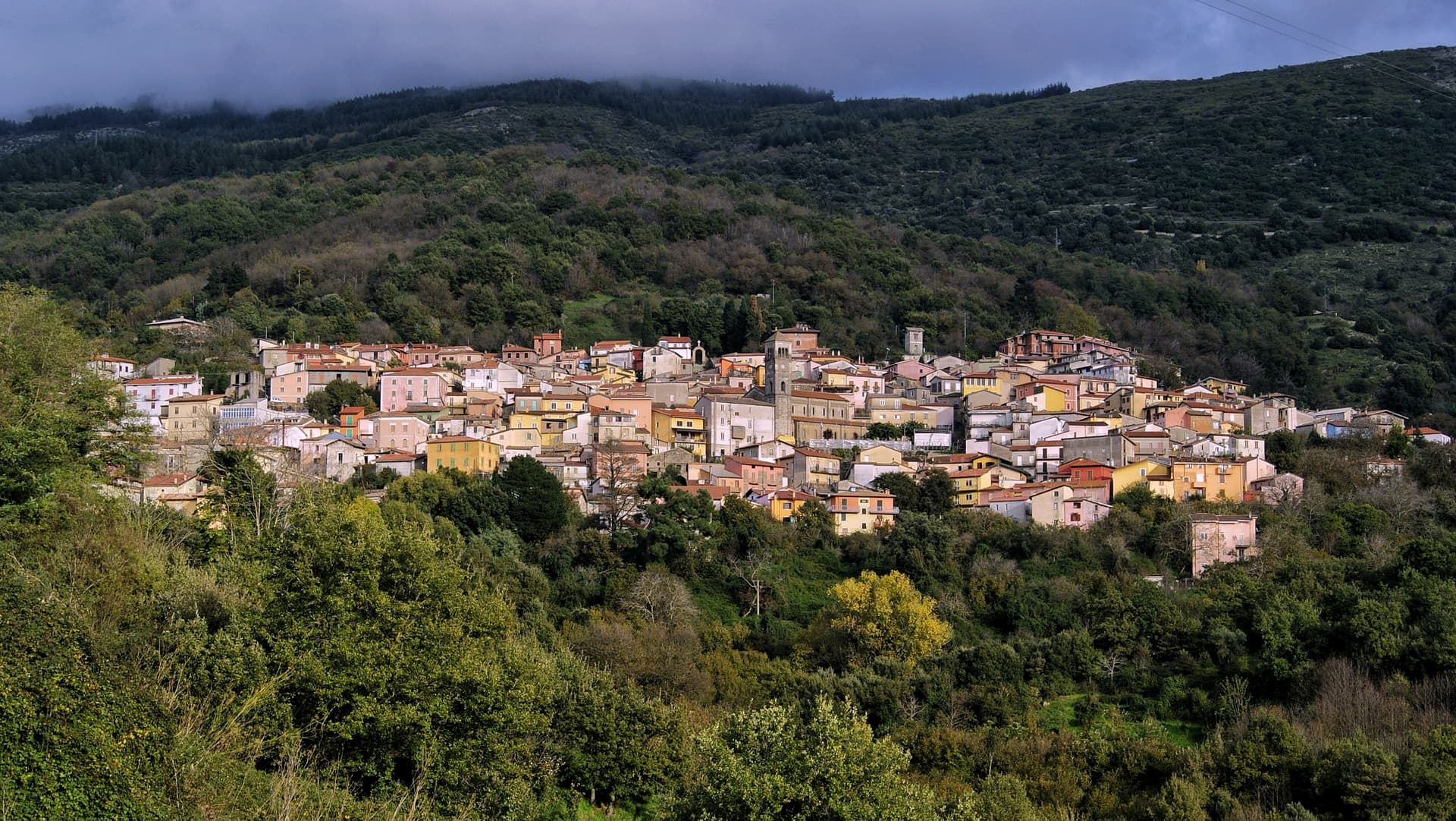
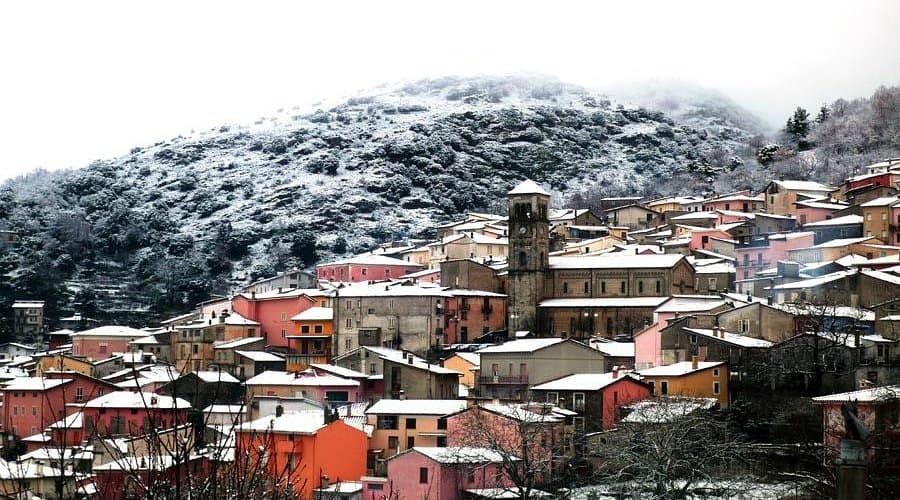
Aritzo sits at around 800 meters on the southern flank of the Gennargentu, in the Mandrolisai region eighty kilometers north of Cagliari. Until the early twentieth century the village ran a snow industry: men climbed to Funtana Cungiada at 1,300 meters, filled the domos de su nie, stone-lined snow wells covered with straw and earth, and sold the pressed snow down to the coast through summer. The same snow chilled the sorbettières that produced Sa Carapigna, a fine lemon sorbet still made here in the autumn.
Along Corso Umberto I stand the seventeenth-century Spanish prison Sa Bovida, with its sharp underpass, the parish church of San Michele Arcangelo, and Casa Devilla, the bourgeois house of the snow contractors. The Castello Arangino, built in 1917 in neogothic style by Vincenzo Arangino, marks the upper end of the street. The Sagra delle Castagne every late October draws regional crowds for chestnut and hazelnut tastings.
The Sunday letter
We haven’t written Aritzo’s letter yet.
One town every Sunday, with the photo, the food, the festa. Be there when this one comes up. Free, by Peter & Sophia from Pietrasanta.
By subscribing you agree to Substack’s Terms of Use, our Privacy Policy and our Information collection notice.
What to see
Carcere Spagnolo Sa Bovida
Seventeenth-century maximum-security prison in schist and chestnut, used until the 1940s, named for its Spanish-origin vaulted underpass.
Casa Devilla
Three-level Spanish-era house of the Devilla family, contractors of the snow industry until the early 20th century, now part of the Ecomuseo.
Castello Arangino
Neogothic castle built in 1917 by Vincenzo Arangino along Corso Umberto I, in medieval pastiche, still standing at the upper end of the street.
Museo Etnografico della Montagna Sarda
In the Pastissu municipal park, documenting agro-pastoral and artisanal life across the Gennargentu mountain region.
Domos de su Nie
Stone-lined snow wells at Funtana Cungiada around 1,300 meters, used until the early 1900s to store winter snow for summer trade.
Chiesa di San Michele Arcangelo
Sixteenth-century parish church on Corso Umberto I, central to the religious calendar of the village.
The slow-trip planner
Building a trip? Find where Aritzo fits in a slow Italy circuit.
Answer five questions. We will shape a geographically coherent slow trip from the 1,000 Italian towns most travelers skip. Yours to save and share.
Living here
- Population 1,187
- Very remotei
- Pharmacy in town
- High school within a 30-minute drive
- Train station in the comune
- Nearest airport Sardinia, 2 h 27 min drive
- Regional capital Cagliari, 2 h 15 min drive
Tags & datadesignations · numbers · sources
Recognised as
The numbers
- Elevation: 800 m
- Population: 1,187
- Surface area: 75.58 km²
These figures were compiled from public directories — ISTAT, OpenStreetMap, Wikidata — and from the official listings of the guides named on this page. Town details change; verify with official sources before you travel.
Close by
More towns near Aritzo
Atzara
Province: Nuoro
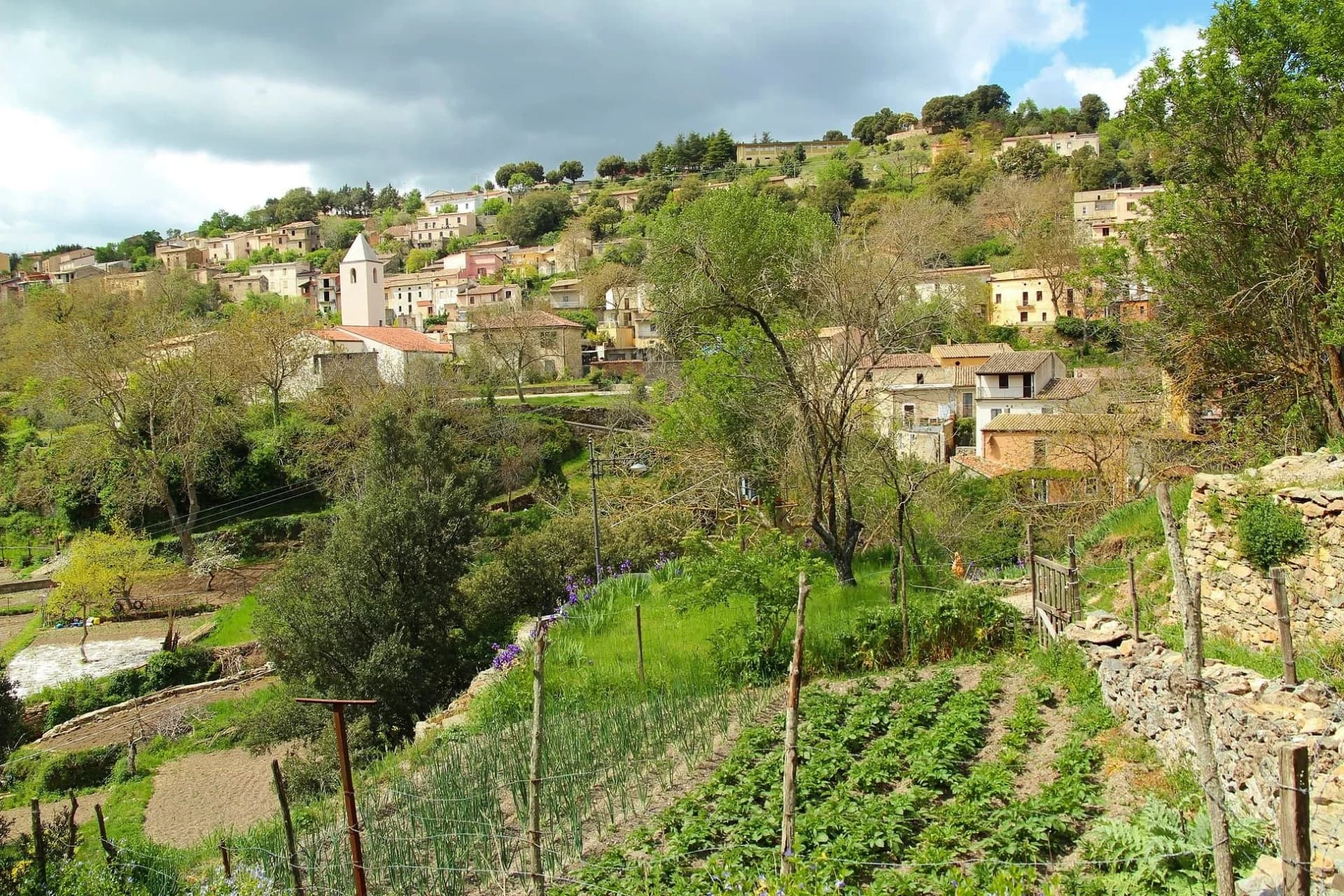
A Mandrolisai wine village on the western Gennargentu, painted in the early twentieth century by Spanish costumbristas and the Sardinian Scuola di Atzara.
Sadali
Province: Sud Sardegna
A Barbagia di Seulo borgo at 750 meters with the only waterfall in Sardegna that drops through the inhabited centre.
Samugheo
Province: Oristano
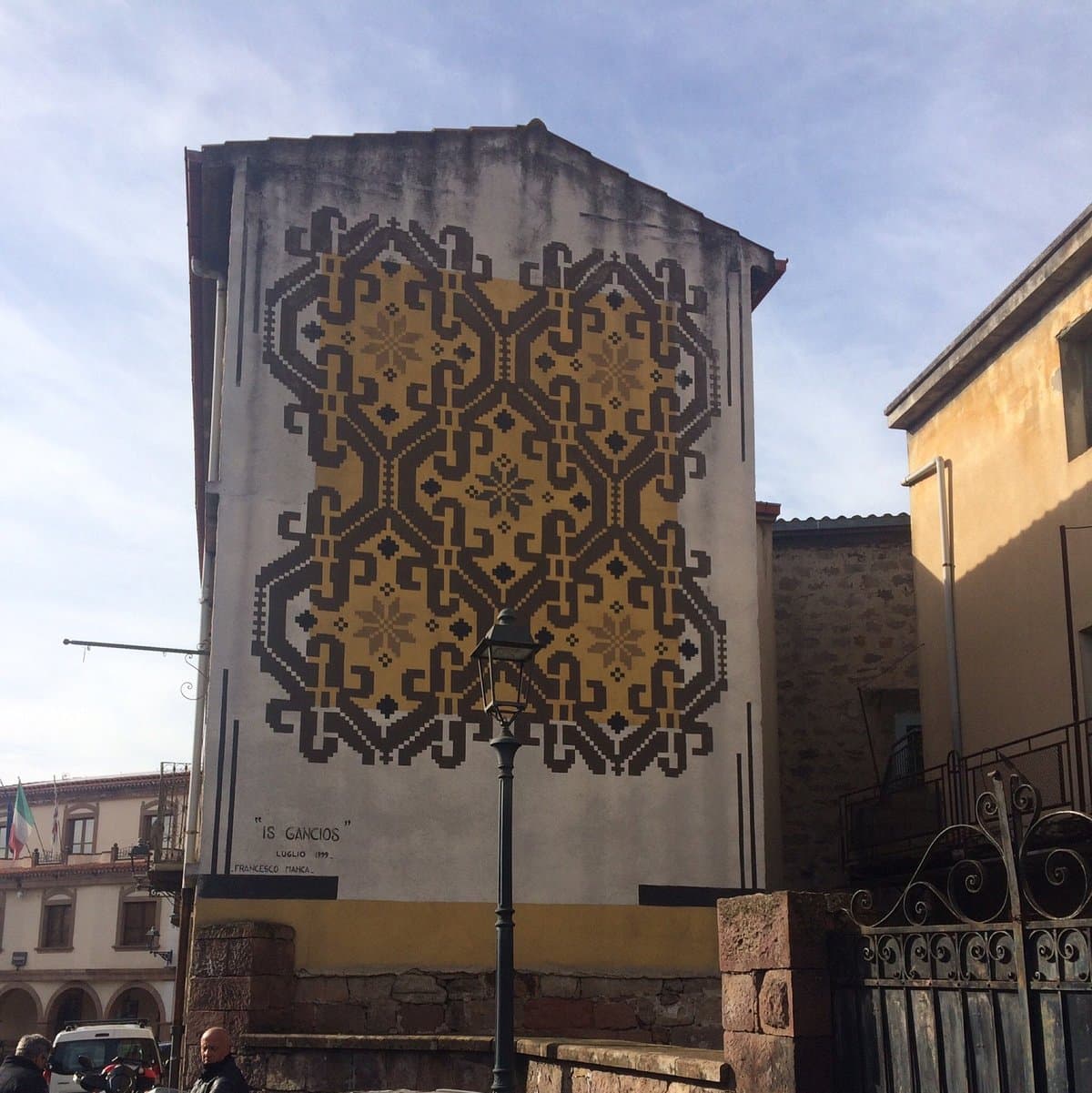
Sardinia's textile-weaving capital — a 2,757-resident Mandrolisai borgo with the MURATS regional textile museum, the annual Tessingiu woven-art biennale, an active community of weavers still on traditional looms, and the Mandrolisai DOC red from the granite-soil vineyards around it.
Gavoi
Province: Nuoro
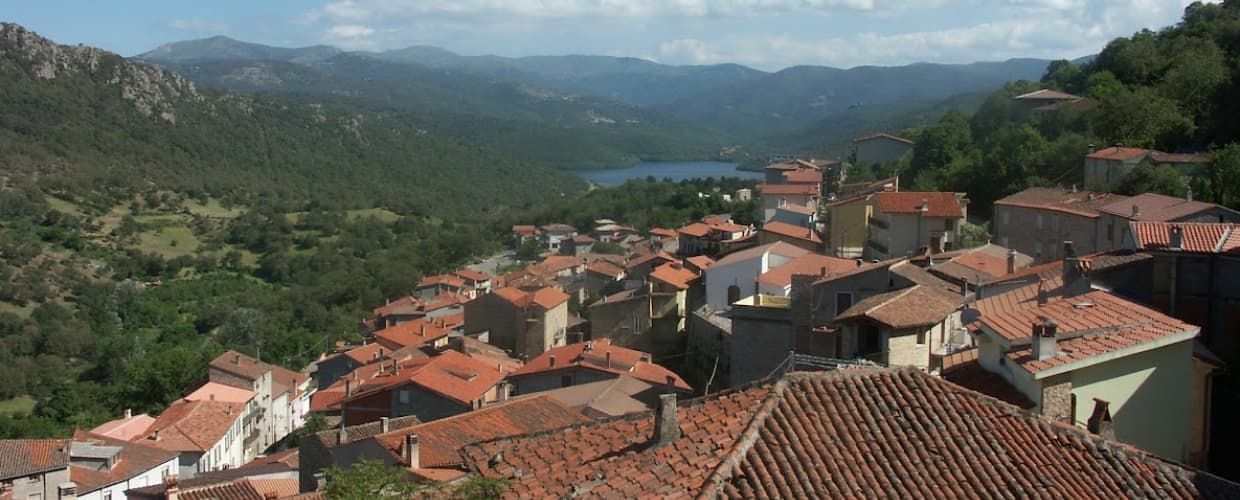
A 777-meter Barbagia hilltop village above Lake Gusana with a Bandiera Arancione of the Touring Club, the country's most-attended summer literary festival (L'Isola delle Storie), and the PDO Fiore Sardo pecorino made here for at least three centuries.
Barumini
Province: Sud Sardegna
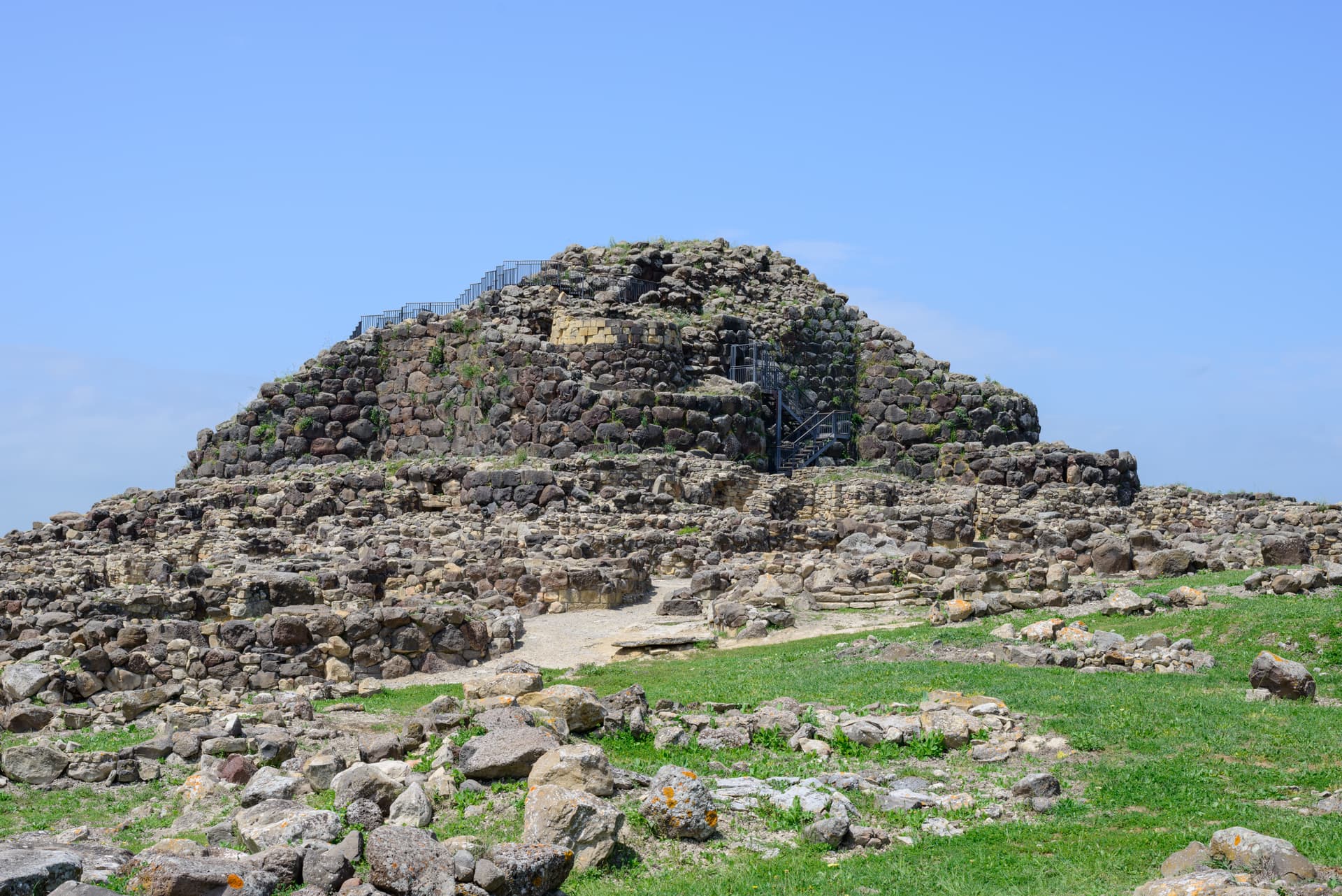
A Marmilla village at the foot of the Giara di Gesturi whose Bronze Age nuraghe became Sardegna's first UNESCO site.
💎 Borghi Autentici
More Borghi Autentici towns in Sardinia
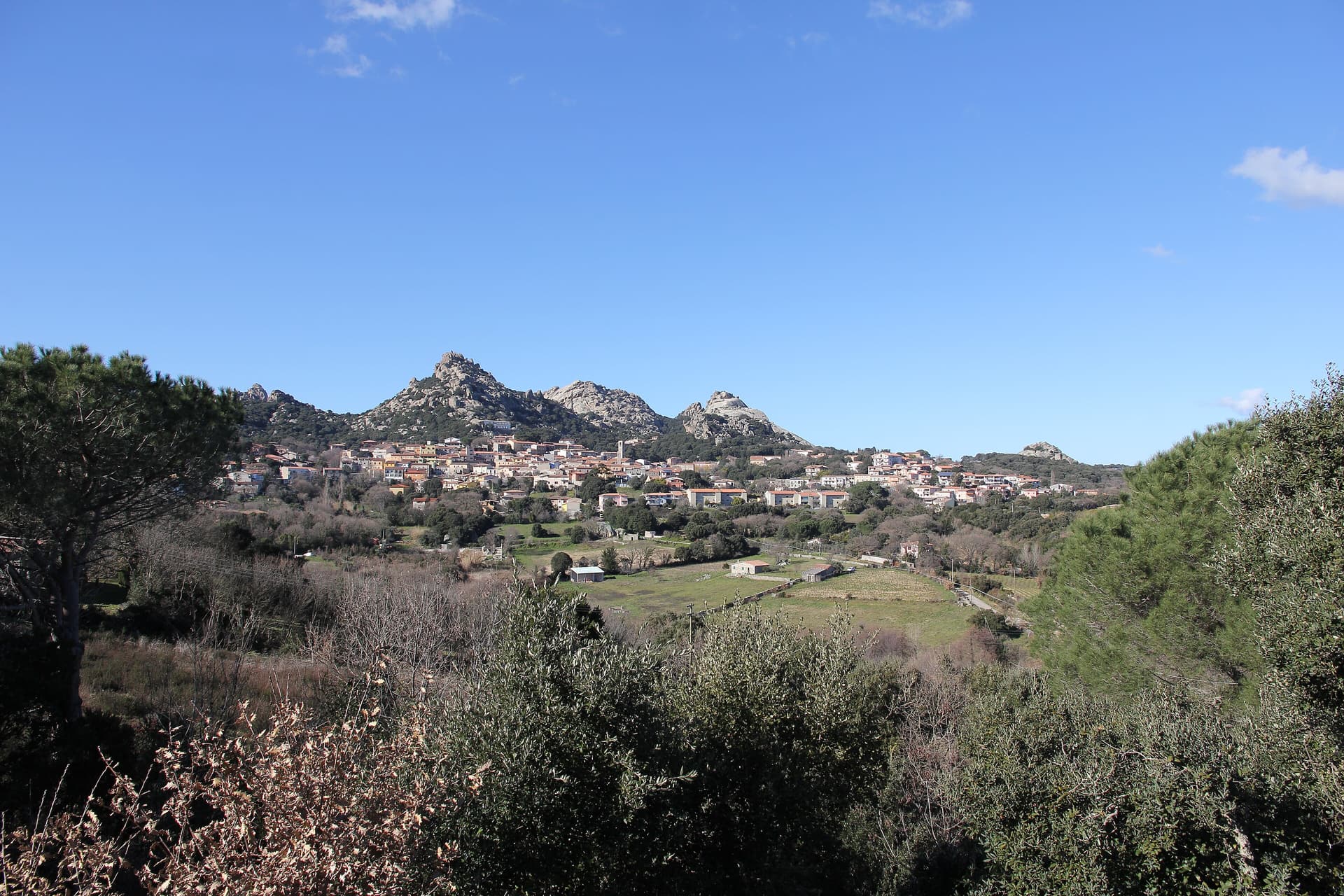
Aggius
Province: Sassari
A Gallura granite village at 514 meters under the Monti di Aggius, with the largest ethnographic museum in Sardegna and three centuries of bandit history.
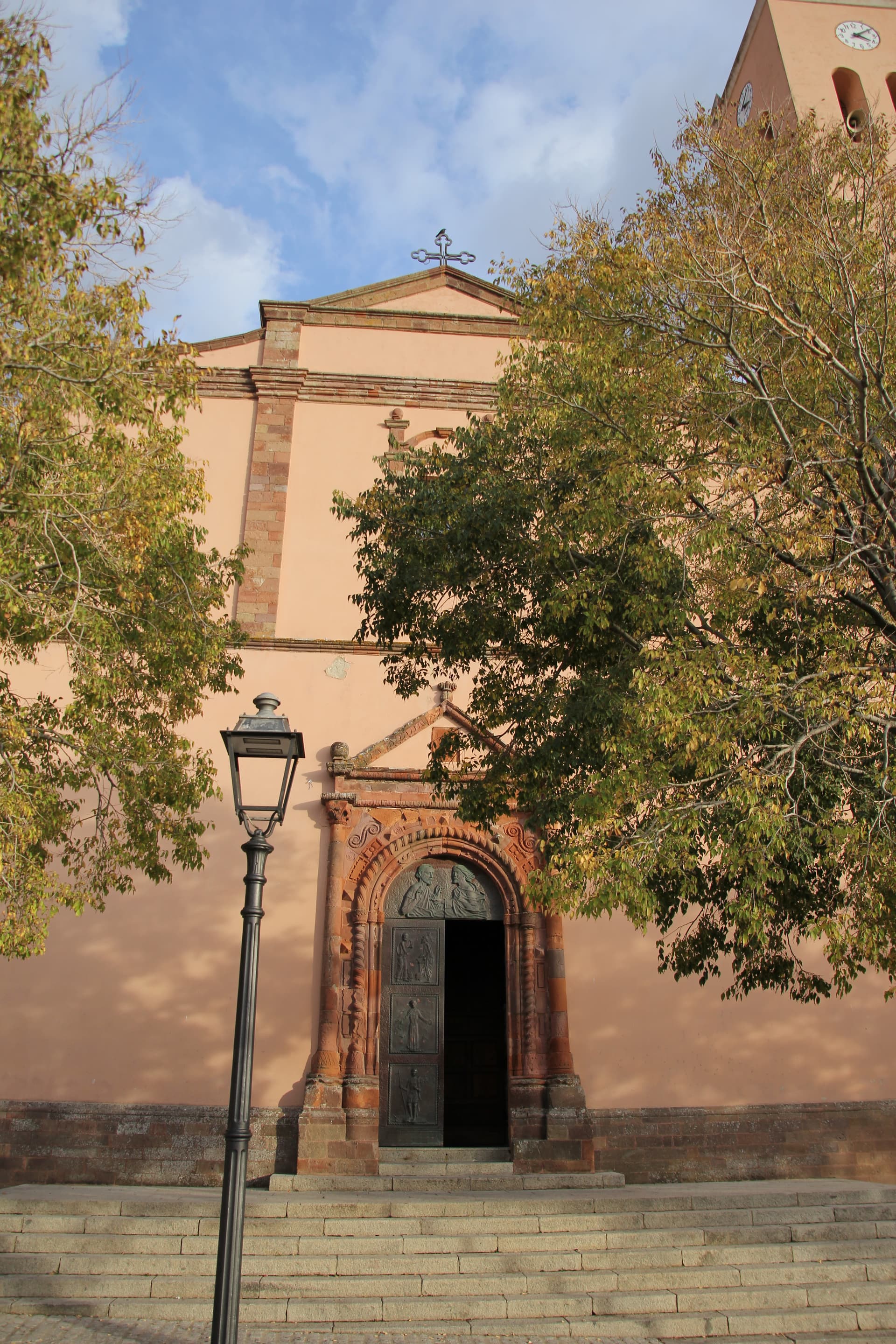
Bolotana
Province: Nuoro
A Marghine hill village at 472 meters between mountain and Tirso valley, with a Welsh railway engineer's villa hidden in a four-hectare exotic garden.
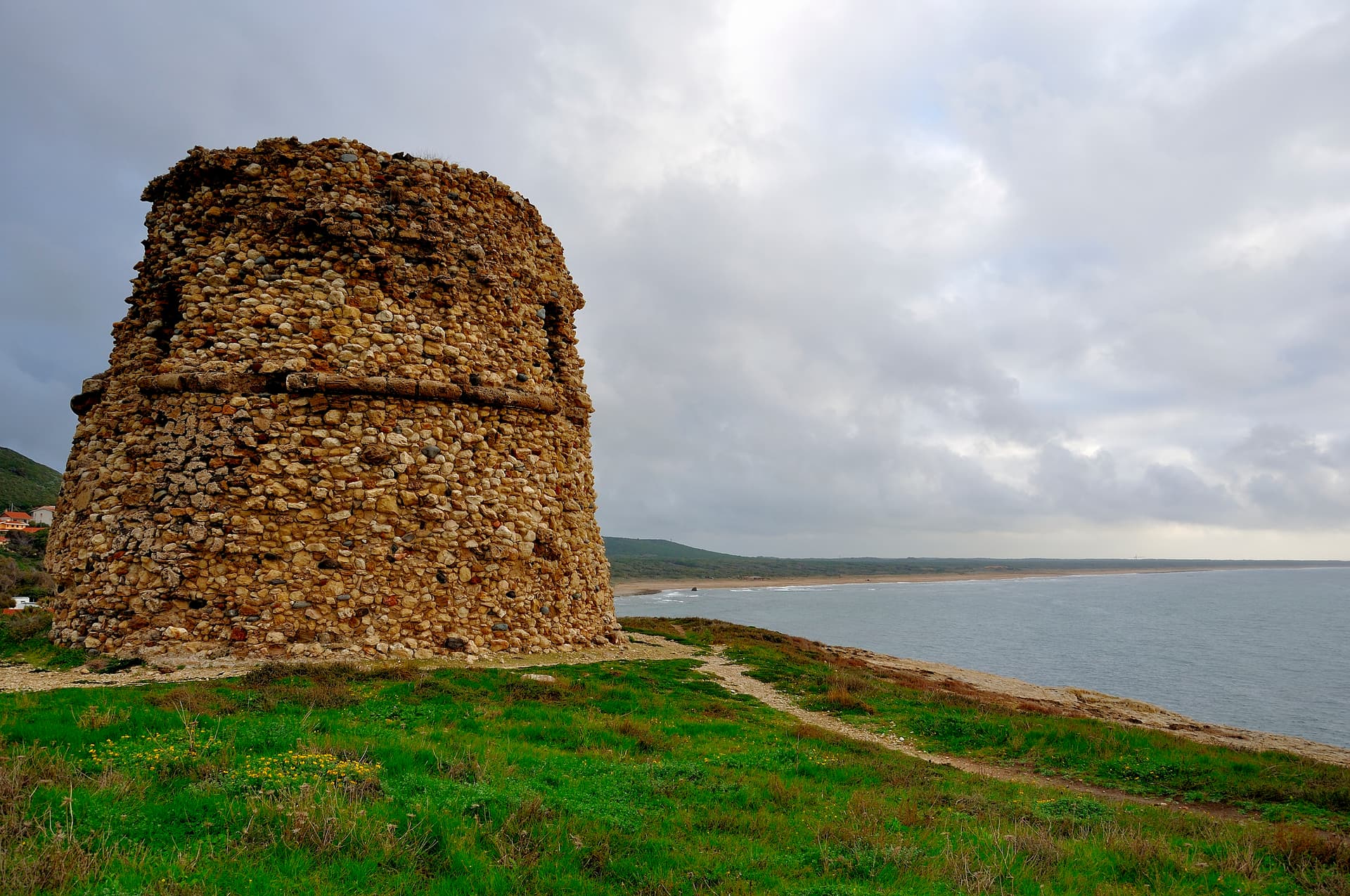
Cuglieri
Province: Oristano
A Montiferru town at 428 meters, with the first minor basilica in Sardegna above it and the ruins of Punic Cornus below.

Galtellì
Province: Nuoro
Grazia Deledda's 'Canne al vento' set — a 2,354-resident Baronia borgo under the Monte Tuttavista in Sardinia's northeast, with the triple Borghi Autentici + Bandiera Arancione + Città del Vino signal, the 11th-c Cattedrale di San Pietro (Sardinia's first), and the entire centro recognised as the Parco Letterario Grazia Deledda for being the literal setting of her 1913 Nobel-trajectory novel.
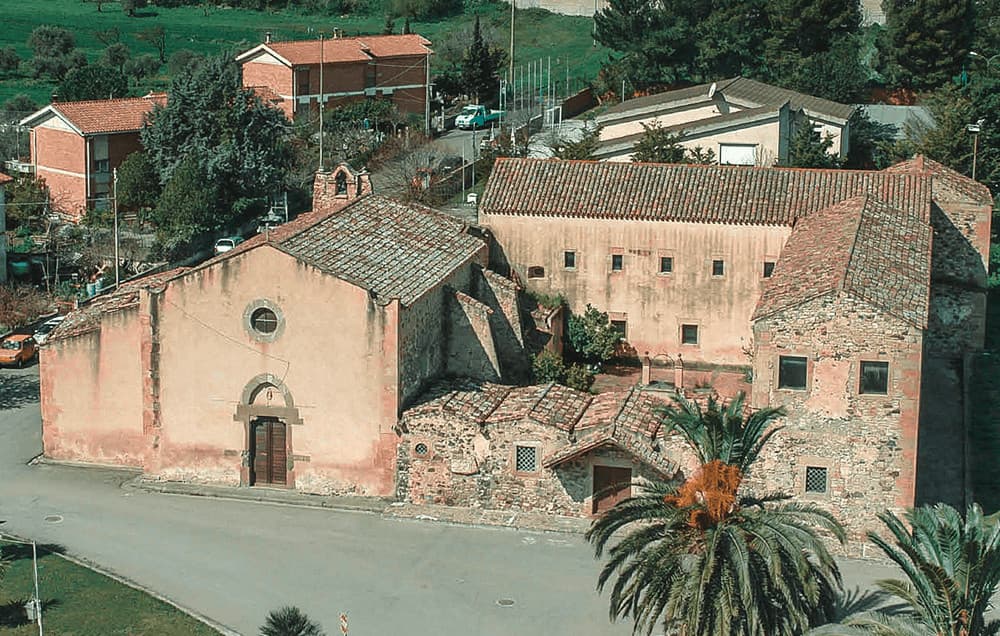
Masullas
Province: Oristano
A Marmilla village at 129 meters where a 17th-century Capuchin convent houses fossils, minerals, and the volcanic history of Monte Arci.