

Sardinia · Sassari
Aggius
A Gallura granite village at 514 meters under the Monti di Aggius, with the largest ethnographic museum in Sardegna and three centuries of bandit history.
Known for
TAPPETI DI AGGIUS
Sardinian wool carpets on horizontal looms, geometric and zoomorphic motifs handed down by memory, still woven inside the MEOC.
GALLURA GRANITE
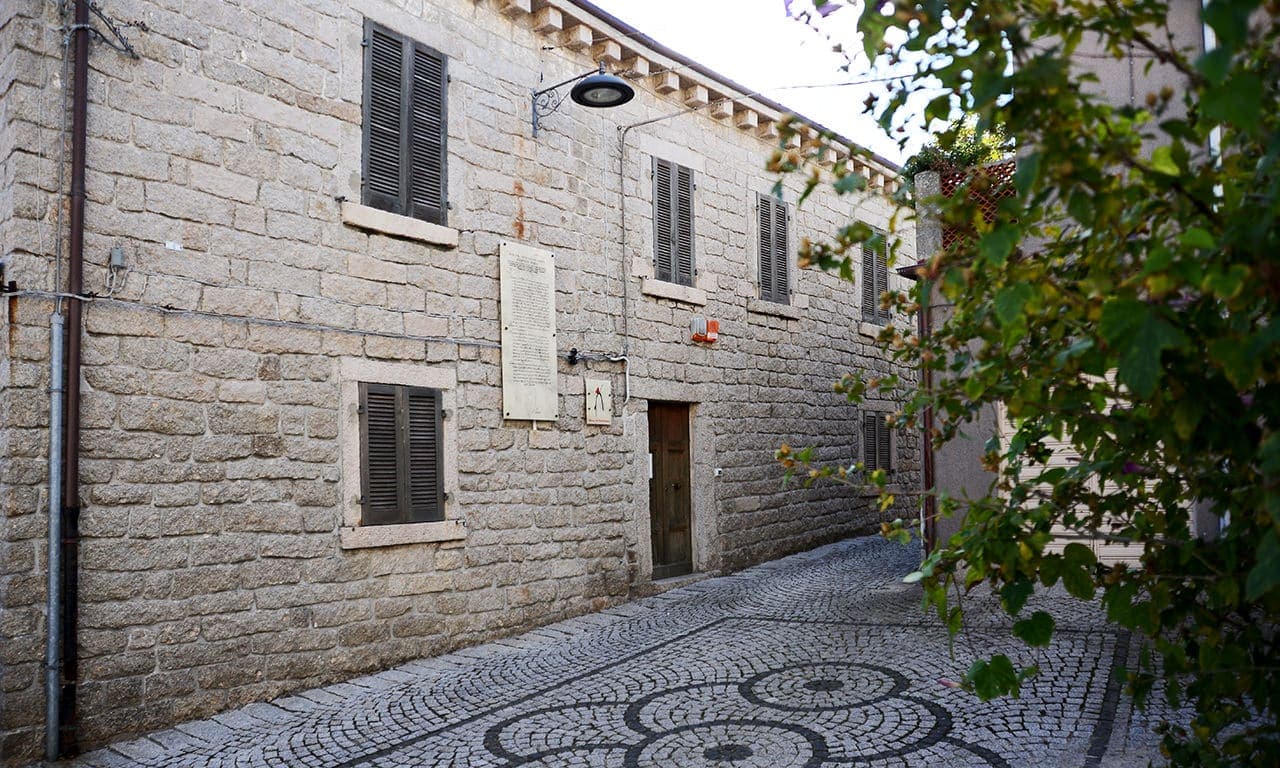
Granite extraction and processing remain a primary local trade; the historic center is built almost entirely of exposed local stone.
BANDITISMO
Three centuries of Gallura banditry centered here, documented in the Museo del Banditismo housed in the village's old courthouse.
When to visit
Best · Apr–Jun, Sep–Nov
- J
- F
- M
- A
- M
- J
- J
- A
- S
- O
- N
- D
- Best
- Hot or crowded
- Quiet
- Mostly closed
Why come
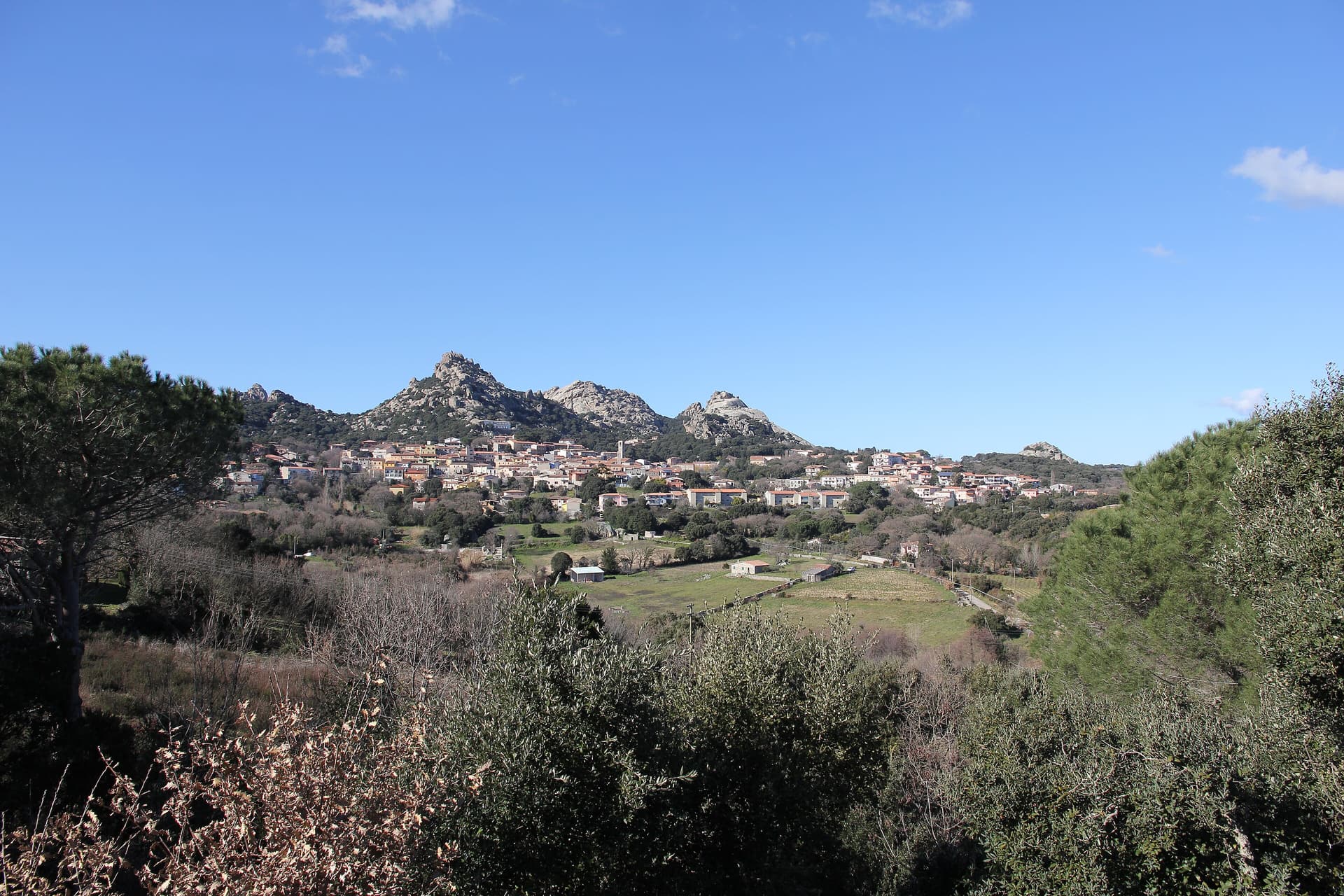
Aggius sits at 514 meters at the foot of the Monti di Aggius, the jagged granite ridge that defines this stretch of inland Gallura, fifty kilometers west of Sassari and thirty-five from Olbia. The granite is everywhere: in the walls of the houses, in the doorframes and stairs, and in the surrounding hills. Just behind the village, the Valle della Luna is a flat expanse where rounded granite boulders sit like dropped stones across the plain.
Aggius was the center of Gallurese banditry for roughly three centuries, from the mid-sixteenth-century Spanish period to the mid-nineteenth century under the Savoys. The feud between the Vasa and Mamia families killed dozens between 1849 and 1857. The Museo del Banditismo, housed in the old Pretura, tells that history alongside the story of Sebastiano Tansu, the Mute of Gallura, who inspired Enrico Costa's novel. The MEOC, the Oliva Carta Cannas ethnographic museum, is the largest of its kind on the island, with working looms still weaving the Aggius carpets.
The Sunday letter
We haven’t written Aggius’s letter yet.
One town every Sunday, with the photo, the food, the festa. Be there when this one comes up. Free, by Peter & Sophia from Pietrasanta.
By subscribing you agree to Substack’s Terms of Use, our Privacy Policy and our Information collection notice.
What to see
MEOC Museo Etnografico Oliva Carta Cannas
The largest ethnographic museum in Sardegna, fifteen rooms of Gallurese domestic and craft tradition, with working looms producing Aggius carpets.
Museo del Banditismo
Housed in the former Pretura, four rooms documenting three centuries of Gallura banditry, including the Vasa-Mamia feud and the Mute of Gallura.
Valle della Luna
Granite plain just behind the village where rounded boulders sit across flat ground, also called Piana dei Grandi Sassi.
Monti di Aggius
Jagged granite ridge that rises directly above the village, the geological signature of this part of inland Gallura.
Centro storico in granite
Old quarter built almost entirely in exposed local granite, walls, frames and external fixtures, the architectural signature of the village.
The slow-trip planner
Building a trip? Find where Aggius fits in a slow Italy circuit.
Answer five questions. We will shape a geographically coherent slow trip from the 1,000 Italian towns most travelers skip. Yours to save and share.
Living here
- Population 1,403
- Off the beaten pathi
- High school within a 30-minute drive
- Train station in the comune
- Nearest airport Sardinia, 3 h 47 min drive
- Regional capital Cagliari, 3 h 34 min drive
Tags & datadesignations · numbers · sources
Recognised as
The numbers
- Elevation: 514 m
- Population: 1,403
- Surface area: 86.31 km²
These figures were compiled from public directories — ISTAT, OpenStreetMap, Wikidata — and from the official listings of the guides named on this page. Town details change; verify with official sources before you travel.
Close by
More towns near Aggius
Badesi
Province: Sassari
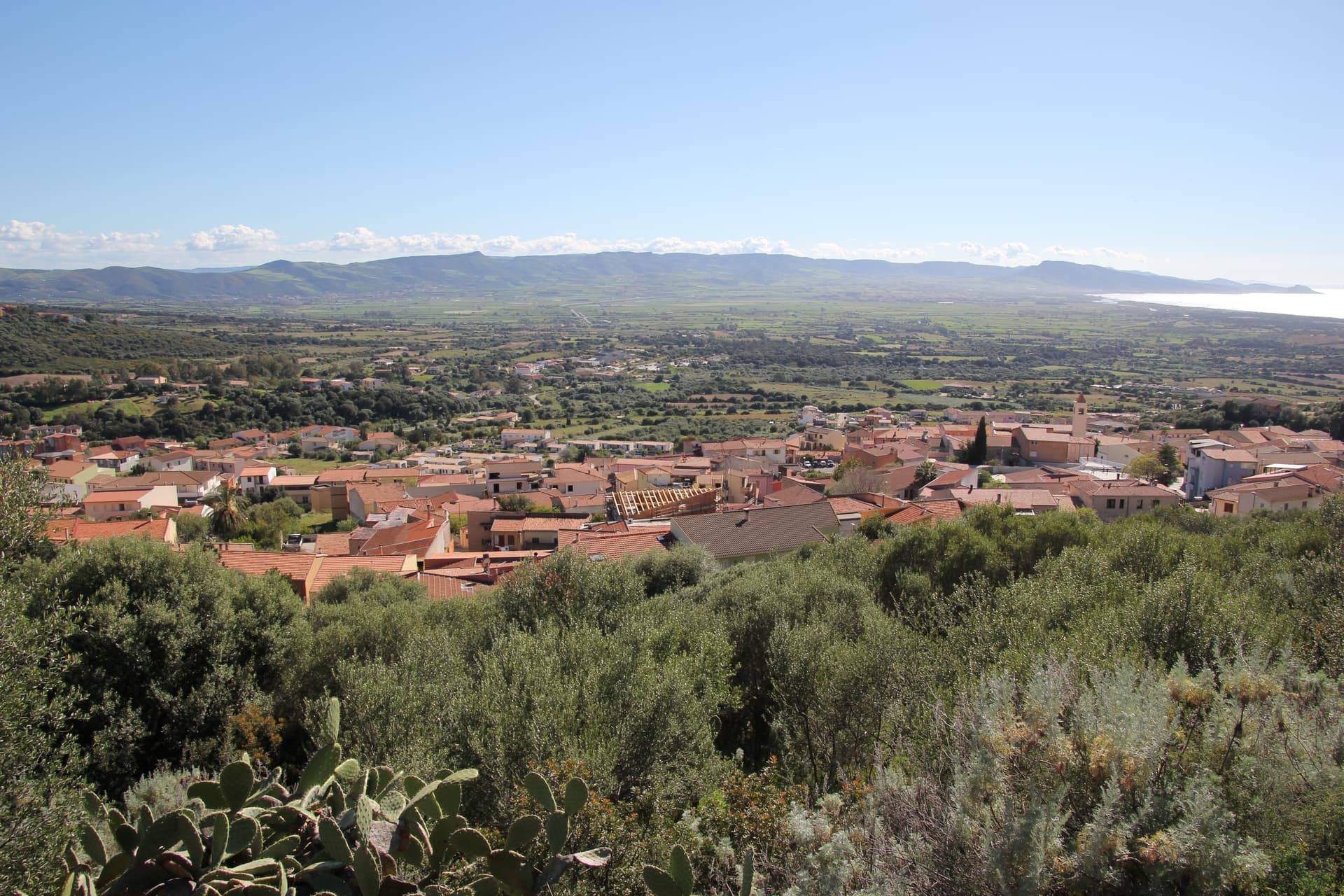
A Gallura commune founded by shepherding families in the 1700s, with eight kilometers of dunes between Isola Rossa and the Coghinas river.
Sedini
Province: Sassari
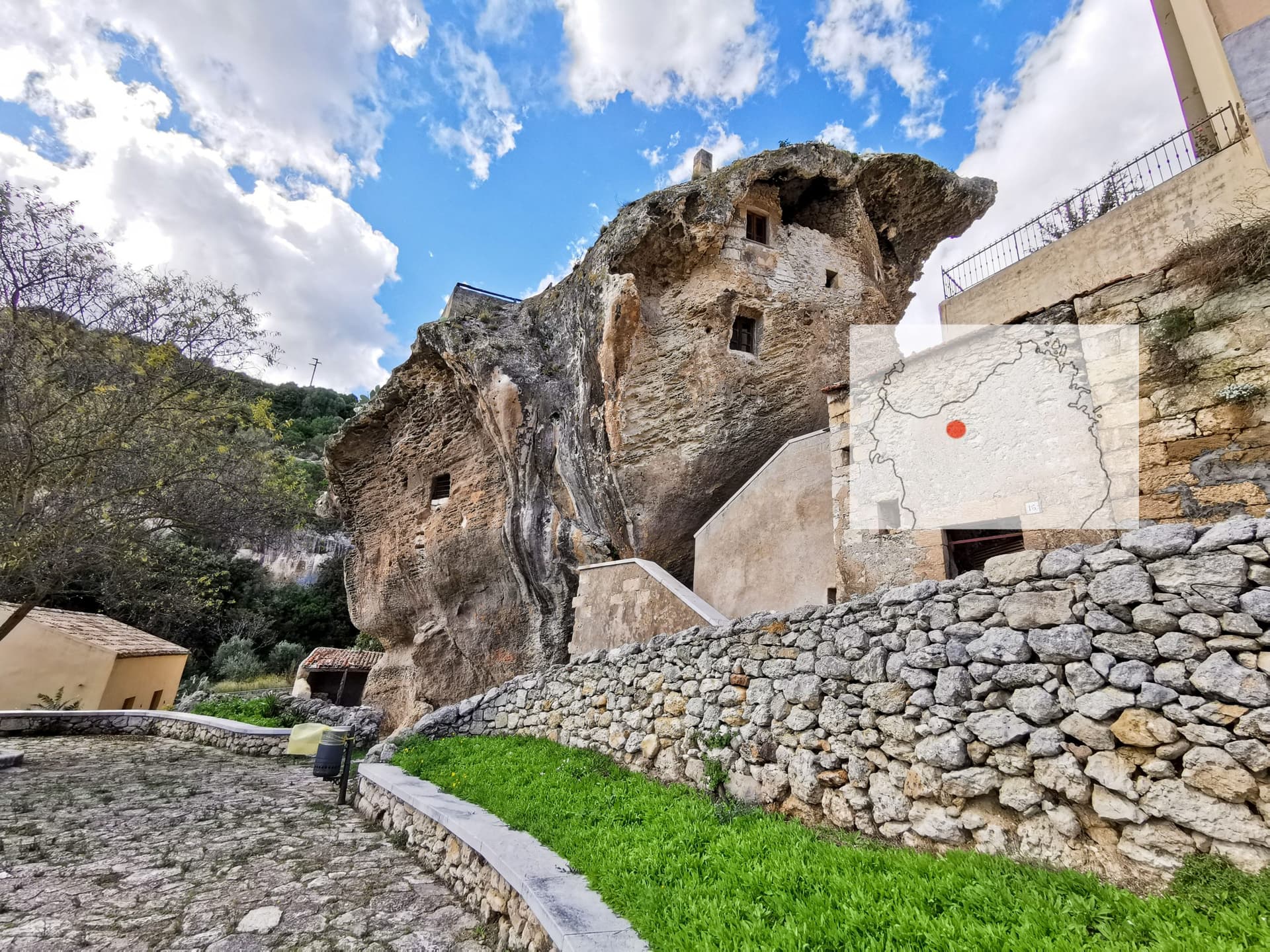
Sardinia's most spectacular Domus de Janas — a 1,245-resident Anglona borgo with a prehistoric rock-cut tomb complex carved into a giant limestone outcrop inside the village itself, later reused as a Romanesque church and now a small museum, anchoring a Borgo Autentico-marked centro in the inland Sassari province.
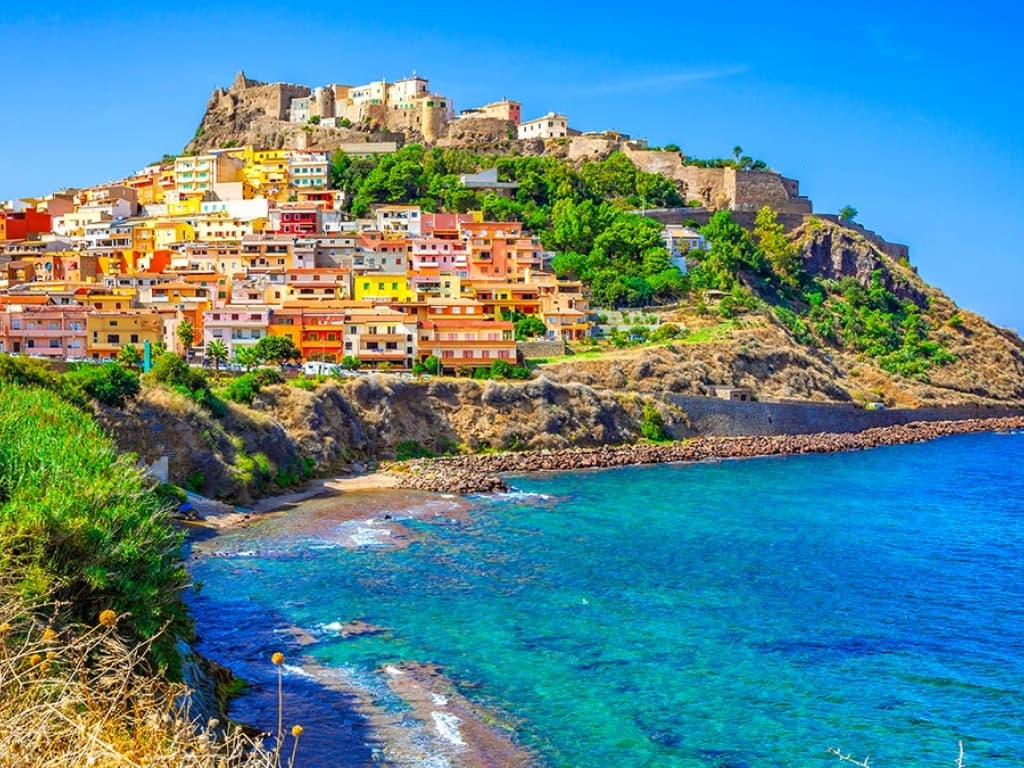
Castelsardo
Province: Sassari
A Doria sea fortress at 114 meters above the Gulf of Asinara, Genoese from 1100, Aragonese from 1448, Savoyard from the 1700s.
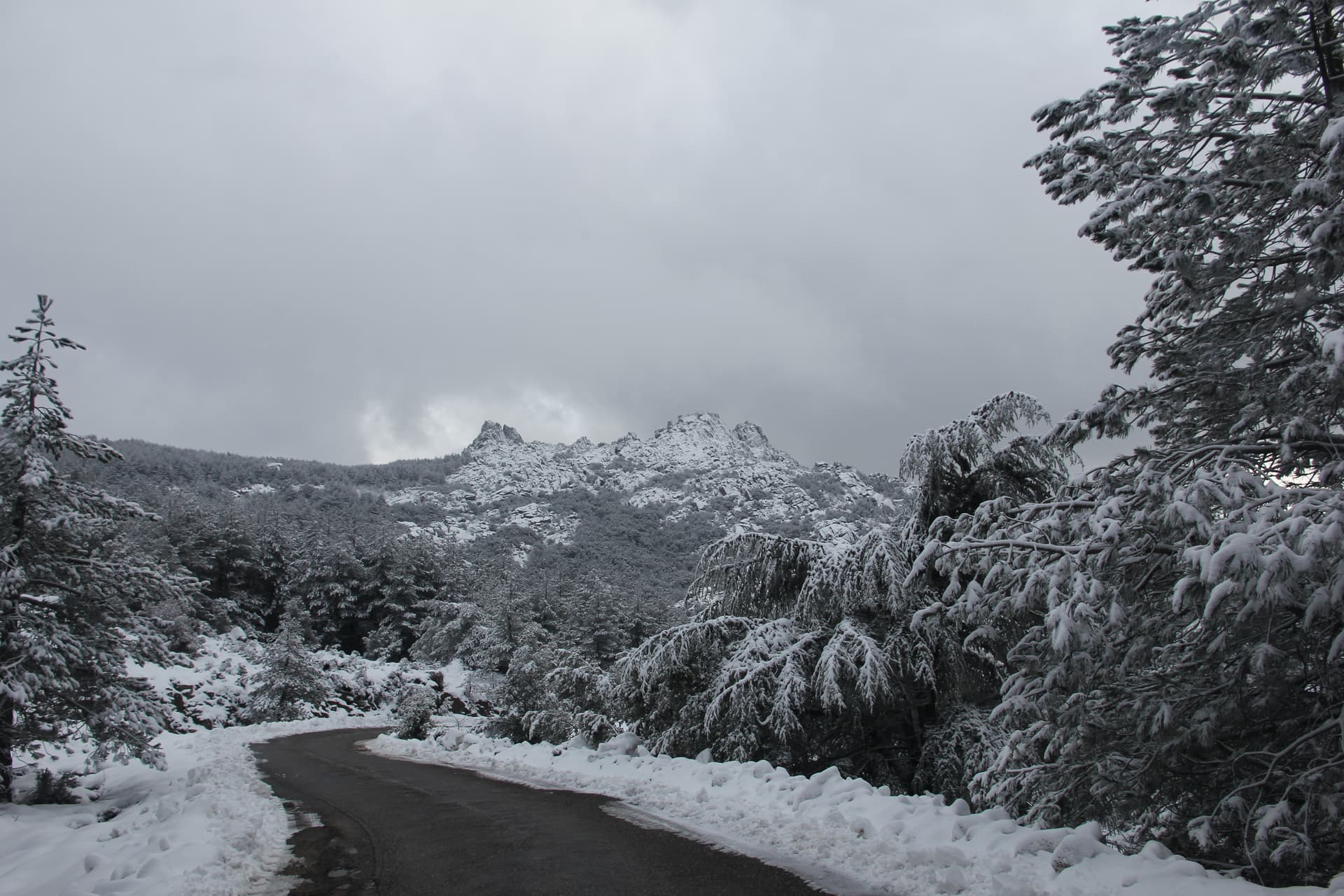
Tempio Pausania
Province: Sassari
The granite capital of Gallura at the foot of Monte Limbara, known for cork, Vermentino DOCG and the largest Carnival in northern Sardinia.
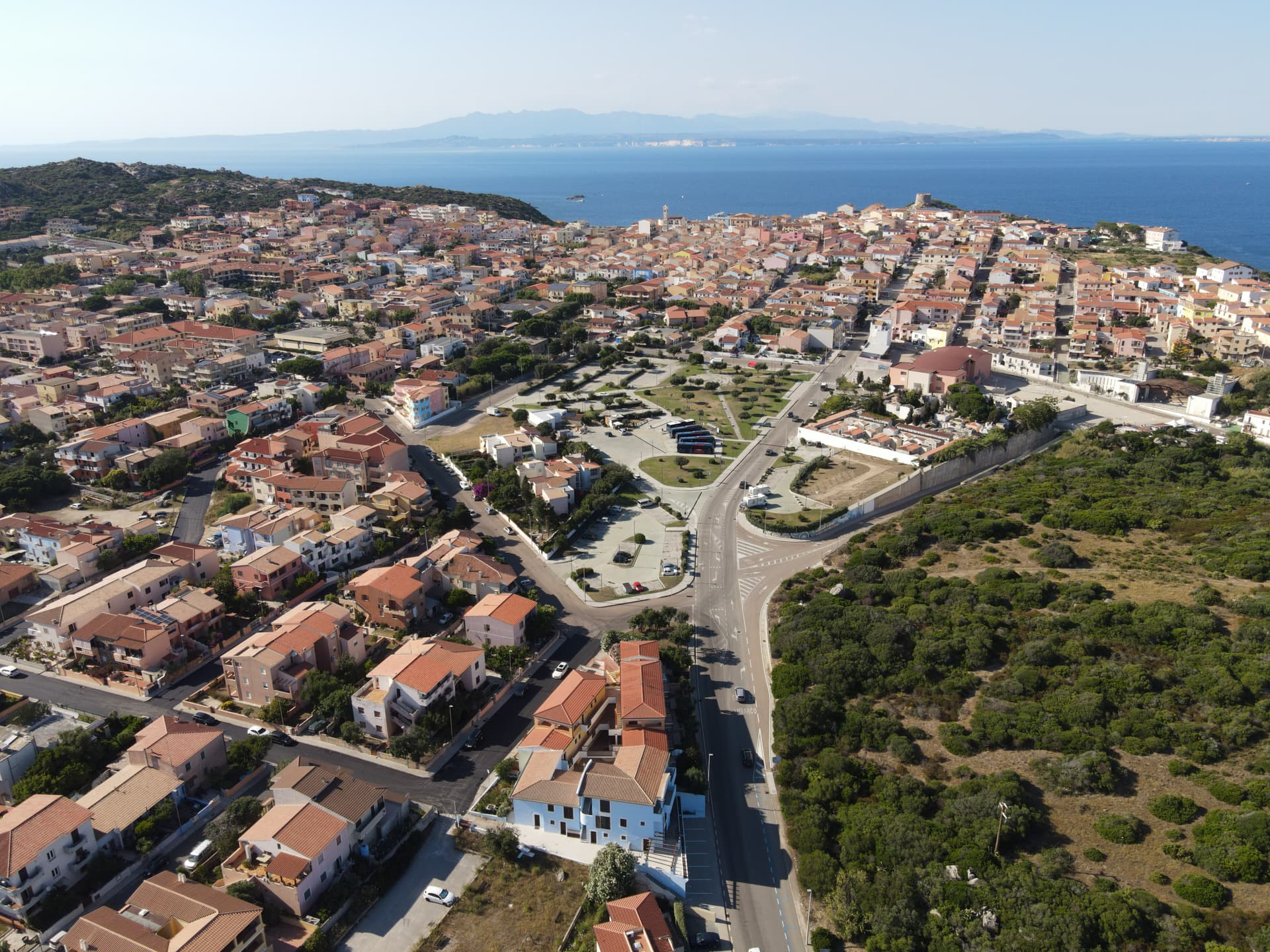
Santa Teresa Gallura
Province: Sassari
The northernmost town in Sardinia, founded in 1808 on a Turin-style grid above the Strait of Bonifacio and 11 kilometers from Corsica.
🟠 Bandiera Arancione
More Bandiera Arancione towns in Sardinia

Galtellì
Province: Nuoro
Grazia Deledda's 'Canne al vento' set — a 2,354-resident Baronia borgo under the Monte Tuttavista in Sardinia's northeast, with the triple Borghi Autentici + Bandiera Arancione + Città del Vino signal, the 11th-c Cattedrale di San Pietro (Sardinia's first), and the entire centro recognised as the Parco Letterario Grazia Deledda for being the literal setting of her 1913 Nobel-trajectory novel.
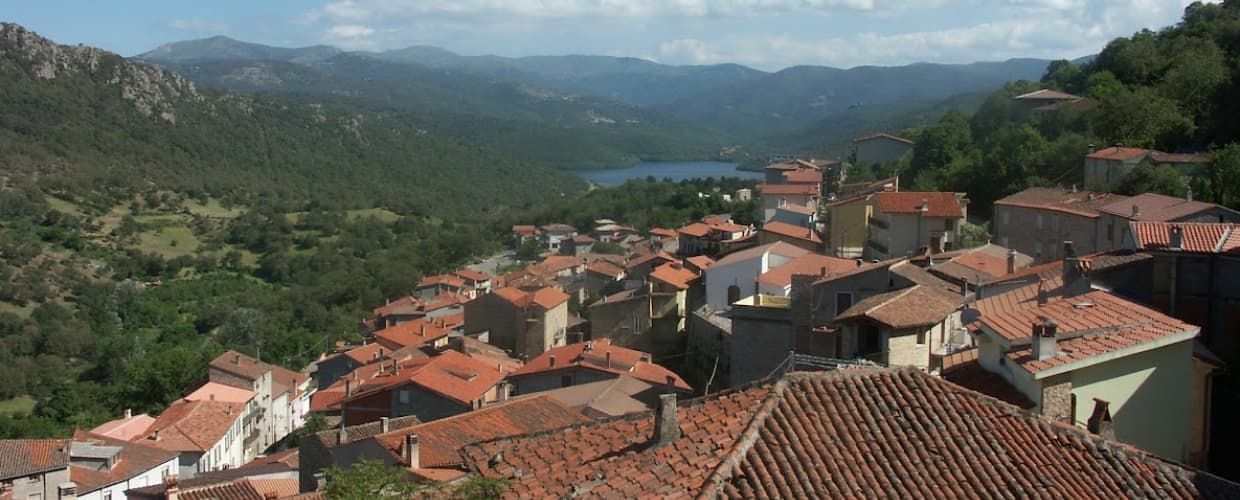
Gavoi
Province: Nuoro
A 777-meter Barbagia hilltop village above Lake Gusana with a Bandiera Arancione of the Touring Club, the country's most-attended summer literary festival (L'Isola delle Storie), and the PDO Fiore Sardo pecorino made here for at least three centuries.
Oliena
Province: Nuoro
A Supramonte village at the foot of Monte Corrasi, source of Cannonau Nepente, base camp for Tiscali and the Lanaitto valley.
Sardara
Province: Sud Sardegna
A Campidano thermal town where Nuragic well-temples, Roman Aquae Neapolitanae and a hilltop Arborea castle share the same hot springs.