

Sardinia · Sassari
Sedini
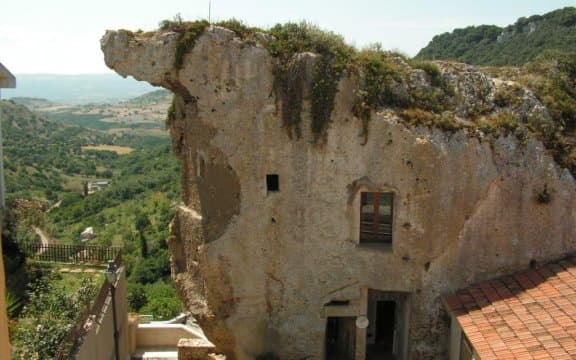
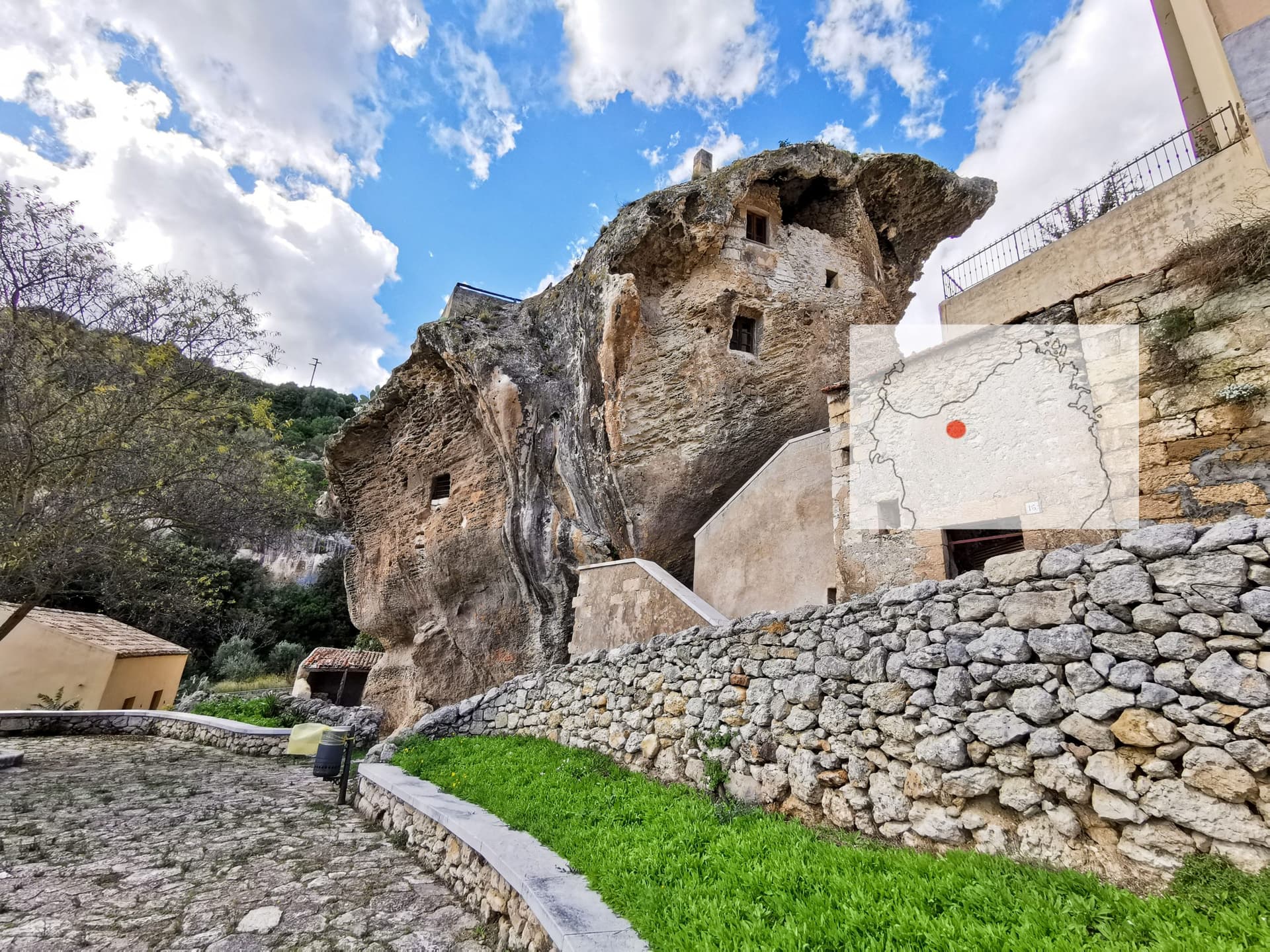
Sardinia's most spectacular Domus de Janas — a 1,245-resident Anglona borgo with a prehistoric rock-cut tomb complex carved into a giant limestone outcrop inside the village itself, later reused as a Romanesque church and now a small museum, anchoring a Borgo Autentico-marked centro in the inland Sassari province.
Known for
DOMUS DE JANAS COMPLEX
Sardinia's most spectacular single-rock Domus de Janas — Neolithic burial chambers + medieval rock-cut church + early-modern prison, all in one outcrop in the village centre.
BORGO AUTENTICO
Italian small-village quality mark for the inland Anglona setting. Stone-and-tufo centro typical of the Logudoro-Anglona pattern.
ANGLONA ARCHAEOLOGICAL ZONE
30-km radius covers Nuraghe Majori, Castelsardo, and the wider Coghinas-Tirreno archaeological landscape.
VERMENTINO DI GALLURA DOCG
Sardinia's flagship white from the surrounding Gallura granite hills — cellars + tastings within easy reach.
When to visit
Best · Apr–Jun, Sep–Oct
- J
- F
- M
- A
- M
- J
- J
- A
- S
- O
- N
- D
- Best
- Hot or crowded
- Quiet
- Mostly closed
The festa: Andrea, 30 November
Why come
Sedini is here for the rock — a 25m-long limestone outcrop in the centre of the village, hollowed out by Neolithic-era inhabitants (3rd millennium BC) as a Domus de Janas burial complex (the 'fairy houses' that are Sardinia's signature prehistoric monument, of which 3,500+ are known across the island), then reused in the medieval period as the rock-cut Chiesa di Sant'Andrea Apostolo (11th-12th c, with a Romanesque-Byzantine frescoed apse), and finally transformed in the 17th c into a small museum + prison complex. The result is a unique stratigraphy: a single rock that contains a prehistoric necropolis, a medieval church, and an early-modern prison — accessible by a single ground-floor entrance in the central piazza, free to visit, with all three layers preserved as encountered. Beyond the Domus: Sedini is a 1,245-resident Anglona-region borgo altitude (the Anglona is the rolling hill country of inland Sassari province, between the Coghinas river and the Tirreno coast), with the medieval Castello della Badia ruins on the outskirts, the Chiesa di San Giovanni Battista (15th-c parish), and intact stone-and-tufo vicoli typical of the Logudoro-Anglona settlement pattern.
The town holds the Borgo Autentico (Italian small-village quality mark) and sits in a key archaeological zone — within 30km are the Nuraghe Majori (one of the largest Bronze Age tower complexes), the medieval Castelsardo (Sardinia's most photogenic walled coastal town), and the Sant'Antonio di Gallura complex. The food is Logudoro-Sardinian: porceddu (roast suckling pig), pane carasau, malloreddus alla campidanese, sebadas (pastry with cheese filling and honey), the local Vermentino di Gallura DOCG. The Festa di Sant'Andrea (30 November) and the Festa di San Giovanni (24 June) are the year's main events.
The Sunday letter
We haven’t written Sedini’s letter yet.
One town every Sunday, with the photo, the food, the festa. Be there when this one comes up. Free, by Peter & Sophia from Pietrasanta.
By subscribing you agree to Substack’s Terms of Use, our Privacy Policy and our Information collection notice.
What to see
Domus de Janas + Chiesa rupestre di Sant'Andrea
Unique stratigraphy in a single rock outcrop: Neolithic Domus de Janas burial complex (3rd mill BC) + 11th-12th c rock-cut Romanesque church + 17th-c prison complex. Free, central piazza.
Castello della Badia ruins
Medieval castle ruins on the village outskirts — partial walls + tower base. Atmospheric short walk from the centro.
Chiesa di San Giovanni Battista
15th-c parish church anchoring the central piazza. Festa di San Giovanni on 24 June is the year's main summer event.
Anglona stone-and-tufo centro
Borgo Autentico-inscribed centro — intact stone-and-tufo vicoli typical of the inland Logudoro-Anglona settlement pattern.
Archaeological zone surroundings
Within 30 km: Nuraghe Majori (major Bronze Age tower complex), Castelsardo (Sardinia's most photogenic walled coastal town), the Coghinas river valley sites.
The slow-trip planner
Building a trip? Find where Sedini fits in a slow Italy circuit.
Answer five questions. We will shape a geographically coherent slow trip from the 1,000 Italian towns most travelers skip. Yours to save and share.
Living here
- Population 1,245
- Off the beaten pathi
- Pharmacy in town
- High school within a 30-minute drive
- Nearest airport Sardinia, 3 h 38 min drive
- Regional capital Cagliari, 3 h 25 min drive
Tags & datadesignations · numbers · sources
Recognised as
The numbers
- Elevation: 295 m
- Population: 1,245
- Surface area: 40.51 km²
These figures were compiled from public directories — ISTAT, OpenStreetMap, Wikidata — and from the official listings of the guides named on this page. Town details change; verify with official sources before you travel.
Close by
More towns near Sedini
Castelsardo
Province: Sassari
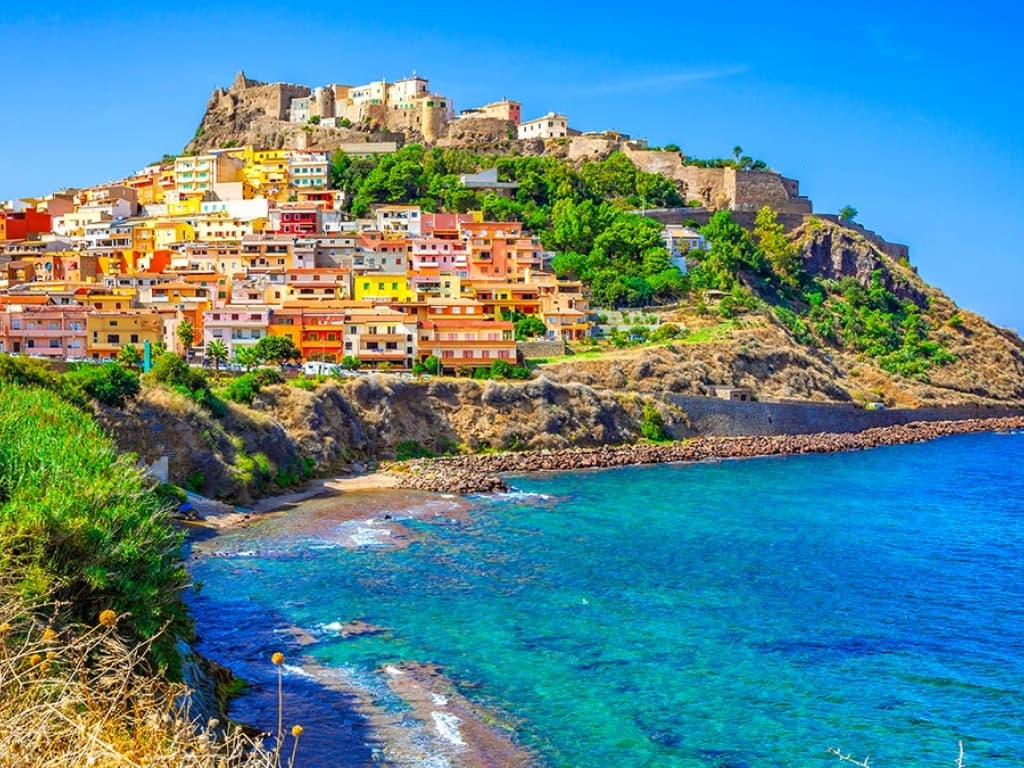
A Doria sea fortress at 114 meters above the Gulf of Asinara, Genoese from 1100, Aragonese from 1448, Savoyard from the 1700s.
Badesi
Province: Sassari
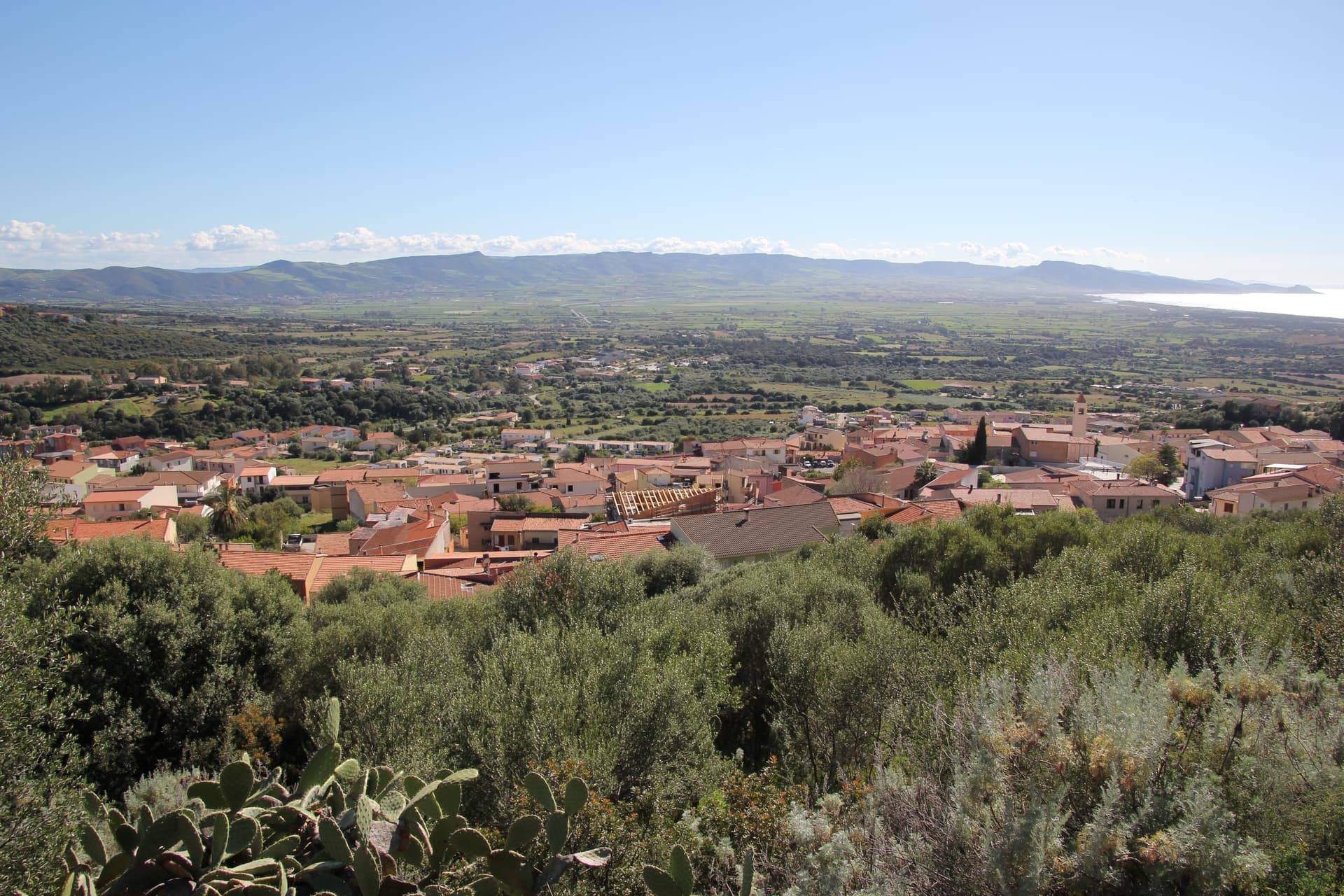
A Gallura commune founded by shepherding families in the 1700s, with eight kilometers of dunes between Isola Rossa and the Coghinas river.
Aggius
Province: Sassari
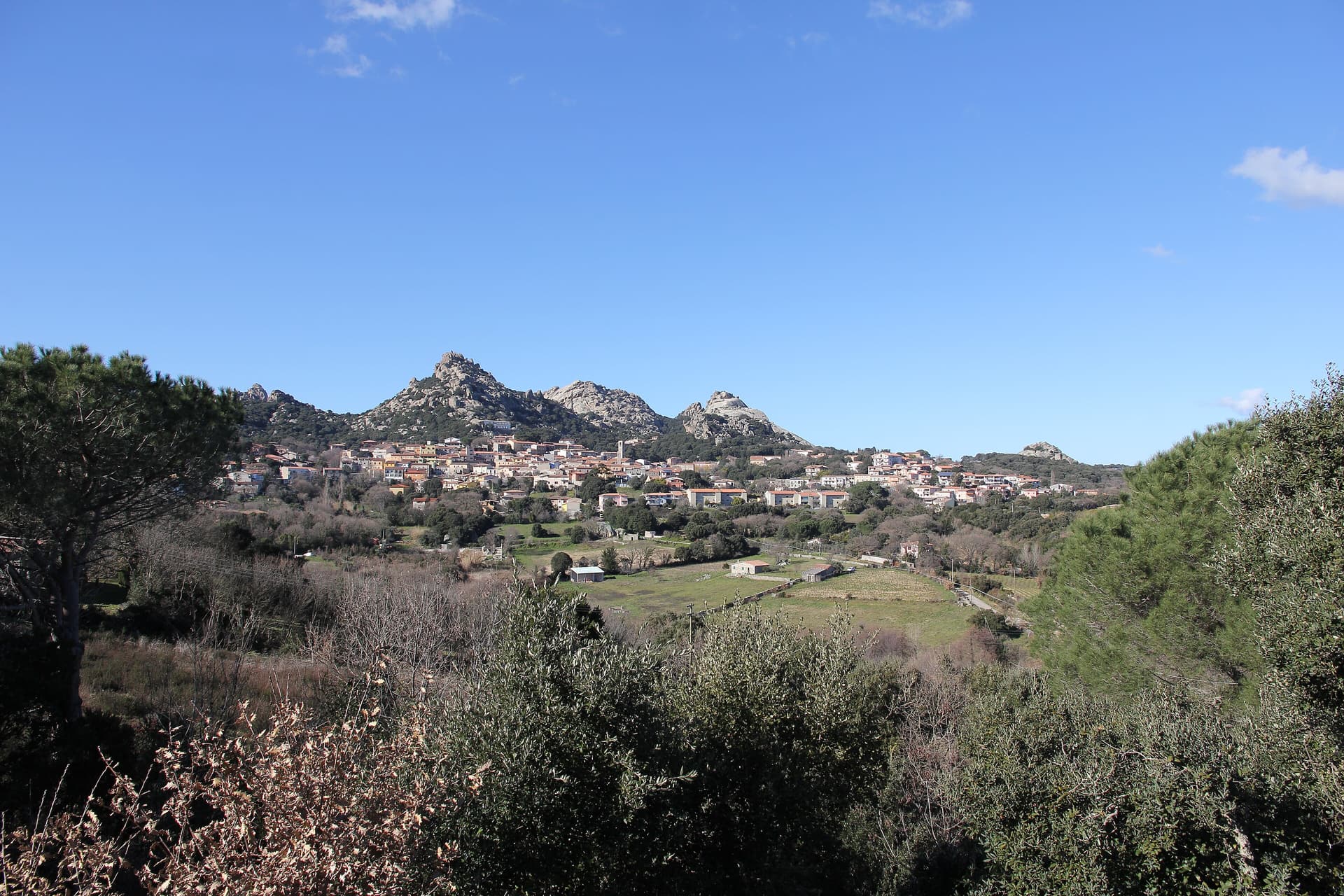
A Gallura granite village at 514 meters under the Monti di Aggius, with the largest ethnographic museum in Sardegna and three centuries of bandit history.
Stintino
Province: Sassari
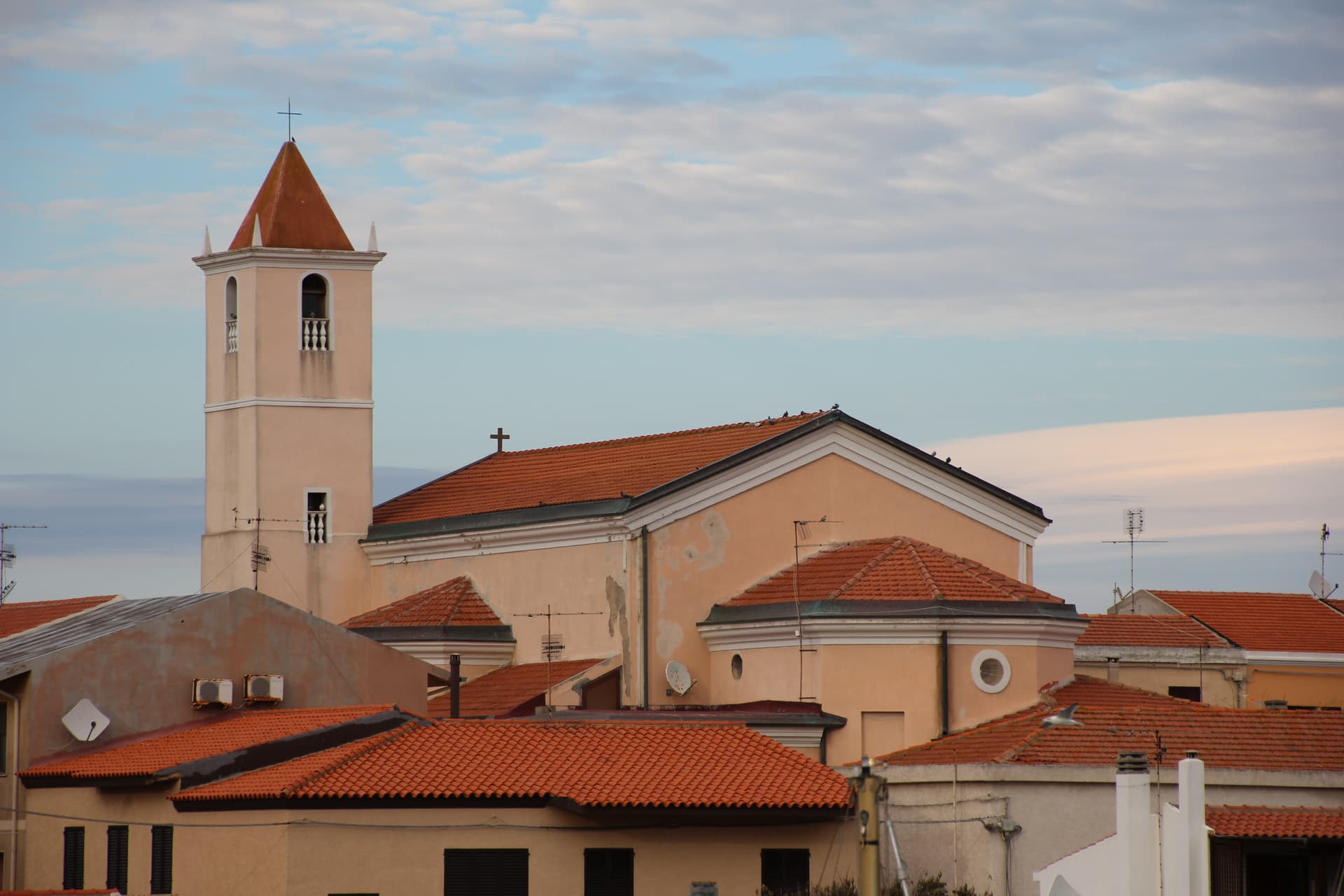
The northernmost tip of north-west Sardinia and the gateway to Asinara National Park, anchored by La Pelosa — the iconic Caribbean-blue shallow-shelf beach under the 16th-century Aragonese watchtower that fronts every Sardegna postcard.
Tempio Pausania
Province: Sassari
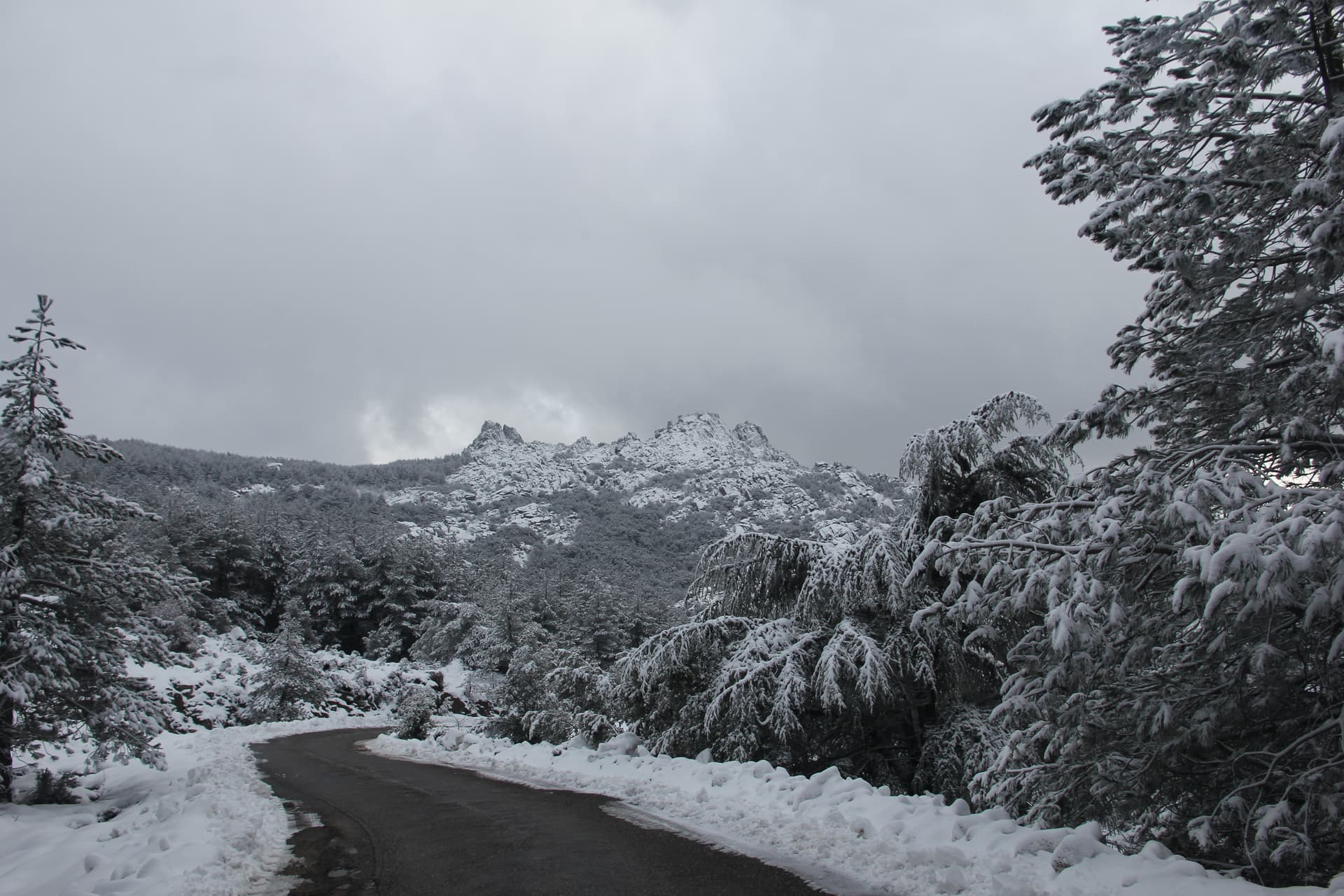
The granite capital of Gallura at the foot of Monte Limbara, known for cork, Vermentino DOCG and the largest Carnival in northern Sardinia.
💎 Borghi Autentici
More Borghi Autentici towns in Sardinia
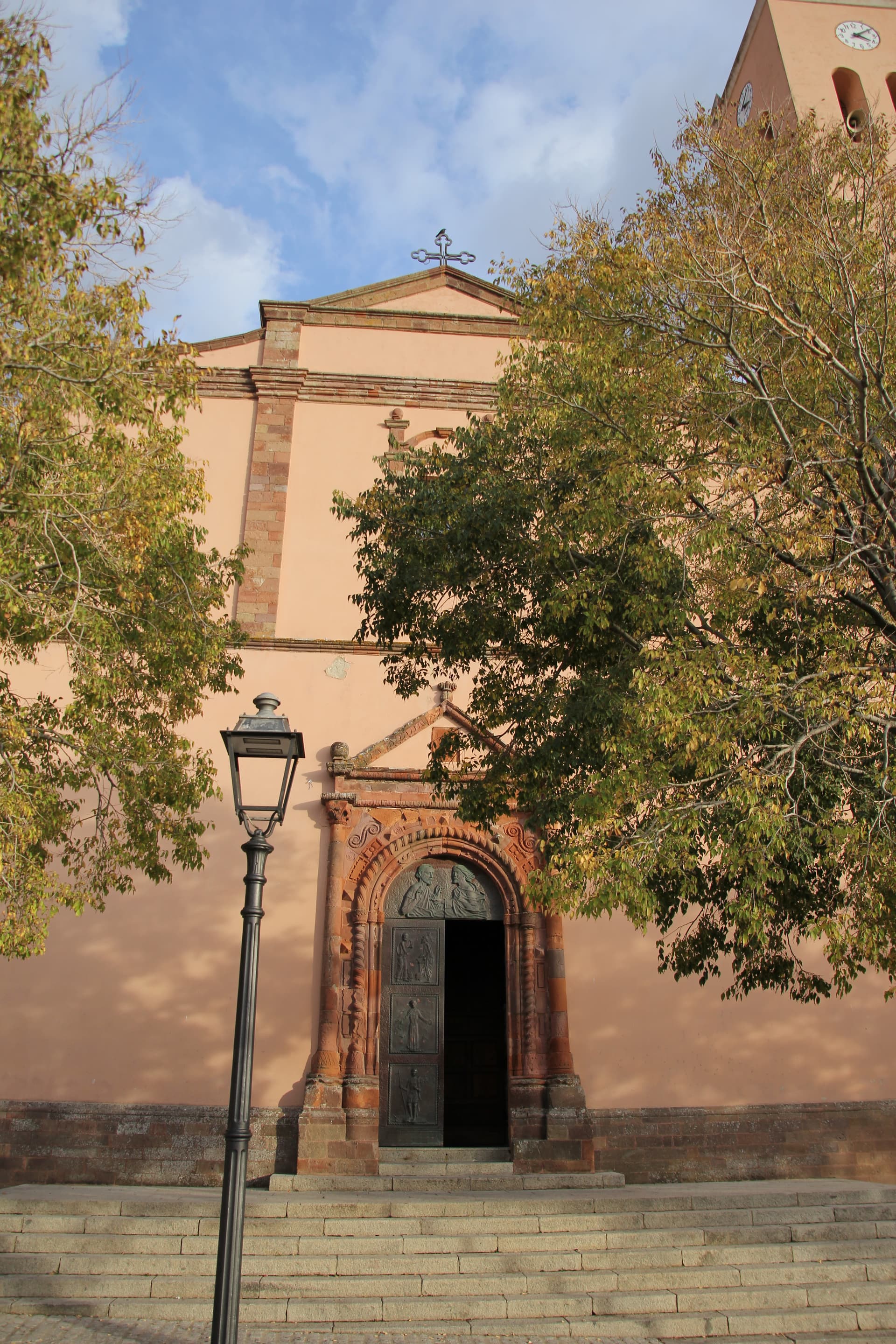
Aritzo
Province: Nuoro
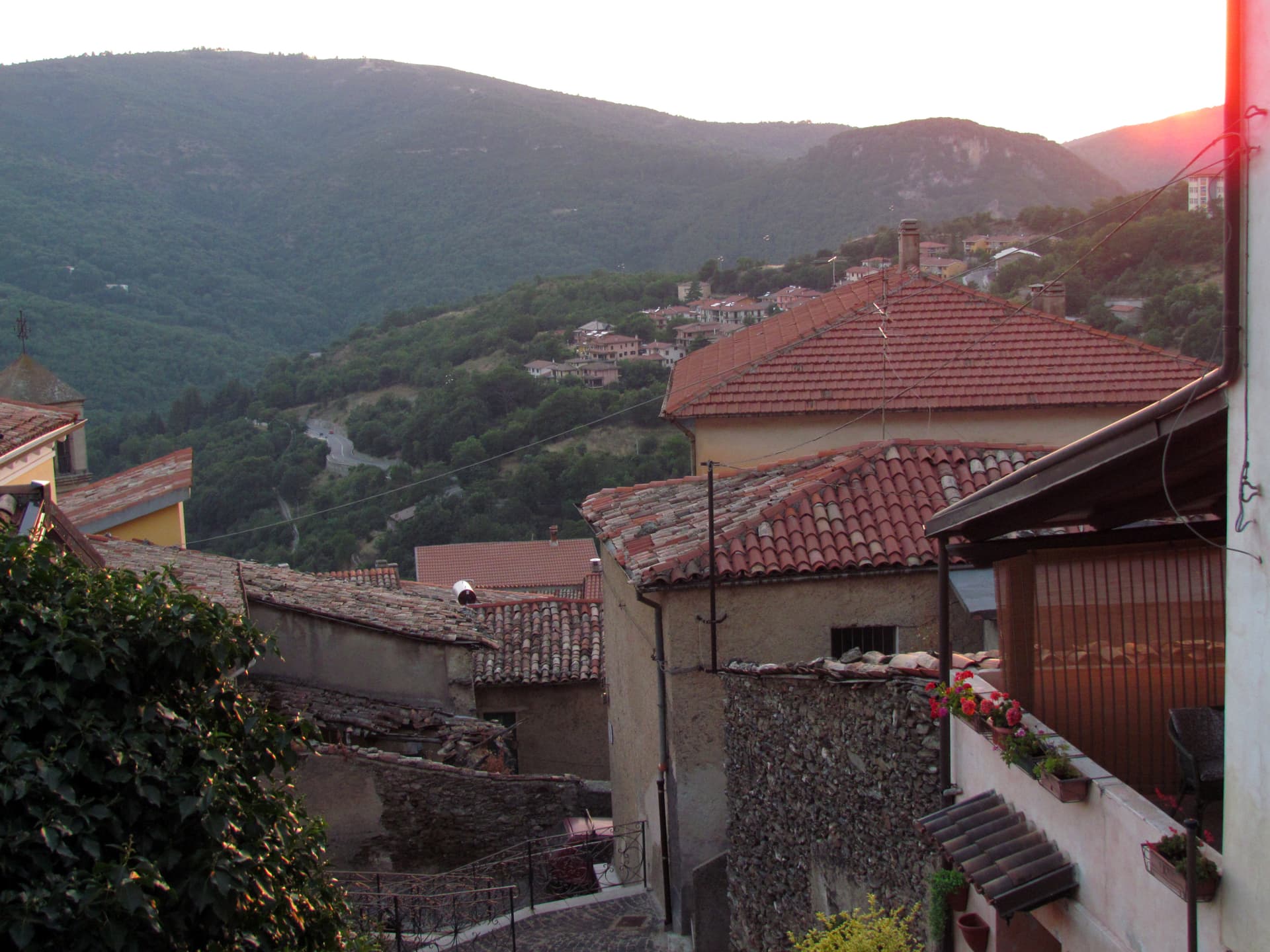
A Mandrolisai mountain village at 800 meters in chestnut and hazelnut forest, where snow once travelled out in straw and came back as lemon sorbet.
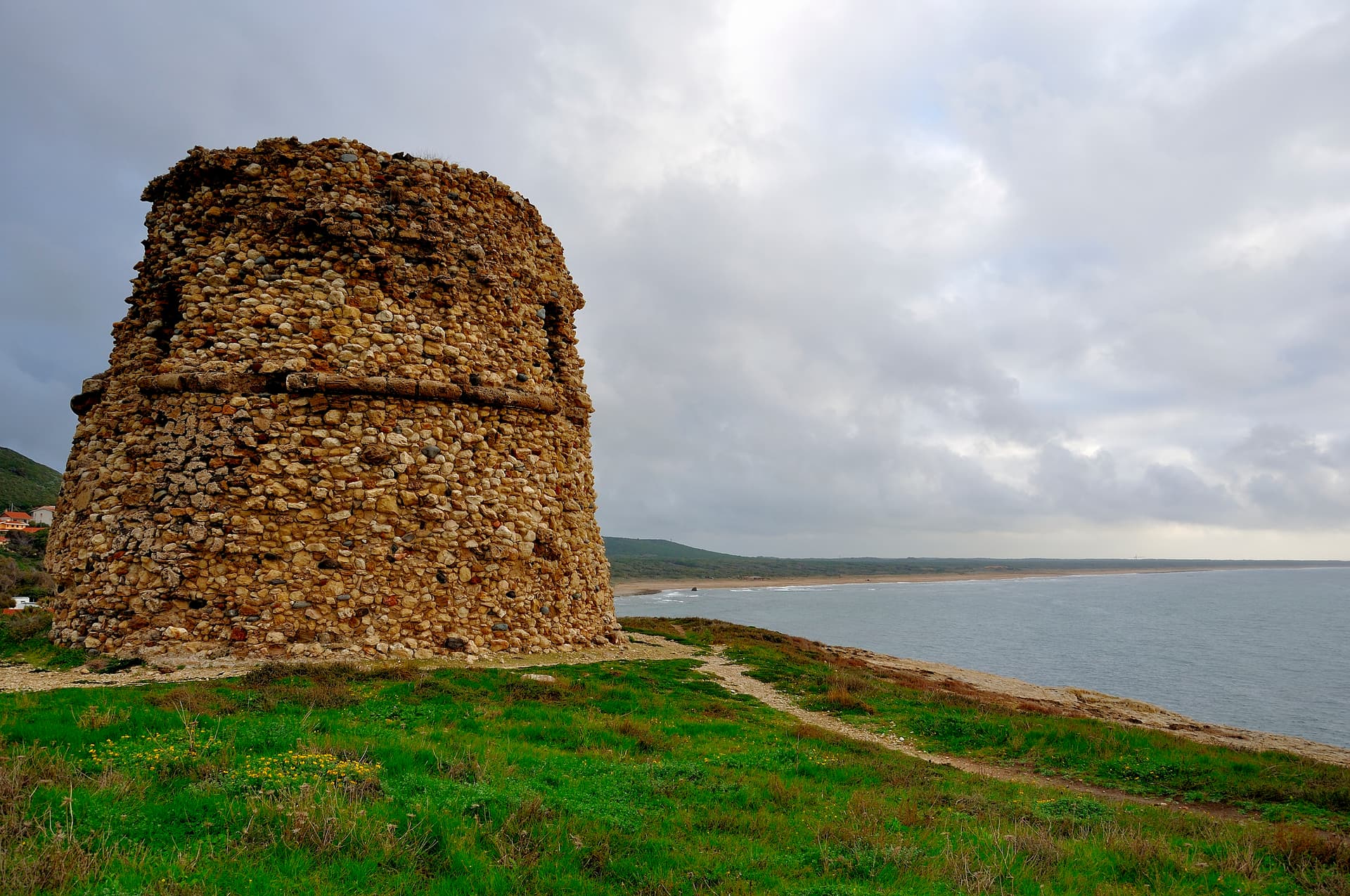
Bolotana
Province: Nuoro
A Marghine hill village at 472 meters between mountain and Tirso valley, with a Welsh railway engineer's villa hidden in a four-hectare exotic garden.
Cuglieri
Province: Oristano
A Montiferru town at 428 meters, with the first minor basilica in Sardegna above it and the ruins of Punic Cornus below.

Galtellì
Province: Nuoro
Grazia Deledda's 'Canne al vento' set — a 2,354-resident Baronia borgo under the Monte Tuttavista in Sardinia's northeast, with the triple Borghi Autentici + Bandiera Arancione + Città del Vino signal, the 11th-c Cattedrale di San Pietro (Sardinia's first), and the entire centro recognised as the Parco Letterario Grazia Deledda for being the literal setting of her 1913 Nobel-trajectory novel.
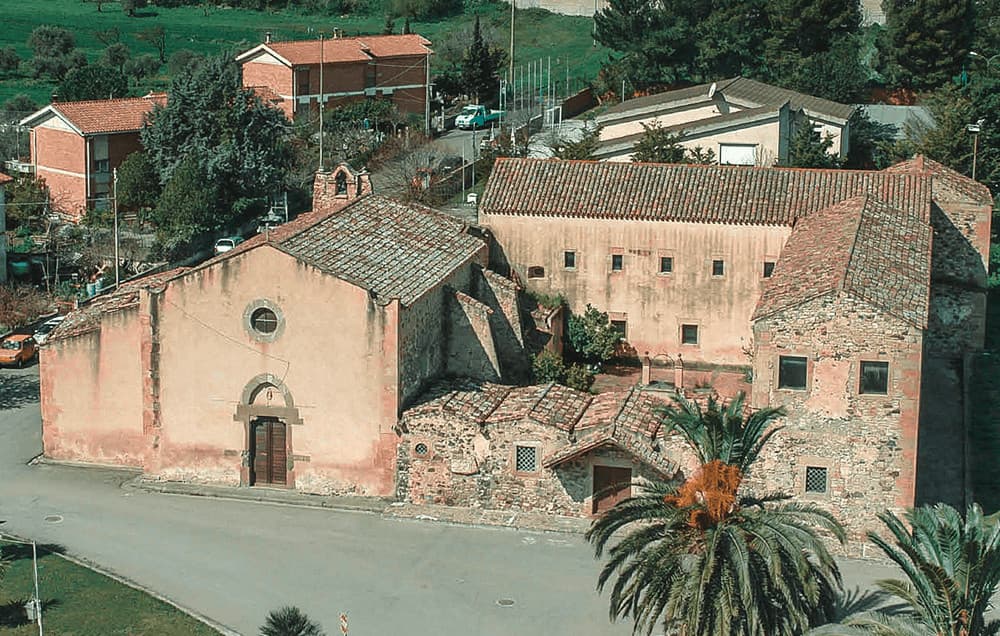
Masullas
Province: Oristano
A Marmilla village at 129 meters where a 17th-century Capuchin convent houses fossils, minerals, and the volcanic history of Monte Arci.