

Sardinia · Sassari
Stintino
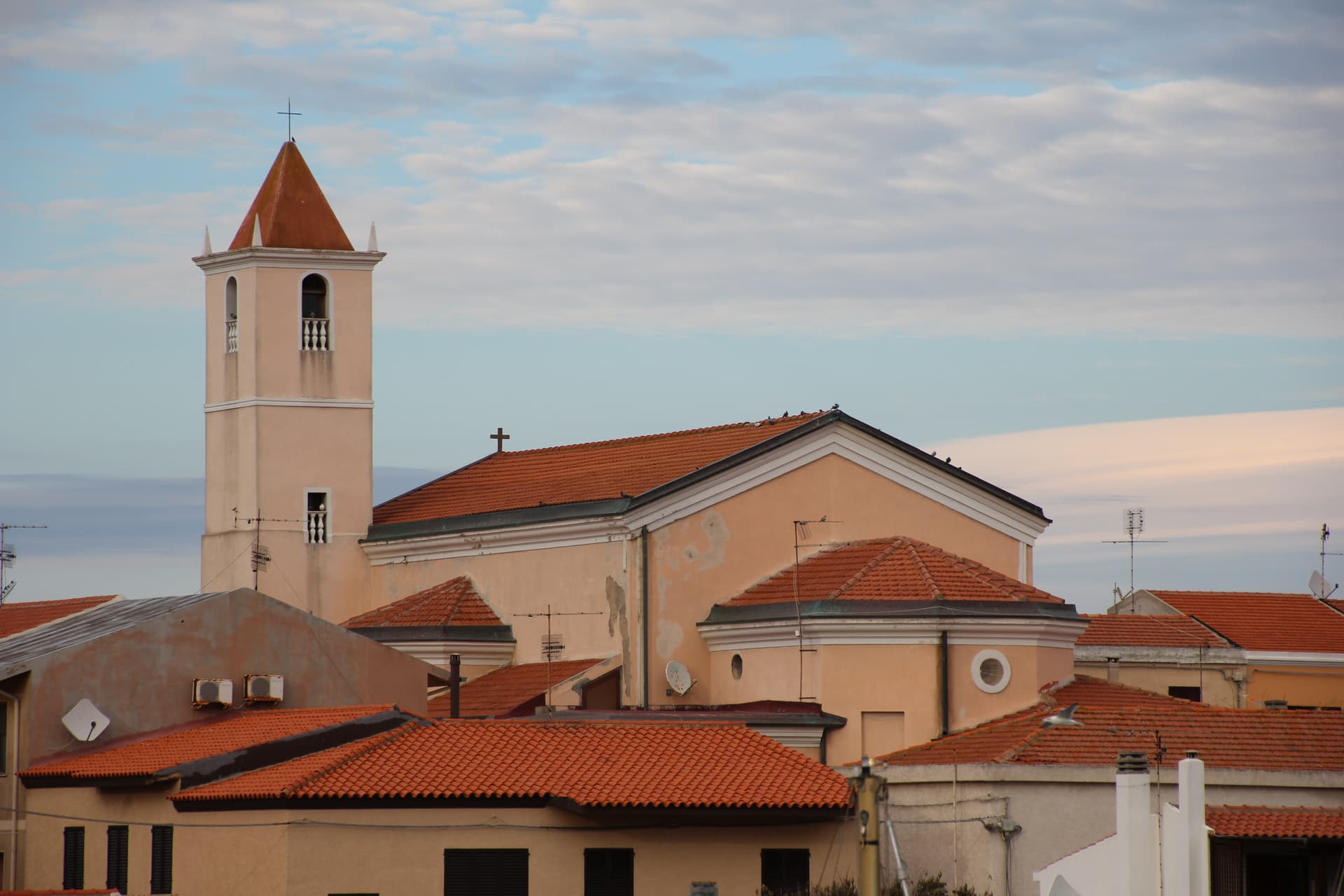
The northernmost tip of north-west Sardinia and the gateway to Asinara National Park, anchored by La Pelosa — the iconic Caribbean-blue shallow-shelf beach under the 16th-century Aragonese watchtower that fronts every Sardegna postcard.
Known for
LA PELOSA
Caribbean-turquoise shallow-shelf beach under a 1578 watchtower — Sardegna's most-photographed coastline. Ticketed access since 2020.
ASINARA GATEWAY
The only embarkation point for Asinara National Park — former prison colony turned strict nature reserve.
ALBINO DONKEY
The endemic Asino bianco dell'Asinara, found only on this island and a symbol of the national park.
When to visit
Best · Apr–Oct
- J
- F
- M
- A
- M
- J
- J
- A
- S
- O
- N
- D
- Best
- Hot or crowded
- Quiet
- Mostly closed
Why come
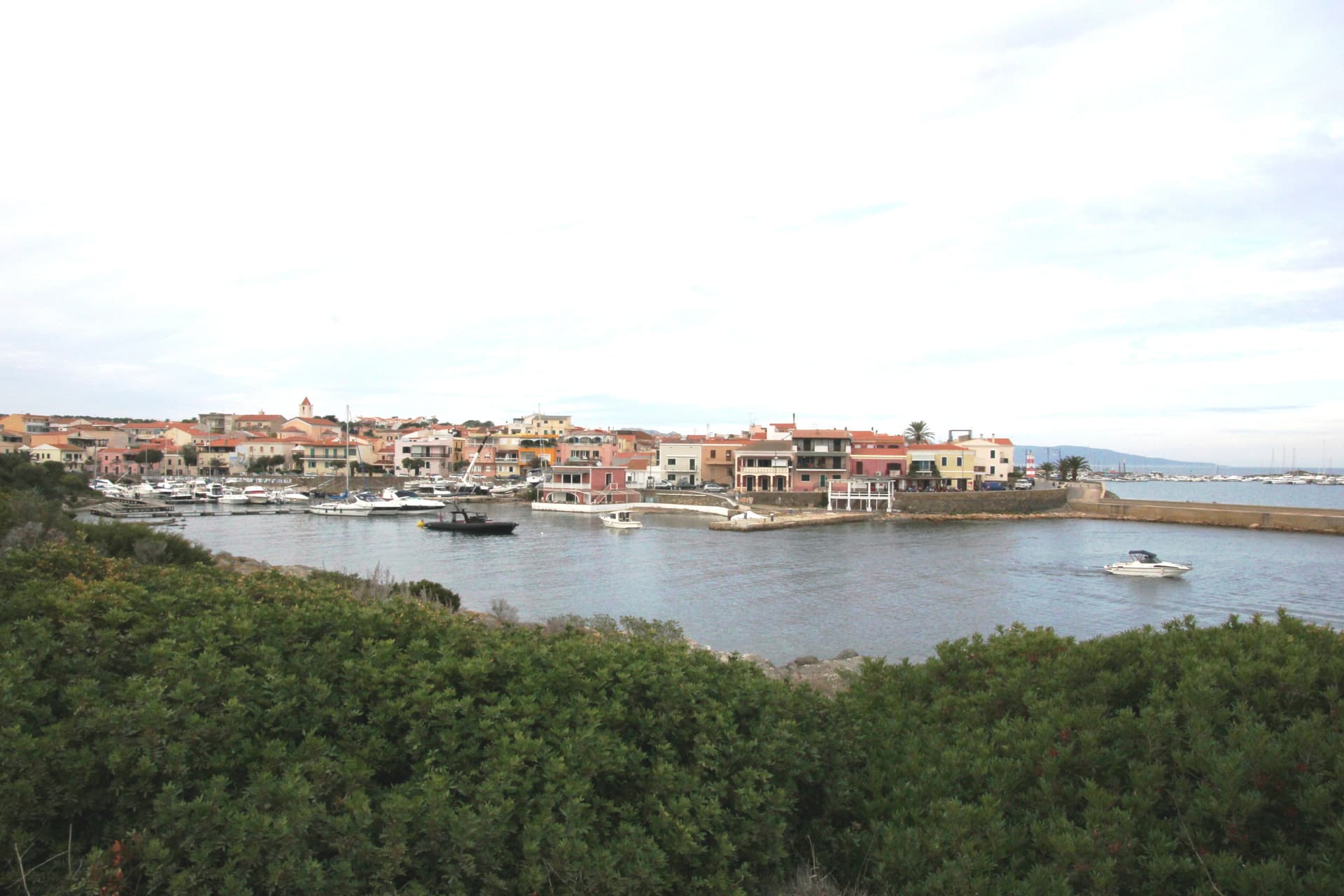
Stintino sits on a thin headland at the north-western tip of Sardinia, looking across the narrow Fornelli strait to Asinara Island. The village was founded in 1885 when the Italian state expropriated the population of Asinara to build a prison and agricultural penal colony there; the displaced families settled across the strait and the resulting fishing community kept the name Stintino, meaning 'small intestine' in Sardinian dialect, after the long narrow port-canal that still divides the village. The Asinara penal colony closed in 1997 and the island became a national park the following year — today Asinara is one of the most strictly protected coasts in the Mediterranean, with the endemic albino donkey (Asino bianco dell'Asinara), and Stintino is the only embarkation point.
The village itself is small, primarily seasonal, with a working harbour and a single main street. The real draw is two kilometres north: La Pelosa, the shallow turquoise-shelf beach under the 16th-century Aragonese watchtower (Torre della Pelosa, 1578) that fronts every Sardegna postcard. Since 2020 access has been ticketed and capped at 1,500 daily visitors to protect the dune system.
The Sunday letter
We haven’t written Stintino’s letter yet.
One town every Sunday, with the photo, the food, the festa. Be there when this one comes up. Free, by Peter & Sophia from Pietrasanta.
By subscribing you agree to Substack’s Terms of Use, our Privacy Policy and our Information collection notice.
What to see
Spiaggia della Pelosa
The iconic Caribbean-blue shallow-shelf beach under the 1578 Aragonese watchtower. Access ticketed and capped at 1,500/day since 2020 to protect the dune system. Book ahead online.
Parco Nazionale dell'Asinara
Strictly protected island national park across the Fornelli strait, accessible only via Stintino. Endemic albino donkey, former prison colony (1885-1997), now a wilderness reserve.
Torre della Pelosa
1578 Aragonese coastal watchtower on the islet at the end of La Pelosa beach — built to spot Barbary corsairs and now the beach's iconic silhouette.
Porto di Stintino
The long narrow port-canal that gave the village its name (Sardinian for 'small intestine'). Working fishing fleet plus ferries and excursions to Asinara.
Asino bianco dell'Asinara
The endemic albino donkey of Asinara island — only found wild in this national park. Spotted on guided park tours from Stintino harbour.
The slow-trip planner
Building a trip? Find where Stintino fits in a slow Italy circuit.
Answer five questions. We will shape a geographically coherent slow trip from the 1,000 Italian towns most travelers skip. Yours to save and share.
Living here
- Population 1,549
- In-betweeni
- Pharmacy in town
- High school within a 30-minute drive
- Nearest airport Sardinia, 3 h 46 min drive
- Regional capital Cagliari, 3 h 33 min drive
Tags & datadesignations · numbers · sources
The numbers
- Elevation: 3 m
- Population: 1,549
- Surface area: 59.04 km²
These figures were compiled from public directories — ISTAT, OpenStreetMap, Wikidata — and from the official listings of the guides named on this page. Town details change; verify with official sources before you travel.
Close by
More towns near Stintino
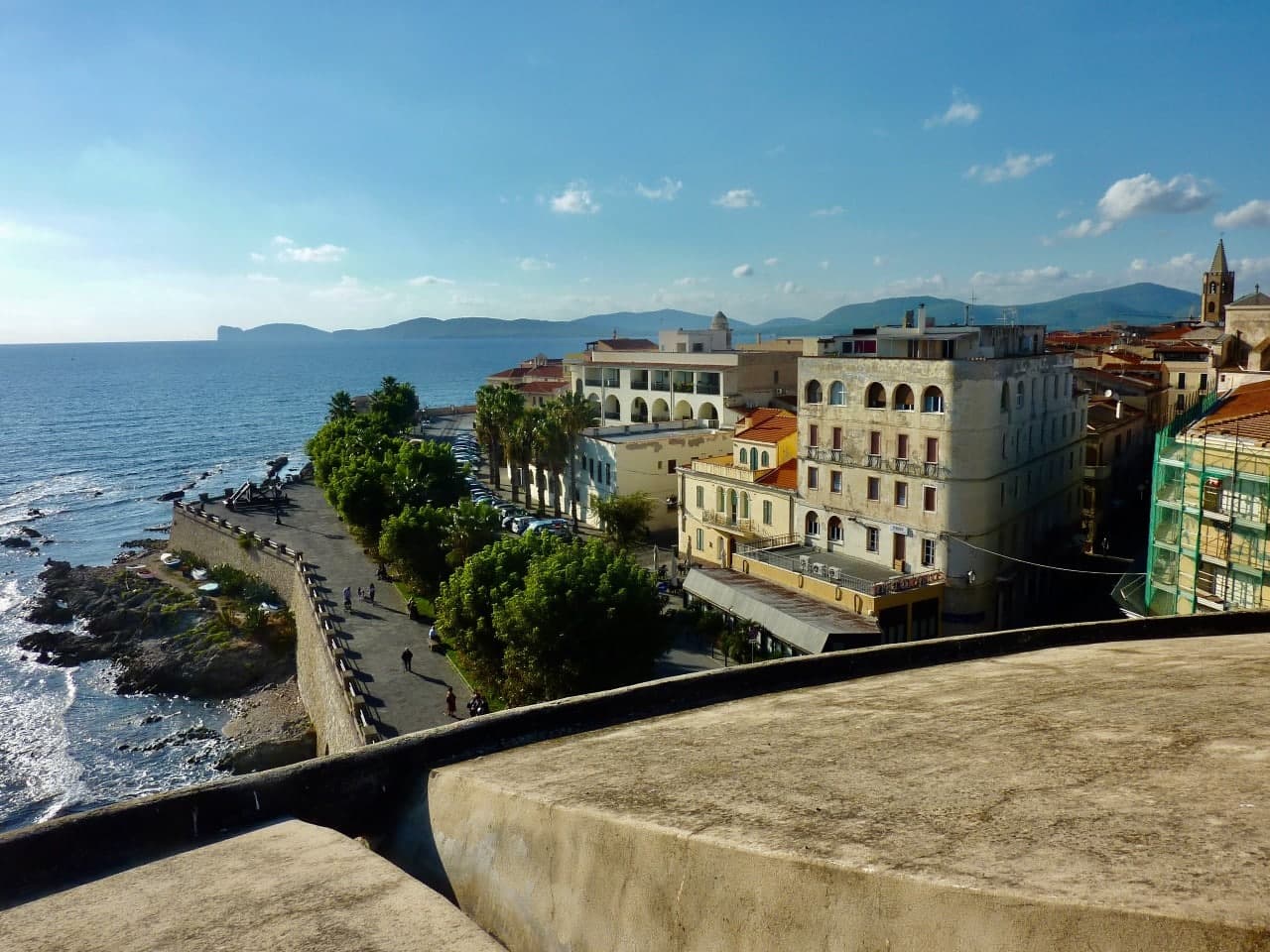
Alghero
Province: Sassari
The Catalan city of northwest Sardinia, repopulated by Peter IV of Aragon in 1354 and still speaking Algherese Catalan today.
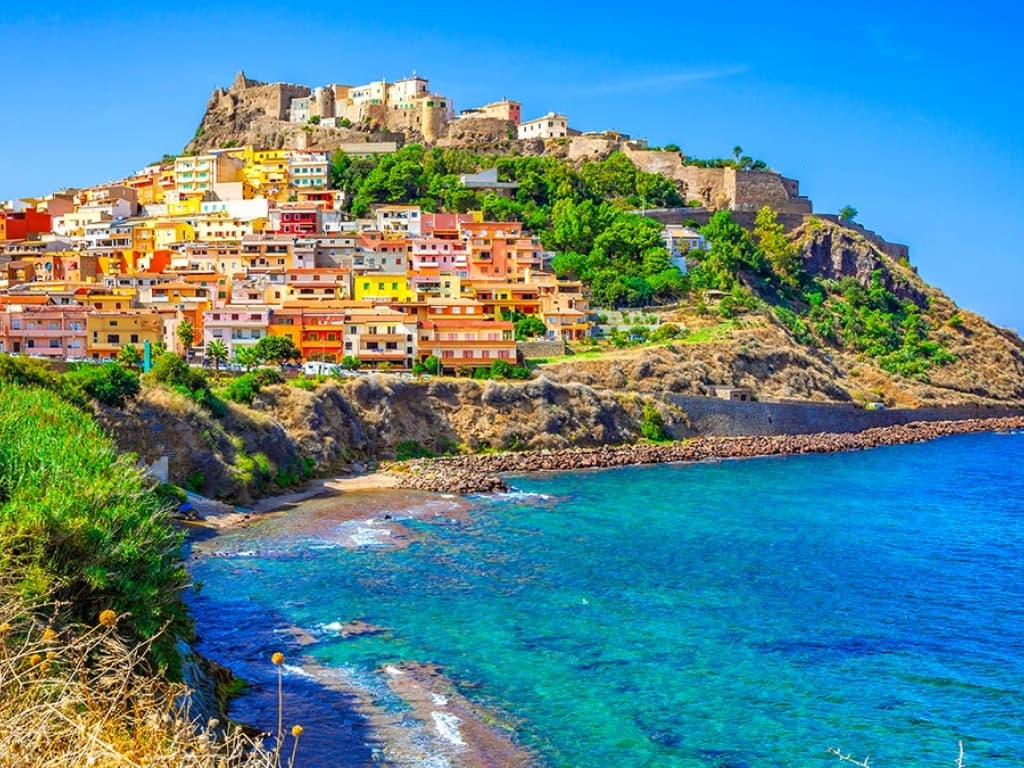
Castelsardo
Province: Sassari
A Doria sea fortress at 114 meters above the Gulf of Asinara, Genoese from 1100, Aragonese from 1448, Savoyard from the 1700s.
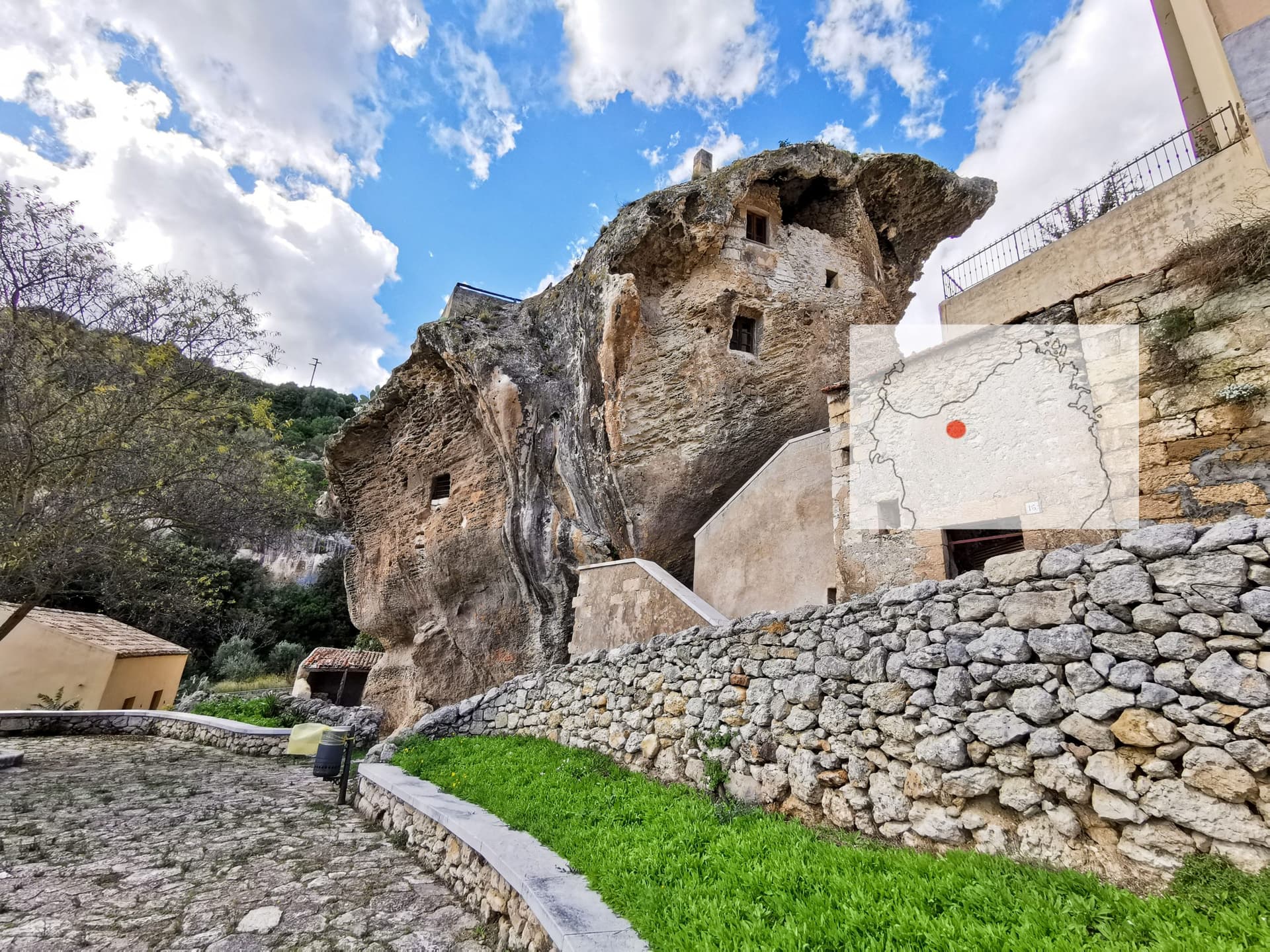
Sedini
Province: Sassari
Sardinia's most spectacular Domus de Janas — a 1,245-resident Anglona borgo with a prehistoric rock-cut tomb complex carved into a giant limestone outcrop inside the village itself, later reused as a Romanesque church and now a small museum, anchoring a Borgo Autentico-marked centro in the inland Sassari province.
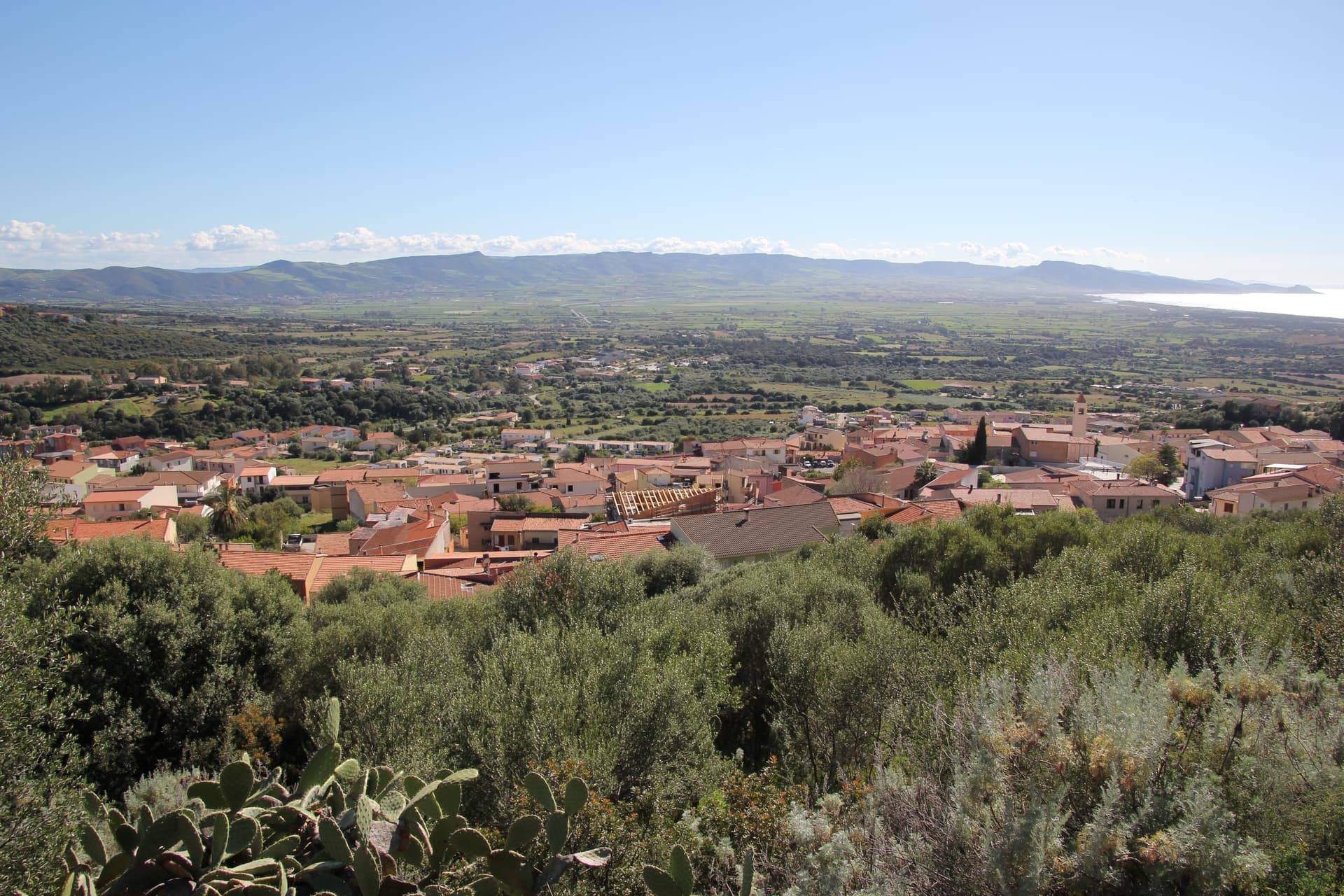
Badesi
Province: Sassari
A Gallura commune founded by shepherding families in the 1700s, with eight kilometers of dunes between Isola Rossa and the Coghinas river.
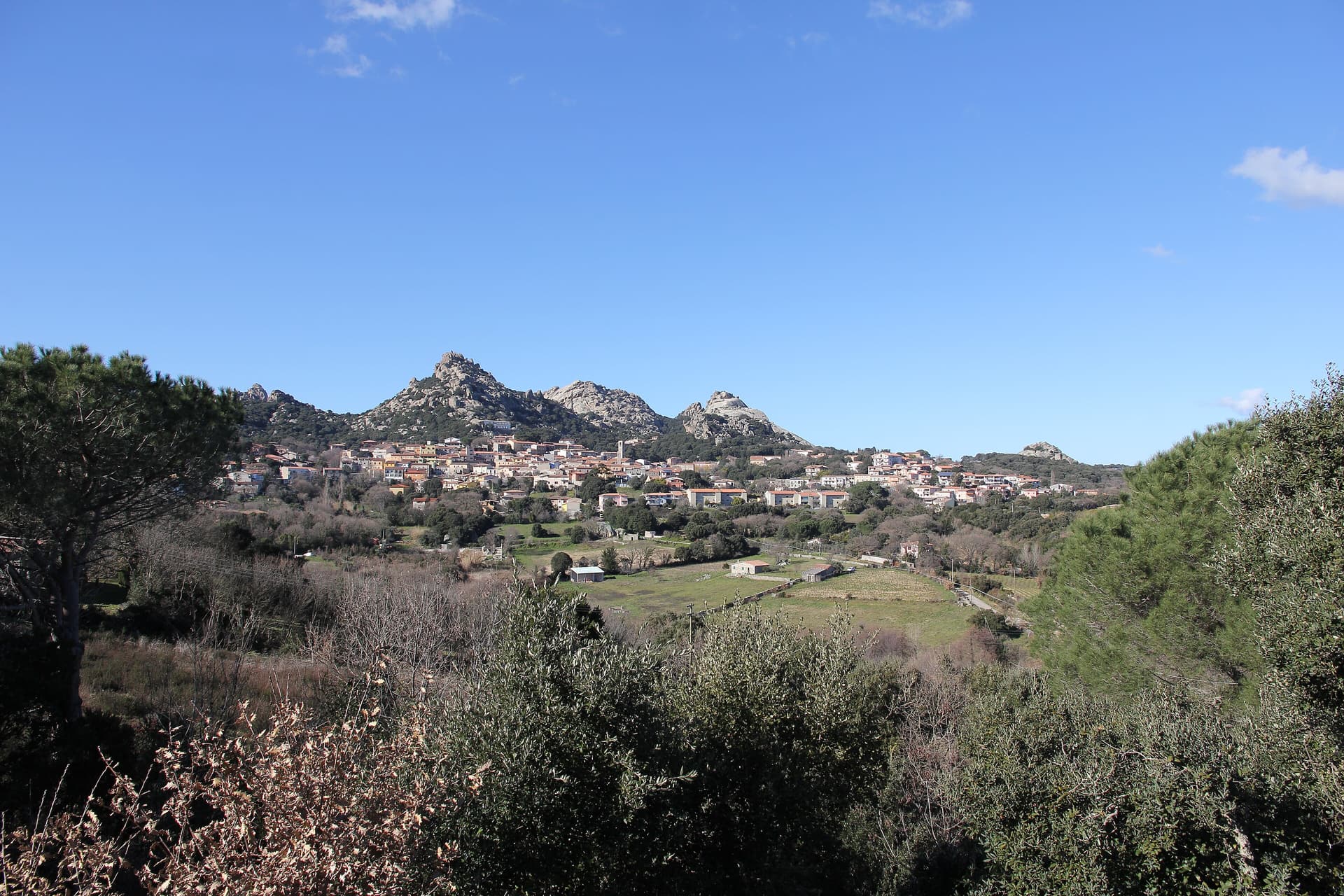
Aggius
Province: Sassari
A Gallura granite village at 514 meters under the Monti di Aggius, with the largest ethnographic museum in Sardegna and three centuries of bandit history.