

Sardinia · Sassari
Castelsardo
A Doria sea fortress above the Gulf of Asinara, Genoese from 1100, Aragonese from 1448, Savoyard from the 1700s.
Known for
DORIA CASTLE
Twelfth-century Genoese fortress that defined the town for nine hundred years, residence of Eleonora d'Arborea, later Aragonese, then Savoyard.
BASKET WEAVING
Asphodel and dwarf-palm weaving is the signature Castellanese craft; the Museo dell'Intreccio Mediterraneo inside the castle is dedicated to it.
ROCCIA DELL'ELEFANTE
Eroded red porphyry six kilometers east shaped like a seated elephant, with two pre-Nuragic tombs of around 6000 and 3000 BC cut inside.
When to visit
Best · May–Oct
- J
- F
- M
- A
- M
- J
- J
- A
- S
- O
- N
- D
- Best
- Hot or crowded
- Quiet
- Mostly closed
Why come
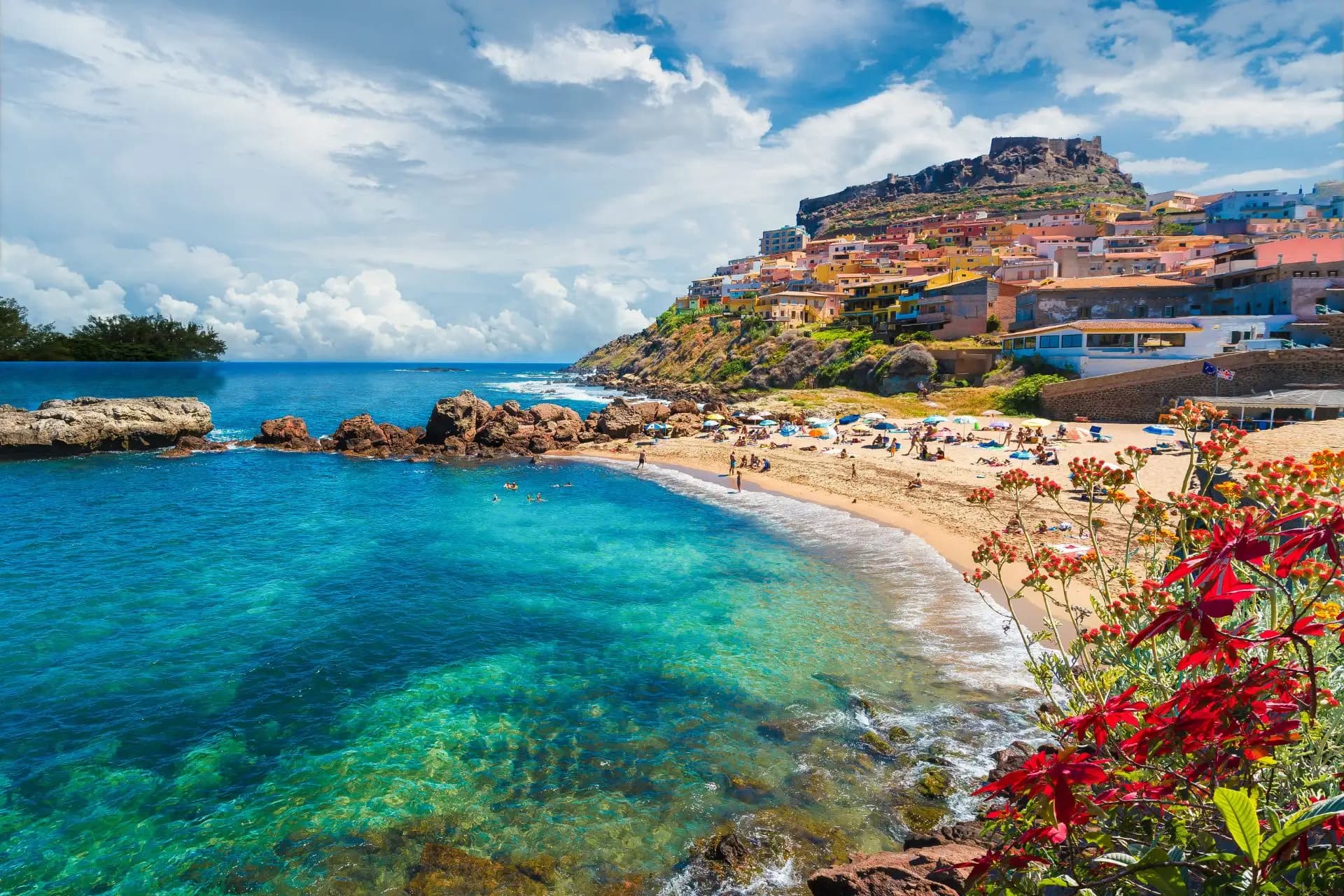
Castelsardo sits on a rock above the Gulf of Asinara, twenty-five kilometers north of Sassari. The Doria family of Genoa built the castle in the early twelfth century to control the gulf. It served as the residence of Brancaleone Doria and Eleonora d'Arborea until 1448, when the Aragonese took it and renamed it Castel Aragonese.
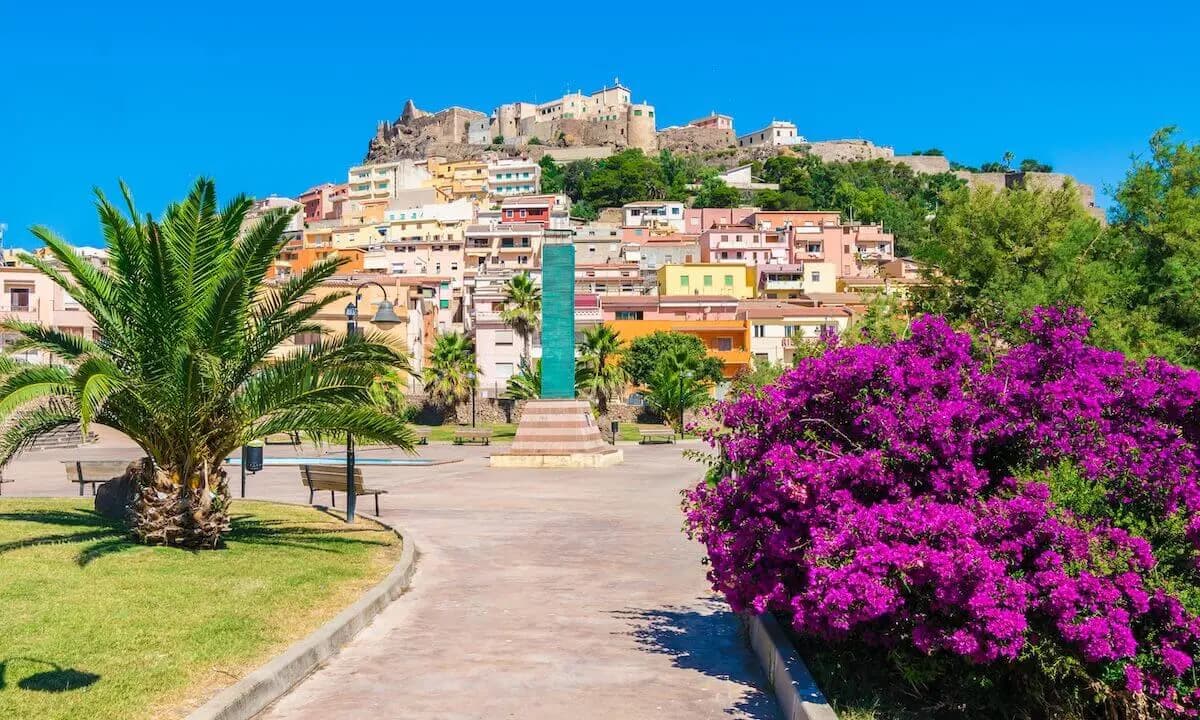
The Spanish turned it into a defensive fort with towers and bastions, and it kept that name until the Savoys took over in the eighteenth century and gave it the present name. The castle still tops the old town and now houses the Museo dell'Intreccio Mediterraneo, dedicated to basket weaving in asphodel and dwarf palm, the traditional Castellanese craft. Below the castle, the Cattedrale di Sant'Antonio Abate stands on a panoramic terrace above the sea, its tiled bell tower visible miles offshore, with a Madonna in trono col Bambino by the anonymous fifteenth-century Maestro di Castelsardo on the main altar. Six kilometers east, the Roccia dell'Elefante shelters two pre-Nuragic tombs cut into its red porphyry.
The Sunday letter
We haven’t written Castelsardo’s letter yet.
One town every Sunday, with the photo, the food, the festa. Be there when this one comes up. Free, by Peter & Sophia from Pietrasanta.
By subscribing you agree to Substack’s Terms of Use, our Privacy Policy and our Information collection notice.
What to see
Castello dei Doria
Twelfth-century Genoese fortress, residence of Eleonora d'Arborea until 1448, later Aragonese stronghold; now houses the Museo dell'Intreccio Mediterraneo.
Cattedrale di Sant'Antonio Abate
Gothic core with seventeenth-century Renaissance and Baroque additions, tiled bell tower visible from sea, Maestro di Castelsardo altarpiece inside.
Museo dell'Intreccio Mediterraneo
Inside the castle, dedicated to local basket and sieve weaving in asphodel and dwarf palm, with recreated workshops and historical pieces.
Roccia dell'Elefante
Eroded red porphyry rock six kilometers east on the SS134, shaped like a seated elephant, holding two pre-Nuragic tombs cut into its mass.
Centro storico
Walled medieval village rising up the rock from the harbour to the castle, one of the Borghi più belli d'Italia.
The slow-trip planner
Building a trip? Find where Castelsardo fits in a slow Italy circuit.
Answer five questions. We will shape a geographically coherent slow trip from the 1,000 Italian towns most travelers skip. Yours to save and share.
We recommend
Where to eat and stay
Not our picks, but places the guides put their name to — a Michelin star, a Gambero Rosso fork, a Slow Food snail, a Michelin Key for the hotels. Worth a table, a counter, or a night when you pass through.
Il CormoranoRistorante
Il Cormorano has one Gambero Rosso fork (76/100) to its name.
Bajaloglia ResortHotel
Bajaloglia Resort has a place in the Michelin hotel guide to its name.
Living here
- Population 5,656
- Off the beaten pathi
- Pharmacy in town
- High school within a 30-minute drive
- Nearest airport Sardinia, 3 h 46 min drive
- Regional capital Cagliari, 3 h 34 min drive
Tags & datadesignations · numbers · sources
Recognised as
The numbers
- Elevation: 114 m
- Population: 5,656
- Surface area: 43.34 km²
These figures were compiled from public directories — ISTAT, OpenStreetMap, Wikidata — and from the official listings of the guides named on this page. Town details change; verify with official sources before you travel.
Close by
More towns near Castelsardo
Sedini
Province: Sassari
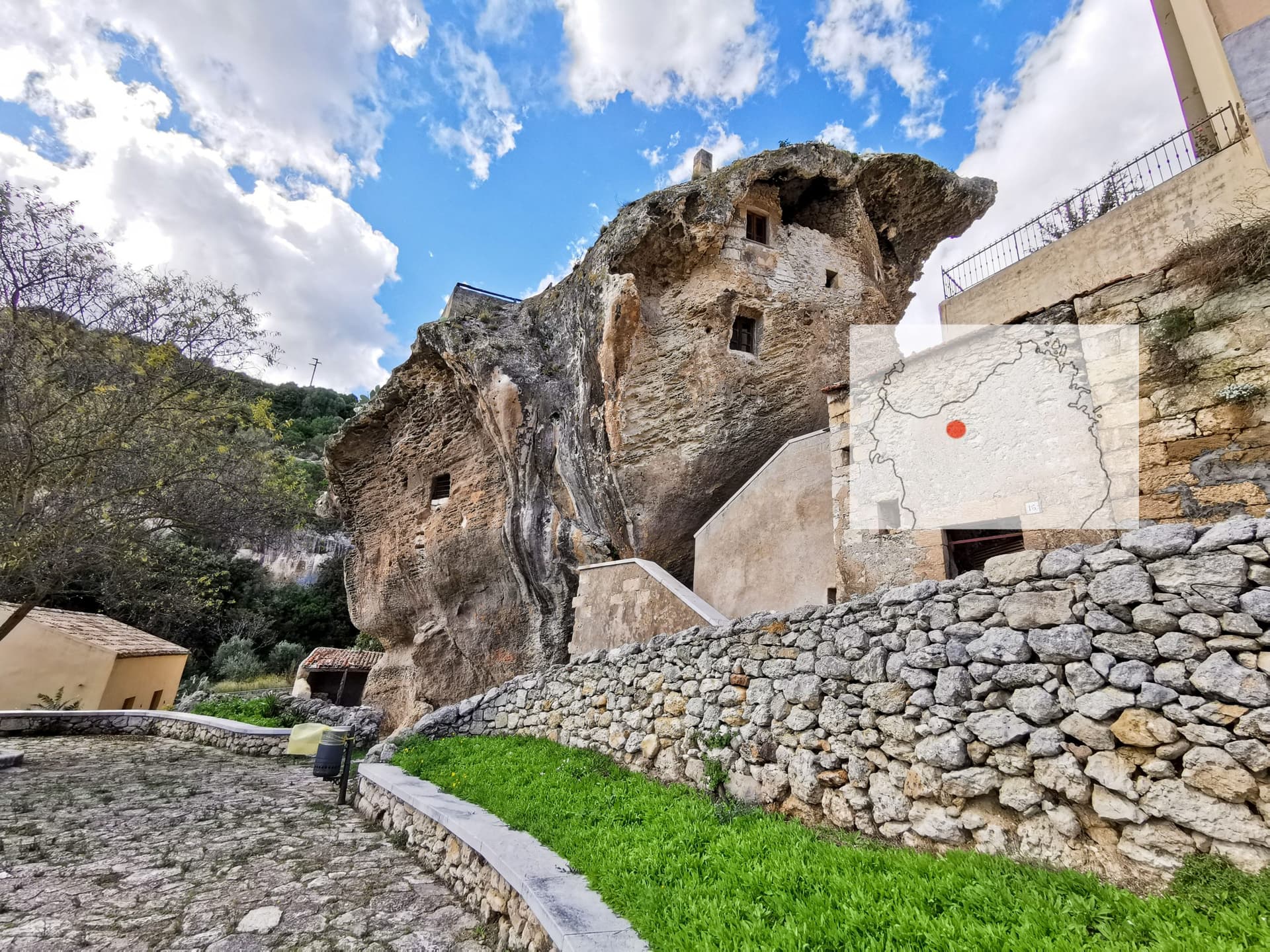
Sardinia's most spectacular Domus de Janas — a 1,245-resident Anglona borgo with a prehistoric rock-cut tomb complex carved into a giant limestone outcrop inside the village itself, later reused as a Romanesque church and now a small museum, anchoring a Borgo Autentico-marked centro in the inland Sassari province.
Badesi
Province: Sassari
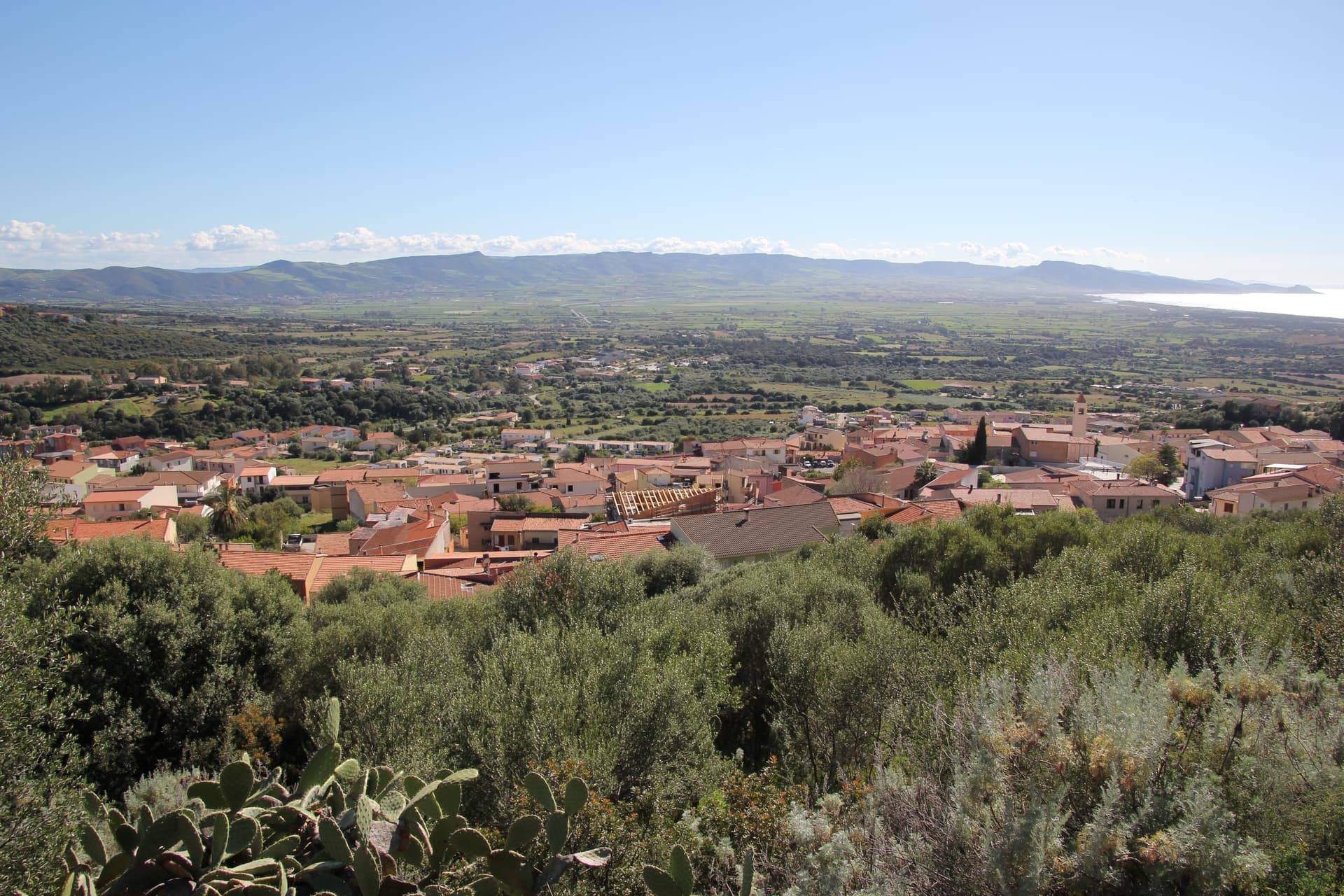
A Gallura commune founded by shepherding families in the 1700s, with eight kilometers of dunes between Isola Rossa and the Coghinas river.
Aggius
Province: Sassari
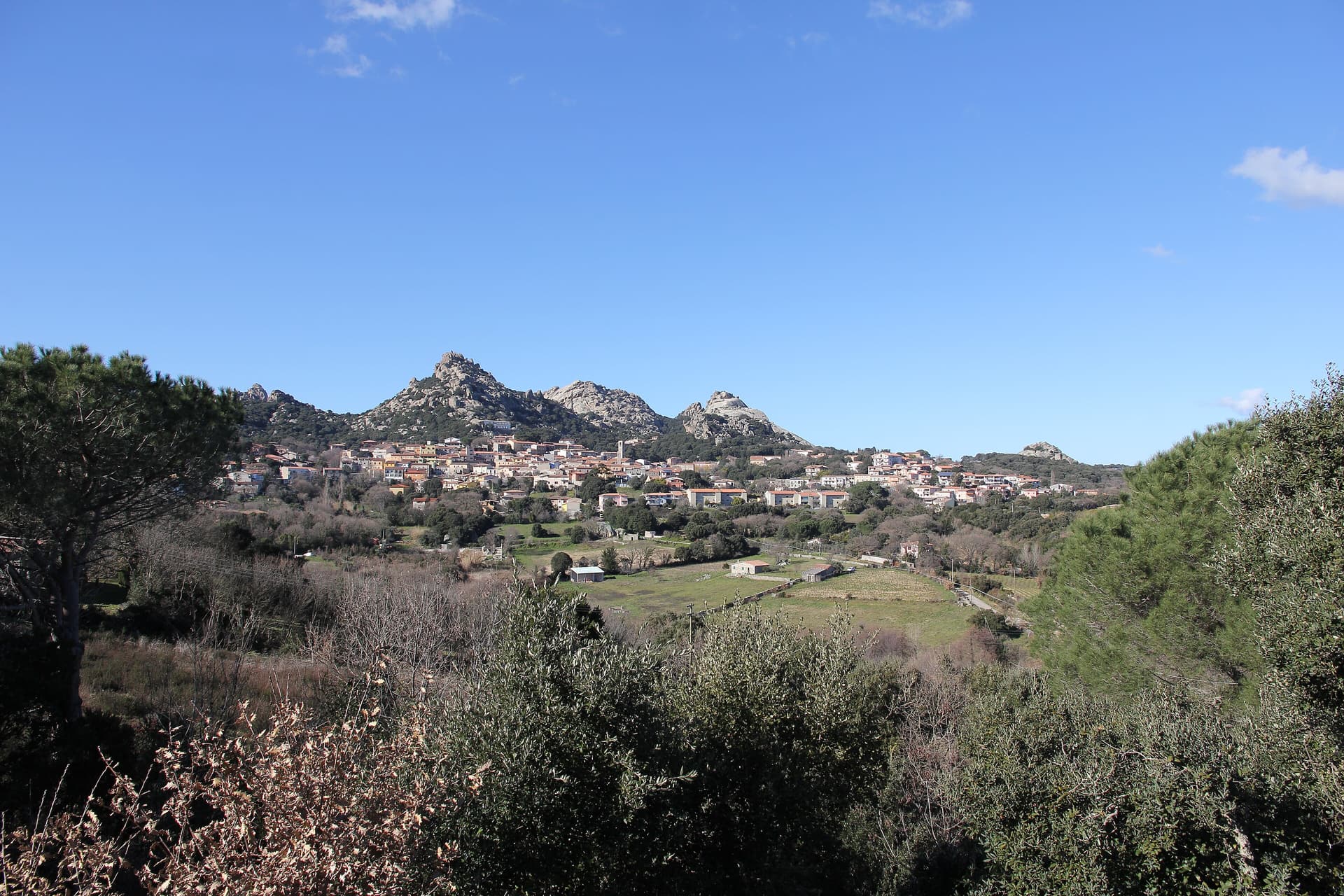
A Gallura granite village at 514 meters under the Monti di Aggius, with the largest ethnographic museum in Sardegna and three centuries of bandit history.
Stintino
Province: Sassari
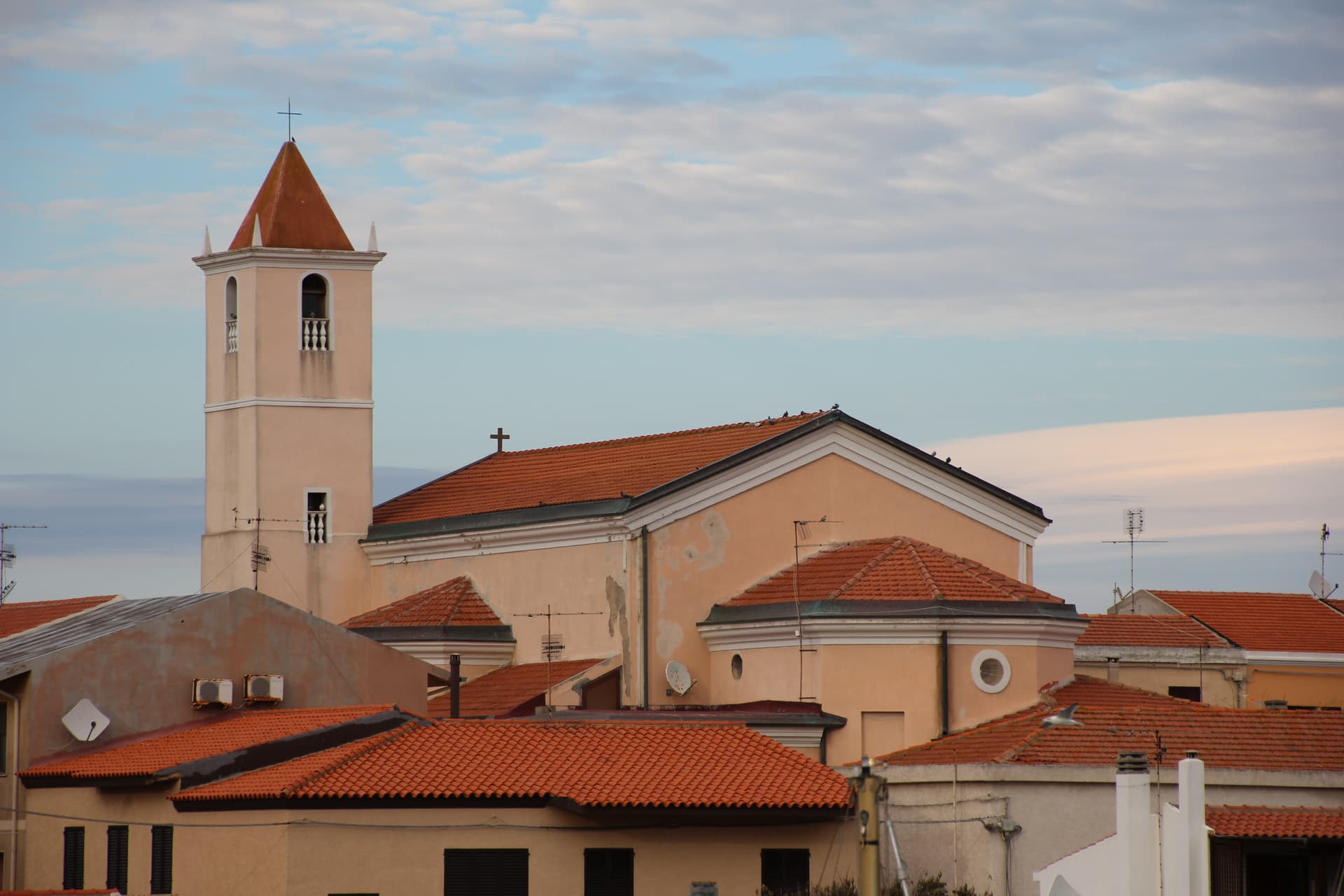
The northernmost tip of north-west Sardinia and the gateway to Asinara National Park, anchored by La Pelosa — the iconic Caribbean-blue shallow-shelf beach under the 16th-century Aragonese watchtower that fronts every Sardegna postcard.
Alghero
Province: Sassari
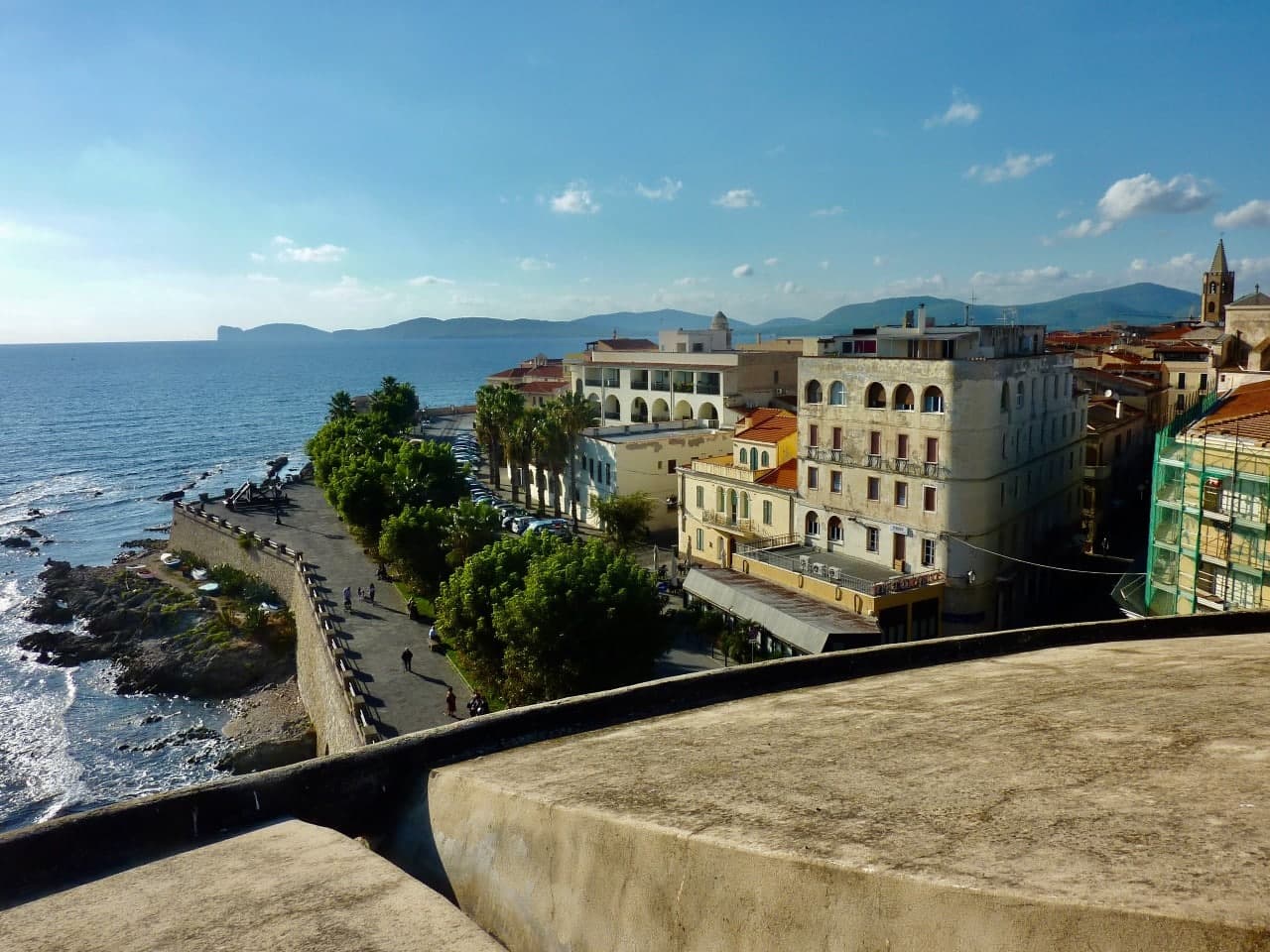
The Catalan city of northwest Sardinia, repopulated by Peter IV of Aragon in 1354 and still speaking Algherese Catalan today.
🎨 Borghi più belli d'Italia
More Borghi più belli d'Italia towns in Sardinia
Atzara
Province: Nuoro
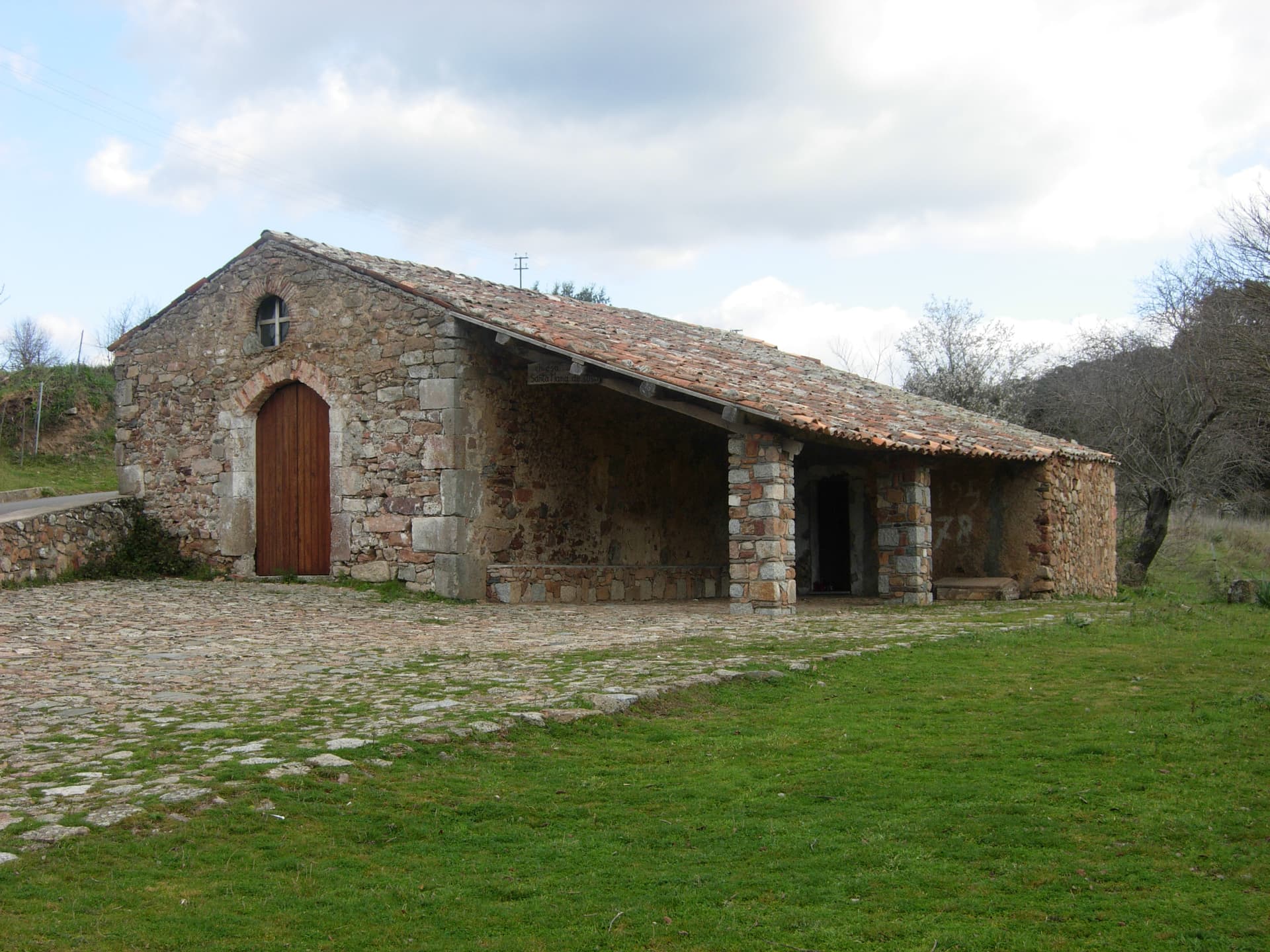
A Mandrolisai wine village on the western Gennargentu, painted in the early twentieth century by Spanish costumbristas and the Sardinian Scuola di Atzara.
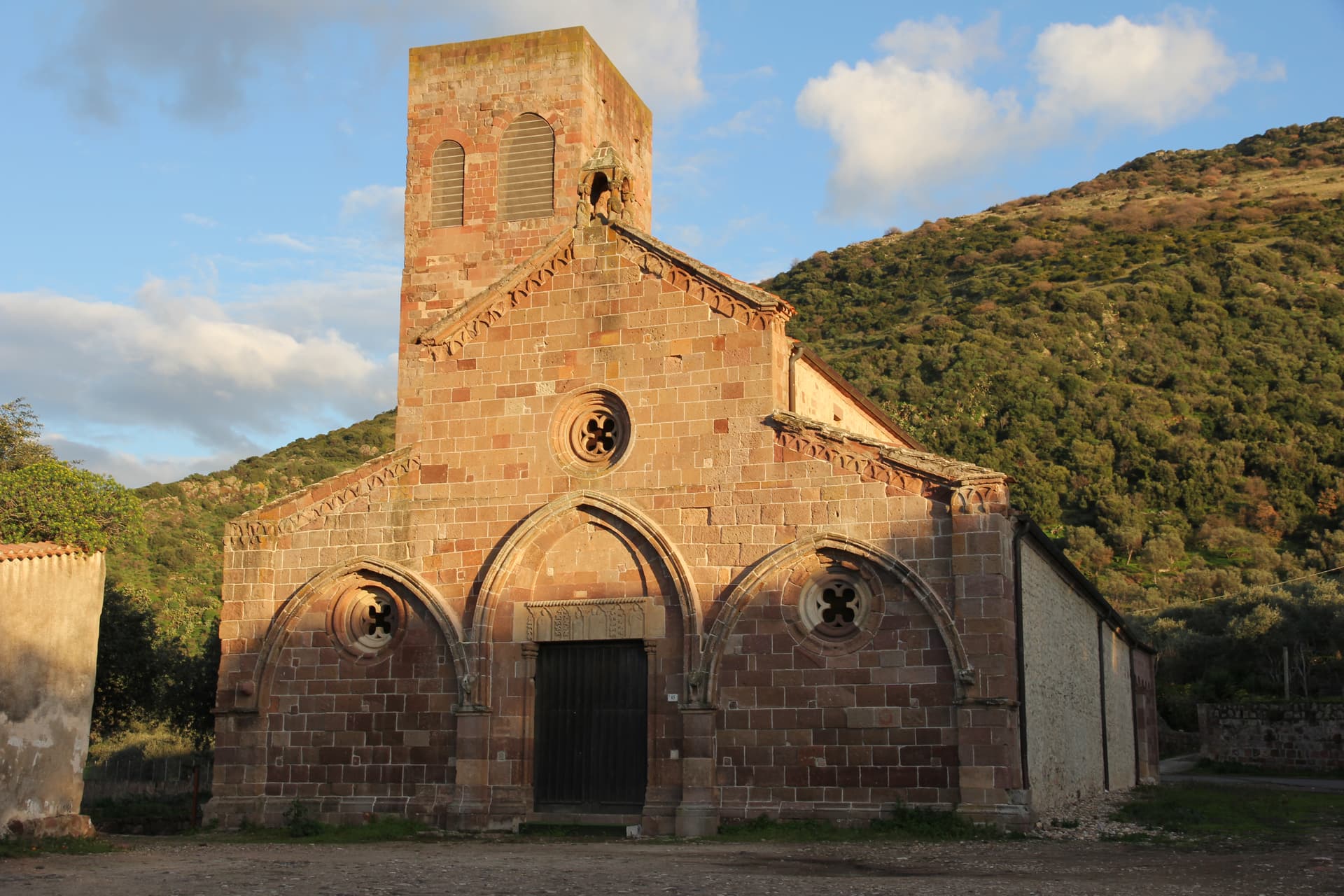
Bosa
Province: Oristano
A colour-washed riverside town on Sardinia's only navigable river, with a Malaspina castle on the hill and the tanneries of Sas Conzas along the Temo.
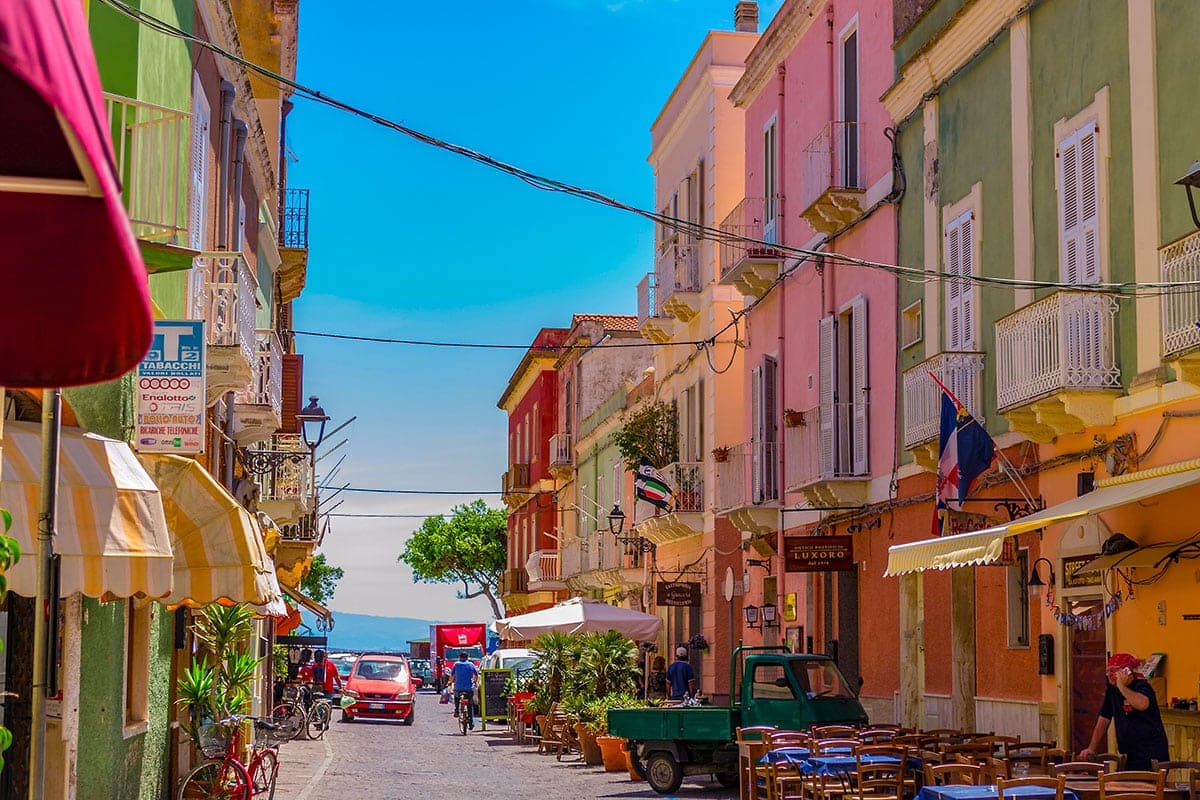
Carloforte
Province: Sud Sardegna
A Ligurian-speaking fishing town on the Isola di San Pietro, founded in 1738 by coral fishers returning from Tunisian Tabarka.
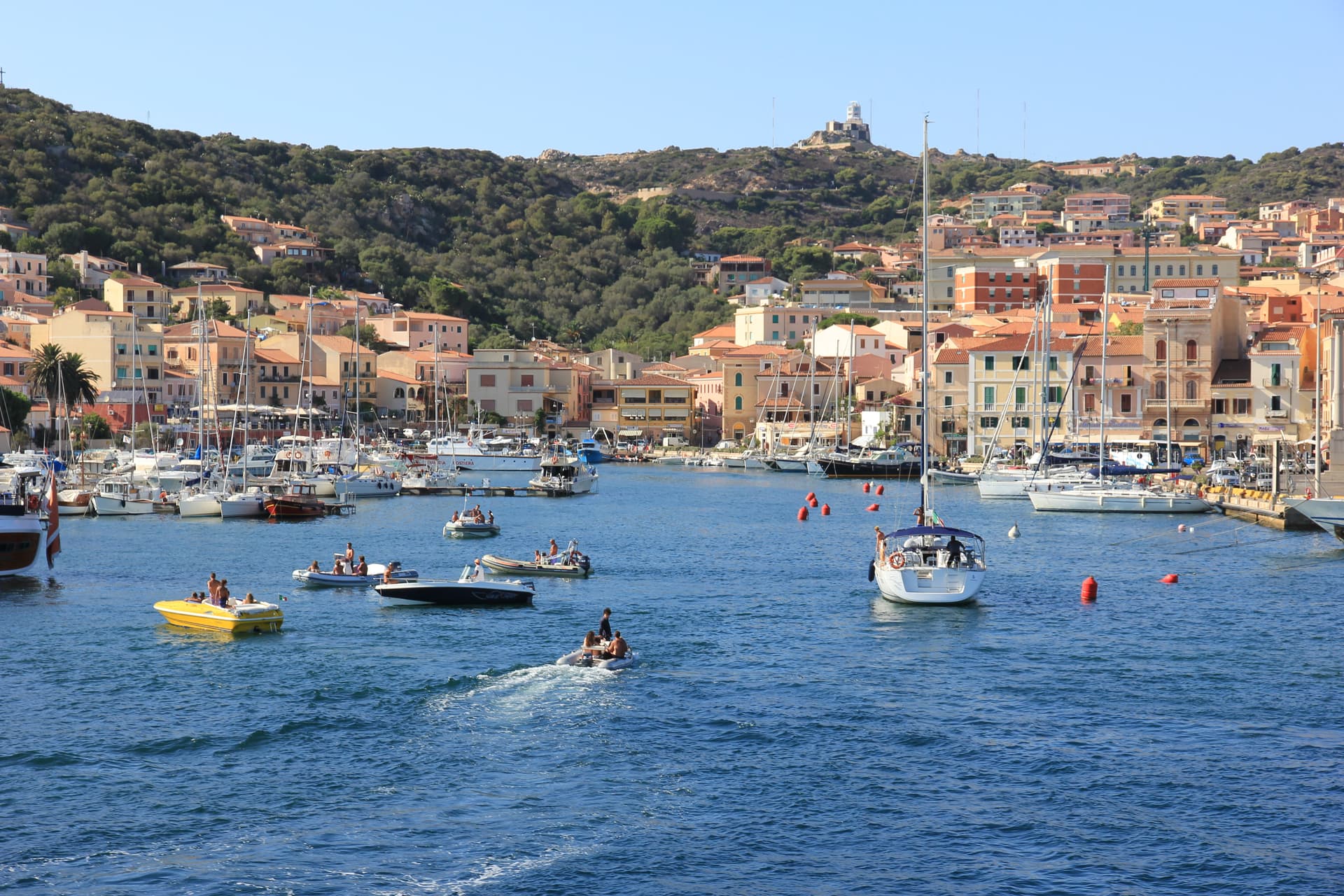
La Maddalena
Province: Sassari
The only inhabited town of a sixty-island granite archipelago between Sardinia and Corsica, and the place Giuseppe Garibaldi chose to die.
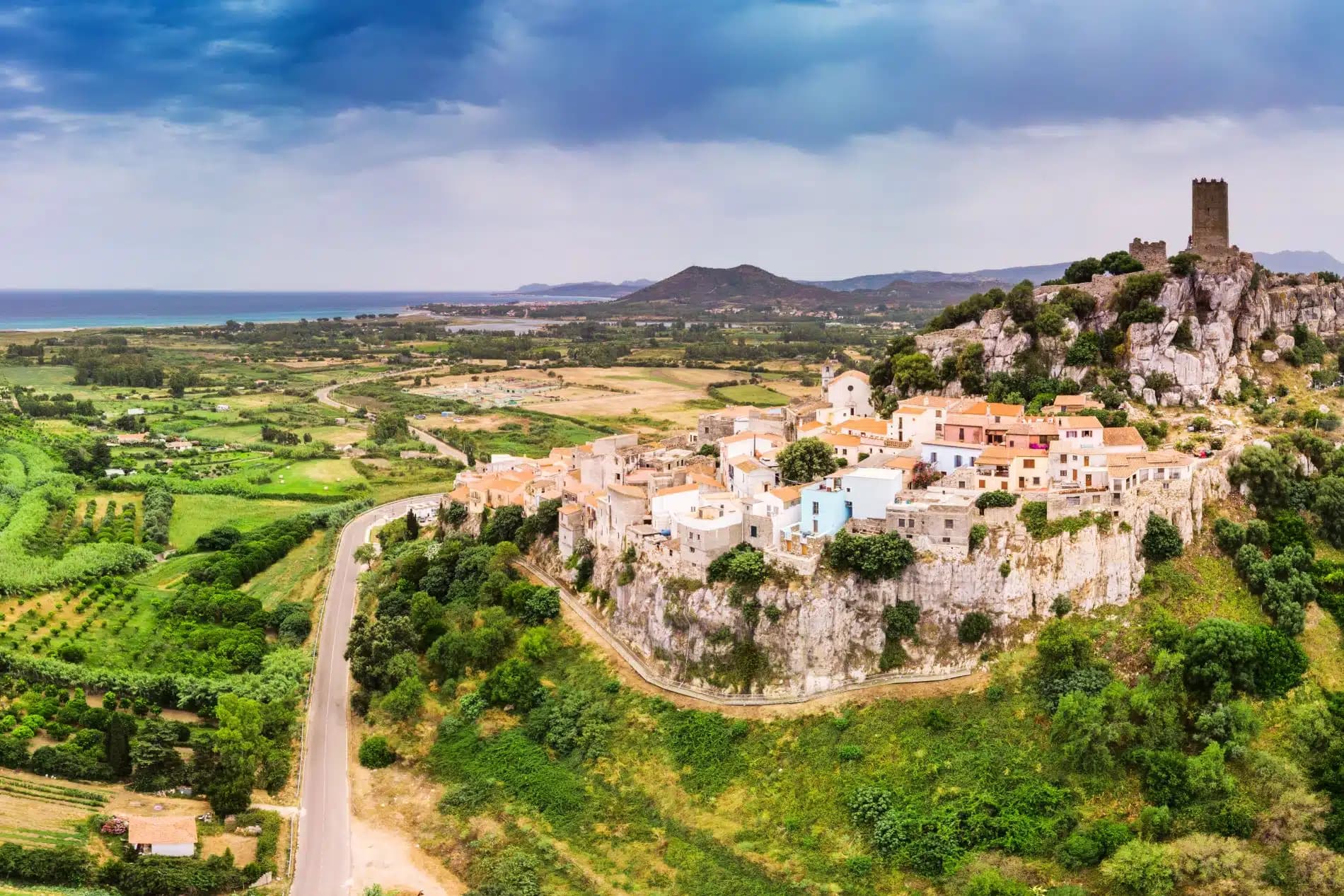
Posada
Province: Nuoro
The capital of the Baronia, a 3,000-person village on a 71-meter rock above the Rio Posada, with a 13th-century tower over the valley.