
Designation
Bandiera Blu
136 towns across 18 regions
Browse by region
Abruzzo8
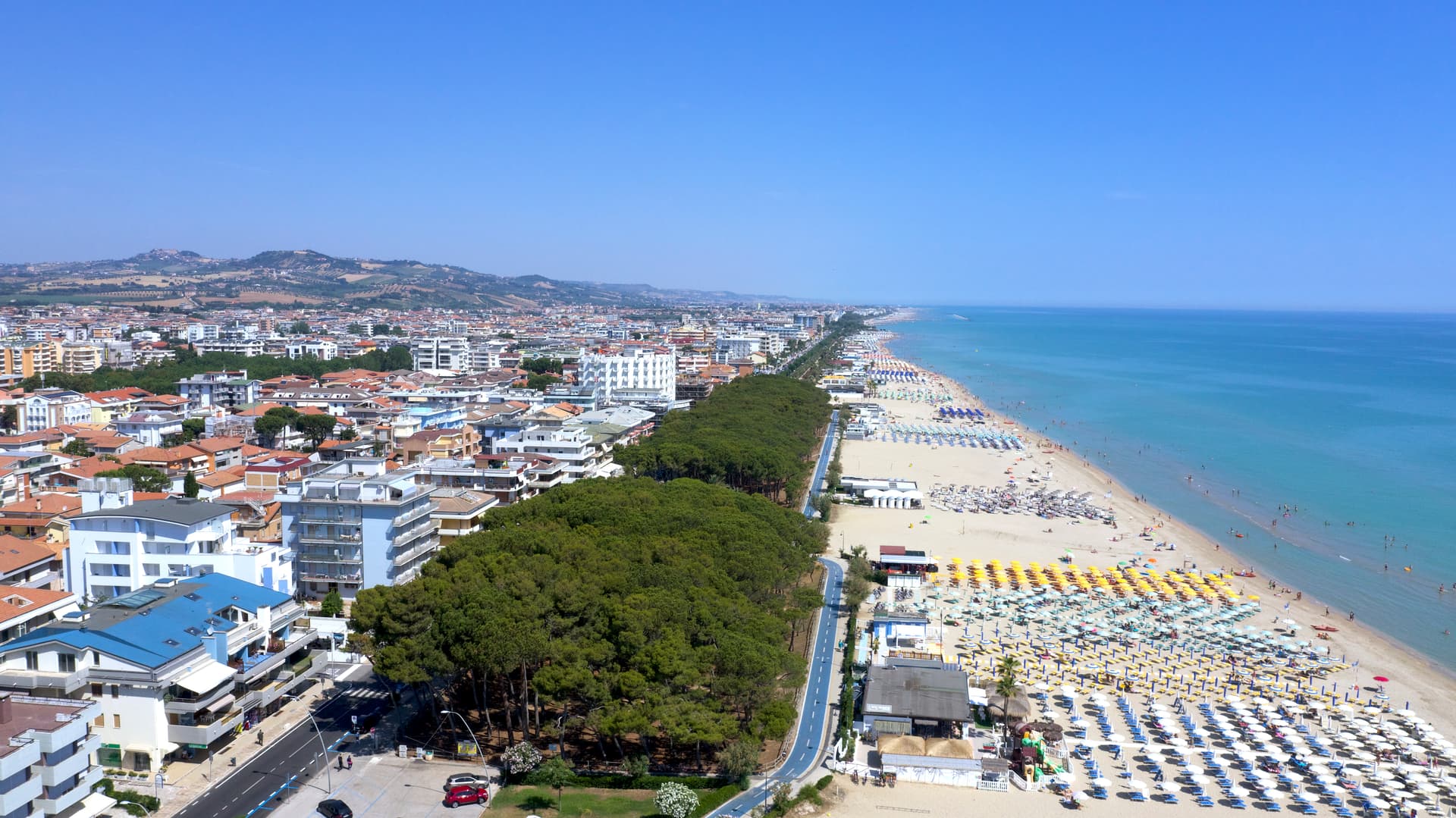
Alba Adriatica
Province: Teramo · 5 m
The northernmost of the Teramo coast's seven sisters, a 1956 spin-off from Tortoreto with a fine-sand beach known as the Spiaggia d'Argento.
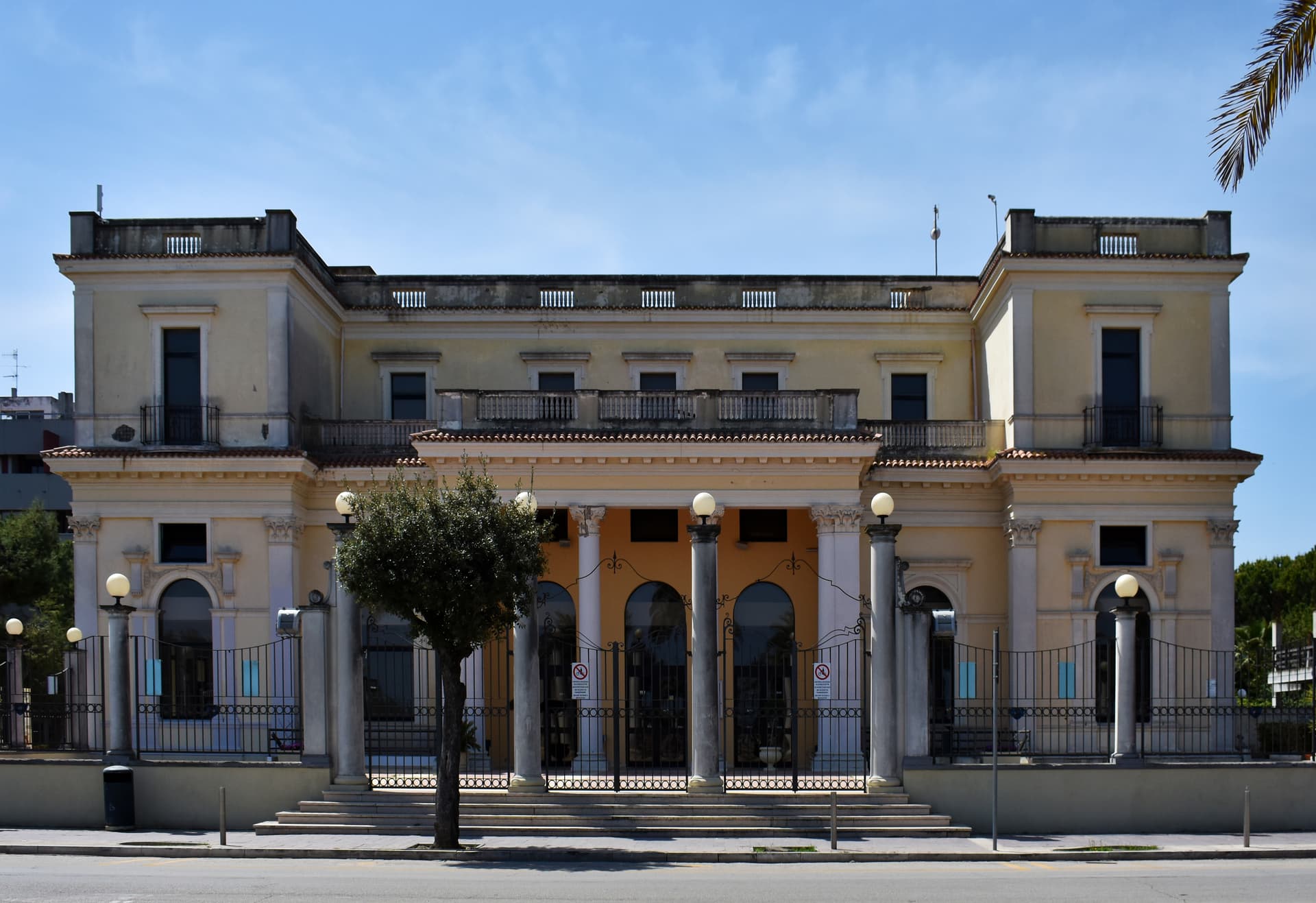
Giulianova
Province: Teramo · 68 m
Coastal town split between hilltop Paese at 68 meters and the lido, rebuilt in 1471 as a Renaissance ideal city by Giulio Antonio Acquaviva.
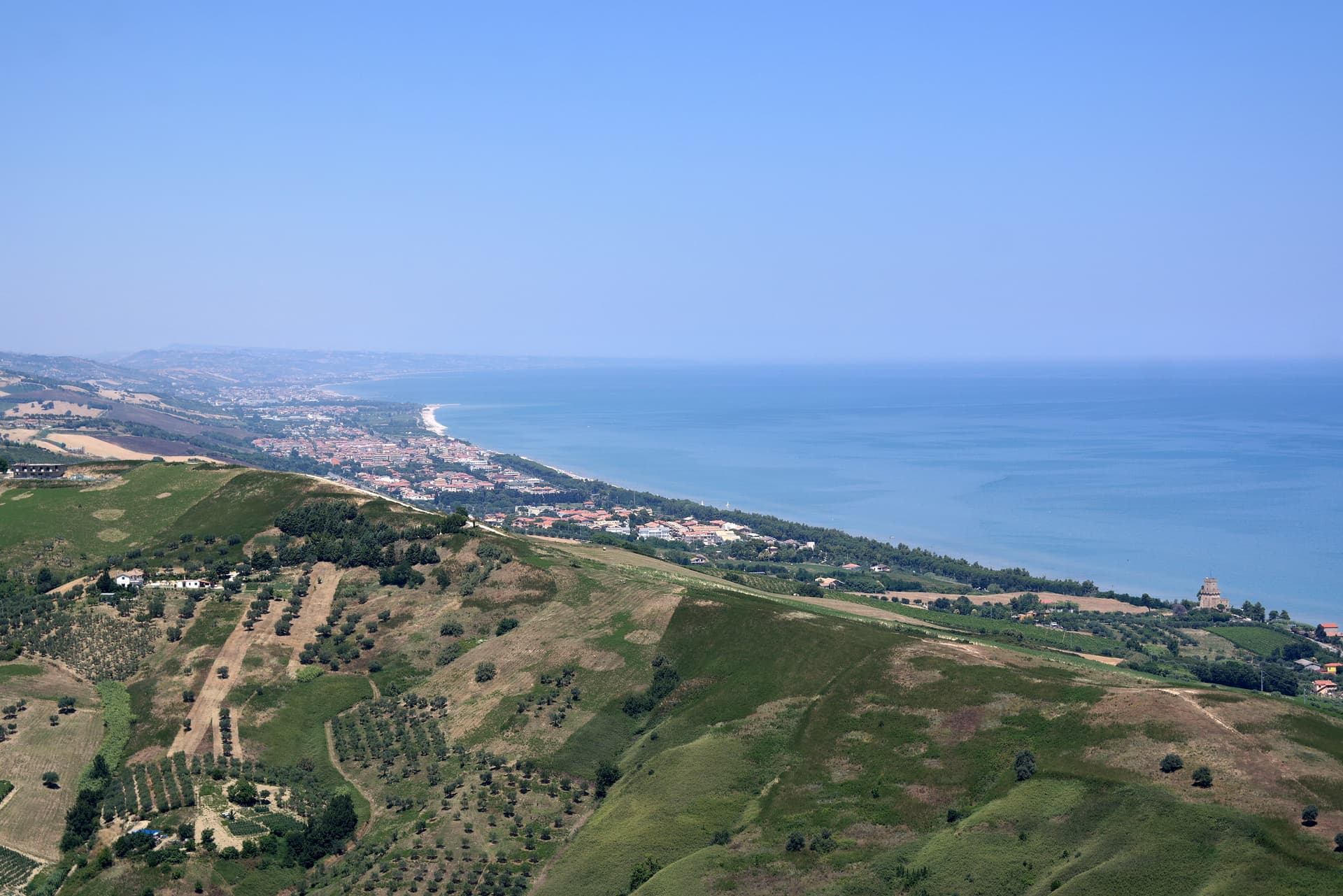
Pineto
Province: Teramo · 4 m
A planned twentieth-century beach town named for D'Annunzio's poem, with the sixteenth-century Cerrano tower anchoring Abruzzo's first marine protected area.
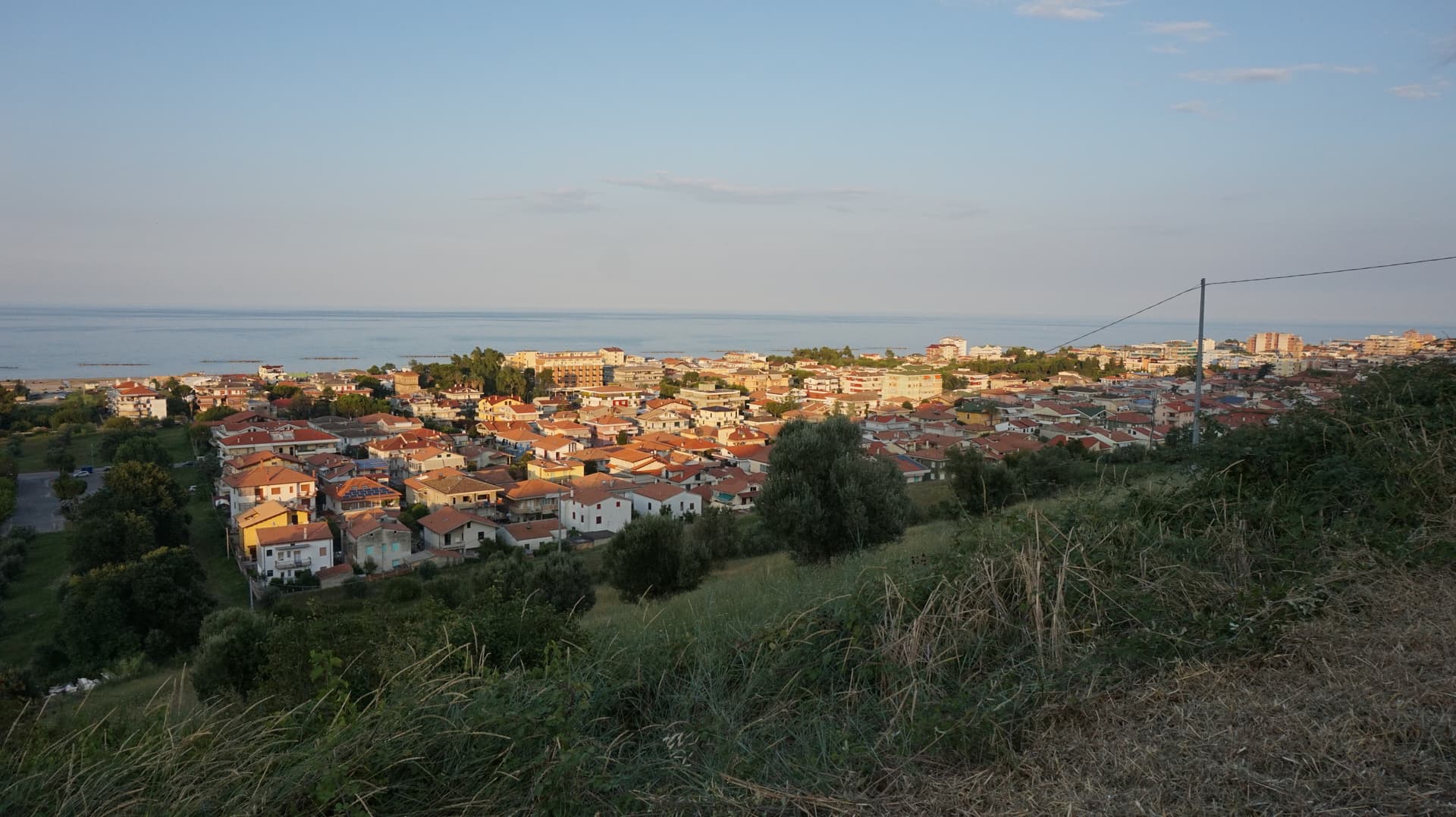
Roseto degli Abruzzi
Province: Teramo · 8 m
An Adriatic beach town of 25,500 with ten kilometers of low-rise sand, a hilltop frazione at 285 meters, and Blue Flags since 1995.
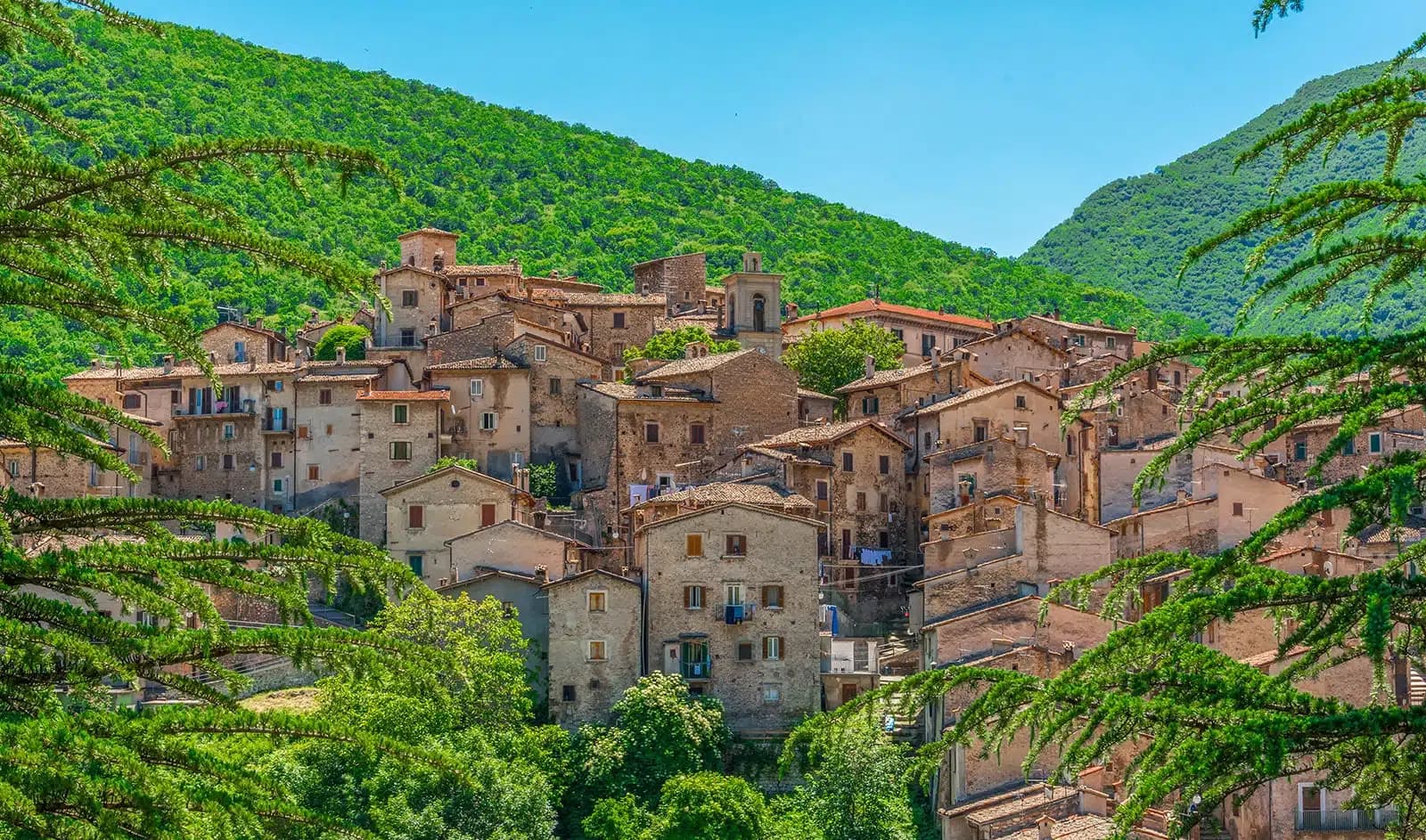
Scanno
Province: L'Aquila · 1,057 m
A 1,057-meter Sagittario valley village photographed by Cartier-Bresson and Giacomelli, where women in black still walk the same alleys as the 1957 series.
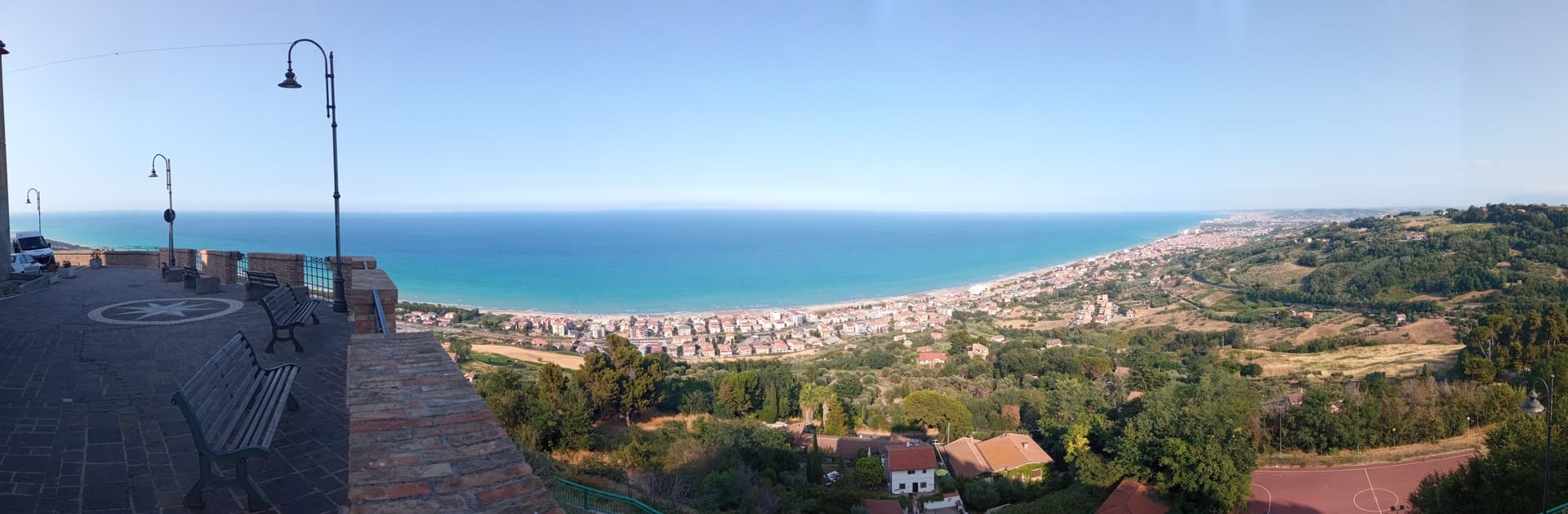
Silvi
Province: Teramo · 242 m
A split town on the Teramo coast, medieval Silvi Paese at 242 meters above a nine-kilometer beach that built itself on licorice in the 1930s.
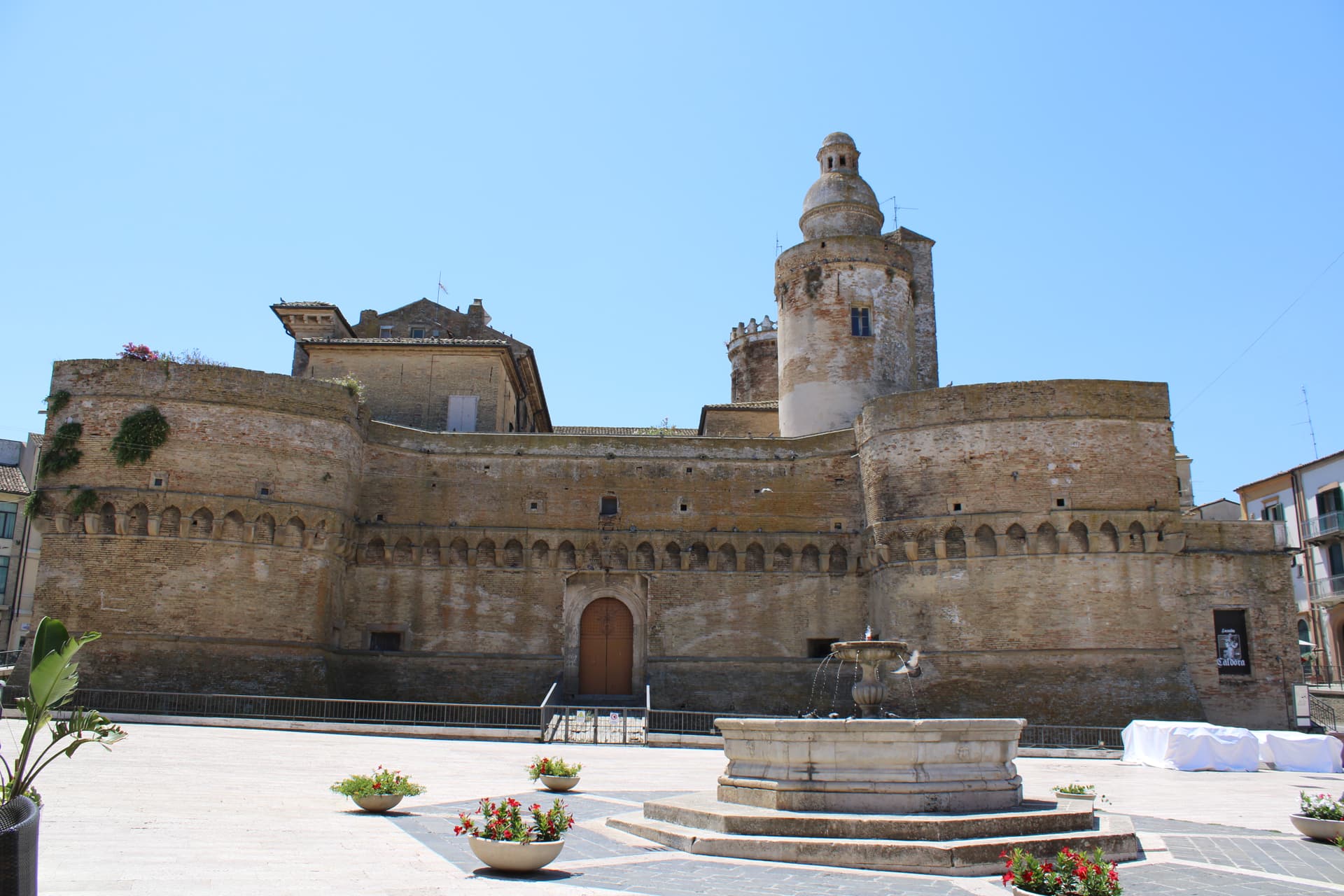
Vasto
Province: Chieti · 144 m
At 144 meters on a hill above the Adriatic, southern anchor of the Costa dei Trabocchi, home of the brodetto vastese invented in 1800.
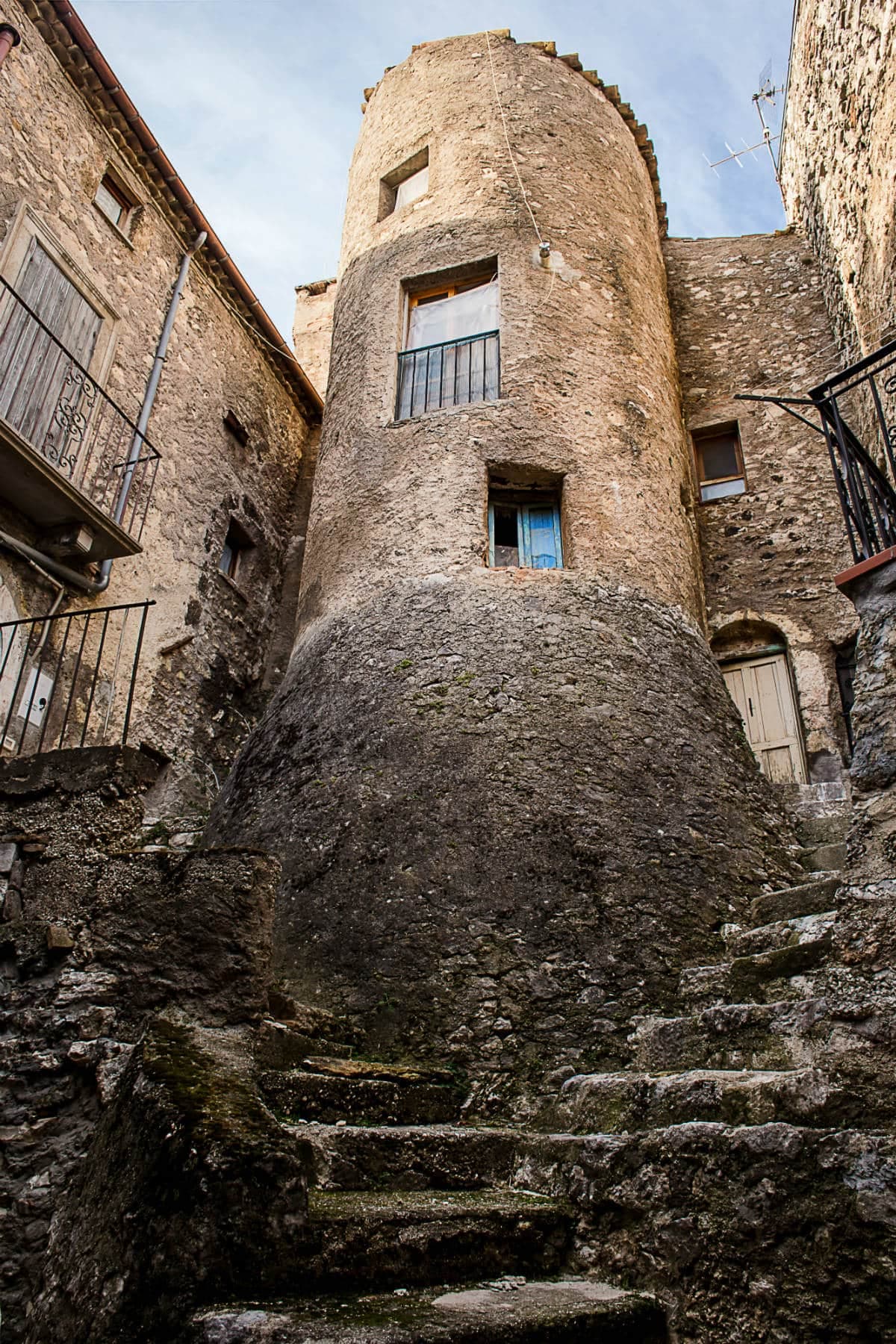
Villalago
Province: L'Aquila · 930 m
A 930-meter village above three lakes, named for the nine that once filled the valley, with a hermit's cave on the water's edge.
Apulia18
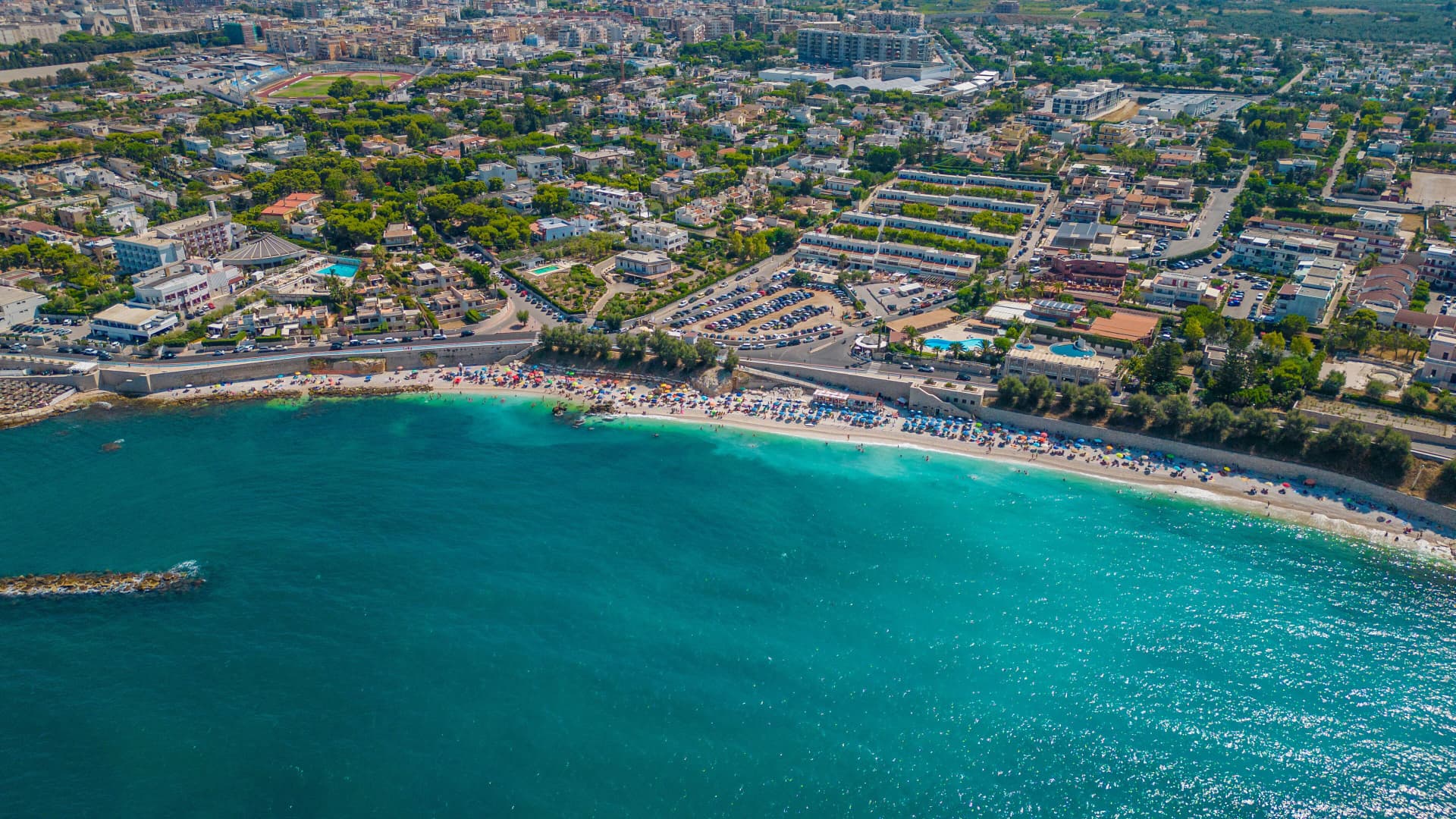
Bisceglie
Province: Barletta-Andria-Trani · 16 m
An Adriatic port town between Trani and Molfetta, named for Roman watchtowers, with five dolmens around it and a Norman cathedral begun in 1073.
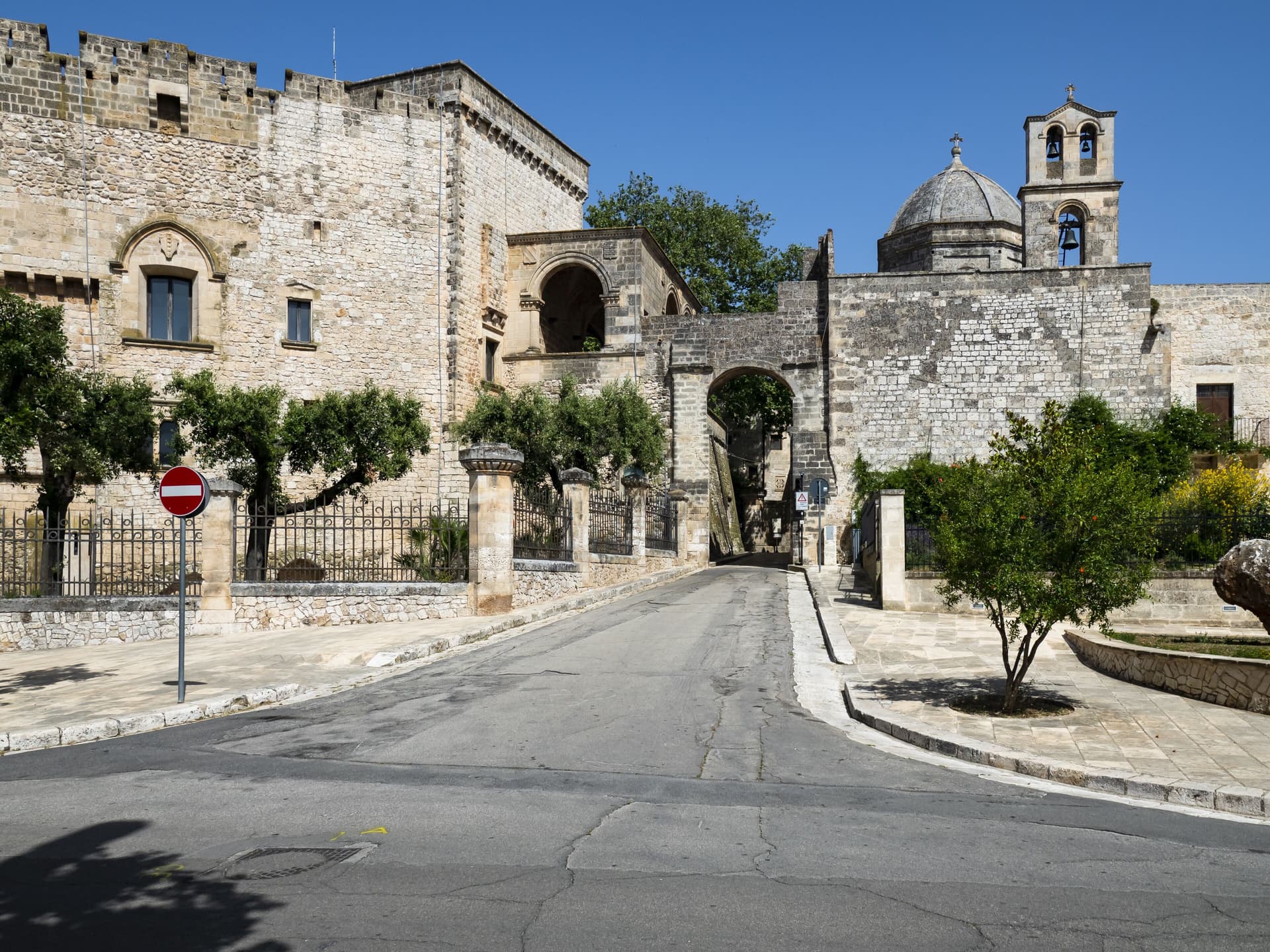
Carovigno
Province: Brindisi · 161 m
An upper Salento town between Brindisi and Ostuni, built on the Messapian Carbina destroyed in 473 BC, with the Torre Guaceto marine reserve offshore.
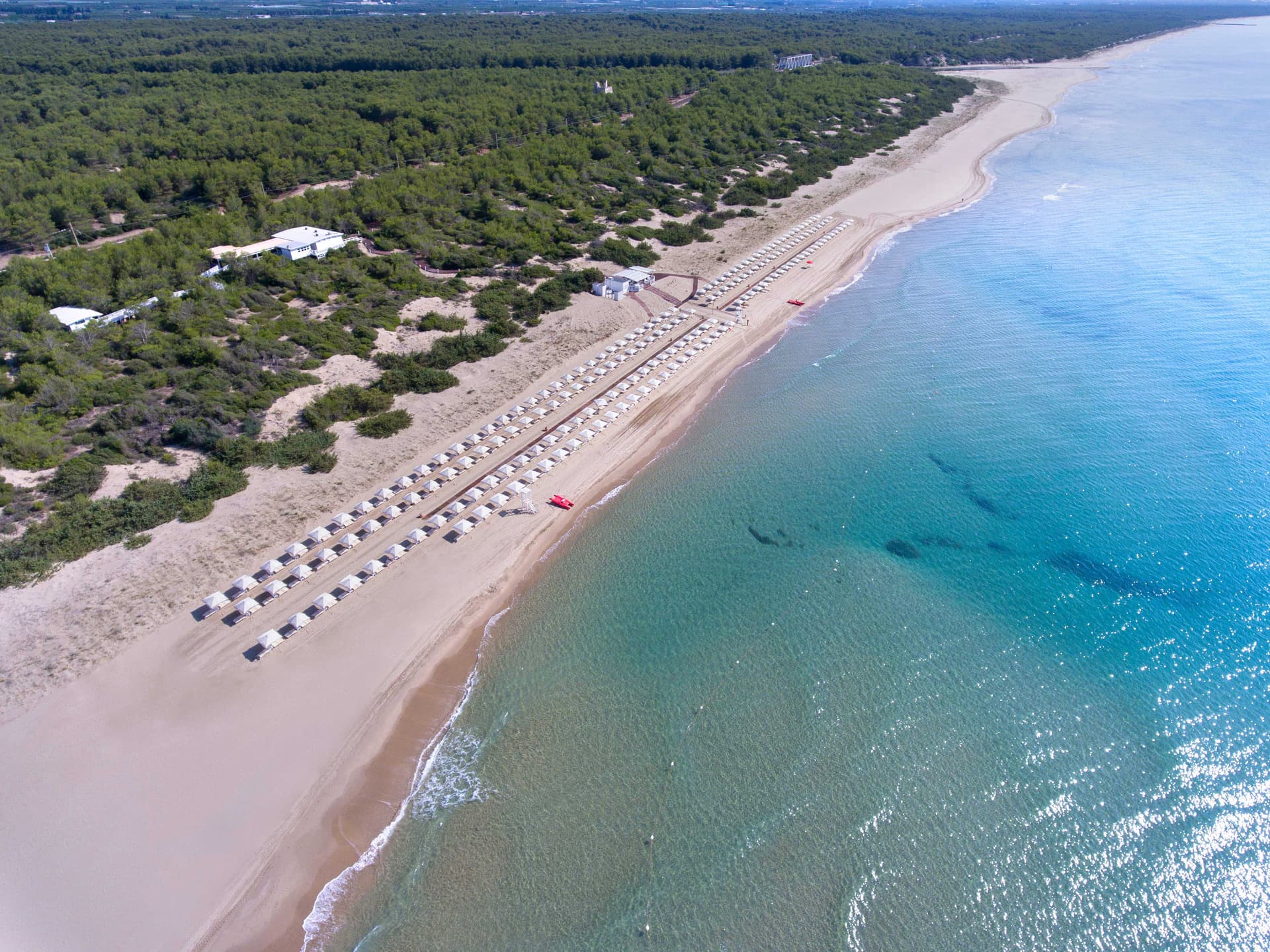
Castellaneta
Province: Taranto · 235 m
A cliff-edge Murge town at 235 meters above the Gravina Grande canyon, birthplace of Rudolph Valentino in 1895, with a Bandiera Blu Ionian marina.
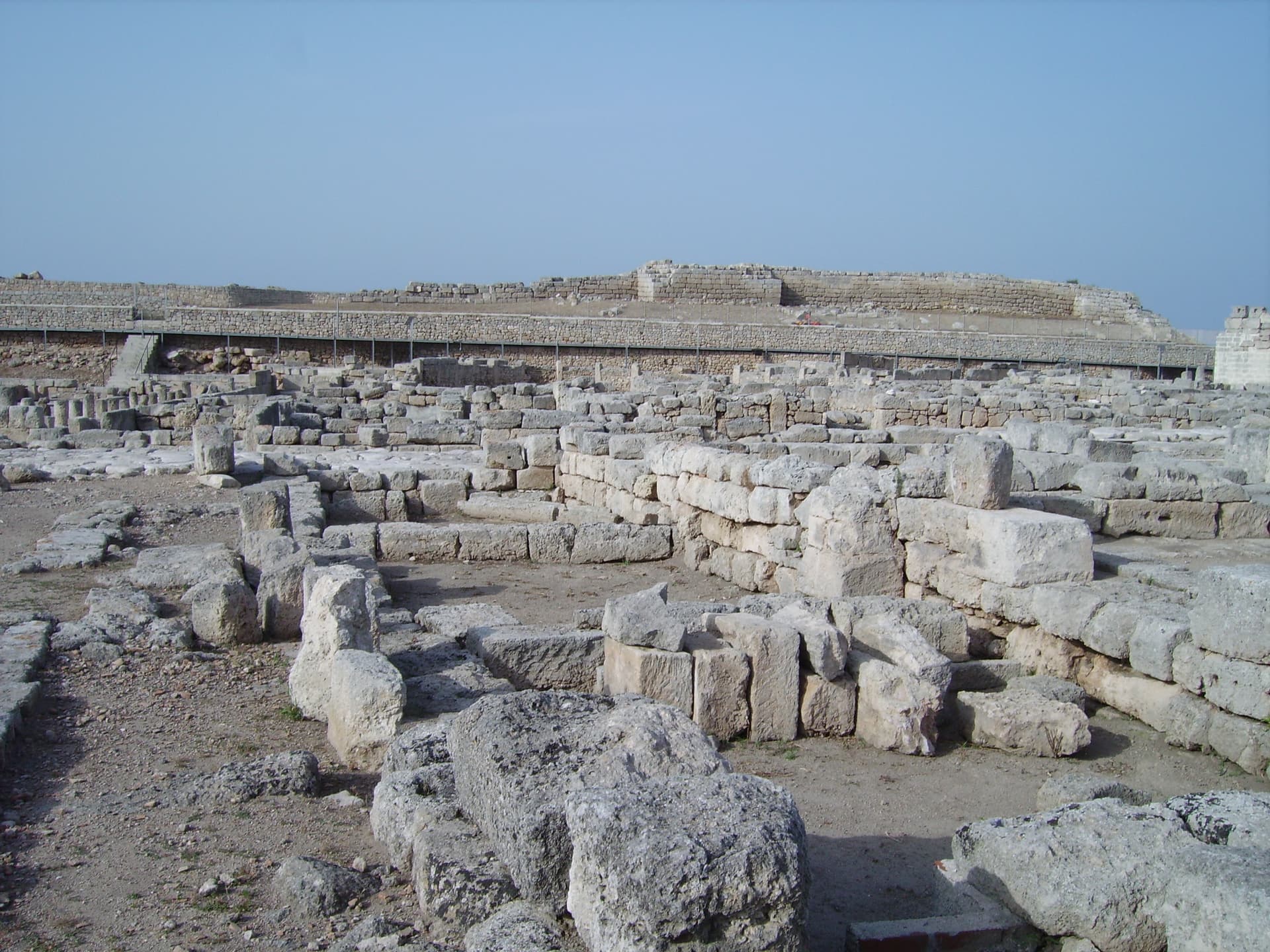
Fasano
Province: Brindisi · 118 m
A Brindisi-province town from the Adriatic up to the Itria escarpment, holding the Roman ruins of Egnazia, the Selva, and Europe's second-largest safari park.
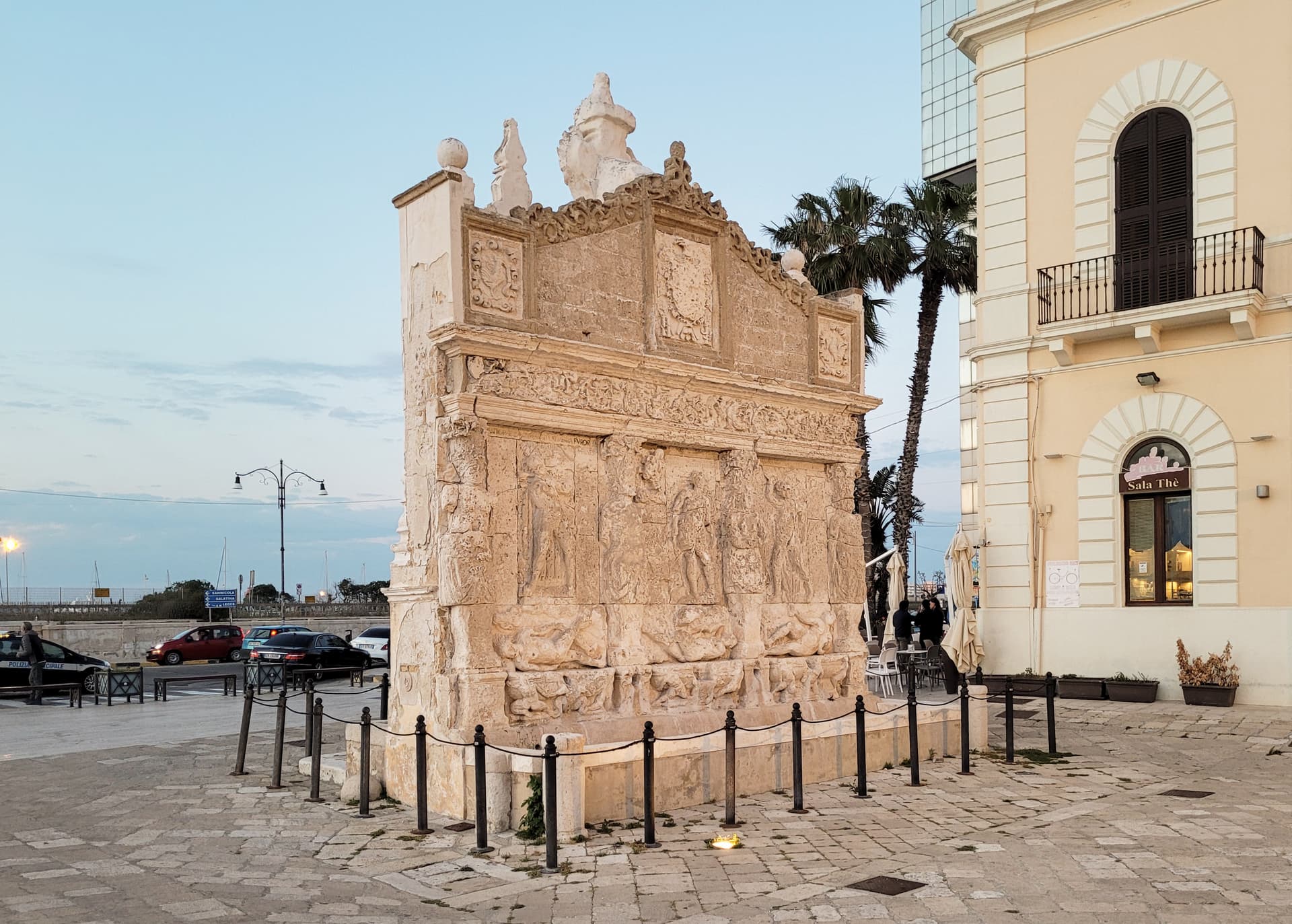
Gallipoli
Province: Lecce · 12 m
The Ionian beach city on a limestone island, Greek Kallipolis meaning beautiful city, tied to the mainland by a seventeenth-century bridge.
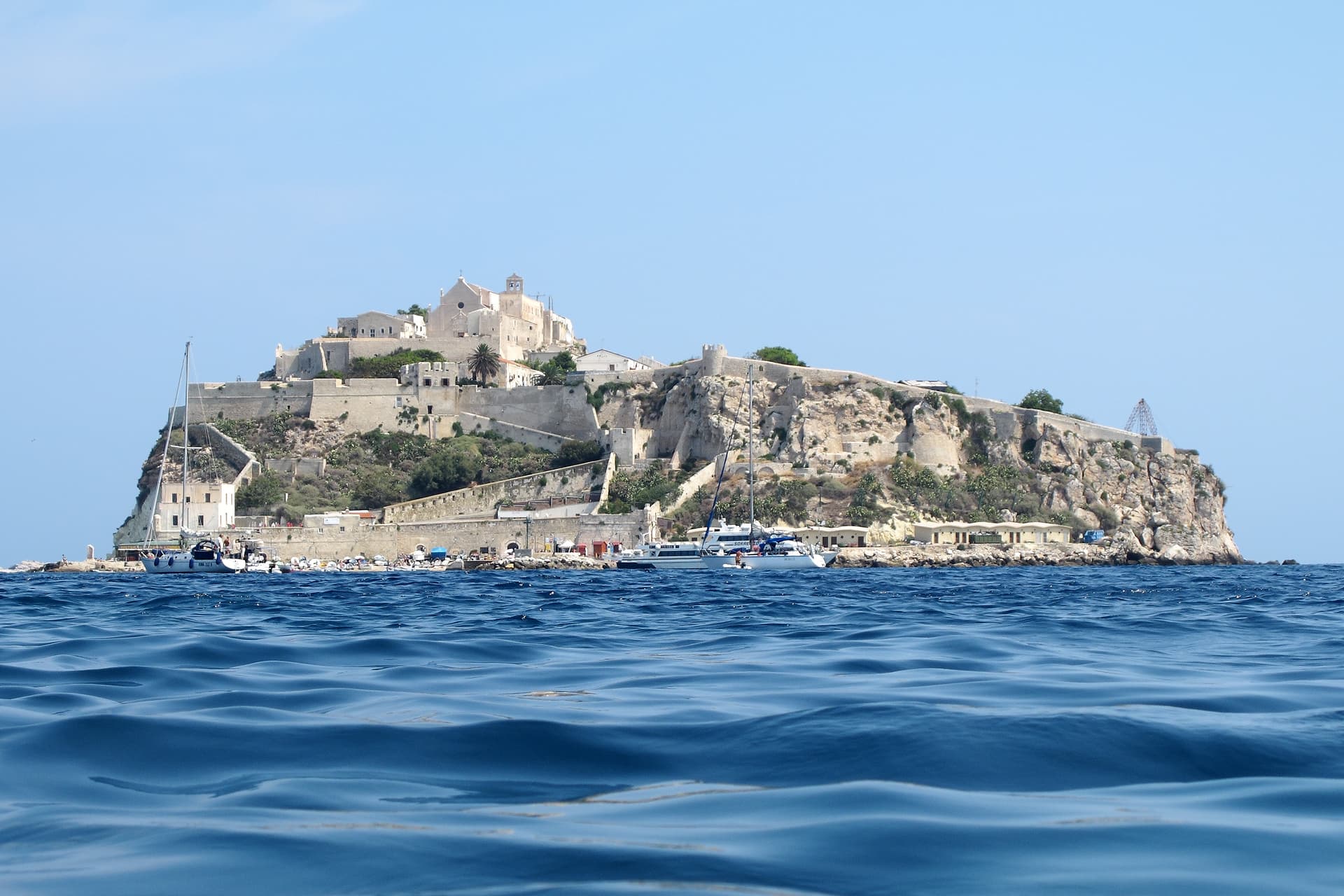
Isole Tremiti
Province: Foggia · 116 m
An Adriatic archipelago of five islands twenty-two kilometers off the Gargano, the only Italian commune scattered across an open-sea group.
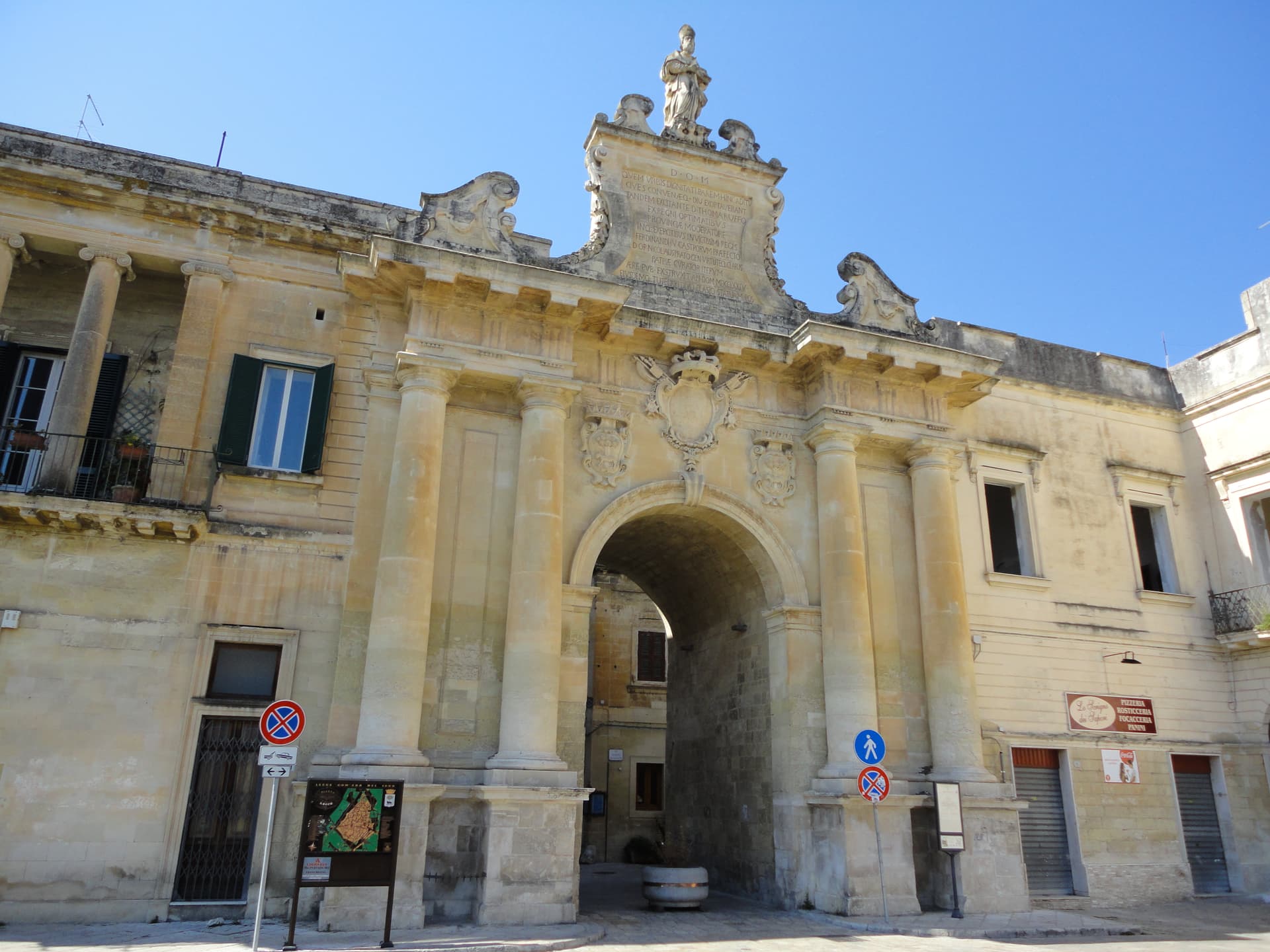
Lecce
Province: Lecce · 49 m
The Baroque capital of the Salento, ninety-four thousand people on the Lecce-stone plain, carving its façades in honey limestone since 1500.
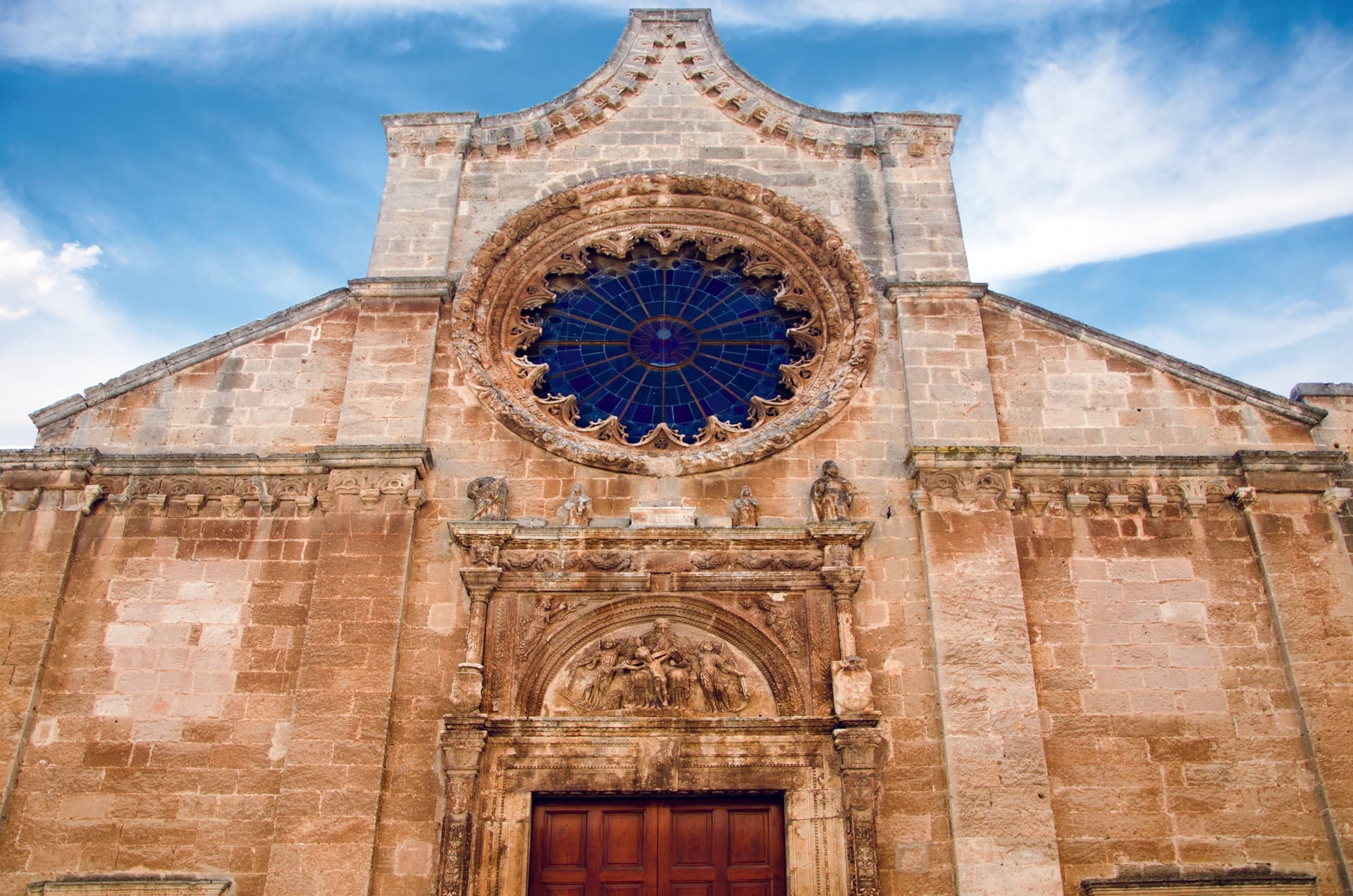
Manduria
Province: Taranto · 79 m
The Messapian capital thirty-five kilometers east of Taranto, ringed by three concentric stone walls and the home of Primitivo.
Maruggio
Province: Taranto · 35 m
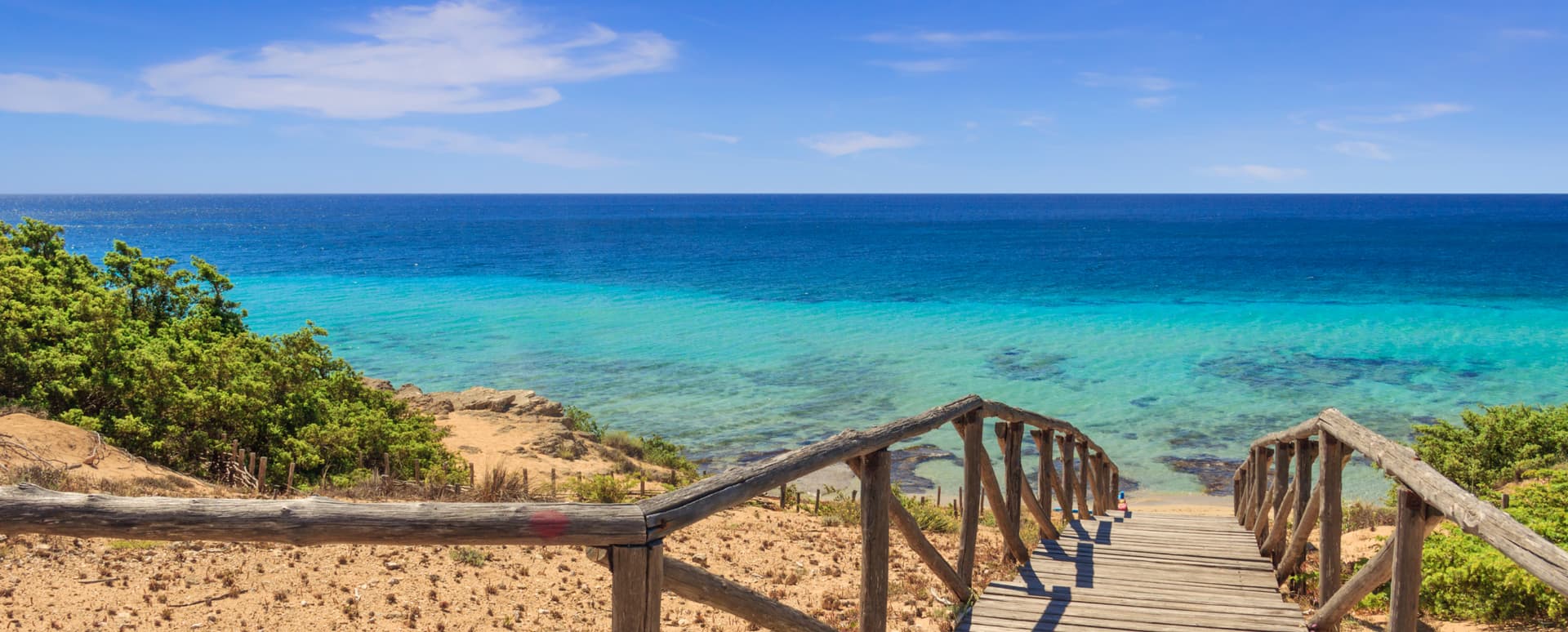
Salento's Knights of Malta borgo — a fortified Borgo più Bello on a low Ionian hill with 11 km of Bandiera Blu coast at Campomarino, Negroamaro and Primitivo vines pressing into the centro, and a unique commanderie history that made it the Order's southern Italian headquarters for 600 years.
Melendugno
Province: Lecce · 36 m
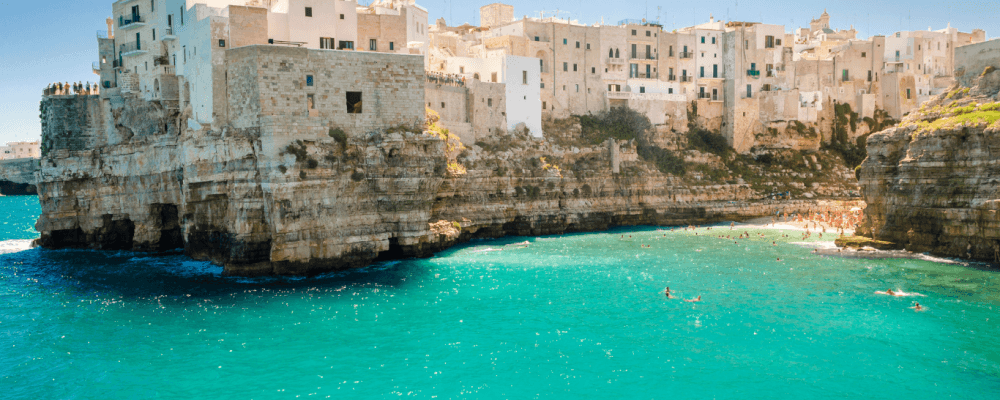
Salento's archaeological-beach capital — a 10,000-resident Lecce-province comune covering 17 km of Adriatic coast with three Bandiera Blu beaches (Torre dell'Orso, San Foca, Sant'Andrea), the Grotta della Poesia karst pool (one of the world's most beautiful natural pools per National Geographic), and the Bronze-Age-to-Messapian-to-medieval Roca Vecchia archaeological site.
Monopoli
Province: Bari · 9 m
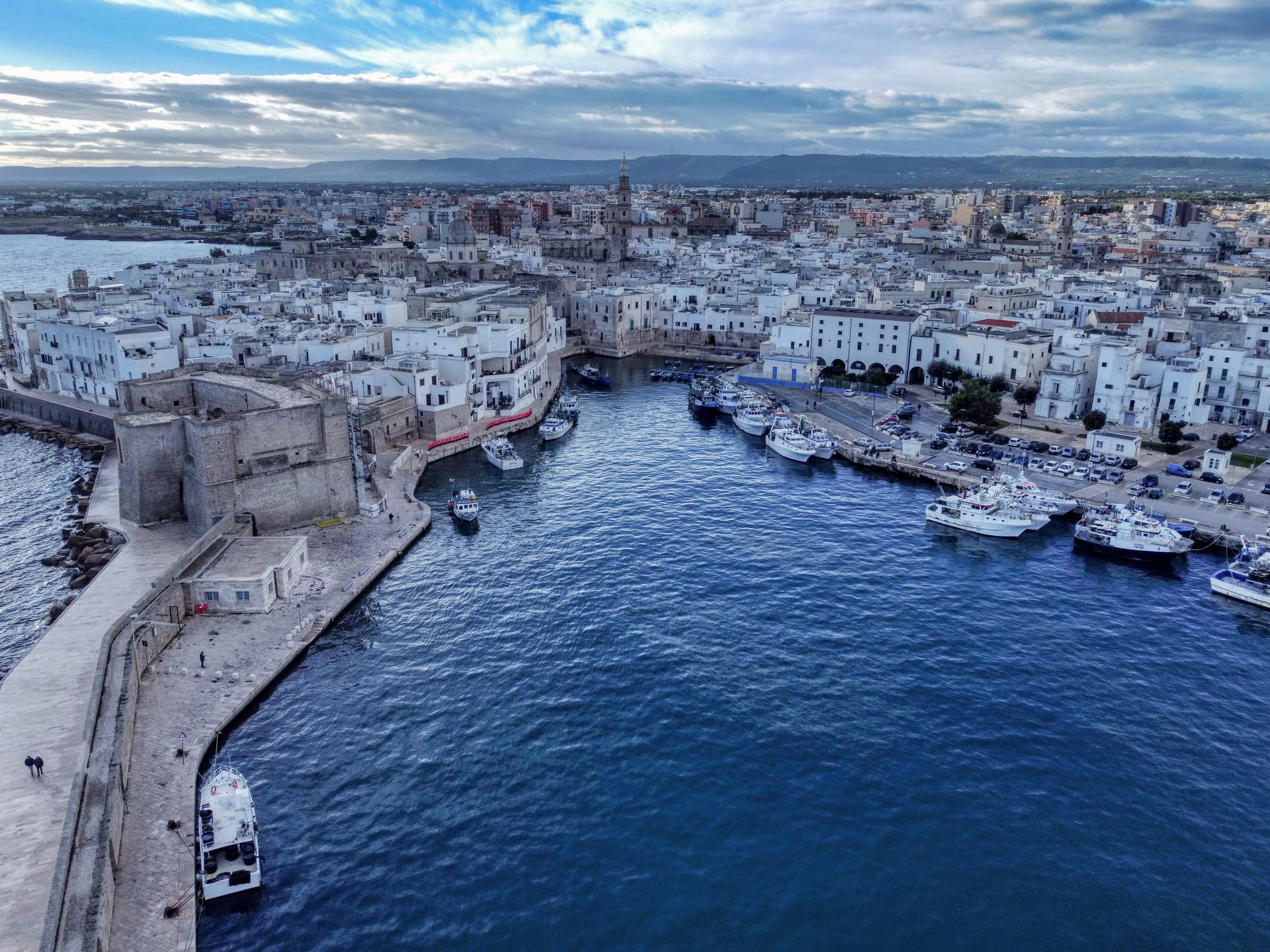
An Adriatic walled town forty kilometers south of Bari, the Charles V castle on the headland, 156 square kilometers of coastline behind it.
Nardò
Province: Lecce · 45 m
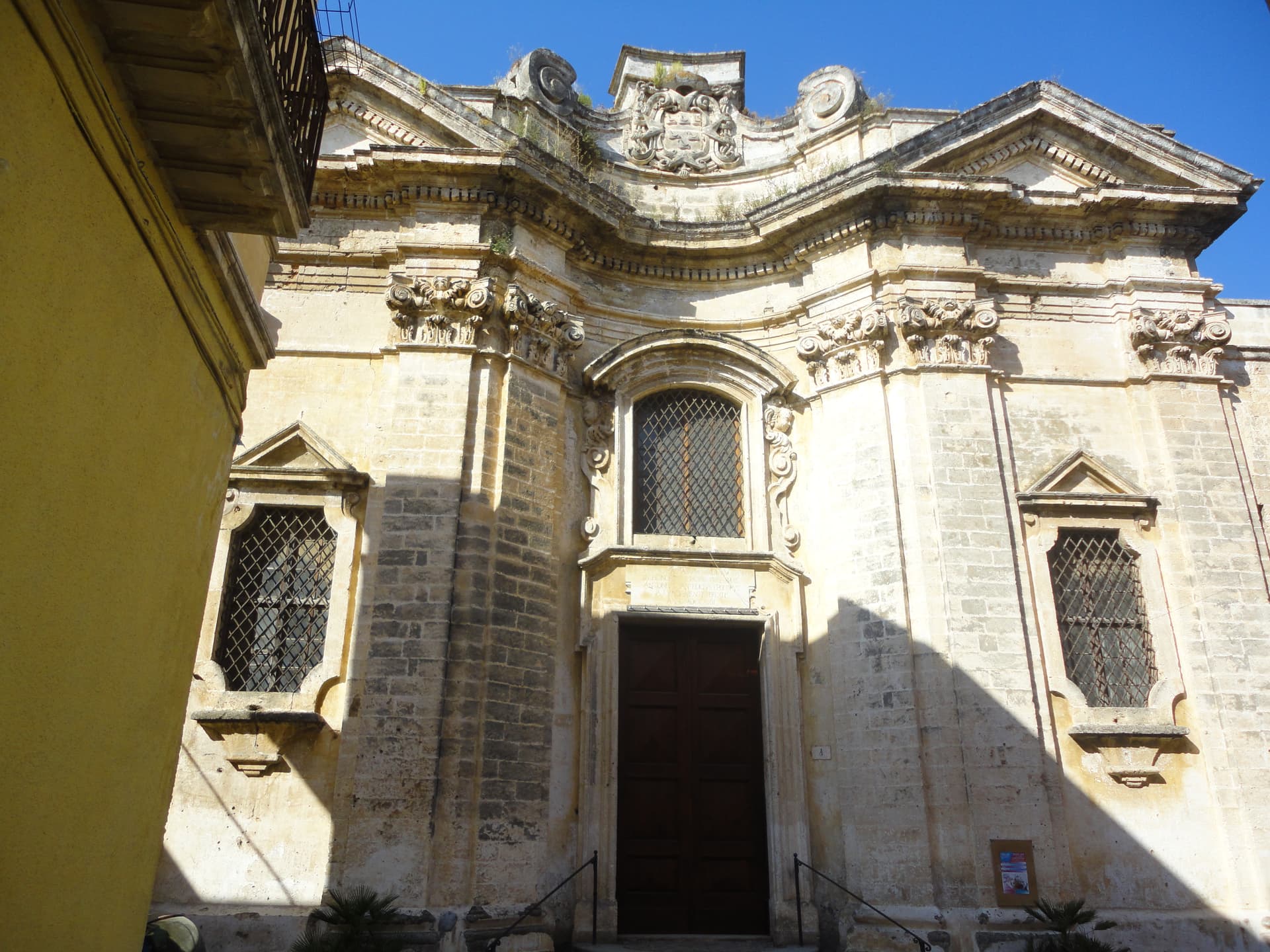
The second city of Salento after Lecce, a Baroque inland capital twenty-five kilometers from Lecce with a Ionian coastline behind it.
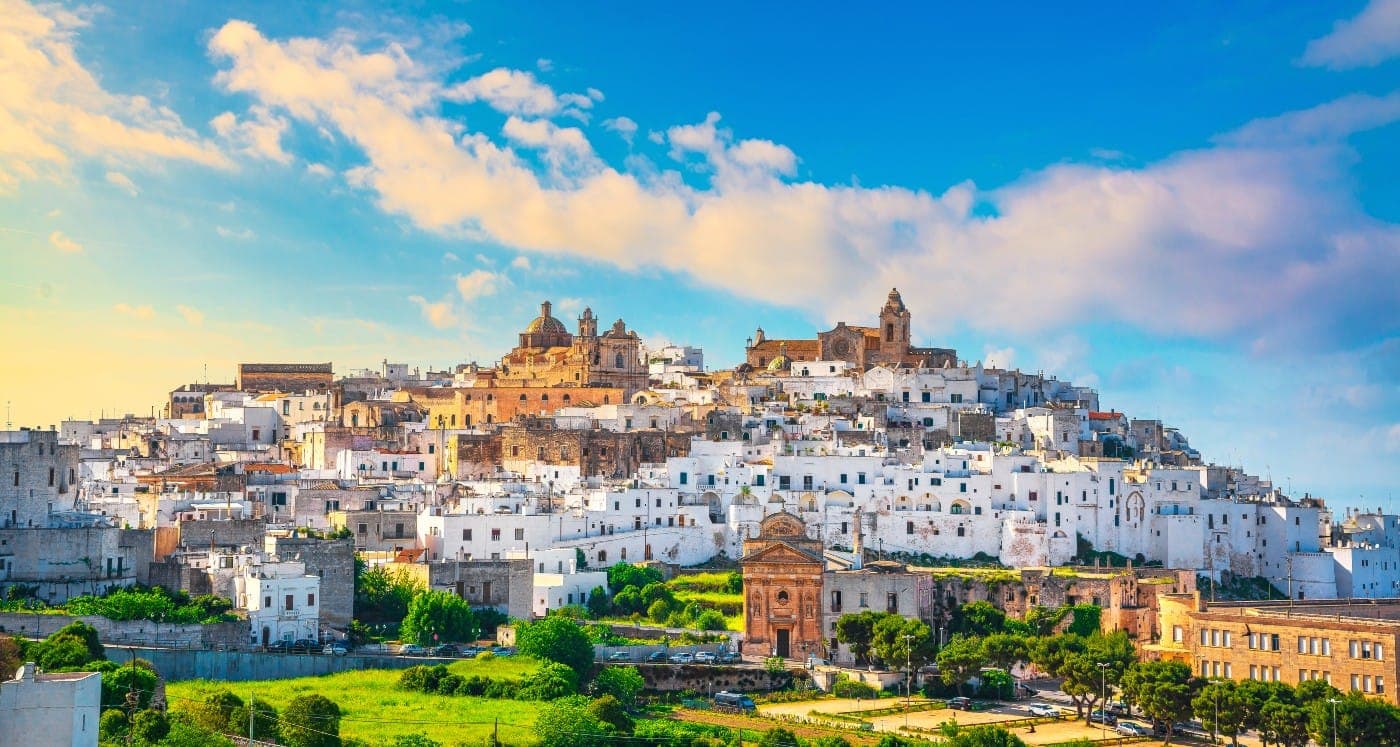
Ostuni
Province: Brindisi · 218 m
The Città Bianca on three hills at 218 meters, eight kilometers inland, whitewashed against the Murge above an Adriatic plain of olive trees.
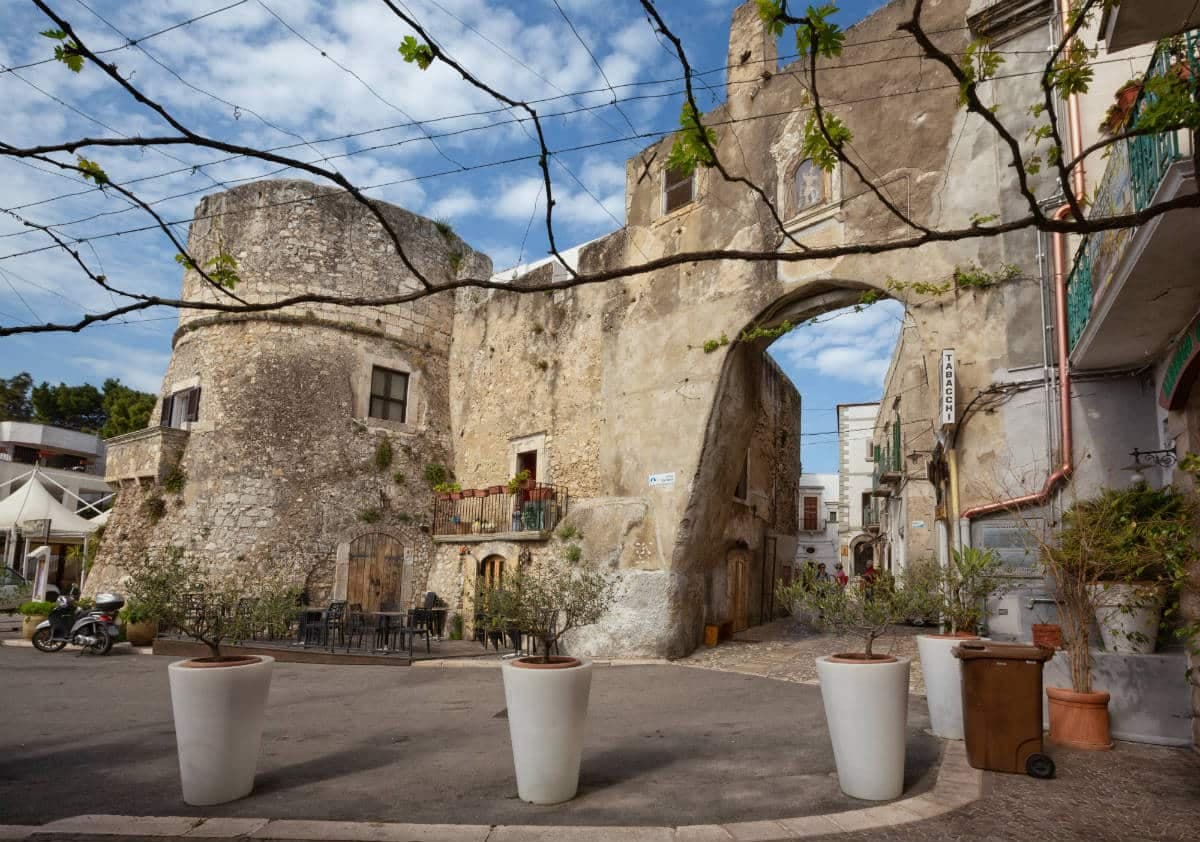
Peschici
Province: Foggia · 91 m
A Gargano cliff-top village above the Adriatic with a Norman castle of 1023, white houses spilling toward the sea and trabucchi on the headlands.
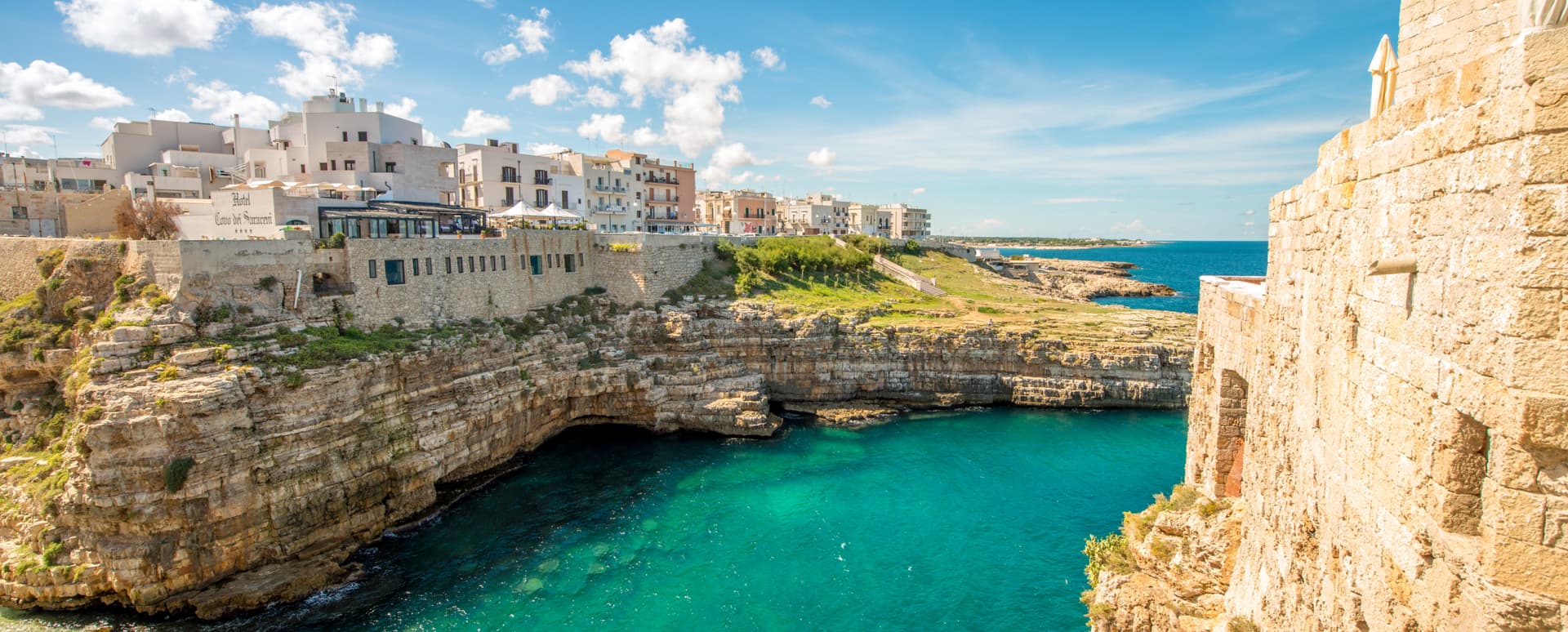
Polignano a Mare
Province: Bari · 24 m
The Adriatic cliff town thirty kilometers south of Bari, built on a twenty-metre limestone bluff, birthplace of Domenico Modugno.
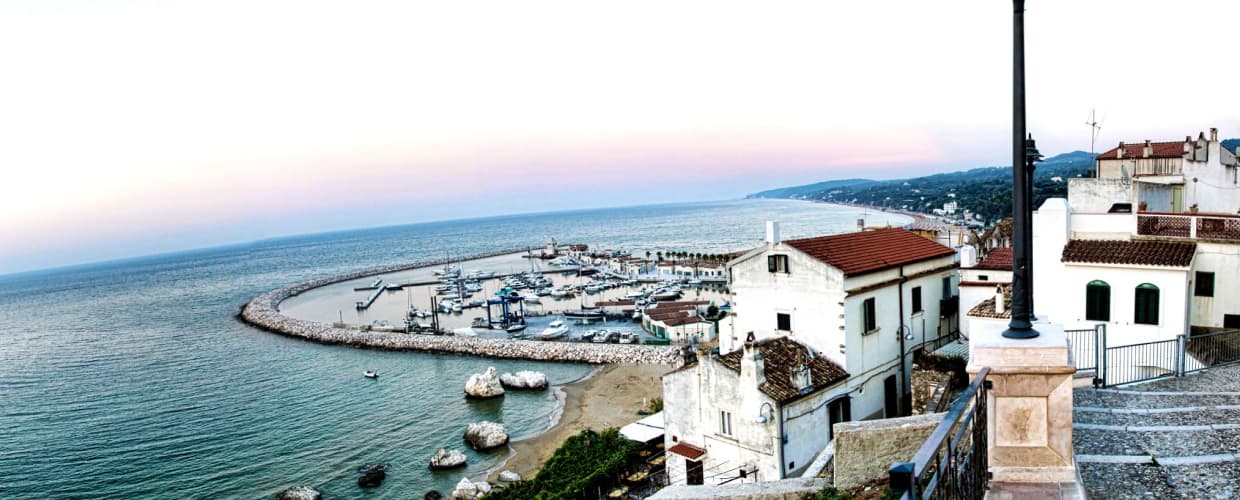
Rodi Garganico
Province: Foggia · 42 m
A Gargano promontory town above the Adriatic, citrus capital of the peninsula, with DOP oranges and lemons grown since the Middle Ages.
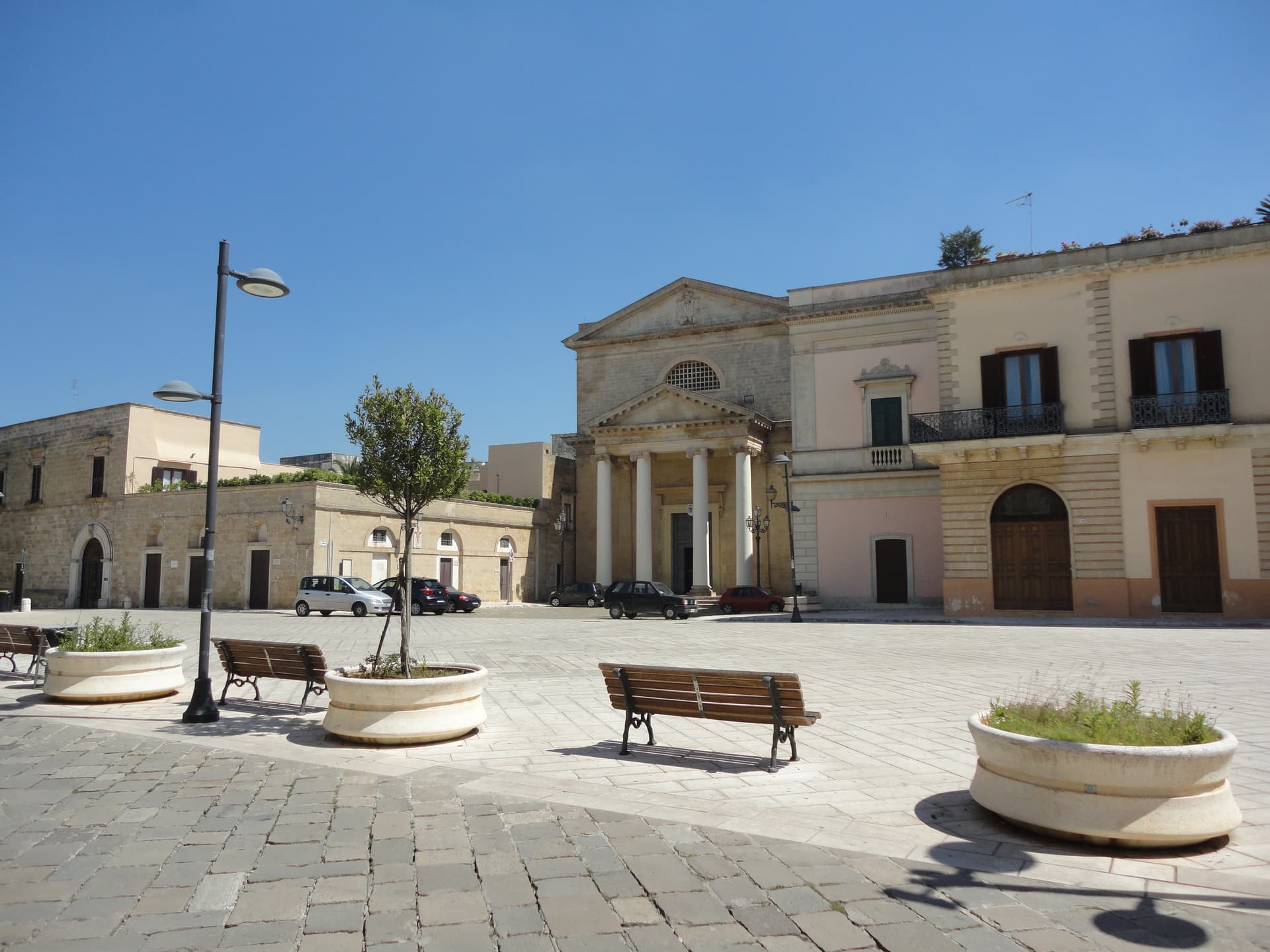
Ugento
Province: Lecce · 108 m
A Messapian-Roman town five kilometers from the Ionian, where a Baroque castle sits on the walls of the ancient city of Ozan.
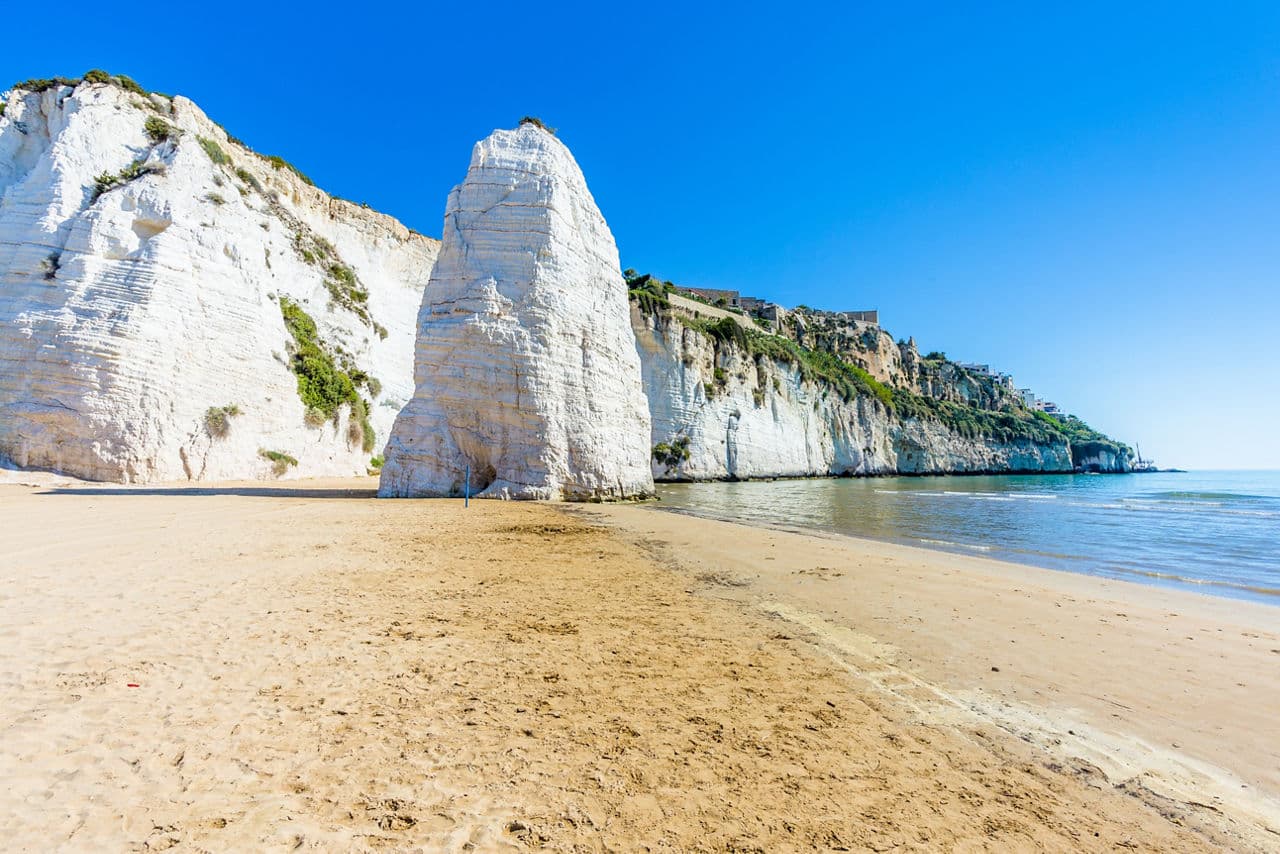
Vieste
Province: Foggia · 43 m
The Gargano headland of whitewashed alleys on a white limestone cliff, with the Pizzomunno sea stack standing 26 meters offshore.
Basilicata5
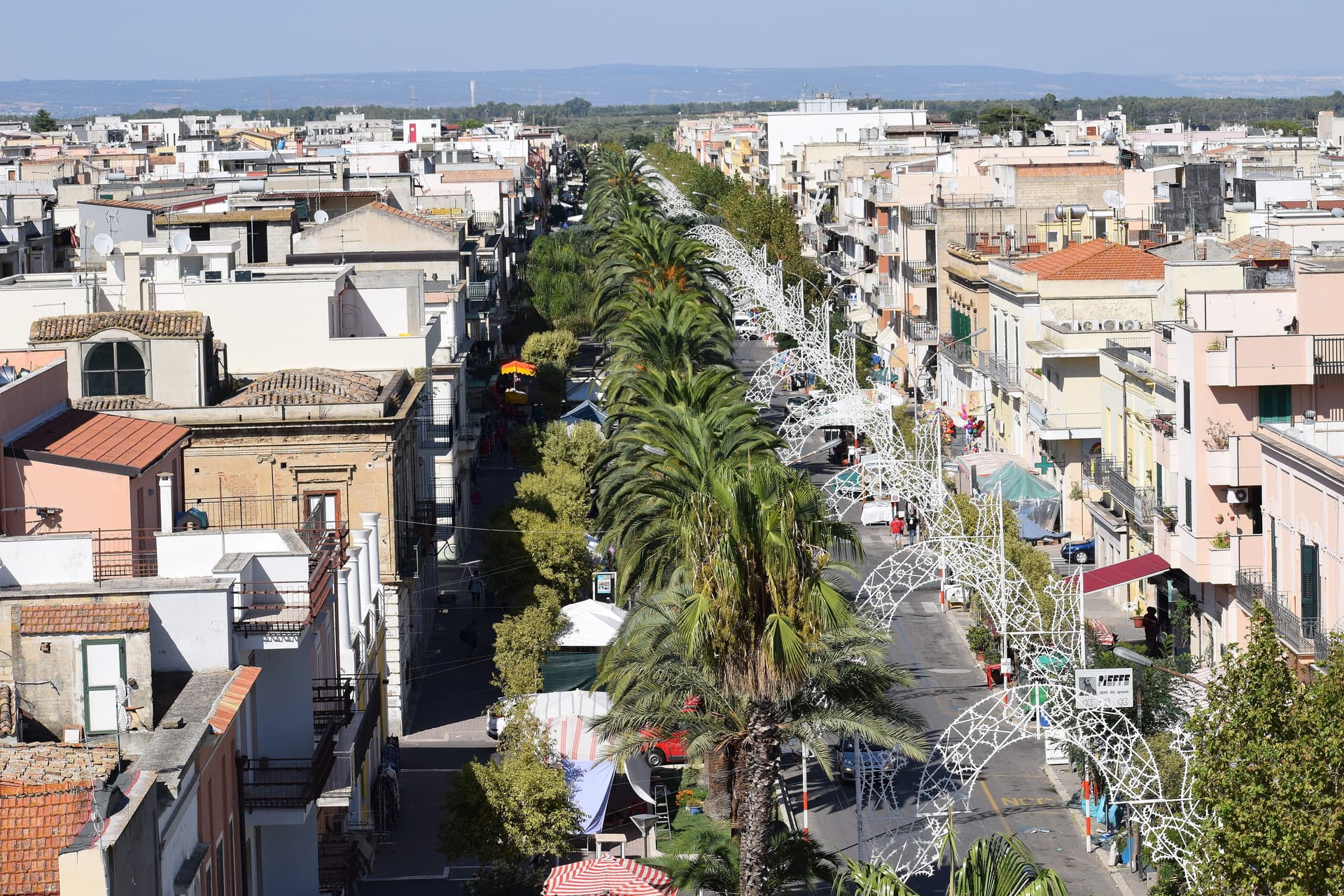
Bernalda
Province: Matera · 127 m
A 127-meter hill town between the Bradano and Basento, Francis Ford Coppola's ancestral home, holding the Magna Graecia columns of the Tavole Palatine.
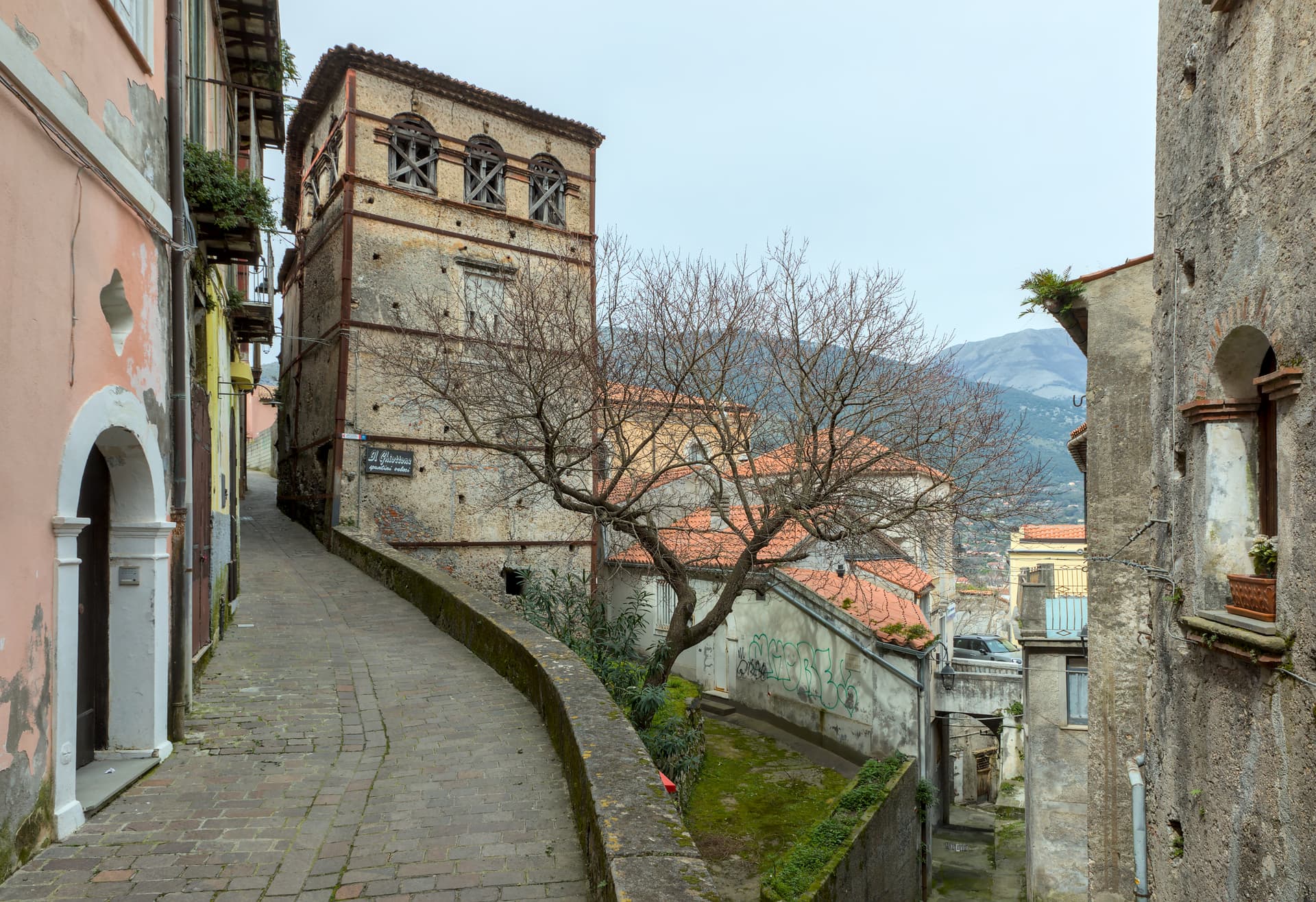
Maratea
Province: Potenza · 300 m
Basilicata's only commune on the Tyrrhenian, thirty-two kilometers of rocky coast under a twenty-one meter marble Christ raised over Monte San Biagio in 1965.
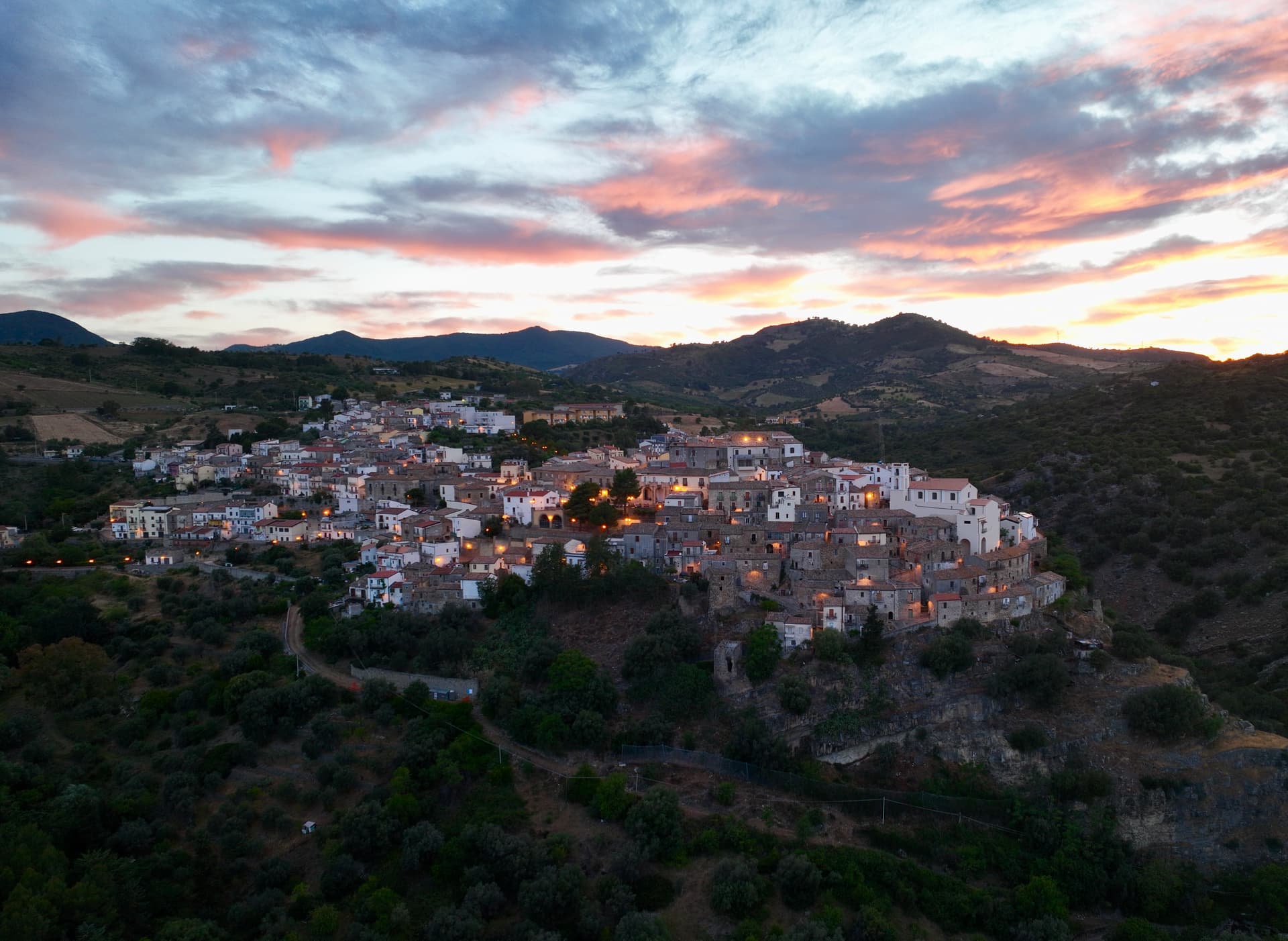
Nova Siri
Province: Matera · 350 m
A 350-meter Ionian hill town with a Blue Flag beach nine kilometers below, near the site of the ancient Greek colony of Siris.
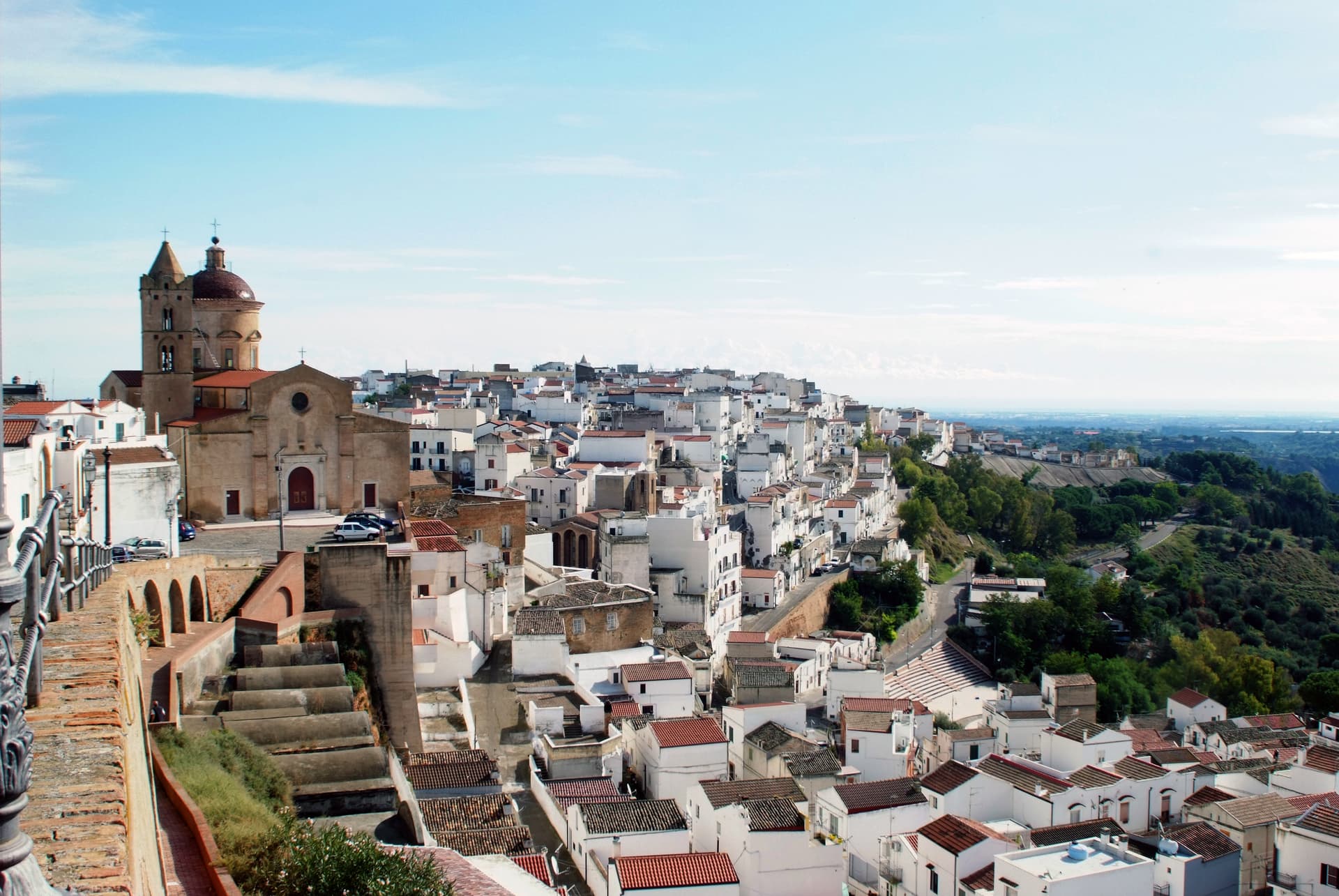
Pisticci
Province: Matera · 364 m
A hill town at 364 meters above the Ionian, rebuilt in three hundred identical white houses after the 1688 landslide killed four hundred.
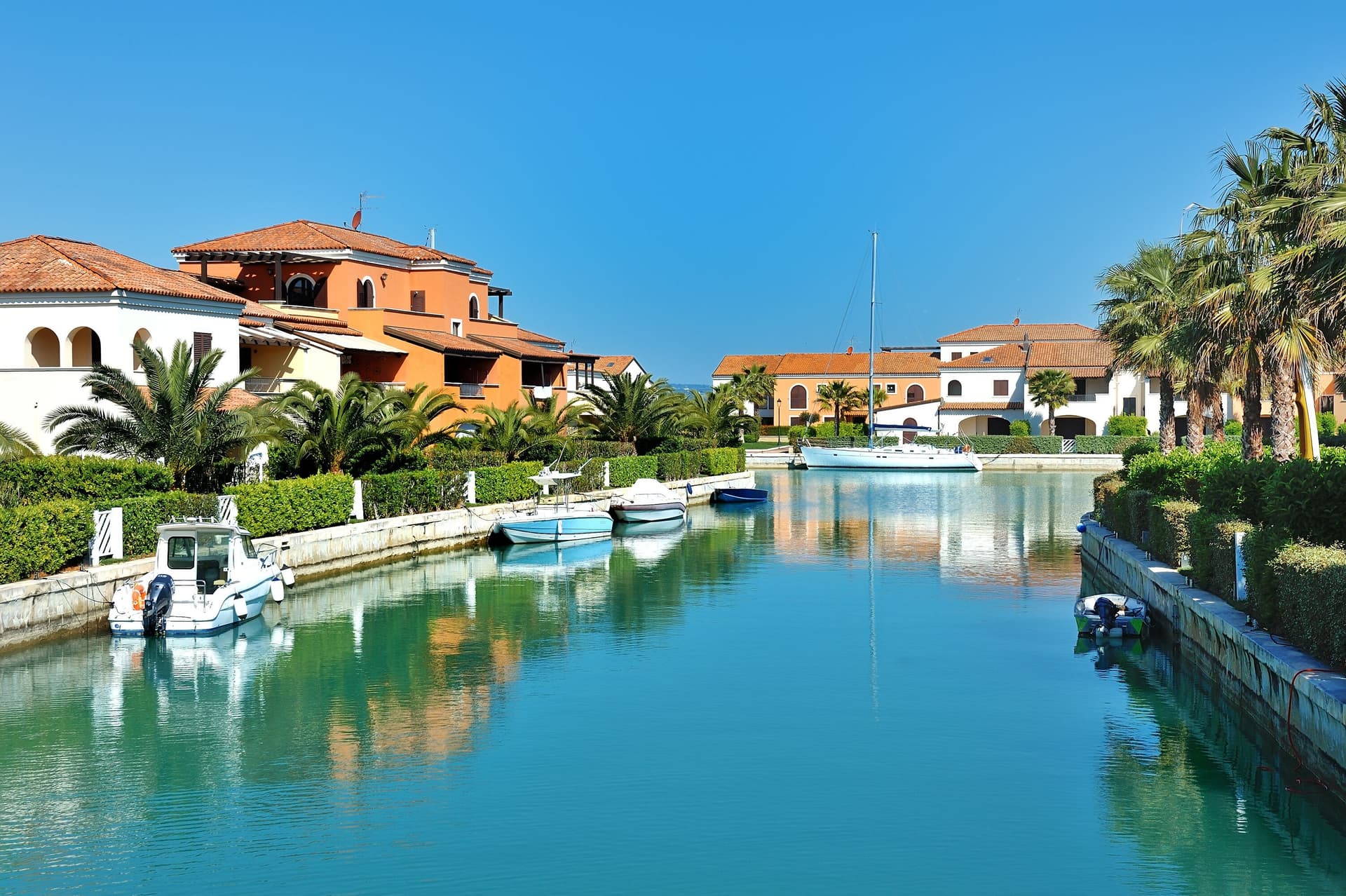
Policoro
Province: Matera · 25 m
A Ionian-coast town on the Gulf of Taranto built on the ruins of the Greek polis of Heraclea — birthplace of the Tavole di Eraclea bronze inscriptions and home to one of the region's most-visited Bandiera Blu beaches and the National Museum of the Siritide.
Calabria12
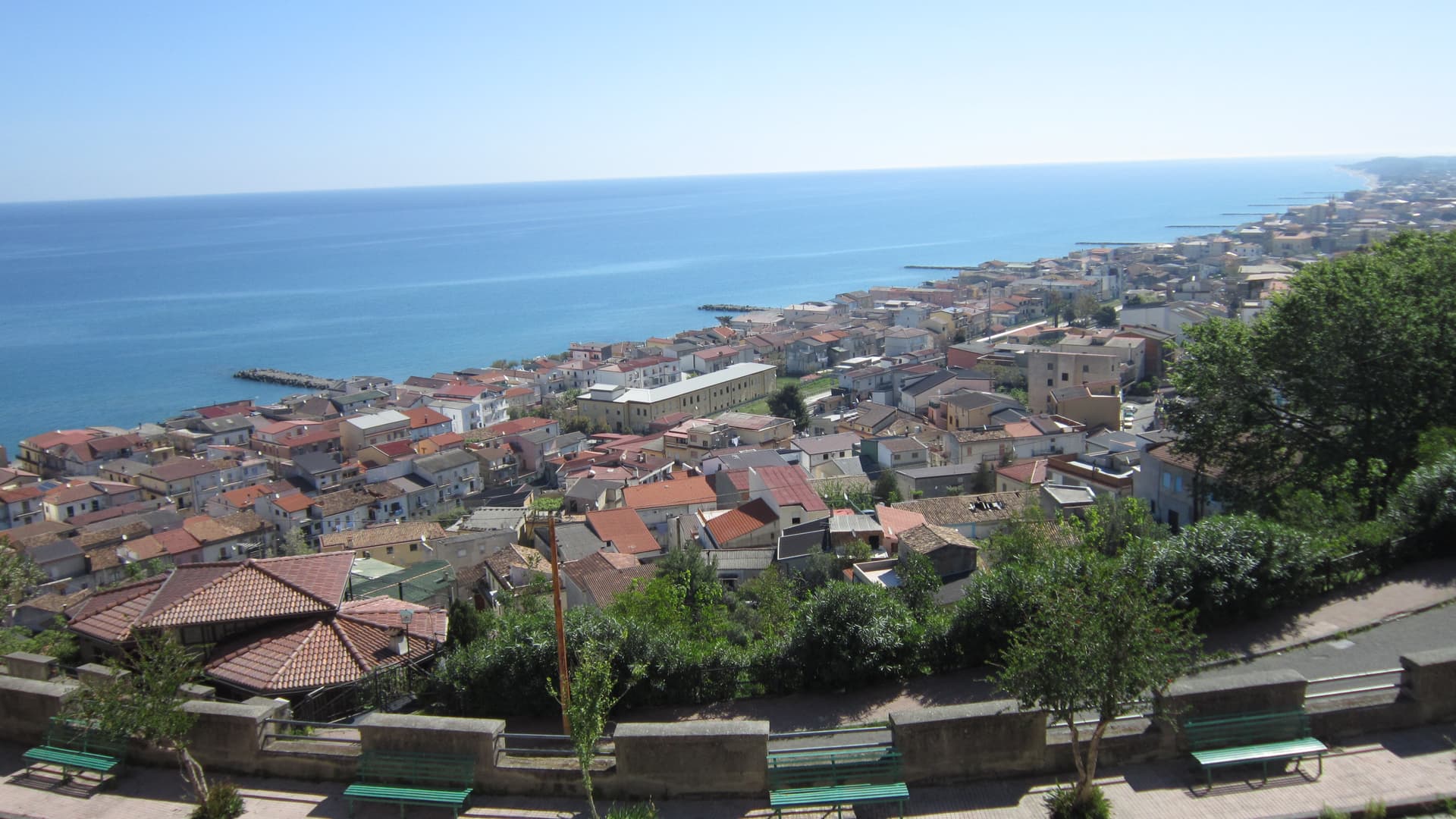
Cariati
Province: Cosenza · 76 m
A walled Ionian fishing town on the Saracen Coast, its kilometer of medieval ramparts and eight towers among the most intact in southern Italy.
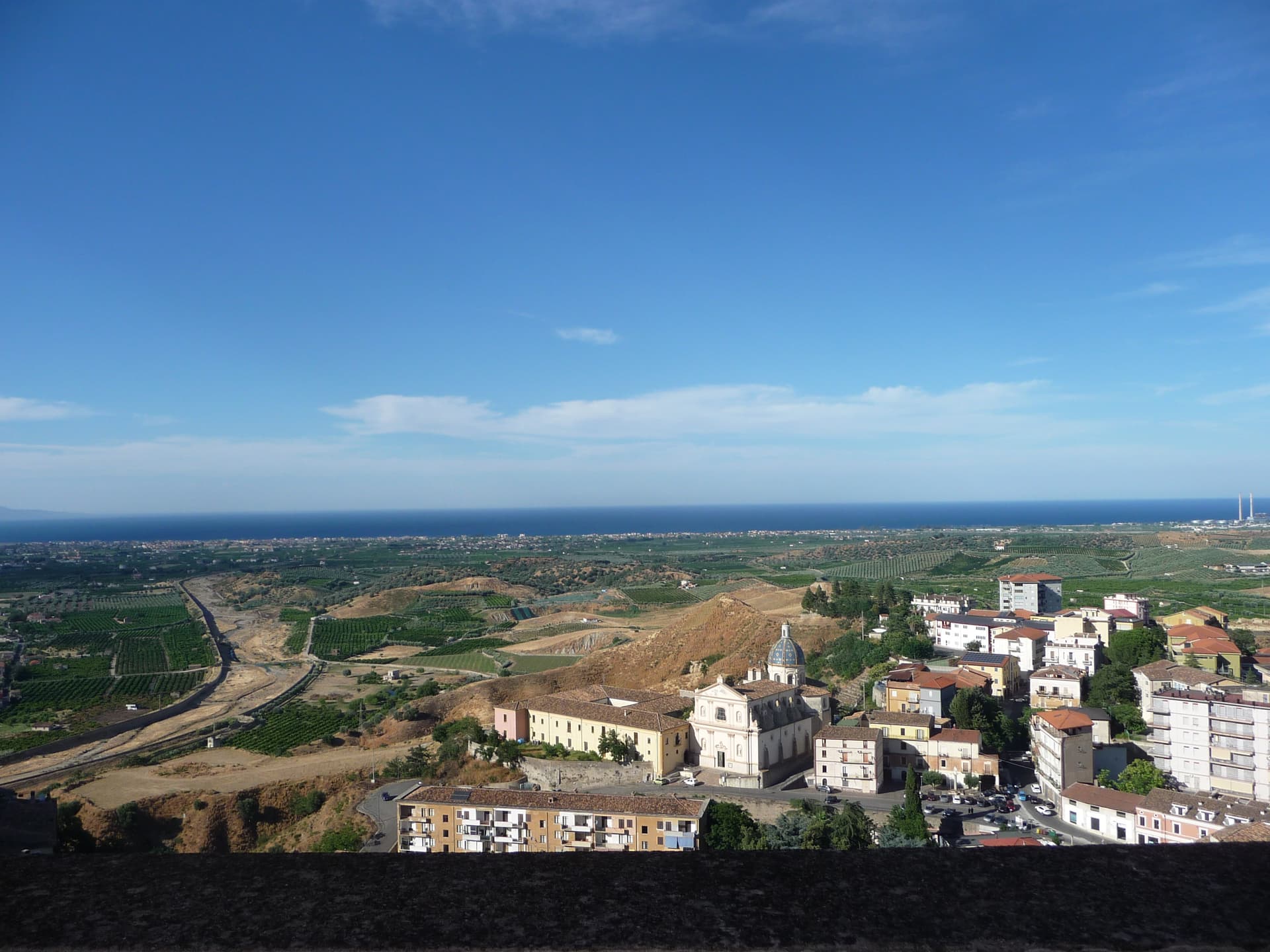
Corigliano-Rossano
Province: Cosenza · 219 m
The Sibari plain city merged in 2018, home of the UNESCO-listed sixth-century Codex Purpureus and the 1731 Amarelli liquorice dynasty.
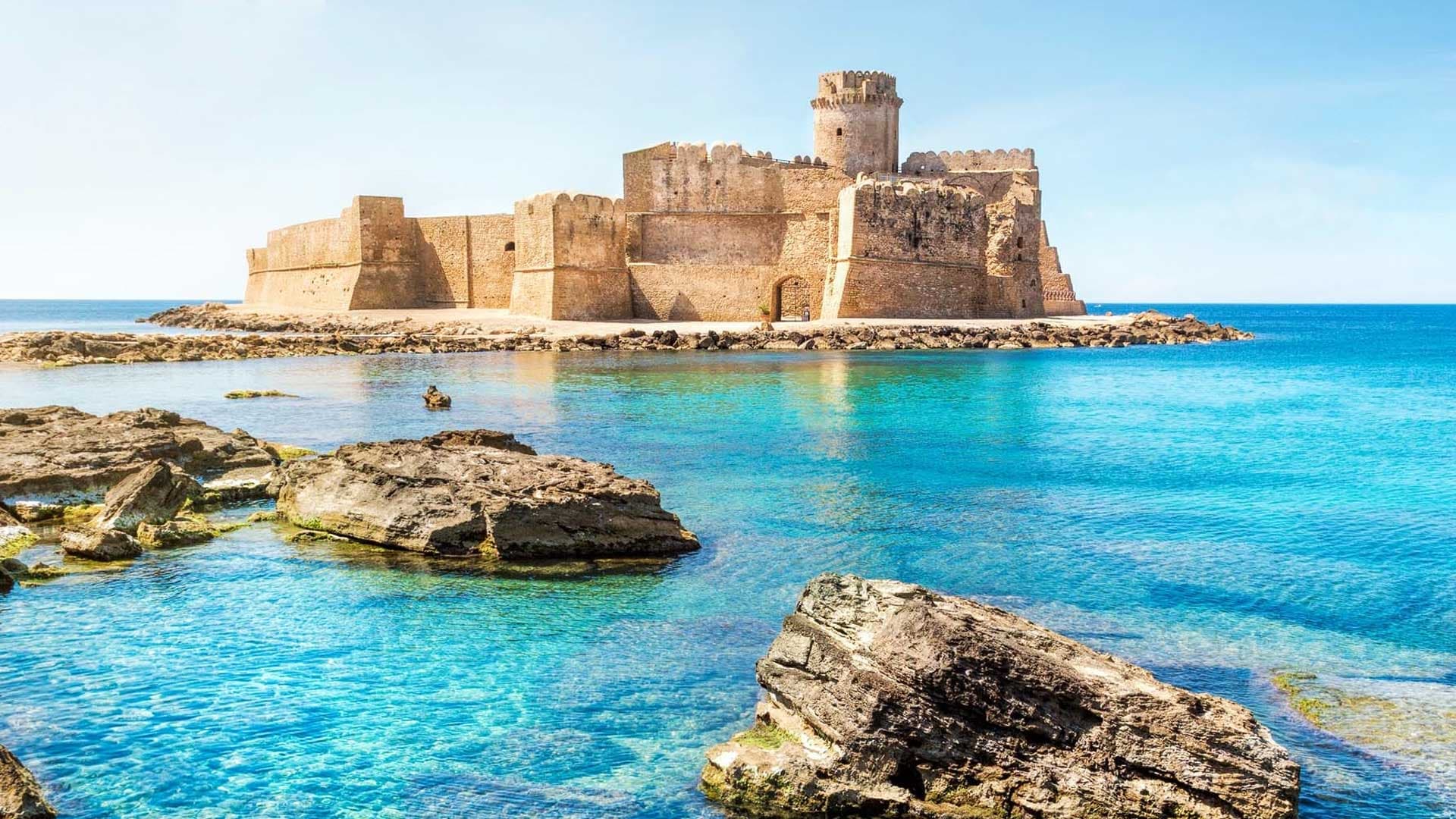
Isola di Capo Rizzuto
Province: Crotone · 90 m
A promontory on the Ionian coast wrapped by Italy's largest marine reserve, with the Aragonese castle of Le Castella standing on a rock offshore.
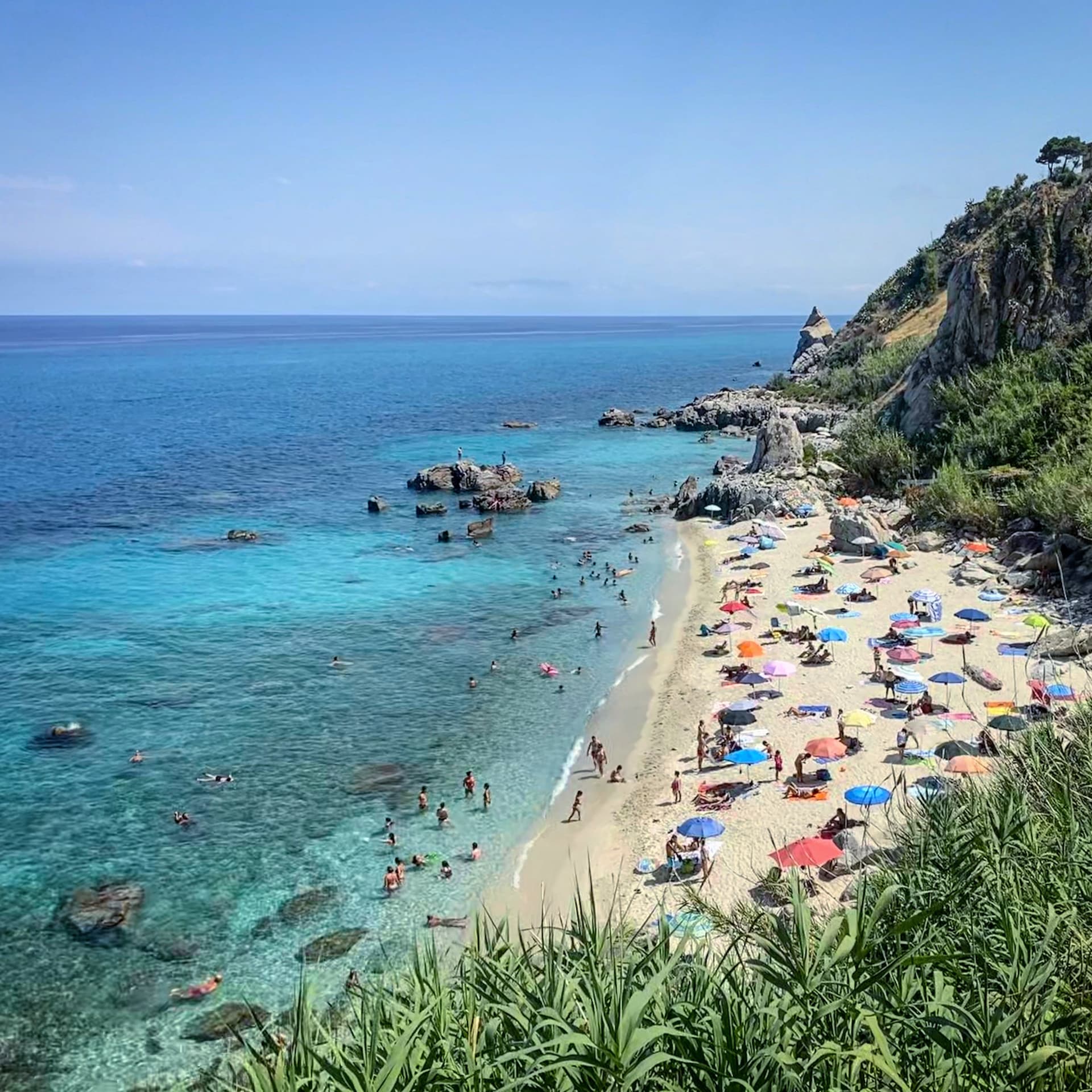
Parghelia
Province: Vibo Valentia · 70 m
A 1,300-person village on the Costa degli Dei at 70 meters, four kilometers from Tropea and quieter than its famous neighbour.
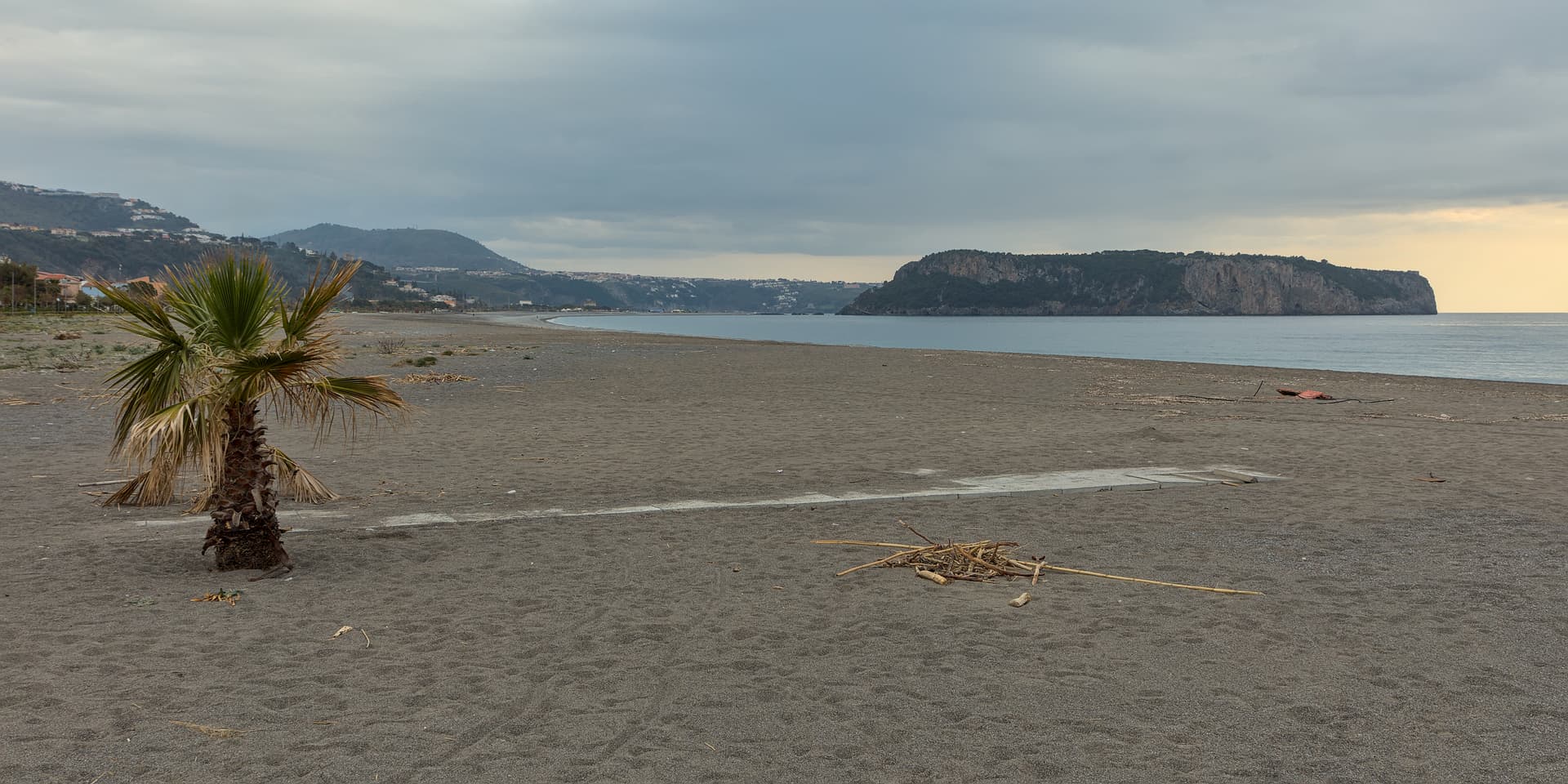
Praia a Mare
Province: Cosenza · 10 m
A Tyrrhenian beach town in the Gulf of Policastro, between the Pollino National Park and the 33-hectare Isola di Dino just offshore.
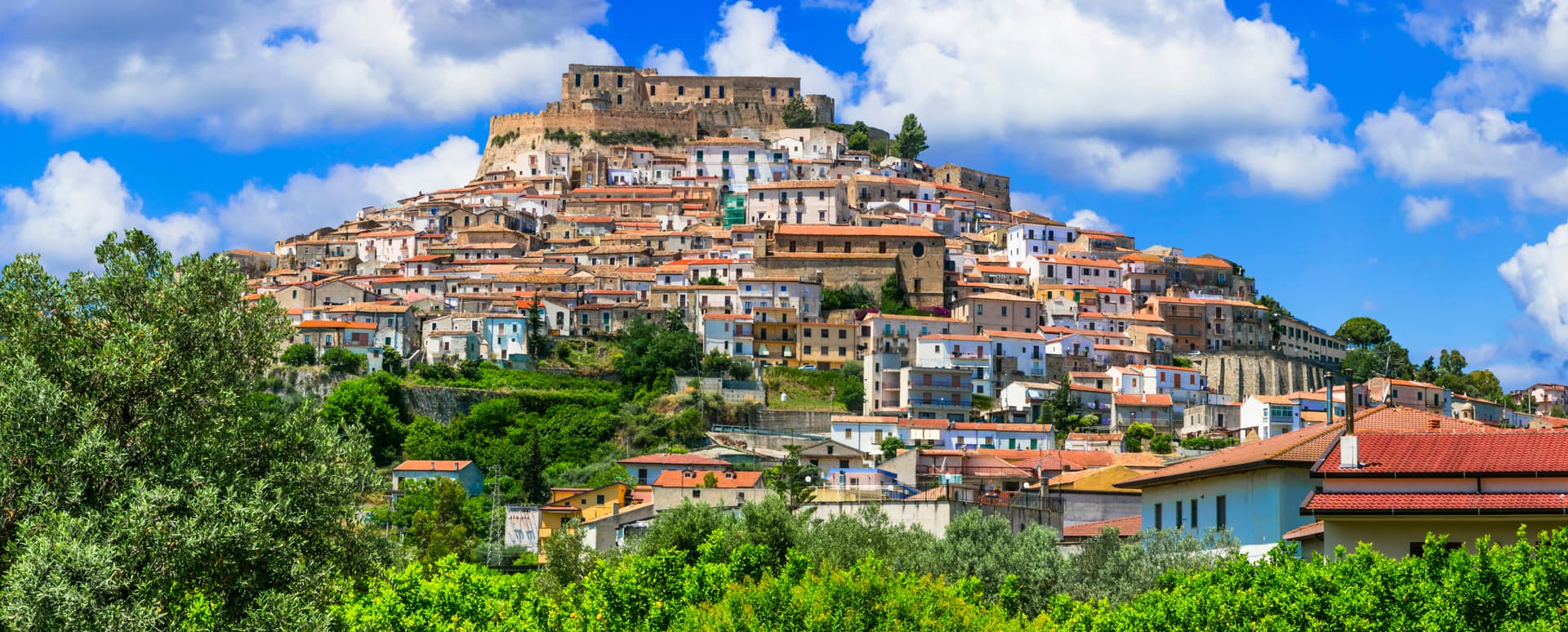
Rocca Imperiale
Province: Cosenza · 210 m
Frederick II's Hohenstaufen fortress at the Calabria–Basilicata border — a Borgo più Bello d'Italia perched on a hill above the Ionian coast, with the 1225 castello at the summit, a Bandiera Blu beach at Rocca Imperiale Marina below, and the locally-grown limone di Rocca Imperiale IGP scenting the orchards.
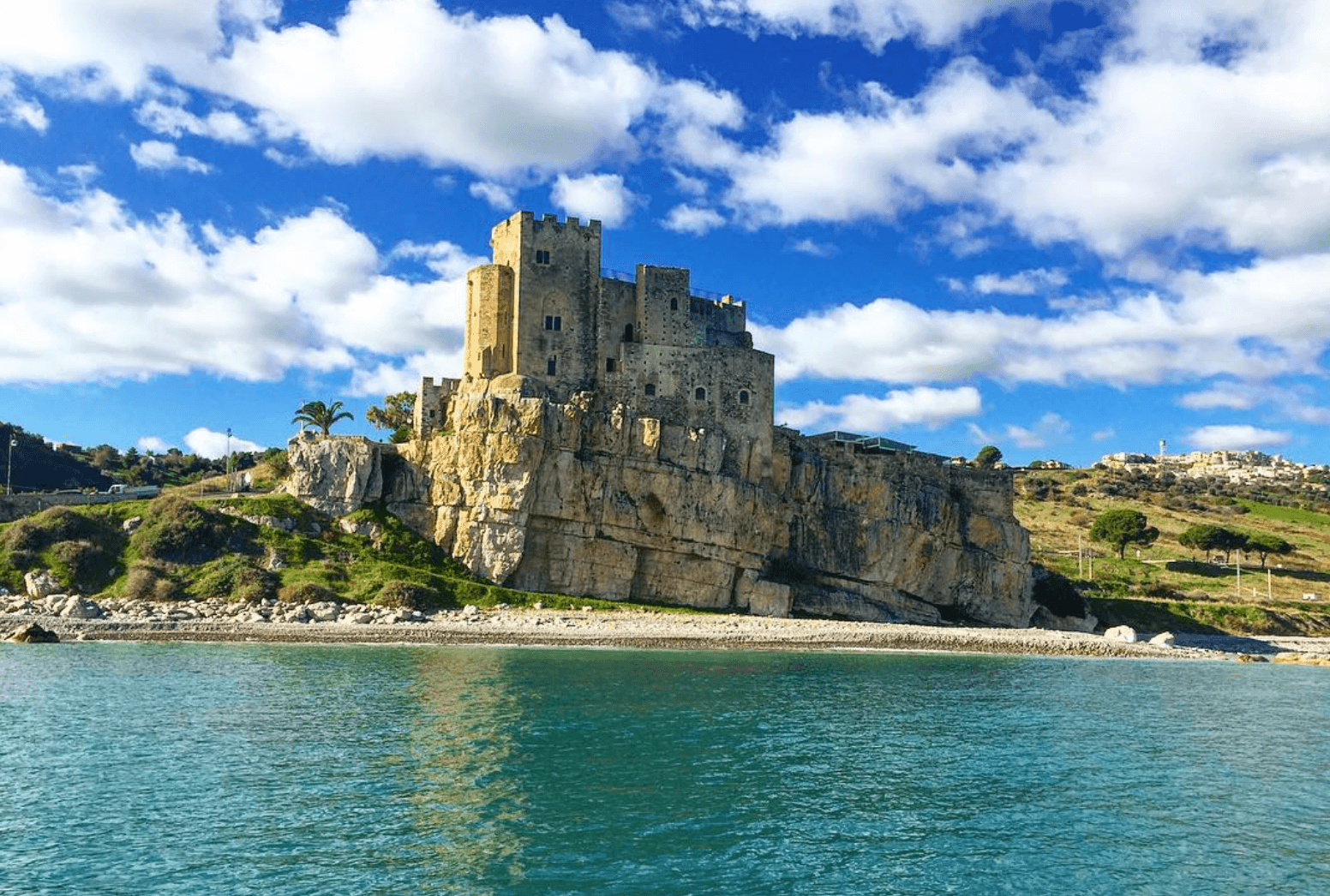
Roseto Capo Spulico
Province: Cosenza · 217 m
A Frederician castle on a rock above the Ionian, a former Sybaris satellite city founded in the seventh century BC, Templar legend included.
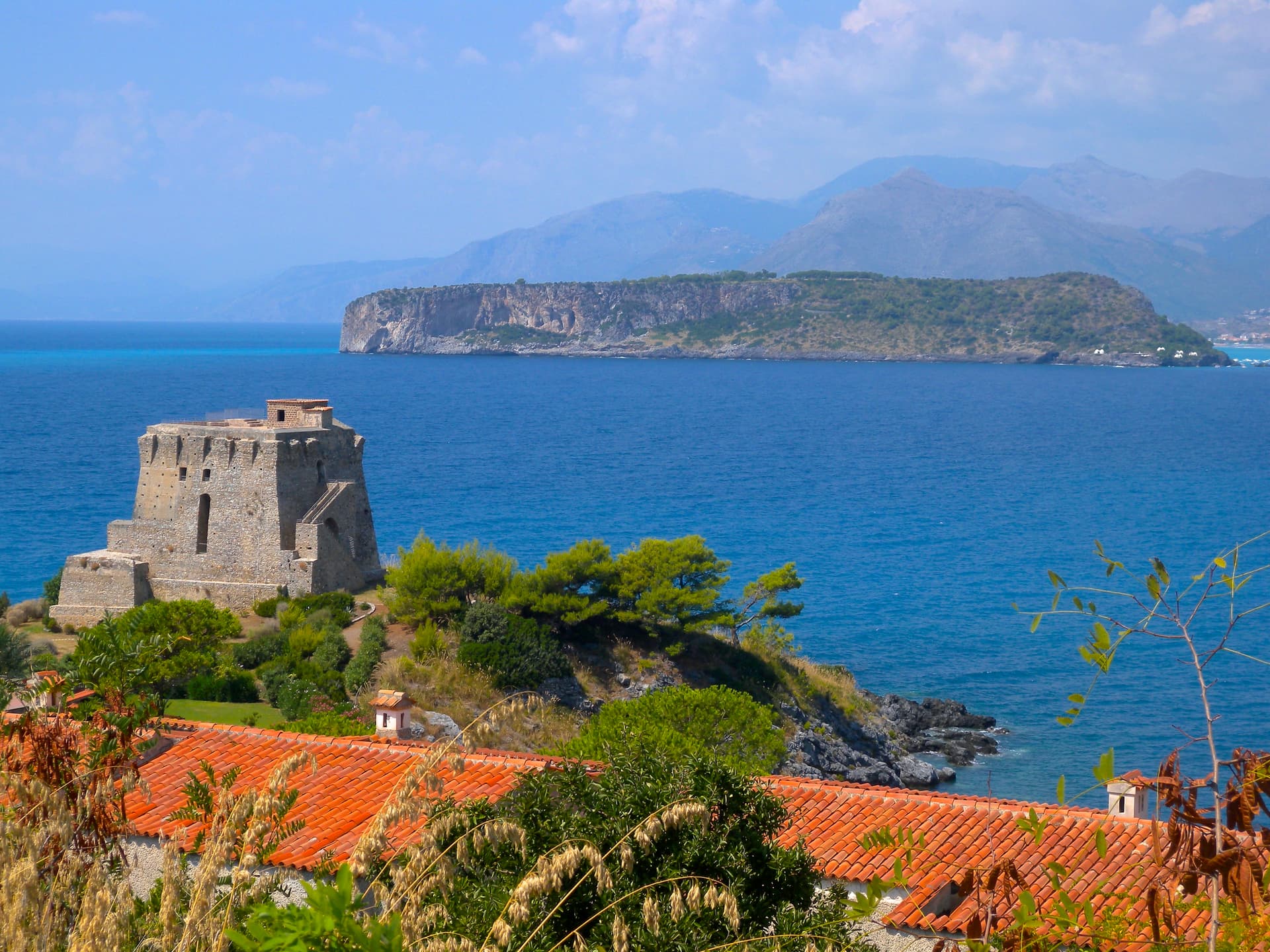
San Nicola Arcella
Province: Cosenza · 110 m
A cliff village above the Tyrrhenian Riviera dei Cedri, where the Arco Magno sea arch fronts a cove only reachable on foot or by boat.
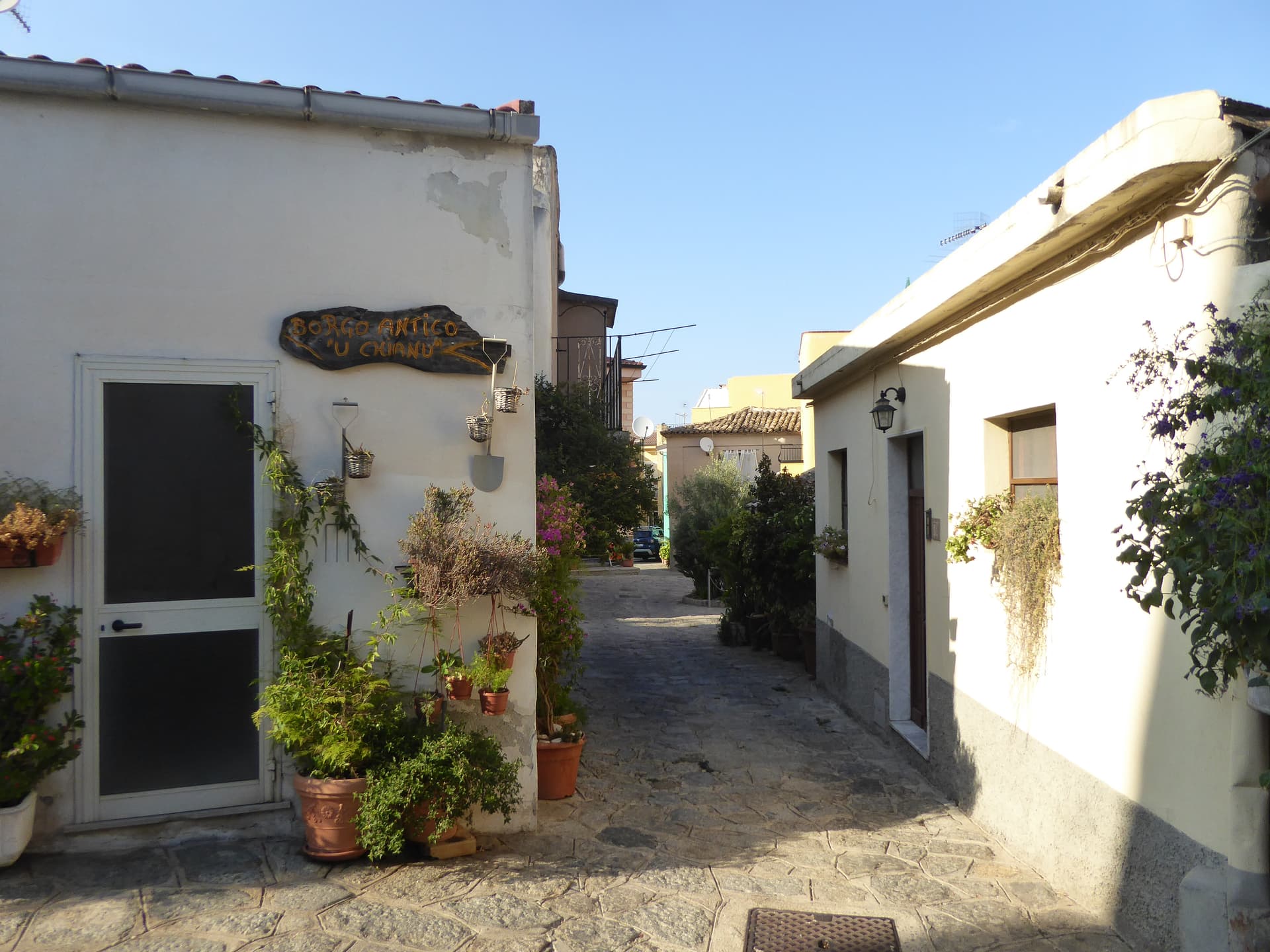
Soverato
Province: Catanzaro · 10 m
On the Gulf of Squillace with the white-sand stretch called the Pearl of the Ionian, the wealthiest town per capita in Calabria.
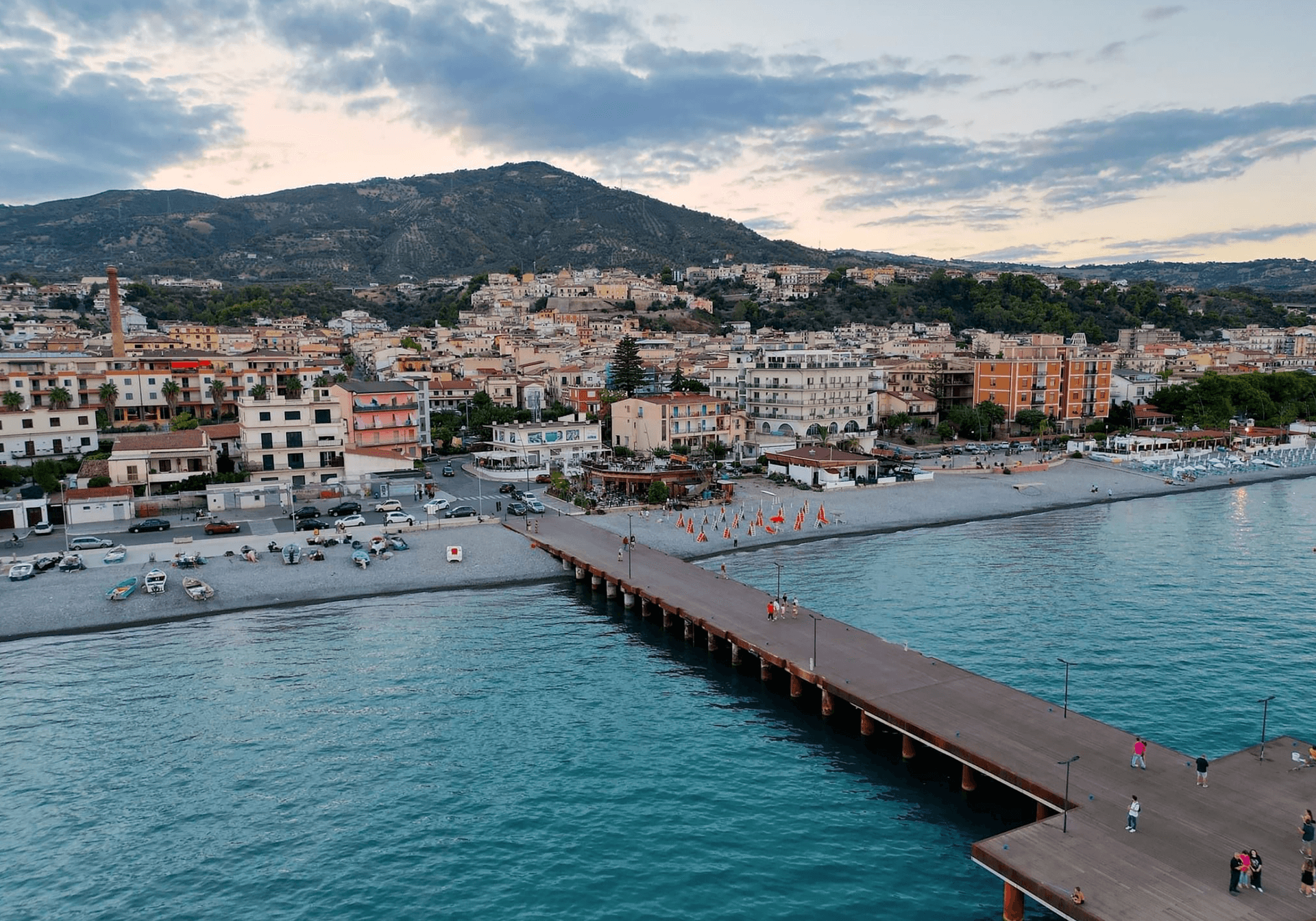
Trebisacce
Province: Cosenza · 73 m
A Bronze Age plateau above the Ionian Gulf of Taranto whose name comes from the Greek for small table, with a Byzantine mother church below.
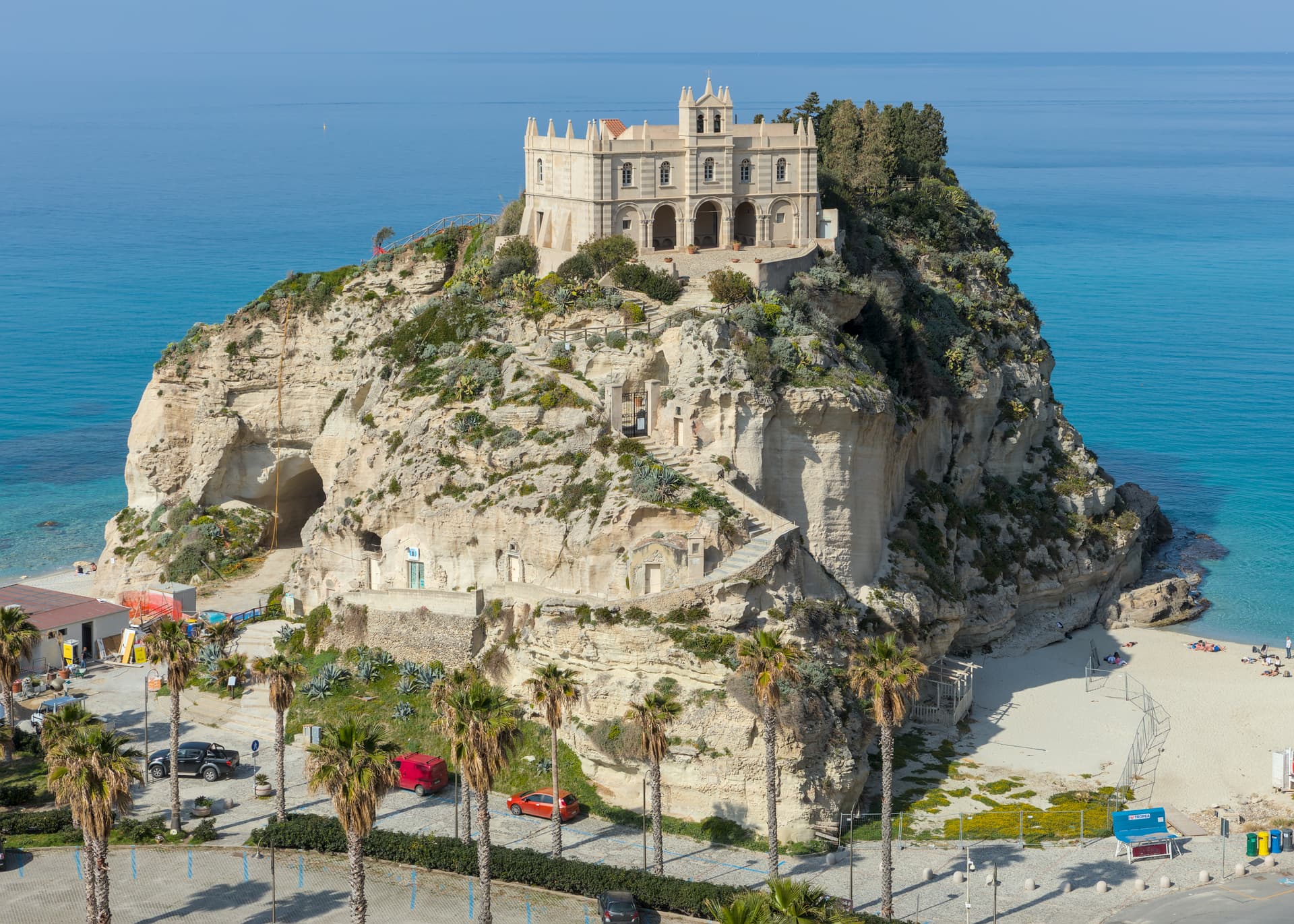
Tropea
Province: Vibo Valentia · 50 m
Cliff town on a tufa headland over the Tyrrhenian Coast of the Gods, with a Norman monastery on a sea rock.
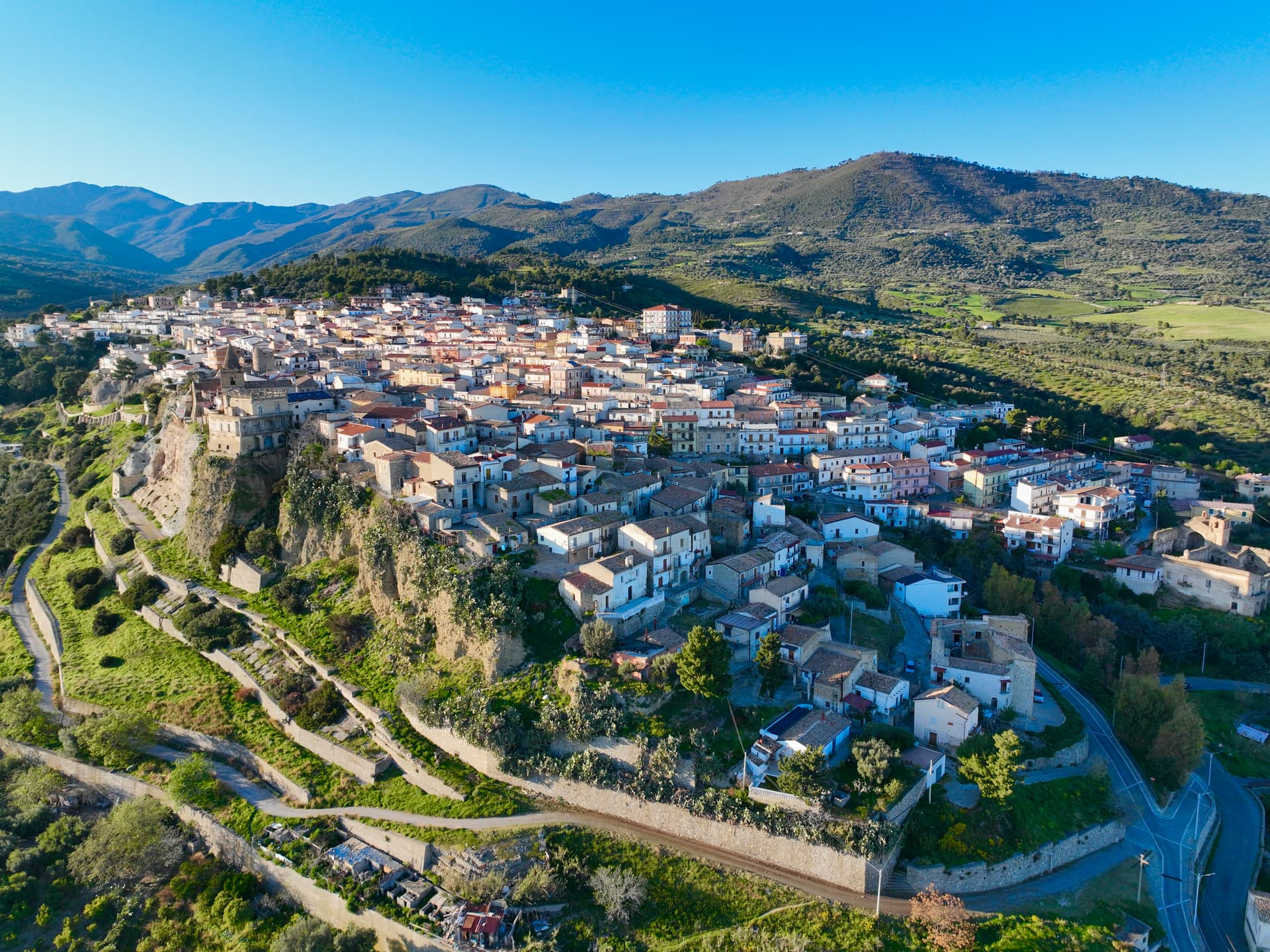
Villapiana
Province: Cosenza · 206 m
An Ionian commune on the edge of the Sibari plain, dorato sand at the Lido and Pollino peaks rising twenty kilometers inland.
Campania12
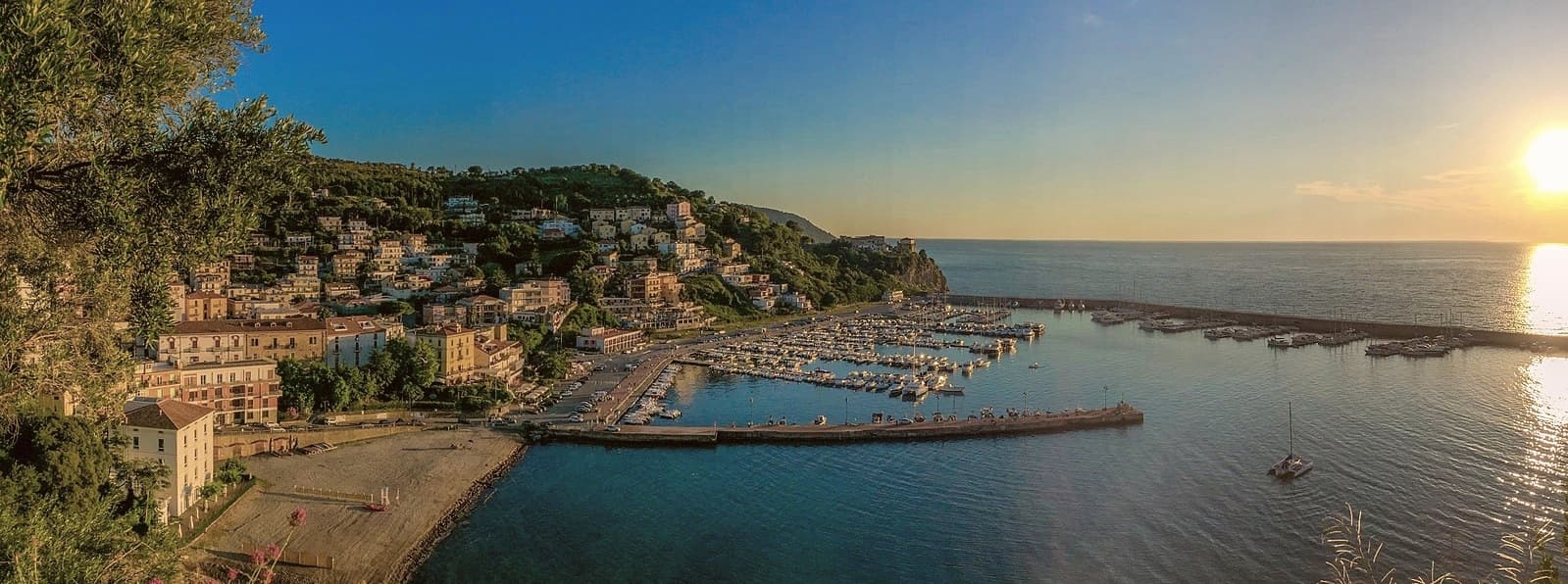
Agropoli
Province: Salerno · 24 m
The gateway commune of the Cilento, a Byzantine acropolis on a promontory taken by the Saracens in 882 as a base for raids on Salerno.
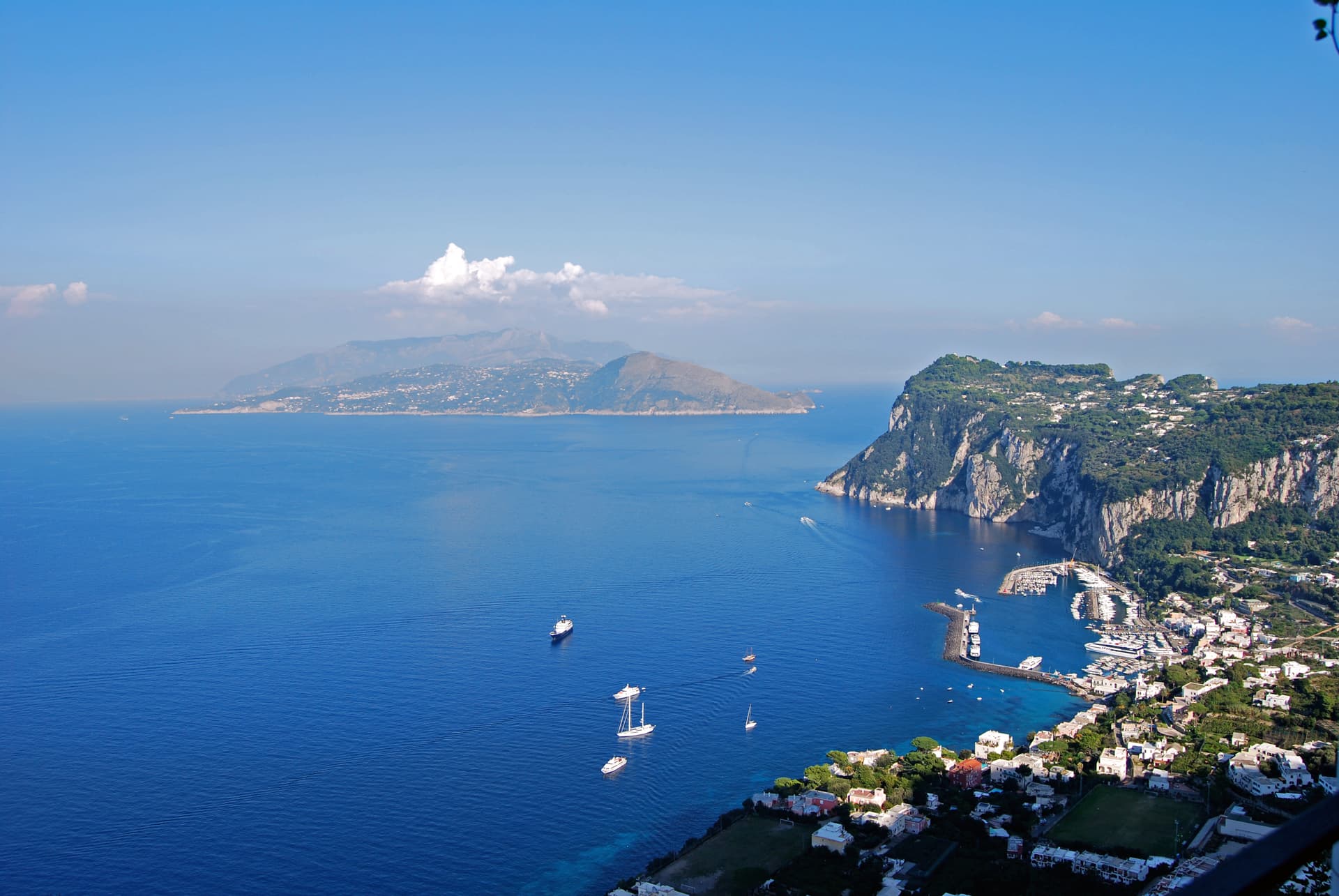
Anacapri
Province: Napoli · 275 m
The upper half of Capri, 150 meters above its famous twin, where Axel Munthe built Villa San Michele on a Tiberian ruin.
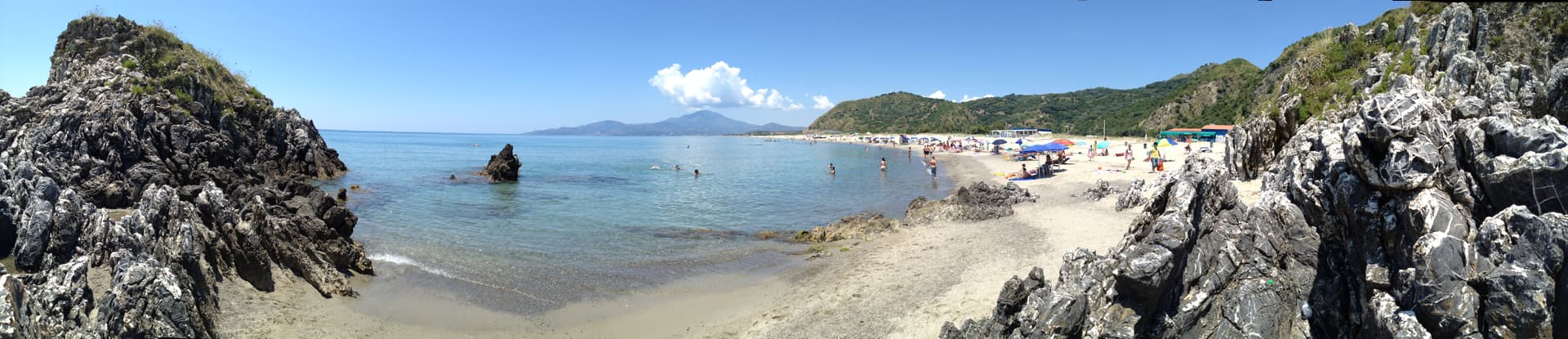
Ascea
Province: Salerno · 230 m
Two villages, a hilltown at 230 meters and a Cilento marina, with Parmenides and Zeno's Eleatic school in the ruins of Greek Velia below.
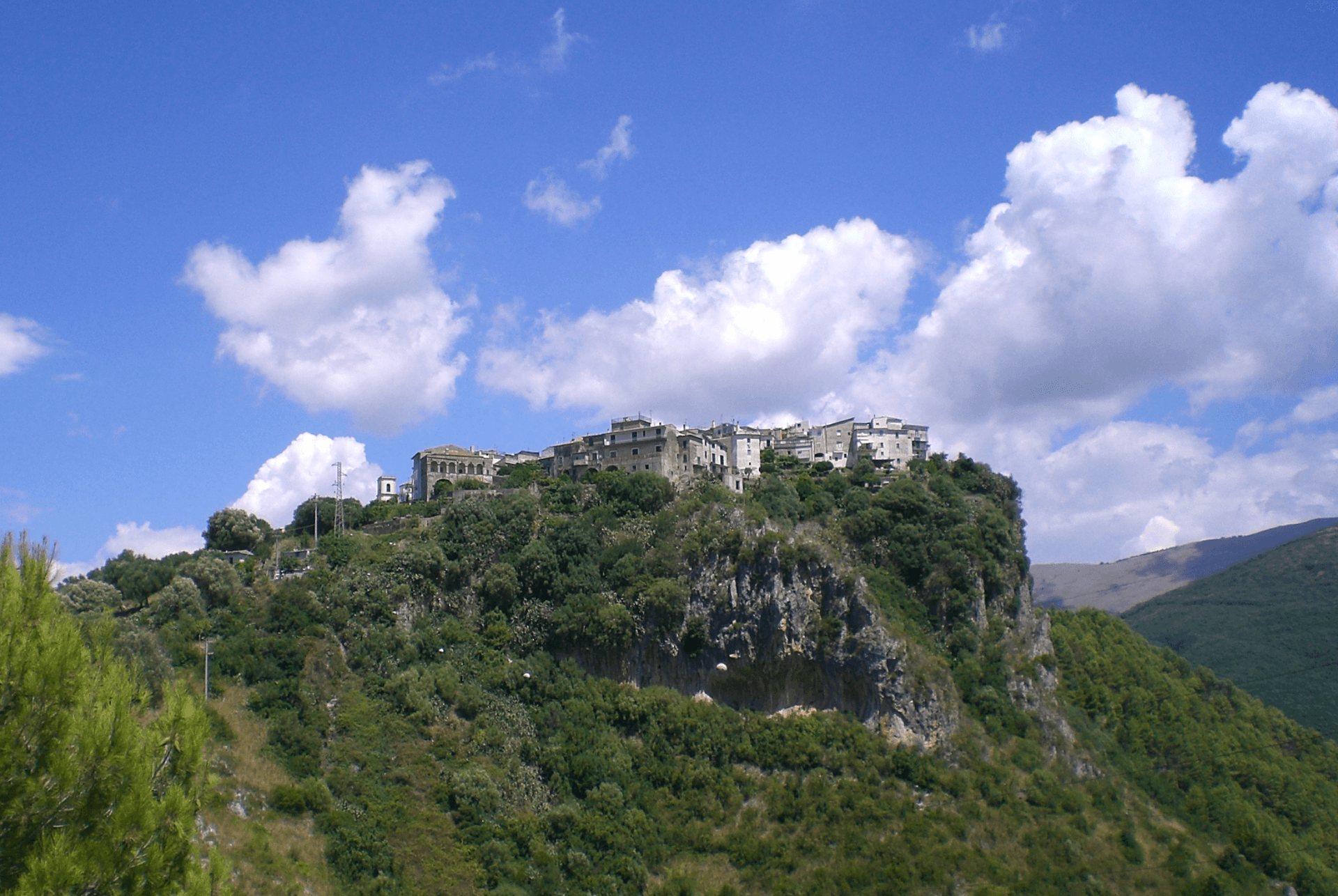
Camerota
Province: Salerno · 422 m
A Cilento hill of 422 meters above the Costa degli Infreschi, with prehistoric caves documenting Neanderthal occupation along the southern Tyrrhenian.
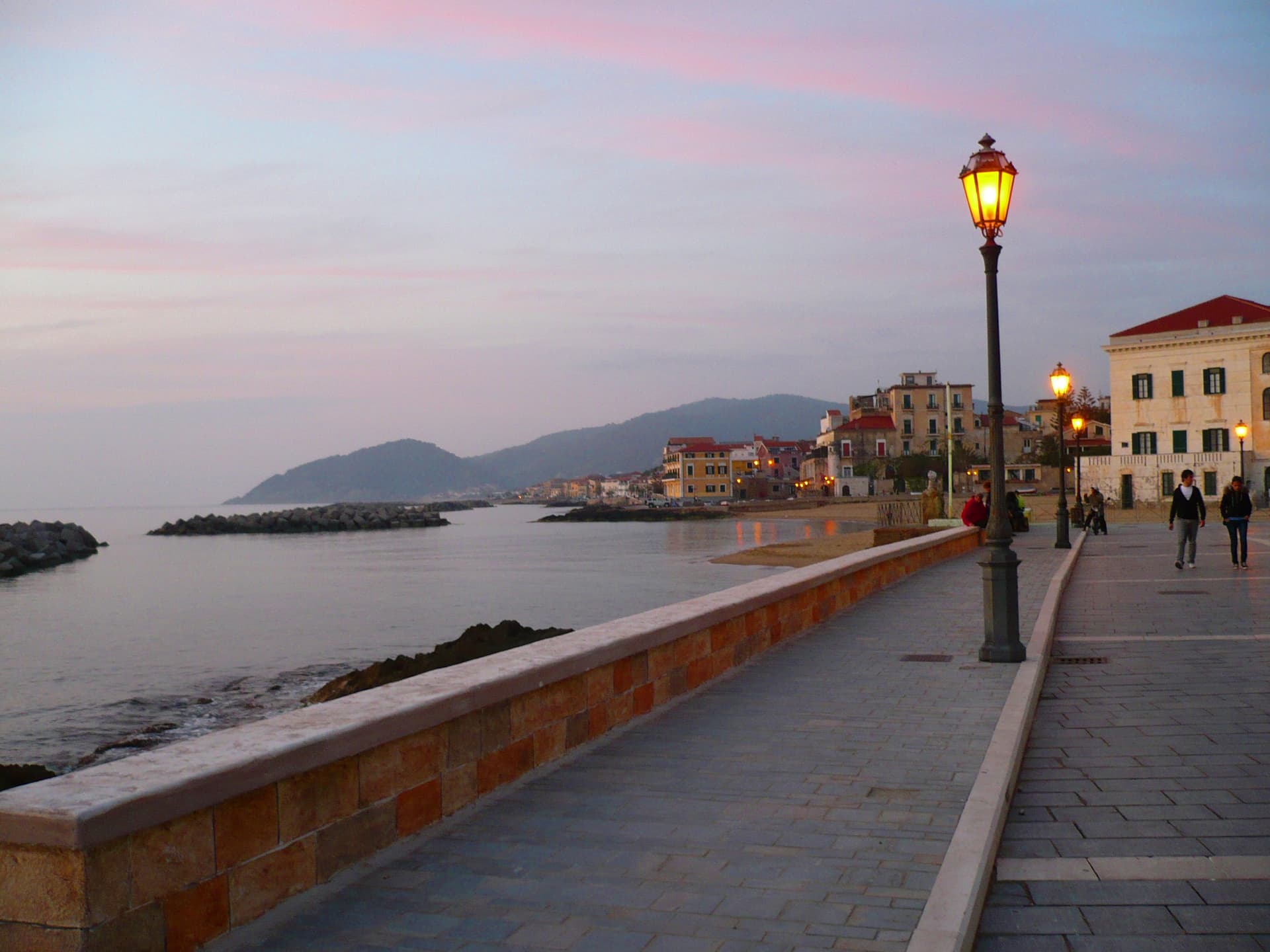
Castellabate
Province: Salerno · 280 m
A 1123 abbot's castle on a 280-meter Cilento ridge, with a Bandiera Blu beach below and the Benvenuti al Sud film.
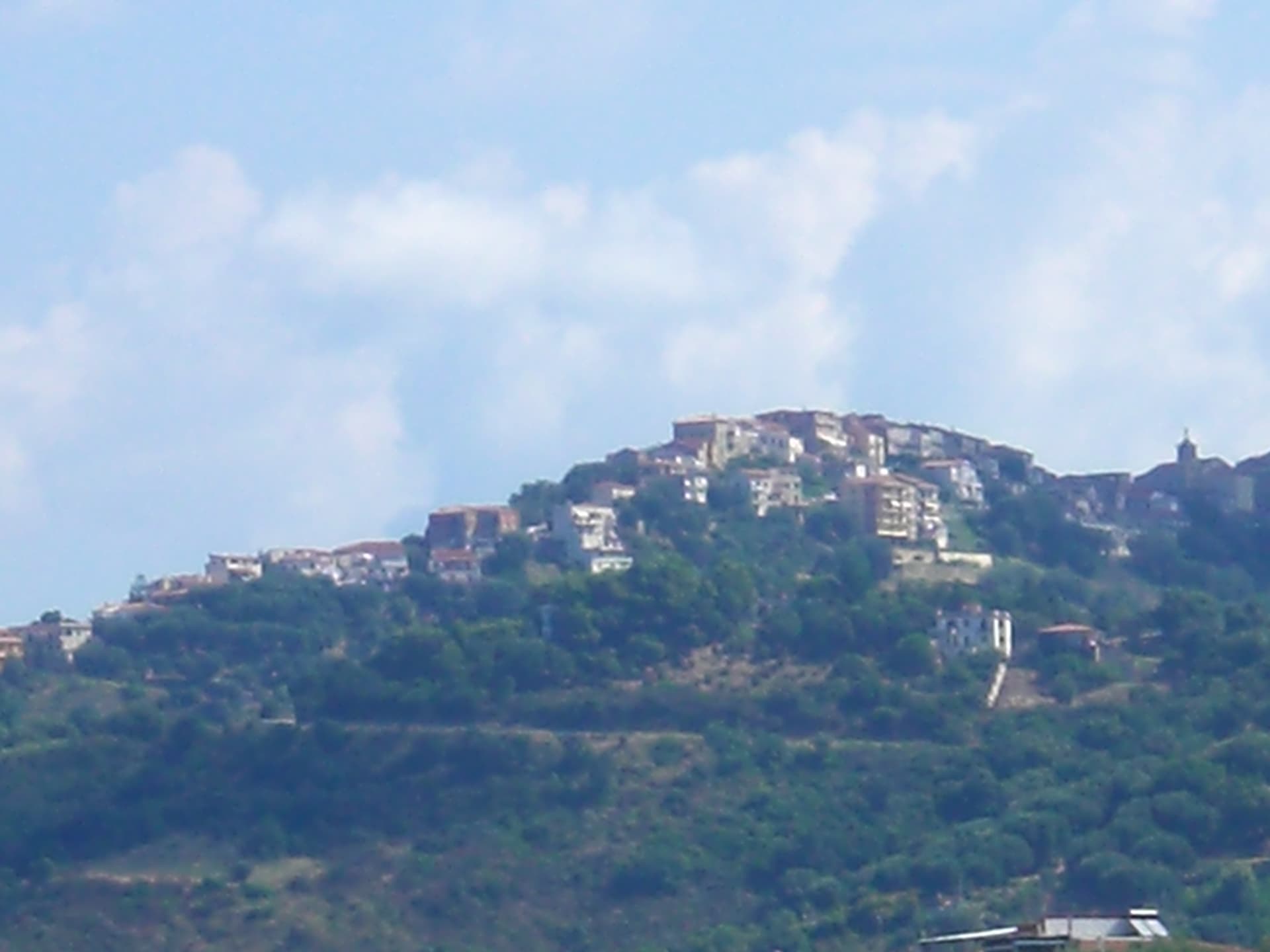
Centola
Province: Salerno · 336 m
A Cilento hill village at 336 meters whose seaside frazione, Palinuro, carries the helmsman of Aeneas and a Bandiera Blu coastline.
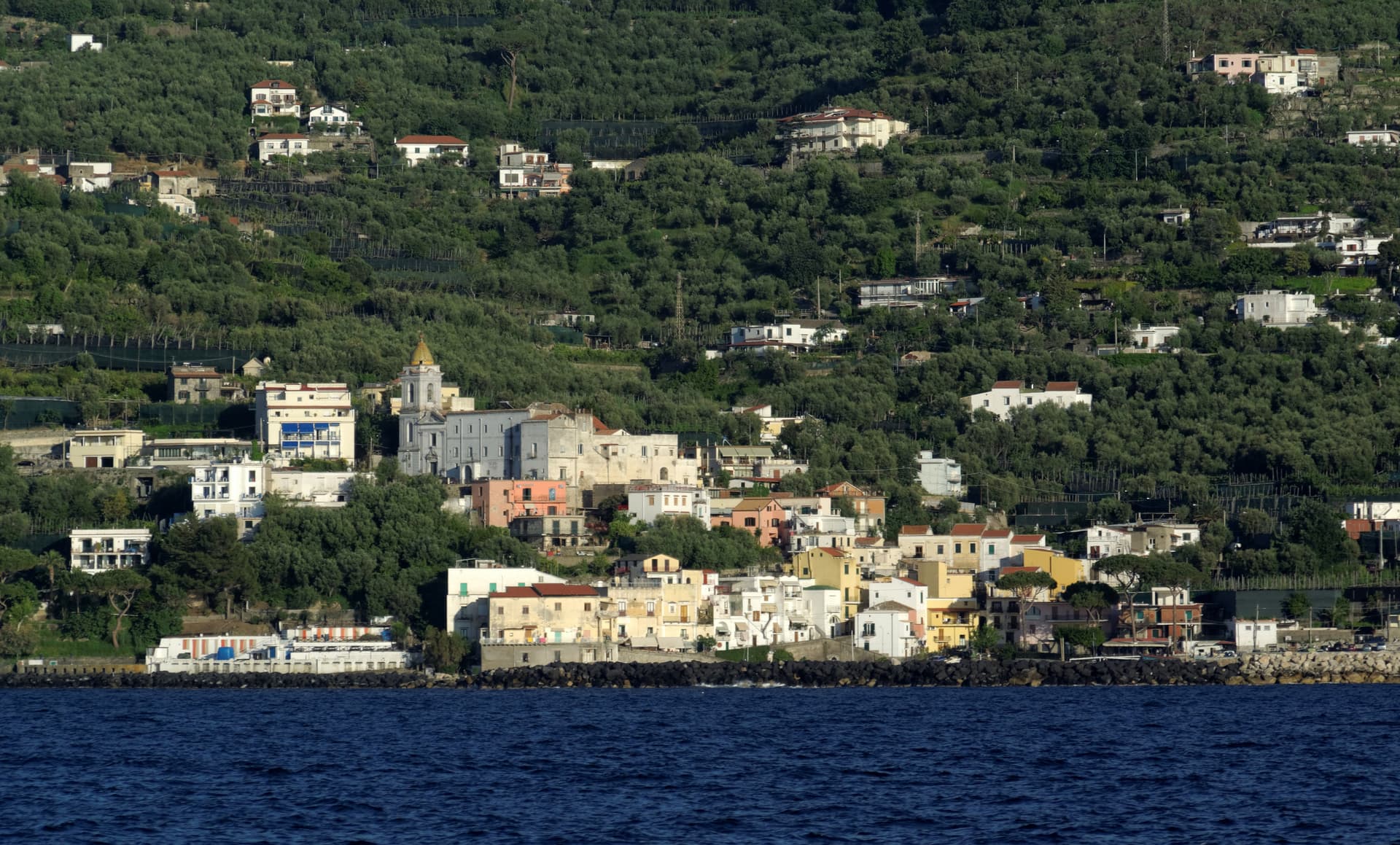
Massa Lubrense
Province: Napoli · 121 m
The Sorrentine Peninsula's largest commune by area, stretching from Sorrento across Punta Campanella to the Gulf of Salerno, Capri three miles offshore.
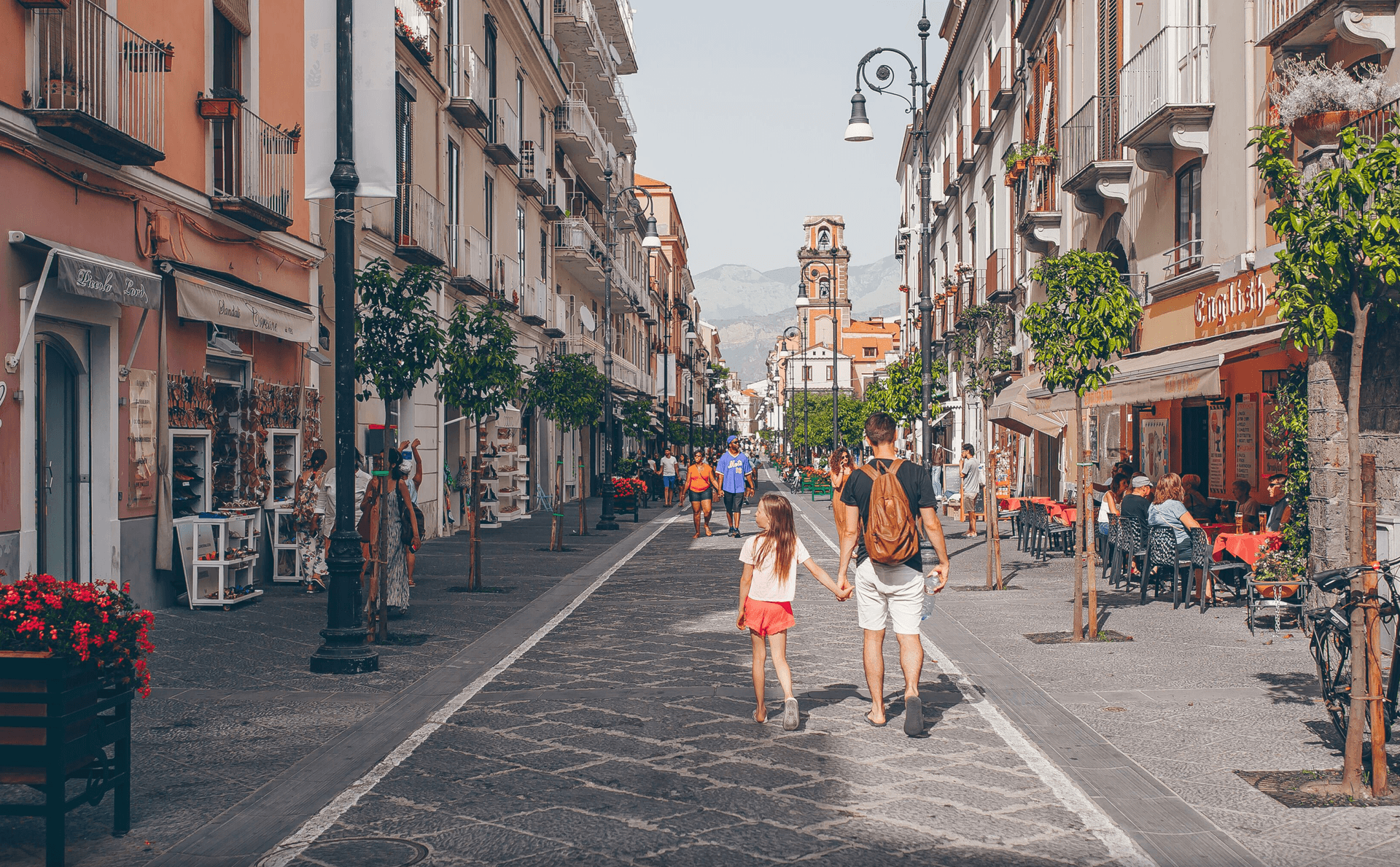
Piano di Sorrento
Province: Napoli · 96 m
The quieter Sorrentine plain four kilometers from Sorrento, autonomous since 1808, with prehistoric Gaudo pottery and a black-sand marina at the foot of the cliff.
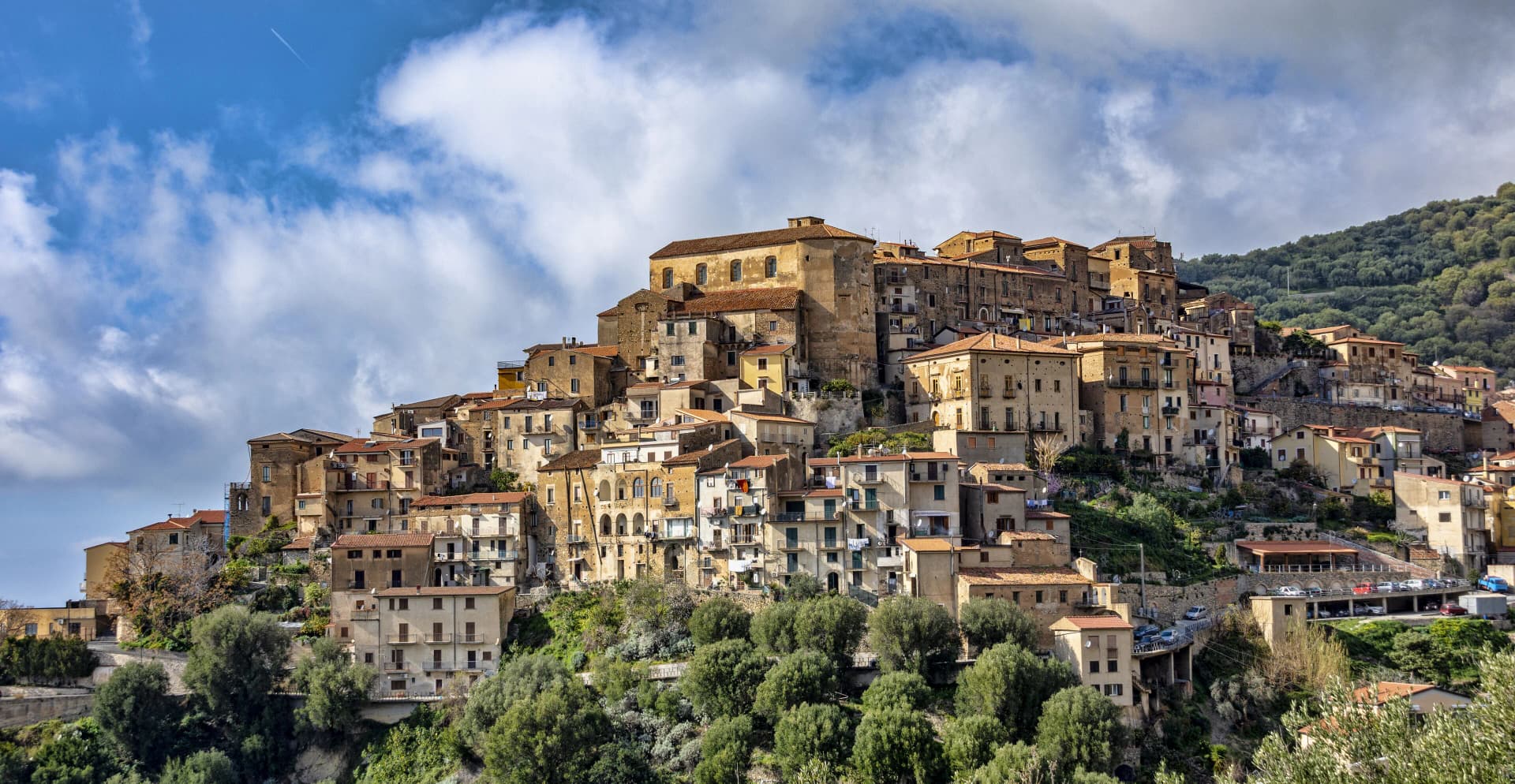
Pisciotta
Province: Salerno · 171 m
A Cilento hilltop town of olive terraces above the Tyrrhenian, where fishermen still pull anchovies with the medieval menaica net.
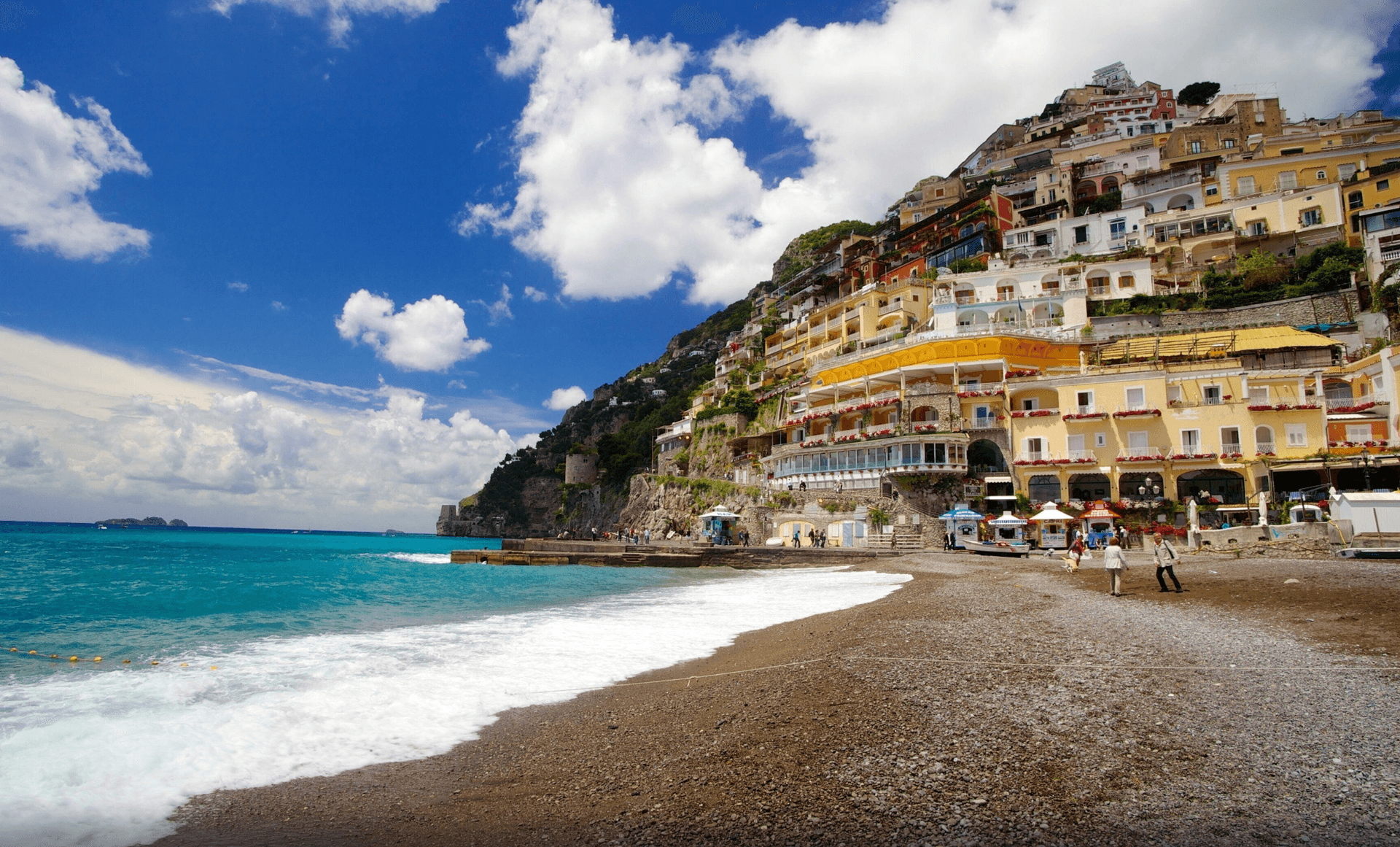
Positano
Province: Salerno · 30 m
The vertical village of the Amalfi Coast, terraced houses climbing four hundred meters from Spiaggia Grande to the Lattari ridge under a tiled Byzantine dome.
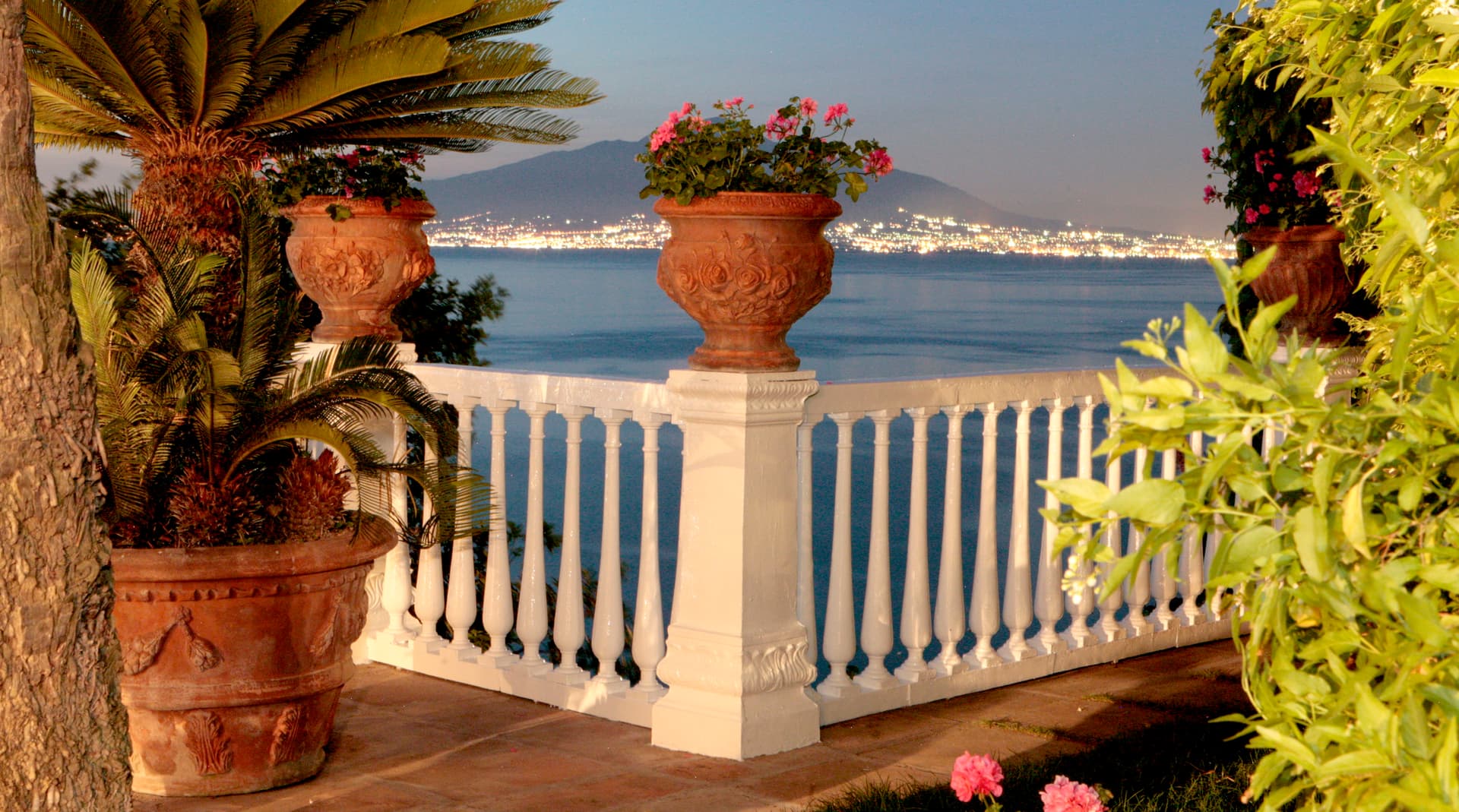
Sorrento
Province: Napoli · 50 m
The Roman Surrentum on a tuff cliff above the Bay of Napoli, birthplace of Torquato Tasso, sacked by the Turks in 1558.
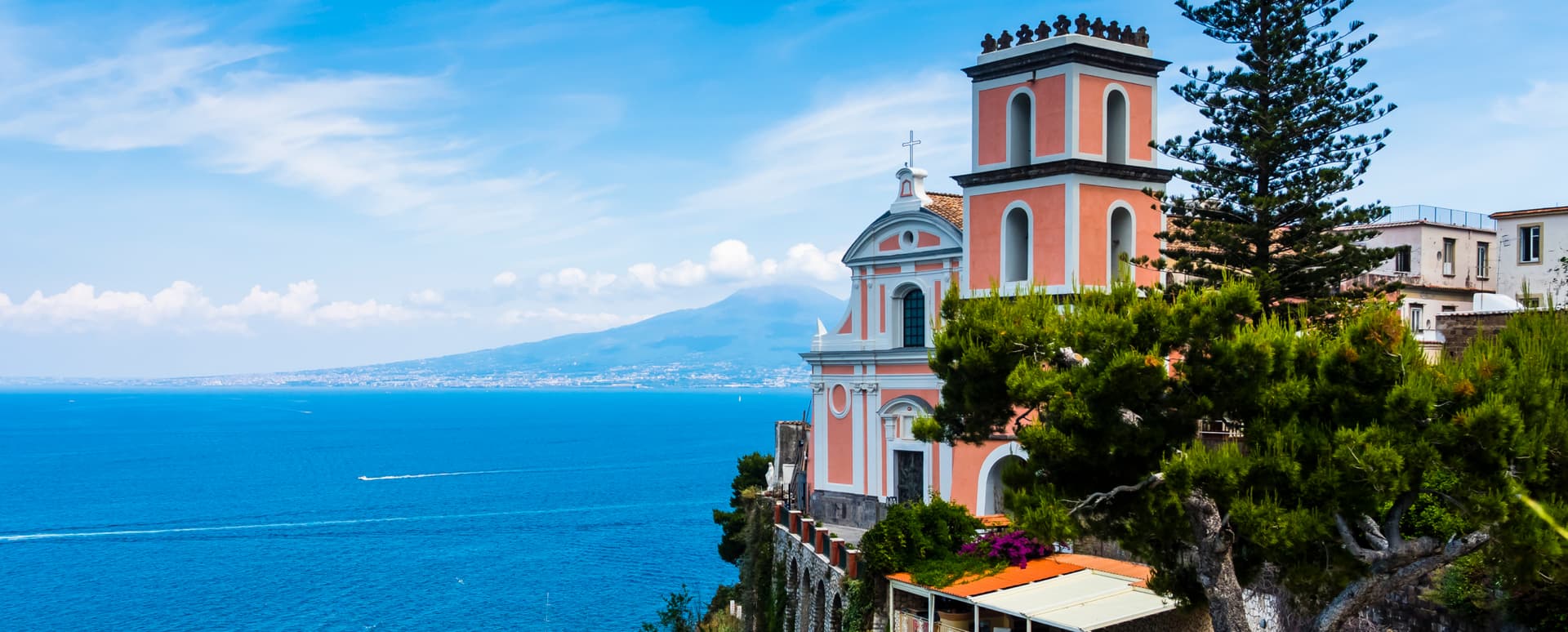
Vico Equense
Province: Napoli · 90 m
The northern gate of the Sorrento peninsula at 90 meters, the Roman Aequana, where Luigi Dell'Amura invented pizza al metro in 1930.
Emilia-Romagna4
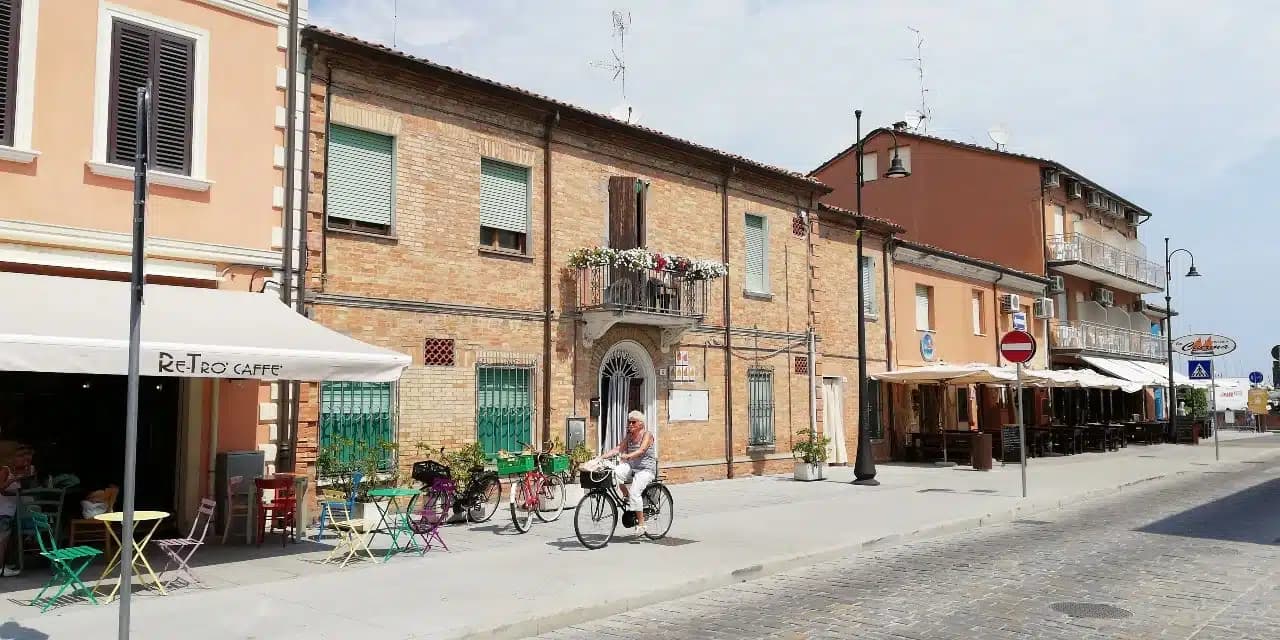
Cervia
Province: Ravenna · 2 m
The Adriatic salt town with 827 hectares of working saline, planned in 1697 around a grid of salt workers' houses.
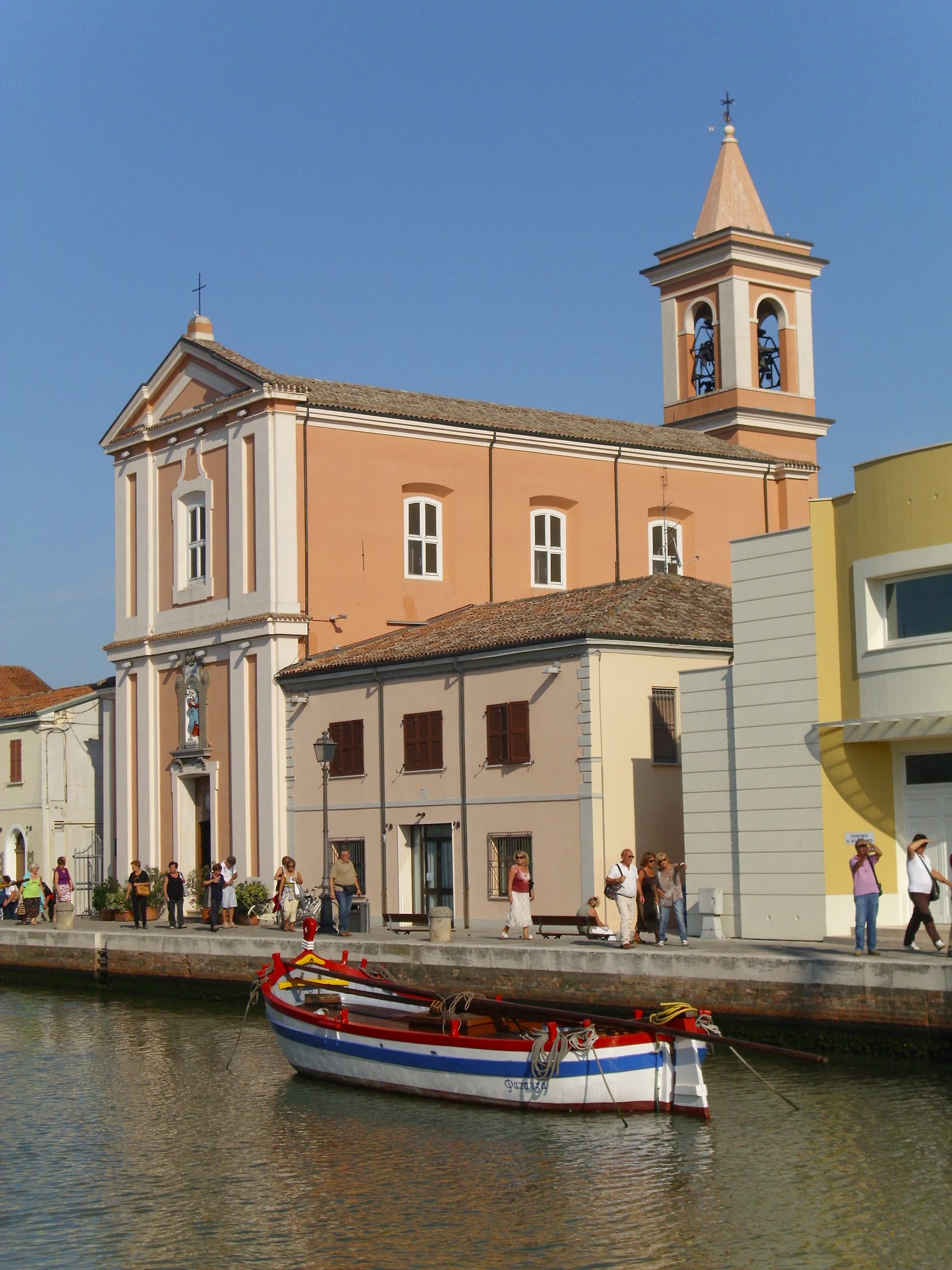
Cesenatico
Province: Forlì-Cesena · 3 m
An Adriatic fishing port whose canal was redrawn by Leonardo da Vinci in 1502, with ten historic sailboats moored as a floating museum.
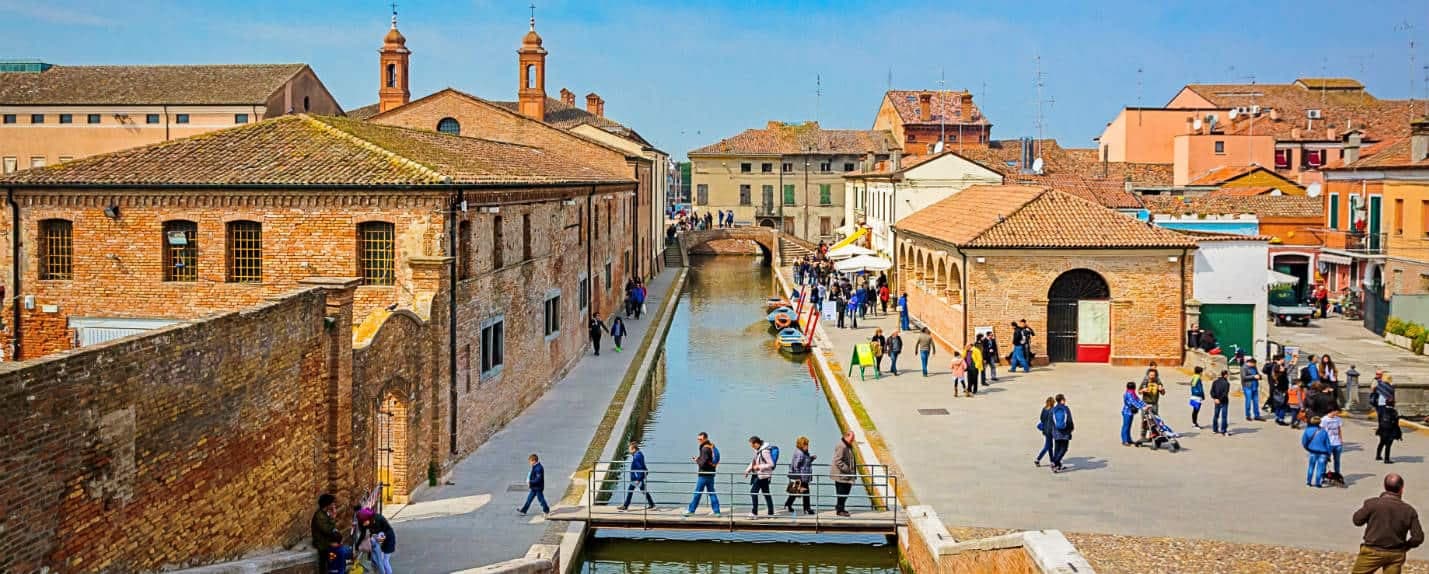
Comacchio
Province: Ferrara
A canal town on thirteen islets at the edge of the Po Delta, with brackish lagoons that hold three hundred bird species.
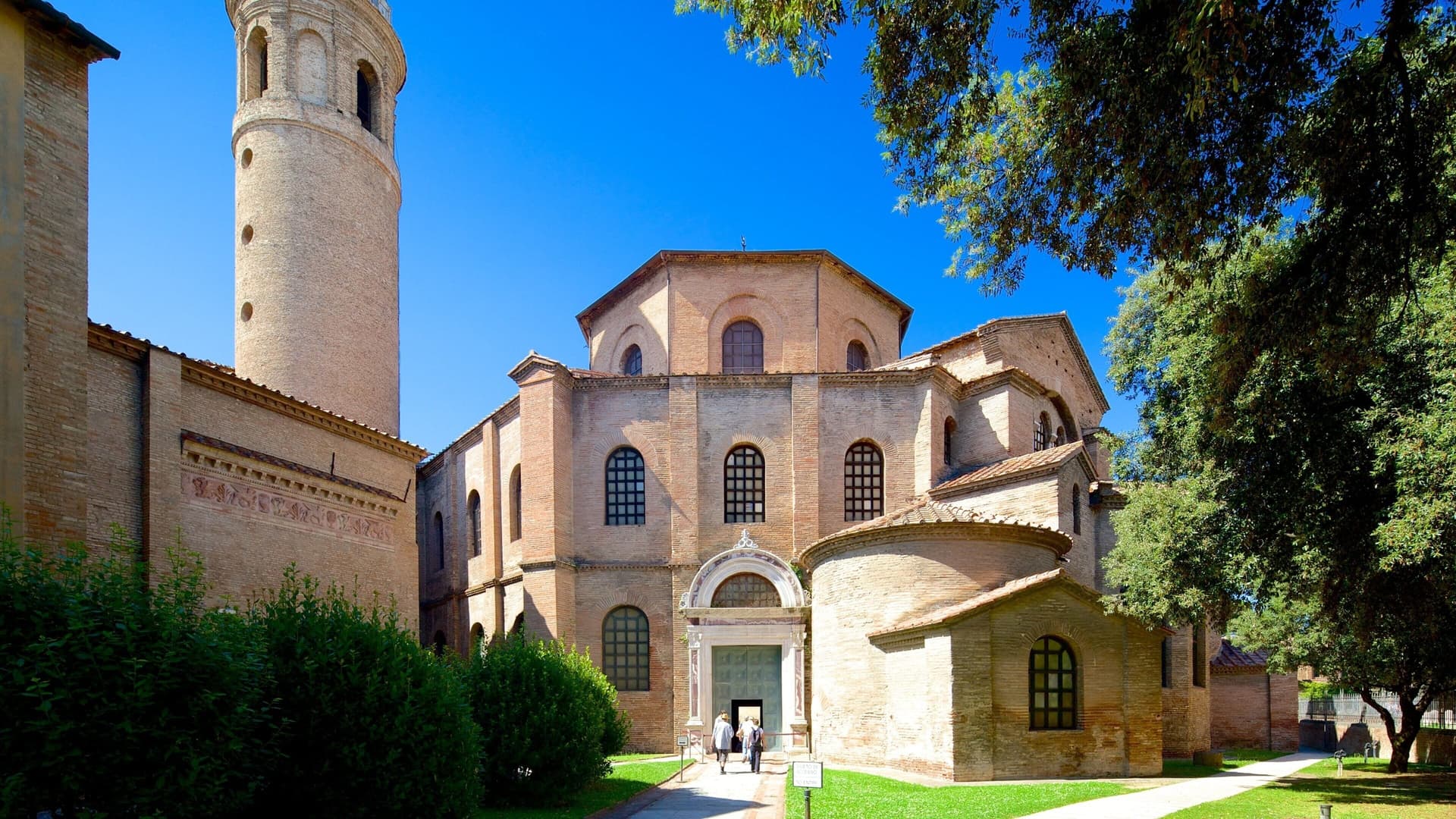
Ravenna
Province: Ravenna · 4 m
A 4-meter coastal capital of three successive empires, with eight UNESCO mosaic monuments from the fifth and sixth centuries.
Friuli-Venezia Giulia1
Lazio8
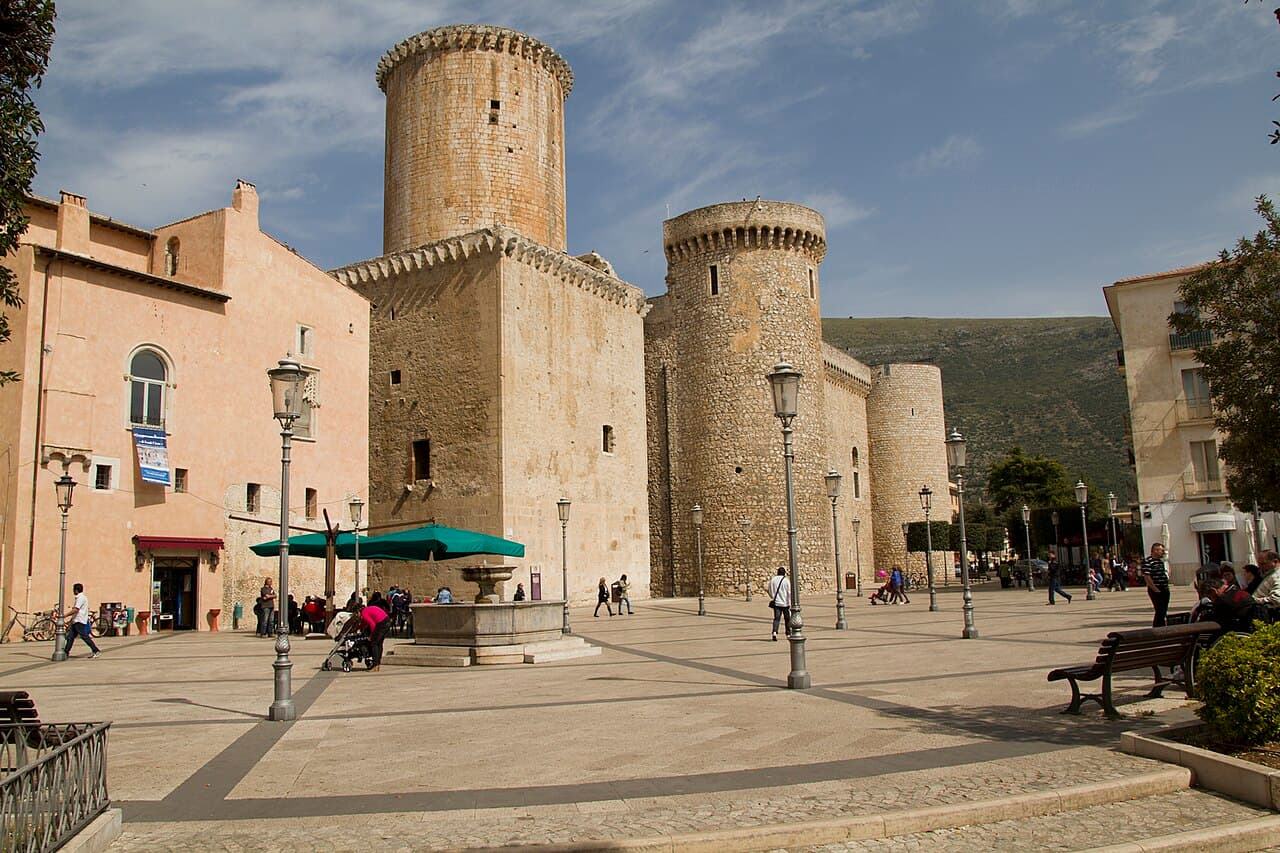
Fondi
Province: Latina · 9 m
The plain town between the Ausoni and Aurunci mountains where the Caetani built a castle in the middle of farmland instead of on a hill.
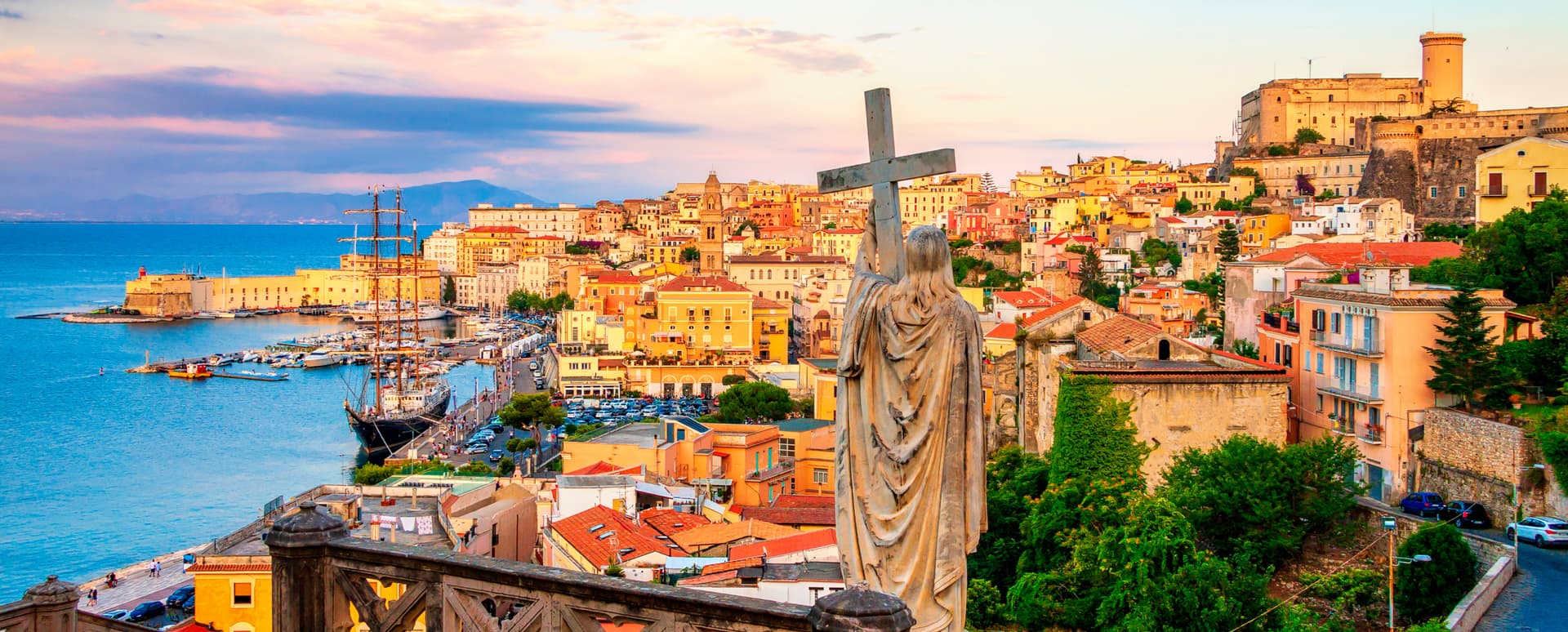
Gaeta
Province: Latina · 2 m
The promontory port where the Bourbon Kingdom of the Two Sicilies fell in February 1861 and the south of Italy stopped existing as a state.
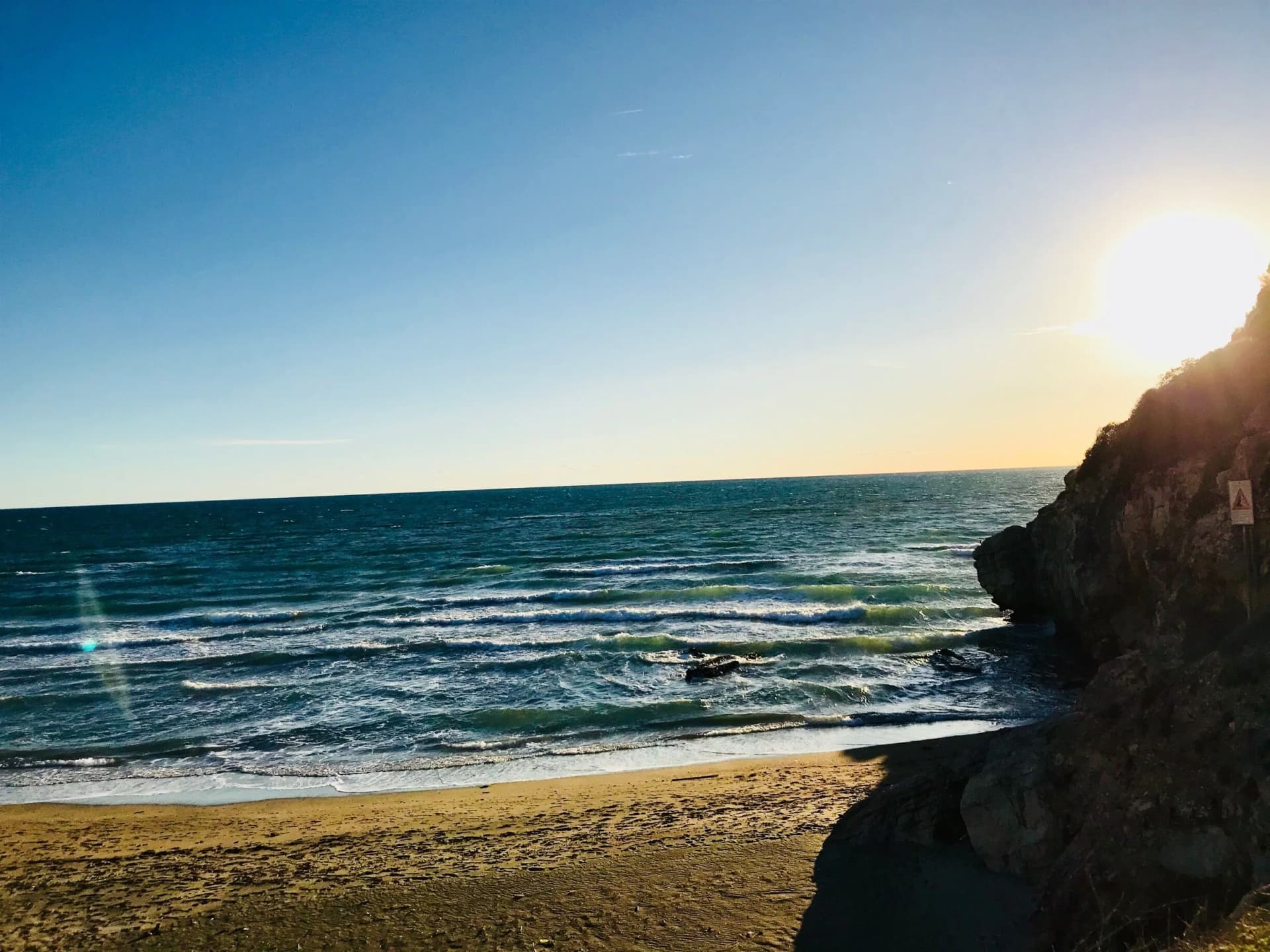
Minturno
Province: Latina · 140 m
A coastal comune at the mouth of the Garigliano, built on the Roman colony of Minturnae, five-time Bandiera Blu through Scauri and Marina.
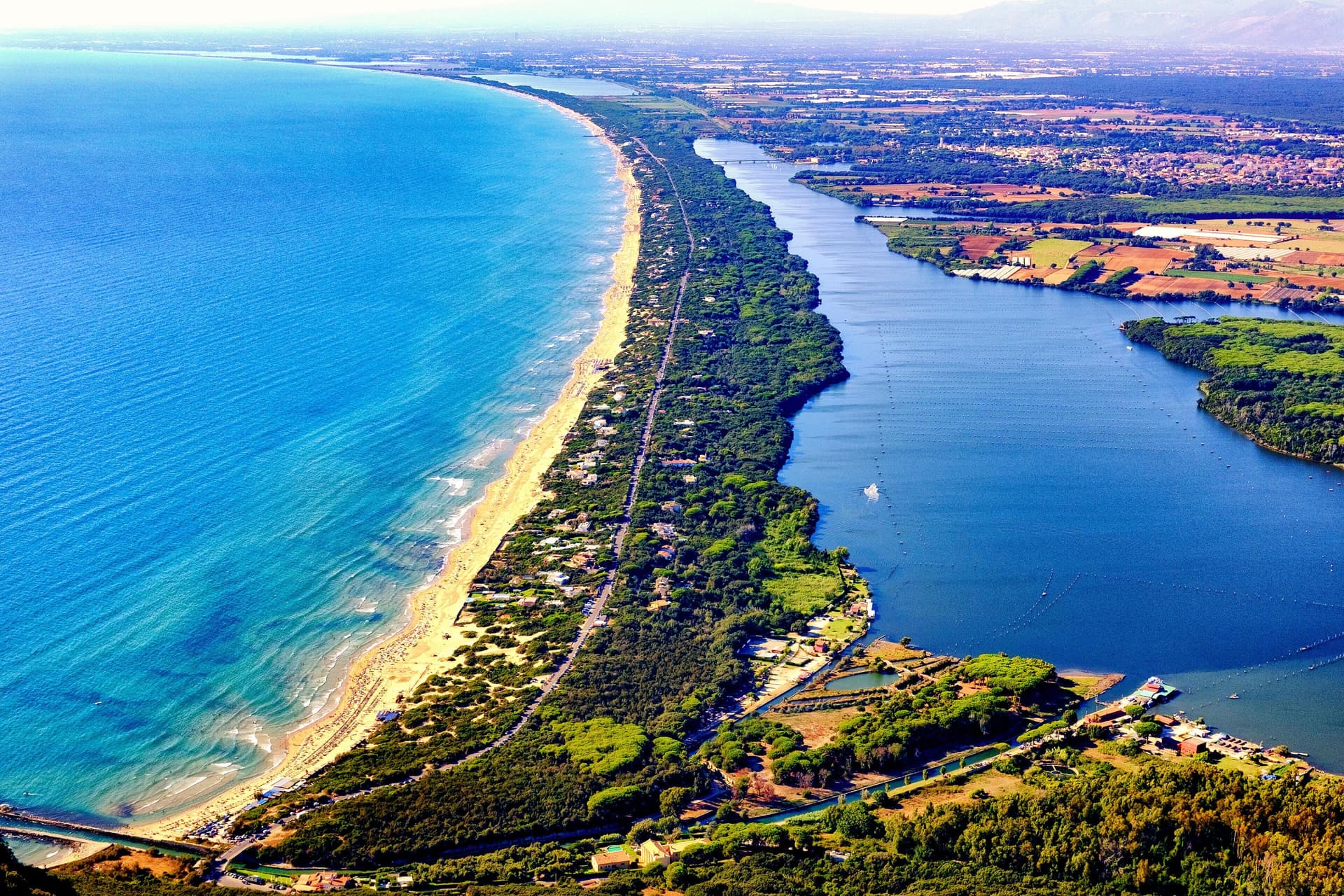
Sabaudia
Province: Latina · 17 m
A rationalist city built in 253 days on drained Pontine marshland, founded 15 April 1934 between Lago di Paola and the Tyrrhenian dunes.
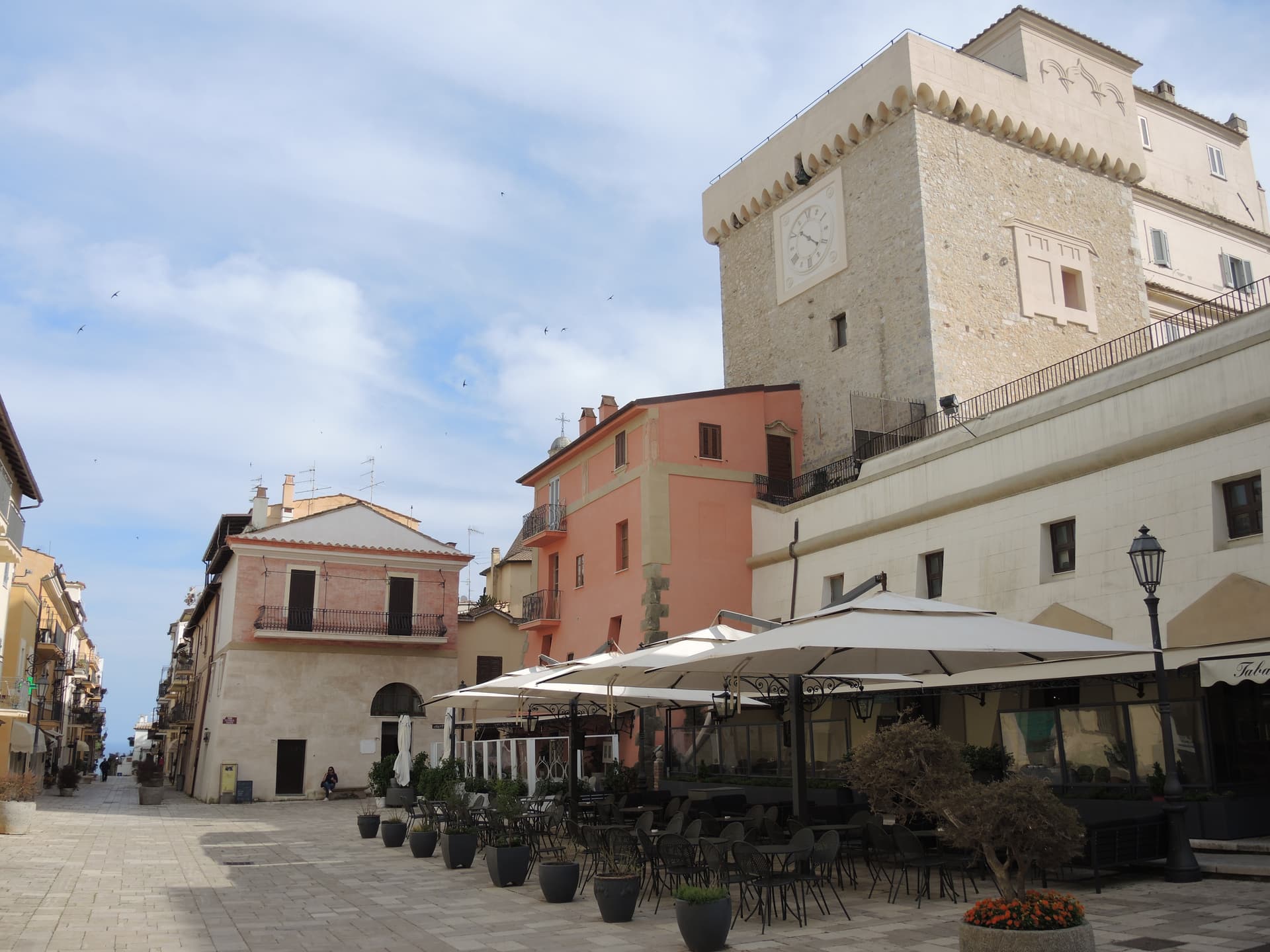
San Felice Circeo
Province: Latina · 100 m
A medieval borgo on the flank of Monte Circeo, the 540-meter promontory Homer made the home of Circe in the Odyssey.
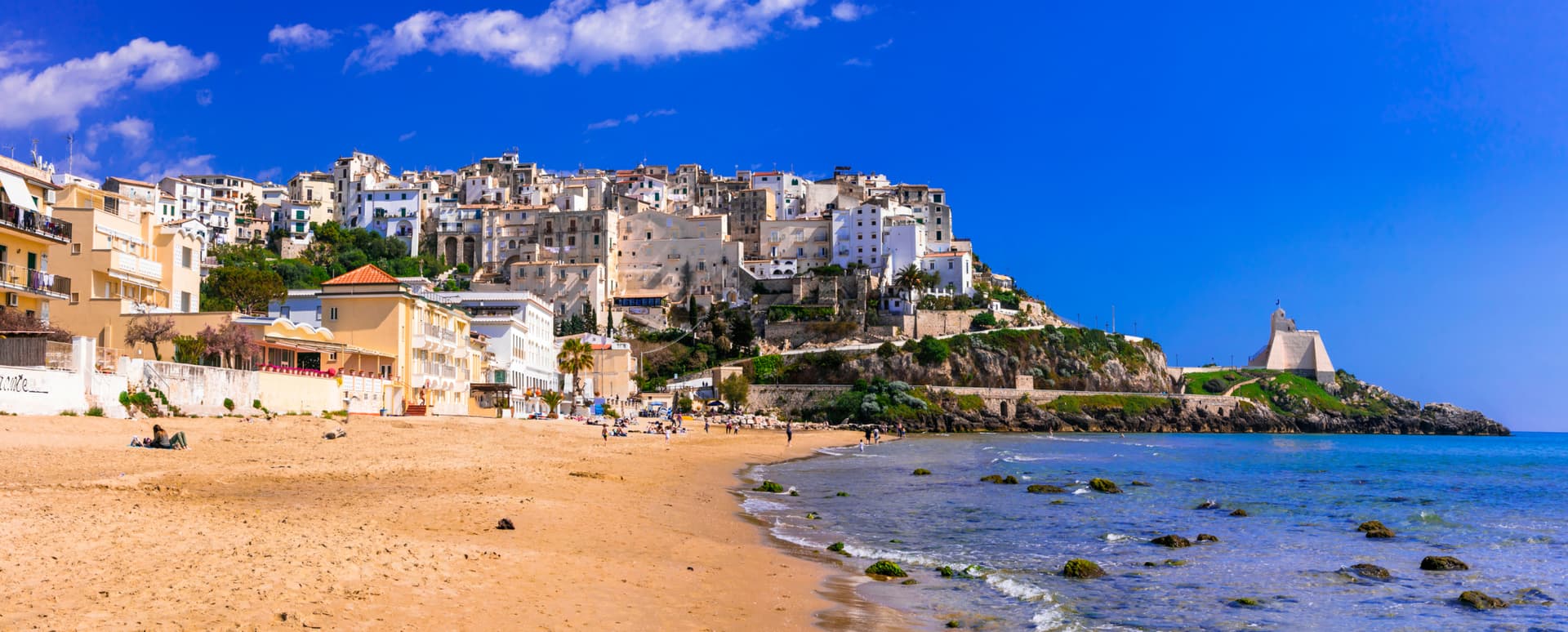
Sperlonga
Province: Latina · 55 m
A whitewashed cliff town on Monte San Magno halfway between Rome and Naples, built above the sea grotto where Tiberius staged the Odyssey in marble.
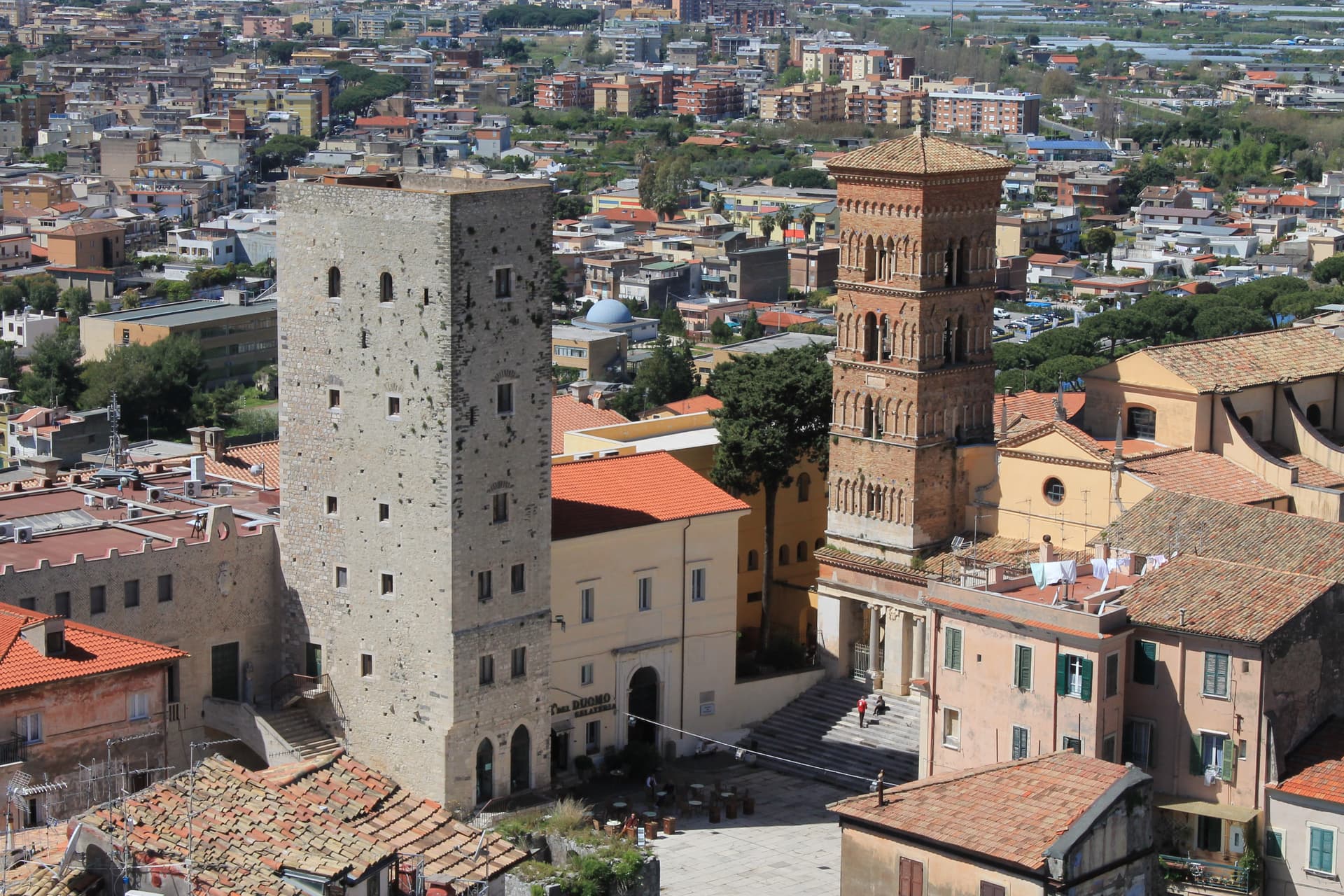
Terracina
Province: Latina · 24 m
The Volscian Anxur on the Via Appia, where Jupiter's temple sits 227 meters above a port Trajan cleared through stone.
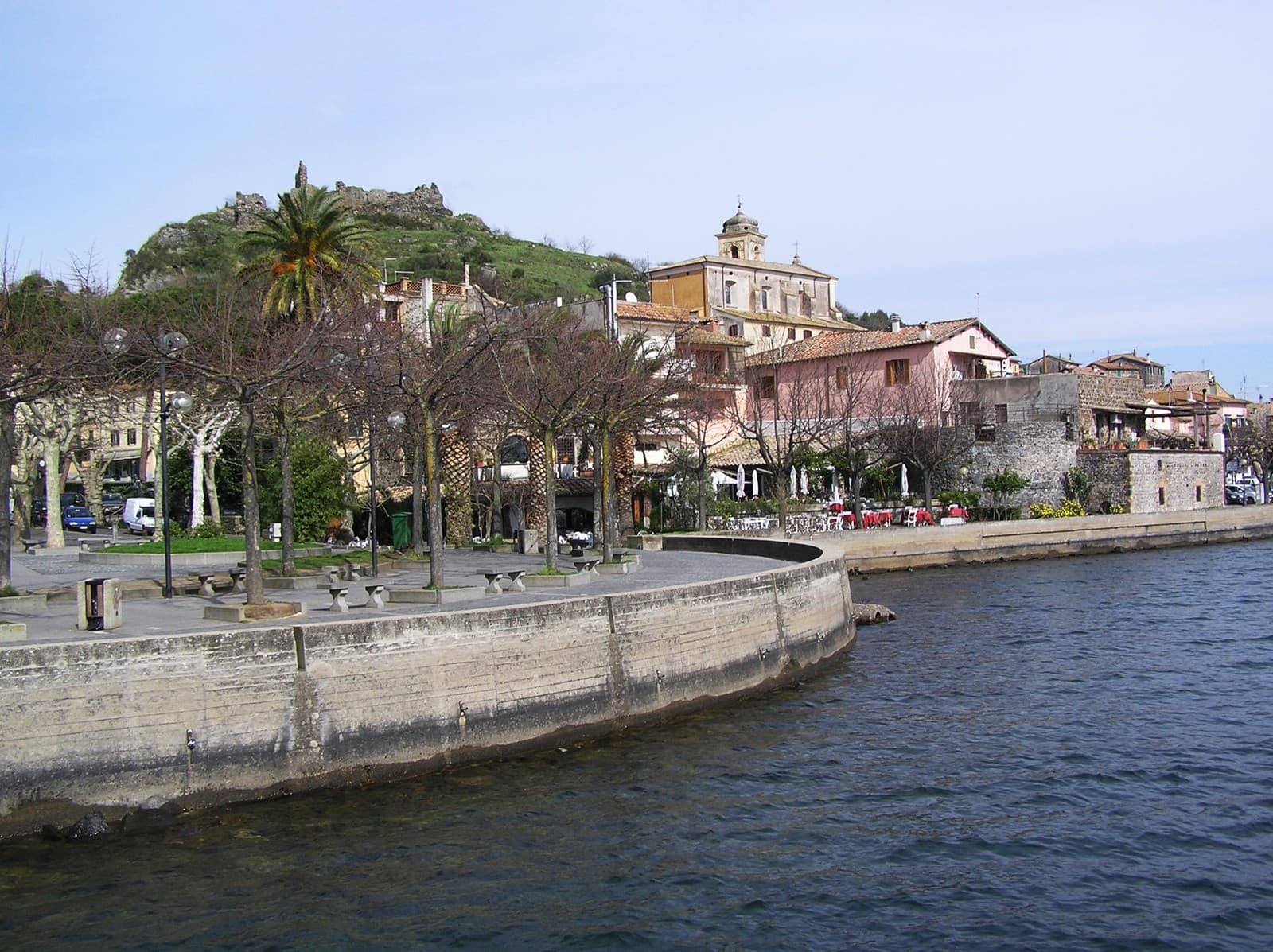
Trevignano Romano
Province: Roma · 173 m
A volcanic-crater lake town on the northern shore of Bracciano, thirty-five kilometers from Rome, with a medieval rocca above the water.
Liguria21
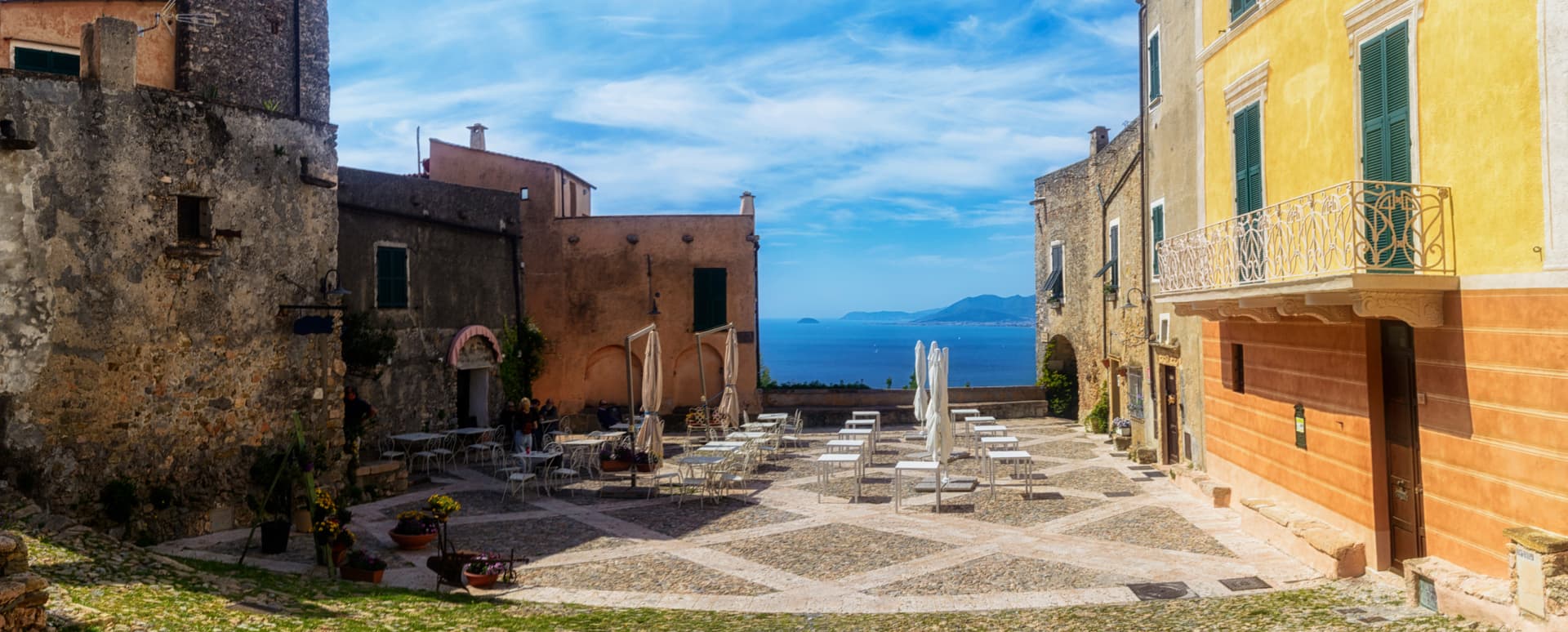
Borgio Verezzi
Province: Savona · 30 m
Two villages joined under one comune in 1933: Borgio on the Bandiera Blu beach and Verezzi at 200 meters on the pink-stone hill above.
- ✷ We've been
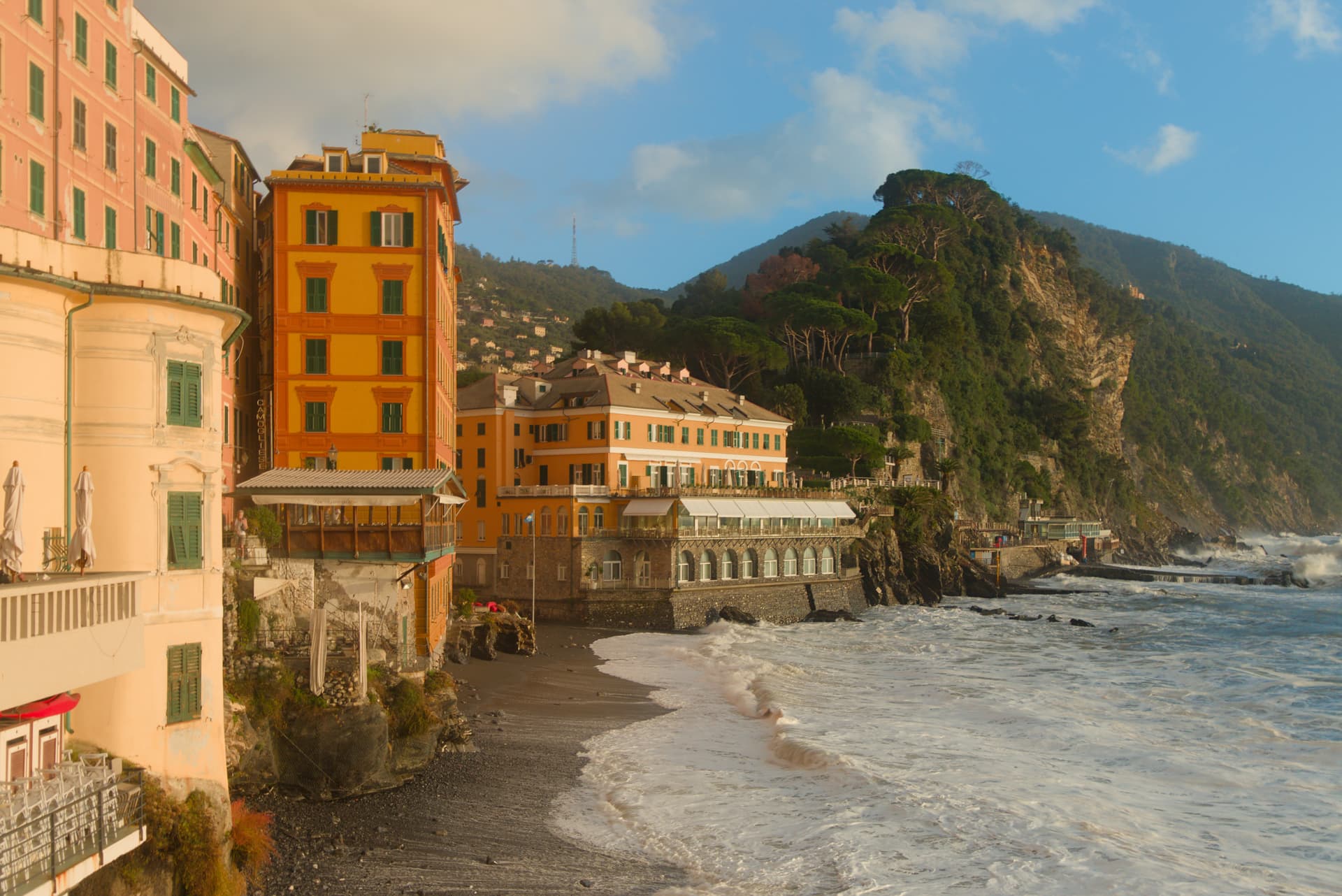
Camogli
Province: Genova · 32 m
A fishing village on the Golfo Paradiso whose nineteenth-century fleet of a thousand white sails made it Italy's third maritime power in the Mediterranean.
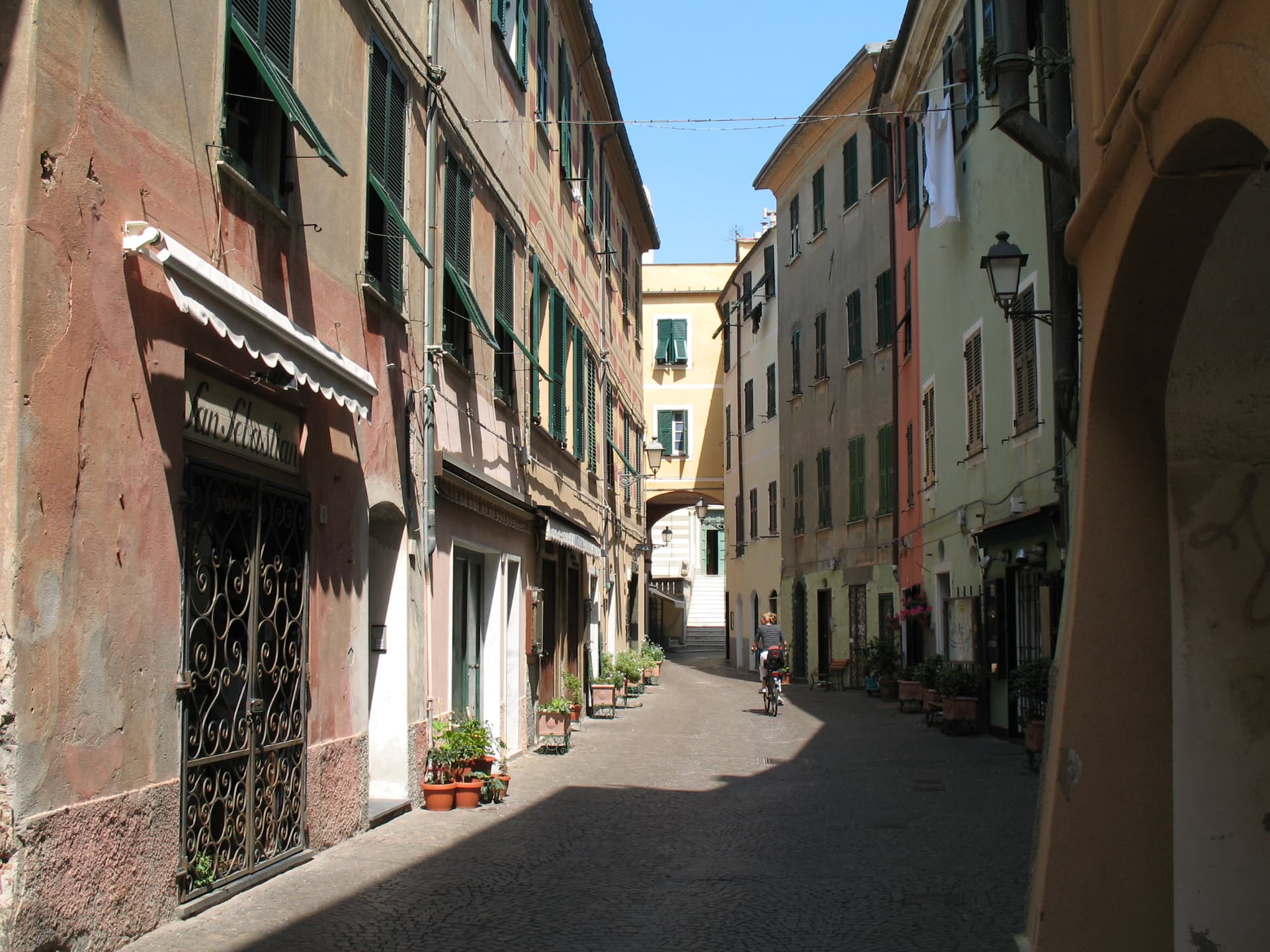
Celle Ligure
Province: Savona · 5 m
A Riviera di Ponente beach town with kilns firing since the 1600s and a Lucio Fontana ceramic on the parish church façade.
- ✷ We've been
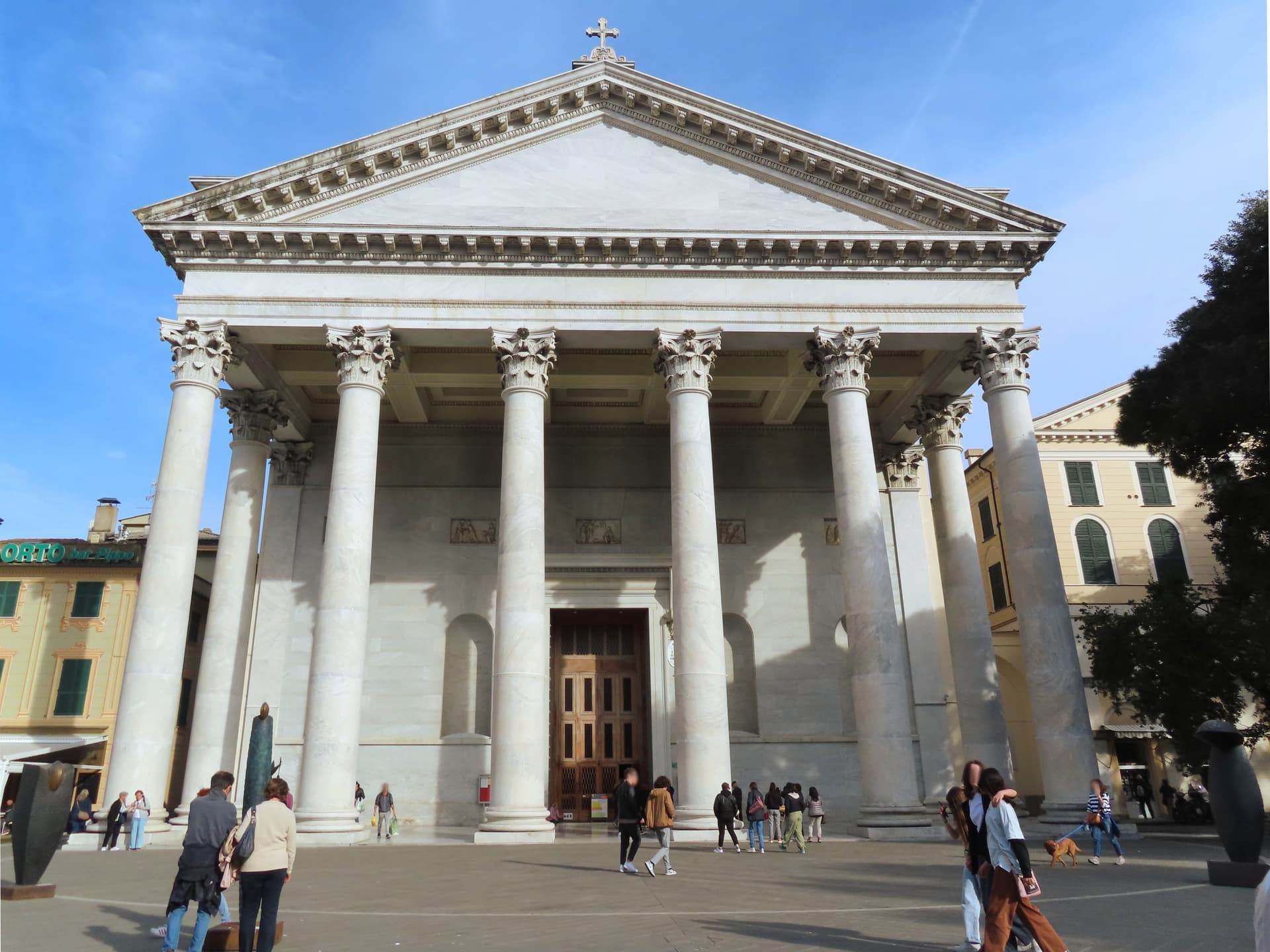
Chiavari
Province: Genova · 3 m
The Tigullio capital between Portofino and the Cinque Terre, a 27,000-person Genoese trading town built around a thirteenth-century grid of porticoed streets.
Diano
Province: Imperia · 70 m
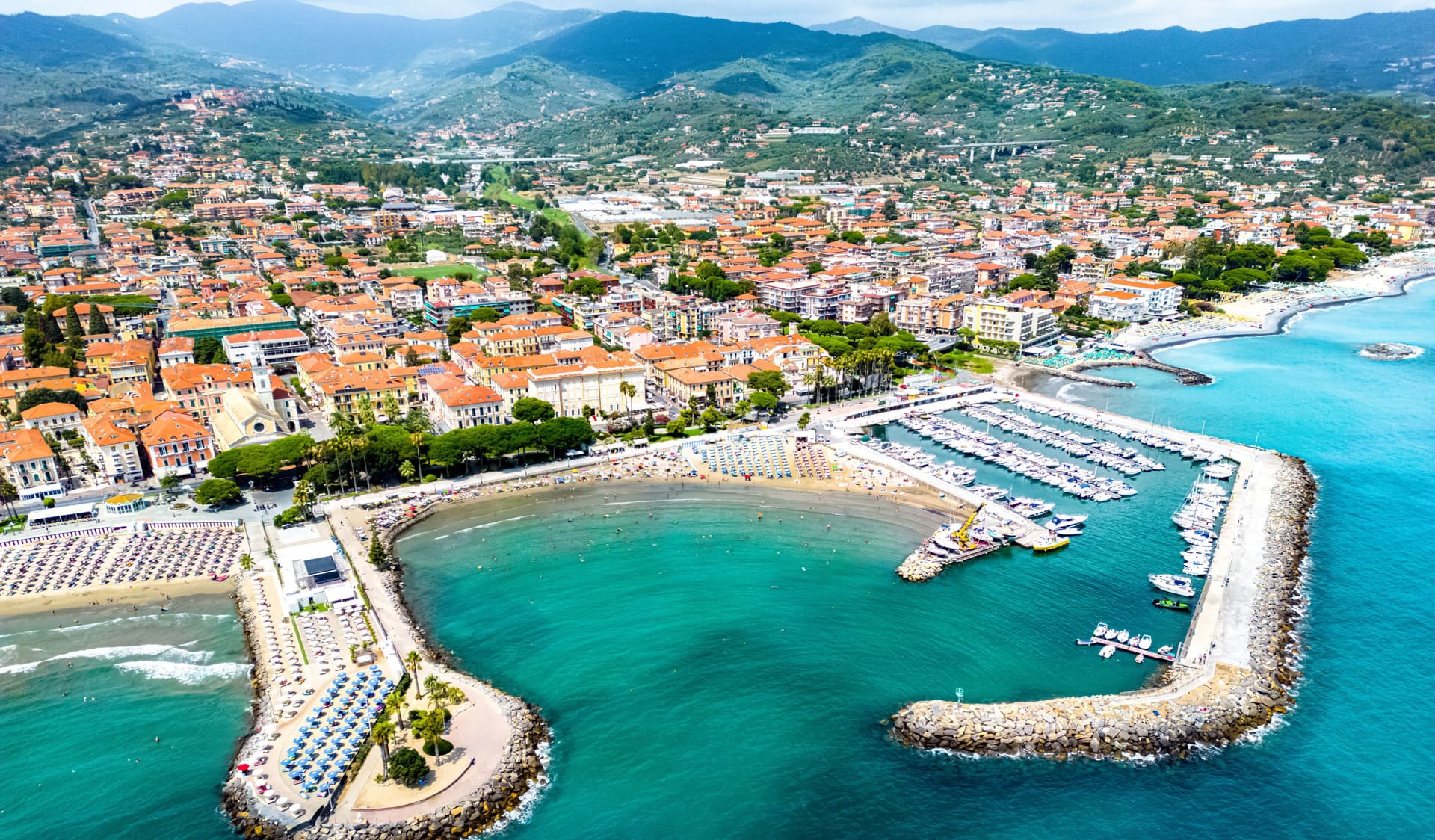
A twin destination on the Riviera dei Fiori — the medieval hilltop borgo of Diano Castello above and the palm-fronted beach resort of Diano Marina below — sharing one Bay of Diano, one Taggiasca olive valley, and the longest Bandiera Blu beach in western Liguria.
Finale Ligure
Province: Savona · 12 m
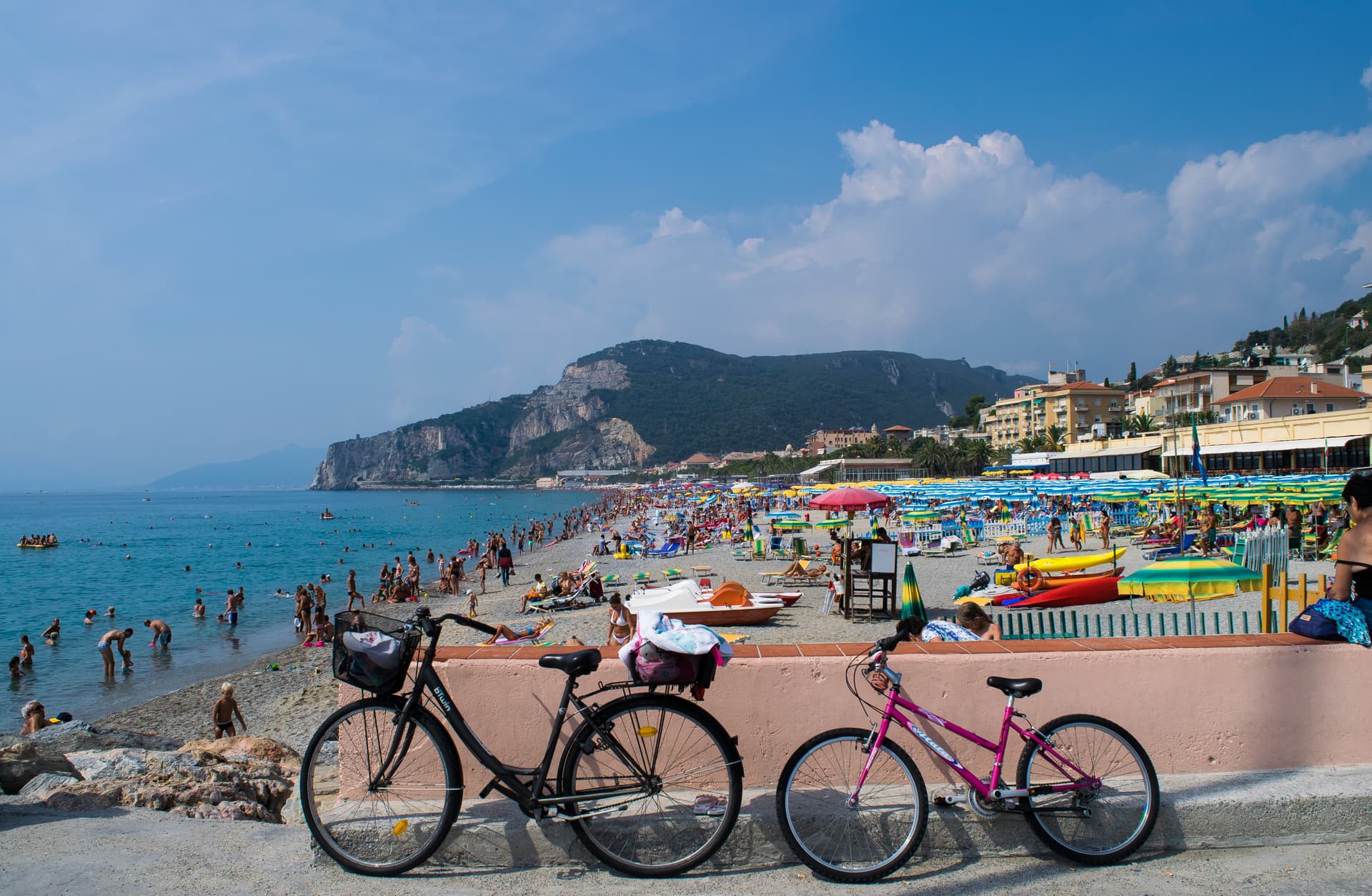
Three boroughs on the Gulf of Genoa, with walled Finalborgo as the Del Carretto seat and a Bandiera Blu beachfront below.
Framura
Province: La Spezia · 76 m
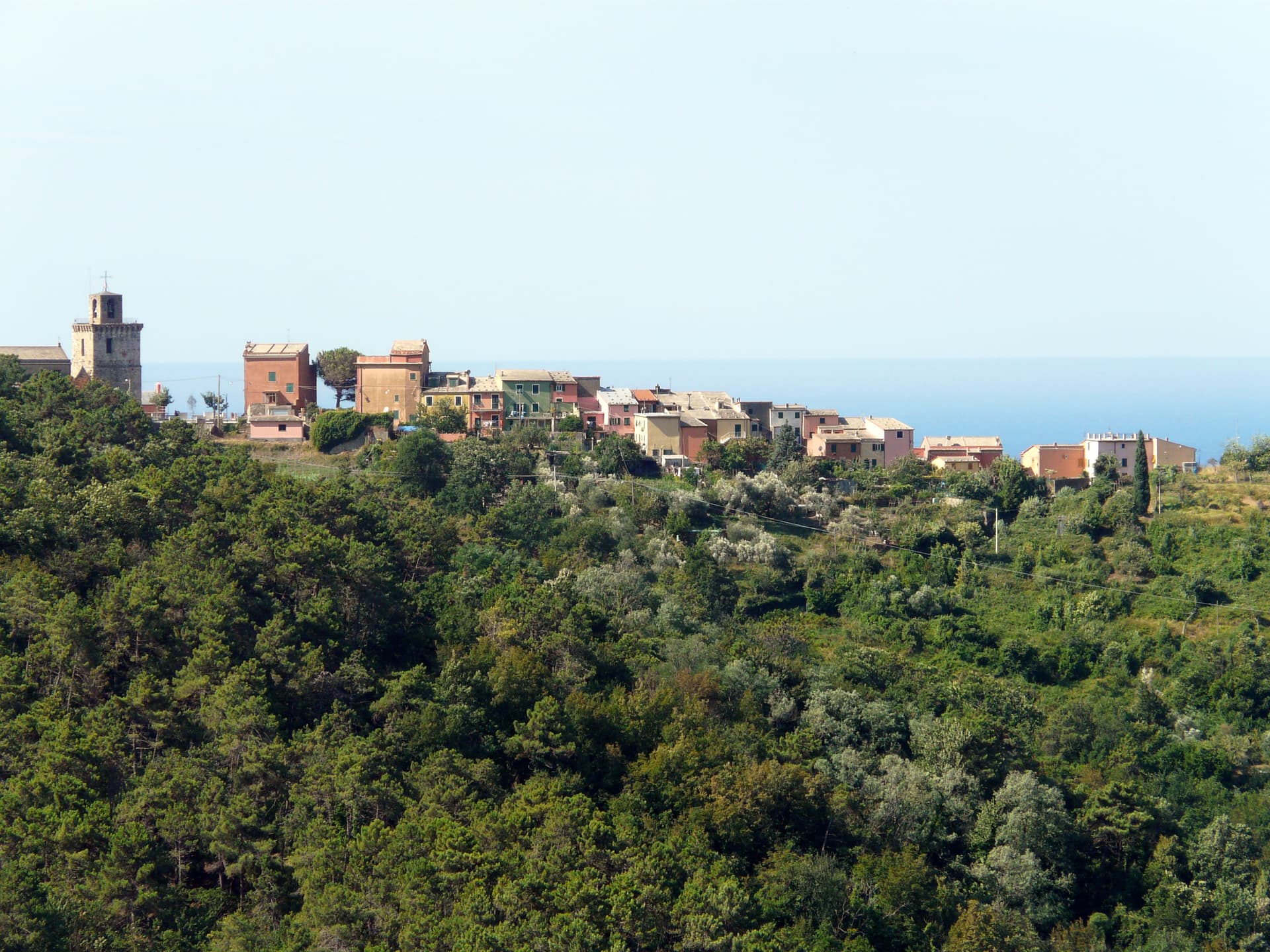
Five hamlets between sea level and 300 meters on the Riviera di Levante, with Byzantine watchtowers built against Saracen incursions.
Laigueglia
Province: Savona · 6 m
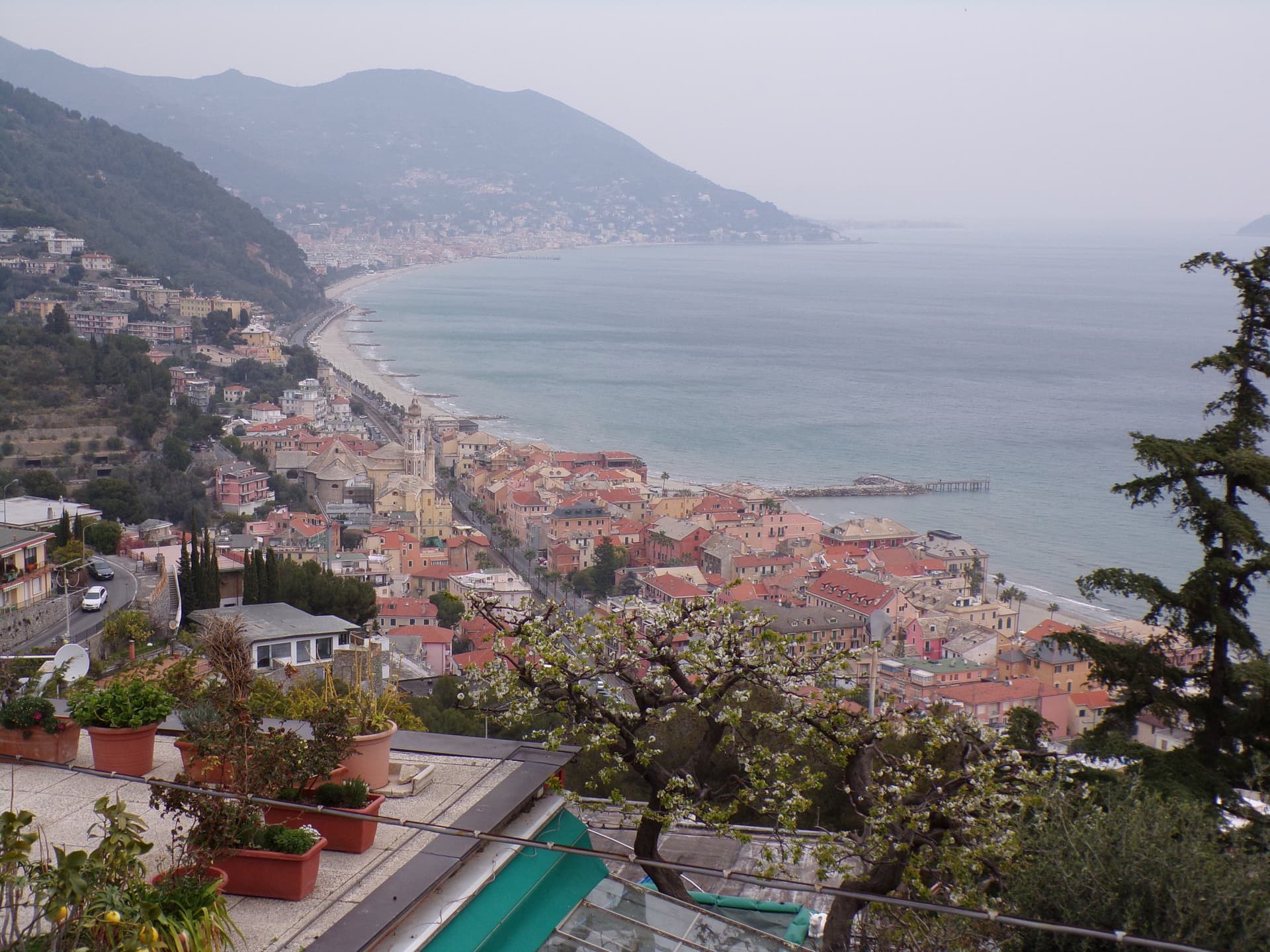
A former coral-fishing village on the Riviera di Ponente, with a curved Baroque parish church and a fishermen's grid of caruggi behind the beach.
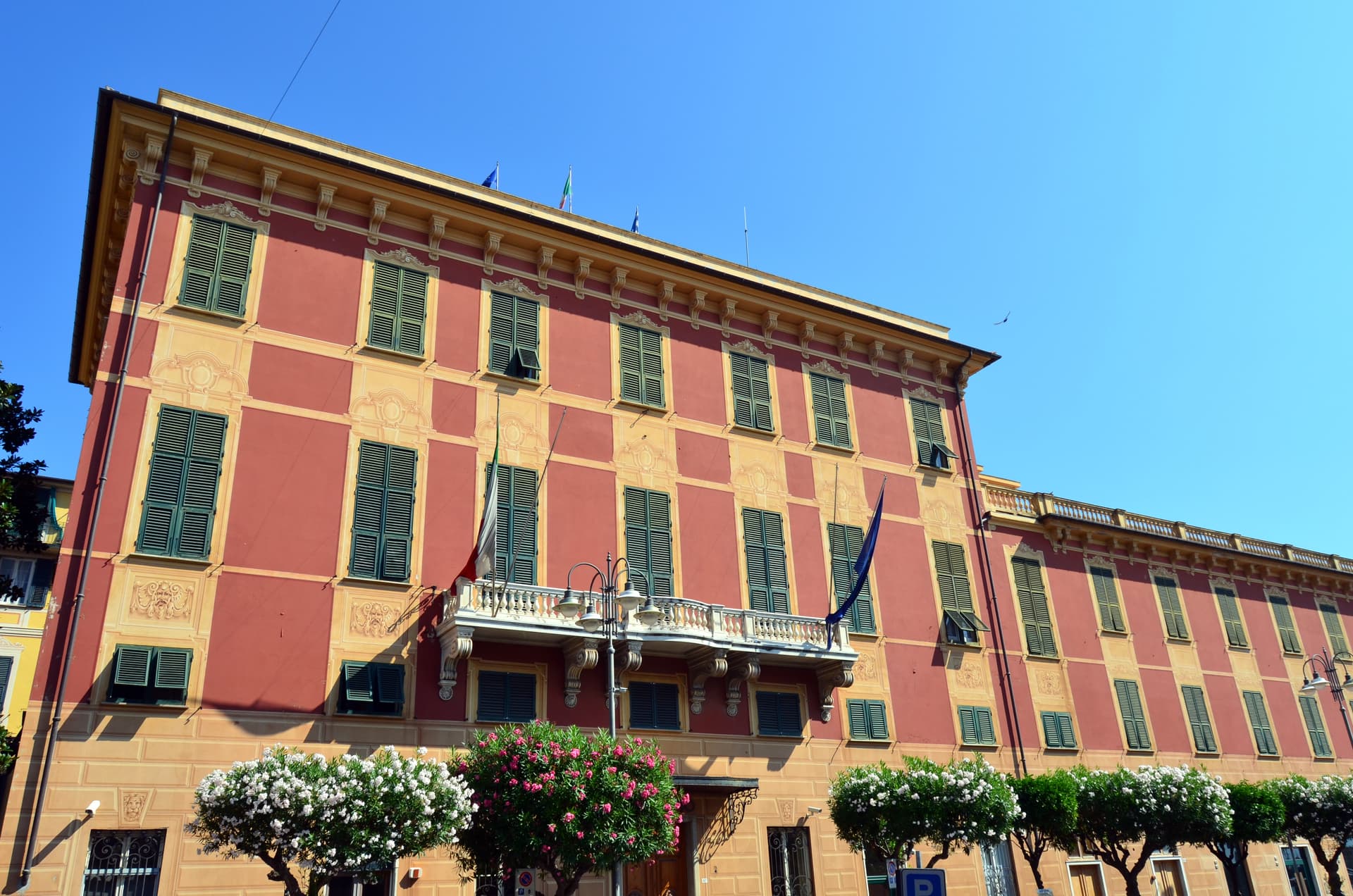
Lavagna
Province: Genova · 6 m
The Tigullio town that gave its name to slate and to Pope Innocent IV, host each 14 August of the Torta dei Fieschi pageant.
- ✷ We've been
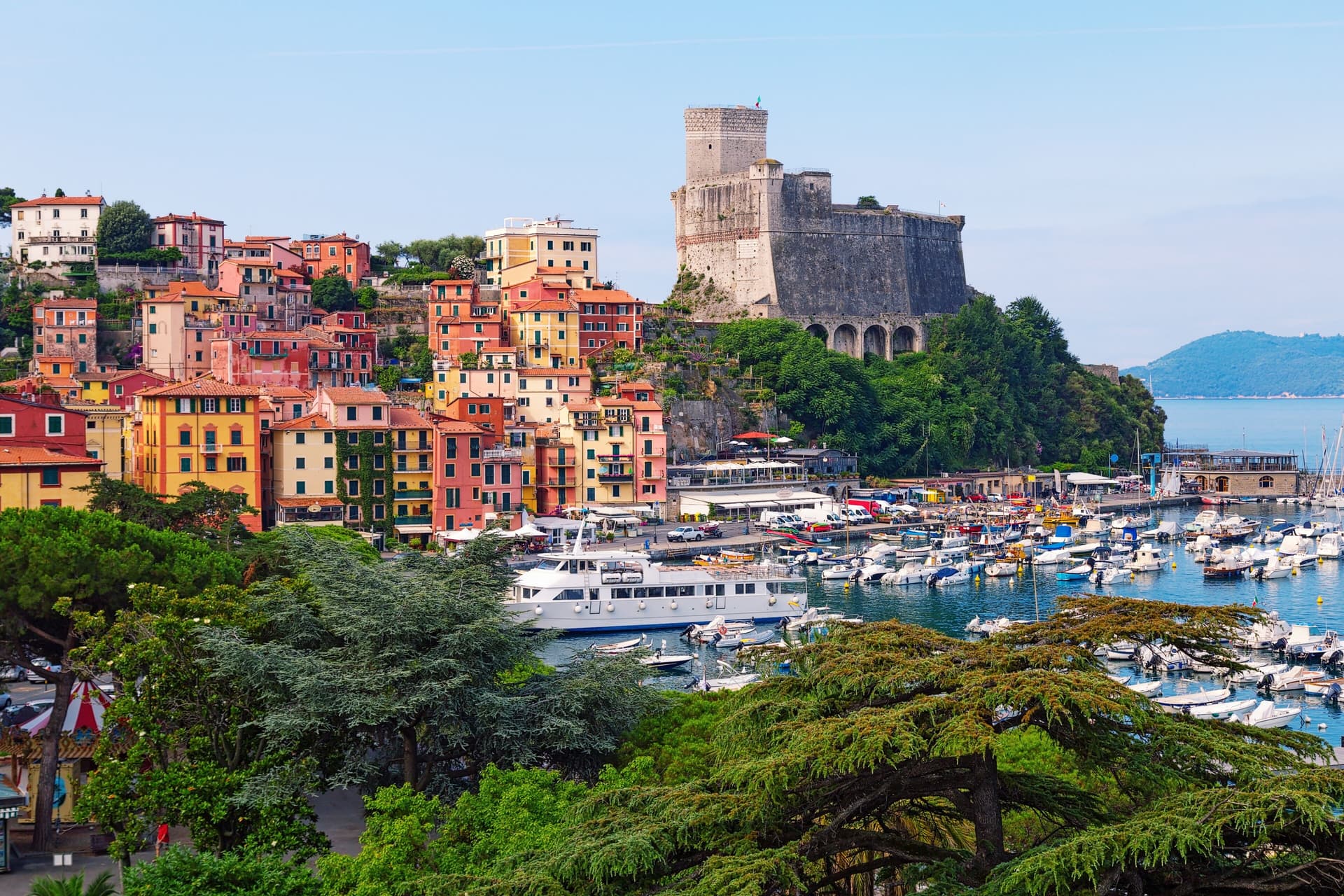
Lerici
Province: La Spezia · 10 m
The northern anchor of the Bay of Poets, a fishing harbour under a Pisan-Genoese castle where Byron and Shelley wrote and where the frazione of Tellaro hangs over the rocks at the bay's southern edge.
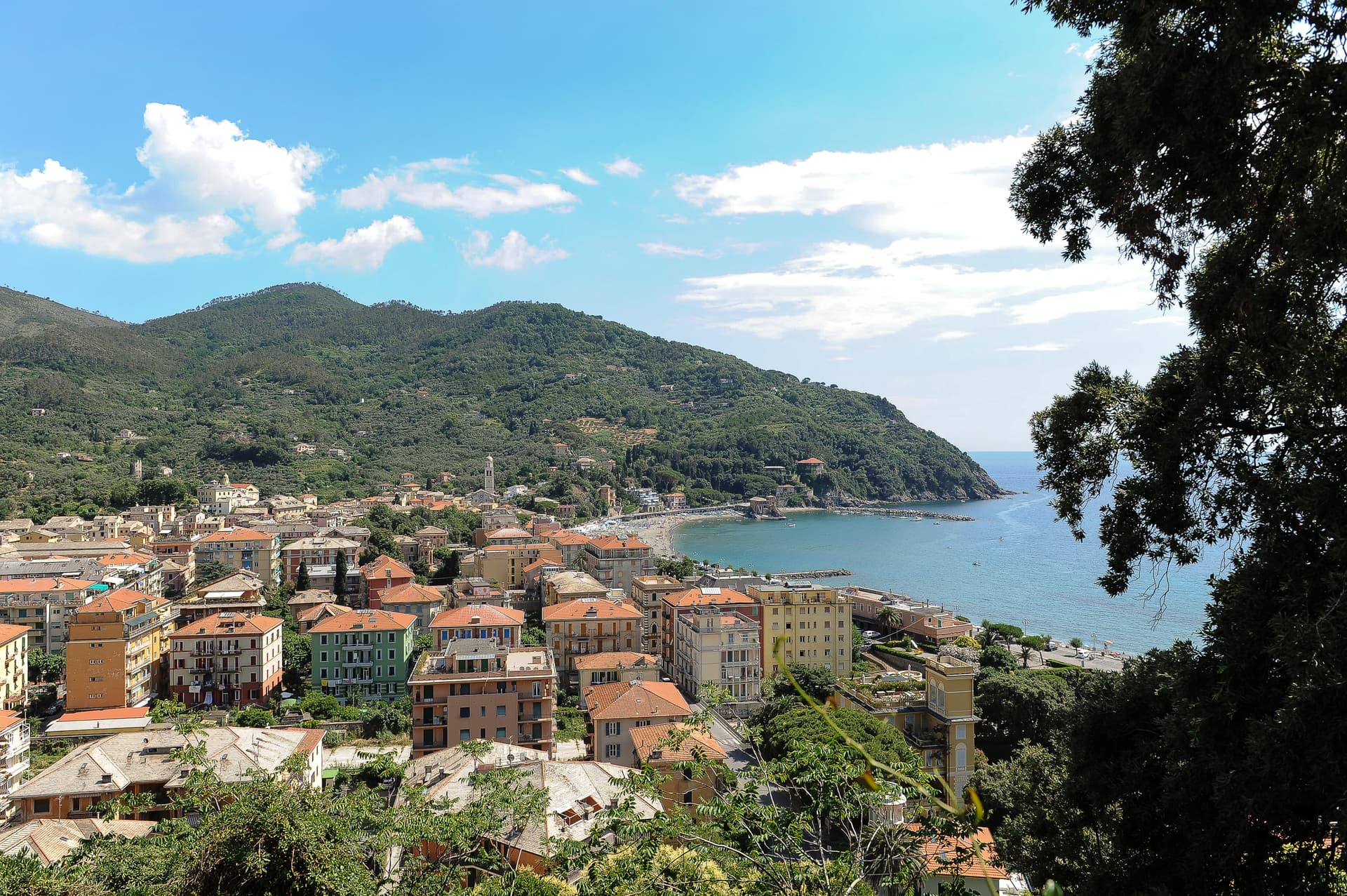
Levanto
Province: La Spezia · 5 m
The sixth Cinque Terre, a beach town and Cittaslow at the gateway of the national park, with a surf break and a striped Gothic church.
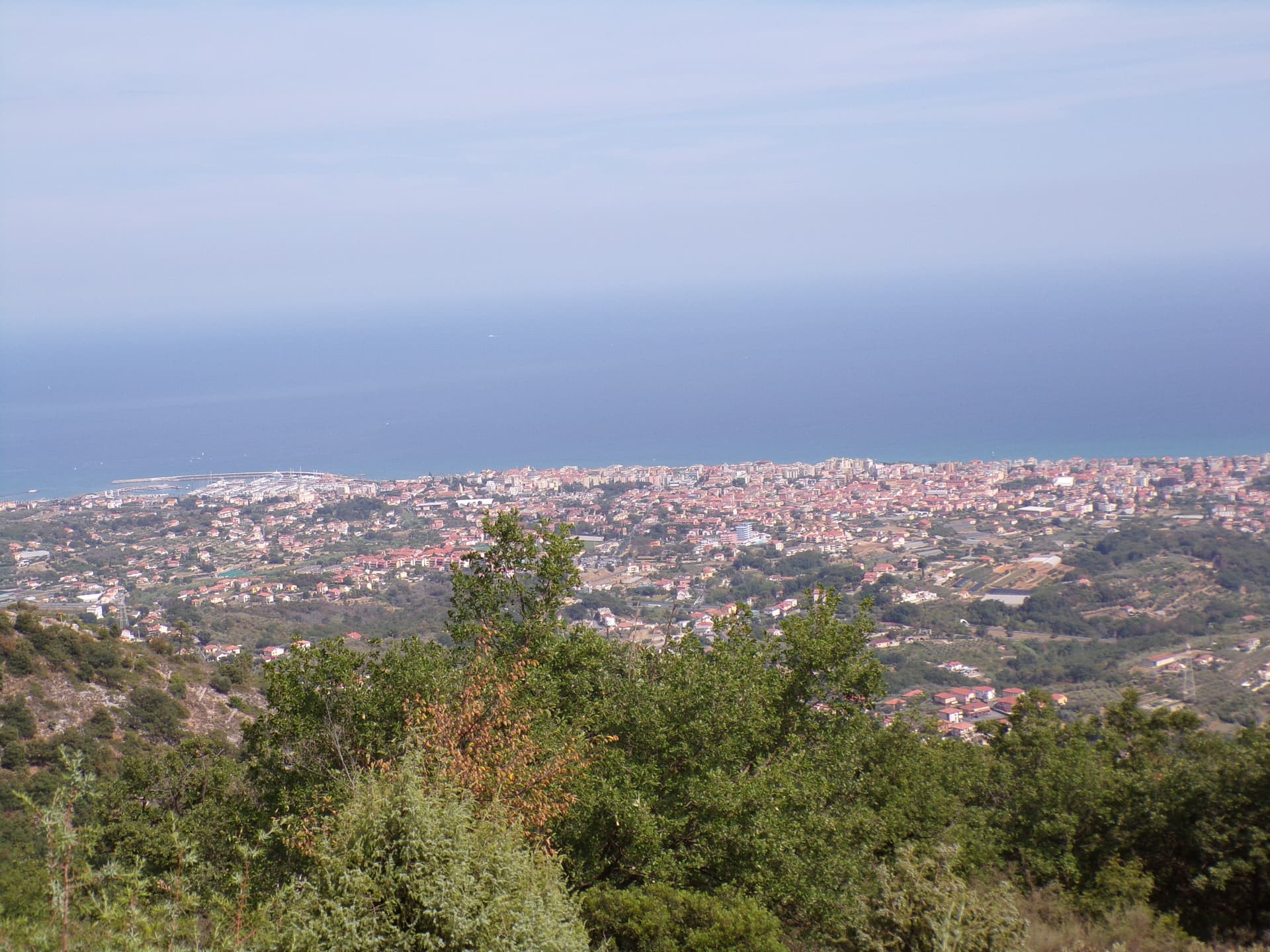
Loano
Province: Savona · 13 m
A Doria fief on the Savona coast with a Renaissance palace, a Roman imperial mosaic, and a top-ten world marina.
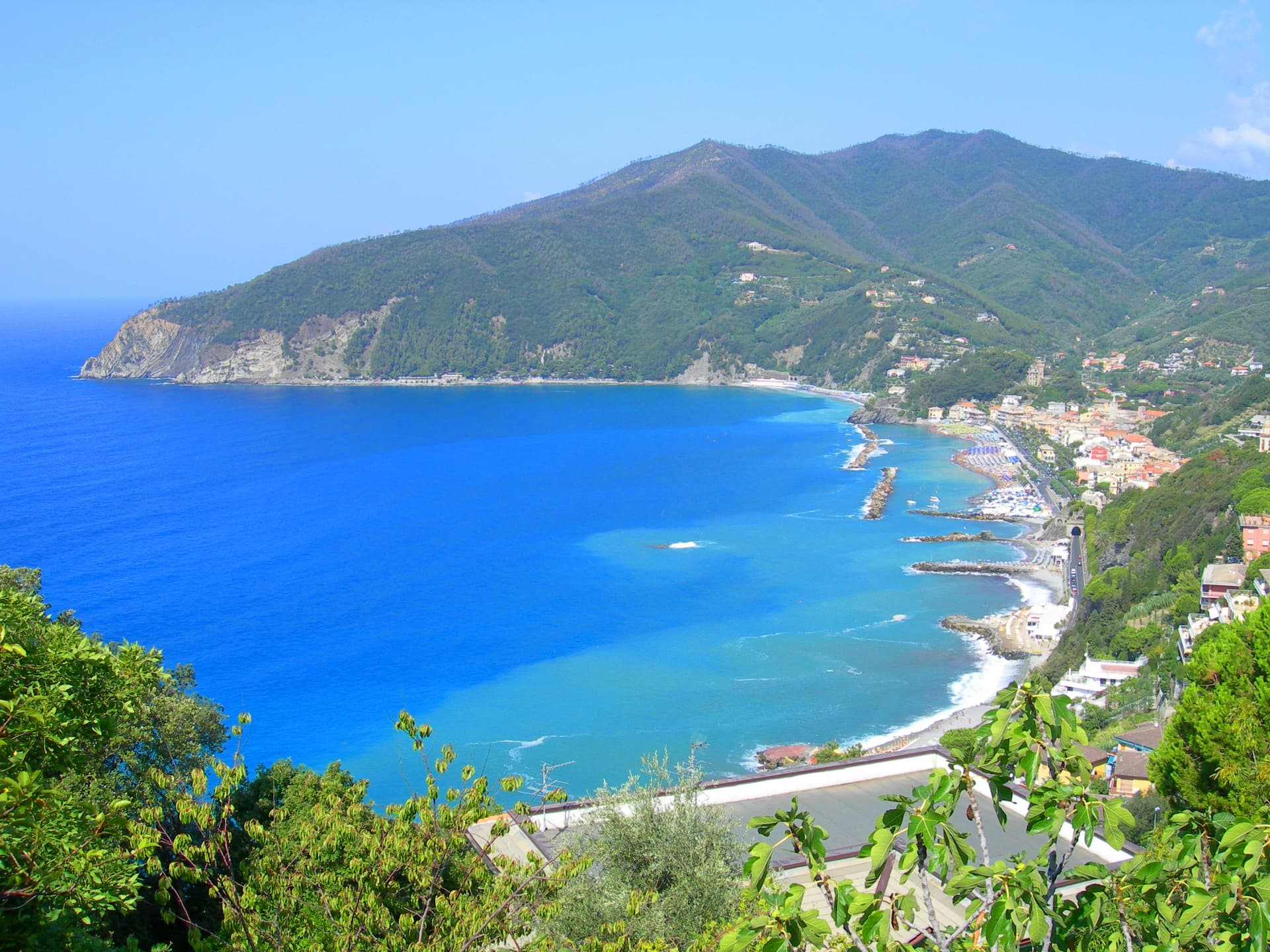
Moneglia
Province: Genova · 4 m
A bay on the Riviera di Levante between Punta Moneglia and Punta Rospo, birthplace of the Genoese painter Luca Cambiaso in 1527.
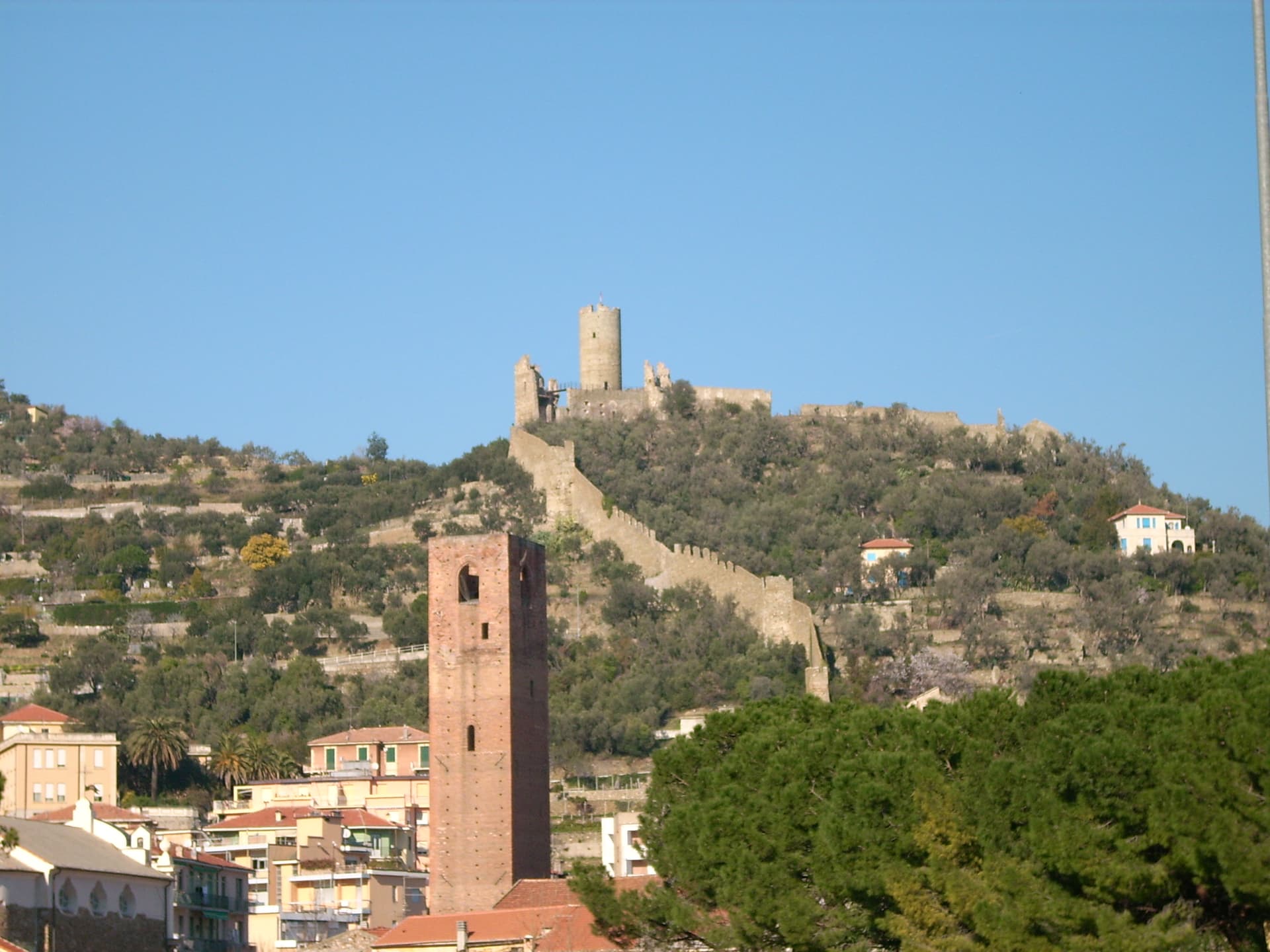
Noli
Province: Savona · 4 m
The fifth Italian maritime republic from 1192 to 1797, a walled coastal town with the Romanesque basilica of San Paragorio outside its gates.
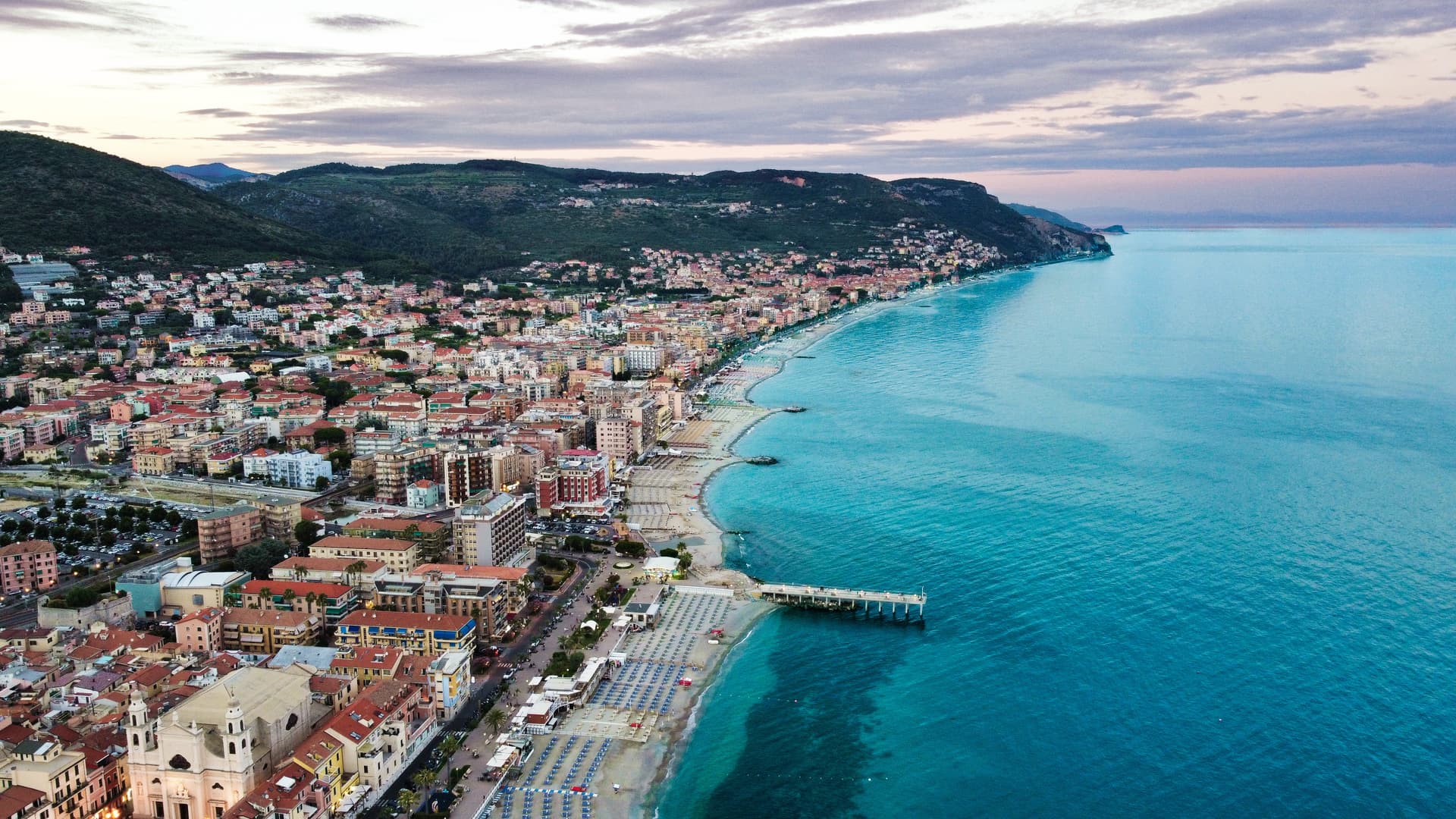
Pietra Ligure
Province: Savona · 4 m
A Riviera di Ponente town named after the seventh-century castle on its rock, with one of the largest flower carpets in Europe every three years.
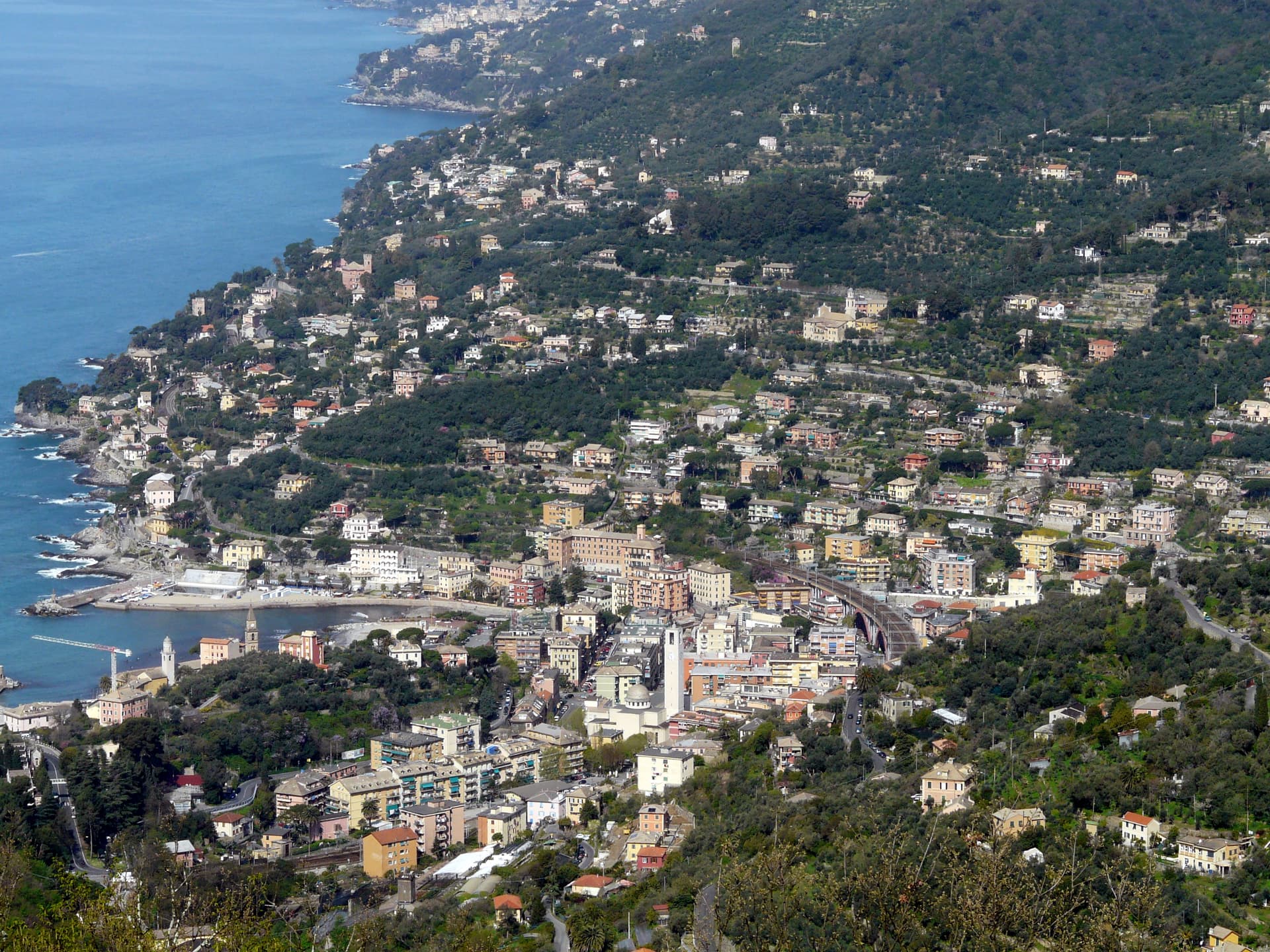
Recco
Province: Genova · 5 m
A coastal town on the Golfo Paradiso, rebuilt from 90 percent destruction in 1943 and known for IGP cheese focaccia and Pro Recco water polo.
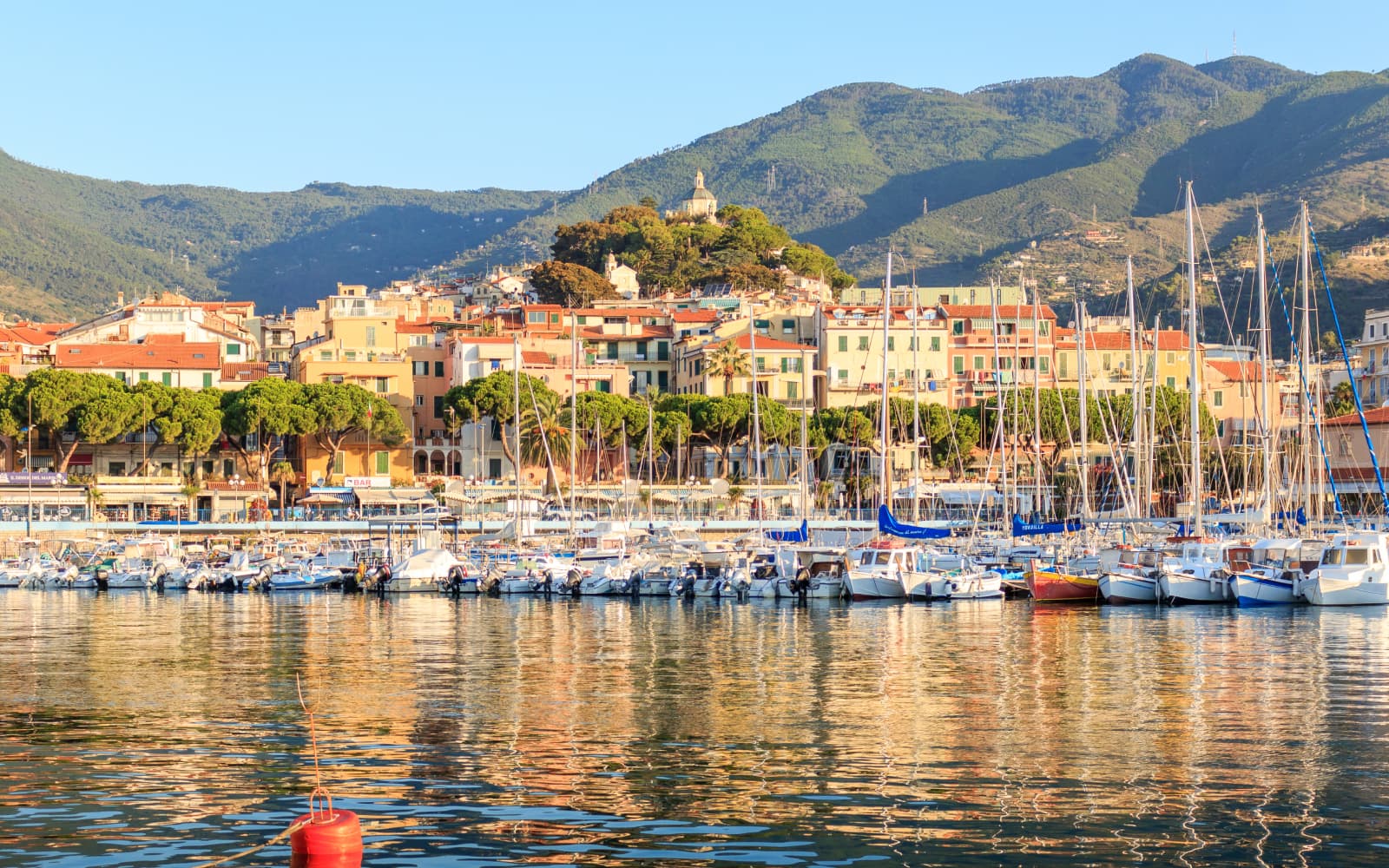
Sanremo
Province: Imperia · 10 m
The capital of the Italian Riviera dei Fiori — Belle Époque casino and palm-lined Lungomare on the seafront, the medieval labyrinth of La Pigna climbing the hill behind, and a year-round mild climate that built the original Northern European winter trade.
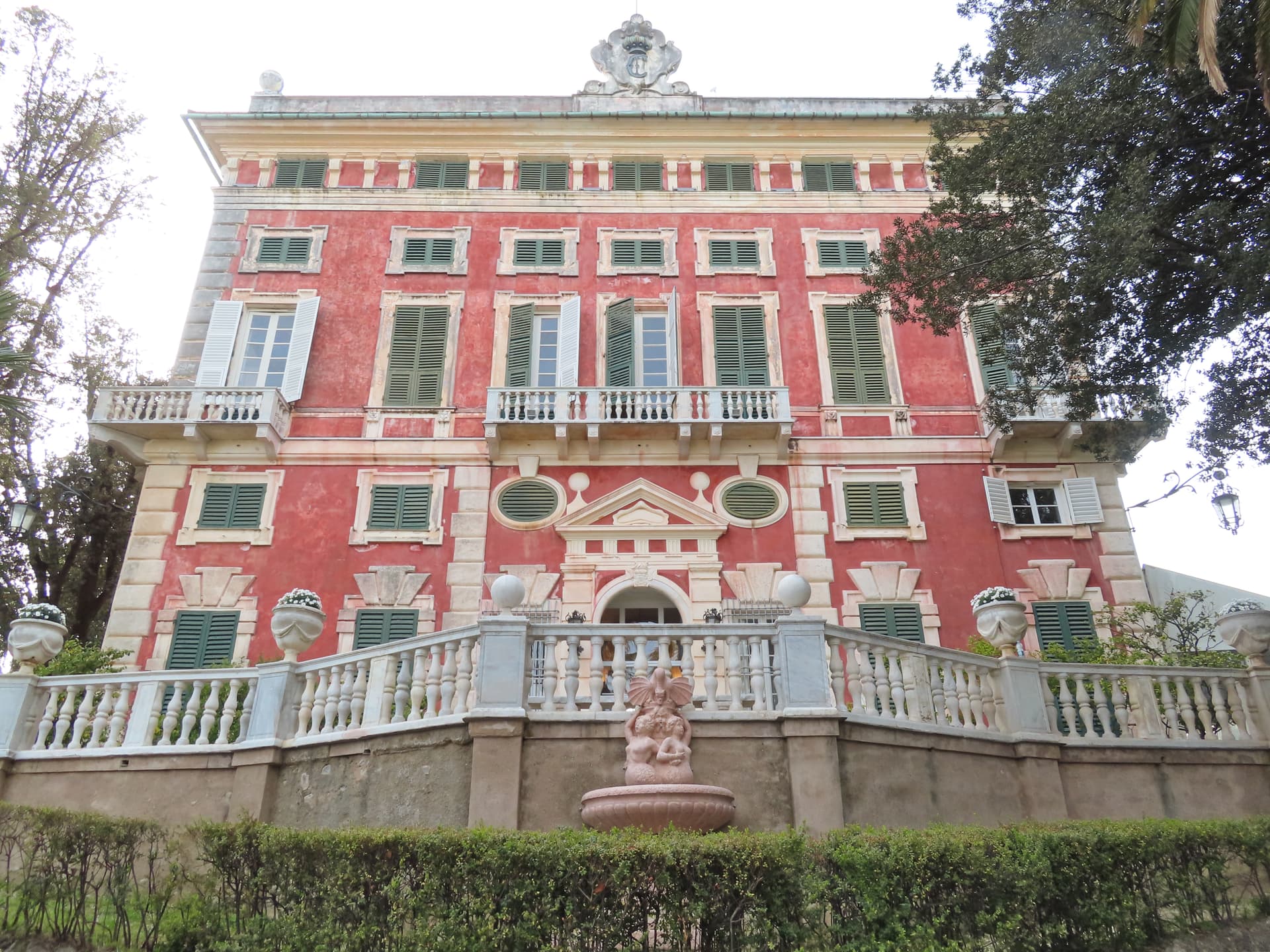
Santa Margherita Ligure
Province: Genova · 13 m
The Tigullio town that kept its fishing port while the world drove past on the way to Portofino two kilometers further.
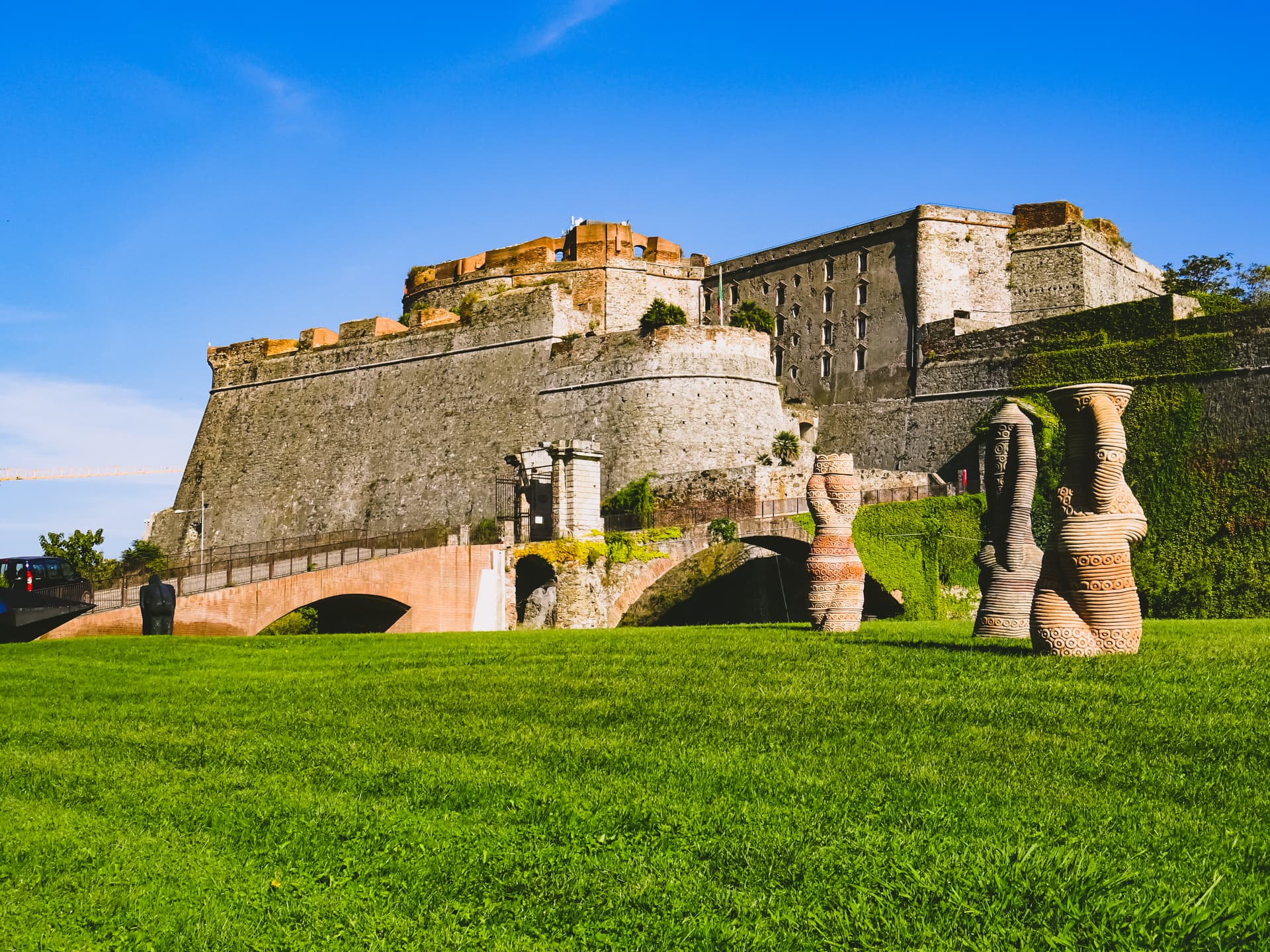
Savona
Province: Savona · 4 m
A working port city with two Della Rovere popes, a Sistine Chapel that came before the Roman one, and a fortress on the old town.
- ✷ We've been
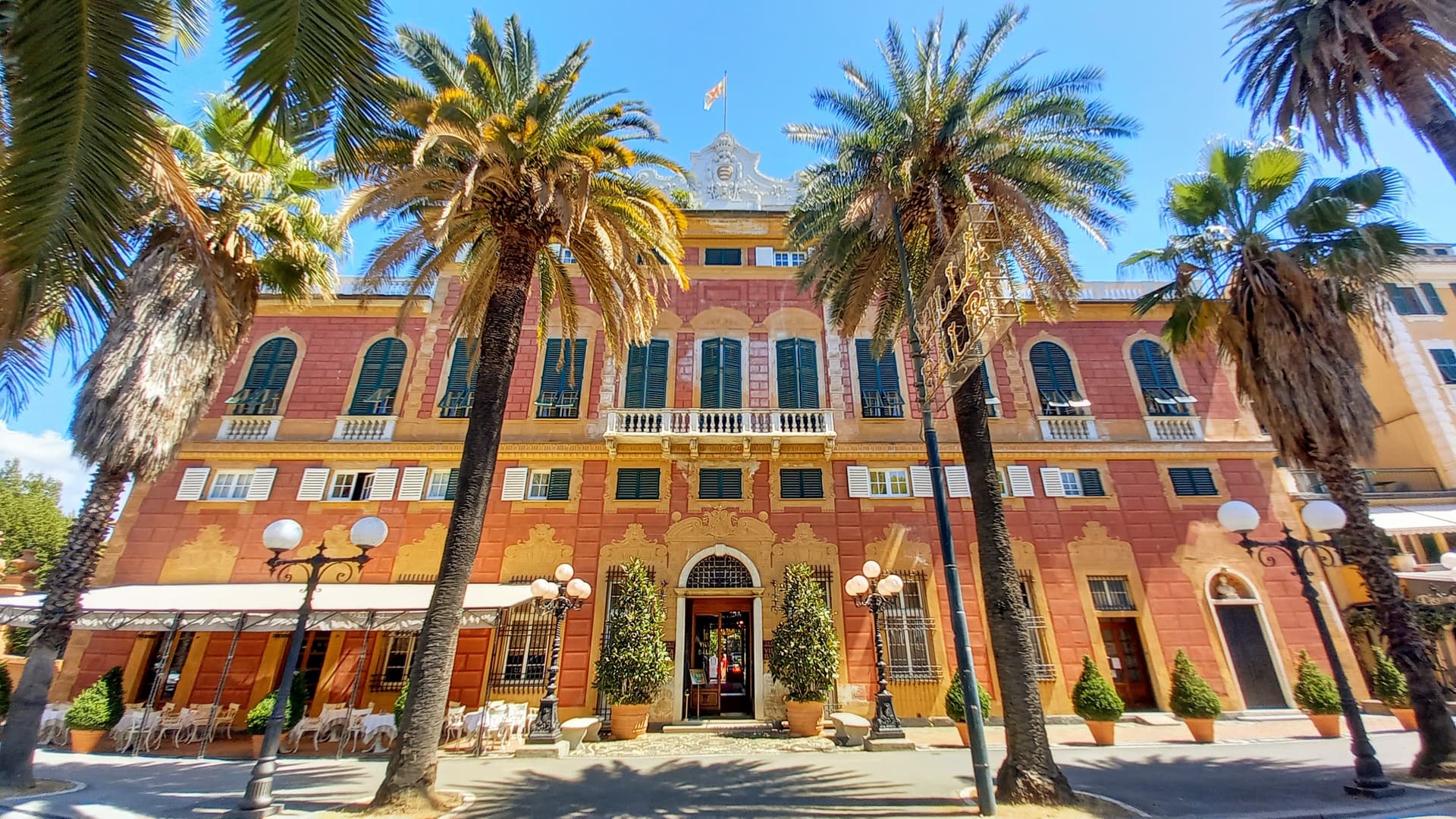
Sestri Levante
Province: Genova · 10 m
The Tigullio town of two bays, where Hans Christian Andersen stayed in 1833 and Guglielmo Marconi ran his shortwave radio experiments.
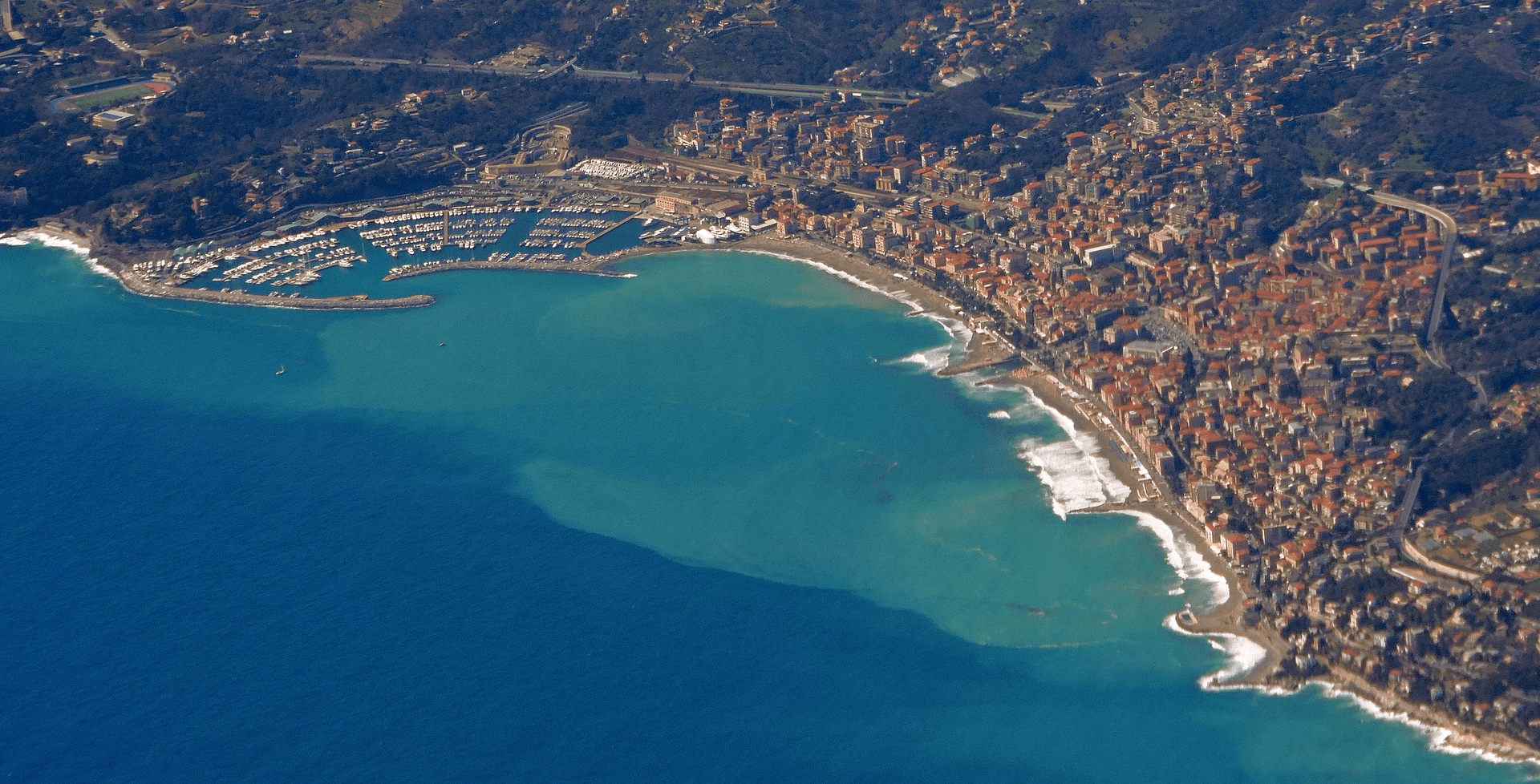
Varazze
Province: Savona · 10 m
A Ligurian shipbuilding town whose thirteenth-century friar compiled the saint lives that became the most copied book in Europe after the Bible.
Lombardy3
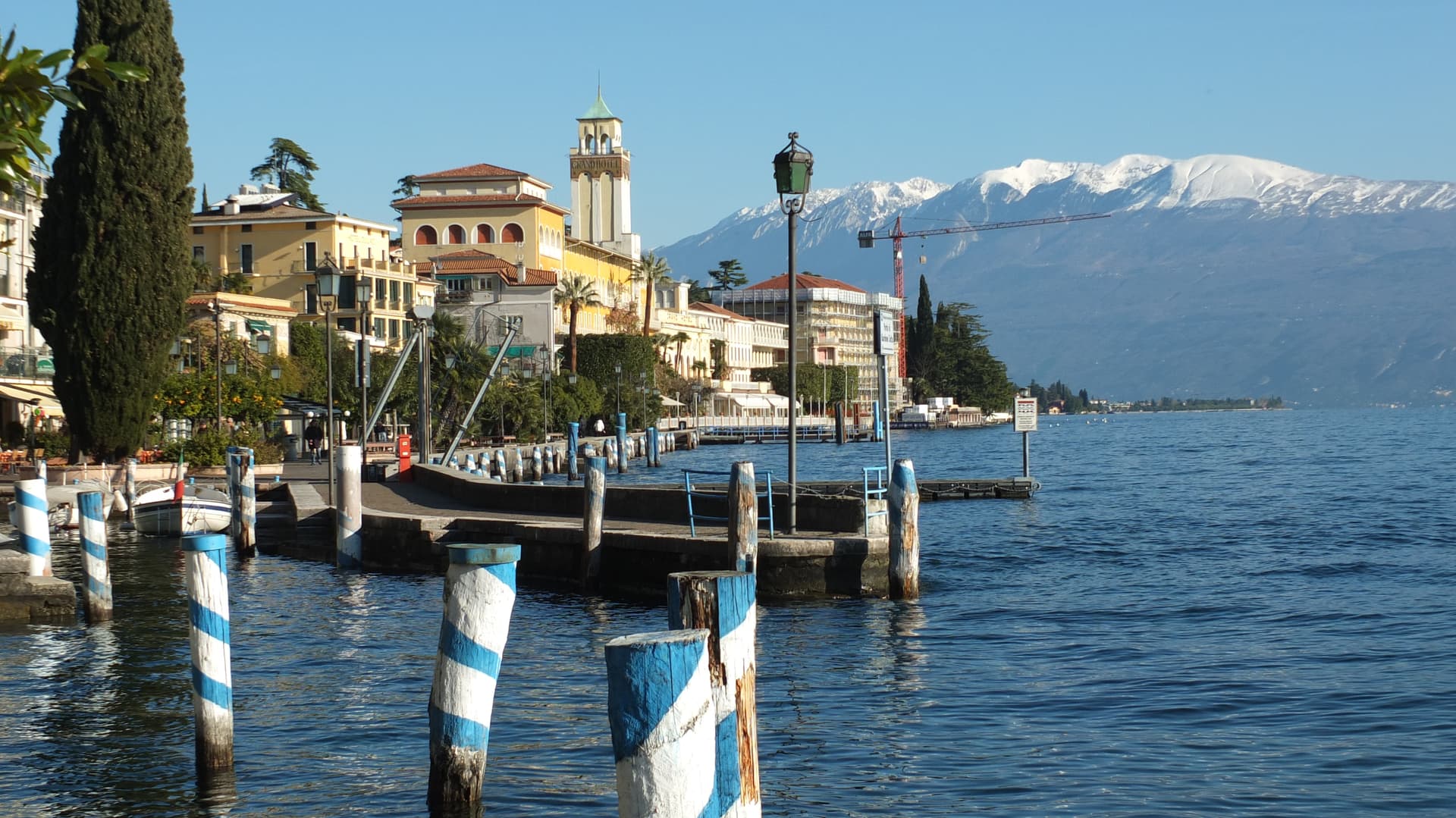
Gardone Riviera
Province: Brescia · 71 m
A western Garda lakeshore town whose hillside holds the Vittoriale, the estate Gabriele D'Annunzio turned into a monument to himself.
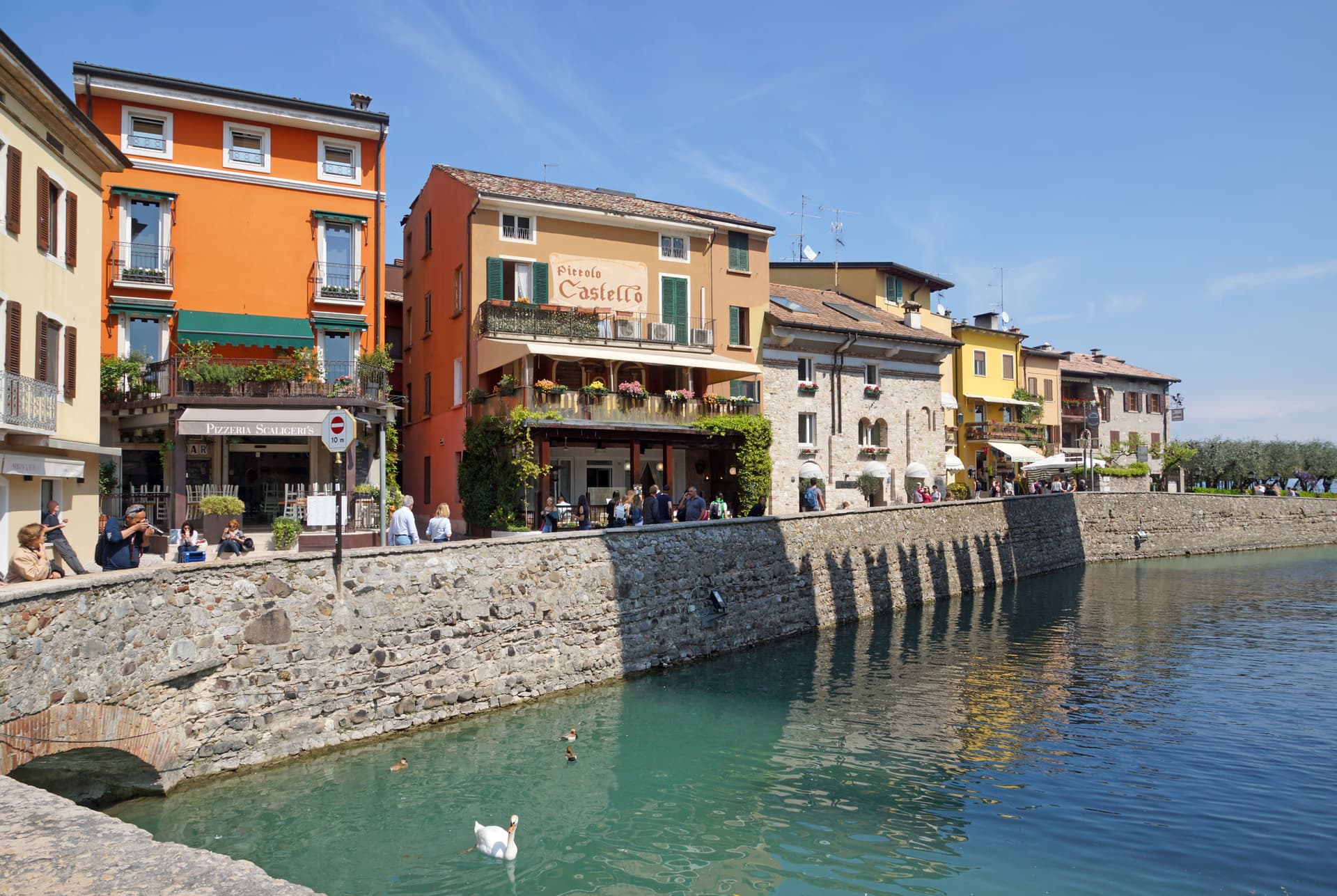
Sirmione
Province: Brescia · 91 m
A 4-kilometer peninsula reaching into the southern Garda, with the Scaliger fortified port and the Roman villa called the Grotte di Catullo at its tip.
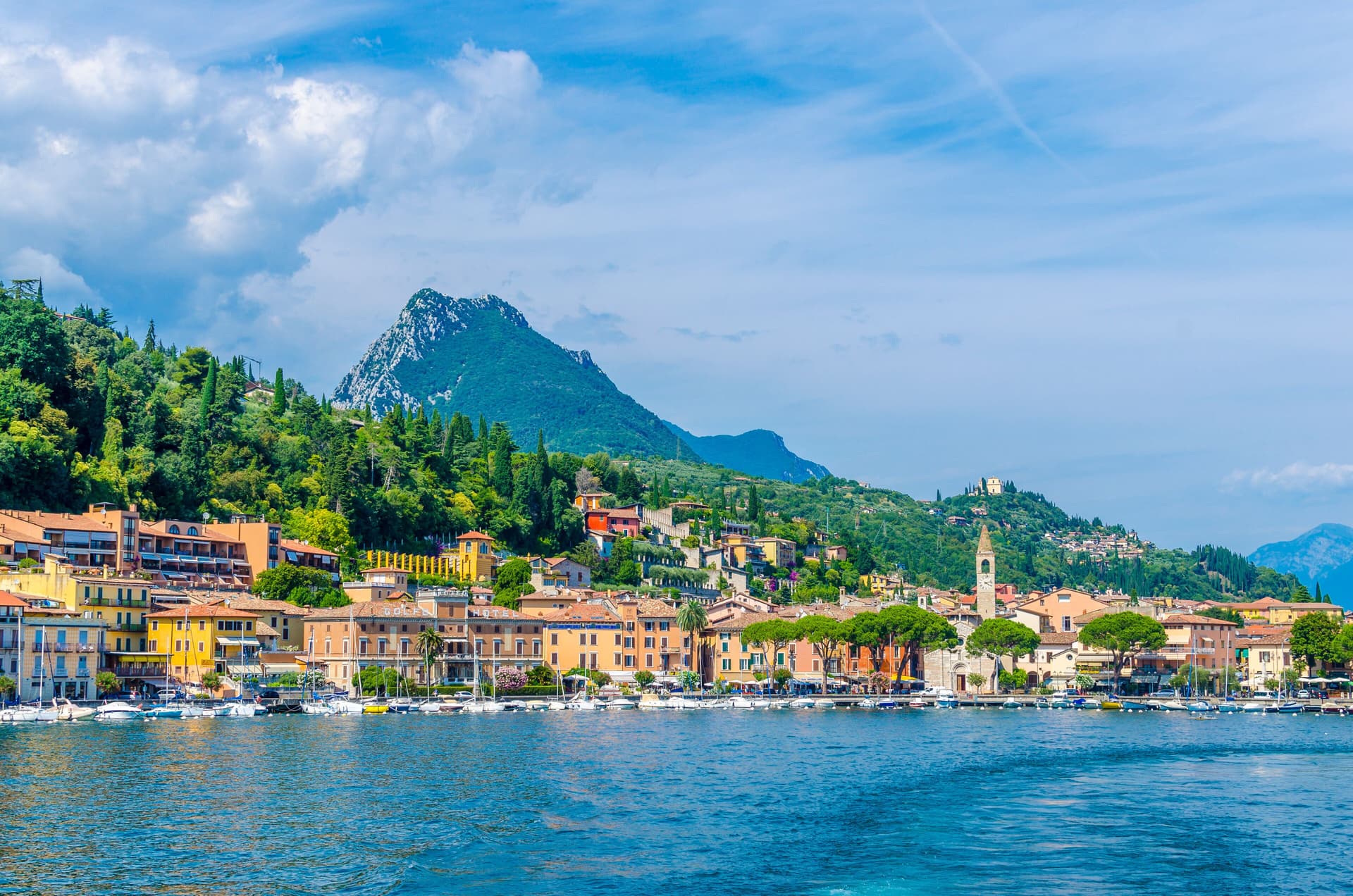
Toscolano-Maderno
Province: Brescia · 72 m
Twin lakeside villages on the western shore of Garda, paper mill suppliers to the Republic of Venice from the 14th century onward.
Marche9
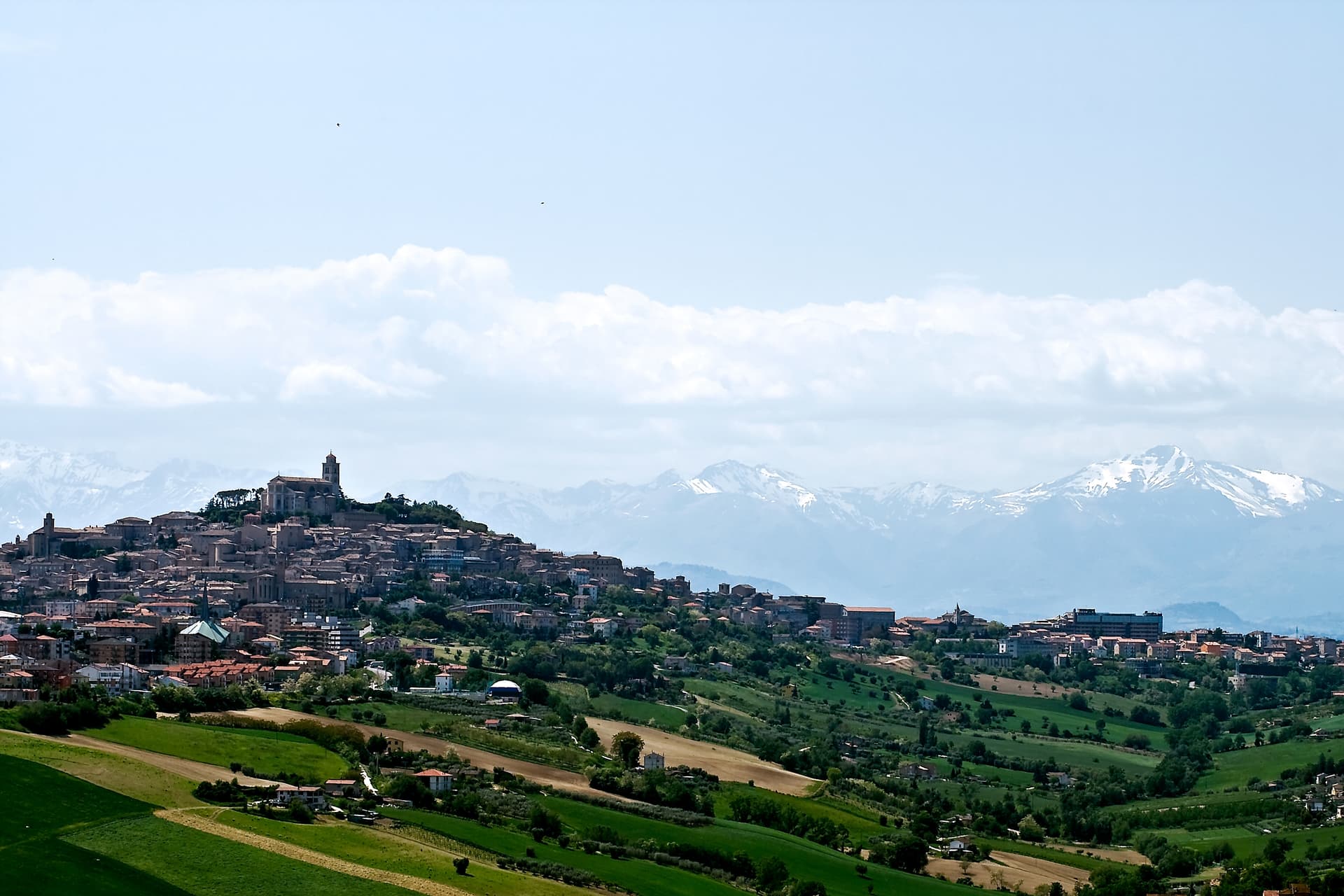
Fermo
Province: Fermo · 319 m
The provincial capital on the Sabulo hill at 319 meters, with 2,200 square meters of Augustan Roman cisterns running under the centro storico.
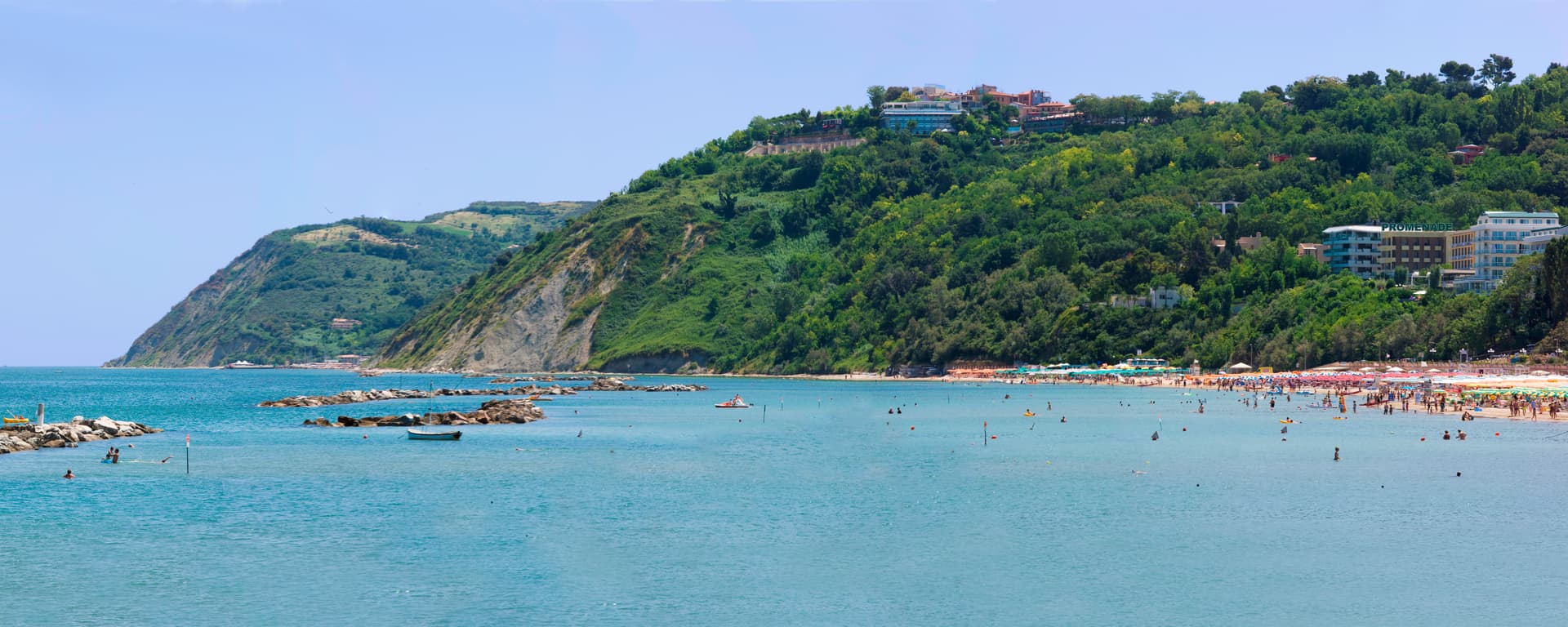
Gabicce Mare
Province: Pesaro e Urbino · 8 m
The northernmost Marche seaside on the Adriatic, where the Riviera Romagnola meets the cliffs of the Parco del San Bartolo at the Romagna border.
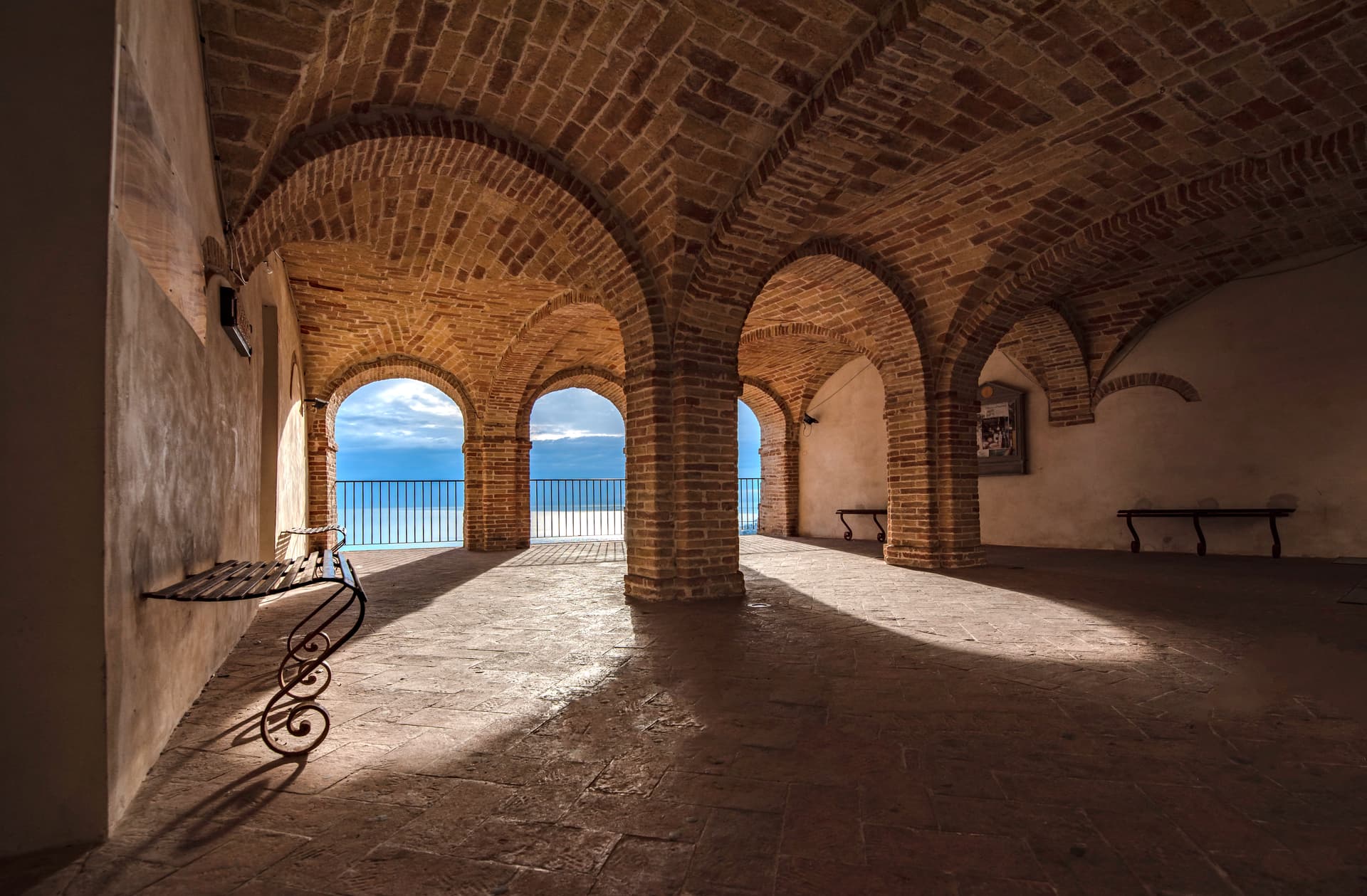
Grottammare
Province: Ascoli Piceno · 4 m
A double town on the Riviera delle Palme, with a palm-lined seafront and the medieval Paese Alto where Pope Sixtus V was born.
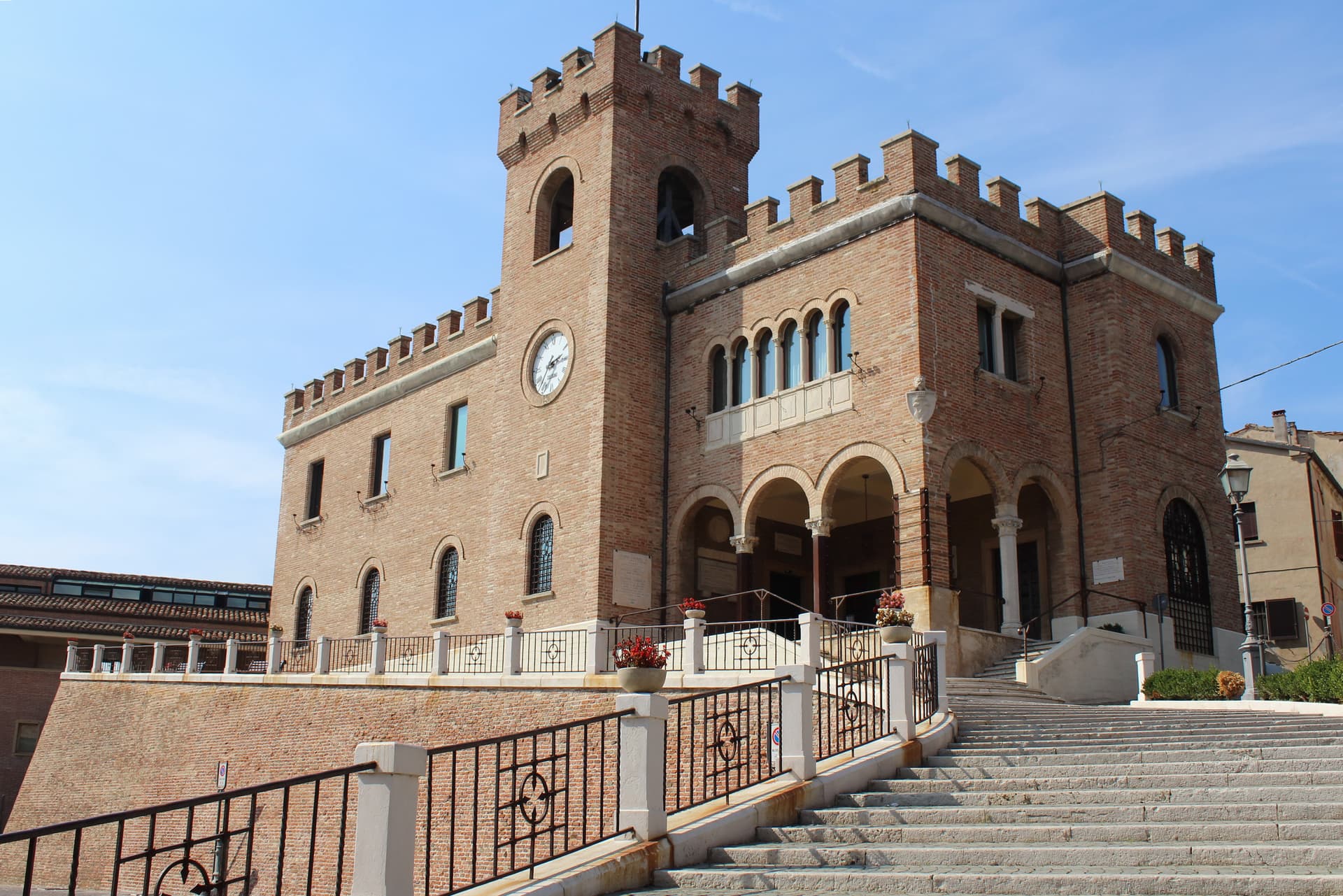
Mondolfo
Province: Pesaro e Urbino · 144 m
A walled hill borgo at 144 meters above the Adriatic, with the frazione of Marotta and its Bandiera Blu beach below.
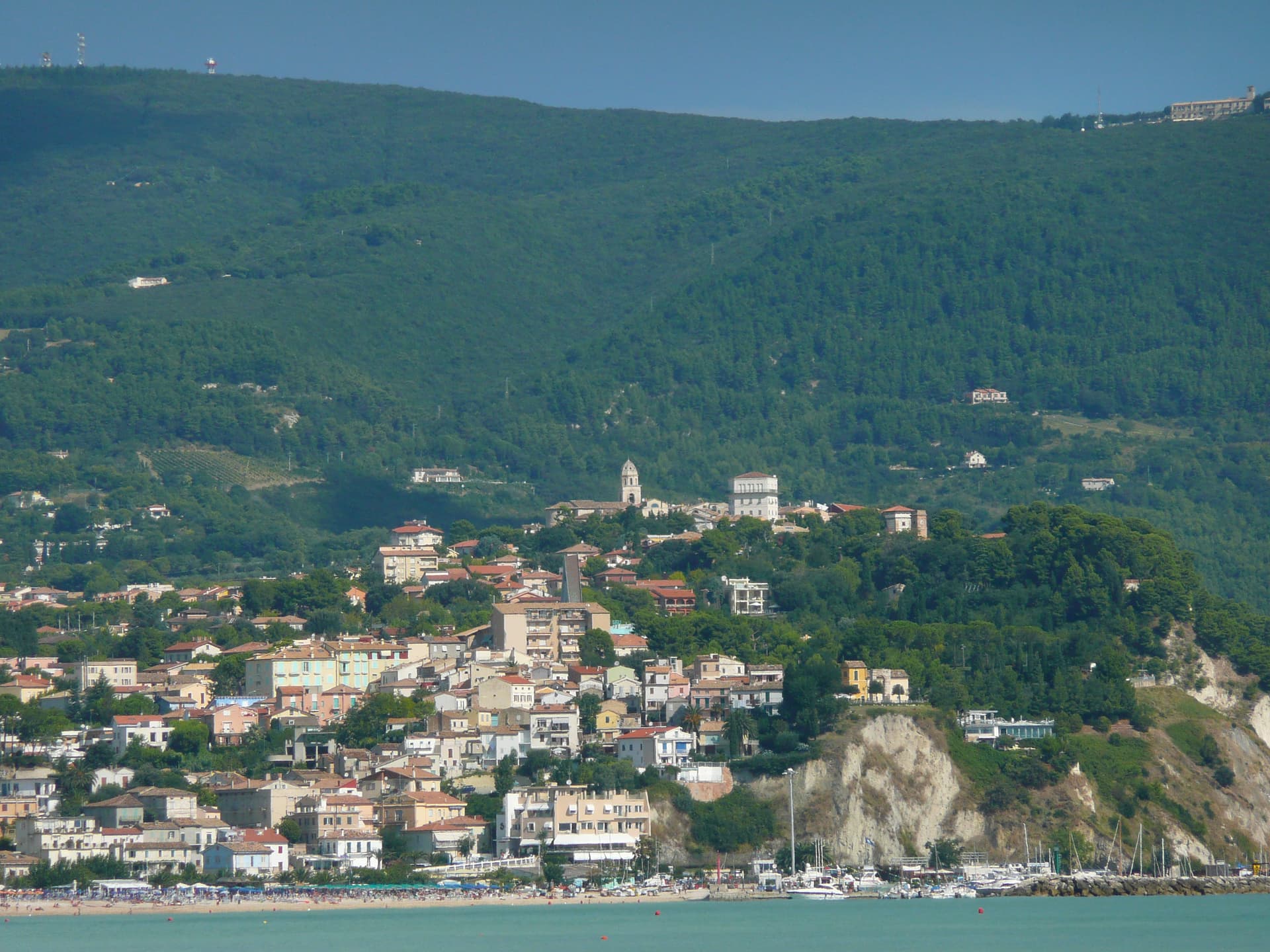
Numana
Province: Ancona · 56 m
A Conero coastal town at 56 meters above its port, the Picene harbour that traded with Greek ships from the sixth century BC.
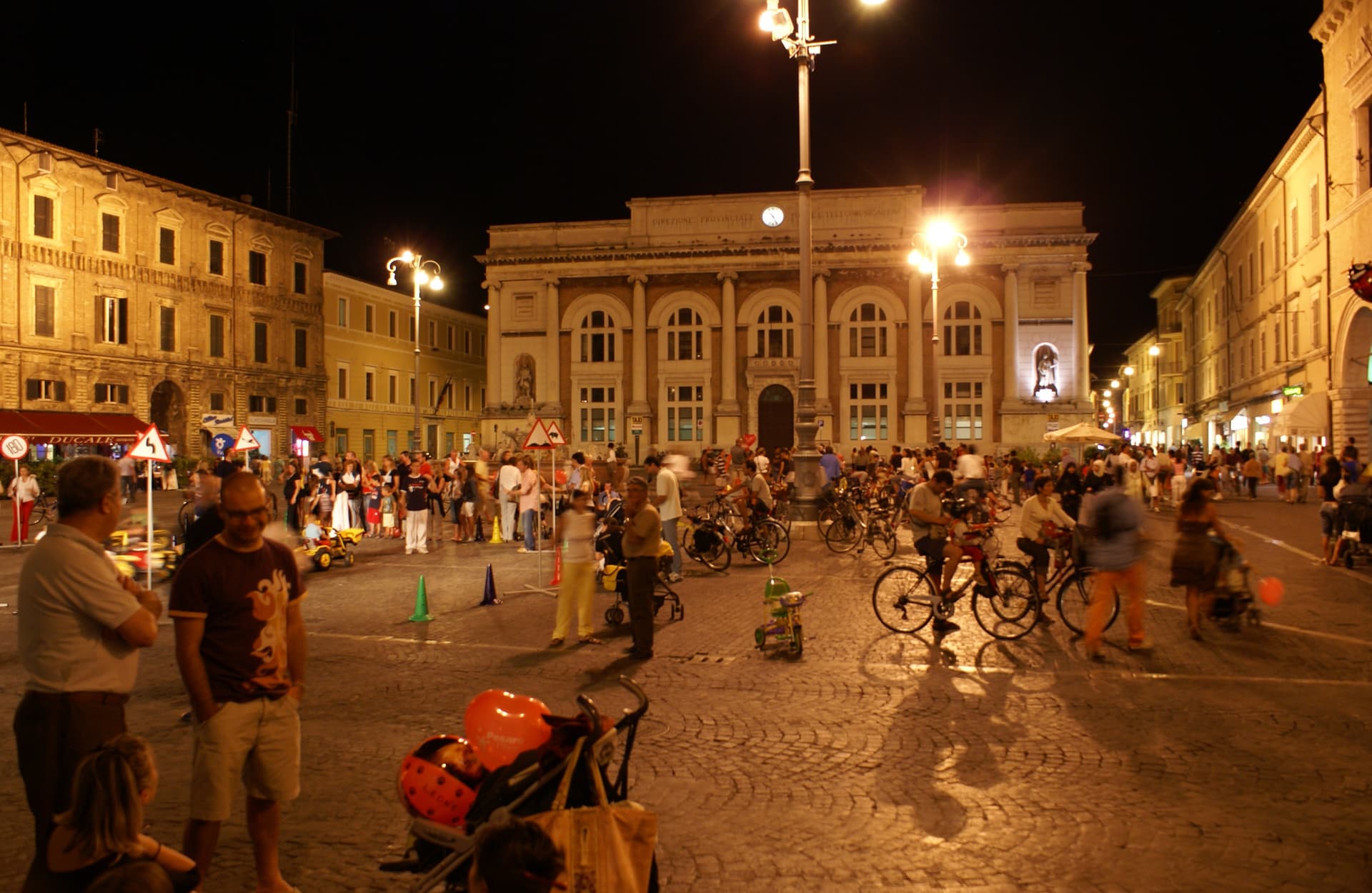
Pesaro
Province: Pesaro e Urbino · 11 m
The Adriatic port at the mouth of the Foglia, founded as Roman Pisaurum in 184 BC and given to the world by Rossini in 1792.
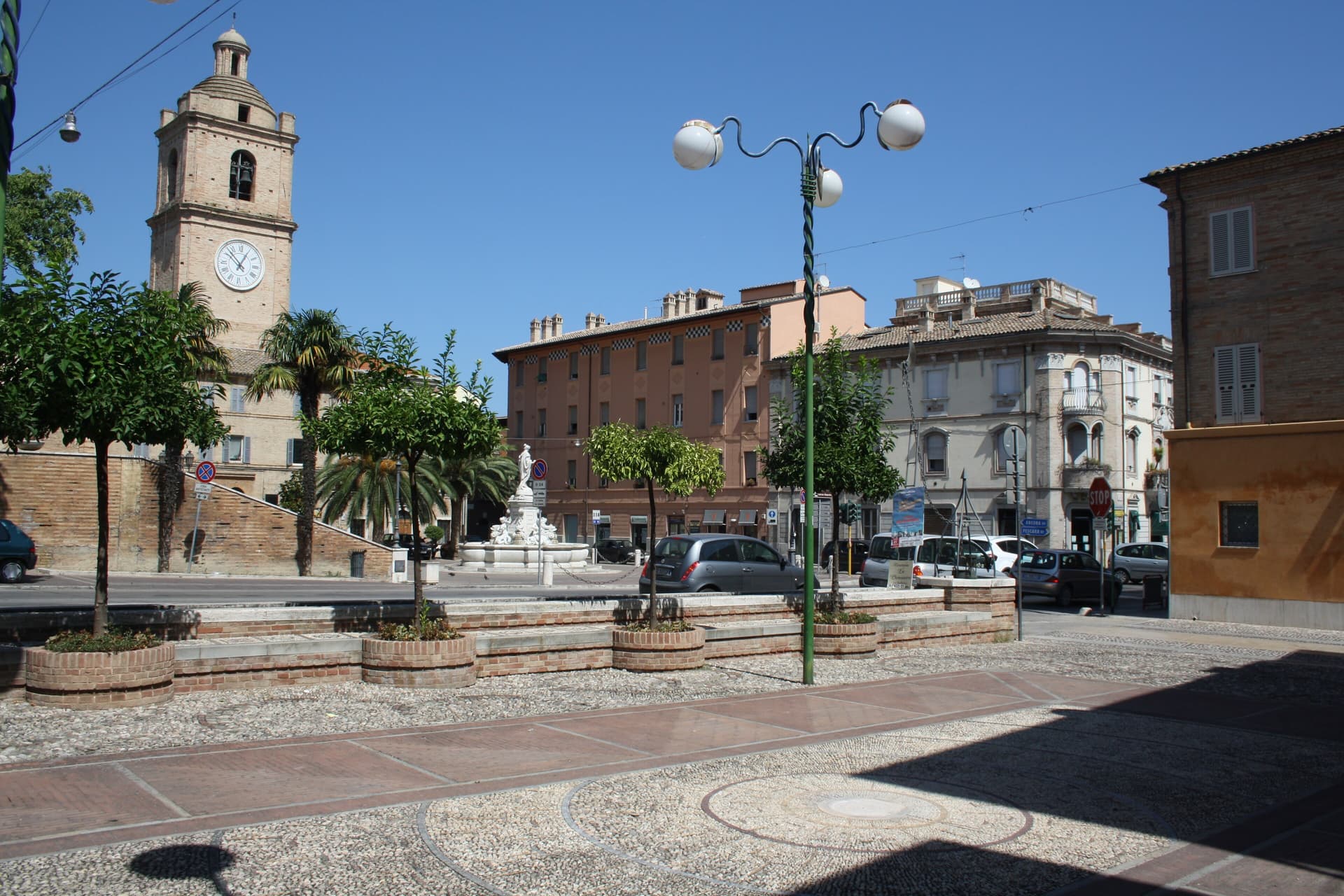
Porto San Giorgio
Province: Fermo · 5 m
A 15,000-resident Bandiera Blu beach town on the Adriatic between Ancona and Pescara, with one of the largest tourist marinas in the central Adriatic, the medieval Rocca Tiepolo above the harbour, and a long fine-sand seafront under date palms.
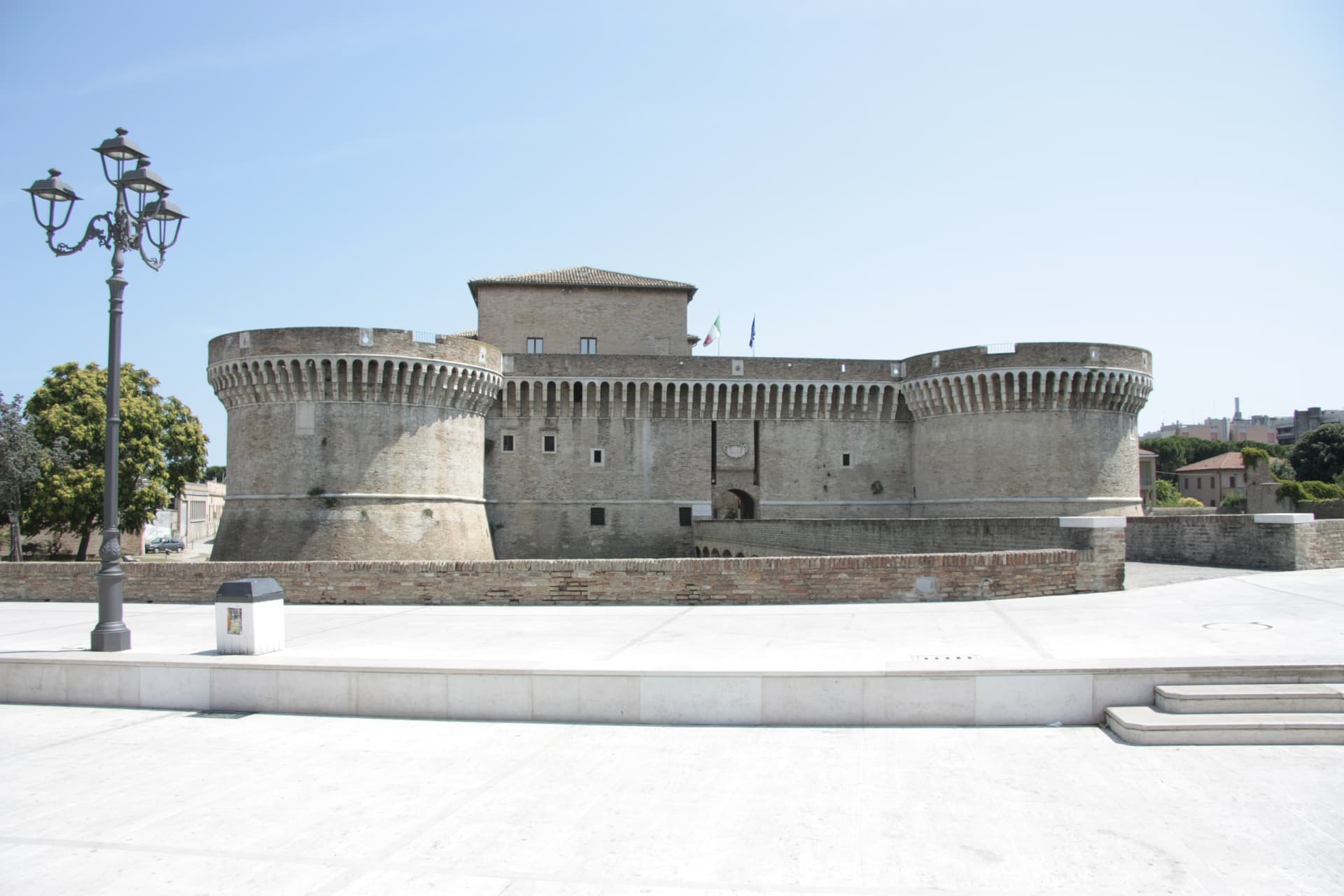
Senigallia
Province: Ancona · 5 m
Thirteen kilometers of fine sand on the Adriatic that earned the Spiaggia di Velluto name, hometown of photographer Mario Giacomelli and chef Mauro Uliassi.
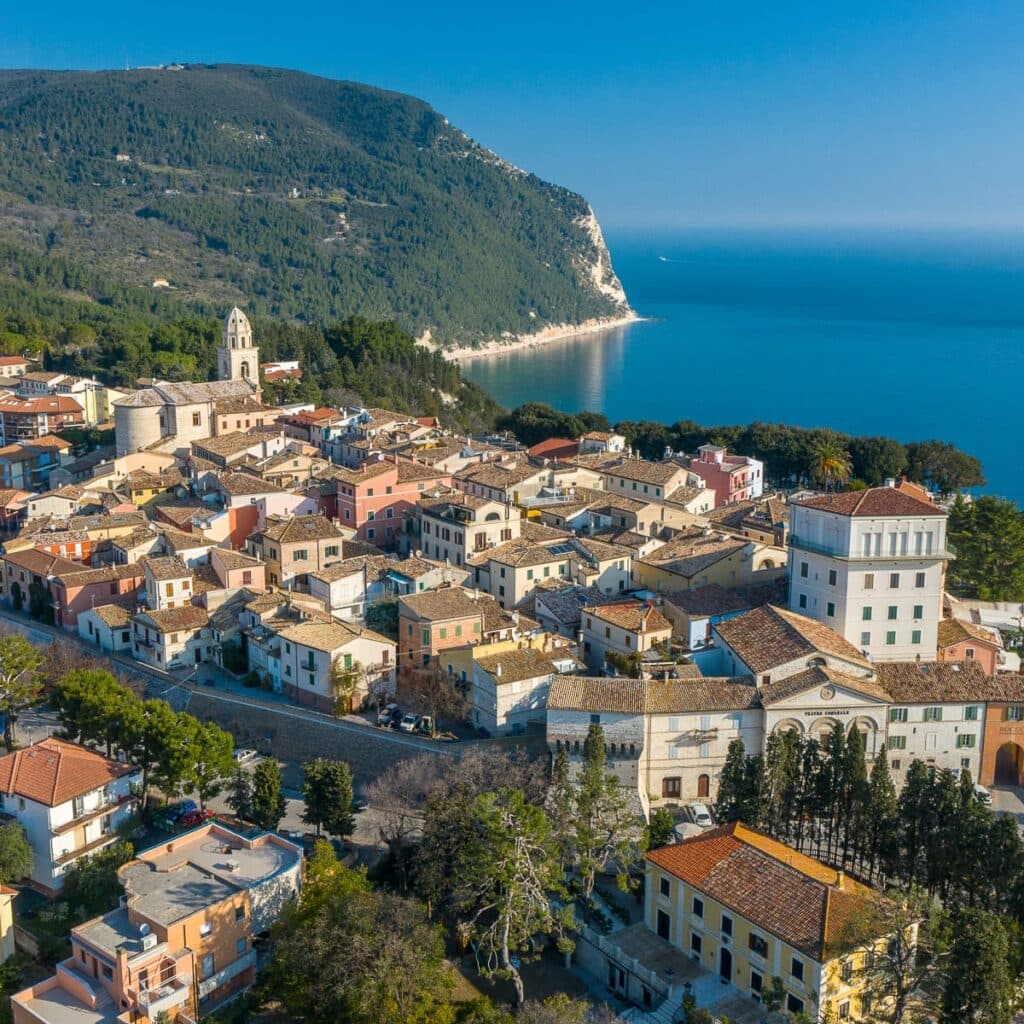
Sirolo
Province: Ancona · 125 m
A clifftop borgo at 125 meters on the southern flank of Monte Conero, above the Due Sorelle sea stacks of the Adriatic.
Piedmont3
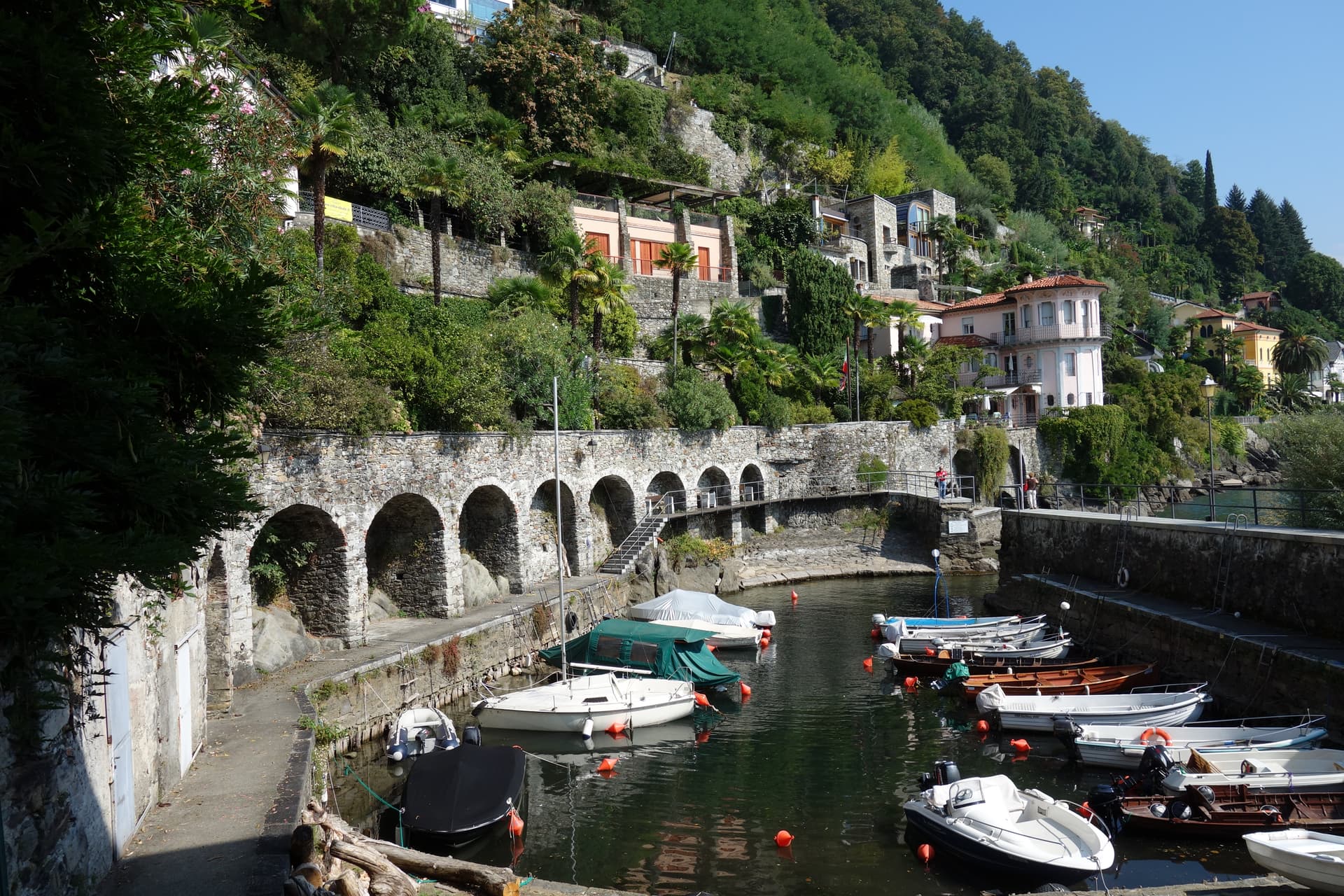
Cannero Riviera
Province: Verbano-Cusio-Ossola · 225 m
A Lago Maggiore commune of 900 on the western shore, fronted by three rocky islets, the Castelli di Cannero, Borromeo ruins from 1521.
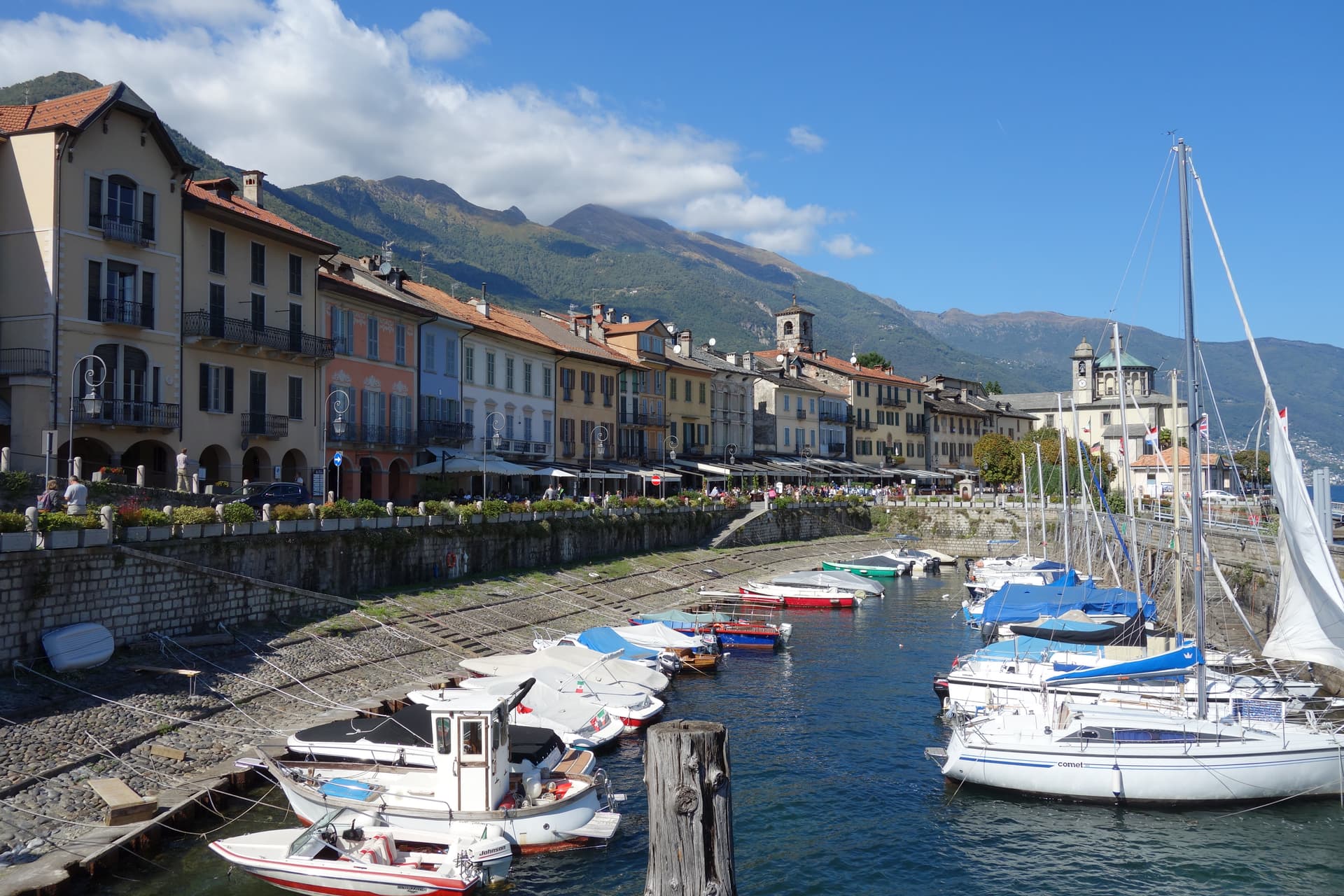
Cannobio
Province: Verbano-Cusio-Ossola · 214 m
A medieval lake town at 214 meters on Maggiore's western shore, host to one of the largest Sunday markets on the lake.
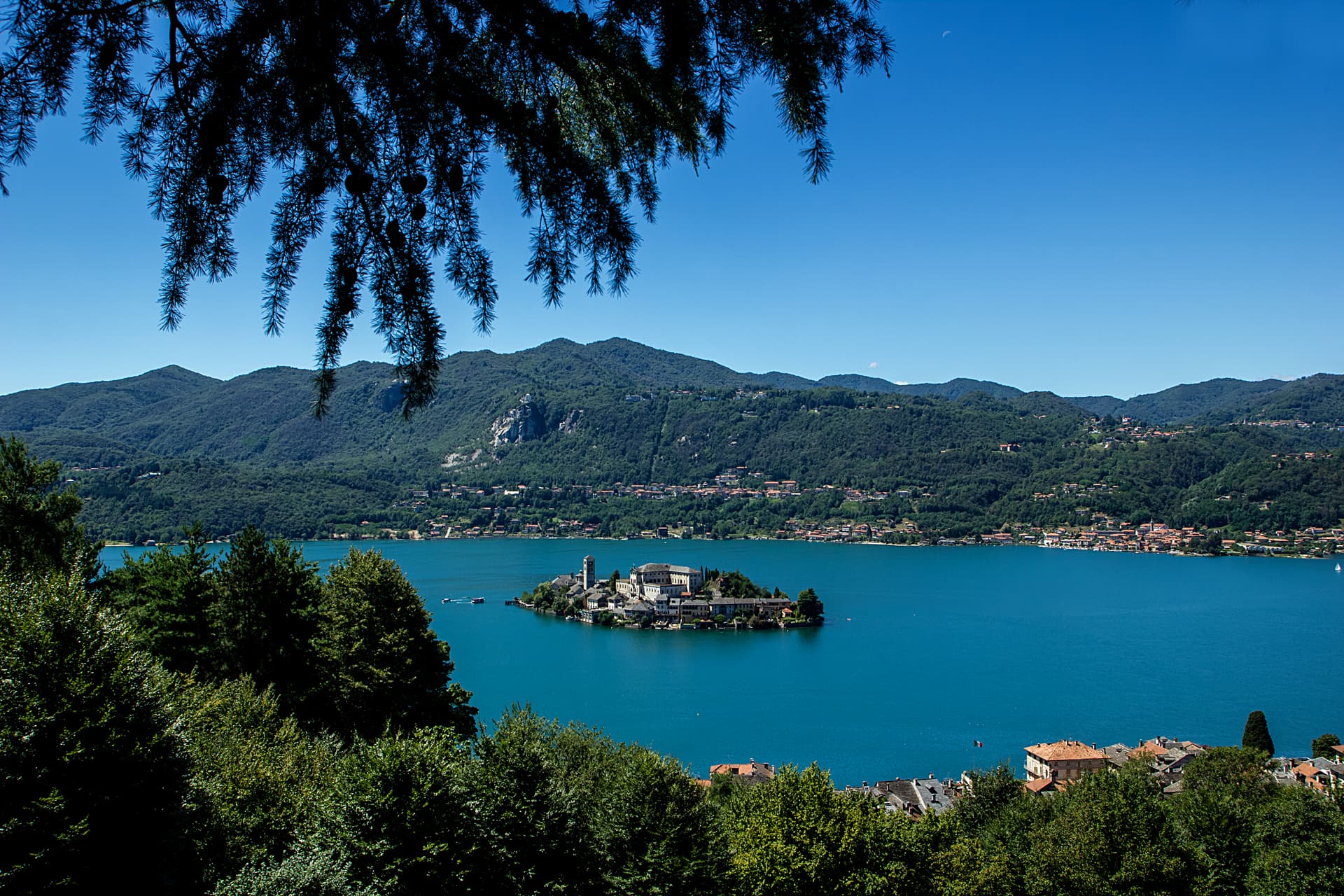
Gozzano
Province: Novara · 367 m
The town at the southern tip of Lake Orta, with a ninth-century basilica for Saint Julian and a twelfth-century signaling tower above the water.
Sardinia7
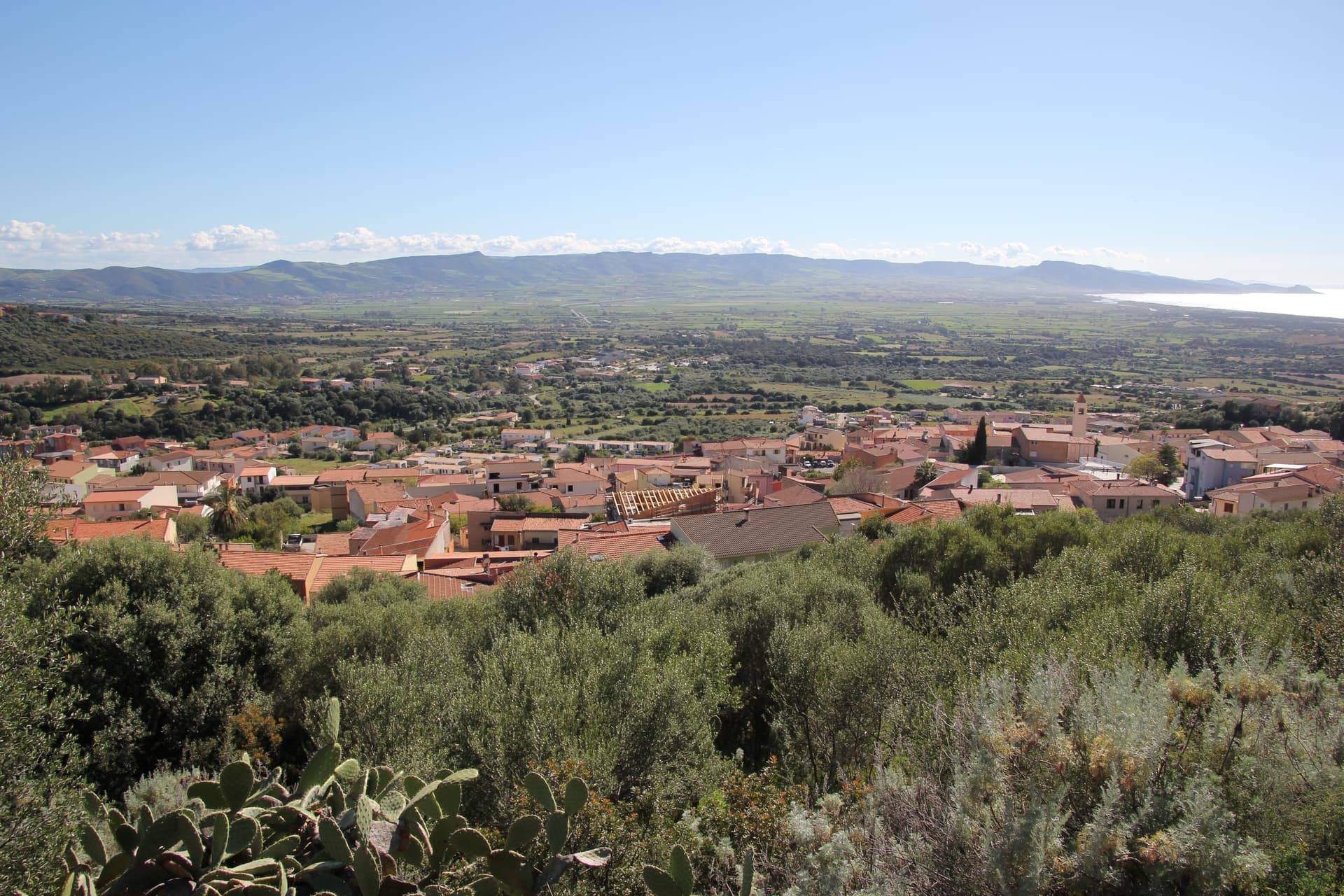
Badesi
Province: Sassari · 102 m
A Gallura commune founded by shepherding families in the 1700s, with eight kilometers of dunes between Isola Rossa and the Coghinas river.
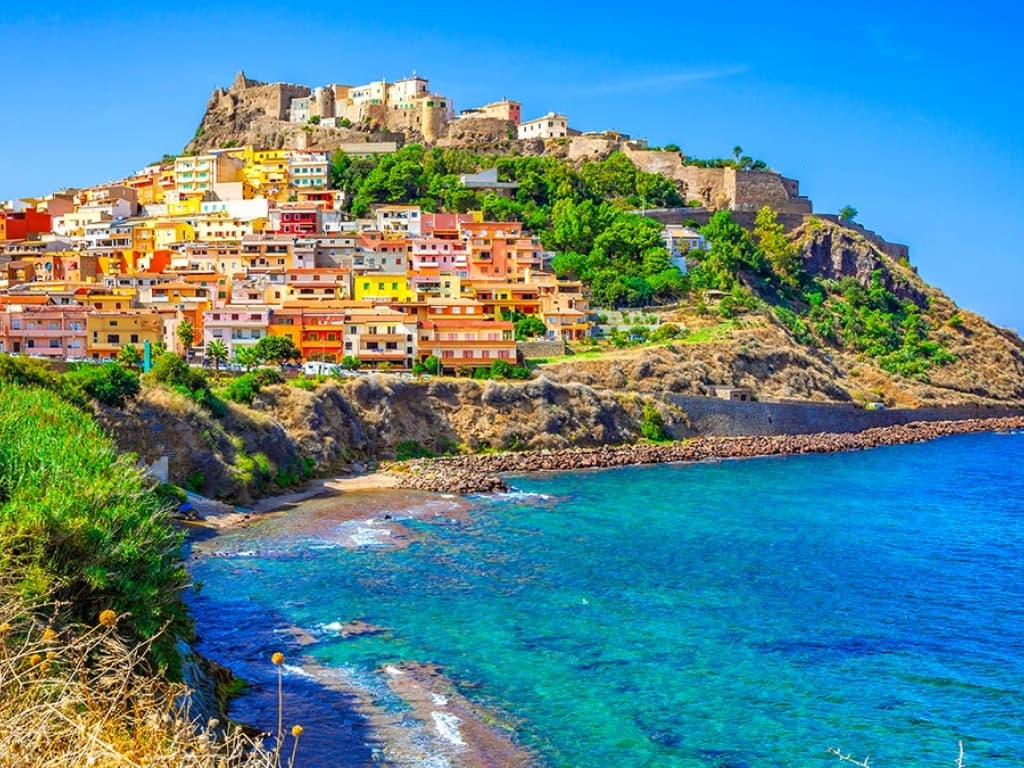
Castelsardo
Province: Sassari · 114 m
A Doria sea fortress at 114 meters above the Gulf of Asinara, Genoese from 1100, Aragonese from 1448, Savoyard from the 1700s.
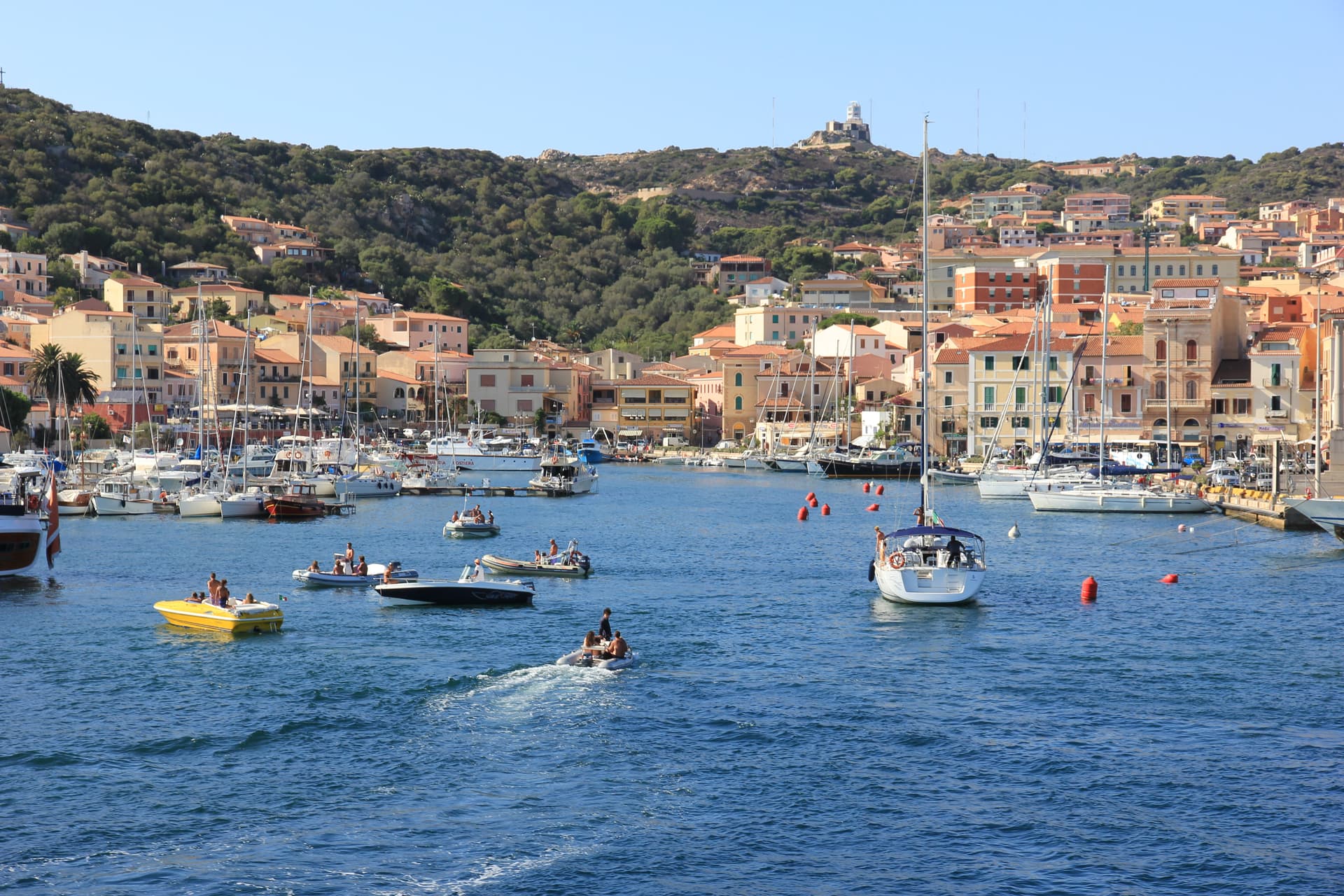
La Maddalena
Province: Sassari · 19 m
The only inhabited town of a sixty-island granite archipelago between Sardinia and Corsica, and the place Giuseppe Garibaldi chose to die.
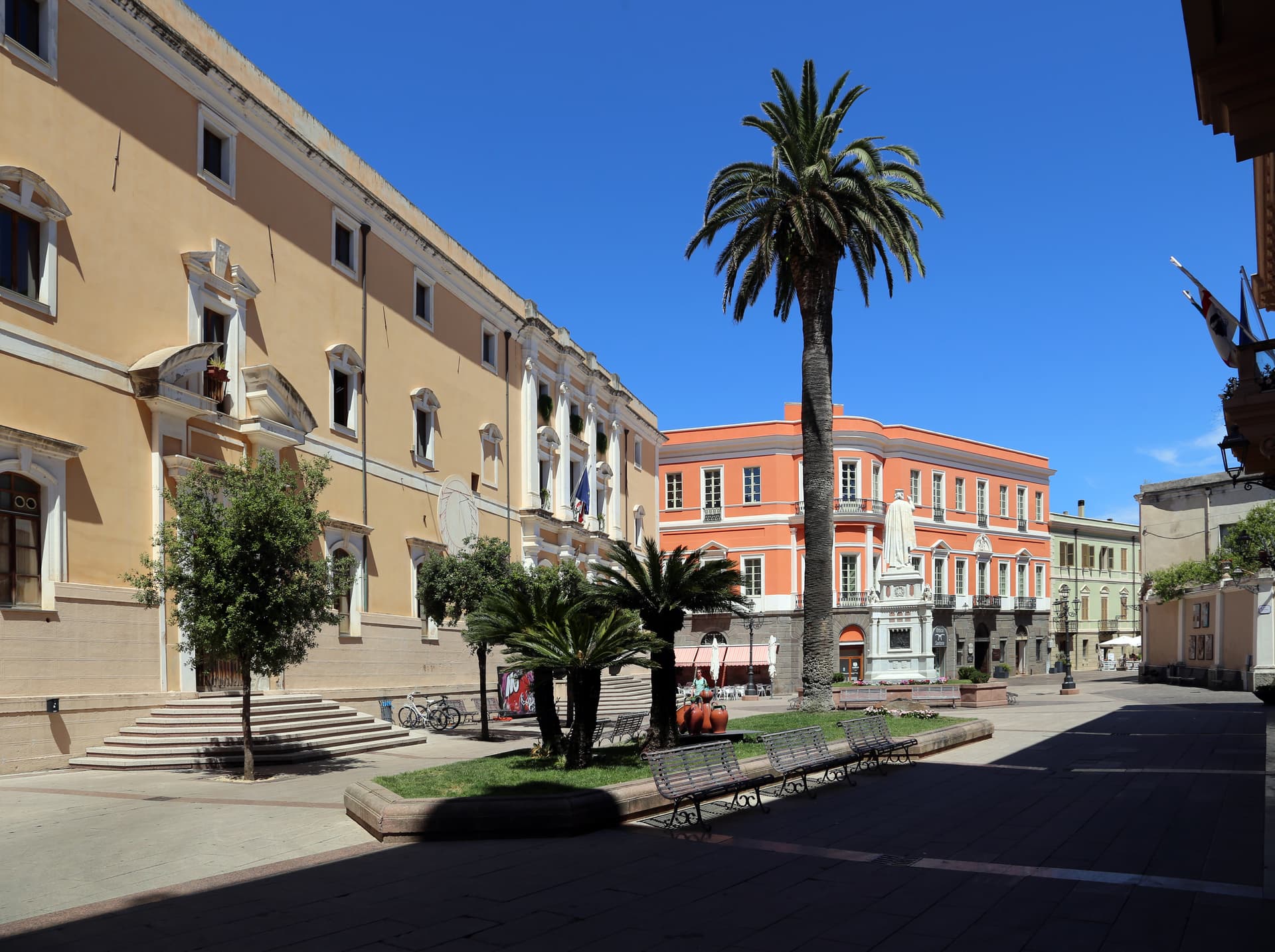
Oristano
Province: Oristano · 5 m
The old capital of the Giudicato di Arborea, city of Eleonora and the Carta de Logu, host of Sa Sartiglia equestrian joust at Carnival.
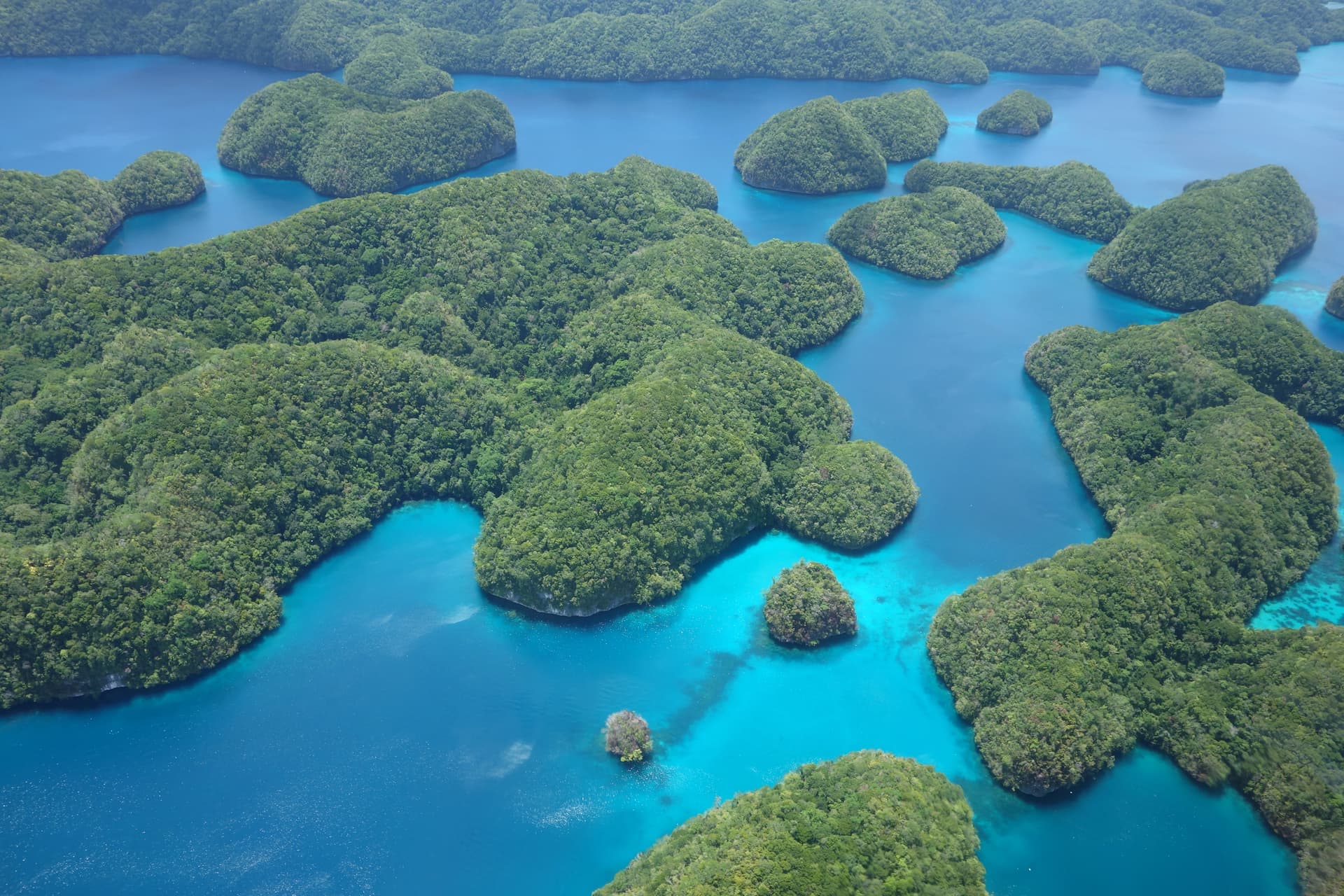
Palau
Province: Sassari · 5 m
The Gallura port that ferries to La Maddalena, with a weather-shaped granite bear on the headland that gave the town its emblem.
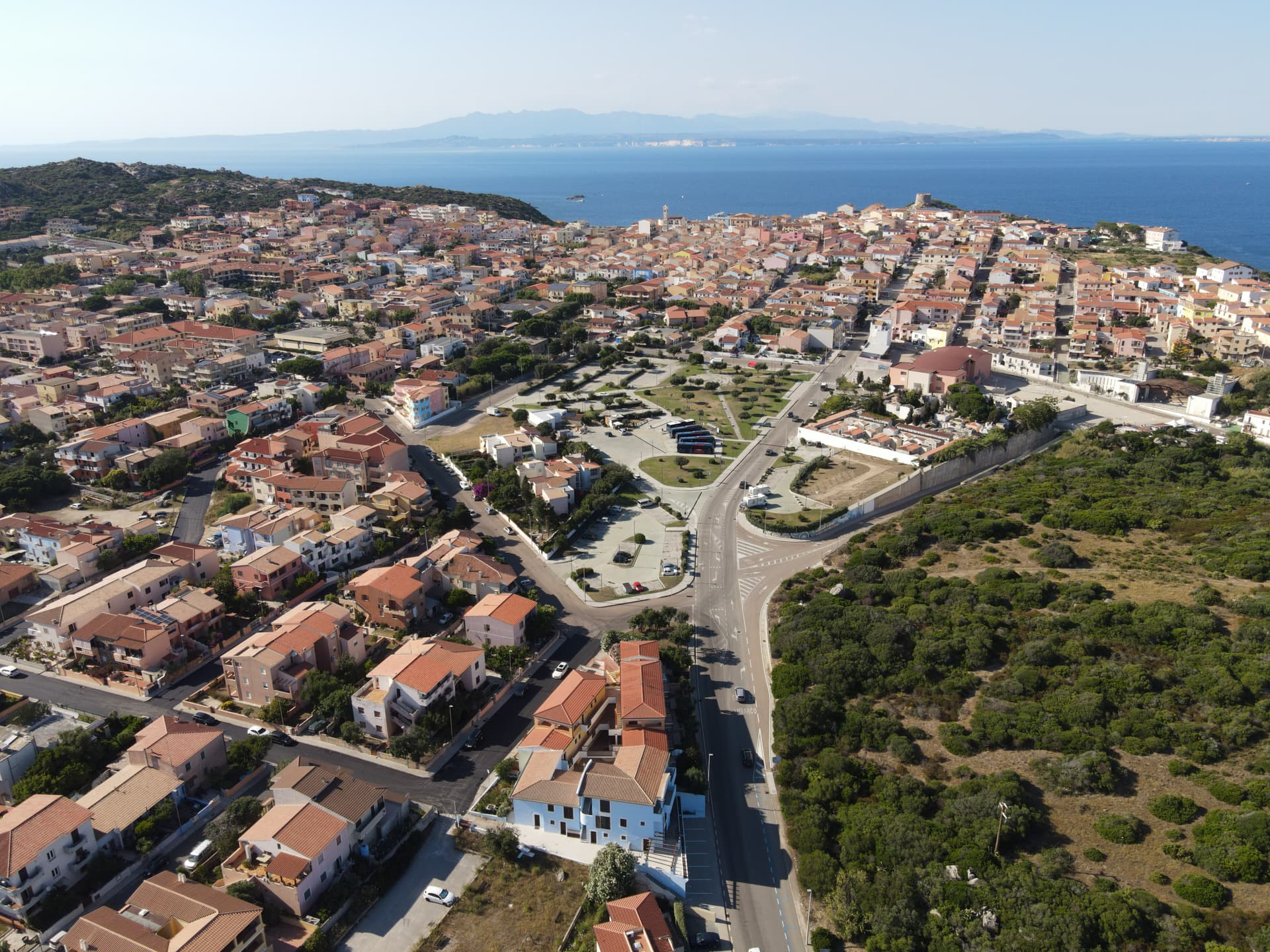
Santa Teresa Gallura
Province: Sassari · 44 m
The northernmost town in Sardinia, founded in 1808 on a Turin-style grid above the Strait of Bonifacio and 11 kilometers from Corsica.
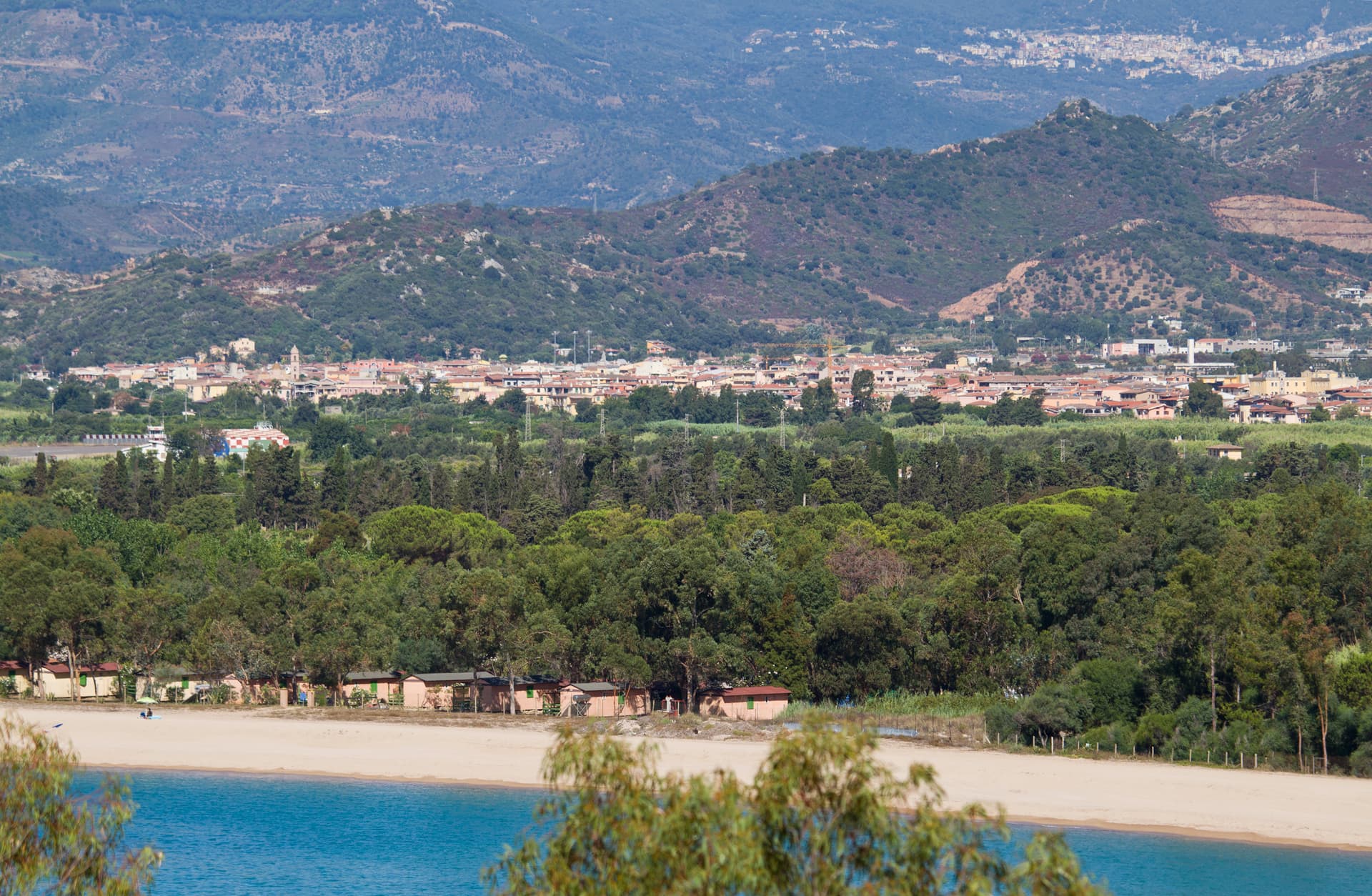
Tortolì
Province: Nuoro · 15 m
Co-capital of Ogliastra on the central-east coast, paired with the port of Arbatax and its red porphyry cliffs.
Sicily4
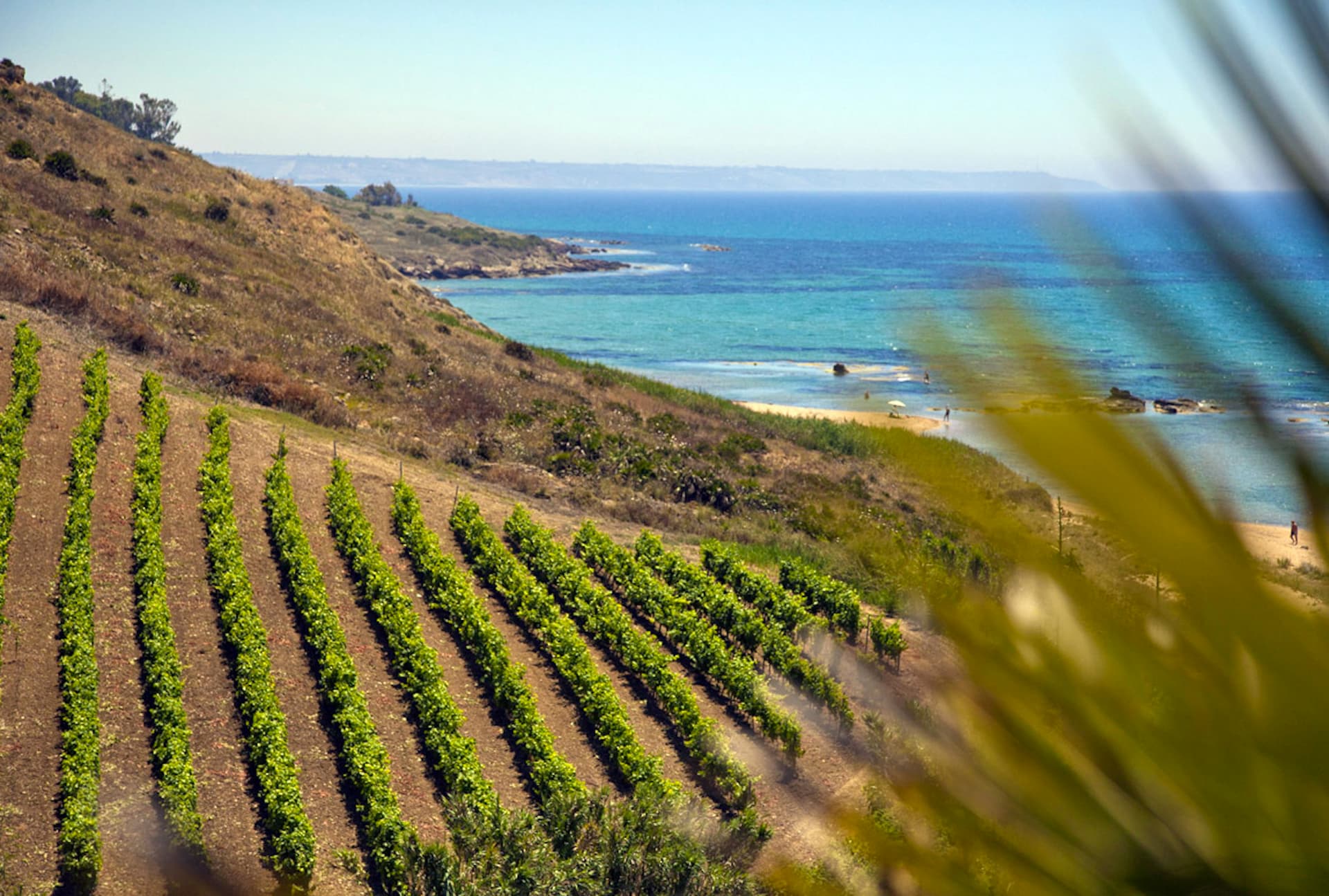
Menfi
Province: Agrigento · 119 m
Sicily's triple-signal western coast town — 11,800 residents on a low ridge above 9 km of Bandiera Blu sand at Porto Palo, with the Federico II tower, the Cantine Settesoli cooperative (Italy's largest by volume, 2,000 grower-members), and the rare Bandiera Blu + Città del Vino + Città dell'Olio combination.
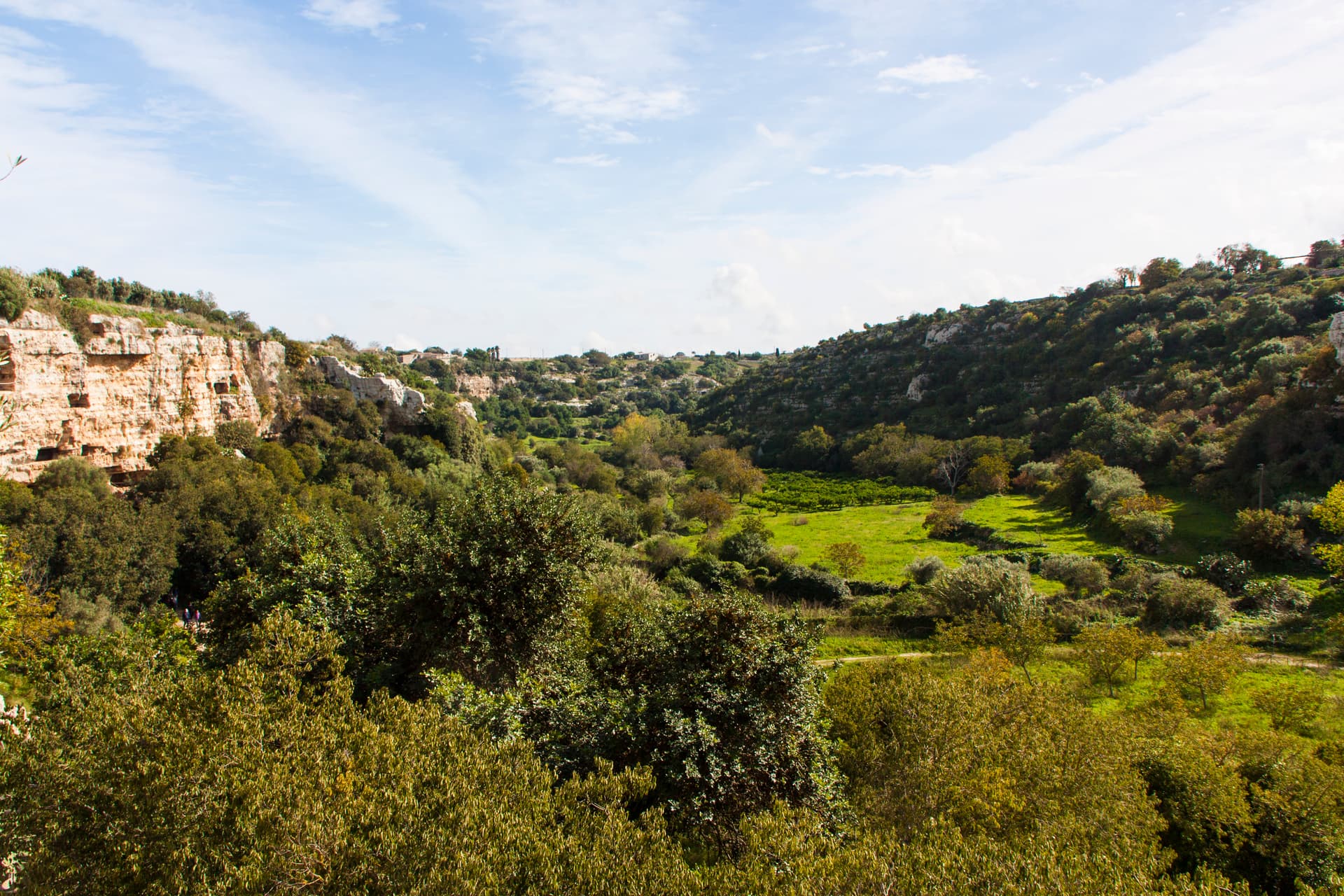
Modica
Province: Ragusa · 296 m
A vertical Baroque city in the Hyblean Mountains, rebuilt from the 1693 earthquake and home to a chocolate recipe brought from Aztec Mexico.
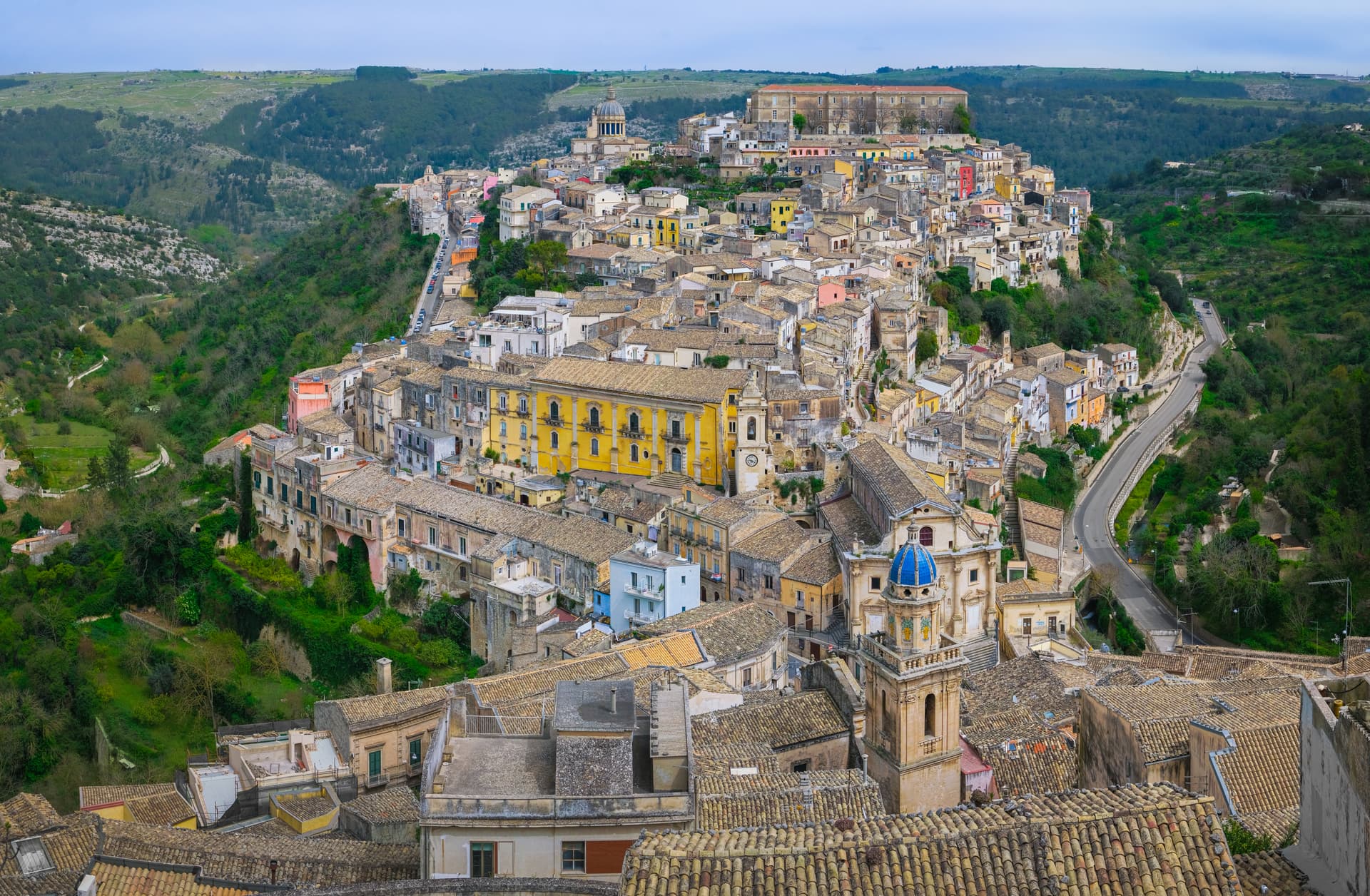
Ragusa
Province: Ragusa · 502 m
Two cities in one on a Hyblean plateau at 502 meters, Ragusa Ibla and Ragusa Superiore split by a ravine after 1693, both UNESCO Baroque.
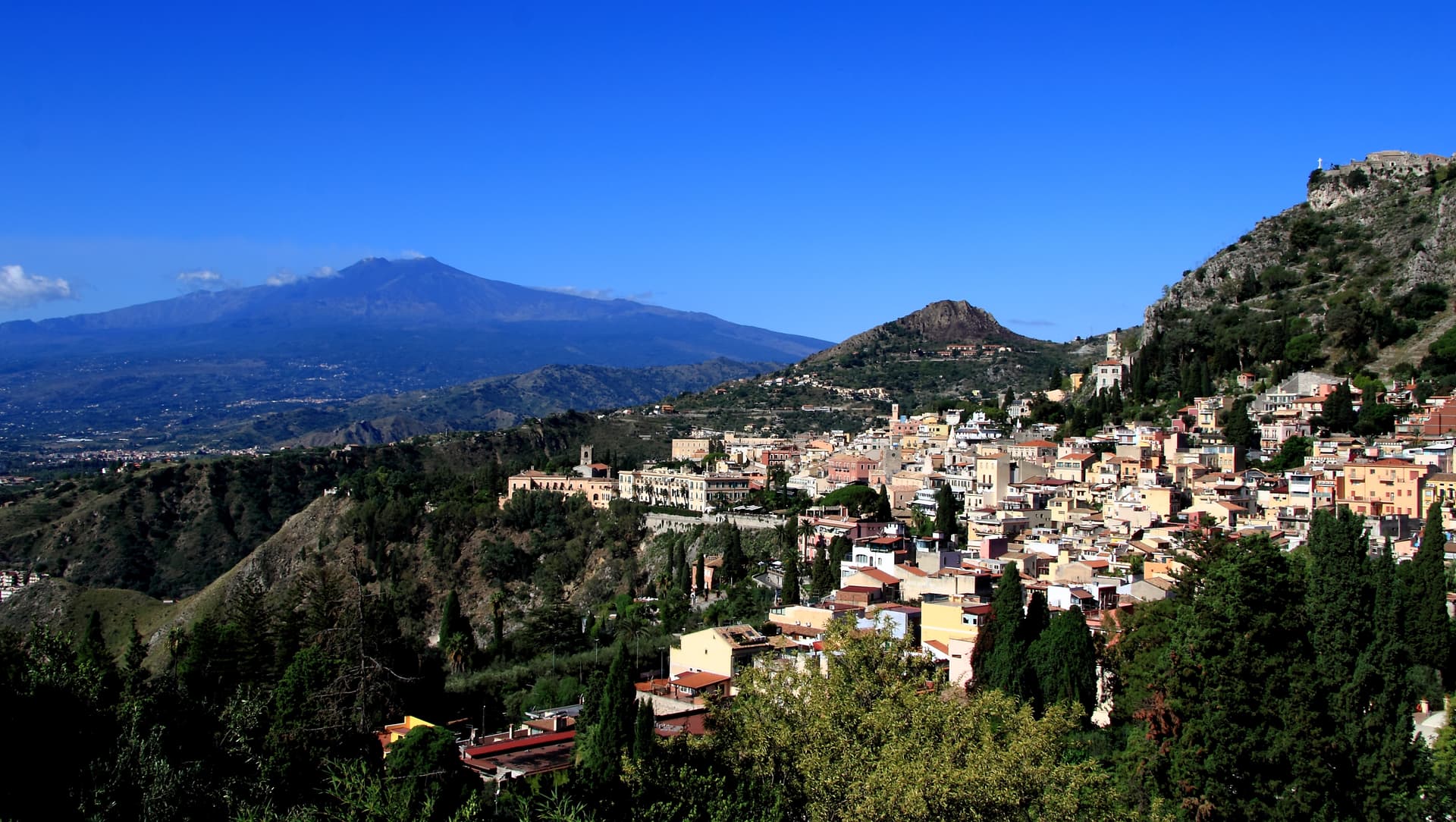
Taormina
Province: Messina · 204 m
A 204-meter terrace above the Ionian with Etna on the southern horizon, a Greek-Roman theatre carved into the rock since the third century BC.
Trentino-Alto Adige/Südtirol5
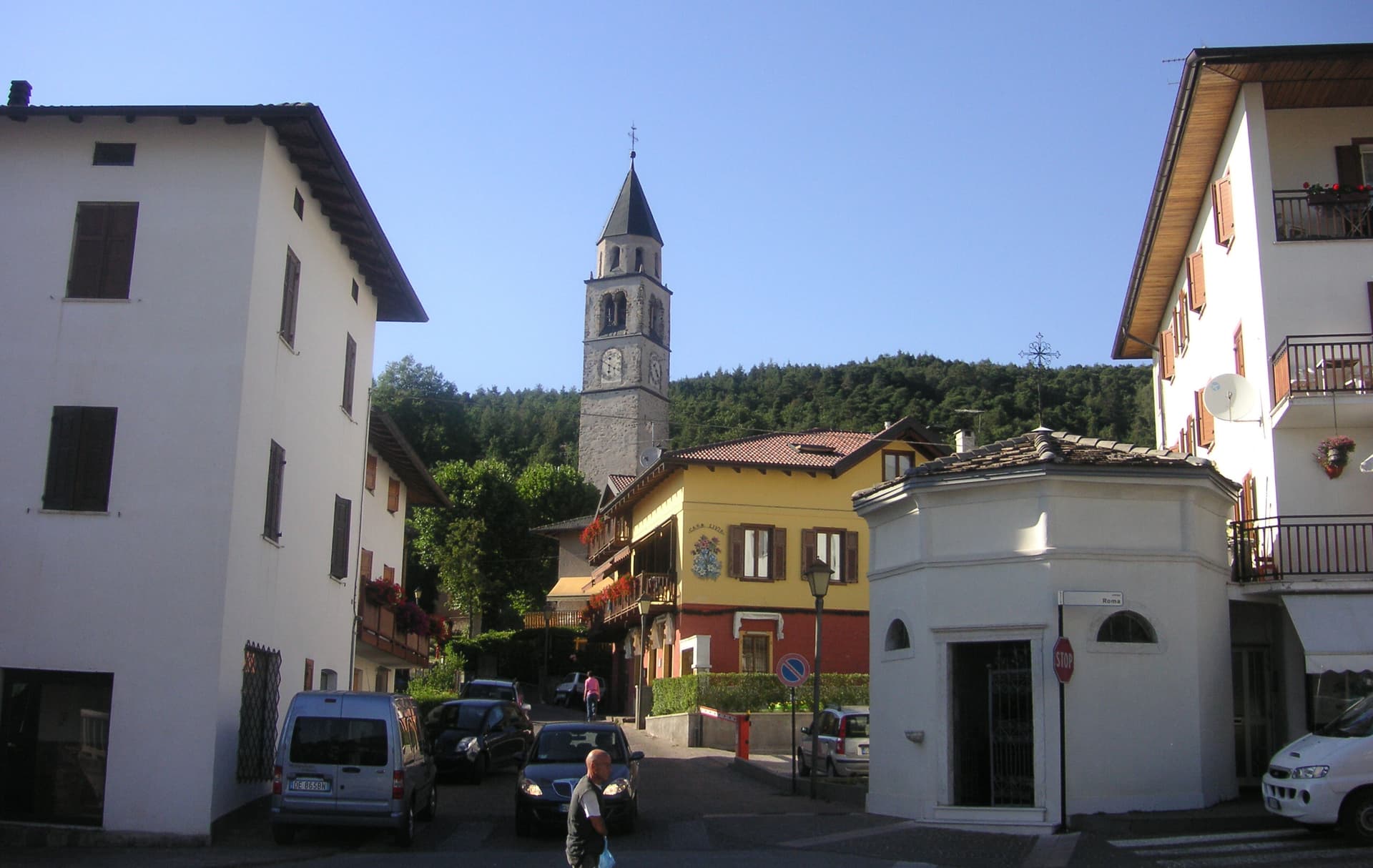
Baselga di Pinè
Province: Trento · 964 m
The main town of the Piné plateau at 964 metres, with a Blue Flag lake, Italy's outdoor speed skating oval and a baroque Marian sanctuary.
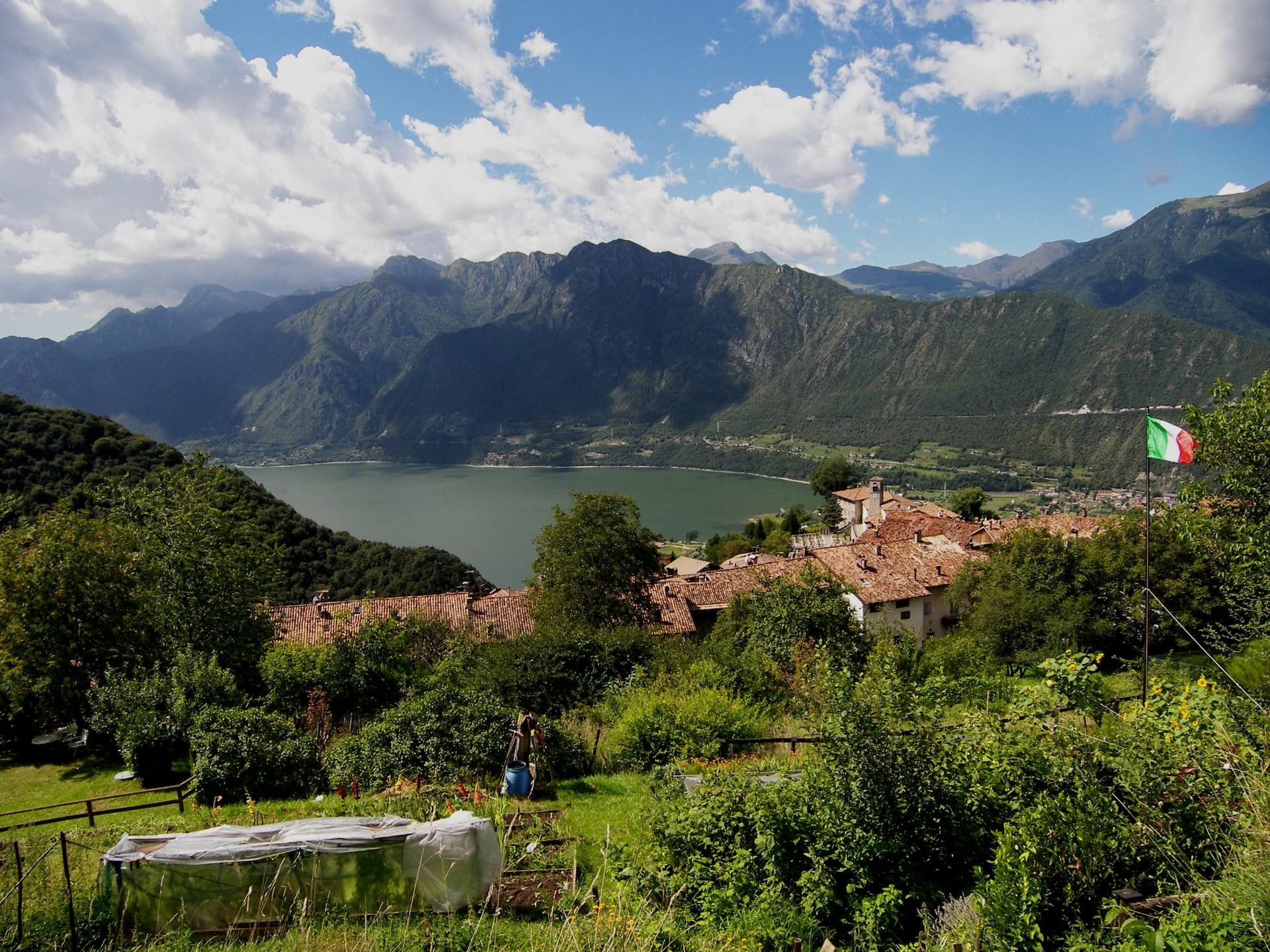
Bondone
Province: Trento · 720 m
A two-village commune above Lake Idro at the Lombard border, with a Lodron castle on the cliff and a Bandiera Blu shoreline below.
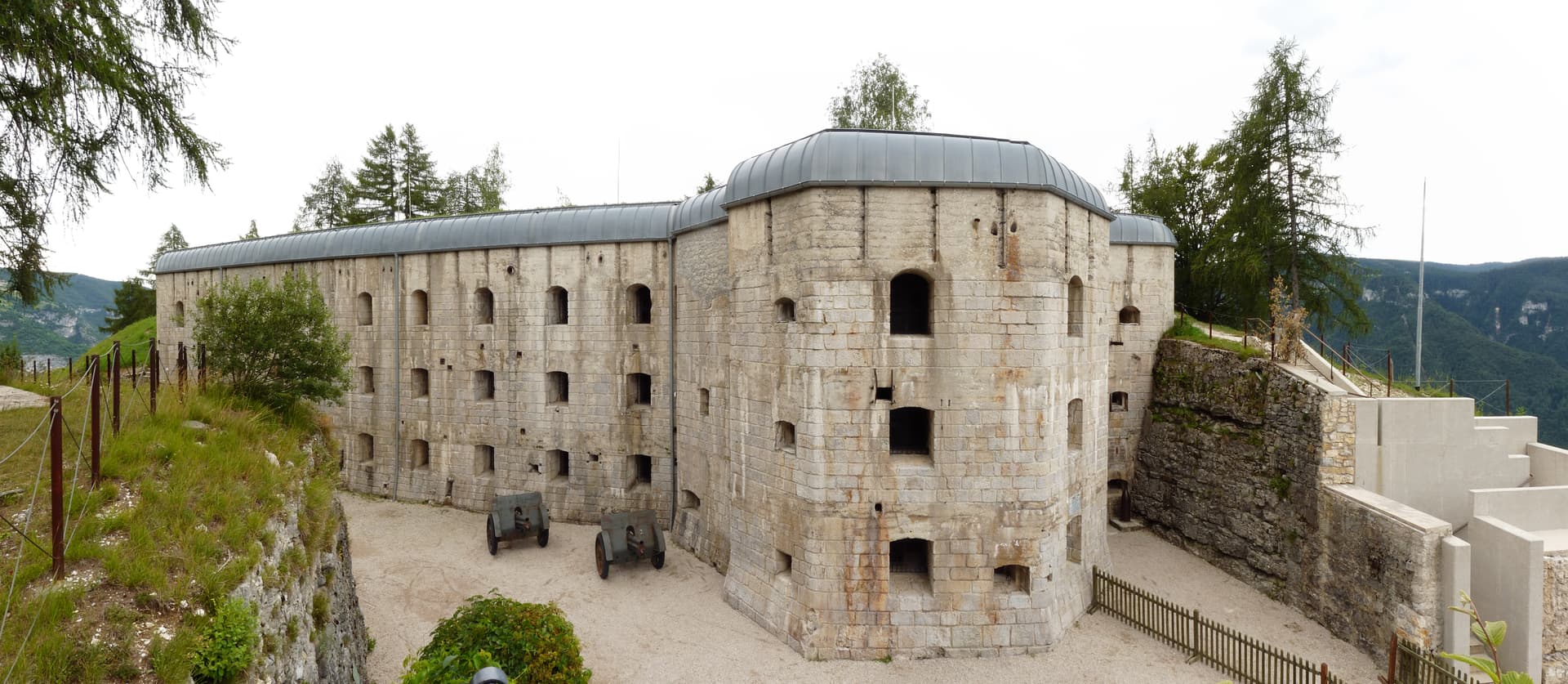
Lavarone
Province: Trento · 1,172 m
A Cimbrian plateau at 1,172 metres above the Val d'Astico, with a karst lake, an Austro-Hungarian fort, and the woods where Freud walked.
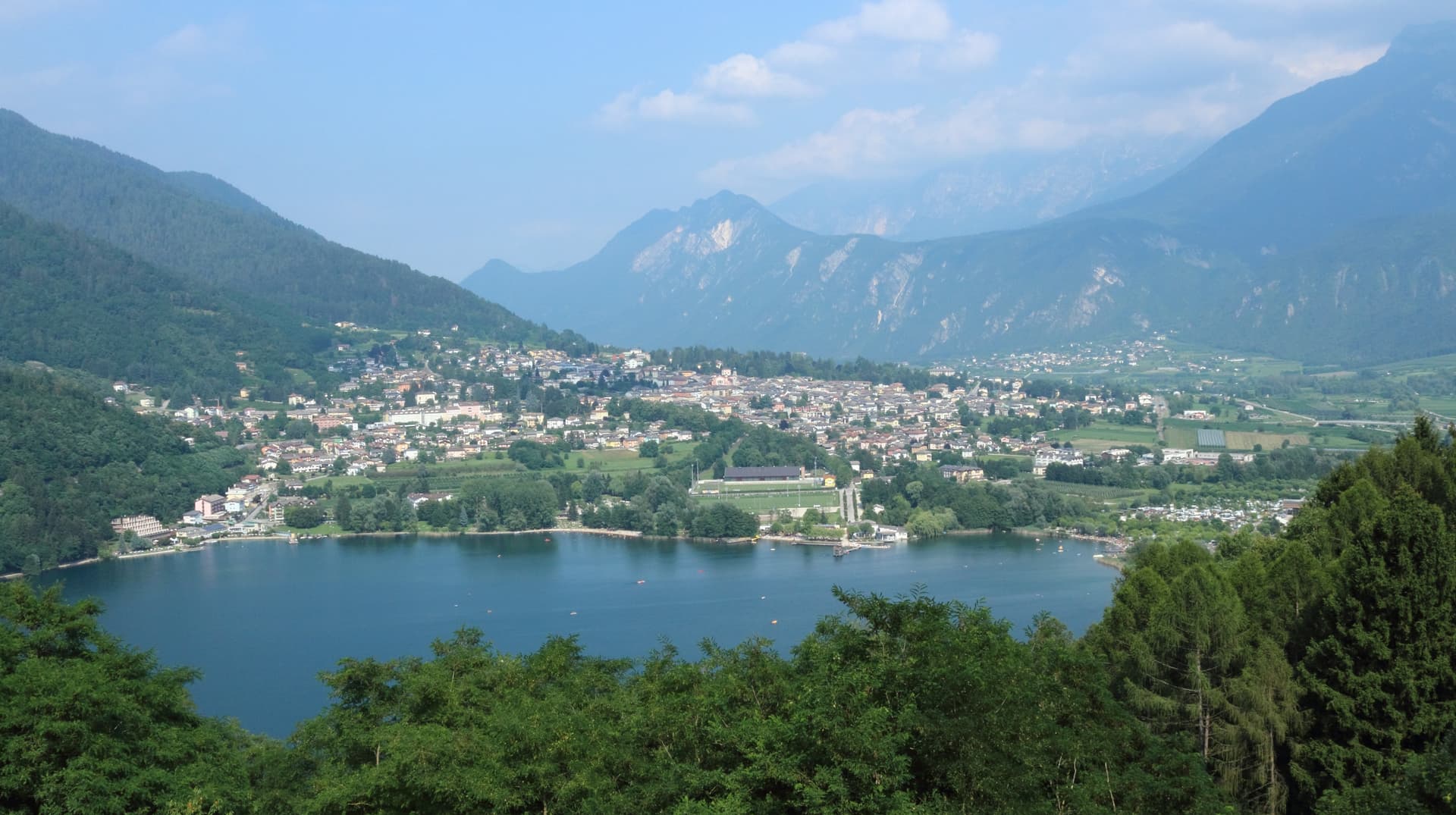
Levico Terme
Province: Trento · 520 m
A Habsburg spa town in the Valsugana at 520 metres, with arsenic-iron thermal waters, an English park and a Blue Flag lake at the edge of the centre.
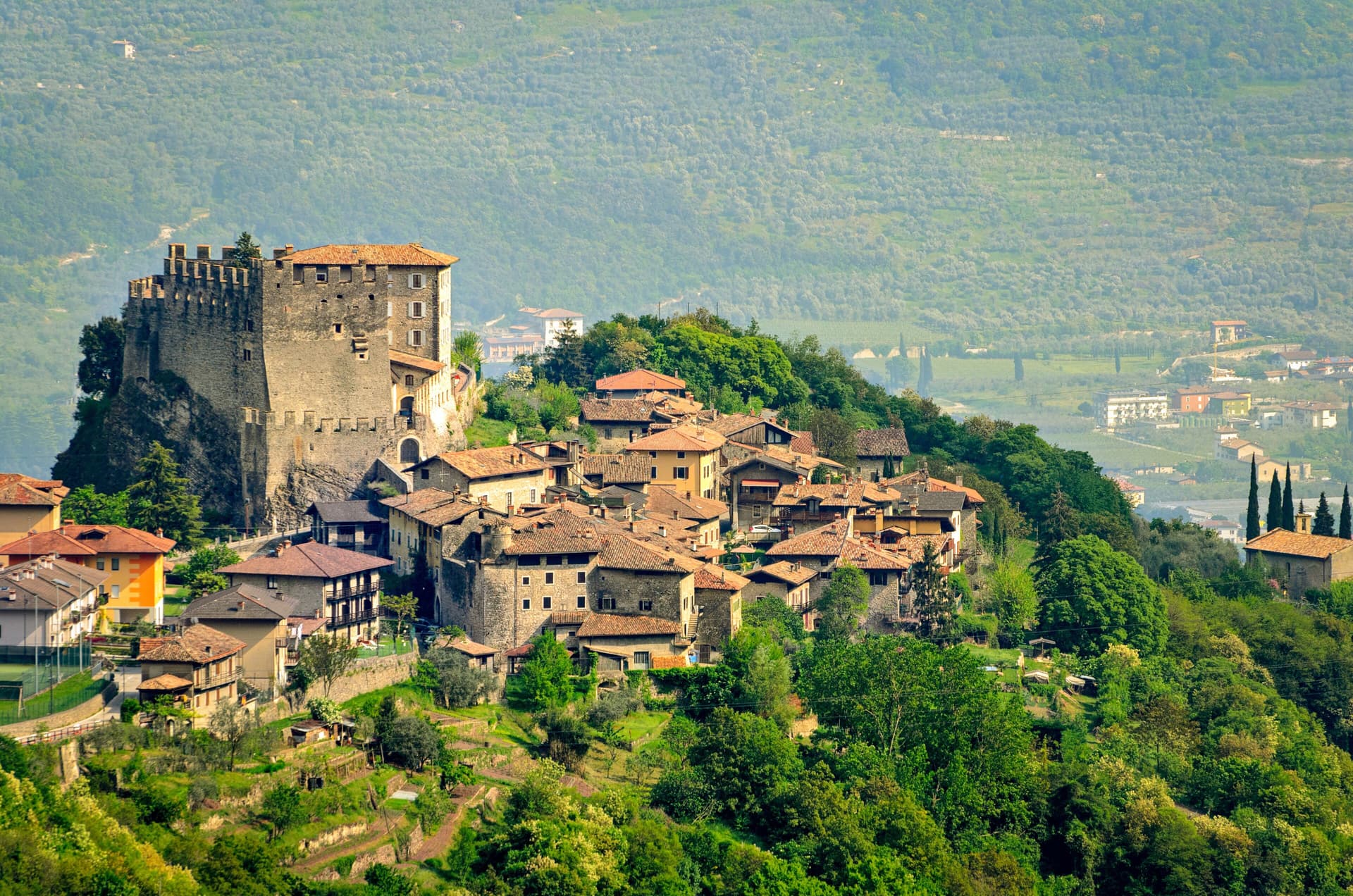
Tenno
Province: Trento · 428 m
A hillside commune at 428 metres above Lake Garda, with a medieval stone hamlet, a turquoise lake, and the northernmost olive groves in Europe.
Tuscany13
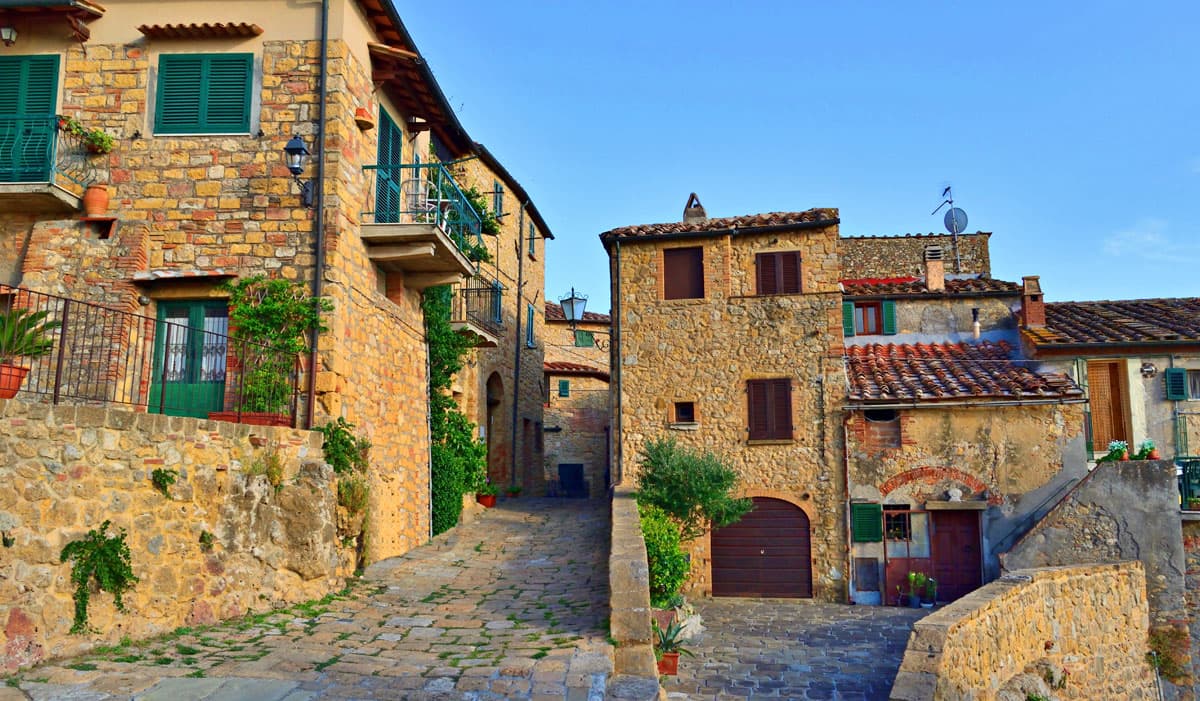
Bibbona
Province: Livorno · 85 m
An Etruscan-origin hill village above the Costa degli Etruschi, with a Romanesque parish church and a Lorraine-built coastal fort eight kilometers down the road at Marina di Bibbona.
- ✷ We've been
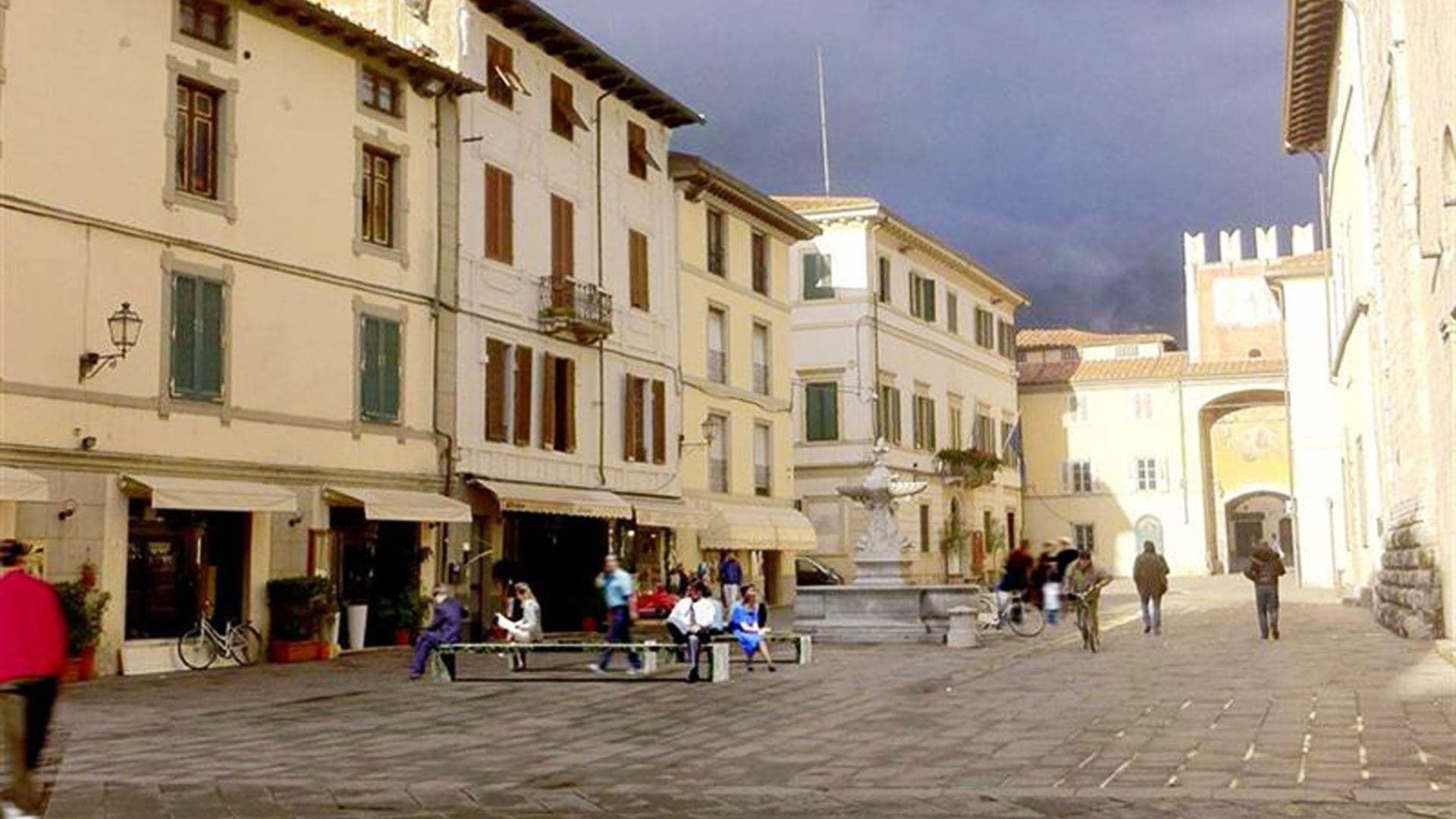
Camaiore
Province: Lucca · 34 m
The Versilia commune that runs from the Apuan Alps to the sea, a Roman Campus Maior on the Via Francigena with a beach at its western end.
- ✷ We've been
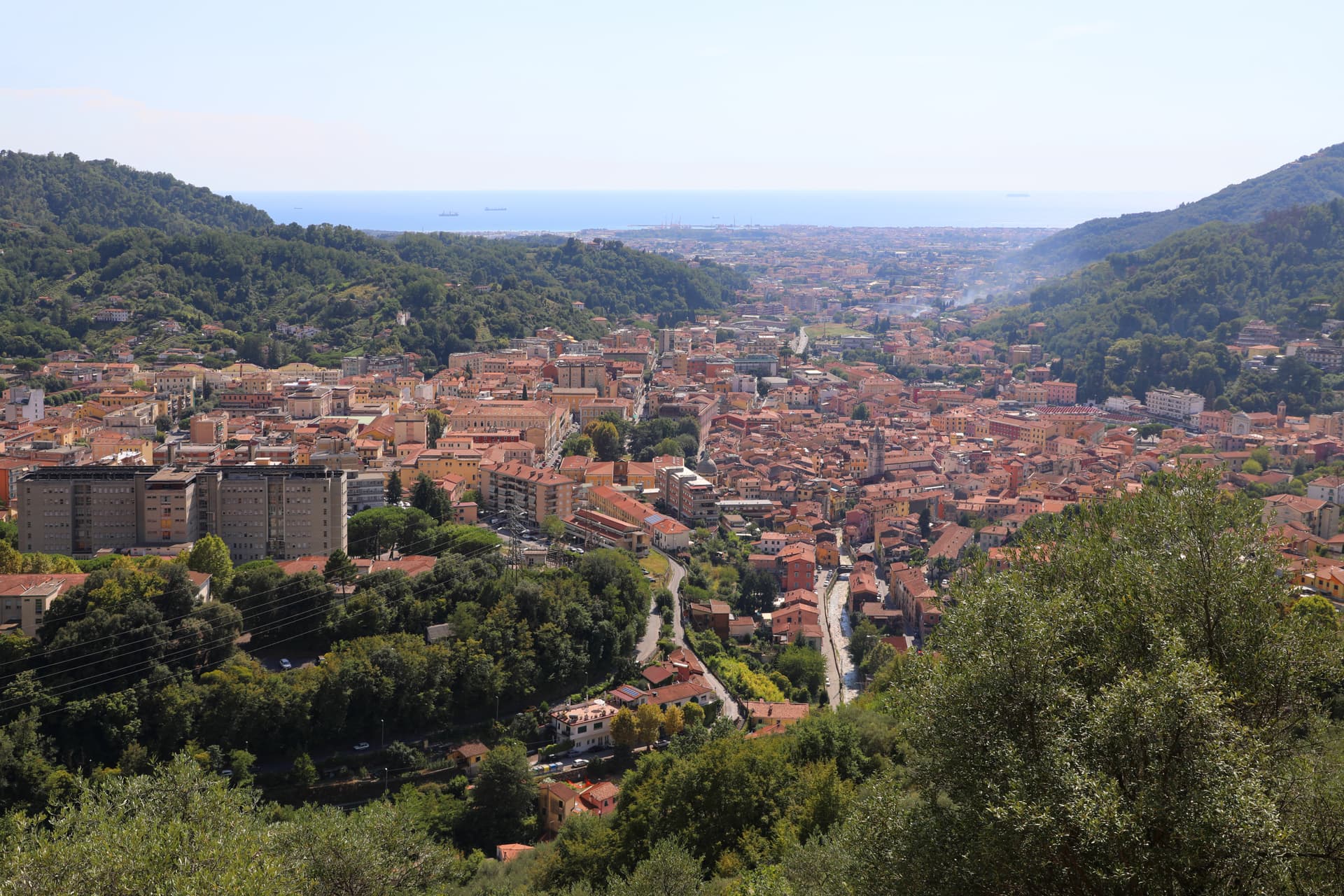
Carrara
Province: Massa-Carrara · 80 m
The marble town at the foot of the Apuan Alps, with over 650 quarry sites in the valleys above and the stone that built the Pantheon, the Pietà and Michelangelo's David.
- ✷ We've been

Castagneto Carducci
Province: Livorno · 194 m
A hilltop borgo at 194 meters above the Costa degli Etruschi, renamed for the poet Carducci in 1907 and the home of Bolgheri and Sassicaia.
- ✷ We've been
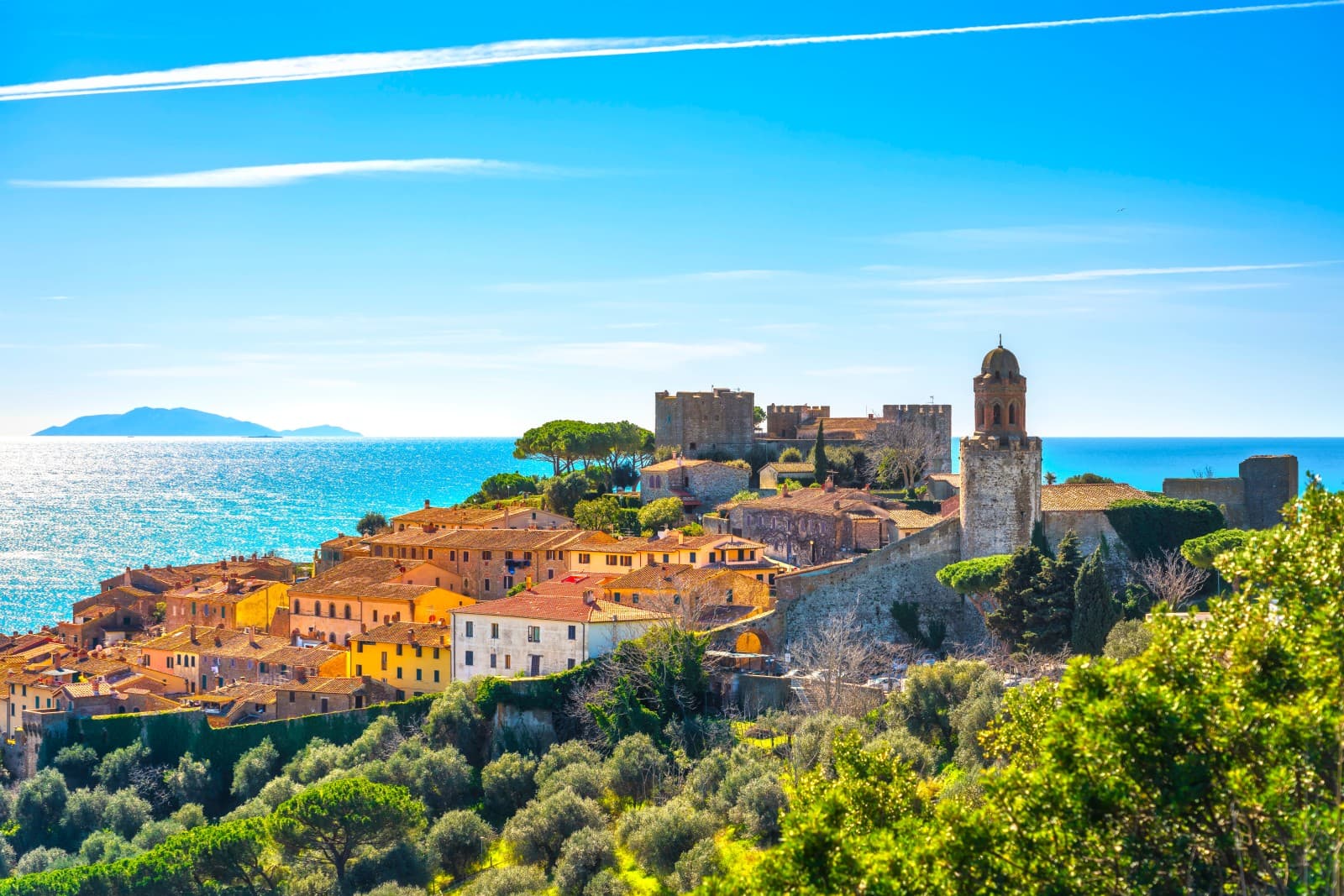
Castiglione della Pescaia
Province: Grosseto · 4 m
A Maremma seaside town under an Aragonese castle, with the Vetulonia necropolis behind it, the Diaccia Botrona wetland beside it, and Italo Calvino buried on the hill.
- ✷ We've been
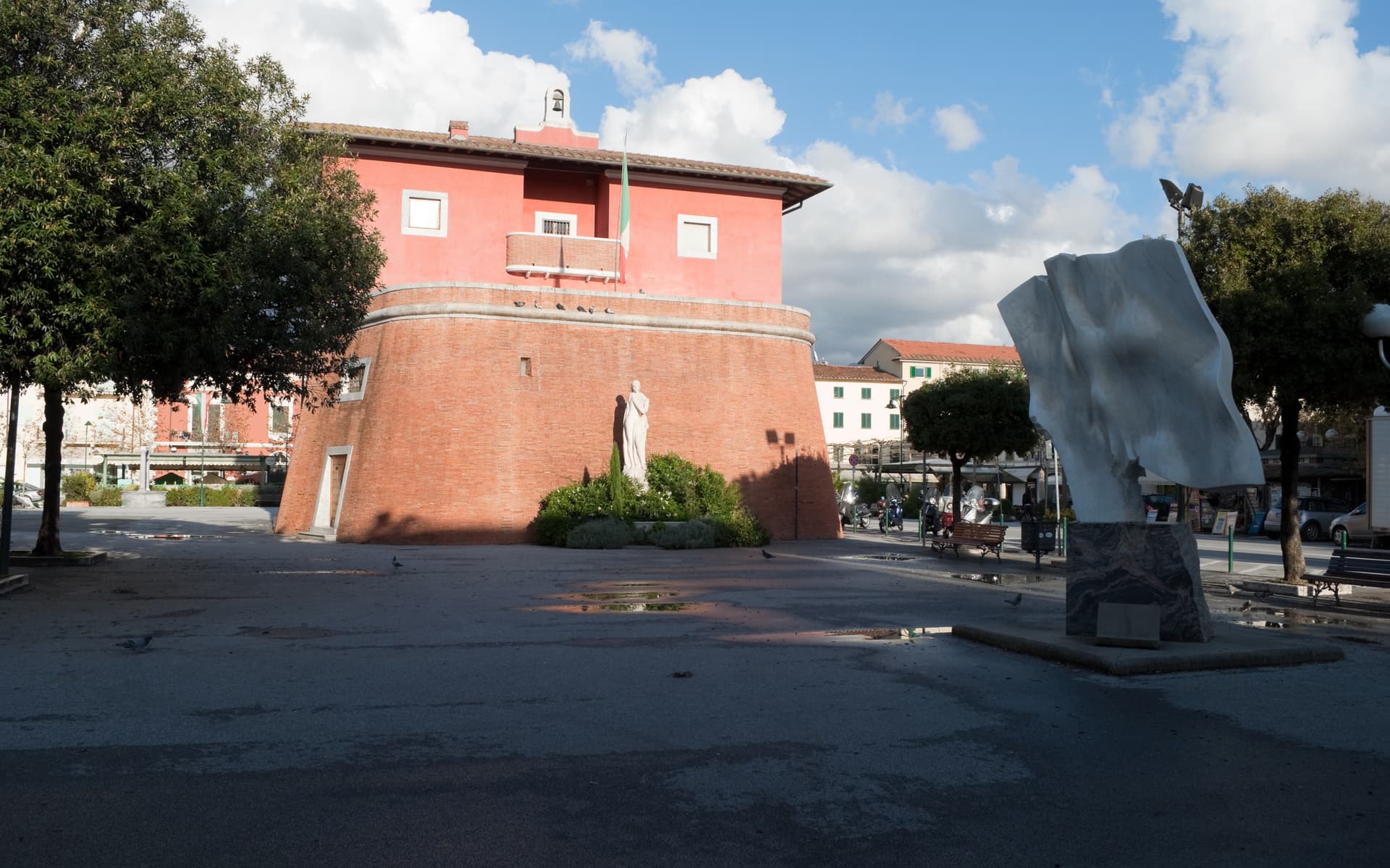
Forte dei Marmi
Province: Lucca · 2 m
The Versilia luxury beach built around an eighteenth-century marble-loading fort, with 99 bagni concessions and a Wednesday market that draws Milan.
- ✷ We've been
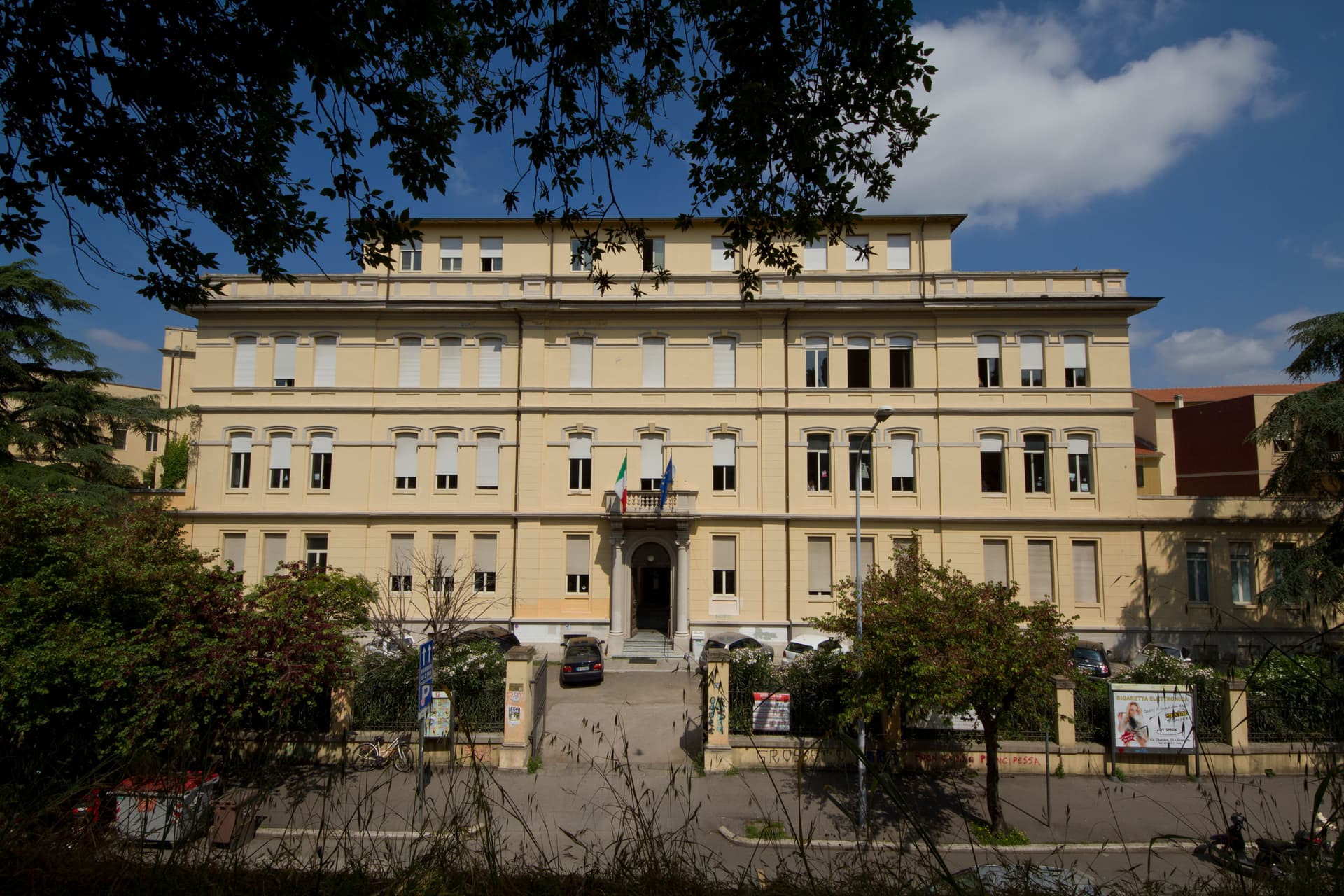
Grosseto
Province: Grosseto · 10 m
The Maremma capital on the Ombrone river, ringed by hexagonal Medici walls of 1564 that now serve as the city's public park.
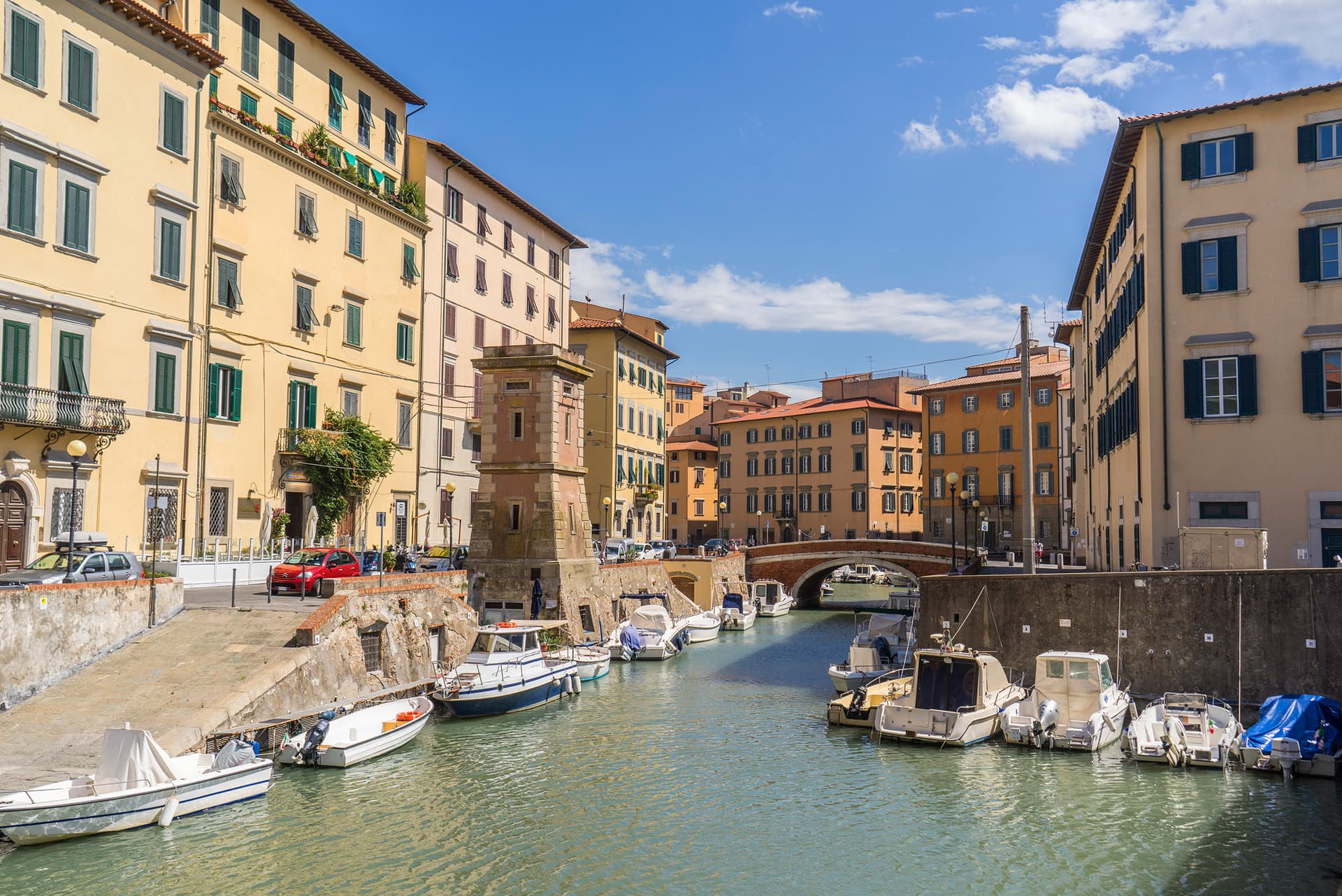
Livorno
Province: Livorno · 3 m
Tuscany's working port and Medici-planned 'New City' — a 16th-century planned town built on reclaimed coast, with a Venice-like canal quarter, the Quattro Mori monument, and a 1.5-km seafront promenade that locals call the world's most beautiful balcony.
- ✷ We've been
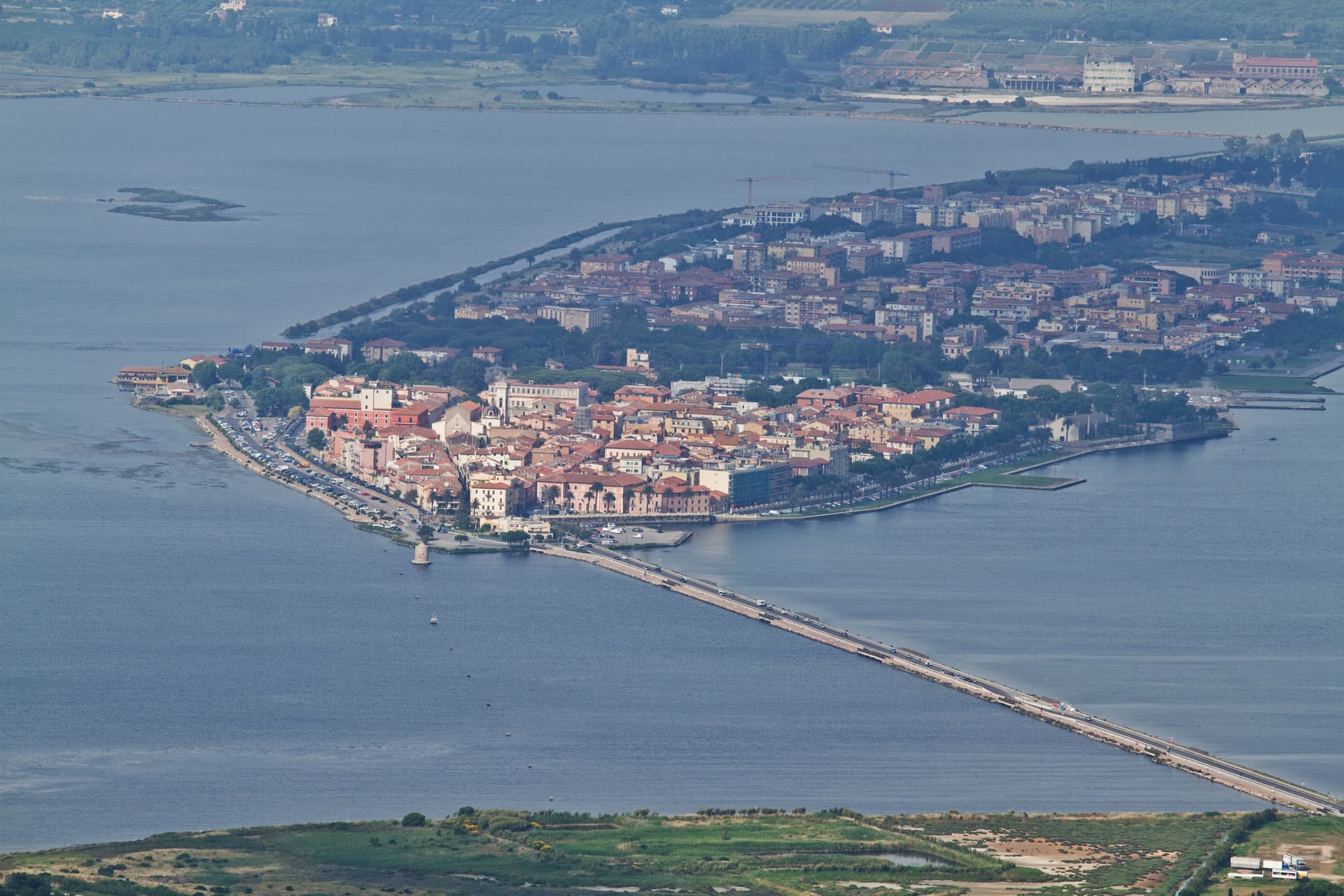
Orbetello
Province: Grosseto · 3 m
A town on a narrow isthmus at the center of its own lagoon, fortified by Spain in 1557 and tied to Monte Argentario by two tombolos.
- ✷ We've been
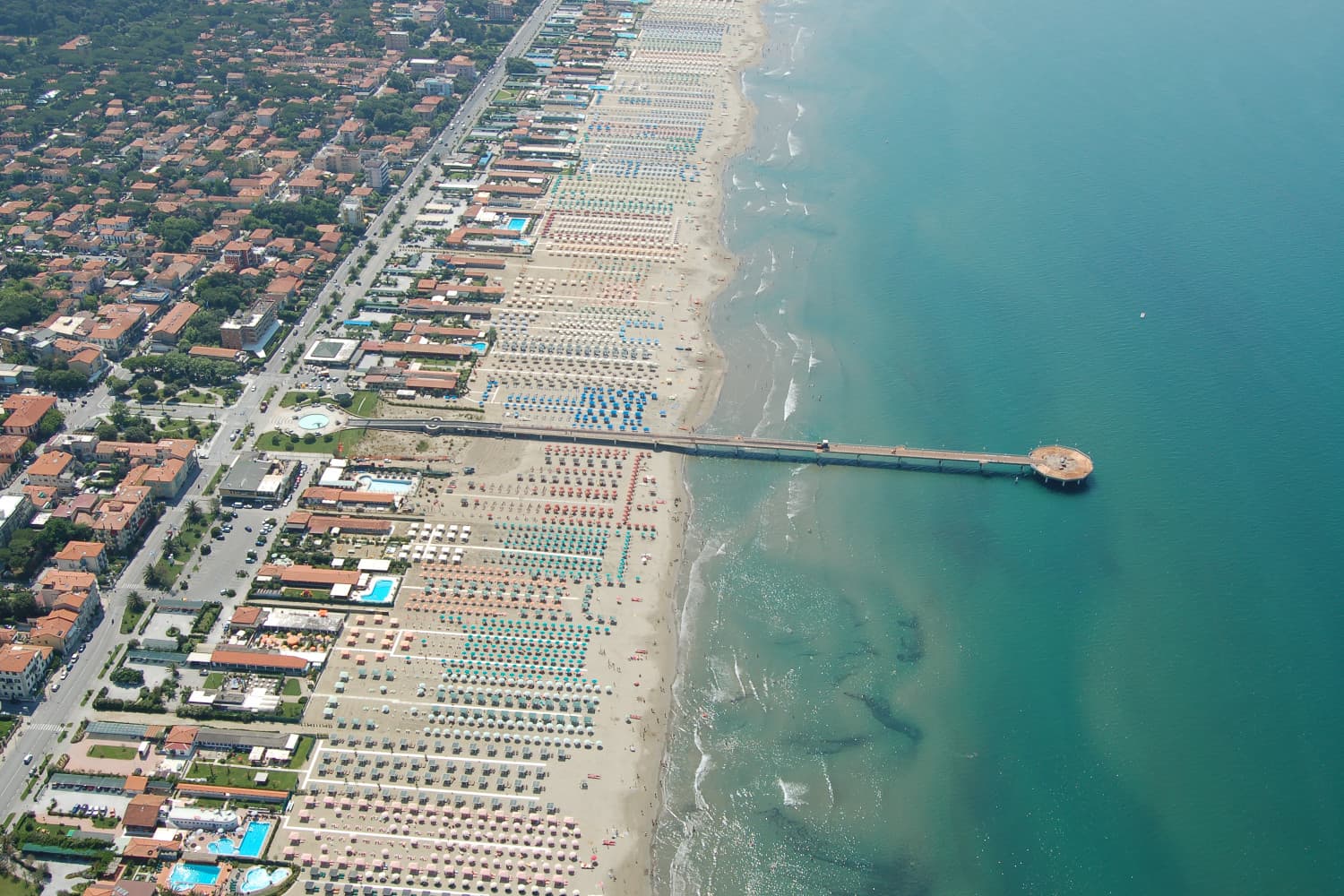
Pietrasanta
Province: Lucca · 14 m
The marble-processing town under the Apuan Alps, founded in 1255 and worked since by Michelangelo, Henry Moore, Joan Miró and Fernando Botero.
- ✷ We've been
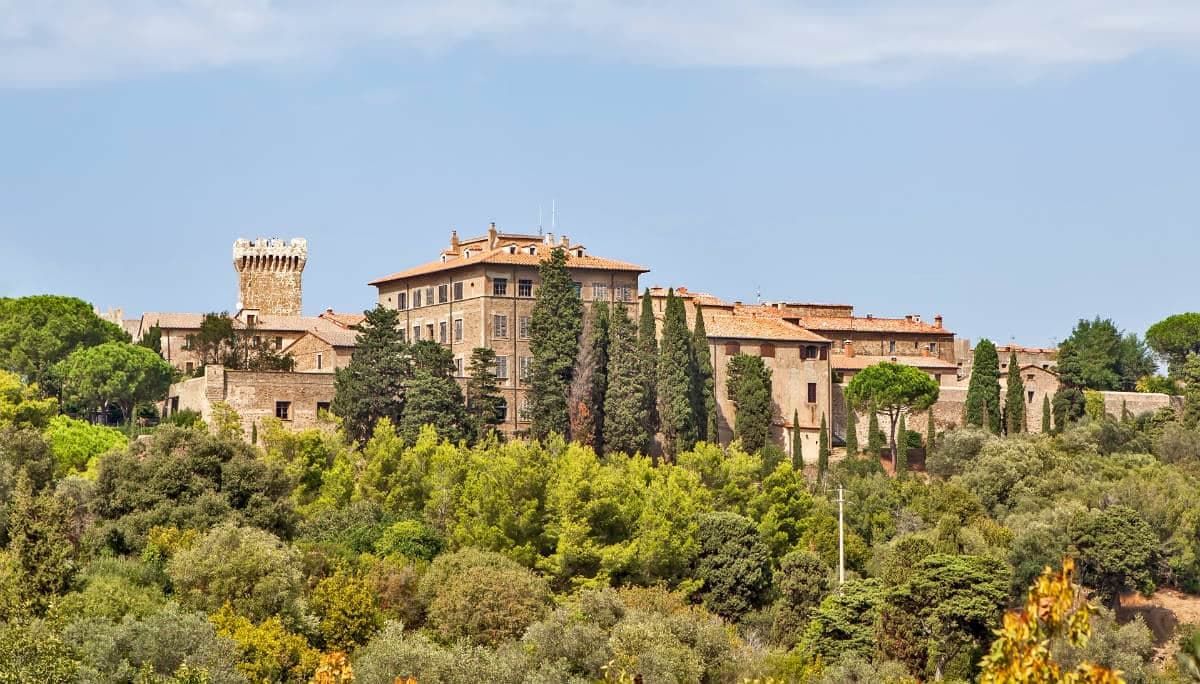
Piombino
Province: Livorno · 21 m
A promontory port facing Elba across the channel, founded by refugees from Etruscan Populonia and now the Tuscan archipelago's ferry capital.
- ✷ We've been
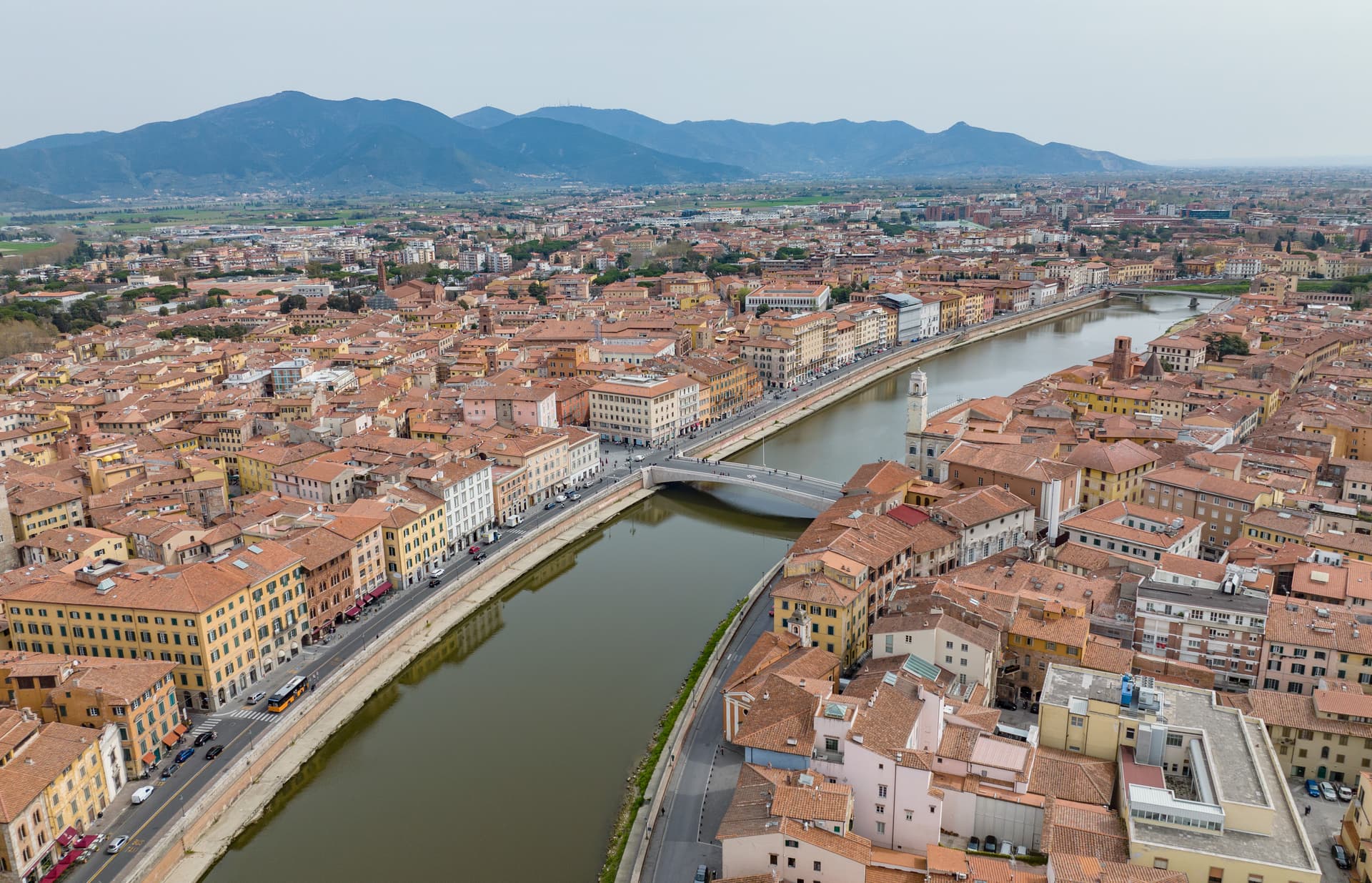
Pisa
Province: Pisa · 4 m
Maritime republic on the Arno, twelve kilometers from the Ligurian Sea, with the leaning bell tower at the center of a single UNESCO-listed walled compound.
- ✷ We've been
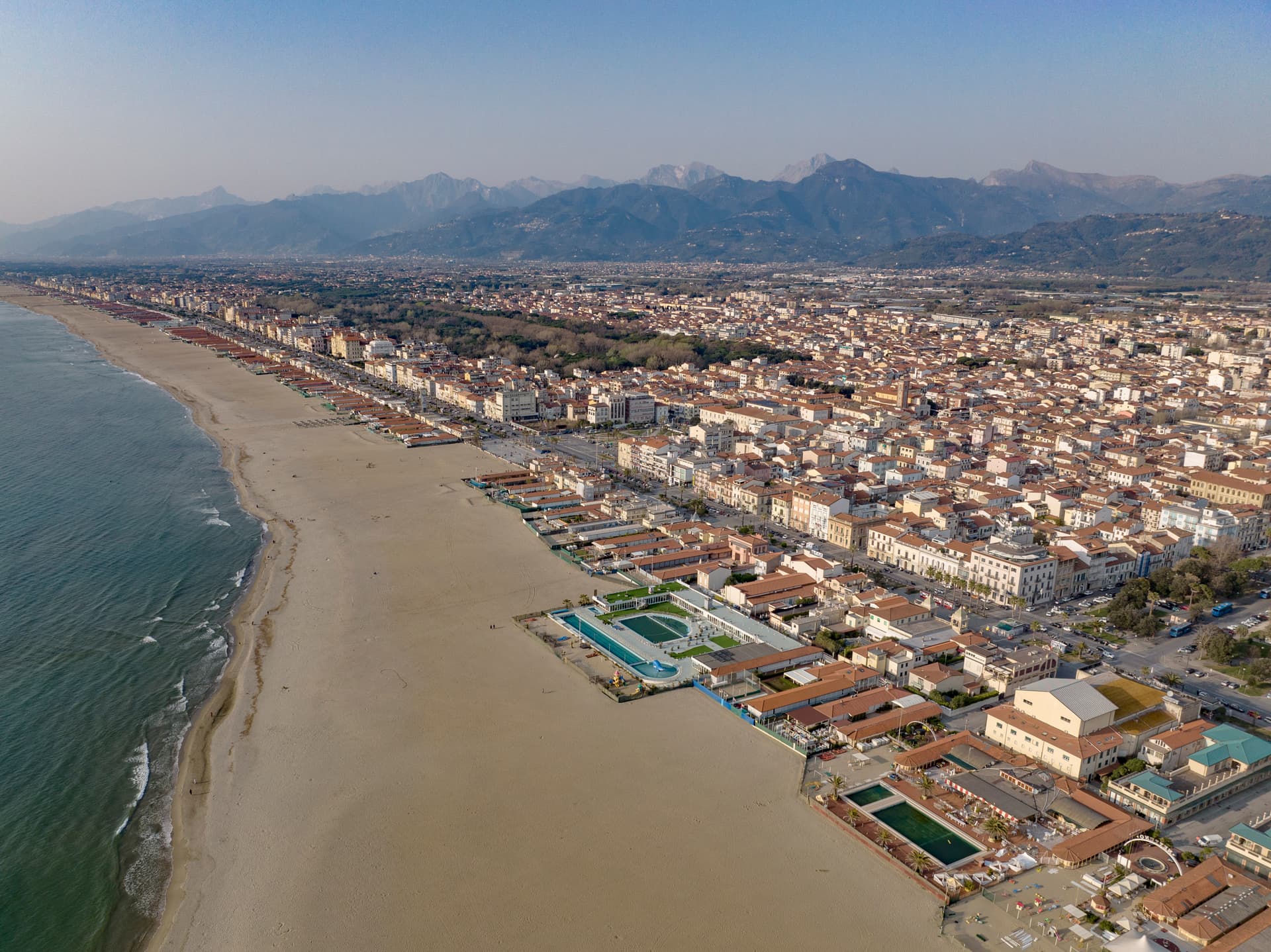
Viareggio
Province: Lucca · 2 m
The Versilia capital, a Liberty-architecture seafront built around the 1873 Carnival and the 254-kilogram papier-mâché floats that still parade every February.
Veneto2
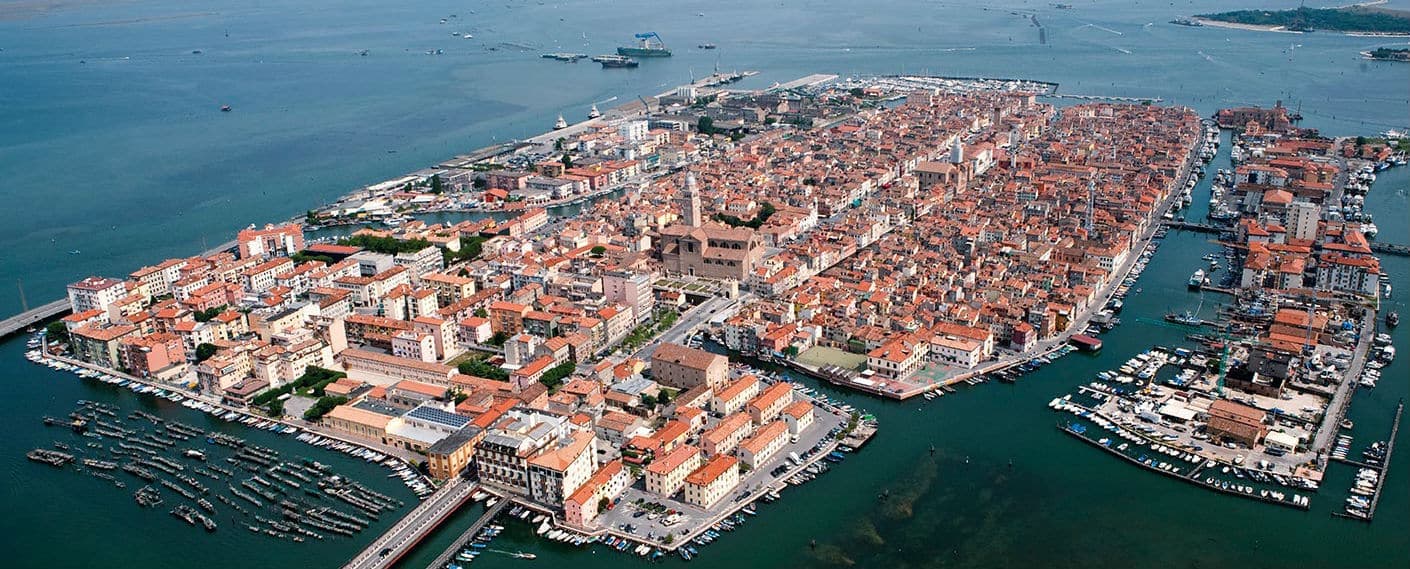
Chioggia
Province: Venezia · 2 m
Italy's second fishing port, on an island at the south end of the Venetian Lagoon, called Little Venice for the Canale Vena.
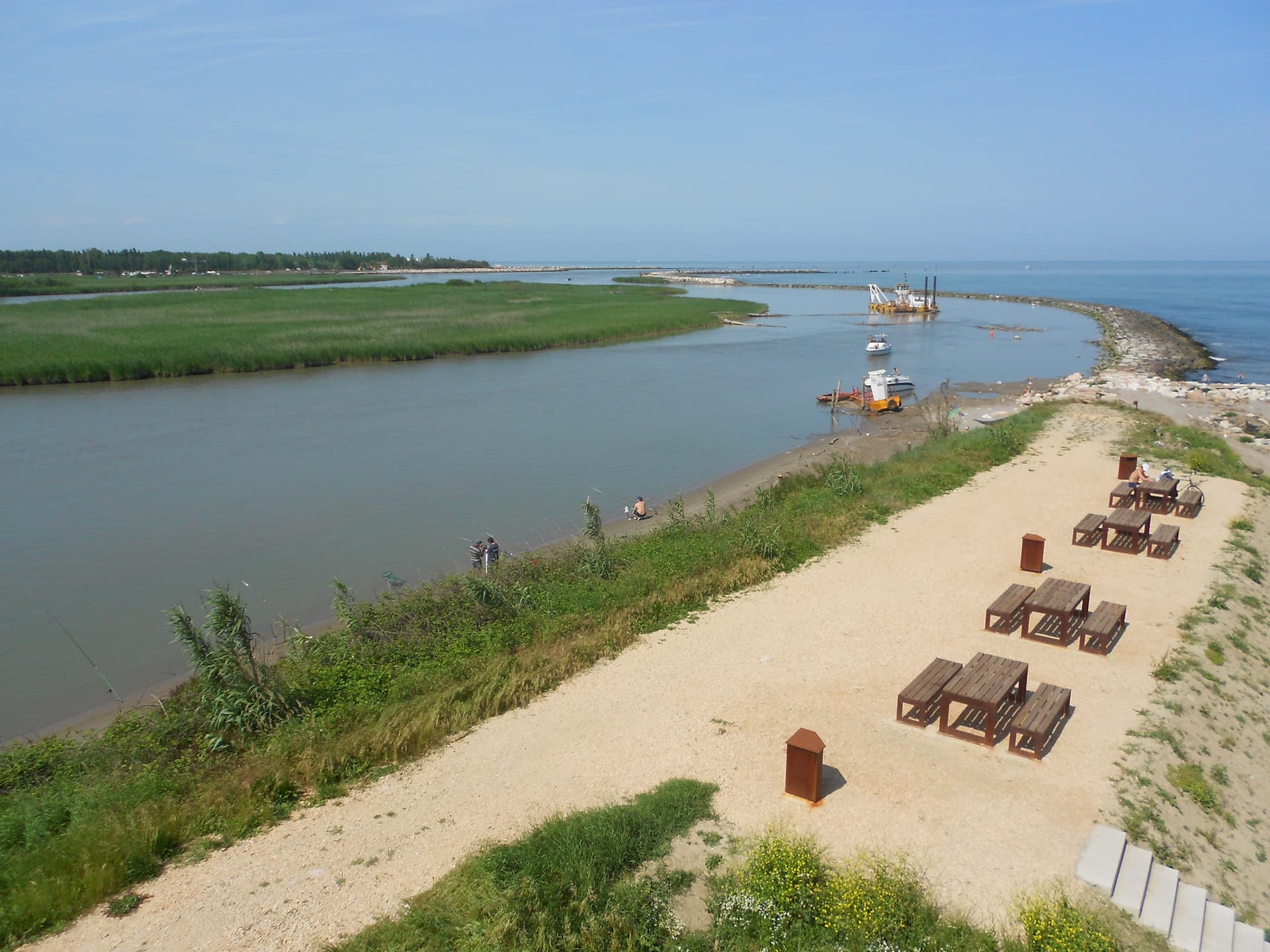
Rosolina
Province: Rovigo · 3 m
A reclaimed Po Delta commune where a nine-kilometer beach and a maritime pine forest sit between the Adige mouth and the Adriatic.
Subscribe — free
Get the best guides on hidden Italian towns.
One letter on Sundays. The week’s town, with the photo, the food, the festa. Free, by Peter & Sophia from Pietrasanta.
Substack sends a confirmation link to your inbox. The signup finishes when it’s clicked.
From elsewhere in Italy
Five more towns to discover
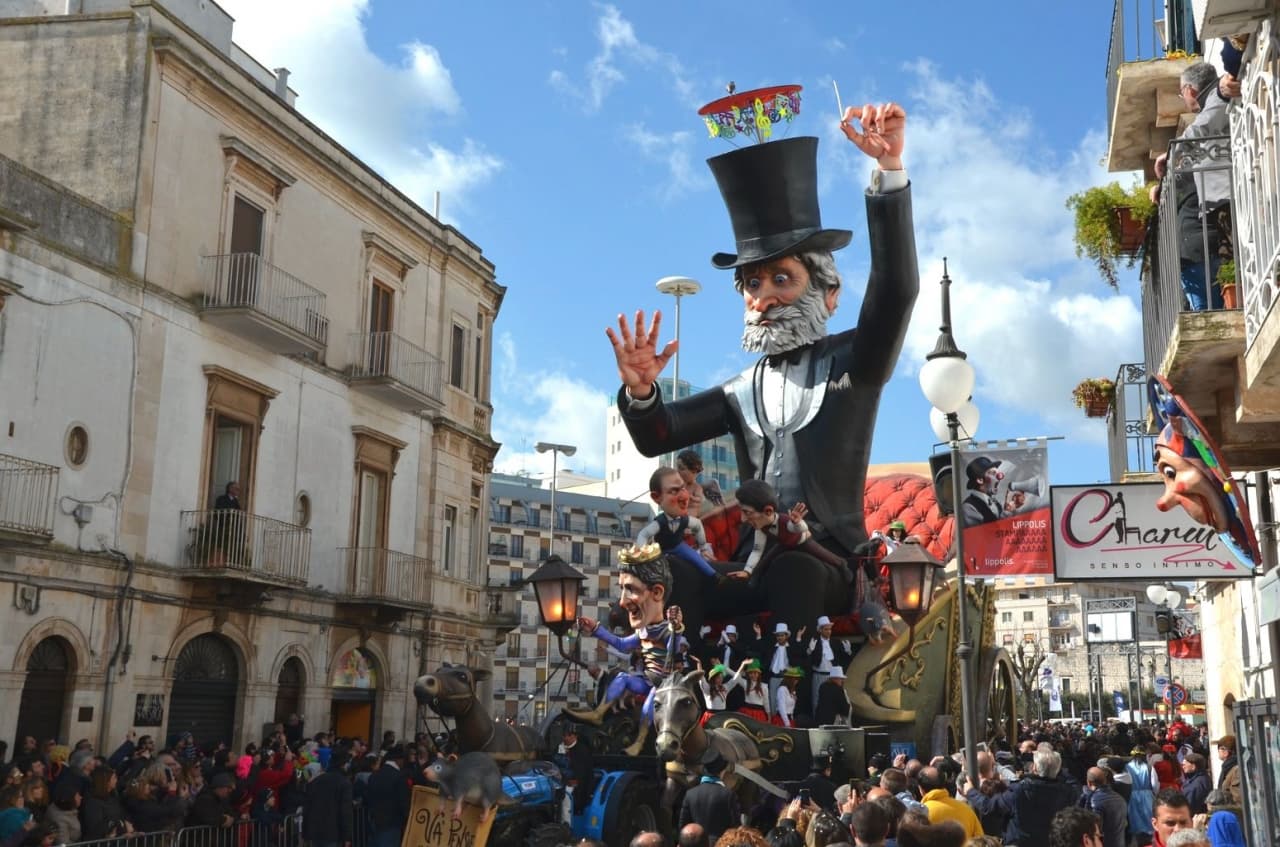
Putignano
Province: Bari
Europe's longest-running carnival — Putignano Carnevale has run continuously since 1394, with 631 years of cartapesta papier-mâché floats, a 26,000-resident Murgia town on the Bari–Lecce plateau, and the Grotta del Trullo karst cave inside the centro.

Pistoia
Province: Pistoia
Italy's nursery capital and the medieval Tuscan rival that gave its name to the pistol — a quietly extraordinary centro storico of zebra-striped Romanesque churches, Andrea della Robbia's polychrome frieze on the Ospedale del Ceppo, and Italy's Capital of Culture 2017, all 30 minutes from Florence by train.
Tropea
Province: Vibo Valentia
Cliff town on a tufa headland over the Tyrrhenian Coast of the Gods, with a Norman monastery on a sea rock.
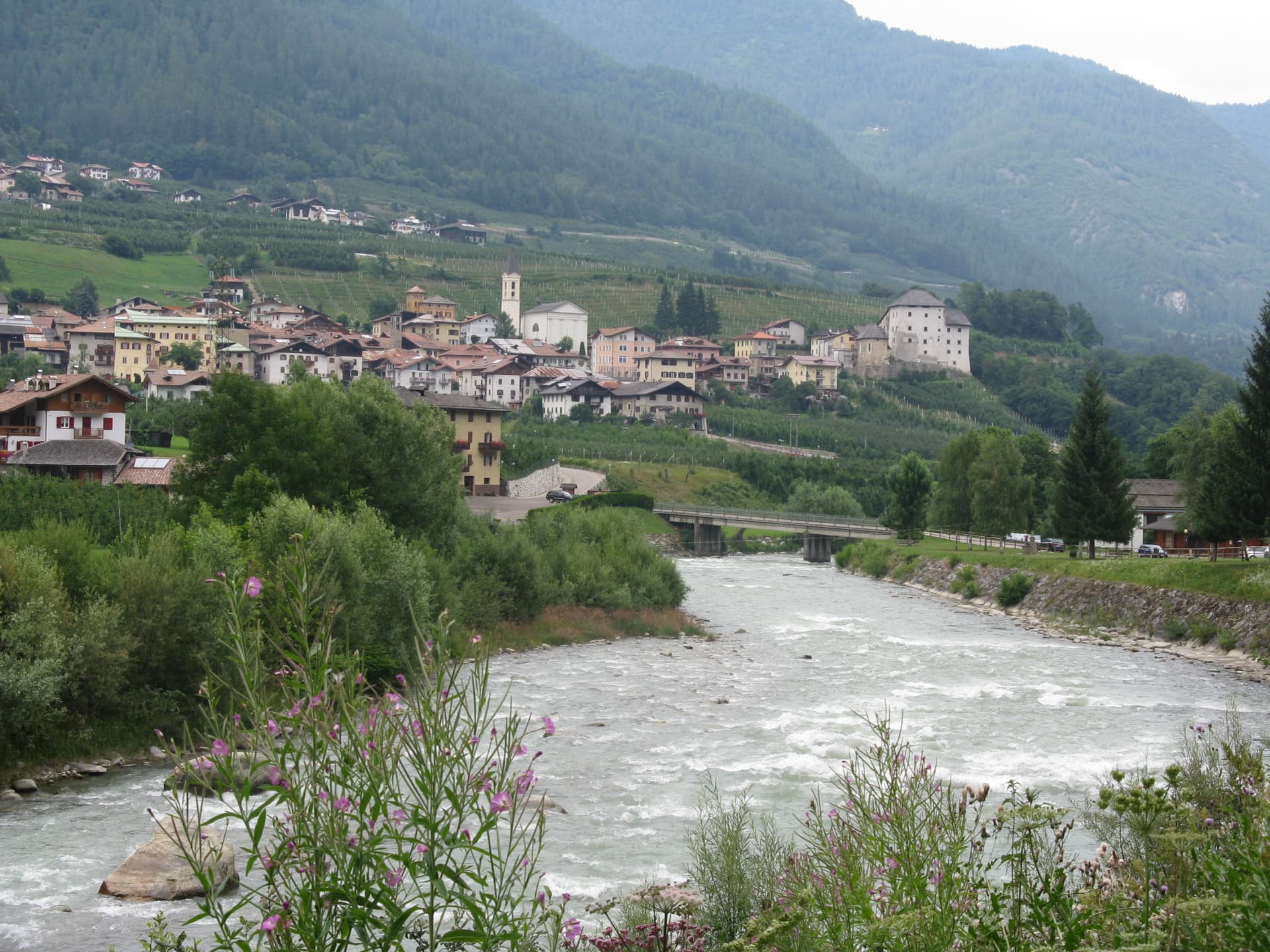
Caldes
Province: Trento
A scattered Val di Sole commune on the Noce, six hamlets gathered around a thirteenth-century tower-house castle that once belonged to the Thun family.
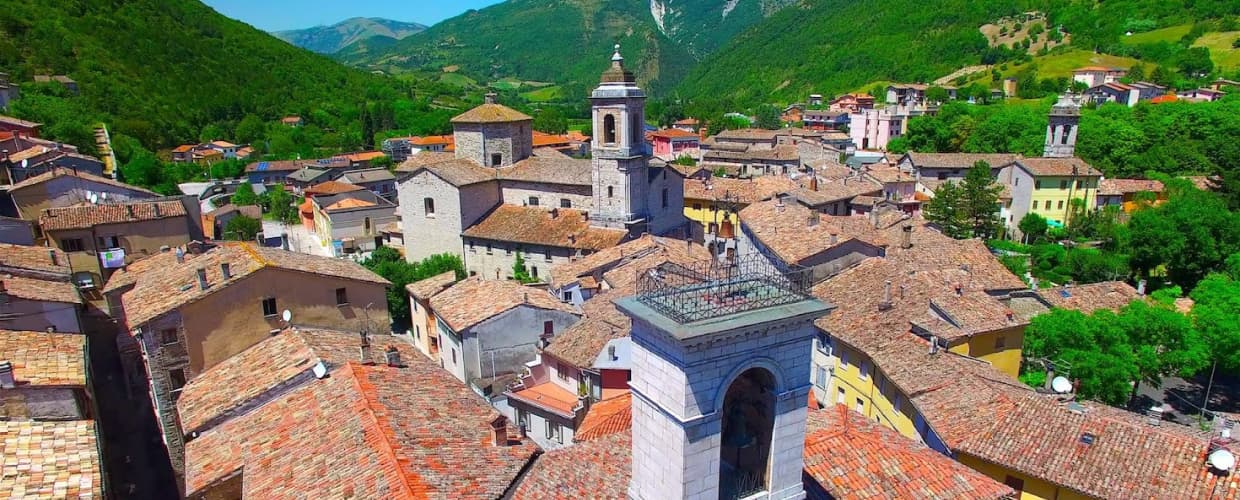
Cantiano
Province: Pesaro e Urbino
A border borgo at 374 meters under Monte Catria on the old Via Flaminia, known for the Good Friday Turba and the sour-cherry visciola harvest.