

Apulia · Lecce
Gallipoli
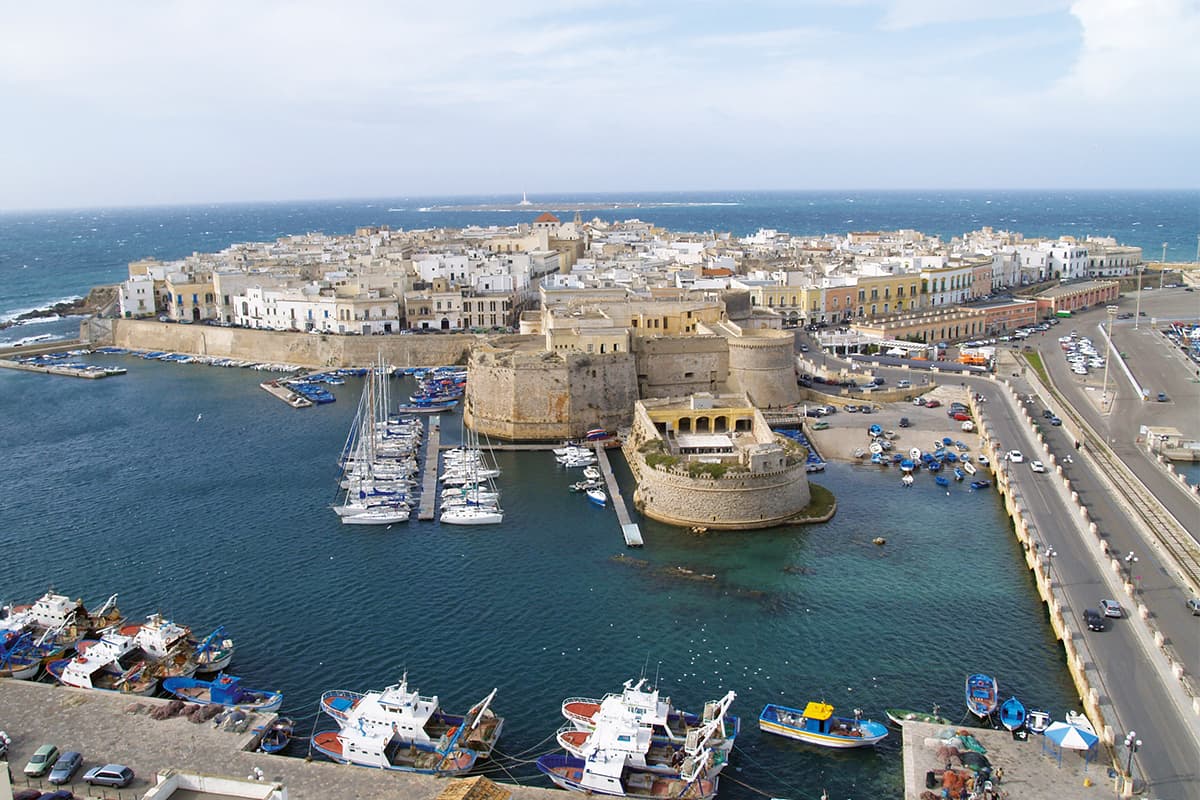
The Ionian beach city on a limestone island, Greek Kallipolis meaning beautiful city, tied to the mainland by a seventeenth-century bridge.
Known for
ISLAND OLD TOWN
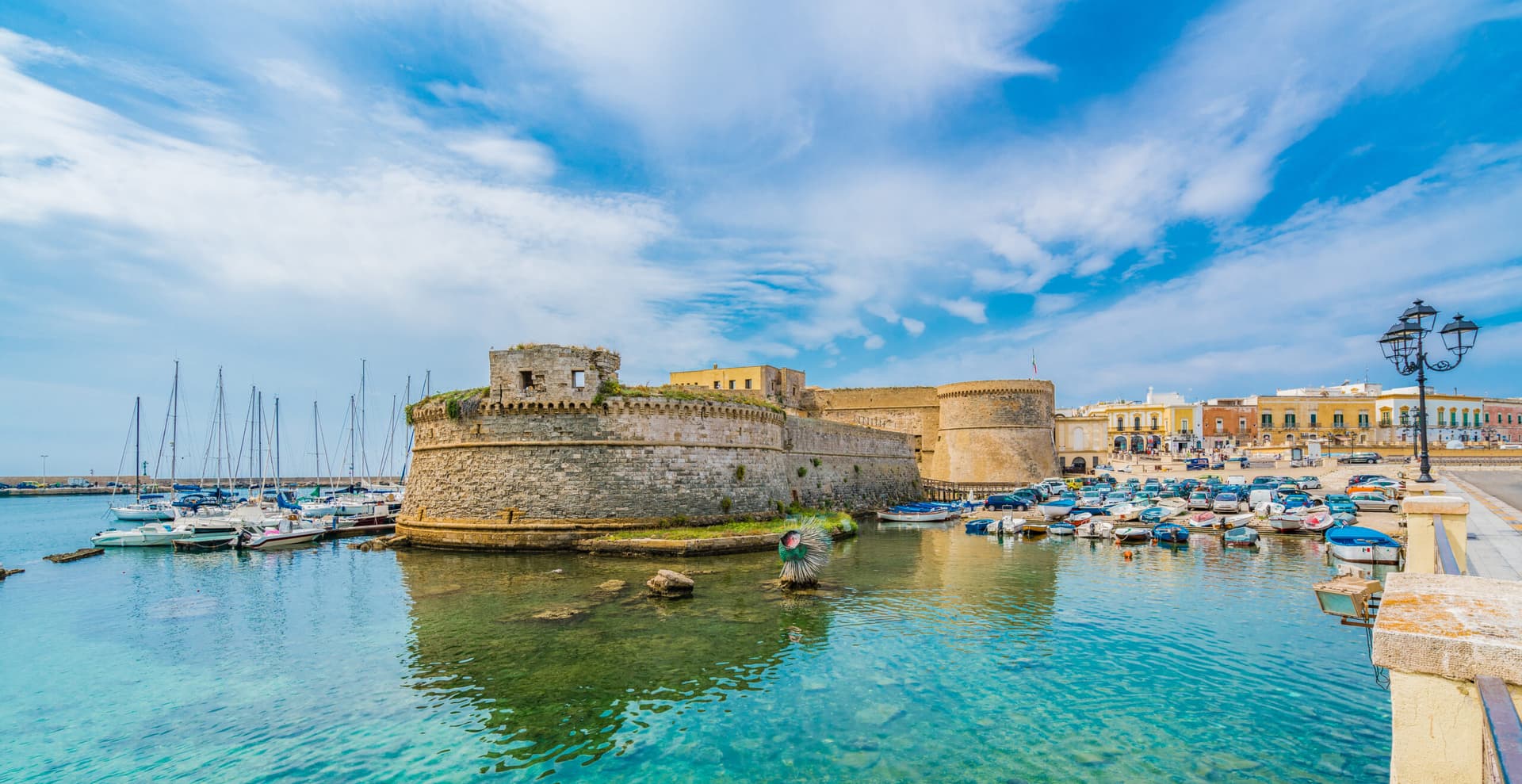
Walled centro storico built on a limestone island, joined to the mainland by a seventeenth-century bridge, ringed by the Castello Angioino.
FRANTOI IPOGEI
Thirty-five underground olive mills cut into the rock from the sixteenth century, producers of the lamp oil that lit European capitals.
IONIAN BEACHES
Spiaggia della Purità under the walls, the Baia Verde and Punta della Suina south of town, awarded Bandiera Blu and five-Vele in 2024.
When to visit
Best · May–Sep
- J
- F
- M
- A
- M
- J
- J
- A
- S
- O
- N
- D
- Best
- Hot or crowded
- Quiet
- Mostly closed
The festa: San Sebastiano, 20 January
Why come
Gallipoli is built on a limestone island off the Ionian coast of Salento, linked to the modern mainland town by a seventeenth-century bridge. The Greek name Kallipolis means beautiful city; the site has been a bishopric since the sixth century. The Castello Angioino guards the bridge end and was raised on Roman fortifications in the thirteenth century, expanded later under Aragonese and Spanish rule.
Inside the walled città vecchia, whitewashed lanes wrap around the Basilica Cattedrale di Sant'Agata, built between 1629 and 1696 in carparo limestone under the Spanish bishop Consalvo de Rueda. Below the streets, thirty-five frantoi ipogei, underground olive mills cut into the rock from the sixteenth century, once produced the lamp oil that lit the capitals of Europe. The Spiaggia della Purità sits directly under the sea walls.
Gallipoli got its first Bandiera Blu and a five-Vele Legambiente rating in 2024. In summer, the city flips from fishing port to the densest nightlife town in Salento.
The Sunday letter
We haven’t written Gallipoli’s letter yet.
One town every Sunday, with the photo, the food, the festa. Be there when this one comes up. Free, by Peter & Sophia from Pietrasanta.
By subscribing you agree to Substack’s Terms of Use, our Privacy Policy and our Information collection notice.
What to see
Castello Angioino
Thirteenth-century castle on Roman foundations at the bridge crossing, expanded under the Aragonese and Spanish, now an exhibition space.
Basilica Cattedrale di Sant'Agata
Baroque cathedral of 1629-1696 in carparo limestone, with Doric colonnade and polychrome marble altar, built under Bishop Consalvo de Rueda.
Città vecchia
Walled old town on the limestone island, a tight grid of whitewashed lanes, palazzi, and small churches wrapped by sea walls on three sides.
Frantoio Ipogeo di Palazzo Granafei
Underground olive mill cut into the rock in the sixteenth century, one of the city's surviving frantoi, restored and open for visits.
Spiaggia della Purità
Small sandy beach carved into the sea wall below the Chiesa di Santa Maria della Purità, the only beach inside the city walls.
Mercato del Pesce
Daily fish market under the castle walls except Sundays, where the paranze fleet unloads catch from the Ionian at dawn.
The slow-trip planner
Building a trip? Find where Gallipoli fits in a slow Italy circuit.
Answer five questions. We will shape a geographically coherent slow trip from the 1,000 Italian towns most travelers skip. Yours to save and share.
Living here
- Population 19,353
- In-betweeni
- Pharmacy in town
- High school within a 30-minute drive
- Train station in the comune
- Nearest airport Bari / Brindisi, 2 h 45 min drive
- Regional capital Bari, 2 h 33 min drive
Tags & datadesignations · numbers · sources
Recognised as
The numbers
- Elevation: 12 m
- Population: 19,353
- Surface area: 41.22 km²
These figures were compiled from public directories — ISTAT, OpenStreetMap, Wikidata — and from the official listings of the guides named on this page. Town details change; verify with official sources before you travel.
Close by
More towns near Gallipoli
Galatone
Province: Lecce
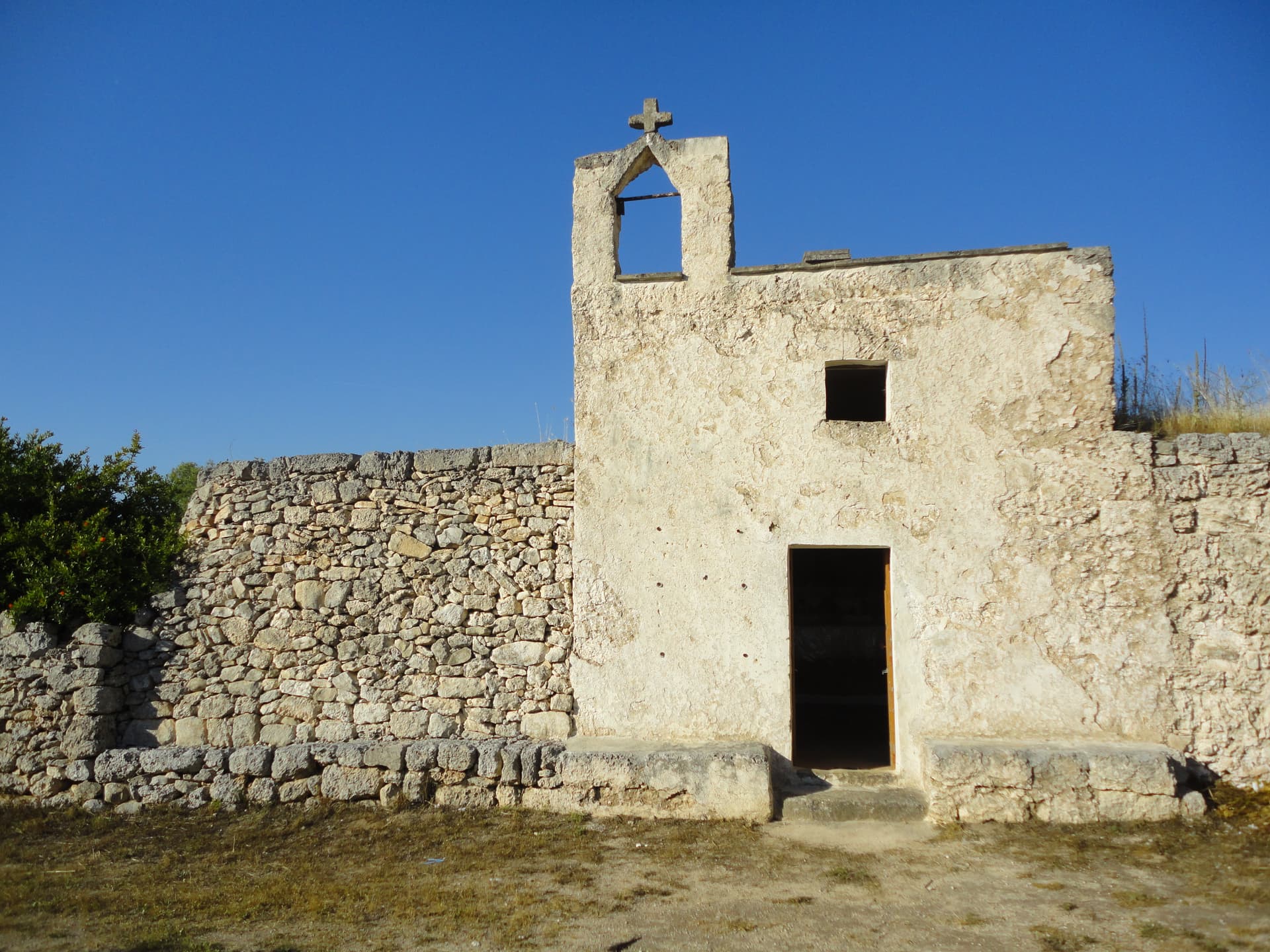
A Salento town at 57 meters thirteen kilometers from Gallipoli, built around a Baroque sanctuary raised over a fourteenth-century Byzantine icon.
Ugento
Province: Lecce
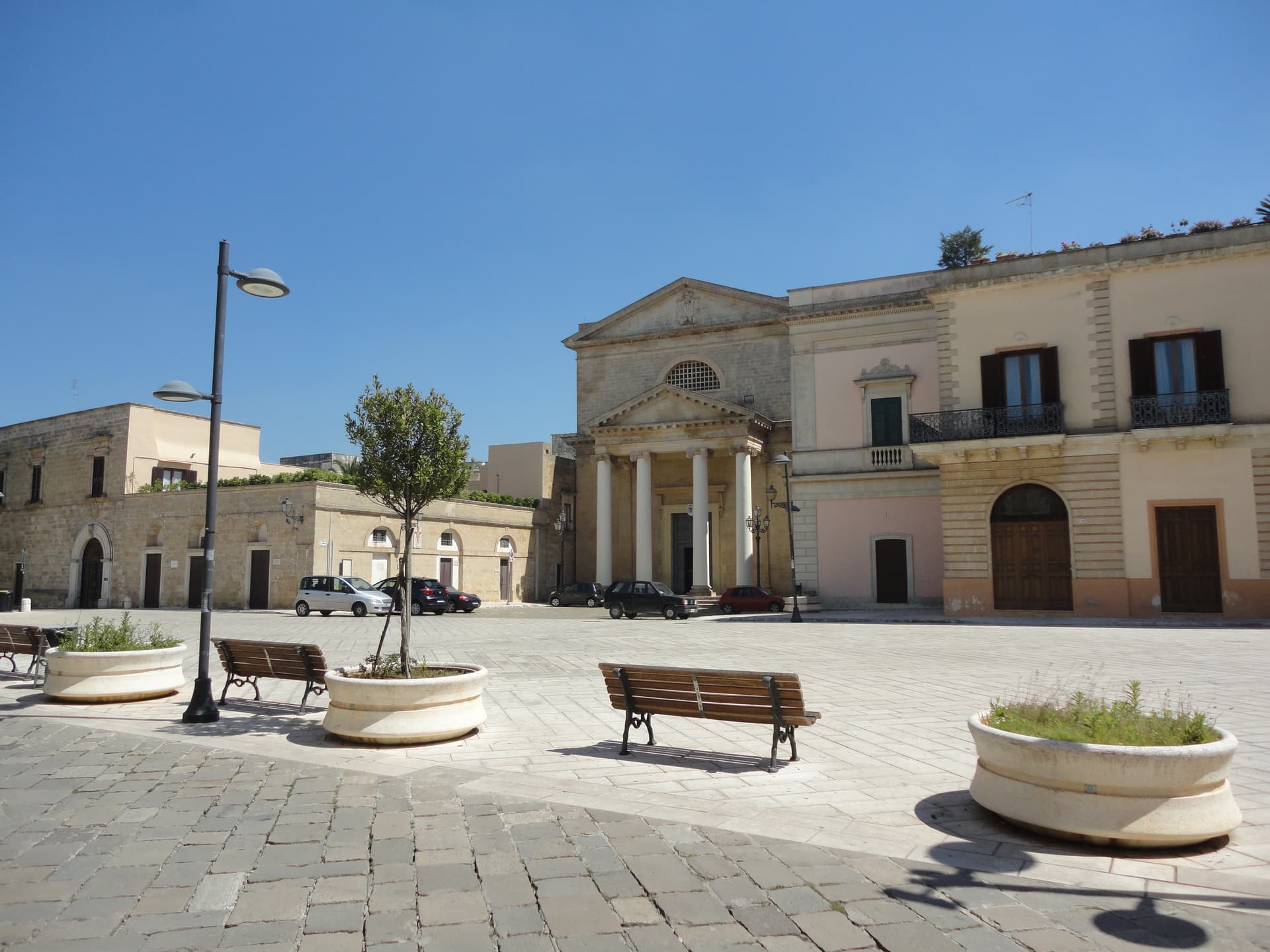
A Messapian-Roman town five kilometers from the Ionian, where a Baroque castle sits on the walls of the ancient city of Ozan.
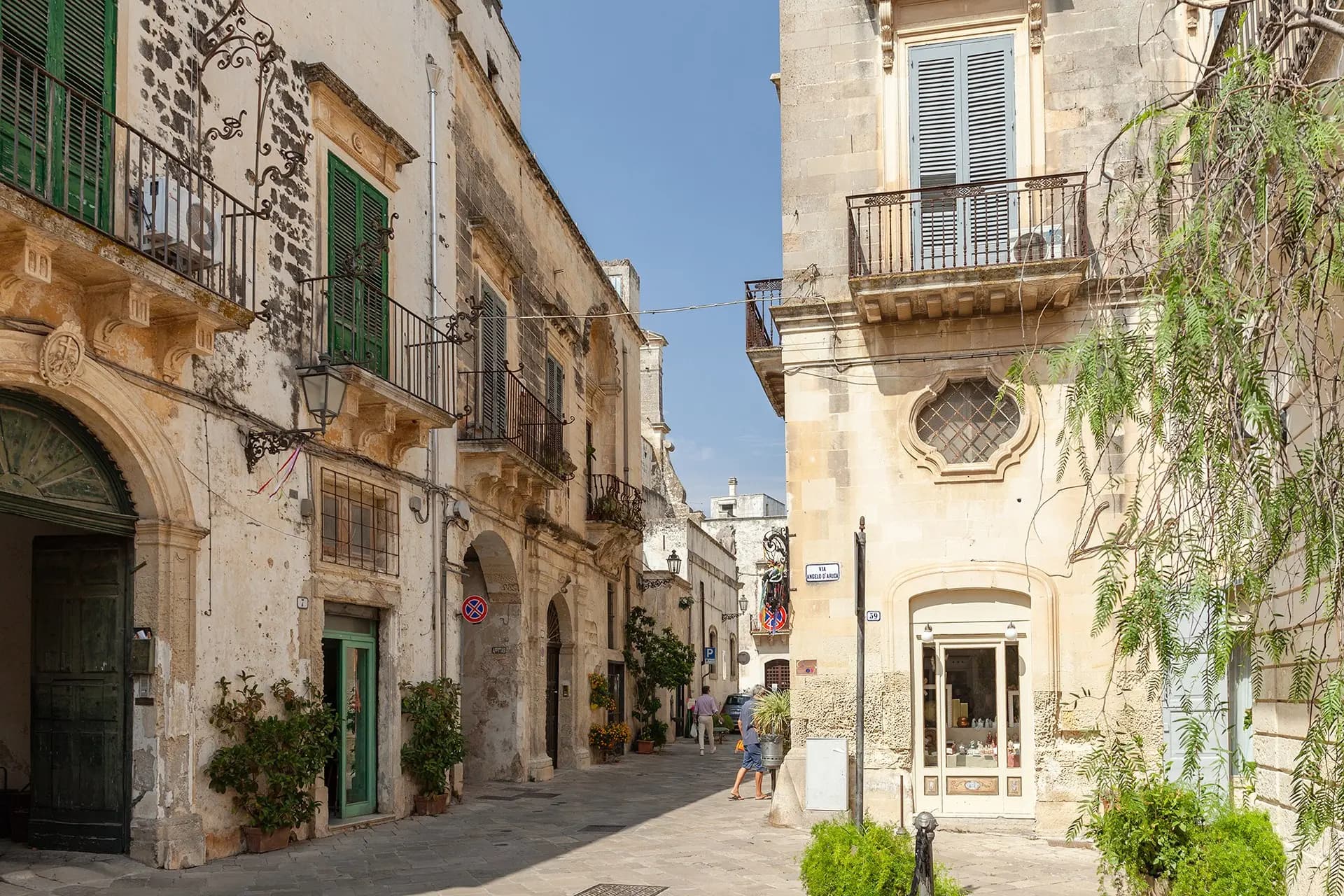
Galatina
Province: Lecce
The Salento town at 78 meters where the cult of San Paolo bred tarantism and gave the pizzica its origin myth.
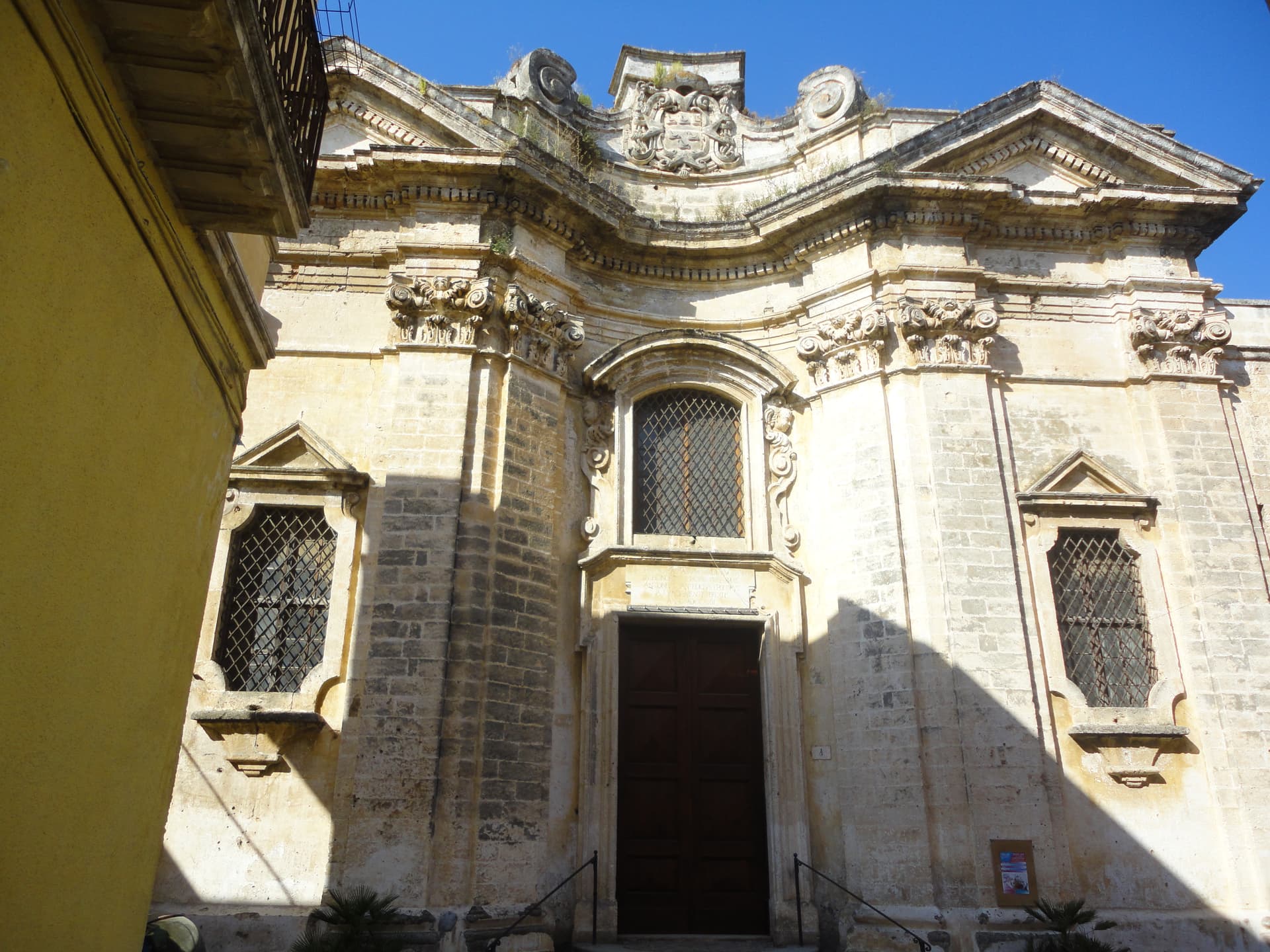
Nardò
Province: Lecce
The second city of Salento after Lecce, a Baroque inland capital twenty-five kilometers from Lecce with a Ionian coastline behind it.
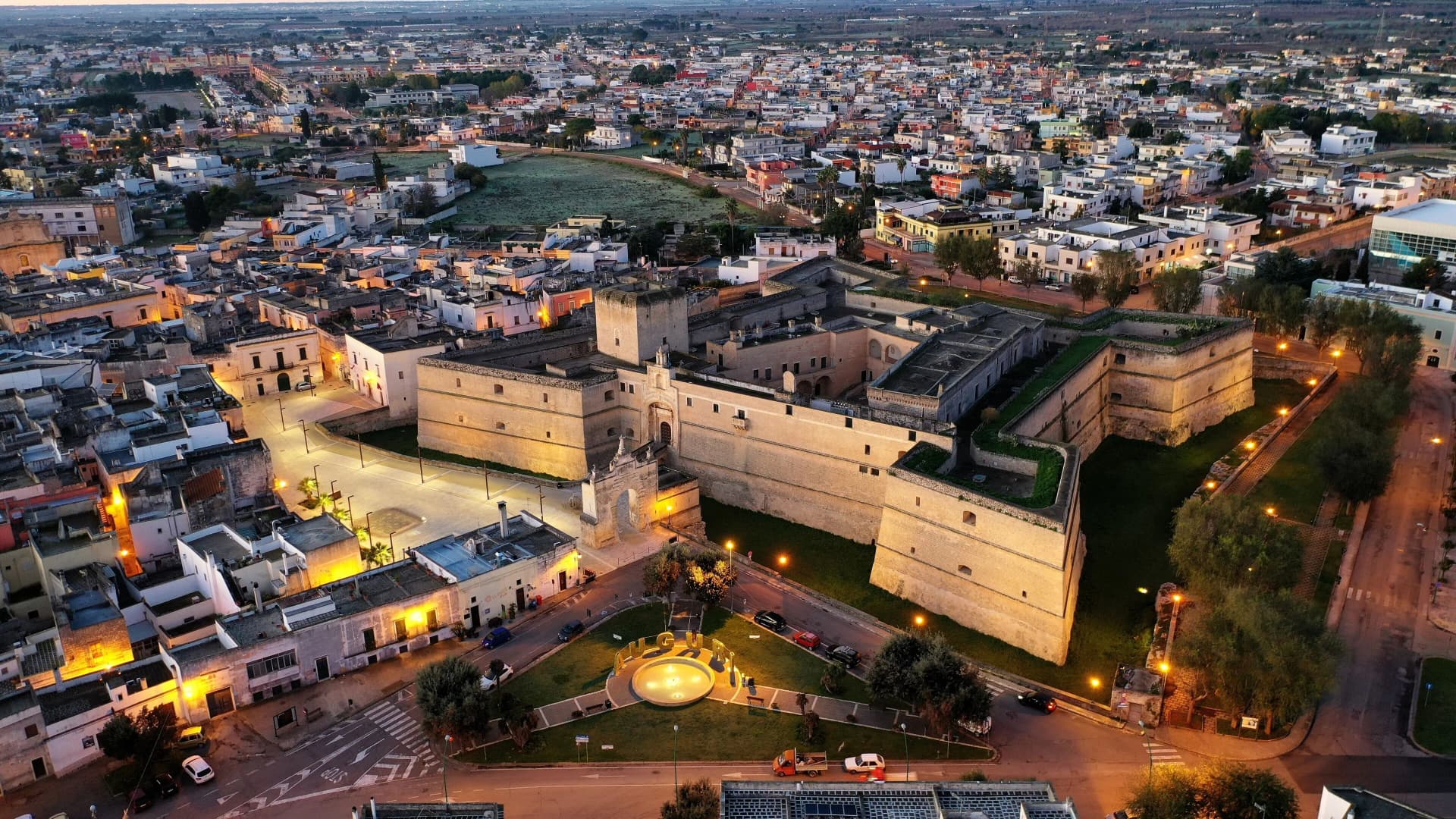
Copertino
Province: Lecce
A Salento town fifteen kilometers west of Lecce, with one of Puglia's largest Renaissance fortresses and the birthplace of Saint Joseph of Copertino.
💎 Borghi Autentici
More Borghi Autentici towns in Apulia
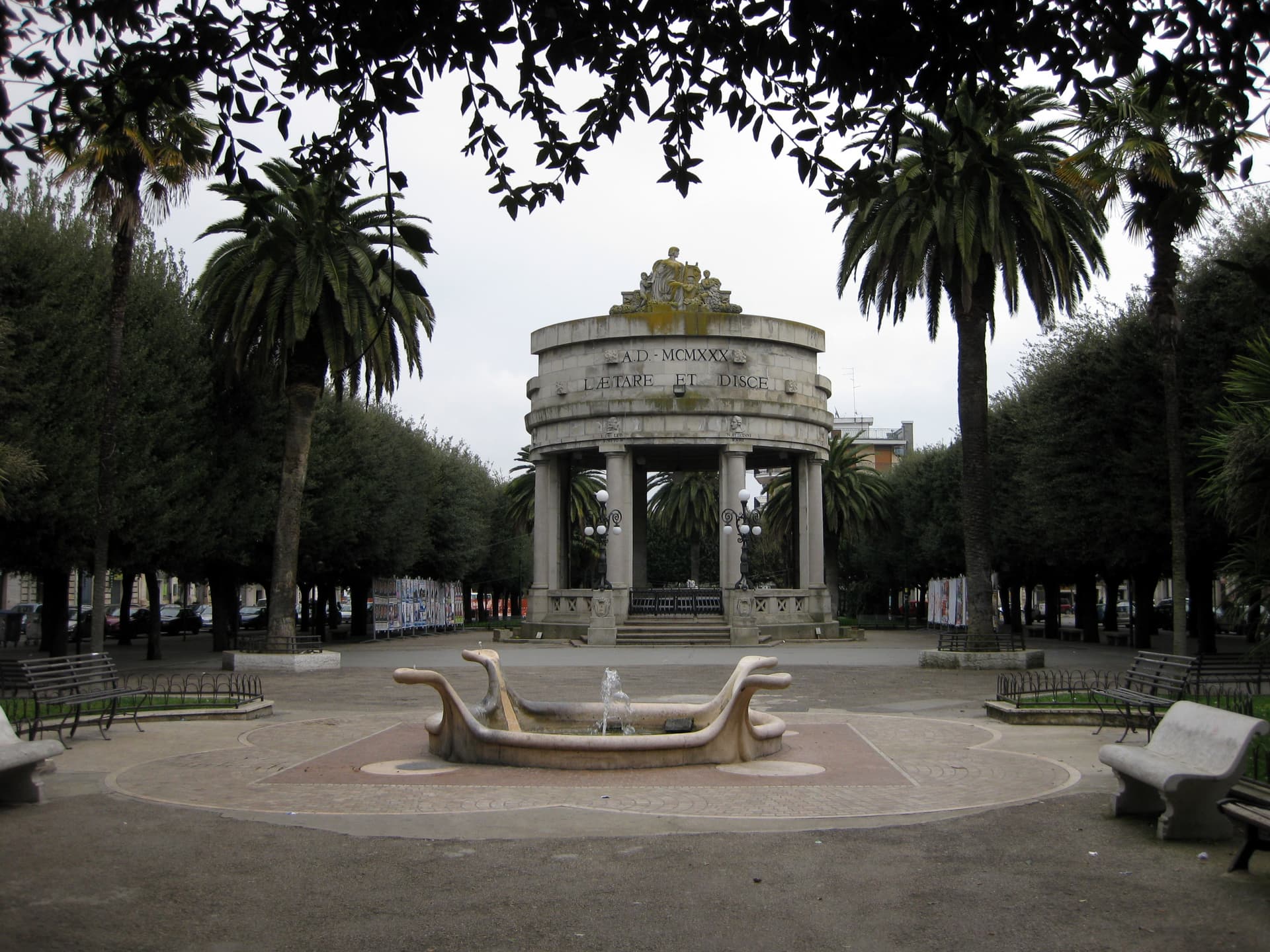
Acquaviva delle Fonti
Province: Bari
A Murge town at 300 meters between Bari and the Itria valley, named for its springs and a DOP red onion.
Biccari
Province: Foggia
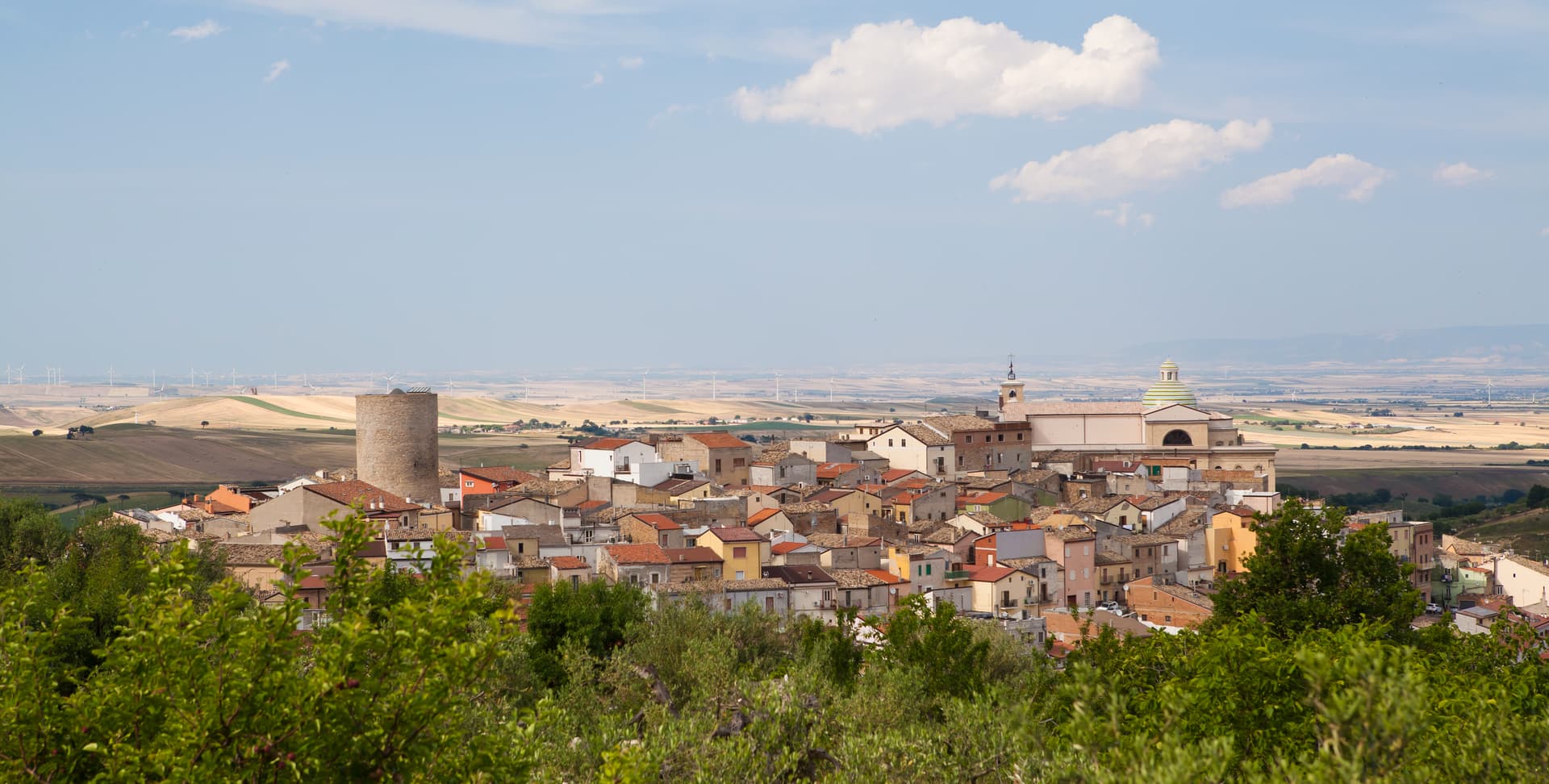
A Subappennino Dauno borgo at 450 meters under Monte Cornacchia, the highest peak in Puglia at 1,151 meters, with a Byzantine tower at its core.
Campi Salentina
Province: Lecce
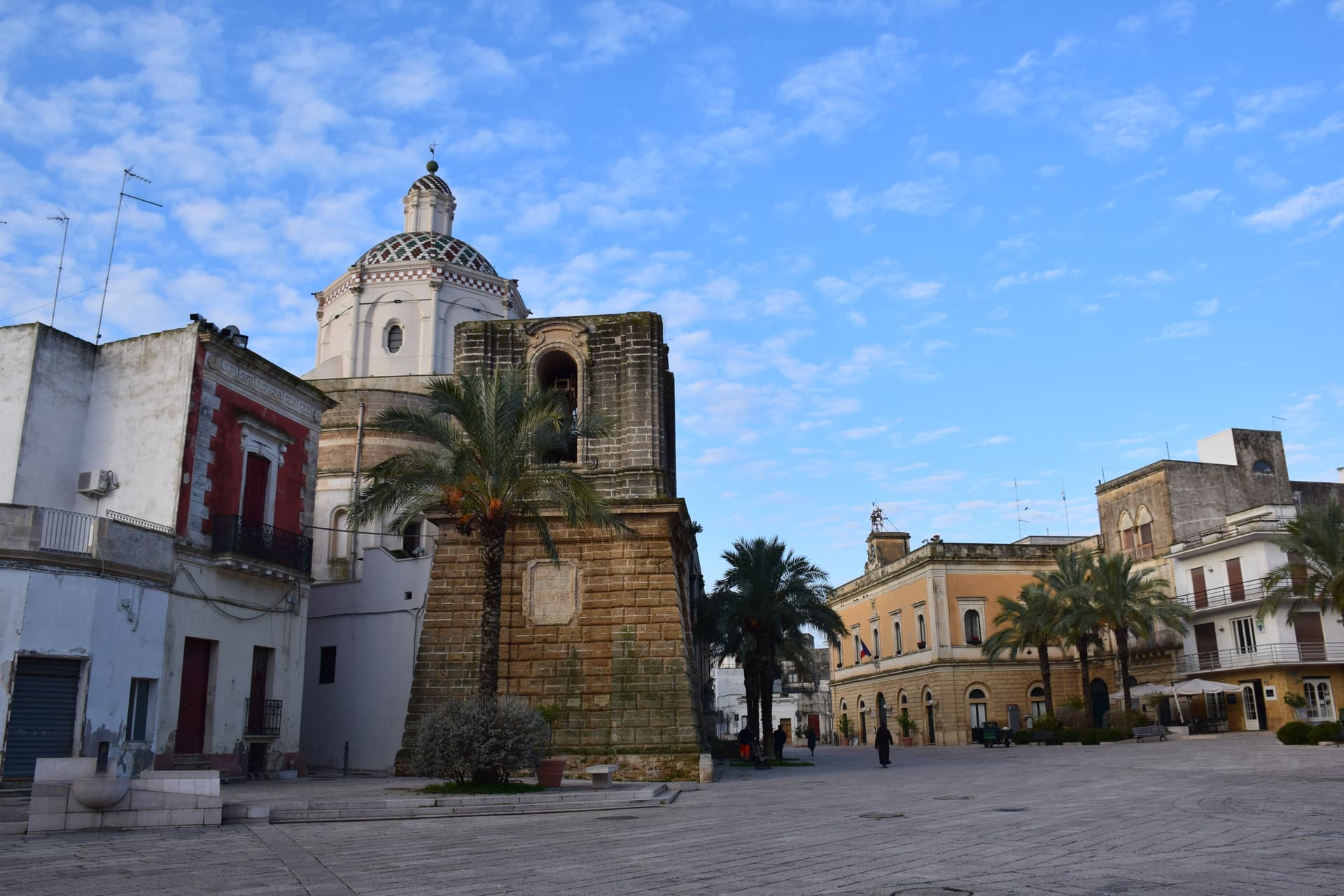
A Salento plain town fifteen kilometers north of Lecce, founded after the Saracen raids of 926, with a Frederician castle that became a Paladini-Enriquez marquisate.
Casamassima
Province: Bari
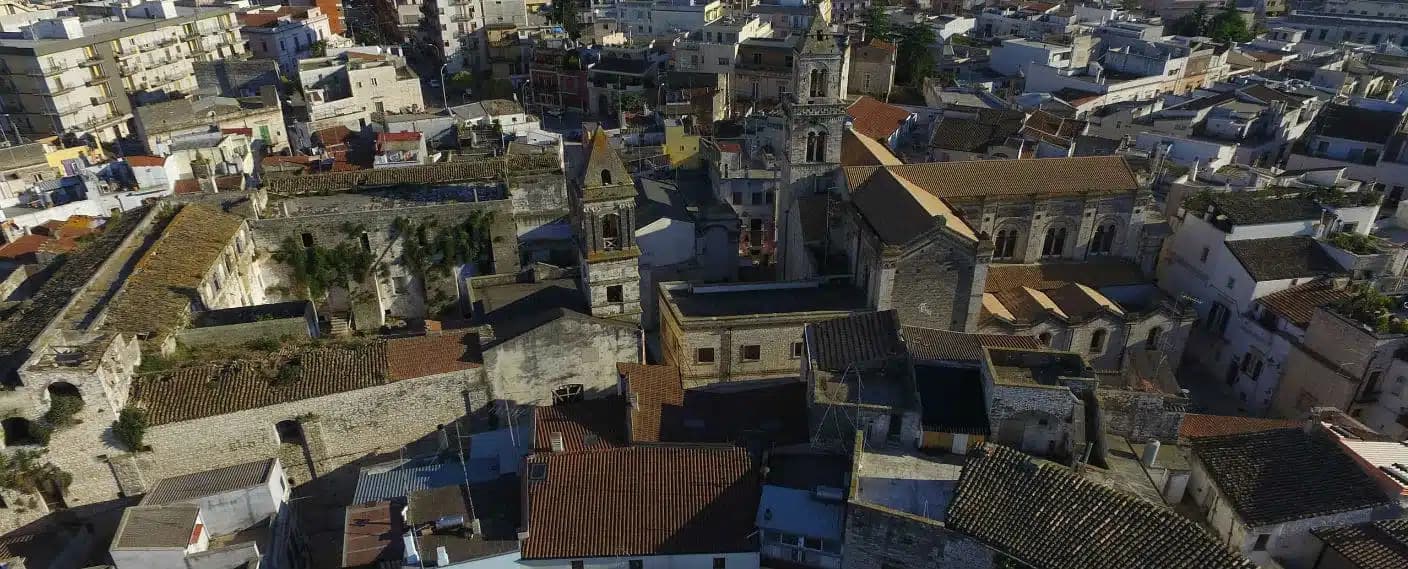
The blue town of the Murge, twenty kilometers south of Bari, its centro storico painted with copper-blue lime after the 1658 plague spared its residents.
Cassano delle Murge
Province: Bari
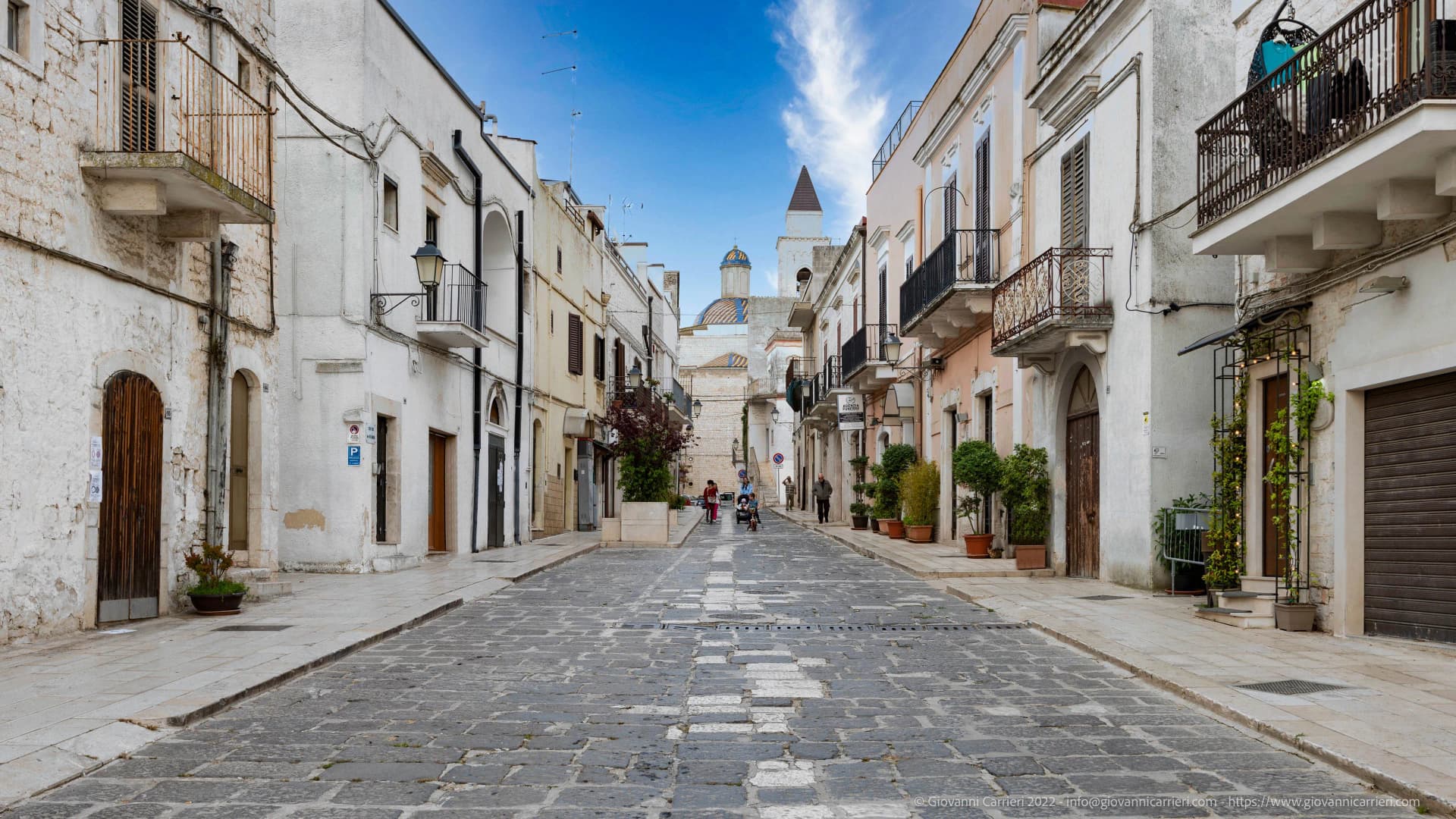
A Murge foothills town at 341 meters at the gate of the Alta Murgia park, with the 1,300-hectare Foresta Mercadante mostly inside its territory.