

Apulia · Bari
Acquaviva delle Fonti
A Murge town between Bari and the Itria valley, named for its springs and a DOP red onion.
Known for
RED ONION DOP
Cipolla rossa di Acquaviva, sweet and deep purple, grown only in local clay soils and protected by DOP since 2014.
SANT'EUSTACHIO
Norman co-cathedral of 1158, rebuilt by the Acquaviva counts, with a sixteen-arm rose window unique in Puglia.
MIULLI HOSPITAL
Ecclesiastical regional hospital, one of the largest in Puglia, a Vatican-linked institution that draws patients from across the south.
When to visit
Best · Apr–Oct
- J
- F
- M
- A
- M
- J
- J
- A
- S
- O
- N
- D
- Best
- Hot or crowded
- Quiet
- Mostly closed
Why come
Acquaviva delle Fonti sits on the Murge plateau, twenty-five kilometers south of Bari and the same distance from the Adriatic. The name records the springs that fed the town long before the Normans arrived. The Co-Cathedral of Sant'Eustachio was built in 1158 on Messapian foundations by the Norman lord Roberto Gurguglione, then rebuilt in Renaissance style in the late sixteenth century by Count Alberto Acquaviva d'Aragona; its façade carries a sixteen-arm rose window that is the building's signature.
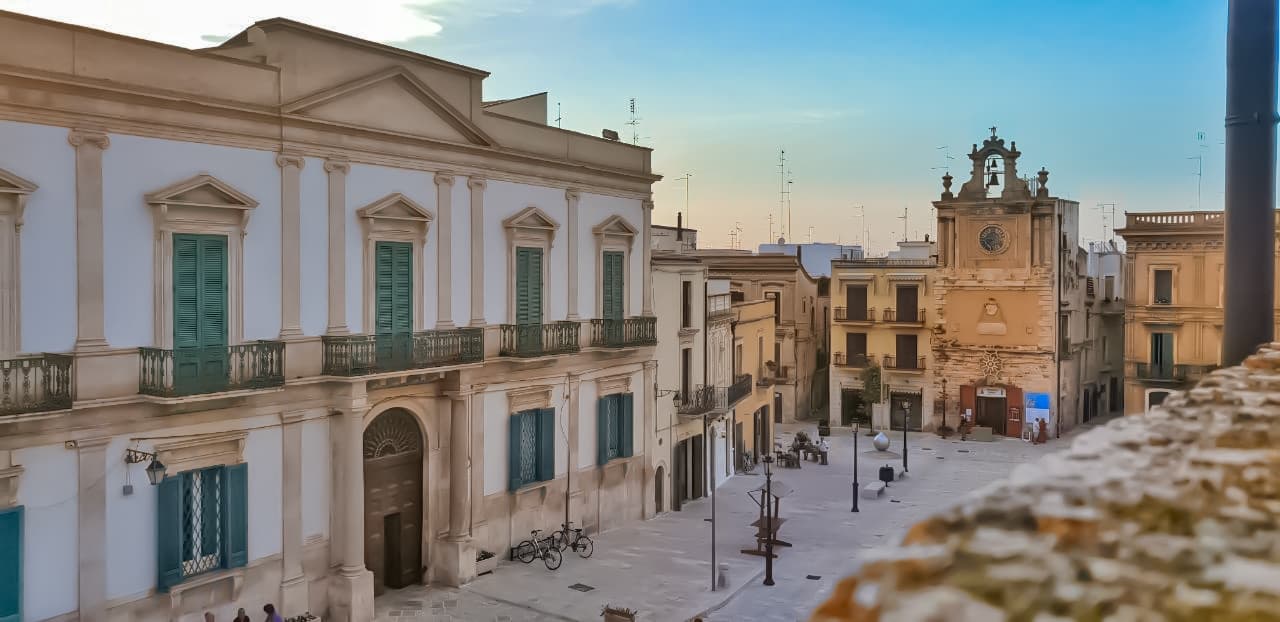
The Palazzo de Mari, now the town hall, anchors the centro storico opposite the cathedral. The town is best known nationally for the cipolla rossa di Acquaviva, a sweet DOP red onion grown only in local clay-rich soils and celebrated with a late-July sagra and a mid-October festival built around the calzone di cipolla. The ecclesiastical Miulli hospital, one of the largest in Puglia, sits at the edge of town.
The Sunday letter
We haven’t written Acquaviva delle Fonti’s letter yet.
One town every Sunday, with the photo, the food, the festa. Be there when this one comes up. Free, by Peter & Sophia from Pietrasanta.
By subscribing you agree to Substack’s Terms of Use, our Privacy Policy and our Information collection notice.
What to see
Concattedrale di Sant'Eustachio
Romanesque cathedral of 1158 rebuilt in Renaissance style by the Acquaviva d'Aragona counts, with a sixteen-arm rose window over the central portal.
Palazzo de Mari
Sixteenth-century noble residence on the cathedral square, now the town hall, built by the de Mari family after they acquired the fief.
Centro storico
Walled old town on the Murge plateau, organized around the cathedral and the palazzo, with stone houses and the springs that gave the place its name.
Sagra della Cipolla Rossa
Late-July festival of the DOP red onion, the town's signature crop, with a sister October festival built around the calzone di cipolla.
The slow-trip planner
Building a trip? Find where Acquaviva delle Fonti fits in a slow Italy circuit.
Answer five questions. We will shape a geographically coherent slow trip from the 1,000 Italian towns most travelers skip. Yours to save and share.
Living here
- Population 19,938
- A local hubi
- Pharmacy in town
- High school within a 30-minute drive
- Train station in the comune
- Nearest airport Bari / Brindisi, 36 min drive
- Regional capital Bari, 30 min drive
Tags & datadesignations · numbers · sources
Recognised as
The numbers
- Elevation: 300 m
- Population: 19,938
- Surface area: 132.03 km²
These figures were compiled from public directories — ISTAT, OpenStreetMap, Wikidata — and from the official listings of the guides named on this page. Town details change; verify with official sources before you travel.
Close by
More towns near Acquaviva delle Fonti
Cassano delle Murge
Province: Bari
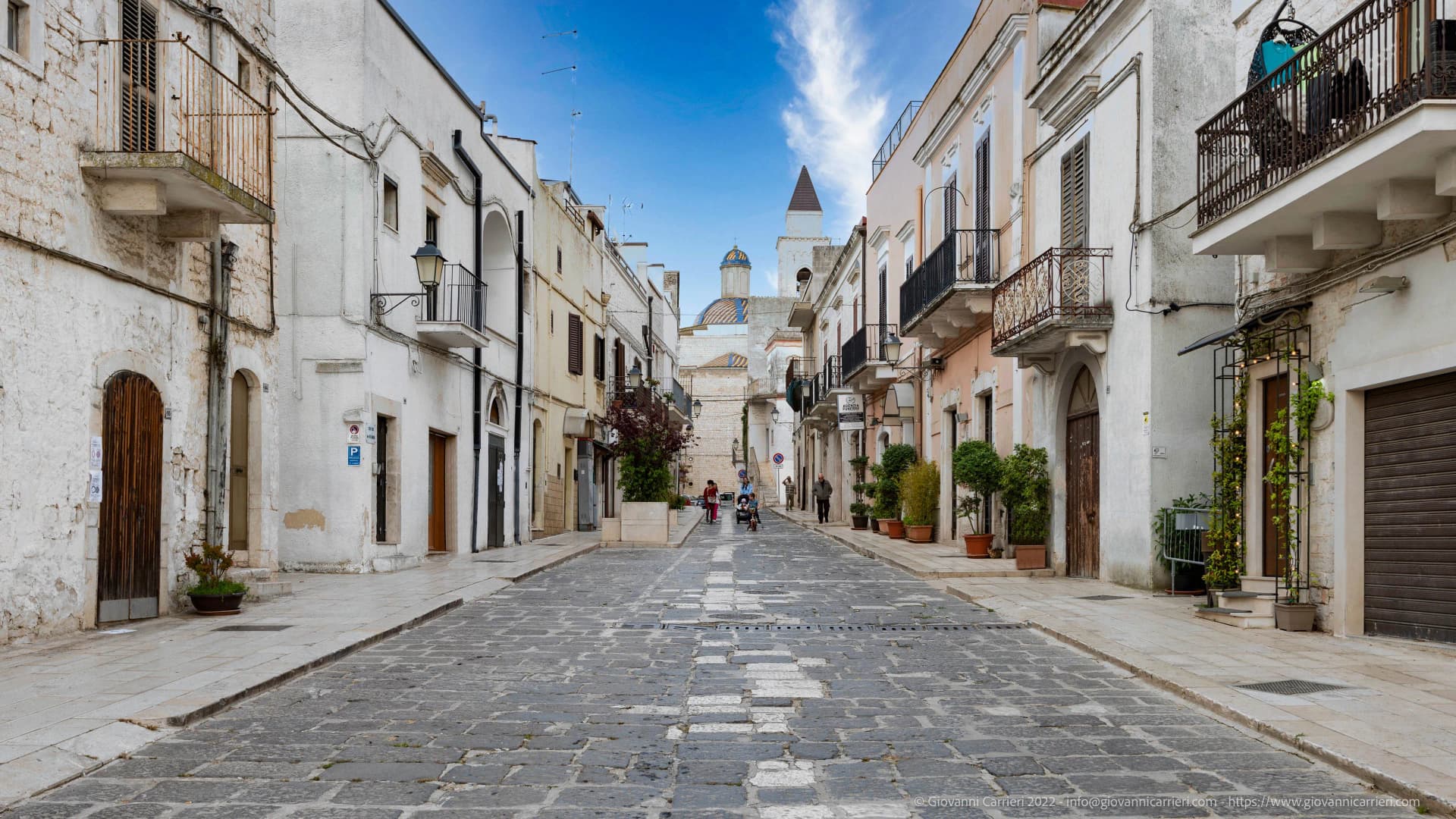
A Murge foothills town at 341 meters at the gate of the Alta Murgia park, with the 1,300-hectare Foresta Mercadante mostly inside its territory.
Casamassima
Province: Bari
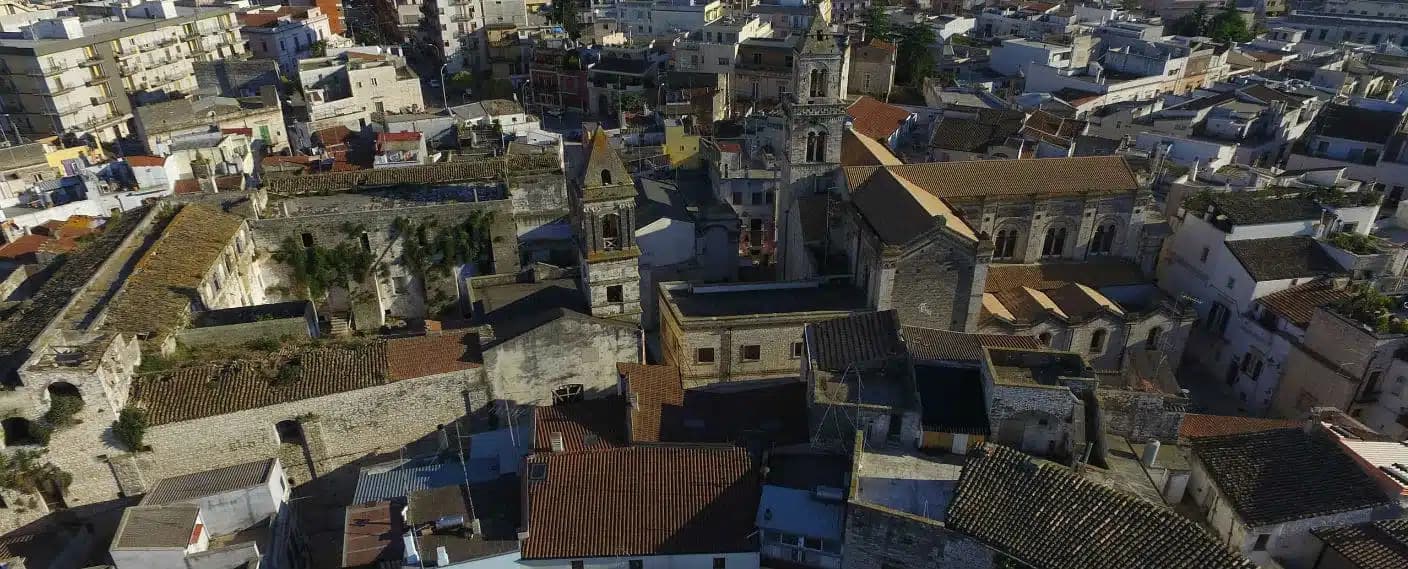
The blue town of the Murge, twenty kilometers south of Bari, its centro storico painted with copper-blue lime after the 1658 plague spared its residents.
Sammichele di Bari
Province: Bari
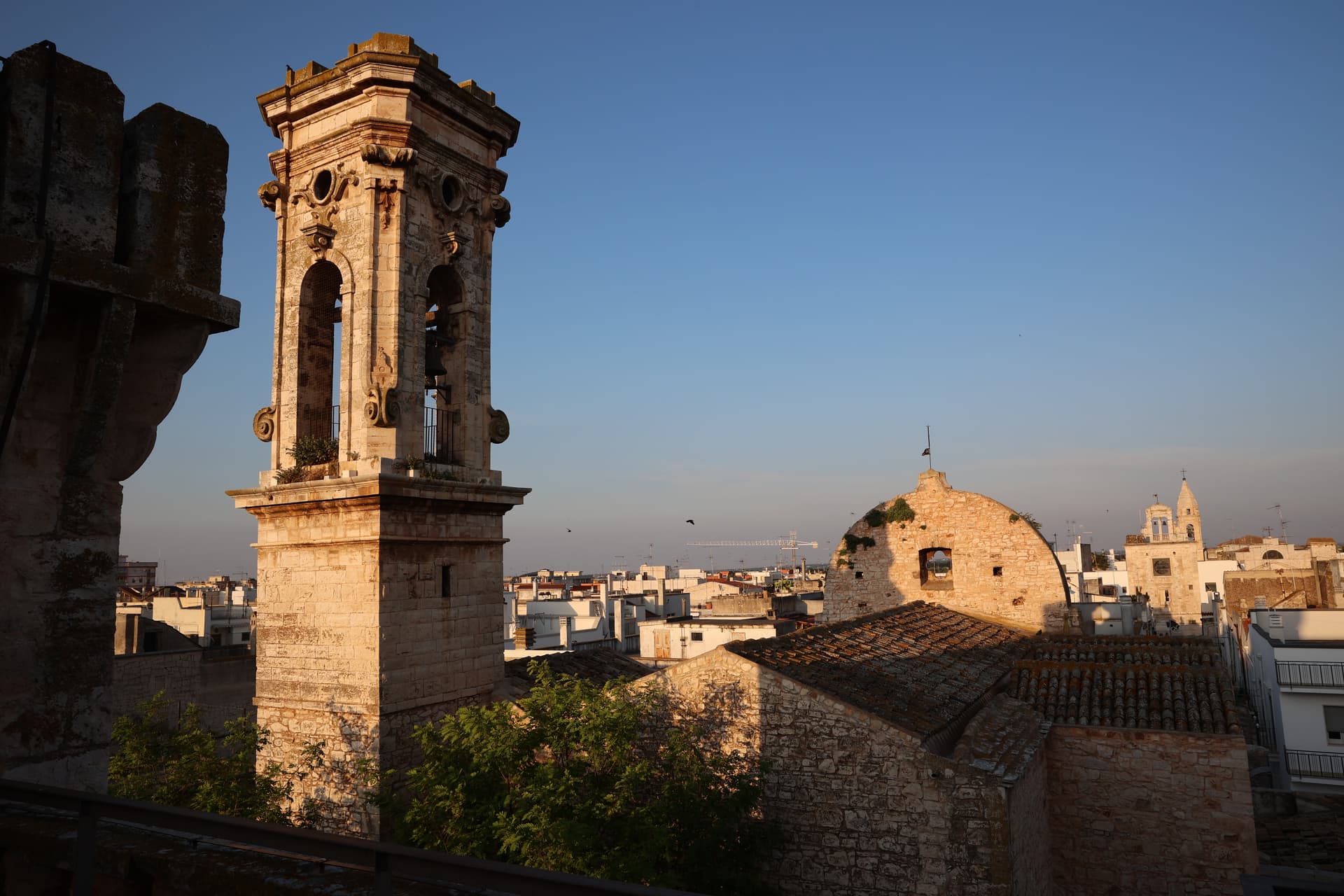
A Murge town at 280 meters founded in 1609, anchored by the Caracciolo castle and famous for the zampina pork sausage.
Putignano
Province: Bari
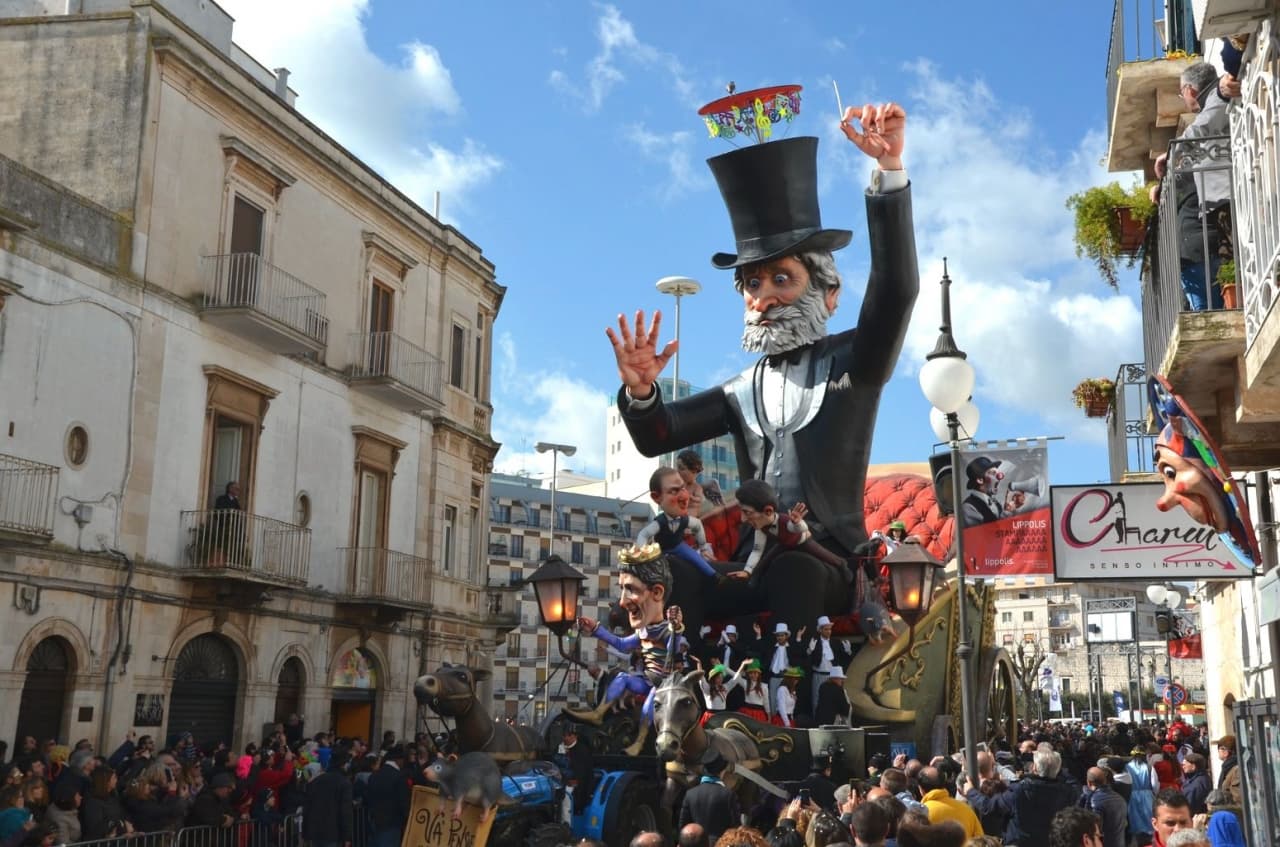
Europe's longest-running carnival — Putignano Carnevale has run continuously since 1394, with 631 years of cartapesta papier-mâché floats, a 26,000-resident Murgia town on the Bari–Lecce plateau, and the Grotta del Trullo karst cave inside the centro.
Conversano
Province: Bari
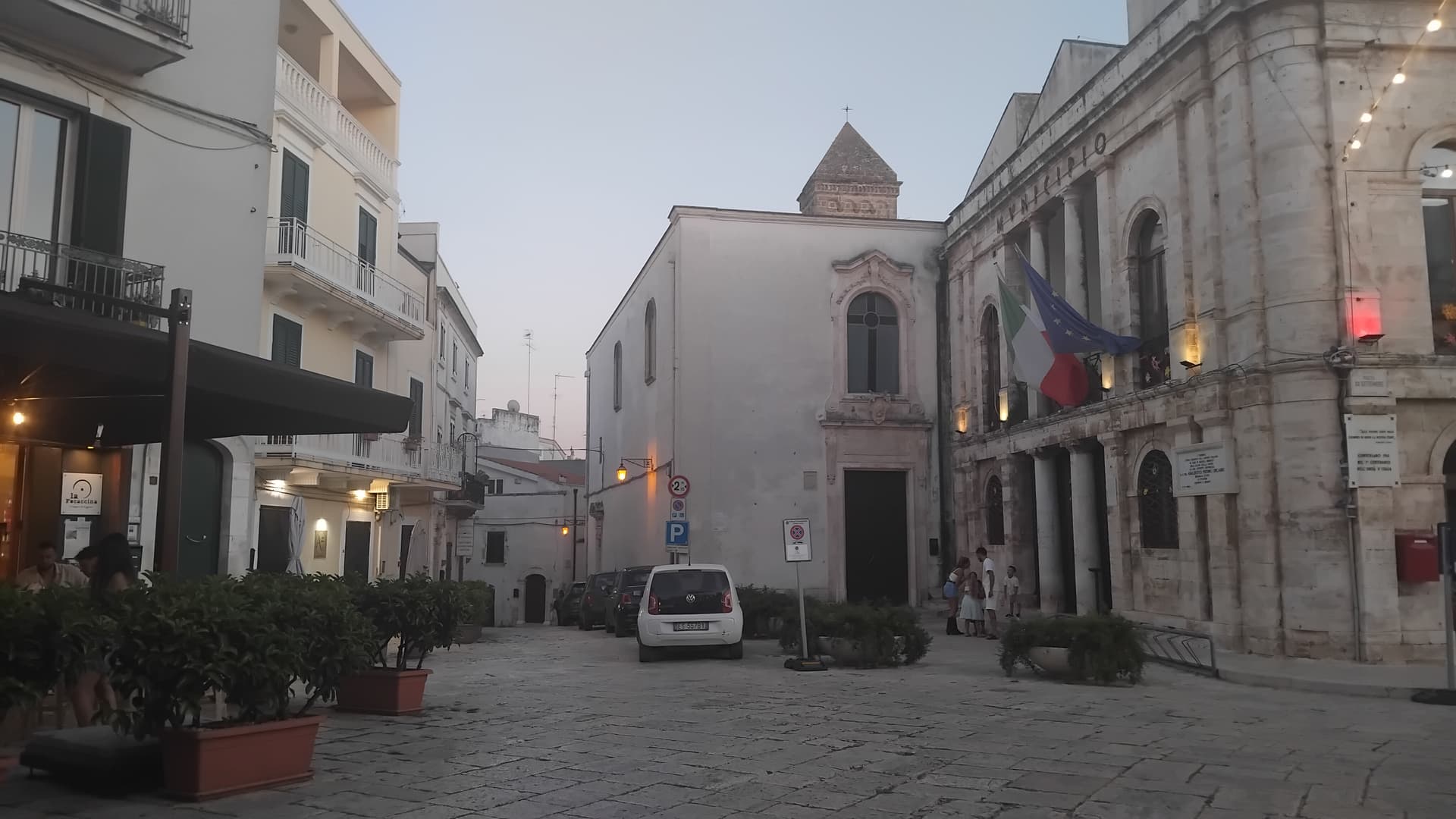
A pre-Murge hill town at 219 meters, three centuries seat of the Acquaviva counts, with the abbey-monastery once called the Wonder of Puglia.
💎 Borghi Autentici
More Borghi Autentici towns in Apulia
Biccari
Province: Foggia
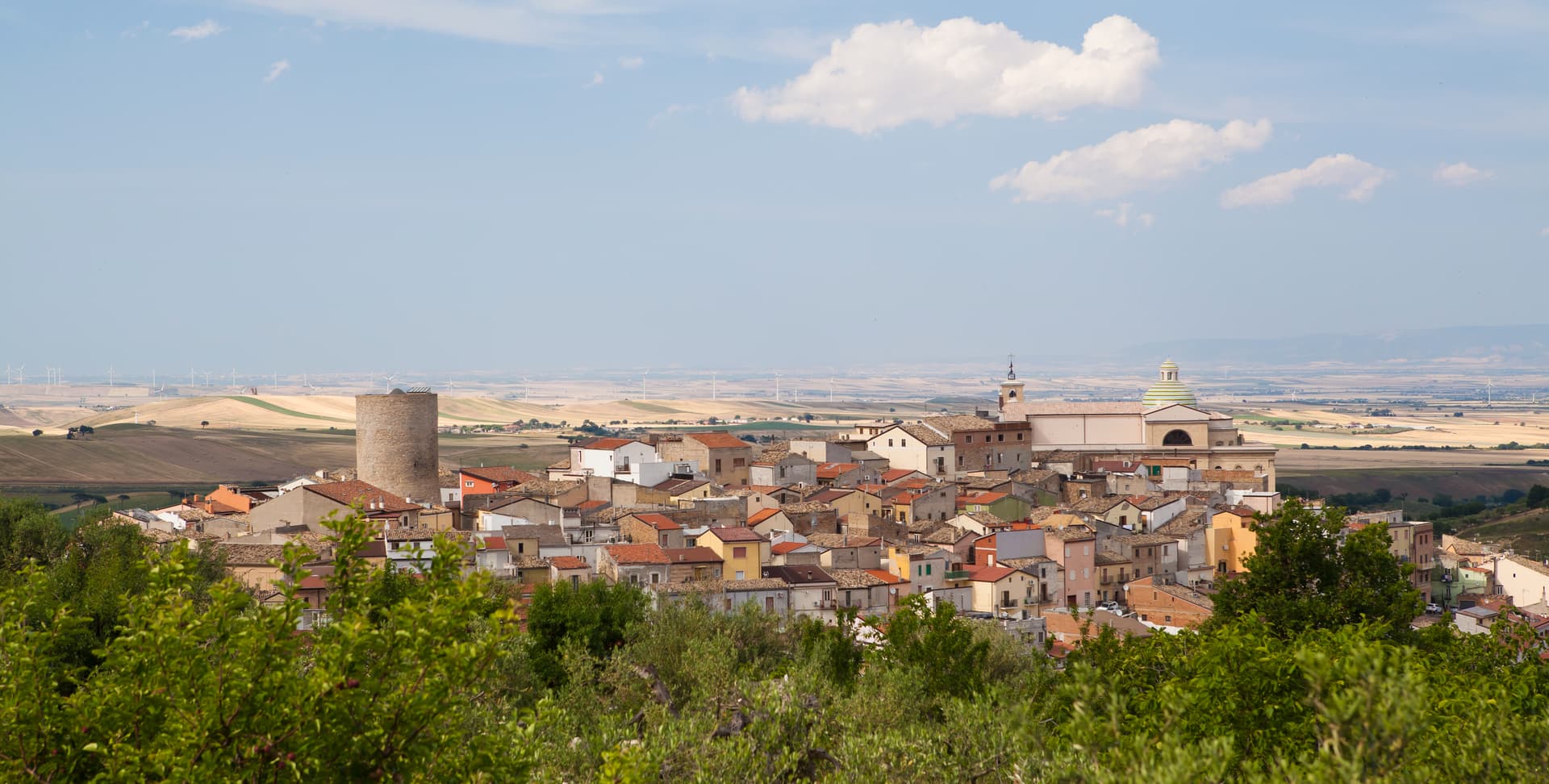
A Subappennino Dauno borgo at 450 meters under Monte Cornacchia, the highest peak in Puglia at 1,151 meters, with a Byzantine tower at its core.
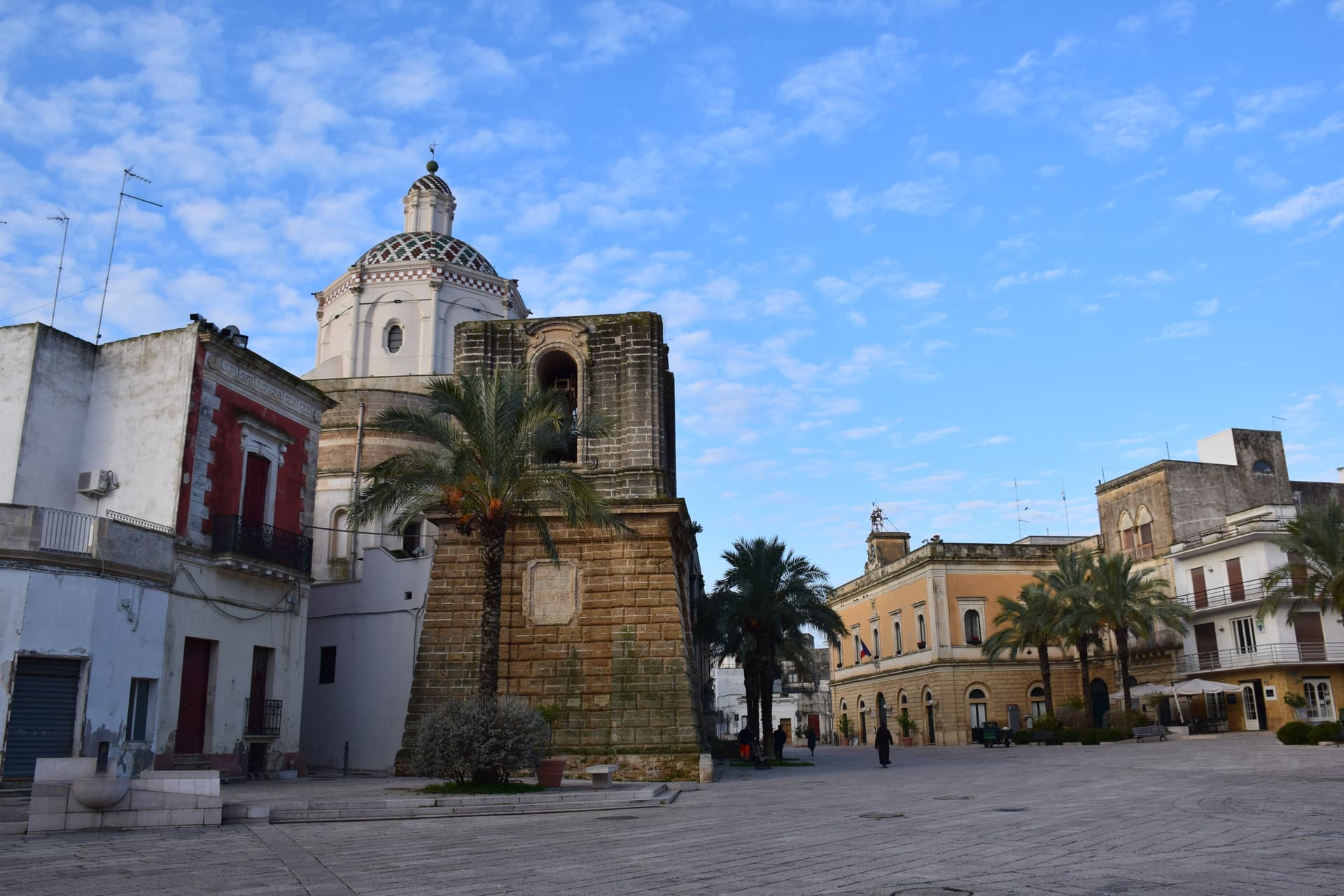
Campi Salentina
Province: Lecce
A Salento plain town fifteen kilometers north of Lecce, founded after the Saracen raids of 926, with a Frederician castle that became a Paladini-Enriquez marquisate.
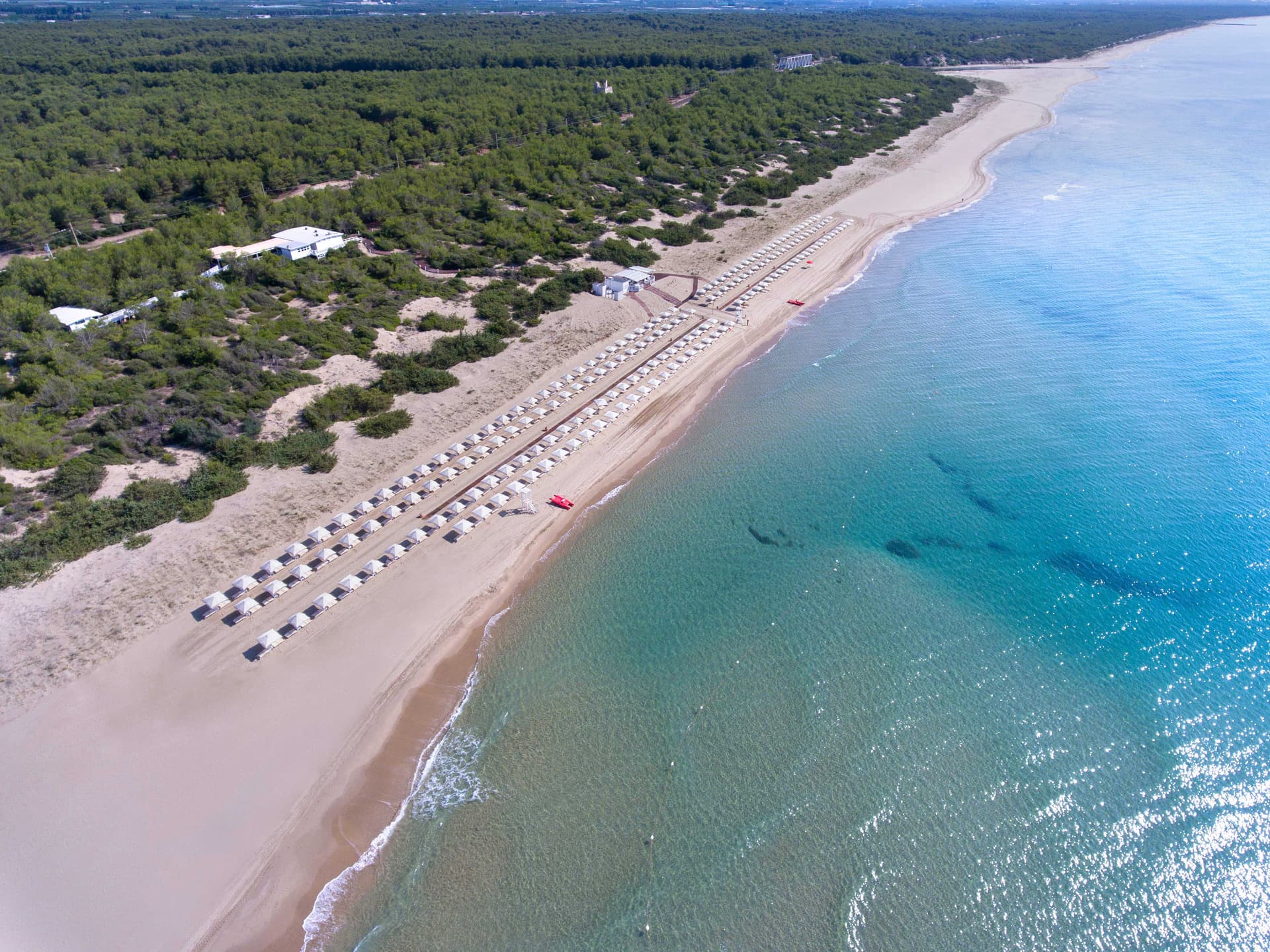
Castellaneta
Province: Taranto
A cliff-edge Murge town at 235 meters above the Gravina Grande canyon, birthplace of Rudolph Valentino in 1895, with a Bandiera Blu Ionian marina.
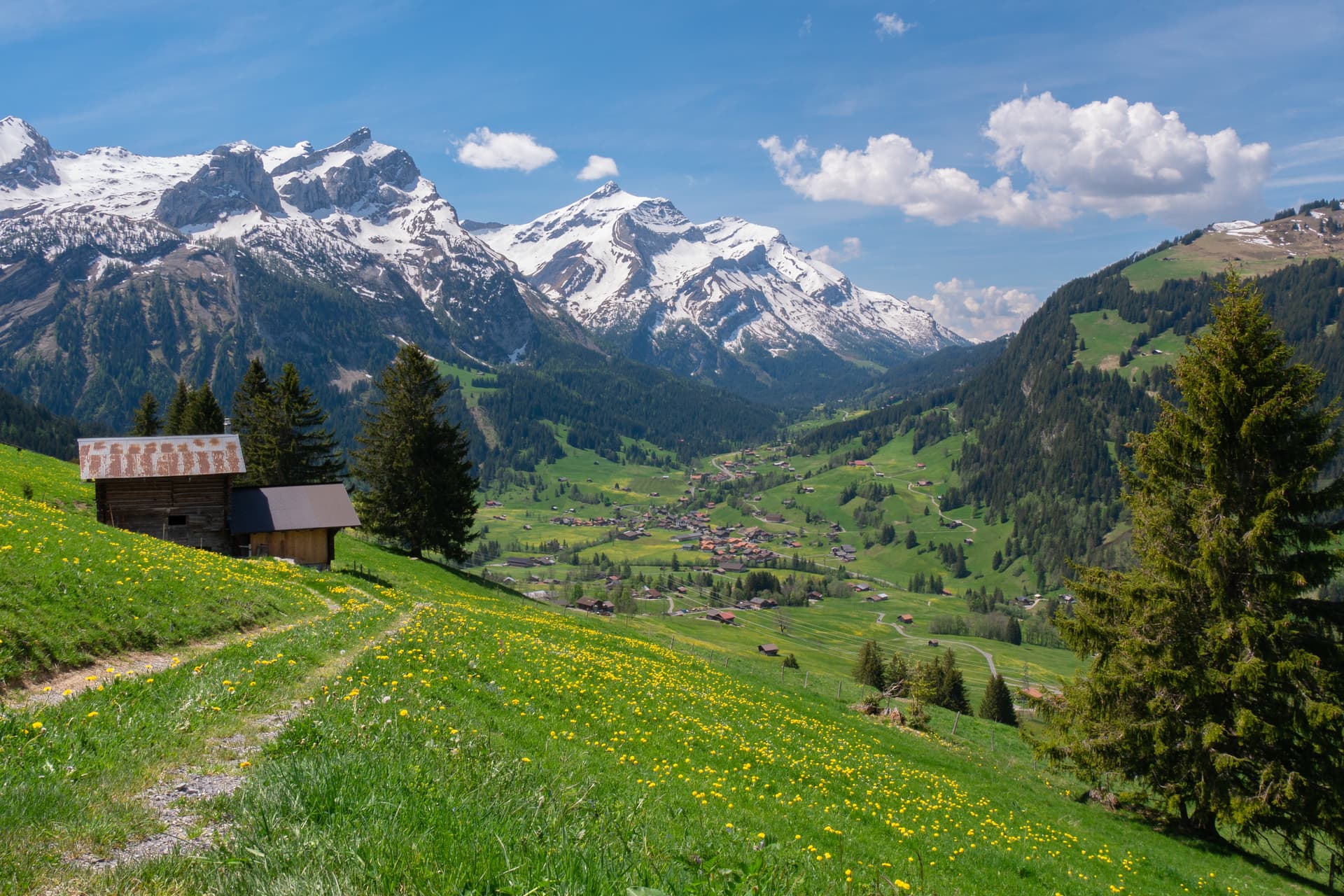
Celle di San Vito
Province: Foggia
The smallest commune in Puglia, 148 residents at 726 meters in the Monti Dauni, one of two Franco-Provençal-speaking villages in the south.