

Apulia · Lecce
Campi Salentina
A Salento plain town fifteen kilometers north of Lecce, founded after the Saracen raids of 926, with a Frederician castle that became a Paladini-Enriquez marquisate.
Known for
GRANARY OF OTRANTO
Coat of arms is a sheaf of wheat; the Salento plain around the town has been the granary of the Terra d'Otranto since the medieval period.
FREDERICIAN CASTLE
Built by Frederick II in 1220 as a summer residence, later turned into a Paladini-Enriquez marquisate seat by Philip II of Spain in 1627.
SALICE SALENTINO
Negroamaro and Malvasia Nera vineyards on the surrounding plain, part of the wider Salice Salentino DOC production area.
When to visit
Best · May–Sep
- J
- F
- M
- A
- M
- J
- J
- A
- S
- O
- N
- D
- Best
- Hot or crowded
- Quiet
- Mostly closed
The festa: Oronzo di Lecce, 1 September
Why come
Campi Salentina sits on the Salento plain at forty-seven meters, fifteen kilometers north of Lecce. Menhirs around the territory point to Bronze Age occupation, but the town as such dates to 926, when Saracen raids destroyed the nearby villages of Afra, Bagnara, Firmignano, Ainoli and Terenzano and pushed survivors together at the current site. The Normans came in the eleventh century; Tancred of Altavilla donated Campi to the Bishop of Lecce, then Frederick II built a castle here in 1220 and used it as a summer residence.
In 1522 the Paladini family bought the fief, and after Maria Paladini married Giovanni Enriquez, Philip II of Spain elevated Campi to a marquisate in 1627. The town earned the title of città by presidential decree in 1998. The coat of arms is a sheaf of wheat: locals call Campi the granary of the Terra d'Otranto, and the surrounding plain is olive groves and vines.
The Sunday letter
We haven’t written Campi Salentina’s letter yet.
One town every Sunday, with the photo, the food, the festa. Be there when this one comes up. Free, by Peter & Sophia from Pietrasanta.
By subscribing you agree to Substack’s Terms of Use, our Privacy Policy and our Information collection notice.
What to see
Castello dei Paladini-Enriquez
Frederician castle of 1220, used as a summer residence by Frederick II, later transformed by the Paladini and Enriquez families into a marquisate palace.
Chiesa Matrice di Santa Maria delle Grazie
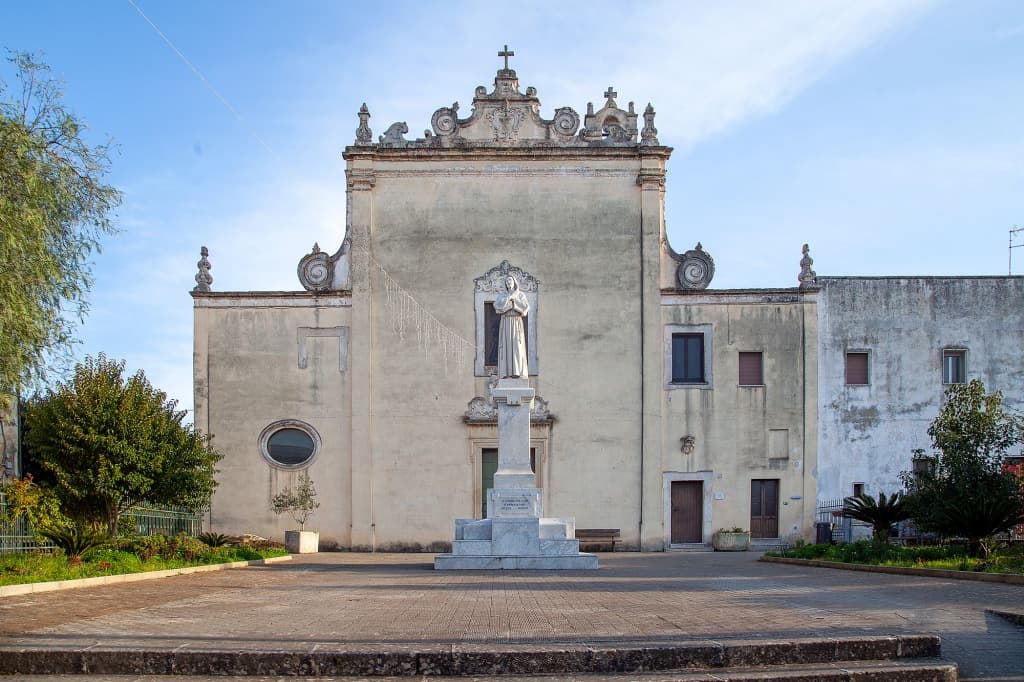
Sixteenth-century mother church in the centro storico, rebuilt over the medieval foundations of the original village church.
Centro storico
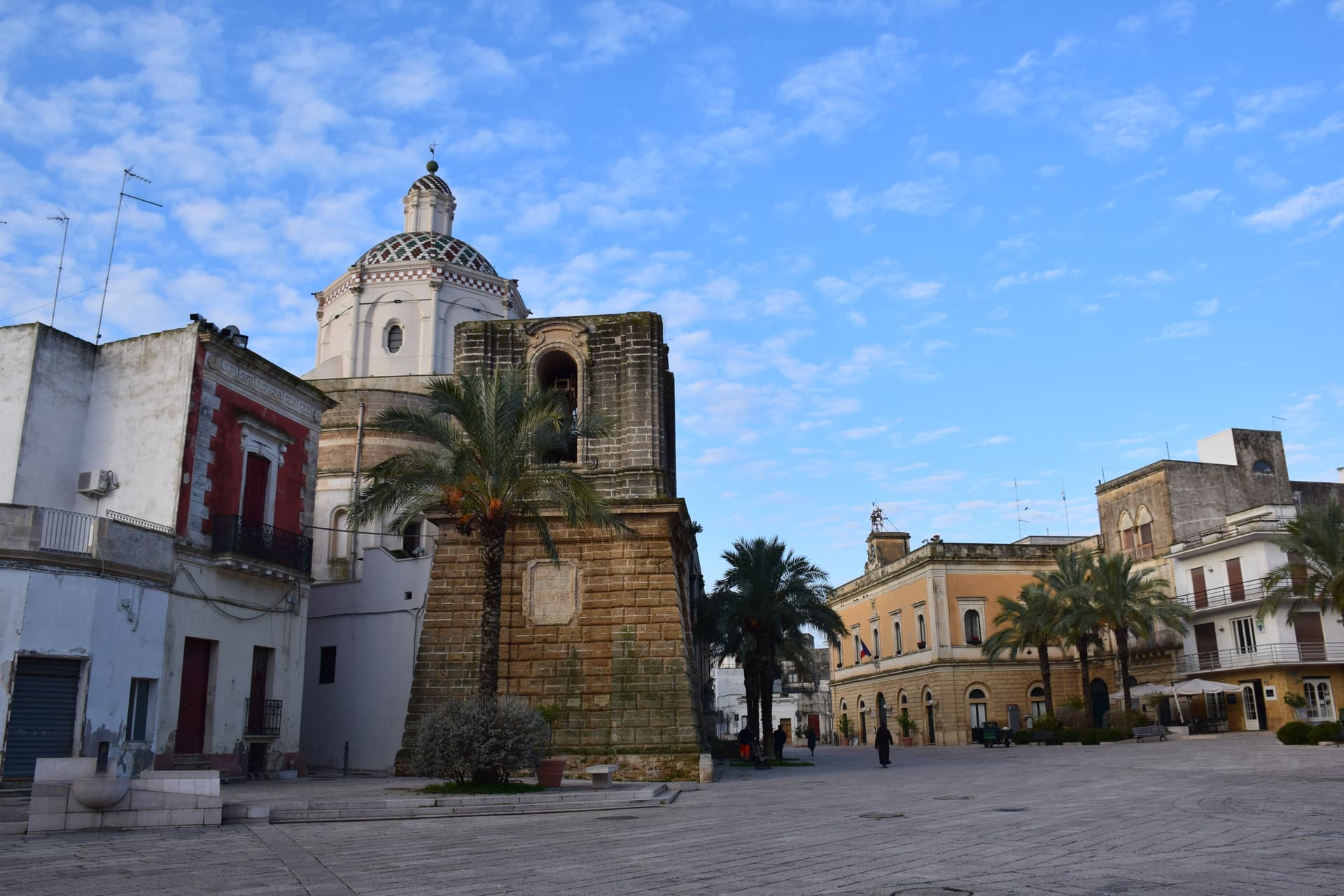
Walled Salento old town around the castle and the chiesa matrice, with stone palazzi from the Paladini and Enriquez period.
Menhir di Campi Salentina
Bronze Age standing stones around the territory, evidence of pre-Roman occupation in the wider Salento megalithic landscape.
The slow-trip planner
Building a trip? Find where Campi Salentina fits in a slow Italy circuit.
Answer five questions. We will shape a geographically coherent slow trip from the 1,000 Italian towns most travelers skip. Yours to save and share.
Living here
- Population 9,777
- Commuter belti
- Pharmacy in town
- High school within a 30-minute drive
- Train station in the comune
- Nearest airport Bari / Brindisi, 2 h 10 min drive
- Regional capital Bari, 1 h 58 min drive
Tags & datadesignations · numbers · sources
Recognised as
The numbers
- Elevation: 47 m
- Population: 9,777
- Surface area: 45.88 km²
These figures were compiled from public directories — ISTAT, OpenStreetMap, Wikidata — and from the official listings of the guides named on this page. Town details change; verify with official sources before you travel.
Close by
More towns near Campi Salentina
Lecce
Province: Lecce
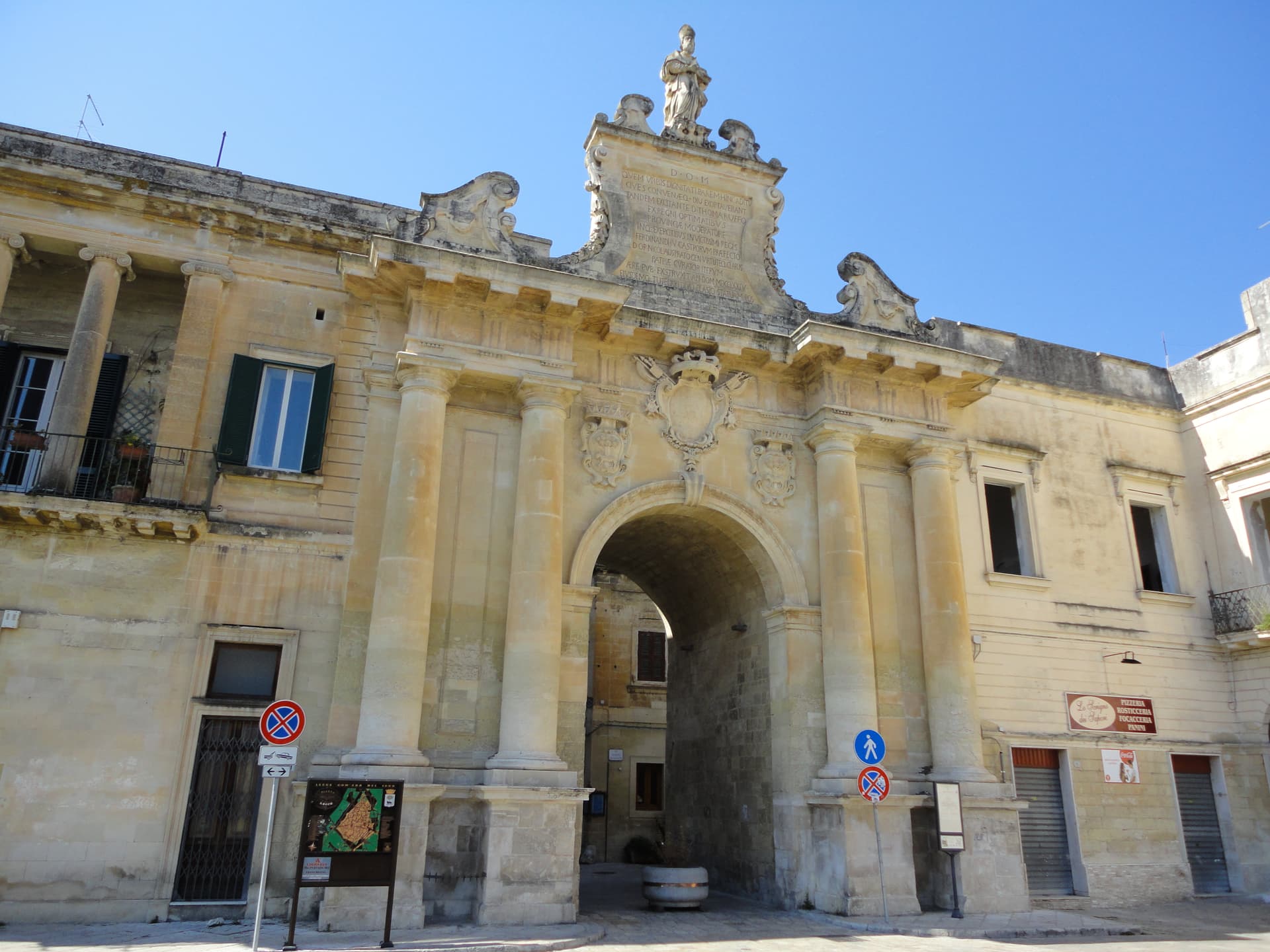
The Baroque capital of the Salento, ninety-four thousand people on the Lecce-stone plain, carving its façades in honey limestone since 1500.
Copertino
Province: Lecce
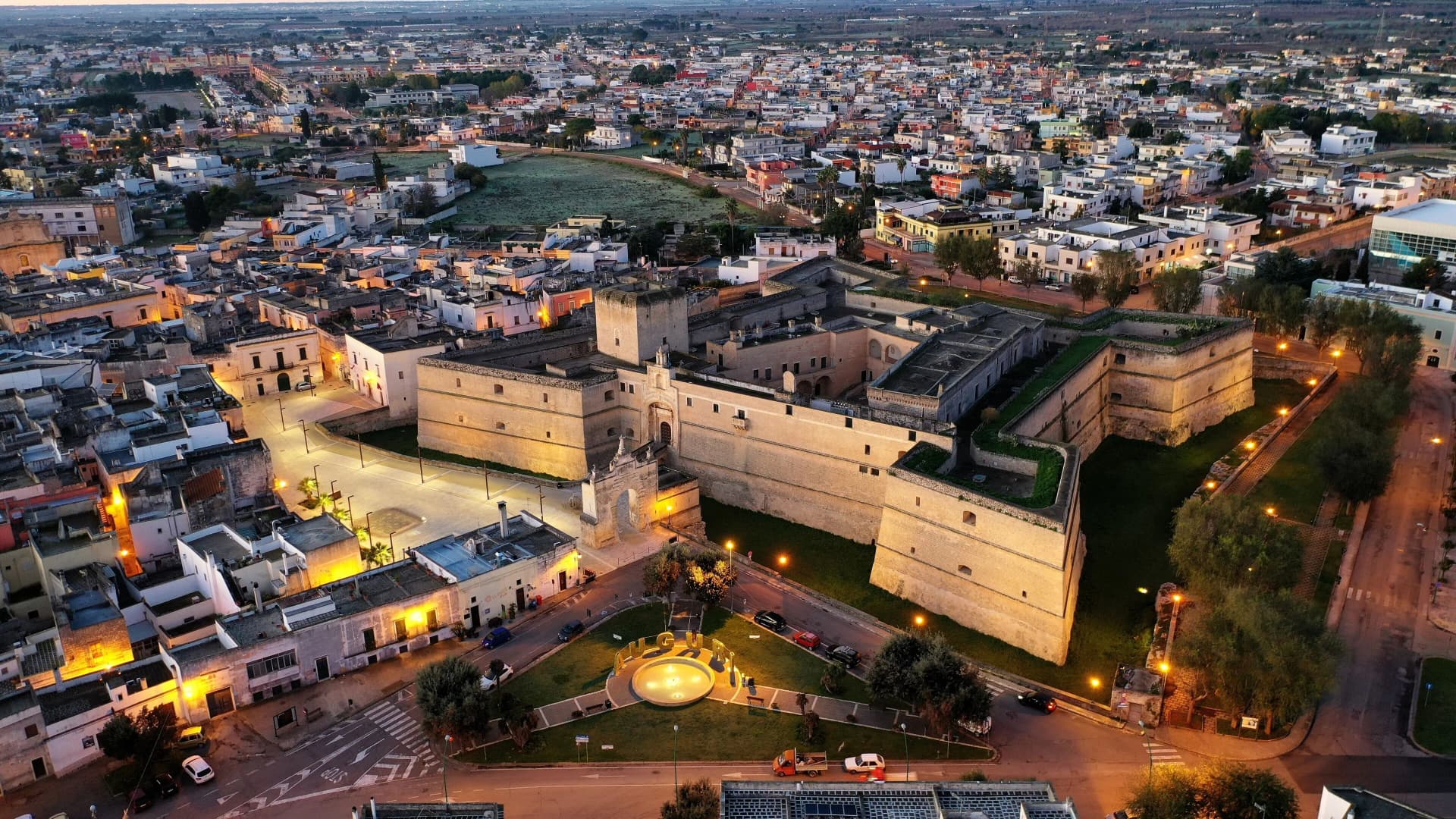
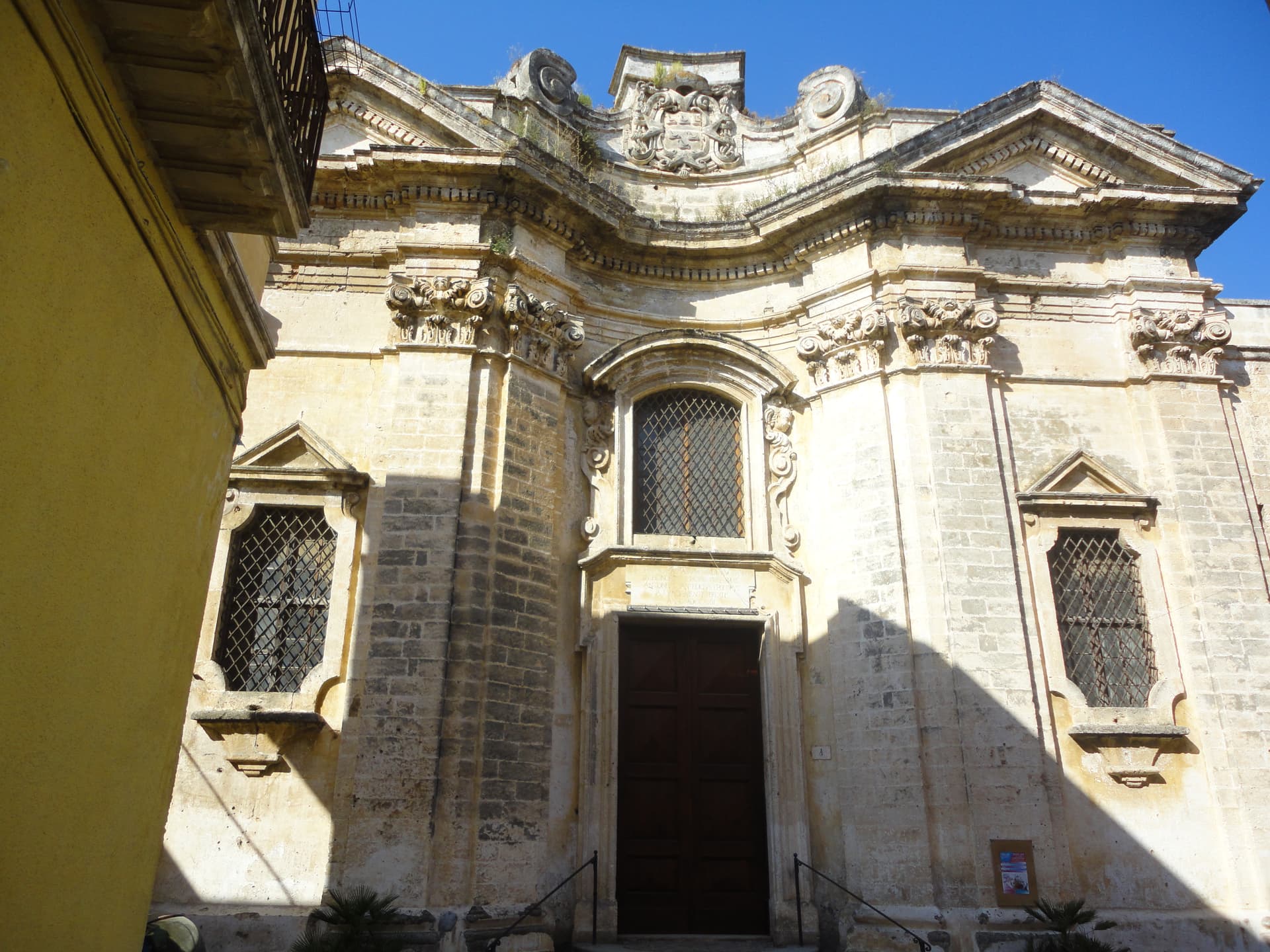
A Salento town fifteen kilometers west of Lecce, with one of Puglia's largest Renaissance fortresses and the birthplace of Saint Joseph of Copertino.
Nardò
Province: Lecce
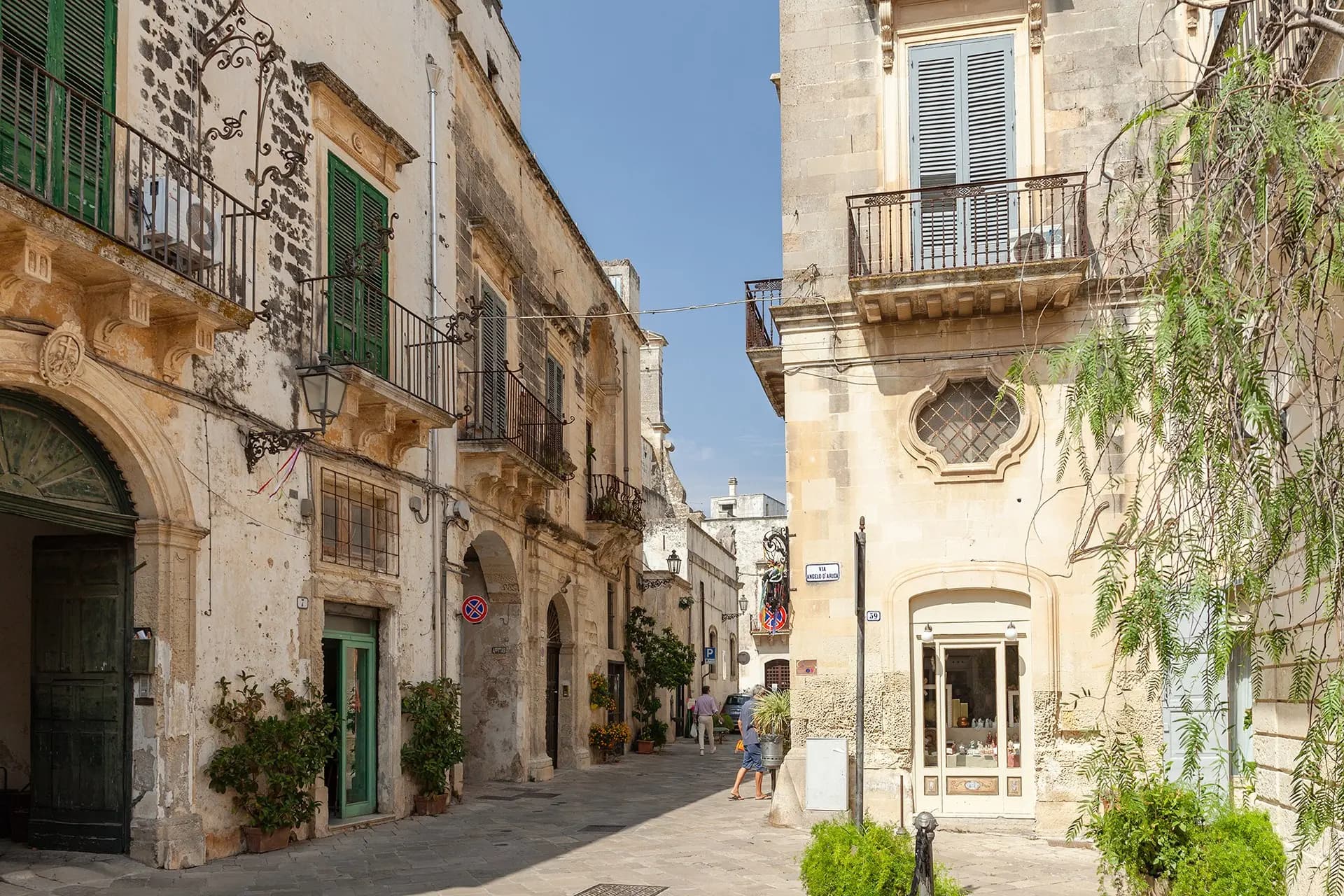
The second city of Salento after Lecce, a Baroque inland capital twenty-five kilometers from Lecce with a Ionian coastline behind it.
Galatina
Province: Lecce
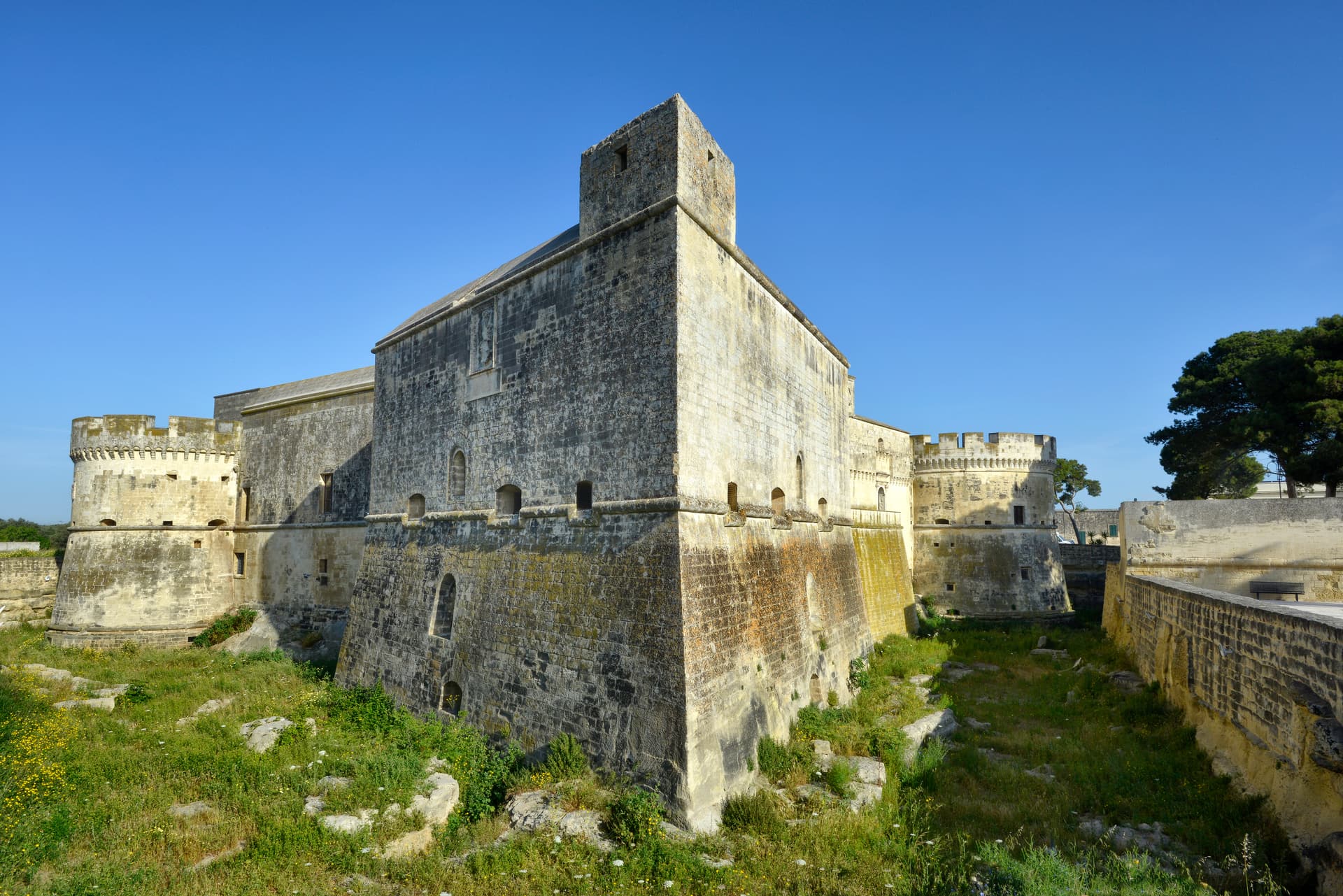
The Salento town at 78 meters where the cult of San Paolo bred tarantism and gave the pizzica its origin myth.
Vernole
Province: Lecce
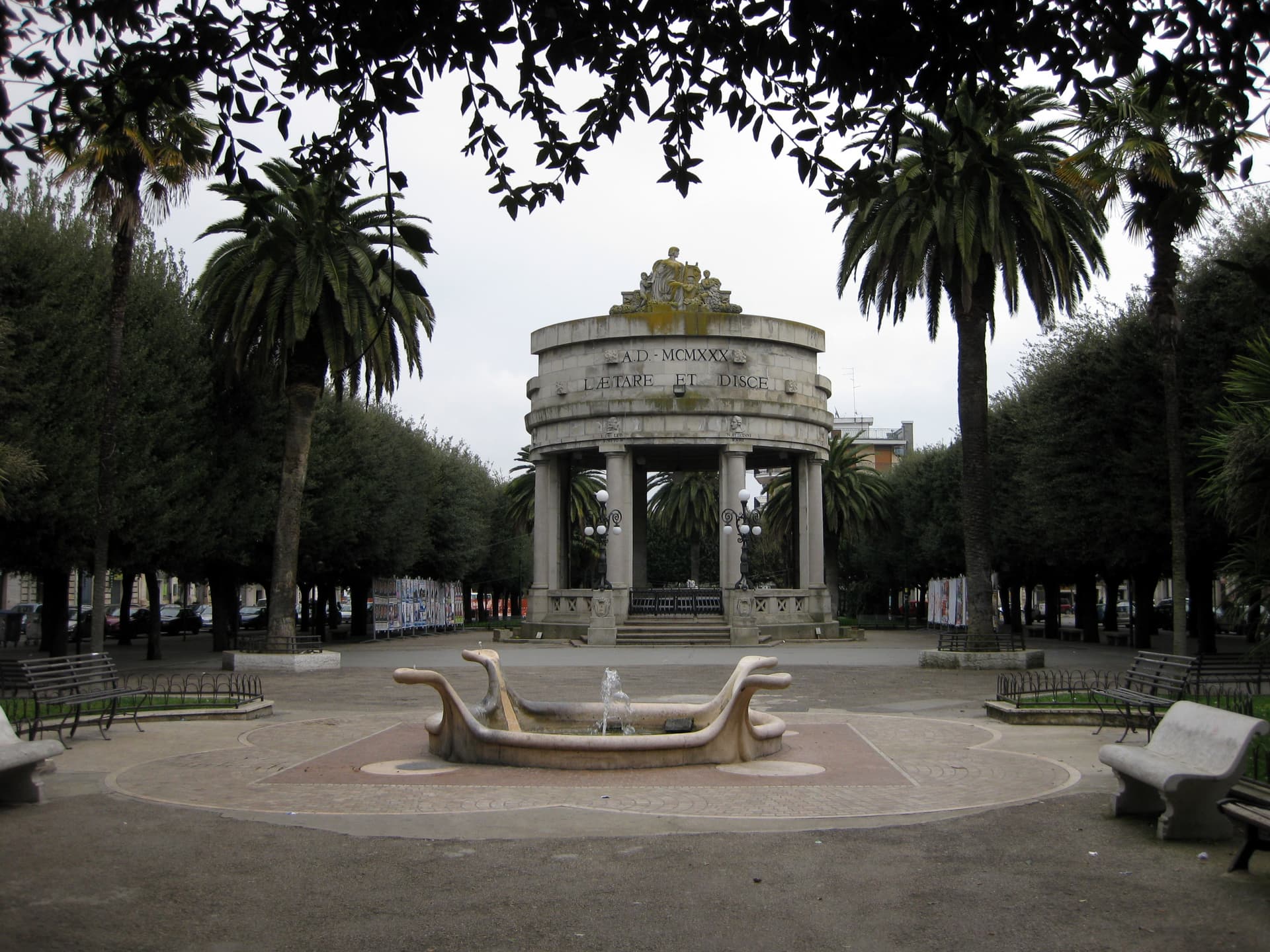
A Salento commune ten kilometers from Lecce whose frazione of Acaya is the only Renaissance fortified town in southern Italy.
💎 Borghi Autentici
More Borghi Autentici towns in Apulia
Acquaviva delle Fonti
Province: Bari
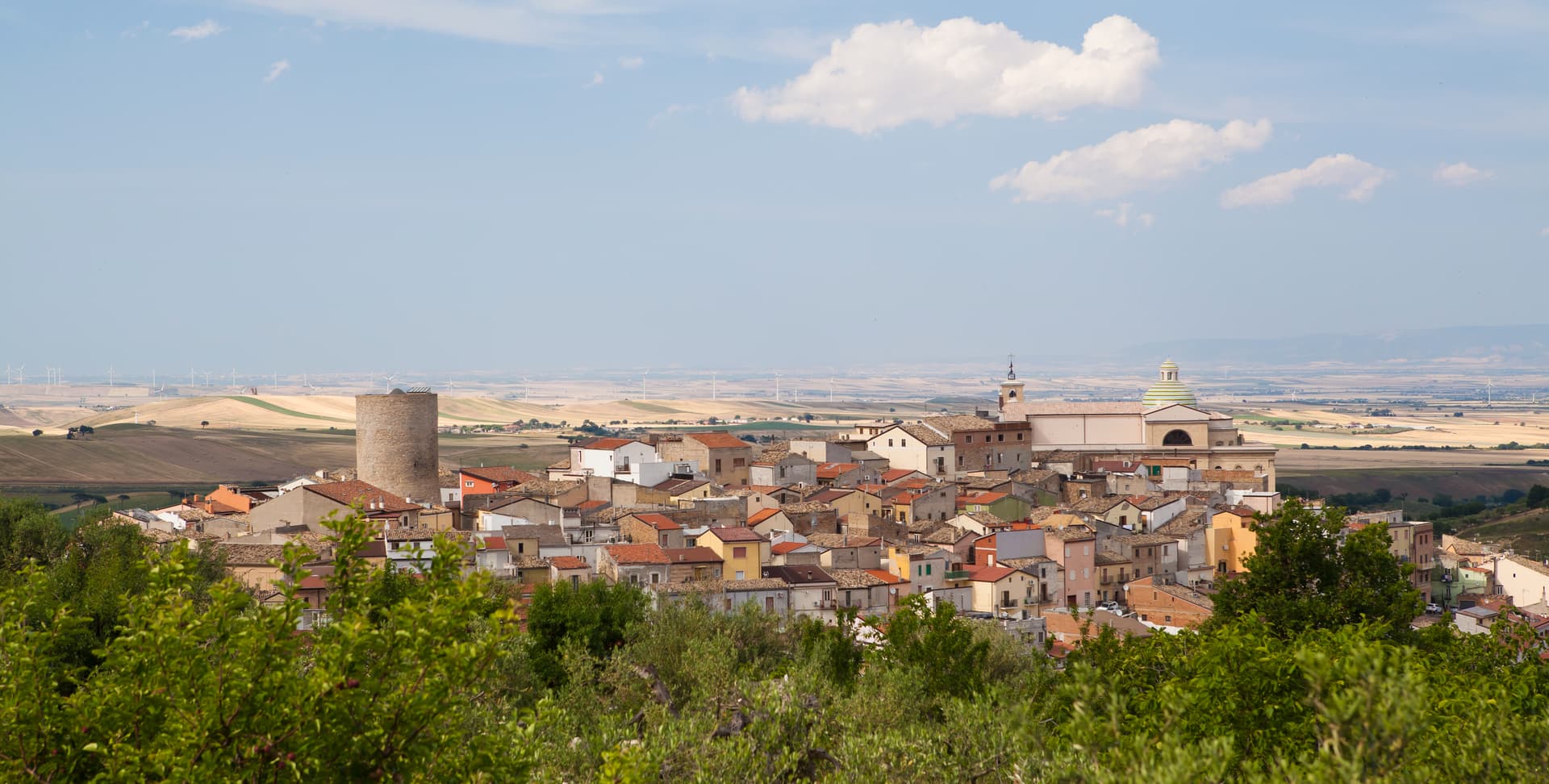
A Murge town at 300 meters between Bari and the Itria valley, named for its springs and a DOP red onion.
Biccari
Province: Foggia
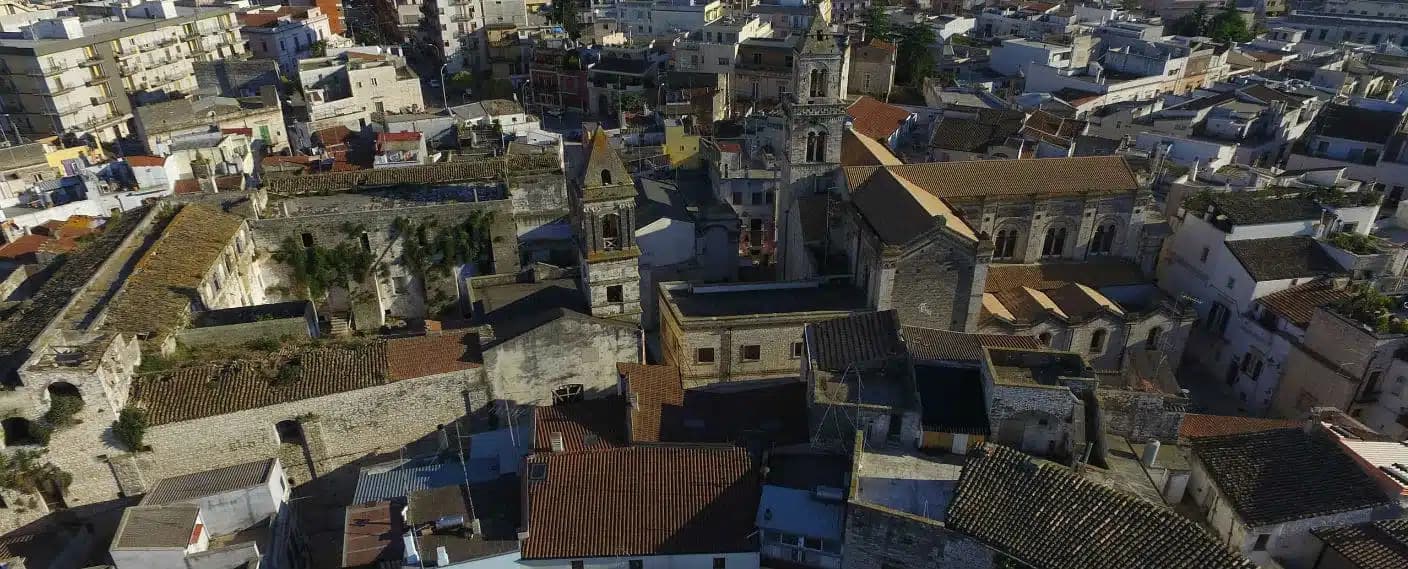
A Subappennino Dauno borgo at 450 meters under Monte Cornacchia, the highest peak in Puglia at 1,151 meters, with a Byzantine tower at its core.
Casamassima
Province: Bari
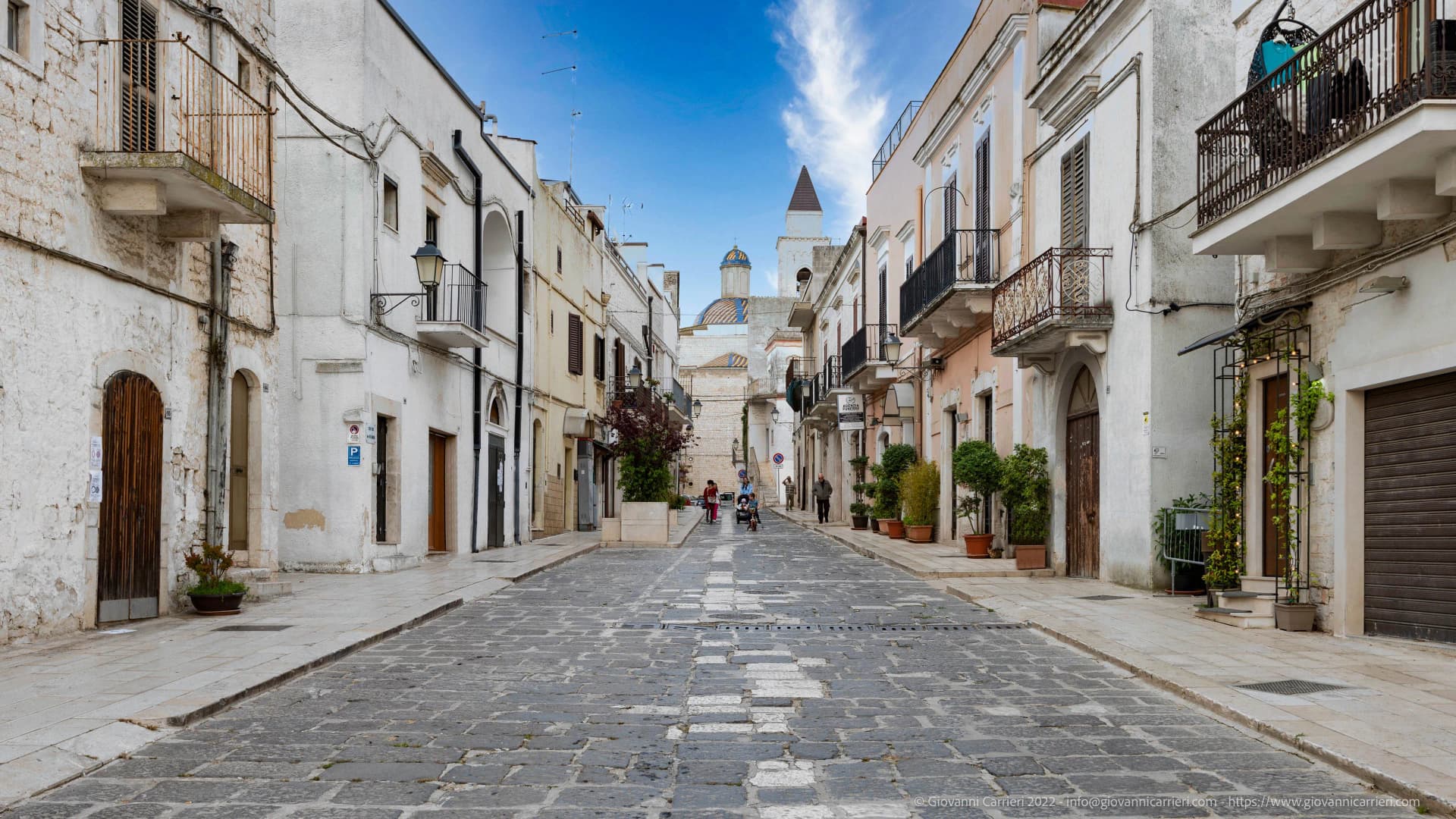
The blue town of the Murge, twenty kilometers south of Bari, its centro storico painted with copper-blue lime after the 1658 plague spared its residents.
Cassano delle Murge
Province: Bari
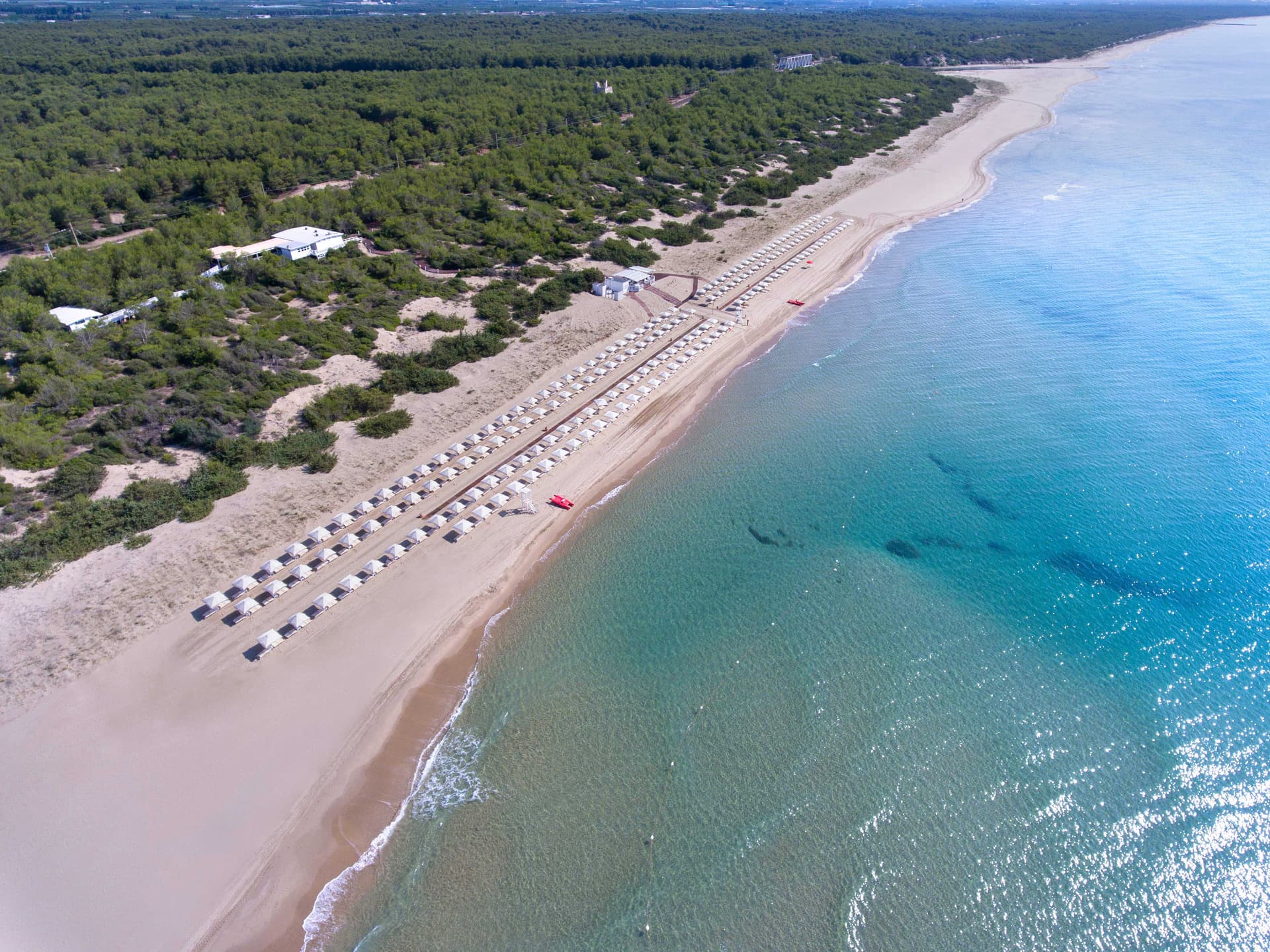
A Murge foothills town at 341 meters at the gate of the Alta Murgia park, with the 1,300-hectare Foresta Mercadante mostly inside its territory.
Castellaneta
Province: Taranto
A cliff-edge Murge town at 235 meters above the Gravina Grande canyon, birthplace of Rudolph Valentino in 1895, with a Bandiera Blu Ionian marina.