

Apulia · Lecce
Nardò
The second city of Salento after Lecce, a Baroque inland capital twenty-five kilometers from Lecce with a Ionian coastline behind it.
Known for
SALENTO BAROQUE
Third pole of Salento Baroque after Lecce and Gallipoli, organized around Piazza Salandra and the Guglia dell'Immacolata.
ACQUAVIVA DUCHY
Acquaviva ducal seat from 1497, with universities, academies and literary circles that made it a Salento cultural capital.
PORTO SELVAGGIO
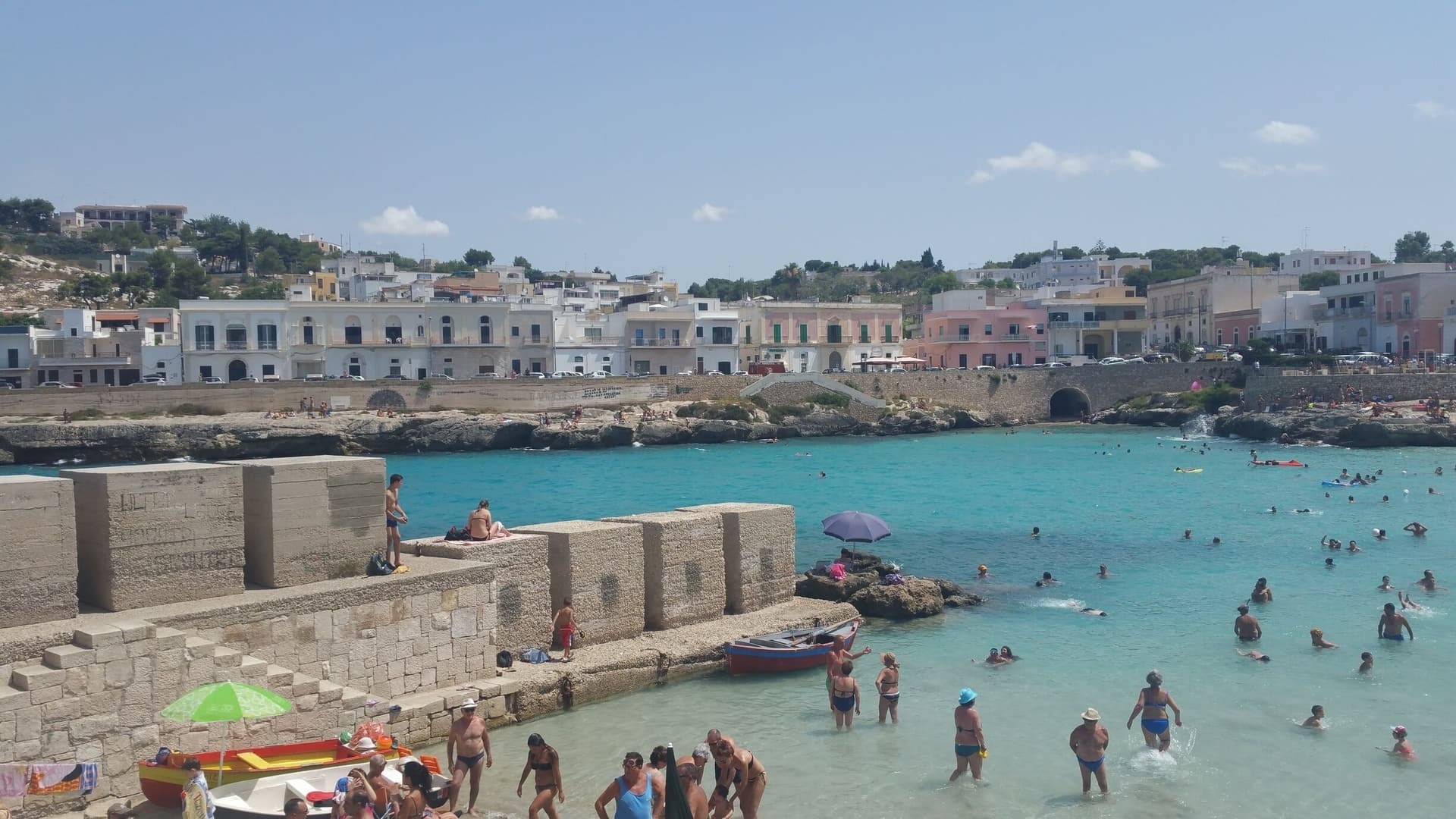
Coastal pine-forest park on the municipal Ionian coast, limestone cliffs and a single cove, Bandiera Blu and Spighe Verdi together.
When to visit
Best · Apr–Oct
- J
- F
- M
- A
- M
- J
- J
- A
- S
- O
- N
- D
- Best
- Hot or crowded
- Quiet
- Mostly closed
The festa: Gregorio Illuminatore, 20 February
Why come
Nardò sits in the northwestern Salento, twenty-five kilometers southwest of Lecce and about ten kilometers inland from the Ionian coast. With just under 31,000 inhabitants and 190 square kilometers of territory, it is the second-largest commune in the province after the capital. The town was a Byzantine stronghold for centuries; in 1497 the dukes of Acquaviva acquired it and turned it into a cultural seat with universities, academies and literary circles that drew on the same humanist current as Lecce and Gallipoli.
The centro storico is one of the three great Salento Baroque ensembles, organized around Piazza Salandra and its Guglia dell'Immacolata, the Castello Acquaviva, the cathedral and a dense fabric of palaces and church facades in the local pietra leccese. The municipal coastline includes the Porto Selvaggio nature reserve, a Mediterranean pine forest above limestone cliffs that the commune holds as a regional park.
The Sunday letter
We haven’t written Nardò’s letter yet.
One town every Sunday, with the photo, the food, the festa. Be there when this one comes up. Free, by Peter & Sophia from Pietrasanta.
By subscribing you agree to Substack’s Terms of Use, our Privacy Policy and our Information collection notice.
What to see
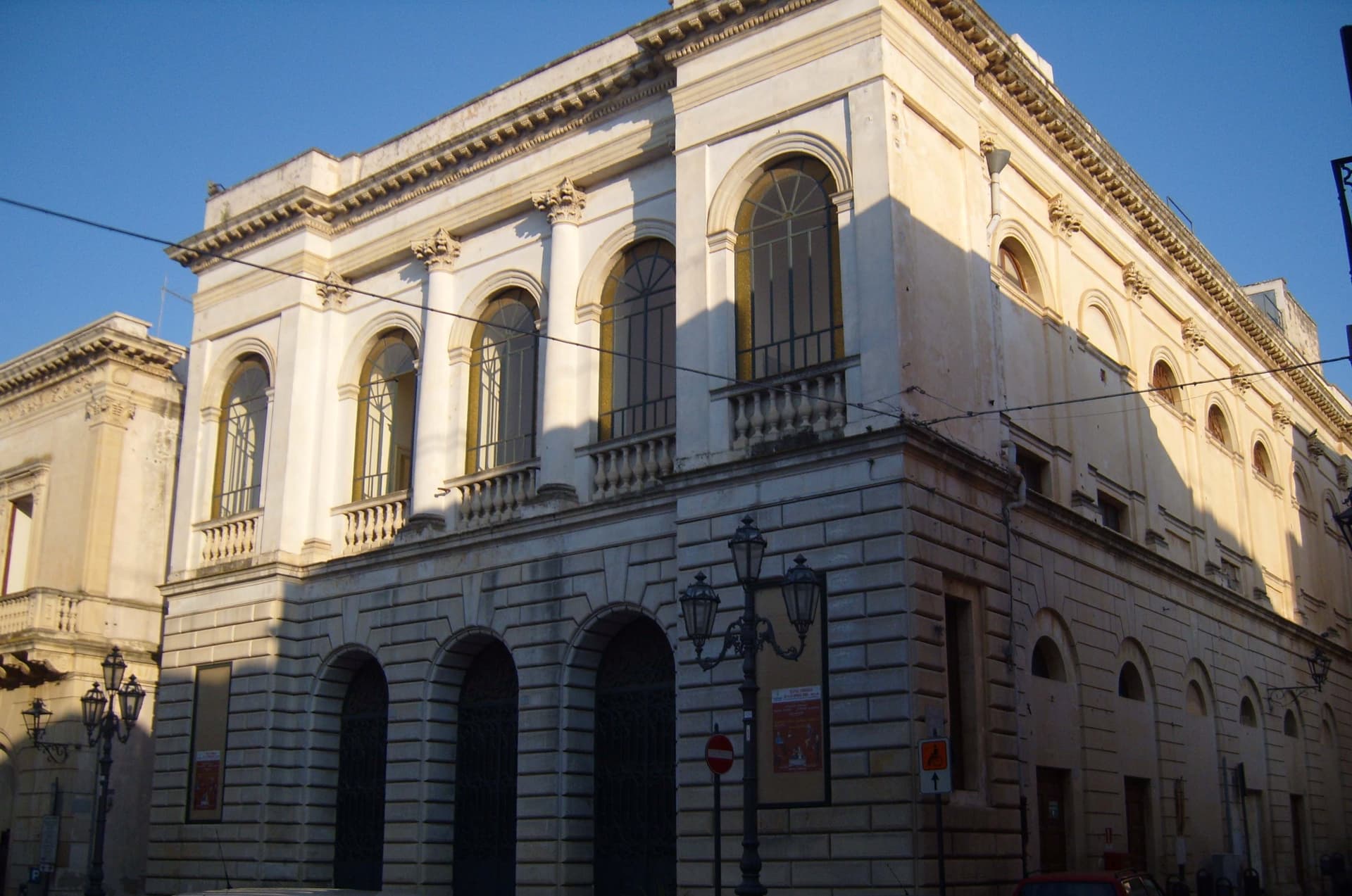
Piazza Salandra
Central Baroque square of the centro storico, the Guglia dell'Immacolata at its center, ringed by palazzi and church facades in pietra leccese.
Castello Acquaviva
Aragonese-Acquaviva castle on the edge of the centro storico, residence of the ducal house from 1497, now the municipal seat.
Cattedrale di Maria Santissima Assunta
Romanesque-Baroque cathedral founded in the eleventh century and remodelled across the seventeenth, with later Baroque facade and bell tower.
Chiesa di San Domenico
Late-Renaissance and Baroque church on Piazza Salandra, one of the most ornate facades in Salento Baroque, the local school's signature work.
Parco di Porto Selvaggio
Coastal regional park within the commune, Mediterranean pine forest above limestone cliffs and a single small swimming cove on the Ionian.
The slow-trip planner
Building a trip? Find where Nardò fits in a slow Italy circuit.
Answer five questions. We will shape a geographically coherent slow trip from the 1,000 Italian towns most travelers skip. Yours to save and share.
We recommend
Where to eat and stay
Not our picks, but places the guides put their name to — a Michelin star, a Gambero Rosso fork, a Slow Food snail, a Michelin Key for the hotels. Worth a table, a counter, or a night when you pass through.
Casa a CorteHotel
Casa a Corte carries a place in the Michelin hotel guide.
Masseria CorsanoHotel
A place in the Michelin hotel guide, at Masseria Corsano.
Masseria Donna MengaHotel
Masseria Donna Menga has a Leading Hotels of the World listing to its name.
Living here
- Population 30,747
- In-betweeni
- Pharmacy in town
- High school within a 30-minute drive
- Train station in the comune
- Nearest airport Bari / Brindisi, 2 h 34 min drive
- Regional capital Bari, 2 h 22 min drive
Tags & datadesignations · numbers · sources
Recognised as
The numbers
- Elevation: 45 m
- Population: 30,747
- Surface area: 193.24 km²
These figures were compiled from public directories — ISTAT, OpenStreetMap, Wikidata — and from the official listings of the guides named on this page. Town details change; verify with official sources before you travel.
Close by
More towns near Nardò
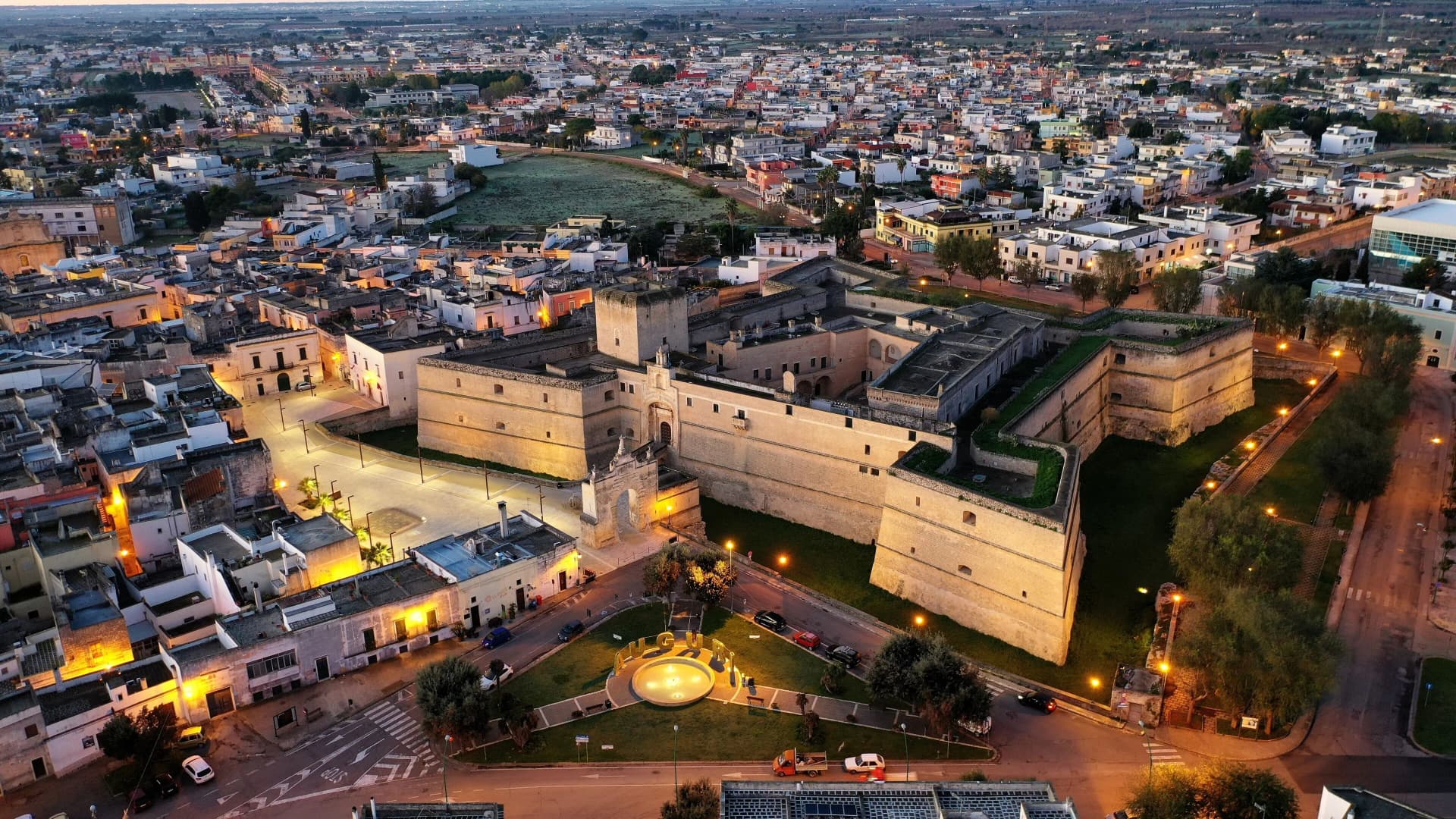
Copertino
Province: Lecce
A Salento town fifteen kilometers west of Lecce, with one of Puglia's largest Renaissance fortresses and the birthplace of Saint Joseph of Copertino.
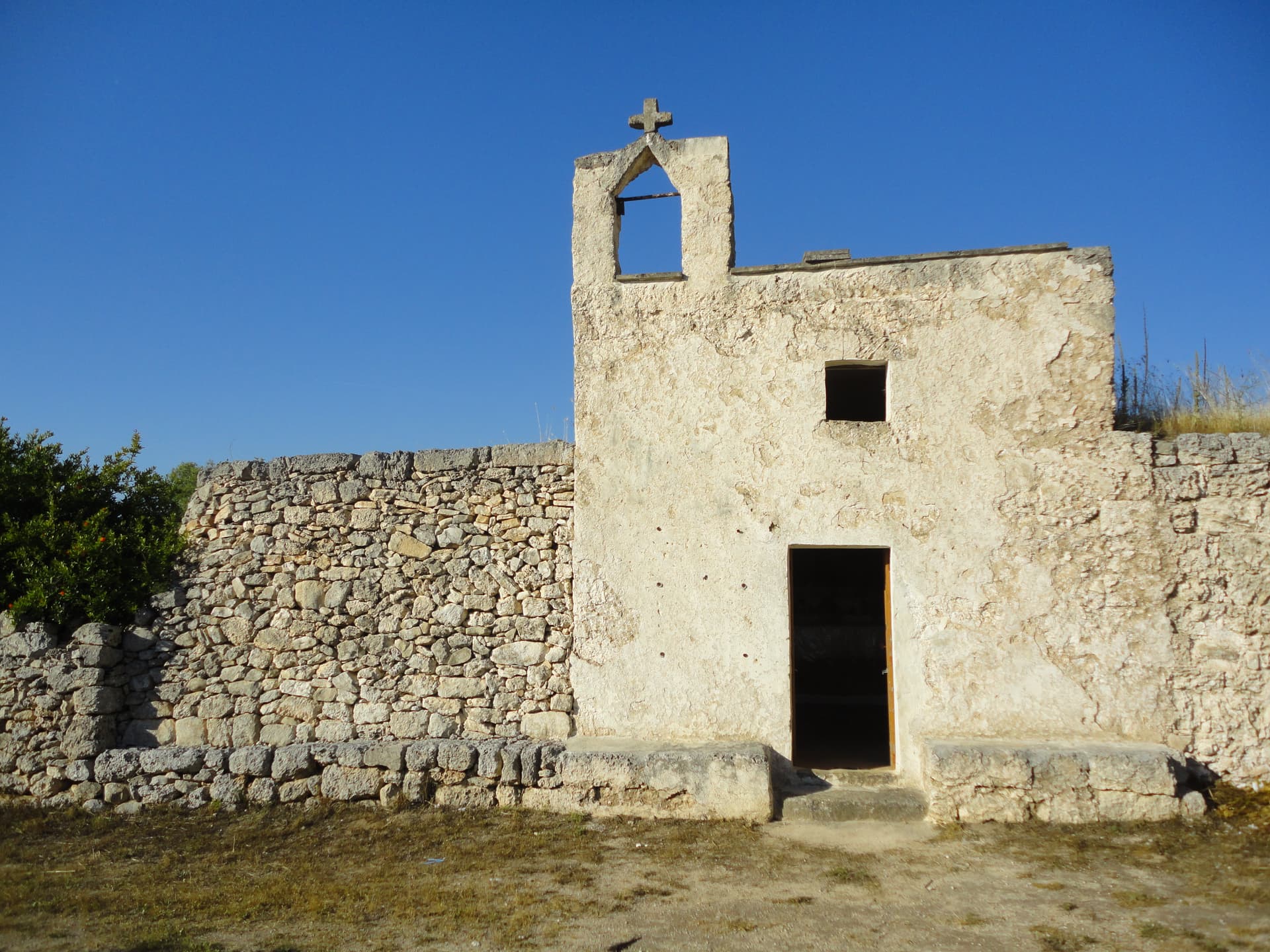
Galatone
Province: Lecce
A Salento town at 57 meters thirteen kilometers from Gallipoli, built around a Baroque sanctuary raised over a fourteenth-century Byzantine icon.
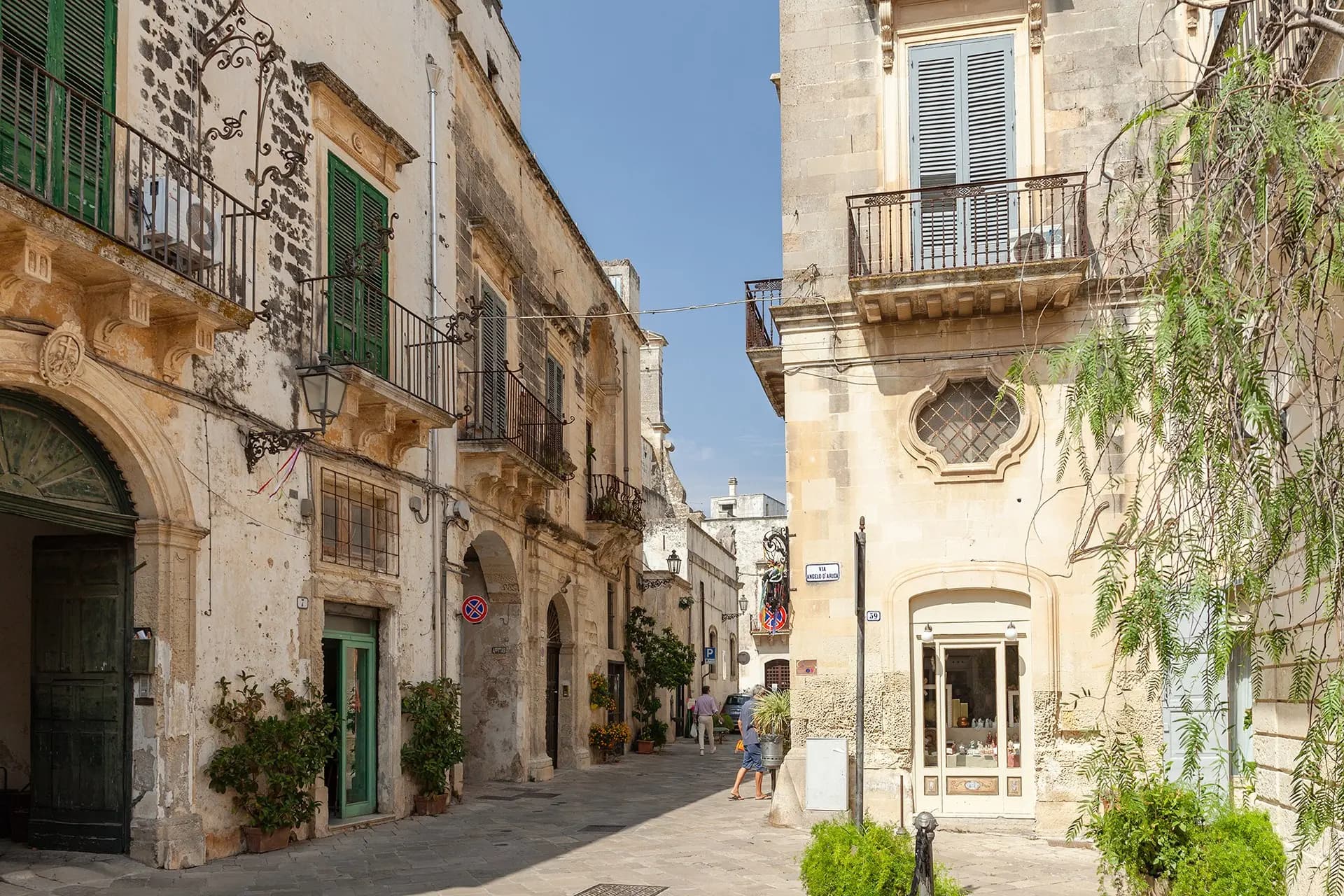
Galatina
Province: Lecce
The Salento town at 78 meters where the cult of San Paolo bred tarantism and gave the pizzica its origin myth.
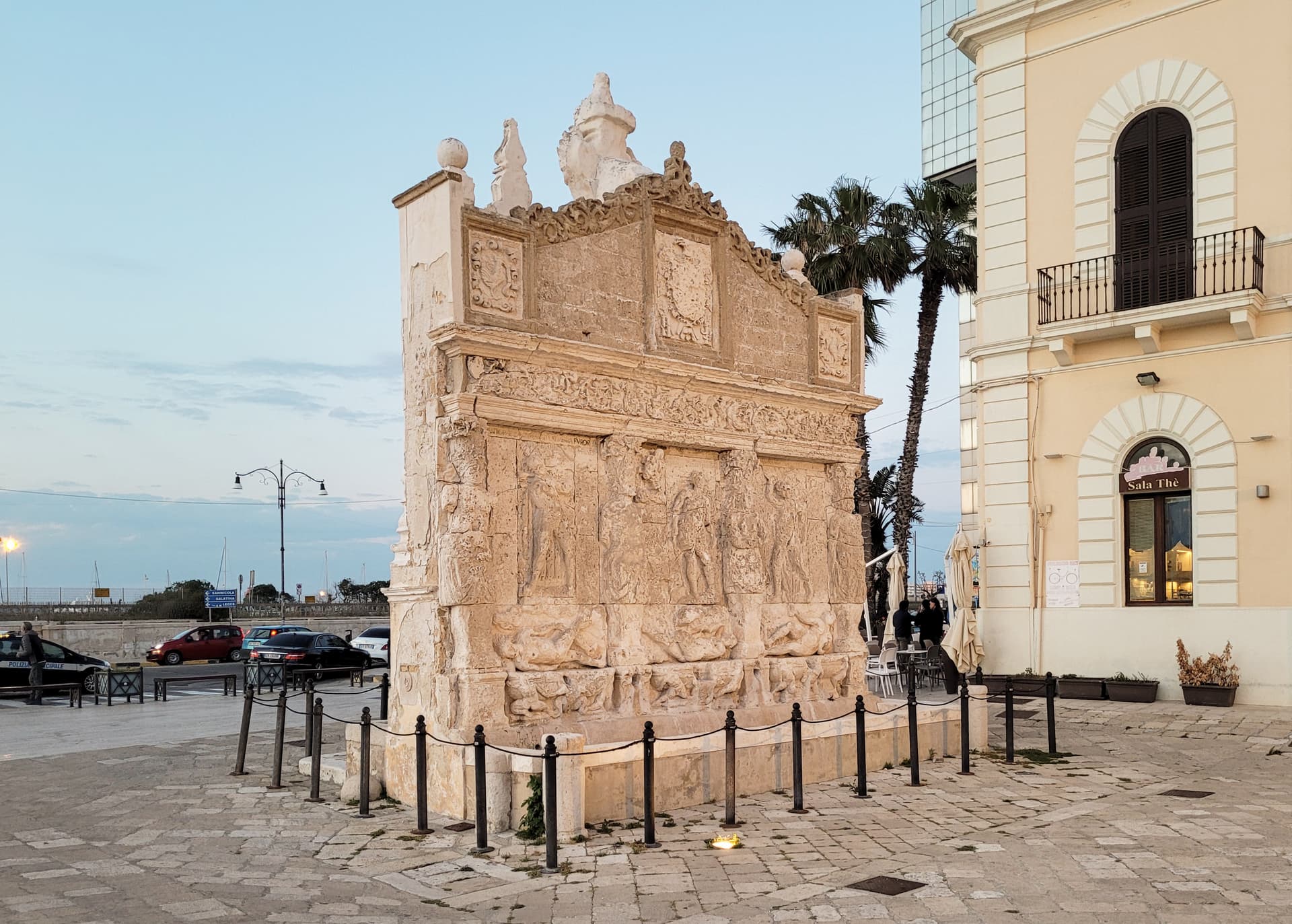
Gallipoli
Province: Lecce
The Ionian beach city on a limestone island, Greek Kallipolis meaning beautiful city, tied to the mainland by a seventeenth-century bridge.
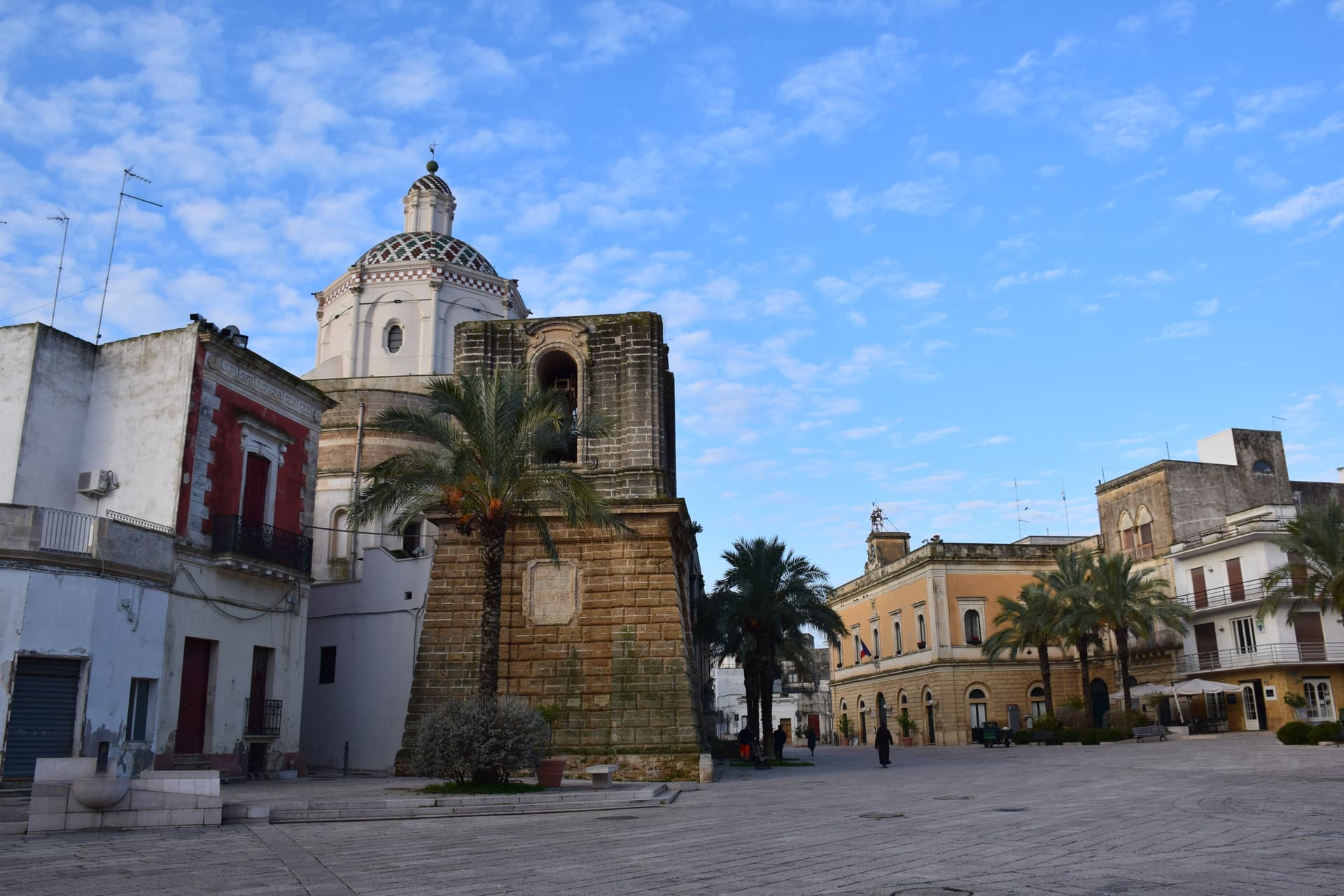
Campi Salentina
Province: Lecce
A Salento plain town fifteen kilometers north of Lecce, founded after the Saracen raids of 926, with a Frederician castle that became a Paladini-Enriquez marquisate.
🟦 Bandiera Blu
More Bandiera Blu towns in Apulia
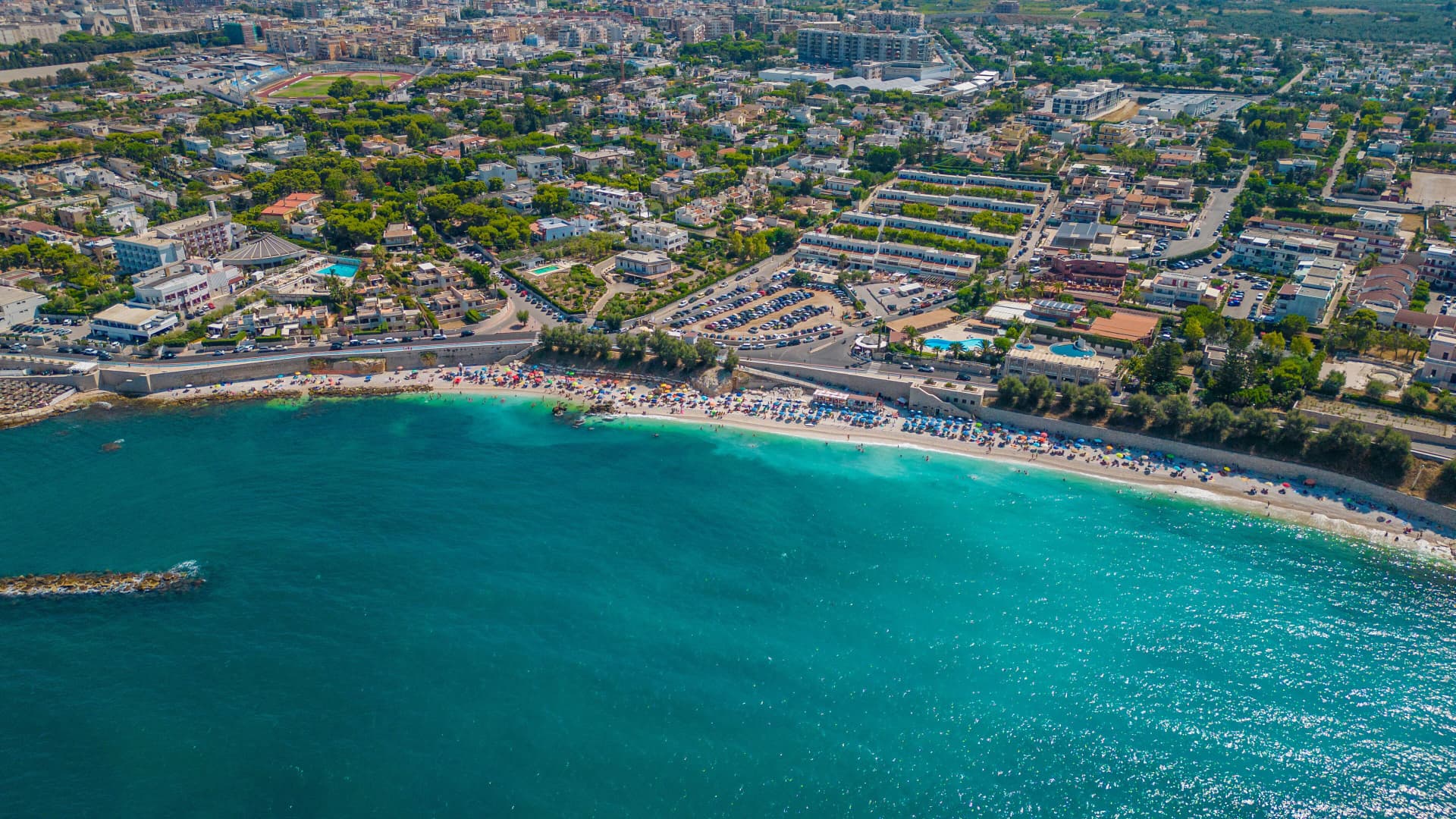
Bisceglie
Province: Barletta-Andria-Trani
An Adriatic port town between Trani and Molfetta, named for Roman watchtowers, with five dolmens around it and a Norman cathedral begun in 1073.
Carovigno
Province: Brindisi
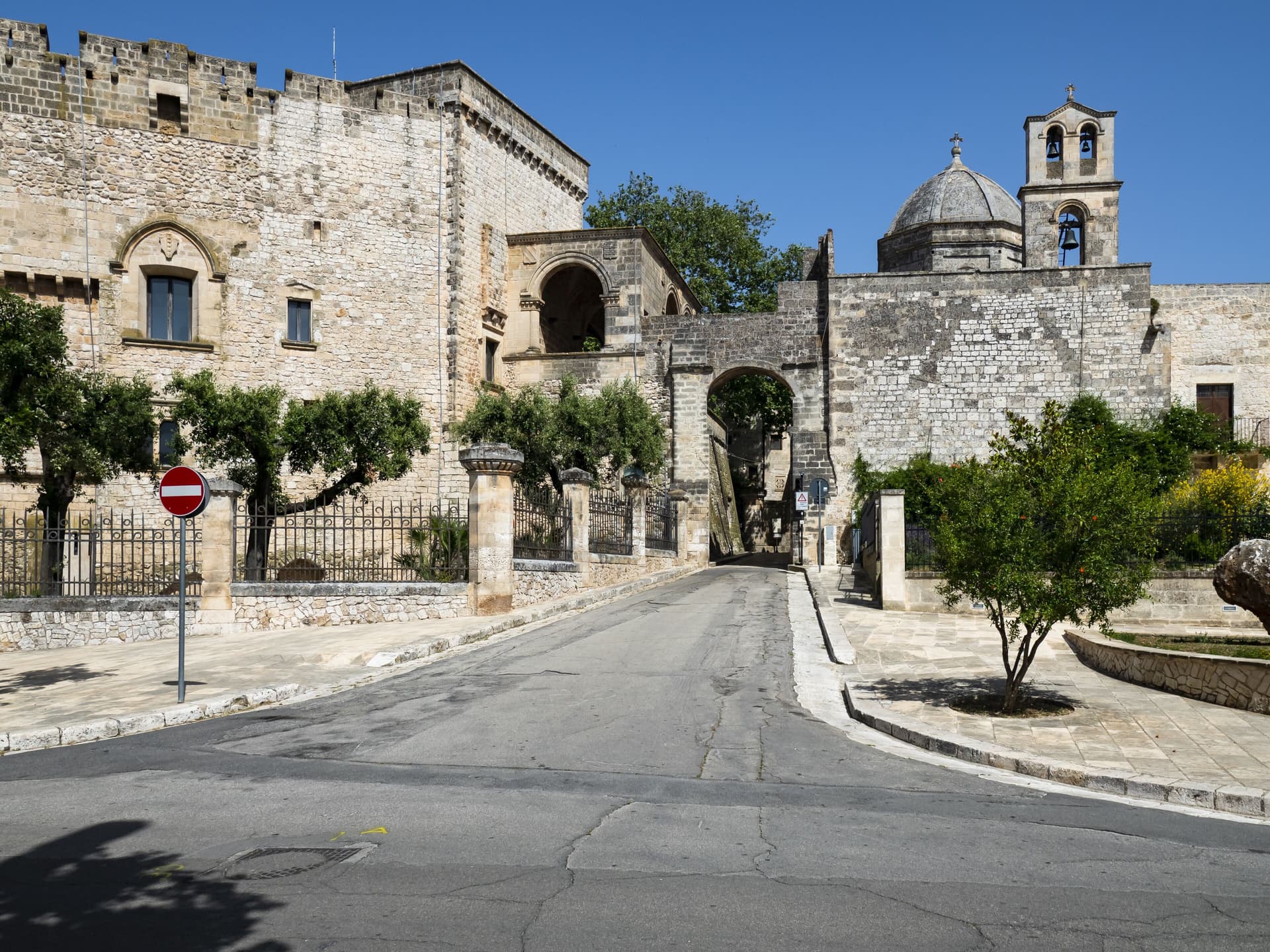
An upper Salento town between Brindisi and Ostuni, built on the Messapian Carbina destroyed in 473 BC, with the Torre Guaceto marine reserve offshore.
Castellaneta
Province: Taranto
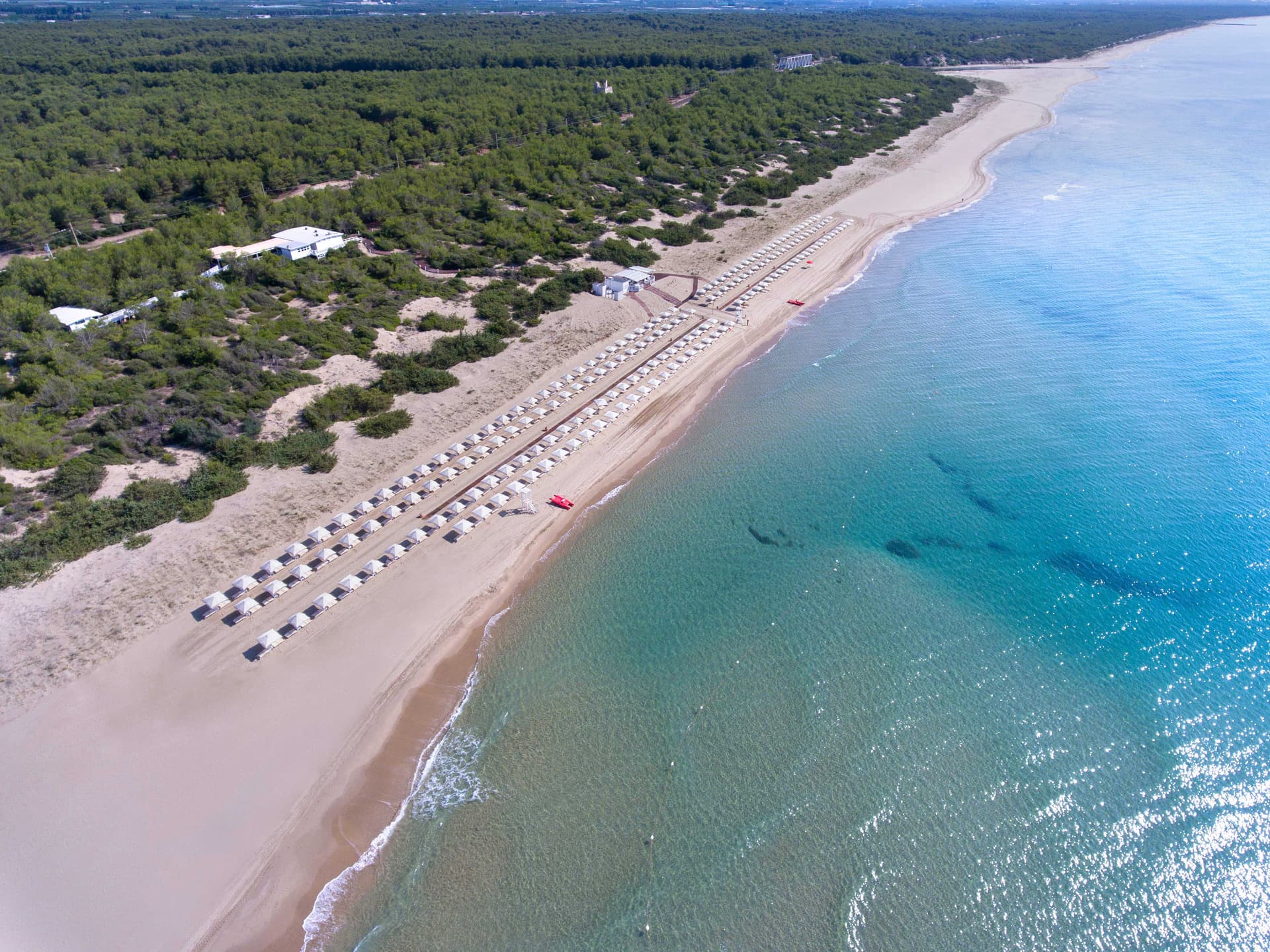
A cliff-edge Murge town at 235 meters above the Gravina Grande canyon, birthplace of Rudolph Valentino in 1895, with a Bandiera Blu Ionian marina.
Fasano
Province: Brindisi
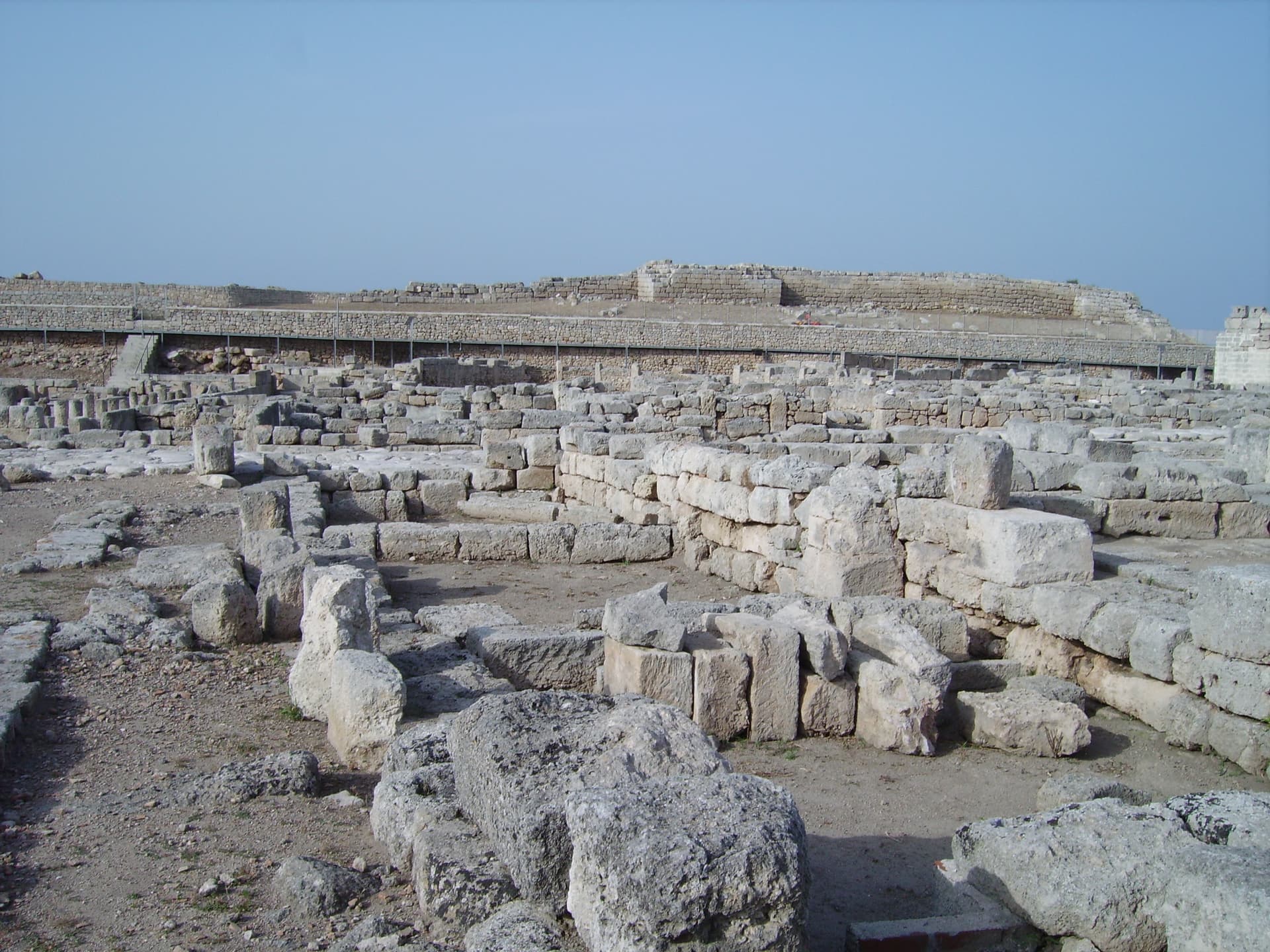
A Brindisi-province town from the Adriatic up to the Itria escarpment, holding the Roman ruins of Egnazia, the Selva, and Europe's second-largest safari park.
Isole Tremiti
Province: Foggia
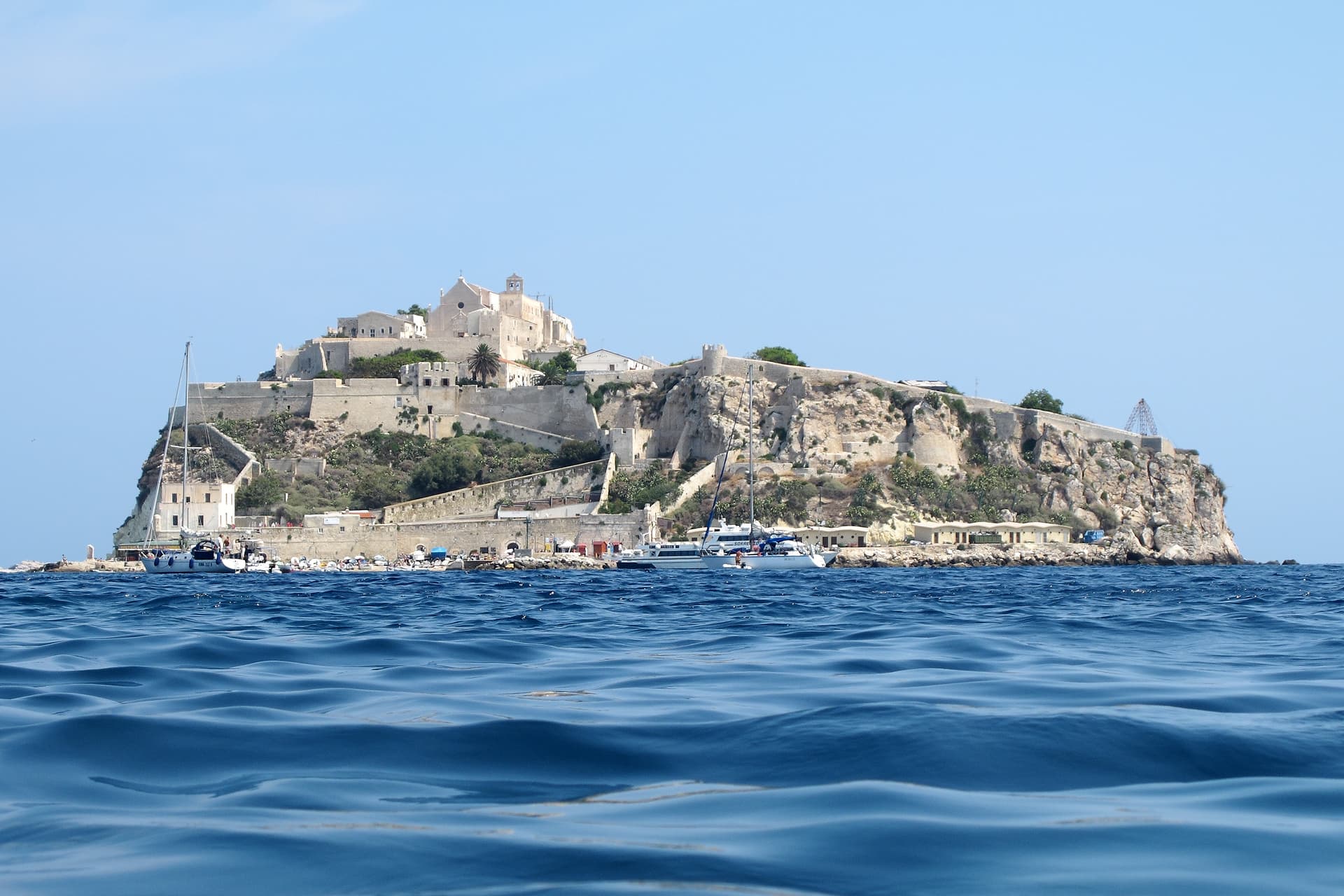
An Adriatic archipelago of five islands twenty-two kilometers off the Gargano, the only Italian commune scattered across an open-sea group.