

Apulia · Lecce
Galatone
A Salento town thirteen kilometers from Gallipoli, built around a Baroque sanctuary raised over a fourteenth-century Byzantine icon.
Known for
BAROQUE SANCTUARY
The Santuario del Crocifisso della Pietà, built 1683-1694 around a miraculous Byzantine icon, raised to papal sanctuary status in 1796.
IL GALATEO
Antonio de Ferraris, the Renaissance scholar born here who wrote De situ Iapygiae, the first geographic study of the Salentine peninsula.
INFIORITALIA
Annual flower-carpet festival, member of the Infioritalia network, with petal-laid designs filling the streets of the centro storico.
When to visit
Best · Apr–Oct
- J
- F
- M
- A
- M
- J
- J
- A
- S
- O
- N
- D
- Best
- Hot or crowded
- Quiet
- Mostly closed
Why come
Galatone sits inland between Galatina and the Ionian coast, thirteen kilometers from Gallipoli and twenty-five from Lecce. Its origins are Greek-Byzantine: the place was called Kastellion, and the Griko dialect was spoken in churches into the late fourteenth century. The Santuario del Santissimo Crocifisso della Pietà, built between 1683 and 1694 to replace an earlier church that collapsed that February, is the major monument and one of the strongest Baroque buildings in the province; the decorative work passed through Giuseppe Zimbalo's hands, and the sanctuary still houses the fourteenth-century Byzantine icon of the Crocifisso that drew miracles.
Pope Pius VI elevated it to sanctuary status in 1796. Facing the church stands the fourteenth-century Squarciafico castle, seat of the marchesi who held the fief from 1556. The Renaissance scholar Antonio de Ferraris, known as il Galateo, was born here and wrote the first geographic study of Salento. The town puts on an Infioritalia flower-carpet festa each spring.
The Sunday letter
We haven’t written Galatone’s letter yet.
One town every Sunday, with the photo, the food, the festa. Be there when this one comes up. Free, by Peter & Sophia from Pietrasanta.
By subscribing you agree to Substack’s Terms of Use, our Privacy Policy and our Information collection notice.
What to see
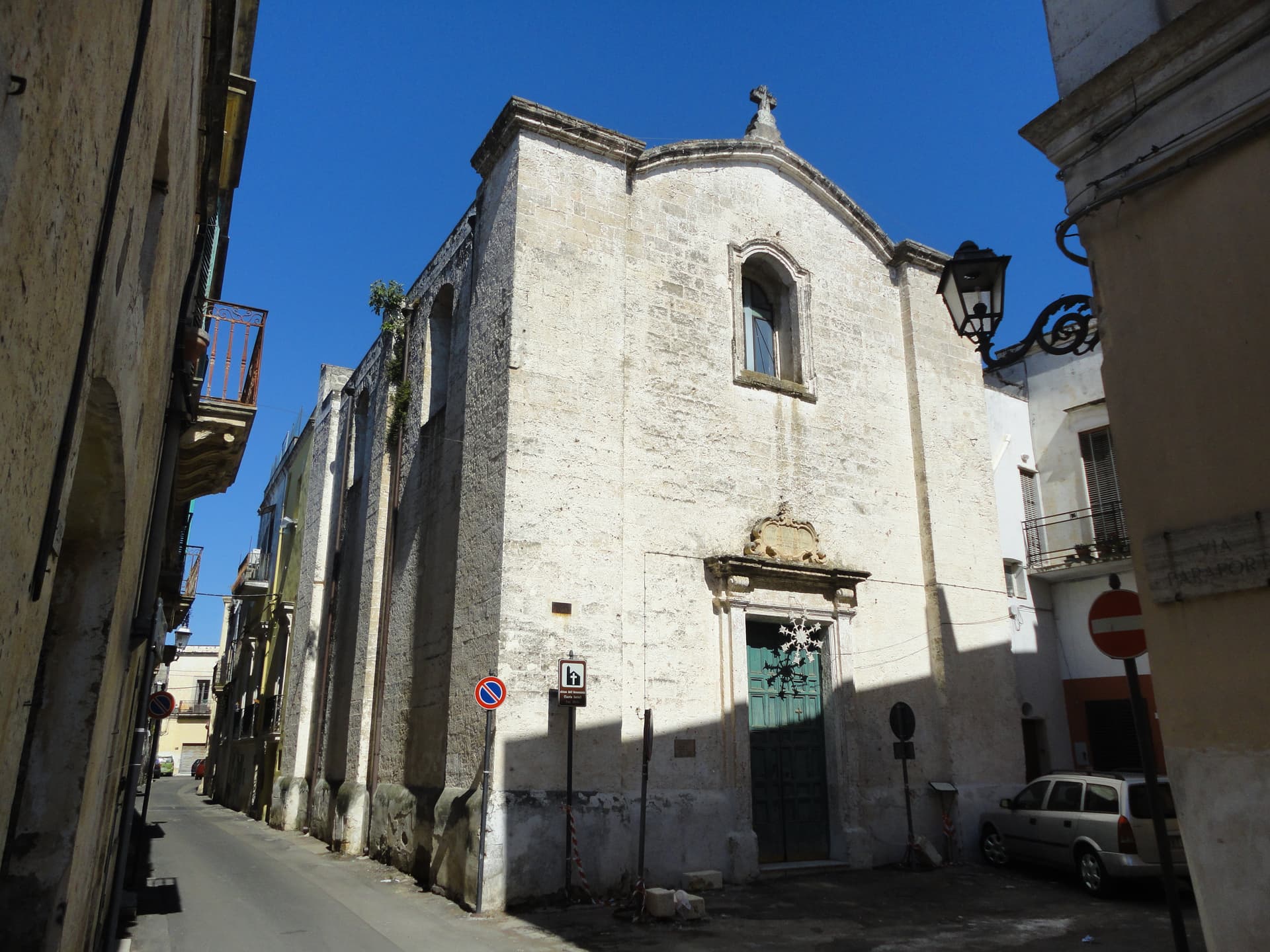
Santuario del Santissimo Crocifisso della Pietà
Baroque sanctuary of 1683-1694 with a richly ornamented three-tier façade, frescoed cupola, and the fourteenth-century Byzantine icon that drew pilgrimage.
Castello Squarciafico
Fourteenth-century castle opposite the sanctuary, seat of the Squarciafico marquesses from 1556 and ancestral home of the Princes of Belmonte.
Castello di Fulcignano
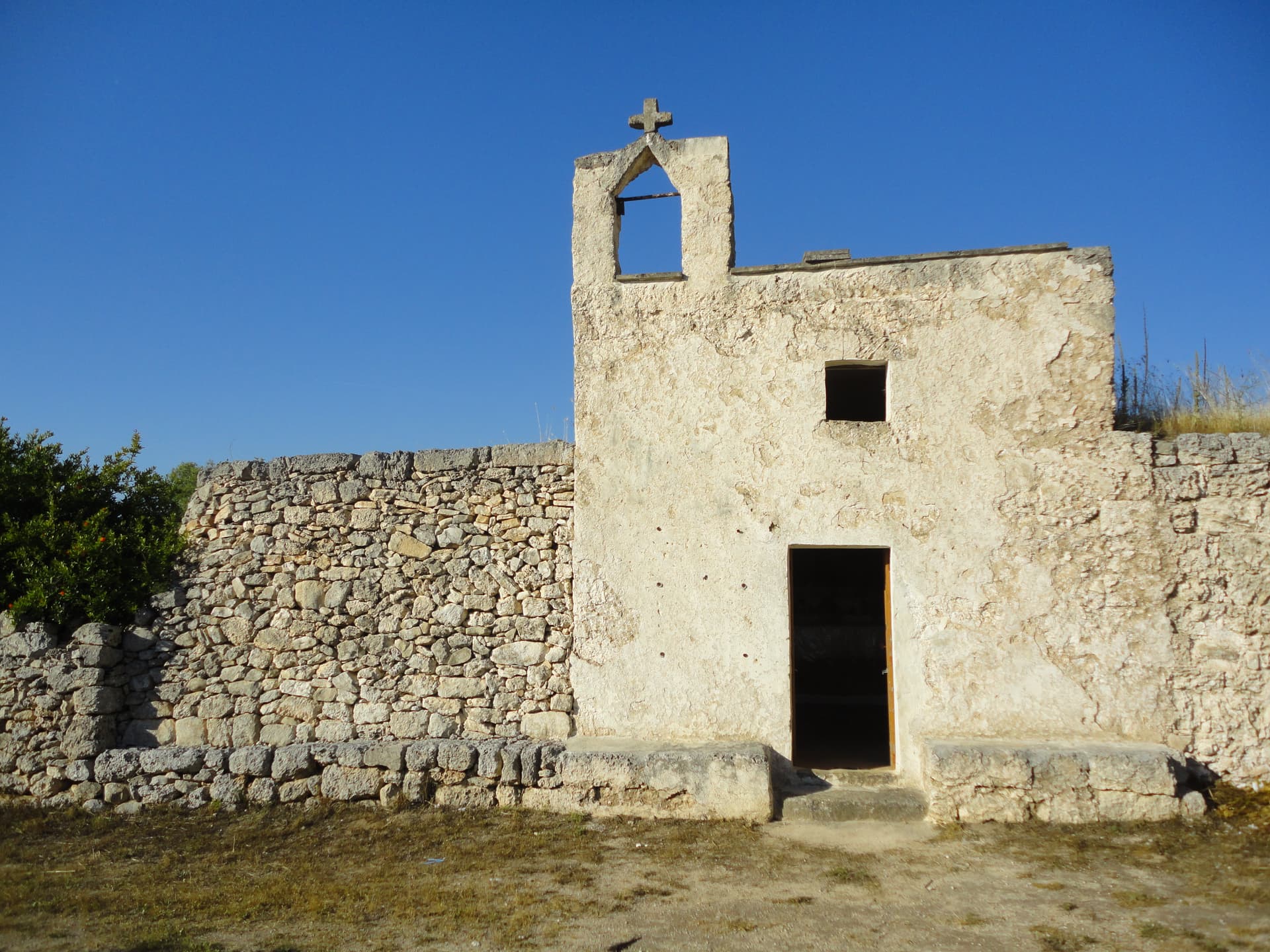
Twelfth-to-fourteenth-century Norman castle on the southern edge of town, surviving ruin of the abandoned medieval farmhouse of Fulcignano.
Infioritalia
Annual flower-carpet festival drawing on the national Infioritalia network, with petal-laid designs filling the centro storico streets.
The slow-trip planner
Building a trip? Find where Galatone fits in a slow Italy circuit.
Answer five questions. We will shape a geographically coherent slow trip from the 1,000 Italian towns most travelers skip. Yours to save and share.
Living here
- Population 14,966
- Commuter belti
- Pharmacy: none mapped
- High school within a 30-minute drive
- Train station in the comune
- Nearest airport Bari / Brindisi, 2 h 31 min drive
- Regional capital Bari, 2 h 19 min drive
Tags & datadesignations · numbers · sources
Recognised as
The numbers
- Elevation: 57 m
- Population: 14,966
- Surface area: 47.08 km²
These figures were compiled from public directories — ISTAT, OpenStreetMap, Wikidata — and from the official listings of the guides named on this page. Town details change; verify with official sources before you travel.
Close by
More towns near Galatone
Galatina
Province: Lecce
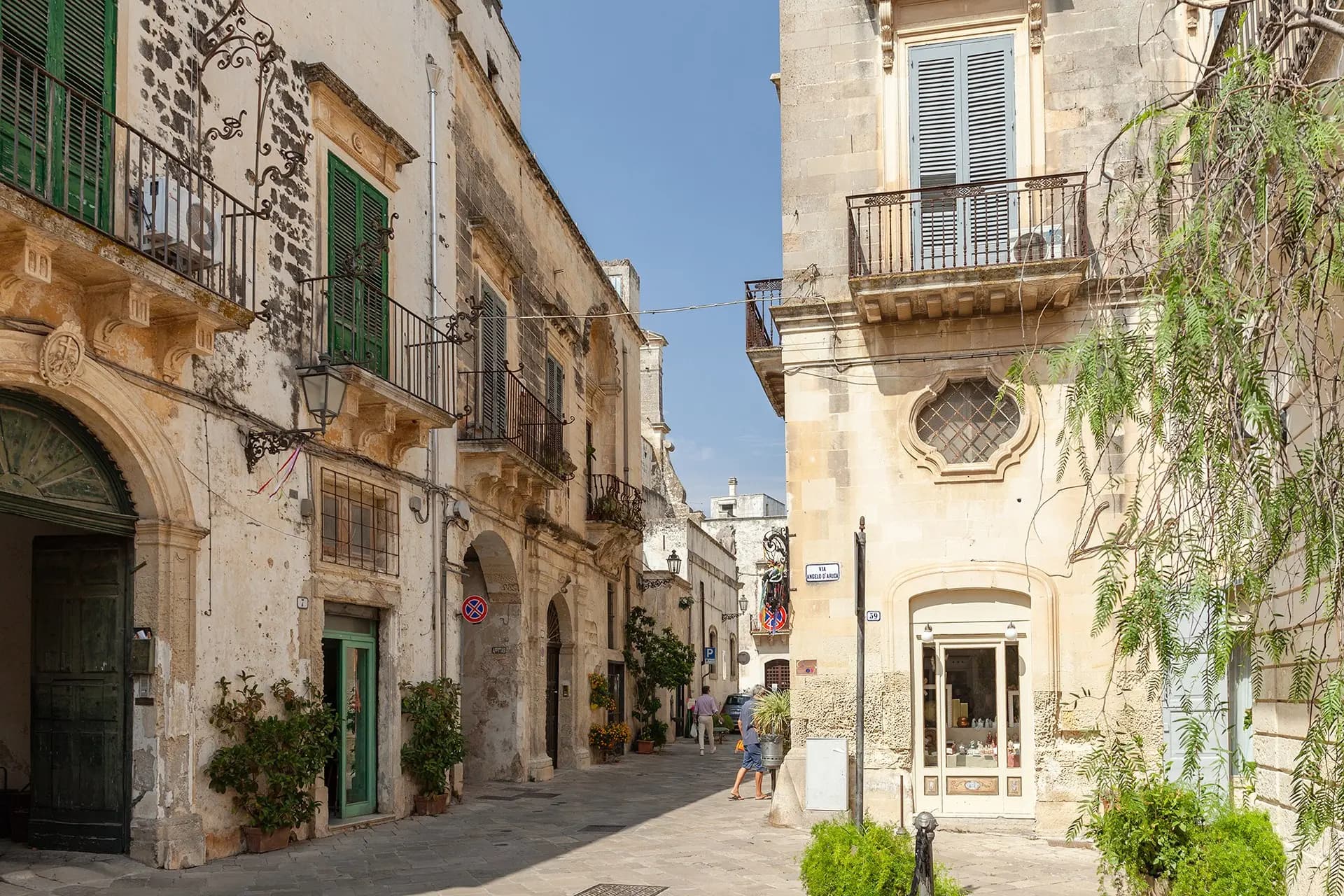
The Salento town at 78 meters where the cult of San Paolo bred tarantism and gave the pizzica its origin myth.
Gallipoli
Province: Lecce
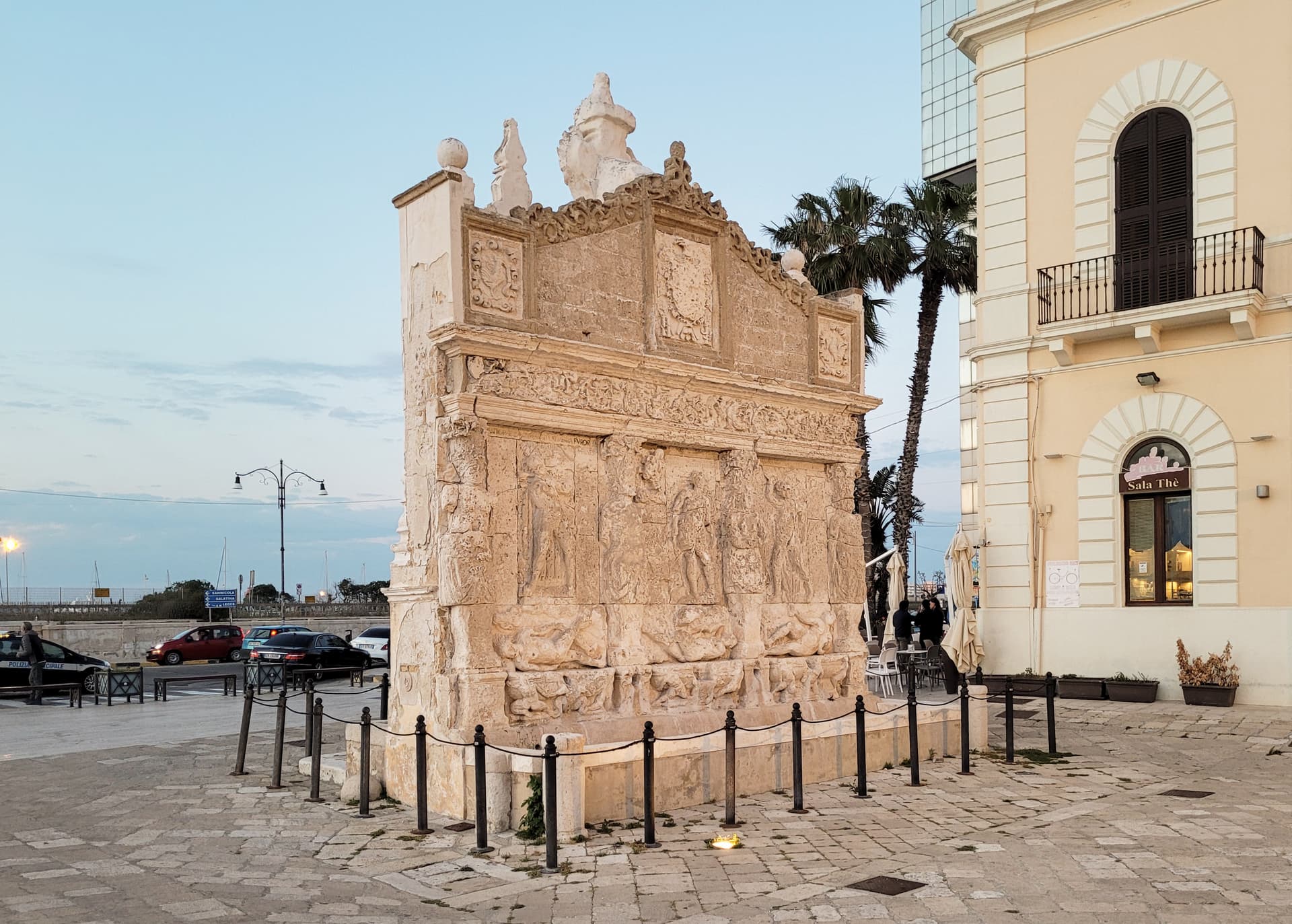
The Ionian beach city on a limestone island, Greek Kallipolis meaning beautiful city, tied to the mainland by a seventeenth-century bridge.
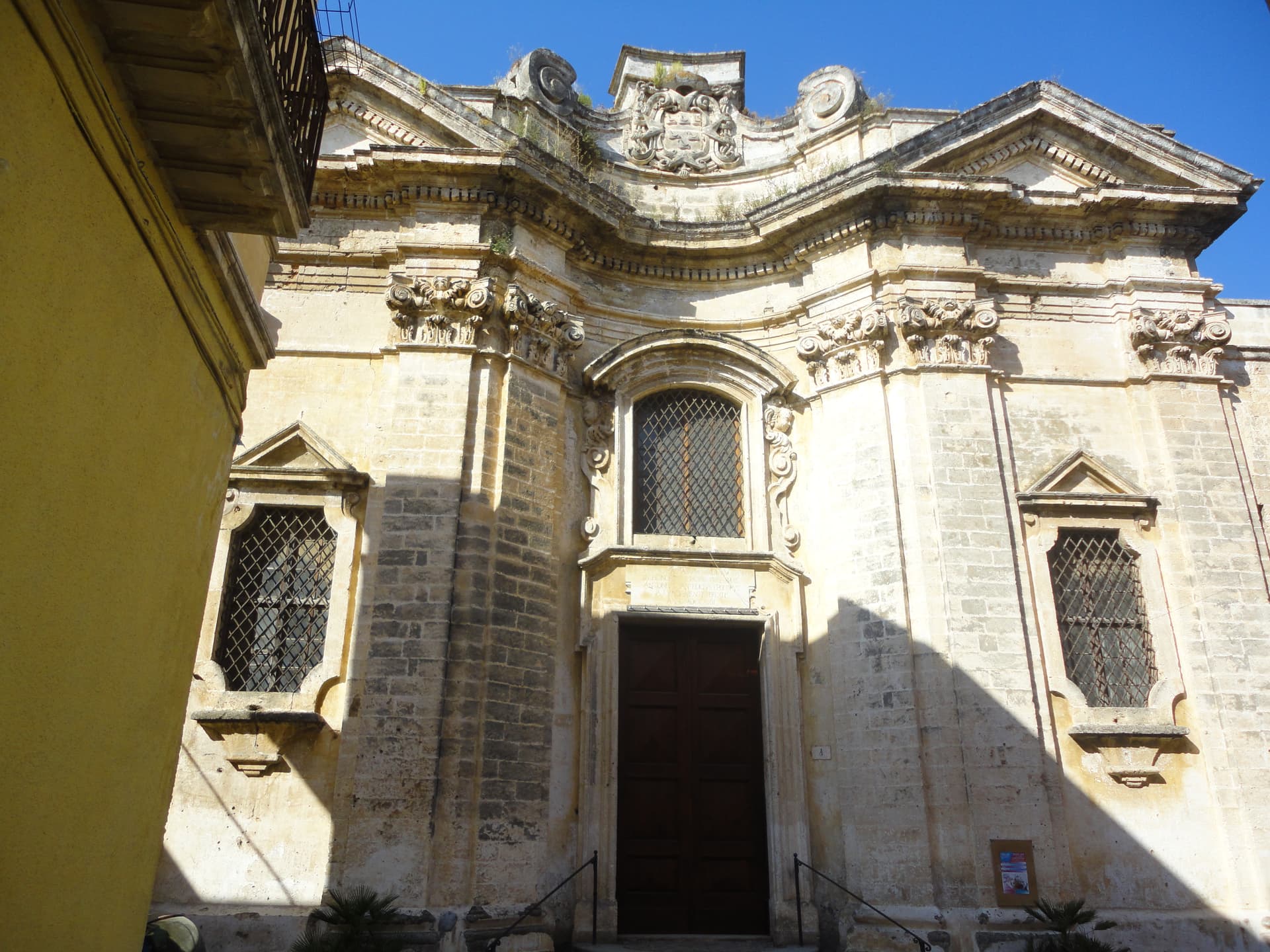
Nardò
Province: Lecce
The second city of Salento after Lecce, a Baroque inland capital twenty-five kilometers from Lecce with a Ionian coastline behind it.
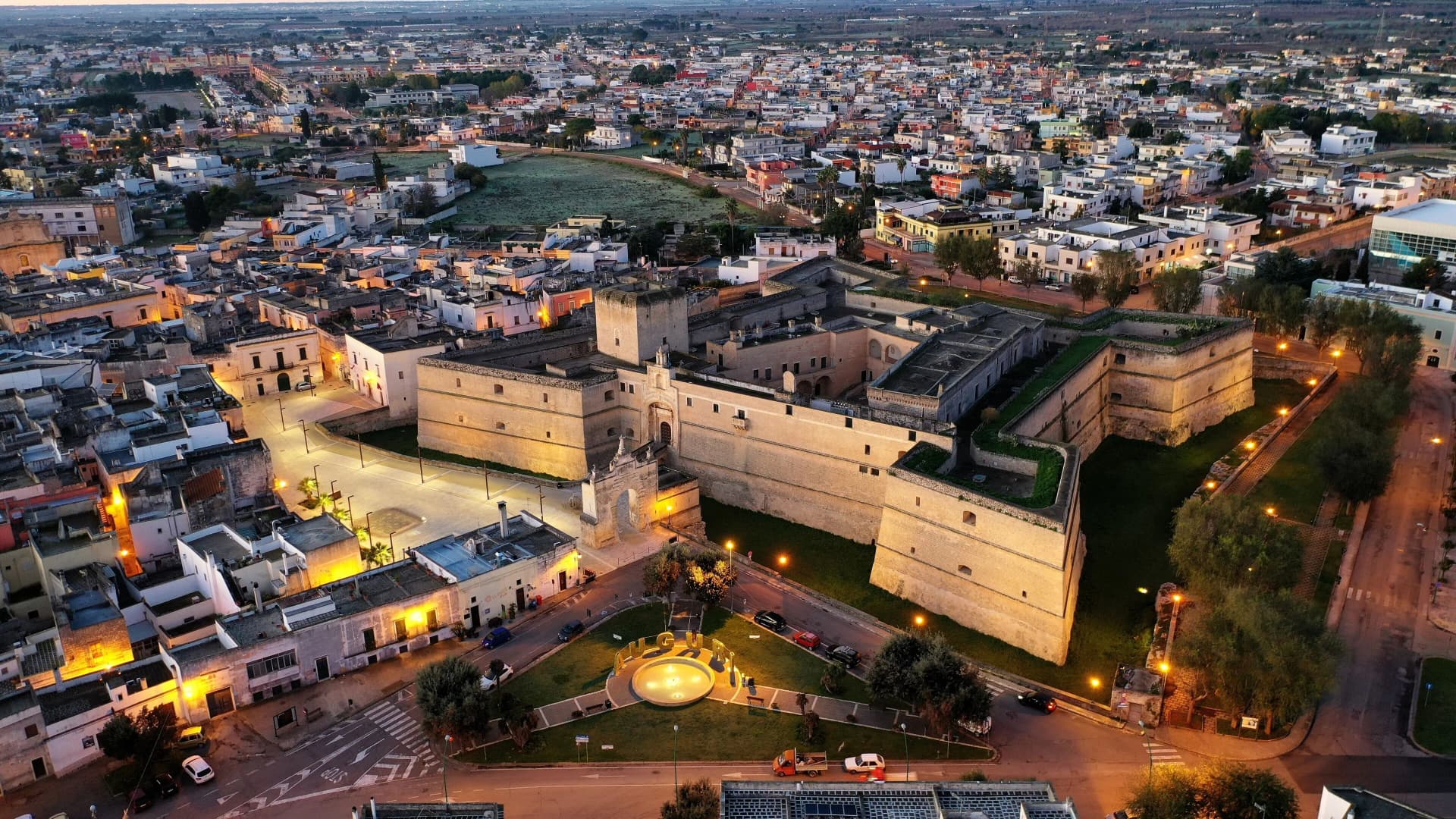
Copertino
Province: Lecce
A Salento town fifteen kilometers west of Lecce, with one of Puglia's largest Renaissance fortresses and the birthplace of Saint Joseph of Copertino.
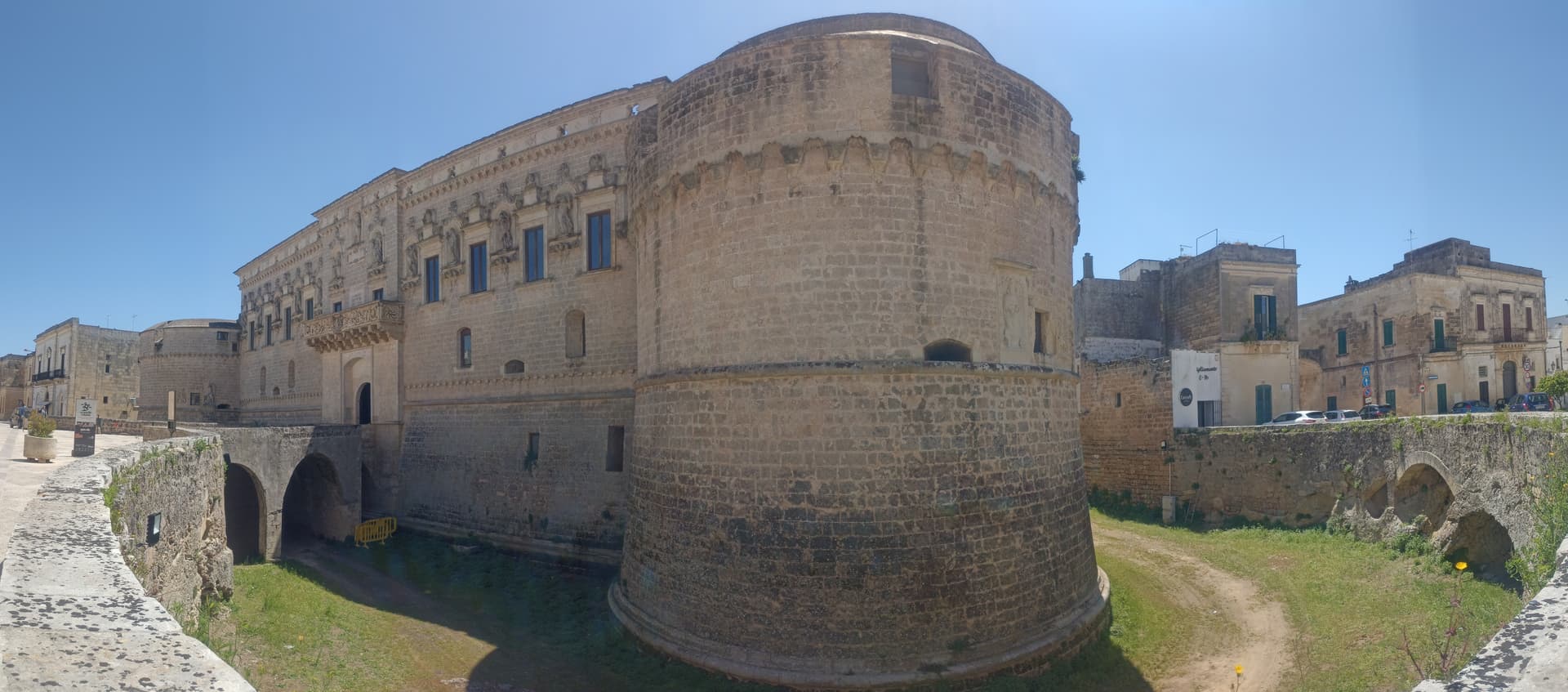
Corigliano d'Otranto
Province: Lecce
A Grecìa Salentina town twenty-five kilometers south of Lecce, Griko-speaking, with a 1500s Lecce-stone castle of circular towers around a quadrangular plan.
💎 Borghi Autentici
More Borghi Autentici towns in Apulia
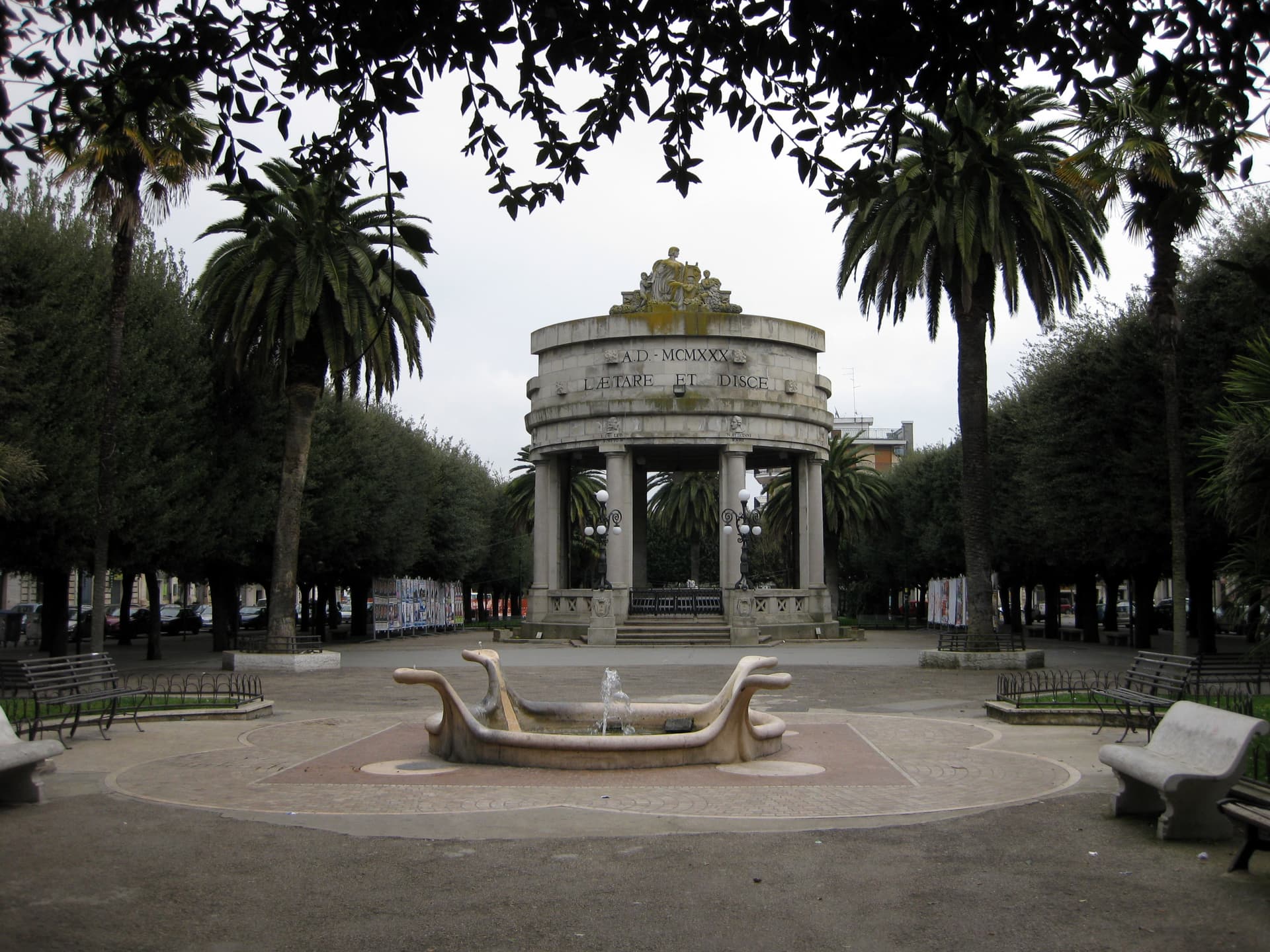
Acquaviva delle Fonti
Province: Bari
A Murge town at 300 meters between Bari and the Itria valley, named for its springs and a DOP red onion.
Biccari
Province: Foggia
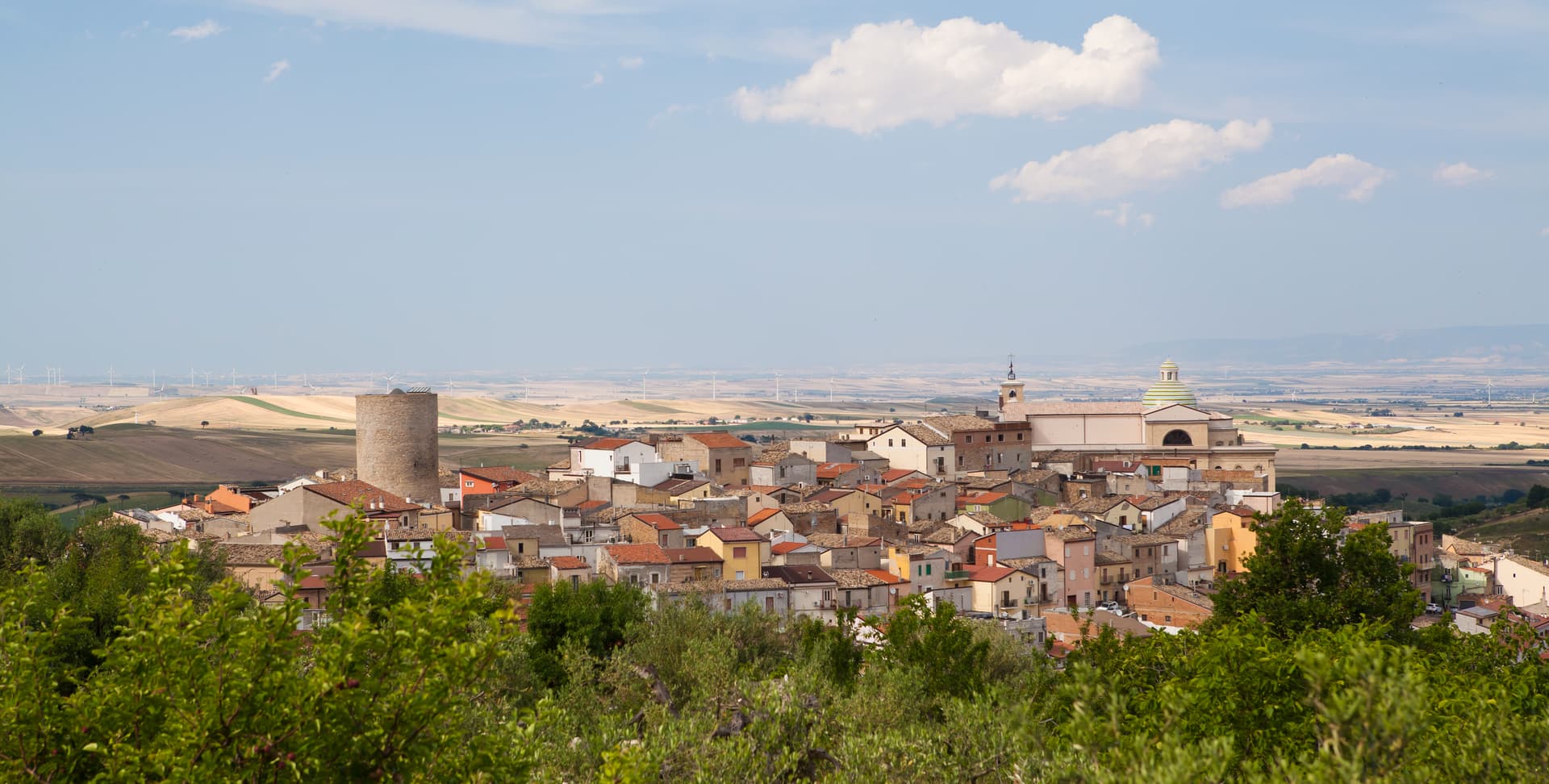
A Subappennino Dauno borgo at 450 meters under Monte Cornacchia, the highest peak in Puglia at 1,151 meters, with a Byzantine tower at its core.
Campi Salentina
Province: Lecce
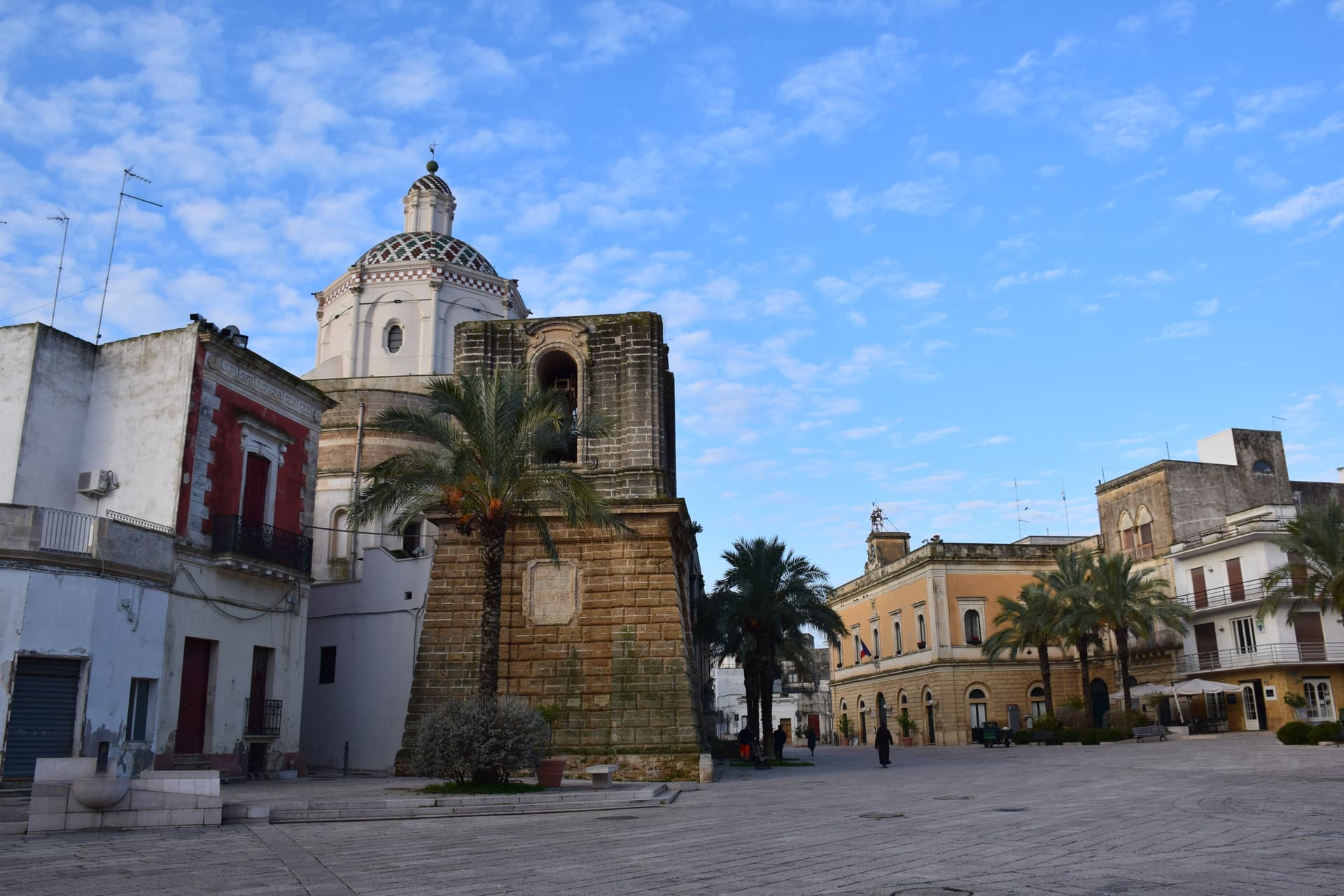
A Salento plain town fifteen kilometers north of Lecce, founded after the Saracen raids of 926, with a Frederician castle that became a Paladini-Enriquez marquisate.
Casamassima
Province: Bari
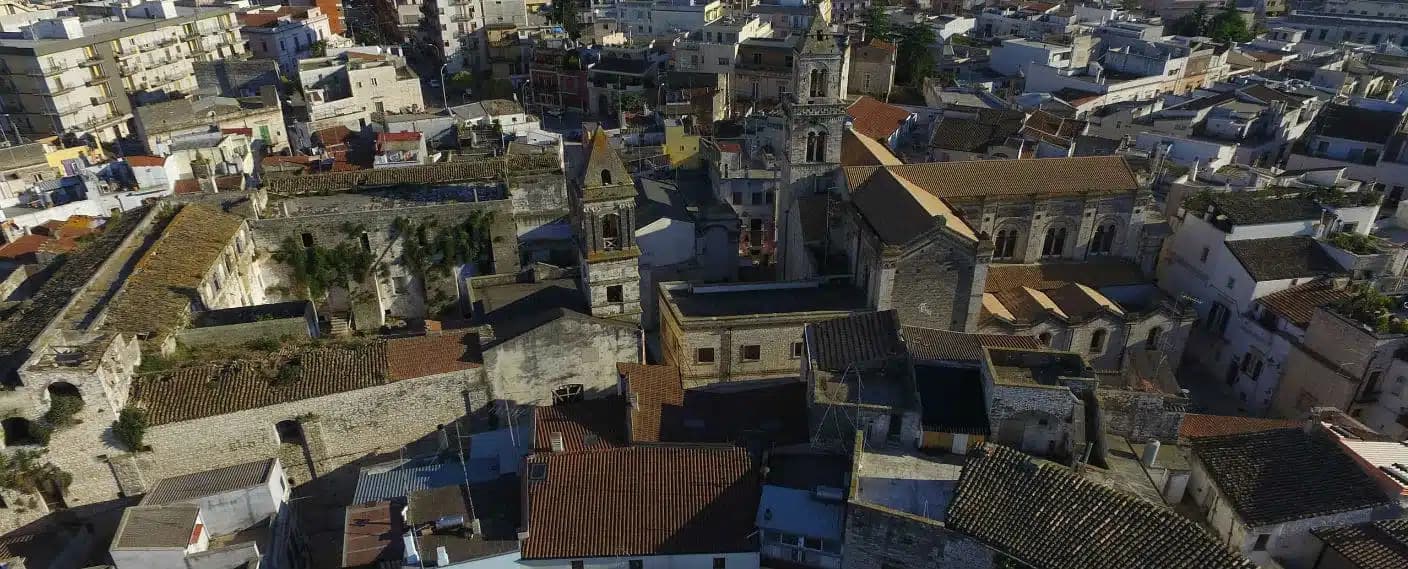
The blue town of the Murge, twenty kilometers south of Bari, its centro storico painted with copper-blue lime after the 1658 plague spared its residents.
Cassano delle Murge
Province: Bari
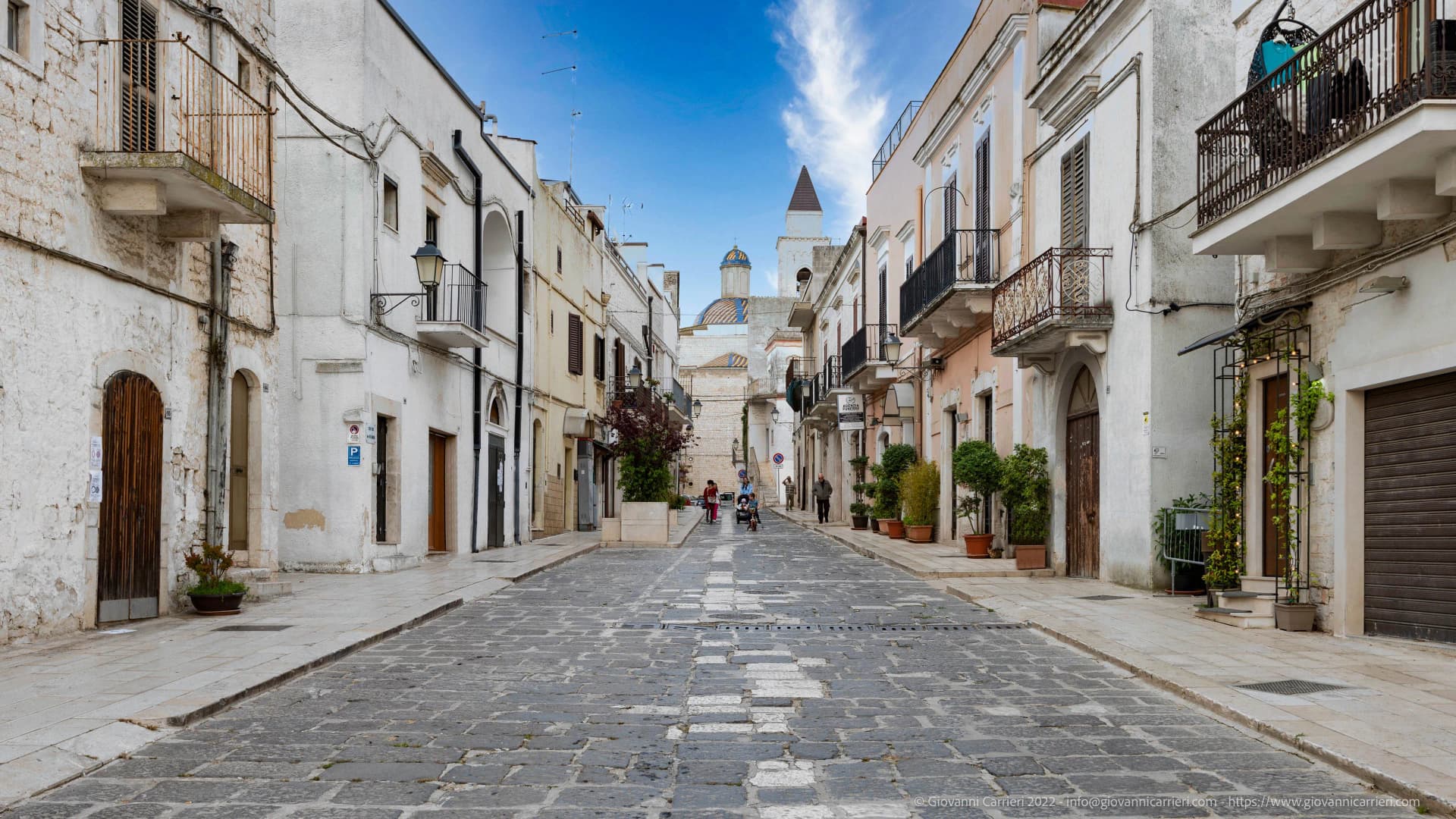
A Murge foothills town at 341 meters at the gate of the Alta Murgia park, with the 1,300-hectare Foresta Mercadante mostly inside its territory.