

Apulia · Brindisi
Carovigno
An upper Salento town between Brindisi and Ostuni, built on the Messapian Carbina destroyed in 473 BC, with the Torre Guaceto marine reserve offshore.
Known for
'NZEGNA
Easter Monday patronal rite where flag bearers wrap a coloured cloth around themselves to three drum beats, in procession to the Madonna del Belvedere.
TORRE GUACETO
Marine protected area on the commune's coast, eight kilometers of dunes and Saracen tower, one of the best-preserved stretches of Adriatic Puglia.
MESSAPIAN CARBINA
Pre-Roman Messapian citadel destroyed by the Tarantines in 473 BC, three concentric walls of which fragments survive inside the modern town.
When to visit
Best · May–Sep
- J
- F
- M
- A
- M
- J
- J
- A
- S
- O
- N
- D
- Best
- Hot or crowded
- Quiet
- Mostly closed
Why come
Carovigno sits in upper Salento, seven kilometers from the Adriatic and thirty kilometers from Brindisi. The town is built on the site of Messapian Carbina, a fortified citadel destroyed by the Tarantines in 473 BC. Three concentric walls once climbed the hill to an acropolis.
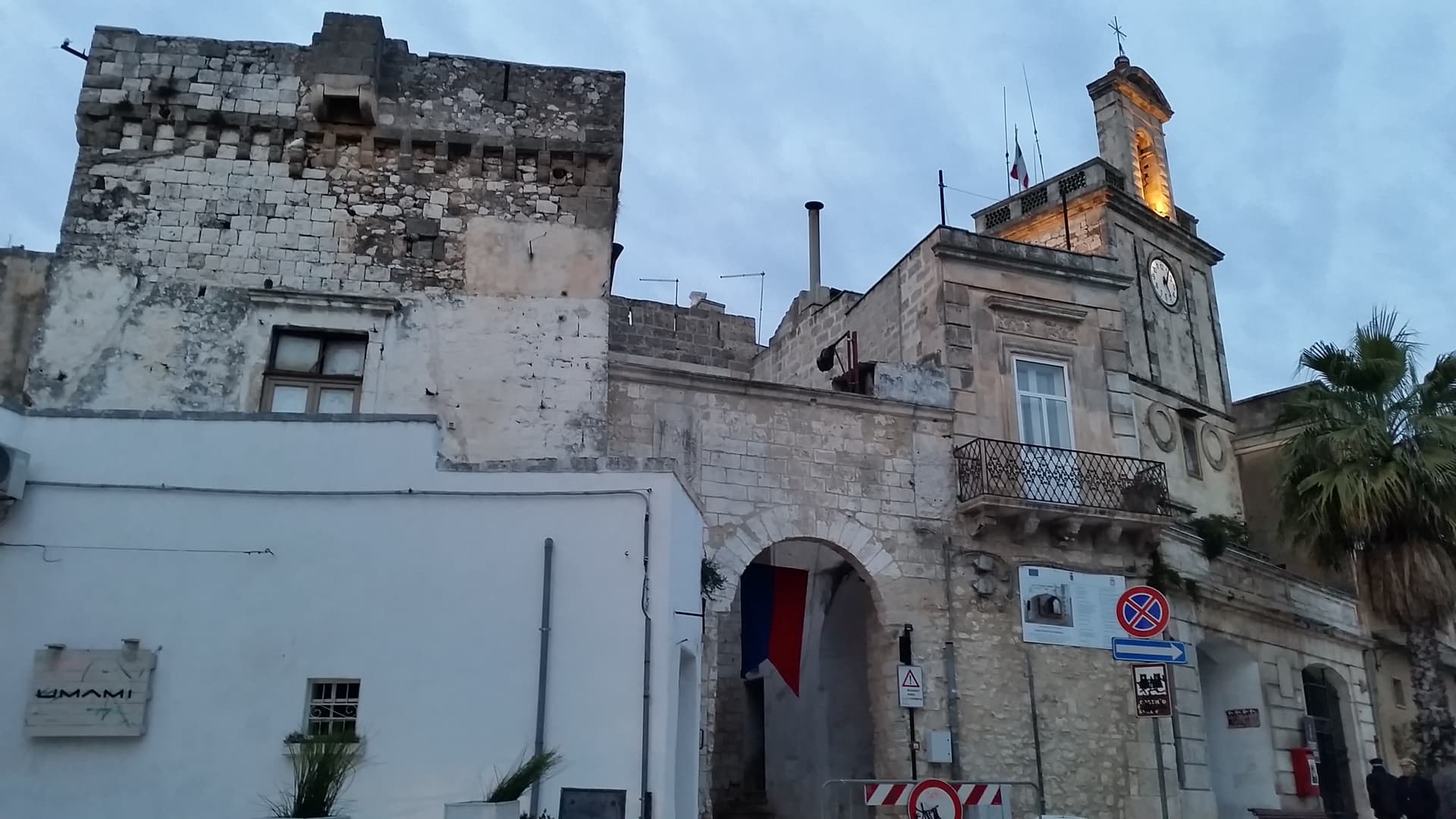
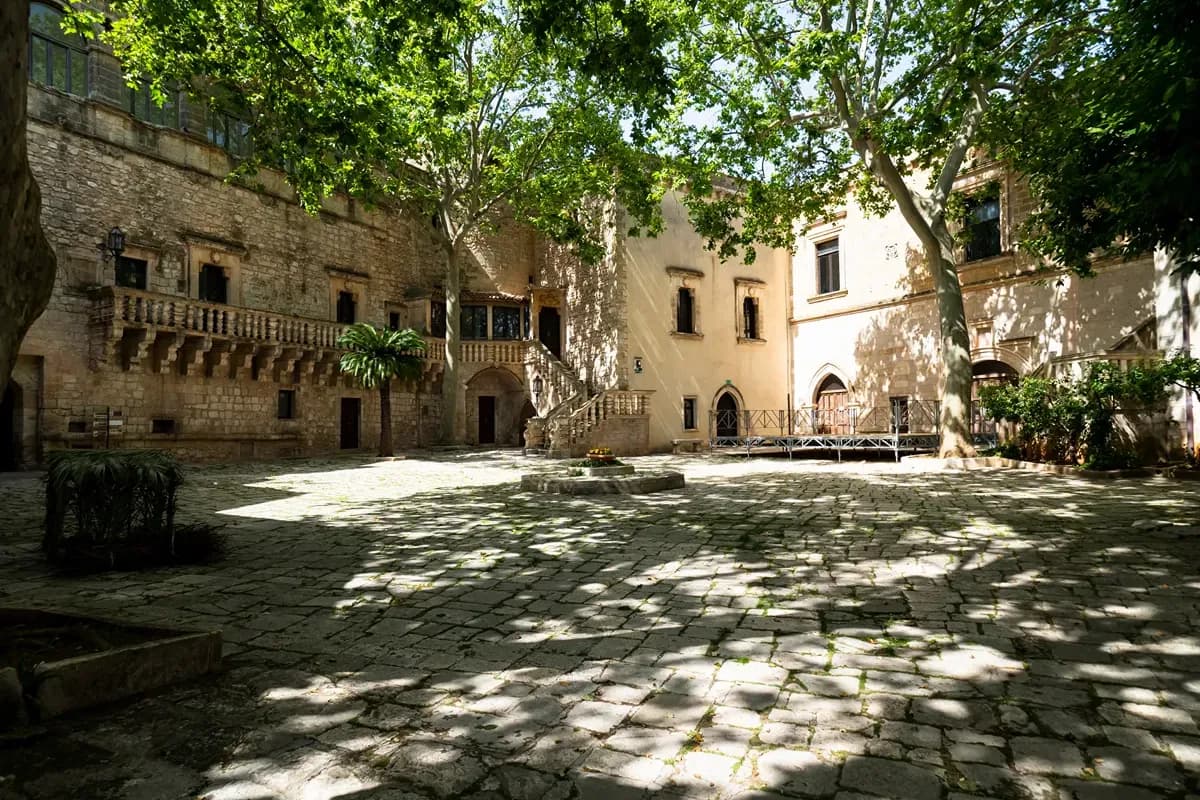
Four medieval towers, Torre del Civile, Torre Giranda, Torre delli Brandi and Torre del Prete, still anchor the thirteenth-century walls of the centro storico. The Castello Dentice di Frasso, started as a twelfth-century military fort against Saracen and Turkish raids and finally acquired by the Dentice counts from Frasso in 1791, crowns the highest point of the town. The coast, eight kilometers of Torre Guaceto marine protected area, runs along the commune to the north. The Battitura della 'Nzegna at Easter, when flag bearers wrap a colored cloth around themselves and three drum beats mark the procession to the Madonna del Belvedere sanctuary, is one of the strongest patronal rites in Puglia.
The Sunday letter
We haven’t written Carovigno’s letter yet.
One town every Sunday, with the photo, the food, the festa. Be there when this one comes up. Free, by Peter & Sophia from Pietrasanta.
By subscribing you agree to Substack’s Terms of Use, our Privacy Policy and our Information collection notice.
What to see
Castello Dentice di Frasso
Twelfth-century military fortress at the highest point of the centro storico, rebuilt as an aristocratic residence and acquired by the Dentice counts from Frasso in 1791.
Cinta muraria e torri medievali
Thirteenth-century walls with four surviving towers, Torre del Civile, Torre Giranda, Torre delli Brandi and Torre del Prete, on Messapian foundations.
Riserva Naturale di Torre Guaceto
Eight kilometers of Adriatic coastline north of the town, Marine Protected Area with a Saracen watchtower, dunes and shallow clear water.
Santuario di Maria SS di Belvedere
Marian sanctuary three kilometers outside the town built around the cave where the statue of the Madonna del Belvedere was found, the destination of the 'Nzegna procession.
Chiesa Matrice (Santa Maria Assunta)
Mother church of the centro storico, dedicated to the Assumption, the parish around which the medieval village organises its life.
Centro storico
Whitewashed Salento old town inside the medieval walls, stone arches and lanes climbing toward the castle on the hilltop.
The slow-trip planner
Building a trip? Find where Carovigno fits in a slow Italy circuit.
Answer five questions. We will shape a geographically coherent slow trip from the 1,000 Italian towns most travelers skip. Yours to save and share.
We recommend
Where to eat and stay
Not our picks, but places the guides put their name to — a Michelin star, a Gambero Rosso fork, a Slow Food snail, a Michelin Key for the hotels. Worth a table, a counter, or a night when you pass through.
Casale FerroviaRistorante
Casale Ferrovia has one Gambero Rosso fork (77/100), a Slow Food snail and a spot in the Michelin Guide.
Dissapore di Andrea CatalanoRistorante
Dissapore di Andrea Catalano carries one Michelin star, plus two Gambero Rosso forks (80/100).
Già Sotto l'ArcoRistorante
Già Sotto l'Arco has two Gambero Rosso forks (85/100) and a spot in the Michelin Guide.
SommarcoWine Bar
Sommarco carries one Gambero Rosso bottle.
Living here
- Population 16,917
- In-betweeni
- Pharmacy in town
- High school within a 30-minute drive
- Train station in the comune
- Nearest airport Bari / Brindisi, 1 h 30 min drive
- Regional capital Bari, 1 h 19 min drive
Tags & datadesignations · numbers · sources
The numbers
- Elevation: 161 m
- Population: 16,917
- Surface area: 106.62 km²
These figures were compiled from public directories — ISTAT, OpenStreetMap, Wikidata — and from the official listings of the guides named on this page. Town details change; verify with official sources before you travel.
Close by
More towns near Carovigno
Ostuni
Province: Brindisi
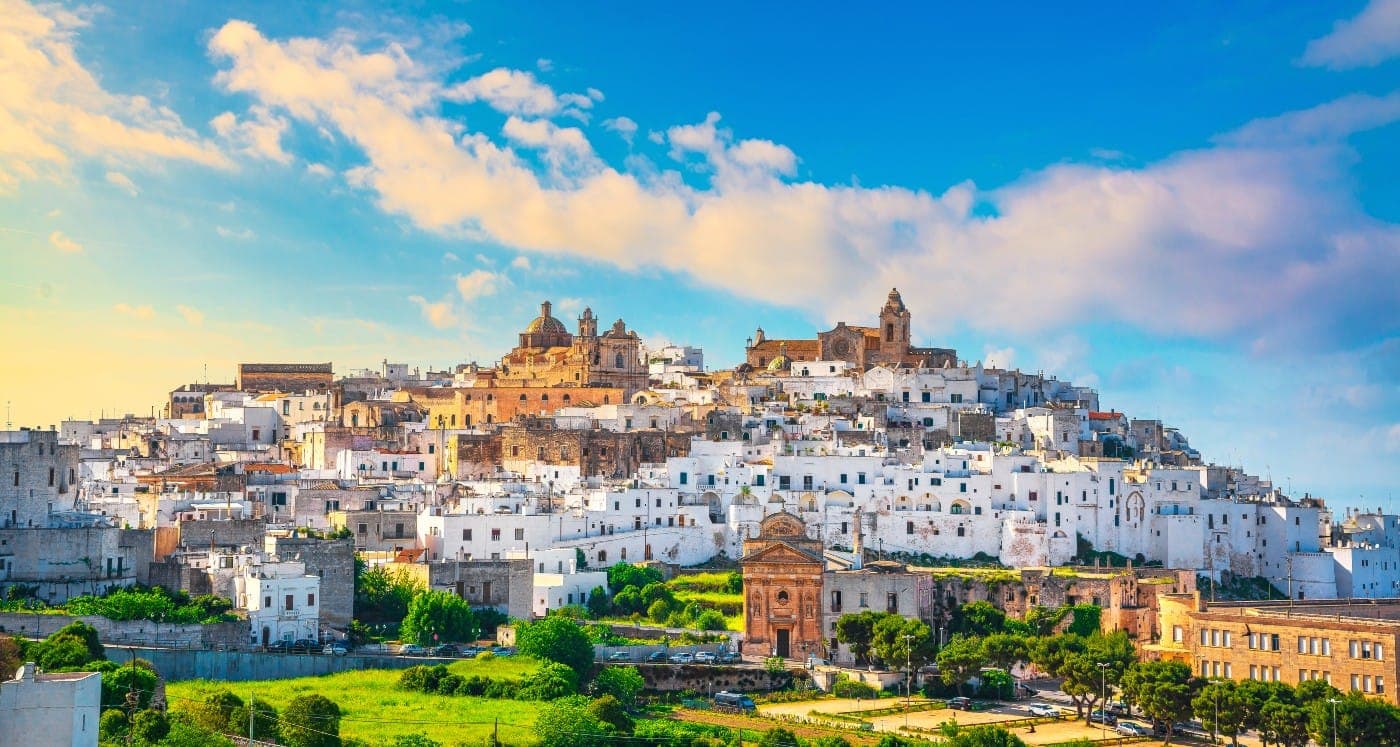
The Città Bianca on three hills at 218 meters, eight kilometers inland, whitewashed against the Murge above an Adriatic plain of olive trees.
Fasano
Province: Brindisi
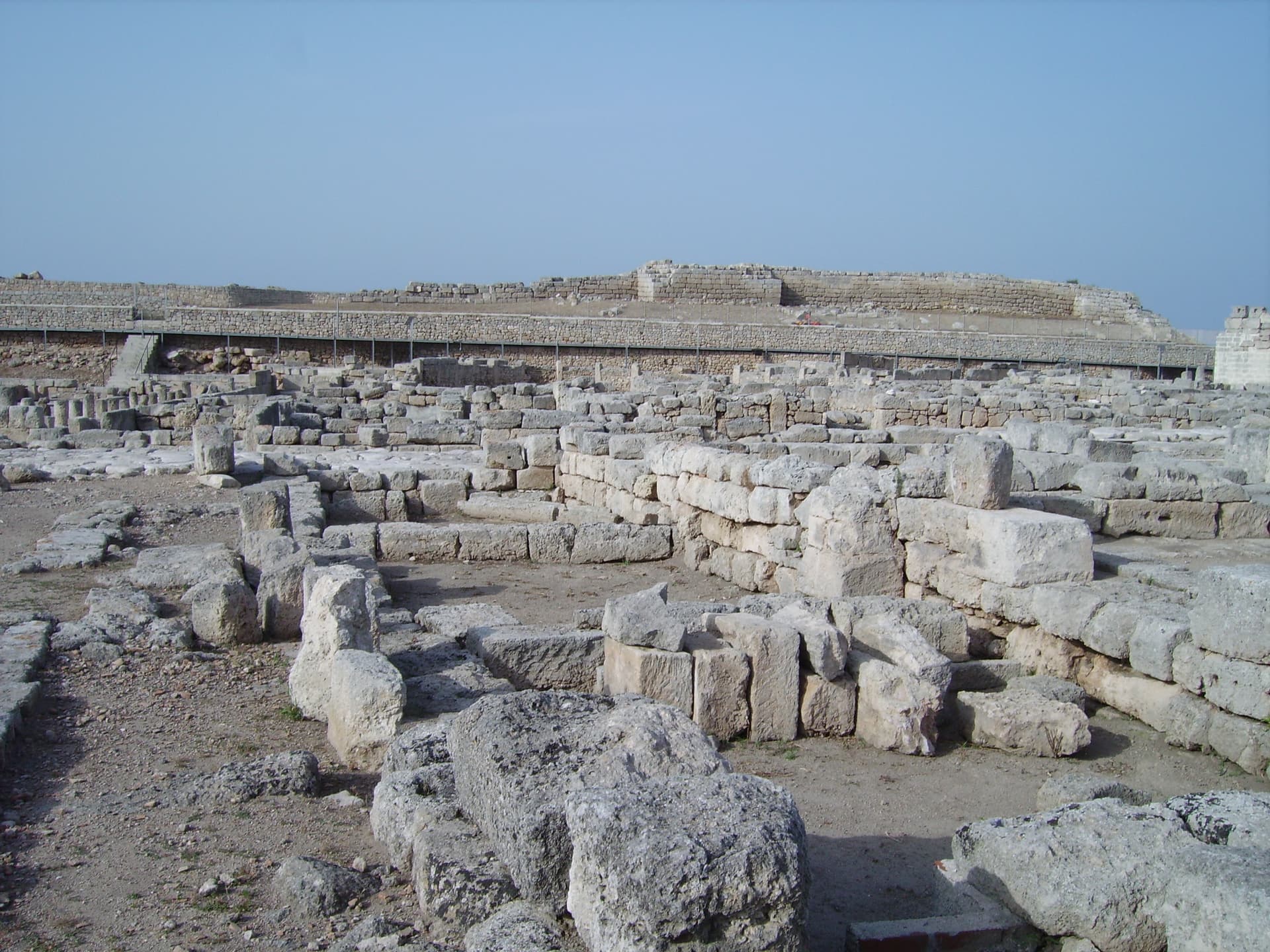
A Brindisi-province town from the Adriatic up to the Itria escarpment, holding the Roman ruins of Egnazia, the Selva, and Europe's second-largest safari park.
Cisternino
Province: Brindisi
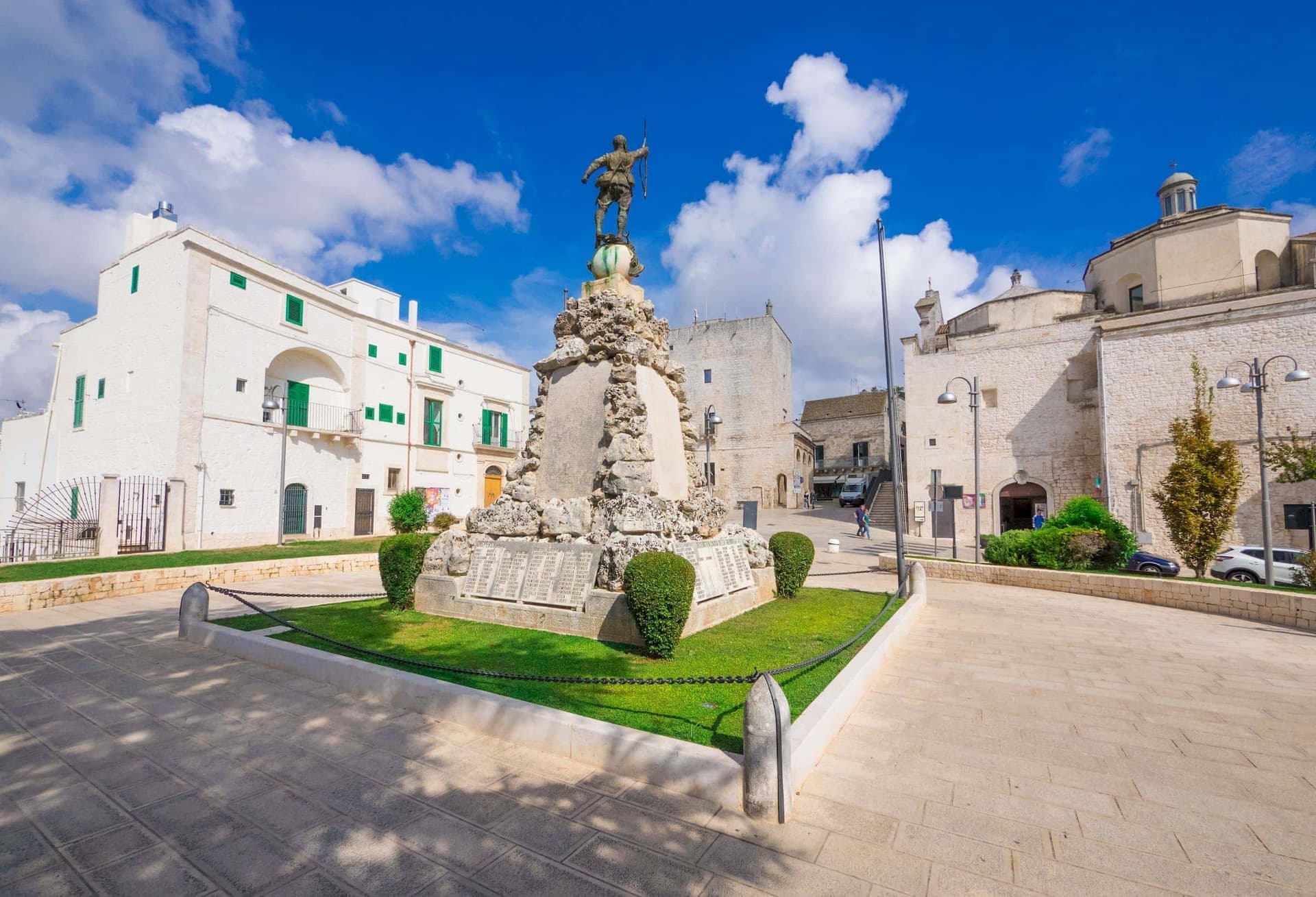
An Itria valley borgo on the southern Murgia at 394 meters, whitewashed, Cittaslow since 2003 and Cittaslow City of the Year in 2014.
Oria
Province: Brindisi
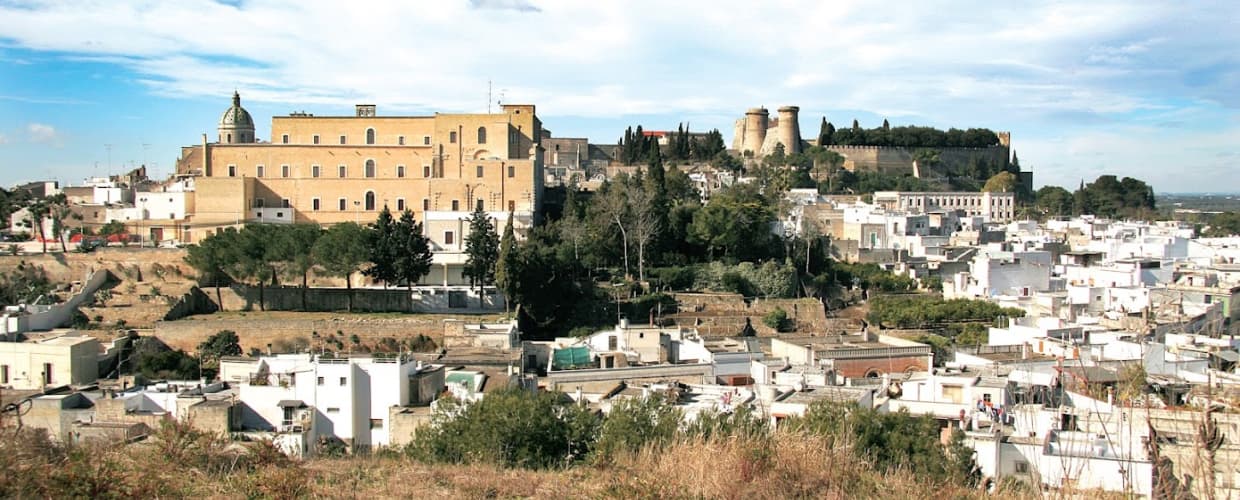
A Messapian acropolis between Taranto and Brindisi crowned by Frederick II's triangular castle, home to one of medieval Europe's oldest Jewish communities.
Locorotondo
Province: Bari
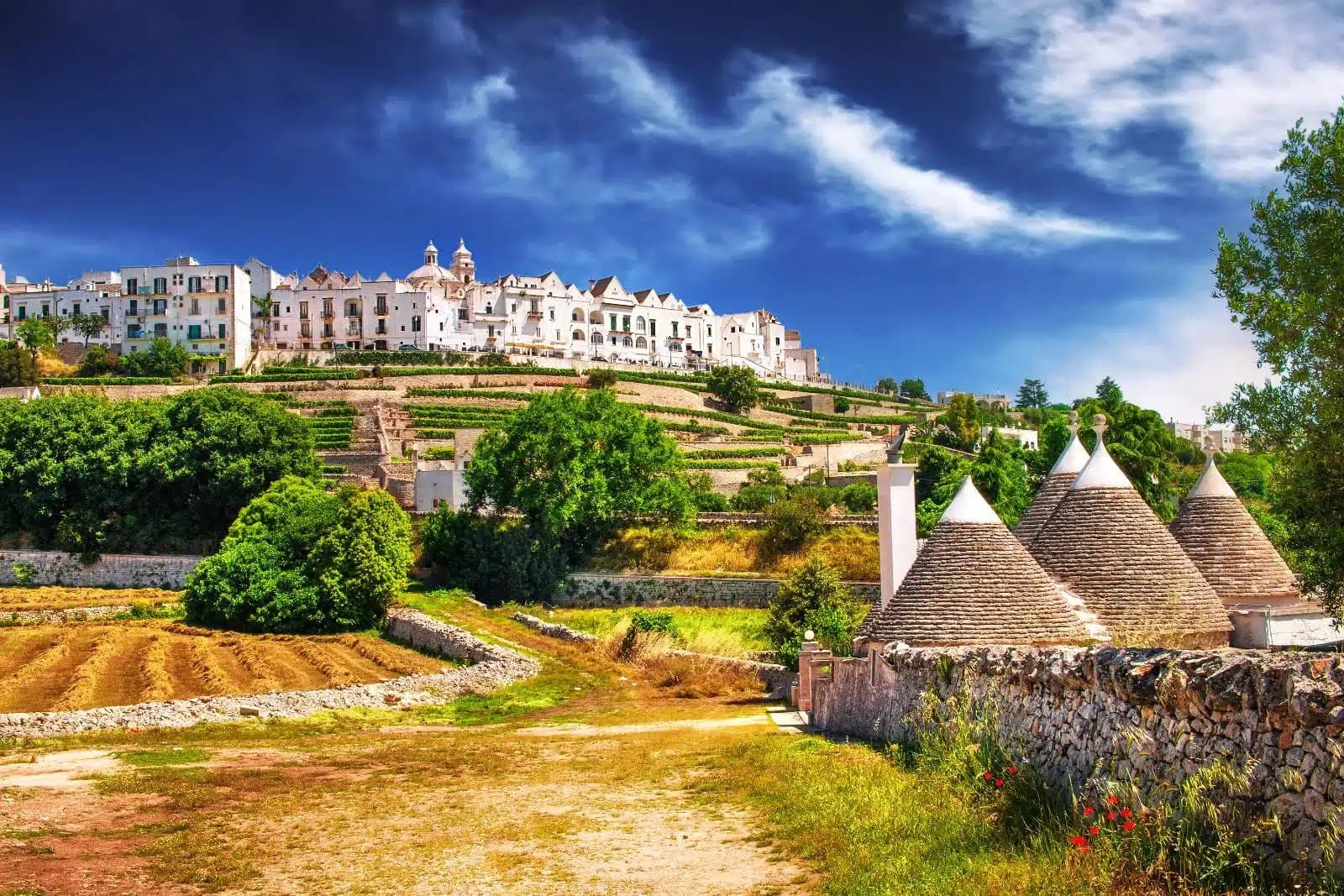
The round white town on the Itria valley ridge at 410 meters, with cummerse roofs the rest of Puglia does not have.
🟦 Bandiera Blu
More Bandiera Blu towns in Apulia
Bisceglie
Province: Barletta-Andria-Trani
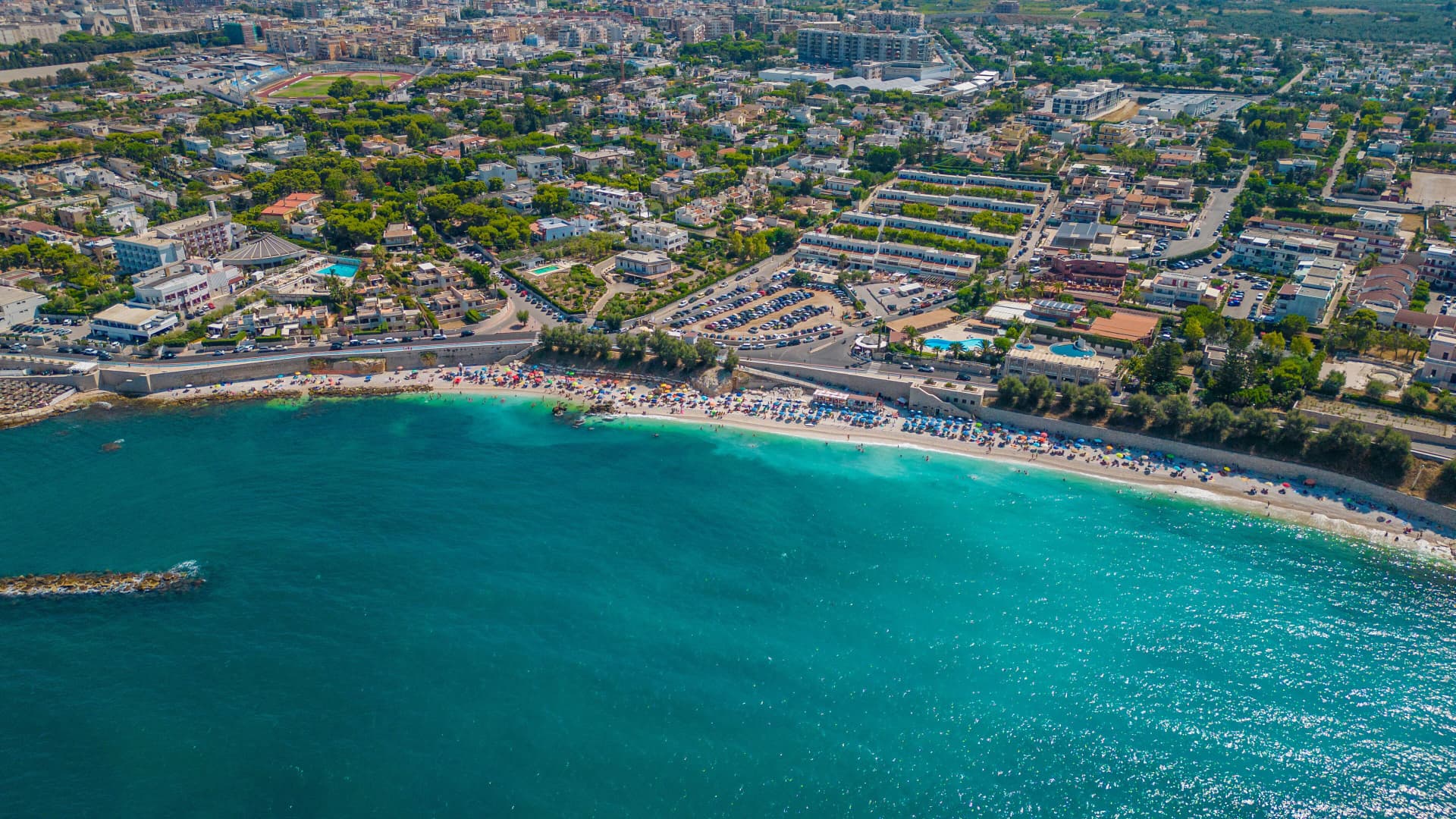
An Adriatic port town between Trani and Molfetta, named for Roman watchtowers, with five dolmens around it and a Norman cathedral begun in 1073.
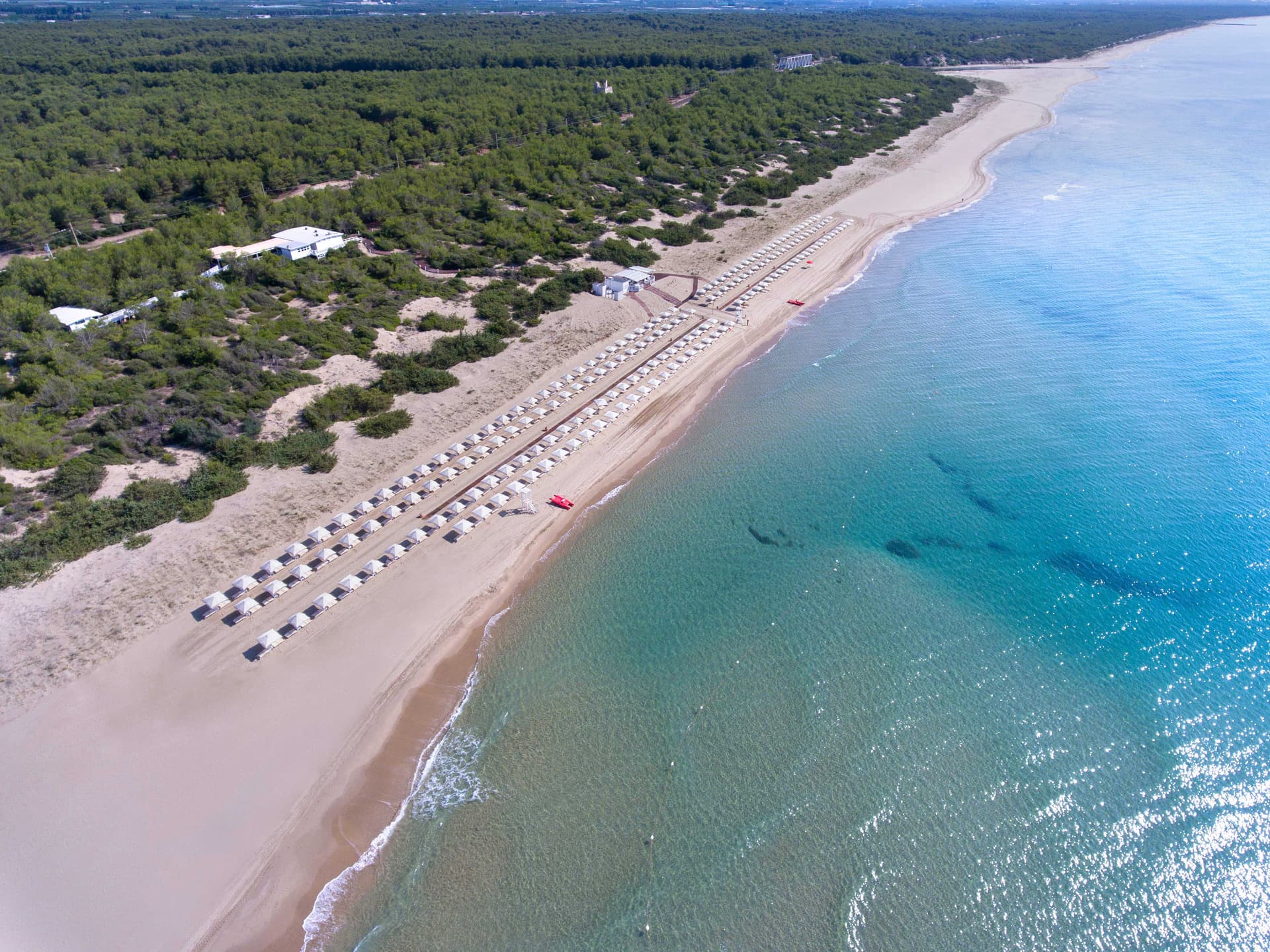
Castellaneta
Province: Taranto
A cliff-edge Murge town at 235 meters above the Gravina Grande canyon, birthplace of Rudolph Valentino in 1895, with a Bandiera Blu Ionian marina.
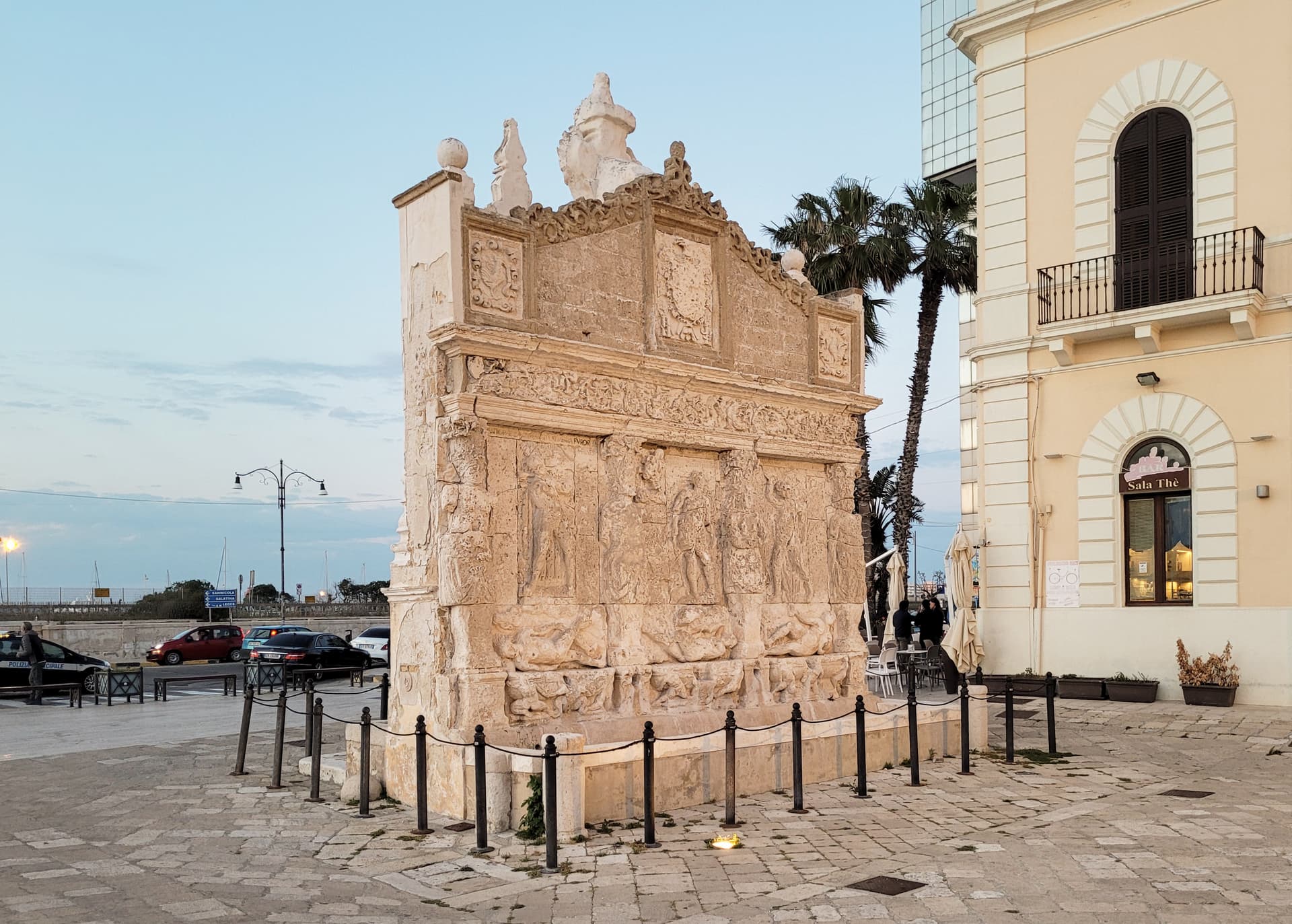
Gallipoli
Province: Lecce
The Ionian beach city on a limestone island, Greek Kallipolis meaning beautiful city, tied to the mainland by a seventeenth-century bridge.
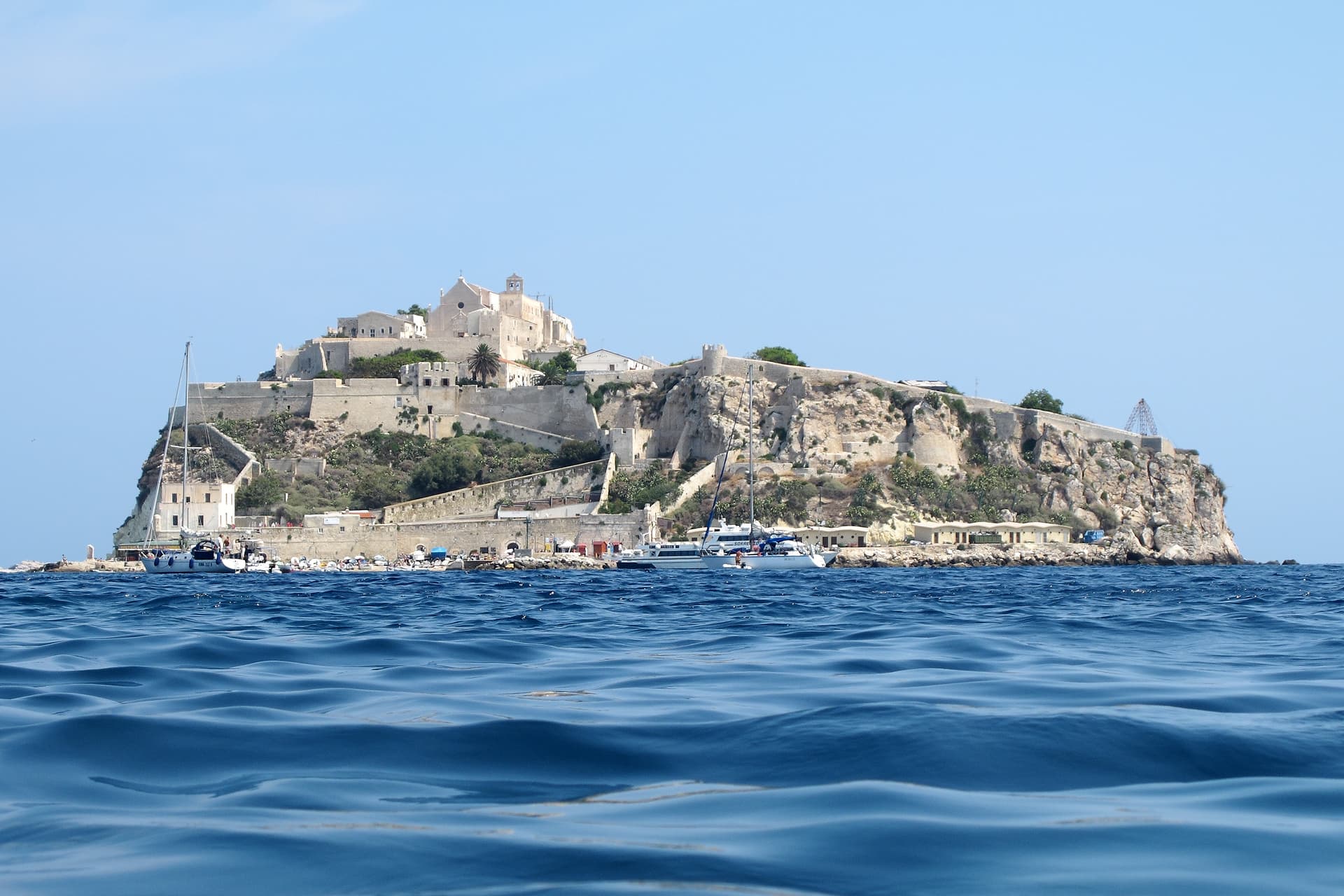
Isole Tremiti
Province: Foggia
An Adriatic archipelago of five islands twenty-two kilometers off the Gargano, the only Italian commune scattered across an open-sea group.
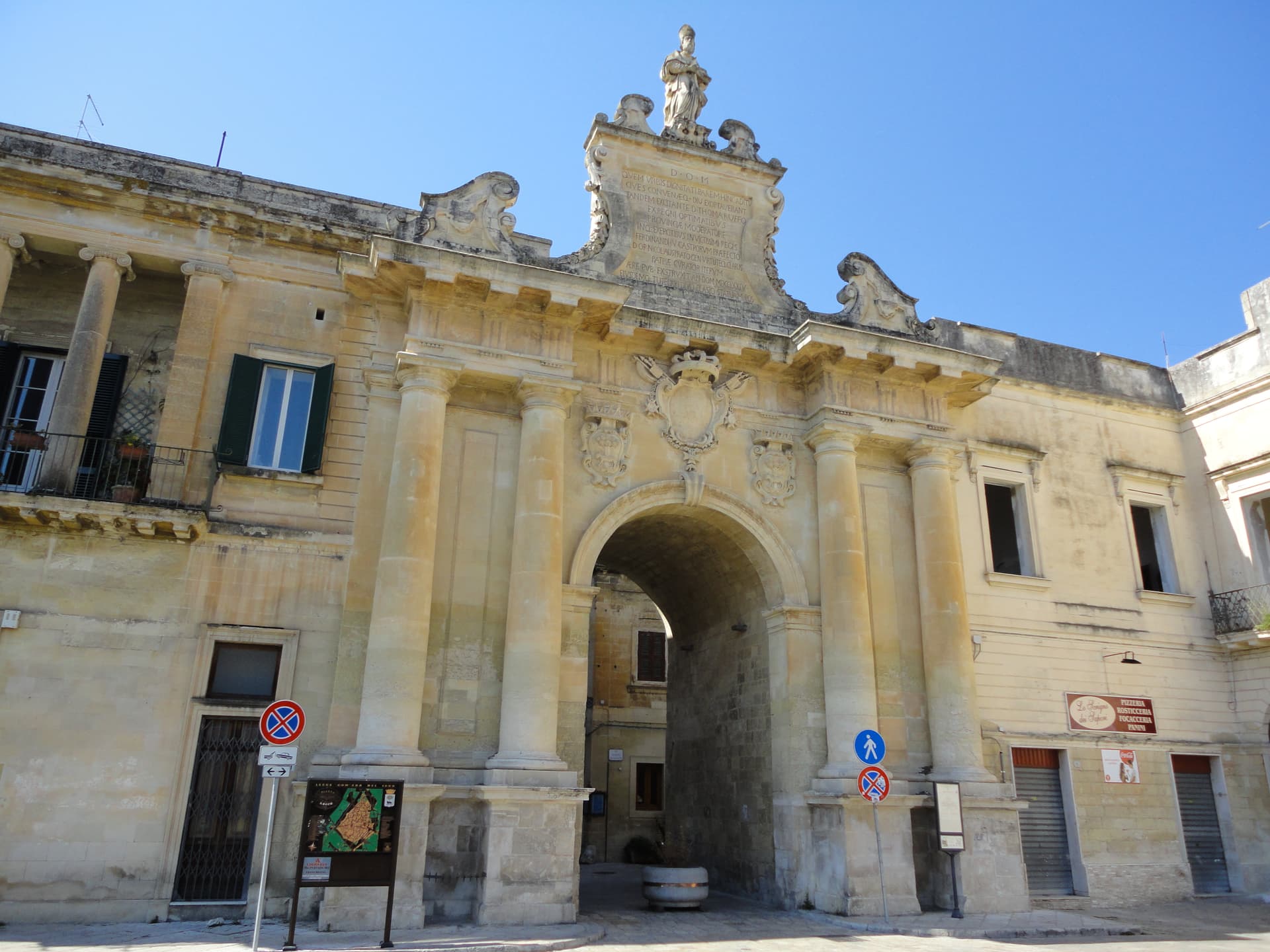
Lecce
Province: Lecce
The Baroque capital of the Salento, ninety-four thousand people on the Lecce-stone plain, carving its façades in honey limestone since 1500.