

Apulia · Brindisi
Cisternino
An Itria valley borgo on the southern Murgia, whitewashed, Cittaslow since 2003 and Cittaslow City of the Year in 2014.
Known for
WHITE CENTRO STORICO
Whitewashed labyrinth of stone alleys and arches, Borghi più belli and Bandiera Arancione, the postcard of the Itria valley.
BOMBETTE
Pork-and-cheese rolls grilled at the butcher-restaurants of the centro storico, ordered at the counter and eaten next door, the Puglian standard.
CITTASLOW
Member since 2003, named Cittaslow City of the Year in 2014, the local commitment to slow food and slow living formalised.
When to visit
Best · Apr–Oct
- J
- F
- M
- A
- M
- J
- J
- A
- S
- O
- N
- D
- Best
- Hot or crowded
- Quiet
- Mostly closed
Why come
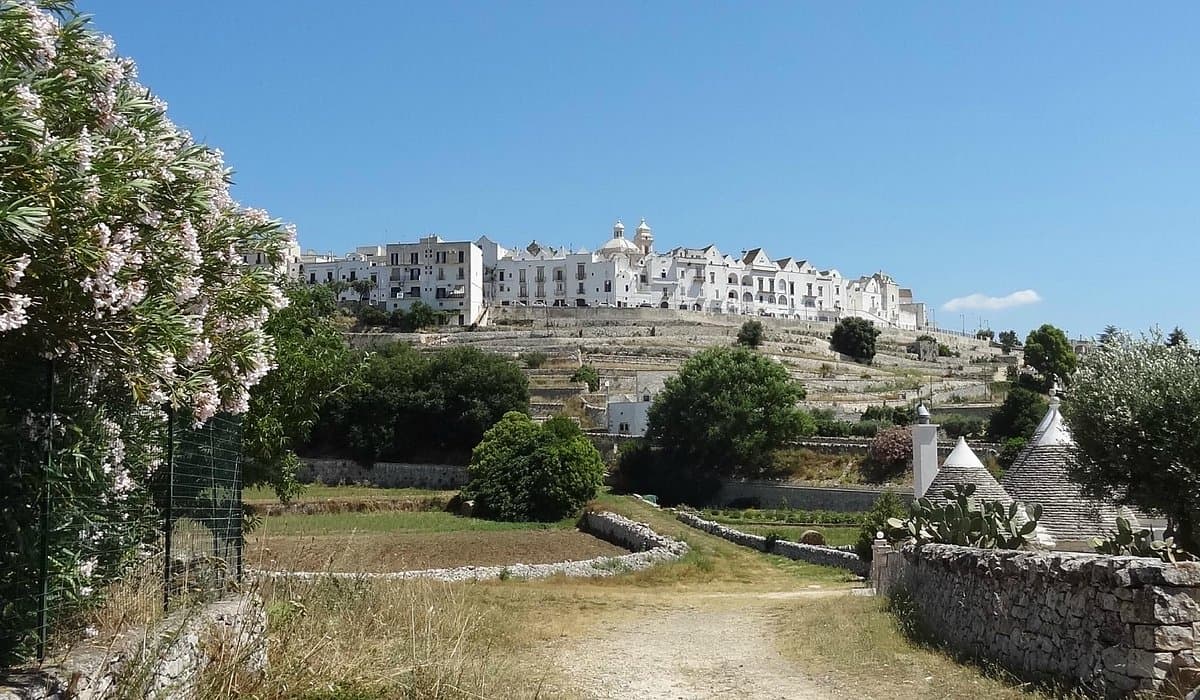
Cisternino sits on the last rise of the southern Murgia, looking down over the Valle d'Itria with its drystone walls, vineyards and trulli. The centro storico is a knot of whitewashed houses, narrow stone alleys, low arches and small courtyards that has earned the town the comparison to a North African medina. The Chiesa Madre di San Nicola di Patara was built in the fourteenth century on the foundations of a tenth-century Basilian church; excavations between 1999 and 2000 uncovered thirteen burials, Byzantine fresco fragments and coins beneath the floor.
The neoclassical facade dates from around 1848. Cisternino carries both top-tier institutional signals, Borghi più belli d'Italia and Bandiera Arancione, sits in the Itria Valley DOC wine zone, and was named Cittaslow City of the Year in 2014. The town is known across Puglia for its butcher-restaurants: bombette and grilled meats ordered at the counter and eaten on a paper plate at a side table.
The Sunday letter
We haven’t written Cisternino’s letter yet.
One town every Sunday, with the photo, the food, the festa. Be there when this one comes up. Free, by Peter & Sophia from Pietrasanta.
By subscribing you agree to Substack’s Terms of Use, our Privacy Policy and our Information collection notice.
What to see
Chiesa Madre di San Nicola di Patara
Fourteenth-century mother church built on a tenth-century Basilian foundation, with Byzantine fresco fragments and thirteen burials excavated beneath the floor.
Centro storico
Whitewashed knot of stone alleys, arches and courtyards on the Murgia edge, often compared to a medina, the heart of the Borgo più bello recognition.
Torre Civica
Civic clock tower in the main square at the entrance to the centro storico, the gateway between the modern town and the white labyrinth.
Belvedere sulla Valle d'Itria
Panoramic terrace at the edge of the centro storico, the Itria valley spread out below with Locorotondo and Martina Franca visible on clear days.
The slow-trip planner
Building a trip? Find where Cisternino fits in a slow Italy circuit.
Answer five questions. We will shape a geographically coherent slow trip from the 1,000 Italian towns most travelers skip. Yours to save and share.
Living here
- Population 11,139
- In-betweeni
- Pharmacy in town
- High school within a 30-minute drive
- Train station in the comune
- Nearest airport Bari / Brindisi, 1 h 18 min drive
- Regional capital Bari, 1 h 6 min drive
Tags & datadesignations · numbers · sources
Recognised as
The numbers
- Elevation: 394 m
- Population: 11,139
- Surface area: 54.17 km²
These figures were compiled from public directories — ISTAT, OpenStreetMap, Wikidata — and from the official listings of the guides named on this page. Town details change; verify with official sources before you travel.
Featured on
Cisternino appears on this themed pick from our Collections:
Close by
More towns near Cisternino
Locorotondo
Province: Bari
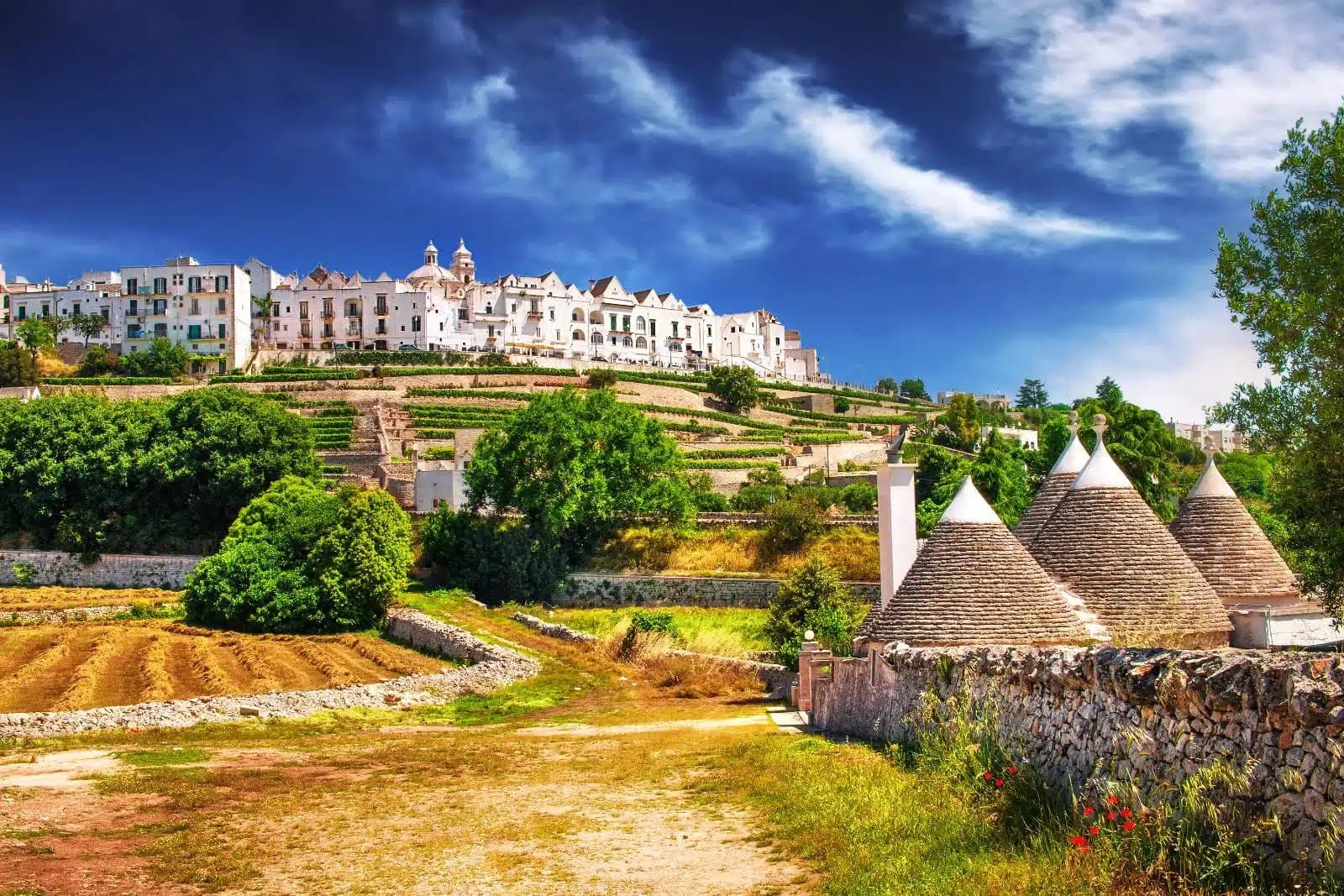
The round white town on the Itria valley ridge at 410 meters, with cummerse roofs the rest of Puglia does not have.
Fasano
Province: Brindisi
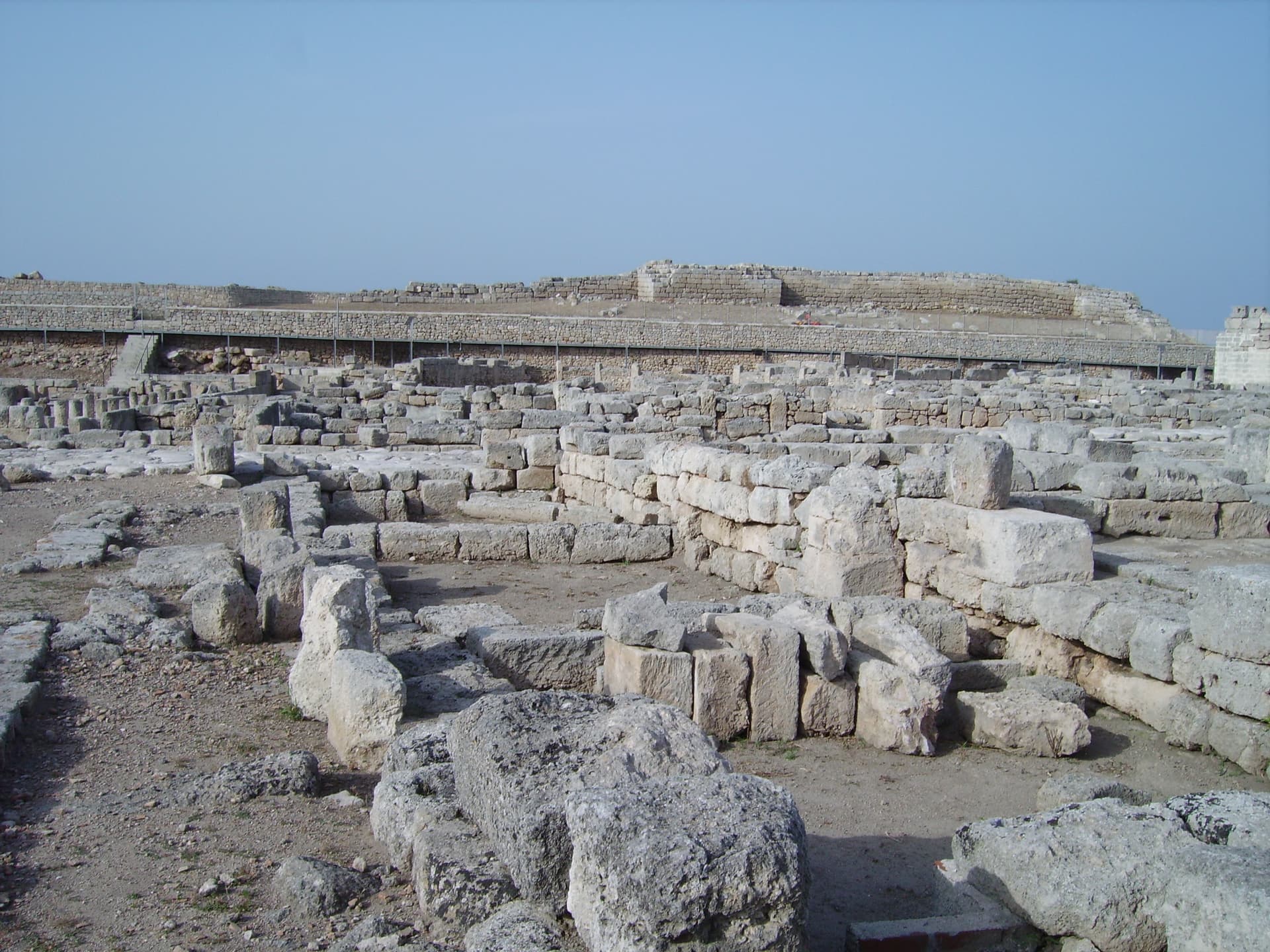
A Brindisi-province town from the Adriatic up to the Itria escarpment, holding the Roman ruins of Egnazia, the Selva, and Europe's second-largest safari park.
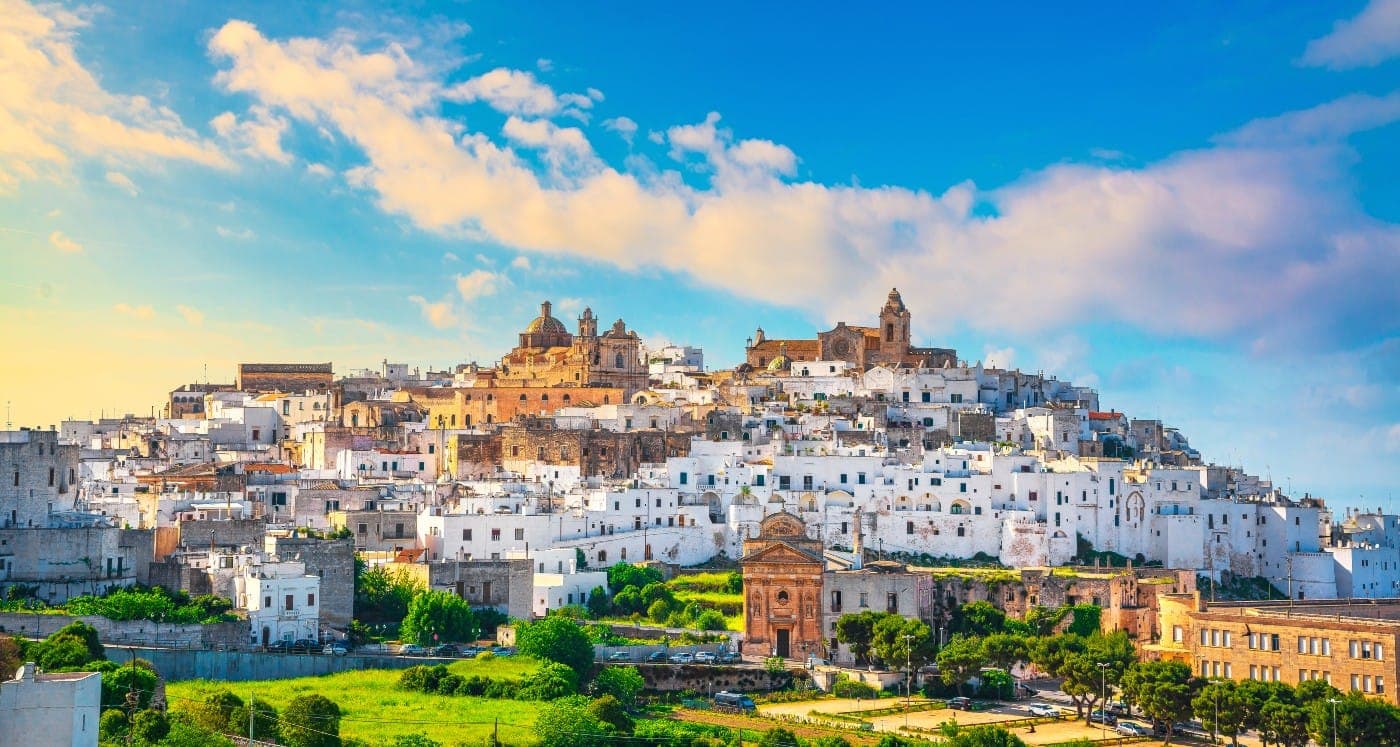
Ostuni
Province: Brindisi
The Città Bianca on three hills at 218 meters, eight kilometers inland, whitewashed against the Murge above an Adriatic plain of olive trees.
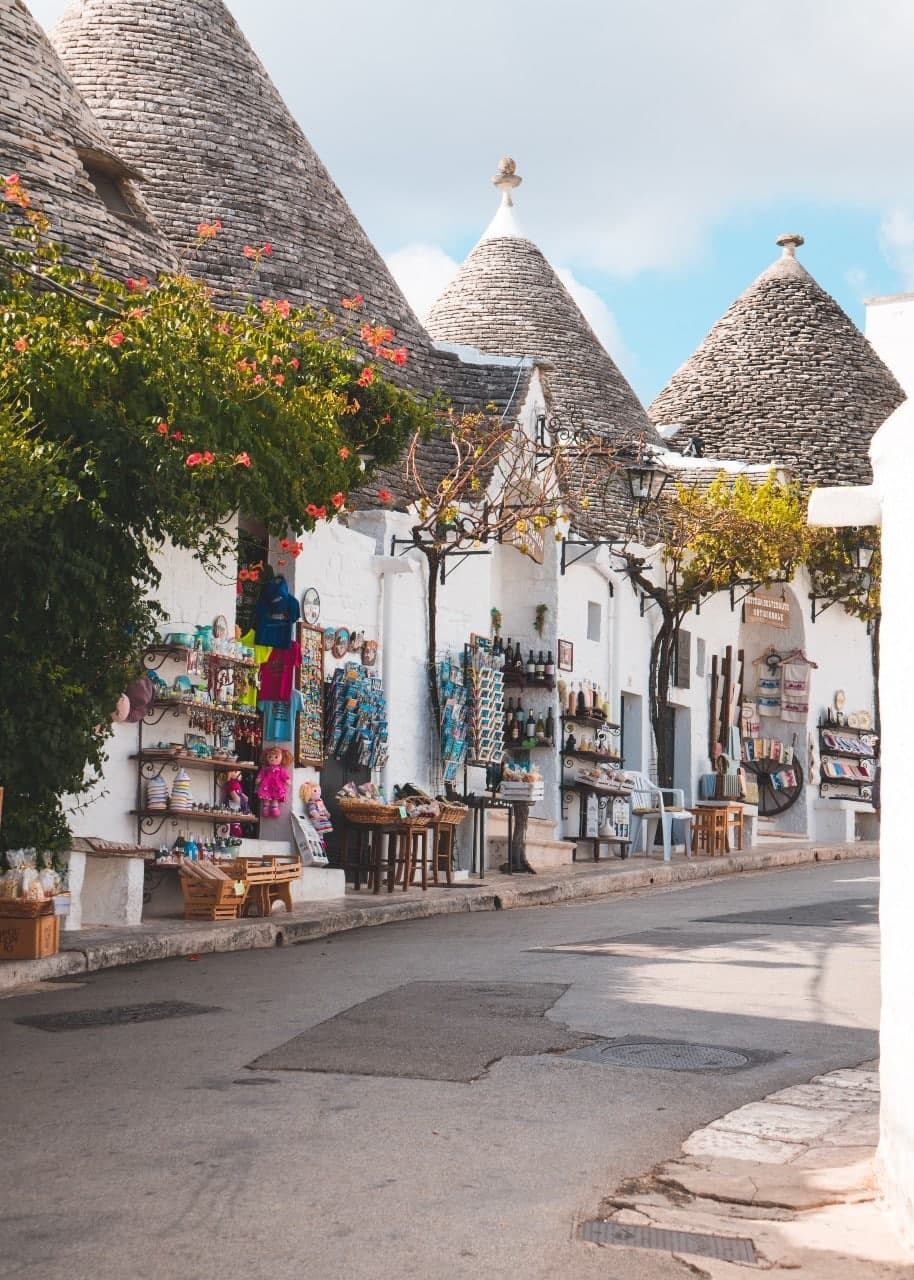
Alberobello
Province: Bari
The Itria valley town built entirely of trulli, 1,500 corbelled limestone cones in two quarters, UNESCO since 1996.
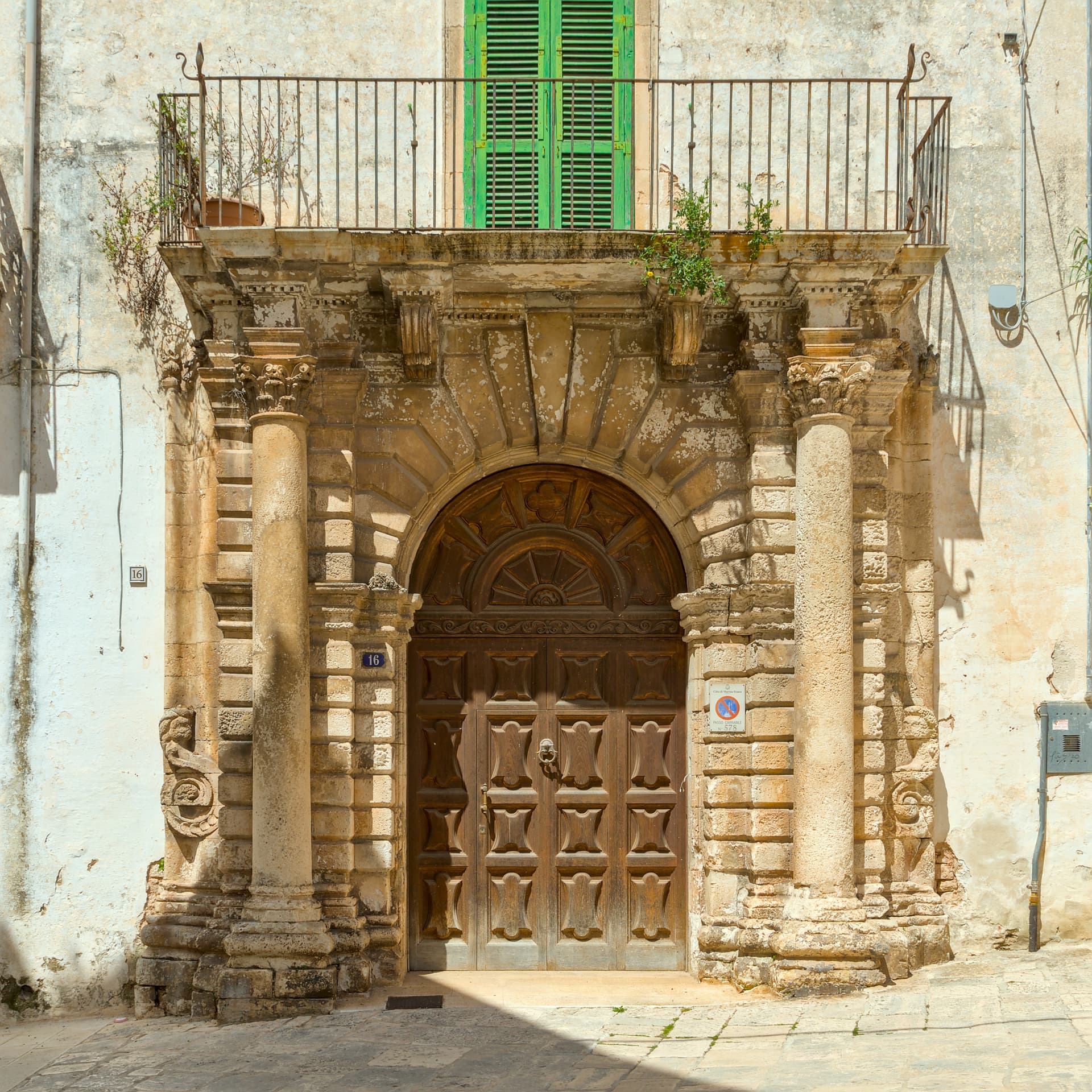
Martina Franca
Province: Taranto
Puglia's second Baroque city after Lecce, on the Itria ridge at 431 meters, with an opera festival in its ducal courtyard since 1975.
🎨 Borghi più belli d'Italia
More Borghi più belli d'Italia towns in Apulia
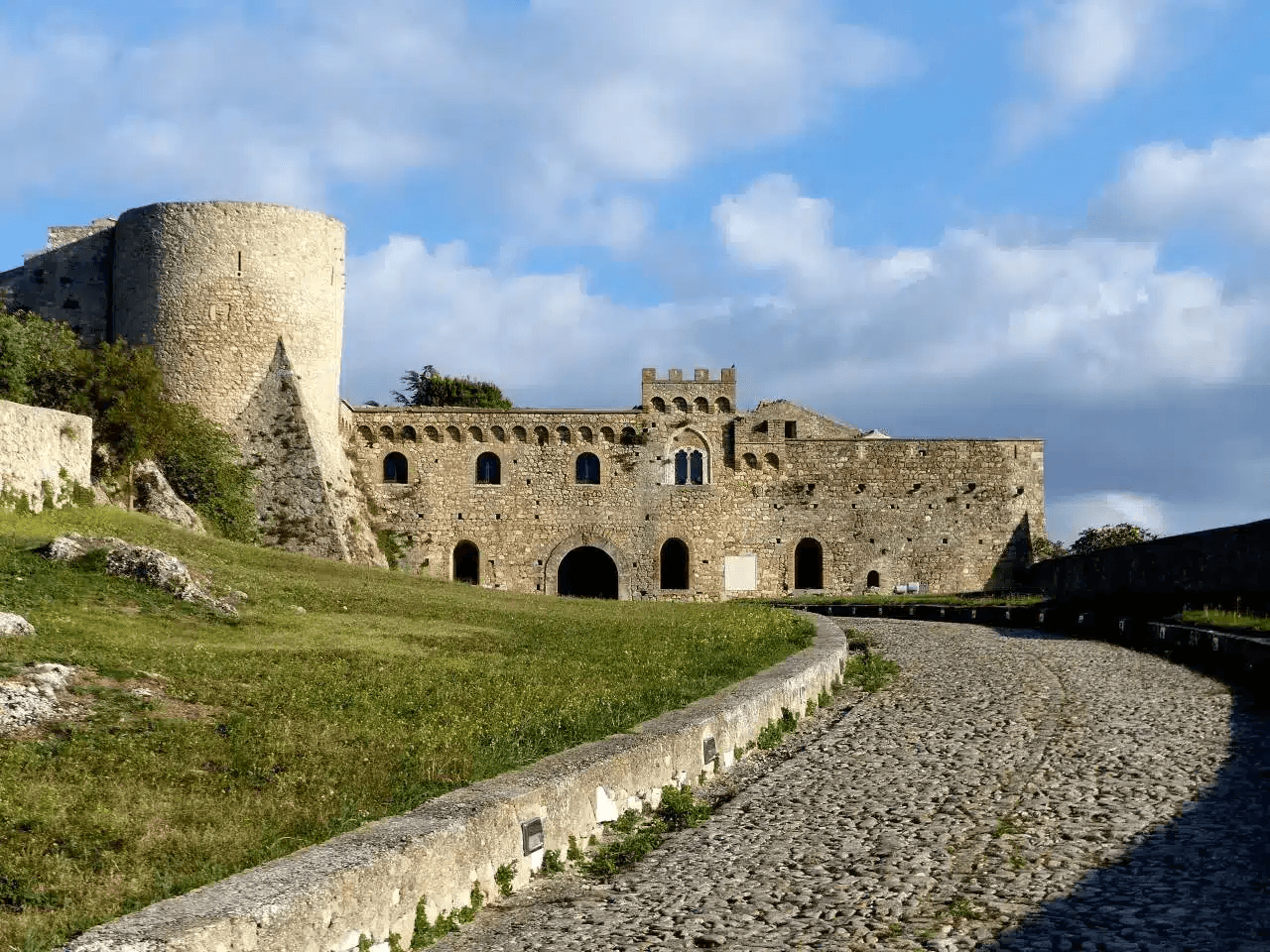
Bovino
Province: Foggia
A Daunian Mountains hill town at 646 meters above the Cervaro valley, Roman Vibinum, with a Norman-Swabian castle later turned into a Guevara ducal palace.
Gravina in Puglia
Province: Bari
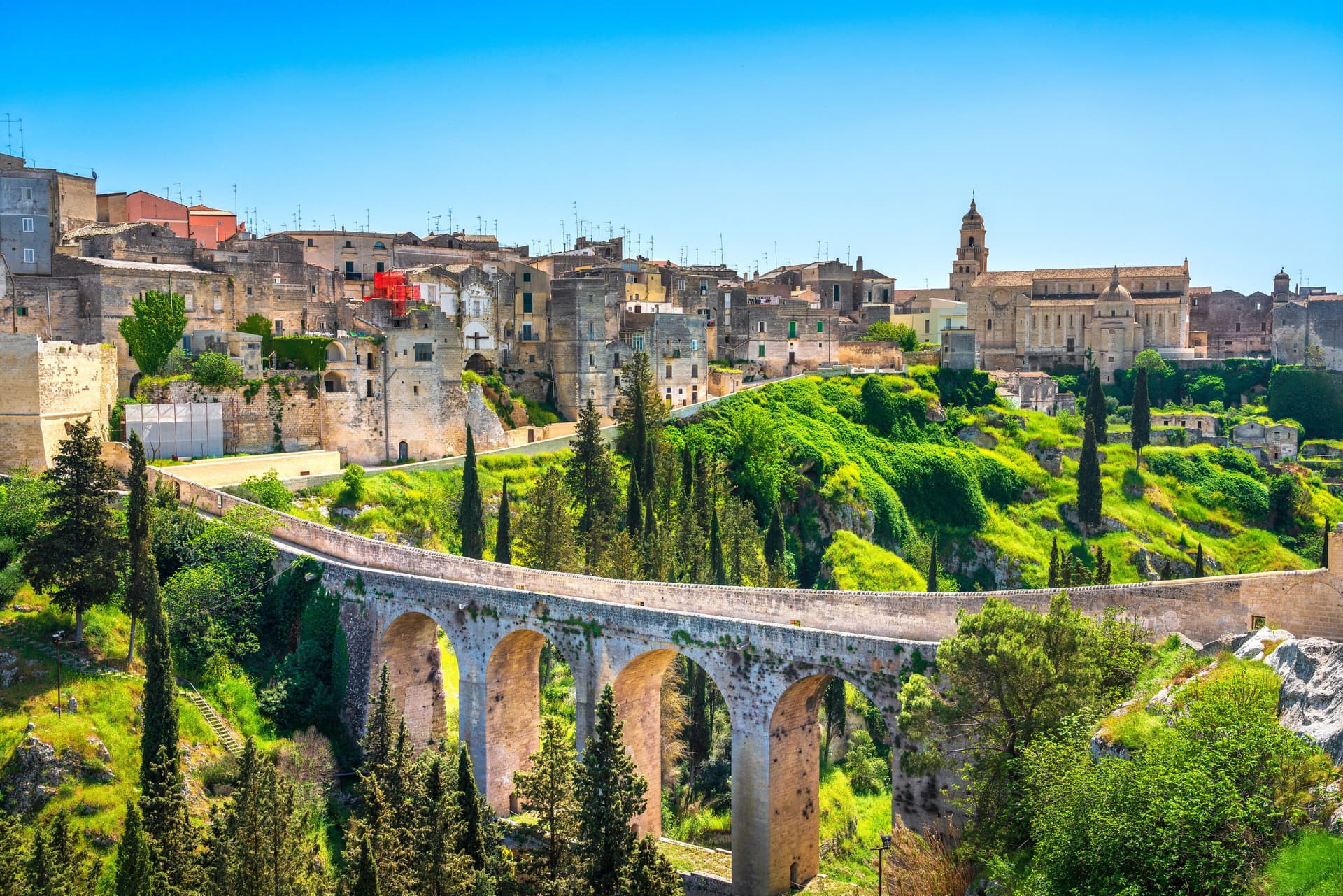
Puglia's deepest gravina — a 42,700-resident Bari-province town built on the lip of a 100m-deep limestone canyon, with the 18th-c Ponte Acquedotto walkway across the gorge that James Bond crossed in No Time to Die, a network of rupestrian cave churches in the cliff face, and the four-signal BPB + Cittaslow + Via Francigena + Parco Nazionale combination.
Maruggio
Province: Taranto
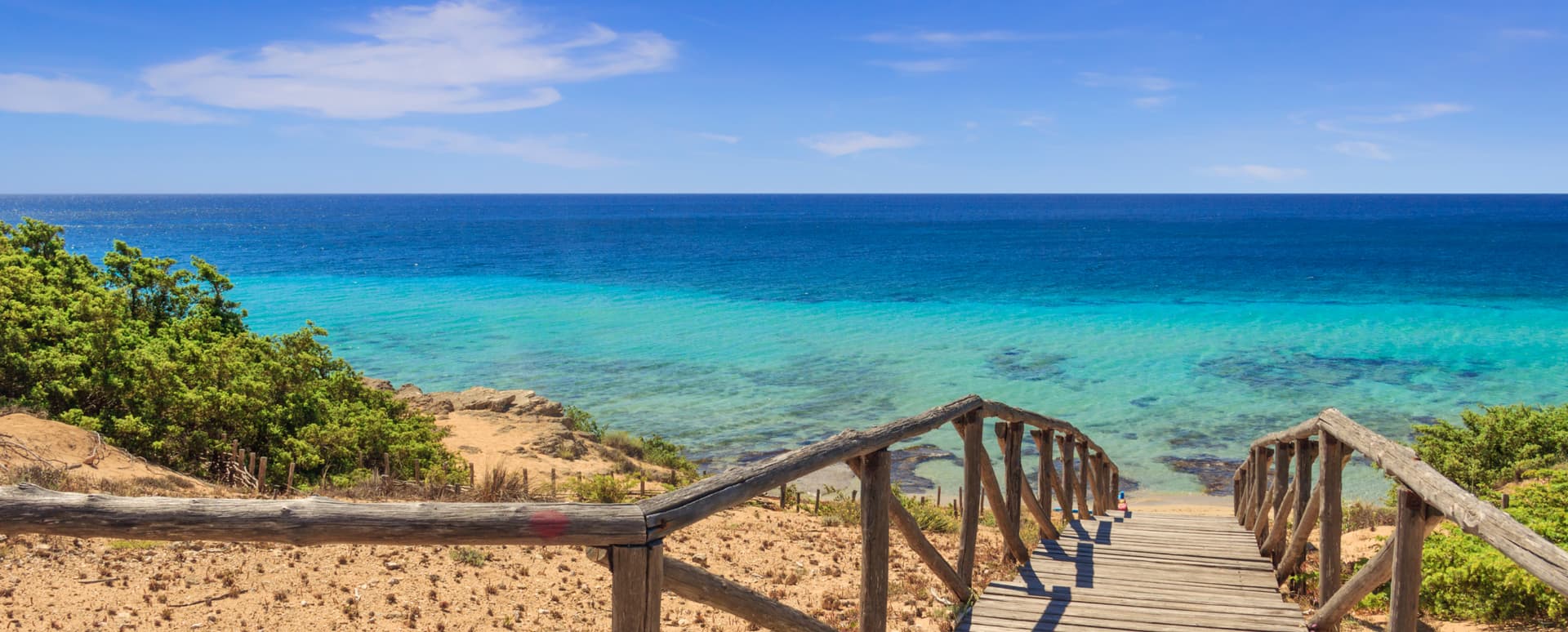
Salento's Knights of Malta borgo — a fortified Borgo più Bello on a low Ionian hill with 11 km of Bandiera Blu coast at Campomarino, Negroamaro and Primitivo vines pressing into the centro, and a unique commanderie history that made it the Order's southern Italian headquarters for 600 years.
Monte Sant'Angelo
Province: Foggia
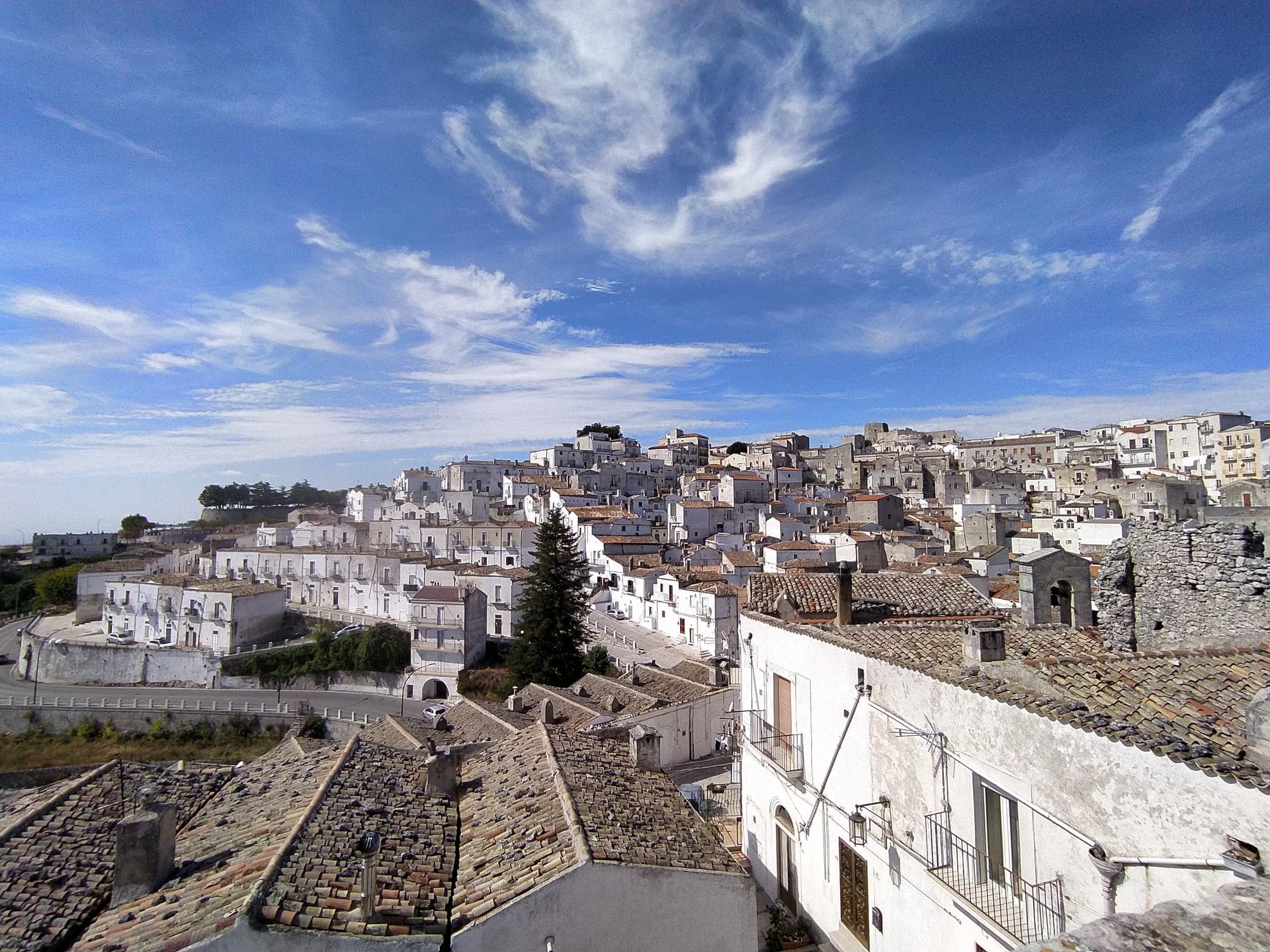
The Gargano peak at 843 meters where the Archangel Michael appeared in 490, the oldest western shrine to him, UNESCO since 2011.
Otranto
Province: Lecce
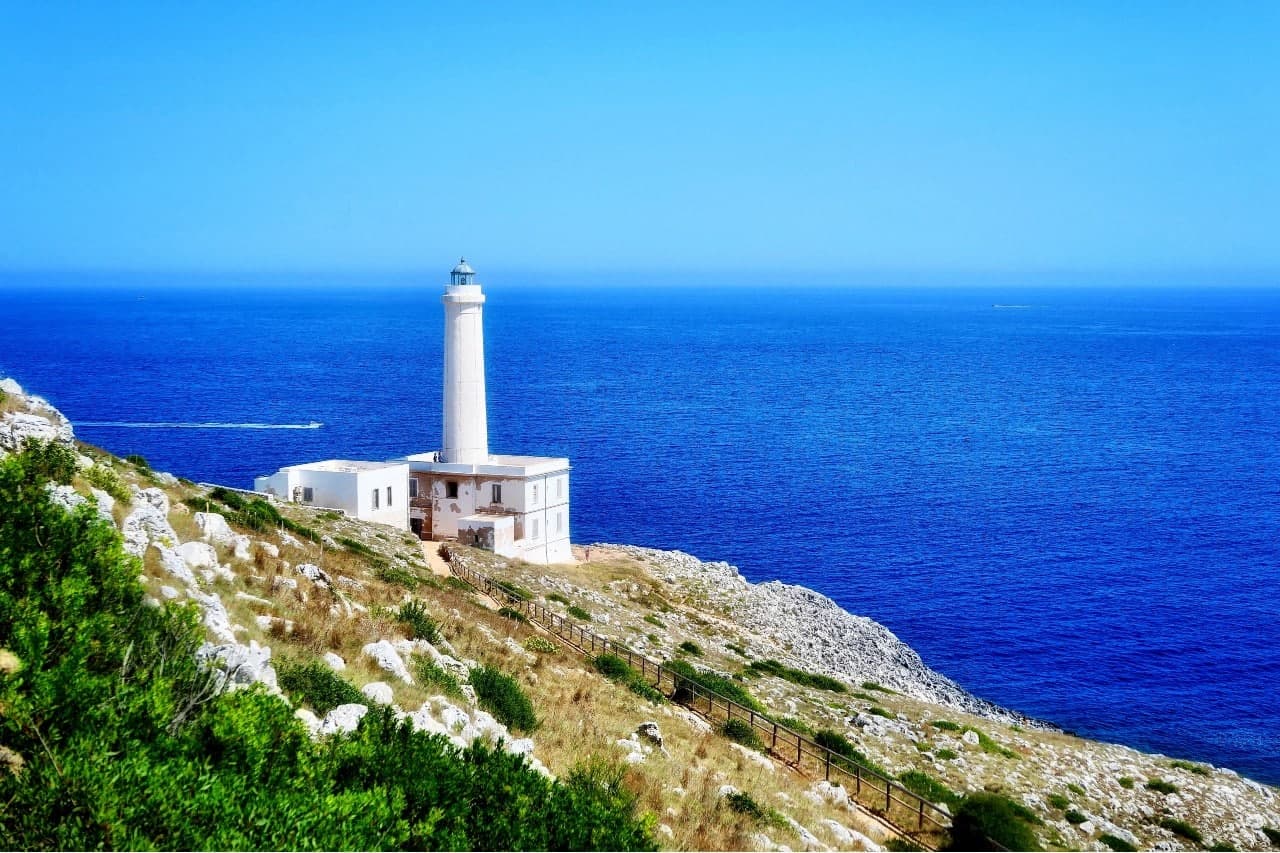
Italy's easternmost city, eighty kilometers from Albania, with a Norman mosaic floor and the bones of 813 martyrs in the cathedral.