

Apulia · Taranto
Maruggio
Salento's Knights of Malta borgo — a fortified Borgo più Bello on a low Ionian hill with 11 km of Bandiera Blu coast at Campomarino, Negroamaro and Primitivo vines pressing into the centro, and a unique commanderie history that made it the Order's southern Italian headquarters for 600 years.
Known for
KNIGHTS OF MALTA HQ
The Order's southern-Italy commanderie from 1317–1819. Maltese crosses, twin commenda buildings, and eight defensive towers (four still standing).
BORGHI PIÙ BELLI
Inscribed in the Italian Most Beautiful Villages association — the fortified centro storico is exceptionally intact.
BANDIERA BLU COAST
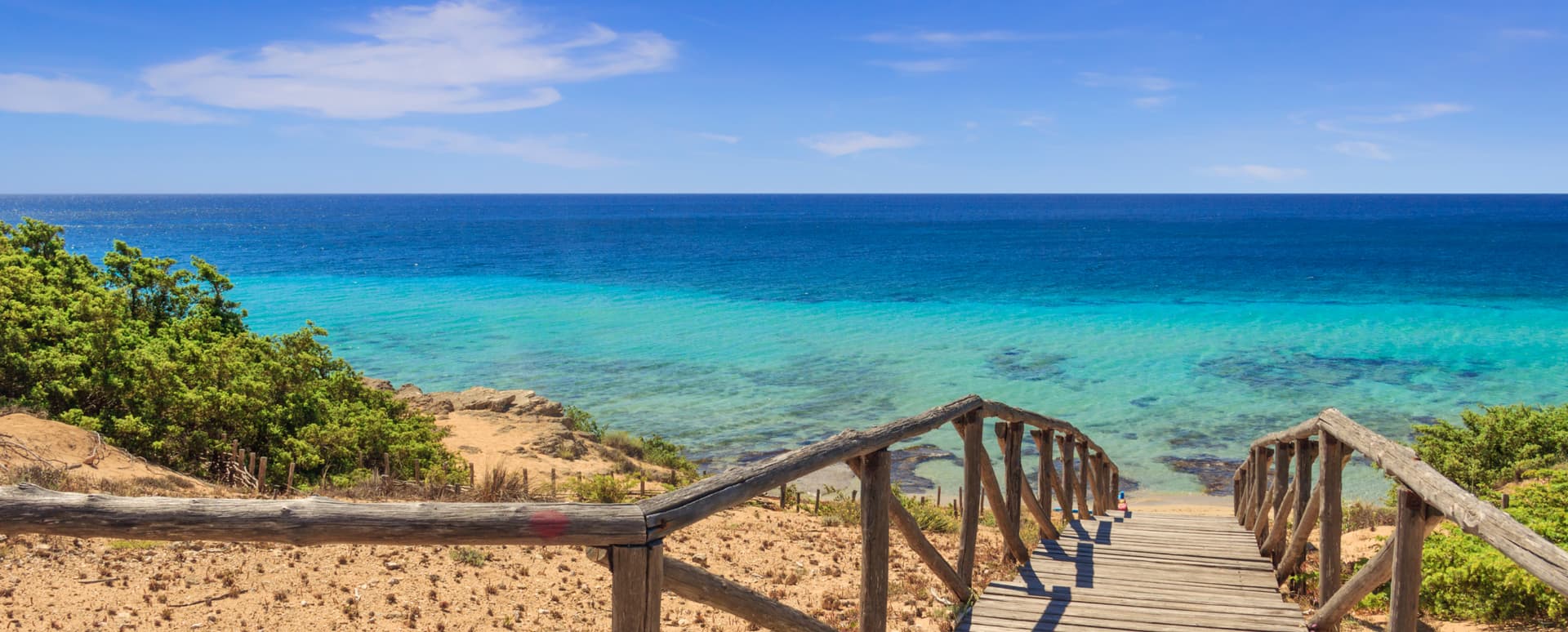
Campomarino di Maruggio: 11 km of dune-backed Ionian beach, Bandiera Blu for water quality and beach management.
PRIMITIVO + SPIGHE VERDI
Città del Vino + Spighe Verdi for sustainable rural tourism. Negroamaro and Primitivo press directly behind the borgo.
When to visit
Best · May–Jun, Sep–Oct
- J
- F
- M
- A
- M
- J
- J
- A
- S
- O
- N
- D
- Best
- Hot or crowded
- Quiet
- Mostly closed
The festa: Giovanni Battista, 13 July
Why come
Maruggio is the Salento that the package-tour Salento misses: a fortified Borghi più belli d'Italia borgo on the Ionian side of the Taranto province, with 5,250 residents inland and an 11-km Bandiera Blu coastline at Campomarino di Maruggio. The hook is the Knights of Malta commenda — the Sovereign Military Order of Malta acquired Maruggio in 1317 and made it their administrative centre for the entire south of Italy until 1819, building the still-standing Commenda gemellata (twin commanderies) of San Pietro and Santo Stefano, and ringing the borgo with eight defensive towers against Saracen raids from the sea. Today four of the towers and substantial stretches of wall survive, the Maltese Cross is carved into doorways throughout the centro storico, and the Chiesa Madre keeps the Order's archives.
The grid of narrow stone-paved vicoli inside the walls is intact — flat-roofed white-and-honey houses, iron balconies, and the Palazzo Ducale (16th-century) on the central piazza. Down at the coast, Campomarino di Maruggio has held the Bandiera Blu for sand quality and water clarity for over a decade; the Riserva Naturale Regionale Palude del Conte e Duna Costiera protects 1,000 hectares of dune and brackish lagoon between the borgo and the sea. The food is Salento at its most distilled: Primitivo and Negroamaro from the surrounding vineyards (Maruggio is a Città del Vino), bombette of pork, panzerotti, ricci di mare in spring, and the local taralli made with fennel seed.
The Sunday letter
We haven’t written Maruggio’s letter yet.
One town every Sunday, with the photo, the food, the festa. Be there when this one comes up. Free, by Peter & Sophia from Pietrasanta.
By subscribing you agree to Substack’s Terms of Use, our Privacy Policy and our Information collection notice.
What to see
Commenda dei Cavalieri di Malta + Maltese Crosses
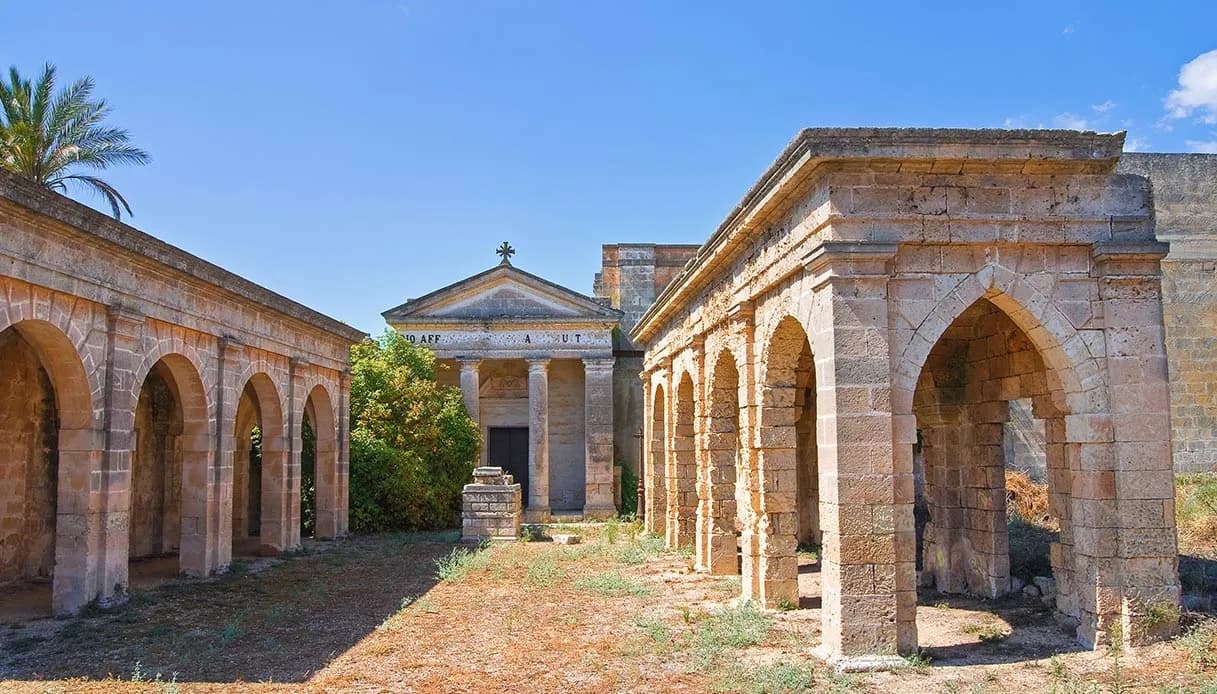
The 14th-century Order of Malta commanderie buildings (San Pietro + Santo Stefano), the Chiesa Madre archives, and the Maltese cross motifs carved throughout the centro.
Centro storico + four surviving towers
Maruggio's fortified borgo retains four of its eight Saracen-defence towers, substantial wall sections, and the 16th-c Palazzo Ducale on the main piazza.
Campomarino di Maruggio (Bandiera Blu)
11 km of Ionian sand backed by dunes — Bandiera Blu for over a decade. The Riserva Palude del Conte protects 1,000 ha of dune and lagoon.
Primitivo + Negroamaro vineyards
Maruggio is a Città del Vino: surrounding farms press Primitivo, Negroamaro and Susumaniello — cellar visits in the immediate countryside.
Riserva Palude del Conte e Duna Costiera
Regional reserve along the coast — brackish lagoons that host flamingos in winter, intact Mediterranean dune ecosystem, walking trails through the macchia.
The slow-trip planner
Building a trip? Find where Maruggio fits in a slow Italy circuit.
Answer five questions. We will shape a geographically coherent slow trip from the 1,000 Italian towns most travelers skip. Yours to save and share.
Living here
- Population 5,250
- Off the beaten pathi
- Pharmacy in town
- High school within a 30-minute drive
- Nearest airport Bari / Brindisi, 2 h 6 min drive
- Regional capital Bari, 2 h 0 min drive
Tags & datadesignations · numbers · sources
The numbers
- Elevation: 35 m
- Population: 5,250
- Surface area: 49.07 km²
These figures were compiled from public directories — ISTAT, OpenStreetMap, Wikidata — and from the official listings of the guides named on this page. Town details change; verify with official sources before you travel.
Close by
More towns near Maruggio
Manduria
Province: Taranto
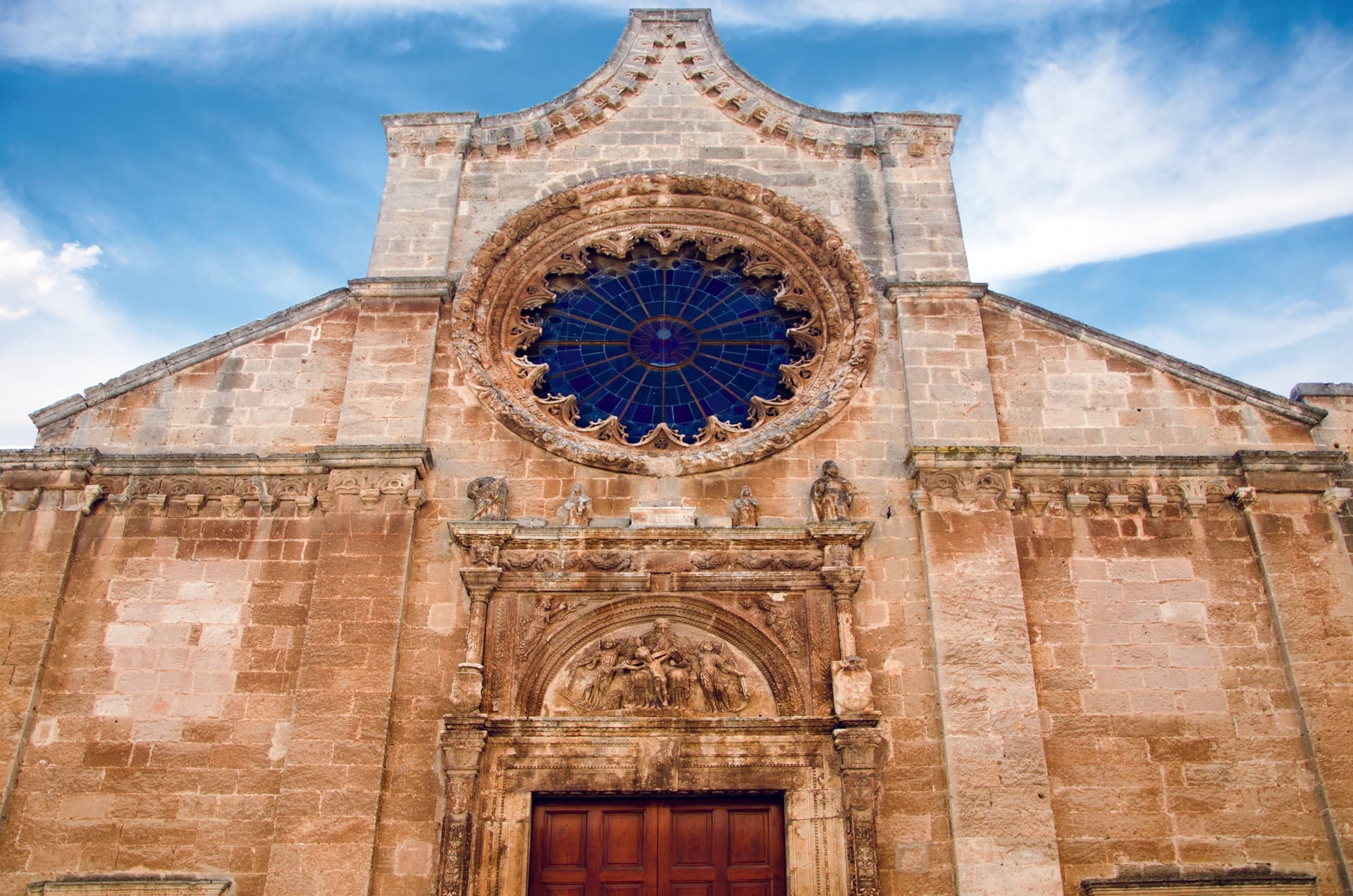
The Messapian capital thirty-five kilometers east of Taranto, ringed by three concentric stone walls and the home of Primitivo.
Oria
Province: Brindisi
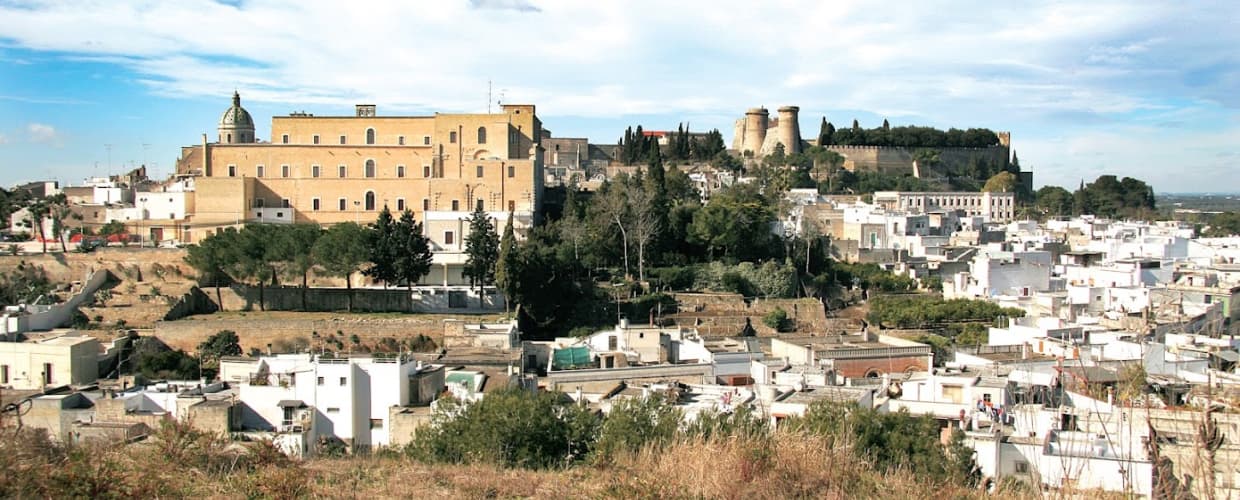
A Messapian acropolis between Taranto and Brindisi crowned by Frederick II's triangular castle, home to one of medieval Europe's oldest Jewish communities.
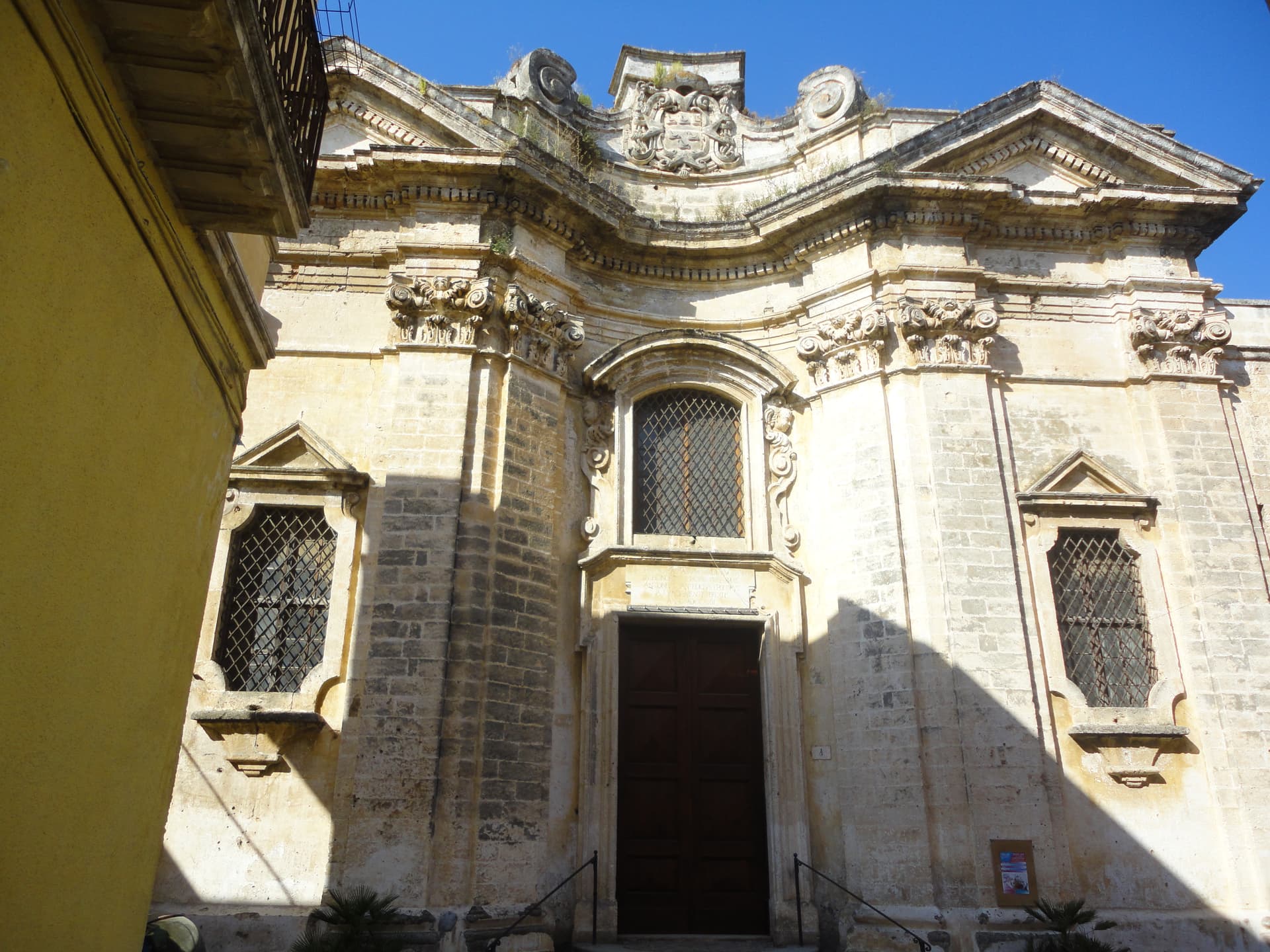
Nardò
Province: Lecce
The second city of Salento after Lecce, a Baroque inland capital twenty-five kilometers from Lecce with a Ionian coastline behind it.
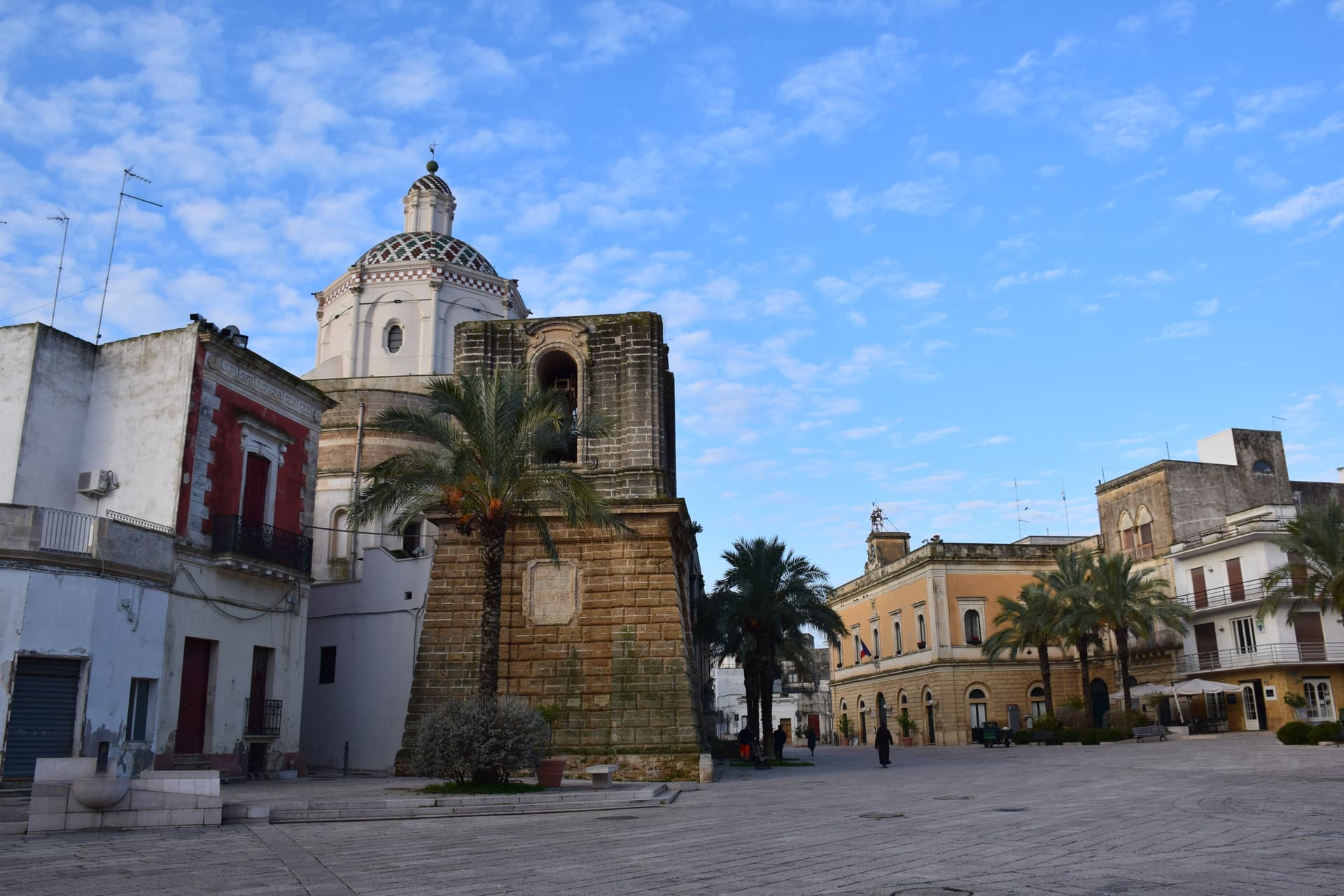
Campi Salentina
Province: Lecce
A Salento plain town fifteen kilometers north of Lecce, founded after the Saracen raids of 926, with a Frederician castle that became a Paladini-Enriquez marquisate.
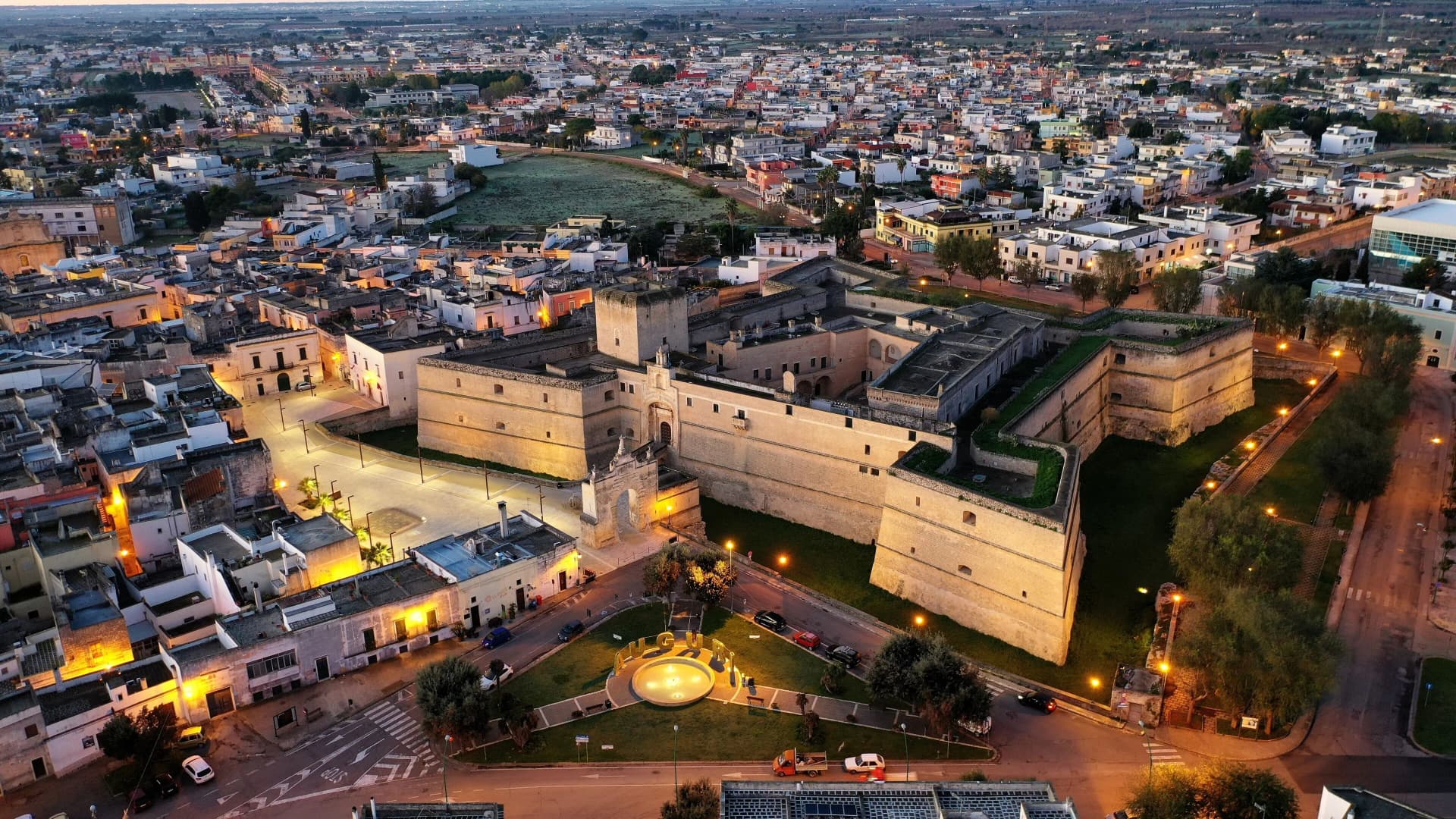
Copertino
Province: Lecce
A Salento town fifteen kilometers west of Lecce, with one of Puglia's largest Renaissance fortresses and the birthplace of Saint Joseph of Copertino.
🎨 Borghi più belli d'Italia
More Borghi più belli d'Italia towns in Apulia
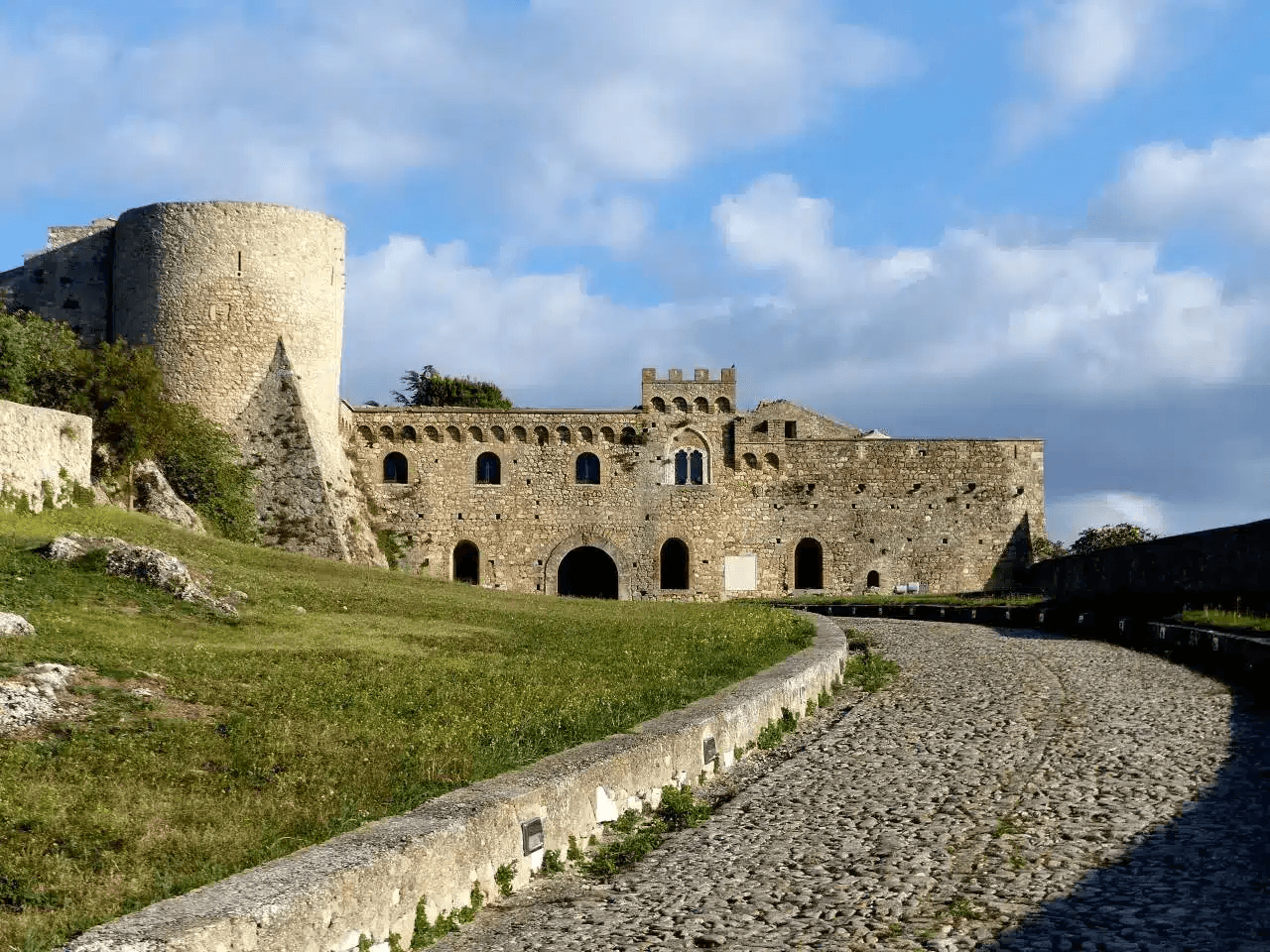
Bovino
Province: Foggia
A Daunian Mountains hill town at 646 meters above the Cervaro valley, Roman Vibinum, with a Norman-Swabian castle later turned into a Guevara ducal palace.
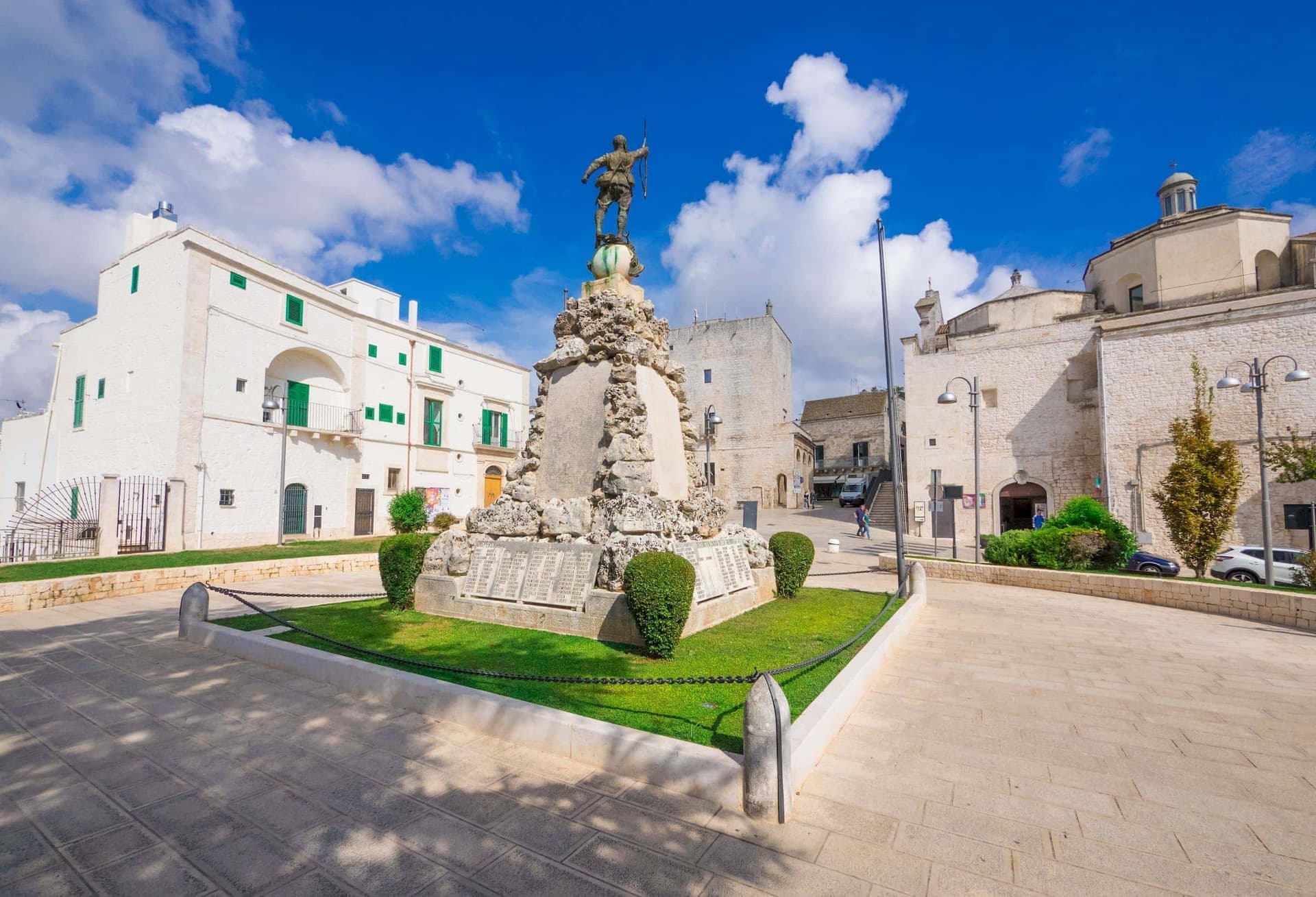
Cisternino
Province: Brindisi
An Itria valley borgo on the southern Murgia at 394 meters, whitewashed, Cittaslow since 2003 and Cittaslow City of the Year in 2014.
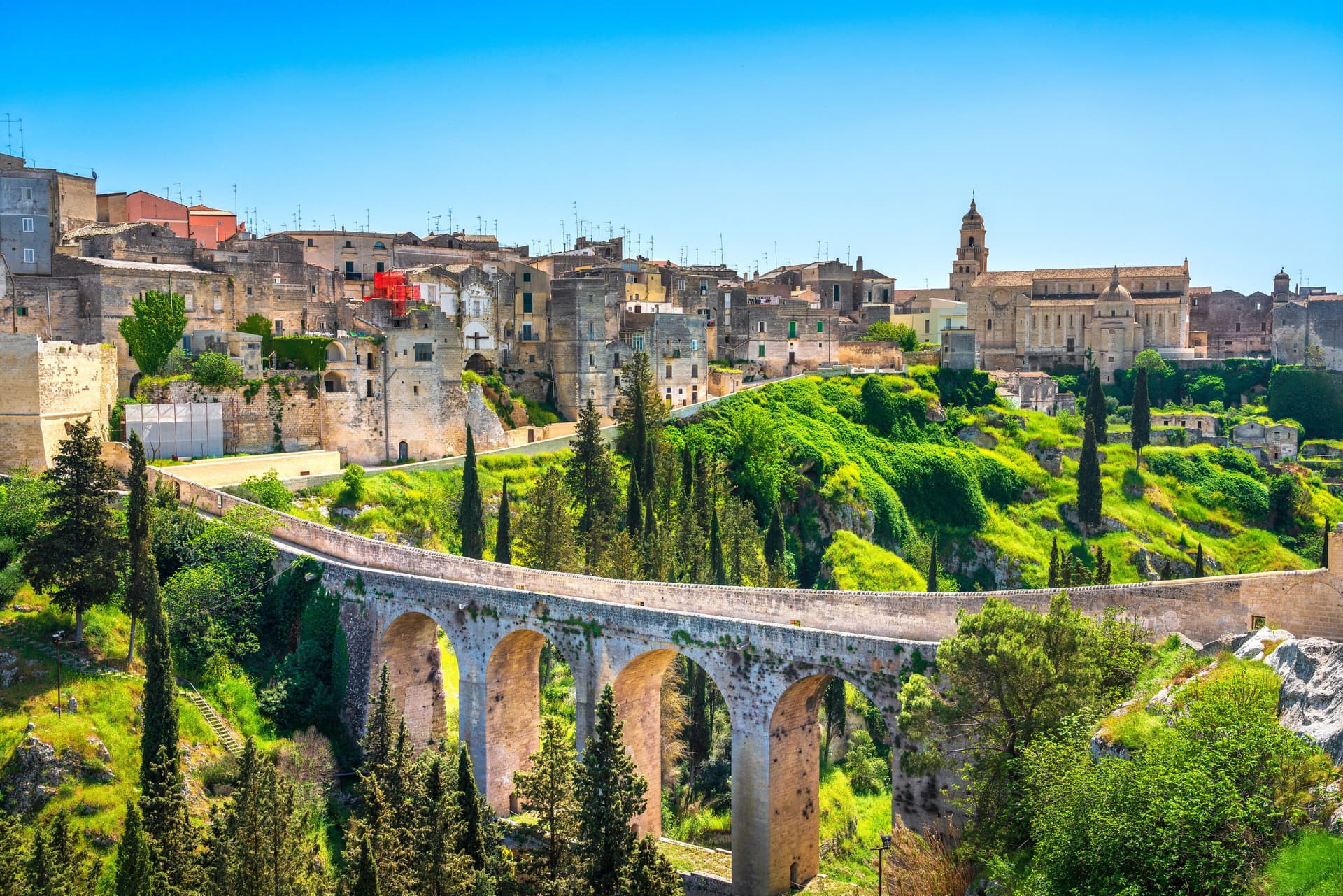
Gravina in Puglia
Province: Bari
Puglia's deepest gravina — a 42,700-resident Bari-province town built on the lip of a 100m-deep limestone canyon, with the 18th-c Ponte Acquedotto walkway across the gorge that James Bond crossed in No Time to Die, a network of rupestrian cave churches in the cliff face, and the four-signal BPB + Cittaslow + Via Francigena + Parco Nazionale combination.
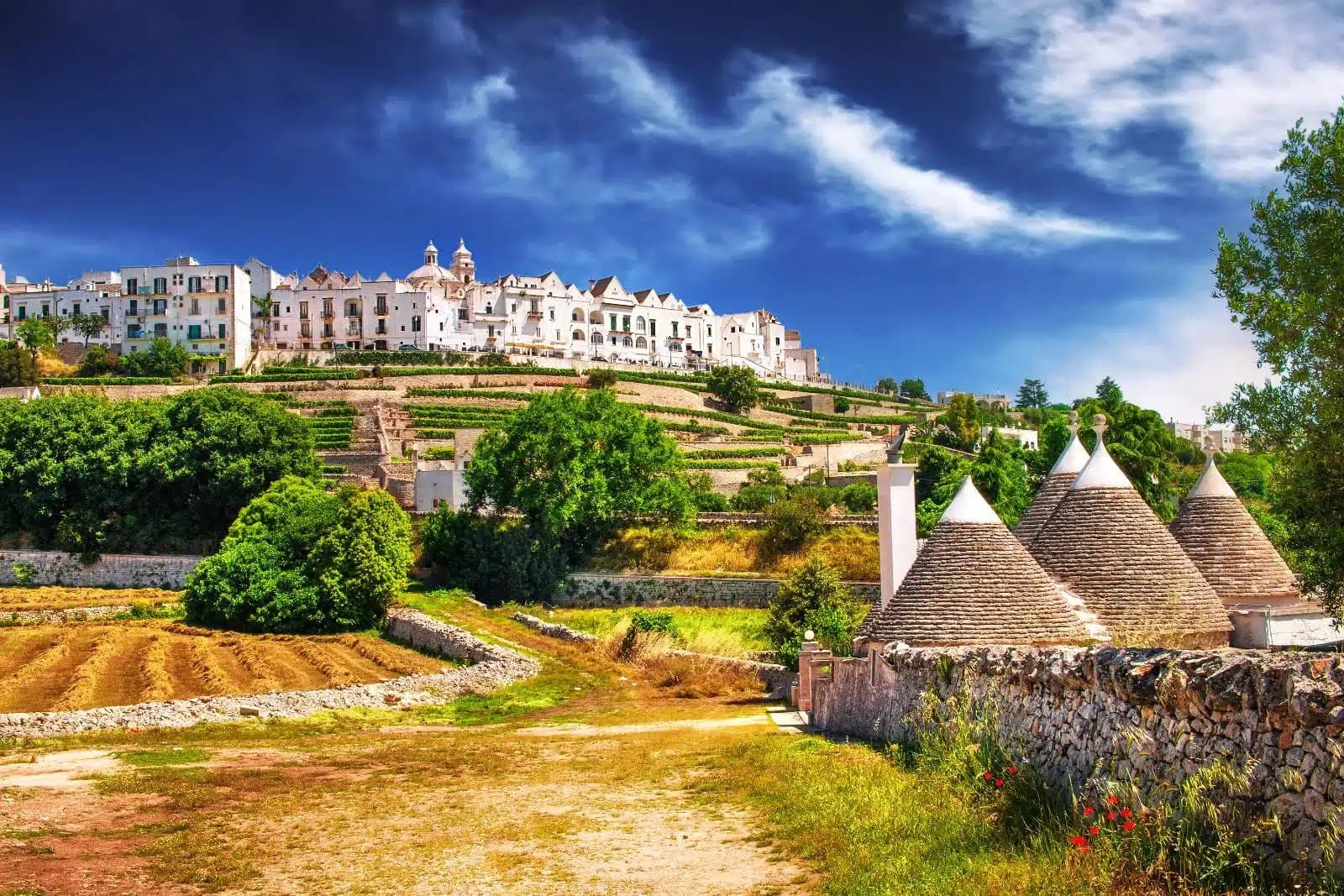
Locorotondo
Province: Bari
The round white town on the Itria valley ridge at 410 meters, with cummerse roofs the rest of Puglia does not have.
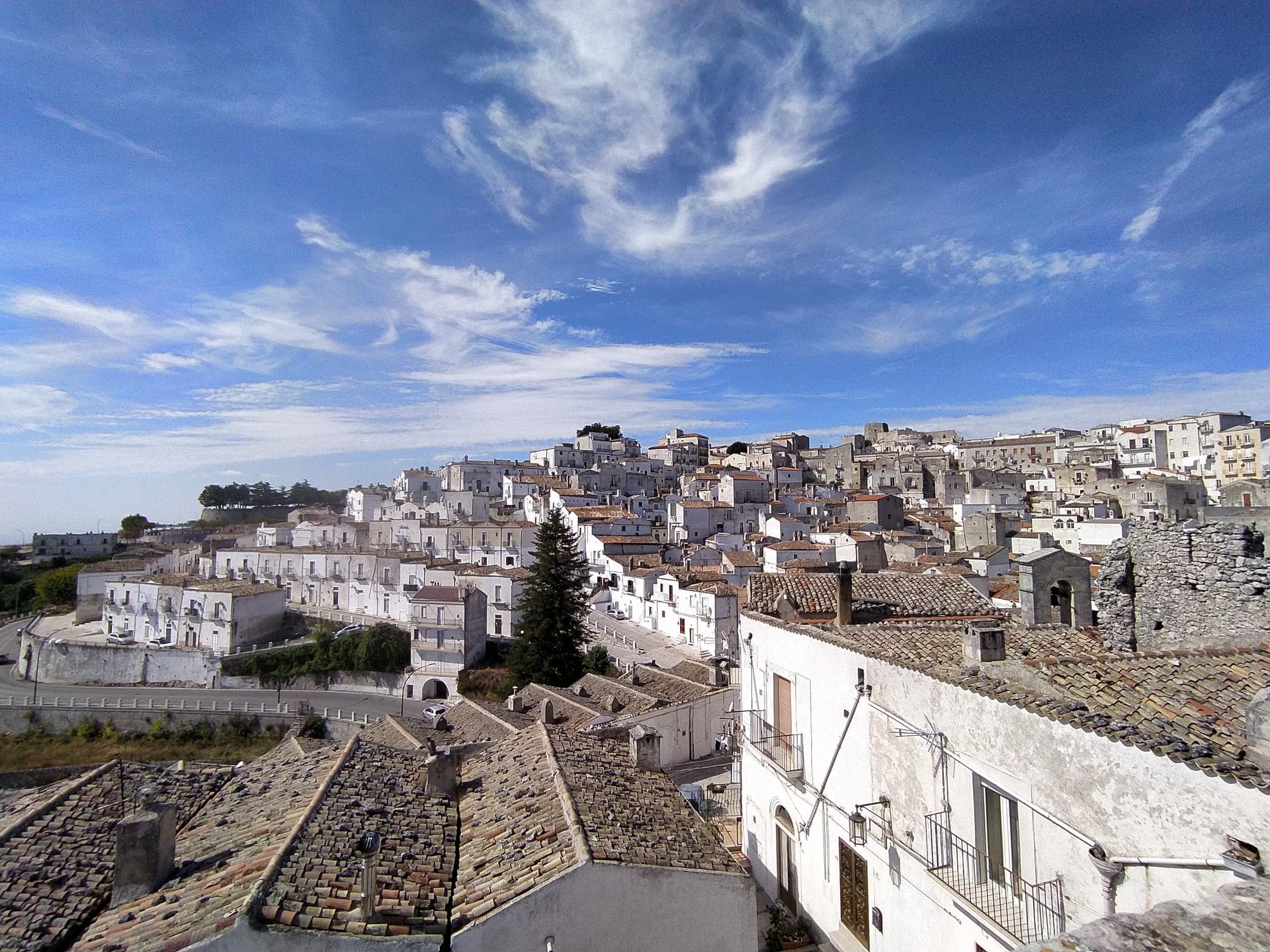
Monte Sant'Angelo
Province: Foggia
The Gargano peak at 843 meters where the Archangel Michael appeared in 490, the oldest western shrine to him, UNESCO since 2011.