

Apulia · Brindisi
Ostuni
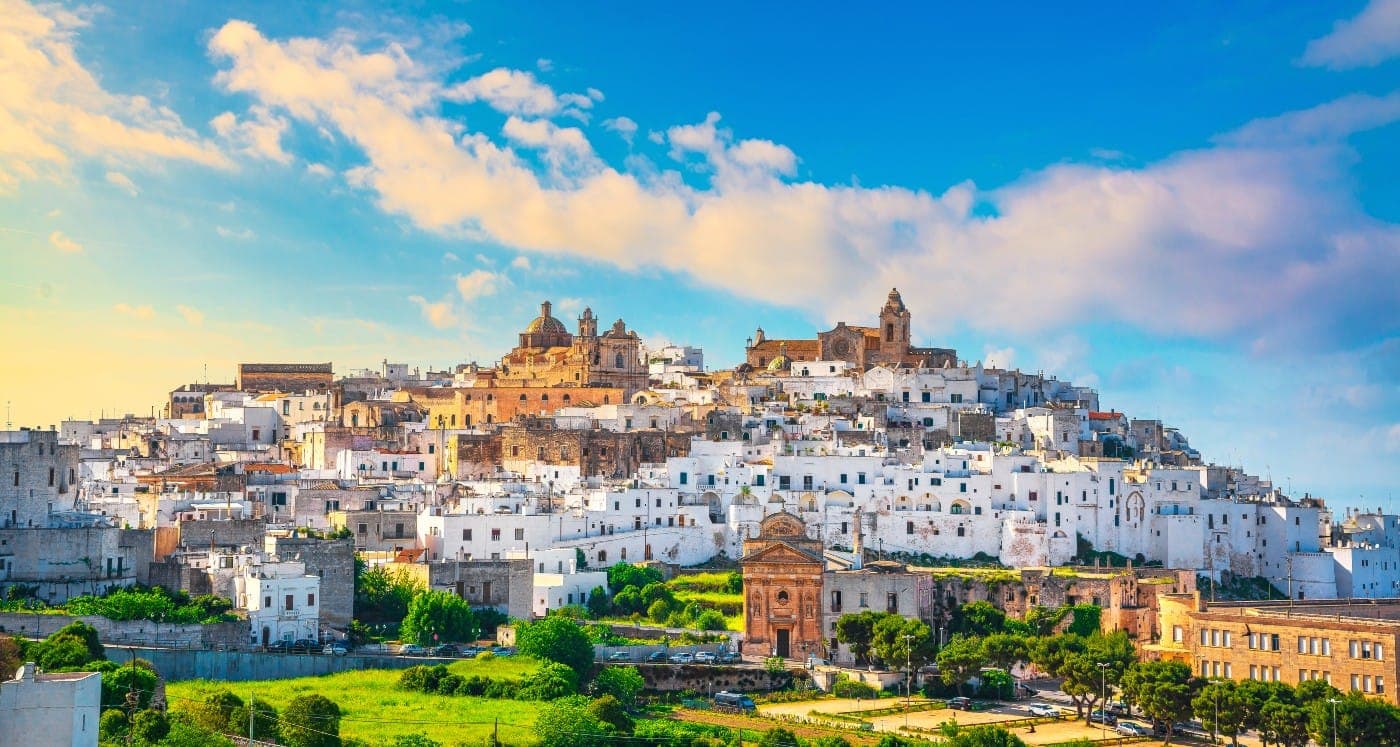
The Città Bianca on three hills, eight kilometers inland, whitewashed against the Murge above an Adriatic plain of olive trees.
Known for
CITTÀ BIANCA
Whitewashed centro storico on three hills, lime-painted every spring since medieval plague measures, the single defining image of the town.
OLIVE PLAIN
Surrounding plain of monumental olive trees, some over a thousand years old, the largest concentration of ancient cultivated olives in the Mediterranean.
GOTHIC CATHEDRAL
Late fifteenth-century cathedral at the top of the centro storico, with a rose window of twenty-four rays unique in southern Italy.
When to visit
Best · Apr–Oct
- J
- F
- M
- A
- M
- J
- J
- A
- S
- O
- N
- D
- Best
- Hot or crowded
- Quiet
- Mostly closed
The festa: Oronzo di Lecce, 25 August
Why come
Ostuni sits on three hills above the Adriatic coastal plain, eight kilometers inland in the southeastern Murge. The whitewashing that gives it the name Città Bianca is medieval in origin, a hygienic measure against plague that survived as the local building convention; the entire centro storico is painted white in lime every spring and reads as a single bright mass from the surrounding olive country. The territory has been inhabited since the Paleolithic; the Messapii founded the urban nucleus before the Romans absorbed the region.
The town joined the Norman County of Lecce in 996. In 1507 it passed to Isabella, Duchess of Bari, then to her daughter Bona Sforza, queen of Poland, who fortified the coast with watchtowers against Ottoman raids in 1539. The Cattedrale, a late-Gothic facade with a rose window of twenty-four rays, anchors the upper town. The olive landscape around the commune holds some of the oldest cultivated trees in the Mediterranean.
The Sunday letter
We haven’t written Ostuni’s letter yet.
One town every Sunday, with the photo, the food, the festa. Be there when this one comes up. Free, by Peter & Sophia from Pietrasanta.
By subscribing you agree to Substack’s Terms of Use, our Privacy Policy and our Information collection notice.
What to see
Cattedrale di Santa Maria Assunta
Late fifteenth-century Gothic cathedral at the highest point of the centro storico, with a rose window of twenty-four rays unique in Puglia.
Centro storico
Whitewashed old town on three hills, lime-painted every spring against plague tradition, the single bright mass that names the Città Bianca.
Piazza della Libertà
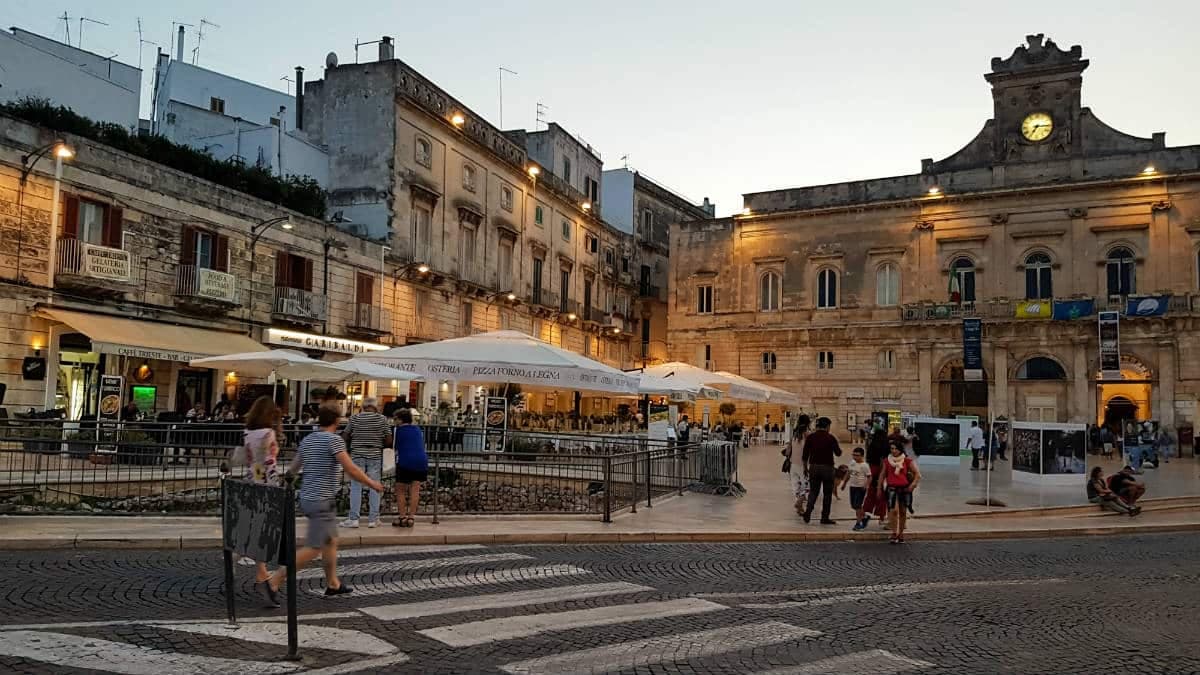
Lower civic square outside the medieval walls, with the Guglia di Sant'Oronzo, an early eighteenth-century baroque obelisk to the patron saint.
Museo di Civiltà Preclassiche della Murgia Meridionale
Archaeological museum in the centro storico, holds Delia, the 25,000-year-old skeleton of a pregnant woman found in a Murge cave.
Piana degli Ulivi Monumentali
Surrounding olive plain with thousands of monumental trees, some over a thousand years old, the protected Puglia olive heritage zone.
The slow-trip planner
Building a trip? Find where Ostuni fits in a slow Italy circuit.
Answer five questions. We will shape a geographically coherent slow trip from the 1,000 Italian towns most travelers skip. Yours to save and share.
We recommend
Where to eat and stay
Not our picks, but places the guides put their name to — a Michelin star, a Gambero Rosso fork, a Slow Food snail, a Michelin Key for the hotels. Worth a table, a counter, or a night when you pass through.
CieloRistorante
Two Gambero Rosso forks (83/100) for Cielo, and a spot in the Michelin Guide.
Masseria Le CarrubeVegetariano
Masseria Le Carrube has a Gambero Rosso listing to its name.
Masseria MorosetaRistorante
Masseria Moroseta carries a spot in the Michelin Guide.
Osteria Piazzetta CattedraleRistorante
Osteria Piazzetta Cattedrale holds a Michelin Bib Gourmand.
Osteria RicanattiRistorante
Osteria Ricanatti has a spot in the Michelin Guide to its name.
Restaurant 700Ristorante
Restaurant 700 holds a spot in the Michelin Guide.
Paragon 700 Boutique Hotel & SPAHotel
Paragon 700 Boutique Hotel & SPA carries one Michelin Key, plus a La Liste score of 90.
La Sommita RelaisHotel
A place in the Michelin hotel guide, at La Sommita Relais.
VISTA OstuniHotel
A Leading Hotels of the World listing, at VISTA Ostuni.
Living here
- Population 30,143
- In-betweeni
- Pharmacy in town
- High school within a 30-minute drive
- Train station in the comune
- Nearest airport Bari / Brindisi, 1 h 29 min drive
- Regional capital Bari, 1 h 17 min drive
Tags & datadesignations · numbers · sources
Recognised as
The numbers
- Elevation: 218 m
- Population: 30,143
- Surface area: 225.56 km²
These figures were compiled from public directories — ISTAT, OpenStreetMap, Wikidata — and from the official listings of the guides named on this page. Town details change; verify with official sources before you travel.
Featured on
Ostuni appears on this themed pick from our Collections:
Close by
More towns near Ostuni
Cisternino
Province: Brindisi
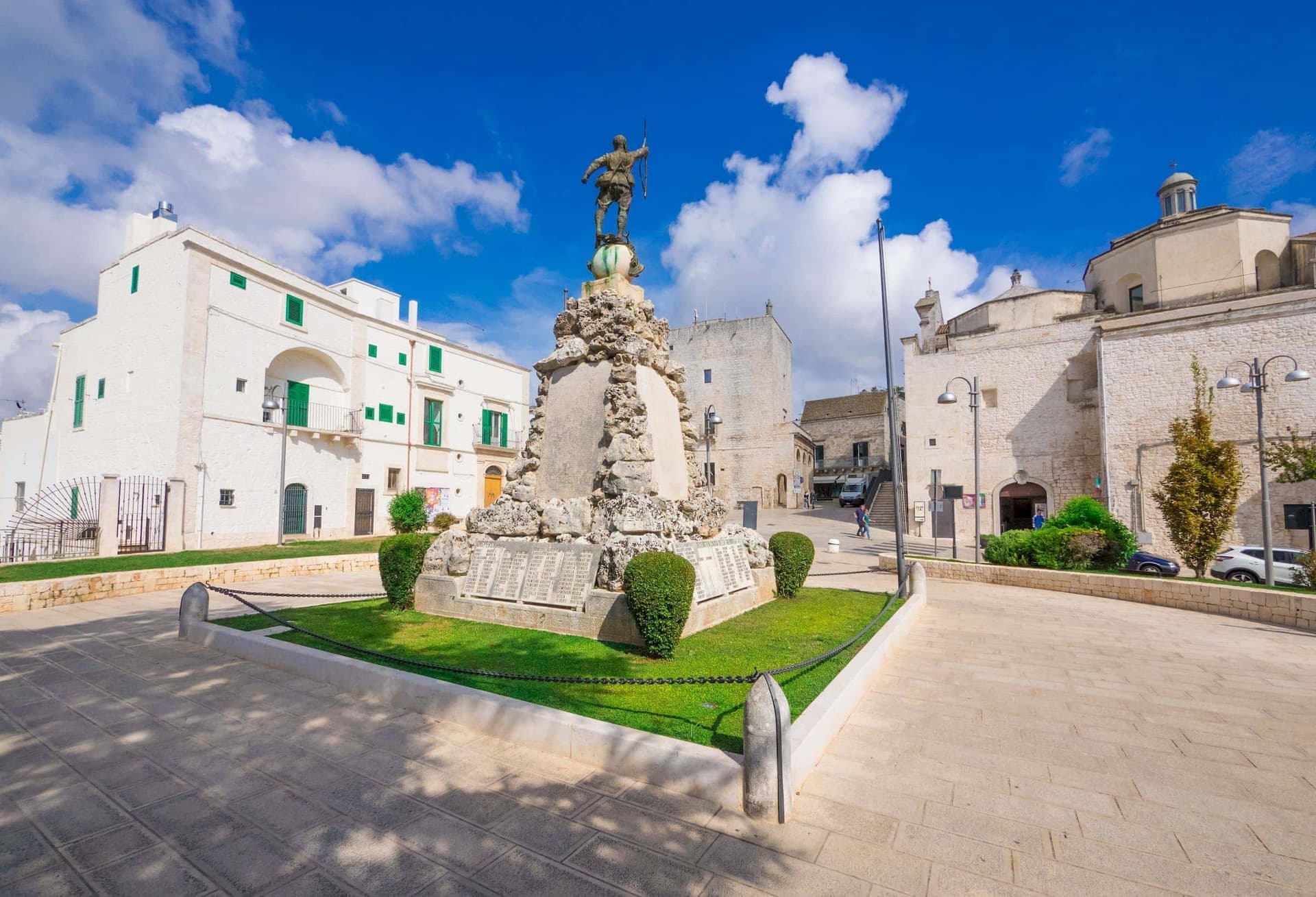
An Itria valley borgo on the southern Murgia at 394 meters, whitewashed, Cittaslow since 2003 and Cittaslow City of the Year in 2014.
Carovigno
Province: Brindisi
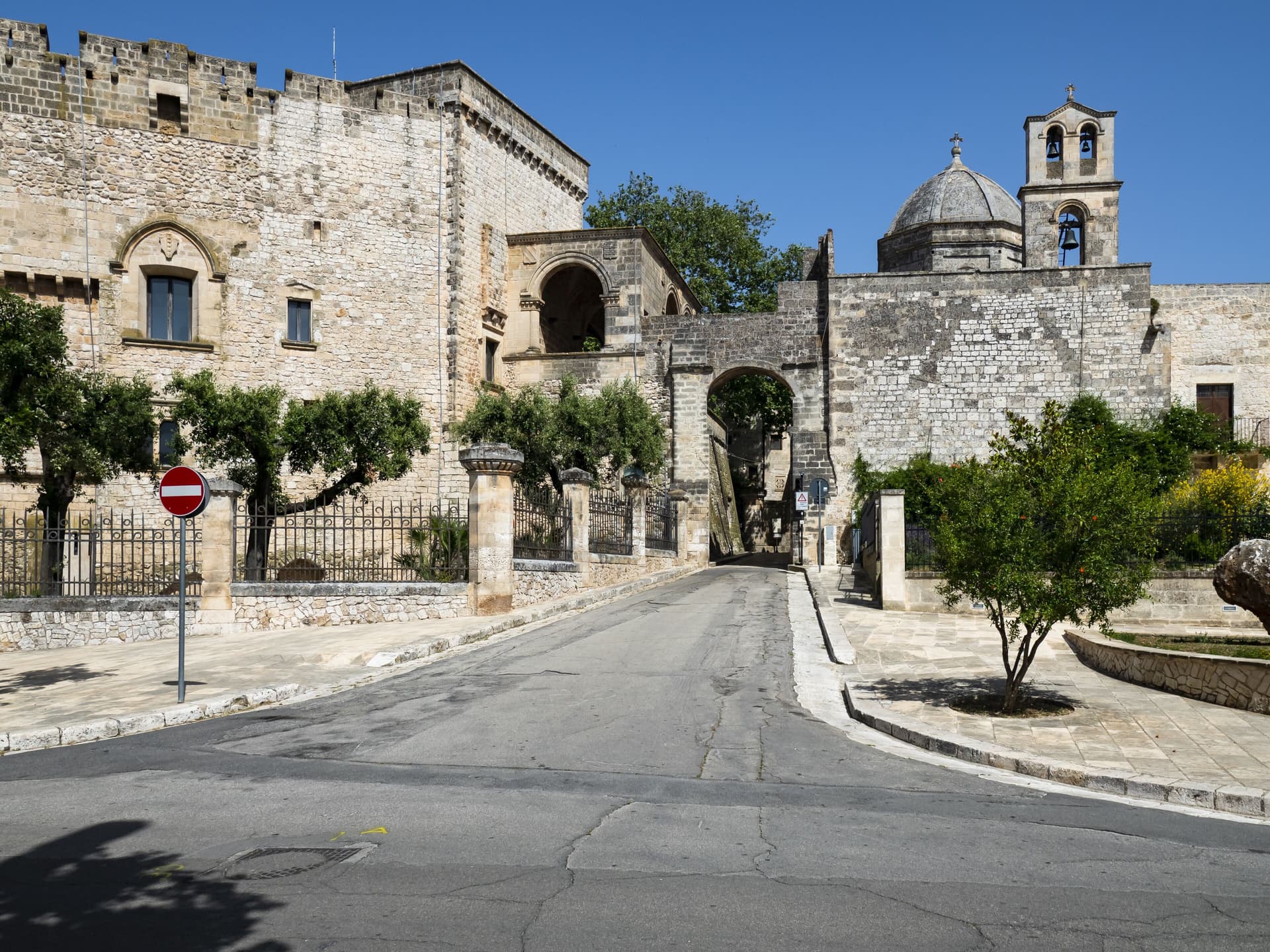
An upper Salento town between Brindisi and Ostuni, built on the Messapian Carbina destroyed in 473 BC, with the Torre Guaceto marine reserve offshore.
Fasano
Province: Brindisi
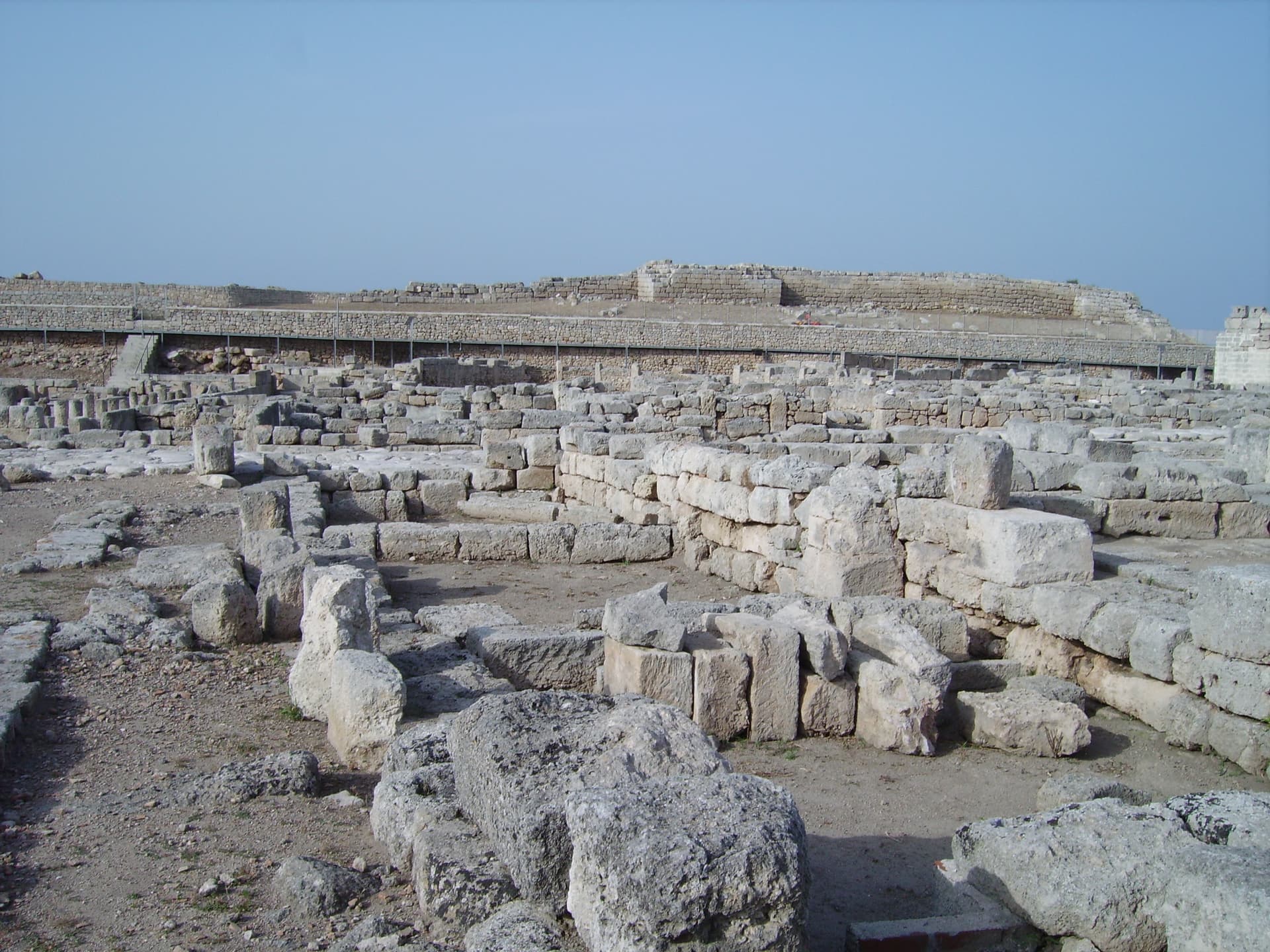
A Brindisi-province town from the Adriatic up to the Itria escarpment, holding the Roman ruins of Egnazia, the Selva, and Europe's second-largest safari park.
Locorotondo
Province: Bari
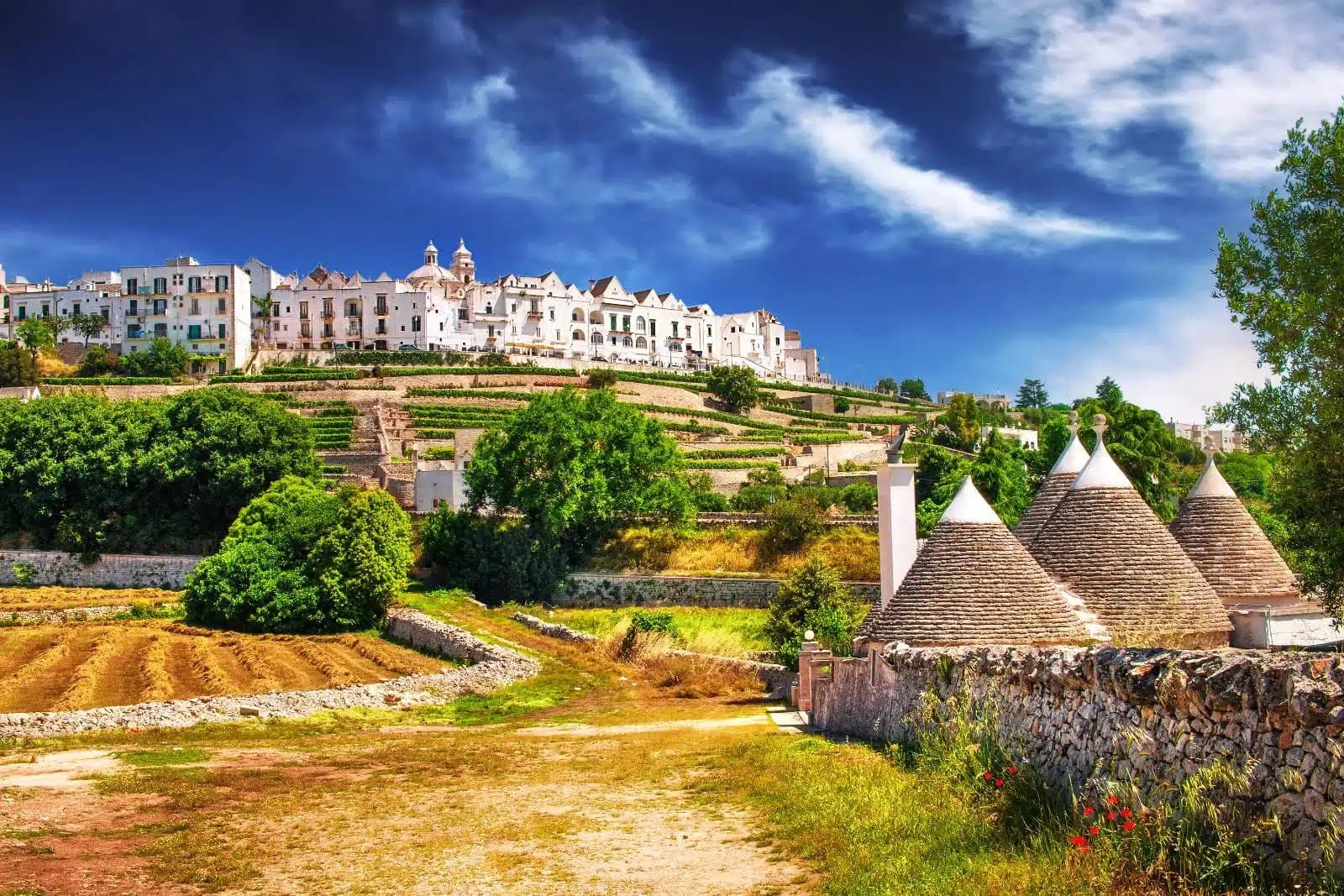
The round white town on the Itria valley ridge at 410 meters, with cummerse roofs the rest of Puglia does not have.
Martina Franca
Province: Taranto
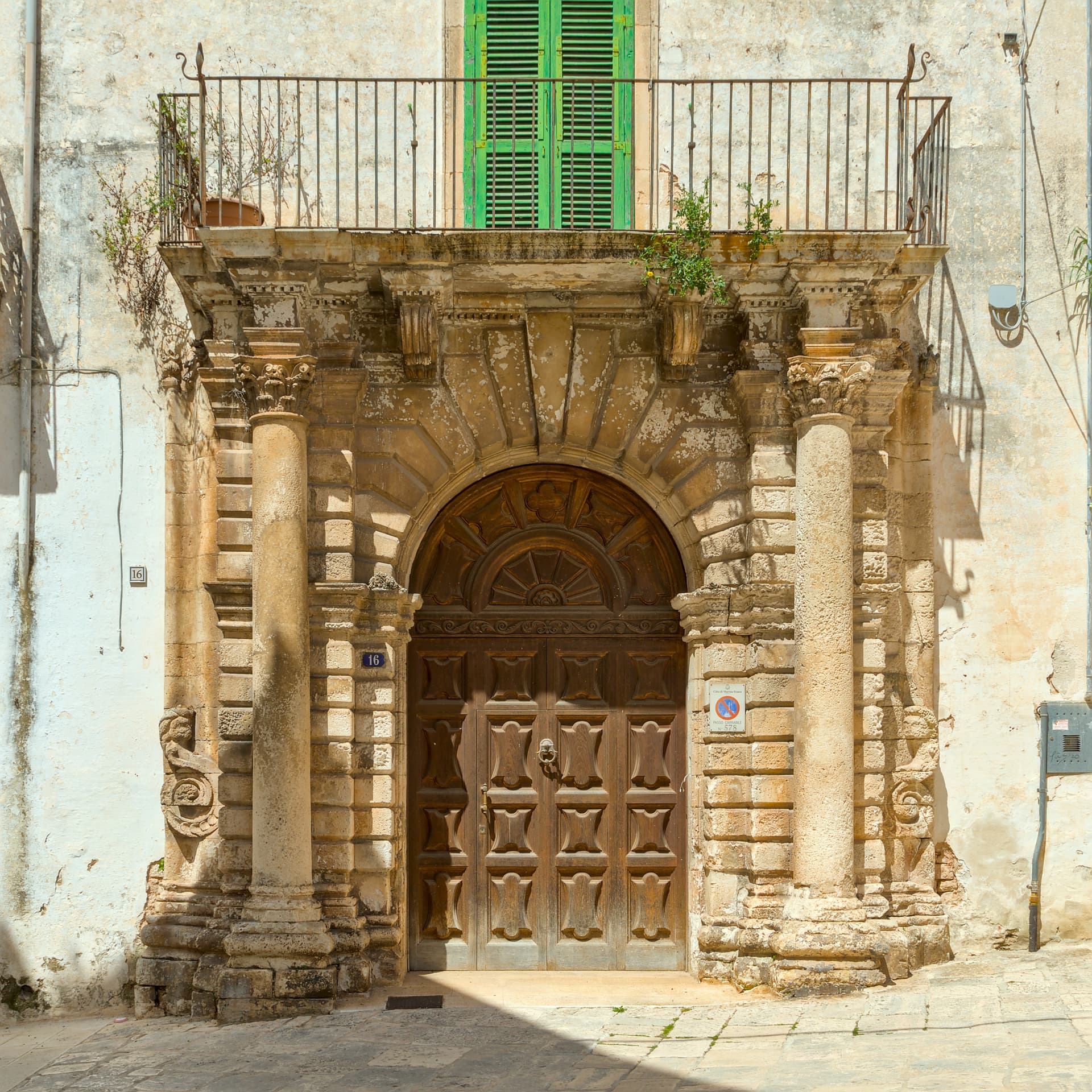
Puglia's second Baroque city after Lecce, on the Itria ridge at 431 meters, with an opera festival in its ducal courtyard since 1975.
🟦 Bandiera Blu
More Bandiera Blu towns in Apulia
Bisceglie
Province: Barletta-Andria-Trani
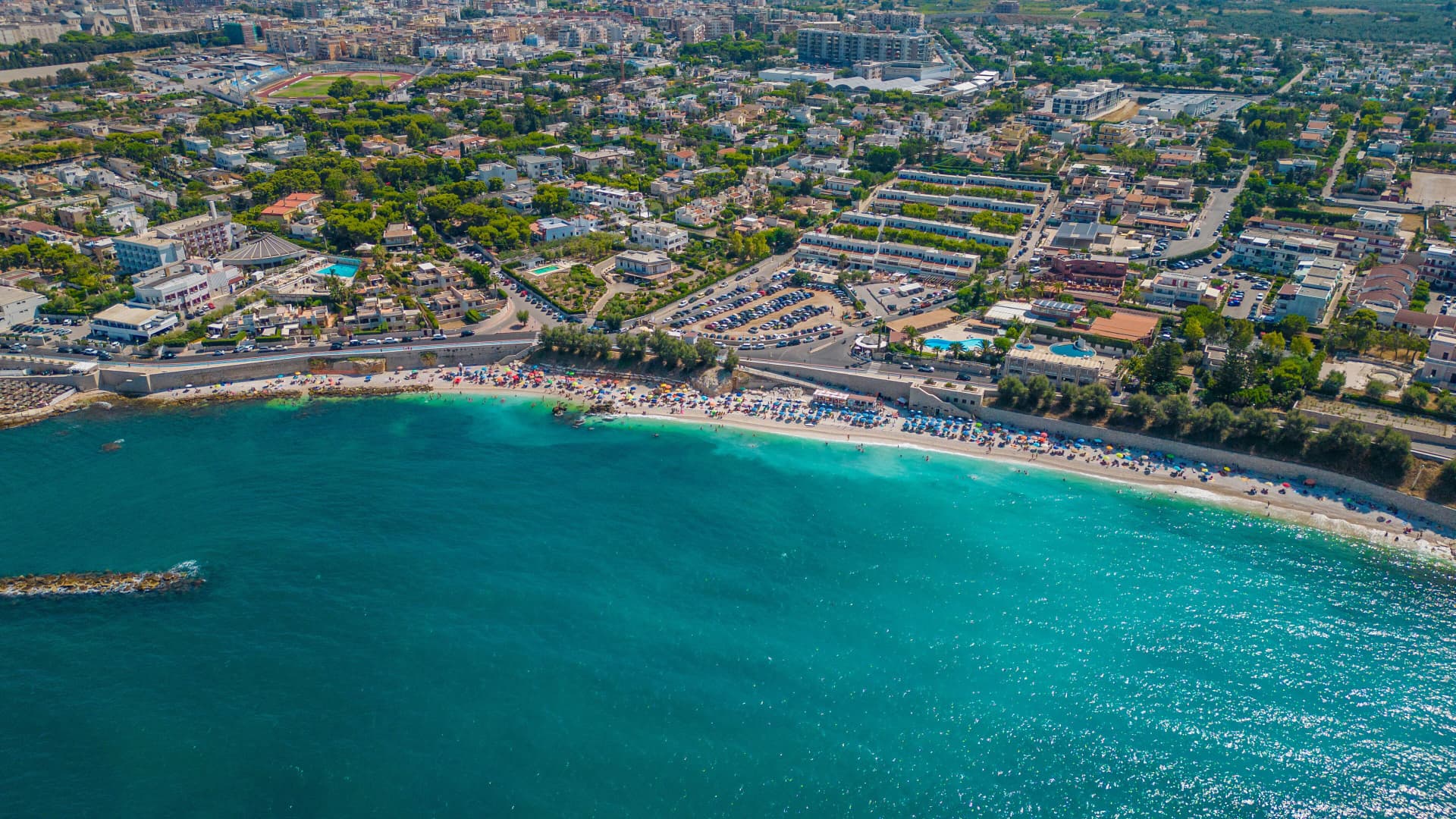
An Adriatic port town between Trani and Molfetta, named for Roman watchtowers, with five dolmens around it and a Norman cathedral begun in 1073.
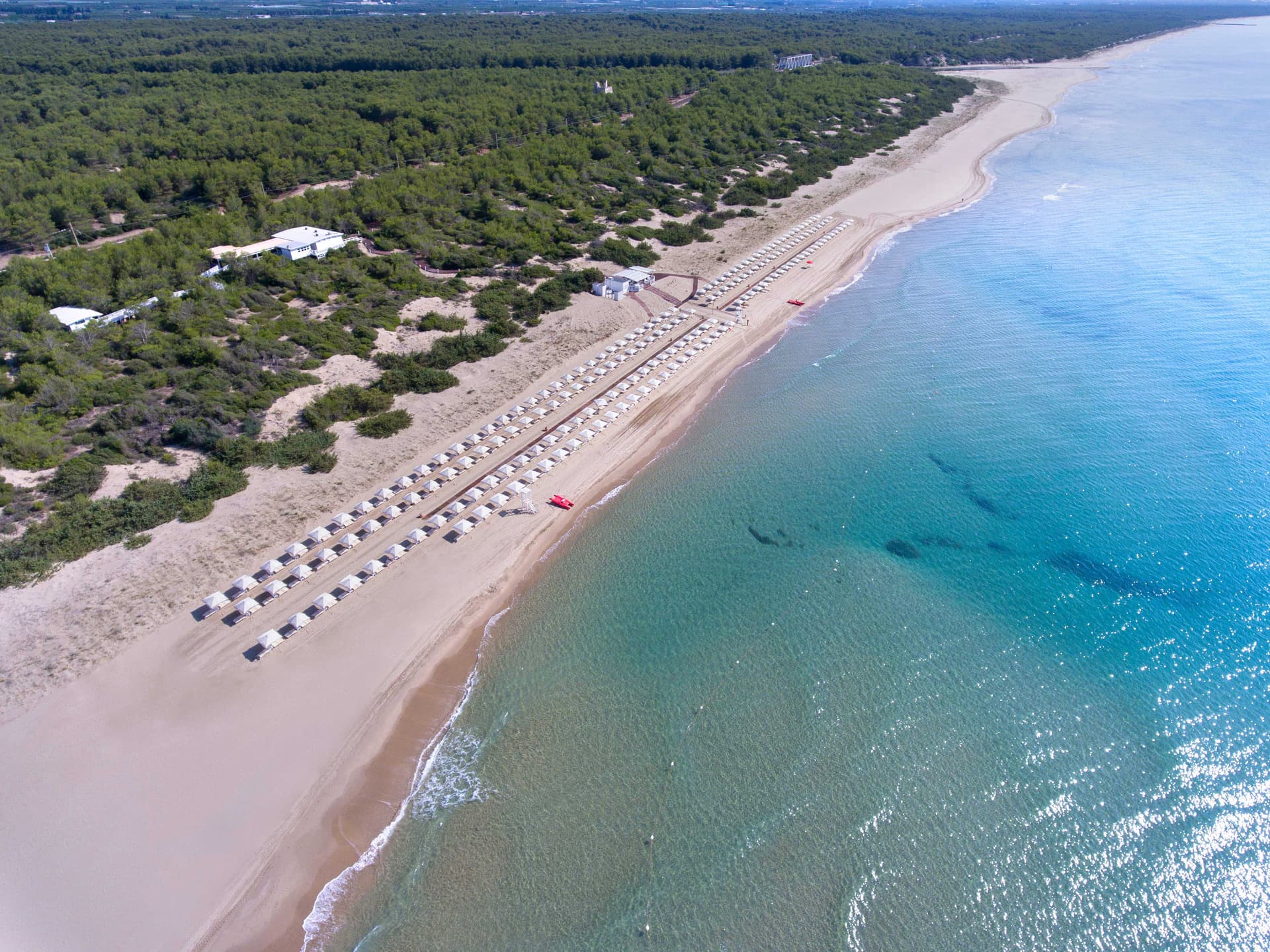
Castellaneta
Province: Taranto
A cliff-edge Murge town at 235 meters above the Gravina Grande canyon, birthplace of Rudolph Valentino in 1895, with a Bandiera Blu Ionian marina.
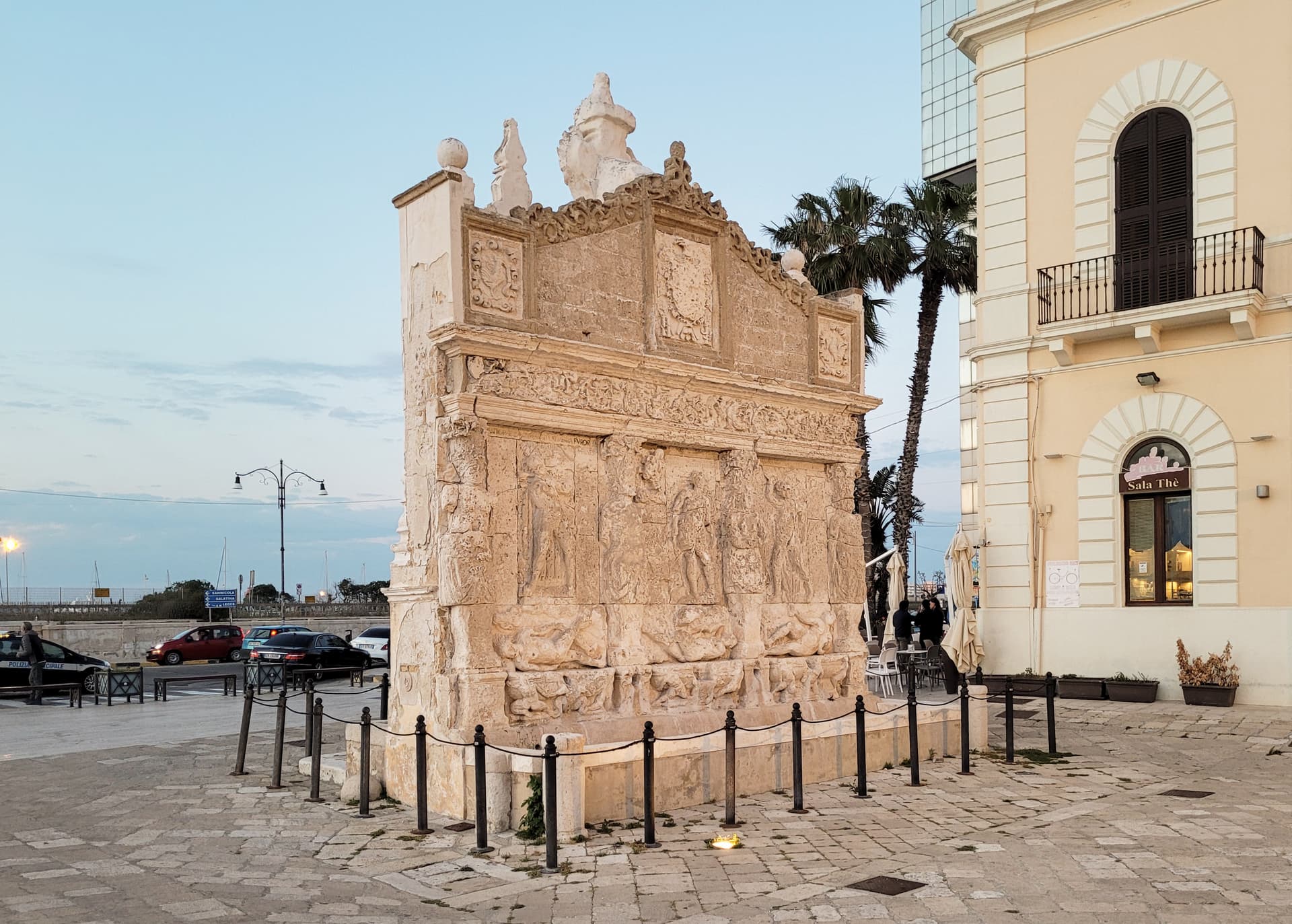
Gallipoli
Province: Lecce
The Ionian beach city on a limestone island, Greek Kallipolis meaning beautiful city, tied to the mainland by a seventeenth-century bridge.
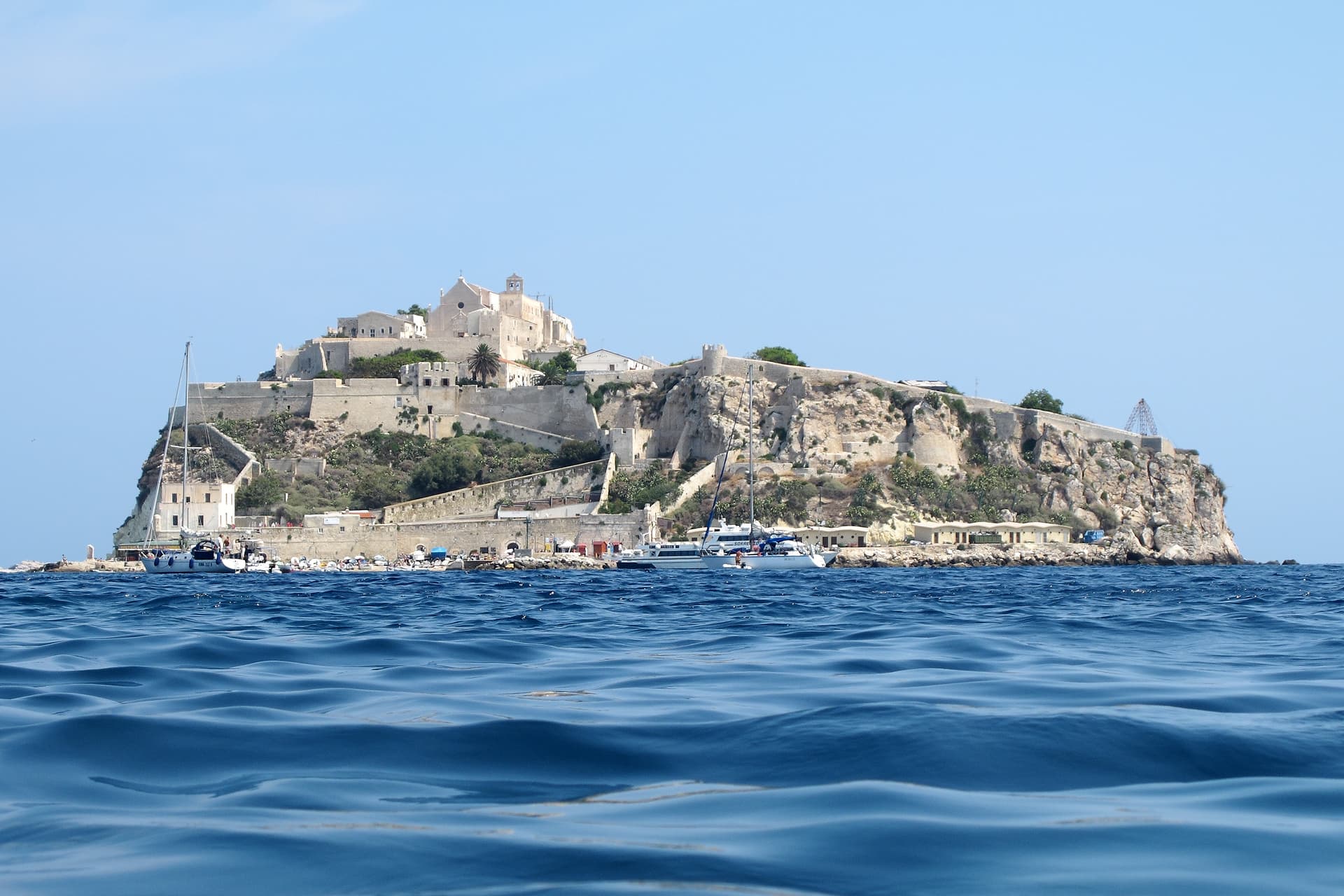
Isole Tremiti
Province: Foggia
An Adriatic archipelago of five islands twenty-two kilometers off the Gargano, the only Italian commune scattered across an open-sea group.