

Sicily · Ragusa
Modica
A vertical Baroque city in the Hyblean Mountains, rebuilt from the 1693 earthquake and home to a chocolate recipe brought from Aztec Mexico.
Known for
CIOCCOLATO DI MODICA
Cold-worked chocolate kept under forty degrees, sugar crystals never dissolved, the only chocolate in Europe holding a PGI mark.
VAL DI NOTO UNESCO
One of eight late-Baroque towns rebuilt after the 1693 earthquake and inscribed together on the UNESCO list in 2002.
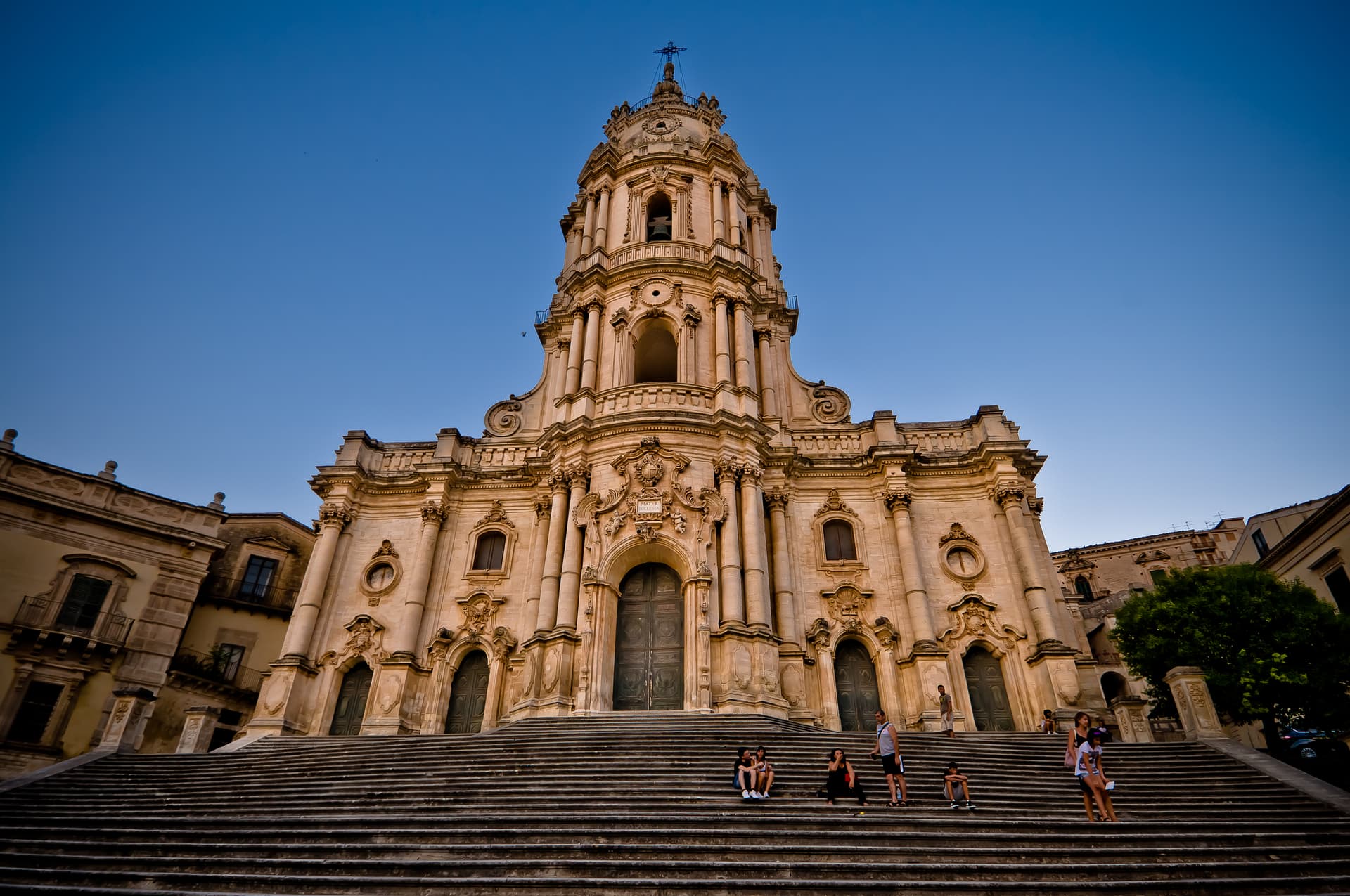
GAGLIARDI'S DUOMO
San Giorgio at the top of its 250-step staircase, Rosario Gagliardi's signature work and the postcard image of the upper town.
When to visit
Best · Apr–Jun, Sep–Nov
- J
- F
- M
- A
- M
- J
- J
- A
- S
- O
- N
- D
- Best
- Hot or crowded
- Quiet
- Mostly closed
Why come
Modica sits on the southern flank of the Hyblean Mountains, threaded through two gorges that split the town into Modica Alta on the ridge and Modica Bassa in the valley below. The 1693 earthquake killed roughly three thousand people here and erased the medieval town. What stands today was built across the eighteenth century by a generation of architects, Rosario Gagliardi above all, who designed the Duomo di San Giorgio at the top of its 250-step staircase.
The Duomo di San Pietro answers it from the lower town. Both are part of the Late Baroque Towns of the Val di Noto, listed by UNESCO in 2002. The other Modica export is older.
Cioccolato di Modica is still made by the cold-working method Spanish settlers learned from the Aztecs, the cocoa mass never melted past forty degrees, the sugar crystals left grainy. It is the only chocolate in Europe with a PGI mark.
The Sunday letter
We haven’t written Modica’s letter yet.
One town every Sunday, with the photo, the food, the festa. Be there when this one comes up. Free, by Peter & Sophia from Pietrasanta.
By subscribing you agree to Substack’s Terms of Use, our Privacy Policy and our Information collection notice.
What to see
Duomo di San Giorgio
Rosario Gagliardi's Baroque cathedral in Modica Alta, three-tiered façade rising above a 250-step staircase, built between 1702 and 1738.
Duomo di San Pietro
Mother church of Modica Bassa, fourteenth-century foundation rebuilt in Baroque after the 1693 earthquake, twelve statues of the Apostles on the entrance stair.
Modica Alta and Modica Bassa
Two halves of the old town, upper ridge and lower valley, connected by stairways and the long Corso Umberto I that follows the former riverbed.
Castello dei Conti
Hilltop fortress of the Counts of Modica with the eighteenth-century clock tower that marks the city's skyline, partly rebuilt after seismic damage.
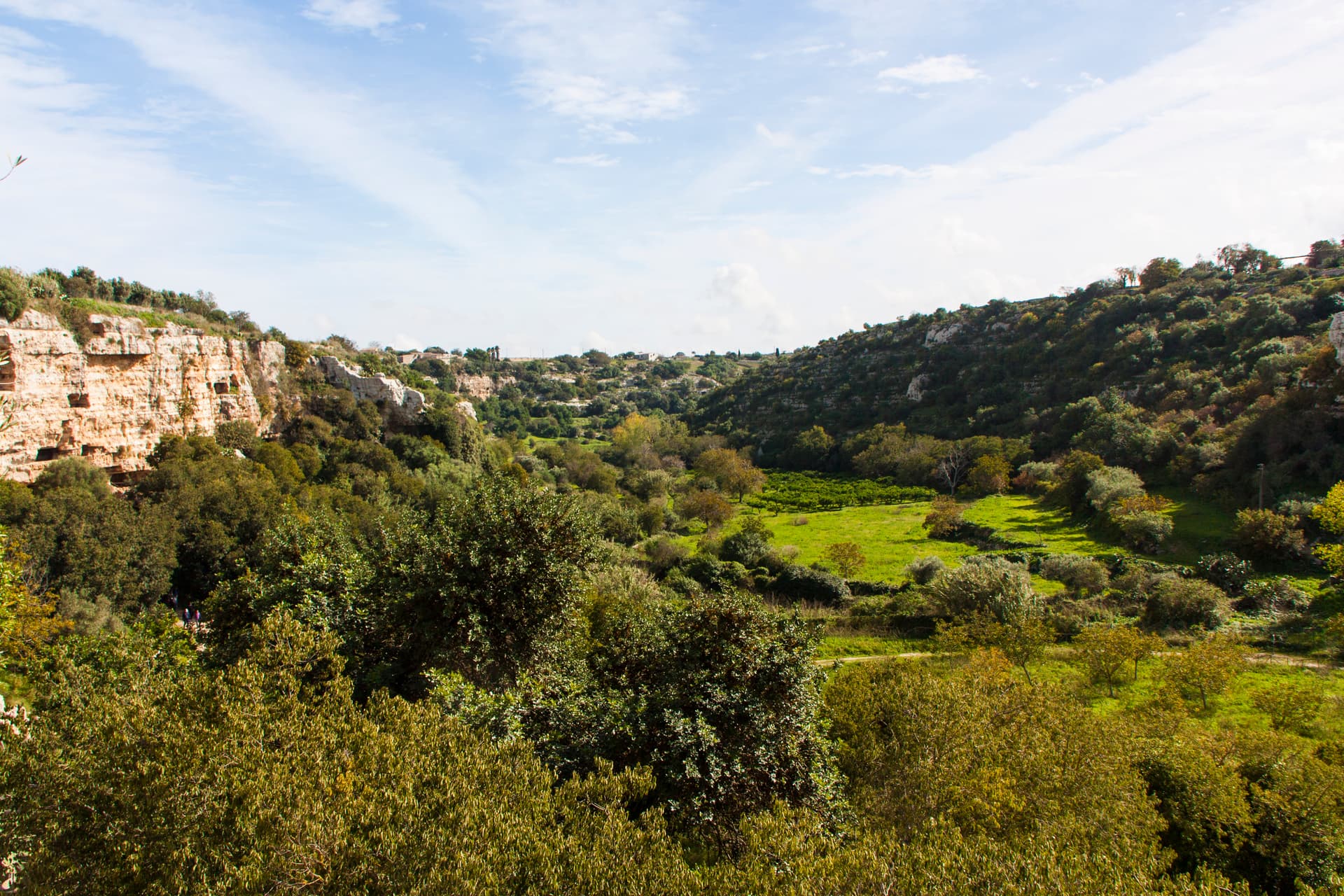
Cava d'Ispica
Limestone gorge with prehistoric rock-cut tombs and Byzantine cave dwellings, ten kilometers from the town along the Modica-Ispica road.
The slow-trip planner
Building a trip? Find where Modica fits in a slow Italy circuit.
Answer five questions. We will shape a geographically coherent slow trip from the 1,000 Italian towns most travelers skip. Yours to save and share.
We recommend
Where to eat and stay
Not our picks, but places the guides put their name to — a Michelin star, a Gambero Rosso fork, a Slow Food snail, a Michelin Key for the hotels. Worth a table, a counter, or a night when you pass through.
Fattoria delle TorriRistorante
Fattoria delle Torri carries two Gambero Rosso forks (81/100), plus a spot in the Michelin Guide.
Lorenzo RutaRistorante
Lorenzo Ruta holds two Gambero Rosso forks (82/100) and a spot in the Michelin Guide.
Radici – L'Osteria di AccursioTrattoria
Two Gambero Rosso prawns for Radici – L'Osteria di Accursio, and a spot in the Michelin Guide.
DabbannaRistorante
Dabbanna has a spot in the Michelin Guide to its name.
Signature dish
Cioccolato di ModicaSweet
Grainy chocolate worked cold so the sugar never melts, a method carried from the Aztecs through Spanish Sicily.
See every town in our catalogue with a dish of its own.
Living here
- Population 53,503
- Commuter belti
- Pharmacy in town
- High school within a 30-minute drive
- Train station in the comune
- Nearest airport Sicily, 1 h 40 min drive
- Regional capital Palermo, 4 h 2 min drive
Tags & datadesignations · numbers · sources
The numbers
- Elevation: 296 m
- Population: 53,503
- Surface area: 292.37 km²
These figures were compiled from public directories — ISTAT, OpenStreetMap, Wikidata — and from the official listings of the guides named on this page. Town details change; verify with official sources before you travel.
Featured on
Modica appears on this themed pick from our Collections:
Close by
More towns near Modica
Ispica
Province: Ragusa
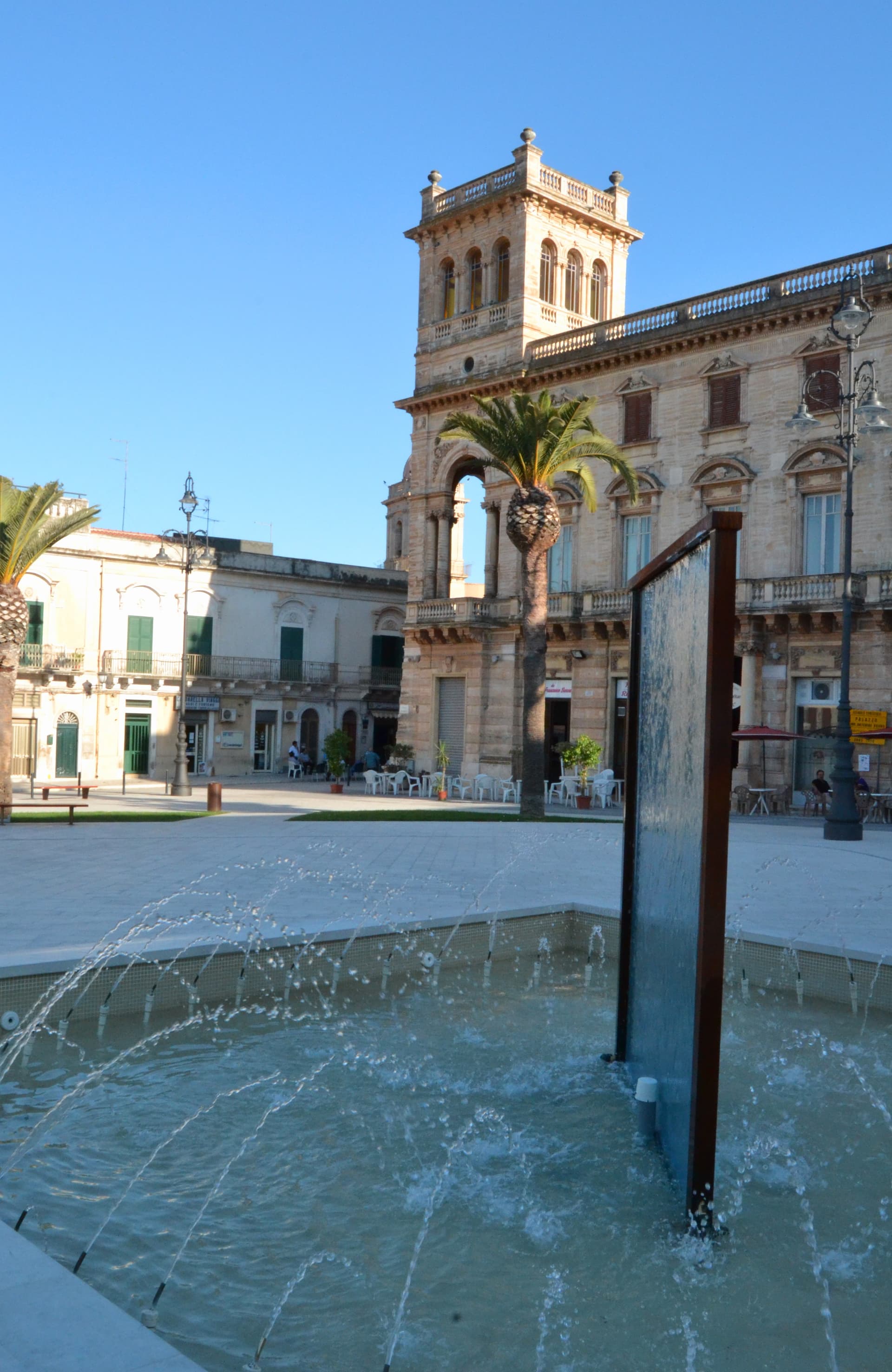
A Val di Noto Baroque hilltown on the southern Iblei plateau anchored by the 13-km Cava d'Ispica canyon with its 3,000+ rock-cut tombs and prehistoric dwellings — one of the largest cave-necropolis sites in the Mediterranean.
Ragusa
Province: Ragusa
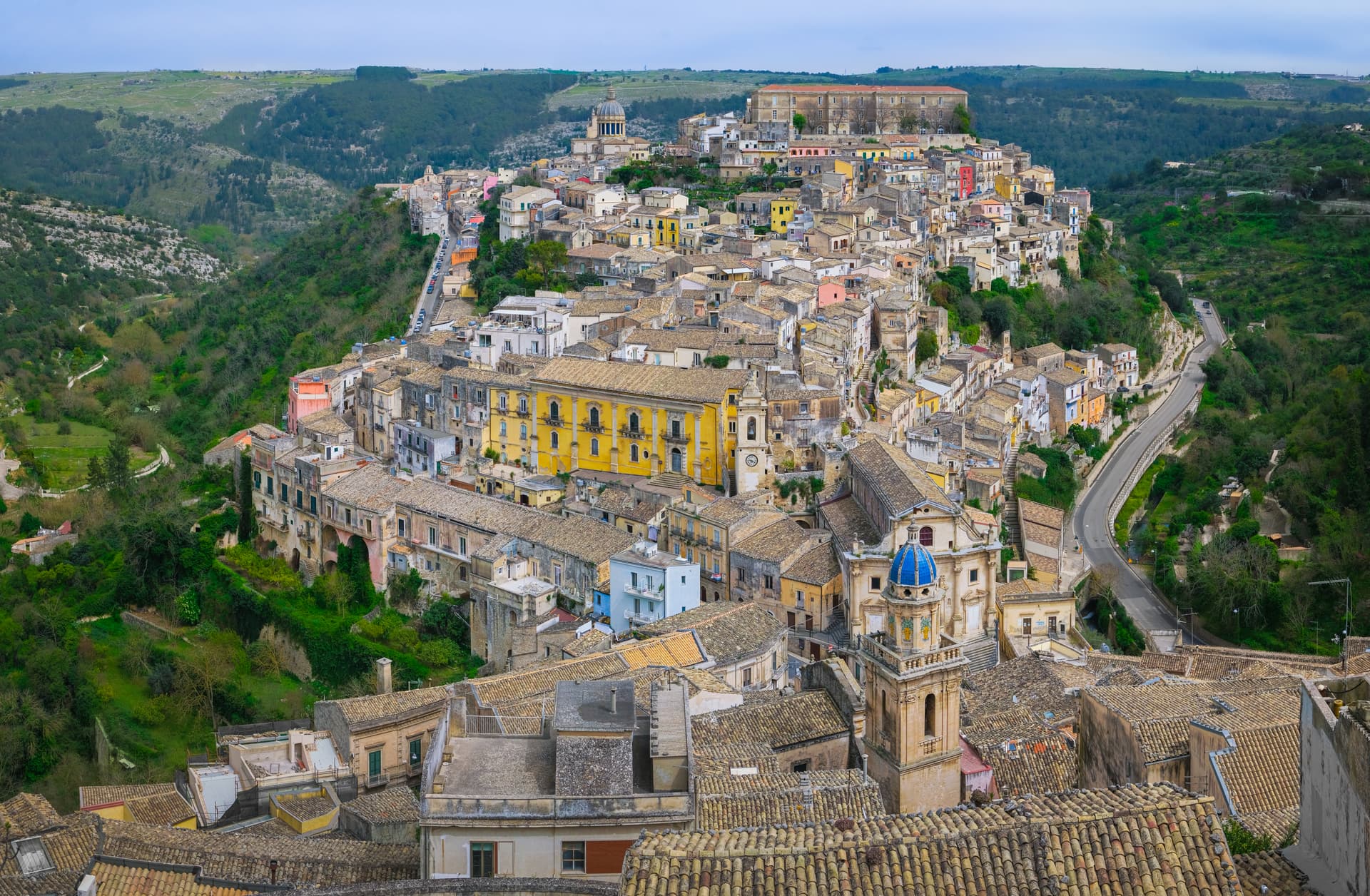
Two cities in one on a Hyblean plateau at 502 meters, Ragusa Ibla and Ragusa Superiore split by a ravine after 1693, both UNESCO Baroque.
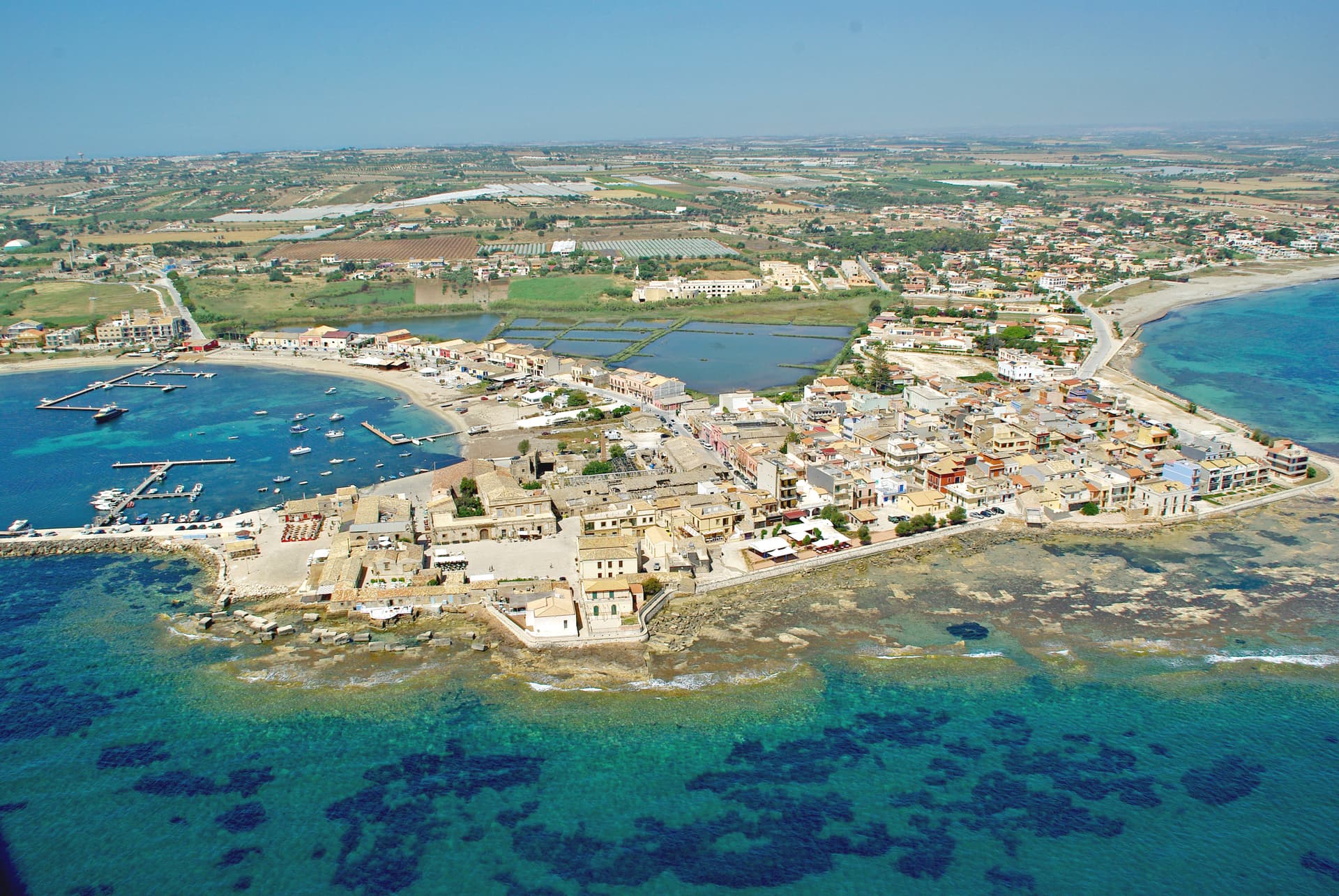
Pachino
Province: Siracusa
Sicily's southernmost town on the Capo Passero promontory (further south than Tunis), home of the Pomodoro di Pachino PGI cherry tomato and the historic terroir for Nero d'Avola wine, with the Riserva Naturale Vendicari just up the coast.
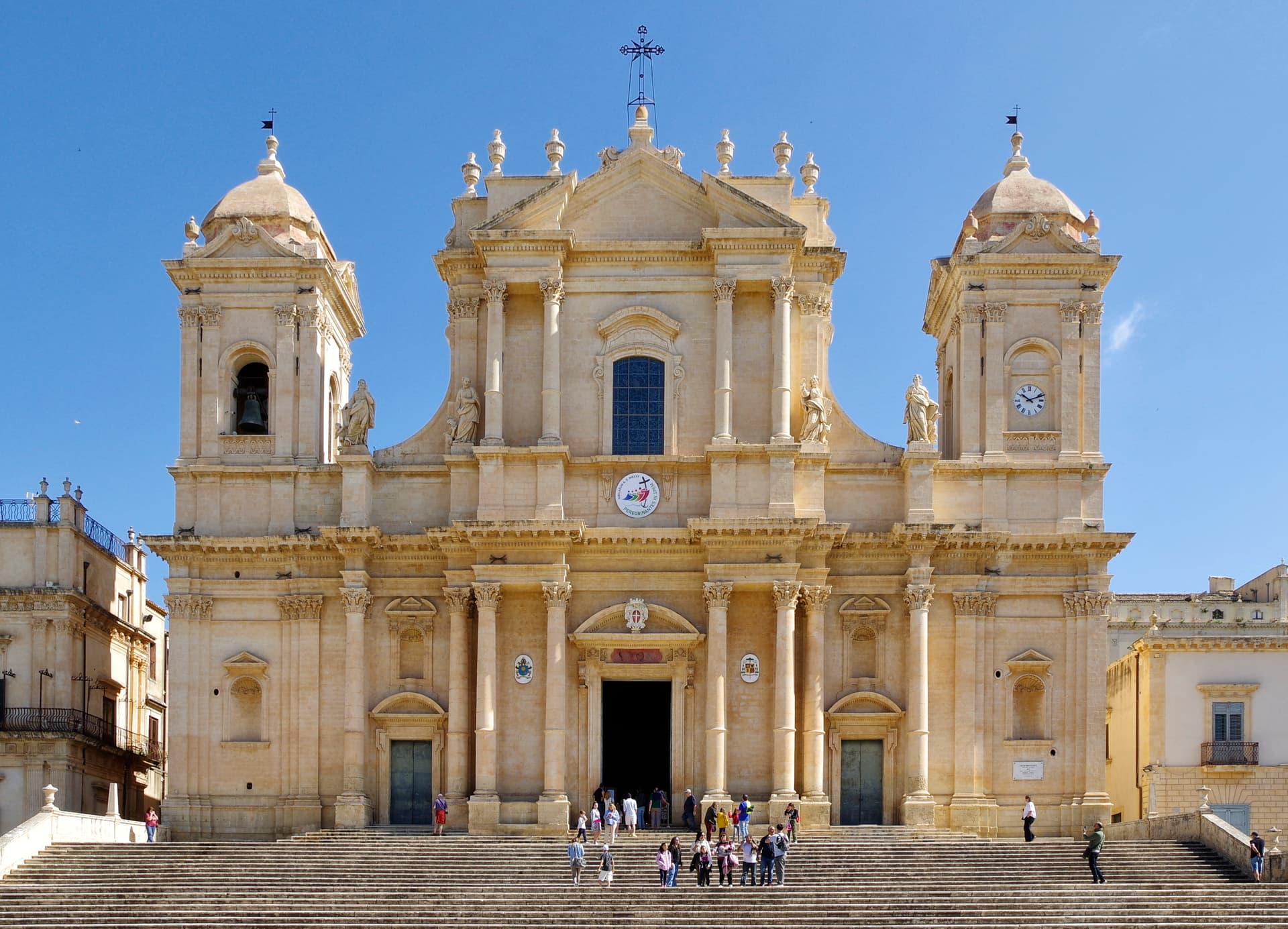
Noto
Province: Siracusa
The capital of Sicilian Baroque, rebuilt in golden limestone after 1693 and the UNESCO showcase for the Late Baroque Towns of the Val di Noto.
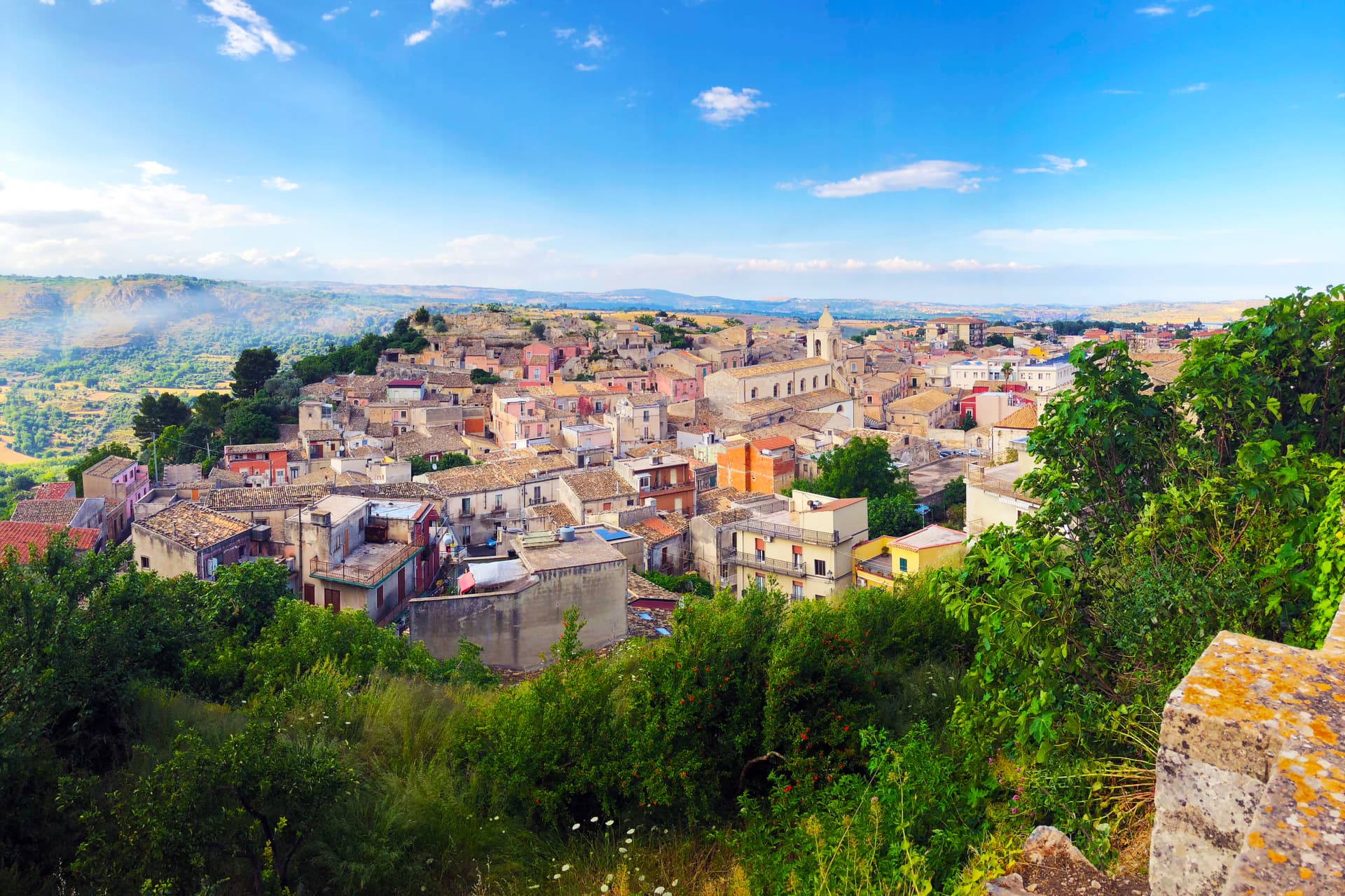
Palazzolo Acreide
Province: Siracusa
The Iblei plateau's UNESCO Baroque + Greek twin — 8,000-resident hilltop town at 670m, founded over the Greek Akrai colony (664 BC), rebuilt entirely in late Baroque after the 1693 earthquake (inscribed on the Val di Noto UNESCO listing 2002), with the original Greek theatre + the unique Santoni rock carvings of Cybele just outside the modern centro.
🏛️ UNESCO
More UNESCO towns in Sicily
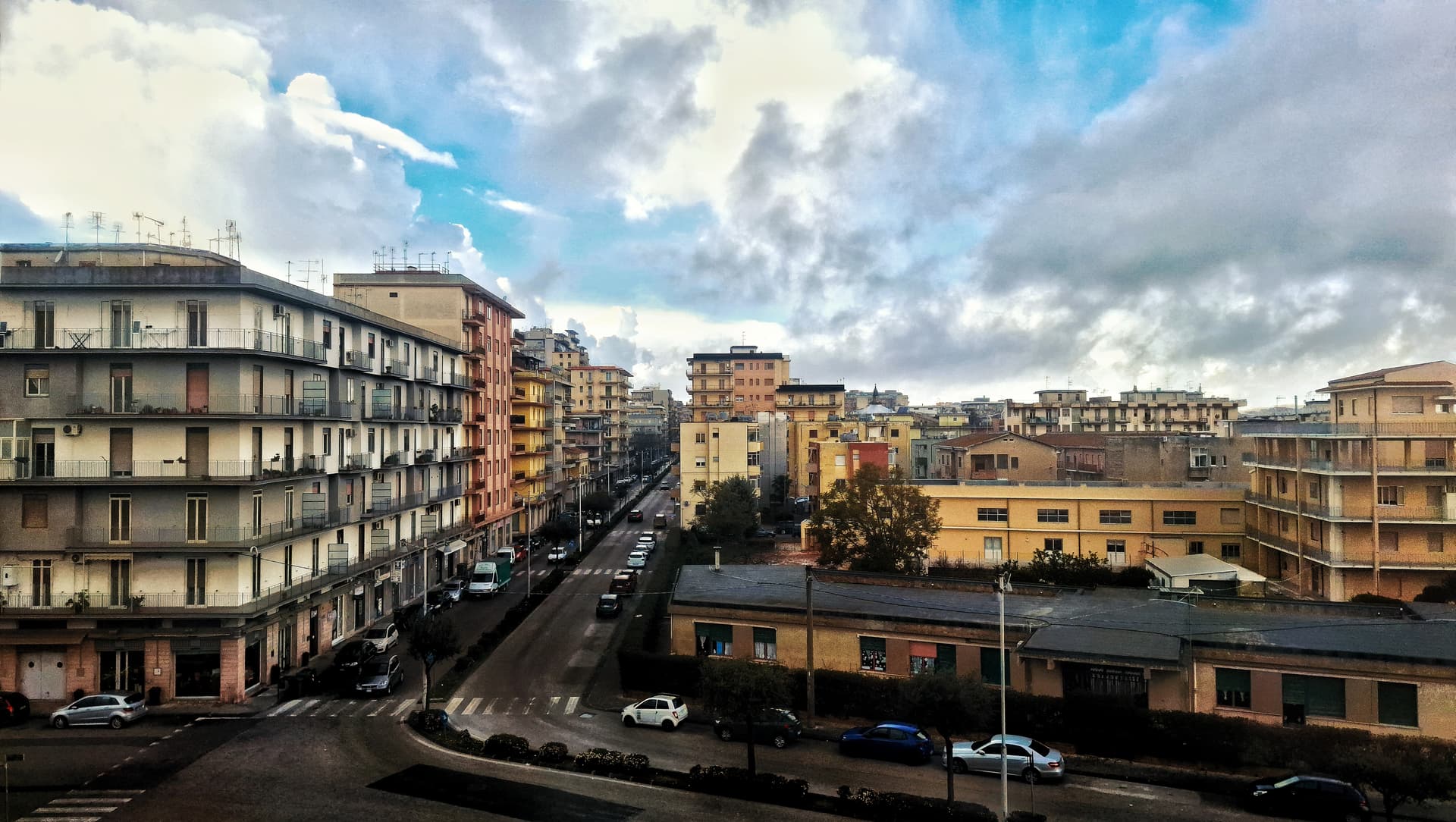
Caltagirone
Province: Catania
Sicily's ceramic capital at 611 meters on the Erei ridge, 142 majolica-tiled steps to Santa Maria del Monte and a Val di Noto UNESCO baroque rebuild.
Catania
Province: Catania
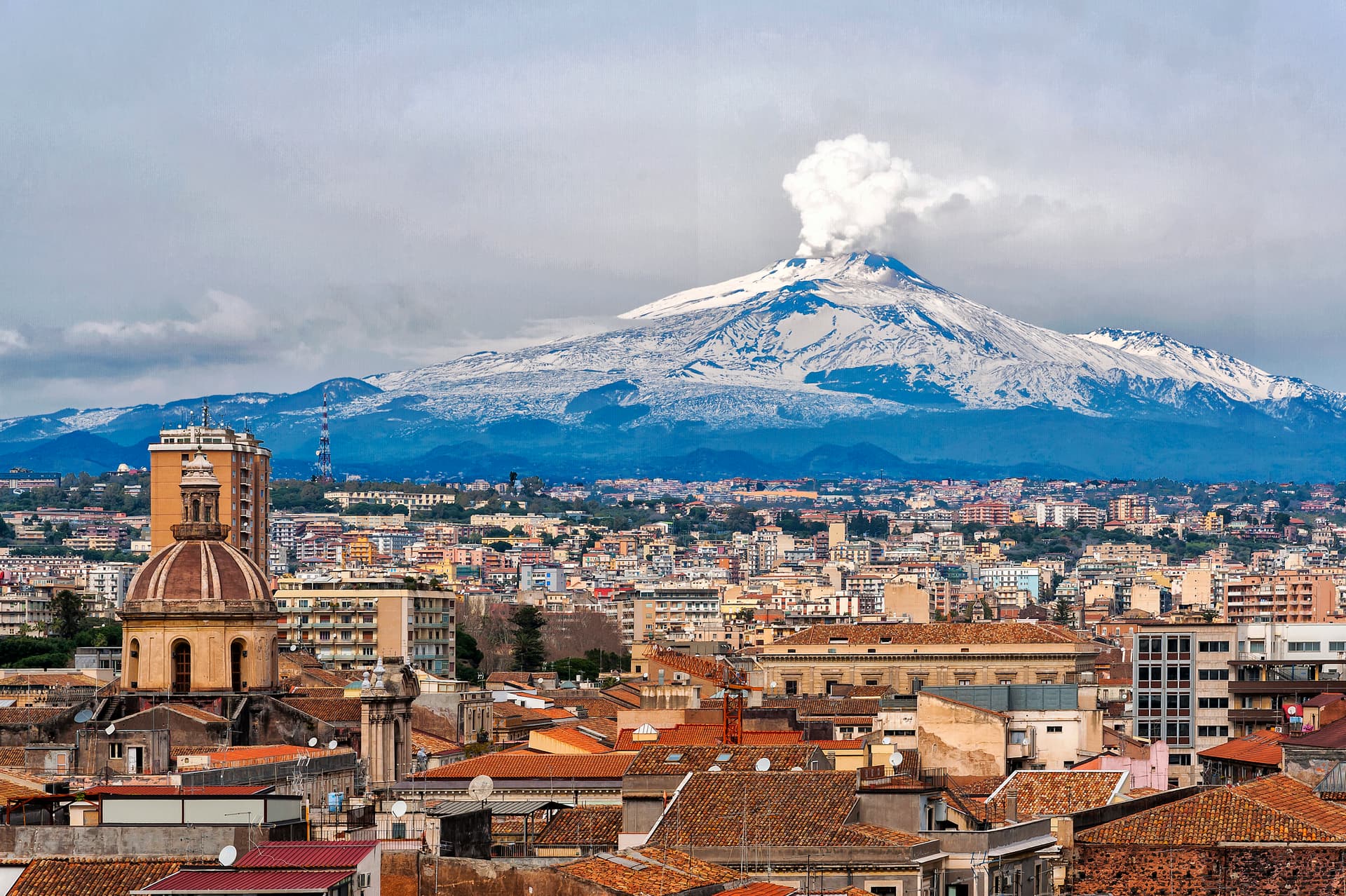
Sicily's second city and the cultural anchor of the Ionian coast — a UNESCO late-Baroque centro storico rebuilt in lava-black stone after the 1693 earthquake, sitting at the foot of Etna with a 17th-century elephant fountain (U Liotru) as its civic symbol.
Cefalù
Province: Palermo
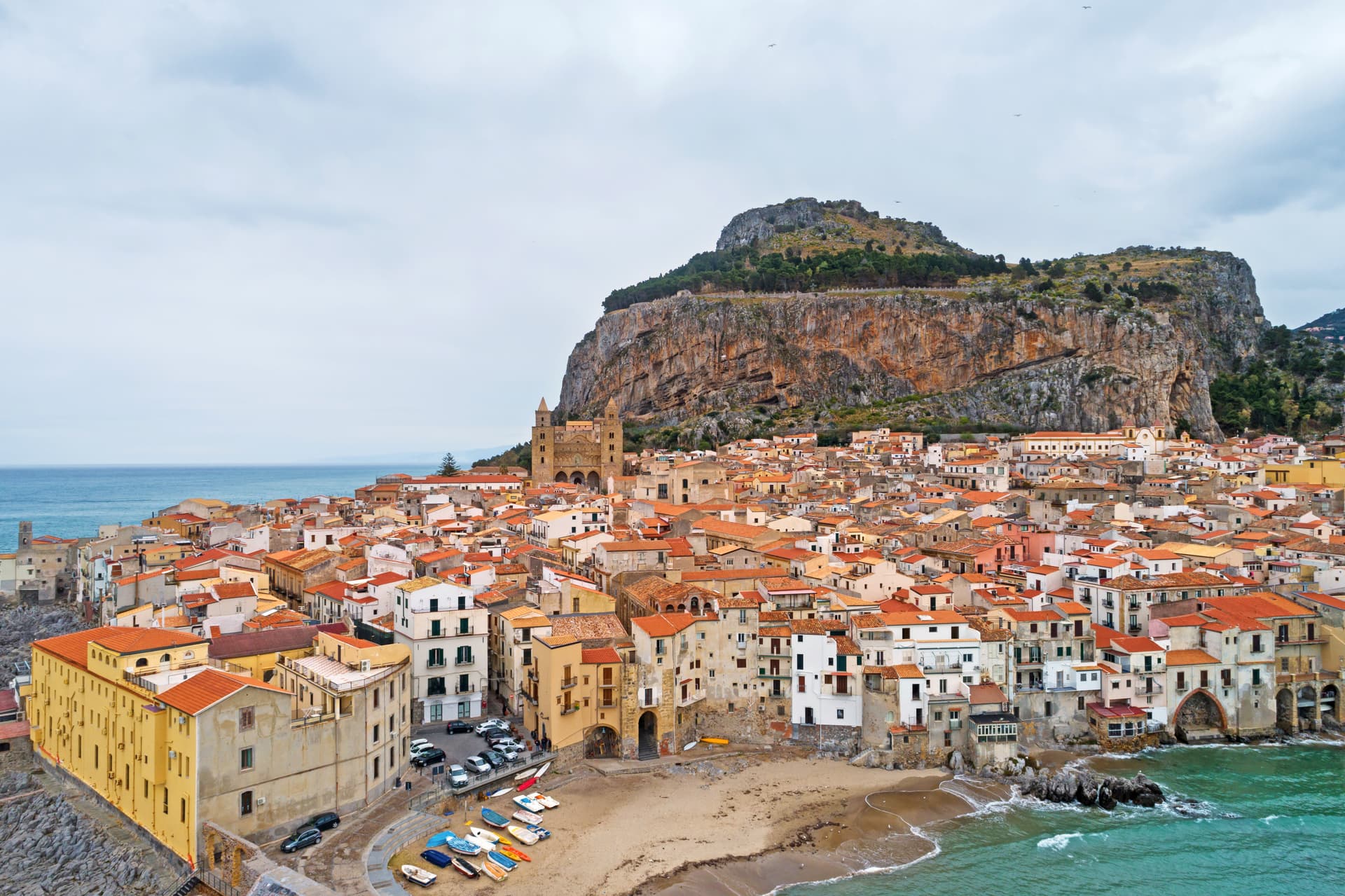
A Norman cathedral at the foot of a 270-meter rock on the Tyrrhenian coast, founded by Roger II in 1131 and on the UNESCO Arab-Norman list since 2015.
Lipari
Province: Messina
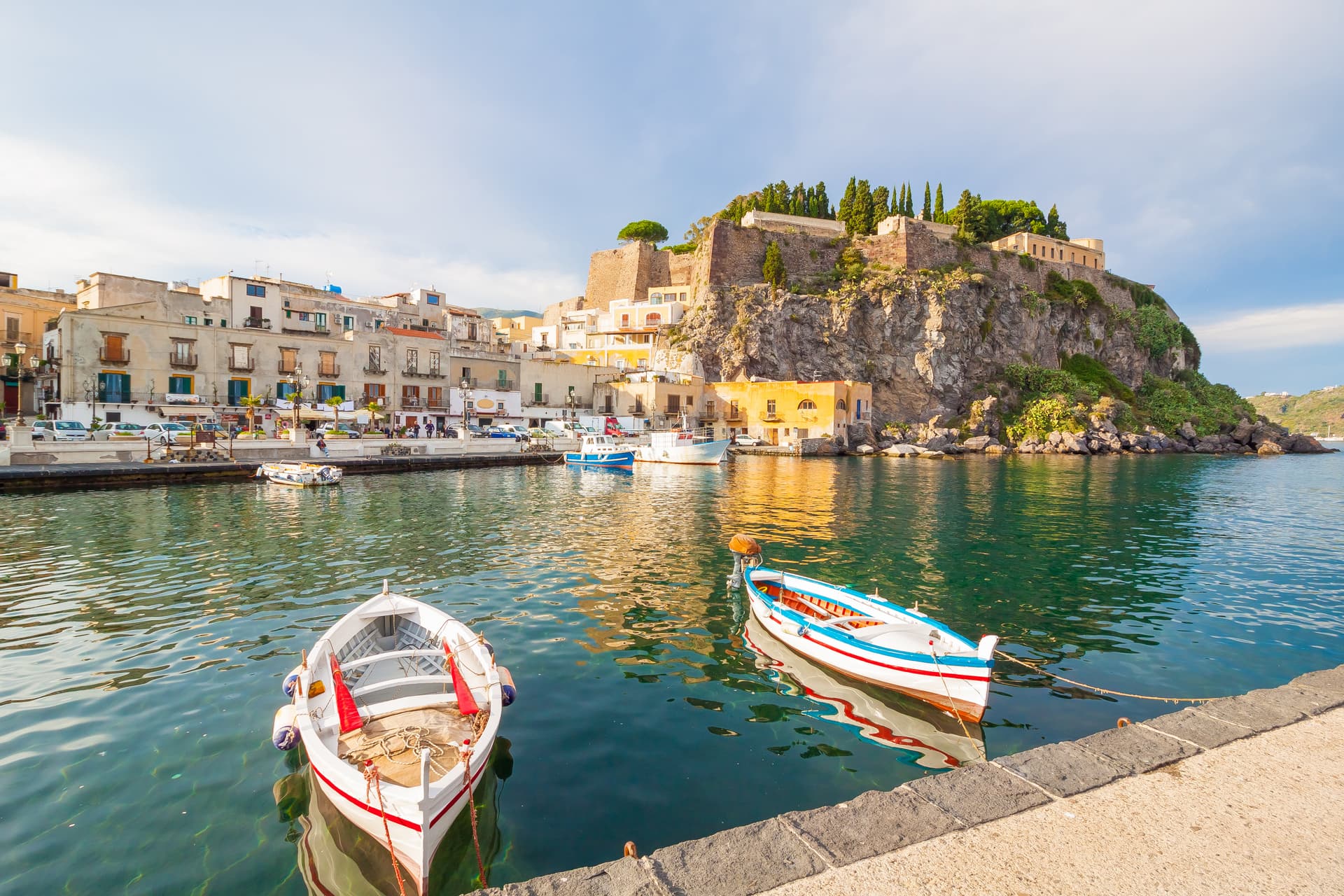
The largest Aeolian island and the only municipality that administers six of the seven, with a clifftop castle citadel rising above two harbors.
Monreale
Province: Palermo
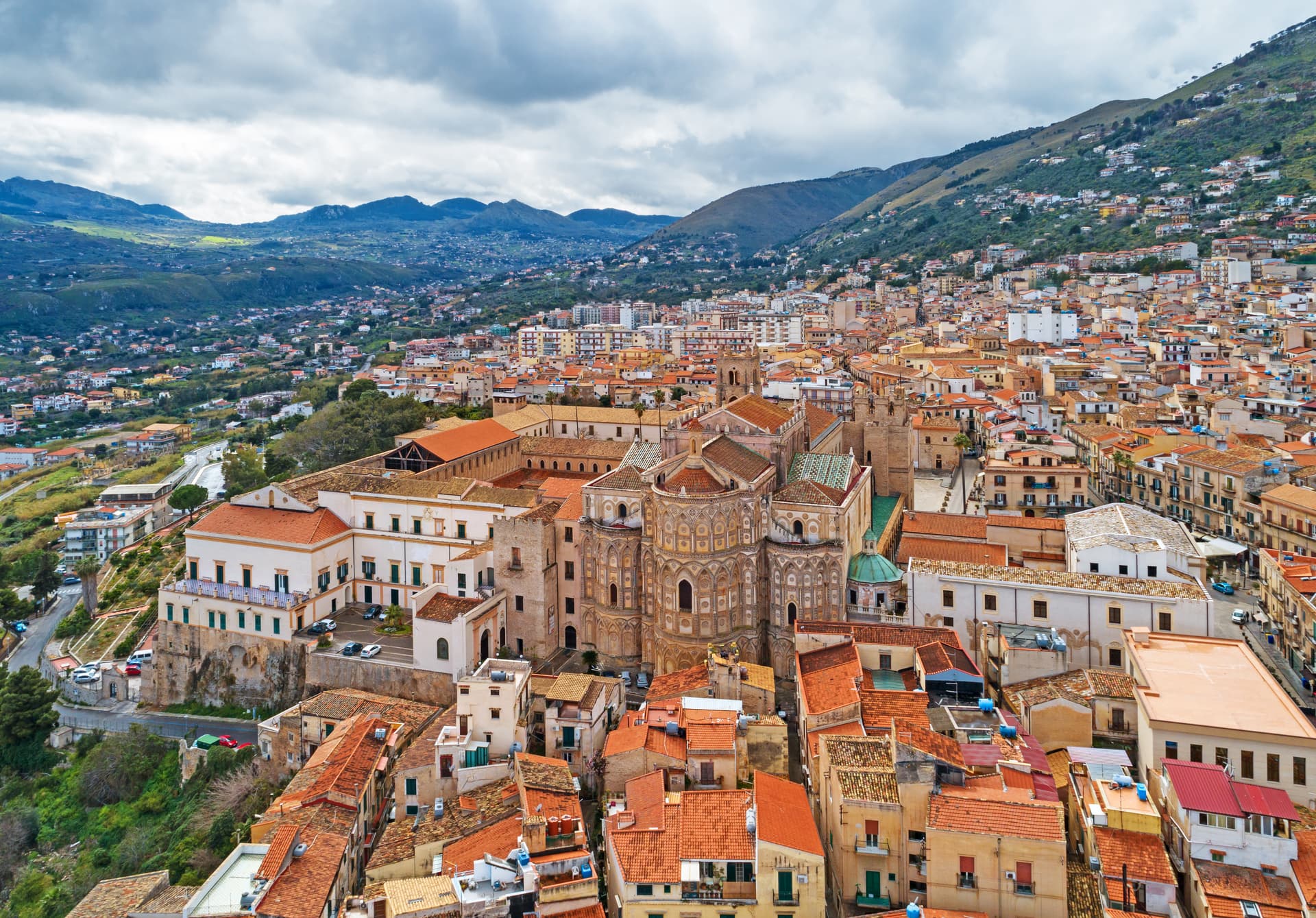
Above the Conca d'Oro at 310 meters, the cathedral William II built between 1174 and 1182 holds 6,340 square meters of Norman mosaics.