
Themed picks · Catania · Baroque
10 Baroque towns in Val di Noto near Catania
10 comuni · within 120 minutes of Catania · drive times OSRM-computed
The Val di Noto is the south-east corner of Sicily, the part that was levelled by the 1693 earthquake and rebuilt in a single architectural sweep between 1693 and roughly 1750. The result is the densest concentration of Late Baroque in Europe: eight UNESCO-listed centres (Catania, Noto, Modica, Ragusa, Scicli, Palazzolo Acreide, Militello in Val di Catania, Caltagirone) plus another dozen comuni in their orbit. Walking any of them is walking through a single 60-year architectural moment that ran the length of the south coast.
Catania is the right base for two reasons. First, the airport (CTA) and the rail spine (Catania-Siracusa, Catania-Caltagirone-Gela) put the entire Val di Noto inside two hours by car. Second, the city itself is the largest Late Baroque centre in the region, with the via dei Crociferi as a single 200-metre concentration of churches and the Piazza del Duomo holding the elephant fountain at its centre. A few days in Catania, then a day each in Noto, Ragusa, Modica, and you have the full corpus.
We picked ten comuni with a deliberate spread: the four UNESCO heavyweights (Noto, Ragusa, Modica, Scicli), the smaller Val di Noto entries (Palazzolo Acreide, Ferla, Buccheri, Caltagirone), and two Etna-ring comuni that show how the volcano's geology shows up in the local Baroque (the black-lava facades of Castiglione di Sicilia and Acireale). Drive times below are OSRM-computed from Catania Centrale by car. The two-hour radius is deliberate: Modica (100 min) and Ragusa (106 min) sit beyond a tighter cap but anchor the Val di Noto and earn the drive.
 1
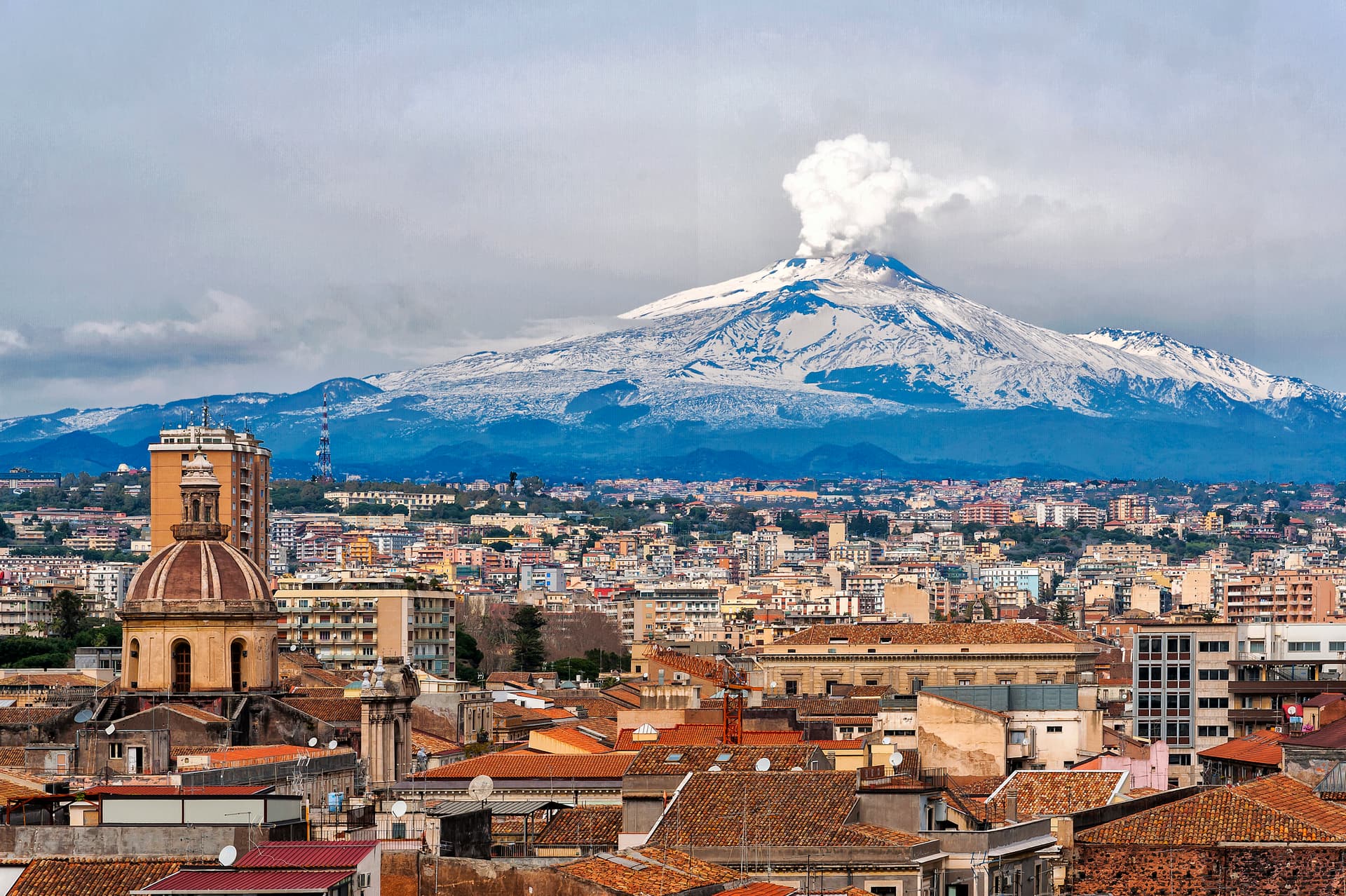
1Catania · Sicily · 10 min from Catania
Catania
Sicily's second city and the cultural anchor of the Ionian coast — a UNESCO late-Baroque centro storico rebuilt in lava-black stone after the 1693 earthquake, sitting at the foot of Etna with a 17th-century elephant fountain (U Liotru) as its civic symbol.
Post-1693 late-Baroque rebuild inscribed on the UNESCO list in 2002 — Vaccarini's lava-and-limestone palazzi and the U Liotru elephant fountain.
UNESCO-listed Val di Noto centre.
 2
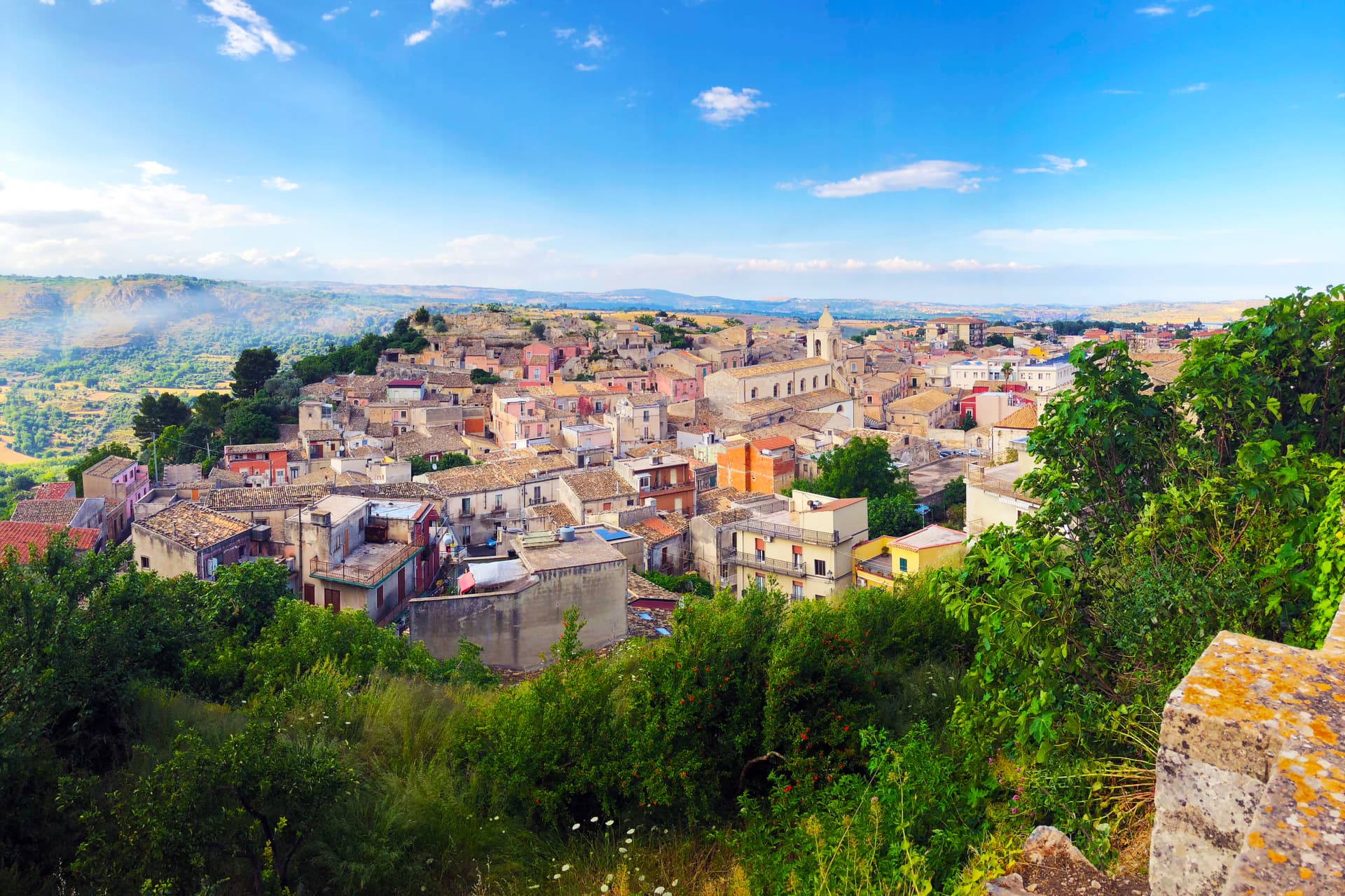
2Siracusa · Sicily · 76 min from Catania
Palazzolo Acreide
The Iblei plateau's UNESCO Baroque + Greek twin — 8,000-resident hilltop town at 670m, founded over the Greek Akrai colony (664 BC), rebuilt entirely in late Baroque after the 1693 earthquake (inscribed on the Val di Noto UNESCO listing 2002), with the original Greek theatre + the unique Santoni rock carvings of Cybele just outside the modern centro.
Late-Baroque rebuild (1693 earthquake) on top of the intact Greek colony — Val di Noto UNESCO 2002. The only Val di Noto town with a major Greek substrate.
 3
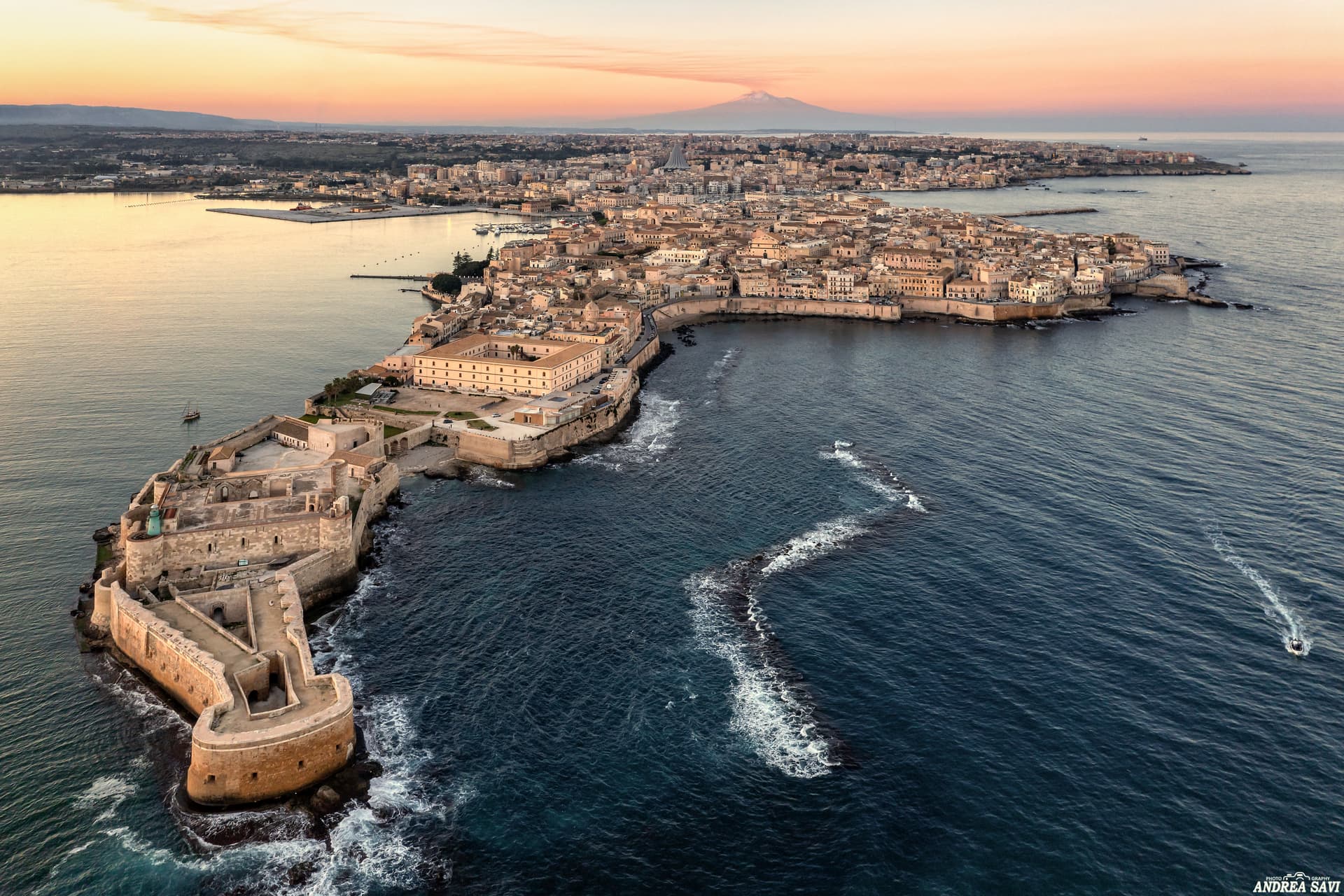
3Siracusa · Sicily · 53 min from Catania
Siracusa
The 2,700-year-old Greek city Cicero called the most beautiful in the world — Ortigia island at its heart wrapped in honey-coloured Baroque stone, the 5th-century BC Greek theatre still in use every summer, and Catania's bigger UNESCO sister on the eastern Sicilian coast.
Inscribed with the Necropolis of Pantalica in 2005. Cicero called it the greatest Greek city; the Temple of Athena (5th c. BC) survives inside the Baroque cathedral.
 4
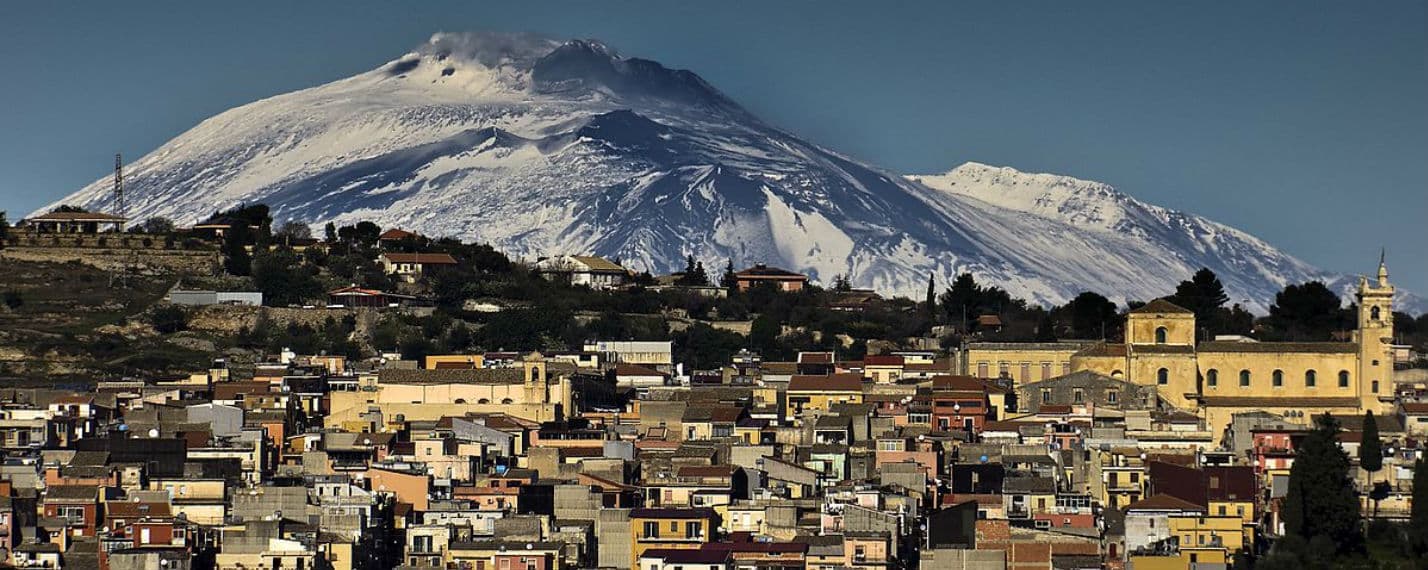
4Siracusa · Sicily · 64 min from Catania
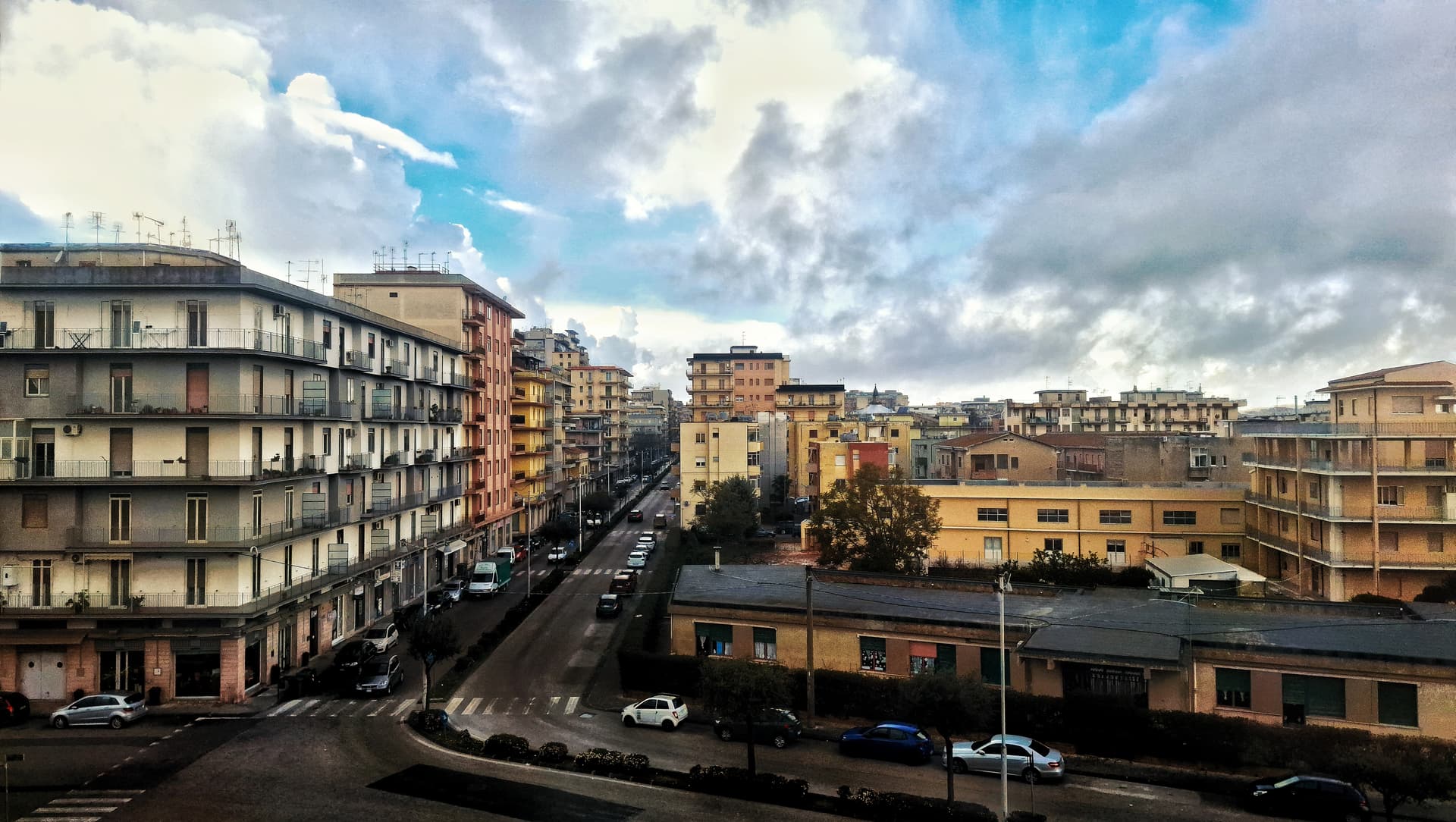
Sortino
The eastern gateway to UNESCO Pantalica at 438 meters in the Iblei, Sicily's city of honey and home of the stuffed Sortino pizzolo.
Eastern gateway to the UNESCO necropolis, around 4,000 rock-cut tombs on the limestone plateau between Sortino and Ferla.
 5
5Catania · Sicily · 72 min from Catania
Caltagirone
Sicily's ceramic capital at 611 meters on the Erei ridge, 142 majolica-tiled steps to Santa Maria del Monte and a Val di Noto UNESCO baroque rebuild.
Sicily's first majolica center, established by Arab artisans in the tenth century; the trade survives in active workshops throughout the centro storico.
The slow-trip planner
Building a trip? Find where Catania fits in a slow Italy circuit.
Answer five questions. We will shape a geographically coherent slow trip from the 1,000 Italian towns most travelers skip. Yours to save and share.
 6
6Siracusa · Sicily · 81 min from Catania
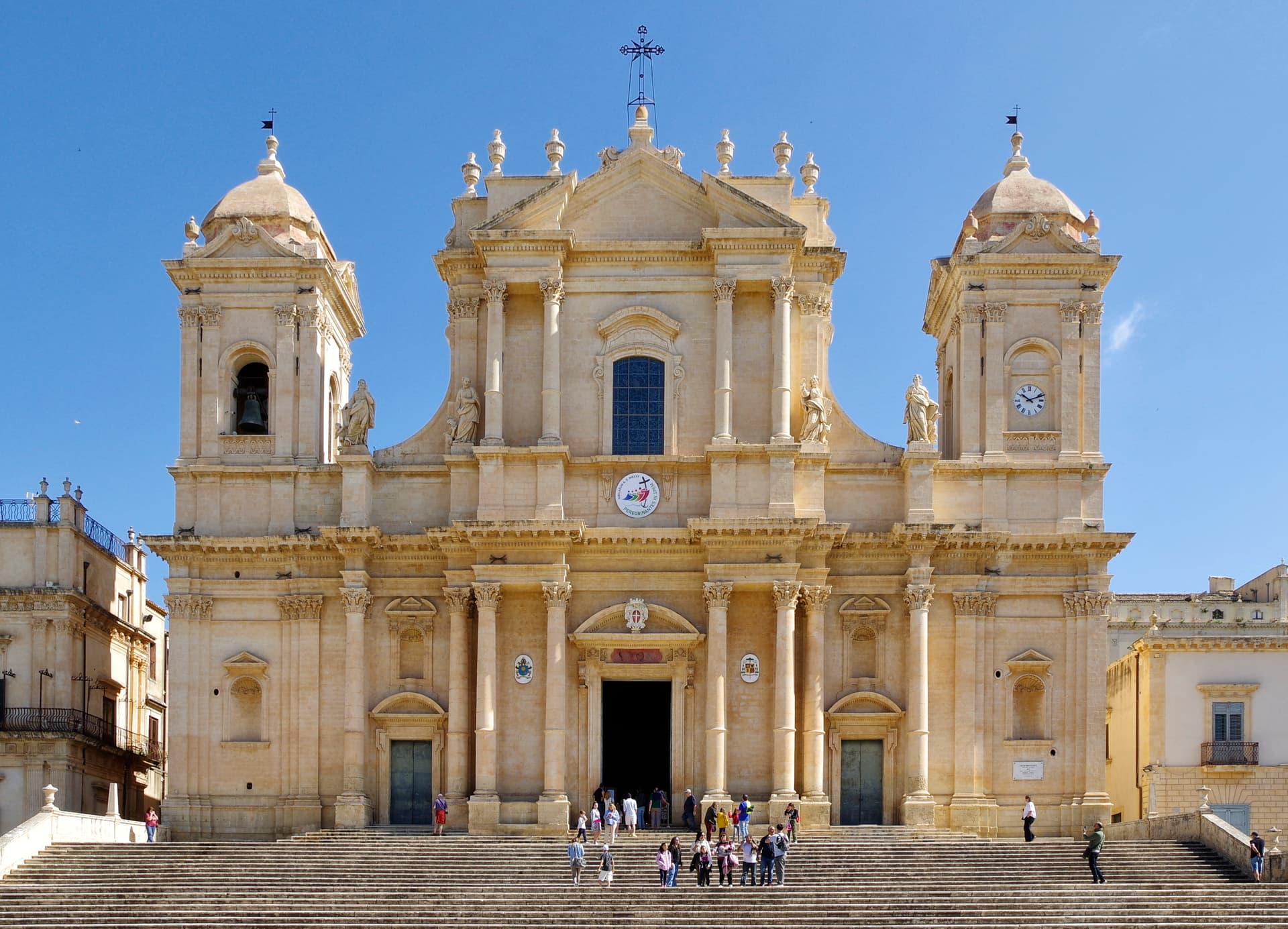
Noto
The capital of Sicilian Baroque, rebuilt in golden limestone after 1693 and the UNESCO showcase for the Late Baroque Towns of the Val di Noto.
Capital of Sicilian Baroque and the showcase of the eight Late Baroque Towns of the Val di Noto inscribed by UNESCO in 2002.
 7
7Ragusa · Sicily · 100 min from Catania
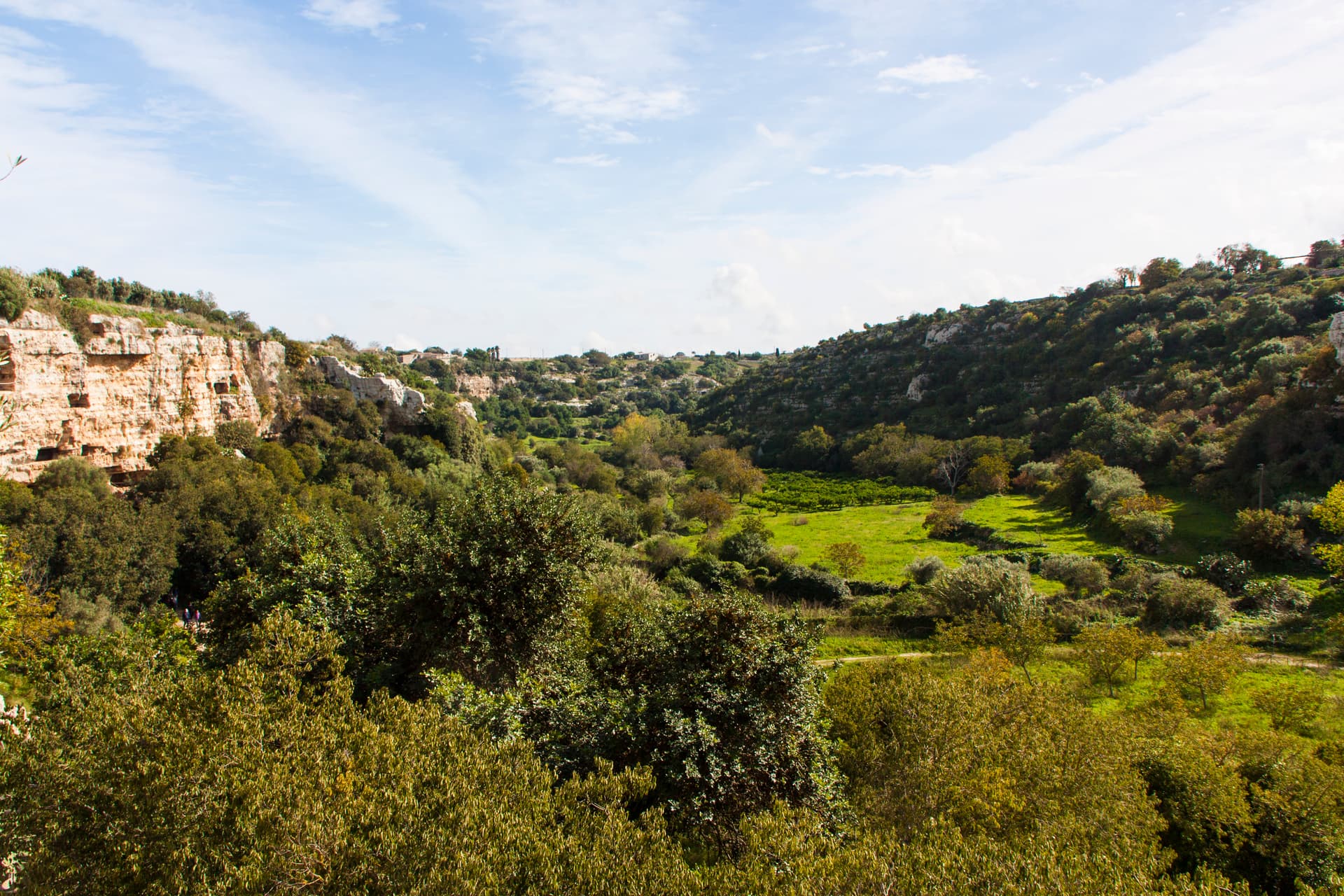
Modica
A vertical Baroque city in the Hyblean Mountains, rebuilt from the 1693 earthquake and home to a chocolate recipe brought from Aztec Mexico.
Cold-worked chocolate kept under forty degrees, sugar crystals never dissolved, the only chocolate in Europe holding a PGI mark.
 8
8Ragusa · Sicily · 106 min from Catania
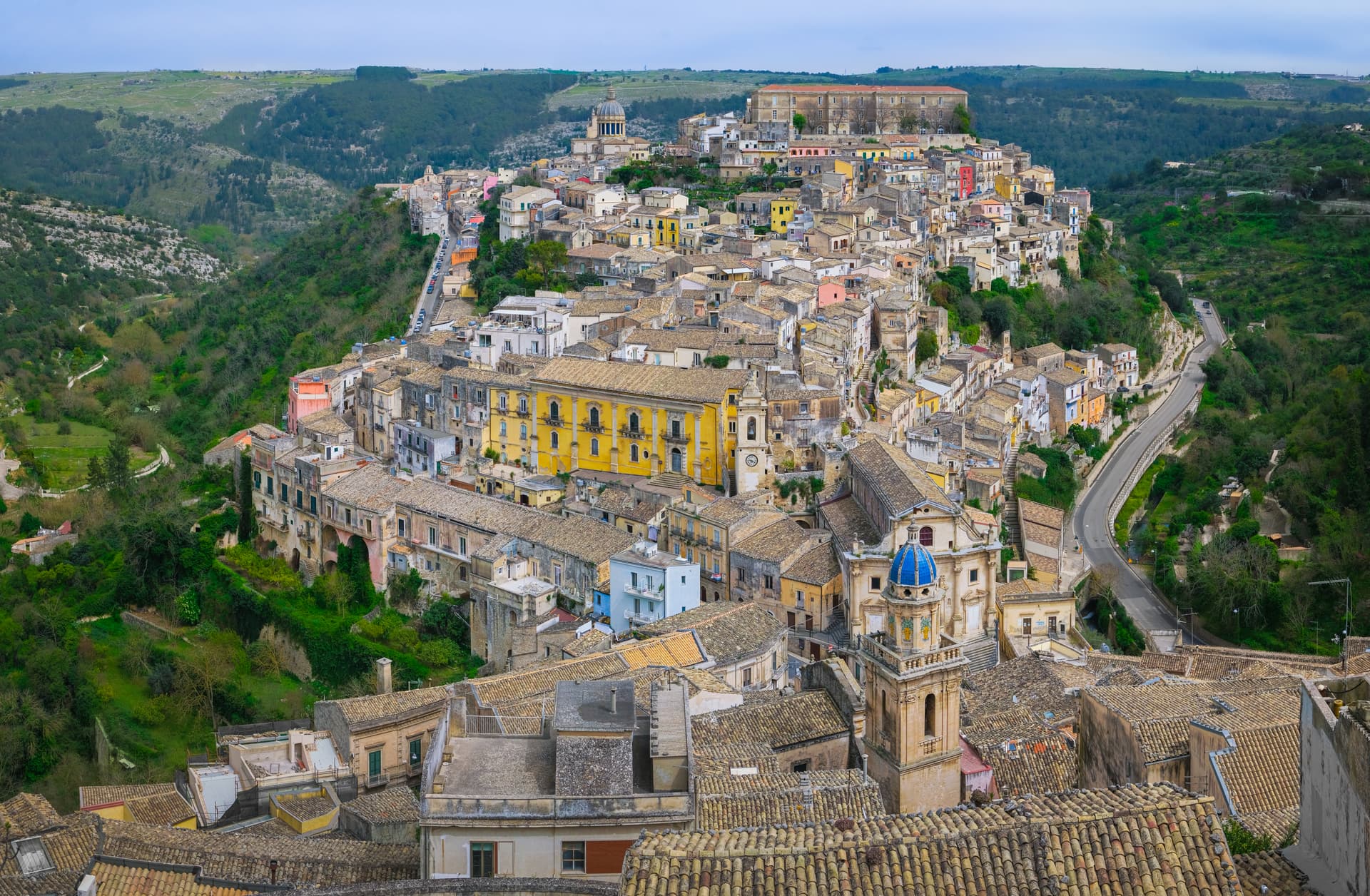
Ragusa
Two cities in one on a Hyblean plateau at 502 meters, Ragusa Ibla and Ragusa Superiore split by a ravine after 1693, both UNESCO Baroque.
Stretched-curd Sicilian cheese, ripened in parallelepiped blocks suspended by rope; an artisan tradition from the Hyblaean plateau.
 9
9Enna · Sicily · 54 min from Catania
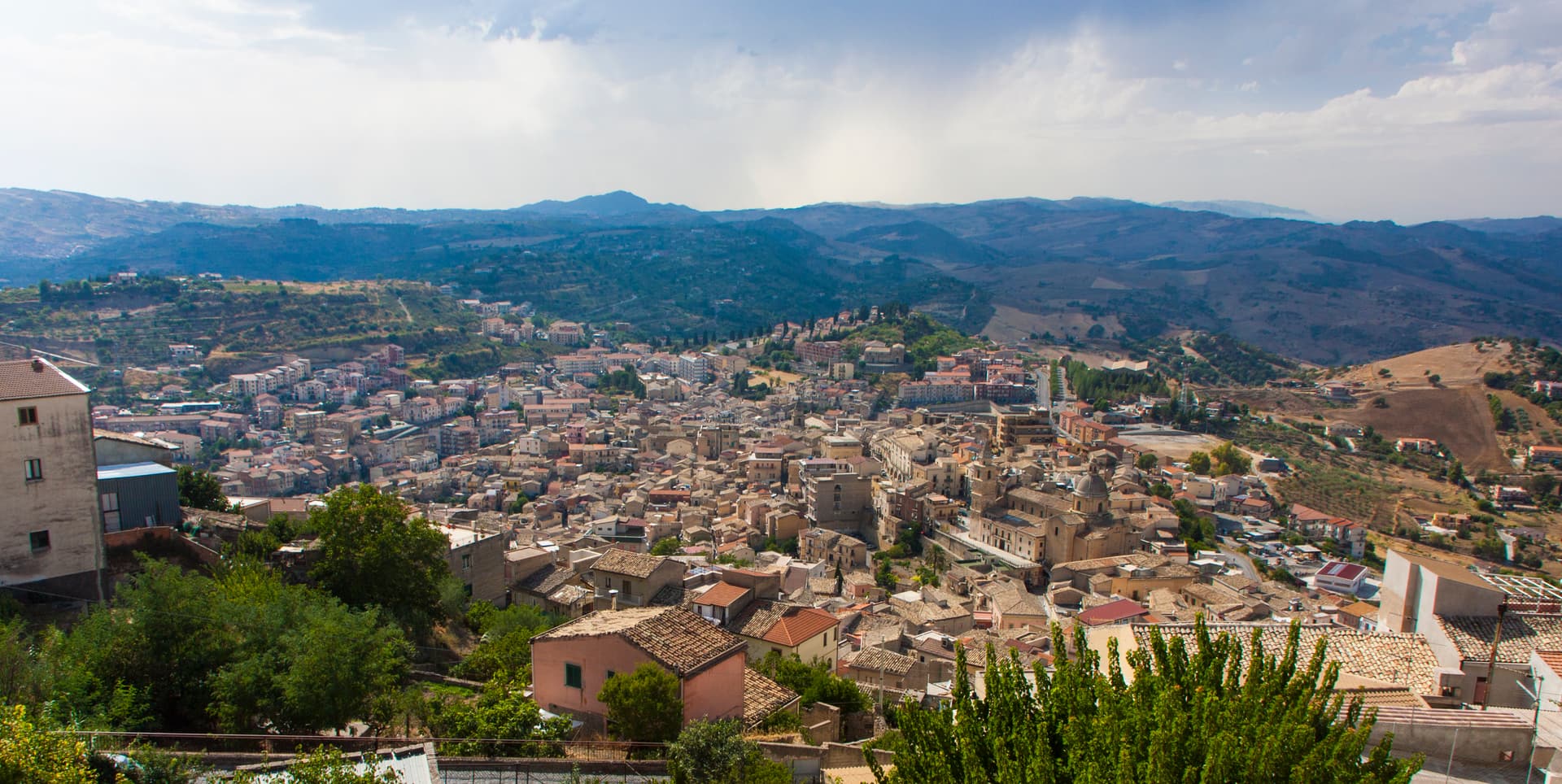
Agira
On the slopes of Monte Teja at 650 meters, birthplace of the Greek historian Diodorus Siculus and burial site of 490 Canadian soldiers of the 1943 campaign.
Birthplace around 90 BC of the Greek historian who wrote the forty-book Bibliotheca historica, of which fifteen books survive intact.
Listed in I Borghi più belli d'Italia.
 10
10Catania · Sicily · 60 min from Catania
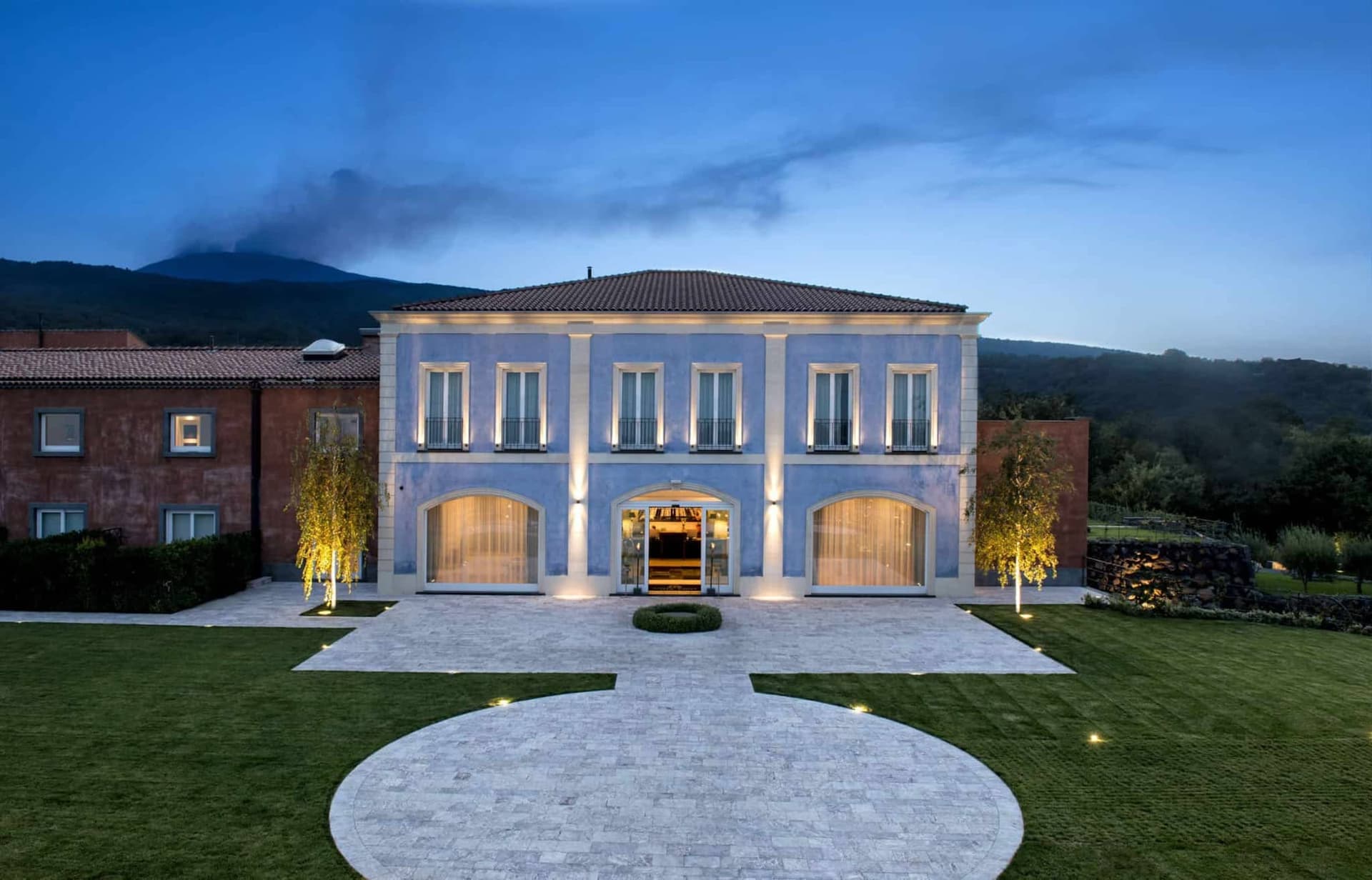
Castiglione di Sicilia
A hill town on the north flank of Etna at 621 meters, base camp for the Alcantara valley and the volcano's most serious red wines.
Nerello Mascalese and Carricante grown on volcanic soils, with Cottanera, Passopisciaro and Tenuta delle Terre Nere all based in the commune.
We write about towns like these every Sunday, one town a week, with the photo, the food, the festa. Free, from Pietrasanta.
By subscribing you agree to Substack’s Terms of Use, our Privacy Policy and our Information collection notice.
Why Catania is the base
Catania holds the largest fish market in the south (La Pescheria, daily except Sunday), the via Etnea spine that runs straight up toward the volcano, and a base of Late Baroque architecture that competes with Noto and Ragusa as the architectural payoff of the trip. The cooking closes the loop: pasta alla Norma was invented in Catania, and the granita with brioche at sunrise after a late dinner is a Catania ritual that the inland baroque comuni cannot replicate.
When to go
April, May, June, September and October. The Sicilian summer is genuine — July and August reach 40°C in the inland Val di Noto comuni — but the spring and autumn windows hit the food at its broadest (artichokes and broad beans in spring; tuna in May along the coast; granita season runs March through October; pistachios from Bronte harvest in September). The Baroque facades are at their best in the low autumn light.
Questions people ask
- What is the Val di Noto?
- The south-east corner of Sicily, including the provinces of Catania, Ragusa and Siracusa. The name refers to the 1693 earthquake that levelled the region and the unified Late Baroque rebuilding that followed. UNESCO listed eight of its centres in 2002 as a serial property under the title 'Late Baroque Towns of the Val di Noto'.
- Which Val di Noto town is the best to visit?
- Noto for the most concentrated Baroque axis (the via Nicolaci, the Cathedral, the Palazzo Nicolaci); Ragusa for the dramatic two-town layout (Ragusa Superiore on the upper hill, Ragusa Ibla in the lower); Modica for the chocolate (a 15th-century recipe with no fat or sugar binders) plus the church of San Giorgio; Scicli for the calmer pace and the Inspector Montalbano TV-series tie-in.
- Is the drive from Catania to Noto easy?
- Yes. The A18 motorway from Catania to Siracusa connects to the SS115, then onto Noto. About 90 minutes door-to-door without traffic. The same route covers Modica (about two hours) and Ragusa (about two hours). Renting a car at Catania airport is the standard way.
- Can I see Mount Etna from these towns?
- From most of them, yes. Catania, Acireale, Caltagirone and the inland Etna-ring comuni (Castiglione, Linguaglossa) have direct sightlines. The further south you go in the Val di Noto, the more the volcano recedes into the horizon. Noto and Ragusa have it as a distant silhouette on clear days.
How we picked these · We filtered every Sicilian town within two hours of Catania to those carrying UNESCO listing, Borgo più bello, or Bandiera Arancione status, and ranked by signal density (UNESCO weighted heavily so the famous Val di Noto centres rank above closer-but-less-recognised Etna-ring comuni). The wider two-hour radius is what brings the Modica and Ragusa drives inside scope.
Subscribe — free
Get the best guides on hidden Italian towns.
One letter on Sundays. The week’s town, with the photo, the food, the festa. Free, by Peter & Sophia from Pietrasanta.
Substack sends a confirmation link to your inbox. The signup finishes when it’s clicked.
From elsewhere in Italy
Five more towns to discover
Putignano
Province: Bari
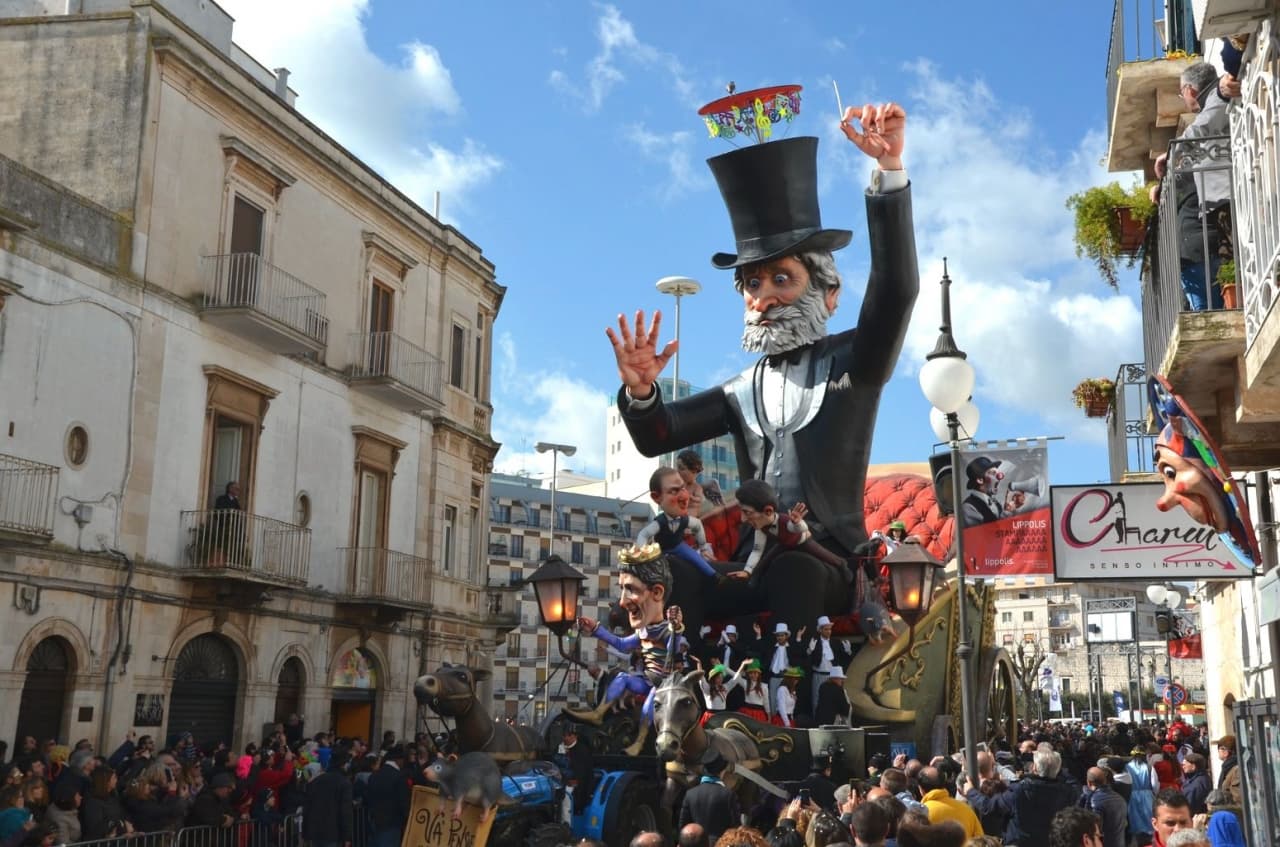
Europe's longest-running carnival — Putignano Carnevale has run continuously since 1394, with 631 years of cartapesta papier-mâché floats, a 26,000-resident Murgia town on the Bari–Lecce plateau, and the Grotta del Trullo karst cave inside the centro.

Pistoia
Province: Pistoia
Italy's nursery capital and the medieval Tuscan rival that gave its name to the pistol — a quietly extraordinary centro storico of zebra-striped Romanesque churches, Andrea della Robbia's polychrome frieze on the Ospedale del Ceppo, and Italy's Capital of Culture 2017, all 30 minutes from Florence by train.
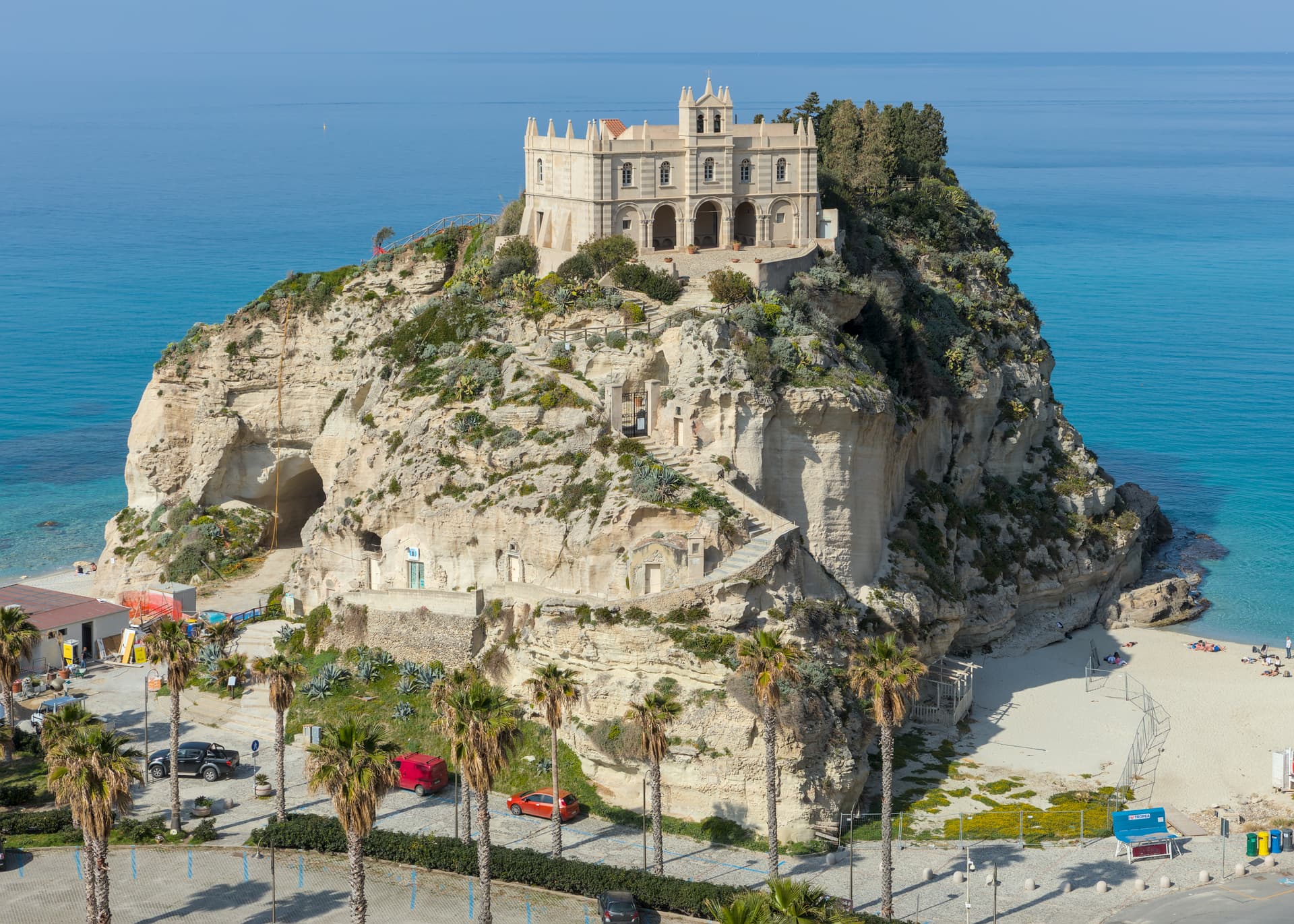
Tropea
Province: Vibo Valentia
Cliff town on a tufa headland over the Tyrrhenian Coast of the Gods, with a Norman monastery on a sea rock.
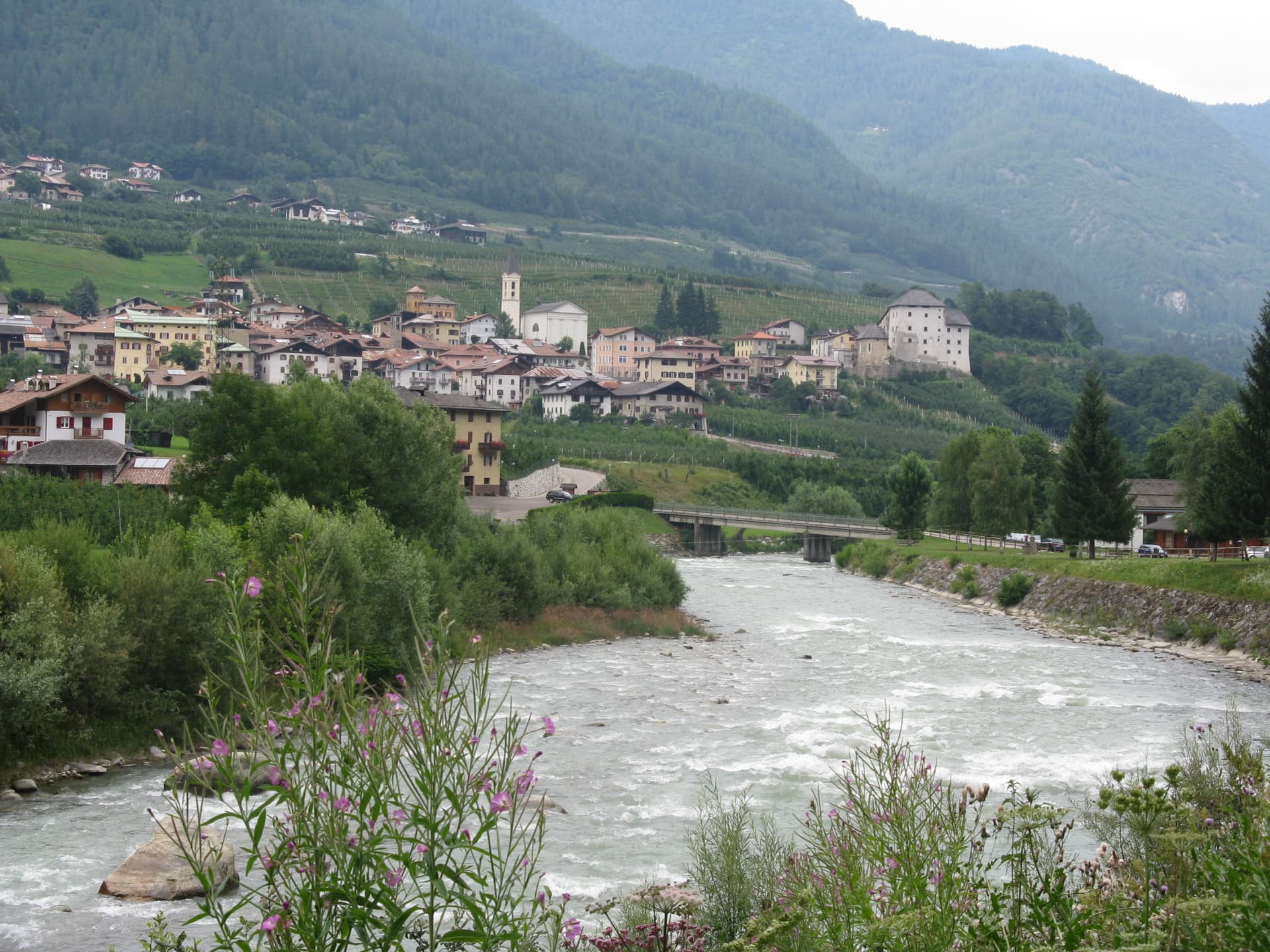
Caldes
Province: Trento
A scattered Val di Sole commune on the Noce, six hamlets gathered around a thirteenth-century tower-house castle that once belonged to the Thun family.
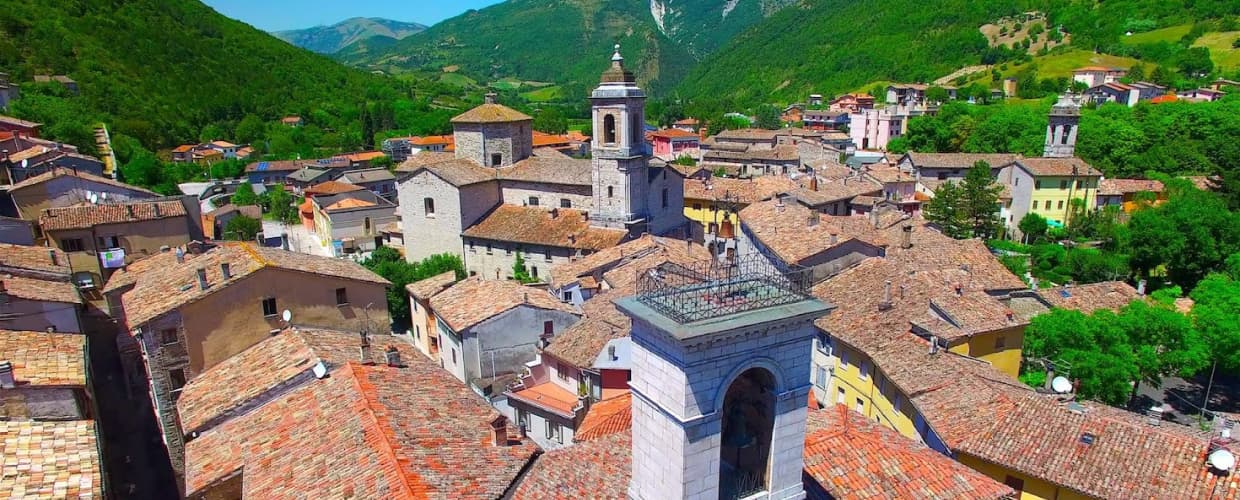
Cantiano
Province: Pesaro e Urbino
A border borgo at 374 meters under Monte Catria on the old Via Flaminia, known for the Good Friday Turba and the sour-cherry visciola harvest.