

Sicily · Siracusa
Sortino
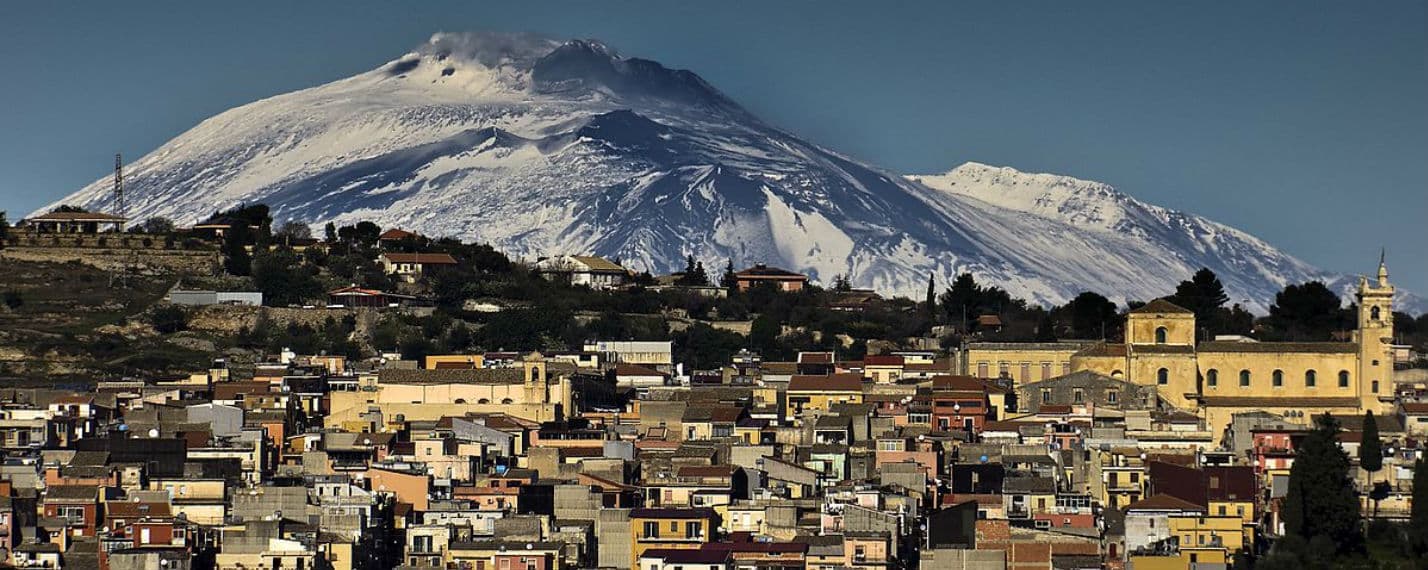
The eastern gateway to UNESCO Pantalica in the Iblei, Sicily's city of honey and home of the stuffed Sortino pizzolo.
Known for
PANTALICA
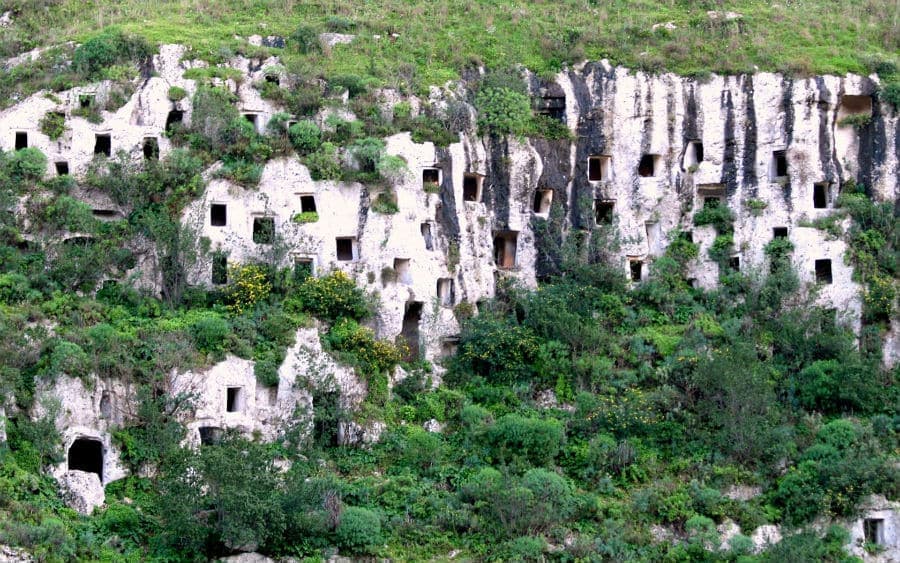
Eastern gateway to the UNESCO necropolis, around 4,000 rock-cut tombs on the limestone plateau between Sortino and Ferla.
MIELE IBLEO
Official Città del Miele with a documented thousand-year beekeeping tradition; thyme and orange-blossom honeys carry a Slow Food presidium.
PIZZOLO
Sortino's stuffed flatbread, 20 cm round with olive oil, oregano, pepper, parmesan and salt; served only here and in a handful of neighboring villages.
When to visit
Best · Apr–Jun, Sep–Nov
- J
- F
- M
- A
- M
- J
- J
- A
- S
- O
- N
- D
- Best
- Hot or crowded
- Quiet
- Mostly closed
The festa: Santa Sofia, 10 September
Why come
Sortino sits on the eastern Iblei, the other side of the Pantalica plateau from Ferla, sixteen kilometers from the Anapo gorge that holds the necropolis. The 1693 Val di Noto earthquake destroyed the medieval town on a different site; Peter Gaetani moved the rebuild to the current ridge and gave it the baroque grid still visible in the centro storico. The Necropoli di Pantalica, around four thousand rock-cut chamber tombs from the thirteenth to the seventh centuries BC, sits between the two communes and joined the UNESCO inscription with Syracuse in 2005.
Sortino is the official Sicilian Città del Miele, with a beekeeping tradition documented for a thousand years and a Slow Food presidium for the local thyme and orange-blossom honey. The town's other signature is pizzolo, a 20-centimeter stuffed flatbread topped with olive oil, oregano and parmesan, served only in Sortino and a handful of nearby villages.
The Sunday letter
We haven’t written Sortino’s letter yet.
One town every Sunday, with the photo, the food, the festa. Be there when this one comes up. Free, by Peter & Sophia from Pietrasanta.
By subscribing you agree to Substack’s Terms of Use, our Privacy Policy and our Information collection notice.
What to see
Necropoli di Pantalica
Around 4,000 rock-cut chamber tombs from the thirteenth to seventh centuries BC on the limestone plateau between Sortino and Ferla; UNESCO since 2005.
Chiesa Madre (San Giovanni Evangelista)
Eighteenth-century baroque mother church, rebuilt after the 1693 earthquake on the relocated ridge town under Peter Gaetani.
Convento di San Francesco
Baroque convent complex with a richly decorated interior, part of the post-1693 rebuild commissioned by Peter Gaetani during the relocation of the town.
Valle dell'Anapo
Limestone gorge between Sortino and Ferla with the Anapo river, an abandoned railway converted into walking trail, and access to the Pantalica plateau.
The slow-trip planner
Building a trip? Find where Sortino fits in a slow Italy circuit.
Answer five questions. We will shape a geographically coherent slow trip from the 1,000 Italian towns most travelers skip. Yours to save and share.
Living here
- Population 8,234
- In-betweeni
- Pharmacy in town
- High school within a 30-minute drive
- Nearest airport Sicily, 1 h 4 min drive
- Regional capital Palermo, 3 h 26 min drive
Tags & datadesignations · numbers · sources
Recognised as
The numbers
- Elevation: 438 m
- Population: 8,234
- Surface area: 93.33 km²
These figures were compiled from public directories — ISTAT, OpenStreetMap, Wikidata — and from the official listings of the guides named on this page. Town details change; verify with official sources before you travel.
Featured on
Sortino appears on this themed pick from our Collections:
Close by
More towns near Sortino
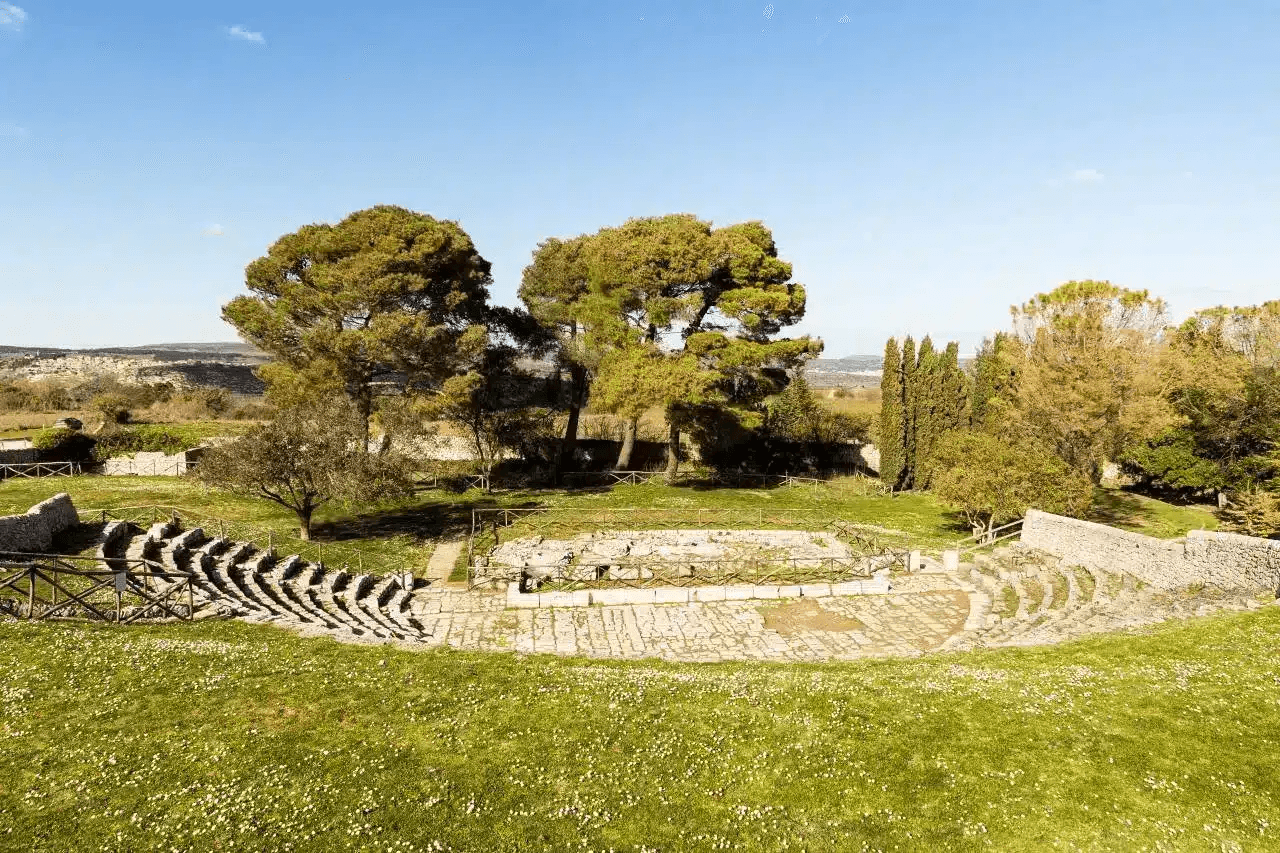
Ferla
Province: Siracusa
A baroque village at 500 meters on the Monte Lauro slopes, the western gateway to the UNESCO necropolis of Pantalica eleven kilometers downhill.
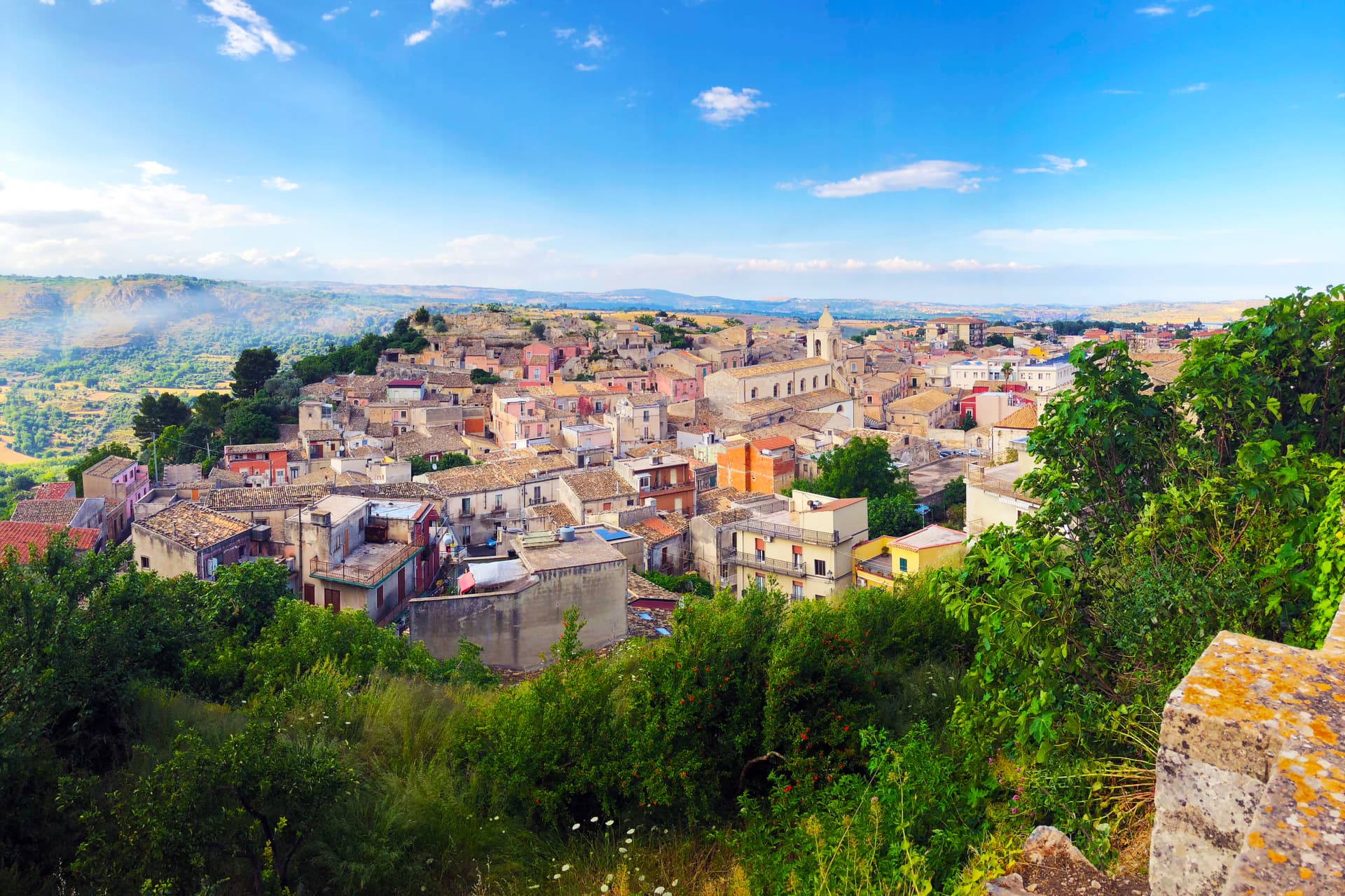
Palazzolo Acreide
Province: Siracusa
The Iblei plateau's UNESCO Baroque + Greek twin — 8,000-resident hilltop town at 670m, founded over the Greek Akrai colony (664 BC), rebuilt entirely in late Baroque after the 1693 earthquake (inscribed on the Val di Noto UNESCO listing 2002), with the original Greek theatre + the unique Santoni rock carvings of Cybele just outside the modern centro.
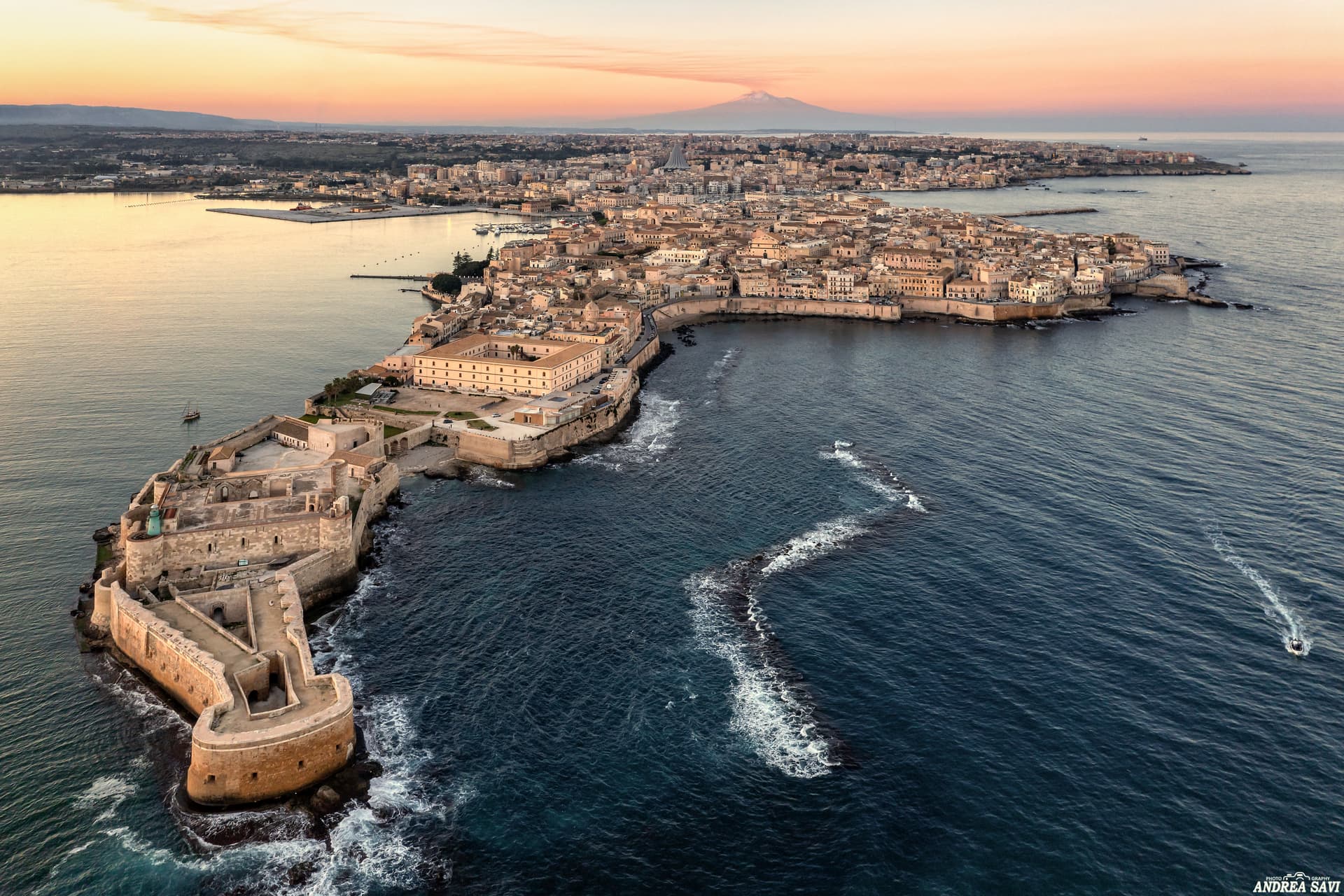
Siracusa
Province: Siracusa
The 2,700-year-old Greek city Cicero called the most beautiful in the world — Ortigia island at its heart wrapped in honey-coloured Baroque stone, the 5th-century BC Greek theatre still in use every summer, and Catania's bigger UNESCO sister on the eastern Sicilian coast.
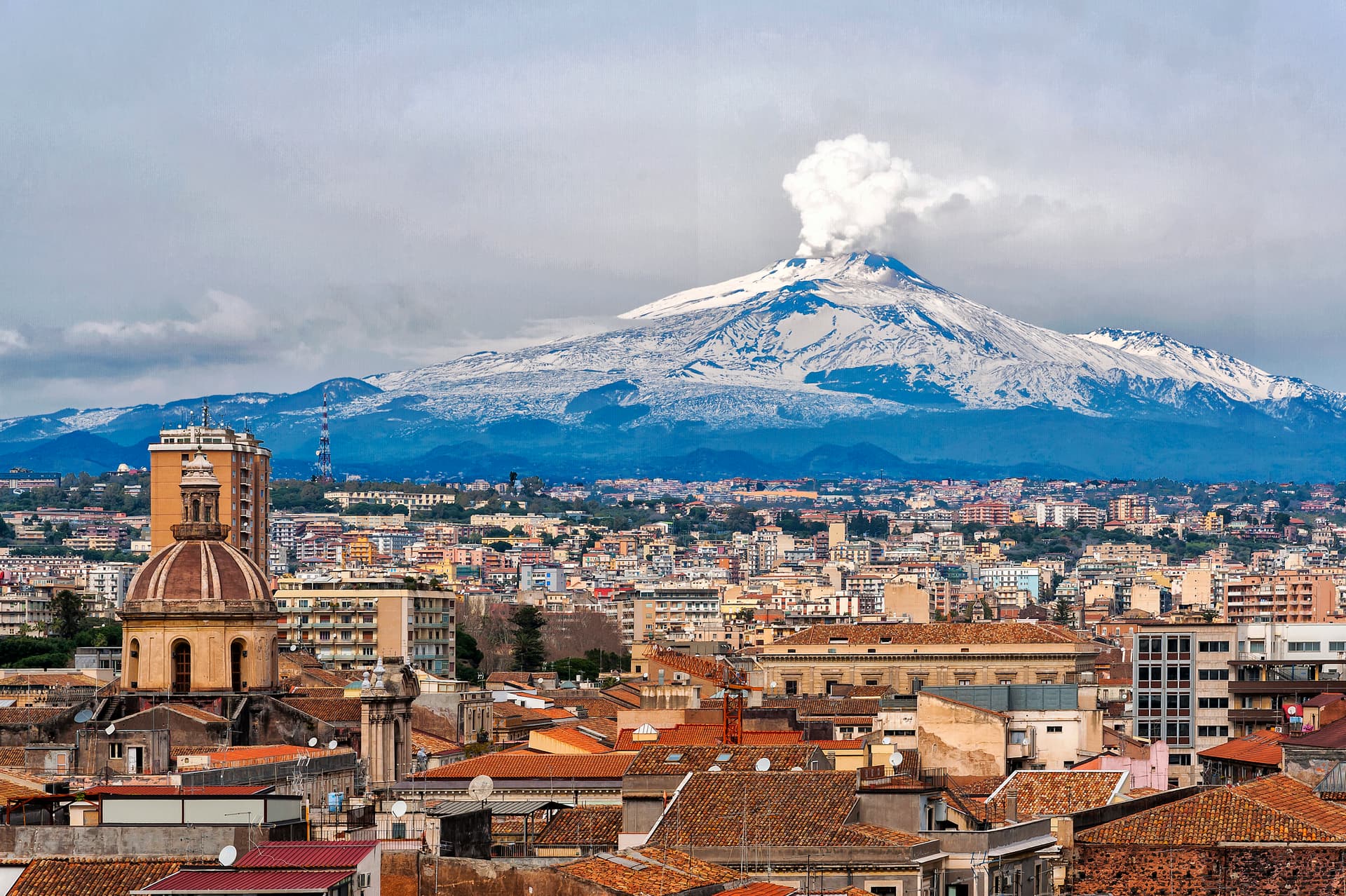
Catania
Province: Catania
Sicily's second city and the cultural anchor of the Ionian coast — a UNESCO late-Baroque centro storico rebuilt in lava-black stone after the 1693 earthquake, sitting at the foot of Etna with a 17th-century elephant fountain (U Liotru) as its civic symbol.
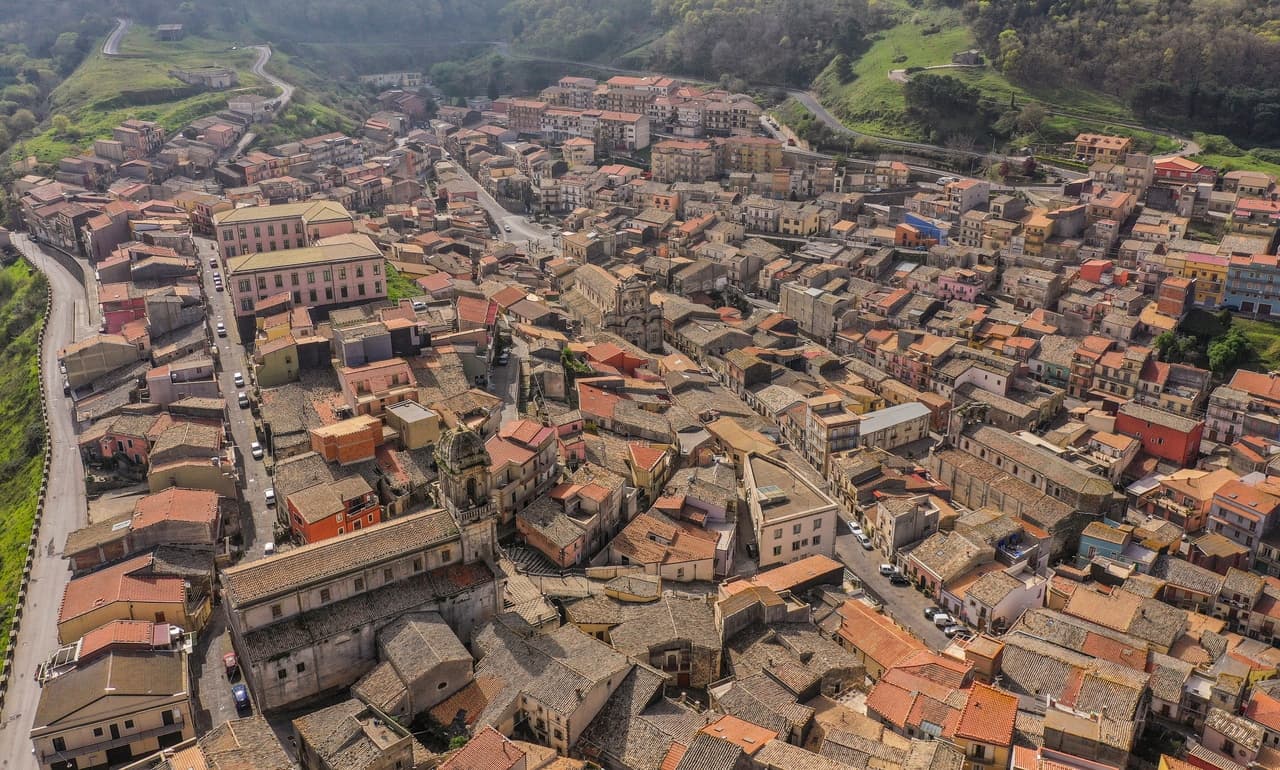
Buccheri
Province: Siracusa
The highest village in the province of Syracuse at 820 meters on Monte Lauro, world capital of Tonda Iblea olive oil at the 2015 Sol d'Oro.
🏛️ UNESCO
More UNESCO towns in Sicily
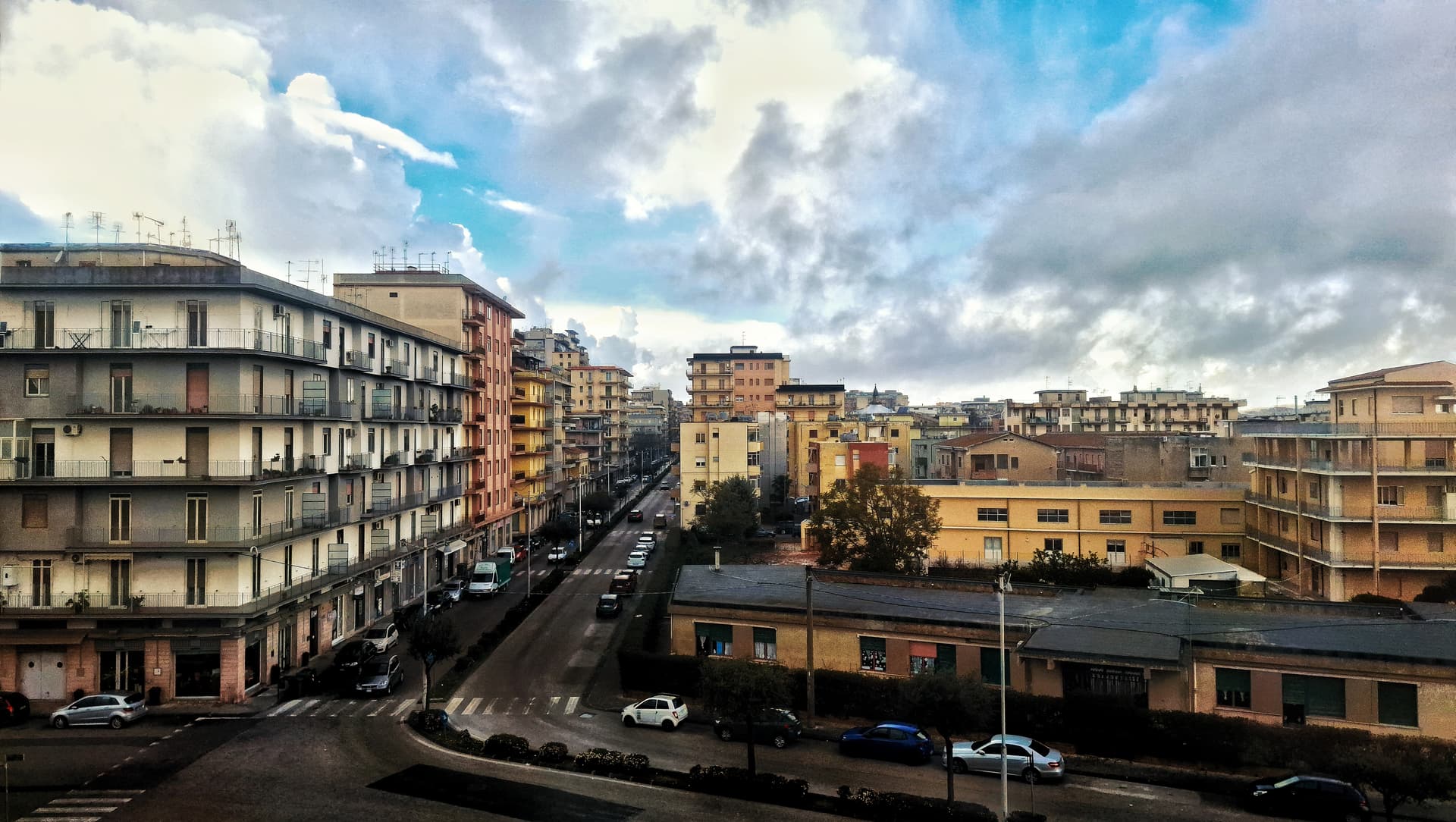
Caltagirone
Province: Catania
Sicily's ceramic capital at 611 meters on the Erei ridge, 142 majolica-tiled steps to Santa Maria del Monte and a Val di Noto UNESCO baroque rebuild.
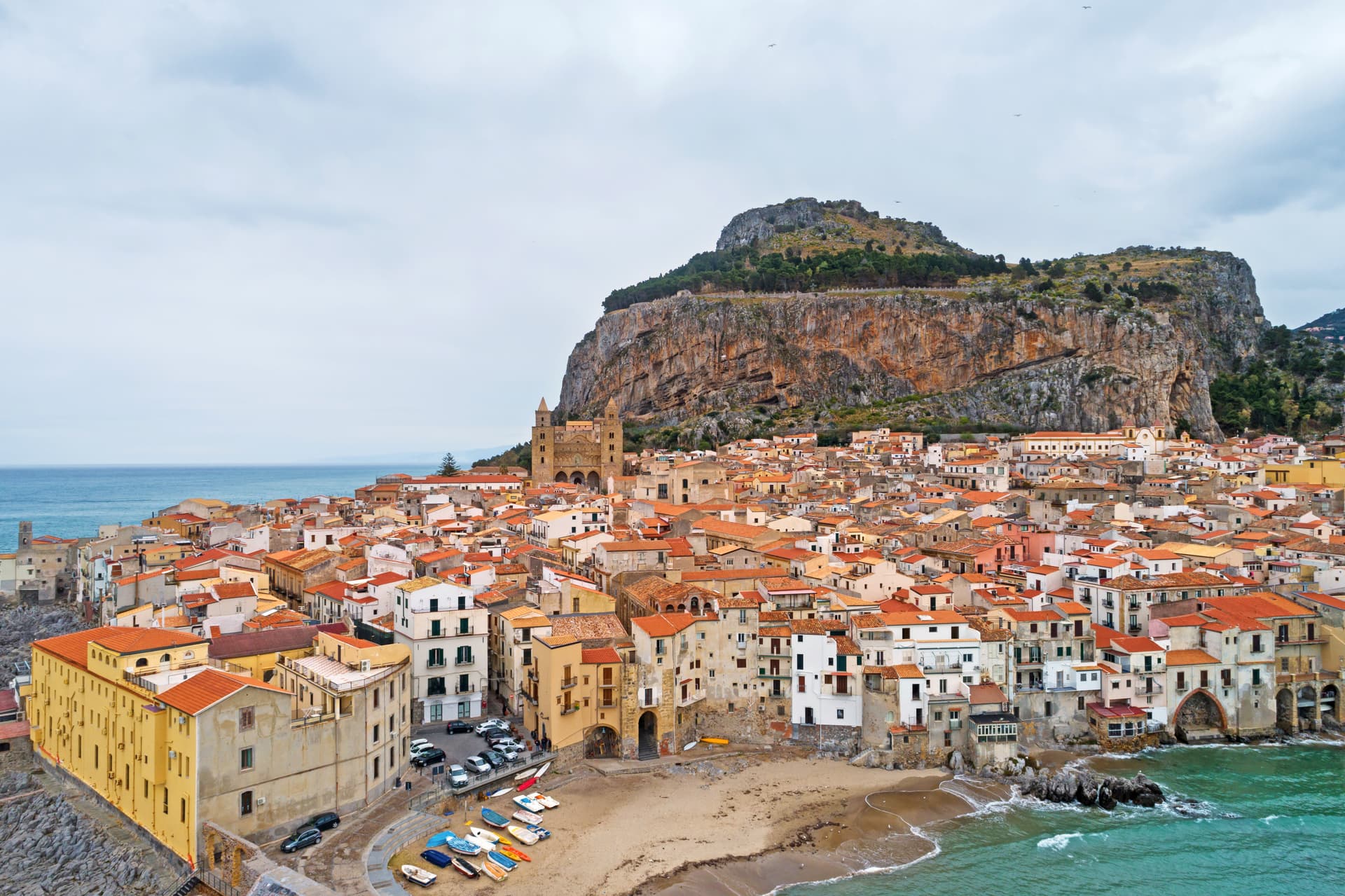
Cefalù
Province: Palermo
A Norman cathedral at the foot of a 270-meter rock on the Tyrrhenian coast, founded by Roger II in 1131 and on the UNESCO Arab-Norman list since 2015.
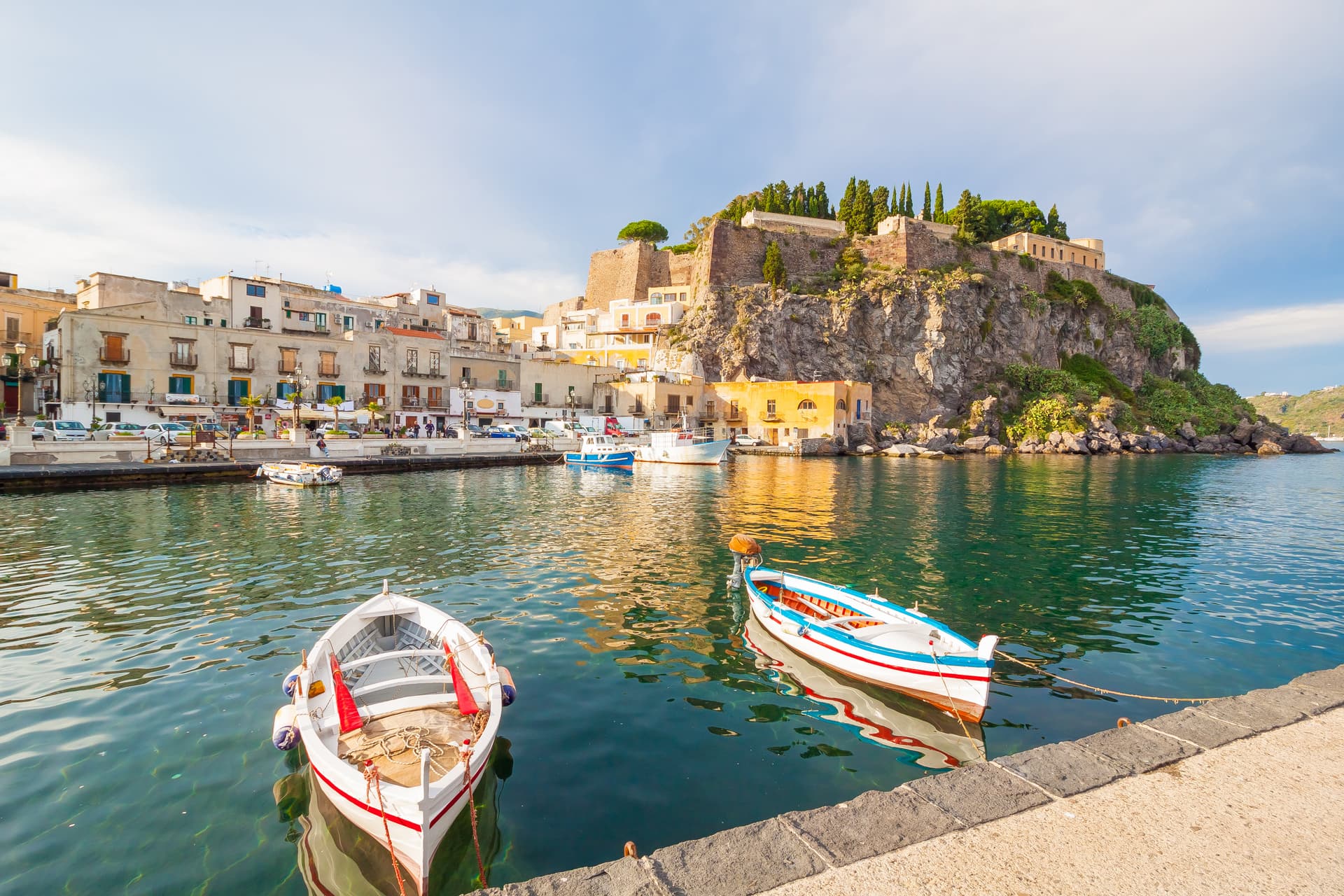
Lipari
Province: Messina
The largest Aeolian island and the only municipality that administers six of the seven, with a clifftop castle citadel rising above two harbors.
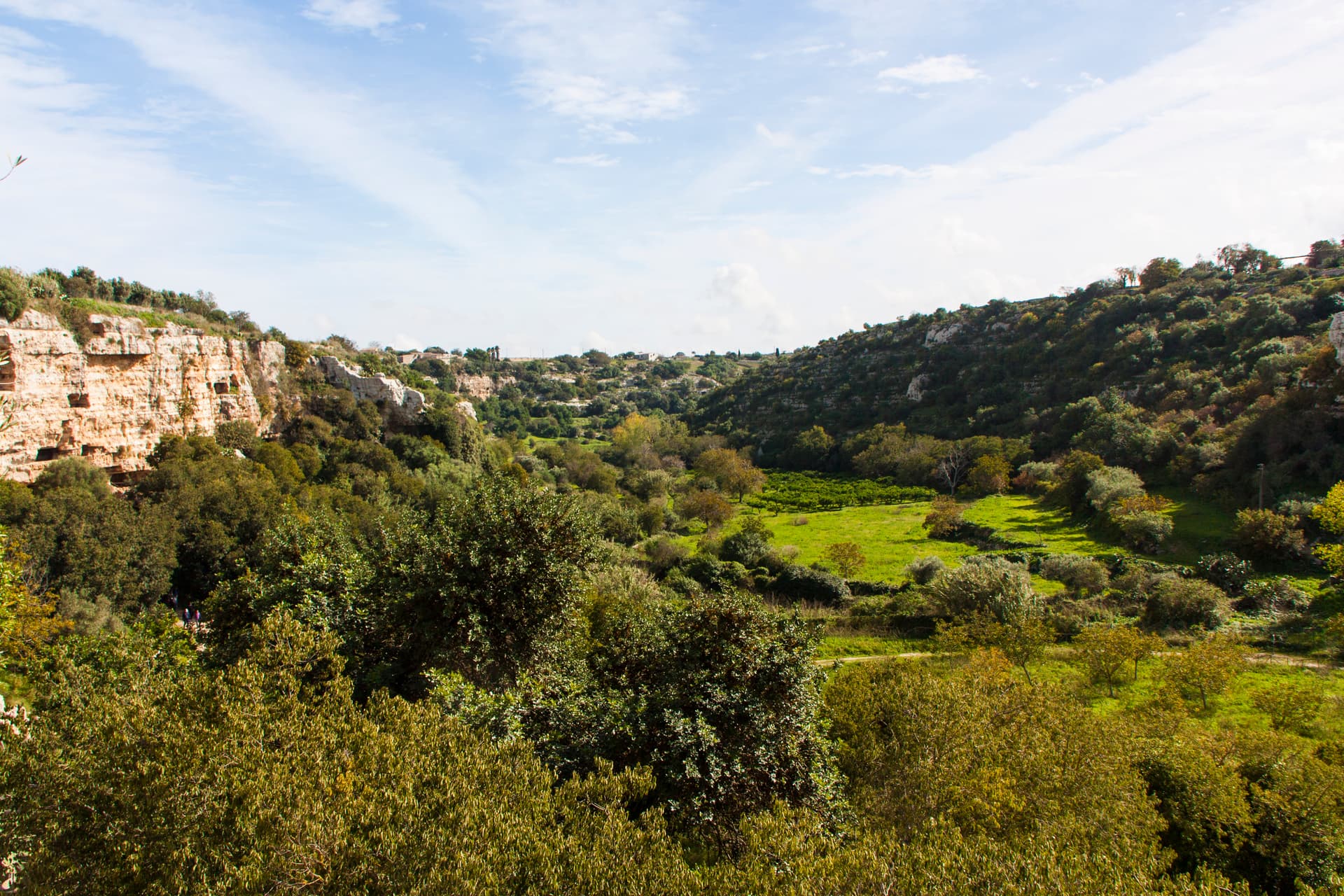
Modica
Province: Ragusa
A vertical Baroque city in the Hyblean Mountains, rebuilt from the 1693 earthquake and home to a chocolate recipe brought from Aztec Mexico.
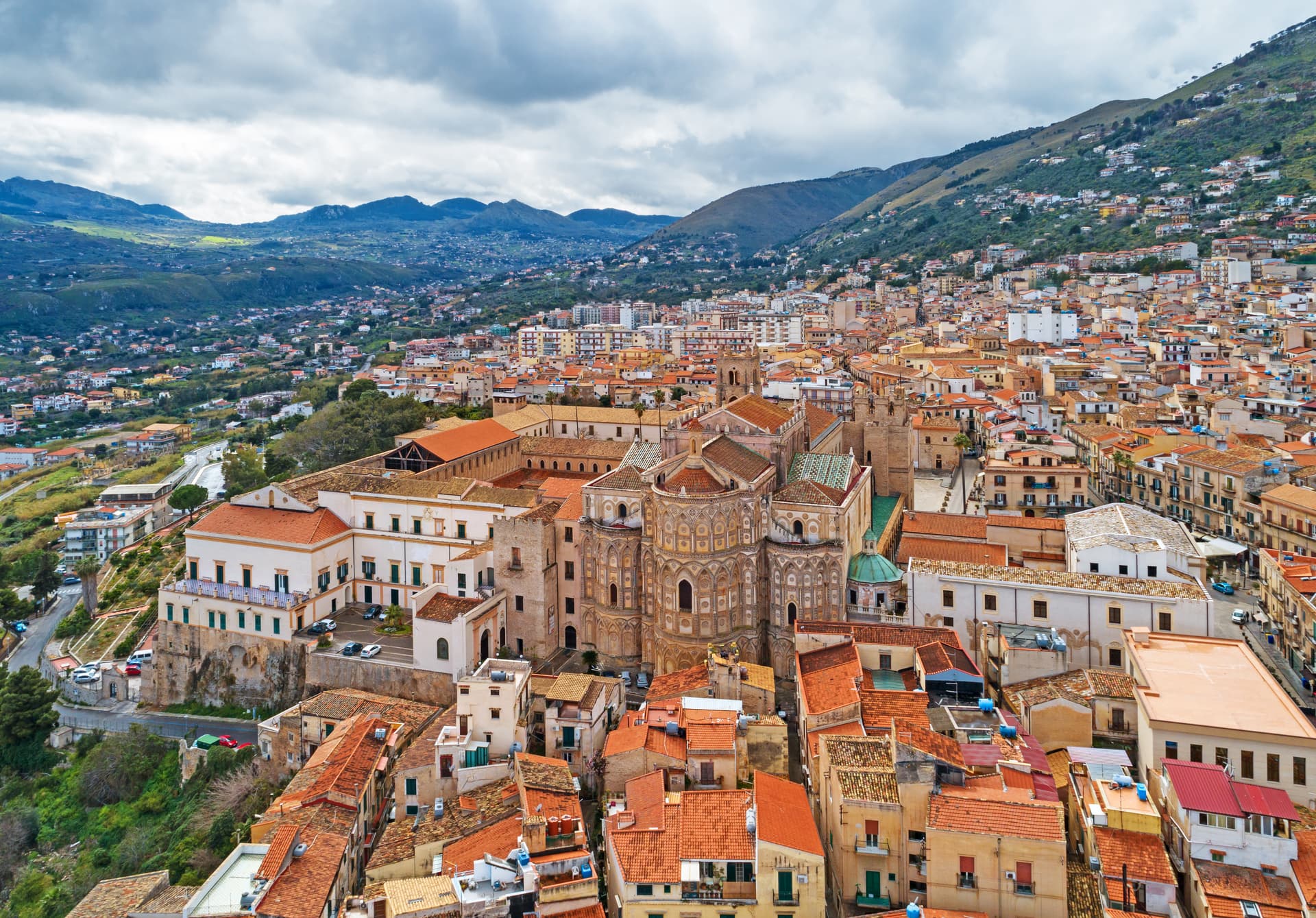
Monreale
Province: Palermo
Above the Conca d'Oro at 310 meters, the cathedral William II built between 1174 and 1182 holds 6,340 square meters of Norman mosaics.