

Sicily · Palermo
Monreale
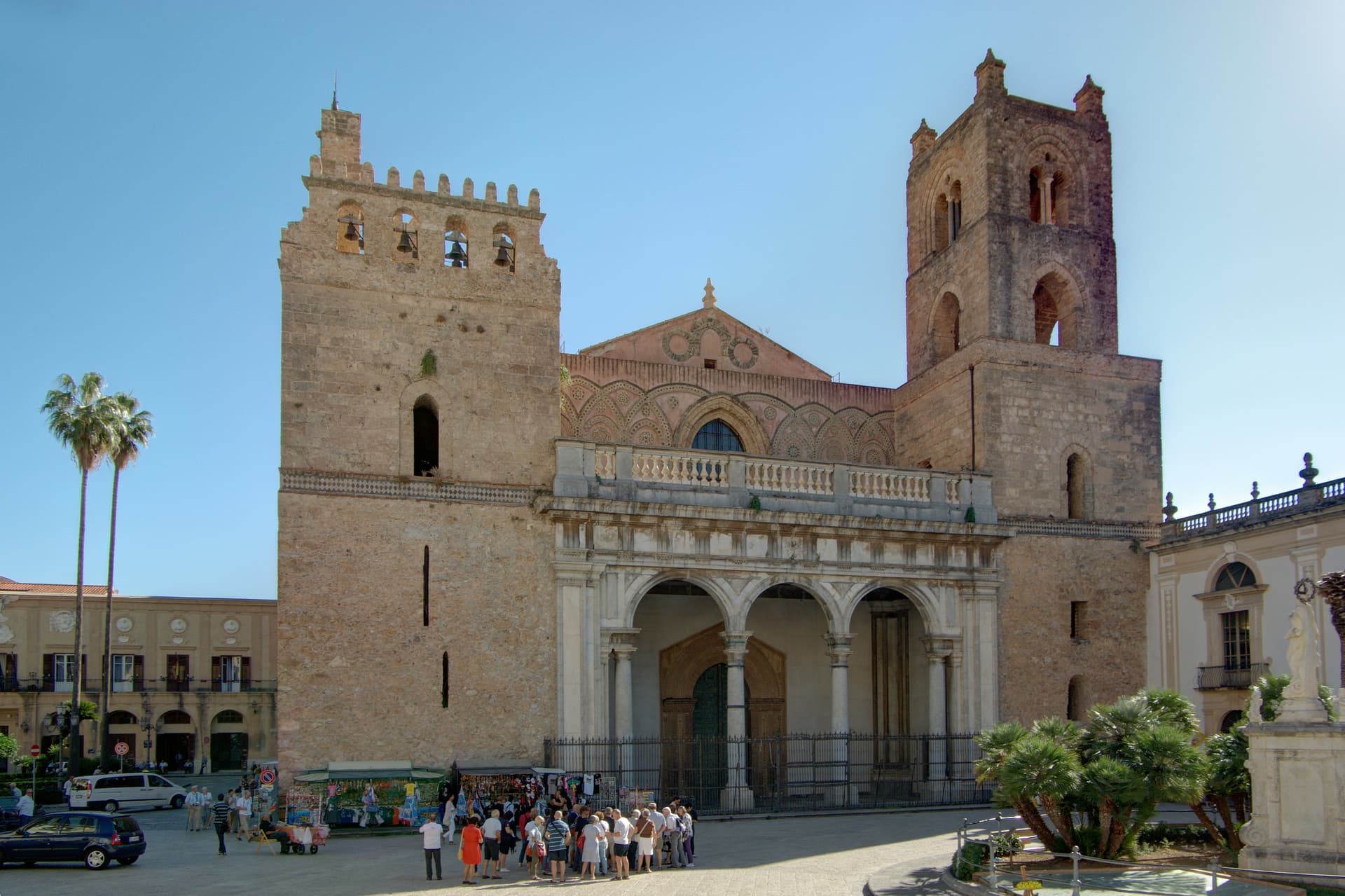
Above the Conca d'Oro, the cathedral William II built between 1174 and 1182 holds 6,340 square meters of Norman mosaics.
Known for
I MOSAICI
6,340 square meters of Byzantine mosaics, the largest surviving Norman cycle in Italy, executed by masters from Constantinople and Venice on a gold ground.
IL CHIOSTRO
2,200 m² Romanesque cloister with 216 paired marble columns and no two capitals alike, among the most complete in Europe.
WILLIAM II
Founded by William II of Sicily in 1174 to rival the archbishopric of Palermo; cathedral elevated to metropolitan rank in 1182, UNESCO since 2015.
When to visit
Best · Apr–Jun, Sep–Nov
- J
- F
- M
- A
- M
- J
- J
- A
- S
- O
- N
- D
- Best
- Hot or crowded
- Quiet
- Mostly closed
Why come
Monreale sits on the southwestern slope of Monte Caputo, eight kilometers from Palermo, looking down across the Conca d'Oro toward the Tyrrhenian. William II of Sicily founded the Benedictine abbey here in 1174 and the cathedral, Santa Maria Nuova, was elevated to metropolitan rank in 1182. The mosaics inside cover 6,340 square meters, the largest surviving Byzantine cycle in Italy, executed in coloured glass on a gold ground by masters William brought from Constantinople and Venice.
The cloister, 2,200 square meters of pointed arches and 216 paired marble columns, is one of the most complete Romanesque cloisters in Europe, with no two capitals carved alike. The cathedral and cloister joined the UNESCO Arab-Norman Palermo inscription in 2015. The town carries the Città della Ceramica title for the workshops that grew up around the cathedral. Below the Duomo, the streets fall steeply toward the Conca d'Oro and back up to Palermo.
The Sunday letter
We haven’t written Monreale’s letter yet.
One town every Sunday, with the photo, the food, the festa. Be there when this one comes up. Free, by Peter & Sophia from Pietrasanta.
By subscribing you agree to Substack’s Terms of Use, our Privacy Policy and our Information collection notice.
What to see
Duomo di Monreale (Santa Maria Nuova)
Cathedral begun in 1174 under William II, 6,340 m² of Byzantine mosaics in coloured glass on gold ground, the largest surviving Norman mosaic cycle in Italy.
Chiostro dei Benedettini
Romanesque cloister of 2,200 m² with 216 paired marble columns, each capital carved differently in foliage, biblical scenes and allegory; among Europe's finest.
Palazzo Reale di Monreale
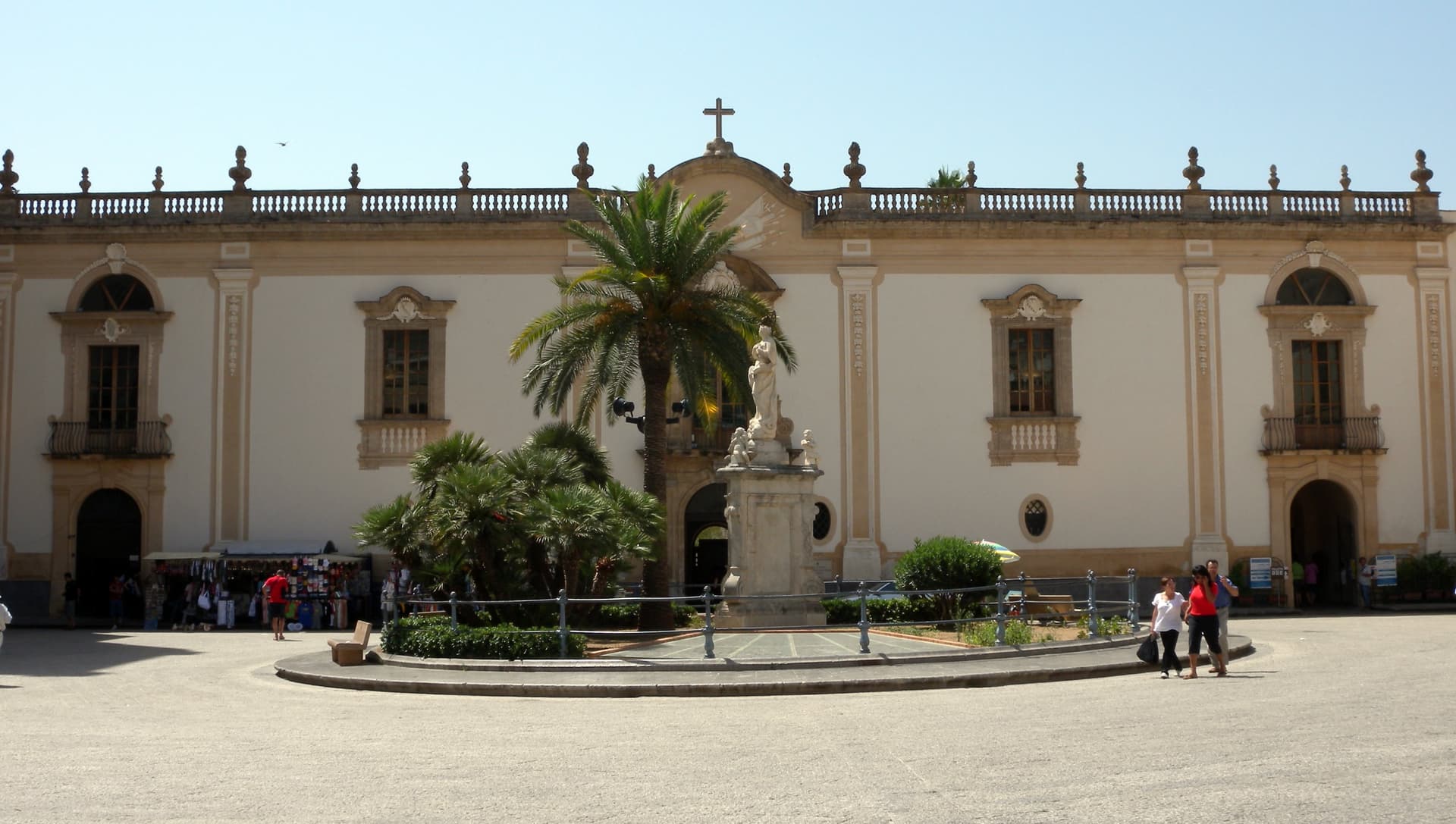
Twelfth-century Norman royal residence next to the cathedral, partly preserved within the seminary buildings; the rooms William II used during construction of the Duomo.
Belvedere sulla Conca d'Oro
Terraces below the cathedral with the full view across the Conca d'Oro citrus plain to Palermo and the Tyrrhenian beyond.
Centro storico medievale
Stone lanes climbing from the Duomo to the upper village, baroque palazzi from the seventeenth century, ceramic workshops along Via Roma and Via Arcivescovado.
The slow-trip planner
Building a trip? Find where Monreale fits in a slow Italy circuit.
Answer five questions. We will shape a geographically coherent slow trip from the 1,000 Italian towns most travelers skip. Yours to save and share.
We recommend
Where to eat and stay
Not our picks, but places the guides put their name to — a Michelin star, a Gambero Rosso fork, a Slow Food snail, a Michelin Key for the hotels. Worth a table, a counter, or a night when you pass through.
CiambraRistorante
Ciambra has a spot in the Michelin Guide to its name.
Ristorante La BotteRistorante
A place on Italy's historic-locali register, at Ristorante La Botte.
Living here
- Population 38,698
- Commuter belti
- Pharmacy in town
- High school within a 30-minute drive
- Train station in the comune
- Nearest airport Sicily, 3 h 14 min drive
- Regional capital Palermo, 44 min drive
Tags & datadesignations · numbers · sources
Recognised as
The numbers
- Elevation: 310 m
- Population: 38,698
- Surface area: 530.18 km²
These figures were compiled from public directories — ISTAT, OpenStreetMap, Wikidata — and from the official listings of the guides named on this page. Town details change; verify with official sources before you travel.
Close by
More towns near Monreale
Piana degli Albanesi
Province: Palermo
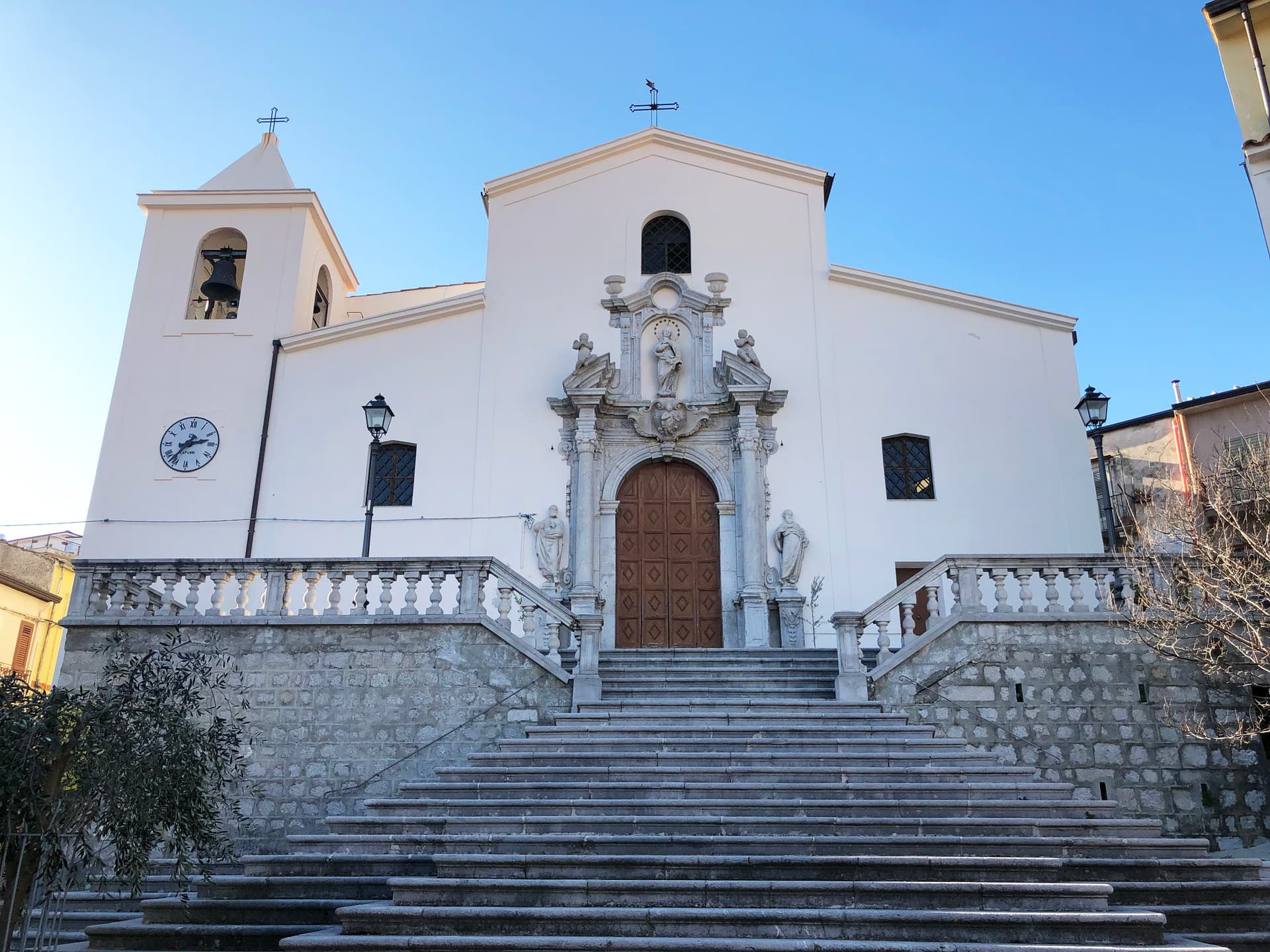
The principal Arbëresh town of Sicily at 720 meters, founded in the fifteenth century by Albanians fleeing the Ottomans and still speaking arbëresh.
Corleone
Province: Palermo
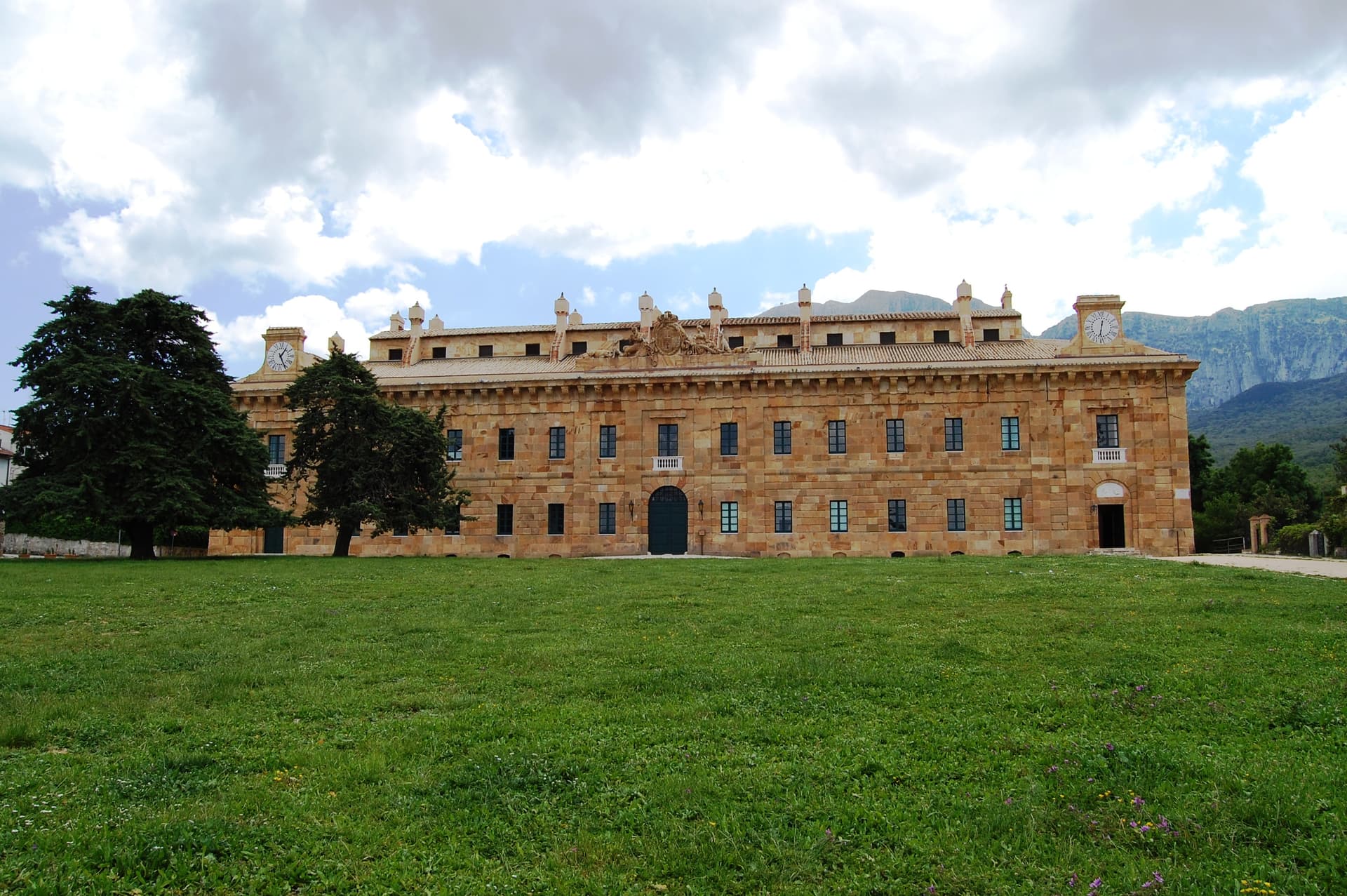
A town of 10,364 in the Palermo hinterland that gave its name to Mario Puzo's Don Vito and now runs Italy's national antimafia documentation centre.
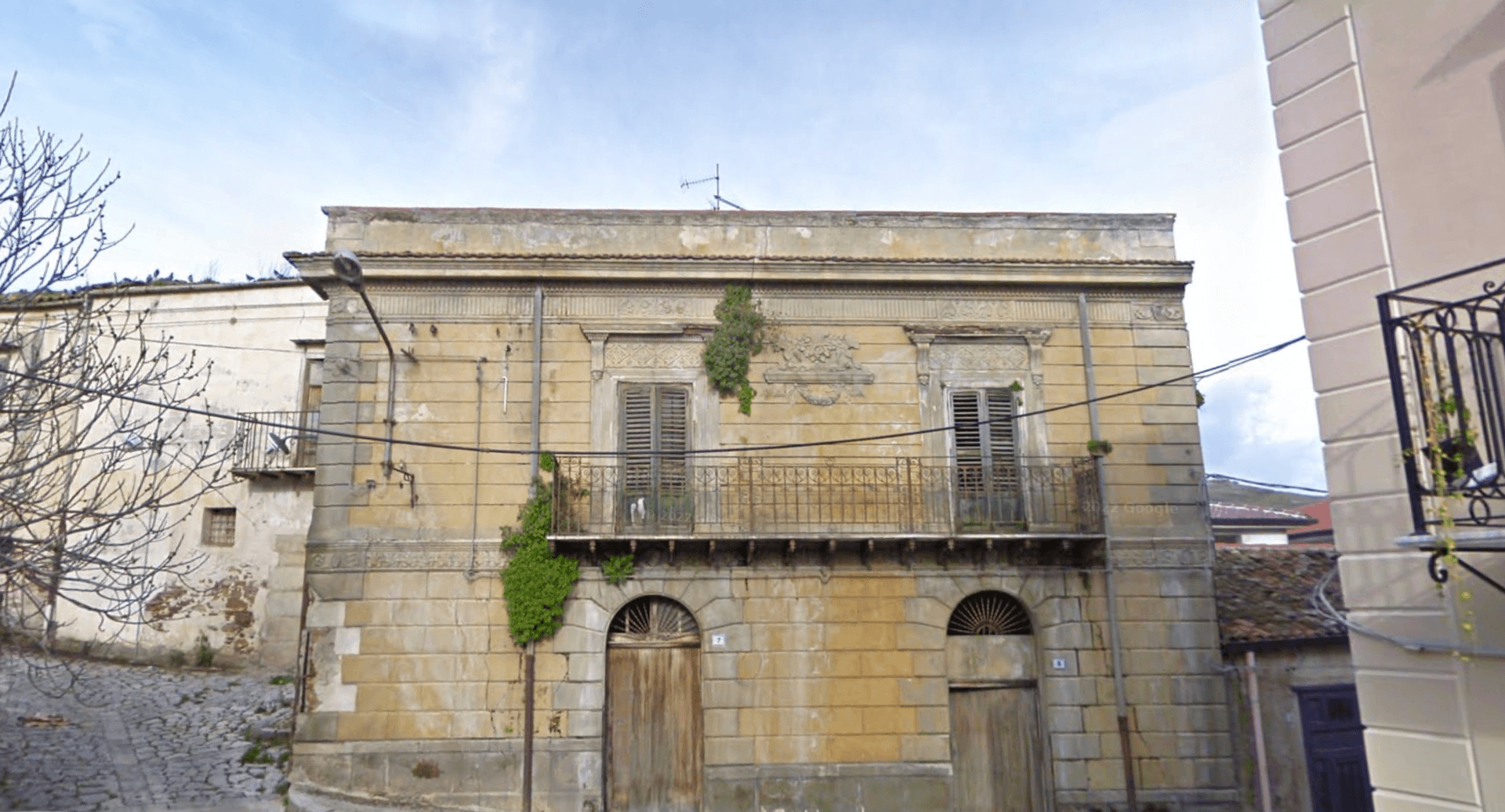
Santa Cristina Gela
Province: Palermo
The smallest and youngest of Sicily's three Arbëreshë villages, founded in 1691 by 82 Albanian colonists from neighbouring Piana.
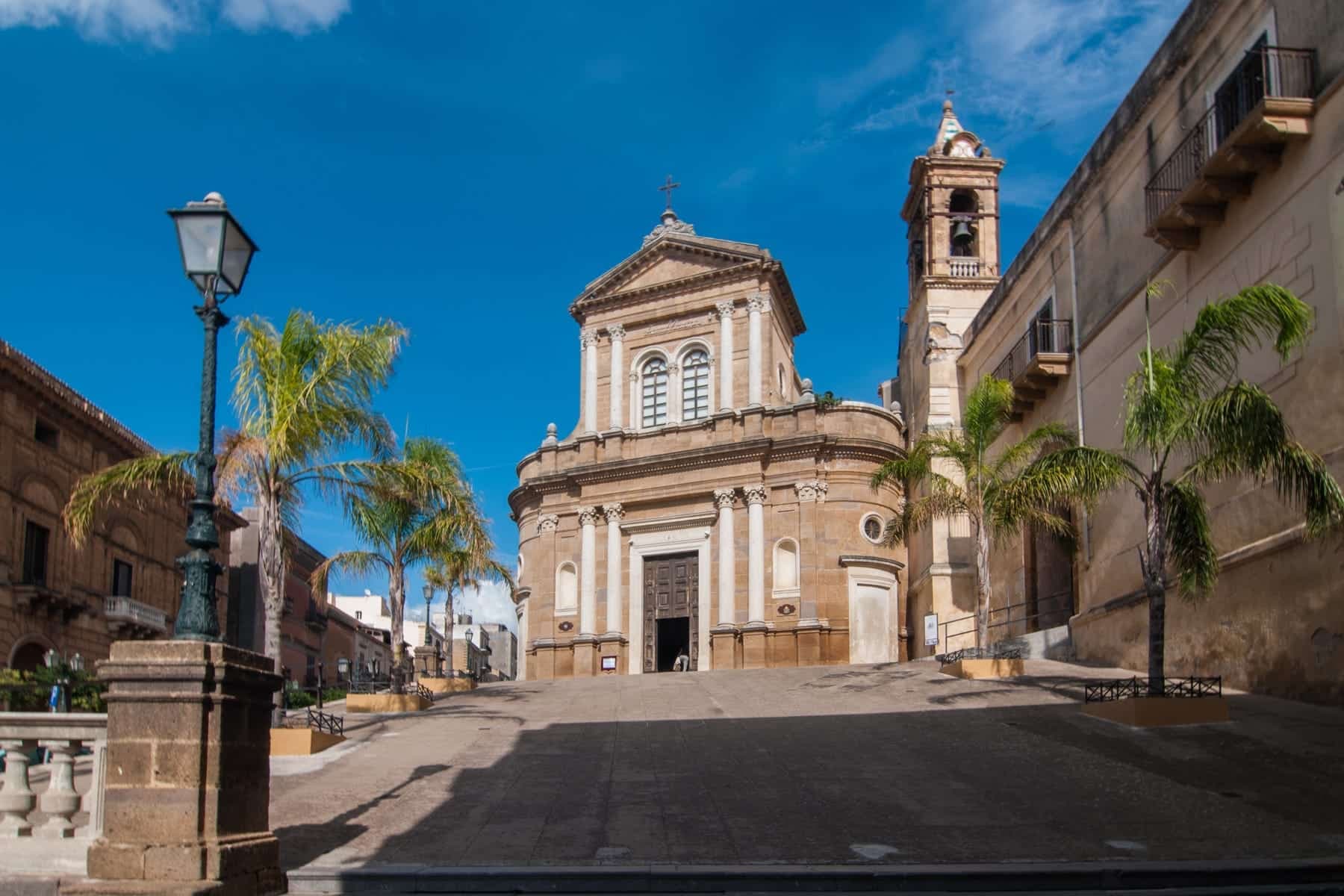
Sambuca di Sicilia
Province: Agrigento
An Arab-founded hill town in the Belice valley, named Borgo dei Borghi in 2016, still called Zabut in living memory before 1923.
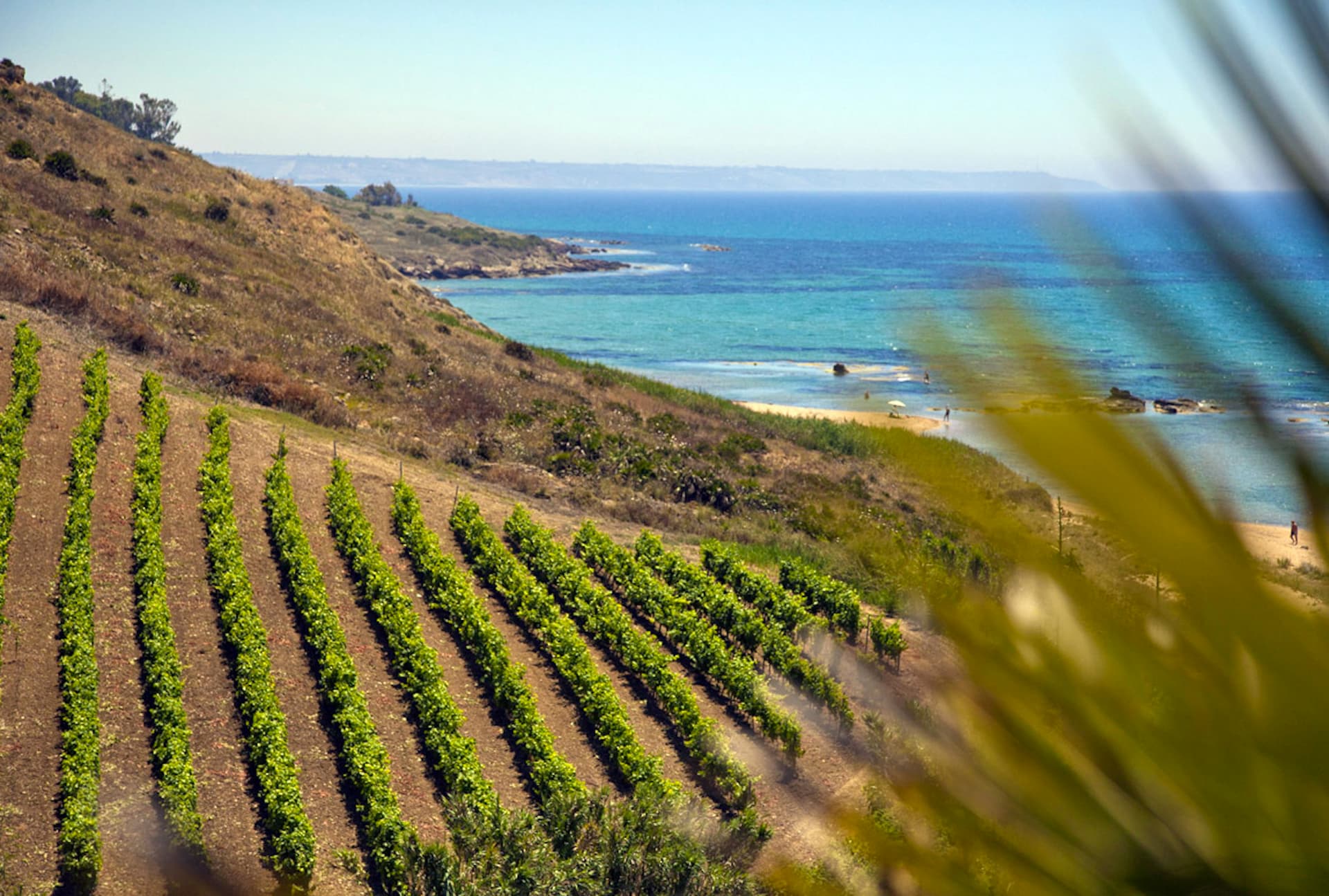
Menfi
Province: Agrigento
Sicily's triple-signal western coast town — 11,800 residents on a low ridge above 9 km of Bandiera Blu sand at Porto Palo, with the Federico II tower, the Cantine Settesoli cooperative (Italy's largest by volume, 2,000 grower-members), and the rare Bandiera Blu + Città del Vino + Città dell'Olio combination.
🏛️ UNESCO
More UNESCO towns in Sicily
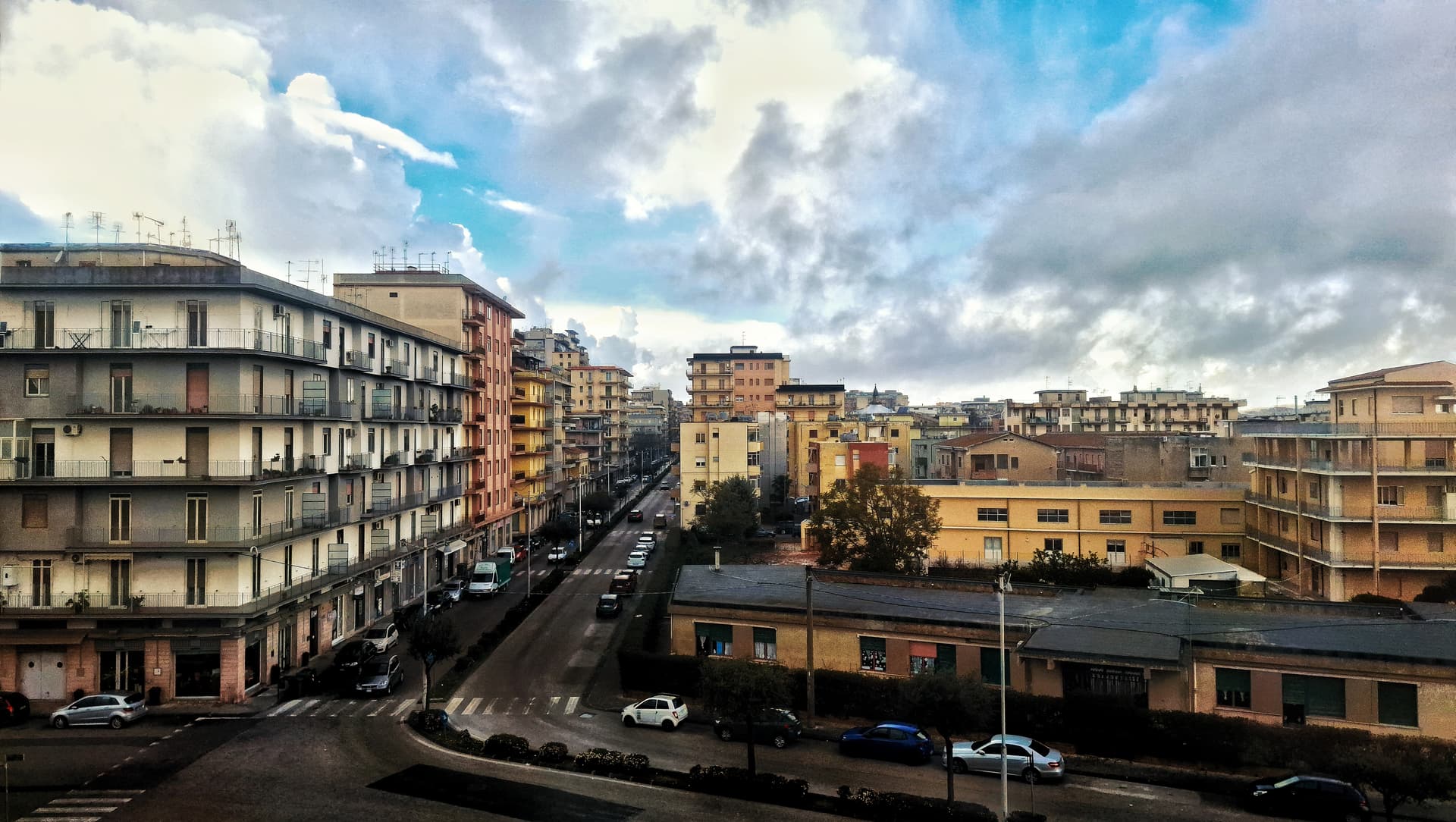
Caltagirone
Province: Catania
Sicily's ceramic capital at 611 meters on the Erei ridge, 142 majolica-tiled steps to Santa Maria del Monte and a Val di Noto UNESCO baroque rebuild.
Catania
Province: Catania
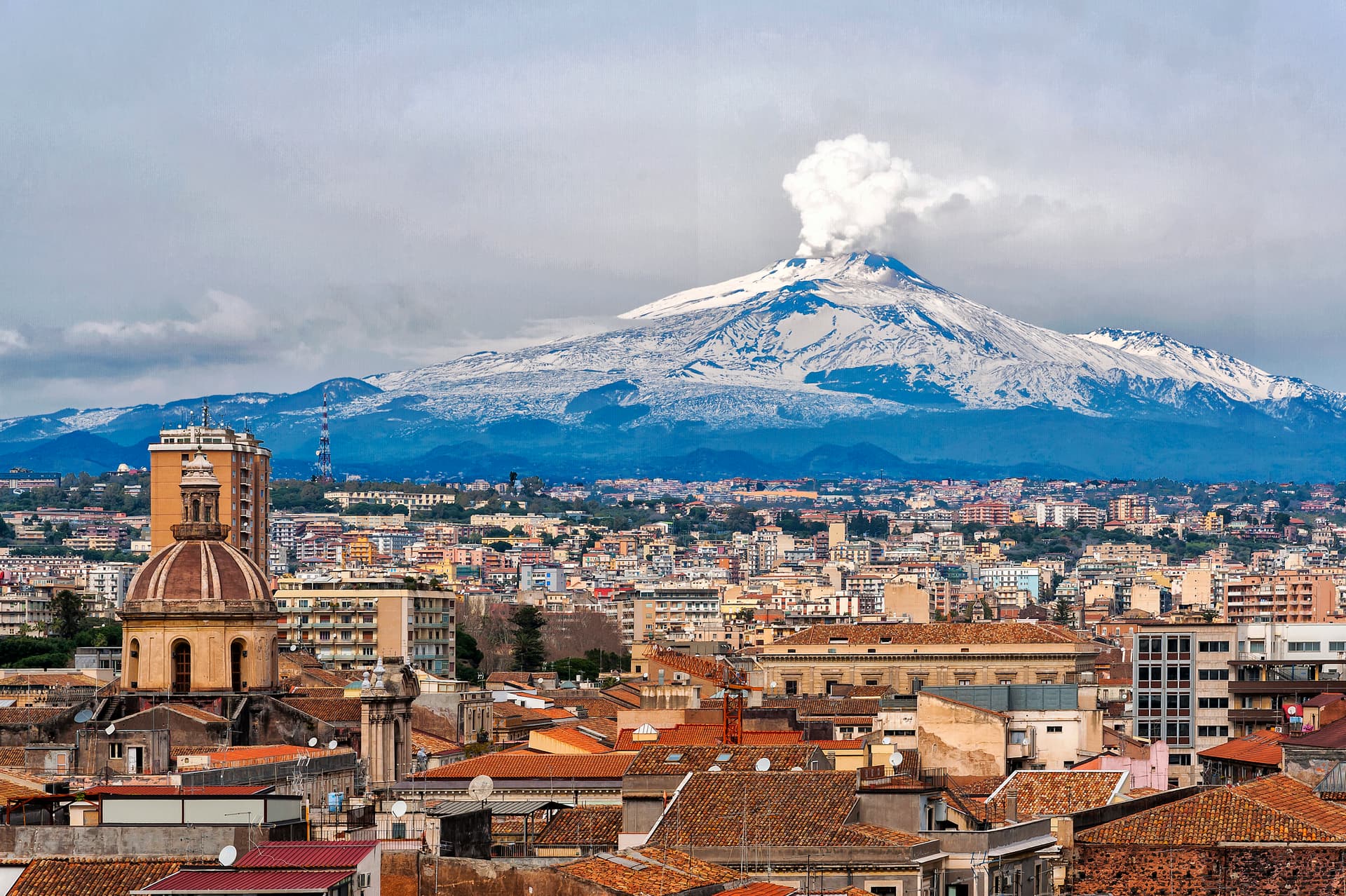
Sicily's second city and the cultural anchor of the Ionian coast — a UNESCO late-Baroque centro storico rebuilt in lava-black stone after the 1693 earthquake, sitting at the foot of Etna with a 17th-century elephant fountain (U Liotru) as its civic symbol.
Cefalù
Province: Palermo
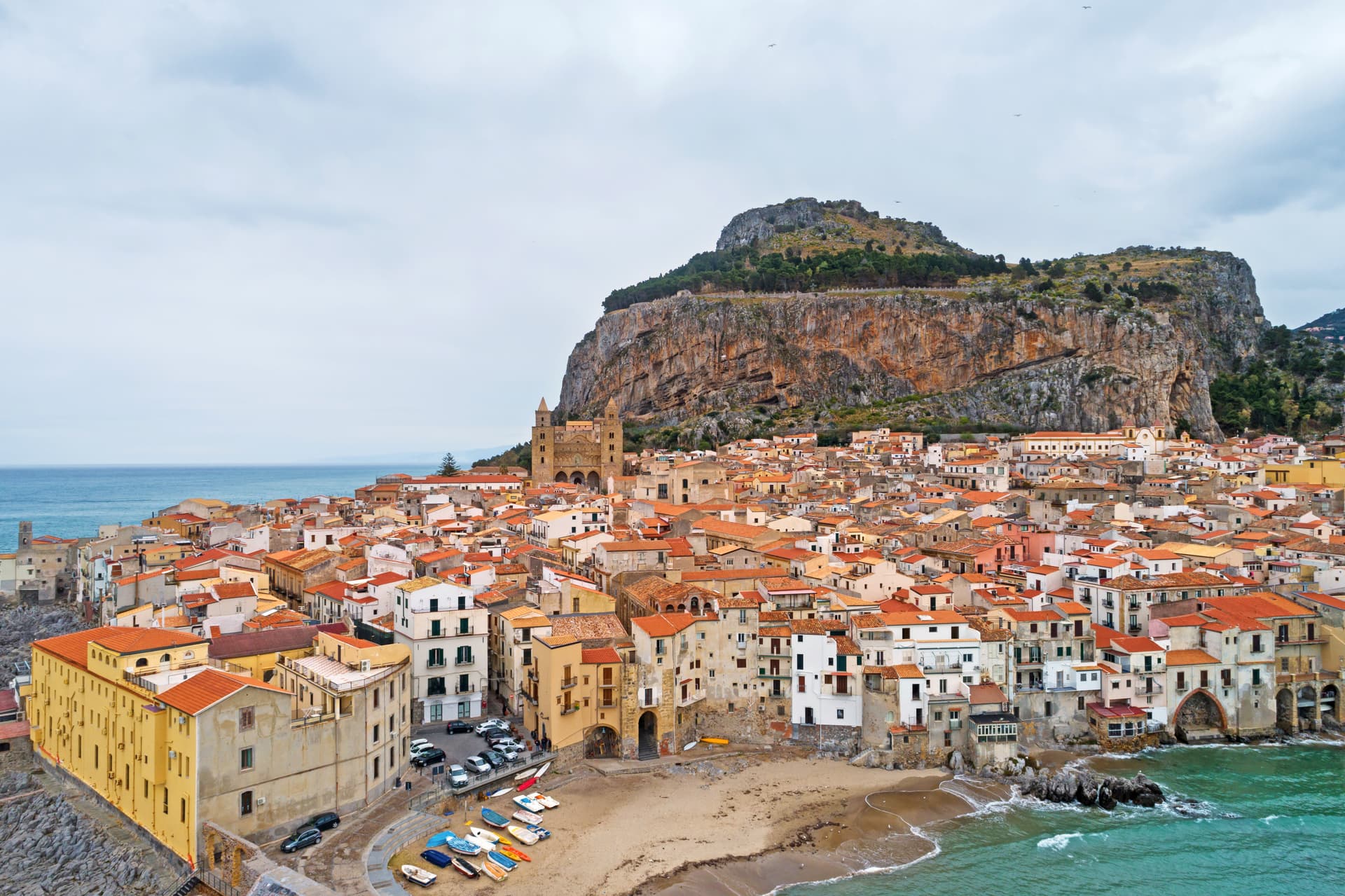
A Norman cathedral at the foot of a 270-meter rock on the Tyrrhenian coast, founded by Roger II in 1131 and on the UNESCO Arab-Norman list since 2015.
Lipari
Province: Messina
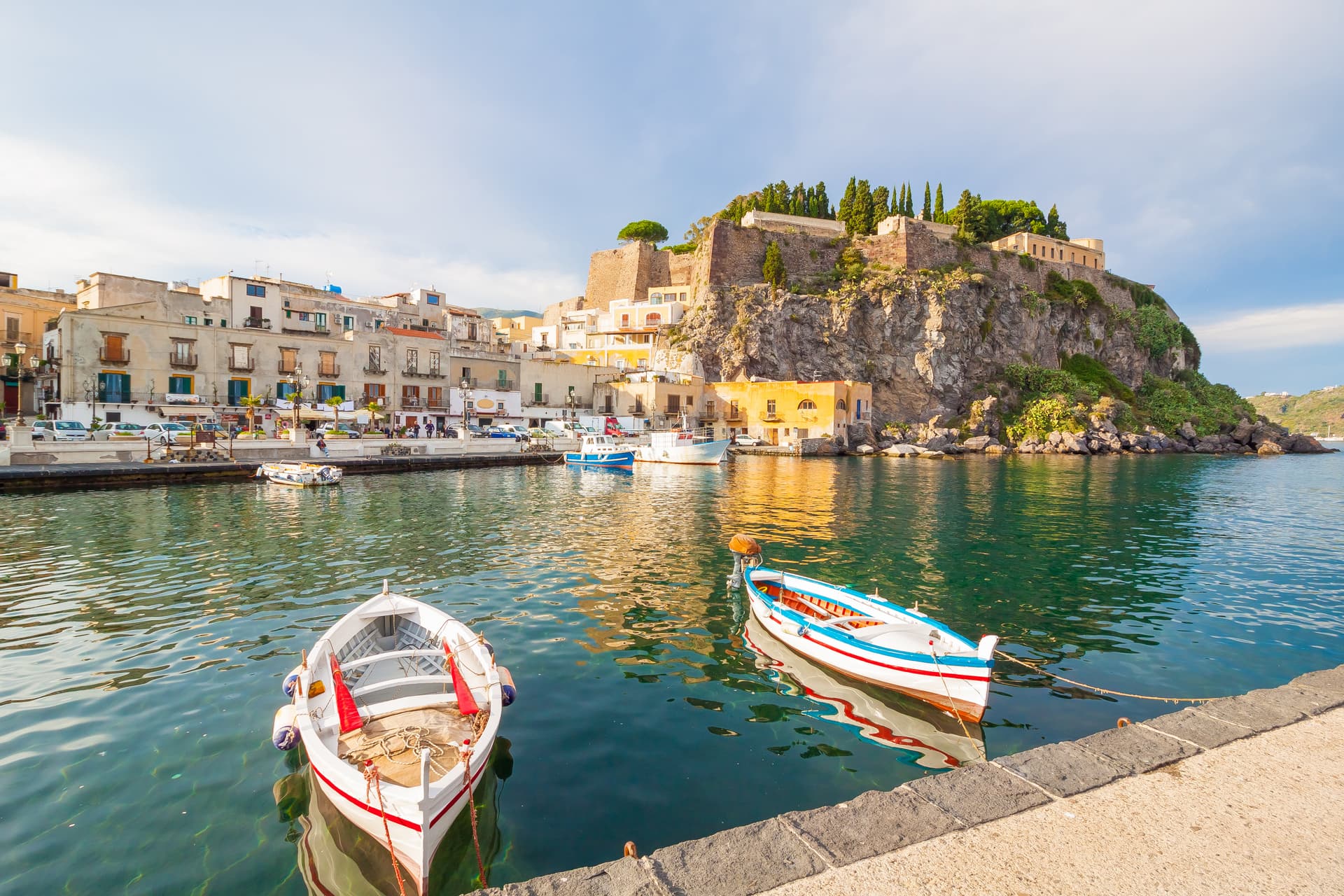
The largest Aeolian island and the only municipality that administers six of the seven, with a clifftop castle citadel rising above two harbors.
Modica
Province: Ragusa
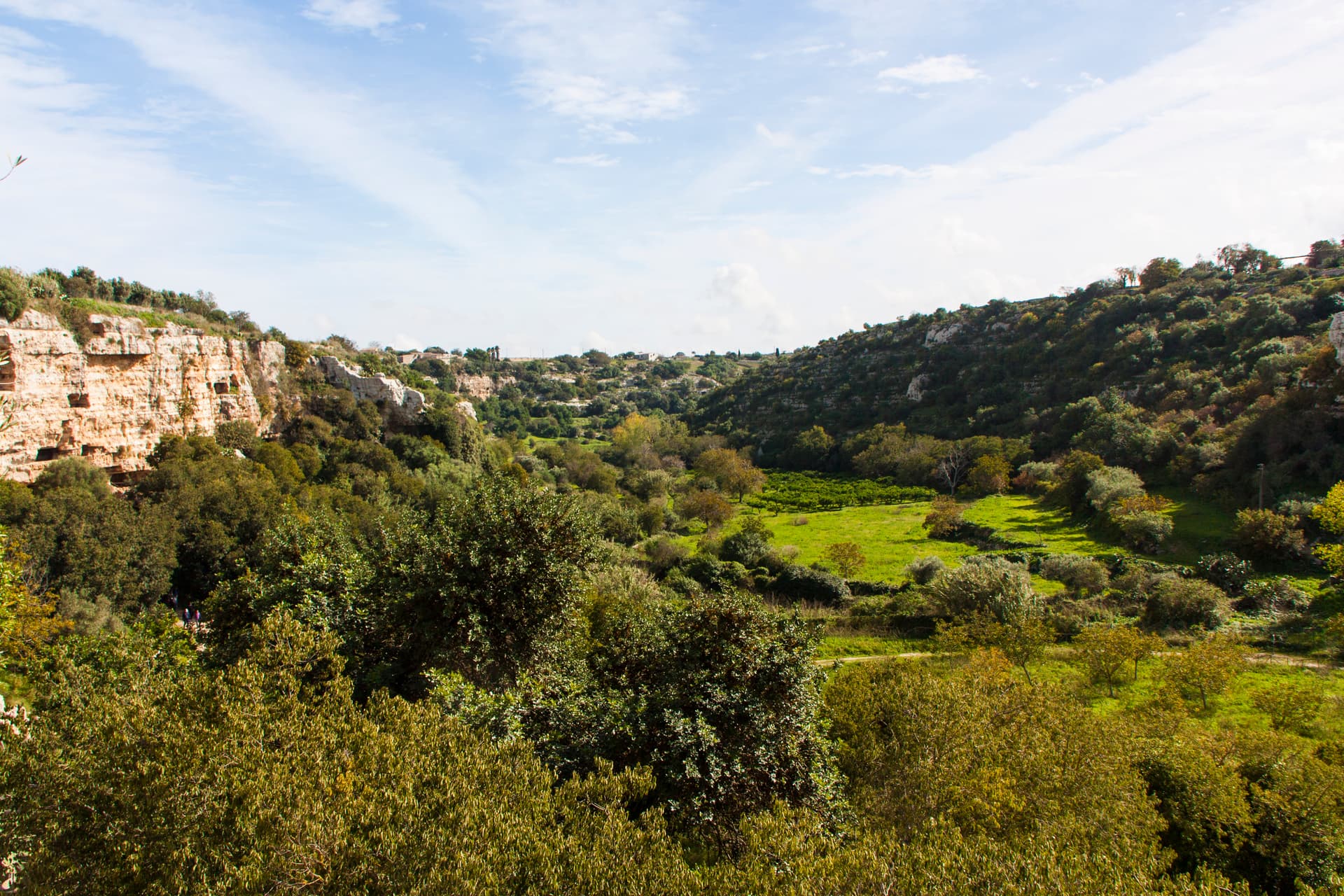
A vertical Baroque city in the Hyblean Mountains, rebuilt from the 1693 earthquake and home to a chocolate recipe brought from Aztec Mexico.