

Sicily · Agrigento
Menfi
Sicily's triple-signal western coast town — 11,800 residents on a low ridge above 9 km of Bandiera Blu sand at Porto Palo, with the Federico II tower, the Cantine Settesoli cooperative (Italy's largest by volume, 2,000 grower-members), and the rare Bandiera Blu + Città del Vino + Città dell'Olio combination.
Known for
TRIPLE SIGNAL TOWN
One of only 5-6 Italian comuni holding Bandiera Blu + Città del Vino + Città dell'Olio simultaneously. Rare quality-mark trifecta.
CANTINE SETTESOLI
Italy's largest winery by volume — 2,000 grower-members, 50 million bottles/year. Mandrarossa is the premium label.
RISERVA FOCE DEL BELICE
1,100 hectares of dune-and-coastal-marsh reserve. Most important loggerhead turtle nesting site on southern Sicily's coast.
INYCON FESTIVAL
5-day late-June wine + jazz festival — international acts in the historic centro paired with tastings from all the local cellars.
When to visit
Best · May–Jun, Sep–Oct
- J
- F
- M
- A
- M
- J
- J
- A
- S
- O
- N
- D
- Best
- Hot or crowded
- Quiet
- Mostly closed
The festa: Antonio di Padova, 13 June
Why come
Menfi is a Sicilian rarity — a 11,814-resident town on the western Agrigento coast that holds all three of the major Italian small-town quality marks at once (Bandiera Blu for the beaches, Città del Vino for the wine, Città dell'Olio for the olive oil), a combination matched by perhaps 5-6 other comuni in the whole country. The geography frames everything: Menfi sits on a low limestone ridge between the Belice and Carboj rivers, 4 km inland from a 9-km arc of fine sandy beach at Porto Palo di Menfi (Bandiera Blu every year since 2008) backed by the Riserva Naturale Foce del Belice protected dune system (1,100 hectares, the most important nesting site for loggerhead turtles on the southern Sicilian coast). The town itself was founded in 1638 by the Tagliavia d'Aragona Pignatelli family on the site of an earlier Federico II castello (the surviving 13th-c Torre Federiciana is the only structure left from the medieval phase).
Above the town, the surrounding plateaux produce two distinctive products: Cantine Settesoli, the Menfi cooperative cellar founded 1958, is now Italy's largest winery by volume — 2,000 grower-members across 6,000 hectares producing 50 million bottles a year under the Inycon, Mandrarossa and Settesoli labels (Nero d'Avola, Grillo, Inzolia, Syrah). And the local olive oil — a Nocellara del Belice DOP from the same micro-region — is one of the best in western Sicily. Plus the rare Inycon Menfi Wine & Jazz Festival in late June (5 days, international jazz acts in the historic centro, wine tastings from all the local producers + Settesoli).
Beyond town: Selinunte (the Greek temple site, 25 km west) and the Scala dei Turchi white limestone cliff (50 km east toward Agrigento) are the two big day-trips. The food is Sicilian-coastal: pasta con le sarde, busiate al pesto trapanese, tonno rosso (the bluefin tuna fishery offshore is one of the last traditional ones in Sicily), couscous trapanese (Trapani influence reaches here), the cassata + cannoli of course, and obviously the local Mandrarossa Grillo or Nero d'Avola.
The Sunday letter
We haven’t written Menfi’s letter yet.
One town every Sunday, with the photo, the food, the festa. Be there when this one comes up. Free, by Peter & Sophia from Pietrasanta.
By subscribing you agree to Substack’s Terms of Use, our Privacy Policy and our Information collection notice.
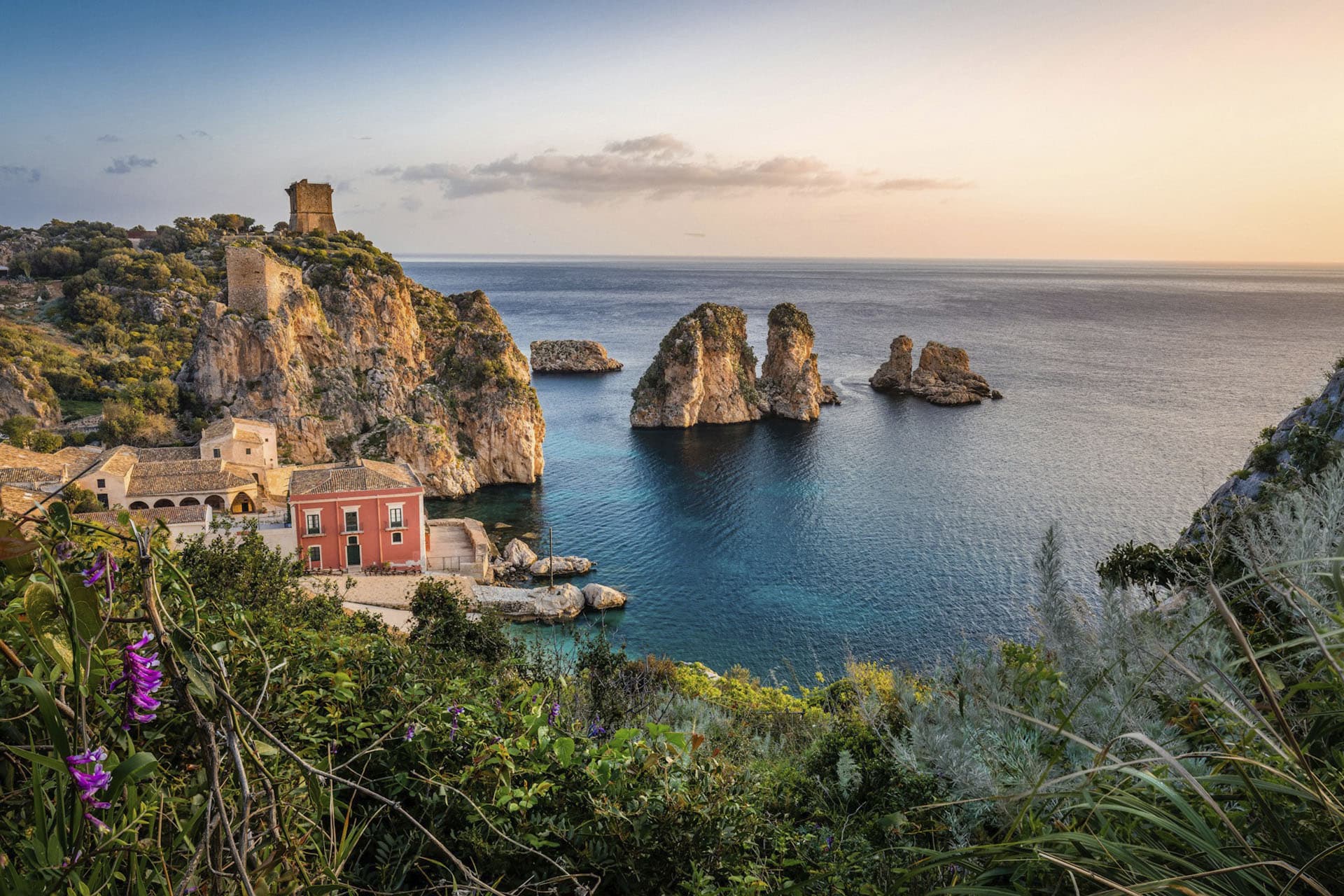
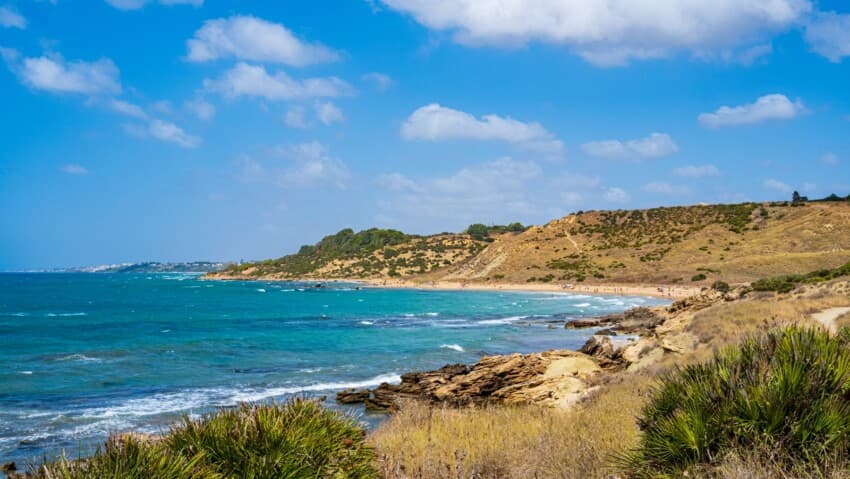
What to see
Porto Palo di Menfi (Bandiera Blu)
9 km of fine sandy beach 4 km below the town — Bandiera Blu every year since 2008. Backed by the Riserva Naturale Foce del Belice dune system (loggerhead turtle nesting site).
Cantine Settesoli + Mandrarossa
Italy's largest winery by volume (2,000 grower-members, 50 million bottles/year). Visits + tastings at the cooperative cellar in town. Nero d'Avola, Grillo, Inzolia, Syrah.
Nocellara del Belice DOP olive oil
The local olive oil — Nocellara del Belice DOP from the same micro-region as the famous Castelvetrano table olives. Several small frantoi in town offer tastings.
Torre Federiciana
Surviving 13th-c tower from the original Federico II castello, the only medieval structure left from before the 1638 re-foundation by the Tagliavia d'Aragona family.
Inycon Menfi Wine & Jazz (late June)
5-day festival in the historic centro — international jazz acts + wine tastings from Settesoli + Mandrarossa + the smaller local producers.
The slow-trip planner
Building a trip? Find where Menfi fits in a slow Italy circuit.
Answer five questions. We will shape a geographically coherent slow trip from the 1,000 Italian towns most travelers skip. Yours to save and share.
We recommend
Where to eat and stay
Not our picks, but places the guides put their name to — a Michelin star, a Gambero Rosso fork, a Slow Food snail, a Michelin Key for the hotels. Worth a table, a counter, or a night when you pass through.
La ForesteriaRistorante
Two Gambero Rosso forks (83/100) for La Foresteria, along with a place in L'Espresso's Top 300 and a spot in the Michelin Guide.
Il VignetoTrattoria
Il Vigneto holds a Gambero Rosso listing.
SalisàRistorante
Salisà carries a Gambero Rosso listing.
La Foresteria Planeta EstateHotel
One Michelin Key, at La Foresteria Planeta Estate.
Living here
- Population 11,814
- In-betweeni
- Pharmacy in town
- High school within a 30-minute drive
- Nearest airport Sicily, 3 h 35 min drive
- Regional capital Palermo, 1 h 23 min drive
Tags & datadesignations · numbers · sources
The numbers
- Elevation: 119 m
- Population: 11,814
- Surface area: 113.58 km²
These figures were compiled from public directories — ISTAT, OpenStreetMap, Wikidata — and from the official listings of the guides named on this page. Town details change; verify with official sources before you travel.
Close by
More towns near Menfi
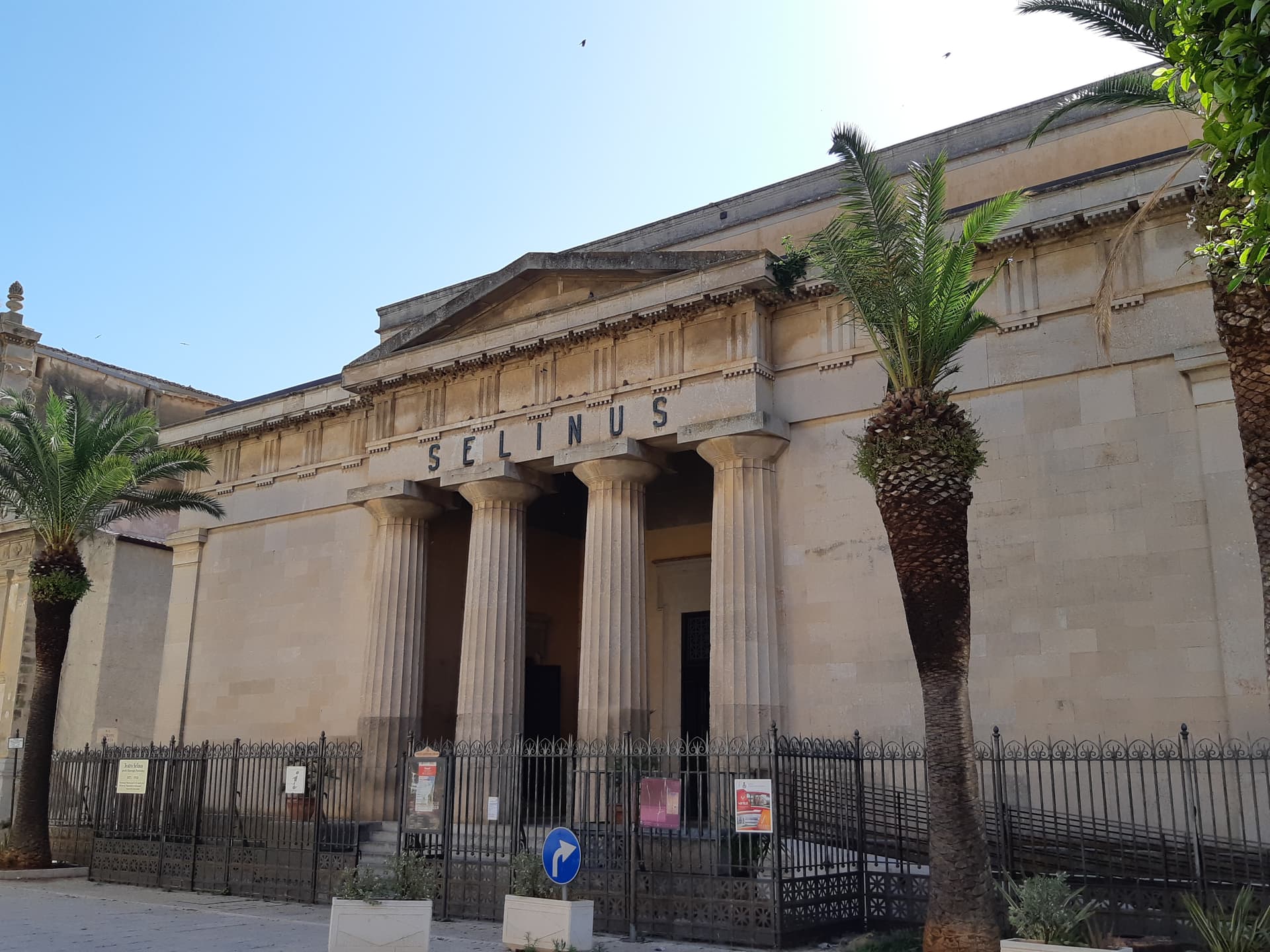
Castelvetrano
Province: Trapani
The Belice valley town that owns Selinunte, the largest archaeological park in Europe, and bakes black bread from grain found in its tombs.
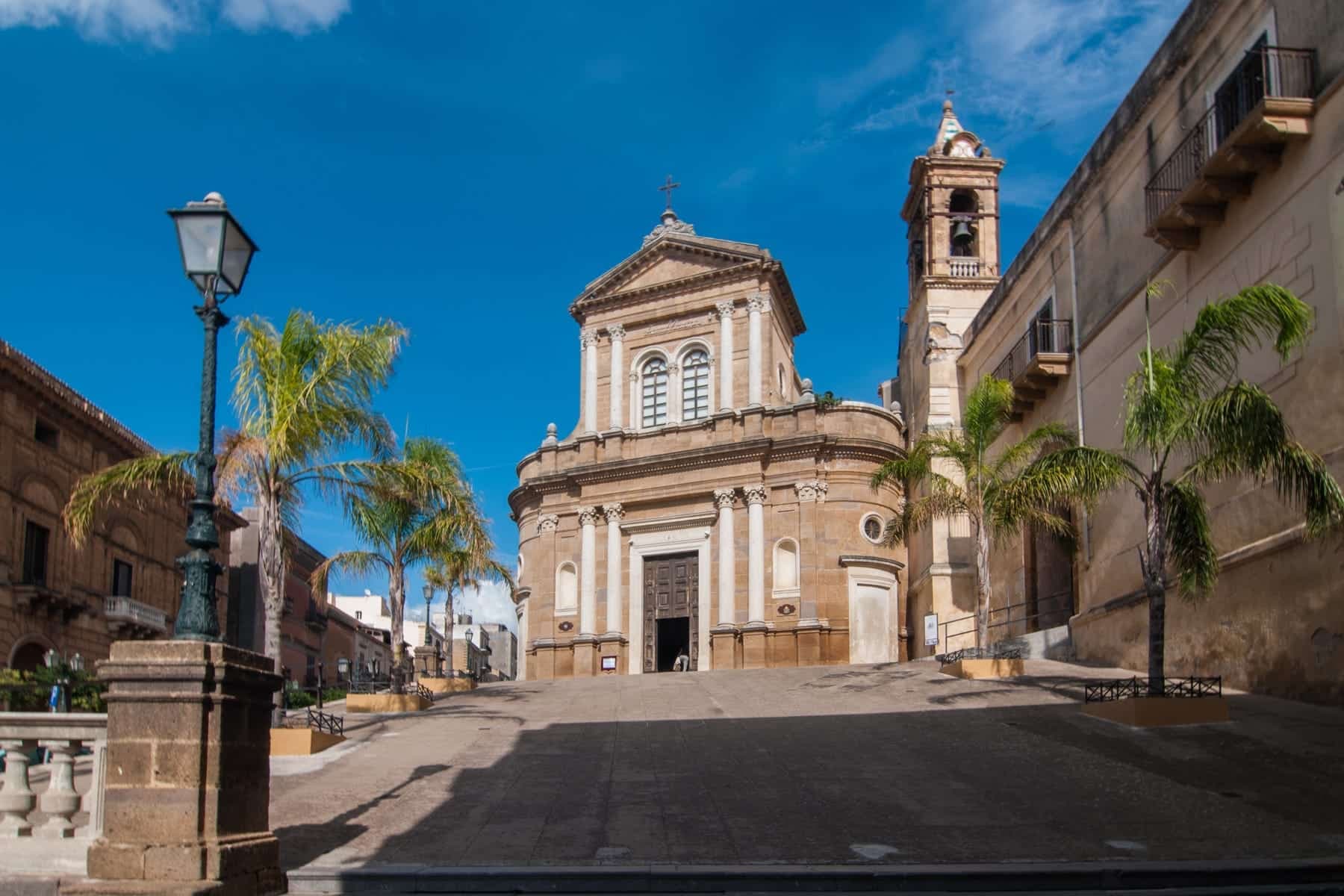
Sambuca di Sicilia
Province: Agrigento
An Arab-founded hill town in the Belice valley, named Borgo dei Borghi in 2016, still called Zabut in living memory before 1923.
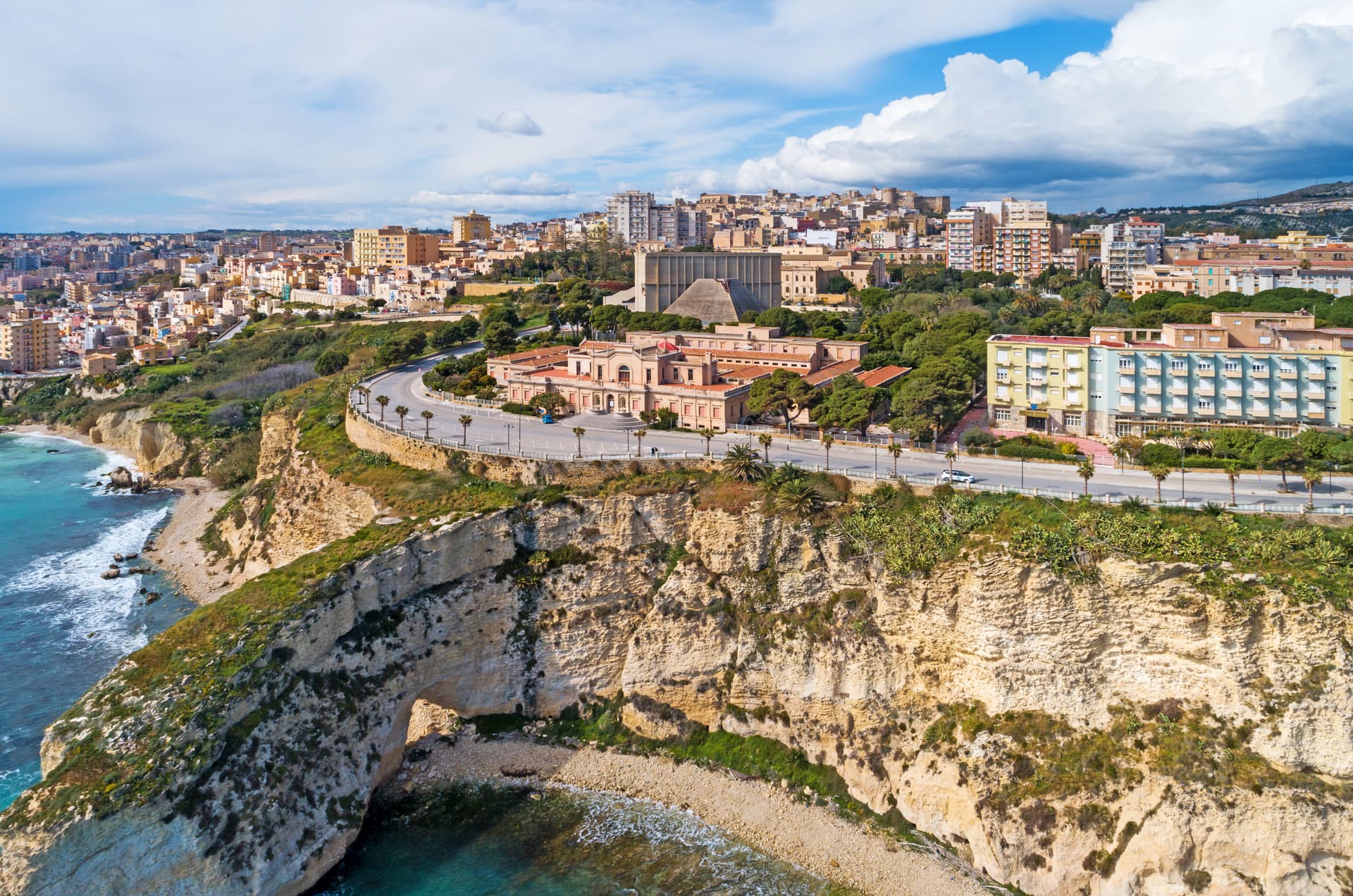
Sciacca
Province: Agrigento
A terraced fishing harbor on Sicily's southwestern coast, Selinunte's thermal spa in the fifth century BC and a ceramics city since the fourteenth.
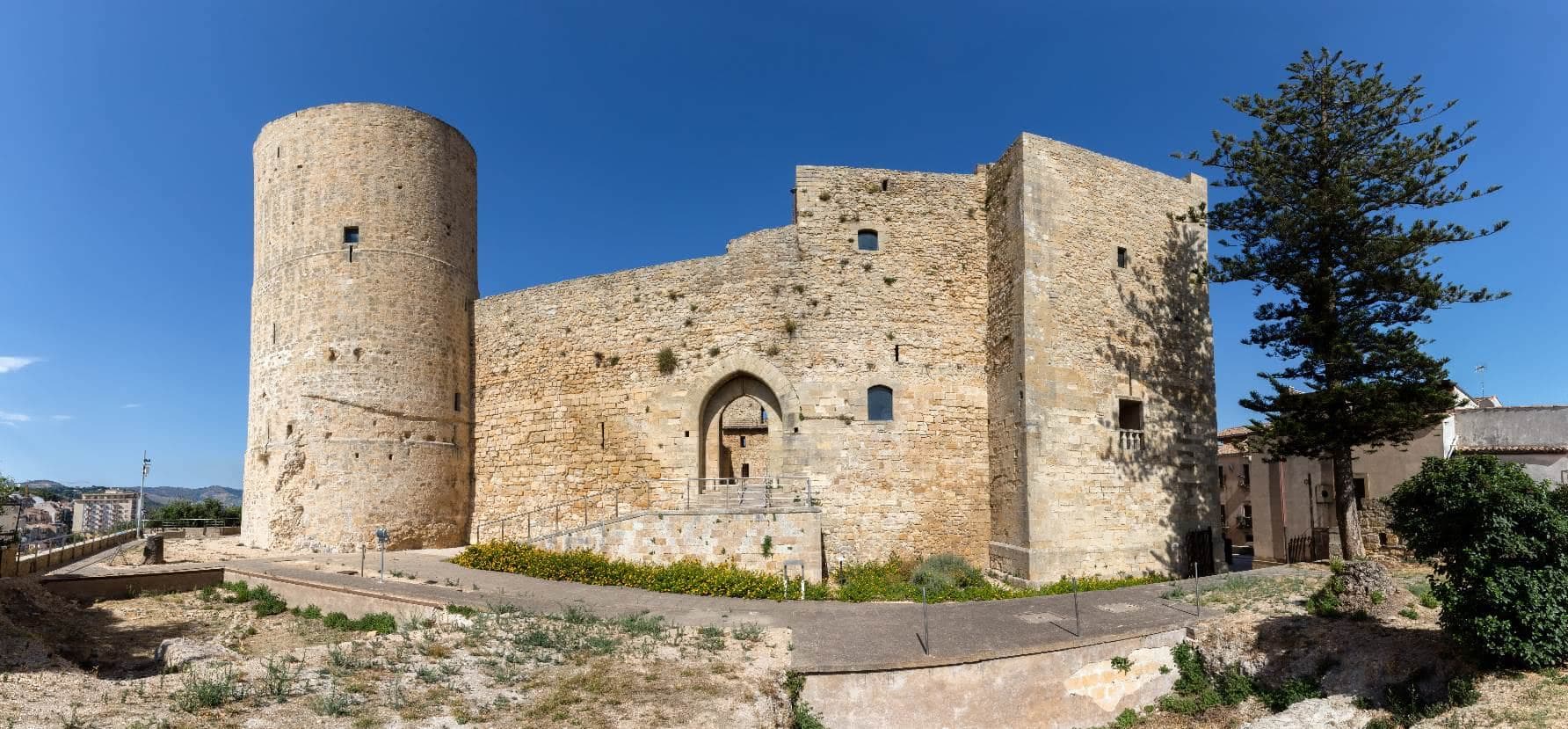
Salemi
Province: Trapani
The Belice Valley town where Garibaldi raised the tricolor on 14 May 1860 and proclaimed Salemi the capital of Italy for a day.
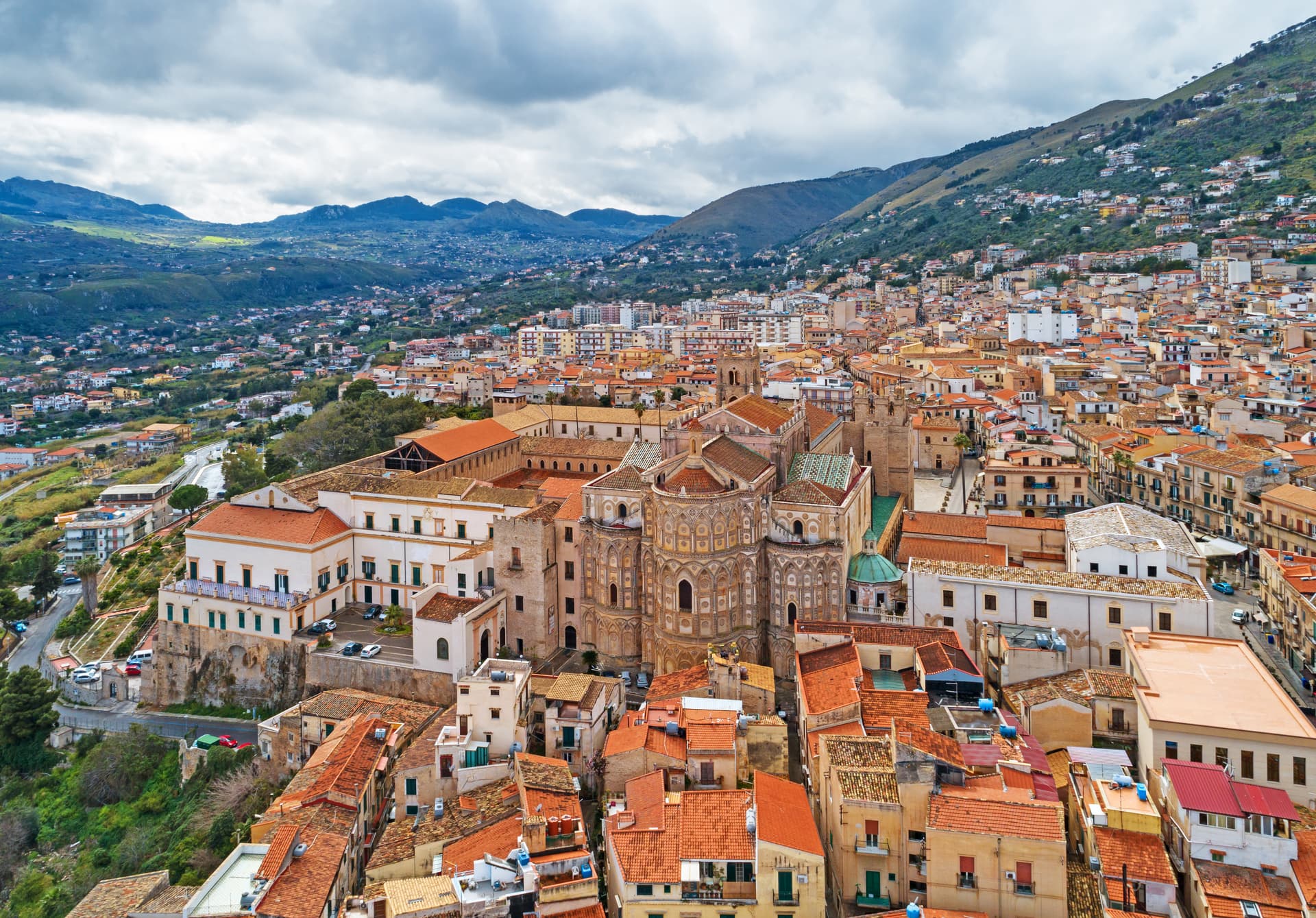
Monreale
Province: Palermo
Above the Conca d'Oro at 310 meters, the cathedral William II built between 1174 and 1182 holds 6,340 square meters of Norman mosaics.
🟦 Bandiera Blu
More Bandiera Blu towns in Sicily
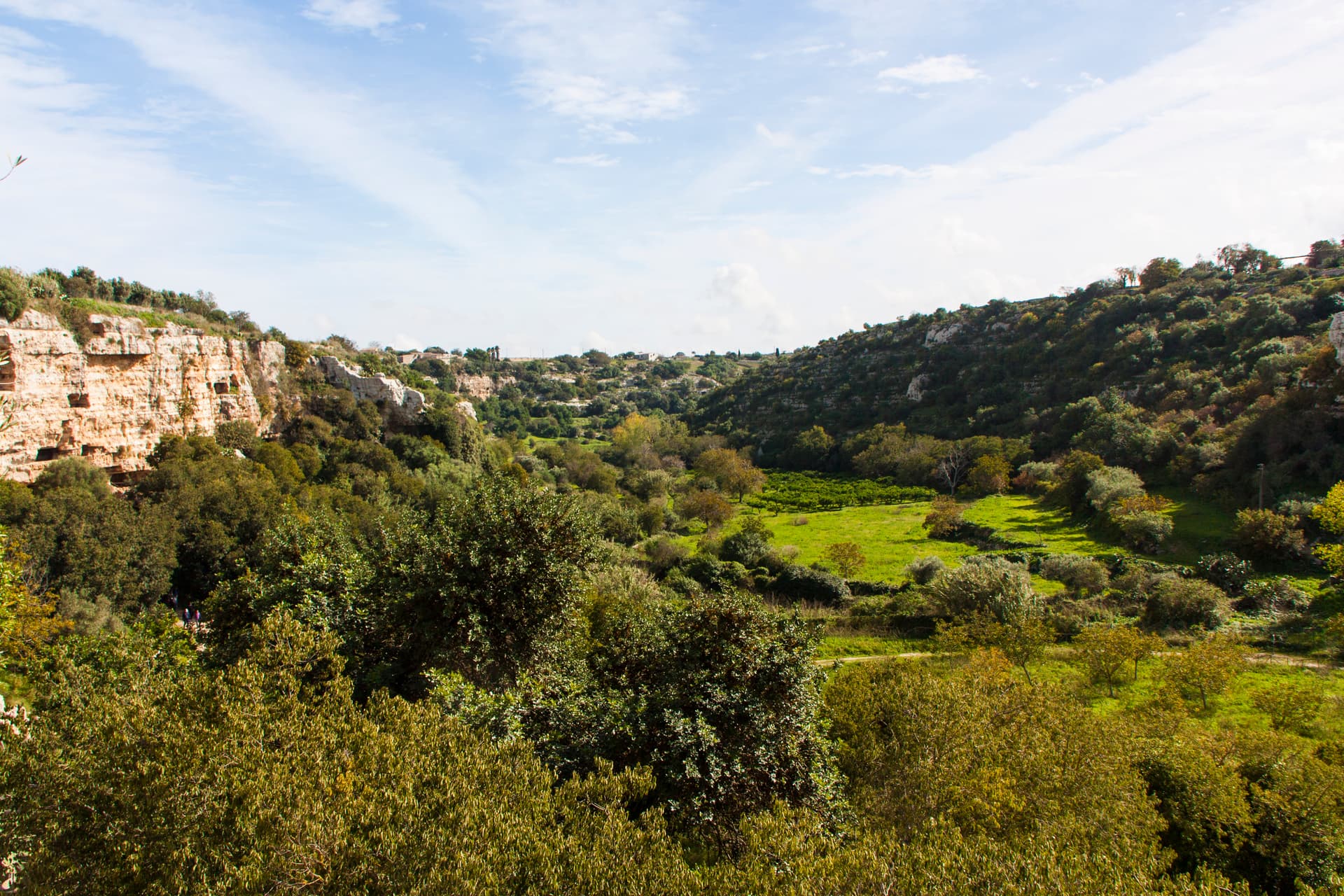
Modica
Province: Ragusa
A vertical Baroque city in the Hyblean Mountains, rebuilt from the 1693 earthquake and home to a chocolate recipe brought from Aztec Mexico.
Ragusa
Province: Ragusa
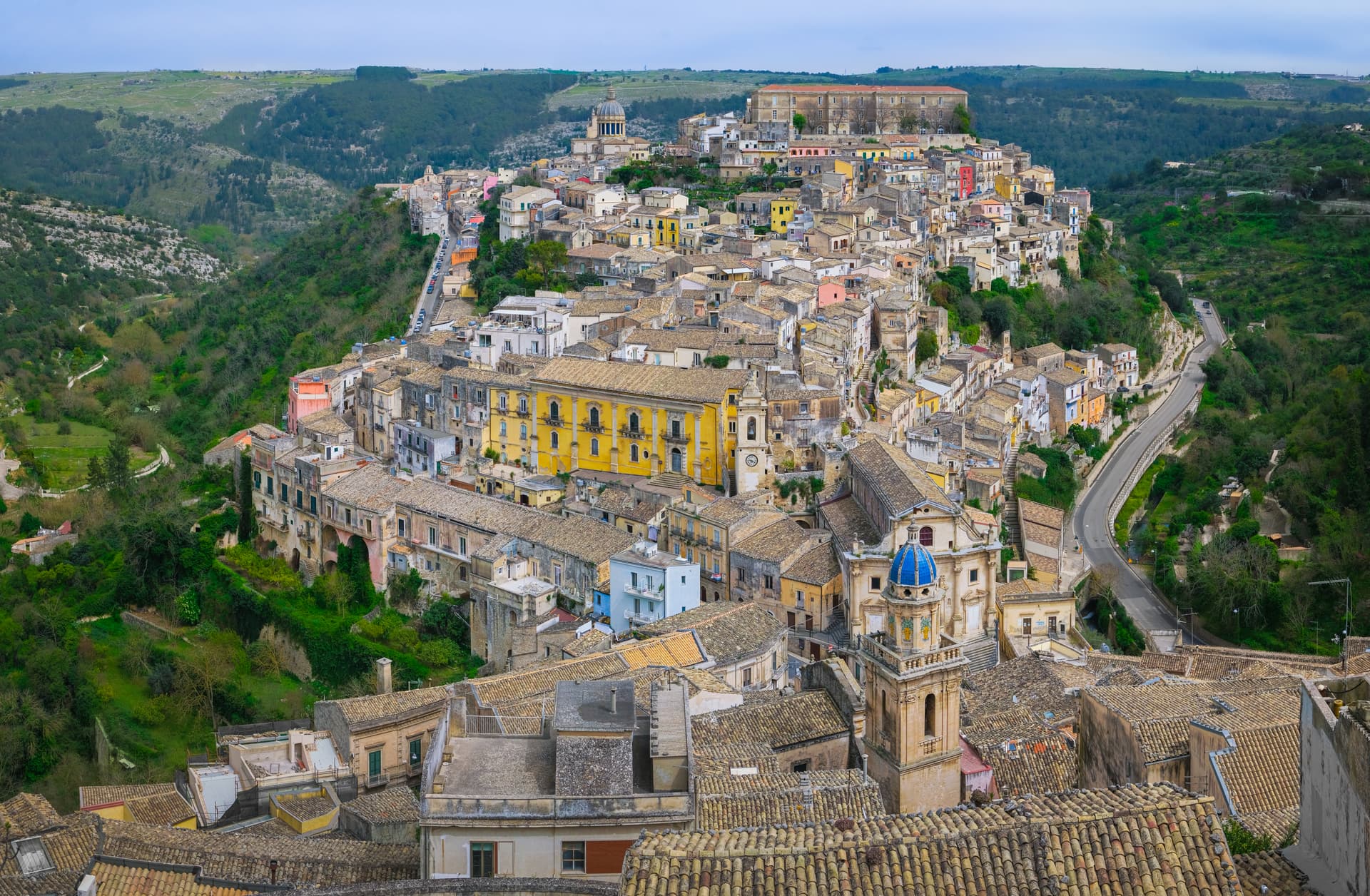
Two cities in one on a Hyblean plateau at 502 meters, Ragusa Ibla and Ragusa Superiore split by a ravine after 1693, both UNESCO Baroque.
Taormina
Province: Messina
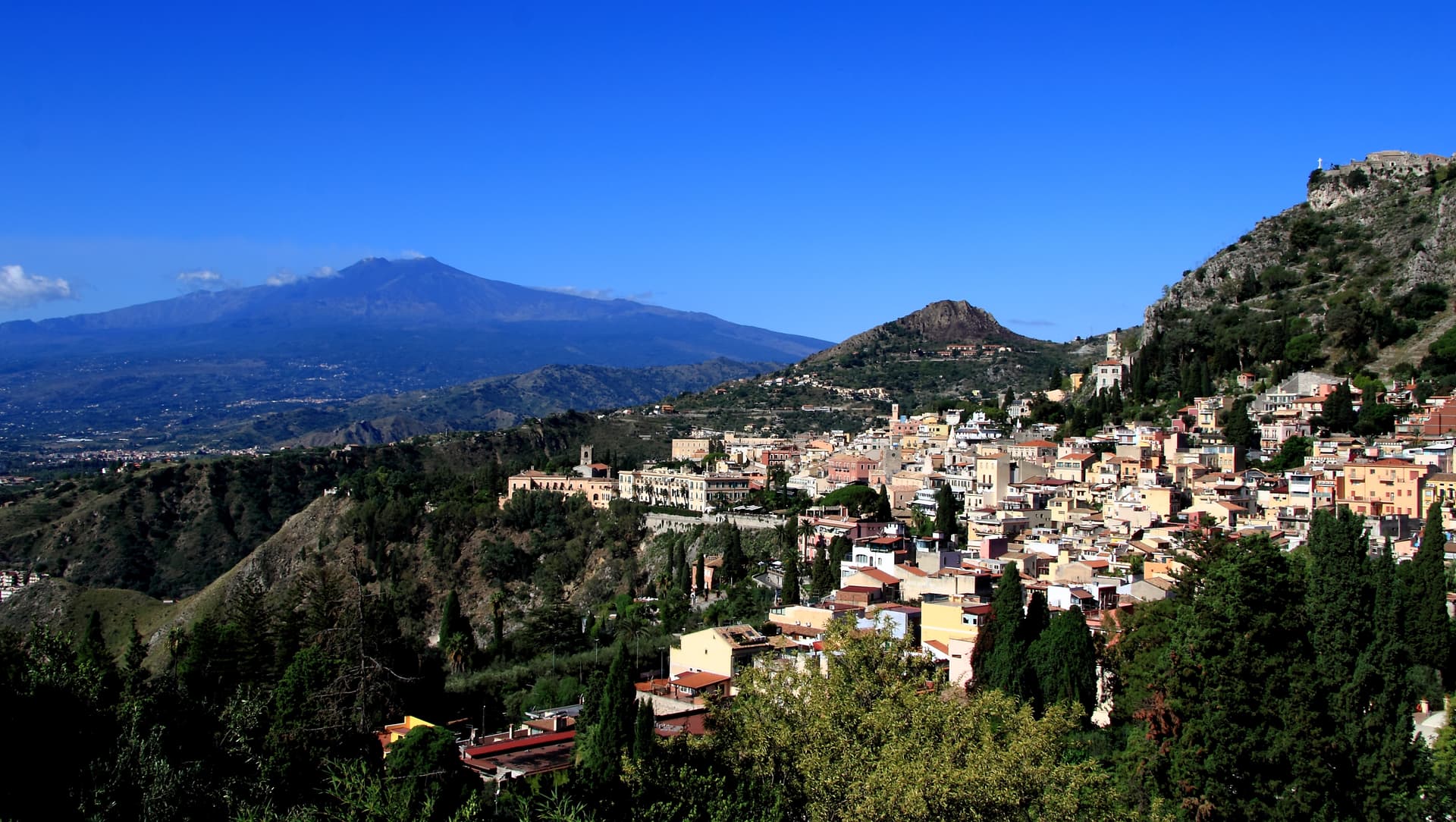
A 204-meter terrace above the Ionian with Etna on the southern horizon, a Greek-Roman theatre carved into the rock since the third century BC.