
Sicily · Ragusa
Ragusa
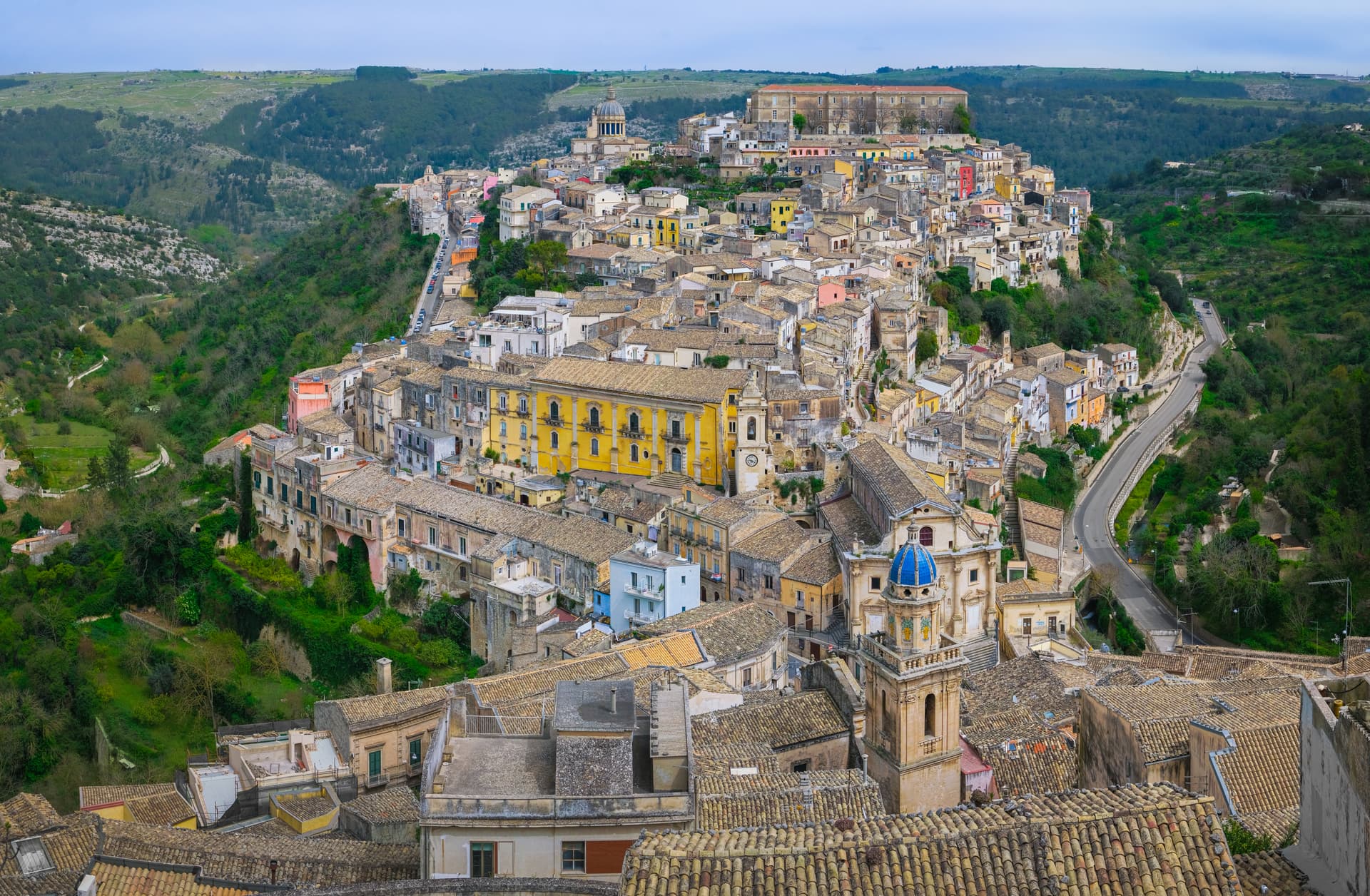
Two cities in one on a Hyblean plateau at 502 meters, Ragusa Ibla and Ragusa Superiore split by a ravine after 1693, both UNESCO Baroque.
Known for
TWO CITIES, ONE UNESCO
Ragusa Ibla and Ragusa Superiore rebuilt separately after the 1693 earthquake, inscribed together on the UNESCO list of Val di Noto Baroque towns in 2002.
GAGLIARDI'S DUOMO
Rosario Gagliardi's San Giorgio in Ibla, dome forty-three meters high on sixteen Corinthian columns, the canonical image of the Sicilian Baroque.
MONTALBANO'S VIGÀTA
Ragusa Ibla doubles as the fictional Vigàta in the Inspector Montalbano television series, broadcast on RAI since 1999.
When to visit
Best · Apr–Jun, Sep–Nov
- J
- F
- M
- A
- M
- J
- J
- A
- S
- O
- N
- D
- Best
- Hot or crowded
- Quiet
- Mostly closed
Why come
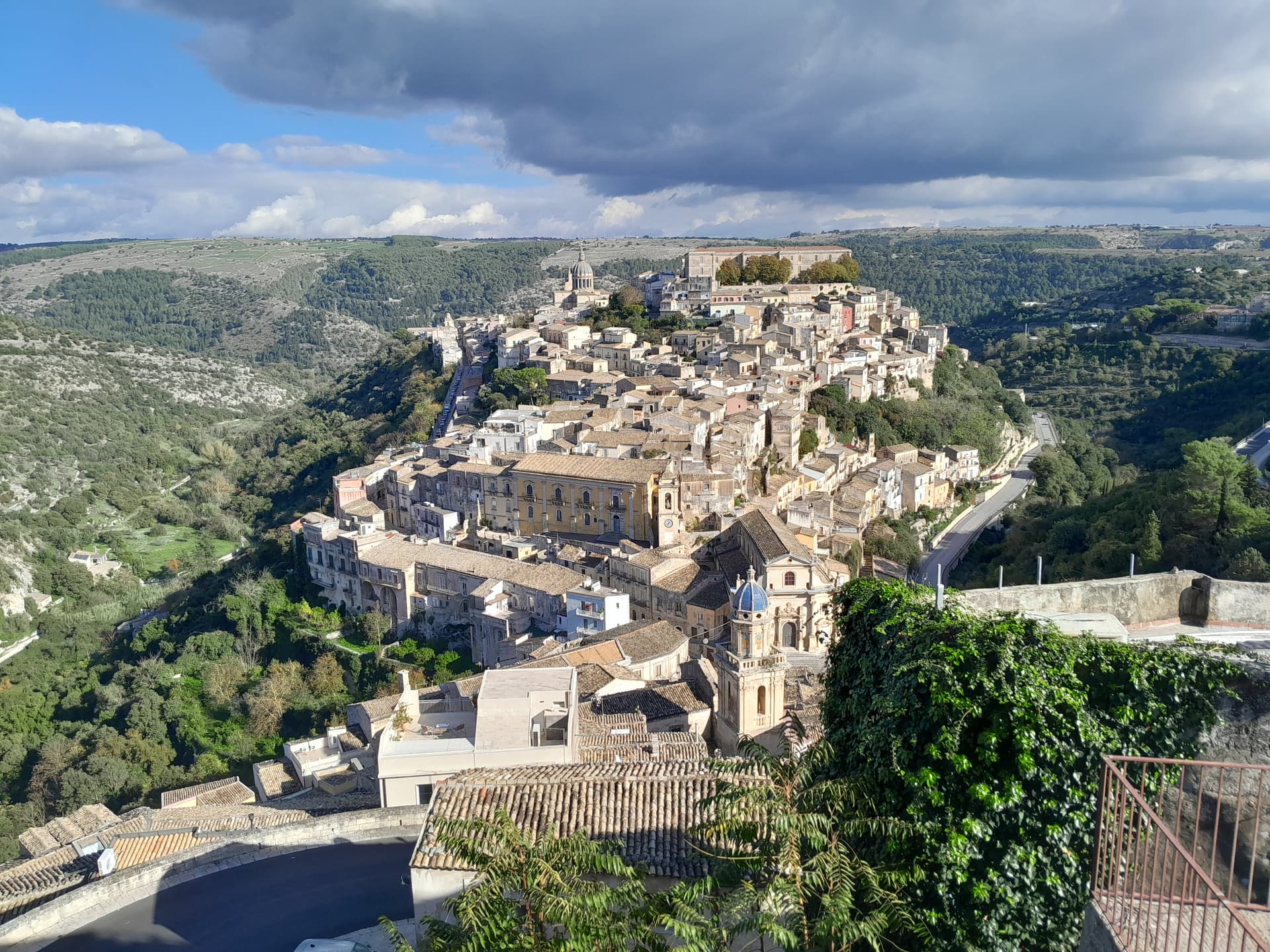
Ragusa sits on a Hyblean plateau at 502 meters, sixty kilometers southwest of Siracusa, on a ridge cut by two deep ravines. The 1693 earthquake killed five thousand of its eleven thousand residents and erased the medieval town. What followed split Ragusa in two: one faction rebuilt on the old site and called it Ragusa Ibla, the other built a new orthogonal town on the higher ridge to the west and called it Ragusa Superiore.
The Valle dei Ponti separates them, crossed by four bridges. Both halves were inscribed together in 2002 as part of the Late Baroque Towns of the Val di Noto. The Duomo di San Giorgio anchors Ibla, designed by Rosario Gagliardi in 1739 with a forty-three-meter dome and a three-tier convex façade.
The Cathedral of San Giovanni Battista answers it from Superiore. The opening sequence of the Inspector Montalbano television series was shot on the Duomo steps; the series has run since 1999 and Ragusa Ibla doubles as the fictional Vigàta.
The Sunday letter
We haven’t written Ragusa’s letter yet.
One town every Sunday, with the photo, the food, the festa. Be there when this one comes up. Free, by Peter & Sophia from Pietrasanta.
By subscribing you agree to Substack’s Terms of Use, our Privacy Policy and our Information collection notice.
What to see
Duomo di San Giorgio
Rosario Gagliardi's 1739-1775 cathedral in Ragusa Ibla, three-tier convex façade above a wide staircase, dome forty-three meters high on sixteen columns.
Cattedrale di San Giovanni Battista
Eighteenth-century Baroque cathedral on the principal piazza of Ragusa Superiore, balancing San Giorgio in Ibla across the Valle dei Ponti.
Valle dei Ponti
Deep ravine separating Ragusa Ibla from Ragusa Superiore, crossed by four bridges including the eighteenth-century Ponte dei Cappuccini and the modern Ponte Nuovo.
Ragusa Ibla
Lower town rebuilt on the medieval site after 1693, sixty-something churches and palaces compressed onto a single rocky spur, the silhouette of the Montalbano television opening.
Giardino Ibleo
Public garden at the eastern tip of Ibla, terraced over the valley with three church ruins and panoramic views across the Hyblean foothills.
Palazzo Cosentini and the carved corbels
Eighteenth-century noble palace in Ibla with figural corbels of musicians and grotesques under the balconies, the local Baroque signature.
The slow-trip planner
Building a trip? Find where Ragusa fits in a slow Italy circuit.
Answer five questions. We will shape a geographically coherent slow trip from the 1,000 Italian towns most travelers skip. Yours to save and share.
We recommend
Where to eat and stay
Not our picks, but places the guides put their name to — a Michelin star, a Gambero Rosso fork, a Slow Food snail, a Michelin Key for the hotels. Worth a table, a counter, or a night when you pass through.
DuomoRistorante
Three Gambero Rosso forks (93/100) for Duomo, along with a place in L'Espresso's Top 300 and a La Liste score of 94.
I BanchiBistrot
I Banchi has two Gambero Rosso tables and a spot in the Michelin Guide.
Locanda Don SerafinoRistorante
Locanda Don Serafino carries two Gambero Rosso forks (88/100), plus a place in L'Espresso's Top 300.
Cucina e VinoRistorante
A Slow Food snail, at Cucina e Vino.
MonsùRistorante
Monsù carries a Gambero Rosso listing.
Scale del GustoRistorante
Scale del Gusto holds one Gambero Rosso fork (78/100).
Taberna dei Cinque SensiRistorante
Taberna dei Cinque Sensi carries one Gambero Rosso fork (77/100).
Trattoria al Castello DonnafugataTrattoria
One Gambero Rosso prawn, at Trattoria al Castello Donnafugata.
Vossia Il MareRistorante
Vossia Il Mare holds one Gambero Rosso fork (77/100).
VotavotaRistorante
Two Gambero Rosso forks (84/100), at Votavota.
Eremo della GiubilianaHotel
Eremo della Giubiliana has a place in the Michelin hotel guide to its name.
Relais ChiaramonteHotel
Relais Chiaramonte has a place in the Michelin hotel guide to its name.
Signature product
Ragusano DOPDOP
Stretched-curd Sicilian cheese, ripened in parallelepiped blocks suspended by rope; an artisan tradition from the Hyblaean plateau.
See every town in our catalogue producing Ragusano DOP.
Living here
- Population 73,159
- A local hubi
- Pharmacy in town
- High school within a 30-minute drive
- Train station in the comune
- Nearest airport Sicily, 1 h 46 min drive
- Regional capital Palermo, 3 h 46 min drive
Tags & datadesignations · numbers · sources
Recognised as
The numbers
- Elevation: 502 m
- Population: 73,159
- Surface area: 444.67 km²
These figures were compiled from public directories — ISTAT, OpenStreetMap, Wikidata — and from the official listings of the guides named on this page. Town details change; verify with official sources before you travel.
Featured on
Ragusa appears on this themed pick from our Collections:
Close by
More towns near Ragusa
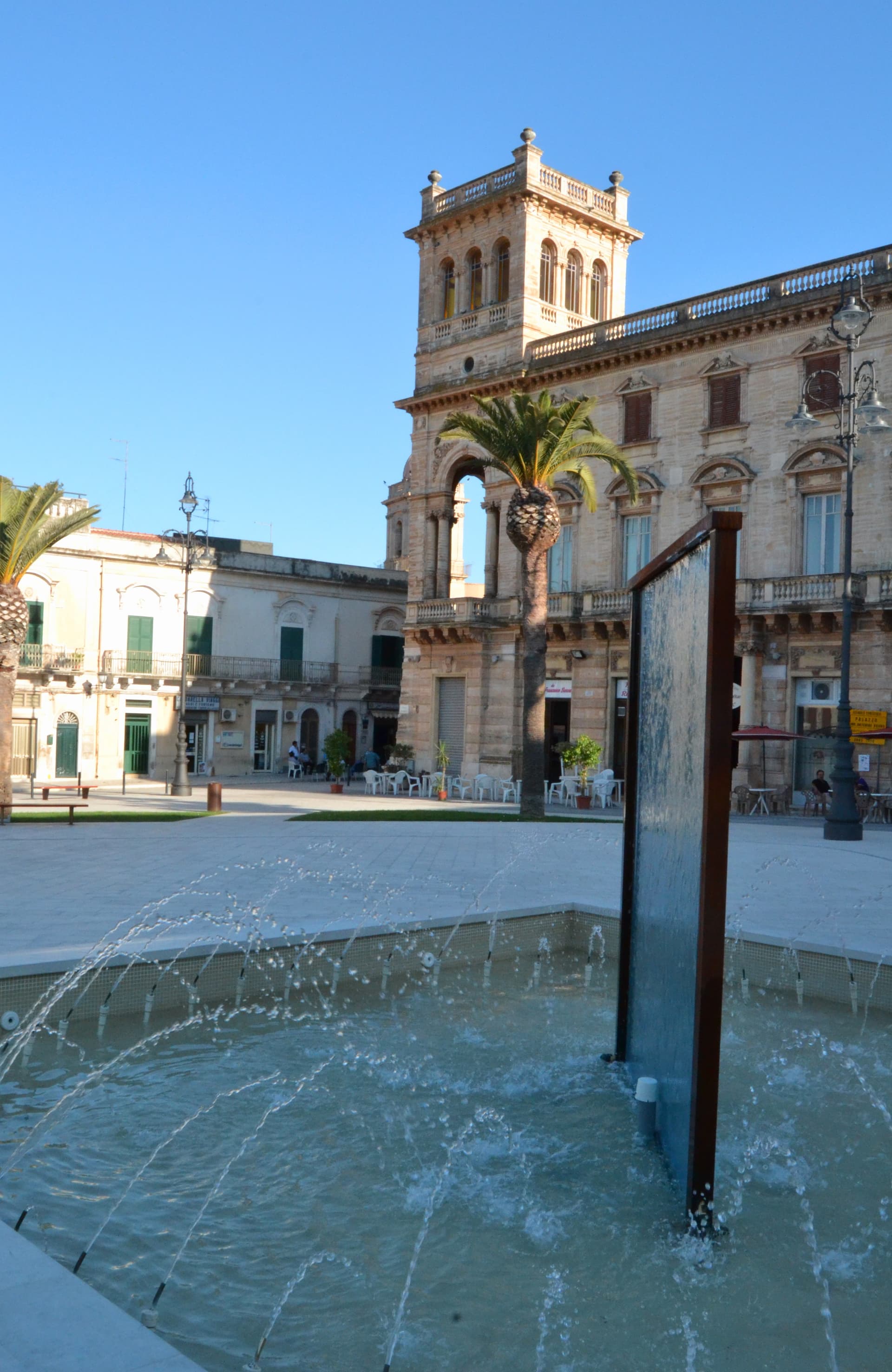
Modica
Province: Ragusa
A vertical Baroque city in the Hyblean Mountains, rebuilt from the 1693 earthquake and home to a chocolate recipe brought from Aztec Mexico.
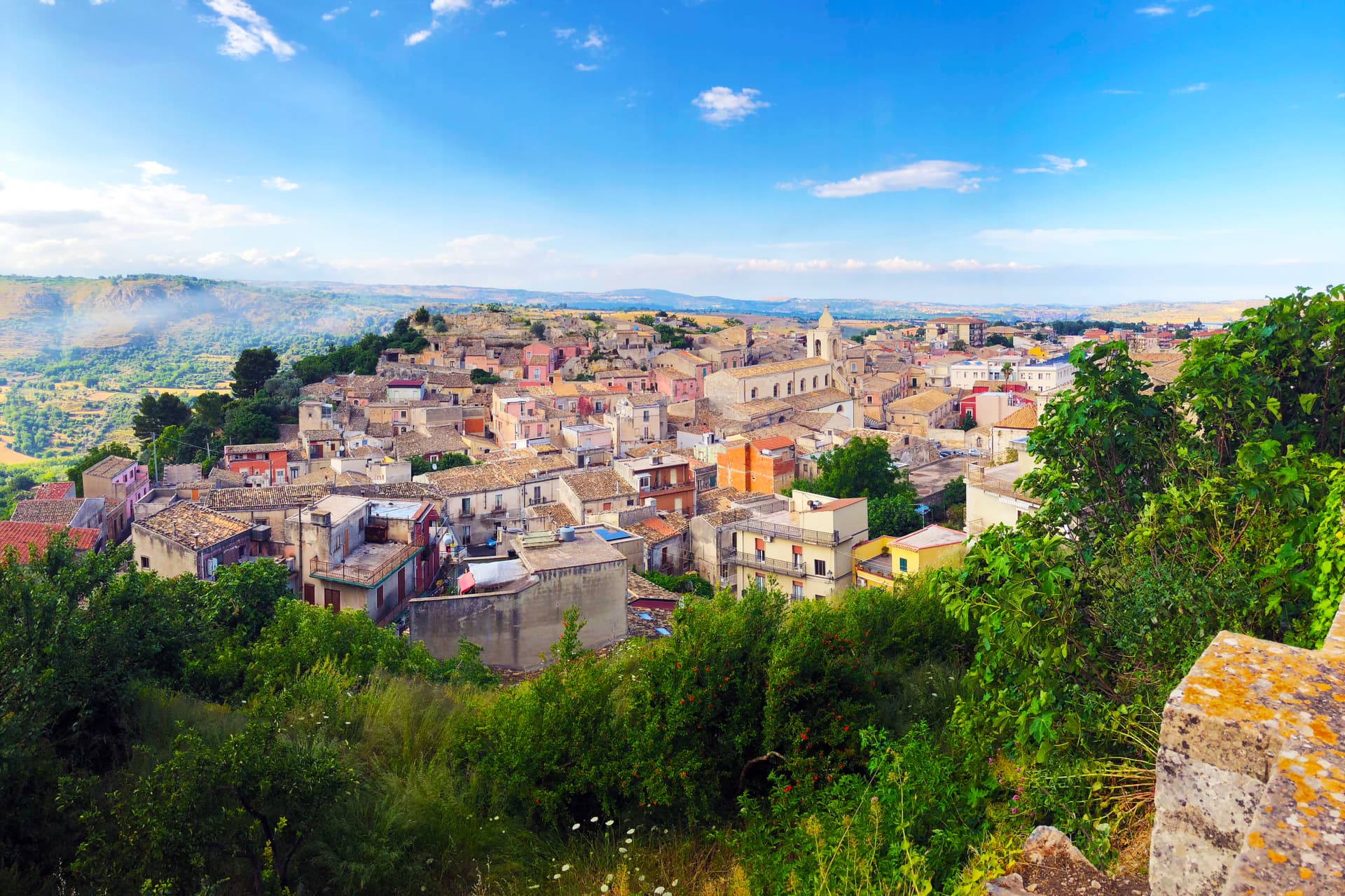
Ispica
Province: Ragusa
A Val di Noto Baroque hilltown on the southern Iblei plateau anchored by the 13-km Cava d'Ispica canyon with its 3,000+ rock-cut tombs and prehistoric dwellings — one of the largest cave-necropolis sites in the Mediterranean.
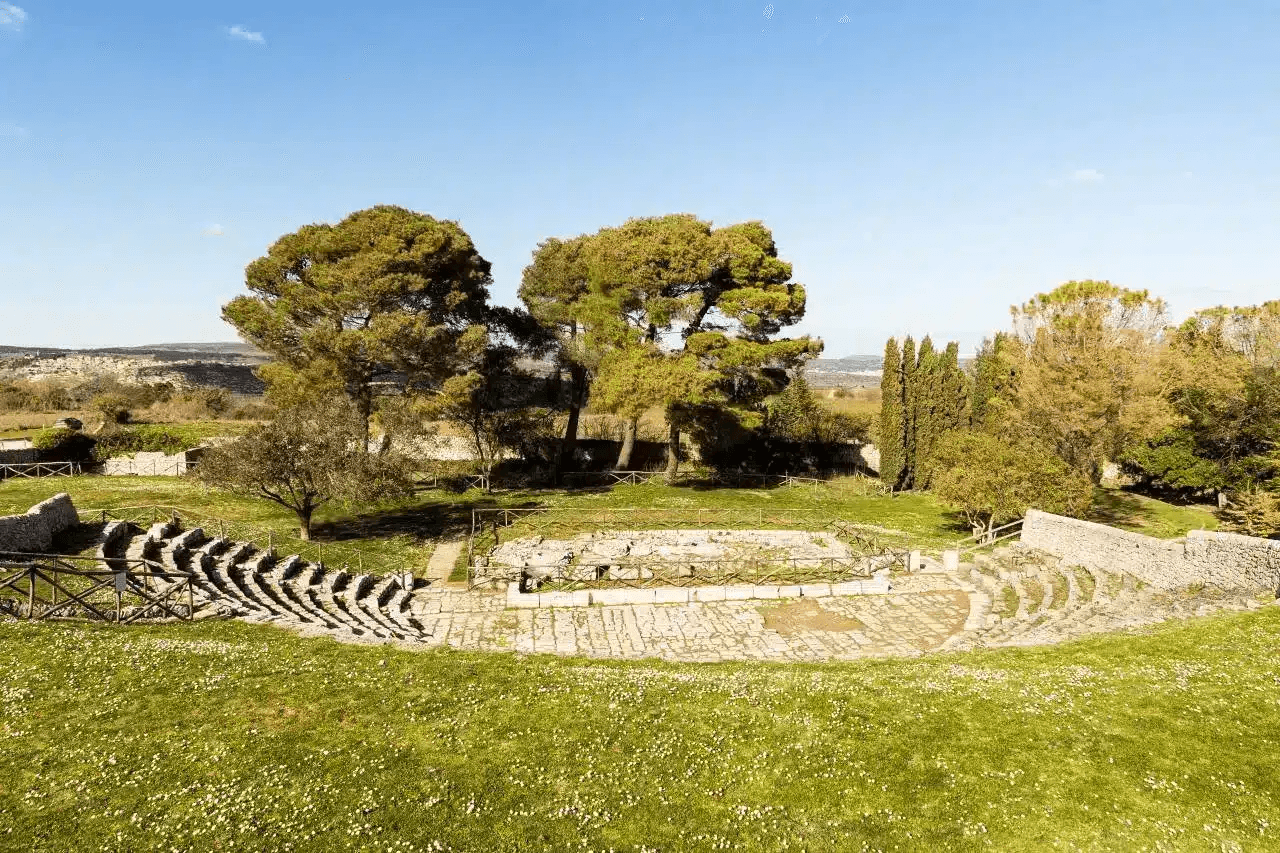
Palazzolo Acreide
Province: Siracusa
The Iblei plateau's UNESCO Baroque + Greek twin — 8,000-resident hilltop town at 670m, founded over the Greek Akrai colony (664 BC), rebuilt entirely in late Baroque after the 1693 earthquake (inscribed on the Val di Noto UNESCO listing 2002), with the original Greek theatre + the unique Santoni rock carvings of Cybele just outside the modern centro.
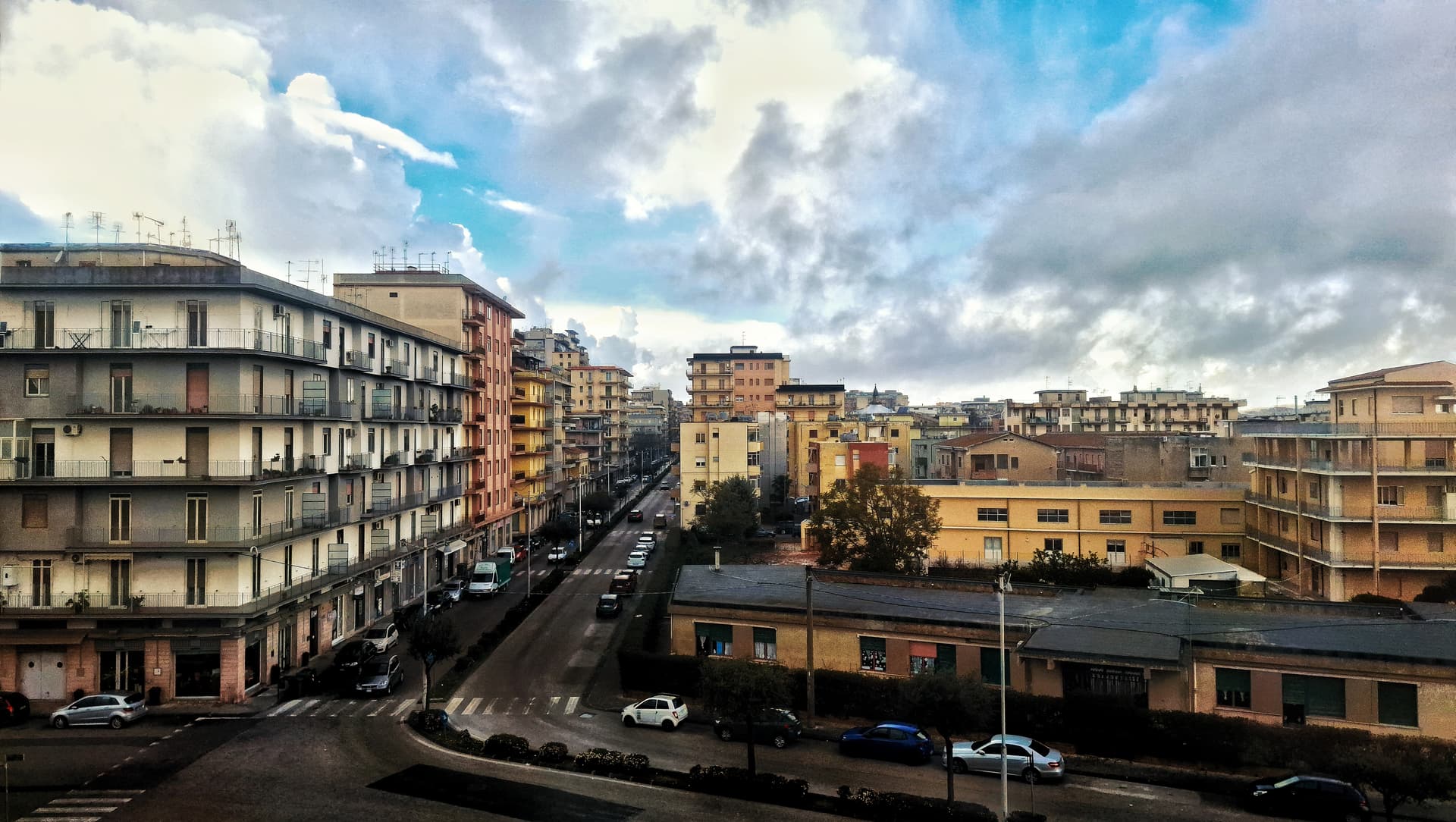
Ferla
Province: Siracusa
A baroque village at 500 meters on the Monte Lauro slopes, the western gateway to the UNESCO necropolis of Pantalica eleven kilometers downhill.
Caltagirone
Province: Catania
Sicily's ceramic capital at 611 meters on the Erei ridge, 142 majolica-tiled steps to Santa Maria del Monte and a Val di Noto UNESCO baroque rebuild.
🏛️ UNESCO
More UNESCO towns in Sicily
Catania
Province: Catania
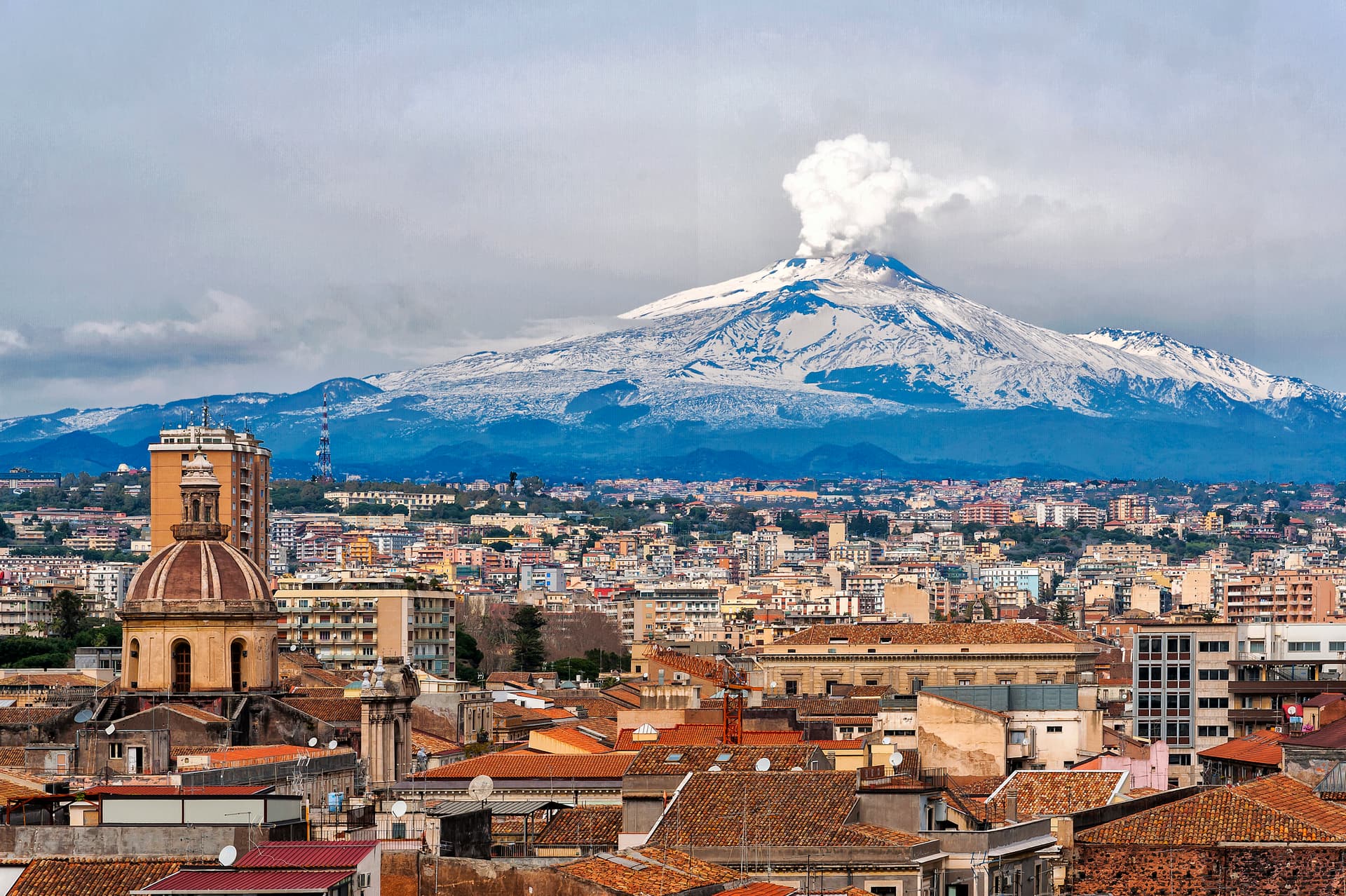
Sicily's second city and the cultural anchor of the Ionian coast — a UNESCO late-Baroque centro storico rebuilt in lava-black stone after the 1693 earthquake, sitting at the foot of Etna with a 17th-century elephant fountain (U Liotru) as its civic symbol.
Cefalù
Province: Palermo
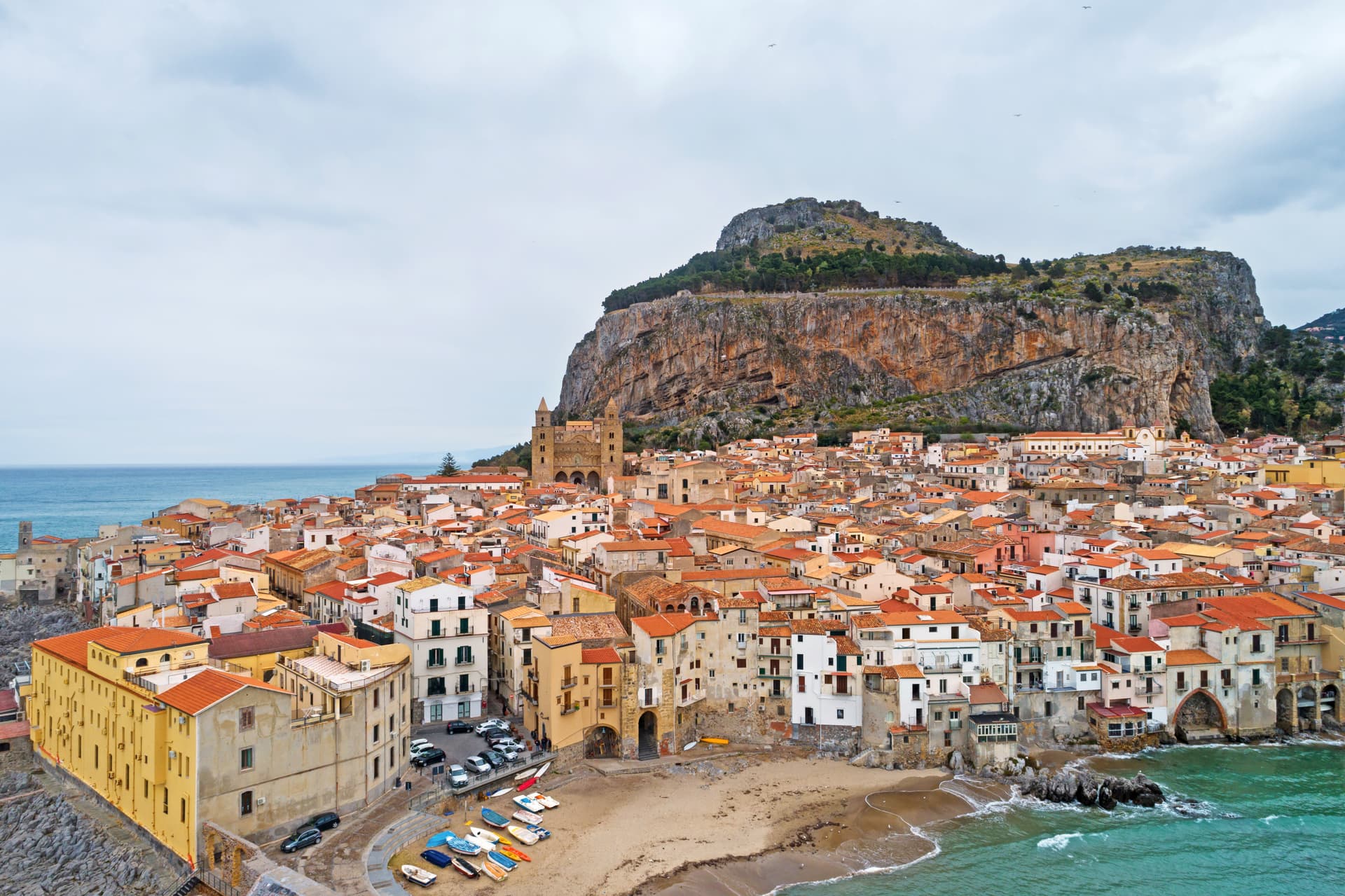
A Norman cathedral at the foot of a 270-meter rock on the Tyrrhenian coast, founded by Roger II in 1131 and on the UNESCO Arab-Norman list since 2015.
Lipari
Province: Messina
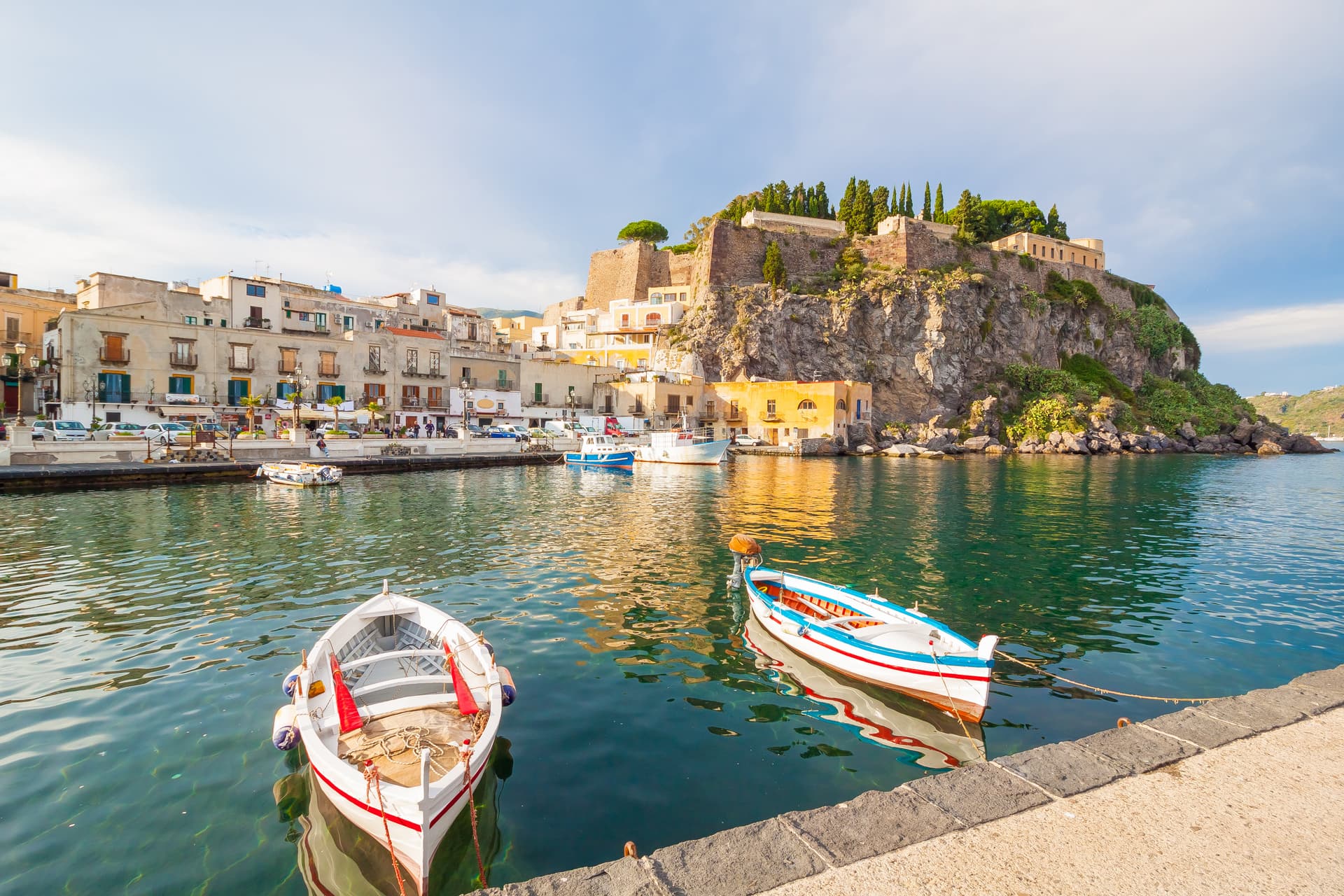
The largest Aeolian island and the only municipality that administers six of the seven, with a clifftop castle citadel rising above two harbors.
Monreale
Province: Palermo
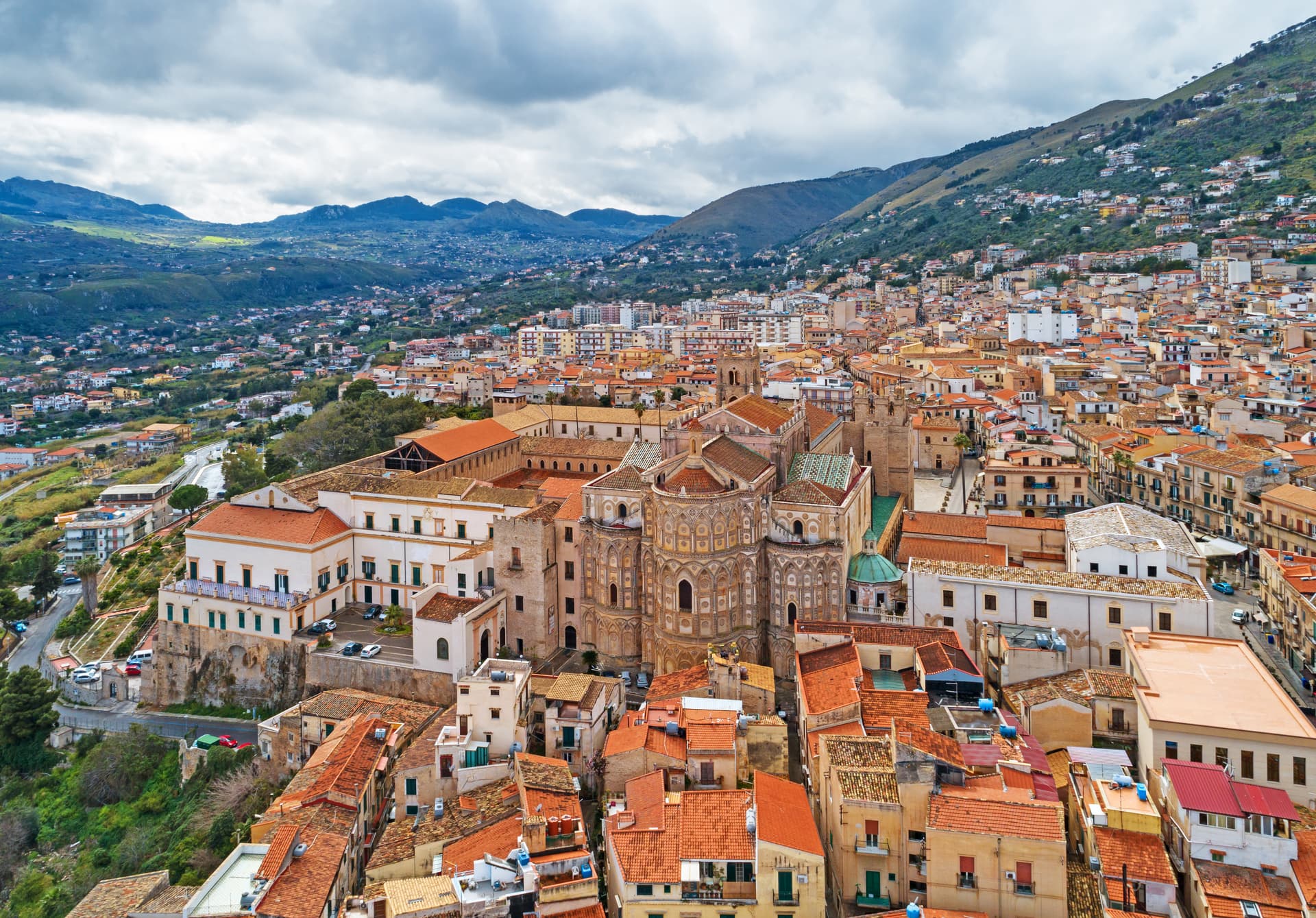
Above the Conca d'Oro at 310 meters, the cathedral William II built between 1174 and 1182 holds 6,340 square meters of Norman mosaics.