

Sicily · Catania
Catania
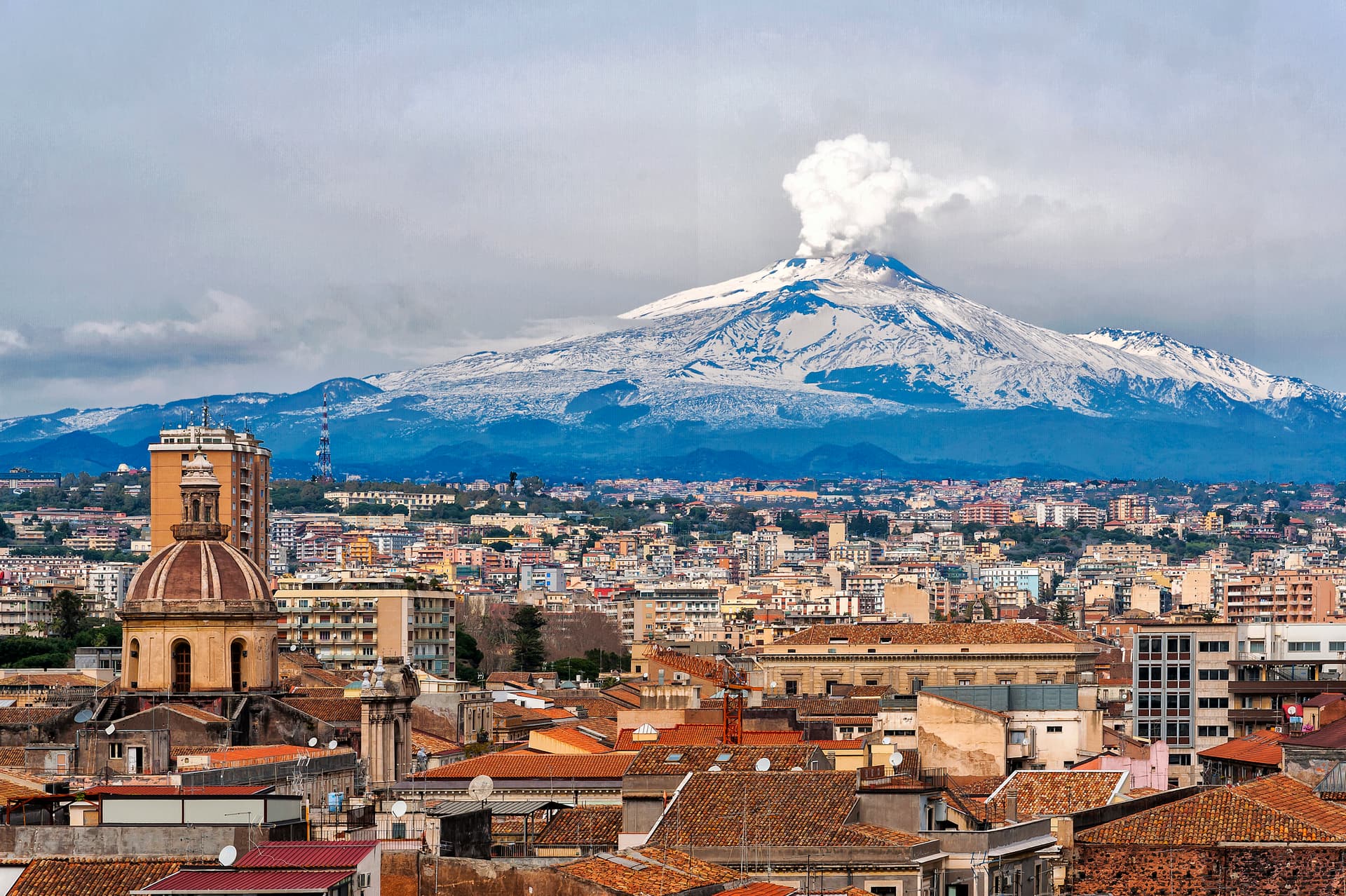
Sicily's second city and the cultural anchor of the Ionian coast — a UNESCO late-Baroque centro storico rebuilt in lava-black stone after the 1693 earthquake, sitting at the foot of Etna with a 17th-century elephant fountain (U Liotru) as its civic symbol.
Known for
VAL DI NOTO UNESCO
Post-1693 late-Baroque rebuild inscribed on the UNESCO list in 2002 — Vaccarini's lava-and-limestone palazzi and the U Liotru elephant fountain.
ETNA AT YOUR DOOR
Europe's largest active volcano visible from every north-facing street; cable car + jeep reach the summit zone in an hour.
BELLINI CITY
Birthplace of opera composer Vincenzo Bellini (1801-1835); his house, theatre, and tomb are all in the centro storico.
When to visit
Best · Year-round
- J
- F
- M
- A
- M
- J
- J
- A
- S
- O
- N
- D
- Best
- Hot or crowded
- Quiet
- Mostly closed
The festa: Sant'Agata, 3 February
Why come
Catania is Sicily's second-largest city and the capital of the Ionian coast: 300,000 residents at the foot of Etna, with the volcano visible from every street that opens north. The current city is the third built on the same site — Greek Katánē (729 BC), Roman Catina, and the medieval town all in turn — and the version visible today was built almost entirely in the half-century after the 1693 Val di Noto earthquake destroyed 75% of the buildings and killed two-thirds of the population. The reconstruction was led by Giovanni Battista Vaccarini, who gave Catania its distinctive late-Baroque profile: wide regular streets paved with lava basalt, palazzi faced in the same black stone with white limestone trim, and the Piazza del Duomo at the centre with Vaccarini's 1735 elephant fountain (U Liotru, a Roman-era basalt elephant supporting an Egyptian obelisk) as the city's symbol.
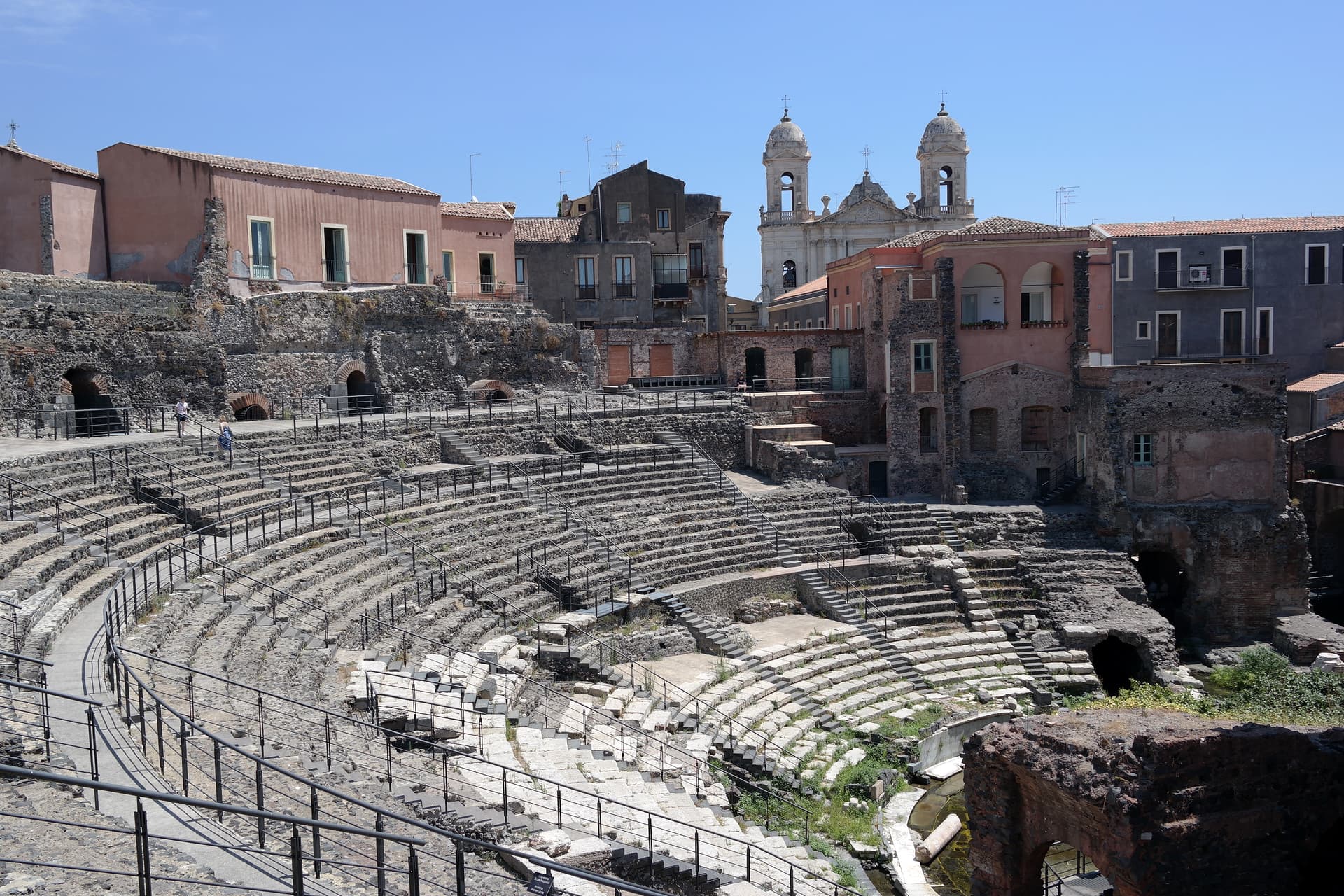
The historic centre was inscribed on the UNESCO World Heritage list in 2002 as one of the Late Baroque Towns of the Val di Noto. Beyond the Baroque: Bellini was born here, the Roman amphitheatre is the second-largest in Sicily, the Pescheria fish market runs every weekday morning, and the Etna cable car from Rifugio Sapienza is reachable in an hour for the high-altitude lava fields.
The Sunday letter
We haven’t written Catania’s letter yet.
One town every Sunday, with the photo, the food, the festa. Be there when this one comes up. Free, by Peter & Sophia from Pietrasanta.
By subscribing you agree to Substack’s Terms of Use, our Privacy Policy and our Information collection notice.
What to see
Piazza del Duomo + U Liotru
Vaccarini's 1735 elephant fountain in the central square — a Roman basalt elephant supporting an Egyptian obelisk. The cathedral of Sant'Agata anchors the south side. Both rebuilt post-1693 in lava-and-limestone Baroque.
Via dei Crociferi
Pedestrian Baroque street with four churches in 200 metres — the densest stretch of post-1693 reconstruction. UNESCO World Heritage protected.
Etna
Europe's largest active volcano (3,357 m), an hour from the city by cable car + jeep from Rifugio Sapienza. UNESCO World Heritage in its own right since 2013.
Pescheria
Daily fish market in the streets behind Piazza del Duomo, weekday mornings 7-13. Tuna, swordfish, sea urchins, the Catanese version of pasta alla Norma at the surrounding trattorie.
Casa natale di Vincenzo Bellini
Birthplace and museum of the opera composer (1801-1835), in the heart of the historic centre. Holds his manuscripts and personal effects.
The slow-trip planner
Building a trip? Find where Catania fits in a slow Italy circuit.
Answer five questions. We will shape a geographically coherent slow trip from the 1,000 Italian towns most travelers skip. Yours to save and share.
We recommend
Where to eat and stay
Not our picks, but places the guides put their name to — a Michelin star, a Gambero Rosso fork, a Slow Food snail, a Michelin Key for the hotels. Worth a table, a counter, or a night when you pass through.
Me Cumpari TuridduBistrot
Me Cumpari Turiddu carries a Michelin Bib Gourmand, two Gambero Rosso tables, plus a Slow Food snail.
Angiò-Macelleria di MareRistorante
Angiò-Macelleria di Mare holds one Gambero Rosso fork (79/100) and a spot in the Michelin Guide.
Concezione RestaurantRistorante
Concezione Restaurant carries two Gambero Rosso forks (80/100), plus a spot in the Michelin Guide.
CoriaRistorante
Coria carries one Michelin star, plus two Gambero Rosso forks (84/100).
Materia | Spazio CucinaRistorante
Materia | Spazio Cucina has one Gambero Rosso fork (79/100) and a spot in the Michelin Guide.
MénageRistorante
A Gambero Rosso listing for Ménage, and a spot in the Michelin Guide.
SapioRistorante
Sapio has one Michelin star and two Gambero Rosso forks (83/100).
La Cucina dei ColoriVegetariano
A Gambero Rosso listing, at La Cucina dei Colori.
Le Tre BoccheRistorante
Le Tre Bocche carries a Gambero Rosso listing.
Uzeta Bistrò sicilianoBistrot
Two Gambero Rosso tables, at Uzeta Bistrò siciliano.
DonnaCarmela Resort & LodgesHotel
A place in the Michelin hotel guide, at DonnaCarmela Resort & Lodges.
Living here
- Population 298,762
- A local hubi
- Pharmacy in town
- High school within a 30-minute drive
- Train station in the comune
- Nearest airport Sicily, 10 min drive
- Regional capital Palermo, 2 h 35 min drive
Tags & datadesignations · numbers · sources
Recognised as
The numbers
- Elevation: 7 m
- Population: 298,762
- Surface area: 182.9 km²
These figures were compiled from public directories — ISTAT, OpenStreetMap, Wikidata — and from the official listings of the guides named on this page. Town details change; verify with official sources before you travel.
Featured on
Catania appears on this themed pick from our Collections:
Close by
More towns near Catania
Aci Castello
Province: Catania
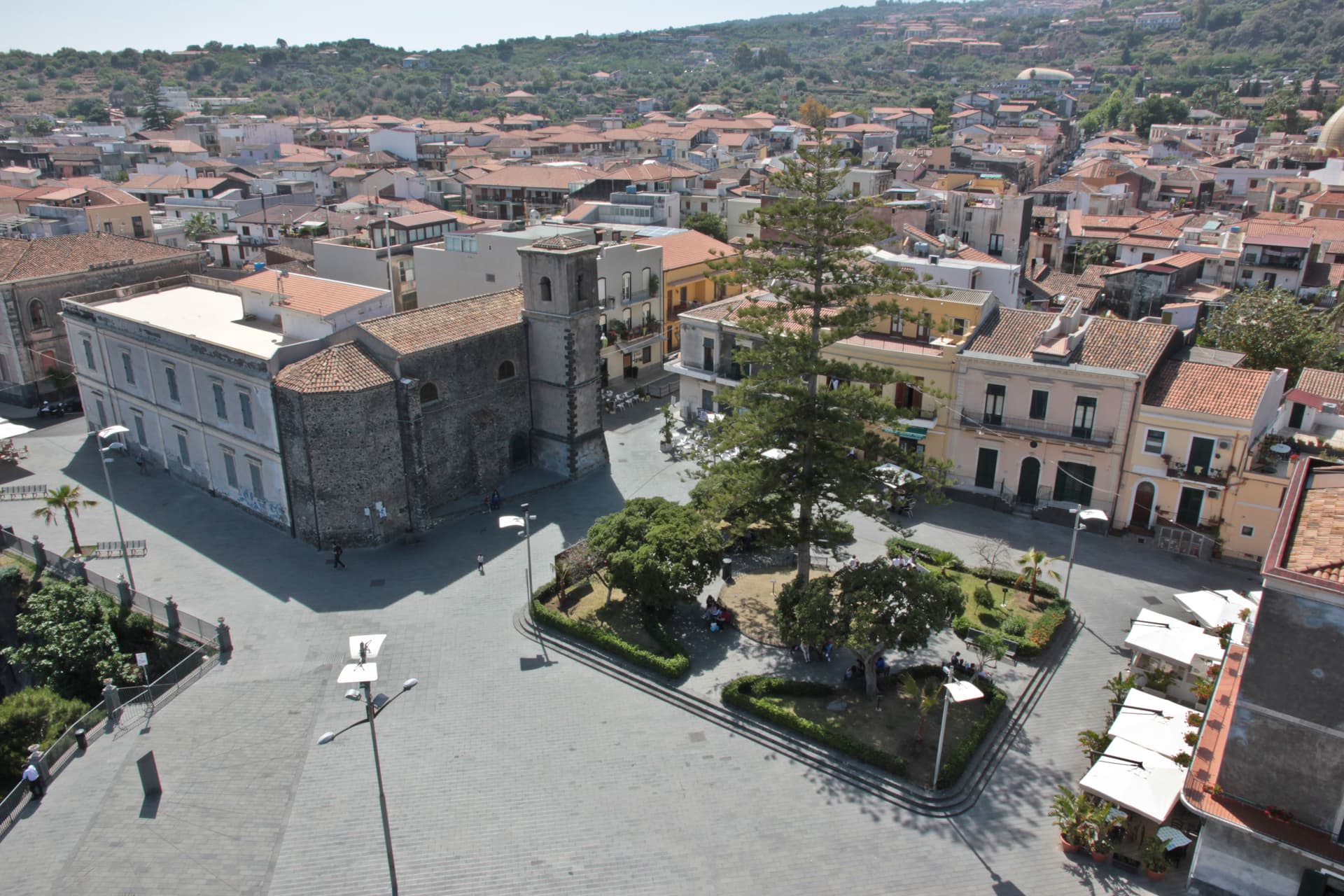
A coastal town just north of Catania on the Riviera dei Ciclopi, where the basalt headland holds the 1076 Norman Castello d'Aci and the seven volcanic Faraglioni dei Ciclopi rise from the sea — the rocks the Cyclops threw at Odysseus in Homer's Odyssey.
Giarre
Province: Catania
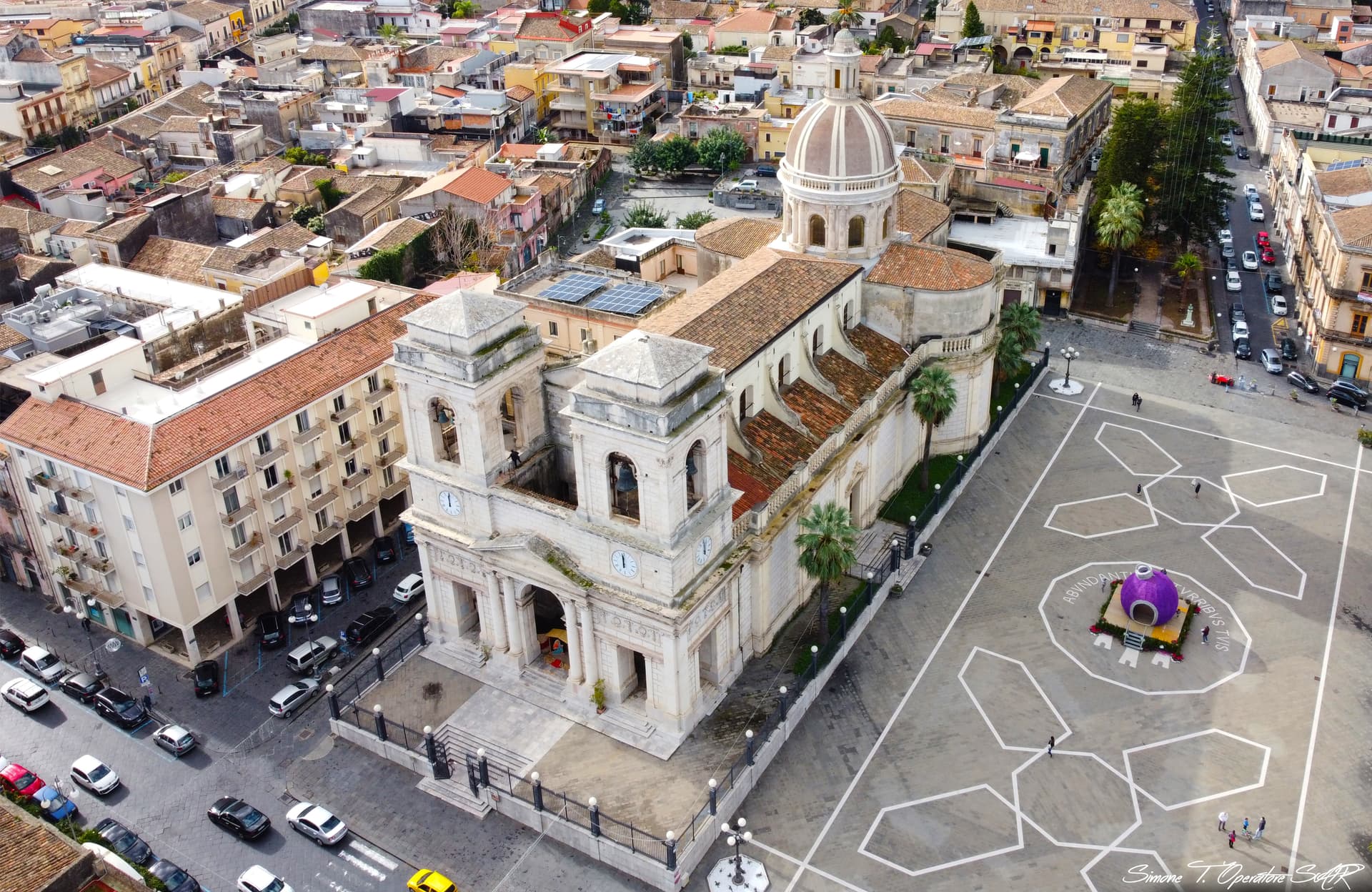
An Etna town that split from Mascali in 1815 and built a neoclassical duomo, with two bell towers framing the volcano behind it.
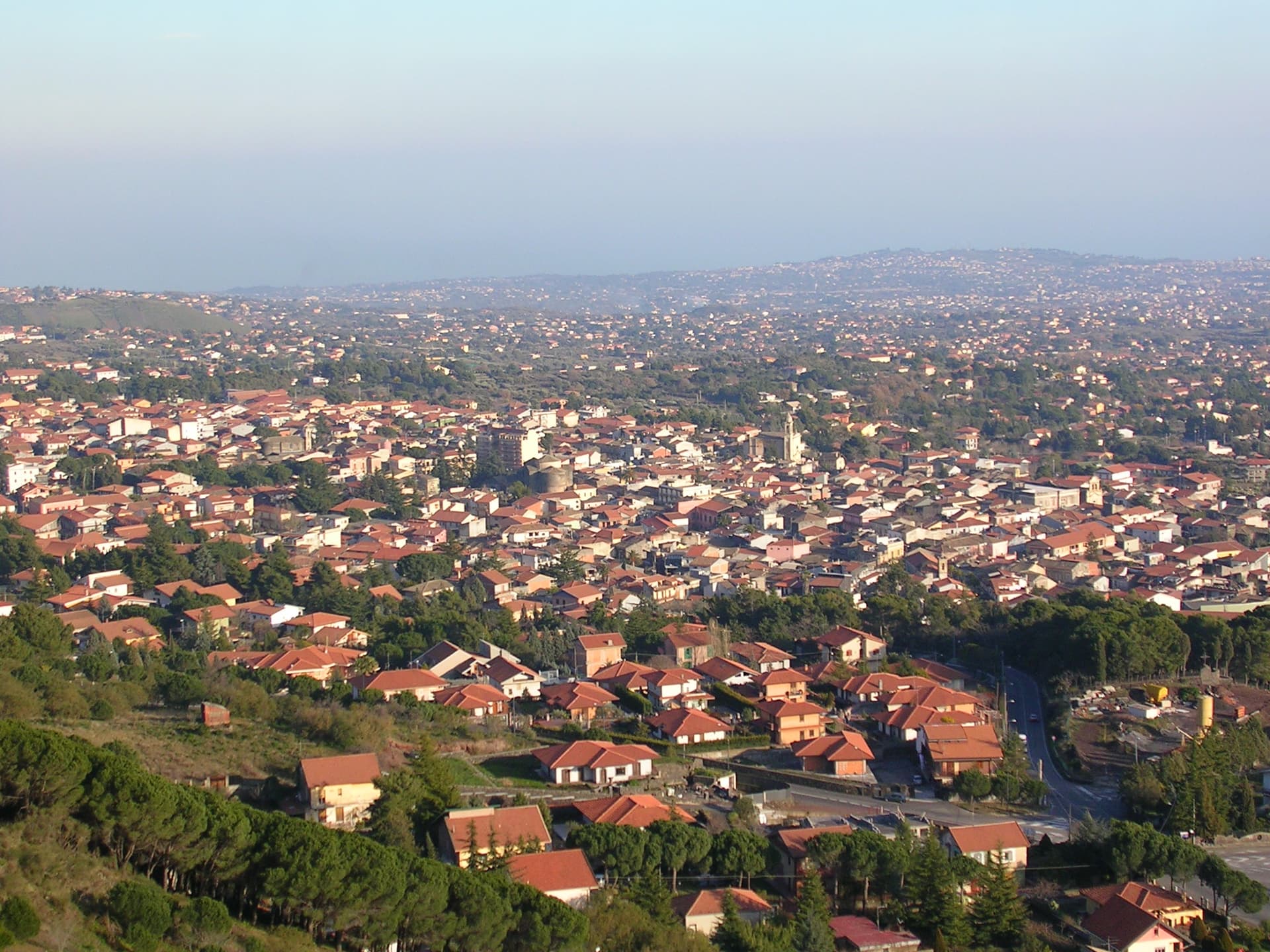
Nicolosi
Province: Catania
The southern gateway to Etna at 698 meters, twice destroyed by the 1669 eruption, base camp for the volcano cable car at Rifugio Sapienza.
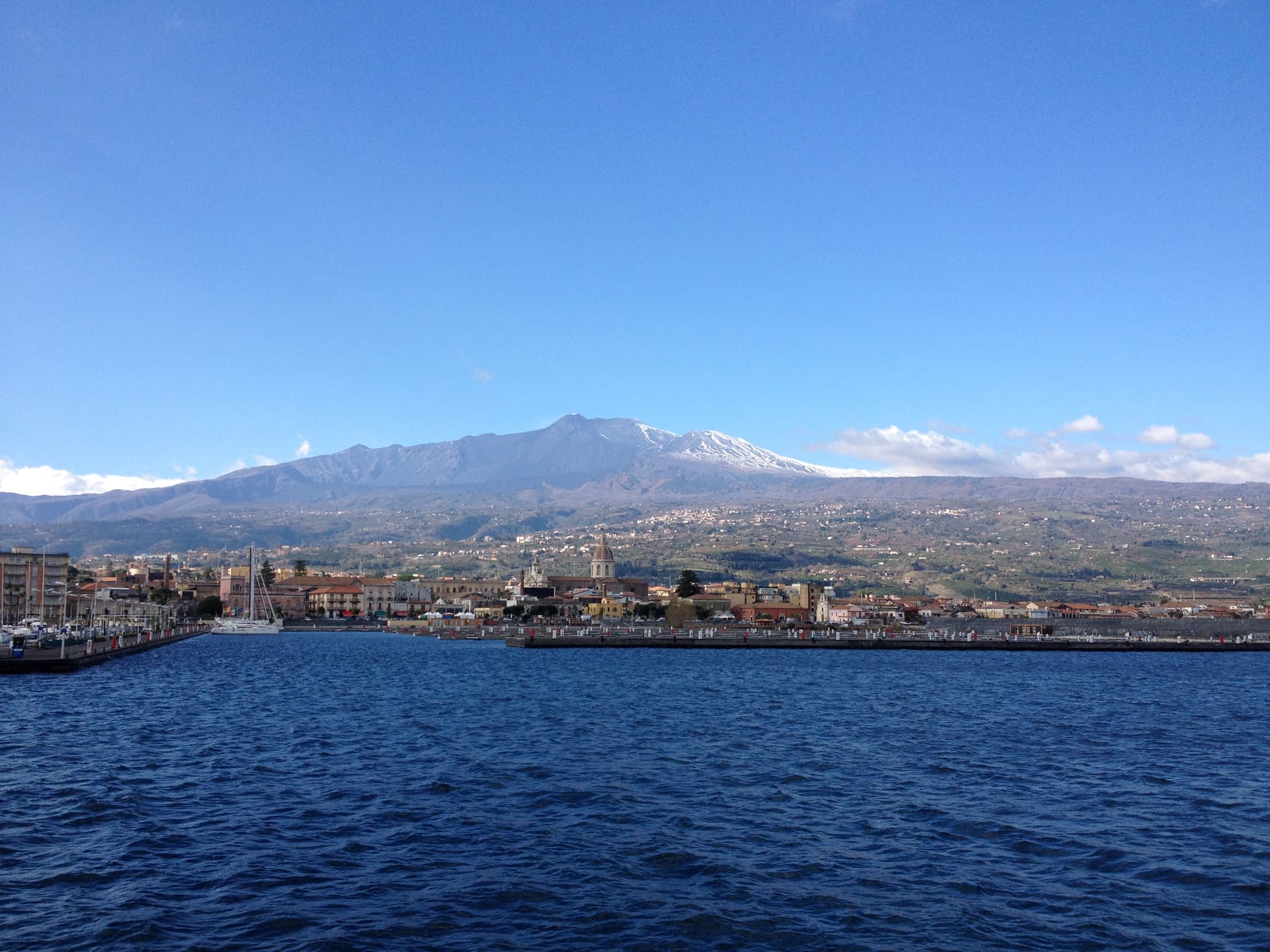
Riposto
Province: Catania
The Ionian port whose name comes from the Sicilian for cellar, where the wine of Mascali and Giarre was stored before shipping.
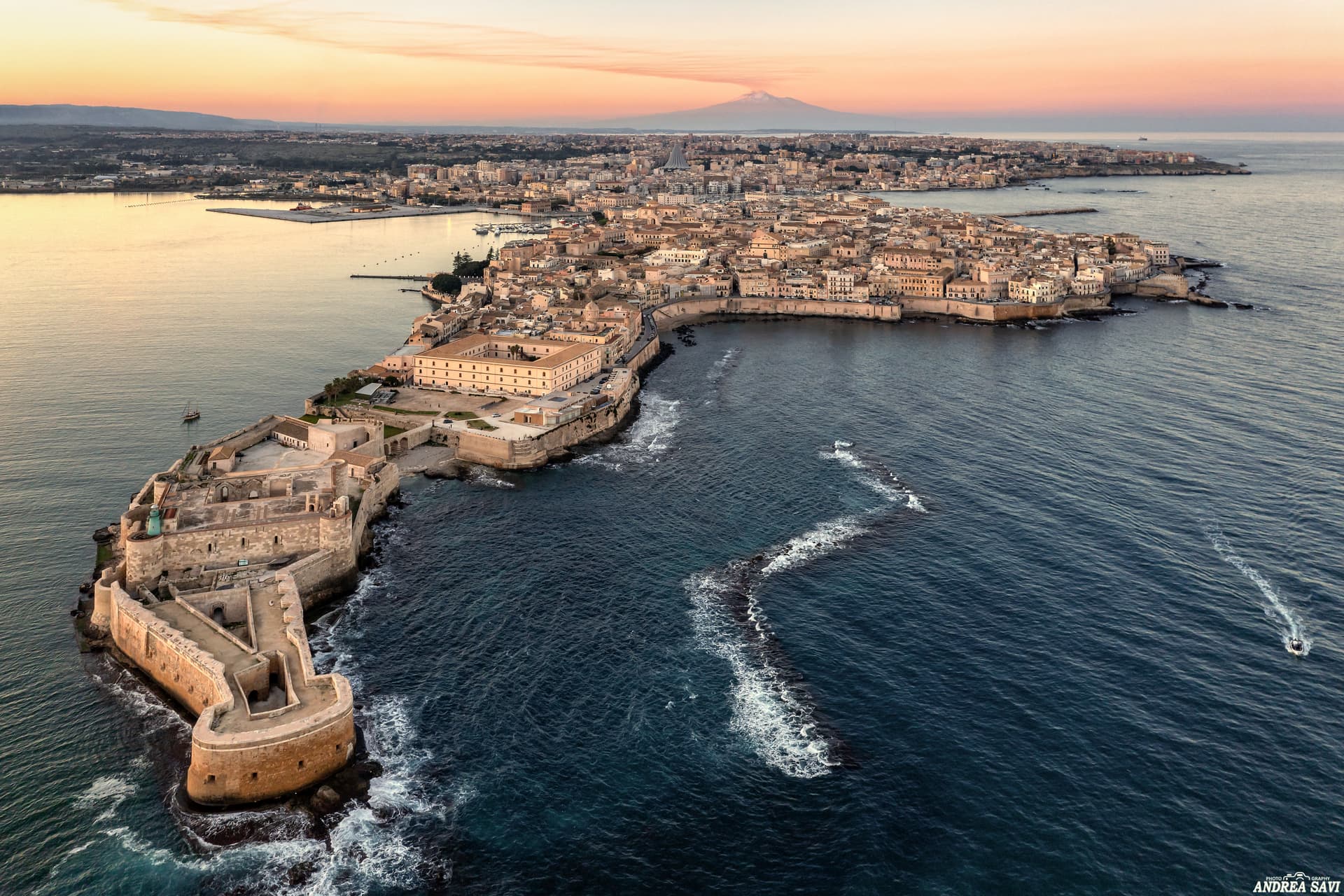
Siracusa
Province: Siracusa
The 2,700-year-old Greek city Cicero called the most beautiful in the world — Ortigia island at its heart wrapped in honey-coloured Baroque stone, the 5th-century BC Greek theatre still in use every summer, and Catania's bigger UNESCO sister on the eastern Sicilian coast.
🏛️ UNESCO
More UNESCO towns in Sicily
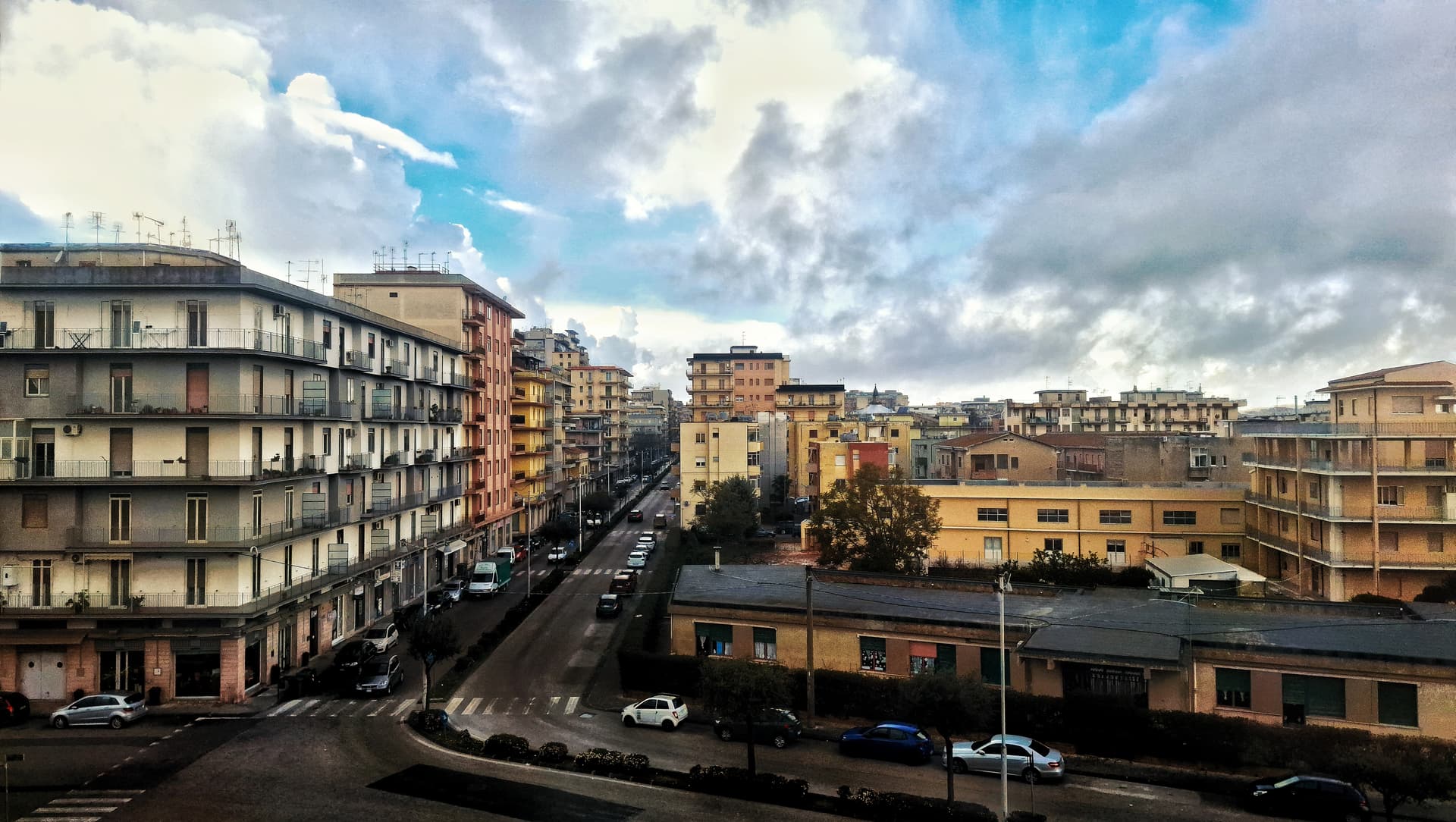
Caltagirone
Province: Catania
Sicily's ceramic capital at 611 meters on the Erei ridge, 142 majolica-tiled steps to Santa Maria del Monte and a Val di Noto UNESCO baroque rebuild.
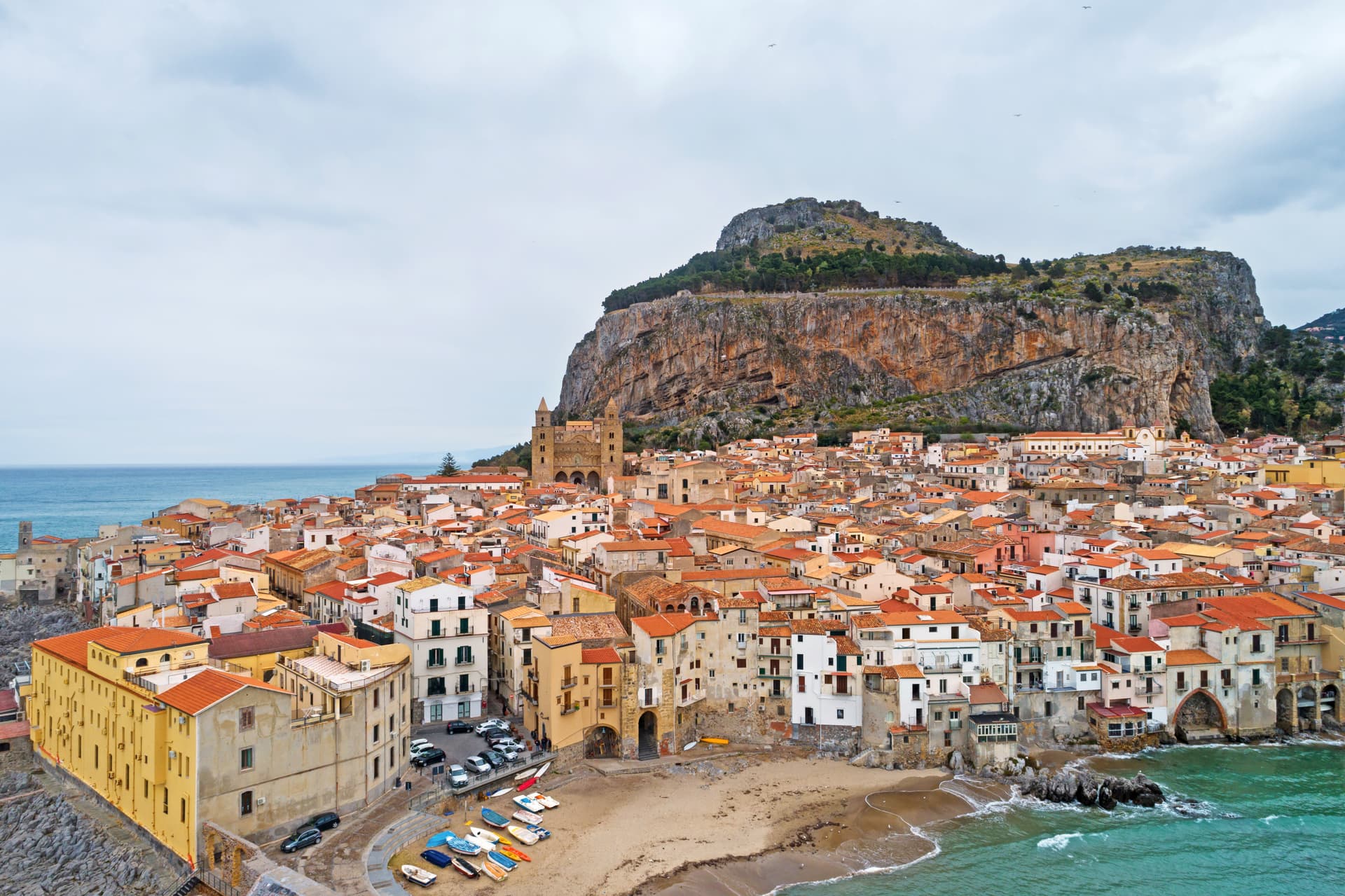
Cefalù
Province: Palermo
A Norman cathedral at the foot of a 270-meter rock on the Tyrrhenian coast, founded by Roger II in 1131 and on the UNESCO Arab-Norman list since 2015.
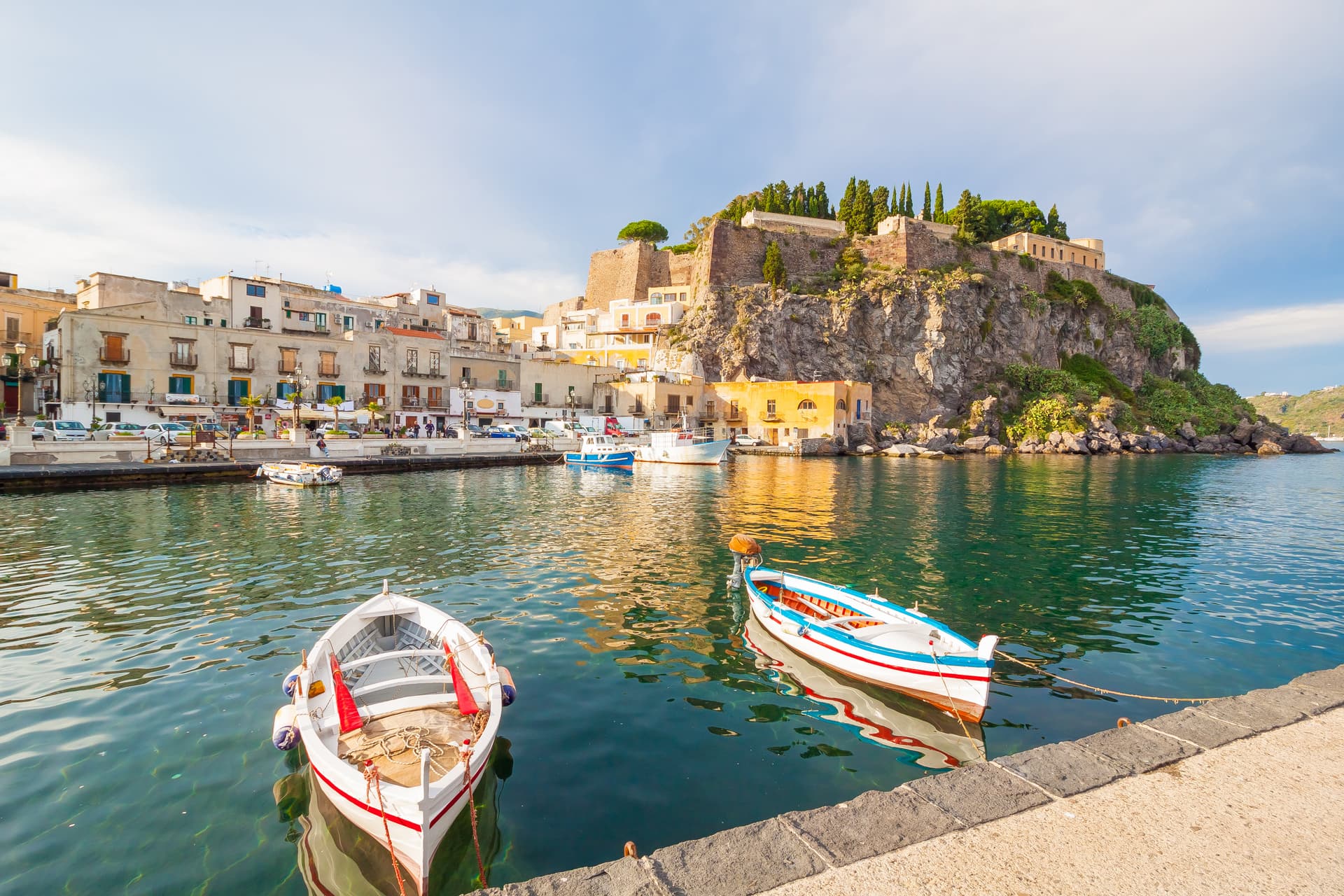
Lipari
Province: Messina
The largest Aeolian island and the only municipality that administers six of the seven, with a clifftop castle citadel rising above two harbors.
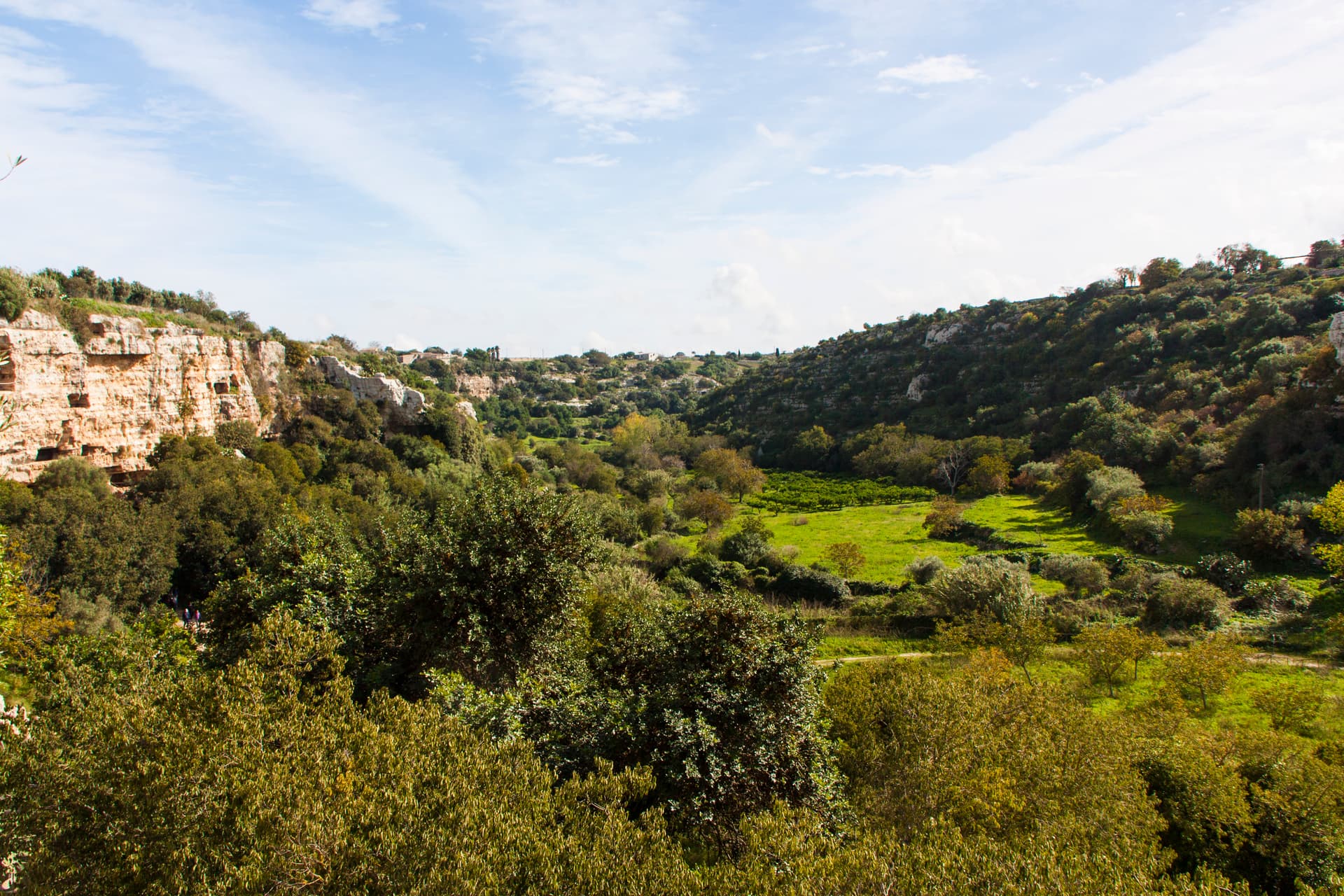
Modica
Province: Ragusa
A vertical Baroque city in the Hyblean Mountains, rebuilt from the 1693 earthquake and home to a chocolate recipe brought from Aztec Mexico.
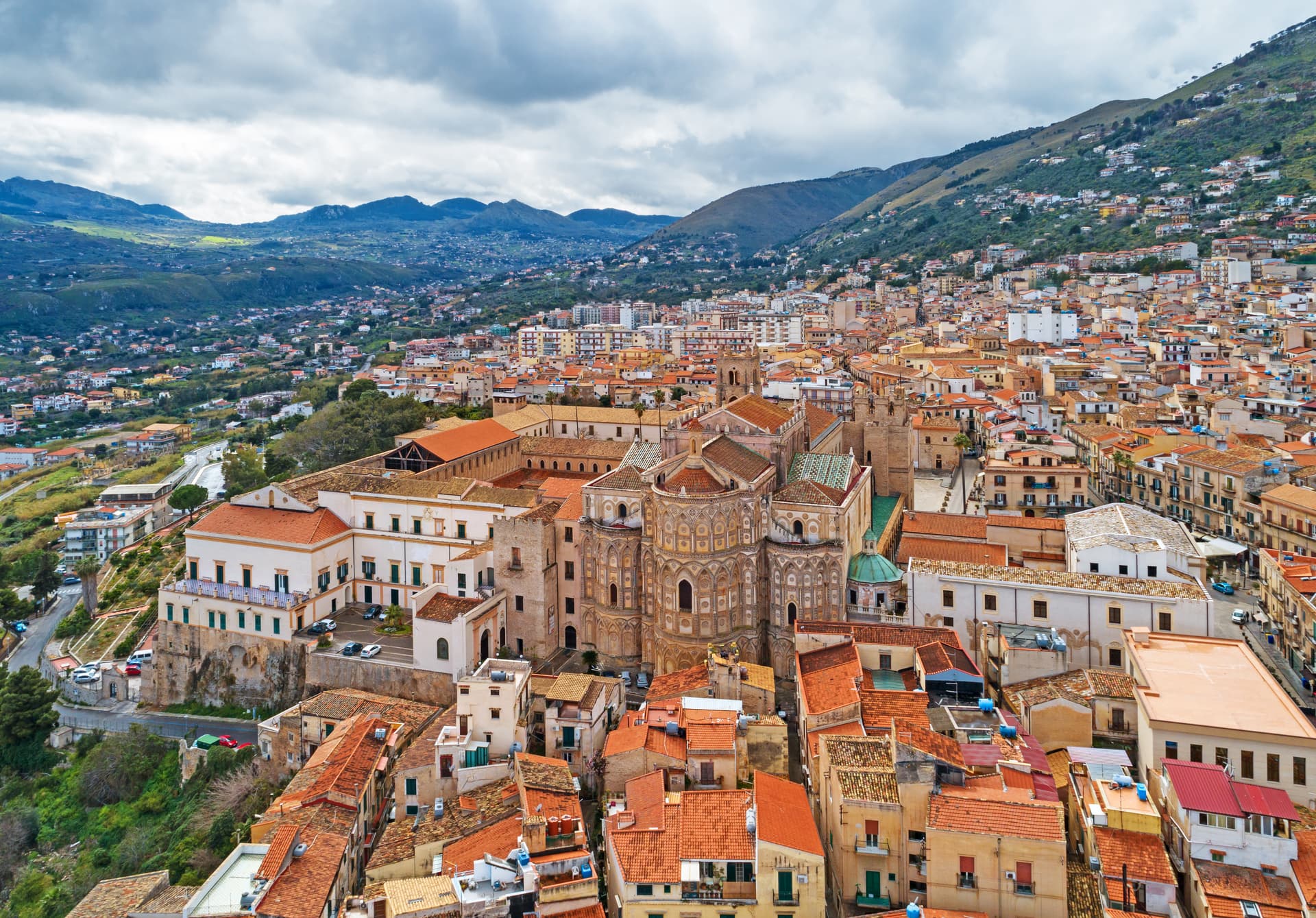
Monreale
Province: Palermo
Above the Conca d'Oro at 310 meters, the cathedral William II built between 1174 and 1182 holds 6,340 square meters of Norman mosaics.