

Sicily · Palermo
Cefalù
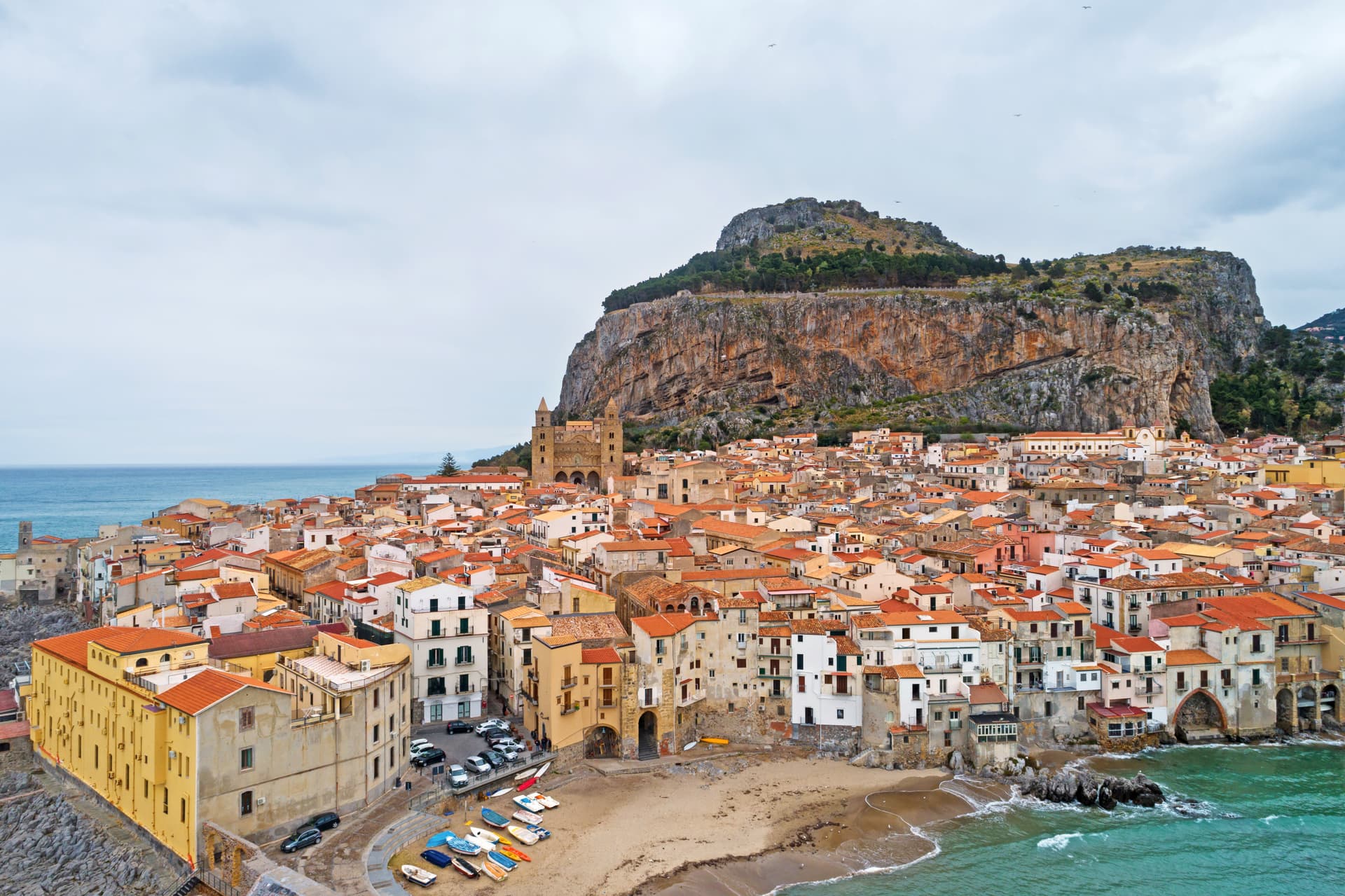
A Norman cathedral at the foot of a 270-meter rock on the Tyrrhenian coast, founded by Roger II in 1131 and on the UNESCO Arab-Norman list since 2015.
Known for
DUOMO
Roger II's Norman cathedral, begun 1131; Byzantine Pantocrator mosaic in the apse, the earliest surviving Norman cycle in Sicily, UNESCO since 2015.
LA ROCCA
270-meter limestone headland with the Temple of Diana megalithic sanctuary and medieval castle ruins, a thirty-minute climb above the old town.
ANTONELLO
Antonello da Messina's 1465 Portrait of an Unknown Sailor at the Museo Mandralisca, one of the finest Renaissance portraits in southern Italy.
When to visit
Best · May–Oct
- J
- F
- M
- A
- M
- J
- J
- A
- S
- O
- N
- D
- Best
- Hot or crowded
- Quiet
- Mostly closed
Why come
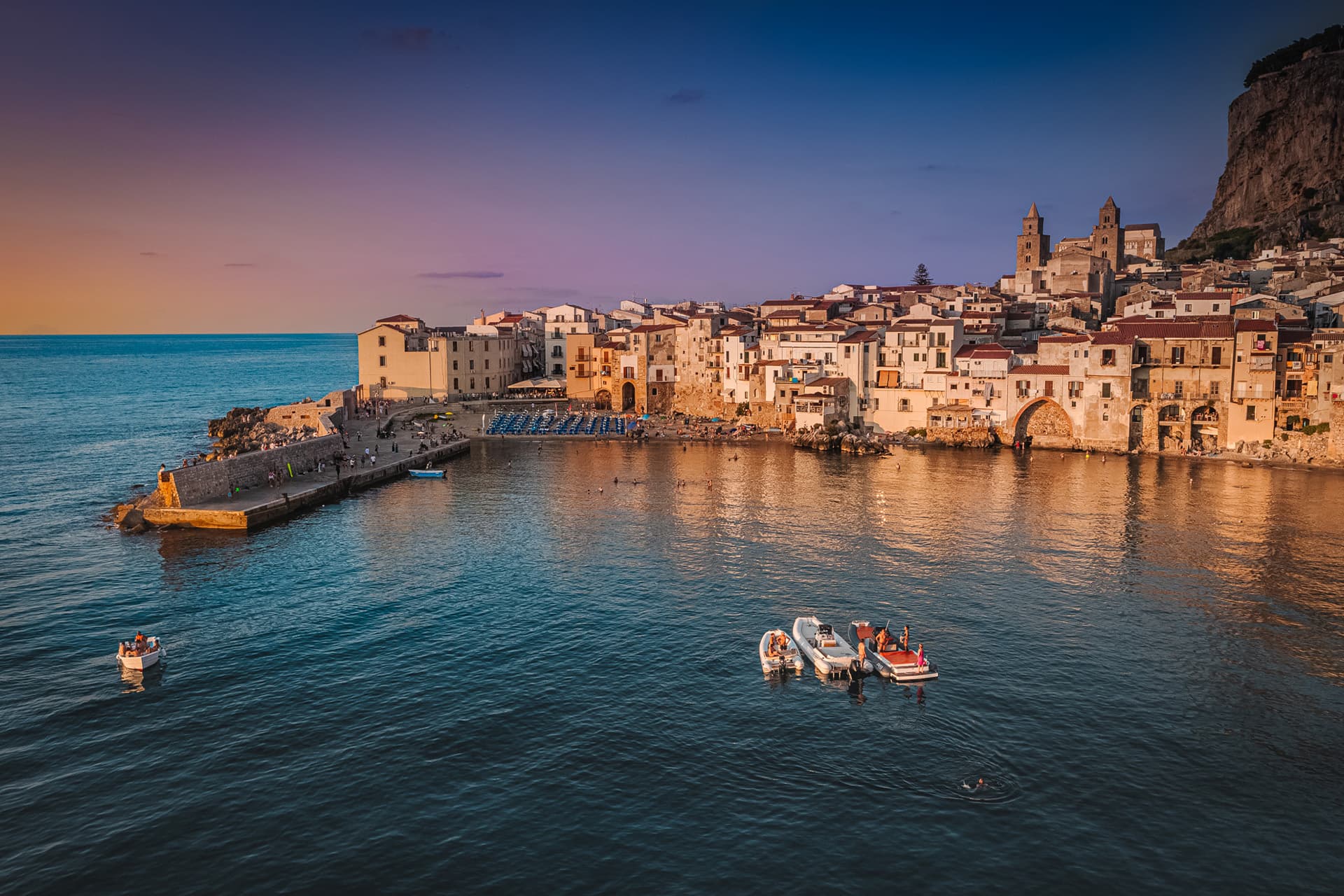
Cefalù sits 70 kilometers east of Palermo where the Madonie meet the Tyrrhenian, the old town built on a strip of land between the sea and La Rocca, the 270-meter limestone headland that gave the place its name. The Greeks called it Kephaloidion in the fourth century BC; Norman king Roger II refounded the town at the foot of the rock in 1131 and began the cathedral the same year. According to tradition he vowed to build it after surviving a storm offshore.
The Duomo's Byzantine mosaics, executed by masters Roger brought from Constantinople, cover the apse and the Pantocrator above it, the earliest surviving Norman cycle in Sicily. The cathedral joined the UNESCO Arab-Norman Palermo inscription in 2015. The Mandralisca Museum, in an eighteenth-century palazzo near the Duomo, holds Antonello da Messina's 1465 Portrait of an Unknown Sailor.
The 1. 6-kilometer sand beach below the old town fills from June onward.
The Sunday letter
We haven’t written Cefalù’s letter yet.
One town every Sunday, with the photo, the food, the festa. Be there when this one comes up. Free, by Peter & Sophia from Pietrasanta.
By subscribing you agree to Substack’s Terms of Use, our Privacy Policy and our Information collection notice.
What to see
Duomo di Cefalù
Norman cathedral begun in 1131 by Roger II, with twin towers, a Byzantine Pantocrator mosaic in the apse, and inclusion on the UNESCO Arab-Norman Palermo list in 2015.
La Rocca
270-meter limestone headland behind the town with a thirty-minute trail to the Temple of Diana megalithic sanctuary and the ruins of the medieval castle on top.
Museo Mandralisca
Private nineteenth-century collection in an eighteenth-century palazzo, holding Antonello da Messina's 1465 Portrait of an Unknown Sailor and Greek vases from Lipari.
Lungomare di Cefalù
1.6-kilometer crescent of yellow sand below the old town, the most photographed beach on the Tyrrhenian, fully active May through October.
Centro storico medievale
Stone lanes between the cathedral and the sea, the medieval lavatoio fed by a spring, and the fishermen's port still working below the rock.
The slow-trip planner
Building a trip? Find where Cefalù fits in a slow Italy circuit.
Answer five questions. We will shape a geographically coherent slow trip from the 1,000 Italian towns most travelers skip. Yours to save and share.
We recommend
Where to eat and stay
Not our picks, but places the guides put their name to — a Michelin star, a Gambero Rosso fork, a Slow Food snail, a Michelin Key for the hotels. Worth a table, a counter, or a night when you pass through.
Cala LunaRistorante
Cala Luna has two Gambero Rosso forks (83/100) and a spot in the Michelin Guide.
Cortile PepeRistorante
Cortile Pepe holds two Gambero Rosso forks (82/100) and a spot in the Michelin Guide.
Locanda del MarinaioRistorante
Locanda del Marinaio carries a spot in the Michelin Guide.
QualiaRistorante
Qualia carries a spot in the Michelin Guide.
Le CaletteHotel
Le Calette carries a place in the Michelin hotel guide.
Living here
- Population 13,881
- A local hubi
- Pharmacy in town
- High school within a 30-minute drive
- Train station in the comune
- Nearest airport Sicily, 2 h 26 min drive
- Regional capital Palermo, 1 h 3 min drive
Tags & datadesignations · numbers · sources
The numbers
- Elevation: 16 m
- Population: 13,881
- Surface area: 66.24 km²
These figures were compiled from public directories — ISTAT, OpenStreetMap, Wikidata — and from the official listings of the guides named on this page. Town details change; verify with official sources before you travel.
Close by
More towns near Cefalù
Castelbuono
Province: Palermo
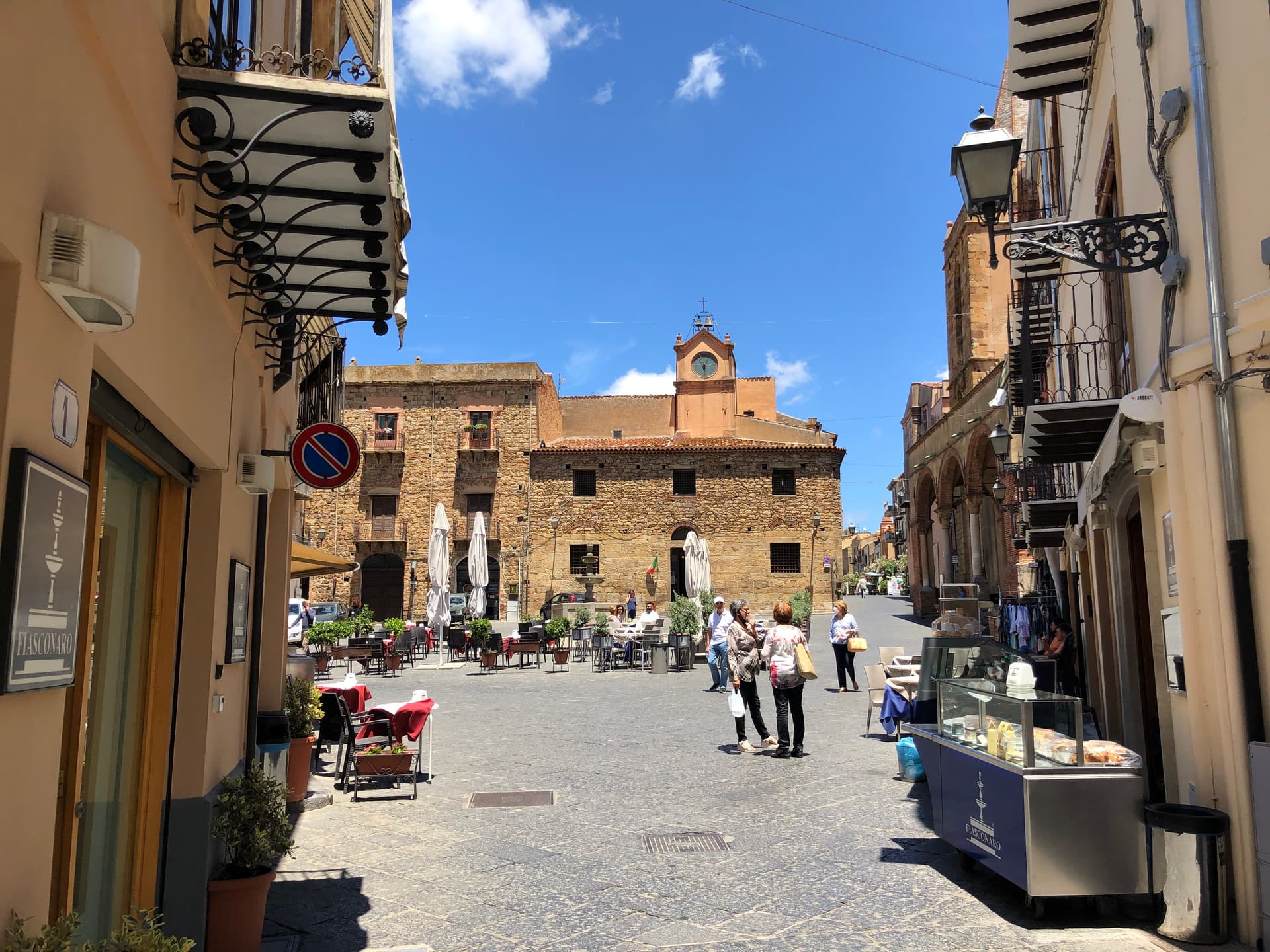
A Madonie town at 423 meters around the Ventimiglia castle, where manna is still tapped from ash trees and Fiasconaro bakes the panettone.
Polizzi Generosa
Province: Palermo
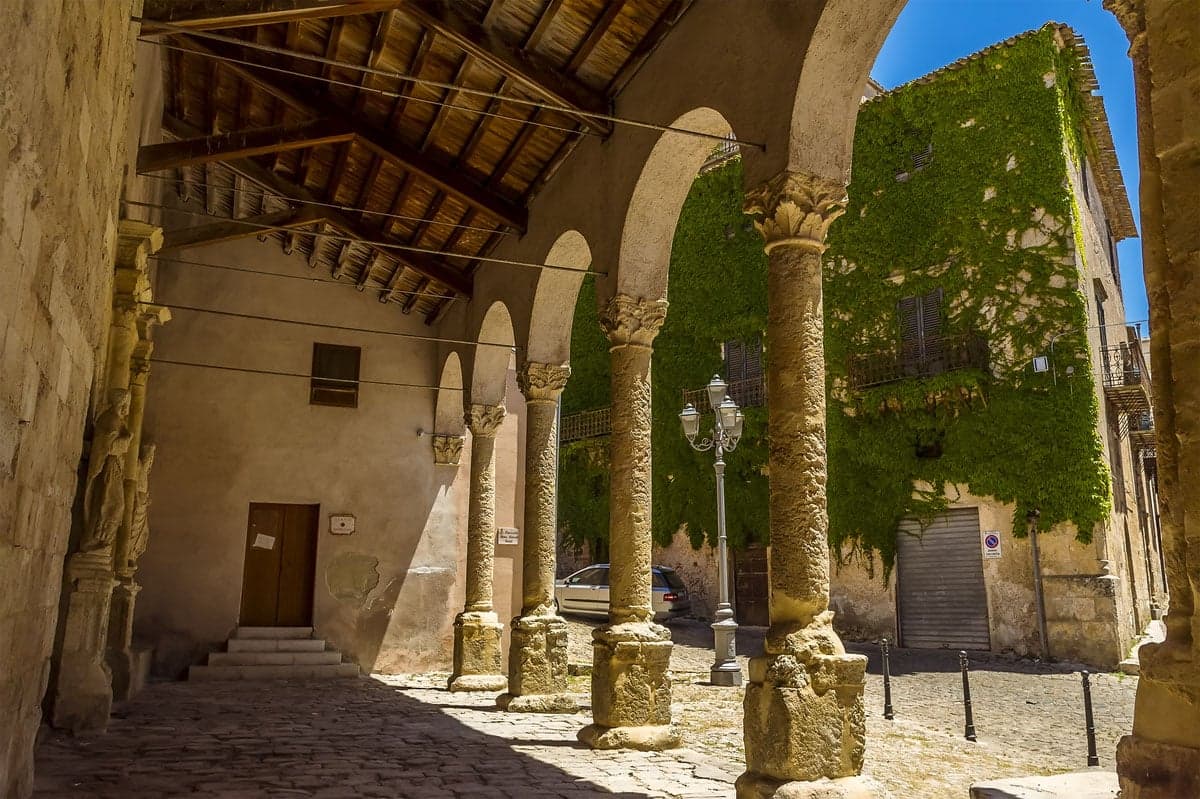
A Madonie town at 917 meters inside a UNESCO Global Geopark, hazelnut country and the birthplace of Domenico Dolce.
Geraci Siculo
Province: Palermo
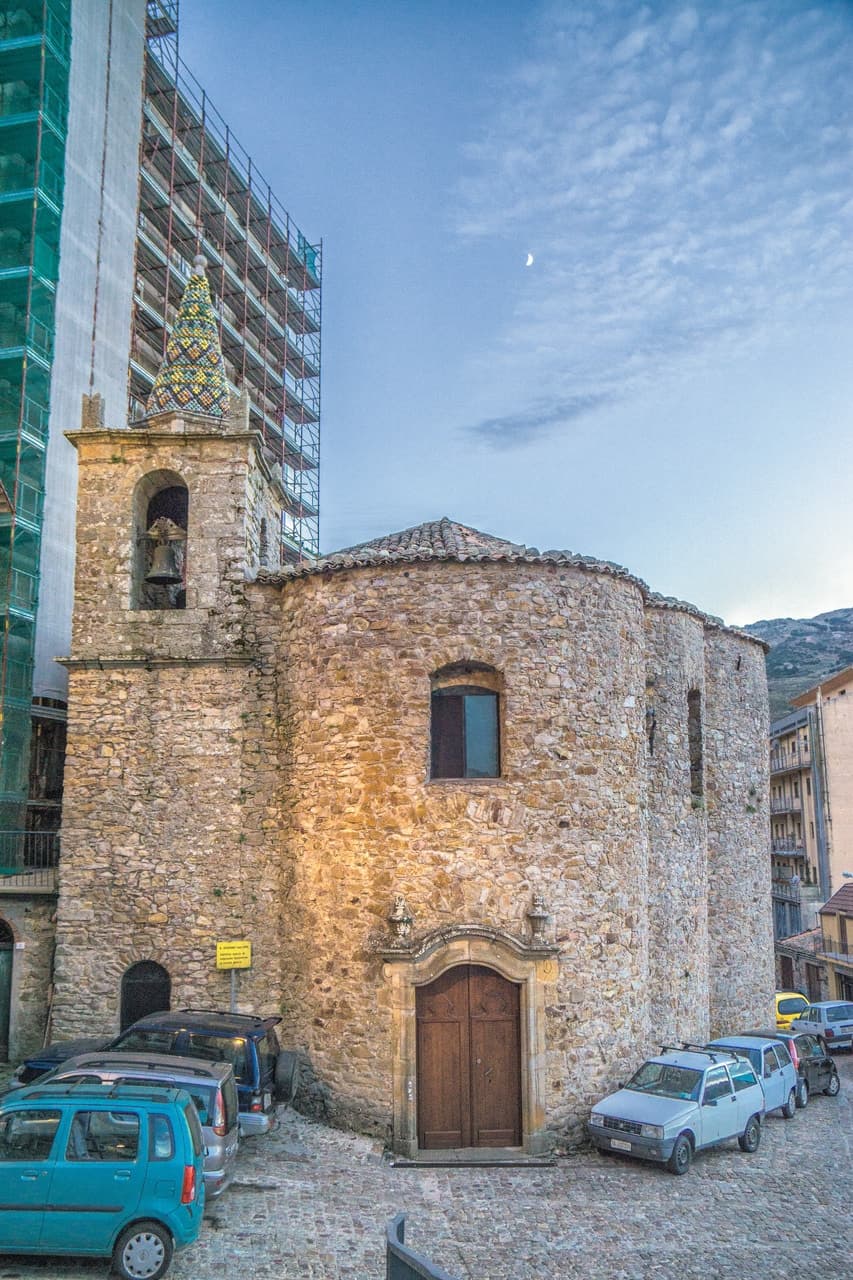
A Madonie ridge village at 1,077 meters, capital of the Ventimiglia marquisate from 1258 and the first marquisate granted in Sicily.
Petralia Soprana
Province: Palermo
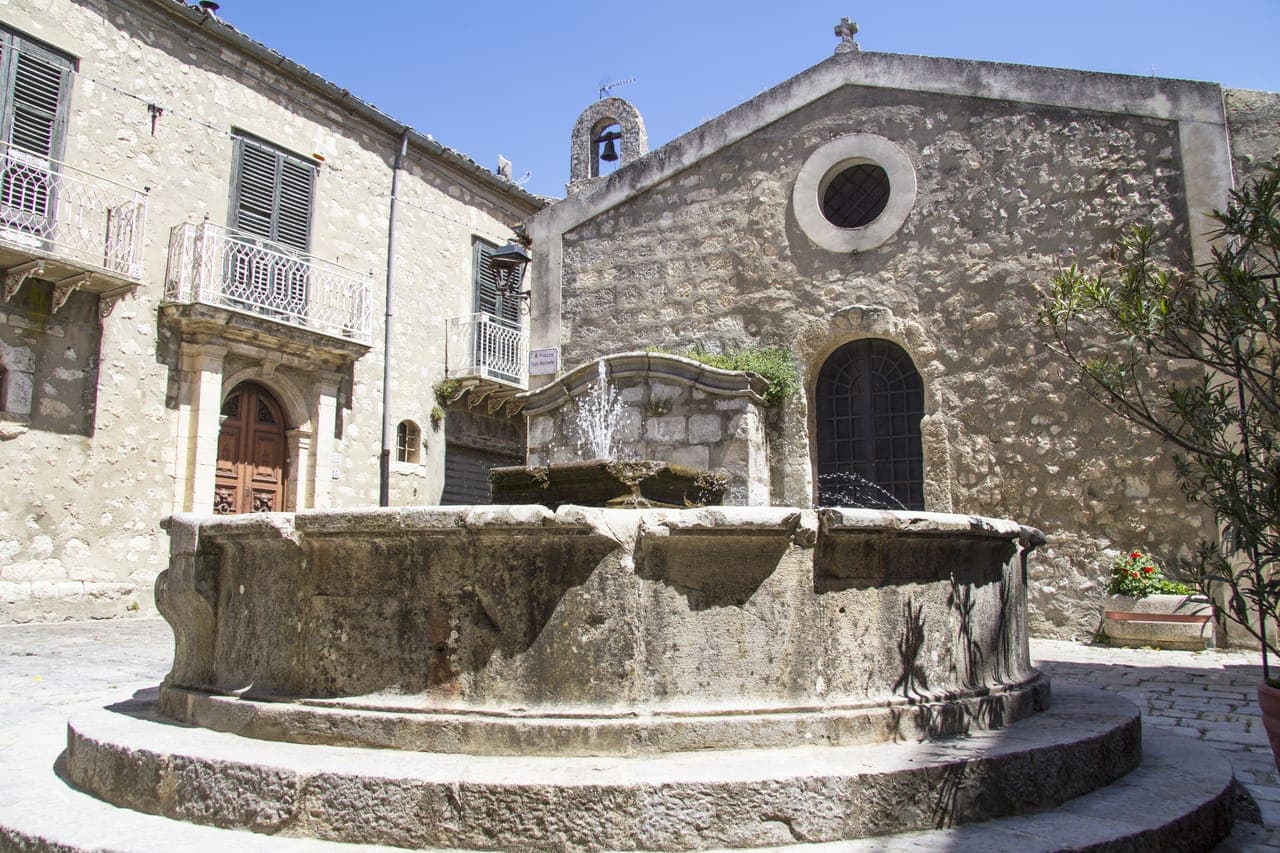
The highest village in the Madonie at 1,147 meters, RAI Borgo dei Borghi 2018 winner, sitting above 80 kilometers of salt tunnels.
Castel di Lucio
Province: Messina
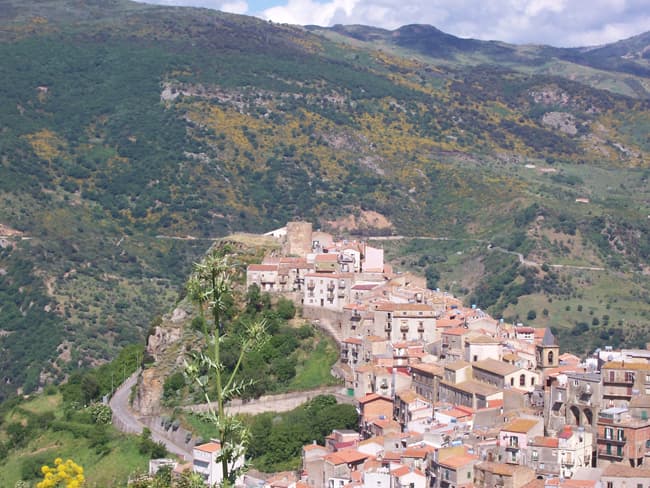
A Nebrodi village at 750 meters on the borderline of three provinces, with a Ventimiglia castle from 1090 and a Fiumara d'Arte sculpture by Paolo Schiavocampo.
🎨 Borghi più belli d'Italia
More Borghi più belli d'Italia towns in Sicily
Agira
Province: Enna
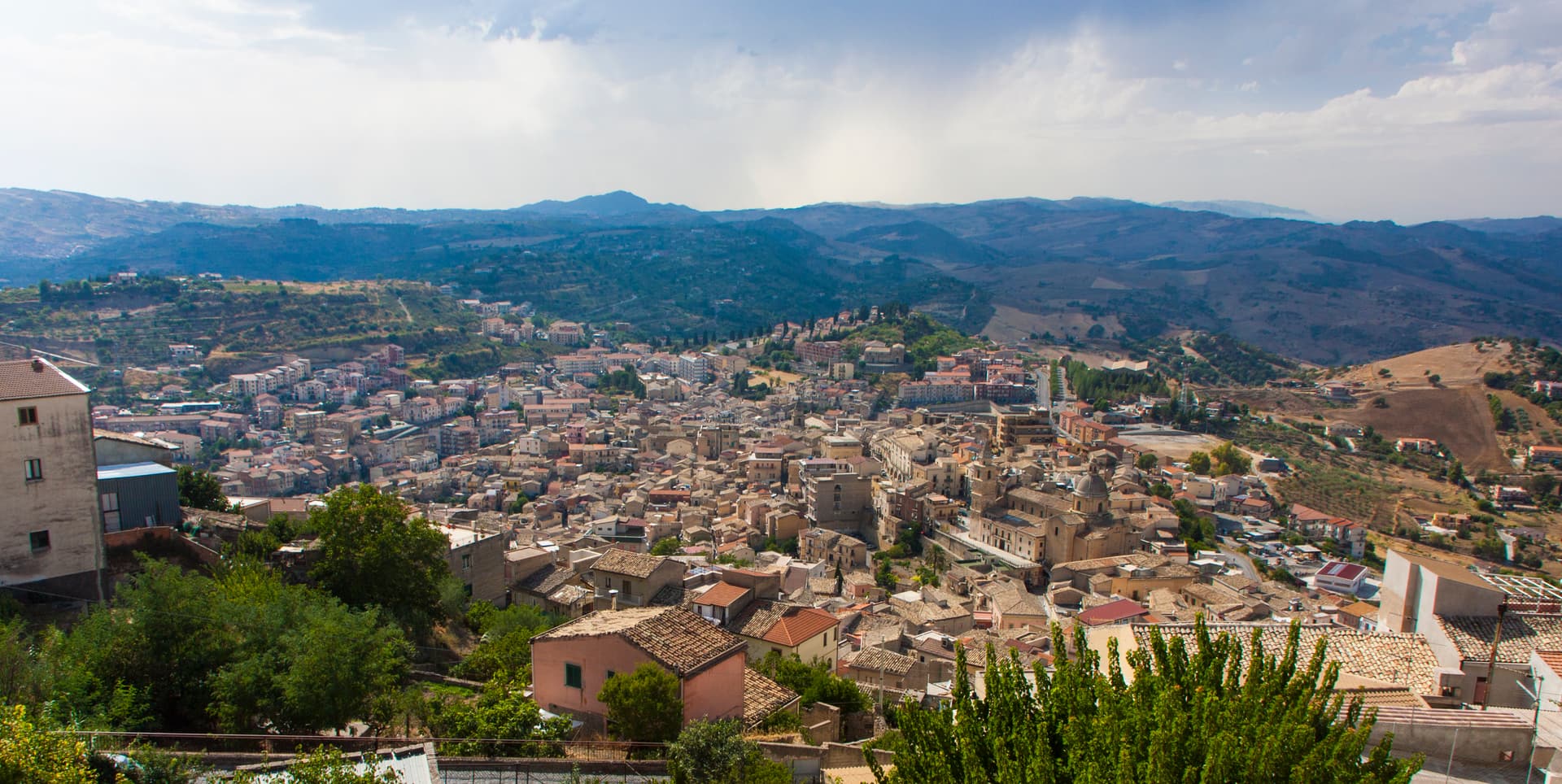
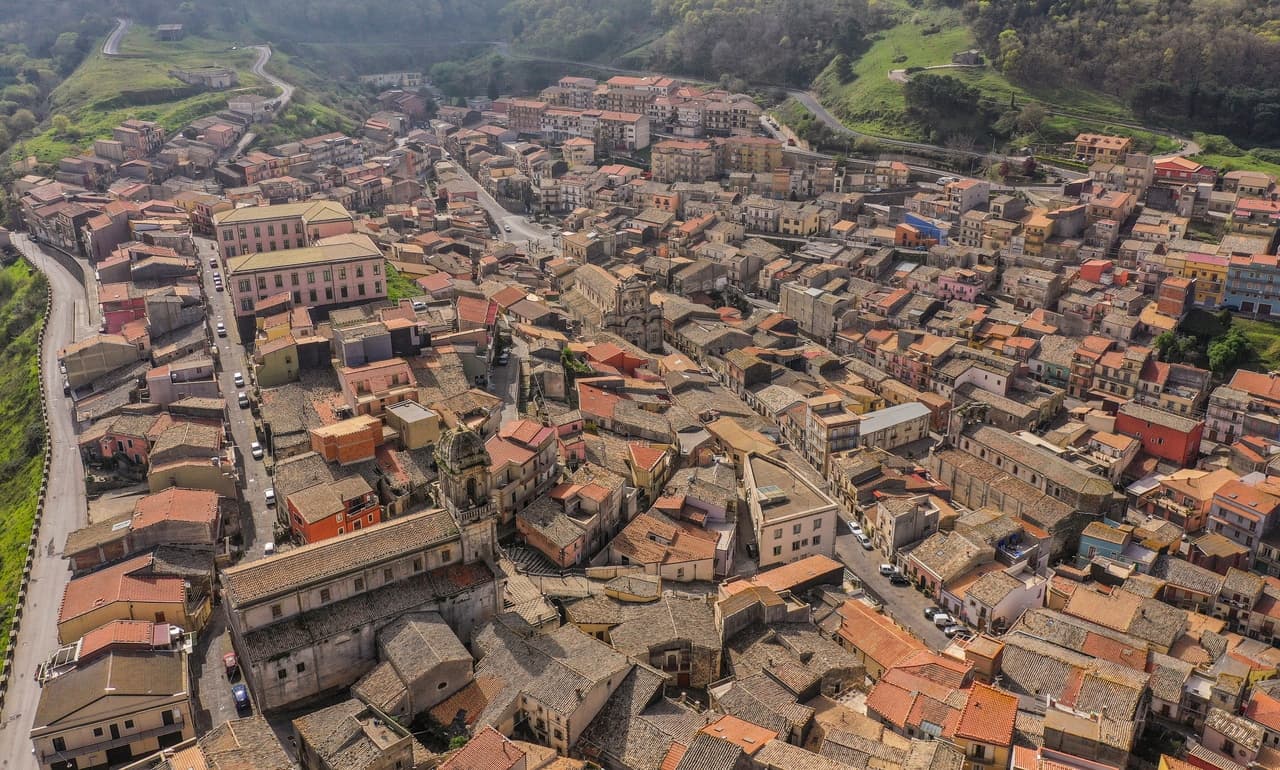
On the slopes of Monte Teja at 650 meters, birthplace of the Greek historian Diodorus Siculus and burial site of 490 Canadian soldiers of the 1943 campaign.
Buccheri
Province: Siracusa
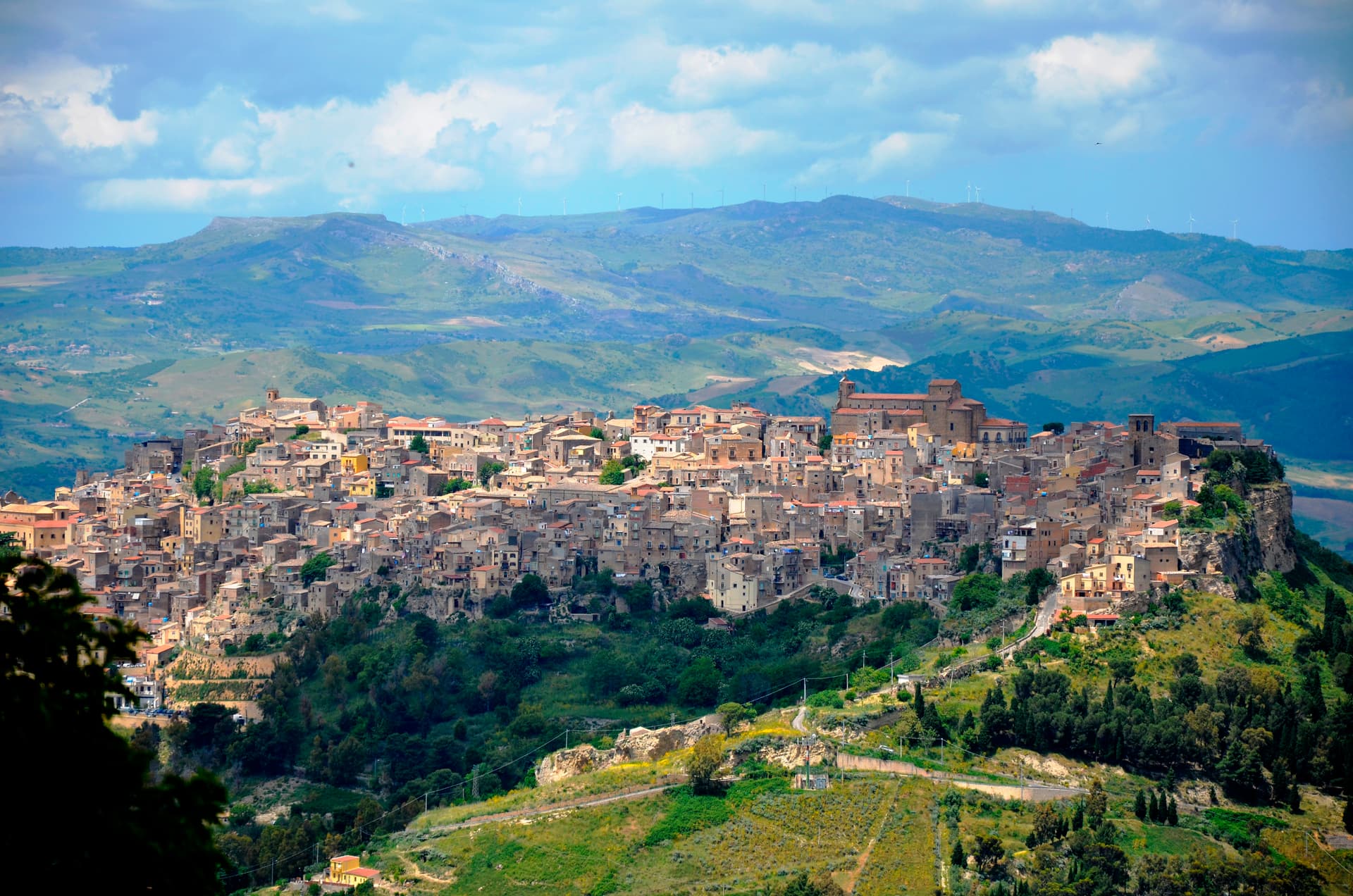
The highest village in the province of Syracuse at 820 meters on Monte Lauro, world capital of Tonda Iblea olive oil at the 2015 Sol d'Oro.
Calascibetta
Province: Enna
A promontory town at 691 meters facing Enna across a ravine, founded in the ninth century as a Muslim camp to besiege Byzantine Henna.
Castelmola
Province: Messina
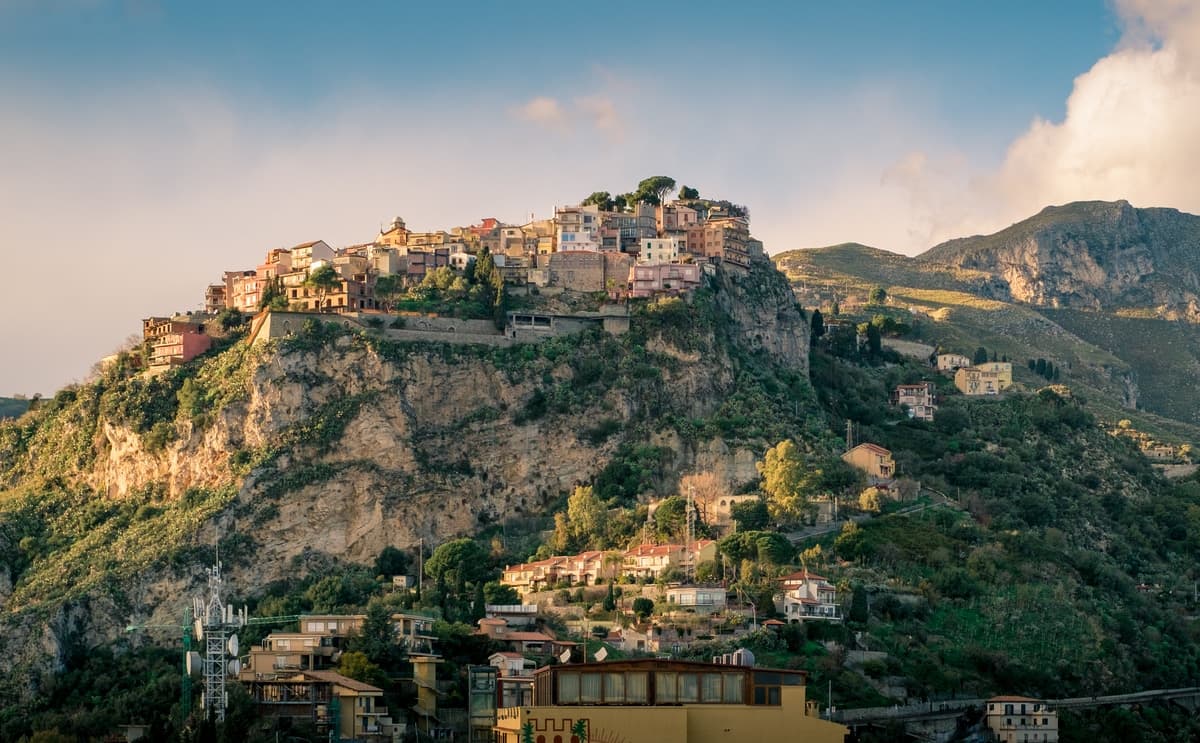
A rock village at 529 meters directly above Taormina, the upper acropolis of ancient Tauromenium with a Norman castle and a 1947 almond-wine bar.
Castiglione di Sicilia
Province: Catania
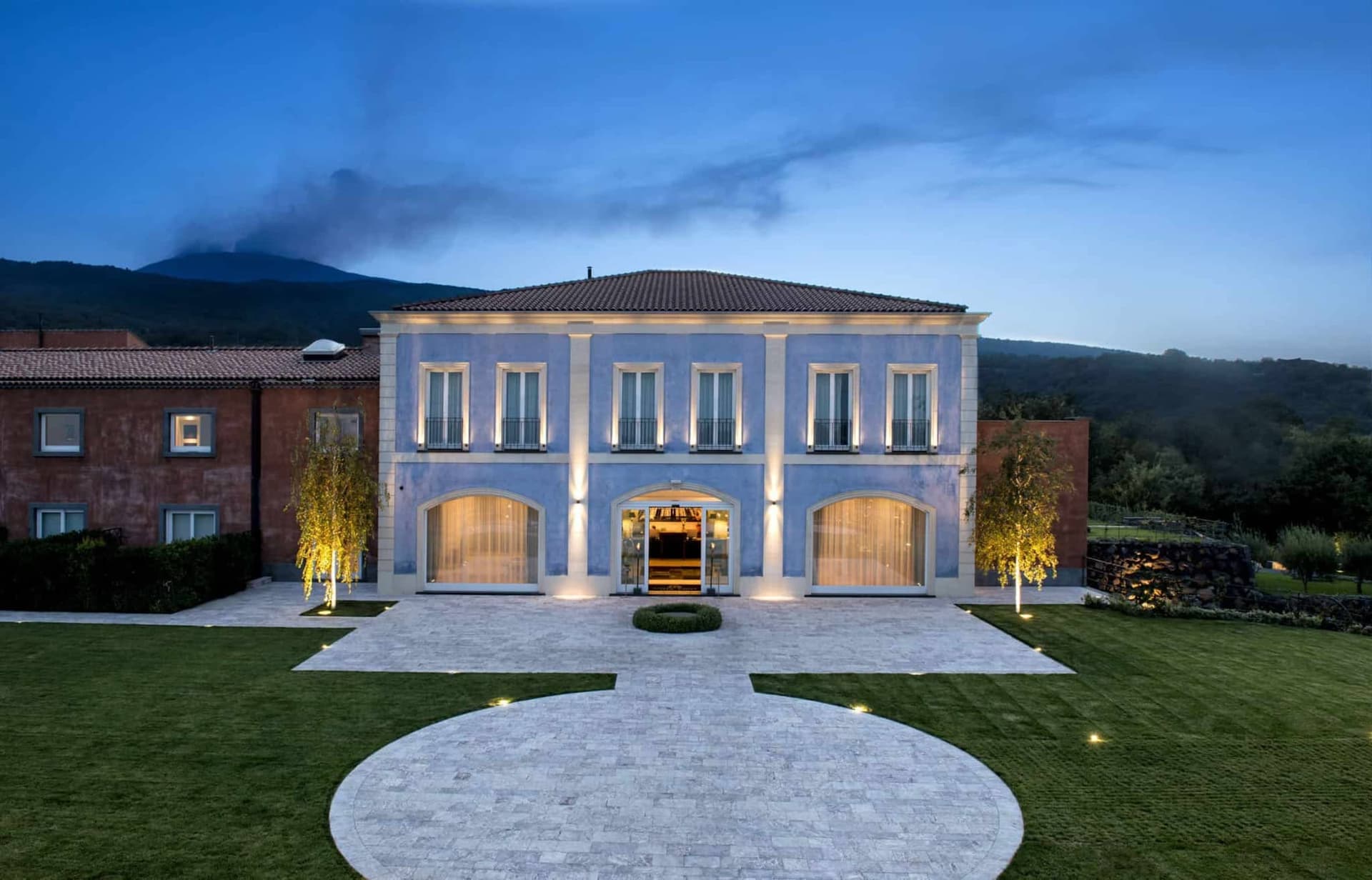
A hill town on the north flank of Etna at 621 meters, base camp for the Alcantara valley and the volcano's most serious red wines.