

Sicily · Ragusa
Ispica
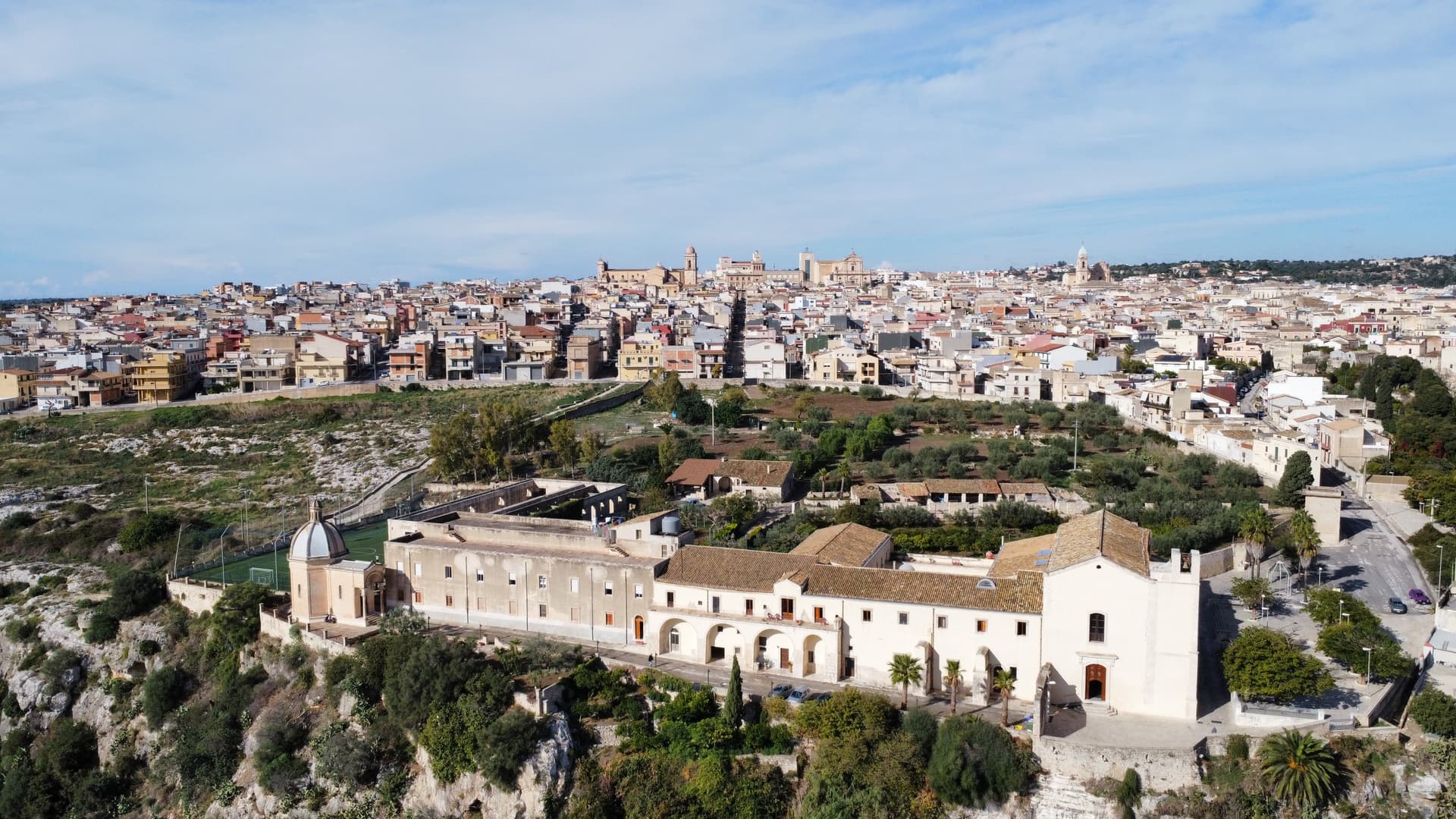
A Val di Noto Baroque hilltown on the southern Iblei plateau anchored by the 13-km Cava d'Ispica canyon with its 3,000+ rock-cut tombs and prehistoric dwellings — one of the largest cave-necropolis sites in the Mediterranean.
Known for
CAVA D'ISPICA
13-km canyon with 3,000+ rock-cut tombs and prehistoric dwellings — among the largest cave-necropolis sites in the Mediterranean.
VAL DI NOTO BAROQUE
Post-1693 Vaccarini-era late-Baroque architecture; considered for the UNESCO Val di Noto listing in 2002.
CHERRY TOMATOES
The Pachino-area Val di Noto agriculture extends to Ispica — cherry tomatoes, carrots, and cumin.
When to visit
Best · Apr–Oct
- J
- F
- M
- A
- M
- J
- J
- A
- S
- O
- N
- D
- Best
- Hot or crowded
- Quiet
- Mostly closed
The festa: Nostra Signora del Monte Carmelo, 16 July
Why come
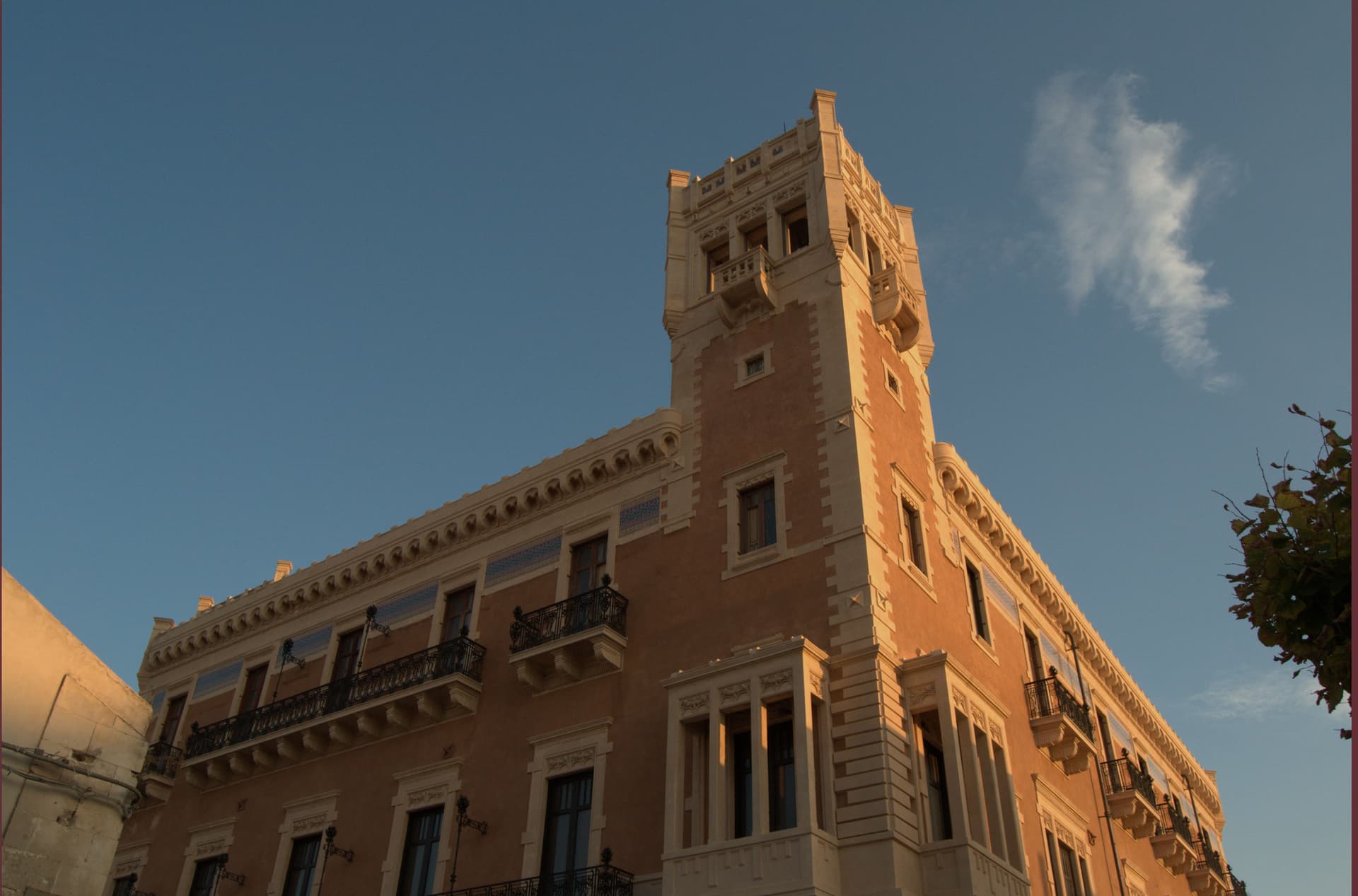
Ispica sits on the southern edge of the Iblei plateau in south-east Sicily, 40 kilometres from Ragusa and 15 kilometres from the southern coast. The current Baroque town was rebuilt after the 1693 Val di Noto earthquake on a site slightly north of the medieval village destroyed in the shock; the Basilica di Santa Maria Maggiore (rebuilt 1750) and the Basilica della Santissima Annunziata both date to that reconstruction, and Ispica is one of the candidates that was considered for inclusion in the Val di Noto UNESCO listing in 2002 (it ultimately wasn't chosen but the architecture is the same Vaccarini-era late-Baroque). The town's real distinction is geological: the Cava d'Ispica, a 13-kilometre canyon cut into the limestone by the Pernamazzoni stream, with over 3,000 rock-cut tombs, prehistoric dwellings, early Christian catacombs, Byzantine oratories and medieval cave settlements in its walls — one of the largest cave-necropolis sites in the Mediterranean, occupied continuously from the Copper Age to the medieval period. The Parco Archeologico della Forza at the northern end of the canyon preserves the late-Roman / Byzantine castle and the early Christian catacombs of Larderia.
The Sunday letter
We haven’t written Ispica’s letter yet.
One town every Sunday, with the photo, the food, the festa. Be there when this one comes up. Free, by Peter & Sophia from Pietrasanta.
By subscribing you agree to Substack’s Terms of Use, our Privacy Policy and our Information collection notice.
What to see
Cava d'Ispica
13-km canyon with 3,000+ rock-cut tombs, prehistoric dwellings, Byzantine oratories, and medieval cave settlements. Occupied continuously from the Copper Age through the medieval period. One of the largest cave-necropolis sites in the Mediterranean.
Basilica della Santissima Annunziata
Post-1693 late-Baroque basilica in the centro storico, with a vaulted nave decorated by Olivio Sozzi and a 1729 wooden Crucifix by Pietro Padula.
Parco Archeologico della Forza
Northern end of the Cava d'Ispica preserving the late-Roman / Byzantine castle (Forza), early Christian catacombs of Larderia, and the medieval cave settlement of Cavetta.
Basilica di Santa Maria Maggiore
Post-1693 Baroque parish church (rebuilt 1750), one of the two major Vaccarini-era churches in the new town. Carlo Carasi frescoes.
The slow-trip planner
Building a trip? Find where Ispica fits in a slow Italy circuit.
Answer five questions. We will shape a geographically coherent slow trip from the 1,000 Italian towns most travelers skip. Yours to save and share.
Living here
- Population 16,253
- In-betweeni
- Pharmacy in town
- High school within a 30-minute drive
- Train station in the comune
- Nearest airport Sicily, 1 h 30 min drive
- Regional capital Palermo, 3 h 52 min drive
Tags & datadesignations · numbers · sources
Recognised as
The numbers
- Elevation: 170 m
- Population: 16,253
- Surface area: 113.75 km²
These figures were compiled from public directories — ISTAT, OpenStreetMap, Wikidata — and from the official listings of the guides named on this page. Town details change; verify with official sources before you travel.
Close by
More towns near Ispica
Pachino
Province: Siracusa
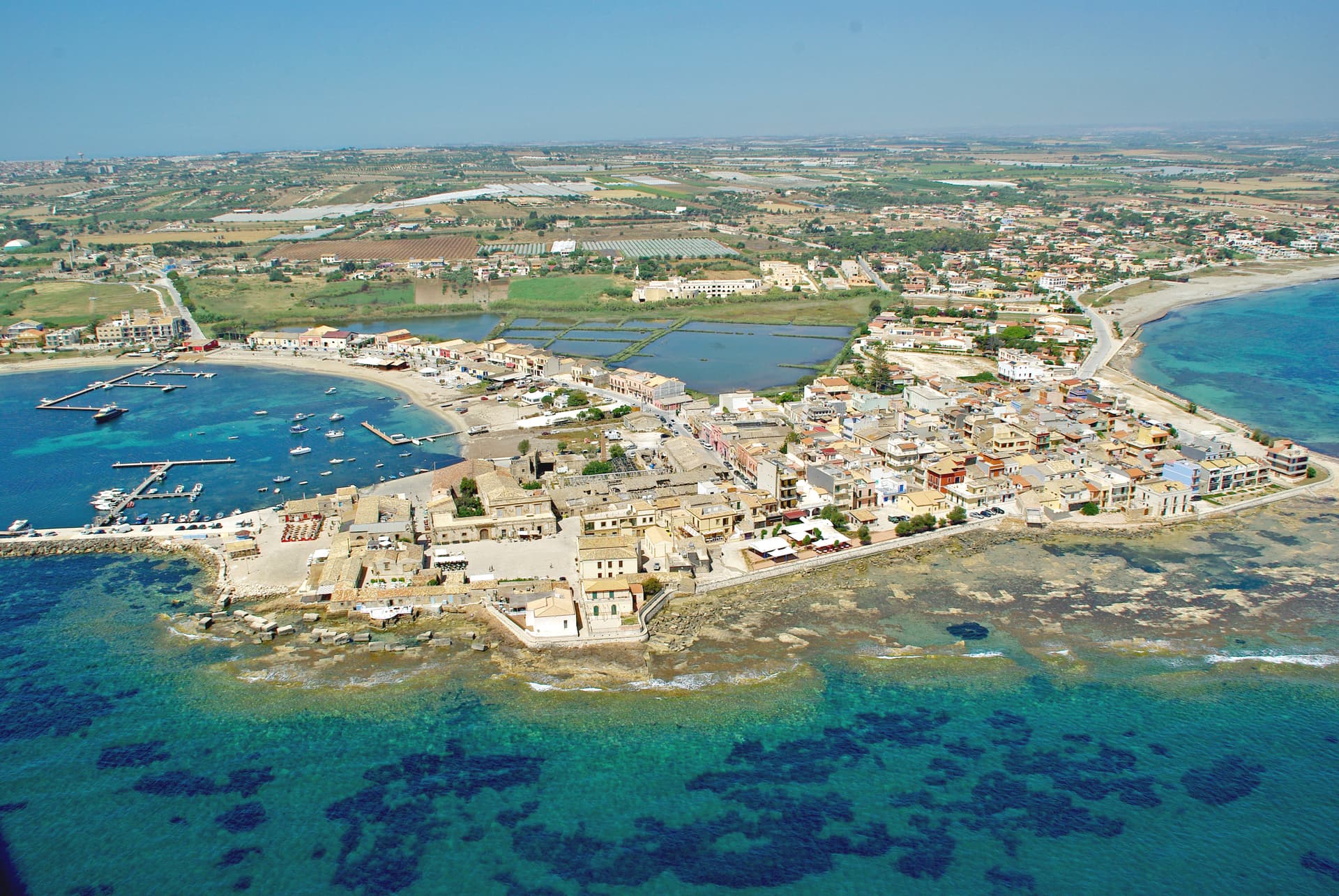
Sicily's southernmost town on the Capo Passero promontory (further south than Tunis), home of the Pomodoro di Pachino PGI cherry tomato and the historic terroir for Nero d'Avola wine, with the Riserva Naturale Vendicari just up the coast.
Modica
Province: Ragusa
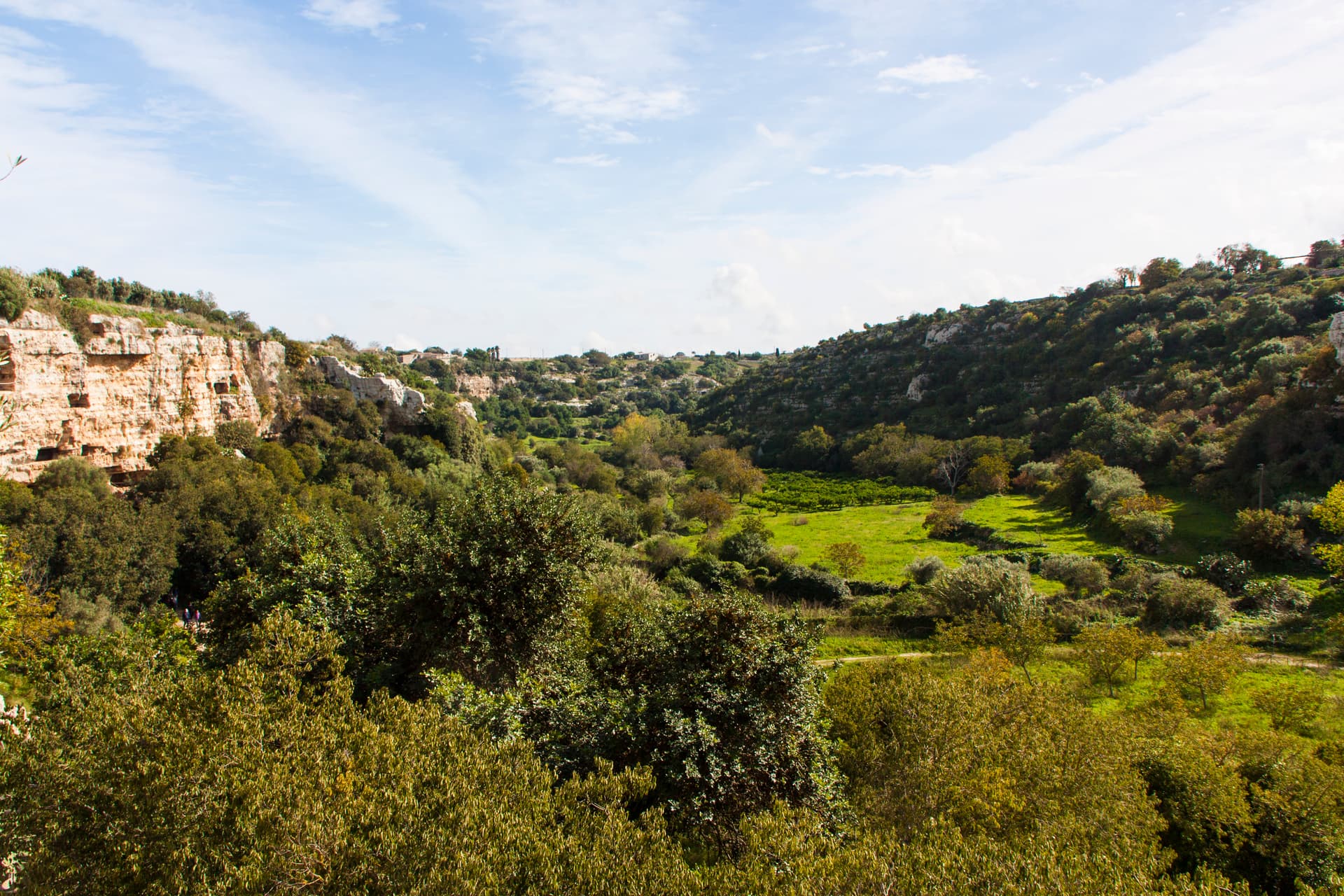
A vertical Baroque city in the Hyblean Mountains, rebuilt from the 1693 earthquake and home to a chocolate recipe brought from Aztec Mexico.
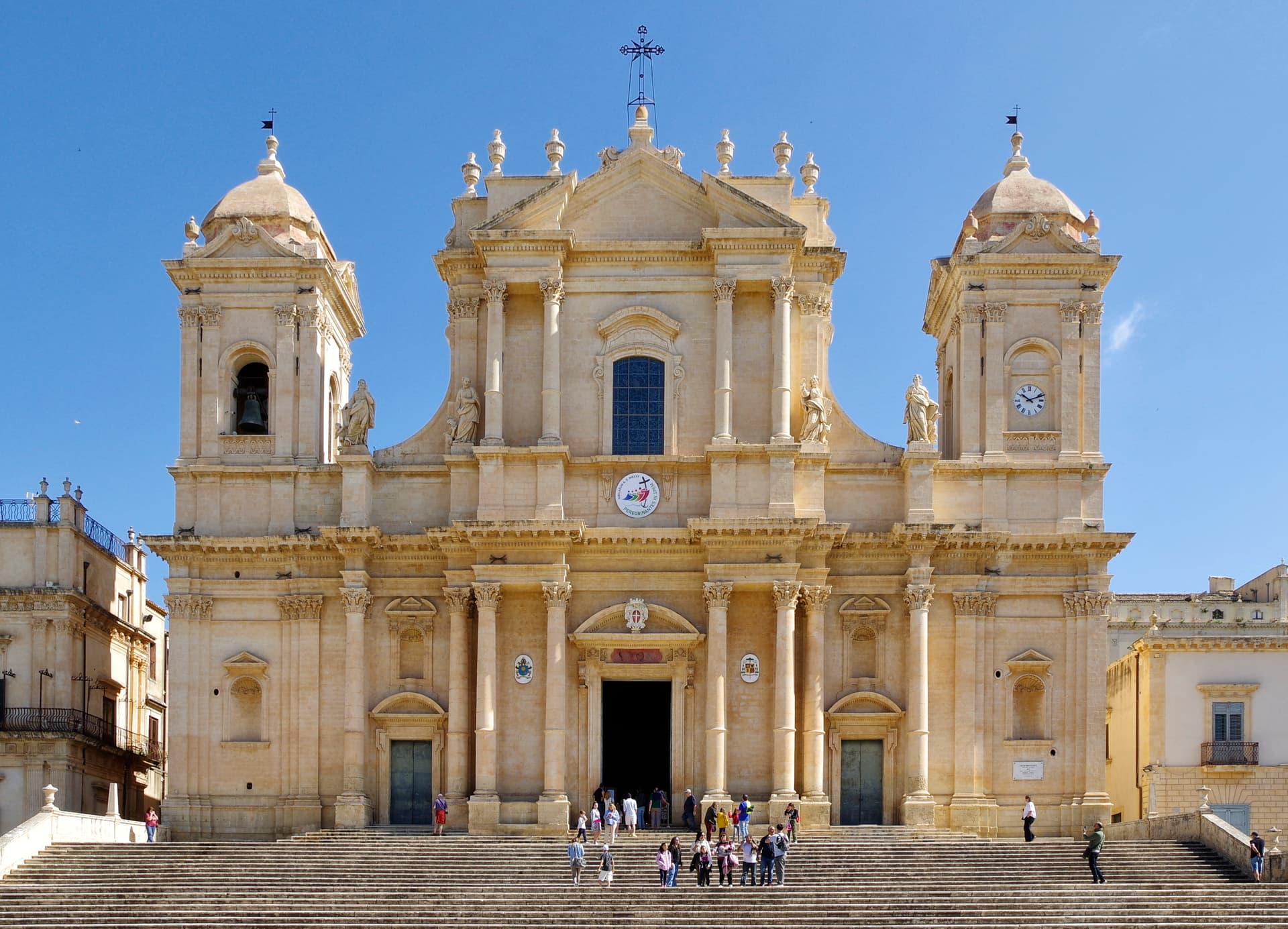
Noto
Province: Siracusa
The capital of Sicilian Baroque, rebuilt in golden limestone after 1693 and the UNESCO showcase for the Late Baroque Towns of the Val di Noto.
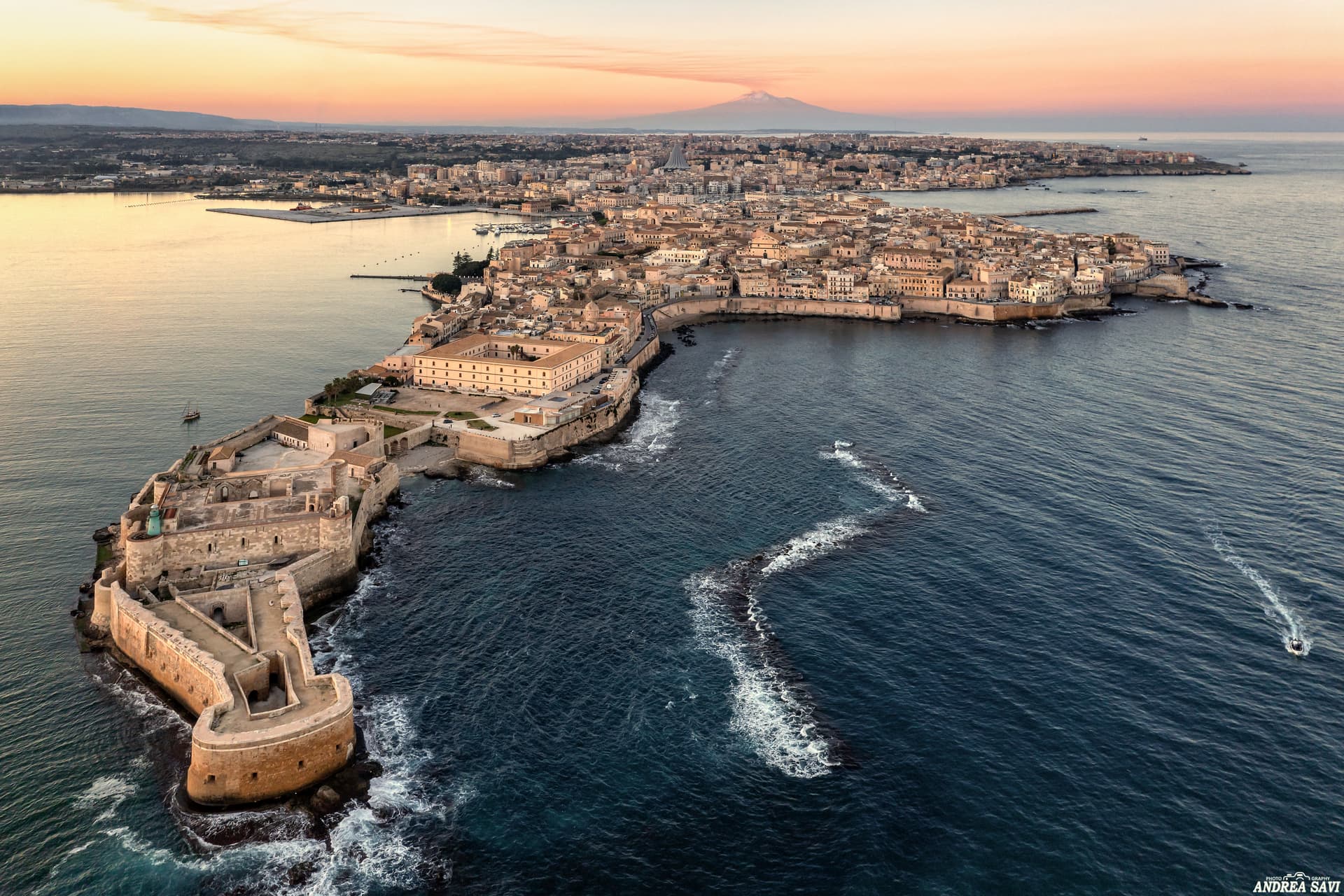
Siracusa
Province: Siracusa
The 2,700-year-old Greek city Cicero called the most beautiful in the world — Ortigia island at its heart wrapped in honey-coloured Baroque stone, the 5th-century BC Greek theatre still in use every summer, and Catania's bigger UNESCO sister on the eastern Sicilian coast.
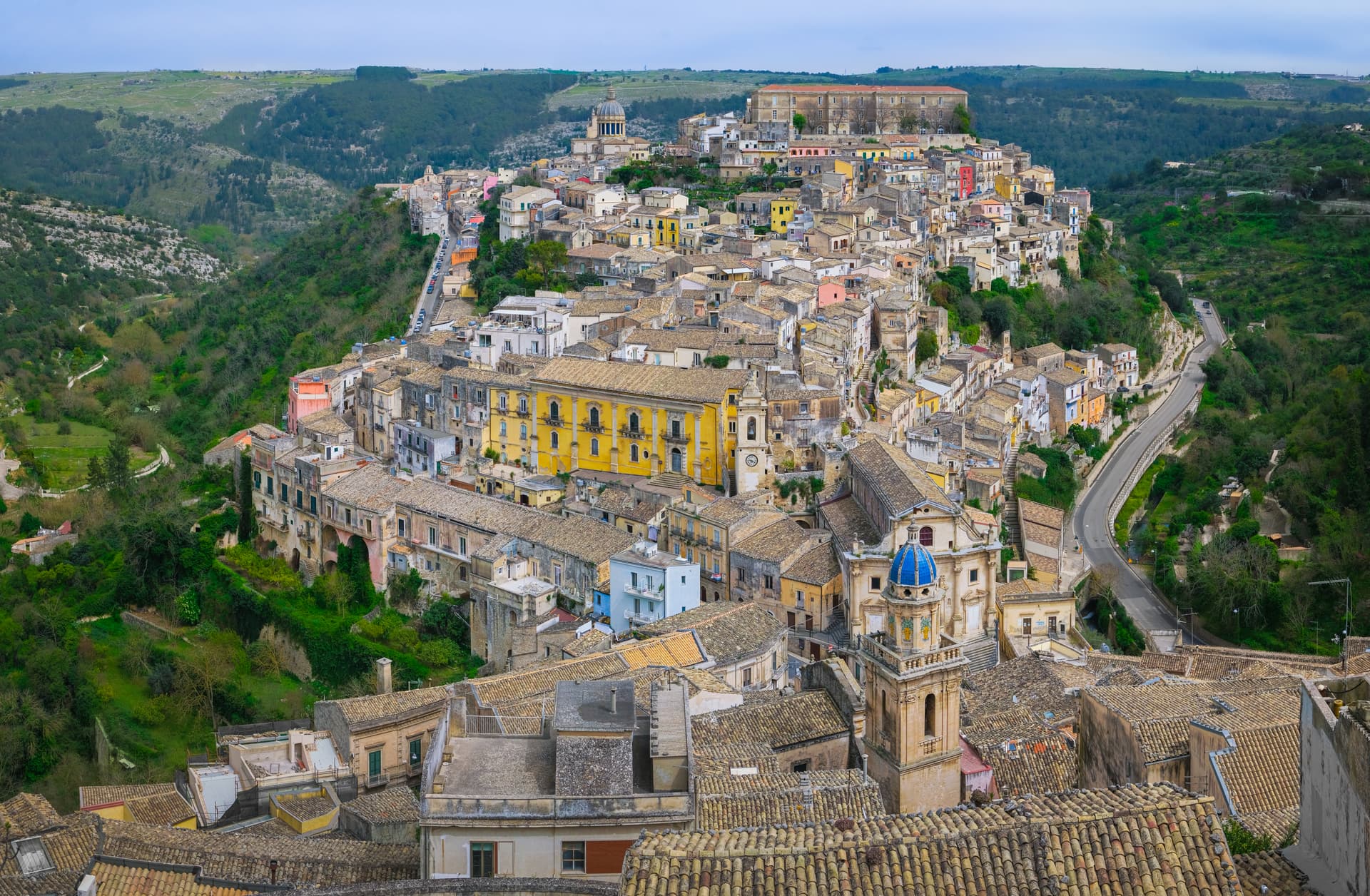
Ragusa
Province: Ragusa
Two cities in one on a Hyblean plateau at 502 meters, Ragusa Ibla and Ragusa Superiore split by a ravine after 1693, both UNESCO Baroque.
🌿 Riserva Naturale
More Riserva Naturale towns in Sicily
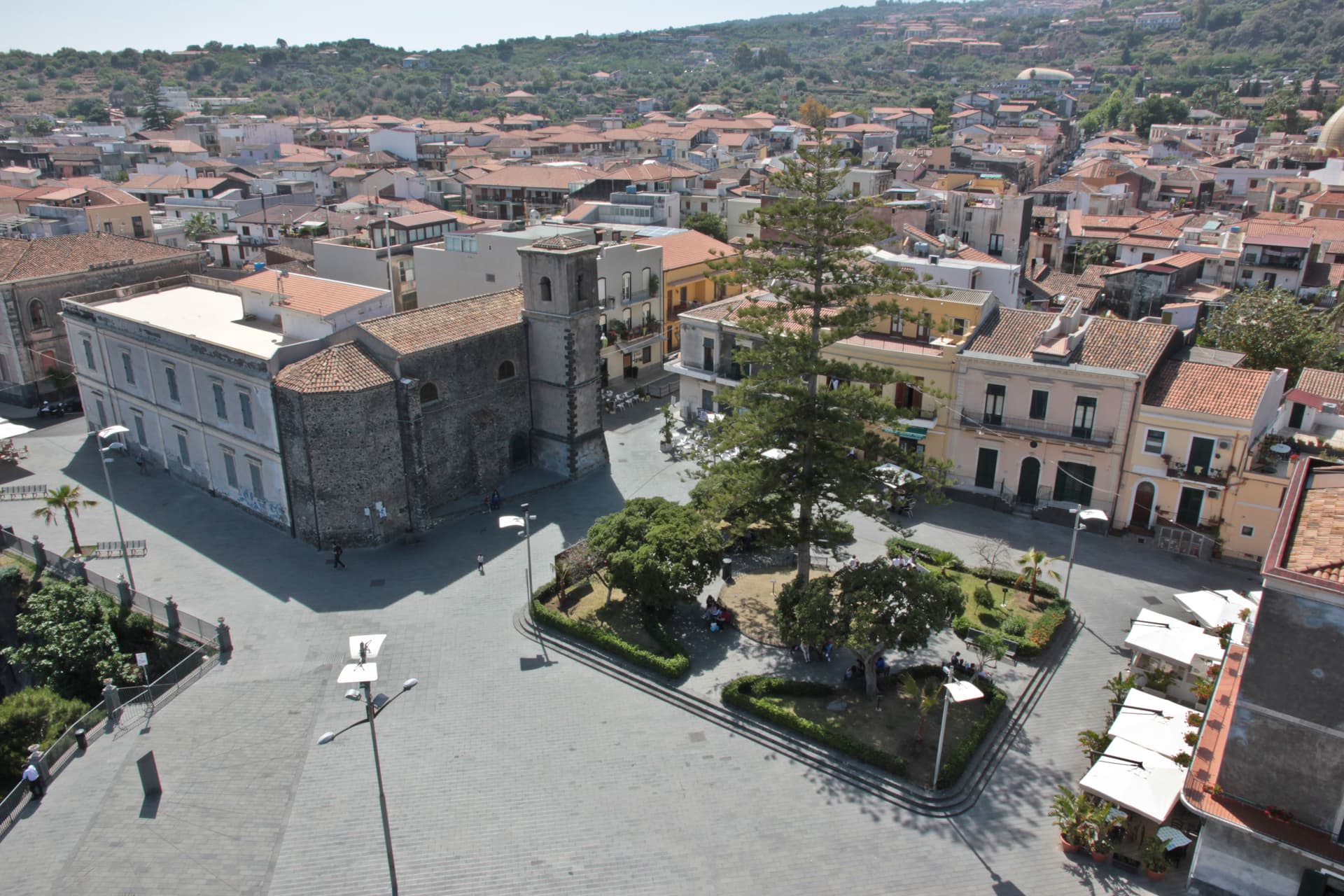
Aci Castello
Province: Catania
A coastal town just north of Catania on the Riviera dei Ciclopi, where the basalt headland holds the 1076 Norman Castello d'Aci and the seven volcanic Faraglioni dei Ciclopi rise from the sea — the rocks the Cyclops threw at Odysseus in Homer's Odyssey.
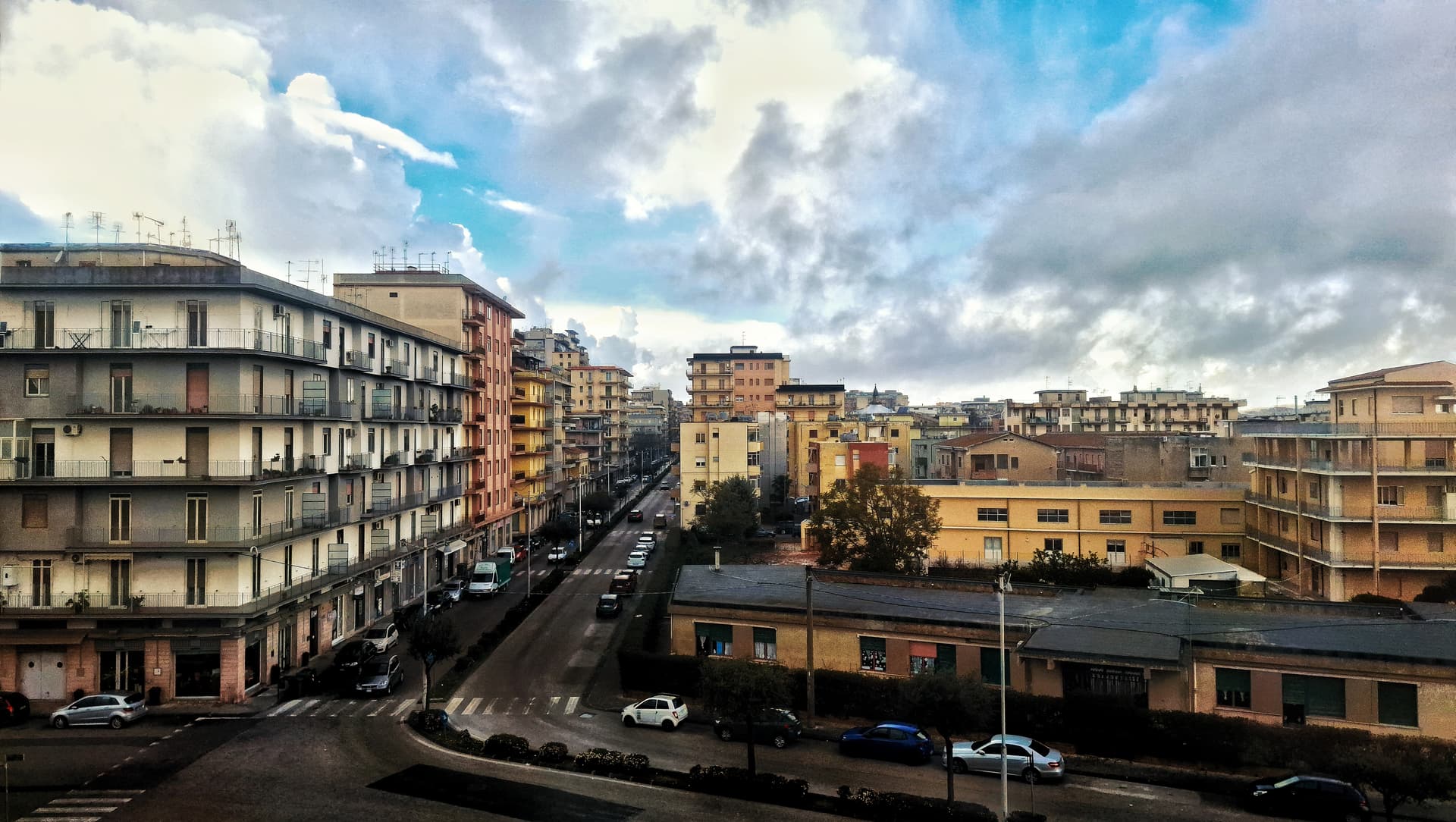
Caltagirone
Province: Catania
Sicily's ceramic capital at 611 meters on the Erei ridge, 142 majolica-tiled steps to Santa Maria del Monte and a Val di Noto UNESCO baroque rebuild.
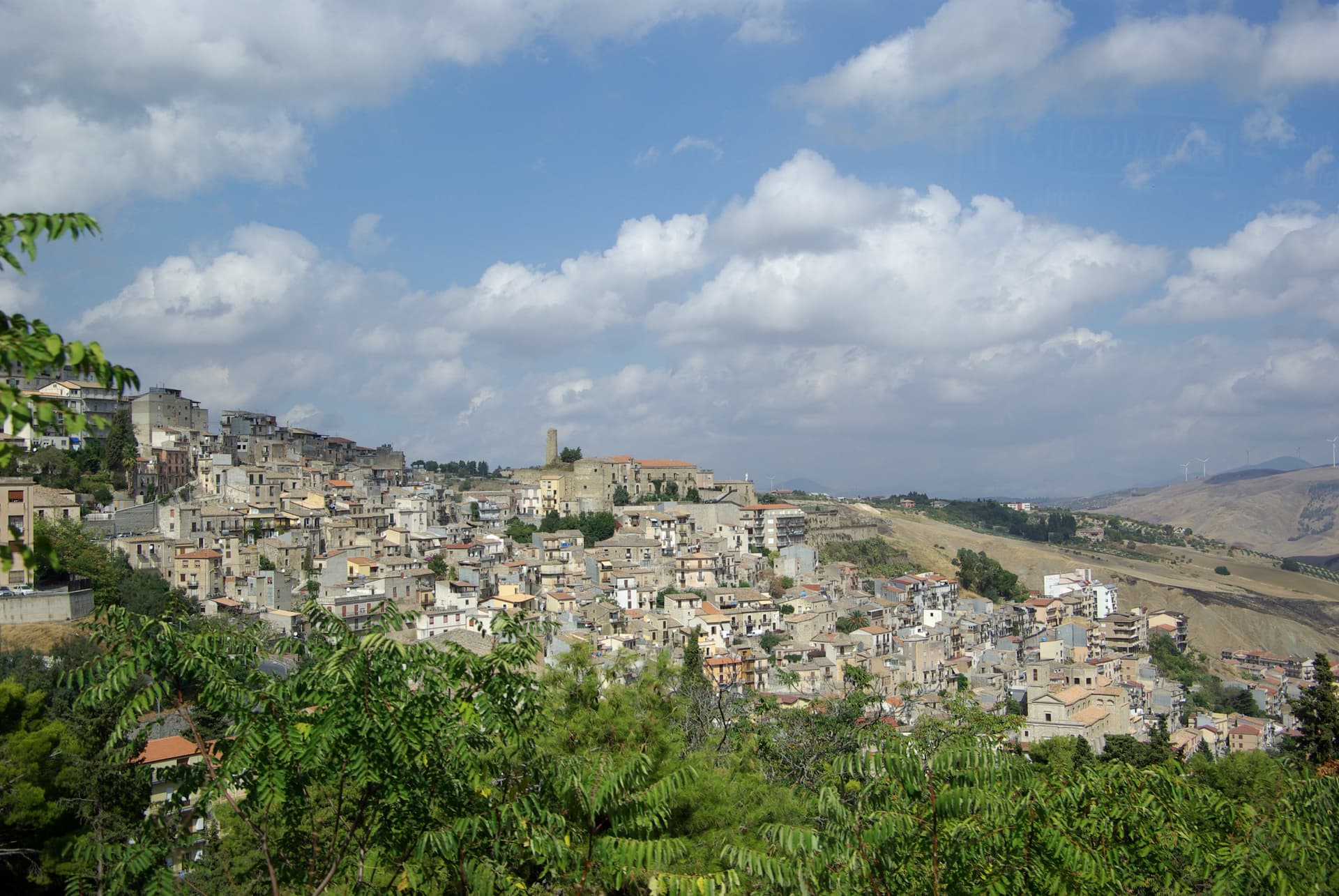
Cammarata
Province: Agrigento
A Sicani town at 700 meters on the northeast slope of Monte Cammarata, the 1,578-meter peak that gives the comune its name and shape.
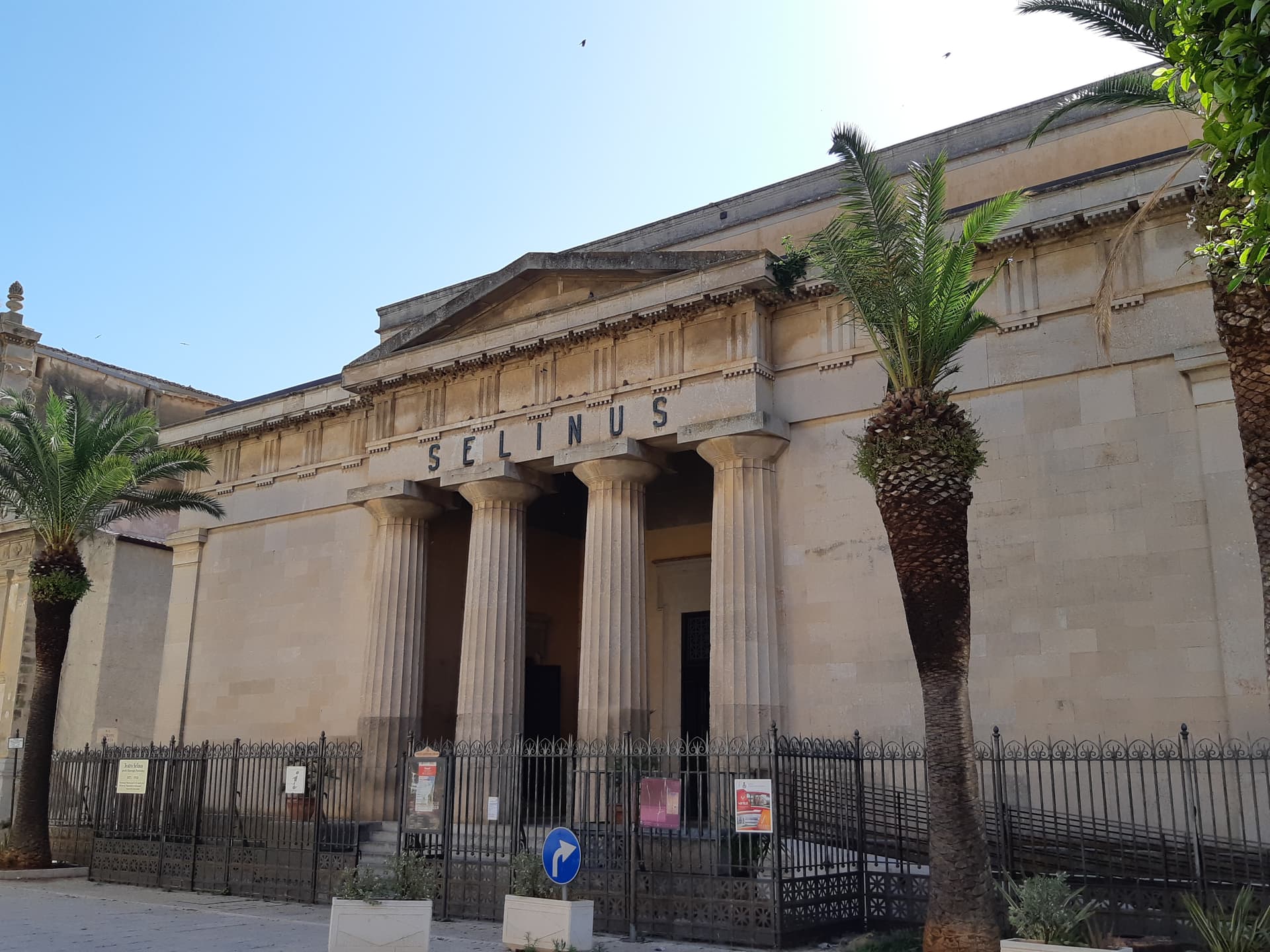
Castelvetrano
Province: Trapani
The Belice valley town that owns Selinunte, the largest archaeological park in Europe, and bakes black bread from grain found in its tombs.
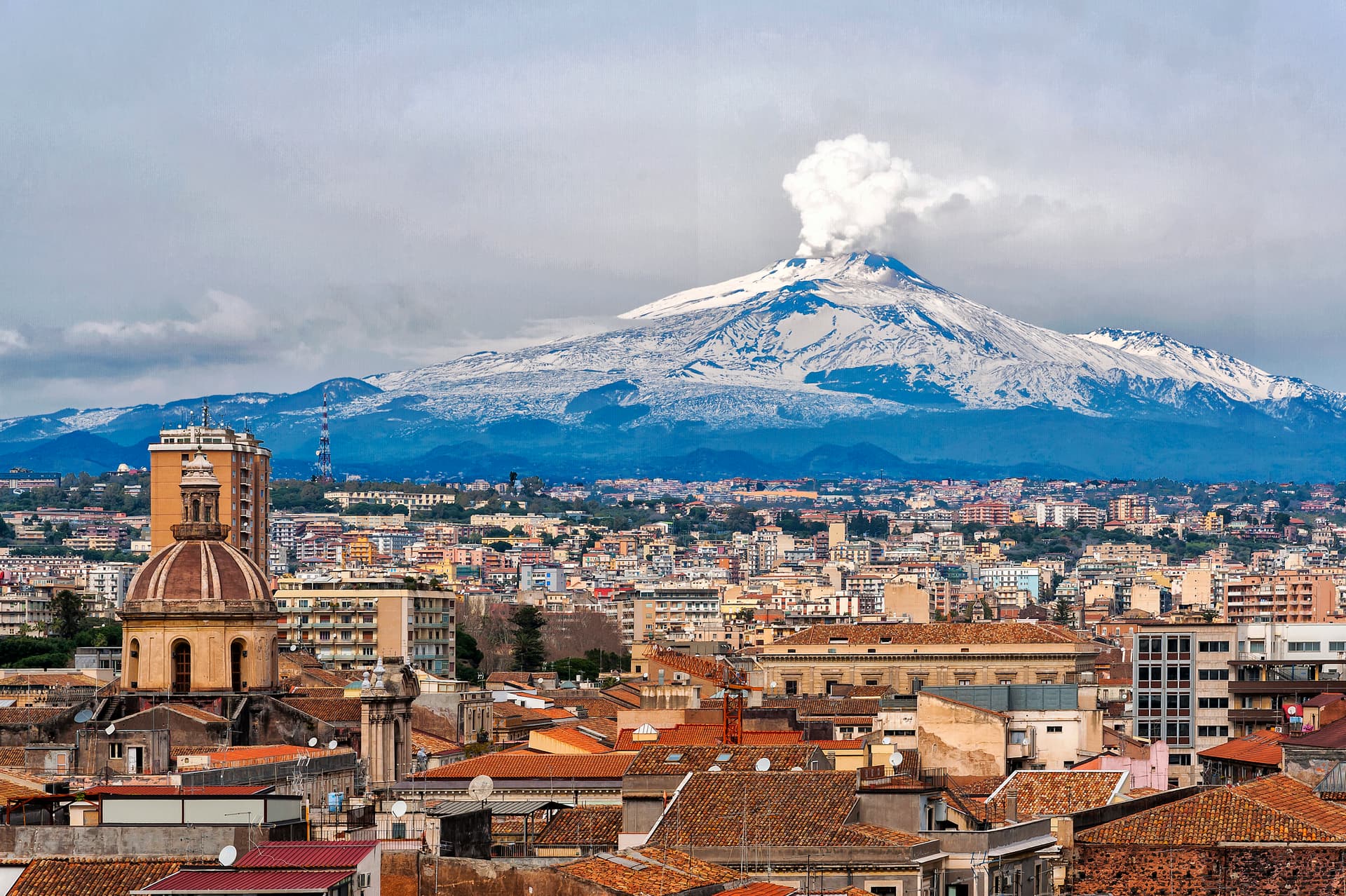
Catania
Province: Catania
Sicily's second city and the cultural anchor of the Ionian coast — a UNESCO late-Baroque centro storico rebuilt in lava-black stone after the 1693 earthquake, sitting at the foot of Etna with a 17th-century elephant fountain (U Liotru) as its civic symbol.