

Sicily · Trapani
Castelvetrano
The Belice valley town that owns Selinunte, the largest archaeological park in Europe, and bakes black bread from grain found in its tombs.
Known for
SELINUNTE
Greek colony founded in the seventh century BC, 337-hectare archaeological park inside the municipal territory, the largest in Europe.
PANE NERO
Black bread of tumminia and rusulidda grains baked in wood-fired ovens, traced to grain recovered from noble tombs at Selinunte.
NOCELLARA DEL BELICE
DOP table olive and Valle del Belice DOP olive oil, the agricultural backbone of the comune and a Slow Food Presidium.
When to visit
Best · May–Oct
- J
- F
- M
- A
- M
- J
- J
- A
- S
- O
- N
- D
- Best
- Hot or crowded
- Quiet
- Mostly closed
The festa: Giovanni Battista, 24 June
Why come
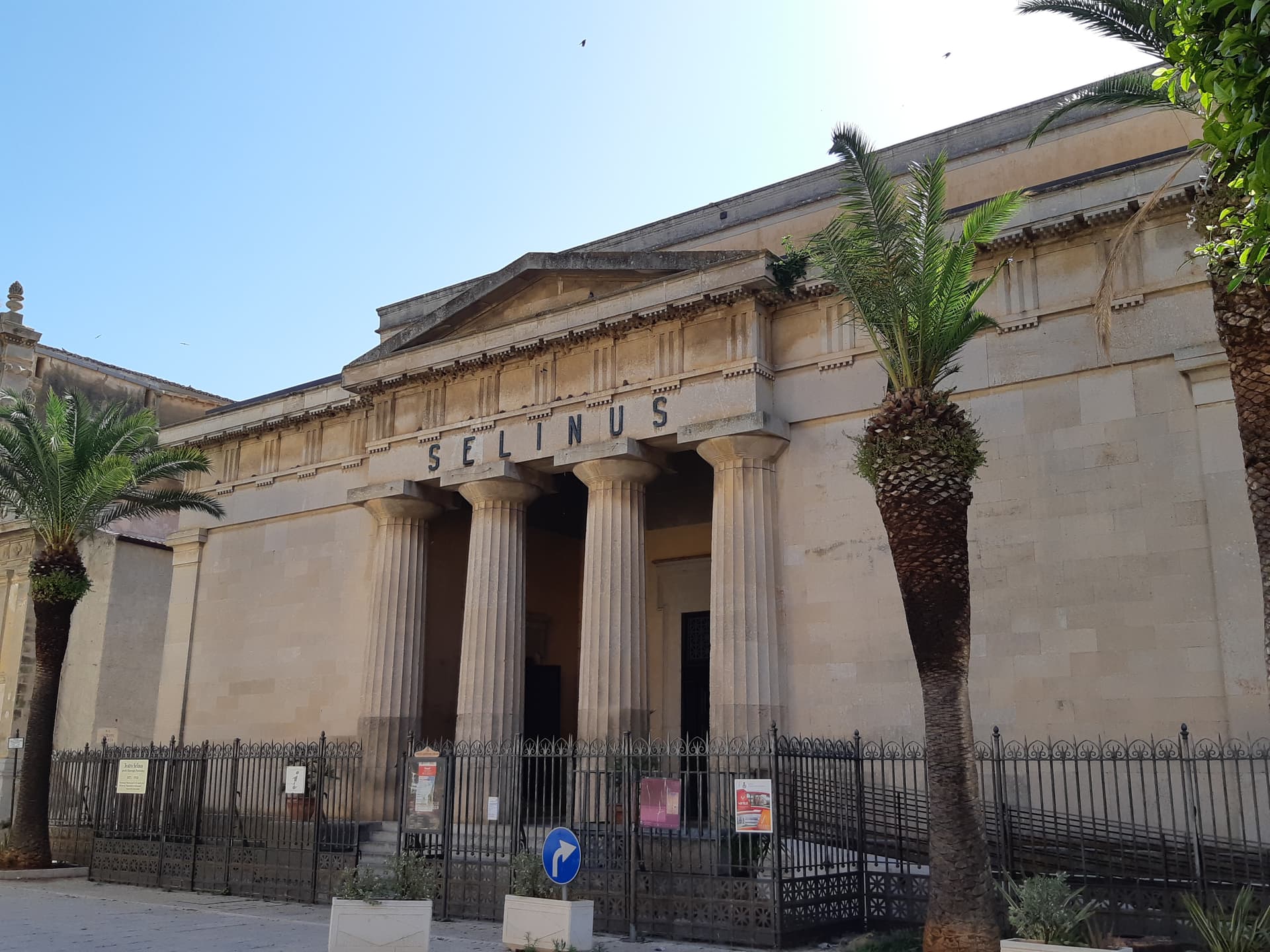
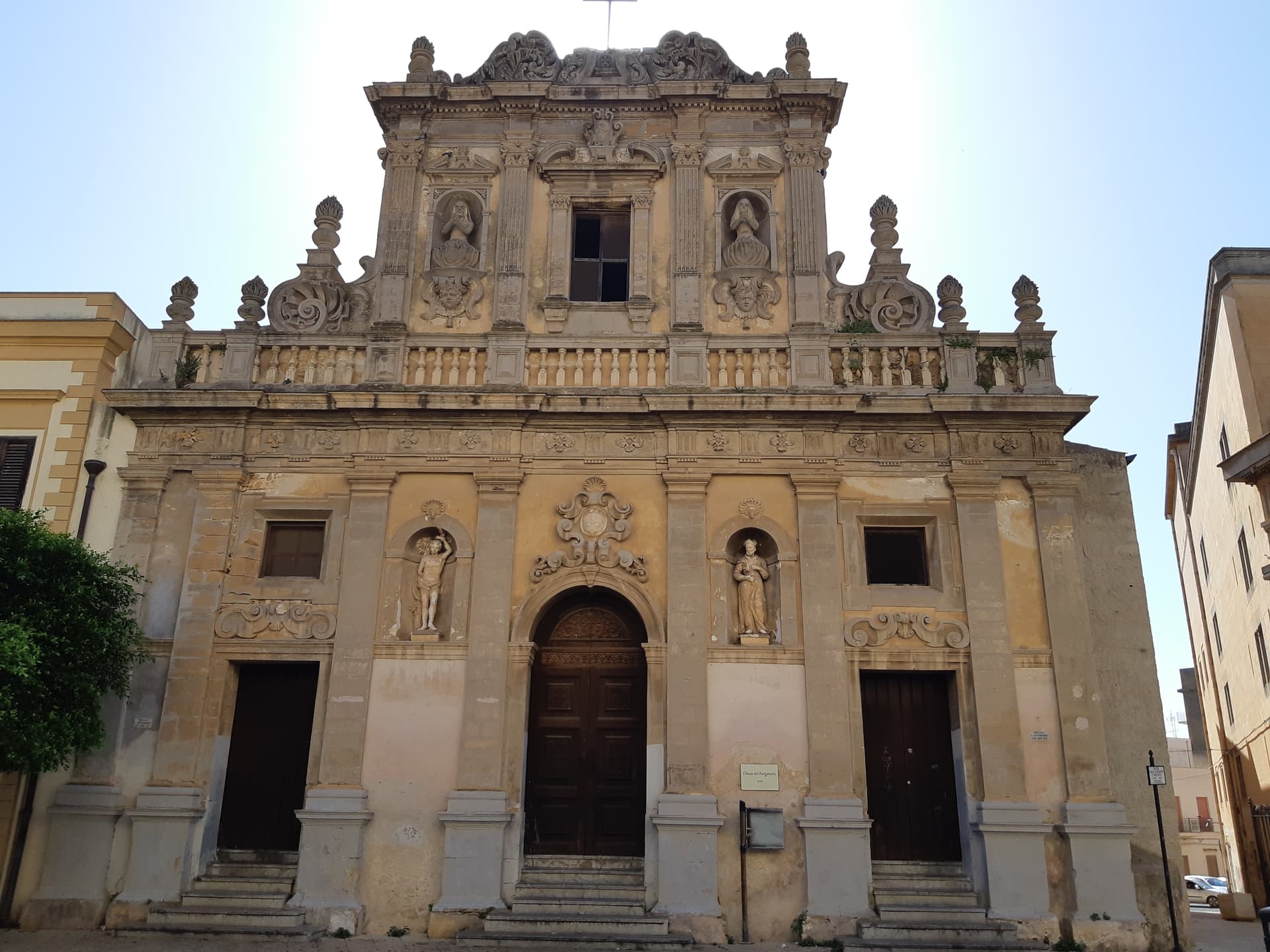
Castelvetrano sits in the Belice valley, fifteen kilometers from the south coast of Trapani province. Within its municipal territory lies Selinunte, founded in the seventh century BC by Greek settlers from Megara Hyblea, named for the wild parsley that still grows on the site, and now the largest archaeological park in Europe at 337 hectares of Doric temples, walls and necropoleis. The town itself developed in the twelfth and thirteenth centuries; its centro is built around the Sistema delle Piazze, three linked squares (Garibaldi, Umberto I and Cavour) framed by the sixteenth-century Chiesa Madre with stucco work by Antonio Ferraro and Gaspare Serpotta.
The Civic Museum holds the Efebo di Selinunte, an 85-centimeter bronze cast around 470 BC, one of the rare authentic Greek originals in Sicily. Castelvetrano produces Nocellara del Belice DOP table olives and the pane nero, baked from autochthonous tumminia and rusulidda grains in wood-fired ovens, grain found in noble tombs at Selinunte.
The Sunday letter
We haven’t written Castelvetrano’s letter yet.
One town every Sunday, with the photo, the food, the festa. Be there when this one comes up. Free, by Peter & Sophia from Pietrasanta.
By subscribing you agree to Substack’s Terms of Use, our Privacy Policy and our Information collection notice.
What to see
Parco Archeologico di Selinunte
Largest archaeological park in Europe at 337 hectares, with Doric temples E, F and G along the Marinella plain between the Belice and Modione rivers.
Sistema delle Piazze
Three linked squares (Garibaldi, Umberto I, Cavour) at the heart of the centro storico, framed by the Chiesa Madre and Palazzo dei Principi.
Chiesa Madre
Sixteenth-century mother church with tufaceous neo-Romanesque façade, three naves under wooden ceilings, and stucco decoration by Antonio Ferraro and Gaspare Serpotta.
Museo Civico Selinuntino
Civic museum holding the Efebo di Selinunte, an 85-cm bronze of 480–460 BC, one of the few authentic Greek originals from the early fifth century in Sicily.
Chiesa di Santa Maria di Gesù
Sixteenth-century church and convent on the edge of the centro, with a marble Madonna attributed to the Gagini workshop.
The slow-trip planner
Building a trip? Find where Castelvetrano fits in a slow Italy circuit.
Answer five questions. We will shape a geographically coherent slow trip from the 1,000 Italian towns most travelers skip. Yours to save and share.
Living here
- Population 29,341
- Commuter belti
- Pharmacy in town
- High school within a 30-minute drive
- Train station in the comune
- Nearest airport Sicily, 3 h 51 min drive
- Regional capital Palermo, 1 h 32 min drive
Tags & datadesignations · numbers · sources
Recognised as
The numbers
- Elevation: 187 m
- Population: 29,341
- Surface area: 209.76 km²
These figures were compiled from public directories — ISTAT, OpenStreetMap, Wikidata — and from the official listings of the guides named on this page. Town details change; verify with official sources before you travel.
Close by
More towns near Castelvetrano
Menfi
Province: Agrigento
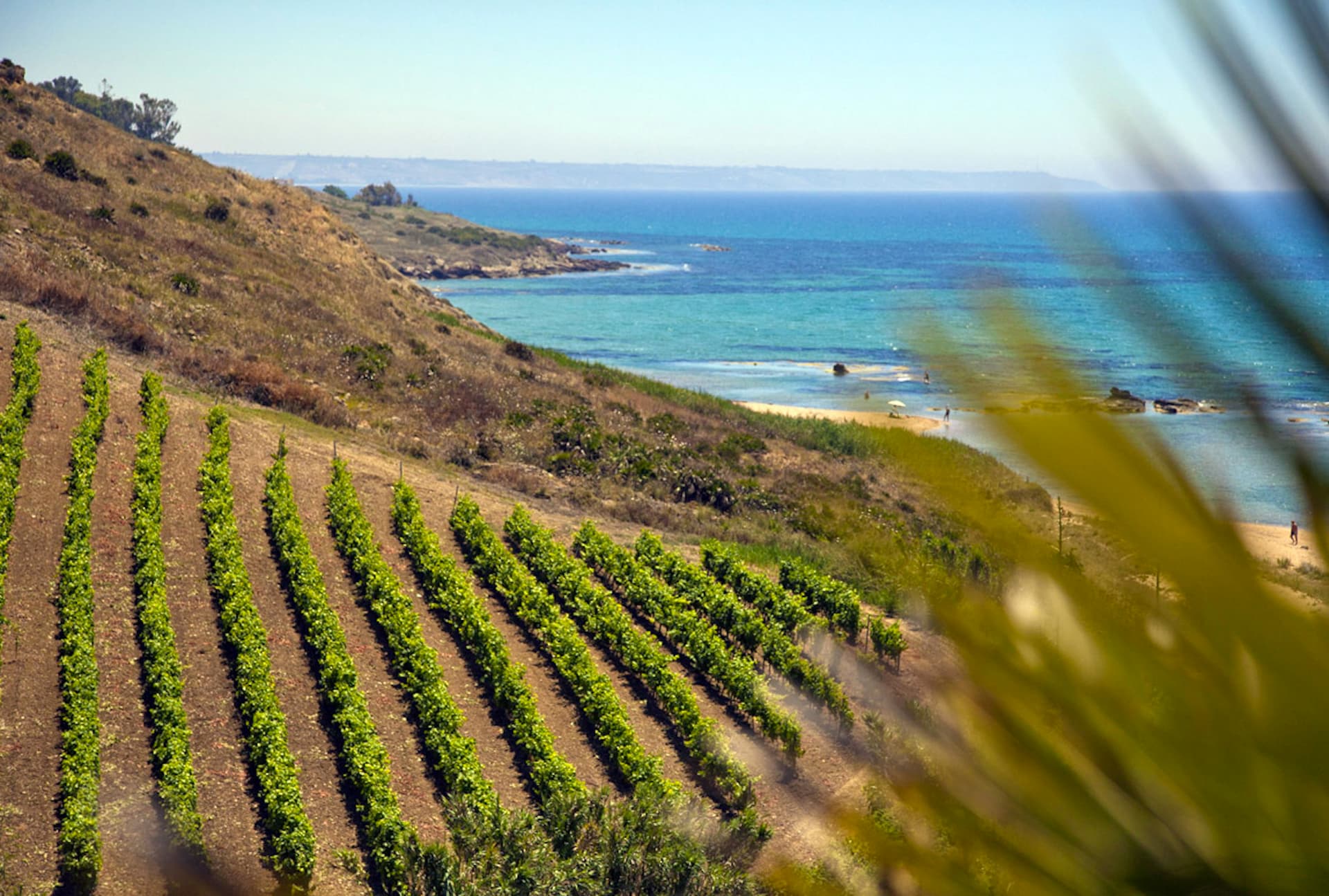
Sicily's triple-signal western coast town — 11,800 residents on a low ridge above 9 km of Bandiera Blu sand at Porto Palo, with the Federico II tower, the Cantine Settesoli cooperative (Italy's largest by volume, 2,000 grower-members), and the rare Bandiera Blu + Città del Vino + Città dell'Olio combination.
Salemi
Province: Trapani
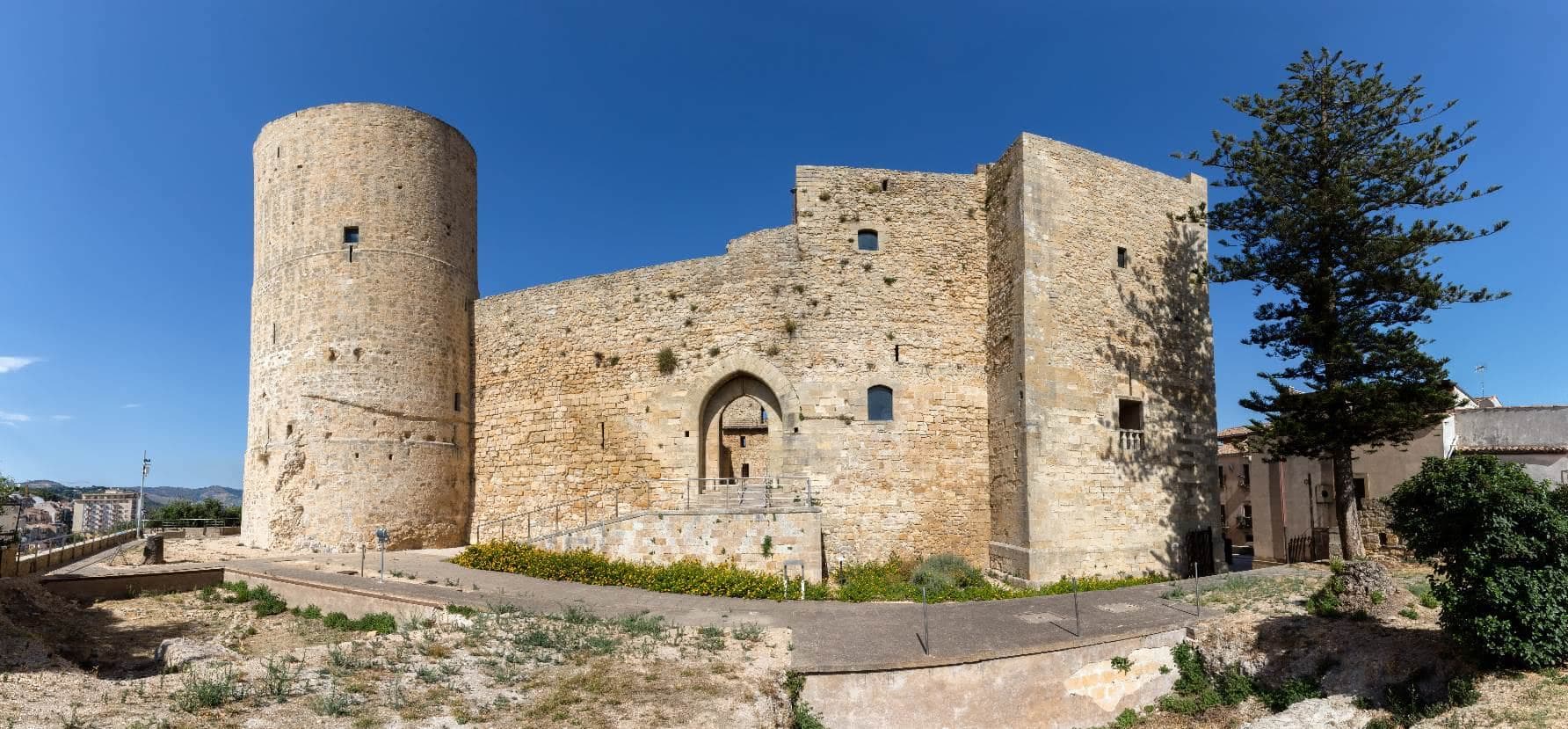
The Belice Valley town where Garibaldi raised the tricolor on 14 May 1860 and proclaimed Salemi the capital of Italy for a day.
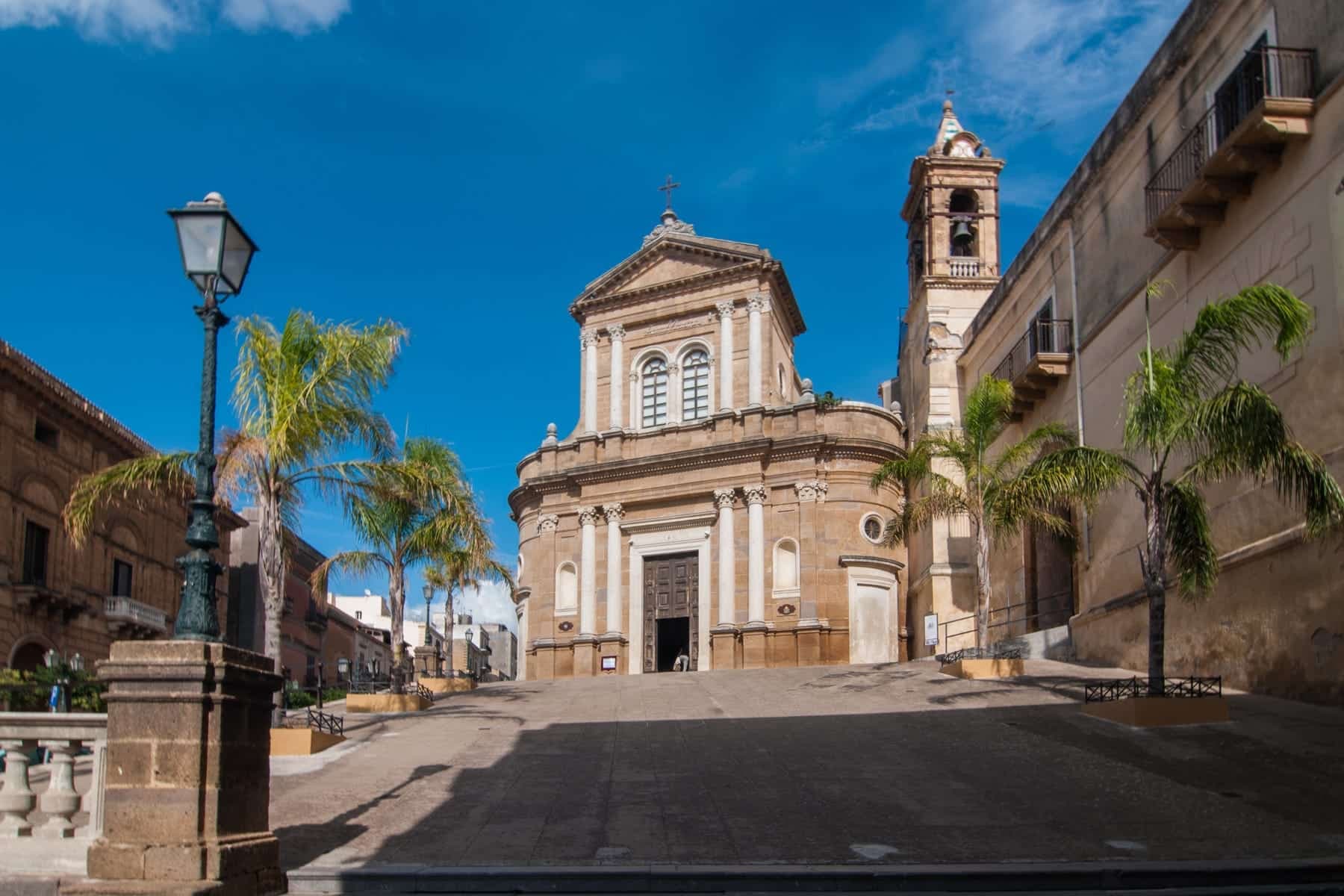
Sambuca di Sicilia
Province: Agrigento
An Arab-founded hill town in the Belice valley, named Borgo dei Borghi in 2016, still called Zabut in living memory before 1923.
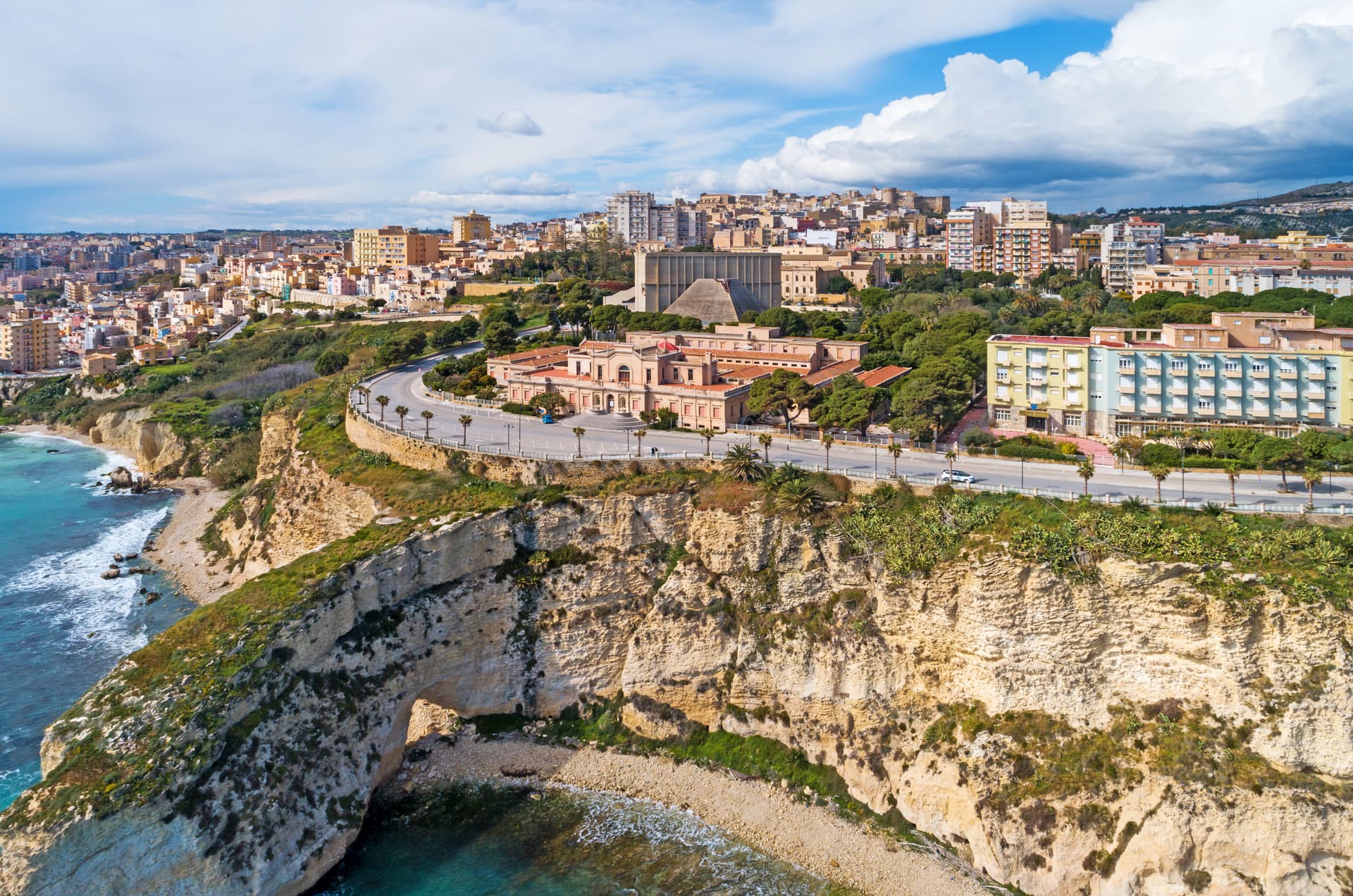
Sciacca
Province: Agrigento
A terraced fishing harbor on Sicily's southwestern coast, Selinunte's thermal spa in the fifth century BC and a ceramics city since the fourteenth.
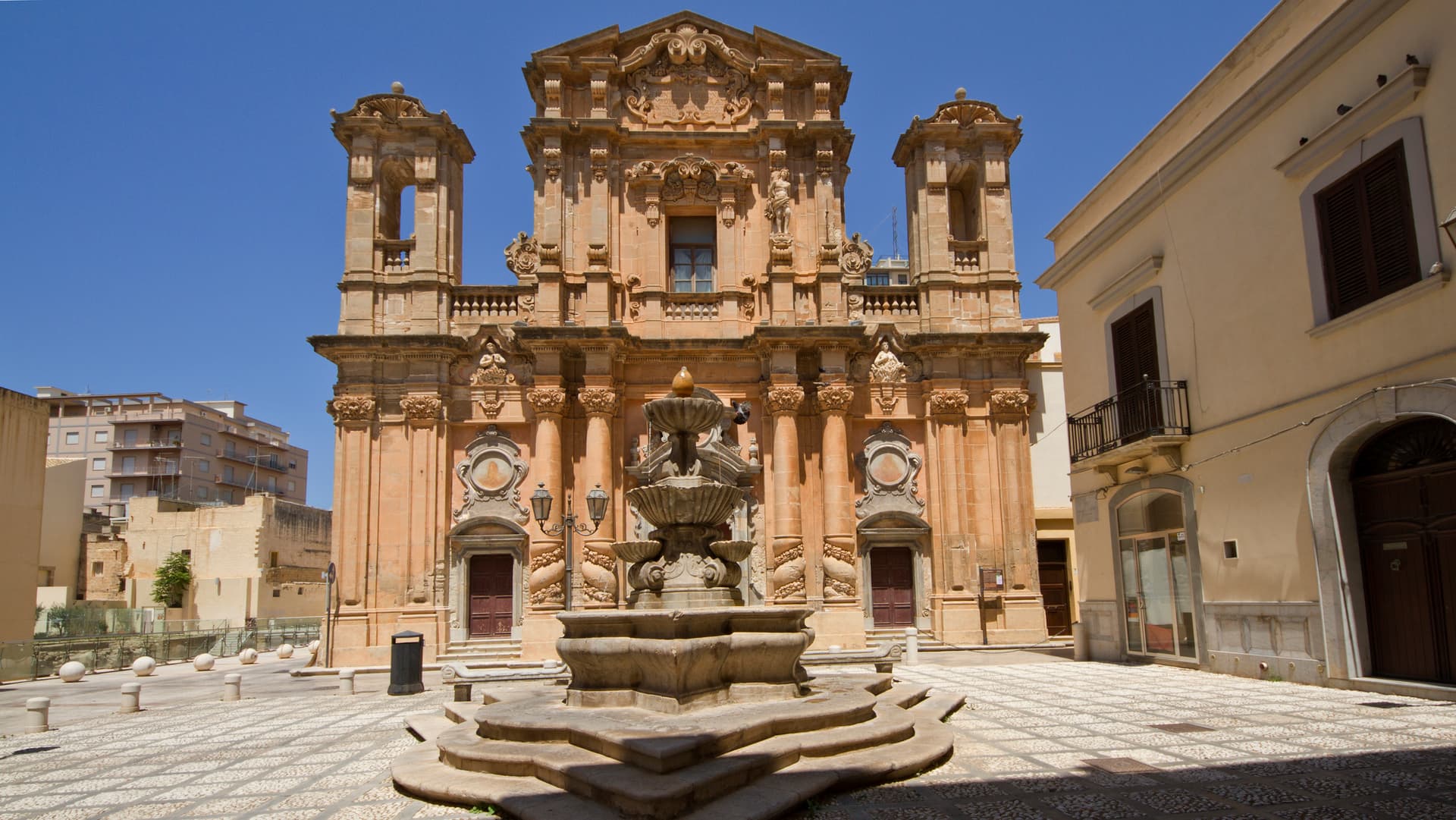
Marsala
Province: Trapani
Sicily's westernmost city, born from the Phoenician refugees of Mozia, where Garibaldi landed in 1860 and English merchants invented Marsala wine.
🫒 Città dell'Olio
More Città dell'Olio towns in Sicily
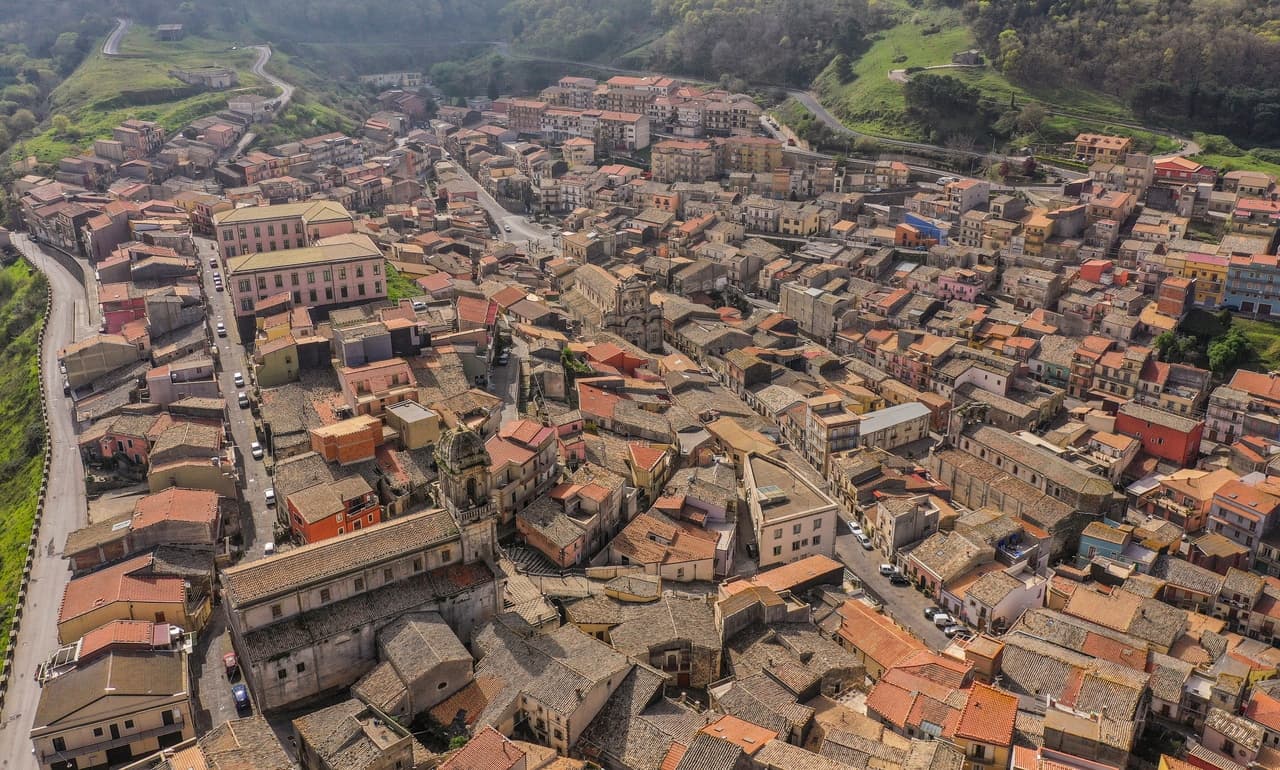
Buccheri
Province: Siracusa
The highest village in the province of Syracuse at 820 meters on Monte Lauro, world capital of Tonda Iblea olive oil at the 2015 Sol d'Oro.
Castiglione di Sicilia
Province: Catania
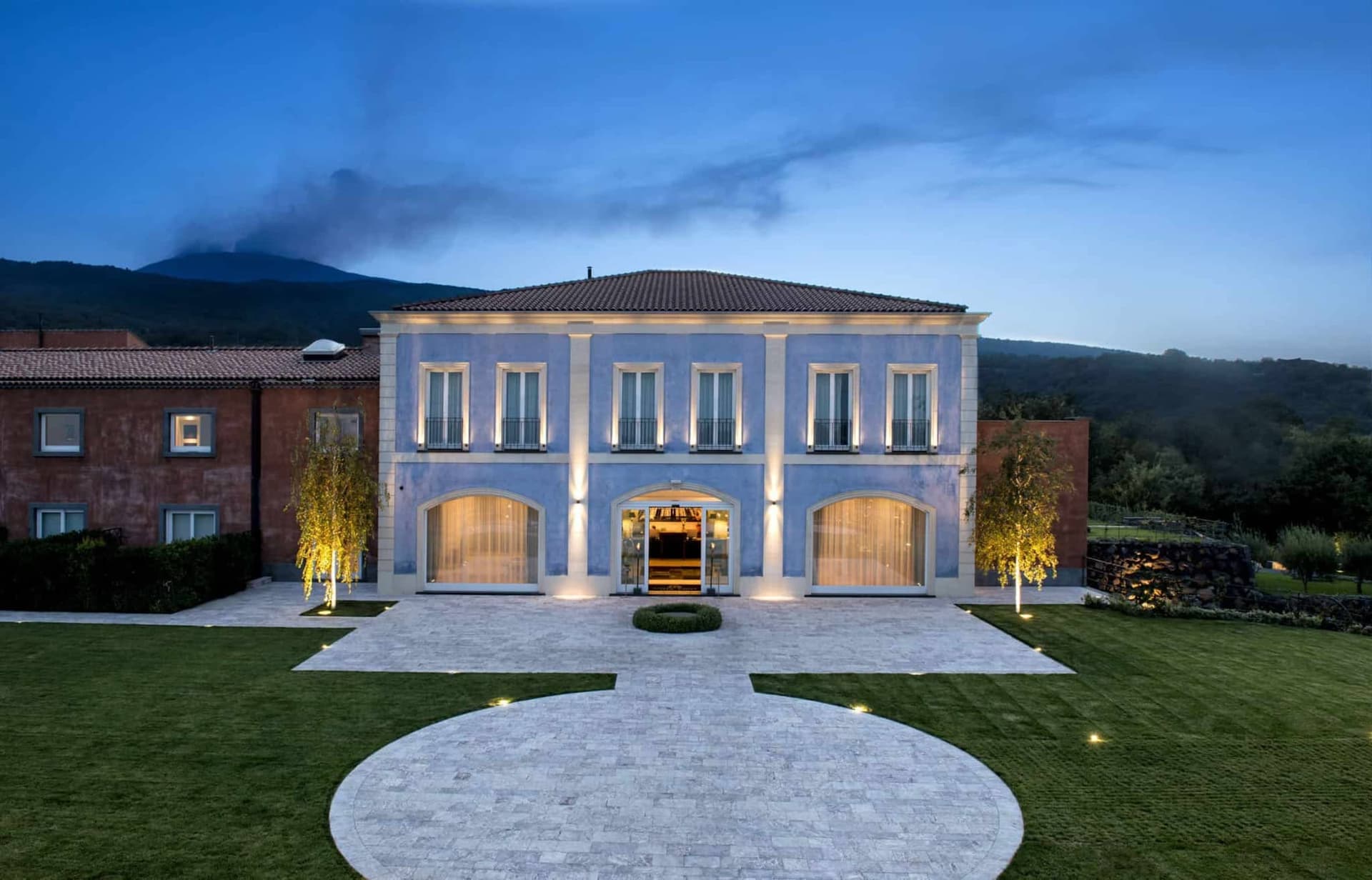
A hill town on the north flank of Etna at 621 meters, base camp for the Alcantara valley and the volcano's most serious red wines.
Nicolosi
Province: Catania
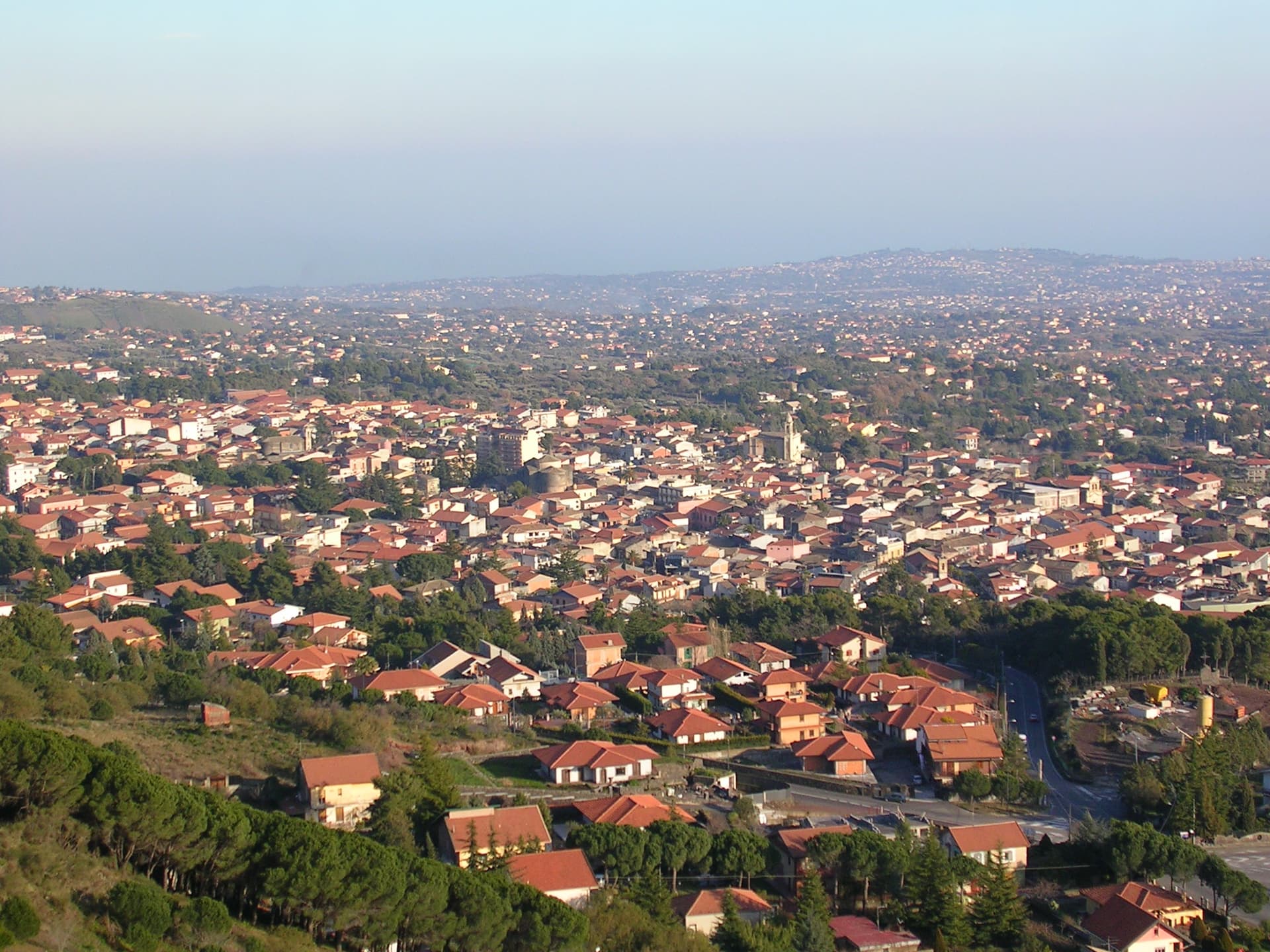
The southern gateway to Etna at 698 meters, twice destroyed by the 1669 eruption, base camp for the volcano cable car at Rifugio Sapienza.
Realmonte
Province: Agrigento
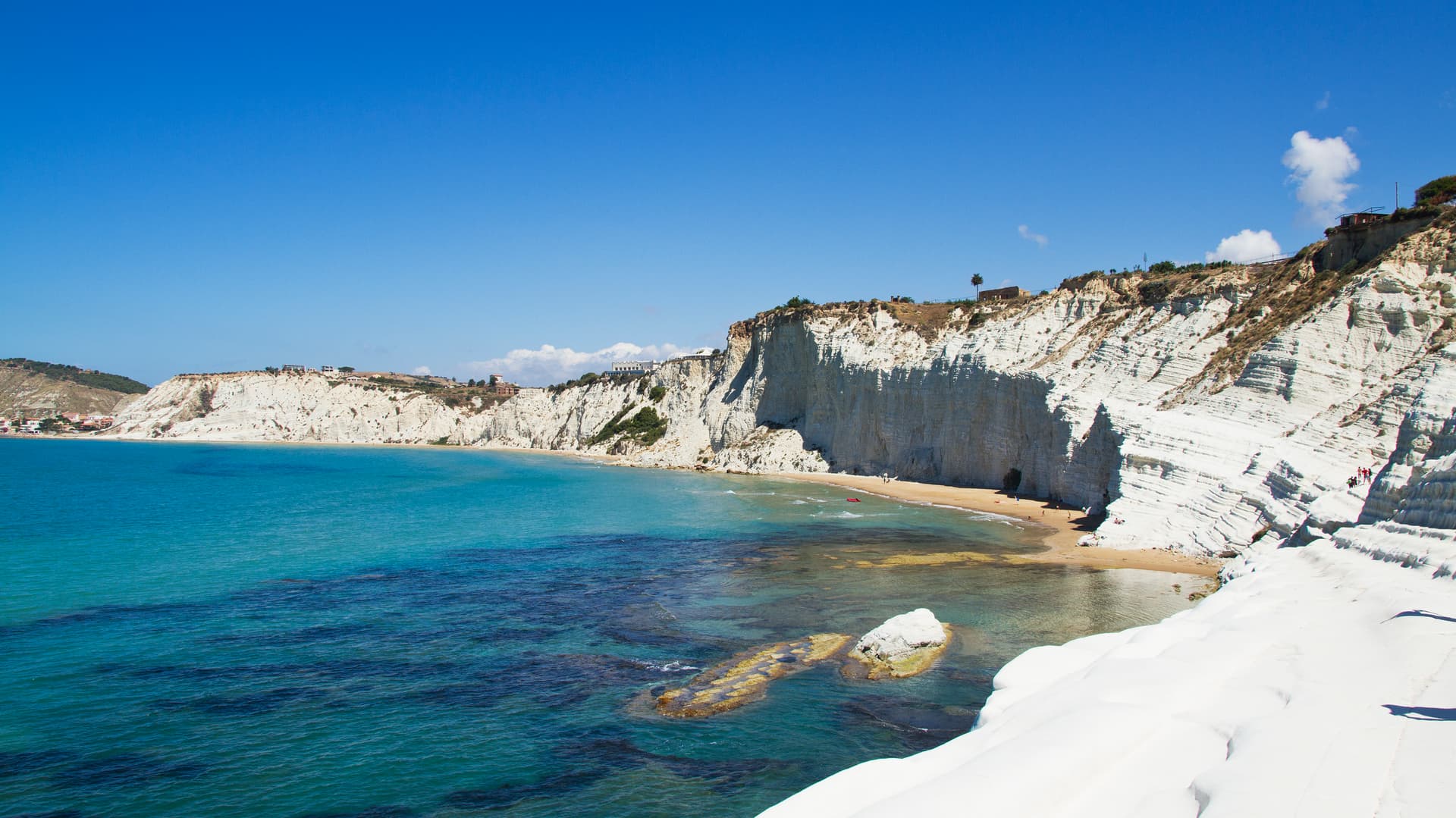
The Agrigento coast commune with the white marl cliff of the Scala dei Turchi and a salt mine carved into 5-million-year-old halite.
San Vito Lo Capo
Province: Trapani
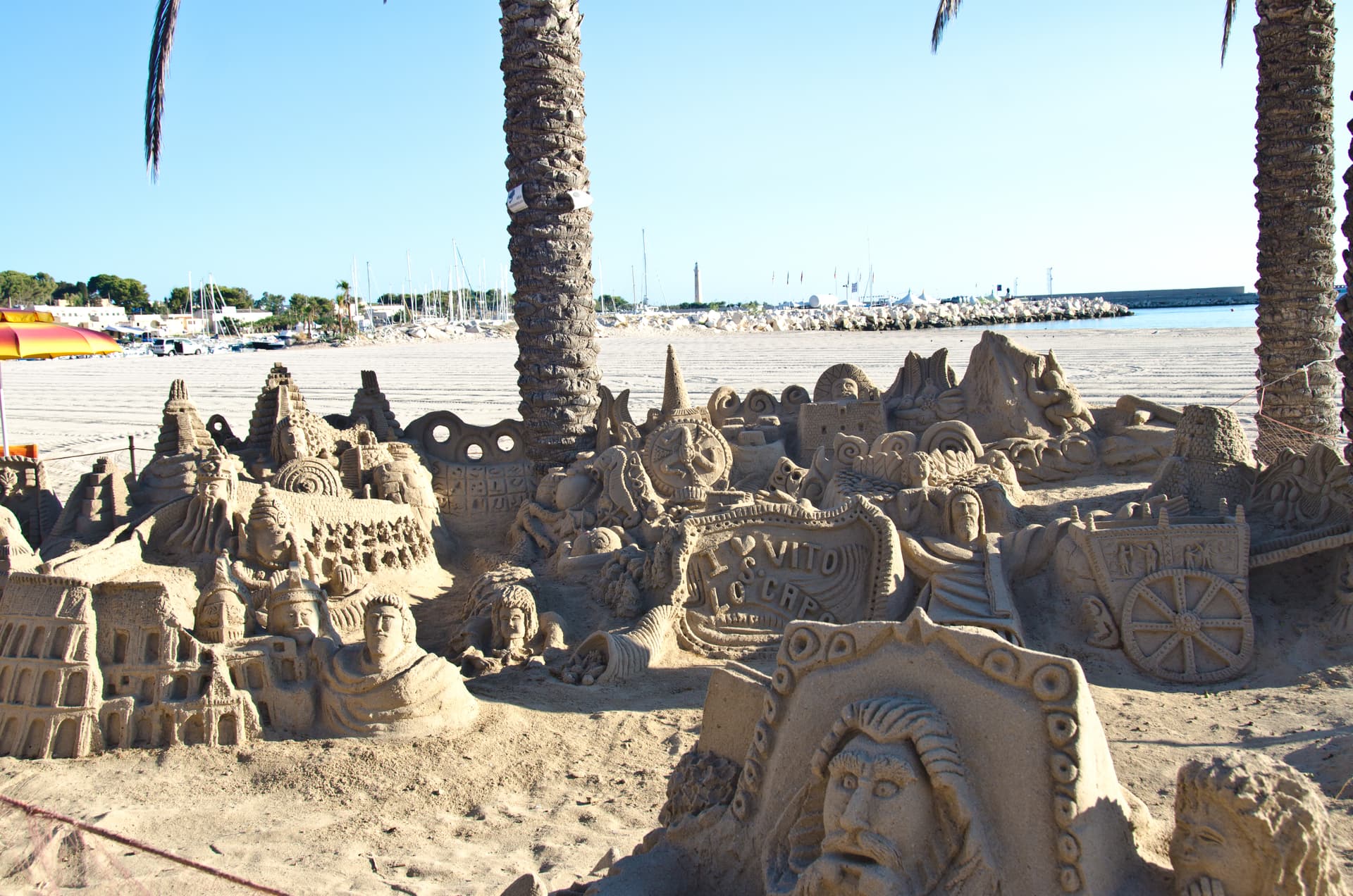
A three-kilometer white-sand beach under Monte Monaco at Sicily's northwest tip, the town that turned cous cous into a September festival.