

Sicily · Trapani
Marsala
Sicily's westernmost city, born from the Phoenician refugees of Mozia, where Garibaldi landed in 1860 and English merchants invented Marsala wine.
Known for
MARSALA WINE
Fortified wine invented in 1773 by John Woodhouse, aged in oak in the historic Florio, Pellegrino, Rallo and Donnafugata cellars in the city.
MOZIA & GARIBALDI
Phoenician island in the Stagnone lagoon that founded Lilibeo and the port where Garibaldi landed with the Mille on 11 May 1860.
SALT PANS
Saline della Laguna along the Stagnone, with windmills and salt mounds shifting colour with the seasons, still worked by hand.
When to visit
Best · May–Oct
- J
- F
- M
- A
- M
- J
- J
- A
- S
- O
- N
- D
- Best
- Hot or crowded
- Quiet
- Mostly closed
The festa: Madonna della Cava, 19 January
Why come
Marsala sits on the westernmost point of Sicily, at sea level on the strait facing Tunisia. The Phoenicians of Mozia, on the small island just off the Stagnone lagoon to the north, founded Lilibeo on the mainland after Dionysius of Syracuse razed Mozia in 397 BC; the modern city sits on that ground. The Arabs renamed it Marsa Ali or Marsa Allah, the harbor of God, in the ninth century.
On 11 May 1860 Giuseppe Garibaldi landed at the port with the Mille and began the campaign that ended the Bourbon kingdom. Large-scale wine production began in 1773 when the English trader John Woodhouse added grape spirit to local wines to keep them through the sea voyage to England, and the fortified Marsala became a global product. The historic cellars (Florio, Pellegrino, Rallo, Donnafugata) still operate in the city. The Saline della Laguna and the Stagnone, with Mozia at its center, lie a few kilometers north along a low coastal road of windmills and salt mounds.
The Sunday letter
We haven’t written Marsala’s letter yet.
One town every Sunday, with the photo, the food, the festa. Be there when this one comes up. Free, by Peter & Sophia from Pietrasanta.
By subscribing you agree to Substack’s Terms of Use, our Privacy Policy and our Information collection notice.
What to see
Parco archeologico di Lilibeo
Phoenician-Punic and Roman site at Capo Boeo on the western tip of the city, with the Baglio Anselmi museum and the third-century BC Punic warship.
Riserva dello Stagnone e Mozia
Two-thousand-hectare coastal lagoon with the island of Mozia at its center, holding the Phoenician walls and the Kothon harbor basin.
Saline della Laguna
Working salt pans along the Stagnone with Dutch-style windmills and pyramidal salt mounds, in production since Phoenician times.
Cantine Florio
Historic Marsala cellars founded in 1833, with oak vats and the original nineteenth-century baglio, open for tours and tastings.
Chiesa Madre di San Tommaso di Canterbury
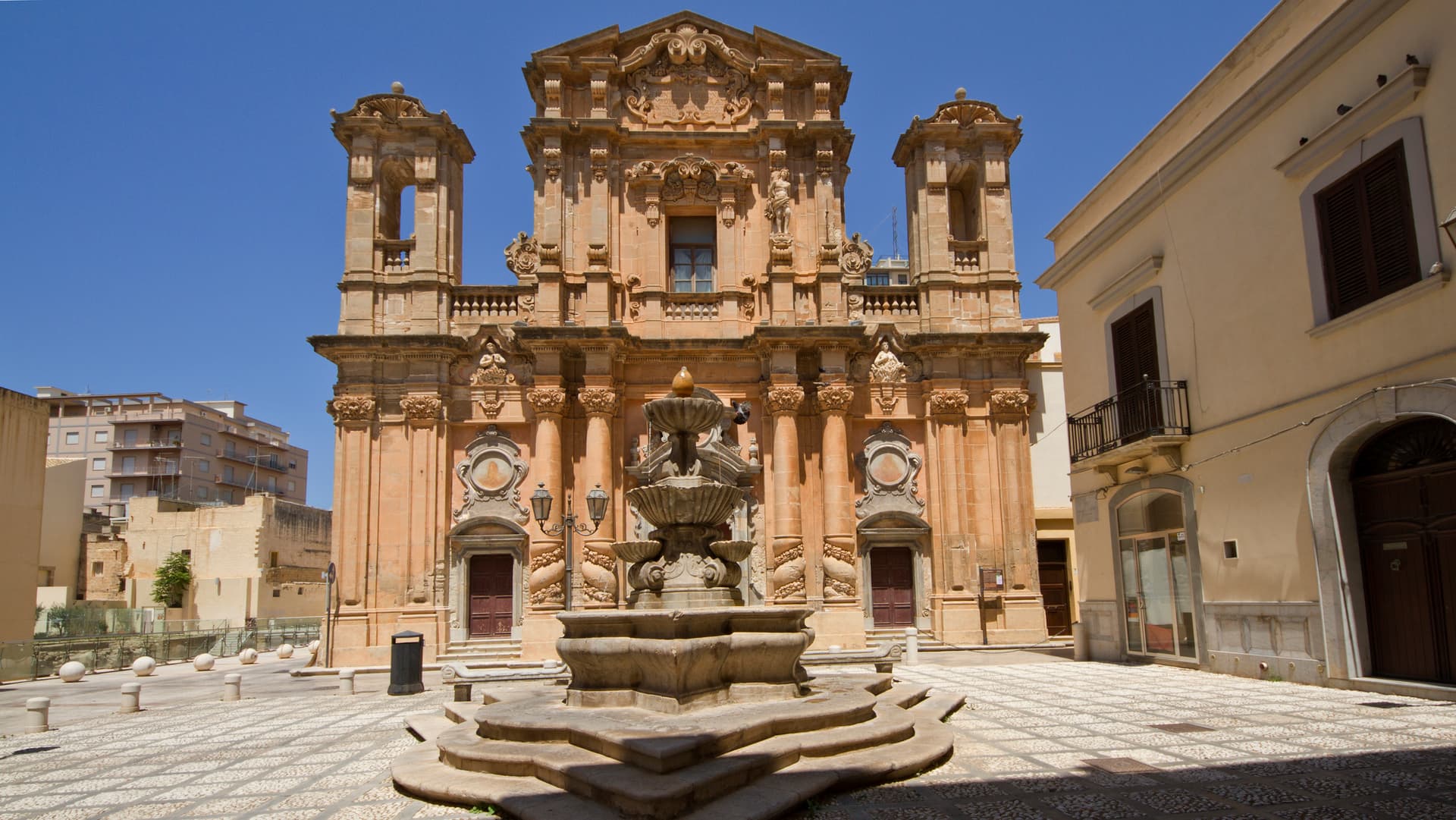
Norman foundation rebuilt in the seventeenth century, dedicated to the English martyr Thomas Becket, on Piazza della Repubblica.
Museo degli Arazzi Fiamminghi
Eight sixteenth-century Flemish tapestries on the Jewish Wars of Vespasian, donated to the Chiesa Madre in the late sixteenth century.
The slow-trip planner
Building a trip? Find where Marsala fits in a slow Italy circuit.
Answer five questions. We will shape a geographically coherent slow trip from the 1,000 Italian towns most travelers skip. Yours to save and share.
We recommend
Where to eat and stay
Not our picks, but places the guides put their name to — a Michelin star, a Gambero Rosso fork, a Slow Food snail, a Michelin Key for the hotels. Worth a table, a counter, or a night when you pass through.
Parrinello Pescheria e CucinaRistorante
A Gambero Rosso listing, at Parrinello Pescheria e Cucina.
Baglio OnetoHotel
Baglio Oneto has a place in the Michelin hotel guide to its name.
Living here
- Population 79,809
- A local hubi
- Pharmacy in town
- High school within a 30-minute drive
- Train station in the comune
- Nearest airport Sicily, 4 h 23 min drive
- Regional capital Palermo, 1 h 51 min drive
Tags & datadesignations · numbers · sources
Recognised as
The numbers
- Elevation: 3 m
- Population: 79,809
- Surface area: 243.26 km²
These figures were compiled from public directories — ISTAT, OpenStreetMap, Wikidata — and from the official listings of the guides named on this page. Town details change; verify with official sources before you travel.
Close by
More towns near Marsala
Salemi
Province: Trapani
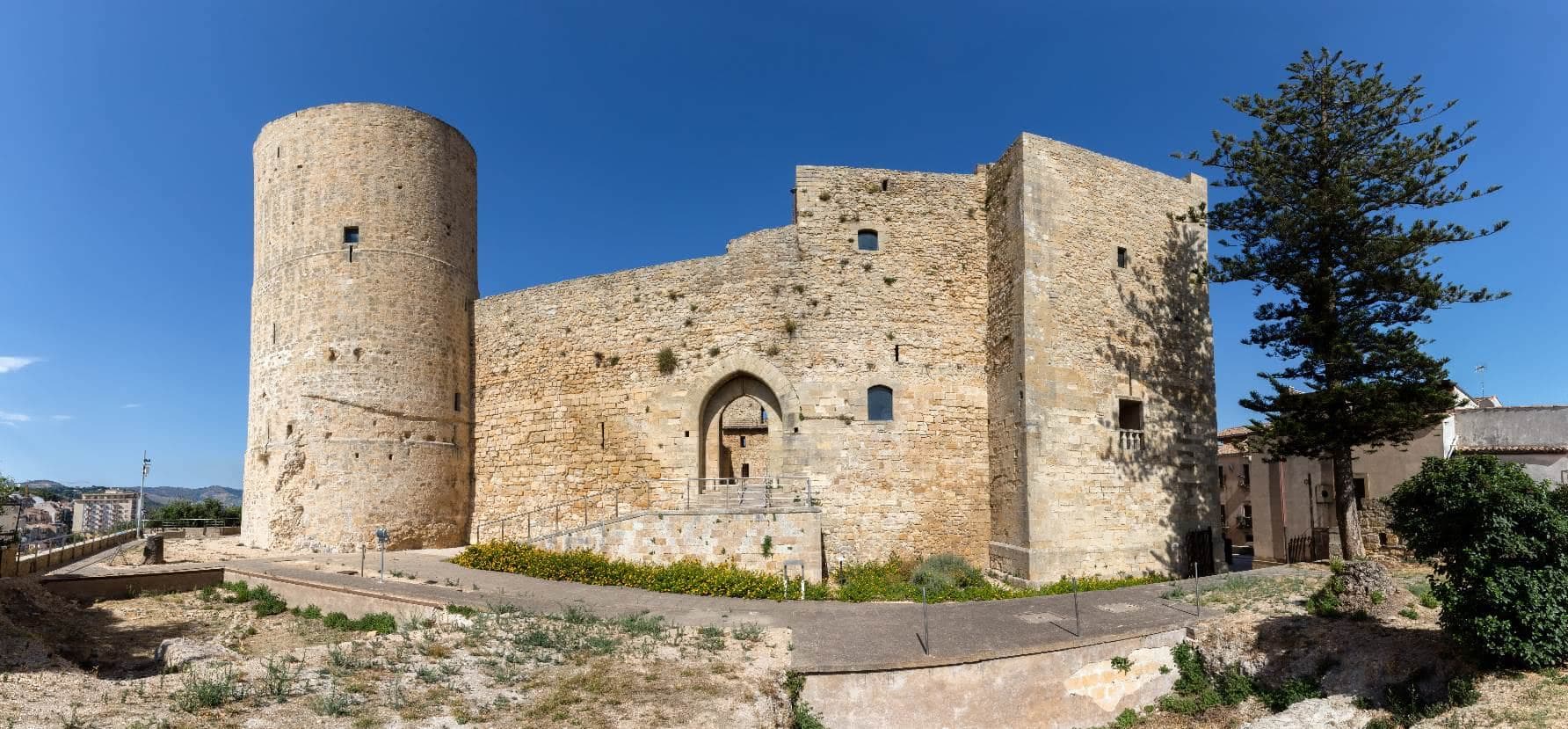
The Belice Valley town where Garibaldi raised the tricolor on 14 May 1860 and proclaimed Salemi the capital of Italy for a day.
Erice
Province: Trapani
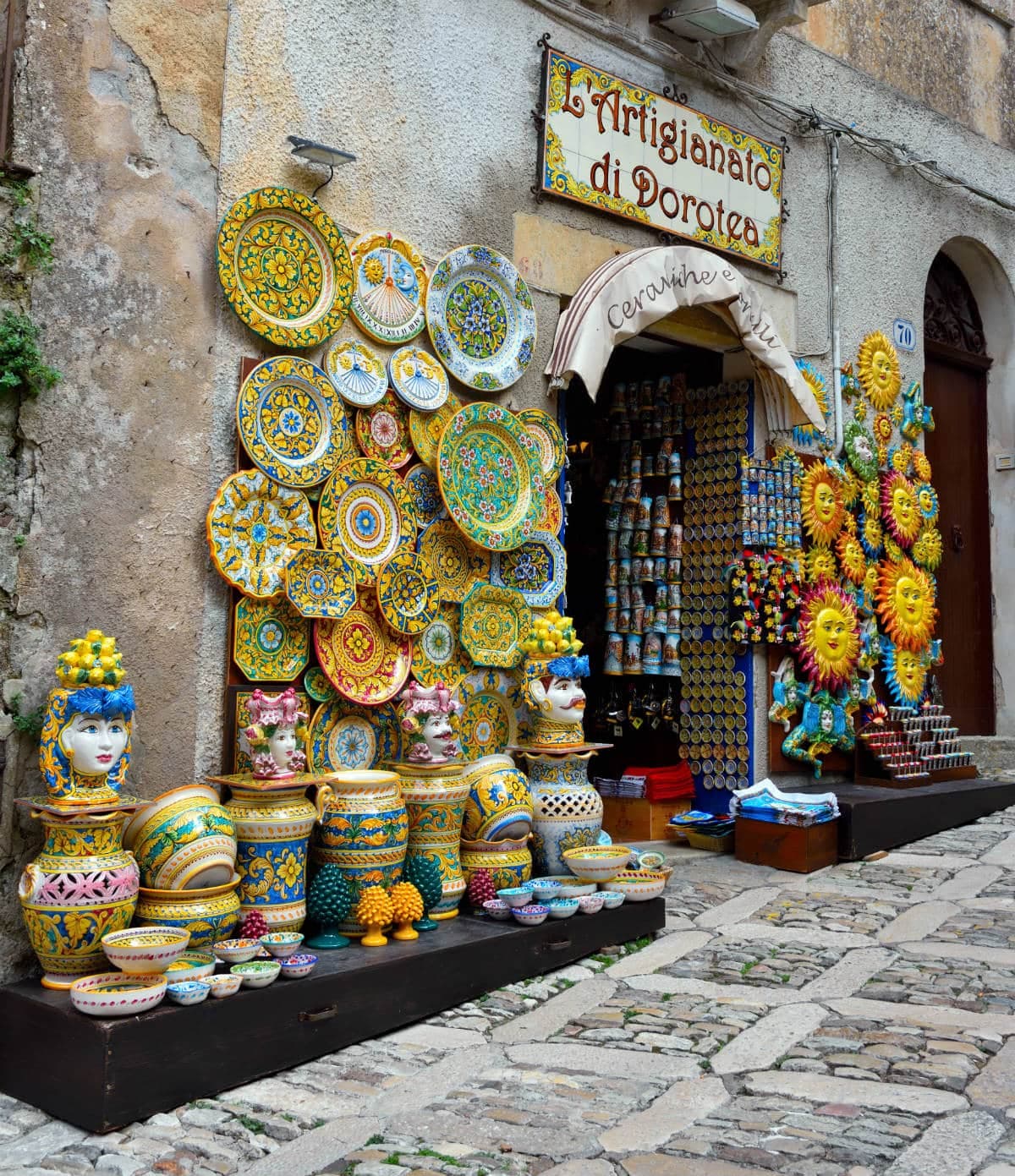
An Elymian mountaintop city at 751 meters above Trapani, with a Norman castle on the site of the temple of Venus Erycina and a Cold War physics centre.
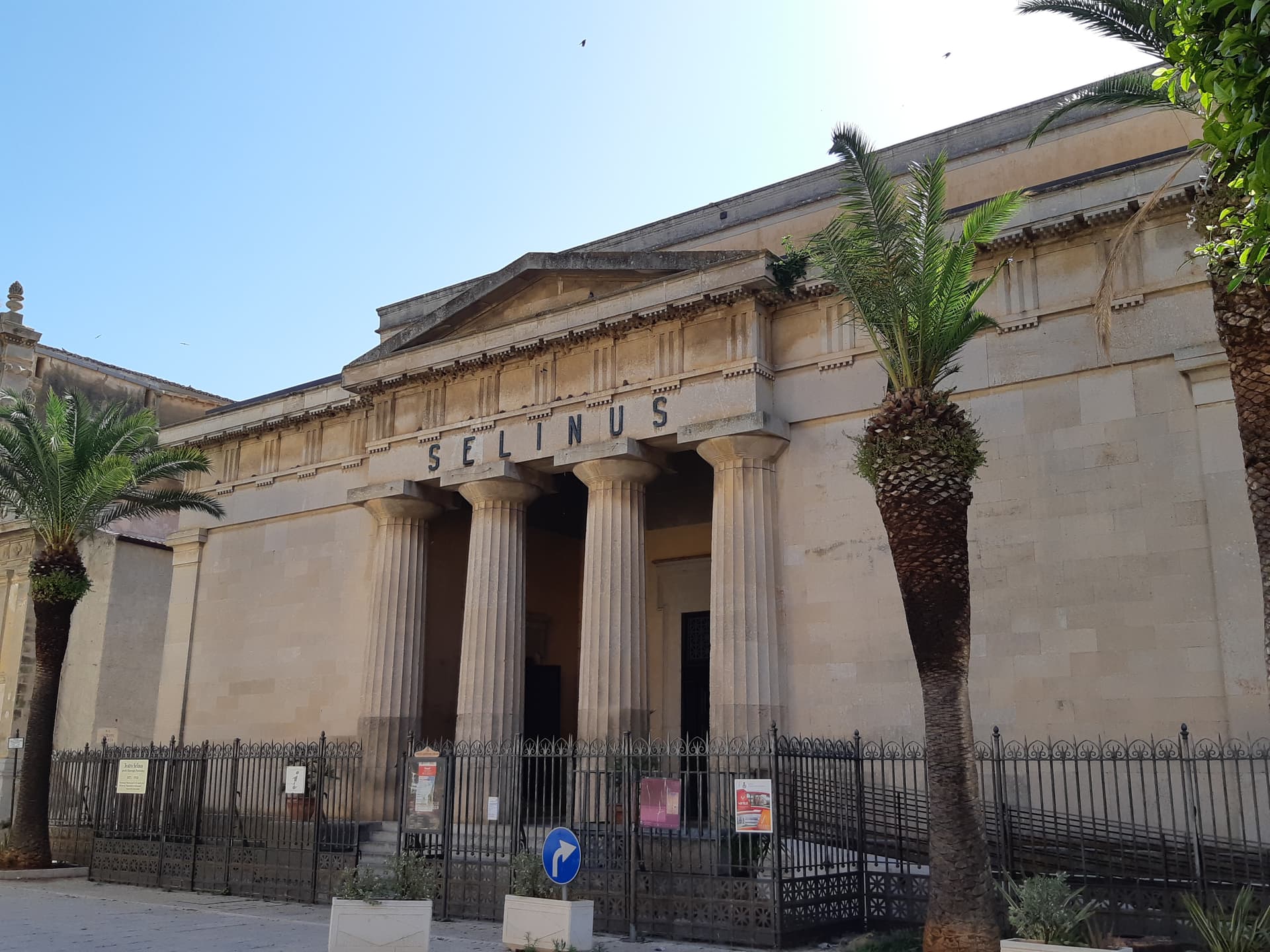
Castelvetrano
Province: Trapani
The Belice valley town that owns Selinunte, the largest archaeological park in Europe, and bakes black bread from grain found in its tombs.
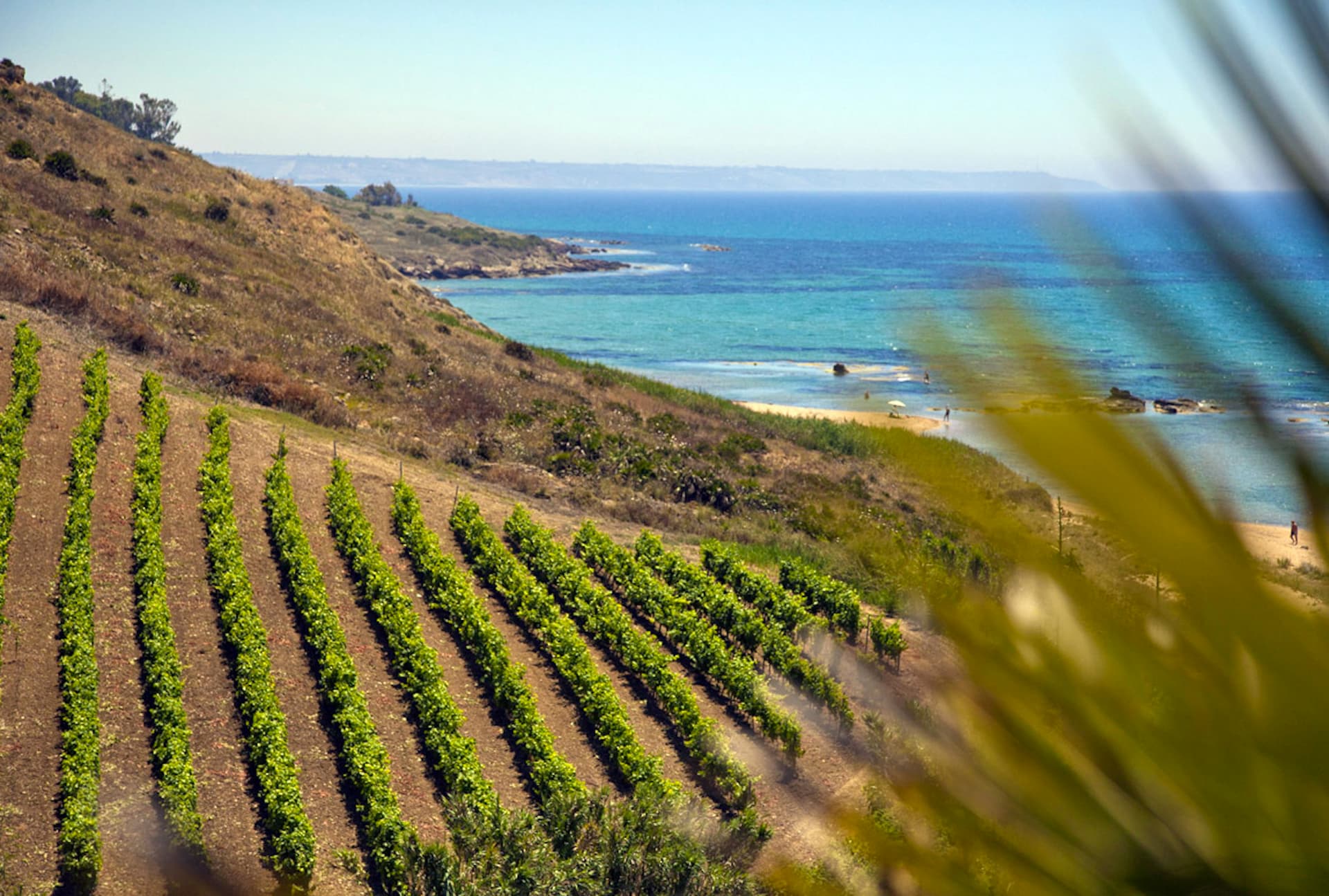
Menfi
Province: Agrigento
Sicily's triple-signal western coast town — 11,800 residents on a low ridge above 9 km of Bandiera Blu sand at Porto Palo, with the Federico II tower, the Cantine Settesoli cooperative (Italy's largest by volume, 2,000 grower-members), and the rare Bandiera Blu + Città del Vino + Città dell'Olio combination.
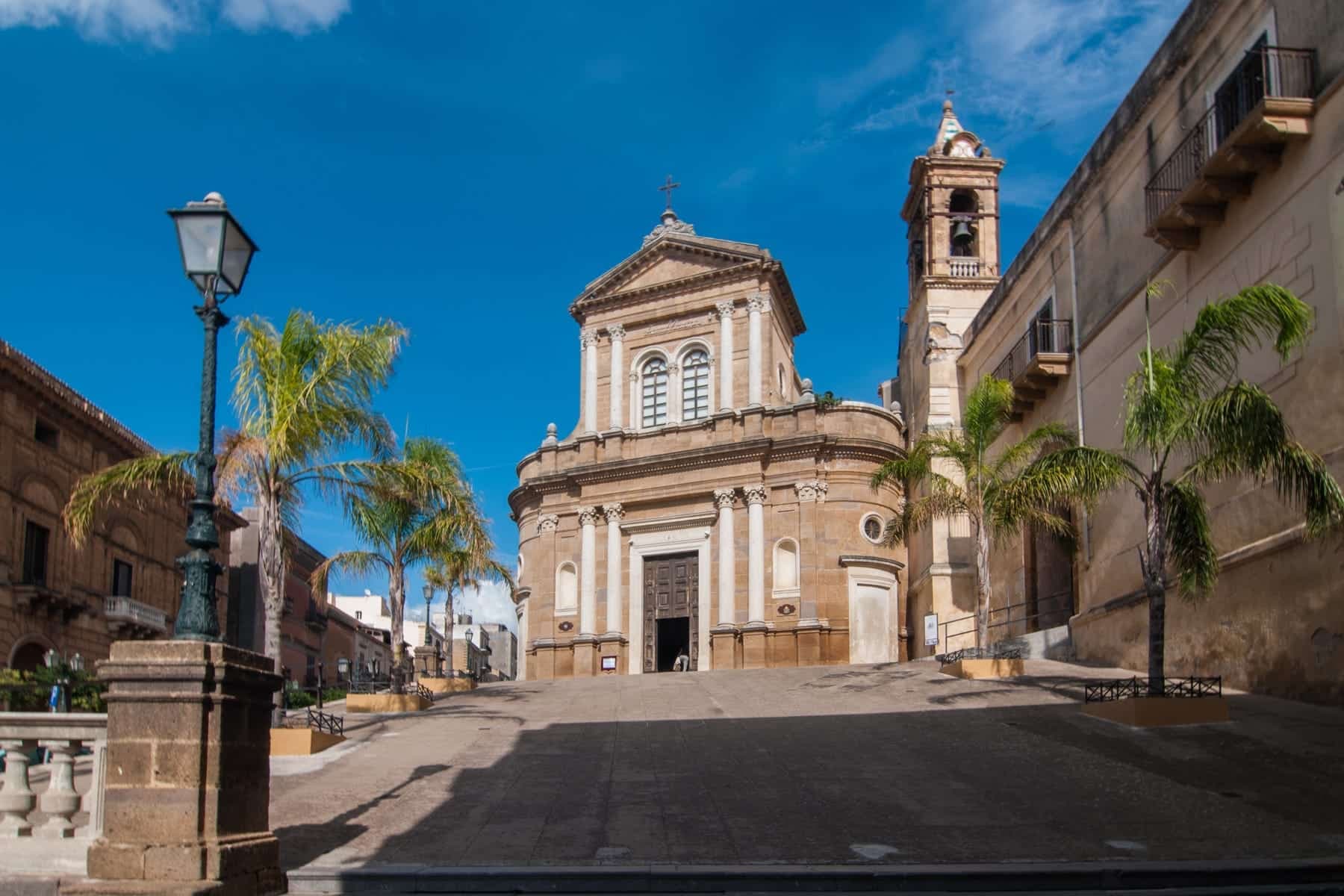
Sambuca di Sicilia
Province: Agrigento
An Arab-founded hill town in the Belice valley, named Borgo dei Borghi in 2016, still called Zabut in living memory before 1923.
🍷 Città del Vino
More Città del Vino towns in Sicily
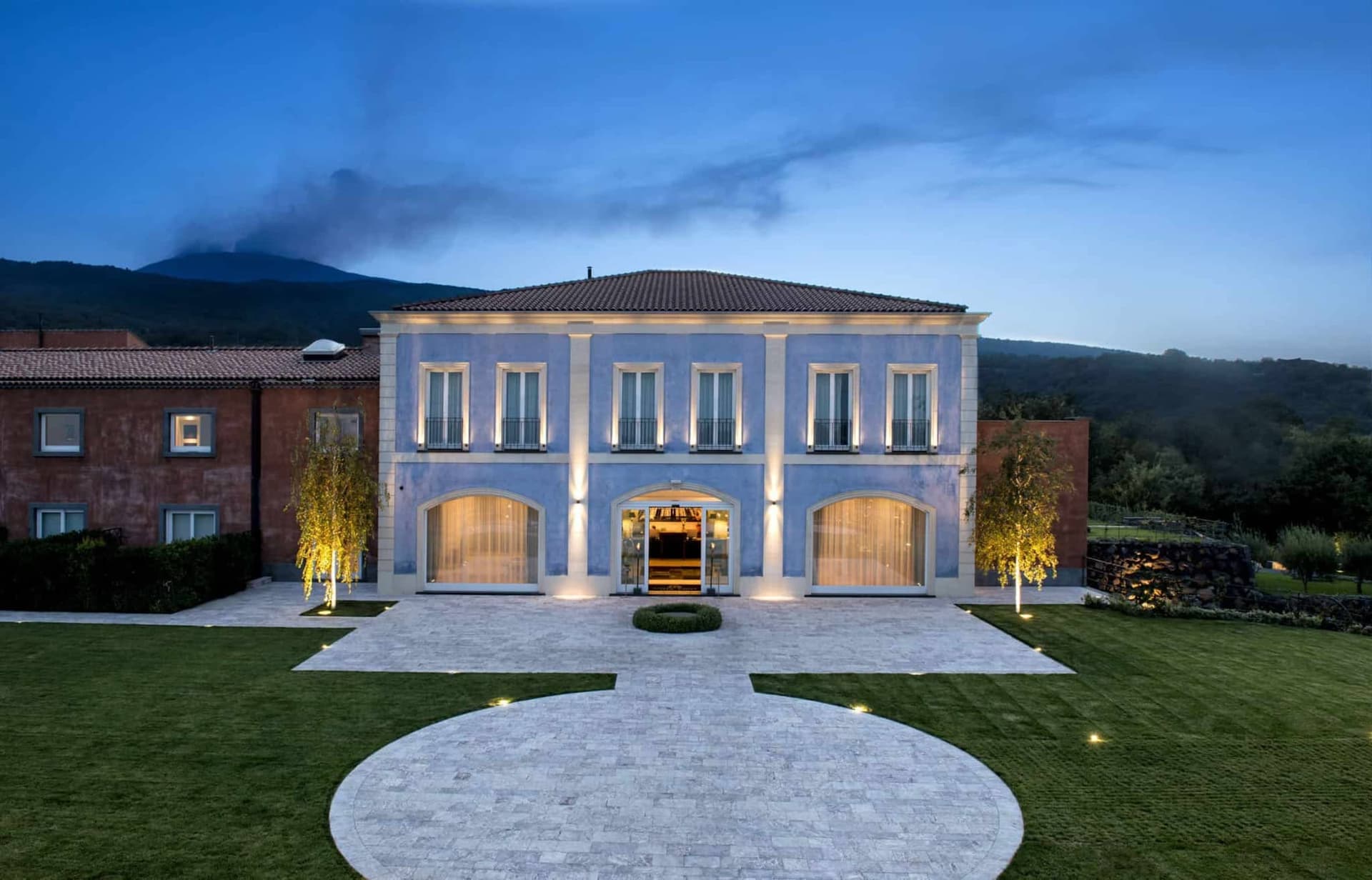
Castiglione di Sicilia
Province: Catania
A hill town on the north flank of Etna at 621 meters, base camp for the Alcantara valley and the volcano's most serious red wines.
Pantelleria
Province: Trapani
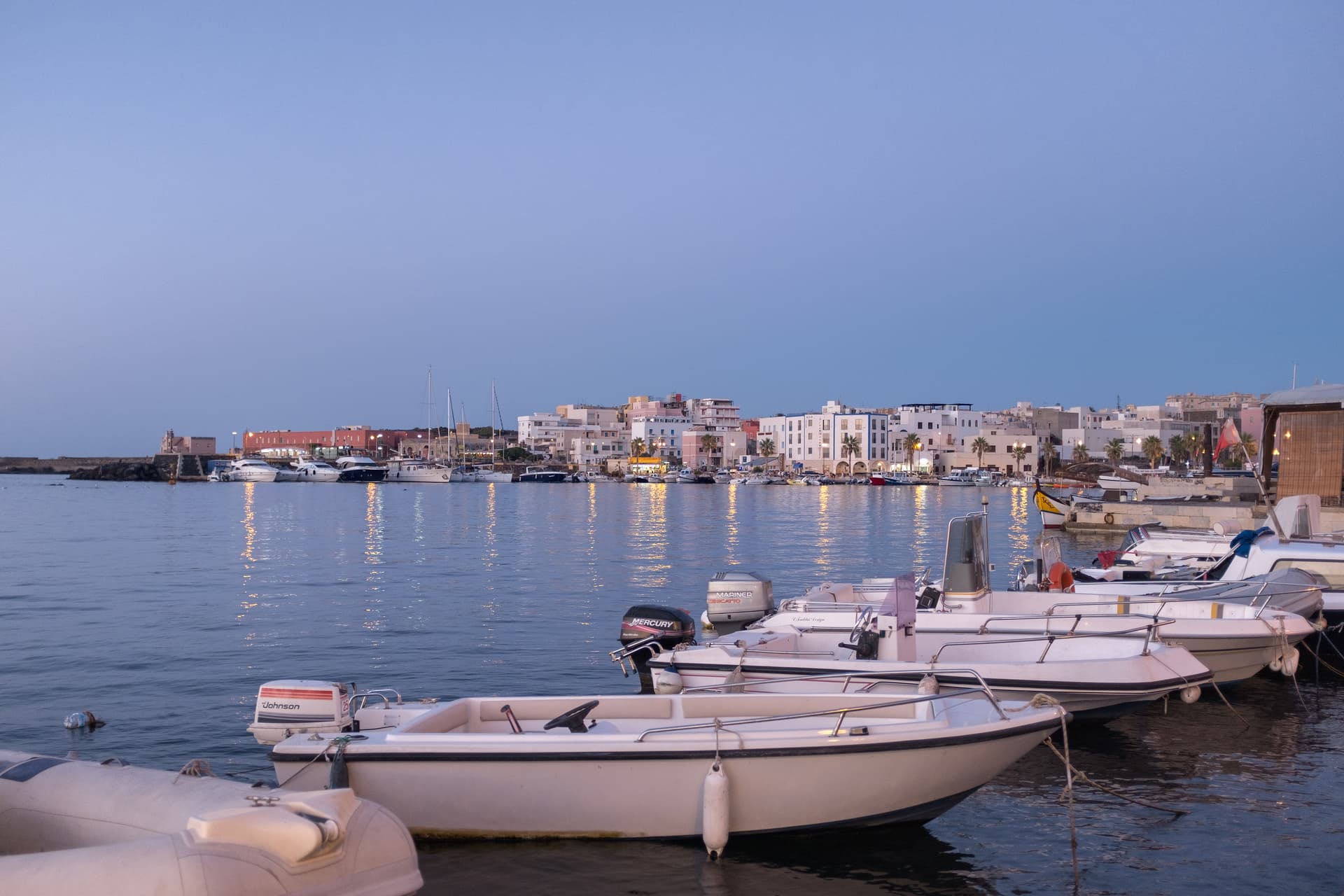
A volcanic island closer to Tunisia than Sicily, where dry-stone dammusi sit among bush-trained Zibibbo vines listed by UNESCO.
Sant'Alfio
Province: Catania
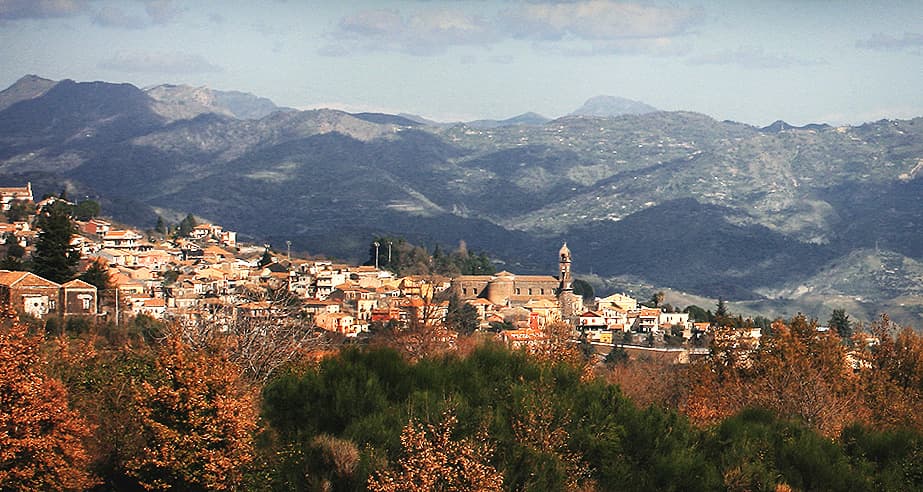
An Etna village at 537 meters where the world's largest and oldest chestnut tree has been measured at over 57 meters in girth.