

Sicily · Trapani
Pantelleria
A volcanic island closer to Tunisia than Sicily, where dry-stone dammusi sit among bush-trained Zibibbo vines listed by UNESCO.
Known for
PASSITO
Passito di Pantelleria DOC, sweet wine of sun-dried Zibibbo grapes, with the alberello pantesco cultivation on the UNESCO Intangible Heritage list.
DAMMUSI
Square dry-stone houses with thick volcanic walls and white domed roofs, technique dating to the tenth-century Zirid emirate.
MONTAGNA GRANDE
836-meter volcanic summit at the center of the Parco Nazionale Isola di Pantelleria, with steam vents and a thermal lake at its base.
When to visit
Best · May–Oct
- J
- F
- M
- A
- M
- J
- J
- A
- S
- O
- N
- D
- Best
- Hot or crowded
- Quiet
- Mostly closed
The festa: Fortunato di Casei, 16 October
Why come
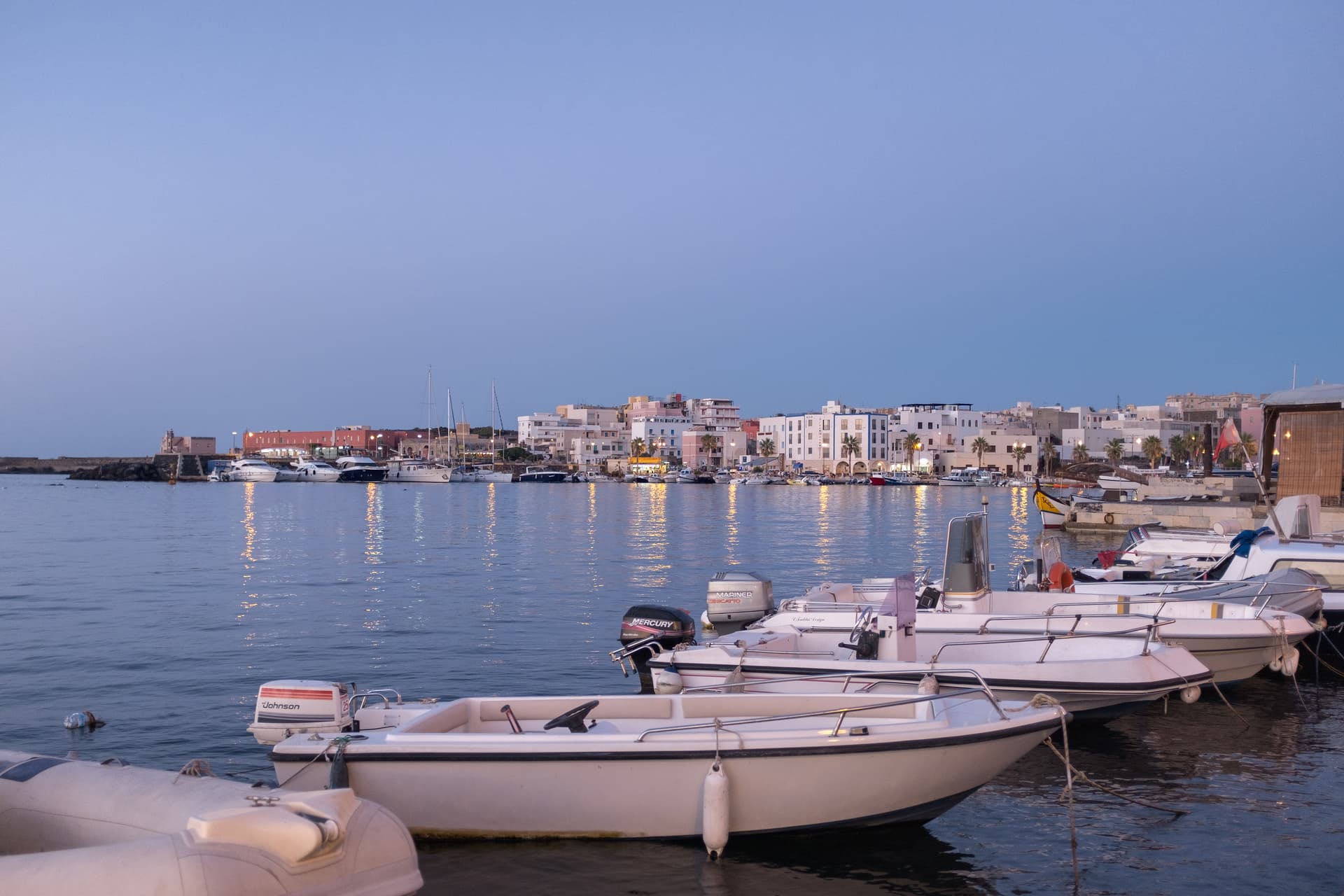
Pantelleria lies 110 kilometers southwest of Sicily and 70 east of Tunisia, a fifteen-kilometer island that is the emergent summit of a largely submarine volcano. Montagna Grande rises to 836 meters; the coast is black basalt cliff with almost no sand. The dammusi, square dry-stone houses with thick walls and white-painted domed roofs, were built from local volcanic rock, the technique dating to around the tenth century when the island was part of the Zirid emirate.
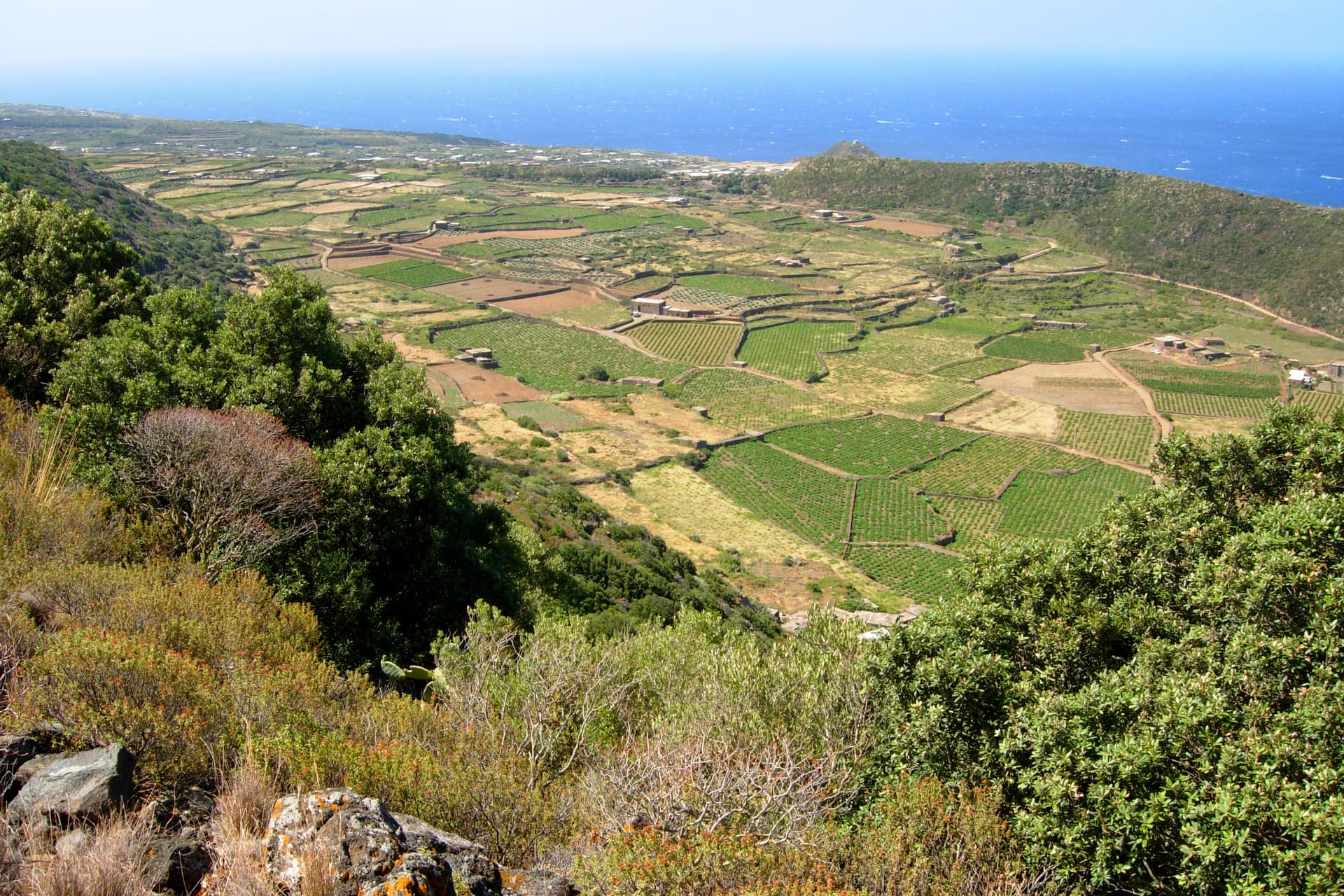
The vineyards are planted in the alberello pantesco, vines trained low in shallow pits dug into the volcanic soil to catch wind and dew, the only agricultural practice on the UNESCO Intangible Cultural Heritage list. The Zibibbo grape, also called Moscato di Alessandria, arrived with the Phoenicians and produces Passito di Pantelleria DOC, made from sun-dried bunches. The Specchio di Venere, a thermal lake fed by springs at 35 to 58 degrees, sits in an elliptical crater in the north of the island.
The Sunday letter
We haven’t written Pantelleria’s letter yet.
One town every Sunday, with the photo, the food, the festa. Be there when this one comes up. Free, by Peter & Sophia from Pietrasanta.
By subscribing you agree to Substack’s Terms of Use, our Privacy Policy and our Information collection notice.
What to see
Arco dell'Elefante
Basalt sea arch on the east coast resembling an elephant lowering its trunk into the water, between Cala Levante and Cala Tramontana.
Specchio di Venere
Thermal volcanic lake in a 450 by 350 meter elliptical crater, fed by three springs running between 35 and 58 degrees.
Montagna Grande
Island's highest point at 836 meters, an extinct volcanic cone with hiking paths and steam vents inside the Parco Nazionale Isola di Pantelleria.
Dammusi
Traditional square stone houses with thick walls and white-painted domes, built from black volcanic rock, the oldest dating to the tenth century Zirid emirate.
Vigne ad alberello pantesco
Bush-trained Zibibbo vineyards in shallow pits in volcanic soil, the only cultivation practice listed by UNESCO as Intangible Cultural Heritage.
The slow-trip planner
Building a trip? Find where Pantelleria fits in a slow Italy circuit.
Answer five questions. We will shape a geographically coherent slow trip from the 1,000 Italian towns most travelers skip. Yours to save and share.
We recommend
Where to eat and stay
Not our picks, but places the guides put their name to — a Michelin star, a Gambero Rosso fork, a Slow Food snail, a Michelin Key for the hotels. Worth a table, a counter, or a night when you pass through.
I Giardini dei RodoRistorante
I Giardini dei Rodo carries a spot in the Michelin Guide.
La NicchiaTrattoria
La Nicchia carries one Gambero Rosso prawn.
Osteria Il Principe e Il PirataRistorante
Osteria Il Principe e Il Pirata holds a spot in the Michelin Guide.
Living here
- Population 7,352
- Very remotei
- Pharmacy in town
- High school within a 30-minute drive
- Regional capital Palermo, 24 h 12 min drive
Thermal baths in town: Sorgenti Acque Calde San Gaetano, Terme di Gadir.
Tags & datadesignations · numbers · sources
Recognised as
The numbers
- Elevation: 8 m
- Population: 7,352
- Surface area: 84.53 km²
On the map
These figures were compiled from public directories — ISTAT, OpenStreetMap, Wikidata — and from the official listings of the guides named on this page. Town details change; verify with official sources before you travel.
Close by
More towns near Pantelleria
Castelvetrano
Province: Trapani
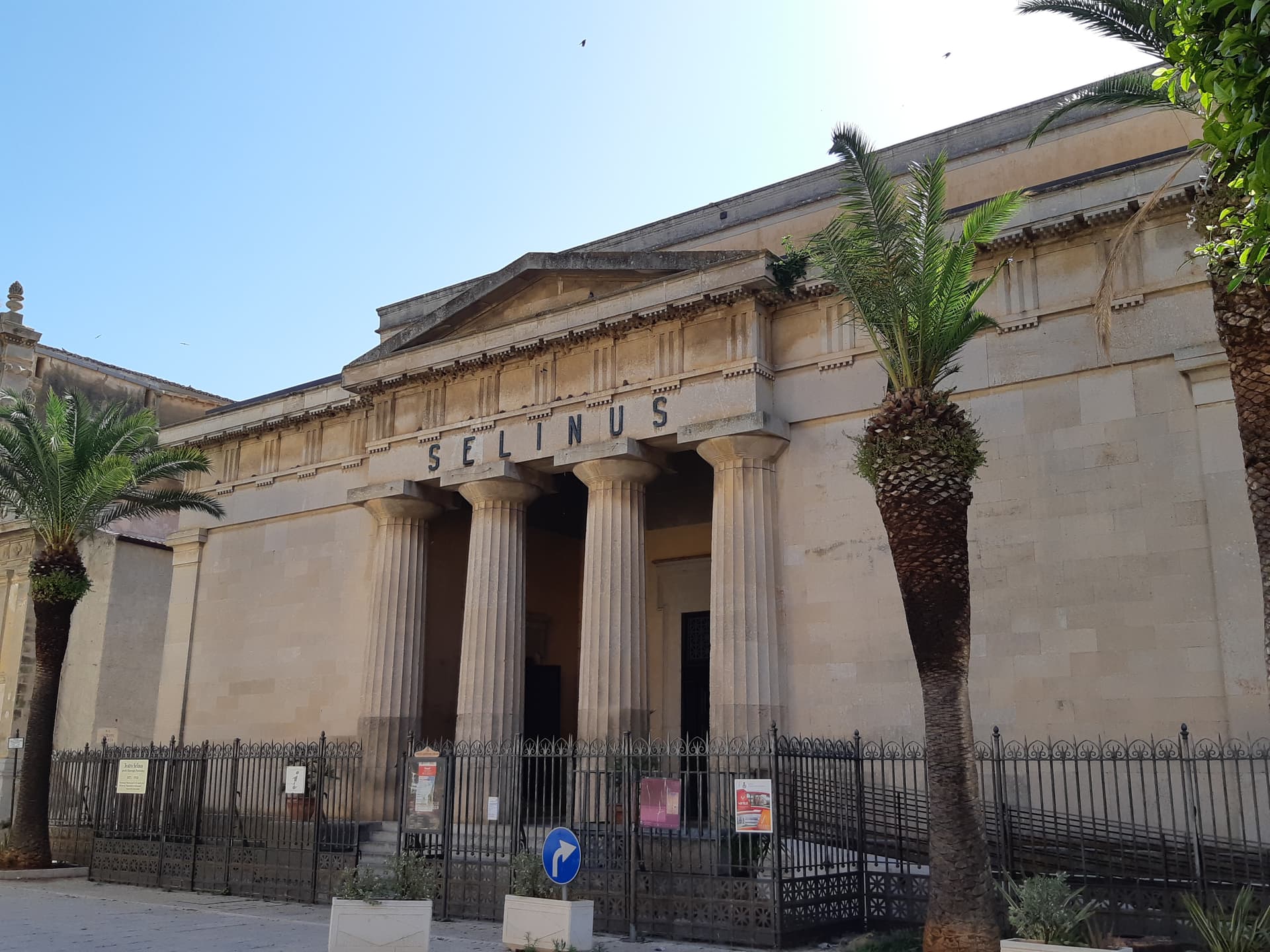
The Belice valley town that owns Selinunte, the largest archaeological park in Europe, and bakes black bread from grain found in its tombs.
Marsala
Province: Trapani
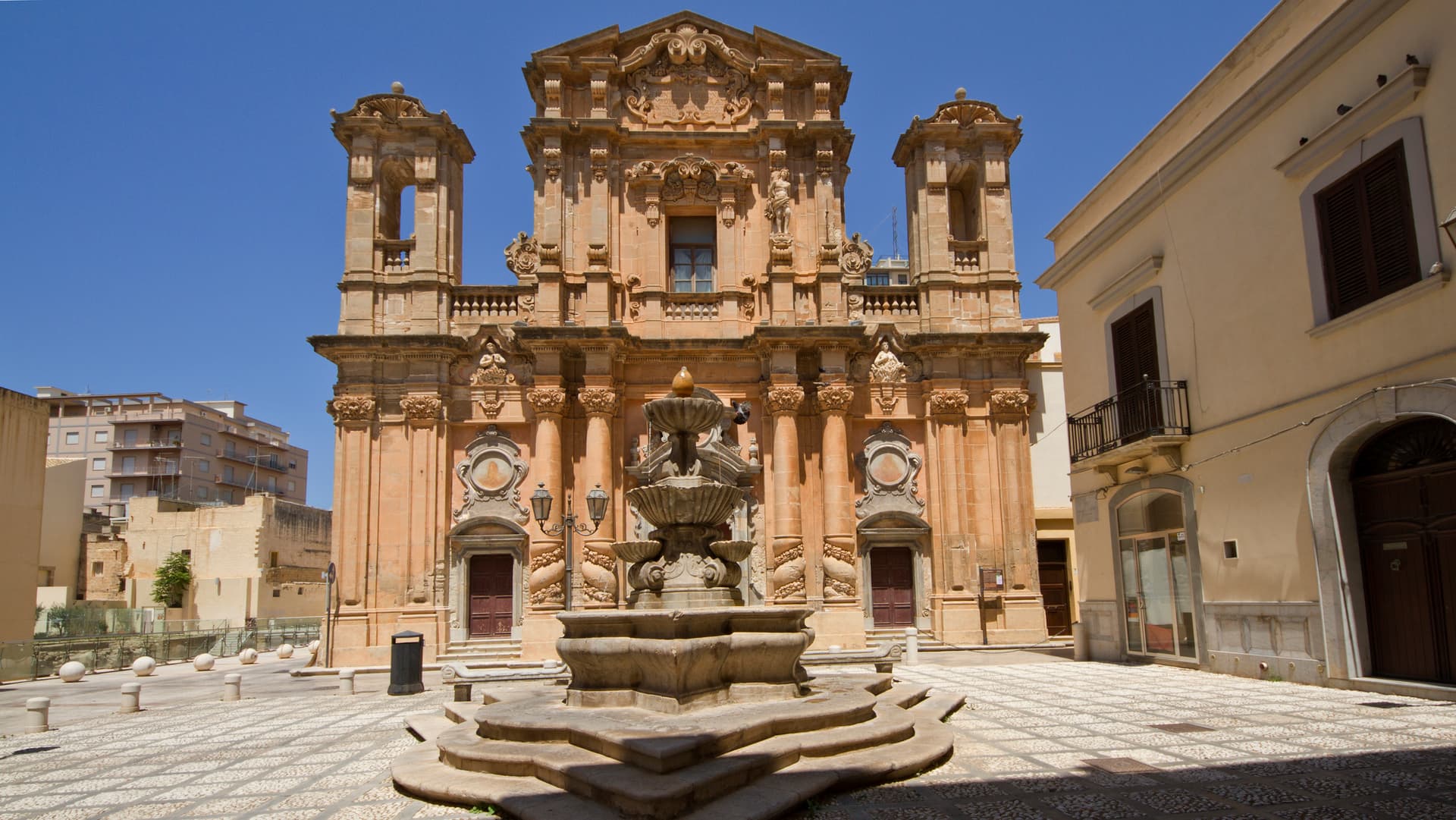
Sicily's westernmost city, born from the Phoenician refugees of Mozia, where Garibaldi landed in 1860 and English merchants invented Marsala wine.
Menfi
Province: Agrigento
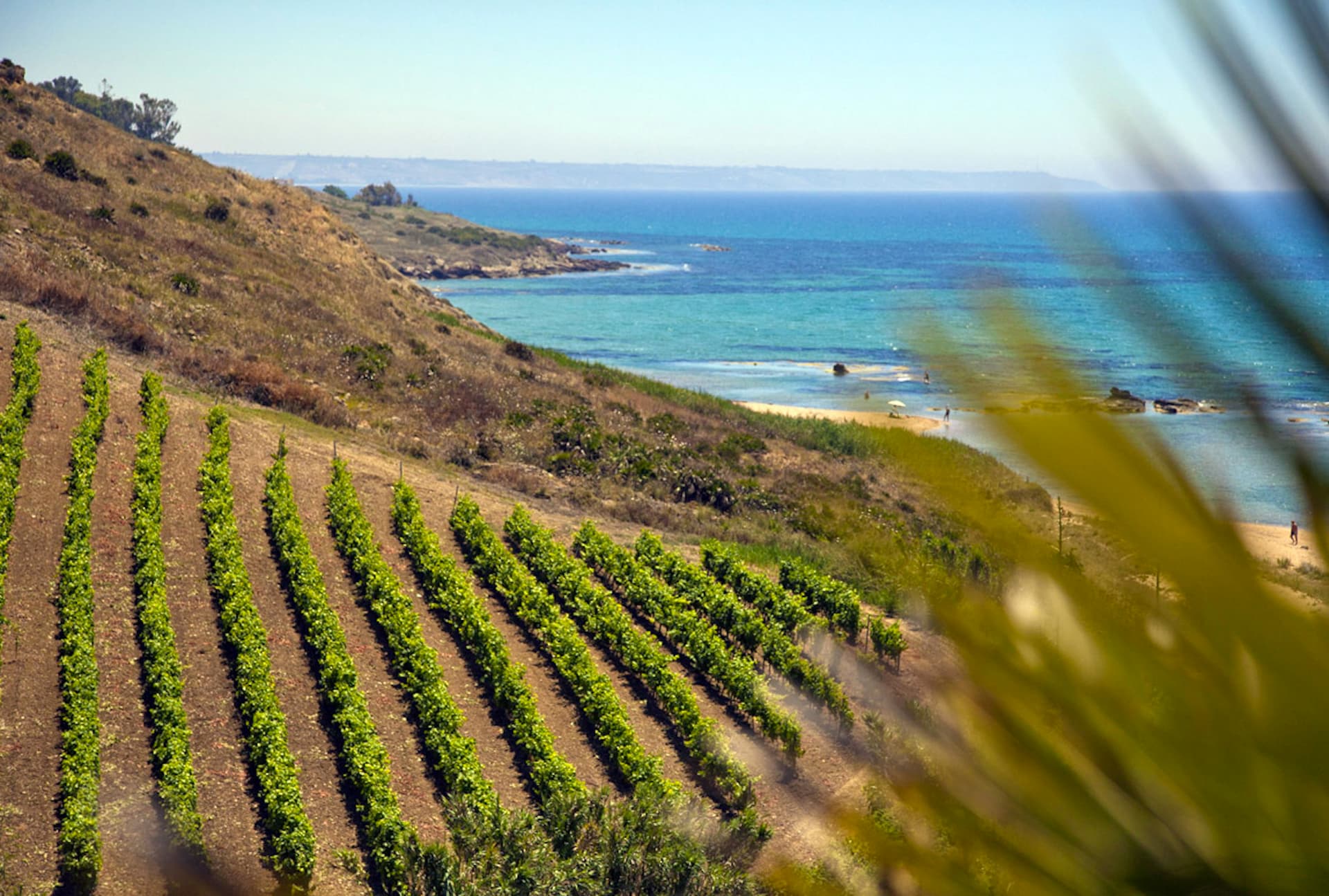
Sicily's triple-signal western coast town — 11,800 residents on a low ridge above 9 km of Bandiera Blu sand at Porto Palo, with the Federico II tower, the Cantine Settesoli cooperative (Italy's largest by volume, 2,000 grower-members), and the rare Bandiera Blu + Città del Vino + Città dell'Olio combination.
Sciacca
Province: Agrigento
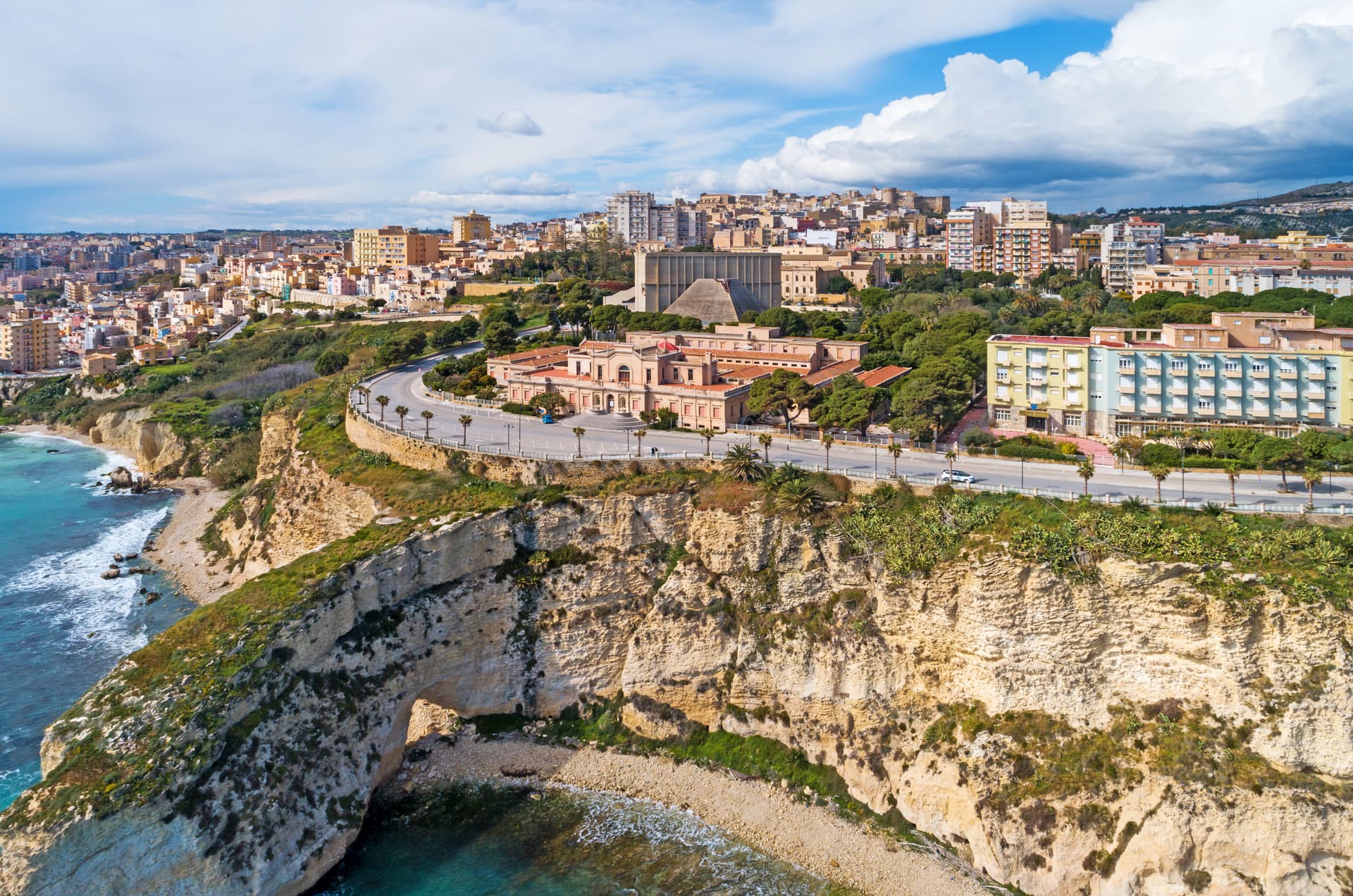
A terraced fishing harbor on Sicily's southwestern coast, Selinunte's thermal spa in the fifth century BC and a ceramics city since the fourteenth.
Favignana
Province: Trapani
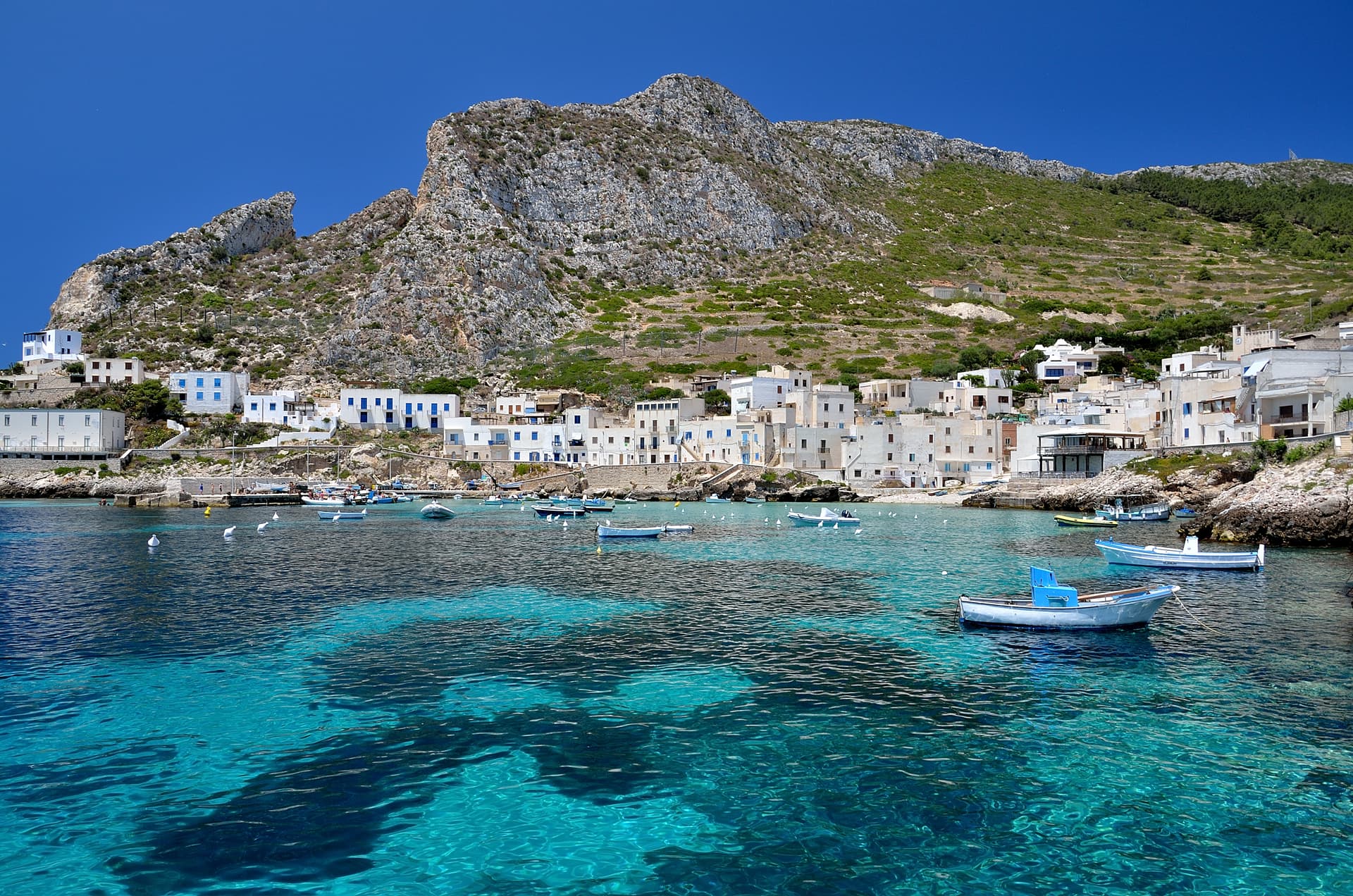
The largest of the Egadi Islands off western Sicily, anchored by the Florio family's late-19th-century industrial tonnara that ran one of the Mediterranean's most famous tuna fisheries, with calcarenite cliffs above turquoise sea (Cala Rossa, Cala Azzurra, Bue Marino) instead of beaches.
🌲 Parco Nazionale
More Parco Nazionale towns
Alfedena
Province: L'Aquila
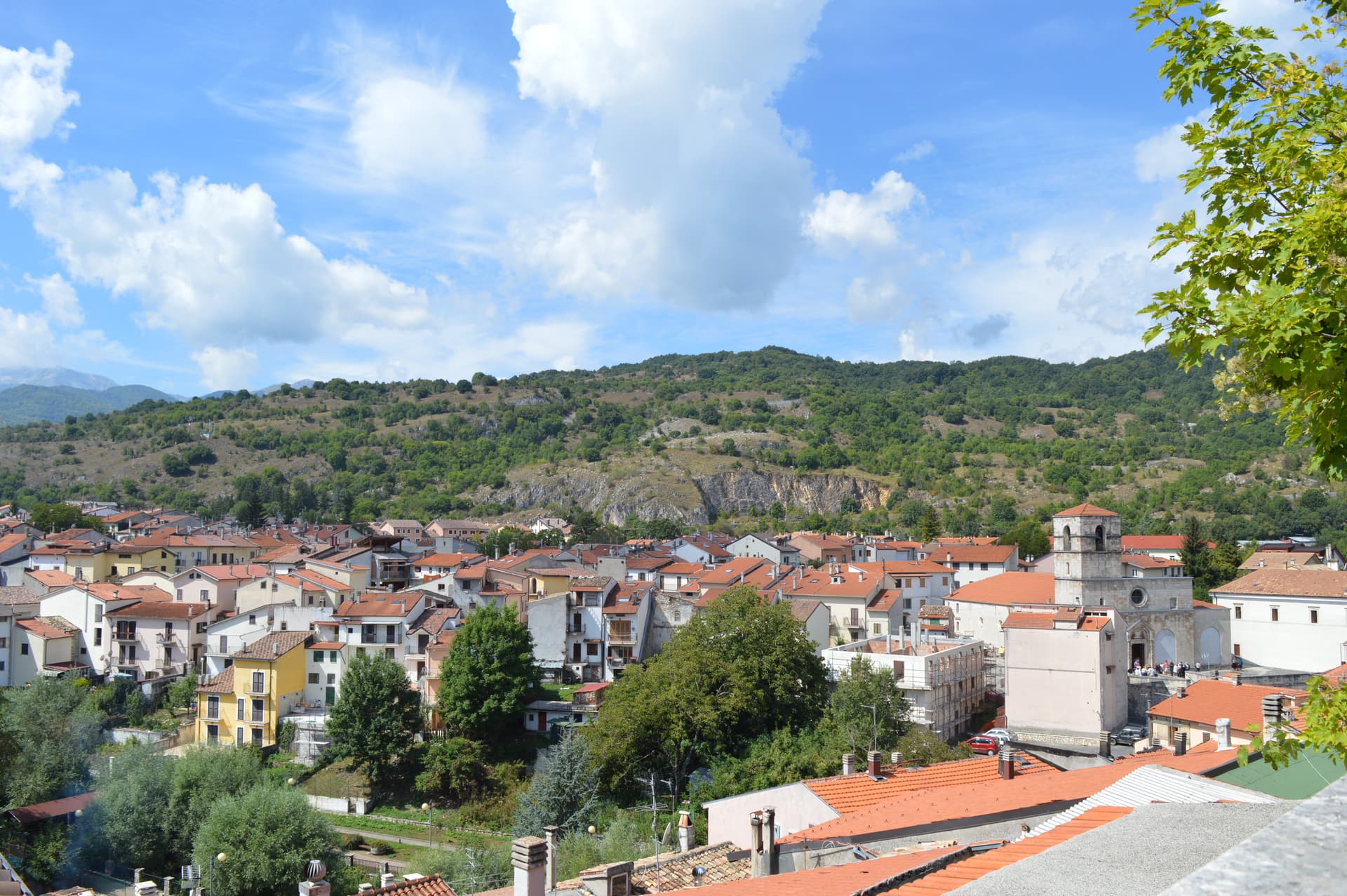
At 914 meters at the head of the upper Sangro valley, the Samnite Aufidena, with a 15,000-tomb necropolis and a Roman conquest in 298 BC.
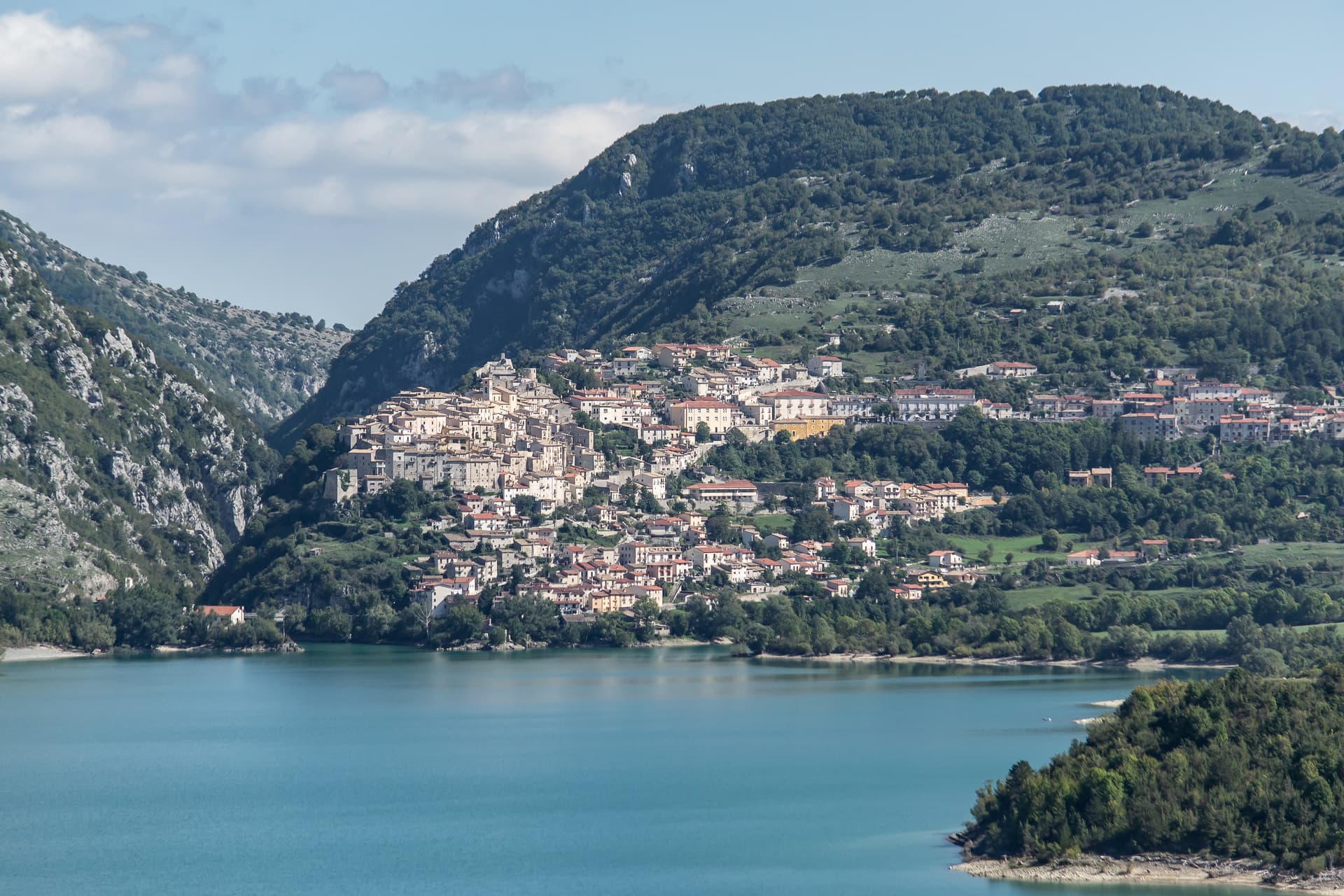
Barrea
Province: L'Aquila
A 1,066-meter spur above an artificial lake at the heart of the Abruzzo National Park, with a Samnite necropolis and an 11th-century di Sangro castle.
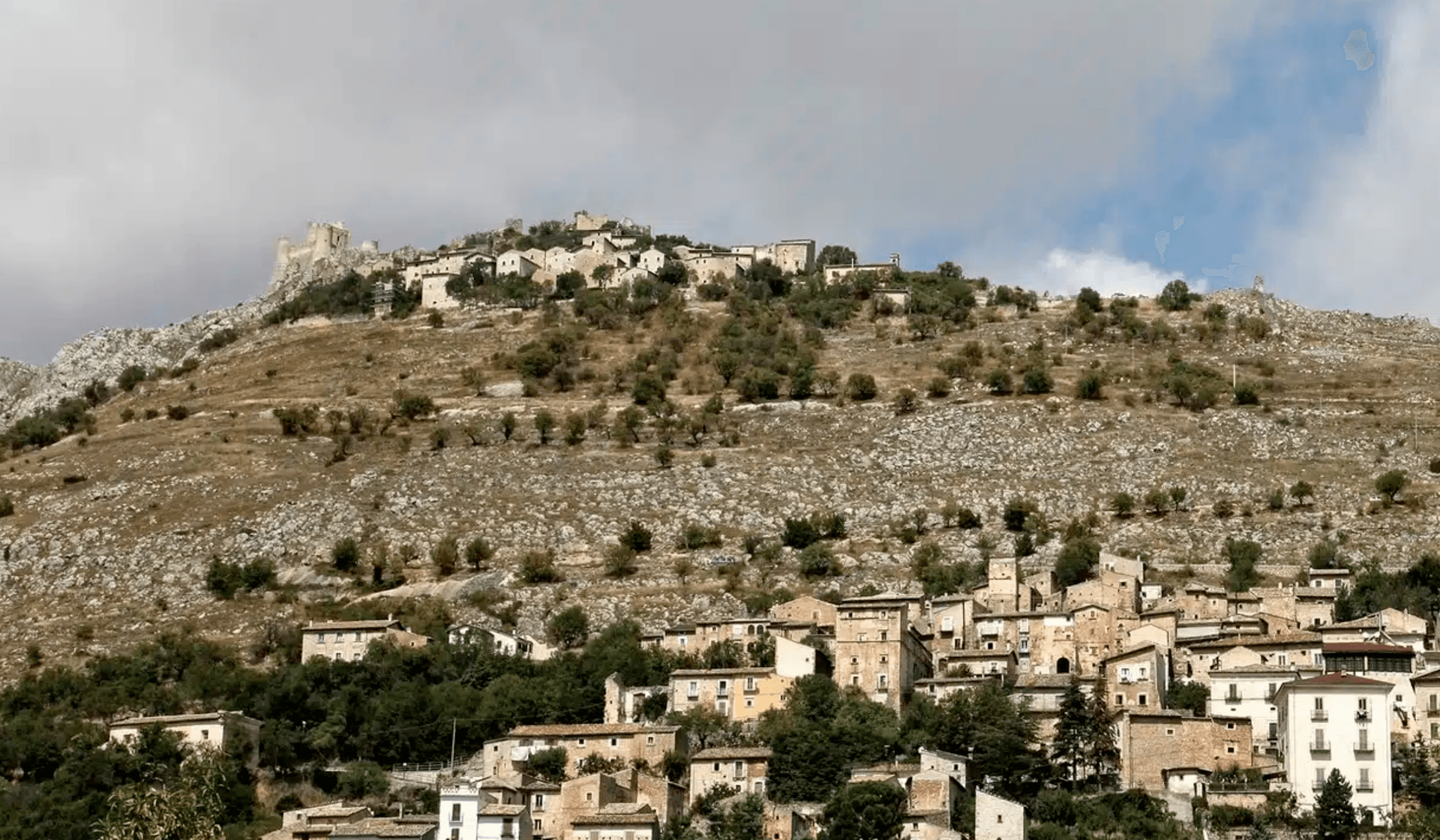
Calascio
Province: L'Aquila
At 1,200 meters under the highest castle in the Apennines, a village of 125 people that played the monk's refuge in Ladyhawke.
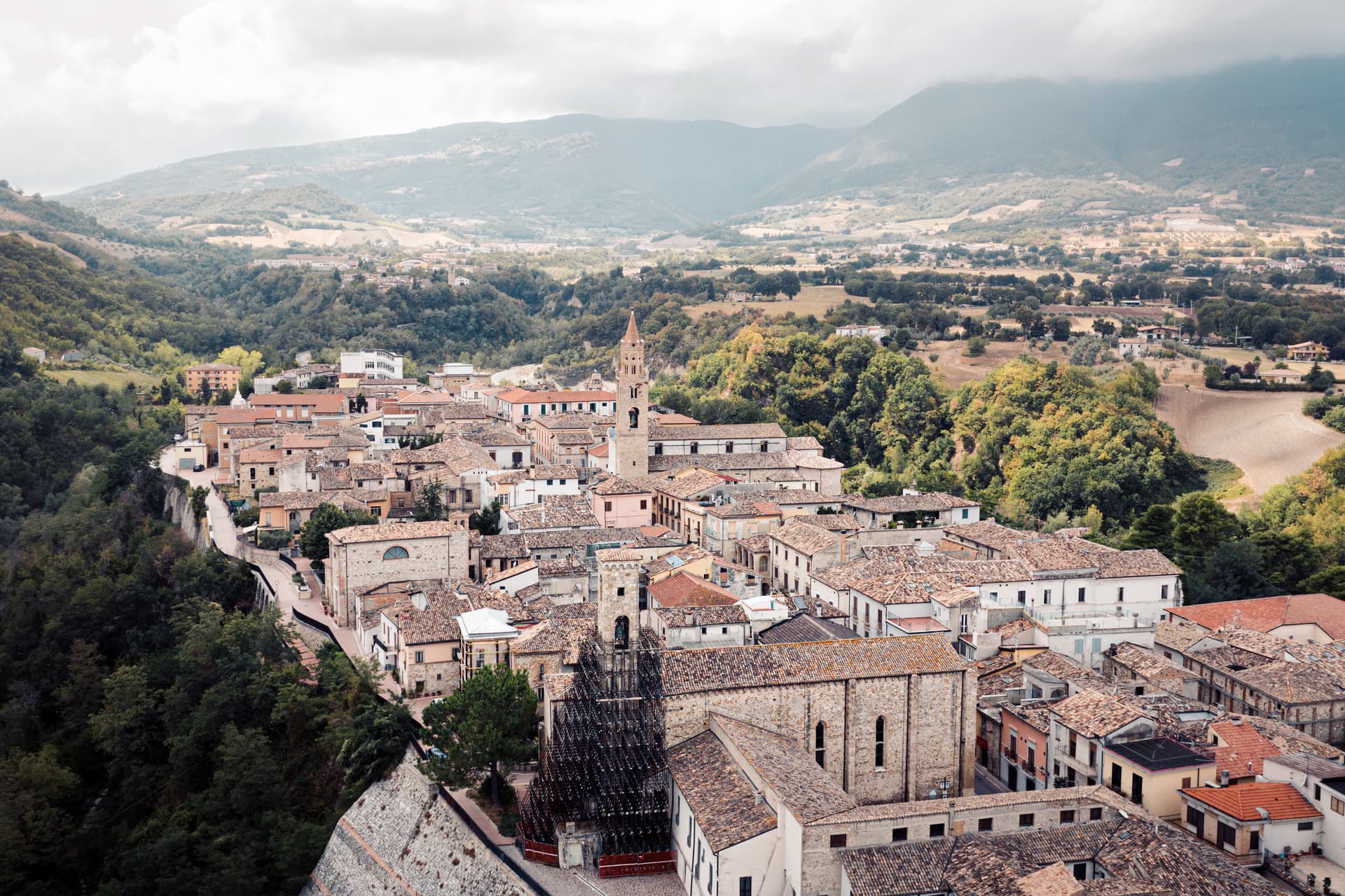
Campli
Province: Teramo
A 393-meter town under the Monti della Laga, held by the Farnese for two centuries, with a Scala Santa carrying papal indulgence.
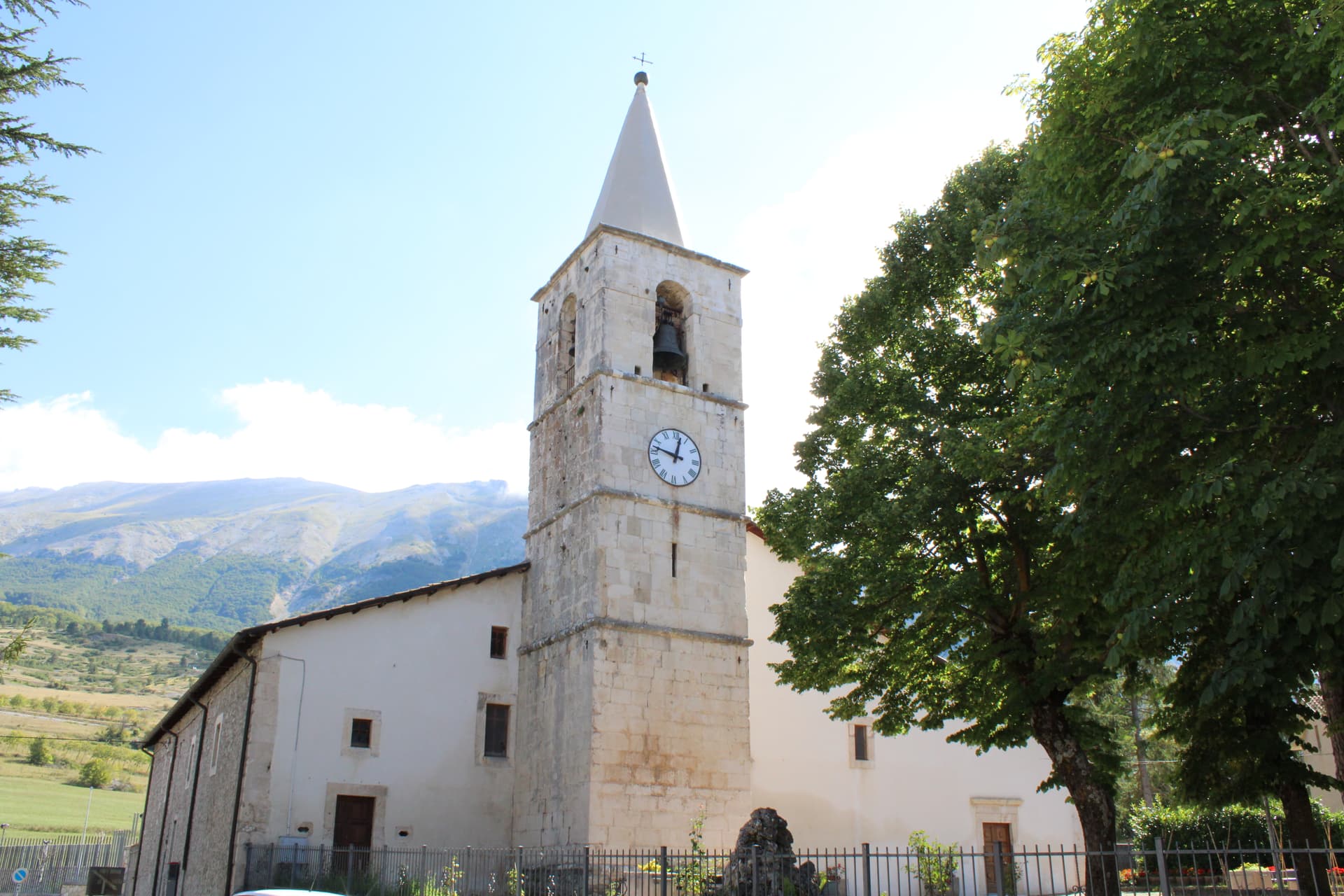
Campo di Giove
Province: L'Aquila
At 1,064 meters under the southwestern Maiella, the highest village in the park, named for a Roman temple to Jupiter.